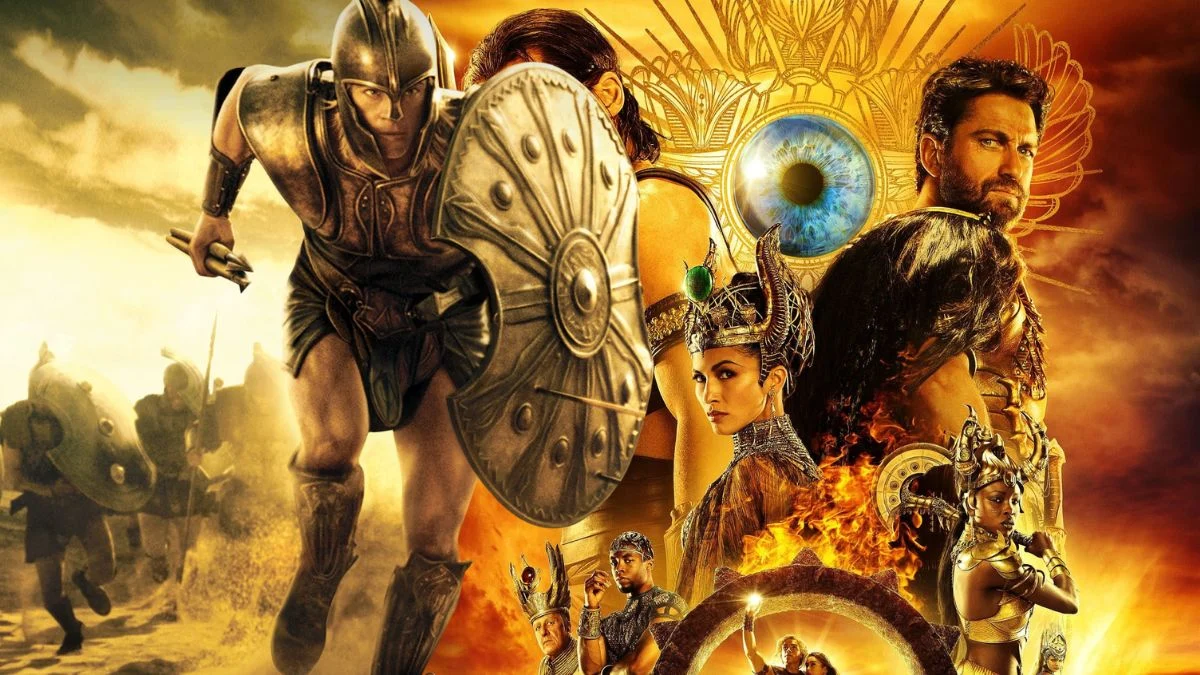
Throughout film history, many large-scale movies about places like ancient Egypt, the Middle East, and parts of Asia and Africa have featured mostly white actors. This was common practice at the time, but it’s now widely discussed as a problem with how different cultures were represented on screen. Here are some notable examples of this trend in film.
‘Cleopatra’ (1963)
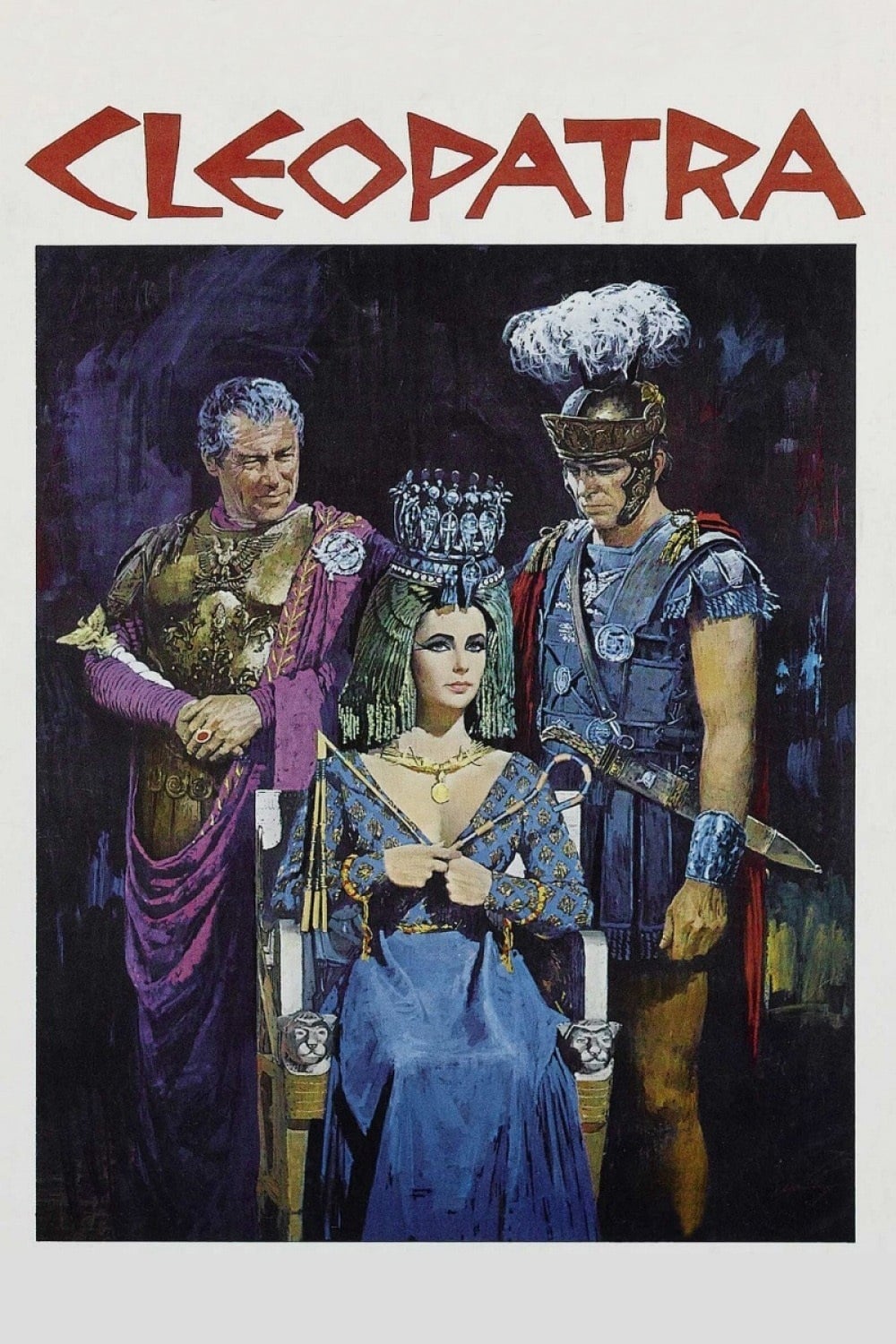
Elizabeth Taylor plays Cleopatra, the famous Queen of Egypt, and her relationships with both Julius Caesar and Mark Antony. The movie tells the story of how her kingdom fell and became part of the Roman Empire. Known for its incredible scale, the film featured huge sets and stunning costumes to bring ancient Alexandria to life. It’s still considered one of the most expensive and visually impressive films ever made in Hollywood.
‘The Ten Commandments’ (1956)
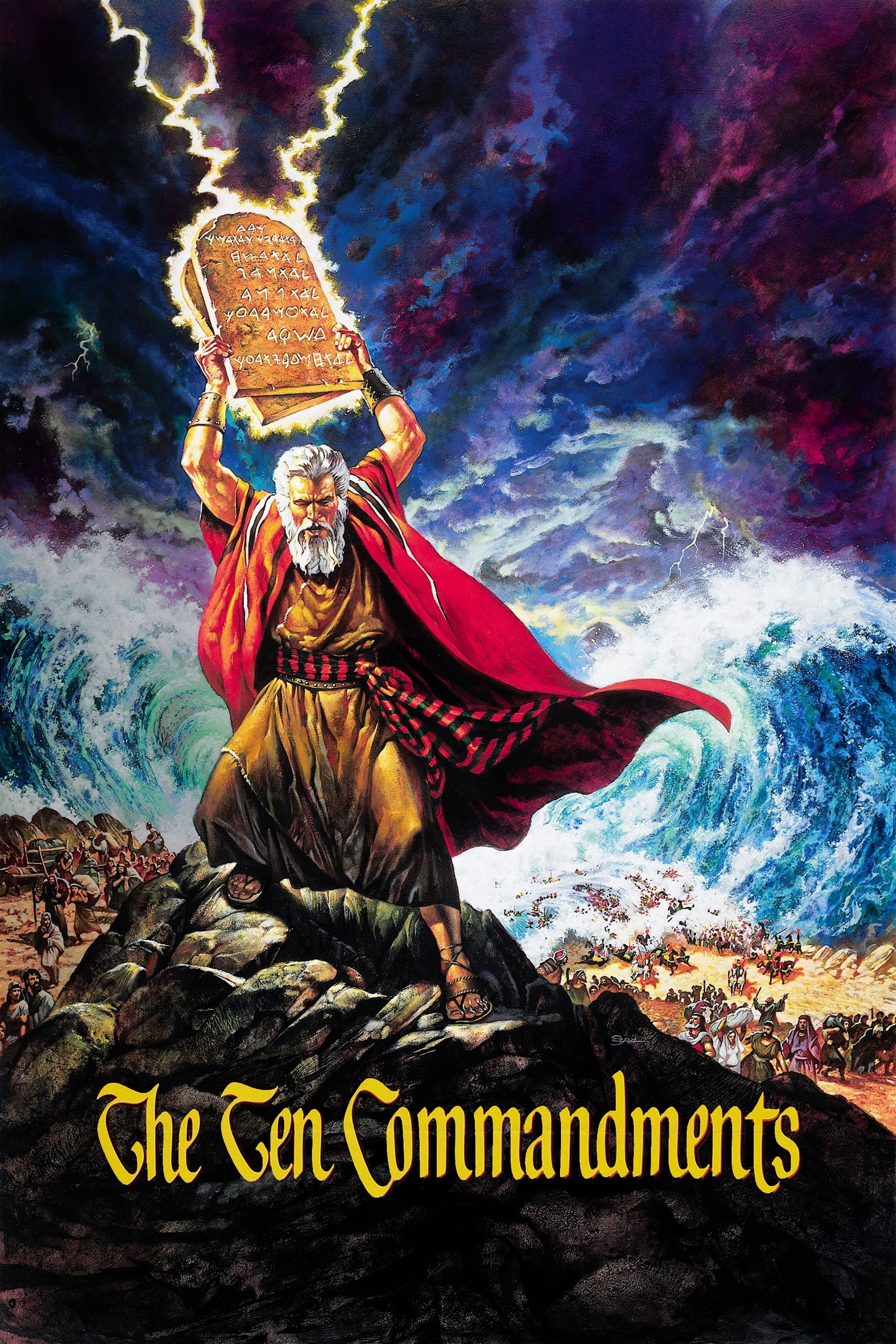
Directed by Cecil B. DeMille, this epic film tells the story of Moses from the Book of Exodus. It follows Moses as he learns about his Hebrew roots and guides his people to freedom from slavery in Egypt. Charlton Heston plays Moses in a production famous for scenes like the parting of the Red Sea. The film features a largely American and European cast portraying characters from ancient Middle Eastern history.
‘Exodus: Gods and Kings’ (2014)
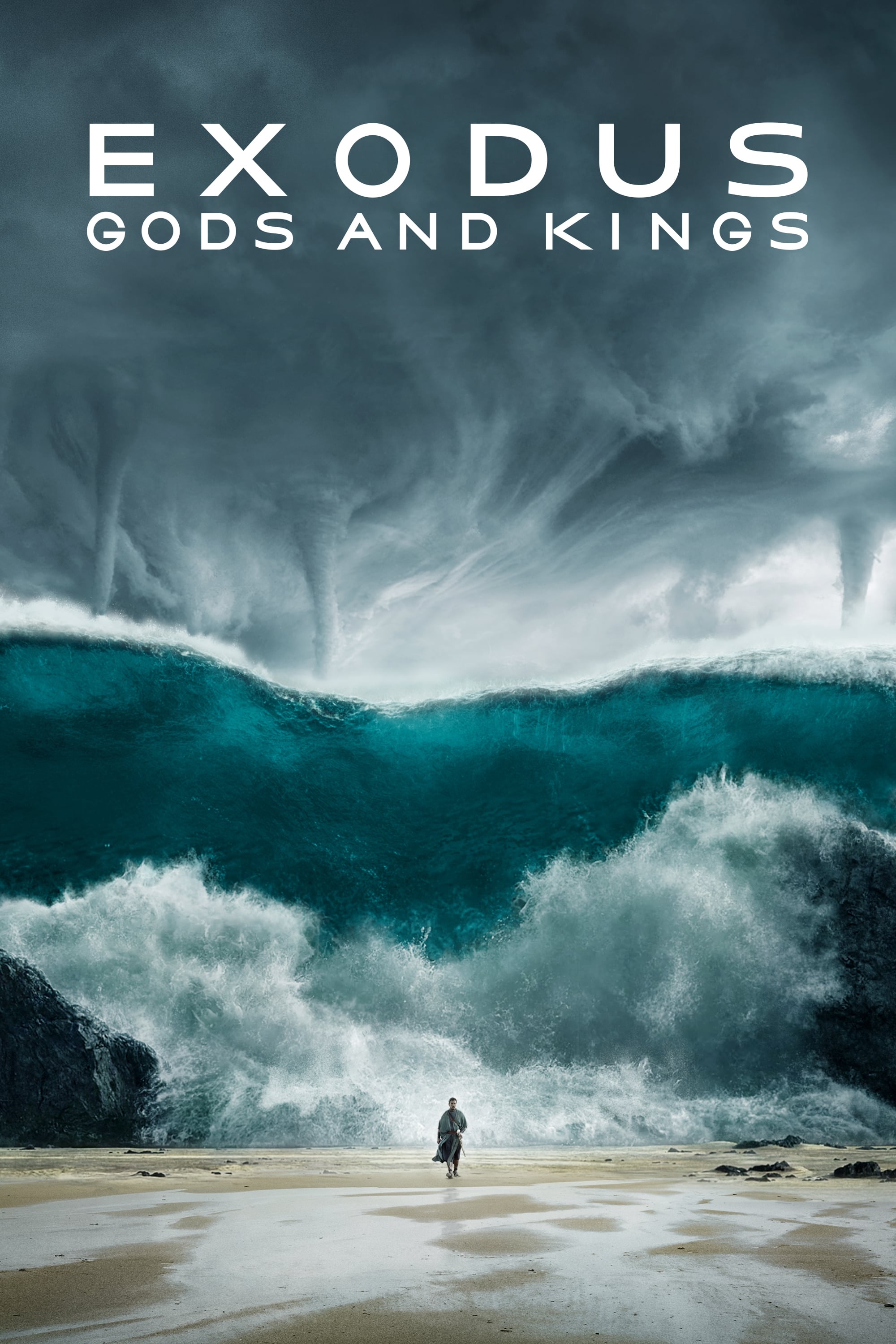
I just saw Ridley Scott’s new movie about Moses, and Christian Bale is incredible in the lead role! It tells the story of how Moses led the Hebrews out of Egypt, and a big part of it is this intense rivalry between Moses and the Pharaoh, Ramses – Joel Edgerton plays him perfectly. The movie really goes all-out with the ten plagues and the Red Sea crossing, using some amazing special effects. Honestly, the casting of the Egyptian characters caused a lot of talk online, and it got people thinking about how accurately things are portrayed in movies, which is interesting.
‘Gods of Egypt’ (2016)
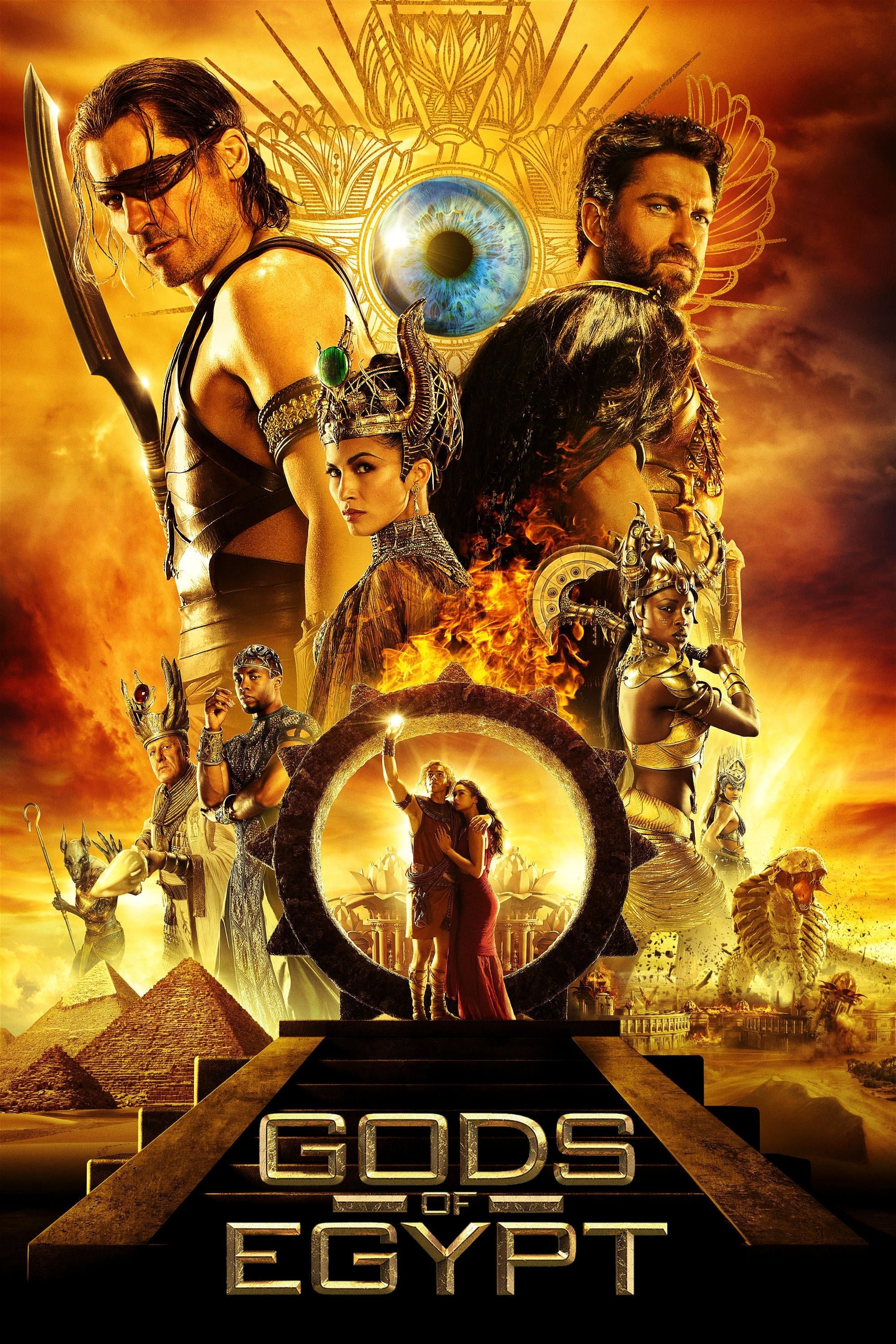
This fantasy movie takes place in an ancient Egypt that’s different from our own, where gods and humans live side-by-side. It centers on a thief who joins forces with the god Horus to defeat a powerful god of darkness. Nikolaj Coster-Waldau and Gerard Butler star as major gods in the film. However, the movie has faced criticism for casting mostly white actors in a story based on North African history.
‘Prince of Persia: The Sands of Time’ (2010)
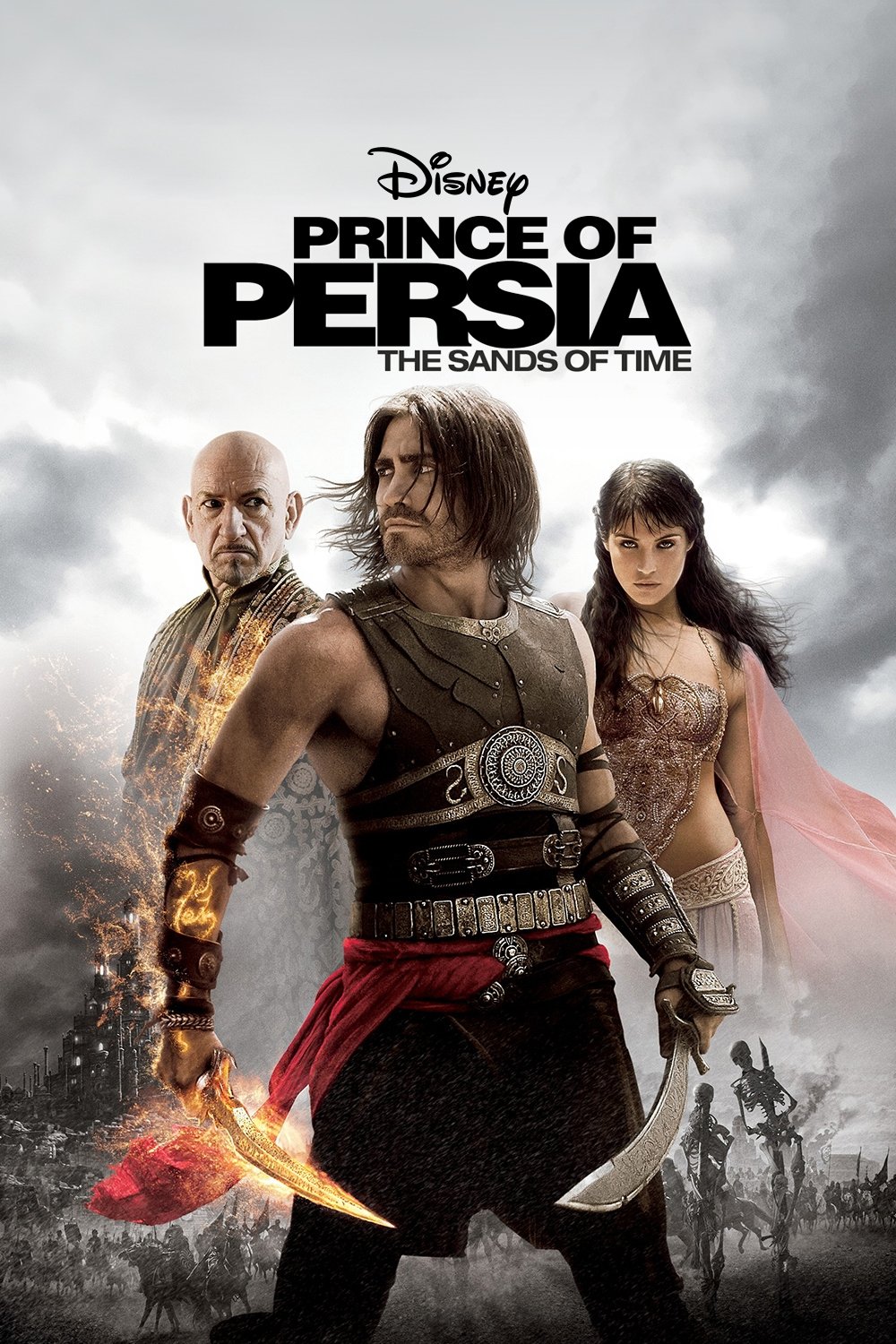
In the action-adventure film, Jake Gyllenhaal plays Dastan, a young man raised from the streets by the King of Persia. Dastan finds a powerful dagger with the ability to turn back time and must keep it safe from those who want to control it. The movie is set in a visually striking version of ancient Persia, though the main characters are played by actors of European heritage.
‘The Good Earth’ (1937)
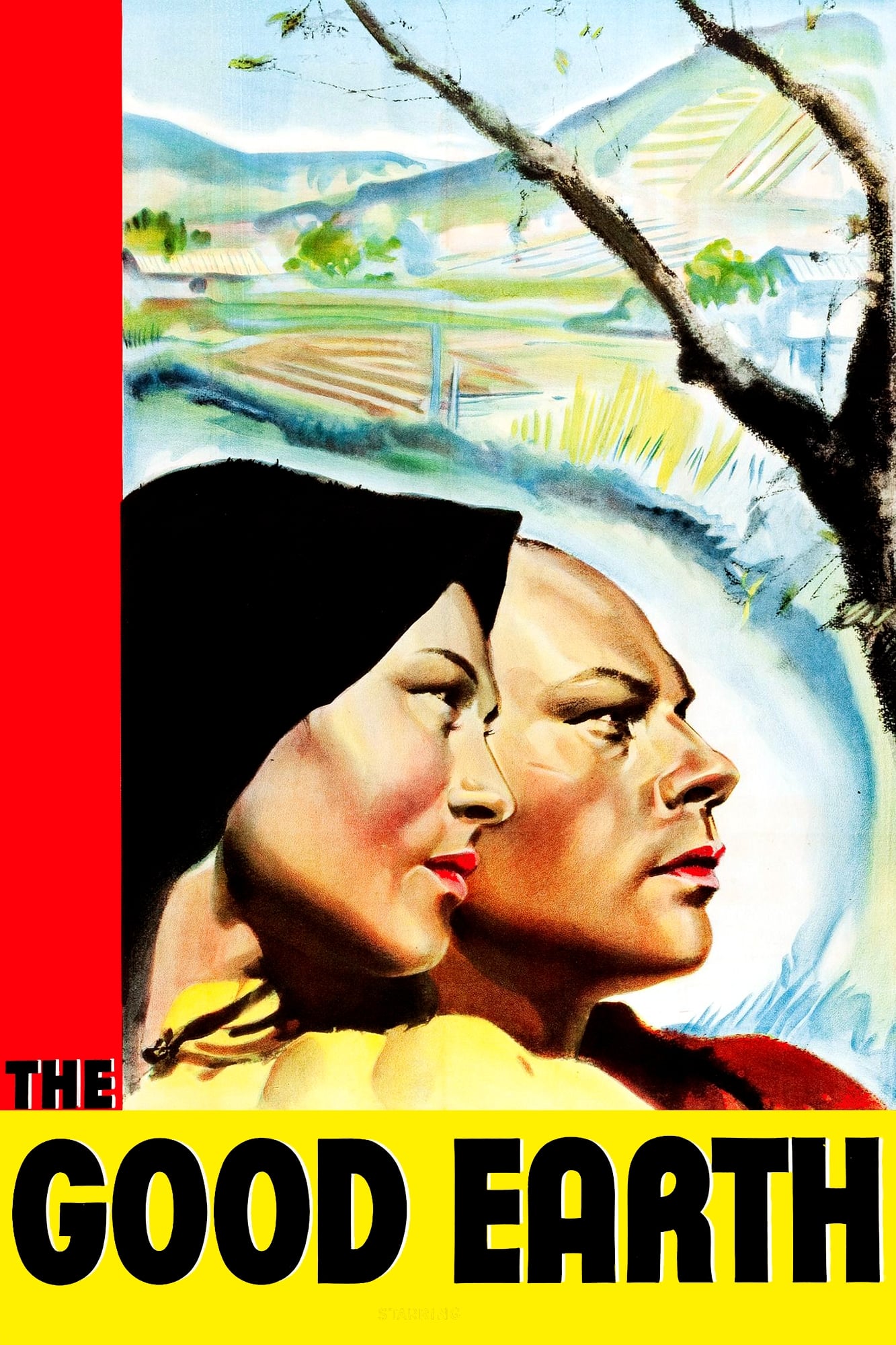
Paul Muni and Luise Rainer star as Chinese farmers facing hardship from poverty and natural disasters. The movie is based on a novel by Pearl S. Buck and depicts the lives of people working the land in early 1900s China. The actors underwent extensive makeup transformations to convincingly portray their characters. This film was a major award winner during Hollywood’s Golden Age, recognized for both its acting and technical innovations.
‘Dragon Seed’ (1944)
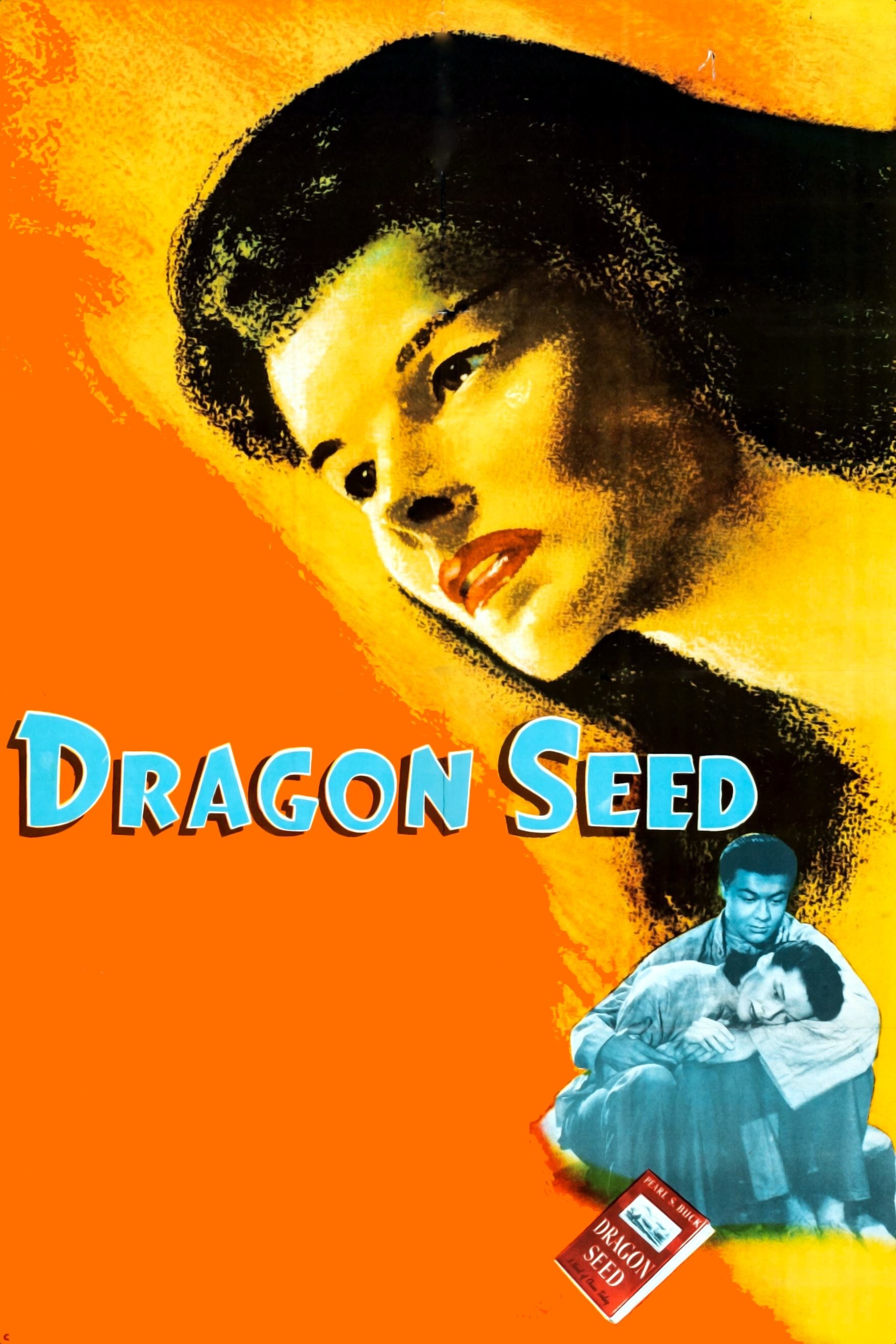
Katharine Hepburn plays a Chinese woman who bravely leads her community’s non-violent opposition to Japanese invaders during the Second Sino-Japanese War. The film focuses on the strength and perseverance of a farming family. Common for movies of that time, however, the main Asian roles were played by well-known white actors. The film’s goal was to gain American understanding and backing for China’s fight by telling a story audiences could connect with.
‘The Conqueror’ (1956)

John Wayne plays Temujin, the man who would become Genghis Khan, in this film. The story follows his attempts to bring the warring tribes of Mongolia together, despite facing treachery from within. The movie is well-known for being filmed at a former nuclear test site in Utah, which sadly led to health problems for many involved. It’s also often mentioned as a prime example of a historical film where the casting choices weren’t quite right.
‘Genghis Khan’ (1965)
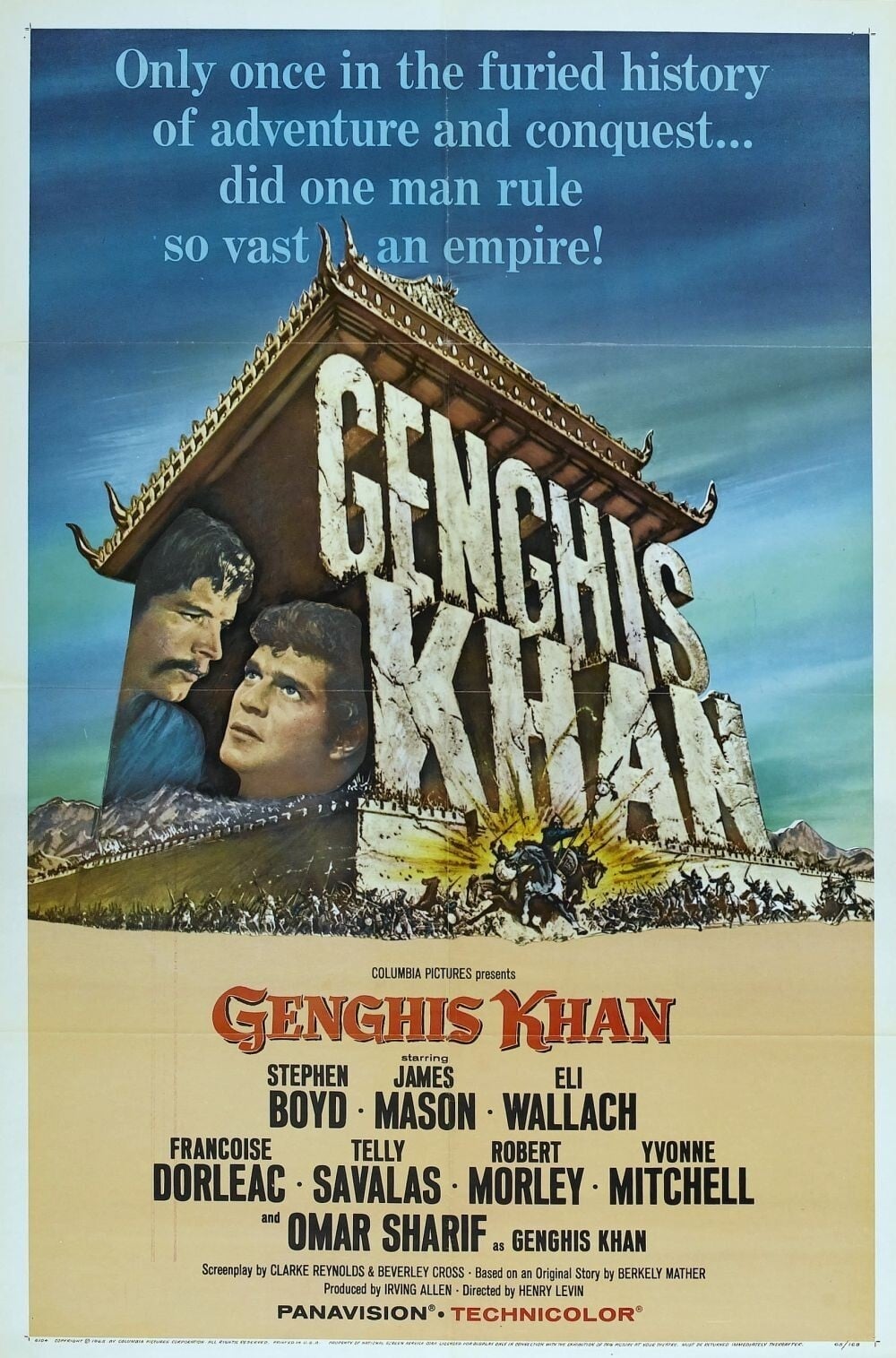
The film follows Omar Sharif as he plays the role of a rising Mongol leader, showing his journey from slavery to becoming the head of a vast empire. It depicts his military victories throughout Asia and his relationships with other leaders and kings. Featuring a cast of European actors, the movie portrays historical figures within the Mongolian and Chinese regions. The story emphasizes the clever tactics and fierce battles that characterized the growth of the Mongol empire.
‘Noah’ (2014)
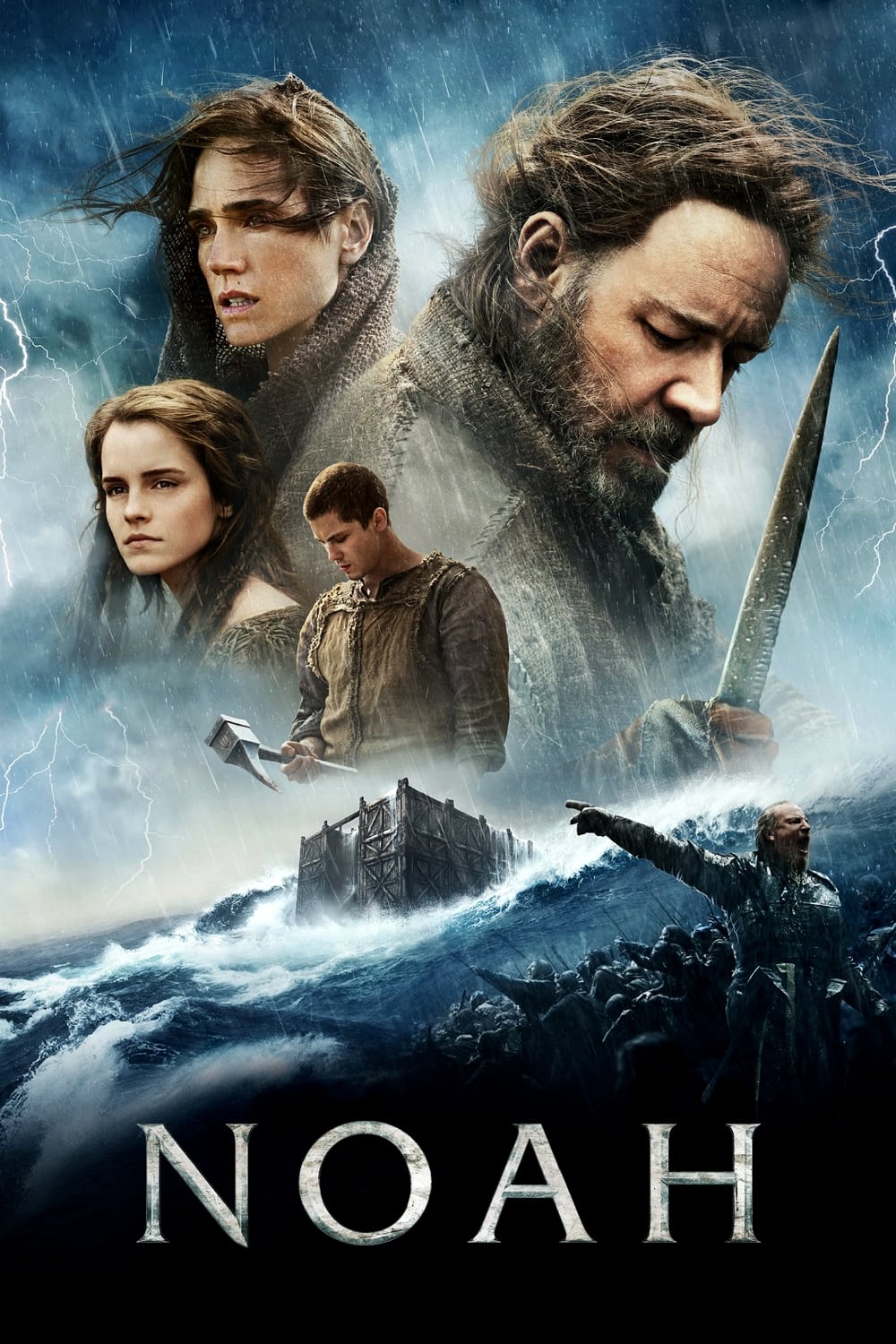
Russell Crowe stars as Noah in this film about the great flood. He’s tasked with building a huge ark to protect his family and all the world’s animals from a coming disaster. The movie blends fantasy with the biblical story and depicts an ancient Middle Eastern world, but features a completely white cast playing all the main roles.
‘The Passion of the Christ’ (2004)
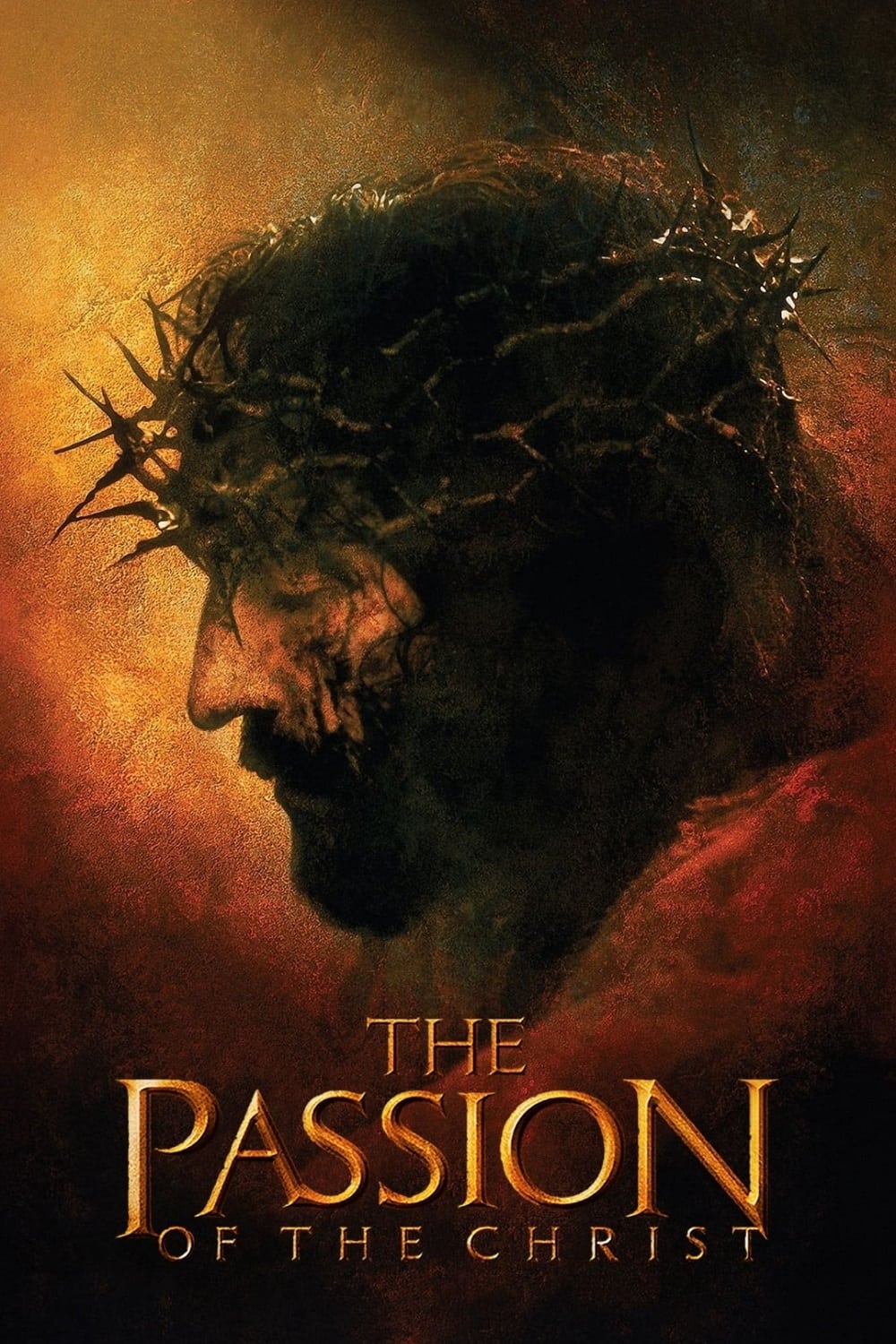
Mel Gibson’s film offers a powerful and realistic depiction of the last twelve hours of Jesus’ life in Roman-occupied Judea. To create a sense of historical accuracy, the movie features dialogue in Aramaic and Latin. Jim Caviezel stars as Jesus, leading a cast with actors mainly from Europe and America. The film emphasizes both the intense physical pain and the deep spiritual meaning of the crucifixion.
‘The Greatest Story Ever Told’ (1965)
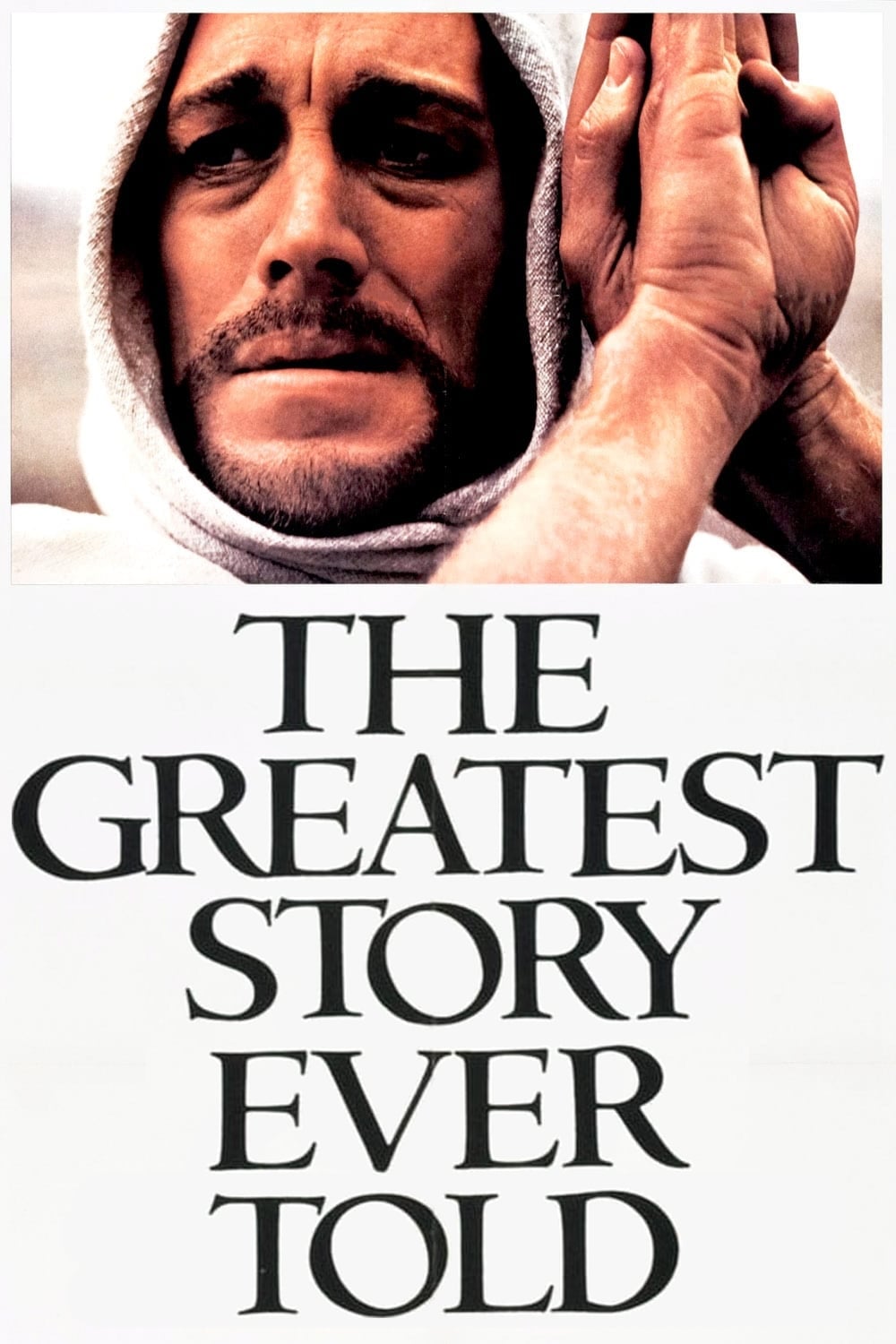
This epic film portrays the life and lessons of Jesus Christ, with Max von Sydow in the lead role. It follows the story from his birth in Bethlehem through his resurrection, featuring a cast of well-known actors and filmed on location in the Holy Land. The movie aims to respectfully and powerfully retell the central stories of the Christian faith.
‘King of Kings’ (1961)
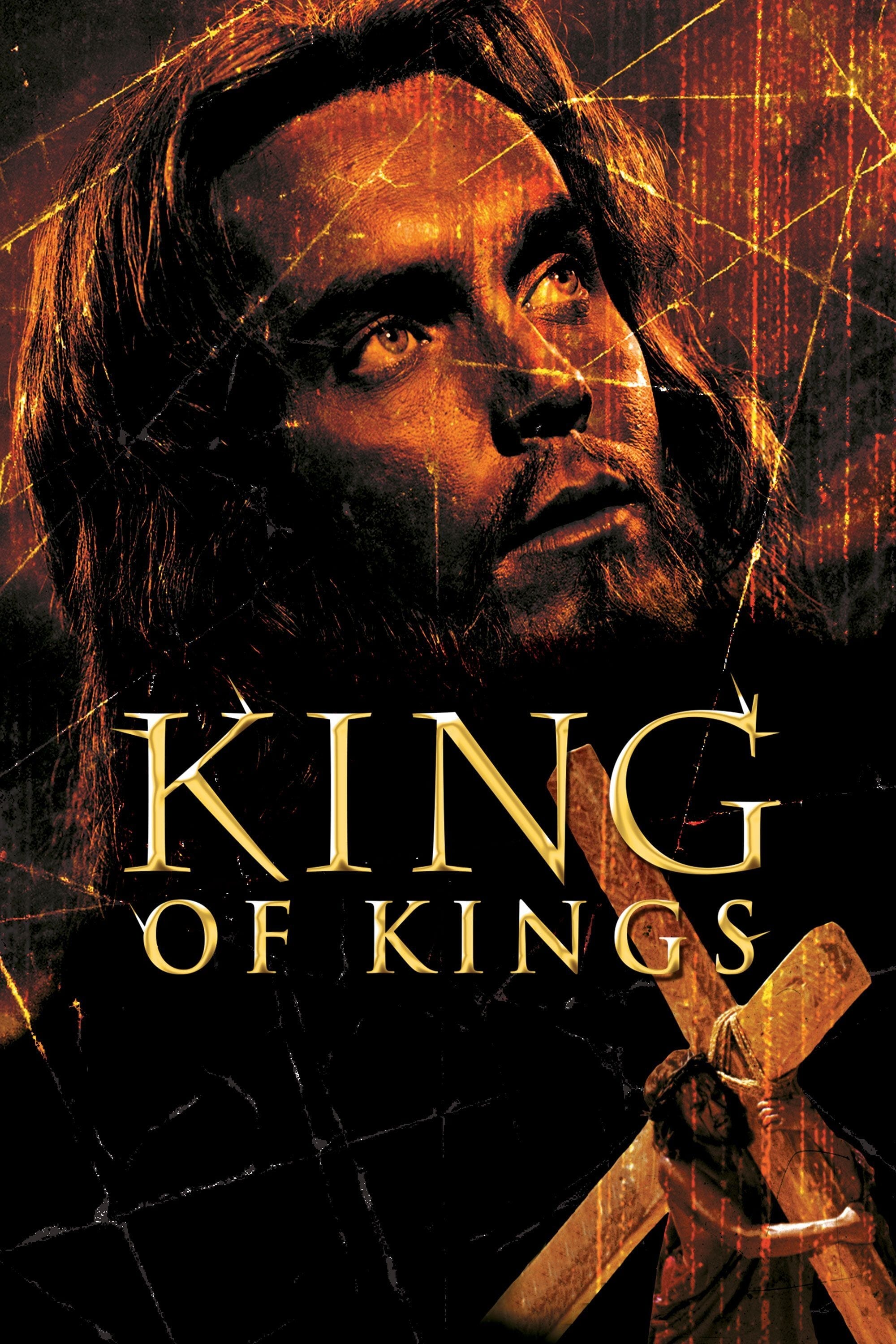
This sweeping historical film stars Jeffrey Hunter as Jesus and depicts his life and teachings amidst the unrest in first-century Judea. It highlights the difference between Jesus’ message of peace and the Jewish people’s fight against Roman rule, and offers a detailed look at the time period, including the rule of King Herod. The film is famous for its stunning widescreen visuals and powerful music.
‘Sodom and Gomorrah’ (1962)
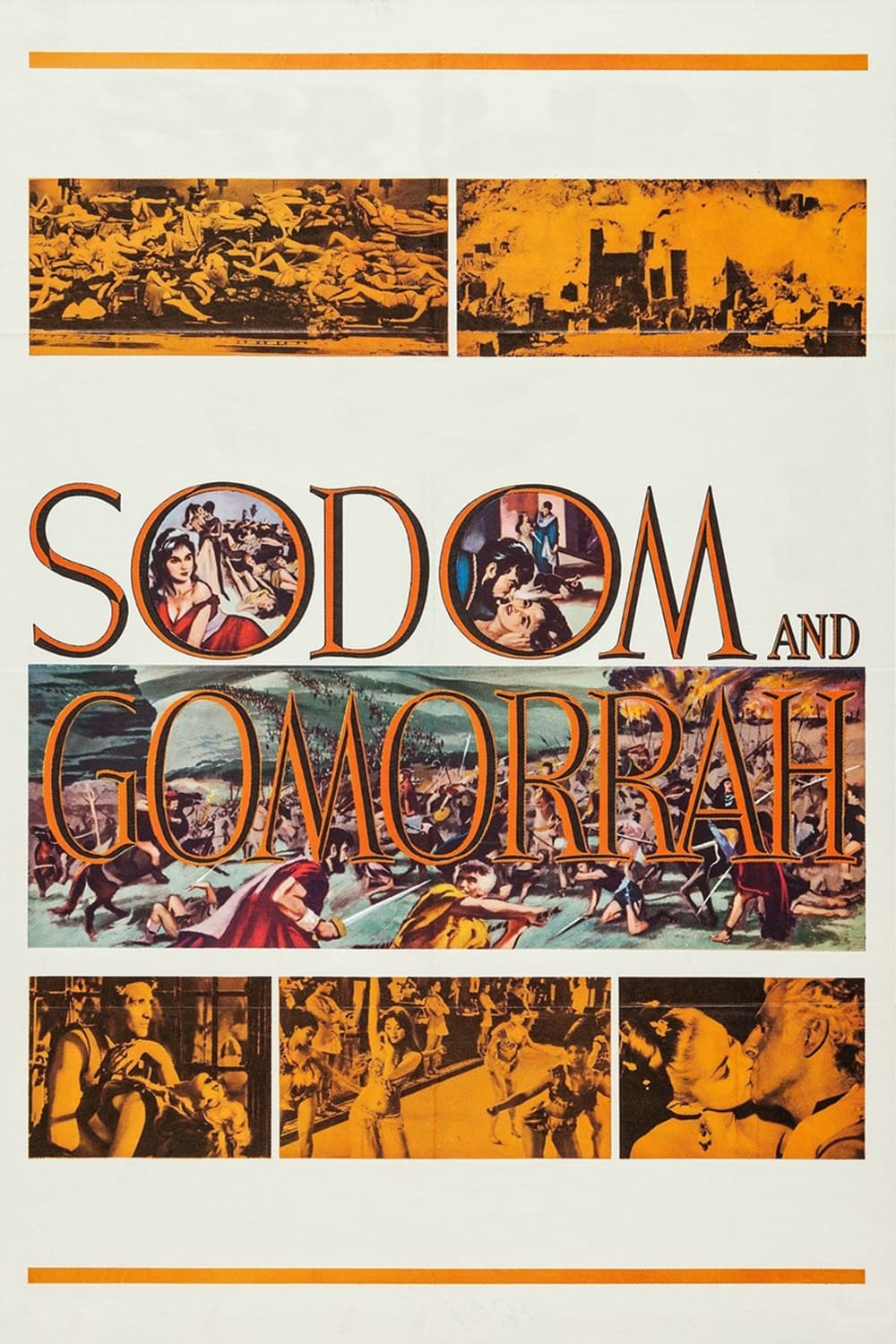
Stewart Granger stars as Lot in this film about his journey with his people to the cities of Sodom and Gomorrah, where they seek a new beginning. The movie depicts the growing corruption within these cities and the eventual consequences they face, as told through the biblical story from Genesis. Pier Angeli and Stanley Baker also feature in this dramatic and visually impressive retelling, characteristic of classic biblical epics from the mid-20th century.
‘Land of the Pharaohs’ (1955)
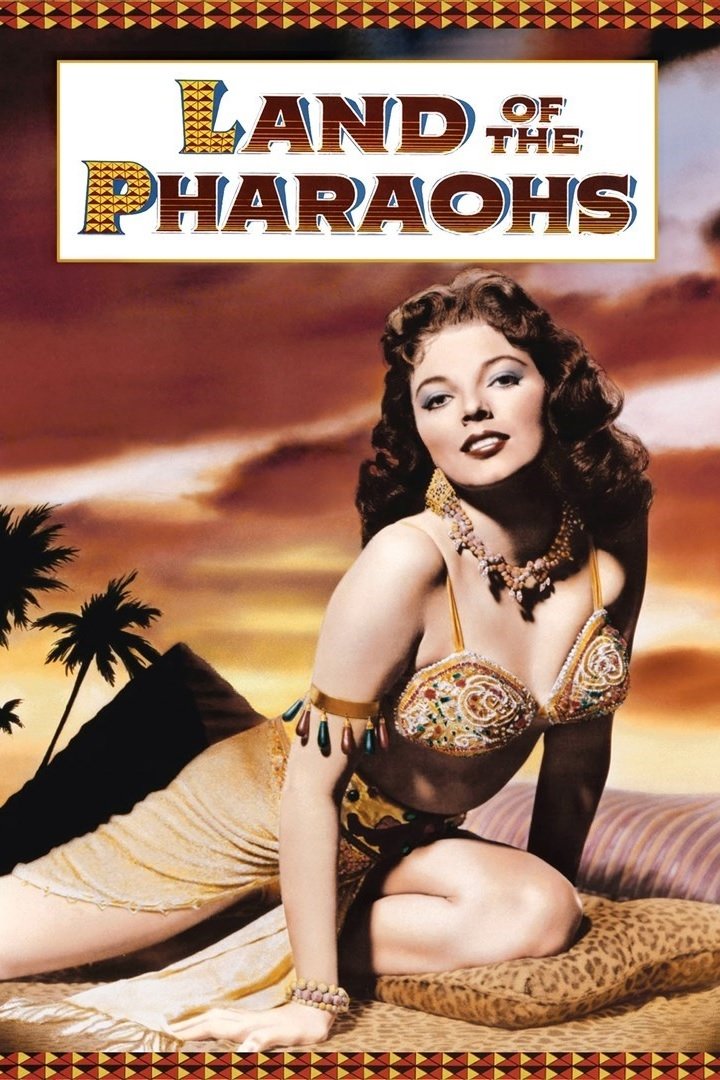
Jack Hawkins plays a Pharaoh determined to build an incredible tomb to safeguard his riches forever. The film tells the story of the Great Pyramid’s construction, alongside the power struggles happening within the Pharaoh’s court. Joan Collins portrays a captivating princess who’s secretly plotting to seize control. With thousands of supporting actors, the movie vividly shows the immense size and complexity of ancient Egyptian building projects.
‘The Egyptian’ (1954)
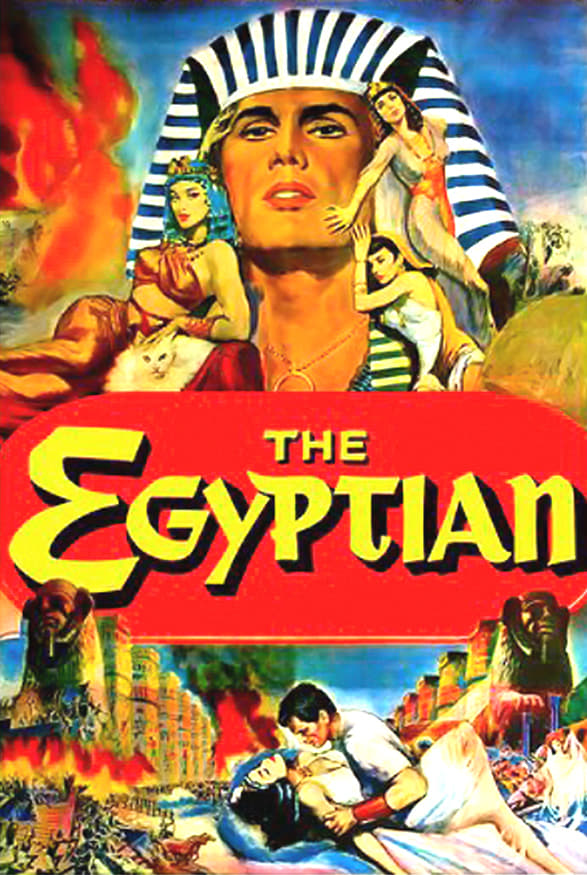
This movie follows a doctor in ancient Egypt, played by Edmund Purdom, as he gets caught up in the revolutionary religious ideas of Pharaoh Akhenaten. The story takes him on a journey through different ancient lands before he returns to the Pharaoh’s court. Based on Mika Waltari’s famous novel, the film examines questions of belief and societal transformation, and stars well-known Hollywood actors as the people of ancient Egypt.
‘The King and I’ (1956)
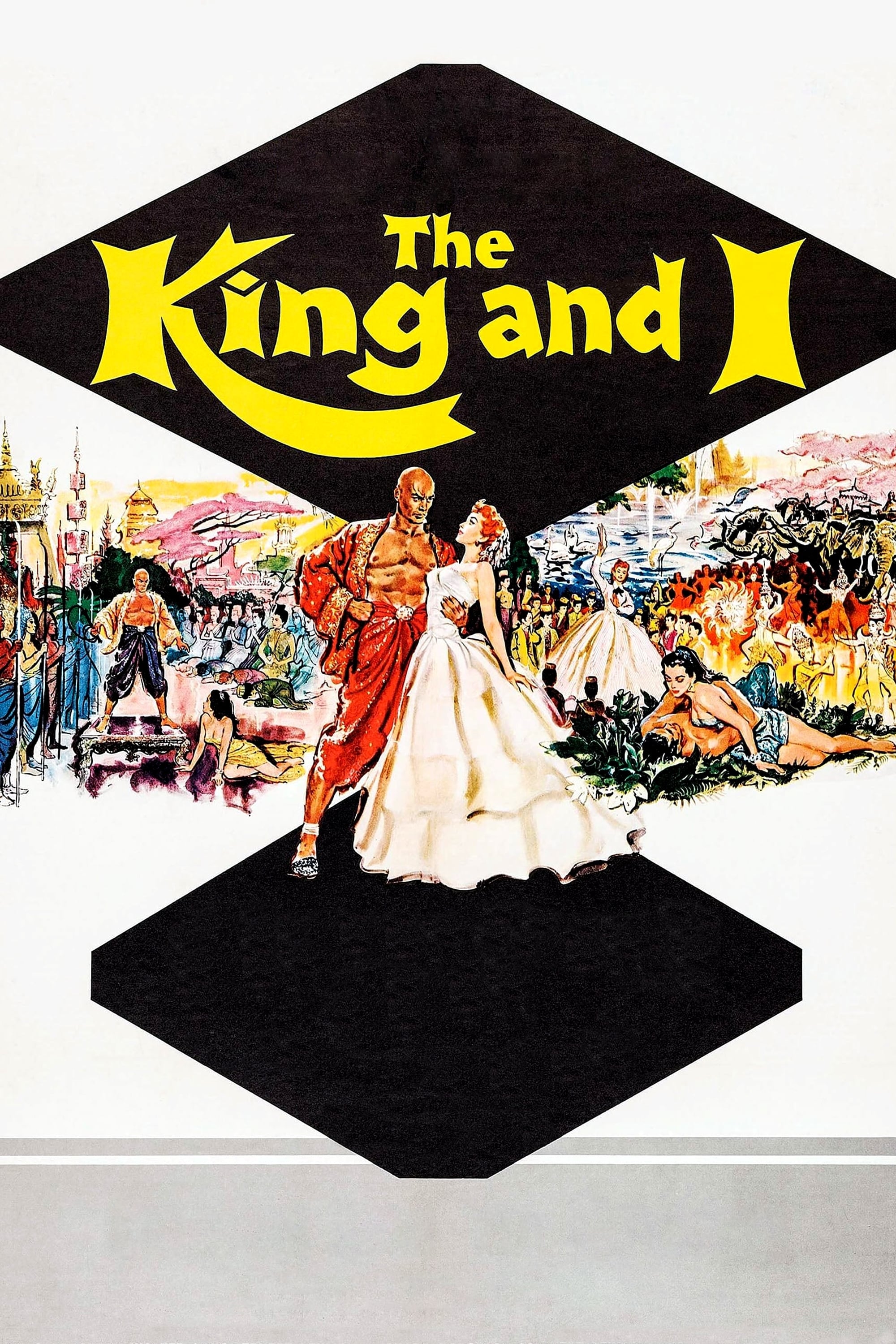
As a classic film lover, I always enjoy “The King and I.” It’s a musical based on the story of a British schoolteacher who goes to teach the King of Siam’s children. What really makes it interesting is how the story explores the differences between their cultures and the growing connection between the teacher and the King. It’s a bit of a historical note that Yul Brynner and Deborah Kerr, the leads, weren’t actually Thai themselves, but they deliver fantastic performances. And honestly, the songs are amazing and the whole movie just looks incredible – the sets are so grand and detailed!
’55 Days at Peking’ (1963)
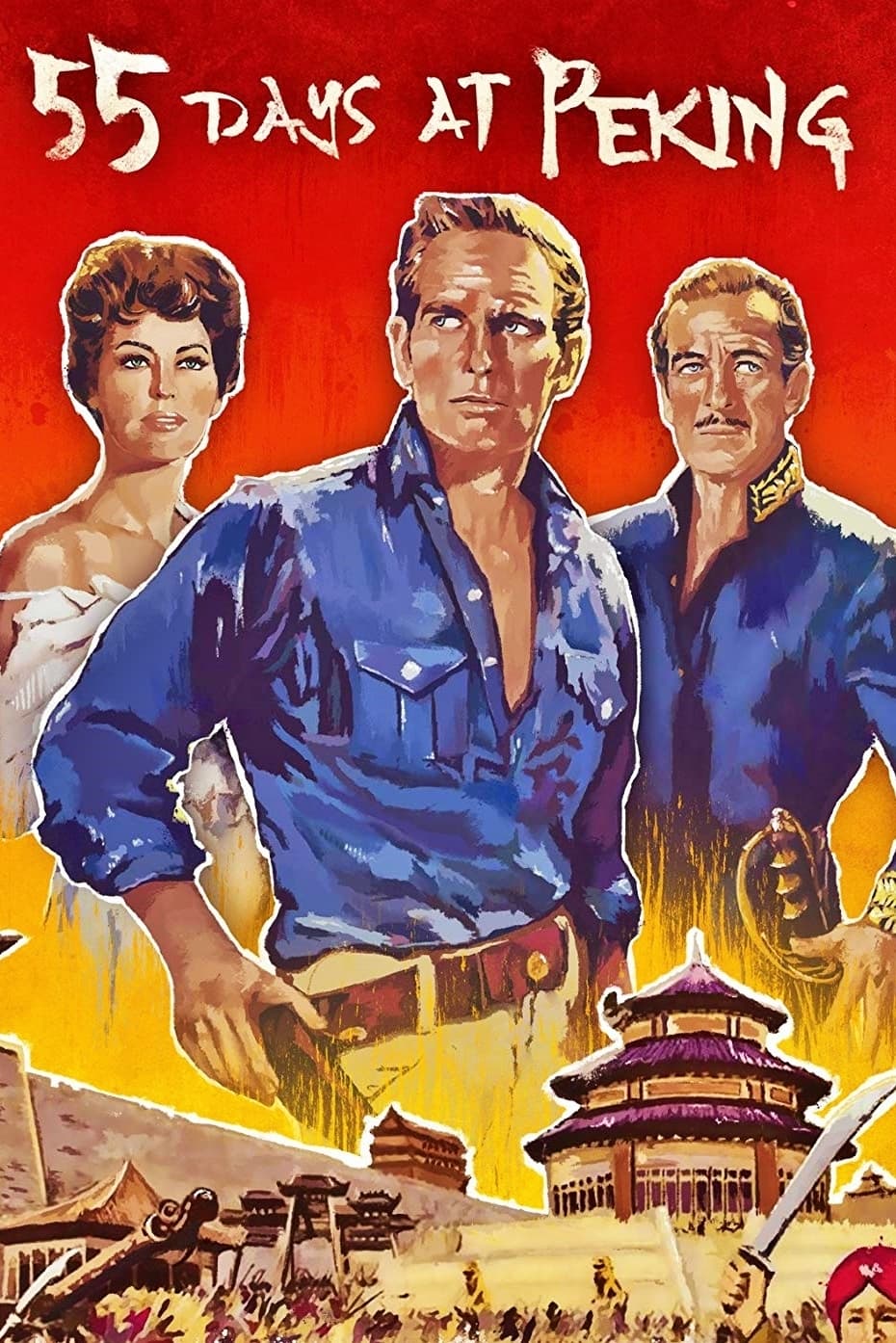
This historical drama, starring Charlton Heston and Ava Gardner, takes place during China’s Boxer Rebellion. It centers on a group of diplomats and soldiers from multiple countries who find themselves surrounded and under siege. The film depicts the fierce struggle between these foreign powers and Chinese nationalists at the beginning of the 20th century, with Western actors portraying the leaders of the international groups involved.
‘The Inn of the Sixth Happiness’ (1958)
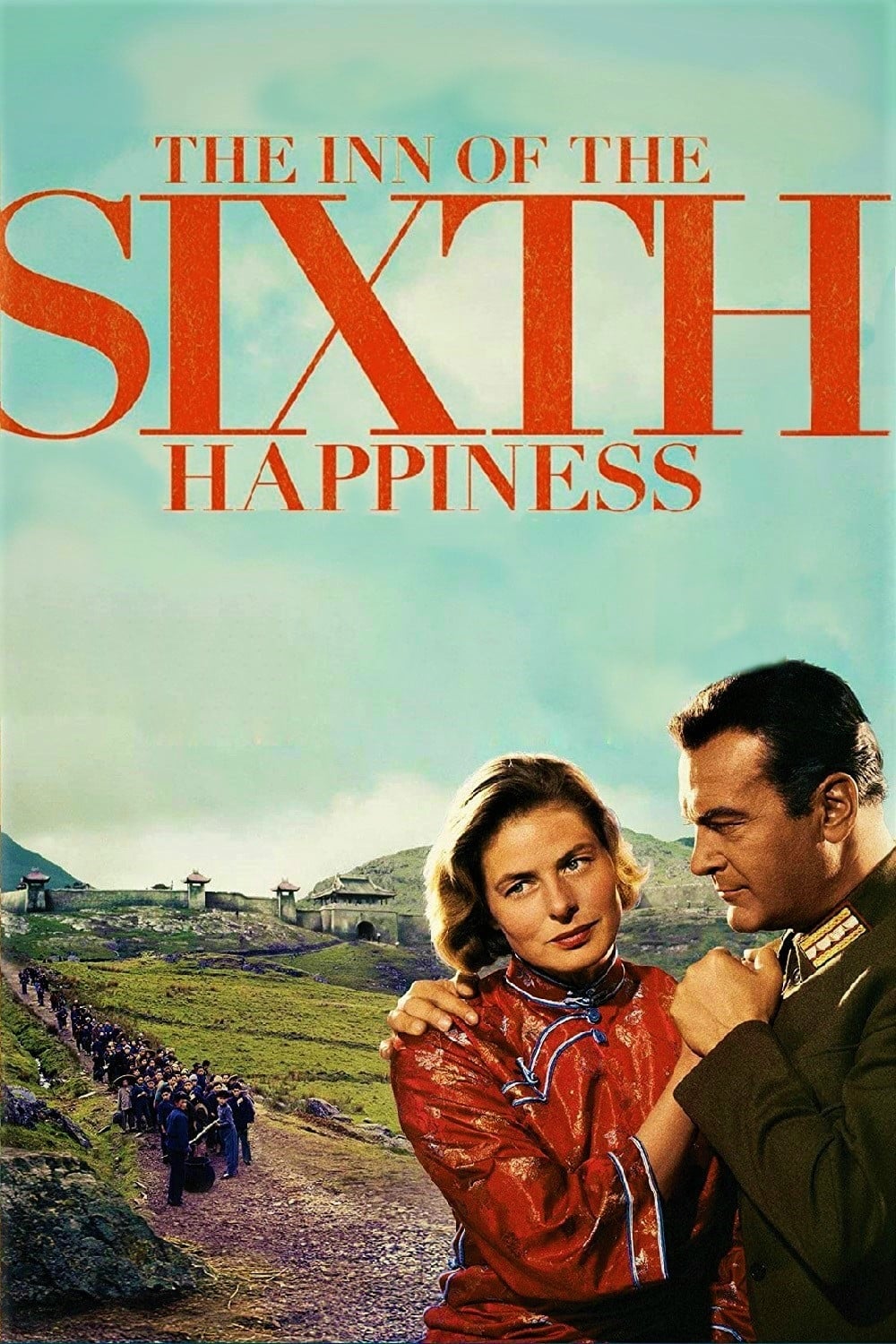
Ingrid Bergman stars as a British missionary who goes to China to share her religion and help the people there. When Japan invades, she bravely leads a large group of orphaned children to safety. Curd Jürgens plays a mixed-race army officer who falls in love with her and becomes her partner. The film shows what China was like in the early 1900s, but from the perspective of Westerners.
‘Lost Horizon’ (1937)
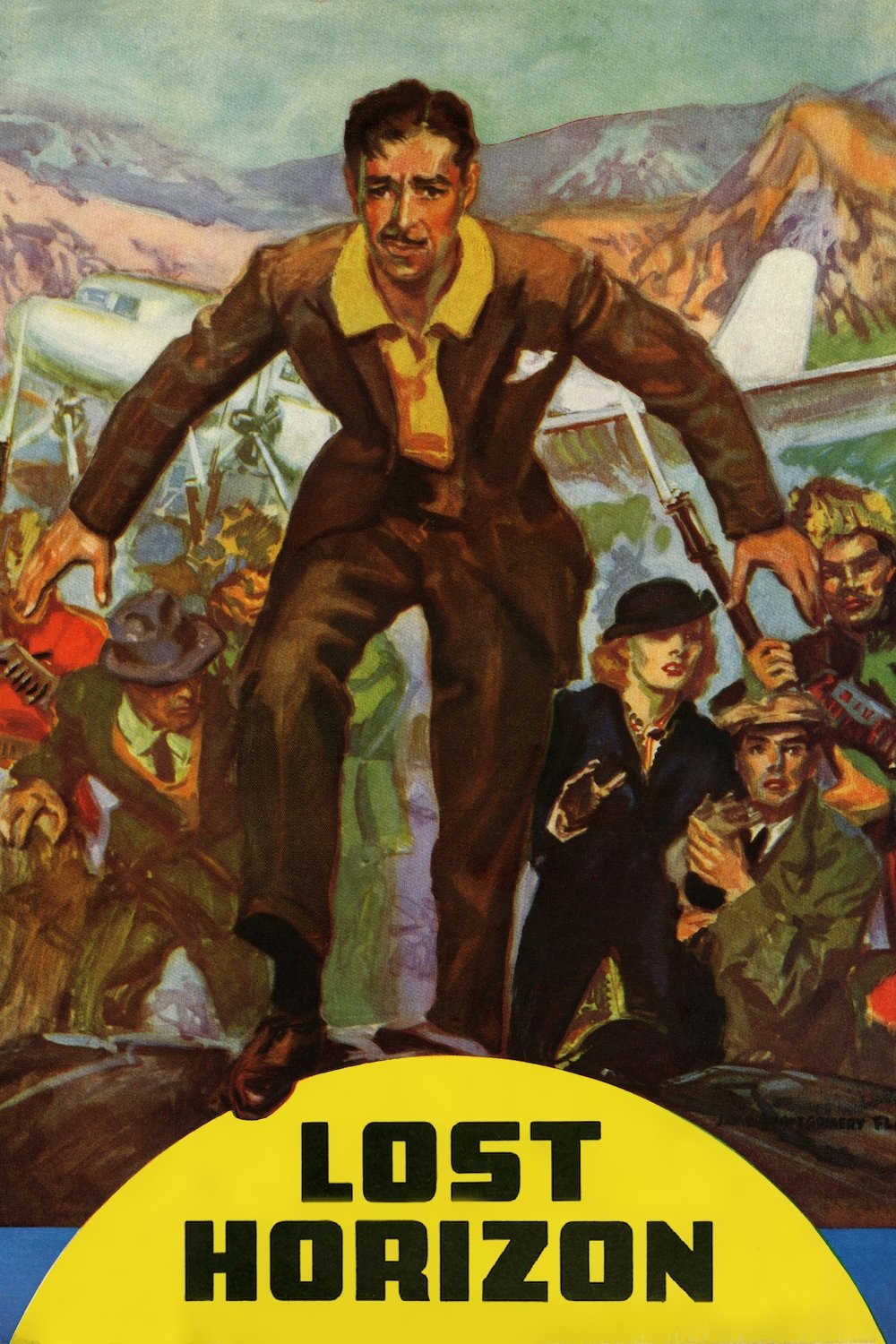
Ronald Colman plays a British diplomat who crashes in the Himalayas and stumbles upon Shangri-La, a secret and idyllic paradise. The people living there enjoy remarkably long lives filled with peace and knowledge. Though set in Tibet, the film features a predominantly white cast playing the local inhabitants, including the community’s spiritual leader. The story contrasts the turmoil of the outside world with the tranquility of this hidden, utopian society.
‘Lawrence of Arabia’ (1962)
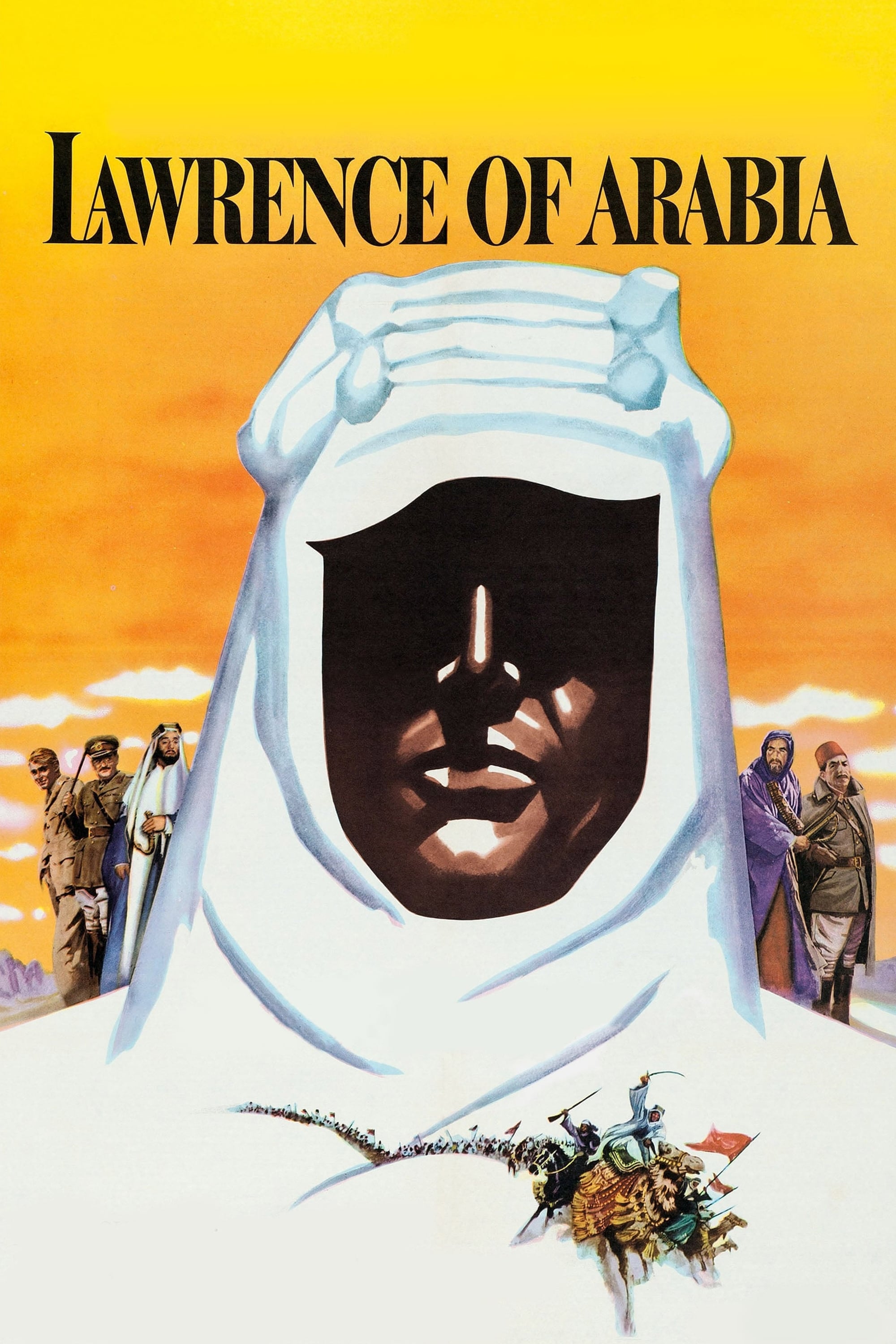
Starring Peter O’Toole as T.E. Lawrence, this film tells the story of a British officer who brings together Arab tribes to rebel against the Ottoman Empire during World War I. It follows Lawrence’s adventures in the desert and his complicated role in the Arab Revolt. Though featuring strong performances from Alec Guinness and Anthony Quinn as Arab leaders, the film primarily explores events from a British point of view. It’s famous for its stunning visuals and its themes of self-discovery and political conflict.
‘Ben-Hur’ (1959)
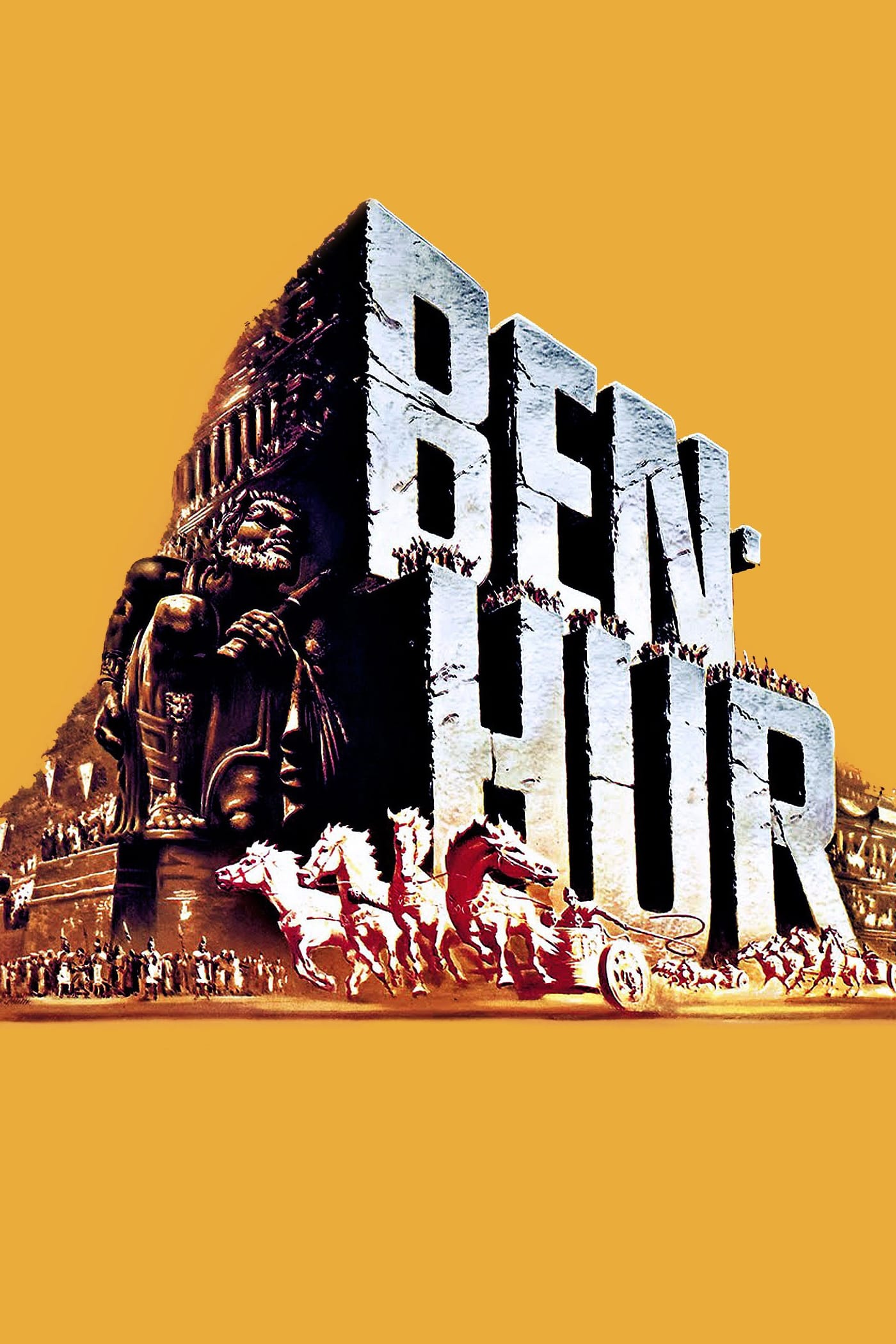
Charlton Heston stars as a Jewish prince who is betrayed by a Roman acquaintance and reduced to slavery. The movie follows his journey to get revenge, which ultimately leads to a spiritual awakening after he meets Jesus Christ. Set in Roman-occupied Judea, the film boasts a cast largely comprised of British and American actors. It’s best known for its thrilling chariot race and its grand, epic scope.
‘Alexander’ (2004)
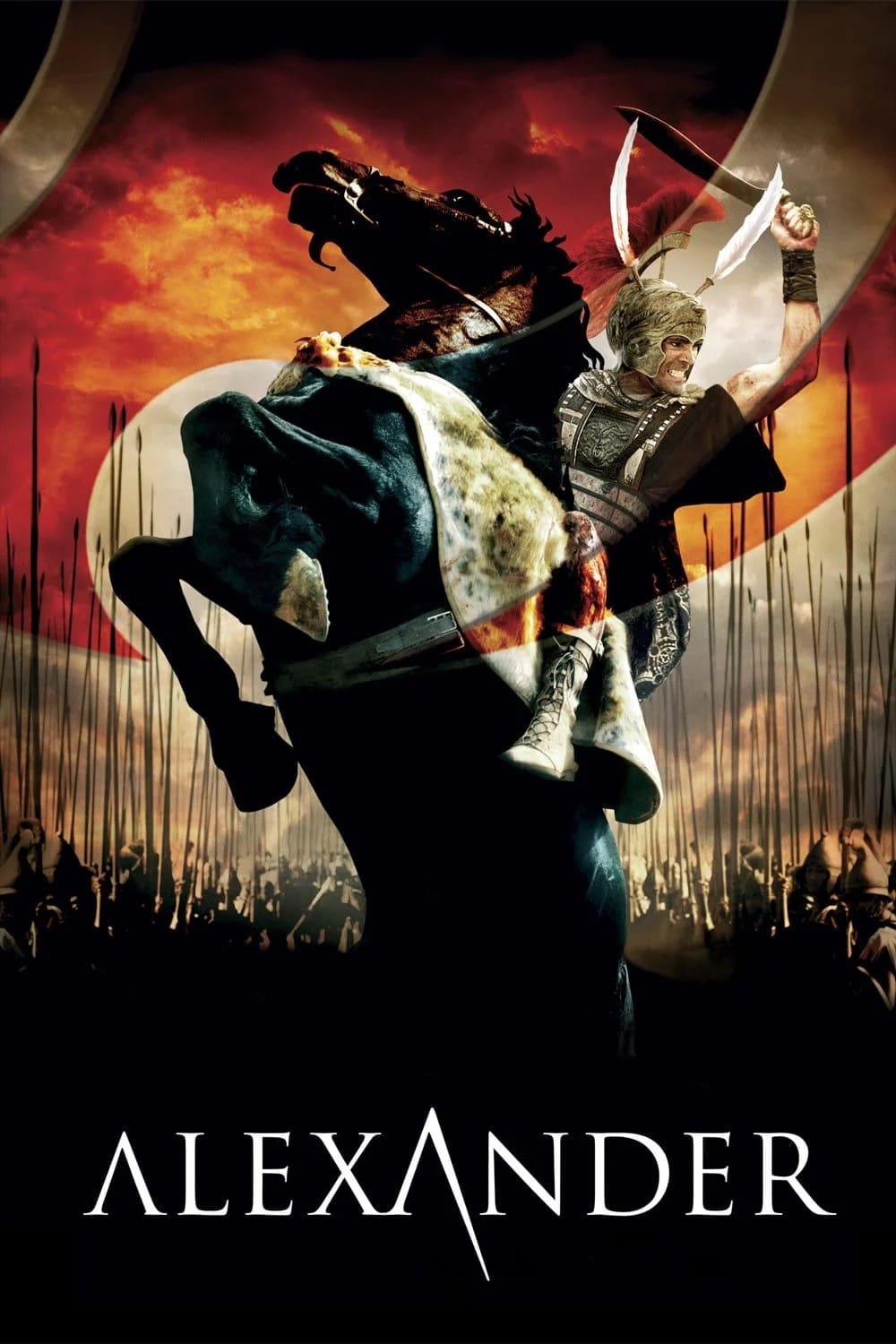
Colin Farrell plays Alexander the Great, the powerful king who conquered vast lands like Egypt and Persia. The movie tells the story of his life, from his upbringing in Greece to his military adventures across Asia and ultimately, his death in Babylon. It also delves into his personal relationships, with Angelina Jolie and Val Kilmer portraying his parents. While showcasing ancient cultures, the film features a primarily Western cast.
‘Troy’ (2004)
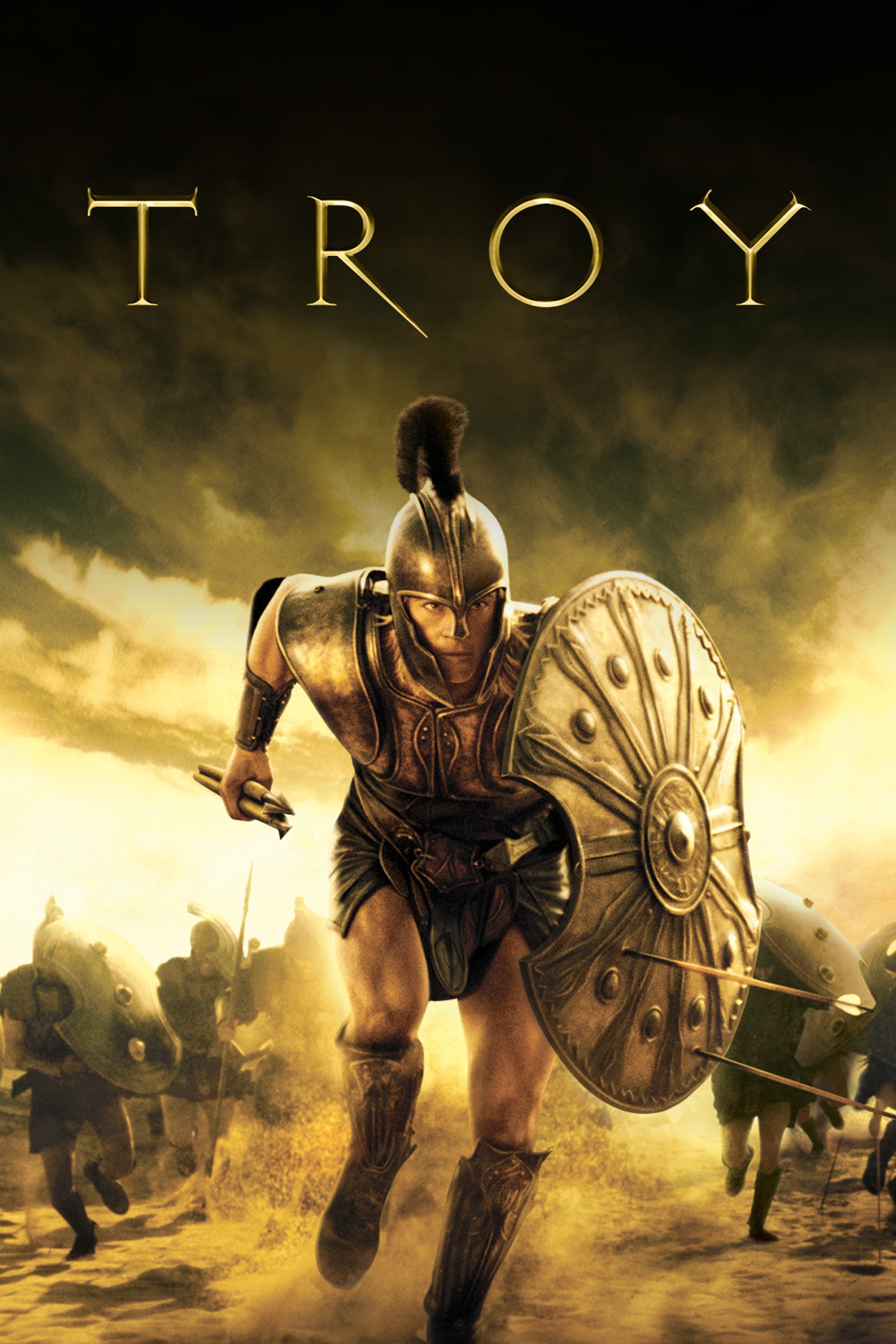
This movie retells the story of the Trojan War, with Brad Pitt playing the hero Achilles. Based on the famous Greek epic, the film depicts the war between the Greeks and the city of Troy – located in what is now Turkey. Featuring a star-studded cast, it highlights both the intense personal conflicts and the massive battles that make this ancient story so legendary.
‘Agora’ (2009)
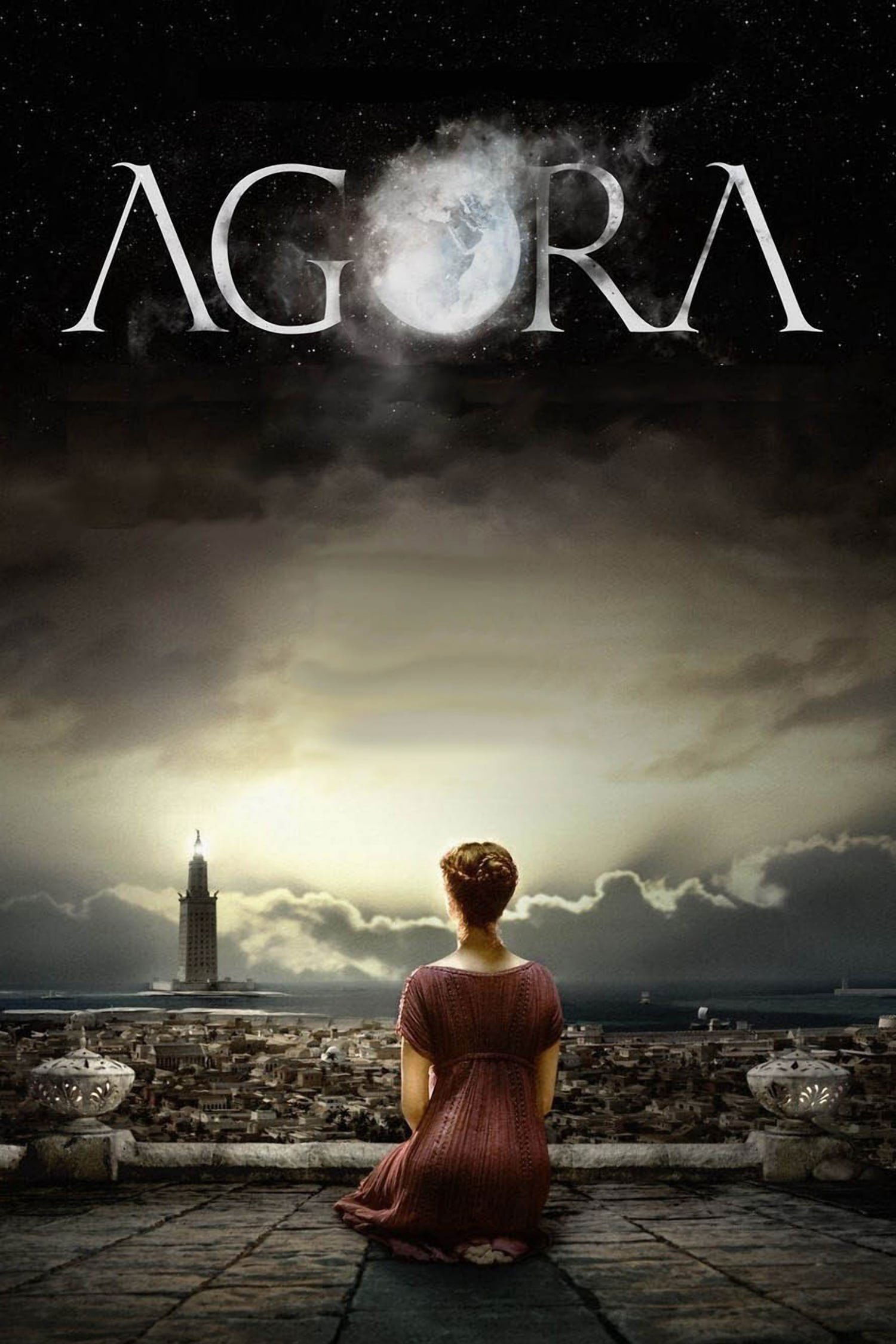
Rachel Weisz stars as Hypatia, a philosopher in Roman Egypt during a time of religious conflict in the fourth century. The movie shows her efforts to protect ancient knowledge at the Library of Alexandria as friction grows between those practicing pagan and Christian beliefs. While the film represents the multicultural population of ancient Egypt, it primarily features European actors. It’s a story about the clash between science and religion as the classical world begins to fade.
‘Kingdom of Heaven’ (2005)
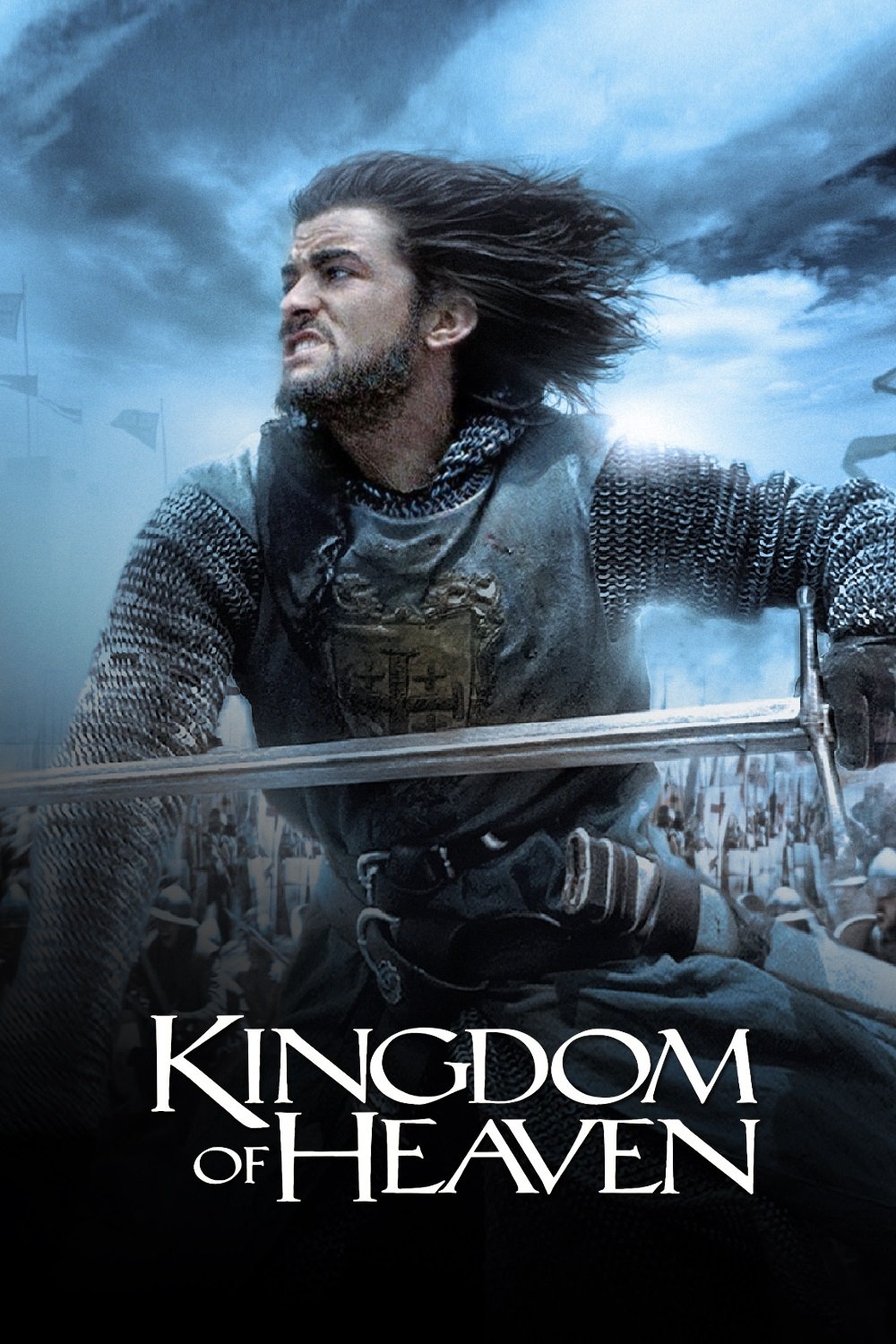
Orlando Bloom plays a blacksmith who journeys to Jerusalem during the 12th-century Crusades. He rises to become a knight and ultimately commands the city’s defense against Saladin’s army. The movie portrays the battles between Christian and Muslim forces in the Middle East, though it primarily tells the story from the perspective of Europeans involved in the conflict. Edward Norton and Liam Neeson also feature in important roles.
‘The Son of the Sheik’ (1926)
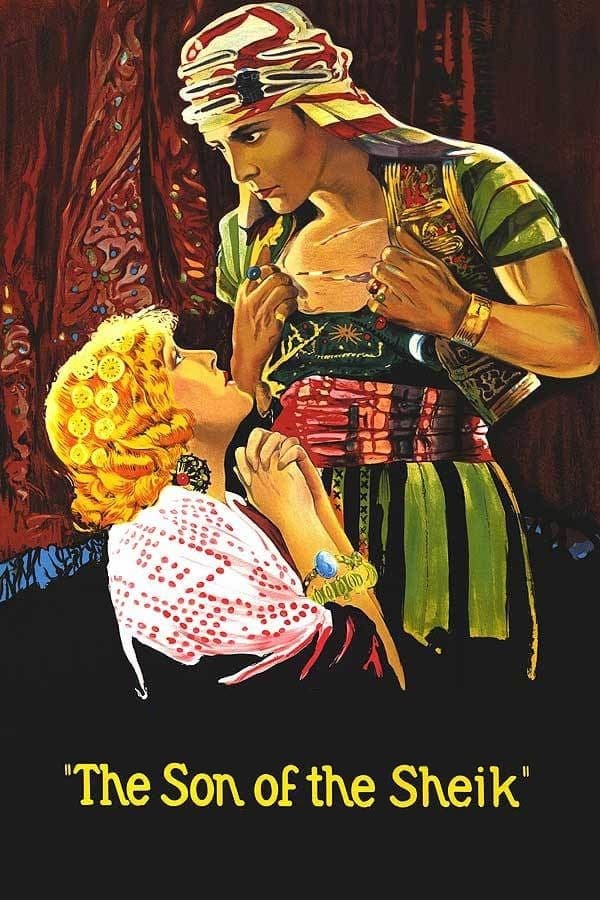
This silent film stars Rudolph Valentino as an Arab prince who falls for a dancer he meets in the desert. The movie explores the love triangle and resulting conflicts within his tribe. Valentino plays a dual role, appearing as both the father and son in this follow-up to one of his earlier successes. The filmmakers used elaborate sets and costumes inspired by the Middle East to create a visually stunning and exotic experience for viewers.
‘The Thief of Bagdad’ (1924)

In this classic silent film, Douglas Fairbanks stars as a resourceful thief who falls for the Caliph of Bagdad’s daughter. To earn her love, he undertakes a fantastical journey to collect the world’s most precious treasures. The movie is famous for its groundbreaking special effects and enormous sets, offering a fanciful depiction of the Middle East with a predominantly Western cast.
‘Kismet’ (1955)
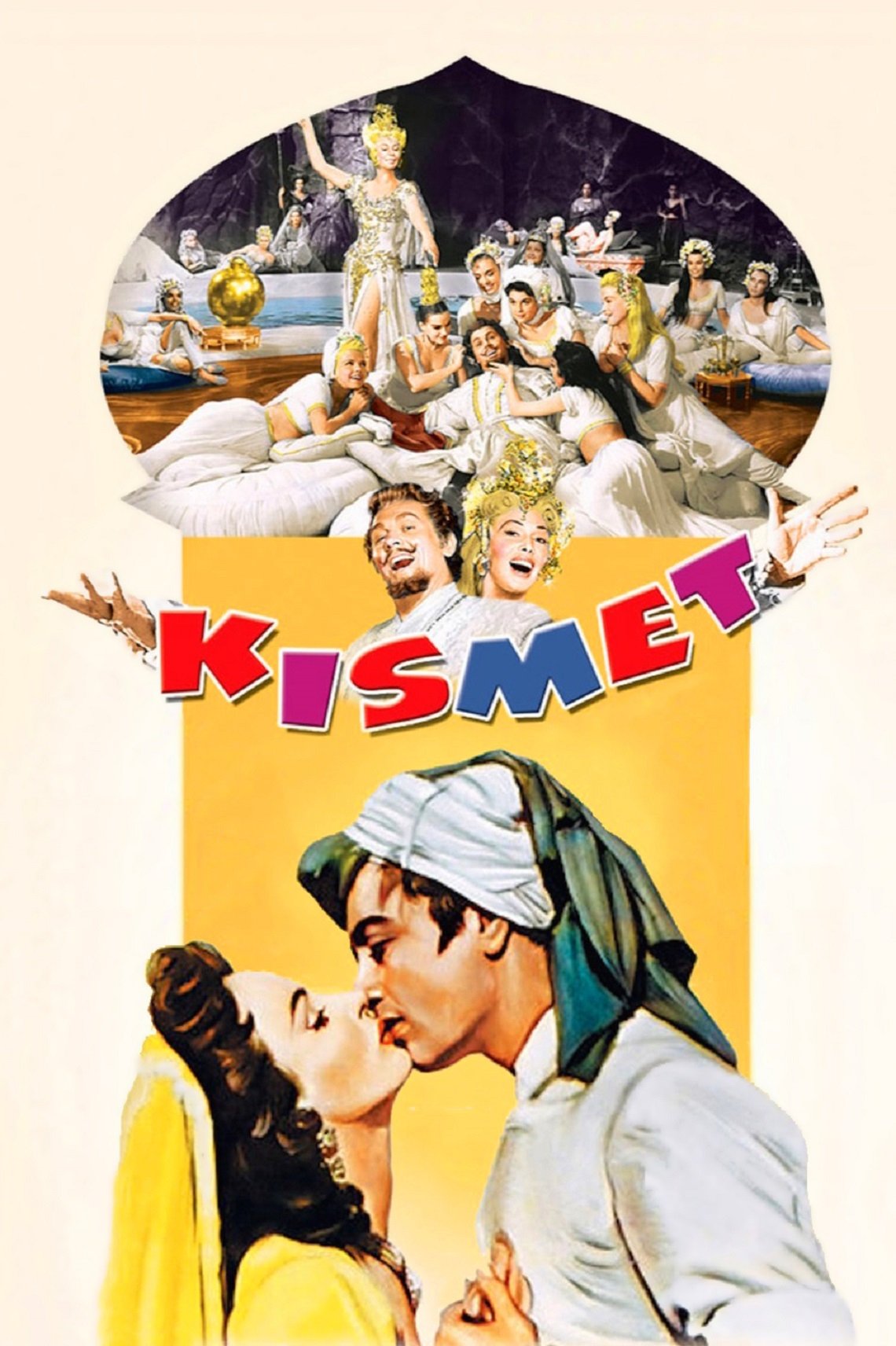
This musical film stars Howard Keel as a poet swept up in the palace drama of ancient Baghdad, all within a 24-hour period. The story follows his journey from poverty to power, while his daughter attracts the attention of the Caliph. Filled with lively songs and stunning sets inspired by the tales of Arabian Nights, the movie features American performers playing the people of this historic city.
‘Aida’ (1953)
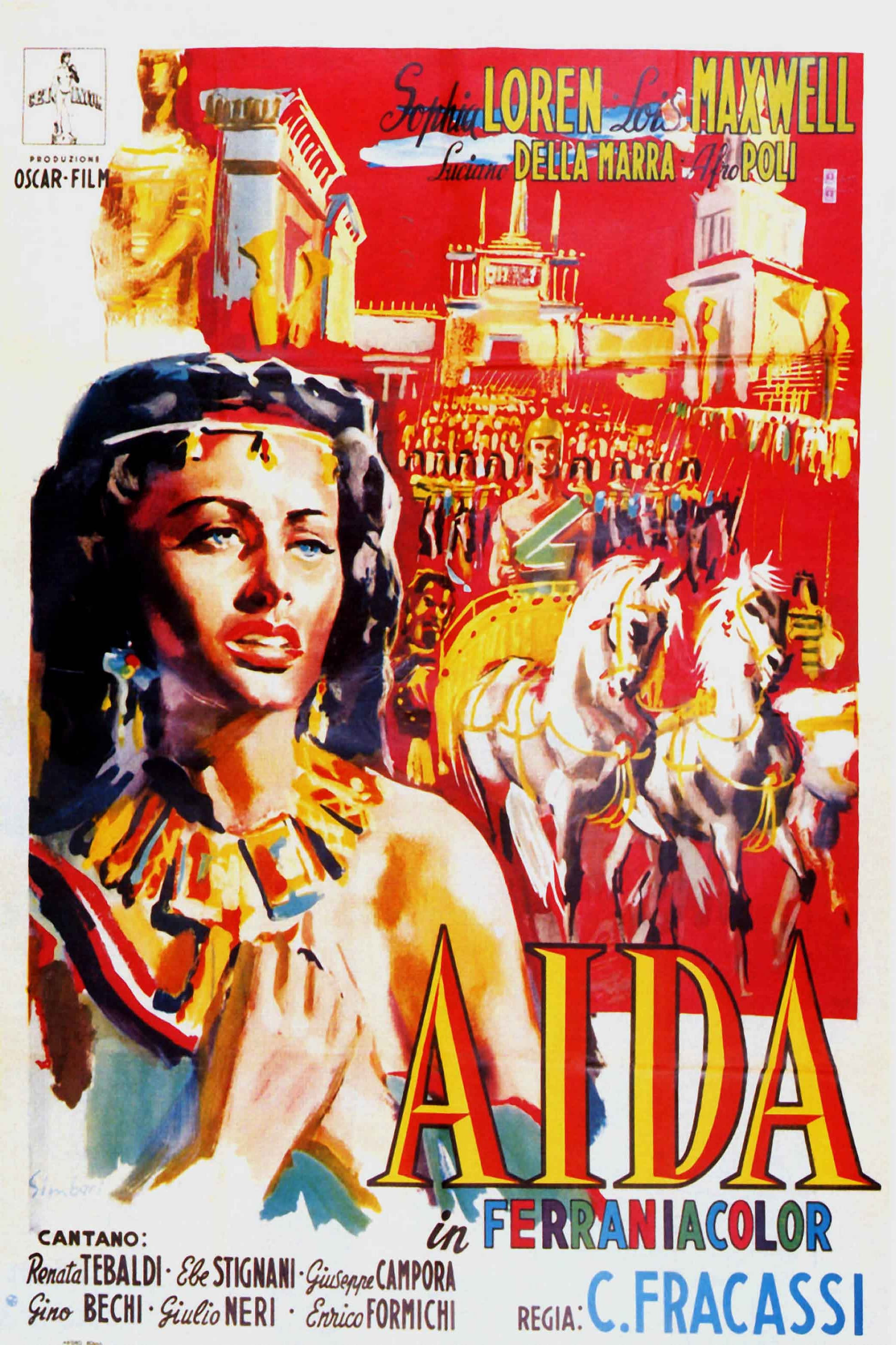
Sophia Loren stars as an Ethiopian princess taken captive and enslaved in ancient Egypt. She finds love with an Egyptian general, forcing her to decide between her heart and her duty to her people. This movie is based on the well-known opera by Giuseppe Verdi and includes recordings of operatic singing. Despite depicting a conflict in Africa, the film largely features white actors in its leading roles.
‘Othello’ (1965)
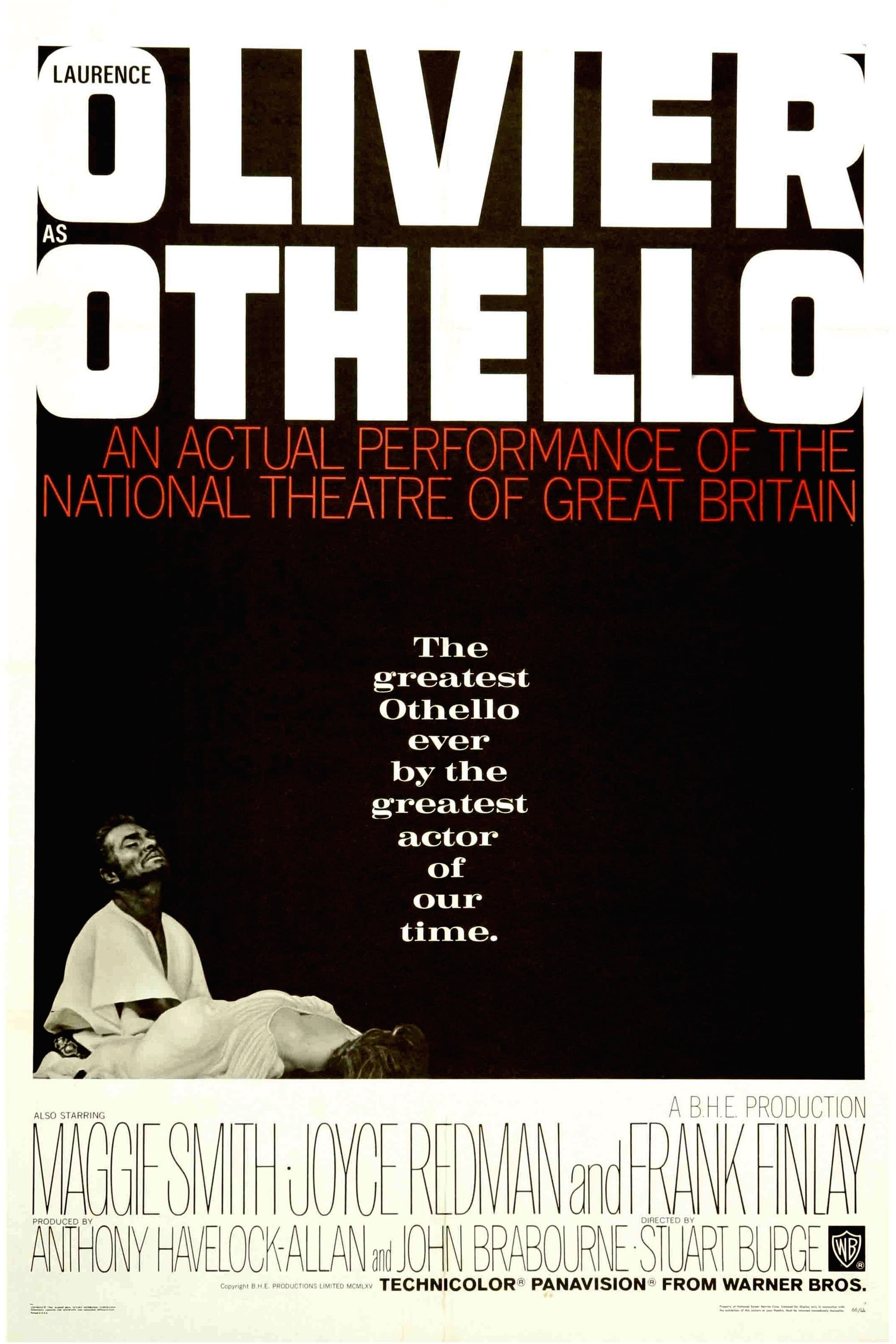
This film features Laurence Olivier as Othello, the central character in Shakespeare’s tragic play. The story revolves around Iago’s evil schemes to make Othello jealous and control both him and his wife, Desdemona. Olivier darkened his skin with makeup to portray the North African general. The film is a recording of a live performance by the National Theatre Company.
‘Khartoum’ (1966)
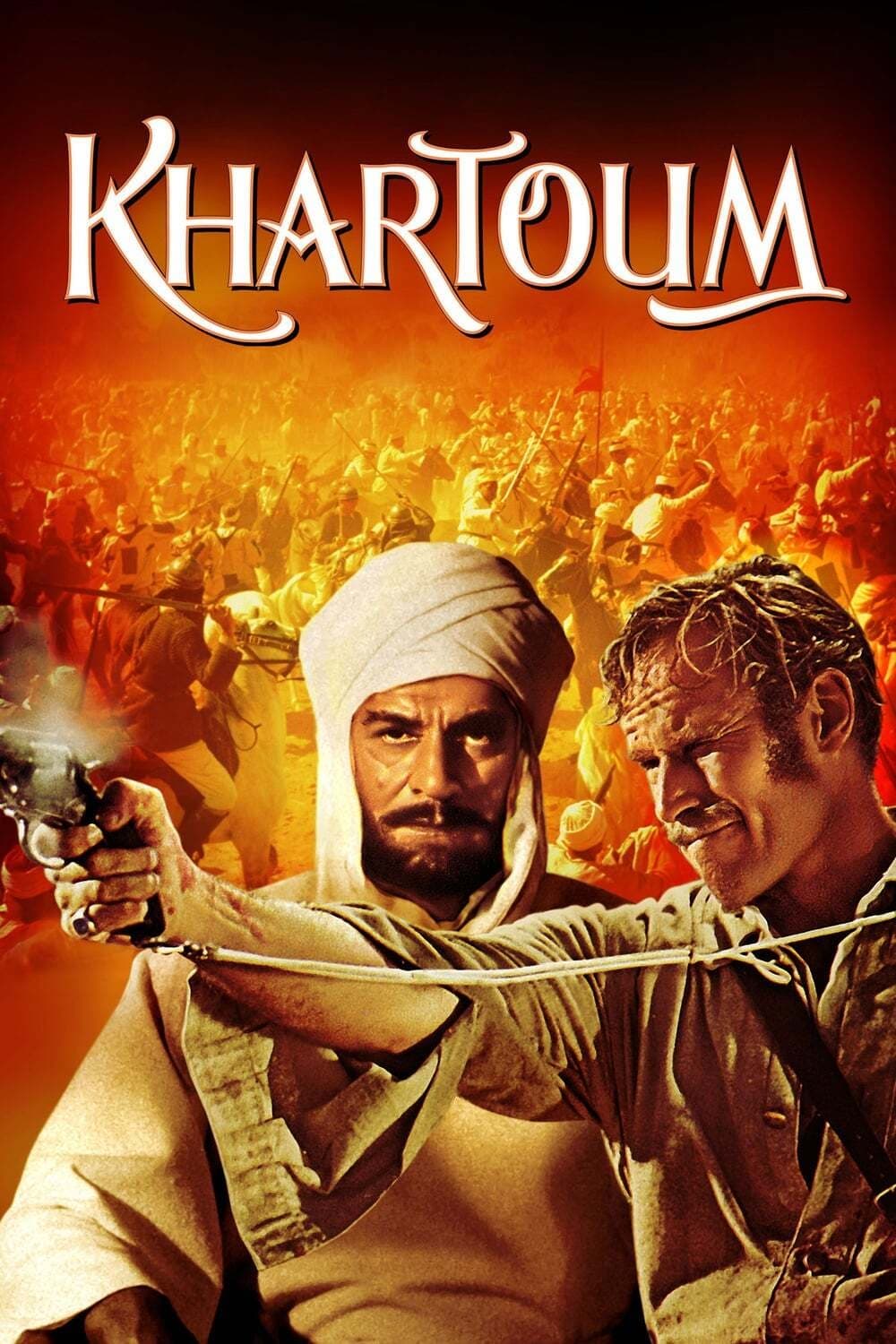
Charlton Heston plays General Charles Gordon, tasked with rescuing people from the city of Khartoum during a rebellion in Sudan. He confronts the Mahdi, portrayed by Laurence Olivier, in a dramatic showdown. The film recreates the famous siege of the late 1800s, where British troops battled Sudanese rebels, and centers on the tense strategic conflict between Gordon and the Mahdi amidst the harsh desert environment.
‘Zulu’ (1964)
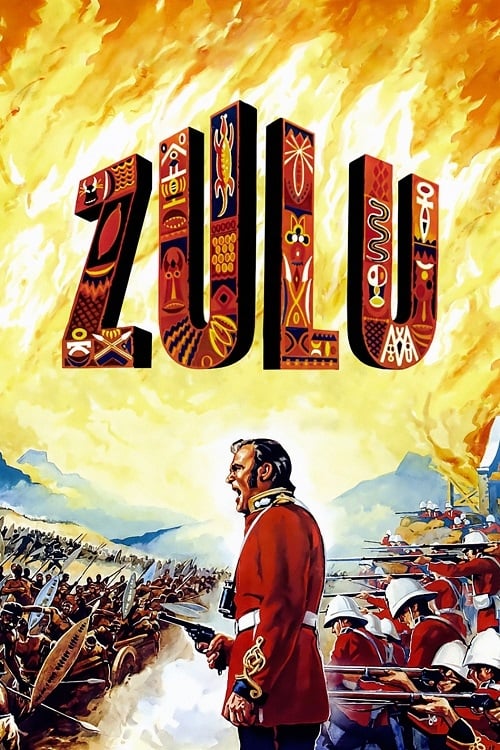
Michael Caine first gained widespread recognition for his role as a British officer leading the defense of a small fort in South Africa against a massive Zulu army. The movie is based on the real Battle of Rorke’s Drift and highlights the strict training and order of the British soldiers. Although the Zulu warriors are played by Zulu actors, the story primarily focuses on the British perspective. The film is well-known for its authentic portrayal of warfare during the colonial era in the 1800s.
‘Seven Years in Tibet’ (1997)
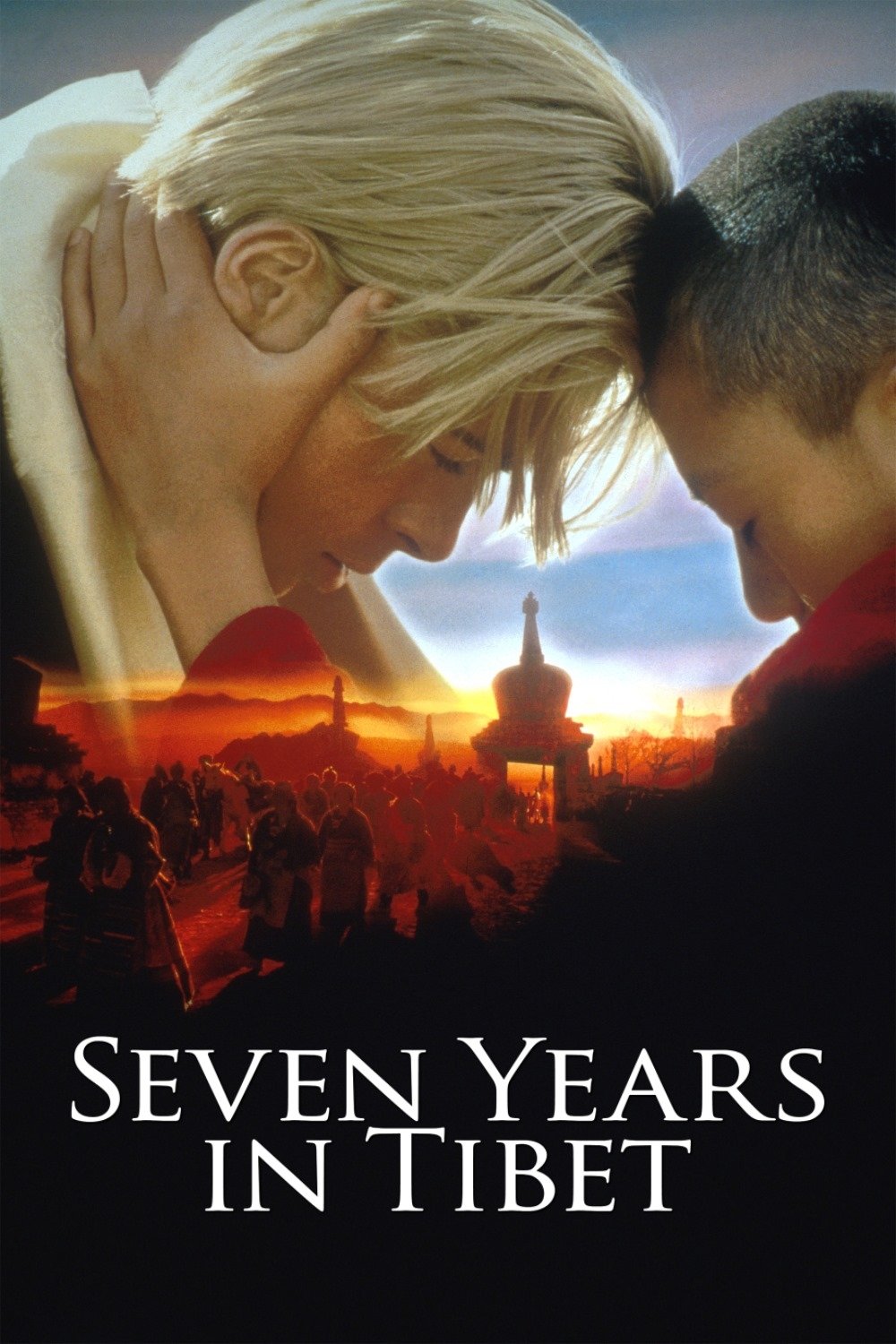
Brad Pitt plays Heinrich Harrer, an Austrian climber who unexpectedly becomes the teacher of the young Dalai Lama. The movie, set in the mid-1900s, follows Harrer’s journey after escaping a prisoner of war camp and his entrance into the closed city of Lhasa. It’s a story about the bond that develops between the European explorer and Tibet’s spiritual leader, showcasing Tibetan culture and the impact of the Chinese invasion.
‘The Sand Pebbles’ (1966)
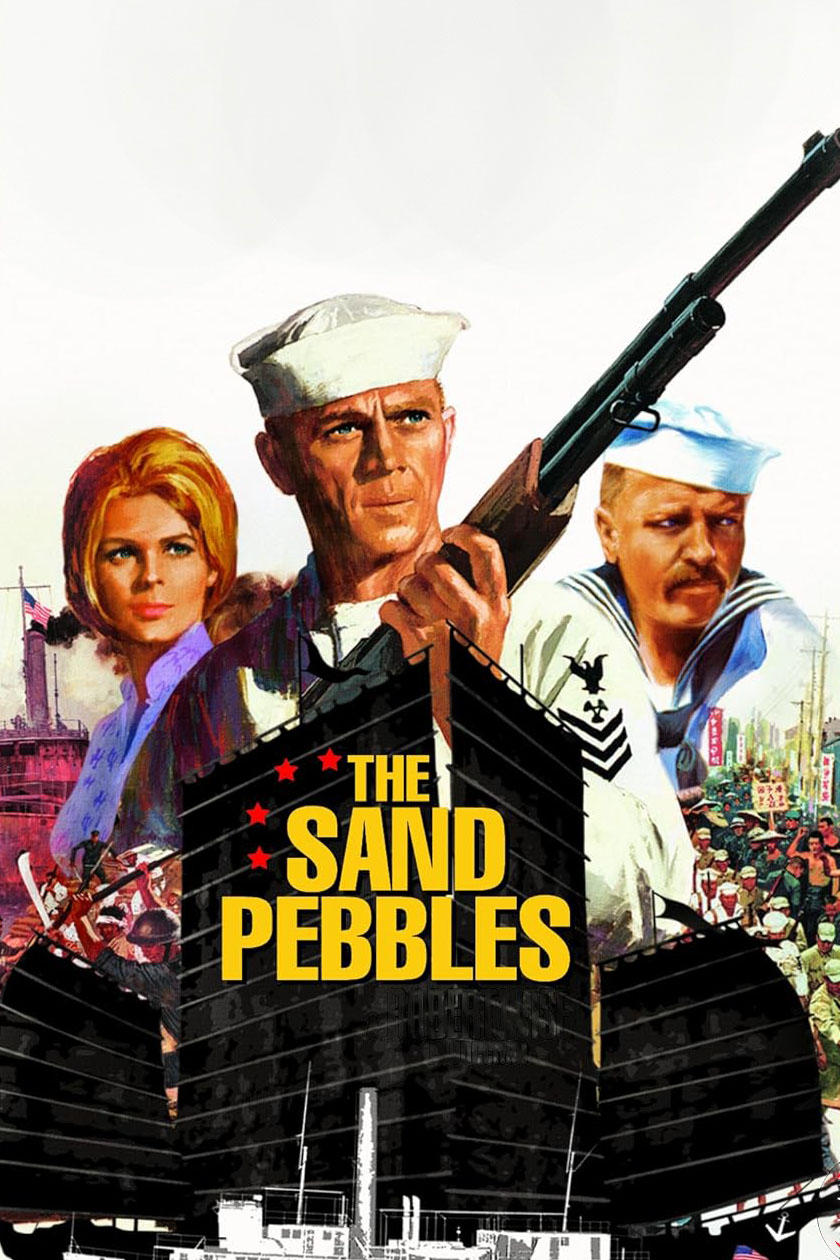
Set in 1920s China, the film stars Steve McQueen as a U.S. sailor aboard a gunboat on the Yangtze River. It follows the crew as they deal with the political unrest and rising Chinese nationalism of the time, examining themes of loneliness and the difficulties of foreign involvement in another country. The story centers on American sailors operating in a chaotic China.
‘Tai-Pan’ (1986)
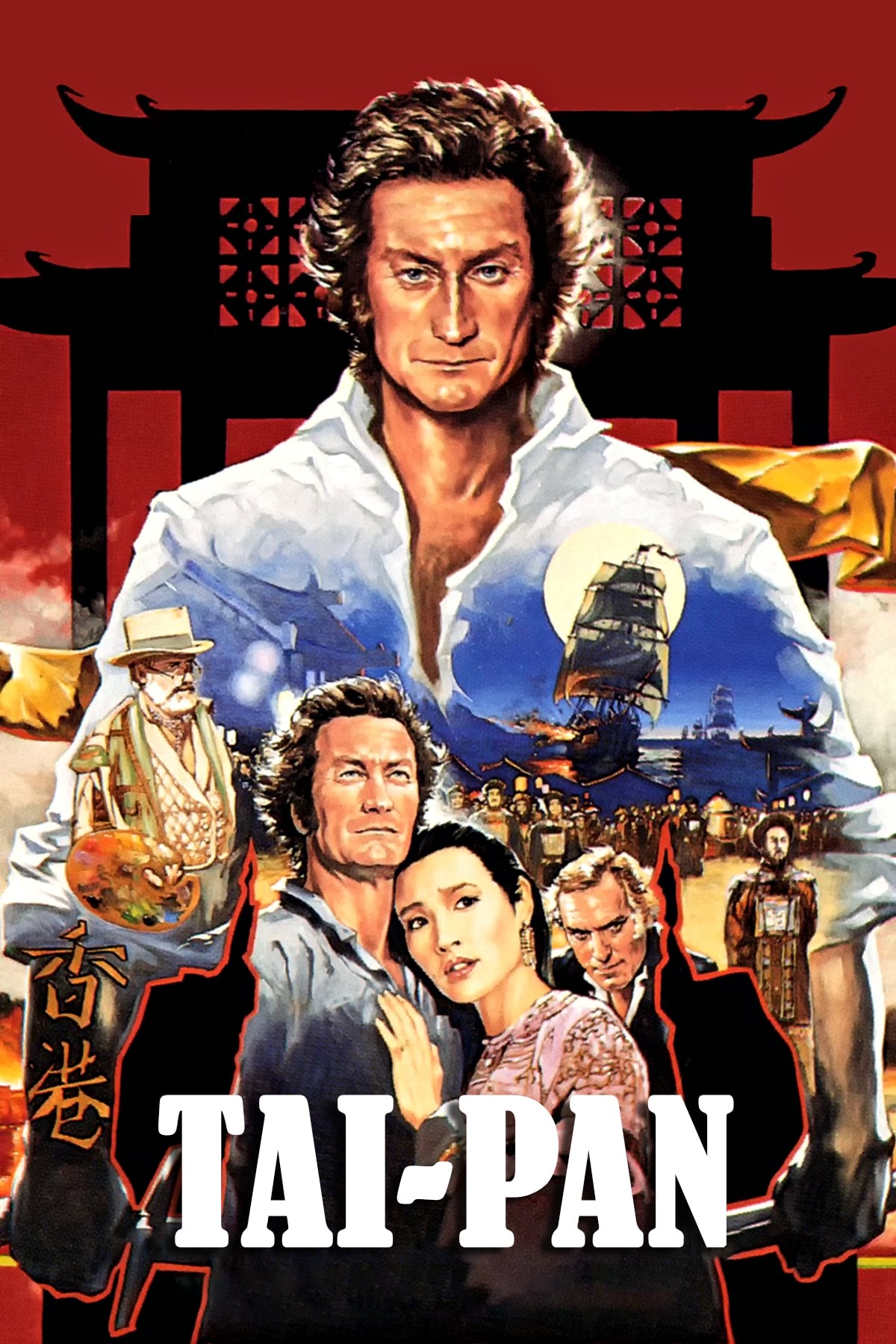
I was completely captivated by this film, starring Bryan Brown as the head of a major British trading company in Hong Kong during the 1800s. It really brings to life the fierce rivalry between merchants at the time, and how Hong Kong became a British colony. It’s based on James Clavell’s novel and does a fantastic job of showing the clashes and connections between the European traders and the local people. You really get a sense of the political and economic forces that drove everything that happened in the region – it’s a fascinating look at history!
‘The Garden of Allah’ (1936)

Marlene Dietrich plays a woman seeking both inner peace and excitement who journeys to the North African desert. There, she falls in love with a monk who has left his religious life behind. Their romance unfolds in the stunning landscapes of the Sahara, captured with groundbreaking three-strip Technicolor. The film uniquely features European actors playing roles set in a faraway part of Algeria.
‘Samson and Delilah’ (1949)
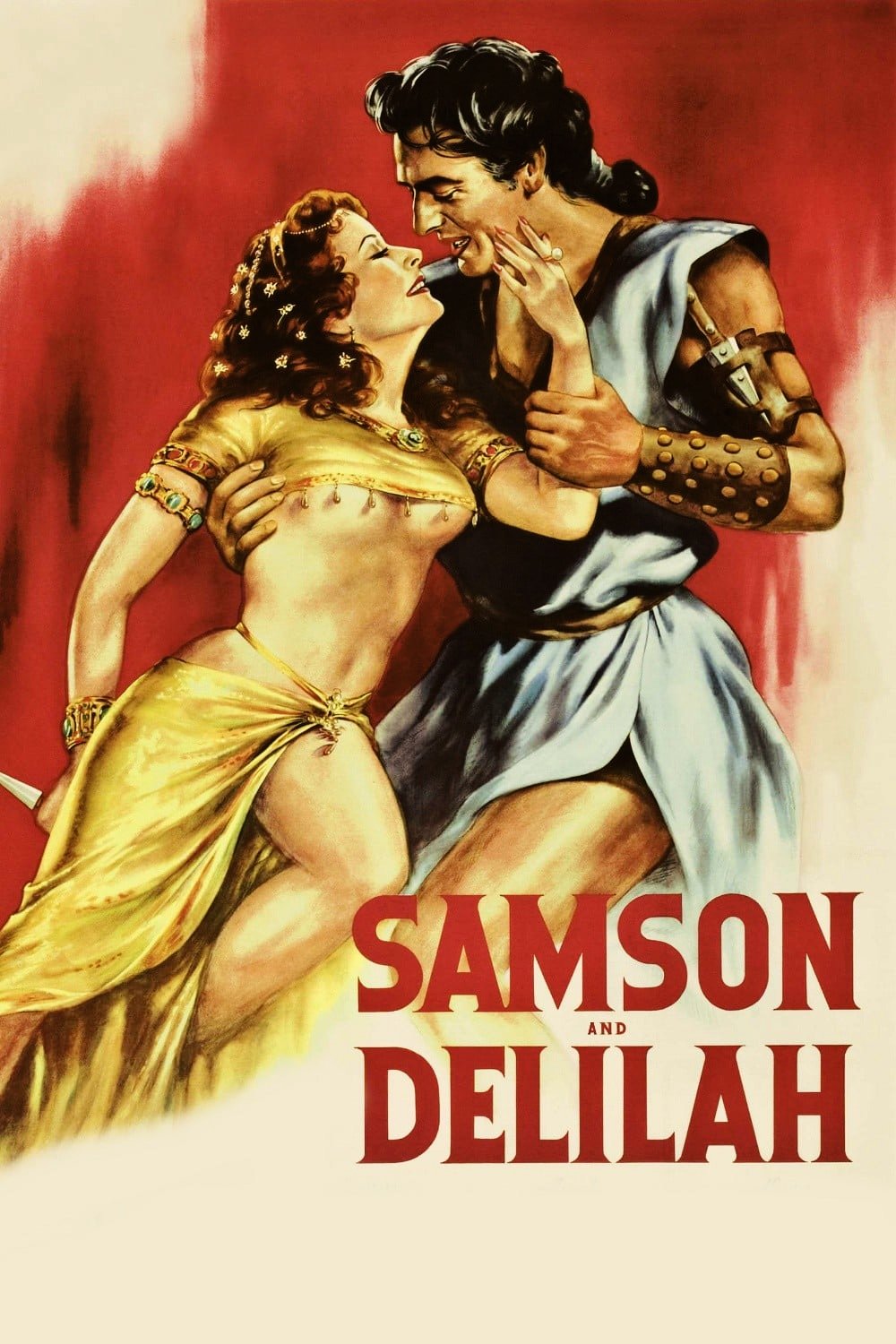
As a classic movie fan, I recently watched this epic starring Victor Mature and the stunning Hedy Lamarr. It tells the story of Samson, a hero with incredible strength, and his tragic love affair with a Philistine woman who ultimately betrays him. It’s directed by Cecil B. DeMille, so you can expect a really big, visually impressive film – everything he’s known for! It’s a classic tale of the conflict between the Israelites and Philistines, brought to life with a cast of familiar faces from old Hollywood.
‘David and Bathsheba’ (1951)
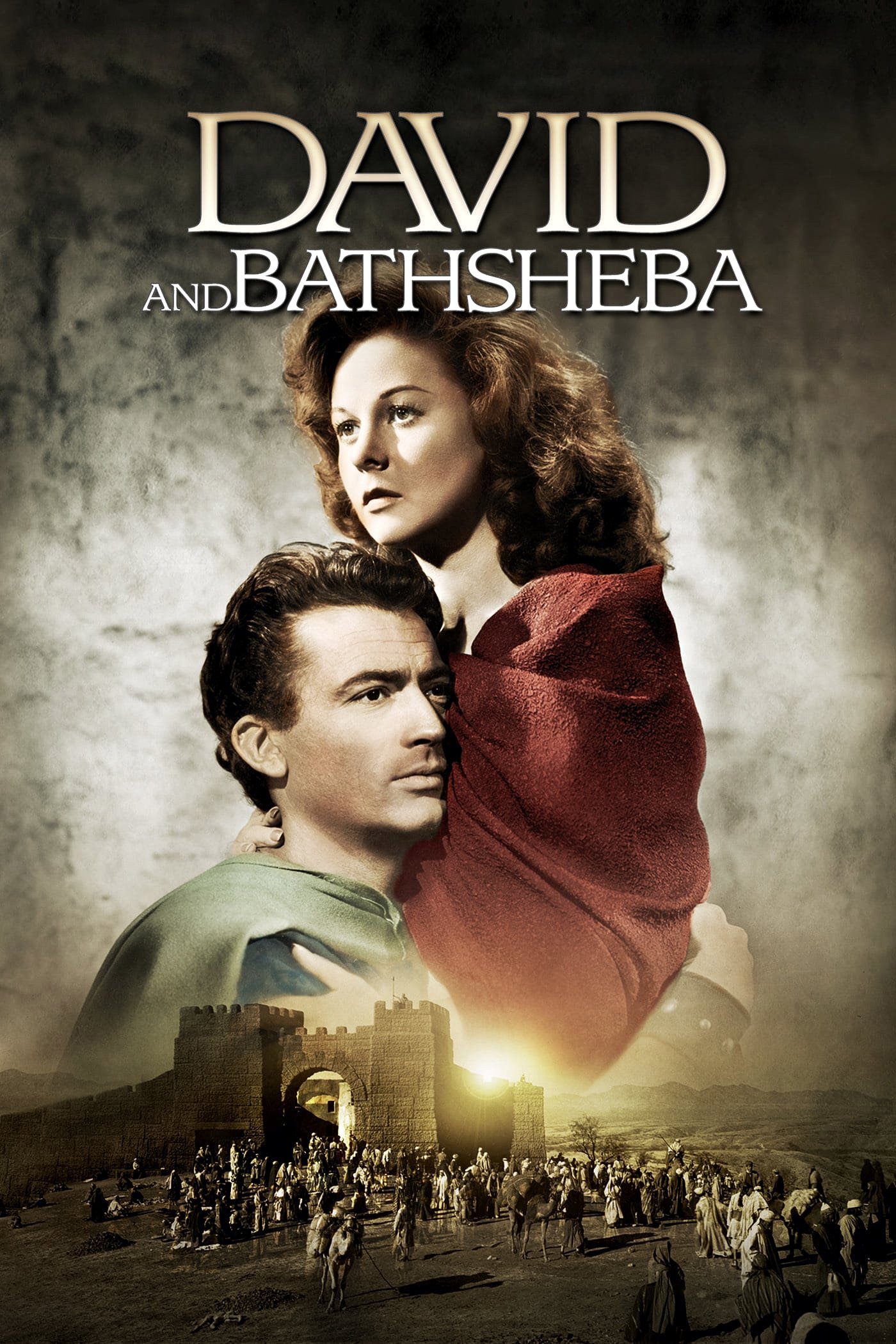
Gregory Peck plays King David, the second king of Israel, in this film about his forbidden love affair with Bathsheba, the wife of one of his soldiers. The story delves into the ethical fallout of his choices and his journey to find forgiveness. Susan Hayward plays Bathsheba, and the movie offers a personal look at these famous biblical characters, set in ancient Jerusalem and its neighboring kingdoms.
‘Solomon and Sheba’ (1959)
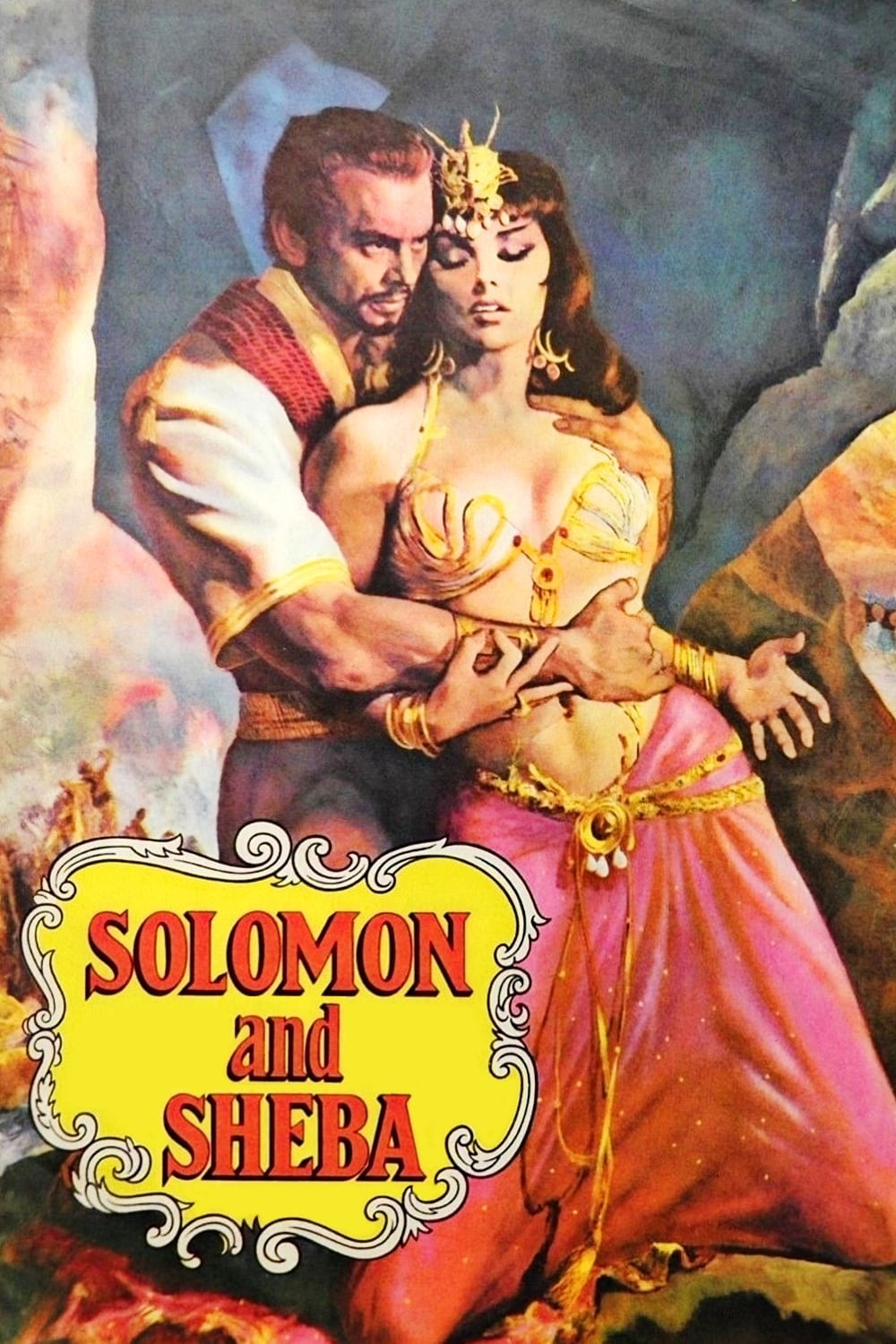
Yul Brynner plays King Solomon, who struggles to rule his kingdom while falling for the Queen of Sheba, portrayed by Gina Lollobrigida. The film explores the personal and political difficulties faced by the famous Israelite king, with impressive battle scenes and stunning visuals of the ancient world. Interestingly, the production featured two internationally renowned actors – one from Russia and one from Italy – playing characters from the Middle East and East Africa.
‘Barabbas’ (1961)

Anthony Quinn plays the criminal freed by Pontius Pilate instead of Jesus. The film tells the story of his life after Jesus’s crucifixion, as he grapples with remorse and tries to find meaning in a world that’s rapidly changing. We see his hardships working in the Sicilian mines and fighting as a gladiator in Rome. It’s a powerful story about faith and finding forgiveness, set in the early days of Christianity.
‘Esther and the King’ (1960)
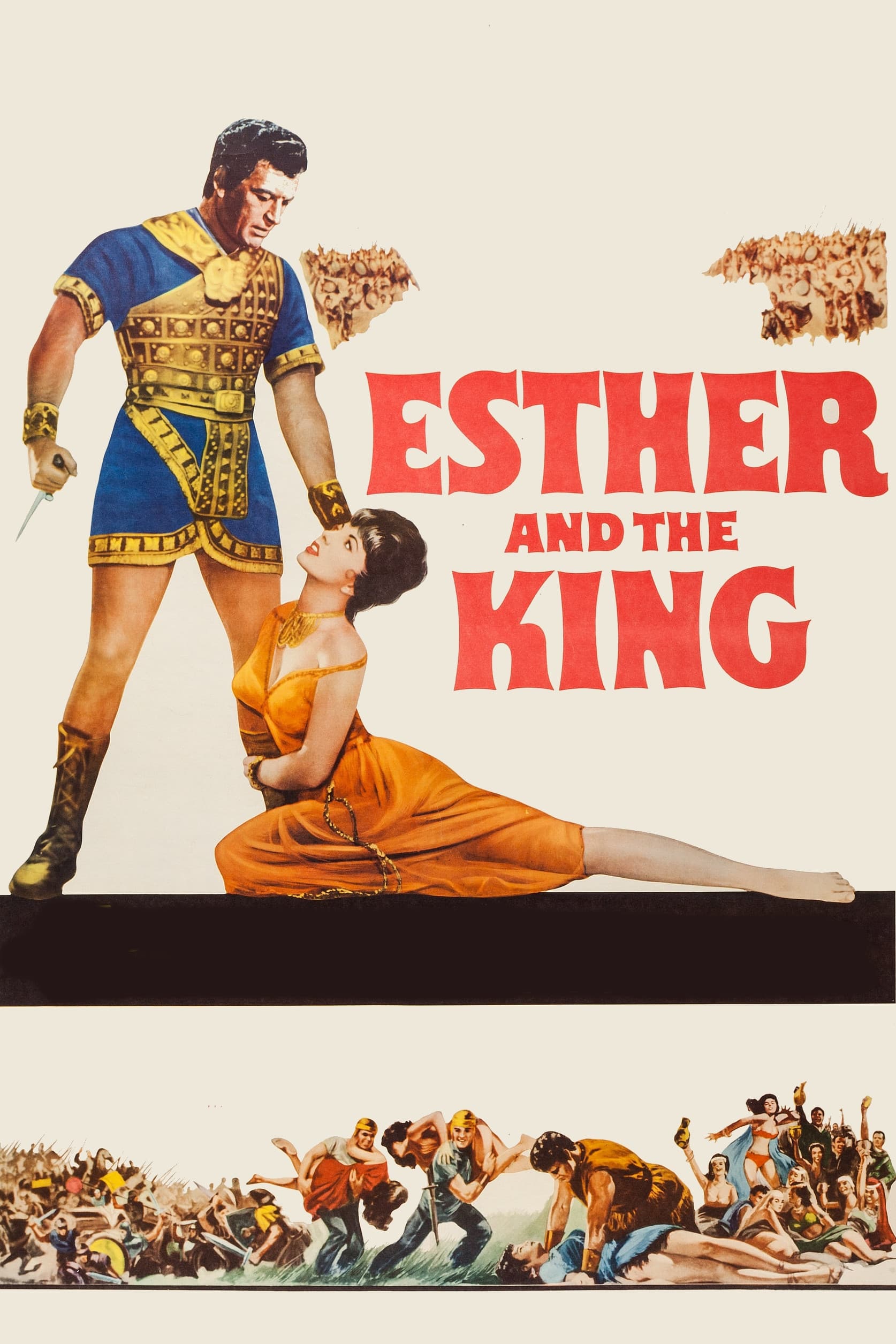
Joan Collins stars as Esther, a Jewish woman who rises to become Queen of Persia and bravely saves her people from destruction. Richard Egan plays King Ahasuerus in this movie, which is based on the biblical story of Esther. The film showcases the opulence of the Persian palace and the complex power struggles within the royal family. Like many epic films from the mid-20th century, it features Western actors portraying key figures from ancient Middle Eastern history.
‘Joseph and the Amazing Technicolor Dreamcoat’ (1999)
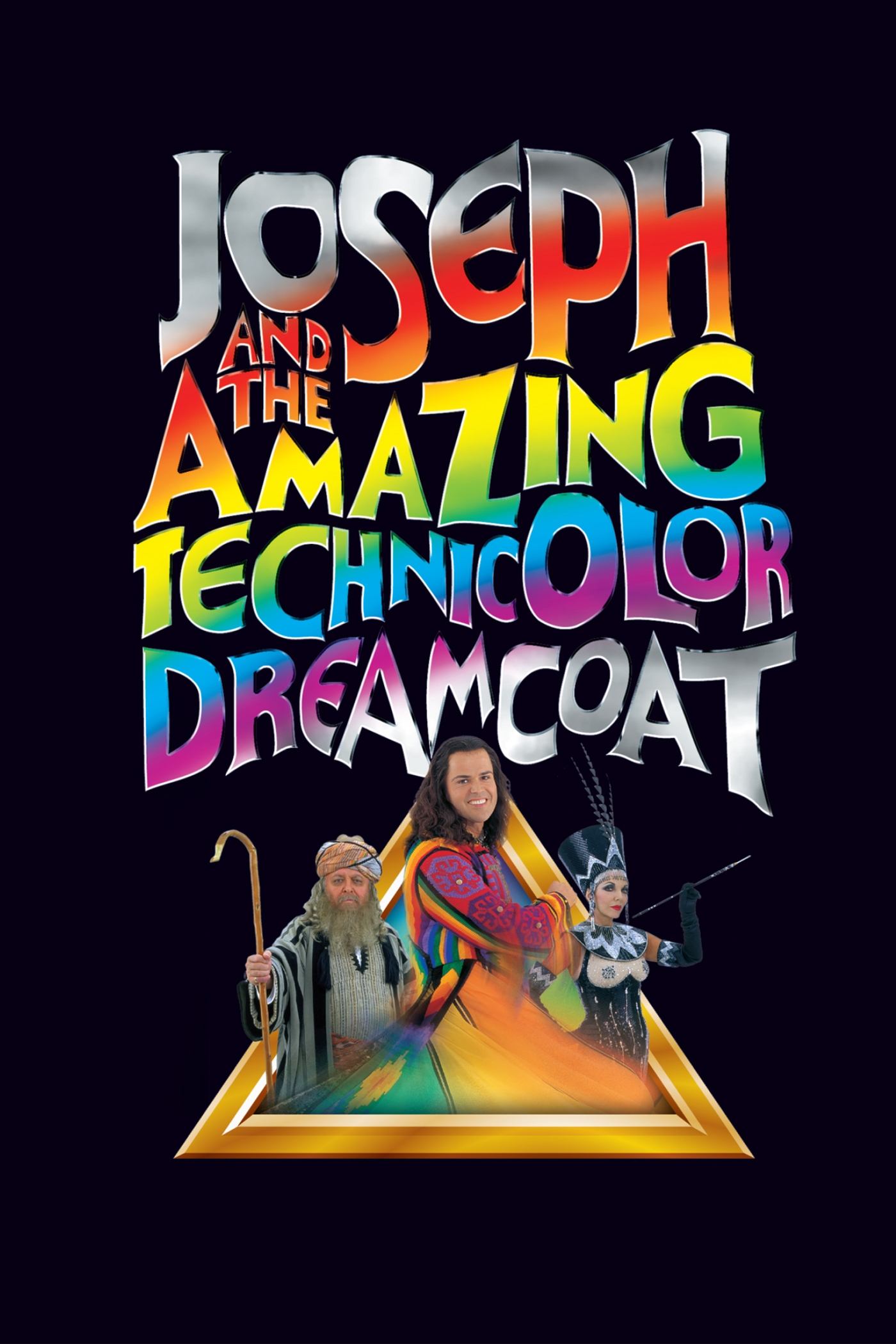
Donny Osmond plays Joseph, a man from the Bible who is betrayed by his brothers and sold into slavery in Egypt. This film is based on the popular stage musical and is filled with colorful costumes and a variety of music. It tells the story of how Joseph uses his gift of dream interpretation to become a trusted advisor to the Pharaoh. Notably, the movie primarily features white actors portraying characters from ancient Hebrew and Egyptian cultures.
‘One Night with the King’ (2006)
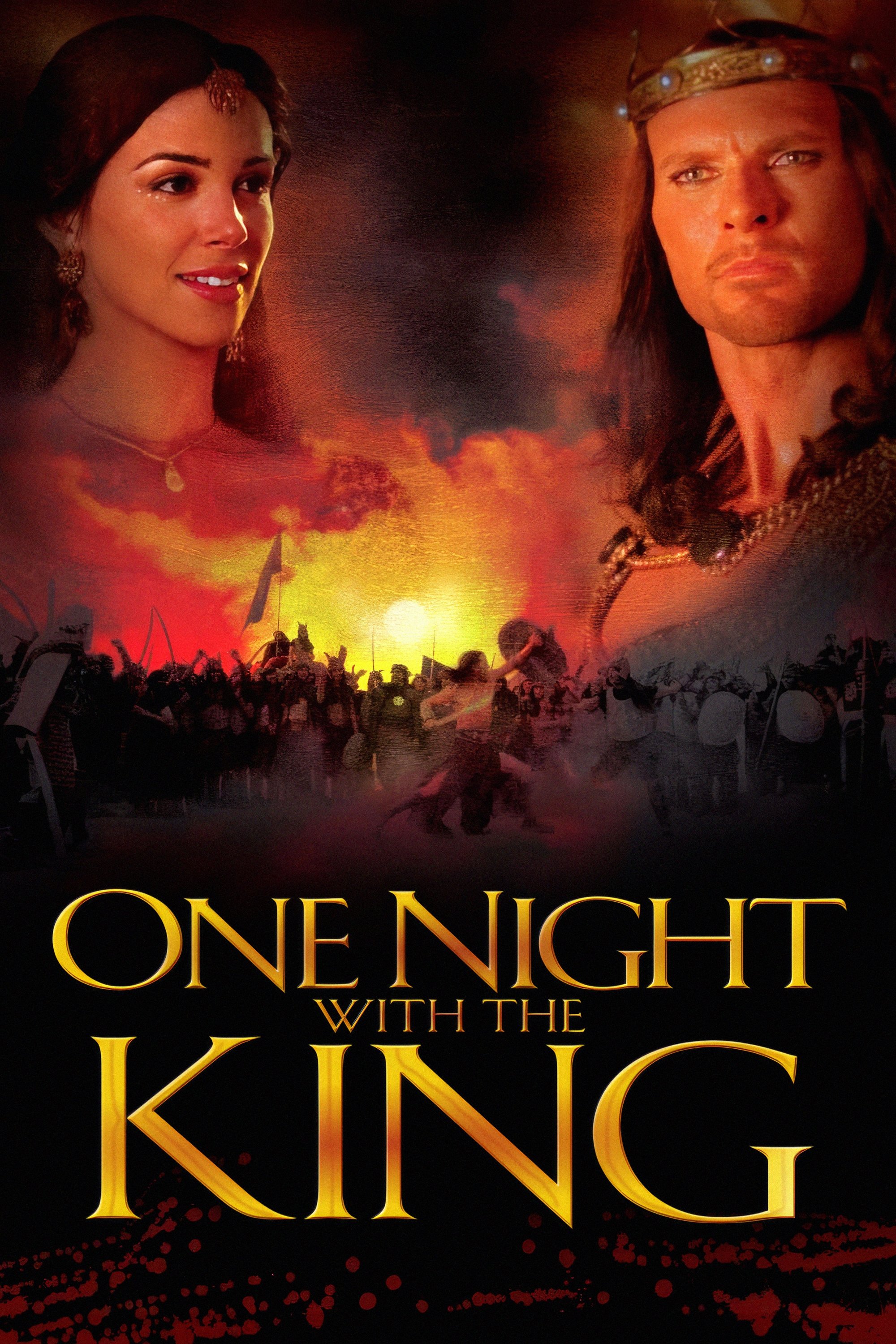
This movie tells the story of Hadassah, who becomes Queen Esther, in a fresh and modern way, based on the biblical tale. Tiffany Dupont plays Esther, and the film follows her as she tries to win the affection of King Xerxes and bravely defends her people. Luke Goss and John Rhys Davies also star in this historical drama, which highlights the romance and heroism of ancient Persia.
‘Jesus of Nazareth’ (1977)

This epic miniseries tells the story of Jesus, from his birth through his resurrection, with Robert Powell in the title role. Directed by Franco Zeffirelli, it features a diverse international cast playing key biblical characters. The production is known for its respectful approach and carefully crafted depiction of life in first-century Judea and Galilee, primarily using actors from Britain and across Europe.
‘The Robe’ (1953)
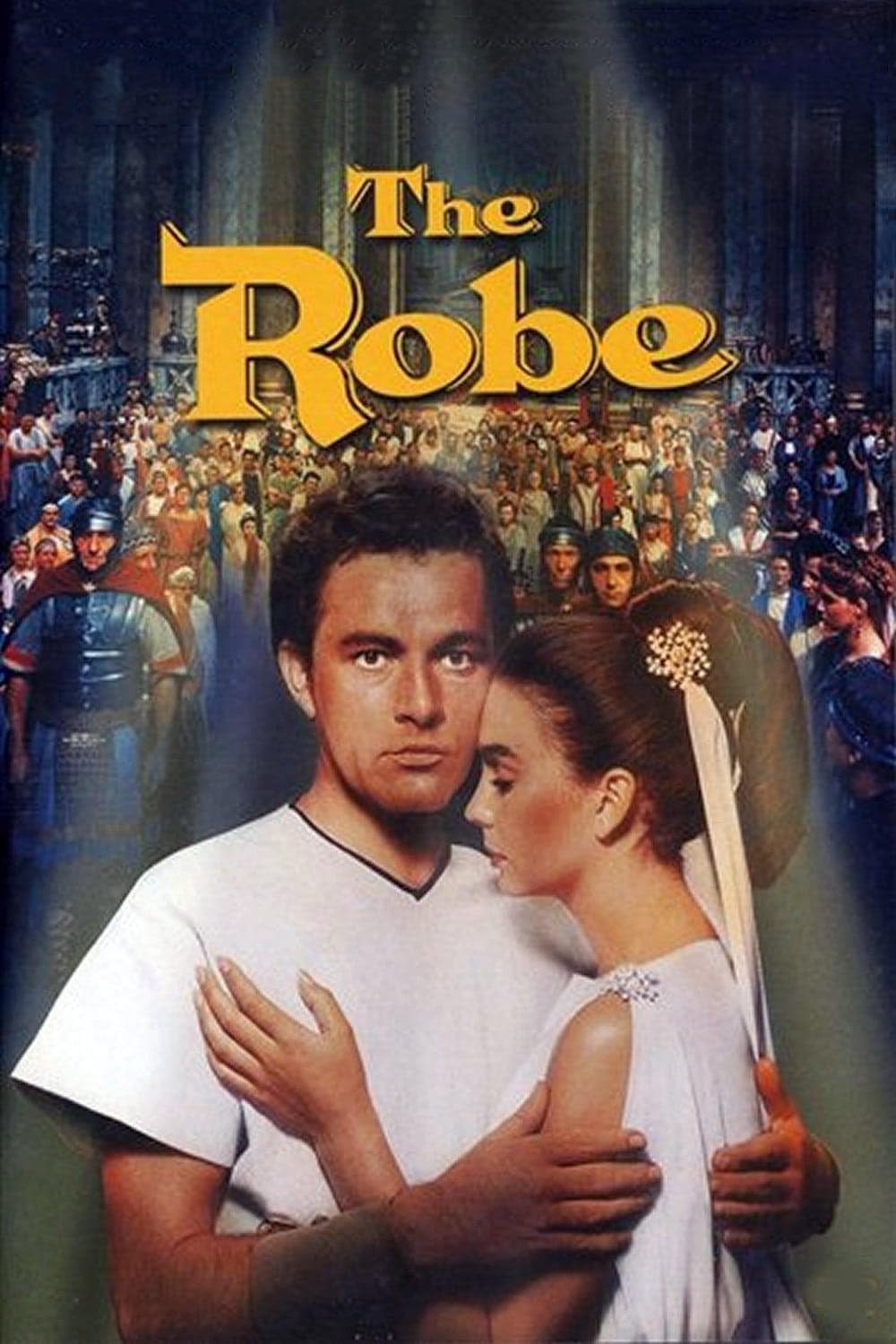
Richard Burton plays a Roman officer responsible for overseeing Jesus Christ’s crucifixion. He wins Jesus’s robe in a gamble and is then tormented by guilt, ultimately embracing the Christian faith. The film, set in Jerusalem, depicts his transformation into a defender of the first Christians. Notably, it was the first movie filmed in the widescreen CinemaScope format and featured well-known Western actors playing characters from the Middle East.
We’d love to hear what you think about these actors and how their roles have shaped cinema. Share your opinions in the comments below!
Read More
- Trading on Thin Air: AI Agents Conquer Crypto Volatility
- 20 Movies Where the Black Villain Was Secretly the Most Popular Character
- Invincible Season 4 Gender Swaps Tech Jacket As Fans Question Major Comic Change
- Silver Rate Forecast
- 22 Films Where the White Protagonist Is Canonically the Sidekick to a Black Lead
- 15 Films That Were Shot Entirely on Phones
- Gold Rate Forecast
- Trading Smarter: AI-Powered Execution Schedules
- Celebs Who Narrowly Escaped The 9/11 Attacks
- Smarter Order Execution: How AI is Outperforming Wall Street’s Playbook
2026-01-11 16:20