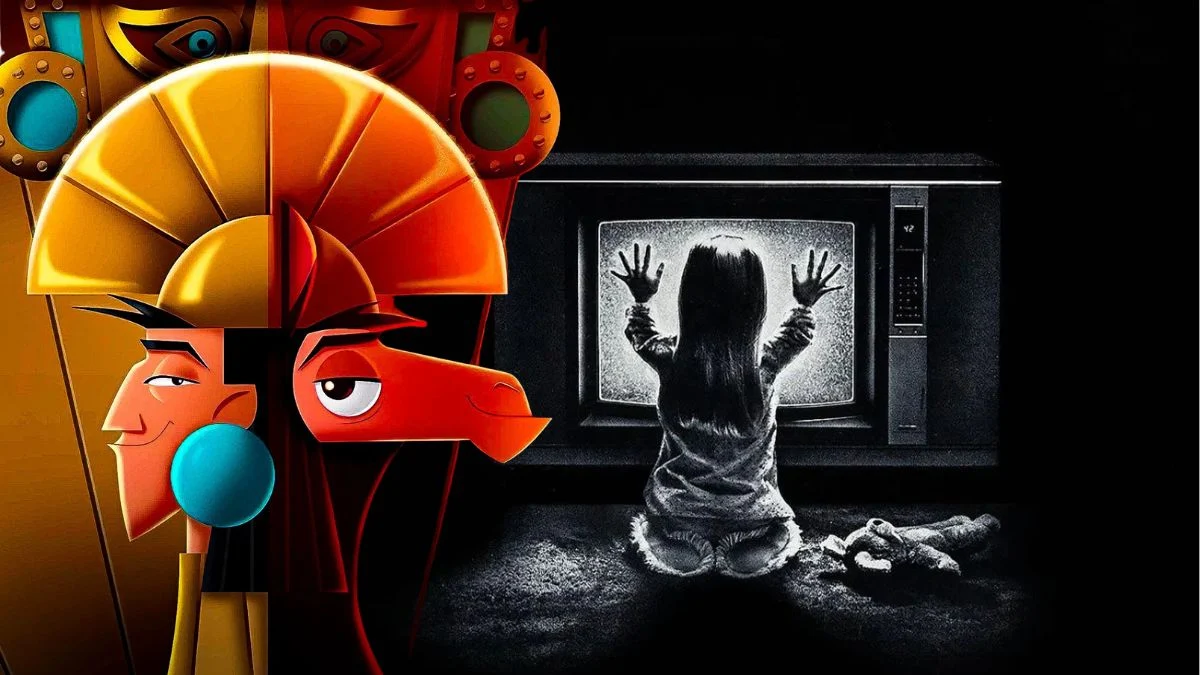
Movies often seem like magic, but the reality of making them can be surprisingly chaotic. Filmmaking is a complicated process, requiring a lot of money and involving strong-willed, creative people. Sometimes, productions face such terrible luck or poor planning that the story of how they were made becomes famous in itself. Here are a few films known for the disasters and strange events that happened during their creation.
‘Apocalypse Now’ (1979)
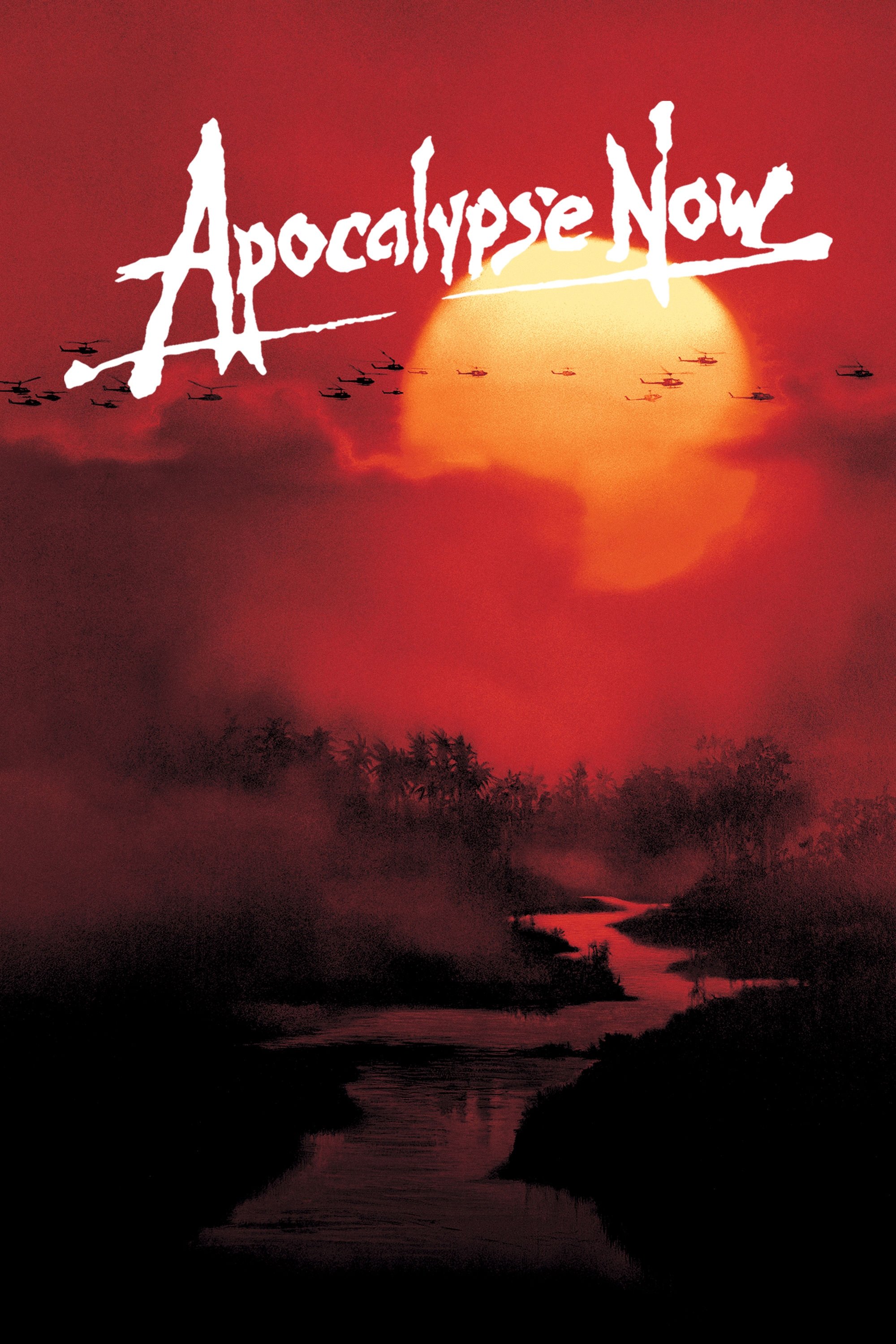
The filming of Francis Ford Coppola’s movie was plagued with problems. They battled a hurricane that wrecked their sets, and one of the stars, Martin Sheen, had a breakdown during filming. Marlon Brando showed up out of shape and hadn’t memorized his lines. As a result, the movie took much longer and cost far more to make than planned, especially while shooting in the jungles of the Philippines.
‘Roar’ (1981)
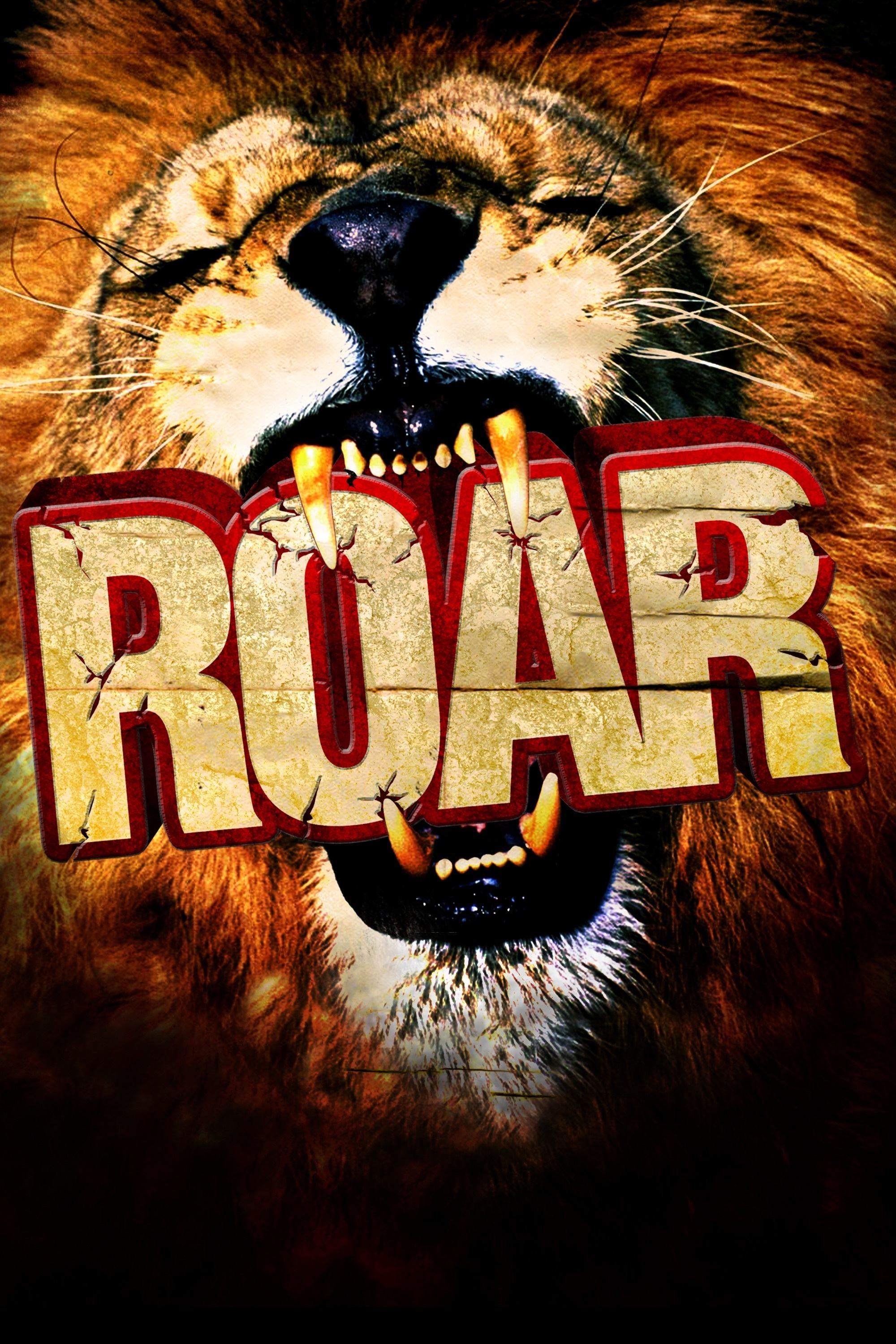
Tippi Hedren and Noel Marshall famously filmed with a large group of lions and tigers on their own land. The filming was incredibly dangerous, resulting in more than seventy injuries to the cast and crew. One particularly severe incident involved Jan de Bont, who was attacked by a lion and needed over a hundred stitches. The movie took eleven years to finish and ultimately cost the family all of their money.
‘The Island of Dr. Moreau’ (1996)
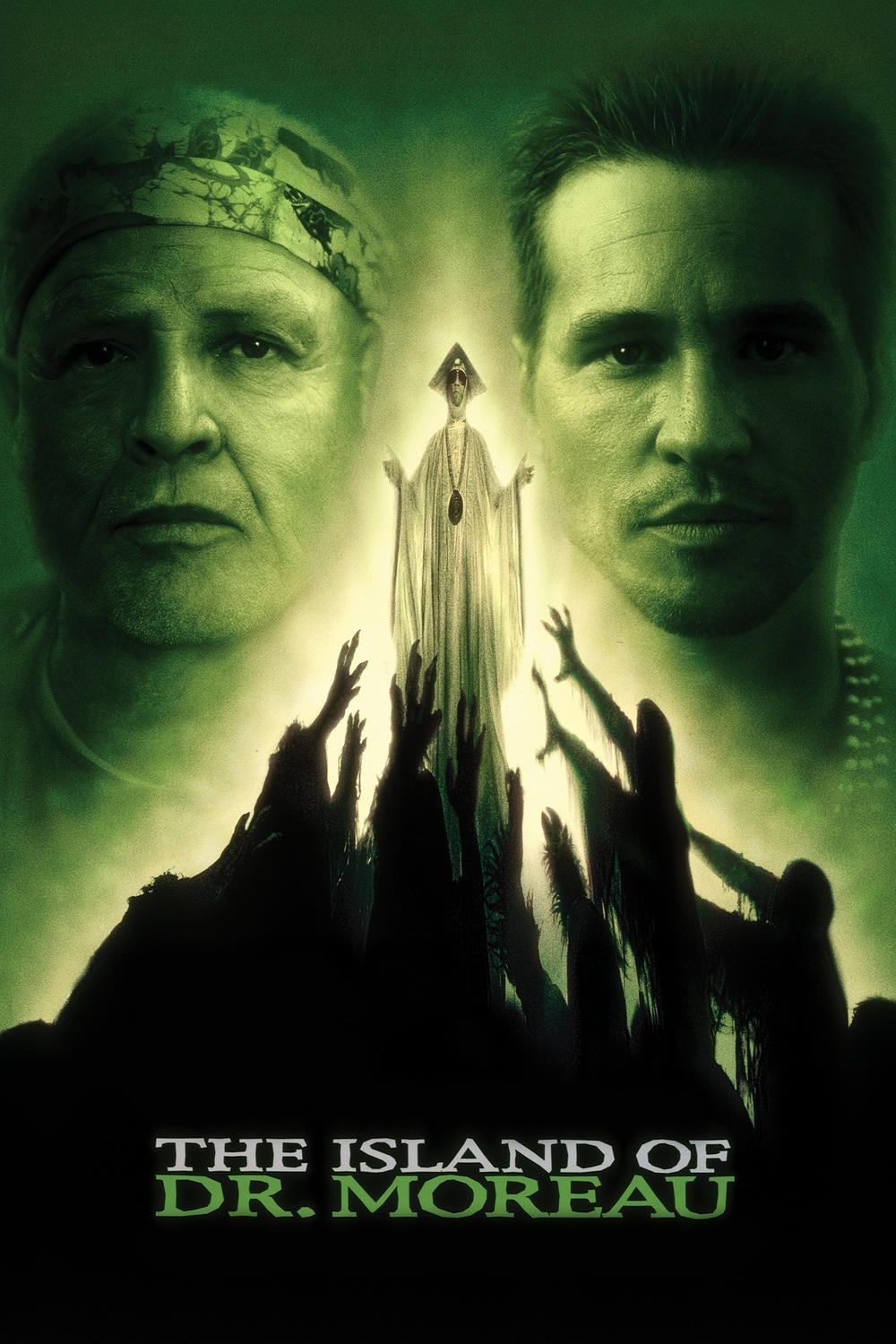
The film’s original director, Richard Stanley, was replaced, but he cleverly returned to the set disguised as an extra wearing a dog mask. Throughout filming, stars Val Kilmer and Marlon Brando frequently argued with the crew and with each other. Brando was particularly difficult, demanding he wear an ice bucket on his head and refusing to memorize his lines. To make matters worse, a hurricane hit during production, leading to a total breakdown of order on set.
‘Fitzcarraldo’ (1982)

Werner Herzog, the director, famously insisted on physically moving a 300-ton steamship over a mountain—no computer effects were used. The filming was incredibly stressful; tensions escalated to the point where local extras offered to harm the lead actor, Klaus Kinski, on Herzog’s behalf. Several people on the crew were injured, and tragically, a local man died during the river scenes. The film was also delayed by border conflicts and the unpredictable behavior of Kinski.
‘The Abyss’ (1989)
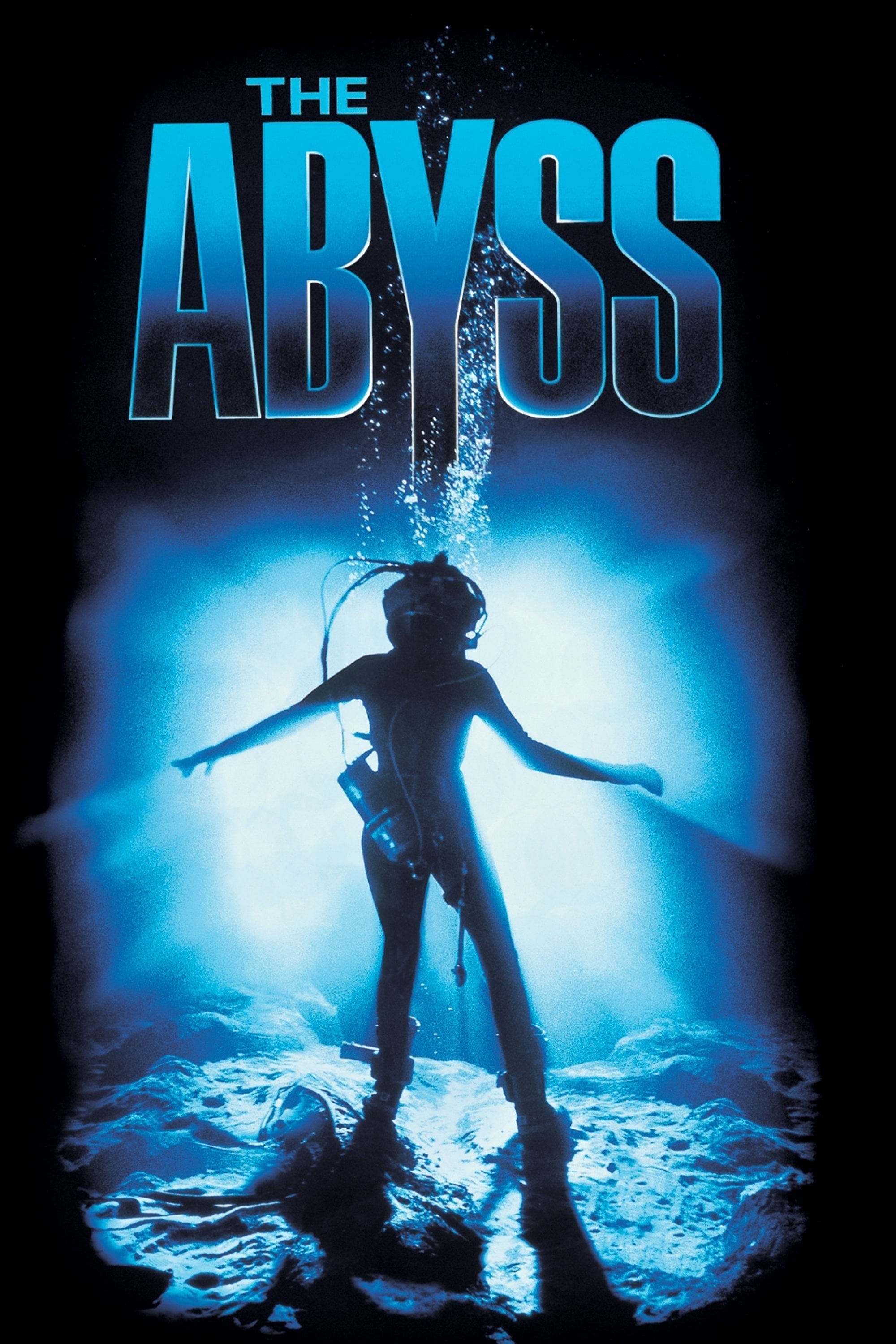
James Cameron pushed his actors to their limits on the set of the film, requiring them to spend long hours submerged in a huge water tank. The conditions were incredibly challenging and dangerous; Ed Harris almost drowned when his breathing equipment failed, and many actors suffered skin irritation and hair loss from the heavily chlorinated water. The intense physical and emotional strain even caused a breakdown for Mary Elizabeth Mastrantonio.
‘Waterworld’ (1995)
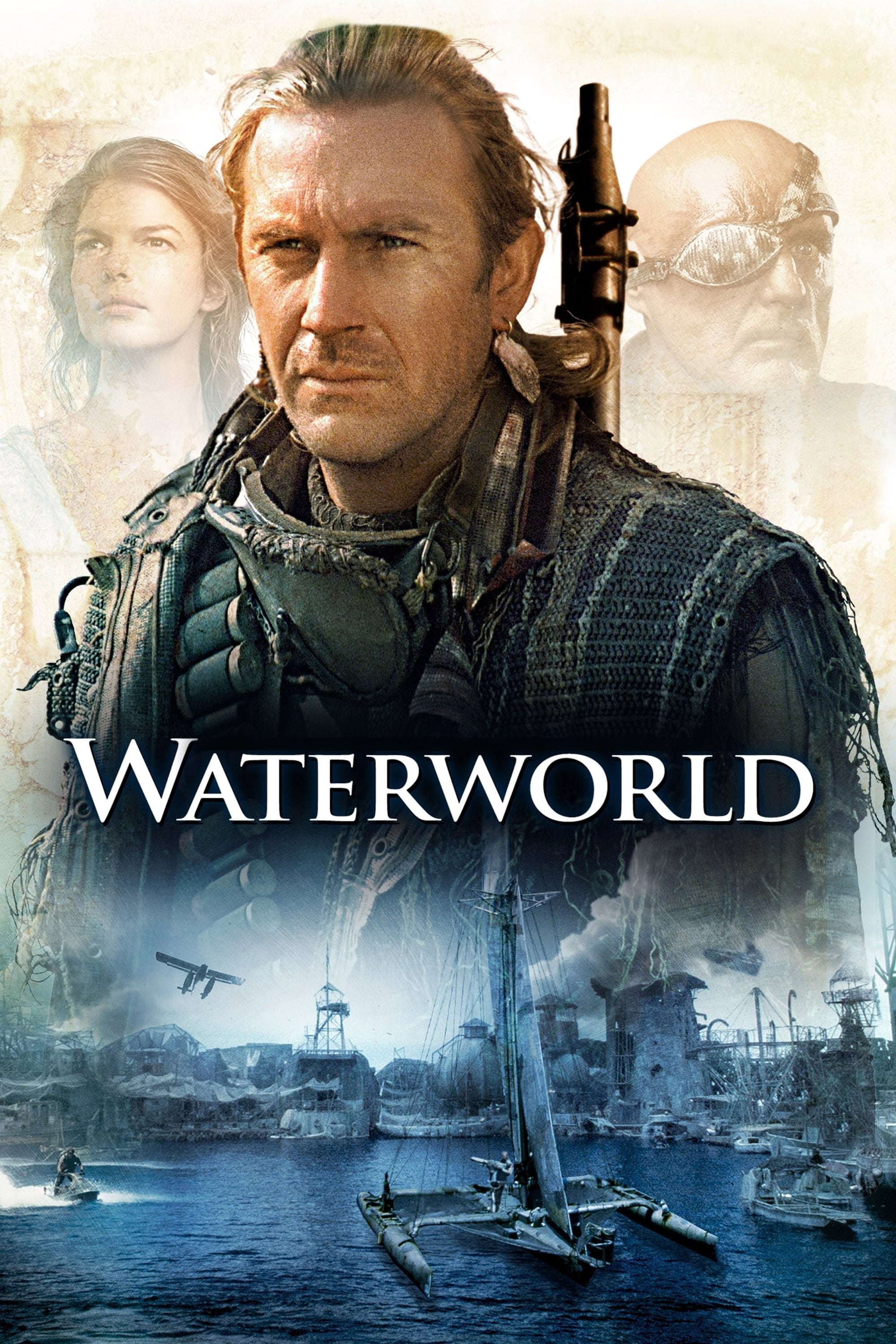
Shooting the movie on the ocean created huge logistical problems and dramatically increased the budget. Hurricanes damaged the sets repeatedly, requiring costly rebuilds. Kevin Costner spent over 150 days filming as expenses climbed. Late in the production, the original composer, Mark Isham, was replaced, and screenwriter Joss Whedon was brought in to revise the script.
‘Titanic’ (1997)
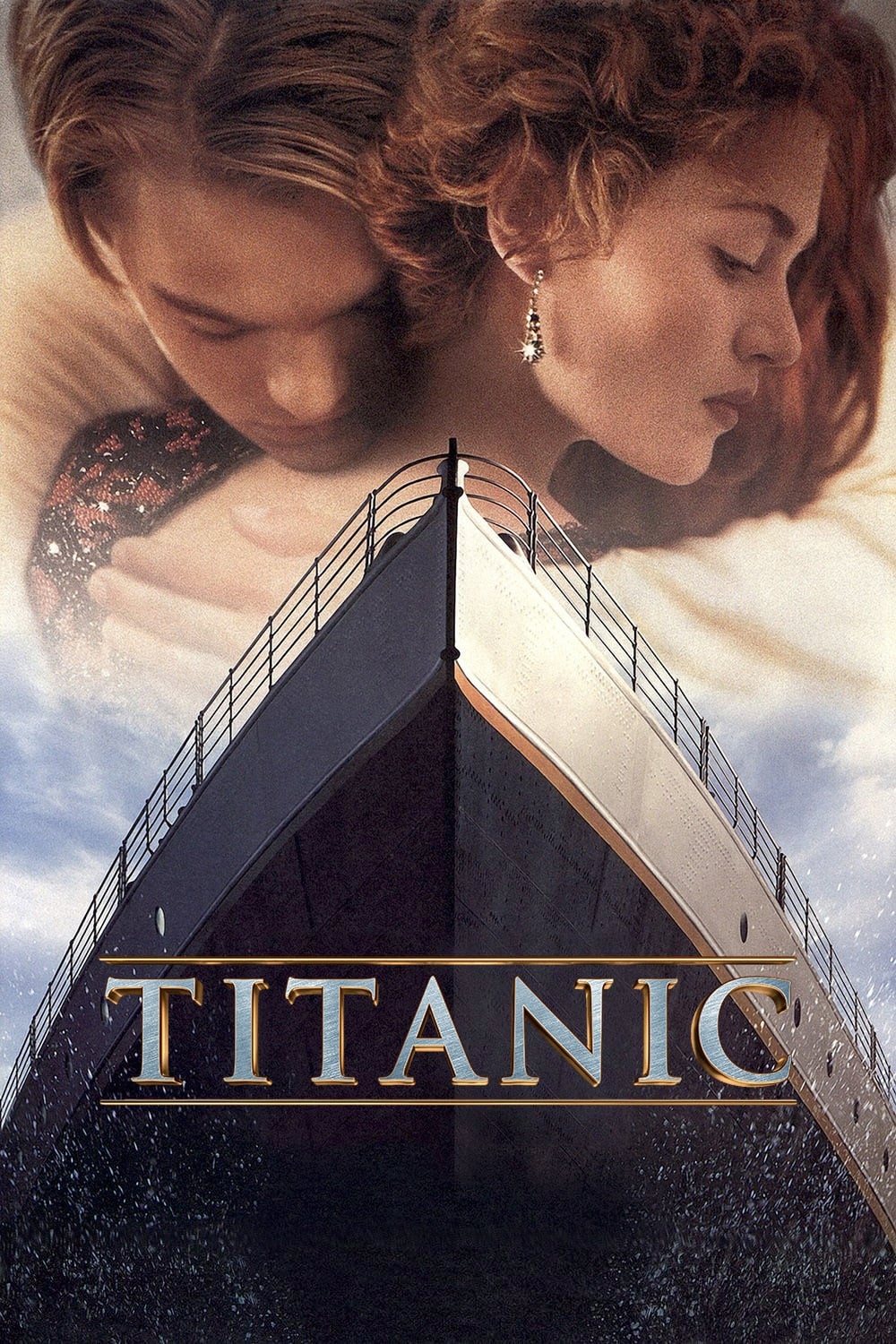
Filming Titanic was incredibly difficult. James Cameron spent far more money than planned and even offered to work for free to finish the movie. A bizarre incident involving spiked soup sent fifty crew members to the hospital. Kate Winslet almost drowned and suffered from hypothermia because she didn’t want to wear a wetsuit. The grueling shoot led many to worry the film wouldn’t succeed.
‘The Wizard of Oz’ (1939)
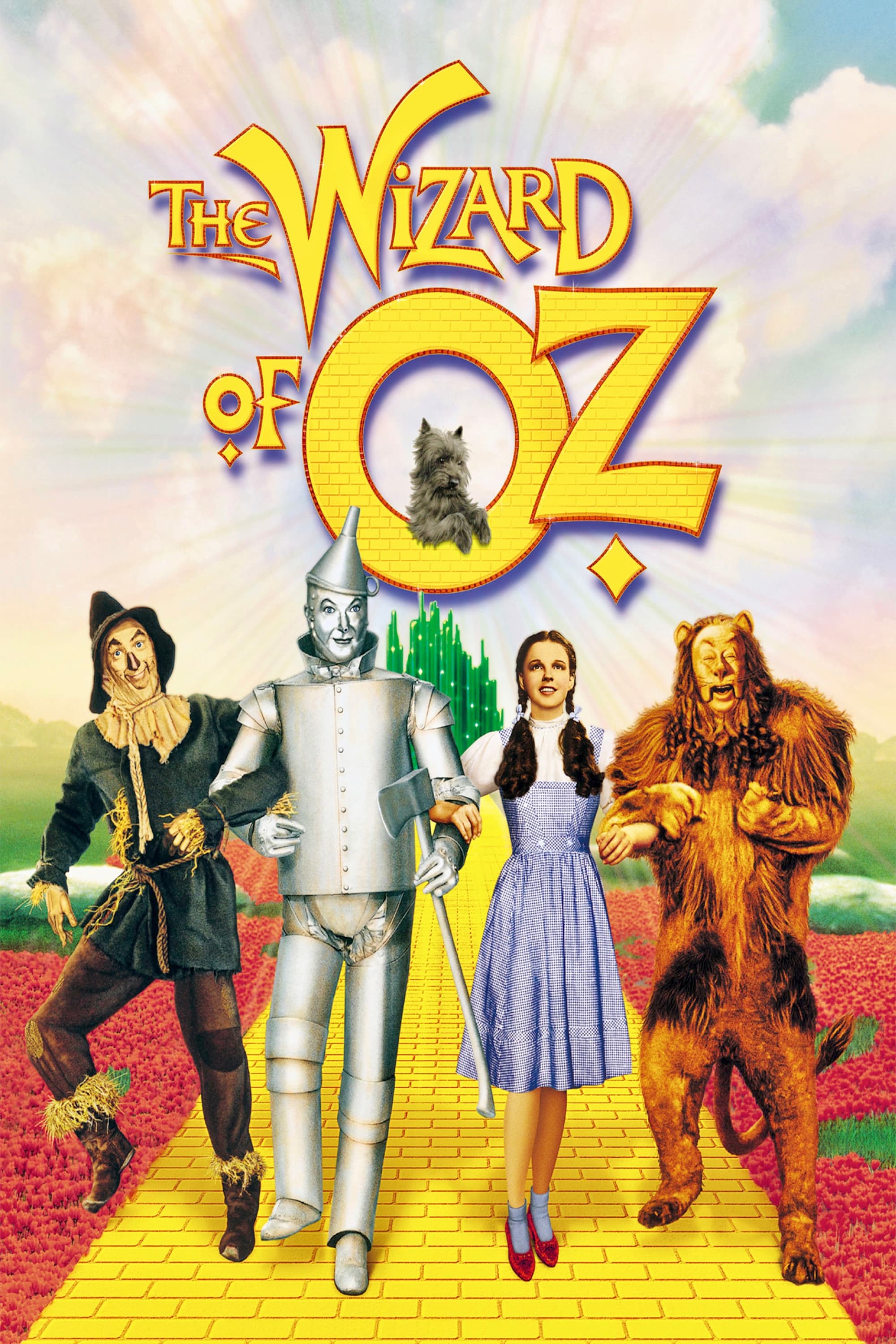
During the filming of ‘The Wizard of Oz,’ several actors faced serious challenges. Buddy Ebsen, who played the Tin Man, had to be hospitalized because the aluminum powder in his makeup damaged his lungs. Margaret Hamilton, who played the Wicked Witch, was badly burned when a special effect went wrong. The actors portraying the Munchkins were known for causing trouble at the hotel where they stayed. And Judy Garland was given stimulants and sedatives to help her manage the film’s exhausting schedule.
‘The Shining’ (1980)
During the making of the film, Stanley Kubrick pushed Shelley Duvall relentlessly to achieve a truly raw and emotionally draining performance. He insisted on numerous retakes, even for basic scenes, and wouldn’t deviate from his artistic goals. The intense pressure led to Scatman Crothers becoming visibly upset after repeating one scene over a hundred times, and ultimately caused Duvall to lose hair and experience severe exhaustion.
‘The Crow’ (1994)
During the filming of the movie, a terrible accident occurred when lead actor Brandon Lee was fatally shot by a prop gun that unexpectedly contained a live bullet fragment. Production was immediately stopped as everyone grieved the loss. The filmmakers then used techniques like digital effects and stand-ins to finish the remaining scenes. The film was ultimately released as a memorial to Lee, despite the tragic events surrounding its completion.
‘Twilight Zone: The Movie’ (1983)
A tragic helicopter crash during filming killed actor Vic Morrow and two young child actors. Director John Landis was found to have broken child labor laws by allowing the children to work late into the night. This event resulted in a long and complex criminal trial and led to lasting improvements in safety standards for movie productions. The accident deeply affected everyone involved and cast a somber tone over the film’s release.
‘The Conqueror’ (1956)

As a huge movie buff, I recently learned a truly disturbing fact about a classic film. It was shot in Nevada, right near where they were doing nuclear testing back in the Cold War. What’s even more shocking is that the producers actually brought tons of dirt from the testing site back to the studio – apparently, they needed it to keep the shots consistent! Sadly, many people involved in the movie, including John Wayne, later developed cancer. It’s now considered one of the most dangerous film productions ever made, and it’s a really sobering thought when you watch it.
‘Poltergeist’ (1982)
Following the release of the first film, rumors began circulating about a curse after actress Dominique Dunne was tragically murdered. During the making of the third movie, young Heather O’Rourke unexpectedly passed away due to a medical error. To save money, the filmmakers actually used real human skeletons as props. These sad events contributed to the widespread belief that the film series was haunted.
‘The Exorcist’ (1973)

The set of the MacNeil house was completely destroyed by fire, with only the room where the possession occurred remaining intact. During filming, both Ellen Burstyn and Linda Blair sustained lasting spinal injuries from performing stunts. Tragically, nine people connected to the movie died either during production or shortly afterward. The unsettling atmosphere on set led to a priest being called in to perform blessings on multiple occasions.
‘Blade Runner’ (1982)
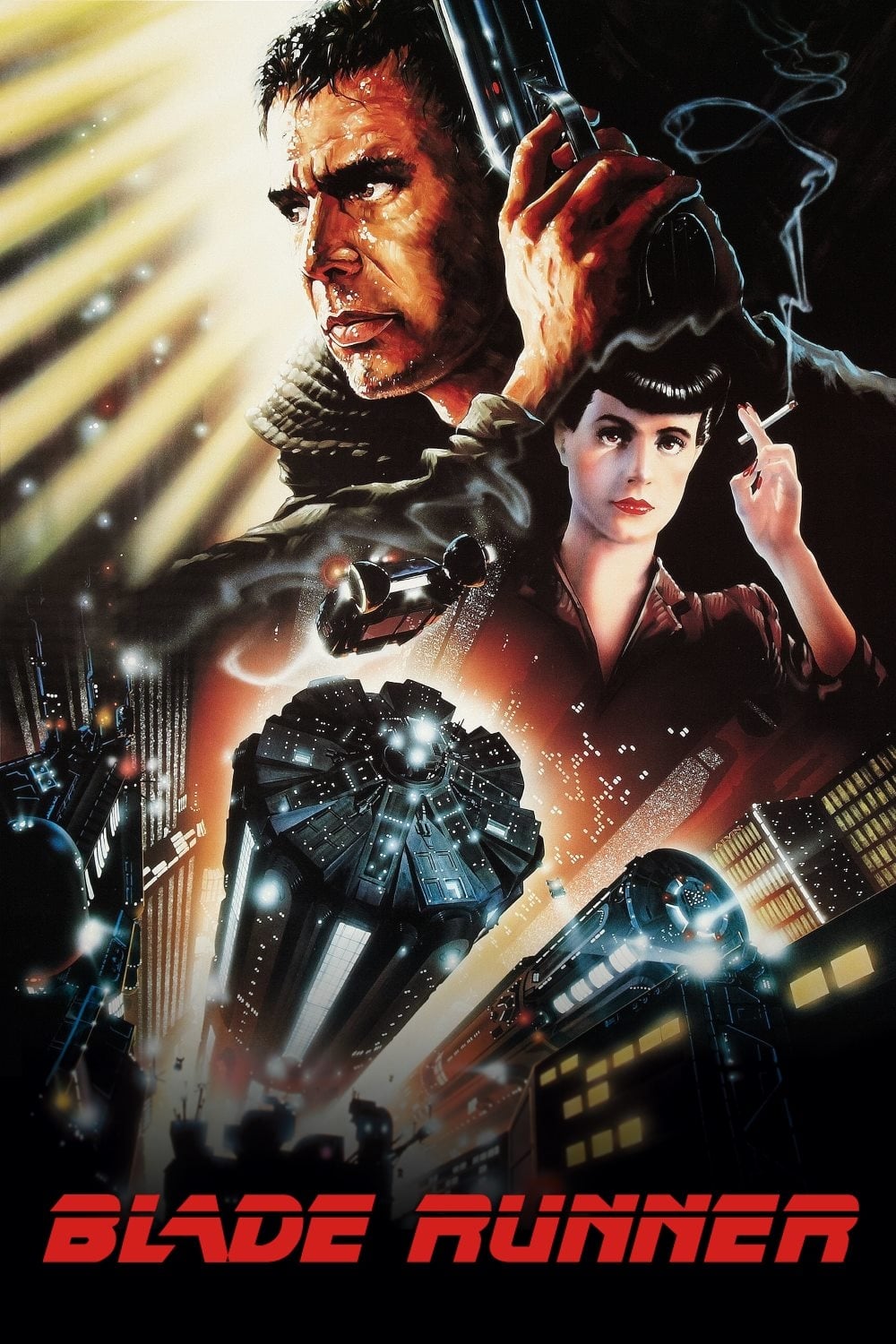
Harrison Ford and director Ridley Scott clashed repeatedly over the narration and how the main character should be portrayed. The film crew, frustrated by Scott’s intense demands and long overnight filming sessions, even made t-shirts poking fun at him. Ultimately, the producers took over editing the movie and added a cheerful ending that Scott disliked. While initially a box office failure, the film eventually gained a following over time.
‘Mad Max: Fury Road’ (2015)
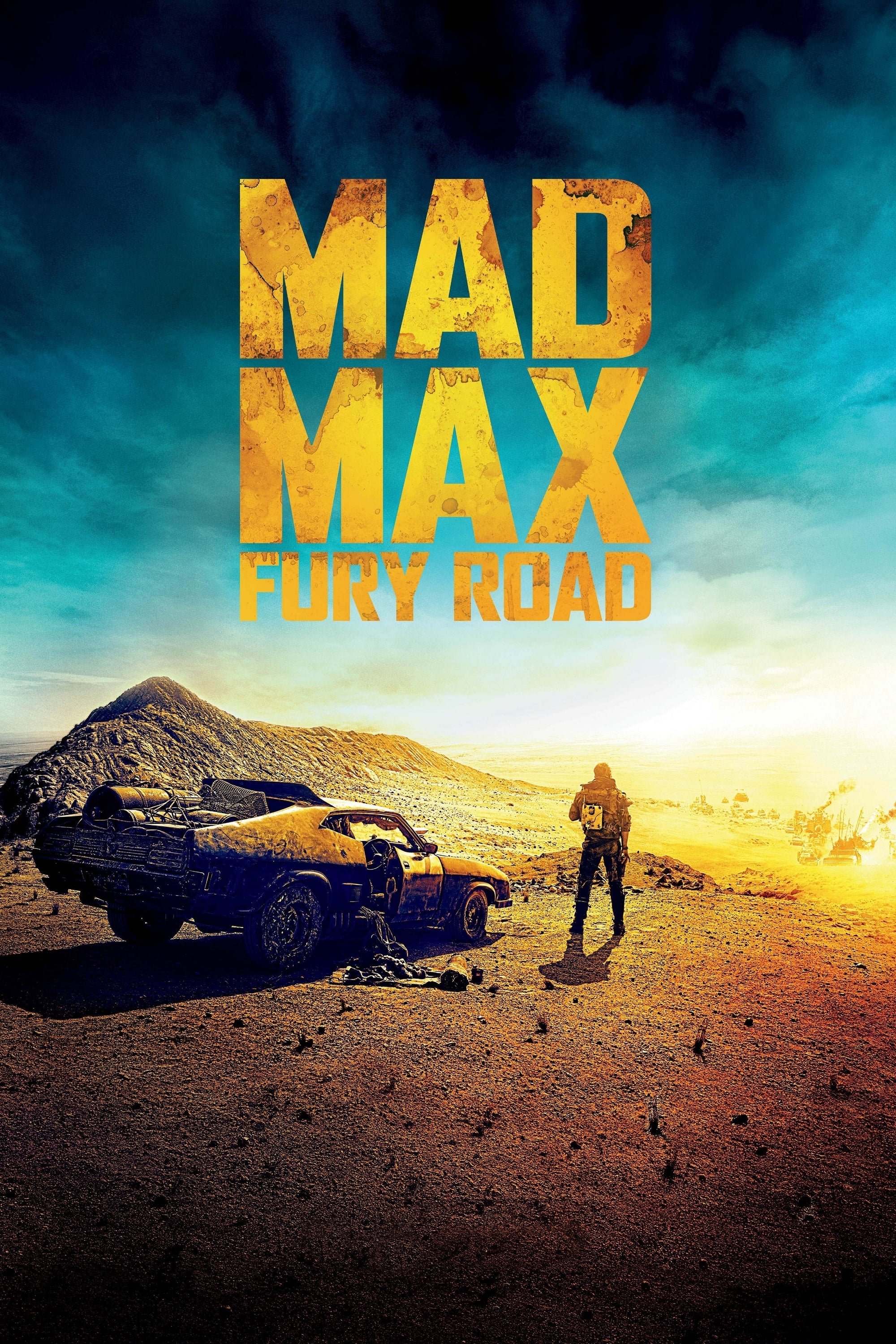
Tom Hardy and Charlize Theron didn’t get along, which created a lot of tension on the movie set. Filming took place over months in the harsh conditions of the Namibian desert, with intense heat and a feeling of being cut off from everything. Director George Miller filmed a massive amount of footage, but surprisingly, there wasn’t a typical script. Plus, the complex and realistic stunts were incredibly demanding for the stunt team.
‘The Revenant’ (2015)
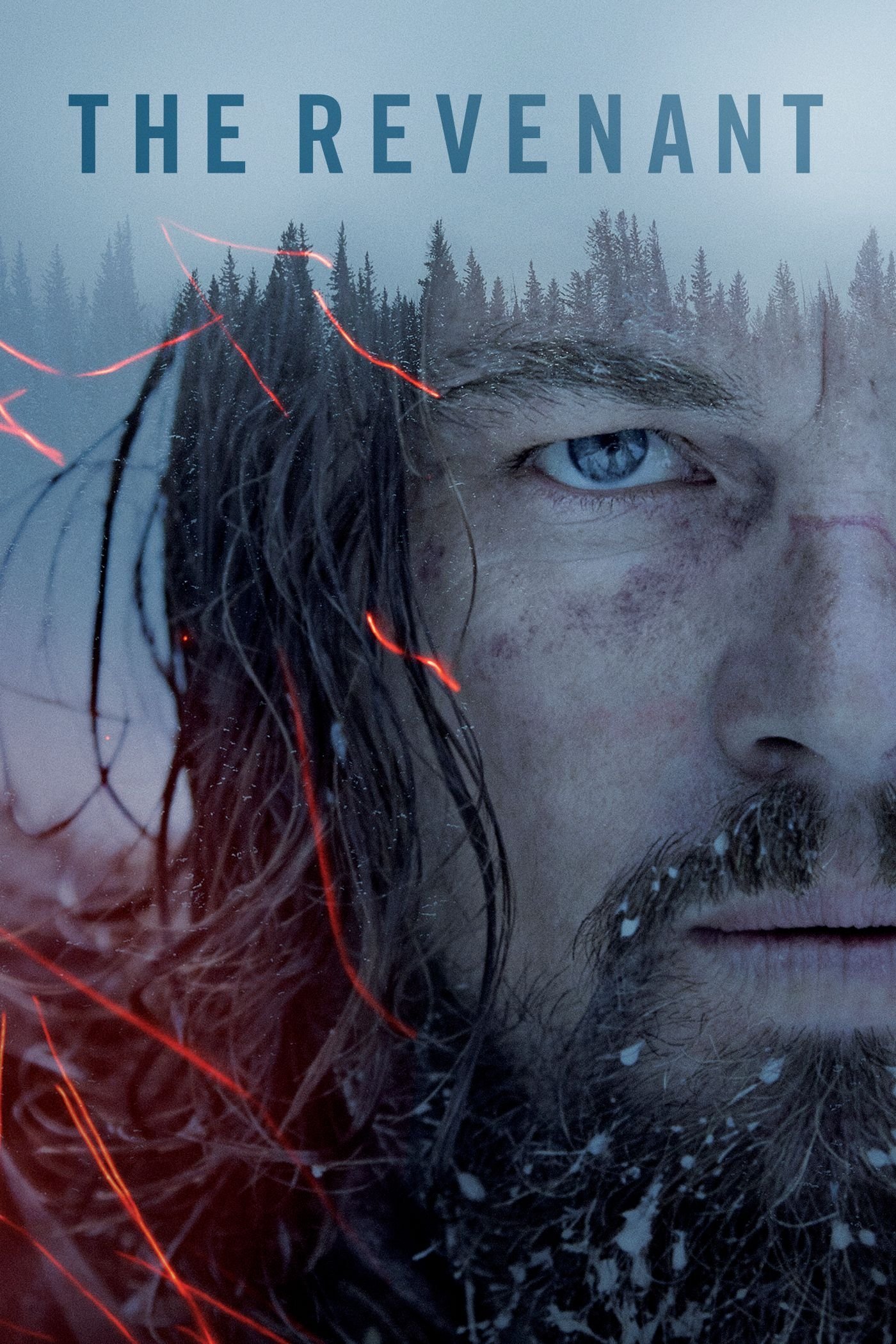
Alejandro G. Iñárritu was committed to filming only using natural light, even in extremely cold and isolated places. Leonardo DiCaprio fully committed to his role, going so far as to eat raw bison liver and sleep inside an animal’s body. The difficult conditions and the director’s strict vision led some crew members to leave the project. As the weather warmed and the snow melted, filming fell behind schedule and the costs significantly increased.
‘World War Z’ (2013)
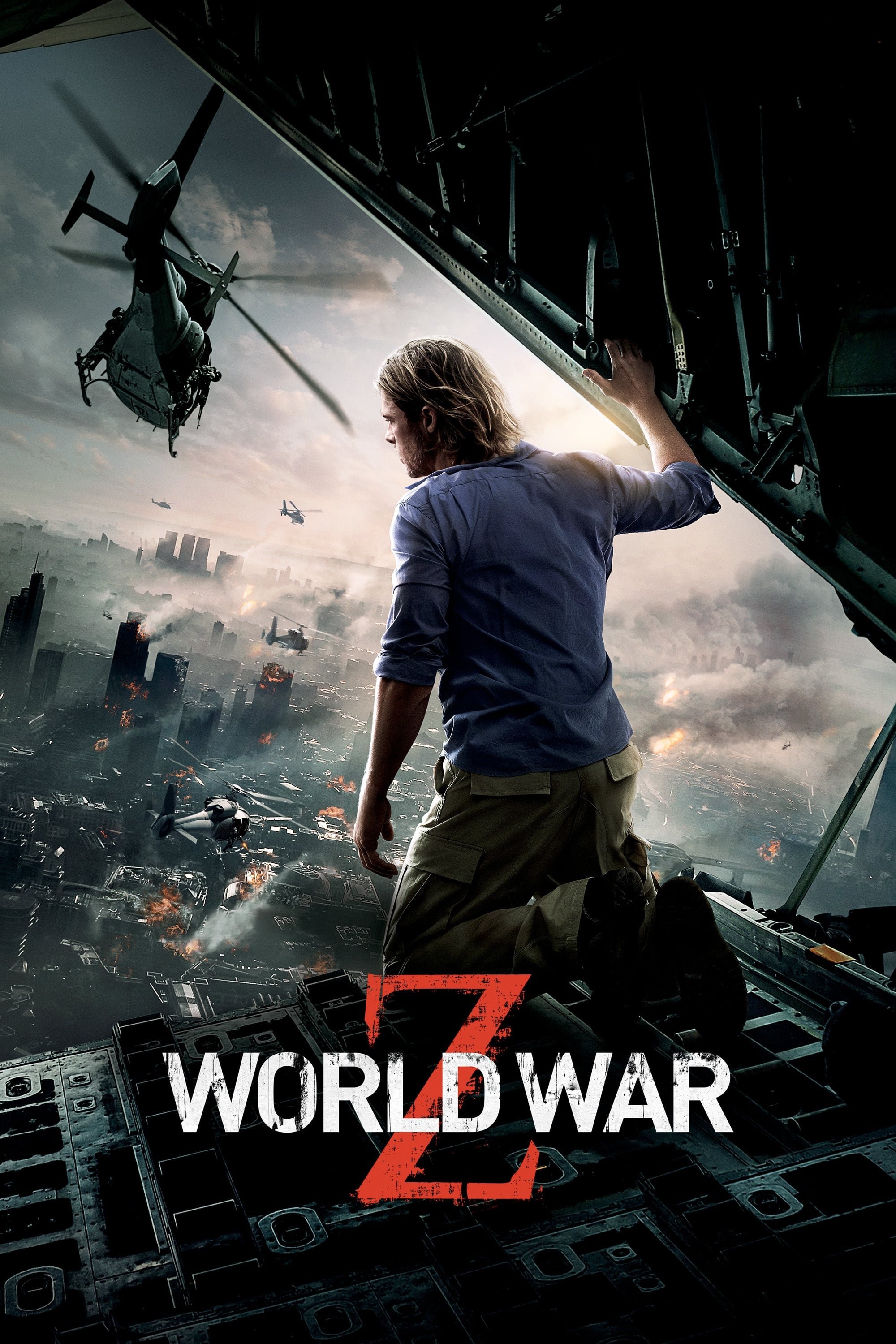
After the first version of the film’s third act didn’t work, it was completely reworked and filmed again. A large battle scene set in Russia was cut, and replaced with a more suspenseful conclusion. Writer Damon Lindelof was brought in to fix the script, which caused the film’s release to be delayed. Throughout production, there were problems with unclear direction and increasing expenses.
‘Fantastic Four’ (2015)
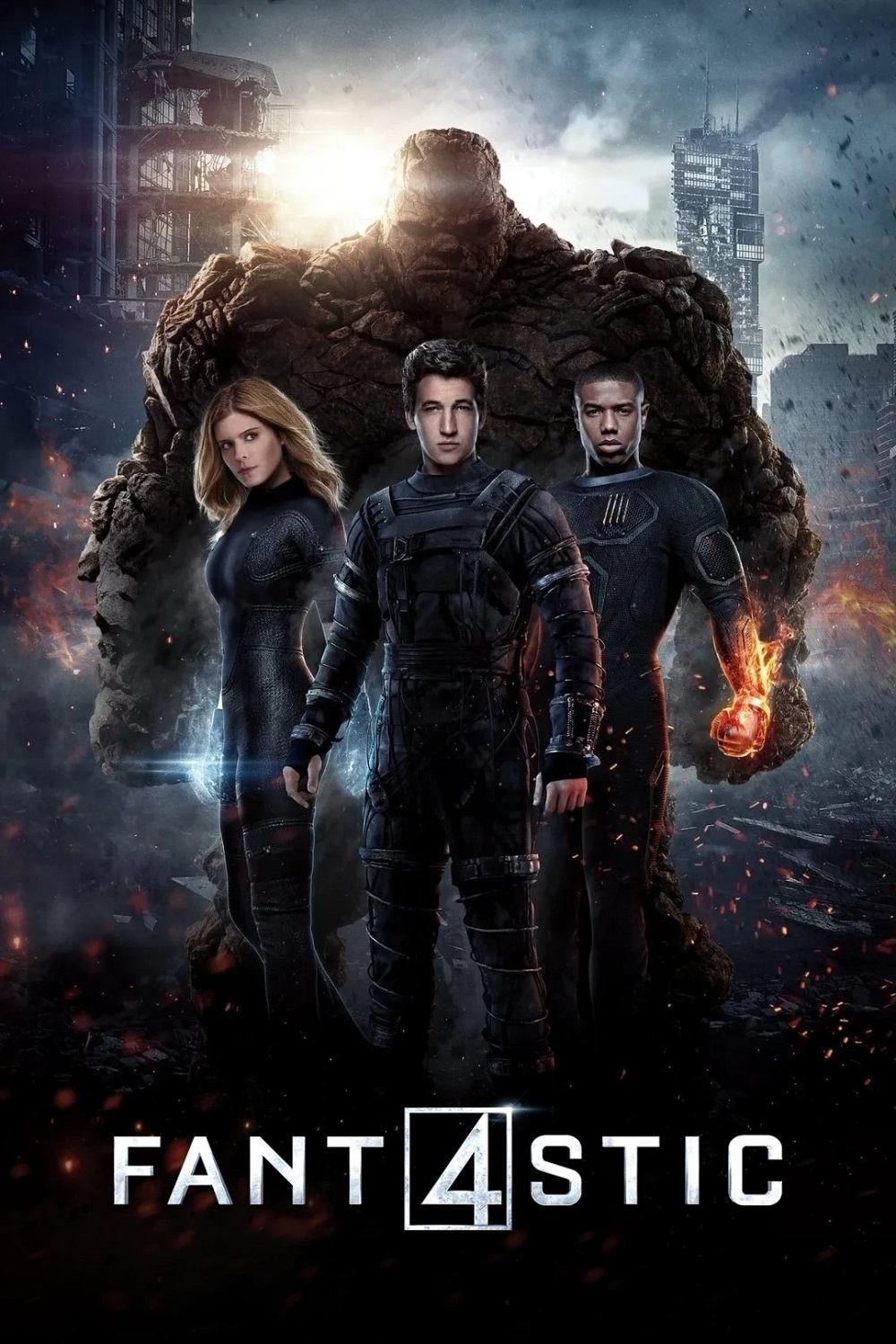
Director Josh Trank reportedly withdrew from the film’s production, refusing to interact with the crew and setting up a solitary workspace. The studio disliked the film’s grim mood and decided to redo large portions of it, excluding Trank from the process. Producers then took over the editing, creating a cut of the film without his input. Shortly before the film’s release, Trank publicly expressed his disappointment with the final result.
‘Justice League’ (2017)
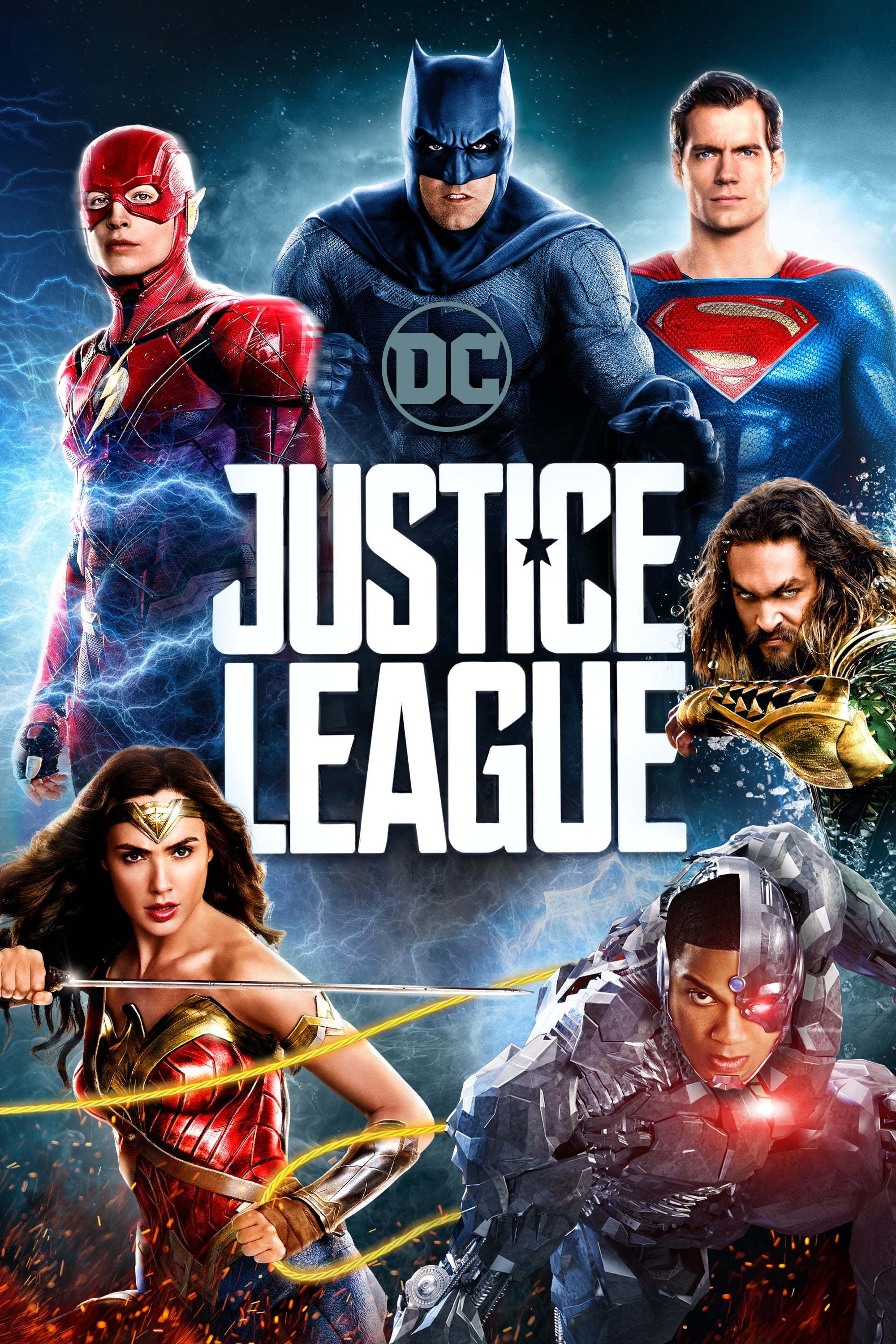
Zack Snyder had to leave the project because of a personal family tragedy. Joss Whedon was brought in to direct additional filming, which changed the movie’s overall feel. Henry Cavill filmed some scenes with a mustache that had to be digitally removed, but the effect wasn’t very convincing. The different approaches of the two directors led to a film that felt inconsistent and disappointed many fans.
‘Suicide Squad’ (2016)
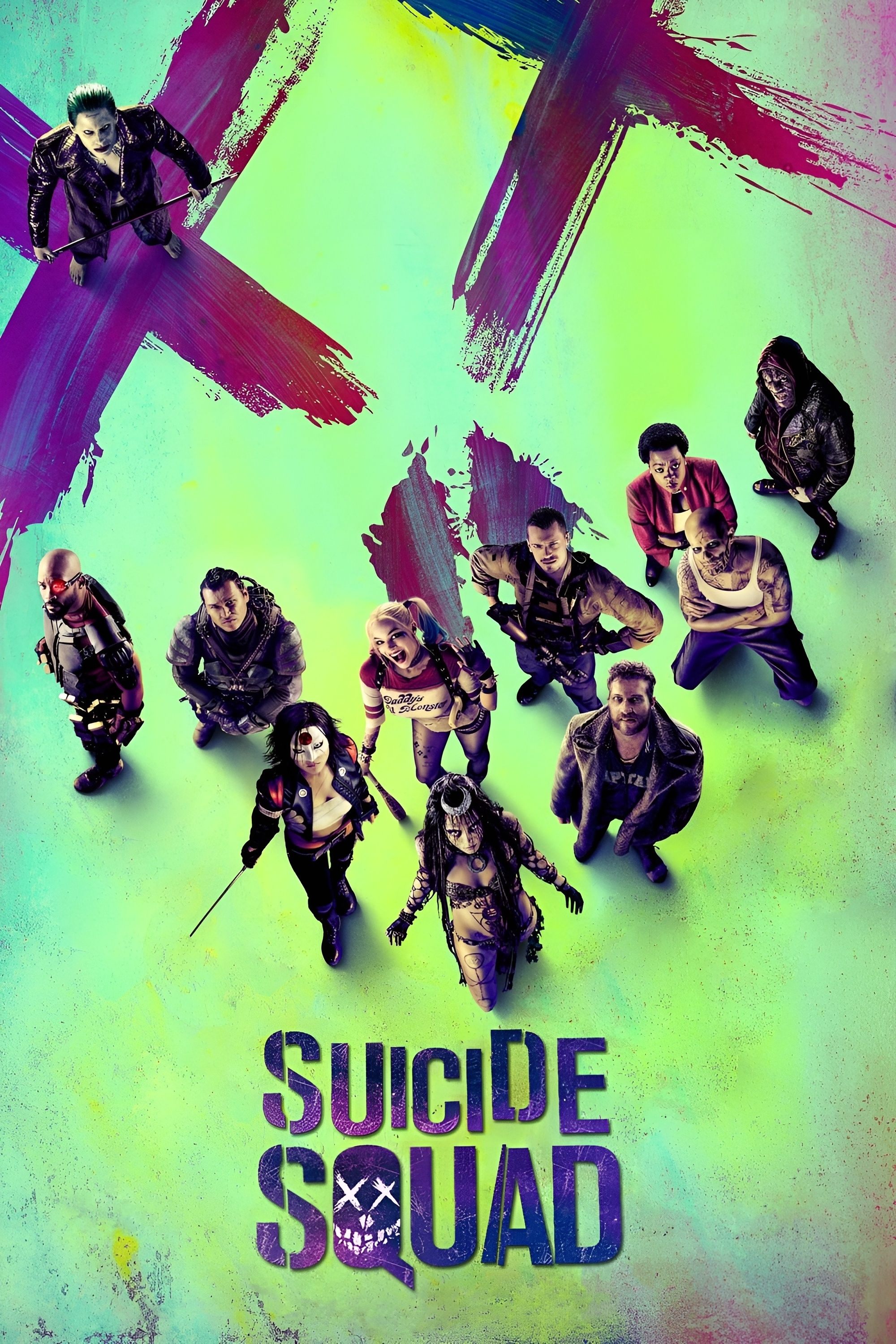
Jared Leto famously sent strange presents, including live rats and even a dead pig, to his fellow actors. After a test screening didn’t go well, the studio became worried and asked for several different versions of the movie to be made. They even hired companies specializing in trailer park films to re-edit it, aiming for a more cheerful feel like the trailers. Ultimately, the film felt disjointed and clearly showed how much the studio had interfered with the creative process.
‘Don’t Worry Darling’ (2022)
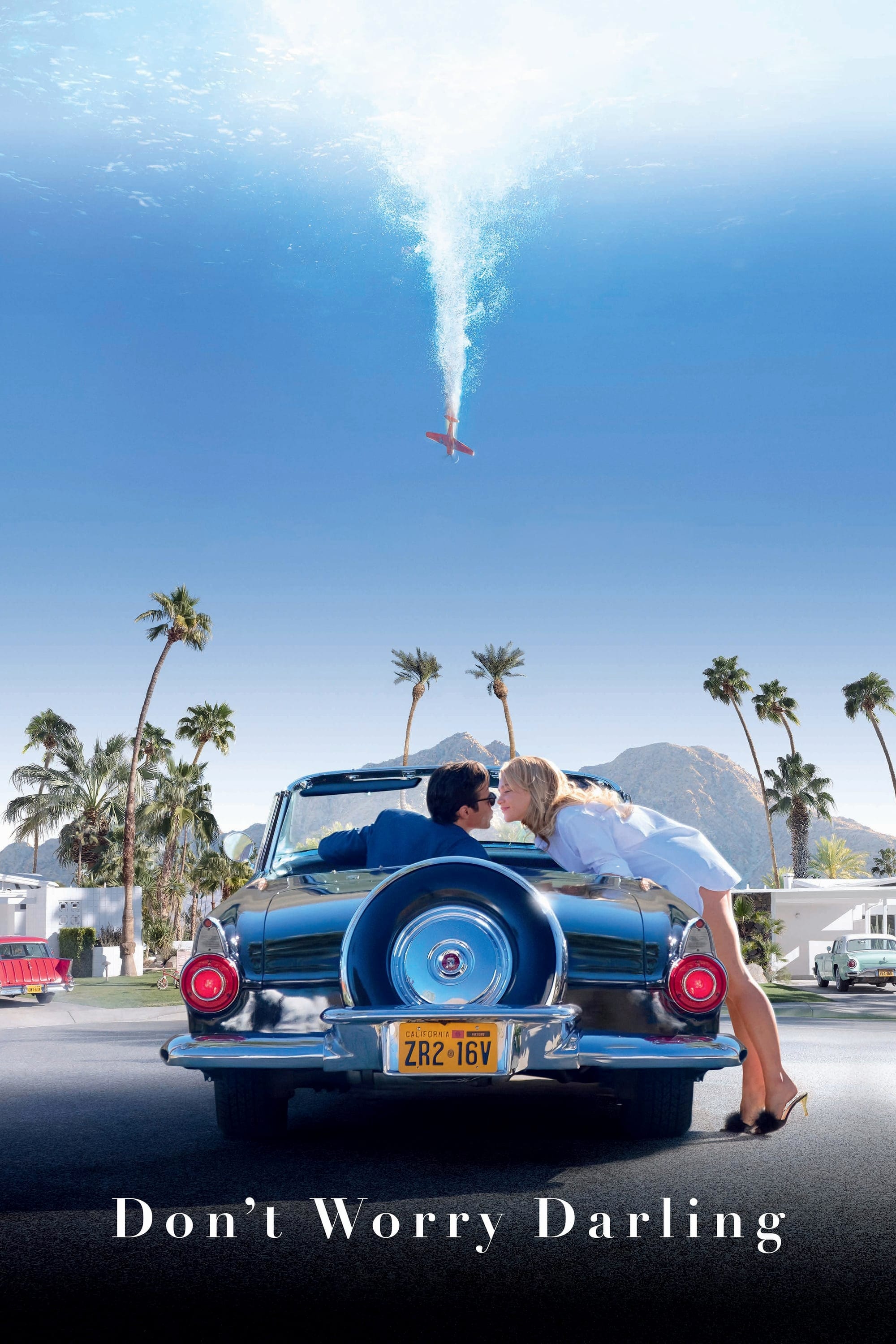
Throughout the promotion of the film, reports of a disagreement between director Olivia Wilde and actress Florence Pugh were widespread. Adding to the controversy, Shia LaBeouf shared a video challenging the statement that he had been let go from the movie. During the Venice Film Festival premiere, the cast seemed noticeably uneasy. Ultimately, online discussion about problems during filming drew more attention than the film itself.
‘The Man Who Killed Don Quixote’ (2018)
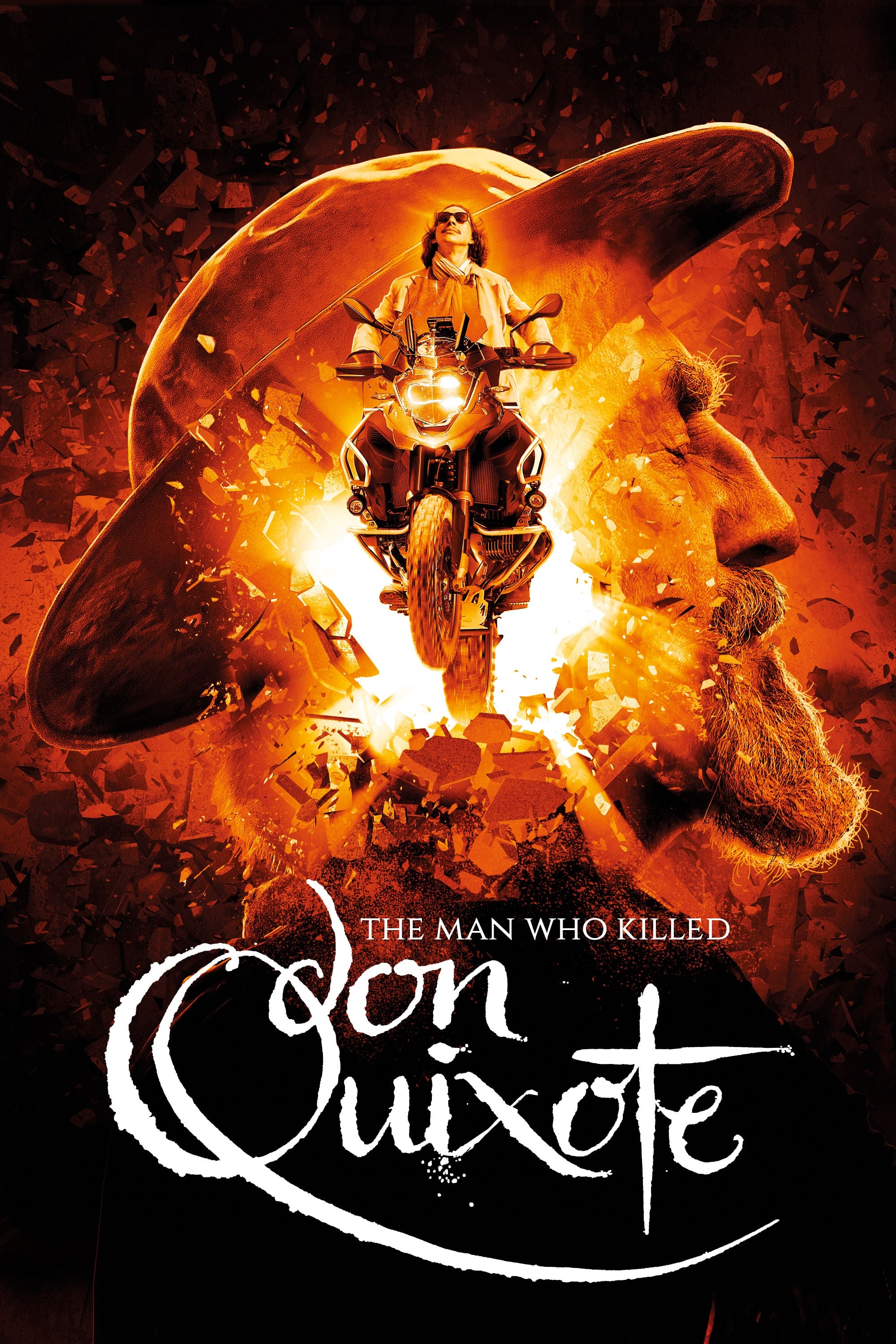
Terry Gilliam spent almost thirty years trying to get this movie made. The first attempt was ruined by a flood and had to be cancelled when the lead actor, Jean Rochefort, was injured. Even after the film was finished, there were still legal issues over who owned the rights. It’s become well-known as one of the biggest examples of a film project facing endless difficulties.
‘Superman II’ (1980)
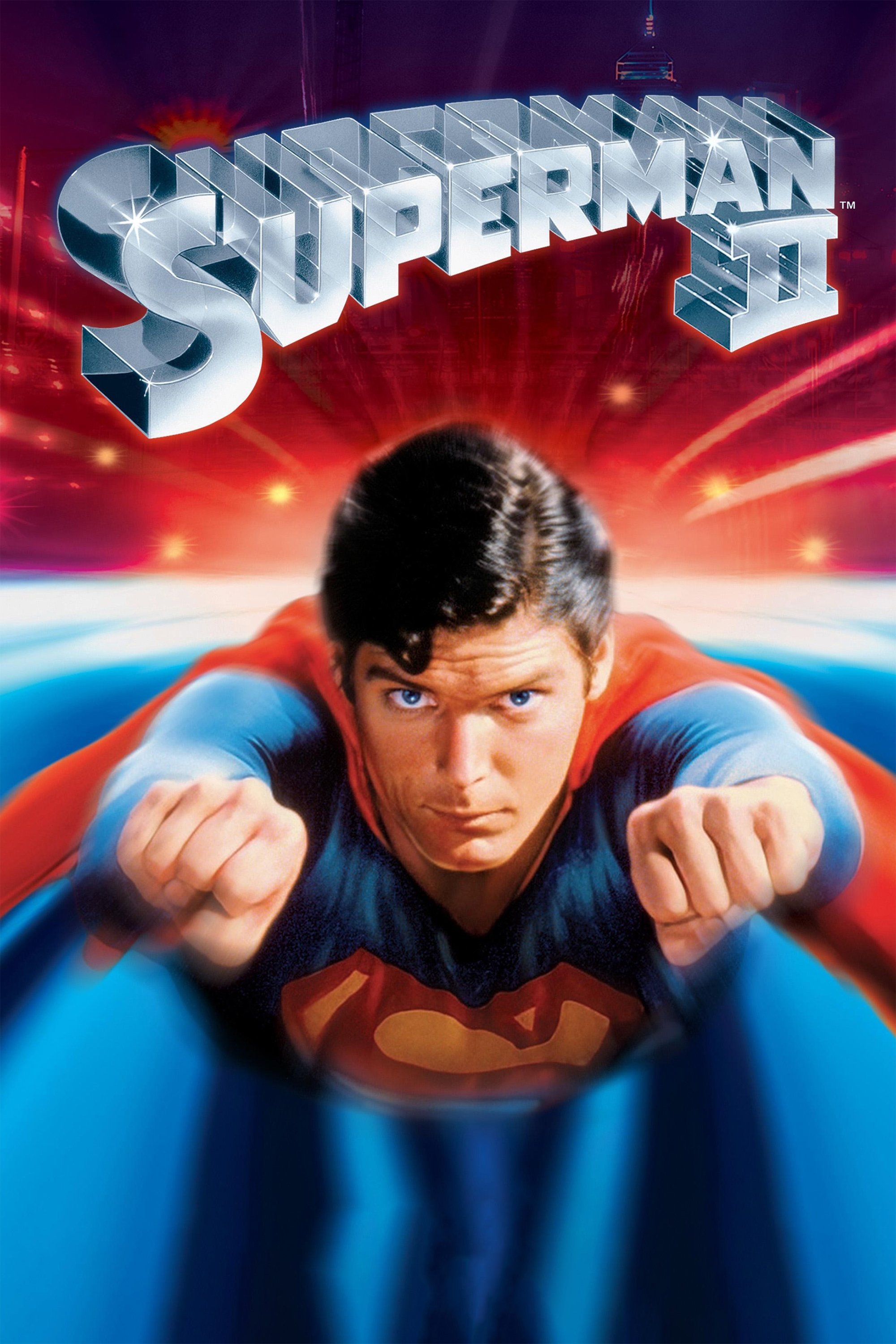
The film’s original director, Richard Donner, was let go near the end of production because of disagreements with the producers. Richard Lester was brought in to complete the movie and re-shot a lot of footage so he could be credited as the director. Gene Hackman didn’t participate in the additional filming and a stand-in was used instead. Marlon Brando also had a conflict with the producers and his scenes were removed from the final version shown in theaters.
‘The Emperor’s New Groove’ (2000)
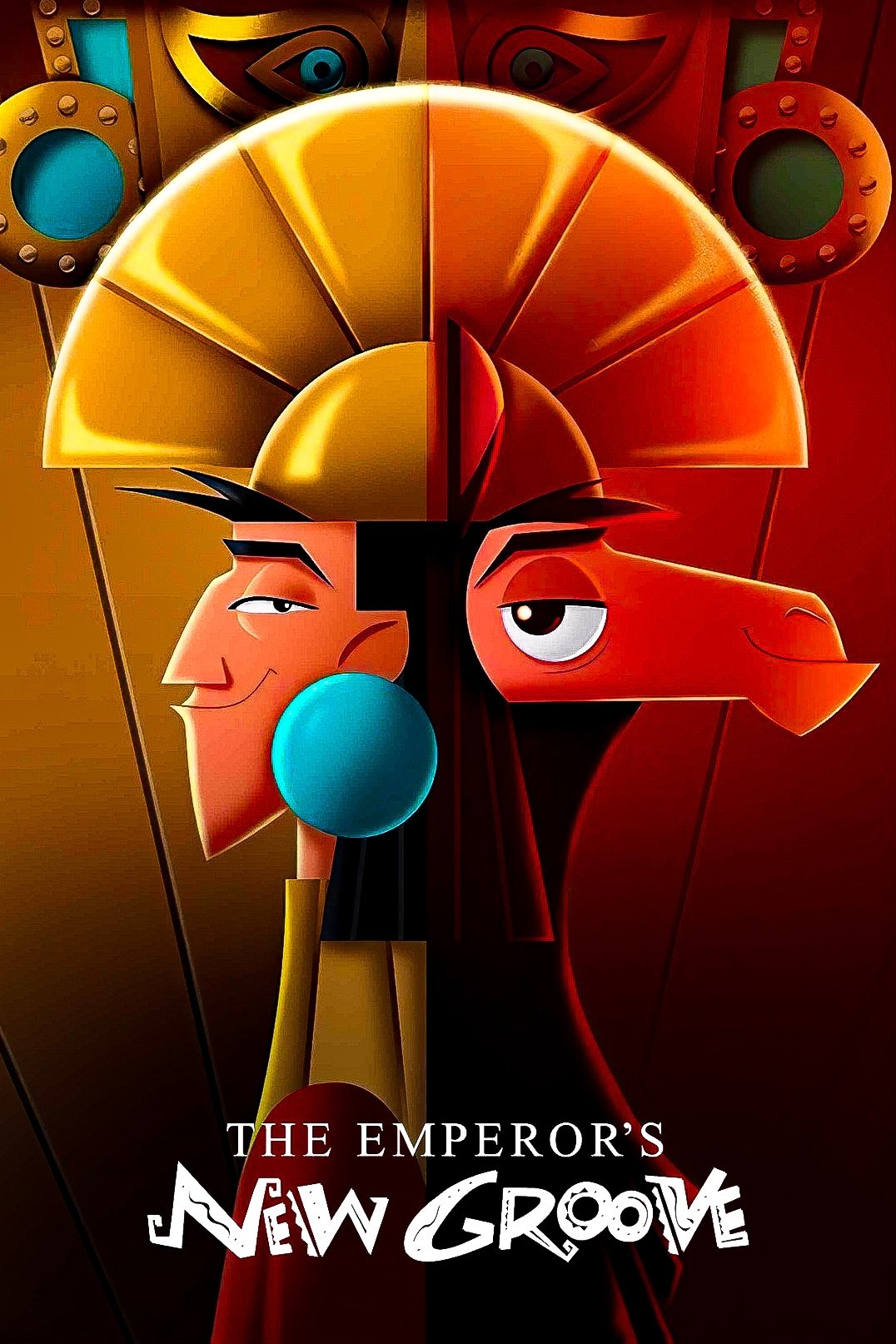
The movie began as a serious, song-filled story called Kingdom of the Sun, directed by Roger Allers. Musician Sting wrote several songs for it, but they were ultimately removed when the entire plot was rewritten. The production faced so many problems that a film crew documented the whole chaotic process. Eventually, it transformed into a lighthearted comedy with a much smaller budget.
‘Toy Story 2’ (1999)
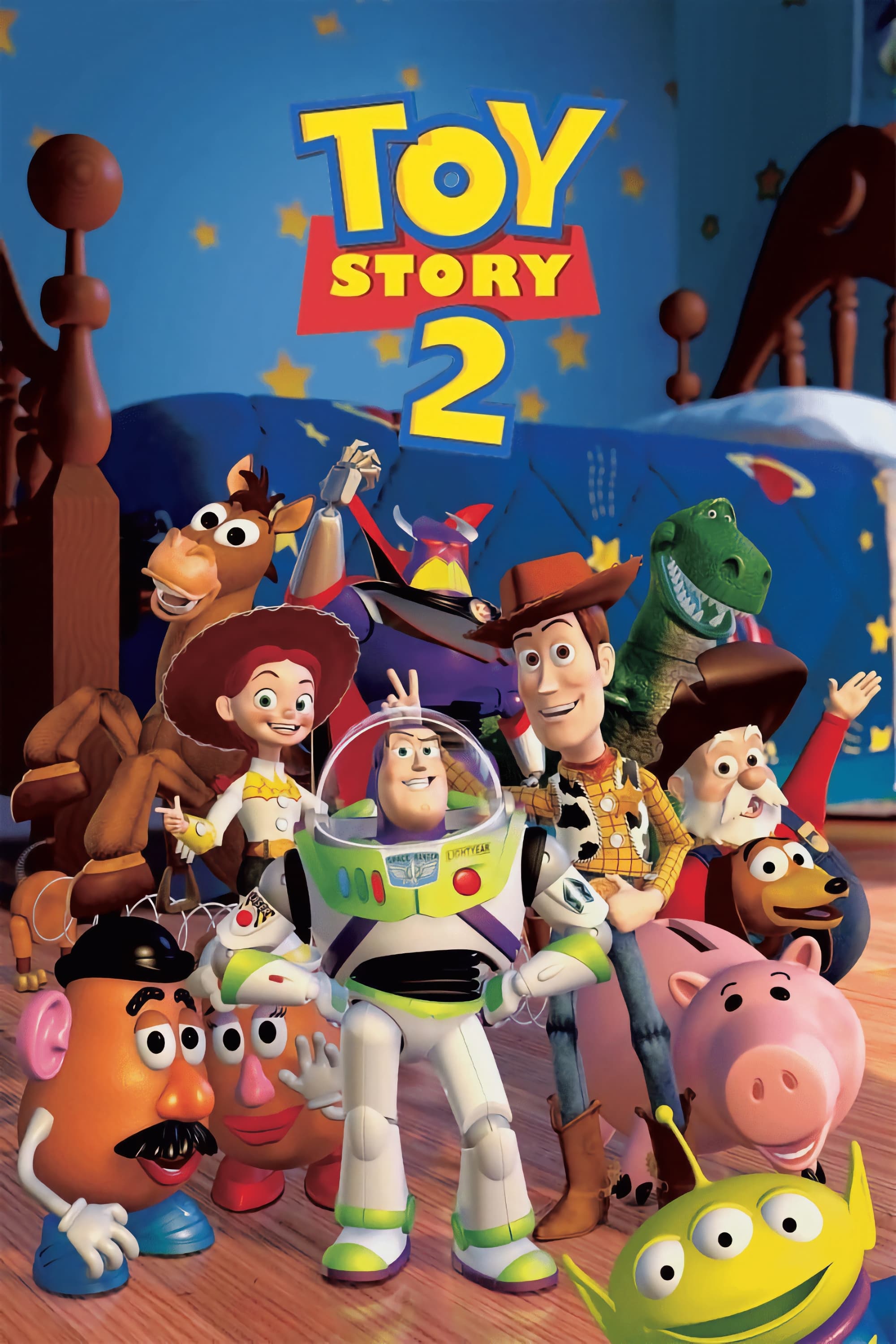
A mistake by an animator wiped the entire movie off the studio’s servers, and unfortunately, the backup system didn’t work. Everyone feared the film was lost for good, but Galyn Susman had a copy at home that she used for working remotely. This saved the project, although the team still had to work incredibly hard for months to recreate the film after a story overhaul.
‘Shrek’ (2001)
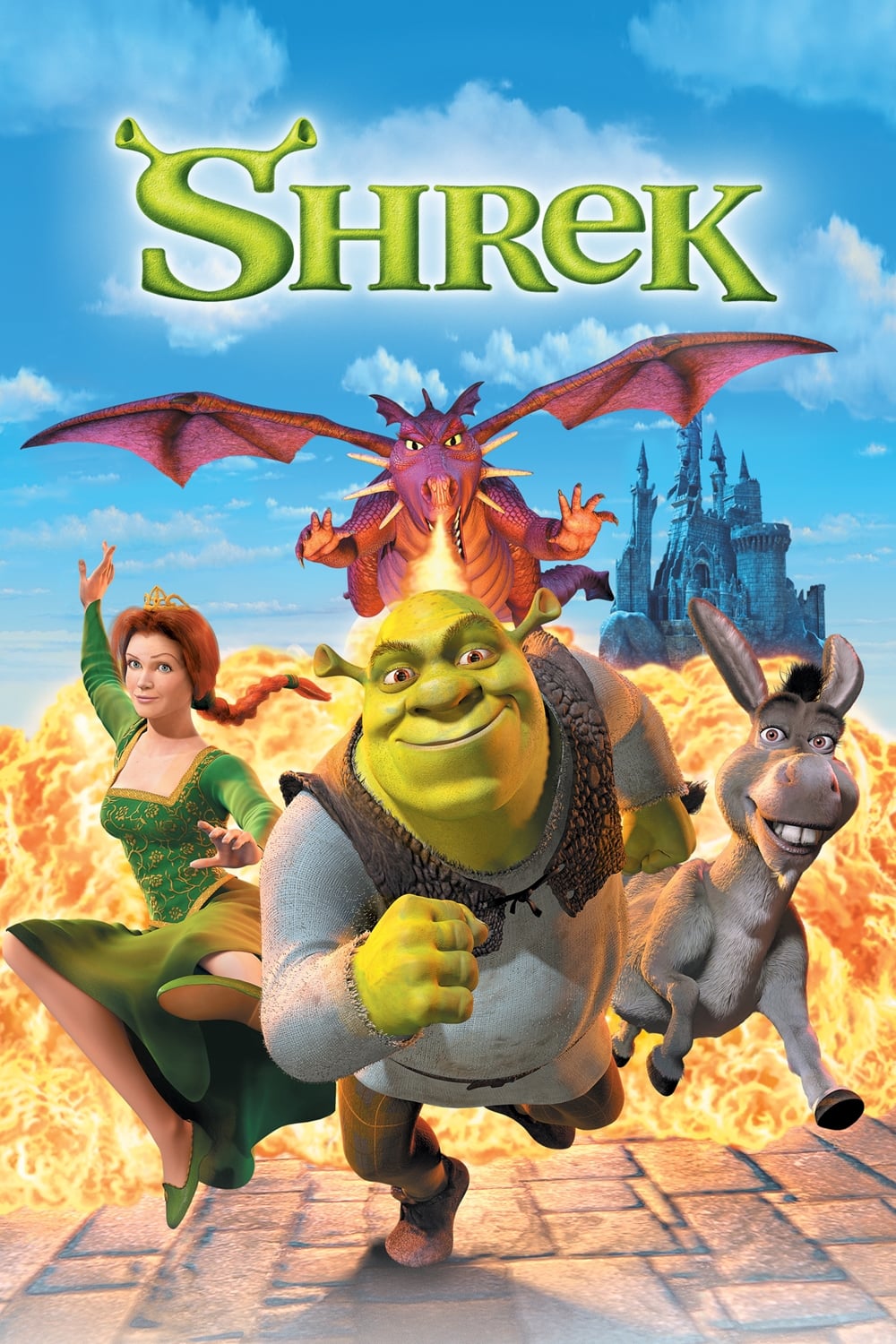
Chris Farley finished recording most of his lines before he passed away. When Mike Myers stepped in to take over the role, he decided to re-record the whole movie with a Scottish accent. This unexpected change ended up costing the studio millions of dollars and significantly delayed the film’s release, as the animation team had to redo all the lip-syncing to match Myers’ new voice.
‘Furious 7’ (2015)
Paul Walker tragically died in a car crash while filming was underway. This meant the filmmakers had to rewrite the story to give his character a fitting farewell. To finish the movie, his brothers stepped in as stand-ins, and special effects were used to create his image in the final scenes. Production was paused for several months as everyone grieved his loss.
‘The Imaginarium of Doctor Parnassus’ (2009)
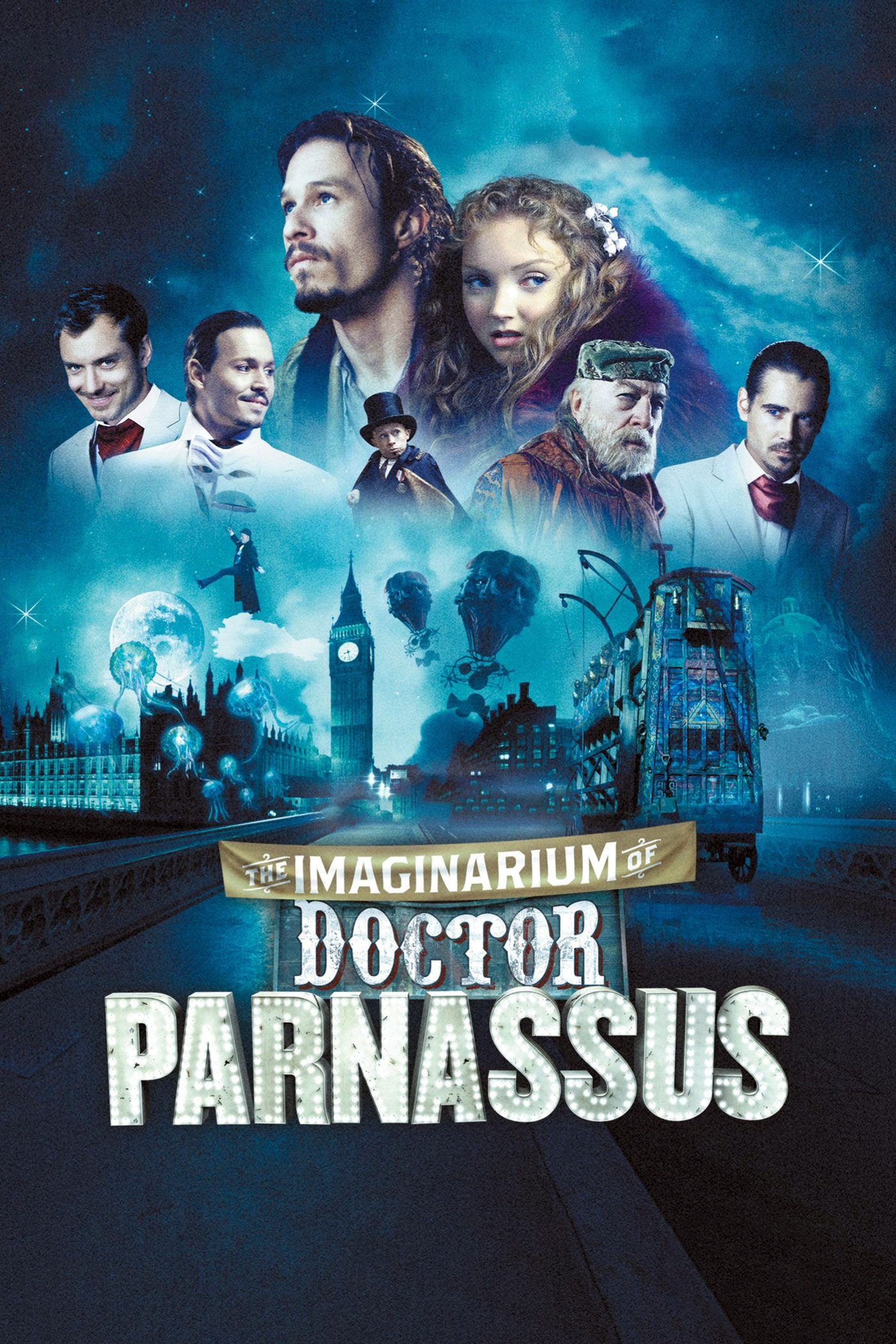
Heath Ledger sadly passed away during the production of the film, leaving his role unfinished. Director Terry Gilliam then brought in Johnny Depp, Jude Law, and Colin Farrell to play different versions of the same character. The script was cleverly revised to explain the actor changes as magical transformations. In a generous act, all the actors donated their salaries to a fund for Ledger’s daughter, ensuring her future financial well-being.
‘Game of Death’ (1978)
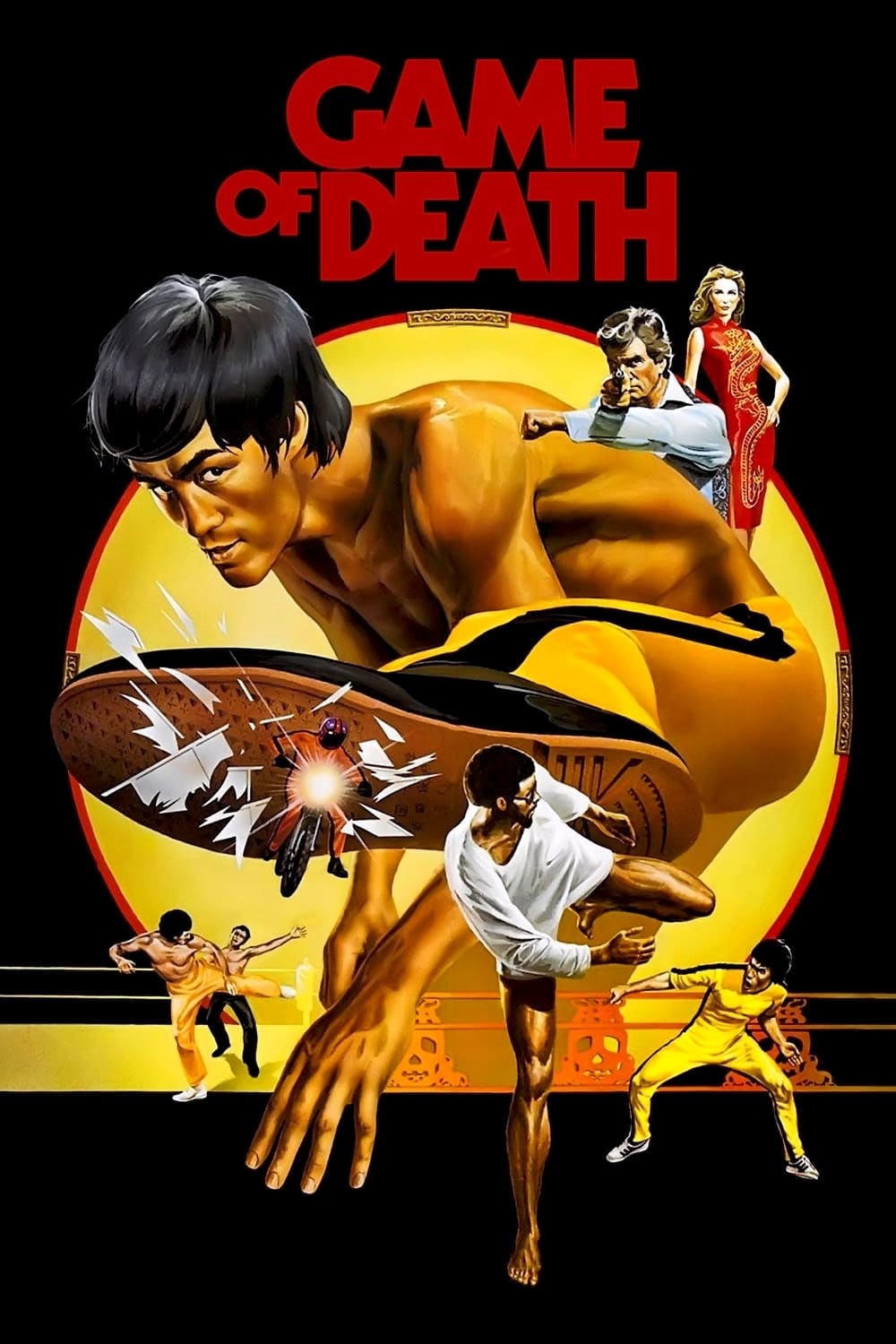
Bruce Lee sadly passed away before he could complete his final movie, which he had both written and directed. To finish it, filmmakers had to use stand-ins and cardboard cutouts. Surprisingly, they even included actual footage from Lee’s funeral in the film. The final product was a confusing and fragmented movie, far removed from what Lee had intended.
‘The Room’ (2003)
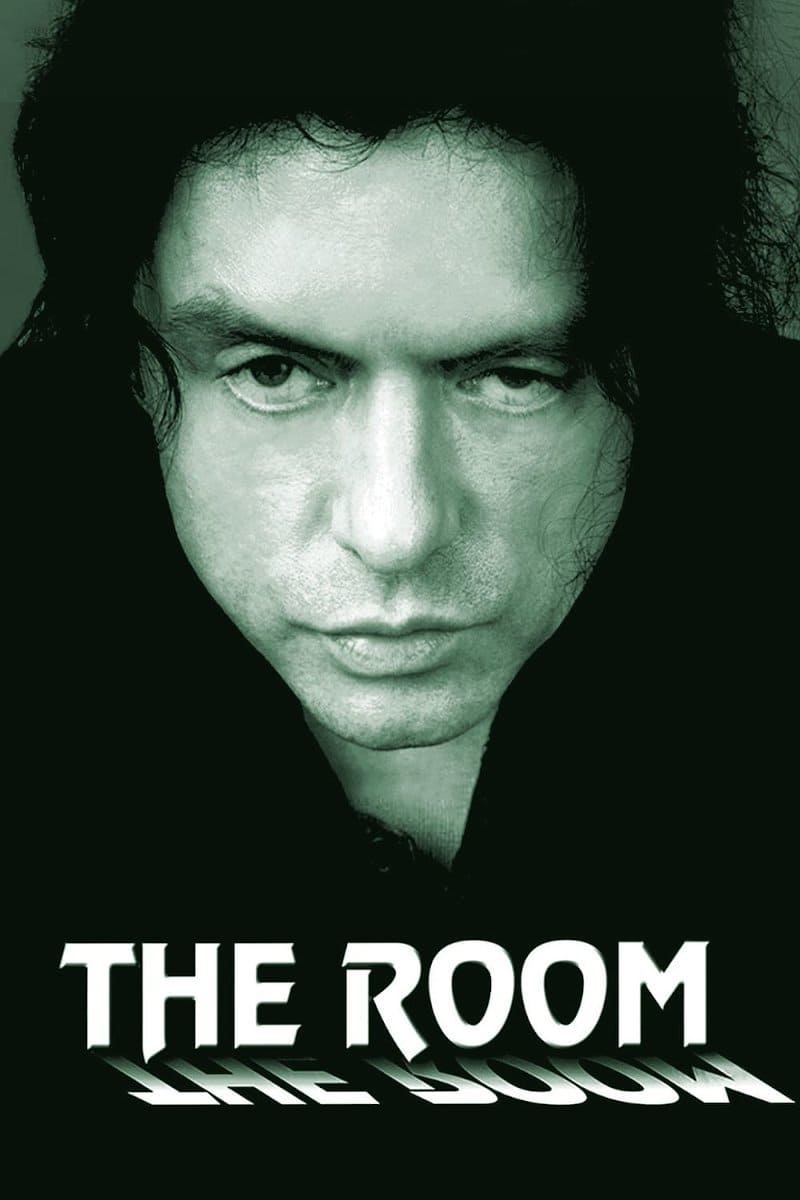
Tommy Wiseau invested a lot of money into a movie that baffled those working on it. He filmed scenes using both film and digital cameras at the same time with a special camera setup. Throughout the production, actors were either fired or left, and the script was constantly being rewritten. This disorganized process ultimately led to a film that gained a devoted following because of how bad it was.
‘Troll 2’ (1990)
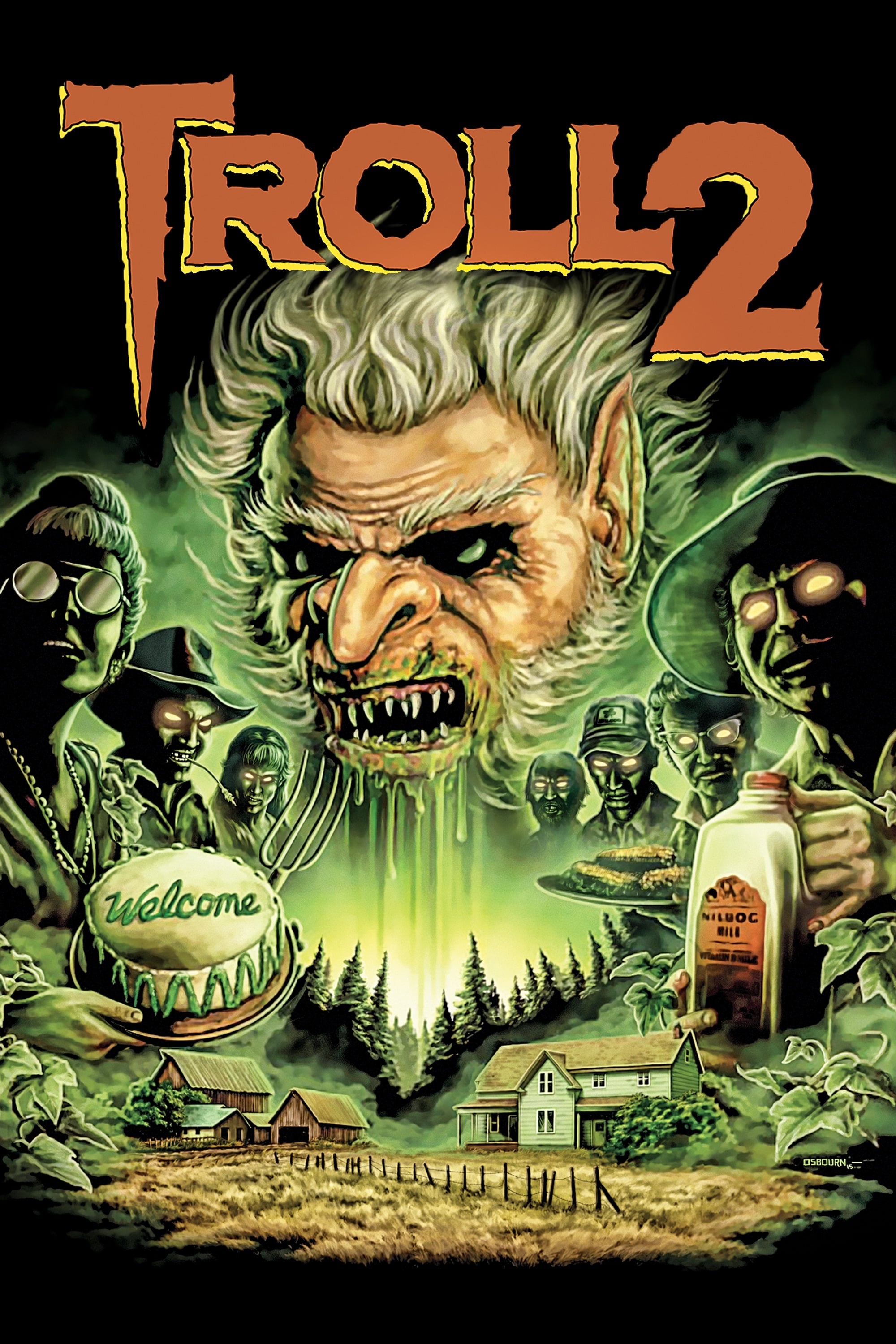
Let me tell you, working on that film was…an experience. The Italian crew and the American actors barely shared a language, which made things incredibly difficult. And the script! It was translated into really rough English, and we were told to deliver the lines exactly as they were written, no matter how awkward. To top it off, most of us weren’t professional actors – they just cast locals who lived nearby. As for the costumes…well, let’s just say burlap sacks and cheap rubber masks don’t exactly scream ‘authentic troll.’ It was a wild shoot, to say the least!
‘Cannibal Holocaust’ (1980)
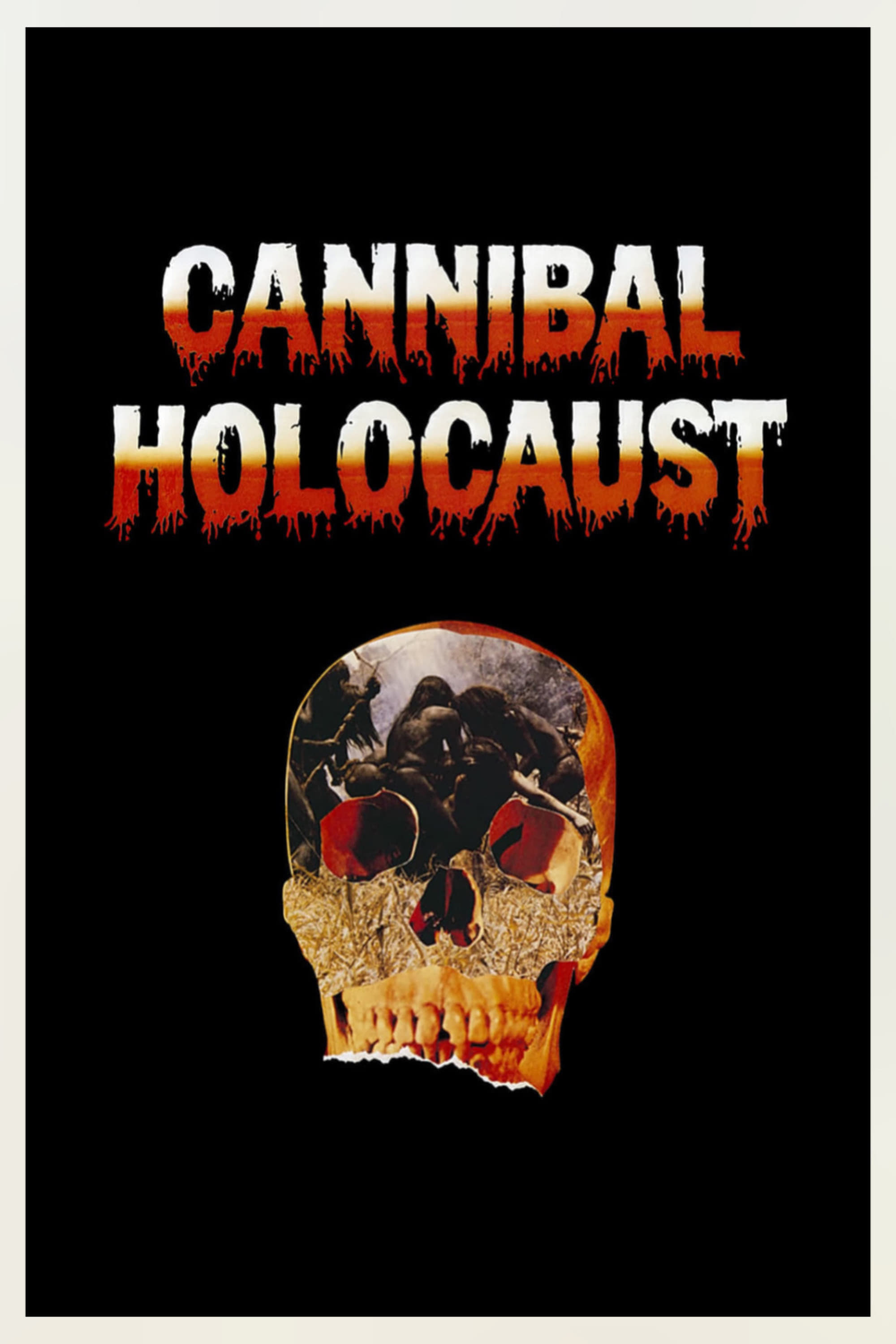
The film’s director faced murder charges because officials thought the actors had been killed for real. He was forced to bring the entire cast to court to demonstrate that they were, in fact, alive. The movie also featured the actual slaughter of animals, which sparked widespread outrage. Because of its disturbing content and controversial production, the film was banned in many countries.
‘Three Kings’ (1999)
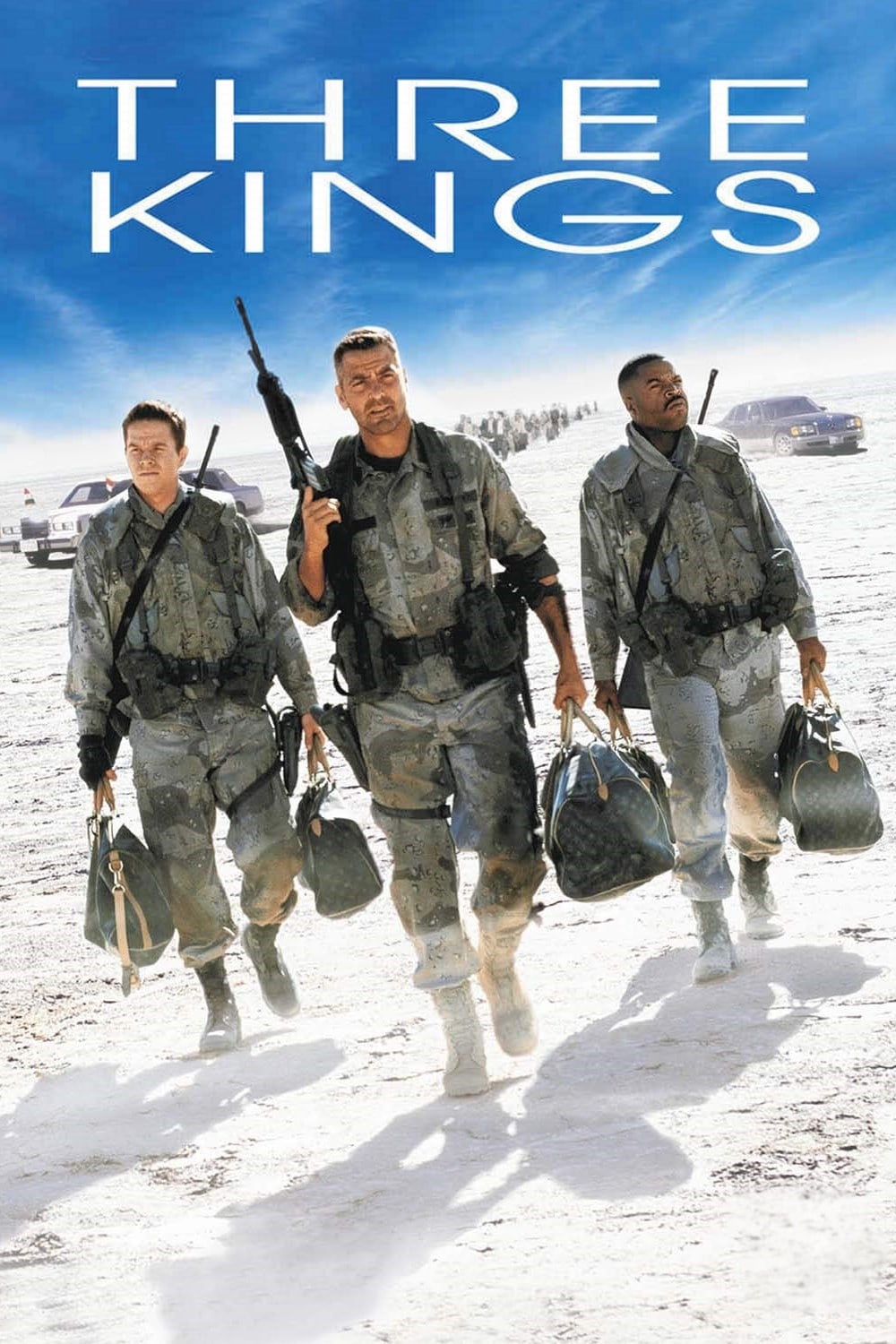
On set, George Clooney and director David O. Russell had a physical altercation. Russell was known for his aggressive behavior and creating a difficult atmosphere for the crew. Clooney expressed his disapproval of Russell’s actions in a letter, but the conflict remained unresolved. Despite their strained relationship and refusal to communicate, they managed to finish the film.
‘Super Mario Bros.’ (1993)
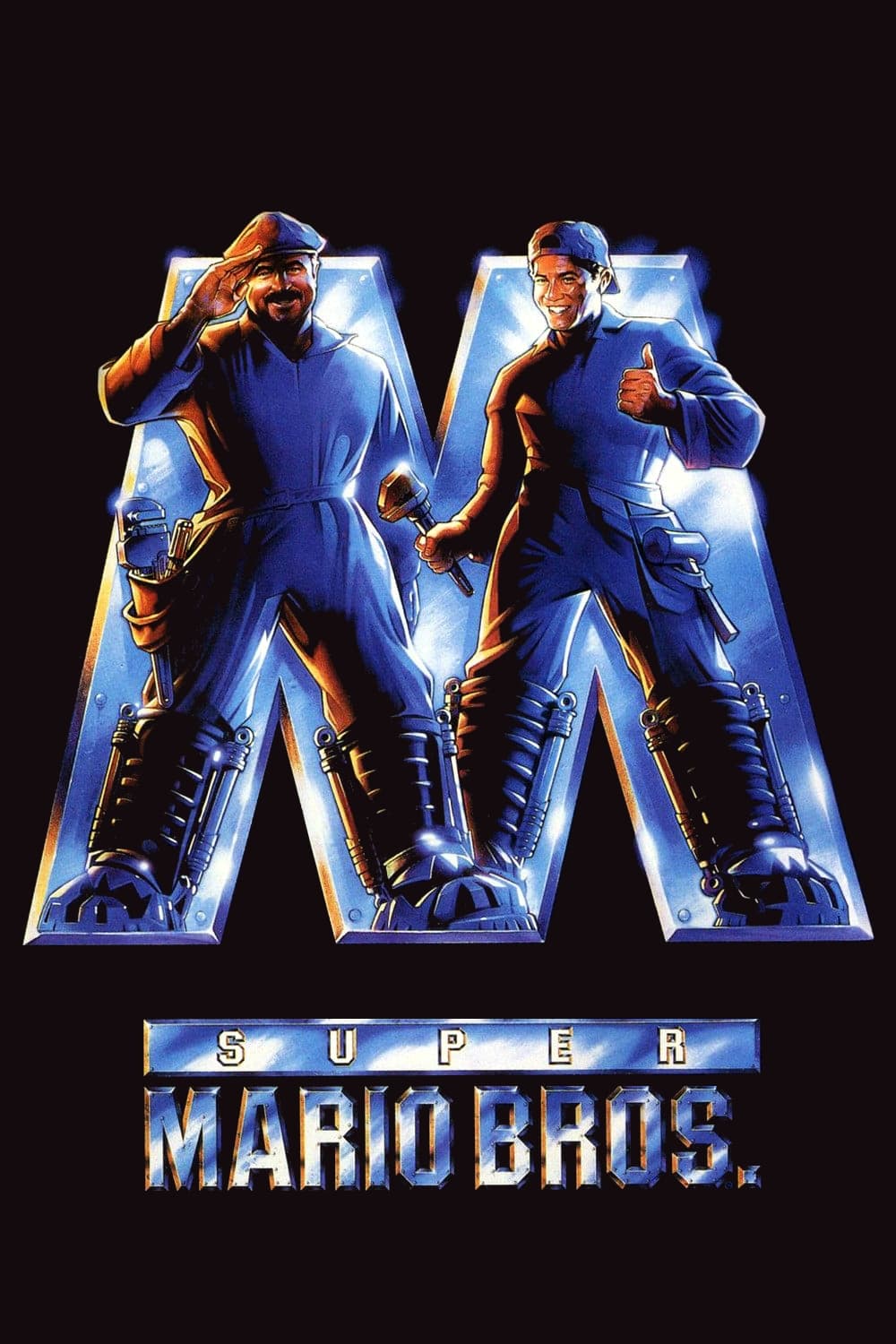
The script underwent so many revisions that the actors gave up trying to memorize their lines. To deal with the troubled production, Bob Hoskins and John Leguizamo started drinking between scenes. One of the directors even poured hot coffee on a background actor to make a scene appear more genuine. Ultimately, the film was poorly received by critics and differed greatly from the original story.
‘Street Fighter’ (1994)
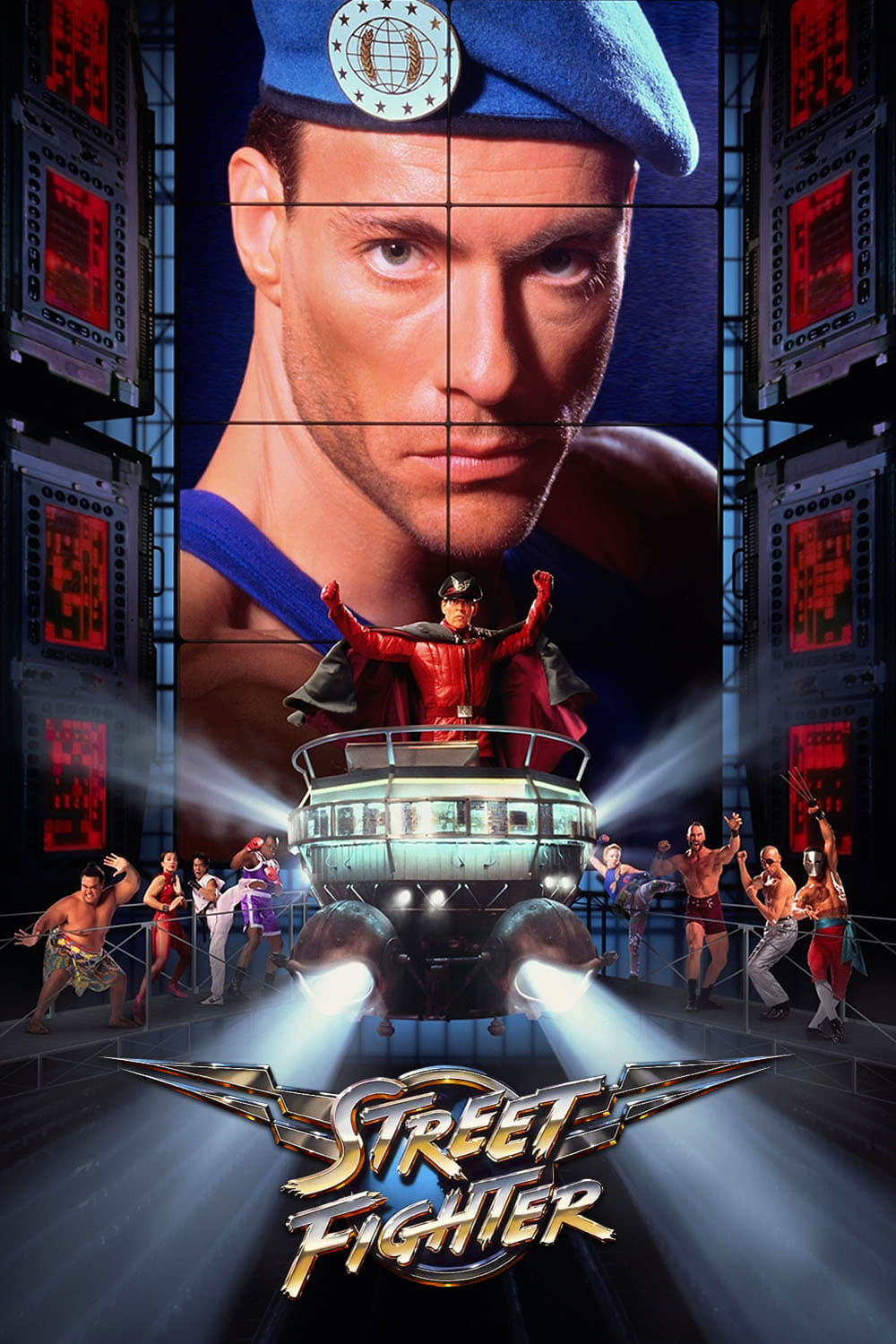
During filming, Jean-Claude Van Damme was struggling with a serious cocaine addiction, which caused significant problems on set. He was frequently late or unable to work, forcing the director to adjust the shooting schedule. Adding to the difficulties, the production took place in Thailand amidst rumors of a coup, and most of the budget was spent on Van Damme’s salary, leaving little money for special effects or costumes.
‘Chaos Walking’ (2021)
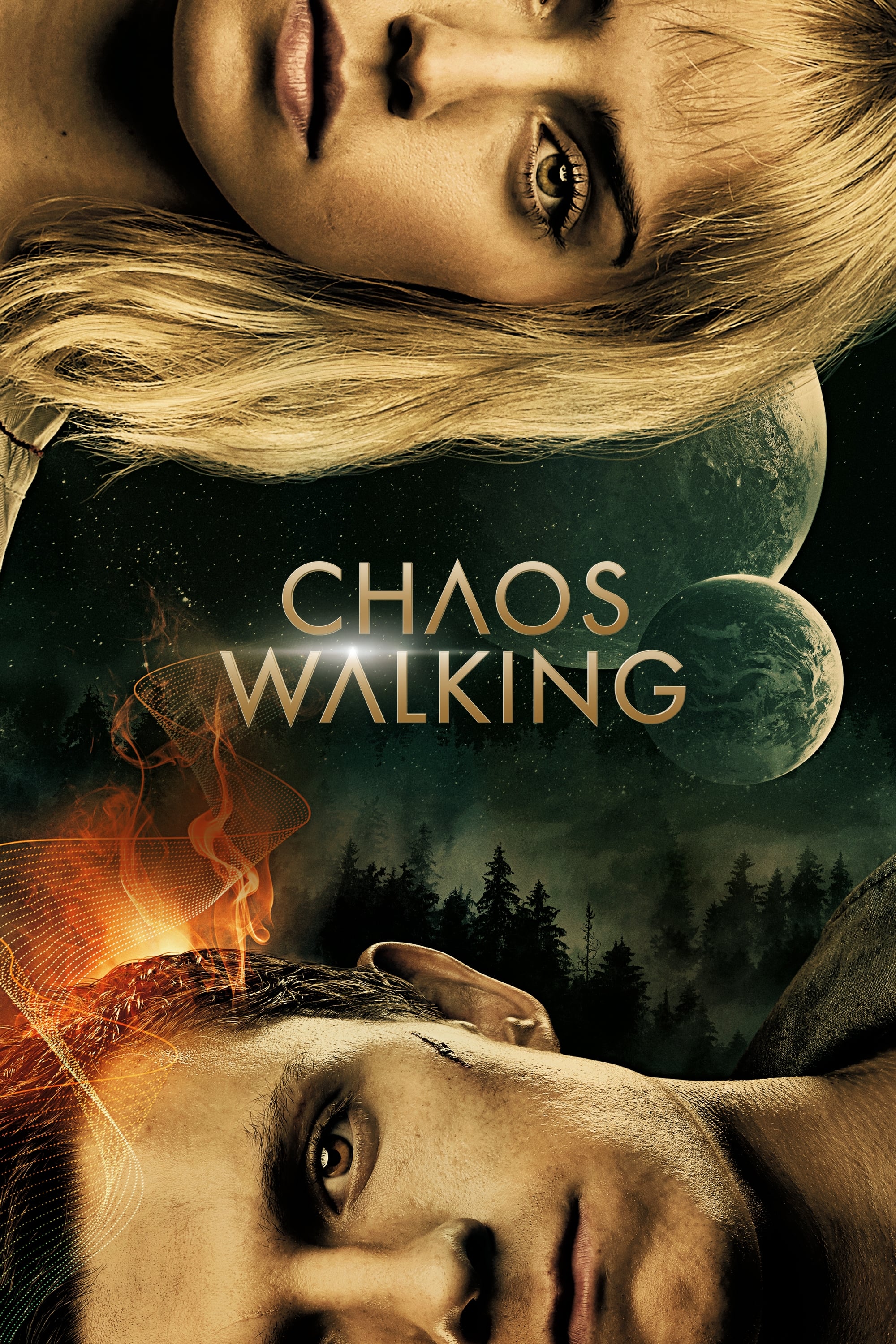
The studio initially rejected the first version of the movie, finding it wasn’t ready for release. Although they planned extensive reshoots, scheduling conflicts with the actors caused years of delays. The project stalled as the story underwent revisions. Ultimately, when the film was released, it received negative reviews and performed poorly at the box office.
‘The New Mutants’ (2020)
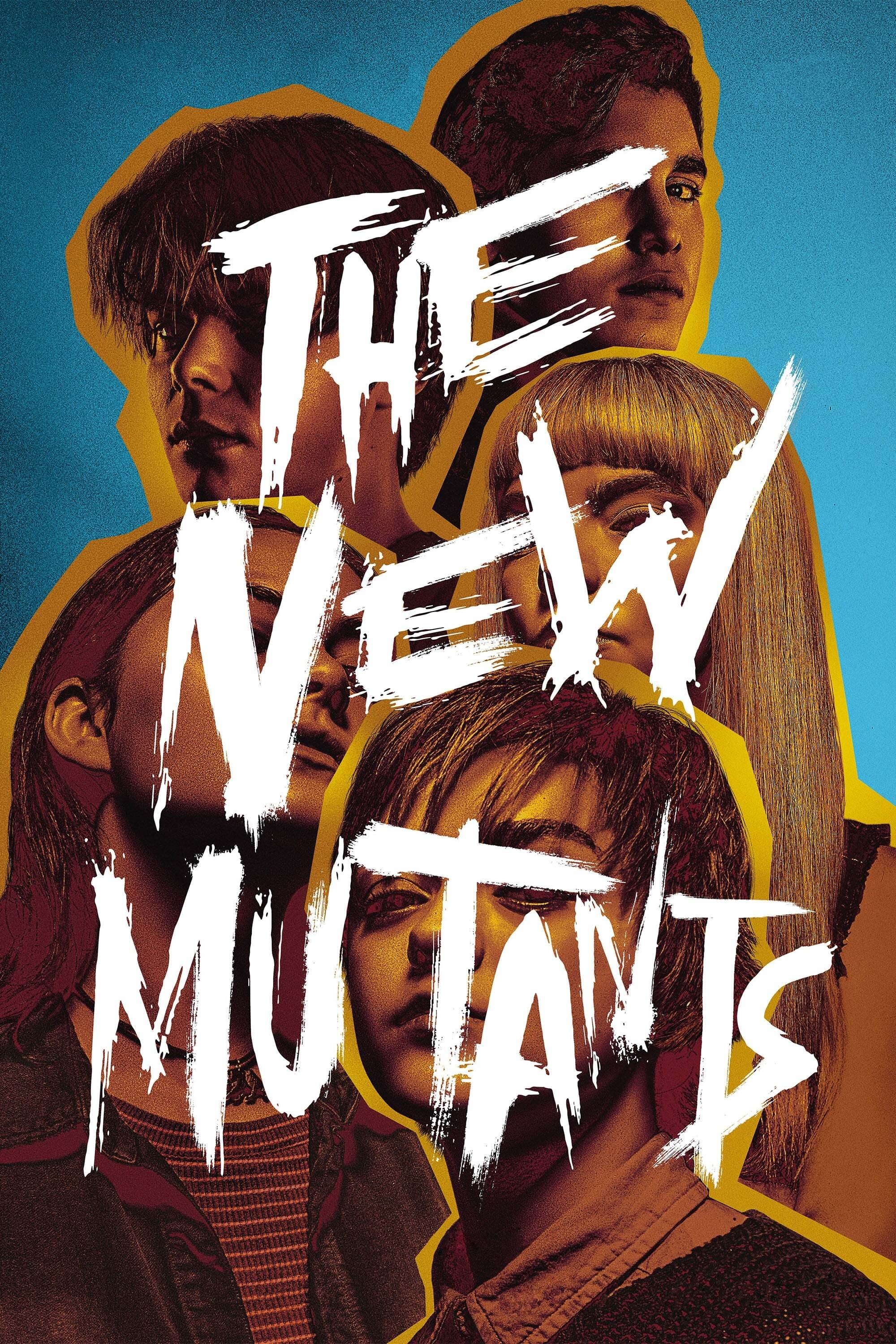
The movie faced years of delays because of the merger between Fox and Disney. Plans to film additional scenes and adjust the story’s mood were ultimately scrapped. The director received conflicting instructions – initially asked to create a scary film, then told to make it less intense. Finally, it was released with little fanfare during the pandemic after a long period of doubt about whether it would ever come out.
‘Dolittle’ (2020)
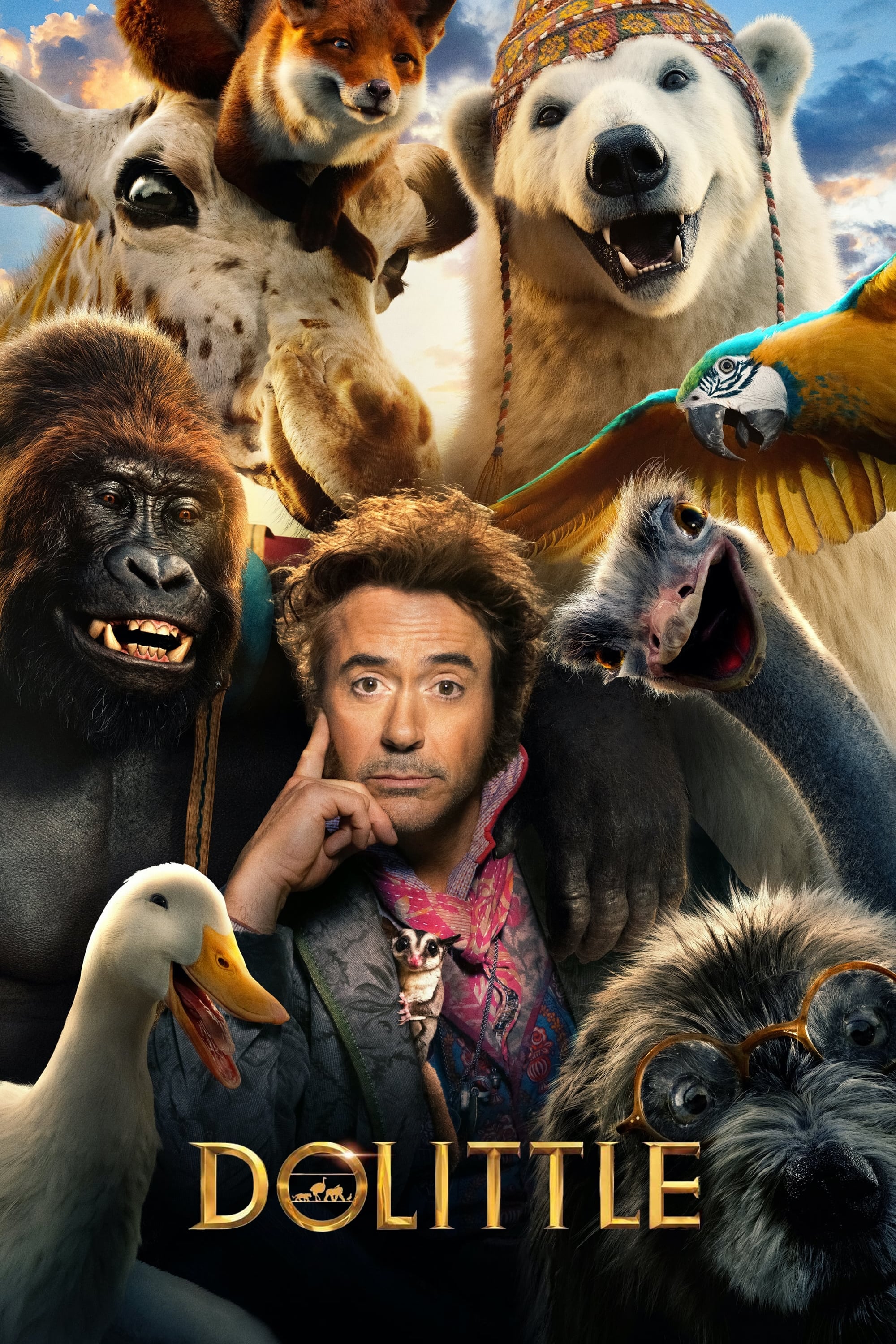
The film’s production was incredibly troubled, requiring significant re-filming and a change in directors. Stephen Gaghan was effectively removed during editing in an attempt to salvage the movie, and the resulting issues caused the budget to soar to almost $200 million. Adding to the problems, Robert Downey Jr.’s choice of a Welsh accent received a lot of criticism and made the film even more confusing.
‘Rust’ (2024)
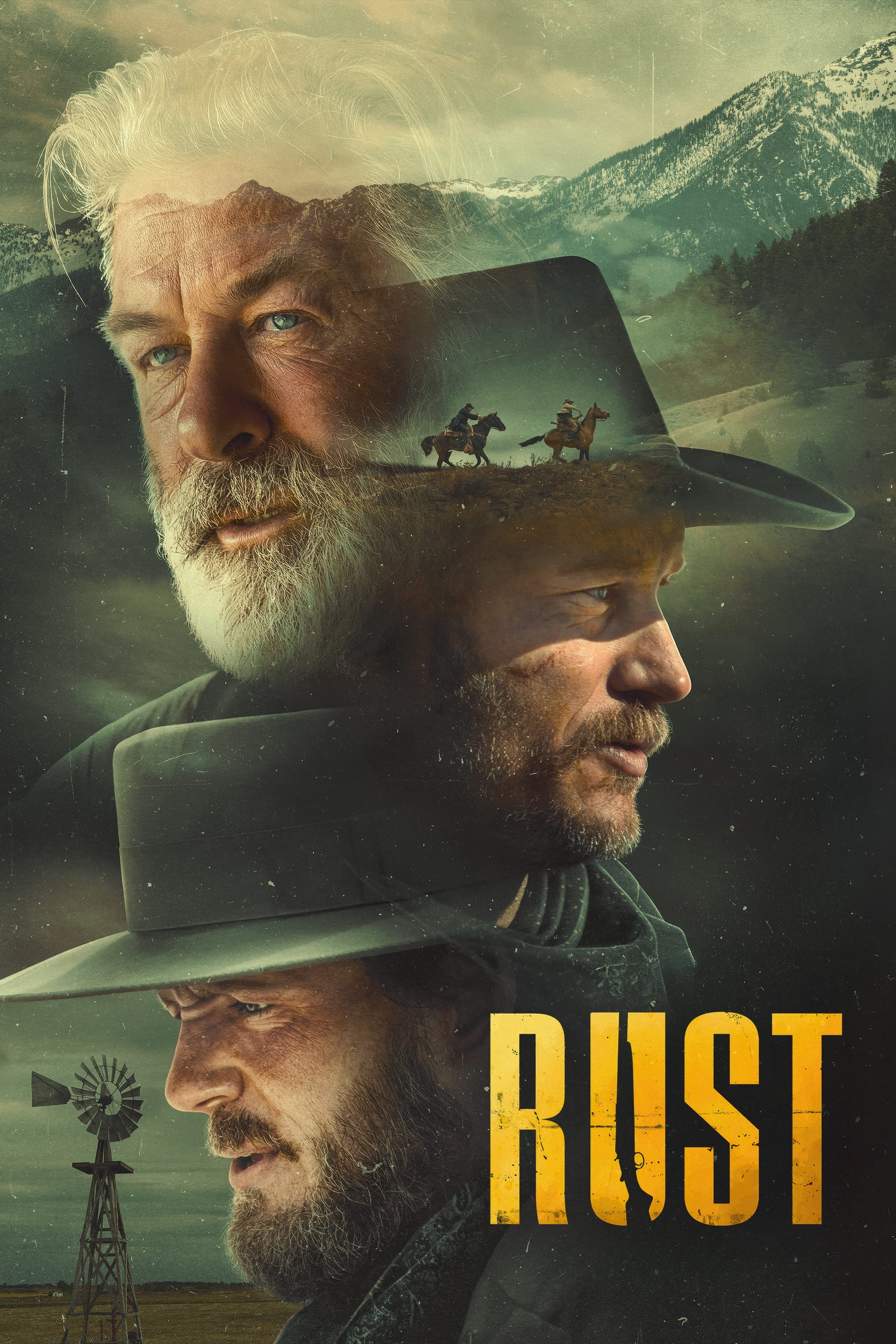
During filming, a gun handled by Alec Baldwin unexpectedly fired a real bullet, tragically killing cinematographer Halyna Hutchins. Production stopped immediately, and the incident led to several lawsuits and criminal charges. Before the accident, people had voiced concerns about safety on set and the film’s limited budget. Years later, the movie was finished as a tribute to Hutchins.
‘Megalopolis’ (2024)
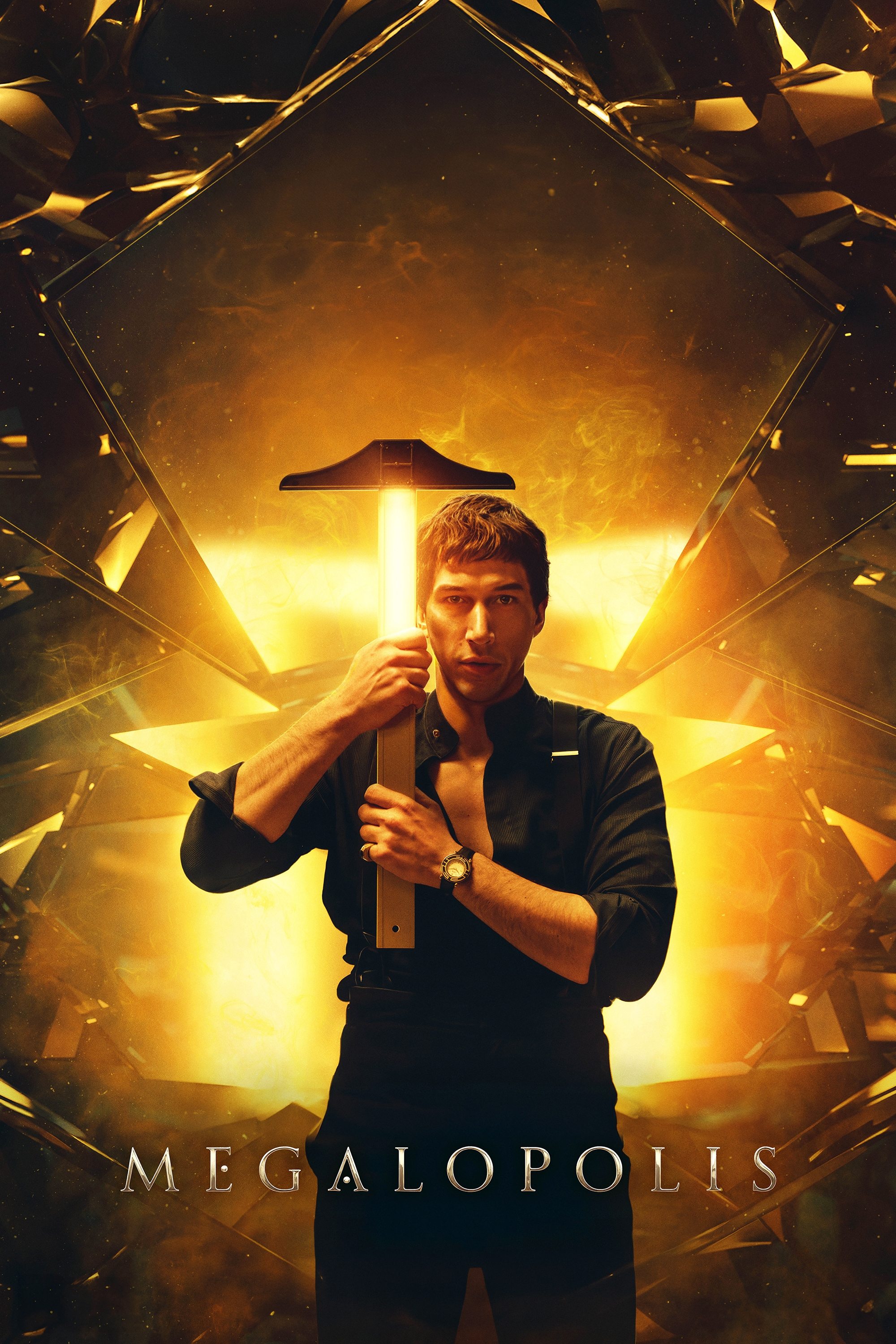
To fund his ambitious film, Francis Ford Coppola sold a large part of his wine business. The production was reportedly disorganized, with the director often retreating to his trailer to smoke marijuana. The visual effects team left the project, either fired or by their own choice, because of a lack of clear guidance. After years of hype, the movie sharply divided both critics and viewers.
‘Cleopatra’ (1963)
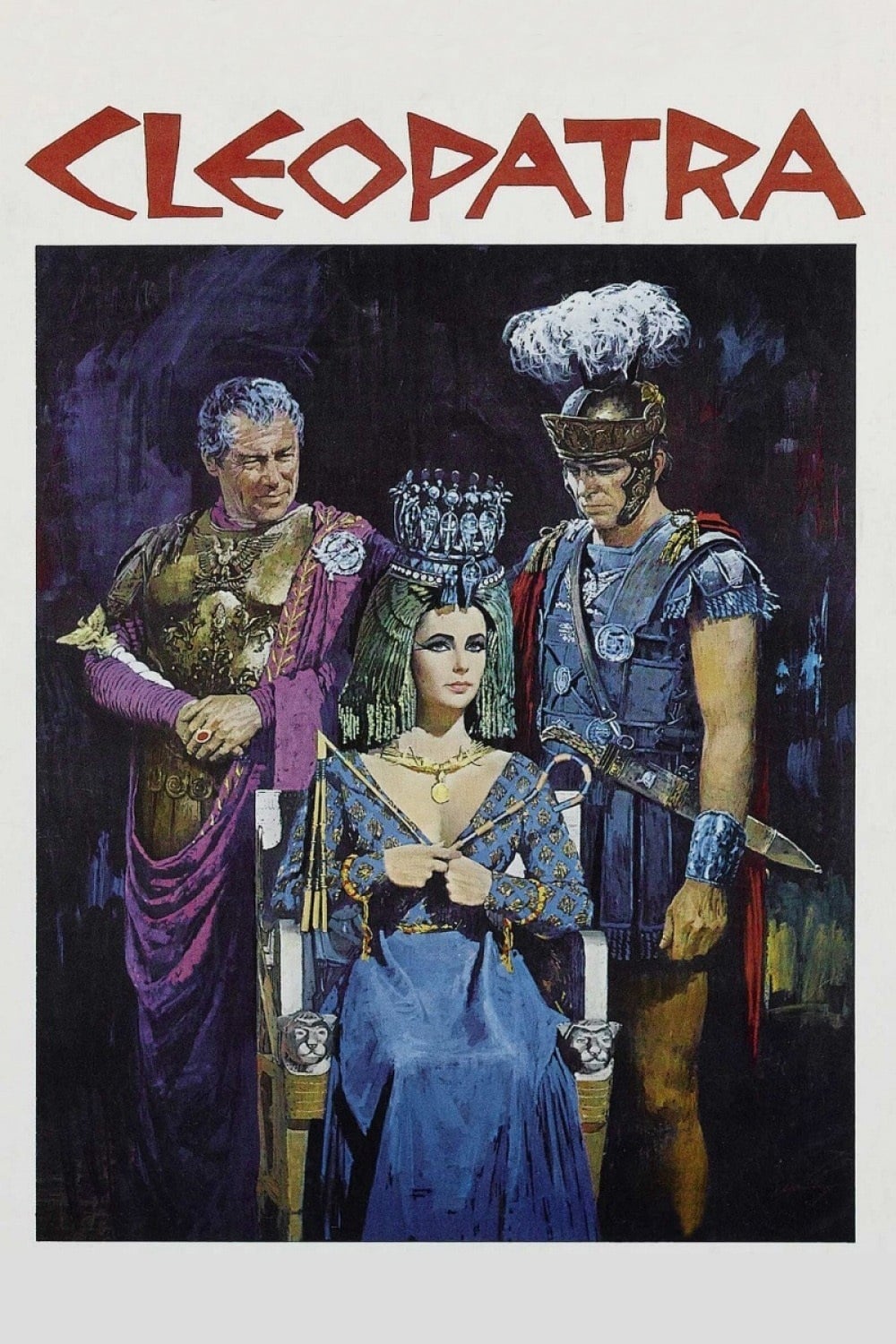
Let me tell you, making “Cleopatra” was a total disaster behind the scenes. The budget spiraled completely out of control and nearly sunk 20th Century Fox! We’re talking massive cost overruns. Then, Elizabeth Taylor got sick, forcing a location change from London all the way to Rome. And honestly, the on-set romance between Taylor and Richard Burton became a bigger story than the movie itself – a constant media circus. It was chaos! They were literally building and tearing down sets because the script kept changing, it was a real mess to watch unfold, even from a distance.
‘Heaven’s Gate’ (1980)
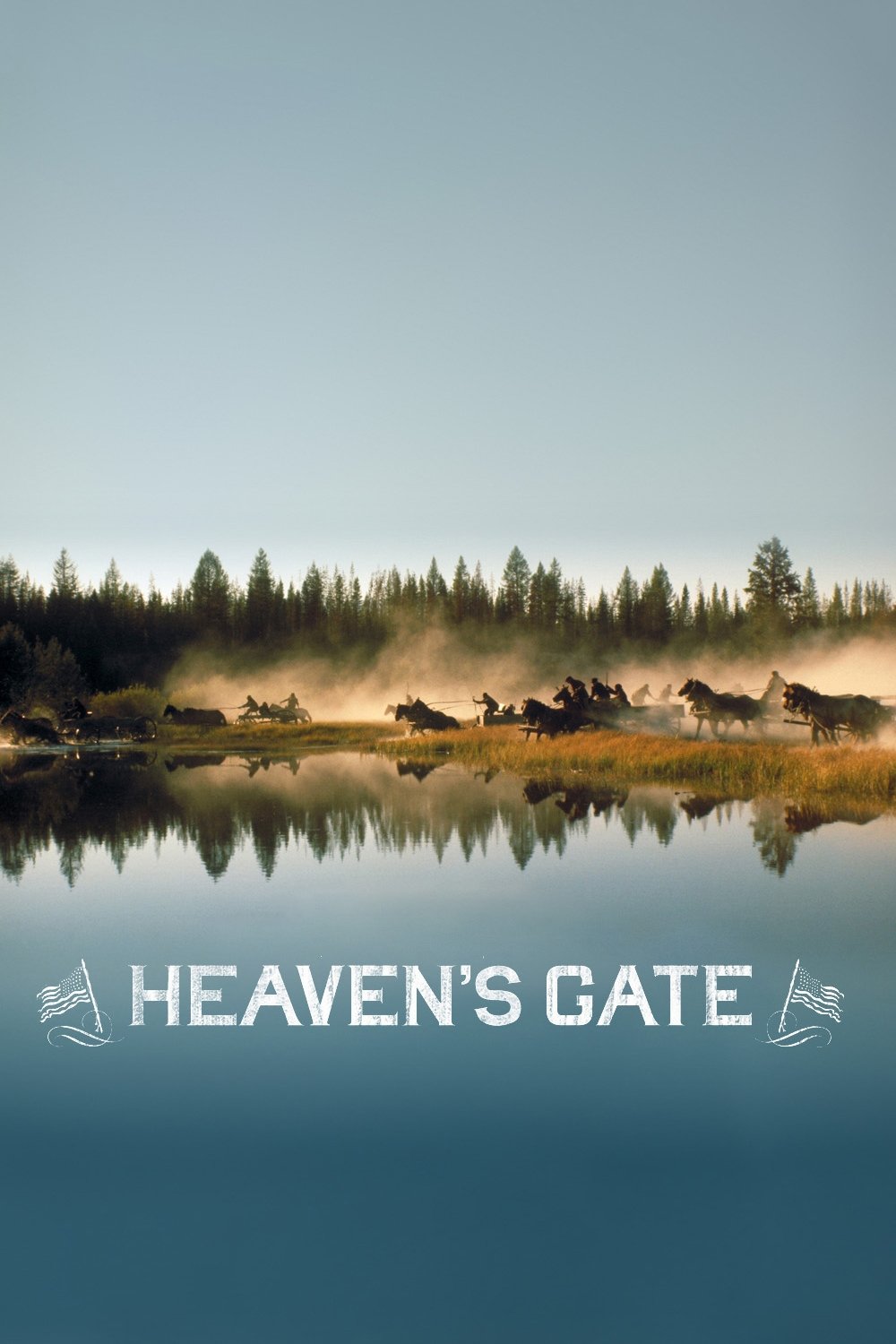
Michael Cimino was known for his meticulous attention to detail, sometimes delaying filming for the perfect lighting or even having sets completely rebuilt just to adjust the look of a scene. This perfectionism led to massive cost overruns, and the film ultimately flopped at the box office. Its failure marked the end of an era where directors had almost complete creative and financial control over their movies.
‘American History X’ (1998)
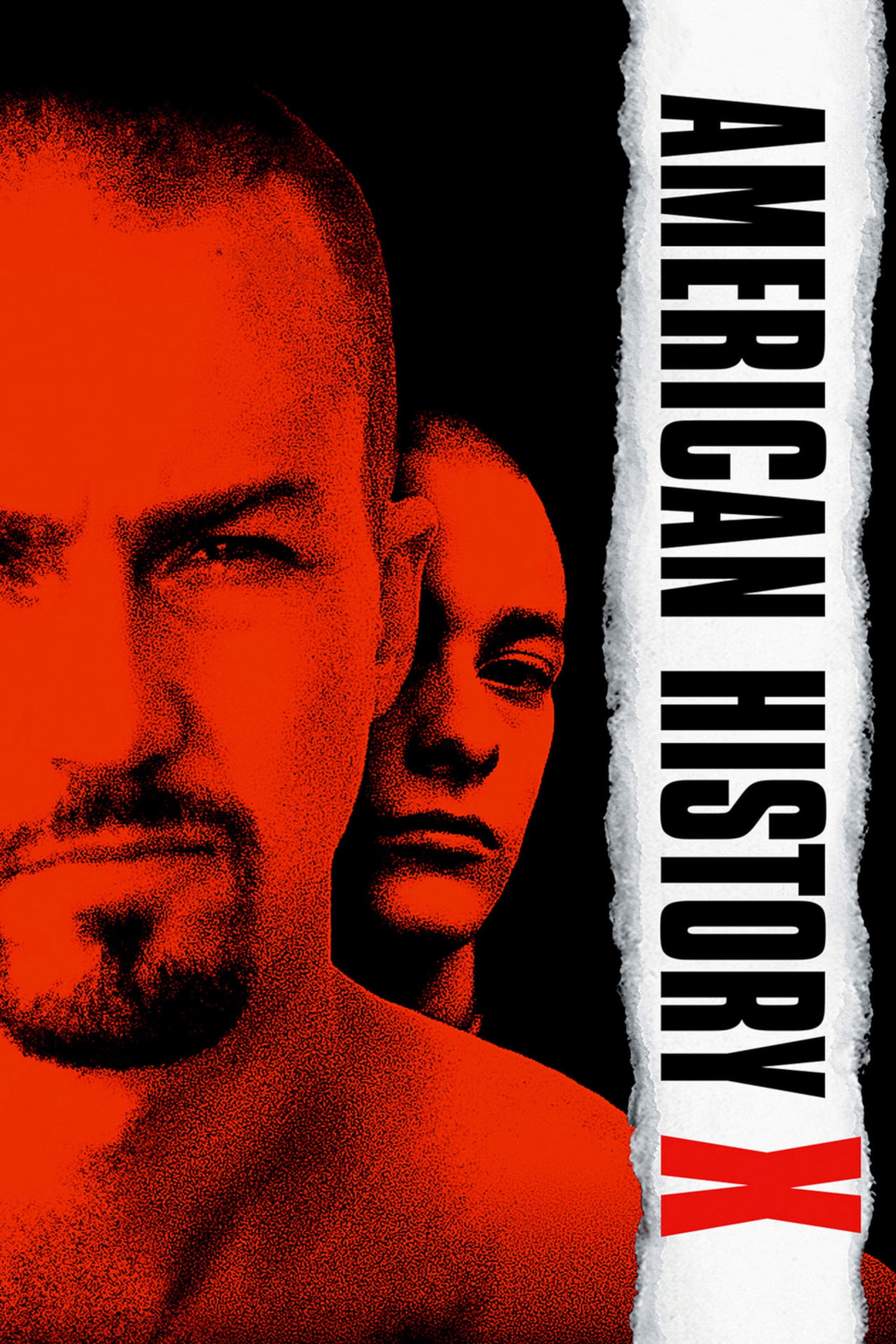
After a disagreement over the final cut, director Tony Kaye attempted to disown the film. Edward Norton worked with the studio to re-edit it, focusing on his own performance. Kaye publicly criticized both Norton and the studio through advertisements in industry publications. In a highly unusual move, he even brought religious leaders – a priest, a rabbi, and a monk – to a meeting with studio executives.
‘Jaws’ (1975)
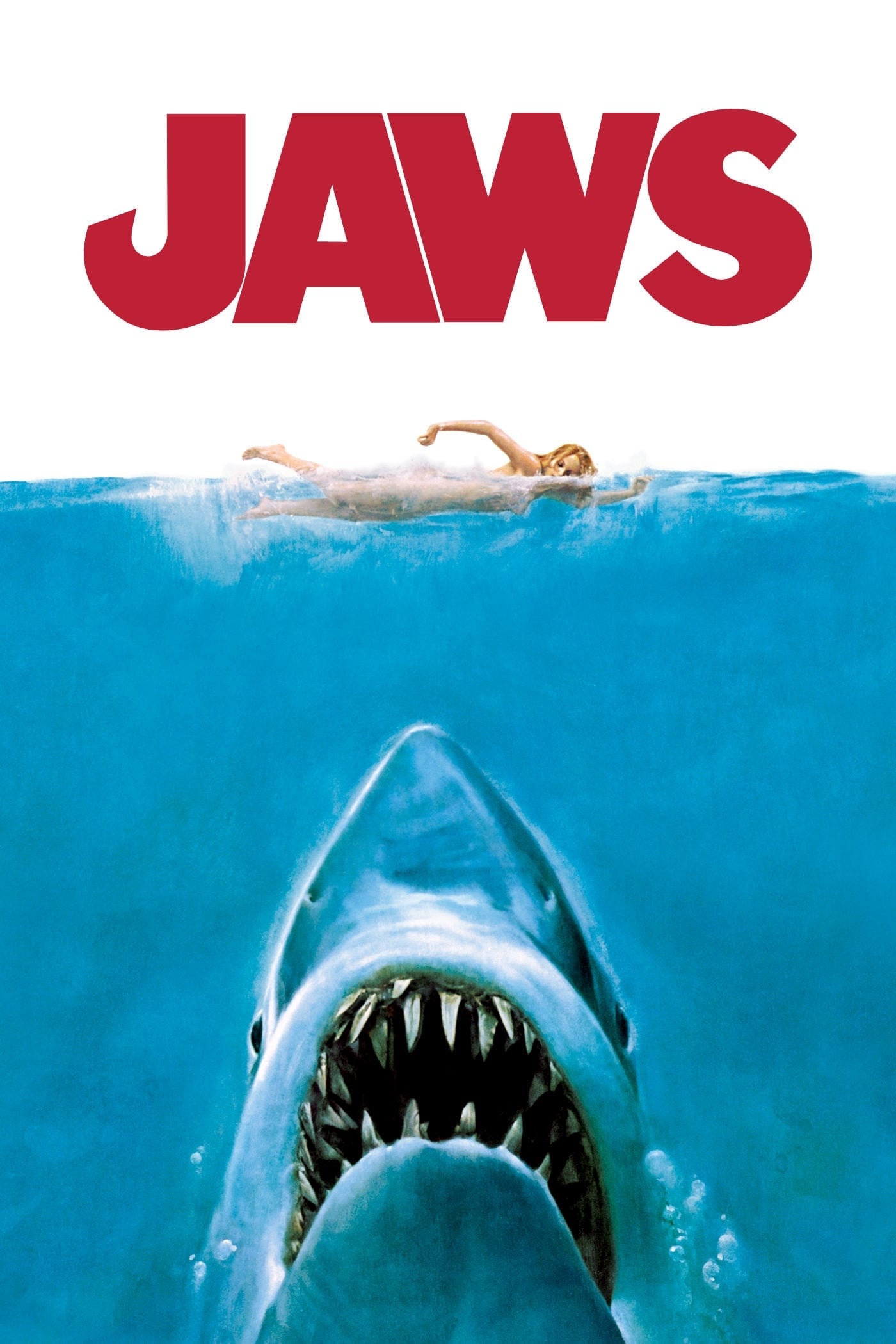
The animatronic shark used in the film was unreliable, so Steven Spielberg had to limit how much it appeared on screen. Filming on the ocean proved incredibly difficult and expensive, causing major delays and budget overruns. The crew dealt with sinking boats and damaged equipment due to the saltwater. They jokingly named the shark ‘Bruce’ after Spielberg’s lawyer.
‘Psycho’ (1960)
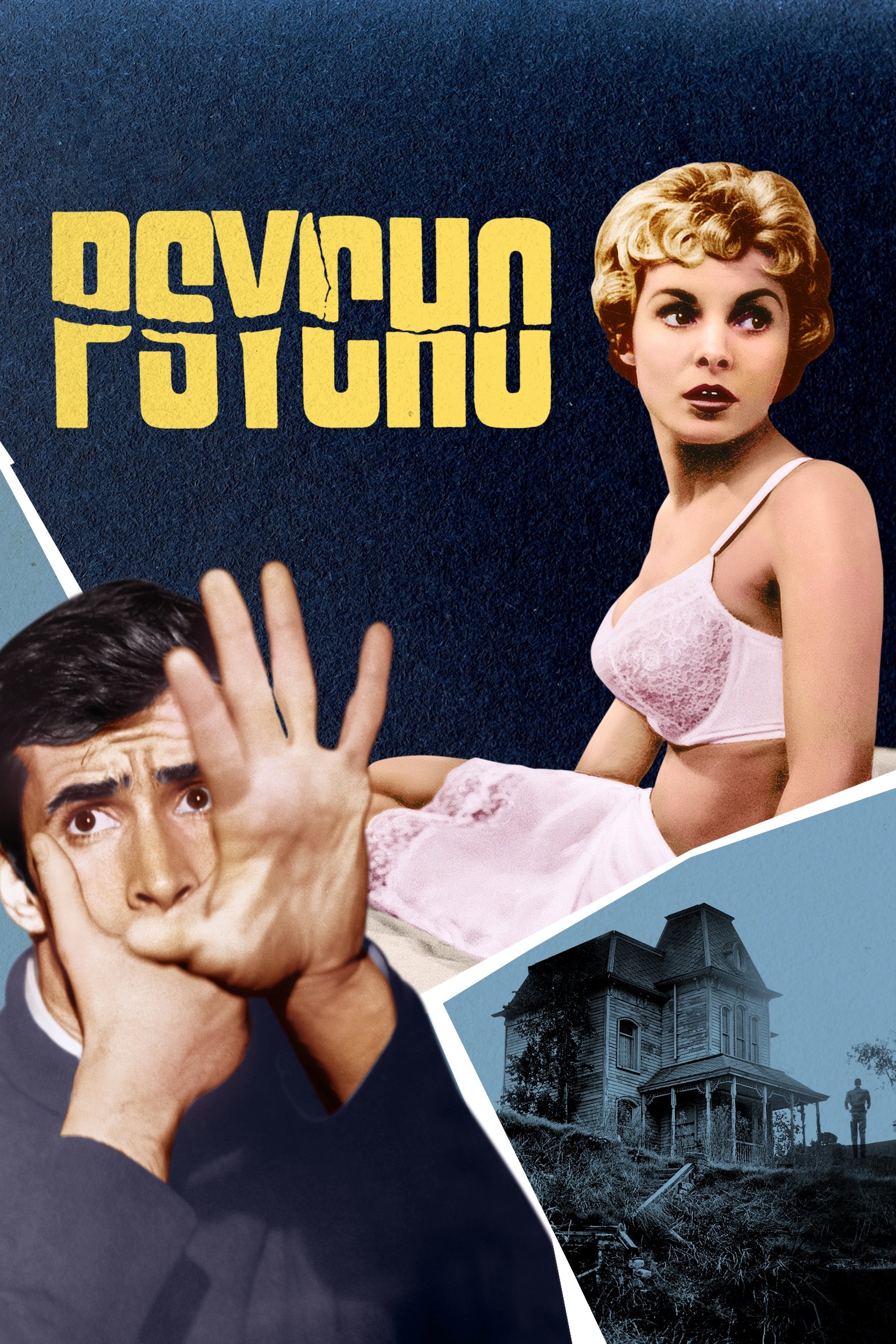
Let me tell you, making “Psycho” wasn’t easy! Hitchcock actually took a pay cut and insisted on shooting in black and white just to stay within budget. He was so determined to protect the story’s twist that he bought up every single copy of the novel to prevent spoilers! And that iconic shower scene? They actually used a body double because the lead actress couldn’t be on set the entire time. It’s wild to think he even tested how scary the prop corpse was by sneaking it into people’s dressing rooms – talk about method directing! It really shows how much care and ingenuity went into crafting this masterpiece of suspense.
‘Rosemary’s Baby’ (1968)
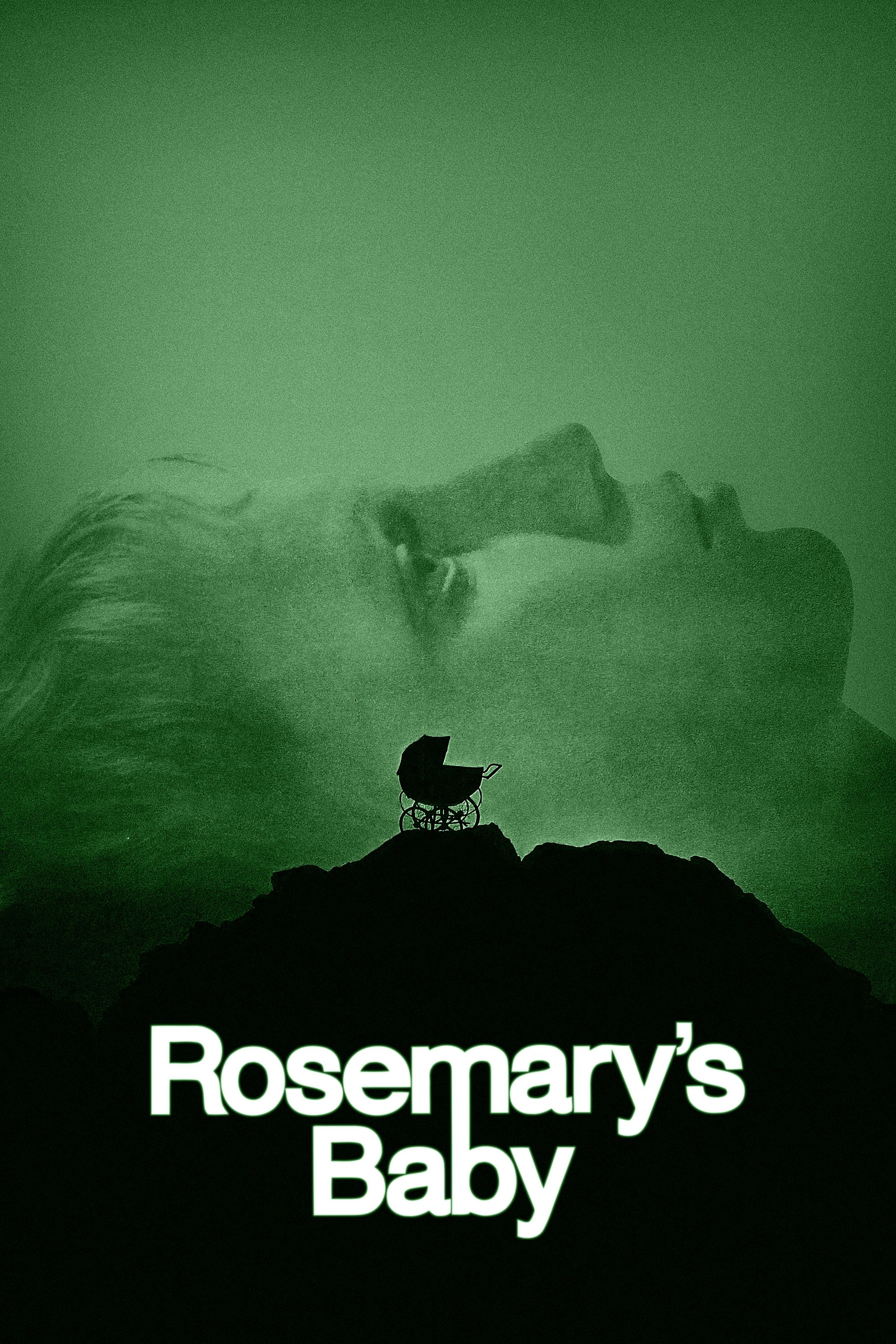
Mia Farrow was served with divorce papers from Frank Sinatra while filming. For a scene, she surprisingly ate raw liver, even though she was a dedicated vegetarian. Producer William Castle became seriously ill with kidney failure and thought the movie was jinxed. This unsettling environment on set ultimately contributed to the creation of a truly classic horror film.
‘Eraserhead’ (1977)
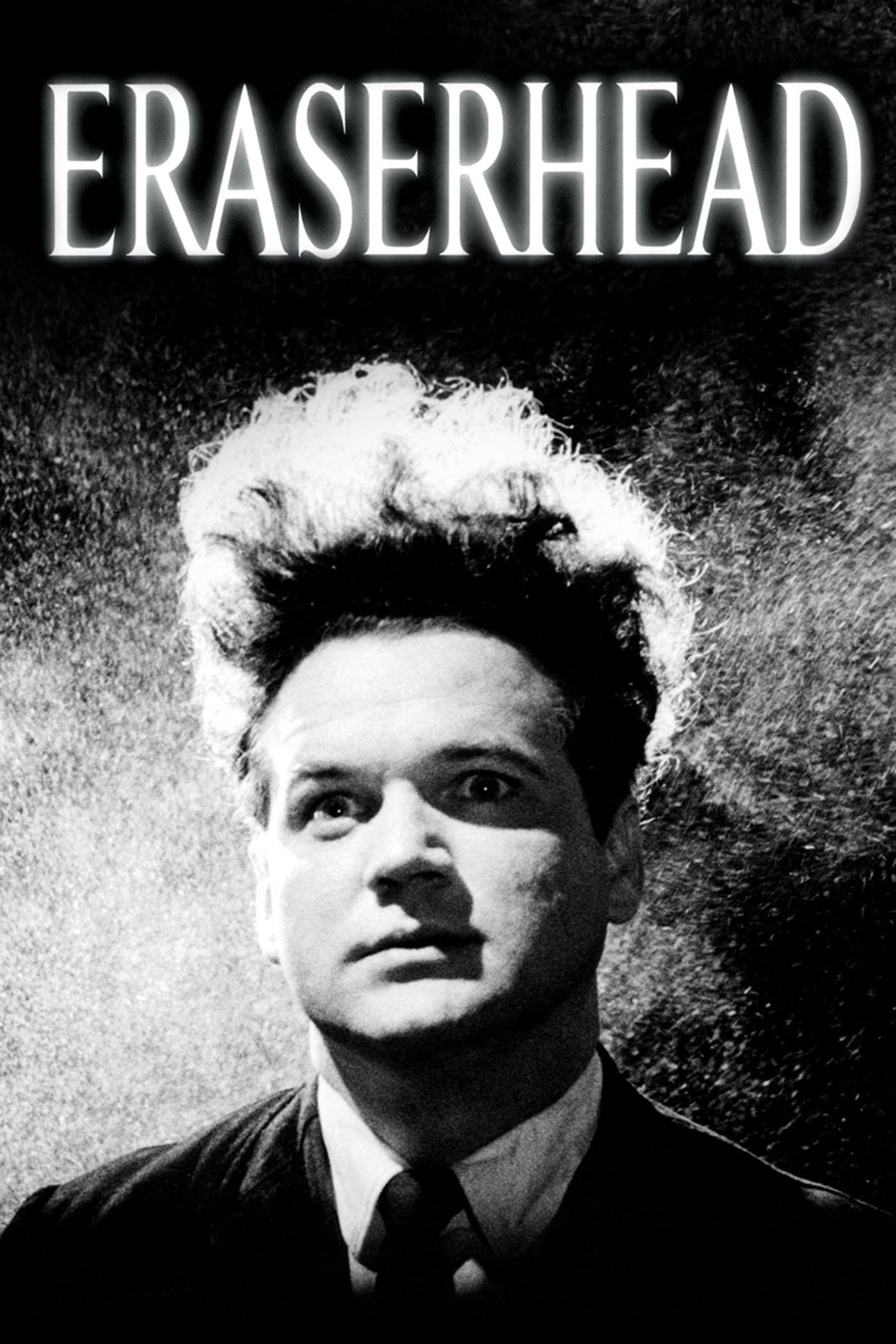
David Lynch dedicated five years to creating the film, supporting himself by delivering newspapers. Throughout the entire shoot, actor Jack Nance maintained a uniquely strange hairstyle. Lynch was deeply involved in the production, living on set and personally building many of the props. There’s a story that a disturbing scene featuring a dead cat actually used a real animal from a veterinary clinic.
Tell us which of these behind-the-scenes disasters shocked you the most in the comments.
Read More
- Trading on Thin Air: AI Agents Conquer Crypto Volatility
- 20 Movies Where the Black Villain Was Secretly the Most Popular Character
- Invincible Season 4 Gender Swaps Tech Jacket As Fans Question Major Comic Change
- Silver Rate Forecast
- 22 Films Where the White Protagonist Is Canonically the Sidekick to a Black Lead
- 15 Films That Were Shot Entirely on Phones
- Trading Smarter: AI-Powered Execution Schedules
- Celebs Who Narrowly Escaped The 9/11 Attacks
- Gold Rate Forecast
- Smarter Order Execution: How AI is Outperforming Wall Street’s Playbook
2026-02-01 07:20