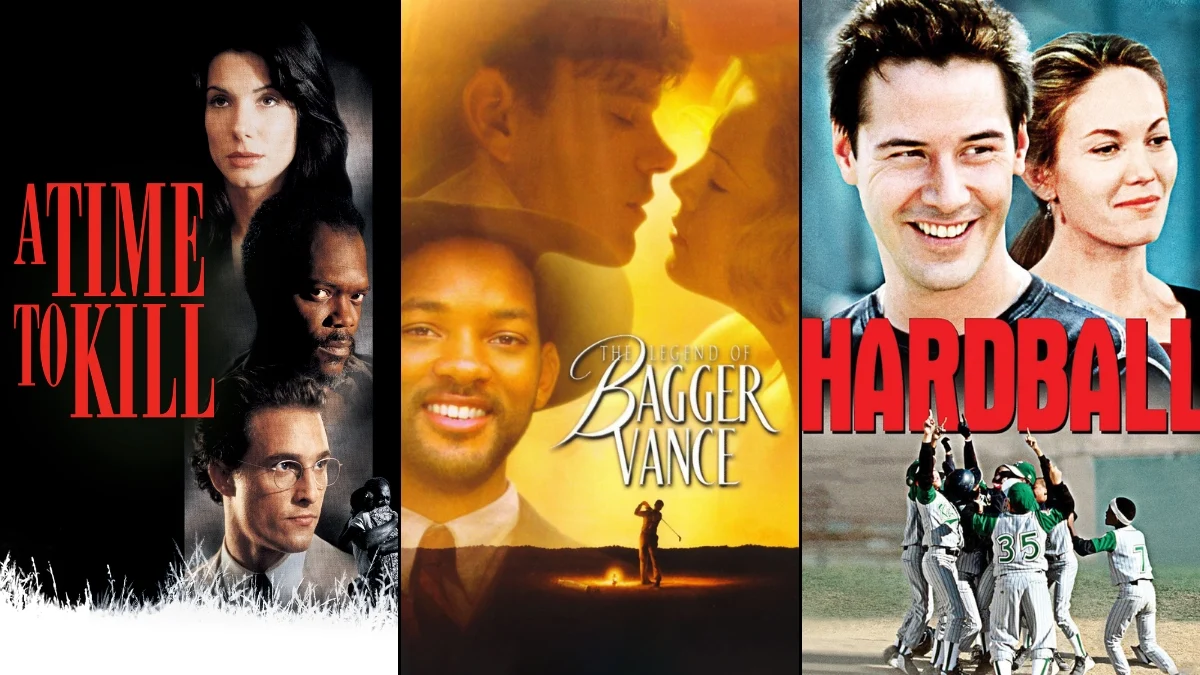
The “white savior” storyline commonly shows a white character coming to the rescue of people of color. These stories often focus more on the white character’s own journey and bravery than on the abilities and experiences of the people they’re helping. Many critics now point out that these films tend to present complicated problems and historical events in a too-simple way. Looking at these movies can help us understand how views on race and heroism in Hollywood have changed over time.
‘To Kill a Mockingbird’ (1962)
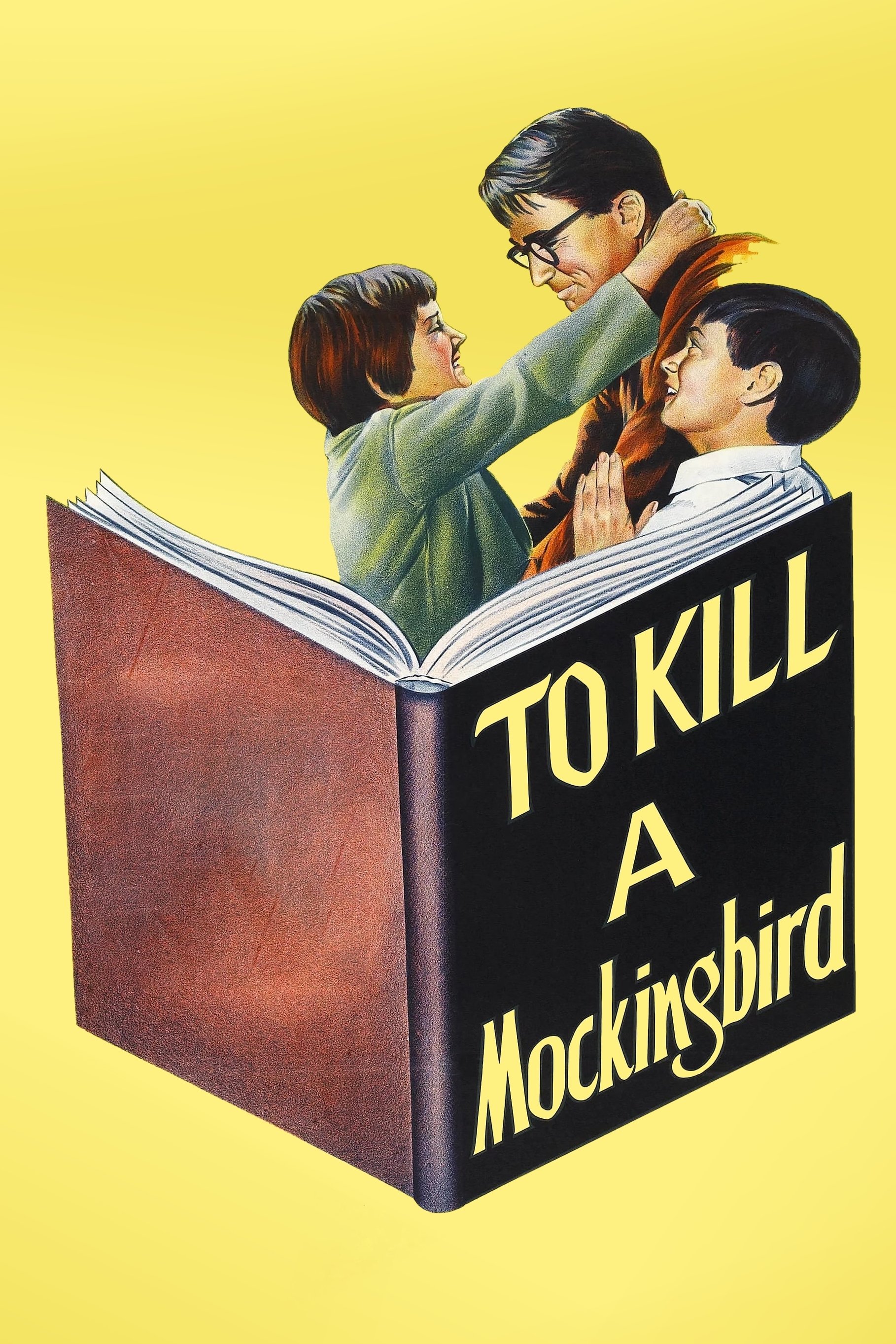
In the film, Atticus Finch defends Tom Robinson against a false accusation of assault in the racially segregated South. Though considered a classic exploration of right and wrong, the story focuses more on the lawyer’s good character than on the experiences of the accused man. Many now believe Robinson mainly serves as a way to teach the Finch family about morality. Ultimately, the Black community remains without real power, even with the help of their white lawyer. This highlights a troubling idea: that Black people can only achieve justice through the kindness of white people.
‘Cry Freedom’ (1987)
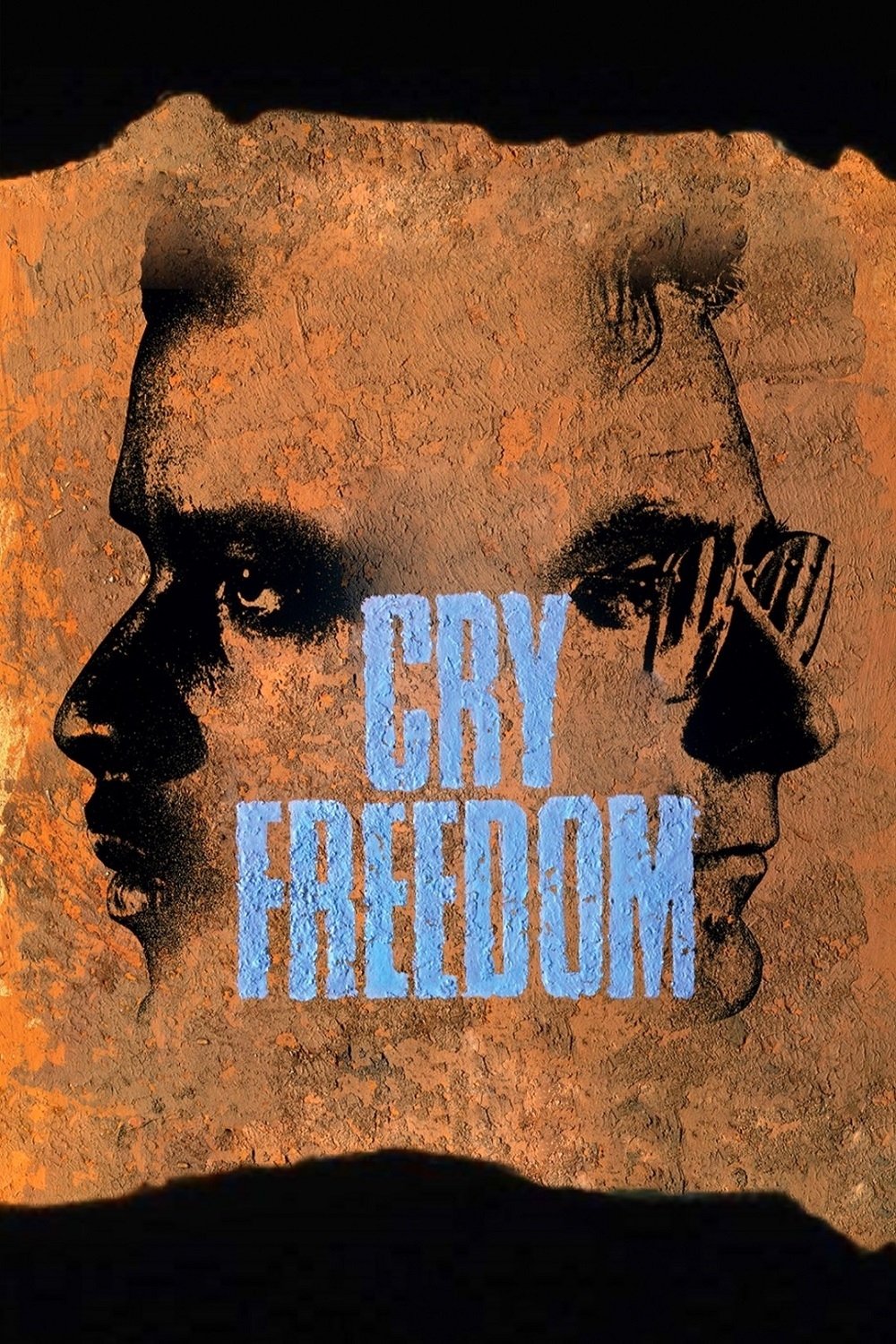
This film tells the story of Steve Biko, a South African anti-apartheid activist, and his friendship with journalist Donald Woods. However, many critics note that the movie’s focus largely shifts to Woods and his family’s efforts to flee the country. This choice of perspective creates distance between the audience and the direct experiences of the anti-apartheid struggle, falling into a common pattern where stories about Black liberation are often told from the viewpoint of white allies. As a result, the film tends to prioritize the white character’s safety and journey over the struggles and survival of Black characters.
‘Mississippi Burning’ (1988)
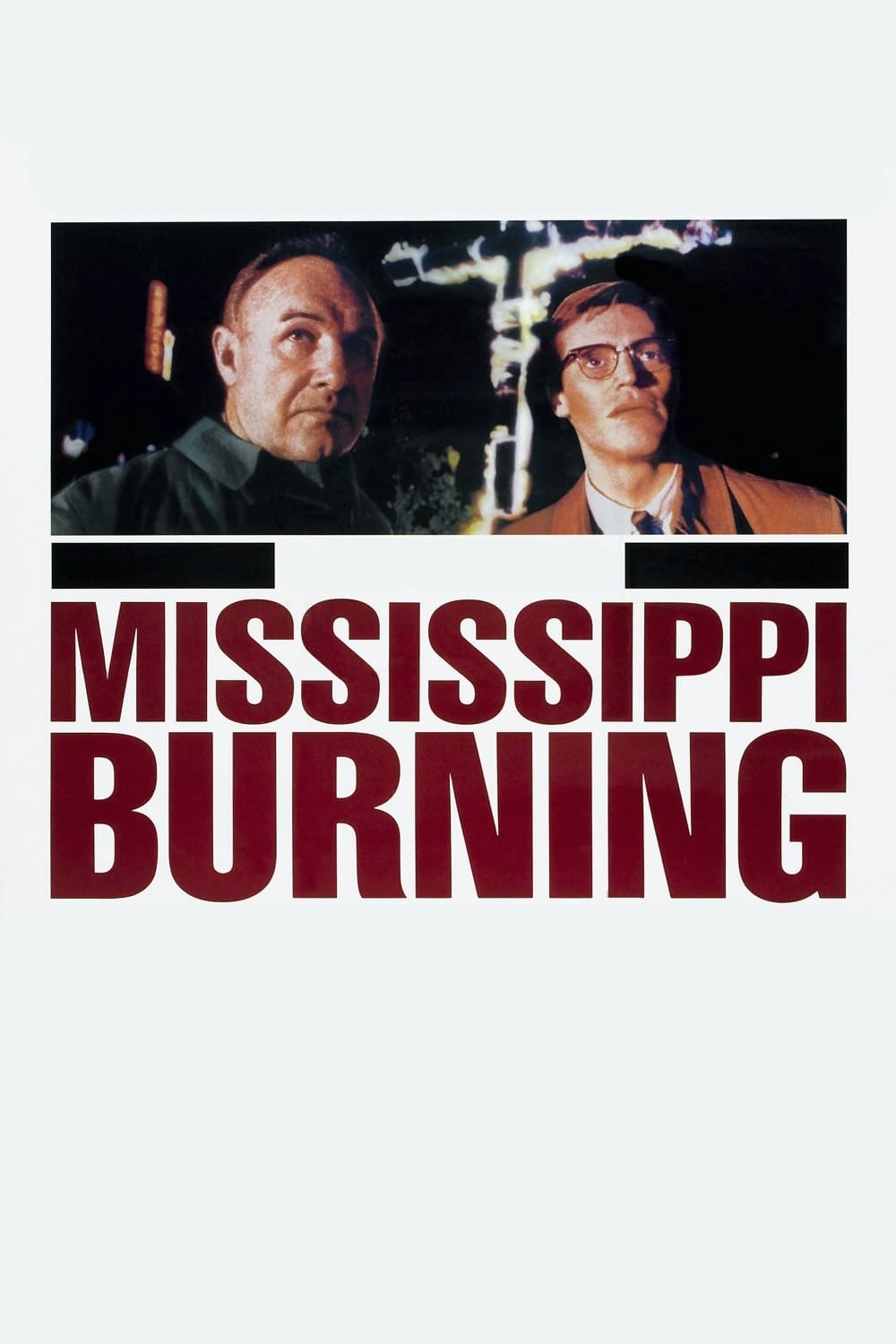
A film about the disappearance of civil rights workers in the South focuses on the FBI agents investigating the case, but downplays the crucial role of local Black activists who actually led the movement. While the film portrays the FBI as heroes, historical evidence suggests they were often hesitant to help, and sometimes even opposed, civil rights efforts. Critics argue the movie unfairly changes history to emphasize a law enforcement perspective and presents the Black community as helpless and waiting to be saved by federal agents, rather than as active participants in their own liberation.
‘Glory’ (1989)
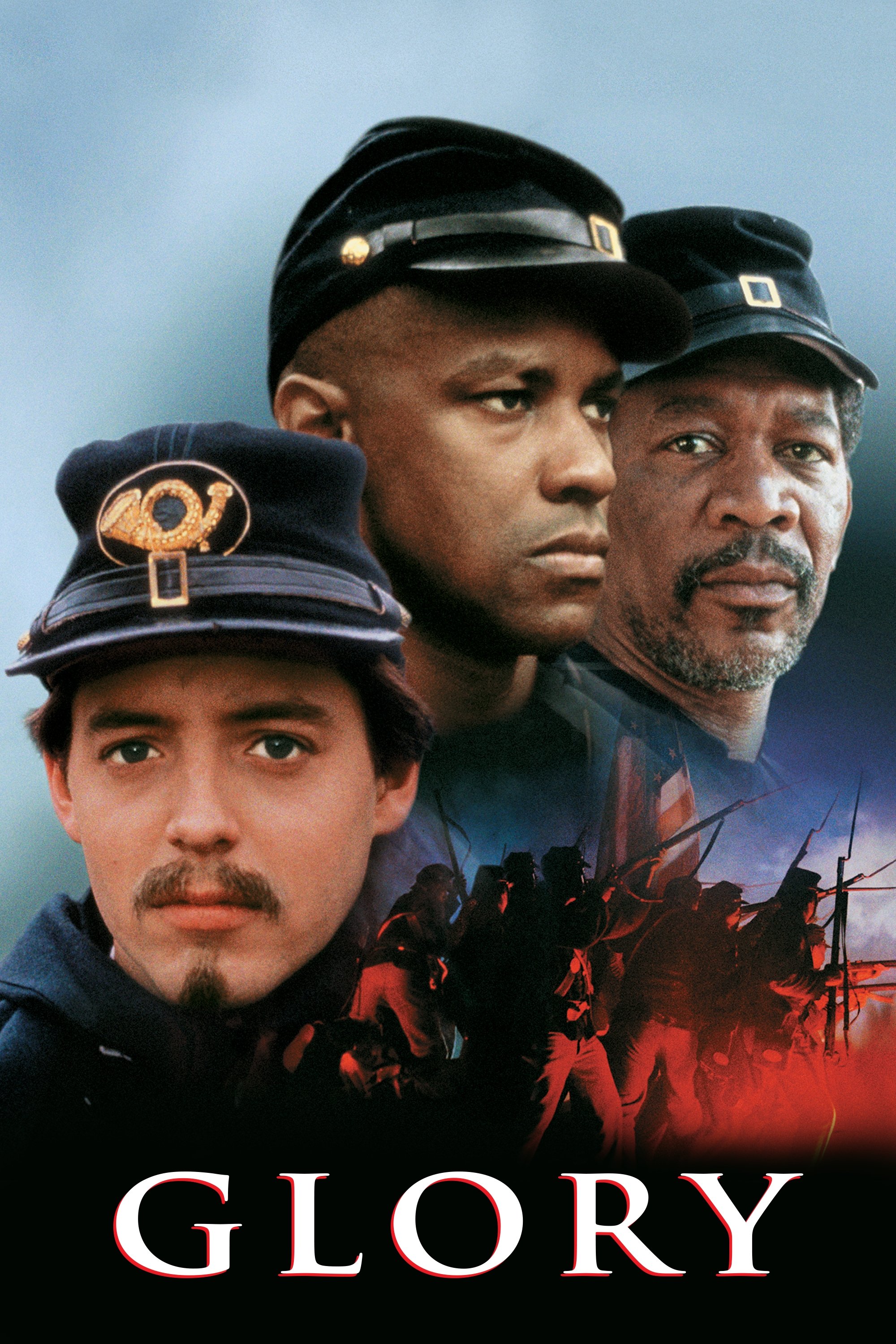
The movie tells the story of a young white officer who commands one of the first Black volunteer regiments during the Civil War. While the film centers on the development and leadership of Colonel Robert Gould Shaw, the Black soldiers often feel like secondary characters. Many viewers today observe that the story primarily follows Shaw’s emotional journey. The film shows the courage of the Black soldiers, but largely through how their experiences impact Shaw and his eventual death. This approach overlooks the soldiers’ own strong motivations and desire for freedom that led them to fight.
‘The Power of One’ (1992)
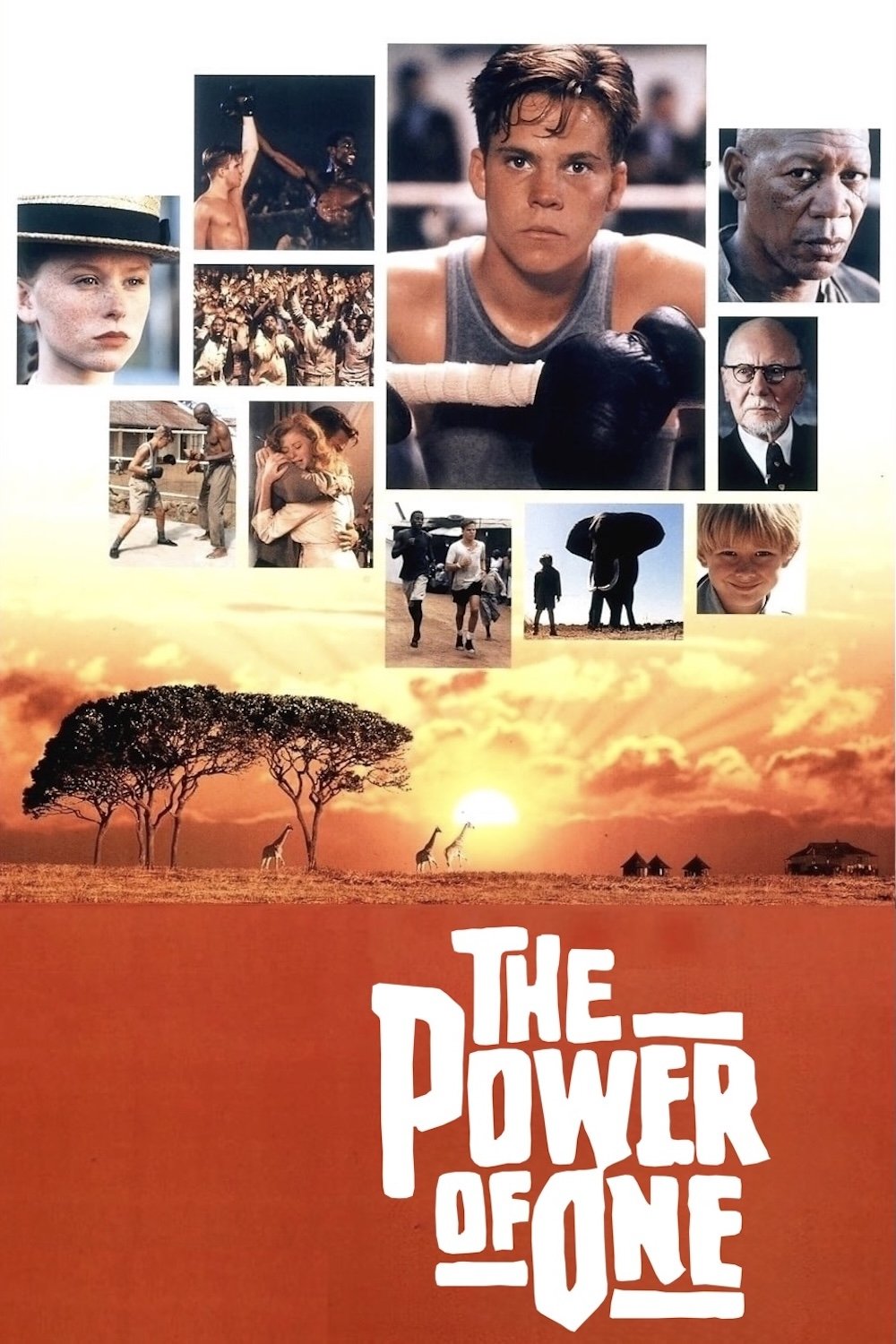
I just finished watching this movie, and it’s really stuck with me. It tells the story of a white South African kid who gets involved in fighting against apartheid, and he ends up becoming a kind of hero to a lot of Black people. But honestly, it also made me a little uncomfortable. Some critics point out that the film seems to downplay the roles of actual Black leaders who were already fighting for change, and instead focuses on this white guy. It feels like it falls into this trope where oppressed people need a white savior to lead the way, and it kind of takes away from the incredible work Black people were already doing to liberate themselves. It definitely makes you think about who gets to be the ‘hero’ in these stories and why.
‘Dangerous Minds’ (1995)

The movie tells the story of a former Marine who becomes a teacher at a struggling school serving mostly Black and Latino students. She tries unique approaches to reach them and help them overcome their challenging lives. However, the film falls into a common pattern of portraying a white person as a savior figure in a supposedly troubled community. Critics point out that this overlooks the deeper, systemic problems of poverty and inadequate school funding. The movie suggests the students’ improvement is solely due to the teacher’s hard work and dedication, ignoring other important factors.
‘A Time to Kill’ (1996)
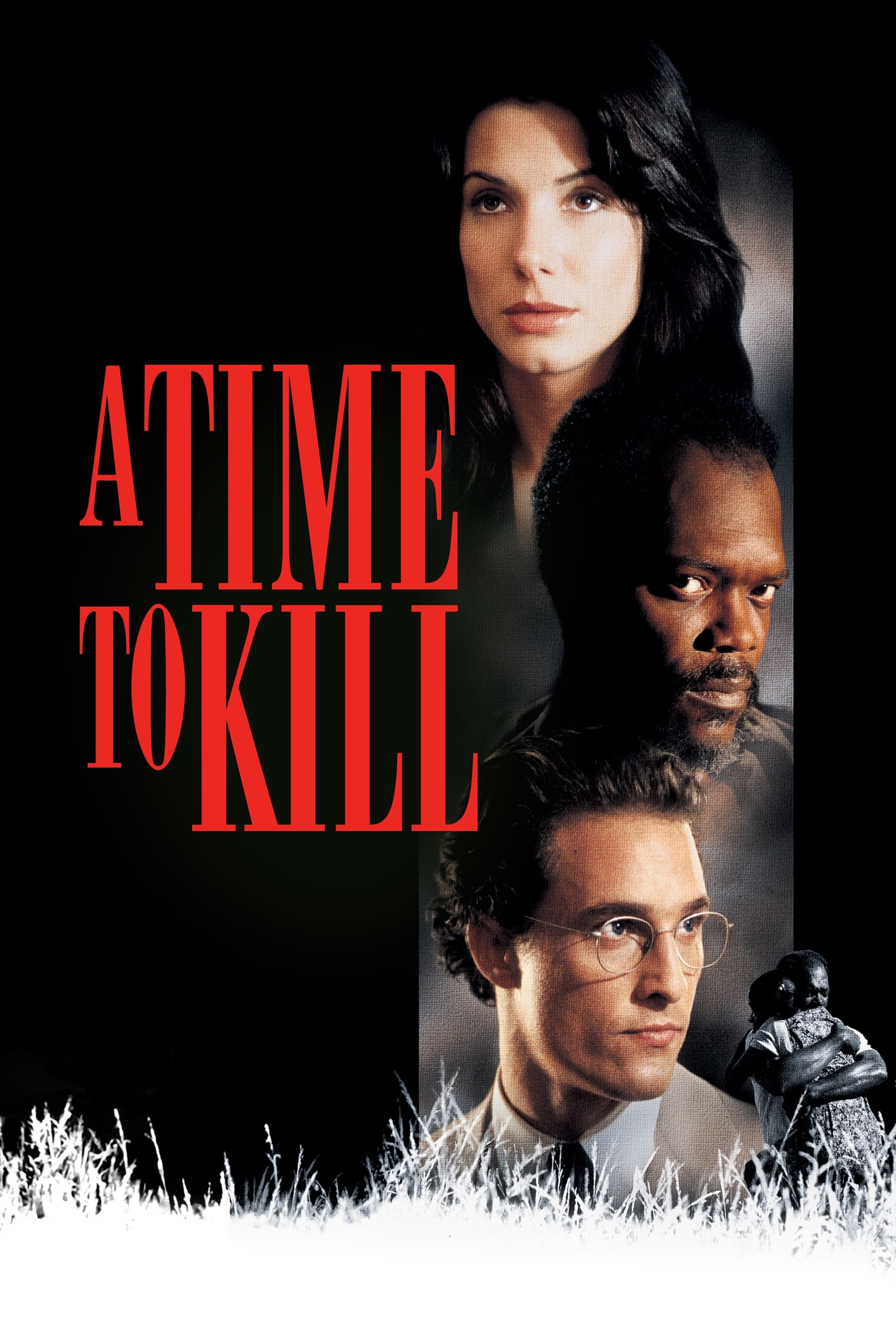
The movie tells the story of a Black father who sought justice himself after his daughter was attacked, and the white lawyer who defended him. Critics have noted that the film focuses more on the lawyer’s feelings and perspective than on the father’s own experience, implying that justice for Black people requires a white advocate. Many feel the film centers the white experience in a story about Black trauma, pushing Black characters into secondary roles while the white legal team takes center stage in exploring the moral complexities of the case.
‘Ghosts of Mississippi’ (1996)
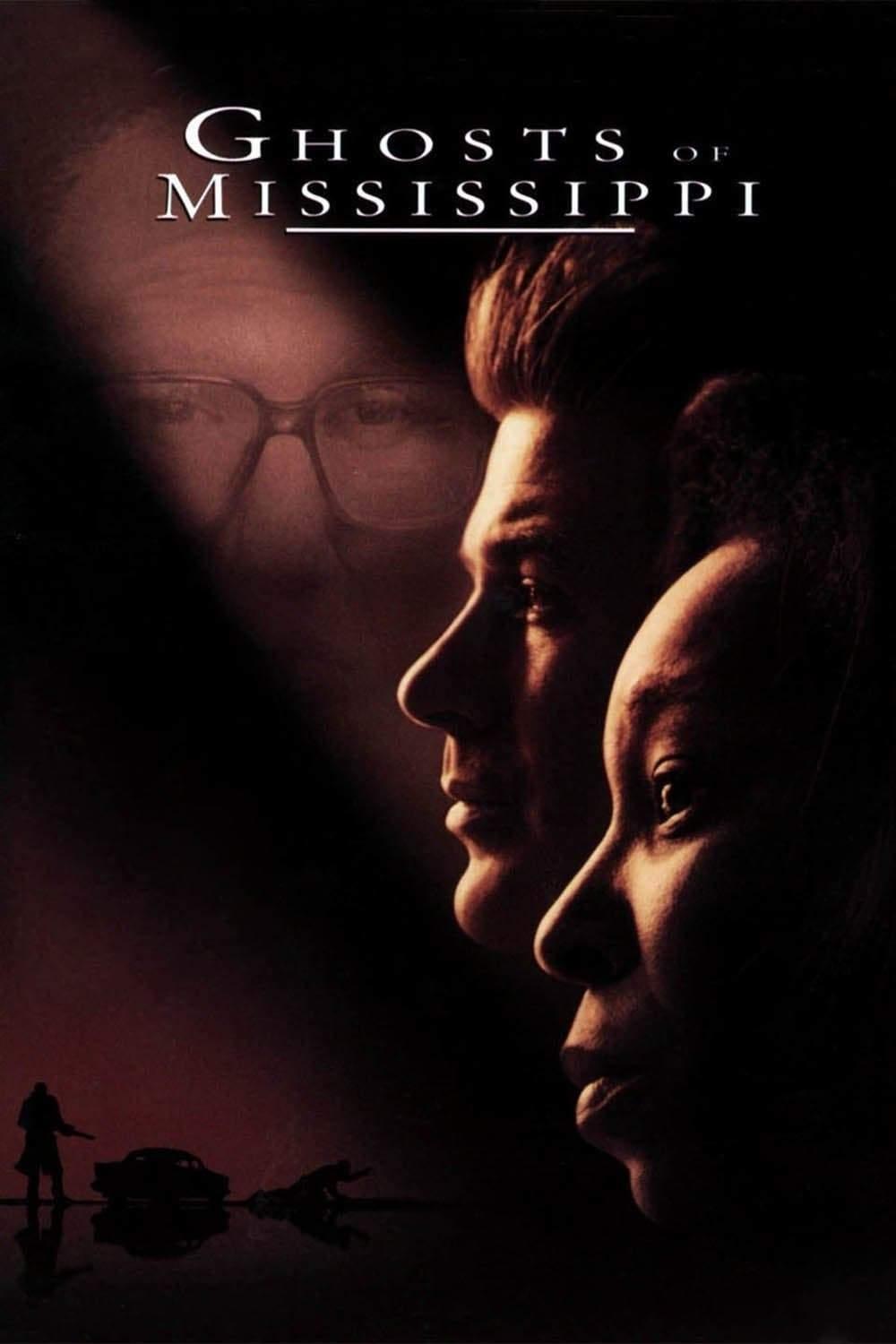
The movie tells the story of a prosecutor’s long fight to find the man who killed Medgar Evers. Though based on real events, the film largely centers on the white attorney’s own life and the challenges he faced in his career. This focus tends to minimize the years of effort and dedication from Myrlie Evers and the Black community. It’s similar to other films that praise white lawyers for fixing past wrongs, and the story suggests the legal system itself is the savior, rather than the activists who pushed for change.
‘Amistad’ (1997)
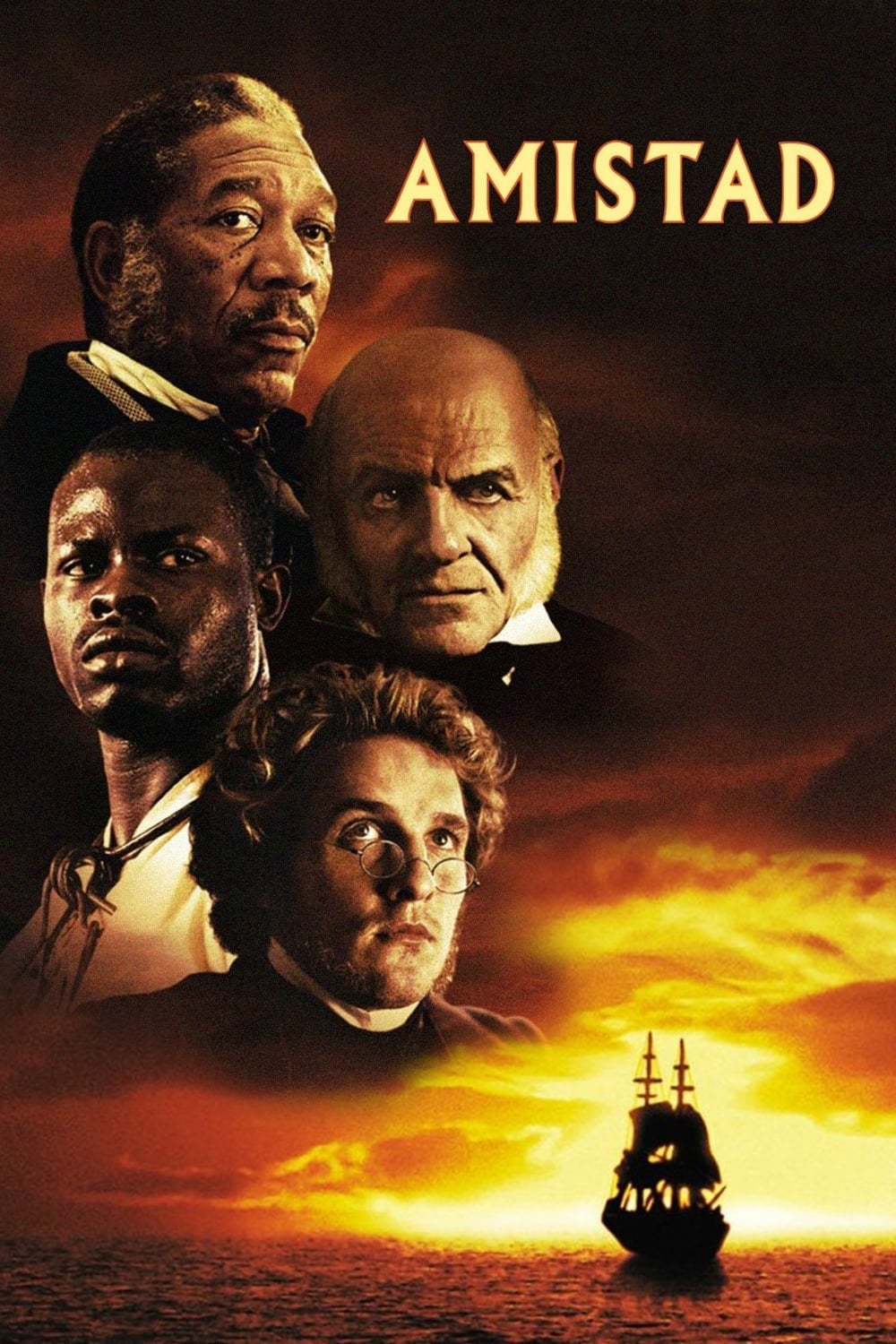
A movie about a revolt by enslaved Africans centers heavily on the white lawyers and politicians who fought their case in court, unintentionally overshadowing the Africans’ own bravery and fight for freedom. Some viewers have pointed out that the film seems to suggest the American legal system is what ultimately saved the enslaved people, rather than their own actions, and that the most emotional moments focus on the speeches of white figures instead of the joy and relief of those who were freed.
‘The Legend of Bagger Vance’ (2000)
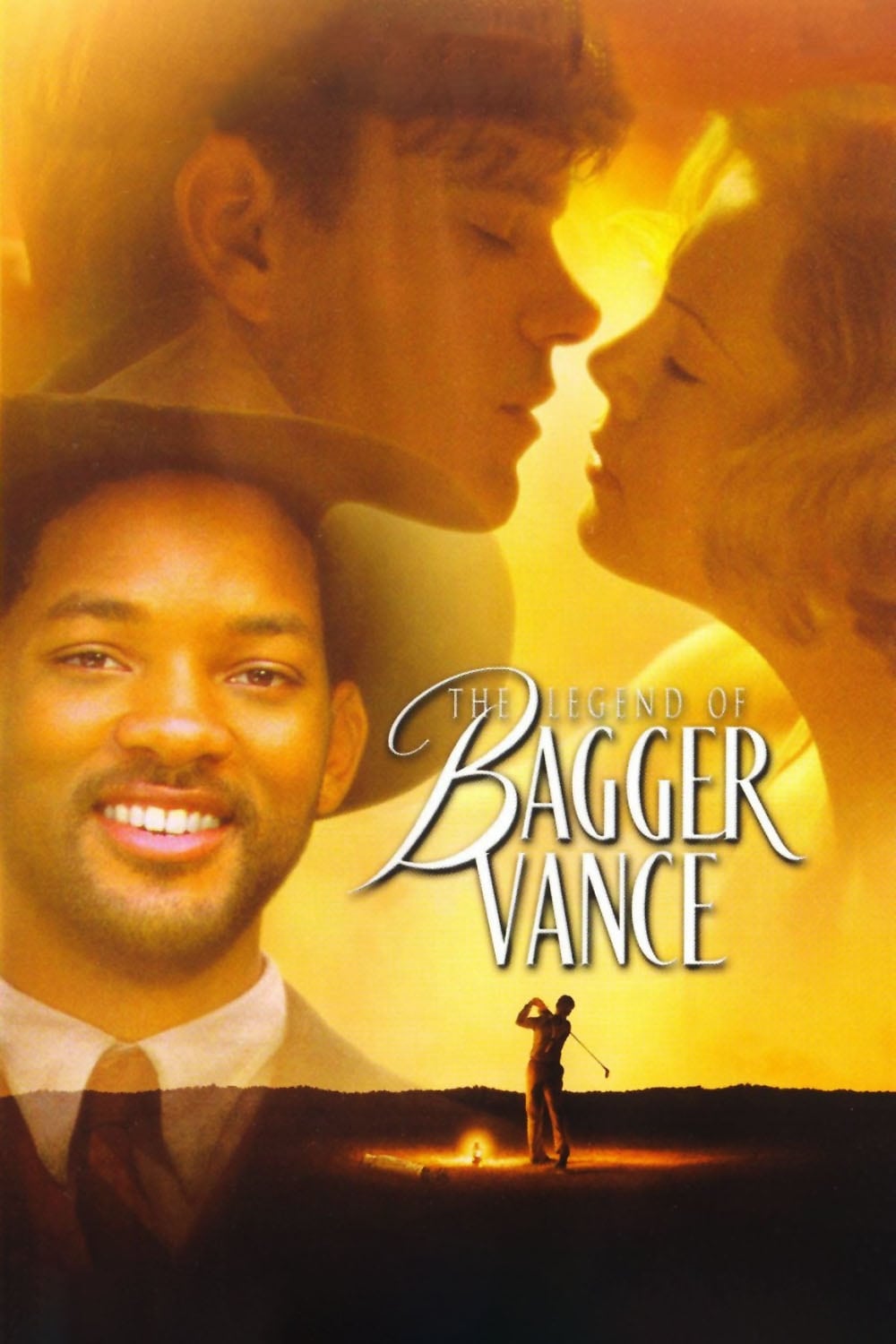
The film features a Black caddy who unexpectedly helps a white veteran rediscover his golf game and rebuild his life. However, the Black character serves only to offer wisdom and spiritual support to the white protagonist, falling into a problematic trope known as the ‘magical Negro’ – a variation of the ‘white savior’ storyline. Over time, the film hasn’t held up well because it reduces the Black character to a mere device for the white man’s personal growth, denying him any individual aspirations or backstory. He’s essentially treated as a supernatural helper existing solely to benefit another.
‘Hardball’ (2001)
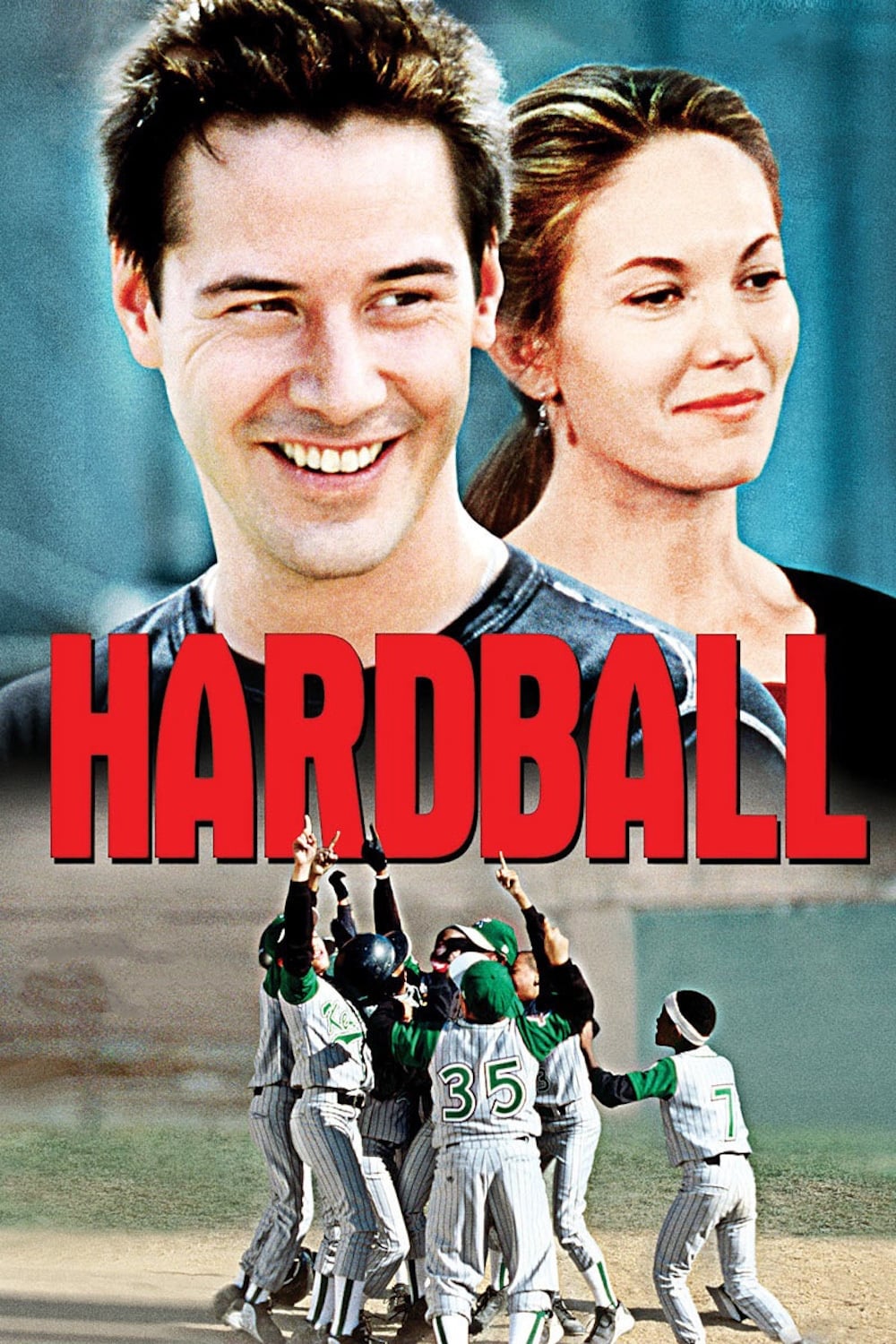
A man struggling with a gambling addiction takes on the challenge of coaching a little league baseball team in an underserved neighborhood as a way to work off his debts. While he hopes this will help him turn his life around, the story focuses on how the young, Black players he coaches impact his personal growth. However, the film relies on the children’s hardships to drive the coach’s development, which can be seen as using the community to benefit him. Ultimately, the movie emphasizes the coach’s emotional journey more than the future of the players themselves.
‘Radio’ (2003)
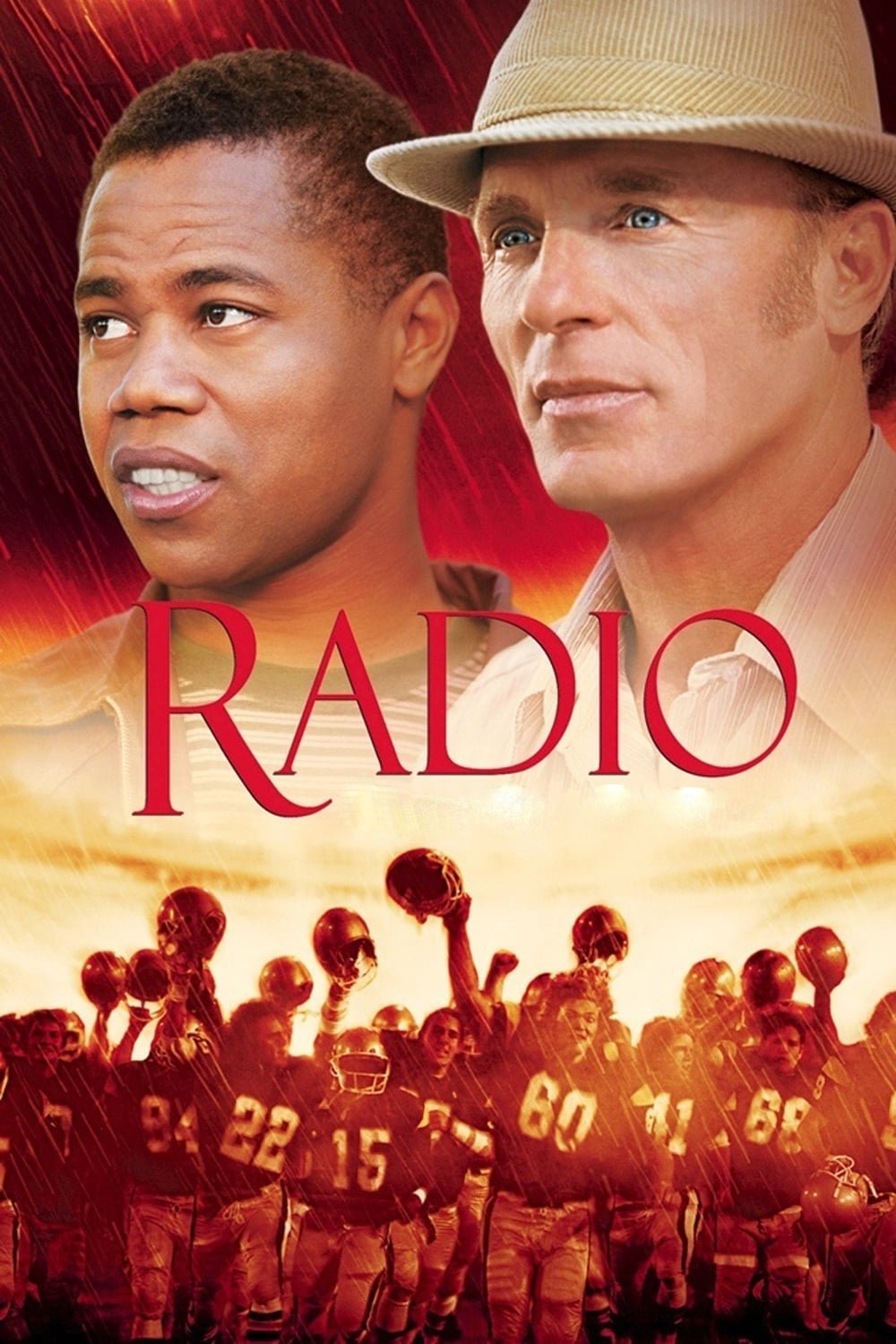
A football coach helps a Black man with intellectual disabilities, shielding him from harassment and involving him in sports. However, the movie focuses more on the coach’s good deeds than on the man’s own life and experiences. Some critics feel the film portrays the man as someone needing pity rather than a fully realized person, and that it emphasizes the coach’s generosity while keeping the man reliant on his help.
‘Blood Diamond’ (2006)
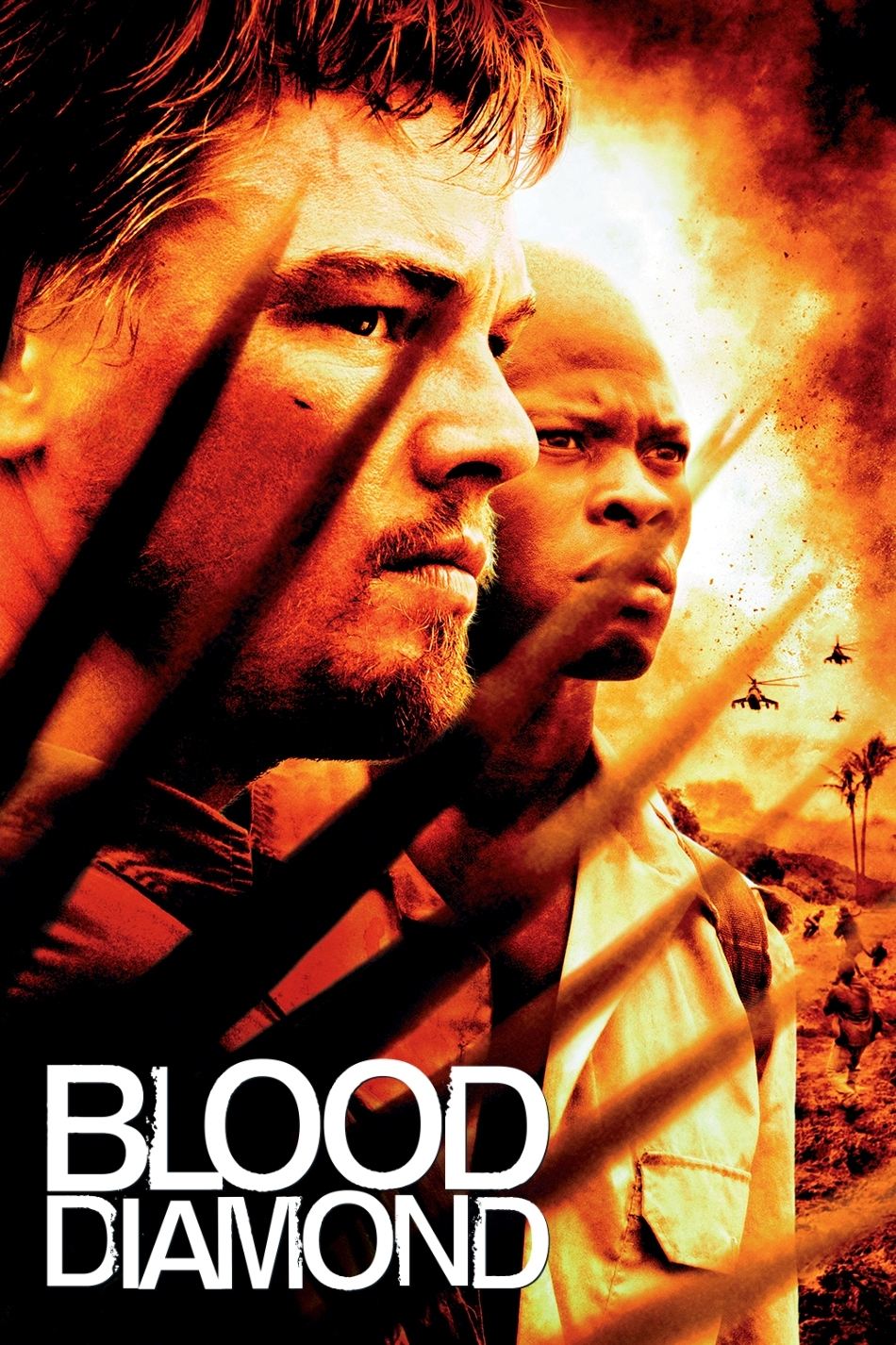
The film follows a white smuggler and a Black fisherman who join forces to search for a valuable diamond amidst the chaos of the Sierra Leone Civil War. The smuggler ultimately finds personal redemption by sacrificing himself to save the fisherman and his family. However, this storyline has been criticized for implying that African conflicts can only be resolved with help from white individuals. Critics have pointed out that the film focuses more on the smuggler’s personal journey than on the larger political issues and systemic problems within Sierra Leone, presenting a widespread tragedy as a story of one man’s attempt to make amends.
‘Freedom Writers’ (2007)
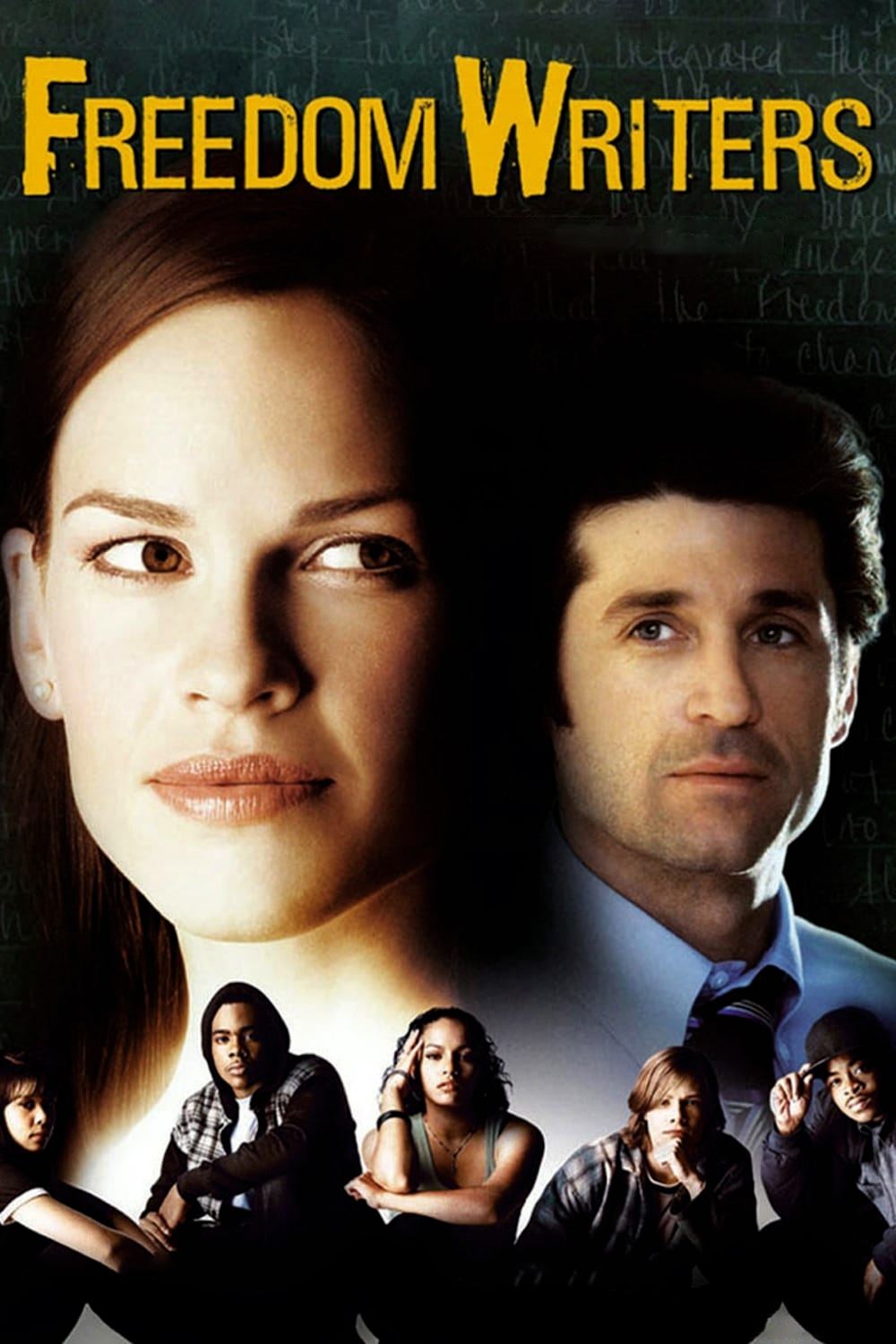
The movie tells the story of a white teacher who helps her struggling students focus on their education, encouraging them to keep journals about their lives. While showing the teacher’s dedication and the personal costs she faces, the film overlooks the students’ own strengths and ability to overcome challenges. Some critics argue this creates a harmful narrative that suggests students of color need help from white teachers to succeed, and that their progress isn’t truly meaningful without the teacher’s guidance and approval.
‘The Blind Side’ (2009)
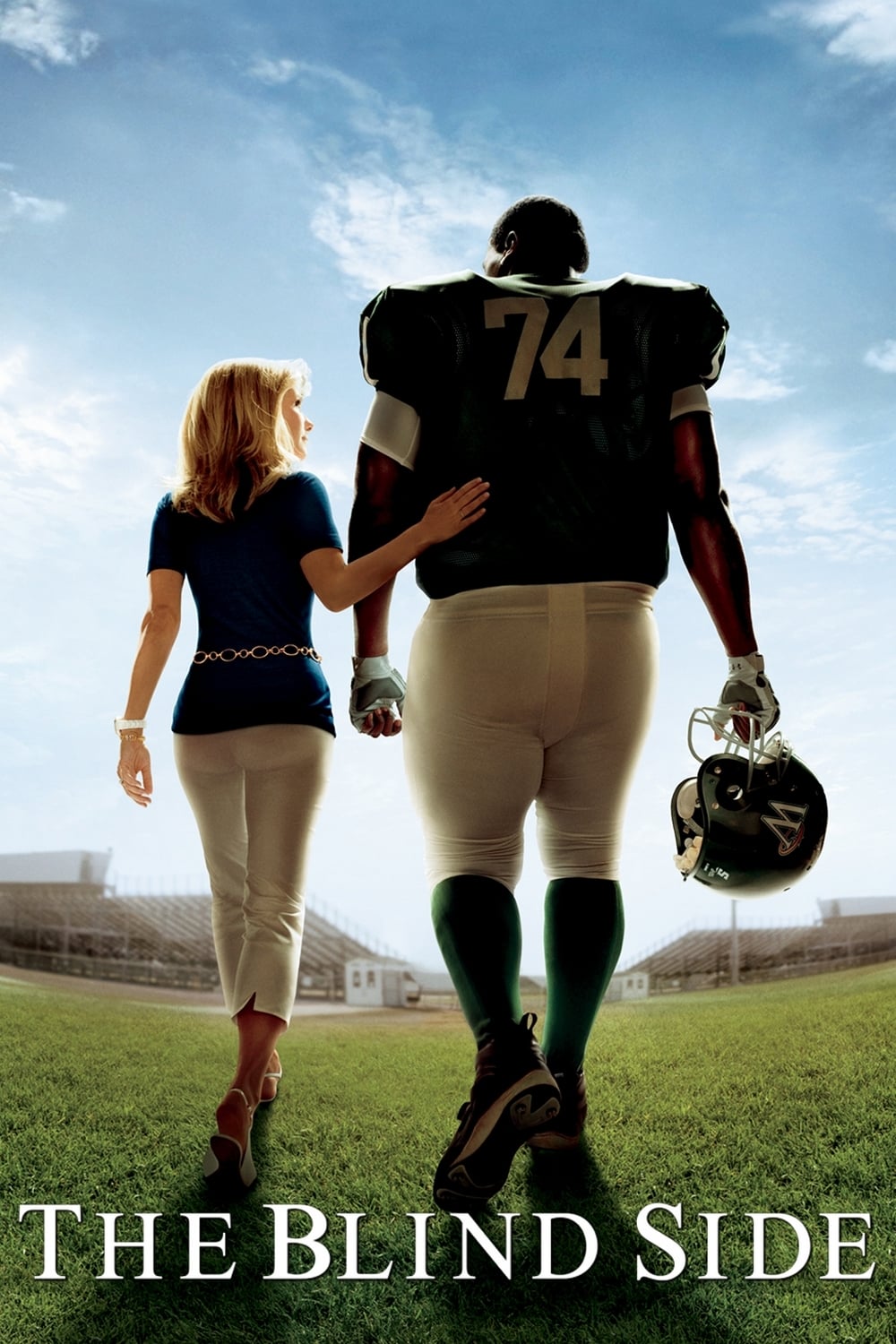
The film tells the story of a white family who adopts a Black teenager experiencing homelessness and supports his journey to becoming a professional football player. However, the real person the movie is based on, Michael Oher, has criticized it, saying it inaccurately depicts his abilities and past. Many viewers and critics feel the film implies Oher needed the Tuohy family’s help to succeed, which reinforces the problematic ‘white savior’ trope – a common storyline where white characters are presented as the heroes who rescue people of color. The movie particularly focuses on the white mother’s efforts as the main reason for the athlete’s success.
‘The Soloist’ (2009)
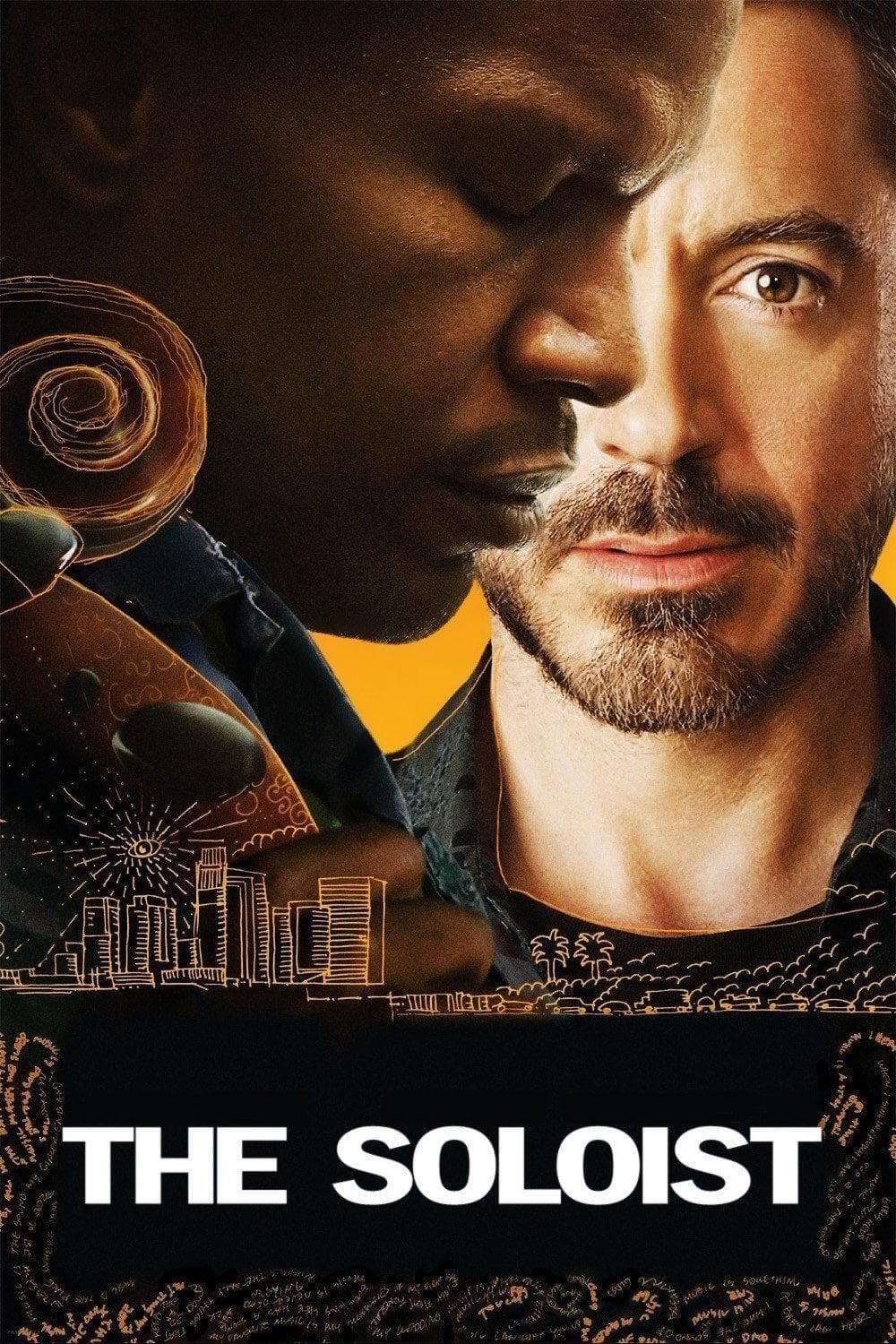
The movie follows a white journalist who tries to help a talented Black musician living on the streets and struggling with schizophrenia. The story mainly centers on the journalist’s efforts and how helping the musician affects him personally. However, some critics point out that this focus overshadows the musician’s own struggles with mental illness and homelessness, turning him into a tool for the journalist’s self-discovery. Essentially, the film prioritizes the challenges of the person offering help rather than the experiences of the person needing it.
‘The Help’ (2011)
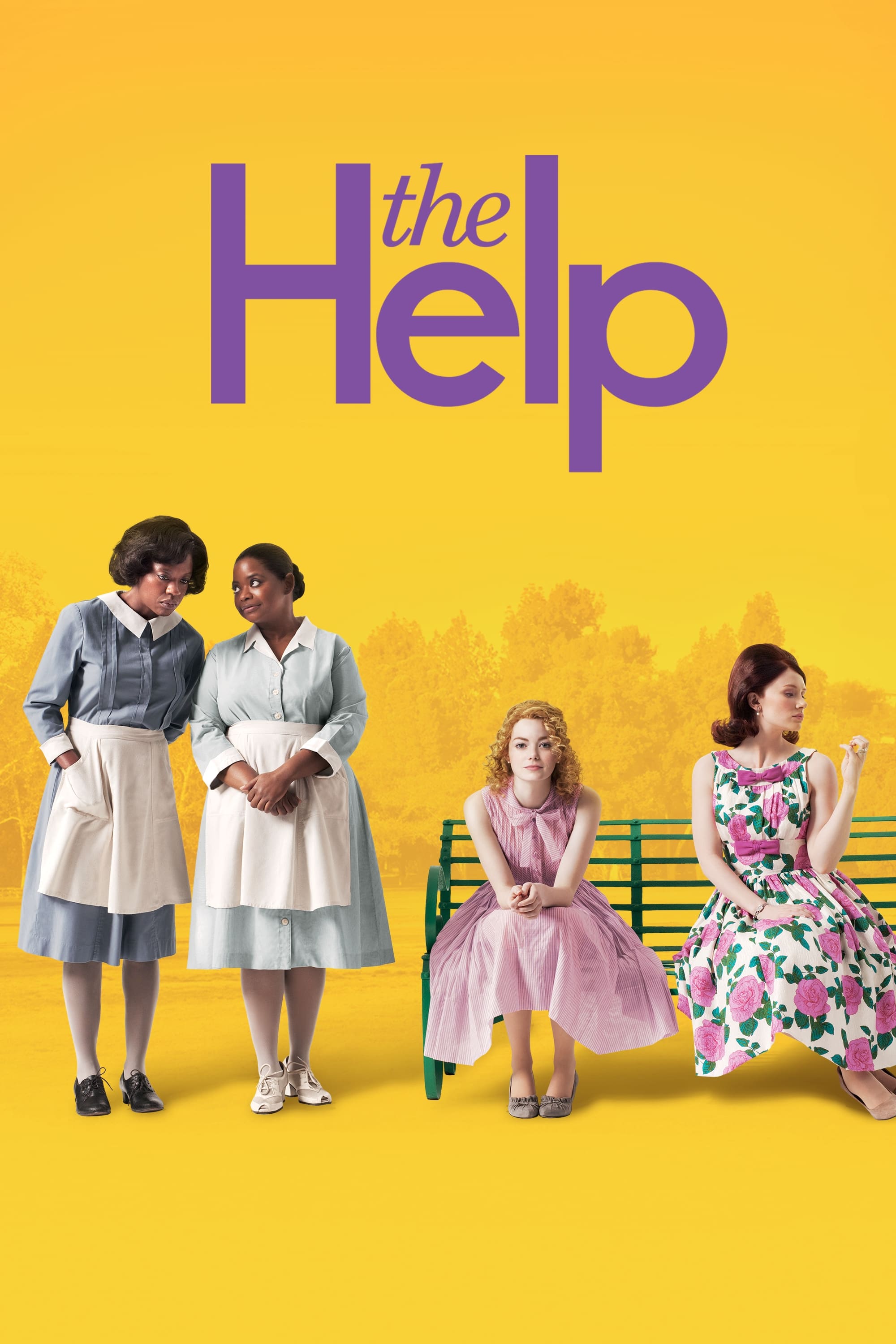
This story, set during the Civil Rights Movement, centers on a young white journalist who writes a book based on the lives of Black maids. However, the film focuses more on the journalist’s bravery in revealing their stories than on the dangers the maids faced themselves. Many critics point out that the film glosses over the difficult realities of the time, seemingly to make it more palatable for white viewers. The maids’ experiences are often shown through the eyes of the white journalist, and their progress towards freedom is presented as a result of her publishing their stories.
‘Lincoln’ (2012)
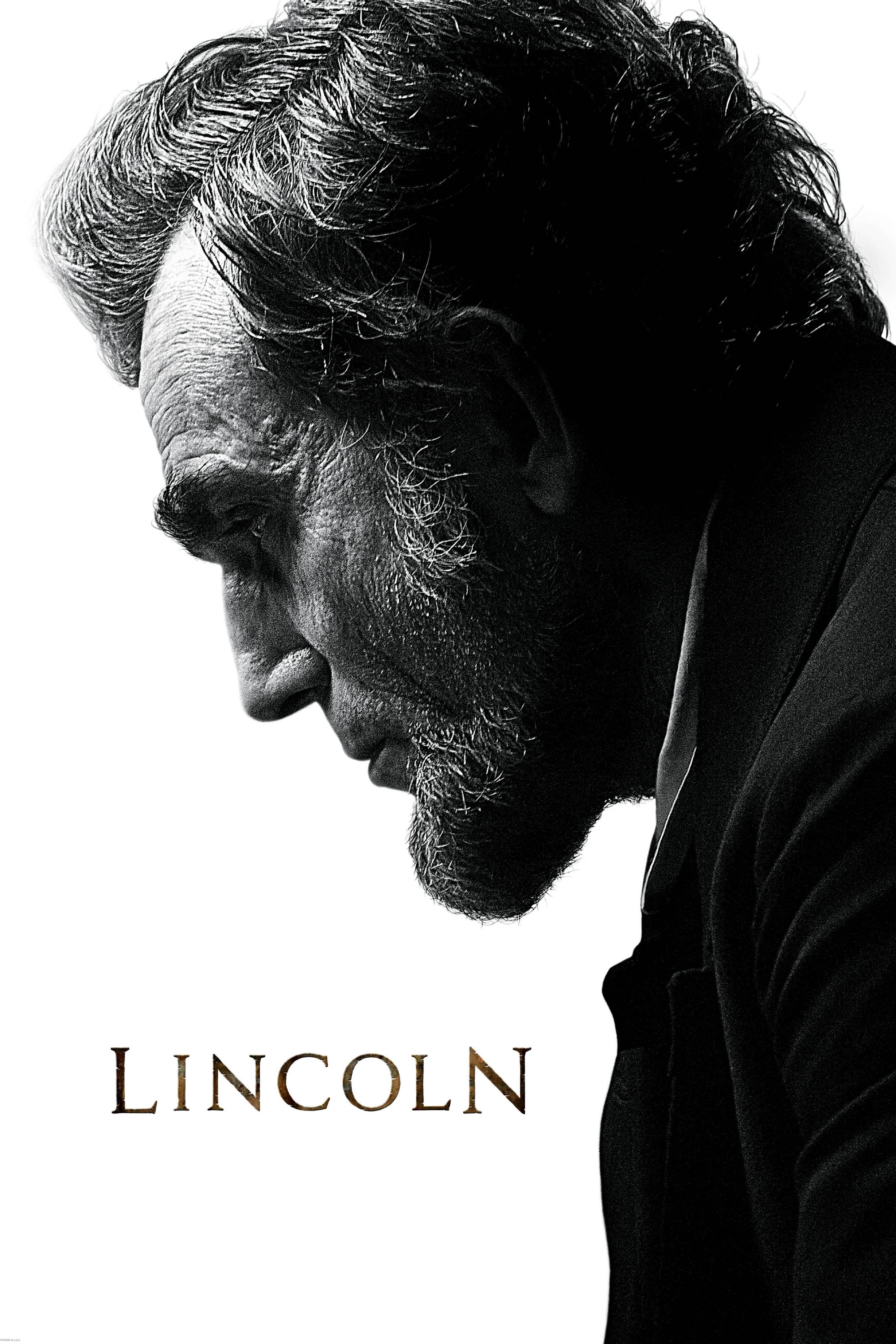
The movie shows how much political strategy it took to pass the 13th Amendment and end slavery. However, it mainly focuses on the actions of white politicians, pushing Black activists to the sidelines. Many critics point out that this overlooks the crucial contributions of Black abolitionists who fought for their own freedom. The film unintentionally suggests that freedom was given to Black people by white leaders, rather than earned through their own efforts, and portrays the end of slavery as a win achieved solely by white lawmakers.
‘Hidden Figures’ (2016)

The film Hidden Figures tells the story of three brilliant Black women working at NASA during the height of the Space Race, despite facing racism and sexism. A memorable scene depicts a white supervisor destroying a ‘Colored’ bathroom sign to help one of the women, but this never actually happened. Critics view this as an unnecessary ‘white savior’ trope, implying that real progress for these women and other Black employees depended on the actions of a white man rather than their own resilience and achievements.
‘Green Book’ (2018)
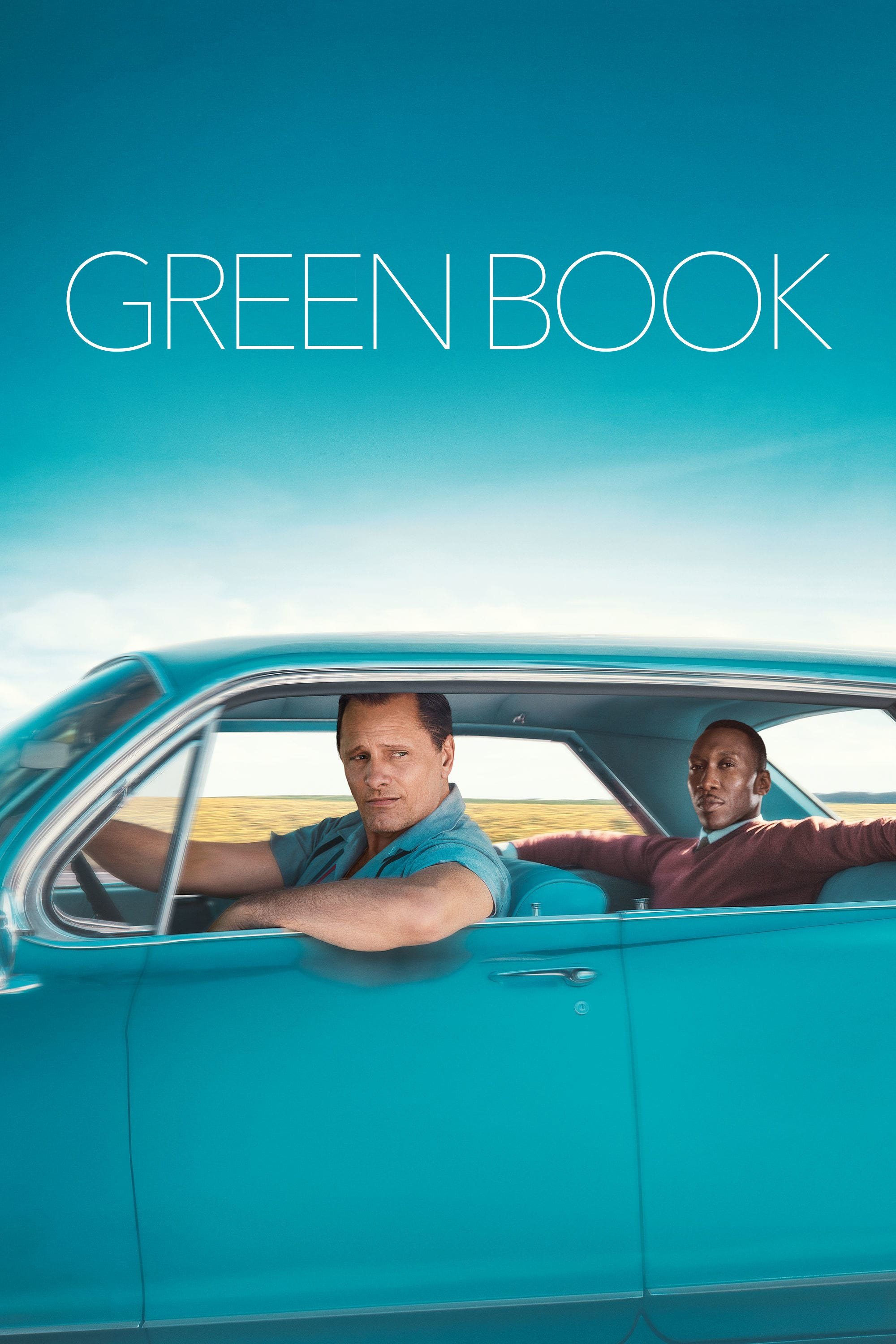
The film tells the story of a white bouncer who starts driving and protecting a Black classical pianist on a tour of the South. While the movie portrays the bouncer’s personal growth and overcoming of prejudice through his relationship with the pianist, it has faced criticism for not being historically accurate and for focusing more on the white character’s journey than the pianist’s. Many, including critics and the pianist’s family, feel the film relies on an outdated storytelling approach where the Black character exists mainly to help the white character learn and grow.
Tell us which of these films you think is the most controversial in the comments.
Read More
- Trading on Thin Air: AI Agents Conquer Crypto Volatility
- 20 Movies Where the Black Villain Was Secretly the Most Popular Character
- Invincible Season 4 Gender Swaps Tech Jacket As Fans Question Major Comic Change
- Silver Rate Forecast
- 22 Films Where the White Protagonist Is Canonically the Sidekick to a Black Lead
- 15 Films That Were Shot Entirely on Phones
- Gold Rate Forecast
- Trading Smarter: AI-Powered Execution Schedules
- Celebs Who Narrowly Escaped The 9/11 Attacks
- Smarter Order Execution: How AI is Outperforming Wall Street’s Playbook
2026-01-11 18:49