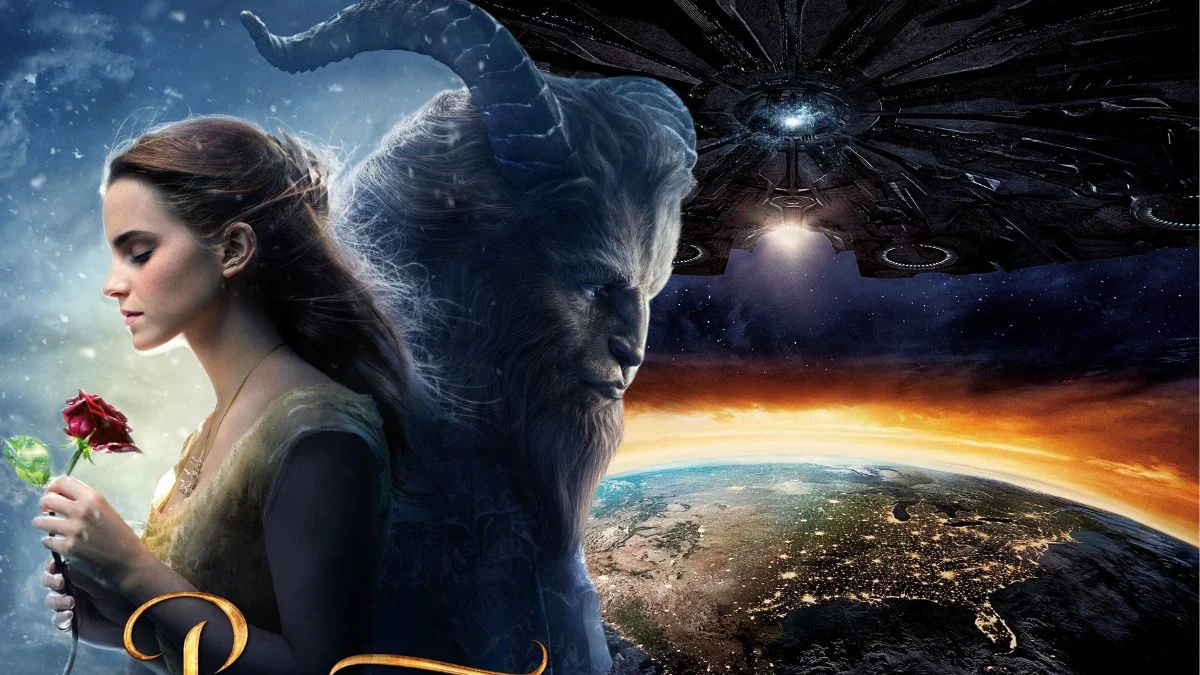
In Hollywood, “tokenism” happens when a movie includes a character from a minority group simply to look diverse, without giving that character a real story or purpose. While it’s important to see diverse faces on screen, these roles often feel shallow and insincere to viewers. Many big-budget films have been criticized for using this approach instead of creating well-developed, diverse characters. This list looks at examples where a character’s inclusion felt like an afterthought, rather than an integral part of the story.
‘Ghostbusters’ (2016)
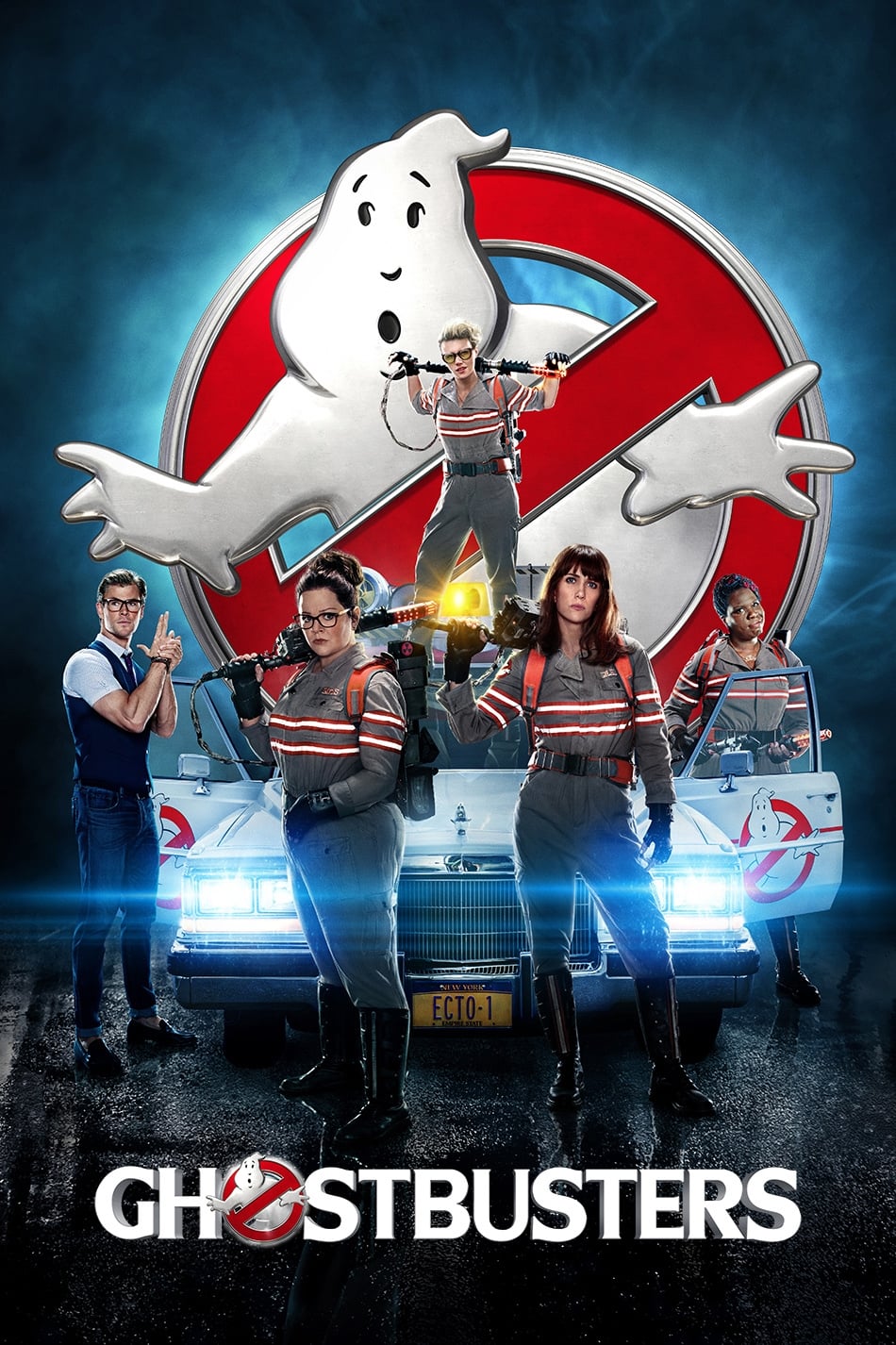
This new version of the well-known series features an all-female team of leads. Leslie Jones plays a character who works for the city’s transportation authority and is the only member without a science degree. Some critics felt this role relied too heavily on familiar stereotypes, especially when compared to the more educated characters played by white actors. Some viewers thought the film could have avoided these tropes. The movie received a lot of criticism upon release because of its casting choices.
‘Star Wars: The Rise of Skywalker’ (2019)
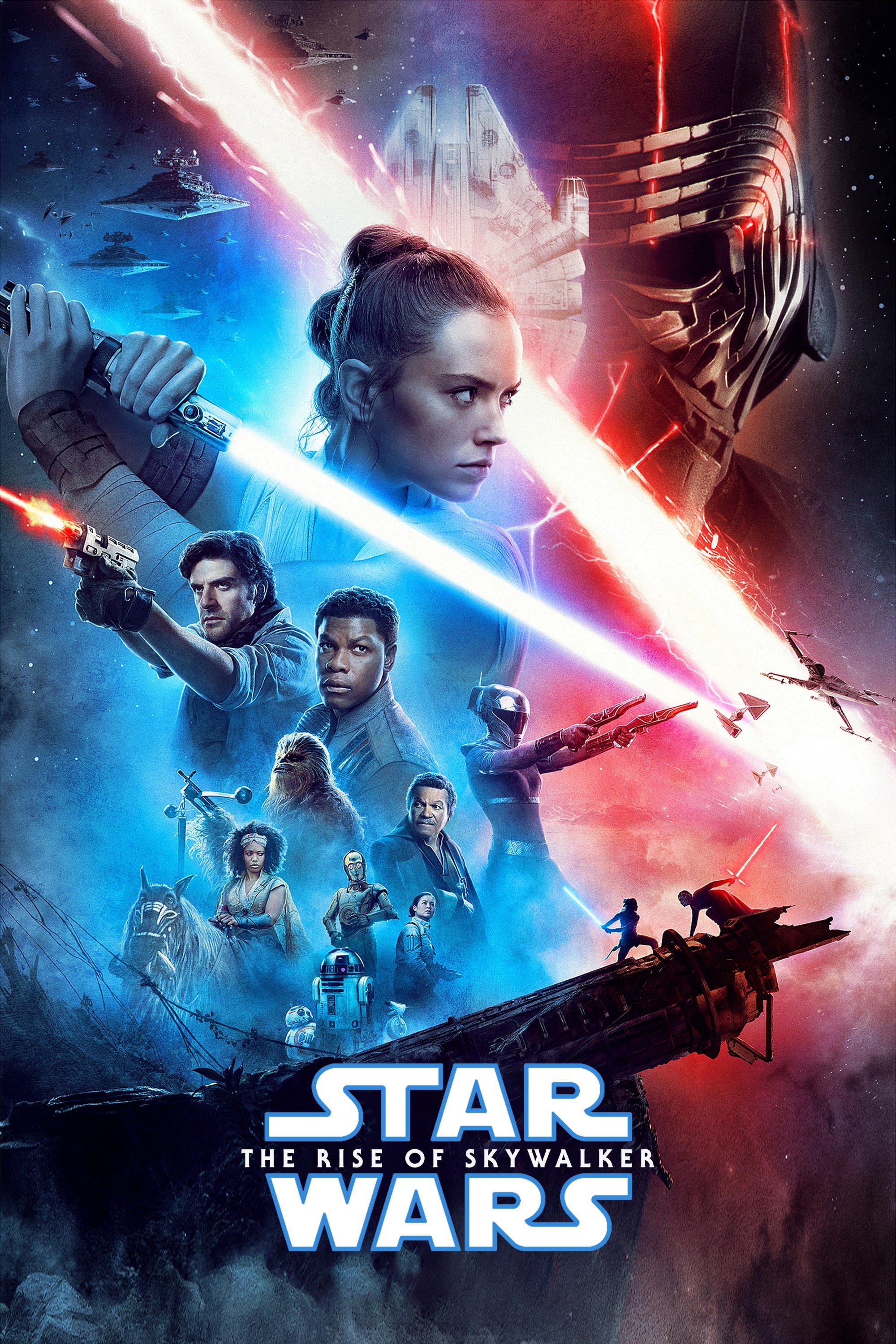
Rose Tico was a key supporting character in the last film, with a defined story arc. However, in this final movie, her role was significantly cut down to just over a minute of screen time. Many viewers and critics felt her appearance was forced and only included to meet basic obligations. She was mostly kept at the base while the other heroes pursued the main storyline. This decision seemed to be driven by negative online reactions instead of serving the story’s needs.
‘Suicide Squad’ (2016)
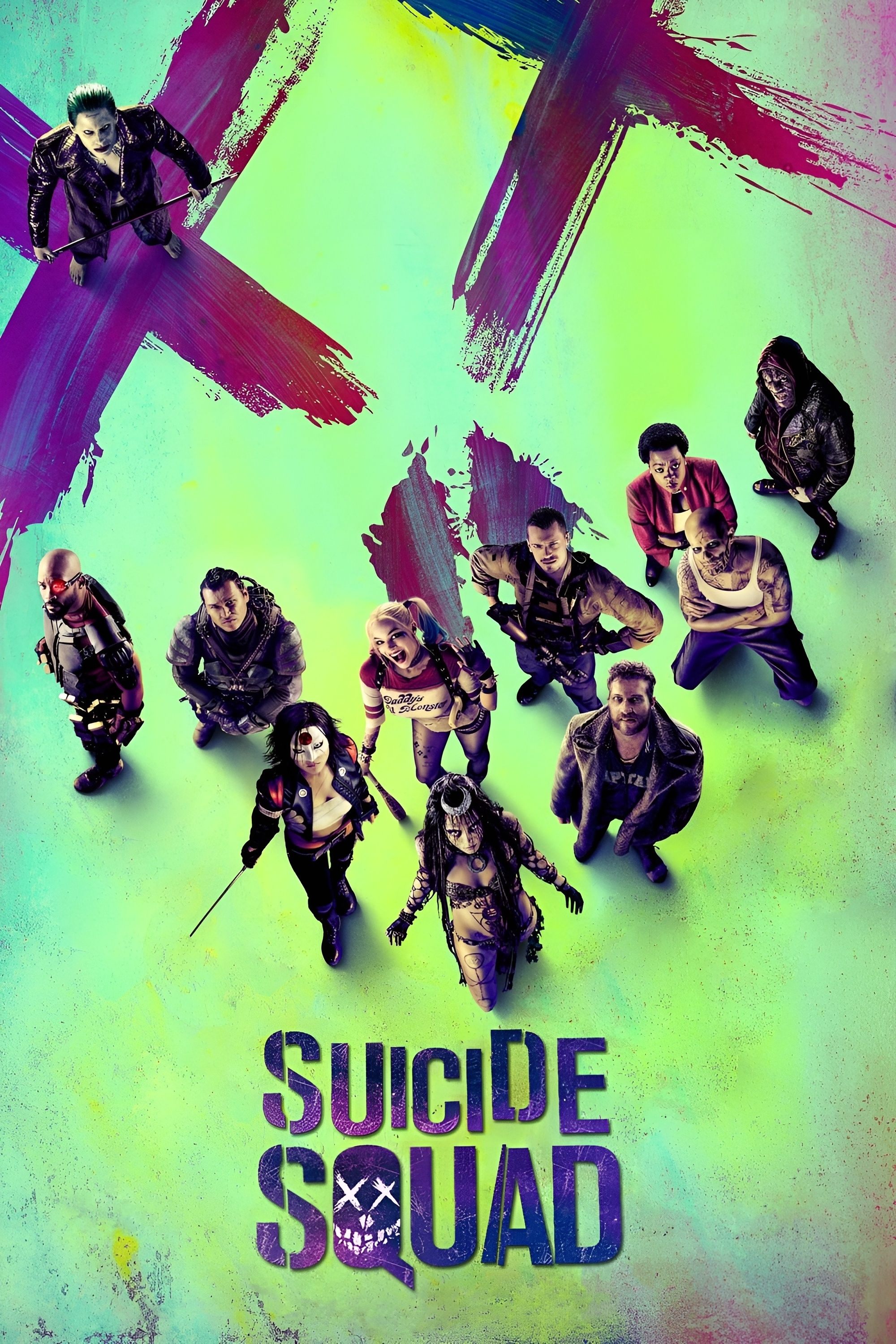
Katana appears relatively late in the movie and isn’t properly introduced. She’s a bodyguard with a unique situation: her husband’s soul is bound to her sword, a detail explained quickly through another character’s brief story. She plays a small part in the final fight and doesn’t really affect what happens. It feels like she was added to the film primarily to increase diversity, but without giving her a compelling story or purpose.
‘Power Rangers’ (2017)
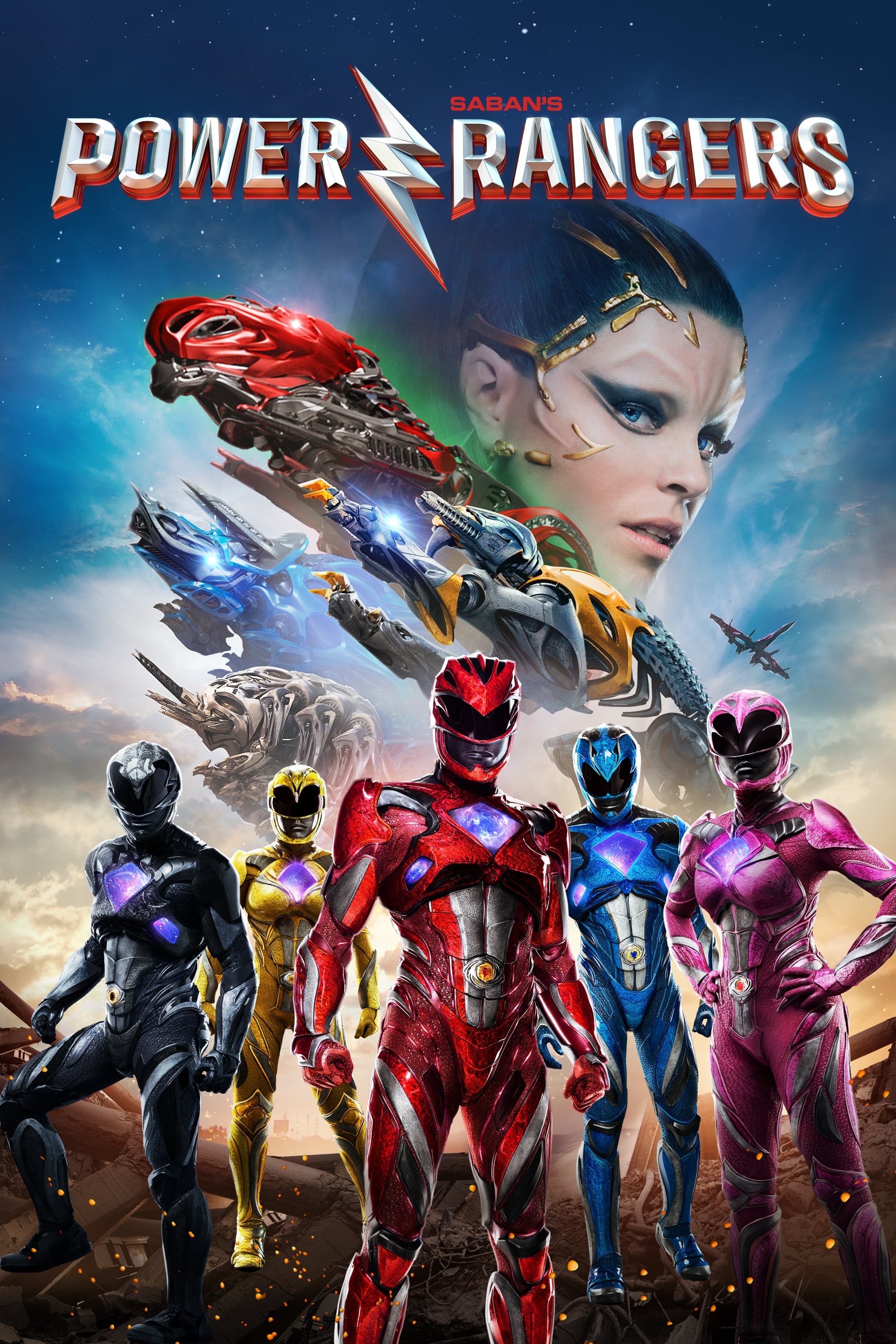
As a huge movie fan, I remember a lot of buzz around Trini in the film. She’s this teenager clearly figuring out who she is and where she fits in with the team. There’s a quick moment that hints she might be questioning her sexuality, and it was promoted as a big deal for representation, which I thought was awesome. Honestly though, the movie just…doesn’t go anywhere with it. It felt like a blink-and-you’ll-miss-it scene, and a lot of critics agreed it didn’t really add up to much, or have the impact it could have.
‘Transformers: Age of Extinction’ (2014)

The movie includes several Chinese actors, but their roles feel unnecessary to the main story. They mostly appear near the end, during scenes set in Hong Kong, and many viewers believe they were included simply to attract international audiences. These characters have very few lines and don’t affect how the story ends. This type of casting choice is often debated when discussing how films are marketed around the world.
‘Independence Day: Resurgence’ (2016)
The movie introduces Angelababy as a Chinese pilot who joins the international defense team. However, her character isn’t very developed – she has limited dialogue and no individual storyline. She mainly appears in group scenes or quick shots of her flying during the battle. Many viewers believed her inclusion felt like a calculated move to appeal to audiences in China, and the film doesn’t give her character any personality beyond being a soldier.
‘X-Men: Days of Future Past’ (2014)
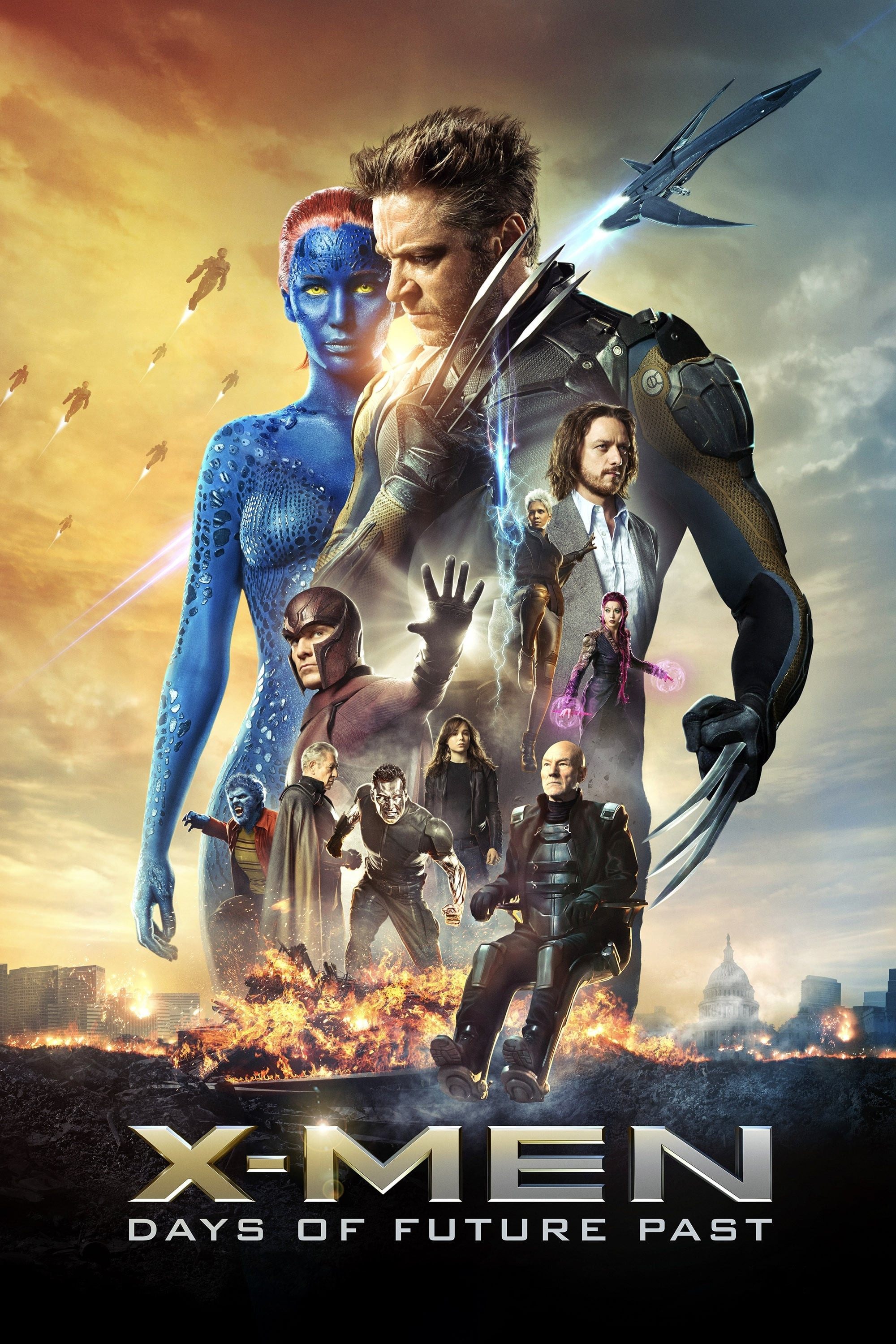
This superhero movie features several mutants from diverse backgrounds in glimpses of the future. Characters like Warpath, Blink, and Sunspot demonstrate their abilities, but they mostly appear as extras who are quickly defeated by the Sentinels. Although their powers look cool, they don’t have much impact on the story compared to the main characters. This tendency to use diverse characters as disposable fighters is a frequent criticism of big ensemble films.
‘Jurassic World’ (2015)
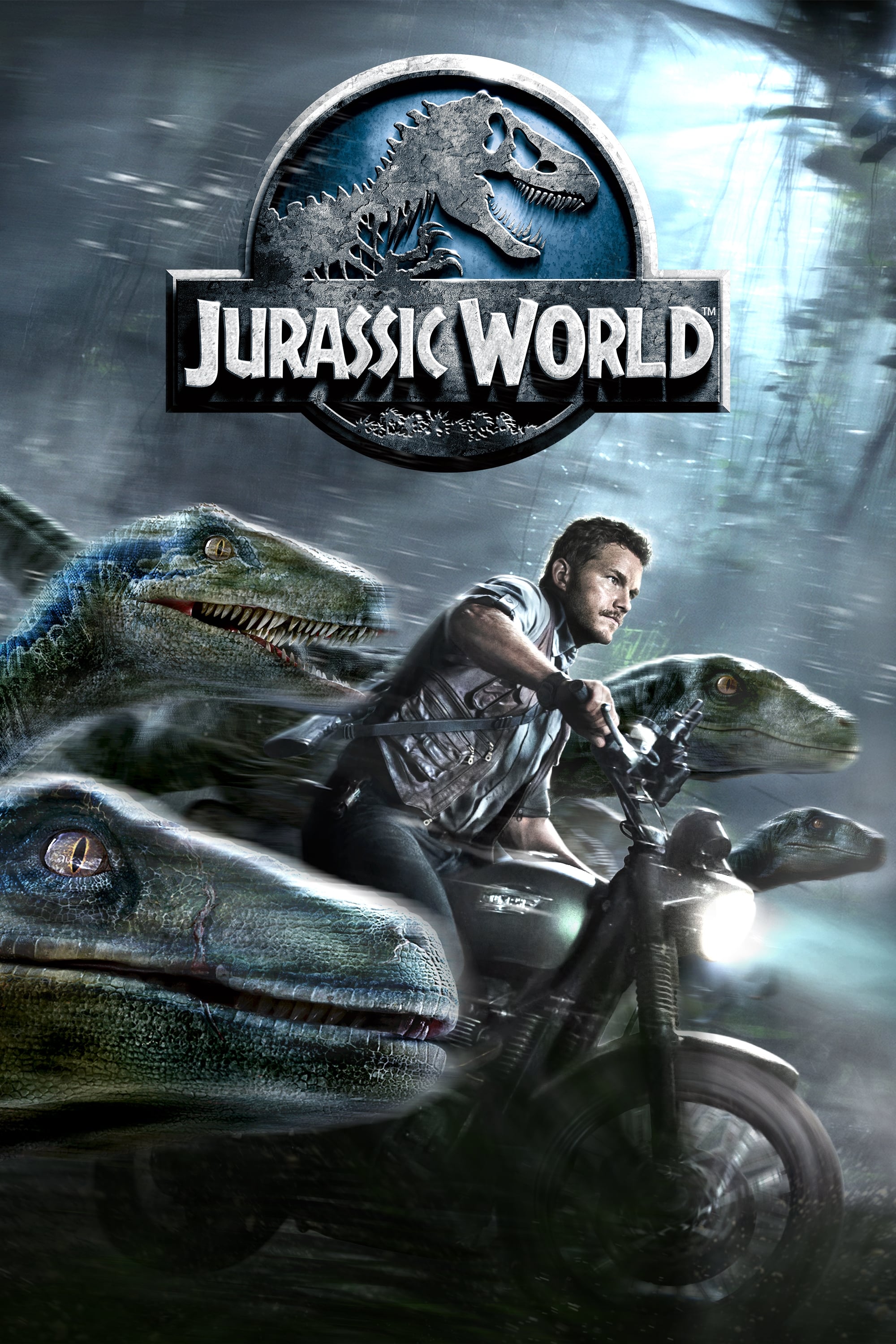
Omar Sy portrays Barry, a dinosaur trainer who assists the lead character. However, despite being an important part of the team, Barry isn’t featured much in the movie and doesn’t get a lot of depth as a character. Once things start going wrong, he largely disappears from the story. He mainly exists to explain things about the raptors, and many viewers felt his talent was underused in such a limited role.
‘Pitch Perfect 2’ (2015)
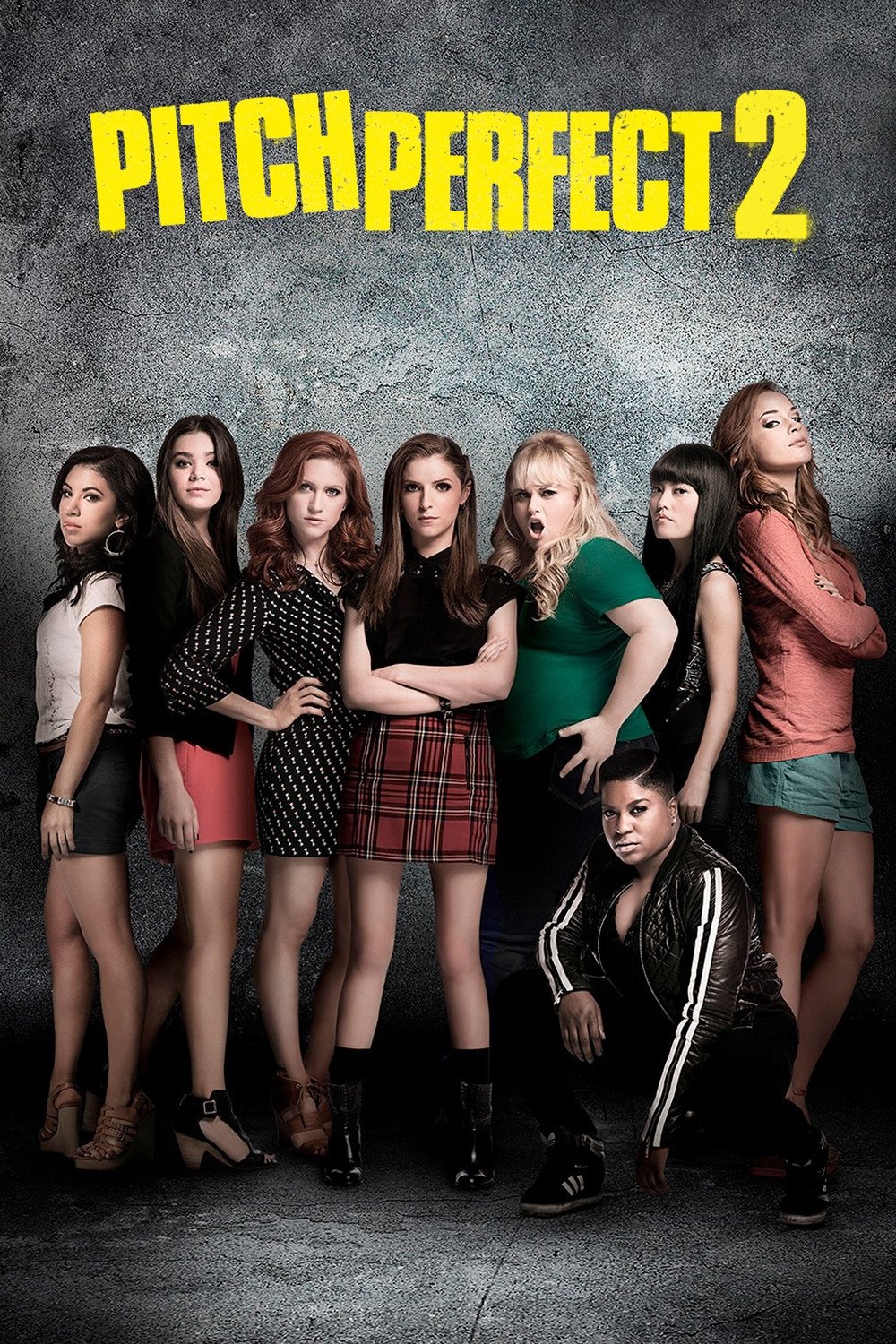
The new sequel features Flo, a student from Central America. Much of her dialogue involves jokes about difficult experiences she had back home, which often make the other characters uncomfortable. Reviewers have pointed out that Flo’s character seems to rely on stereotypes for humor, and this felt like a step backward considering the rest of the cast.
‘The Martian’ (2015)
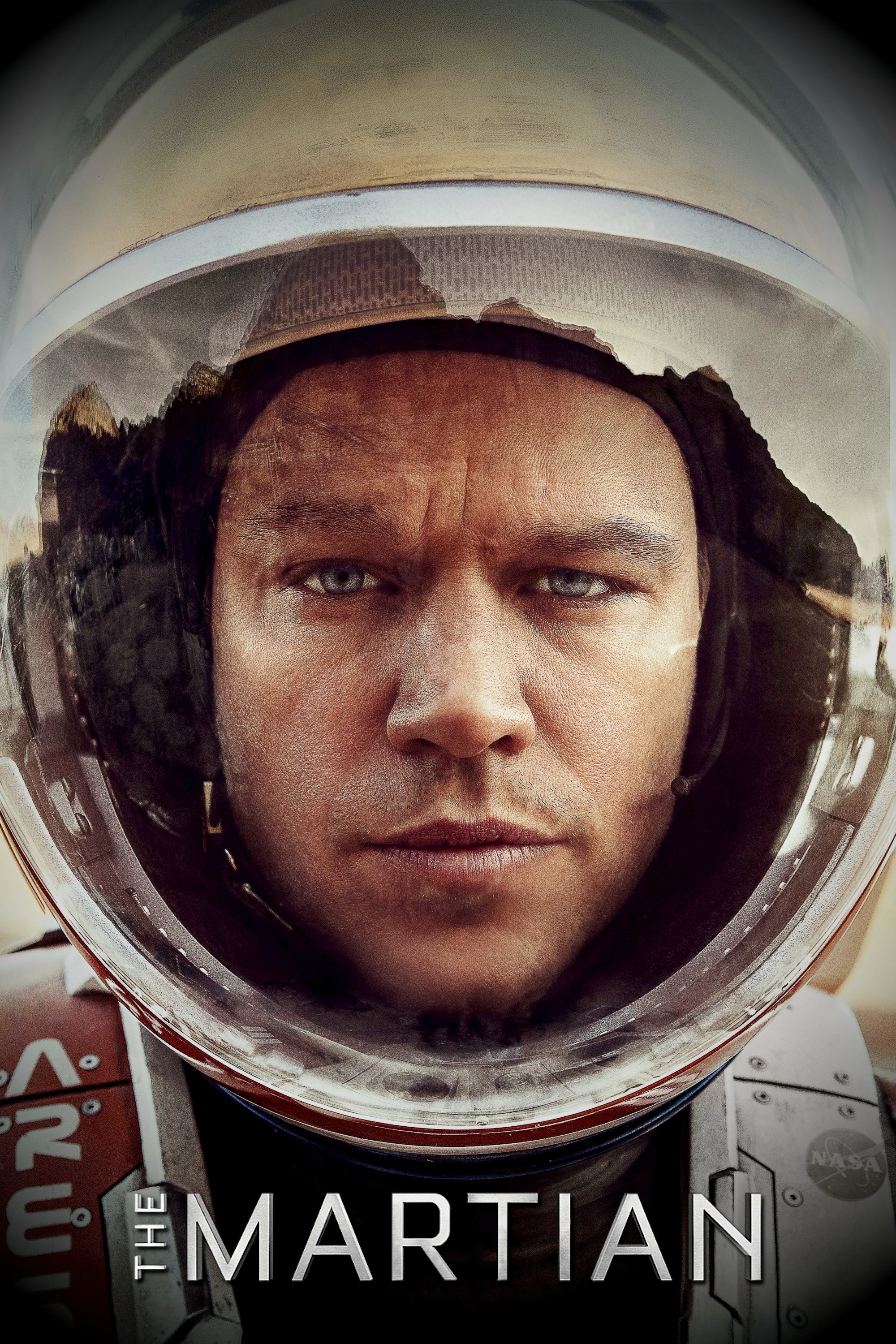
The movie includes a character, Vincent Kapoor, who is a director at NASA. Originally, in the book, this character was named Venkat Kapoor and was intended to be Indian. Changing the name and casting a non-Indian actor sparked conversations about the importance of representation. Many felt this change was a setback for diversity, even though the film itself did well. The casting choice received criticism despite the movie’s success.
‘Fantastic Four’ (2015)
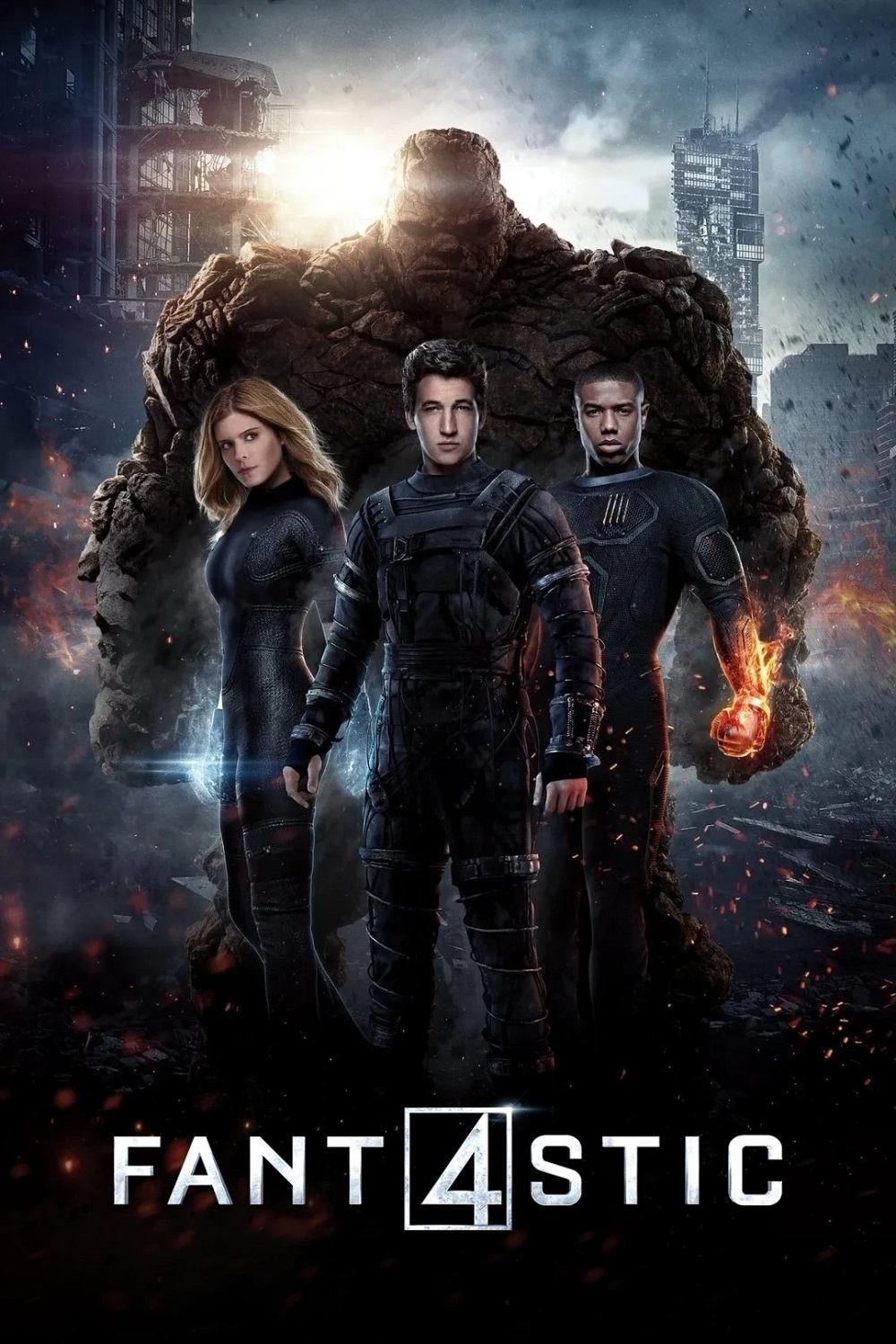
Michael B. Jordan played Johnny Storm in the movie, a departure from the character’s original depiction in the comics. The film also revealed that his sister, played by Kate Mara, was adopted. These casting and story changes caused considerable discussion among fans even before the movie came out. However, the film didn’t delve much into the family’s relationships, making them feel underdeveloped. Ultimately, the movie received negative reviews for a variety of reasons, not just the casting.
‘Beauty and the Beast’ (2017)
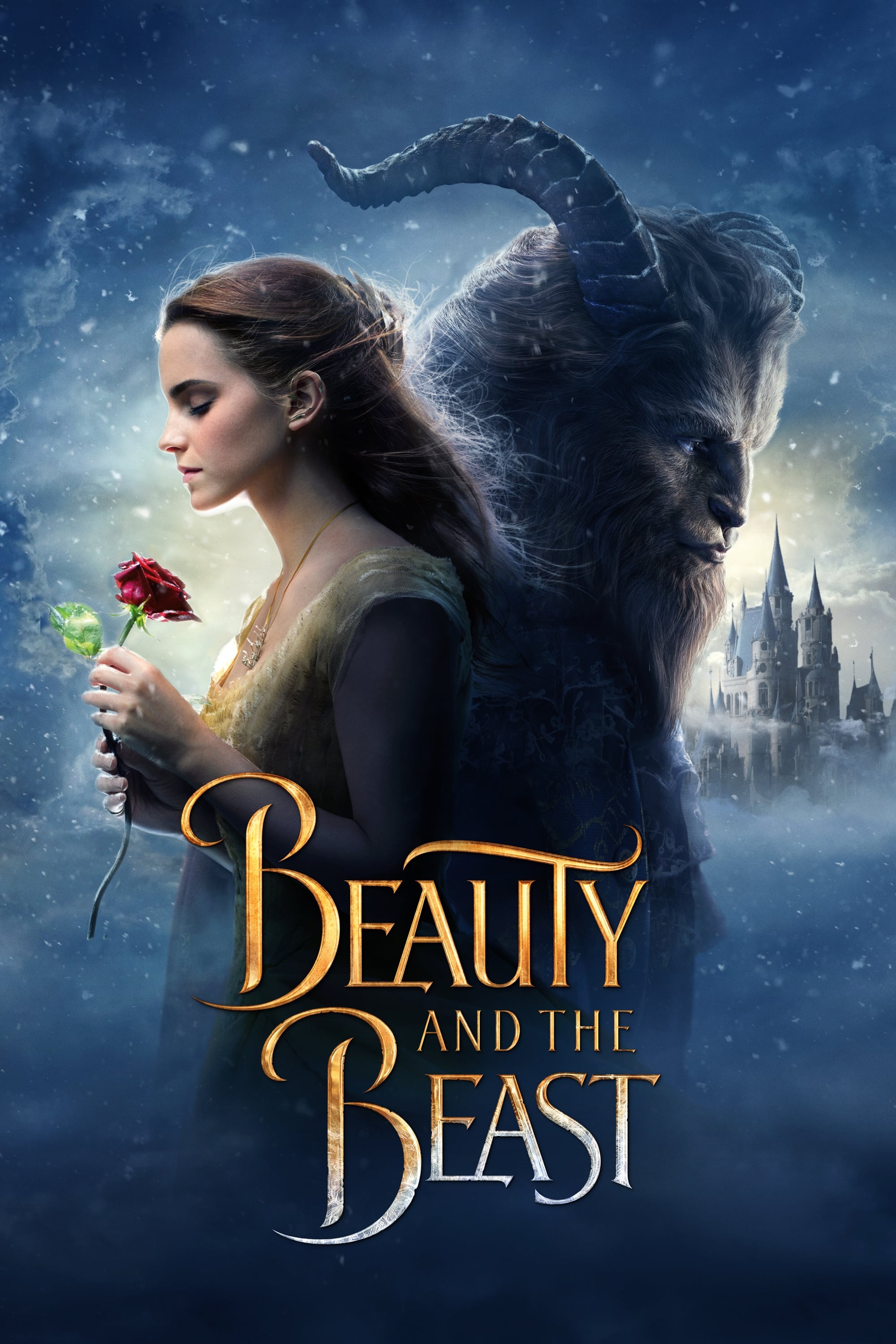
The recent live-action film was advertised as including Disney’s first openly gay character. Josh Gad plays LeFou, who displays some attraction to Gaston. However, the much-talked-about ‘gay moment’ was just a quick dance scene at the movie’s end. Many people felt the marketing made this seem more important than it actually was, as the character’s overall role remained mostly unchanged – he was still Gaston’s sidekick.
‘Cruella’ (2021)

Okay, let’s talk about Artie. He’s introduced as this incredibly stylish friend to the main character, and Disney really pushed the angle that he was a groundbreaking queer character in one of their live-action films. Honestly, though, his sexuality isn’t really part of the story. It’s more suggested through his fashion and a few offhand lines. He’s a fun addition, don’t get me wrong, but he doesn’t really have a story of his own – his whole purpose seems to be supporting Cruella. And that’s become a bit of a pattern we’re seeing – these subtle nods to representation that feel a little too cautious for a studio like Disney. It feels like they’re dipping a toe in the water rather than fully diving in.
‘Eternals’ (2021)
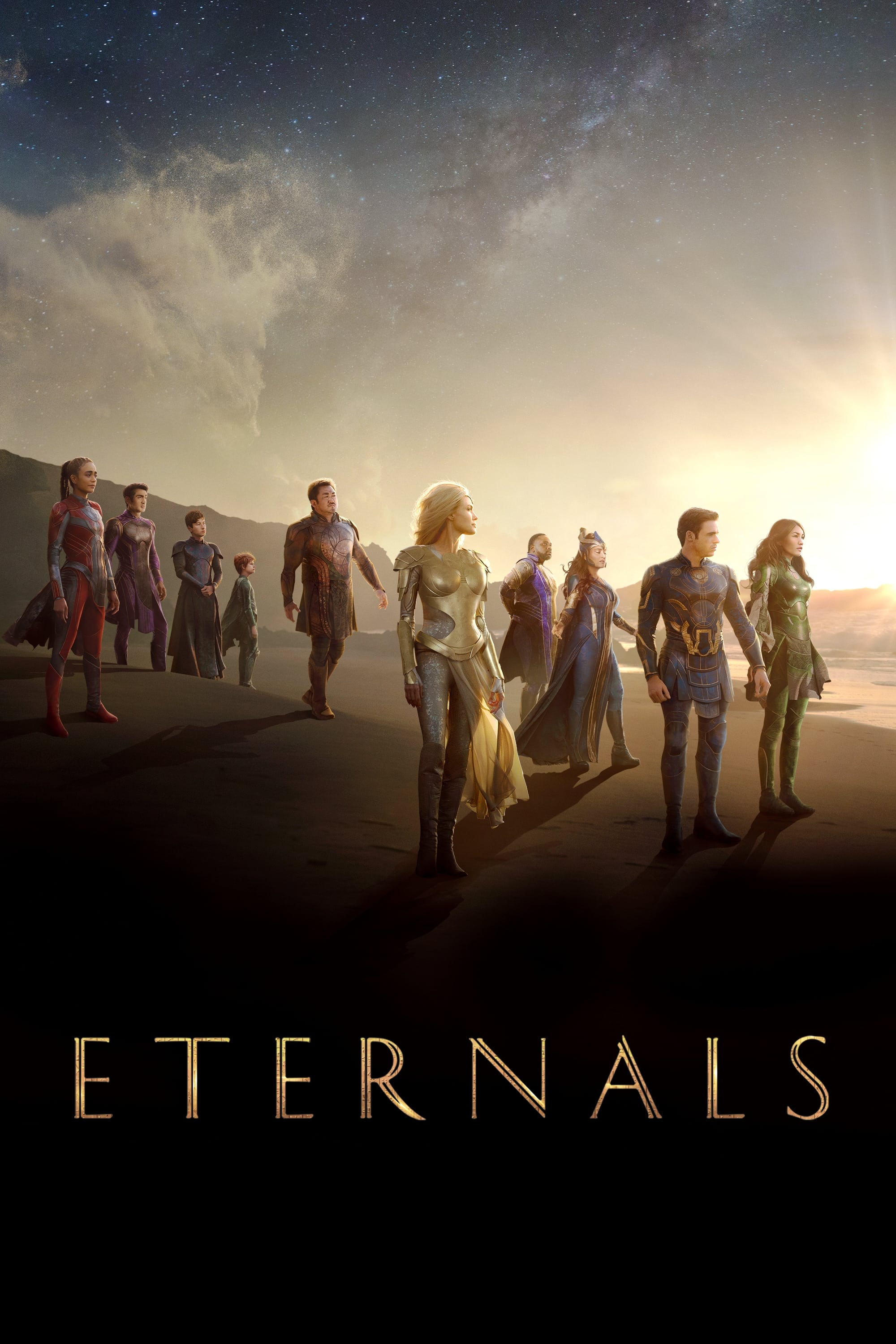
Phastos makes history as the first openly gay superhero in the Marvel Cinematic Universe, depicted with a husband and child. The film briefly shows his family life, including a kiss with his partner. Although this was a significant moment, some reviewers thought his story wasn’t as important to the main plot as those of other heroes. In fact, the film’s advertising highlighted his representation more than his personal journey. While his abilities and backstory are revealed, the focus often returned to the newness of his identity.
‘Godzilla: King of the Monsters’ (2019)
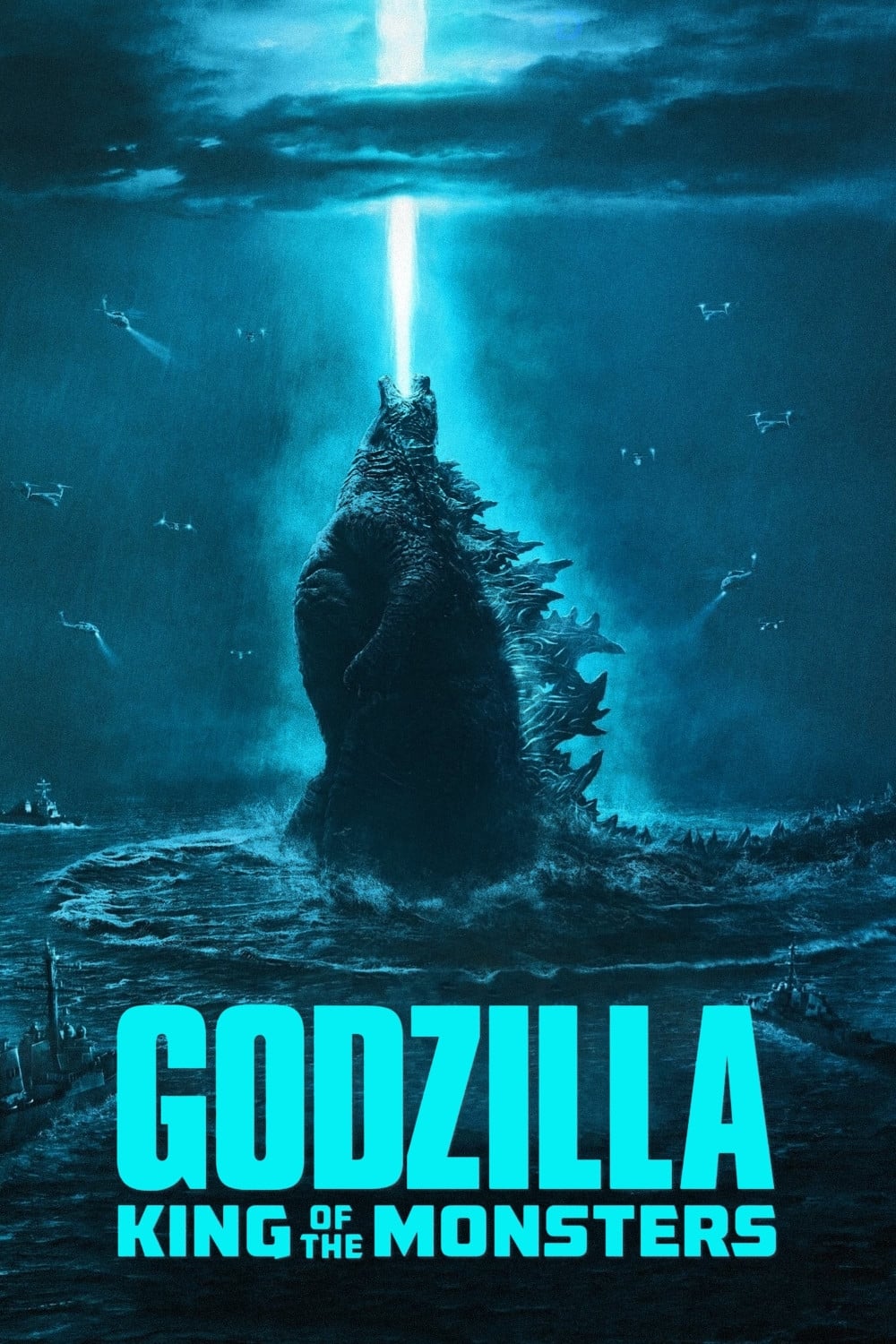
Dr. Chen, portrayed by Zhang Ziyi, is a mythologist who offers crucial insights into the titans and embodies a family history of researchers. However, despite her significance to the story’s background, she doesn’t have much direct interaction with the main characters. This makes her feel a bit separate from the central emotional narrative. Some saw casting her as a way to bring well-known international actors into the franchise.
‘The Great Wall’ (2016)
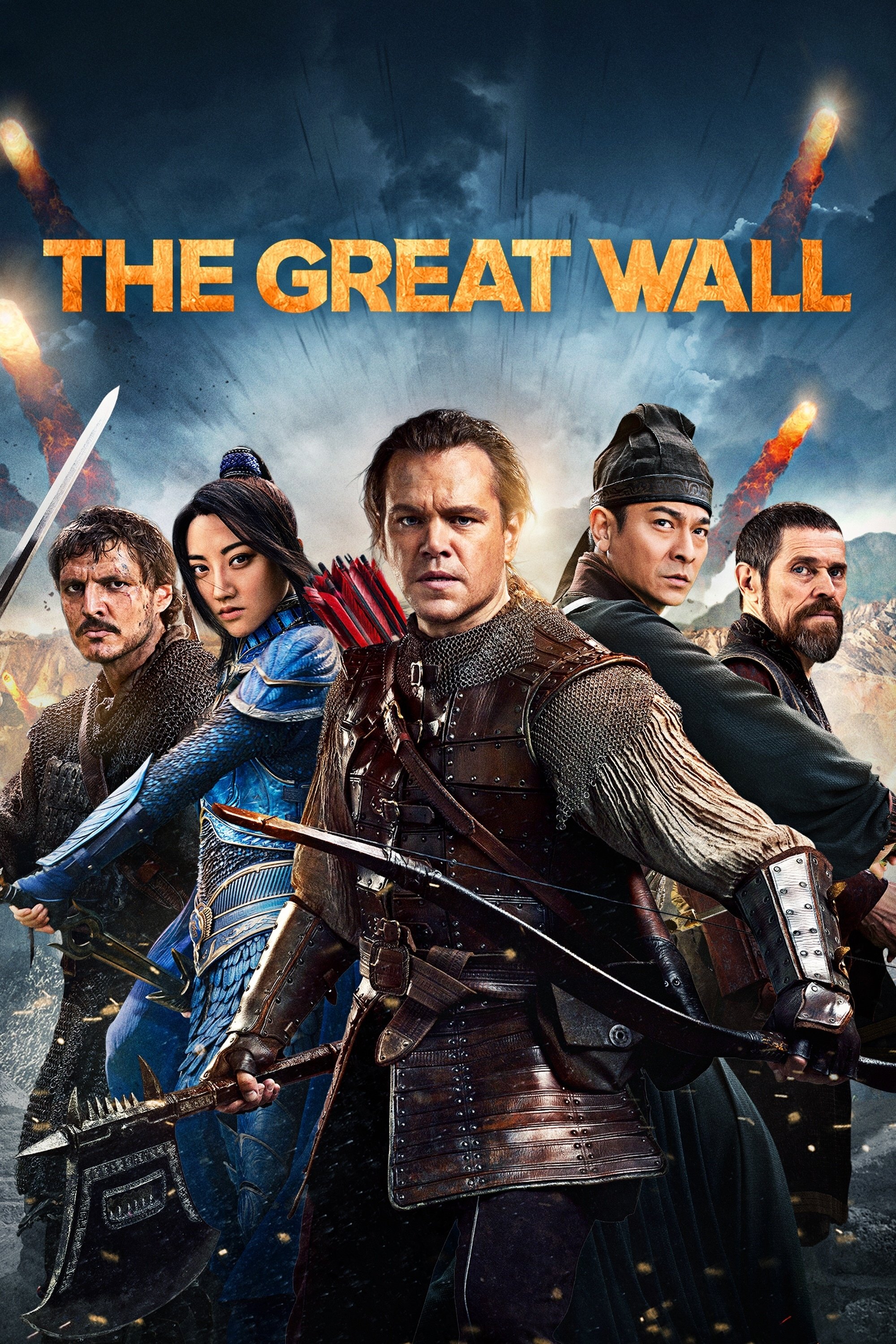
The movie showcases a large number of Chinese soldiers and leaders fighting to protect their homeland, but the story primarily follows Matt Damon’s character, a European mercenary, who ultimately saves the day. Many critics have noted that the Chinese characters often take a backseat, serving mostly to support the foreign hero. This approach diminishes the importance of the film’s Chinese setting and culture, making the diverse cast feel like an afterthought to the lead actor’s presence.
‘Pacific Rim’ (2013)
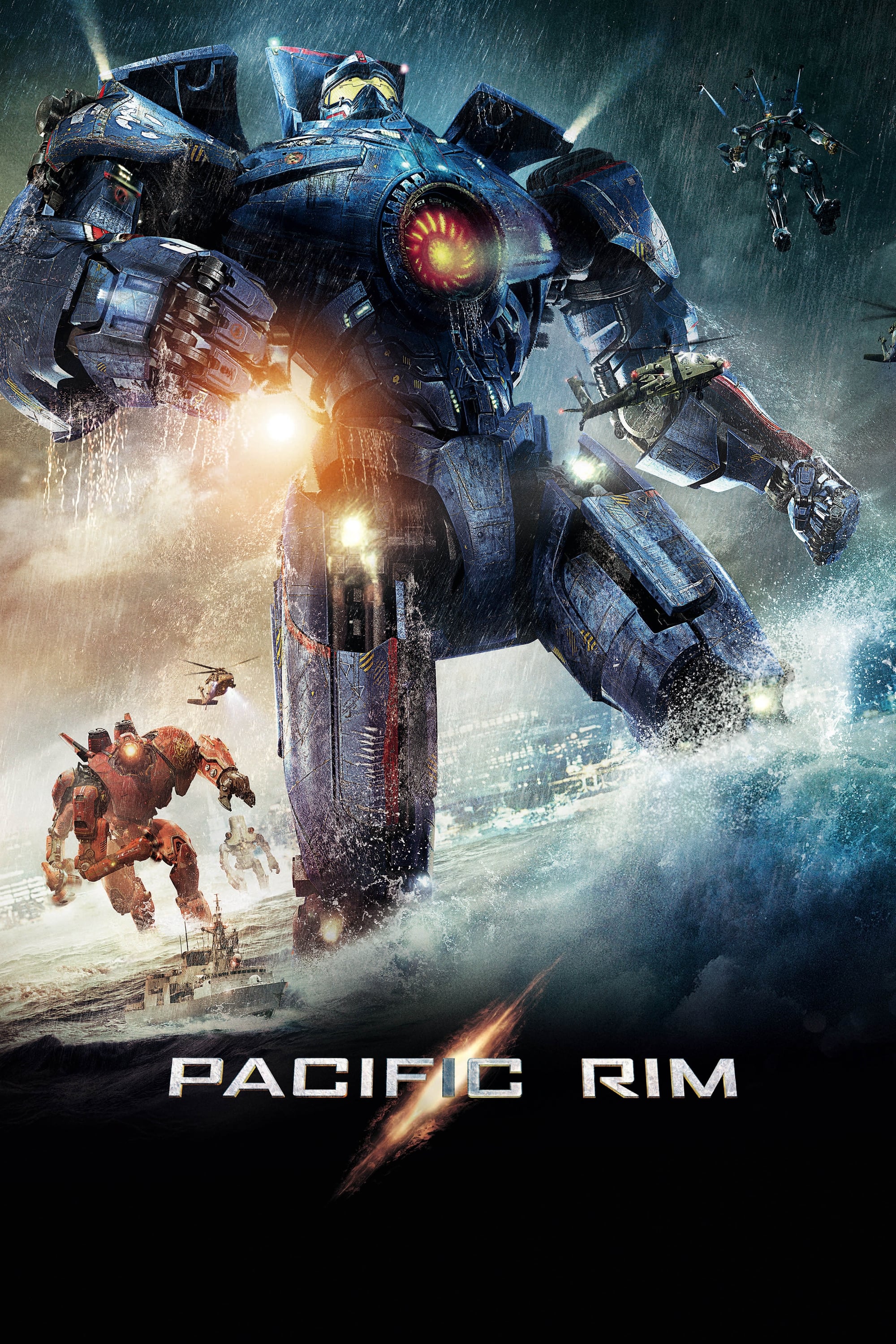
The movie features the Wei Tang Clan, a Chinese team who control a huge, three-armed robot. Although their robot and fighting style were distinctive, the characters themselves don’t speak any lines. They’re defeated fairly quickly during the final battle, which was meant to increase the tension for the main characters. Many viewers were frustrated that this potentially compelling team was used as little more than set dressing. This decision highlighted the story’s focus on the American and Australian heroes.
‘Pacific Rim: Uprising’ (2018)
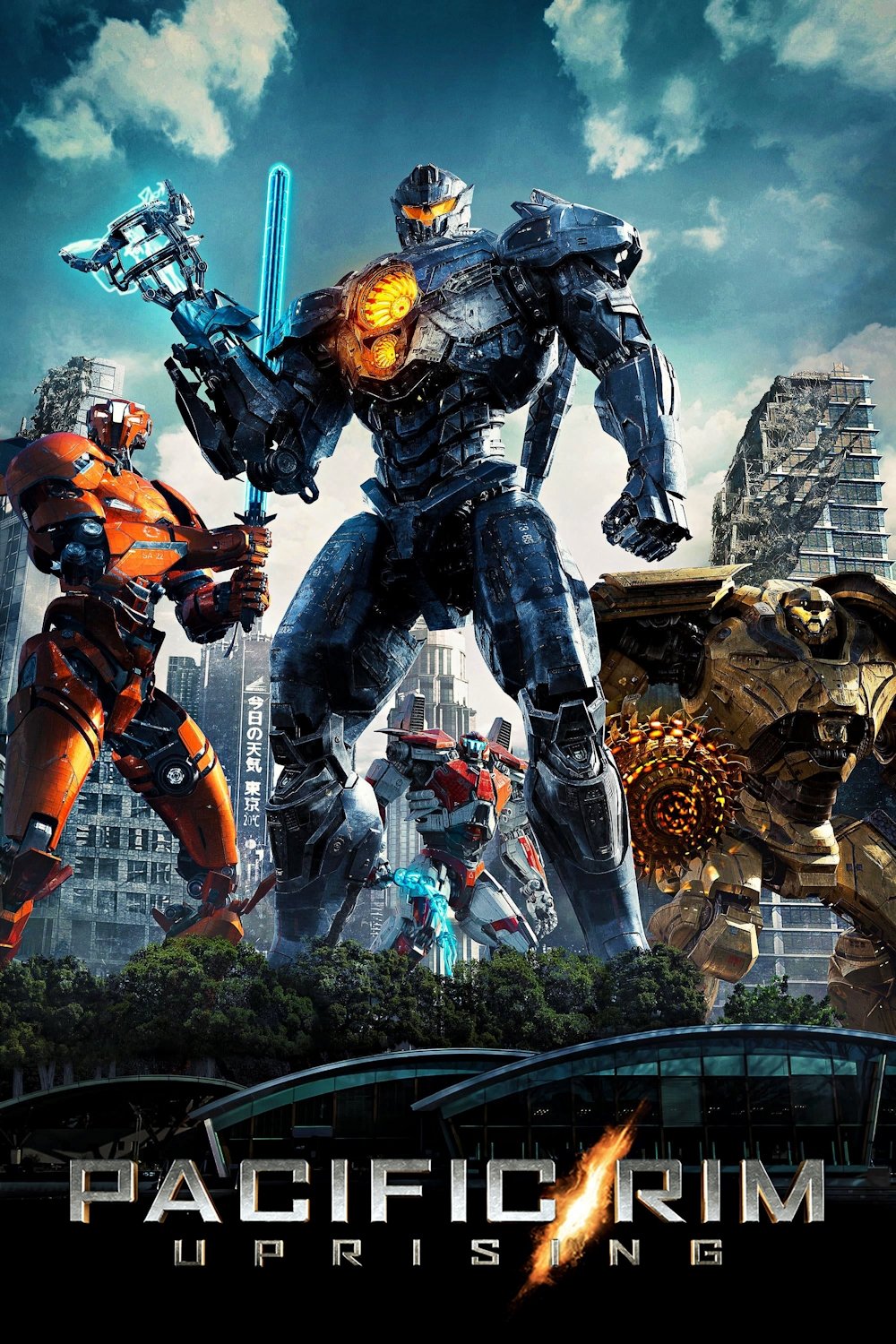
The new installment introduces a diverse group of young cadets from all over the world, intended to reflect the international scope of the defense organization. However, most of these cadets aren’t given much individual character development and largely exist as background characters during training. In the final battle, they’re outshined by the two main pilots.
‘Skyscraper’ (2018)
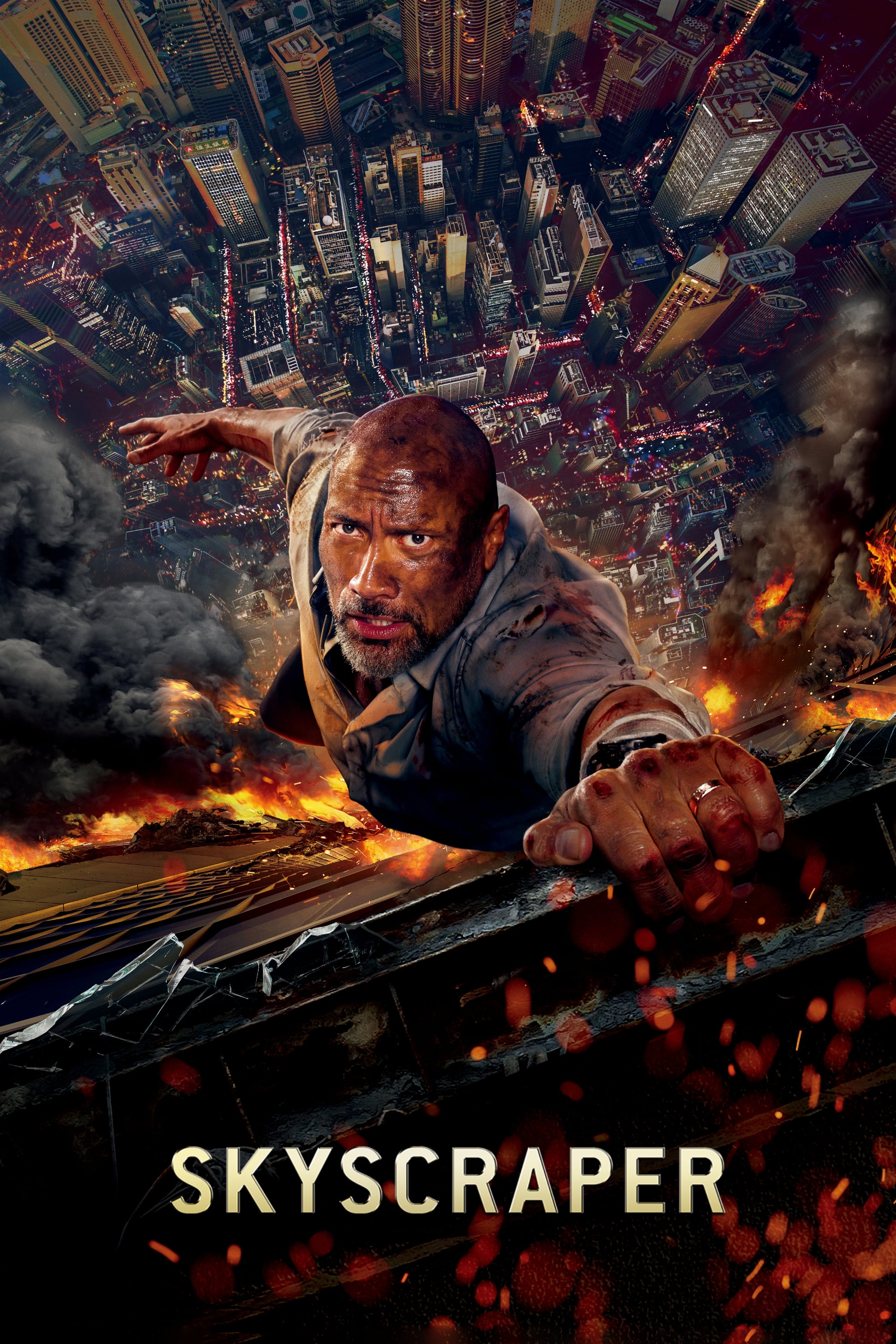
This action movie takes place in Hong Kong, with a lot of local faces, but the story mainly follows an American hero saving his family. The Hong Kong setting and its people often feel like scenery instead of integral parts of the plot. Many of the local characters, like police officers and tech experts, don’t have much impact on what happens. This is a typical approach for large-scale films trying to appeal to audiences worldwide.
‘Meg 2: The Trench’ (2023)
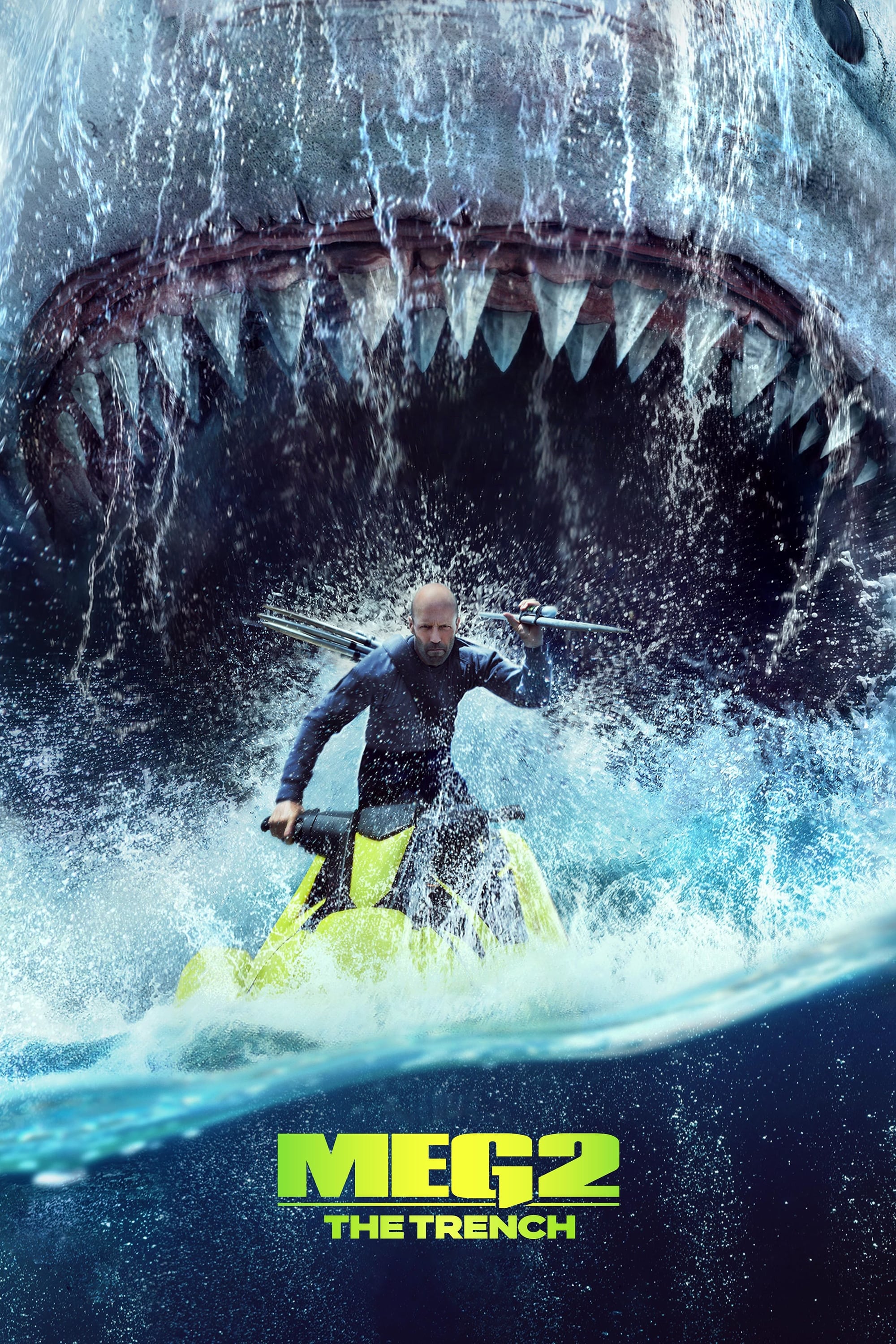
The new movie features Chinese star Wu Jing in a major role, playing both a scientist and action hero alongside Jason Statham. Together, they battle both ancient creatures and greedy corporate bad guys. Although Wu Jing has a significant part, his character isn’t very well developed, and his inclusion seems aimed at attracting a larger audience in China. The focus is more on the impressive monster action than on the connection between the two lead actors.
‘Iron Man 3’ (2013)
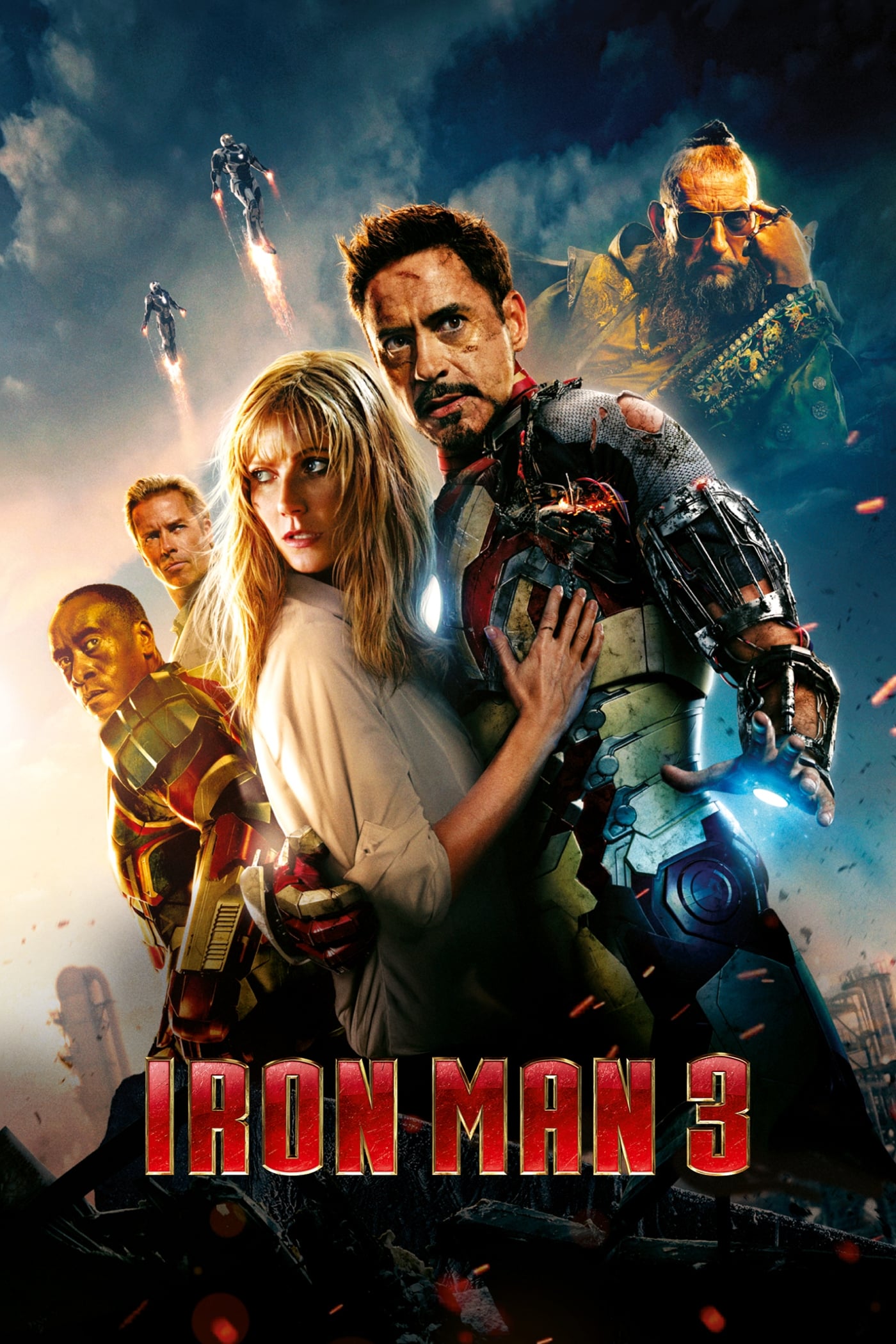
The Chinese release of this film has extra scenes with a character called Dr. Wu, which weren’t in the version shown internationally. These scenes don’t affect the story itself and depict him operating on Tony Stark at the movie’s end. Chinese viewers felt the additions were forced and seemed like a marketing ploy. This is a well-known instance of a movie adding content specifically for one region to appeal to local audiences.
‘Looper’ (2012)
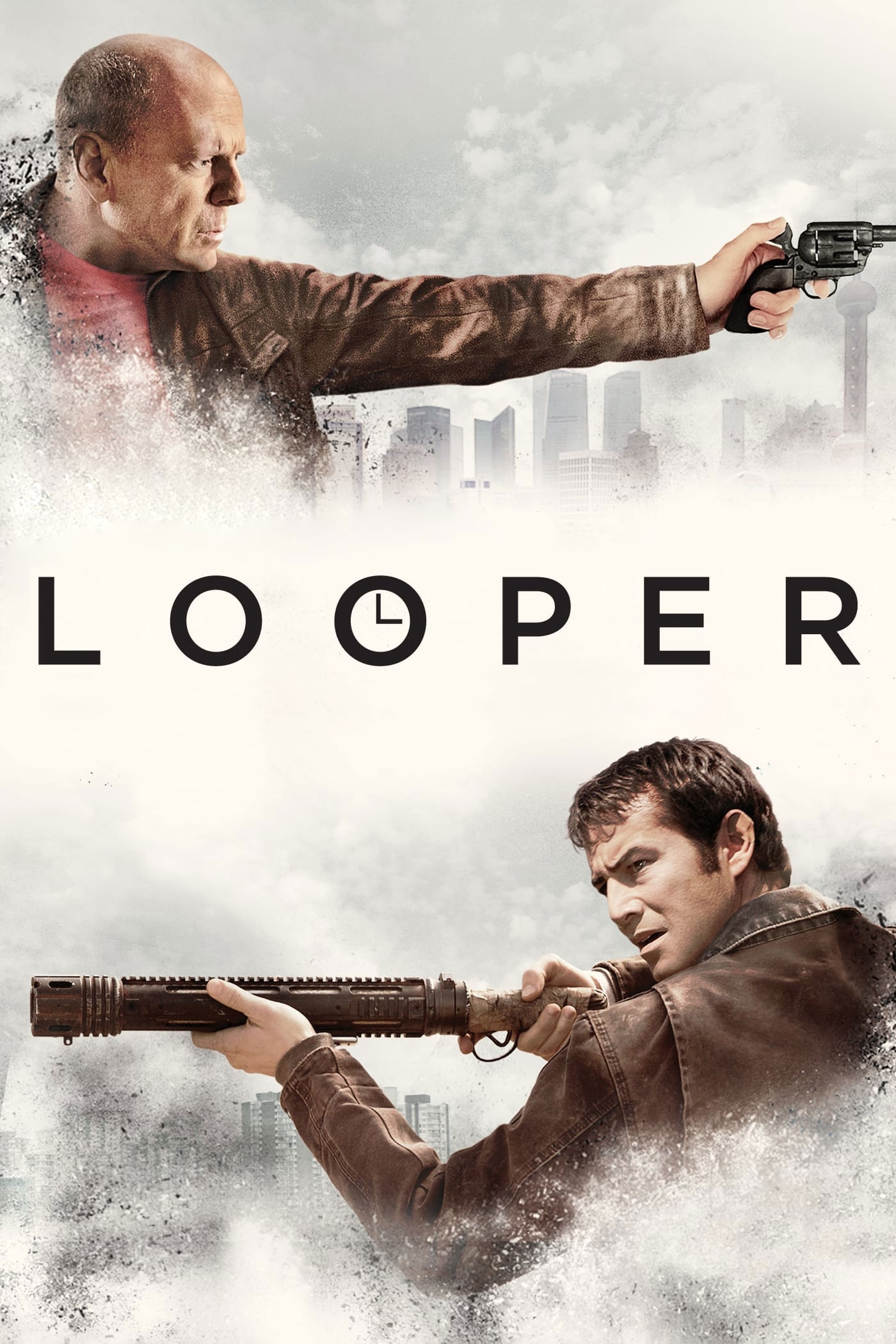
A scene set in Shanghai was lengthened to attract investment from Chinese companies. As a result, the main character’s planned move to France was changed to a move to China. Although Shanghai looks great on screen, this change doesn’t really affect the story. The characters he encounters there are largely background figures and don’t play a major role. Ultimately, this felt like a business decision rather than an artistic one.
‘Batman v Superman: Dawn of Justice’ (2016)
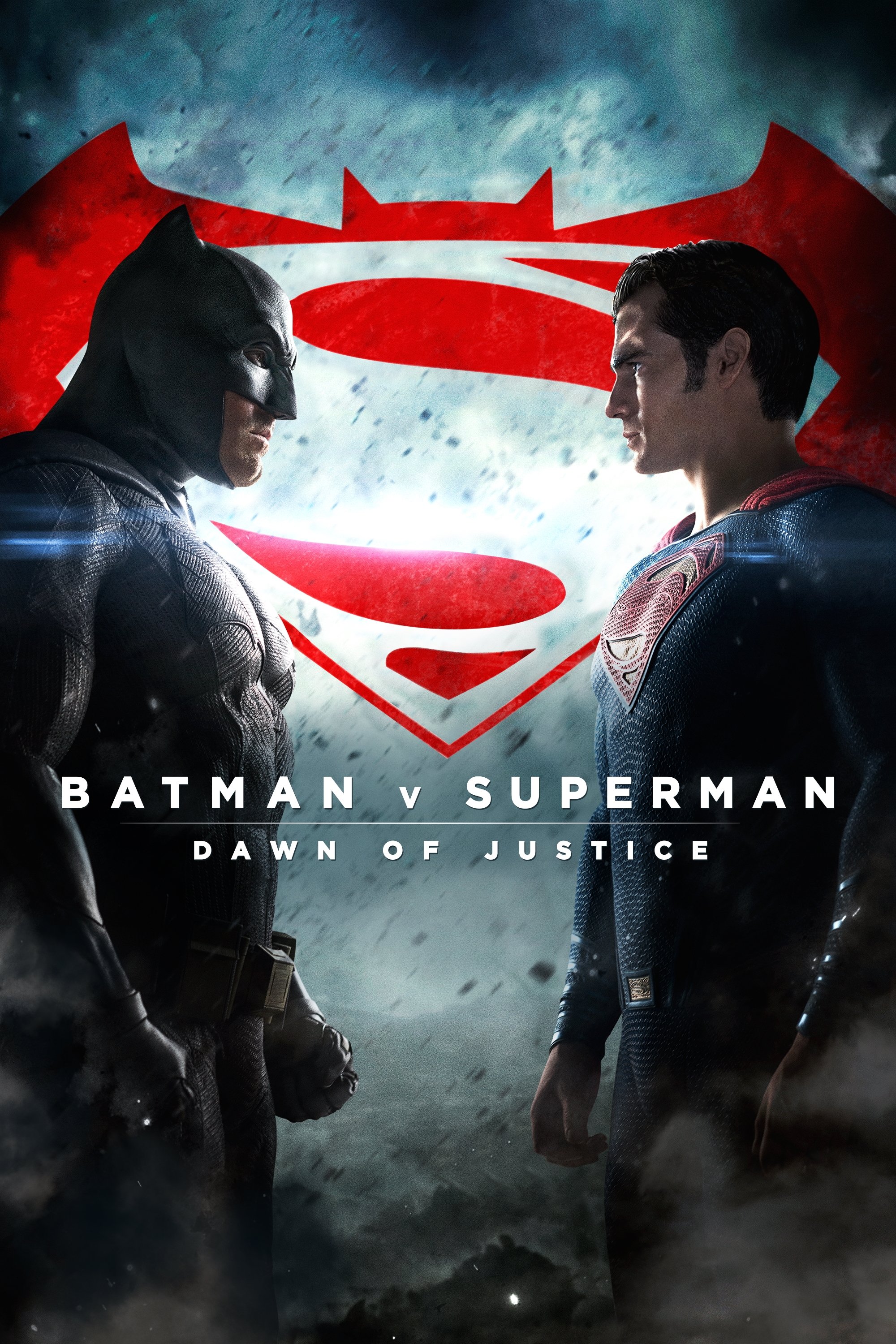
Mercy Graves appears as Lex Luthor’s assistant. She’s a well-known character from the comics and animated shows, typically portrayed as a strong protector. However, in this movie, she doesn’t speak and is killed off about halfway through. Many fans felt this was a waste of a popular character, and it made them question why she was even in the film.
‘Justice League’ (2017)
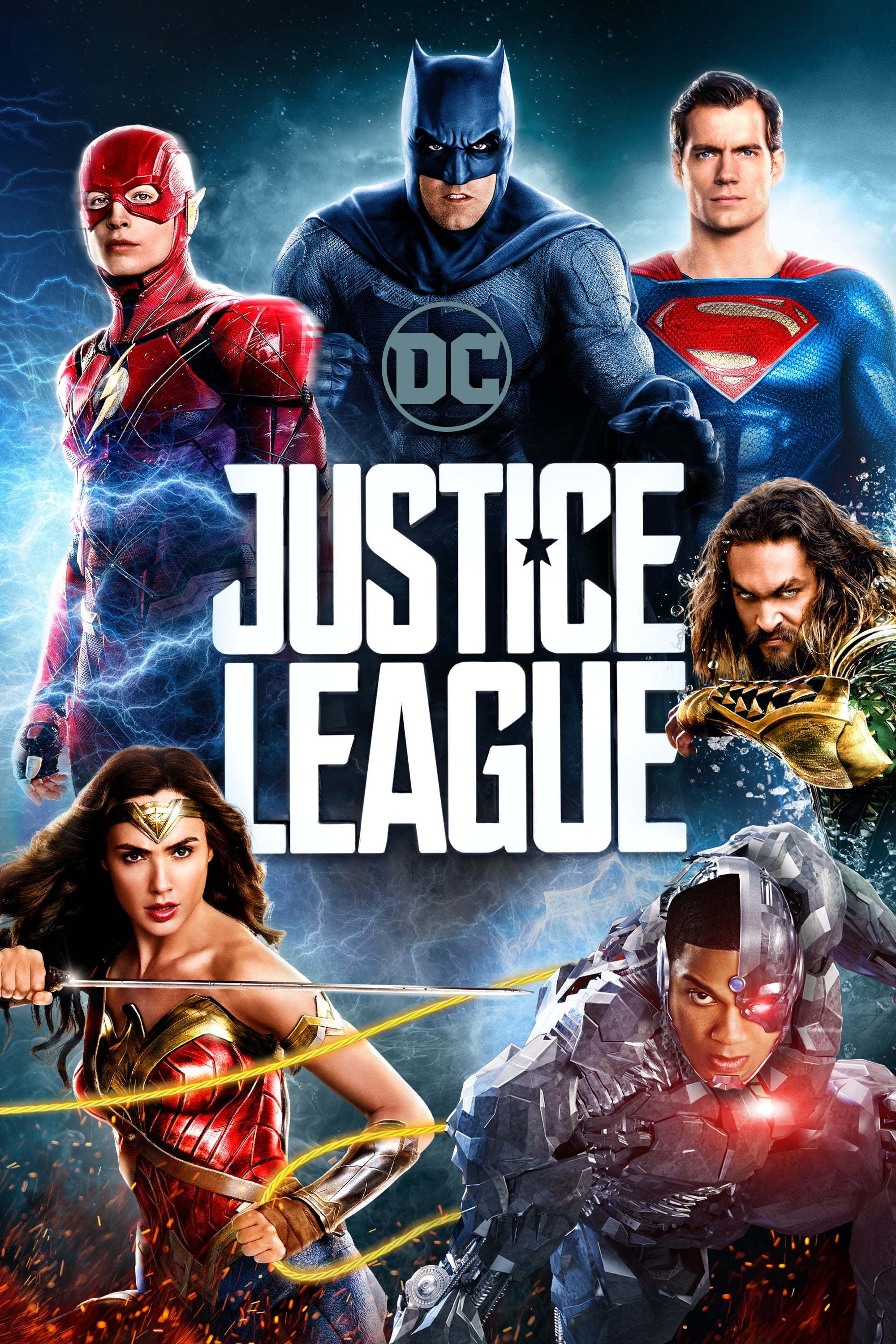
The original version of this film featured a much more developed character arc for Cyborg, and the director envisioned him as a central emotional figure. However, the theatrical release cut much of his backstory and personal life, including key scenes with his family. This made him feel more like a tool to advance the plot than a fully fleshed-out character. Thankfully, the director’s cut, released later, restored much of what was missing and satisfied many viewers.
‘X-Men: Apocalypse’ (2016)
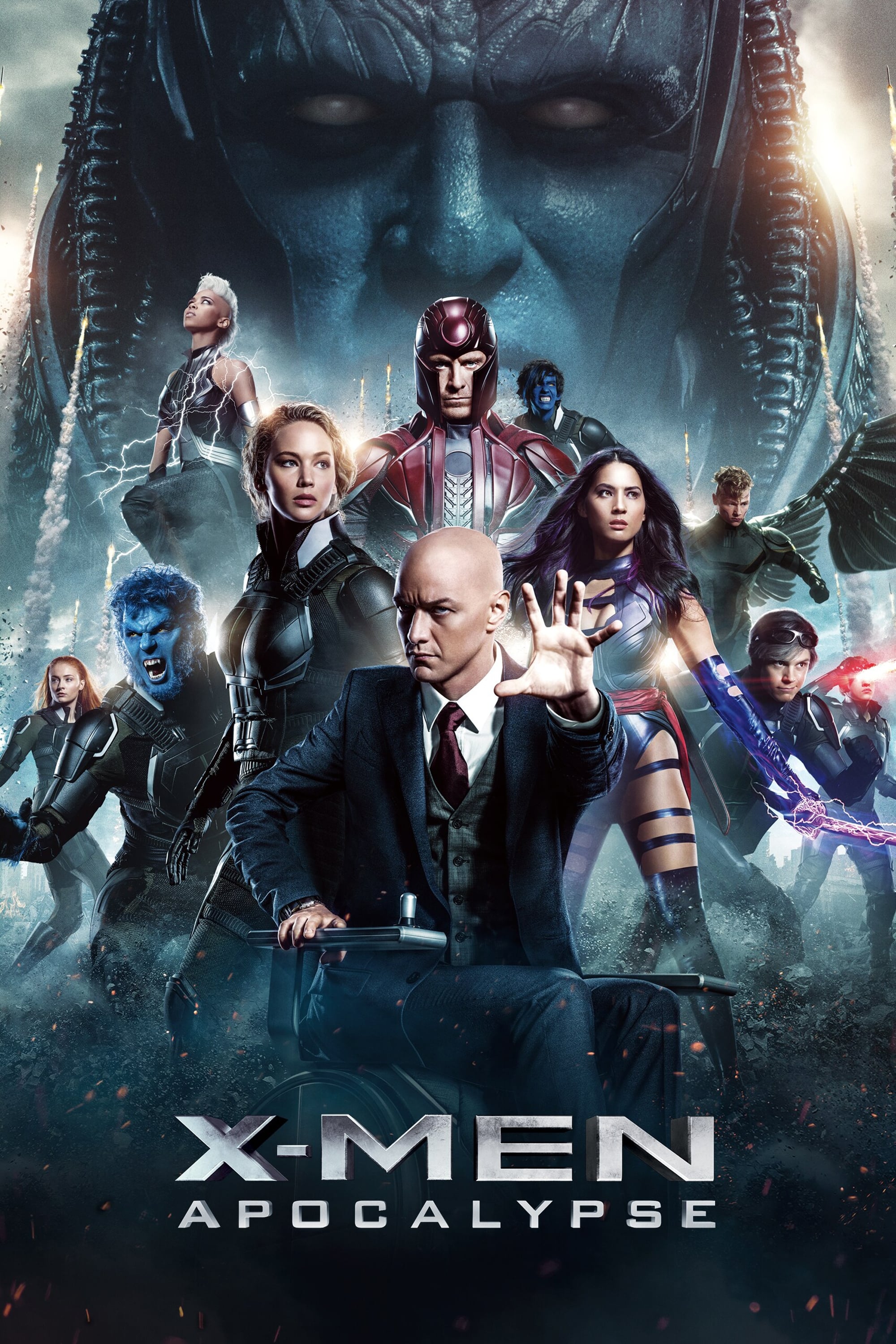
Psylocke appears in the film as one of Apocalypse’s four horsemen, but she doesn’t have much to do. She mostly stands in the background and has very little dialogue, with her role largely based on her appearance and a single fight. Many fans were frustrated because the movie didn’t explore her rich backstory from the comics. It felt like she was included just to have a well-known character name without giving her a meaningful part.
‘G.I. Joe: Retaliation’ (2013)
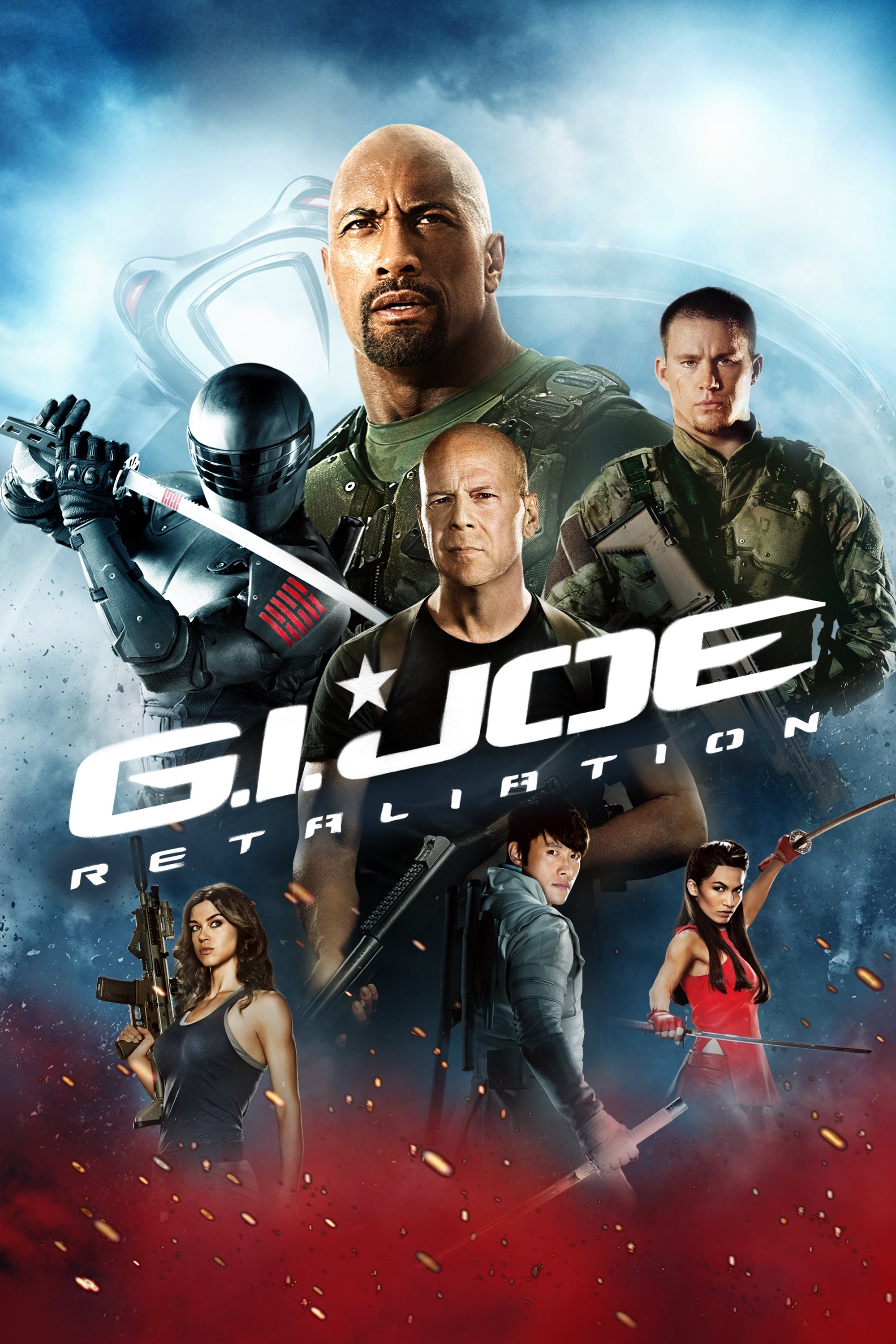
Jinx is a ninja ally to Snake Eyes, first appearing in a dramatic mountain fight. However, the story doesn’t delve much into who she is as a person. We don’t learn what drives her beyond her job as a soldier, and her personality remains largely undeveloped. It seems she was brought in to keep the cast diverse after some characters from the original movie were removed, without a strong new storyline of her own.
‘World War Z’ (2013)
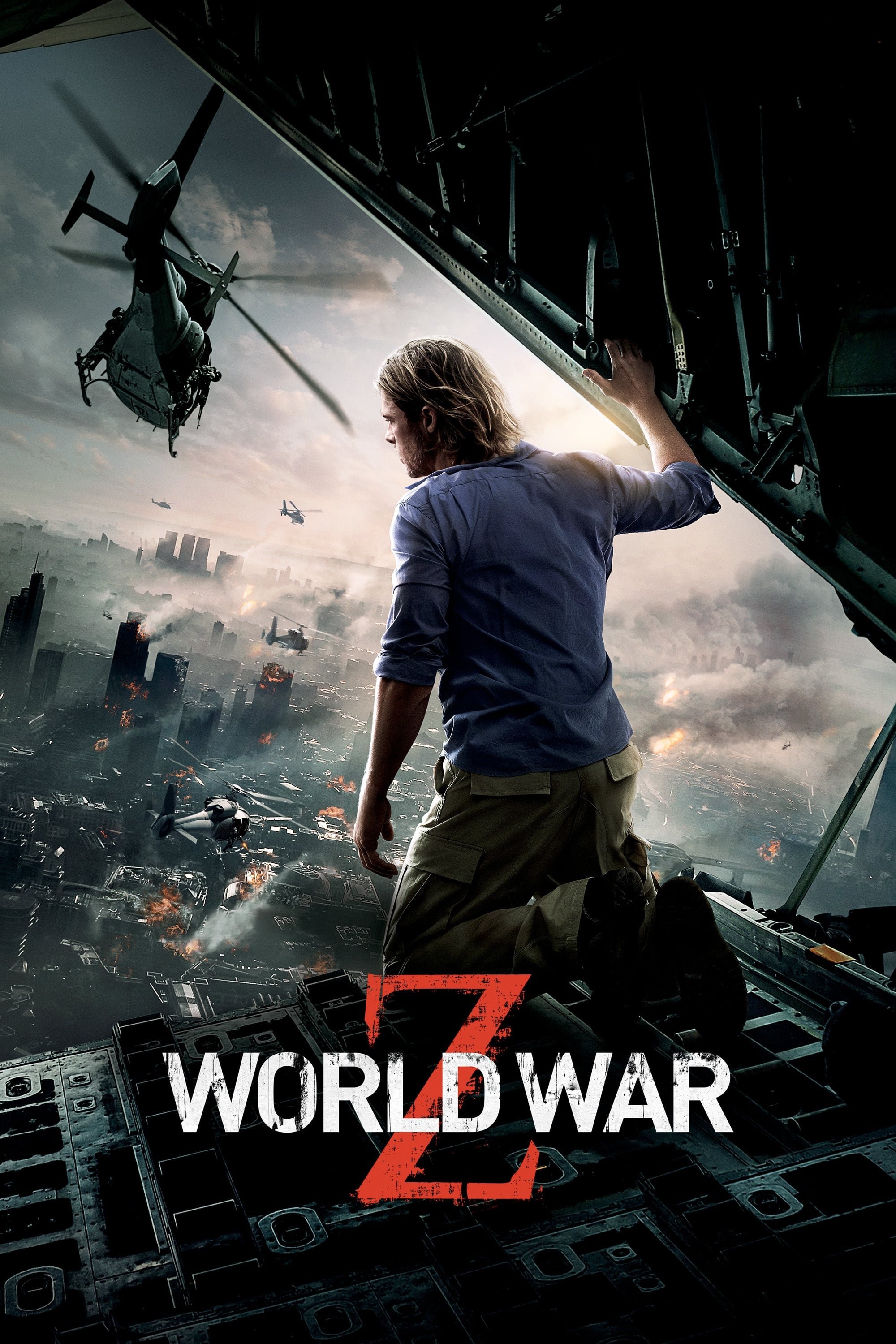
While fleeing Israel, the main character is helped by a soldier named Segen, who quickly becomes her closest ally after she’s wounded. Despite being constantly by his side, she remains largely silent and her past is never explored. She acts as a quiet bodyguard, simply following his orders. This felt unsatisfying given the dangerous circumstances they were in.
‘Thor: Love and Thunder’ (2022)
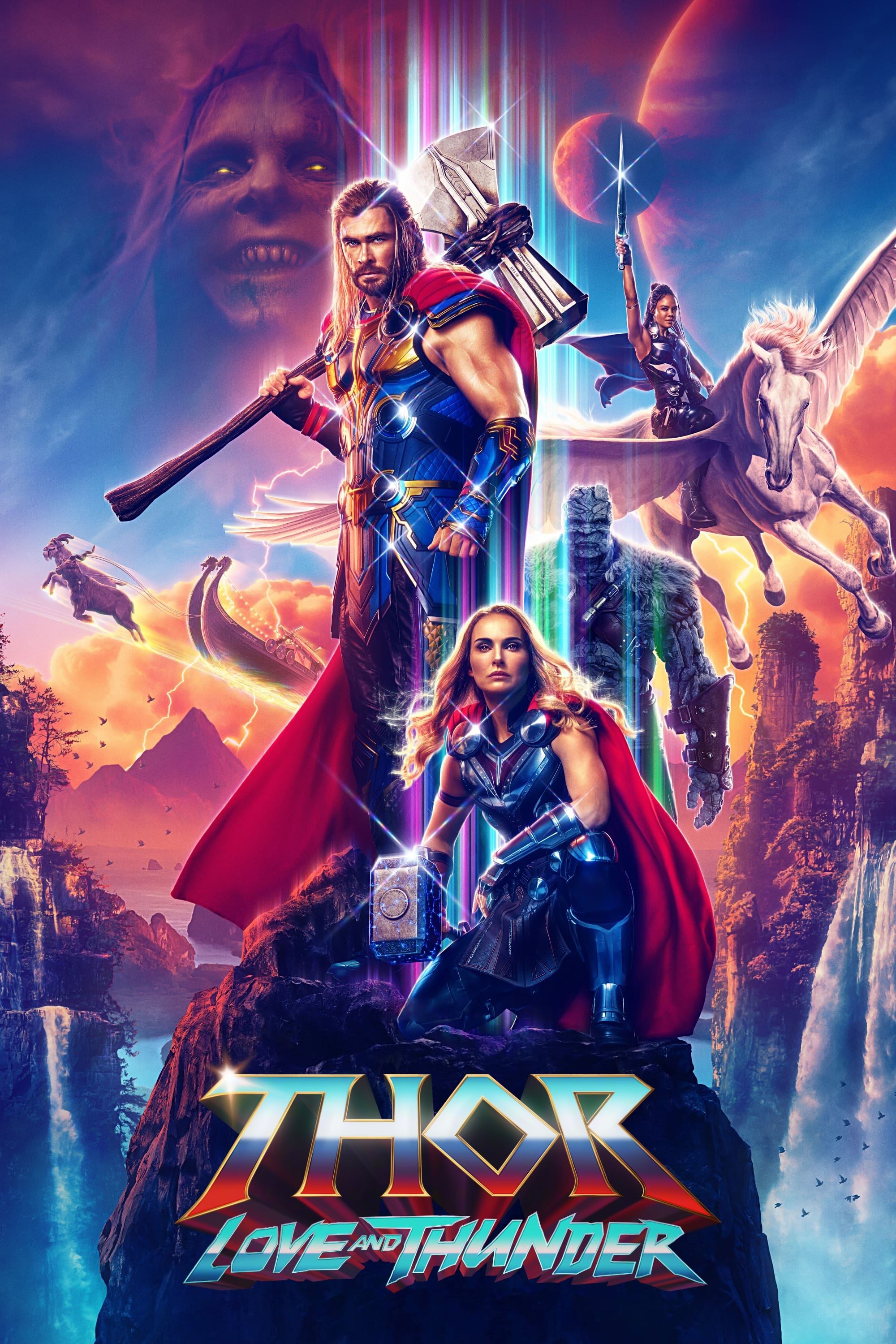
Valkyrie is now the ruler of New Asgard and we see her dealing with the responsibilities of leading the city. Despite being a strong and well-liked character, she doesn’t have a major role in the main events of this movie. After getting hurt, she’s mostly on the sidelines for much of the film. The movie briefly hints at her wanting to find a queen, but this idea isn’t explored further. This feels like a missed opportunity for a character who really shined in previous films.
‘Lightyear’ (2022)
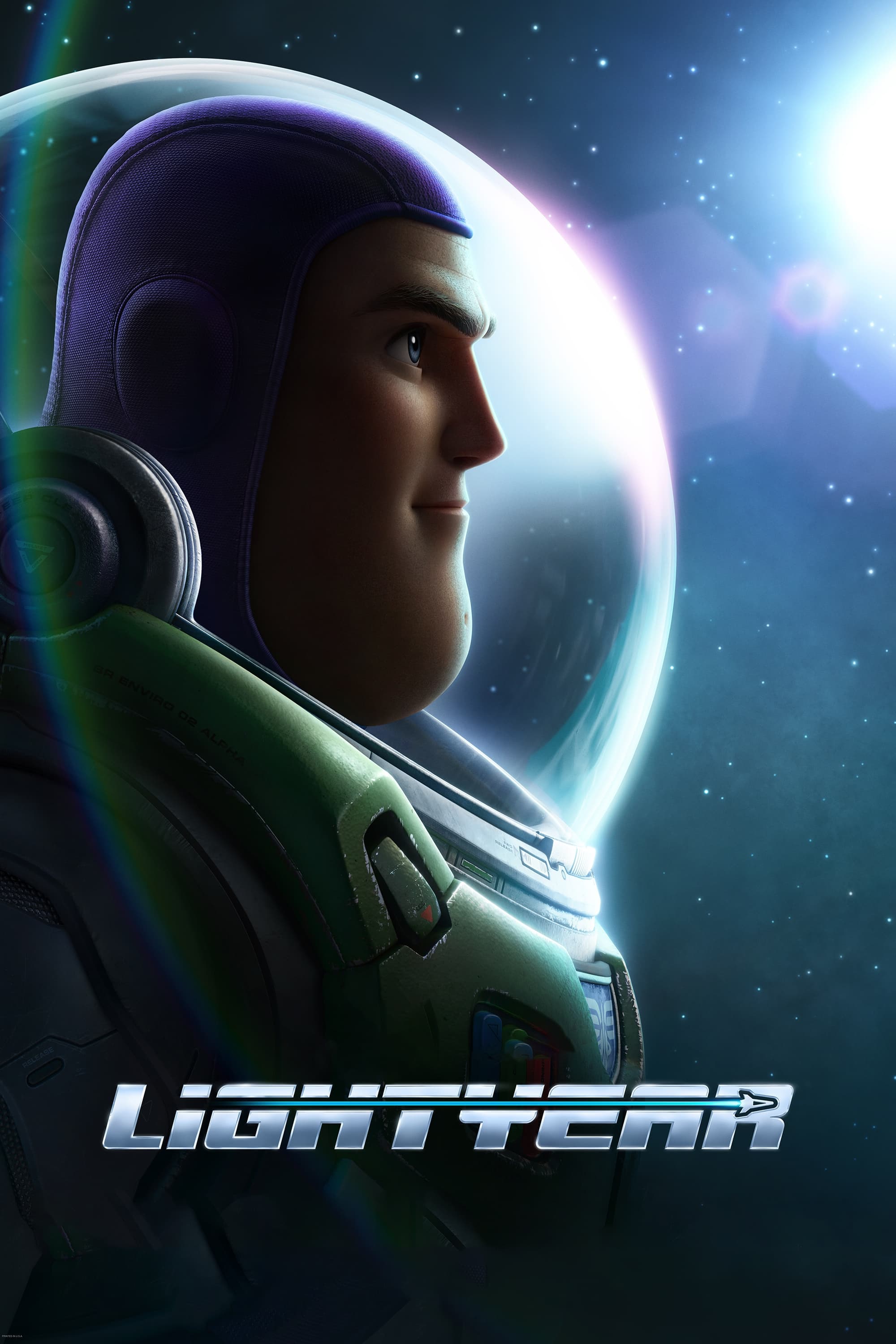
The movie includes a character named Alisha Hawthorne, who is Buzz Lightyear’s close friend and commanding officer. A montage shows her living a full and joyful life with her wife, a scene that sparked conversation and was even banned in some countries. However, within the story, Alisha mainly serves to inspire Buzz’s personal journey. While her family members later join the team, they aren’t developed as characters beyond that.
‘Rambo: Last Blood’ (2019)
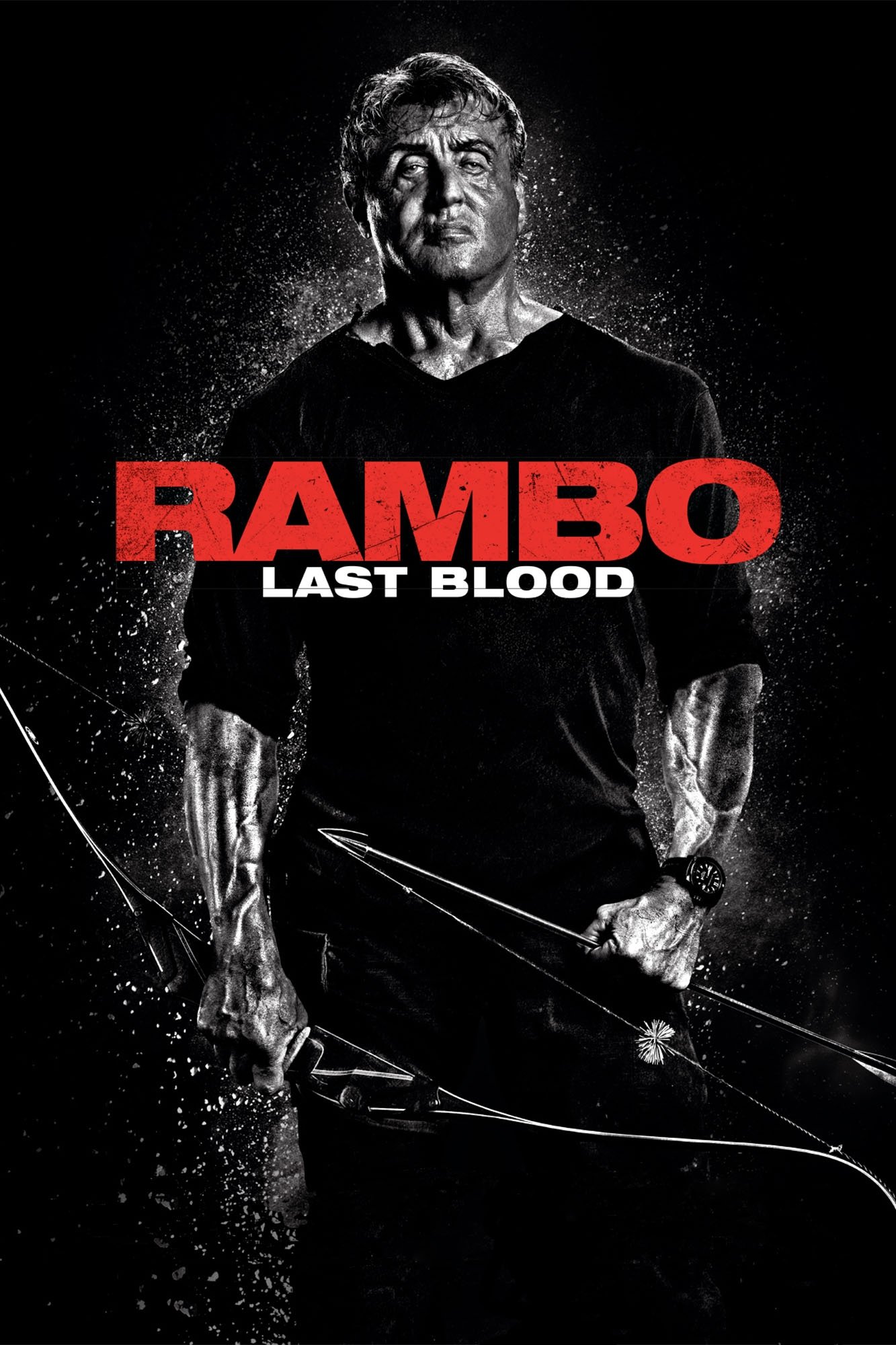
The story centers around a main character going to Mexico to save a young woman held by a cartel. However, the film presents most Mexican characters as either powerless victims or cruel criminals, lacking complexity or individual depth. Critics pointed out that the movie uses overused stereotypes and creates unnecessary conflict. This made Mexico feel less like a real place and more like a backdrop designed to support the plot.
‘The Flash’ (2023)
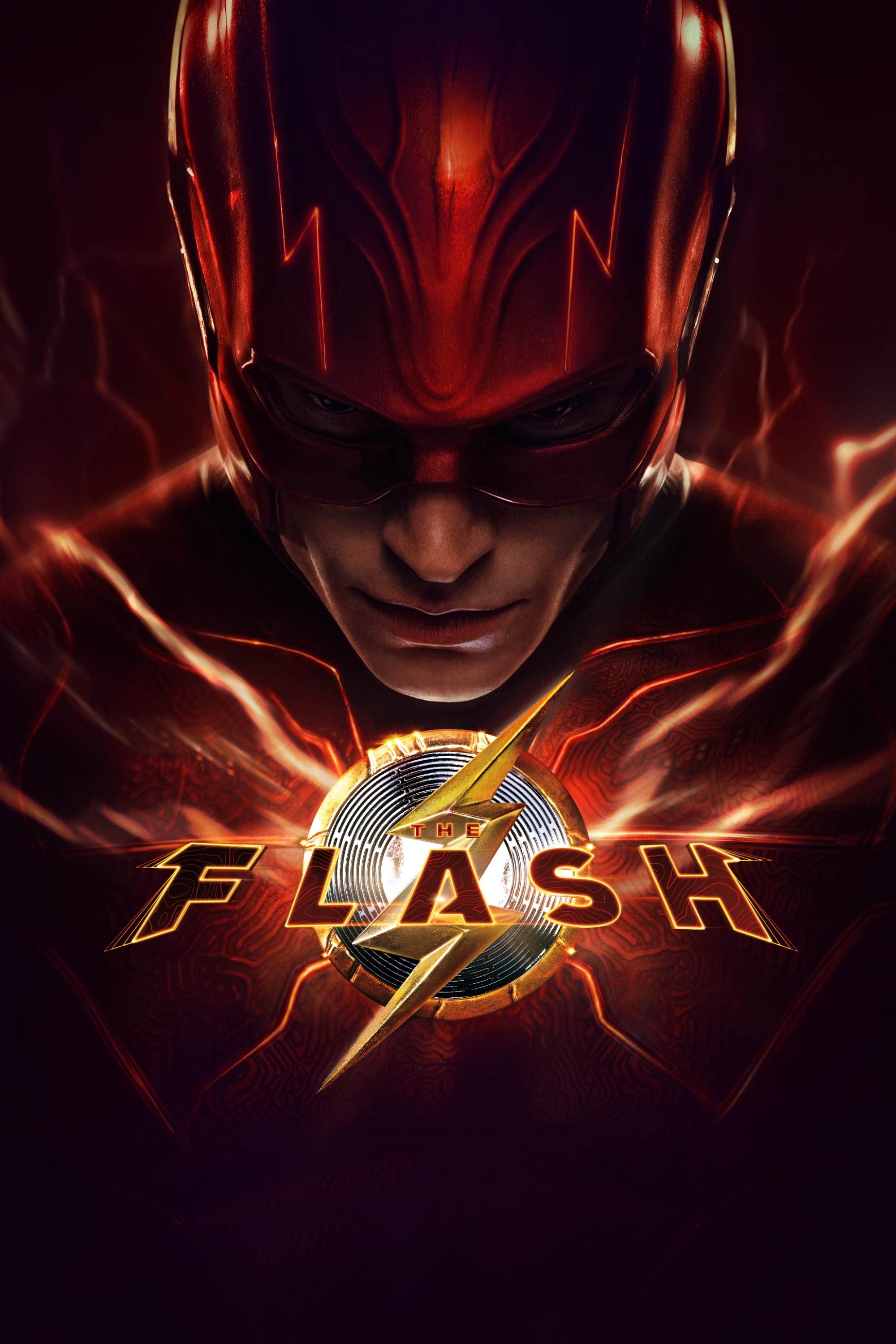
Iris West is a well-known character from the comics and plays a significant role in the hero’s story. However, in this movie, she only appears in a couple of short scenes and doesn’t really affect what happens. It felt like she was included simply to recognize the character’s history from the original comics. The actress playing her didn’t have much dialogue or opportunity to develop a connection with other characters, and fans were disappointed to see such an important character reduced to a brief appearance.
‘Black Widow’ (2021)
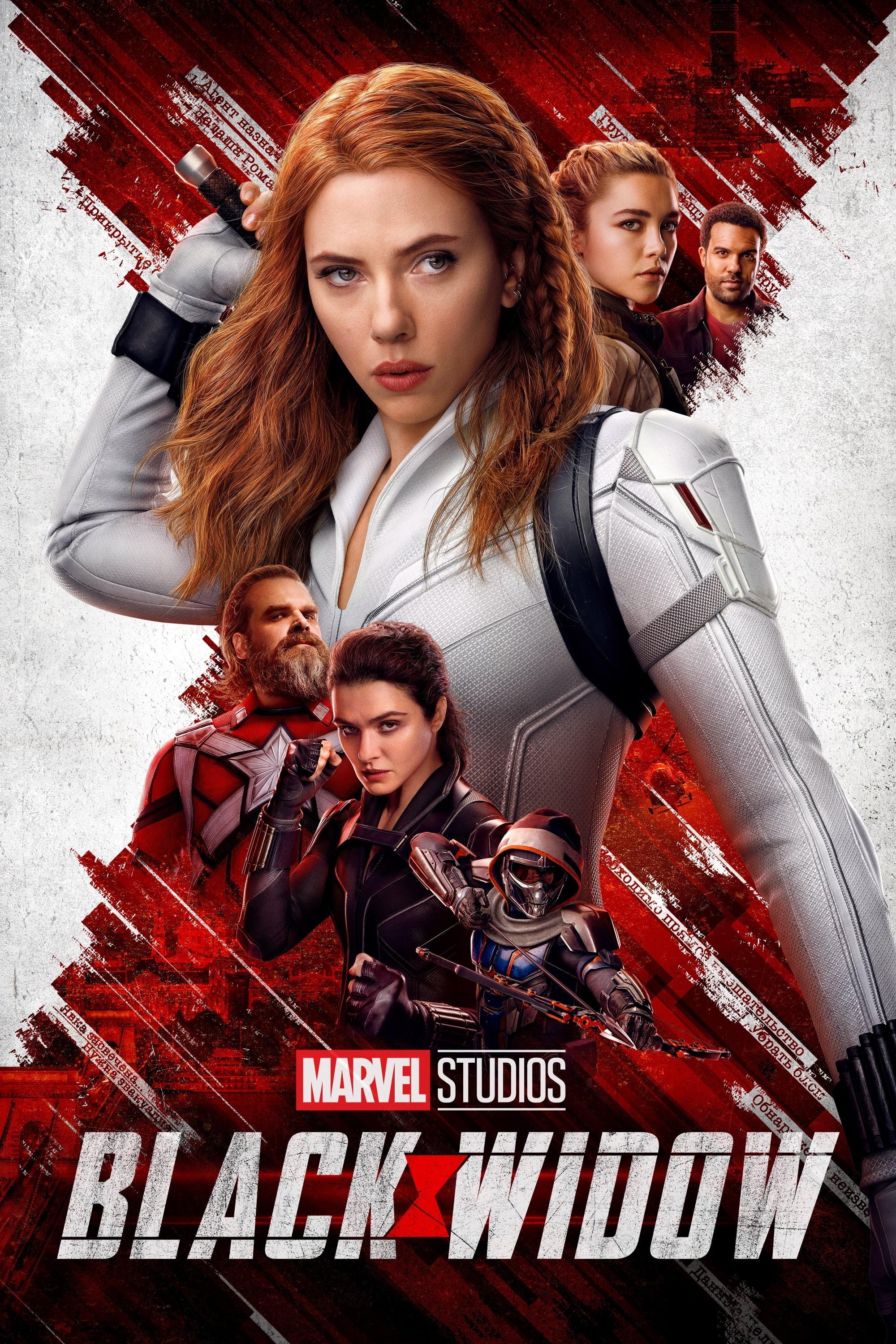
The movie features a diverse group of widows who have been manipulated by the villain into becoming assassins. However, most of them are presented as generic enemies, with only a handful getting enough screen time to feel like individuals. The story primarily centers on the white main characters and their family, which diminishes the impact of the organization’s supposed global reach and makes it feel much smaller in scale.
‘The King’s Man’ (2021)
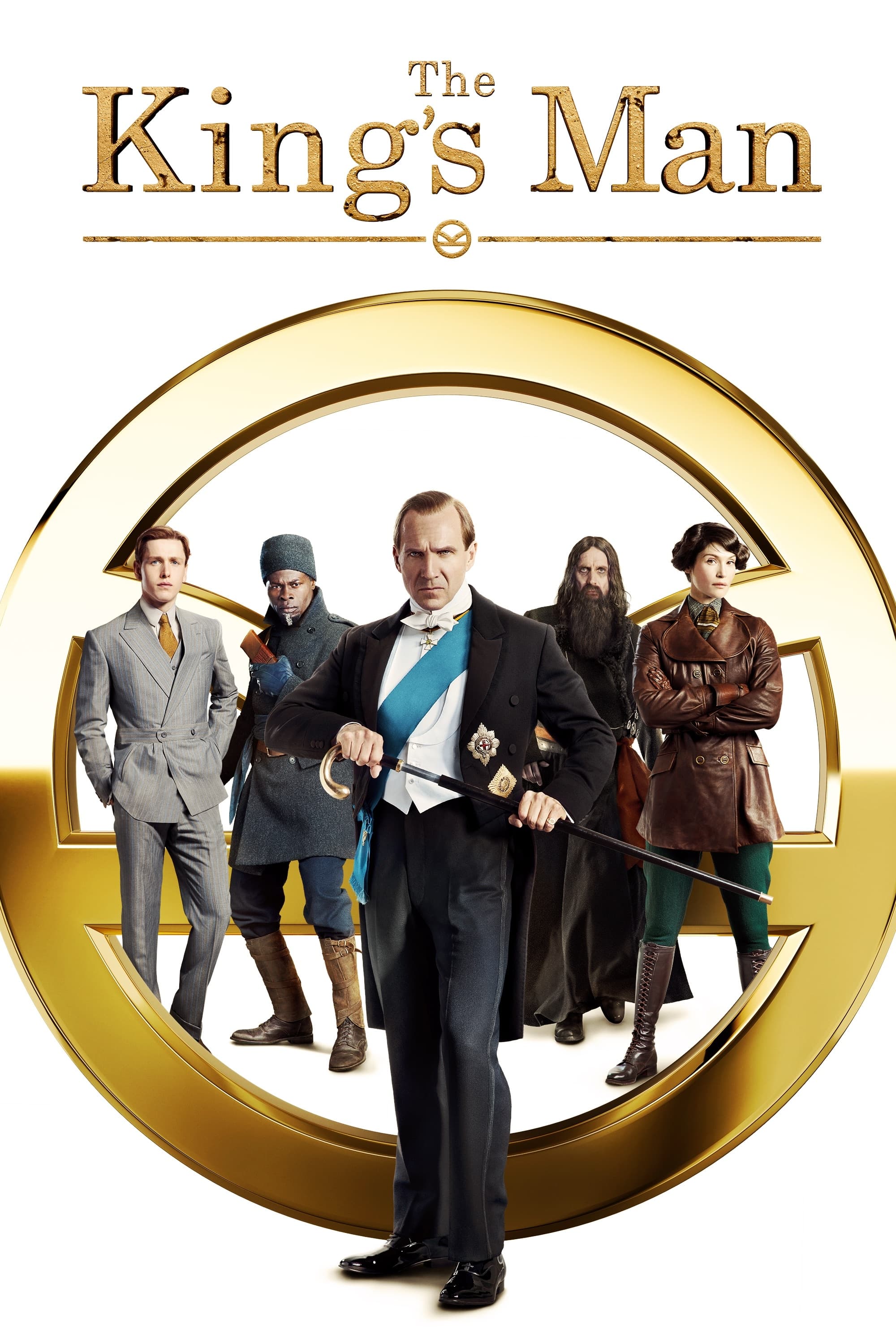
Djimon Hounsou portrays Shola, a dedicated warrior who is instrumental in establishing a clandestine group. Though skilled in combat and a valuable supporter, Shola’s character is primarily defined by his unwavering loyalty to the main family. He lacks personal ambitions or a life separate from his duties. While his inclusion enhances the cast’s diversity, his character isn’t as fully developed as the protagonist, a choice some critics feel relies on outdated storytelling conventions for supporting characters.
‘No Time to Die’ (2021)
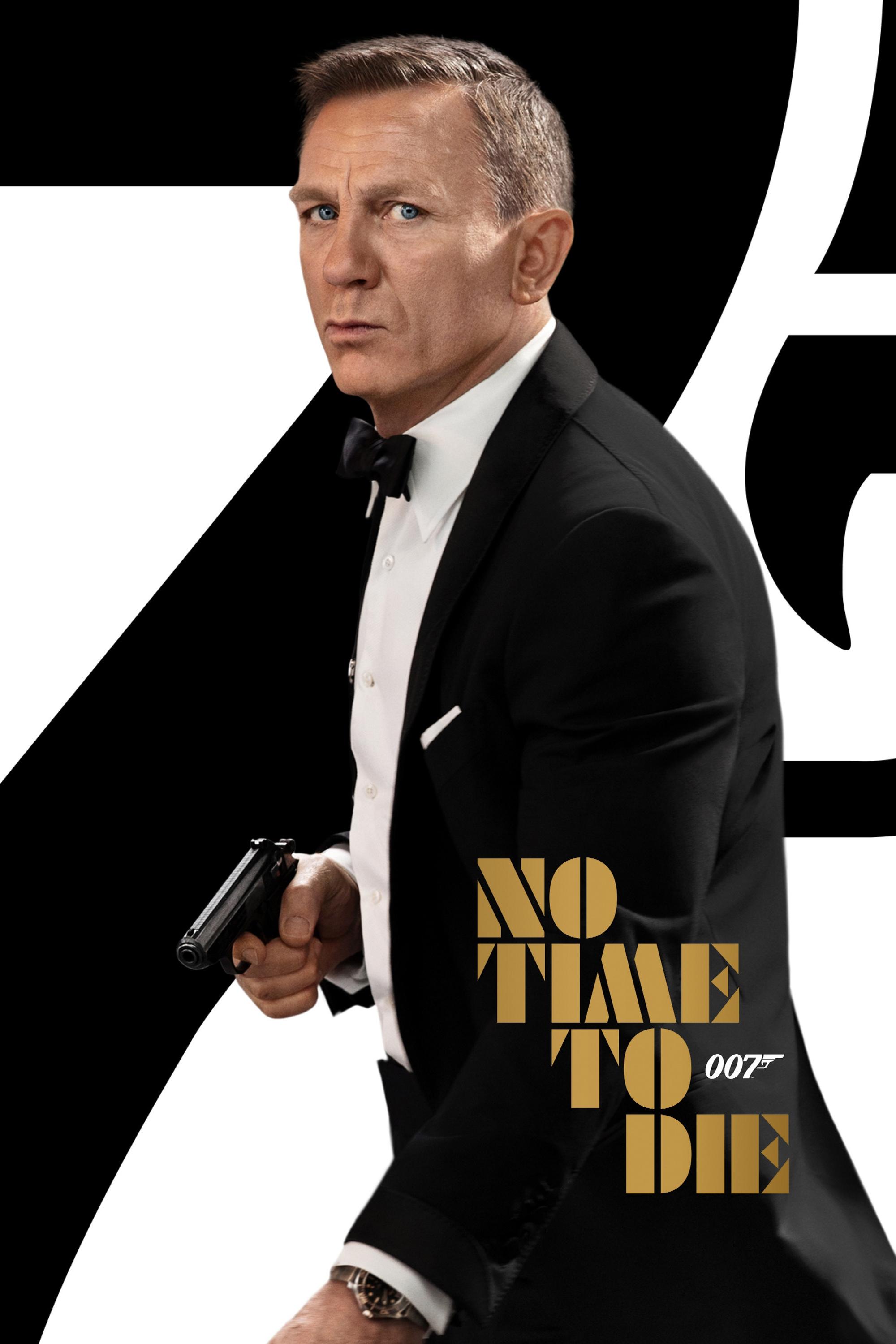
Lashana Lynch’s character was introduced as a new 007 while James Bond was away, and the movie’s promotion emphasized her as a significant addition to the series. However, in the film itself, she often wasn’t the focus during key action scenes. Ultimately, she passes the 007 designation back to Bond before the climax, which made her initial role feel like a temporary plot device instead of a lasting change to the franchise.
‘Aladdin’ (2019)
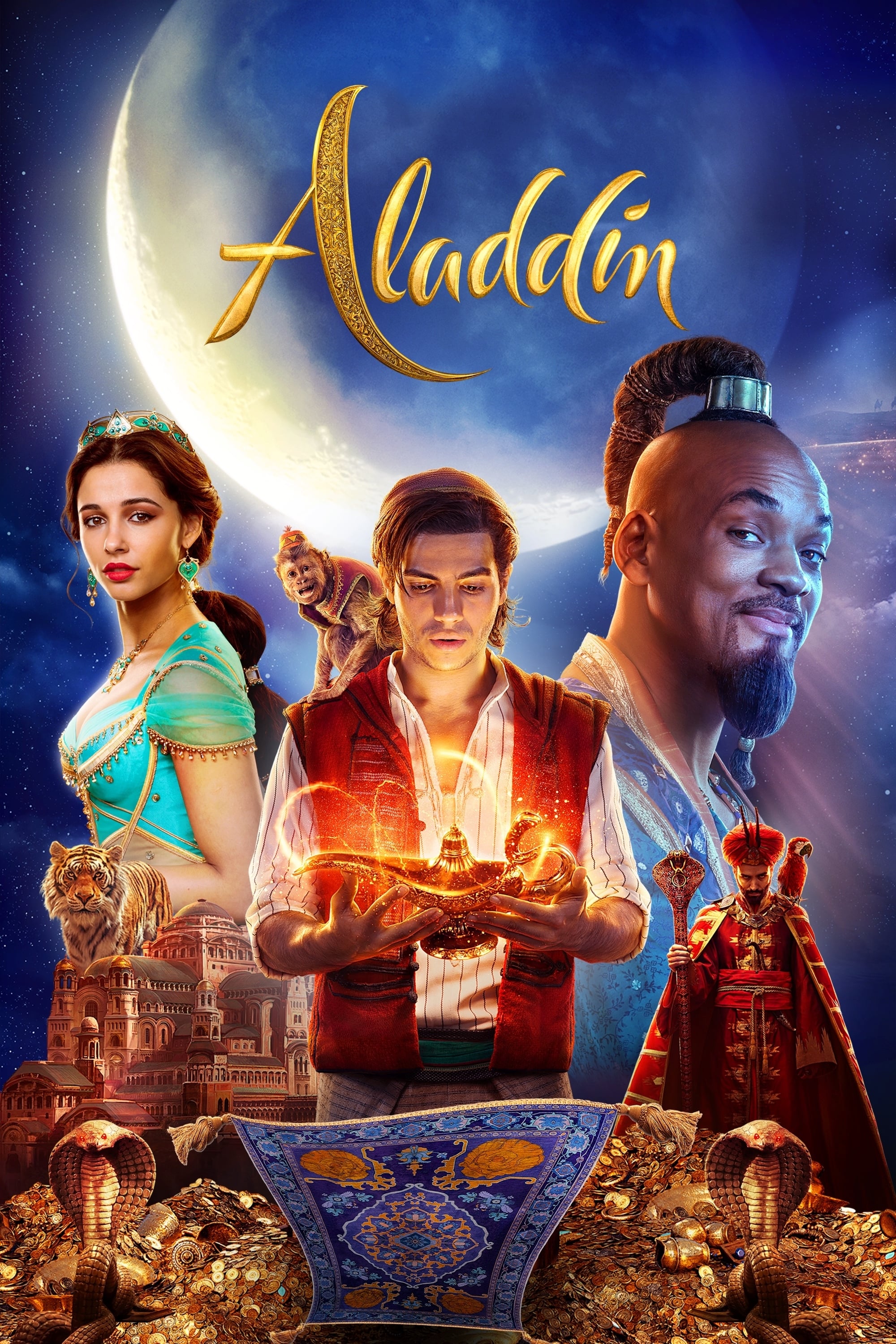
The new live-action version introduces Dalia, Jasmine’s handmaiden, played by Nasim Pedrad. She’s a humorous character who also develops a connection with the Genie. Though Dalia is enjoyable, her role is mainly to support the story and doesn’t impact the central plot. She primarily gives Jasmine a female confidante, as the original movie lacked that dynamic. Her addition felt like a solution to a writing issue.
‘Mulan’ (2020)
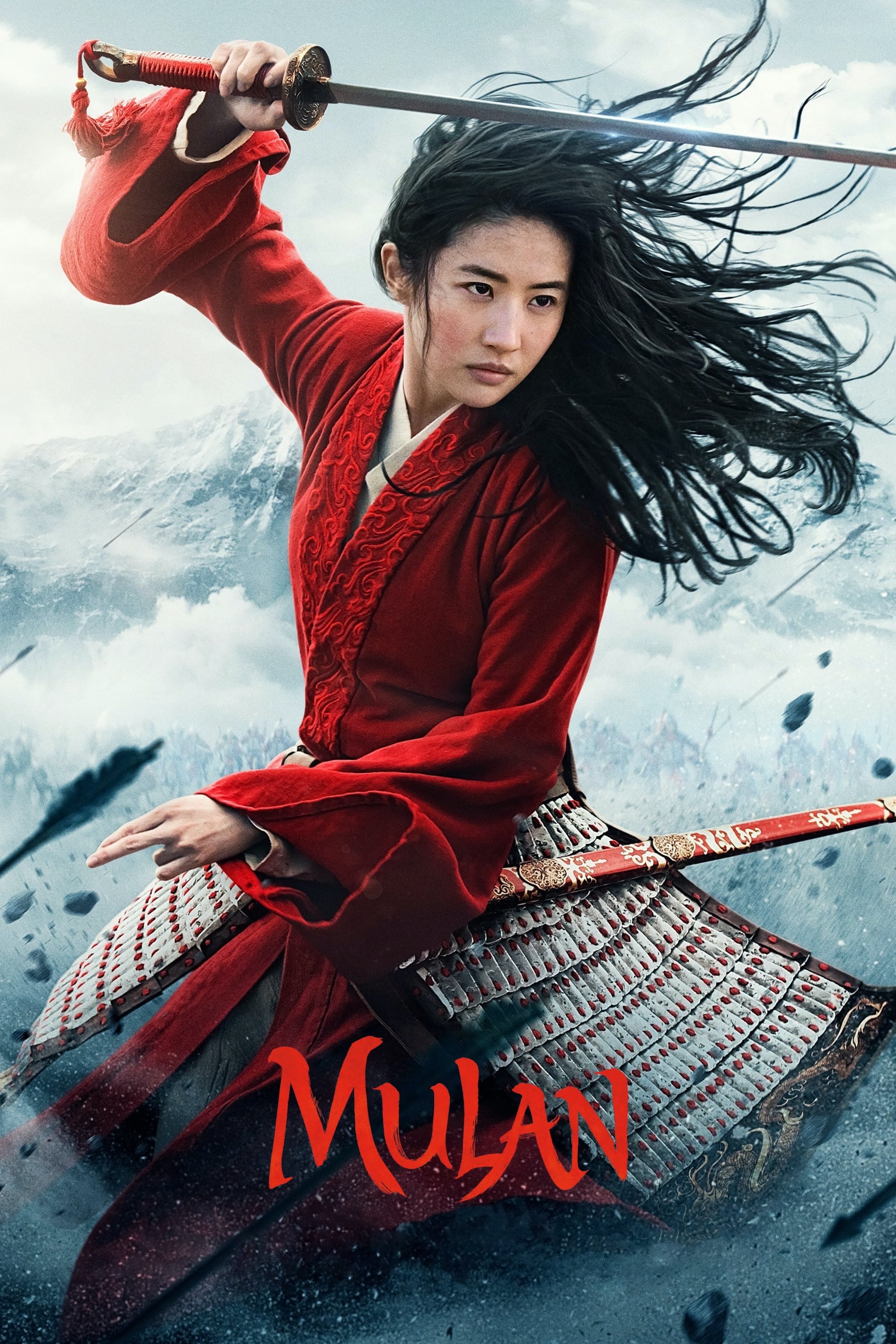
The updated version features a new villain – a powerful witch haunted by a sad history. She’s designed to mirror the hero and her own battles with control, but her reasons for acting are sometimes confusing, and her eventual sacrifice doesn’t feel fully earned. While intended to add complexity to the story’s central conflict, many viewers found the character distracting and unnecessary, feeling she detracted from the main plot.
‘The Little Mermaid’ (2023)

Halle Bailey’s role as Ariel sparked a lot of conversation. Though she received high praise for her performance, the movie largely retells the original story. Some critics felt that while Ariel’s ethnicity changed, the film didn’t meaningfully update the story or its world to reflect this diversity. This led to discussions about whether the change was truly integrated into the film or simply a surface-level alteration. Ultimately, the movie stays very true to the beloved animated version.
‘Avengers: Age of Ultron’ (2015)
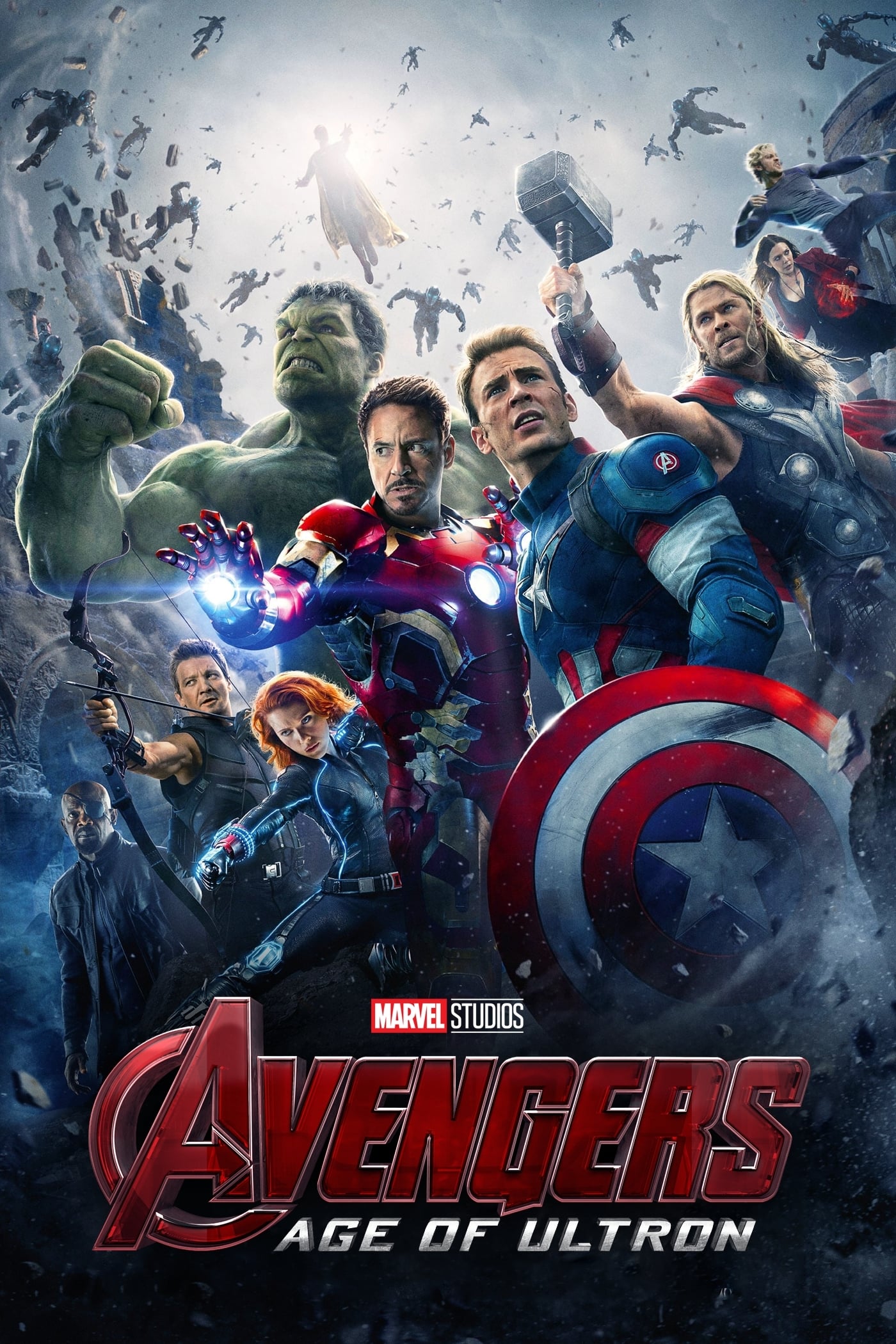
Dr. Helen Cho is a brilliant geneticist who assists the heroes. She’s the one who creates the technology that ultimately brings Vision to life. However, after a few scenes, she’s injured and doesn’t play a significant role for the rest of the film. While essential to the plot as a means to an end, her character isn’t fleshed out beyond her expertise, and it feels as though she was included primarily to fulfill a diversity requirement and advance the story.
Share your thoughts on these casting choices in the comments.
Read More
- 20 Movies Where the Black Villain Was Secretly the Most Popular Character
- Transformers Under the Microscope: What Graph Neural Networks Reveal
- Celebs Who Narrowly Escaped The 9/11 Attacks
- Silver Rate Forecast
- Trading on Thin Air: AI Agents Conquer Crypto Volatility
- Gold Rate Forecast
- Invincible Season 4 Gender Swaps Tech Jacket As Fans Question Major Comic Change
- Every Notable ‘Star Trek: The Original Series’ Actor Who Died
- 22 Films Where the White Protagonist Is Canonically the Sidekick to a Black Lead
- Trading Smarter: AI-Powered Execution Schedules
2026-01-10 14:19