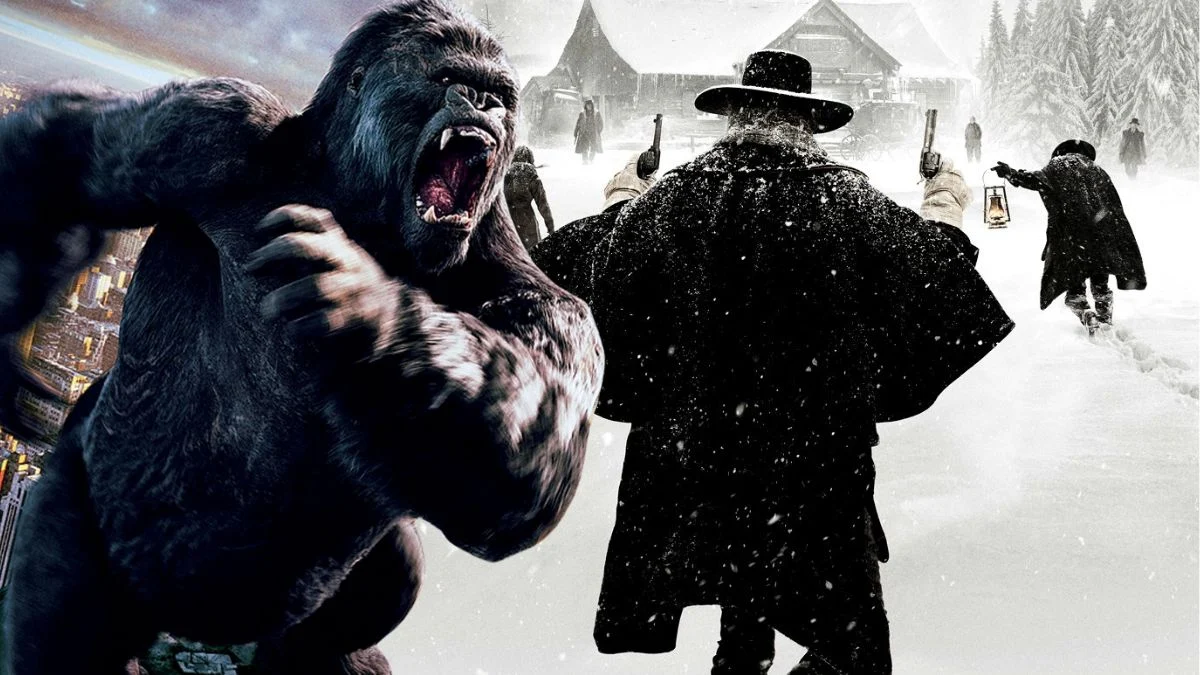
Director’s cuts give filmmakers a chance to share their original ideas for a movie without changes made by the studio or limits on how long it can be. These longer versions often include important storylines and more detailed characters that didn’t make it into the original release. Fans often look for these special editions to see the movie exactly as the director envisioned it. This collection features films where the added footage really improves the story and the overall movie experience.
‘Kingdom of Heaven’ (2005)
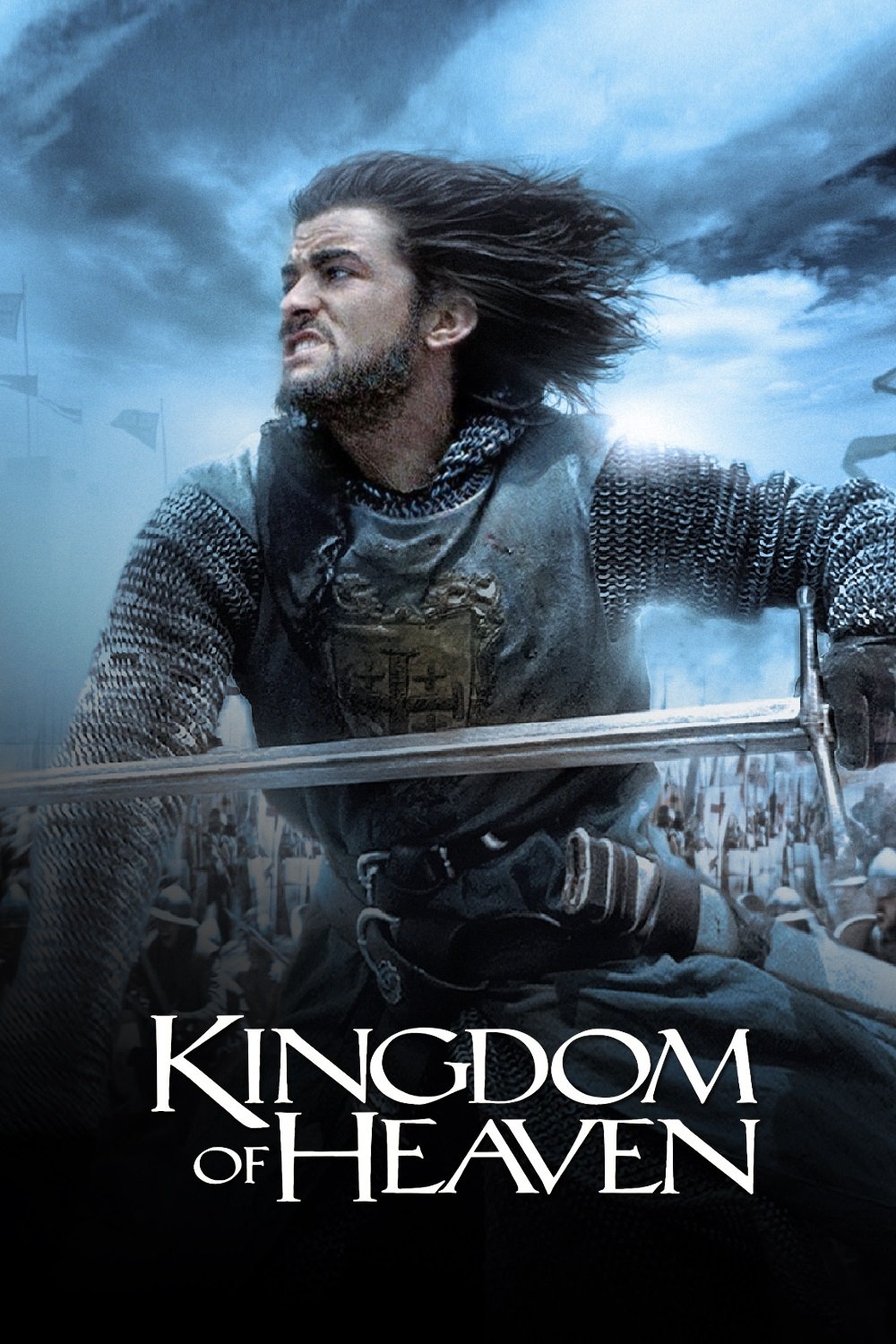
Ridley Scott significantly improved this historical film by adding almost fifty minutes of footage, primarily to address problems with the original movie’s rhythm. These new scenes provide a deeper look at the political intrigue in Jerusalem and explain Sibylla’s actions concerning her son. Most viewers consider this longer version a masterpiece, turning the story into a powerful and understandable tragedy. The extra time allows for a more thorough exploration of both the religious clashes and Balian’s personal story.
‘The Lord of the Rings: The Fellowship of the Ring’ (2001)
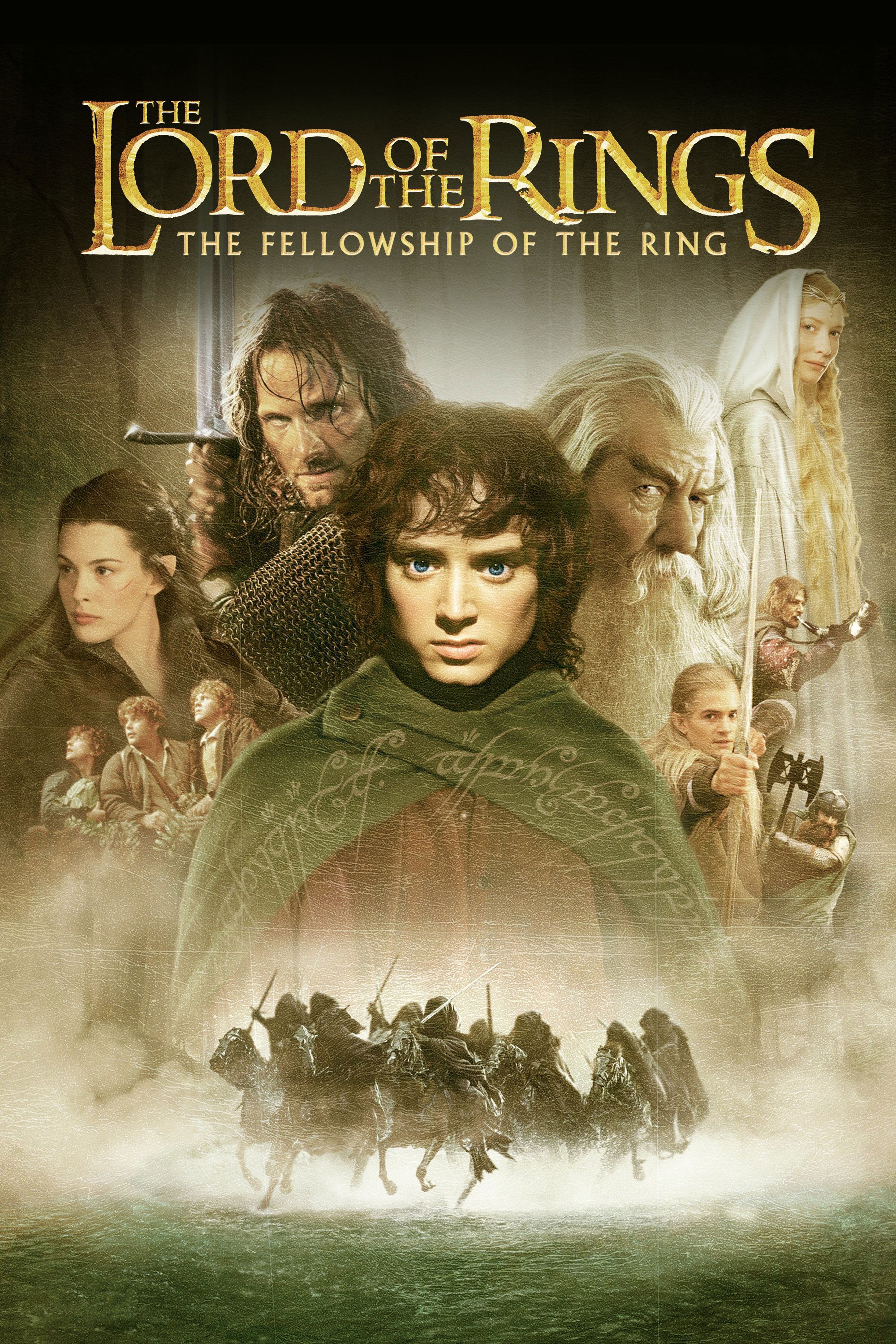
Peter Jackson has added half an hour of footage to the beginning of the first movie in his Lord of the Rings trilogy. This extended version gives fans a better understanding of the hobbit characters and provides more background on the One Ring. It also includes a complete scene of gift-giving in Lothlórien, which sets up important events in the following films. The result is a more relaxed pace and a more immersive experience as viewers explore the New Zealand scenery.
‘The Lord of the Rings: The Two Towers’ (2002)
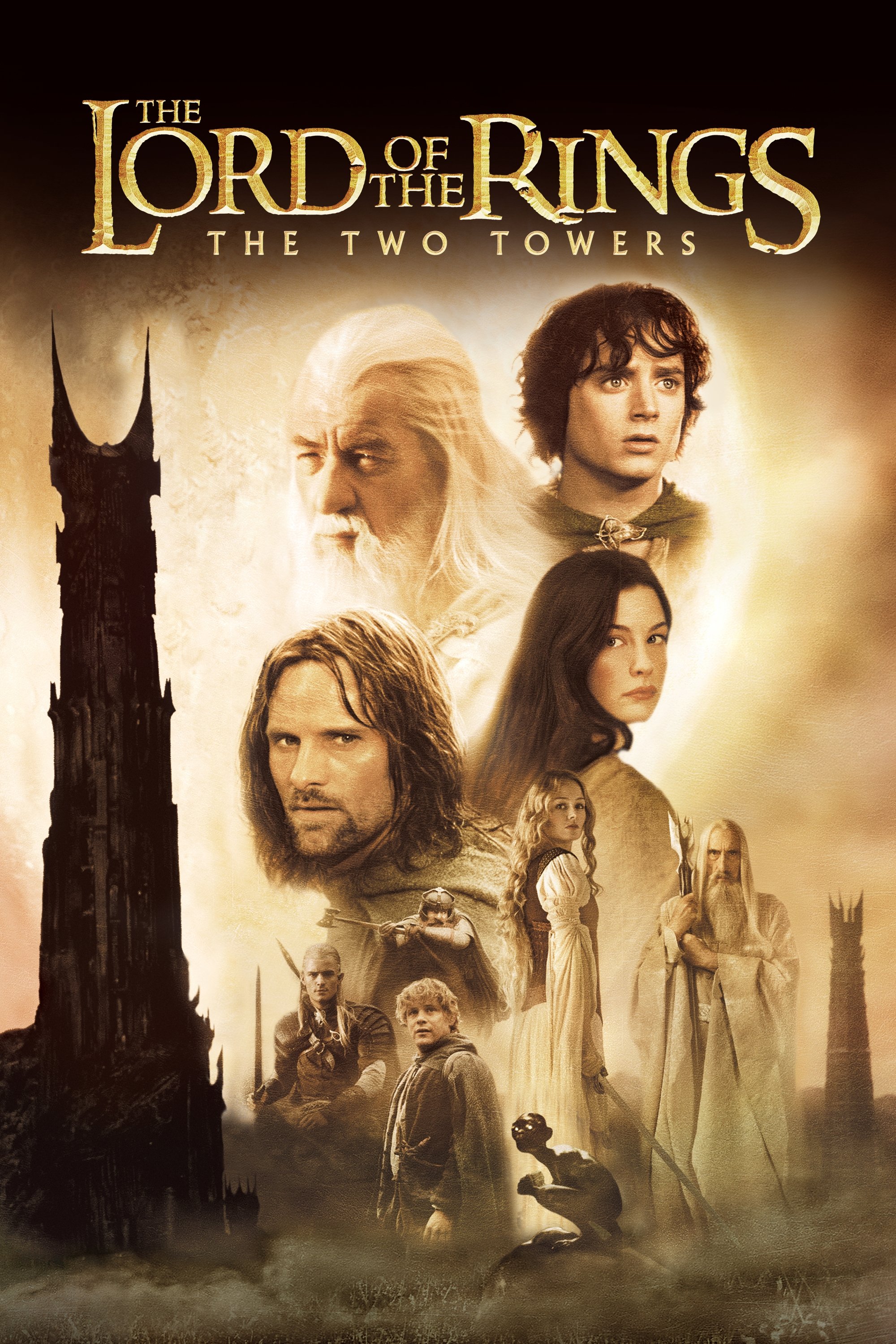
As a huge fan of the Lord of the Rings, I always appreciated the extended edition of the second film. It really fleshes out Faramir’s character and his complicated relationship with his father, Denethor. We even get a flashback with Boromir that shows just how much pressure both brothers were under. It’s not all drama though – the extra scenes with Merry and Pippin and Treebeard are genuinely funny and provide a nice bit of levity. Honestly, all this extra footage just makes the emotional impact of the story so much stronger and really builds the tension leading up to the final showdown.
‘The Lord of the Rings: The Return of the King’ (2003)
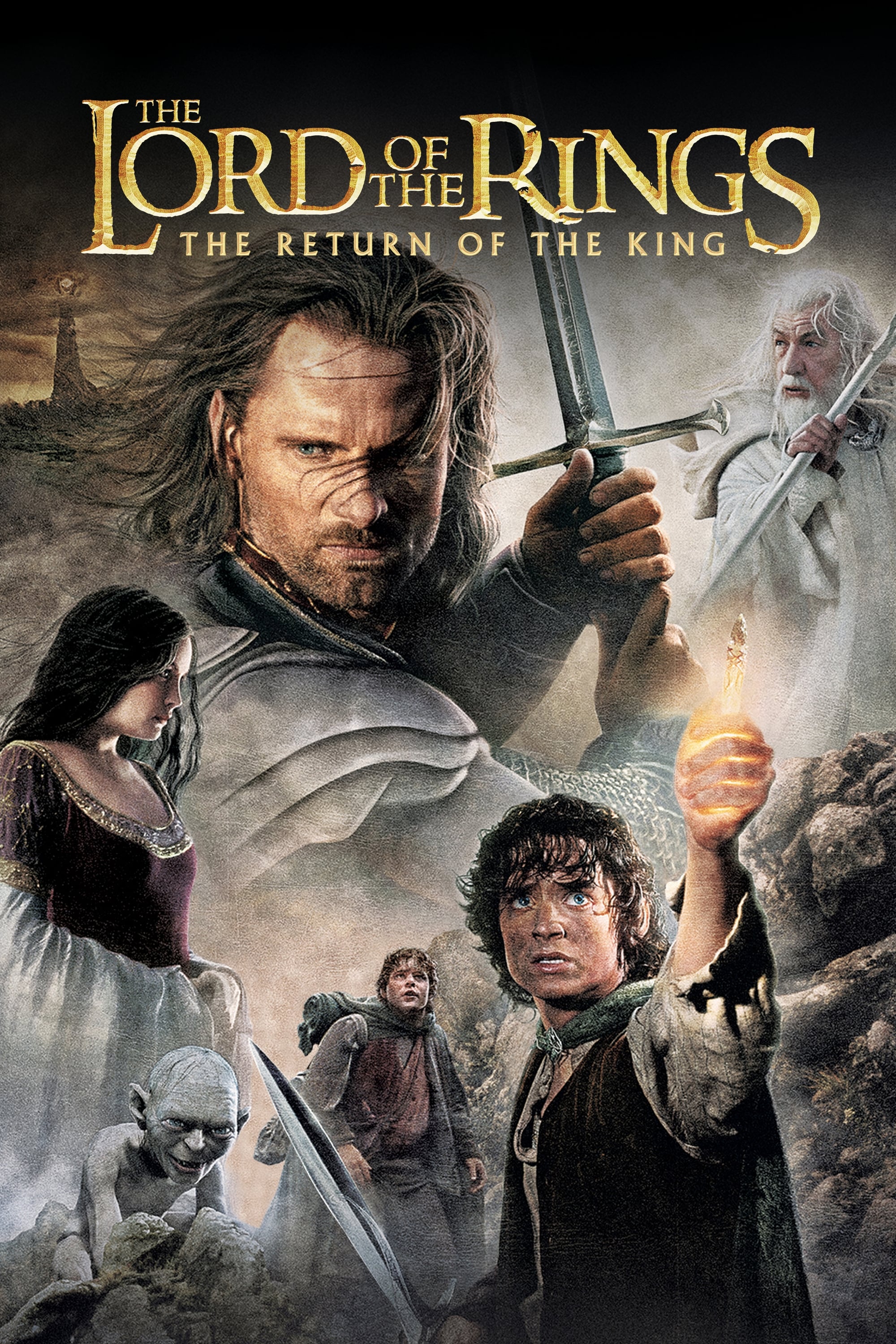
This extended edition adds fifty minutes to the end of the story, finally wrapping up important plot points related to Saruman. It also includes the restored scene with the Mouth of Sauron, creating a truly frightening encounter at the Black Gate. Viewers enjoy the extra time spent following Frodo and Sam’s difficult journey to Mount Doom. Ultimately, the added footage makes for a more complete and rewarding conclusion to the fantasy series.
‘Zack Snyder’s Justice League’ (2021)
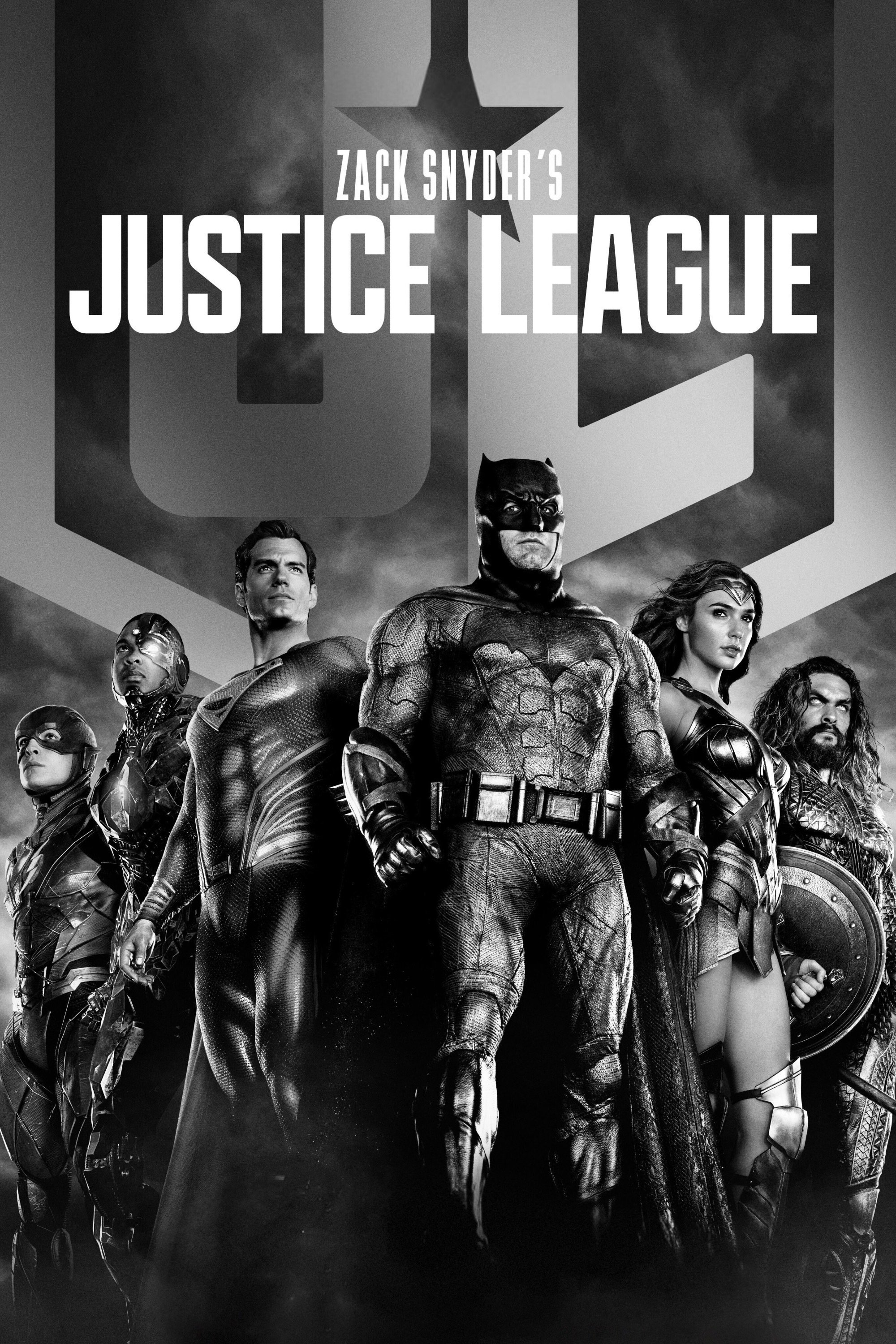
Zack Snyder was given the opportunity to complete his original vision for the film with a four-hour cut. This new version significantly alters the story and mood of the 2017 movie, and importantly, gives the character Cyborg a full, developed storyline that was cut from the original release. It also features a different widescreen format and music, reflecting what Snyder initially intended. Ultimately, it feels like a completely new film, bringing back the grand, epic scale he envisioned for these DC superheroes.
‘Apocalypse Now’ (1979)
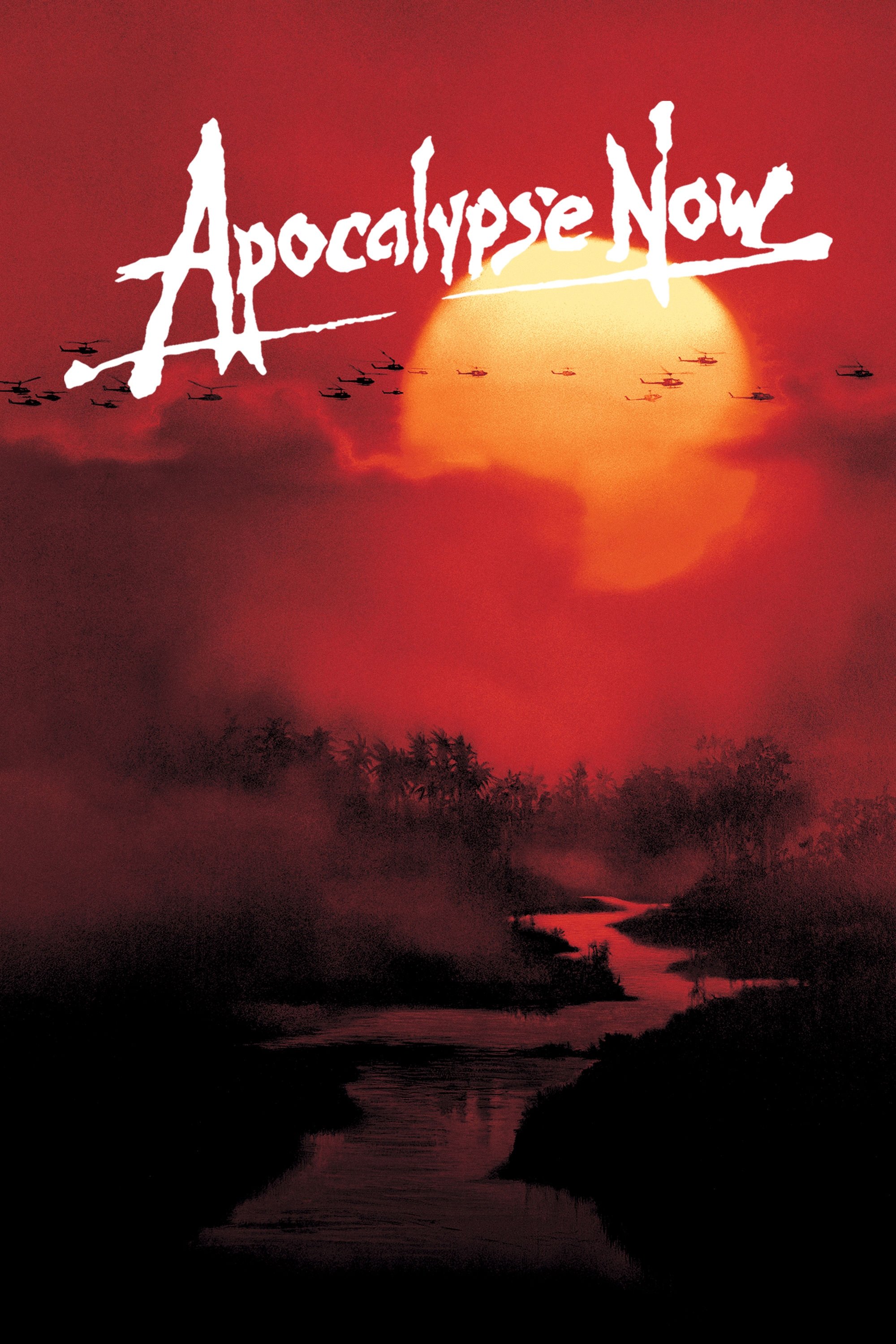
Francis Ford Coppola’s re-release of Apocalypse Now, called Redux, adds almost an hour of footage to the original film. A key addition is a lengthy scene set on a French plantation, where Captain Willard discusses politics and history with a group of French colonists. The extended cut also shows more of the boat crew and emphasizes their growing psychological distress. This extra footage enhances the film’s unsettling and dreamlike atmosphere as they travel up the Nung River.
‘Watchmen’ (2009)
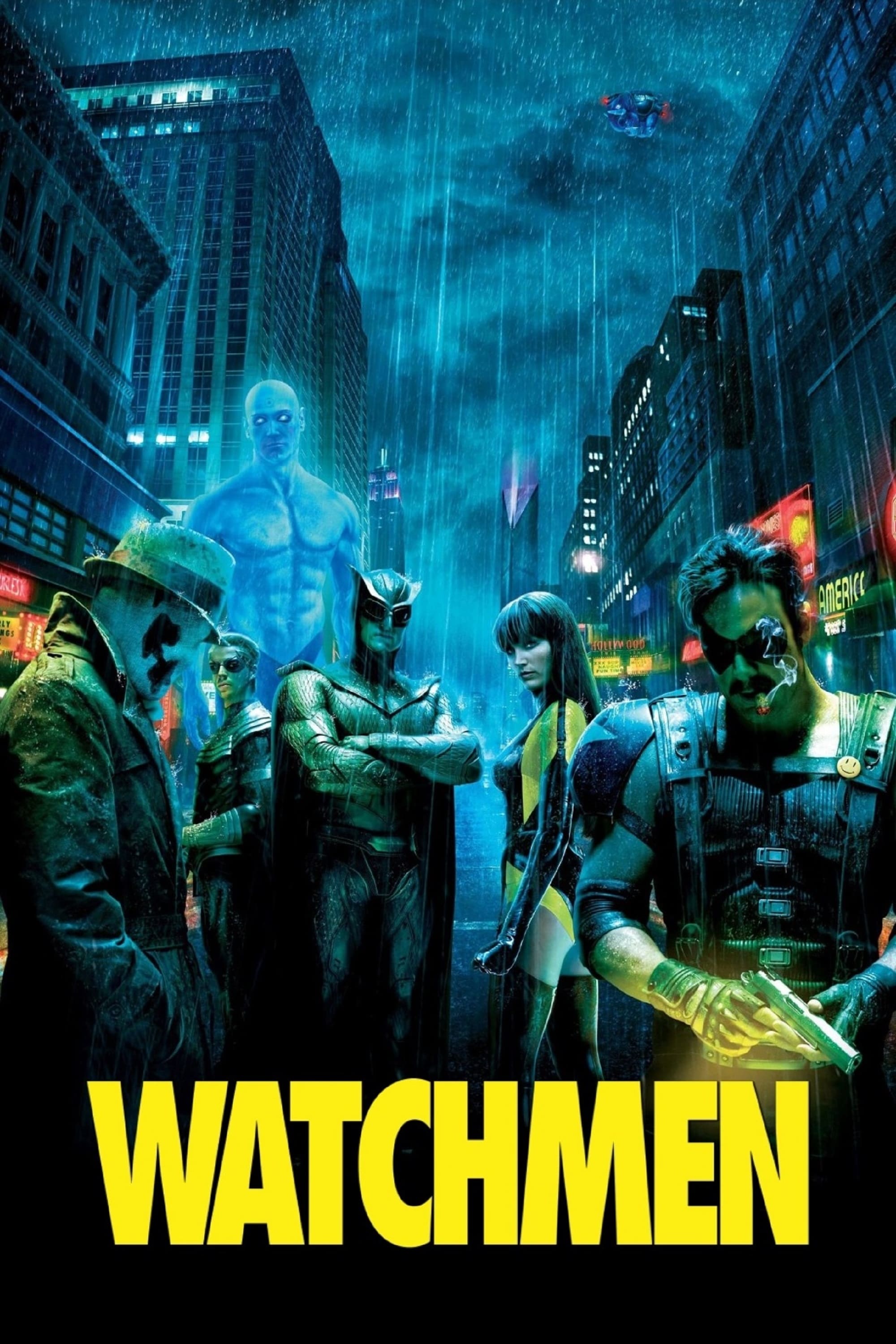
As a huge fan, I think the Ultimate Cut really nails the source material. It brilliantly integrates the animated Tales of the Black Freighter segments right into the main story, just like the comic did. It’s not just cool visually, but it actually adds a layer of meaning, almost like a commentary on what’s happening with the heroes. They also added a bunch of scenes that really dig into the backstory of the original Nite Owl and give us a deeper look at the relationships between all the characters. It’s a long watch – over three and a half hours – but it’s so dense and true to the comic, it’s totally worth it!
‘Batman v Superman: Dawn of Justice’ (2016)
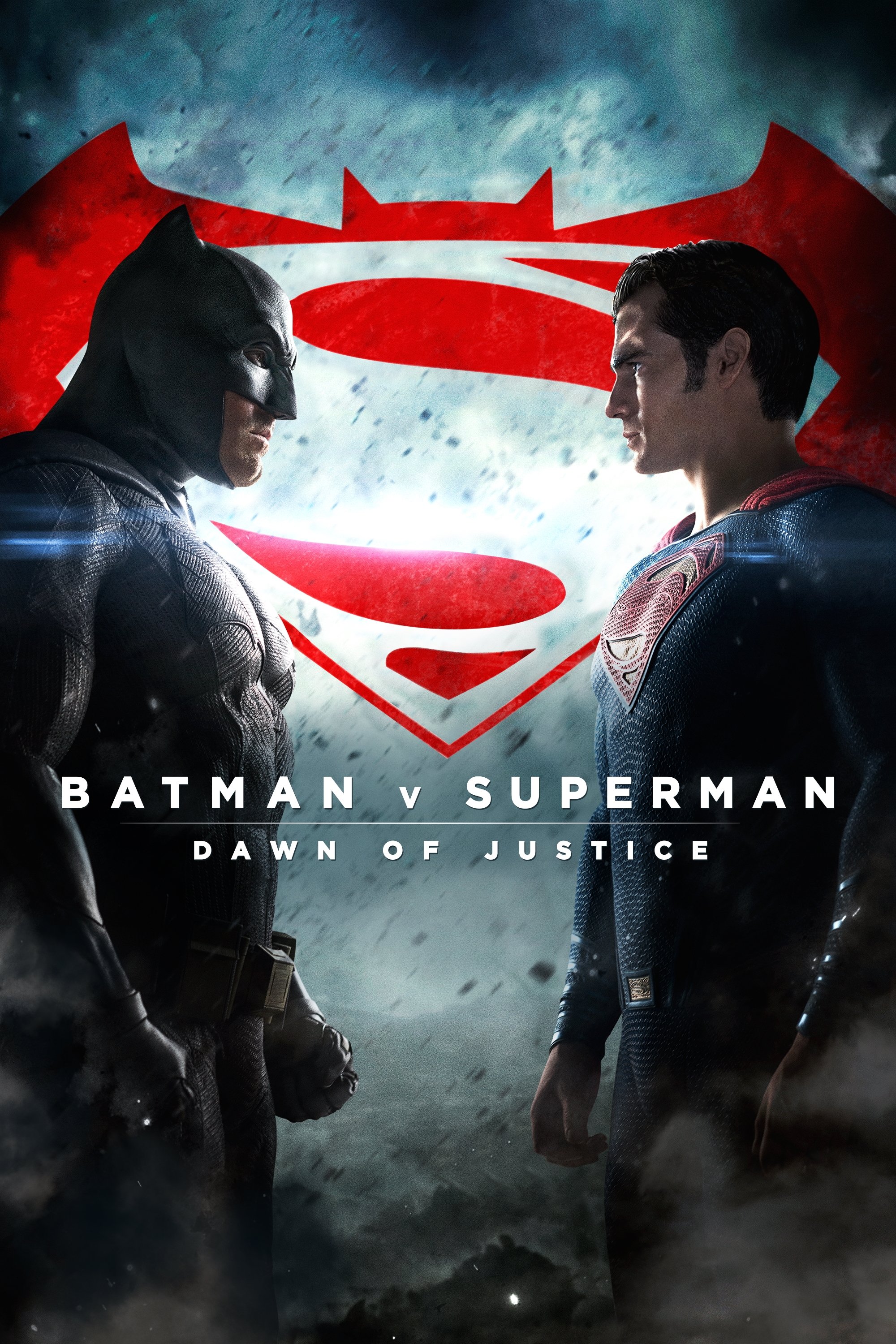
The Ultimate Edition includes an extra thirty minutes of footage with mature content, which helps explain Lex Luthor’s scheme to make Superman look like the bad guy. It also restores important scenes involving Lois Lane’s reporting in Africa, making the story easier to follow. We see more of Superman investigating Batman as a journalist, and overall, this version fixes many of the confusing parts that critics pointed out in the original release.
‘The Abyss’ (1989)
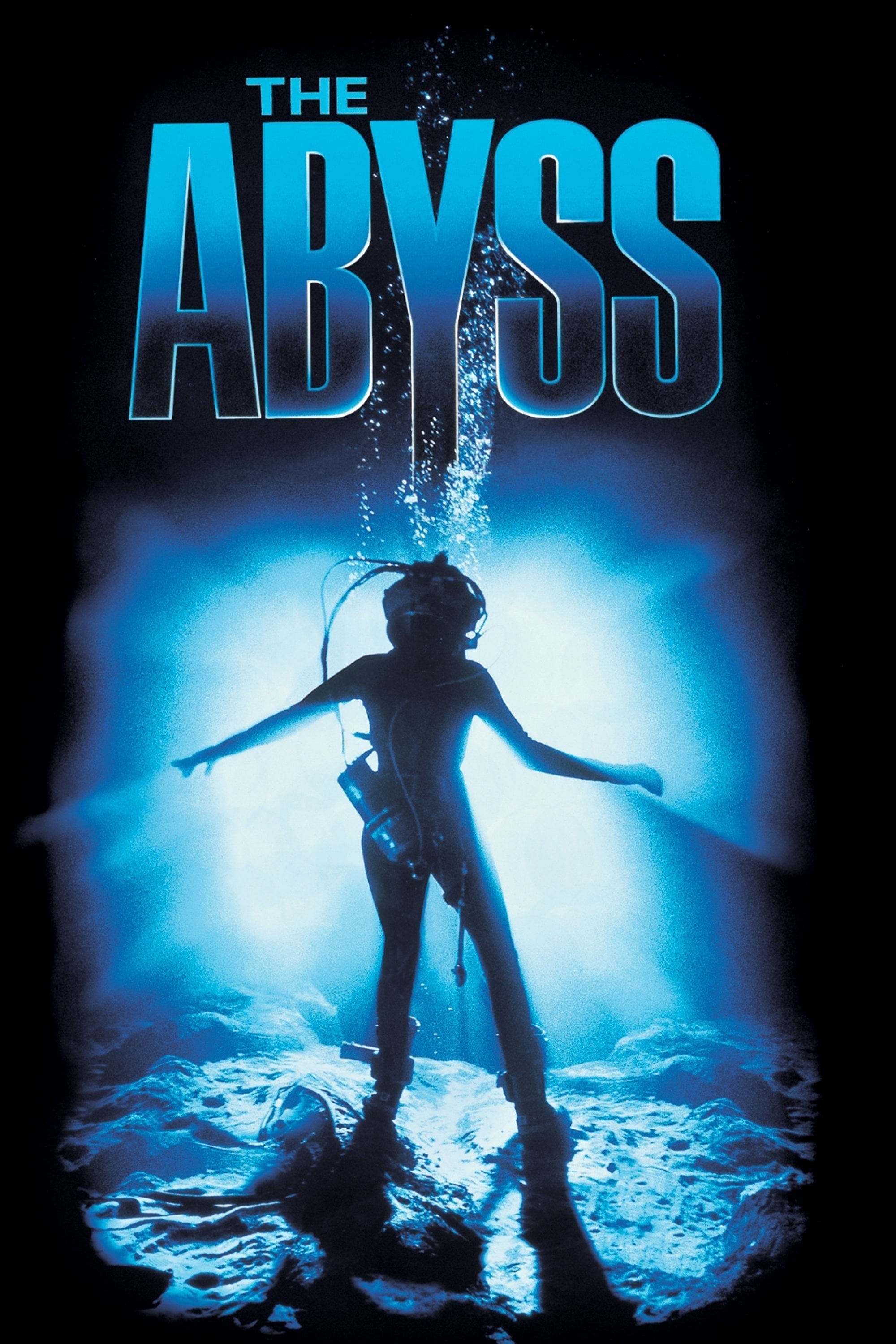
James Cameron added about thirty minutes of footage to the film, significantly altering the ending and overall message. These new scenes show that the underwater beings can control the oceans and pose a massive tsunami threat to people. This explains why the aliens decided to save humanity after witnessing an act of selflessness. With these additions, the movie shifts from a tense, enclosed thriller to a story advocating for worldwide peace.
‘Aliens’ (1986)
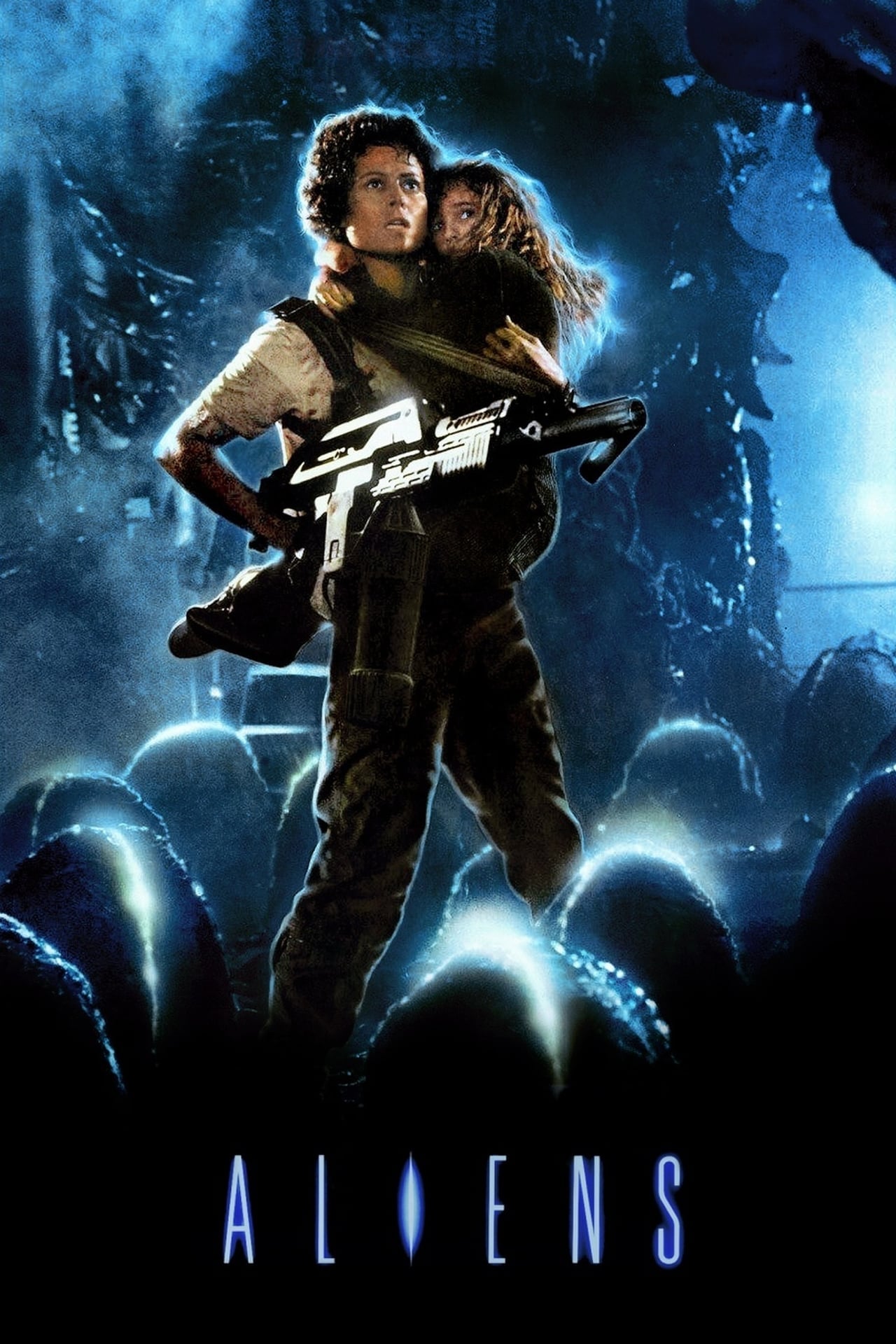
This special edition of the film features scenes showing the space colony on LV-426 before the alien attacks. Director James Cameron also included a new story element: Ripley had a daughter who died while she was in suspended animation. This backstory explains why Ripley feels so strongly about protecting Newt, the young girl she encounters. These additions make the story more impactful and give the characters believable reasons for their actions.
‘Terminator 2: Judgment Day’ (1991)
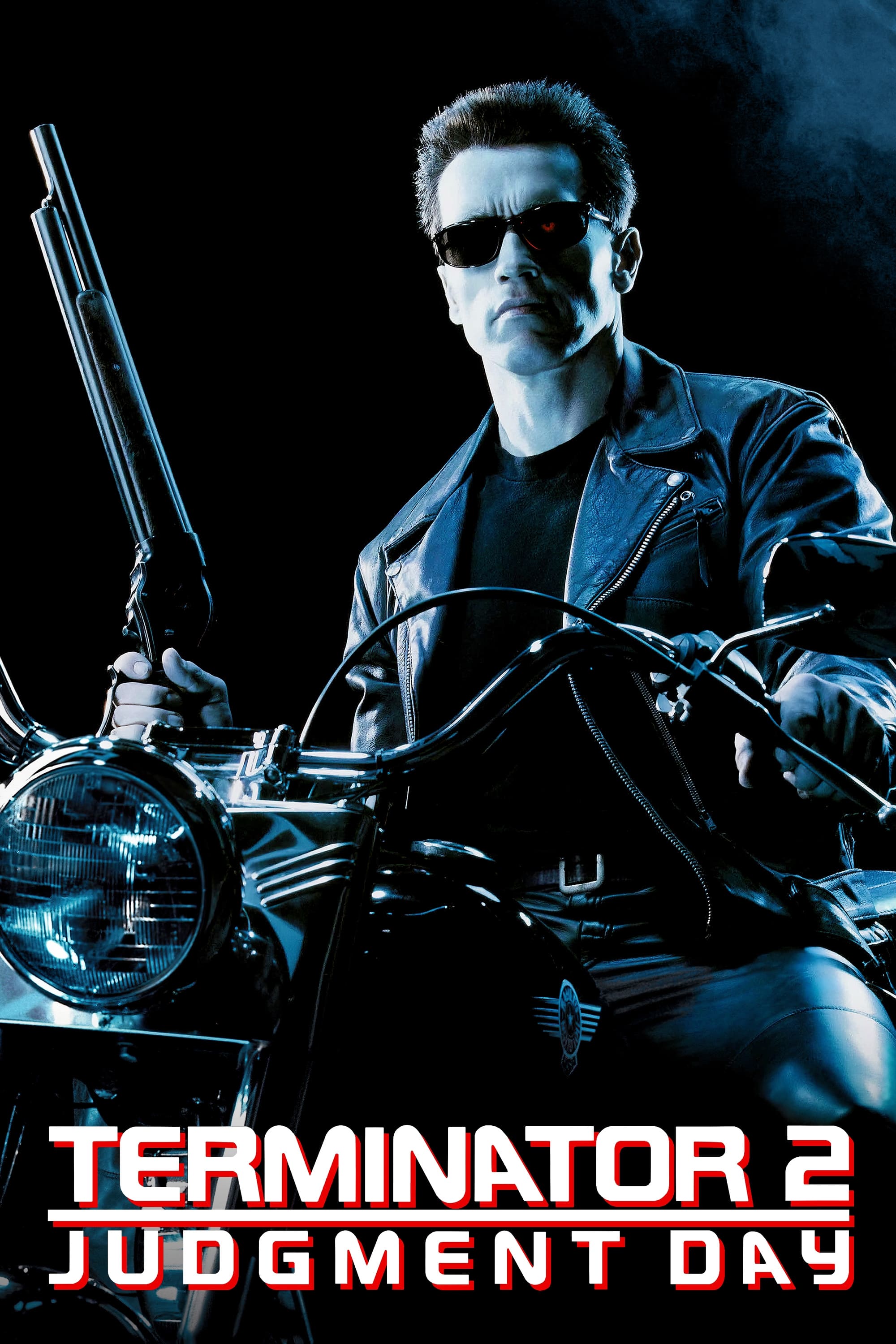
The Special Edition includes added scenes showing the Terminator attempting to learn how to smile, and Sarah and John Connor working to enable his learning capabilities by resetting his processor. We also see Kyle Reese appearing to Sarah in a dream, giving her a warning about what’s to come. These additions highlight the growing bond between the Terminator and John. The extended version also provides more in-depth information about Skynet and the future war it causes.
‘Avatar’ (2009)

The Extended Collector’s Cut begins by showing Jake Sully’s life on Earth, which is depicted as a troubled future. It also offers a deeper look into Na’vi culture and includes a hunting scene that didn’t make the original cut. The film now fully shows the death of Tsu’tey, giving his story a clear ending. These added scenes create a more detailed and immersive world, highlighting the stark contrast between a fading Earth and the lively planet Pandora.
‘Alexander’ (2004)
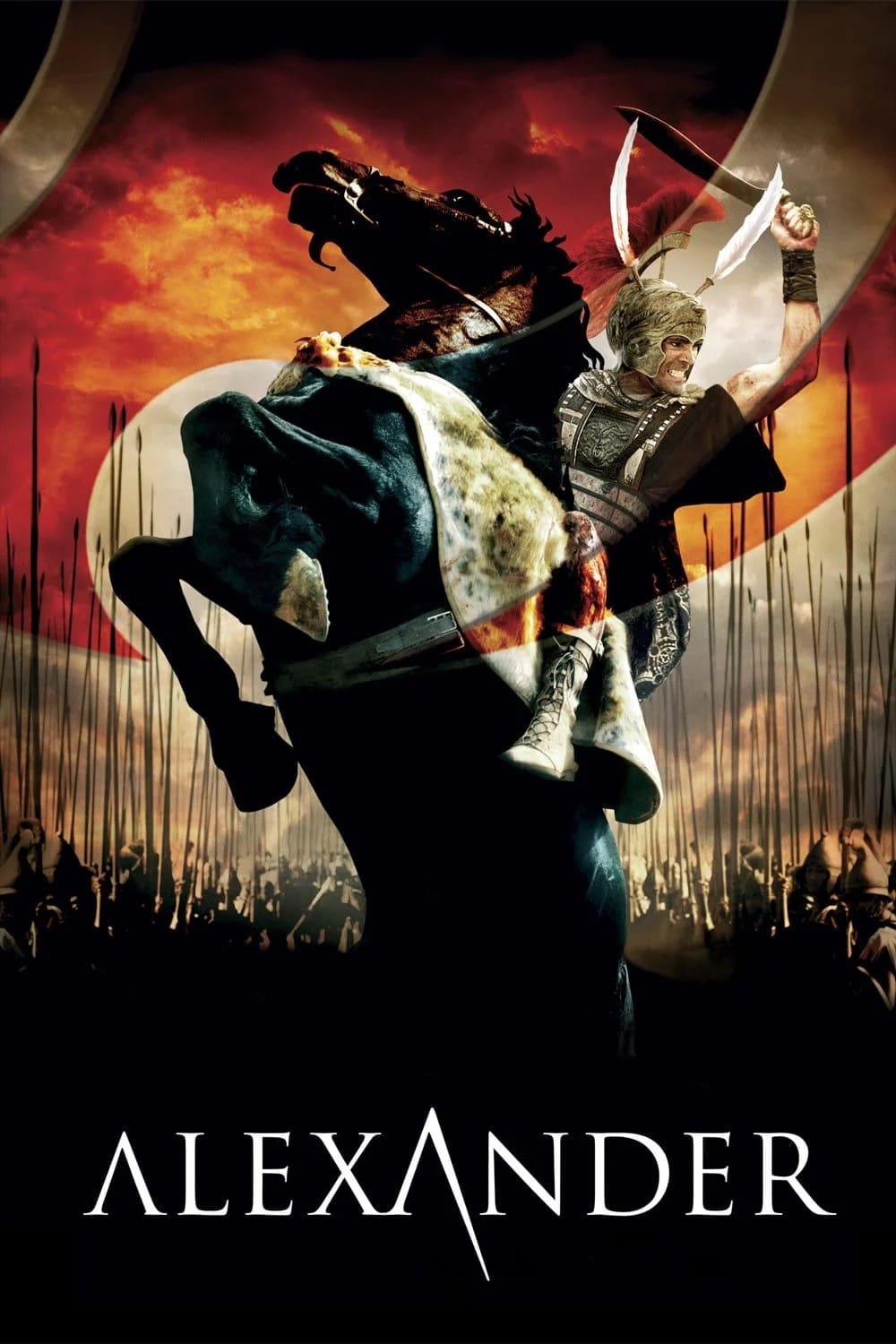
As a huge fan of this movie, I was really excited to hear about the different cuts Oliver Stone released. But the ‘Revisited’ and ‘Ultimate’ cuts are something special! They add a ton of footage that completely changes how the story unfolds. You get so much more insight into Alexander’s early life and his incredibly complicated relationship with his mom, Olympias. Plus, the battle scenes are even more intense, and they really let the political maneuvering play out. Honestly, it takes what felt like a somewhat choppy theatrical version and turns it into a much more complete and flowing historical story.
‘Troy’ (2004)
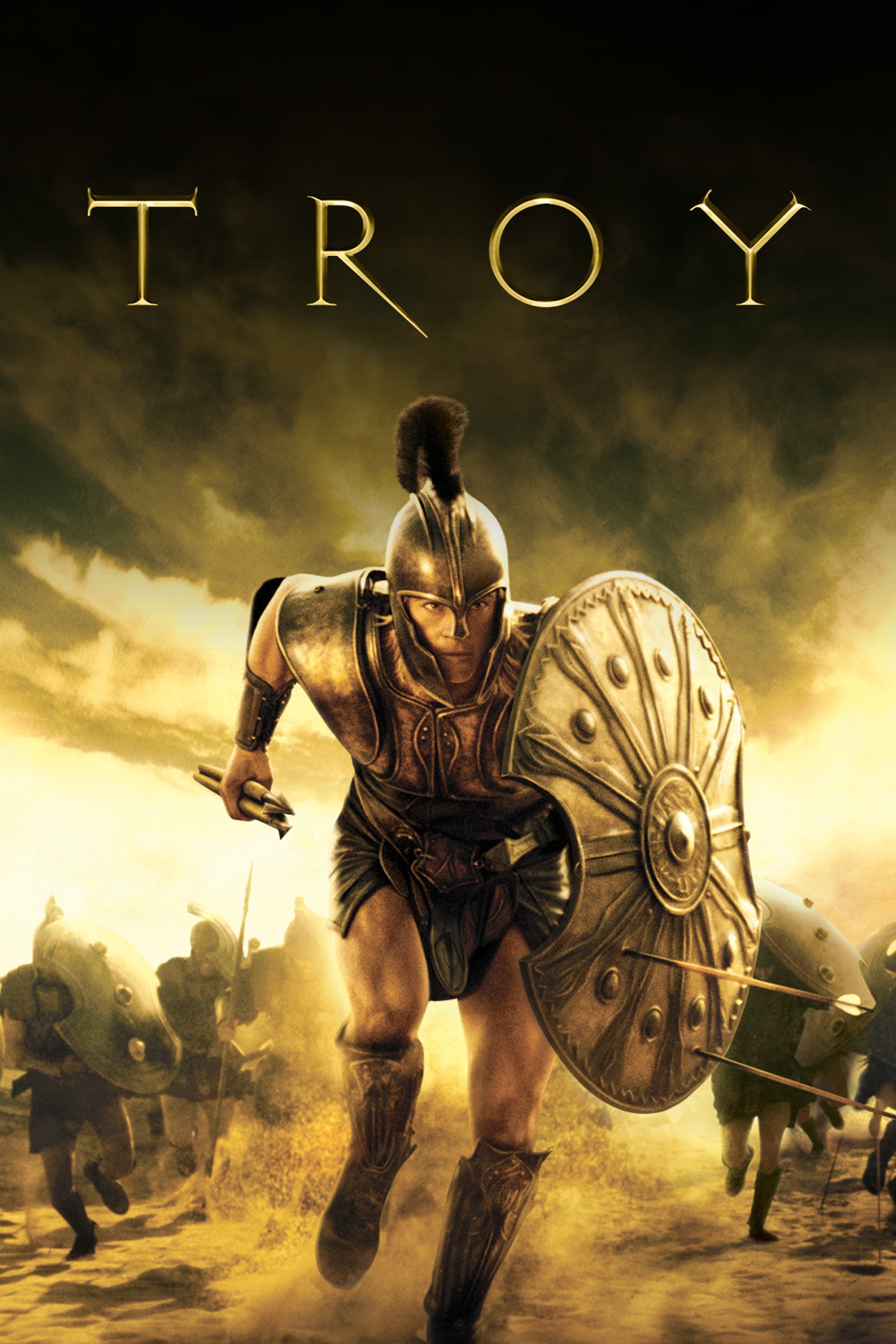
This Director’s Cut includes thirty extra minutes of film, intensifying the violence and gore to more realistically portray the horrors of war. The soundtrack has been updated in parts to create a mood that’s both darker and more evocative of the ancient world. We also see more development in the relationships between characters, revealing the political instability within Troy. Overall, this version feels less like a typical action movie and more like a grand historical drama.
‘Waterworld’ (1995)
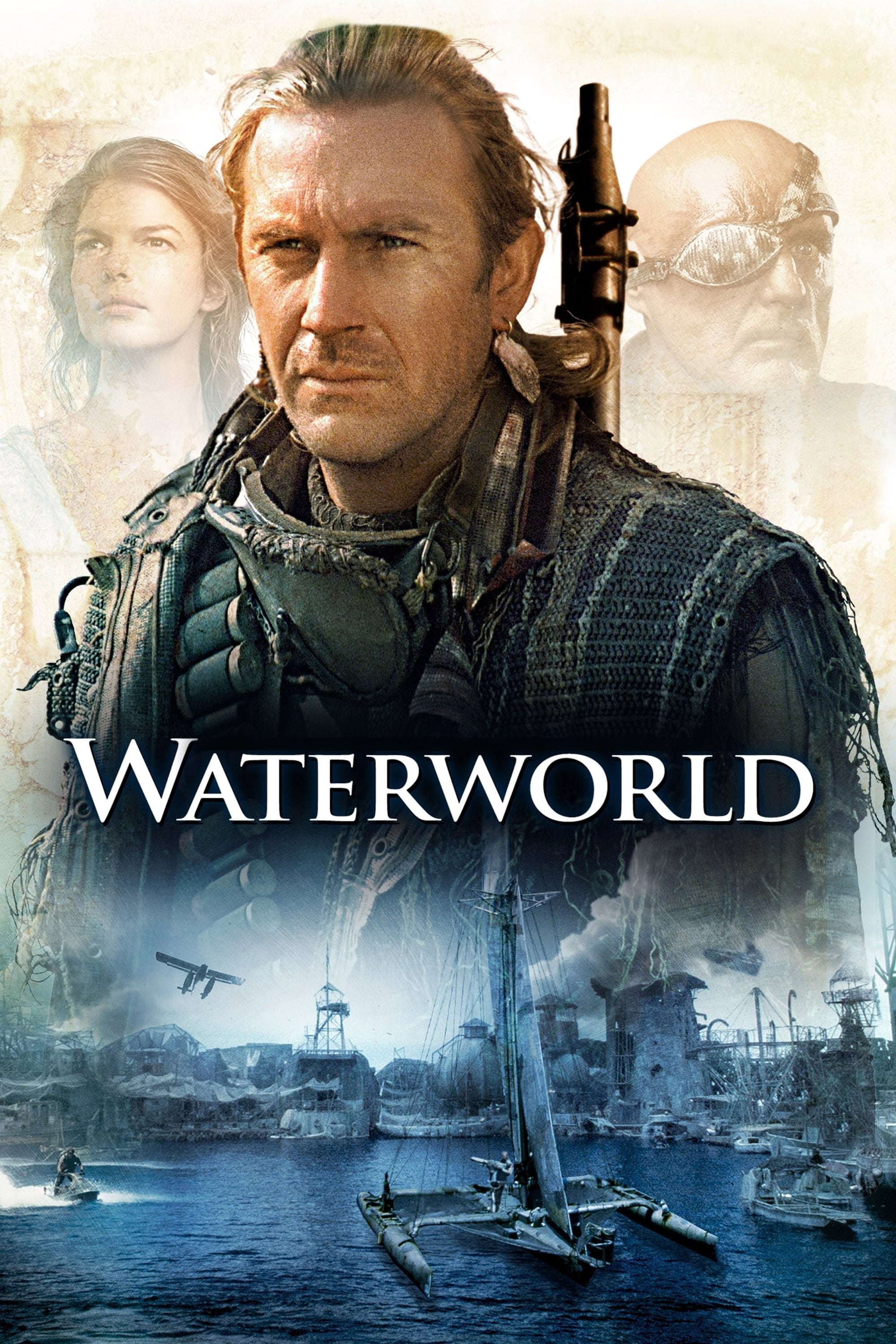
The Ulysses Cut adds over forty minutes of footage, filling in the backstory of the flooded world and revealing how the Mariner came to have his boat and what he’s searching for. It also expands the ending to confirm that the characters actually reach the top of Mount Everest. These additions transform what was once considered a failed film into a richer, more immersive post-apocalyptic story.
‘Das Boot’ (1981)
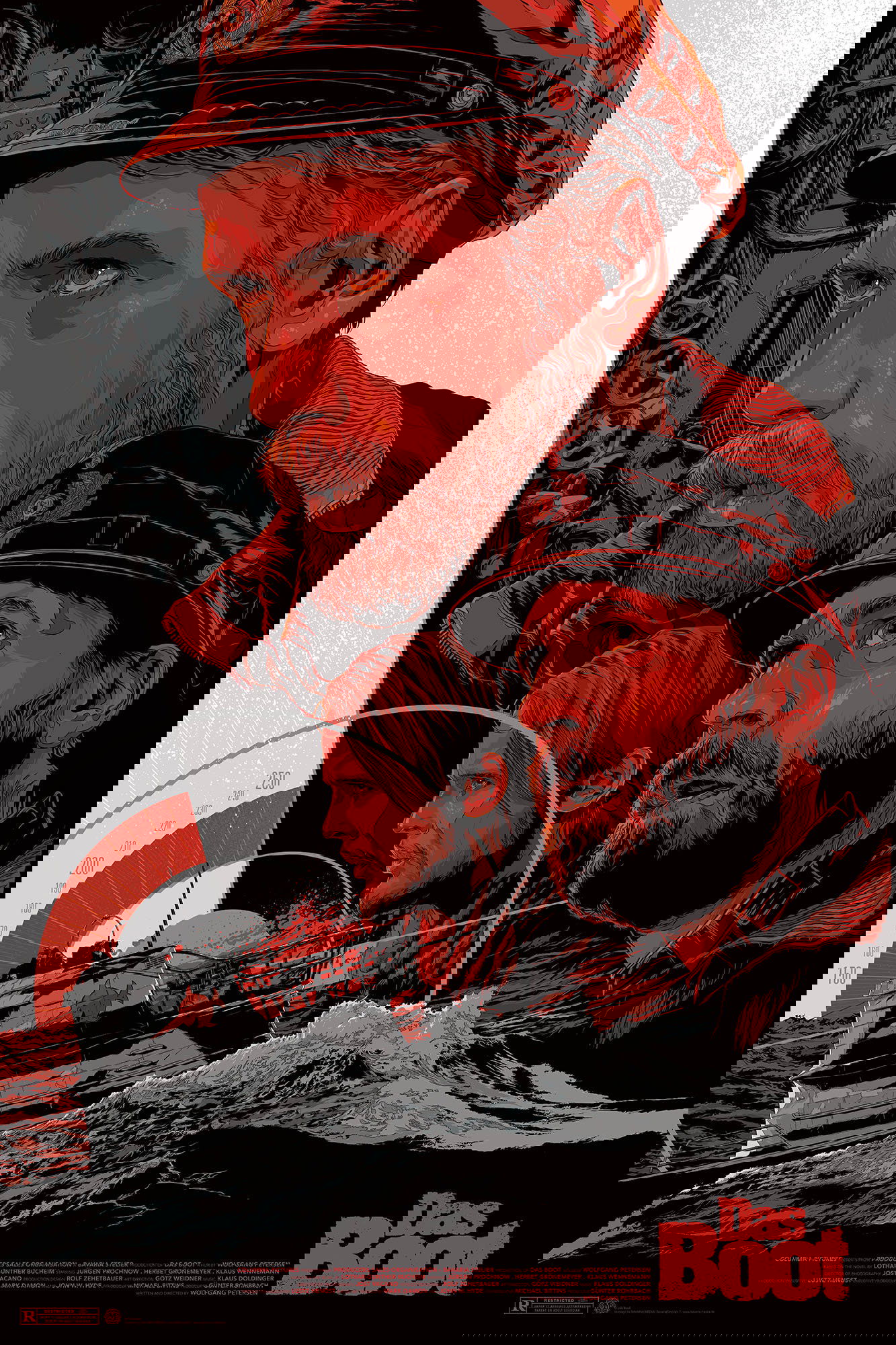
The Director’s Cut and miniseries include several hours of footage showing the monotonous daily life on a U-boat. We see the crew simply waiting for instructions or struggling with equipment malfunctions for extended periods. This deliberate pacing actually increases the suspense when action does happen, highlighting the contrast between boredom and intense combat. The longer versions also powerfully demonstrate the mental strain of fighting underwater.
‘Once Upon a Time in America’ (1984)
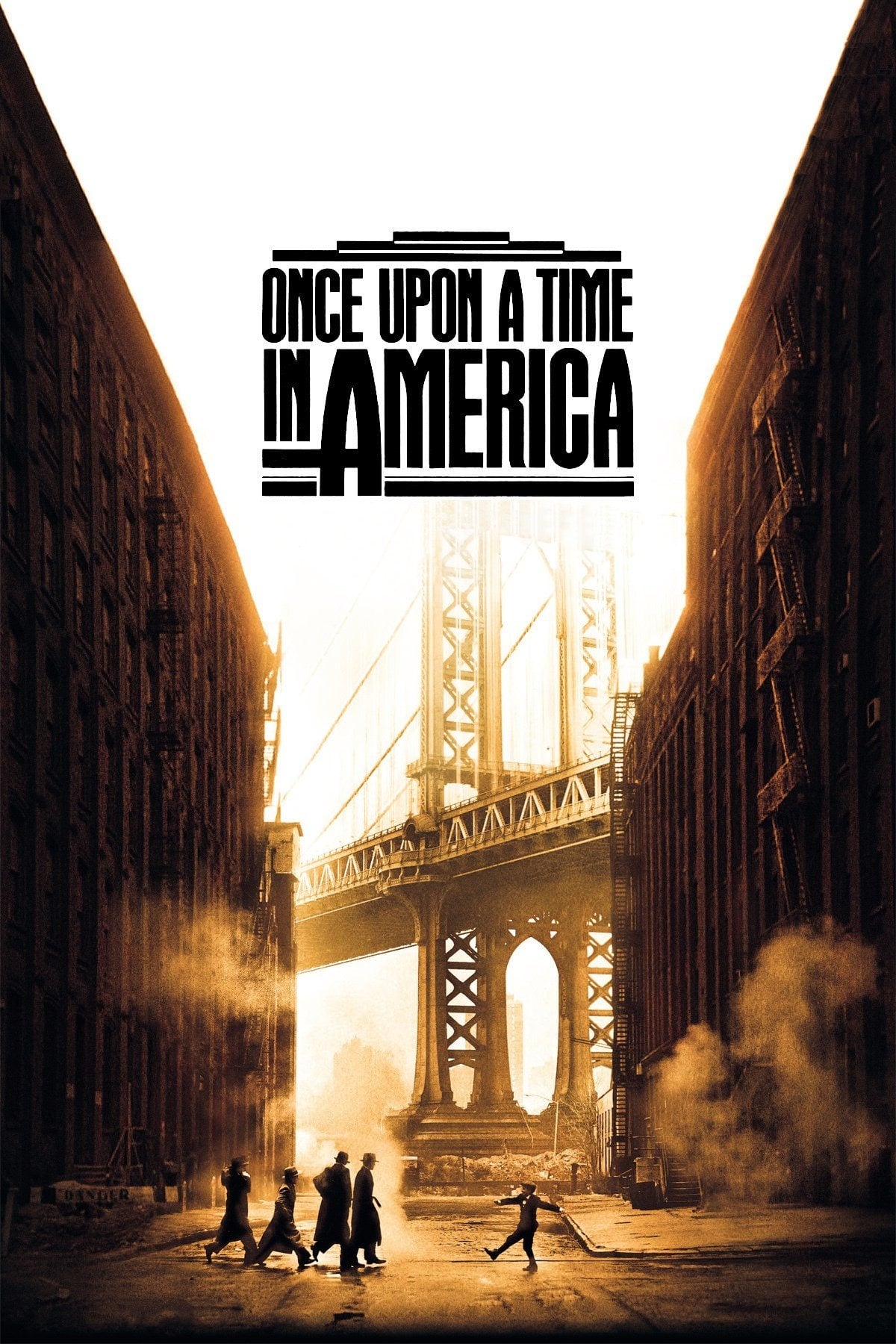
Sergio Leone’s complete vision of the film, running almost four hours long, presents the story in its originally intended, non-linear order – a structure that was lost when it was first released in the United States. The movie is a sweeping, dramatic portrayal of the decades-long friendship and eventual betrayal between Jewish gangsters in New York City. Viewers get to see the full development of characters like Noodles and Max, which makes their eventual tragic ends all the more impactful. Many film experts consider this restored version to be a masterpiece of the crime genre.
‘Heaven’s Gate’ (1980)
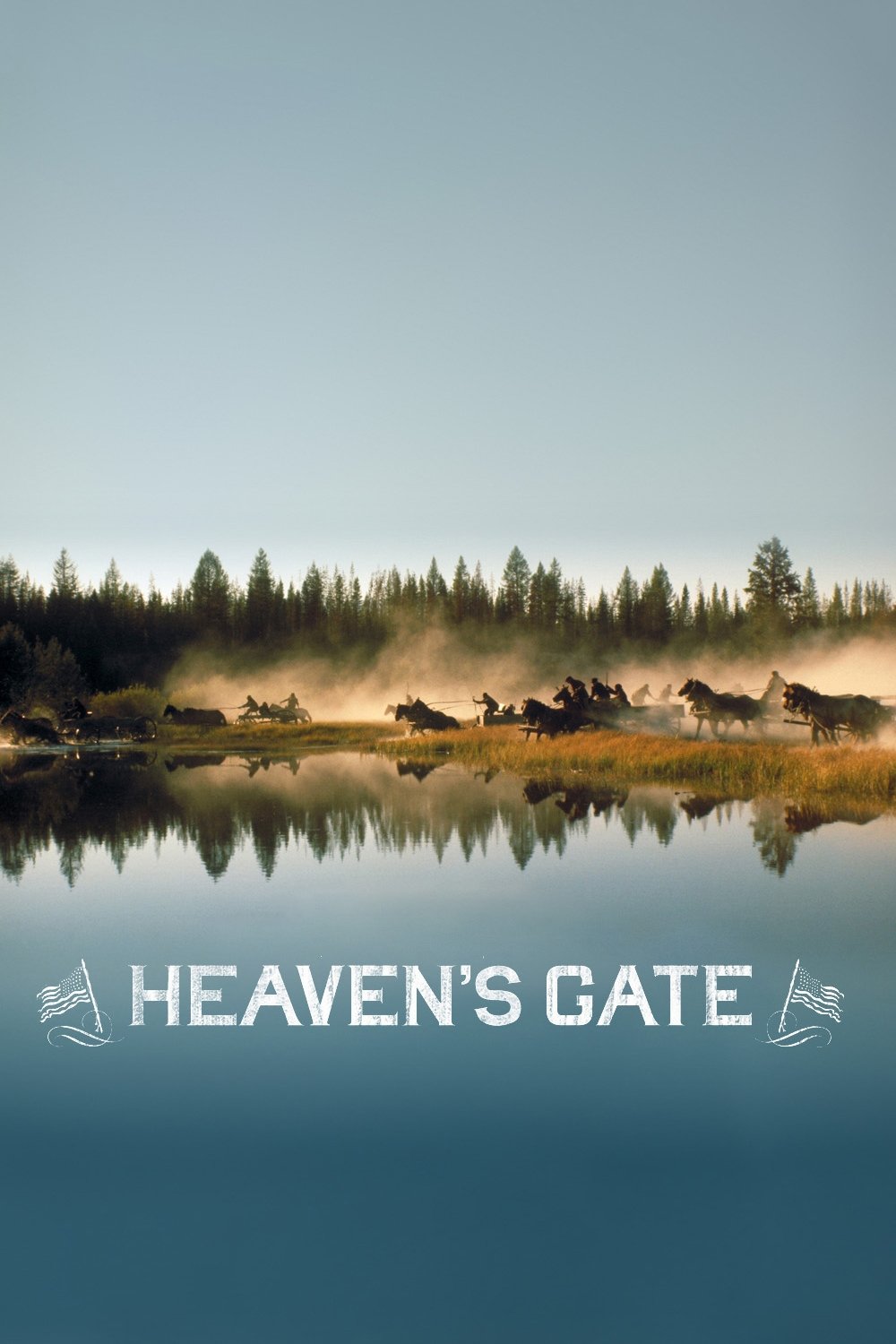
The original version of Michael Cimino’s film, exceeding three and a half hours, showcases stunning visuals and a carefully considered pace. It offers a detailed and accurate depiction of the Johnson County War, far more so than the shorter release seen in theaters. The longer cut clarifies character actions that previously seemed confusing, and has led critics to reconsider the film as a brilliant, yet overlooked, work of art.
‘1941’ (1979)
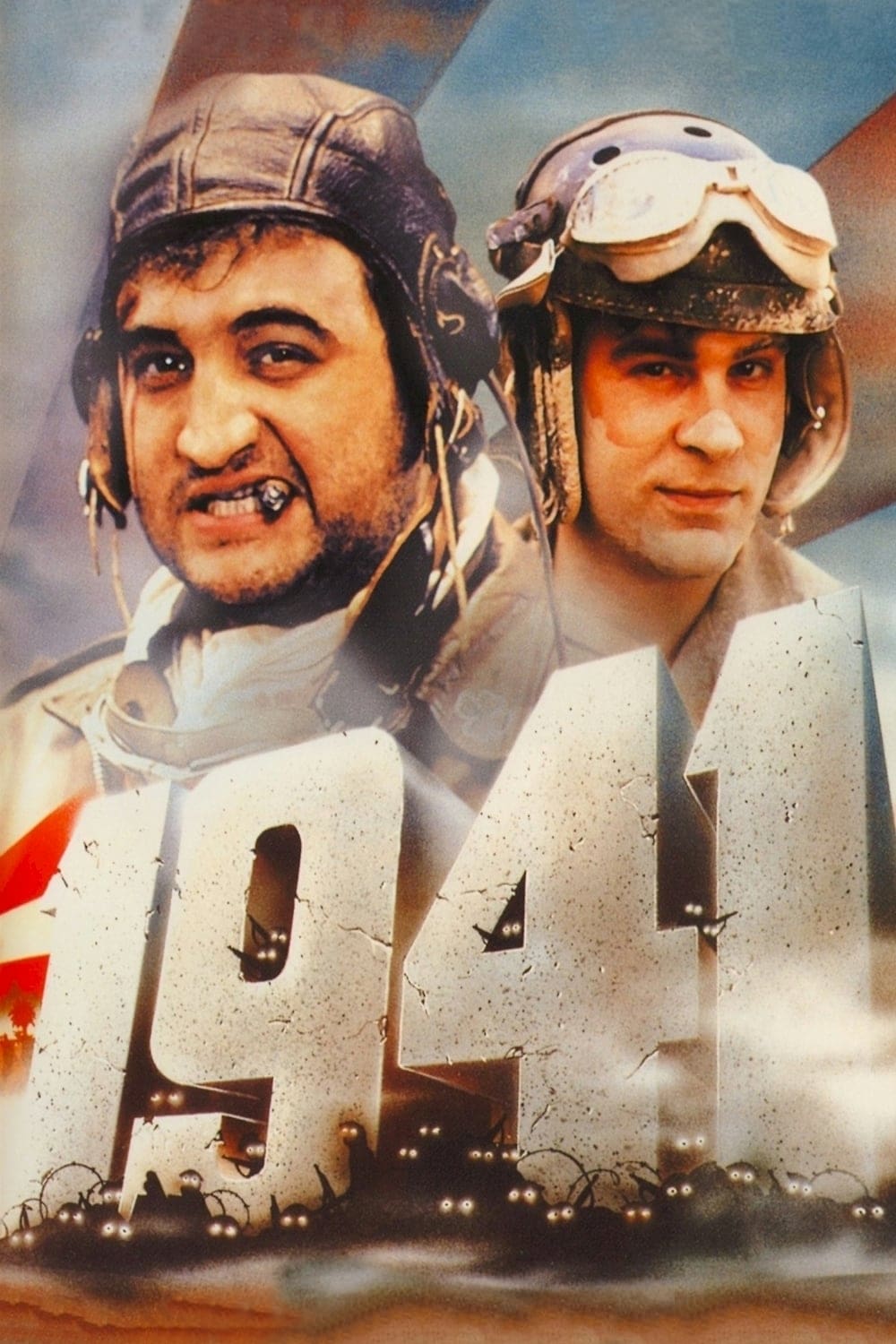
Steven Spielberg lengthened this World War II comedy by almost thirty minutes to make the story flow more smoothly. The extra footage helps the film’s many storylines connect in a more natural way, and gives the comedic scenes with John Belushi and Dan Aykroyd more room to breathe. Ultimately, the longer cut handles the film’s fast pace and energy much better than the original version shown in theaters.
‘The Big Red One’ (1980)
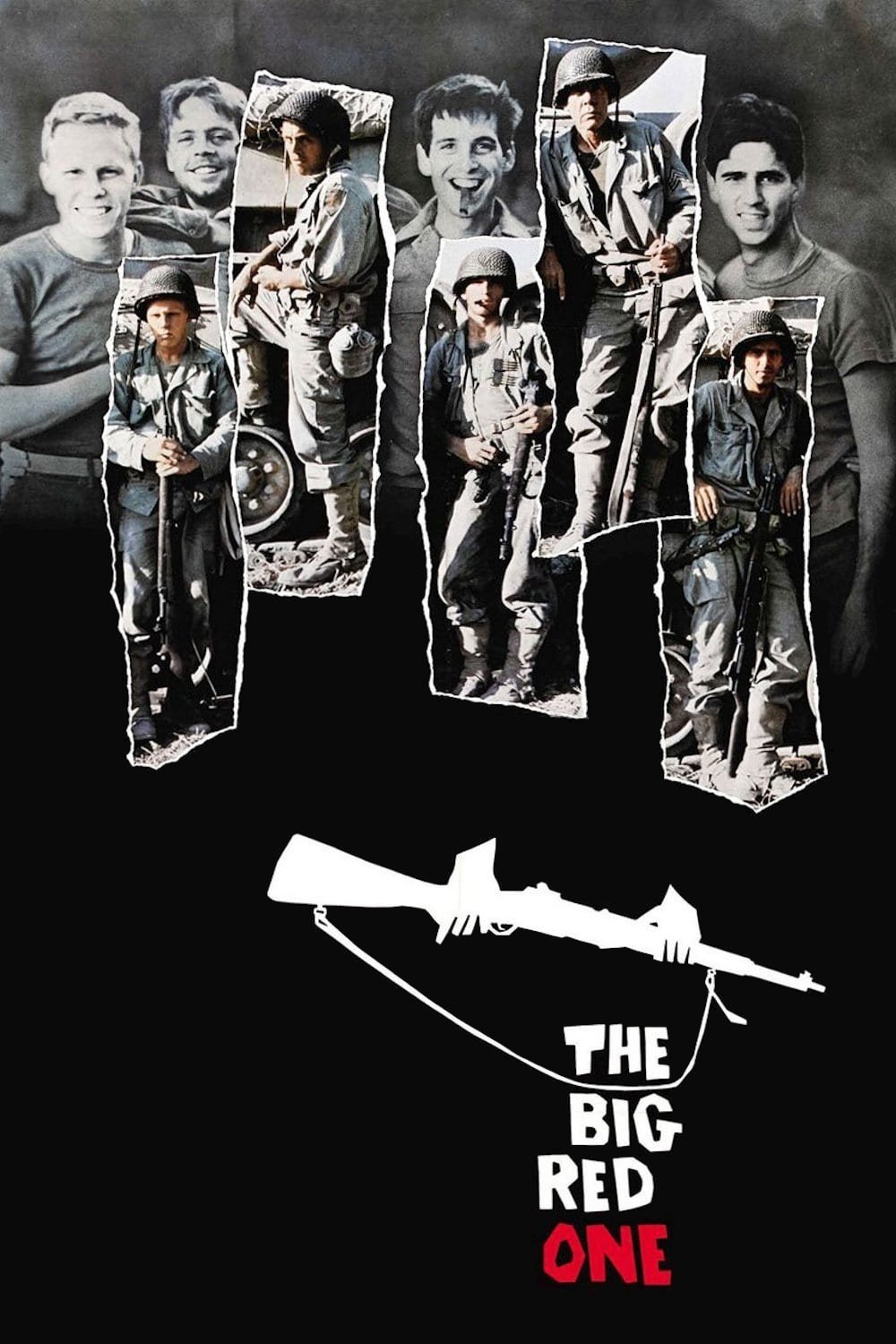
This updated version of the film includes 45 minutes of footage originally cut by director Samuel Fuller. These added scenes create a more intense and realistic depiction of what it was like for soldiers fighting in North Africa and Europe. The filmmakers removed the voiceover to allow the powerful images to speak for themselves, telling a gripping story of survival. Many consider this cut to be the most complete and accurate representation of Fuller’s personal war story.
‘Touch of Evil’ (1958)
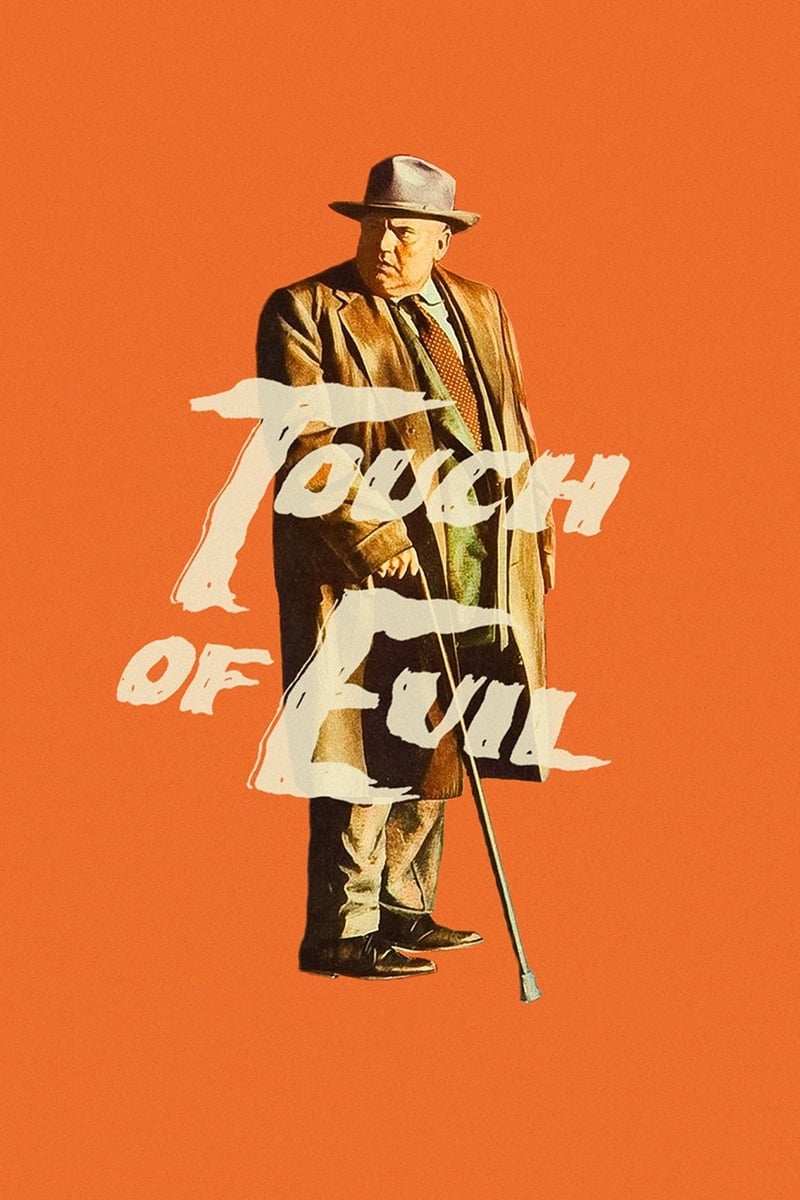
This new version of the film was carefully re-edited using a detailed, 58-page document from Orson Welles himself. It removes unnecessary credits at the beginning and puts the story back together in the way Welles originally intended. The sound has also been improved to match his vision, resulting in a cut that stays true to the artistic spirit of this classic film noir.
‘Amadeus’ (1984)
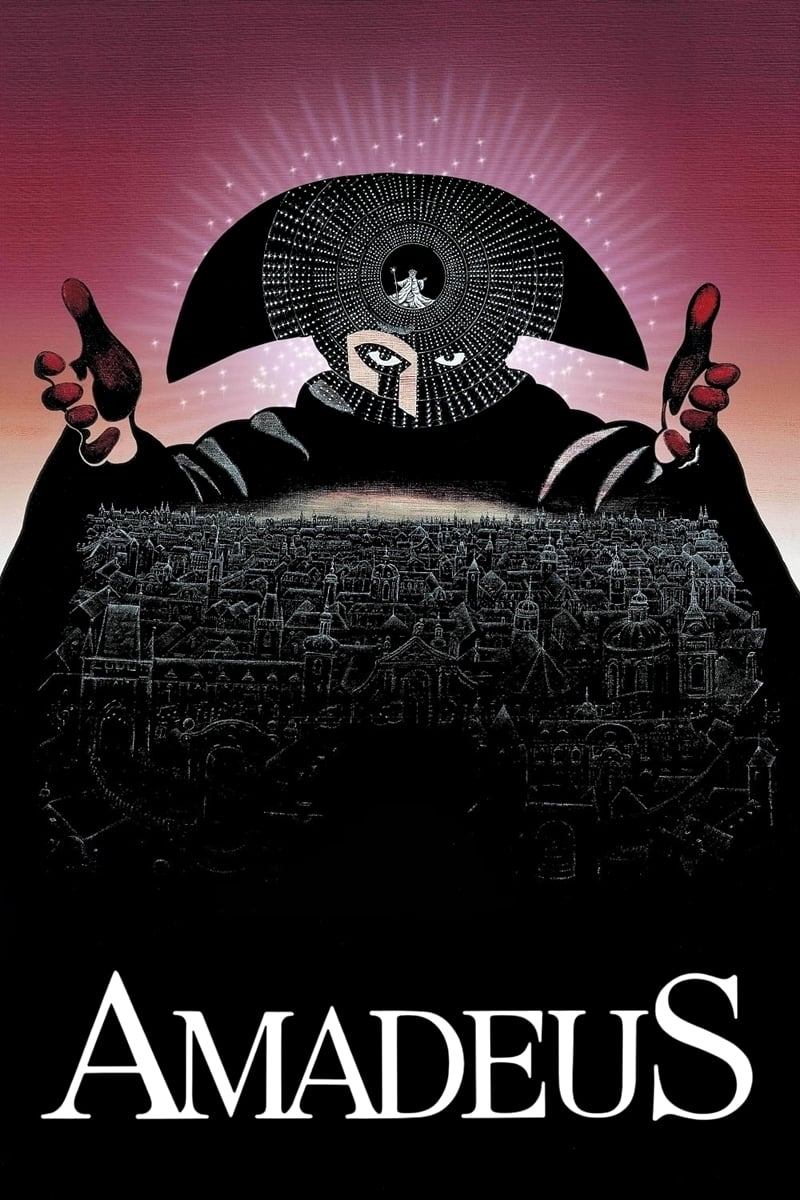
This Director’s Cut includes twenty extra minutes of film that explores the conflict between Salieri and Mozart in greater detail. It restores a storyline where Mrs. Mozart attempts to find work for her husband, which clarifies why Salieri makes such harsh requests. These changes highlight Mozart’s suffering, making Salieri’s feelings of guilt even stronger. Ultimately, the added footage underscores the tragic loss of Mozart’s talent.
‘Léon: The Professional’ (1994)
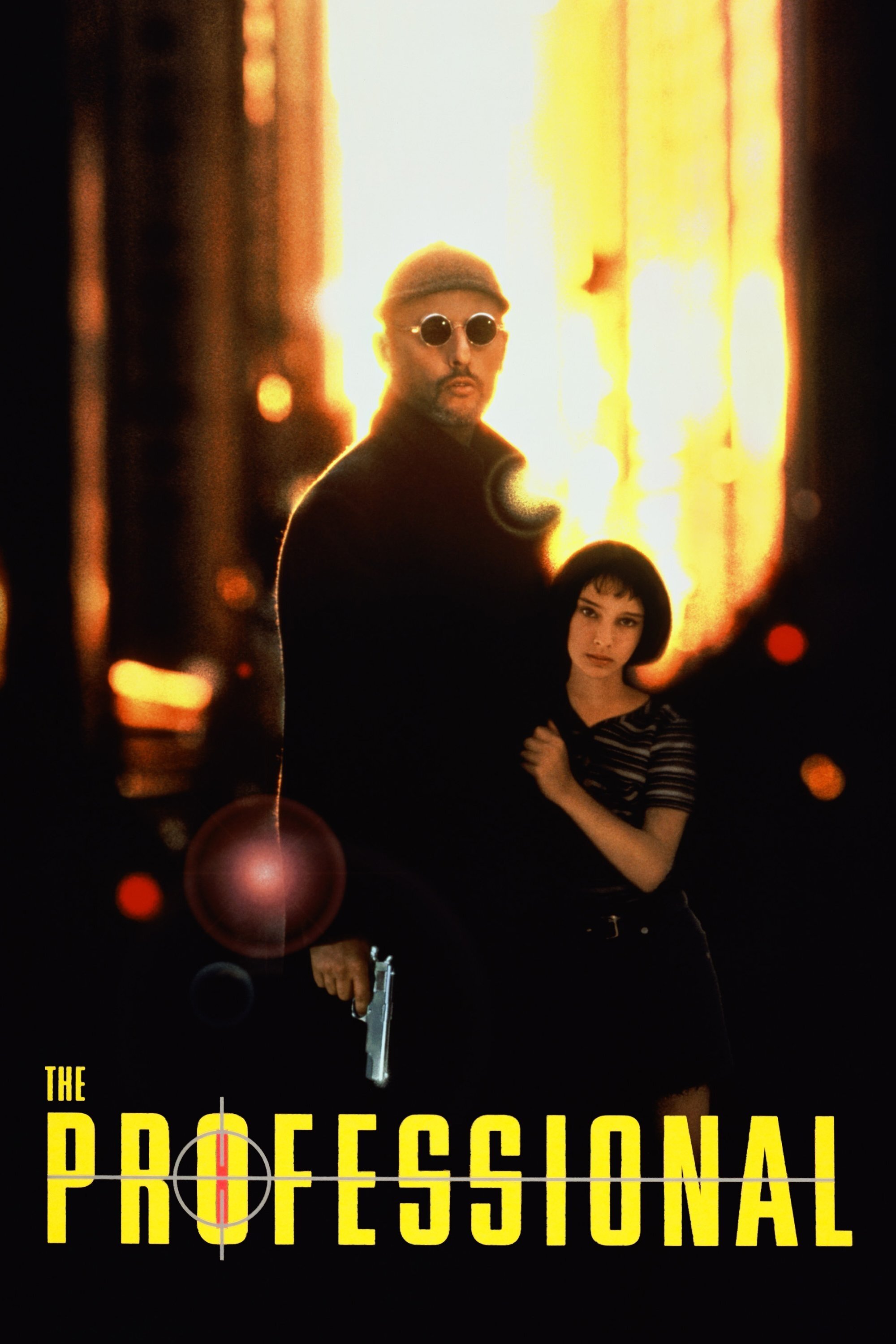
The International Version includes an extra twenty-five minutes of footage that shows Mathilda learning how to be an assassin. We see her working alongside Léon, getting a detailed and sometimes unsettling education in the world of contract killing. This longer cut makes their relationship more nuanced and raises tougher questions, while also giving us a better understanding of how strongly Mathilda wants to avenge her family.
‘Doctor Sleep’ (2019)
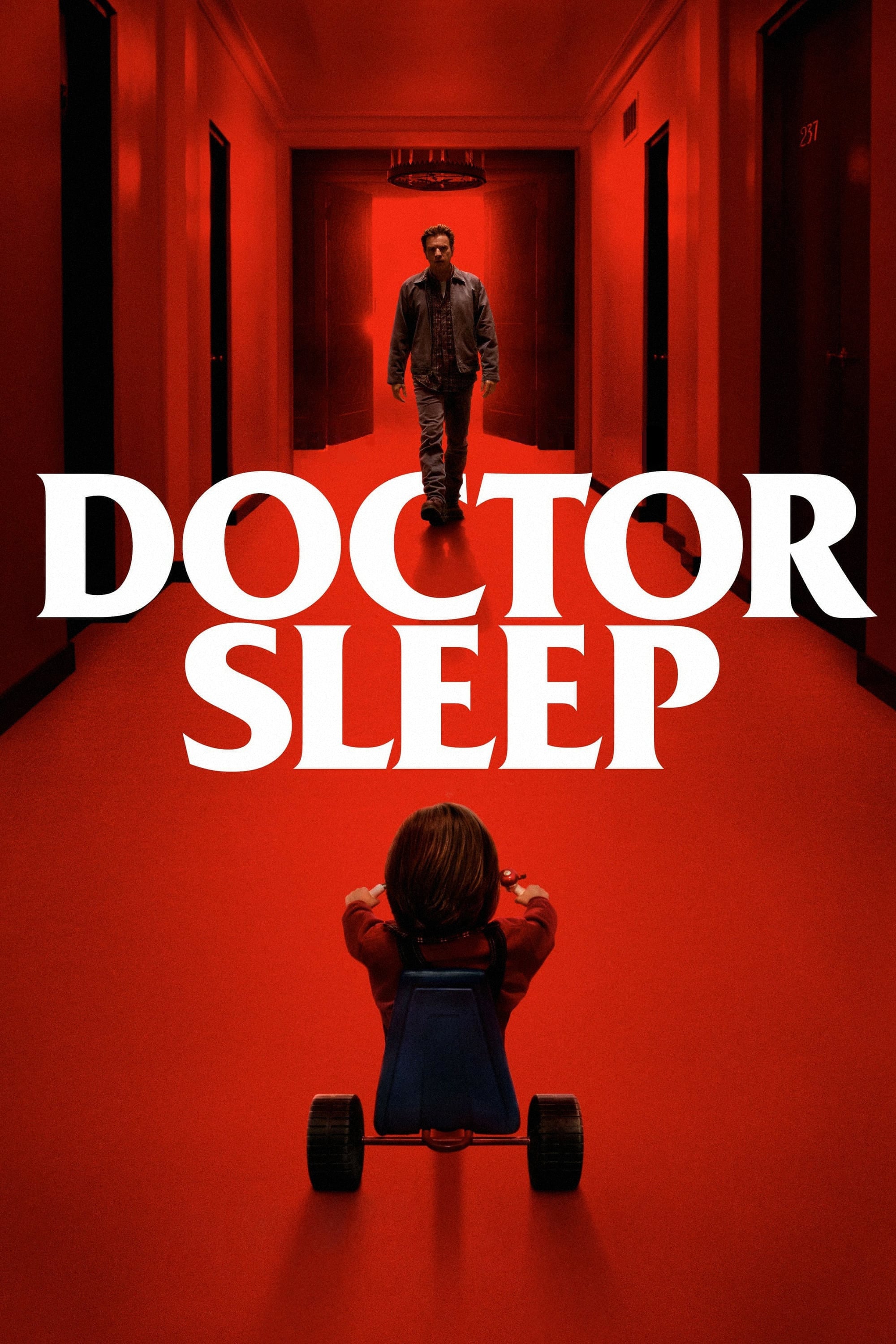
Mike Flanagan’s Director’s Cut adds half an hour of footage, organizing the movie into chapters similar to a novel. This extra time lets us see more conversations between Dan Torrance and Abra Stone, strengthening their psychic bond. The scenes with the True Knot are also longer, making the cult seem more dangerous and desperate. Overall, this cut is a more faithful adaptation of Stephen King’s book, while still acknowledging Stanley Kubrick’s original film.
‘The Hateful Eight’ (2015)
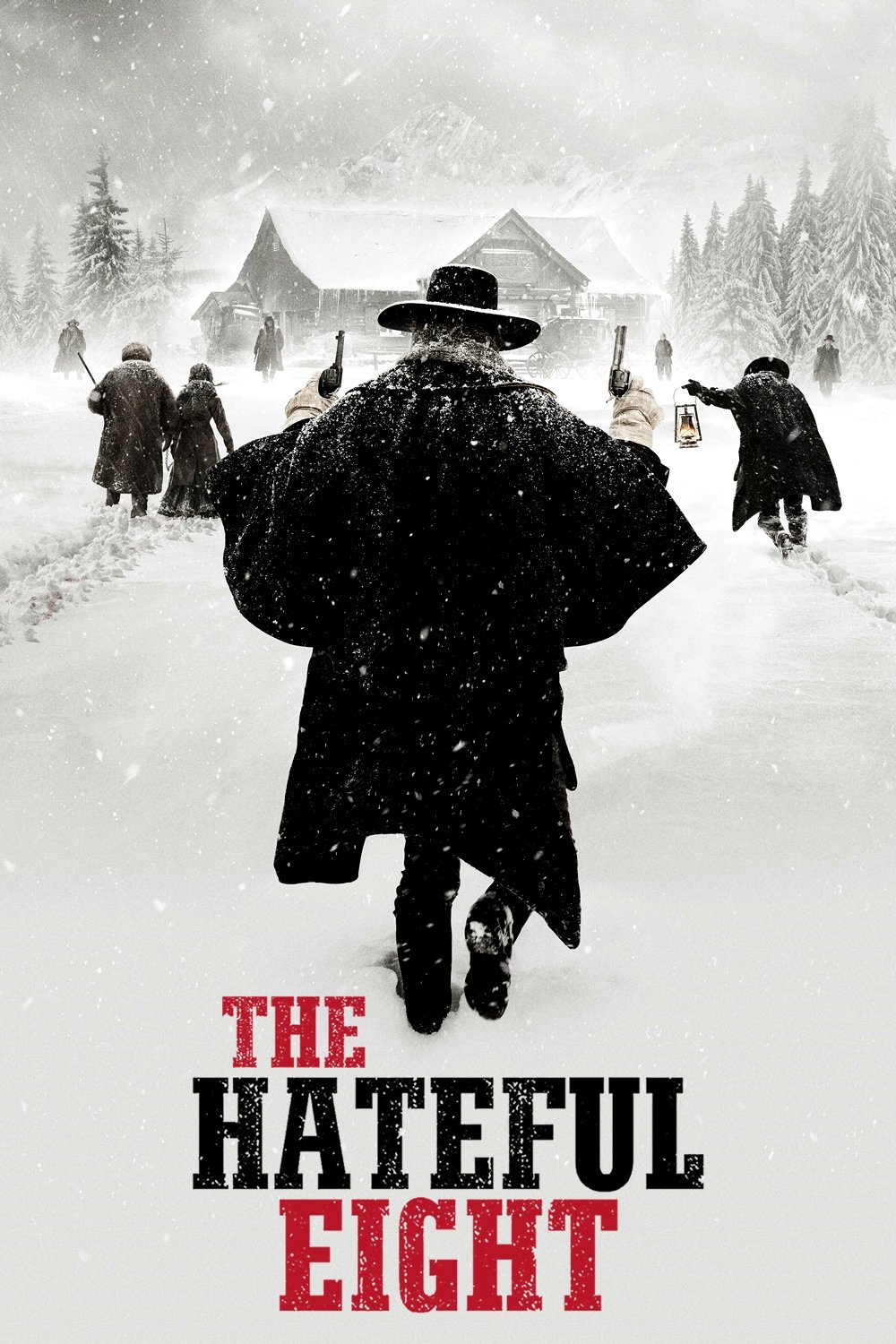
Quentin Tarantino has released a longer version of the film on streaming services, broken up into four episodes. This version includes about forty extra minutes of footage – alternate takes and new scenes – which build on the already intense, talk-focused atmosphere. The mystery unfolds even more gradually, giving viewers more time to see the characters trick each other. It’s a different way to watch the film, and the four-part format fits the story well.
‘Superman II’ (1980)
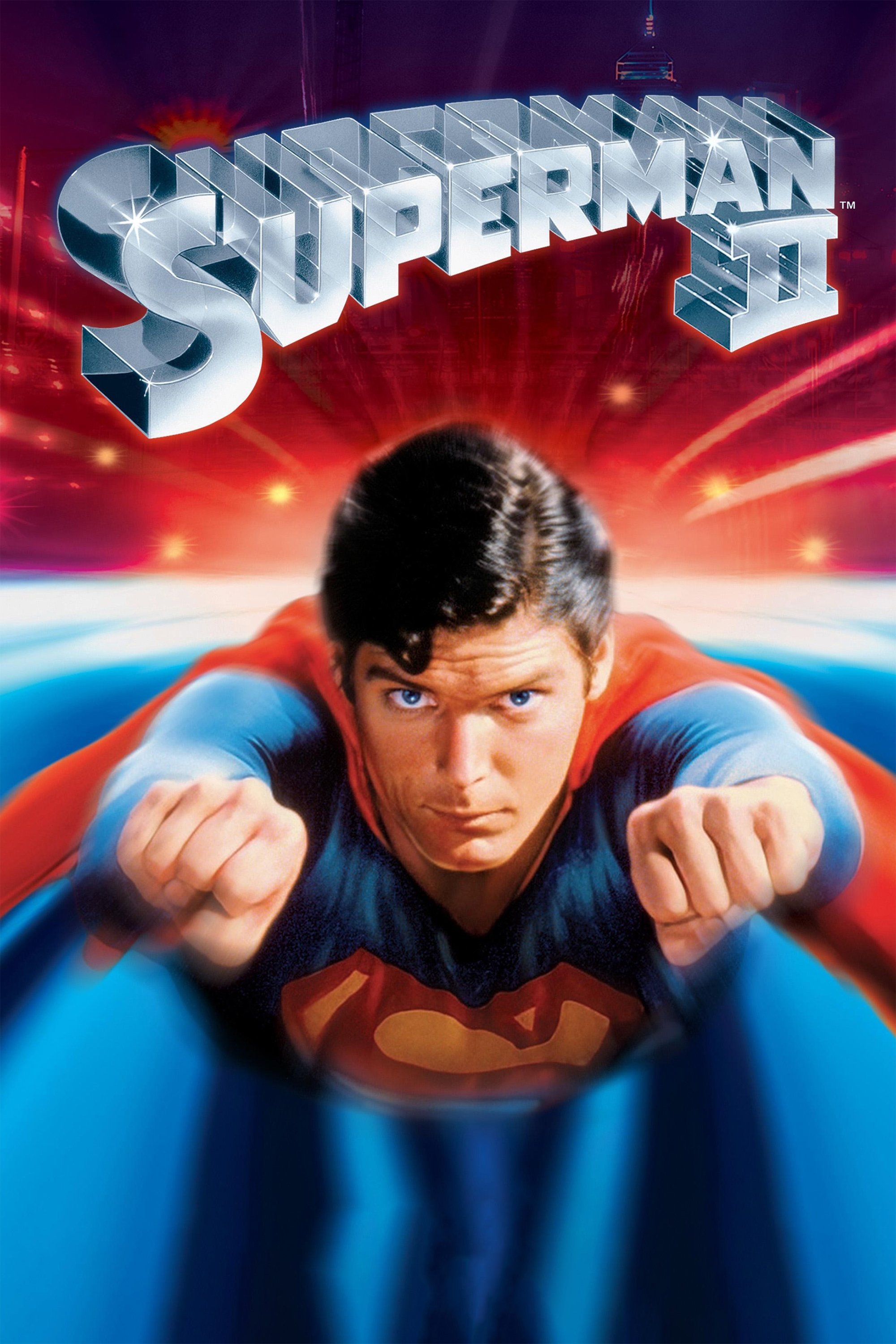
The Richard Donner Cut of Superman aims to show the film as director Richard Donner originally intended, before he was replaced. It brings back scenes with Marlon Brando as Jor-El that were cut, and removes the comedic elements added later by Richard Lester. The story also has a different ending: Lois Lane figures out Clark Kent is Superman through a planned trick, not by chance. Overall, this version feels more consistent in tone with the first Superman movie.
‘Daredevil’ (2003)
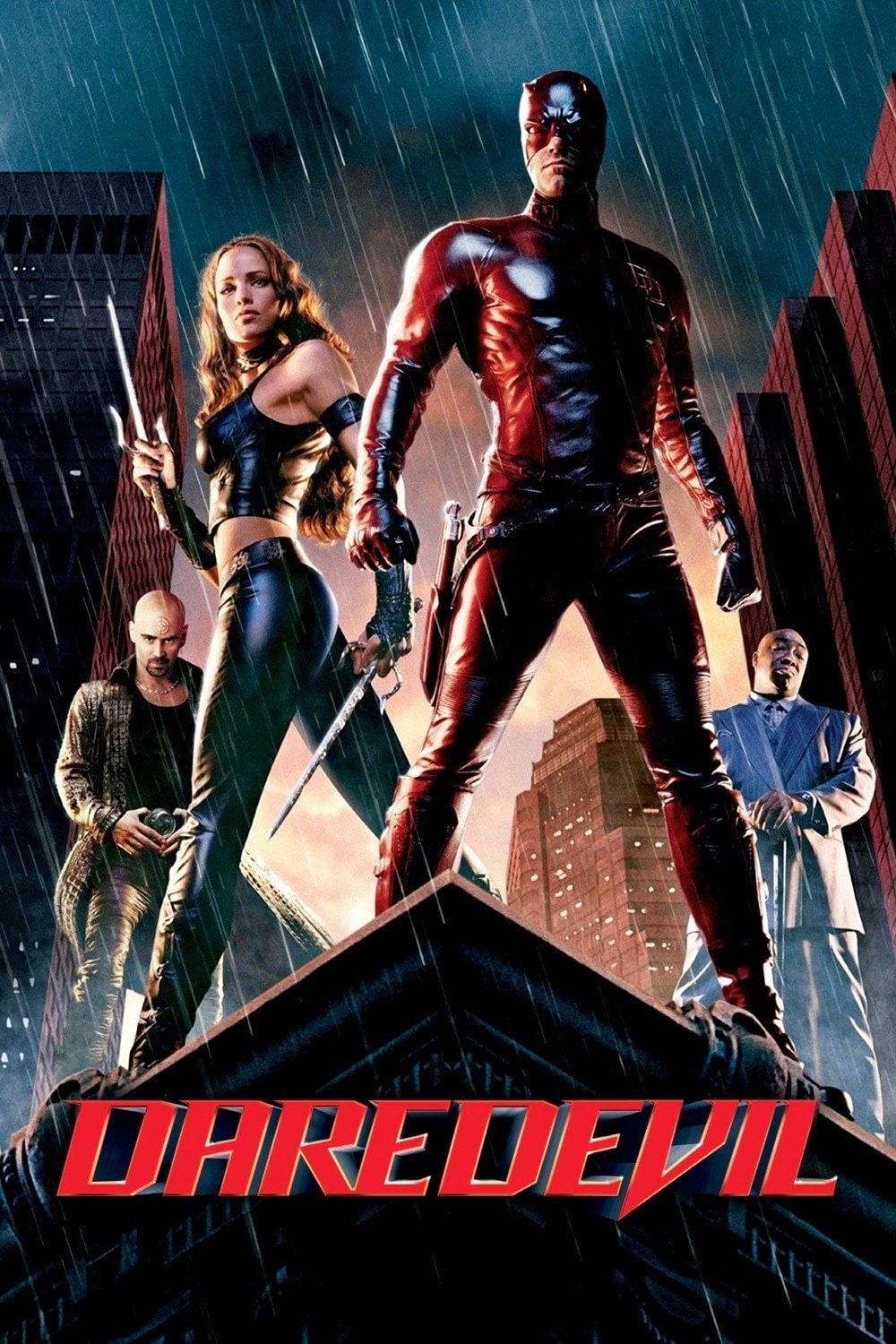
The Director’s Cut includes an extra thirty minutes of mature content, featuring a new storyline about a murder investigation. We see Matt Murdock using both his abilities as a lawyer and his heightened senses to crack the case, all while still being a vigilante. Compared to the original version, this cut has tighter editing and more intense action. Many fans consider it a significant improvement that saves the movie.
‘Green Lantern’ (2011)
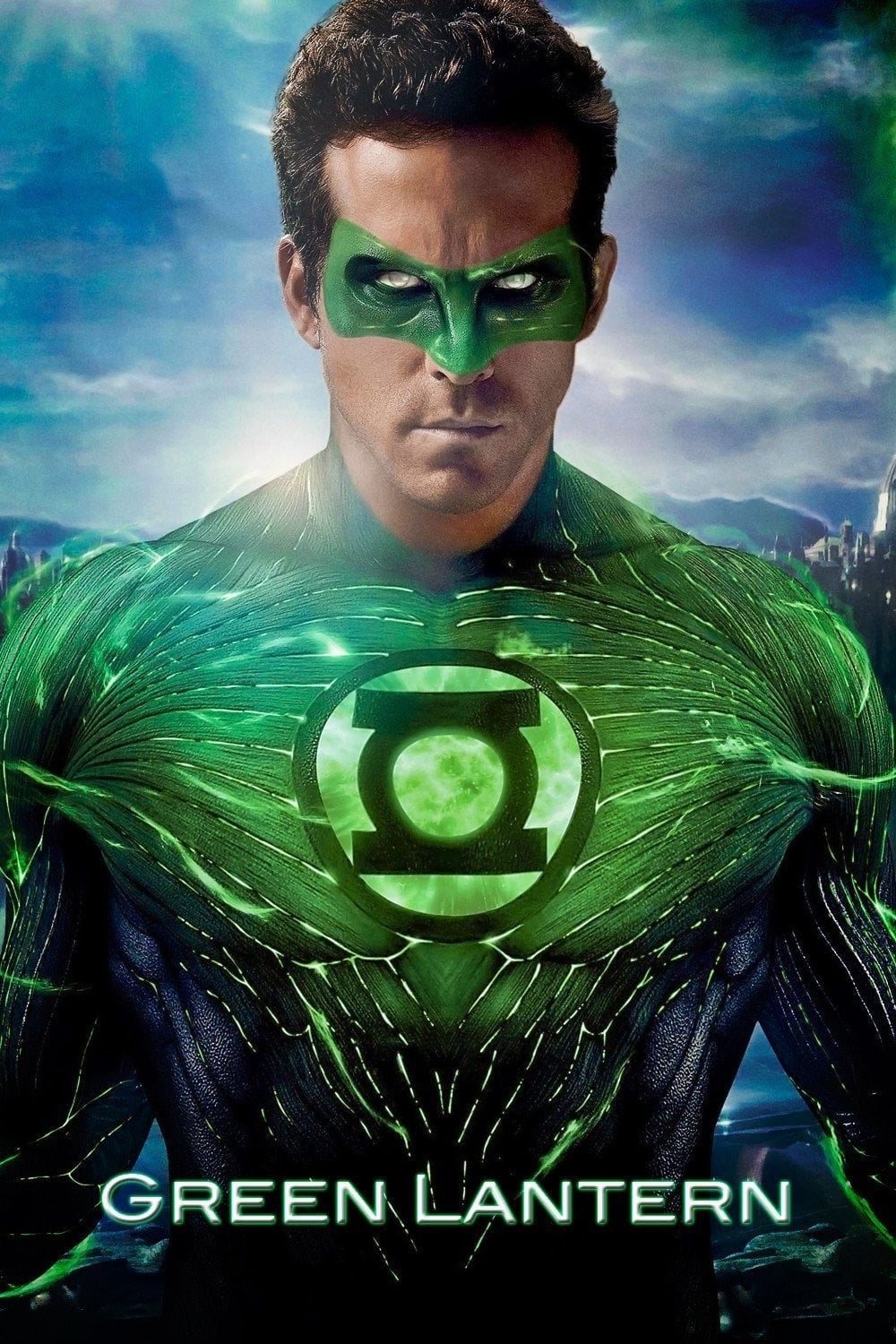
The Extended Cut includes new scenes showing Hal Jordan’s upbringing and his bond with his father. These additions aim to better explain his fears and how he finds his bravery. Although the movie isn’t perfect, these extra moments help make his story feel more connected and understandable. Ultimately, the extended cut tries to make the fantastical elements feel more emotionally relatable.
‘Dark City’ (1998)
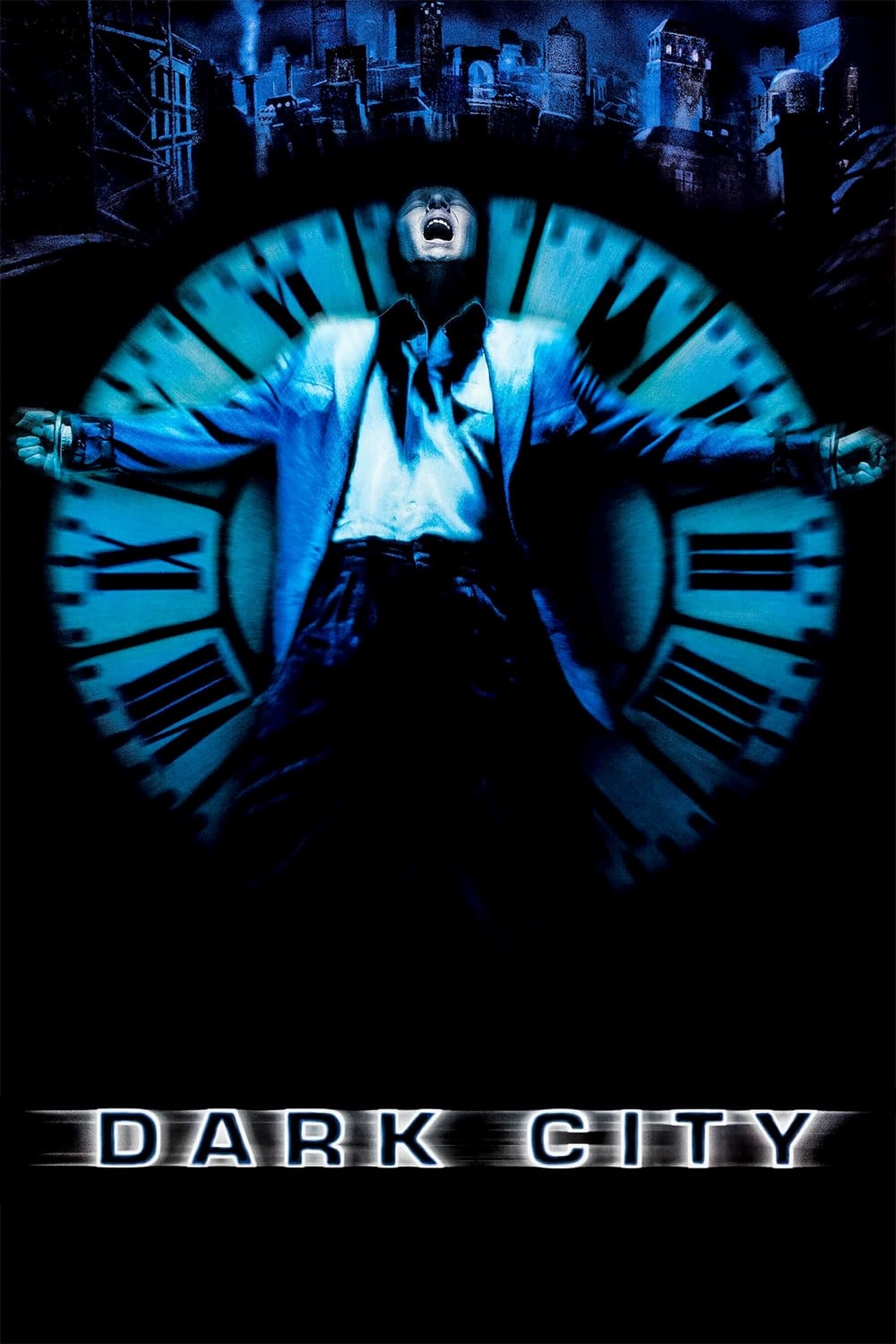
The Director’s Cut improves the film by removing a spoiler at the beginning and adding longer scenes that build suspense and explore the movie’s ideas about memory. The story unfolds more naturally, letting viewers piece together the mystery along with the main character. This version also really showcases the film’s beautiful visuals and thought-provoking nature.
‘Donnie Darko’ (2001)
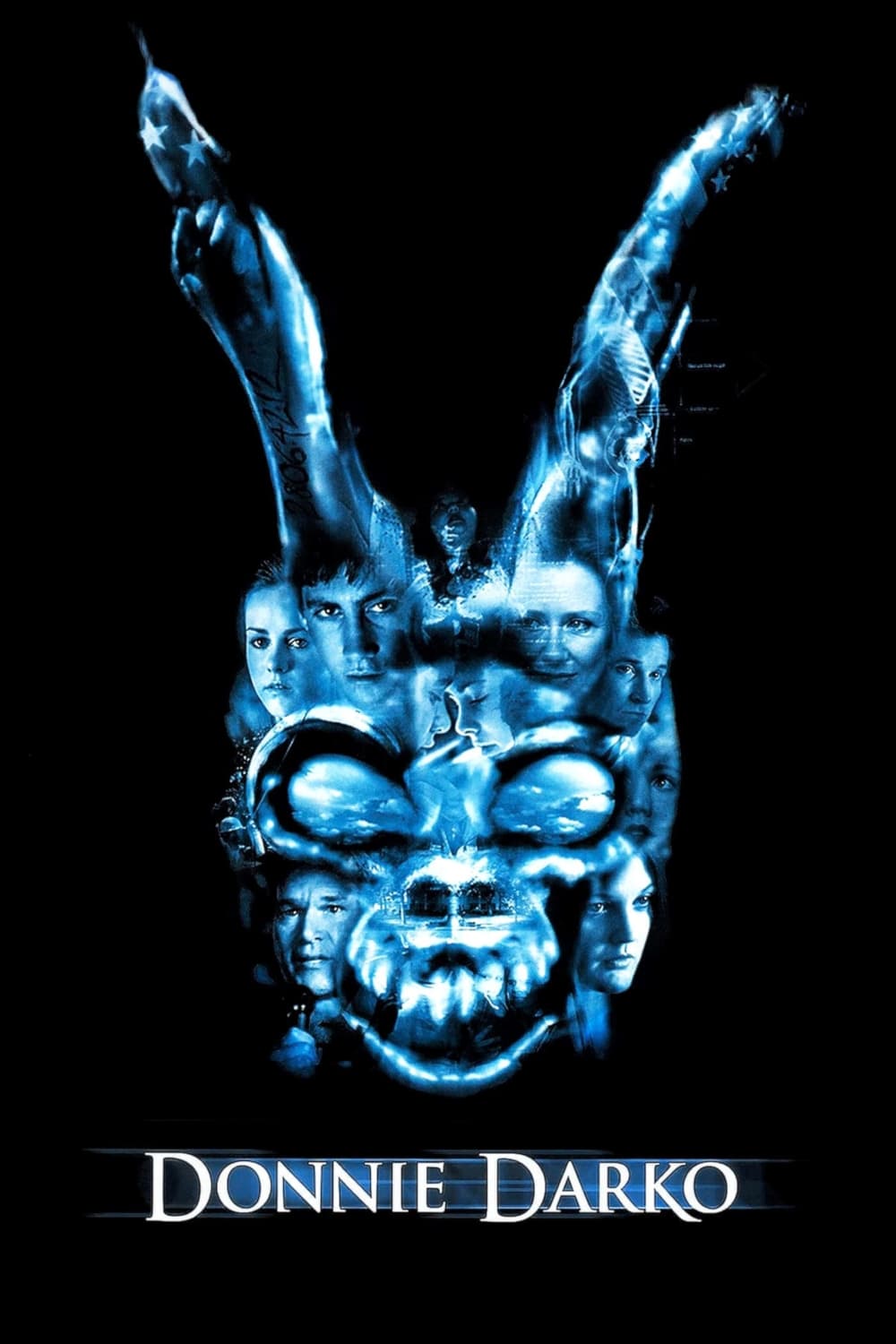
This Director’s Cut includes twenty extra minutes of footage with new scenes and visual effects that clarify the movie’s ideas about time travel. The film shows pages from the book The Philosophy of Time Travel to help viewers understand the story. The sound and music have also been updated to reflect the director’s vision. While this version makes the complicated plot easier to follow, it removes some of the original’s mystery.
‘Sucker Punch’ (2011)
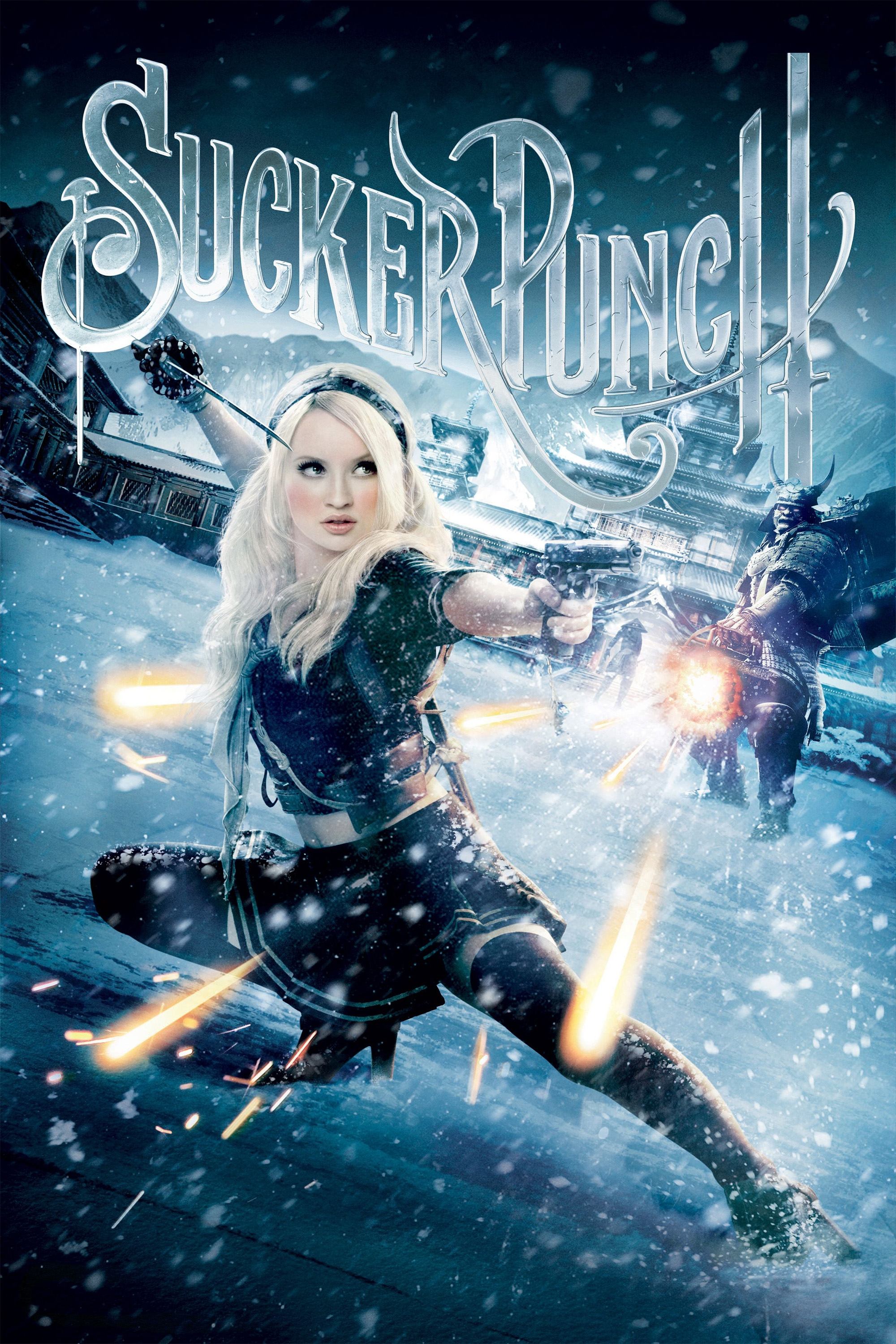
This extended version of the film includes the original, more intense action and musical sequences that were cut to achieve the theatrical R-rating. It also restores a key scene with the High Roller, which helps to better explain the main character’s choices and motivations. The darker mood of this cut aligns more closely with the film’s exploration of difficult themes like trauma and the desire to escape reality. While still likely to spark debate, this version feels more complete and unified.
‘Pearl Harbor’ (2001)
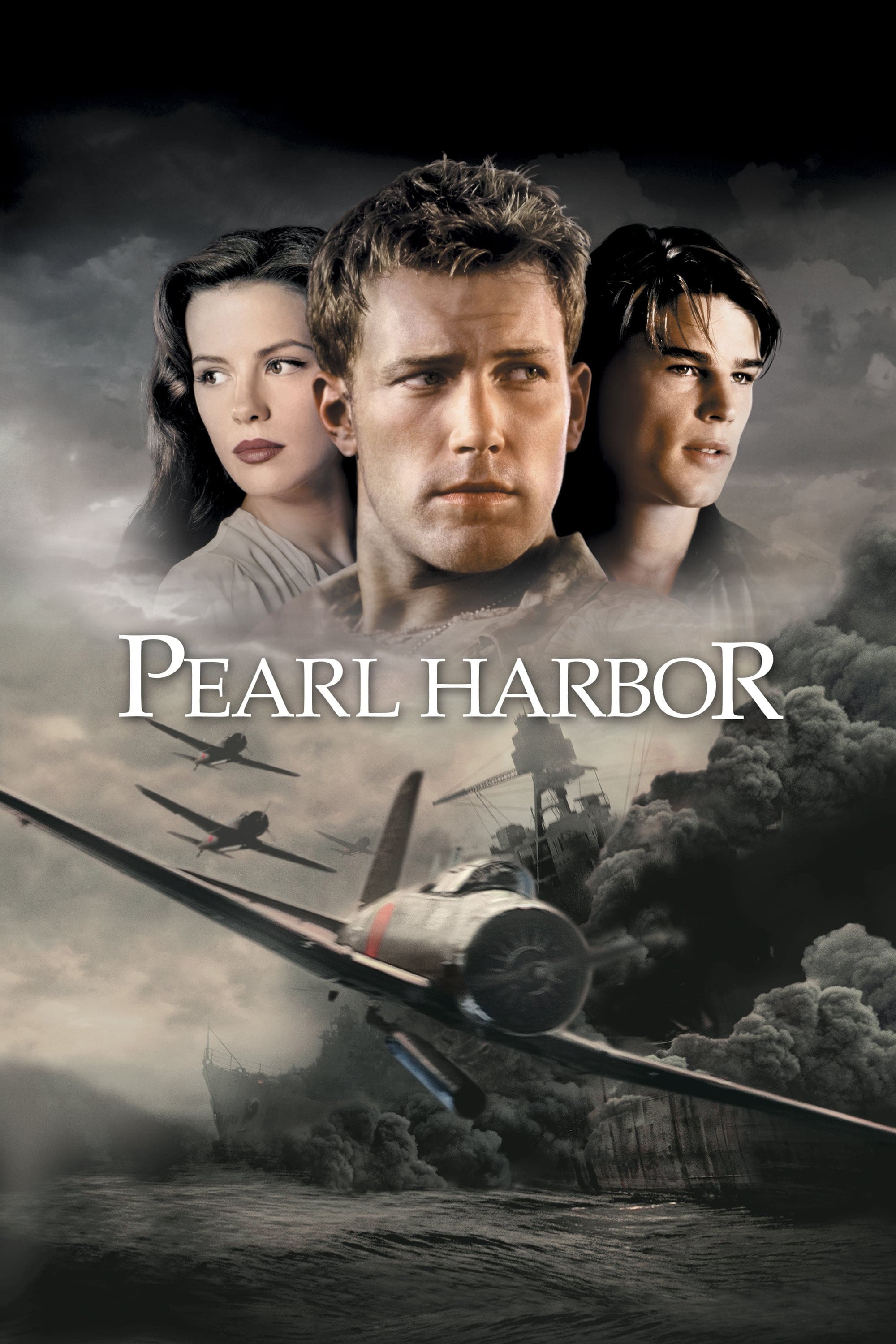
Having seen both versions, I can confidently say the Director’s Cut is a significant improvement. The battle scenes are far more visceral – they don’t shy away from the brutality of war, which actually makes the attack feel much more impactful and, frankly, realistic. They also smartly tightened up the romantic storyline, giving the whole film a better flow. But the biggest addition? We finally get to see things from the Japanese side, including the careful planning that went into the attack. The result is a film that feels less like a sweeping romance and more like a gritty, honest war drama. It’s a bolder, more mature take on the story.
‘Black Hawk Down’ (2001)
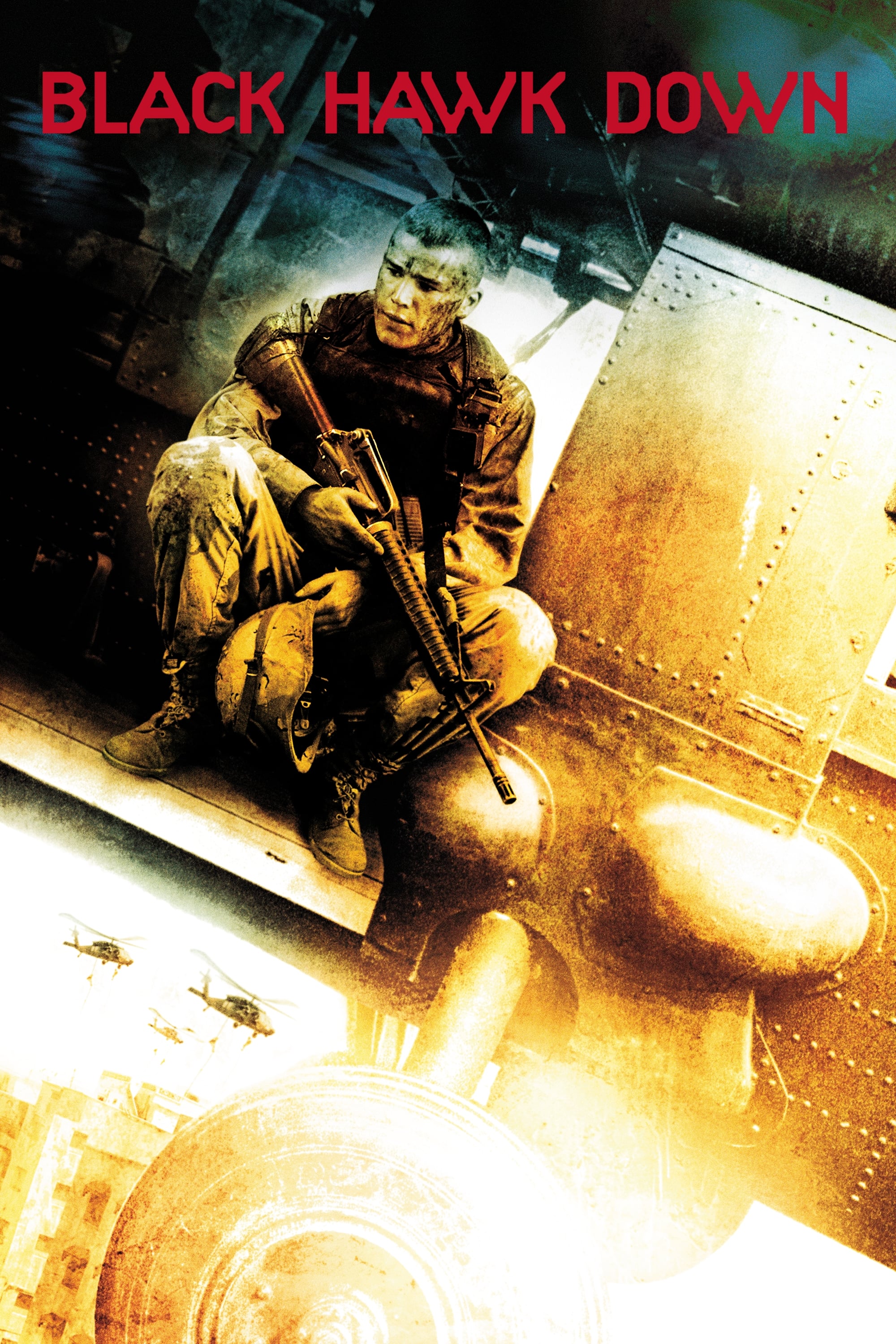
Ridley Scott has added eight minutes to the film, and while it may not seem like much, it makes a big difference in how we see the characters interact. We now see more of the soldiers bonding before the mission goes awry, and the violence is a bit more intense, highlighting how brutal the battle of Mogadishu was. These changes also make it easier to keep track of the many characters amidst the chaos.
‘Betty Blue’ (1986)
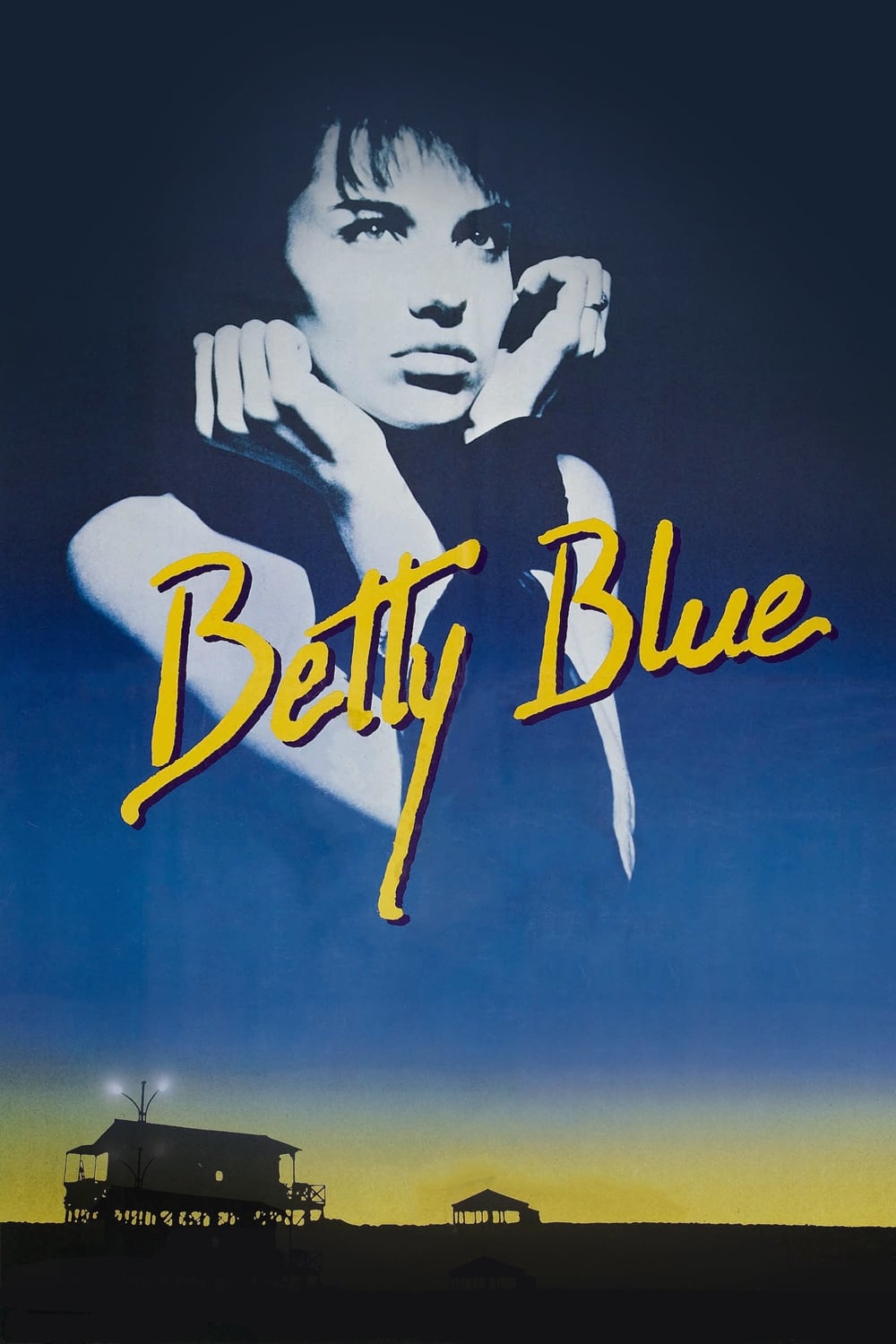
The director’s original cut is an hour longer than the version shown in theaters and offers a very different look at the characters. It shows Betty’s breakdown happening more gradually and with greater emotional impact. We also learn much more about Zorg, his work as a writer, and his feelings for Betty. Ultimately, this version transforms the film into a large-scale story about love and mental health.
‘Until the End of the World’ (1991)
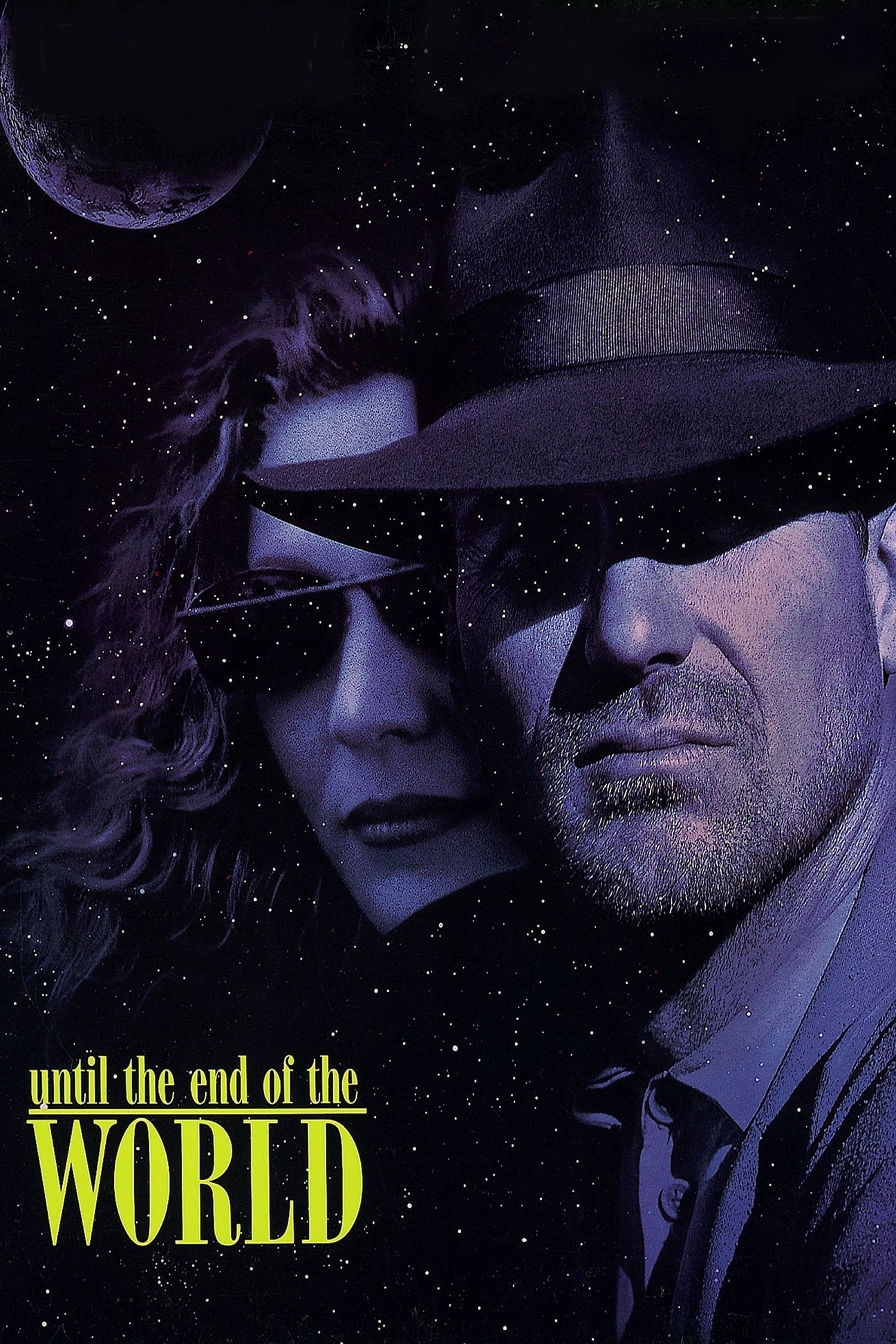
Wim Wenders has unveiled a greatly expanded version of his film, now almost five hours long, bringing his original vision to life. The movie travels across continents and blends different styles, including science fiction and romance. This longer cut allows the intricate story – centered around technology that records dreams – to develop at a comfortable pace. While it requires commitment, the result is a deeply satisfying experience that fully realizes the director’s ambitious, worldwide scope.
‘The New World’ (2005)
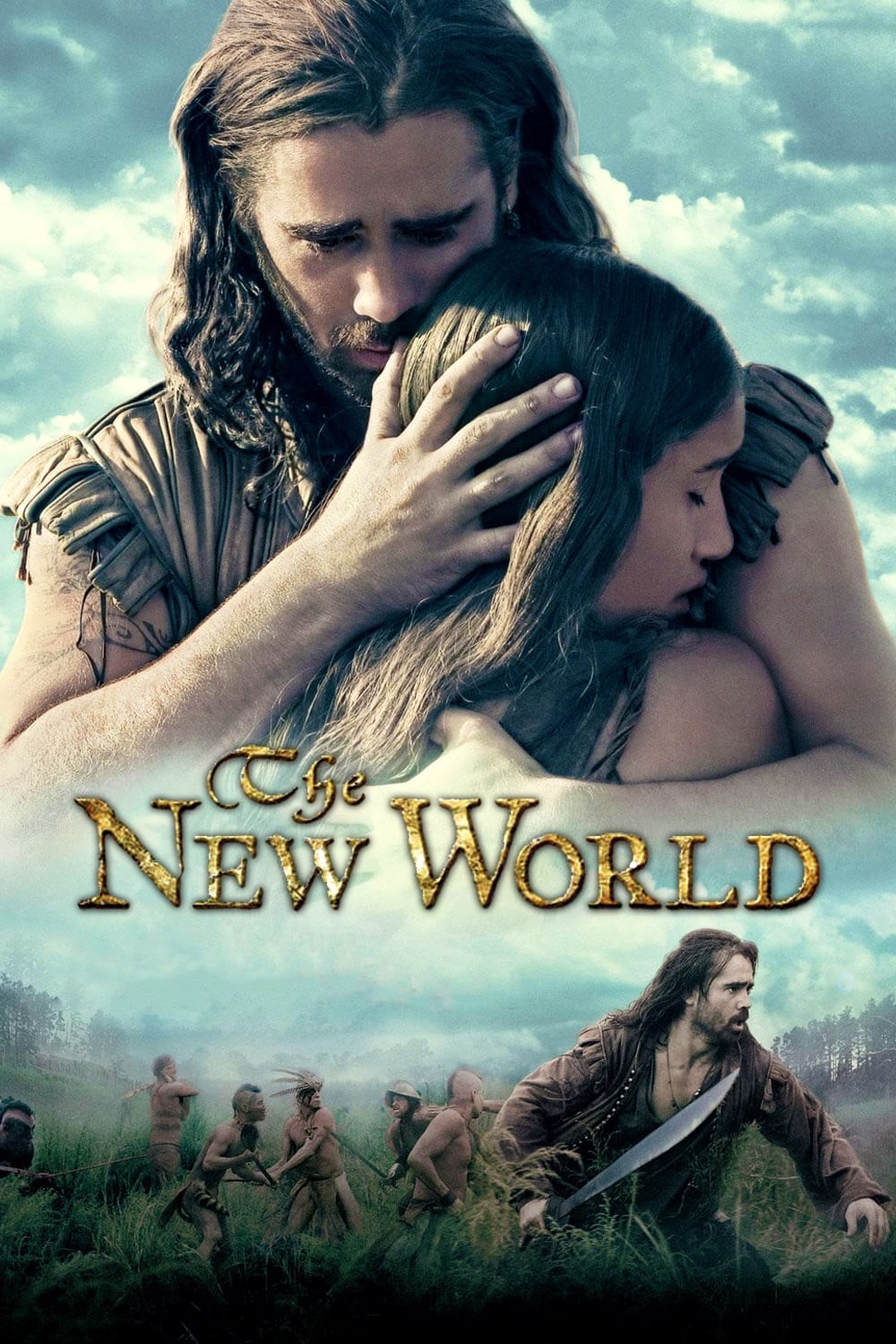
The extended cut of Terrence Malick’s film adds 35 minutes of beautiful scenery and narration. It really emphasizes the natural world and the subtle connection between Pocahontas and John Smith. The movie unfolds slowly, focusing more on creating a feeling and visual experience than on telling a straightforward story. This version makes the historical drama even more captivating and dreamlike.
‘Legend’ (1985)
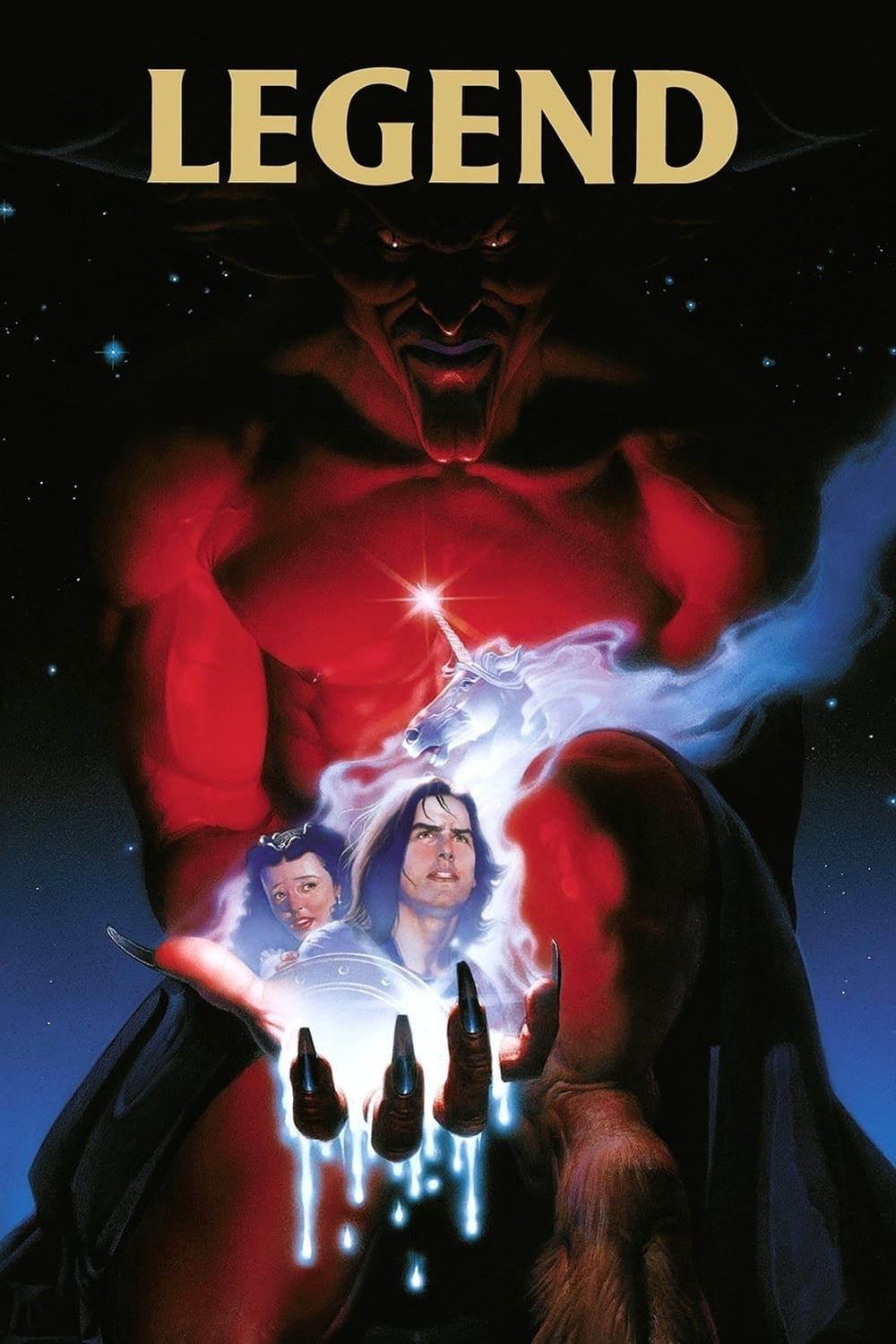
Ridley Scott’s Director’s Cut improves upon the original US release by swapping the electronic music for Jerry Goldsmith’s intended orchestral score. It also includes scenes that were previously cut, offering a clearer understanding of the film’s fantasy world and its central threat. The result is a more atmospheric and mythical experience, and many fans believe this version is the definitive way to enjoy the story.
‘Alien Resurrection’ (1997)
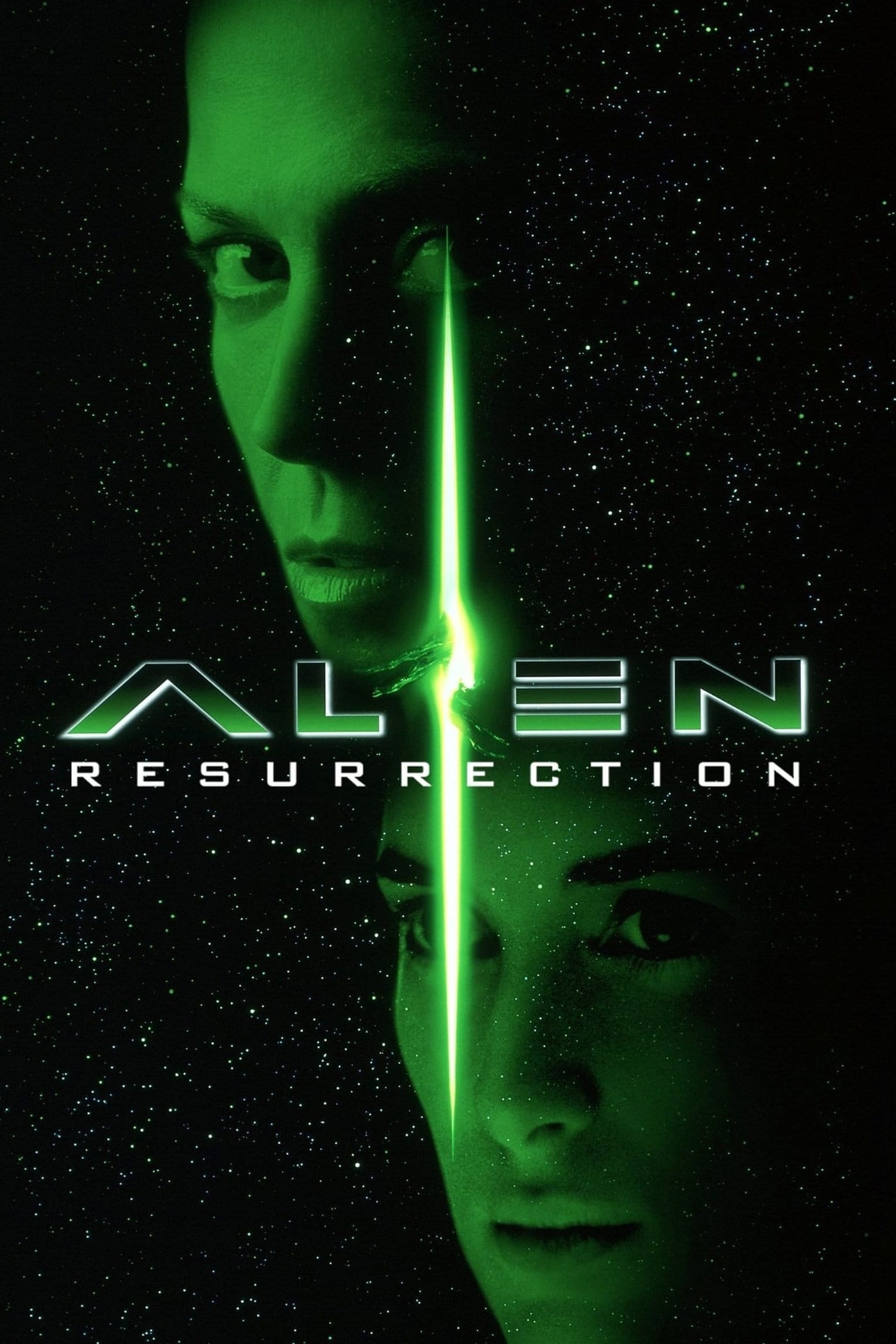
This Special Edition includes a different beginning and ending, revealing a more ruined Earth. Conversations between the characters have been expanded to better develop their relationships, especially between the mercenaries and the clone Ripley. The edition also features a slightly more intense and unsettling tone, with more focus on the film’s disturbing creature effects, ultimately offering a fuller, more detailed experience of the movie’s unique and unsettling visuals.
‘The Wild Bunch’ (1969)
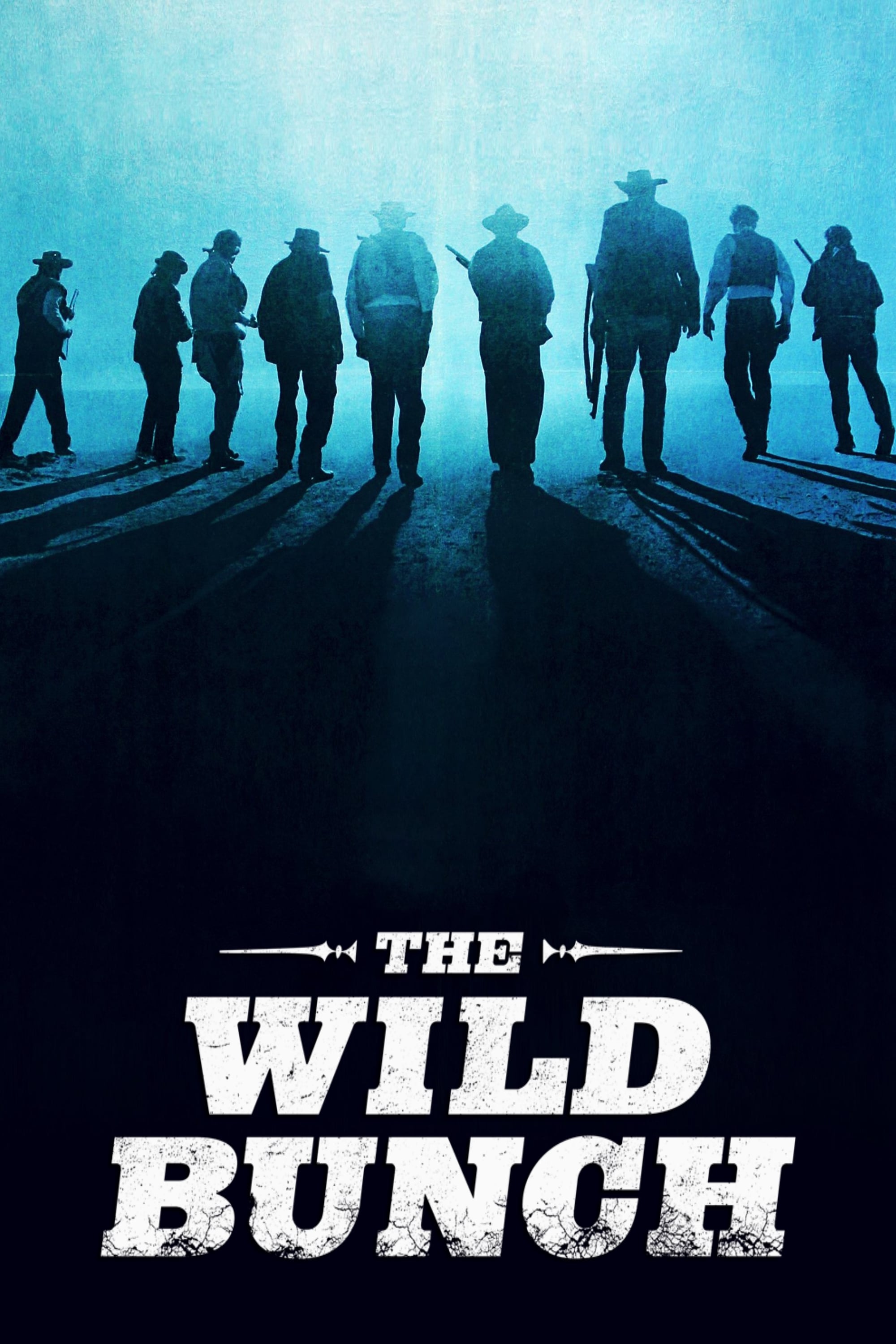
I was really blown away by this restored cut of the film. They added some flashbacks that finally filled in the backstory of the outlaw gang and showed how things fell apart for them – it really helped me understand their motivations. What struck me too was how beautifully they showed life in the Mexican village before everything went wrong. It created such a powerful contrast with the violence that erupted later. And the director didn’t rush things; the slower pace allowed the themes of getting older and feeling irrelevant to really sink in. Honestly, it perfectly captures the sad, thoughtful spirit of those classic revisionist westerns.
‘Major Dundee’ (1965)
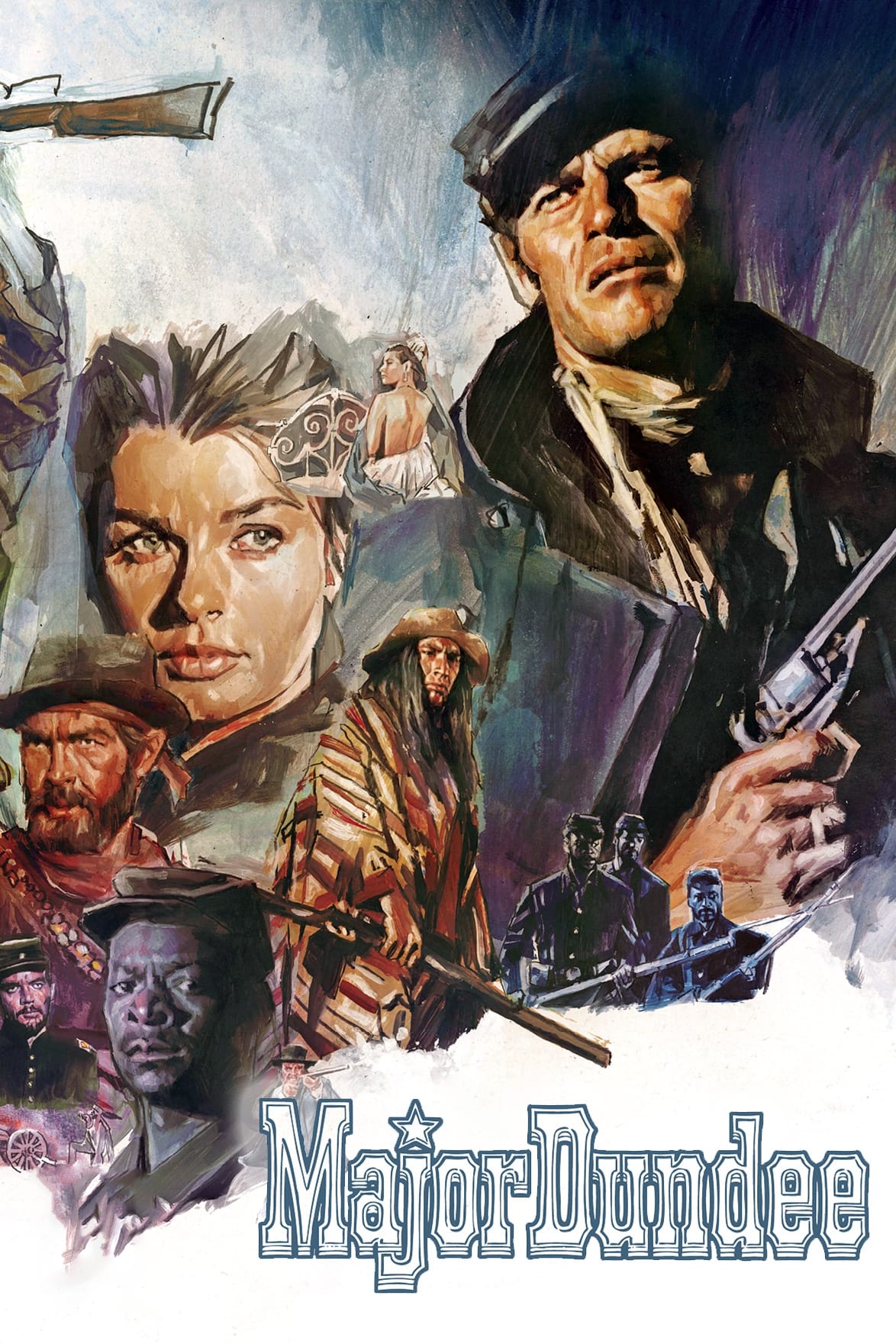
This extended cut includes footage originally removed to create a more typical action film. The added scenes delve into the inner struggles of a Union officer and the Confederate prisoner he enlists. Previously disjointed parts of the film are now connected, resulting in a smoother storyline. While imperfect, it remains a compelling and insightful look at Peckinpah’s filmmaking style.
‘Margaret’ (2011)
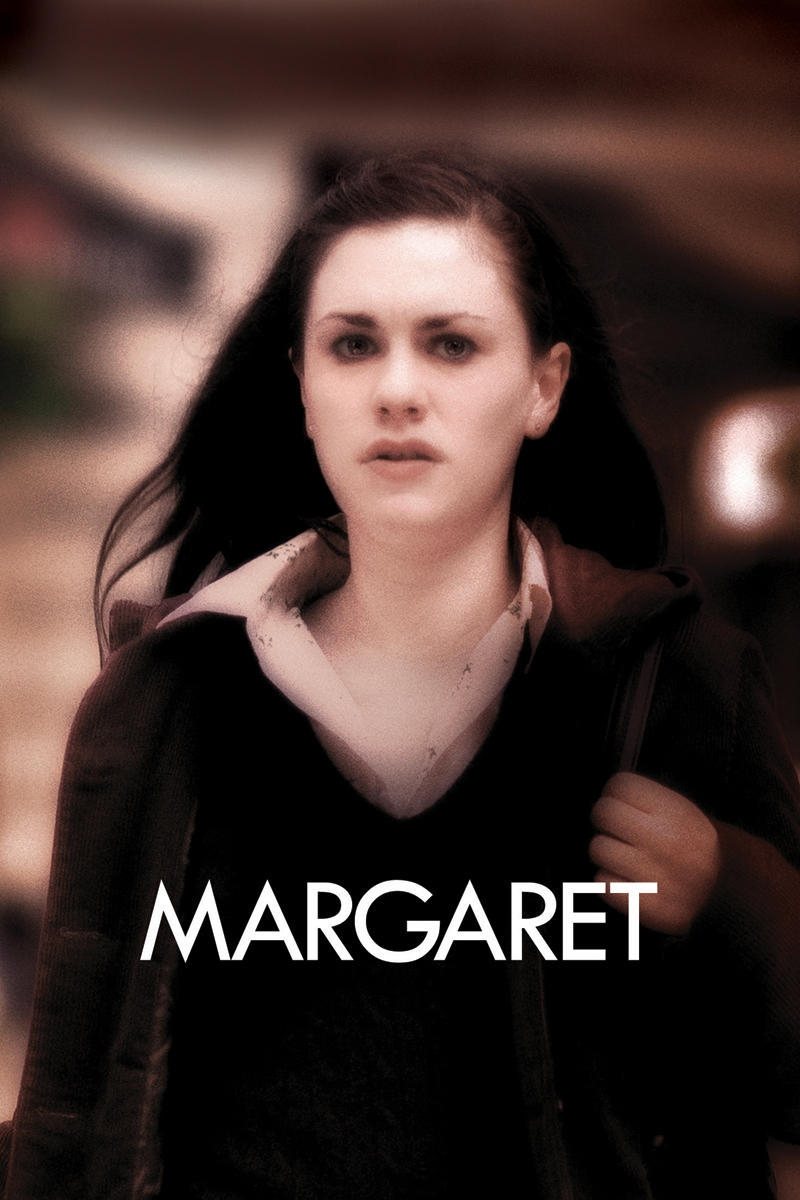
This longer version of the film clocks in at three hours and includes all of the original script written by Kenneth Lonergan. It shows the complicated aftermath of a bus accident in New York City, giving equal attention to the main lawsuit and the personal lives of the main character’s family and teachers. The final product feels like a detailed novel, deeply exploring themes of guilt and the struggles of being a teenager.
‘The Cotton Club’ (1984)
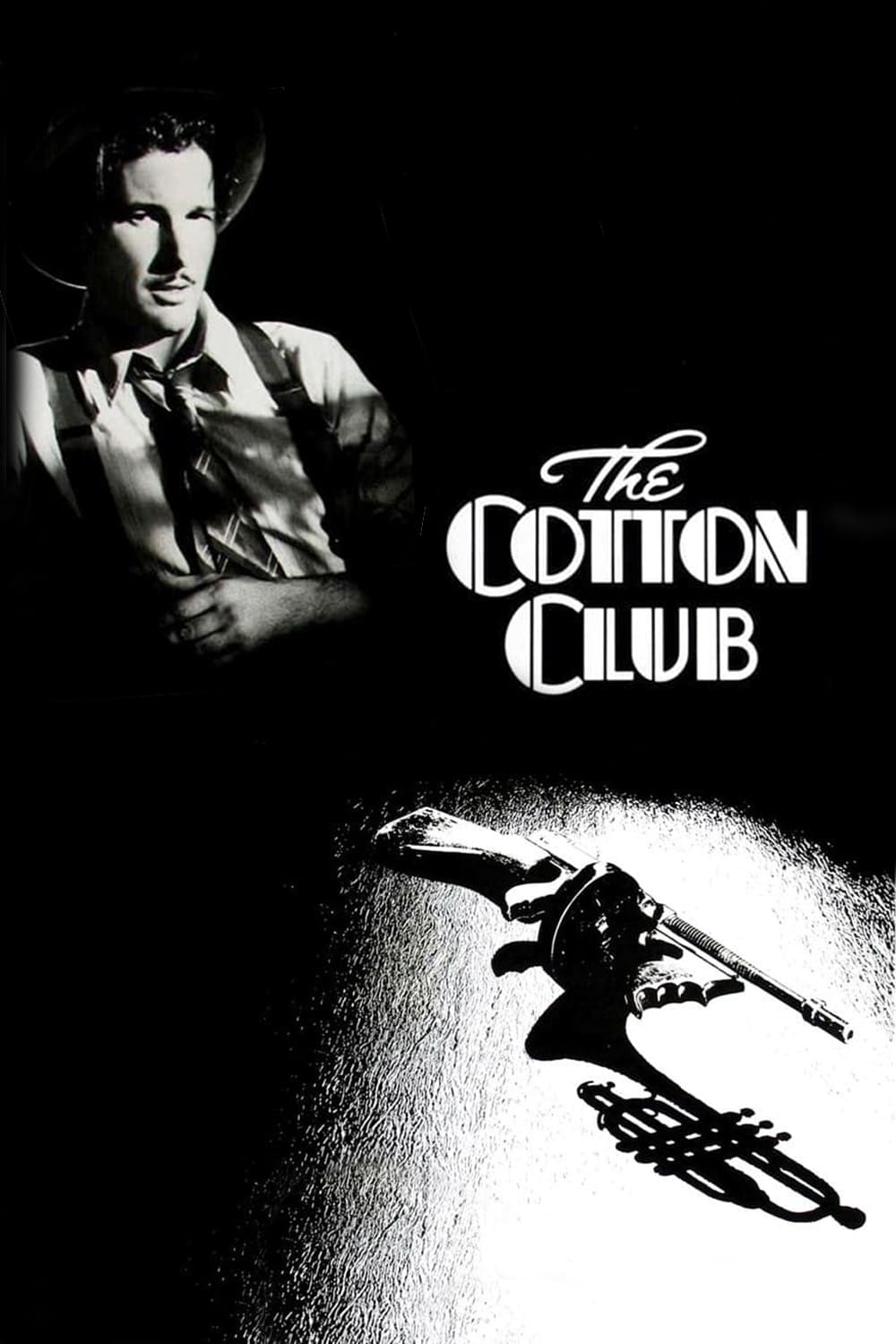
Francis Ford Coppola has released a restored version of The Cotton Club that gives greater attention to the Black performers and their musical numbers. The original film largely focused on the white gangsters, overshadowing the talented tap dancers. This new version creates a better balance, showcasing the artistry of all the club’s entertainers and finally realizing the film’s original vision as a musical drama.
‘King Kong’ (2005)
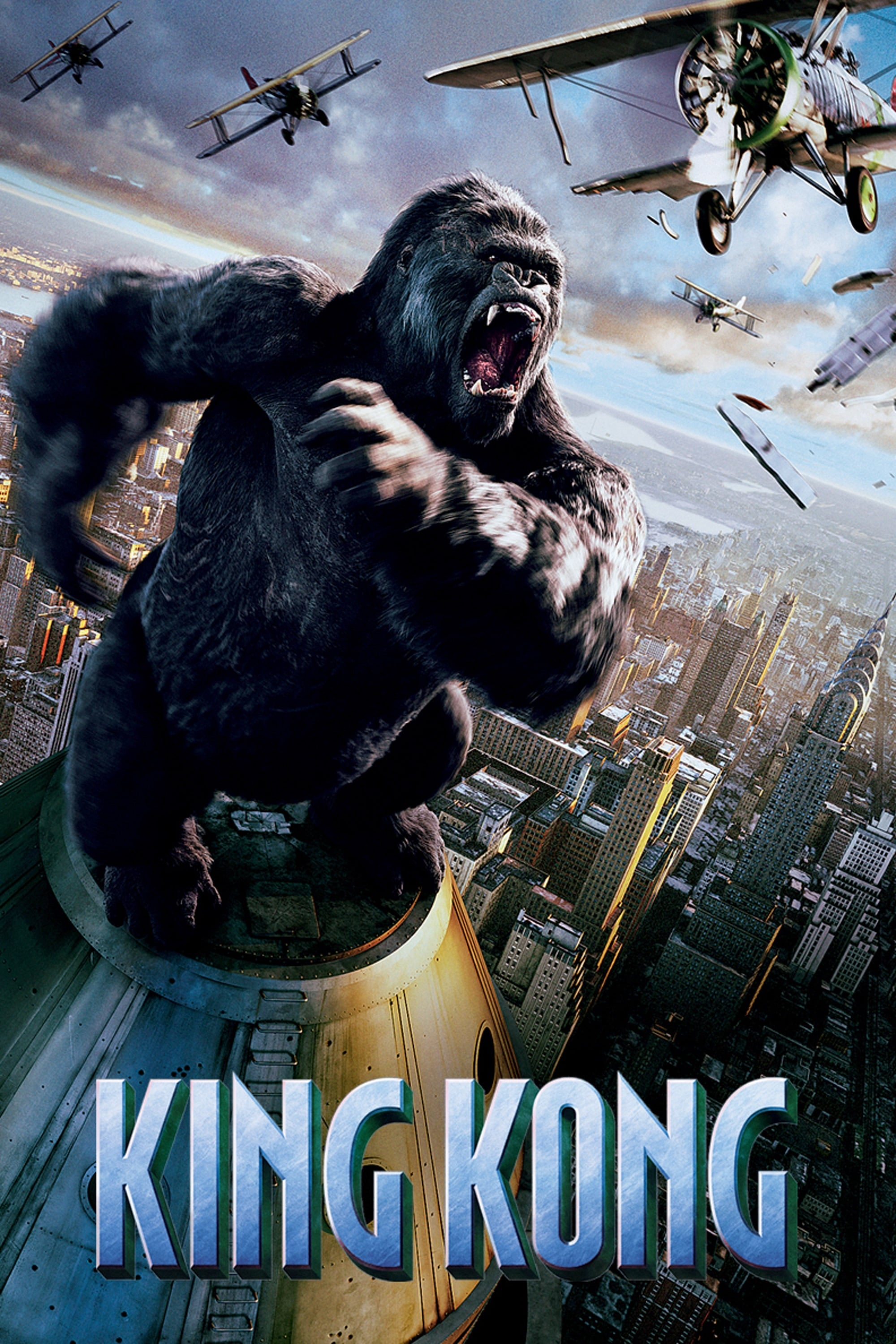
Peter Jackson’s extended cut includes thirteen extra minutes of scenes featuring creatures, like a dramatic attack by a massive fish in a swamp. Although it doesn’t add a full thirty minutes, these new scenes really emphasize how dangerous and wild Skull Island is. We see the crew facing even greater challenges from the prehistoric environment, and fans of monster movies will love the added action.
‘X-Men: Days of Future Past’ (2014)
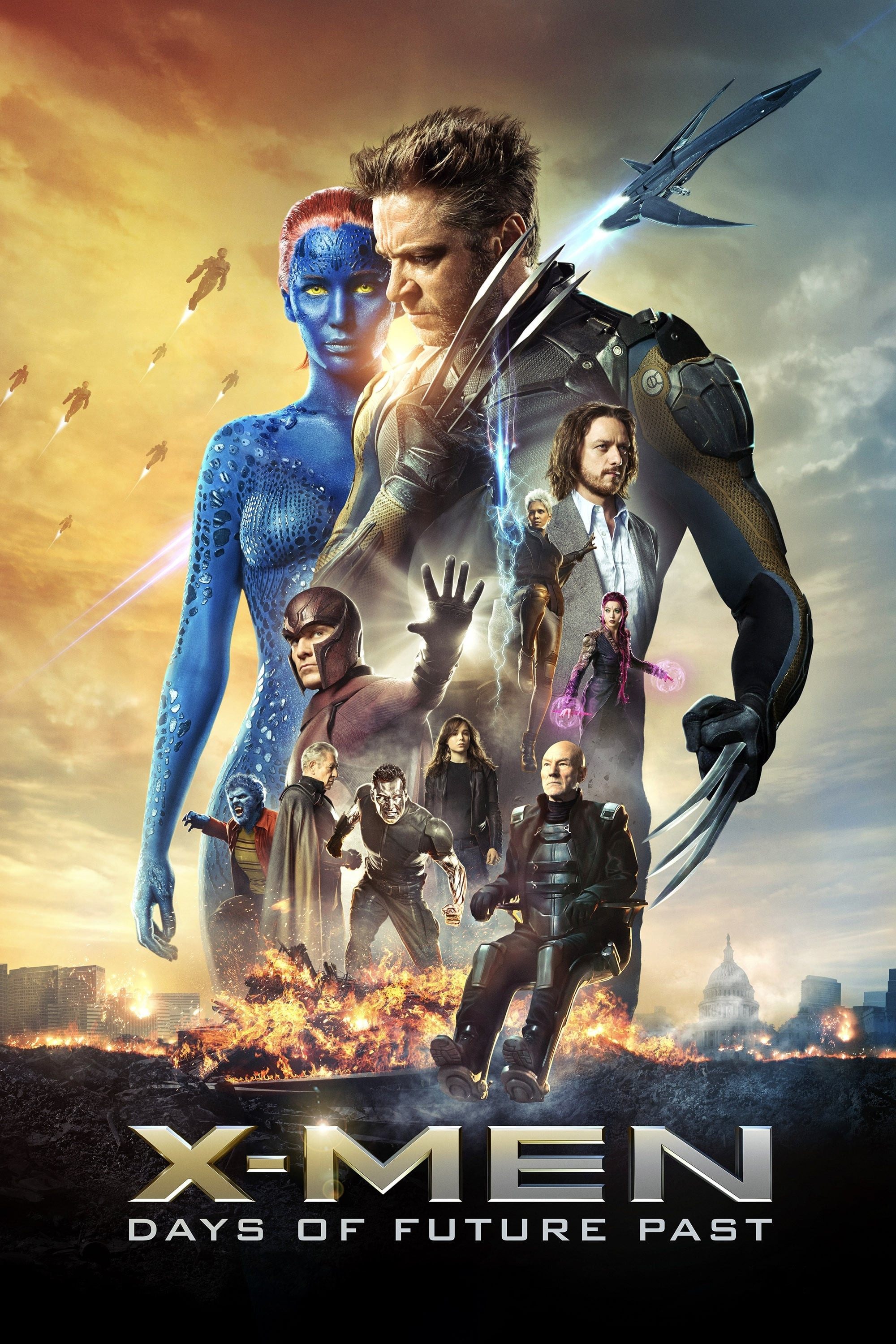
The Rogue Cut includes seventeen extra minutes of footage that brings Anna Paquin’s character back into the central storyline. A new side-plot shows Magneto and Iceman working to rescue Rogue, which is crucial for Wolverine’s time travel. This extended cut gives the characters in the future timeline more emotional depth and strengthens the film’s connection to the earlier X-Men movies.
‘Wyatt Earp’ (1994)
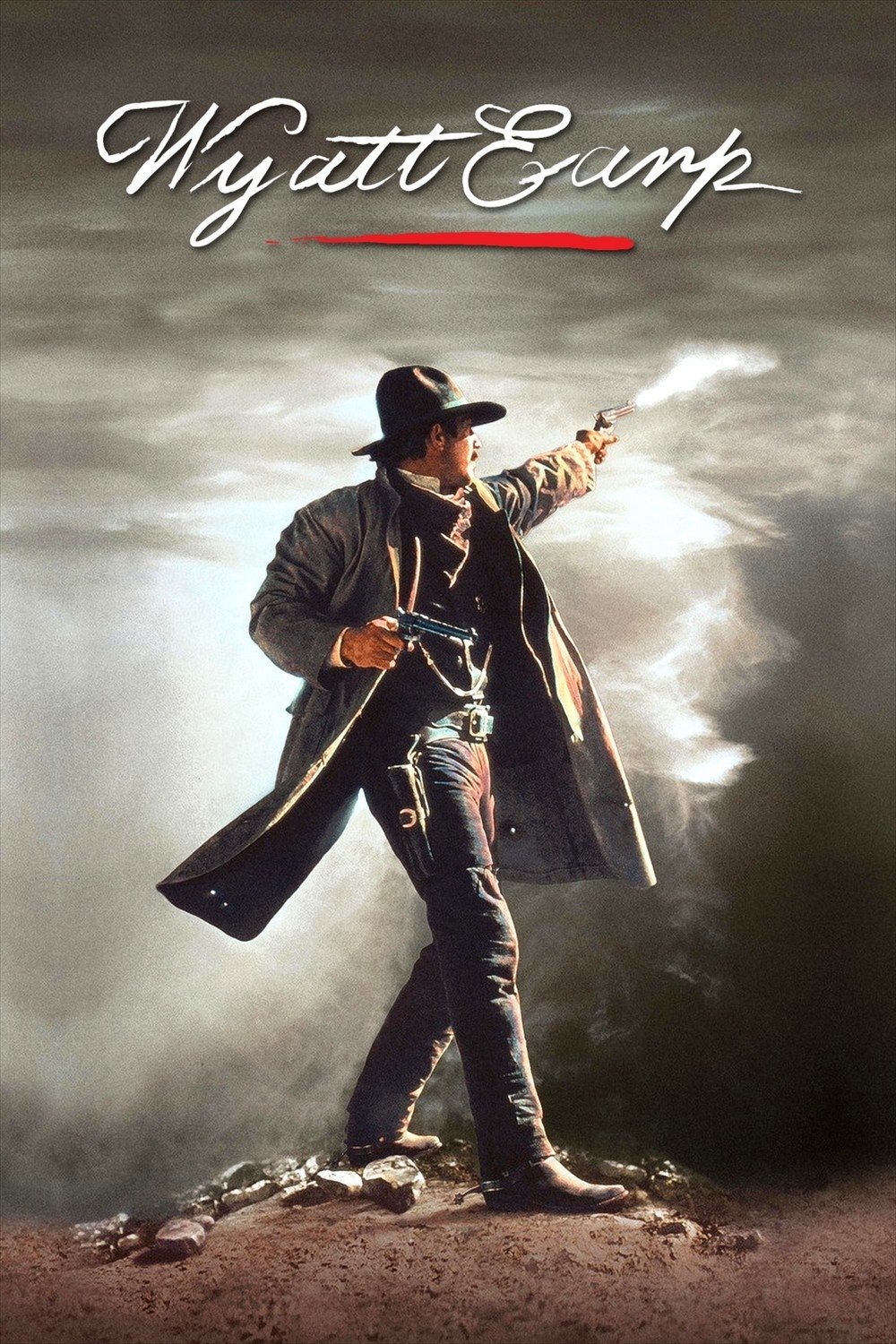
This longer version of the film provides a more detailed look at the lawman’s childhood and family. It tells the story of the Old West over many years in a way that feels like reading a novel. We see more of the struggles and eventual recovery of the main character, highlighting the grand scale of his life story.
‘Ride with the Devil’ (1999)
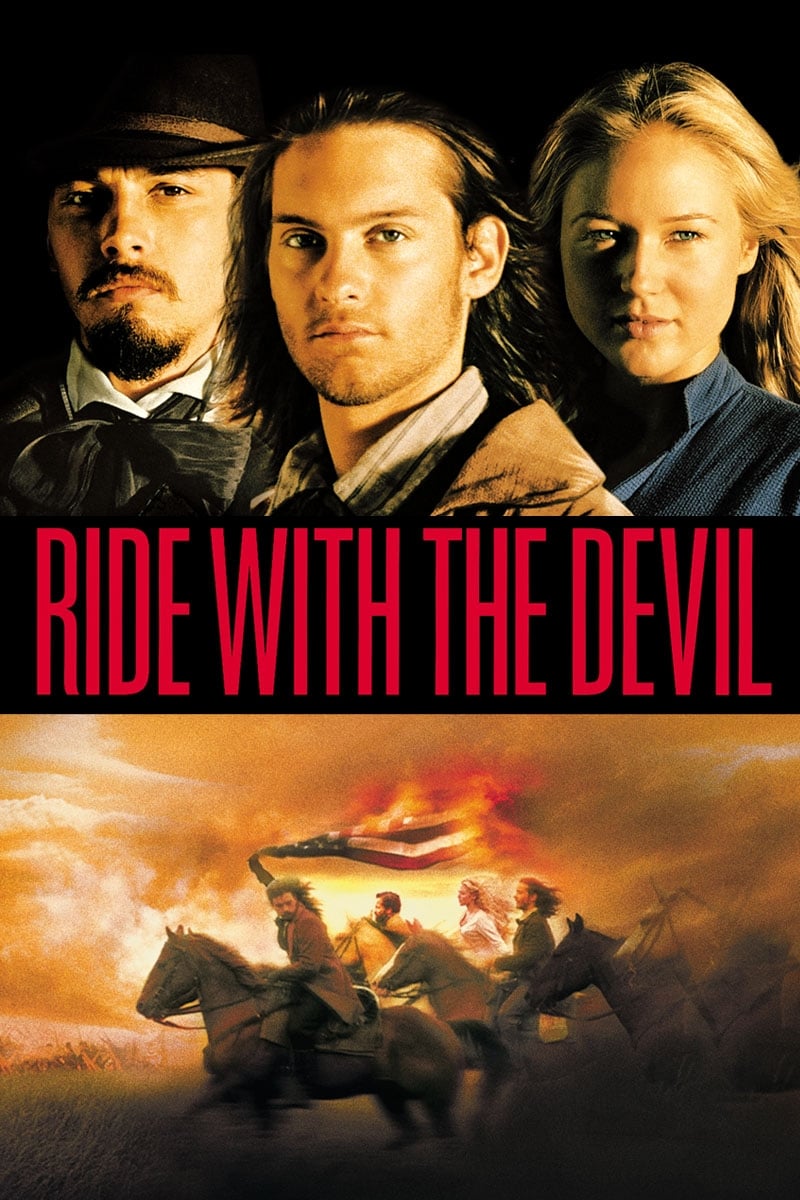
The Criterion Collection’s release of Ang Lee’s Civil War film includes added scenes that delve deeper into the brutal conflict between bushwhackers. The story centers on an unlikely friendship between a Black man and a Confederate soldier. These extra scenes provide more depth to the film’s already complex themes of race and politics, making this a particularly thoughtful and enriching war movie.
‘Windtalkers’ (2002)
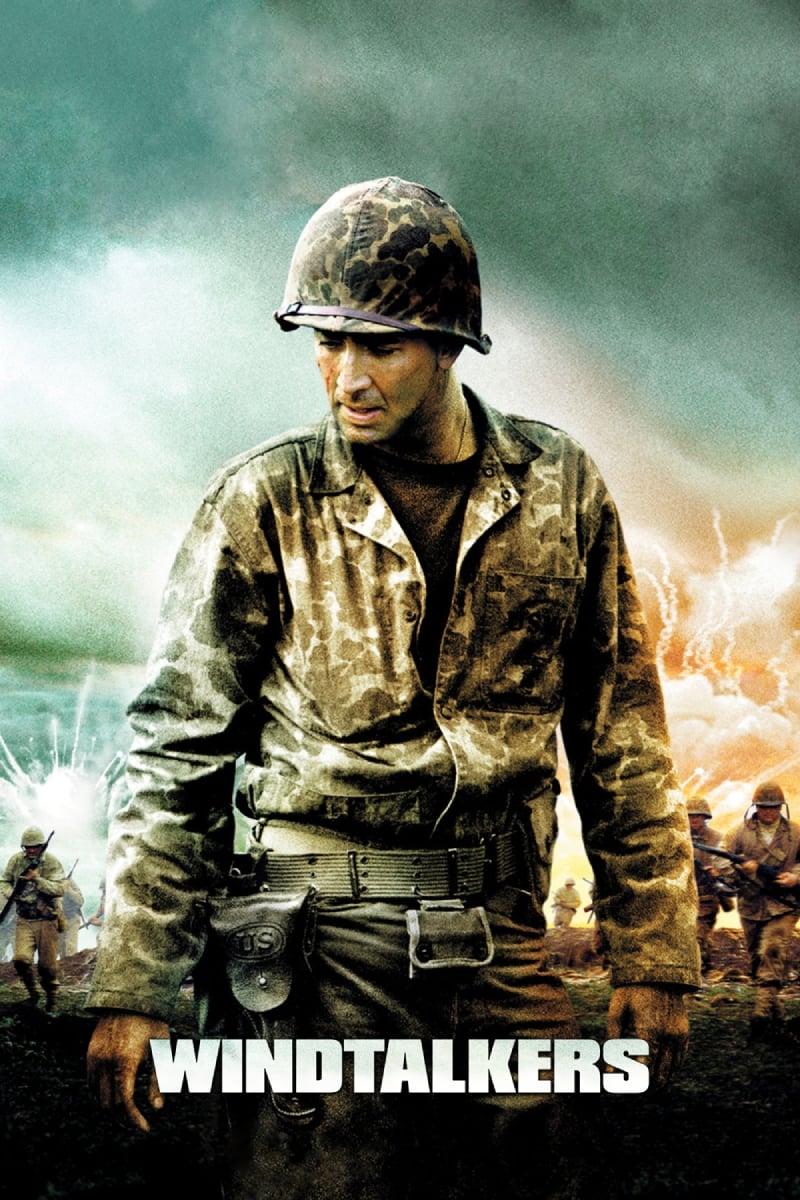
This Director’s Cut includes twenty extra minutes of footage, strengthening the connection between the Navajo code talkers and the Marines protecting them. The violence is shown more realistically to convey the brutal nature of the battles in the Pacific. The film also explains more clearly why characters felt compelled to kill the code talkers if they were about to be captured. Overall, this version is a more thoughtful look at themes of duty and sacrifice.
‘Bad Santa’ (2003)
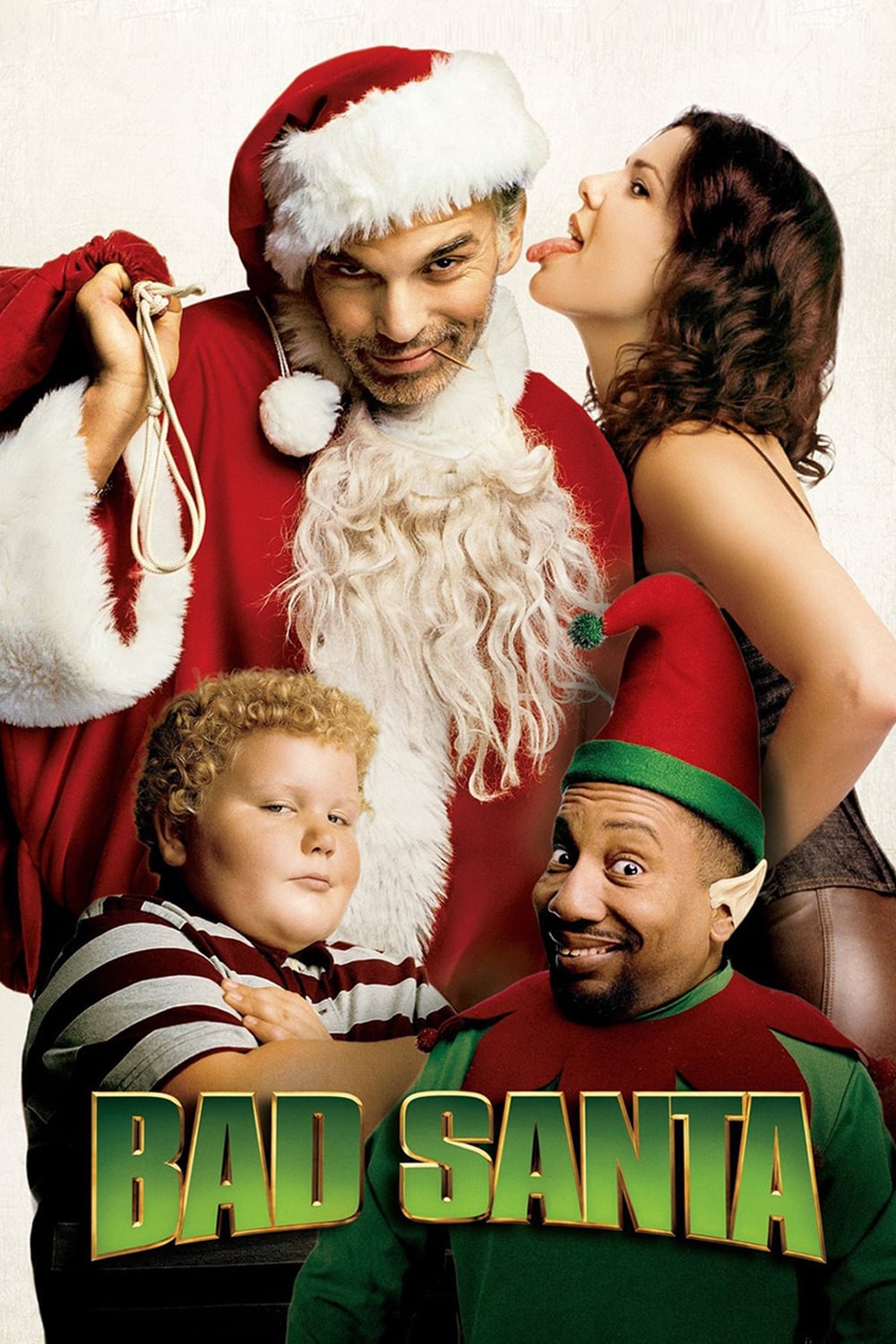
As a big fan, I’ve always been fascinated by different cuts of films. With this one, it’s interesting – the Director’s Cut actually trims some of the comedy, but the unrated version throws in extra scenes that fans really seem to enjoy, even if they’re pretty shocking. We get to see Willie really spiral, becoming even more of a mess, and the humor gets way darker, definitely pushing things further than the original. It feels like this version fully embraces the film’s black comedy roots, holding nothing back.
Tell us which extended cut you think improves the movie the most in the comments.
Read More
- Top 20 Dinosaur Movies, Ranked
- 20 Movies Where the Black Villain Was Secretly the Most Popular Character
- 25 “Woke” Films That Used Black Trauma to Humanize White Leads
- Silver Rate Forecast
- Gold Rate Forecast
- Spotting the Loops in Autonomous Systems
- From Bids to Best Policies: Smarter Auto-Bidding with Generative AI
- Celebs Who Narrowly Escaped The 9/11 Attacks
- 22 Films Where the White Protagonist Is Canonically the Sidekick to a Black Lead
- Can AI Lie with a Picture? Detecting Deception in Multimodal Models
2025-12-11 05:20