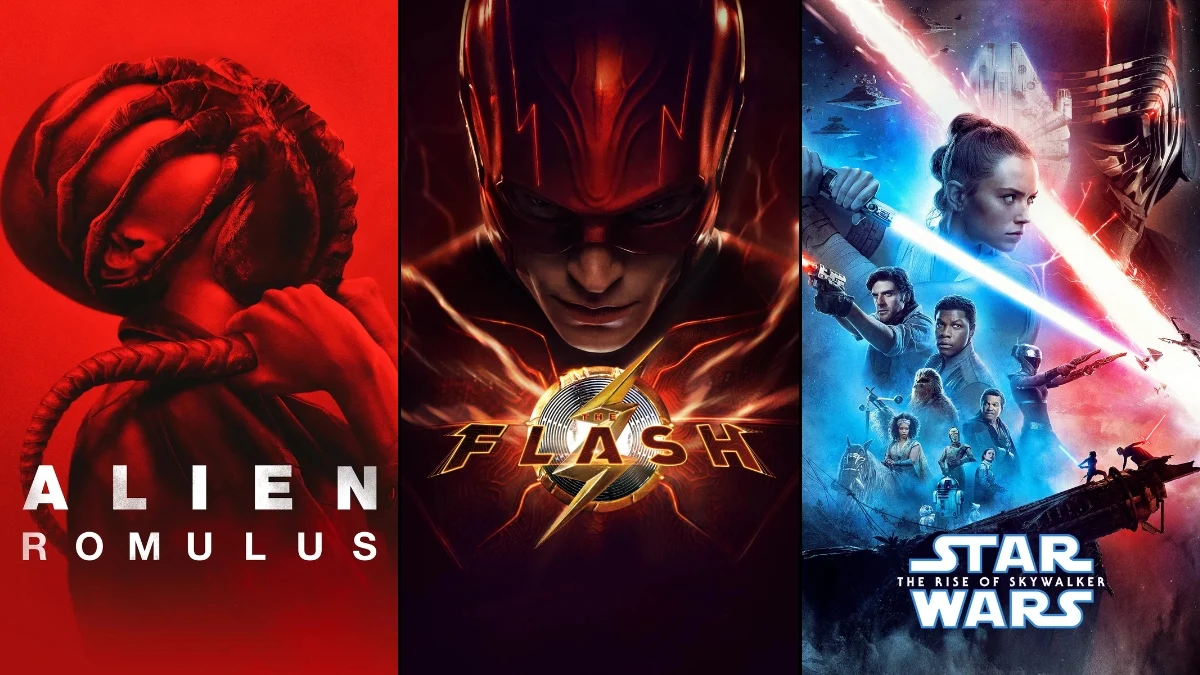
Bringing back deceased actors using digital technology is a growing, and often debated, trend in movies. Filmmakers are increasingly using old footage and visual effects to either finish work left incomplete or create entirely new scenes. This practice often raises questions about what’s respectful and what’s simply good filmmaking. Some people appreciate these digital ‘revivals‘ as a way to say a final farewell, while others feel they disrespect the actor’s memory or feel inauthentic. The following twenty films are examples where this technology sparked considerable discussion among viewers and the families of the actors involved.
‘Game of Death’ (1978)
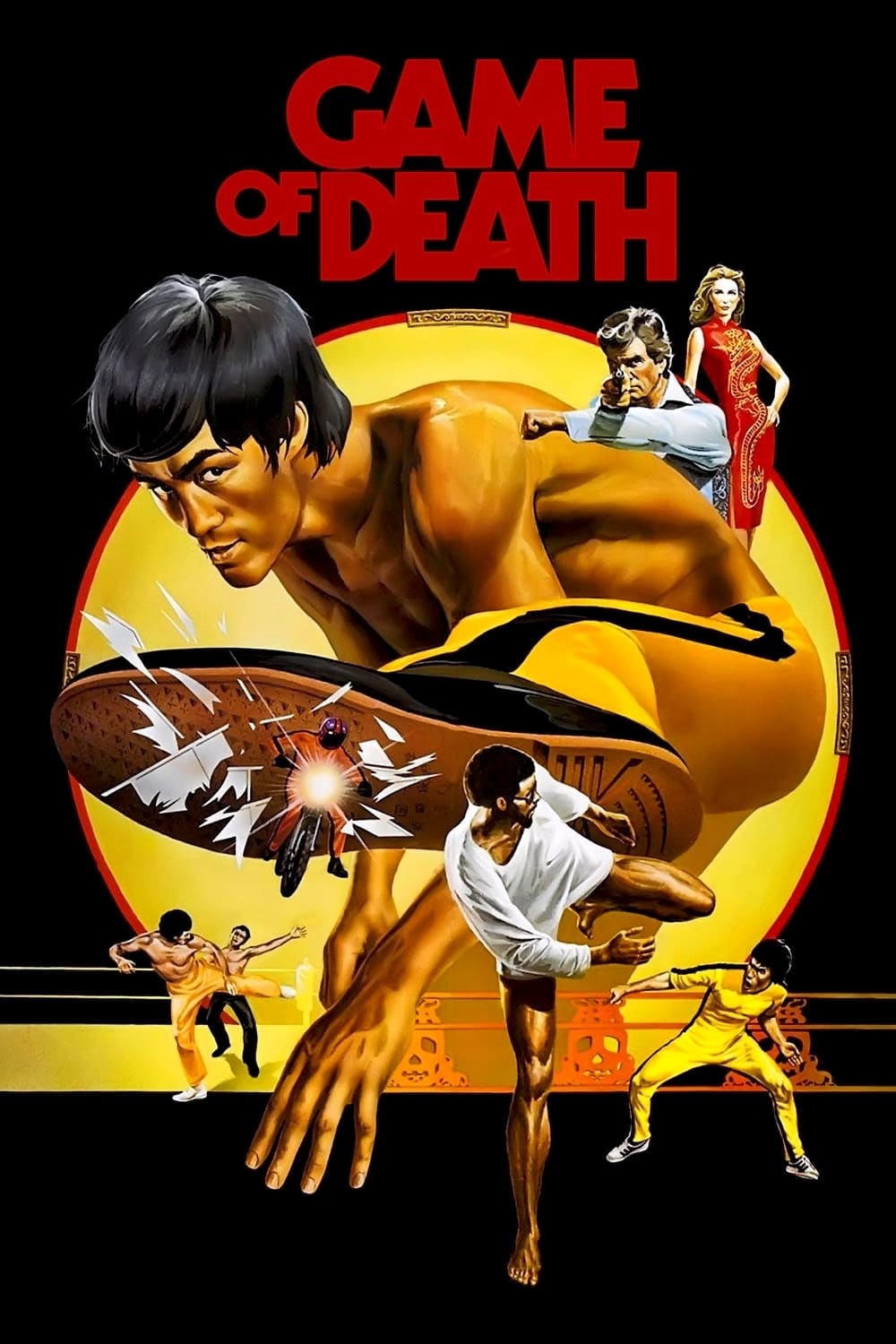
Bruce Lee tragically died while filming this martial arts movie, leaving much of his performance unfinished. To finish the film, the studio had to use stand-ins, cleverly placed cardboard cutouts of his face, and old clips from his previous movies. This early effort to complete a film after an actor’s death was heavily criticized for being poorly done and disrespectful to Lee’s legacy. The movie is now a well-known example of the challenges – both technically and morally – involved in trying to recreate an actor’s performance after they’ve passed away.
‘Trail of the Pink Panther’ (1982)
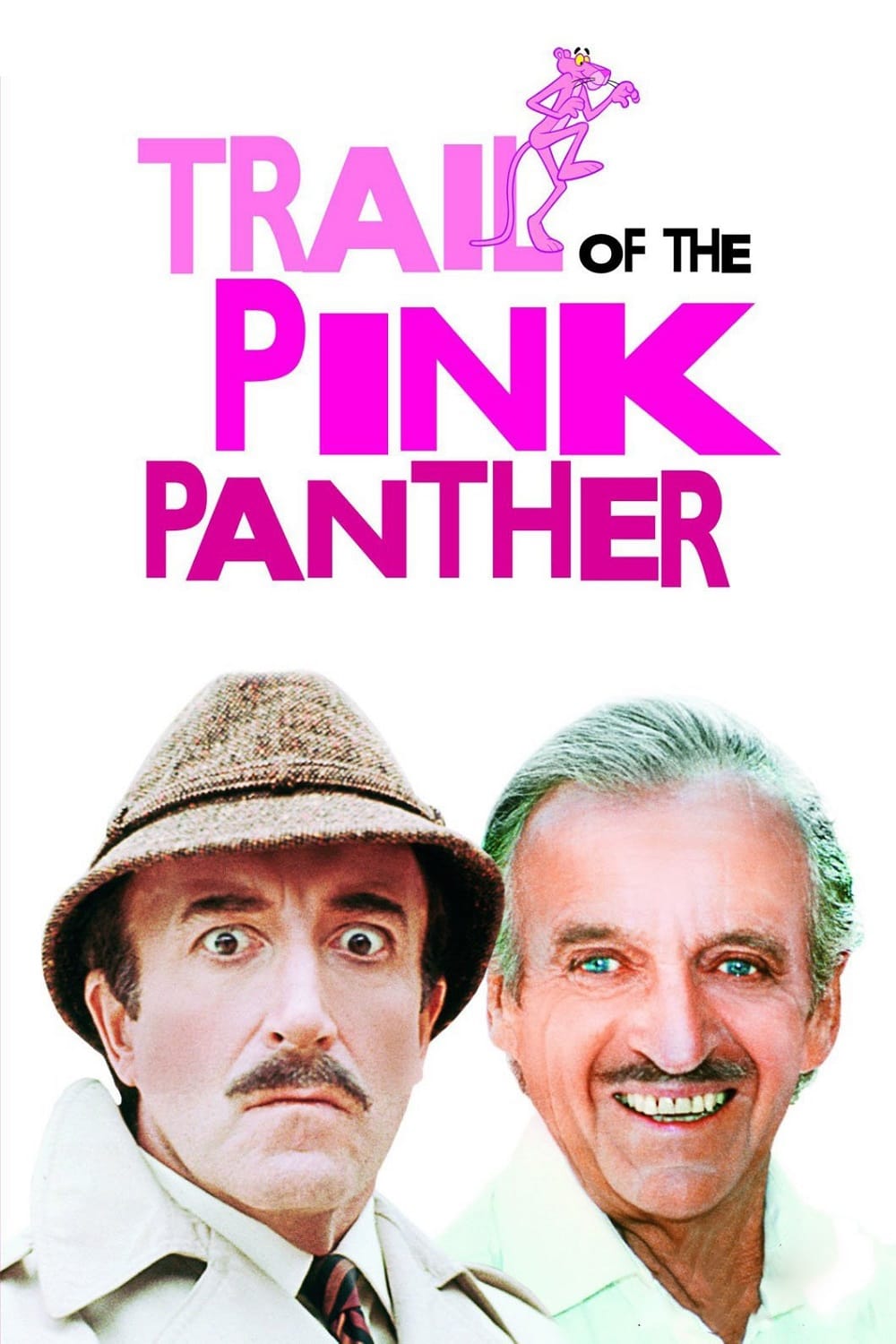
I remember when ‘Curse of the Pink Panther’ came out, and it felt… strange. It was released after Peter Sellers sadly passed away, and they tried to make another film using bits and pieces that hadn’t made it into the previous one. They really tried to make it seem like he was still there, using a stand-in and a lot of clever editing. It was a bit unsettling, honestly. His widow, Lynne Frederick, was right to be upset and she actually took the studio to court, arguing it wasn’t a respectful way to treat his legacy. The case became really important, setting a precedent for how an actor’s work and image should be protected even after they’re gone. It was a sad situation all around, but it did highlight a really crucial point about artistic rights.
‘The Crow’ (1994)
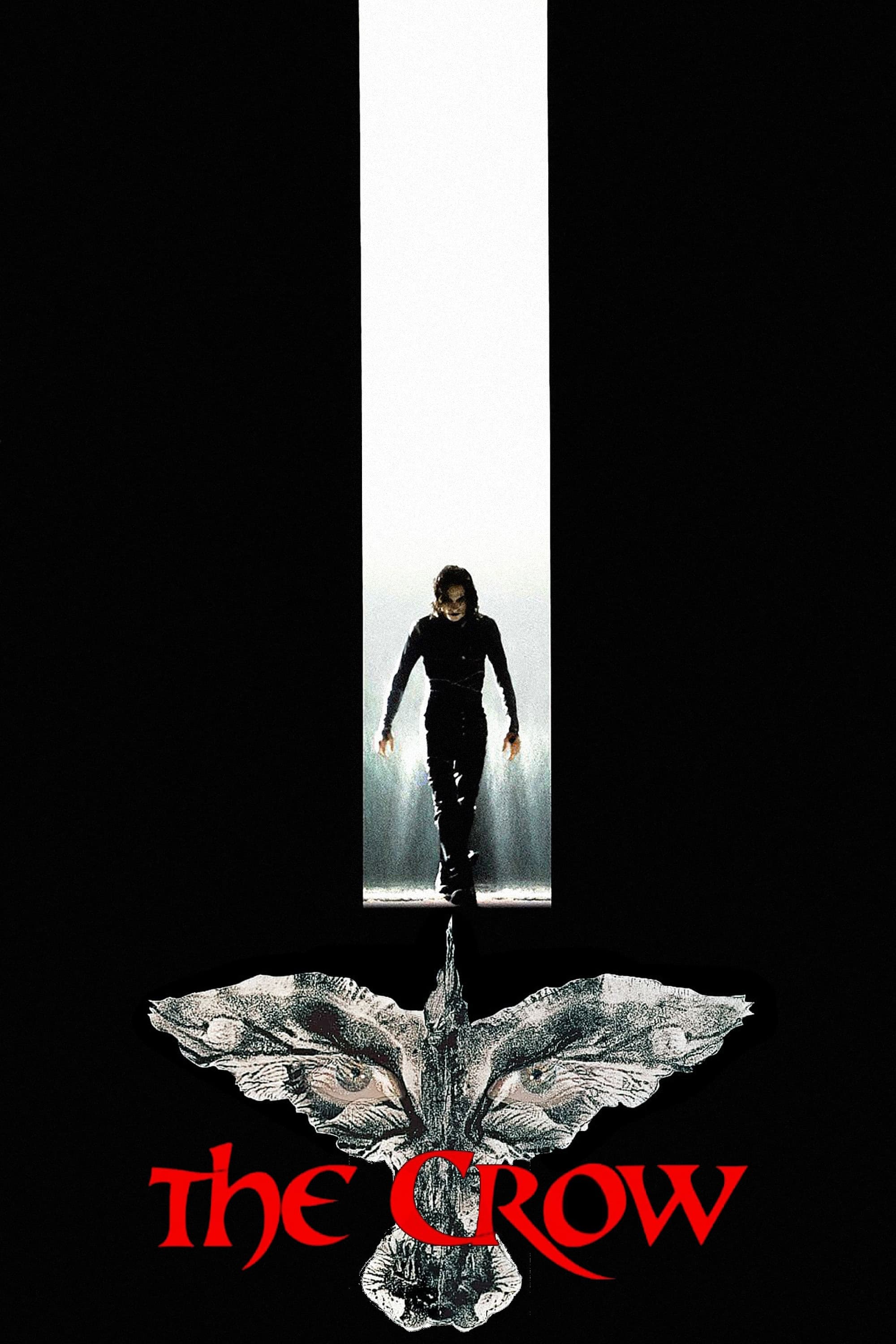
Brandon Lee tragically died on set just days before finishing his leading role in the film. To complete the movie, filmmakers used innovative digital techniques and stand-ins – a very early and successful example of using CGI in this way. While some debated the choice, most fans felt it was important to finish the film to honor Lee’s work and preserve his final performance. The movie went on to become a cult classic, but also sparked important discussions about on-set safety and the ethics of using digital technology in filmmaking.
‘Wagons East!’ (1994)
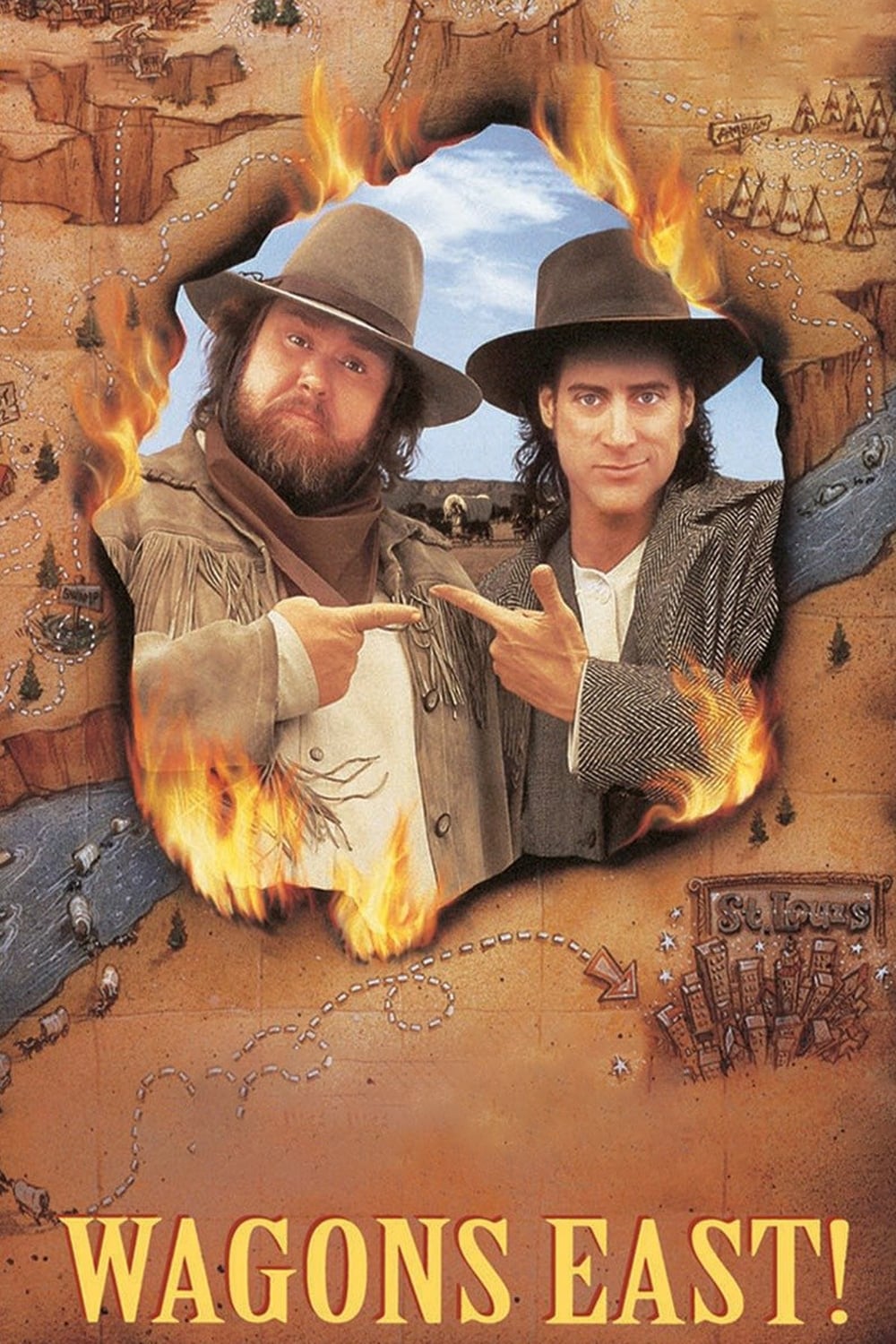
John Candy tragically passed away from a heart attack near the end of filming this comedy western. To complete the movie, the filmmakers used early digital technology to replace his head in some shots. They also creatively reused existing lines of dialogue and employed a stand-in for longer scenes. Although the film wasn’t well-received by critics, it showed how digital effects could help finish a project after an unexpected loss.
‘Forrest Gump’ (1994)
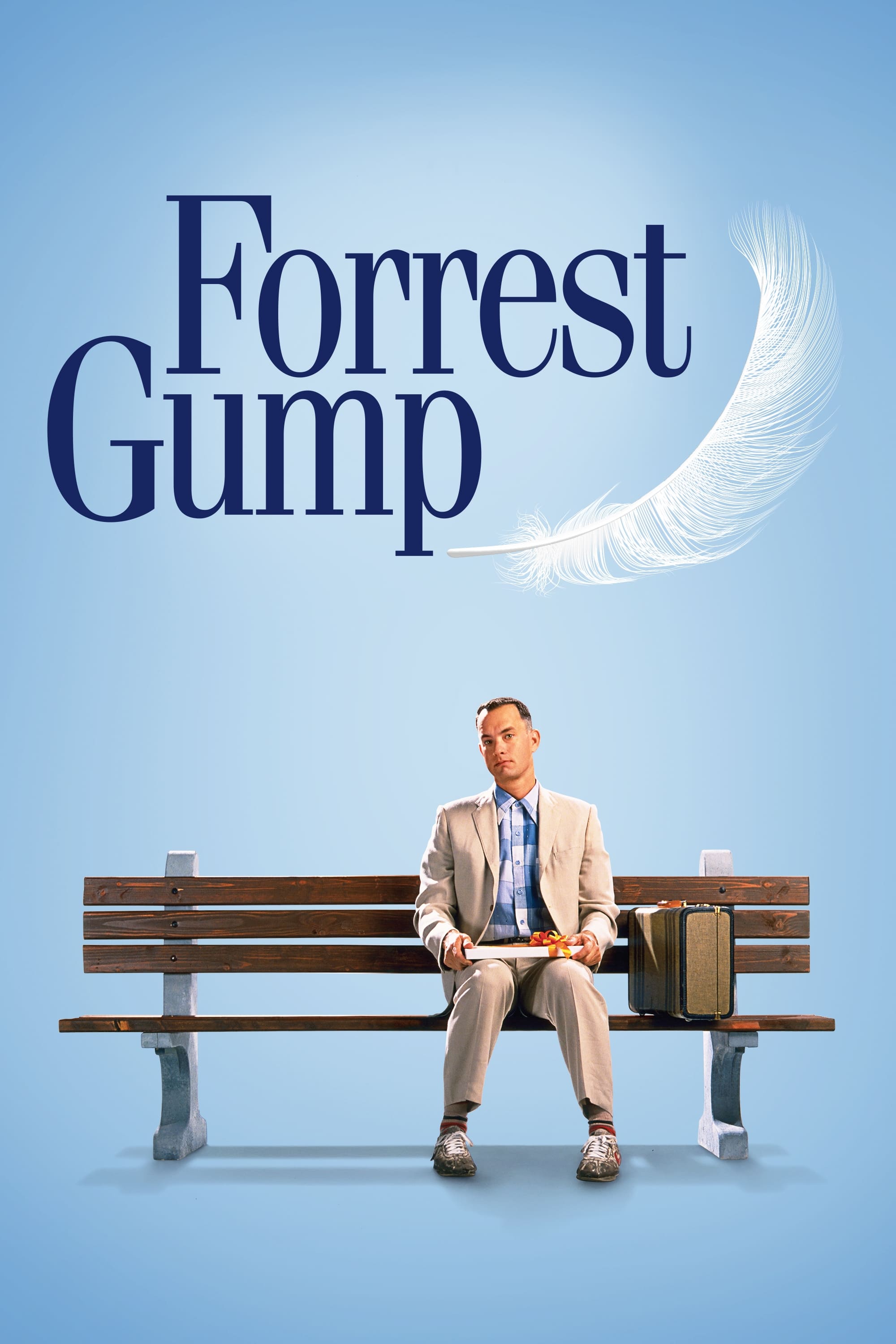
The film became well-known for digitally inserting its main character into archival footage with people who had passed away, like John Lennon and John F. Kennedy. Using advanced editing and technology that replaced mouths, it looked as if these historical figures were actually speaking with Tom Hanks. This was groundbreaking for visual effects when the film came out, but it also sparked debate about whether it was right to change what these famous people had originally said. These scenes were so successful that they helped inspire the even more realistic digital recreations of people we see in big-budget movies today.
‘Gladiator’ (2000)
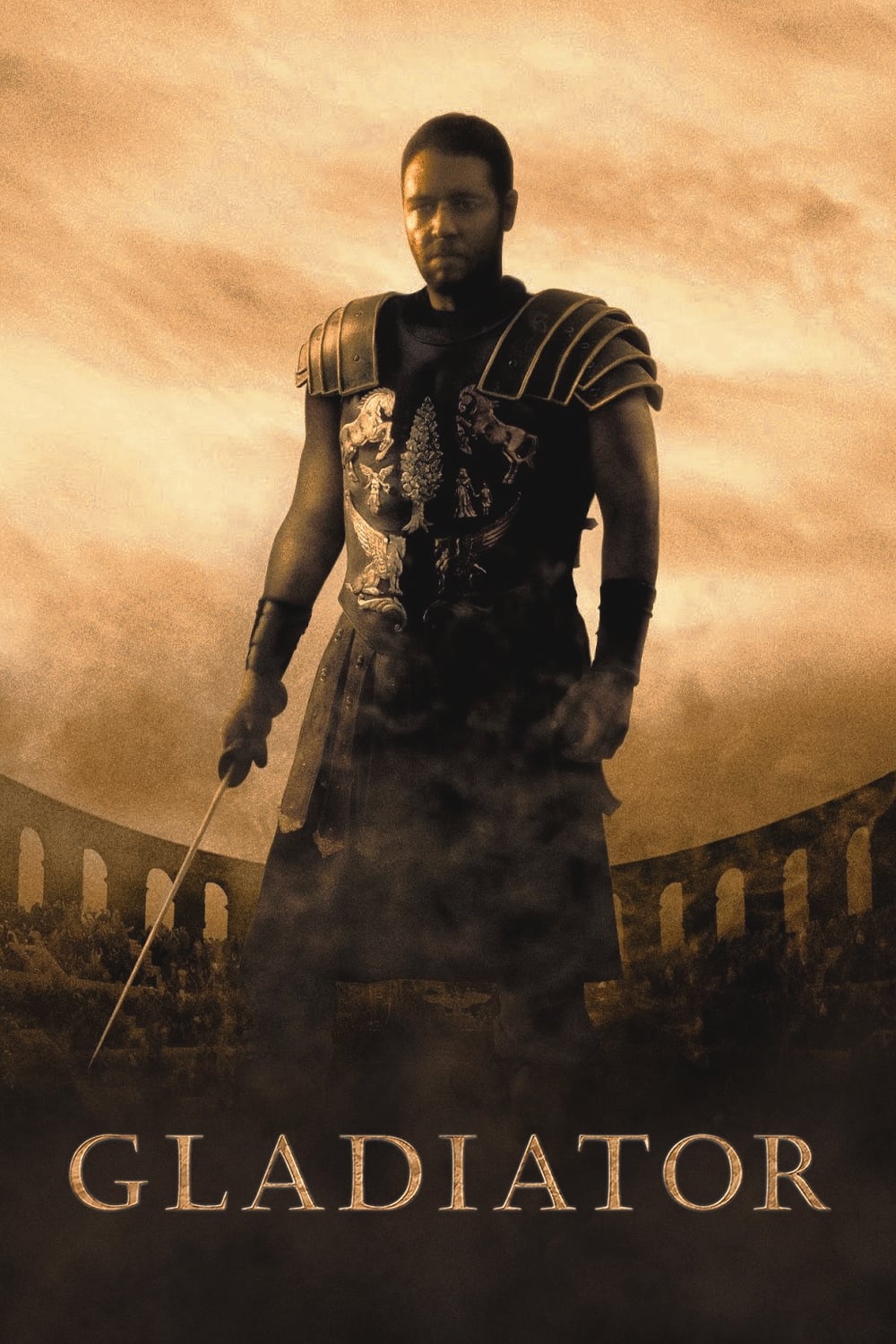
Oliver Reed sadly died before he could finish filming his role as Proximo in the movie. Director Ridley Scott cleverly reworked the script and used computer effects to place Reed’s face onto another actor for the remaining scenes. This digital work cost around $3.2 million for just two minutes of footage – a very high price to bring an actor back to the screen after their death. Despite the challenges, Reed’s performance was highly praised and earned him a BAFTA nomination after his passing.
‘Sky Captain and the World of Tomorrow’ (2004)
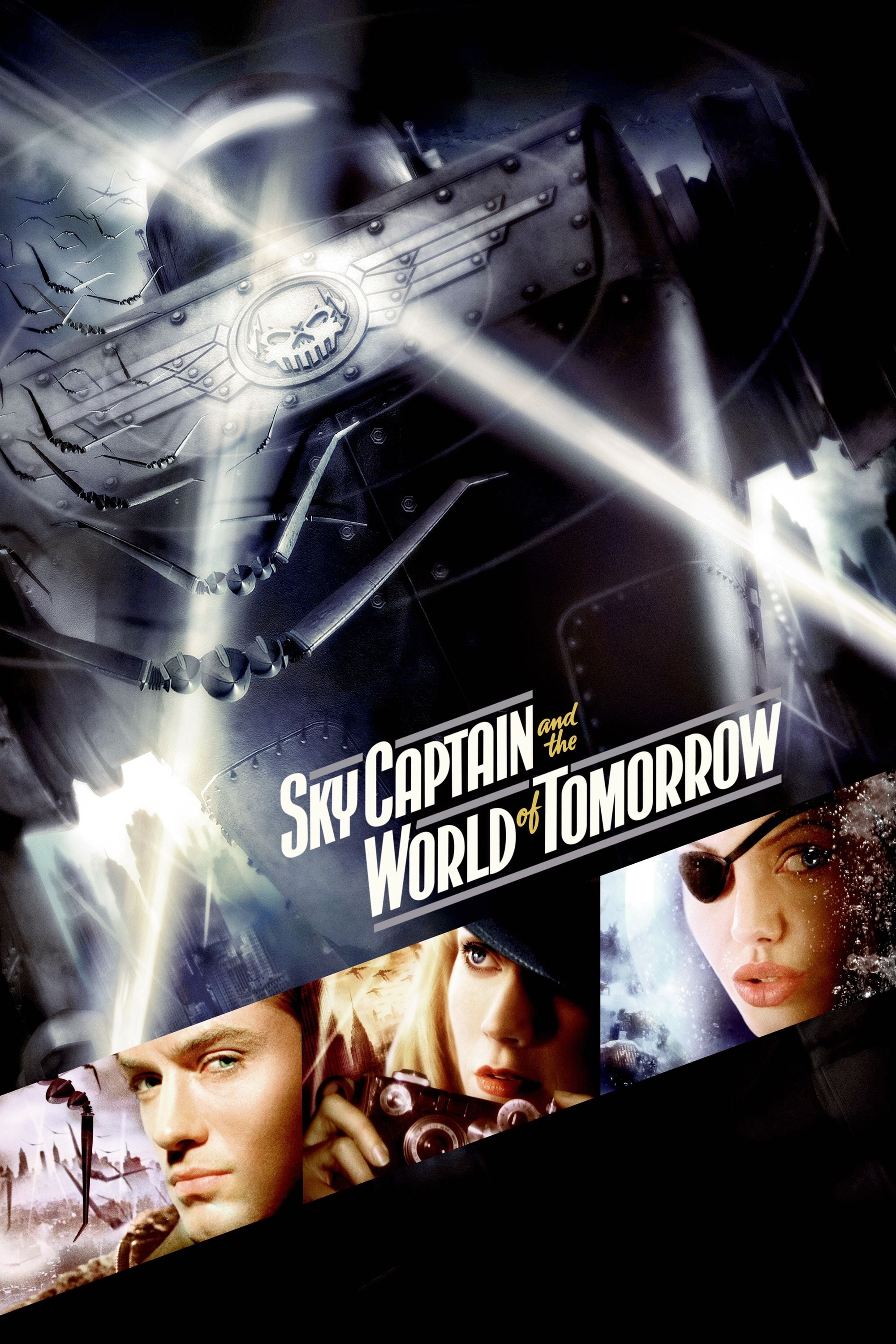
This science fiction film creatively brought back the iconic Laurence Olivier – who had passed away in 1989 – as the villain Dr. Totenkopf. They achieved this by combining old footage of Olivier with a voice actor and digital technology to create a holographic image. Director Kerry Conran explained it was meant as a respectful nod to classic cinema, but some critics felt using a beloved, deceased actor for a small part was a strange and ultimately unhelpful choice.
‘Superman Returns’ (2006)
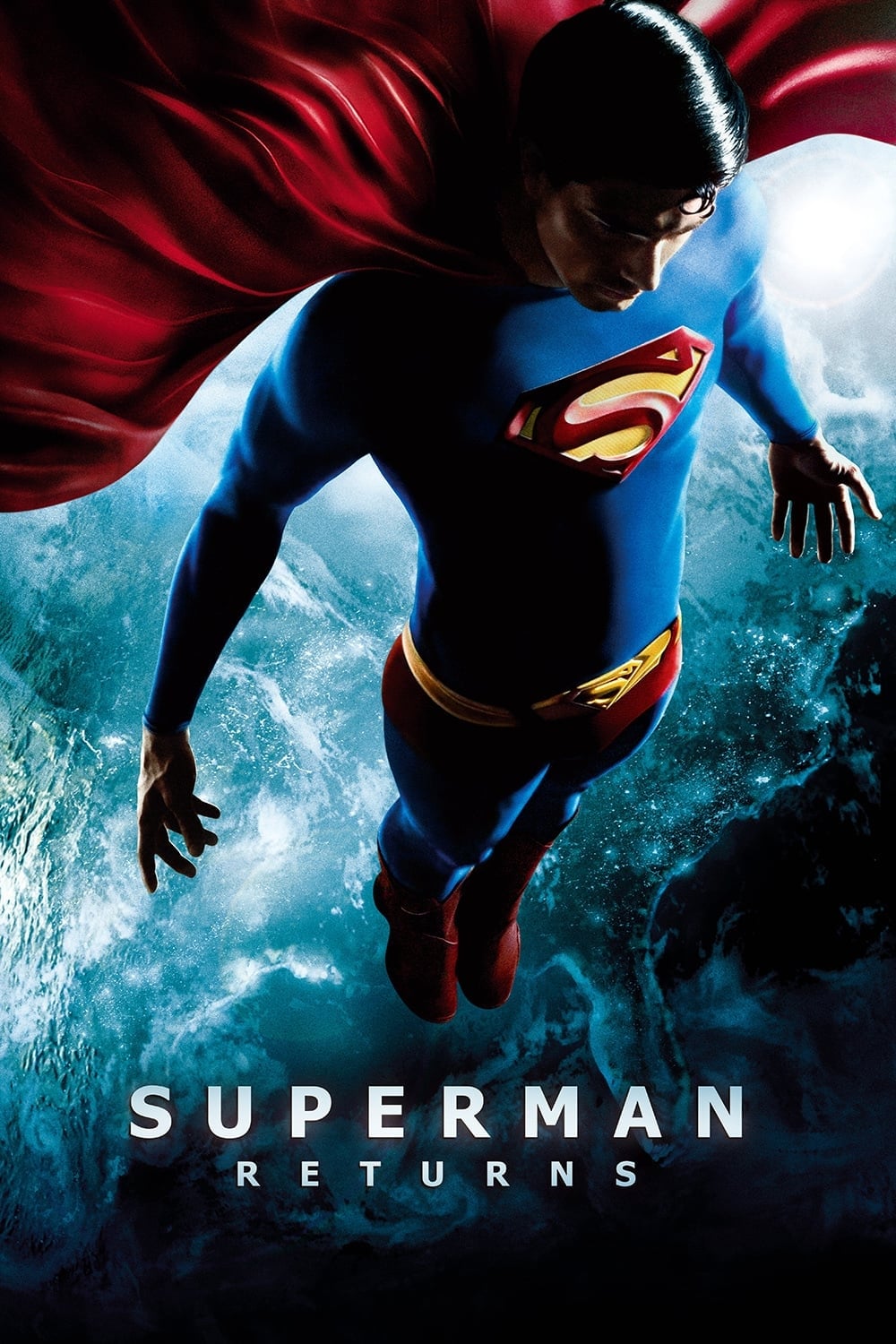
Marlon Brando, who played Superman’s father Jor-El, returned to the screen decades after his death thanks to digital technology. Filmmakers used previously unseen footage and audio from the original 1978 ‘Superman’ movie to bring him back, creating a connection between the older and newer films and honoring Christopher Reeve’s performance. Some viewers loved the nostalgic feel, while others felt the digital recreation went too far.
‘Iron Cross’ (2009)
Roy Scheider sadly passed away during the making of this movie, leaving some important scenes unfinished. The director creatively used a prosthetic mask and computer effects to have a stand-in finish his performance. This film was a pioneering independent project, one of the first to try complex digital reconstruction of an actor with limited funds. While it served as a final showcase for Scheider’s talent, the film didn’t receive wide release.
‘The Hunger Games: Mockingjay – Part 1’ (2014)
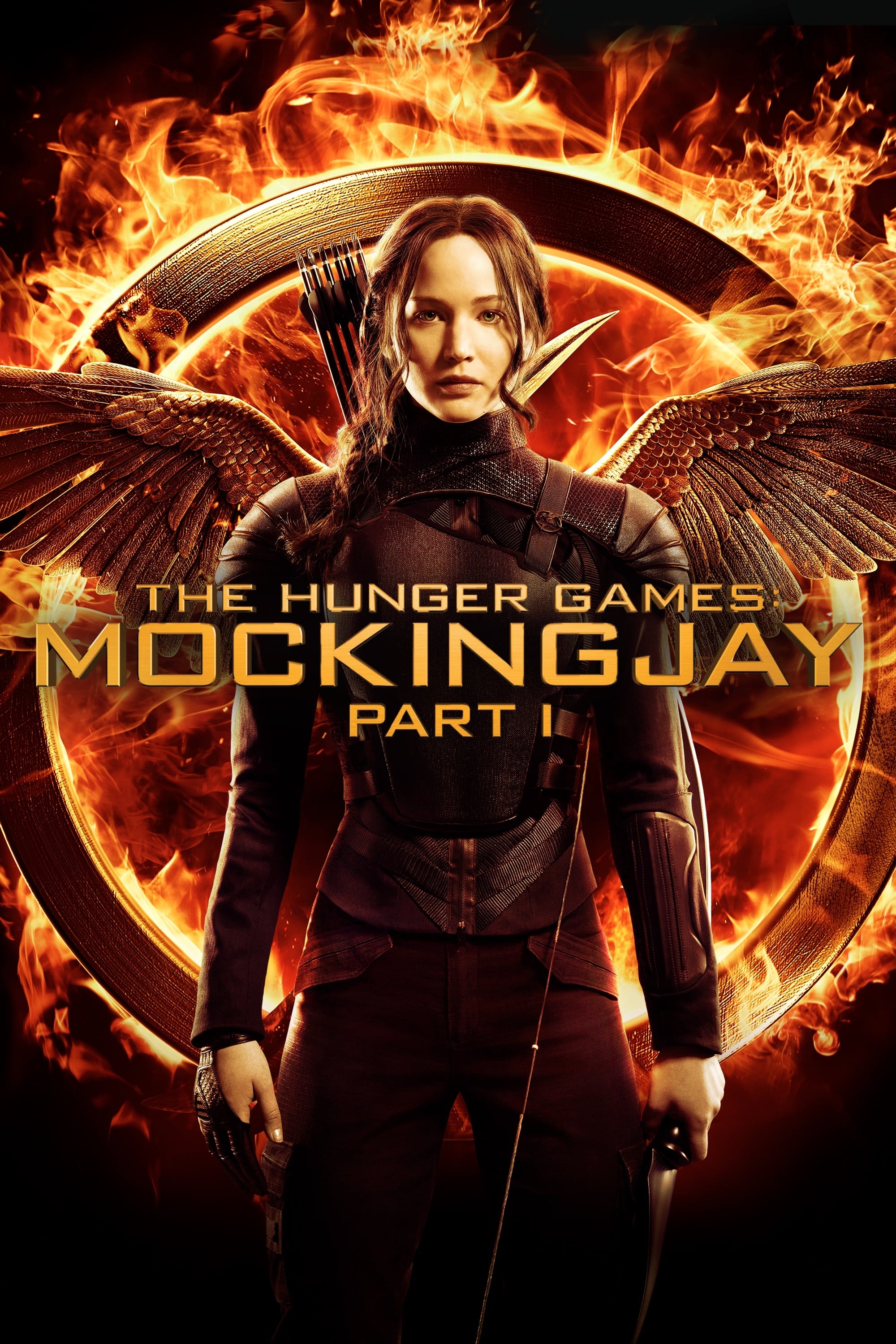
Philip Seymour Hoffman sadly passed away before finishing his role as Plutarch Heavensbee in the movie. Instead of finding a new actor, the filmmakers cleverly used existing footage and altered the script to complete the film. They were able to digitally insert Hoffman into new scenes for smaller parts, choosing to honor his work without creating a completely computer-generated performance.
‘The Hunger Games: Mockingjay – Part 2’ (2015)
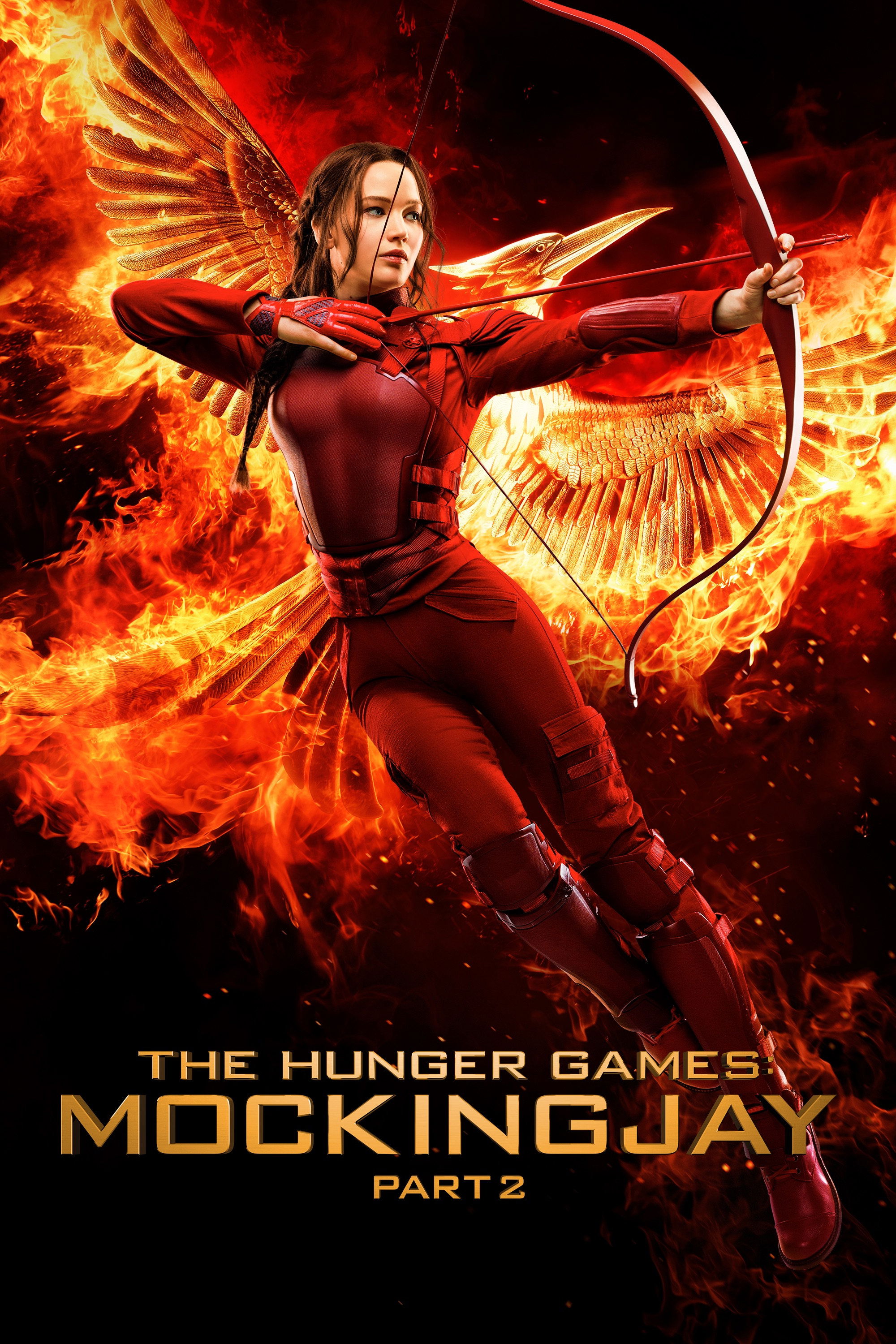
The final installment of the series continued to use digital technology to portray Philip Seymour Hoffman’s character in his remaining appearances. A particularly emotional scene originally written for Hoffman was instead delivered through a letter read by another actor, a decision made to avoid a potentially awkward or unconvincing digital recreation. Critics largely applauded this choice, noting it was a respectful way to handle the actor’s death and avoid a forced imitation of his performance. The film serves as a good example of how to address an actor’s passing with sensitivity and technical skill.
‘Furious 7’ (2015)
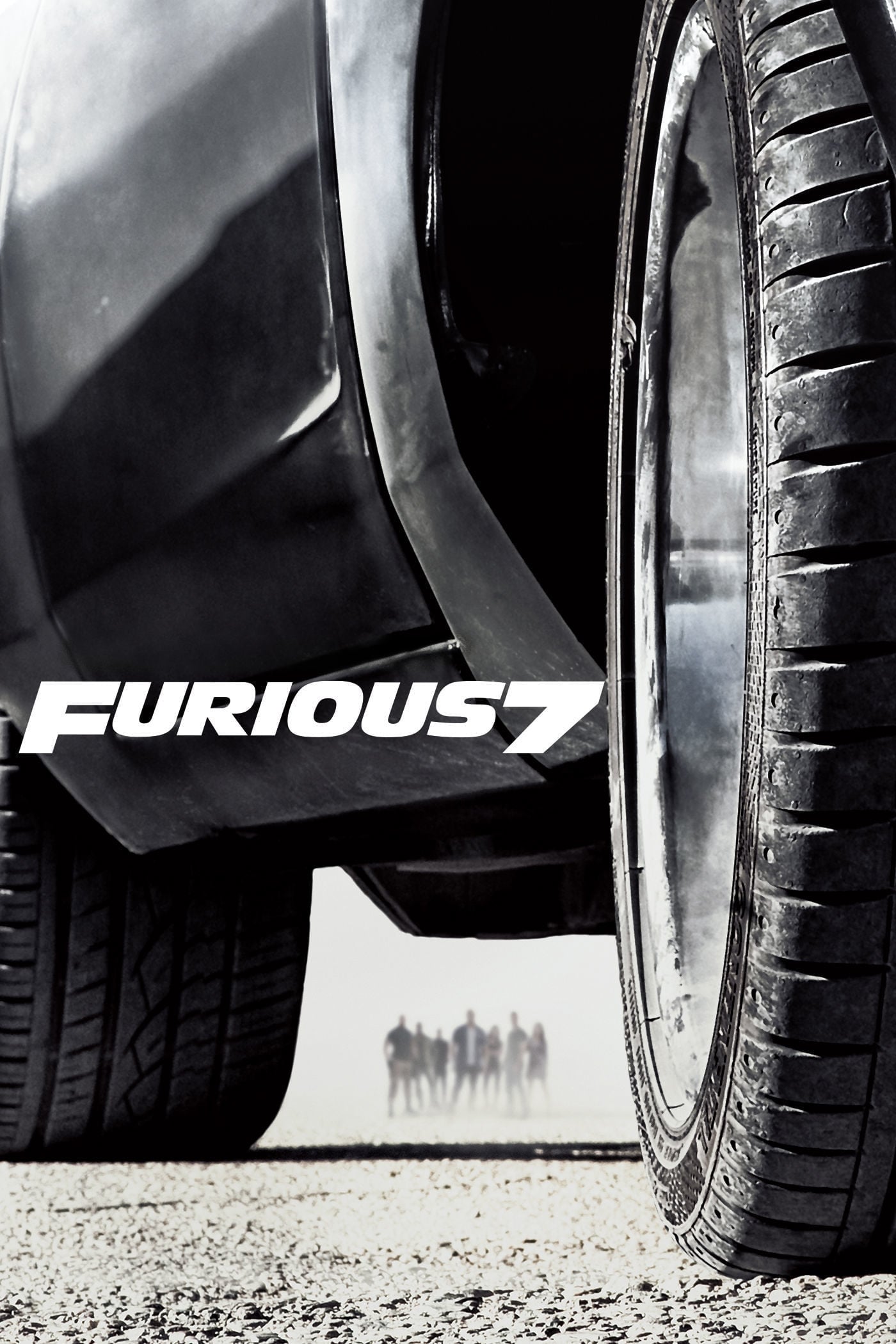
When Paul Walker tragically died during filming, it was a huge shock for everyone involved with ‘Fast & Furious’. It meant they had to completely change plans for the movie. They cleverly used Paul’s brothers as stand-ins for some shots, and then Weta Digital worked some serious magic with CGI to finish his scenes. The ending, where a digital Paul drives off into the sunset, was just incredibly moving and felt like a beautiful goodbye. Honestly, it’s still one of the most impressive and touching ways I’ve ever seen a studio handle an actor’s death in a movie – it really stuck with me.
‘Rogue One: A Star Wars Story’ (2016)
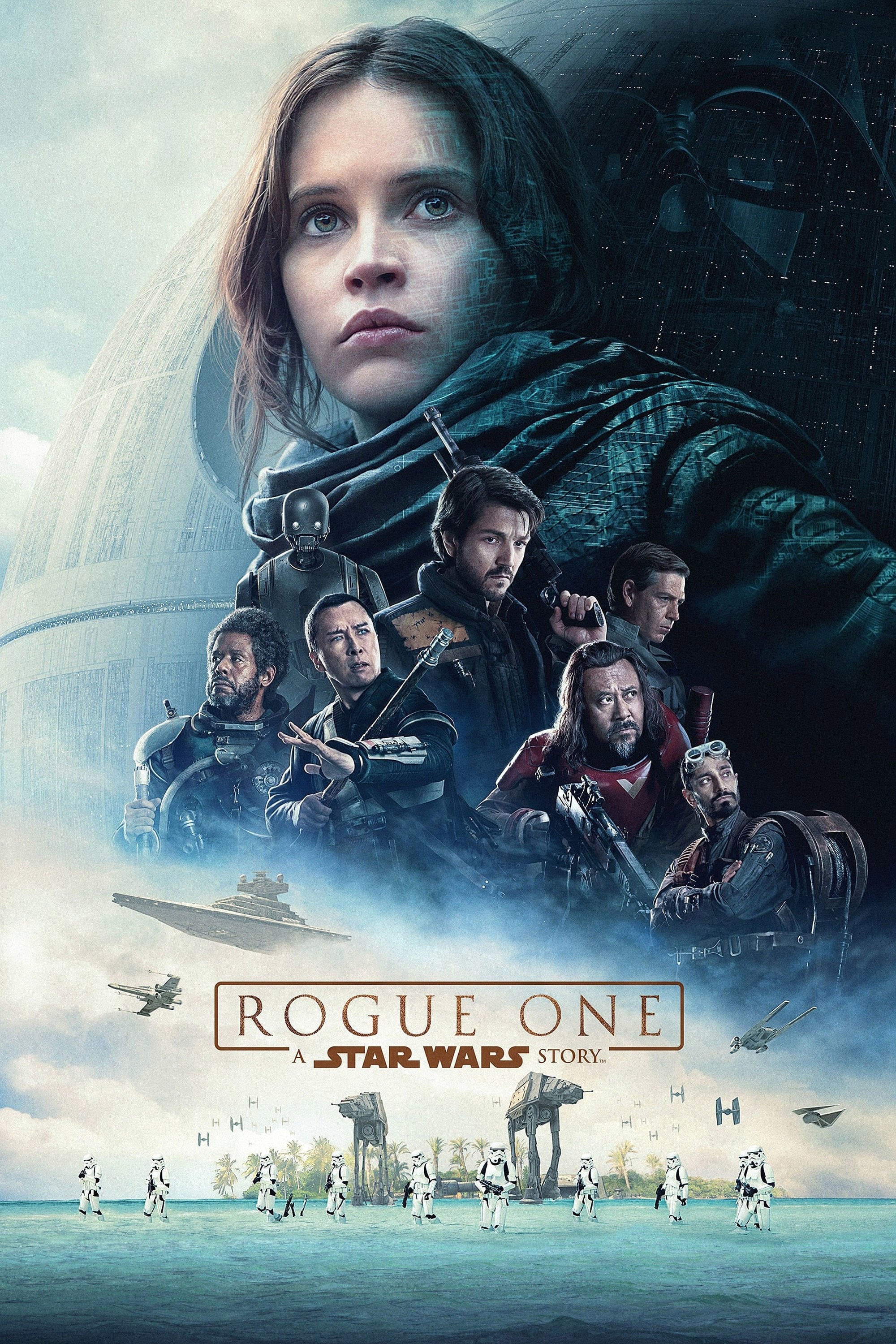
Peter Cushing’s iconic character, Grand Moff Tarkin, was brought back to life digitally, even though Cushing passed away in 1994. Visual effects artists used another actor, Guy Henry, as a starting point and then carefully recreated Cushing’s appearance using old footage and photos. This caused a worldwide discussion about whether it’s right to use an actor’s image after they’ve died. Although the effect was technically amazing, some people found it unsettling or distracting to watch.
‘Toy Story 4’ (2019)
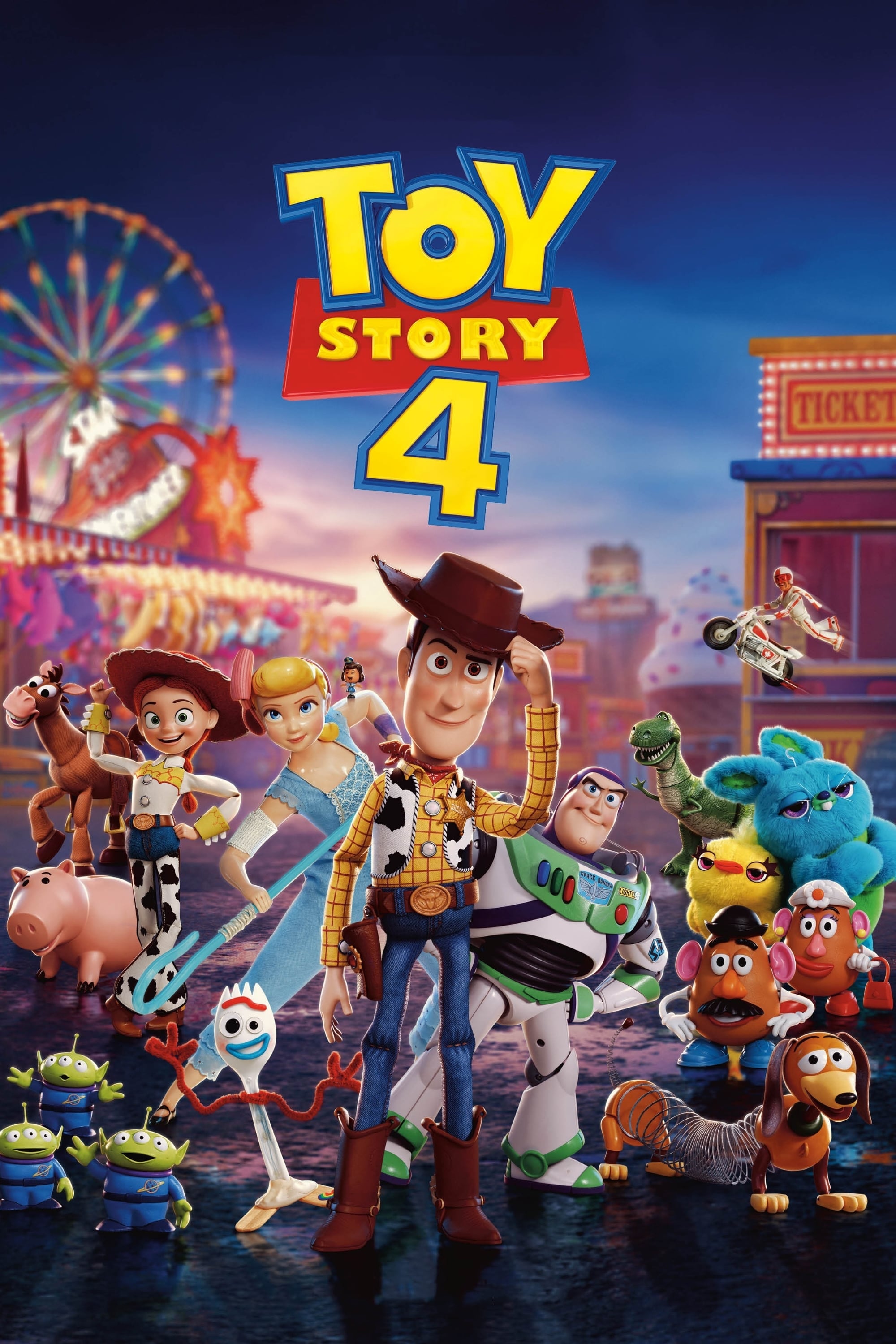
Don Rickles, who famously voiced Mr. Potato Head, sadly passed away before he could record lines for the latest Toy Story movie. Pixar thoughtfully worked with his family to create his performance using recordings from his previous work on the films and shorts. This allowed Mr. Potato Head to remain a key character without recasting the role, and fans were pleased that the character’s unique personality – which Rickles had brought to life since 1995 – was preserved.
‘Star Wars: The Rise of Skywalker’ (2019)
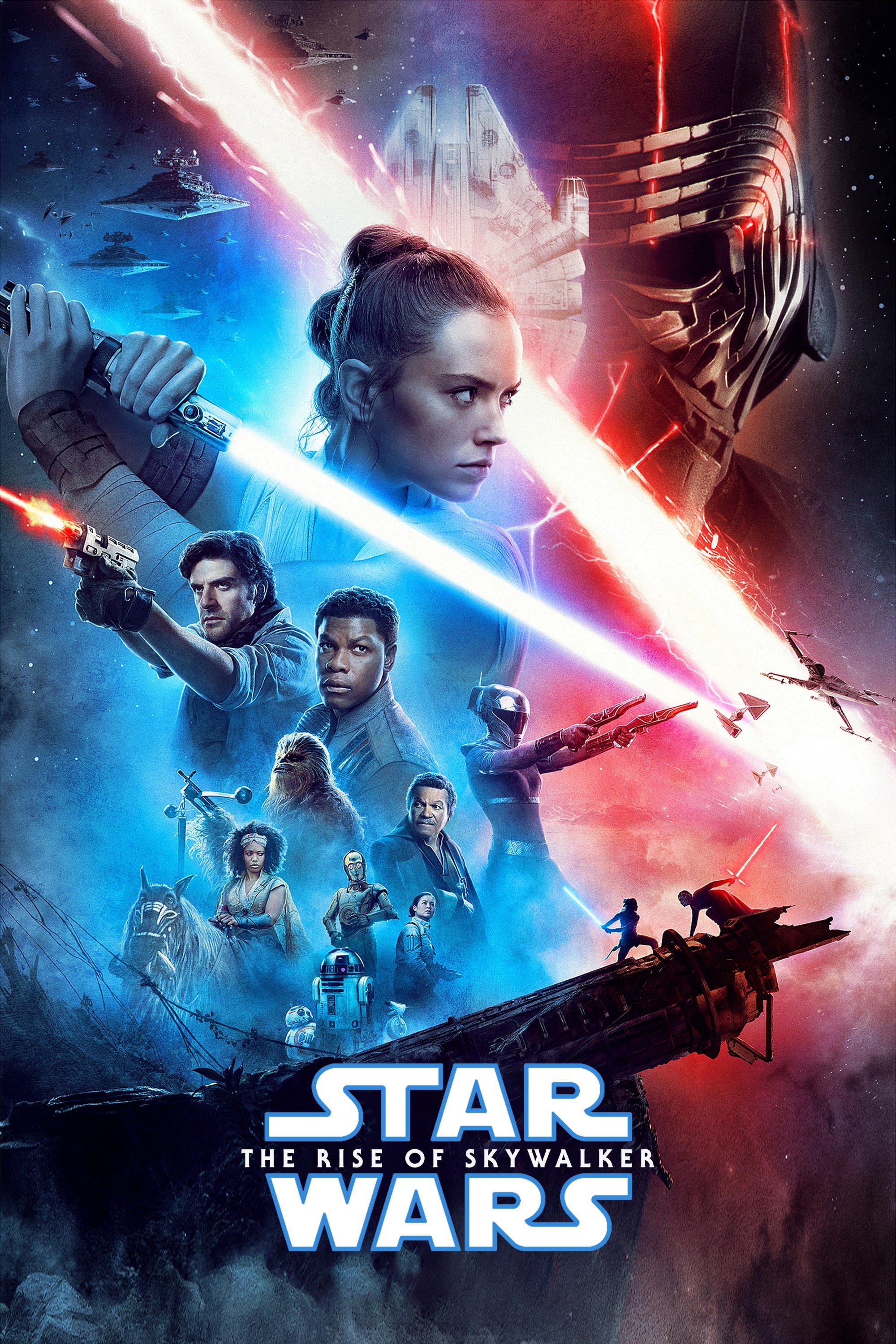
Though Carrie Fisher sadly passed away before filming the last movie in the sequel trilogy, her character, Princess Leia, still played a key role. The filmmakers creatively used existing footage from ‘Star Wars: The Force Awakens’ and enhanced it with digital effects to include her. They even created a completely digital version of young Leia for a flashback scene, with permission from her daughter, Billie Lourd. While her presence was heavily promoted, audiences could tell that some of the footage was previously filmed.
‘Ghostbusters: Afterlife’ (2021)
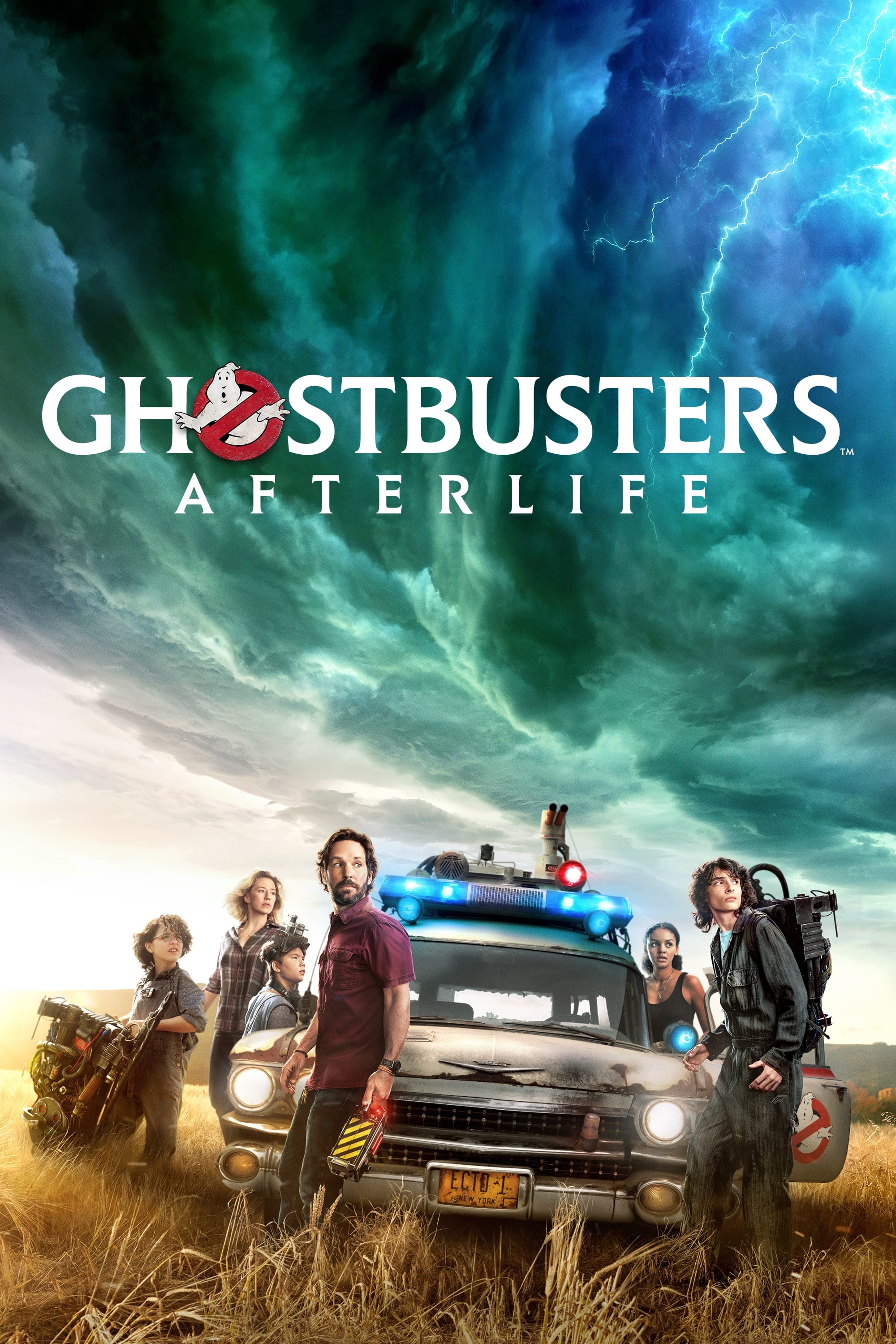
The film included a touching digital appearance by the late Harold Ramis as his character, Egon Spengler, during a key emotional scene. The filmmakers collaborated with the Ramis family to make sure this CGI version of the actor was portrayed respectfully. This silent performance aimed to give both the characters and longtime fans a sense of closure. However, some critics felt the scene relied too heavily on emotion and bordered on being manipulative.
‘The Flash’ (2023)
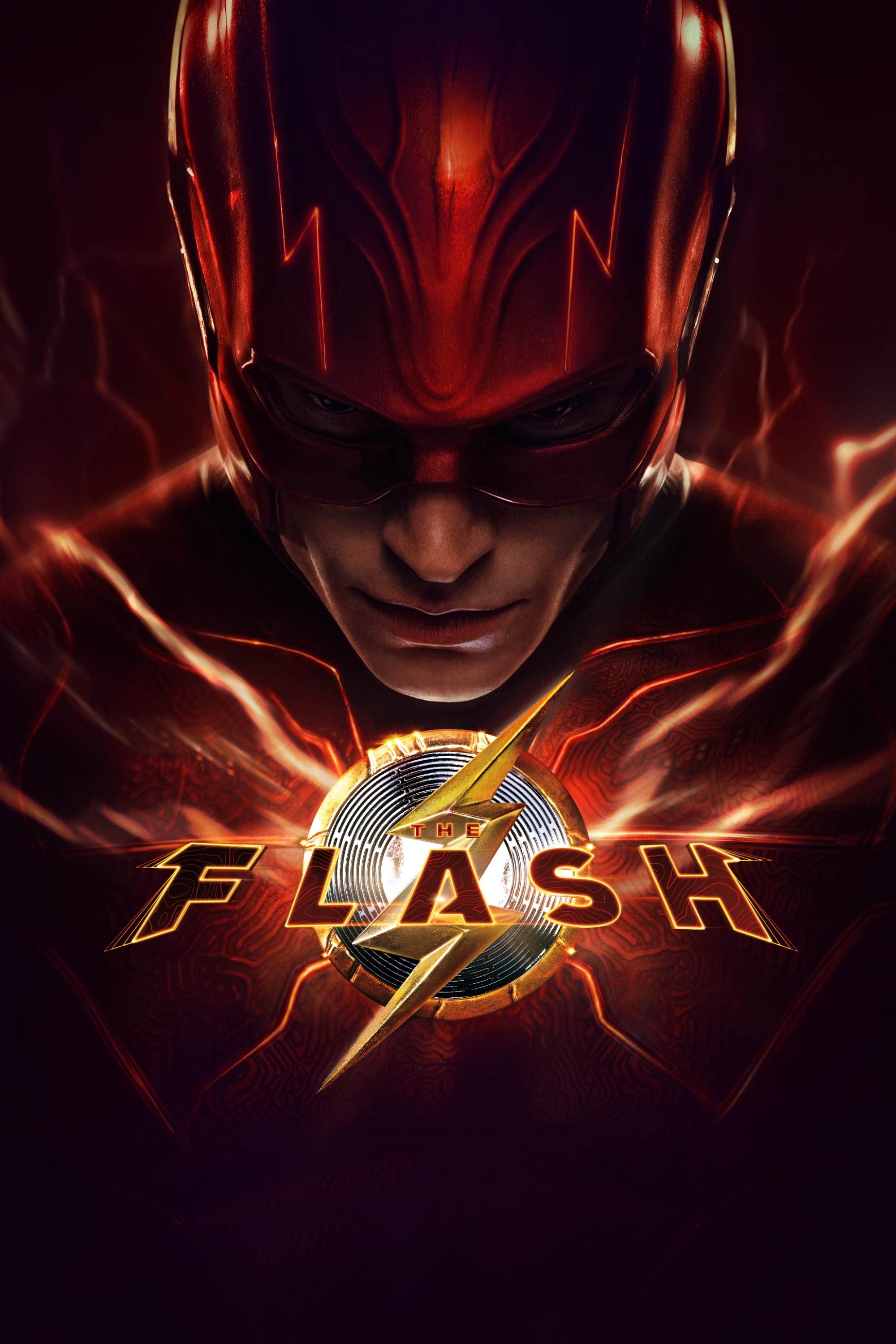
Christopher Reeve, the actor who famously played Superman, appeared in a recent film thanks to special effects. Filmmakers used computer-generated imagery (CGI) to recreate his appearance from the late 1970s and 80s as part of a scene showing different versions of the DC universe. While intended as a tribute to past DC movies, the cameo received criticism for how it looked. Many fans felt it was disrespectful to bring back the late actor in this digital way, seeing it as excessive fan service.
‘The Flash’ (2023)

George Reeves, who famously played Superman in the 1950s TV show, briefly appeared in the movie thanks to digital technology. This black-and-white scene was a tribute to the many versions of the character over the years. However, bringing back his image, even for a small part, sparked debate about whether digital recreations are really needed for such brief moments. Some critics pointed out that the computer-generated imagery made the historical figures look more like video game avatars than actual people.
‘The Flash’ (2023)

Adam West, the actor who famously played Batman in the 1960s, appeared briefly in the film thanks to the use of old recordings and visual effects. Like other nostalgic moments in the movie, this was meant to appeal to longtime comic book fans. However, bringing back West, who died in 2017, sparked debate about whether it’s appropriate to digitally recreate deceased actors. The scene continues to fuel conversations about how studios should respectfully handle the legacies of their biggest stars.
‘Alien: Romulus’ (2024)

Ian Holm, who passed away in 2020, appears in the new film as a digitally recreated version of his character, Ash, from the 1979 original. Filmmakers combined practical effects like animatronics with voice acting and computer-generated imagery to bring the actor back to life. The filmmakers worked with Holm’s family, who approved of the project. However, the decision to digitally recreate Holm has sparked a debate about the ethics of bringing deceased actors back to the screen and whether it honors their work or diminishes it.
Share your thoughts on the use of digital doubles in modern cinema in the comments.
Read More
- Top 20 Dinosaur Movies, Ranked
- 20 Movies Where the Black Villain Was Secretly the Most Popular Character
- 25 “Woke” Films That Used Black Trauma to Humanize White Leads
- Celebs Who Narrowly Escaped The 9/11 Attacks
- Gold Rate Forecast
- Spotting the Loops in Autonomous Systems
- Silver Rate Forecast
- 22 Films Where the White Protagonist Is Canonically the Sidekick to a Black Lead
- The 10 Most Underrated Jim Carrey Movies, Ranked (From Least to Most Underrated)
- From Bids to Best Policies: Smarter Auto-Bidding with Generative AI
2026-01-23 08:47