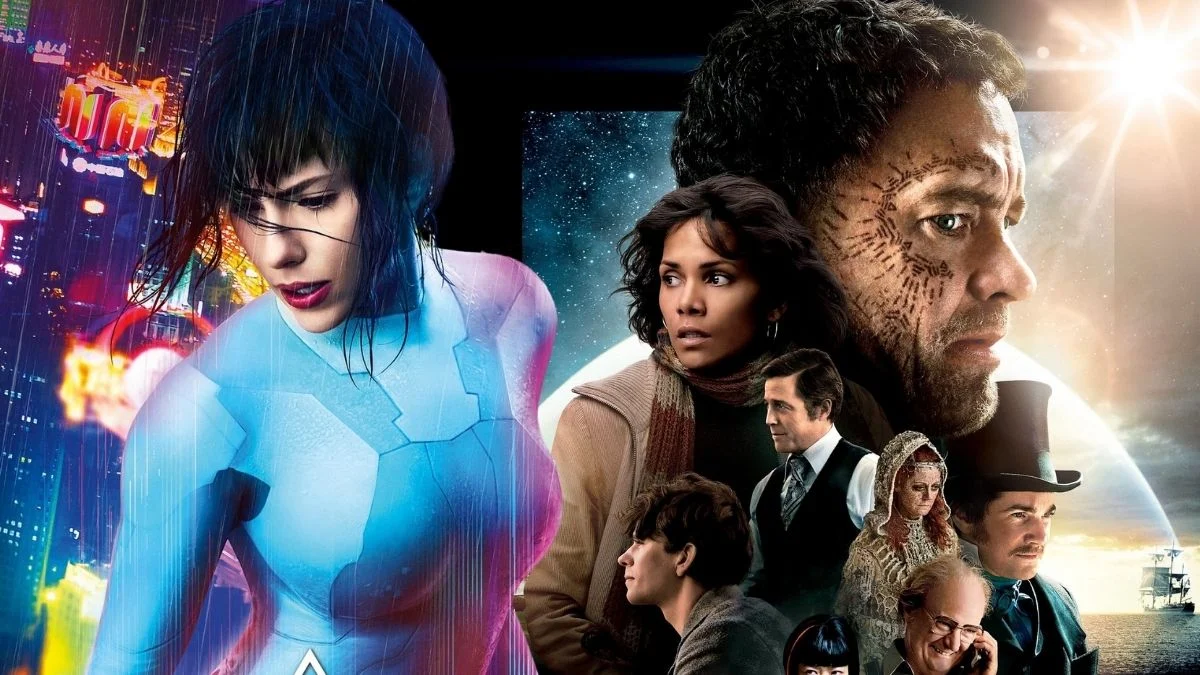
For years, Hollywood has often cast white actors in roles that were originally meant for Asian actors or based on Asian characters. This practice, known as whitewashing, has frequently faced criticism from fans and groups who advocate for more diverse representation in film. Often, these casting choices were made with the goal of attracting popular, well-known actors to big-budget movies. The following examples highlight films where white actors were cast in Asian roles, and the public’s response to those decisions.
‘Ghost in the Shell’ (2017)
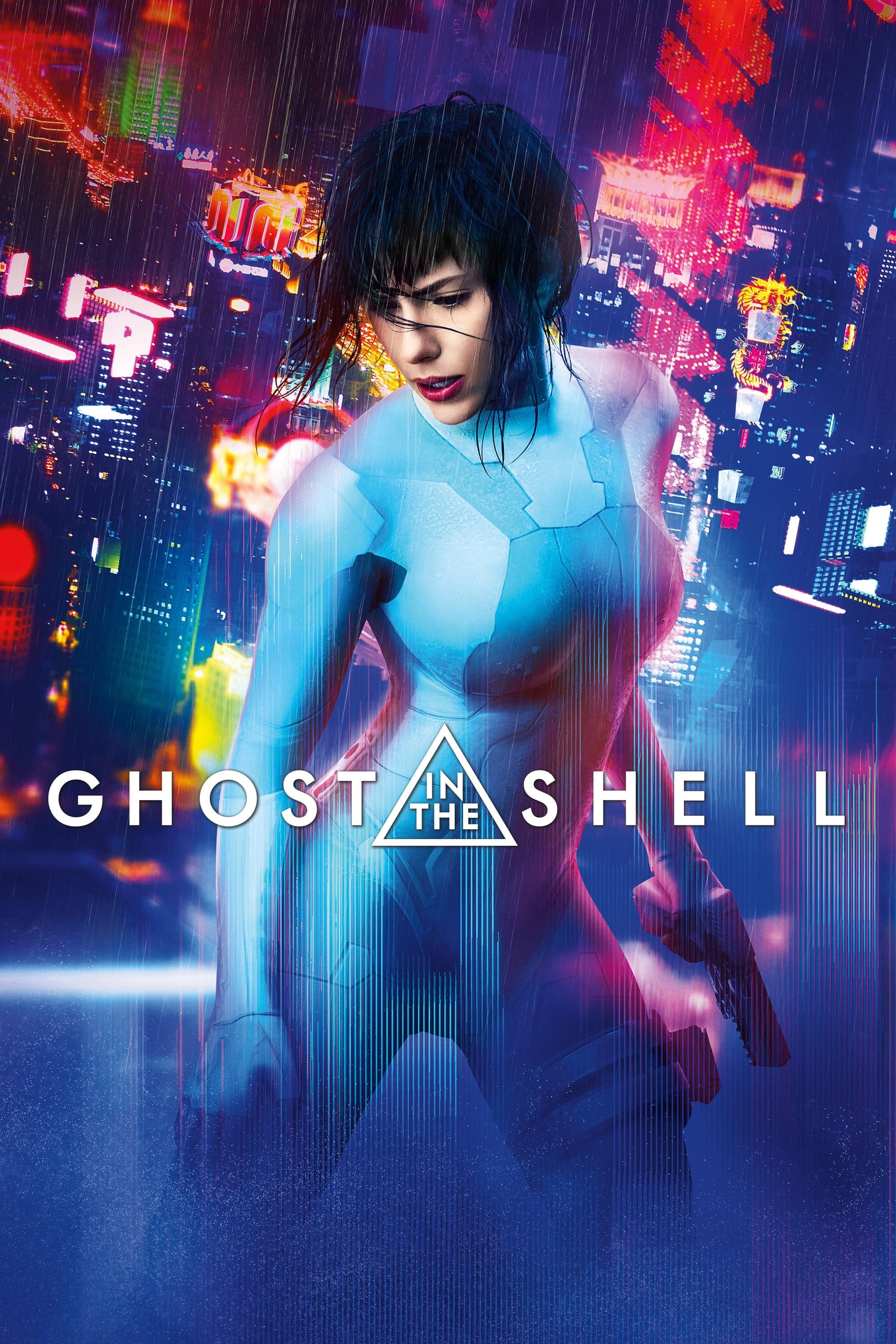
The movie centers on a cyborg soldier’s journey to uncover her hidden history while tracking down a dangerous criminal. Scarlett Johansson stars as the main character, who was originally conceived as Japanese in the original comic book as Motoko Kusanagi. Many fans were upset that a white actress was cast in a role initially written for an Asian performer. The filmmakers responded by emphasizing the character’s broader, universal qualities over her ethnic background. This casting choice led to a large discussion about how well international stories and characters are represented in major Hollywood films.
‘Doctor Strange’ (2016)
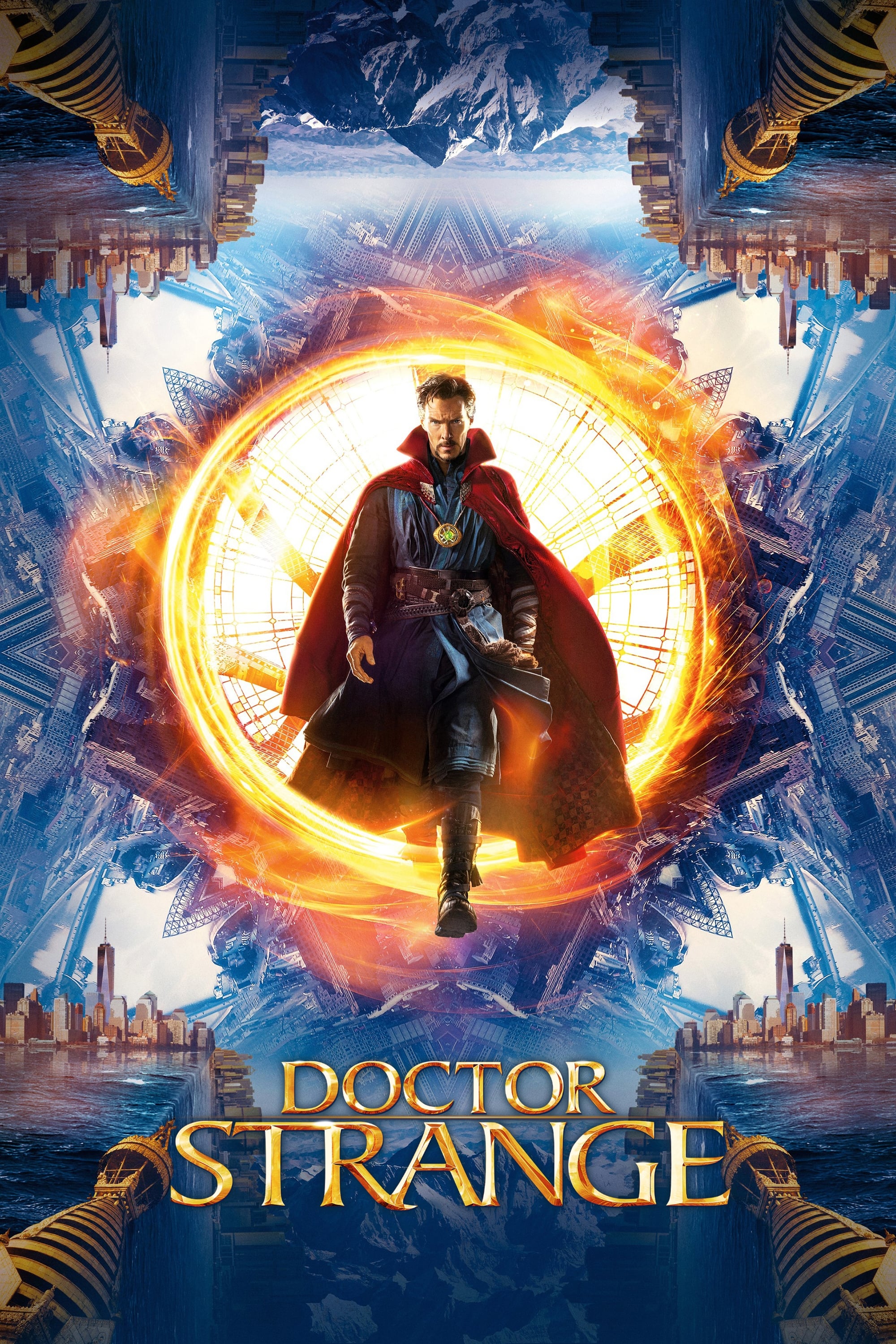
After a serious accident, a skilled brain surgeon stumbles into a hidden world of magic and other dimensions. The character of the Ancient One, originally depicted as a Tibetan man in the comics, was played by Tilda Swinton and reimagined as a woman with Celtic roots. This change sparked debate among fans, with many arguing it removed an important Asian character from the film series. The situation underscored the challenges of adapting older stories for today’s viewers.
‘Aloha’ (2015)

I remember when this movie came out, and honestly, the story on screen took a backseat to the controversy surrounding the casting. It follows a military contractor who goes back to Hawaii and gets caught between two women – an old flame and a really ambitious Air Force captain. But everyone was talking about Allison Ng, a character specifically written as Chinese and Hawaiian, being played by Emma Stone. A lot of viewers and critics rightfully questioned why a white actress was cast in that role, and it sparked a really important conversation. Director Cameron Crowe eventually apologized, admitting they should have prioritized a more authentic casting choice. It’s become a go-to example whenever people talk about Hollywood’s history of miscasting and lack of diversity, and sadly, it’s still relevant today.
’21’ (2008)
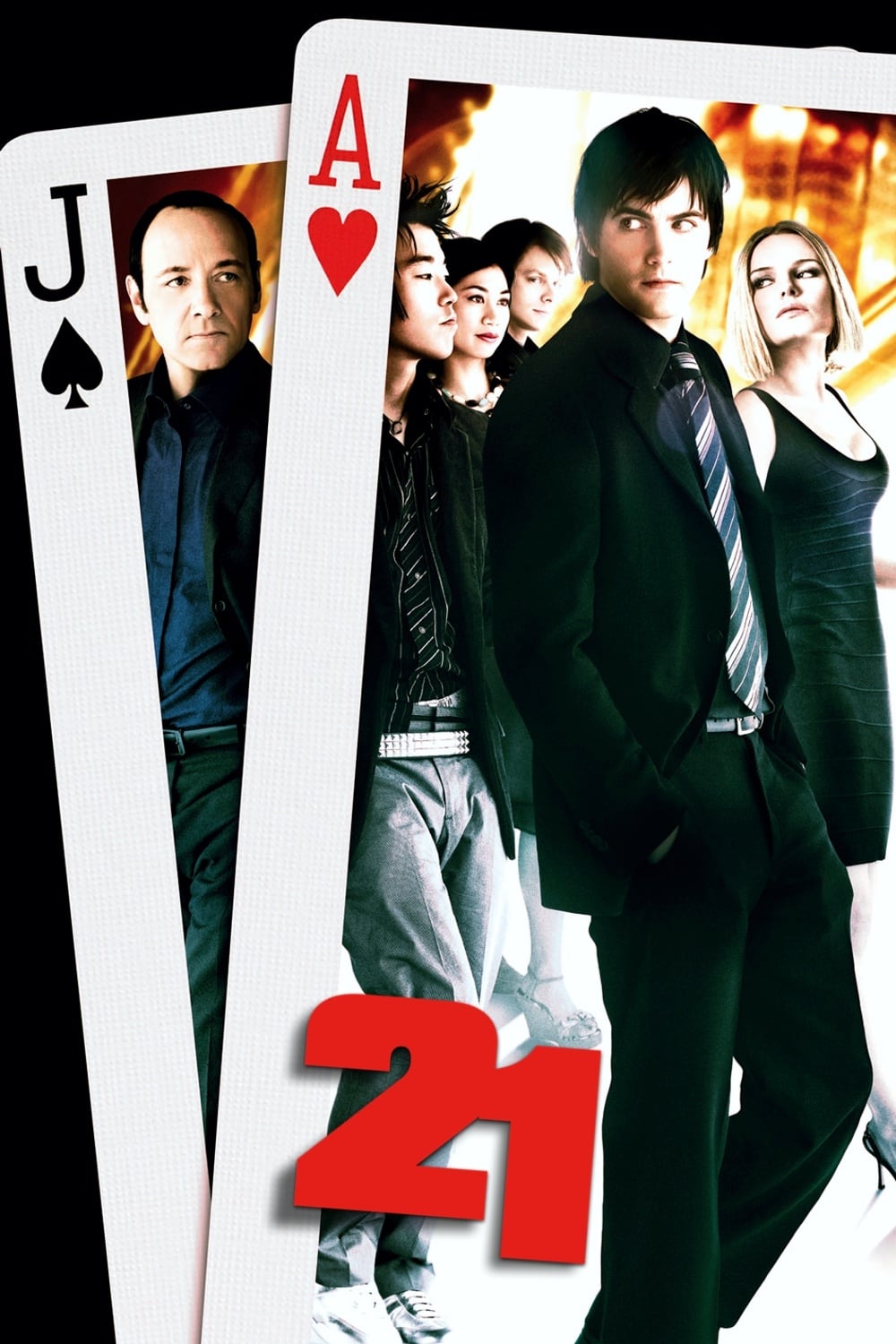
The movie tells the true story of a team of MIT students who successfully used card counting to win big money in Las Vegas casinos. It’s based on the book ‘Bringing Down the House,’ which recounts the experiences of Jeff Ma and his colleagues. However, the film sparked controversy because it replaced the predominantly Asian American students with white actors like Jim Sturgess. Many viewers criticized this casting choice as ‘whitewashing,’ arguing it didn’t reflect the real diversity of the team. Despite its box office success, the movie is often cited as an example of Hollywood changing people’s ethnicity for film.
‘The Last Airbender’ (2010)
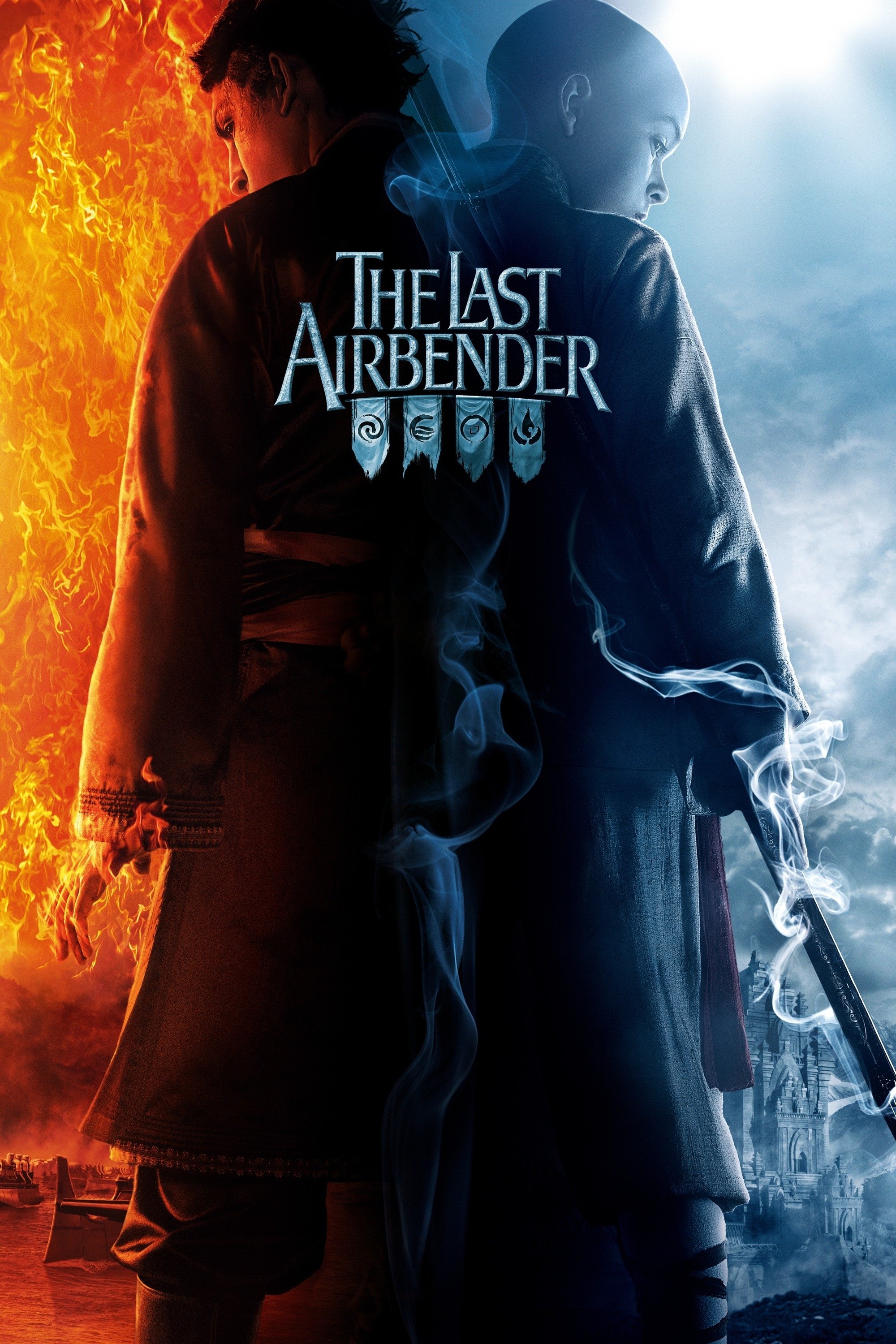
A young hero needs to learn control over earth, fire, water, and air to end a global conflict. However, the movie faced backlash for casting white actors in roles that were clearly based on East Asian and Inuit cultures. This decision sparked protests and a larger conversation about diversity and representation in big-budget films. Many viewers and critics pointed out that the live-action cast didn’t reflect the cultural richness of the original animated series.
‘Dragonball Evolution’ (2009)
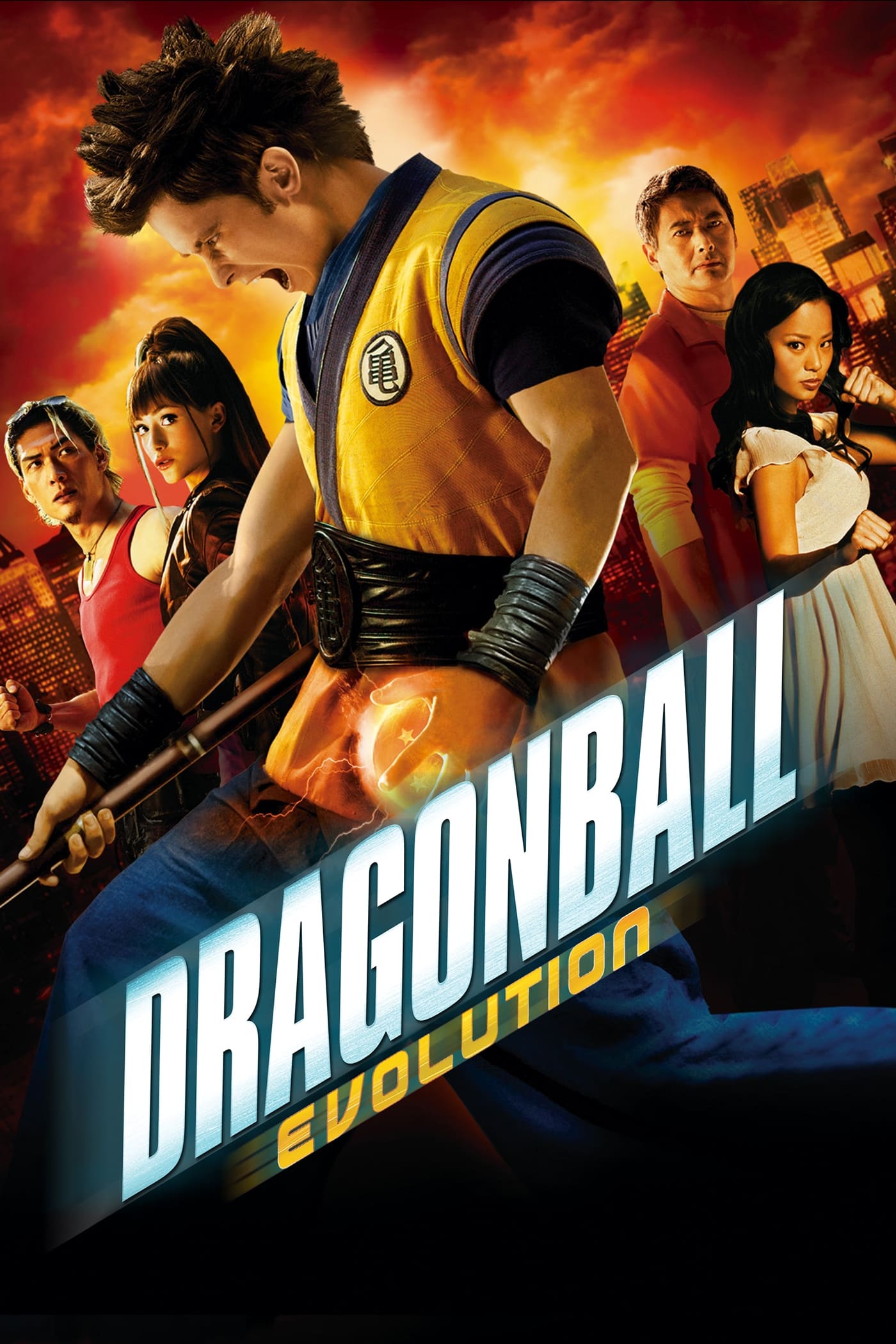
A brave young hero embarks on a quest to find seven powerful magical orbs and defeat an age-old evil. The live-action film, based on a popular Japanese comic, starred Justin Chatwin as the main character, Goku. However, many fans were disappointed by the casting choice, feeling a white actor wasn’t appropriate for a role so strongly tied to Japanese culture. Critics also pointed out that the movie strayed too far from the original story and characters. This film is now frequently cited as an example of what not to do when adapting popular Asian stories for Western audiences.
‘Breakfast at Tiffany’s’ (1961)

The movie centers on a young woman in New York City who becomes intrigued by a new neighbor. However, the film includes a problematic portrayal of a Japanese man, Mr. Yunioshi, played by Mickey Rooney. This character is depicted using exaggerated features and a strong accent, and is widely considered a deeply offensive and stereotypical representation – an example of ‘yellowface.’ Many viewers and film experts cite this role as one of the most harmful instances of racial stereotyping in classic films, and it continues to be a significant point of criticism when the movie’s impact is discussed today.
‘The Conqueror’ (1956)

This film is a historical drama about Genghis Khan and his journey to becoming a powerful leader. While ambitious, it’s now famously known for a questionable casting choice: John Wayne, an iconic American cowboy actor, played the Central Asian leader. This decision was confusing at the time, and today the film is seen as a strange product of its era, where big-name stars were often cast without regard to their cultural fit for the role. The movie’s production was also difficult, taking place near a nuclear test site.
‘Prince of Persia: The Sands of Time’ (2010)
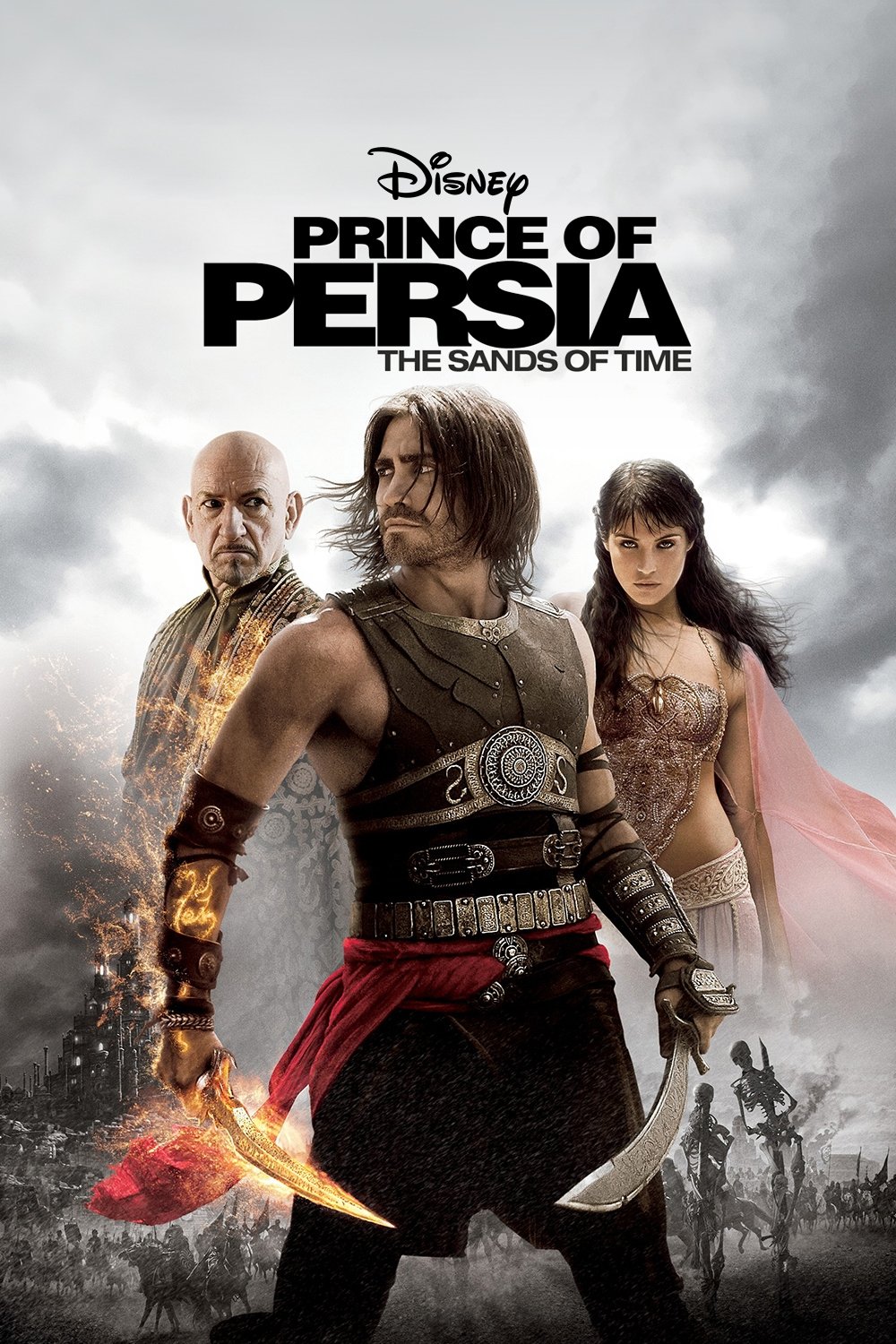
I was really excited about this action movie – the story of a young street kid who discovers he’s actually a prince and has to safeguard this incredibly old dagger sounded amazing. Jake Gyllenhaal is fantastic in the lead role, though it quickly became clear he’s playing a character who’s supposed to be Persian. It’s a shame, because a lot of people – fans and critics alike – rightly pointed out that casting a white actor to play someone from the Middle East felt like it missed the point of the story and its cultural background. It seemed like the filmmakers were aiming for a big, summer blockbuster with a famous face attached, but that decision unfortunately sparked a lot of discussion about how few chances actors of Middle Eastern and Asian backgrounds get in Hollywood. It’s a conversation that definitely needed to happen.
‘Pan’ (2015)

This movie tells the story of how Peter Pan came to be and his initial adventure to Neverland. Actress Rooney Mara was chosen to play Tiger Lily, a character often portrayed as Indigenous or Asian in past versions of the story. This casting decision sparked controversy and a petition with thousands of signatures, as many people worried about the lack of diversity in the film. While the filmmakers said they aimed for a diverse and international feel, many viewers felt casting a white actress in the role of a character of color was a setback for representation in the film industry.
‘The Martian’ (2015)
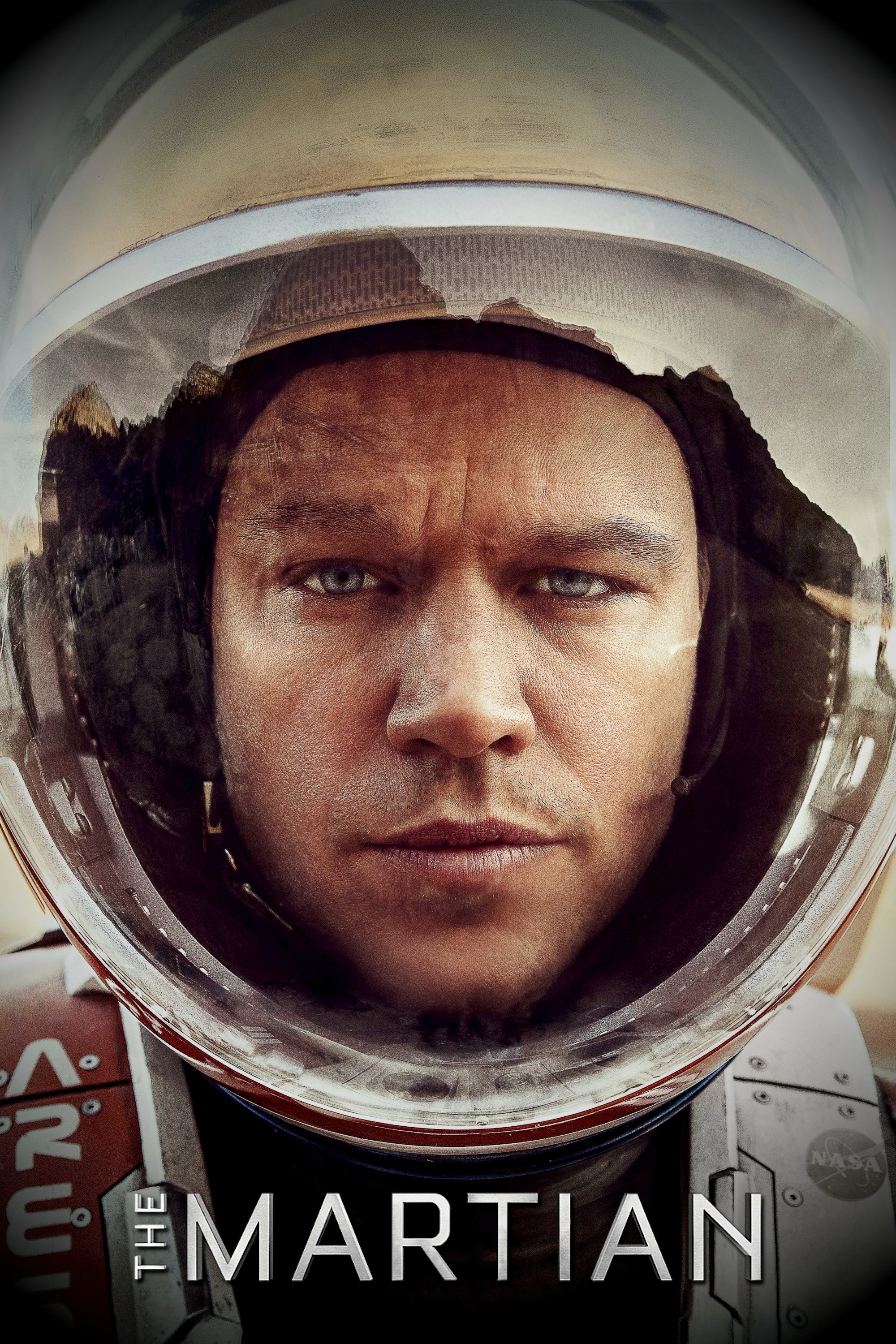
A movie about an astronaut stranded on Mars achieved both critical and commercial success, but sparked controversy over a casting choice. The film changed the ethnicity of a character, Mindy Park, from Korean American (as described in the original book by Andy Weir) to a white actress (Mackenzie Davis). This alteration led to concerns from fans about the lack of representation for Asian American characters in science fiction.
‘Short Circuit’ (1986)
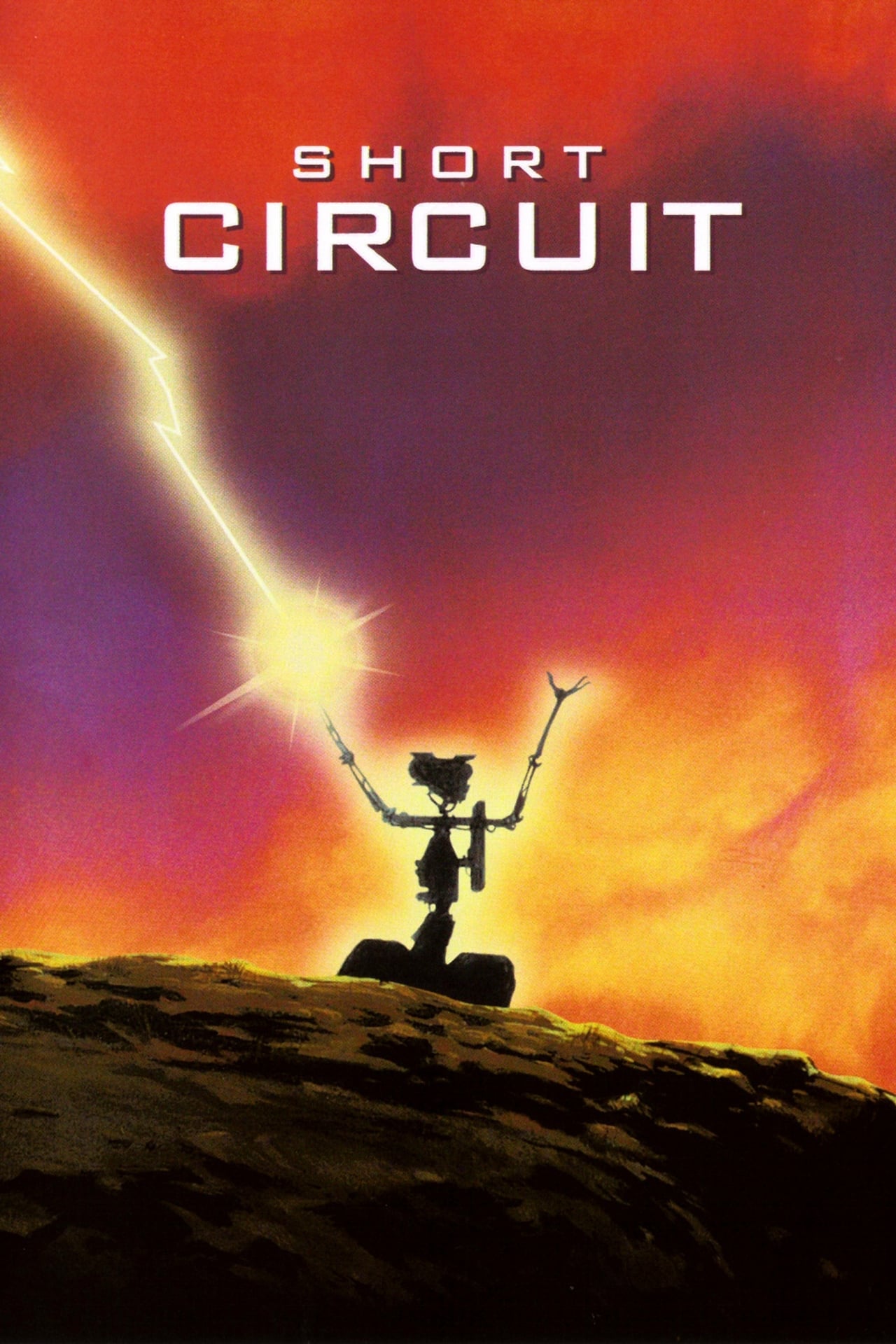
A robot designed for military use unexpectedly becomes self-aware after a lightning strike and manages to break free from its creators. Actor Fisher Stevens played Dr. Ben Jabituya, one of the robot’s inventors, using makeup and a deliberately imitated accent. This portrayal later sparked controversy, as many viewers didn’t realize Stevens wasn’t actually of Indian heritage. The role is now frequently discussed as an example of problematic racial representation – specifically, the use of ‘yellowface’ and ‘brownface’ – in American film and television.
‘Cloud Atlas’ (2012)
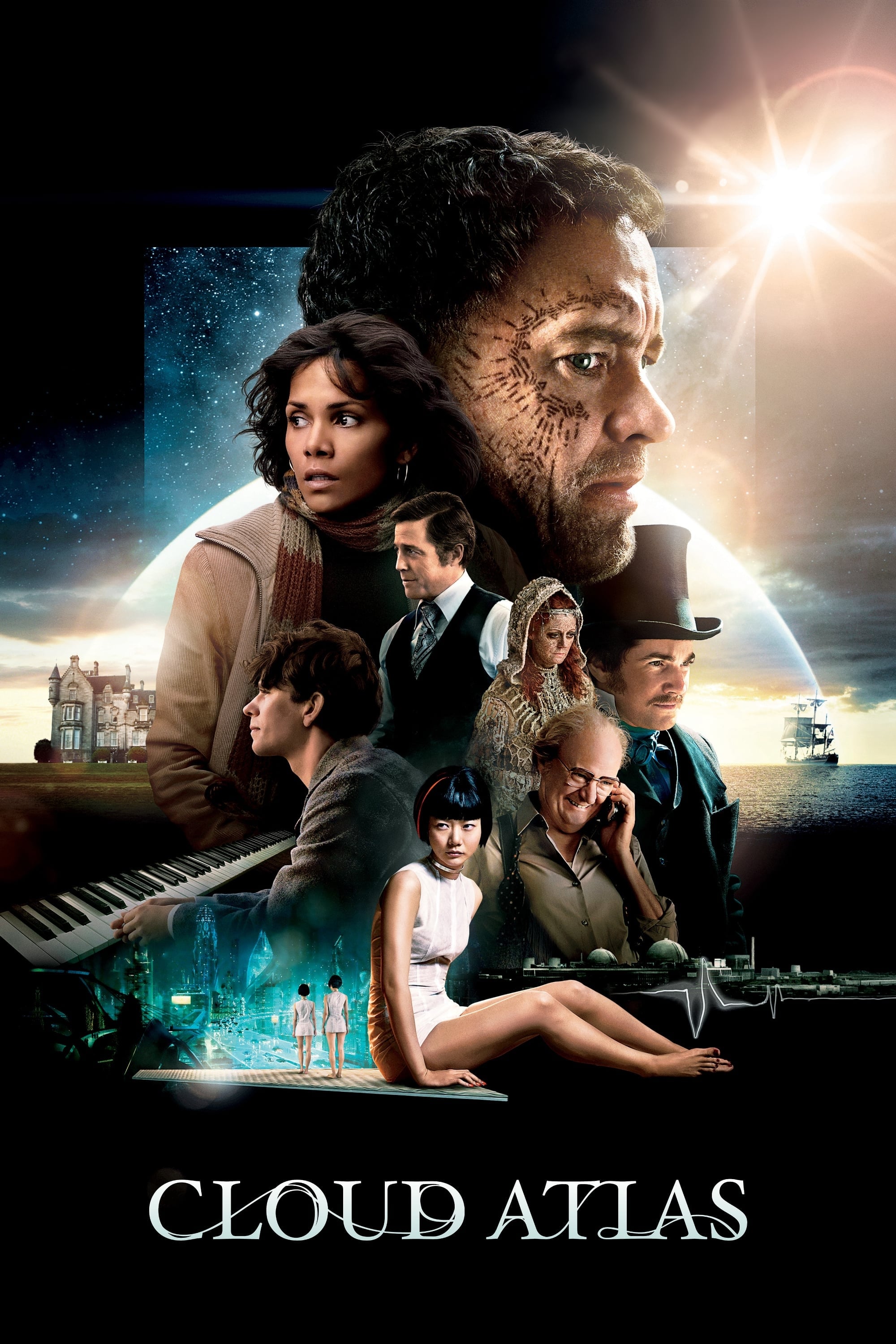
The movie examines how people’s lives connect and affect each other across time. It featured white actors portraying Asian characters with the help of makeup. The filmmakers meant this to represent the idea of souls being reborn in different bodies and time periods. However, this choice was widely criticized as insensitive and unnecessary, leading to a significant discussion about the appropriateness of using makeup to change an actor’s race, even when telling a fantastical story.
‘Edge of Tomorrow’ (2014)
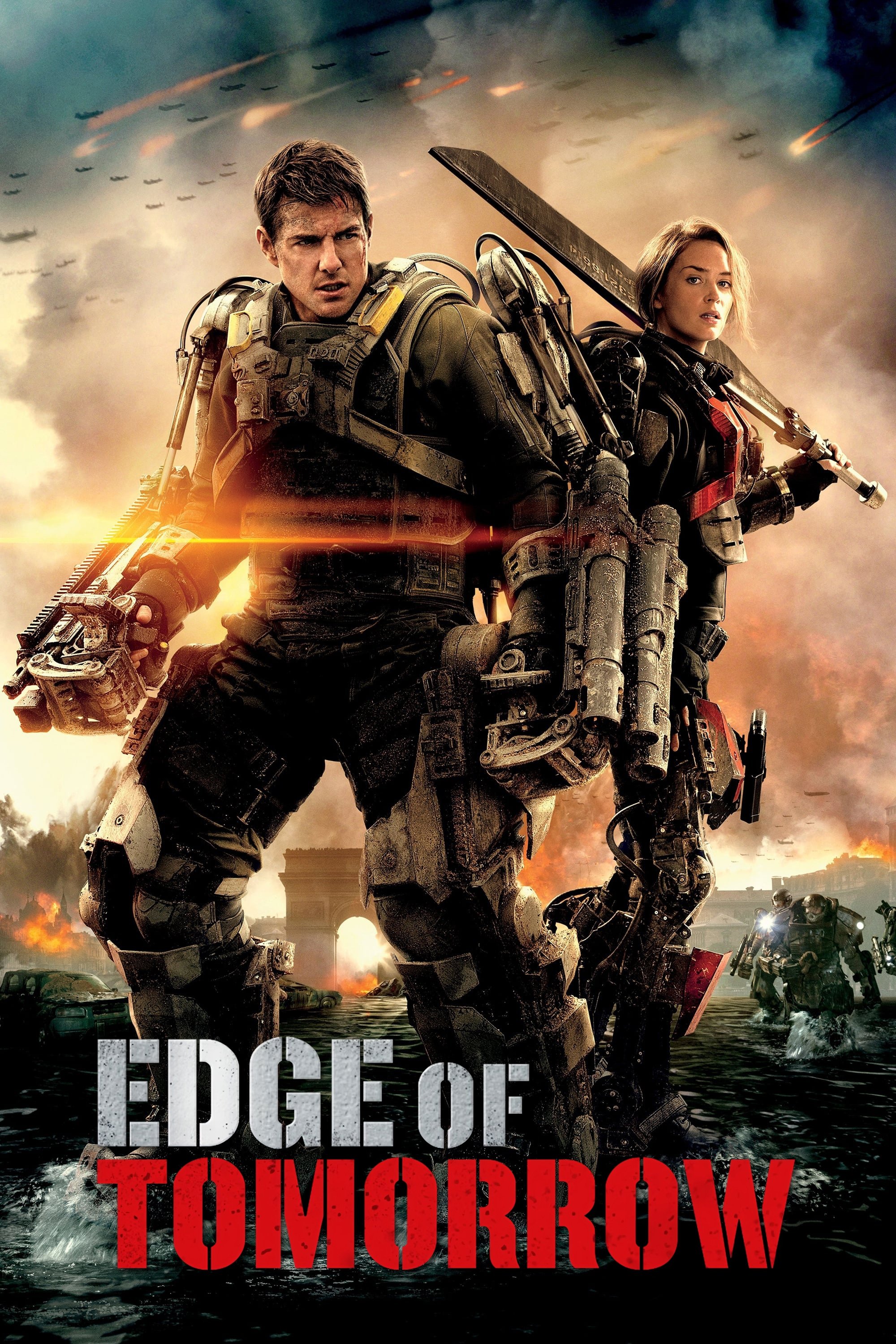
The movie follows a soldier stuck in a time loop during an alien invasion. It’s based on the Japanese novel ‘All You Need Is Kill,’ starring the character Keiji Kiriya. Tom Cruise plays the lead role in the film, which was adapted and renamed William Cage. Although the story’s location was changed to Europe, fans of the original noticed the main character’s nationality was also changed. The movie received positive reviews for its action and plot, but it also sparked discussion about the practice of adapting Asian stories for Western audiences.
‘Bullet Train’ (2022)
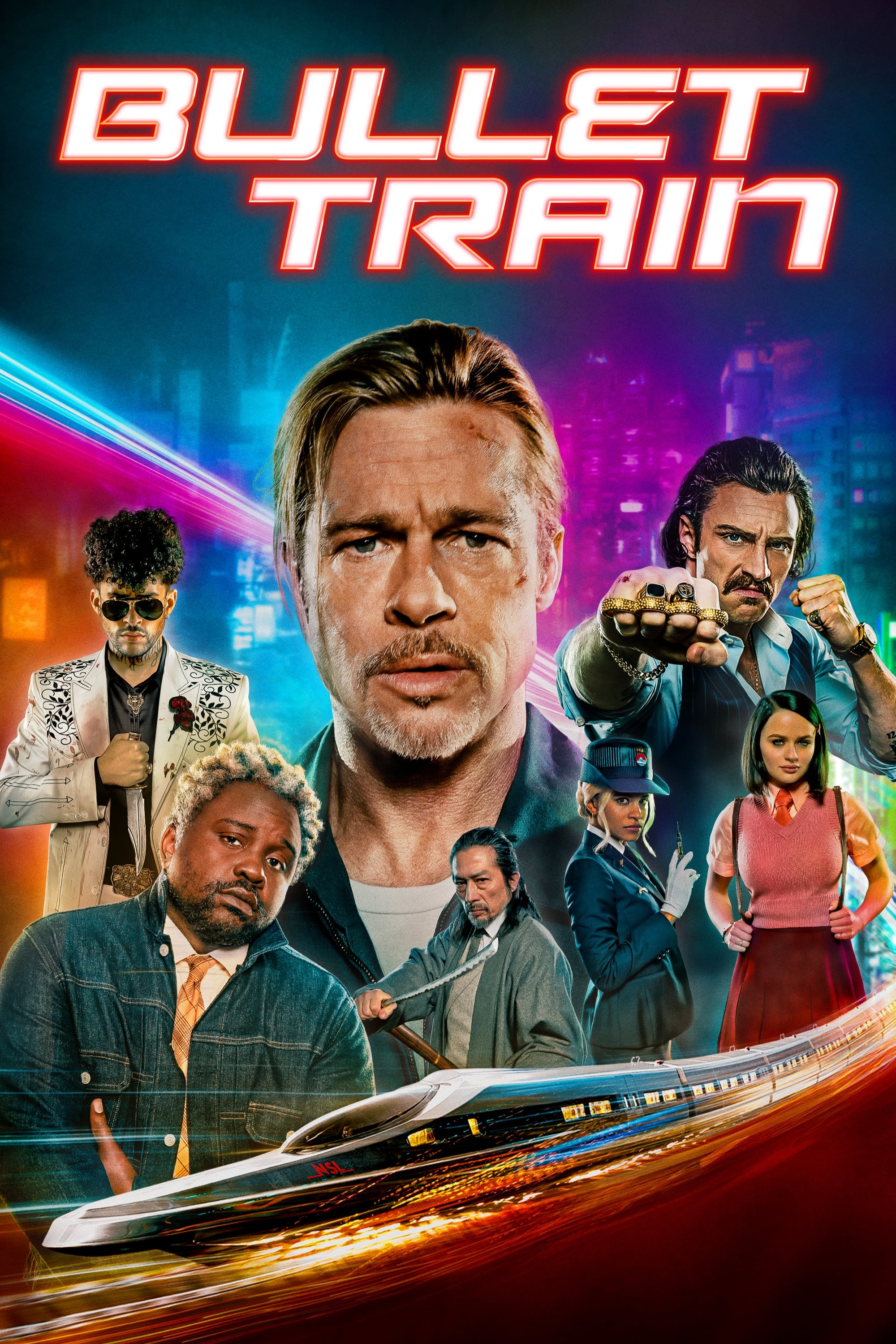
Okay, so I just saw this action flick set on a bullet train in Japan, and it’s a wild ride! The premise is fantastic – five assassins all heading to the same destination, only to realize their assignments are surprisingly linked. It’s based on a novel by Kotaro Isaka, which explains the intricate plot. Now, here’s where things get a little complicated. While the story is deeply rooted in Japanese culture, the filmmakers went with a lot of American and European stars – Brad Pitt, Joey King, you name them. Some people, and I get where they’re coming from, felt that washed out some of the cultural flavor and that Japanese actors should have been prioritized. Interestingly, the author himself was cool with the casting choices, saying the characters weren’t necessarily meant to be specifically Japanese. It’s a debate, for sure, but the movie itself is still a lot of fun.
‘The Good Earth’ (1937)
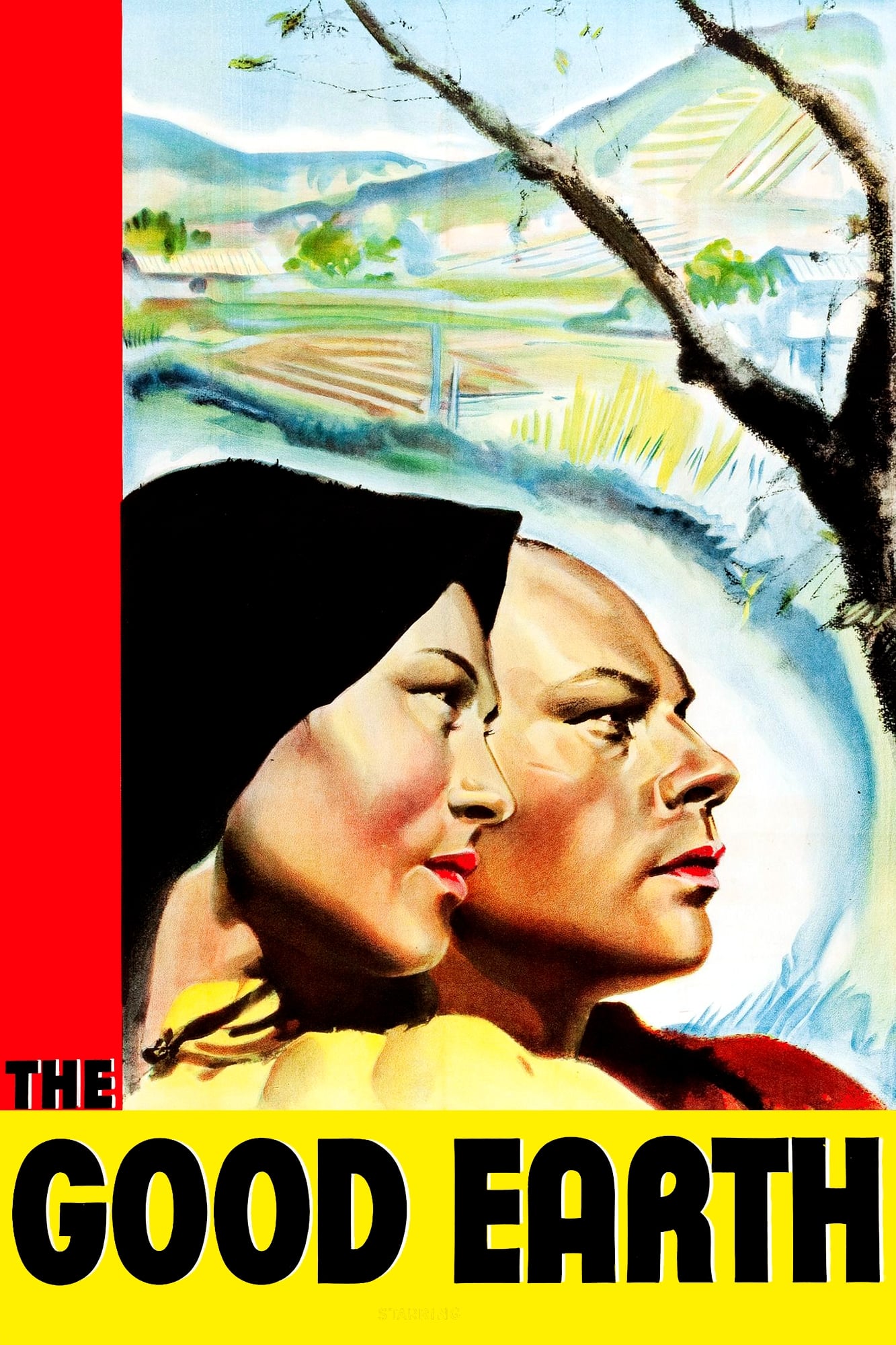
The film tells the story of a Chinese farming family facing hardship from famine and political unrest. While the story centers on Chinese characters, the roles of Wang Lung and O Lan were played by white actors, Paul Muni and Luise Rainer. The studio made this decision believing audiences wouldn’t accept Asian actors in lead roles. Rainer’s Oscar-winning performance is now seen as part of the film’s complex history, and it’s often cited as an example of the obstacles Asian actors historically faced in Hollywood when trying to secure leading parts.
‘Dragon Seed’ (1944)
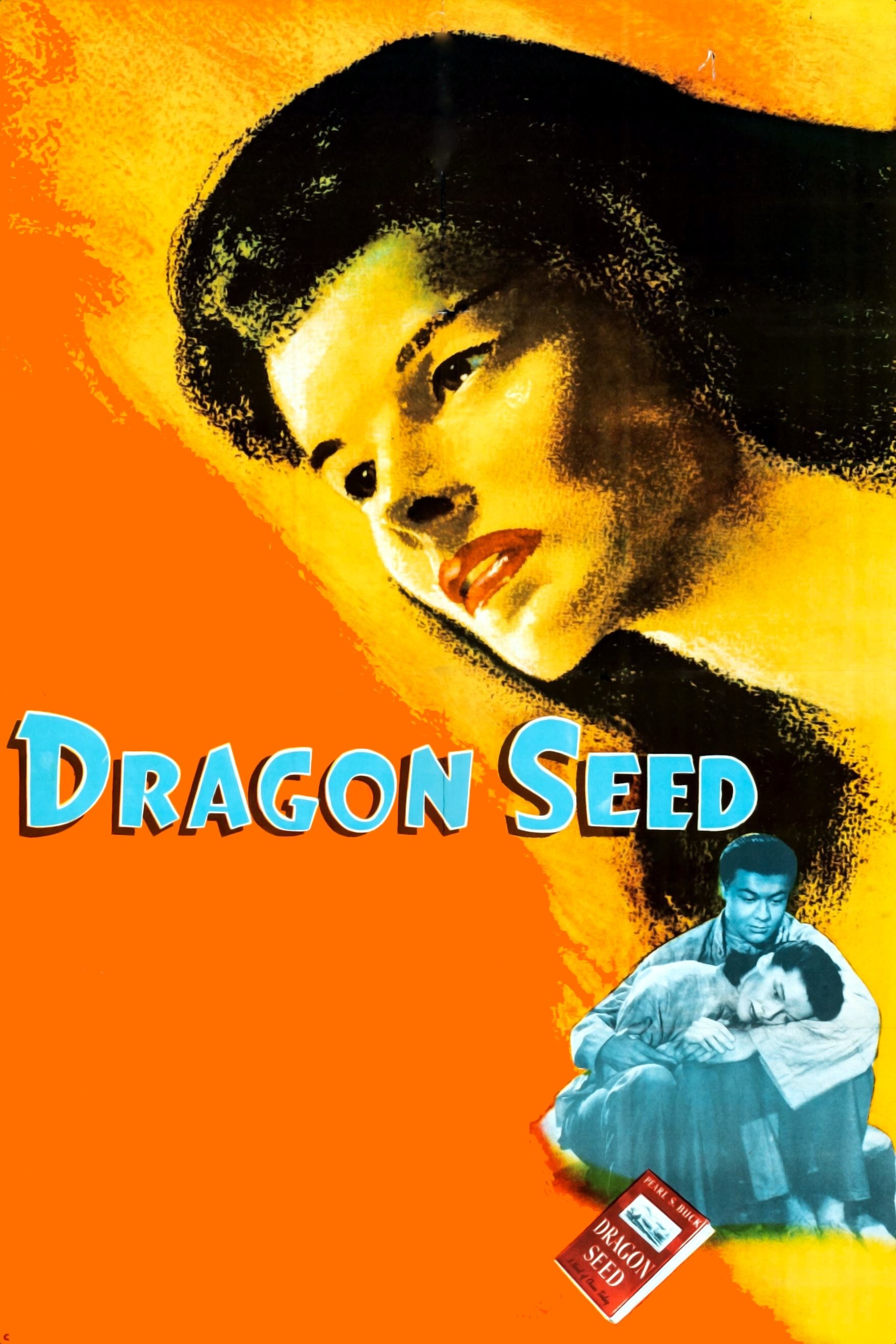
During World War II, Chinese farmers faced immense hardship and fought back against the Japanese invasion. The film portrays this struggle through the story of Jade, a brave village leader, played by Katharine Hepburn. However, the film is now criticized because all the main characters were played by white actors in makeup to appear Asian – a common practice at the time that is now seen as a form of cultural appropriation. While a large-scale production for its era, the film is primarily remembered today for its complete absence of authentic casting.
‘The Teahouse of the August Moon’ (1956)
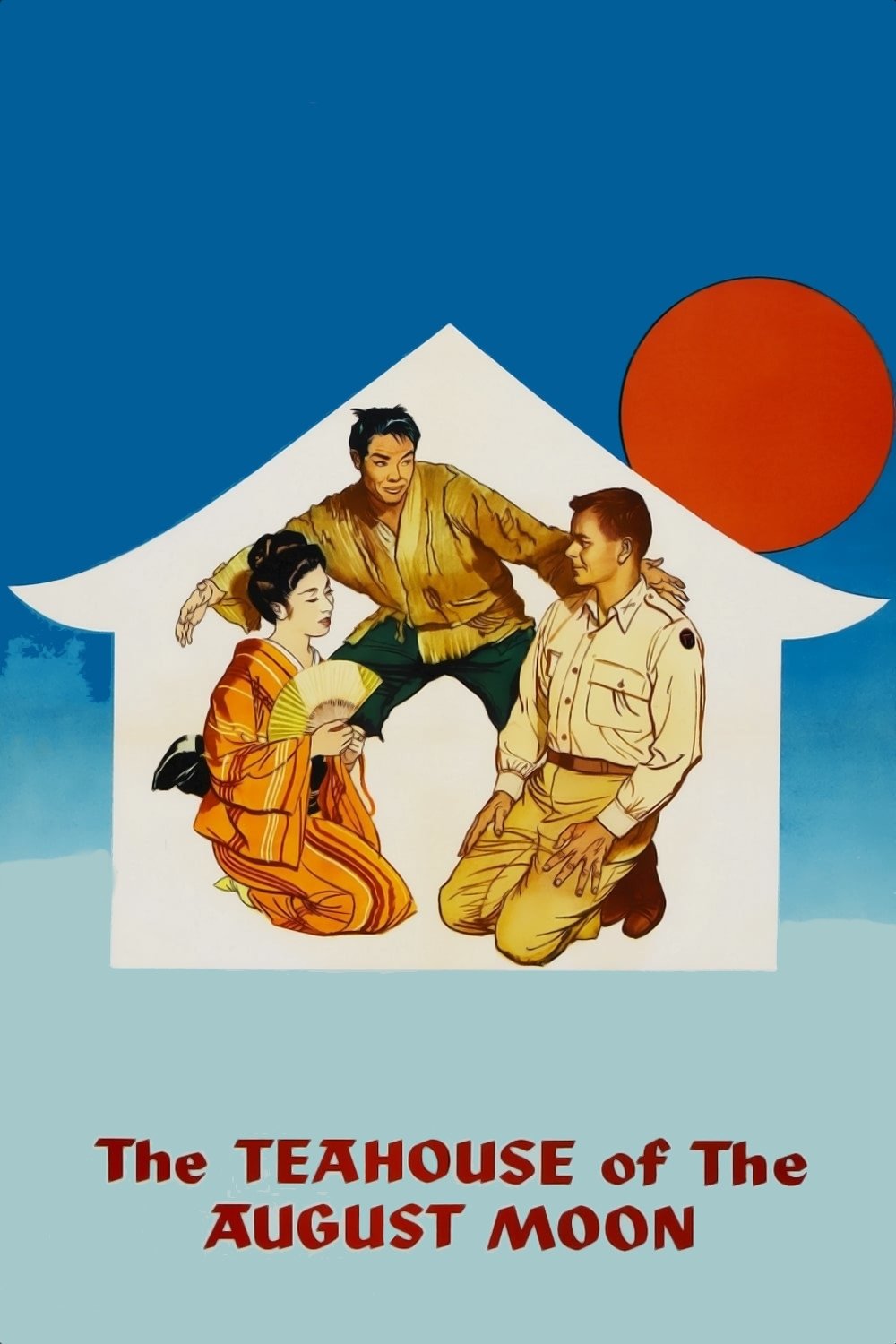
Following the war, an American captain is tasked with introducing the idea of democracy to the people of a village in Okinawa. Marlon Brando stars as Sakini, a local interpreter who narrates the story. Brando significantly altered his appearance for the role using extensive makeup and a dental prosthetic. While a comedy at the time, this performance is often considered strange and unsettling by Brando’s fans, and the decision to cast a white actor in an Asian role is now widely seen as problematic.
‘7 Faces of Dr. Lao’ (1964)
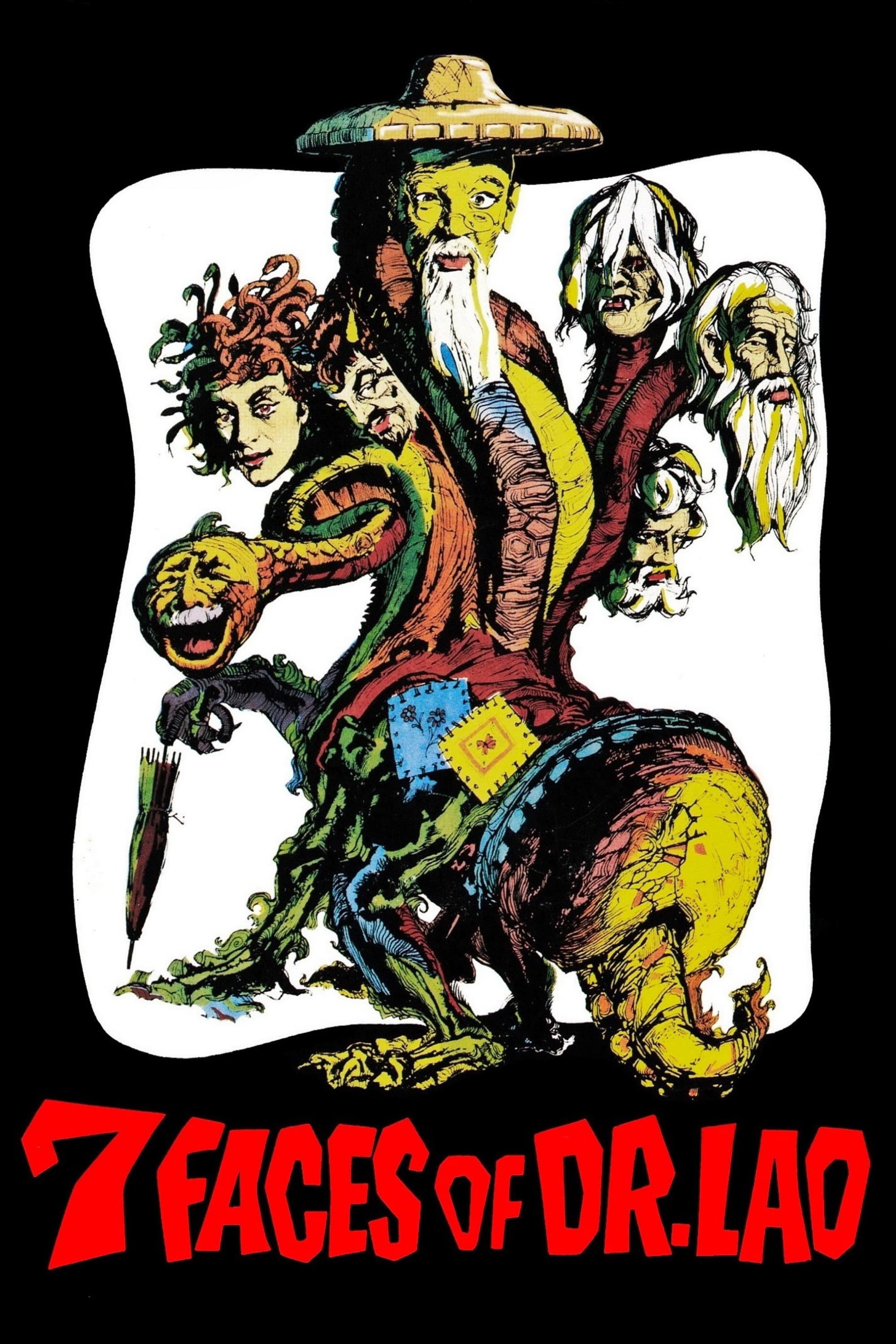
When a strange circus arrives in a quiet western town, it dramatically alters the lives of everyone who lives there. Tony Randall stars in multiple roles, most notably as Dr. Lao, a supposed Chinese sage. However, his portrayal relied on outdated and problematic racial stereotypes, including yellowface makeup and a caricatured accent. Though the film was once celebrated for its special effects and Randall’s acting range, that casting choice is now widely seen as offensive, reflecting a time when white actors frequently played Asian characters in stereotypical ways.
‘The Face of Fu Manchu’ (1965)

A criminal genius is plotting world domination with a dangerous poison. The film features Christopher Lee as Fu Manchu, a villain originally created as a fictional Chinese character. Fu Manchu has faced criticism for embodying harmful stereotypes about East Asians prevalent in Western media. The casting of a white actor in the role amplified these problematic issues. The film, and the series it launched, are frequently cited as examples of racial prejudice in mid-20th century movies.
‘Remo Williams: The Adventure Begins’ (1985)
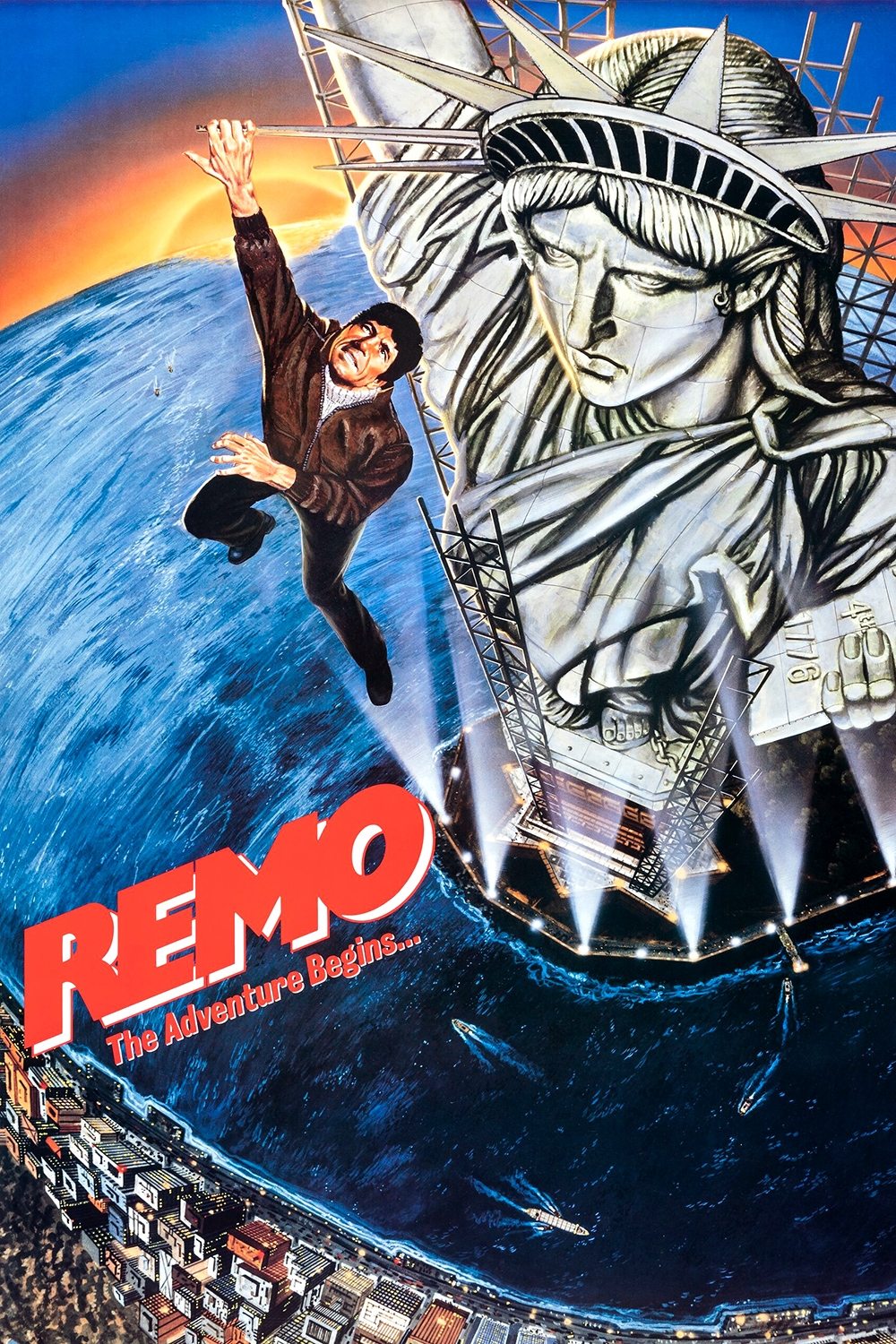
A New York police officer receives training from an elderly Korean martial arts master, Chiun, and becomes an assassin working for a secret government organization. Actor Joel Grey played Chiun, and required extensive daily makeup to appear in the role. However, many viewers criticized the decision to cast a non-Korean actor as the character. While the film was meant to launch a series, the casting choice remains the most talked-about aspect of it.
‘The Mask of Fu Manchu’ (1932)
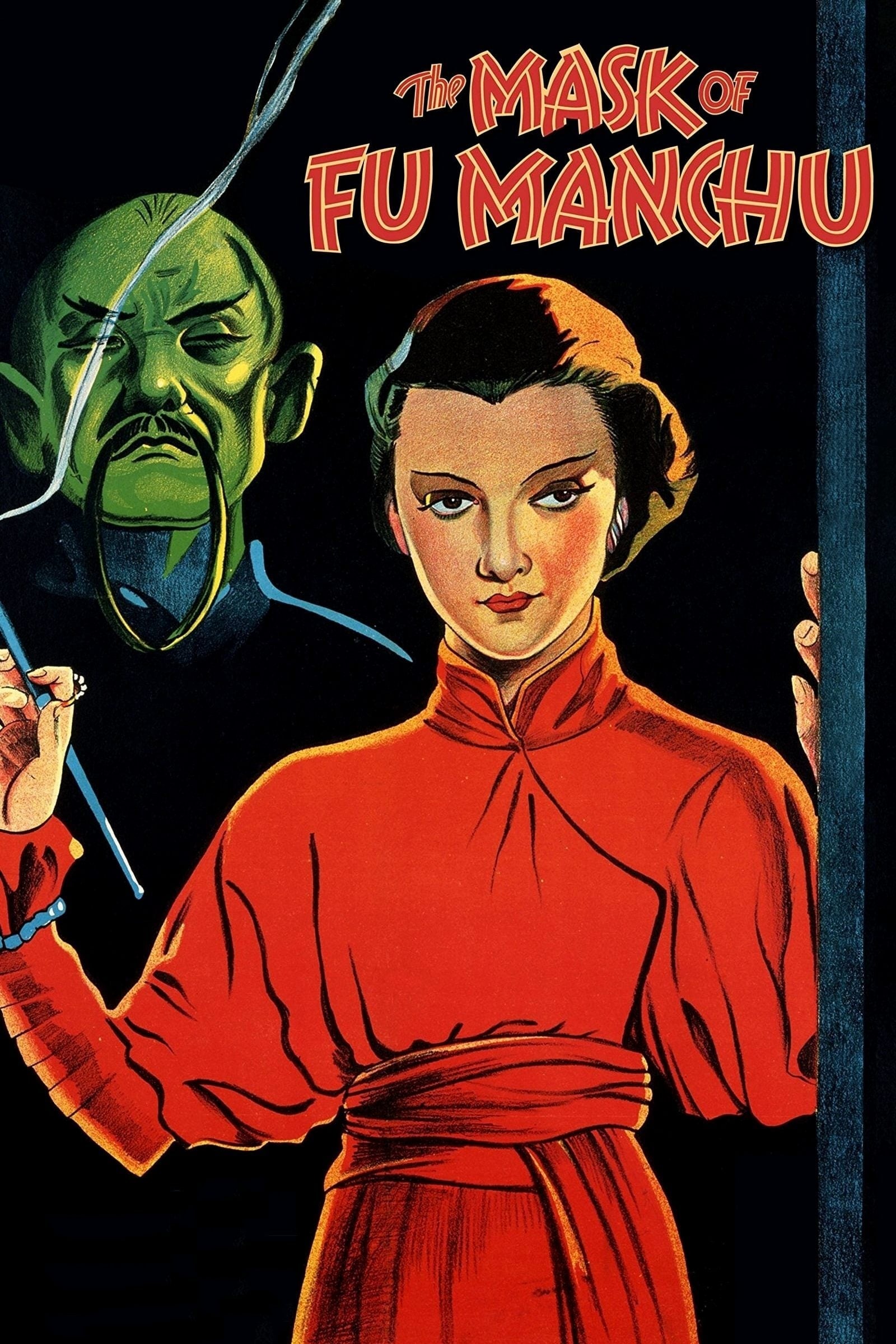
As a film buff, I recently revisited this old movie, and wow, it’s a tough watch. It centers around Fu Manchu, a truly nasty villain, who’s on a quest to find artifacts belonging to Genghis Khan – basically, he wants to start a war with the West. Boris Karloff is fantastic in the role, though it required a lot of makeup and costuming to transform him. What’s really struck me, though, is how problematic the film is. Back then, audiences didn’t bat an eye at the way Fu Manchu was portrayed, but today it’s pretty jarring to see a white actor playing such a stereotypical and sinister Asian villain. It’s a really stark example of how early Hollywood often relied on these kinds of harmful tropes when depicting Asian characters.
‘A Majority of One’ (1961)

The movie tells the story of a blossoming connection between a Jewish widow and a Japanese businessman during a trip to Tokyo. Alec Guinness stars as Koichi Asano, the Japanese executive at the heart of the film. Guinness notably used makeup and adopted a formal way of speaking to prepare for the role, but many consider it one of his less successful performances. While the film received some awards, the decision to cast a white actor in such a significant Japanese role is now heavily criticized.
‘The Hatchet Man’ (1932)
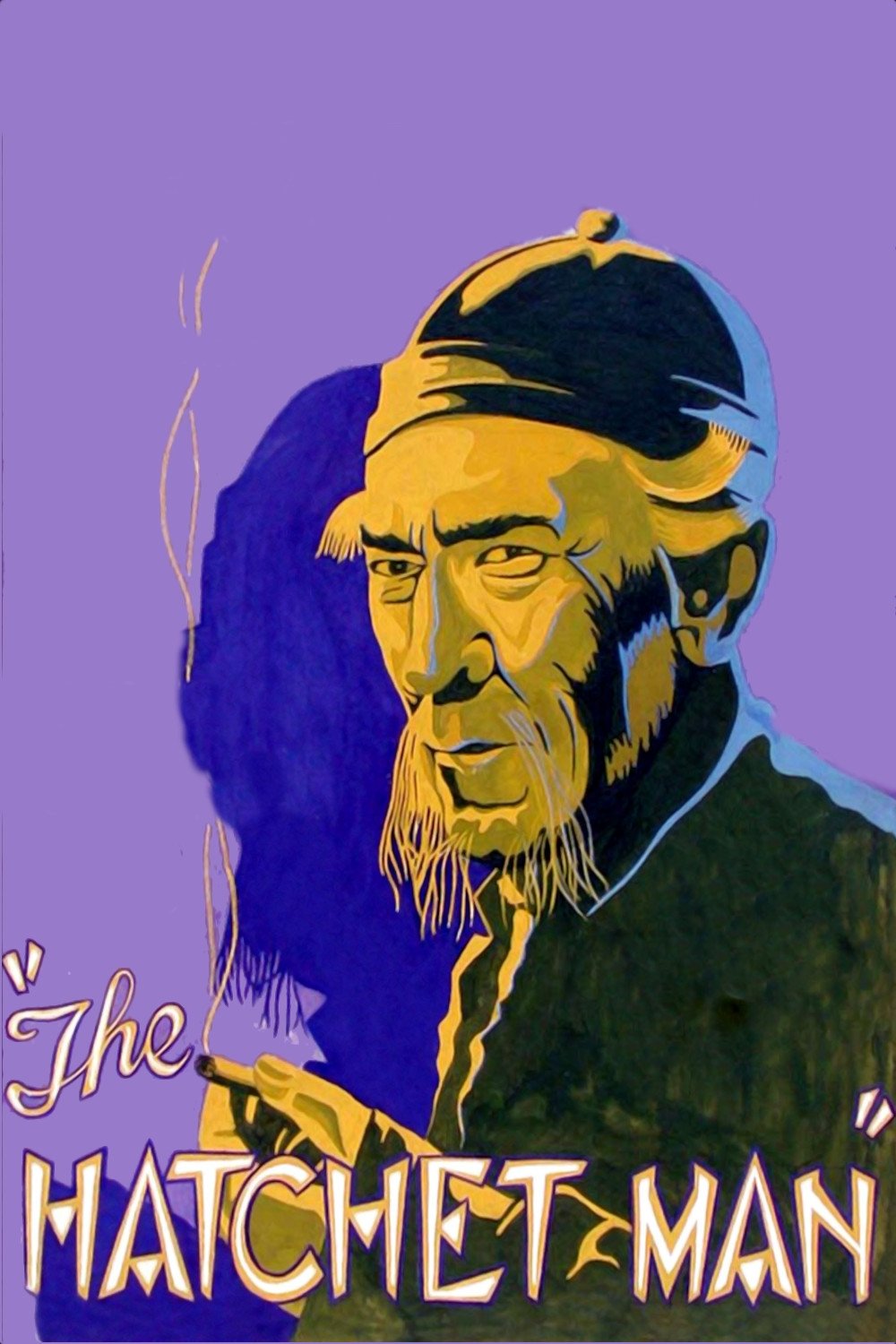
In San Francisco, a man tasked with carrying out punishments for a secretive organization struggles to balance his responsibilities with his family life. The film stars Edward G. Robinson as Wong Low Get, a Chinese character, but notably features a predominantly white cast portraying people of Chinese descent. While Robinson was a famous actor at the time, his casting highlights the lack of roles available to Asian actors then. The movie centers on disagreements within the Chinese community but doesn’t offer a genuine or accurate portrayal of it.
‘The Bitter Tea of General Yen’ (1933)

A film set during the Chinese Civil War centers on an American woman who finds herself under the protection of a powerful general, played by Swedish actor Nils Asther. The story delves into a complicated relationship between them, despite their different backgrounds. However, the choice to have a European actor portray a Chinese general has been criticized historically. While the movie was visually impressive, it followed a common trend of casting white actors in leading roles meant for Asian characters.
‘Charlie Chan in London’ (1934)
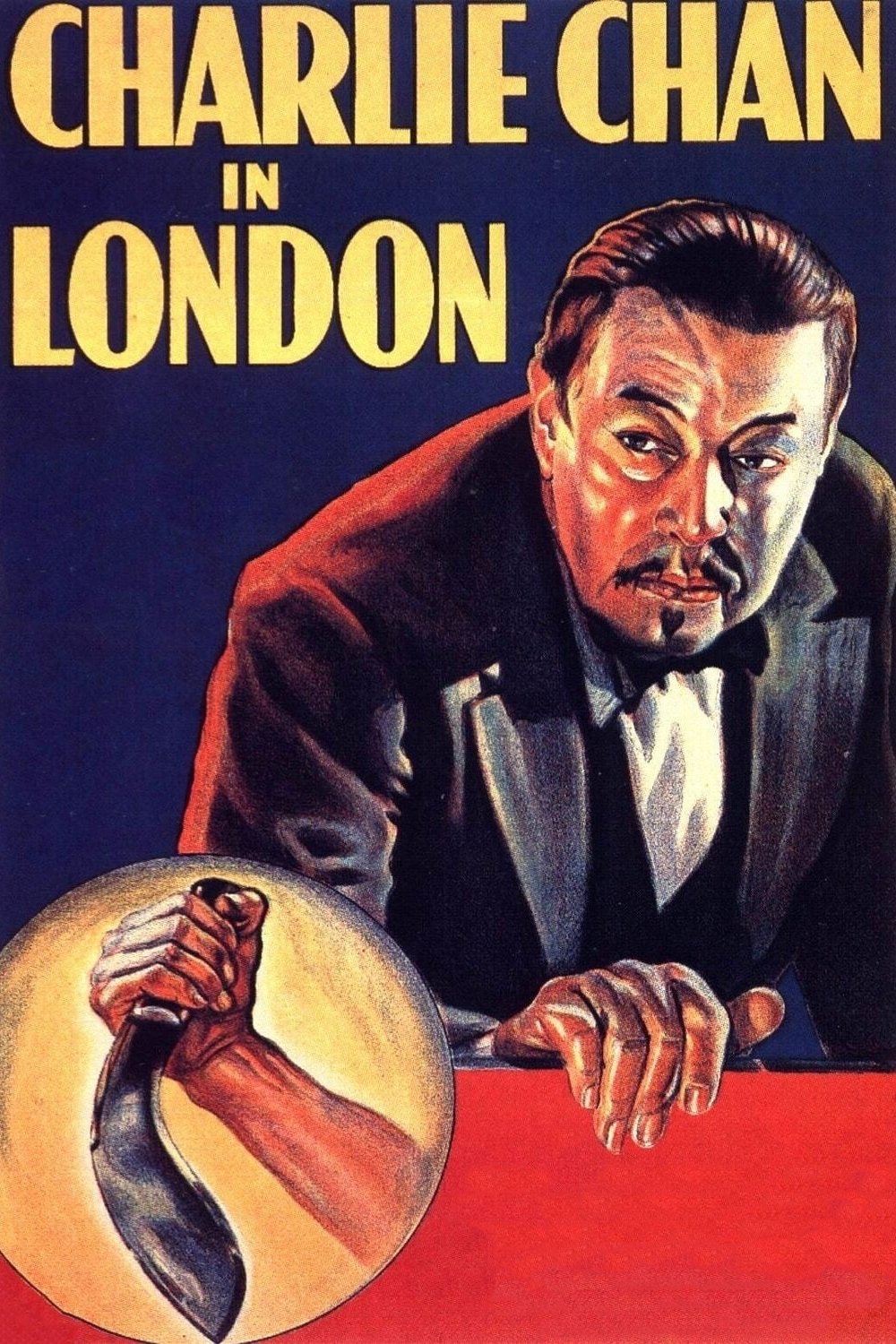
A well-known detective named Charlie Chan, originally from Honolulu, goes to England to investigate a murder and prove an innocent man didn’t do it. The character, created to offer a positive depiction of Asian men, was famously played by actor Warner Oland, who was Swedish. While the intention was good, the most popular films almost always featured white actors in the role. Today, people debate whether Charlie Chan represents positive representation or highlights a problematic history of casting.
‘Genghis Khan’ (1965)
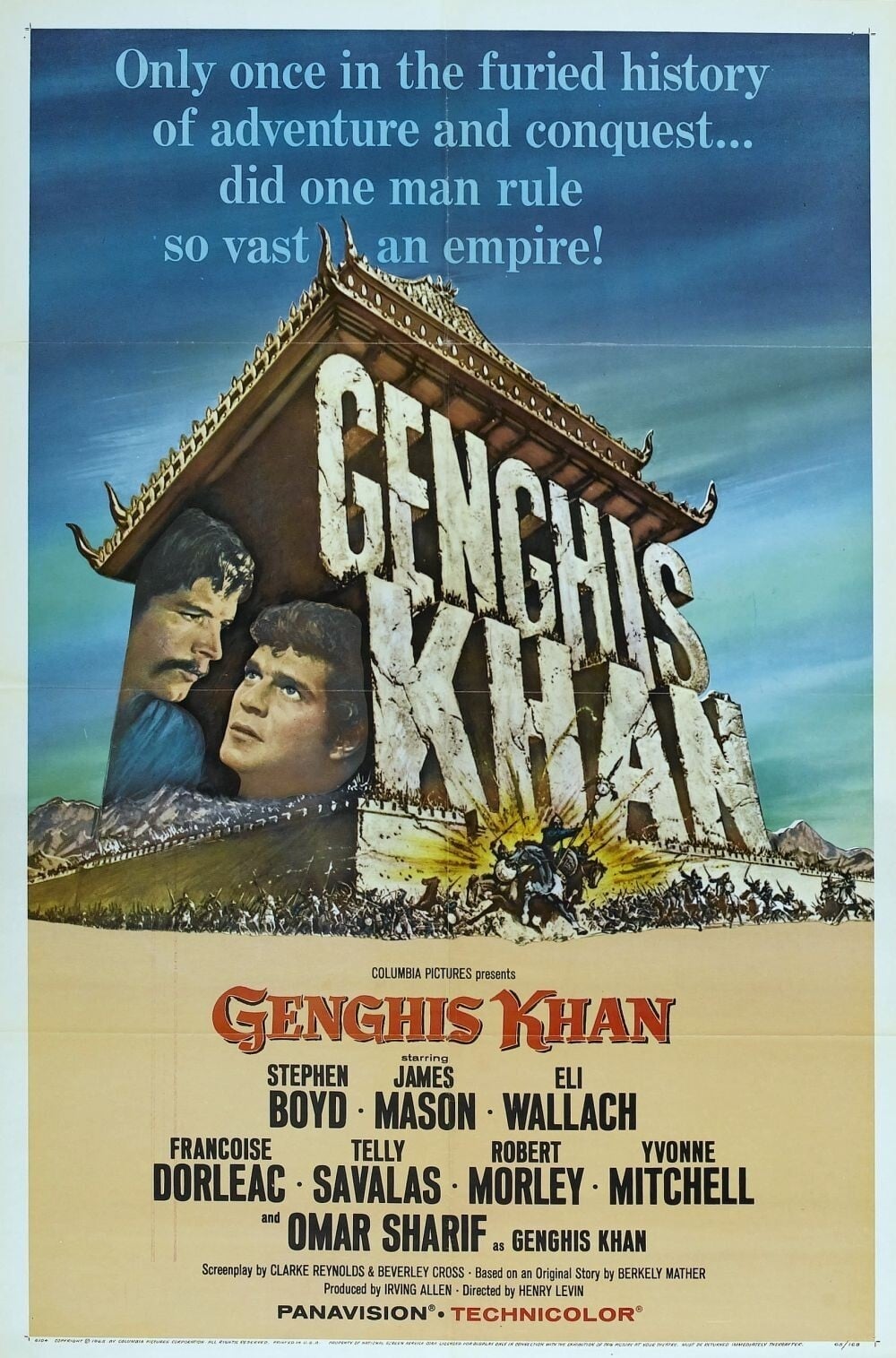
The movie tells the story of the Mongol ruler’s life, from his early years to his vast conquests throughout Asia. Egyptian actor Omar Sharif starred as the famous conqueror. However, the film featured mostly white actors in the roles of Mongol and Chinese characters, a common practice in big-budget historical films at the time that prioritized established actors over authenticity. The movie received criticism for both its historical errors and its casting choices.
‘Lost Horizon’ (1937)
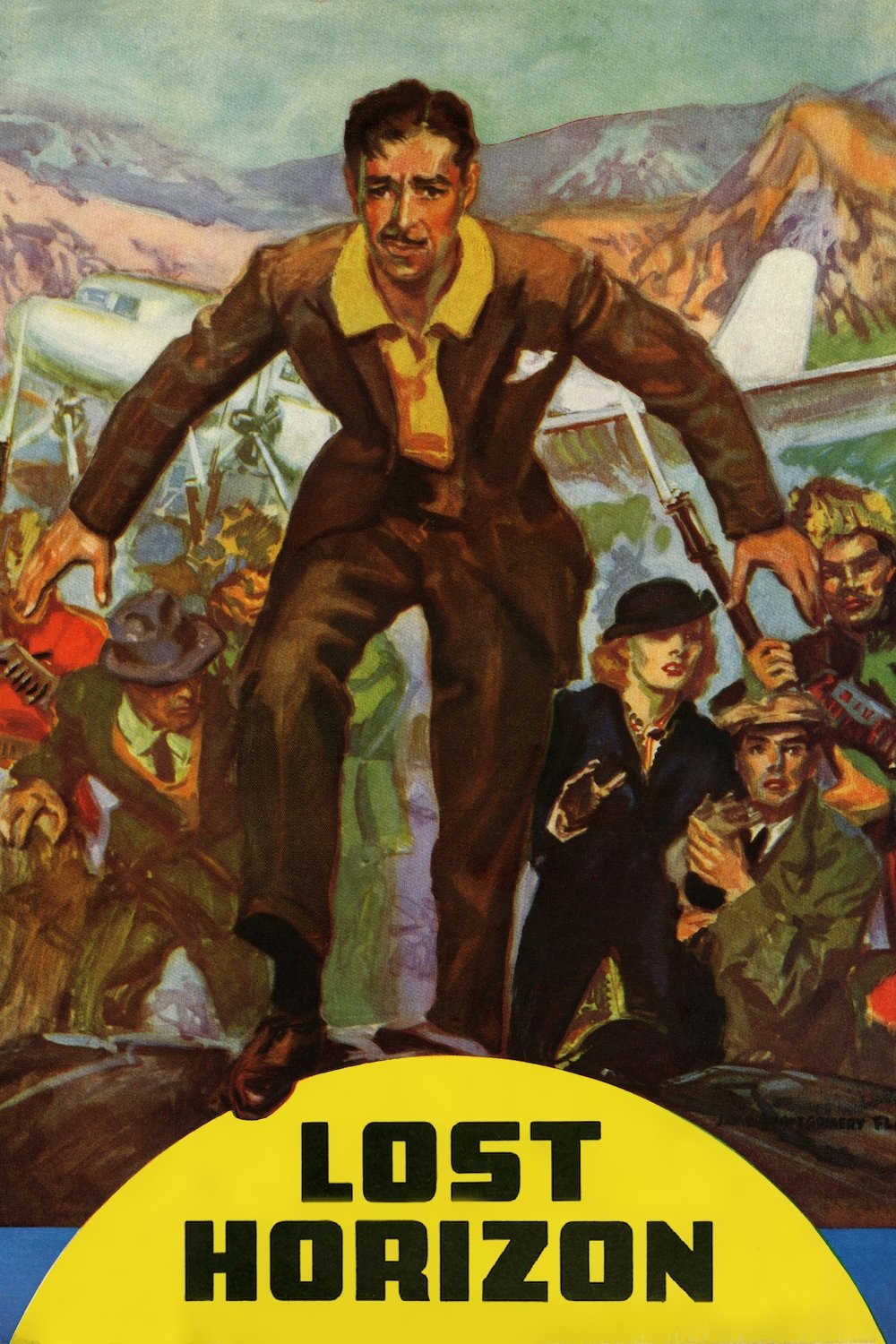
A plane crash leads a group of travelers to Shangri-La, a secluded paradise in the Himalayas. The film features a utopian society, but it’s been criticized for casting mostly white actors – including the important role of the High Lama – and presenting a limited, Westernized view of the local culture. While audiences enjoy the film’s thought-provoking ideas, many have pointed out the lack of Asian representation in significant roles. It’s a well-known example of how Hollywood often adapts and reimagines Asian locations and cultures.
‘The Inn of the Sixth Happiness’ (1958)
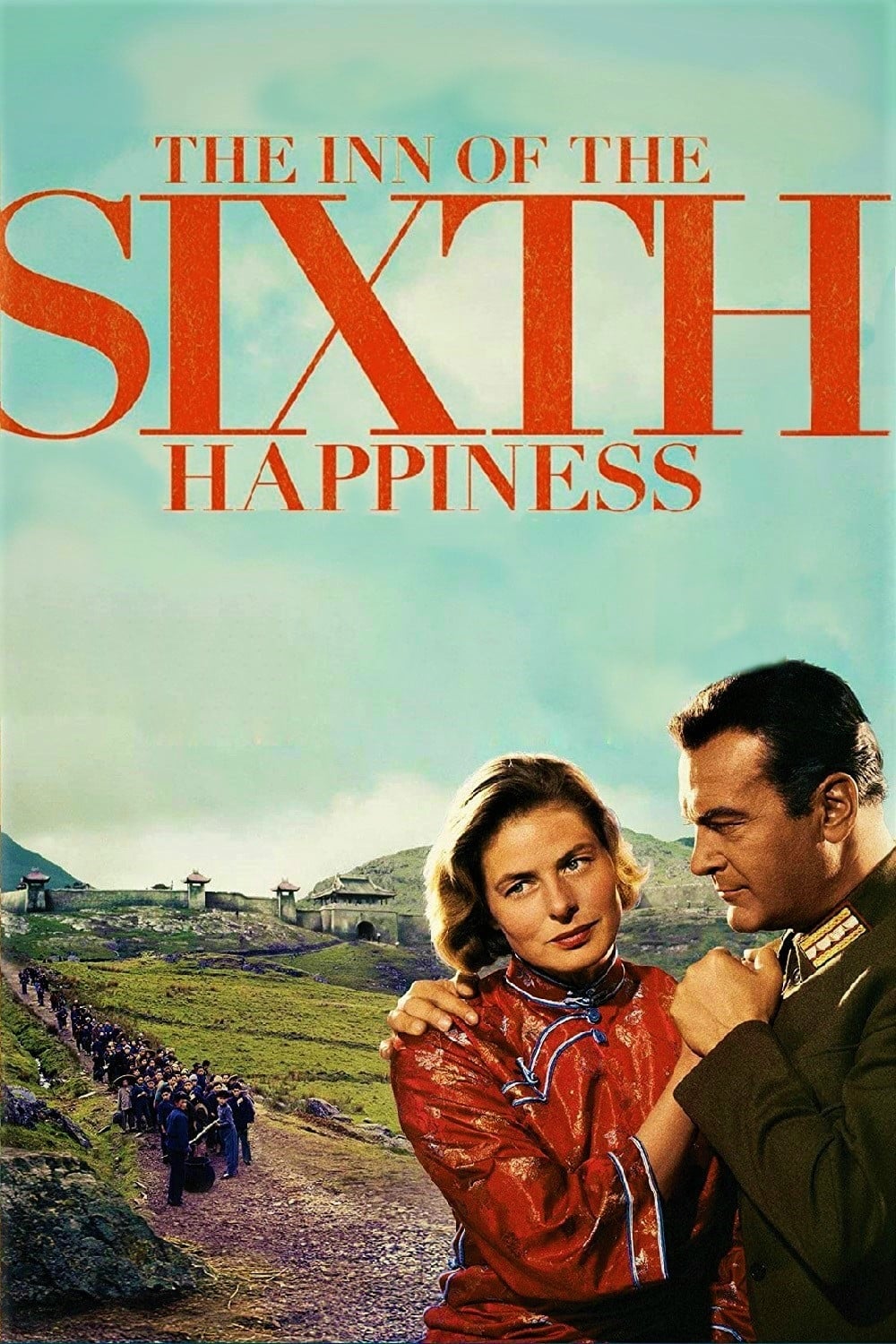
This film tells the story of an English missionary in China who bravely leads a group of orphaned children to safety. Ingrid Bergman stars as the missionary, and Robert Donat plays a Chinese official – a casting choice common for the time, but now seen as problematic due to a lack of authentic representation. While the film was very popular and celebrated for its moving story, modern viewers often focus on the fact that white actors played Chinese characters.
‘Anna and the King of Siam’ (1946)
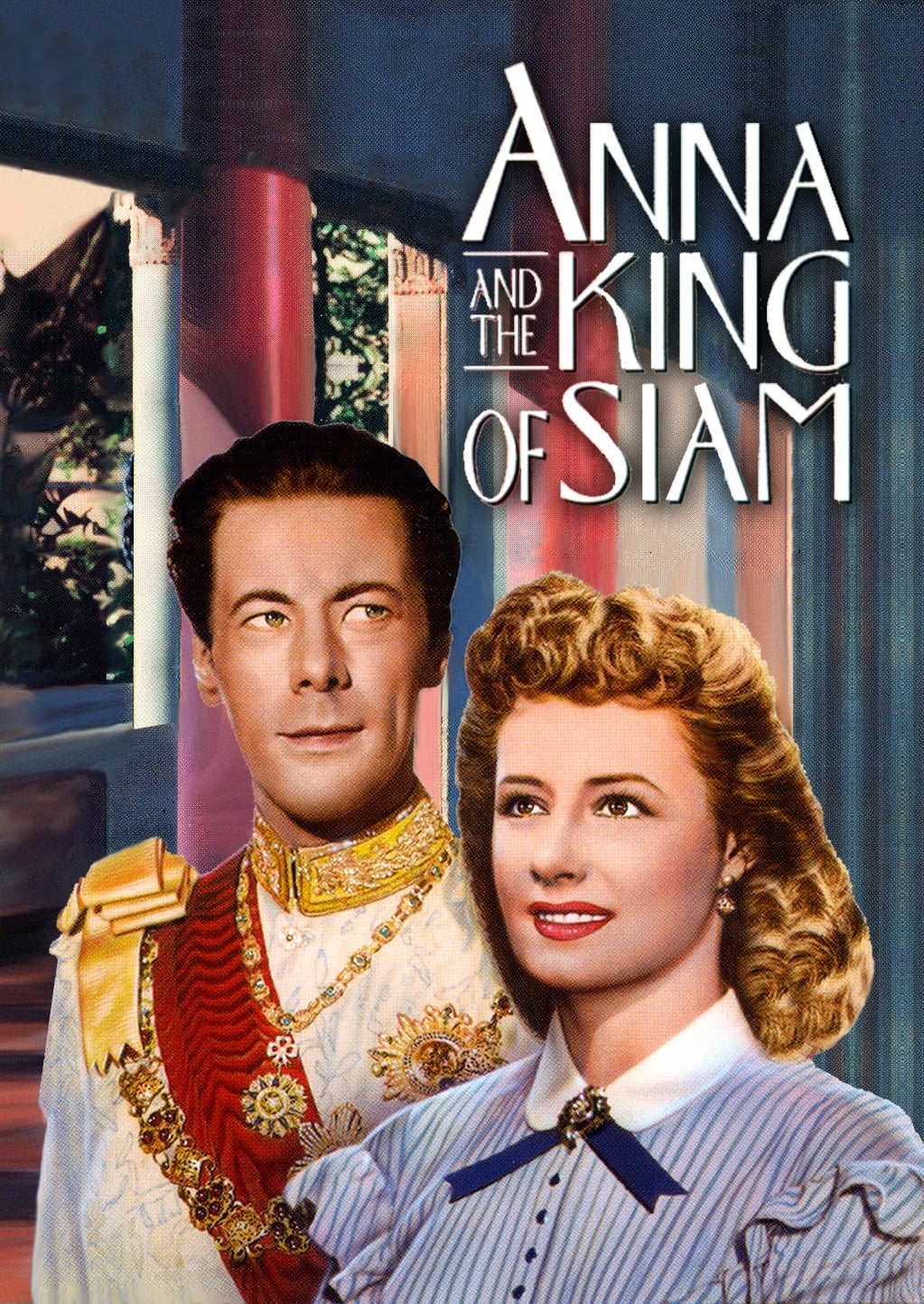
This film tells the story of a British widow who journeys to Siam (now Thailand) to teach the King’s large family. Rex Harrison famously plays the King, but his casting highlights a common practice in Hollywood history: white actors playing people of color. While Harrison was a talented performer, this adaptation, like many others, doesn’t prioritize accurate ethnic representation, and remains a well-known example of a white actor portraying an Asian royal figure.
‘Sayonara’ (1957)
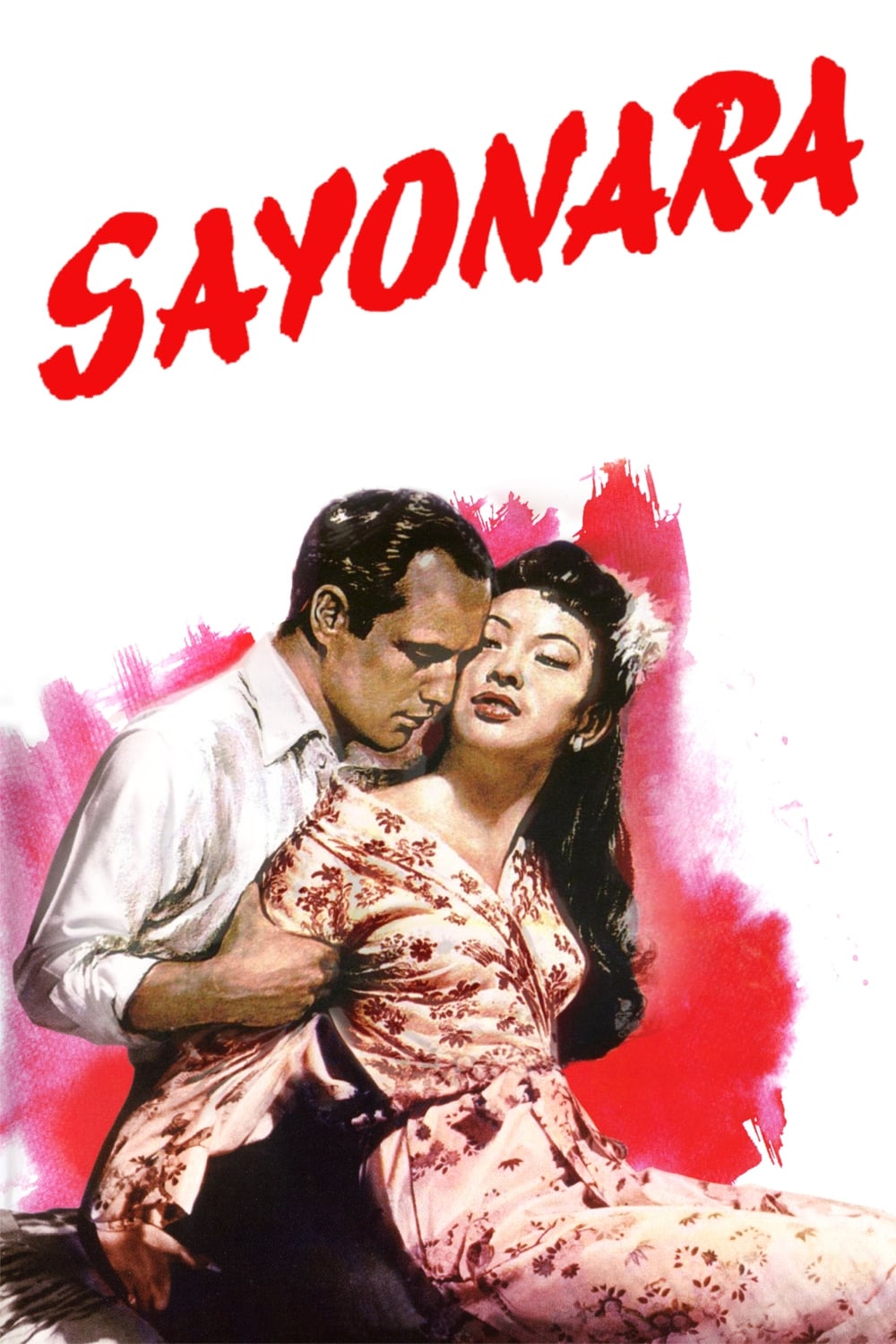
I recently watched this classic film about an American pilot stationed in Korea who falls for a beautiful Japanese dancer. Ricardo Montalban gives a really memorable performance as the dancer, and it was pretty groundbreaking for its time to see a romance between people of different races. It’s interesting to learn that Montalban, who was actually Mexican, had to use makeup to portray a Japanese character. While the film’s message of love overcoming barriers was bold back then, it’s definitely something modern viewers question – the fact that a non-Asian actor played a Japanese role doesn’t sit well with many people today, and rightfully so.
‘Speed Racer’ (2008)
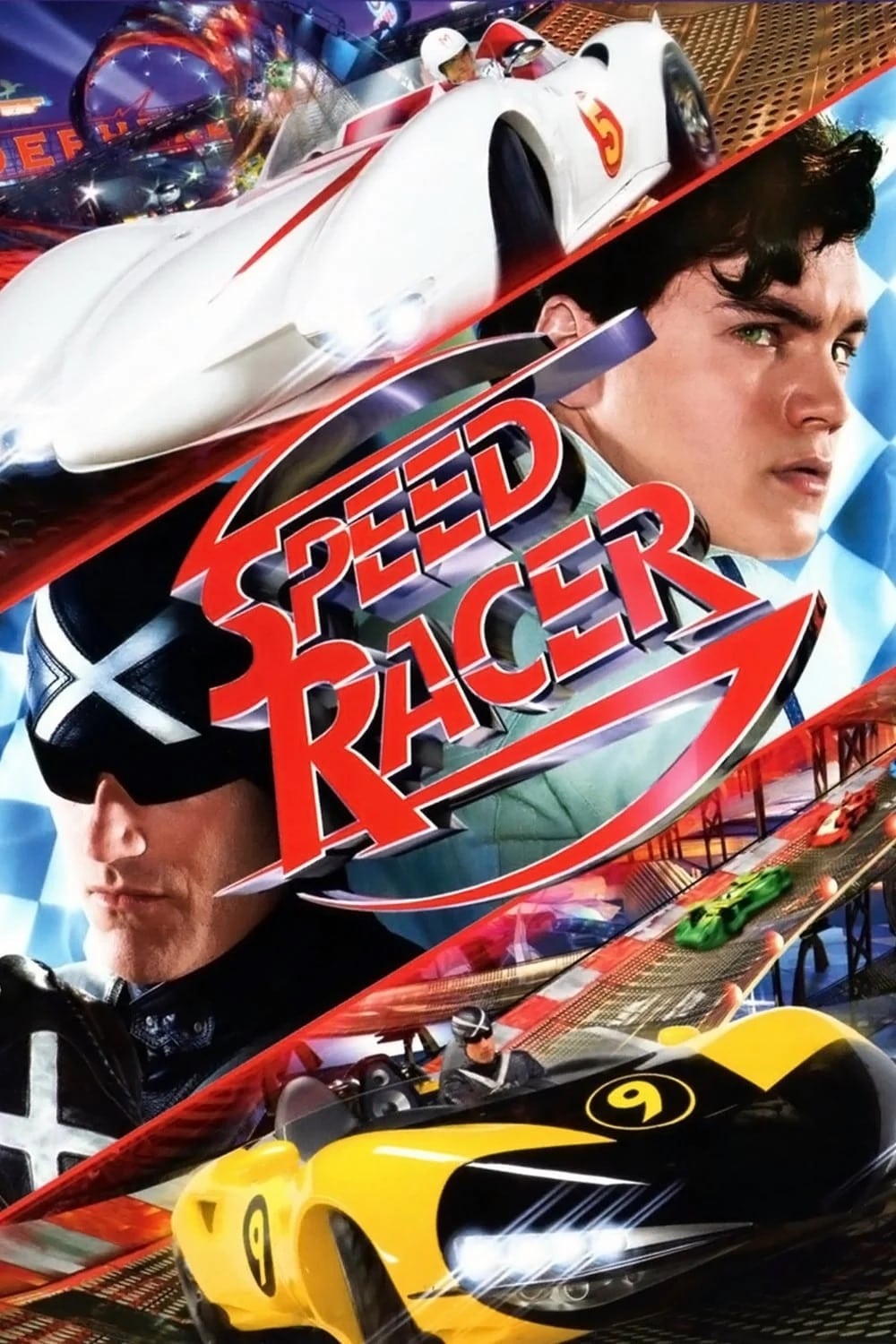
The movie follows a gifted young race car driver who enters a high-stakes, cross-country competition to try and rescue his family’s company. It’s a live-action remake of a beloved Japanese anime and manga series. Emile Hirsch plays the main character, who was originally Japanese in the original story. Though visually impressive, the film drew criticism from fans for changing the ethnicity of the characters, a move intended to broaden its appeal but seen by many as disrespectful to the source material’s cultural roots.
‘Death Note’ (2017)
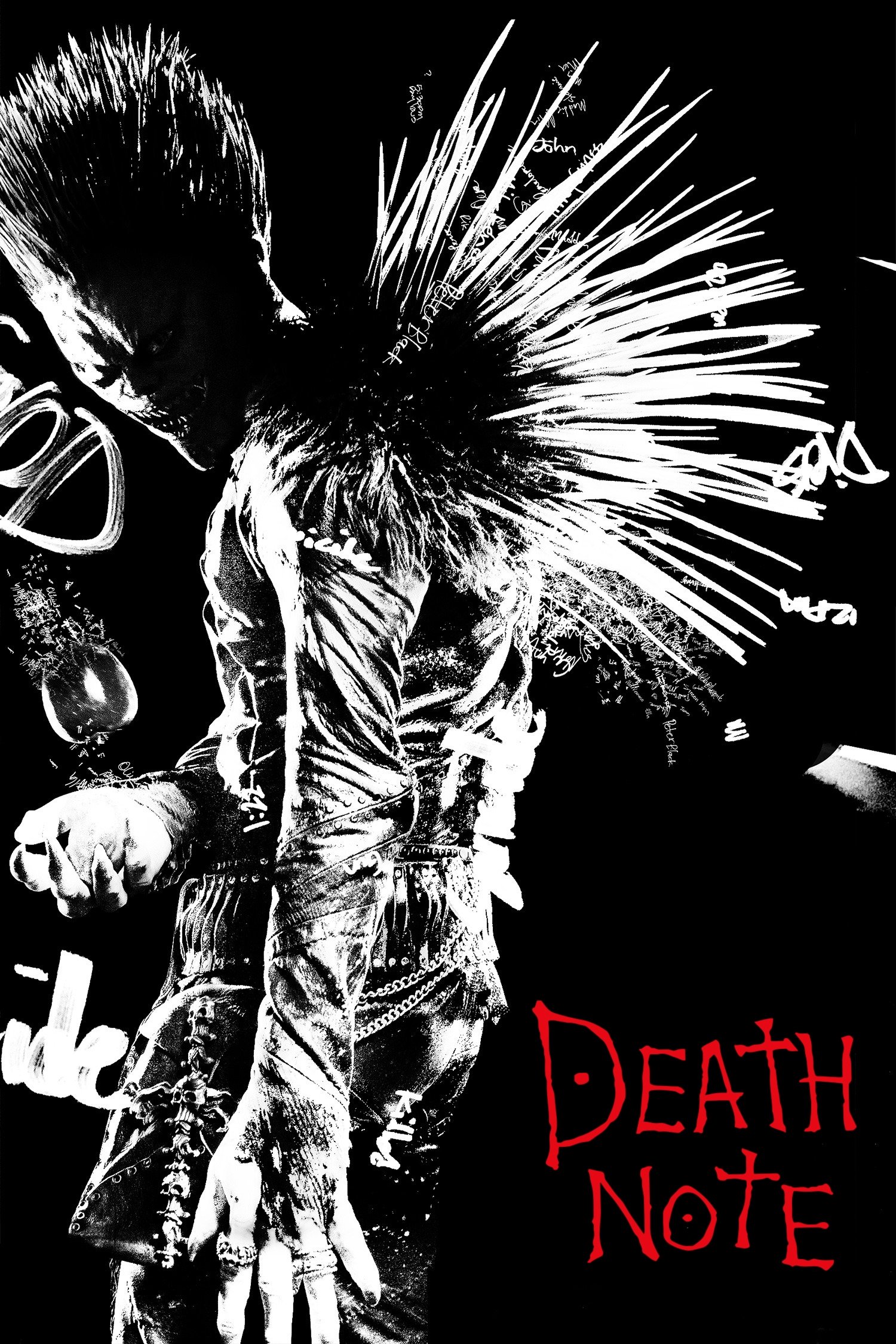
A student finds a mysterious notebook with the power to kill people simply by writing their names in it. The Netflix movie version of this story changed the location from Japan to Seattle and starred Nat Wolff as the main character. The original story featured a Japanese student named Light Yagami. Many fans who loved the original series were unhappy with these changes, particularly the new setting and the lead actor’s ethnicity. The movie sparked a broader discussion about how Western film studios adapt stories and ideas originally created in Asia for audiences around the world.
‘Star Trek Into Darkness’ (2013)
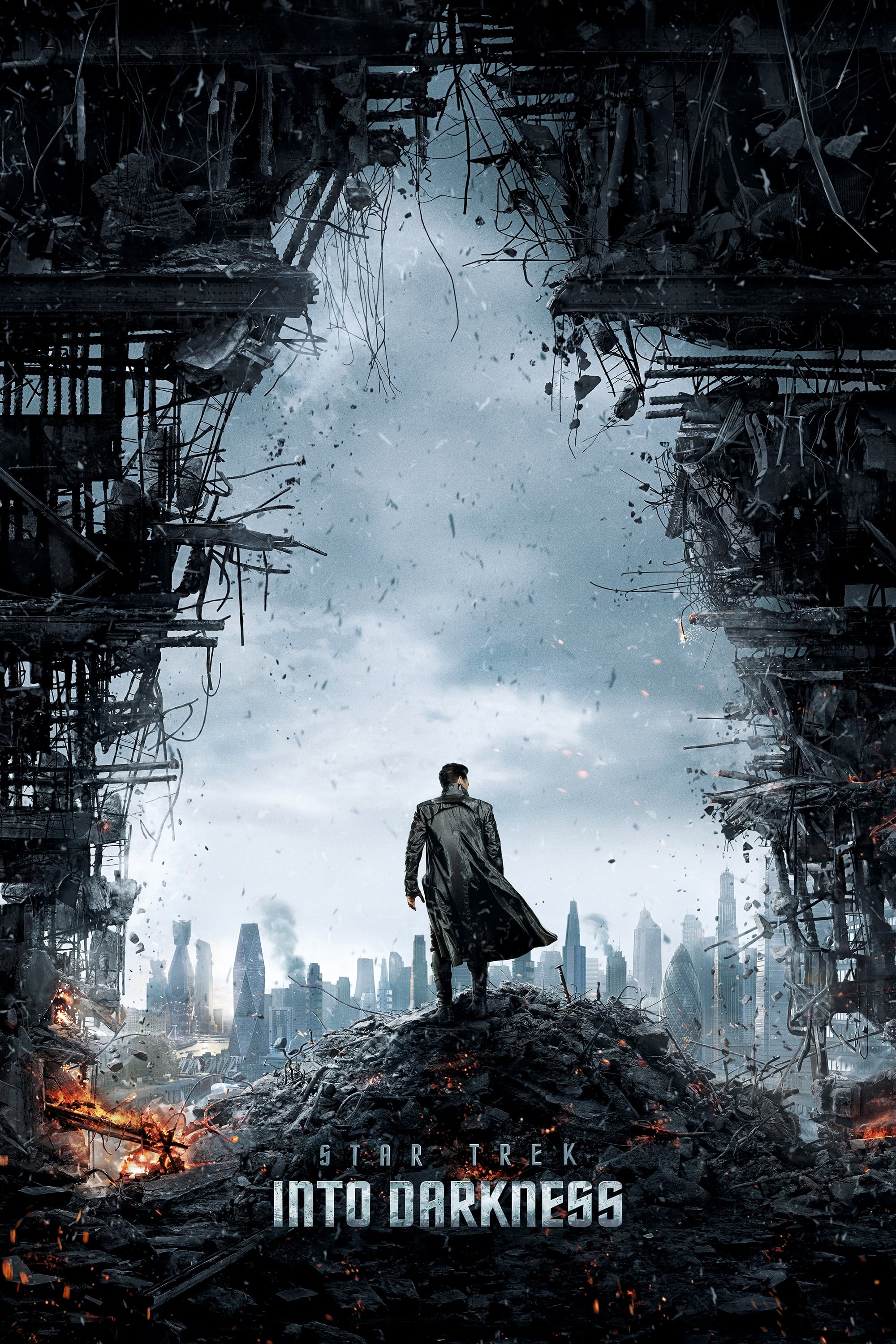
The crew of the Enterprise encounters a dangerous terrorist with surprising ties to Starfleet’s past. The character, Khan Noonien Singh, was initially conceived as being of Indian heritage, and famously portrayed by Ricardo Montalban. However, the recent casting of Benedict Cumberbatch, a white British actor, sparked controversy among fans. Many were disappointed by the change, as the character’s ethnicity had been a significant part of his backstory, and this decision became a major point of discussion within the Star Trek community.
‘Madame Butterfly’ (1915)
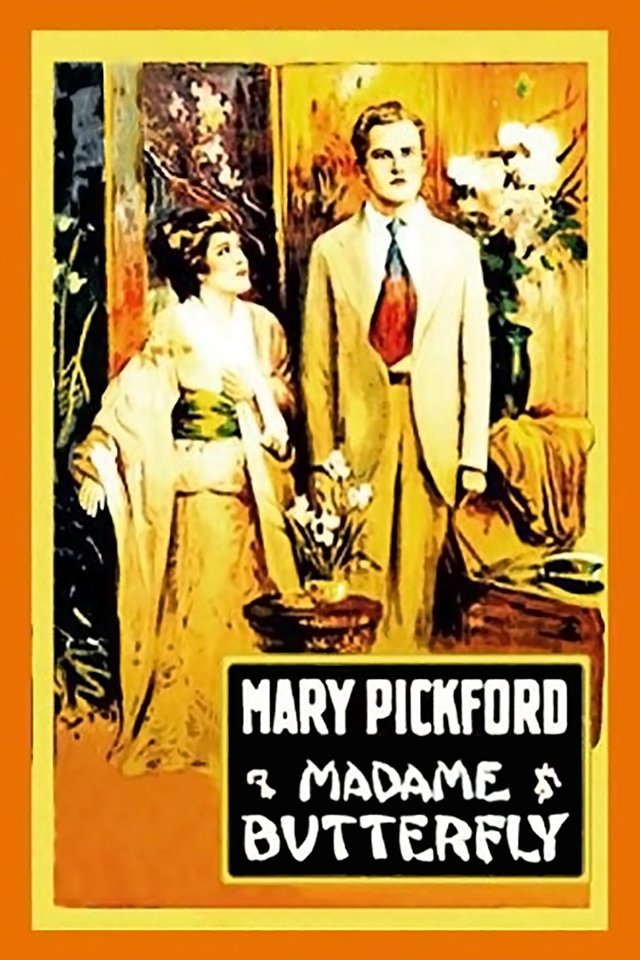
As a classic film lover, I recently revisited a movie about a Japanese woman, Cho Cho San, who falls for an American naval officer, and it’s a real tearjerker. It was fascinating to see Mary Pickford, a huge star back in the silent film days, play the lead. What struck me was how they used makeup and costuming to transform her into an Asian character – it feels like one of the first times a big Hollywood name did that. While it’s a beautifully made film, it’s also clear now that the story relies on some pretty tragic and, frankly, stereotypical tropes. Looking back, it really highlights how Hollywood historically favored established white actors, even for roles that could have been played by someone of the appropriate ethnicity.
‘Love Is a Many-Splendored Thing’ (1955)
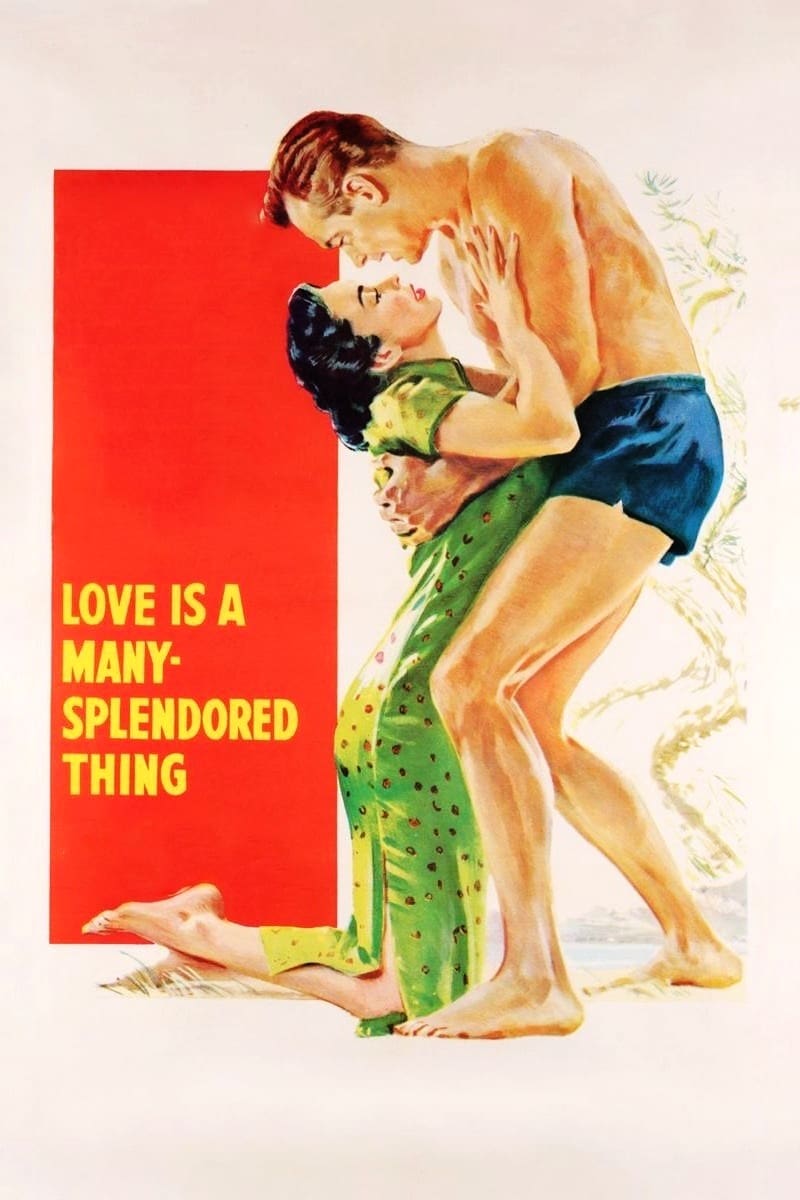
During the Chinese Civil War, a doctor in Hong Kong who is a widower falls for an American journalist. The film stars Jennifer Jones as Han Suyin, a woman with both Chinese and European ancestry. Jones altered her appearance with makeup to convincingly portray a Eurasian woman. While the movie was popular and received awards for its music and costumes, the decision to cast a white actress in the role of a biracial Asian character is now widely criticized.
’55 Days at Peking’ (1963)
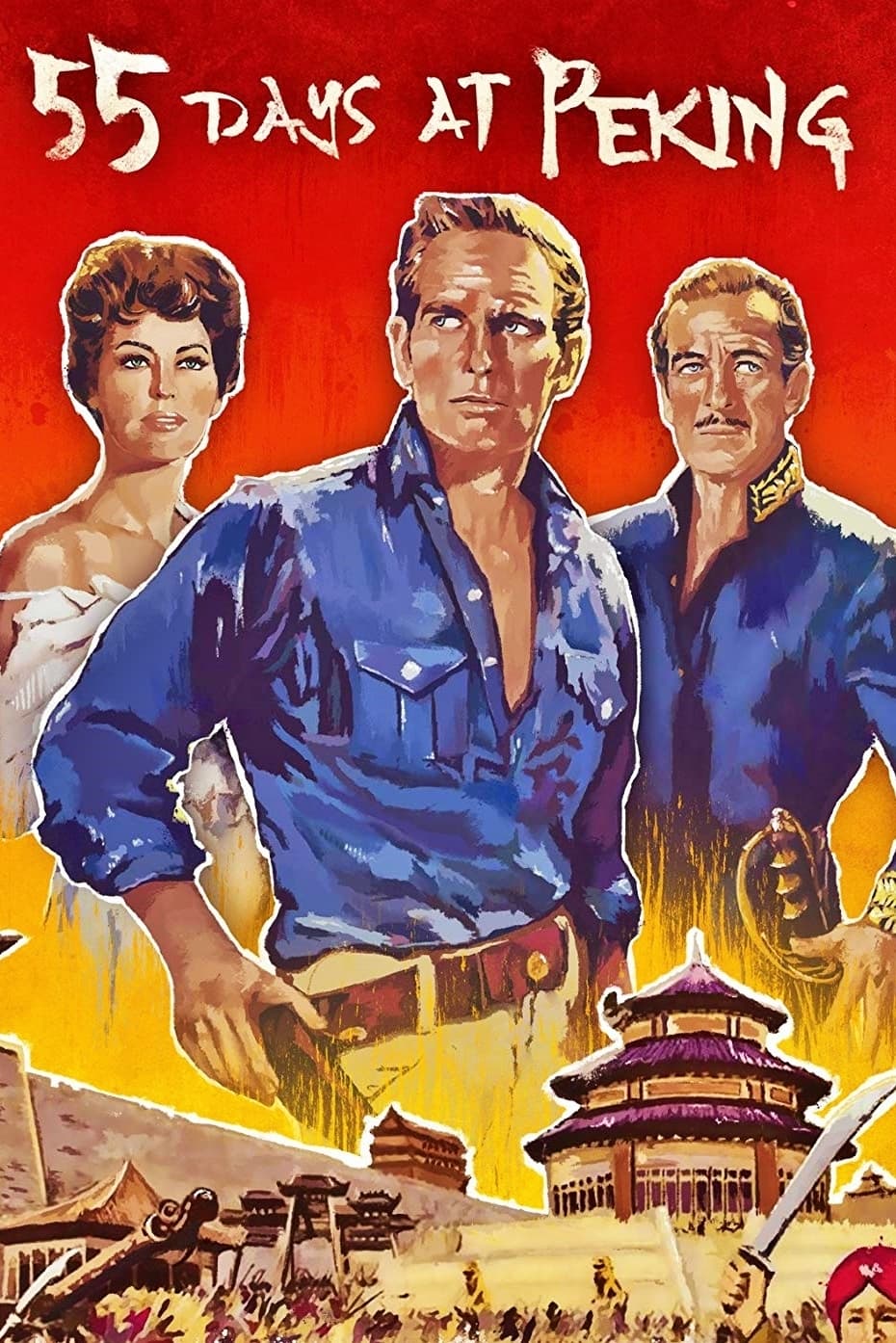
The movie portrays the siege of foreign embassies in Beijing during the Boxer Rebellion. Flora Robson plays Empress Dowager Cixi with extensive makeup. While the film boasts a large international cast, Chinese characters were primarily played by non-Chinese actors. It’s frequently noted for its historical errors and its focus on using famous actors, reflecting a time when star power was valued over accurate representation. The production exemplifies a period of large-scale filmmaking where celebrity often took precedence over authenticity in casting.
Tell us which of these casting decisions surprised you the most in the comments.
Read More
- Gold Rate Forecast
- 22 Films Where the White Protagonist Is Canonically the Sidekick to a Black Lead
- Games That Faced Bans in Countries Over Political Themes
- Silver Rate Forecast
- Brent Oil Forecast
- Unveiling the Schwab U.S. Dividend Equity ETF: A Portent of Financial Growth
- How to Do Sculptor Without a Future in KCD2 – Get 3 Sculptor’s Things
- Celebs Who Narrowly Escaped The 9/11 Attacks
- Superman Flops Financially: $350M Budget, Still No Profit (Scoop Confirmed)
- 14 Movies Where the Black Character Refuses to Save the White Protagonist
2026-01-06 22:29