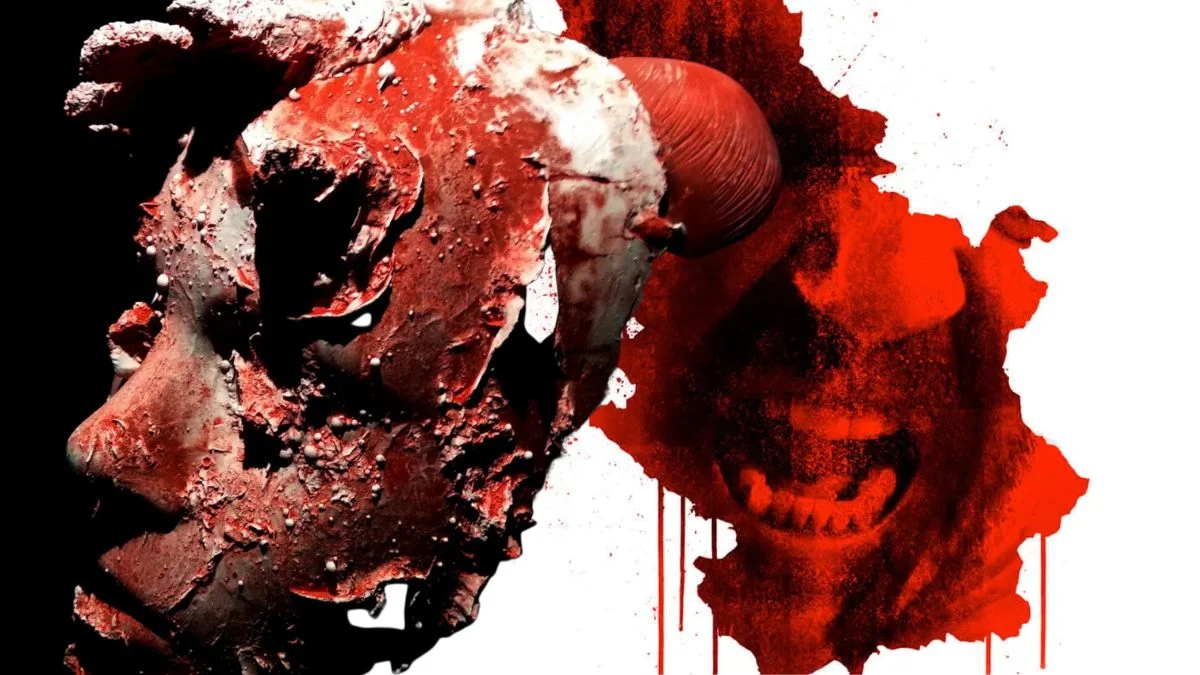
Movies often try to explore difficult and challenging aspects of life. Sometimes, films go too far for many moviegoers and are considered inappropriate for theaters. As a result, these films are often banned or censored, limiting who can see them. Below is a list of some movies that were only available on home video or through private showings due to their intense or disturbing content.
‘The Poughkeepsie Tapes’ (2007)
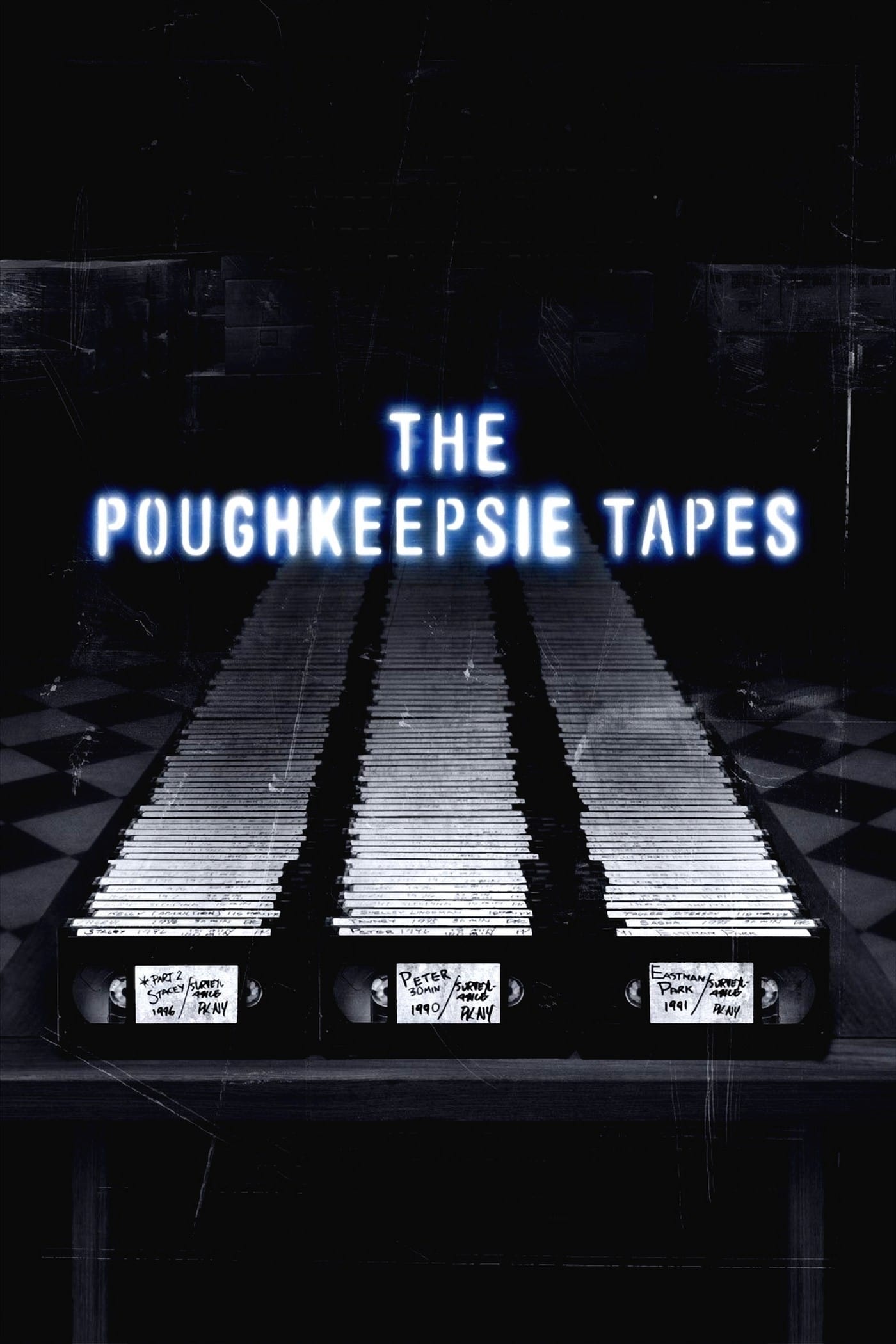
This fake documentary is built around a series of home movies discovered after a serial killer’s capture. It offers a deeply unsettling glimpse into how he kidnapped and mentally tormented his victims. The film was originally meant for cinemas but was delayed for years due to its disturbing content. Its raw, realistic look and consistently intense mood made it known as a challenging film to watch.
‘A Serbian Film’ (2010)
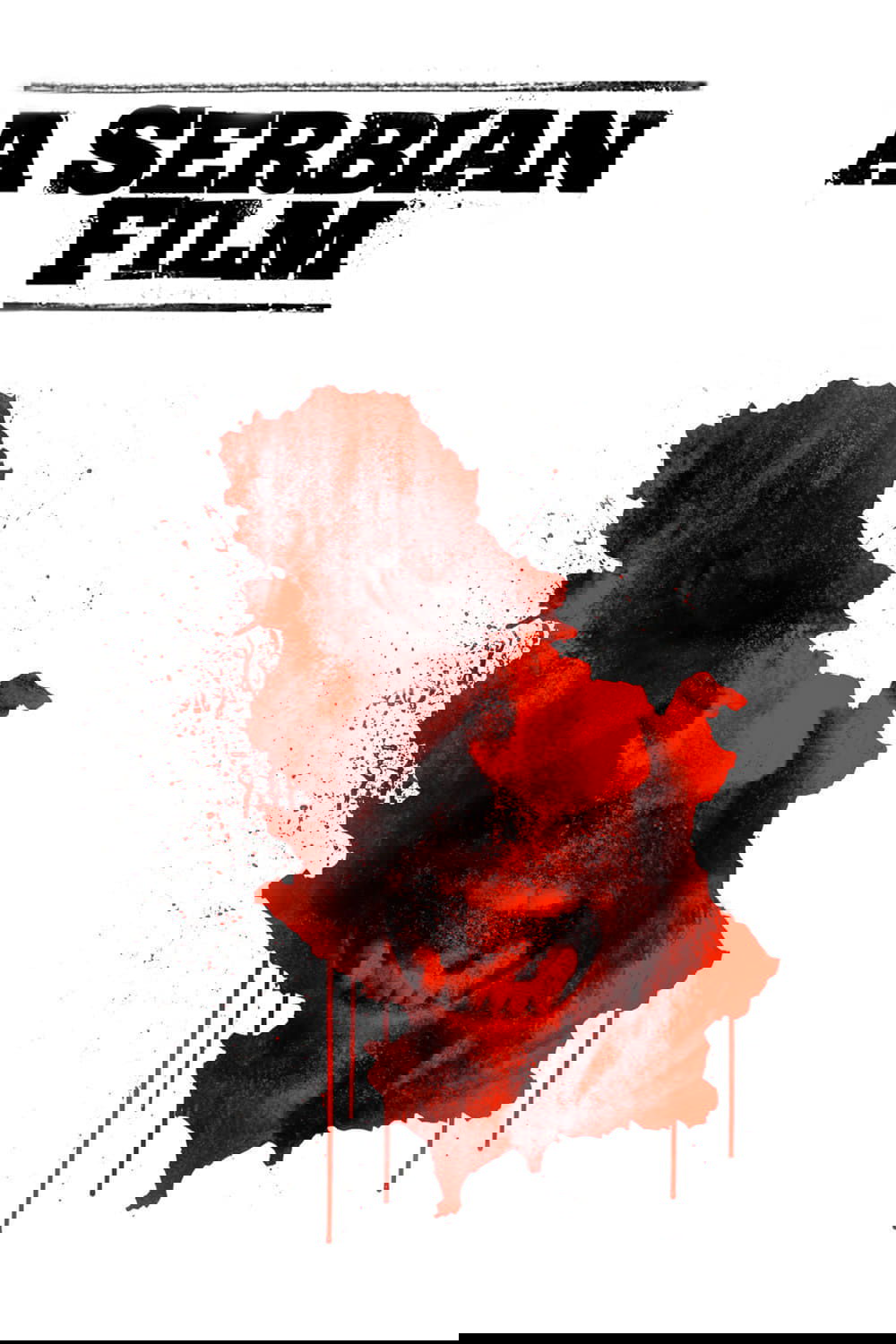
A former adult film actor, struggling to support his family, takes on a strange art project. He quickly realizes the project involves disturbing violence and sexual humiliation. The resulting film was banned in many countries because of its shocking content and remains highly controversial in the horror genre.
‘The Bunny Game’ (2011)
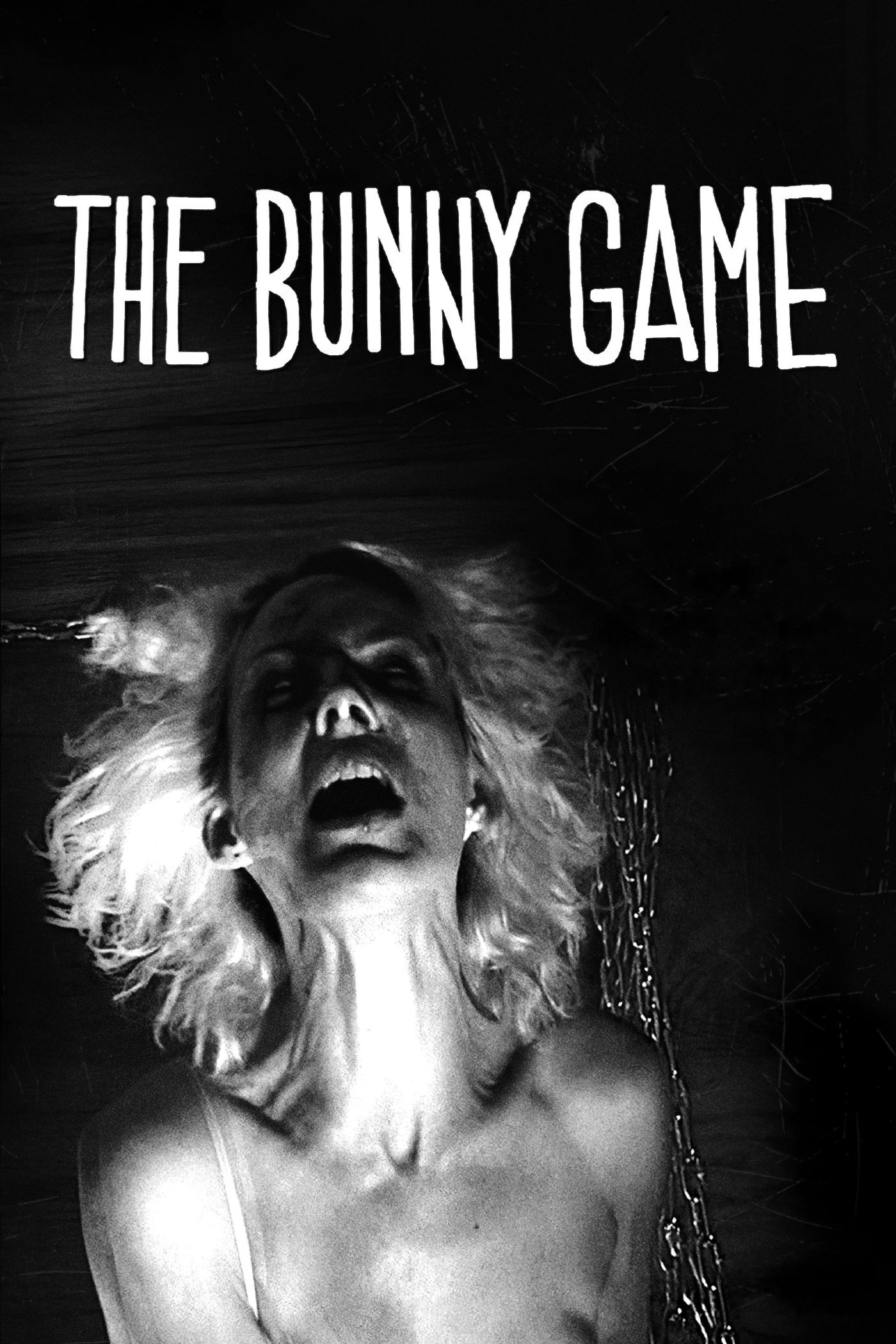
The film depicts the harrowing kidnapping and prolonged abuse of a sex worker by a truck driver. Shot in black and white with a shaky, handheld camera, it aims for a brutally realistic feel. For many years, the film was denied a rating by the British Board of Film Classification. Rather than telling a conventional story, it centers on the victim’s struggle to survive.
‘Grotesque’ (2009)
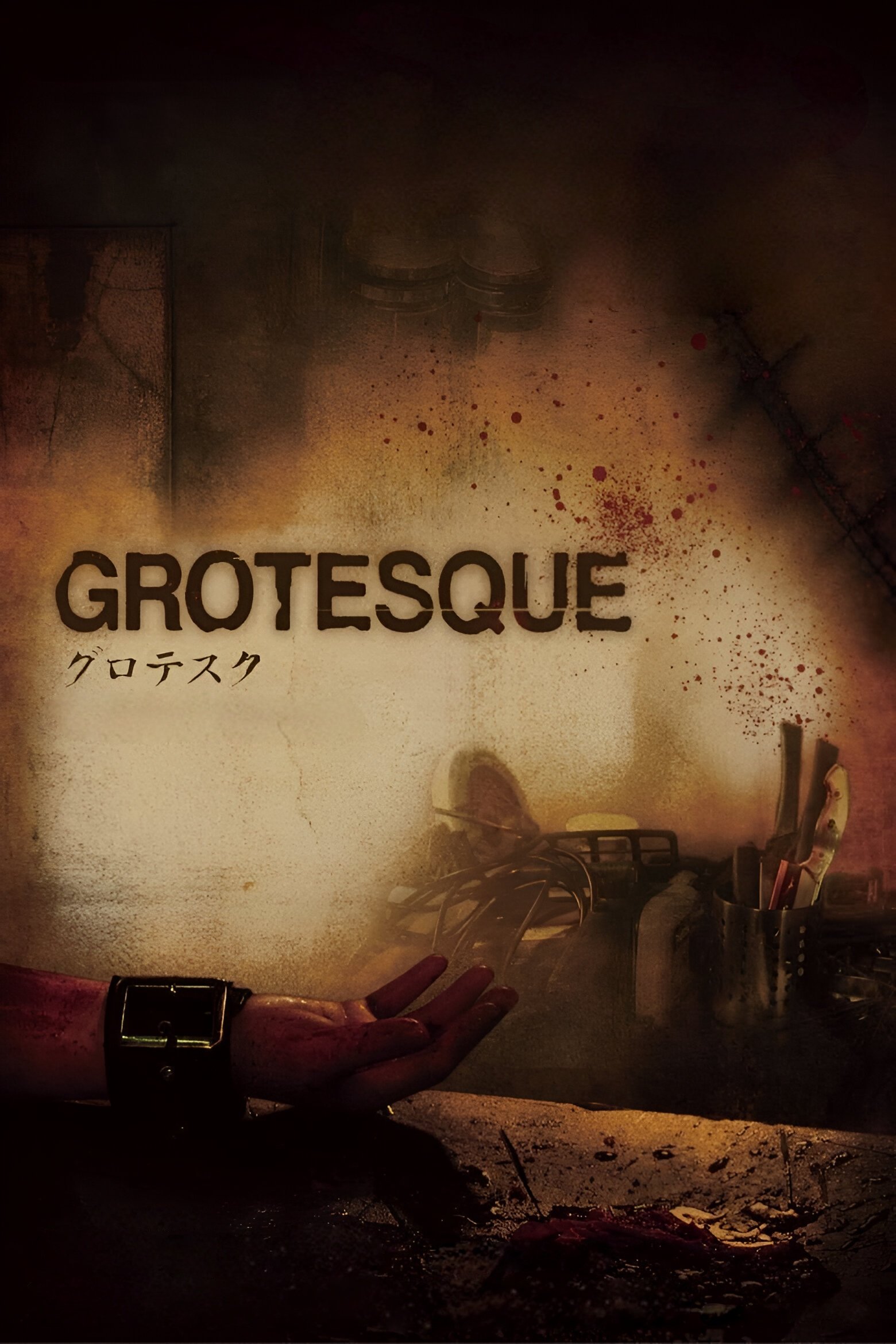
This Japanese horror movie centers on a young couple held captive and brutally tortured by a cruel doctor. The entire story takes place in a cramped basement. It was banned in the UK because authorities deemed it lacked any artistic or educational value, and it relies heavily on realistic, disturbing special effects to show the characters’ pain.
‘August Underground’ (2001)
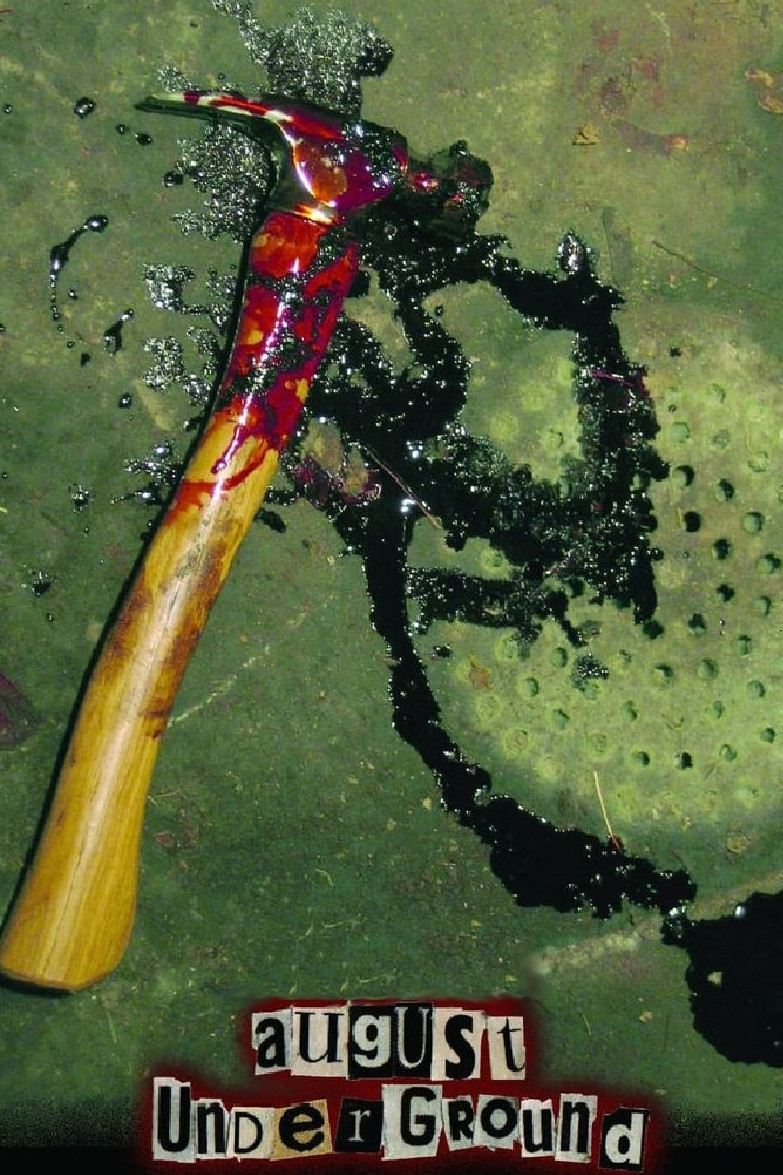
This horror movie, made on a small budget, appears as a collection of recordings made by two serial killers. It shows their senseless and cruel acts against unsuspecting people. The filmmakers intentionally made it look like a real home video to create a disturbing and unsettling experience. It wasn’t shown in theaters and instead spread through unofficial video trading.
‘Philosophy of a Knife’ (2008)
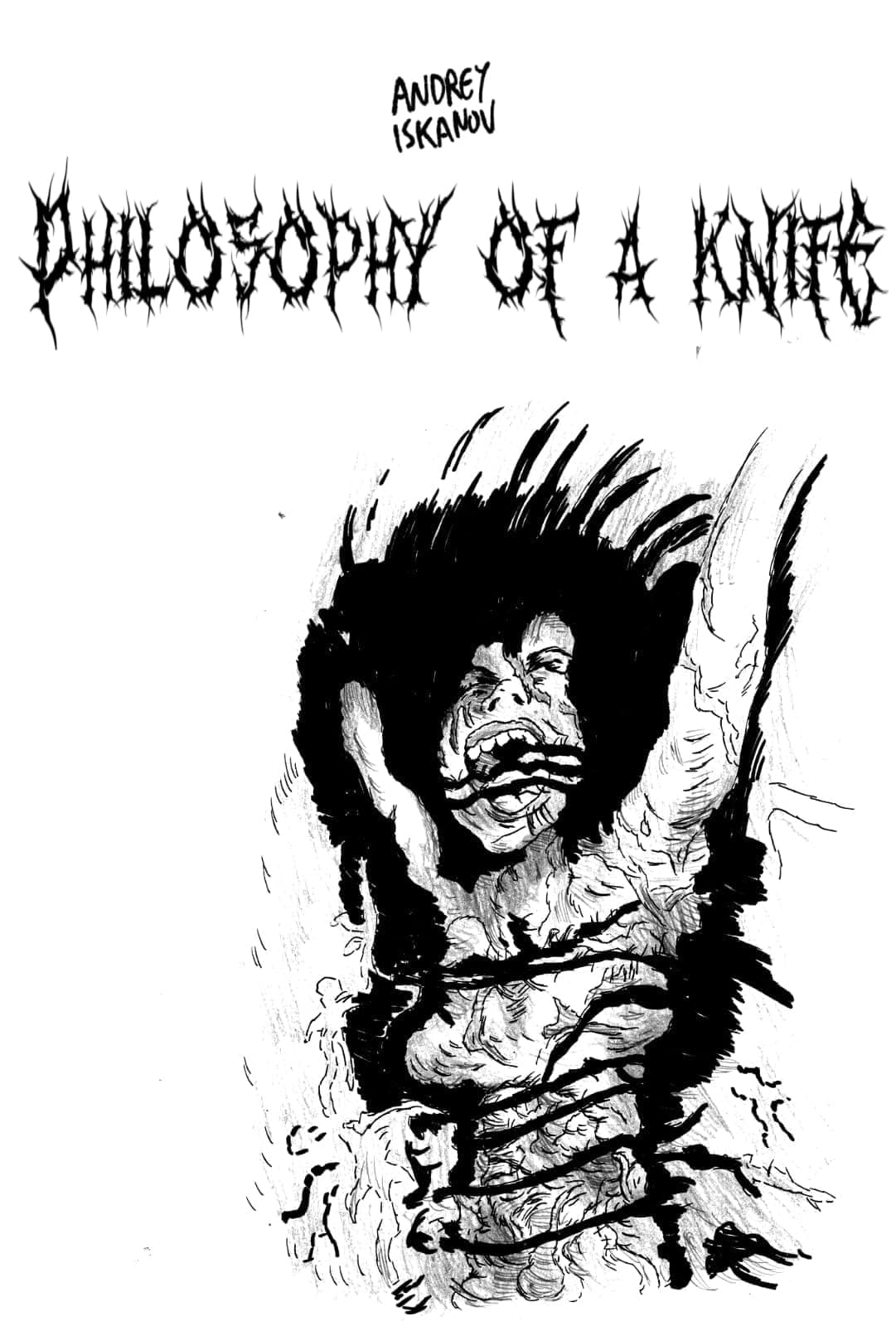
This film powerfully depicts the horrific medical experiments carried out by Unit 731 during World War II. It combines real historical footage with dramatizations of the terrible acts committed. The film is over four hours long and offers a disturbing, unflinching portrayal of these historical atrocities. Because of its length and intensely graphic content, it wasn’t widely released in theaters and primarily became available for home viewing.
‘Men Behind the Sun’ (1988)
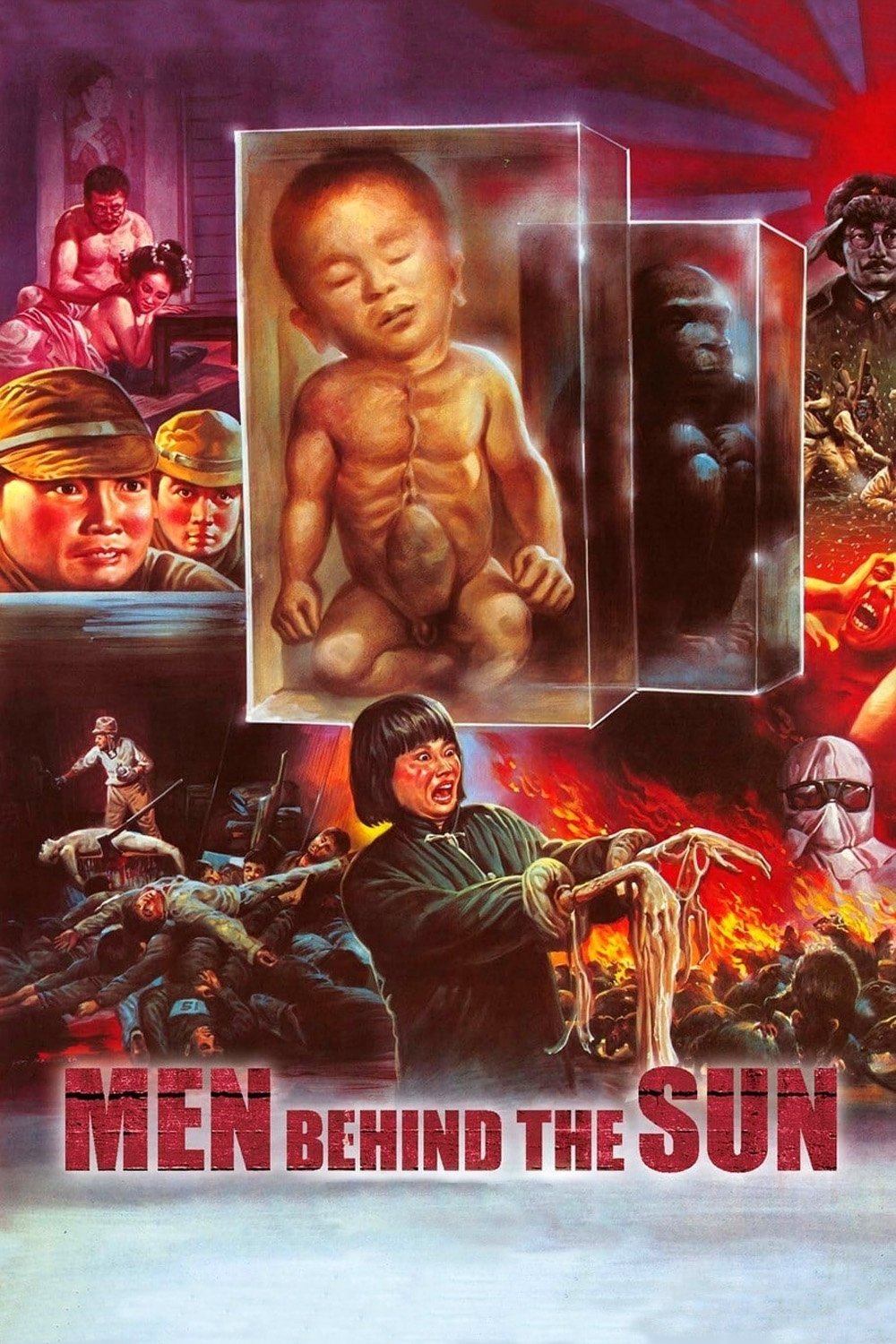
As a film buff who’s seen a lot of war movies, this one really stuck with me. It’s a historical drama focusing on the horrific biological warfare research conducted by the Japanese army, and honestly, it’s incredibly difficult to watch. The film doesn’t shy away from showing the intense medical cruelty and the immense suffering inflicted on people, which understandably caused a huge uproar. While the filmmakers aimed to educate viewers about this dark part of history, many countries felt the imagery was just too graphic for a wide theatrical release. It’s frequently mentioned as one of the most disturbing and unsettling films ever made about war crimes – and I can definitely see why.
‘Megan Is Missing’ (2011)
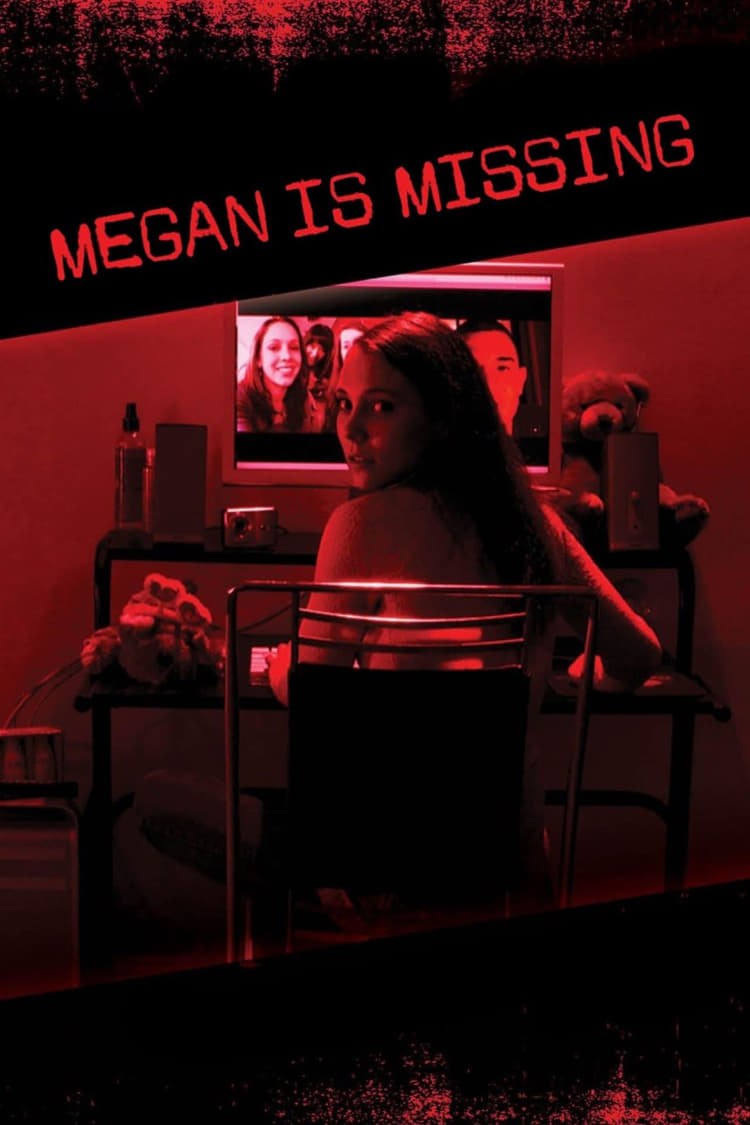
This movie tells the story of two teenage girls who are stalked by someone they meet online. Presented as discovered video footage, the film follows the investigation into their vanishing and the terrifying events that unfold. The ending contains intensely disturbing scenes that some viewers may find upsetting. Years after its original release, the film gained renewed attention thanks to social media.
‘Found’ (2012)
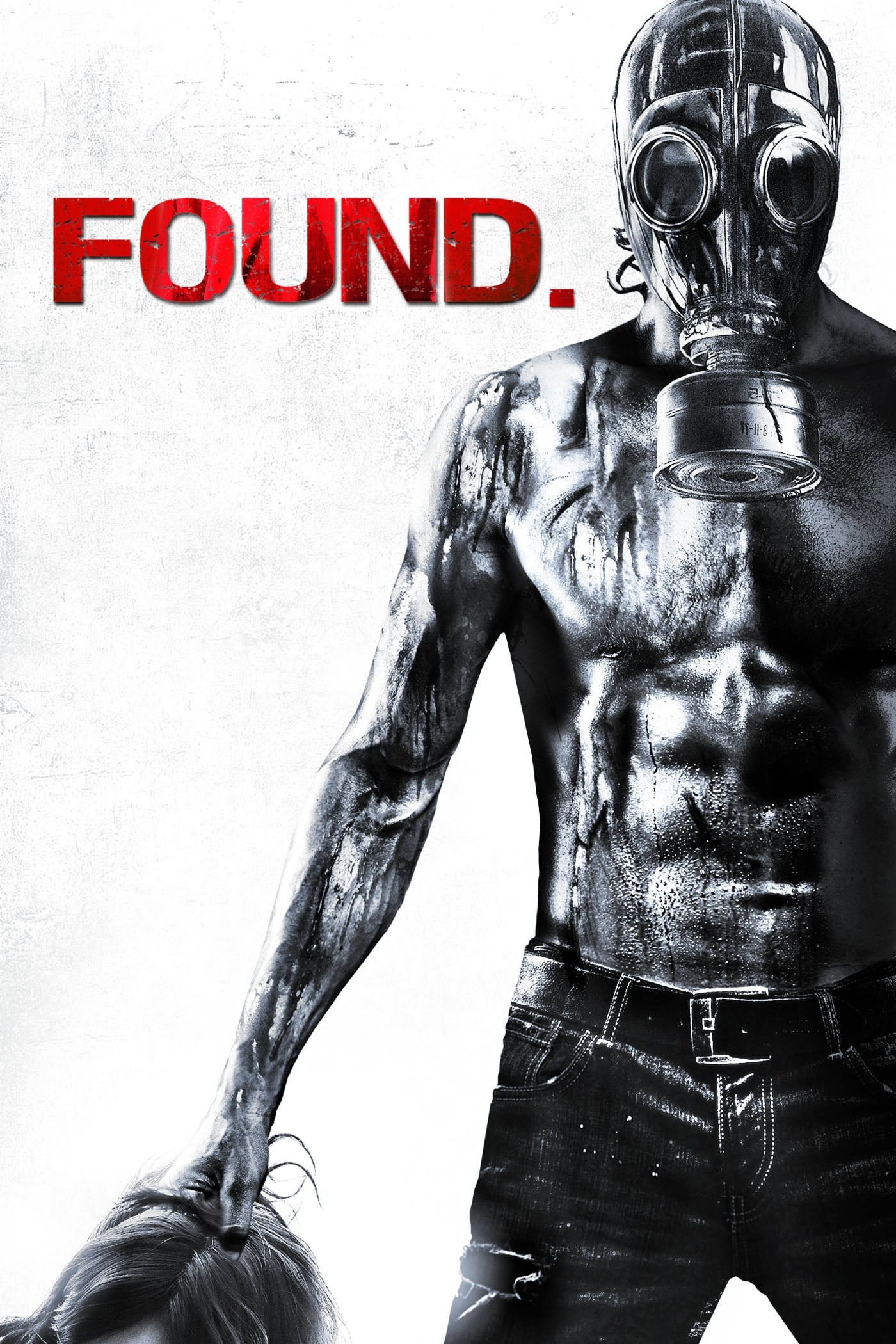
A young horror fan is horrified to learn his older brother is actually a serial killer. The story delves into the psychological toll this revelation takes on him, and how it destroys his family. The film includes shocking and disturbing scenes presented as a movie-within-a-movie. It gained recognition through horror film festivals and limited online release.
‘Begotten’ (1990)
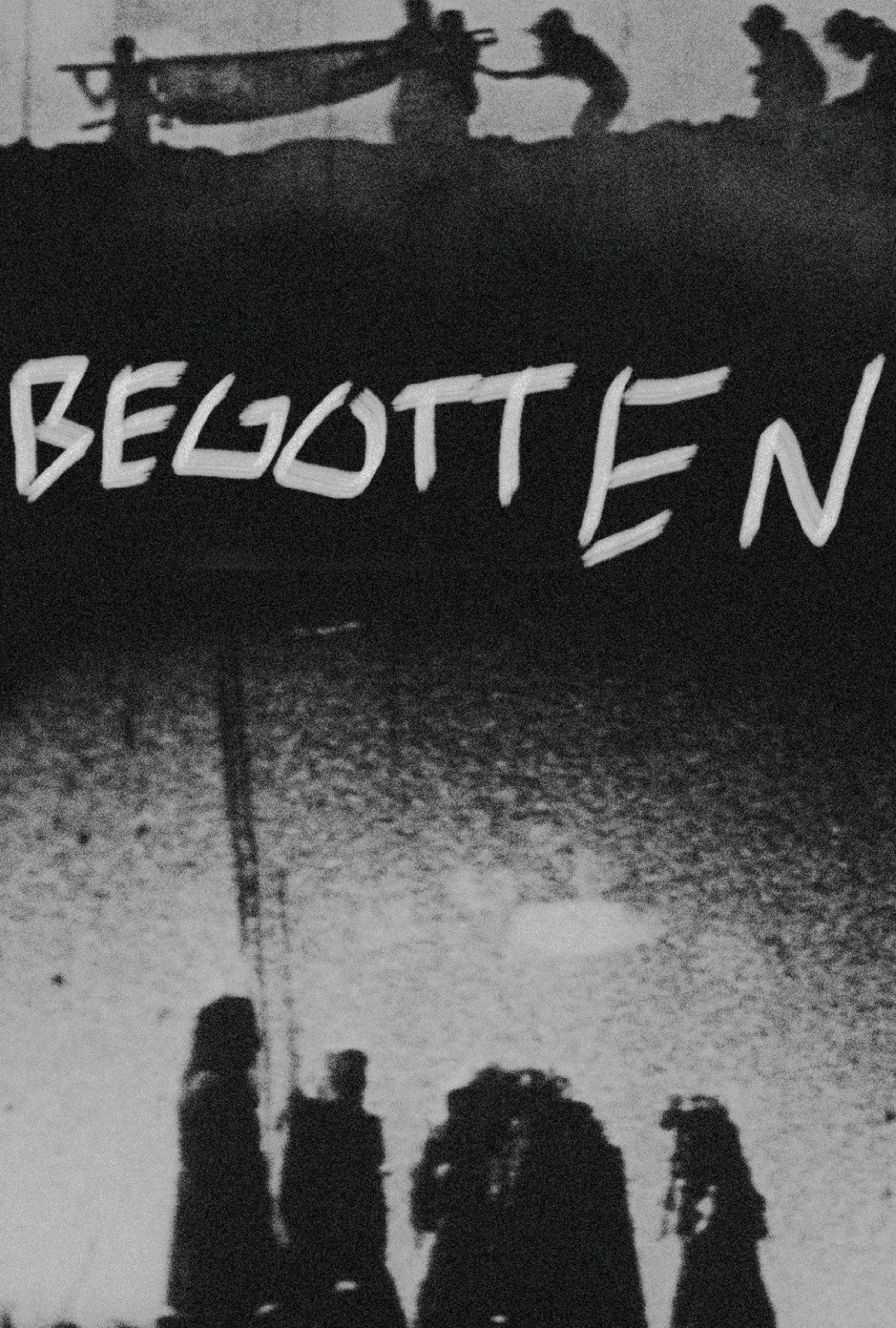
Okay, so I just saw this… and wow. It’s a completely silent film, but not in a charming, Chaplin-esque way. Think stark, highly stylized black and white, almost like a moving painting. It’s an experimental piece, really, telling a story about creation, but through pure imagery and metaphor. And it starts with a pretty shocking image – a god, essentially, taking its own life. There’s absolutely no dialogue, so you’re forced to interpret everything visually, and it deals with some incredibly dark and disturbing themes. Honestly, it’s not for everyone, and that’s probably why it’s stayed a bit of a cult classic – it’s challenging, unsettling, and definitely sticks with you. It’s not an easy watch, but it’s undeniably powerful.
‘Trauma’ (2017)
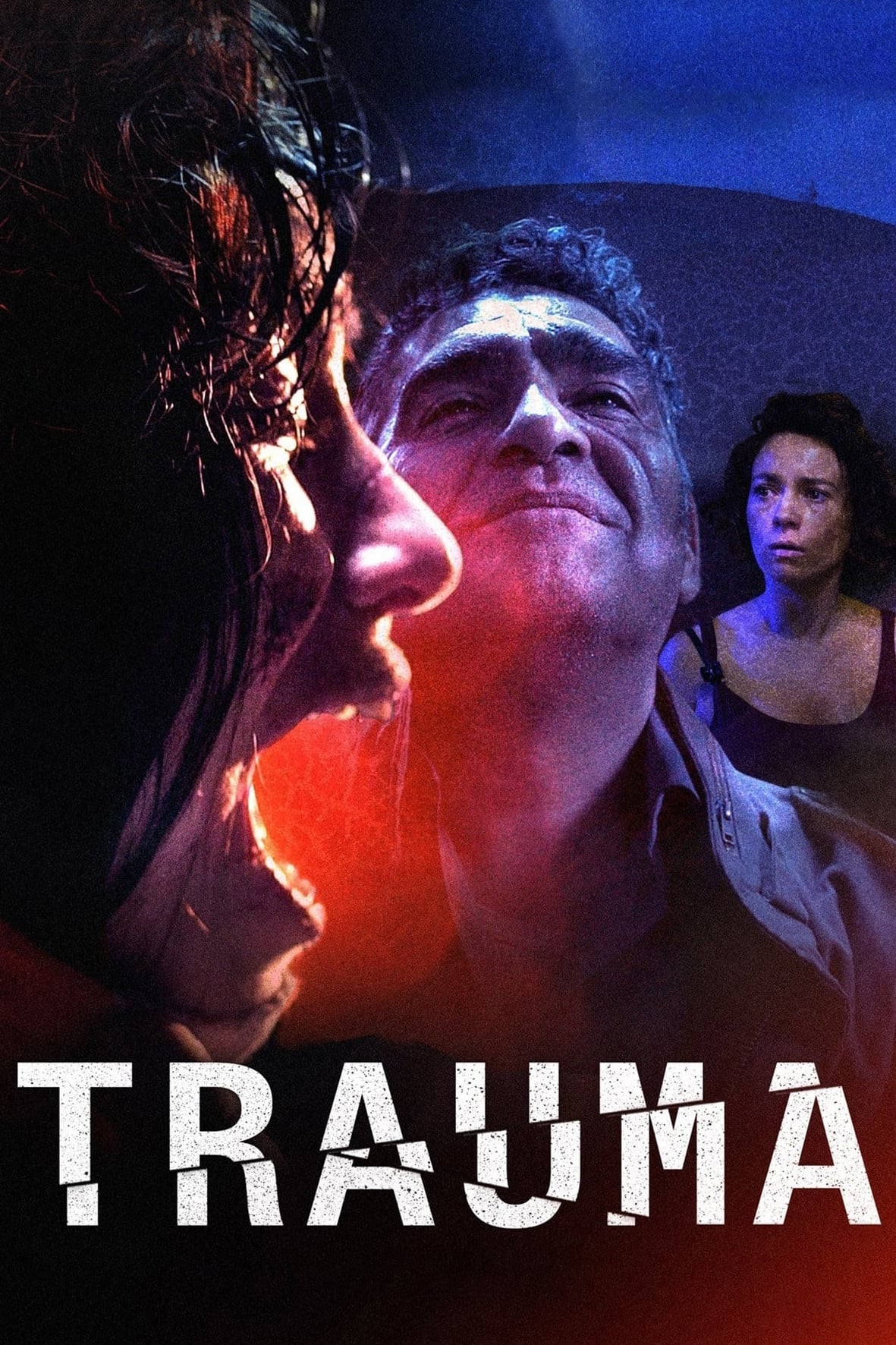
A film about four women attacked by a father and son in rural Chile explores the lingering trauma of the country’s past dictatorship. The movie contains disturbing scenes of sexual violence and physical torture, intended to illustrate the long-term consequences of historical atrocities. However, its graphic content prevented it from being widely released in theaters.
‘Murder-Set-Pieces’ (2004)

This movie centers around a photographer who secretly stalks and murders women in Las Vegas. It’s known for its over-the-top violence and includes appearances by several famous horror actors. Due to its graphic content, the film was heavily censored and had trouble being released in many places. It’s a controversial slasher film that continues to divide audiences with its brutal and unforgiving nature.
‘Nekromantik’ (1987)
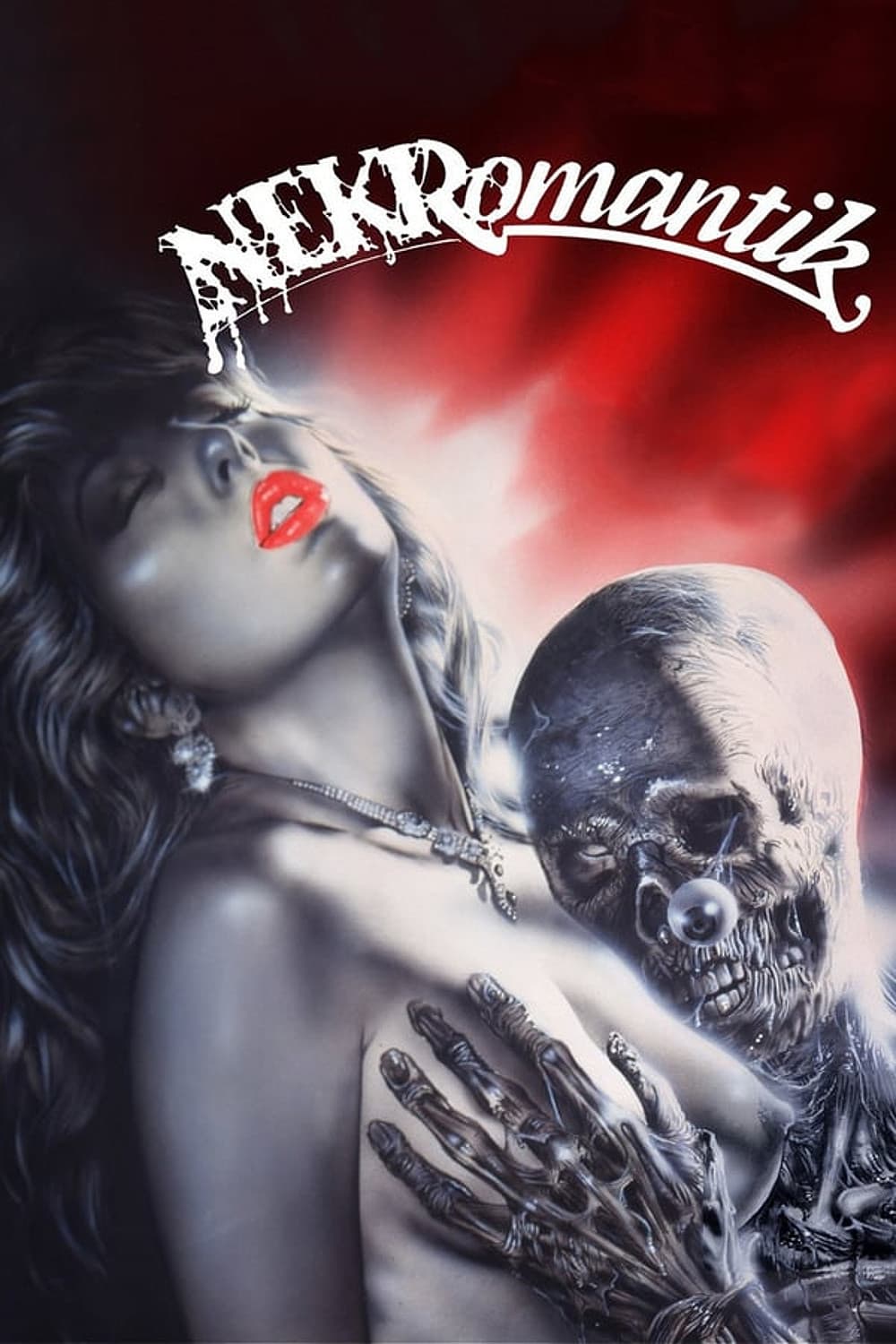
This disturbing German horror film tackles the shocking subject of necrophilia, following a street cleaner who brings a decaying body home to his girlfriend. This act triggers a spiral into insanity. The movie faced bans and was confiscated by authorities in multiple countries due to its highly controversial and boundary-pushing imagery, which deliberately challenges societal norms and traditional filmmaking conventions.
‘Melancholie der Engel’ (2009)
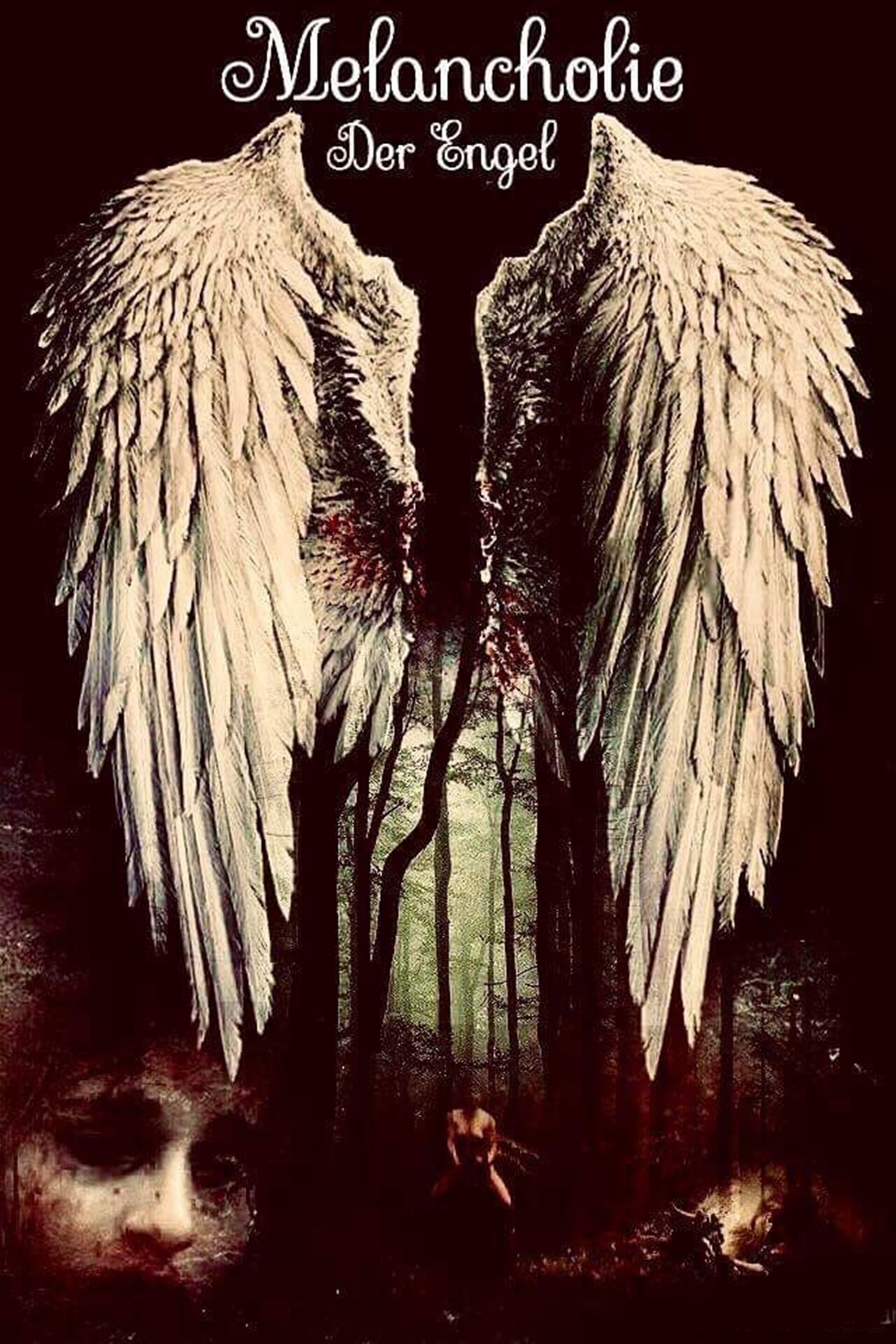
This disturbing film follows two men reconnecting as they face the end of their lives, and depicts increasingly shocking and immoral acts. Nearly three hours long, it contains graphic scenes of both animal abuse and sexual violence. The director is known for creating intentionally provocative and boundary-pushing work, and the film remains largely unavailable, distributed only through niche channels.
‘Subconscious Cruelty’ (2000)
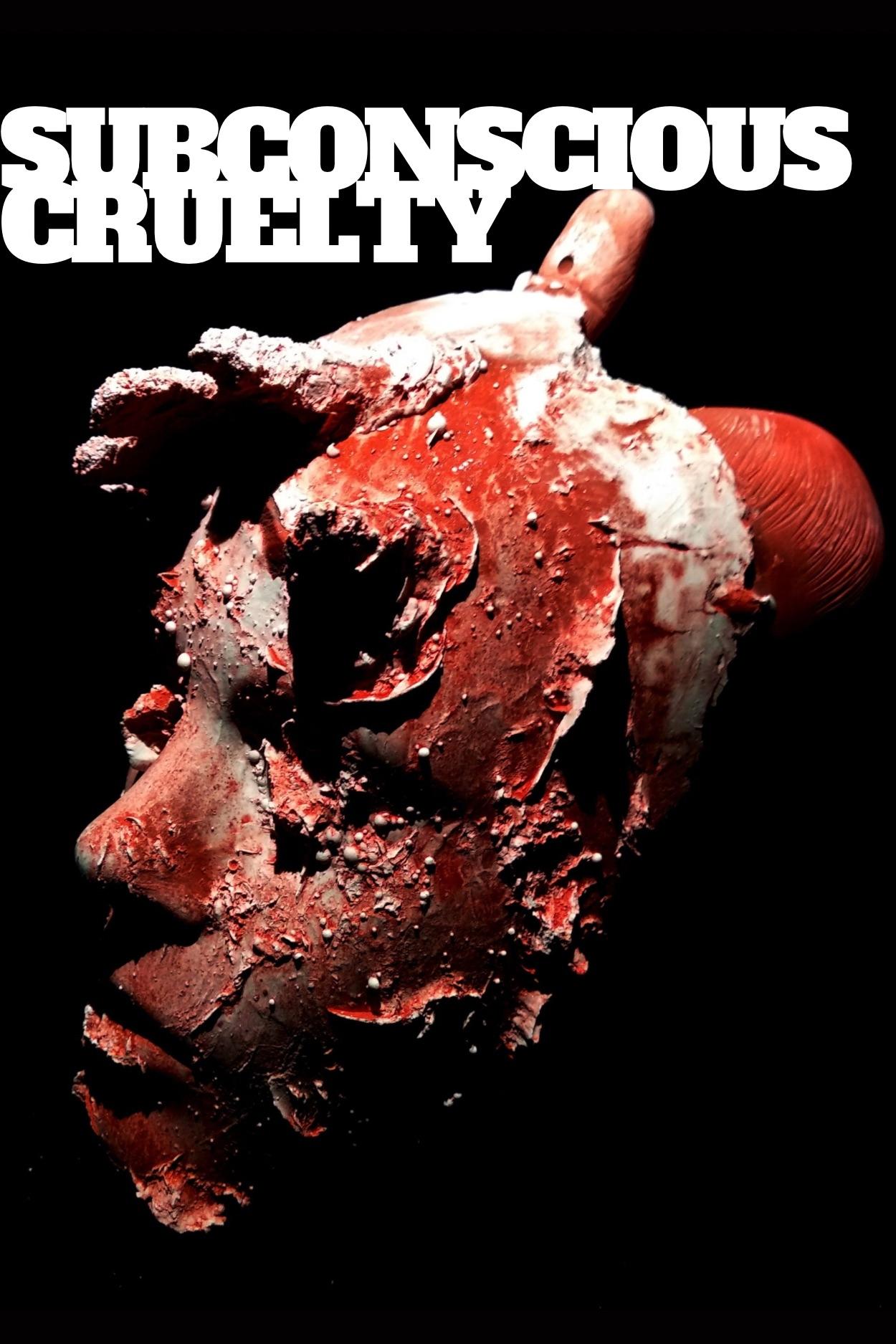
This Canadian horror film is an experimental work broken into four parts, each delving into disturbing themes of religion and the body. It’s known for its strange, abstract images and intense, graphic violence. The director painstakingly edited the film over several years to create a truly nightmarish atmosphere, and it continues to be a favorite among fans of underground cinema because of its distinctive and unsettling visuals.
‘Slaughtered Vomit Dolls’ (2006)
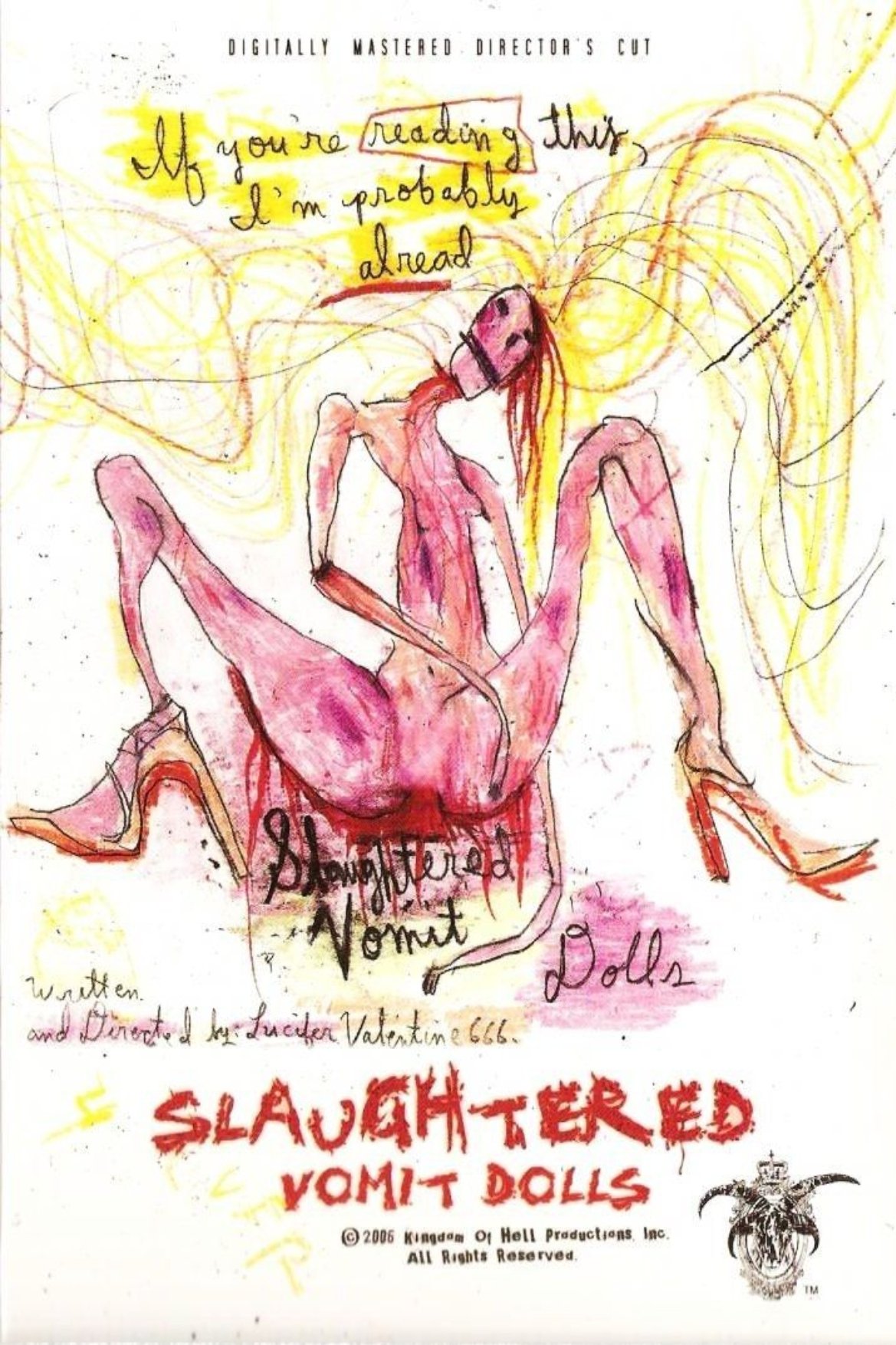
This film tells the story of a young woman who runs away from home and gets caught up in the adult entertainment industry. The narrative jumps around in time to show her inner turmoil, including hallucinations and physical pain. It’s known for depicting unusual and intense sexual interests, and was made by a director who typically creates very graphic horror films.
‘Aftermath’ (1994)

This Spanish short film tells a disturbing story about a morgue worker and his actions with a corpse. It doesn’t have any dialogue, instead using stark, clinical visuals to build a feeling of intense dread. The filmmakers focused on incredibly realistic special effects to make the film as believable as possible, and it’s frequently cited as one of the most unsettling short films ever made.
‘August Underground’s Mordum’ (2003)
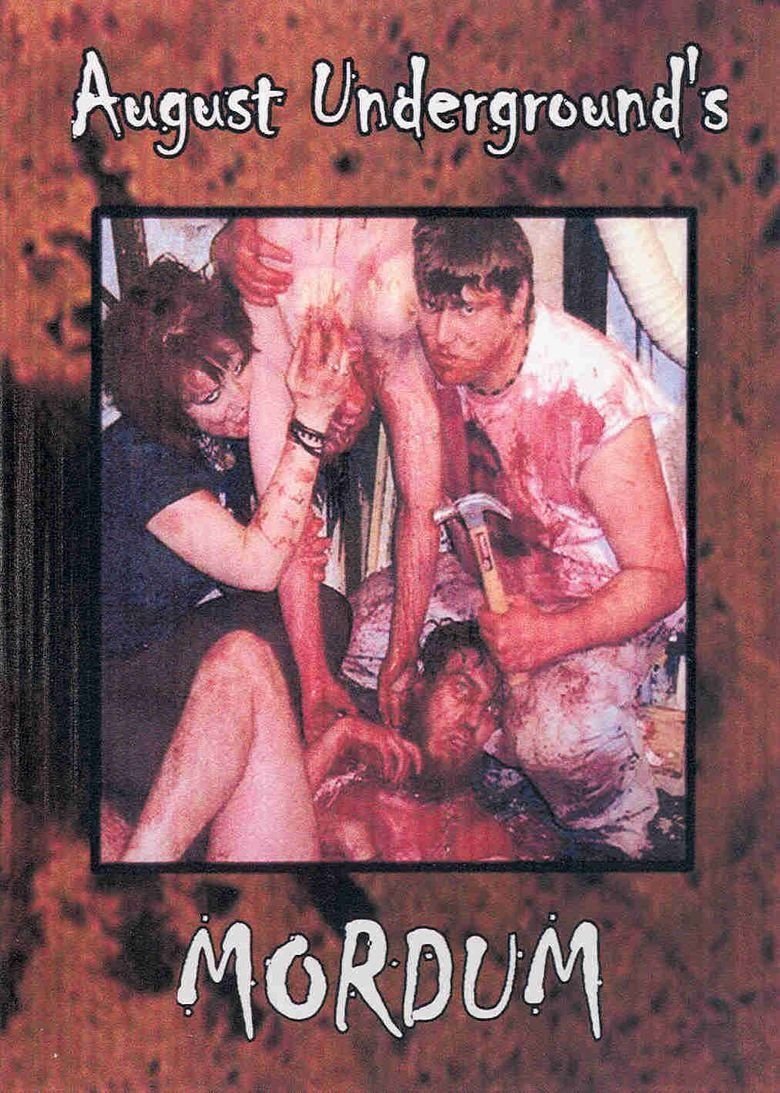
This follow-up film delves deeper into the story of the killers from the original, showcasing even more shocking violence. It aims to be the most intense example of the ‘found footage’ style, using realistic effects and shaky camera work to feel like a genuine home video. The film is still considered highly controversial and is typically released by niche horror distributors.
‘August Underground’s Penance’ (2007)
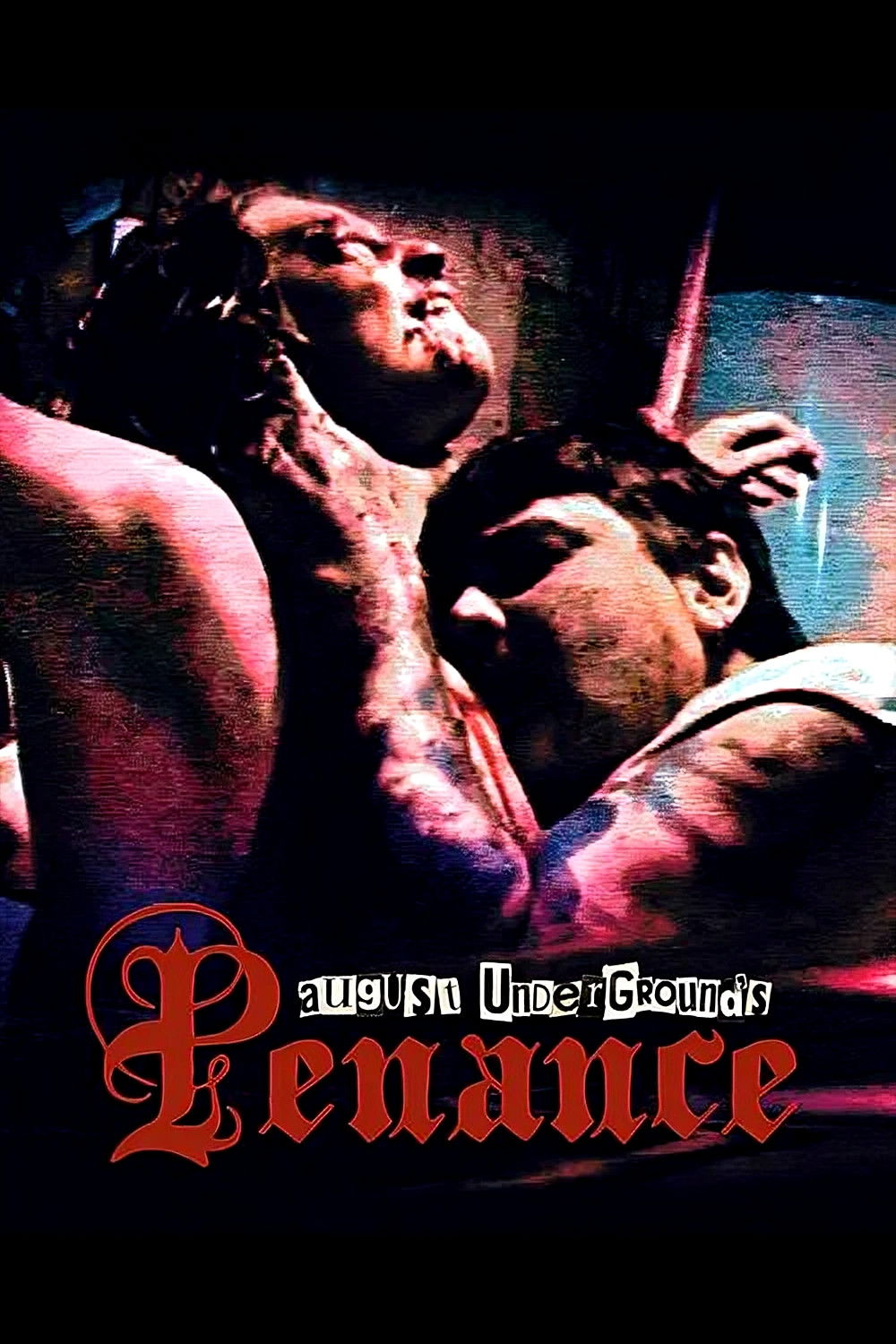
This concluding film in the trilogy shows the killers spiraling further into mental instability as their actions draw more attention. It keeps the gritty, realistic style of the previous films, but features more developed characters. The story delves into the lasting impact of violence, examining how it affects the people connected to those who commit it. Like the other films in the series, it wasn’t released in cinemas and was instead sold directly to private collectors.
‘Snuff 102’ (2007)
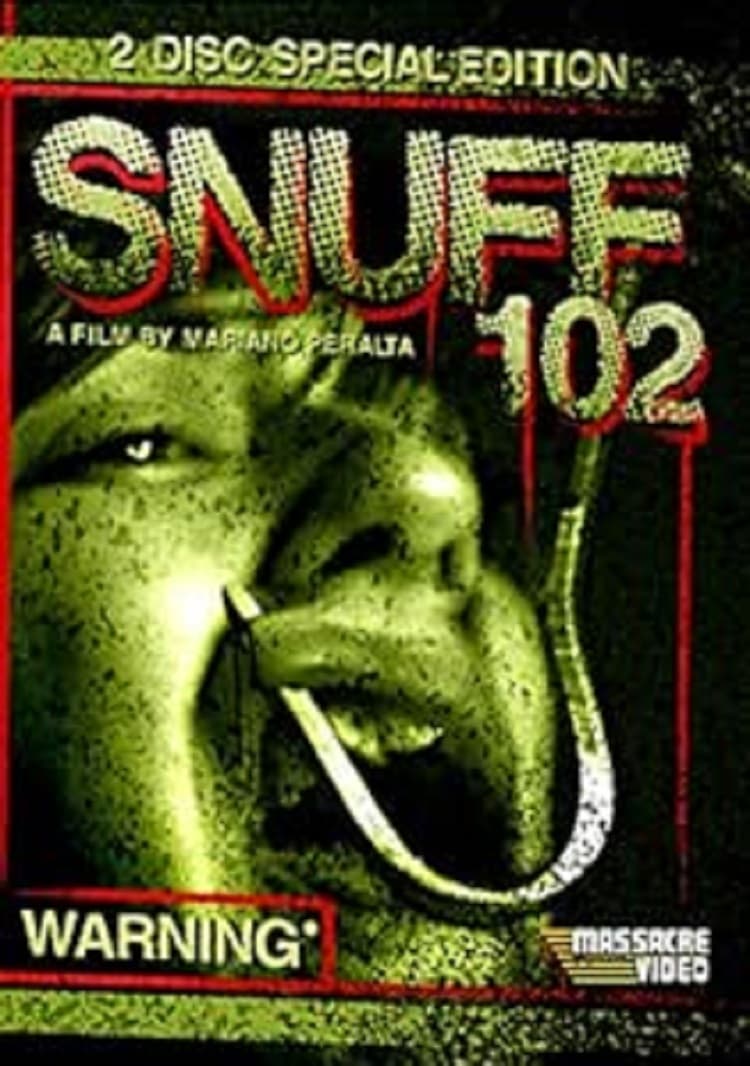
An Argentine film delves into the disturbing world of snuff films through interviews and staged scenes. The movie deliberately mixes reality and fiction to unsettle viewers, and it sparked outrage at a film festival, causing many people to leave. Since then, it’s only been available through limited releases on DVD and digital platforms.
‘Scrapbook’ (2000)
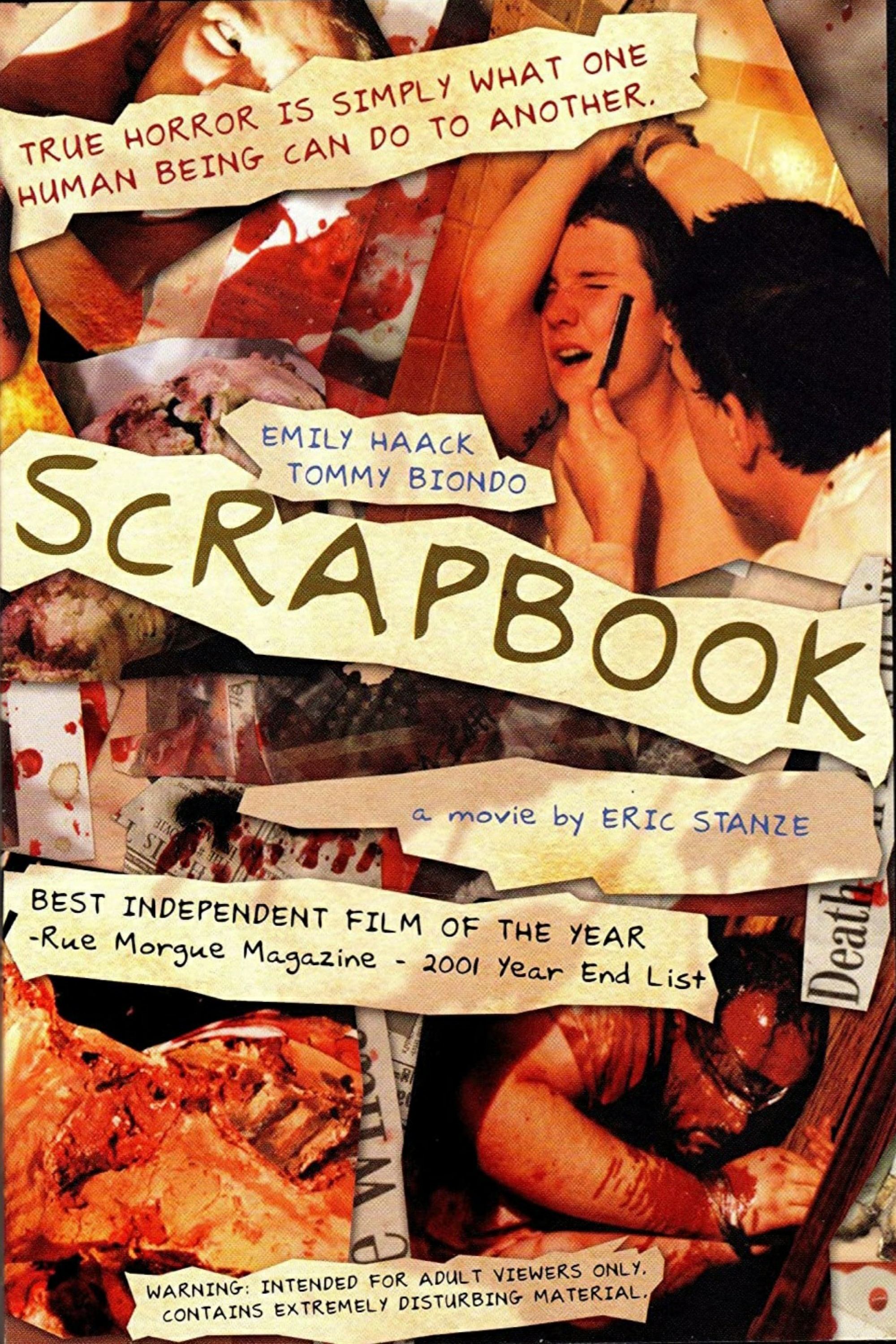
I recently saw this movie and it completely messed with my head. It’s about a woman who’s kidnapped by a serial killer, and the really disturbing part is he makes her write everything down in a notebook. It’s less about what he does and more about the twisted game they play with each other – a total psychological battle. Honestly, it’s pretty brutal and I can see why it got banned in some places. What really got to me was how raw and realistic it felt, partly because it doesn’t look like a big-budget movie. It almost feels like you’re not supposed to be watching, like you’re invading her privacy, and that just adds to how unsettling it is.
‘Chaos’ (2005)
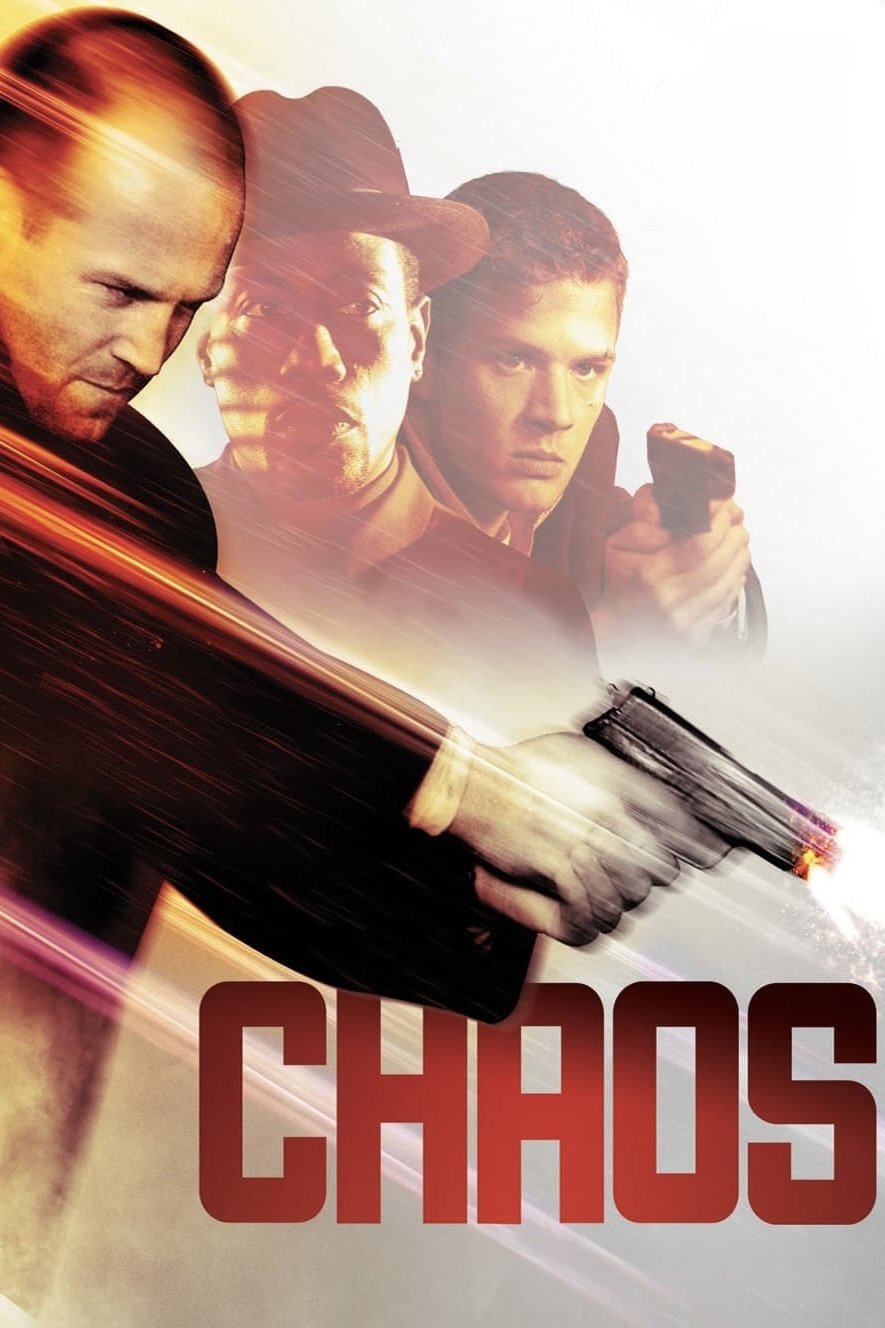
This movie is a reimagining of a well-known horror tale centering on two girls kidnapped and brutally abused by a group of criminals. It gained notoriety for its shocking violence and amoral themes. Both critics and viewers felt the violence was over the top, even for a horror film, and it struggled to find wide release, primarily being available on DVD.
‘The Great American Snuff Film’ (2003)
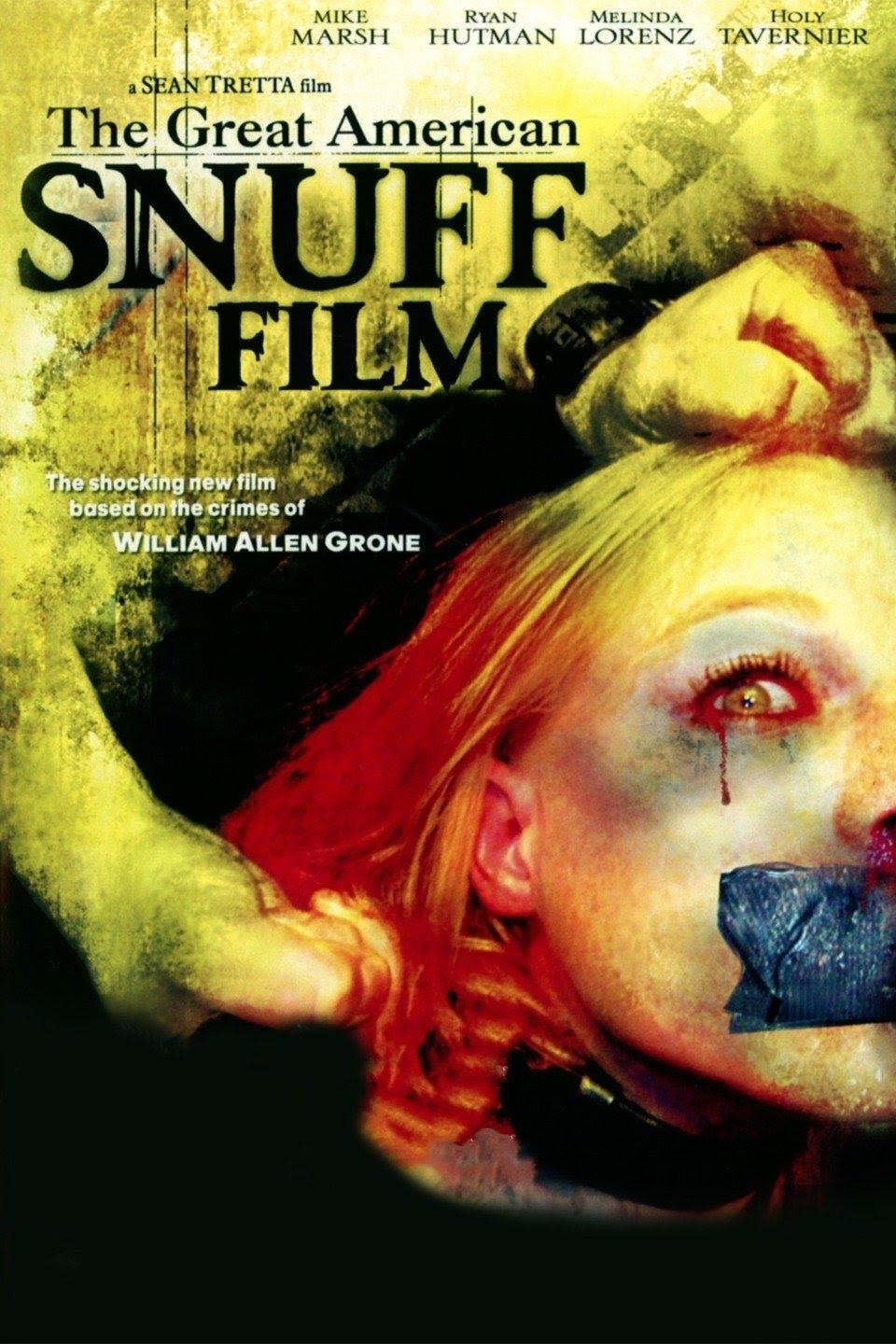
This movie is presented as if it’s real found footage, supposedly showing the last days of two people held captive by a serial killer. To look like a low-quality videotape, it uses a grainy picture and shaky camera movements. The film focuses more on the mental and emotional struggles of the victims than on graphic violence. It was released independently and didn’t gain widespread attention.
‘Orozco the Embalmer’ (2001)

This documentary offers a raw and honest portrayal of an embalmer working in a dangerous part of Colombia. It shows the realities of death and body preparation without any attempt to soften the impact, which unfortunately prevented it from being widely shown in theaters. The film provides a rare, unvarnished glimpse into a profession typically hidden from public view.
Share your thoughts on these controversial films in the comments.
Read More
- Gold Rate Forecast
- Games That Faced Bans in Countries Over Political Themes
- Silver Rate Forecast
- 15 Films That Were Shot Entirely on Phones
- Unveiling the Schwab U.S. Dividend Equity ETF: A Portent of Financial Growth
- 22 Films Where the White Protagonist Is Canonically the Sidekick to a Black Lead
- 20 Movies Where the Black Villain Was Secretly the Most Popular Character
- The Best Directors of 2025
- Brent Oil Forecast
- Superman Flops Financially: $350M Budget, Still No Profit (Scoop Confirmed)
2026-02-07 15:19