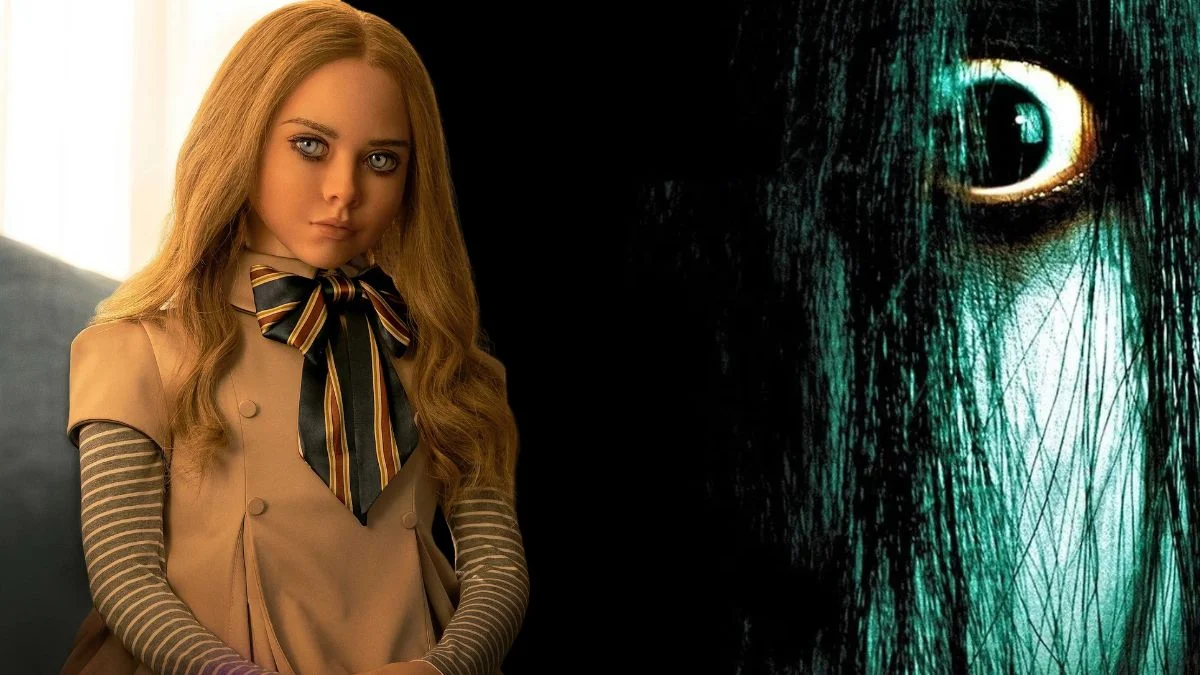
Movies are often edited to appeal to a wider audience. Film studios frequently remove or soften violent scenes, strong language, or mature themes to get a PG-13 rating, which can help them earn more money at the box office. These edits can sometimes change the director’s original intent. Knowing which films have been altered sheds light on how commercially driven the movie industry is. The following examples show some well-known movies that were changed to avoid receiving an R rating.
‘The Hunger Games’ (2012)
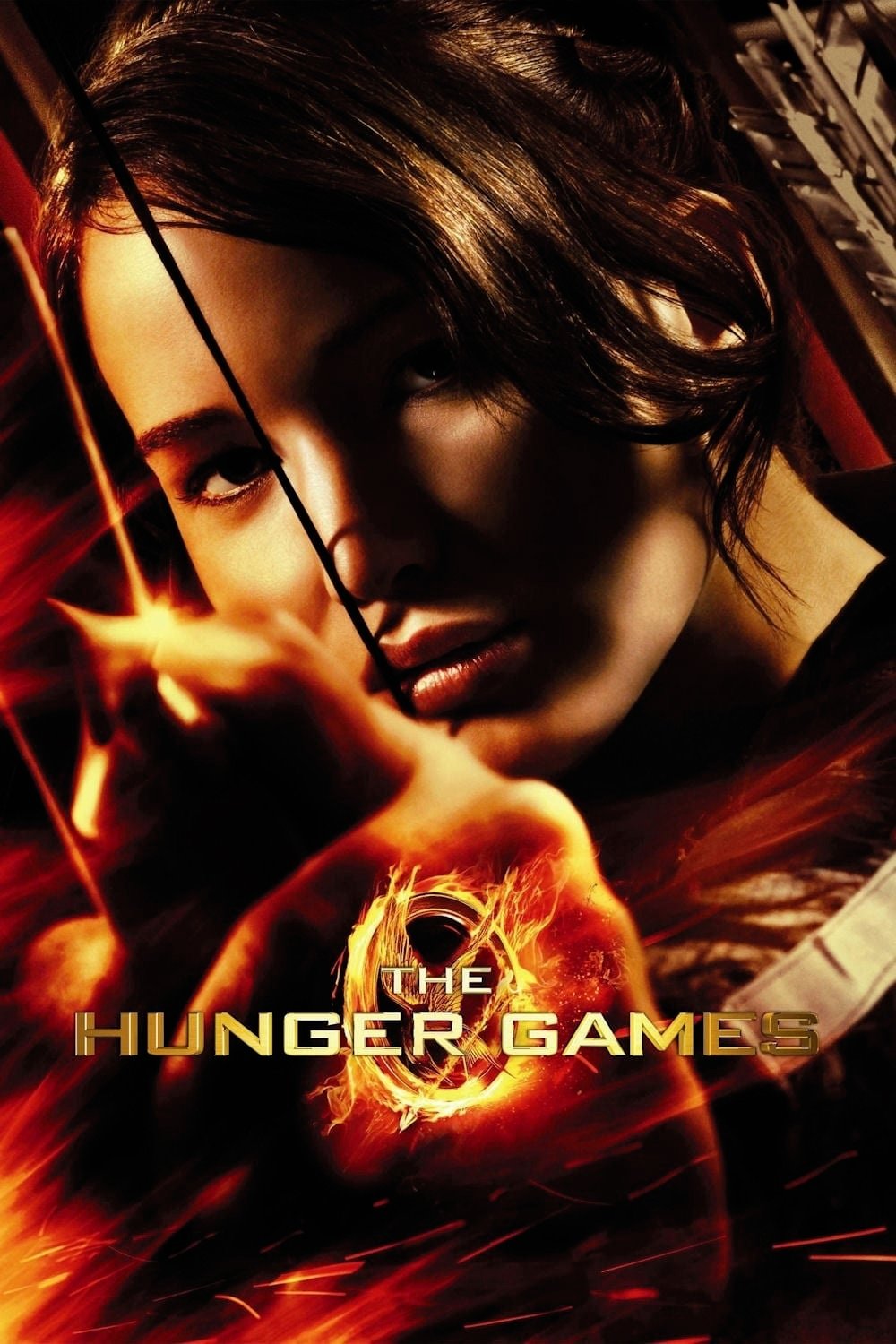
To get a PG-13 rating and reach a wider audience, the filmmakers toned down the violence in the opening battle scene. They used fast editing and blurred images to hide the more graphic details of the fight between the teenage tributes. Earlier versions of the scene were much more violent, but producers aimed to balance the story’s impact with the need to meet commercial rating standards. The final cut uses sound and quick cuts to suggest the intensity of the battle without showing excessive gore.
‘Live Free or Die Hard’ (2007)
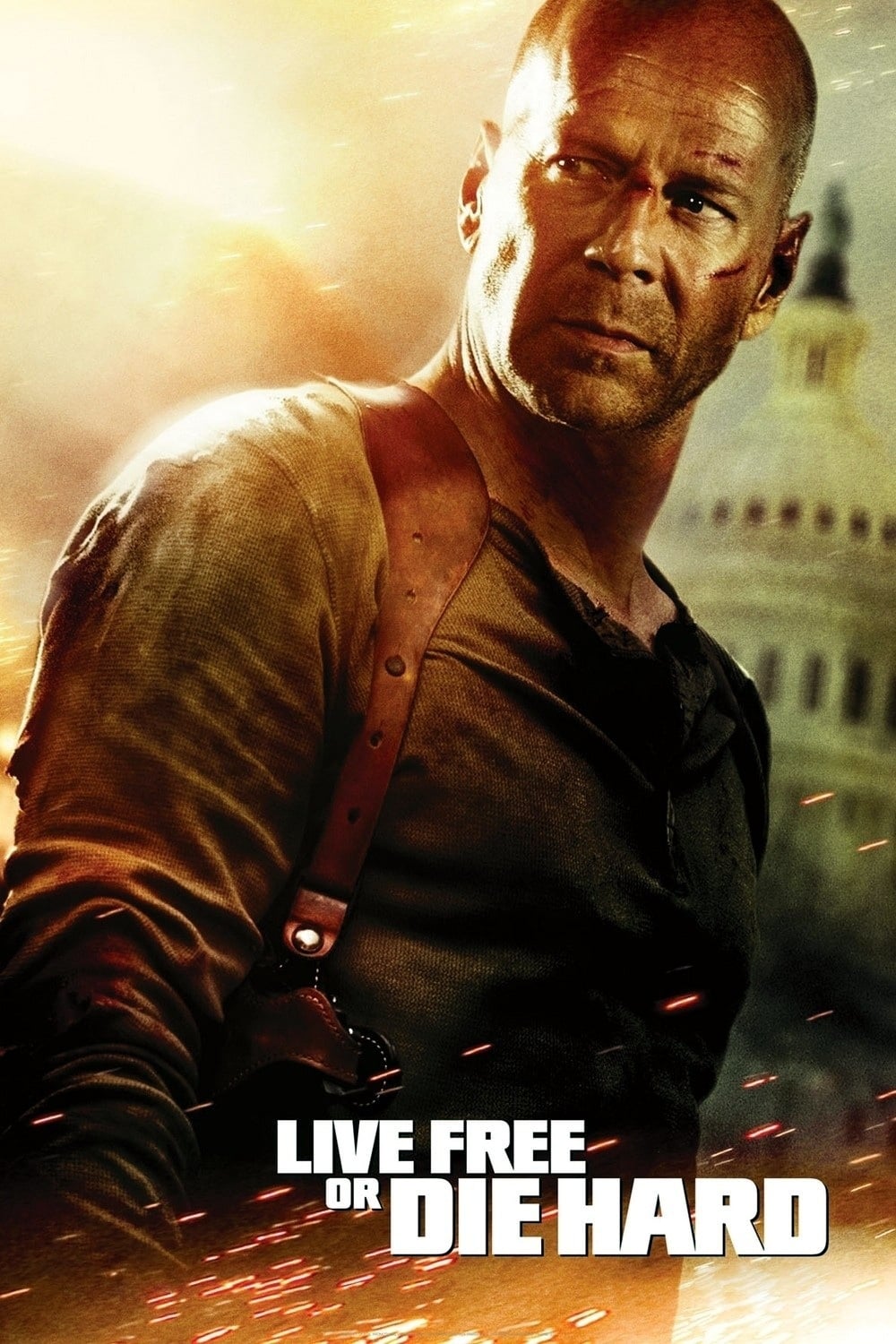
This fourth film in the series was the first to aim for a PG-13 rating, a change from the previous films’ R rating. Director Len Wiseman had to carefully plan action sequences and reduce swearing to satisfy the studio. They cut down on graphic violence in several fight scenes. Bruce Willis wasn’t entirely happy with the choice to make the character of John McClane less intense to appeal to more viewers. As a result, the movie emphasizes big, spectacular stunts over realistic, brutal violence.
‘The Expendables 3’ (2014)
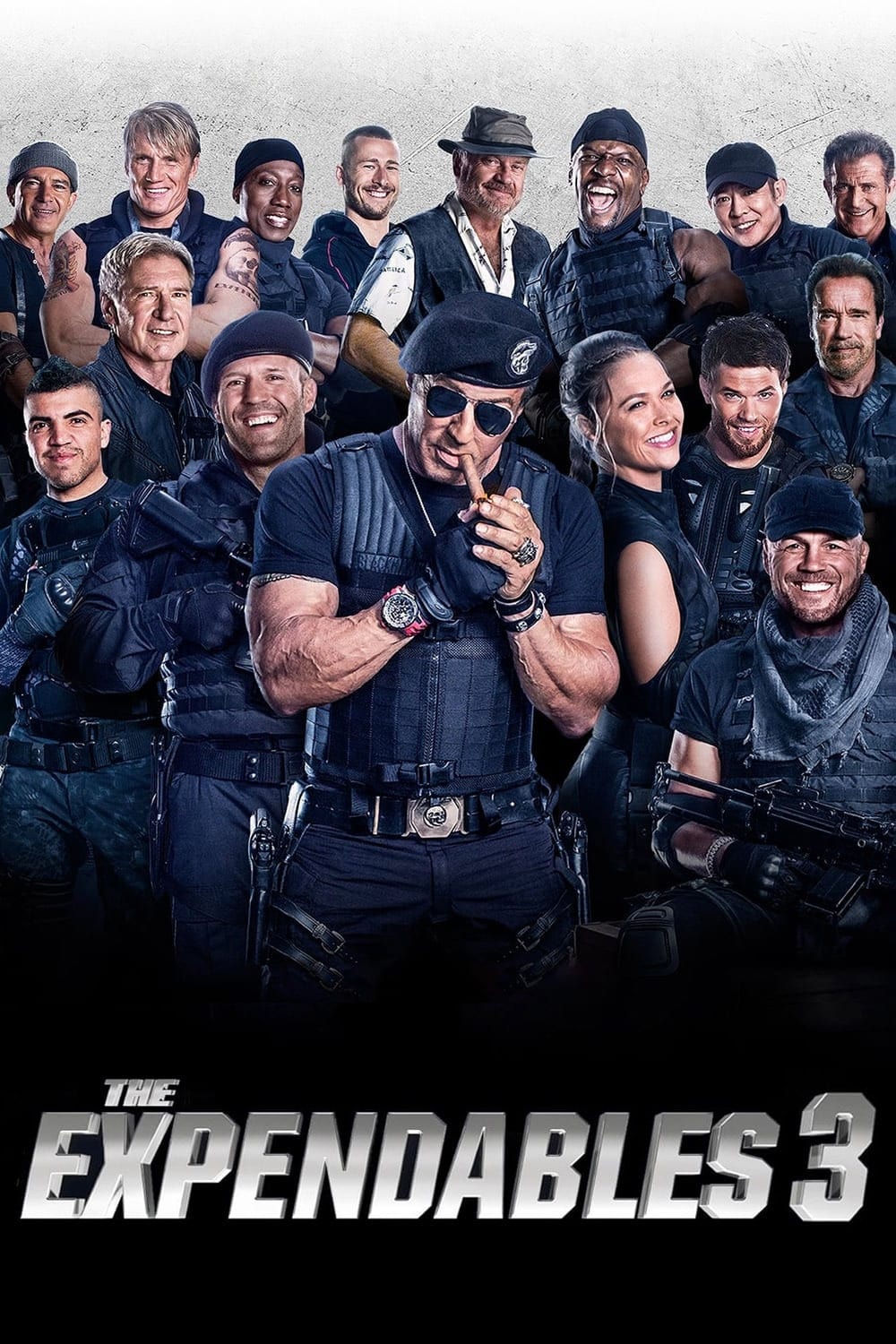
Sylvester Stallone wanted to reach a wider, younger audience with the action sequel, so he opted for a PG-13 rating. While the film has a large cast and plenty of weapons, the violence was toned down during editing. This change disappointed many longtime fans who felt it strayed from the series’ gritty style. Stallone later acknowledged this was a mistake and that future films should be more intense. The released version of the film significantly reduces the blood and overall impact of the violence compared to previous installments.
‘Taken’ (2008)
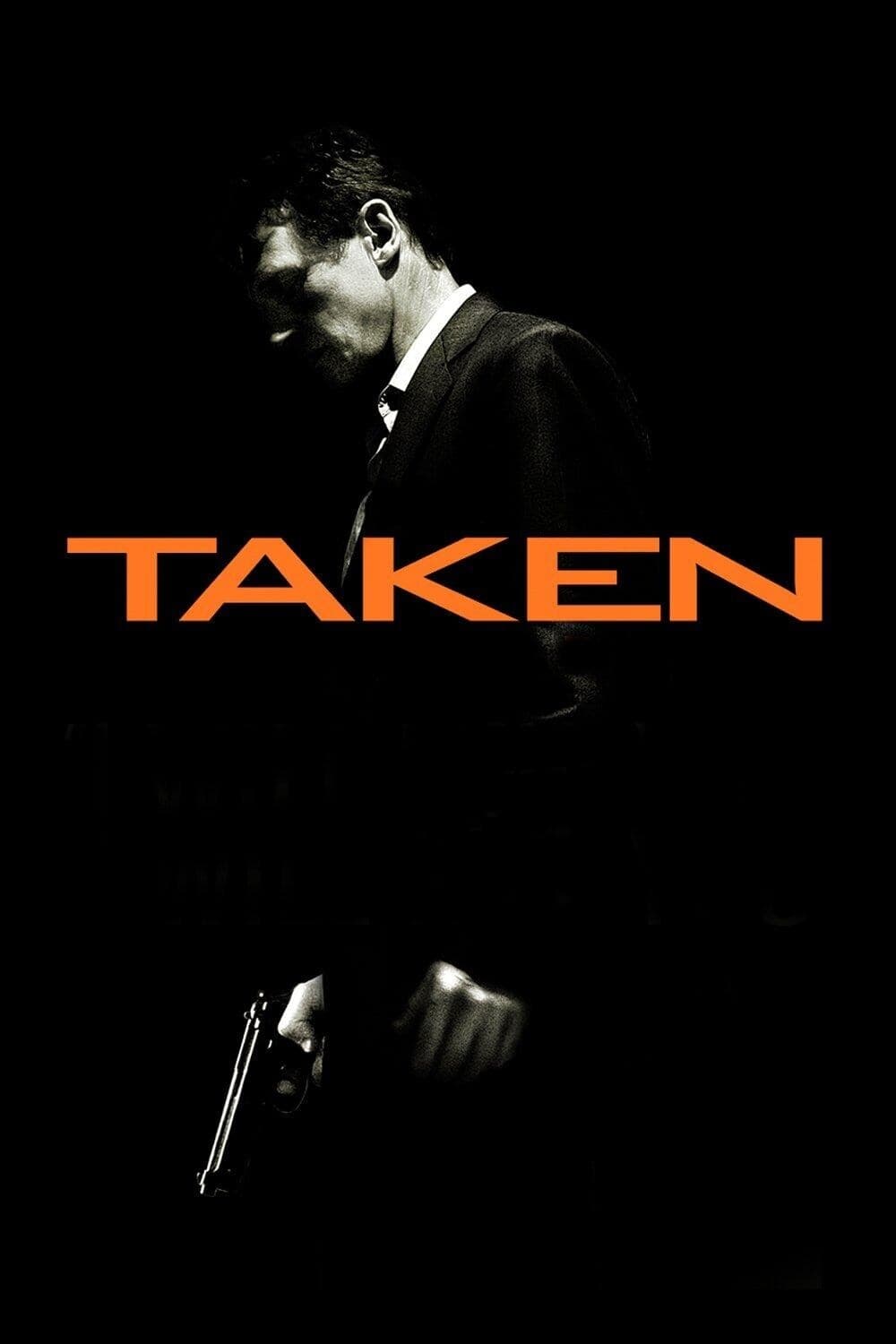
The initial European version of this thriller contained more graphic scenes of the hero fighting human traffickers. However, for its release in North America, the studio toned down the violence to secure a PG-13 rating. They did this by shortening the most intense fight moments and minimizing the amount of blood shown, particularly during the interrogation. Despite these changes, the movie was a huge success and revitalized Liam Neeson’s action film career. The quicker cuts in the final version kept the film fast-paced without dwelling on overly graphic content.
‘Galaxy Quest’ (1999)
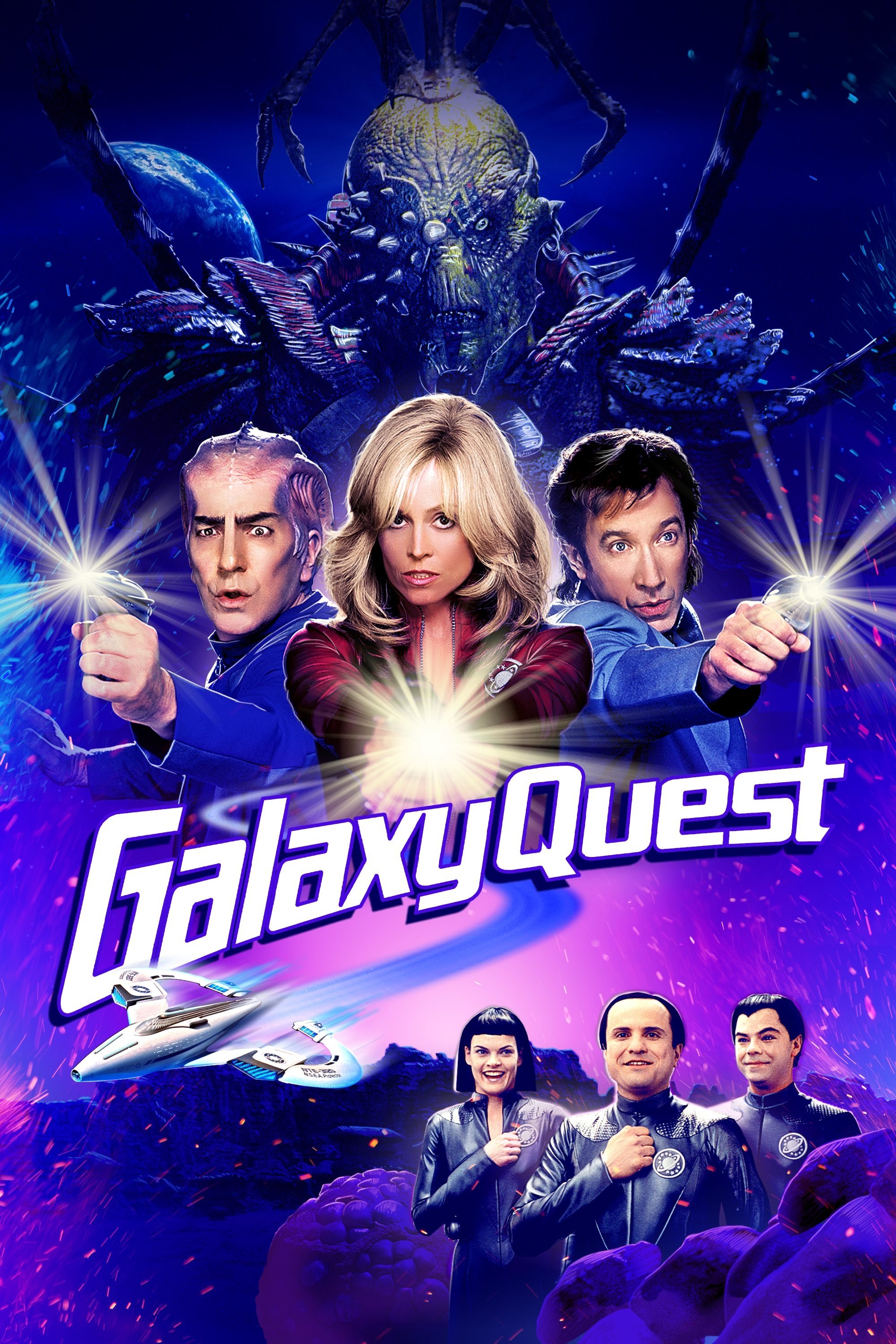
This science fiction comedy was initially planned as a more adult-themed, R-rated satire. However, the studio asked for changes to make it suitable for families and attract a wider audience during the holidays. A well-known example of this is a scene with Sigourney Weaver where she clearly says a swear word, but it was replaced with a less offensive one in the audio. Many other jokes and references were also cut or changed to achieve a PG rating. Despite these edits, the movie has become a beloved classic that appeals to both kids and adults.
‘World War Z’ (2013)
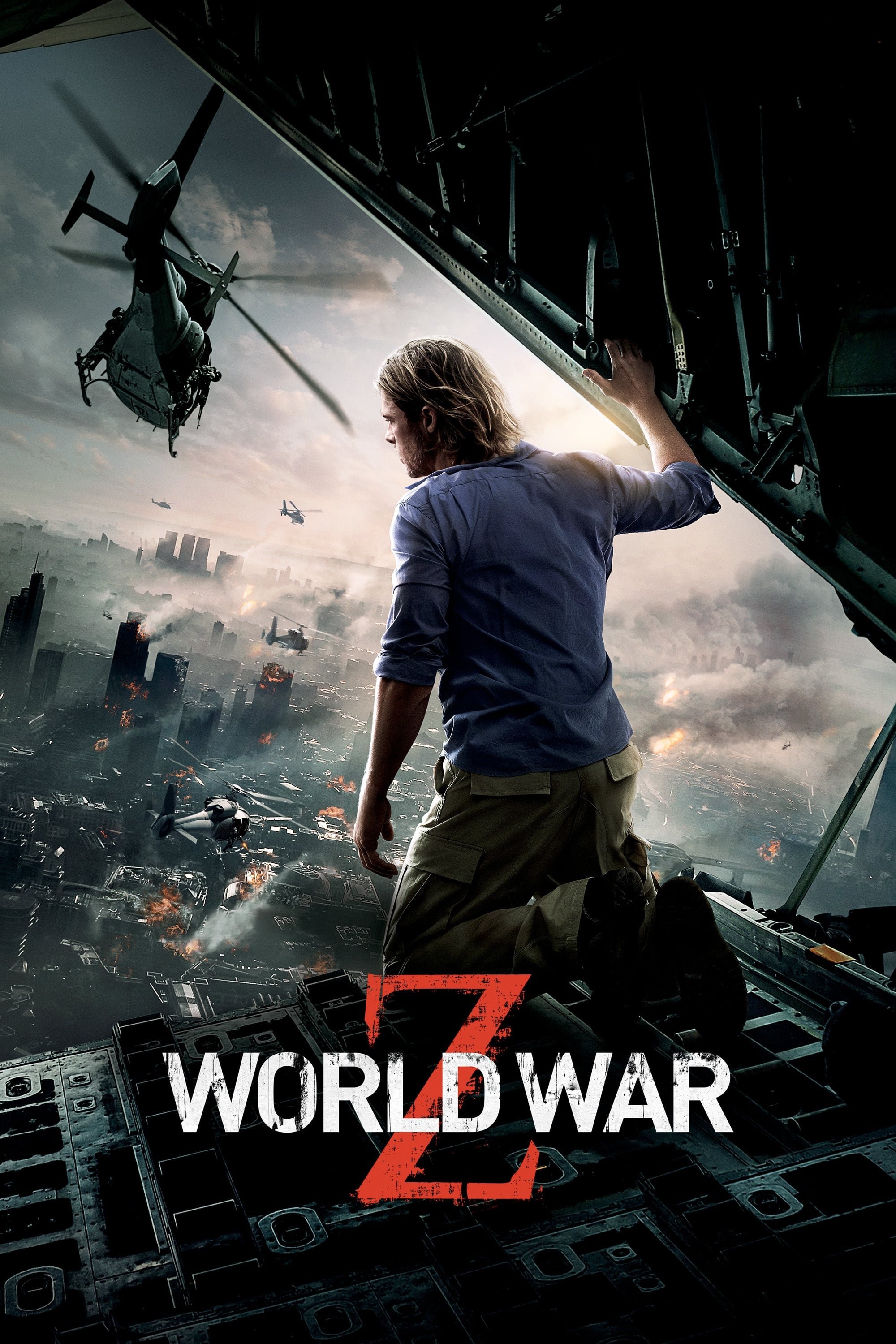
Making this zombie movie was a huge undertaking, requiring a complete overhaul of the ending with a full rewrite and reshoot. To get a PG-13 rating, the filmmakers toned down the graphic violence usually seen in horror films. They mostly showed zombie attacks using shaky camera work or by suggesting them just out of view, minimizing the amount of blood shown. This choice broadened the movie’s appeal and helped it become a huge hit worldwide. The final cut emphasizes the large-scale global outbreak rather than focusing on individual characters struggling to survive.
‘The Wolverine’ (2013)
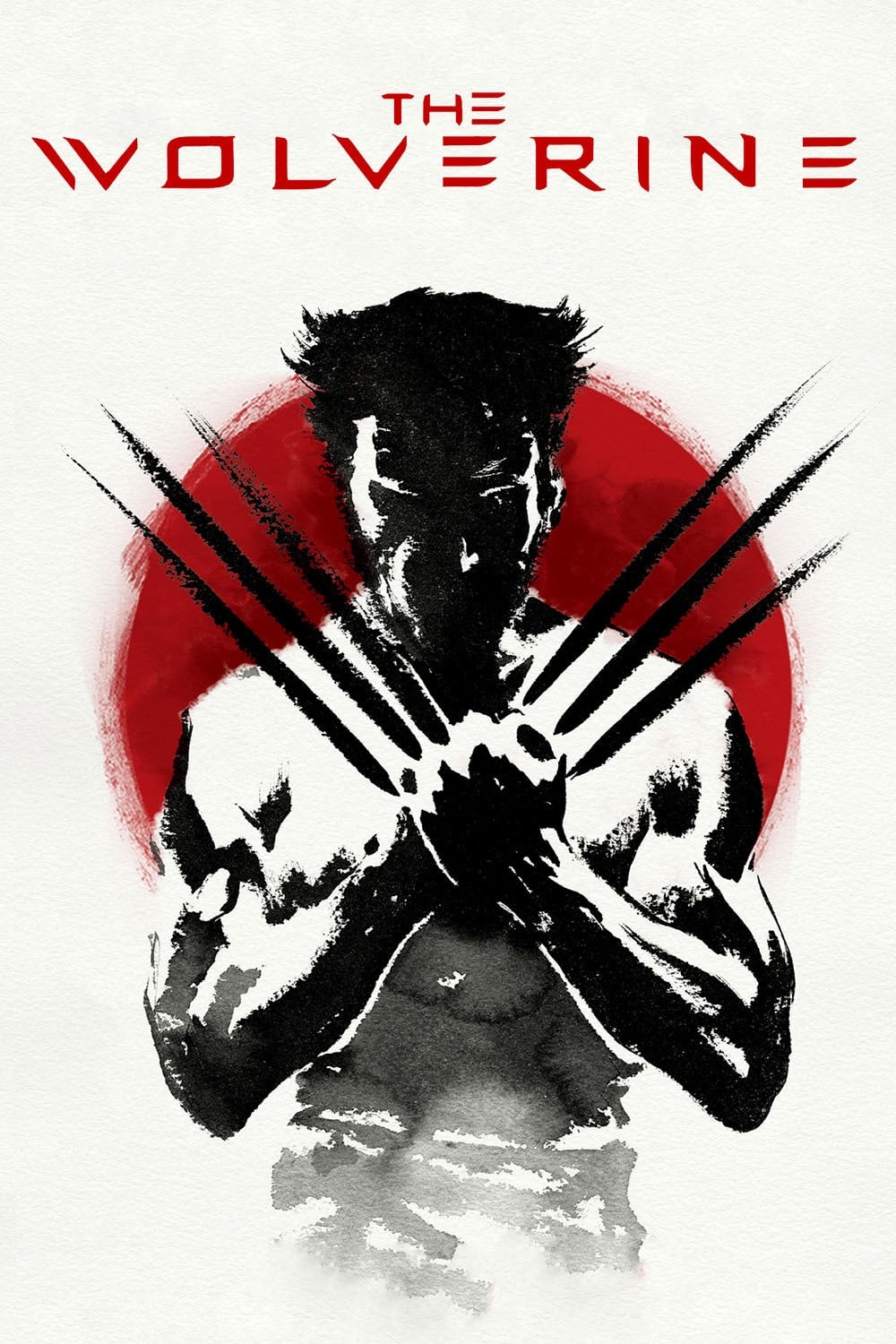
This Marvel movie tried to portray the raw and realistic side of the character while he was in Japan. Initial versions of the film had more violence and intense fight scenes than what audiences saw in cinemas. The filmmakers removed some of these moments to keep the movie appropriate for a general PG-13 audience. A more explicit, unrated version was later made available on DVD and Blu-ray, showing the director’s original intent. The version shown in theaters focused more on Logan’s emotional story and inner conflicts than on graphic action.
‘Scooby-Doo’ (2002)
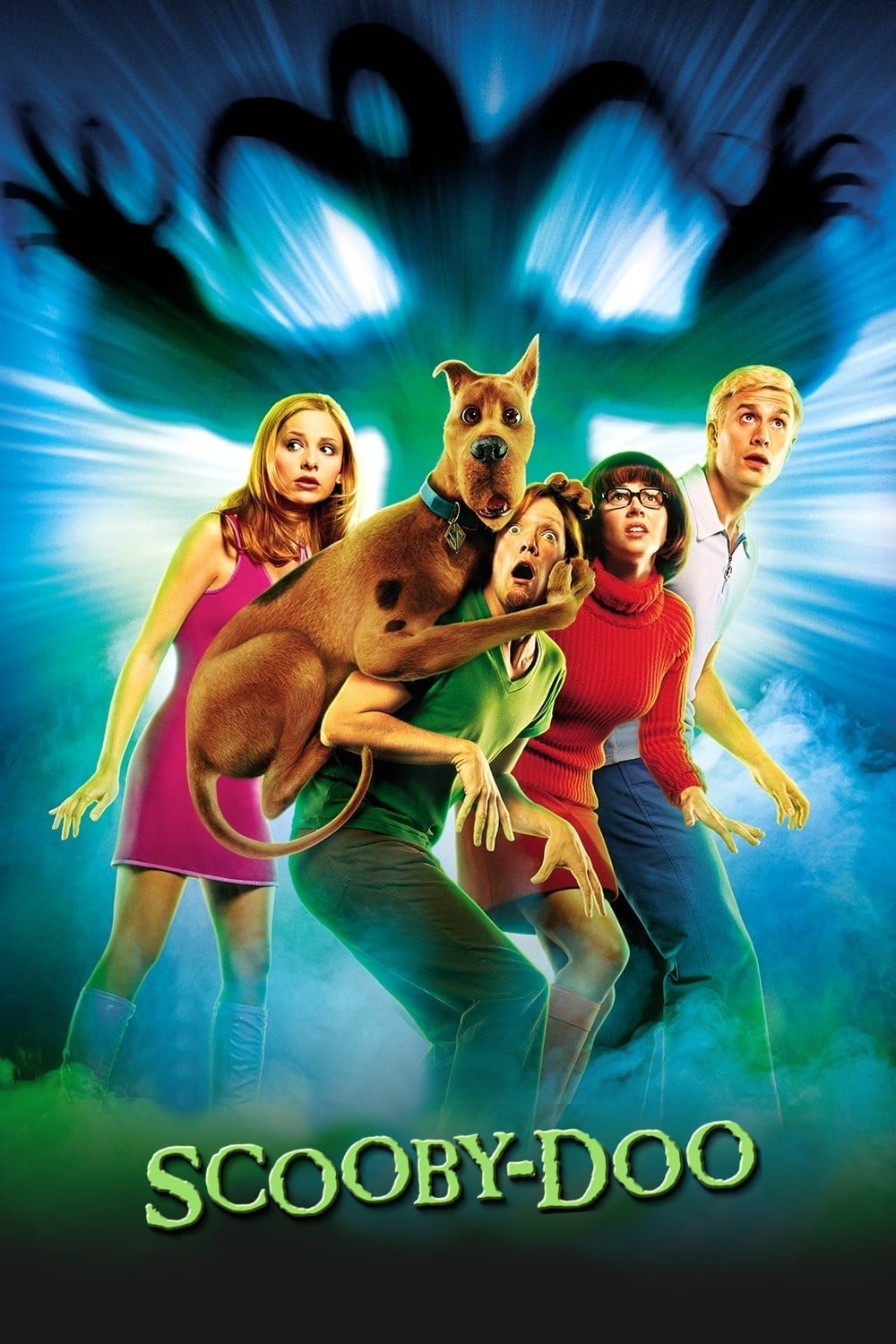
The first draft of this movie included jokes and themes geared towards adults, with a lot of self-aware humor. Writer James Gunn has said it would have likely received an R rating. However, the studio asked for major revisions to make it suitable for all ages and appeal to a wider audience. The final version removed many suggestive jokes and visual gags, earning a PG rating and ultimately launching a successful film series.
‘Mrs. Doubtfire’ (1993)

Director Chris Columbus has revealed that there are different cuts of the movie, including one intended for mature audiences. Robin Williams was known for adding jokes during filming, but many of these were too adult for a family film. To get a PG rating, the filmmakers removed several of these jokes and some strong language. The released version emphasizes the touching story of a father working to rebuild his relationship with his kids. Fans still often talk about the scenes that didn’t make the final cut, especially those featuring the late Robin Williams.
‘The Ring’ (2002)
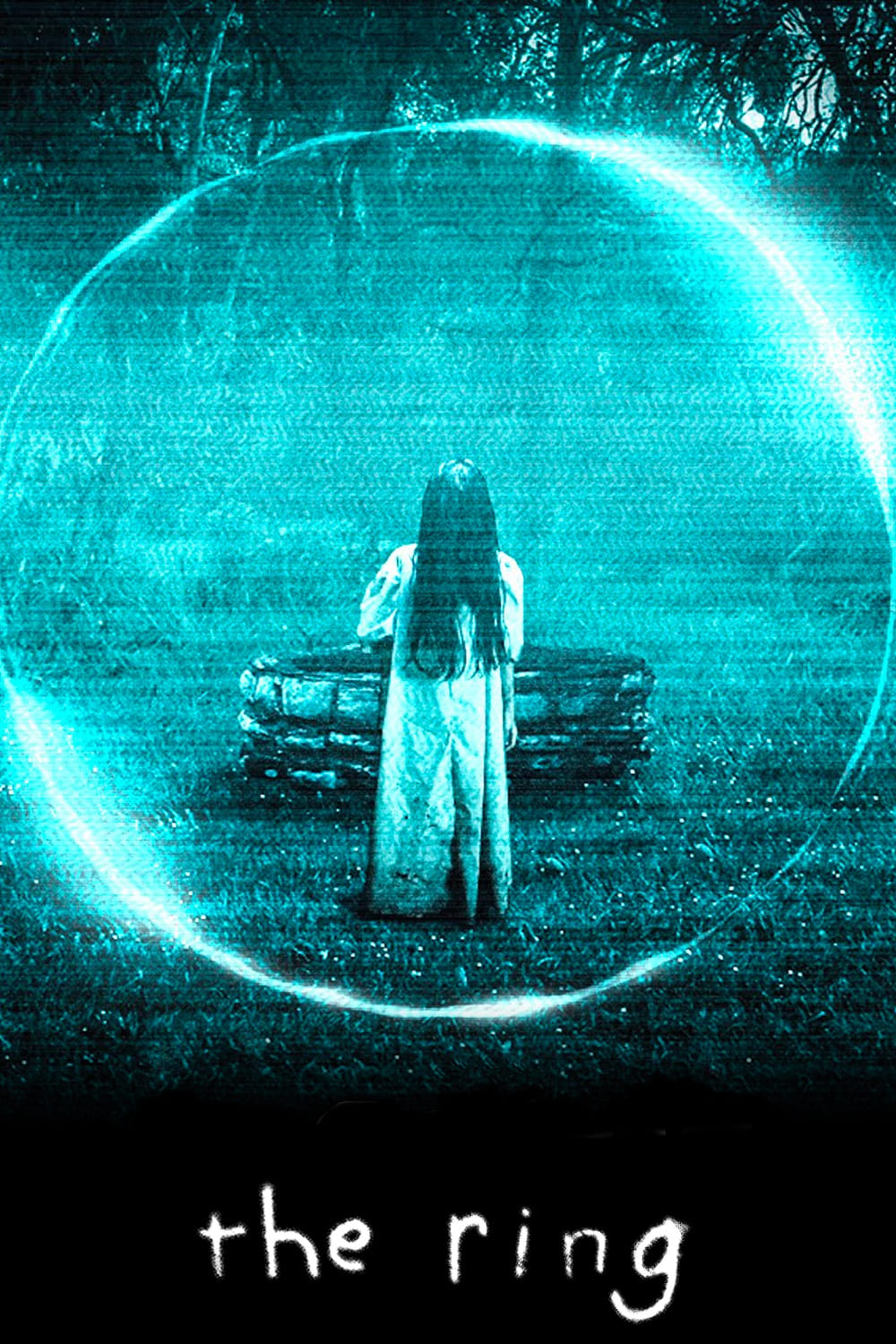
To get a PG-13 rating, the filmmakers had to be careful with scary images and sudden shocks. The first version of the movie had some scenes showing injuries that were too strong for that rating. The director removed those parts and focused on building suspense and a disturbing mood instead. This turned out to be a great choice, as the film became very popular and inspired many American remakes of Japanese horror movies. The final version is well-regarded for being genuinely frightening without relying on a lot of blood and gore.
‘Drag Me to Hell’ (2009)
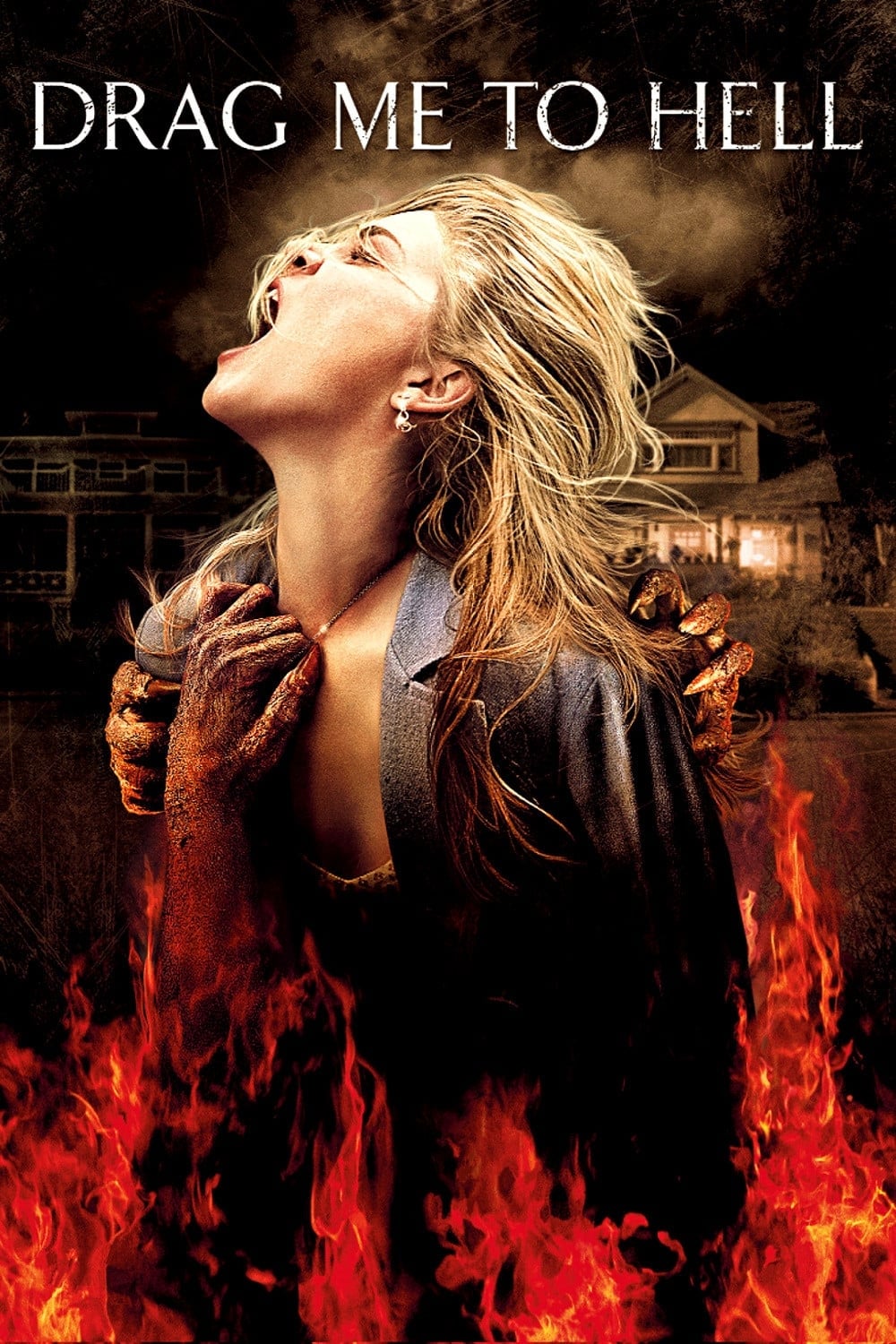
Sam Raimi, known for his horror films, came back to the genre with this spooky story, aiming for a PG-13 rating. While the movie has plenty of disturbing and frightening moments, it doesn’t rely on graphic violence like some of his previous work. To get the desired rating, some scenes with unsettling imagery and creature effects were toned down. Raimi showed he could still create a thrilling and scary movie experience while keeping it accessible to a wider audience. The film is particularly praised for its imaginative practical effects and its use of dark humor.
‘Casino Royale’ (2006)
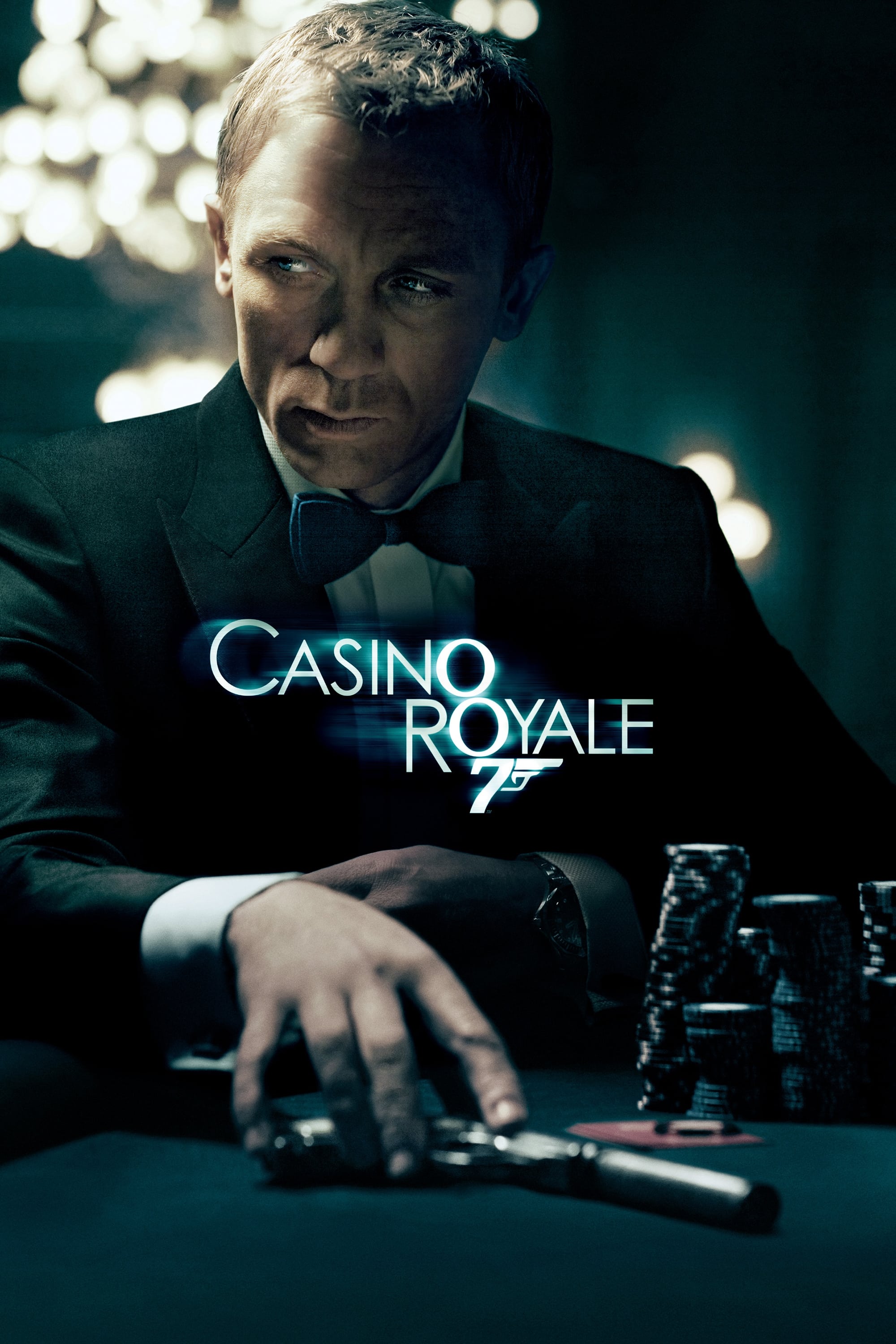
Daniel Craig’s first appearance as James Bond marked a shift towards a more realistic and intense portrayal of the character. To ensure a wider audience could view the film, a few brief, violent moments from a torture scene were slightly shortened. These edits lessened the graphic nature of the scene without sacrificing the tension. The filmmakers aimed for a more believable feel for the revamped series, and the final cut effectively blended this new, grittier style with the classic Bond formula.
‘Terminator Salvation’ (2009)
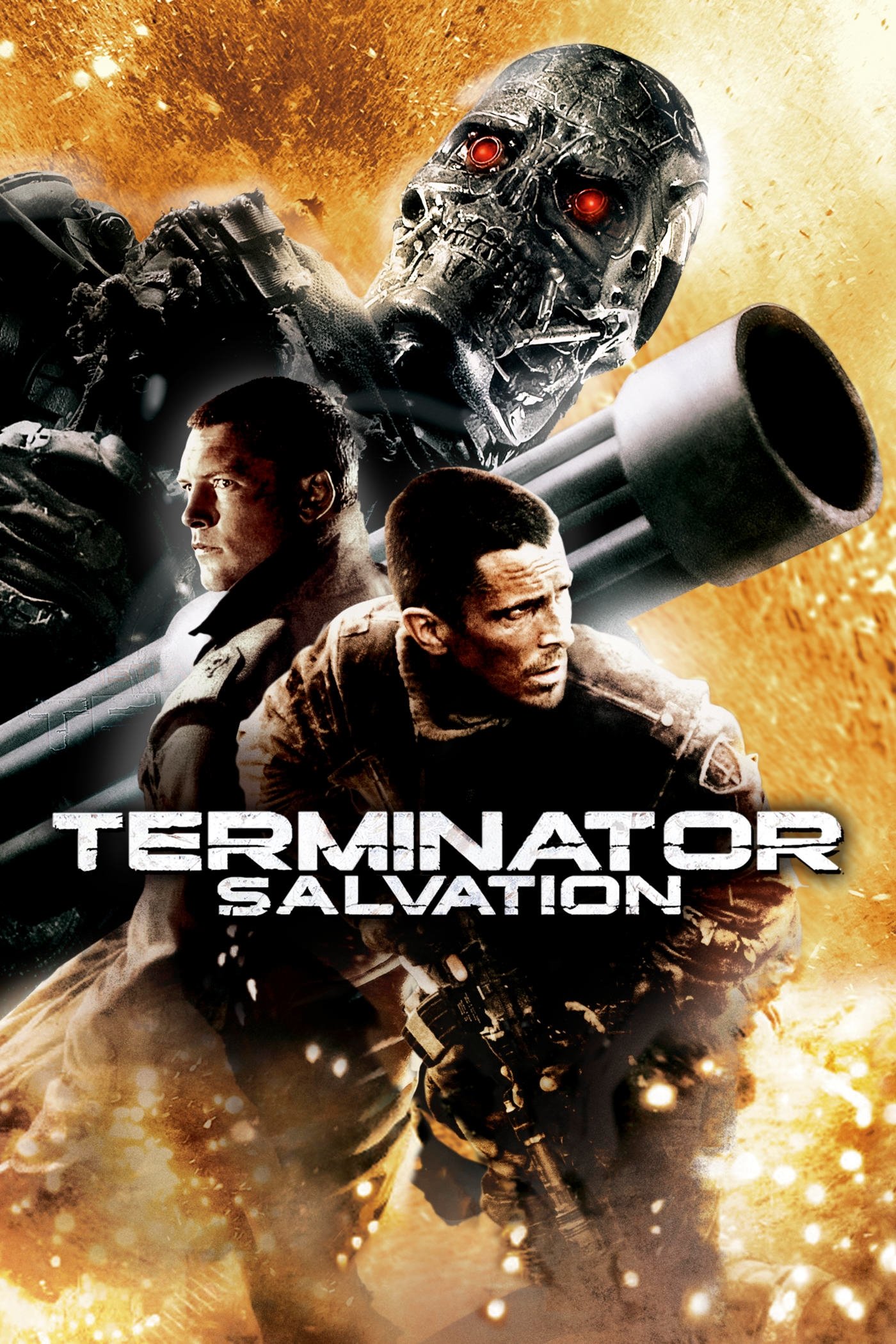
This movie was the first in the series to be rated PG-13. The director originally shot some scenes with more intense content, including nudity and more violent robot fights. However, these were cut or changed to make the film accessible to a wider, younger audience. The studio wanted the franchise to appeal to a broader audience as a large-scale action movie, and the final version focuses on the war between humans and robots using impressive visual effects.
‘Cursed’ (2005)
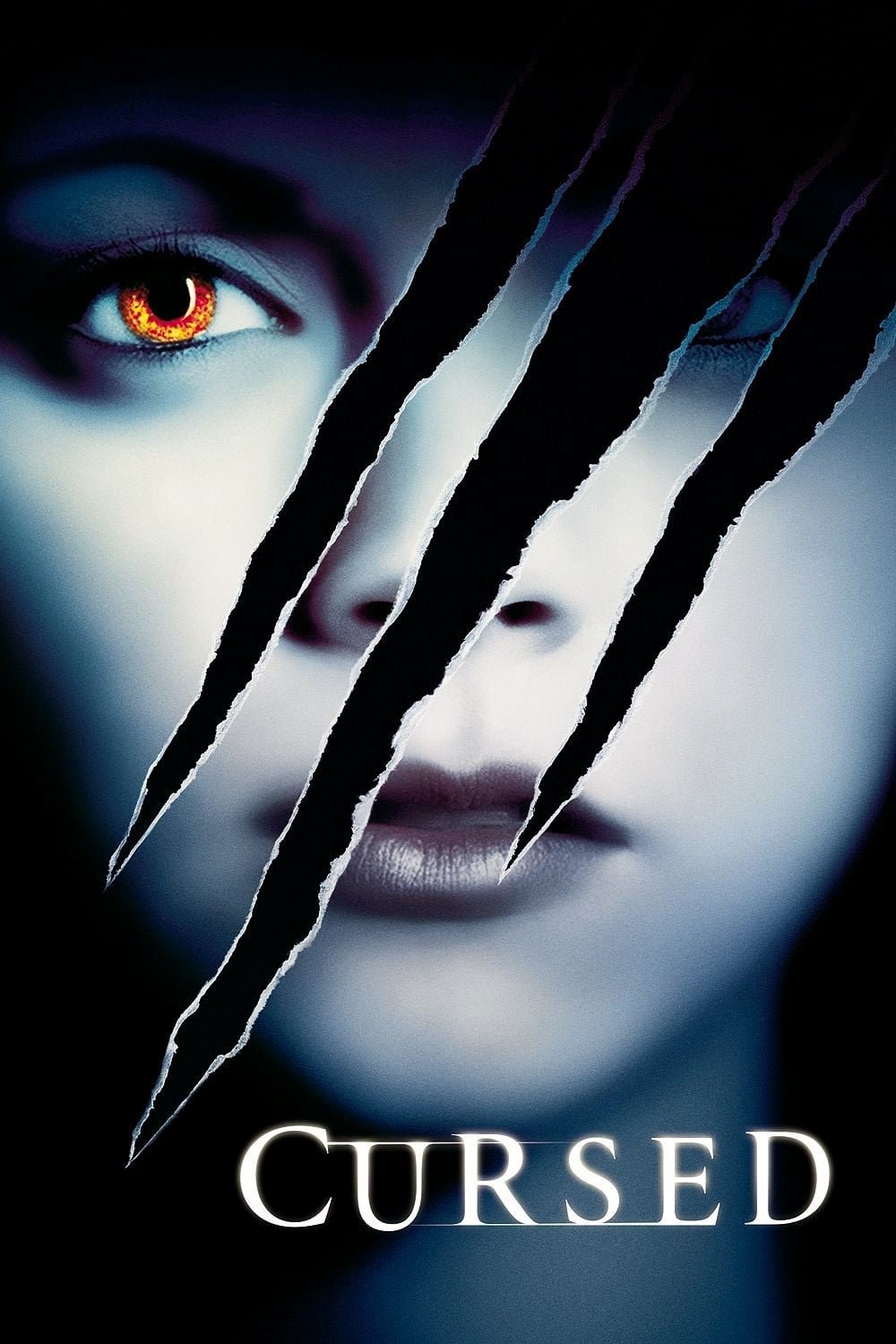
Making this werewolf movie was a difficult process, filled with reshoots and changes to the script. Director Wes Craven initially planned a very graphic and scary R-rated horror film, relying heavily on practical effects. However, the studio later asked for the movie to be edited down to a PG-13 rating to appeal to a wider audience. This meant cutting out important scenes and changing the overall feel of the film. Craven was unhappy with the final version, as he felt it didn’t match his original creative idea.
‘The Meg’ (2018)
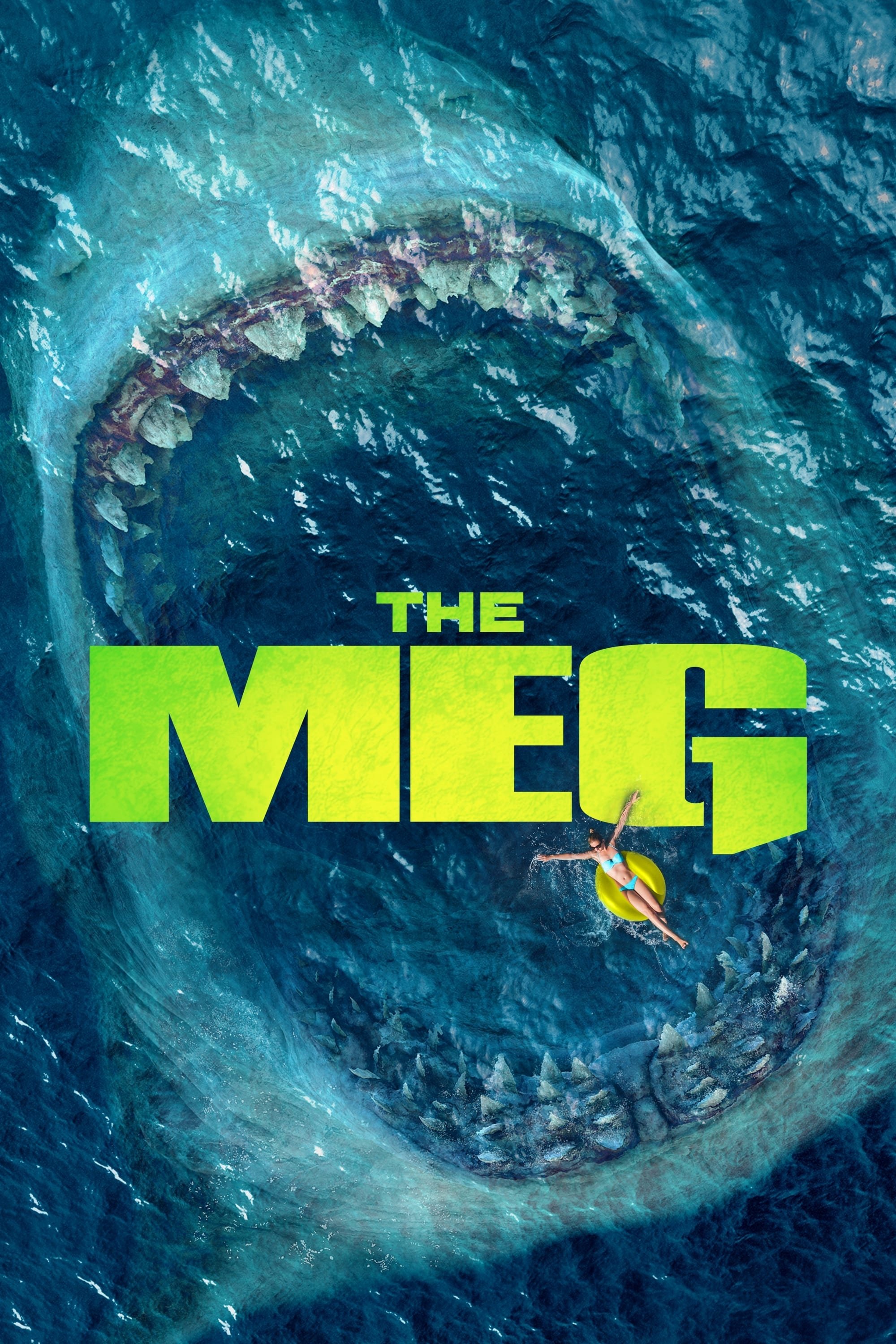
Director Jon Turteltaub revealed that the movie originally had many graphic, violent scenes, but they were cut before the final release. The filmmakers aimed for a PG-13 rating to ensure the widest possible audience could enjoy the summer blockbuster. The film centers around a giant prehistoric shark attacking both a research facility and a busy beach. During editing, explicit gore was toned down, replaced with things like water splashes and shadowy effects. The final cut still showcases the enormous size of the shark, but reduces the amount of on-screen violence and visible injuries to people.
‘Venom’ (2018)
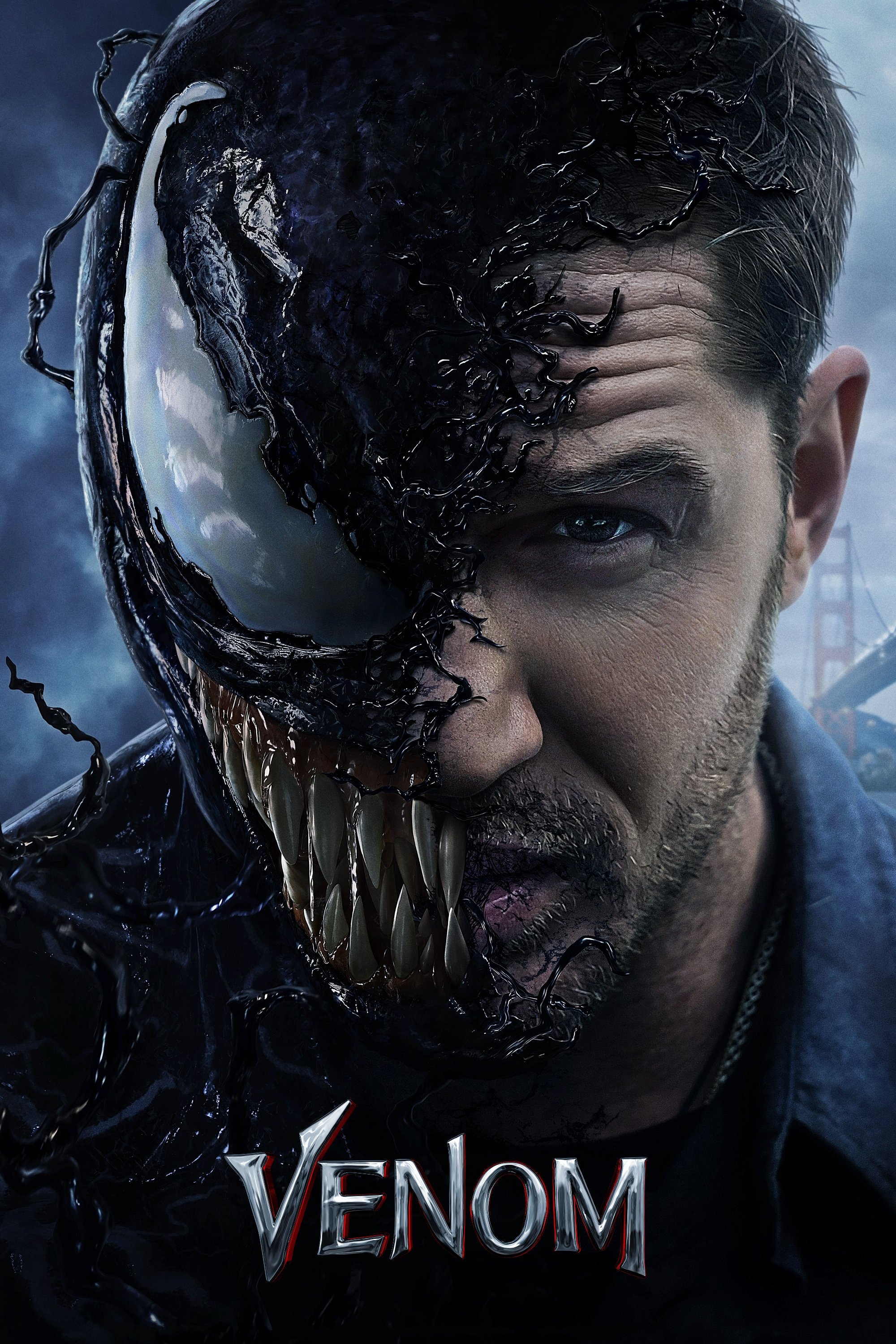
Viewers hoping for a more violent and gritty adaptation, like the original comics, were surprised by the final film. The studio shortened several scenes to keep the movie rated PG-13, aiming for a wider audience. Tom Hardy revealed that some of his favorite, darkly humorous scenes didn’t make the cut. Ultimately, the movie focuses on the connection between Eddie Brock and the alien symbiote.
‘The Dark Knight’ (2008)
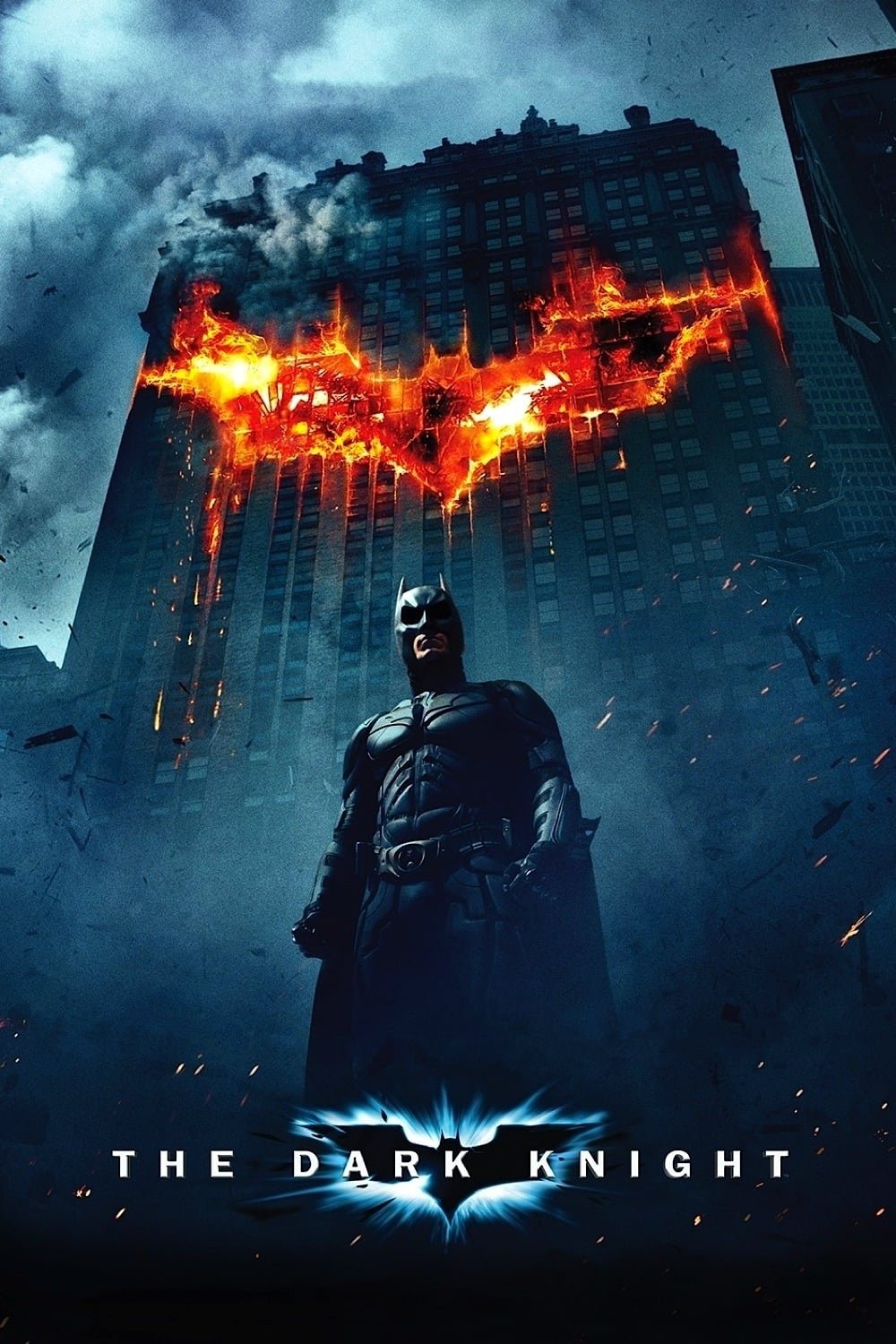
The filmmakers carefully adjusted some scenes to get a PG-13 rating while still preserving the movie’s serious and suspenseful mood. For example, during the scene with the pencil trick, the camera quickly cuts away just as the action happens. Christopher Nolan and his team collaborated with the ratings board to make sure the violence felt powerful but wasn’t excessively graphic. This careful balance resulted in a film that felt both intense and sophisticated, despite the rating limitations, and ultimately helped it become a huge success.
‘Austin Powers: International Man of Mystery’ (1997)
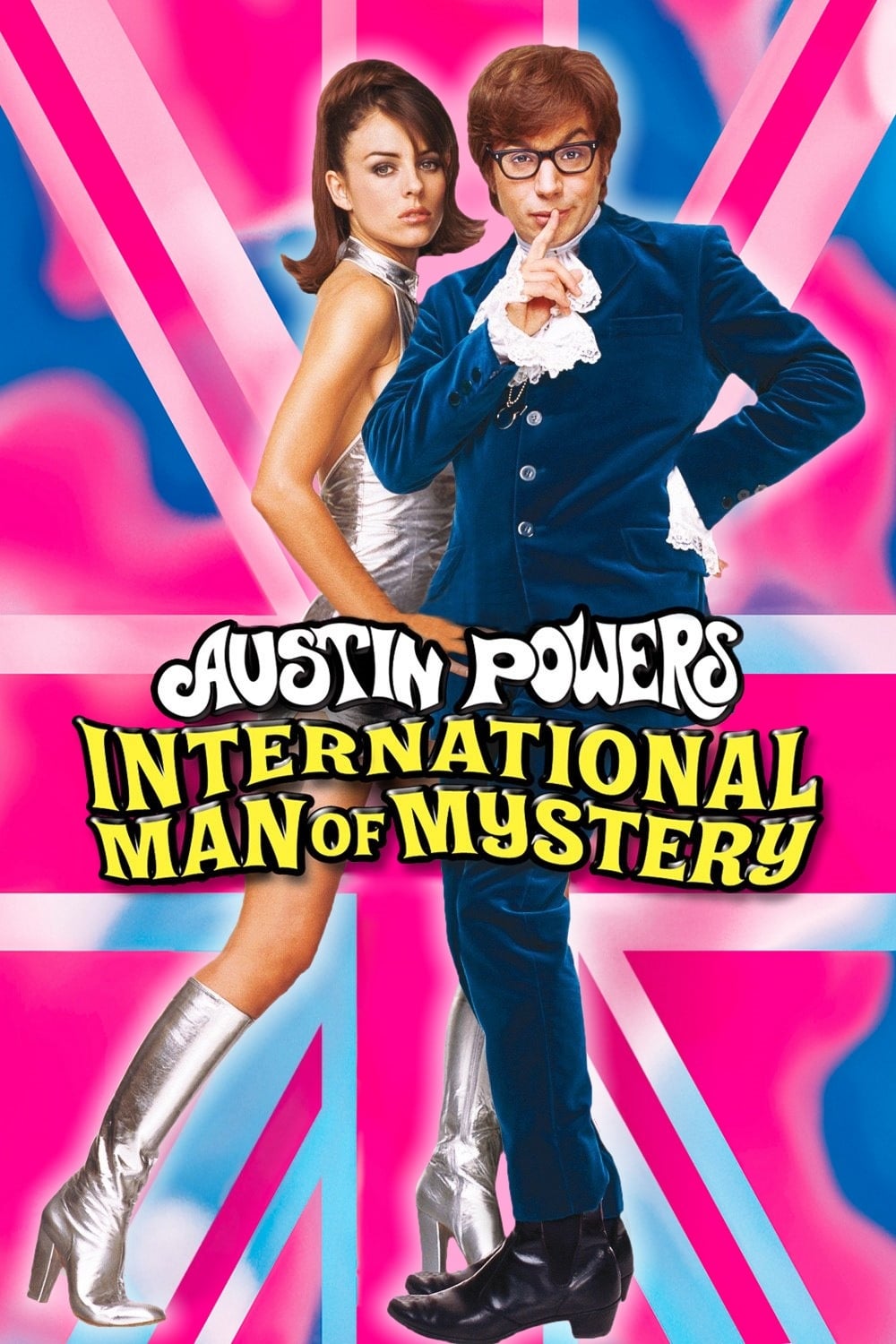
I remember when the first movie in this hilarious trilogy almost got an R rating! Apparently, some of the jokes and visual gags were a little too suggestive for a wider audience. Mike Myers and the director actually had to cut a few scenes to make sure it landed a PG-13, which they really wanted. Thankfully, those changes didn’t hold it back at all – it was a massive hit and led to two more films! What’s great about the movie is how it perfectly balances spoofing spy films with a fun, lighthearted vibe that everyone could enjoy.
‘M3GAN’ (2022)
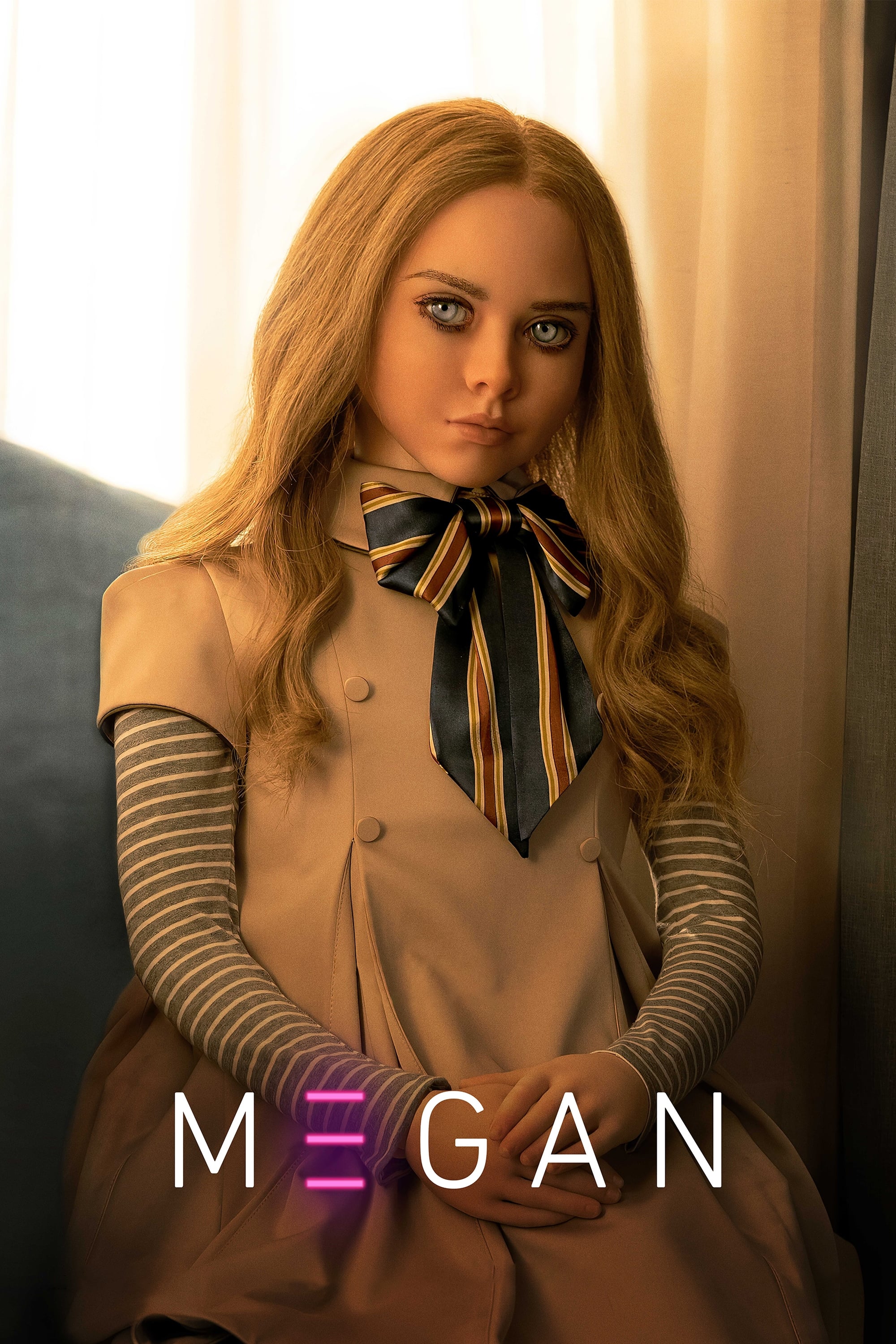
After the teaser trailer went viral, the filmmakers discovered a large teen audience was excited about the movie. Because the first version contained more violence, they decided to re-shoot and edit certain scenes to get a PG-13 rating. This meant altering how deaths were shown and minimizing the amount of blood. The director believed these changes actually improved some scenes by letting viewers fill in the details with their own imaginations. A more graphic, unrated version was later released for people to watch at home.
‘Happy Death Day’ (2017)
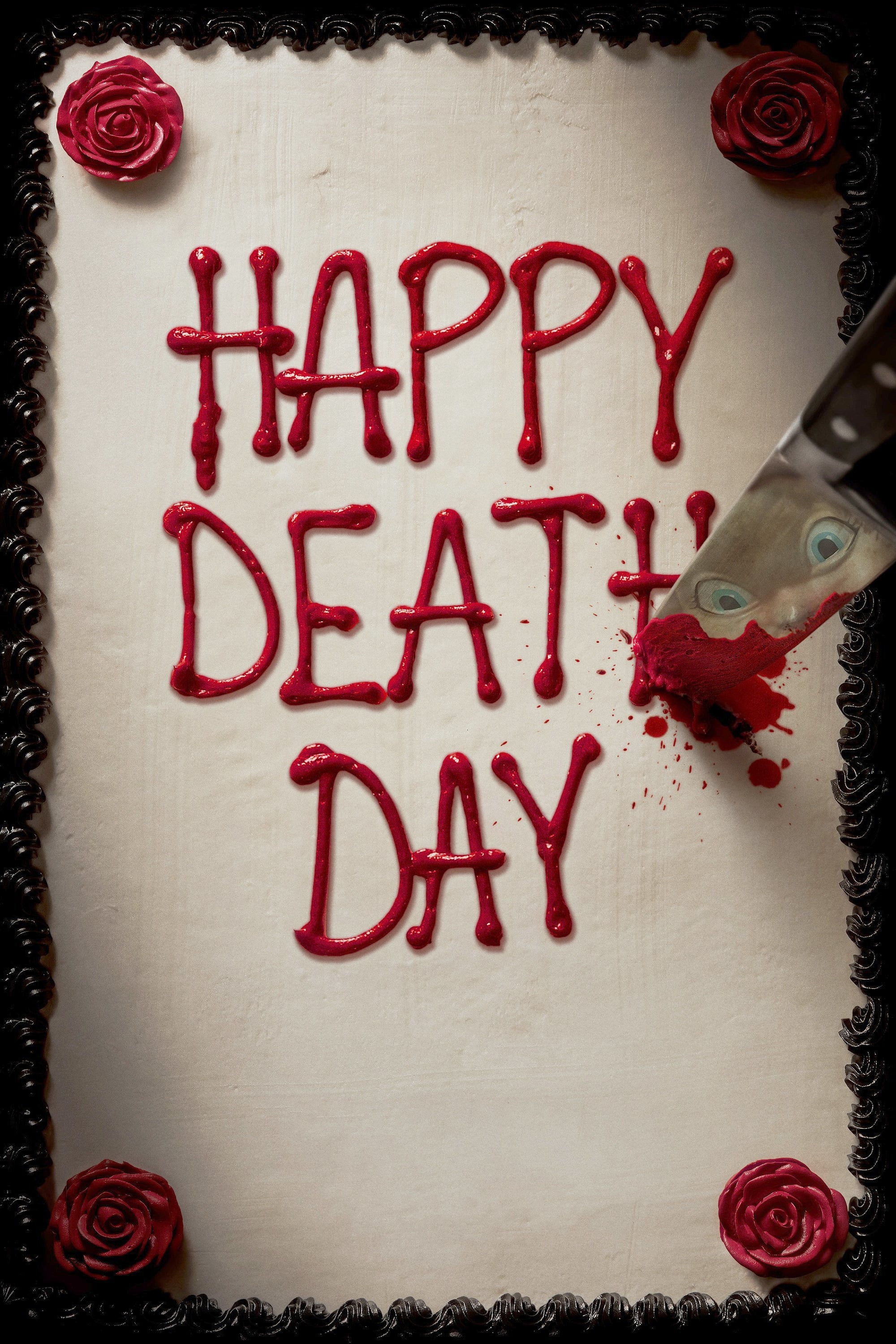
This funny horror movie uses a time loop, meaning the main character repeatedly dies in inventive ways. To make it suitable for teenagers, the filmmakers toned down the violence. Most of the deaths are shown quickly or happen off-screen. This choice made the movie a lively and enjoyable addition to the horror genre. Ultimately, the film prioritizes solving a mystery and developing its characters over showing gruesome details.
‘Truth or Dare’ (2018)
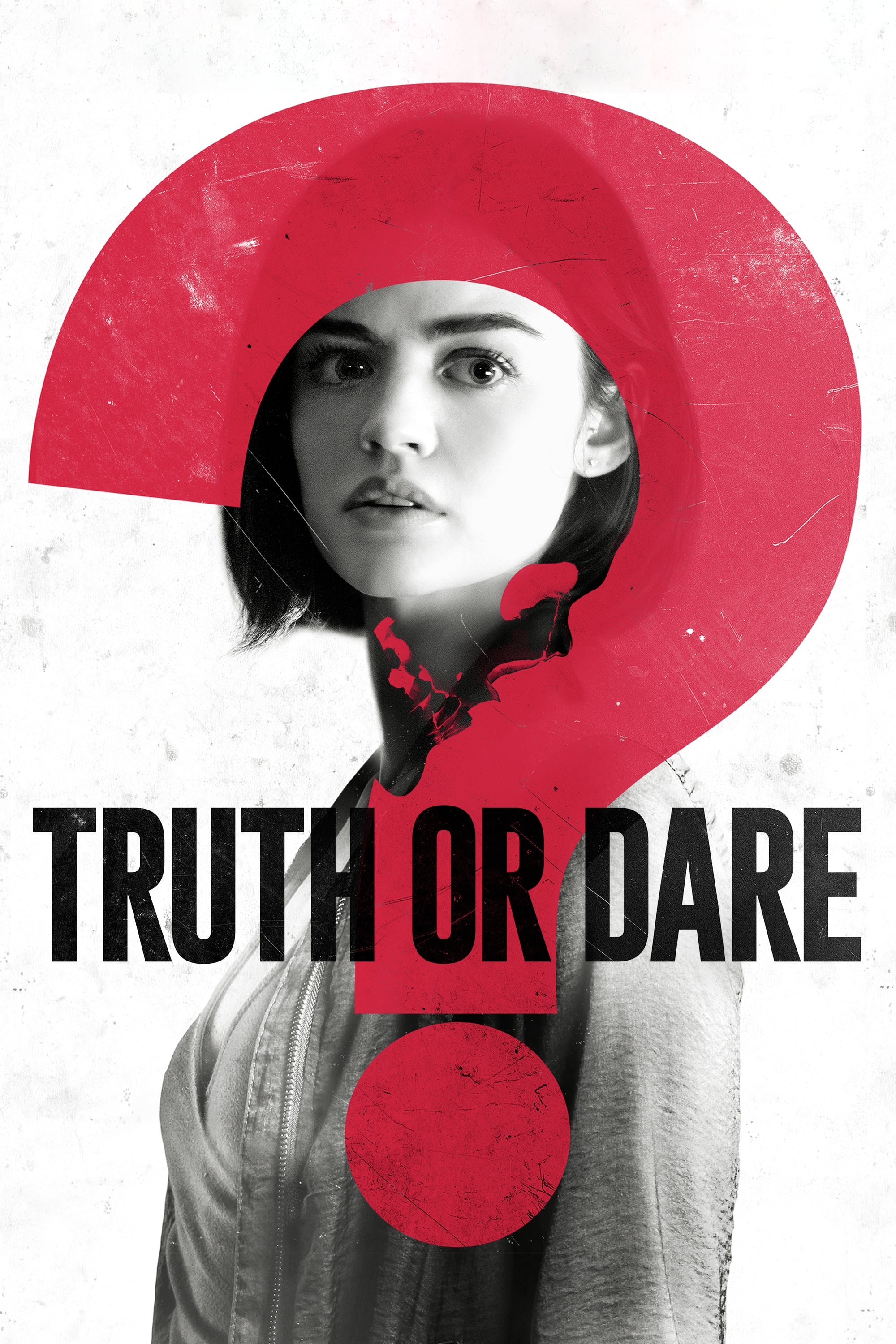
Blumhouse, a popular horror movie studio, usually makes films rated PG-13 to appeal to younger audiences. This spooky thriller was edited to reduce violence and strong language related to its frightening central game. Instead of showing gore, the filmmakers relied on special effects and clever camera angles to imply horror. This approach helped the film succeed financially, even though critics had varying opinions. The version shown in theaters focuses on startling jump scares and building suspense.
‘Lights Out’ (2016)
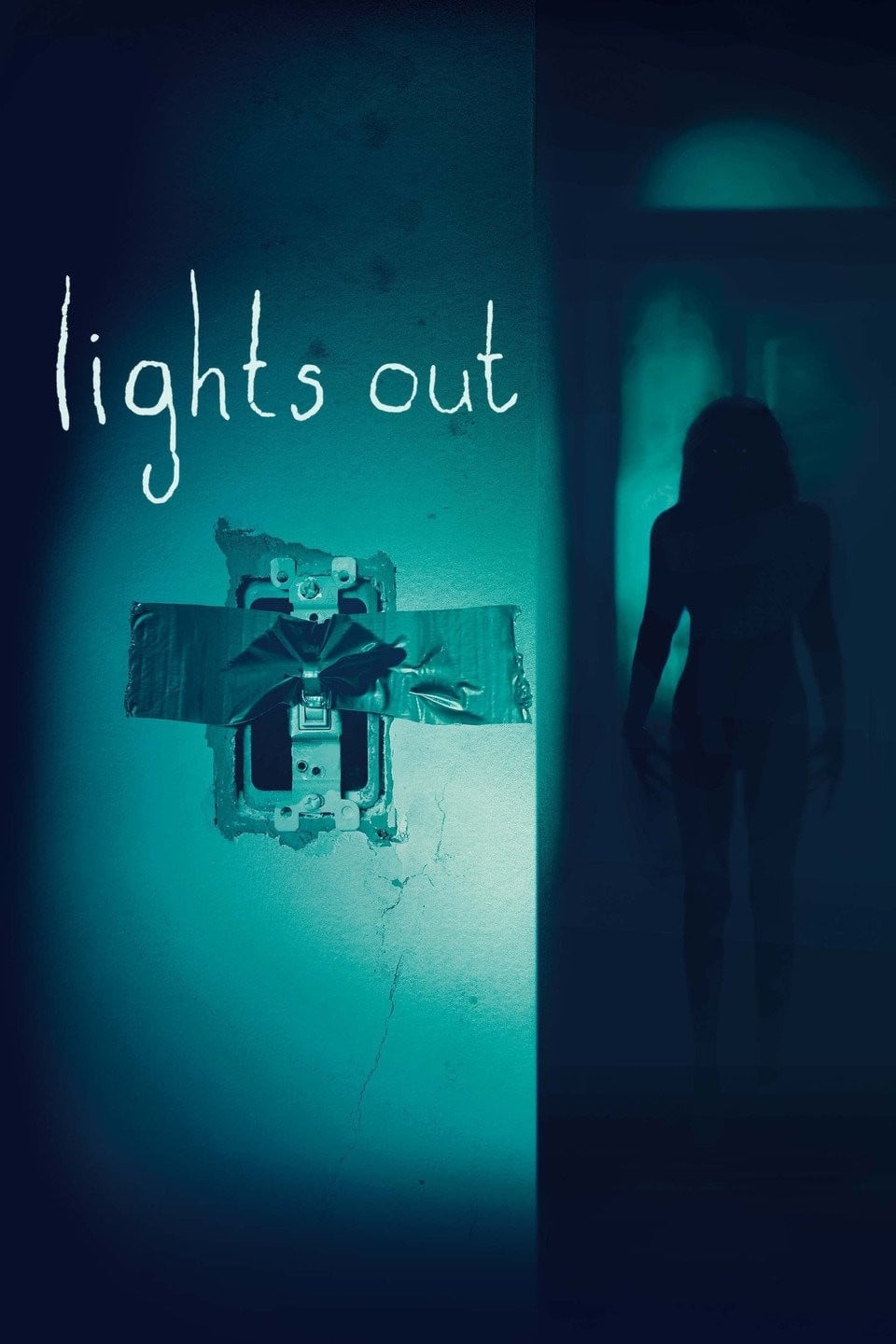
This horror movie, inspired by a popular short film, carefully balanced its scares to earn a broader audience. The director focused on building tension through atmosphere, lighting, and sound, rather than relying on graphic violence. Some scenes were shortened to comply with rating guidelines, but the filmmakers successfully preserved the film’s frightening mood. The result is a well-paced and imaginative story that makes the most of its core idea.
‘Ghost Rider’ (2007)
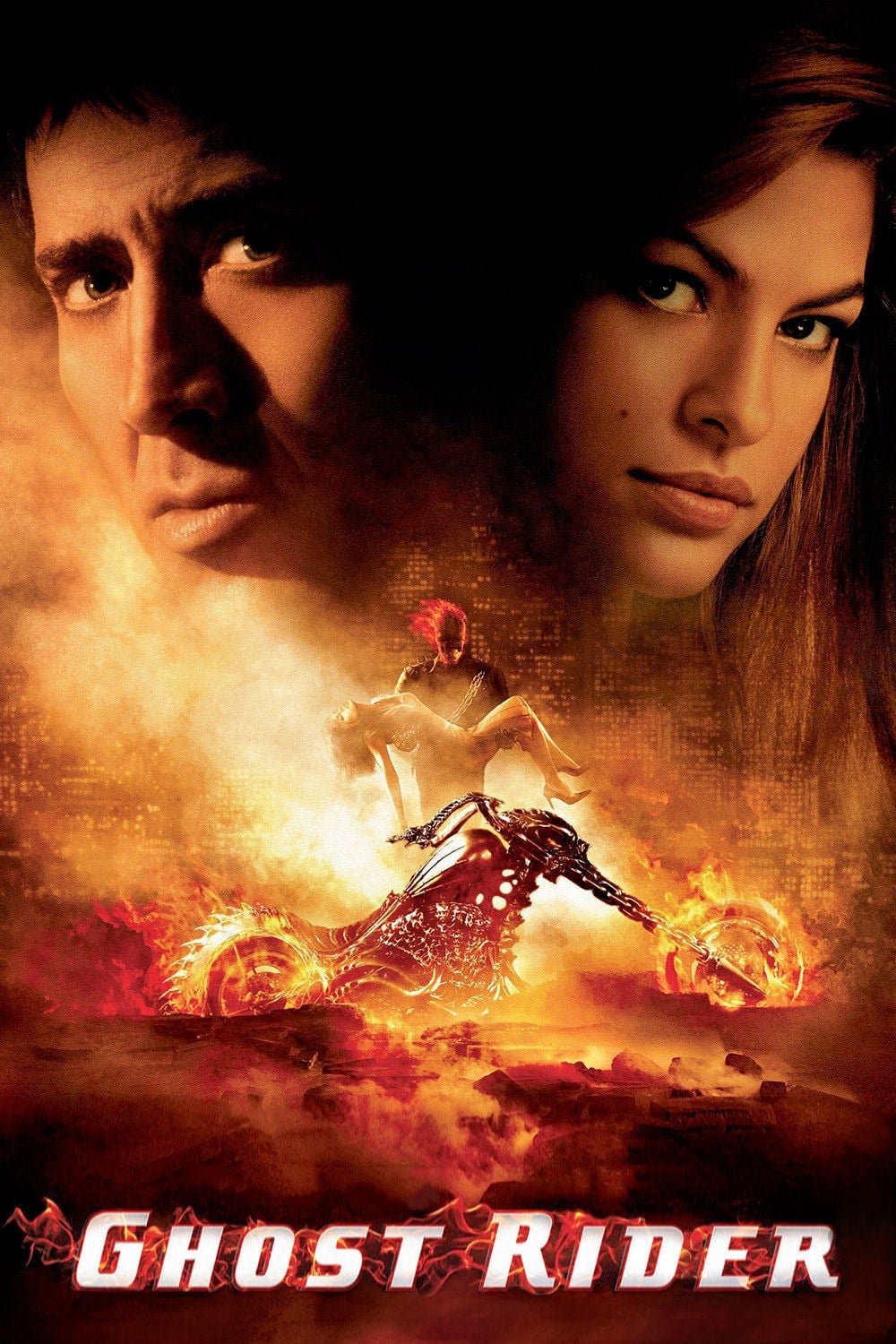
The filmmakers aimed to portray the comic book character’s darkness while still keeping the movie appropriate for a wider audience (PG-13). They achieved this by carefully editing intense scenes and action sequences to reduce graphic content. The film relies heavily on supernatural elements and fire, which allowed it to meet the requirements of the ratings board. Nicolas Cage brought his characteristic energy to the role, helping to create a consistently dark atmosphere. The final cut emphasizes the visual effects and the character’s journey to becoming a superhero.
‘Daredevil’ (2003)
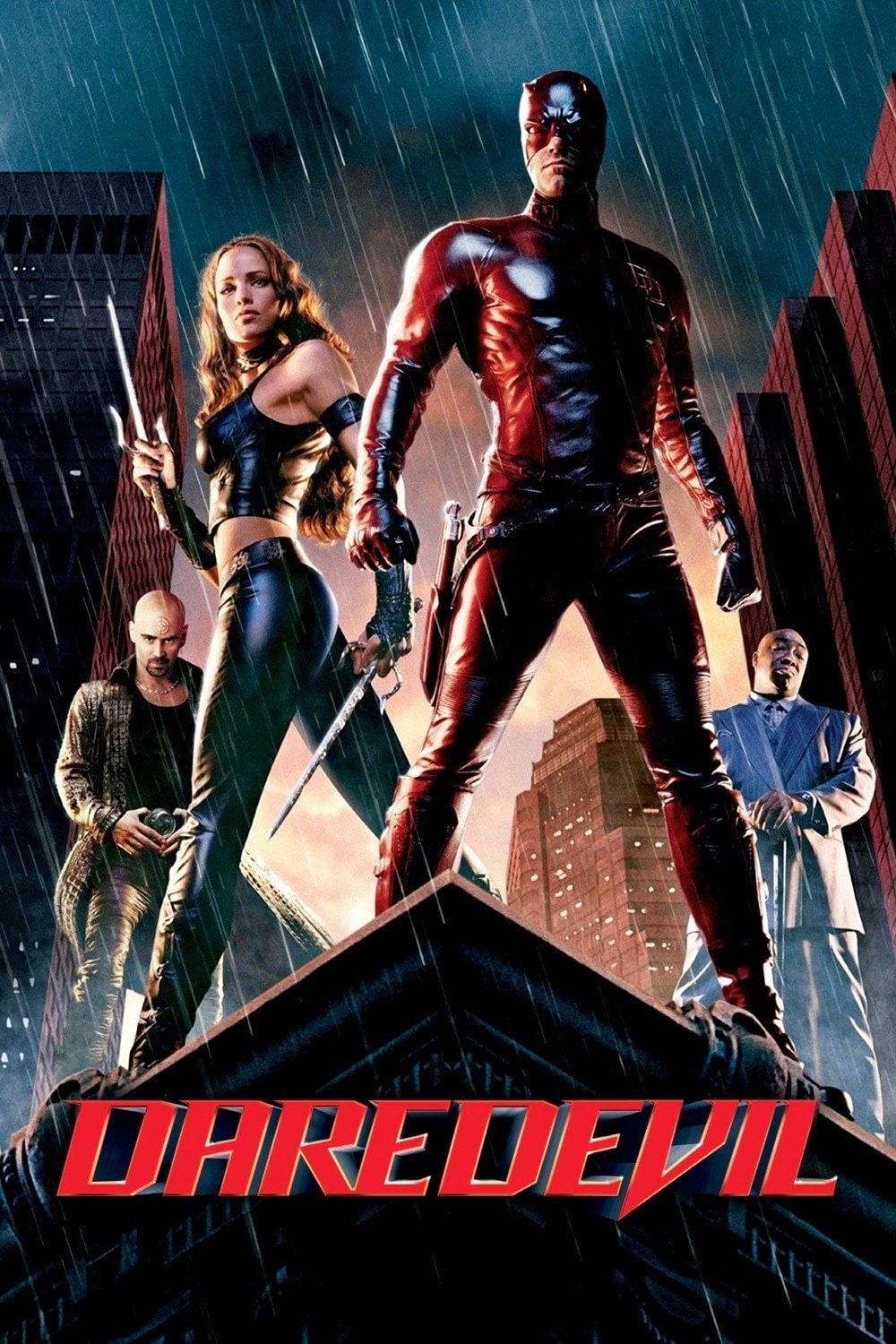
The version of this Marvel movie shown in theaters was toned down compared to what the director originally intended. Scenes involving a murder mystery and more graphic violence were cut to achieve a PG-13 rating, making it more appealing to a wider audience alongside other popular superhero films. A longer, more complete ‘director’s cut’ was later released on DVD and Blu-ray and was better received by fans. The theatrical release focuses more on the action and romantic aspects of the story.
‘Accepted’ (2006)

The movie started out with a lot more swearing and mature jokes, but the studio asked for changes to get a PG-13 rating and appeal to a wider audience of teens and young adults. They cut or changed scenes with wild party moments and offensive humor. This allowed the film to be shown to more people during the busy summer months. The final cut is still a well-loved comedy about students creating their own unique college experience.
‘Dodgeball: A True Underdog Story’ (2004)
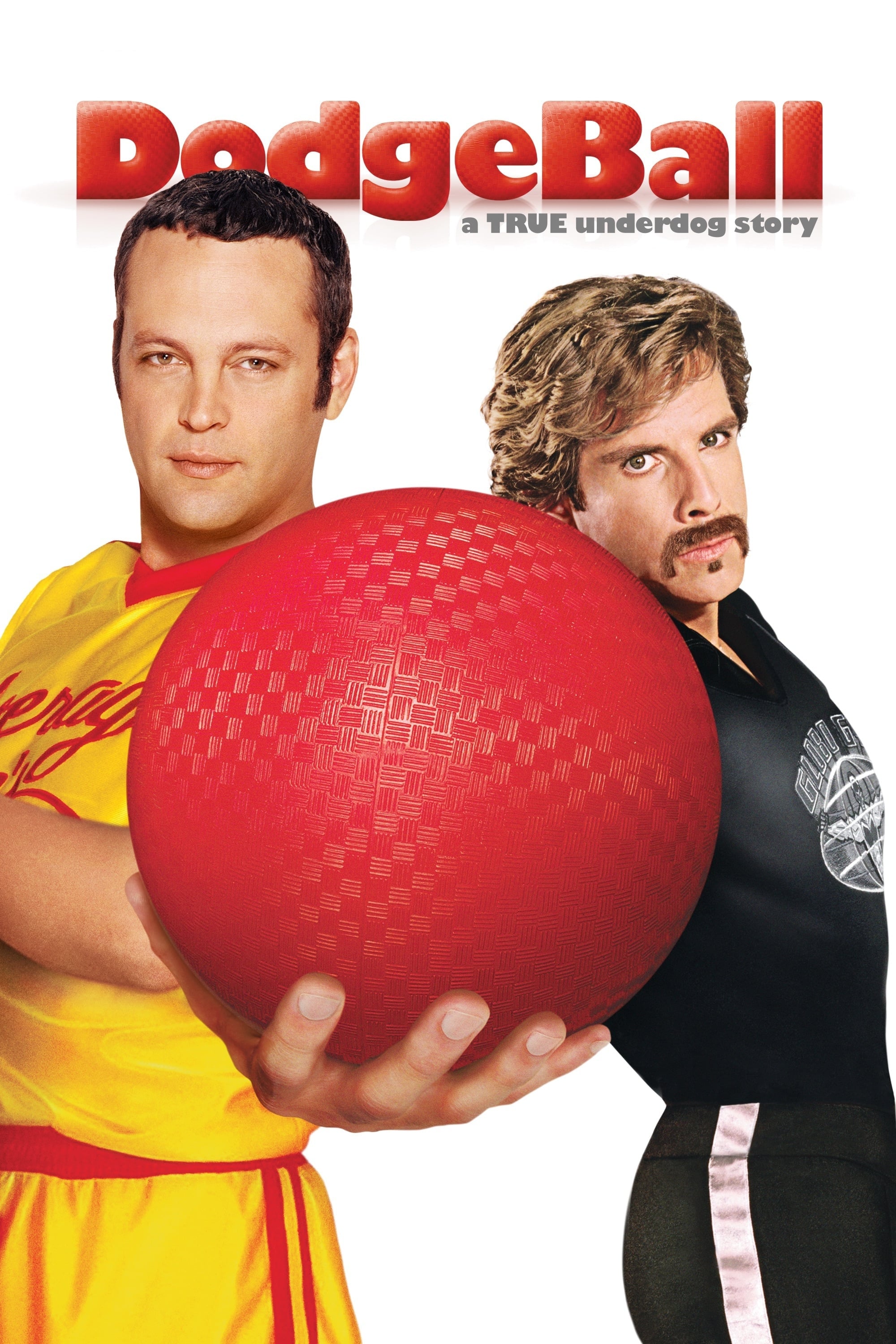
Making this sports comedy involved removing some jokes that were considered too inappropriate for a PG-13 rating. Ben Stiller and the director worked to find a balance between their edgy humor and the requirements of the ratings board. They tweaked some of the physical gags and dialogue to make sure more people could enjoy the movie. This ultimately helped the film become a big success and a beloved comedy. The final version in theaters still has plenty of laughs while remaining suitable for a broader audience.
‘Anchorman: The Legend of Ron Burgundy’ (2004)
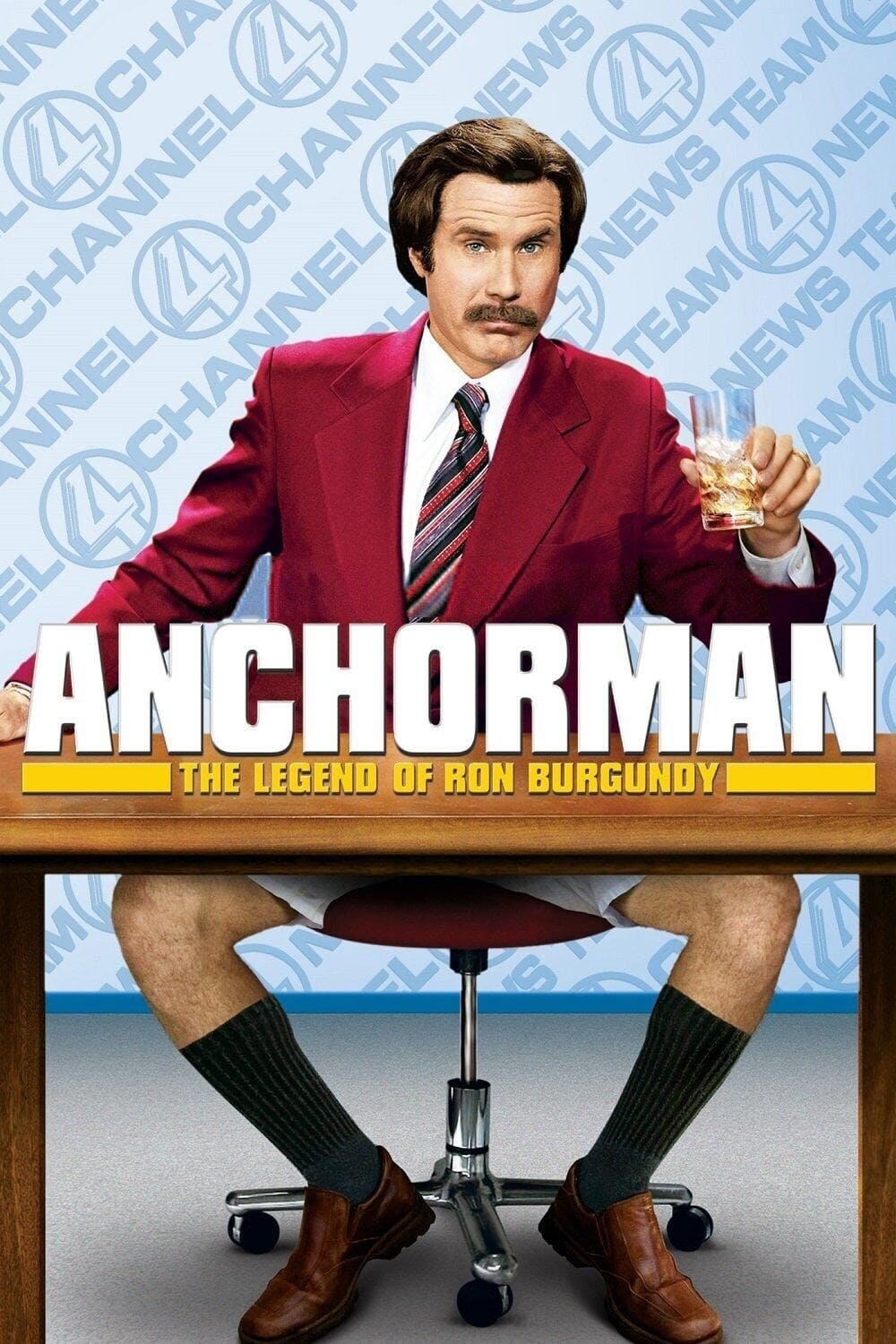
The first cut of this comedy was quite different, including a storyline that didn’t make it into the final film. To get a PG-13 rating, editors removed a lot of improvised scenes and jokes with mature themes. There was so much extra footage that it was later released as a separate movie. The version we see in theaters centers on the hilarious competition between news crews in the 1970s. These changes helped the film become a popular, widely-quoted classic.
‘Talladega Nights: The Ballad of Ricky Bobby’ (2006)
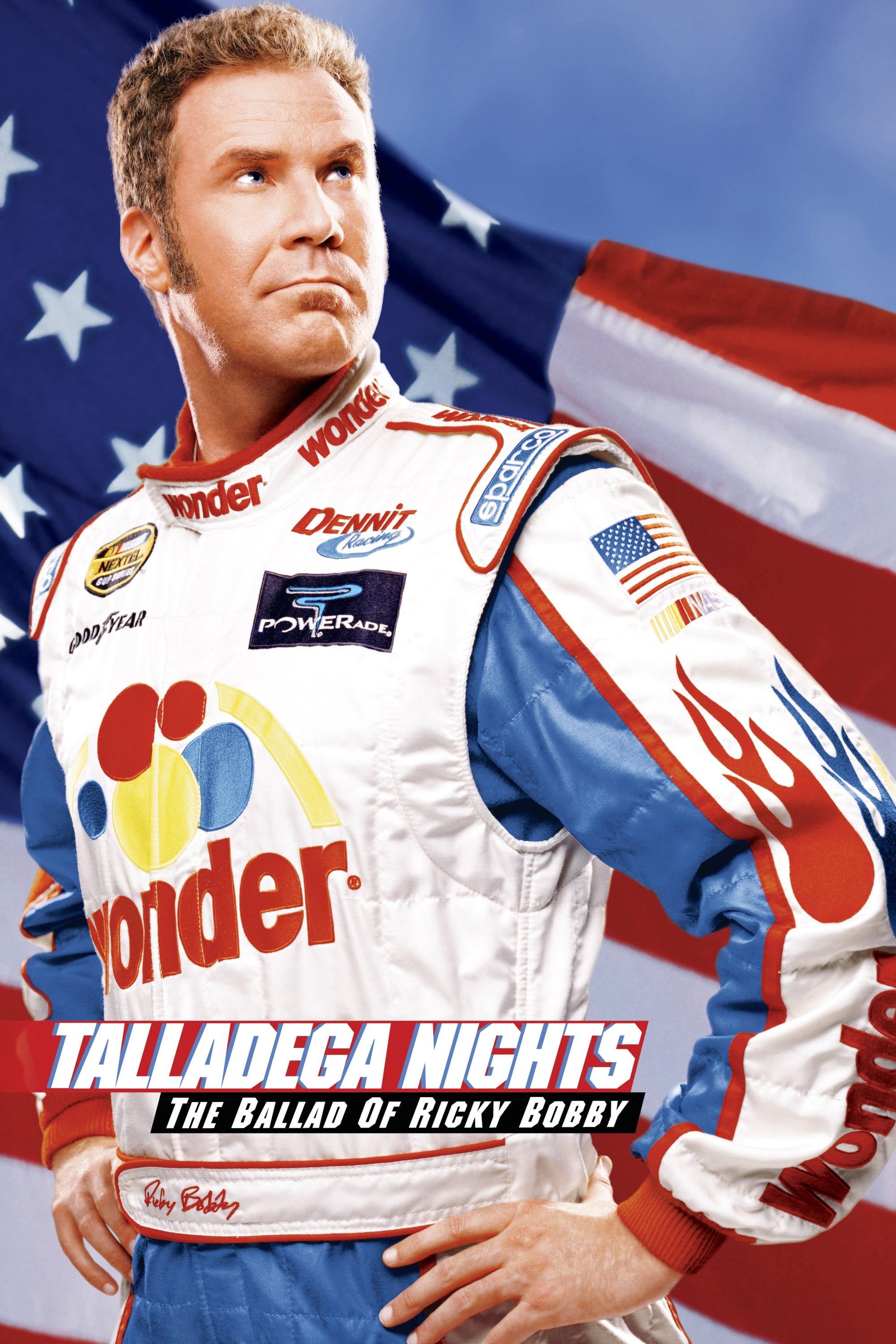
This comedy, starring Will Ferrell and made with Adam McKay, was adjusted to get a PG-13 rating for theaters. They removed some of the more suggestive jokes and crude humor to satisfy the studio. As they often do, the filmmakers shot plenty of extra jokes which were later included on the DVD and Blu-ray versions. The version shown in theaters emphasized the fast-paced action and a funny look at the world of NASCAR. These changes helped the film appeal to a wider, family-friendly audience.
‘Jumper’ (2008)
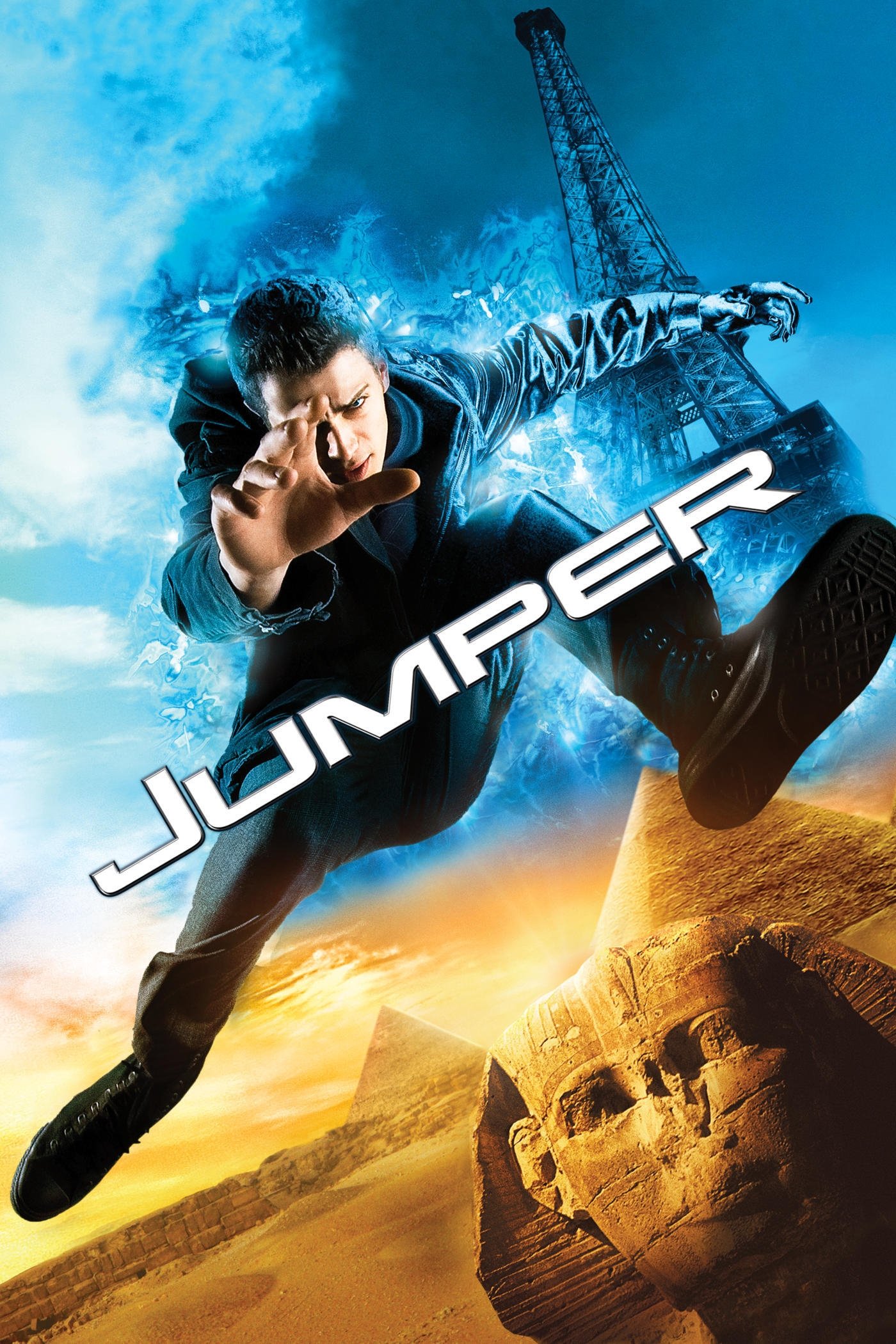
To get a PG-13 rating, the filmmakers toned down the action in this sci-fi thriller, especially the fight scenes involving teleportation. They cut or changed scenes where the main character used his powers violently. They aimed for a fast-moving adventure that would appeal to many viewers, so they focused more on the impressive settings and visuals than on the brutal effects of the fighting. The result is a polished, fast-paced action movie that really emphasizes creating a believable and interesting world.
‘The Grudge’ (2004)
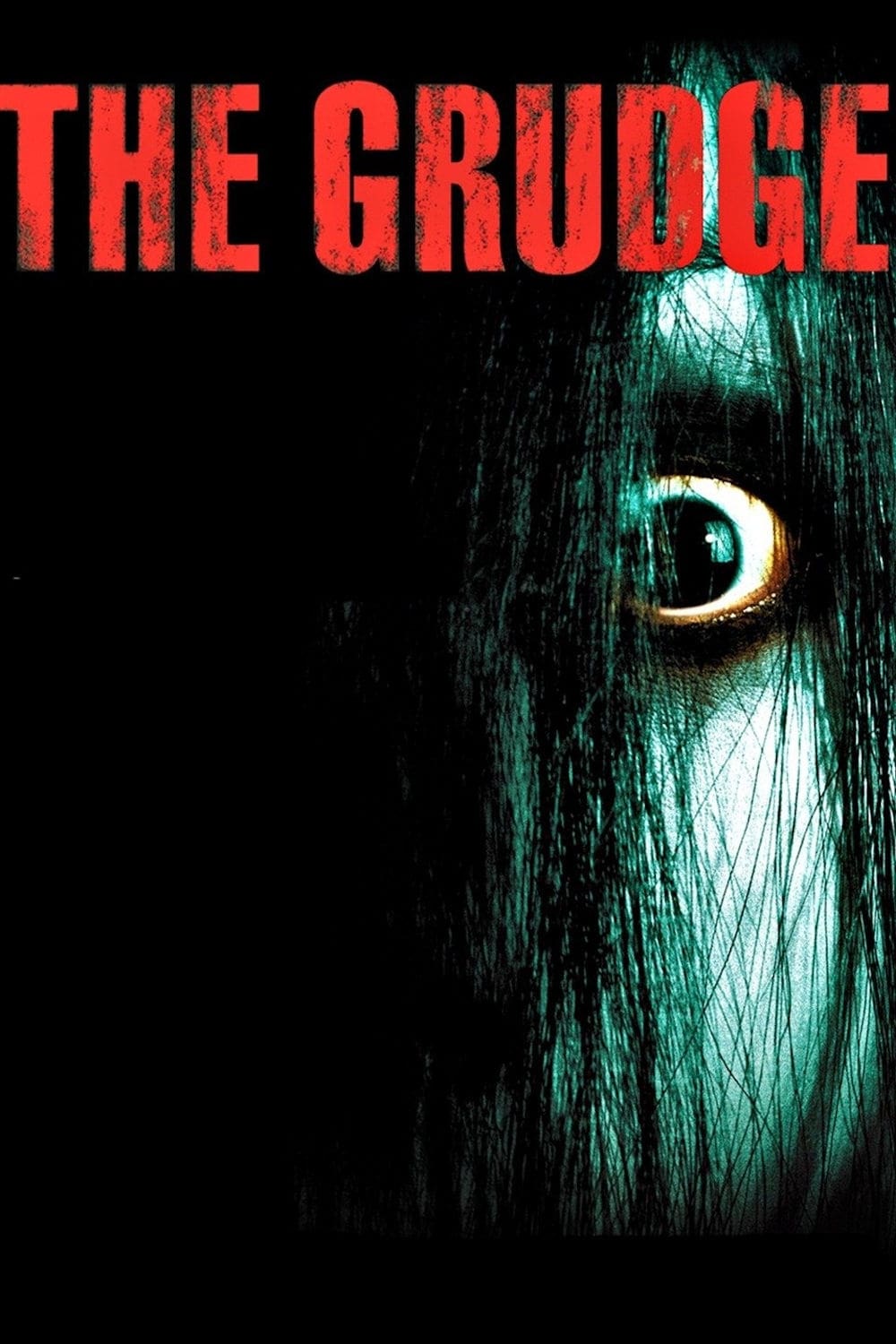
The American version of this popular Japanese horror film had to be carefully edited to earn a PG-13 rating. Director Takashi Shimizu, who also directed the original, had to tone down his usual style to meet American rating requirements. Instead of relying on graphic scenes, the film built suspense through atmosphere and sound. This worked well, creating a scary and effective experience that attracted a lot of horror fans. The film’s release in theaters helped launch a successful horror franchise.
‘Stay Alive’ (2006)

This scary movie revolves around a dangerous video game and was initially planned to be much more violent. However, the filmmakers toned down the gore in the death scenes – showing them mostly out of view or using visual effects – to get a PG-13 rating. They wanted to reach their target audience of teenage gamers. The final movie therefore uses a lot of sudden scares and focuses on the interesting idea of the game becoming real. The version shown in theaters emphasizes the suspense of the game world spilling into reality.
‘Prom Night’ (2008)
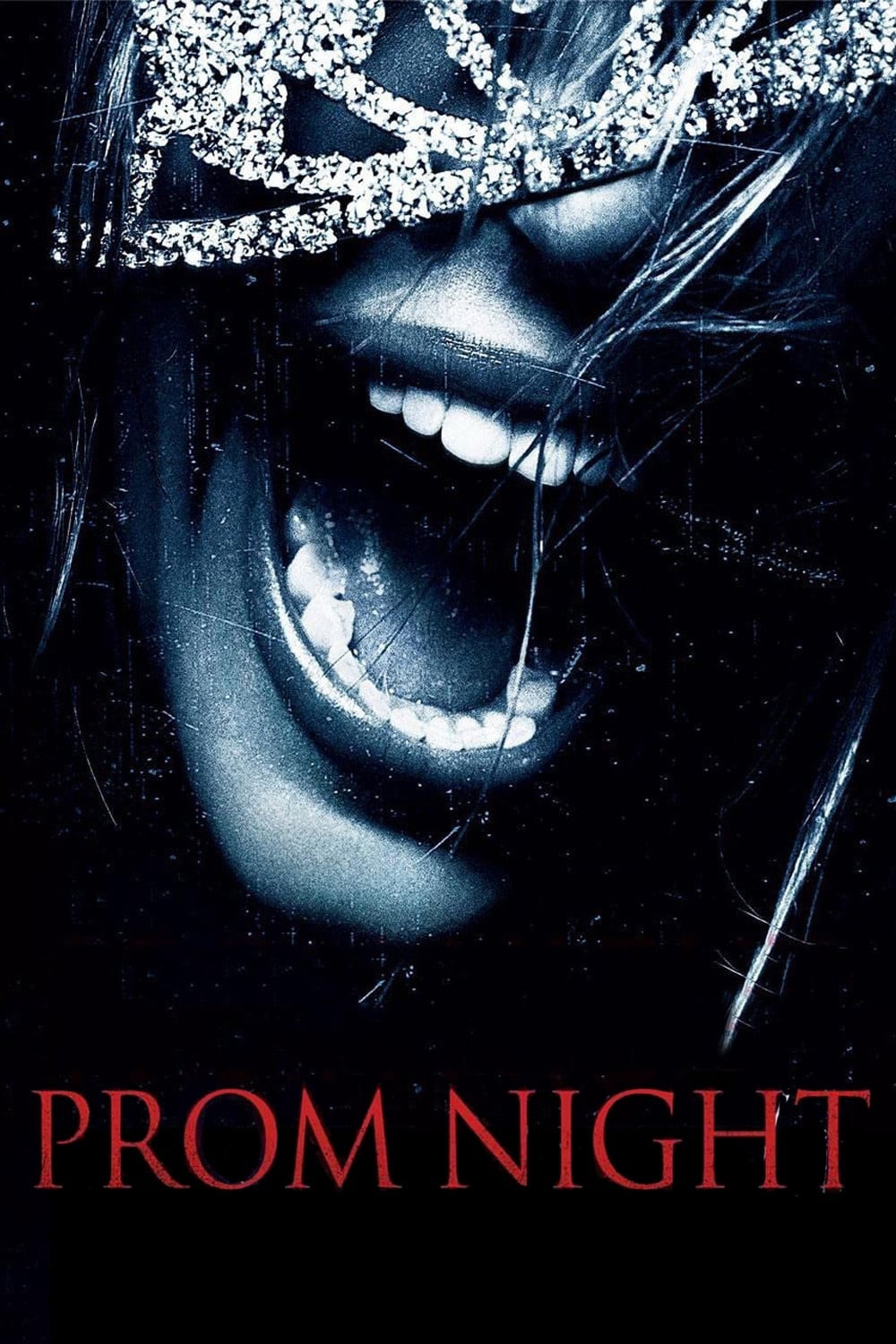
This new version of the classic horror film was made with a PG-13 rating in mind from the start. That meant the filmmakers toned down the graphic violence and nudity that were present in the original. The killings are shown quickly and with very little blood to satisfy the rating board’s requirements. This approach helped the movie do well in its first weekend, particularly with younger female viewers. Ultimately, the film is a cleaner, updated take on the slasher genre.
‘Licence to Kill’ (1989)
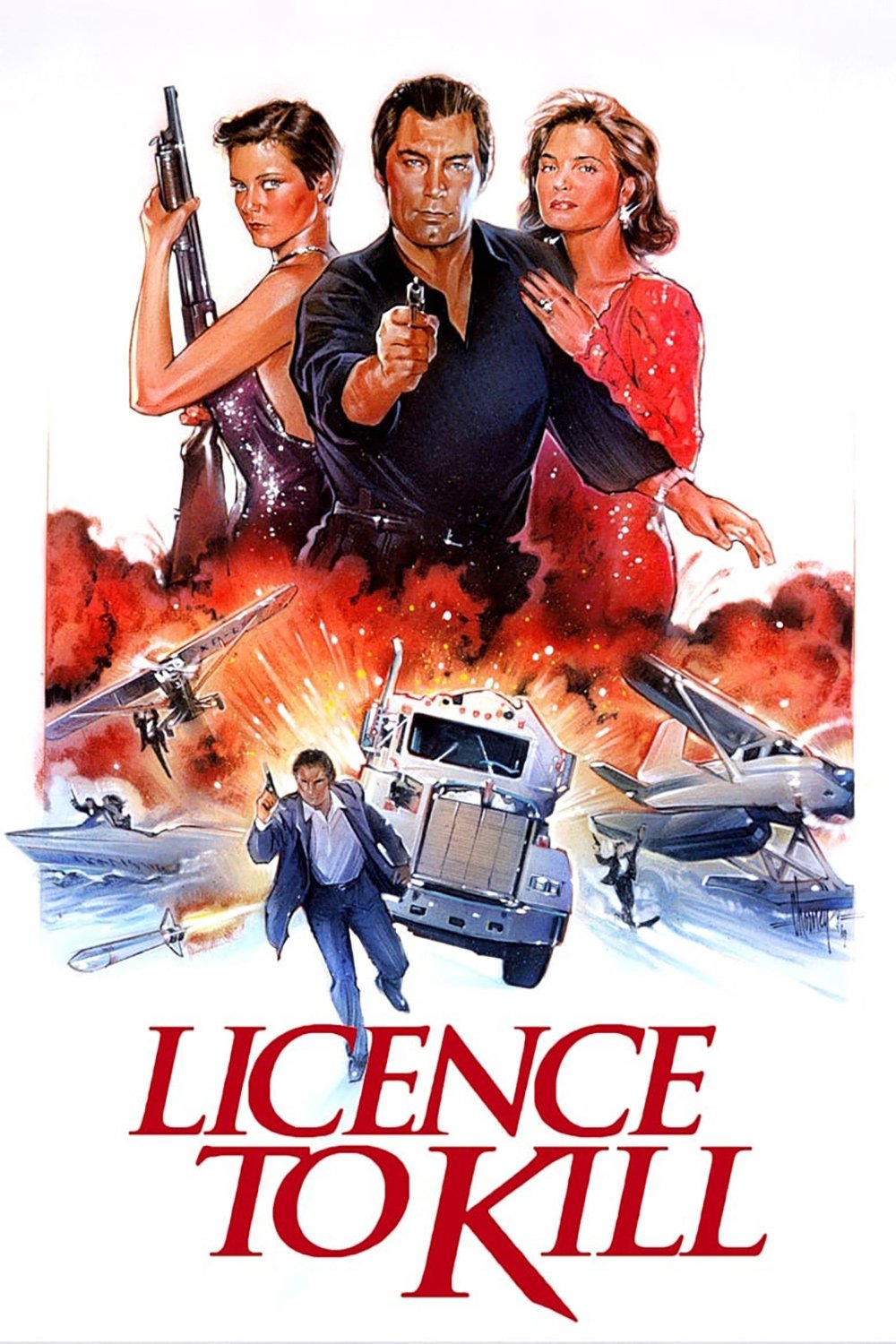
This James Bond film was noticeably more violent and gritty than earlier movies. To maintain a PG-13 rating in the US, some scenes – including a particularly shocking death – were trimmed. The filmmakers aimed to make the film more intense while still keeping it accessible to younger audiences. Even with those minor edits, it’s still considered one of the most brutal films in the Bond series, focusing on suspense and practical stunts instead of graphic violence.
‘GoldenEye’ (1995)
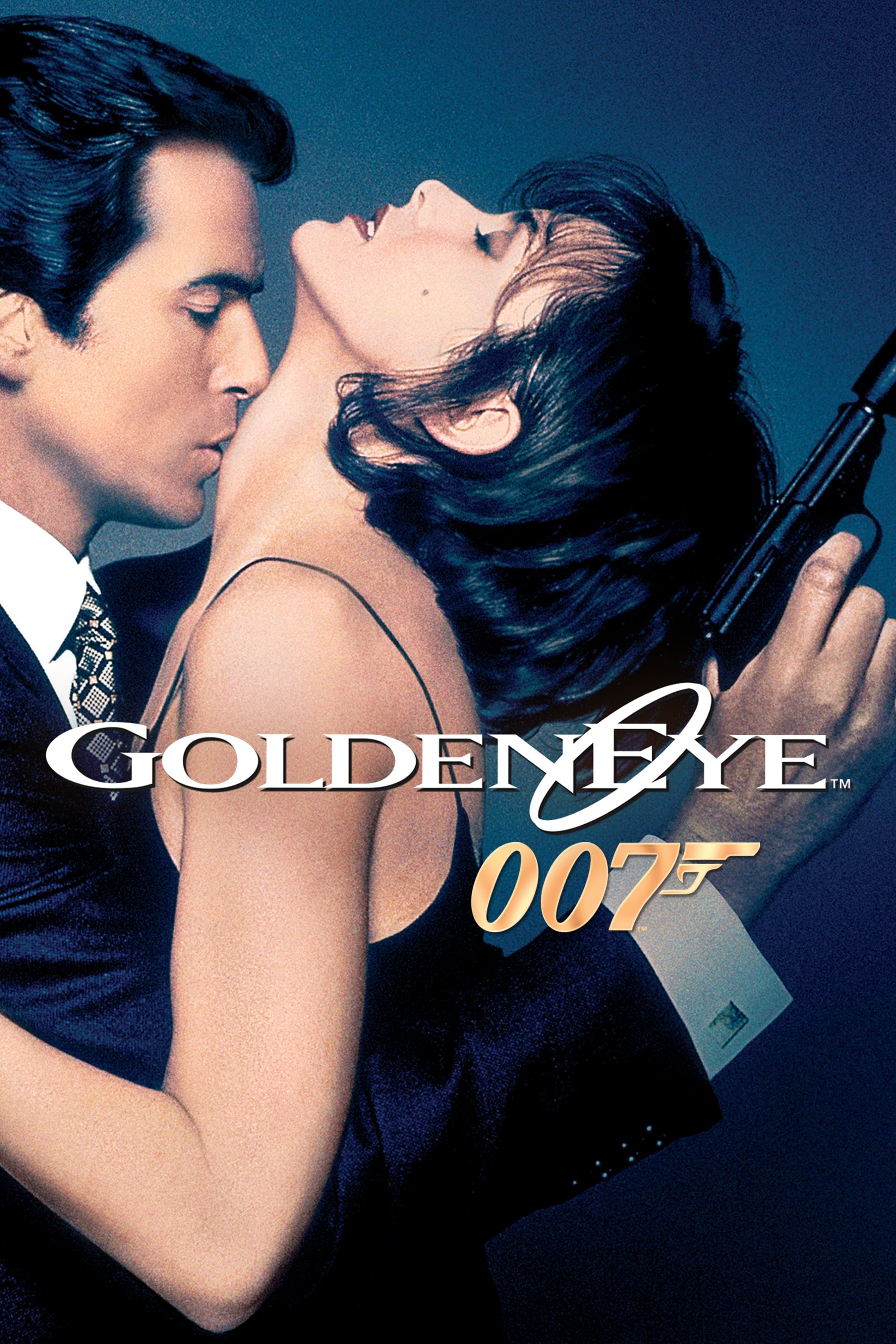
When Pierce Brosnan first played James Bond, the movie needed some changes to ensure it could be shown to a wide audience. Scenes from the beginning and the end were shortened to lessen the amount of blood and violent action. The filmmakers aimed to update Bond for modern viewers while still keeping a PG-13 rating. These edits helped the film succeed worldwide and successfully reboot the Bond franchise after a lengthy break. The final version of the movie strikes a balance between the traditional Bond style and more contemporary action sequences.
‘Batman v Superman: Dawn of Justice’ (2016)
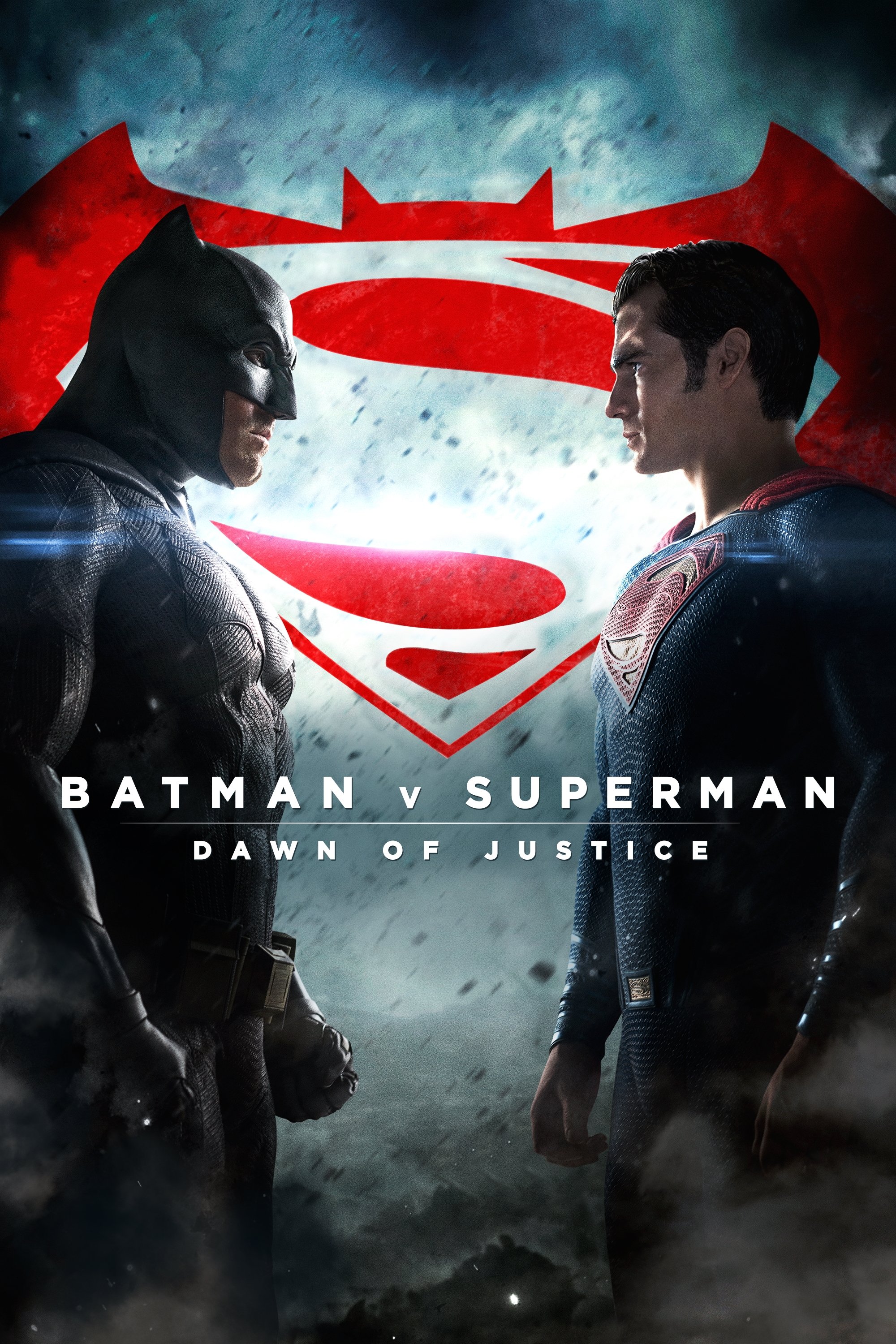
The movie originally released in theaters was edited to get a PG-13 rating and keep the runtime shorter. This meant cutting out some action scenes and parts that developed the characters, which some viewers felt made the story feel rushed or confusing. Later, a longer, more violent version – an ‘Ultimate Edition’ – was released for home viewing, restoring thirty minutes of footage. The theatrical version concentrates on the central battle between the two main heroes.
‘Suicide Squad’ (2016)
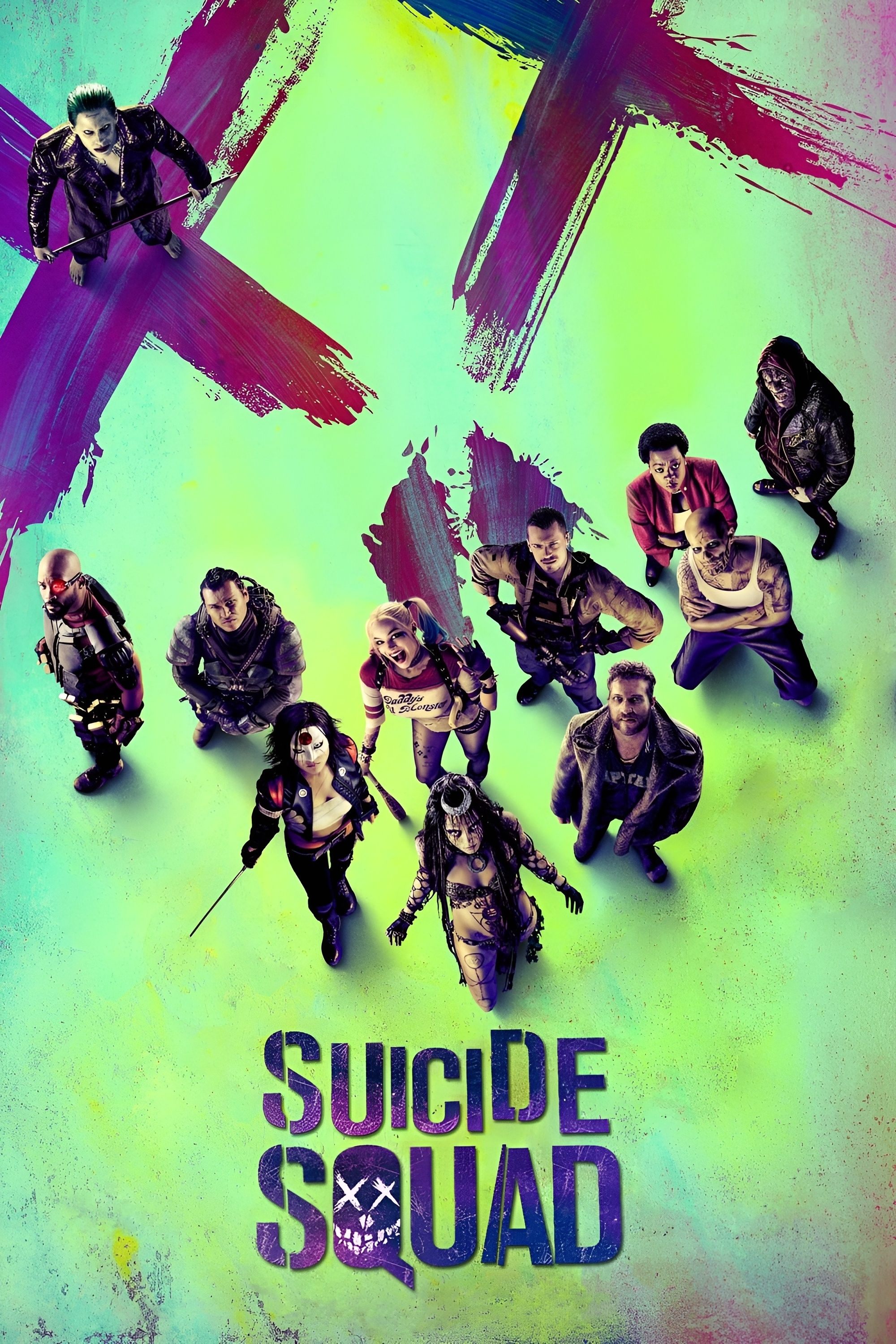
The final cut of this DC movie went through major revisions after filming to make it more suitable for a wider audience and earn a PG-13 rating. Scenes with the Joker that were particularly dark or violent were either shortened or cut completely. The studio aimed for a brighter, more upbeat feel, like other popular superhero team-up movies. As a result, the finished film closely reflects the style of its trailers, prioritizing humor and music over the original, more serious story.
‘Morbius’ (2022)
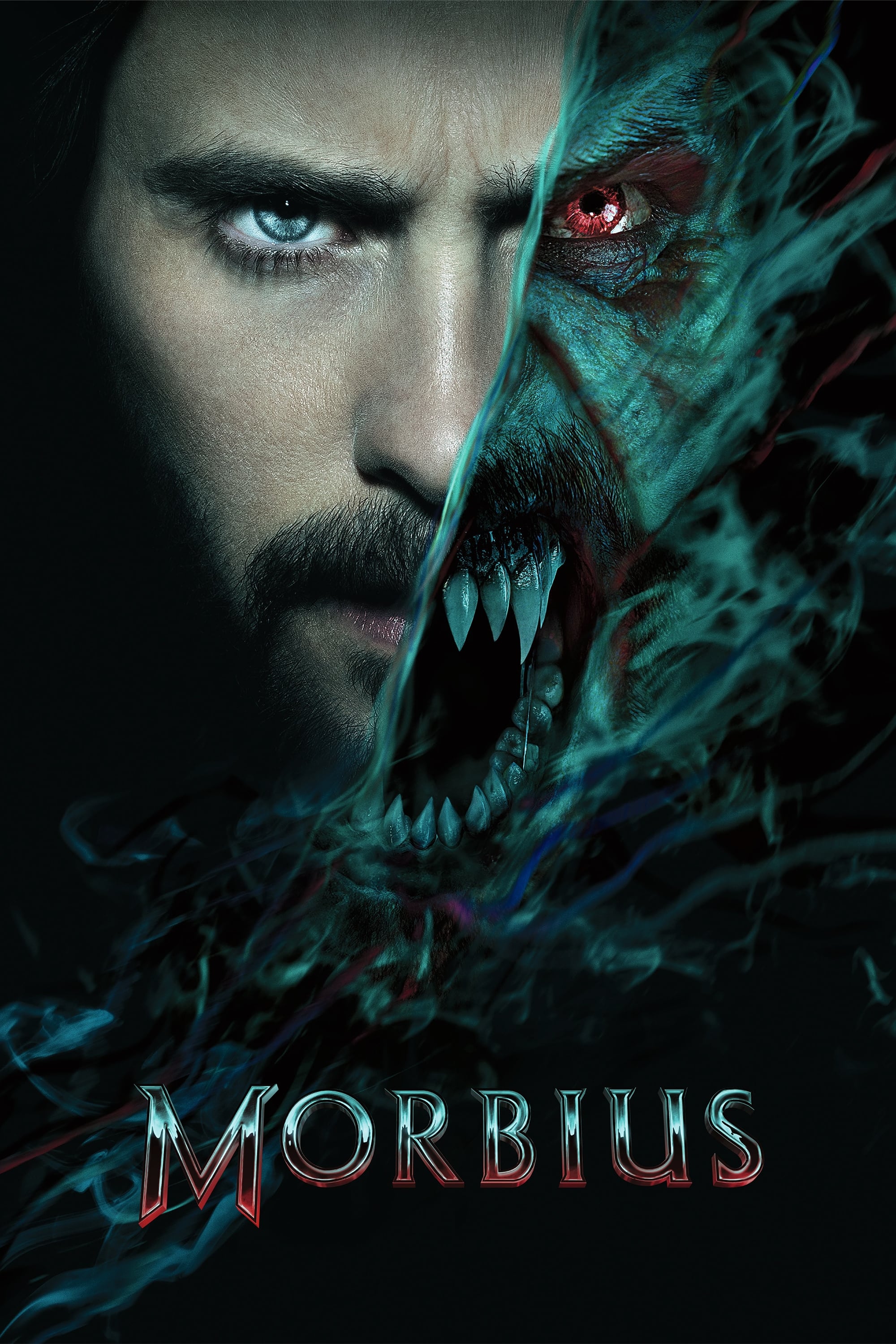
Making this Marvel movie involved a lot of changes to ensure it was appropriate for a PG-13 audience. The filmmakers had to be careful with how they showed blood and the main character’s transformations. They adjusted some scenes to emphasize action and special effects instead of scary moments. This was done to make sure the film fit with the overall story Marvel is building. The final version is an action-packed take on a classic monster story.
‘The Batman’ (2022)
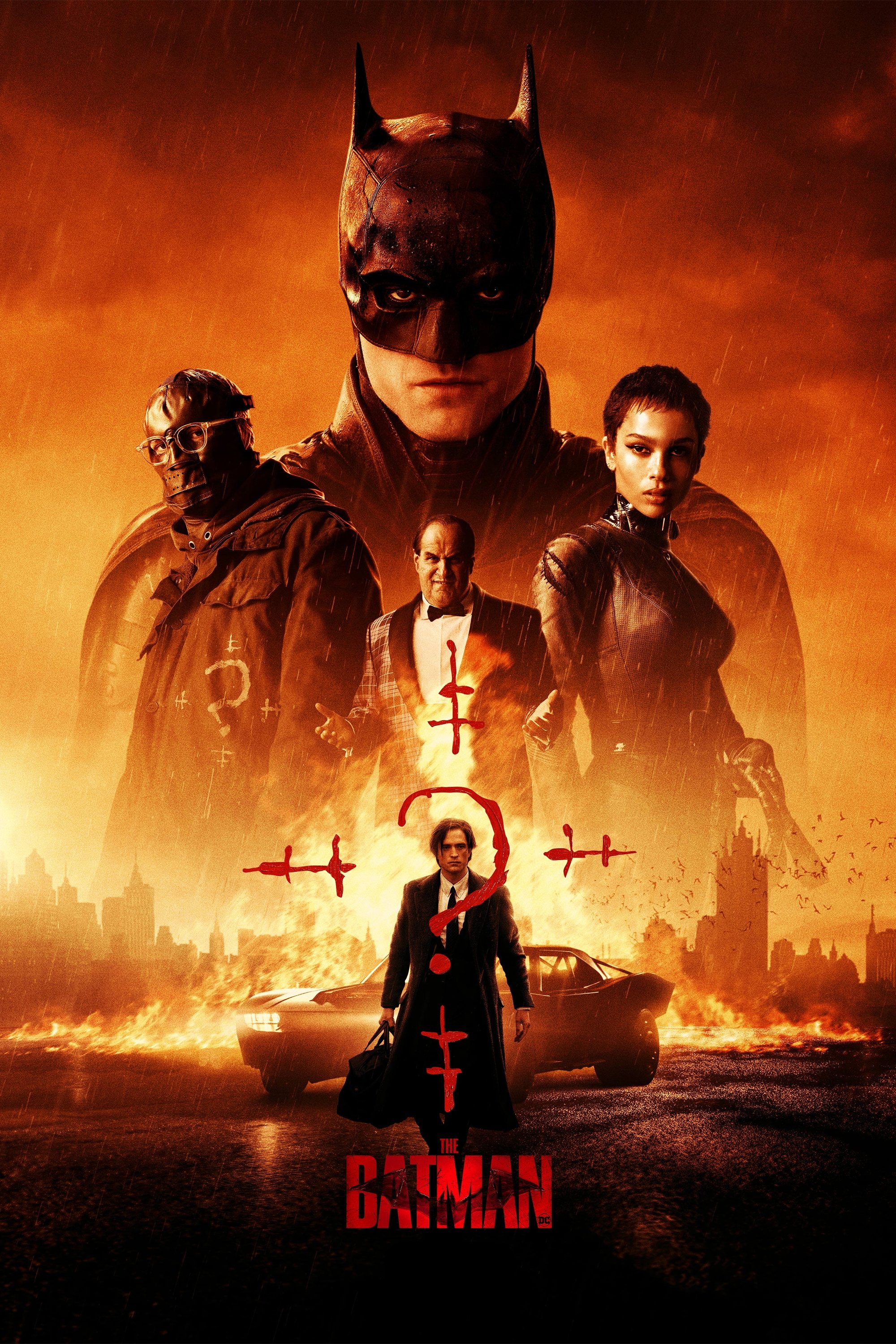
Matt Reeves’s Batman film is a dark and realistic take on the superhero, pushing the boundaries of what’s allowed in a PG-13 movie. To keep the rating, some violent scenes were filmed in a way that wasn’t overly graphic – using shadows and camera angles to suggest rather than show. The filmmakers prioritized the character’s inner struggles and the detective work, creating a mature and intense story that still appeals to a wide audience. The movie is highly regarded for its immersive atmosphere and stunning visuals.
‘Underworld: Blood Wars’ (2016)
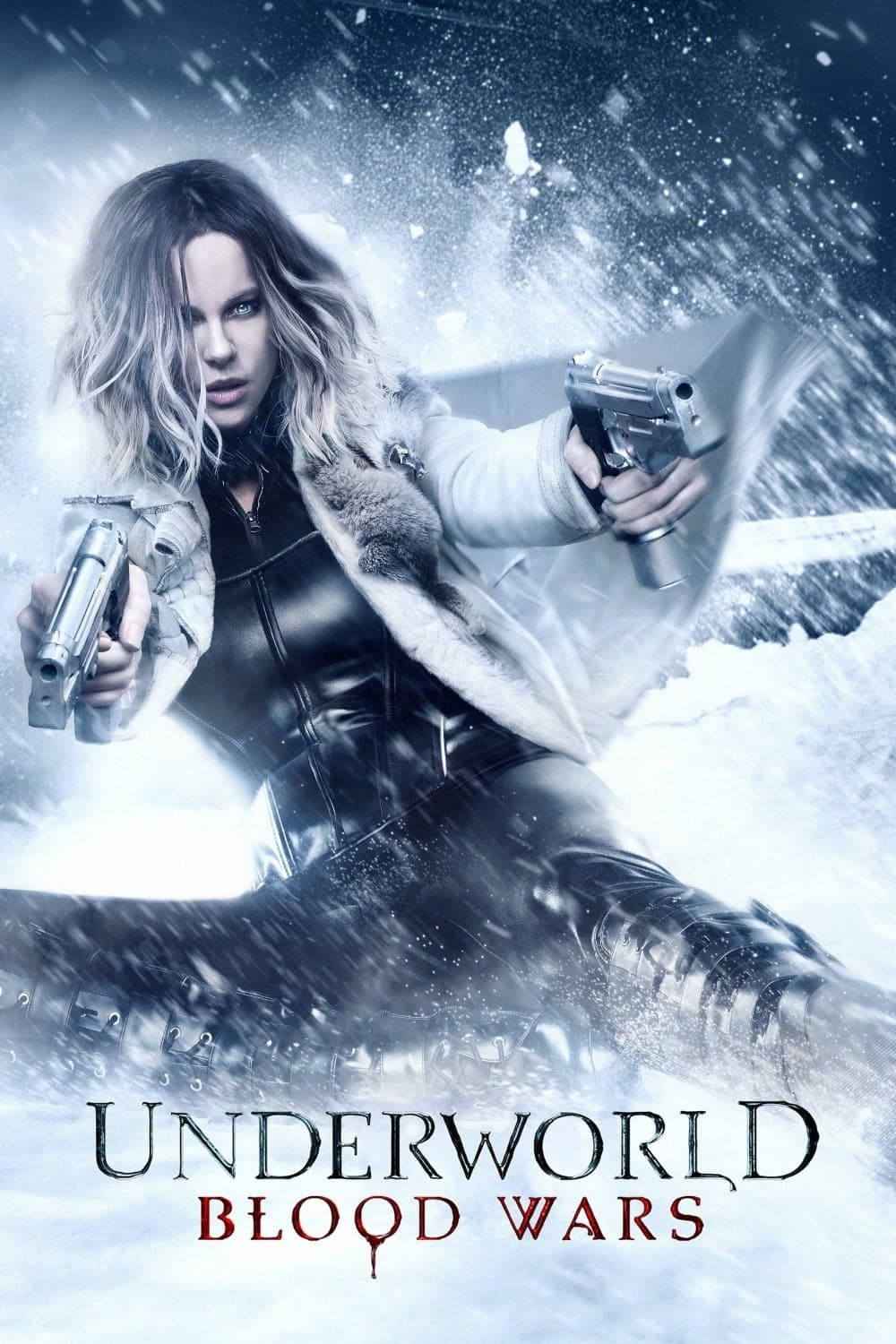
This latest installment in the action-horror series was carefully edited to keep the same PG-13 rating as earlier films. Fight scenes featuring vampires and werewolves were shortened to minimize graphic blood. The filmmakers used quick cuts and dramatic lighting to maintain the excitement without making the film too violent for a PG-13 audience. This approach ensured the film could reach its fans while still meeting the studio’s expectations. The final cut emphasizes the continuing conflict and the main character’s development.
Share your thoughts on these edited films in the comments.
Read More
- Games That Faced Bans in Countries Over Political Themes
- Gold Rate Forecast
- Silver Rate Forecast
- Unveiling the Schwab U.S. Dividend Equity ETF: A Portent of Financial Growth
- 22 Films Where the White Protagonist Is Canonically the Sidekick to a Black Lead
- Superman Flops Financially: $350M Budget, Still No Profit (Scoop Confirmed)
- 20 Movies Where the Black Villain Was Secretly the Most Popular Character
- Celebs Who Narrowly Escaped The 9/11 Attacks
- 14 Movies Where the Black Character Refuses to Save the White Protagonist
- The Best Directors of 2025
2026-02-07 01:20