
Movies often share important social and political ideas with people around the world. While most films aim to entertain, some are accused of being made to promote a particular government’s views or ideology. These films often lead to strong disagreements about how truthfully they portray history and what the filmmakers were really trying to achieve. Here’s a list of movies that have been called propaganda by critics, historians, and political groups over time.
‘The Birth of a Nation’ (1915)
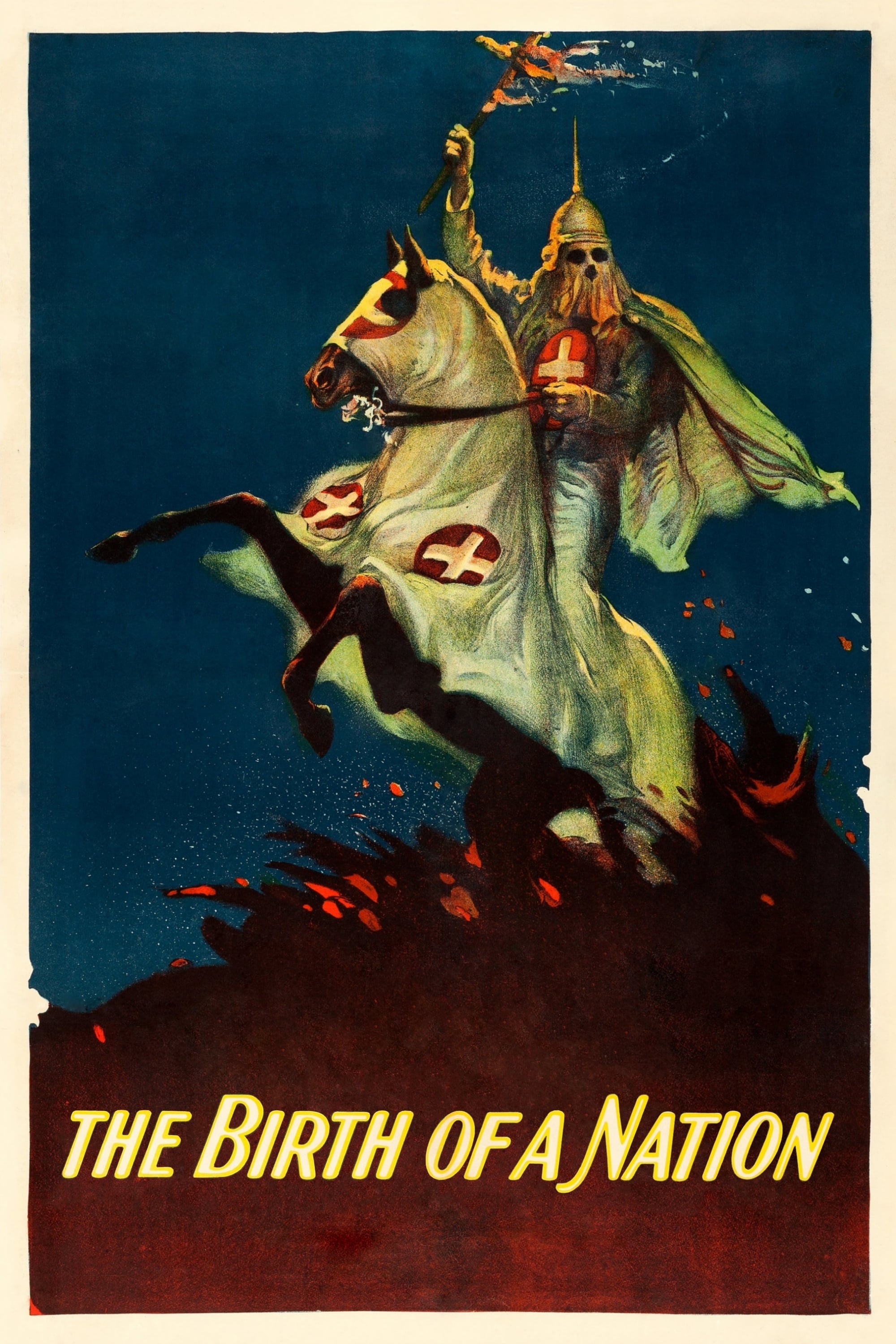
‘The Birth of a Nation’ is a landmark silent film about the American Civil War and the years that followed. While depicting the Ku Klux Klan as saviors of the South, the film is widely criticized for promoting racist ideas and presenting a biased version of history to support segregation. Despite sparking nationwide protests, it was also the first movie shown at the White House.
‘Battleship Potemkin’ (1925)
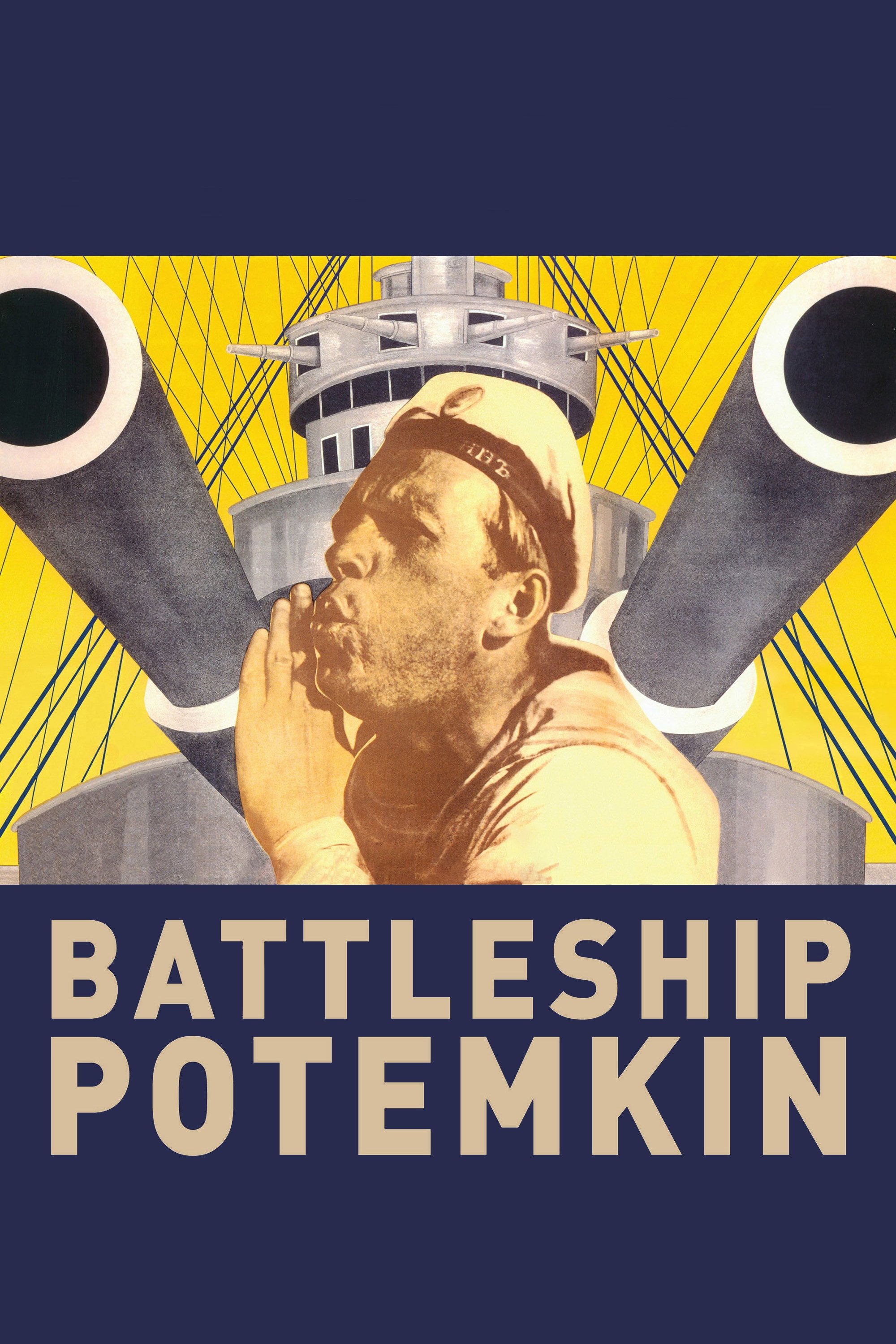
‘Battleship Potemkin’ is a silent film from the Soviet Union that tells the story of a 1905 rebellion on a Russian warship. The director used groundbreaking editing methods to create strong emotions and promote the idea of revolution. Many critics consider it a landmark achievement in political cinema, intended to celebrate the fight for workers’ rights. The film’s depiction of a massacre on the Odessa Steps is particularly famous and remains a powerful example of how visuals can be used to influence audiences.
‘Triumph of the Will’ (1935)

‘Triumph of the Will’ is a film documenting the 1934 Nazi Party Congress in Nuremberg. Created with impressive visuals and careful planning, it was commissioned by the German government to display the regime’s strength and solidarity under its leader. The film uses powerful imagery and music to evoke feelings of reverence and extreme nationalism. Today, critics widely recognize it as a remarkably effective – and dangerous – example of propaganda created by a government.
‘Alexander Nevsky’ (1938)
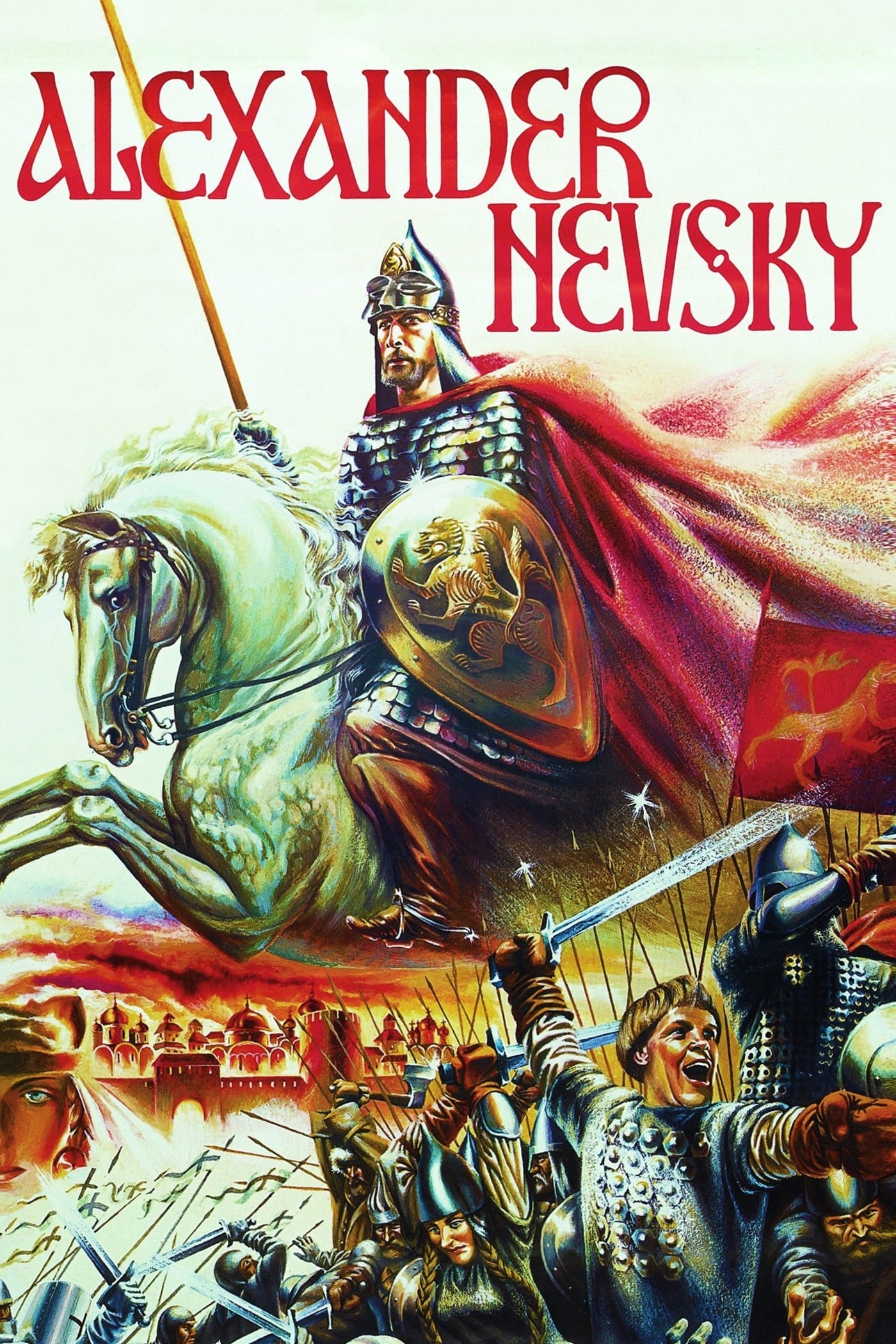
‘Alexander Nevsky’ tells the story of a Russian prince who bravely defended his land against an invasion by the Teutonic Knights. Made when relations were worsening between the Soviet Union and Germany, the film intentionally connected the medieval knights to the growing danger of the Nazi regime. The Soviet government used it to build national spirit and get people ready for a possible war.
‘The Great Dictator’ (1940)
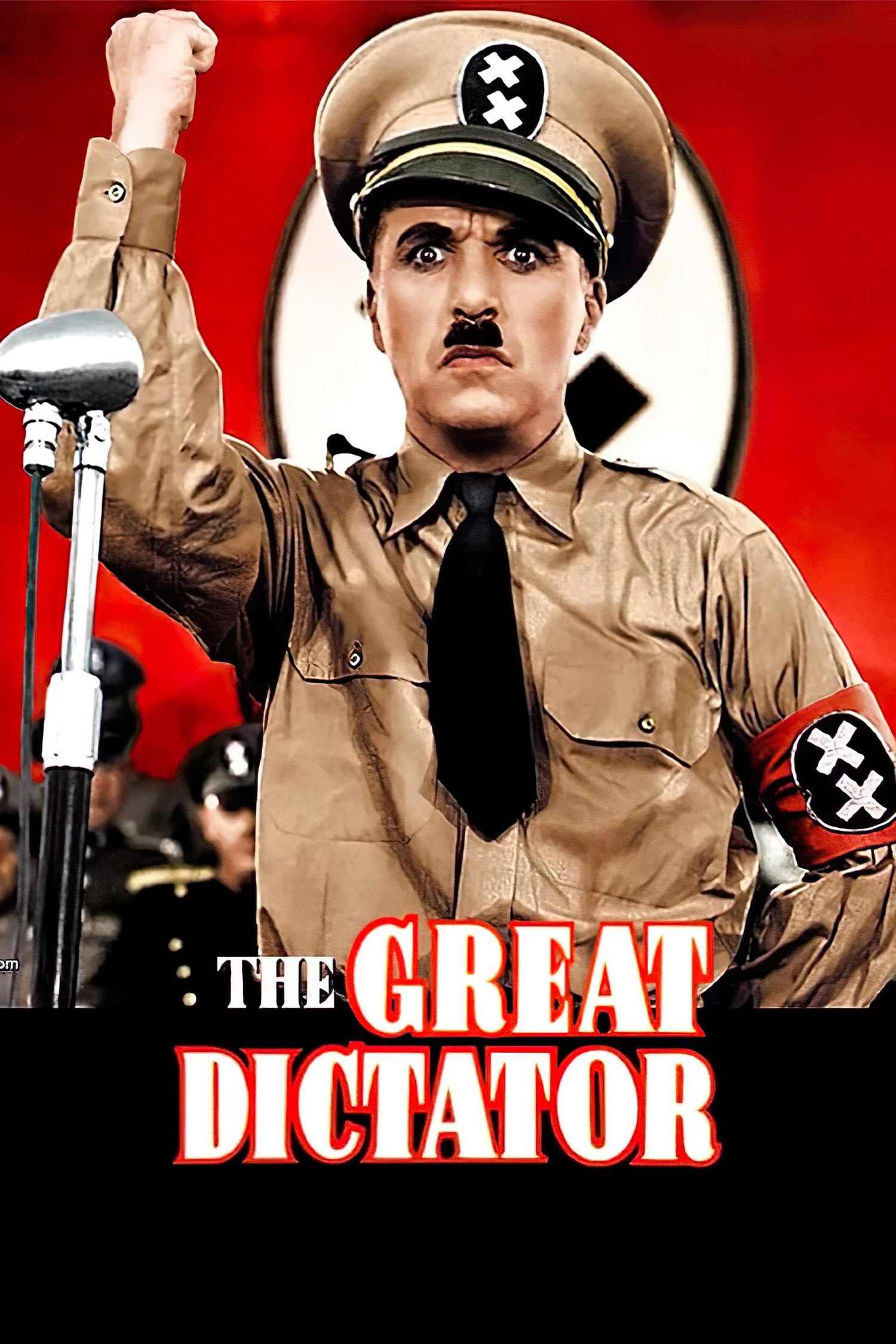
Charlie Chaplin’s ‘The Great Dictator’ is a funny, but pointed, film that criticizes the dangerous ideas of fascism and hatred of Jewish people in Europe. The movie ends with a powerful speech calling for peace and freedom. When it was released, some American critics thought the film was trying to convince the U.S. to join World War II. Even today, it’s a powerful example of a filmmaker speaking out against oppressive regimes.
‘The Eternal Jew’ (1940)

I’ve studied this film, ‘The Eternal Jew,’ and it’s deeply disturbing. It’s presented as a documentary, but it’s actually a piece of propaganda created to justify the horrific persecution of Jewish people during the war. What’s truly frightening is how it uses carefully altered footage and a biased voiceover to spread false and damaging stereotypes. Experts consider it a central component of the regime’s deliberate attempt to strip Jewish people of their humanity. It was shown widely to try and convince the public to support their hateful and discriminatory actions – a truly chilling example of how film can be used as a weapon.
‘Mrs. Miniver’ (1942)

‘Mrs. Miniver’ is a film about a typical English family navigating life in the early years of World War II. It highlights the courage and strength of everyday people during events like the Blitz and the evacuation at Dunkirk. American leaders hoped the film would gain public support for Britain in the United States, where many were unsure about getting involved in the war. In fact, the British Prime Minister believed the film was a powerful tool for the war effort, even more valuable than warships.
‘The Green Berets’ (1968)

‘The Green Berets’ is a Vietnam War movie made with help from the U.S. Department of Defense during the peak of the war. The film centers on a journalist who initially doubts the American involvement but ultimately comes to support it. When it was released, many critics argued the movie presented a one-sided and overly simple view of the war, suggesting it was more about encouraging recruitment than showing the full picture. It’s notable as one of the few major Hollywood films from that time period to openly support the war effort.
‘Red Dawn’ (1984)

‘Red Dawn’ presents a fictional scenario where the Soviet Union and its allies invade the United States. The story follows a group of high school students who band together as a resistance force to fight the invaders. Released during a time of heightened Cold War anxieties, the film was often viewed as an expression of strong patriotic fears. Critics frequently debated whether it promoted a sense of American superiority and an aggressive stance against communism.
‘Rocky IV’ (1985)
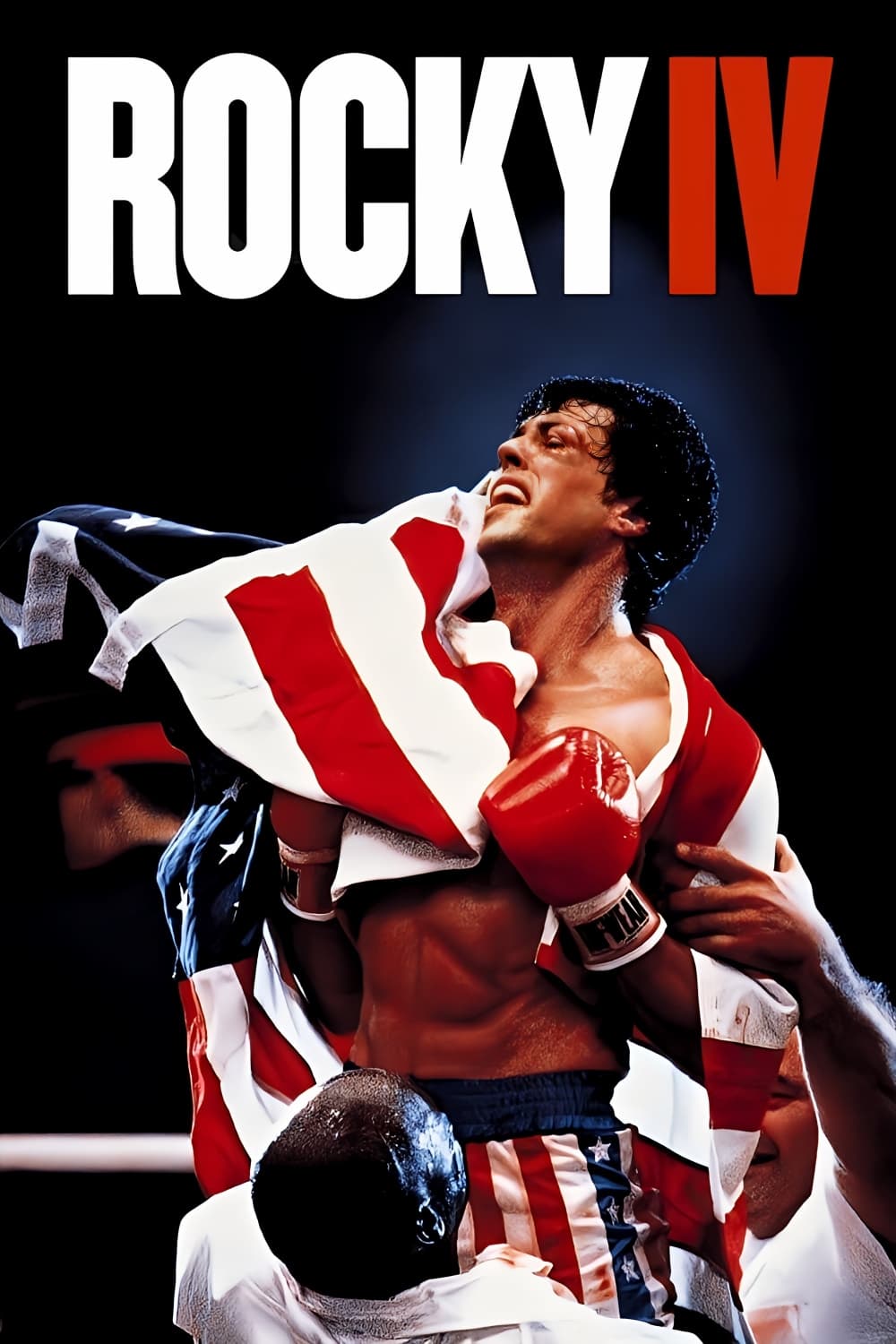
The movie ‘Rocky IV’ centers around a boxing match between an American champion and a powerful Soviet fighter who benefits from advanced technology. The story is a clear representation of the competition between the United States and the Soviet Union during the 1980s. Many critics noted the film used obvious symbolism to show America as the morally superior, individualistic victor over the Soviet Union’s collective approach. The movie ends with the main character giving a speech about the potential for change, which many saw as a message about international relations.
‘Rambo: First Blood Part II’ (1985)
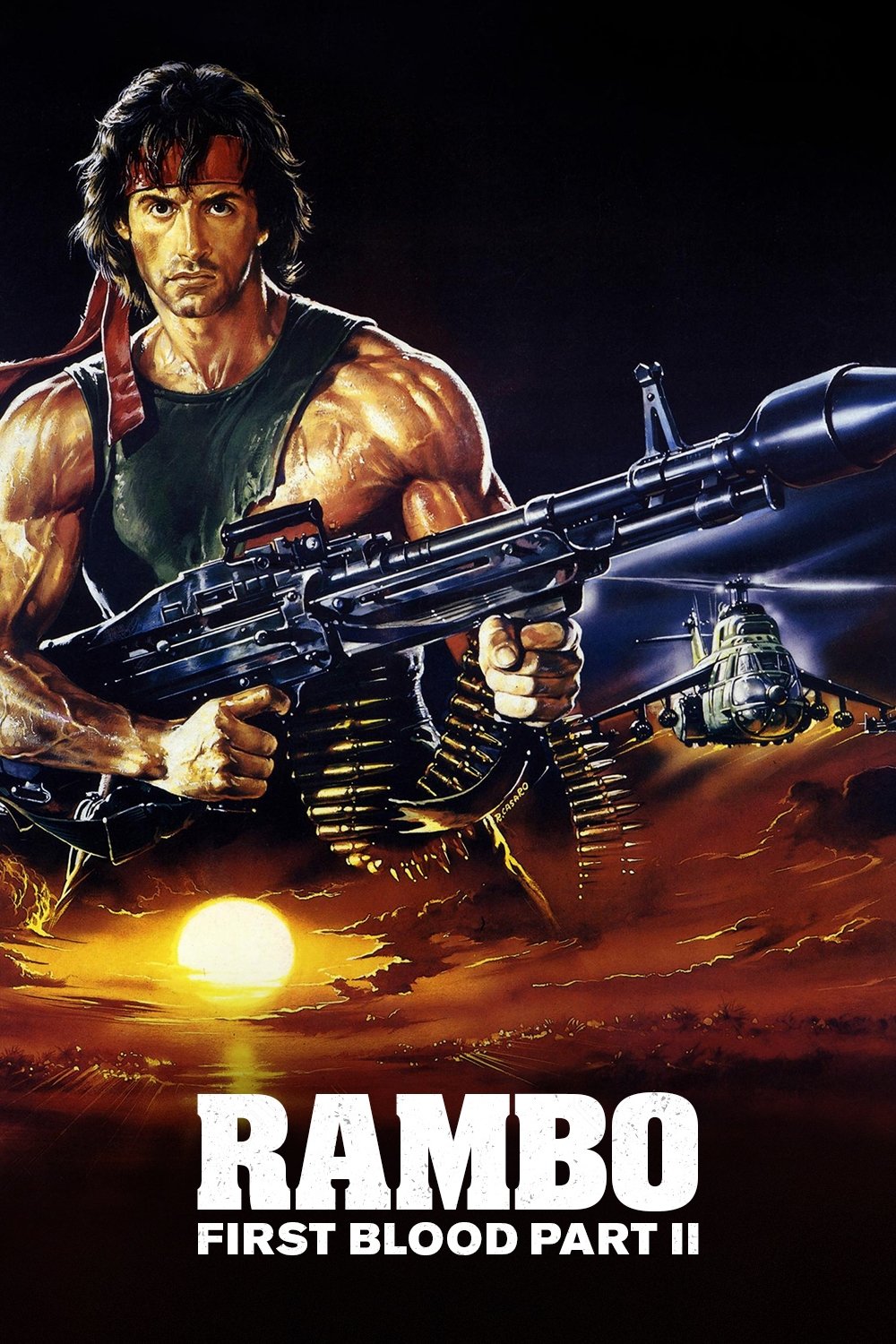
‘Rambo: First Blood Part II’ tells the story of a war veteran who goes back to Vietnam to save prisoners of war who were forgotten after the war ended. The movie captured a desire at the time to portray the war as more positive and triumphant. However, many critics argued that it was a fictionalized account that emphasized patriotic feelings over what actually happened. The film became well-known as a representation of the strong, assertive foreign policy favored by the U.S. government then.
‘Top Gun’ (1986)
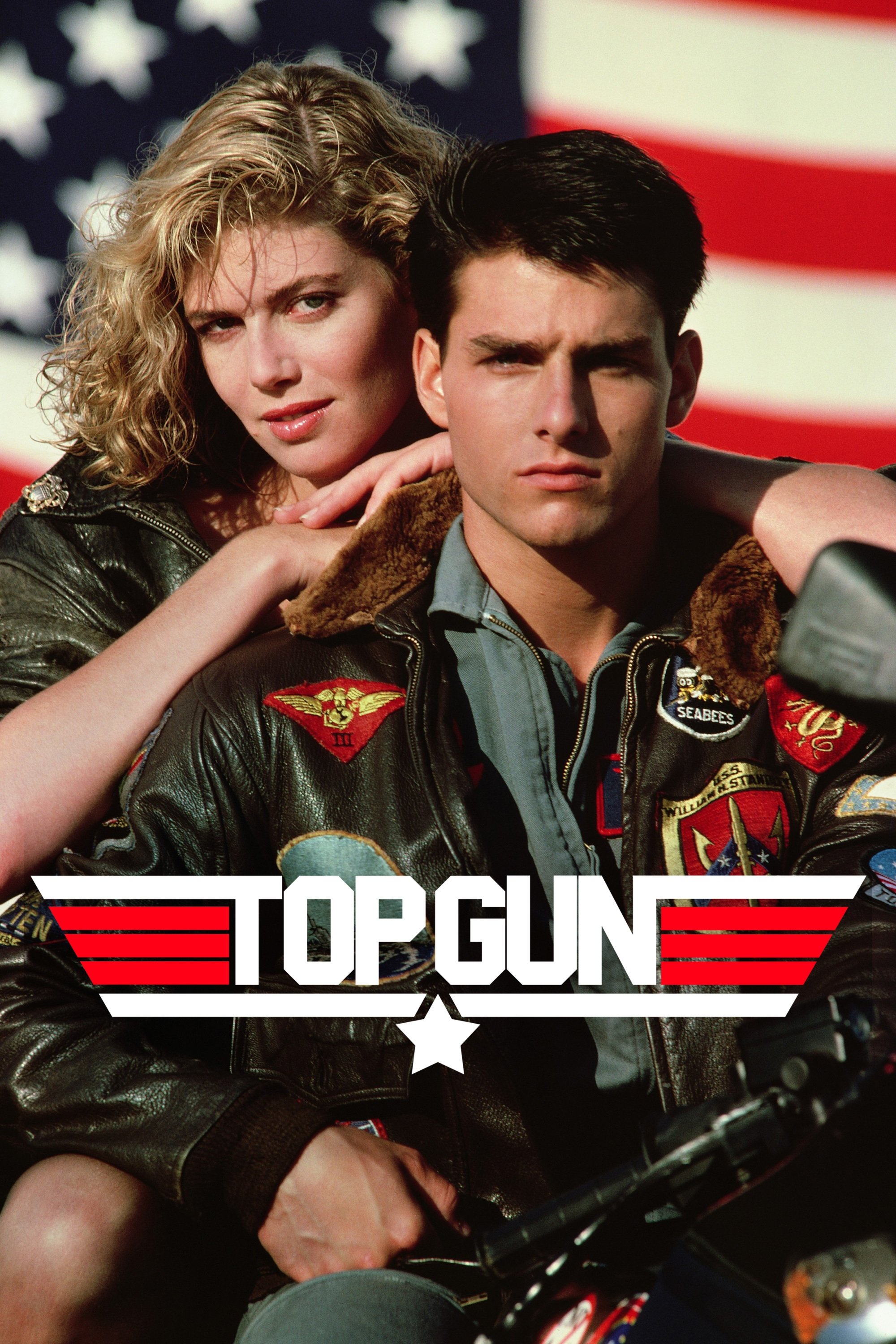
‘Top Gun’ follows the exciting lives of skilled fighter pilots training at a naval school. The U.S. Navy heavily supported the film, providing real planes and locations. After it came out, the military noticed a big increase in young men wanting to join. Some reviewers felt the movie was essentially a glamorous, expensive ad designed to attract recruits and make air combat look appealing.
‘Independence Day’ (1996)

‘Independence Day’ is a popular science fiction movie centered around an alien attack on Earth, which is eventually repelled thanks to the actions of the United States. A key scene involves the President of the U.S. flying a fighter jet in the battle. Some critics outside of America felt the film pushed the idea of American dominance, implying the world needed American ingenuity and courage to survive. It’s often used as an example of a movie reflecting a surge of American national pride after the Cold War.
‘Black Hawk Down’ (2001)

‘Black Hawk Down’ tells the story of a 1993 military operation in Mogadishu where U.S. soldiers found themselves surrounded by enemy forces. The Department of Defense provided substantial help during filming, even supplying real helicopters and pilots. While praised for its depiction of soldierly bravery, many critics pointed out the film didn’t explore the political reasons behind the mission. Some people also suggested the movie’s release was strategically timed to gain public support for potential future military actions in the Middle East.
‘Pearl Harbor’ (2001)
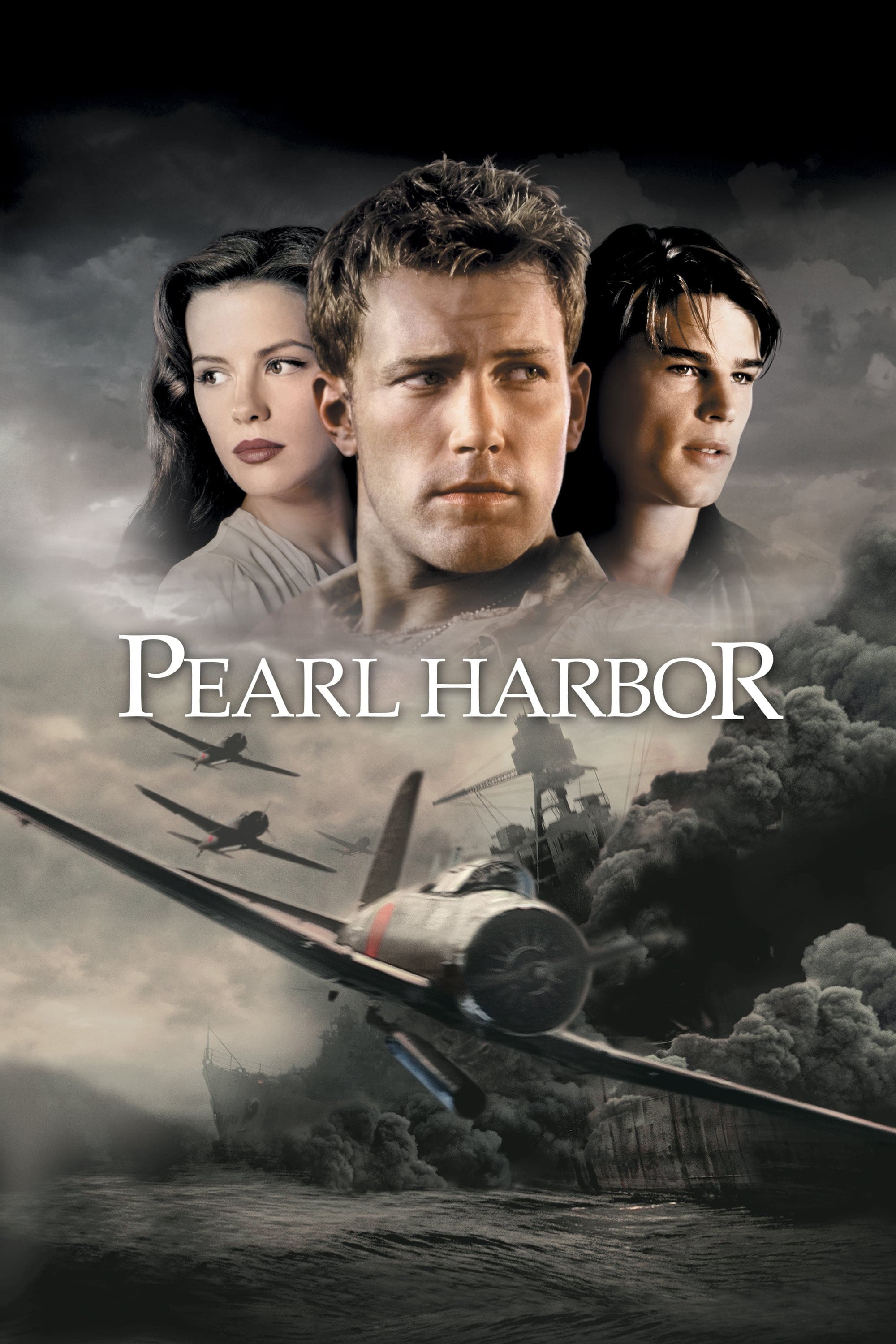
‘Pearl Harbor’ is a sweeping romantic drama depicting the 1941 attack on the U.S. naval base. The military heavily supported the film’s production, but in return, they had the final say on the script. Many critics felt the movie presented a simplified and overly patriotic take on the events, prioritizing impressive visuals over factual accuracy. Released during a time of increased national pride, some saw the film as a way to encourage new military recruits.
‘Fahrenheit 9/11’ (2004)
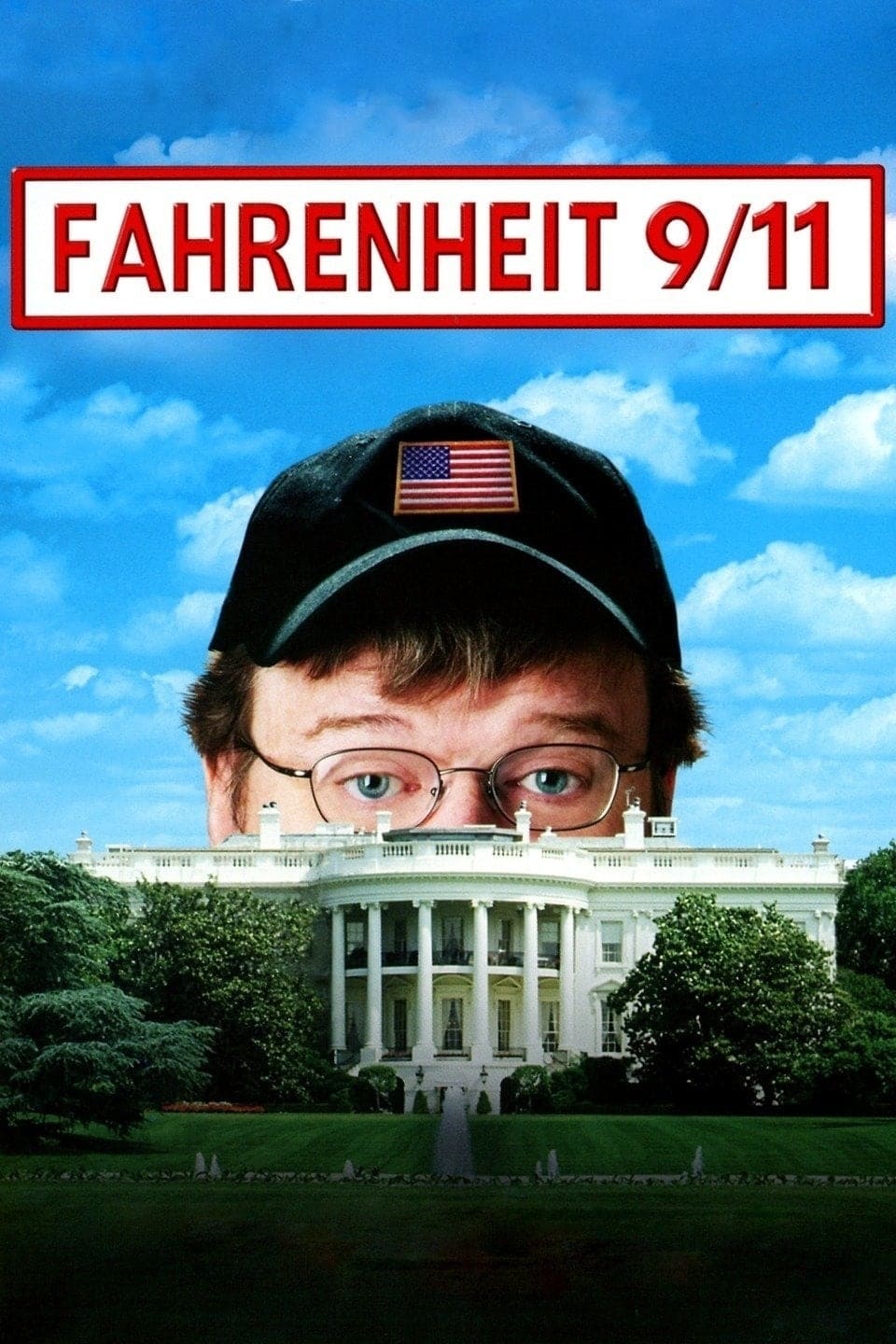
Fahrenheit 9/11 is a documentary that strongly criticizes the George W. Bush administration and the Iraq War. It combines news clips and interviews to argue that the war was motivated by profit and dishonesty. While highly successful financially, the film was accused by supporters of the administration of being biased and designed to impact the 2004 presidential election. It remains a very controversial and popular documentary.
‘The Passion of the Christ’ (2004)

‘The Passion of the Christ’ vividly portrays the last twelve hours of Jesus’ life. While the film was very successful financially, it also sparked controversy. Critics argued that it promoted a particular religious and political viewpoint and relied on damaging stereotypes when depicting different historical groups, essentially acting as religious propaganda. It also became a focal point for conservative religious groups in the U.S.
‘V for Vendetta’ (2005)

‘V for Vendetta’ takes place in a future Britain controlled by a harsh, fascist government. The film centers on a rebellious anarchist who uses acts of violence to try and overthrow that government. Though many viewed it as a warning about the dangers of authoritarian rule, some critics argued it actually supported anti-government beliefs. Since its release, images from the film have become a symbol used by protest movements globally.
‘300’ (2006)
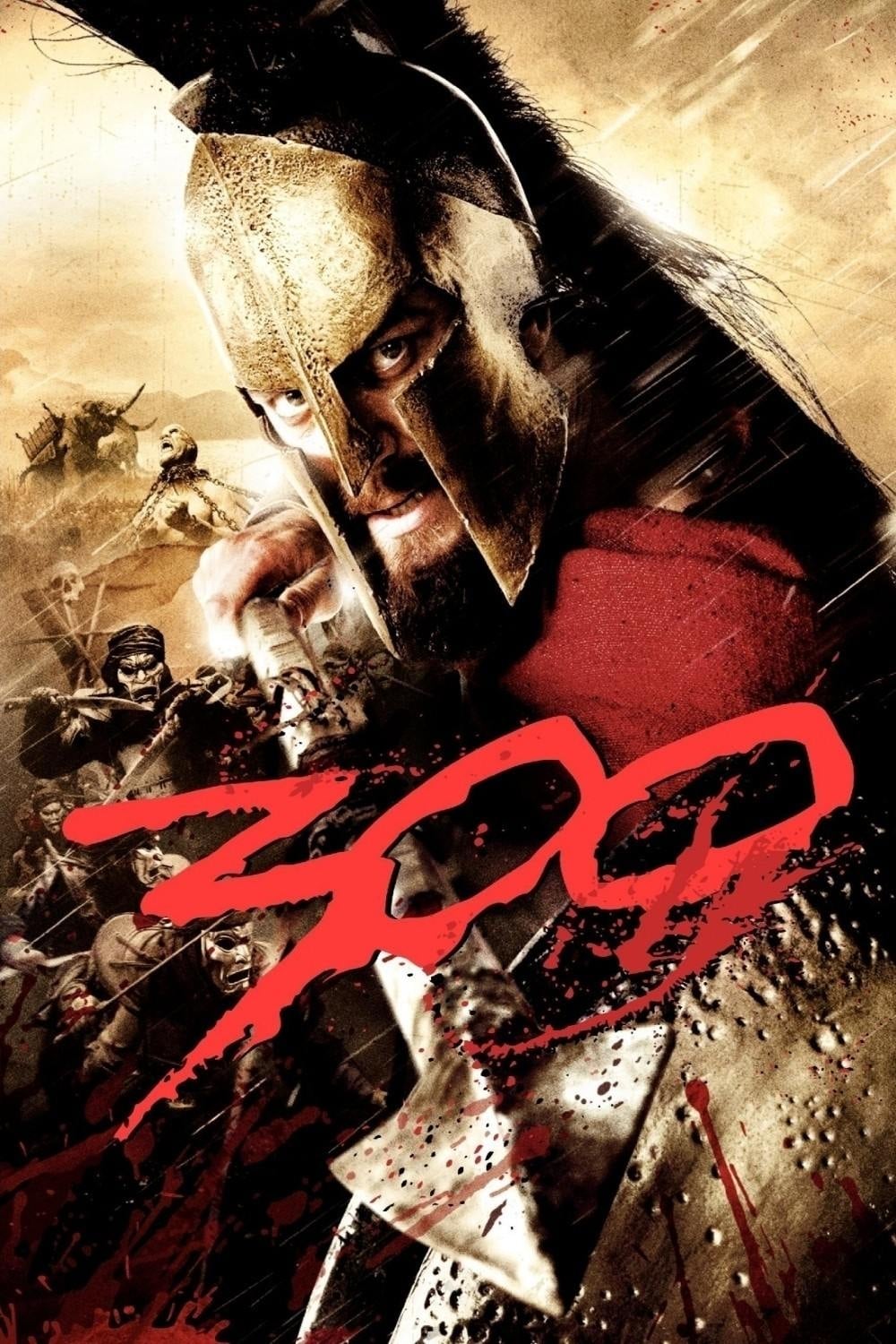
‘300’ is a visually dramatic movie based on the Battle of Thermopylae, showing Spartan soldiers battling a huge Persian army. The film received criticism from Iranian officials and historians who felt it unfairly depicted Persians as savage and monstrous. Some viewers and critics suggested the movie represented a modern conflict between Western and Middle Eastern cultures, and accused it of using history to support current military actions.
‘United 93’ (2006)

The movie ‘United 93’ realistically portrays the events that unfolded on board one of the planes hijacked on September 11th. While many praised its powerful and intense depiction, others criticized it for potentially exploiting the tragedy for emotional effect. Some argued the film supported the justification for the War on Terror and ongoing military interventions. The film also raised questions about how much time should pass before a tragic event is depicted in a dramatized form for public viewing.
‘Avatar’ (2009)

The movie ‘Avatar’ is about humans trying to settle on a faraway moon already inhabited by a native population. It explores important ideas about protecting the environment and the harmful effects of powerful military and industrial forces. Some American critics claimed the film was biased against the military and promoted socialist ideas. However, others pointed out that the movie uses a familiar story of colonization to highlight current issues surrounding the rights of indigenous people and how we manage natural resources.
‘Act of Valor’ (2012)
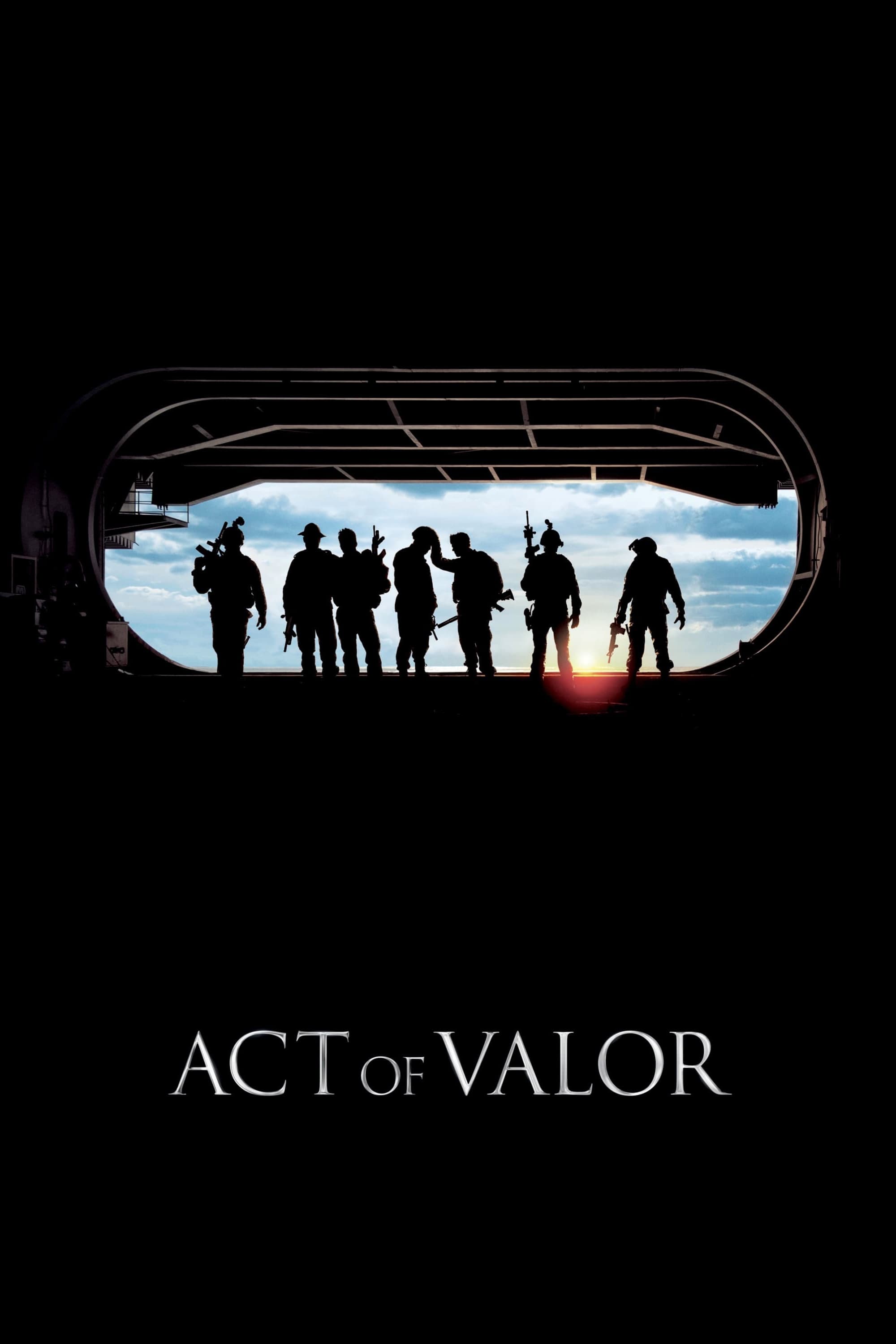
I remember when ‘Act of Valor’ came out – it was really unique! The main actors weren’t just playing SEALs, they were active-duty Navy SEALs, which was incredible. It actually started as a project connected to recruitment videos, and the military fully supported the filmmakers. A lot of people debated whether it was a movie or a really long, high-budget recruitment ad, honestly. They really pushed how realistic it was, and it definitely made military life look like a non-stop adventure.
‘Zero Dark Thirty’ (2012)

The film ‘Zero Dark Thirty’ tells the story of the ten-year search for the head of al-Qaeda, culminating in the raid on his hideout. The filmmakers had rare access to secret CIA details and staff. However, some critics claimed the movie seemed to support the use of harsh interrogation methods, suggesting they were vital to the mission’s success. This sparked a congressional investigation and accusations that the film was intended to defend potentially problematic government actions.
‘The Interview’ (2014)
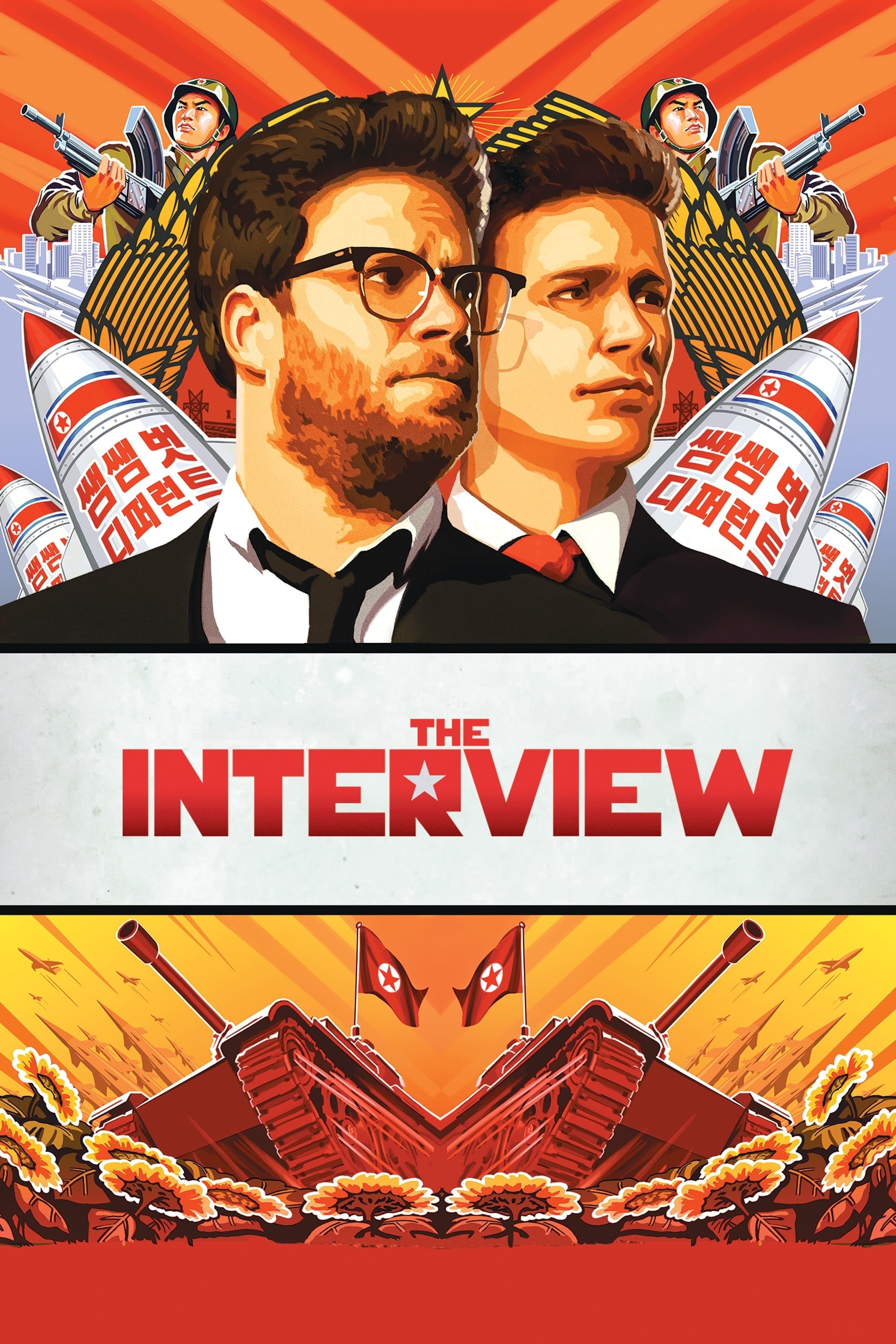
The movie ‘The Interview’ is a comedy about two journalists tasked with assassinating North Korea’s leader. It sparked a major international controversy and was linked to a large-scale cyberattack on the production company. North Korea condemned the film as an act of war and propaganda. While some Western critics saw it as satire, others believed it contributed to ideological conflict with the country.
‘American Sniper’ (2014)
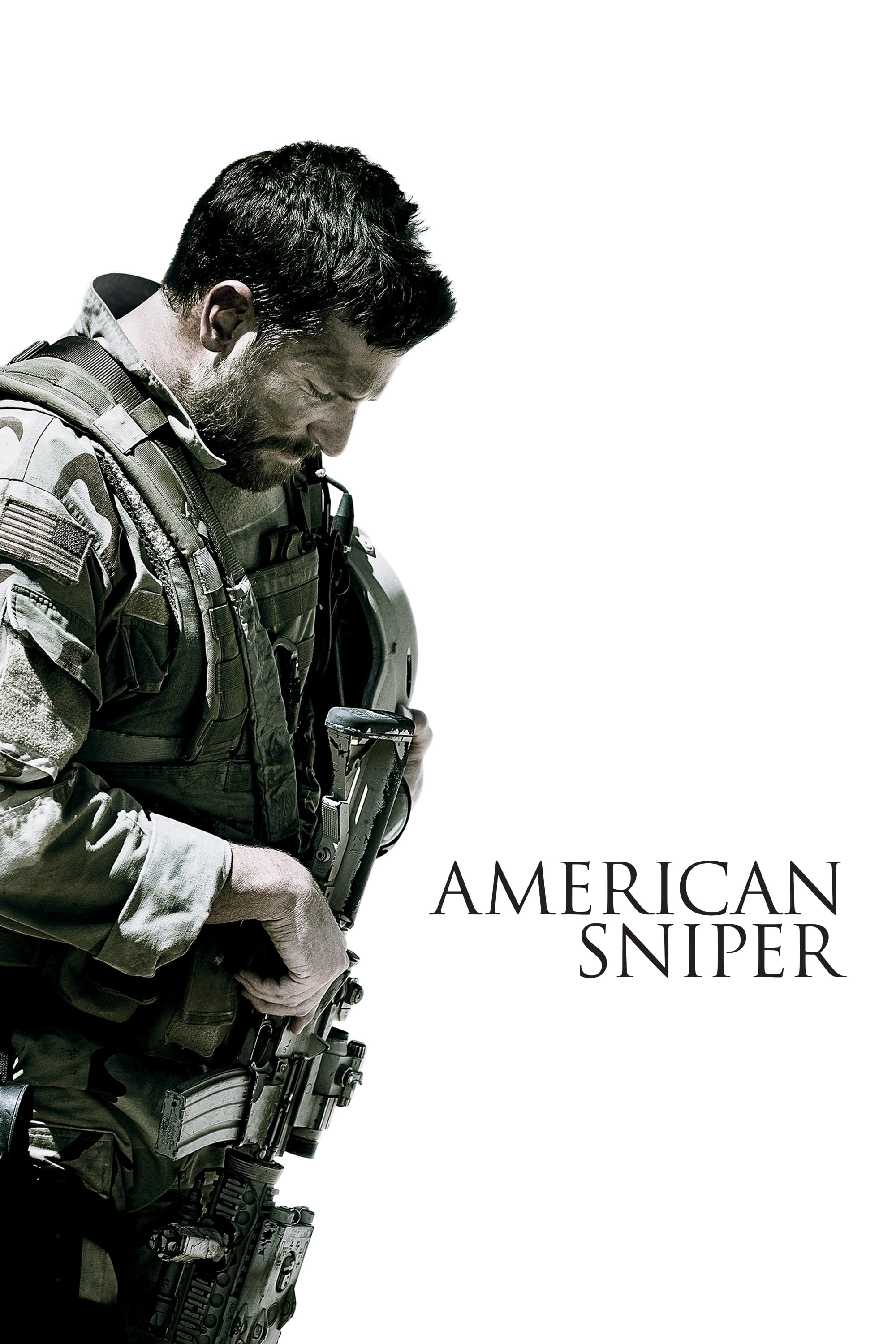
‘American Sniper’ is a film based on the true story of the most lethal sniper in U.S. military history. While the movie was very popular at the box office, it also caused a lot of discussion and disagreement. Some critics argued that it presented a one-sided, pro-war view, ignoring the complicated realities of the Iraq War and portraying Iraqi people negatively. Others saw it as a much-deserved honor to the dedication and hardship of American soldiers.
‘Wolf Warrior 2’ (2017)

‘Wolf Warrior 2’ tells the story of a retired special forces soldier who steps in to protect people during a conflict in Africa. The film was incredibly popular in China and is seen as a key example of a recent trend in Chinese filmmaking focused on national pride. Many critics observed that the movie presents the main character as a hero whose power symbolizes China’s growing influence on the world stage. It strongly emphasizes themes of patriotism and the commitment to protect Chinese citizens abroad.
‘Black Panther’ (2018)

‘Black Panther’ tells the story of a secret, highly advanced African country grappling with whether or not to connect with the outside world. Critics discussed whether the film subtly promoted ideas about staying separate from global issues versus taking responsibility on the world stage. The movie’s villain also sparked conversation about how inequality can fuel radical actions. Beyond its cultural significance, ‘Black Panther’ was examined for its themes of government power and international relations.
‘Death of a Nation’ (2018)
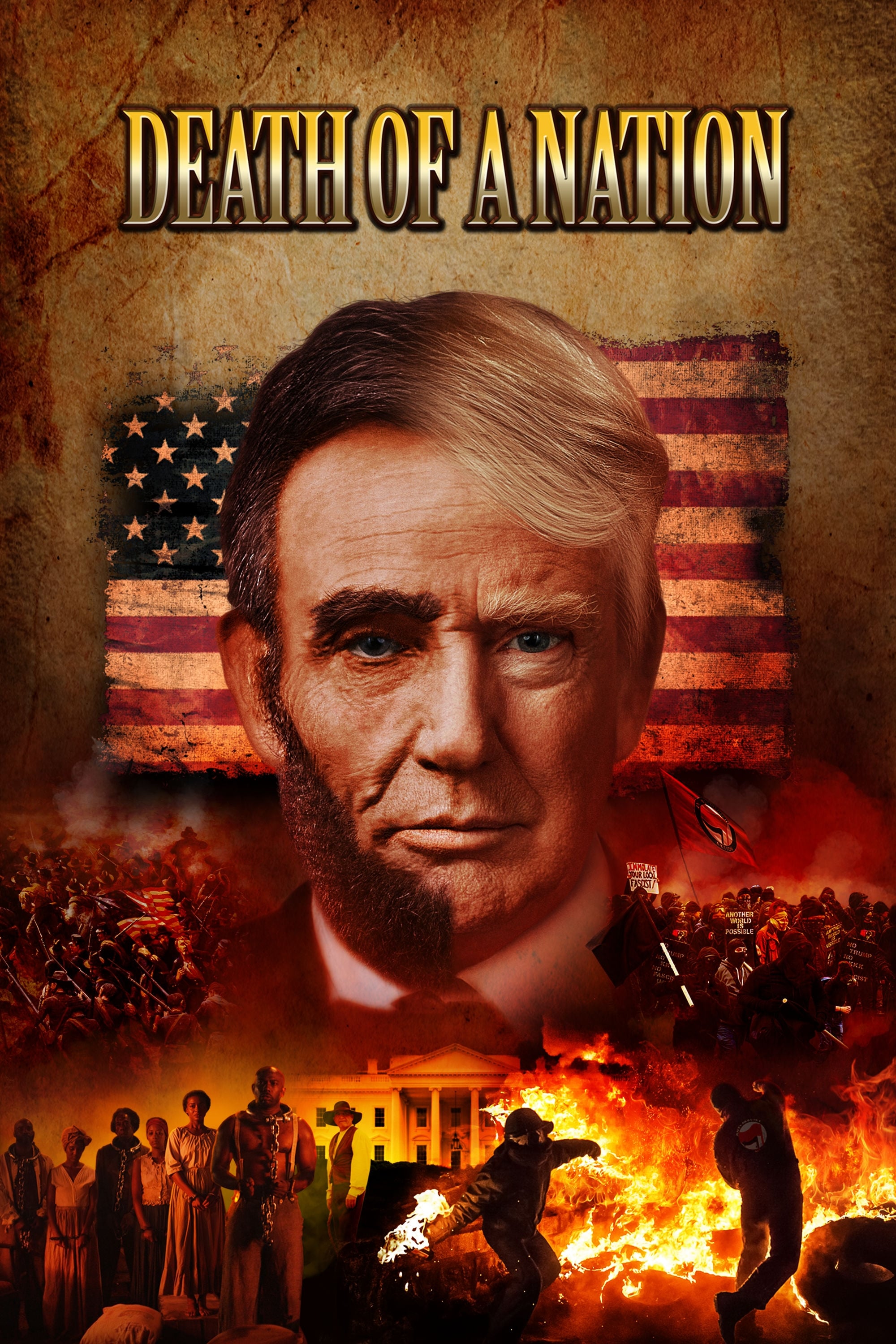
‘Death of a Nation’ is a documentary that compares Abraham Lincoln’s presidency to that of Donald Trump. The film claims today’s political left shares similarities with fascist groups from the 1900s. However, many critics pointed out historical errors and accused the film of being biased to support a particular political side. While professional reviews were largely negative, the documentary resonated with viewers who already held strong political beliefs.
‘The Wandering Earth’ (2019)

‘The Wandering Earth’ is a science fiction movie about a united human effort to save Earth from a failing sun. What sets it apart from many big-budget American films is its focus on China and its astronauts as key players. Many critics have observed that the movie showcases China’s ambition to be seen as a global leader in science and handling major crises. While celebrated for its grand scope, the film also carries a strong sense of national pride.
‘Unplanned’ (2019)

As a film lover, I remember ‘Unplanned’ causing quite a stir. It’s a dramatic movie based on the life story of a woman who used to run a clinic, but then became strongly opposed to abortion. The filmmakers really aimed it at religious and conservative viewers, presenting it as a true story about what goes on inside clinics. However, a lot of people criticized it, saying it wasn’t objective at all – that it used really strong, and sometimes inaccurate, images to push a specific political viewpoint. It quickly became a major part of the larger, ongoing debate about reproductive rights, and honestly, it felt like a really divisive film.
‘Mulan’ (2020)

The movie ‘Mulan’ is based on a classic Chinese story about a woman who pretends to be a man to become a soldier. It received a lot of criticism when it was discovered that some scenes were filmed in an area known for human rights issues. Many people felt the film’s production and the star’s public support of the government were too closely tied to official state interests, leading to calls to boycott it and accusations that it was being used to promote a certain political agenda.
‘The Battle at Lake Changjin’ (2021)
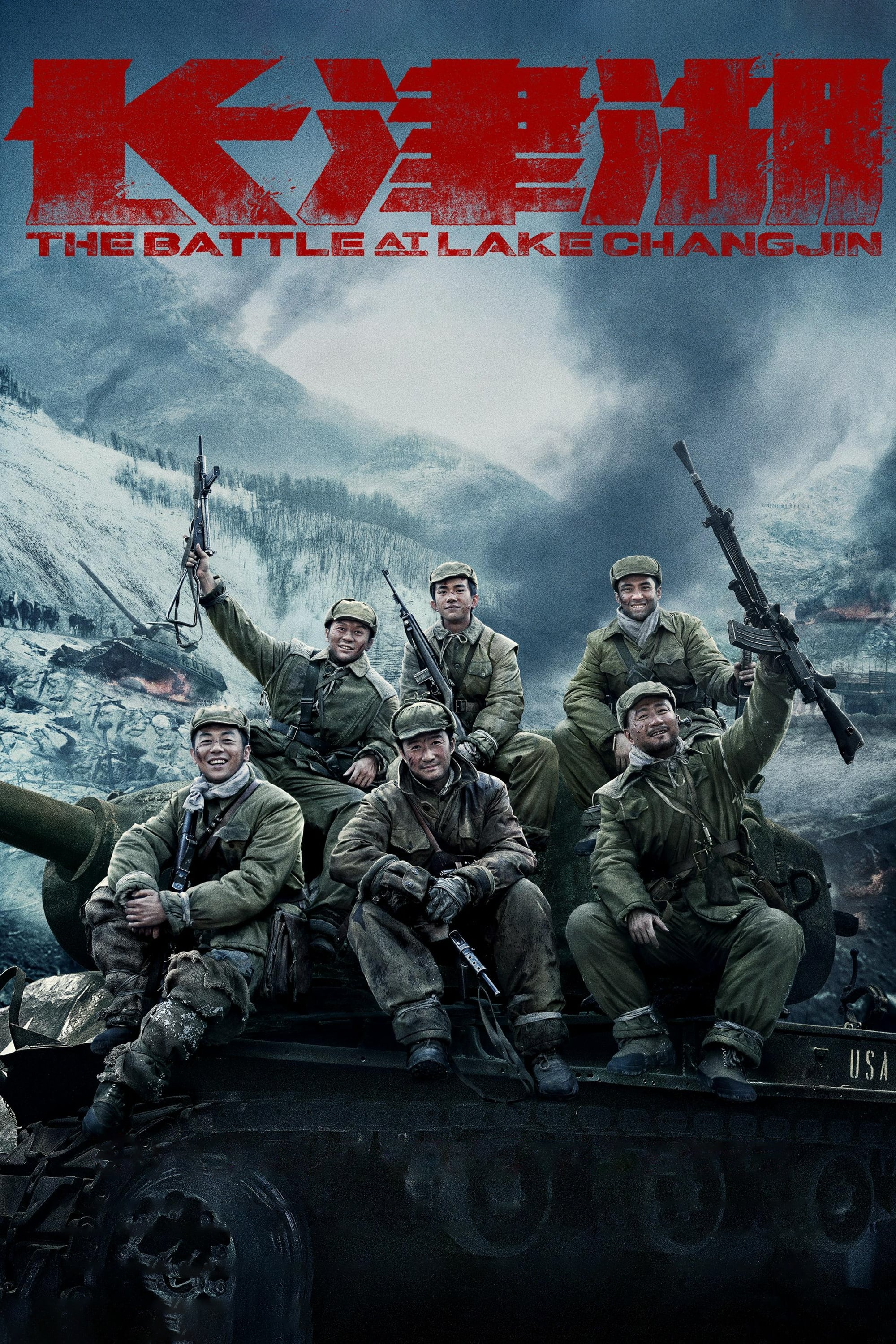
‘The Battle at Lake Changjin’ is a large-scale war film made with funding from the Chinese government to celebrate the 100th anniversary of the Communist Party. The movie portrays a significant battle from the Korean War, showing Chinese troops fighting against American forces. It highlights the courage and selflessness of the soldiers, who faced incredibly difficult conditions and a much stronger enemy. The film was a massive box office success and is considered an important example of nationalistic storytelling.
‘Sound of Freedom’ (2023)
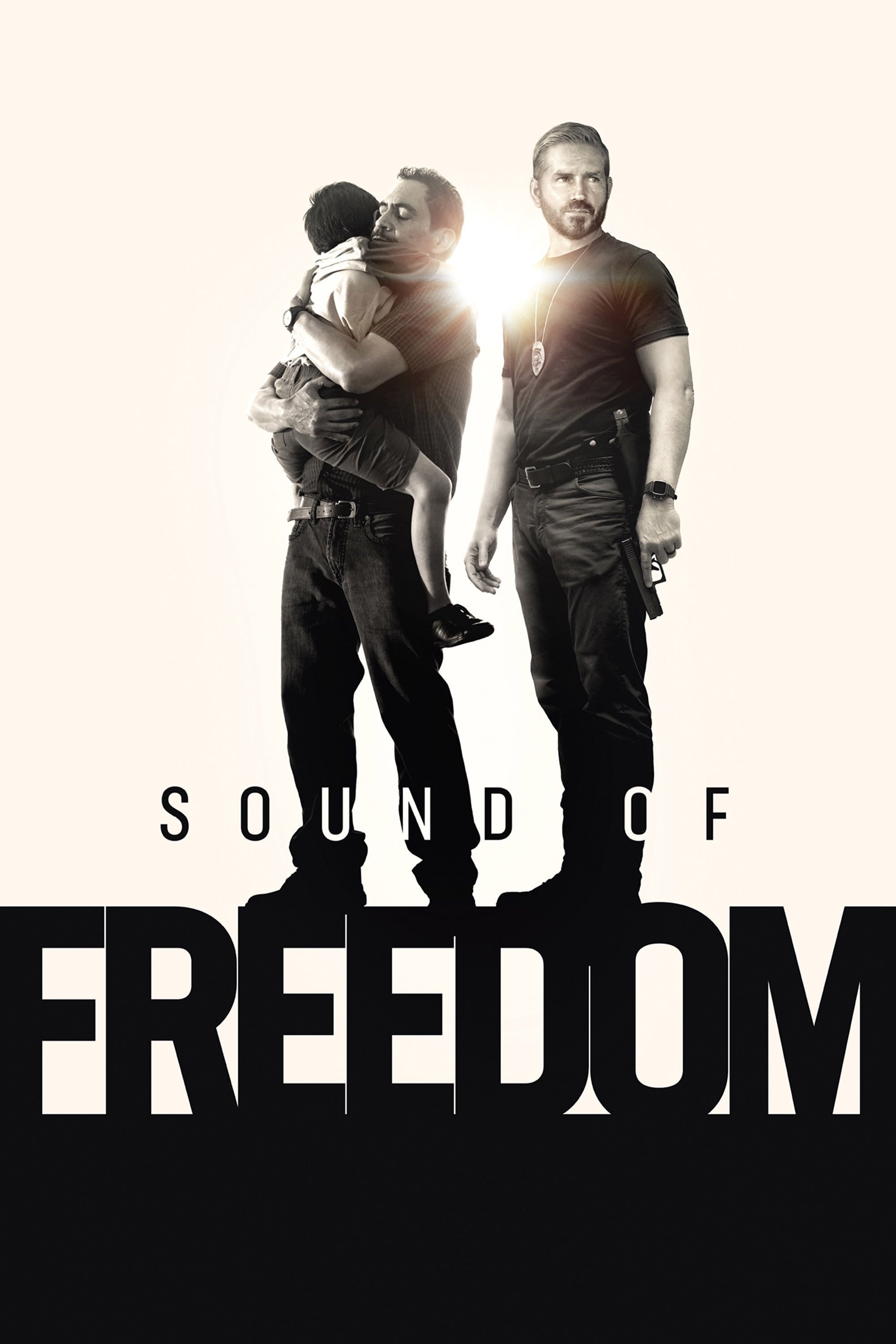
The movie ‘Sound of Freedom’ tells the story of a former government agent who sets out to save children from human trafficking. It unexpectedly became a hit in theaters, boosted by unique marketing tactics. While some reviewers criticized it as promoting conspiracy theories and certain political views, its supporters praised it for bringing attention to the important issue of human trafficking, which they felt wasn’t getting enough coverage in the media.
‘Civil War’ (2024)

Okay, so I just saw ‘Civil War,’ and it’s a pretty intense movie. It imagines a future America where things have really fallen apart – basically, a second civil war is happening with the government fighting against states that want to break away. The story follows a group of journalists trying to cover the conflict as they travel across the country. Now, it’s stirred up some controversy. Some people are saying it feels like it’s deliberately trying to scare us and make divisions worse, especially with the election coming up. But others think it’s a warning – a look at what could happen if we get even more polarized and our political system starts to crumble. It definitely makes you think!
Share your thoughts on which of these films you believe were the most effective in the comments.
Read More
- Games That Faced Bans in Countries Over Political Themes
- Gold Rate Forecast
- Silver Rate Forecast
- 15 Films That Were Shot Entirely on Phones
- Unveiling the Schwab U.S. Dividend Equity ETF: A Portent of Financial Growth
- 22 Films Where the White Protagonist Is Canonically the Sidekick to a Black Lead
- 20 Movies Where the Black Villain Was Secretly the Most Popular Character
- The Best Directors of 2025
- Brent Oil Forecast
- Superman Flops Financially: $350M Budget, Still No Profit (Scoop Confirmed)
2026-02-07 13:50