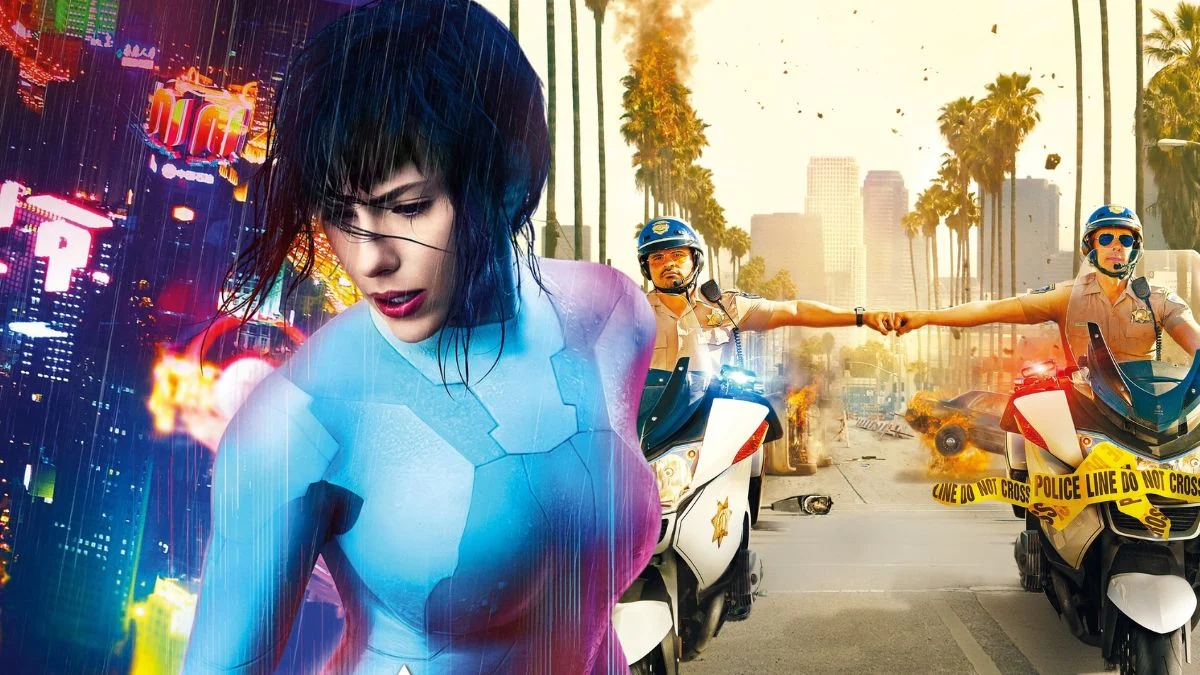
Movies often get criticized when jokes rely on harmful stereotypes or insensitive ideas. Sometimes, filmmakers ignore this feedback before a film is released and stick with content that many people find offensive. This usually results in the movie not doing well in theaters or receiving very negative reviews. Looking at these situations shows that a lack of awareness can turn viewers away and hurt a film studio’s profits.
‘The Love Guru’ (2008)
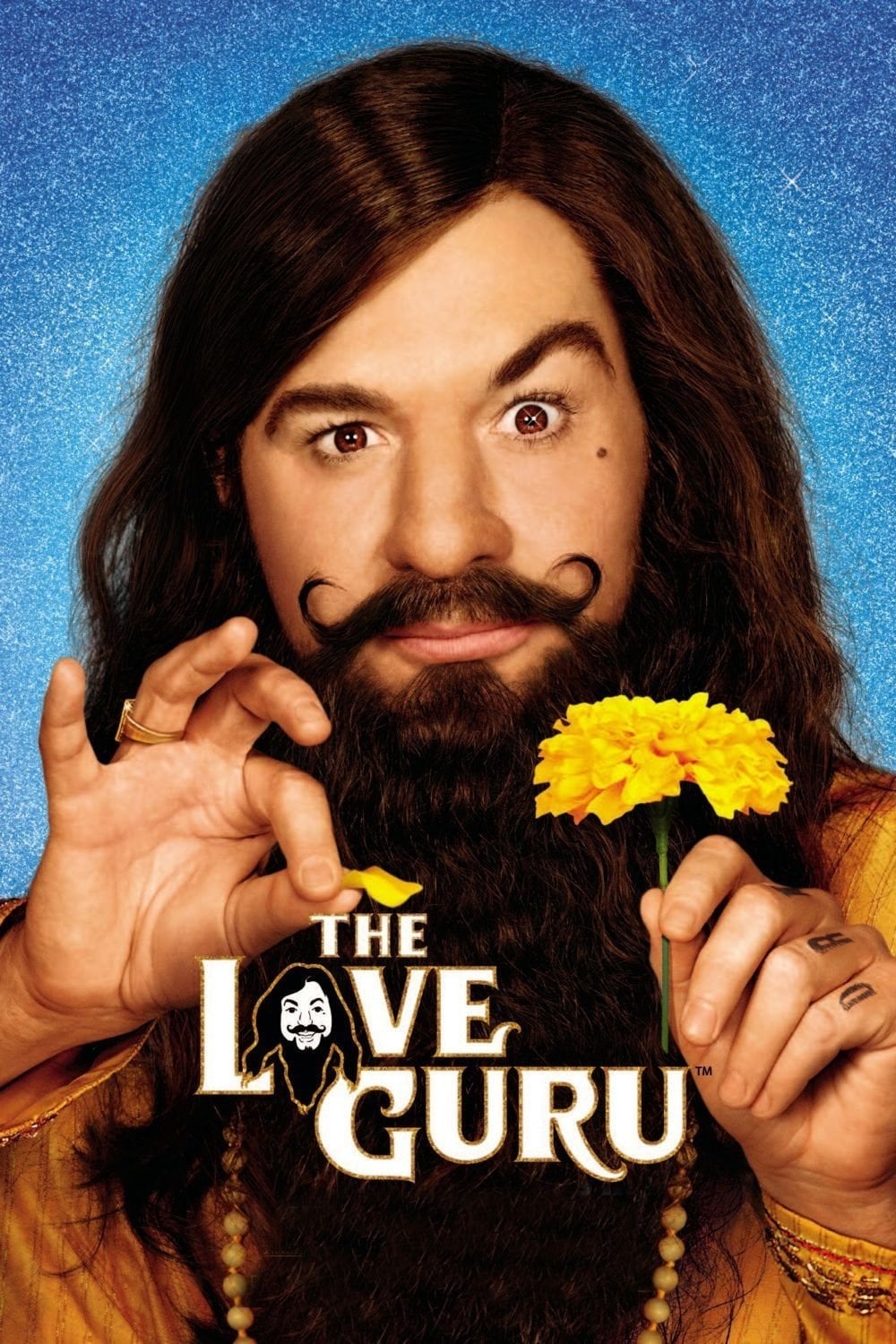
The comedy film starring Mike Myers quickly faced criticism for how it portrayed Hinduism. While religious groups asked for script changes beforehand, the filmmakers kept the original jokes. The movie used broad stereotypes and relied on shock value, which audiences found offensive instead of humorous. It wasn’t successful in theaters and ended up winning multiple Golden Raspberry Awards. This film serves as a strong example of why it’s important to be mindful of cultural sensitivities when making mainstream comedy.
‘Zoolander 2’ (2016)
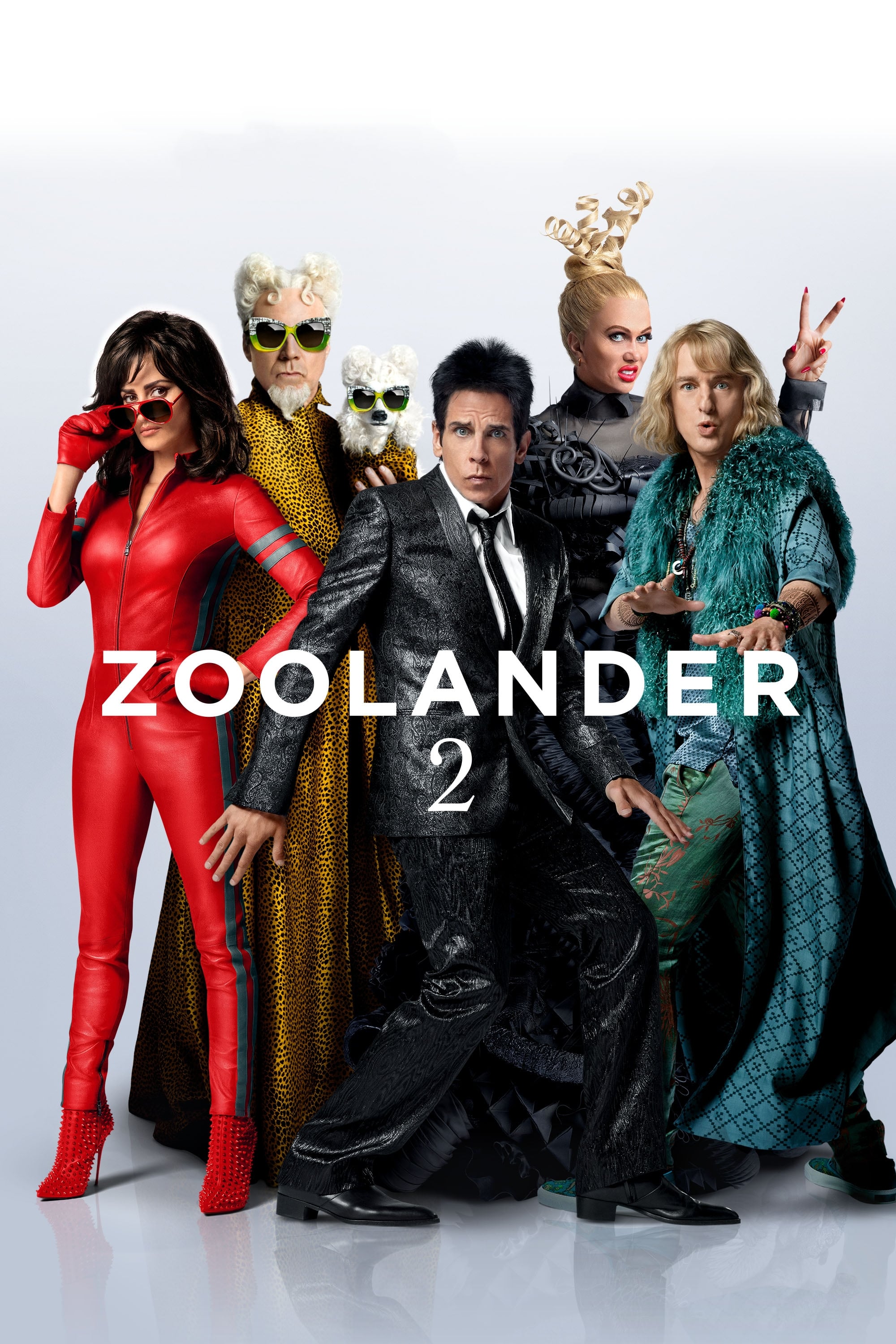
The latest film in the series faced significant backlash and a boycott before its release, stemming from concerns about a character played by Benedict Cumberbatch. Activists felt the character perpetuated harmful stereotypes and mocked non-binary people. Despite the criticism, the filmmakers chose to keep the controversial scenes. As a result, audiences largely avoided the film, leading to major financial losses for the studio. Reviewers also pointed out that the film’s humor felt stale and unnecessarily harsh compared to the first installment.
‘Gigli’ (2003)
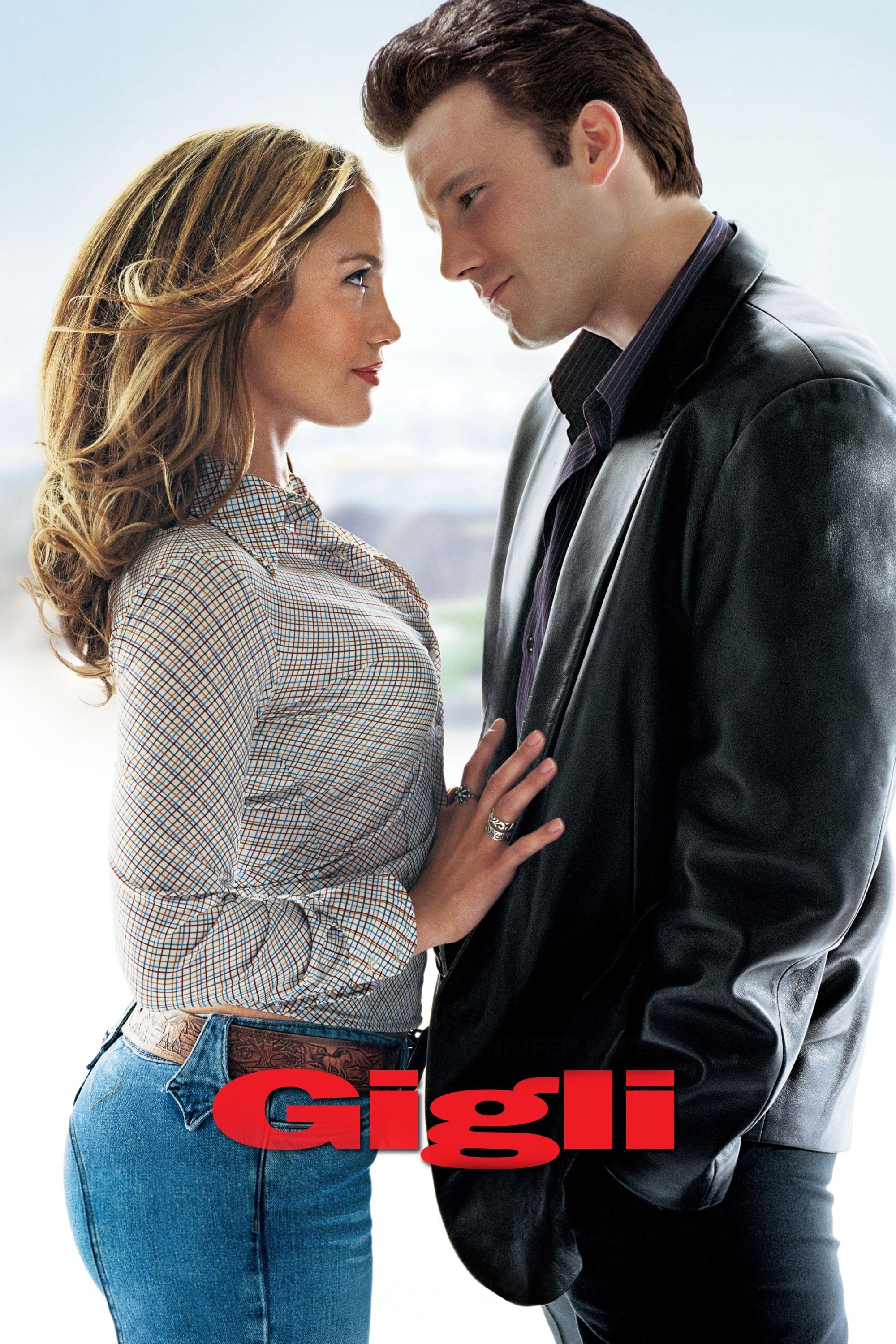
The romantic comedy starring Ben Affleck and Jennifer Lopez faced criticism for jokes considered offensive to the LGBTQ+ community. Concerns were raised about a storyline implying someone could change their sexual orientation through a straight relationship, but the filmmakers didn’t make any changes. The movie flopped at the box office and was widely mocked, with most critics blaming its insensitive and out-of-touch writing.
‘Music’ (2021)

Sia’s musical film caused significant controversy due to its depiction of autism. Critics and members of the autistic community strongly objected to the casting of a non-autistic actor in the lead role and to scenes showing potentially harmful physical restraints. Despite requests to edit or reshoot these parts, the director initially stood by the film. It was widely panned by critics and didn’t attract a large audience, becoming known for its inauthentic representation and damaging portrayal of autism.
‘Loqueesha’ (2019)

This comedy film centered on a white man who disguised himself as a Black woman to become a radio host. The trailer quickly sparked outrage online, with many accusing the film of being racially insensitive, similar to blackface. Despite the criticism, the filmmaker defended the project as a story about inclusivity and refused to make any changes. The film was a critical and commercial failure, receiving a 0% rating from reviewers and earning almost no money at the box office. It’s now widely considered a textbook example of a project with serious, unfixable flaws from the very beginning.
‘Aloha’ (2015)

Director Cameron Crowe received significant criticism for casting Emma Stone in a role written as a character of Chinese and Hawaiian heritage. Hawaiian advocacy groups protested the film, accusing it of prioritizing white actors and making light of their culture. The filmmakers didn’t respond to these concerns or alter the story before its release. The movie performed poorly in theaters and critics panned it for its convoluted plot and questionable casting choices. Years later, the director publicly apologized for the issues with the film.
‘Nina’ (2016)
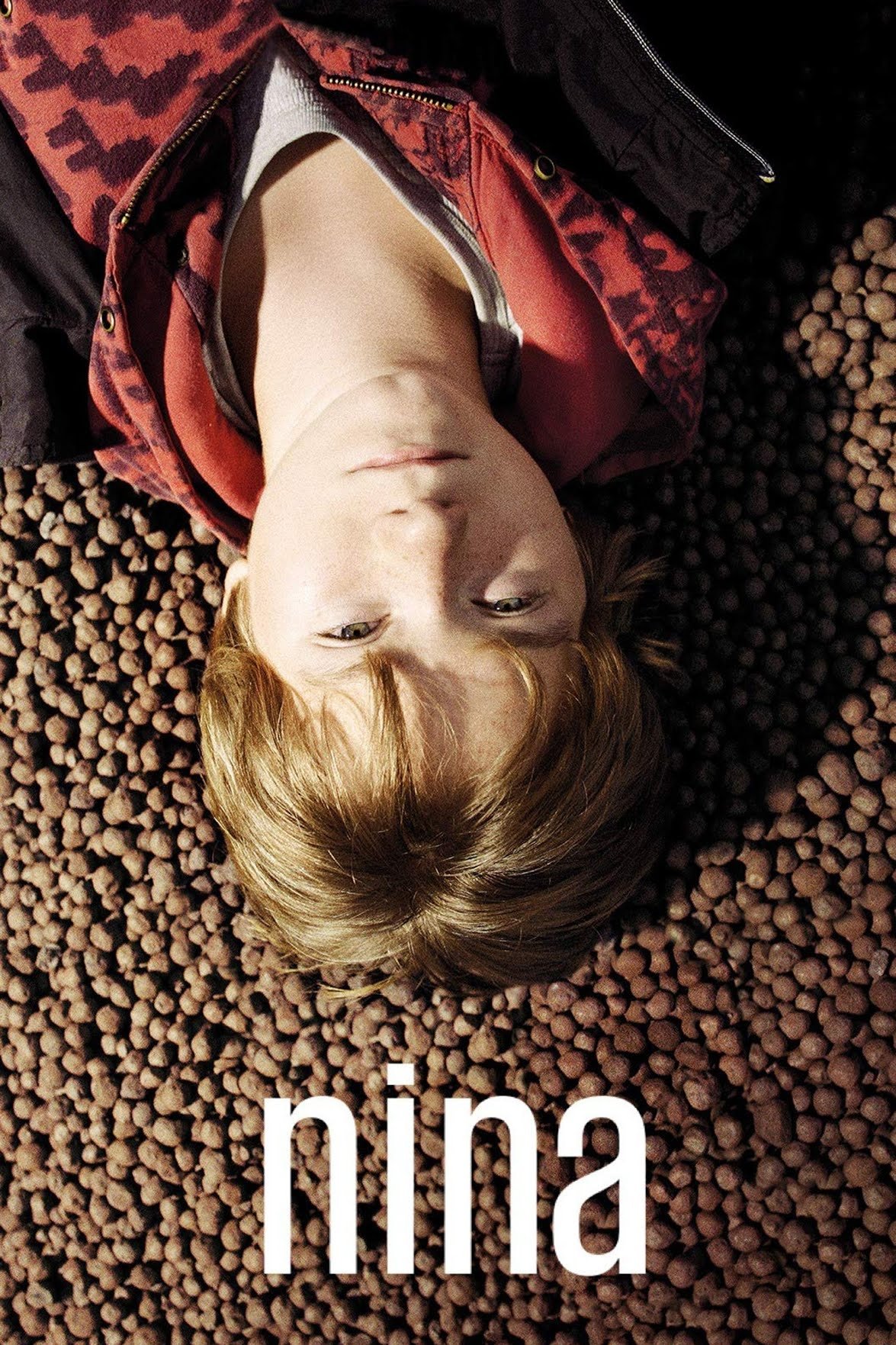
The film about Nina Simone faced strong criticism for its depiction of the singer, specifically the use of makeup and a prosthetic nose on actress Zoe Saldana. Both Nina Simone’s family and many fans expressed their disappointment with the casting and how she looked in the movie. Despite these concerns, the filmmakers proceeded as planned. The film ultimately failed, performing poorly in theaters and receiving very negative reviews. It didn’t successfully celebrate Simone’s life and work, and it ended up disappointing those who admired her most.
‘The Ridiculous 6’ (2015)
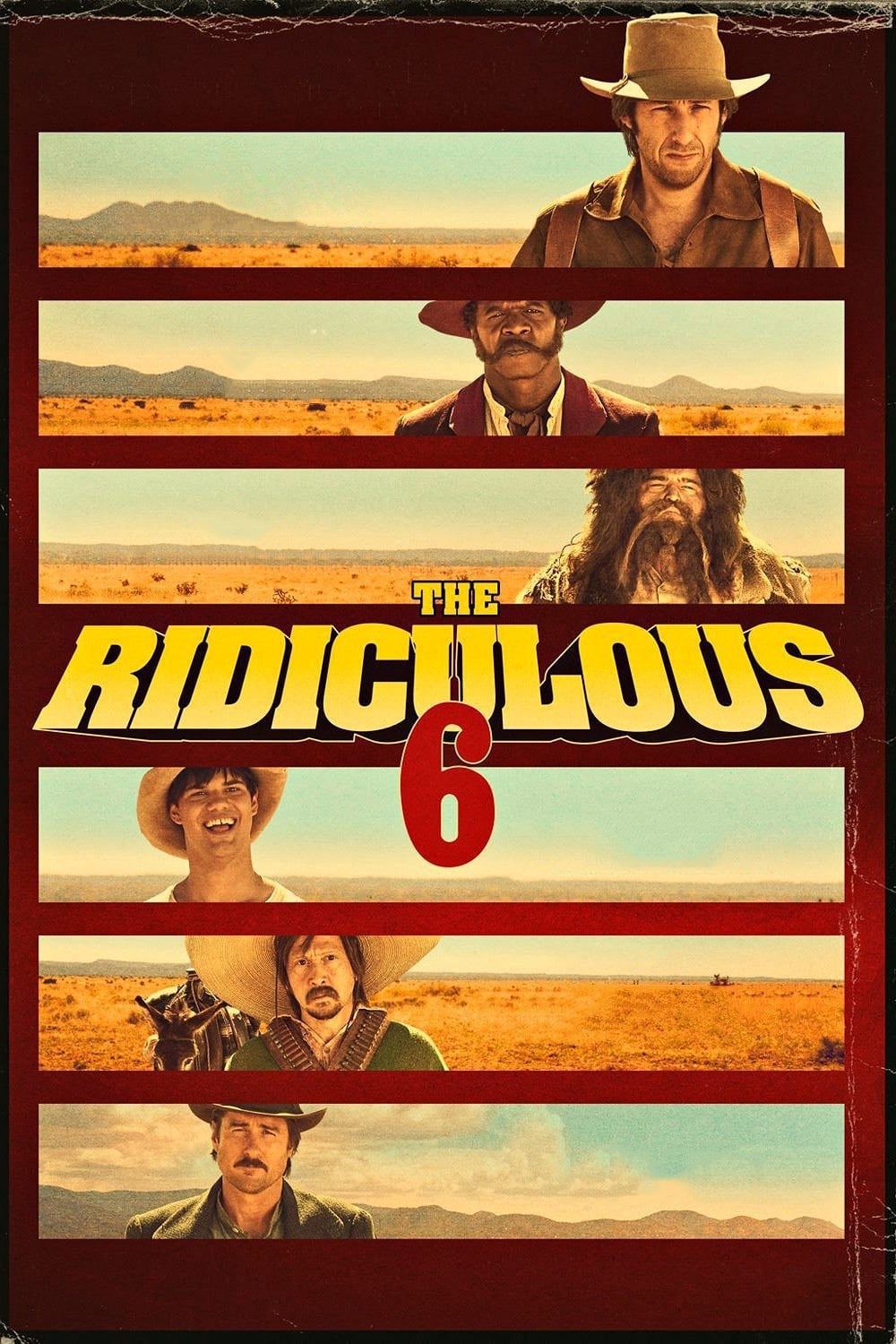
A recent Western comedy sparked controversy when several Native American actors quit the film during production. They protested jokes they found offensive towards women and the disrespectful treatment of culturally important objects. The filmmakers defended the jokes as satire and ultimately left them in the movie. The film received very negative reviews after its release on a streaming service, with many critics finding it unwatchable. The resulting controversy completely overshadowed any potential humor the film might have had.
‘CHIPS’ (2017)
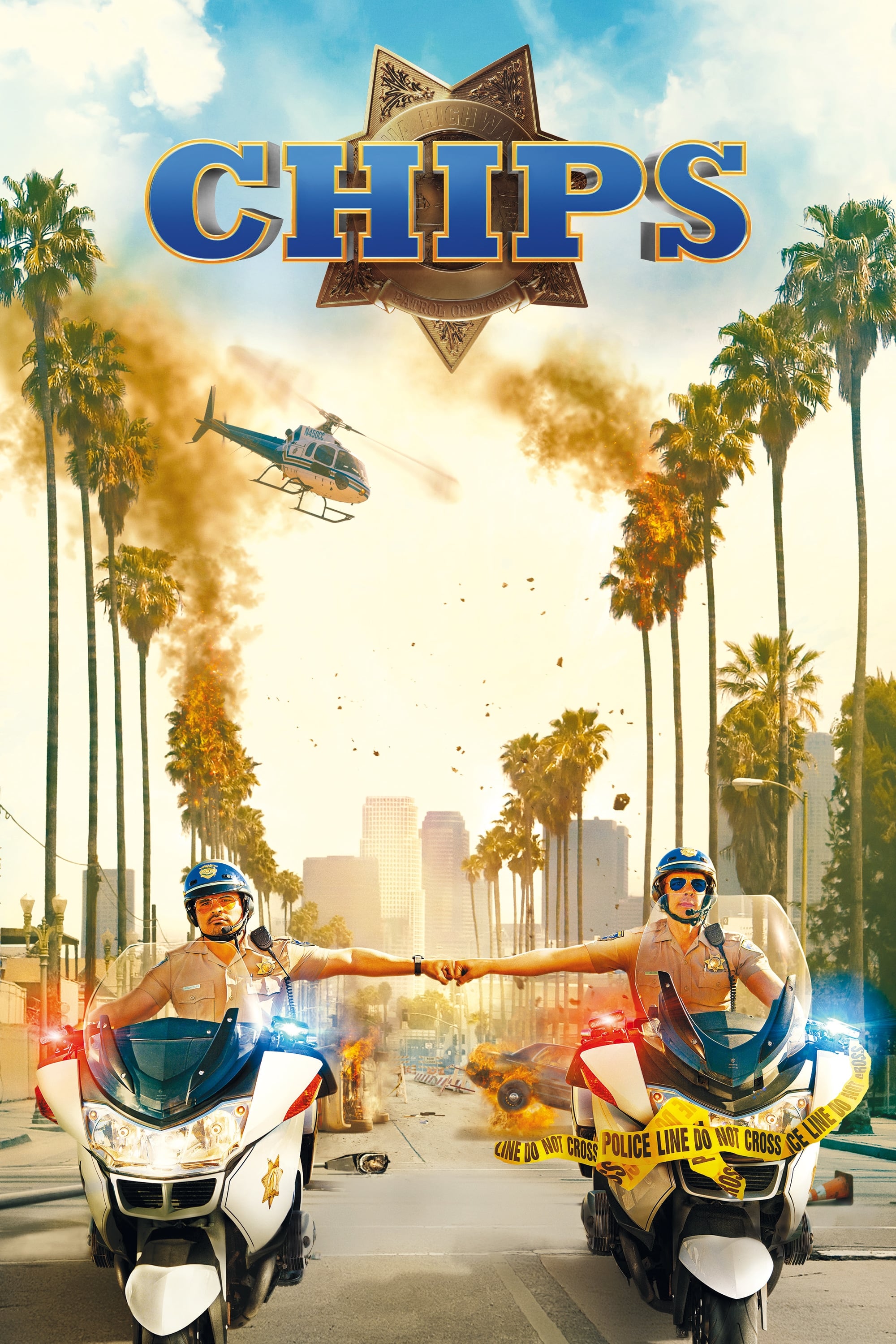
Dax Shepard both directed and acted in this updated movie version of a beloved TV show. However, the film relied too much on jokes that were offensive to LGBTQ+ people and relied on immature, body-focused humor, which many found pointless and old-fashioned. Reviewers pointed out that this type of comedy would likely turn off today’s audiences who are looking for more clever and thoughtful writing. As a result, the movie didn’t earn back its production costs and quickly faded from public memory. It didn’t have the heartwarming appeal of the original series, instead prioritizing simple, crude jokes.
‘The Happytime Murders’ (2018)
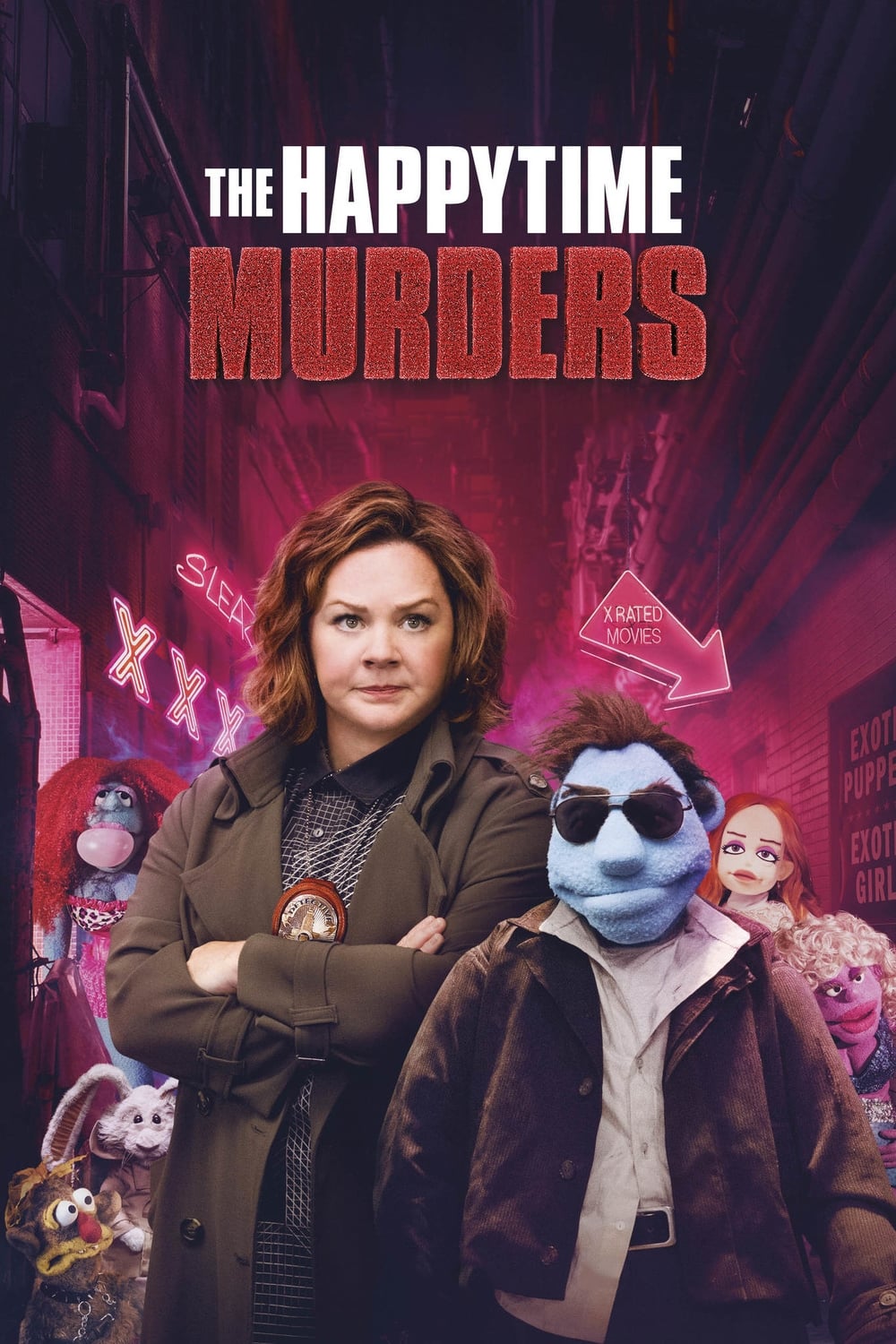
This adults-only puppet comedy tried to combine the style of detective films with crude sexual jokes and references to drugs. However, most people found it disgusting rather than funny, and critics said it wasn’t clever. The filmmakers didn’t listen when people pointed out the humor relied too much on shock and didn’t have much depth. The movie failed to make money and received overwhelmingly negative reviews, proving that a unique idea isn’t enough to make a good film.
‘Mortdecai’ (2015)
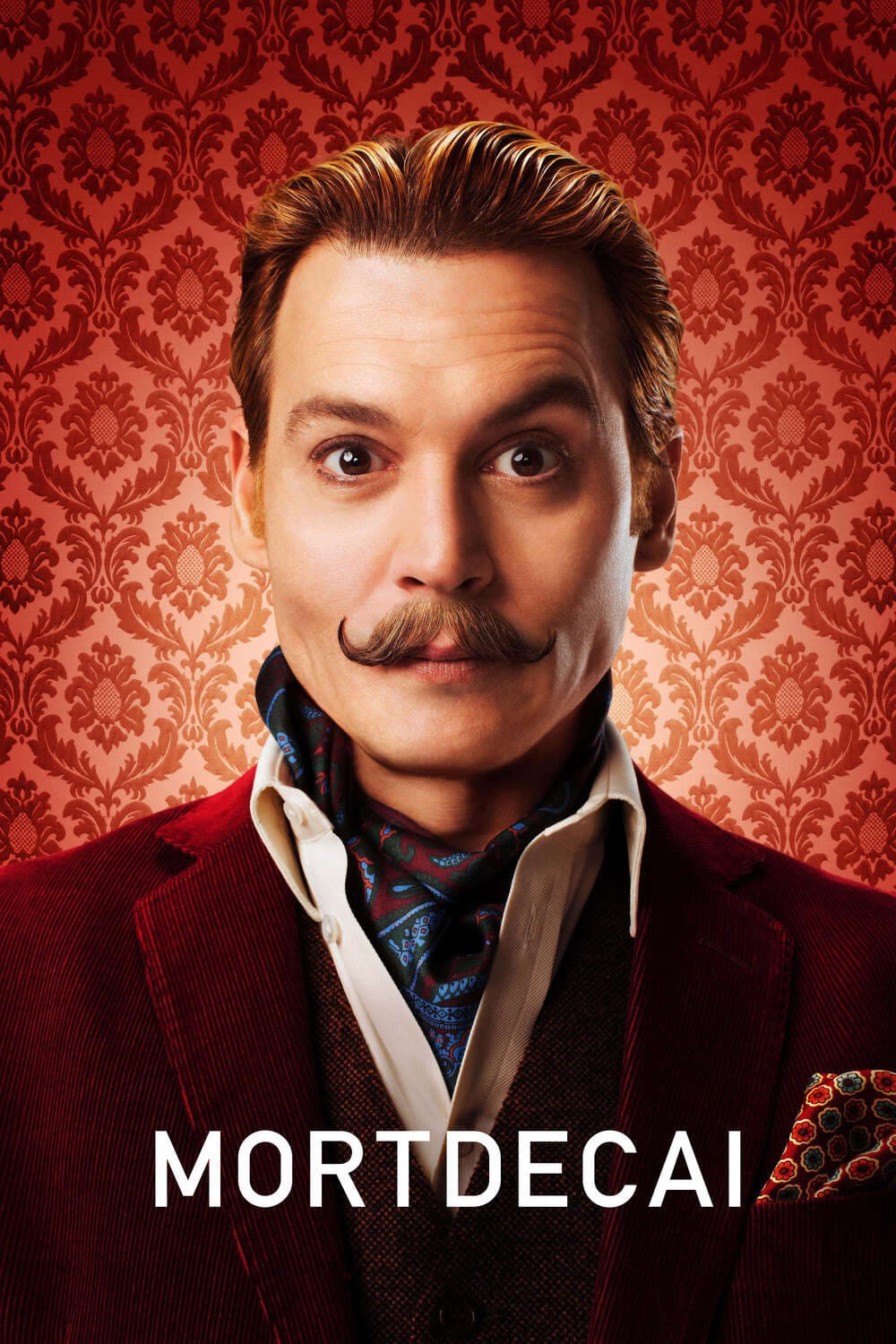
Okay, so I remember hearing about this movie with Johnny Depp – he was playing an art dealer, but it was a really clumsy, silly role. Honestly, it felt like it relied way too much on tired, sexist jokes and just generally outdated stereotypes. I heard from people who saw early screenings that the humor felt really repetitive and, frankly, offensive. The studio just… didn’t change anything, even though people were complaining! It totally flopped at the box office and really hurt everyone involved. A lot of critics saw it as a sign that Hollywood just wasn’t connecting with what audiences actually wanted anymore. It was a shame, but a pretty clear example of things going wrong.
‘Ghost in the Shell’ (2017)
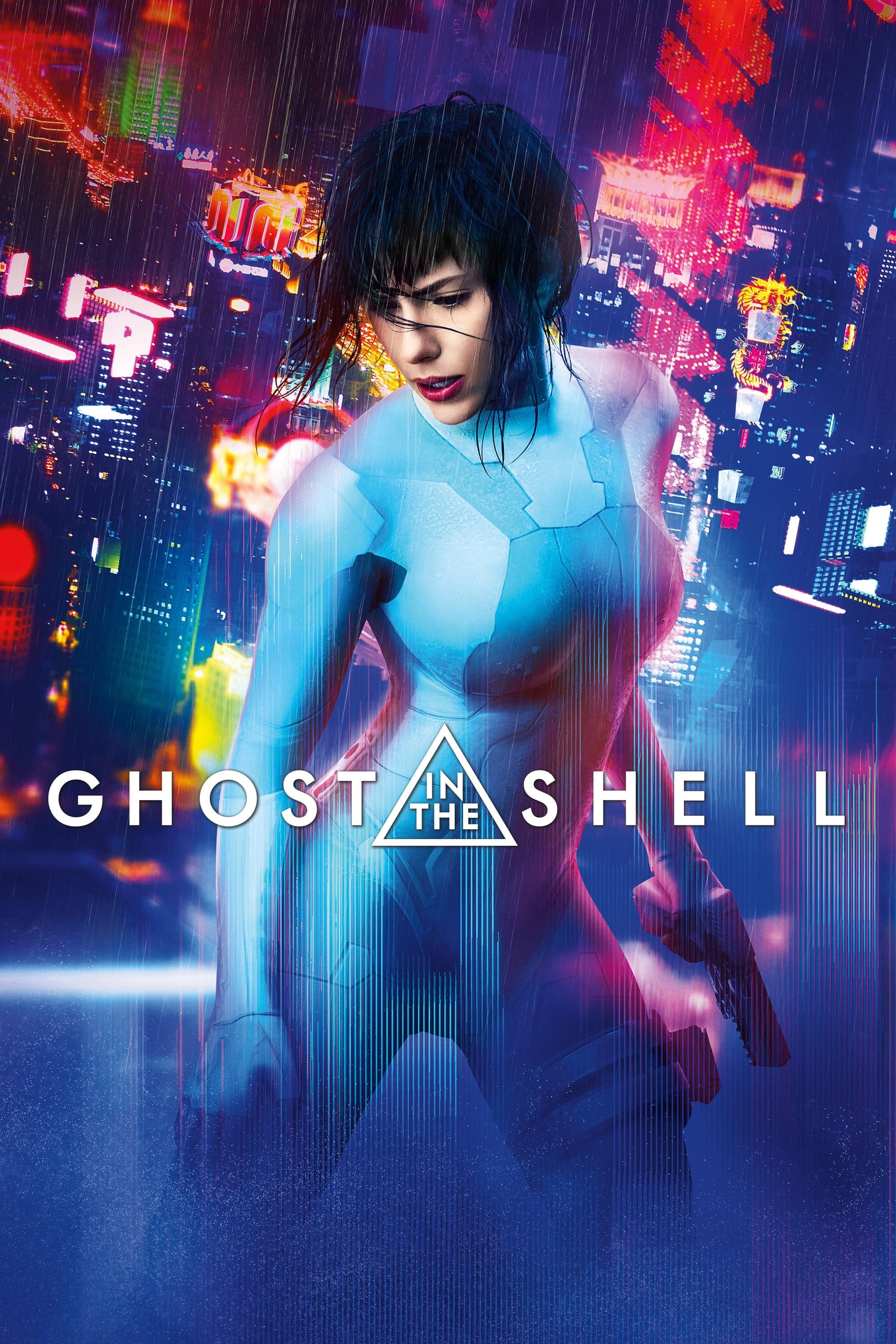
The film, a live-action version of a popular anime, was heavily criticized for a lack of diversity in its casting. Many fans objected to Scarlett Johansson being cast in a role originally written as Japanese and called for a change. The filmmakers attempted to address the concerns with a plot change, but it was widely seen as even more problematic. Ultimately, the movie didn’t do well in theaters and resulted in substantial financial losses for the studio, highlighting the importance of respecting cultural origins when adapting stories for a worldwide audience.
‘Exodus: Gods and Kings’ (2014)
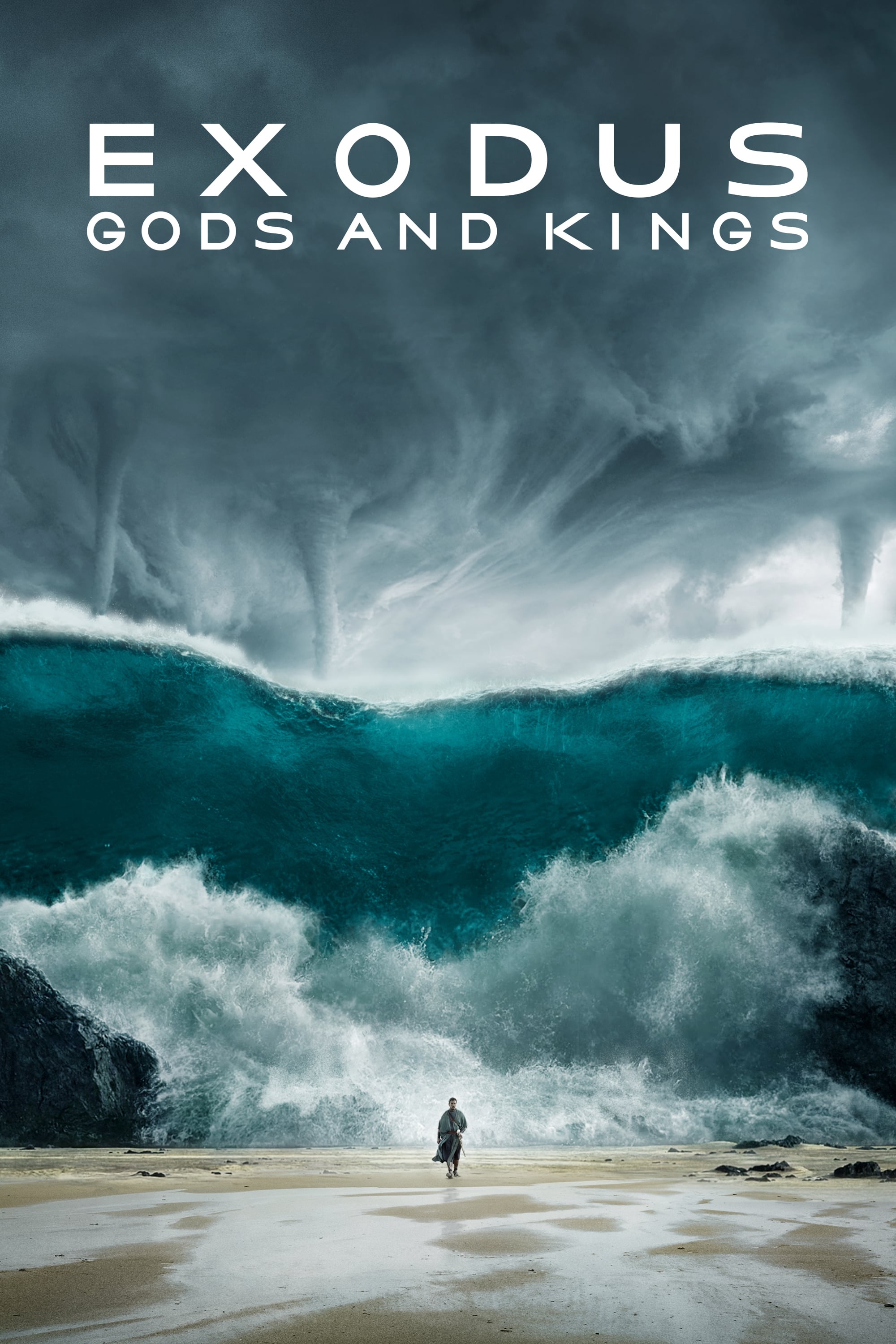
As a fan of historical films, I was really disappointed by the recent casting choices. The director said he needed big names to get the movie made, even if those actors didn’t reflect the ethnicity of the ancient Egyptians they were portraying. Honestly, it felt like a step backwards when so many of us are pushing for more accurate representation on screen. Sadly, the movie didn’t do very well with critics or at the box office, and a lot of people, myself included, chose not to see it because of the casting and how the filmmakers brushed off the concerns. It’s frustrating when financial concerns seem to outweigh doing what’s right and telling a more authentic story.
‘The Lone Ranger’ (2013)

As a longtime movie fan, I remember when the casting of Johnny Depp as Tonto in that big Western caused a real stir. A lot of people, myself included, were immediately uneasy. The character felt like a collection of tired, harmful stereotypes, and the way he spoke – that broken English – just felt wrong and played for laughs. While they tried to consult with tribal leaders, the core of the character remained pretty problematic for many of us. Ultimately, the film was a huge flop, costing Disney a ton of money. It really showed how dangerous it is to bring back old characters without addressing the insensitive ways they were originally created.
‘Holmes & Watson’ (2018)
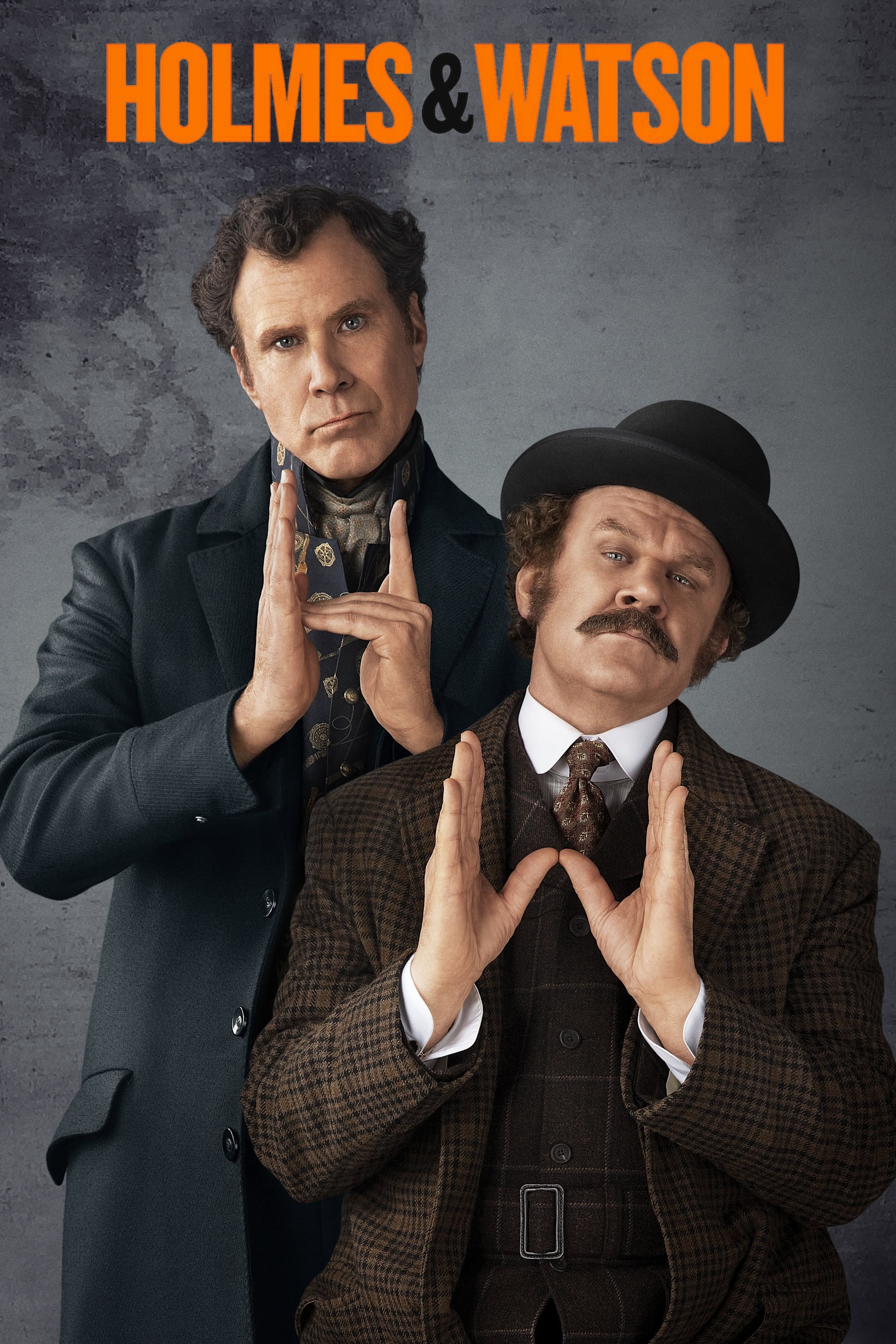
This comedy featured Will Ferrell and John C. Reilly playing detectives, but it was a major flop. The studio even tried to sell it to a streaming service before it hit theaters, reportedly because it was so poorly received. Critics and audiences disliked the film’s uninspired and often hurtful jokes, and some viewers actually left screenings early. It didn’t live up to the quality of Ferrell and Reilly’s previous work together.
‘Movie 43’ (2013)
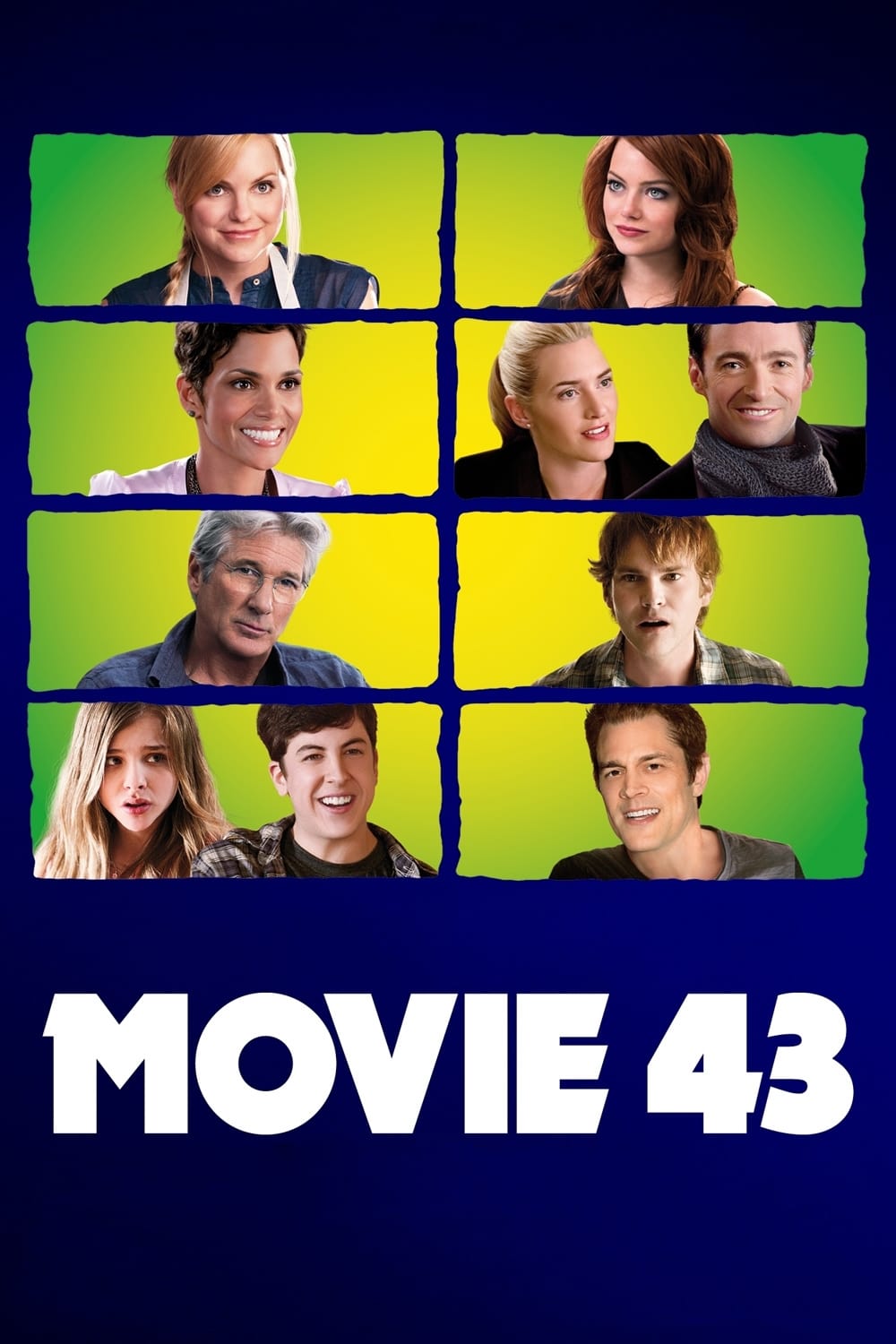
The movie was a collection of short, shocking, and often offensive comedy sketches starring many famous actors. Reportedly, several of those actors tried to back out of the project after reading the script. Despite this, the filmmakers released it, claiming it was intentionally pushing comedic limits. However, critics universally panned the film, it flopped in theaters, and it’s now widely considered to be one of the worst movies ever made.
‘Bucky Larson: Born to Be a Star’ (2011)
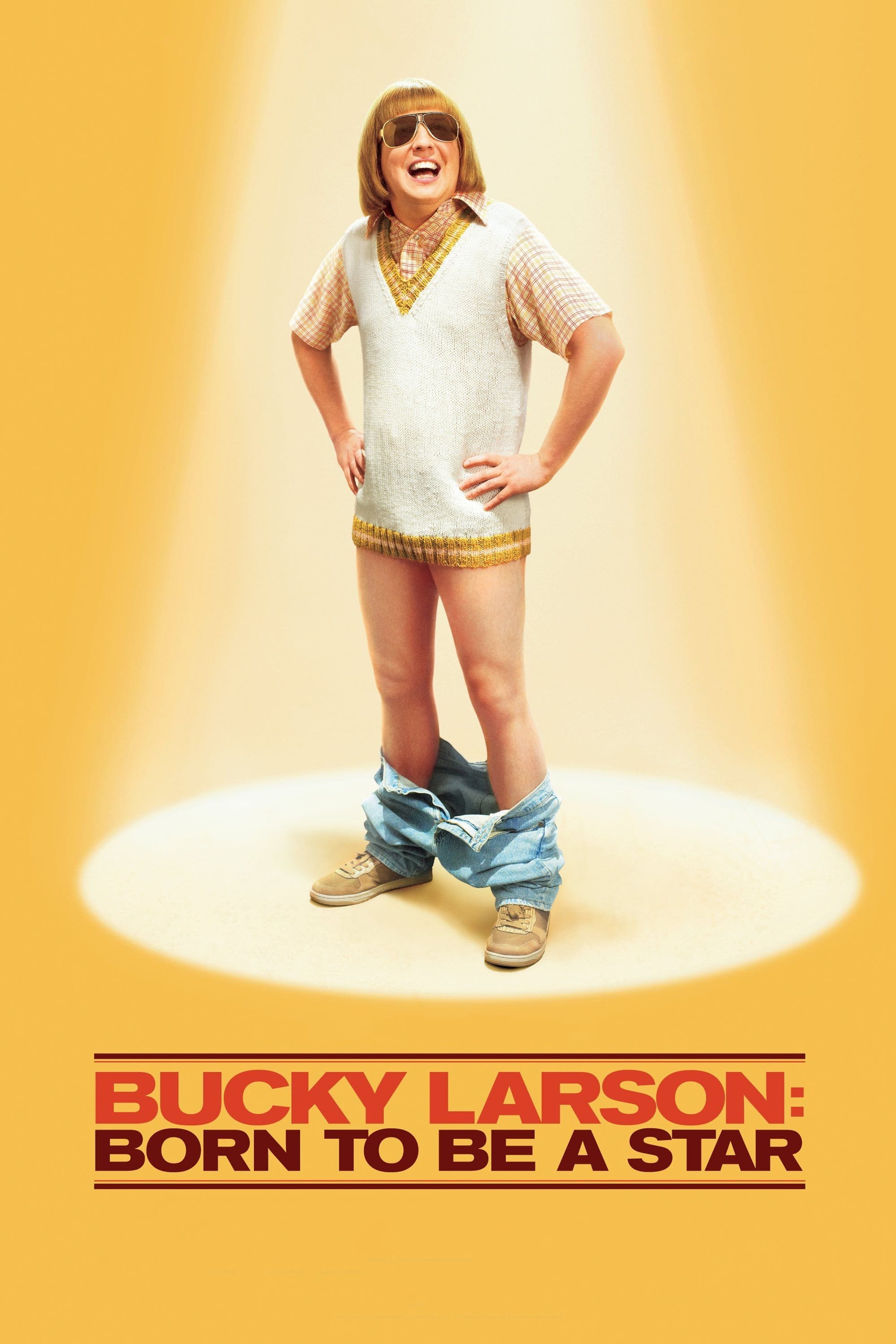
This Nick Swardson comedy centers on a man who learns his parents were adult film actors and chooses to pursue the same career. However, the movie’s humor heavily depended on offensive jokes targeting people with disabilities and those living in rural areas. Critics and audiences widely considered the jokes tasteless and without merit. The film received a rare 0% rating from critics and flopped in theaters, serving as a prime example of a comedy that fails by making fun of vulnerable groups instead of offering clever social commentary.
‘The Watch’ (2012)
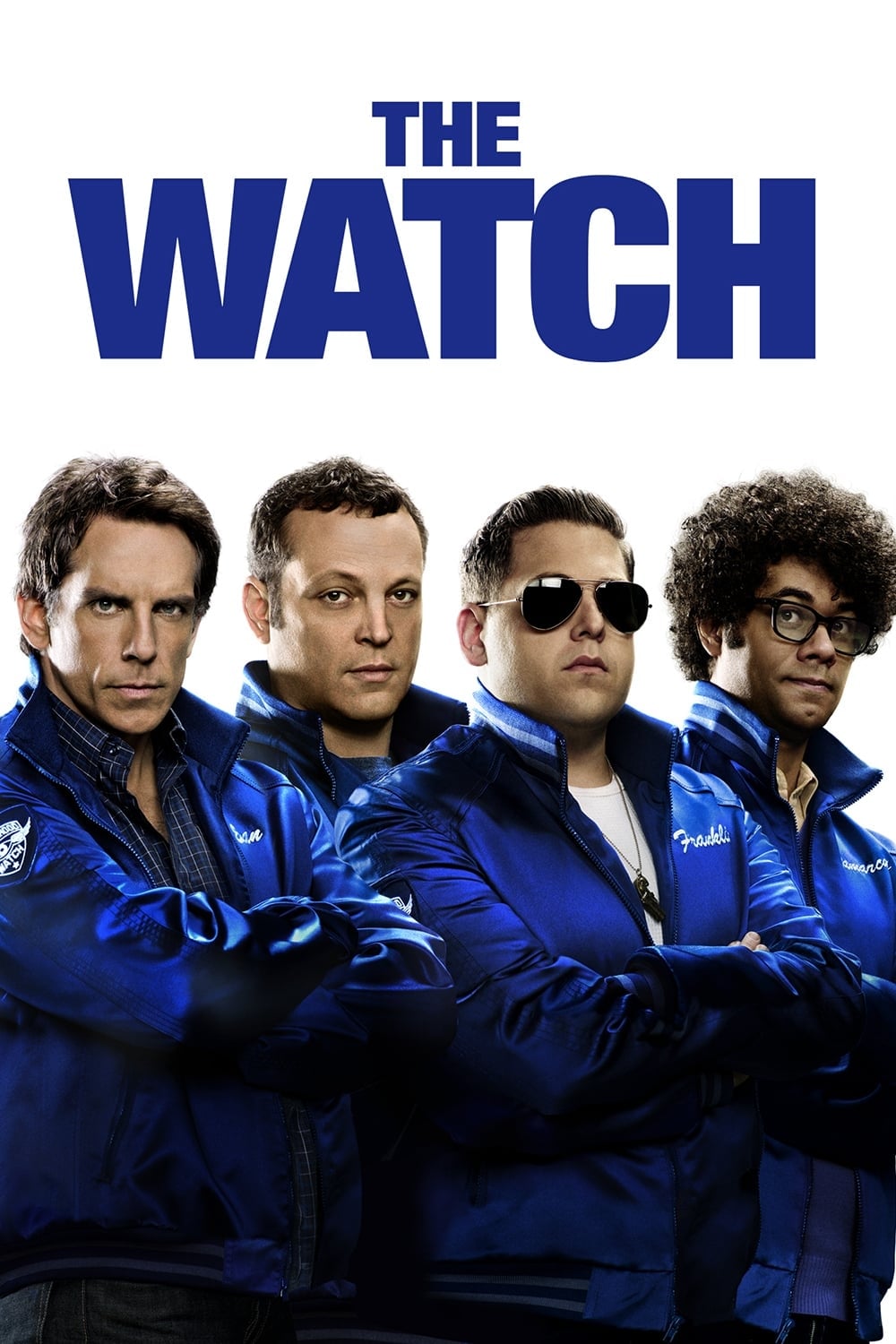
The movie, initially called ‘Neighborhood Watch,’ had its title changed after the tragic death of Trayvon Martin, which happened while it was being advertised. However, the film itself contained jokes that many found insensitive, especially considering the new context. The script relied on offensive stereotypes and crude humor, and audiences didn’t respond well. Ultimately, the movie didn’t do well in theaters and received negative reviews because it lacked a clear direction, failing to successfully blend science fiction with comedic elements of suburban life.
‘That’s My Boy’ (2012)
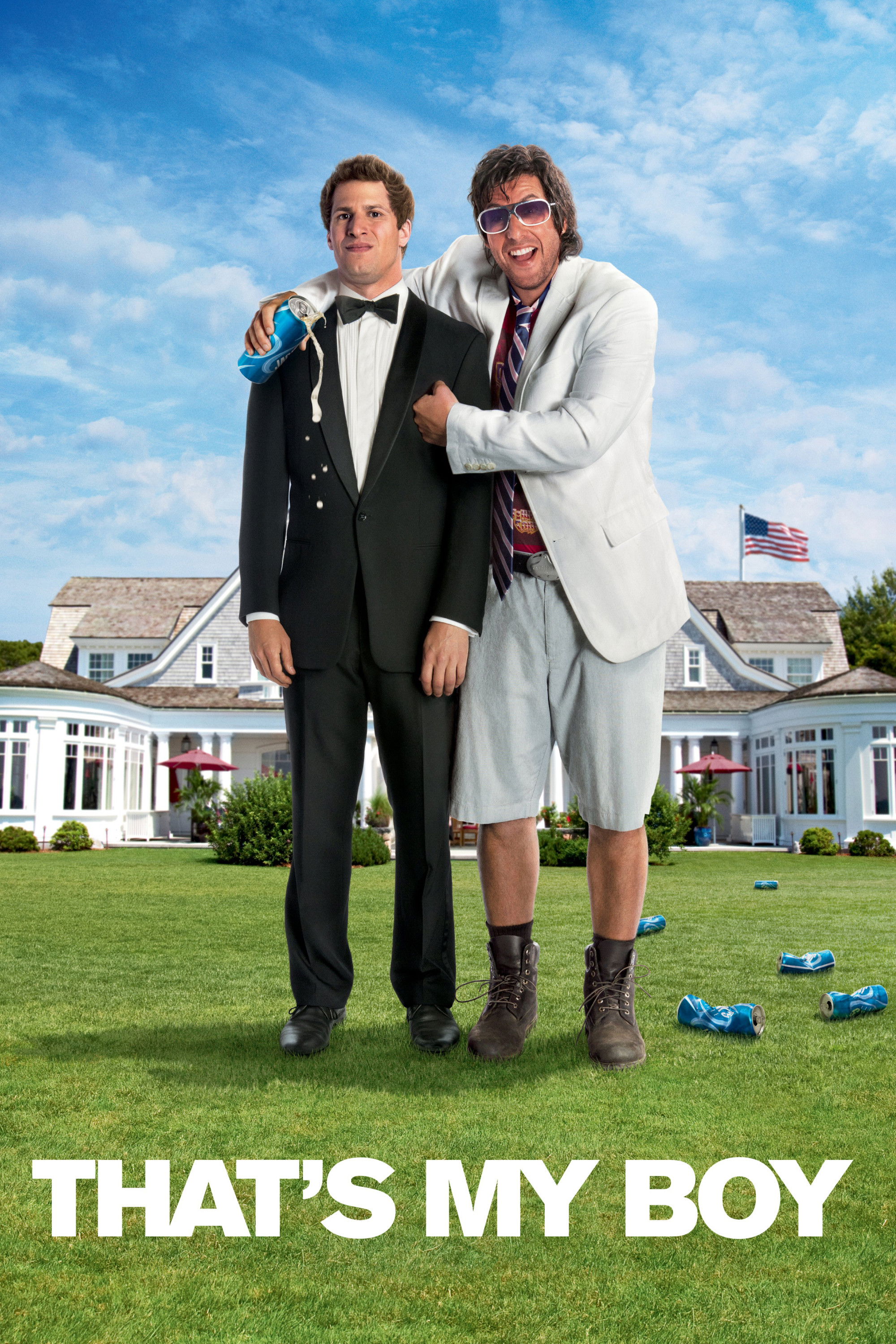
This comedy starring Adam Sandler tells the story of a man who had a child with his teacher when he was a teenager, a plot that proved highly controversial. The film faced criticism for treating a very serious subject – the power imbalance between a teacher and student – with inappropriate humor and for its generally harsh and unkind tone. Several organizations argued the topic wasn’t suitable for a mainstream comedy, but the filmmakers released it anyway. It ended up being one of Sandler’s biggest box office failures, with critics pointing out that the film crossed lines in a way that felt unsettling instead of funny.
‘Dirty Grandpa’ (2016)
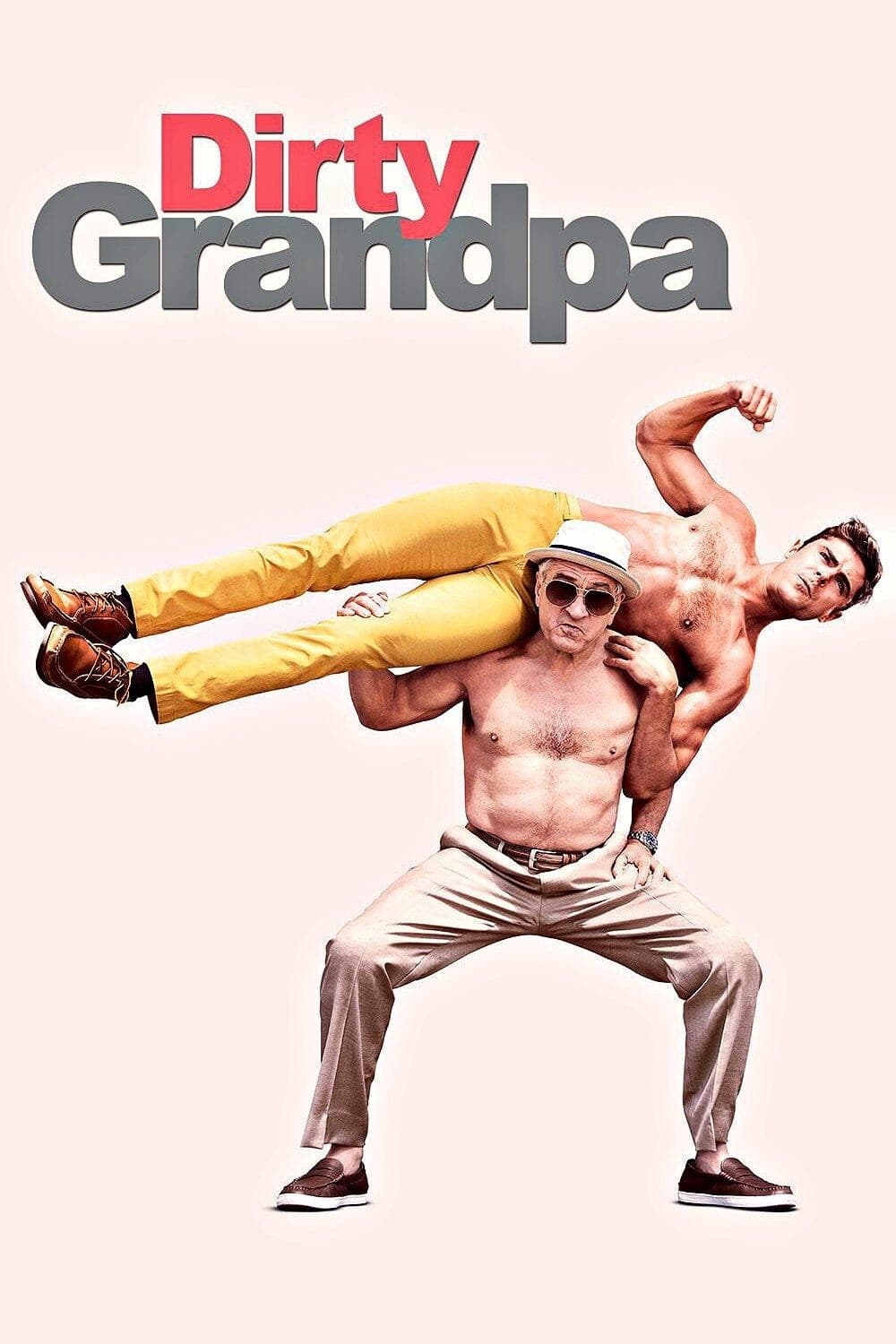
The comedy film starring Robert De Niro and Zac Efron received widespread criticism for its excessive use of homophobic and racist jokes. Critics pointed out the film’s constant use of offensive language and its disrespectful portrayal of women. Despite using this controversial content to try and promote the movie, the tactic failed. Though it earned some money, the film was almost universally disliked and negatively impacted the reputations of its stars, marking a particularly low point in De Niro’s otherwise acclaimed career.
‘Yoga Hosers’ (2016)
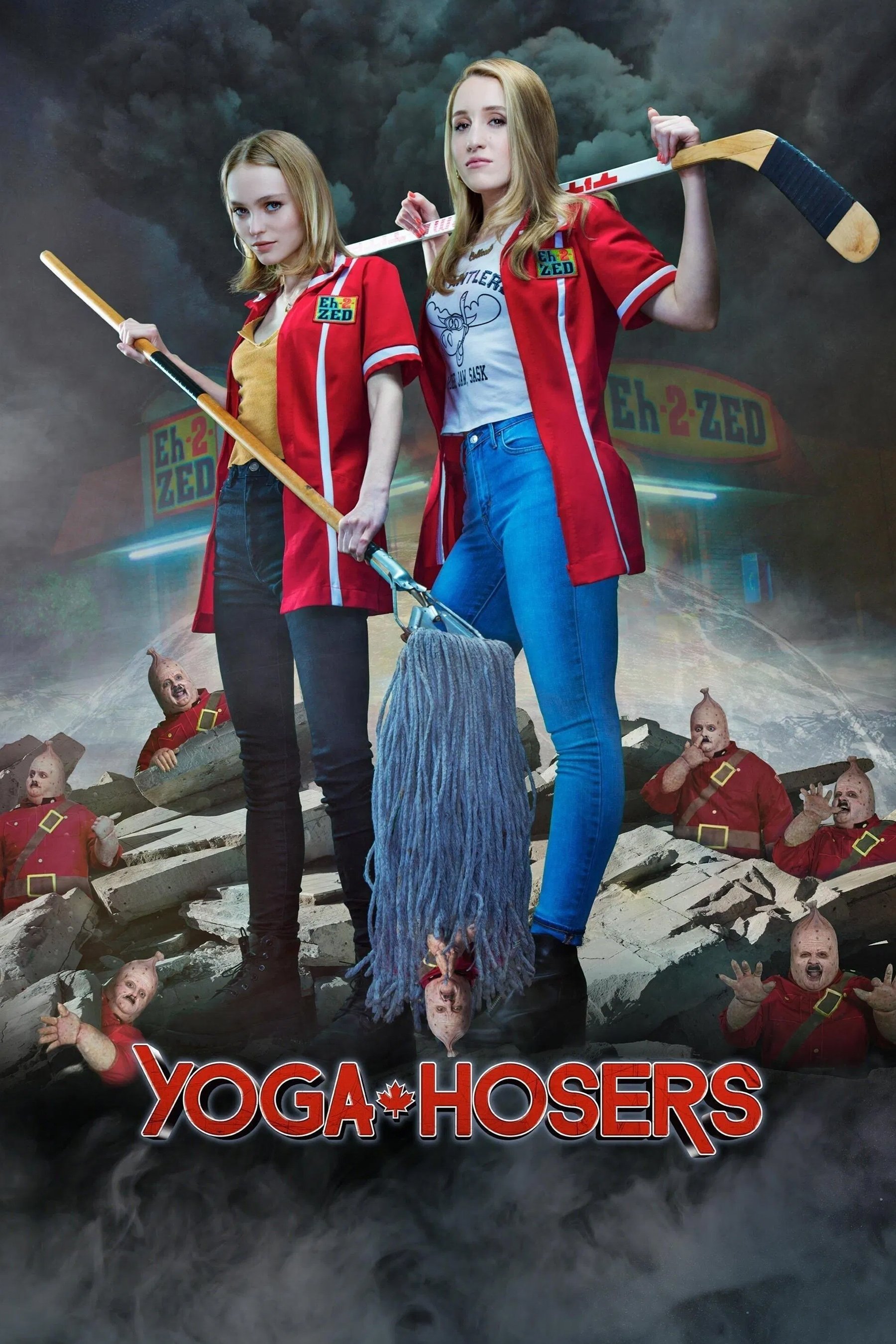
Kevin Smith’s horror comedy featured a strange premise: two teenage girls battling miniature Nazi sausages in Canada. The film drew criticism for its over-the-top and sometimes insensitive portrayals of Canadians and different groups of people. While some longtime fans of the director enjoyed it, many felt the humor wasn’t as clever as his previous films. The movie didn’t do well in theaters and was largely panned by critics, failing to connect with most viewers beyond a small group of dedicated fans.
‘Strange Wilderness’ (2008)
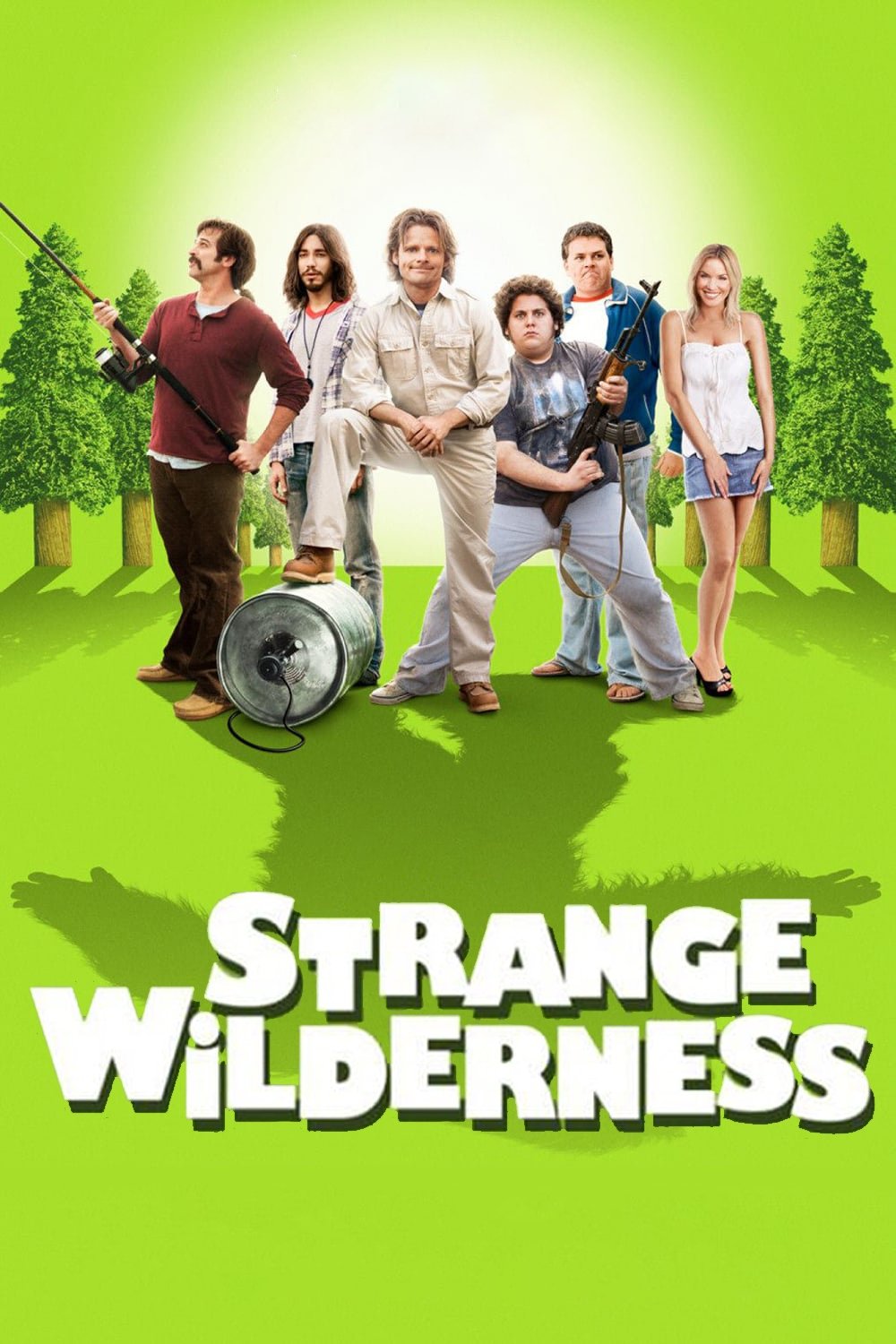
This comedic take on a nature documentary followed a group of funny actors searching for Bigfoot. However, the film’s humor relied on jokes that were cruel to animals and disrespectful towards indigenous Amazonian people. Reviewers widely criticized the movie as immature and deeply offensive, lacking any real wit or intelligence. It performed poorly in theaters and was quickly forgotten, becoming a low point in the careers of its stars.
‘The Goods: Live Hard, Sell Hard’ (2009)
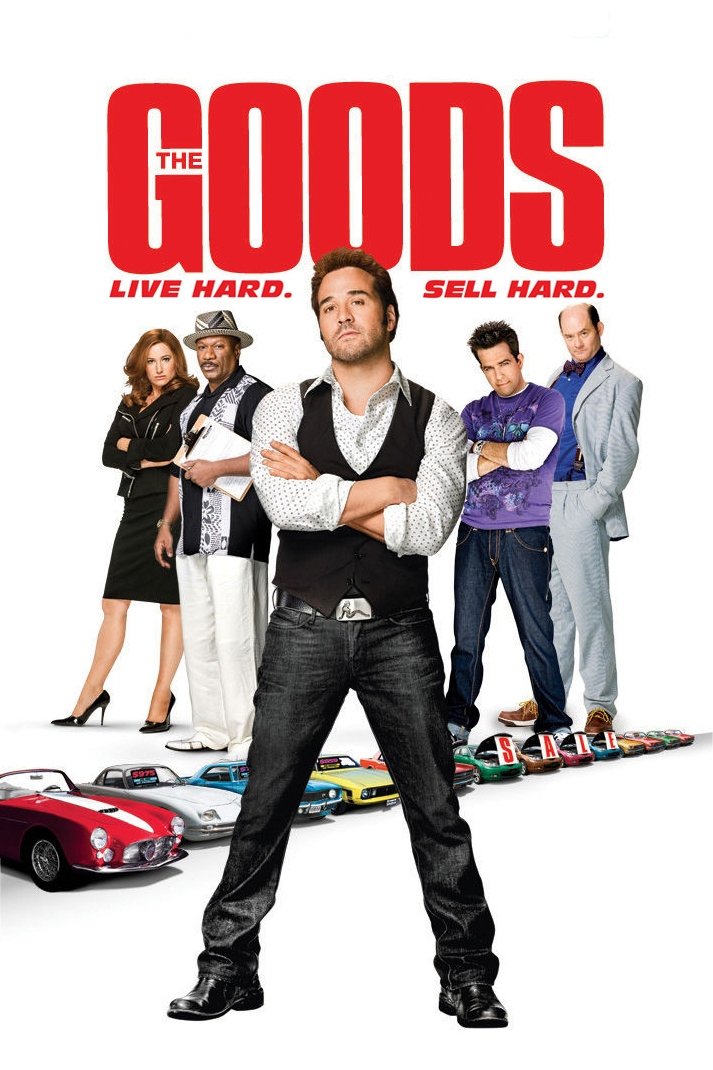
Jeremy Piven played a car salesman in a comedy that relied on harmful stereotypes for laughs. A scene where an Asian character was mistreated caused strong criticism from advocacy groups. Despite the backlash, the filmmakers kept the scene, arguing it showed how unpleasant the character was. The movie wasn’t successful, receiving poor reviews for being overly harsh and failing to earn back its production costs in theaters.
‘Boat Trip’ (2002)
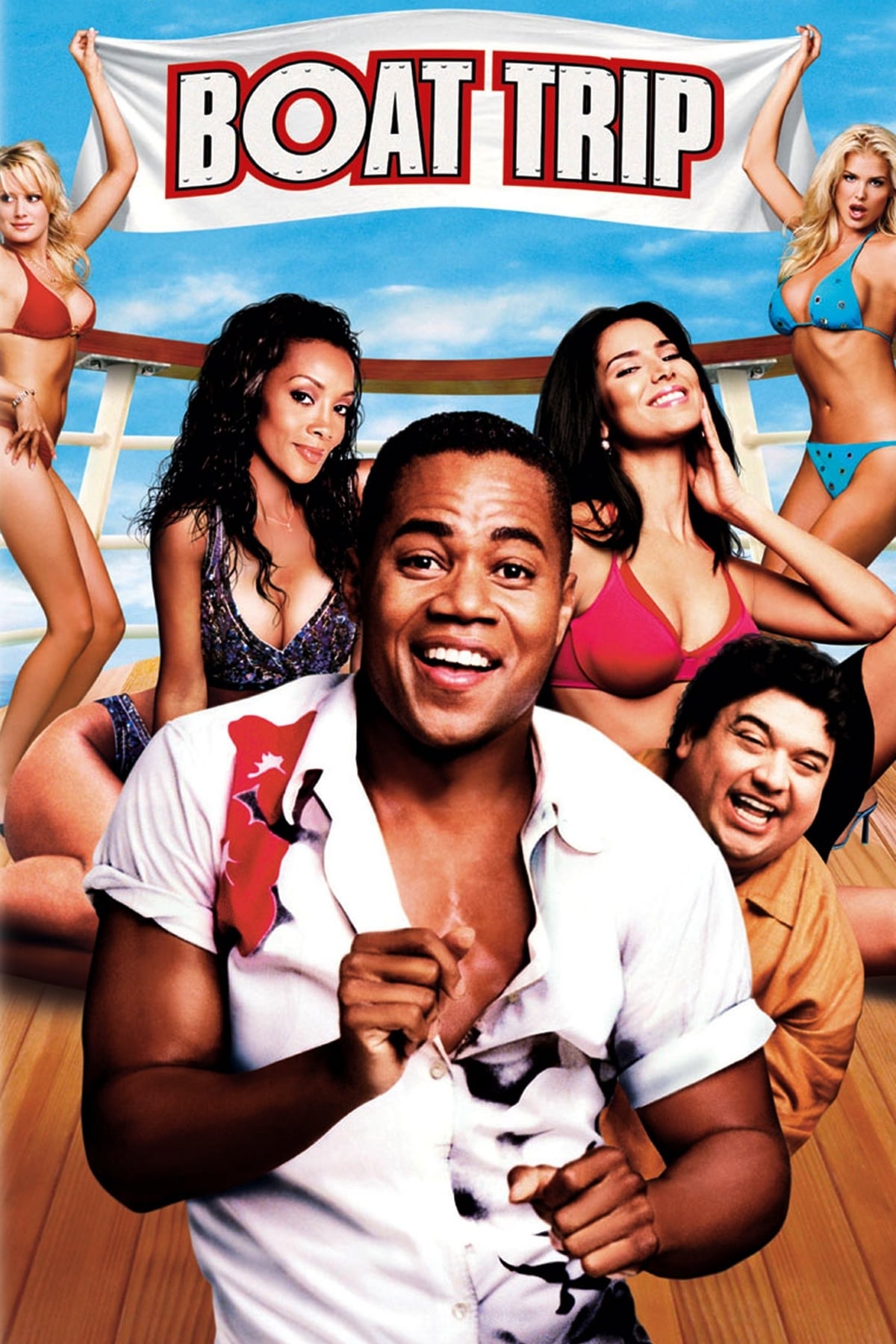
The movie starring Cuba Gooding Jr. and Horatio Sanz centers on two straight men who mistakenly find themselves on a cruise for gay men. The film relied heavily on harmful stereotypes and old-fashioned, offensive jokes about the LGBTQ+ community. Critics and activists highlighted its damaging nature and lack of genuine understanding. It was a box office and critical flop, now largely remembered for being in poor taste and exemplifies the insensitive humor common in comedies from the early 2000s.
‘Soul Plane’ (2004)
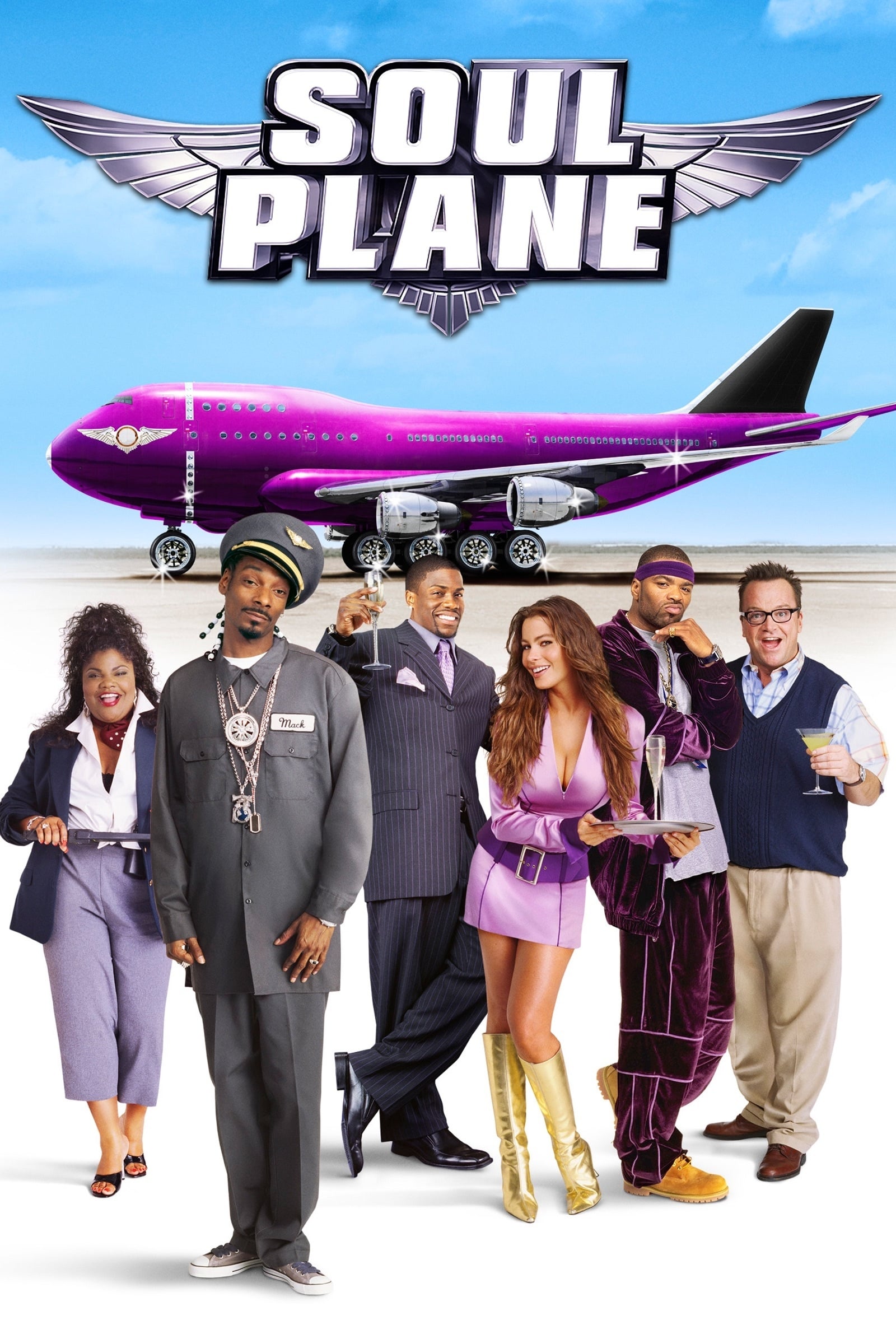
This comedy about airplanes received criticism for using outdated and harmful racial stereotypes. Although some people argued it was meant as satire, many viewers found it deeply offensive. Despite suggestions to make the humor more respectful and inclusive, the filmmakers chose to keep the most exaggerated jokes. The film didn’t do well in theaters and received negative reviews from critics of all backgrounds, ultimately preventing the studio from creating a series of films based on it.
‘Our Family Wedding’ (2010)
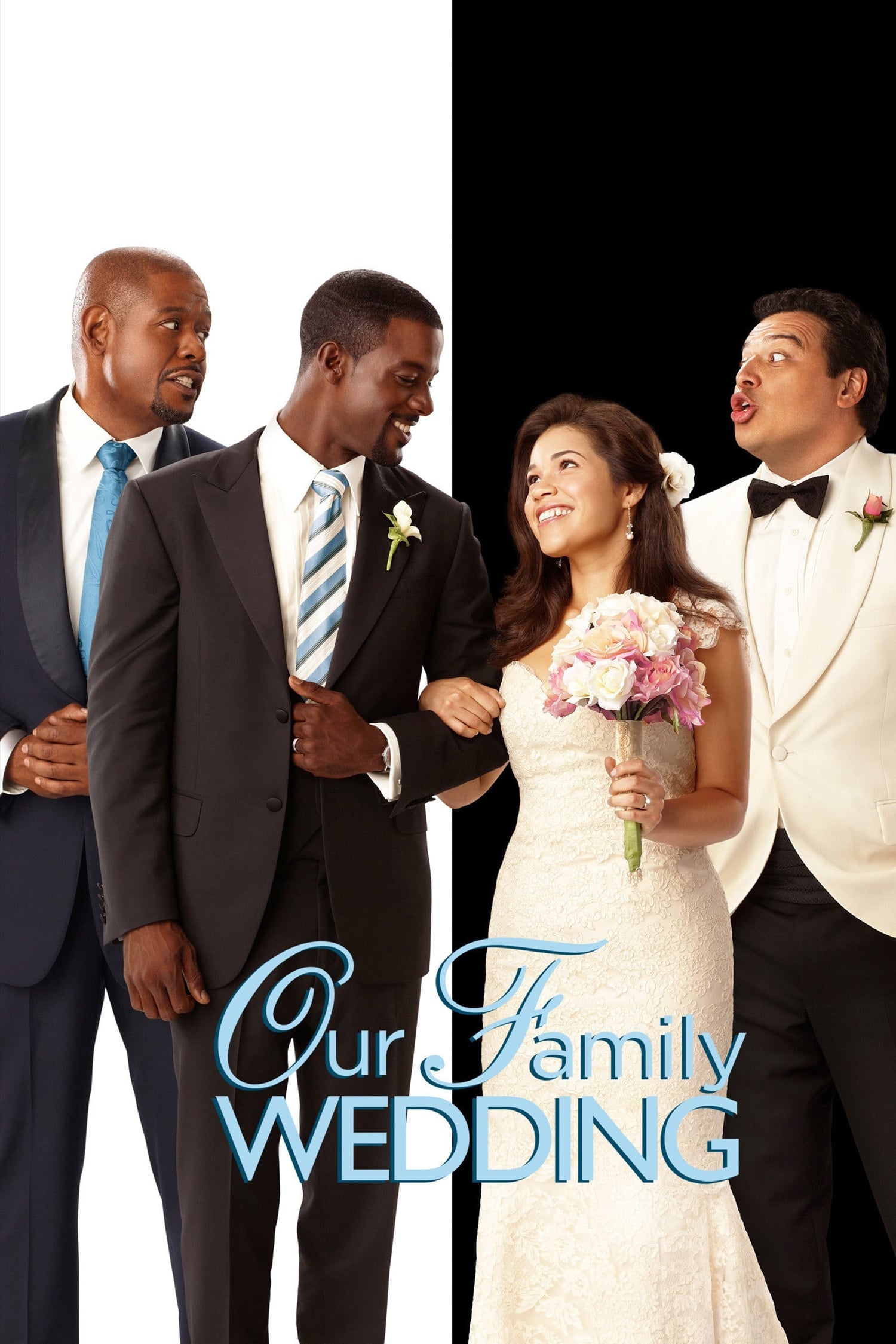
This wedding-themed comedy centered on the clashes between a Black family and a Latino family, but it relied on overused and clumsy stereotypes, leading to more discomfort than laughs. Reviewers pointed out that the film failed to offer any real insight or originality in its portrayal of cultural differences. Consequently, the movie flopped in theaters and wasn’t well-received by audiences. Despite featuring a cast of well-known actors, it’s largely been forgotten.
‘The Layover’ (2017)
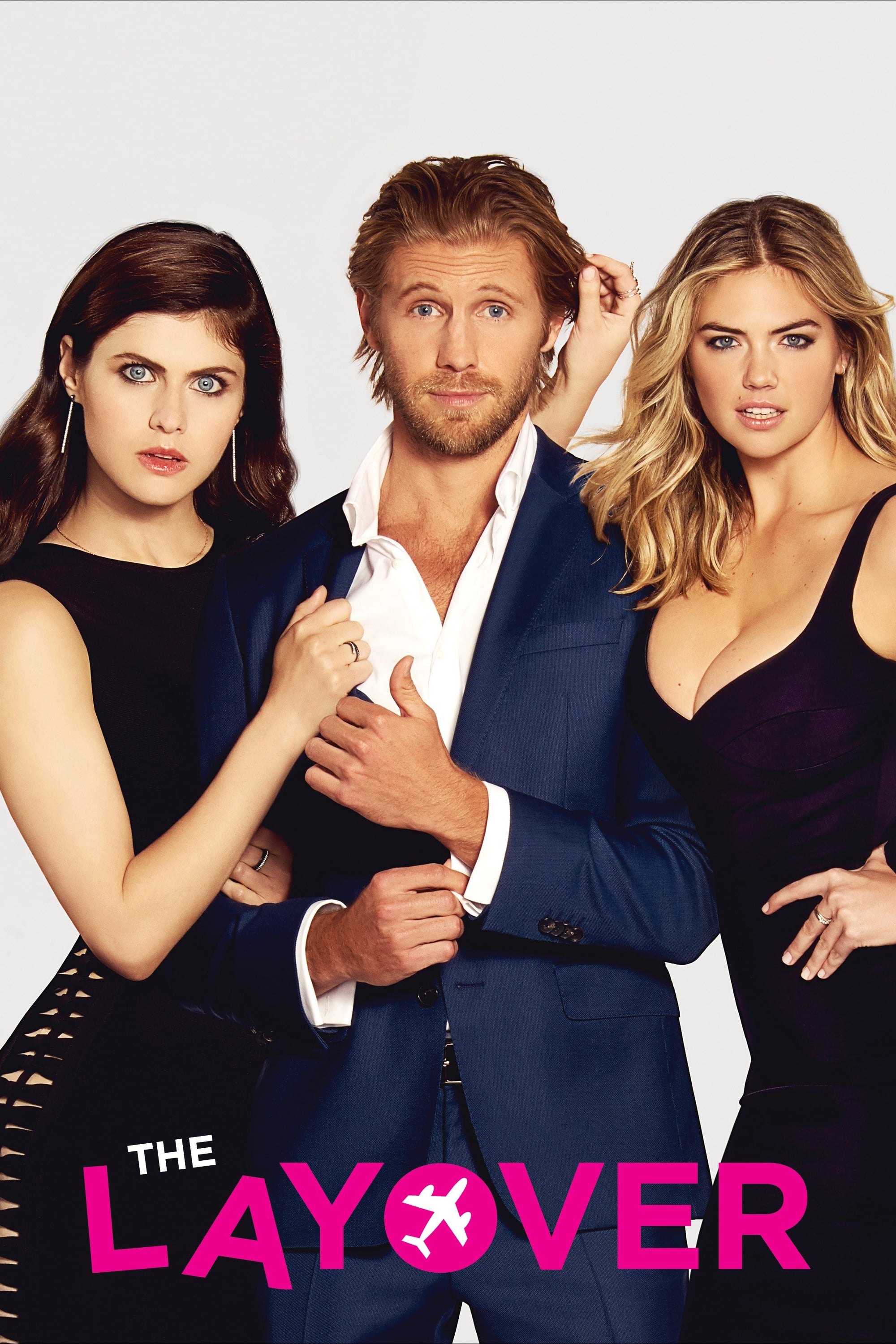
This comedy starred Alexandra Daddario and Kate Upton as two friends who compete for the same guy while stuck during a flight delay. Critics didn’t like the movie because it showed women in a sexist way and relied too much on crude, physical humor. Many reviewers felt the jokes were outdated. The film was unsuccessful with both critics and audiences, receiving only a small release and failing to benefit from the popularity of its stars.
‘Cats’ (2019)
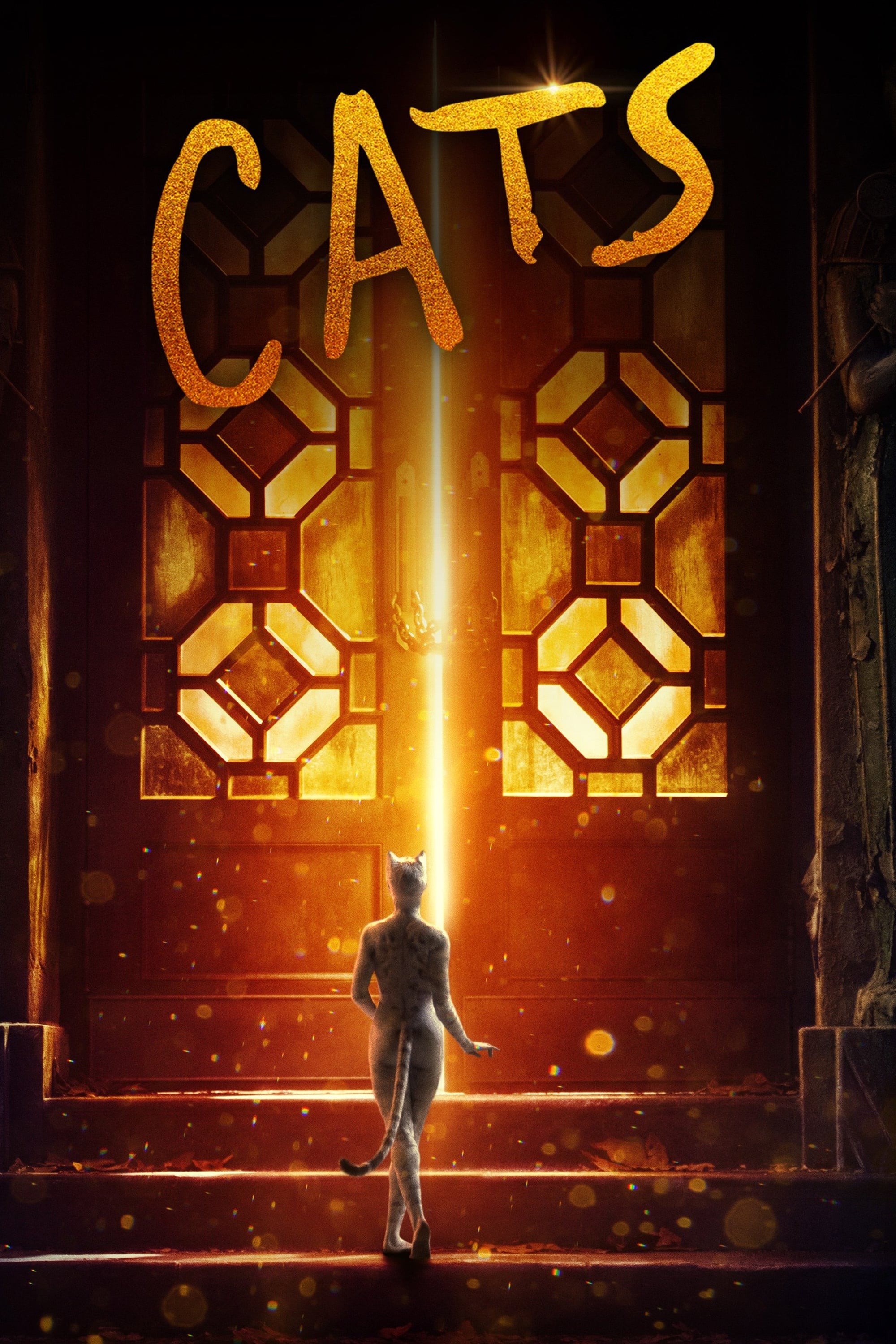
This movie version of the popular musical became unexpectedly famous, but not for the right reasons. People were disturbed by its strange visuals and overall oddness. Critics also pointed out inappropriate jokes involving the cat characters. Although the director tried to improve the effects after the film came out, the damage to its reputation was already done. The movie cost the studio around $100 million and became a frequent target of jokes. Now, it’s often used as an example of what happens when a studio doesn’t listen to concerns during filming.
‘The Bubble’ (2022)
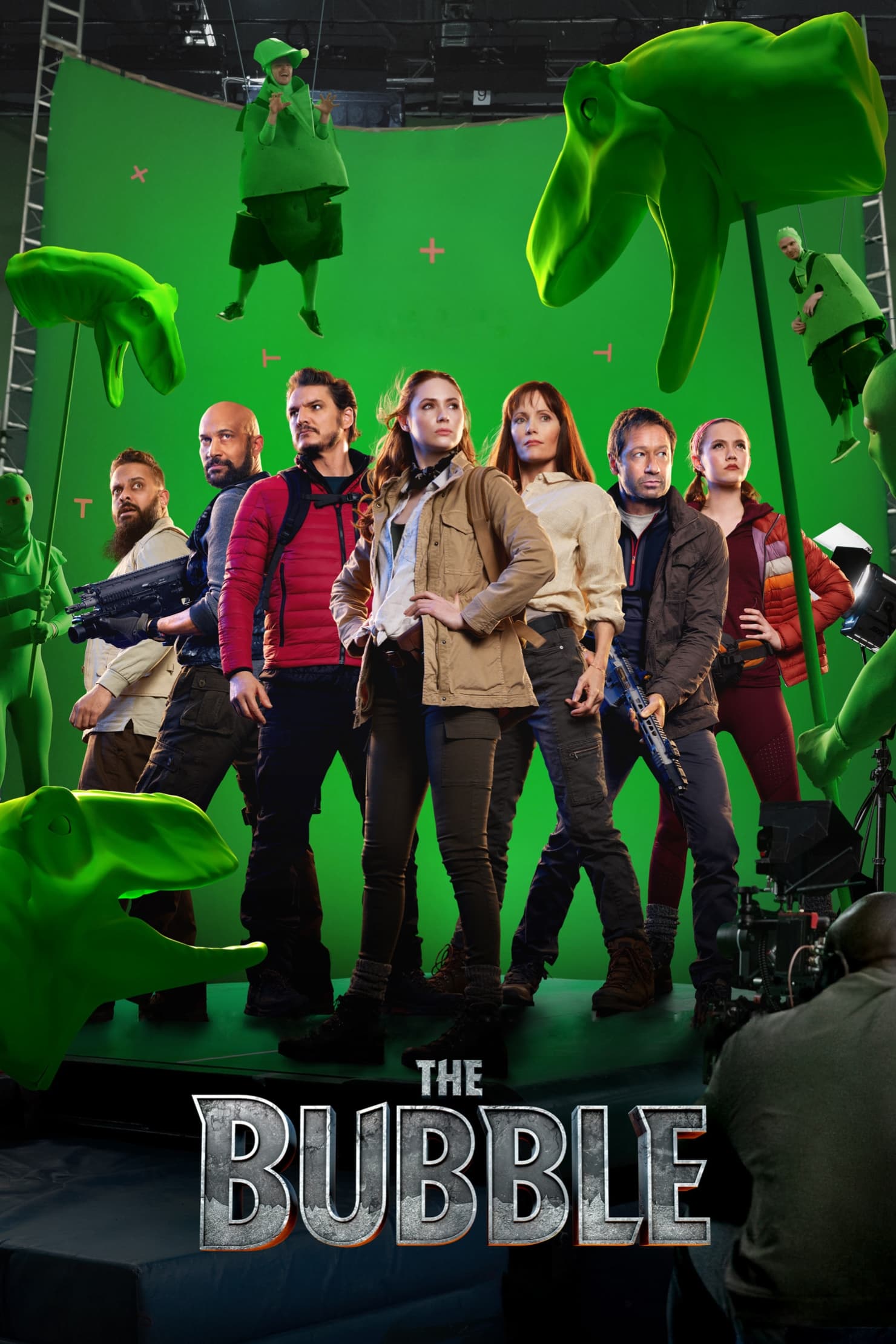
This comedy, set during the pandemic, tried to make light of the difficulties a movie crew faced while in isolation. However, many viewers found the jokes inappropriate and insensitive, given the widespread suffering caused by the health crisis. Critics felt the film was self-focused and made fun of those who were genuinely struggling. As a result, it received negative reviews and didn’t attract much attention when it was released on a streaming service. The film’s humor felt too soon and too harsh for most people to enjoy.
‘Sierra Burgess Is a Loser’ (2018)
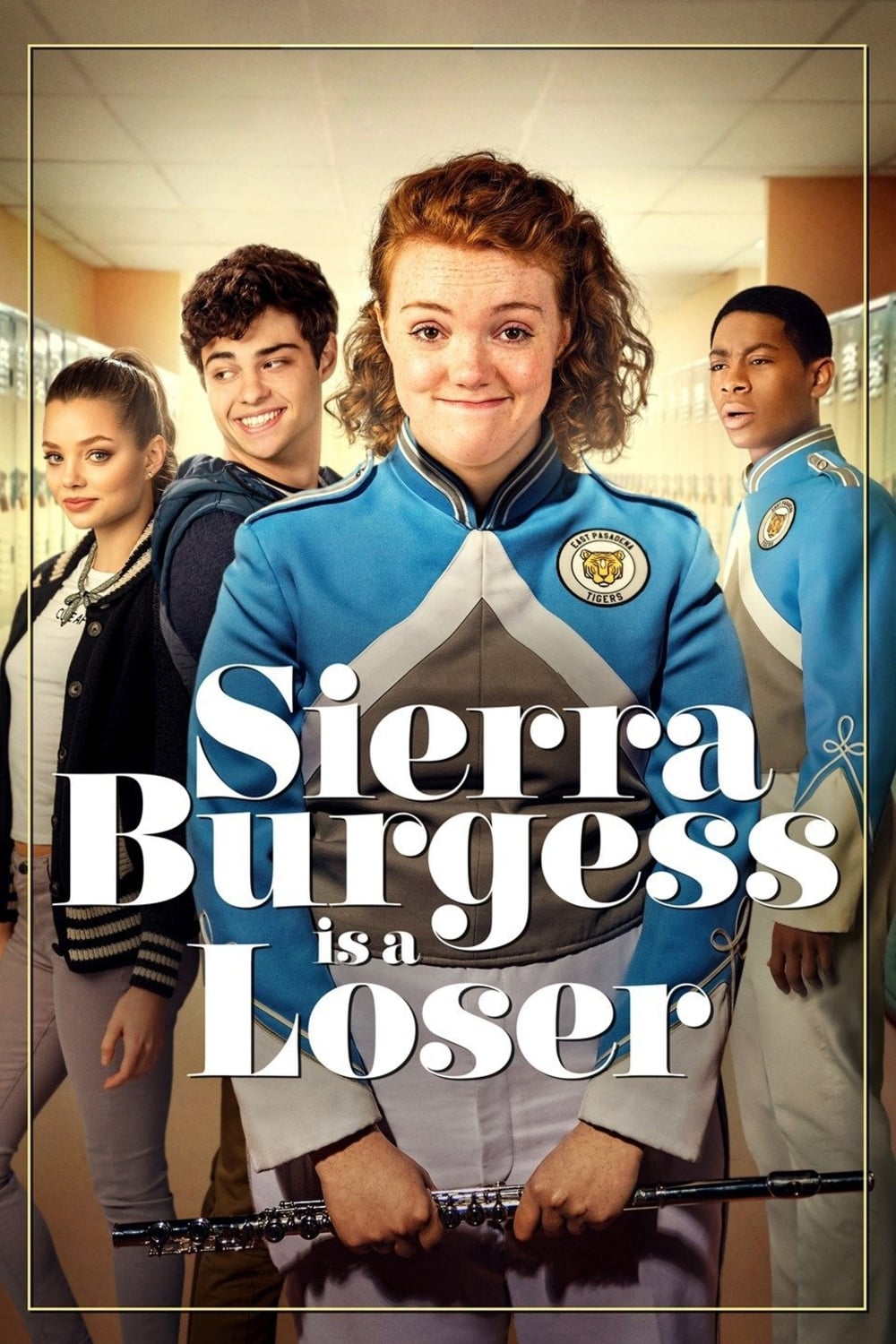
This teen comedy tells the story of a girl who creates a fake online persona to get the attention of someone she likes. A particular scene where she pretends to have a disability to cover her tracks sparked significant backlash. Many viewers felt the character’s behavior was exploitative and the humor insensitive. Though the filmmakers tried to explain the character’s flaws, the film was largely met with negative reactions and is now mostly known for being controversial, despite its initial release on a popular streaming platform.
‘He’s Out There’ (2018)
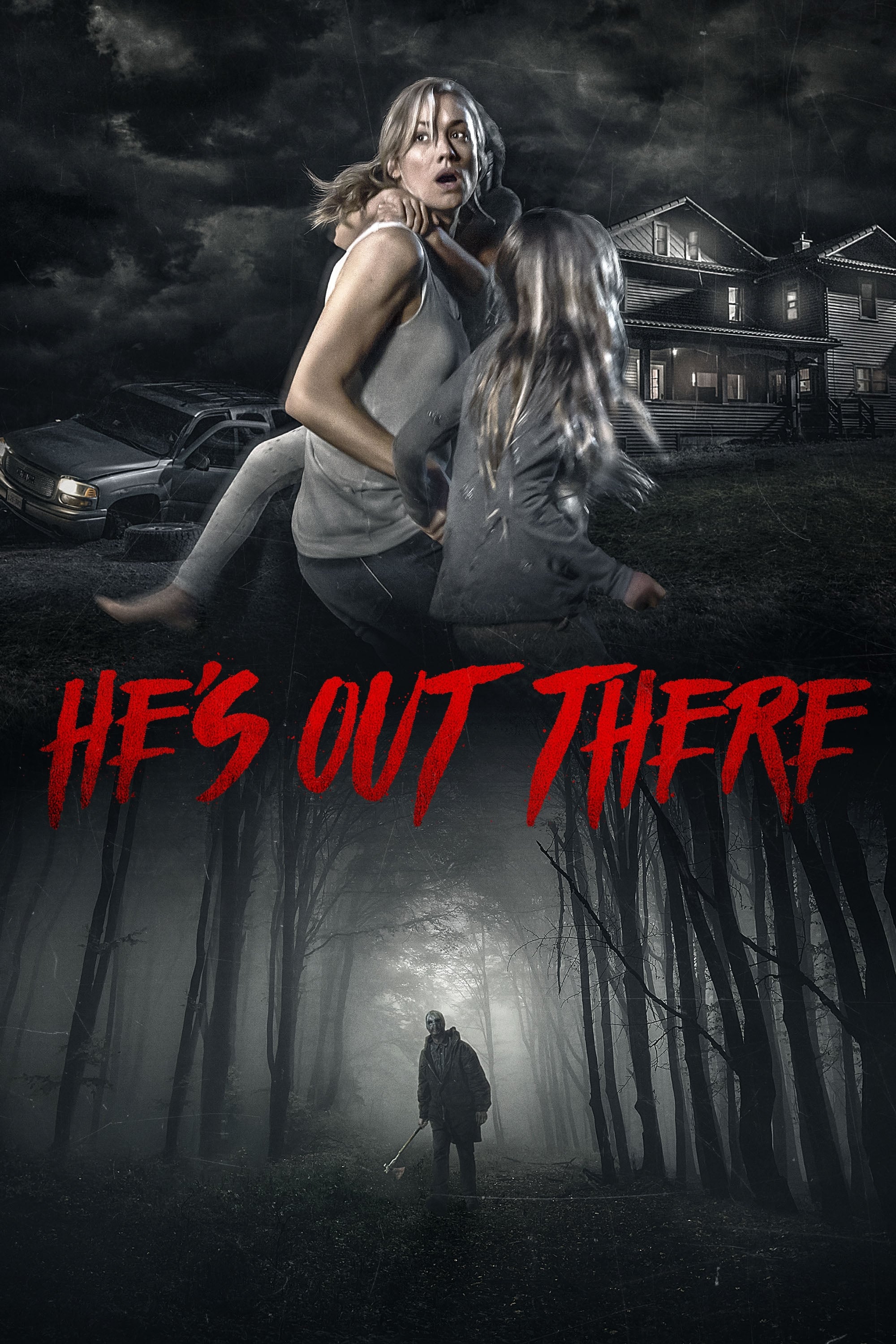
This horror movie faced years of delays and when it finally came out, it didn’t generate much excitement. Many viewers found its humor and plot points to be thoughtless and disrespectful to people who’ve experienced trauma. Despite changes during production, the underlying issues with the story weren’t fixed. The film flopped and quickly ended up being sold cheaply online. It’s a good example of how even movies meant to entertain can be harmful if they lack empathy.
‘The Internship’ (2013)
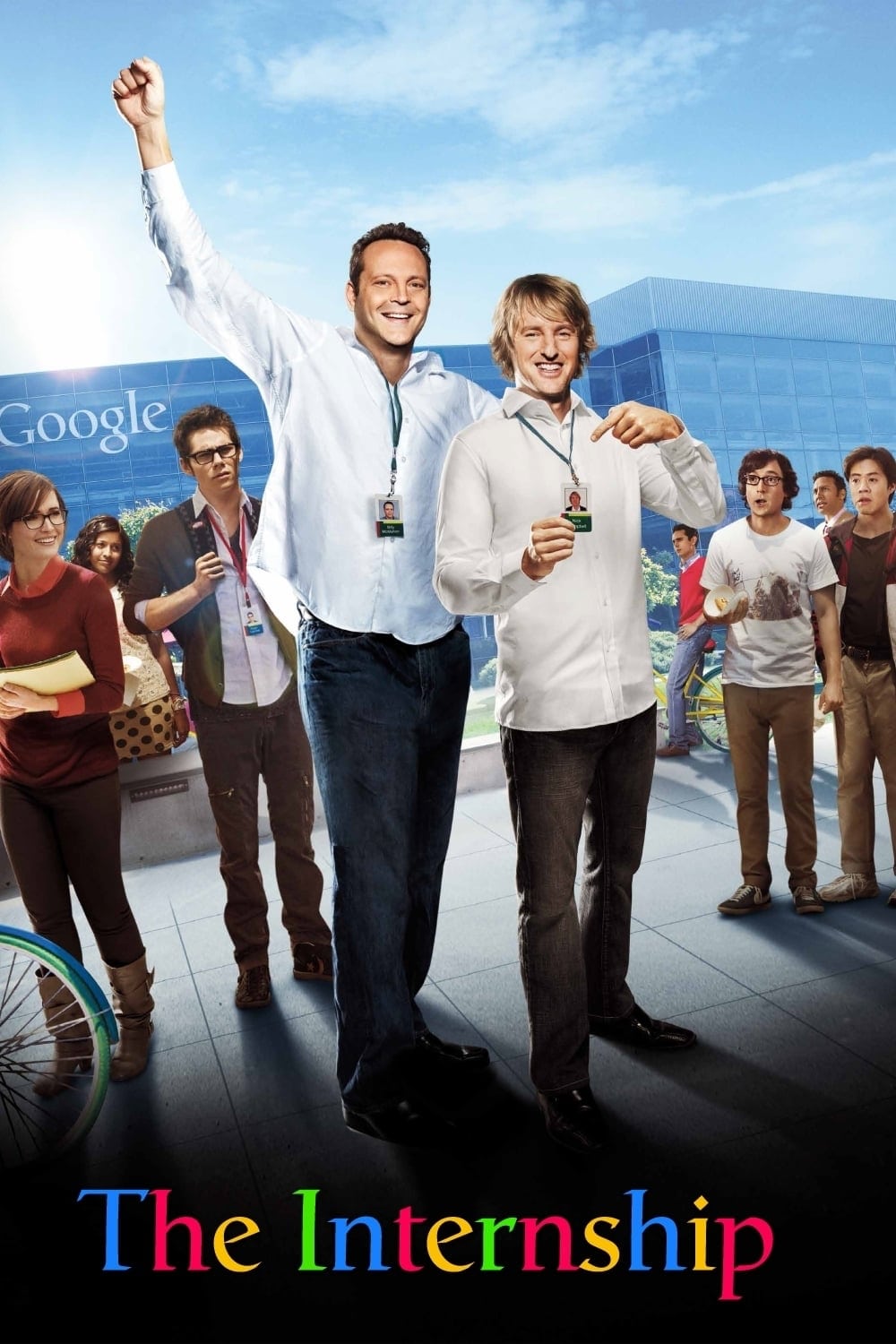
This comedy, starring Vince Vaughn and Owen Wilson, felt more like a lengthy ad for a big tech company. It relied on jokes about older people being bad with technology, which critics found uninspired and didn’t showcase the actors’ usual on-screen spark. The film didn’t do well in theaters and received mostly average reviews, failing to connect with the younger viewers it aimed for.
‘Pixels’ (2015)
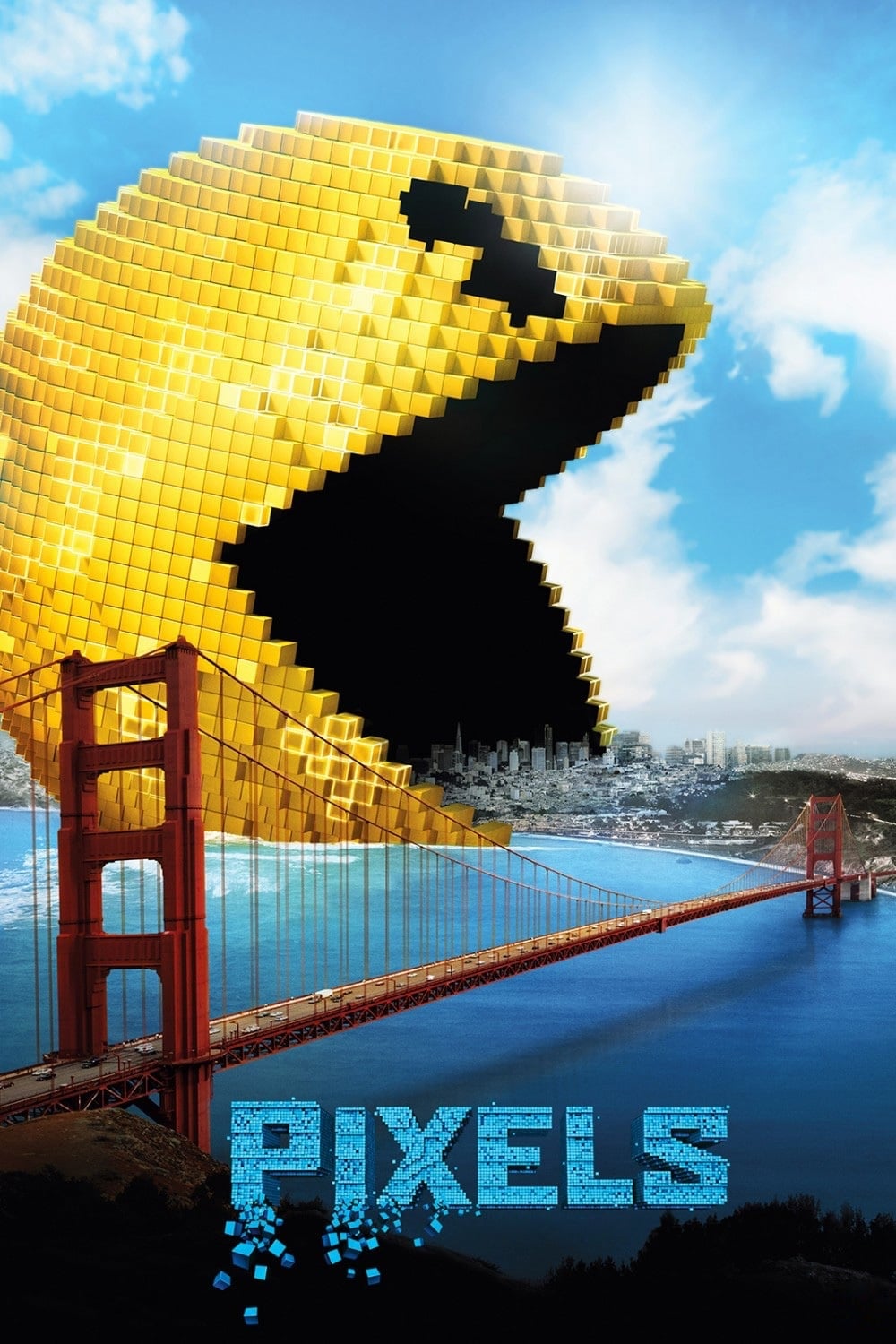
This comedy, featuring characters from popular video games, centers around an attack on New York City. However, the film faced significant criticism for how it portrayed its female characters, particularly a scene where a woman was objectified as a prize. Many viewers found the humor to be sexist and outdated for today’s gaming community. Ultimately, the movie didn’t perform well at the box office and received negative reviews, proving that relying on nostalgia isn’t enough to overcome serious flaws in a film’s story and overall message.
‘Baywatch’ (2017)
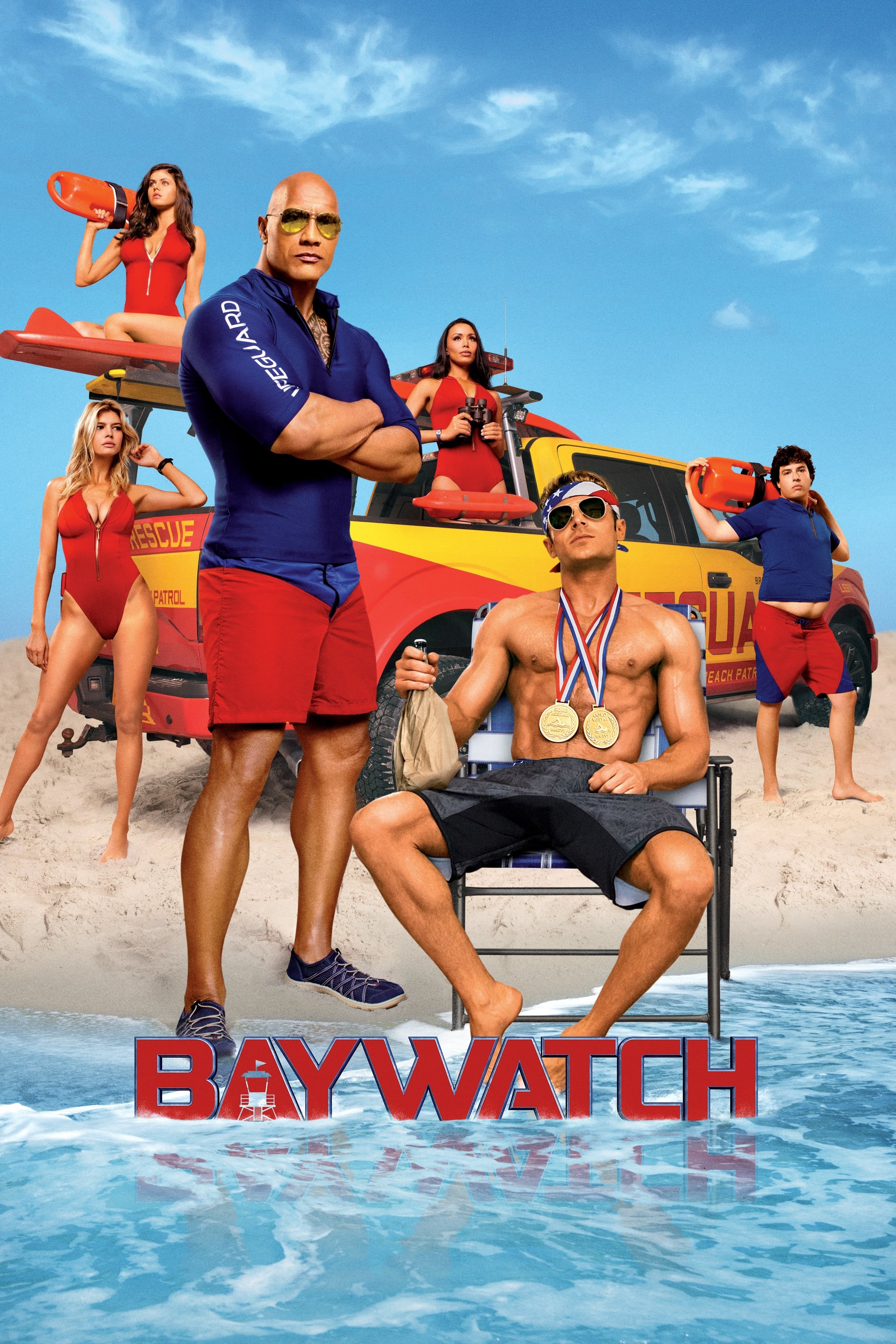
The movie remake of the well-known TV series tried to update the story with raunchy, adult humor. However, many of the jokes focused on making fun of people’s bodies and treating them as objects, which audiences found tiresome rather than funny. Despite advice to take a more playful or self-aware route, the filmmakers stuck with their original approach. The film didn’t perform well in theaters, received negative reviews for being unfunny, and ultimately failed to kickstart the planned movie franchise.
‘The Emoji Movie’ (2017)
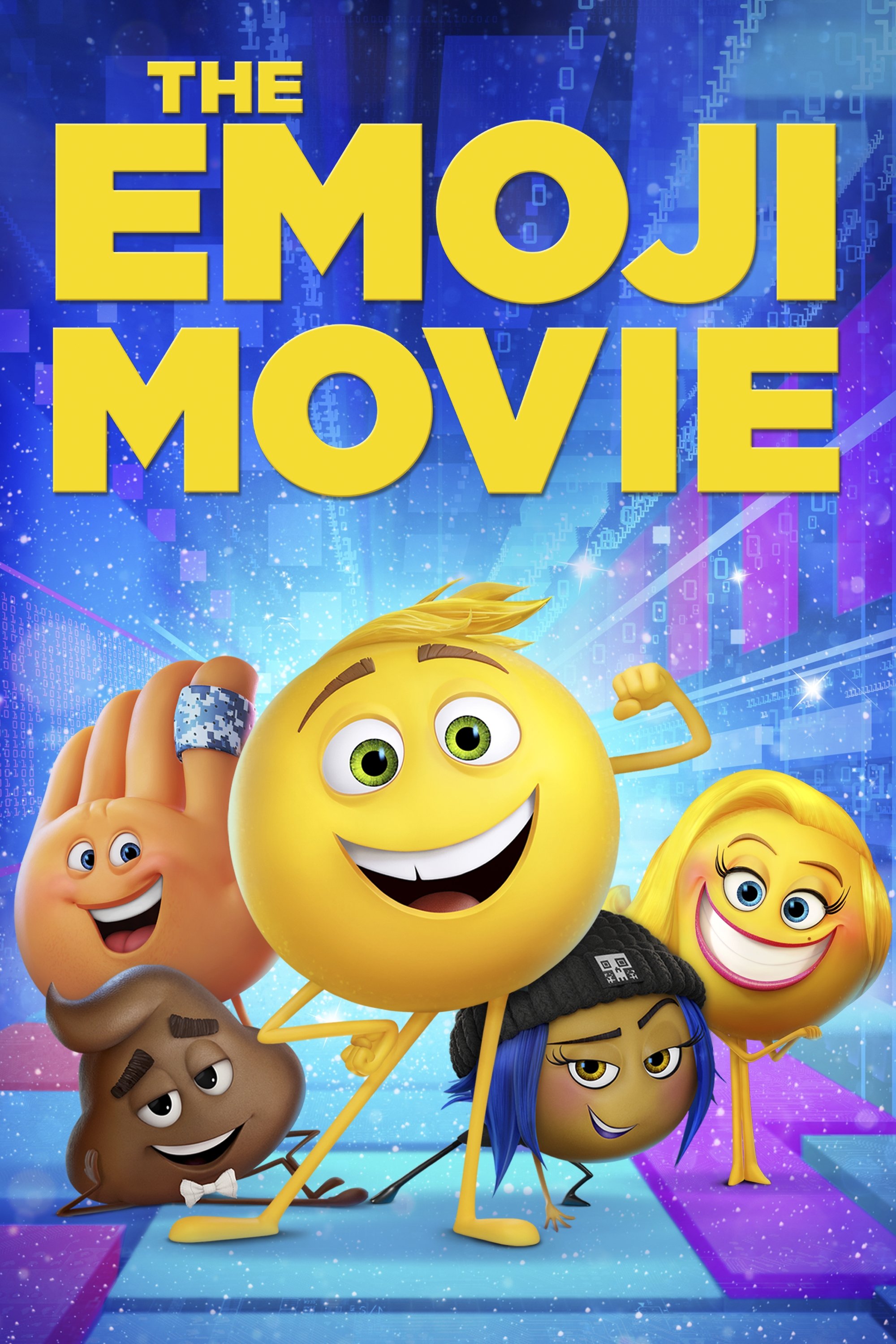
From the start, this animated movie was seen as a cynical attempt to make money. Critics disliked the script, finding its humor mean-spirited and its portrayal of relationships superficial. The studio ignored these concerns and released the film as is. It was a major critical failure and became a prime example of everything that’s going wrong with how movies are made today. Though it earned some money from families, it’s now considered one of the worst animated films ever.
‘Disaster Movie’ (2008)

This film, from the creators of several spoof movies, attempted humor by poking fun at recent tragic events and famous people. However, the jokes were widely considered cruel and didn’t offer any clever or insightful commentary. Reviewers noted that many of the gags felt old and irrelevant by the time the movie was released. The film flopped, and is generally seen as the point where this type of parody movie stopped being popular. It consistently receives very poor ratings from both audiences and critics.
‘Little Man’ (2006)
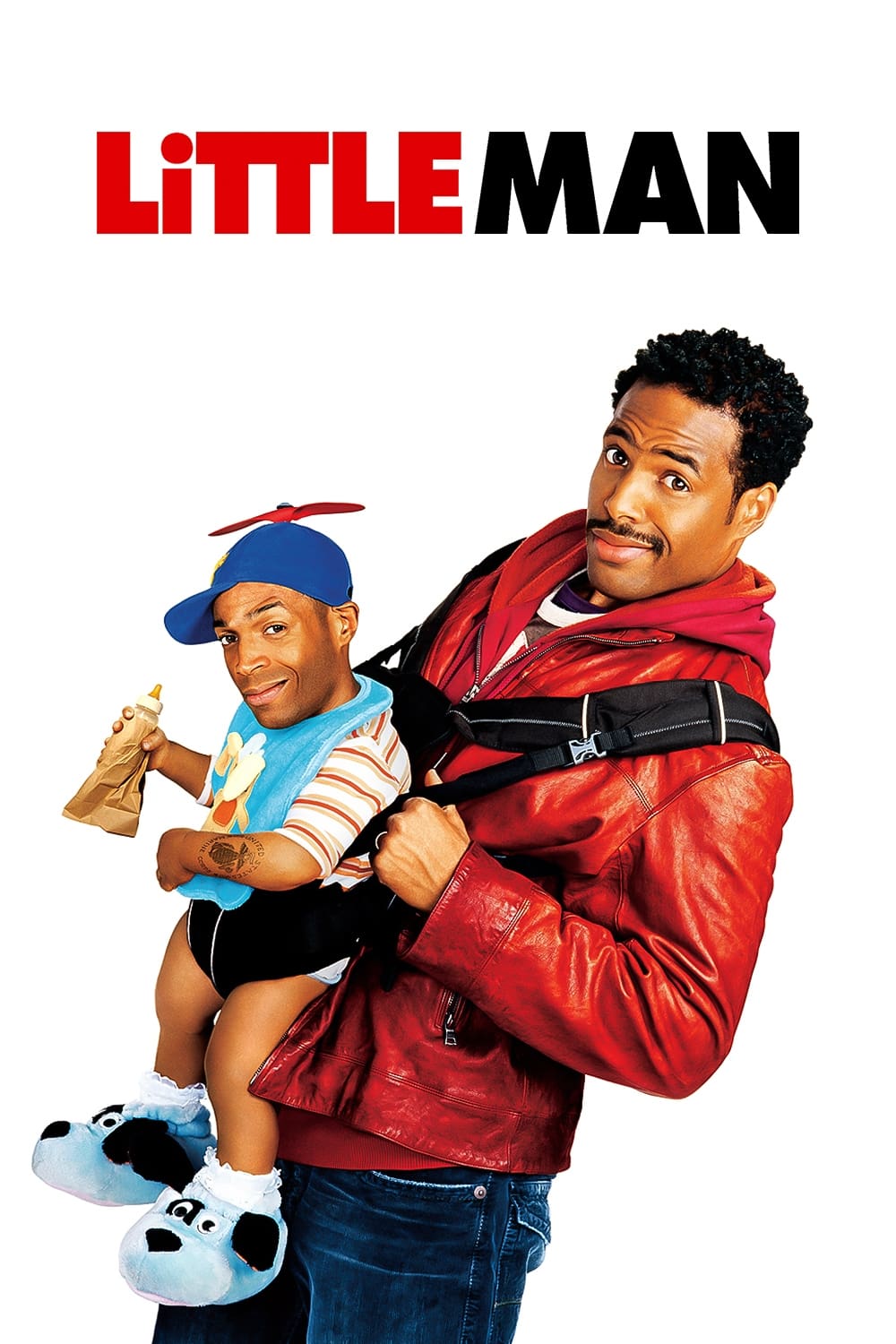
This comedy, produced by the Wayans brothers, centers around a tiny criminal who disguises himself as an infant. Critics found the movie to be filled with offensive and predictable jokes, relying heavily on slapstick and crude humor. The plot was weak, and the film didn’t do well in theaters, suggesting audiences were losing interest in this type of comedy. It’s still considered one of the worst movies the Wayans brothers have made.
‘Jack and Jill’ (2011)
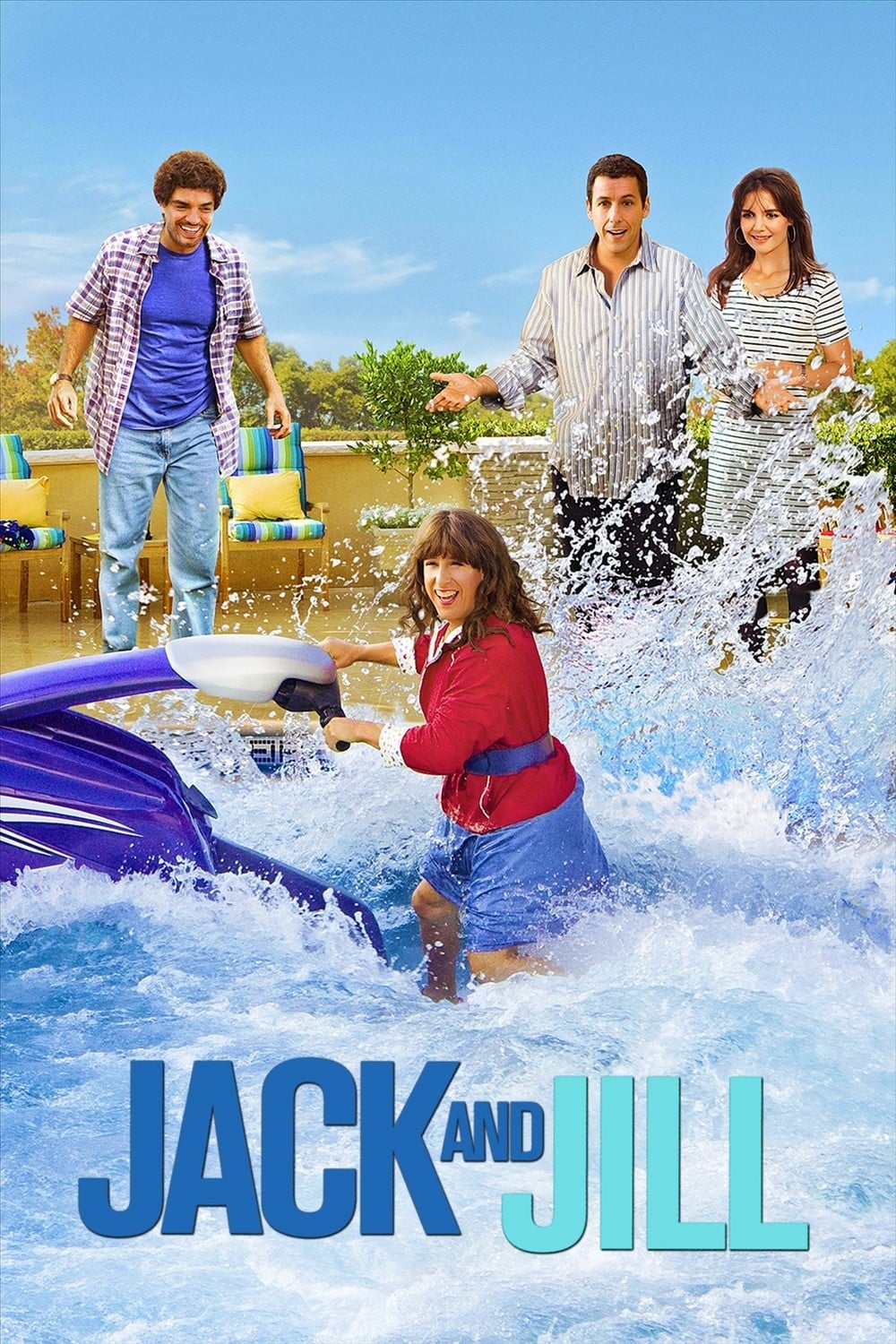
This comedy, starring Adam Sandler, received overwhelmingly negative reviews. Sandler played both the main character and his twin sister, but the film relied on tired stereotypes and jokes about how people look, which many found offensive. It was a huge flop, earning nominations – and wins – in every single category at the Golden Raspberry Awards. It also performed poorly at the box office, making far less money than Sandler’s other films. Critics generally agreed it was a difficult movie to sit through, rather than an enjoyable comedy.
‘Father of the Year’ (2018)
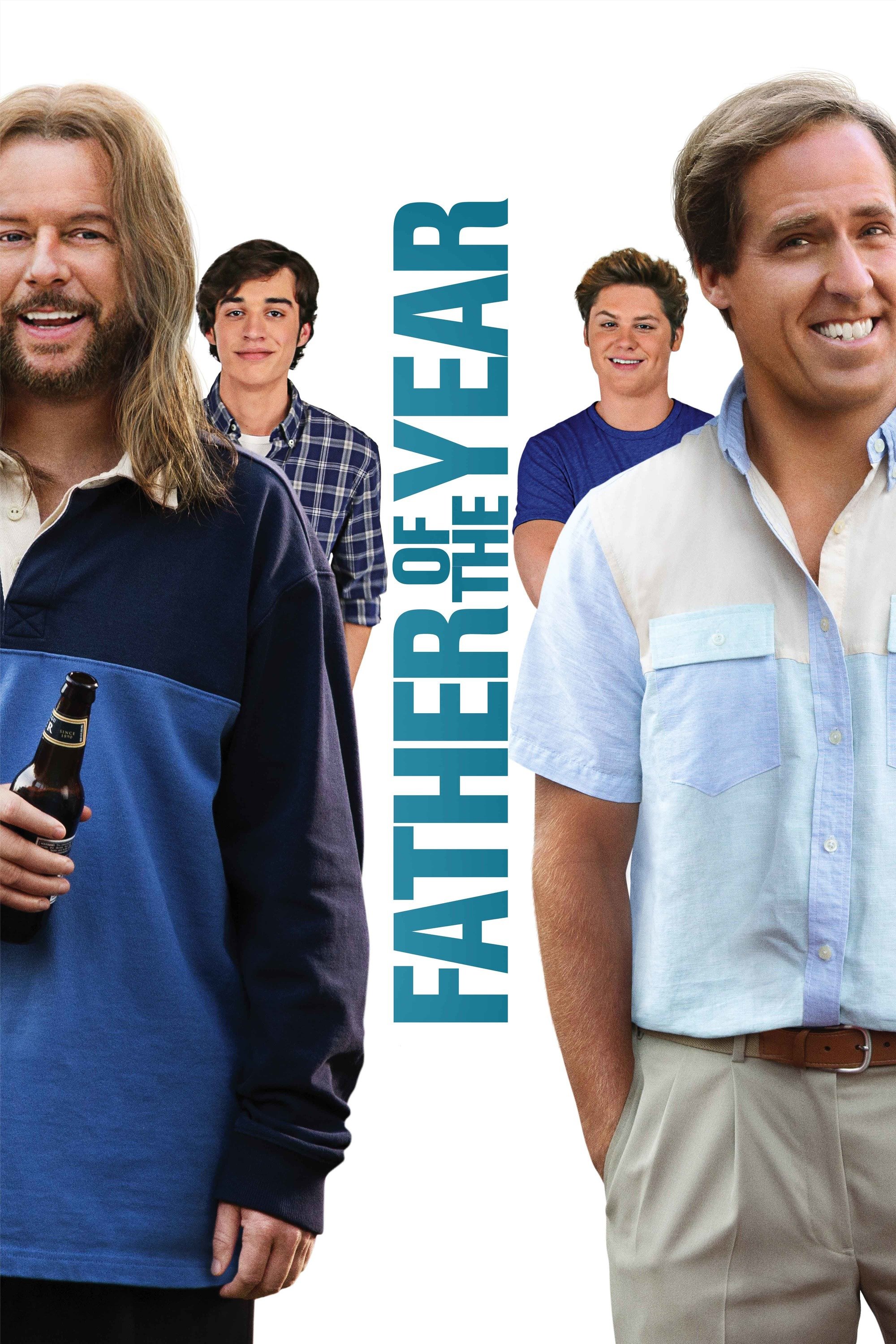
This comedy series centered around two recent college grads whose dads had a physical altercation stemming from a rivalry. However, the show’s humor, which often involved substance abuse and questionable parenting, was widely considered offensive. Reviewers also criticized the unlikeable characters and consistently weak jokes. The show launched with little fanfare and was quickly panned, failing to gain traction among the many streaming options available.
‘The Do-Over’ (2016)
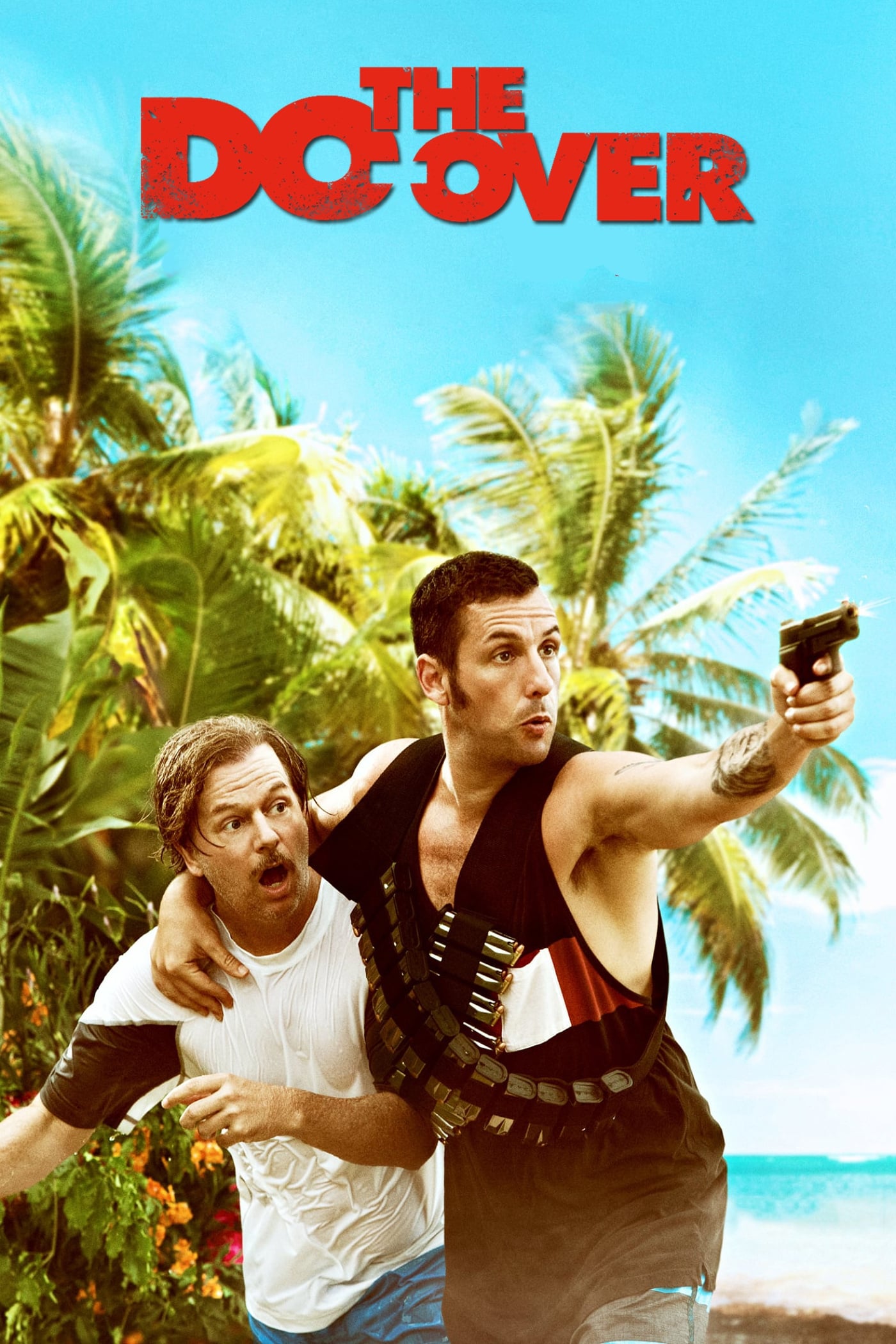
This comedy about two men faking their deaths to escape their old lives was widely criticized for its offensive and insensitive humor. Many viewers found the story and characters unlikeable, leading to overwhelmingly negative reviews. The film didn’t gain any traction with audiences and is considered a low point in the lead actor’s collaboration with the streaming platform.
‘Death at a Funeral’ (2010)
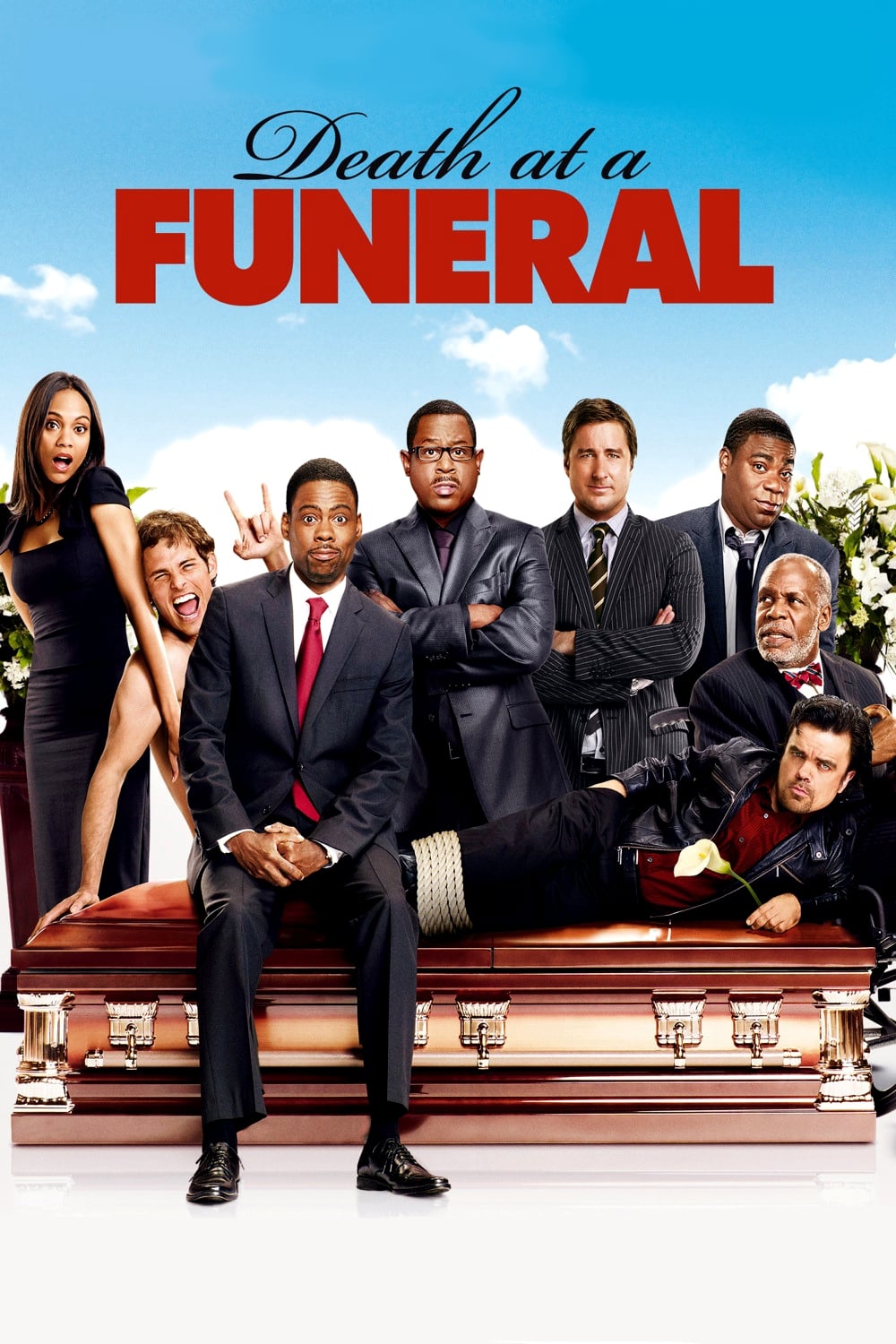
This American remake of a British comedy didn’t live up to the original. Critics and fans felt it traded clever humor for lowbrow jokes, and relied on insensitive gags about disabilities and older people. Most agreed the remake wasn’t needed and lacked the appeal of the first film. It performed poorly in theaters and received only mediocre reviews, ultimately failing to prove why it needed to be made.
‘Land of the Lost’ (2009)
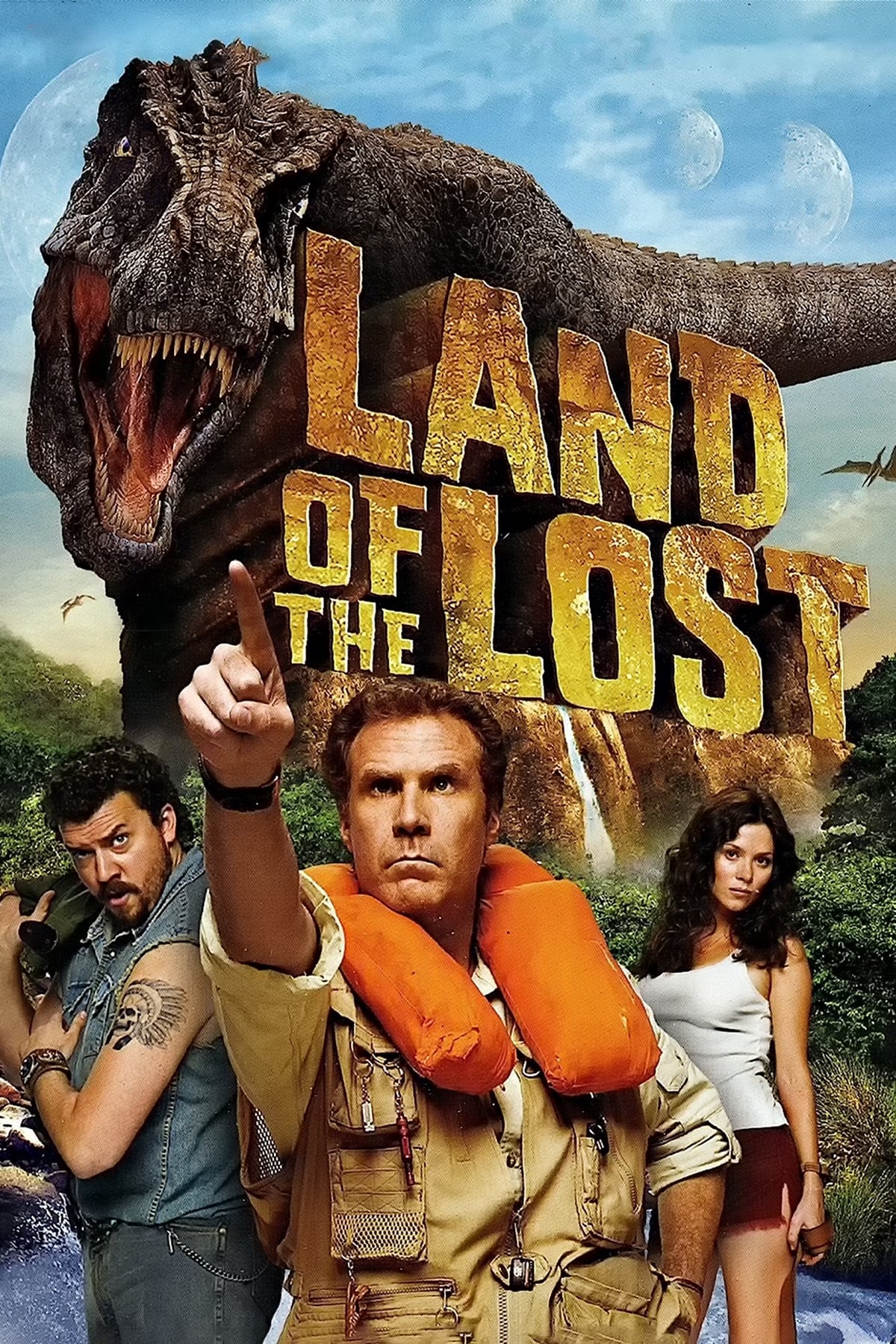
This movie, starring Will Ferrell, was a costly attempt to bring a beloved TV show to the big screen. However, it took a much raunchier and more adult approach than the original, which many viewers didn’t appreciate. The film’s jokes were often considered offensive and it lacked the wholesome appeal of the series it was based on. Ultimately, it failed at the box office, costing the studio a lot of money, and is now considered a low point in the lead actor’s career.
‘Old Dogs’ (2009)
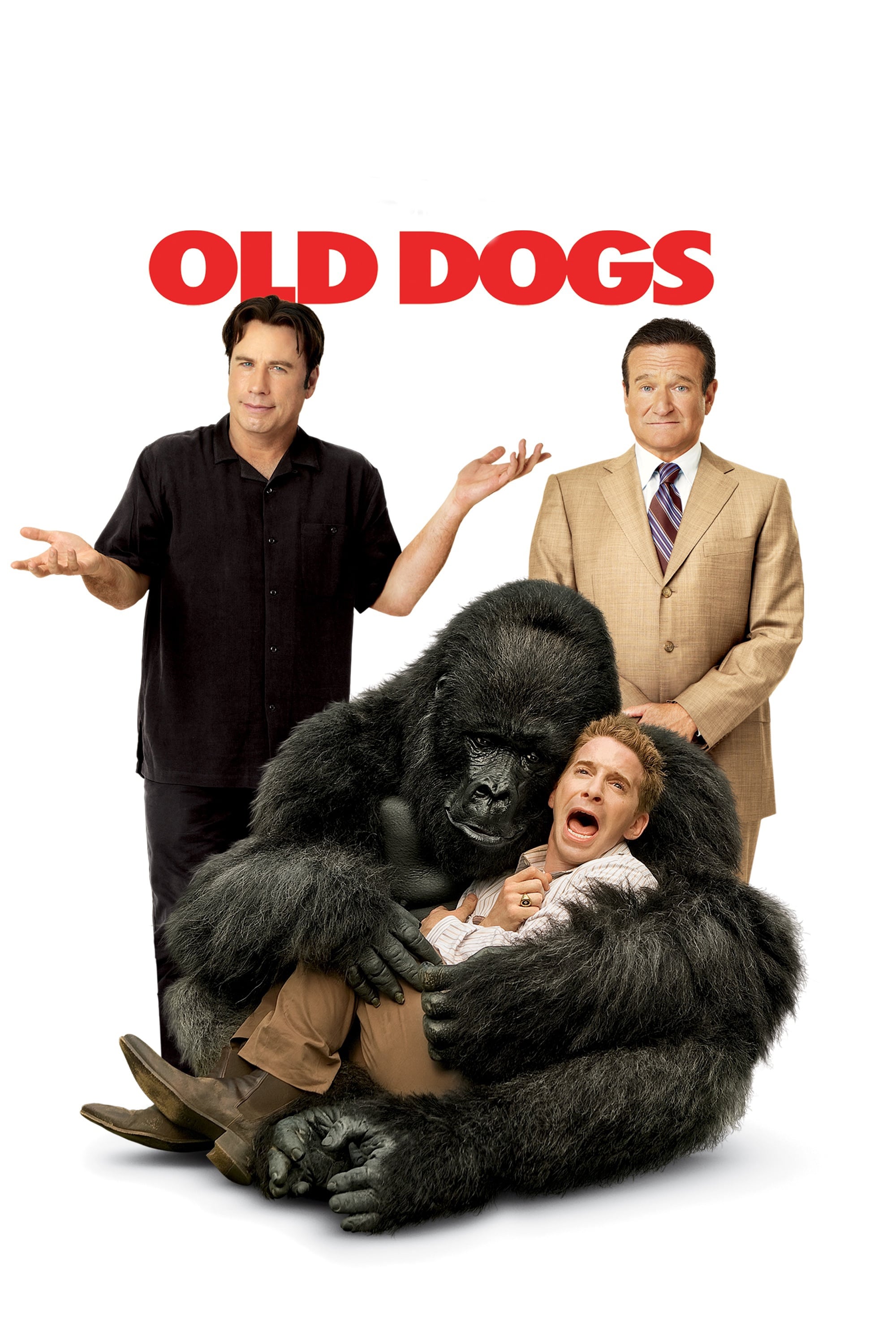
This family comedy, starring John Travolta and Robin Williams, follows two friends unexpectedly tasked with raising twin babies. While aiming for laughs, the film heavily relied on predictable jokes about getting older and the challenges of parenting. Critics felt the humor was uninspired and that the movie didn’t showcase the actors’ talents well. Ultimately, the film wasn’t successful, receiving negative reviews for its lack of genuine emotion and overuse of tired, predictable gags. It didn’t appeal to kids or grown-ups.
‘The Sweetest Thing’ (2002)
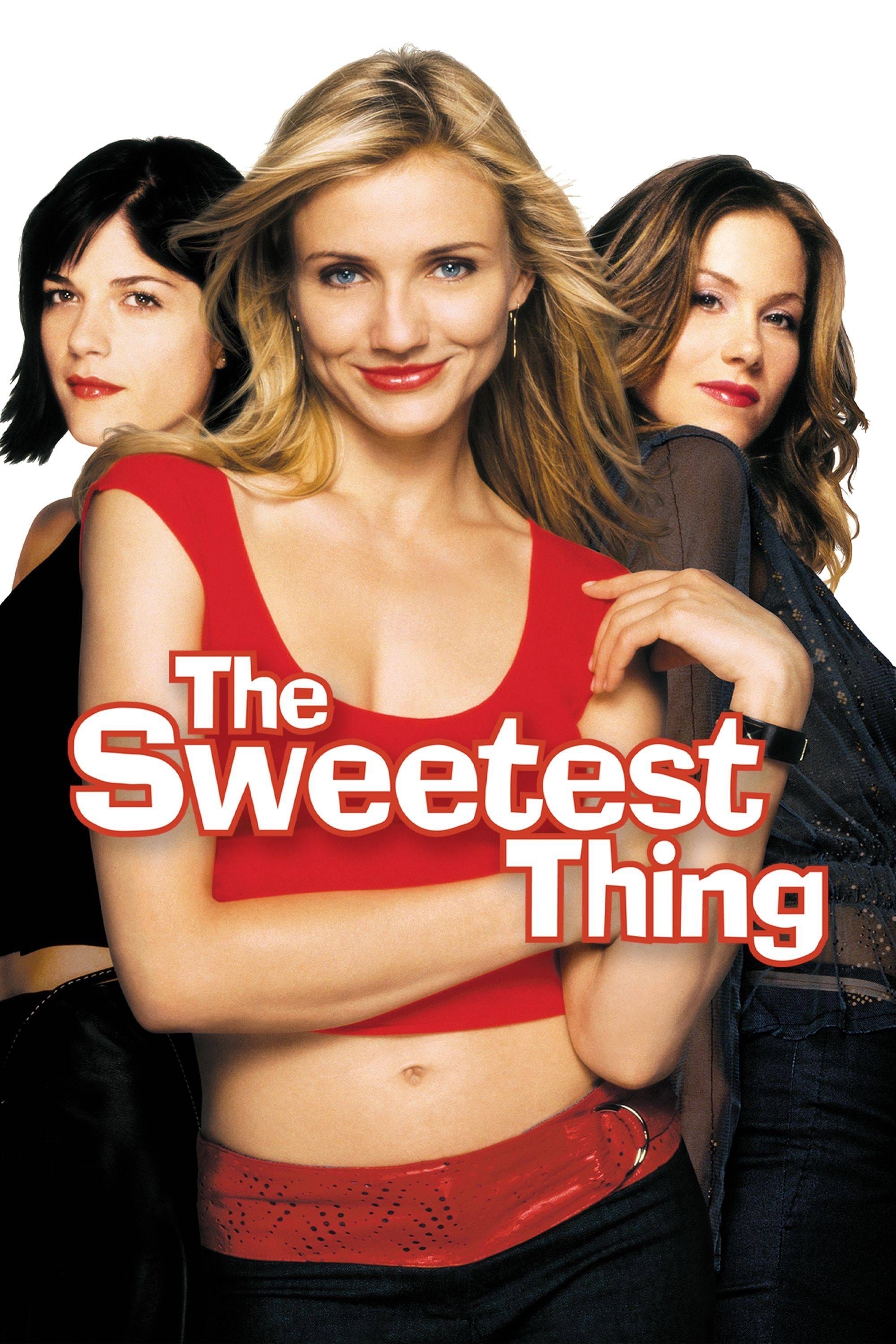
This comedy, aimed at female audiences, tried to be a bolder, more adult take on the typical romantic comedy. However, it included awkward musical numbers and jokes that didn’t land well with viewers. Critics felt the film desperately tried to be shocking but ended up being irritating instead. Ultimately, the movie didn’t succeed at the box office and received largely negative feedback, and it didn’t spark a wave of similar, R-rated comedies starring women.
‘How High 2’ (2019)
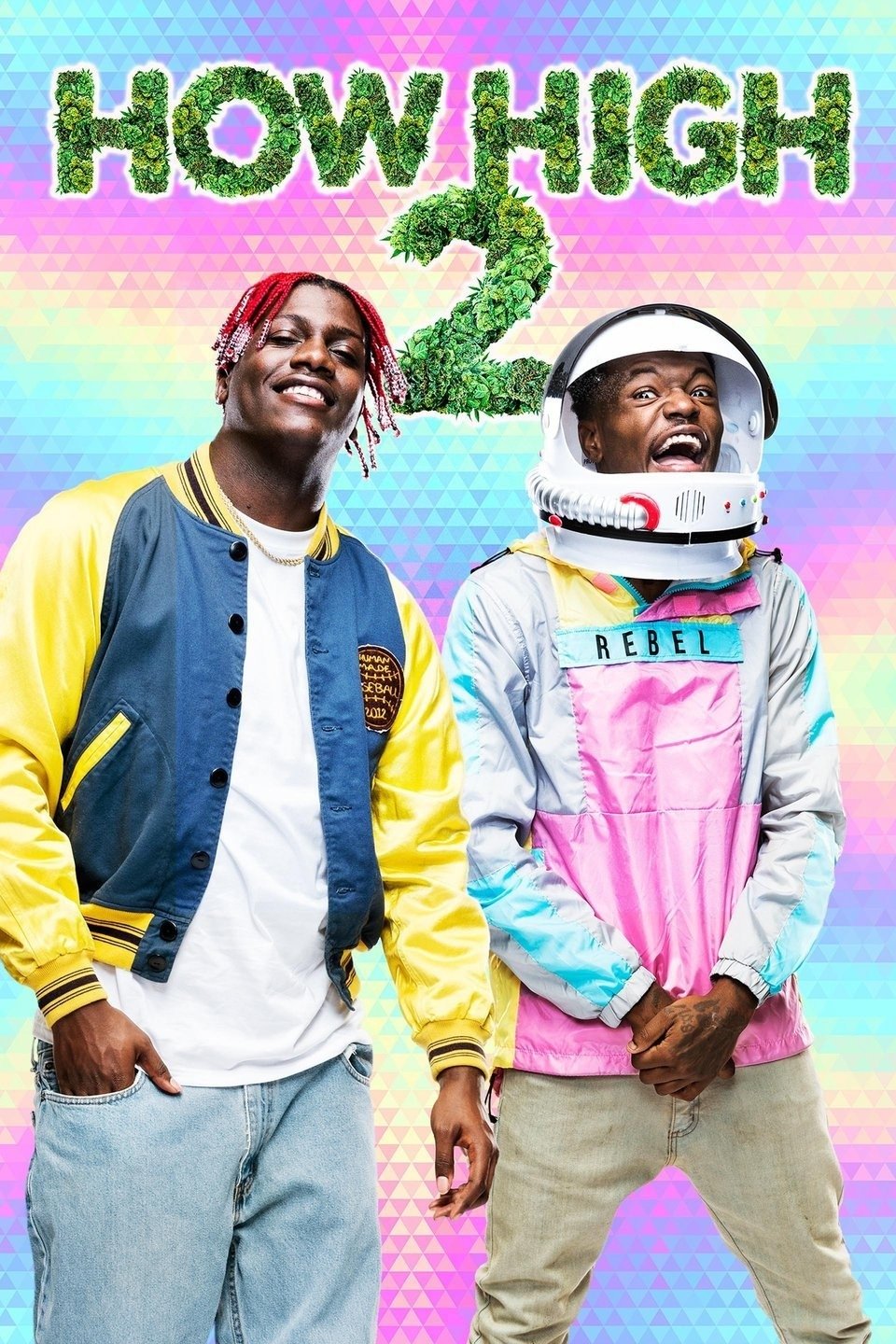
Okay, so I just saw the sequel to that beloved cult film, and honestly? It was rough. The original stars weren’t involved, which was a huge bummer right off the bat. But beyond that, the movie just felt…dated. It leaned hard into stoner humor that honestly didn’t land, and felt totally out of touch. The fans of the original – and believe me, they made their feelings known – were really upset, and understandably so. It just didn’t feel like the same movie, and it lacked any respect for what made the first one so special. Critics hated it, hardly anyone went to see it, and it’s become a textbook example of a sequel that nobody actually wanted.
‘Freddy Got Fingered’ (2001)
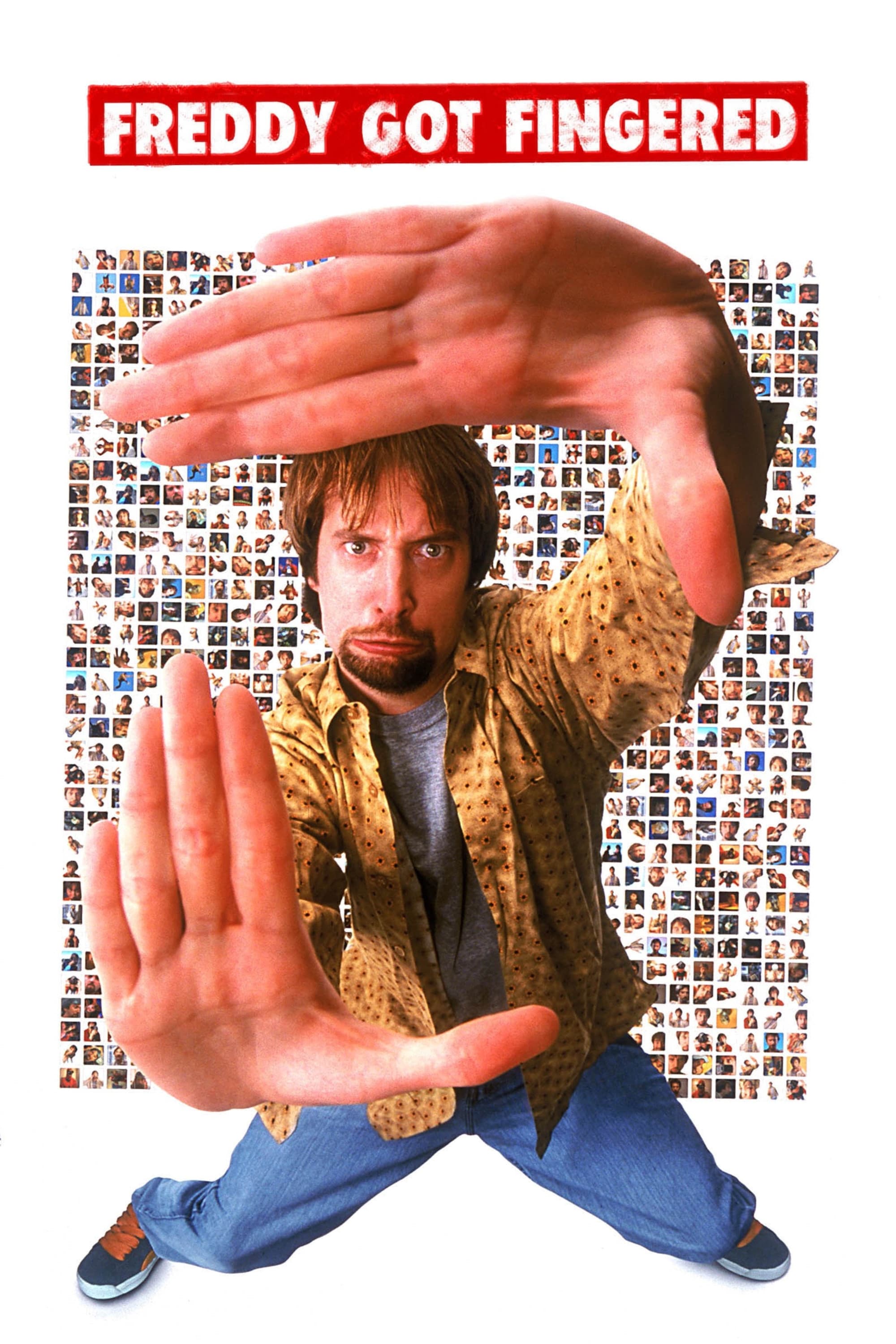
Okay, so I stumbled across this movie directed by Tom Green, and let me tell you, it’s… something else. It’s a really bizarre comedy, and it doesn’t shy away from pushing boundaries – sometimes way too far. There were definitely moments that felt uncomfortable, even disturbing, and it played with some topics most movies avoid. Critics absolutely hated it, and it flopped hard at the box office. Now, it’s got this weird little cult following, but mostly it’s remembered as a huge gamble by the studio that just didn’t pay off. You still see it pop up on ‘worst movies ever’ lists all the time, and honestly, it’s kind of infamous.
‘Swept Away’ (2002)
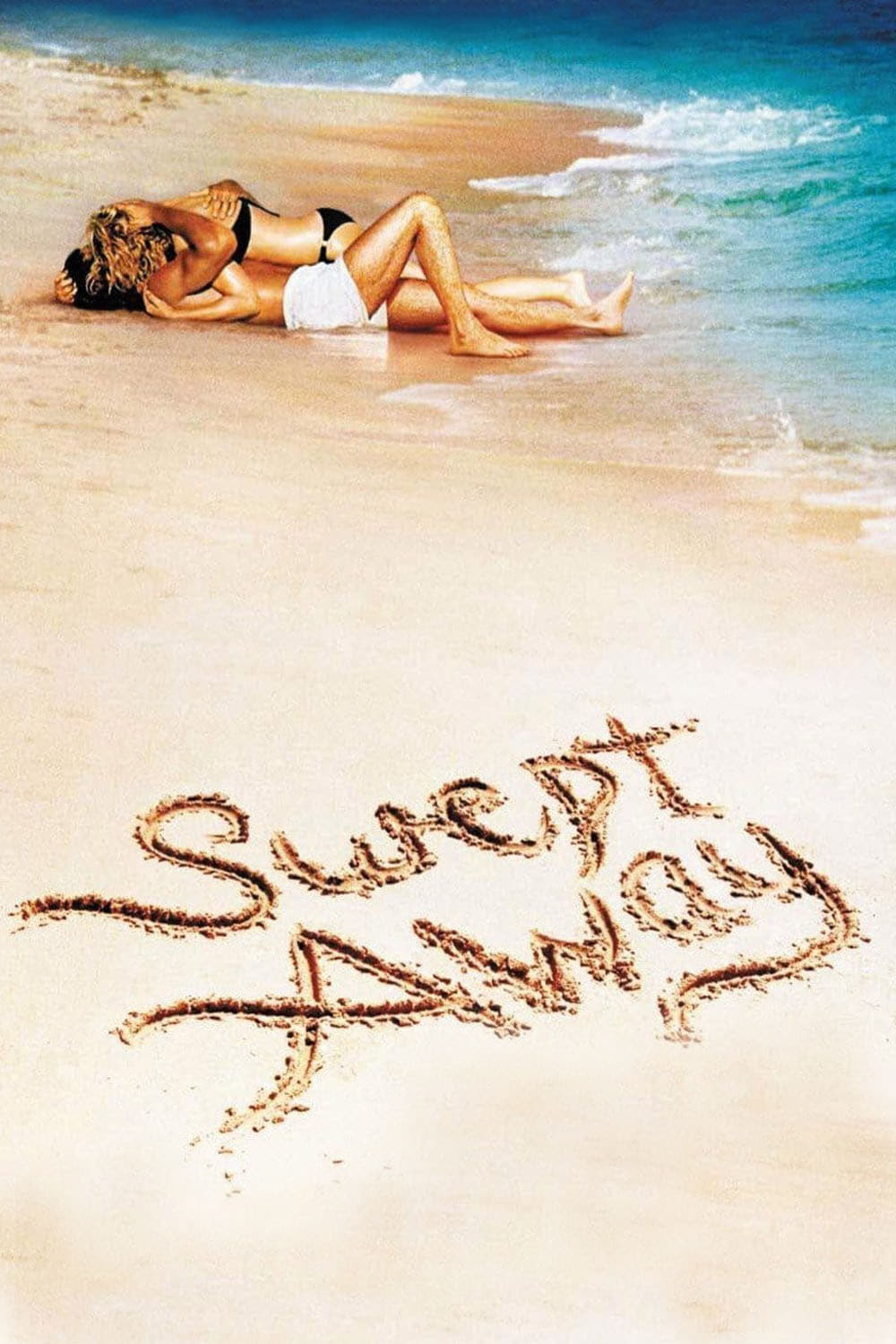
The remake, directed by Guy Ritchie and starring Madonna, was heavily criticized for being unnecessarily harsh and featuring sexist ideas. Many viewers found the jokes and situations in the film offensive towards women. Critics also noted a lack of connection between the lead actors, and the dialogue was widely considered poor. The movie failed to earn money at the box office and received multiple Golden Raspberry Awards, marking a low point in the careers of those involved.
‘The Garbage Pail Kids Movie’ (1987)
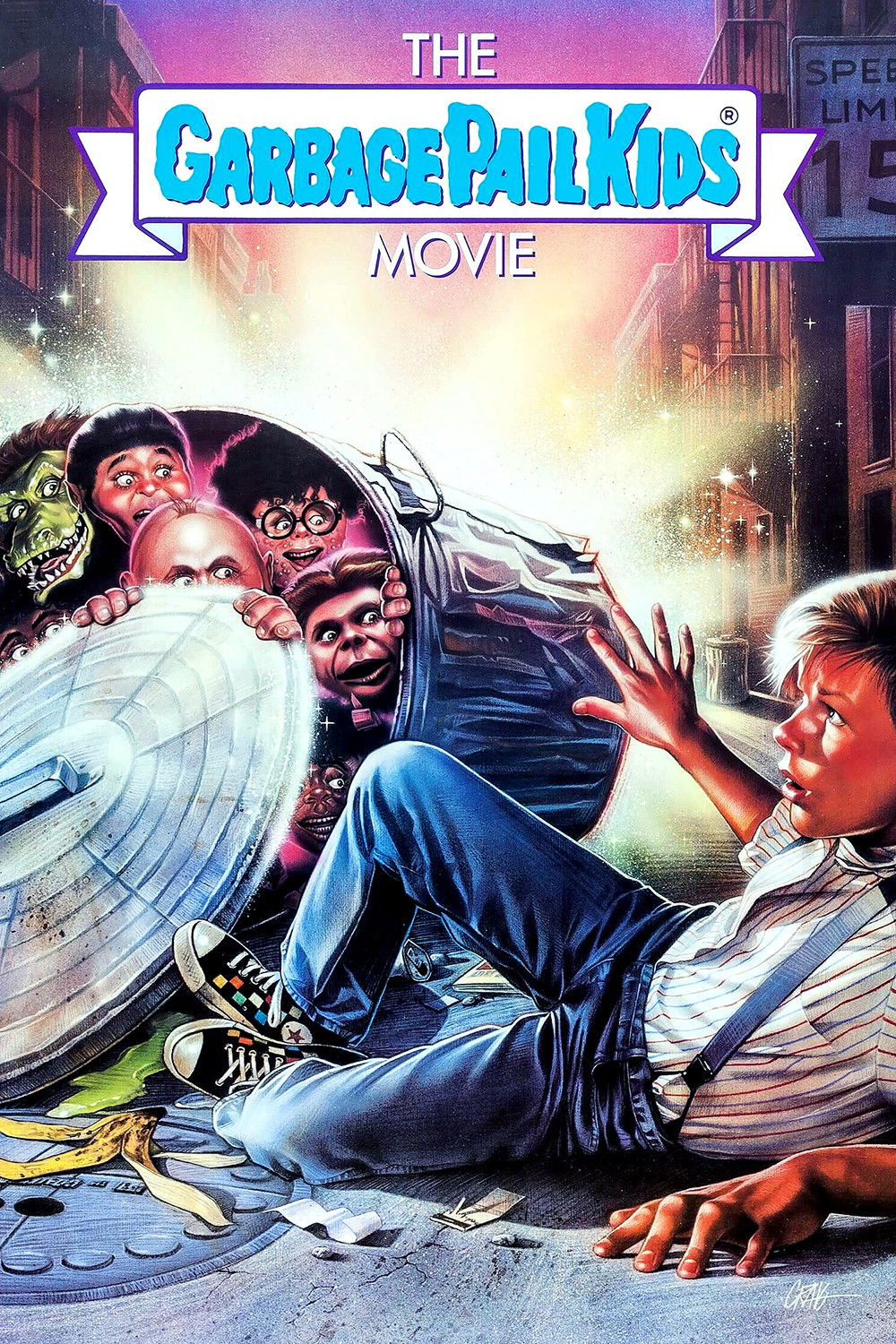
This movie, based on a famously unpopular set of trading cards, was almost universally hated when it came out. Its attempts at humor relied on crude jokes and upsetting situations involving the characters, which many viewers found disturbing instead of funny. Both parents and critics protested the film due to its unsuitable content for children. It quickly became a box office flop and was removed from cinemas soon after its release. To this day, it’s remembered as a particularly terrible movie idea.
‘Pan’ (2015)

The movie about Peter Pan quickly faced criticism for casting Rooney Mara, who is not Native American, as Tiger Lily. Many people accused the filmmakers of “whitewashing” – replacing a character of color with a white actress. The filmmakers stood by their decision and didn’t change the story, but the film performed very poorly in theaters, losing the studio over $100 million. It’s now frequently cited as an example of how controversial casting choices can lead to a film’s failure.
Share your thoughts on these controversial film decisions in the comments.
Read More
- 20 Movies Where the Black Villain Was Secretly the Most Popular Character
- Celebs Who Narrowly Escaped The 9/11 Attacks
- Top 20 Dinosaur Movies, Ranked
- 25 “Woke” Films That Used Black Trauma to Humanize White Leads
- Transformers Under the Microscope: What Graph Neural Networks Reveal
- The 10 Most Underrated Jim Carrey Movies, Ranked (From Least to Most Underrated)
- 22 Films Where the White Protagonist Is Canonically the Sidekick to a Black Lead
- Silver Rate Forecast
- The Best Directors of 2025
- Trading on Thin Air: AI Agents Conquer Crypto Volatility
2026-01-05 10:50