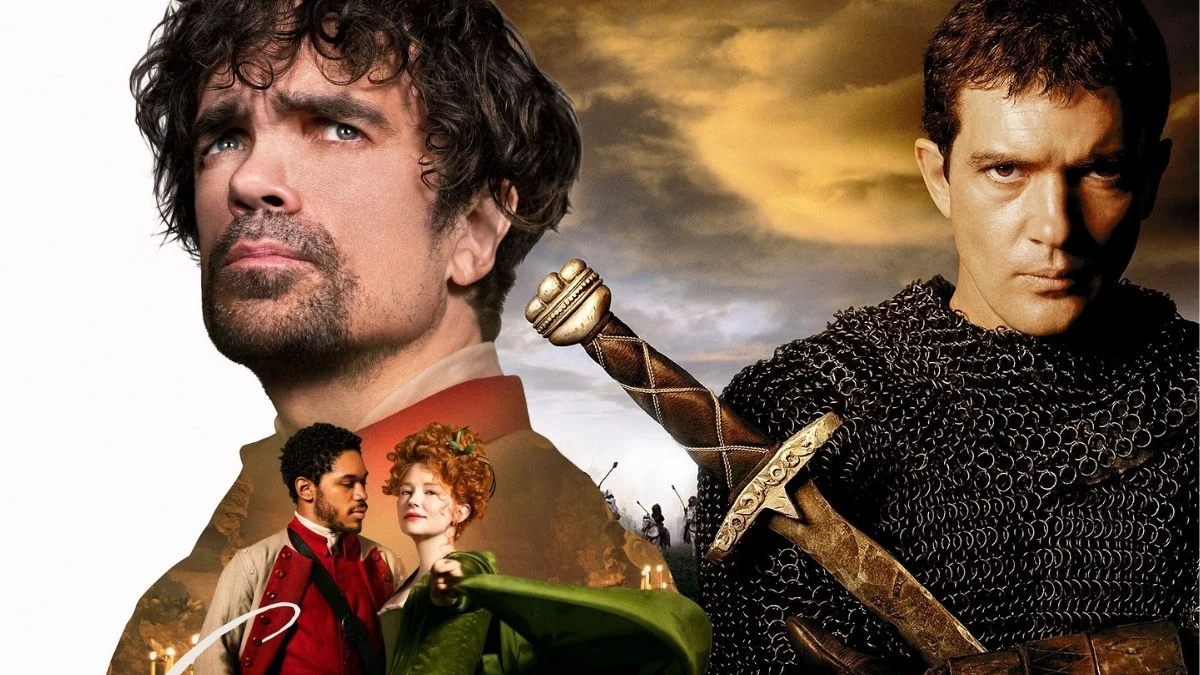
Throughout film history, actors have often played characters whose race or ethnicity didn’t match the real people they were based on. This started with practices like yellowface and blackface in early Hollywood and has continued with more recent attempts at “color-blind casting” in historical movies and musicals. While some filmmakers do this to update stories or give opportunities to diverse actors, other choices have been criticized for ignoring the backgrounds of the people being portrayed. These films frequently spark discussions between historians and viewers about how much creative freedom filmmakers should have when telling real-life stories.
‘The Conqueror’ (1956)

This historical epic features John Wayne playing Genghis Khan, the famous Mongol leader, in a story set in the 12th century. The filmmakers faced criticism for casting a white American actor in the role of an Asian historical figure and relying heavily on makeup and accents to change the actors’ appearances. Many historians now use this film as a key example of how early Hollywood often approached stories about other cultures. It continues to be studied today for its choices in casting and how it represented different cultures.
‘Cleopatra’ (1963)
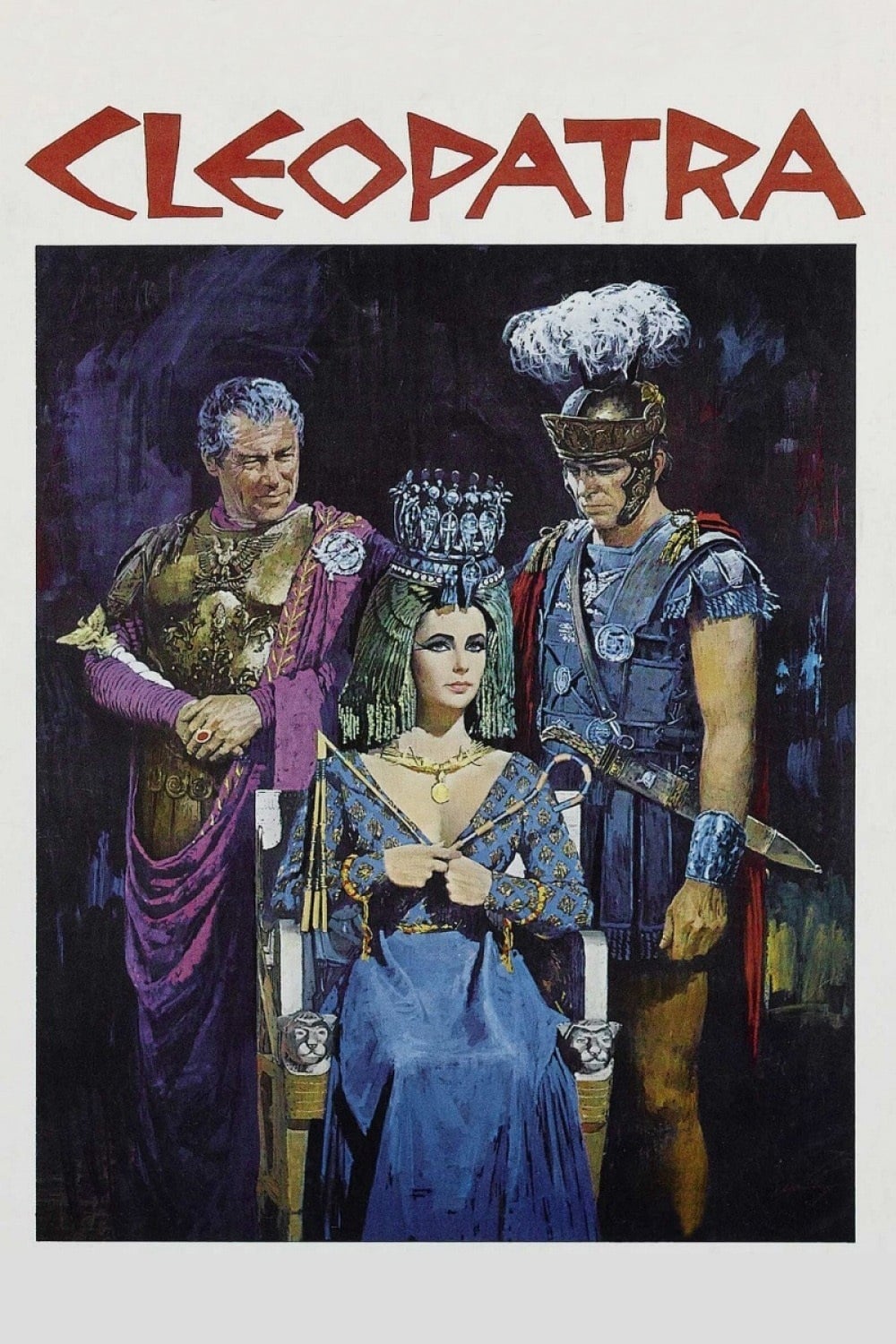
Okay, let me tell you about Cleopatra. Elizabeth Taylor absolutely is this movie – she embodies the queen with a charisma that’s still captivating today. The film itself is huge, a real spectacle of costumes and sets that pretty much defined how we pictured ancient Egypt for years. However, looking back, it’s hard to ignore the controversy around the casting. Taylor, a white actress, played a queen who was actually of Greek descent, and it really highlights how Hollywood historically approached – and often misrepresented – characters from North African and Mediterranean backgrounds. It’s a beautiful film, but one you can’t watch now without thinking about that complicated history.
‘The Ten Commandments’ (1956)
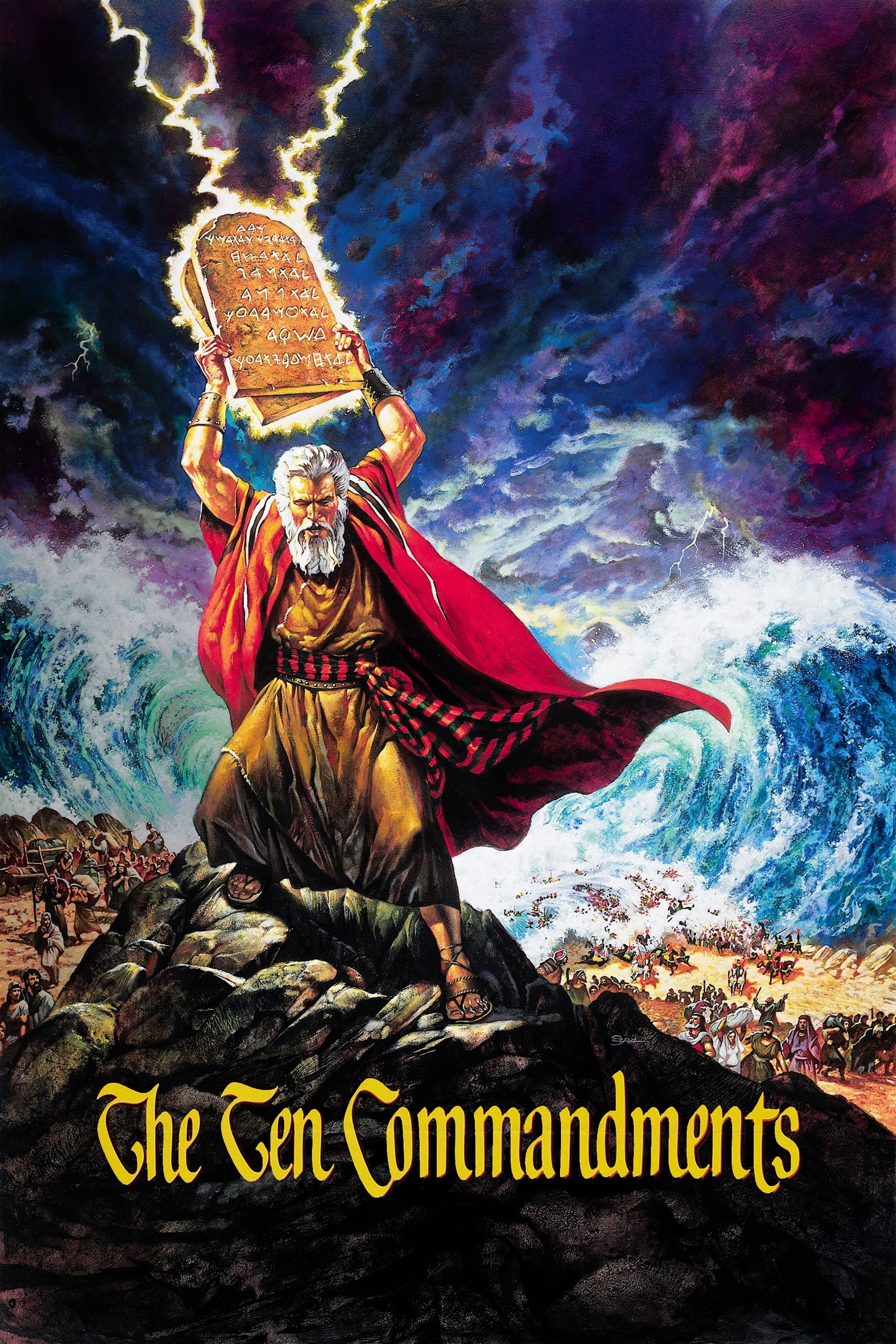
Okay, let’s talk about ‘The Ten Commandments.’ Charlton Heston is Moses in this truly grand, sweeping epic about the Israelites’ escape from Egypt. Now, watching it today, it’s impossible not to notice the casting choices – a lot of white actors playing characters who were, historically, from the Middle East and North Africa. That was pretty common for the time, but it definitely sticks out now. While history nerds (myself included!) often debate how accurate the film is in terms of portraying the people and culture, there’s no denying its impact. It was a huge hit when it came out, and it still gets shown on TV every year around the holidays. It’s a classic, even with its flaws.
‘Exodus: Gods and Kings’ (2014)

As a movie buff, I was really intrigued when I heard Christian Bale was playing Moses in Ridley Scott’s new take on the Exodus story. But honestly, the initial reaction was pretty negative, and rightly so. The casting choices were… problematic. All the key roles – Egyptians and Israelites – went to white actors, while actors of color were largely relegated to playing slaves or extras. Scott tried to justify it by saying it was a financial necessity to get the film made, but it really opened up a huge discussion about whitewashing in big historical epics, and whether financial concerns should outweigh authentic representation. It was a frustrating situation, because the film itself could have been great, but the casting overshadowed everything.
‘Gods of Egypt’ (2016)

This fantasy movie features Gerard Butler and Nikolaj Coster-Waldau as powerful Egyptian gods, drawing inspiration from ancient myths. However, the decision to cast mostly white actors to play the gods of a North African civilization sparked significant online backlash. Both the director and the studio publicly apologized for the casting choices before the film’s release. Many historians pointed out that the movie could have more accurately reflected the diverse population of ancient Egypt. The controversy surrounding the film is believed to have negatively affected its box office results.
‘A Mighty Heart’ (2007)
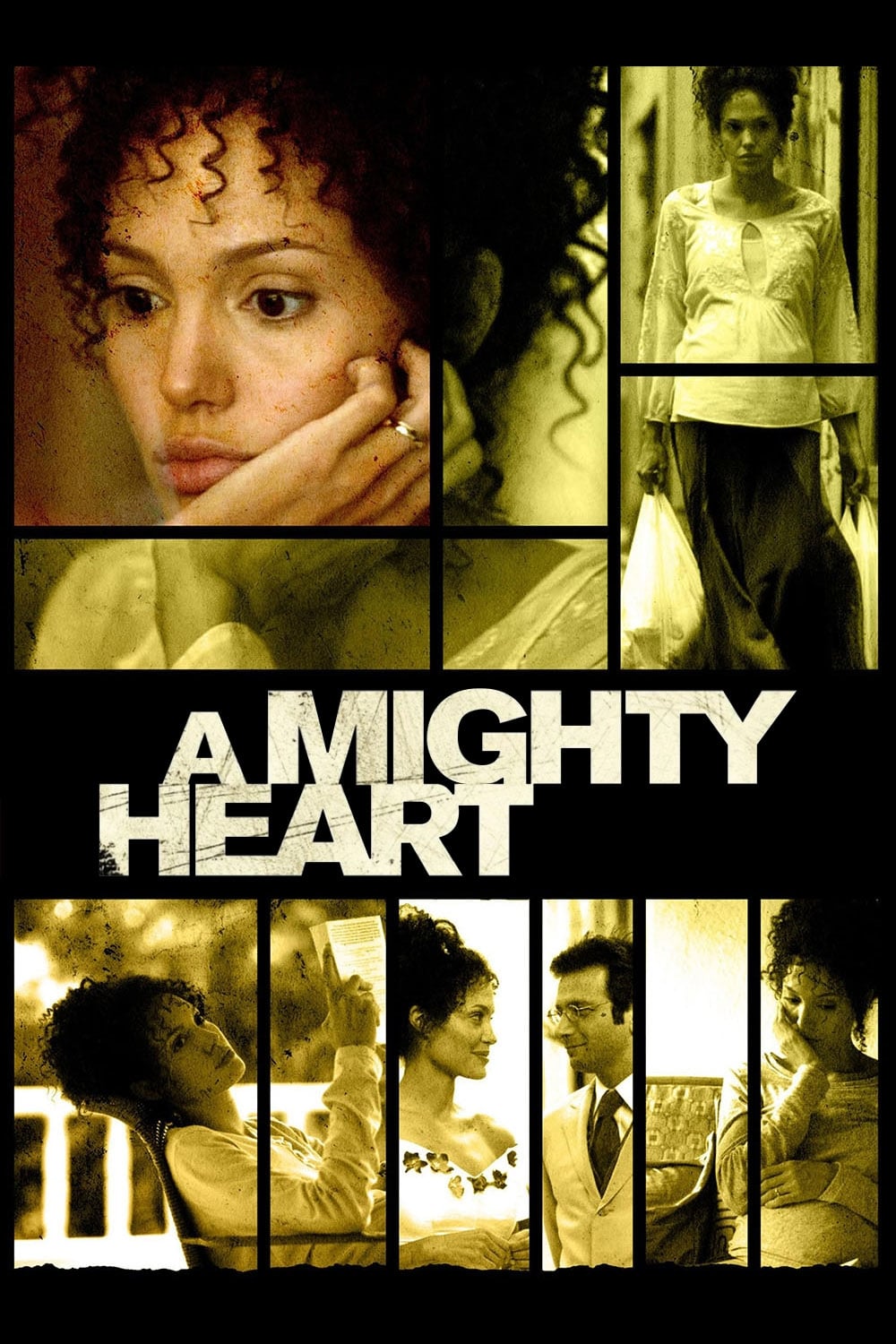
This dramatic film stars Angelina Jolie as Mariane Pearl, the wife of kidnapped journalist Daniel Pearl, and tells the story of the search for him. Because Jolie is white and Mariane Pearl is of mixed African and Chinese heritage, the filmmakers used makeup to alter Jolie’s skin tone and hair texture to more closely resemble Pearl. This decision sparked controversy, with many questioning why an actress of color wasn’t cast instead. While the film received positive reviews for its powerful story, it also faced criticism for its choices regarding how race was portrayed.
‘The Human Stain’ (2003)
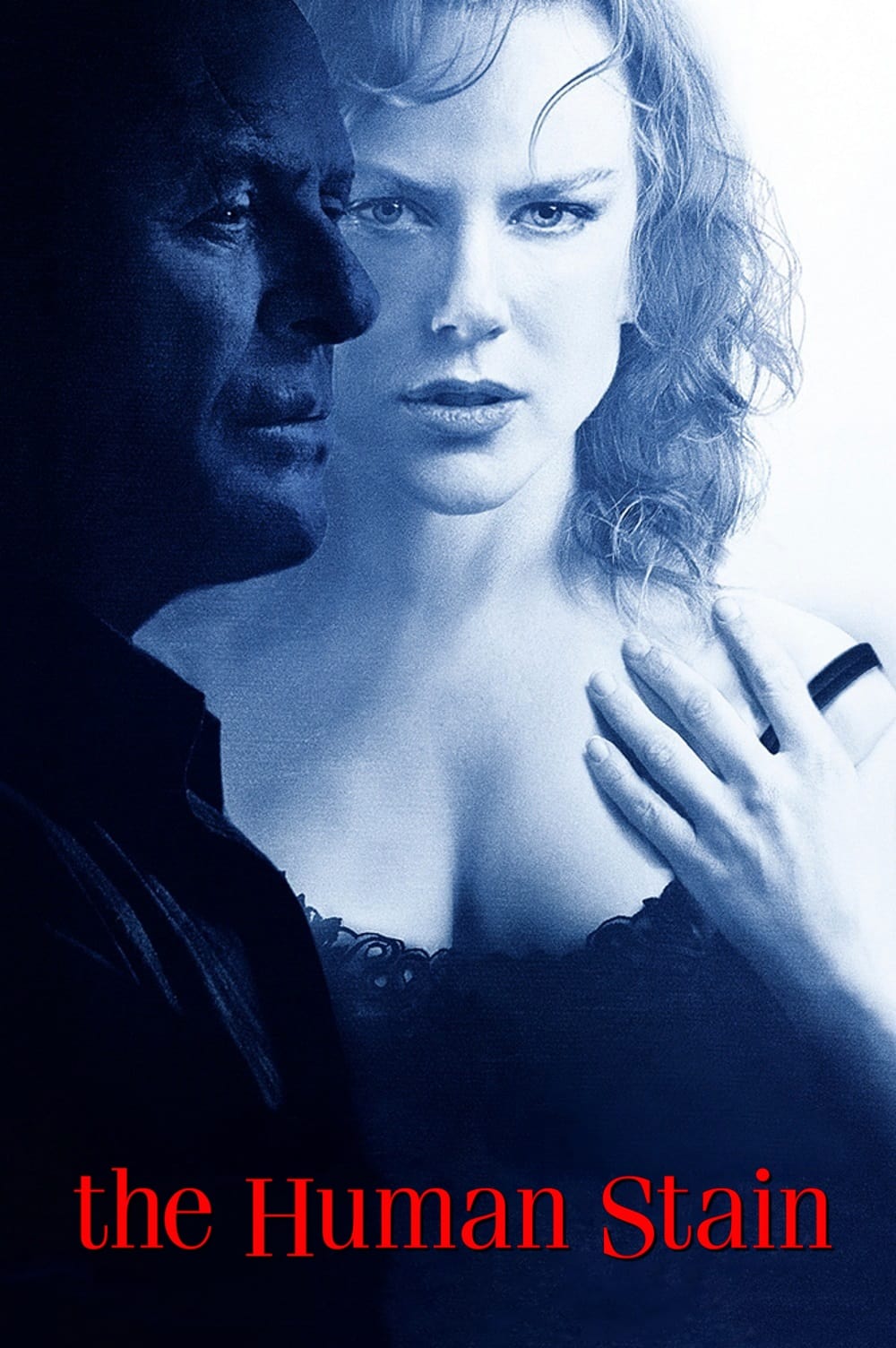
The film features Anthony Hopkins as Coleman Silk, a professor whose secret is that he’s been living as a white man despite being Black. While the story needed someone who appeared white, some critics argued that casting a well-known white actor diminished the impact of the character’s life story. The film delves into issues of identity and how society constructs the idea of race in mid-20th century America, and scholars continue to discuss whether the casting choices strengthened or weakened the message of the book it’s based on.
‘Argo’ (2012)
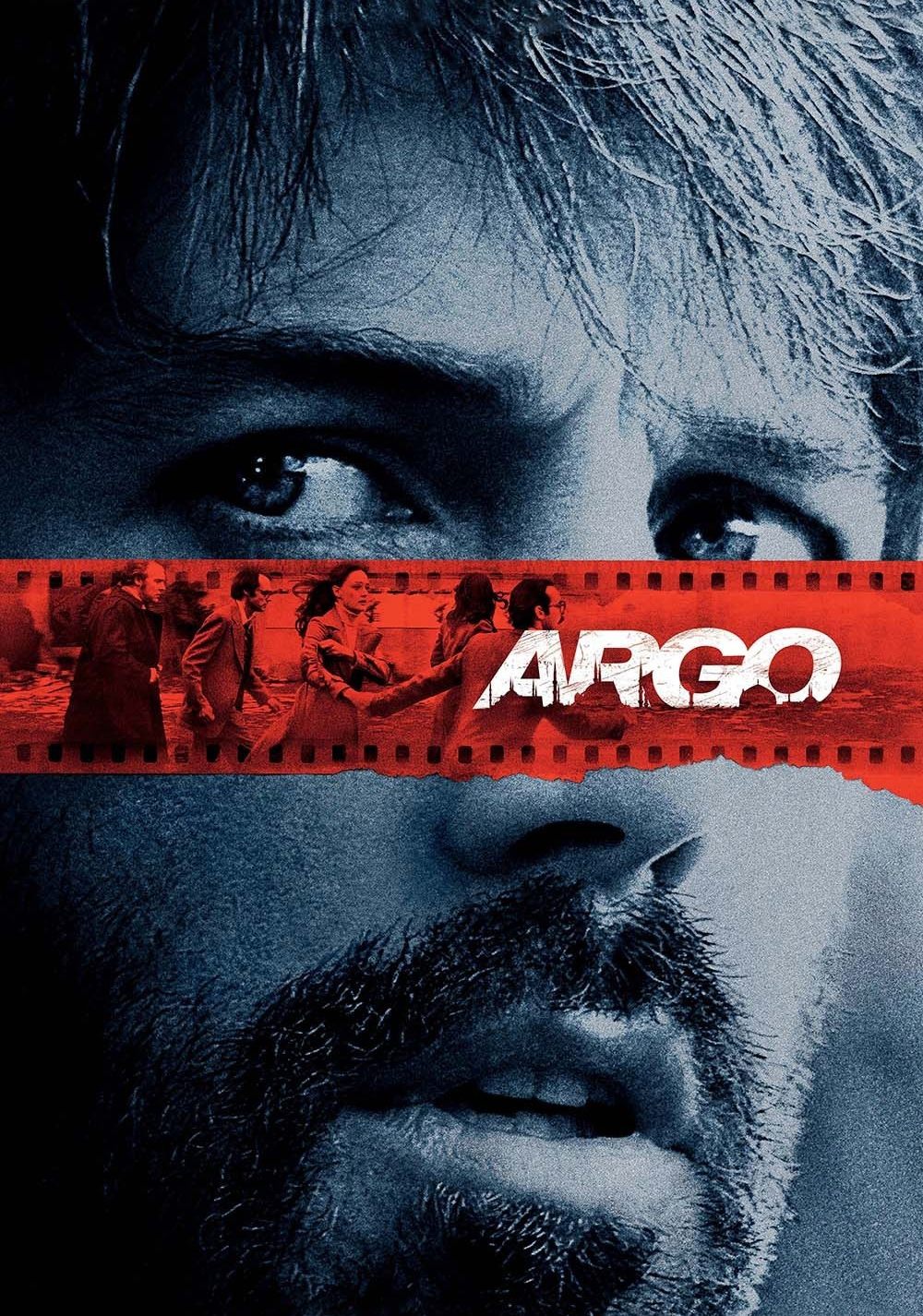
The film Argo, directed by and starring Ben Affleck, tells the true story of Tony Mendez, a CIA officer who bravely rescued six Americans trapped during the Iranian Hostage Crisis. While the movie won an Oscar for Best Picture, it sparked debate because Affleck, who is not Hispanic, played Mendez, who was of Mexican-American descent. Though Mendez himself didn’t object to the casting, many activists criticized the decision as another instance of Hollywood failing to give leading roles to Hispanic actors.
‘The Social Network’ (2010)

Max Minghella plays Divya Narendra in the film about the founding of Facebook, a Harvard student who sued Mark Zuckerberg. While Narendra is of Indian descent, Minghella’s family background is Italian and Chinese. This difference in heritage was noted by many when the movie was released. The film explores the lawsuits and personal disagreements that happened as Facebook was getting started, and it continues to be praised by critics despite the conversation around its casting.
‘The Martian’ (2015)

Mackenzie Davis stars as Mindy Park, a NASA employee who helps track an astronaut lost on Mars. While the character was written as Korean-American in Andy Weir’s original book, the filmmakers cast a white actress, which sparked criticism and accusations of whitewashing. Despite being a box office success and receiving award nominations, the film is often mentioned as an example of a modern movie that altered a character’s ethnicity from the source material.
‘Aloha’ (2015)

Emma Stone played Allison Ng in a film, a character written as being of Chinese and Native Hawaiian ancestry. This casting choice, with a white actress in the role, sparked significant public criticism and a formal protest from a media advocacy group. The director, Cameron Crowe, later apologized, explaining the character was inspired by a real person he knew who didn’t reflect that heritage. The movie didn’t perform well in theaters, and the controversy surrounding the casting ultimately drew more attention than the film’s story.
‘Anne Boleyn’ (2021)
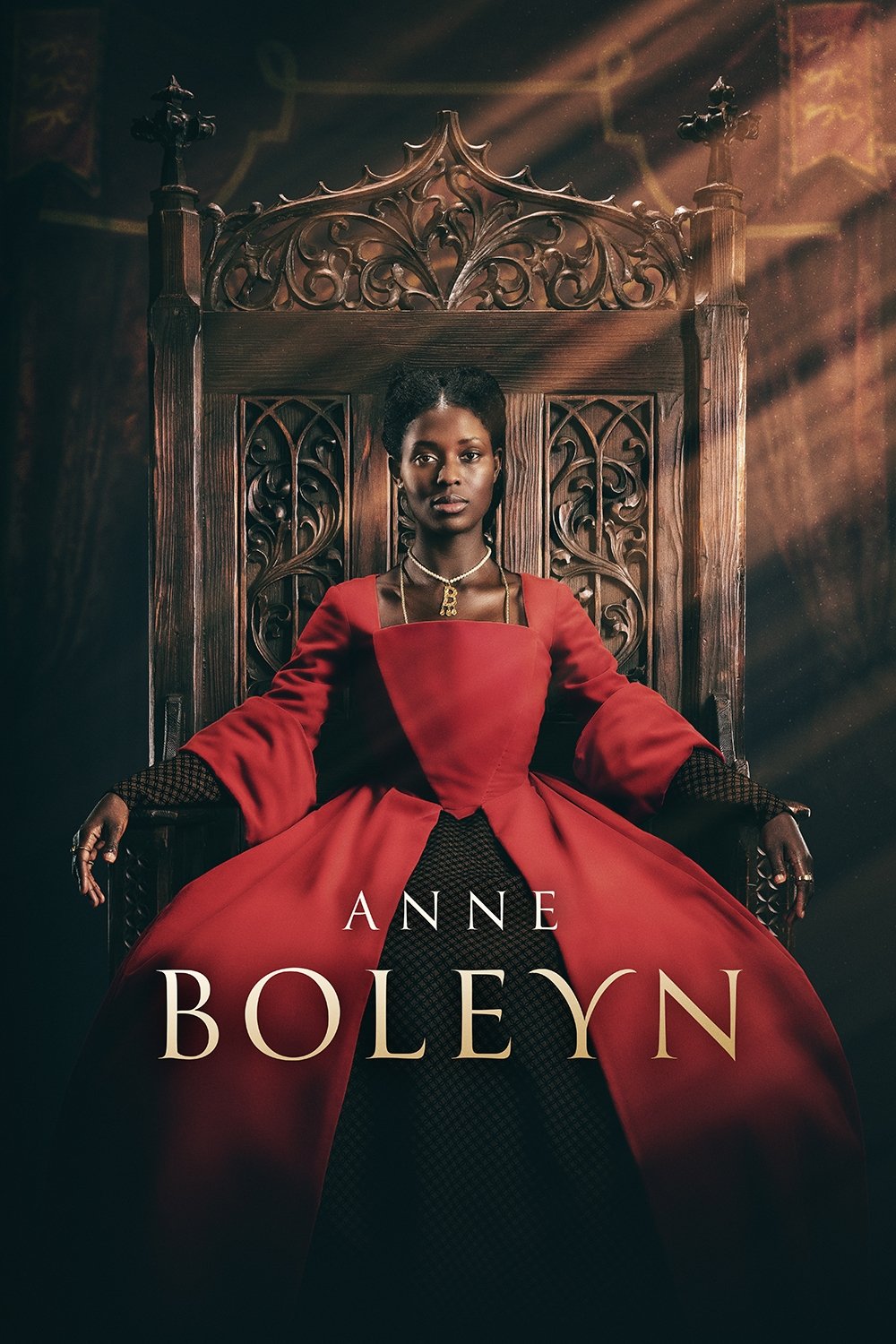
Jodie Turner-Smith stars as King Henry VIII’s second wife in this suspenseful miniseries. The decision to cast a Black actress as the Queen sparked debate among those who believe historical dramas should accurately reflect the time period. However, supporters explained that the casting choice, known as color-blind casting, highlighted the character’s position as an outsider within the Tudor court. The series centers on the last months of her life and her efforts to ensure a secure future for her daughter, and it continues to be a prominent example of changing a character’s race in a historical setting.
‘The Hollow Crown’ (2012–2016)
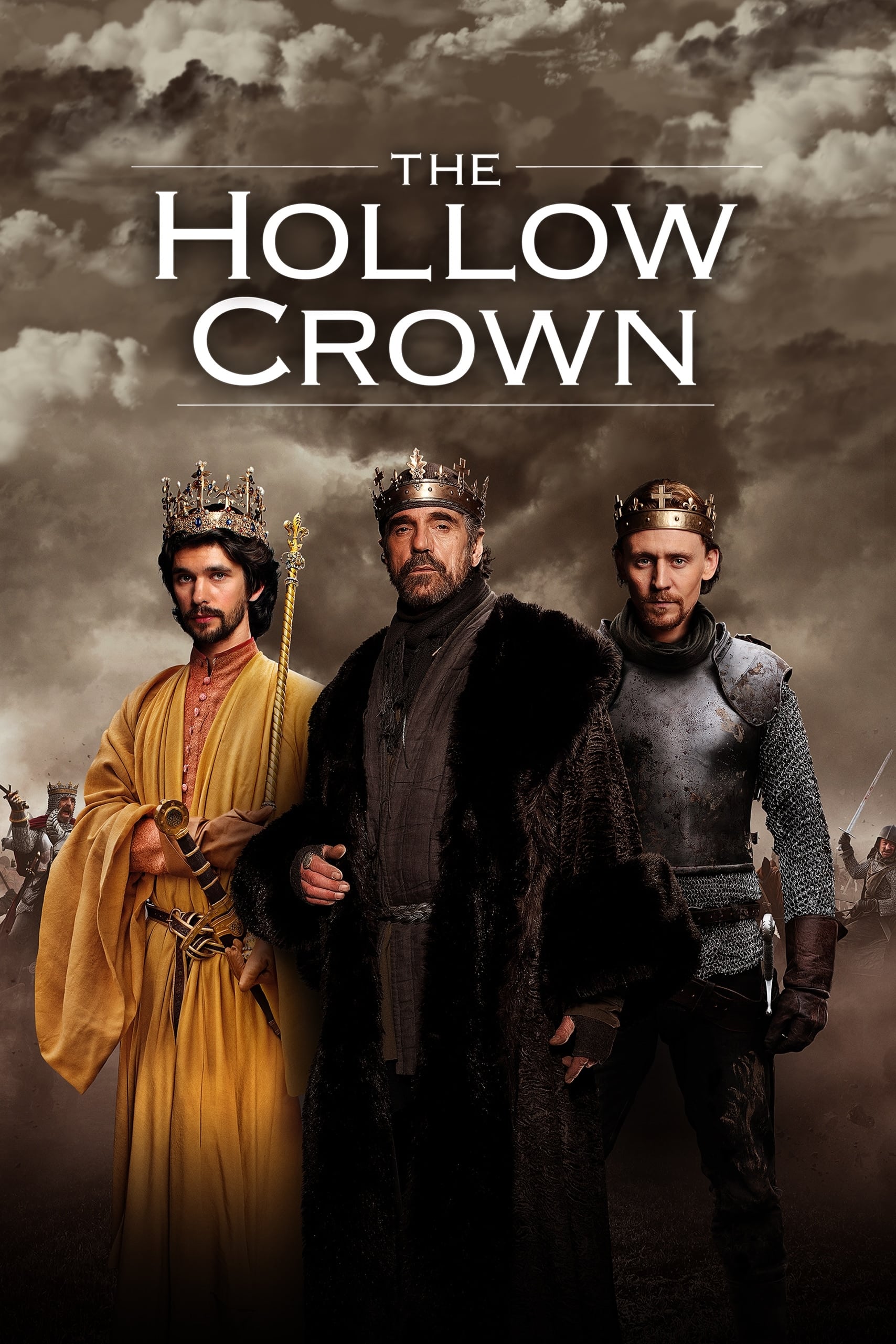
This television series adapts Shakespeare’s history plays, with Sophie Okonedo starring as Queen Margaret of Anjou. While the historical Margaret was a white French noblewoman, Okonedo, a Black actress, brings the role to life. The production is praised for its quality and for staying true to Shakespeare’s original language. The casting choice was intentional, aiming to increase diversity in classic theater and historical dramas, and the series has been well-received by critics despite the difference in appearance from historical depictions.
‘The Great’ (2020–2023)
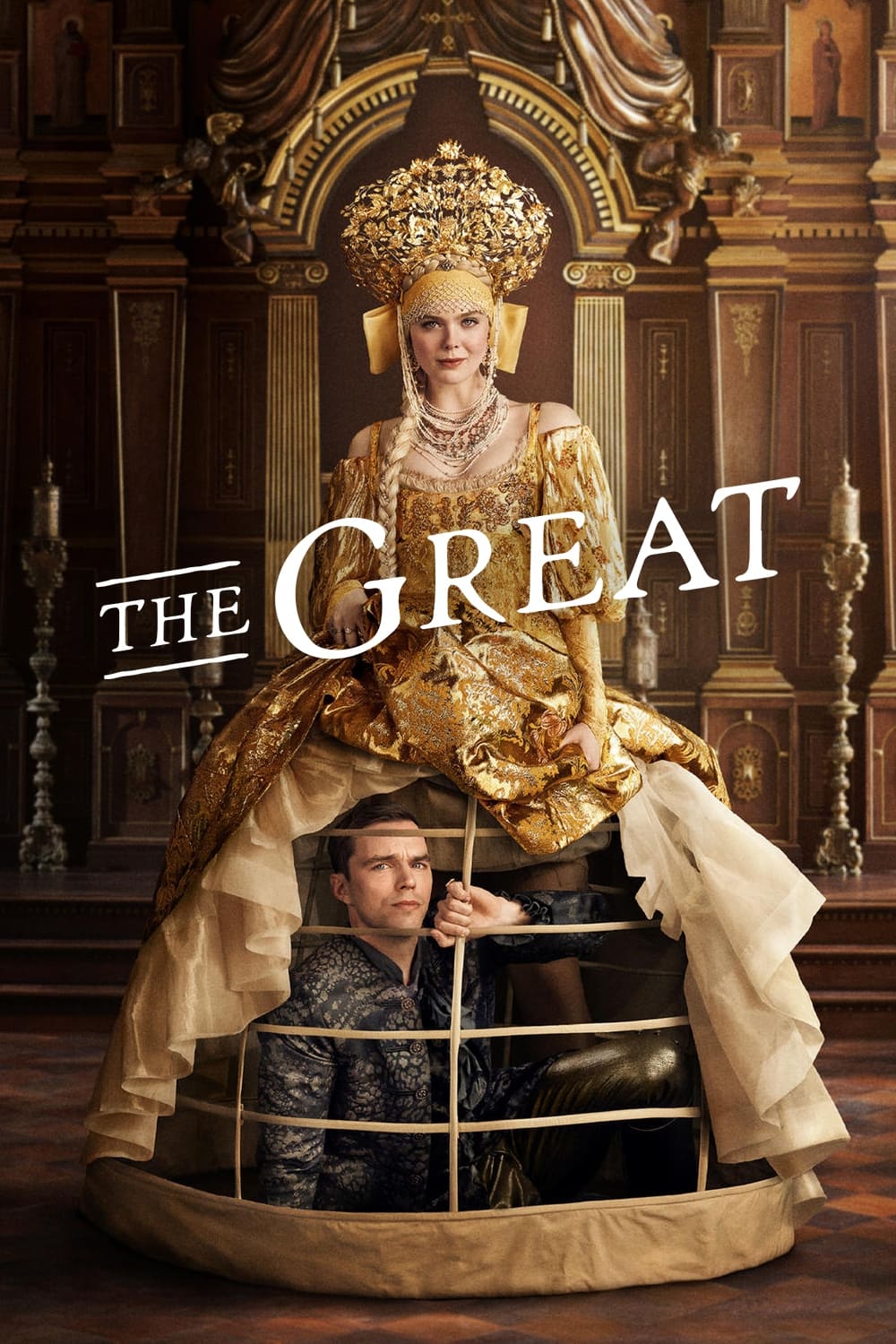
Sacha Dhawan plays Count Orlo in this comedic and imaginative take on Catherine the Great’s rise to power in Russia. The show features a diverse cast representing members of the 18th-century Russian court. Its creators call it a ‘sometimes true’ story, focusing more on entertainment and big ideas than strict historical accuracy. This allowed them to cast a wider range of actors in a historical setting that’s usually shown with only white performers. The show is often talked about by history enthusiasts for deliberately challenging typical historical drama conventions.
‘Cyrano’ (2021)
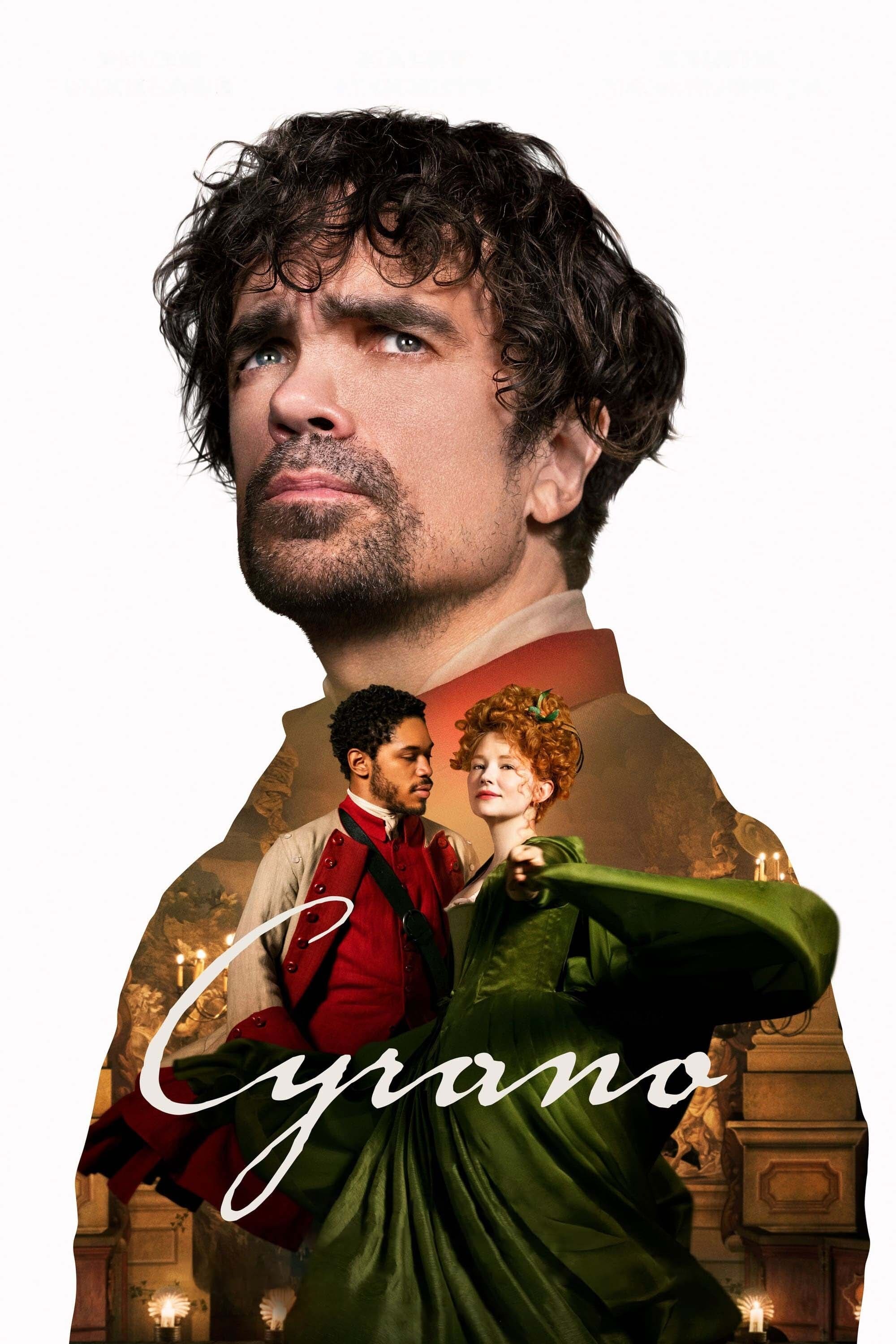
This musical film reimagines the classic story of Cyrano de Bergerac, with Peter Dinklage taking on the lead role. Instead of focusing on Cyrano’s famously large nose, the film uses Dinklage’s height to explore feelings of insecurity and unreturned love. The production features a diverse cast, moving away from the historical accuracy of seventeenth-century France, and was filmed on location in Italy with a striking visual style. Critics have applauded its fresh and inventive portrayal of a familiar historical figure.
‘The King and I’ (1956)
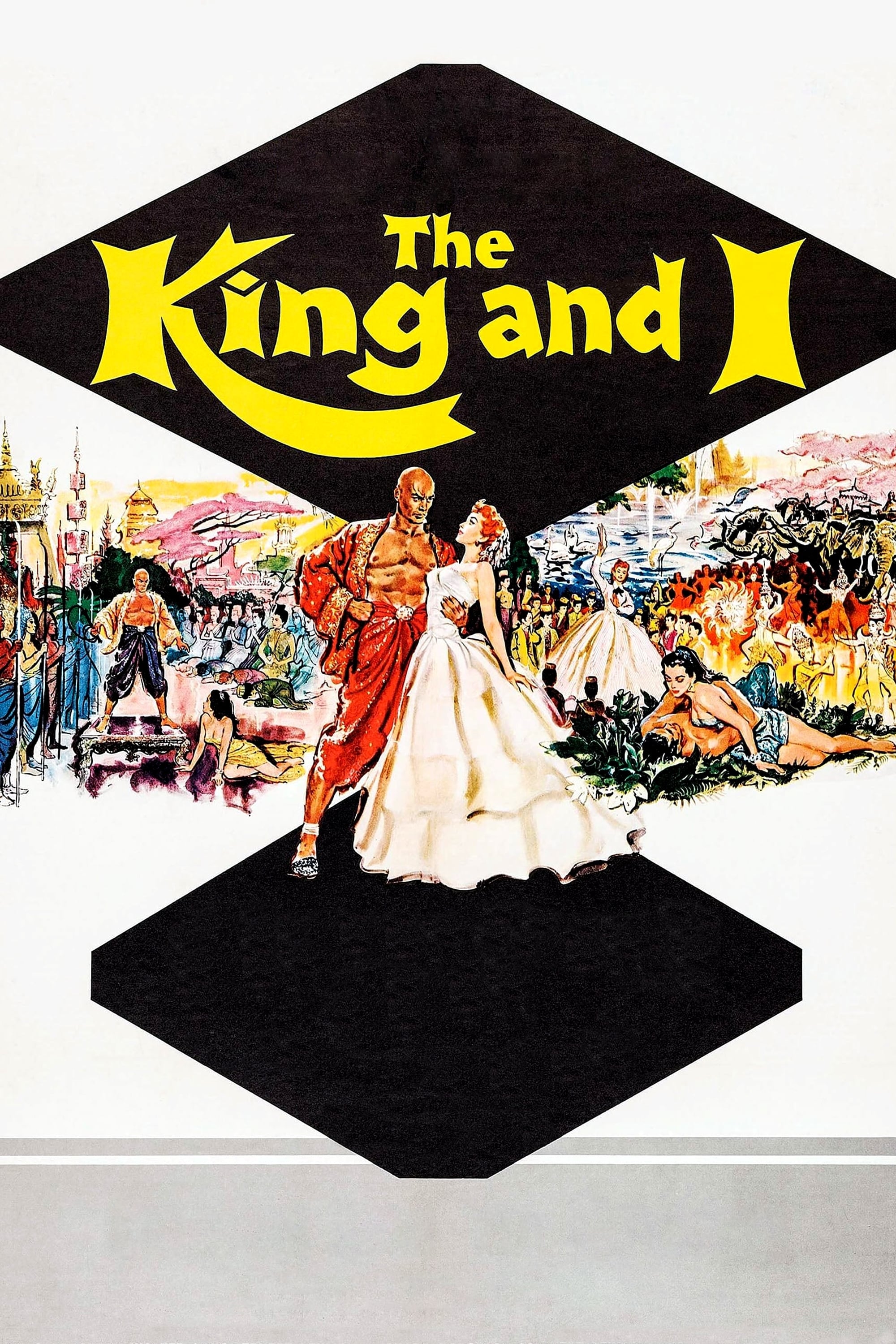
This classic musical tells the story of a British schoolteacher who journeys to Siam (now Thailand). Yul Brynner, who had Swiss and Mongol ancestry, famously played King Mongkut, the Thai ruler. However, the production was criticized for its Westernized view of Eastern culture and faced a ban in Thailand due to historical inaccuracies and its depiction of the royal family. Despite the controversy, the role of the King became Brynner’s most iconic, and he performed it thousands of times. The film and stage production continue to spark debate about cultural representation and casting choices.
‘Dragon Seed’ (1944)

This film features Katharine Hepburn as Jade Tan, telling the story of Chinese villagers fighting to protect their home during the Japanese invasion. It was common for Hollywood to cast white actors in roles portraying people of color at the time, and this movie is an example of that practice, with Hepburn using makeup and tape to change her appearance. While meant to be a dramatic and inspiring story about strength during wartime, the film is now primarily known as a clear illustration of the problematic racial casting choices common in mid-20th century cinema.
‘Genghis Khan’ (1965)
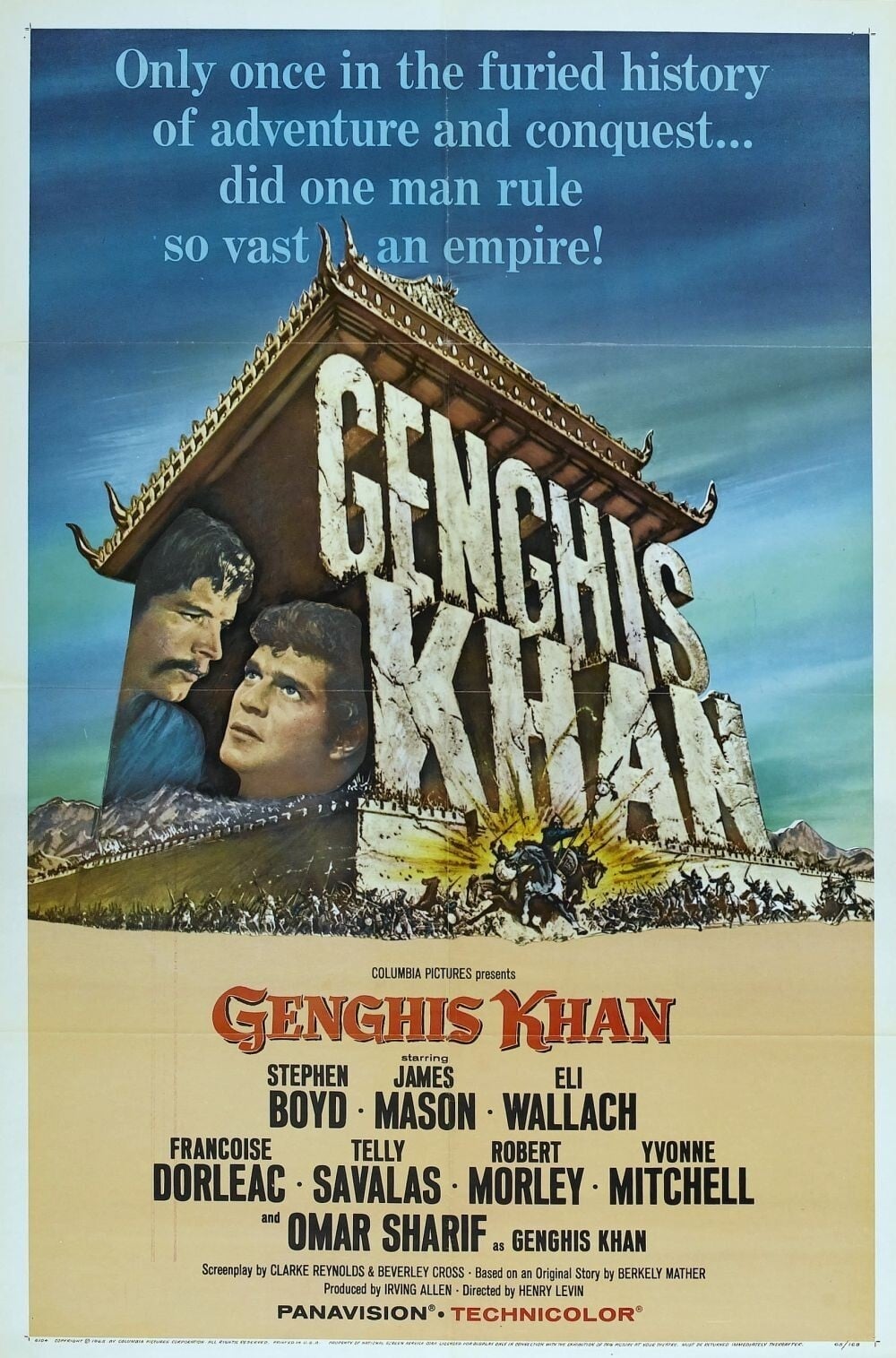
This international film stars Omar Sharif as Genghis Khan, the founder of the Mongol Empire. Sharif, a celebrated Egyptian actor, was known for playing diverse roles. The movie depicts Khan’s youth and his journey to becoming a powerful ruler across Asia. It’s worth noting that, like many films before it, this production cast a non-Asian actor in the role of Genghis Khan. Filmed on location in Yugoslavia, the movie boasts a large, international cast.
‘World Trade Center’ (2006)

In the film directed by Oliver Stone, William Mapother plays Jason Thomas, a Marine who bravely helped rescue police officers after the 9/11 attacks. While the real Jason Thomas is Black, a white actor was cast in the role. The filmmakers explained they couldn’t find Thomas during casting as he had lived a private life for many years. Thomas later expressed his surprise at being portrayed by a white actor, and the situation became a notable example of ‘race-bending’ in a film based on recent events.
‘300’ (2006)

Rodrigo Santoro plays the role of Persian King Xerxes in this visually striking movie based on a graphic novel about the Battle of Thermopylae. The Brazilian actor, with Italian and Portuguese roots, portrays a Middle Eastern ruler. However, the film faced criticism from Iranian officials and historians who felt it presented a distorted and unfair view of the Persian Empire. The filmmakers used extensive makeup and special effects to create a larger-than-life and fantastical appearance for the character, which led to discussions about how responsibly historical figures should be used in fictional action films.
‘A Beautiful Mind’ (2001)
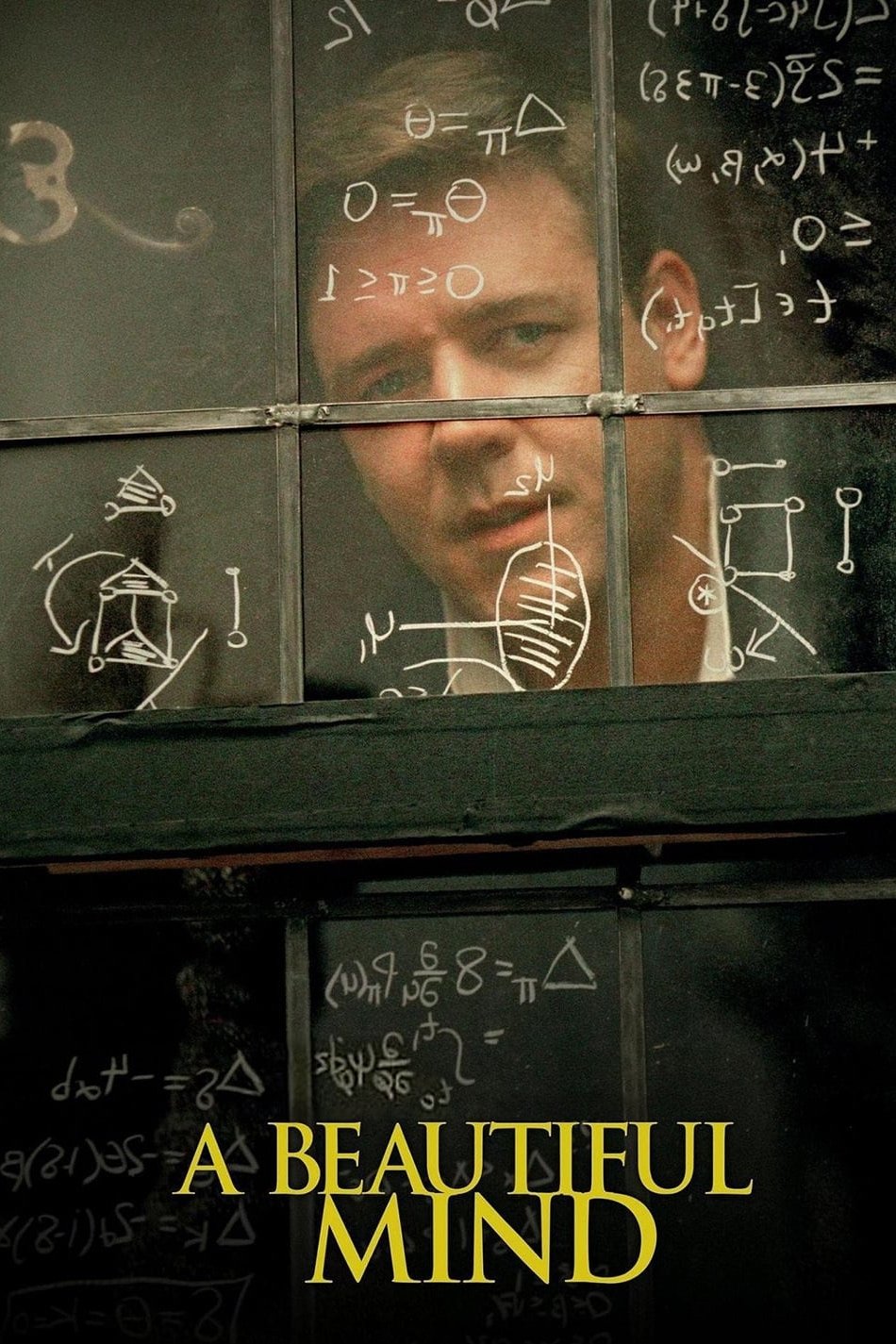
Jennifer Connelly plays Alicia Nash, the wife of brilliant mathematician John Nash, in this biographical film. While the real Alicia Nash was an immigrant from El Salvador, Connelly, a white American actress, portrayed her. The film simplifies Alicia’s background and heritage for storytelling purposes. Although Connelly’s performance won her an Oscar, many critics have pointed out that the movie largely ignores her Latina identity. Despite these historical inaccuracies, the film is still well-known for its depiction of mental illness.
‘Othello’ (1965)
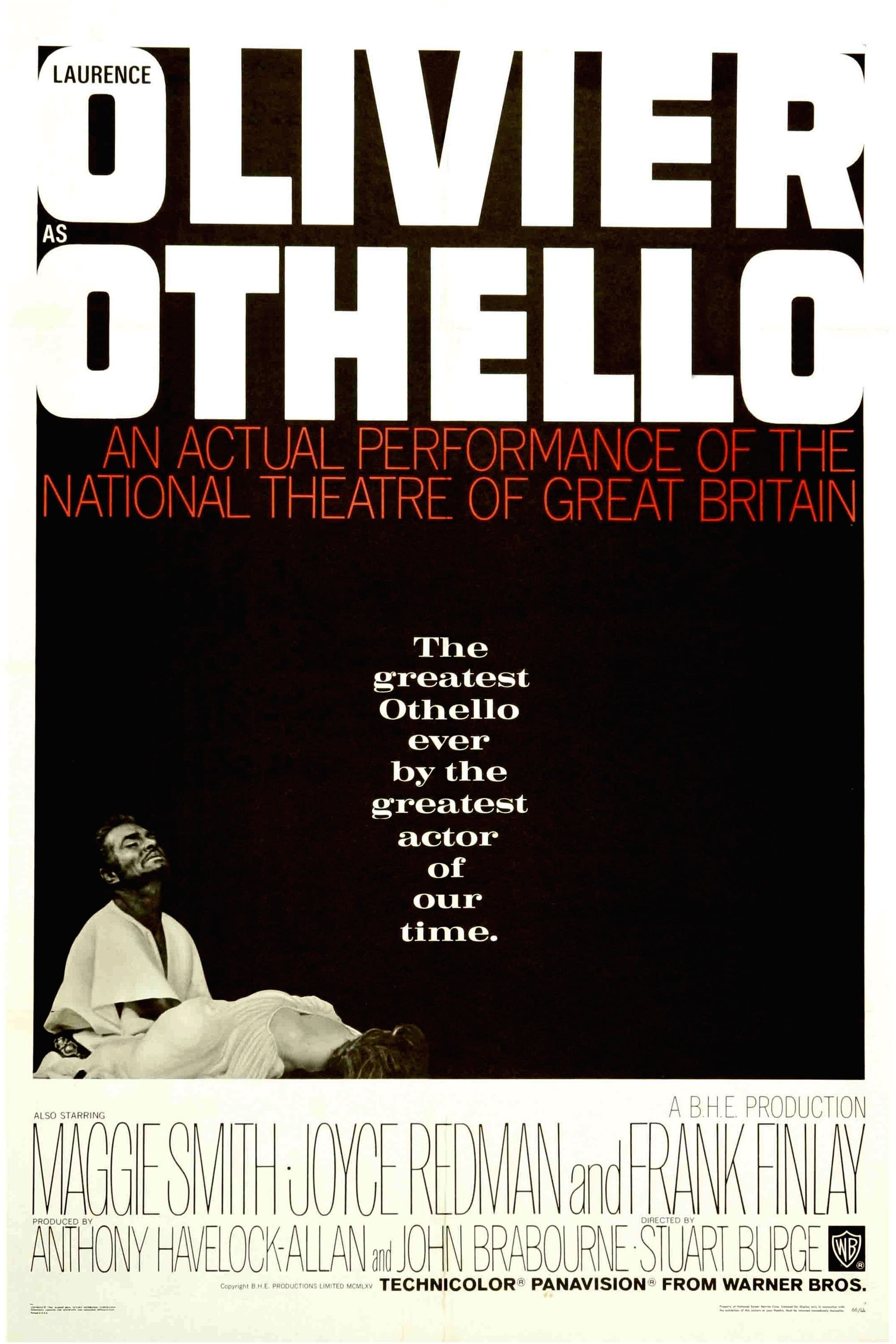
Laurence Olivier stars as the lead in this movie adaptation of Shakespeare’s tragedy about a Moorish general serving in Venice. To play the Black character, Olivier used heavy makeup and altered his voice. While the performance was widely praised when it was released, it’s now often discussed in relation to the problematic history of blackface. The film was essentially a recording of a live stage performance, created to preserve Olivier’s interpretation for years to come. It remains an important example of casting choices made in the mid-1960s.
‘The Greatest Story Ever Told’ (1965)
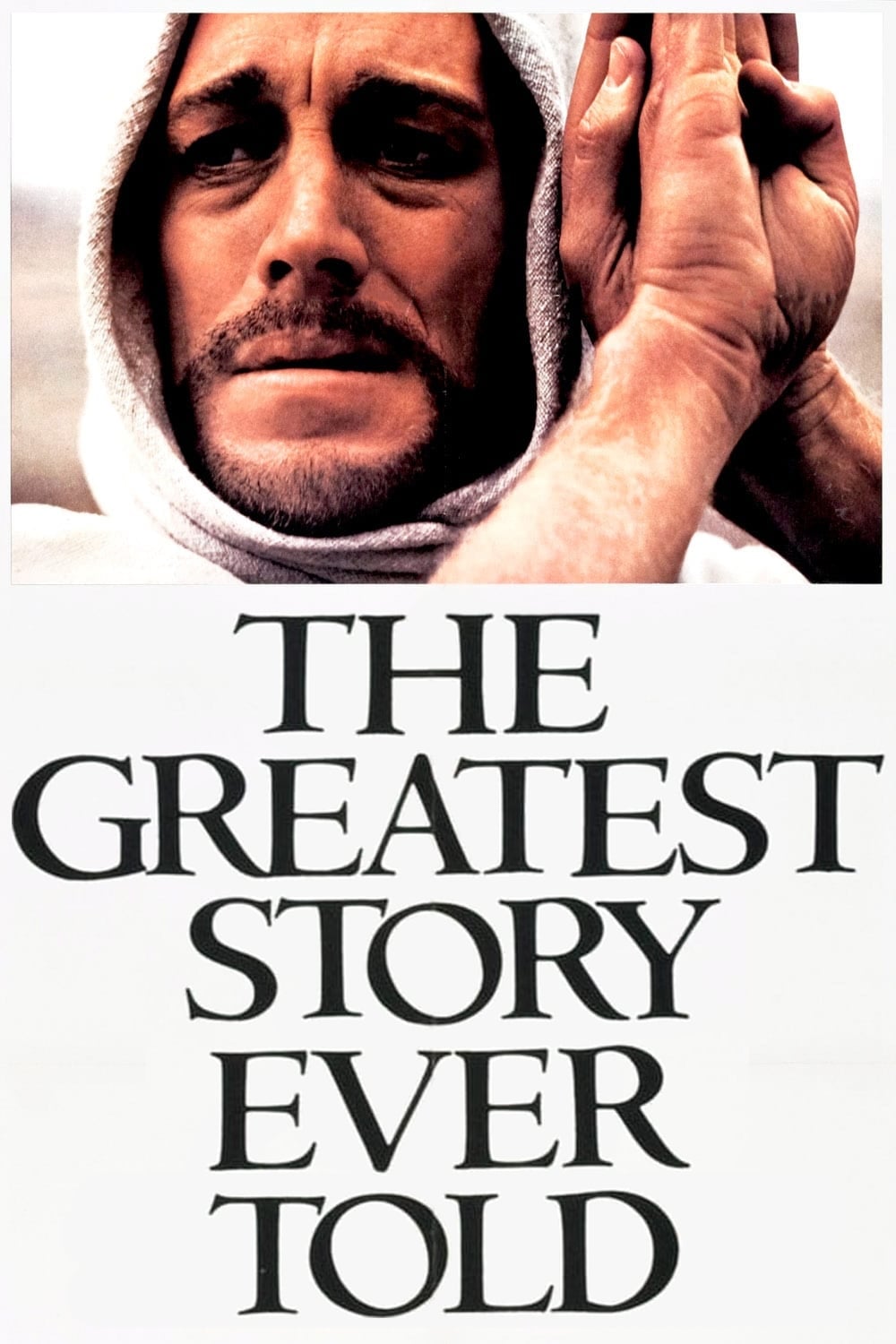
I’ve always been struck by Max von Sydow’s performance as Jesus in this sweeping, star-studded film. It’s interesting, though, that they cast a Swedish actor in the role – it seemed to follow a pattern of depicting Jesus as a European, which was common at the time. The movie itself is beautifully shot and deliberately paced, creating a really respectful and almost sacred feeling. Looking back, it’s often cited as a perfect example of how Western artists have interpreted and visualized religious stories throughout history. It really is a landmark biblical film from the twentieth century, and I still think about it often.
‘Little Buddha’ (1993)
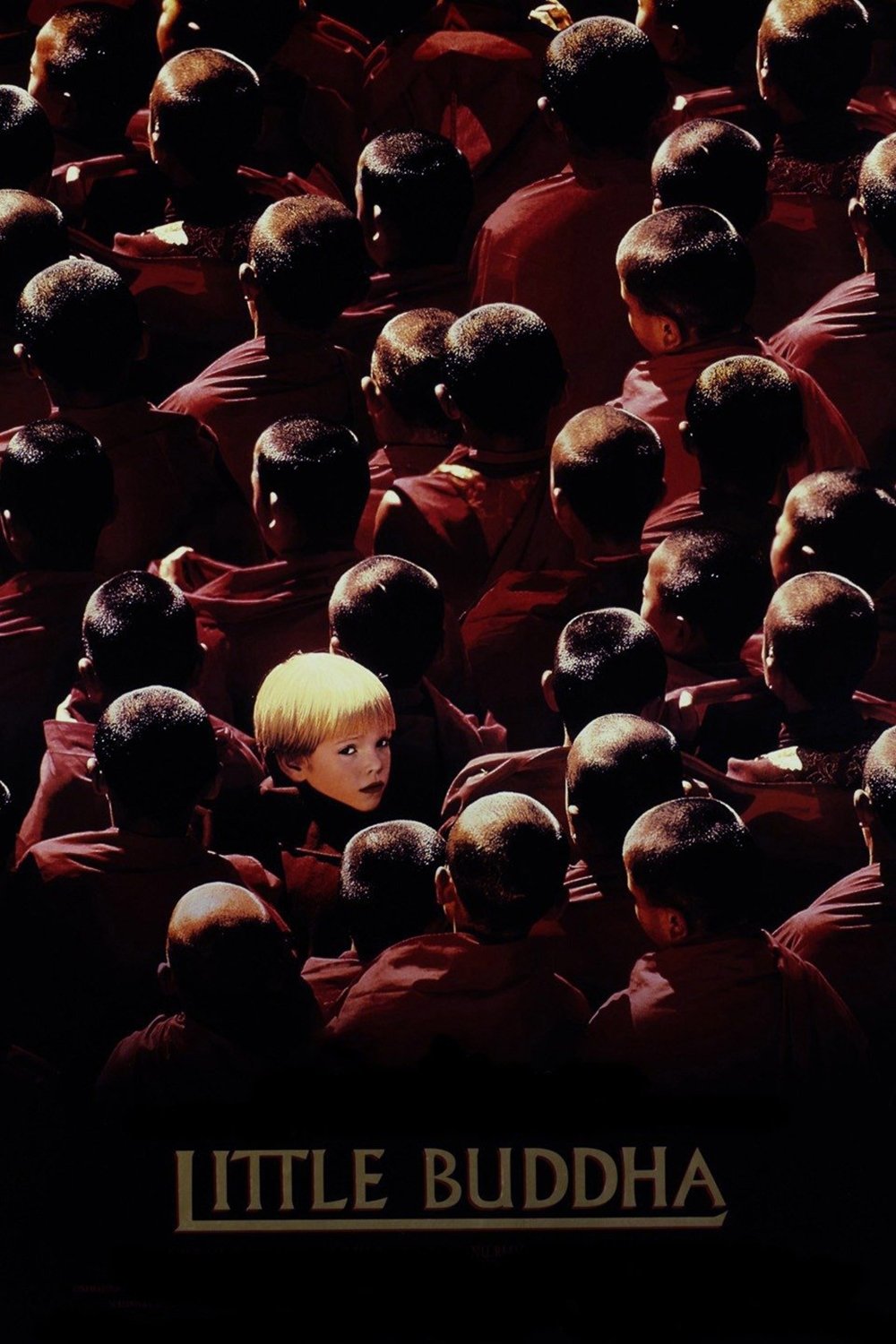
Bernardo Bertolucci’s film features Keanu Reeves as Prince Siddhartha, the man who eventually became the Buddha. While Reeves has English, Chinese, and Hawaiian ancestry, he was chosen to play the role of an ancient Indian prince. The story weaves together the historical tale of the Buddha with a contemporary narrative of monks seeking a reincarnation. The casting of Reeves sparked debate about whether it accurately reflected the character’s ethnicity. The film is celebrated for its stunning visuals and its effort to share Buddhist teachings with Western viewers.
‘Mary Magdalene’ (2018)
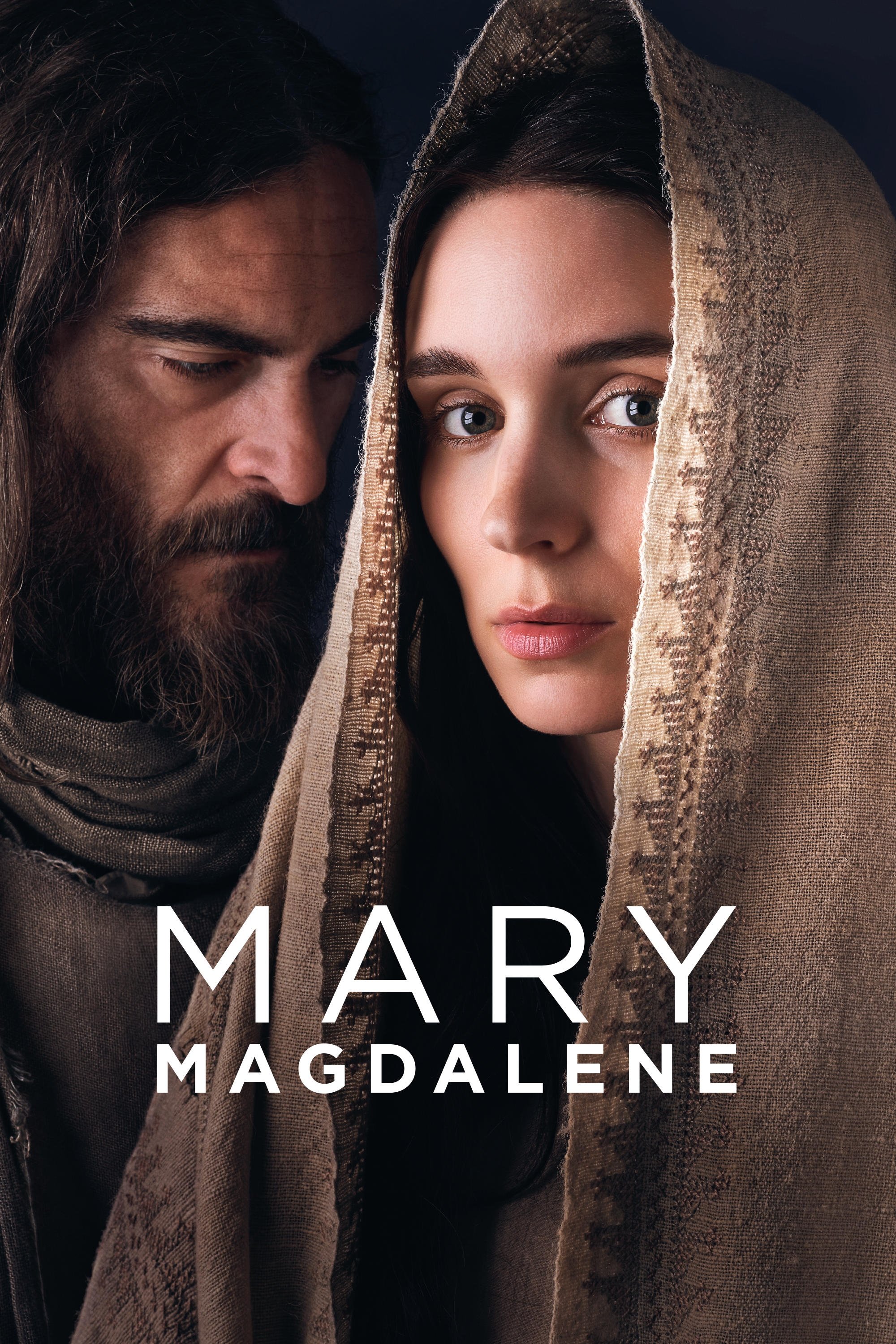
This film offers a new take on a biblical story, attempting to portray a historical figure more accurately. Actress Rooney Mara plays the lead role, a woman who lived in first-century Judea. While the movie has been celebrated for its feminist viewpoint and for presenting the character as an important apostle – not just a sinner – some viewers have criticized the decision to cast white actors in a story set in the Middle East. Although the supporting cast is diverse, the main roles follow typical Hollywood casting choices.
‘Noah’ (2014)
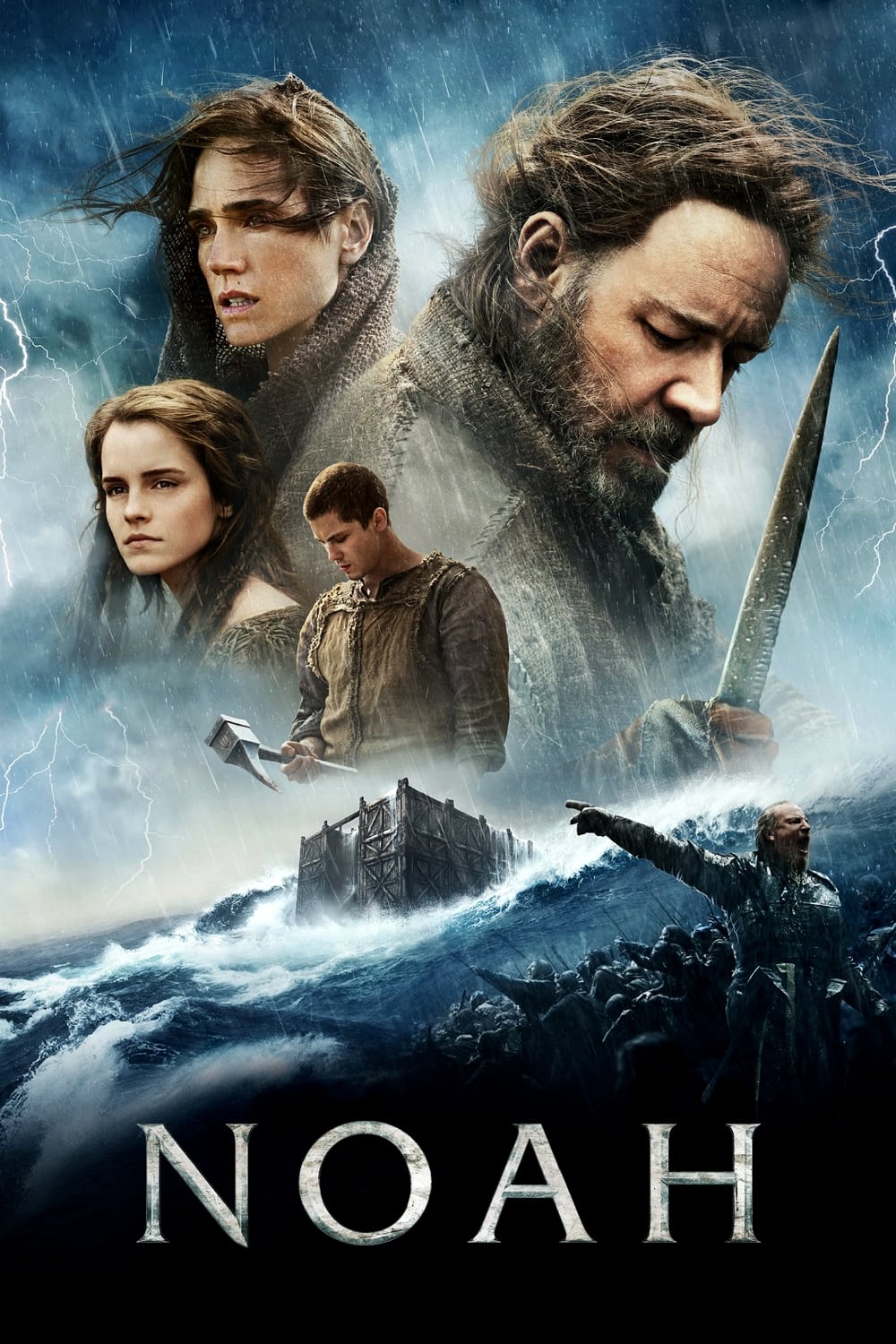
As a film fan, I recently watched this epic directed by Darren Aronofsky, starring Russell Crowe as the biblical patriarch. What struck me, and a lot of critics too, was that despite being set in ancient Mesopotamia, the entire cast was white. The director explained he wanted the story to feel universal and not tied to any specific place, but honestly, it felt like a missed opportunity to include actors of color in a story set in that region. Beyond that, the movie is visually stunning and tackles big themes – environmentalism and what happens when things go wrong – with a really grand, stylized approach.
‘The Good Earth’ (1937)
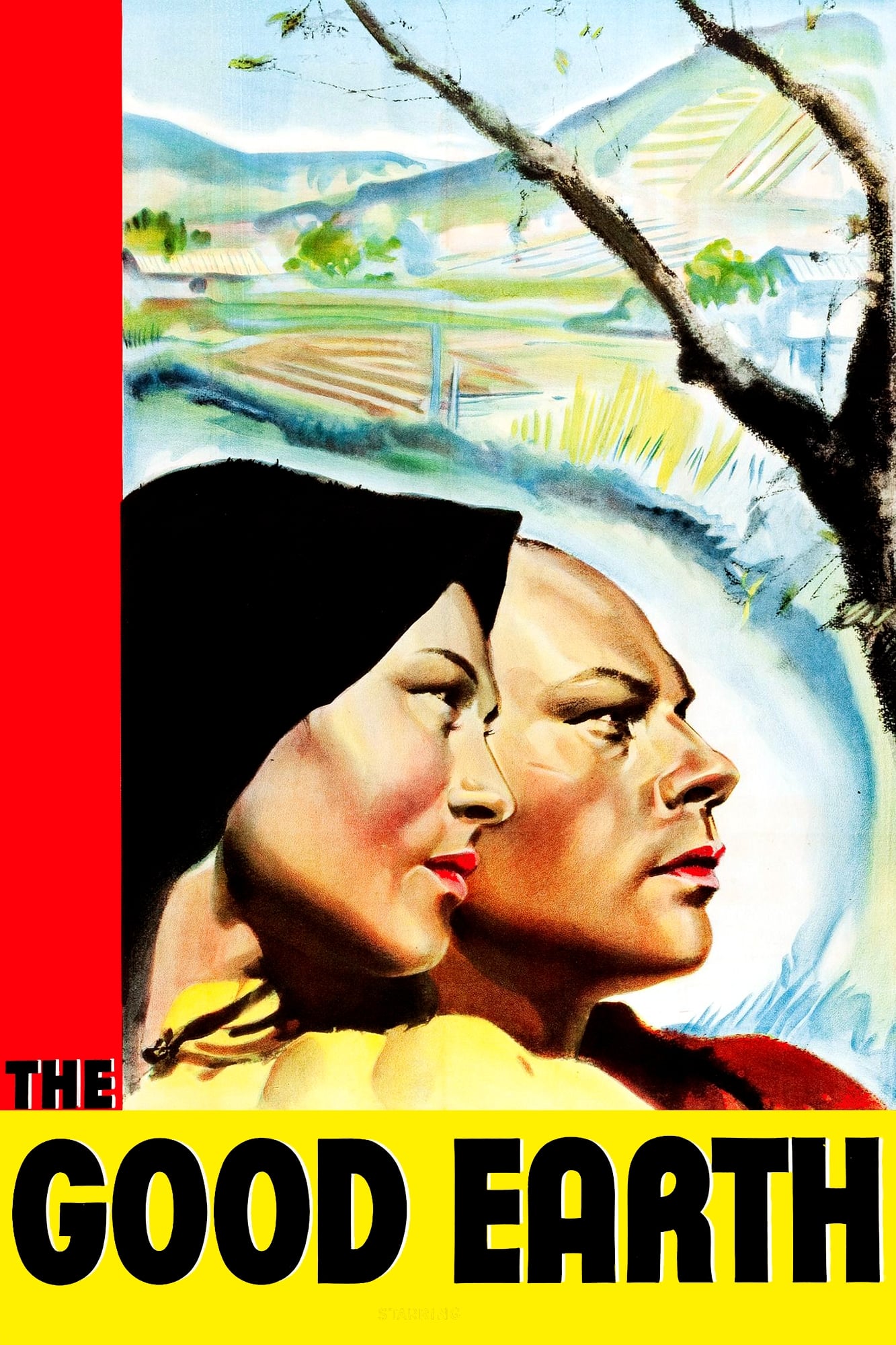
This film, based on Pearl S. Buck’s novel, features Paul Muni and Luise Rainer as Chinese farmers, Wang Lung and O Lan. Both actors were white and used makeup to appear Asian, a practice known as yellowface. This casting choice was due to the strict rules of the Hays Code, which didn’t allow romantic relationships between people of different races to be shown in movies. Because the lead actress was white, the male lead also had to be, even though their characters were Chinese. Rainer’s performance won an Academy Award, but the film remains a significant example of racism in early Hollywood.
‘The Lone Ranger’ (2013)

In the film, Johnny Depp plays Tonto, a Native American warrior who teams up with the main hero in an Old West adventure. While Depp stated he had some Native American heritage, his portrayal of a Comanche character sparked strong criticism from Indigenous groups. The character’s design included a distinctive look with white face paint and a crow headdress. Critics, including historians and activists, pointed out that the role relied on old, harmful stereotypes. The film didn’t perform well financially and continues to be a debated topic within the western film genre.
’21’ (2008)

The movie follows Ben Campbell, played by Jim Sturgess, and a group of college students who become skilled at counting cards and win money at Las Vegas casinos. The story is inspired by the real-life experiences of Jeff Ma, a Chinese-American student who was part of the MIT Blackjack Team. While the actual team was largely made up of Asian-American members, the film featured white actors in the leading roles, which sparked criticism and accusations of whitewashing from those advocating for more diverse representation in film. Jeff Ma was involved in the movie as a consultant and even made a brief appearance on screen.
‘King David’ (1985)
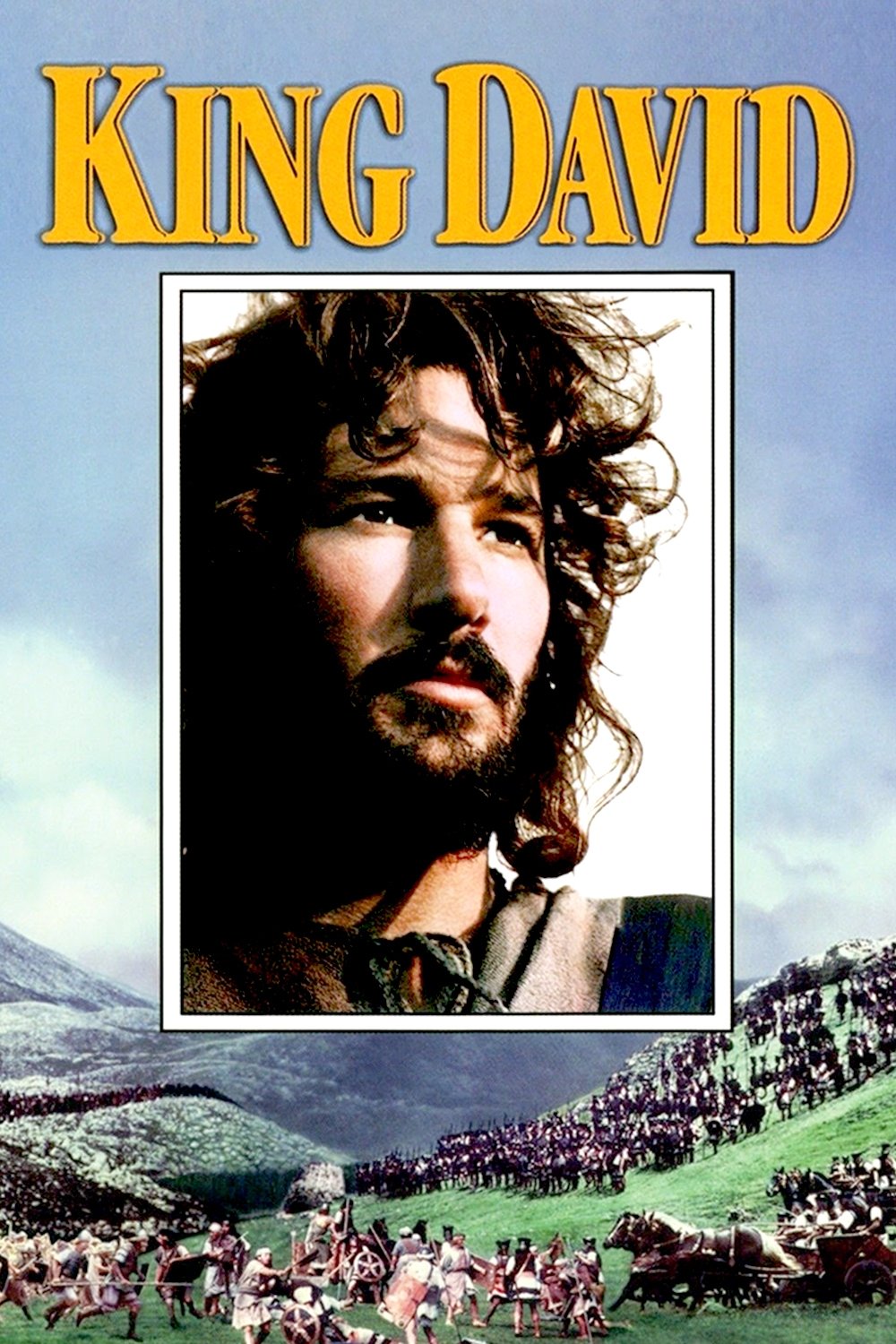
Richard Gere plays King David in this biopic, which tells the story of his life from humble beginnings as a shepherd to his reign as a king. Casting a well-known American actor like Gere as a Middle Eastern ruler was typical for biblical dramas made during that time. The film stood out for trying to be more realistic and less glamorous than previous Hollywood epics. Although Gere was a big star, the movie didn’t perform well in theaters and received negative reviews for its writing. However, it’s still remembered as a good example of the practice of casting famous actors in historical and religious roles.
‘The Nativity Story’ (2006)

Oscar Isaac plays Joseph in this new movie about the birth of Jesus. Although Isaac is of Guatemalan and Cuban heritage, he was one of the few actors of color cast in leading roles, as most were white. The film is seen as a turning point, with studios starting to include more diverse actors in biblical stories. It tells the story of Mary and Joseph’s difficult journey to Bethlehem. Isaac’s performance was particularly well-received for its honesty and the fresh perspective he brought to the classic tale.
‘The Last Temptation of Christ’ (1988)

I’ve always been fascinated by Martin Scorsese’s ‘The Last Temptation of Christ.’ Willem Dafoe’s performance as Jesus is truly captivating, and the film itself is so thought-provoking. While it was controversial at the time – and I understand why, given its unconventional approach and the fact that Dafoe was cast in the role – it really delves into the idea of Jesus as both a man and a god, showing his very human struggles with doubt and temptation. It caused a huge uproar when it came out, with protests and bans everywhere, but now I think most people recognize it as a powerful and important film that dares to ask difficult questions about faith and storytelling.
‘1492: Conquest of Paradise’ (1992)
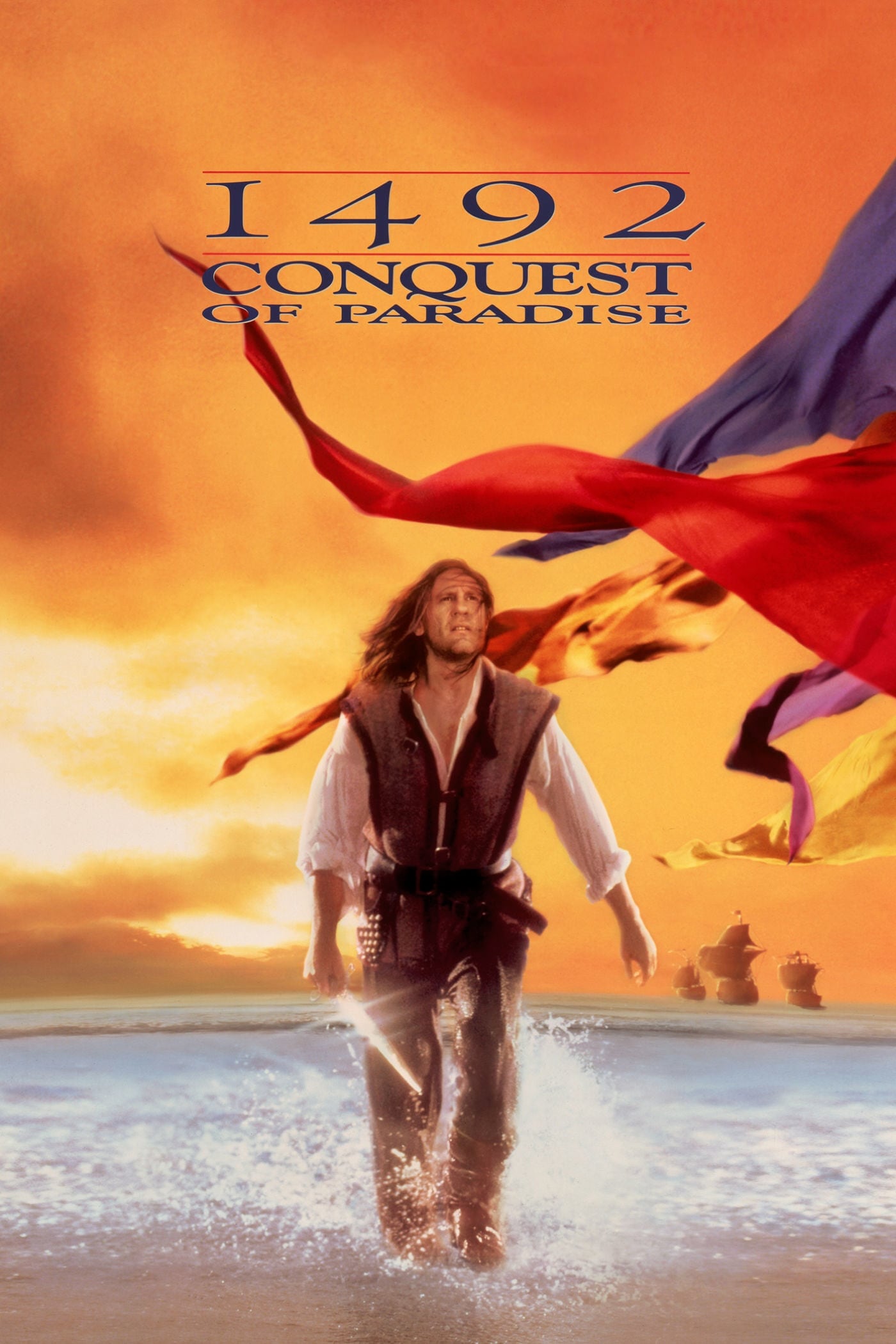
This film stars Gerard Depardieu as Christopher Columbus, released in time for the 500th anniversary of his voyage to the Americas. The French actor plays the Italian explorer who sailed under the Spanish flag. The movie shows Columbus’s difficulties in securing financial support and his encounters with Native Americans. However, historians have pointed out that the film glosses over the negative consequences of European colonization and isn’t entirely historically accurate. The filmmakers hoped casting a well-known actor like Depardieu would add to the film’s grandeur and importance.
‘And Starring Pancho Villa as Himself’ (2003)
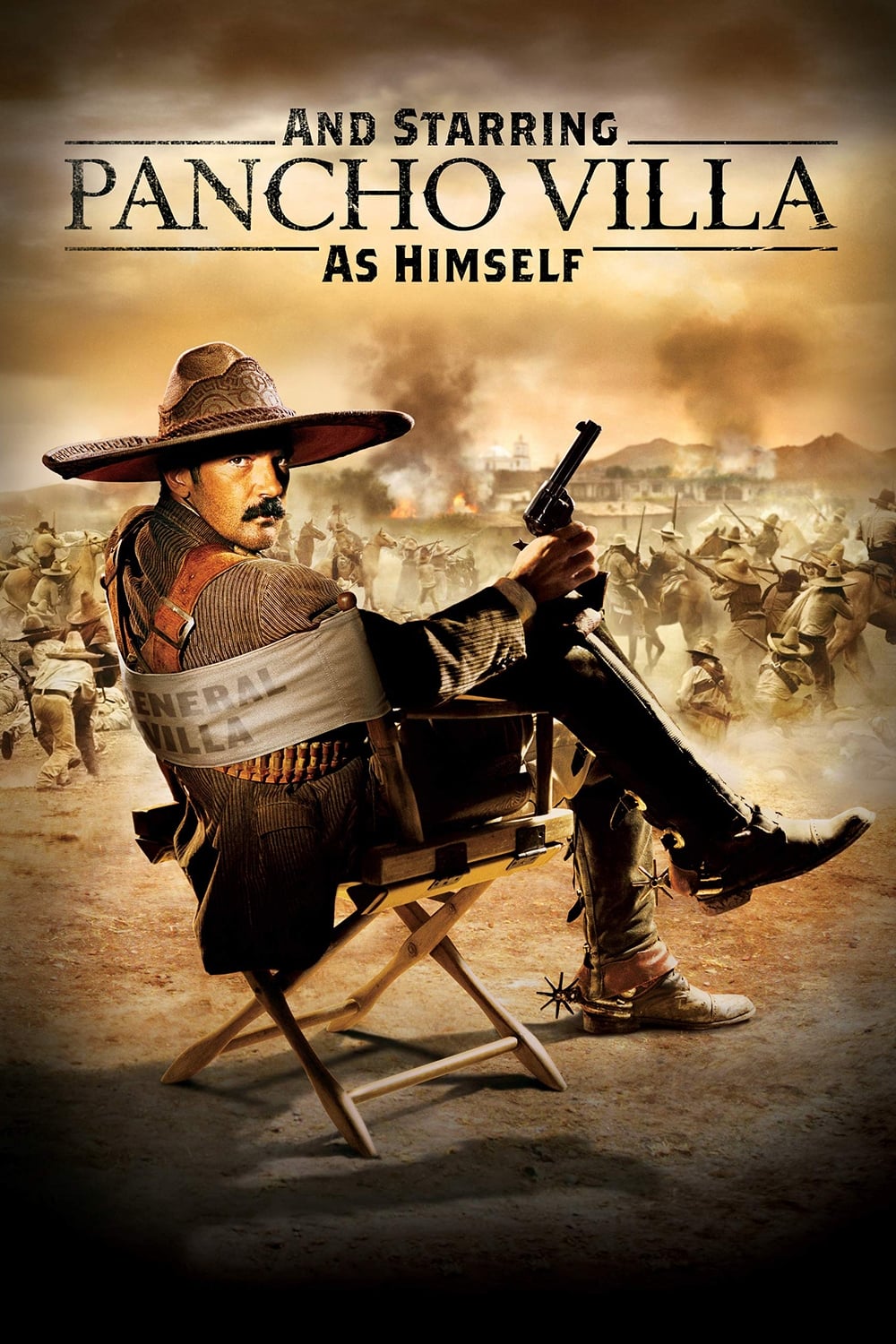
This TV movie stars Antonio Banderas as Pancho Villa, a famous Mexican revolutionary, and tells the story of a film crew shooting a movie about Villa in 1914. Though Banderas is Spanish, he often plays Latin American characters in Hollywood films. The movie looks at how war and the media connect, and how Villa cleverly used cameras to shape his public persona. It’s a popular topic among history fans, particularly for its unique idea and portrayal of early filmmaking. Banderas was widely praised for his lively and powerful performance as the general.
‘The Passion of the Christ’ (2004)
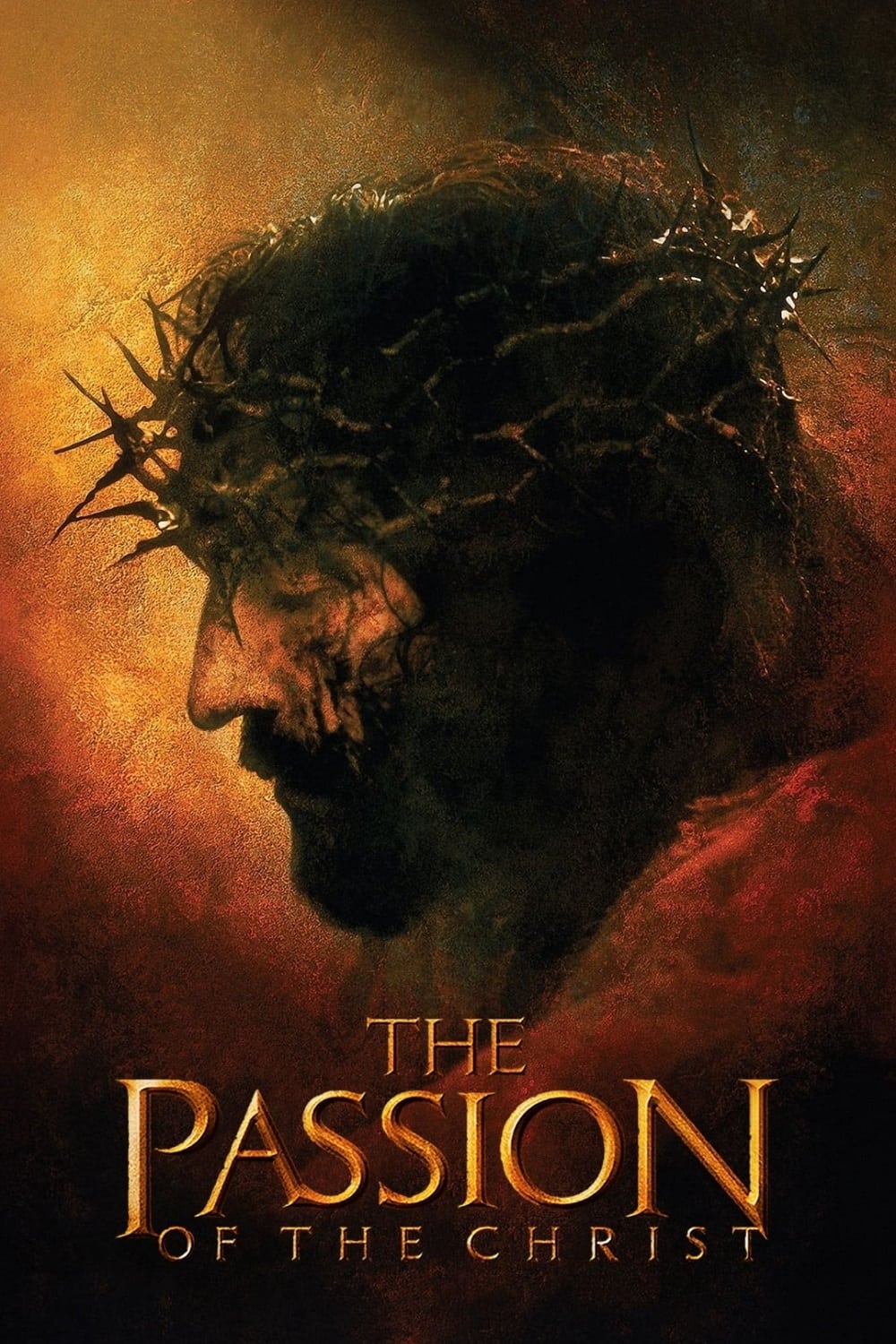
Jim Caviezel plays Jesus in this popular, yet intense, film about the last hours of his life. While successful, the choice to cast a white actor of European descent continues a history of representing religious figures with white actors in movies. The film stands out for using reconstructed ancient languages like Aramaic and Latin to feel more realistic. It earned a lot of money at the box office, but also sparked considerable discussion about its violent scenes and how accurately it depicts history. The casting decision is often cited as an example of how people typically imagine these figures looking.
‘Alexander’ (2004)

In Oliver Stone’s historical film, Rosario Dawson plays Roxana, Alexander the Great’s first wife. Roxana was a Bactrian noblewoman – from what is now Afghanistan – and Dawson, who is Afro-Cuban and Puerto Rican, brought a fresh racial perspective to the role compared to traditional depictions in similar films. The movie tells the story of Alexander the Great and his extensive conquests, but critics had differing opinions about its speed and how it portrayed historical characters.
‘Lawrence of Arabia’ (1962)
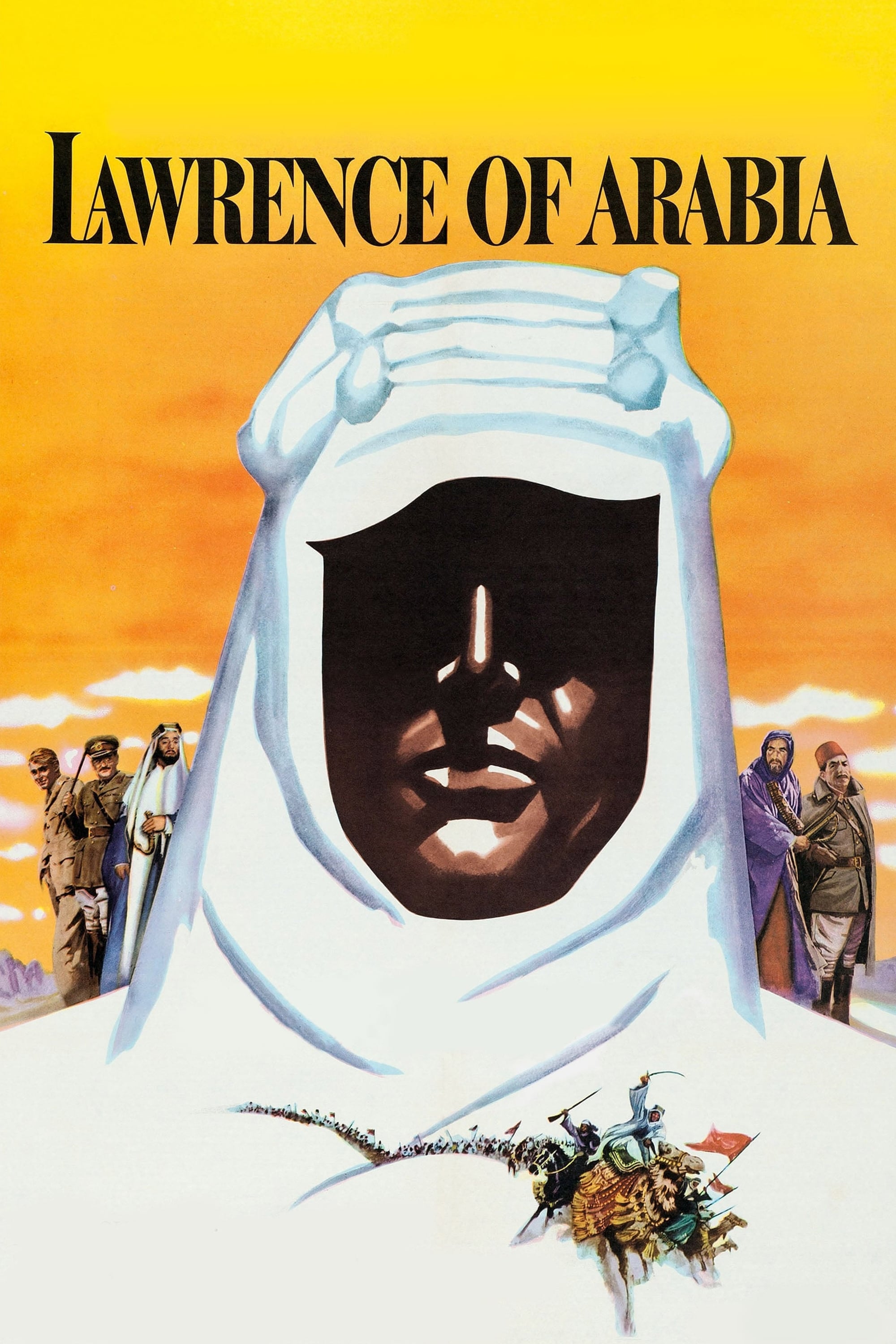
As a film fan, I’ve always been fascinated by Lawrence of Arabia. It’s a visually stunning and epic movie about T.E. Lawrence and the Arab Revolt. But it’s also a bit complicated when you look back at it now. Alec Guinness, a fantastic British actor, played Prince Faisal, a key Arab leader, and that was pretty standard practice back in the mid-20th century – sadly, actors from the actual regions rarely got those big roles. The film is famous for its beautiful scenery and huge scope, but it’s also been rightly discussed for how it shows things from a colonial point of view. It’s just one of those famous examples of a white actor taking on the role of a historical figure who wasn’t white, and it’s something we definitely talk about when looking back at classic films.
‘The 13th Warrior’ (1999)
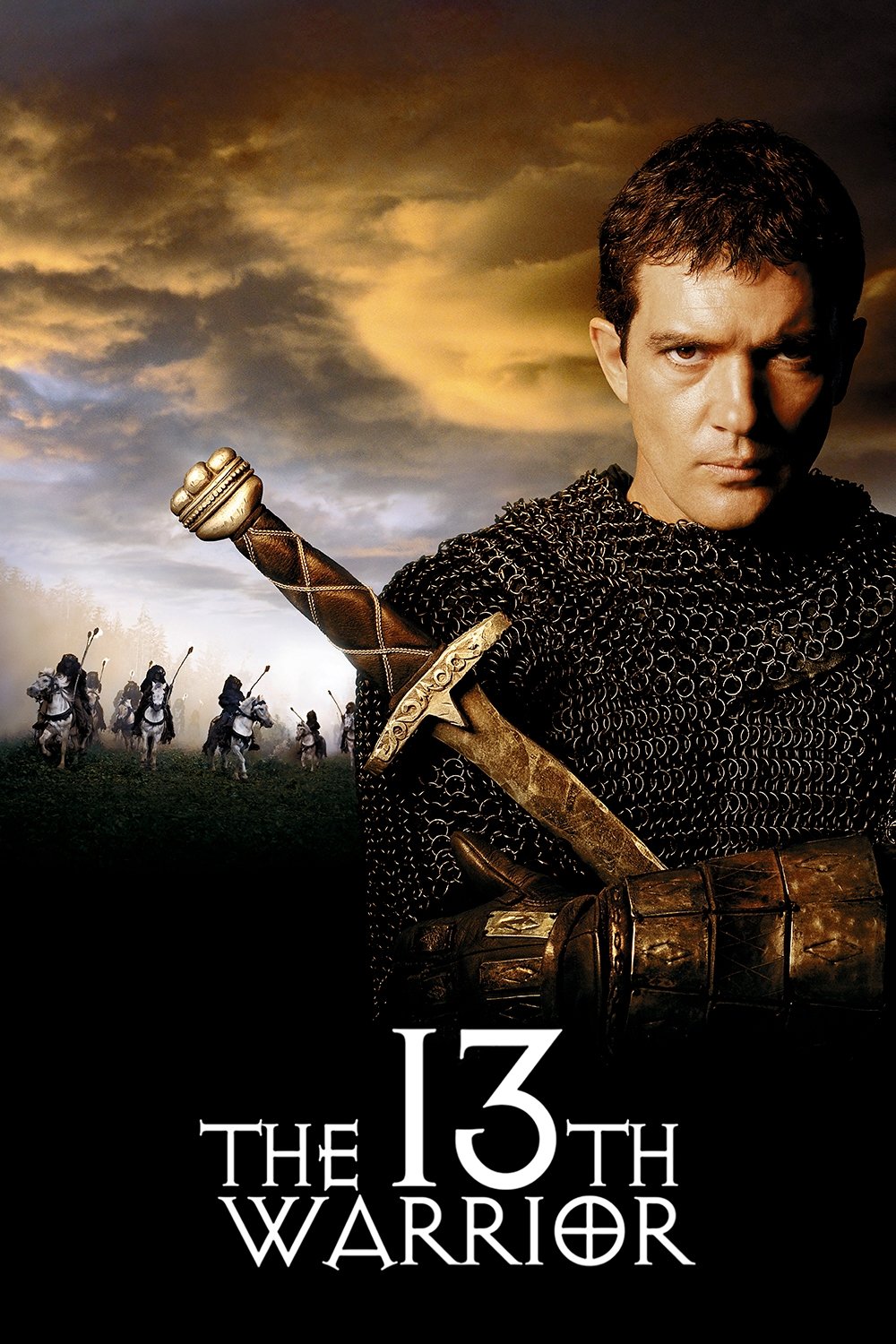
Antonio Banderas plays Ahmad ibn Fadlan, a historical Arab traveler and diplomat who lived in the tenth century. The film features the Spanish actor as a representative of the Abbasid Caliphate who comes across a band of Vikings. It’s an action-packed adventure inspired by Michael Crichton’s novel, Eaters of the Dead. Some history enthusiasts note the casting as an instance of Hollywood using a European actor to portray someone of a different ethnicity. While the movie didn’t do well initially, it has since become popular with a dedicated fan base due to its unusual historical setting.
‘The Wind and the Lion’ (1975)
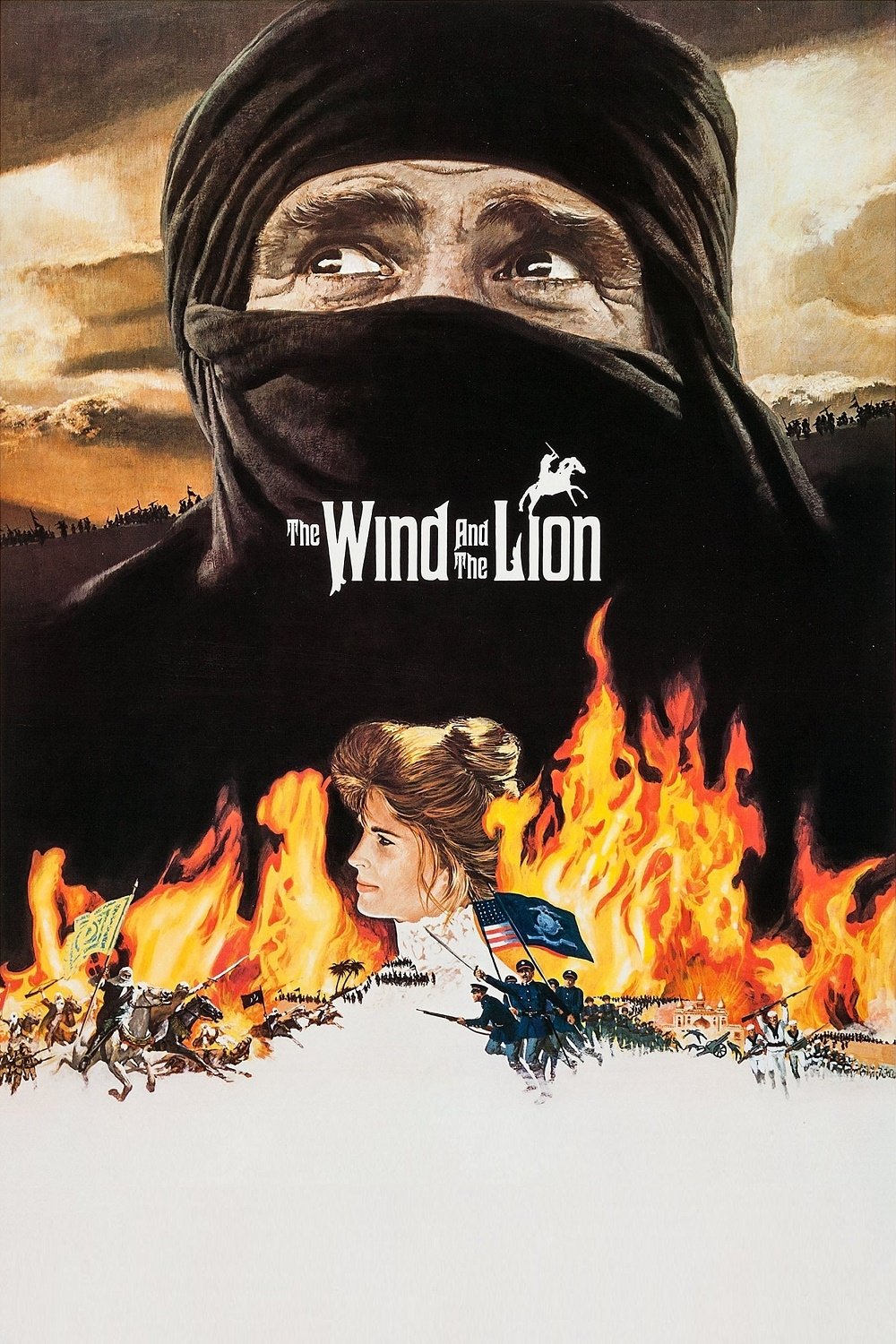
Sean Connery plays Mulai Ahmed er Raisuli, a Moroccan Berber leader who lived in the early 1900s. The Scottish actor used his normal accent and makeup to change his appearance for the role. The movie is a dramatized version of a real kidnapping of an American, and it looks at issues of colonialism and cultural differences during President Roosevelt’s time in office. The film is well-known for featuring a major actor playing a character from a very different ethnic background than his own.
‘The Tragedy of Macbeth’ (2021)
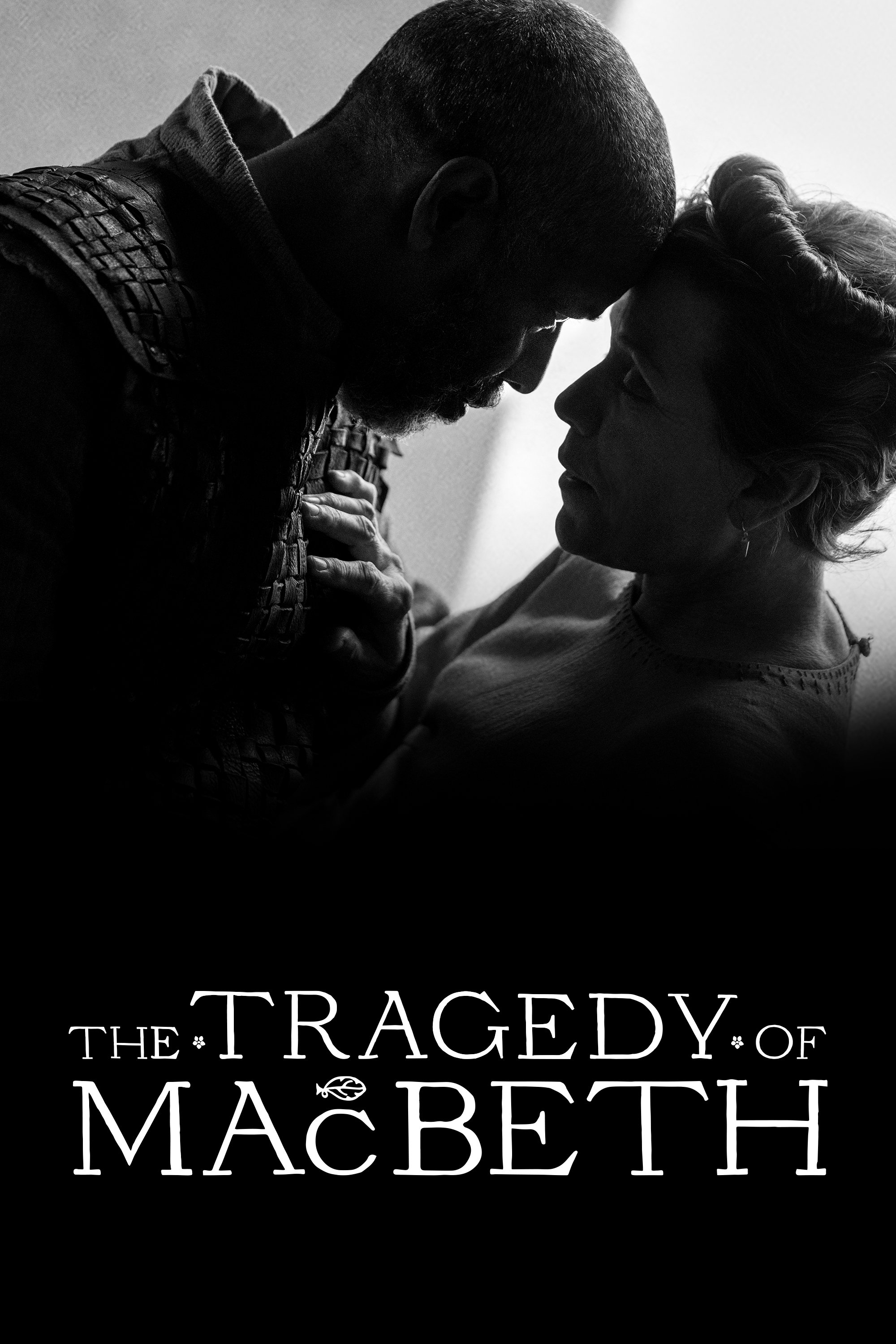
This film is a powerful and visually striking take on Shakespeare’s Macbeth, starring Denzel Washington in the lead role. While based on the historical eleventh-century Scottish king, the movie features a diverse cast with Washington as the central figure. The filmmakers chose a simple, artistic style over strict historical accuracy, allowing them to emphasize the play’s core themes of overwhelming ambition and descent into madness. Washington’s performance was widely praised and earned him an Academy Award nomination.
‘Mary Queen of Scots’ (2018)
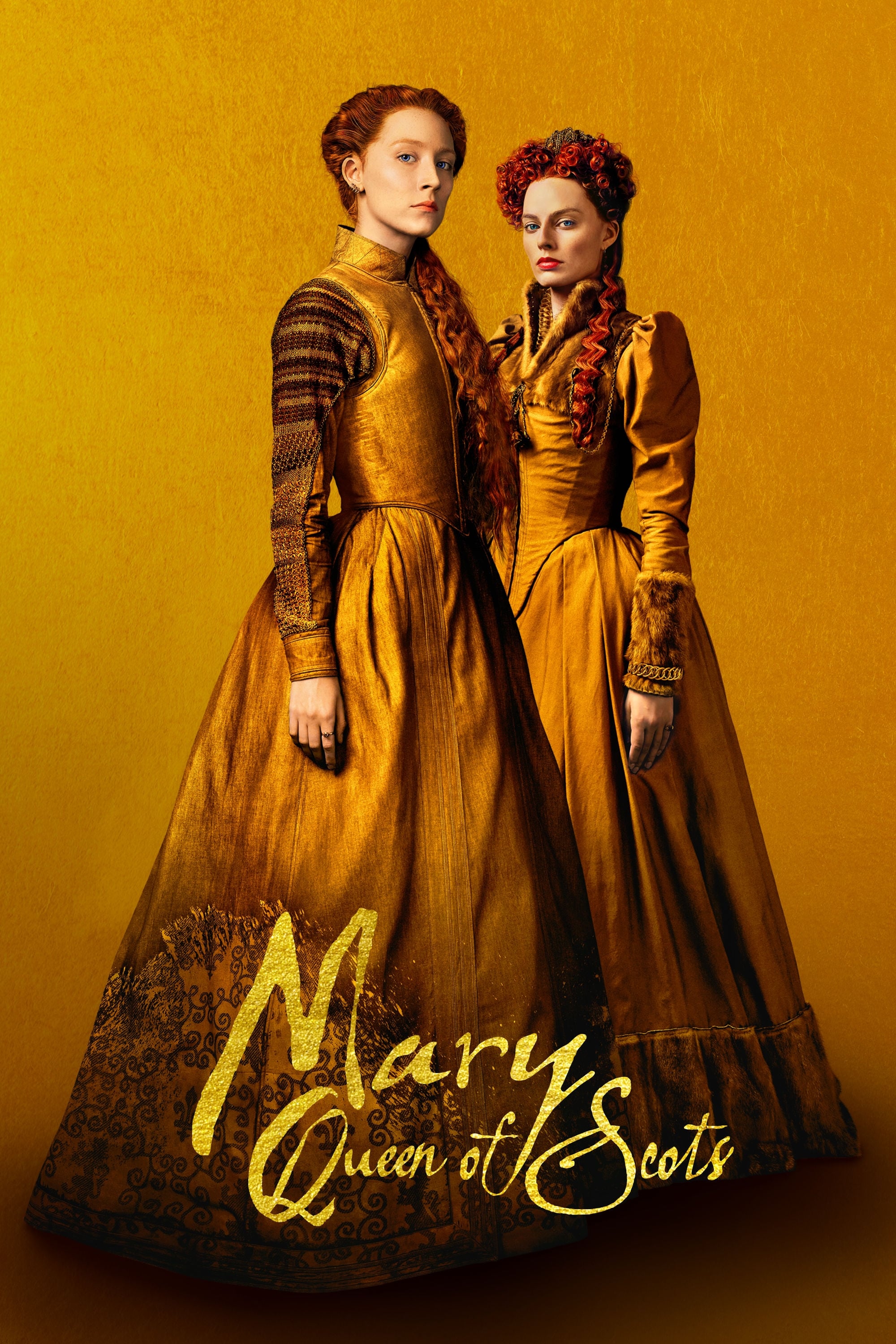
Adrian Lester plays Lord Randolph, a key advisor to Queen Elizabeth I. The movie features a diverse cast portraying the nobles of sixteenth-century England and Scotland, including Gemma Chan as Bess of Hardwick, a well-known figure from that time. The filmmakers intentionally aimed to create a depiction of the historical court that felt relevant to modern audiences. While some historians pointed out inaccuracies in the film’s visuals, others applauded its inclusive take on a classic story.
‘Robin Hood’ (2018)

Jamie Foxx plays Yahya, a fresh take on the Little John character from the Robin Hood stories. This version reimagines him as a Moorish commander who guides Robin Hood after he returns from the Crusades. The movie updates the classic tale with contemporary costumes and exciting, fast-paced action. Foxx’s performance adds a new energy to the familiar group of Merry Men, and the film stands out as a successful modern blockbuster that puts a diverse cast in front of historical and legendary roles.
‘A Midsummer Night’s Dream’ (2016)
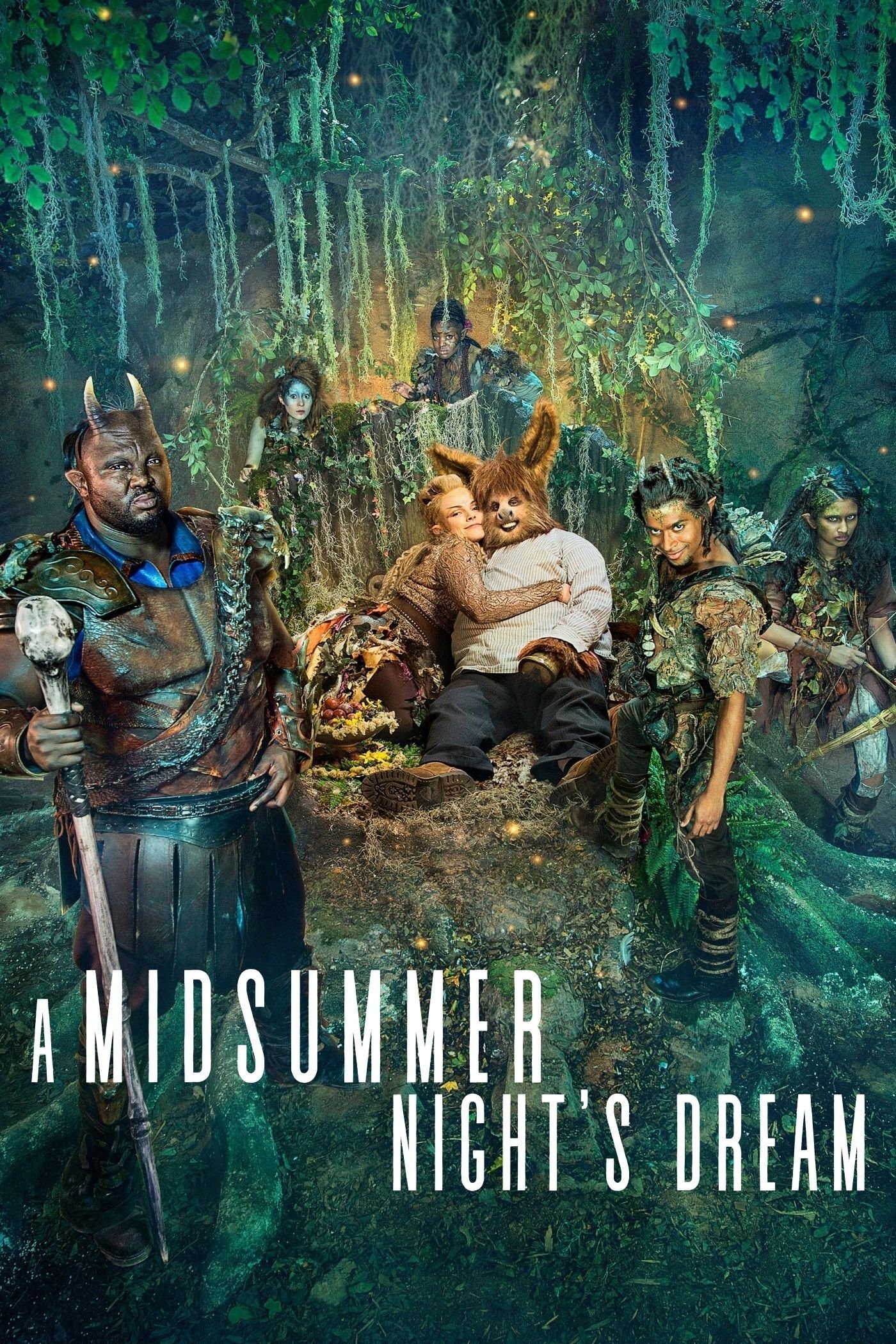
This television adaptation of Shakespeare’s play features David Harewood as Theseus, the Duke of Athens. While Theseus is a character rooted in Greek myth and often presented as a historical figure, Harewood is a Black actor, a deliberate choice by the production team. The series reimagines Athens as a futuristic, dystopian city with a modern look and feel. This casting reflects a growing movement in British TV to give actors of color more chances to play roles traditionally reserved for white actors. The production is praised for its striking visuals and compelling performances.
‘The Green Knight’ (2021)

Dev Patel stars as Sir Gawain in this dark and imaginative film, which is based on a famous poem from the 1300s. Gawain is a well-known knight from the legends of King Arthur, often shown as the perfect, noble hero. The filmmakers were applauded for casting an actor of Indian heritage, bringing a fresh perspective to the classic story while still capturing its medieval feel. The film delves into big ideas like honor, what it means to be a hero, and the reality of death, all through a dreamlike and unusual style. Critics have praised the director and the film’s innovative take on this iconic character.
‘The Personal History of David Copperfield’ (2019)
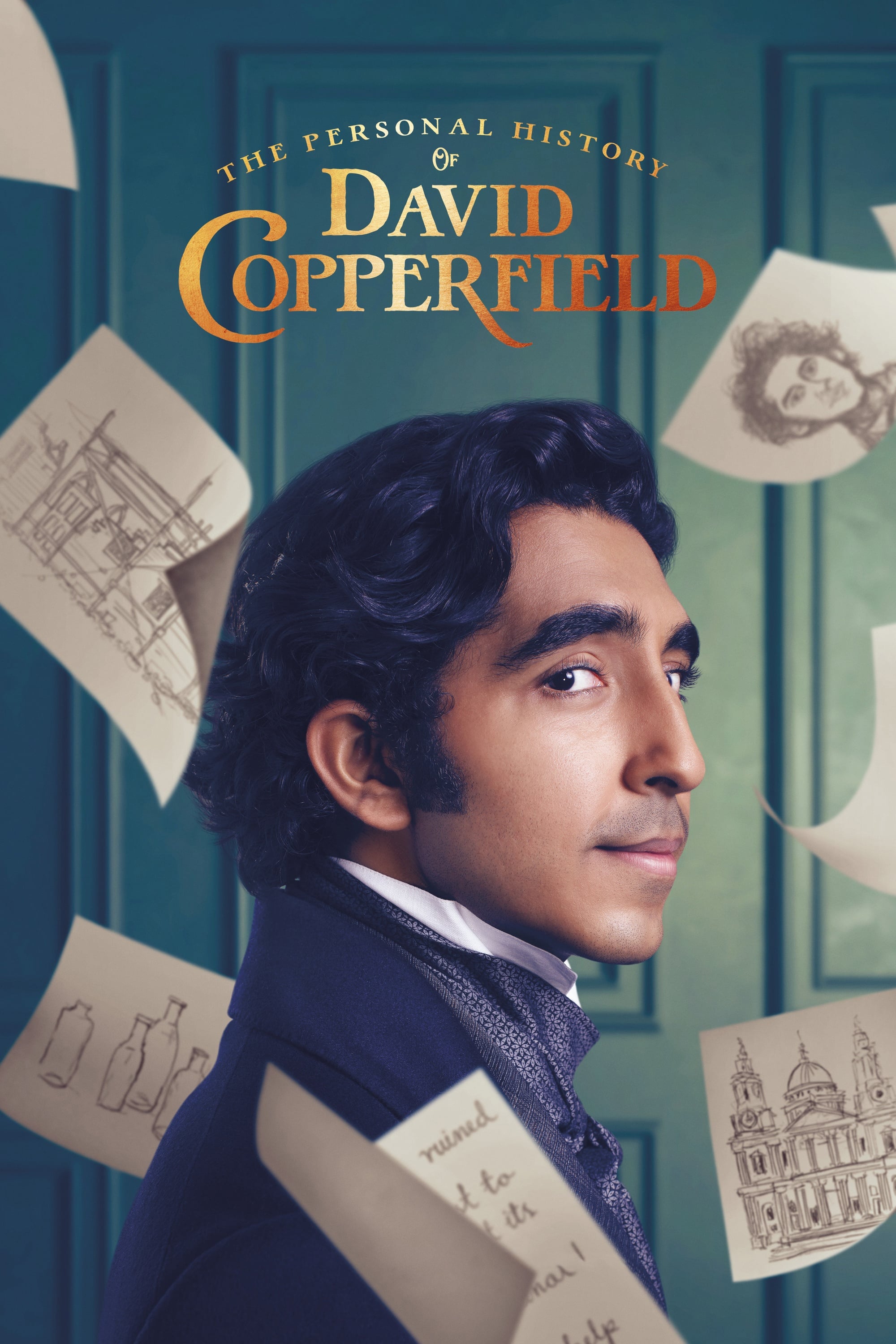
Dev Patel stars in this movie version of the Charles Dickens novel. Although the story is set in the 1800s, the film features a diverse cast and carefully recreates the period. The filmmakers made a conscious decision to cast actors of all backgrounds, including Tilda Swinton and Hugh Laurie as family members, to make the story feel modern and relatable. This choice has led to conversations about why more period films don’t use similar casting to better reflect the world around us.
‘I’m Not There’ (2007)

This experimental film offers a unique take on the life of Bob Dylan, with Marcus Carl Franklin playing a young version of the singer. The story follows a Black boy who believes he is a famous blues musician as he journeys across America. Instead of one actor, the film uses six performers of different ages and genders to showcase the many sides of the musician’s public image, highlighting his complex and ever-evolving personality. It’s considered one of the most original and daring biopics in recent years.
Please share your thoughts on these casting choices in the comments.
Read More
- Invincible Season 4 Gender Swaps Tech Jacket As Fans Question Major Comic Change
- Gold Rate Forecast
- Silver Rate Forecast
- 20 Movies Where the Black Villain Was Secretly the Most Popular Character
- 22 Films Where the White Protagonist Is Canonically the Sidekick to a Black Lead
- Building Agents That Learn and Improve Themselves
- 15 Films That Were Shot Entirely on Phones
- Games That Faced Bans in Countries Over Political Themes
- Celebs Who Narrowly Escaped The 9/11 Attacks
- Trading Crypto with AI: A New Approach to Portfolio Management
2026-01-11 06:24