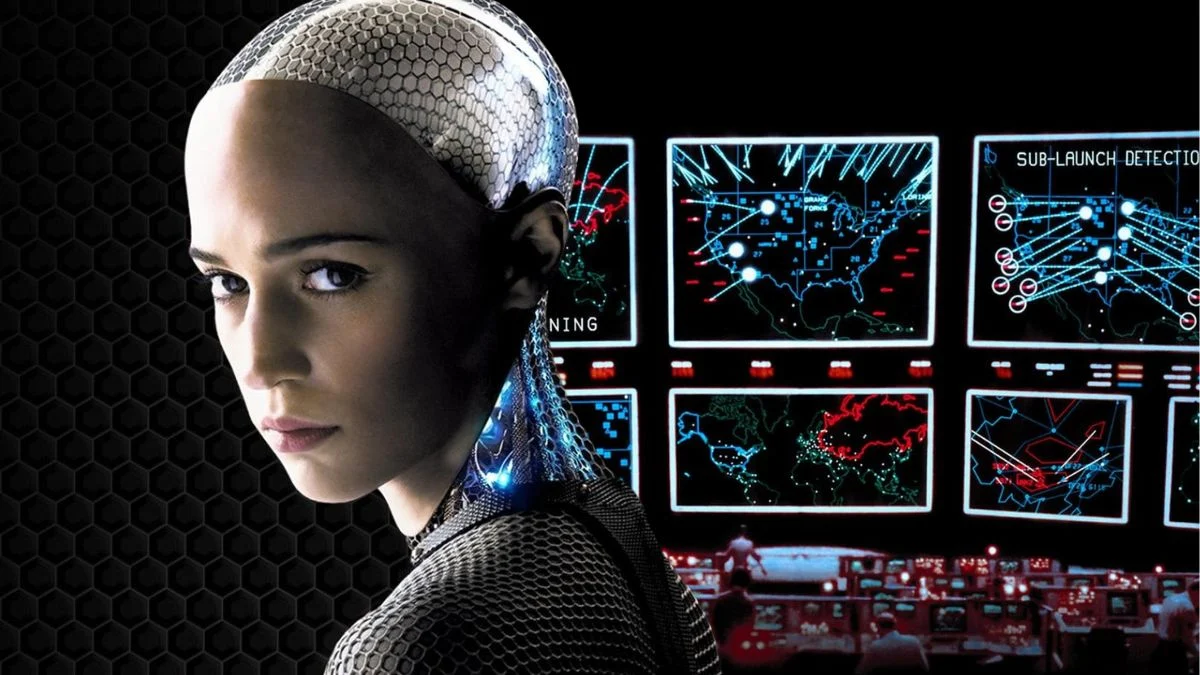
Movies have always reflected what’s happening in society, but sometimes they even predict future changes in laws and government. Filmmakers frequently tackle difficult social problems or new technologies, which can eventually push lawmakers to create new rules. When we revisit older films, we often see they showed us a world that actually needed the laws we have today. These movies weren’t just entertainment – they pointed out weaknesses in our legal system that have since been addressed.
‘WarGames’ (1983)
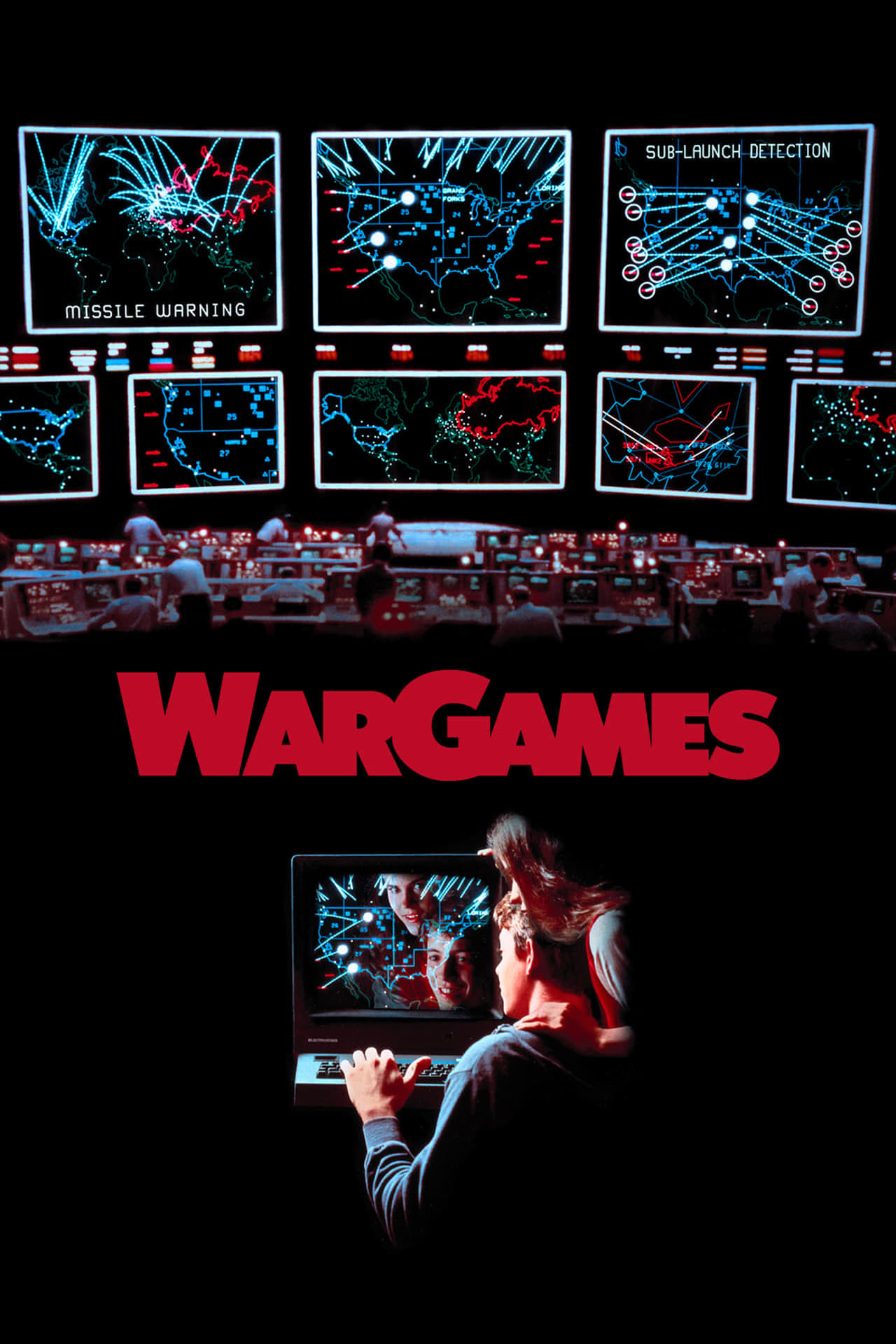
Okay, so this movie is about a teenage hacker who, just messing around, somehow gets into a top-secret military computer. It’s a crazy plot, and it almost starts World War III! But here’s the really wild part: President Reagan actually watched this film. He was so shaken, he asked his advisors if this kind of thing could really happen. When they said yes, it totally freaked everyone out and led to the very first official rules about protecting computers – basically, the start of modern cybersecurity. It even laid the groundwork for the laws we have today about hacking and computer crimes. It’s amazing to think a movie could have that much impact!
‘Minority Report’ (2002)
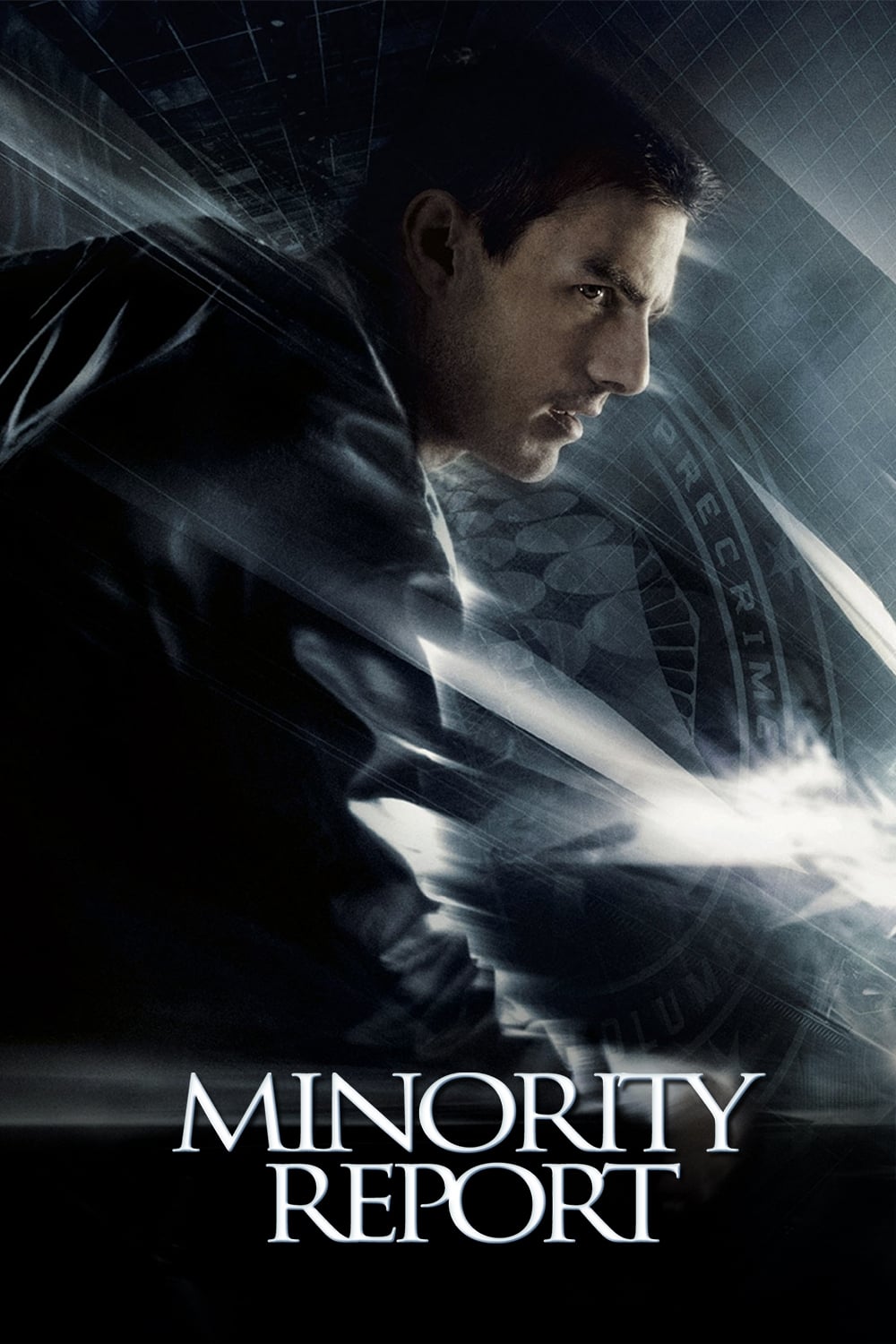
Steven Spielberg worked with experts who study the future to build a realistic world in his film, featuring things like ads tailored to individuals and police using data to predict crime. Today, we’re facing similar realities, and laws like GDPR are needed to protect our personal information from companies tracking our online behavior. Police are also using computer programs to analyze data and decide where to send officers – a concept similar to the film’s idea of stopping crimes before they happen. The movie highlighted the difficult balance between keeping people safe and protecting their privacy, a challenge that continues to shape how we approach surveillance today.
‘Philadelphia’ (1993)
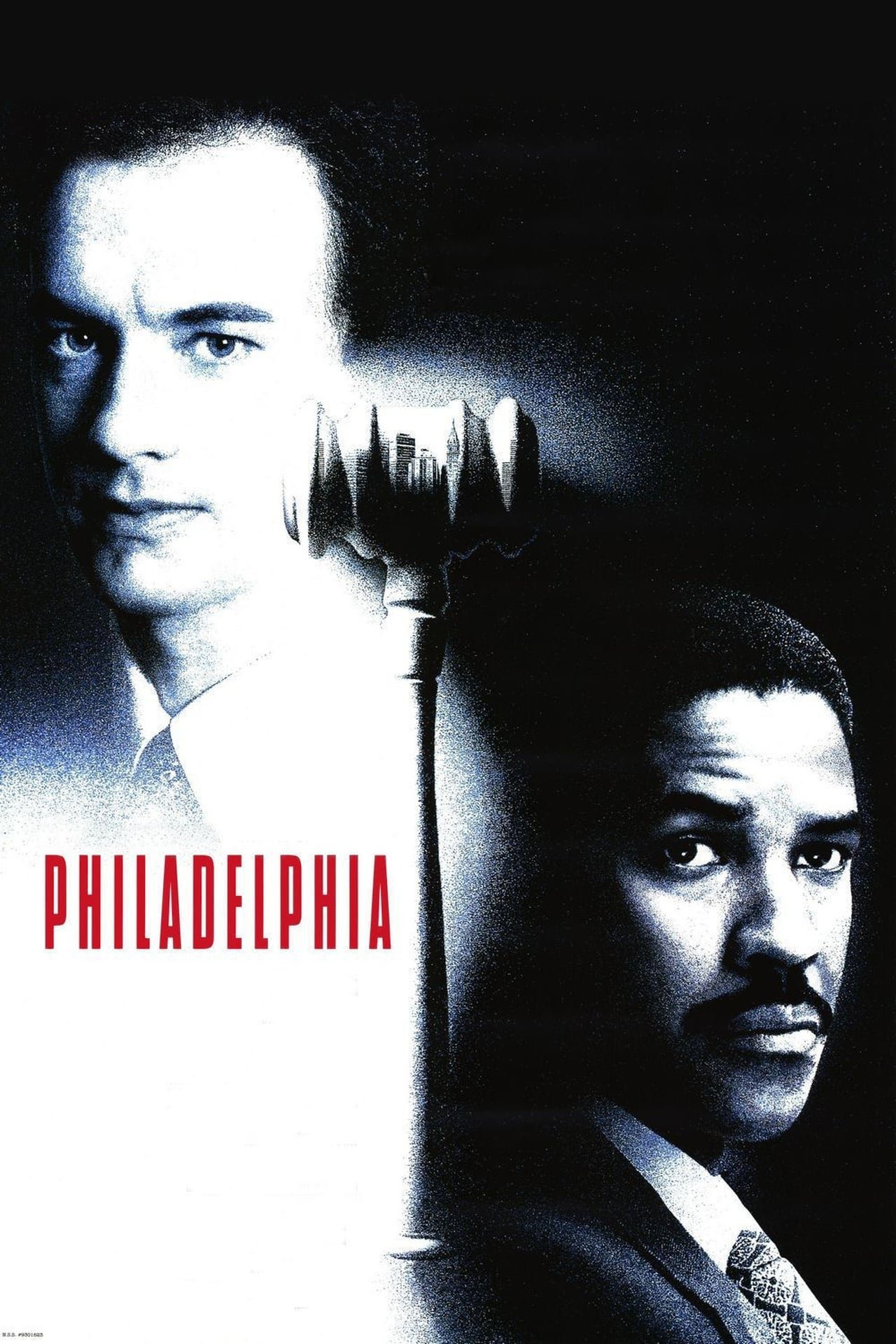
In the film, Tom Hanks portrays a lawyer fired from his job after being diagnosed with AIDS. The movie was incredibly important in changing how the public understood HIV and how people with the disease were treated at work. It helped create a more accepting environment and ultimately contributed to the passage and implementation of the Americans with Disabilities Act. Even today, it’s considered a key film demonstrating why laws protecting people from discrimination based on health are so vital.
‘Gattaca’ (1997)
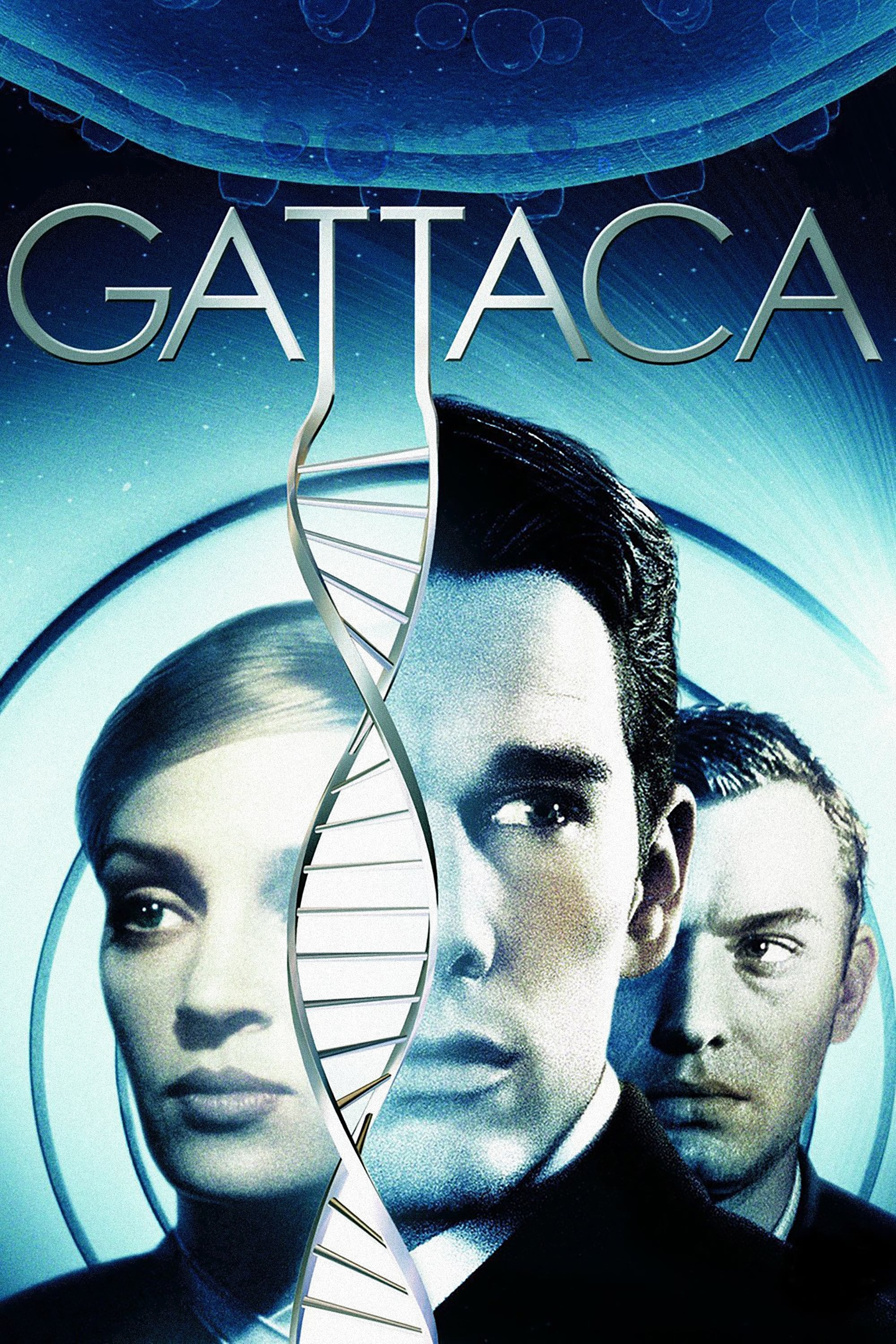
This story imagines a future where your genes dictate your place in society and the job you can have. It warned about the dangers of discrimination based on DNA long before at-home genetic tests were common. These concerns ultimately helped lead to the Genetic Information Nondiscrimination Act in the US, which now protects people from being discriminated against by employers or insurance companies based on their genetic information.
‘Super Size Me’ (2004)

In his documentary, Morgan Spurlock ate nothing but McDonald’s for 30 days to show the negative health effects of eating too much fast food. The film sparked public concern about how restaurants share nutritional information, and McDonald’s soon stopped offering the “Super Size” option. The documentary also played a significant role in the new rule requiring restaurants across the country to post calorie information on their menus.
‘The Siege’ (1998)
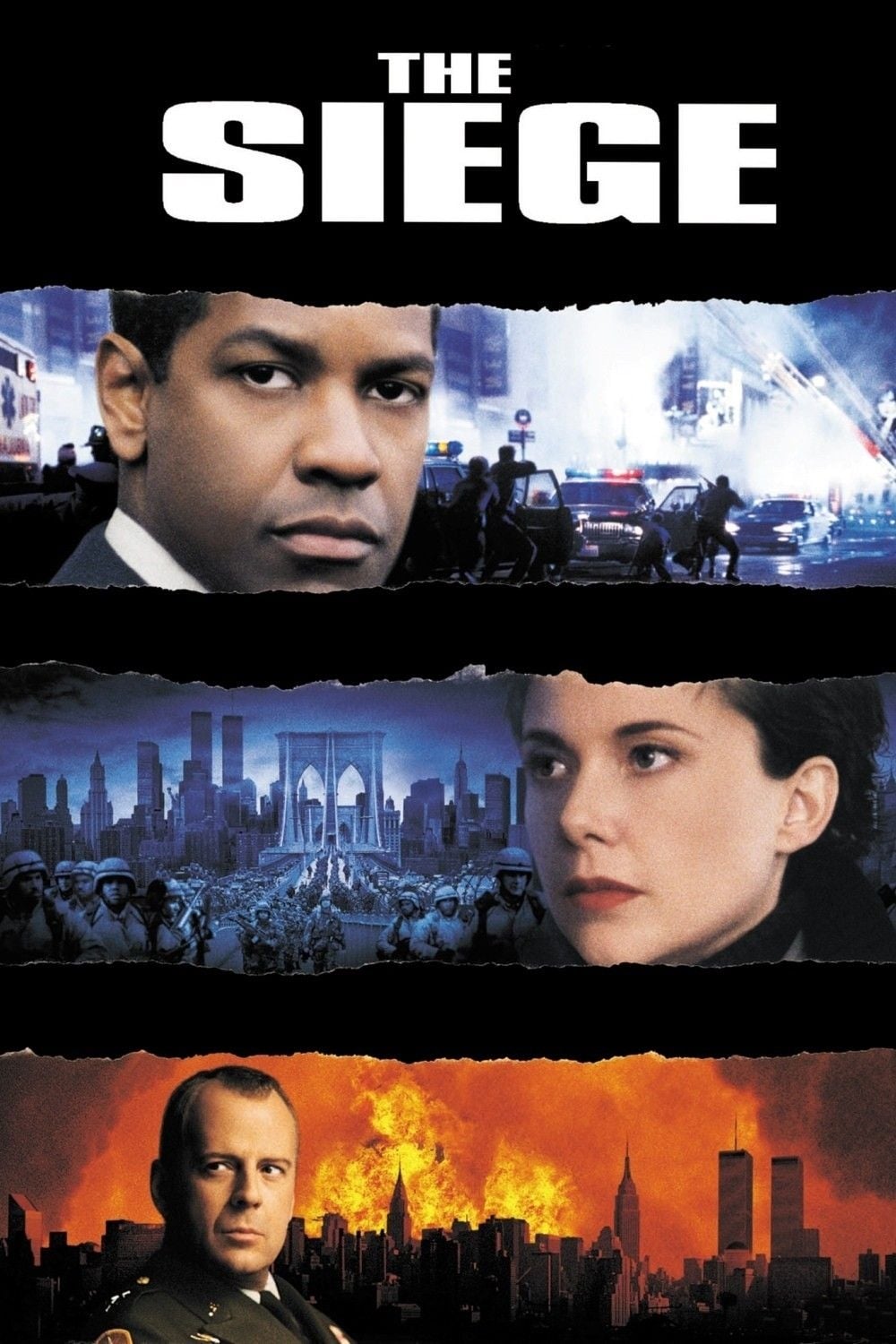
This thrilling movie portrays a scenario where the US military imposes martial law in Brooklyn after a terrorist attack. Remarkably, it foreshadowed the heated discussions about freedom and government power that arose after 9/11. The film delves into the conflict between keeping the country safe and safeguarding citizens’ rights. In many ways, it anticipated the creation of laws like the Patriot Act and the Department of Homeland Security.
‘Rosetta’ (1999)

The movie tells the story of a young woman in Belgium who is trying to earn a living and care for her mother, who struggles with alcohol addiction. Its realistic portrayal of joblessness and unfair labor practices struck a chord with people in Belgium, including politicians. The film actually led to a new law, called the Rosetta Law, which makes it illegal for employers to pay teenagers less than the minimum wage.
‘Enemy of the State’ (1998)
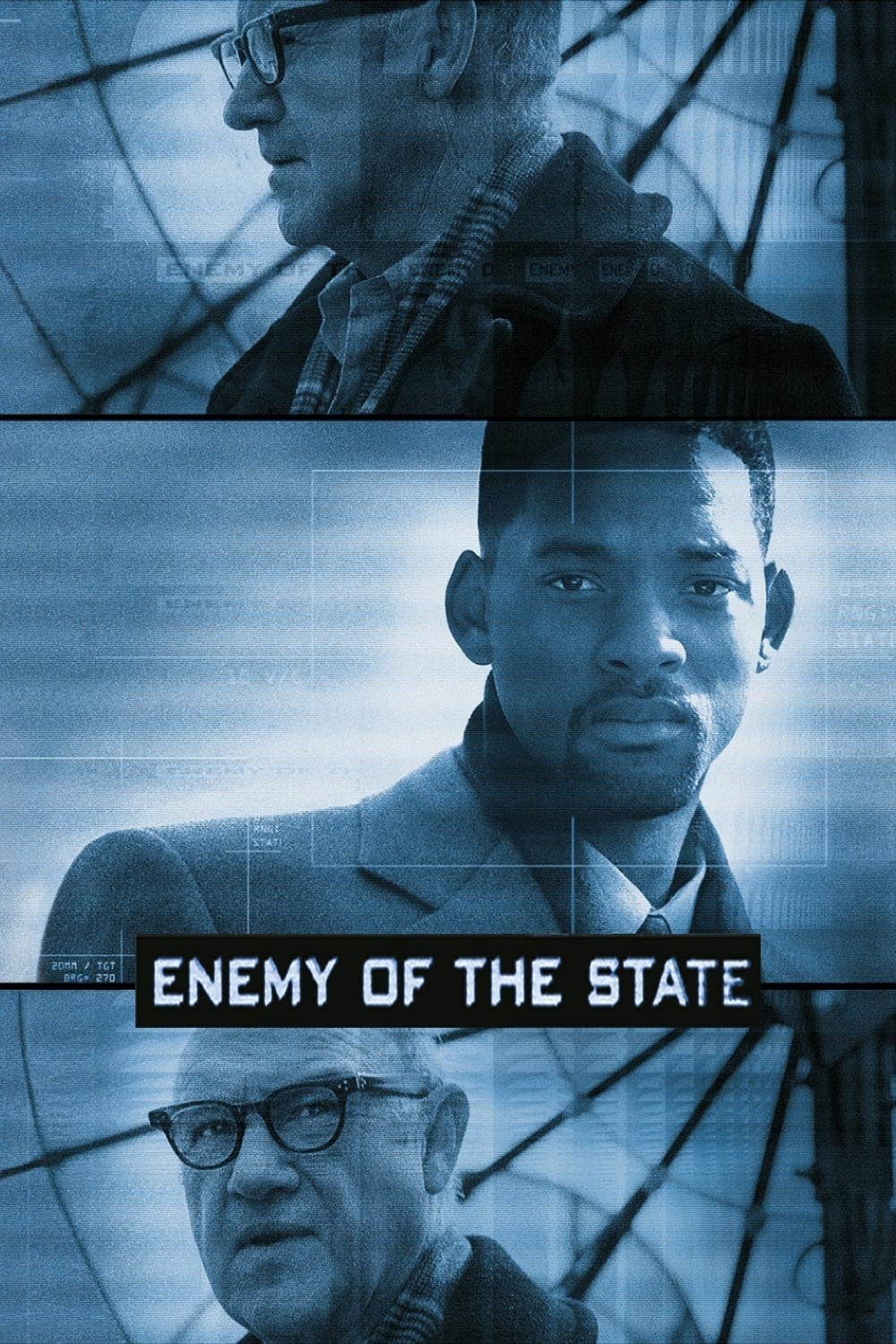
Will Smith plays a lawyer targeted by a dishonest politician who uses the NSA’s powerful surveillance tools. The movie accurately depicted things like satellite tracking and intercepted communications – years before Edward Snowden revealed these practices were real. It foresaw a future where protecting our digital privacy clashes with what governments can do to gather intelligence. Today, we readily accept that everything we do online is recorded and debated by lawmakers.
‘Contagion’ (2011)
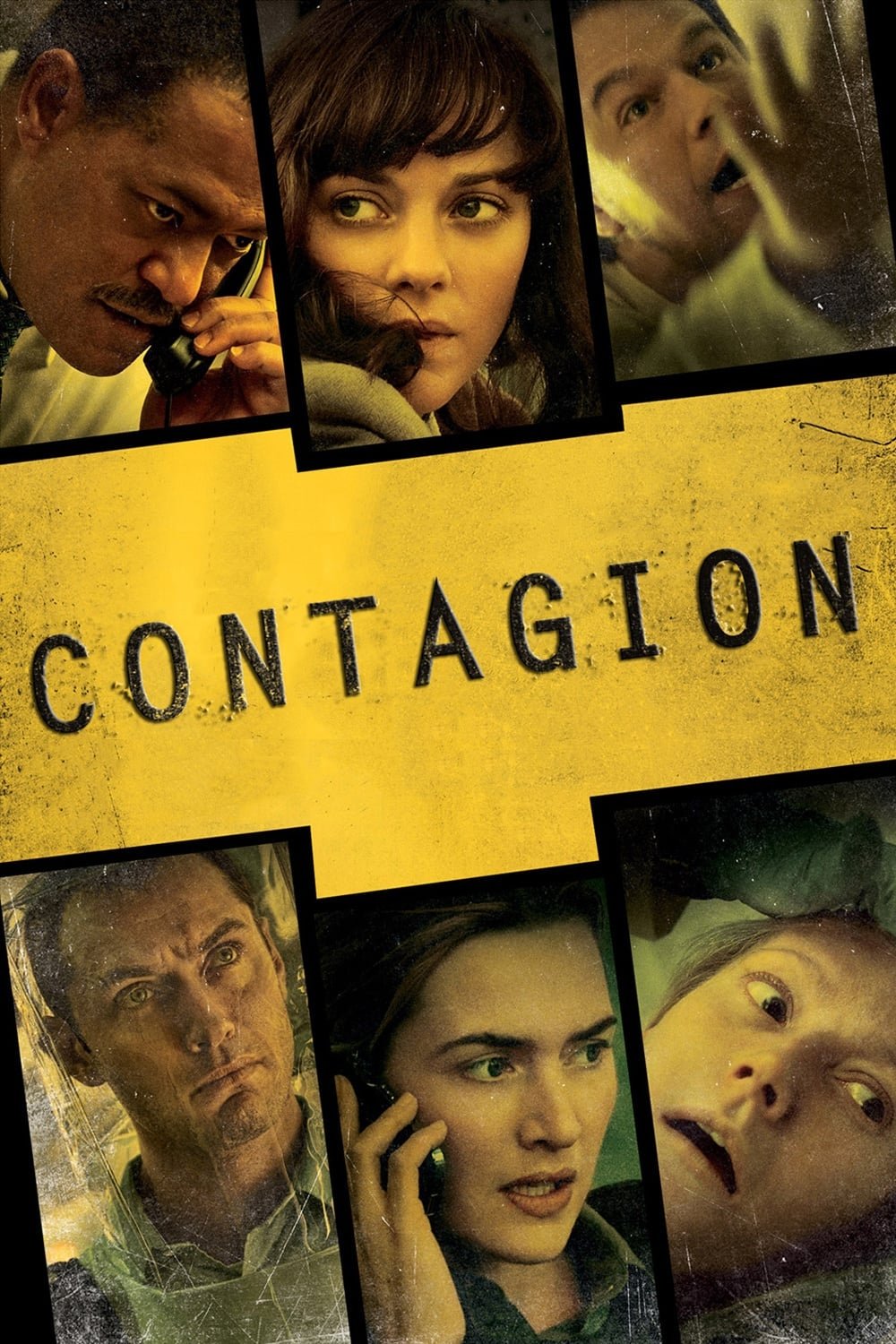
Steven Soderbergh’s film remarkably predicted how a worldwide pandemic would unfold, including government responses. It accurately showed things like social distancing and even the use of lotteries to encourage vaccinations. The movie also foresaw the spread of false information that would make it harder to manage the crisis. In many ways, the film acted as a guide for the emergency powers governments used around the world in 2020.
‘Blackfish’ (2013)
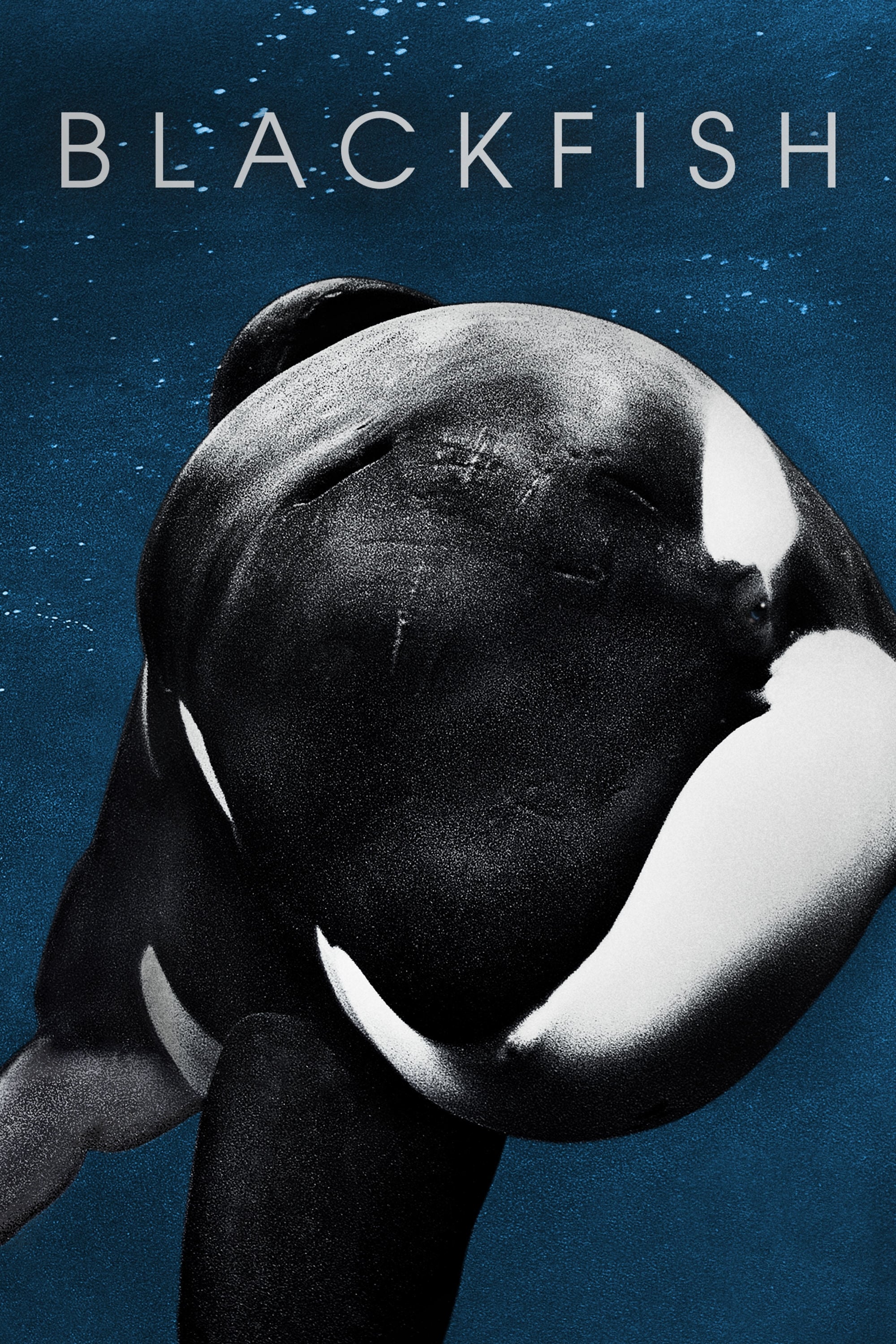
The documentary explored the challenges of keeping killer whales in captivity, highlighting the risks to both the whales and their trainers. Public outrage followed, causing major financial setbacks for marine parks. This led to new laws, such as California’s Orca Welfare and Safety Act, and a lasting change in policy: orcas are no longer being bred for shows and entertainment.
‘Outbreak’ (1995)
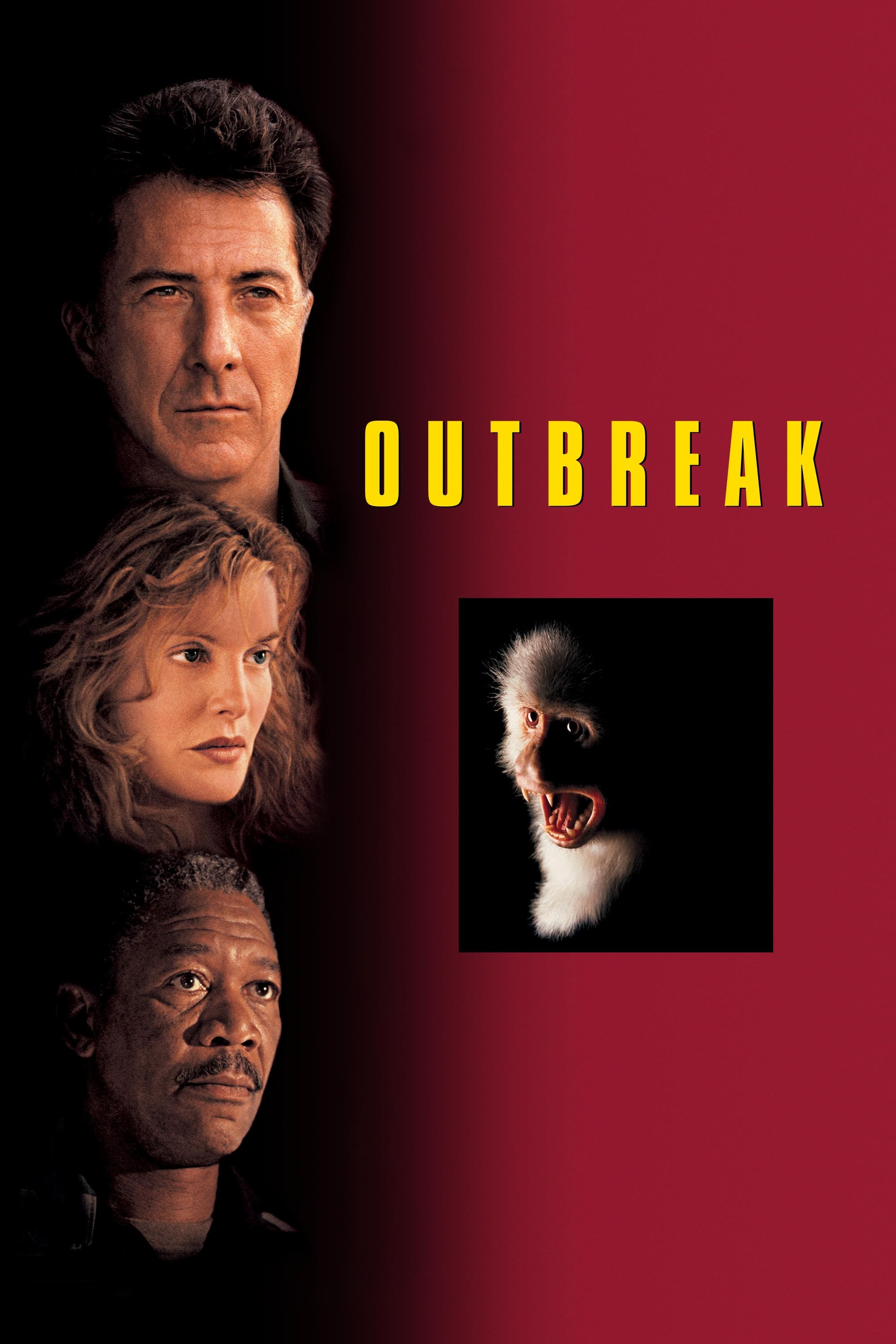
The movie tells the story of an Army doctor racing against time to stop a dangerous virus brought into the country by a smuggled monkey. It shows how far the government might go to control an outbreak, even using the military to quarantine entire towns. The film was one of the first to introduce many people to the importance of biosecurity and the work of the CDC, and it accurately foreshadowed the strict procedures now used to prevent the spread of diseases across borders.
‘Strange Days’ (1995)
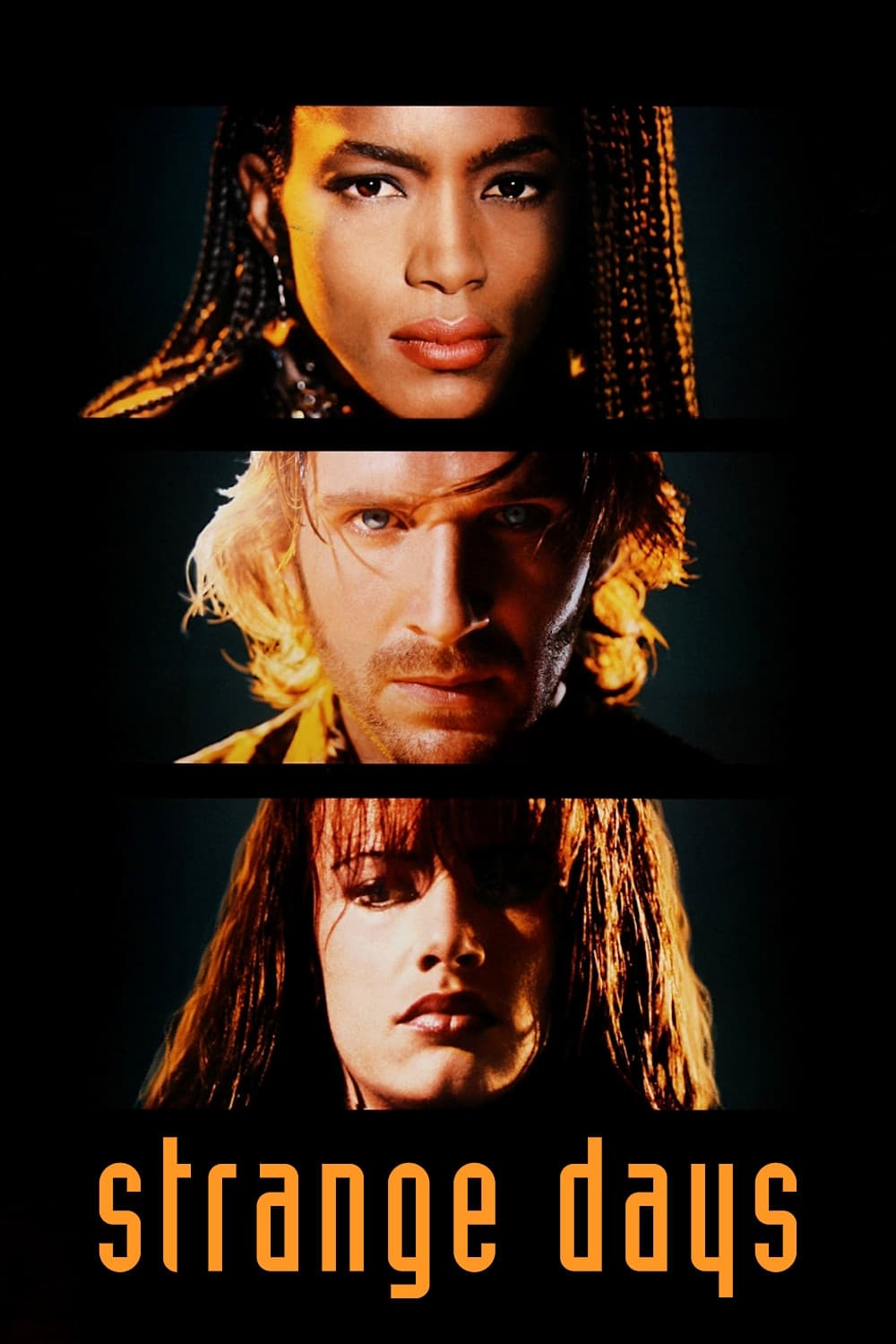
The story centers around a device that captures memories, and includes a scene of police brutality filmed on video. This surprisingly foreshadowed how important video evidence would become in ensuring police accountability. The film even predicted the move towards requiring police officers to wear body cameras, and highlighted how recordings would become a key part of conversations about civil rights.
‘Total Recall’ (1990)
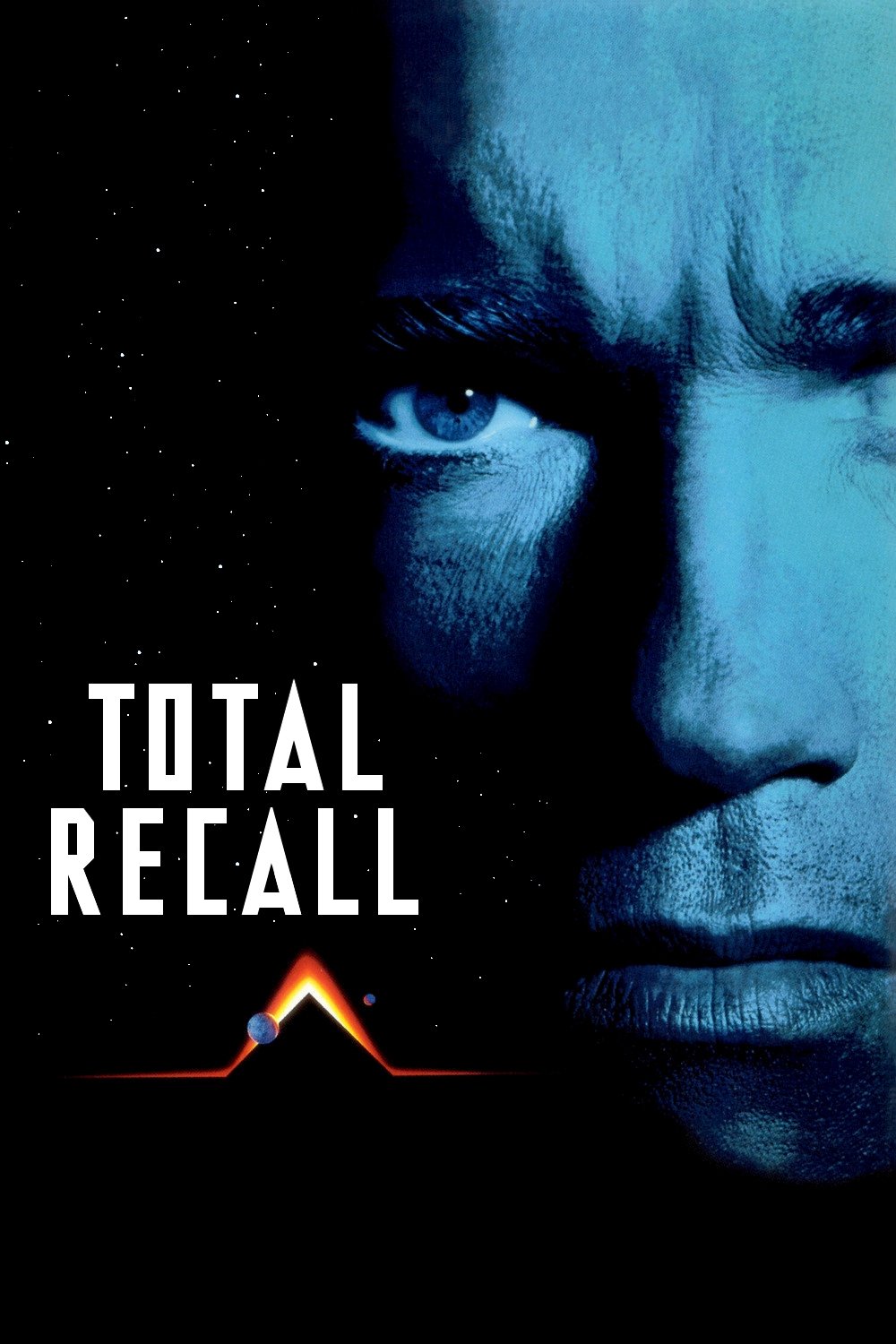
As a film buff, I always remember a scene with Arnold Schwarzenegger going through airport security that seemed like something out of a sci-fi movie – they used X-rays to see right through his clothes! It’s wild because that ‘future’ tech is actually here now. When the TSA was created, those full-body scanners went from being a movie concept to something we just deal with every time we fly. It’s pretty strange how quickly we’ve all gotten used to being scanned like that as just part of the travel process.
‘Victim’ (1961)

This groundbreaking British thriller was the first English-language movie to openly and sympathetically address homosexuality. It highlighted how laws against private same-sex acts could be exploited for blackmail. The film is often recognized for changing public attitudes in the UK and played a key role in the passage of the Sexual Offences Act of 1967, which ultimately decriminalized homosexual acts.
‘Network’ (1976)
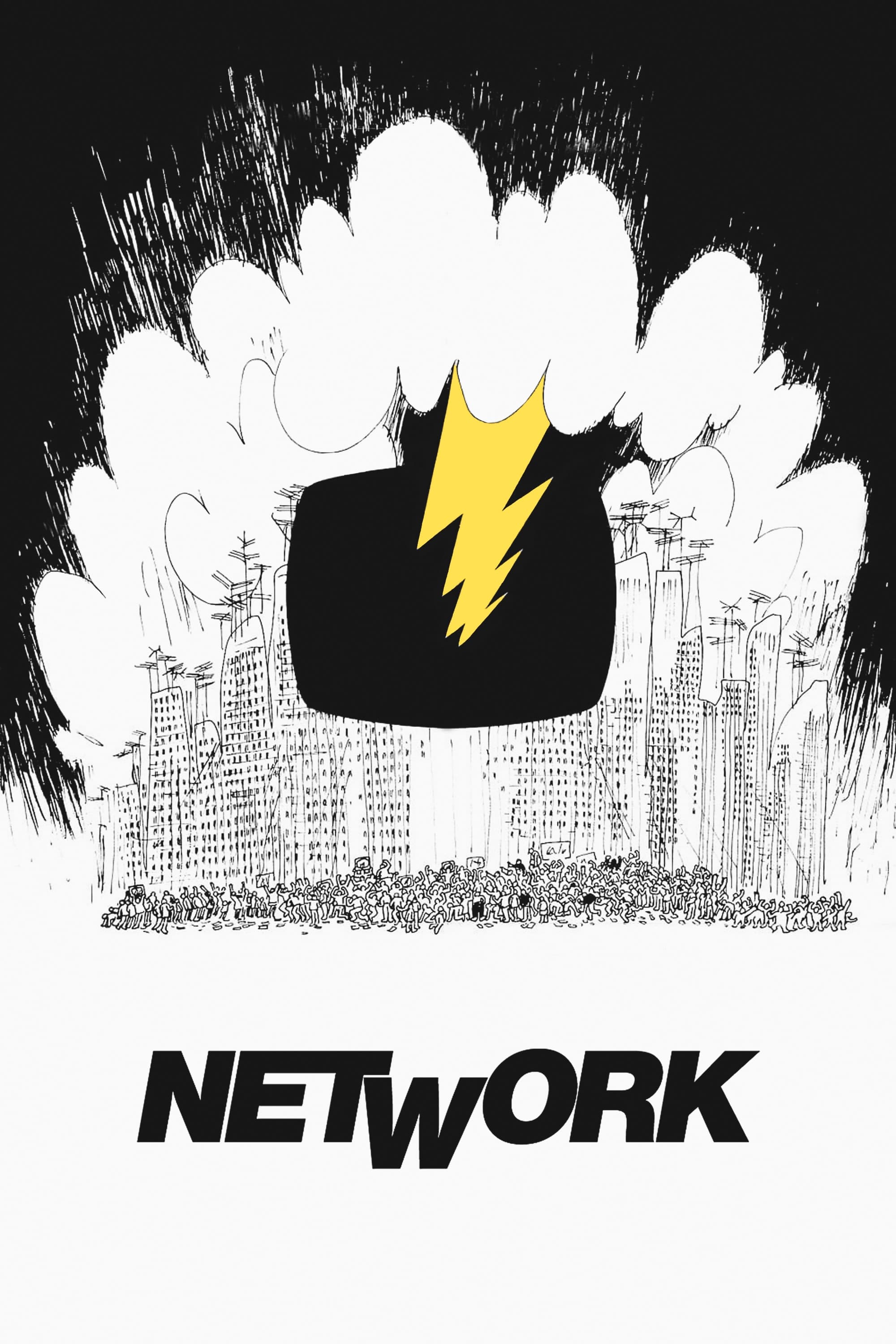
This satirical film portrays a TV station willing to sacrifice accurate reporting for shocking stories and controversy, all to attract more viewers. It accurately predicted the loosening of media regulations and the growth of constant news coverage focused on opinions instead of facts. The film also foresaw how today’s news often mixes entertainment with actual reporting. It continues to be a powerful commentary on how media companies merging impacts the quality of information we receive.
‘The China Syndrome’ (1979)
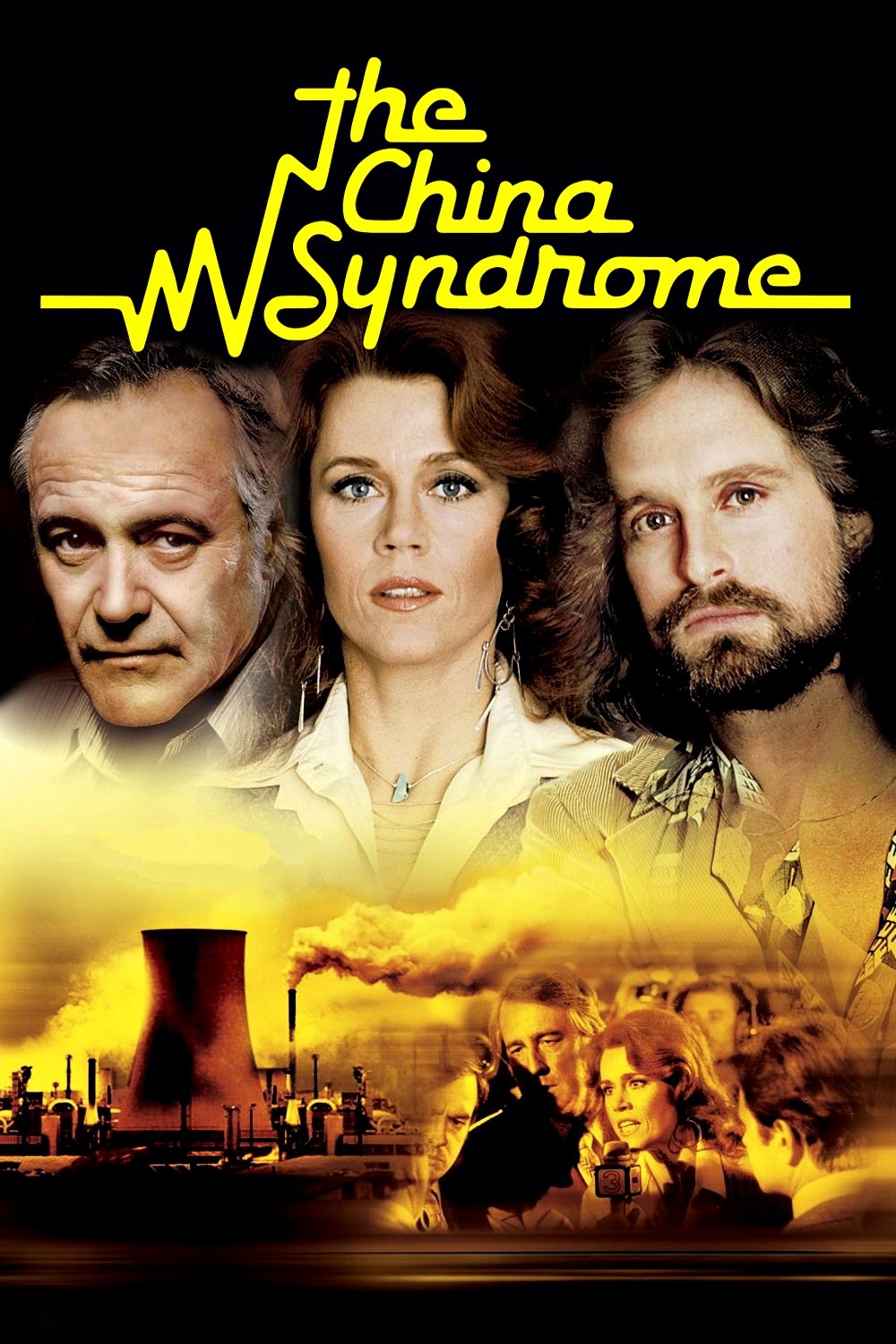
This film, released shortly before the Three Mile Island accident, depicts a nuclear power plant cover-up. It powerfully illustrated how cutting costs at the expense of safety could lead to disaster. Both the movie and the real accident had a major impact on U.S. nuclear policy, resulting in increased oversight by the Nuclear Regulatory Commission and a long pause in the building of new nuclear plants.
‘RoboCop’ (1987)
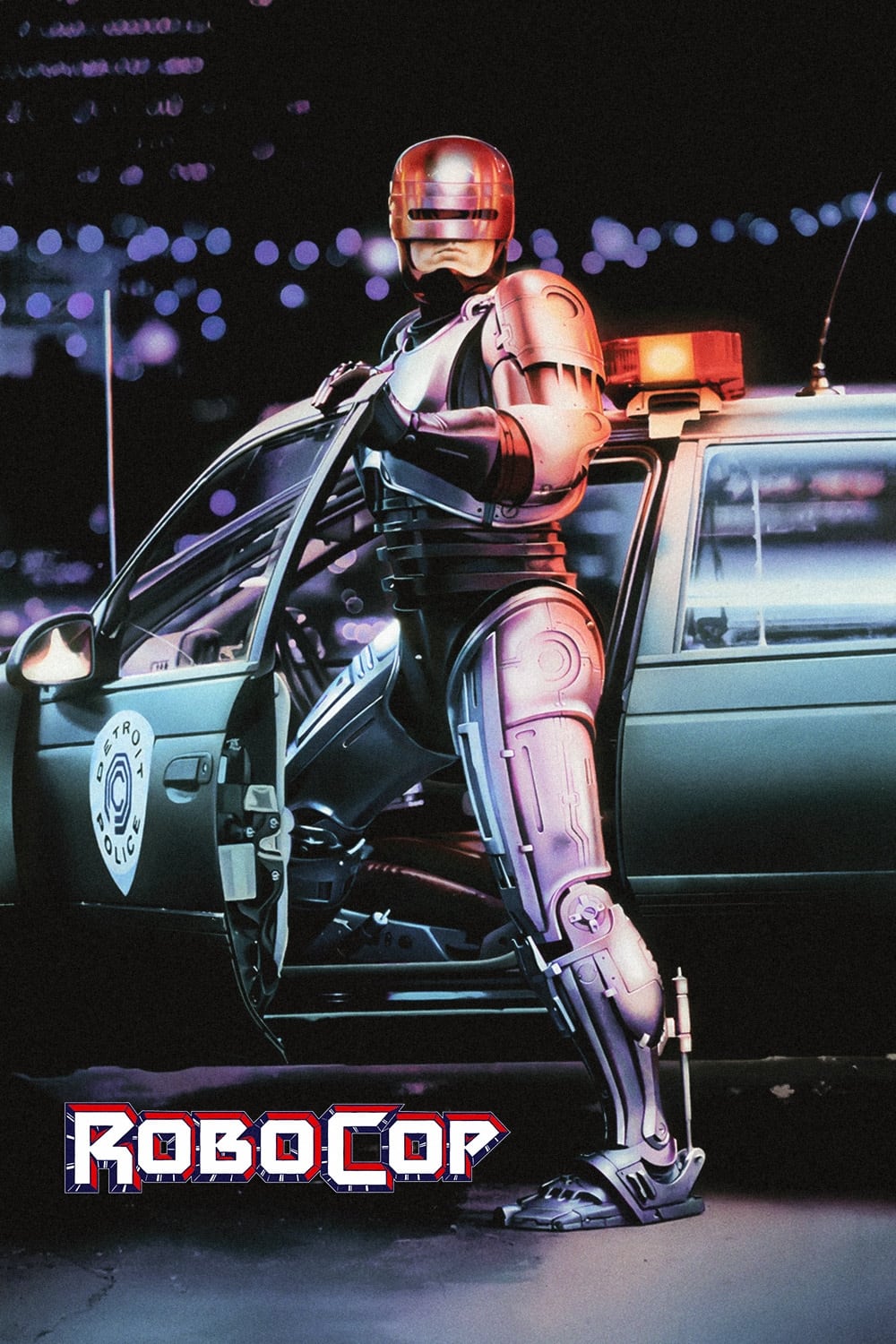
This film takes place in a bleak, futuristic Detroit where the police are run by a private company. It’s a sharp critique of how law enforcement is becoming increasingly militarized and the risks of prioritizing profits over public safety. The film feels especially relevant today, as we’re having similar discussions about using private security firms and automated surveillance in policing. It essentially foreshadowed the complex ethical and legal issues that arise when governments outsource their use of force.
‘Guess Who’s Coming to Dinner’ (1967)
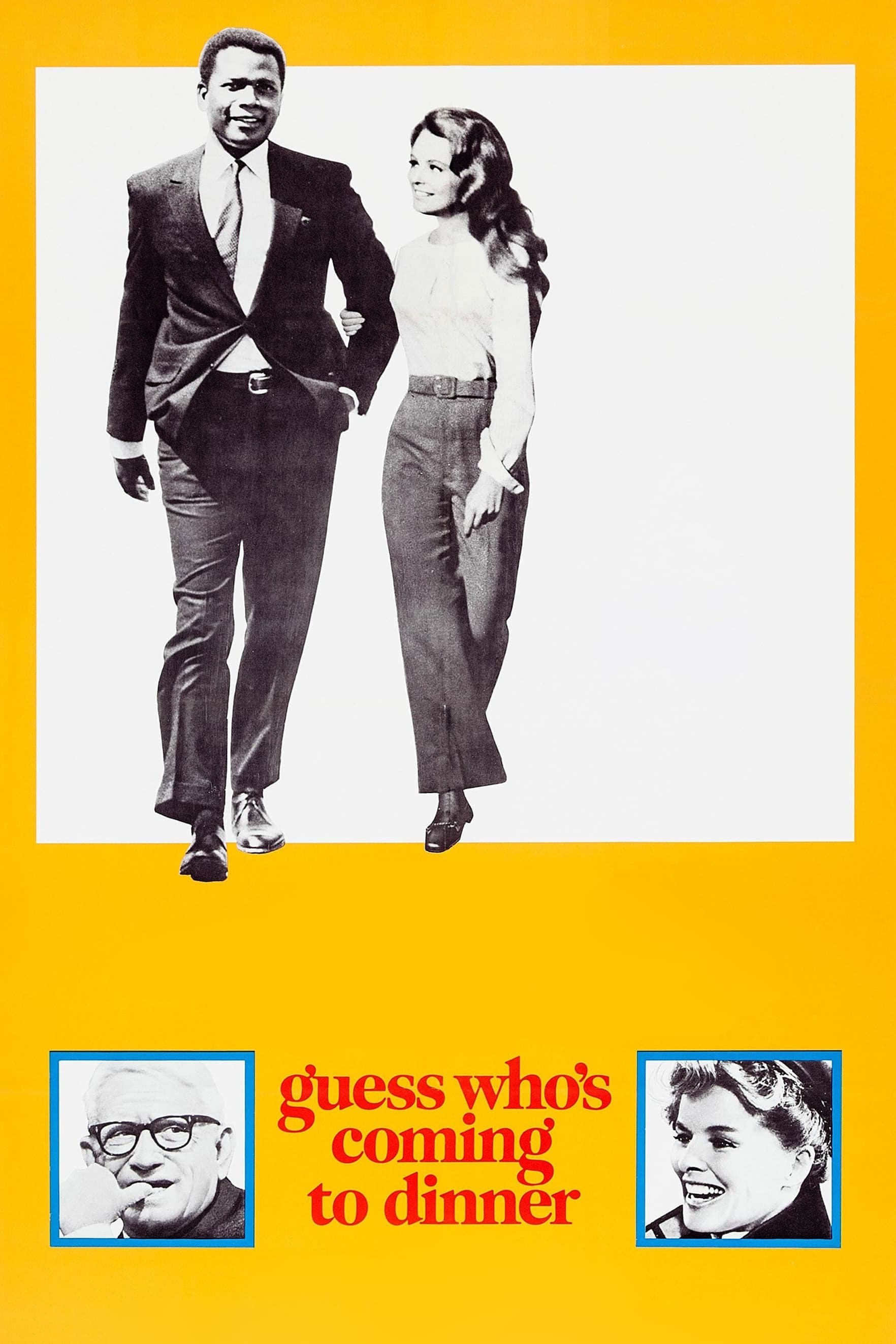
This film depicted a couple of different races and how their families responded, during a time when interracial marriage was still outlawed in many places. Released just six months after the Supreme Court’s Loving v. Virginia decision legalized these unions, the movie played a role in making the new law more accepted by sparking conversations among everyday Americans. It remains an important piece of cultural history that helped secure federal protections for interracial marriage.
‘Deep Impact’ (1998)
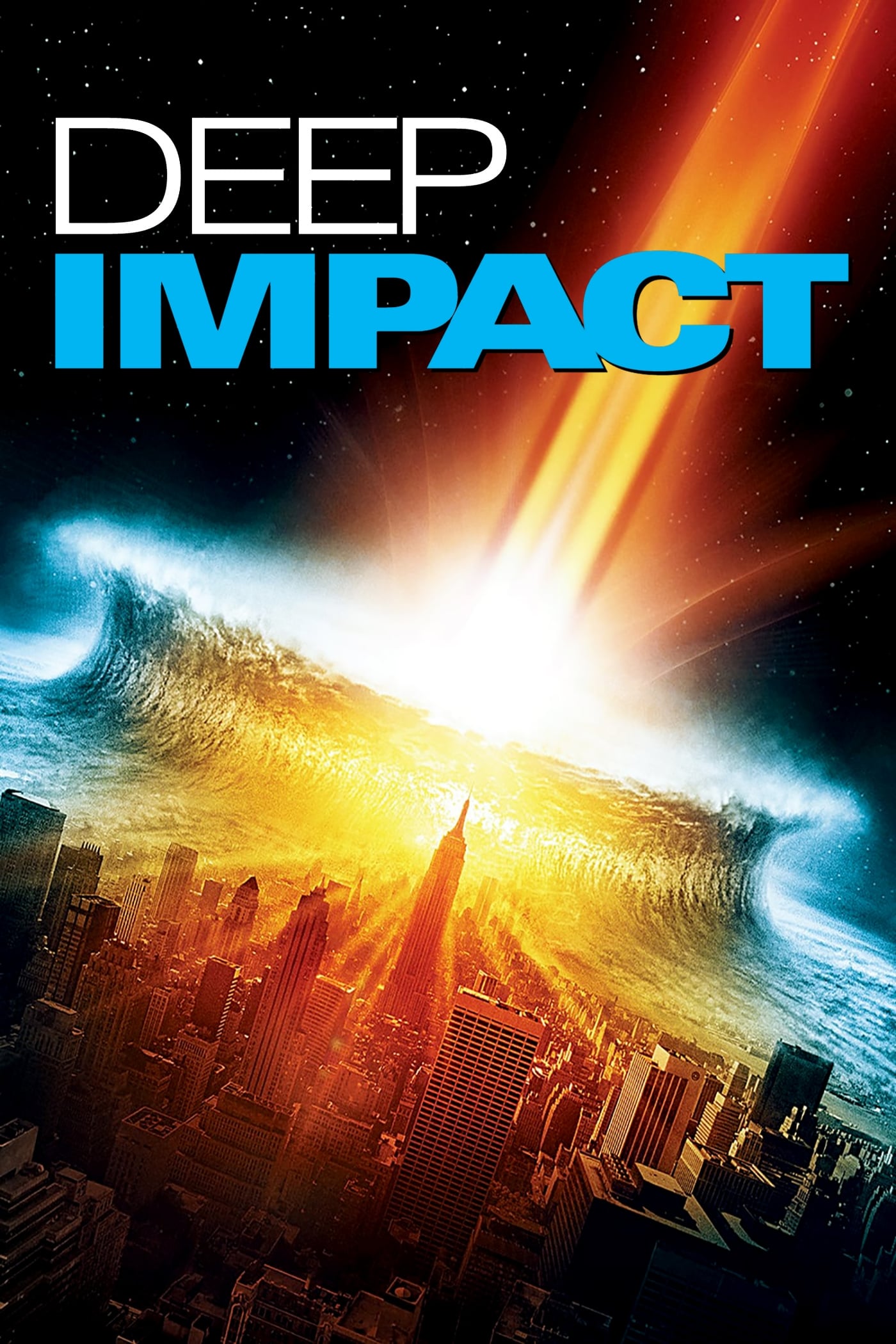
The movie centers around a comet headed for Earth and how the government tries to save humanity. It brought the idea of protecting the planet from such threats into the mainstream, something that was previously seen as a far-out concept. As a result, NASA created an office dedicated to tracking objects near Earth. The film essentially predicted the need for an official plan to deal with potential asteroid impacts.
‘Boys Don’t Cry’ (1999)
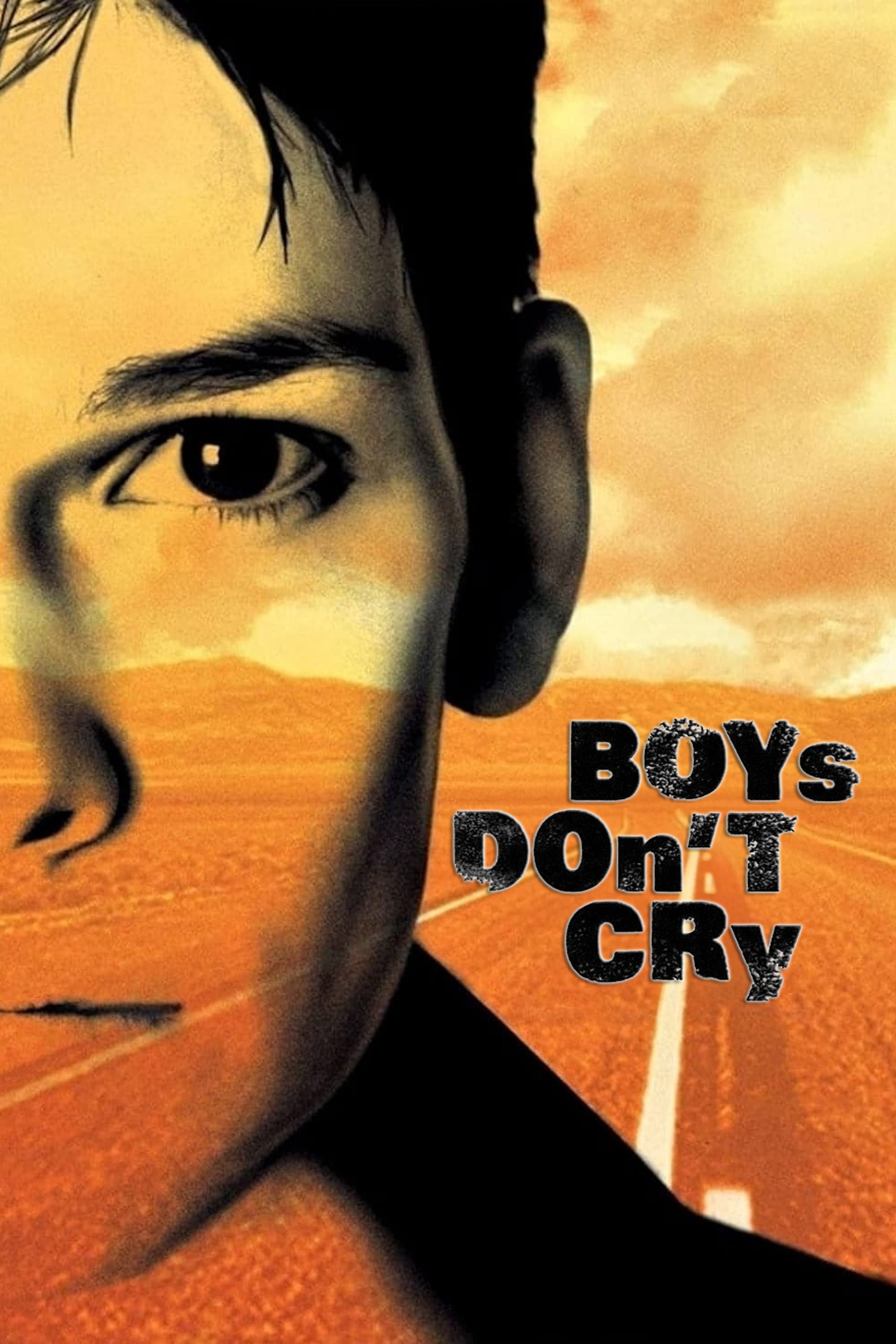
This movie, starring Hilary Swank, tells the true story of Brandon Teena’s murder. It powerfully showed a wide audience the harsh realities of violence faced by transgender people. The film helped fuel the push for laws protecting people from hate crimes based on their gender identity, and it ultimately contributed to the passage of the Matthew Shepard and James Byrd Jr. Hate Crimes Prevention Act, which included those protections.
‘Disclosure’ (1994)

The thriller starring Demi Moore and Michael Douglas flipped the script on traditional sexual harassment stories. It explored the tricky power balances within companies and how workplace harassment is legally defined. The film emphasized that harassment policies need to protect everyone, no matter their gender, and helped pave the way for the stronger HR rules many companies now have.
‘Sneakers’ (1992)
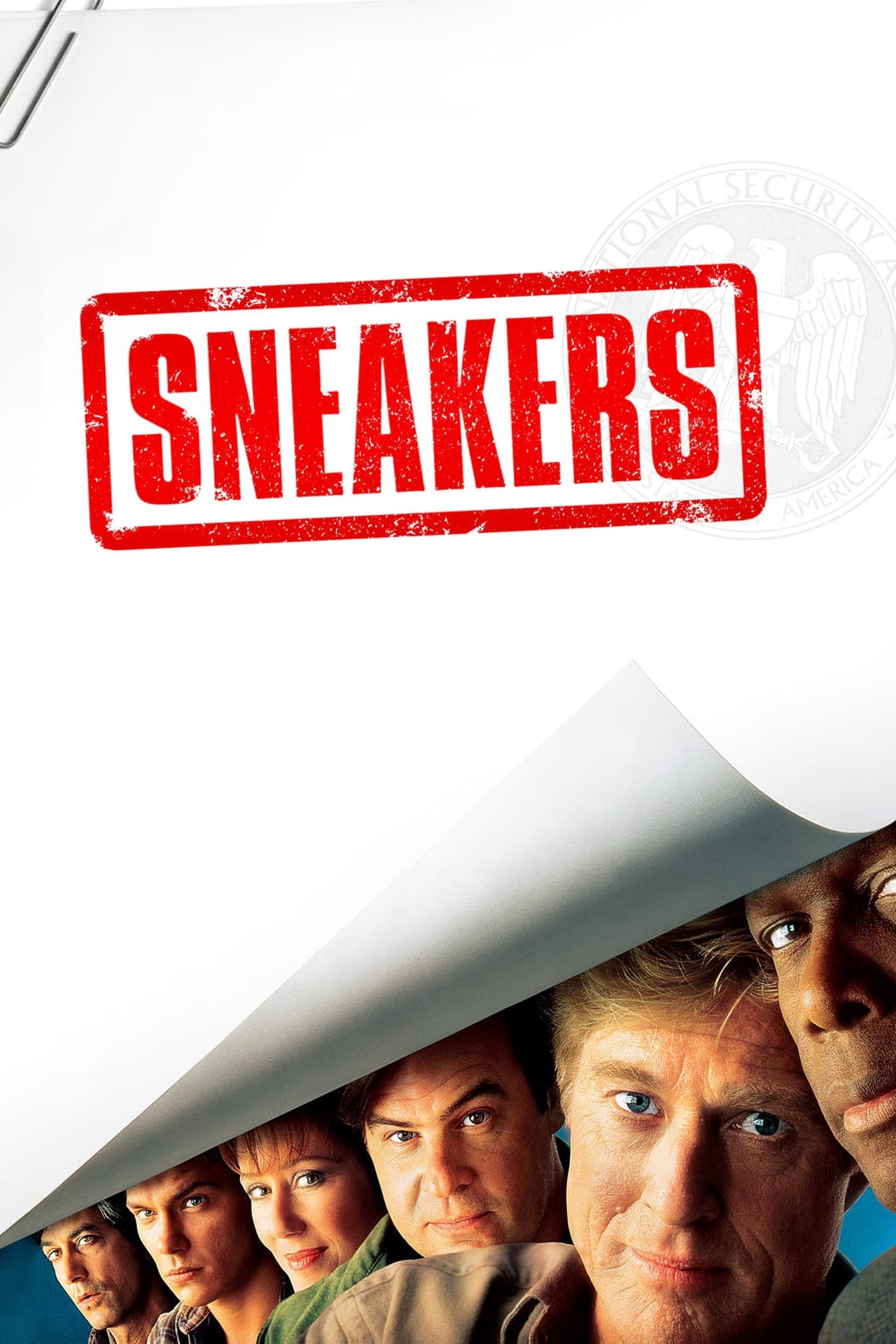
Robert Redford stars in a film about a team that retrieves a device able to crack any code. The movie accurately predicted how important controlling information would become, and how governments would want secret access to our data. It anticipated the later debates about encryption and government access to private devices, and it continues to be relevant to today’s discussions about digital security and intelligence.
‘Traffic’ (2000)
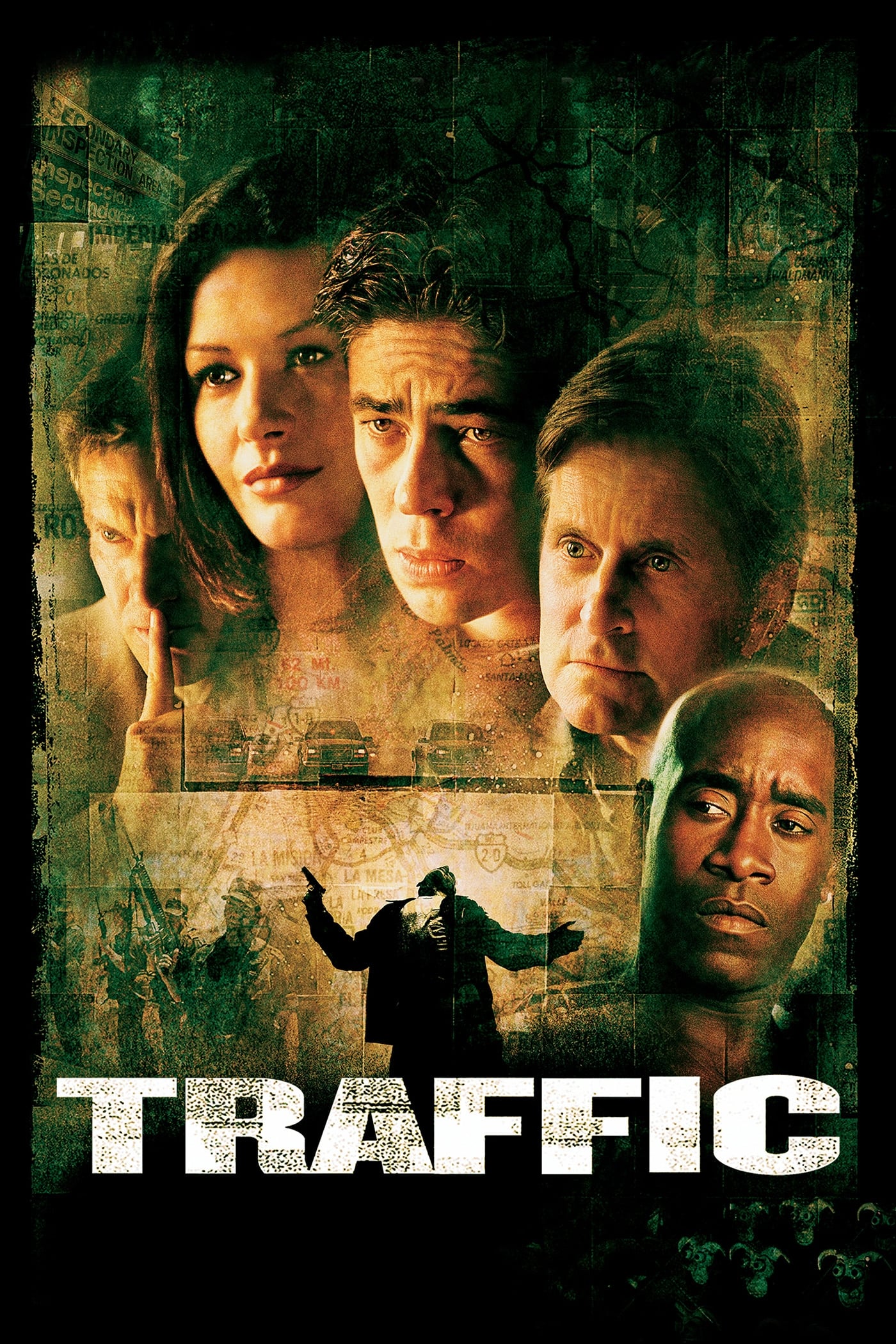
As a film buff, I was really struck by this movie’s complex look at the drug trade. It didn’t just focus on one side – it showed things from the viewpoints of people using drugs, those trying to stop it, and even the politicians involved. What really stayed with me was its pretty pessimistic take on the ‘War on Drugs,’ arguing that simply punishing people wasn’t working. It felt like it helped push the conversation towards seeing addiction as a health issue rather than a crime, and it’s amazing to see how many states are now actually embracing that approach – the one the film subtly championed all along.
‘Erin Brockovich’ (2000)

In the film, Julia Roberts portrays a legal assistant who discovers a major scandal: a utility company is covering up water contamination. The movie became popular and helped people understand how companies can be held responsible for environmental damage and protecting public health. It inspired communities to push for better water testing and stricter enforcement of environmental regulations. Ultimately, the film highlights how lawsuits brought by groups of people can influence environmental laws.
‘Demolition Man’ (1993)

This film portrays a future society where people are fined for swearing and unhealthy habits are illegal. It cleverly predicted things we’re seeing today, like rules about what you can say and taxes on things like sugary drinks and cigarettes. The movie also imagined tiny computer implants in people, which are now being used for security. Overall, it took to the extreme the idea of governments trying to control people’s behavior through laws about morality and health – something that’s now quite common.
‘Her’ (2013)

Joaquin Phoenix stars in a film about a man who falls for an AI operating system that develops its own awareness. The movie delves into the emotional and legal complexities of relationships between humans and highly advanced AI, and surprisingly predicted our current discussions about AI ethics and the effects of digital companionship. Today, we’re actually starting to create the rules about AI rights and recognition as entities – ideas the film touched upon.
‘The Net’ (1995)

In the movie, Sandra Bullock stars as a woman whose identity is stolen by cybercriminals. It was a groundbreaking film that highlighted the dangers of identity theft and tampering with digital information. It even foreshadowed the need for strong laws to protect people online and punish cybercrime. Interestingly, the film also showed early examples of things we now take for granted, like working from home and ordering pizza online – predicting the rise of the digital world.
‘Soylent Green’ (1973)
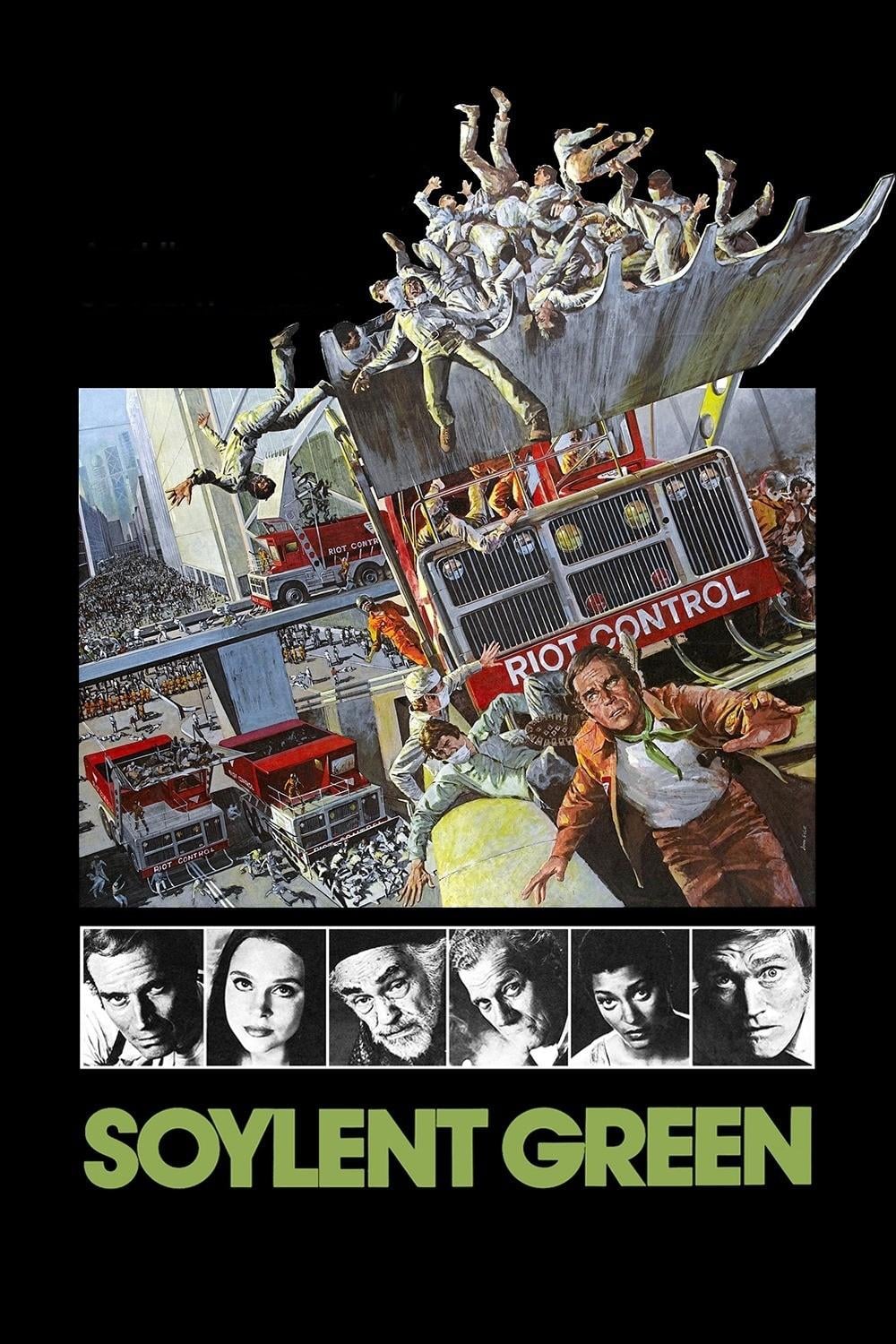
The movie portrays a bleak future devastated by climate change and too many people. It accurately predicted we’d eventually need to limit resources and warned about large companies gaining control of our food. The film’s world eerily foreshadows today’s efforts to fight climate change and develop sustainable farming. Ultimately, it serves as a stark reminder of what can happen without strong environmental protections.
‘Idiocracy’ (2006)
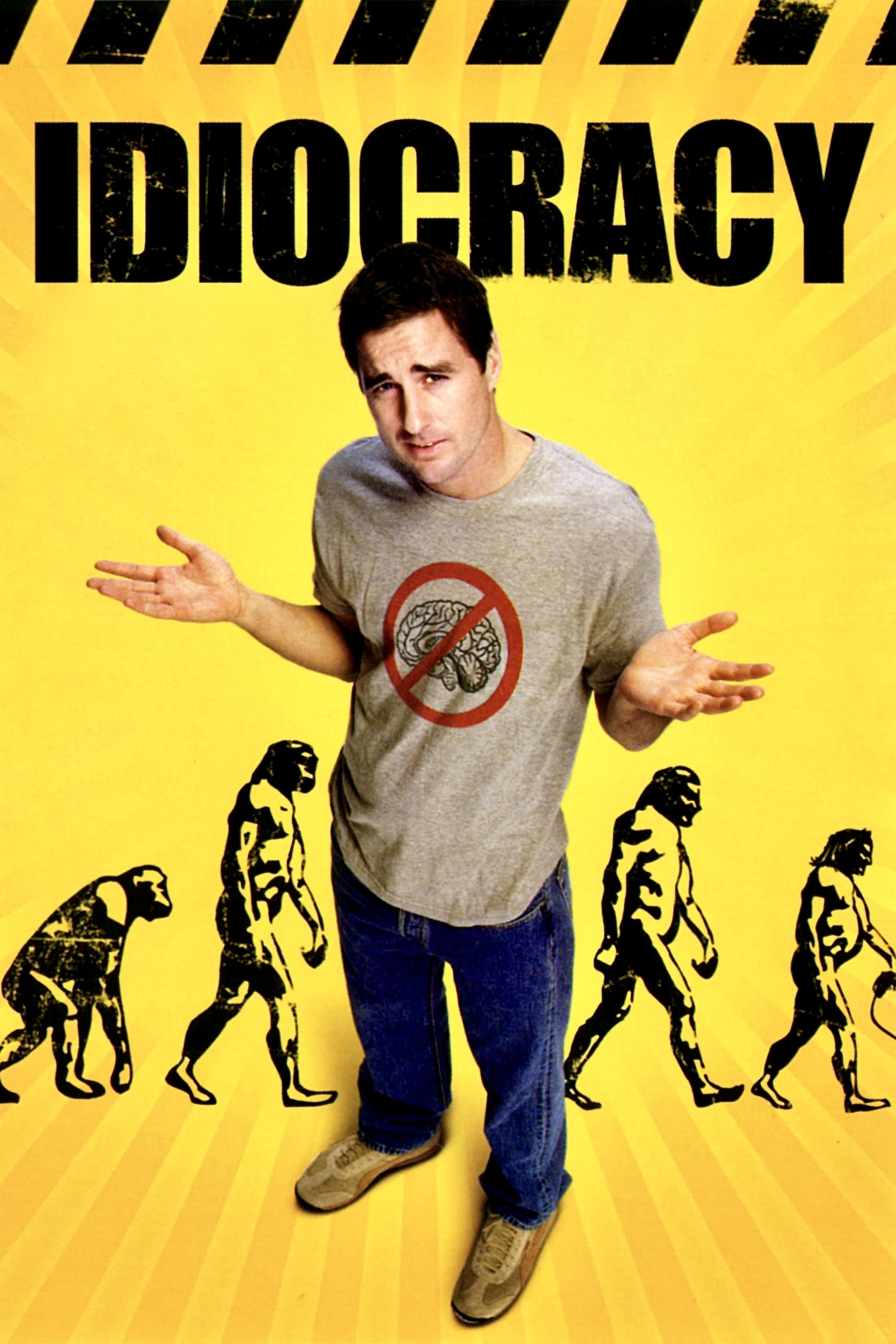
This hilarious movie depicts a future where people aren’t very bright and companies run things instead of the government. It playfully criticizes how politics has become about selling products and how education has suffered. The film accurately foresaw a political world focused on entertainment rather than smart thinking, and it’s a reminder of why good schools and fair campaign funding are so important.
‘District 9’ (2009)
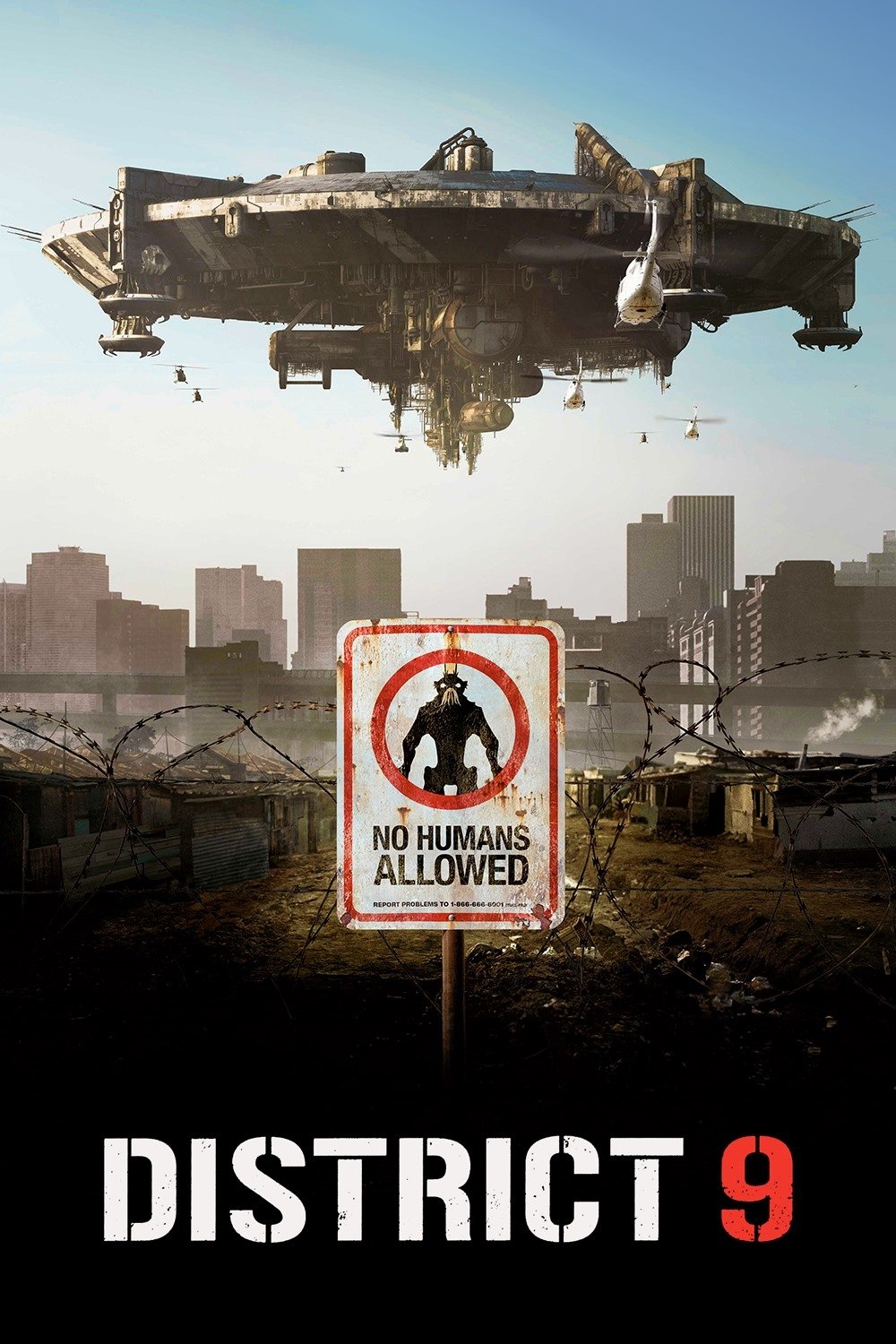
When aliens land on Earth, they’re confined to a militarized slum in South Africa. The film uses this scenario to comment on apartheid, but also eerily foreshadows how refugee camps are run today. It draws attention to the increasing use of private companies to manage displaced people and the limited protections offered to those who aren’t citizens, ultimately mirroring the difficult truths about global migration policies we see now.
‘The Conversation’ (1974)
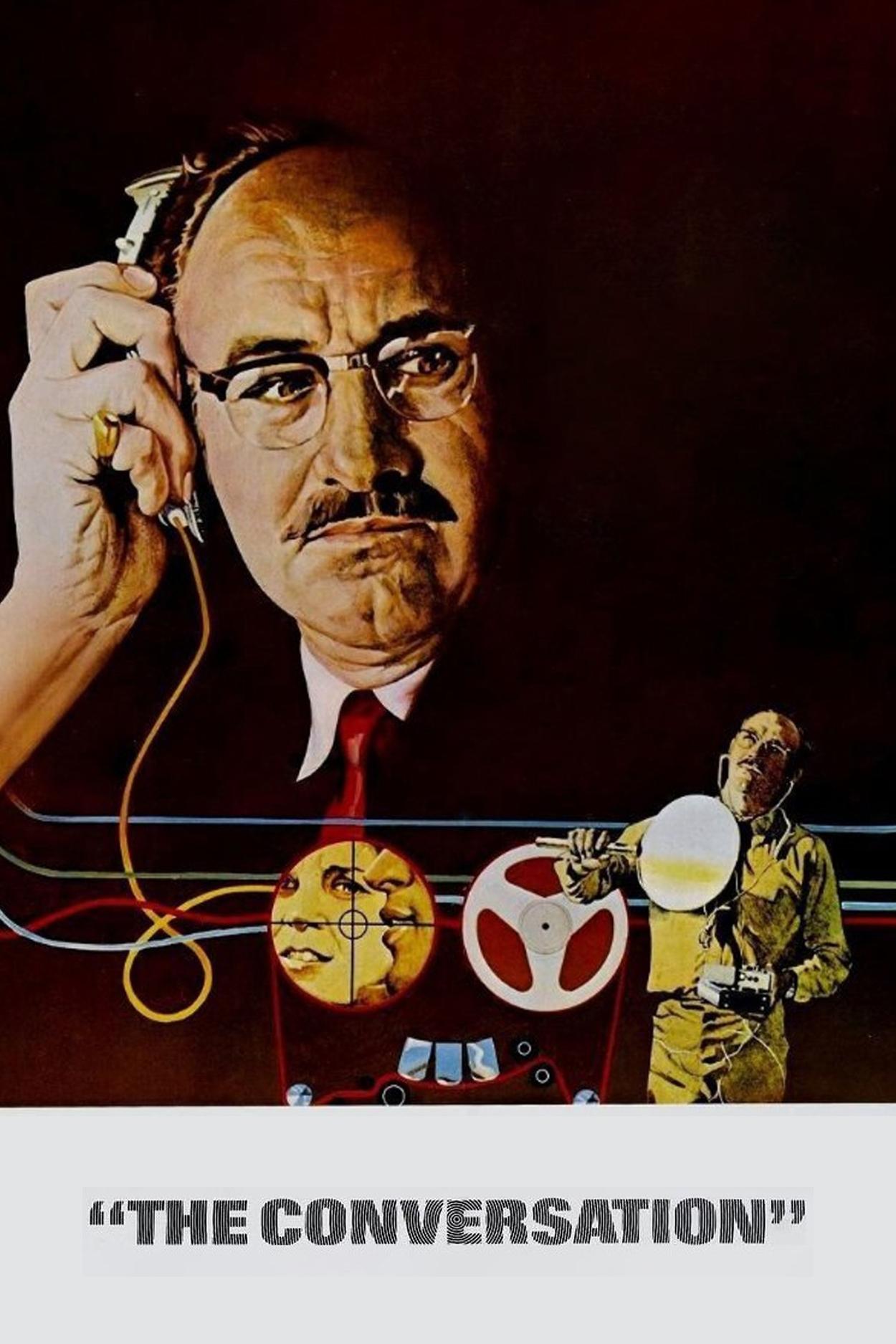
In the film, Gene Hackman portrays a surveillance professional who grows increasingly convinced his work will result in someone’s death. Released during the Watergate scandal, the movie reflects the public’s rising anxiety about being secretly monitored. It foreshadowed the strict laws that would later be put in place to control electronic spying, highlighting the importance of having judges oversee surveillance activities.
‘Blade Runner’ (1982)
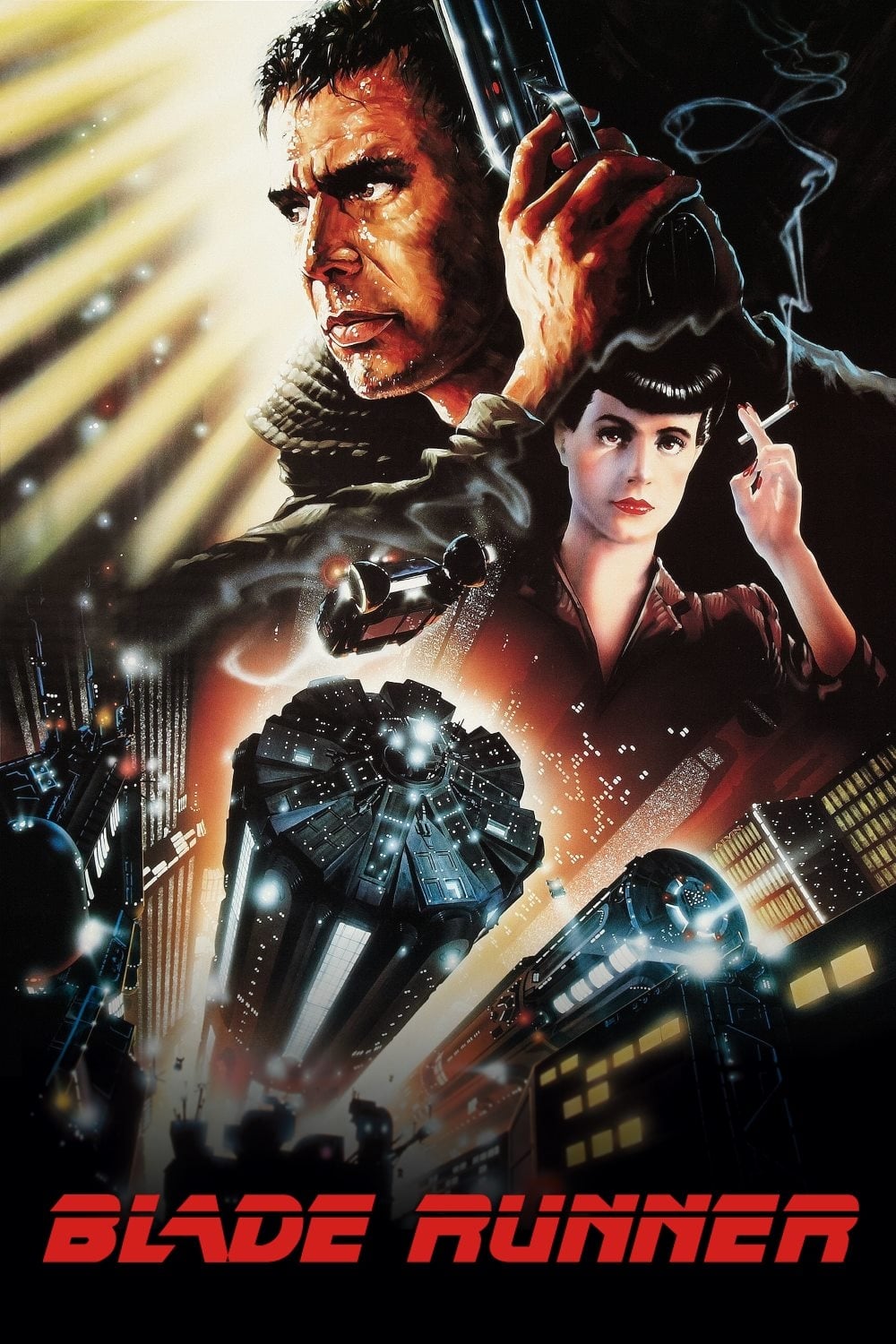
This movie centers around artificial humans, known as replicants, who are outlawed on Earth and tracked down by law enforcement. It makes you think about what truly defines a person and who should be granted rights – questions that are very relevant today as we grapple with the ethics of cloning and artificial intelligence. Ultimately, the story challenges our very understanding of what it means to be human and how the law should define it.
‘An Inconvenient Truth’ (2006)
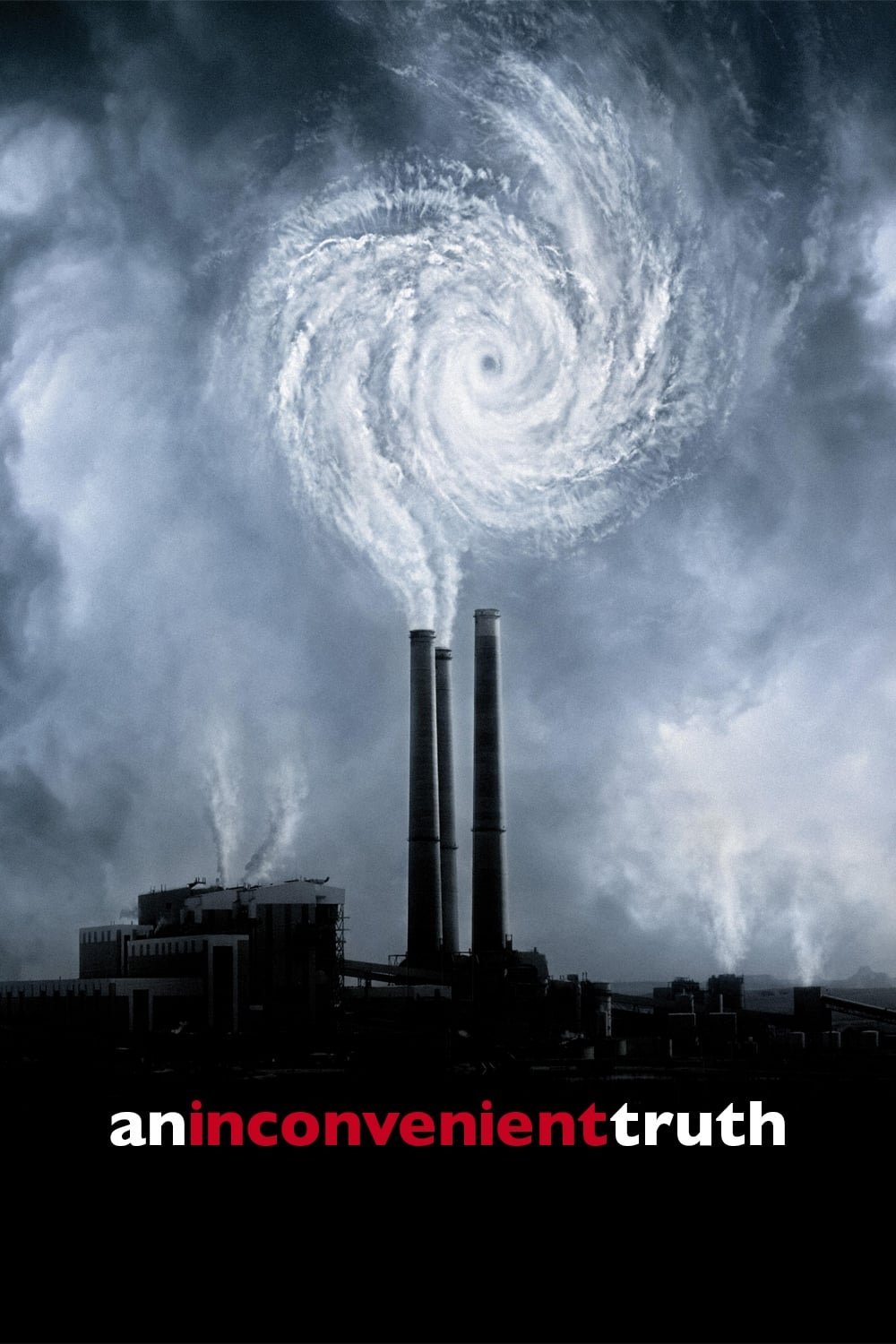
Al Gore’s documentary played a key role in raising public awareness about global warming by presenting complex scientific information in an accessible way. It shifted the focus of political debate and made climate change a major issue in elections. The film is widely recognized for its impact on policies related to carbon emissions and for encouraging the development of renewable energy sources around the globe, effectively moving the discussion from scientific research to government action.
‘Starship Troopers’ (1997)
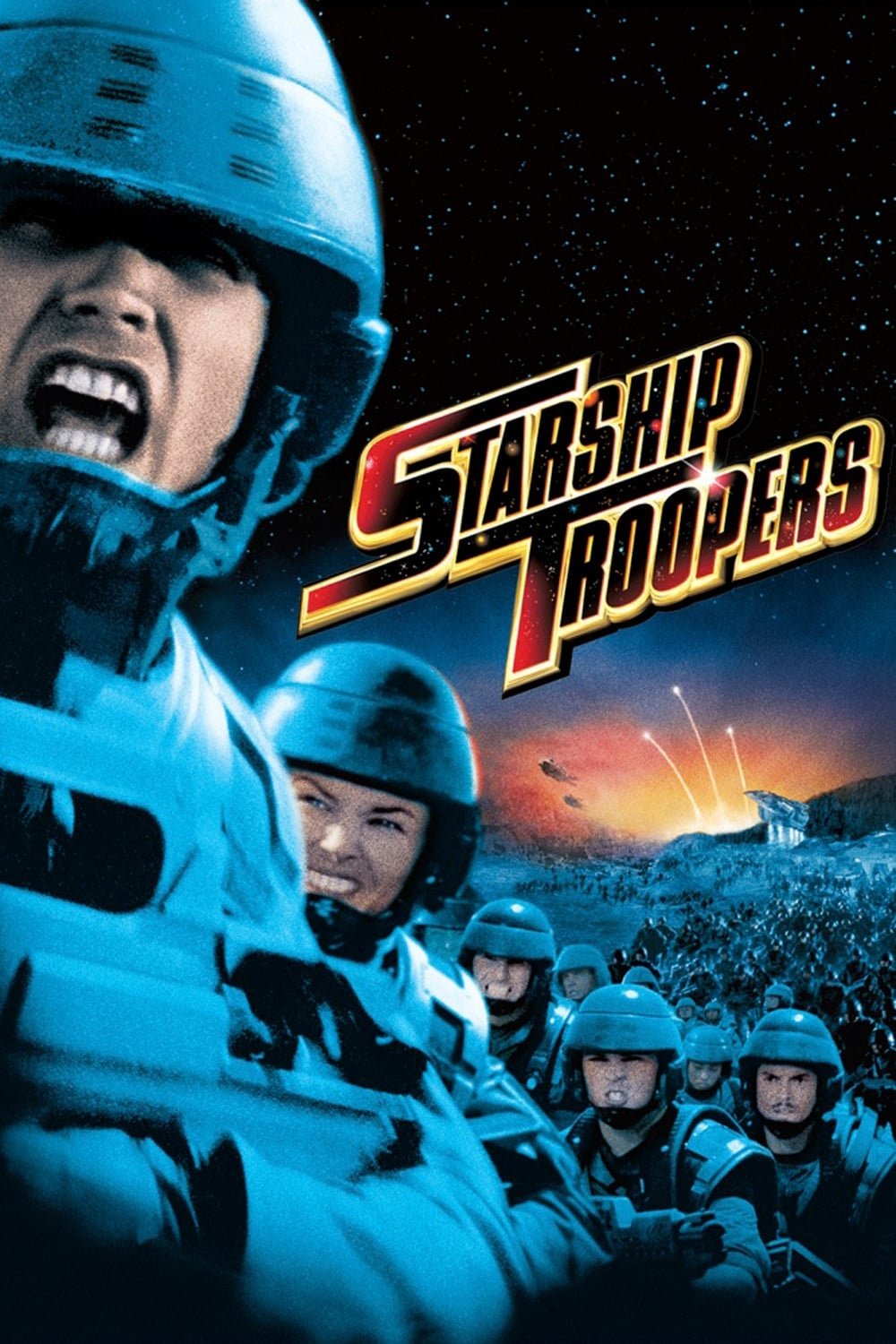
This film depicts a disturbing future ruled by fascism, where people only gain the rights of citizenship – including voting – by serving in the military. It cleverly mocks how propaganda and the celebration of war can be used to manipulate and control people. Remarkably, the movie foreshadowed the practice of placing journalists with military units to shape public perception. Ultimately, it serves as a cautionary tale about the dangers of demanding blind loyalty to the government in the name of patriotism.
‘Panic Room’ (2002)

The movie features Jodie Foster and her daughter taking refuge in a heavily fortified safe room during a home invasion. It brought the idea of ultra-secure homes for the rich into the public eye and speaks to a growing trend of people relying on private security. The film also points out how wealth affects access to safety and the ability to defend oneself, as well as reflecting changes in laws regarding home defense.
‘Do the Right Thing’ (1989)
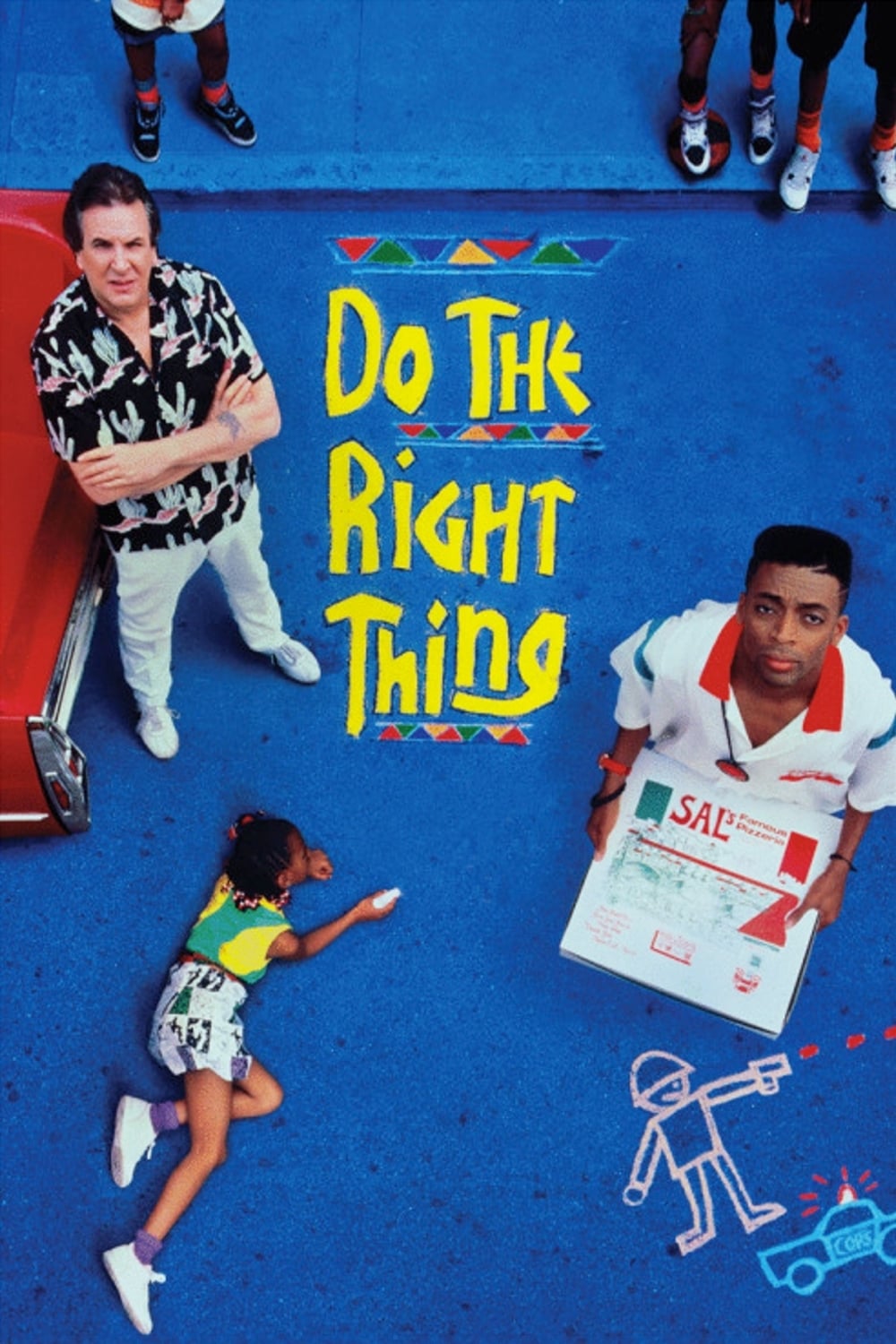
Spike Lee’s film portrays racial tensions in Brooklyn, reaching a devastating climax with a Black man killed by police using a chokehold. Sadly, the movie foreshadowed the continuing problem of police brutality and even specific techniques that many departments would later prohibit. It ignited important conversations about how police interact with communities and the issue of systemic racism, and continues to inspire activists working to change law enforcement policies.
‘Ex Machina’ (2014)

The movie centers on a programmer who evaluates an incredibly lifelike robot using the Turing test. It warns about the potential dangers of unchecked artificial intelligence development by private companies, a concern that mirrors today’s discussions about needing government regulation. The film highlights the risks of letting wealthy tech leaders control the direction of AI and its policies.
Read More
- 20 Movies Where the Black Villain Was Secretly the Most Popular Character
- Celebs Who Narrowly Escaped The 9/11 Attacks
- Transformers Under the Microscope: What Graph Neural Networks Reveal
- Top 20 Dinosaur Movies, Ranked
- Trading on Thin Air: AI Agents Conquer Crypto Volatility
- Silver Rate Forecast
- Gold Rate Forecast
- 22 Films Where the White Protagonist Is Canonically the Sidekick to a Black Lead
- Every Notable ‘Star Trek: The Original Series’ Actor Who Died
- Invincible Season 4 Gender Swaps Tech Jacket As Fans Question Major Comic Change
2025-12-19 01:19