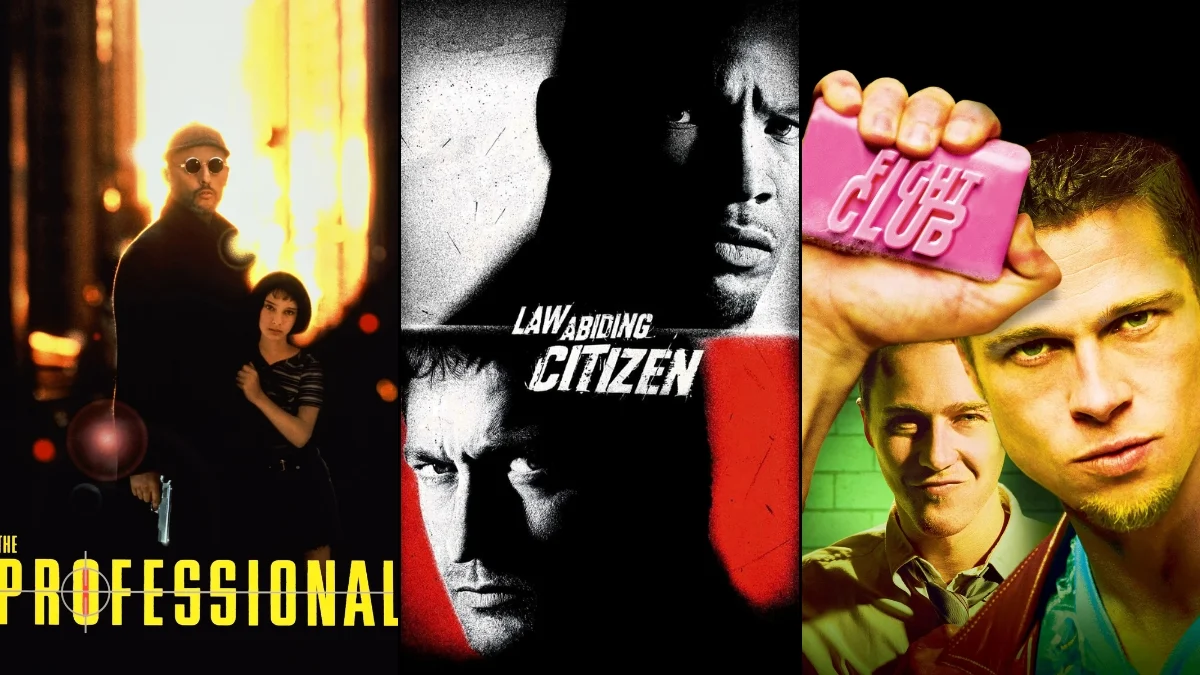
Movies have always captivated people with characters who aren’t simply good or bad, but exist in a moral gray area. These films feature protagonists who aren’t traditional heroes, but are compelling enough to earn our sympathy or understanding. Often, their questionable actions are presented as justified by a flawed world or unfair system. By using these complex characters, filmmakers encourage us to question our own ideas about what’s right and wrong.
‘The Godfather’ (1972)
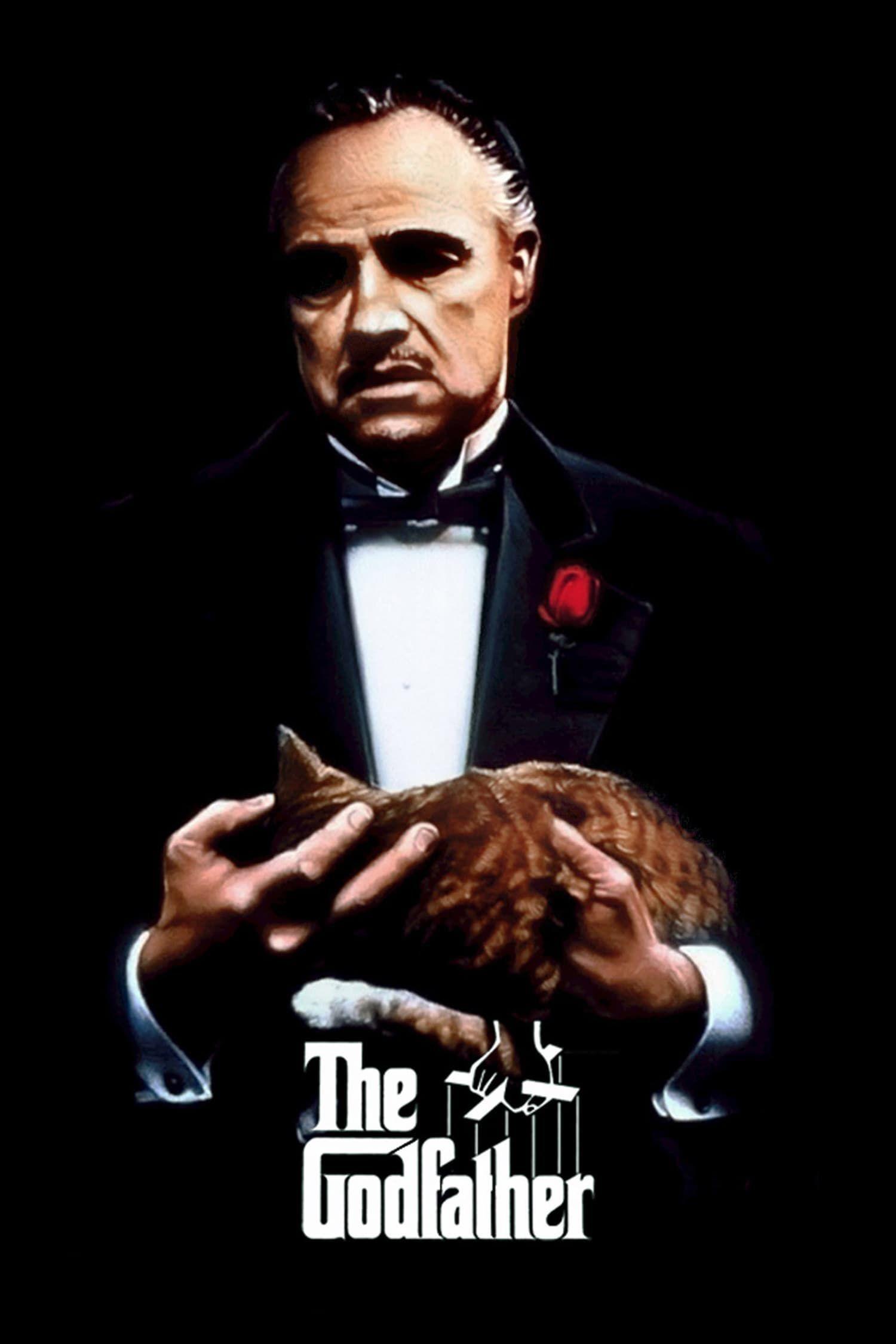
Francis Ford Coppola brilliantly shows how a character can change, using Michael Corleone as a prime example. At first, Michael wants nothing to do with his family’s criminal business and dreams of a normal life. But when his father is attacked, he’s forced to get involved. The story makes us understand, and even feel for, his slow turn towards a life of crime as he tries to protect his loved ones.
‘Joker’ (2019)
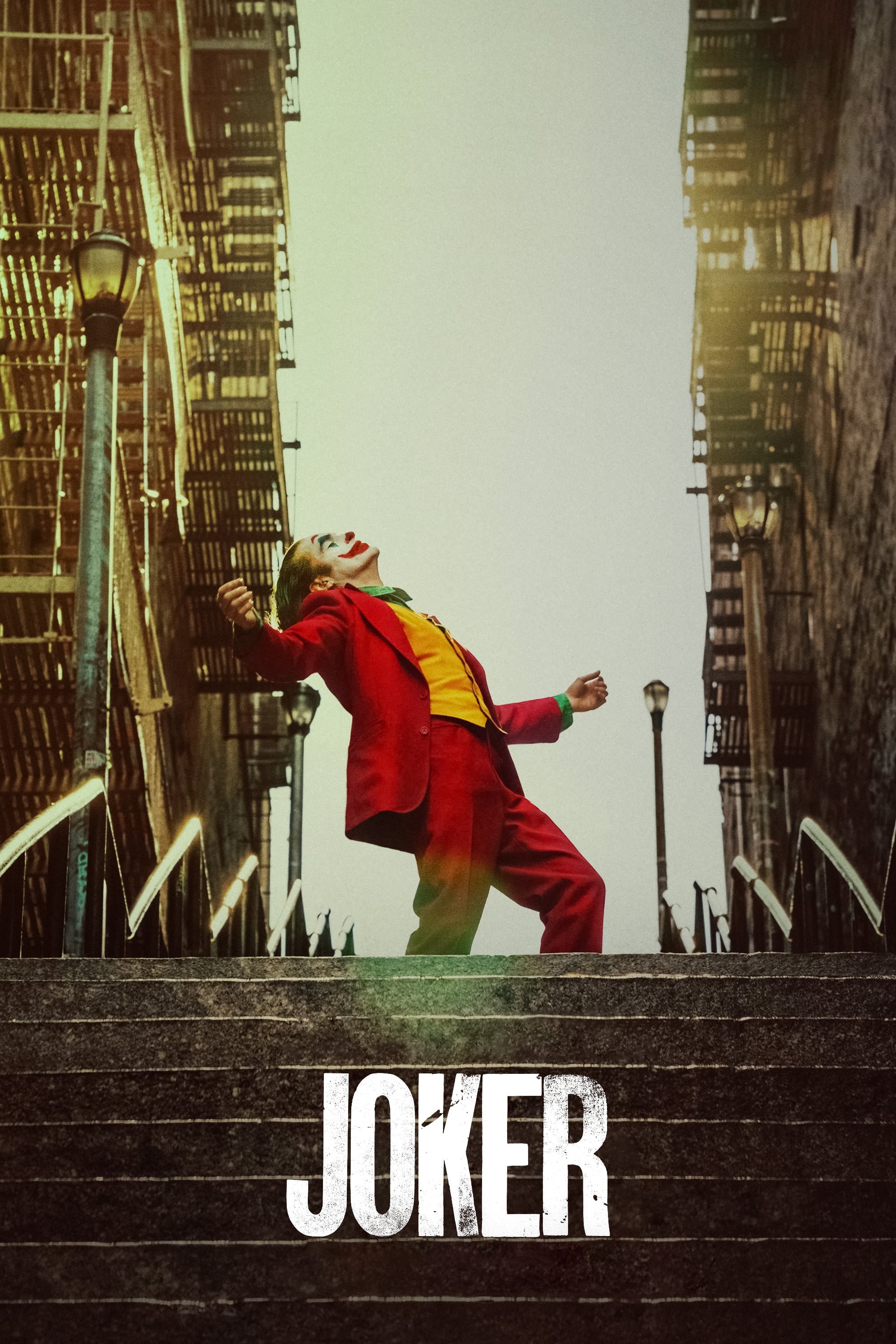
Arthur Fleck is a struggling, overlooked clown living in a rundown Gotham City. The film, directed by Todd Phillips, deeply explores how a lack of support and care can lead someone down a dark path. As Arthur spirals into mental illness, he unintentionally sparks a violent uprising against the city’s wealthy. Surprisingly, viewers connect with his suffering and loneliness, even as his actions become increasingly disturbing.
‘Scarface’ (1983)

Tony Montana comes to Miami as a Cuban refugee, determined to succeed at any cost. The film follows his rapid climb in the drug world, showing how he violently removes anyone who opposes him. Despite his terrible actions, the movie strangely draws viewers in with its depiction of his wealth and power. We remain fascinated by his relentless pursuit of the American Dream, even as it leads to his dramatic downfall.
‘Nightcrawler’ (2014)
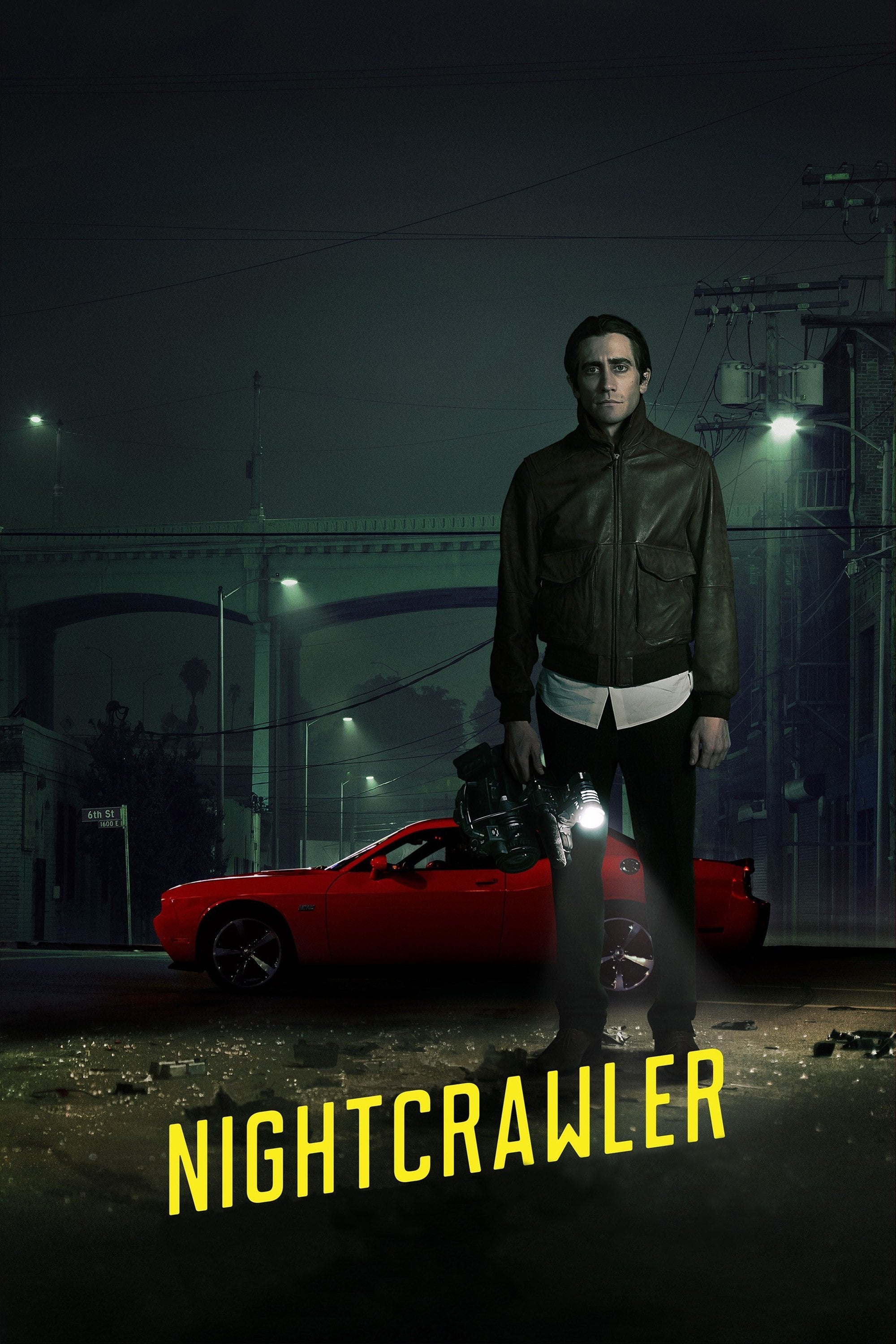
Nightcrawler follows Lou Bloom, a fiercely ambitious and morally detached man, who finds success filming crime scenes and selling the footage to local news stations. Jake Gyllenhaal delivers a disturbingly compelling performance, emphasizing how today’s media often thrives on sensationalism. Bloom goes to extreme lengths – staging scenes and controlling information – to capture the most shocking footage. The movie challenges viewers, making them strangely impressed by his dedication while simultaneously disgusted by his complete lack of compassion.
‘Law Abiding Citizen’ (2009)
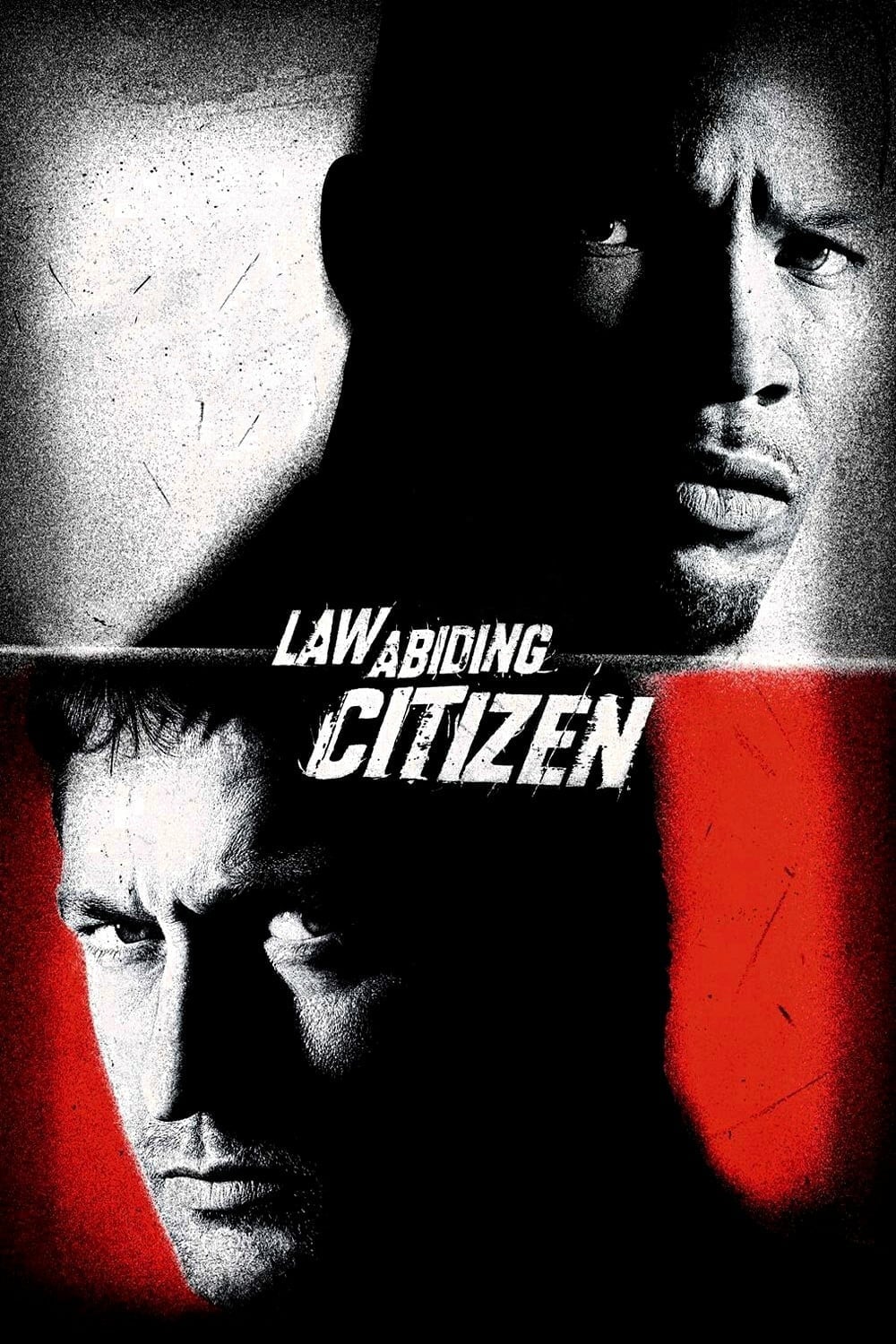
As a movie fan, I was totally gripped by this story! It centers around Clyde Shelton, a man who’s pushed to the absolute limit when the guys who destroyed his family get away with it thanks to some legal loopholes. He doesn’t just grieve, though – he becomes incredibly calculated and starts meticulously targeting everyone involved in letting those killers off easy. While the movie frames the prosecutor as the ‘good guy,’ I found myself really understanding why Clyde was doing what he was doing. It really makes you question how well the justice system actually works and highlights some serious problems with plea bargains and the pursuit of true justice.
‘Heat’ (1995)
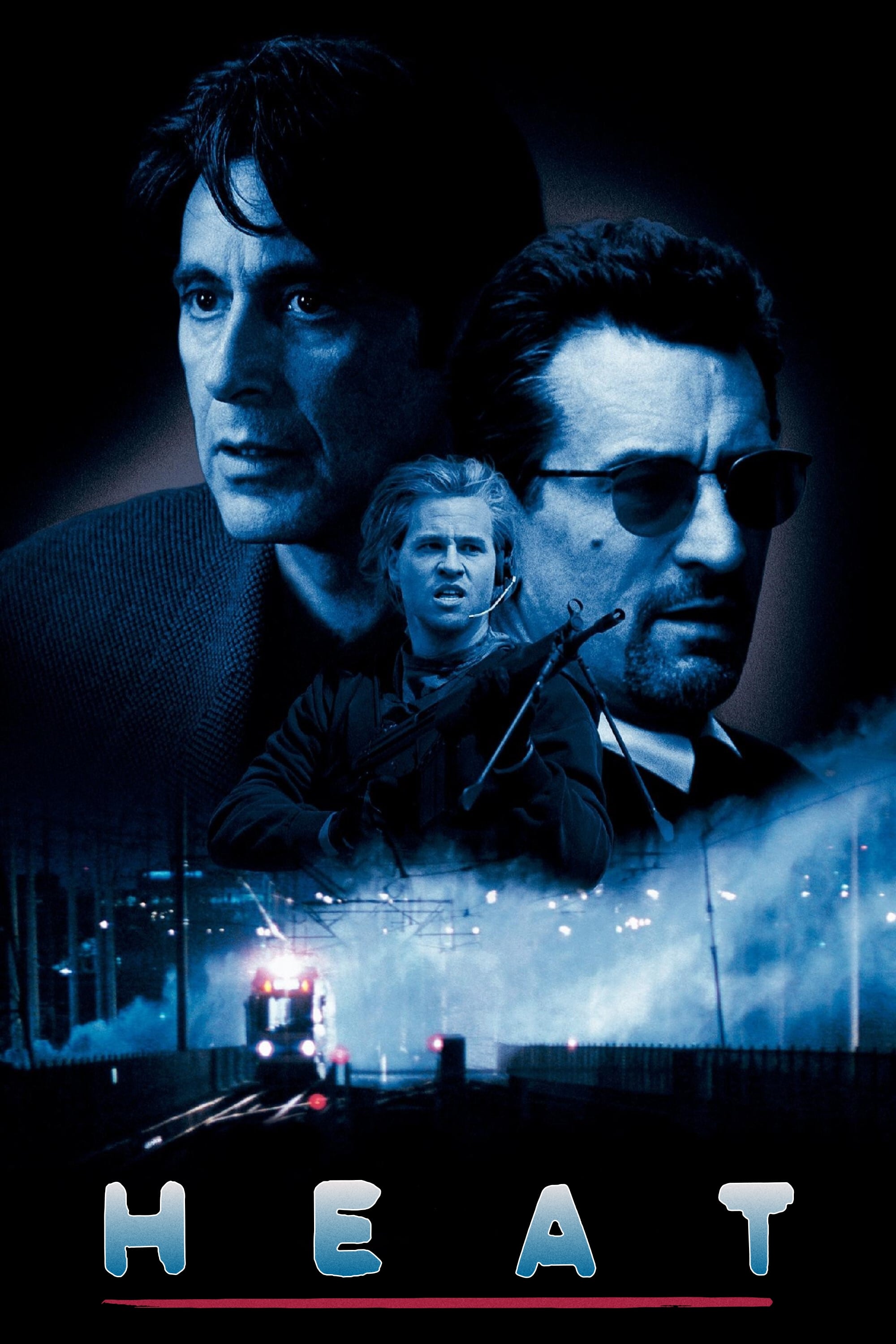
Neil McCauley is the leader of a highly skilled team of thieves who operate with a strict set of rules. The film contrasts his life with that of Vincent Hanna, a detective consumed by his work. It spends a lot of time showing the thieves as people, exploring their personal lives and connections. Because of this, many viewers find themselves rooting for McCauley to avoid getting caught.
‘Falling Down’ (1993)
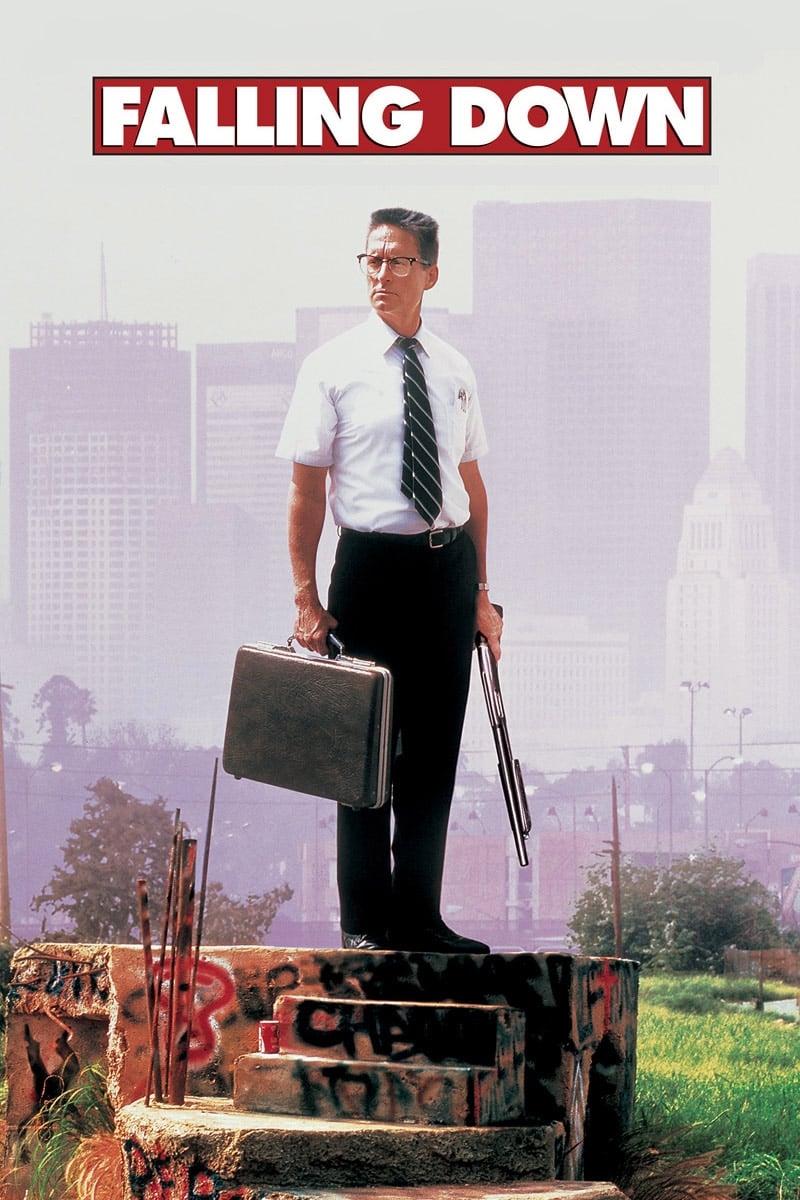
William Foster completely loses his cool while stuck in brutal Los Angeles traffic. He ditches his car and starts walking across town, becoming increasingly angry as he tries to make it to his daughter’s birthday party. The film portrays his rage as a build-up of everyday annoyances and the general inconsiderateness of people. A lot of viewers connect with his frustration over the small, irritating things that happen in modern life.
‘The Wolf of Wall Street’ (2013)
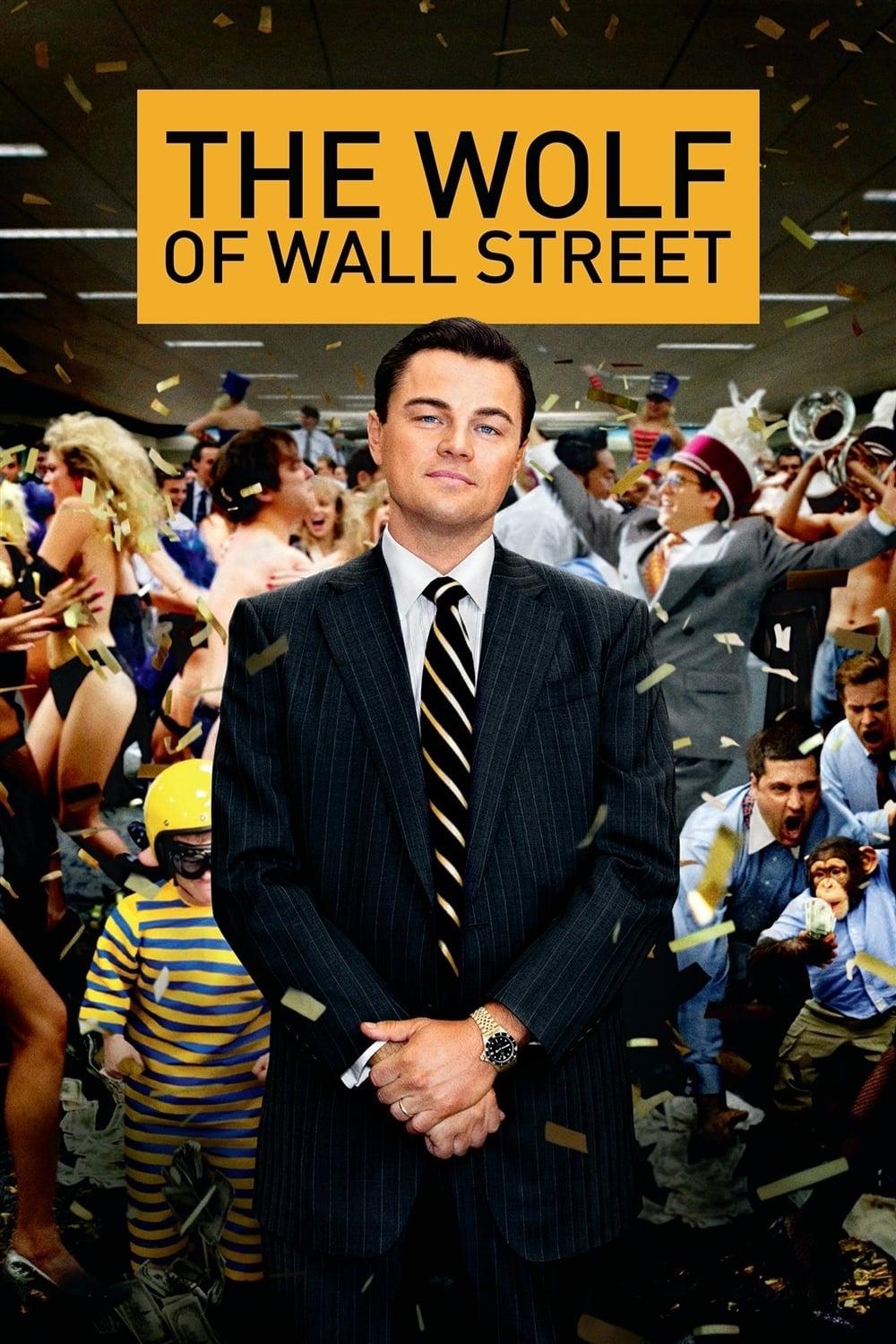
Jordan Belfort amasses a huge fortune by swindling rich investors with risky, low-priced stocks. Martin Scorsese’s film vividly portrays the wild, over-the-top lifestyle at Belfort’s brokerage firm, using a fast-paced and captivating approach. Leonardo DiCaprio delivers a charming performance, making the audience surprisingly root for him even as he evades the FBI. The movie powerfully shows how easily money and self-assurance can lead people to ignore ethical failings.
‘American Psycho’ (2000)

Patrick Bateman appears to be a successful and charming Wall Street banker, but he secretly has dangerous and disturbing tendencies. The movie is a sharp critique of the excessive materialism and ambition that defined the 1980s. Christian Bale’s acting is captivating, even though Bateman is deeply disturbed. The film draws viewers into his unsettling world, making it hard to tell what’s real and what’s not, and subtly involving them in his descent into madness.
‘Fight Club’ (1999)

Tyler Durden is a compelling and rebellious character who turns away from the typical comforts of modern life and buying things. He starts a secret fight club that grows into a plan to take down the financial system. Through Durden’s extreme ideas, the main character finds meaning and freedom. The movie leads viewers to surprisingly support the downfall of big corporations and their power.
‘A Clockwork Orange’ (1971)
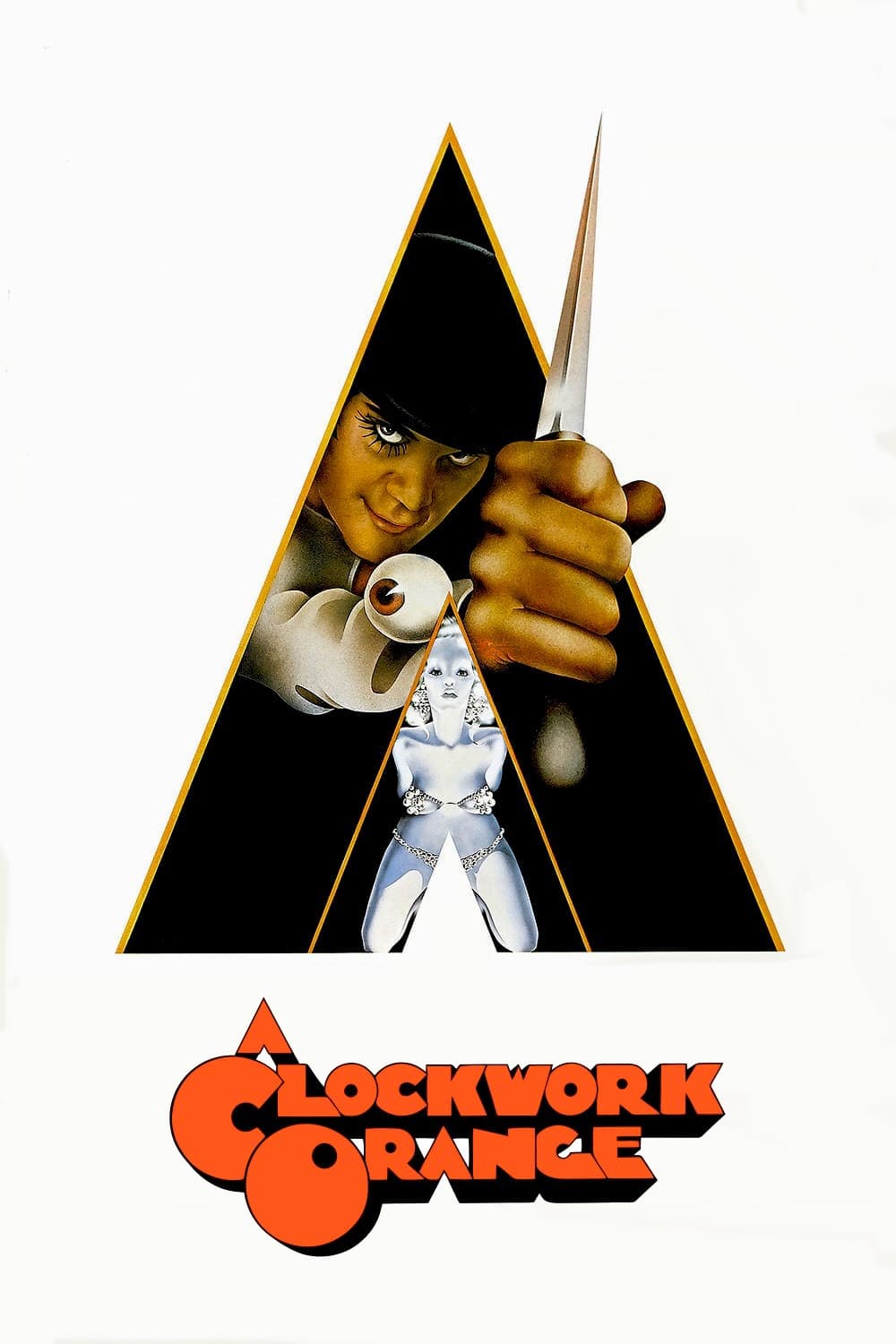
In a bleak, futuristic Britain, Alex DeLarge is the leader of a violent gang. After being captured by the authorities, Alex becomes the subject of an experimental psychological treatment. The story flips, turning Alex from a perpetrator into someone controlled by the government, raising questions about whether it’s right to take away anyone’s free will – even a criminal’s.
‘Drive’ (2011)
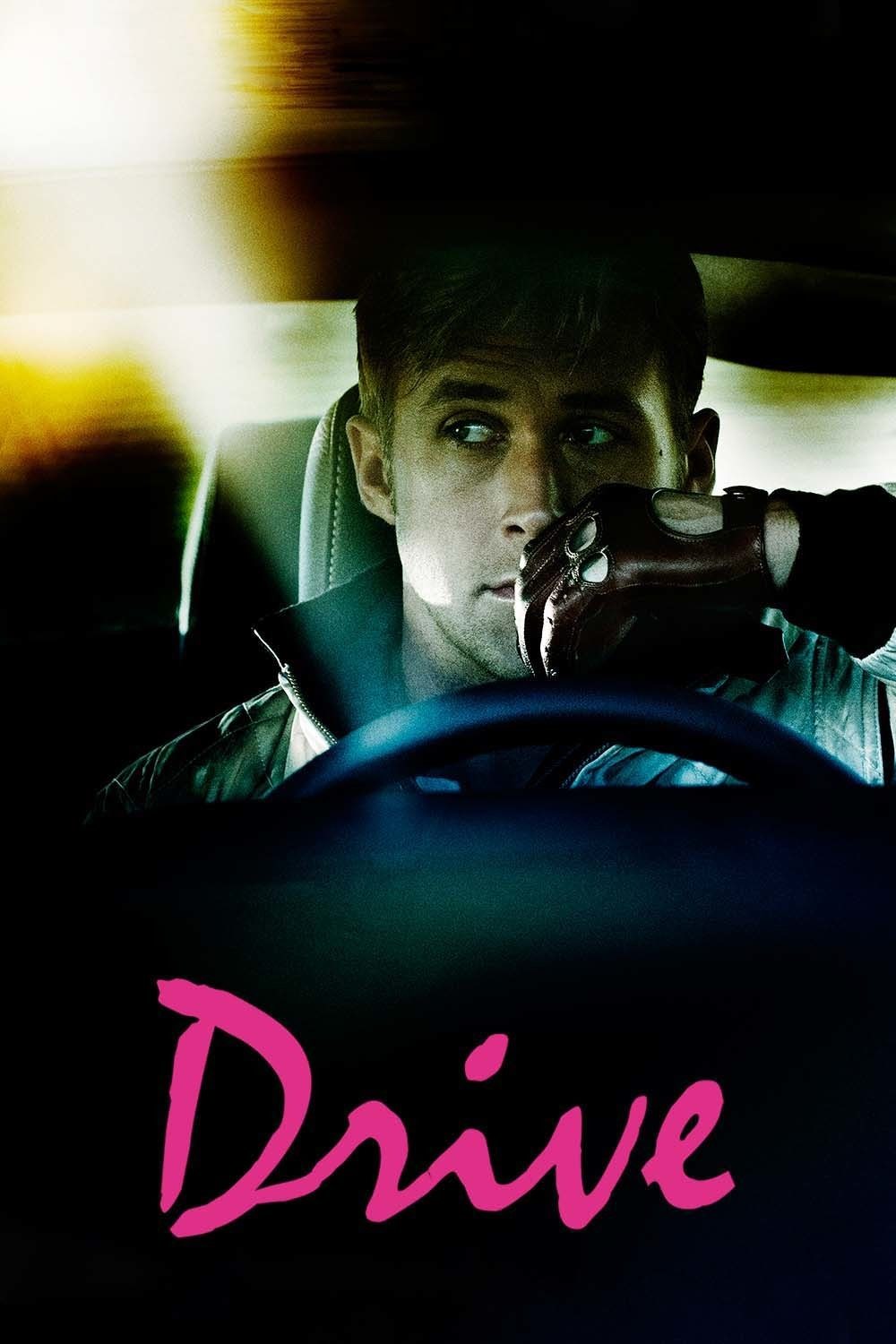
I’m completely captivated by this movie, ‘The Driver.’ It follows this incredibly cool, almost silent stuntman who also happens to be a getaway driver for some dangerous people. He moves through the LA criminal world with these strict rules – he doesn’t talk, he stays professional. The director, Nicolas Winding Refn, creates this really slick, visually stunning thriller, and the main character ends up using some serious force to protect the woman next door. Honestly, you find yourself rooting for him even when things get brutal, because his motives are pure – he’s just trying to save someone innocent.
‘Deadpool’ (2016)
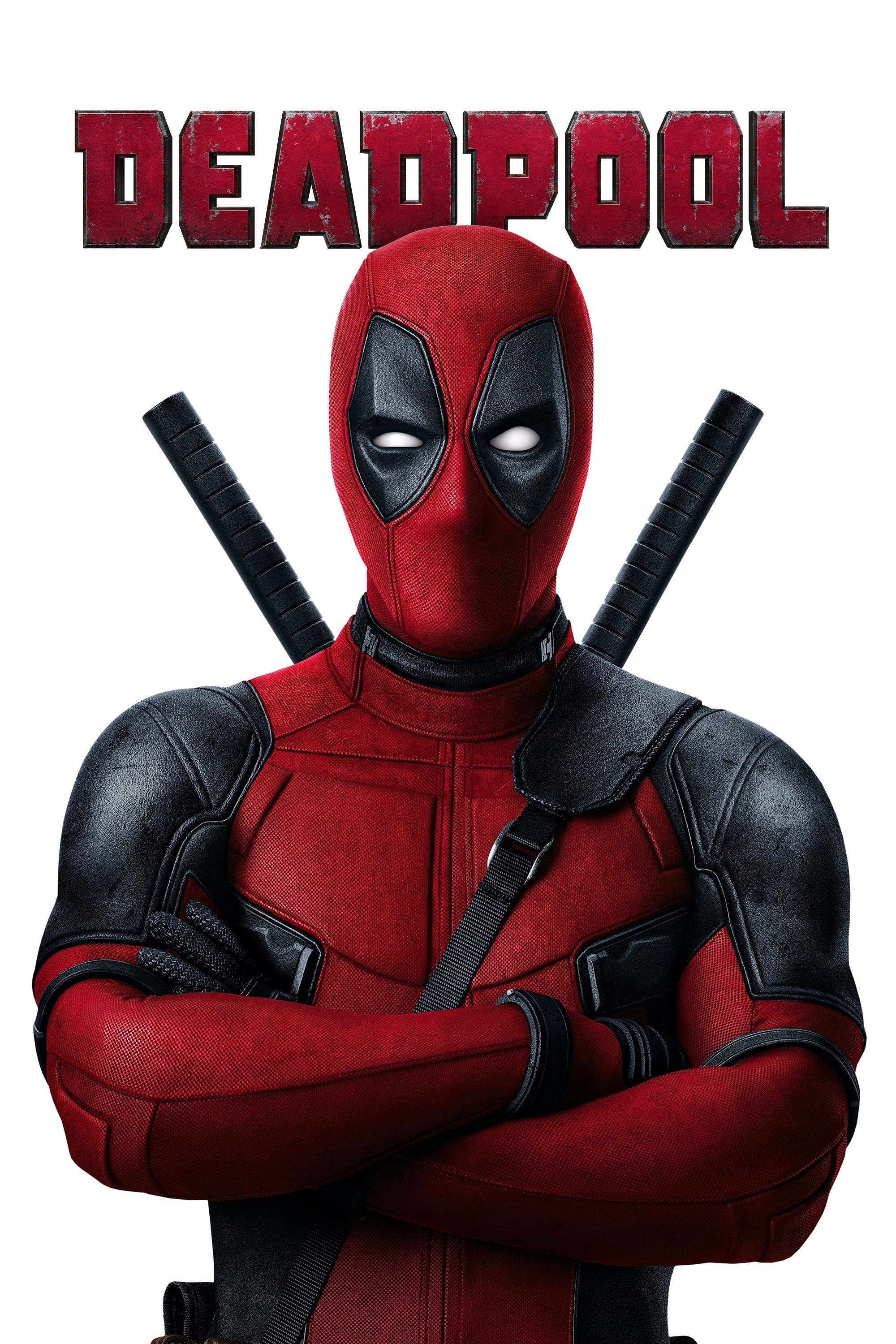
Okay, so I just saw this movie, and it’s… something else. The main guy, Wade Wilson, is a seriously sarcastic mercenary who’s dying of cancer. He signs up for this crazy experiment hoping to get better, and it does cure him, but leaves him pretty messed up physically. Now he’s got super healing, which is cool, but he’s understandably ticked off at the guy responsible, and even more so because that guy also took his girlfriend. What’s really wild is that the character knows he’s in a movie, and he talks directly to you – the audience – trying to get you on his side as he goes on this incredibly violent quest for revenge. It’s surprisingly charming, even with all the mayhem.
‘Goodfellas’ (1990)
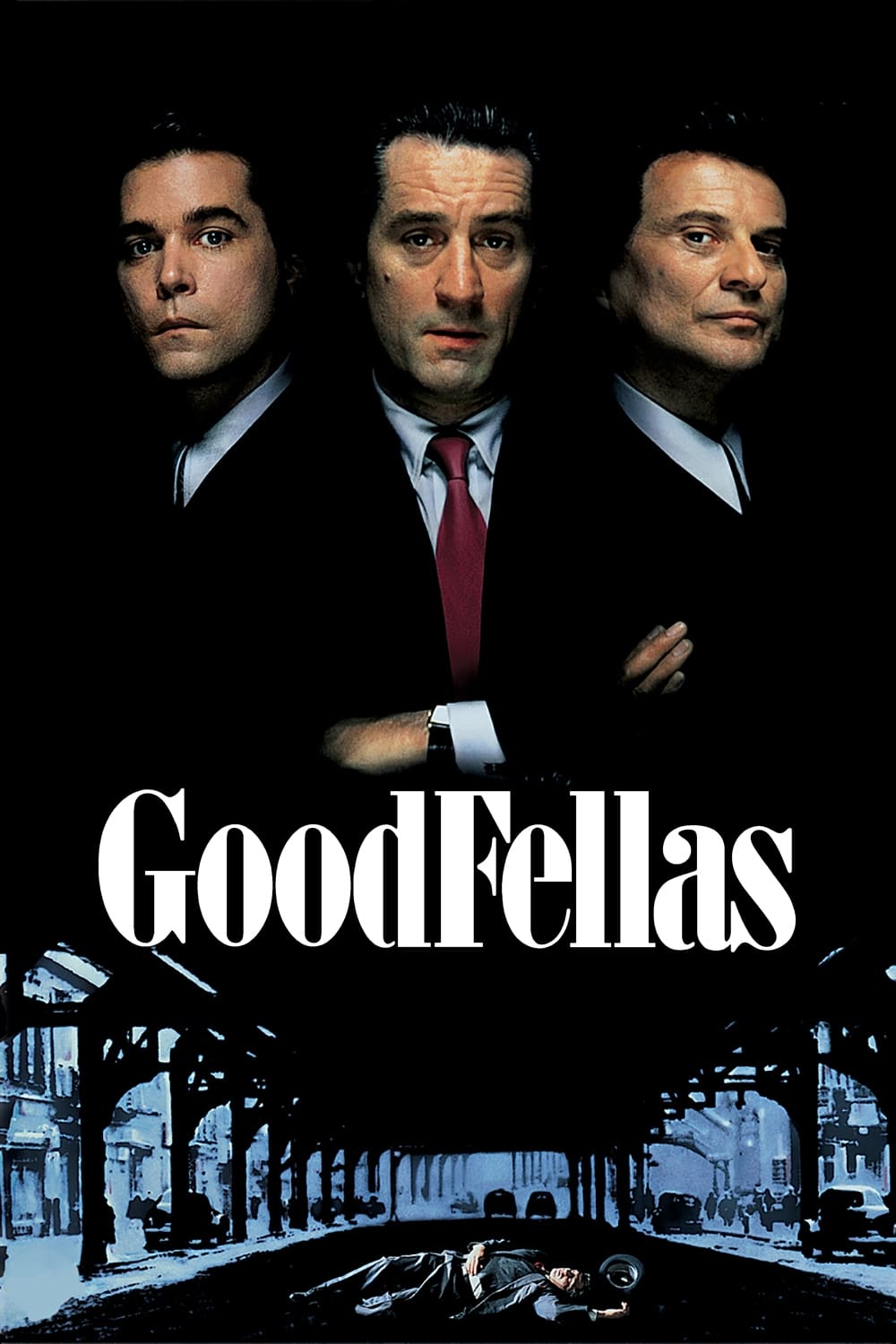
Henry Hill, growing up in Brooklyn, looks up to the local gangsters and eventually becomes one of them. The film, directed by Martin Scorsese, initially portrays the mafia world as exciting and full of strong bonds, but then reveals its destructive side. Despite committing terrible crimes, the characters are often charming and funny, making them surprisingly relatable. The audience becomes invested in their story, even though they know these men are criminals.
‘Catch Me If You Can’ (2002)

Frank Abagnale Jr. was a master of disguise, convincingly posing as both a pilot and a doctor while cashing millions of dollars in forged checks. The movie, directed by Steven Spielberg, shows him as a likeable and clever criminal who always seems one step ahead of the powerful FBI. Tom Hanks stars as the determined agent relentlessly chasing Frank around the world. Despite knowing he’s breaking the law, the audience finds themselves hoping Frank will escape and continue his exciting life on the run.
‘Ocean’s Eleven’ (2001)
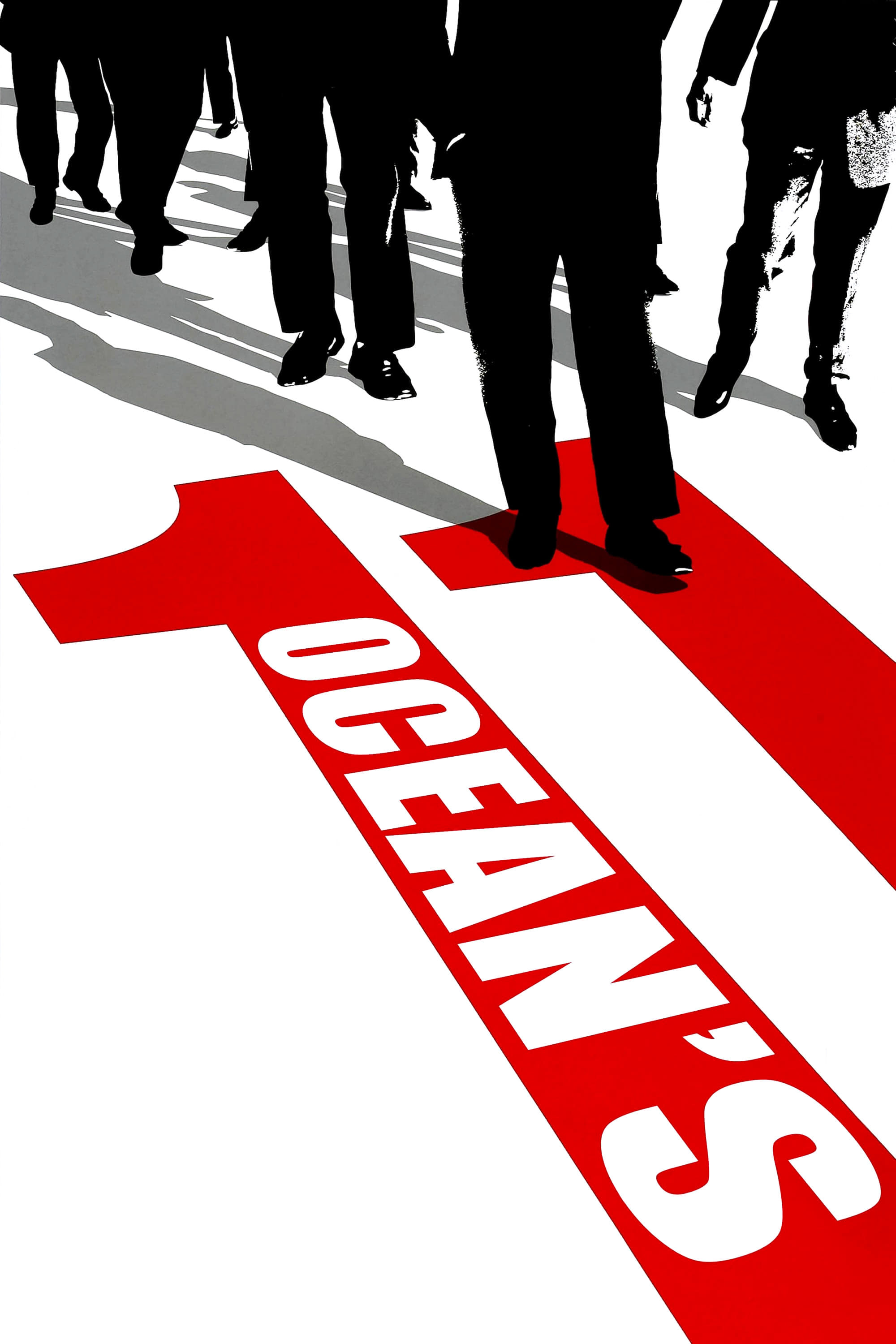
Danny Ocean assembles a crew of eleven experts to pull off an ambitious heist: robbing three of Las Vegas’s biggest casinos at the same time. His motivation? The owner of those casinos is now dating his ex-wife. Director Steven Soderbergh brings together a cast of incredibly charming actors who have fantastic on-screen chemistry. The movie is so well-done that viewers can’t help but root for the robbers as they carry out their intricate scheme.
‘Léon: The Professional’ (1994)
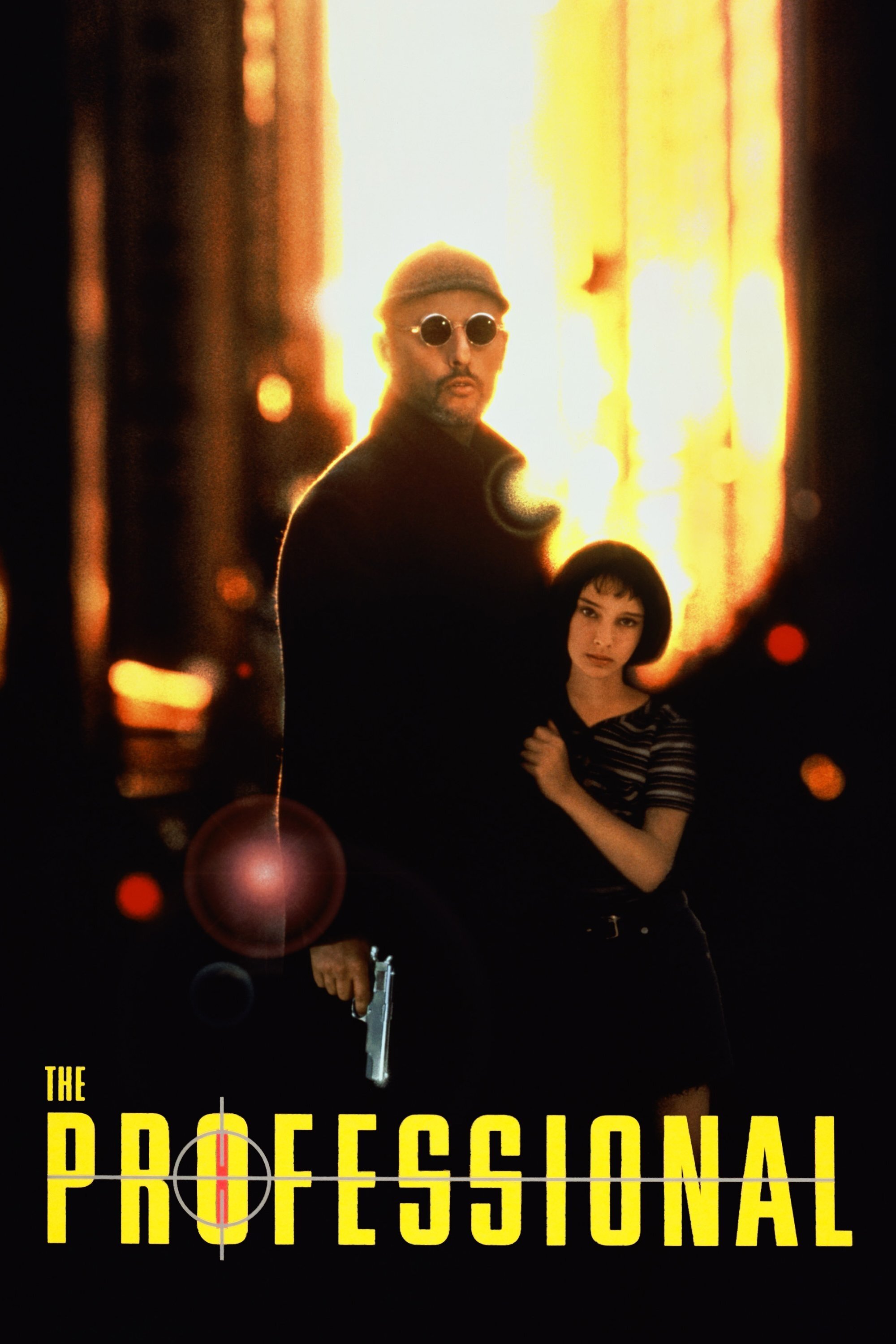
Léon is a professional killer who lives a lonely life until he unexpectedly becomes the caretaker of Mathilda, a young girl whose family has been killed by crooked DEA agents. He begins to teach her his skills, and in return, she helps him learn to read and understand his feelings. Their unlikely bond humanizes Léon, showing a softer side to the hardened assassin. Viewers find themselves hoping Léon will get revenge on the corrupt police officers responsible.
‘V for Vendetta’ (2005)

In a future United Kingdom ruled by a harsh and oppressive government, a mysterious masked figure known as V fights back using dramatic and often violent tactics. He saves a young woman named Evey and brings her into his plan to destroy Parliament. The film suggests that his extreme methods are justified as a way to inspire people to rise up and fight for their freedom, and audiences are encouraged to root for his rebellion against the fascist regime.
‘Escape from New York’ (1981)
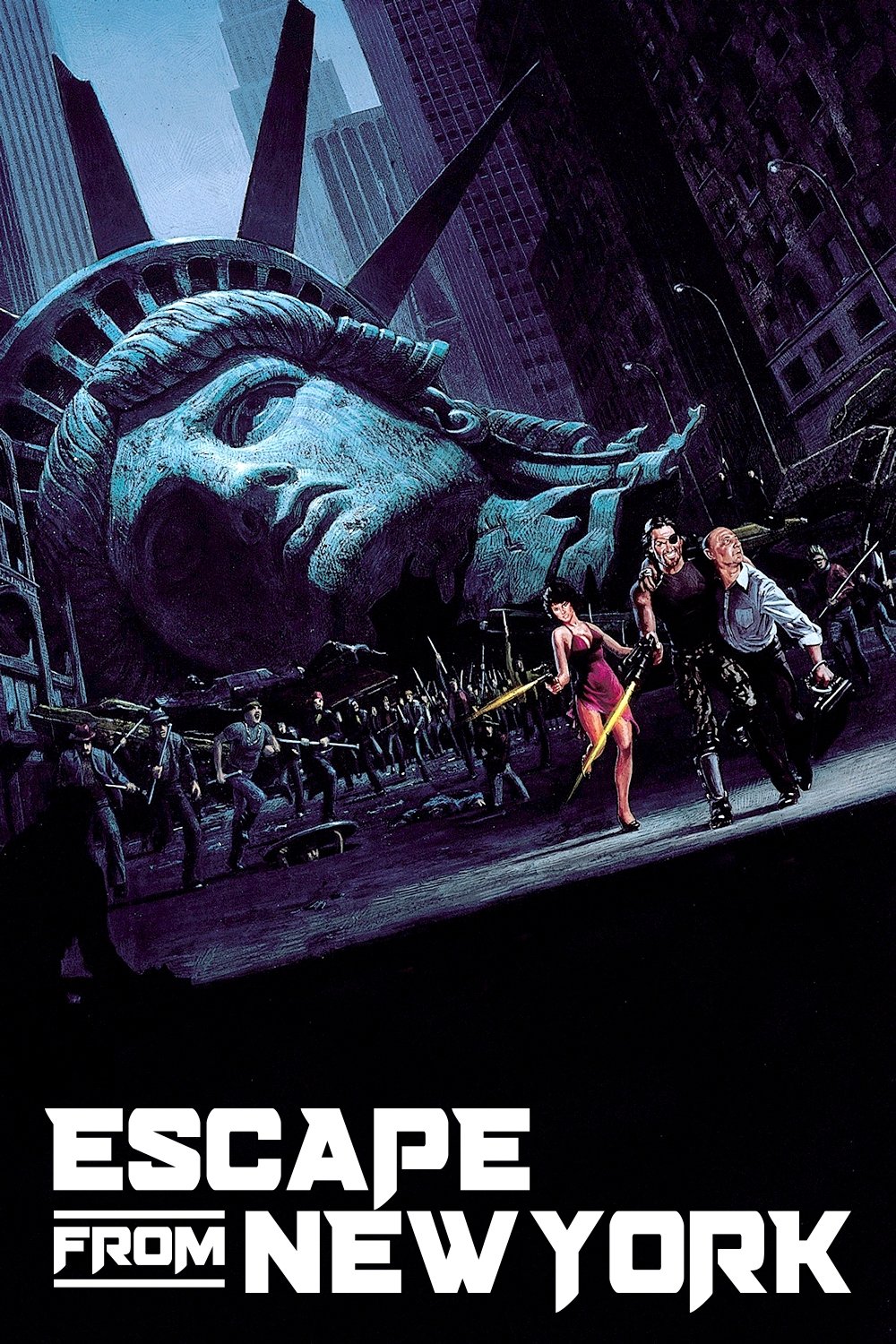
Snake Plissken is a bank robber blackmailed into a dangerous mission: rescuing the President from a heavily guarded island prison. Created by John Carpenter, he’s a tough, self-centered character focused solely on surviving. Plissken moves through the dangerous environment with a calm confidence, which audiences find more appealing than the dishonesty of those in power.
‘Pitch Black’ (2000)

Richard B. Riddick, a dangerous criminal, is being transported through space when his ship crashes on a dangerous planet. He has special eyes that let him see in the dark, a crucial ability when deadly creatures come out at night. The remaining crew, despite fearing him, must depend on Riddick to guide them to safety. He unexpectedly becomes their only hope, and survival depends on his skills.
‘Dog Day Afternoon’ (1975)
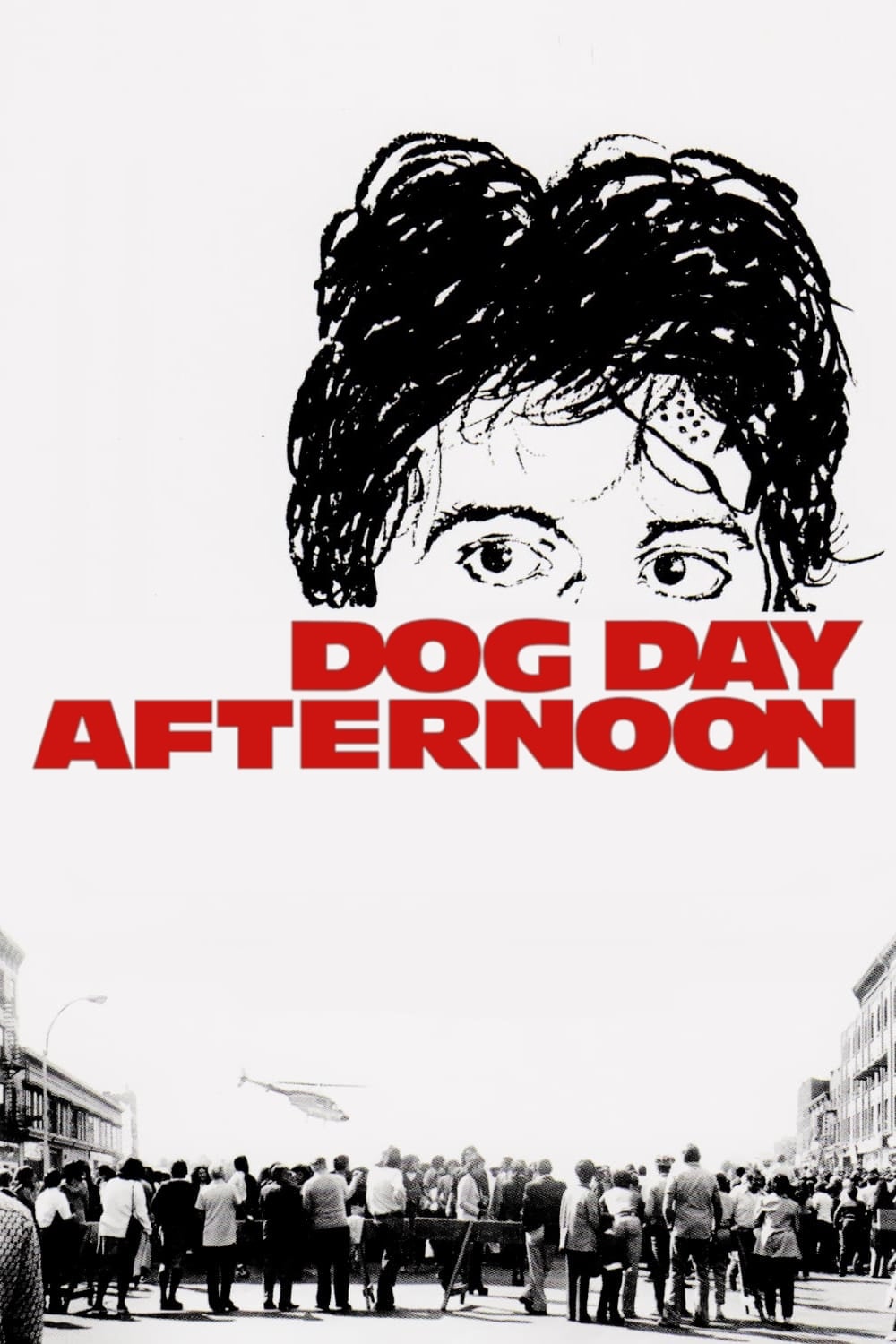
Sonny Wortzik robs a bank in Brooklyn hoping to raise money for his partner’s gender confirmation surgery. The robbery quickly spirals out of control, becoming a public spectacle with hostages and a police standoff. Al Pacino portrays Sonny with a raw, human vulnerability that unexpectedly gains the sympathy of the public, who find themselves rooting for him despite his crime.
‘Butch Cassidy and the Sundance Kid’ (1969)

Butch and Sundance lead a group of outlaws known for robbing trains and banks. When a determined posse starts pursuing them, they escape to Bolivia. The incredible on-screen connection between Paul Newman and Robert Redford makes them a captivating pair. The audience is left hoping they can evade capture, even as the law gets closer.
‘Bonnie and Clyde’ (1967)
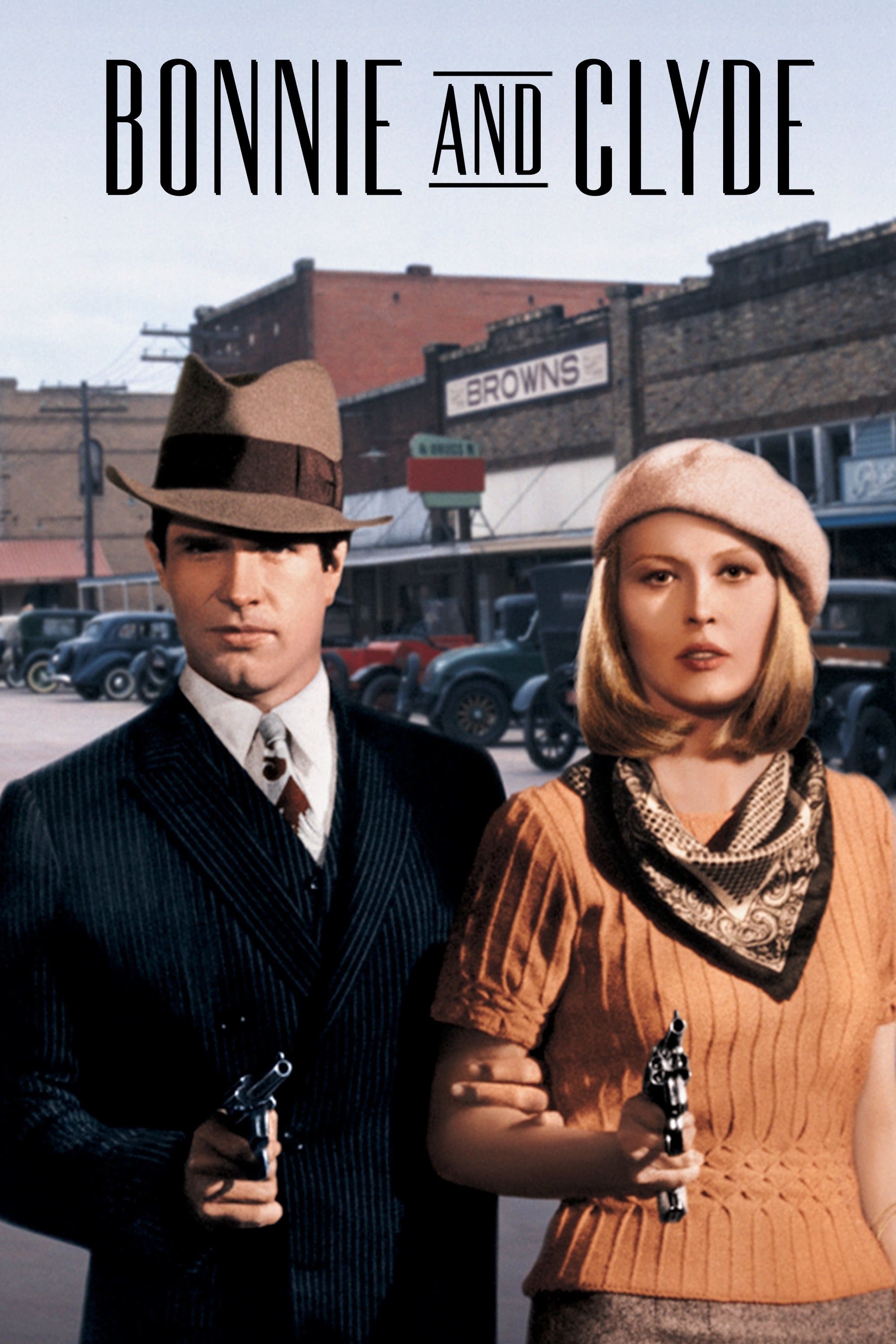
During the Great Depression, Bonnie and Clyde traveled across the central US committing crimes. The movie shows them as rebellious lovers who were fighting against the banks and systems that had let people down. While they were often violent, the film also highlights their loving and funny side. The story ends tragically, but it’s impactful because viewers have come to care about these outlaws.
‘Maleficent’ (2014)
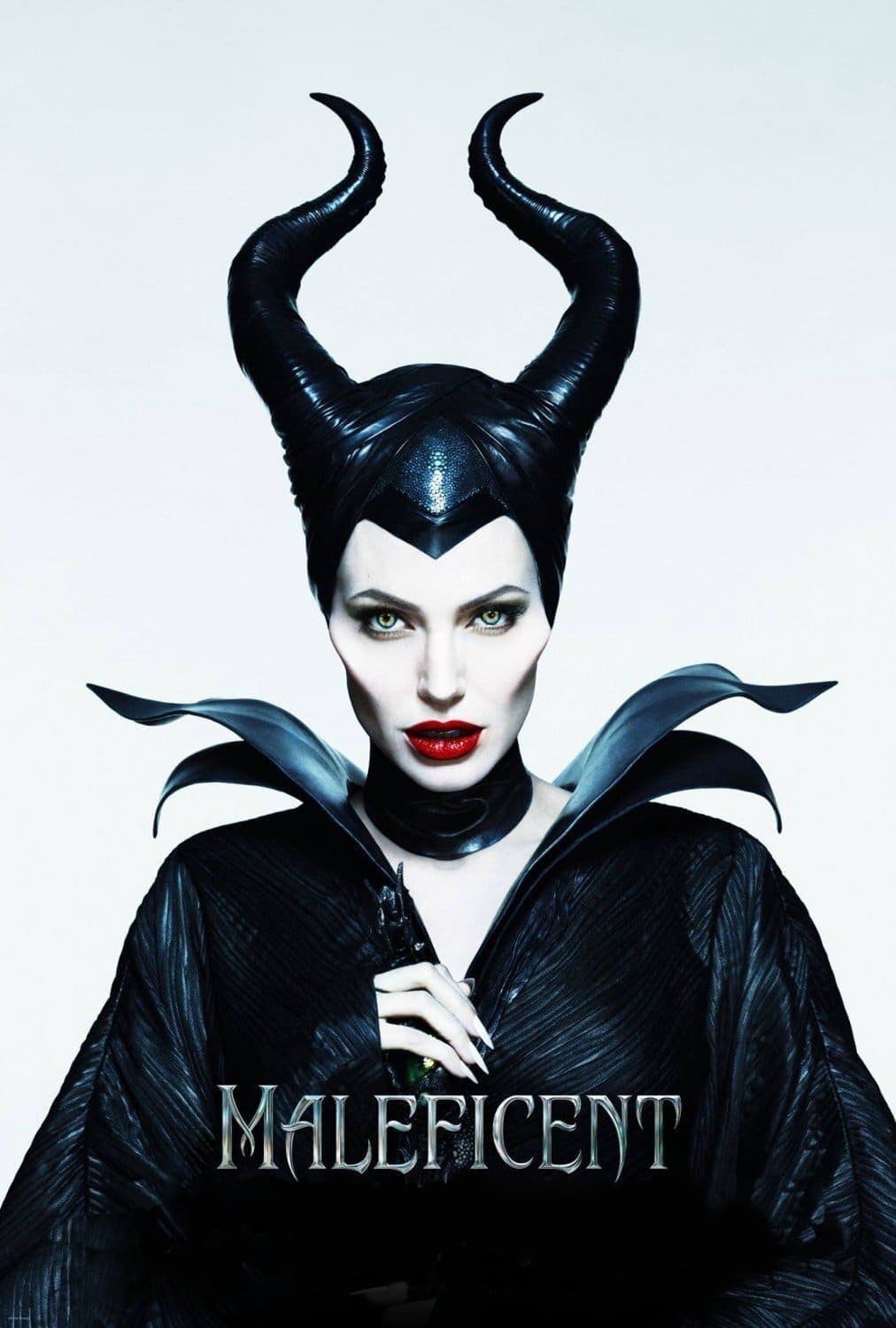
The movie Maleficent tells the story of a powerful fairy who curses a baby princess after being deeply hurt. It offers a new take on the classic villain, portraying her as a heartbroken character who had her wings stolen. Surprisingly, she ends up becoming a mother figure to the very princess she cursed. The story also reveals the king as the real villain, changing the traditional fairytale narrative.
‘Payback’ (1999)
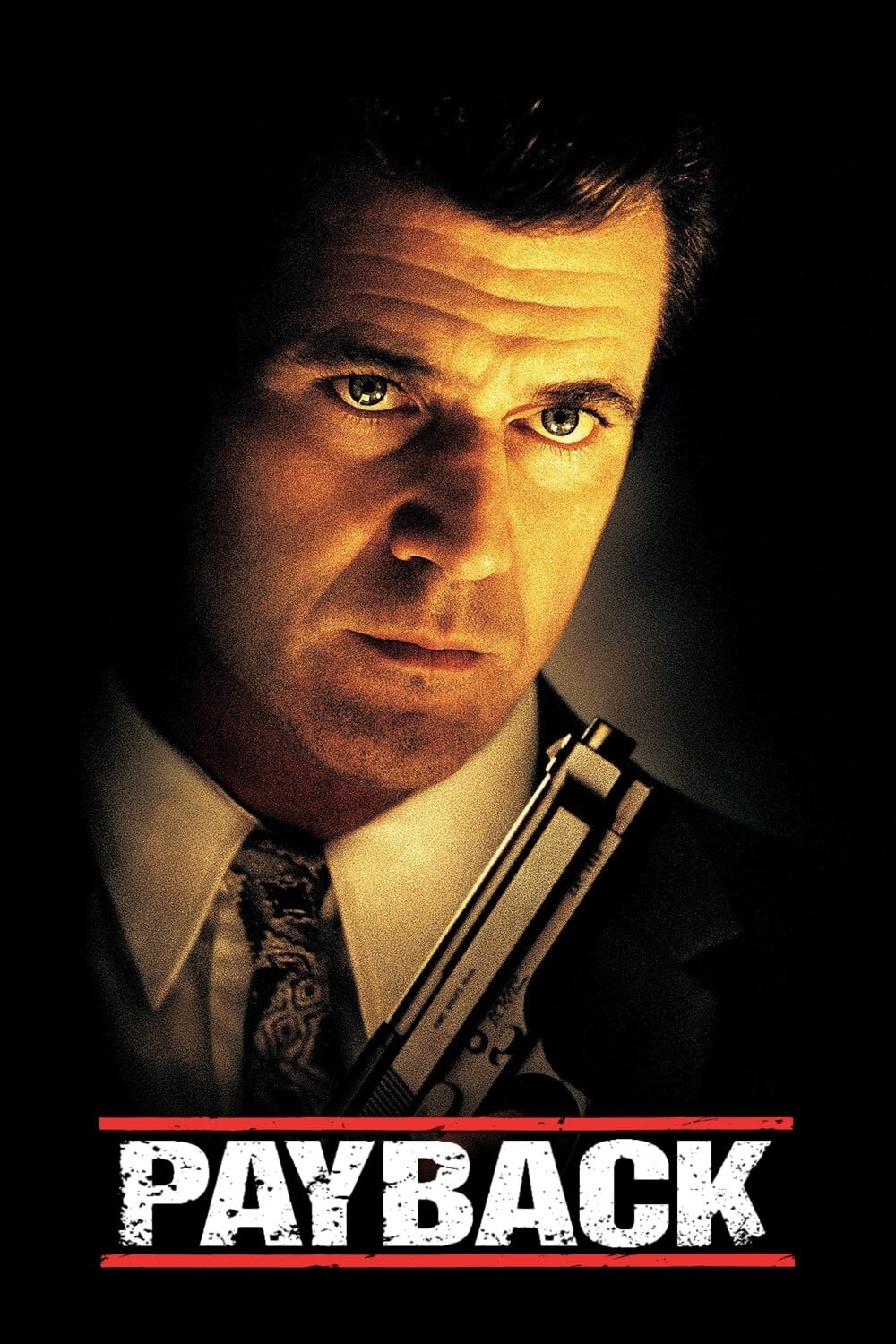
Porter is a seasoned criminal who is shot and double-crossed by his wife and accomplice during a robbery. He lives through the attack and embarks on a relentless quest through the criminal world to reclaim his stolen money. Driven by a strong personal code, he won’t rest until he receives what he’s rightfully owed. Viewers are drawn to his unwavering determination and refusal to negotiate with the powerful figures controlling the criminal network.
Read More
- Invincible Season 4 Gender Swaps Tech Jacket As Fans Question Major Comic Change
- Building Agents That Learn and Improve Themselves
- Gold Rate Forecast
- Superman Flops Financially: $350M Budget, Still No Profit (Scoop Confirmed)
- Silver Rate Forecast
- Games That Faced Bans in Countries Over Political Themes
- Trading Crypto with AI: A New Approach to Portfolio Management
- Unveiling the Schwab U.S. Dividend Equity ETF: A Portent of Financial Growth
- 22 Films Where the White Protagonist Is Canonically the Sidekick to a Black Lead
- 15 Films That Were Shot Entirely on Phones
2025-12-04 19:17