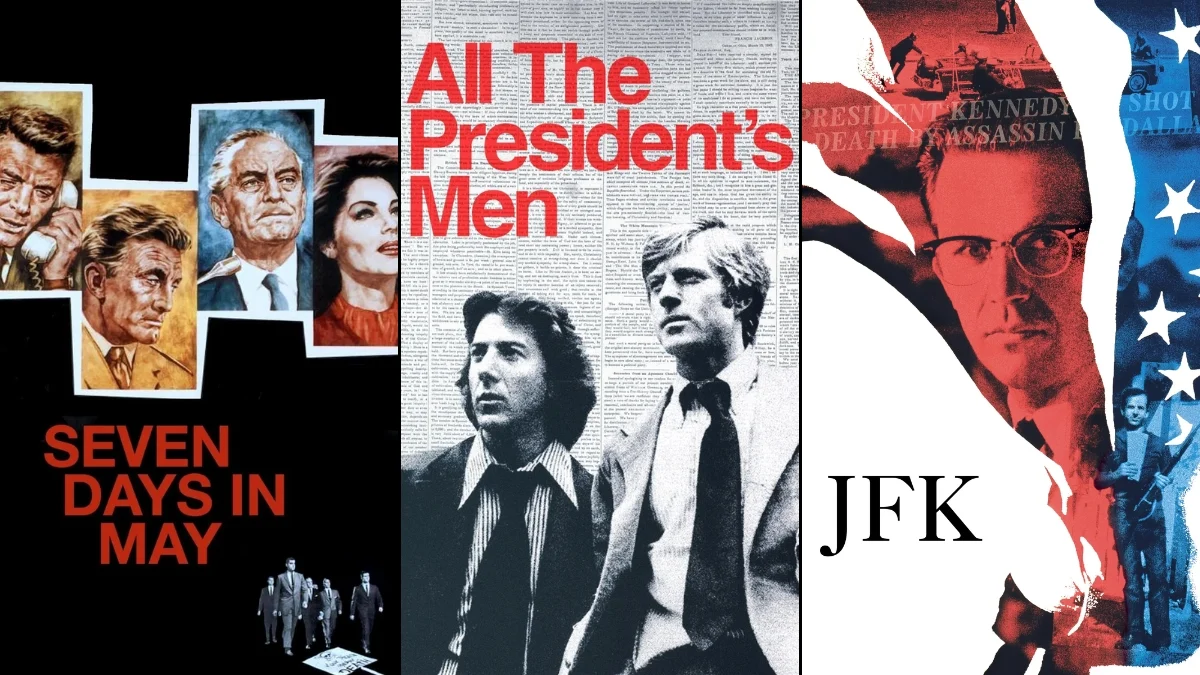
Movies have always been drawn to the secretive world of politics and power. These films reveal the negotiations and compromises that drive national and international events. They show us how personal desires often clash with what’s best for the public, leading to complicated relationships built on both loyalty and deceit. These stories illustrate how quickly honesty can be sacrificed when politicians are focused on staying in power.
‘All the President’s Men’ (1976)
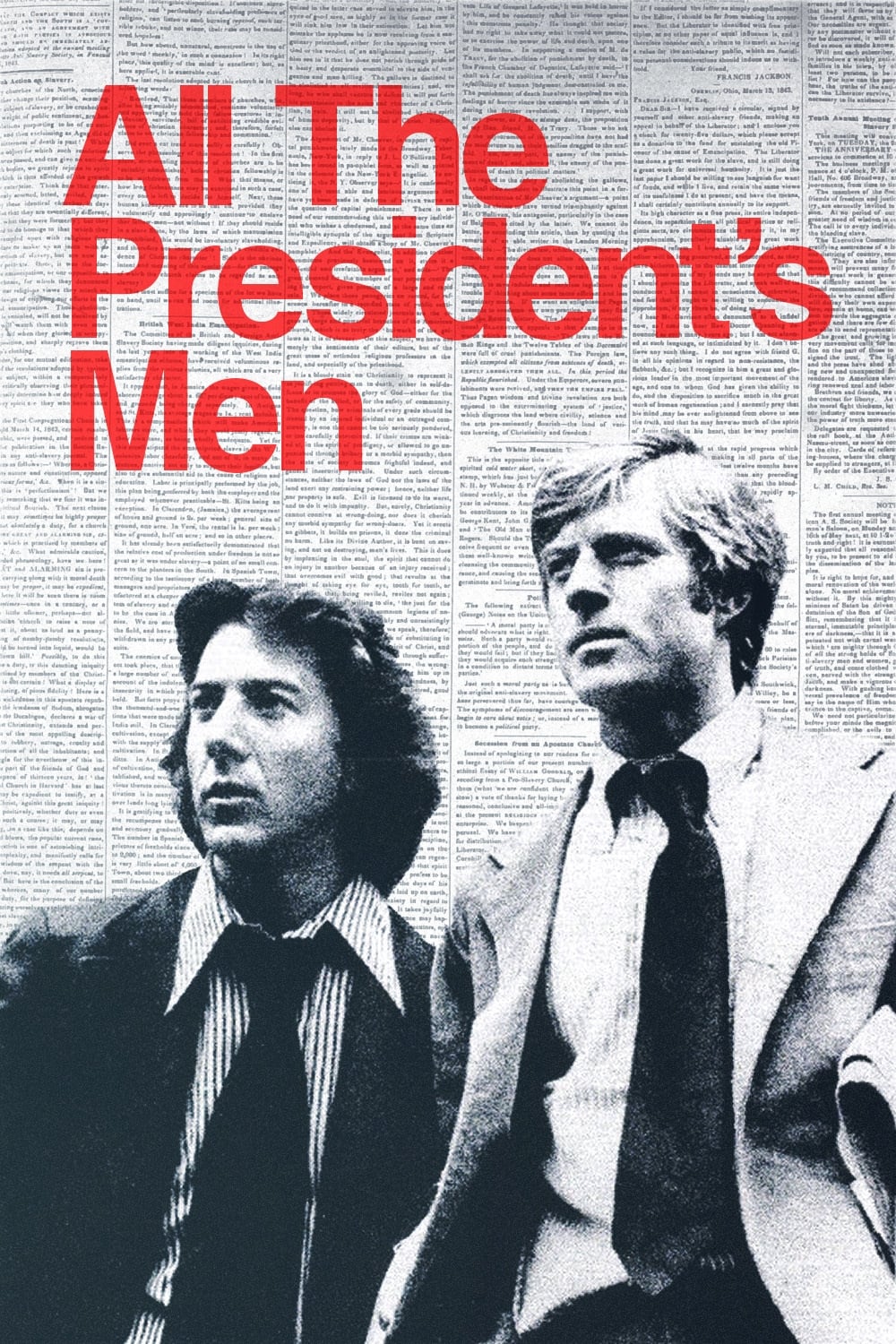
The movie follows reporters Bob Woodward and Carl Bernstein as they investigate a burglary at the Democratic National Committee. Their investigation leads them to a huge scandal reaching the top levels of government and the president’s reelection campaign. It shows the painstaking process of investigative journalism and the hidden world of political maneuvering. A mysterious source, known as Deep Throat, helps them navigate through lies and secret agreements aimed at undermining the democratic process.
‘The Ides of March’ (2011)
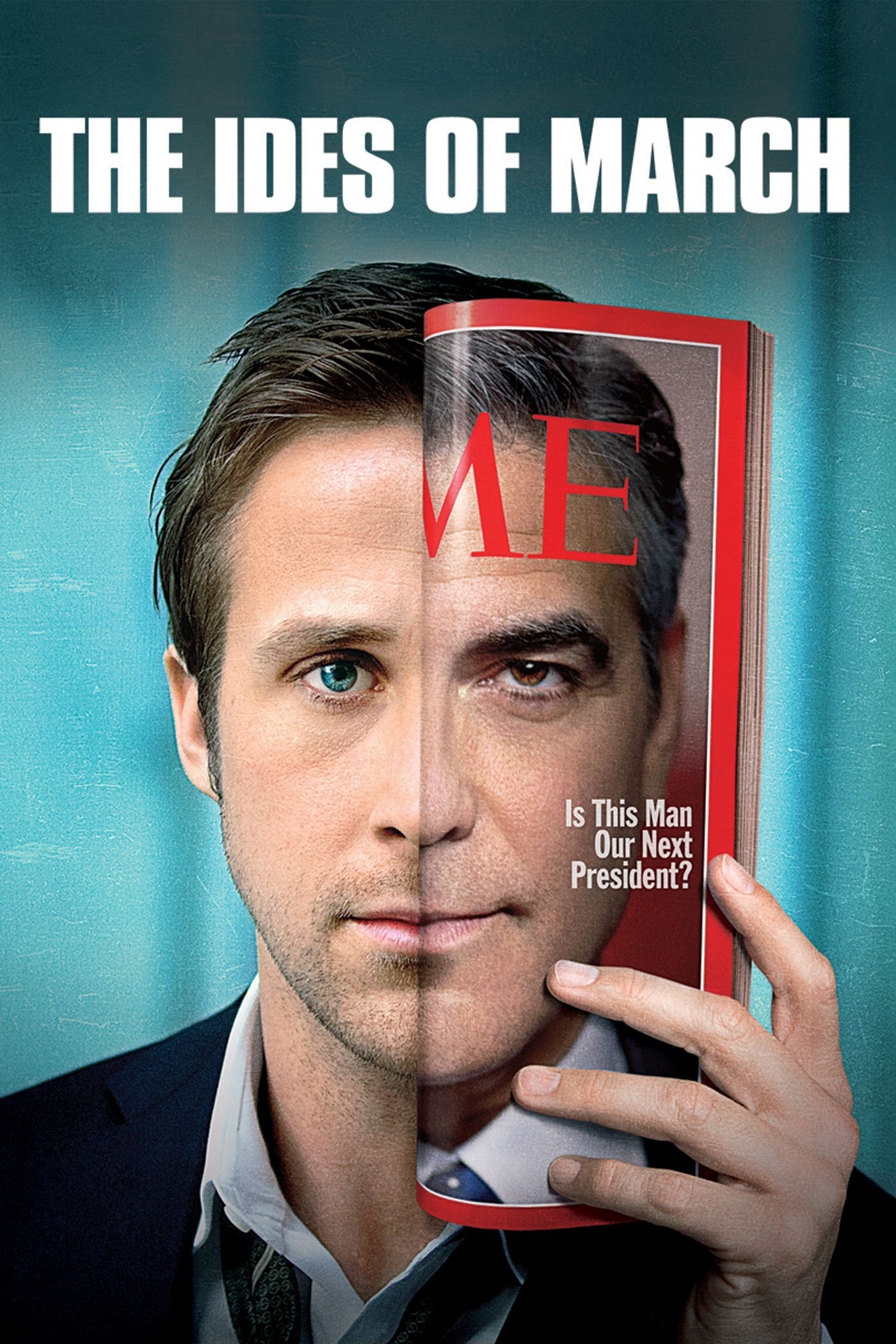
In Ohio, a rising political press secretary gets caught up in a scandal right in the middle of a tough primary election. He quickly realizes that in the world of campaigning, loyalty isn’t always genuine – it’s something people trade for their own benefit. The story shows how far people will go – and what morals they’ll sacrifice – to win endorsements and keep up appearances. As the protagonist navigates secret deals and compromises, he learns a harsh lesson about the price of getting ahead.
‘Lincoln’ (2012)
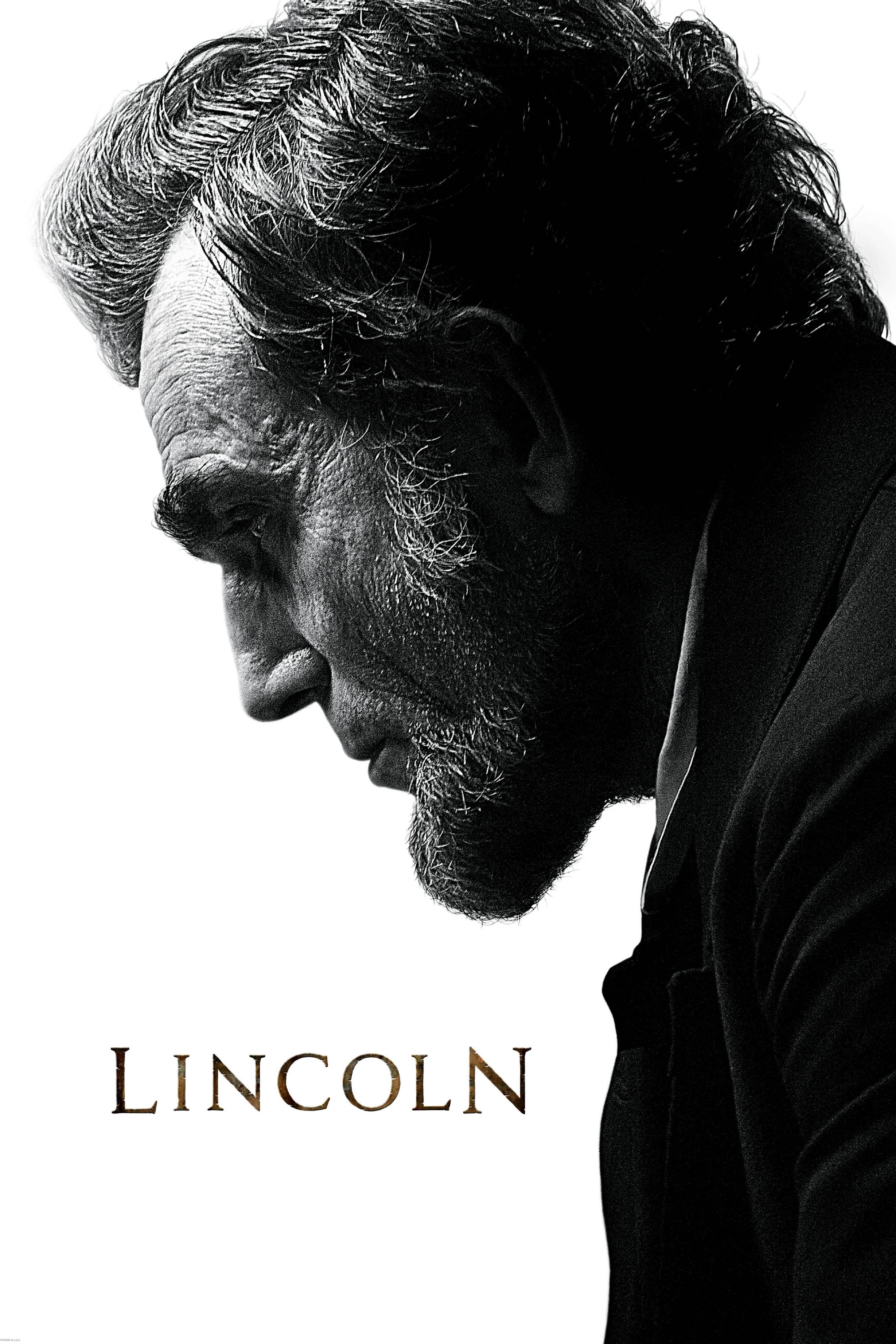
I was completely captivated by this film about Lincoln’s fight to end slavery with the Thirteenth Amendment. It really showed how much work went on behind the scenes during the Civil War – he wasn’t just giving speeches! He had to actively persuade Congressmen, and the movie didn’t shy away from showing the tough compromises and deals he made – things like offering jobs and favors – to get those crucial votes. It was a real eye-opener to see how messy politics can be, even when you’re fighting for something so important. Every single vote felt like a huge struggle, and it made you think about how far people will go – and what they’ll sacrifice – to get things done.
‘Syriana’ (2005)
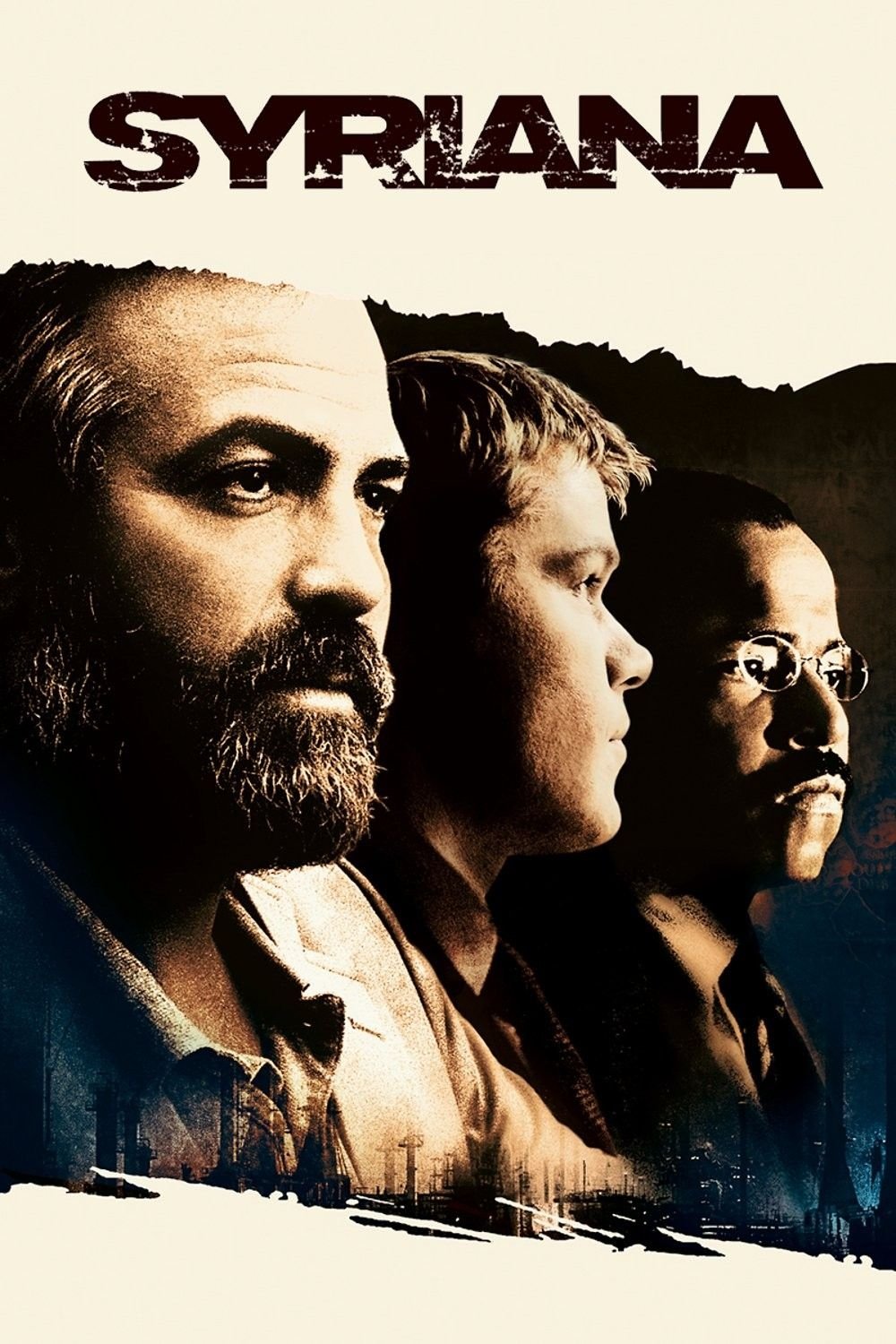
The film reveals the troubling connections between the oil industry and government, showing how they often work together for their own benefit. It follows a CIA agent investigating a planned murder, alongside experts tracking big business deals in the Middle East. Ultimately, the movie demonstrates that money and access to resources are the real forces behind international relations and secret operations, leading to a pessimistic view of global partnerships built solely on profit.
‘Wag the Dog’ (1997)
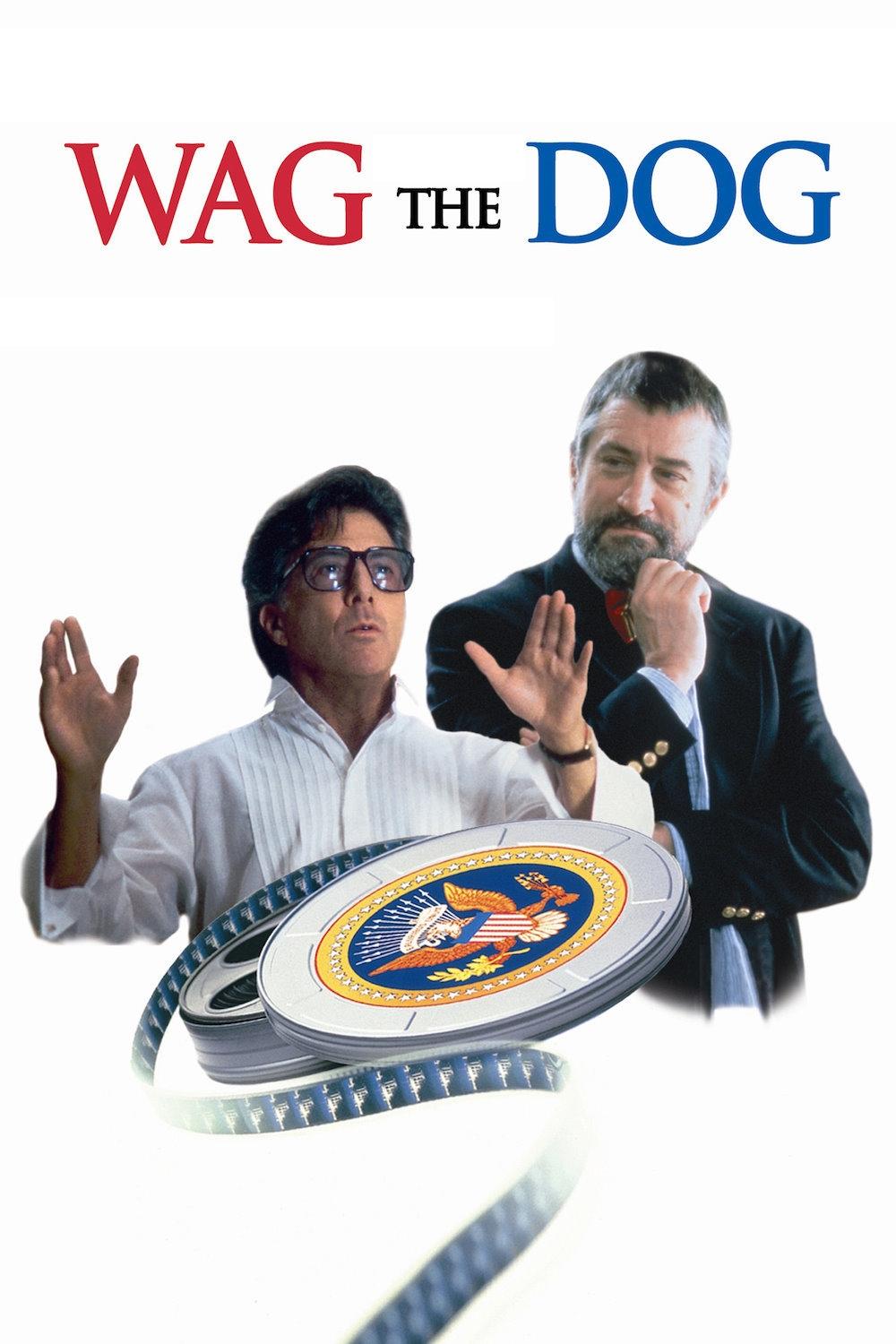
This film tells the story of a political strategist and a movie producer who team up to create a fake war. Their goal? To cover up a presidential scandal by stirring up patriotic feelings in the public. The movie is a satire that explores how closely politics and the entertainment industry work together, and it makes you question whether what you see on TV is real or manufactured to gain support for certain actions.
‘Tinker Tailor Soldier Spy’ (2011)
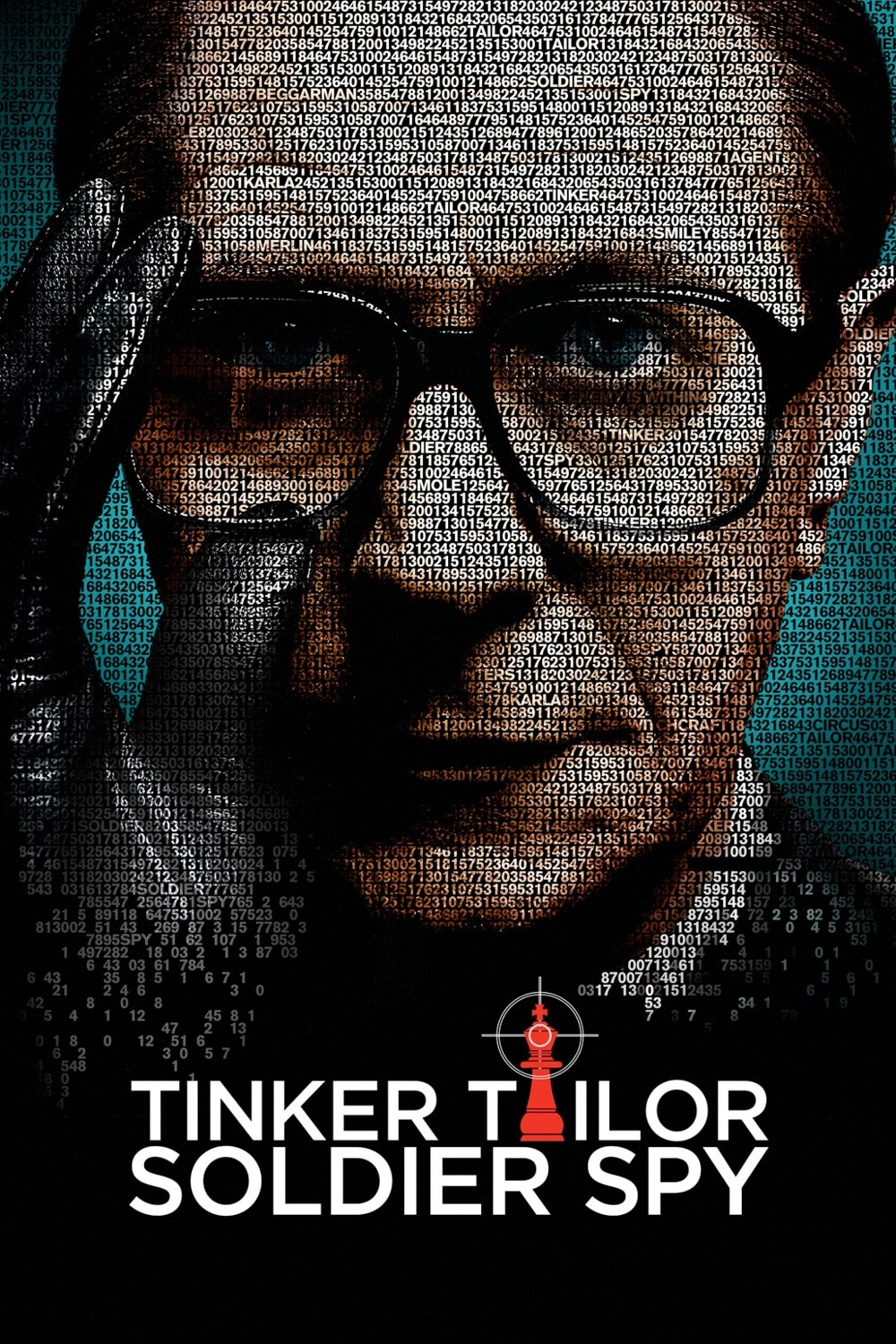
I’m completely captivated by the story of George Smiley! It’s incredible to watch him pulled back into the spy game after trying to retire. He’s tasked with uncovering a Soviet mole hidden within our own intelligence agency, and it’s a real nail-biter. The film really shows how dangerous and distrustful things were during the Cold War – everyone was a suspect, and you couldn’t be sure who to believe. It’s a world of double agents and office politics, but mostly it’s about Smiley meticulously unraveling a web of lies to find the traitor before it’s too late. It’s a brilliant portrayal of how fragile trust can be when national security is on the line.
‘Advise & Consent’ (1962)
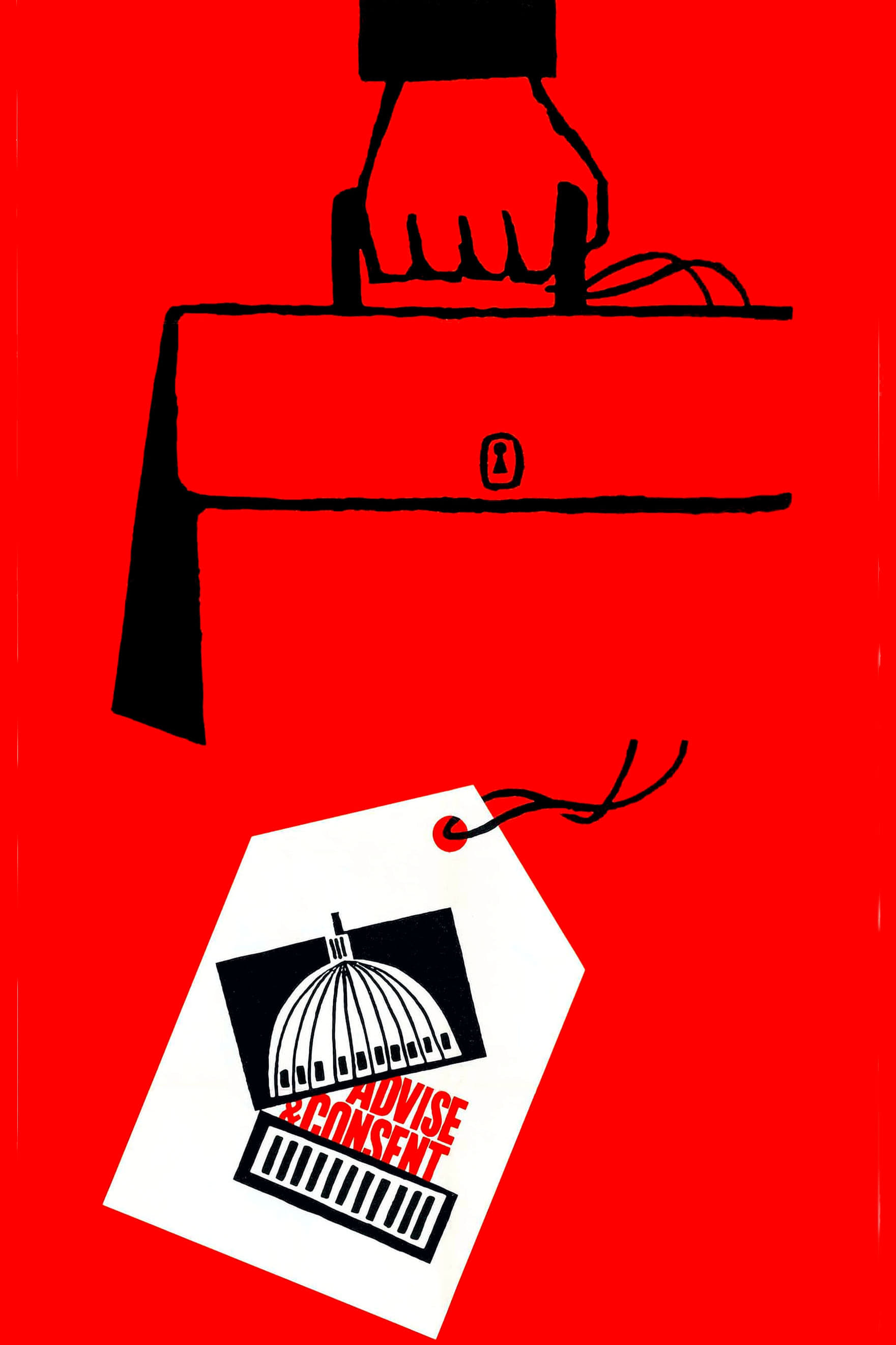
The President chooses a nominee for Secretary of State who has a hidden history of communist ties, sparking a fierce and damaging fight during Senate confirmation hearings. The process devolves into blackmail and attacks on the nominee’s character, revealing how private information can be used as a weapon to build or break political alliances. The situation serves as a harsh example of the ruthless strategies often employed during these types of confirmations.
‘The Manchurian Candidate’ (1962)
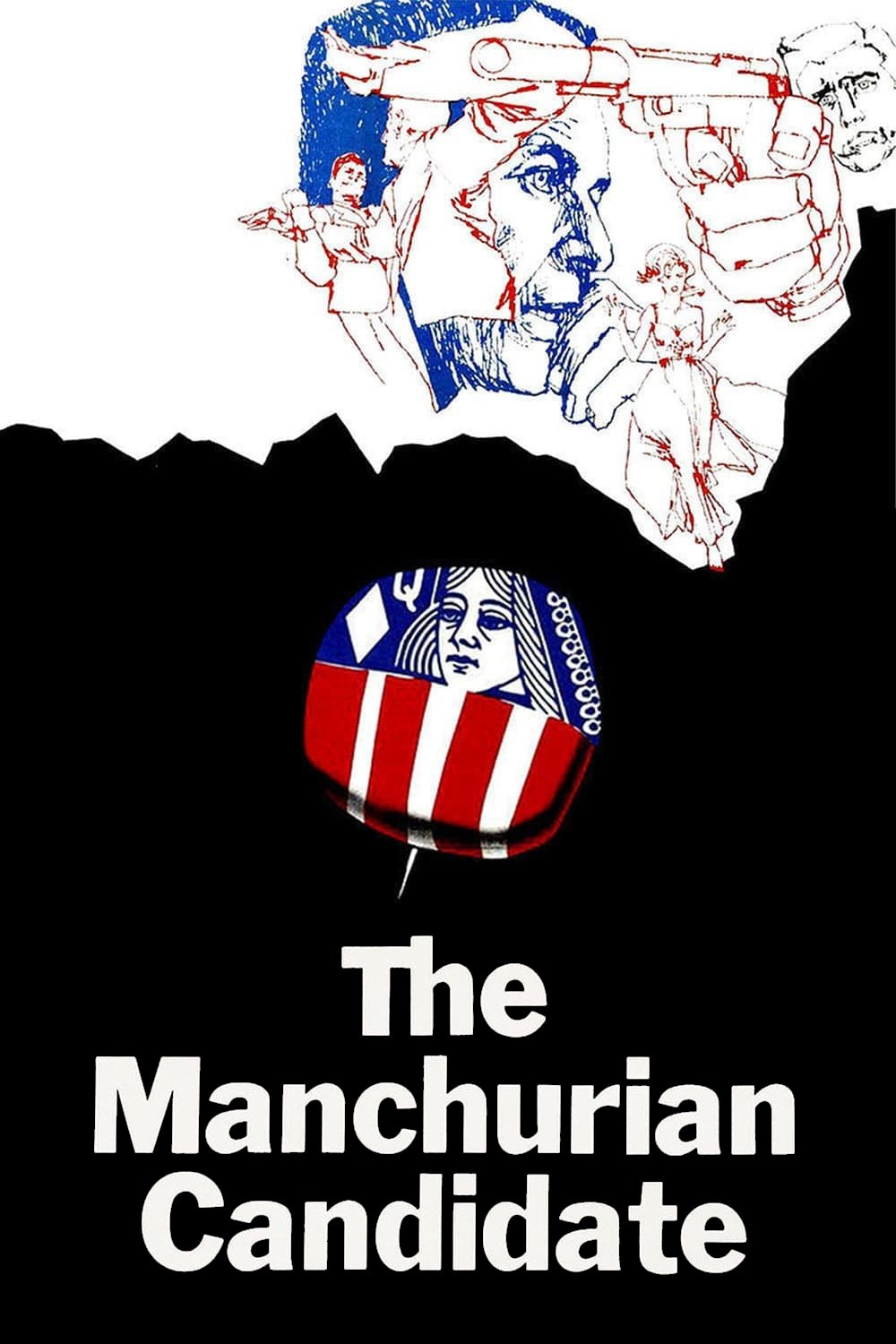
A group of soldiers comes home from the Korean War, one of them secretly reprogrammed. Political schemers intend to turn him into a hitman, hoping to trigger a takeover of the U.S. government. The movie delves into the frightening idea of ‘sleeper’ agents and artificially created political movements, implying that the most treacherous connections are those formed within a person’s own mind.
‘JFK’ (1991)
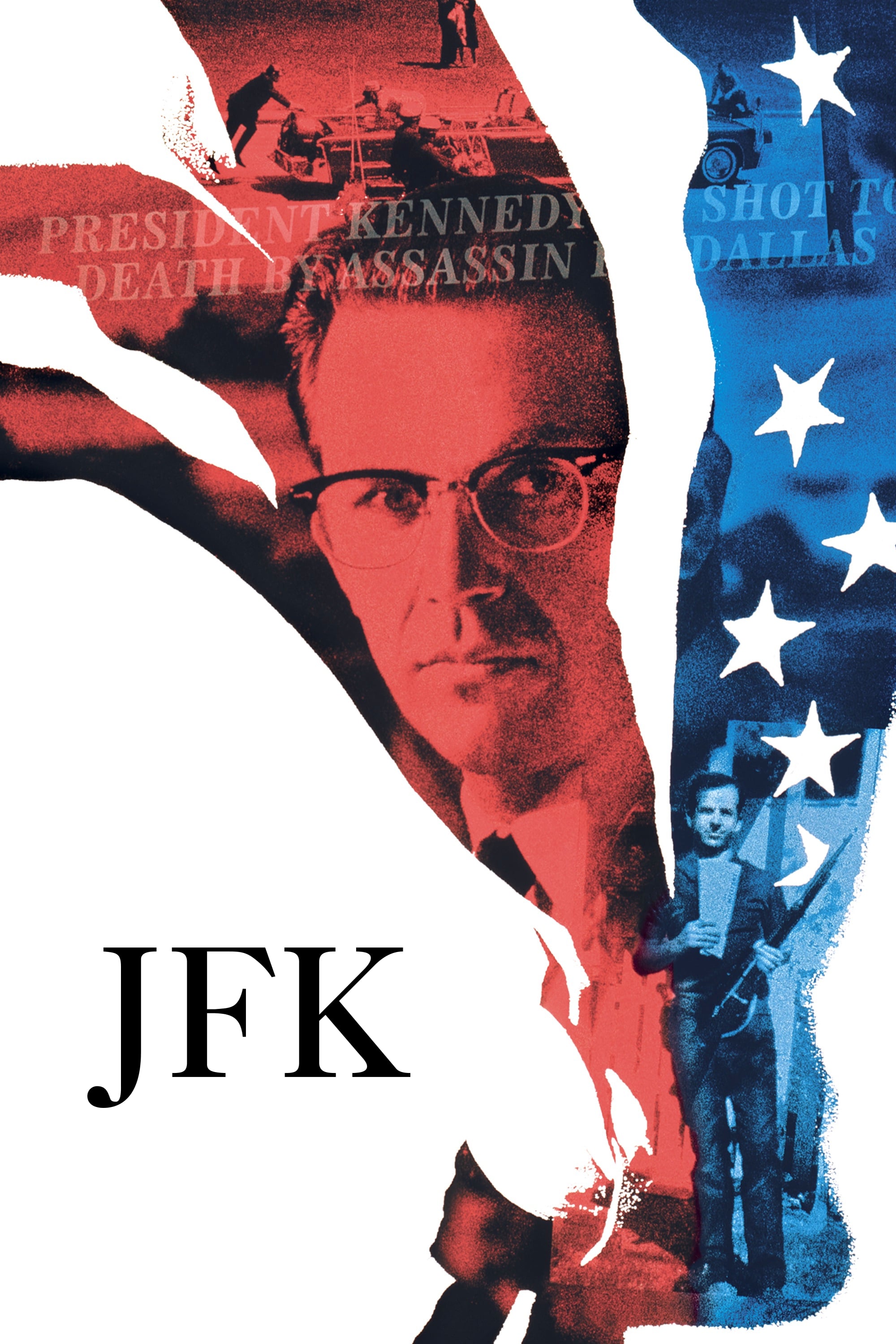
New Orleans District Attorney Jim Garrison investigated President Kennedy’s assassination and believed it was part of a larger plot. His investigation led him to suspect the CIA and powerful defense industry figures were involved in a coup. The story connects various theories, suggesting a coordinated effort between government agencies and criminals to remove Kennedy because he challenged the existing power structure.
‘Thirteen Days’ (2000)
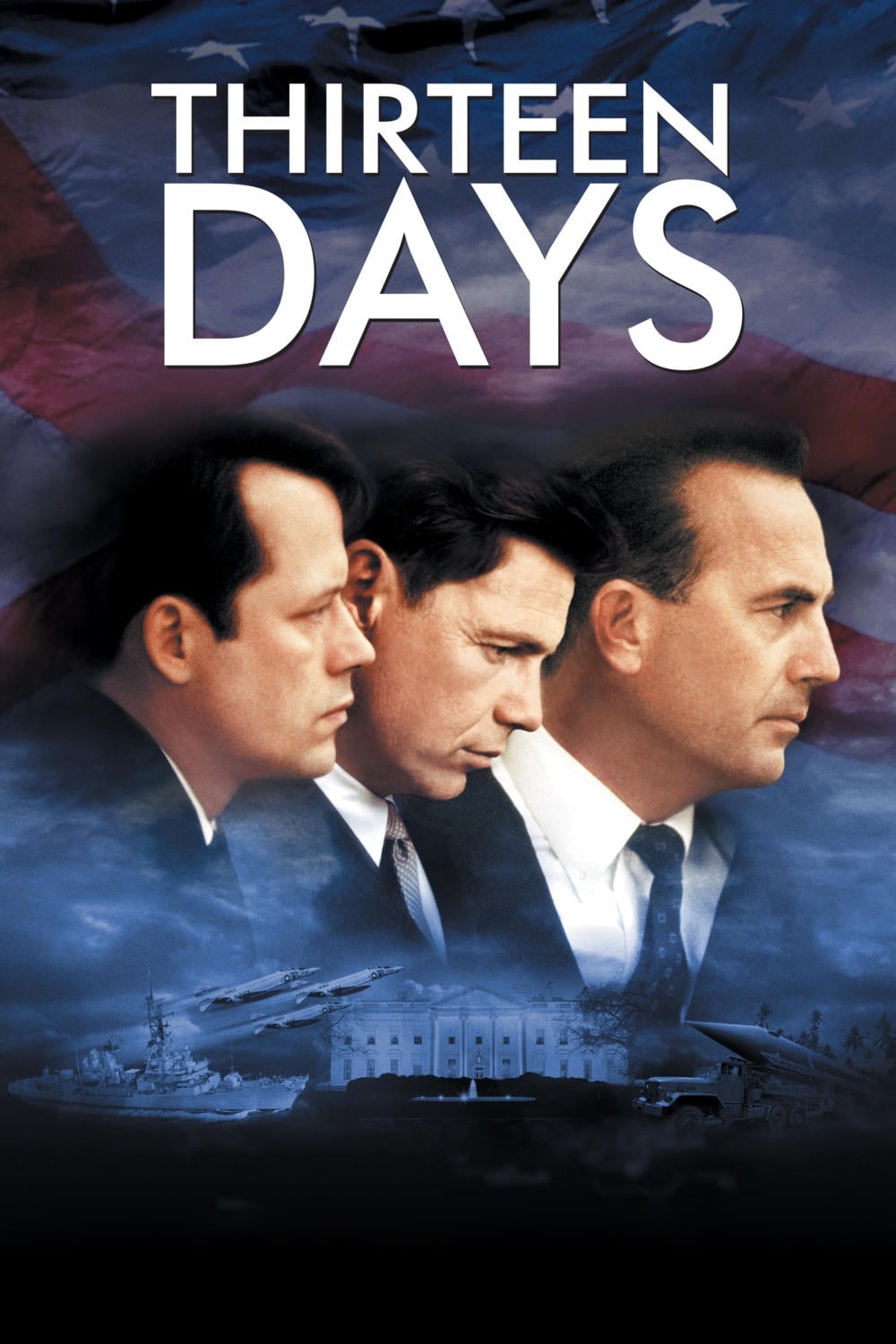
The film depicts the intense drama of the Cuban Missile Crisis, when President Kennedy and his team faced the frightening possibility of nuclear war. It explores the difficult discussions they had internally and the precarious communication with the Soviet Union. The story emphasizes the challenge of balancing the demands of military advisors with the need for a peaceful resolution, and ultimately shows how world peace can depend on the trust between a handful of leaders.
‘State of Play’ (2009)
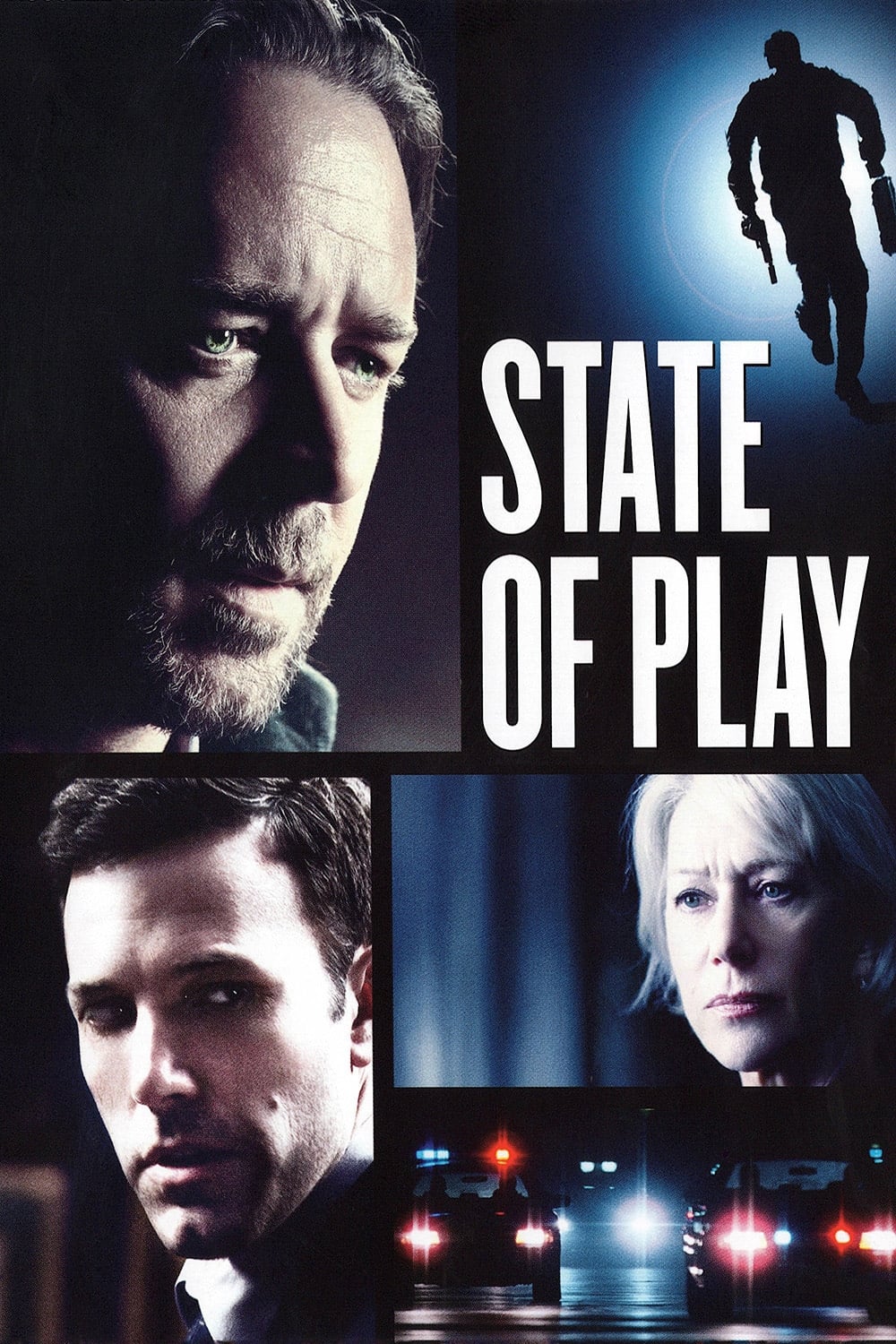
A reporter looks into the mysterious death of a congressman’s lover, uncovering a connection to a powerful private military company with close government links. The film explores the problems that arise when defense work is privatized and how that impacts public oversight. It reveals how politicians often receive support from companies that benefit financially from war and conflict.
‘Vice’ (2018)
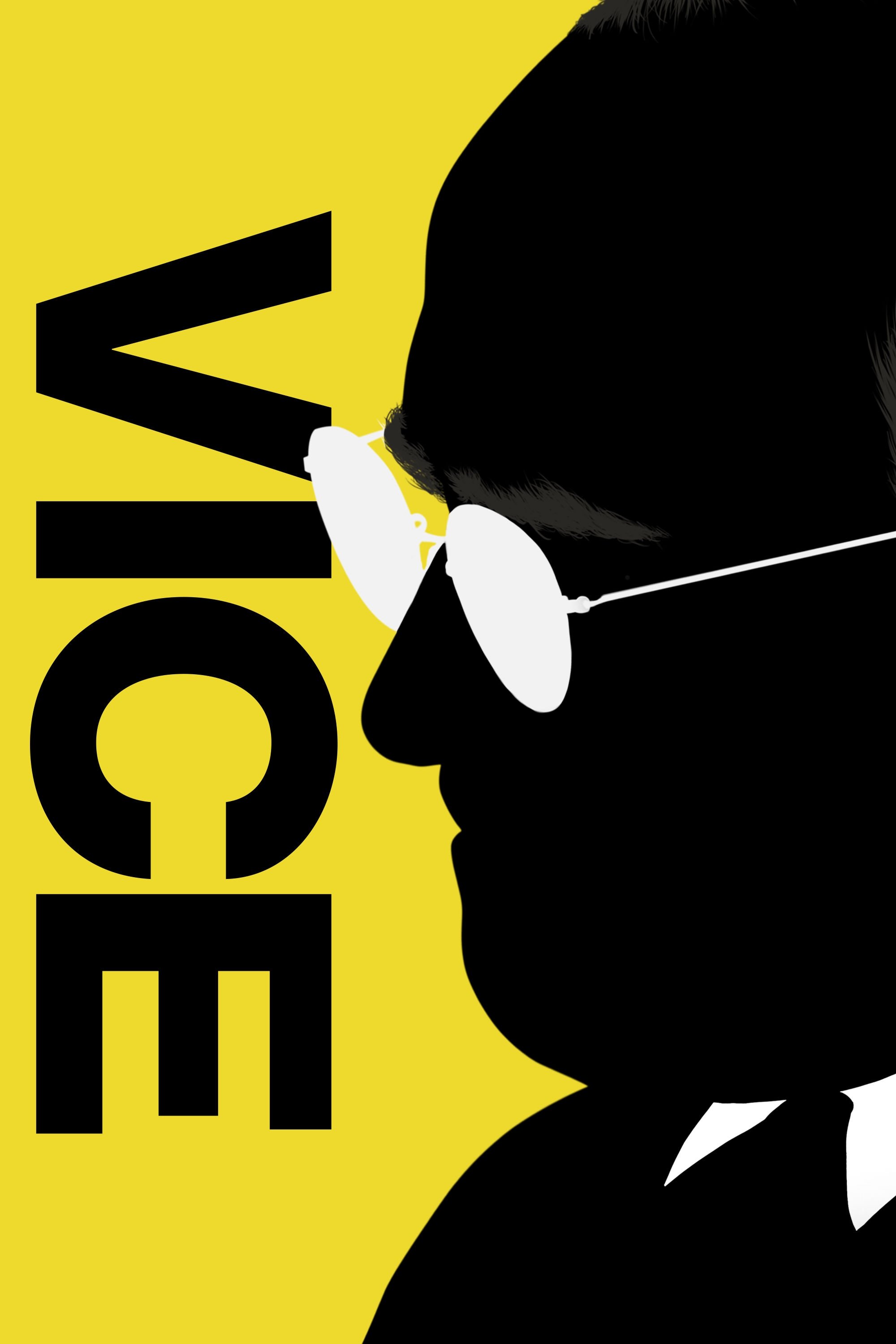
This film tells the story of Dick Cheney’s ascent to power and how he became the most influential Vice President the United States has ever seen. It shows how he subtly expanded the Vice President’s authority by gaining control and filling important jobs with people he trusted. The film highlights how understanding the inner workings of government allowed Cheney to strengthen presidential power, suggesting that behind-the-scenes maneuvering and strategic alliances can sometimes have a bigger impact on history than elections.
‘Frost/Nixon’ (2008)
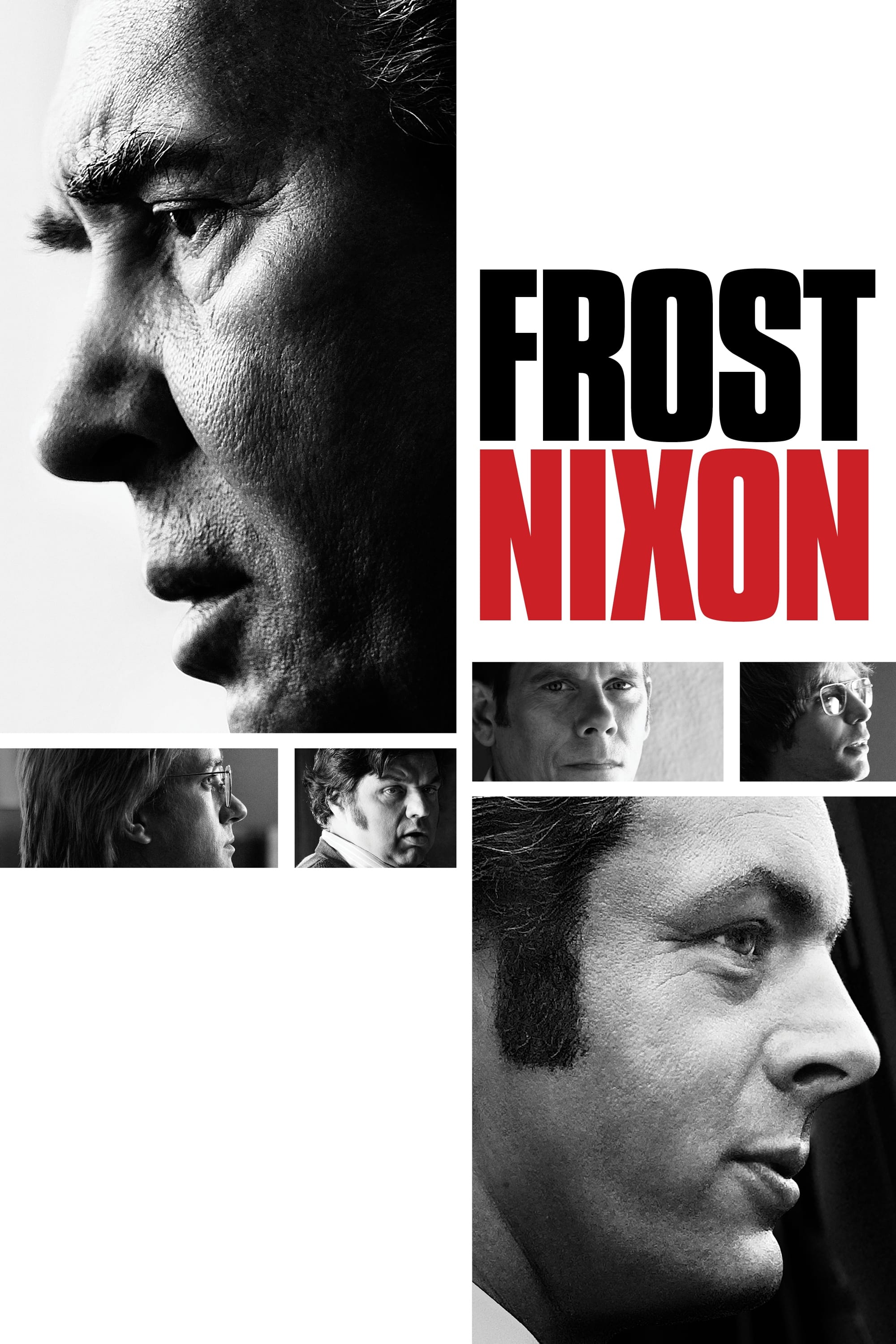
Three years after the Watergate scandal, British interviewer David Frost sat down with former U.S. President Richard Nixon for a televised interview. The conversation became a battle of wills, with both men hoping to restore their reputations. The interview highlighted the often-calculated relationship between the media and politics, and showed how a disgraced leader could use television as a final attempt to regain control of his narrative.
‘Miss Sloane’ (2016)

As a total cinema fan, I just saw this incredible film about a lobbyist who decides to take on the incredibly powerful gun lobby. She’s not playing by the rules, using everything she’s got – surveillance, manipulation, the works – to get universal background checks passed. What really got to me was how it peeled back the curtain on Washington; it showed how lobbying really works – all the favors traded, and how easily ethics get tossed aside. It’s a harsh reminder that sometimes, to win, you have to work with people you genuinely dislike. It’s a gripping, unsettling look at how things get done.
‘Seven Days in May’ (1964)
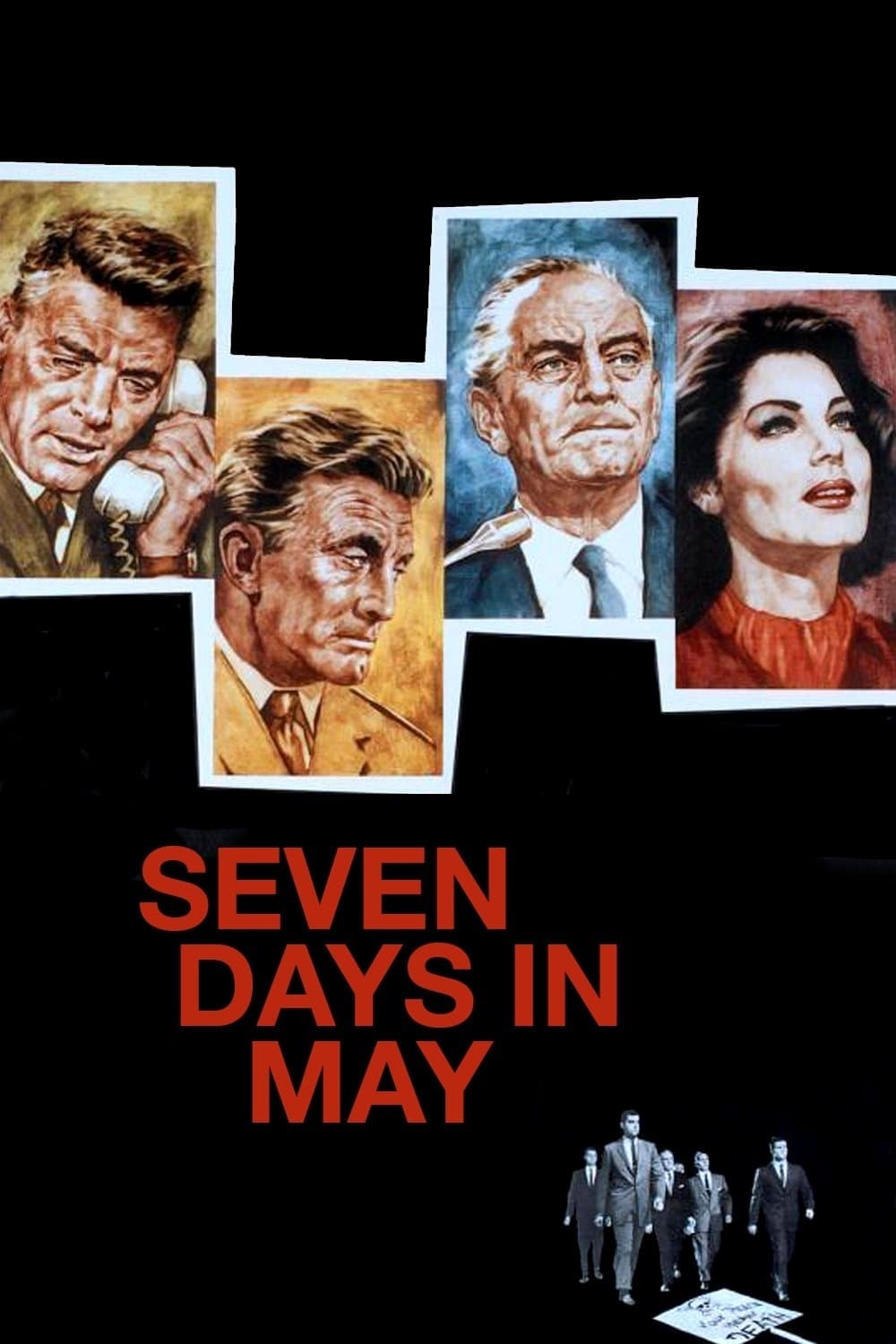
High-ranking military officials are secretly planning to remove the President from power, believing his policies are too lenient towards adversaries. A dedicated colonel uncovers this plot and races against time to reveal it and prevent the takeover. The movie depicts a disturbing situation where the military’s internal disagreements shatter the normal lines of authority, raising questions about how secure democracies are when the military and civilian leaders clash.
‘The Contender’ (2000)

When the Vice President unexpectedly dies, the President chooses a female senator to take her place. However, her confirmation process quickly turns chaotic as opponents reveal damaging, and potentially untrue, claims about her personal life. The film highlights the unfair treatment women often face in politics and criticizes those who pretend to have high moral standards while engaging in underhanded tactics. It shows how people will team up, even with questionable motives, simply to prevent a deserving candidate from succeeding.
‘Good Night, and Good Luck.’ (2005)
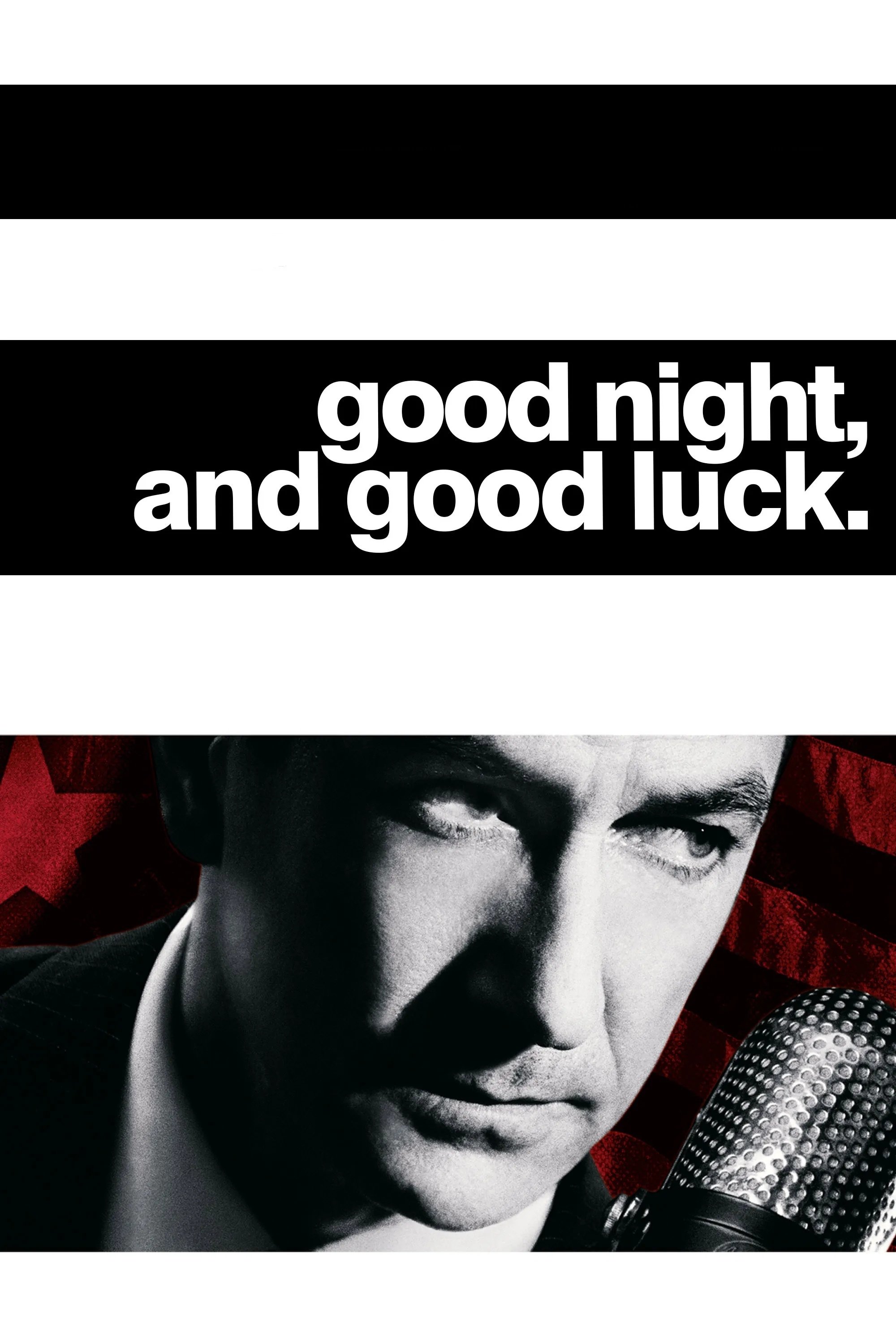
As a huge fan of historical dramas, I was completely captivated by this film! It really brings to life the incredible courage of Edward R. Murrow as he stood up to Senator McCarthy’s fear-based attacks. What struck me most was how much pressure the news team faced – not just from the government, but also from the people funding their broadcasts – to just stay quiet. It’s a powerful story about how a free press and the public working together can fight against manipulation and protect our freedoms, especially during a scary time like the Red Scare. You really feel the tension in the newsroom as they battle to do what’s right.
‘Darkest Hour’ (2017)
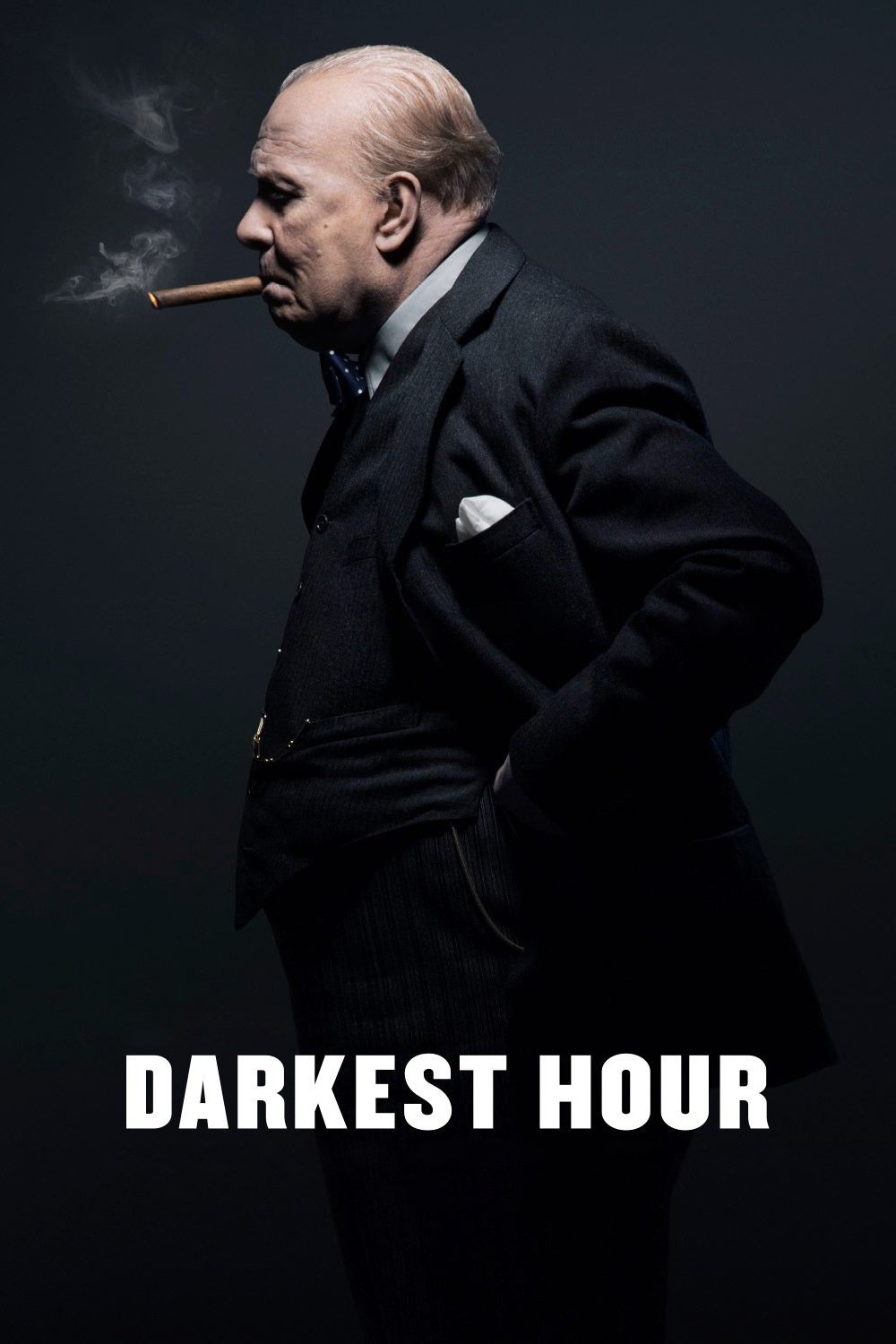
Shortly after becoming Prime Minister, Winston Churchill found himself under enormous pressure to negotiate peace with Nazi Germany. He struggled against members of his own government and political opponents who thought fighting was pointless. The film shows how lonely it can be to lead when old alliances fall apart in the face of total destruction. Churchill had to connect directly with the British people to overcome the pessimism of those in power.
‘Michael Clayton’ (2007)
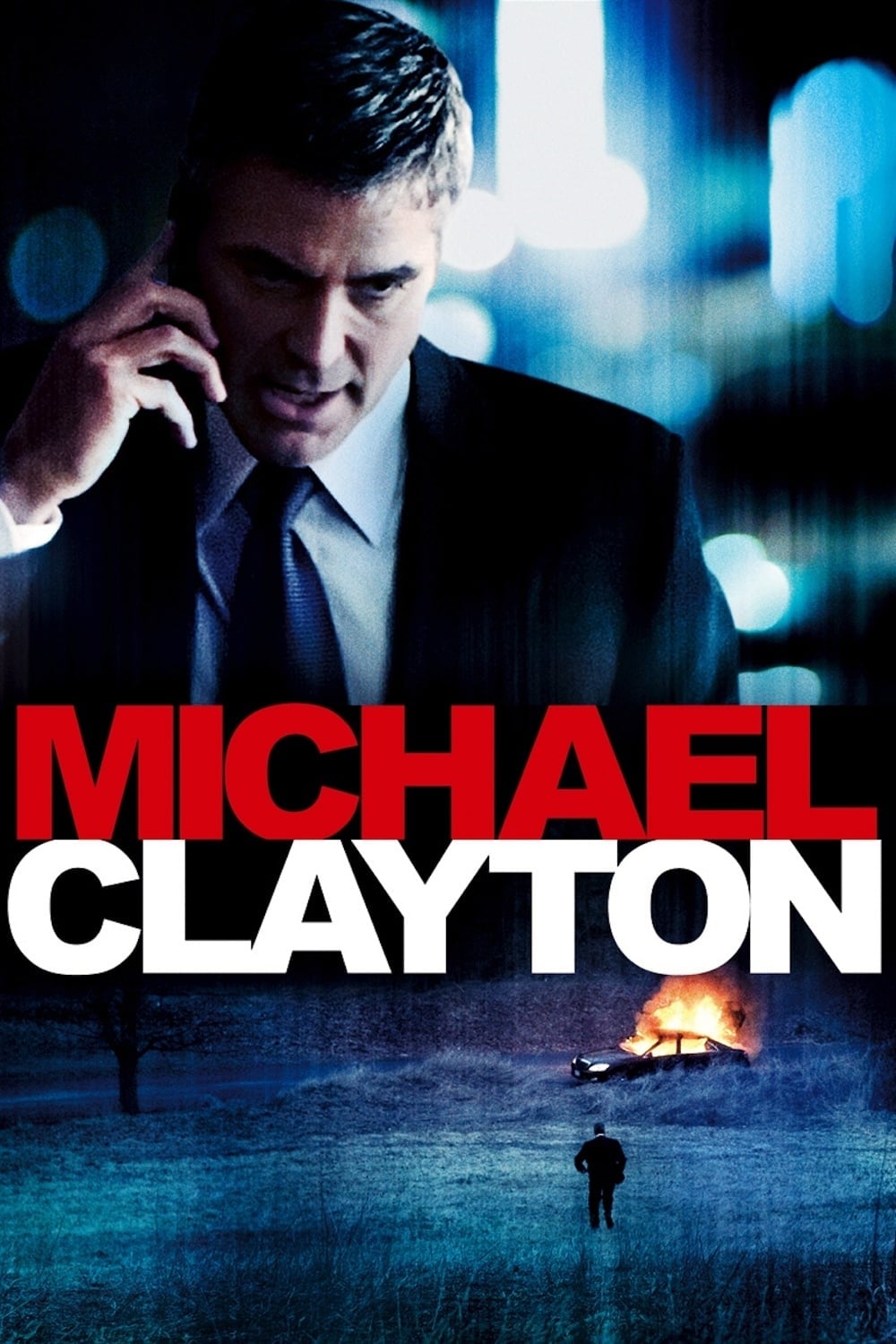
A specialist hired by a major law firm to quietly resolve problems discovers evidence that their client, a chemical company, knew their product was deadly. The movie examines how the legal system can help companies cover up wrongdoing, and how confidentiality agreements and out-of-court settlements are used to keep dangerous information hidden from the public.
‘Bridge of Spies’ (2015)
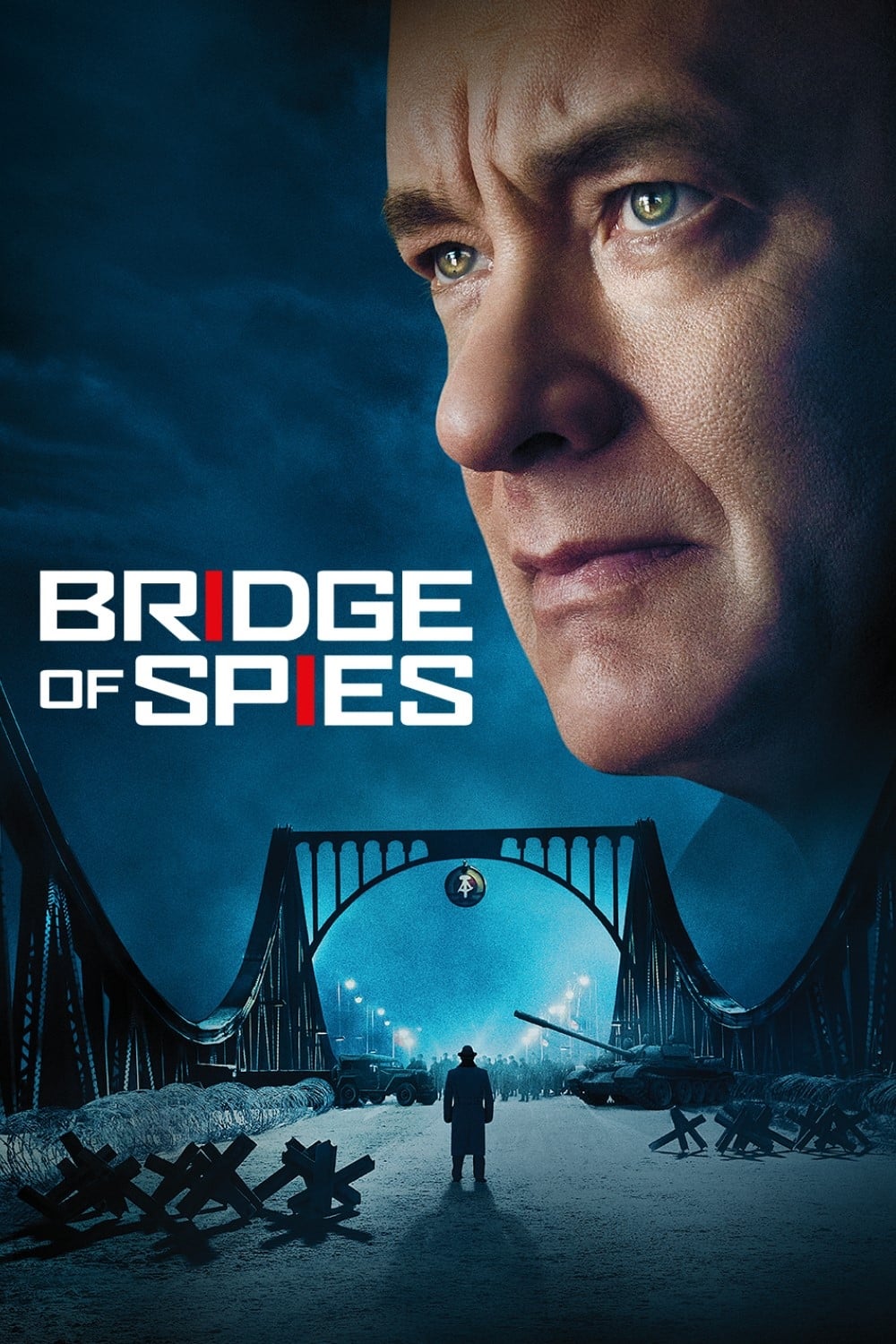
A lawyer specializing in insurance is unexpectedly asked by the CIA to help free an American pilot who crashed in Soviet territory. He’s sent to East Berlin, where the Berlin Wall is being built, to negotiate a prisoner swap. The movie highlights how important communication is, and how fragile relationships between countries can be, showing the personal side of tense international negotiations.
‘The Post’ (2017)
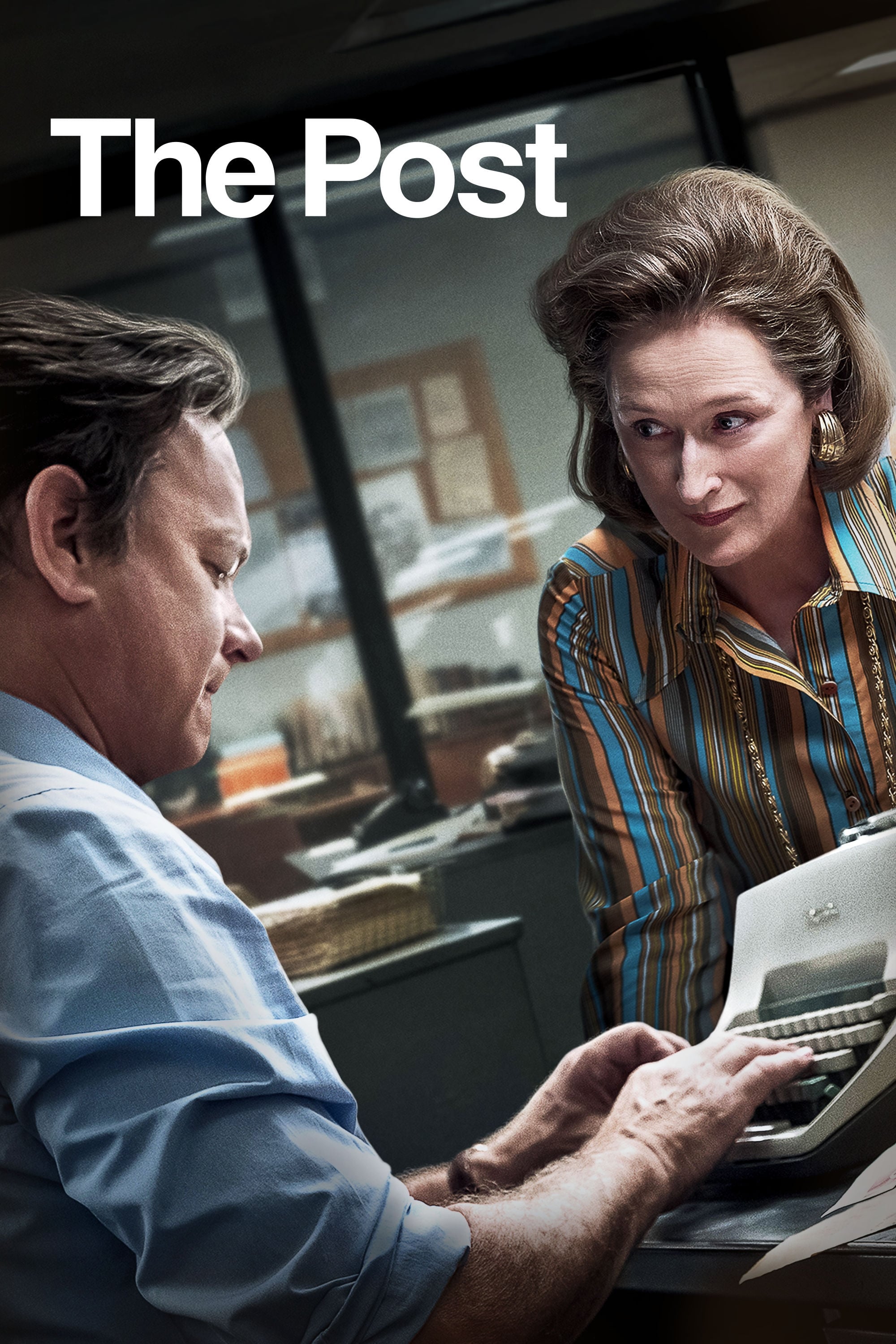
The Washington Post’s publisher faced a difficult choice: publish the Pentagon Papers, even with threats from the government. She put her company and personal freedom on the line to reveal decades of deception about the Vietnam War. The film highlights how different newspapers worked together to defend freedom of the press, and emphasizes the crucial role of journalism in keeping those in power accountable.
‘No Way Out’ (1987)
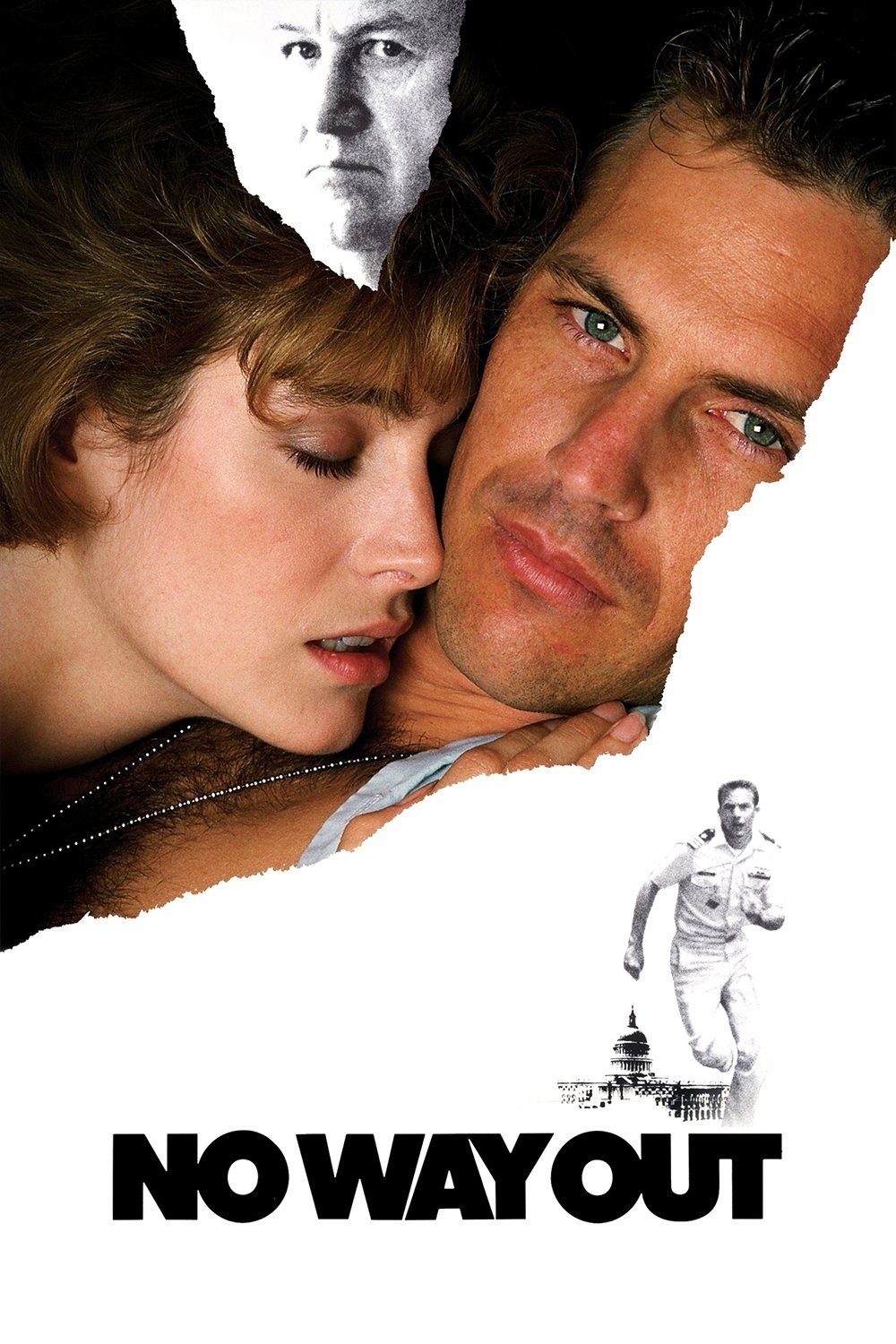
A Navy officer finds himself investigating a murder committed by his boss, the Secretary of Defense. The Secretary tries to make it look like a legendary Russian spy did it, hoping to hide his own involvement. As the truth unravels, the story exposes how easily intelligence agencies can be manipulated from within. This thrilling mystery portrays the Pentagon as a complex web of lies and deception.
‘The Ghost Writer’ (2010)
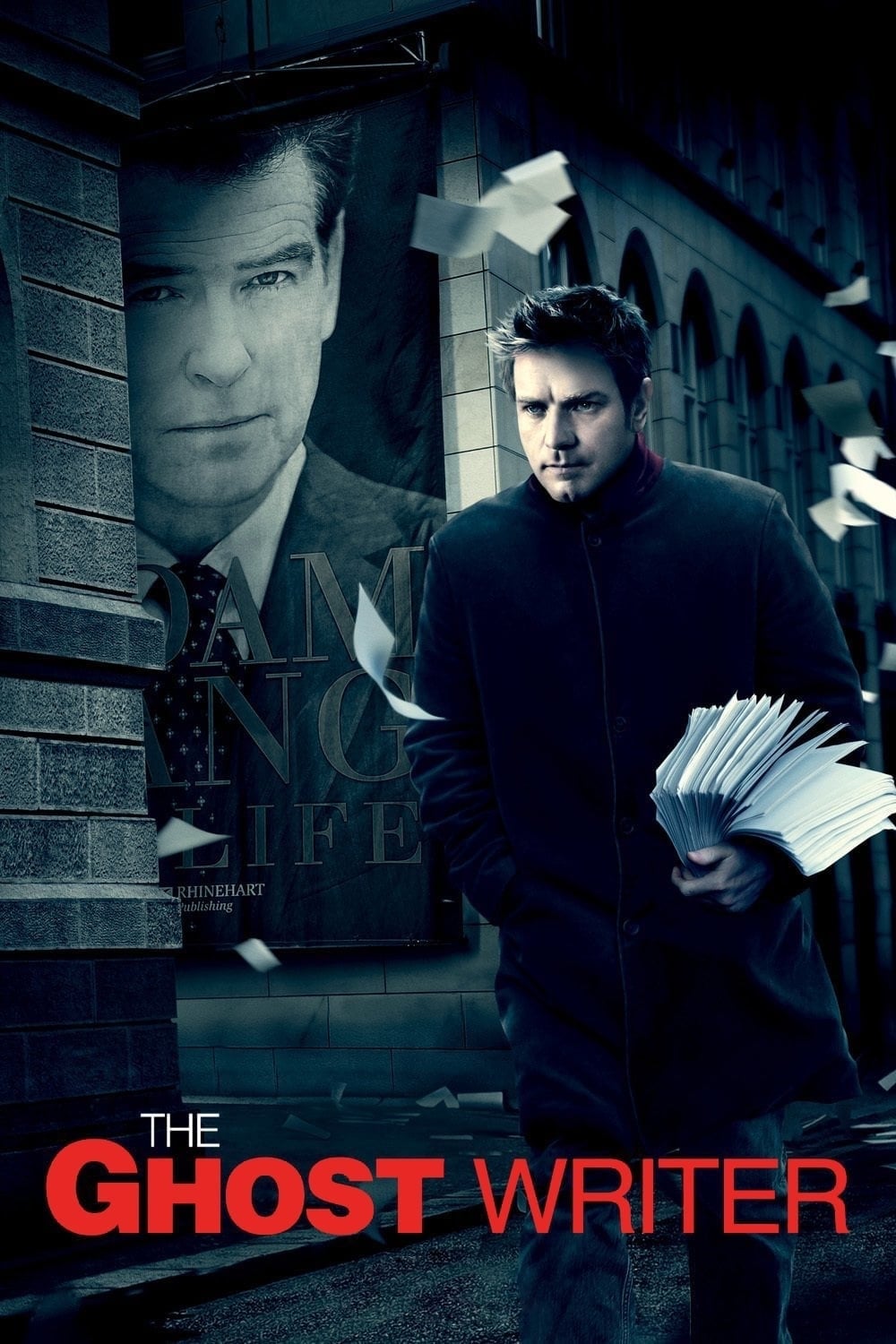
A writer working on the autobiography of a former British Prime Minister discovers hidden truths about the politician’s life. He finds clues that suggest the Prime Minister secretly worked for the CIA his entire career. This discovery creates a sense of unease and suspicion, as the writer begins to understand how deeply intelligence agencies can influence events. The film suggests that a nation’s independence might not be as secure as it seems, and could be subtly controlled by outside forces.
‘Snowden’ (2016)
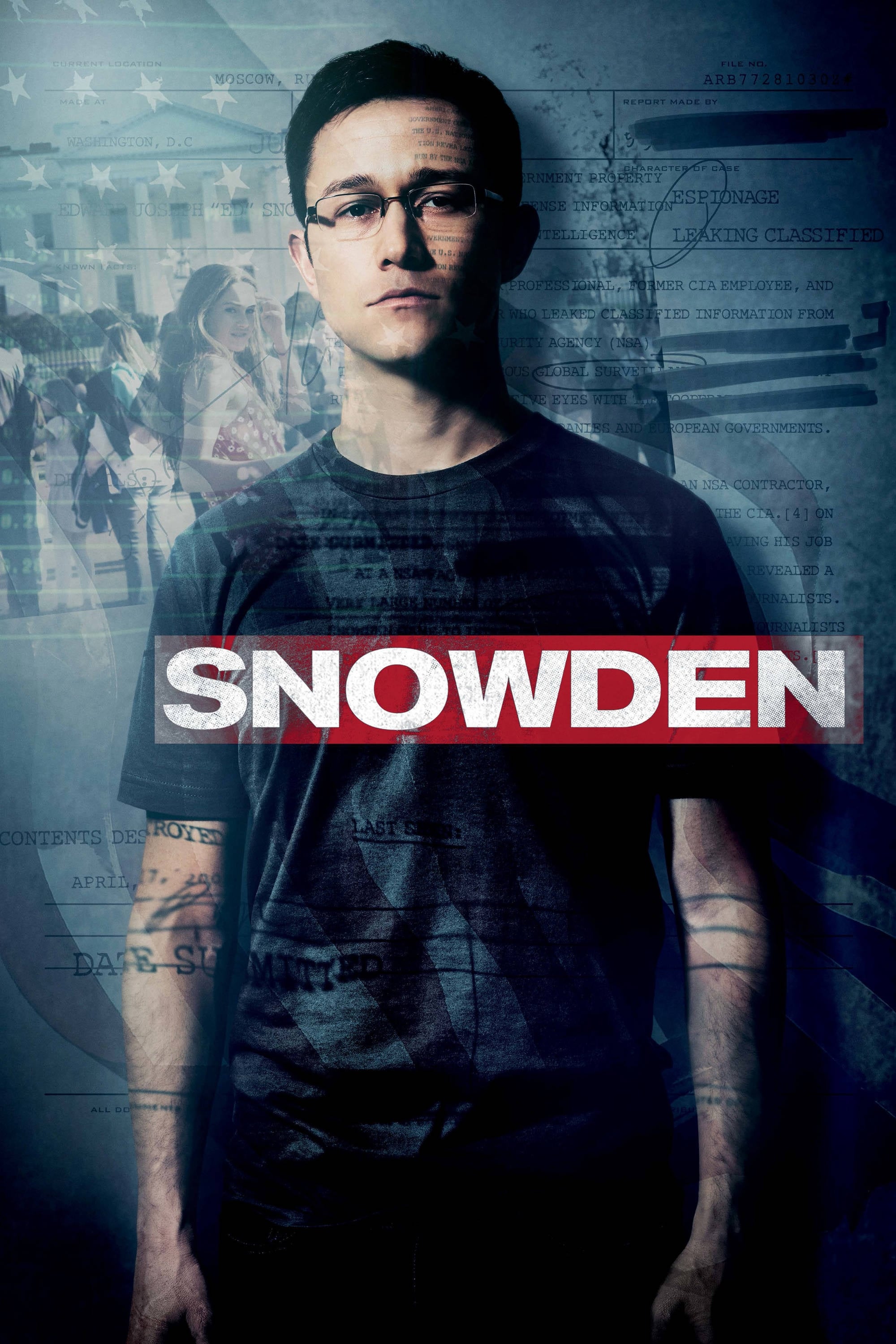
While working as a contractor, Edward Snowden uncovered the full scope of the NSA’s secret surveillance programs. He then made the controversial decision to share classified documents with the media and left the country. The film explores the close relationship between government agencies and technology companies in collecting data, and raises important questions about how to balance keeping the country safe with protecting people’s privacy.
‘Official Secrets’ (2019)

A translator for British intelligence discovered a leaked email showing the NSA wanted to blackmail UN diplomats. Believing this could help prevent the Iraq War, she leaked the email to the public. The film follows the legal fight that ensued, as she was prosecuted for her actions, and the struggle to reveal the true reasons behind the war. It’s a story about the dangers faced by someone who dares to challenge powerful international alliances.
Tell us which political thriller you found most convincing in the comments.
Read More
- Invincible Season 4 Gender Swaps Tech Jacket As Fans Question Major Comic Change
- Gold Rate Forecast
- Why Won’t It Just *Do* What You Ask? Unpacking the Quirks of AI Language
- Unveiling the Schwab U.S. Dividend Equity ETF: A Portent of Financial Growth
- Superman Flops Financially: $350M Budget, Still No Profit (Scoop Confirmed)
- 22 Films Where the White Protagonist Is Canonically the Sidekick to a Black Lead
- 14 Movies Where the Black Character Refuses to Save the White Protagonist
- Silver Rate Forecast
- The Best Former NFL Players Turned Actors, Ranked
- ONE PIECE Season 2 Confirms Sanji’s OTHER Backstory in the Live-Action
2025-12-13 19:17