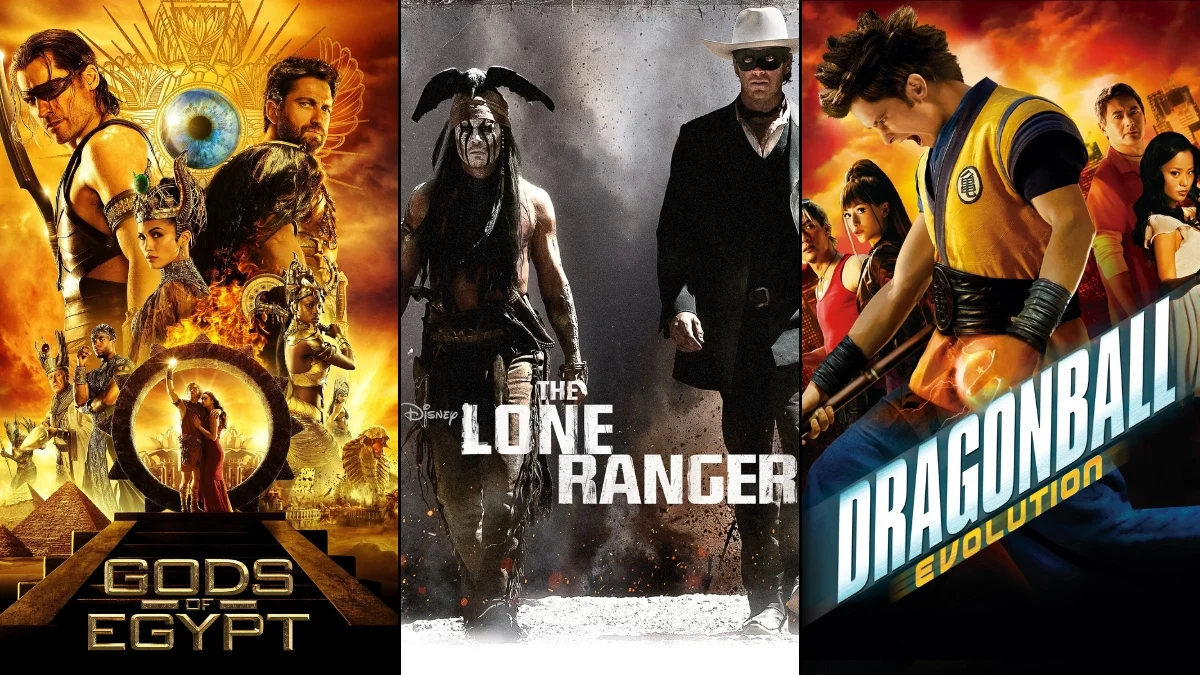
As a movie fan, I’ve noticed a trend lately: filmmakers are increasingly changing the race or ethnicity of characters we already know from books or comics. And honestly, it often sparks a huge backlash online. You’ll see groups of people deliberately leave bad reviews – it’s called ‘review bombing’ – to show their displeasure. It really highlights this tricky balance between wanting to see diverse representation on screen and wanting filmmakers to stay true to the original story. These movies often do well at the box office, but that negative online chatter and low ratings can stick around for years, creating a lot of ongoing debate.
‘Dragonball Evolution’ (2009)
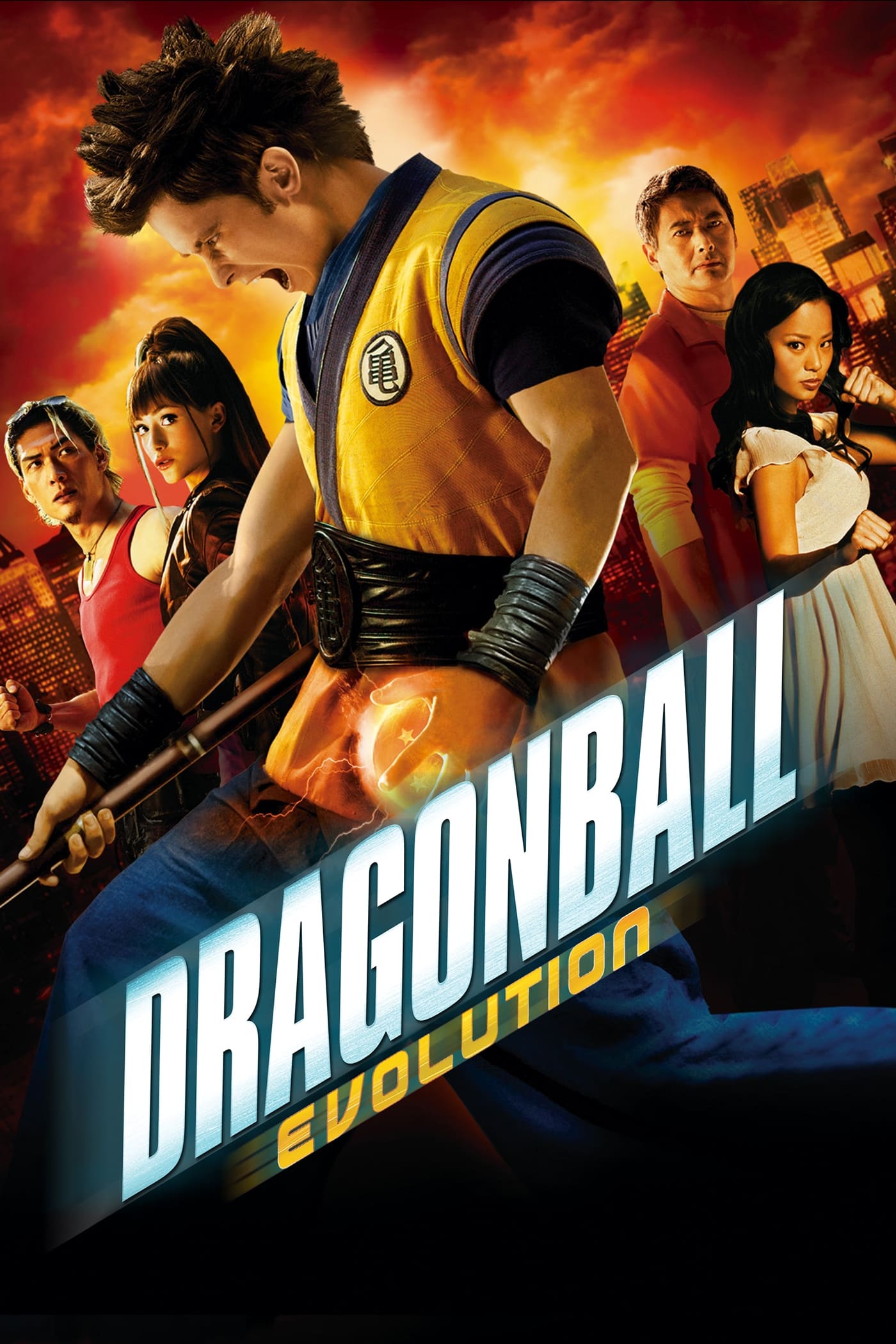
The movie adaptation of the popular manga was heavily criticized for casting a white actor to play Goku. Fans were upset that the film ignored Goku’s Japanese background and appearance. The movie received a lot of negative feedback, with many criticizing its lack of cultural accuracy and poor storytelling. It’s now a well-known example of how casting decisions can disappoint and anger passionate fans around the world.
‘The Last Airbender’ (2010)
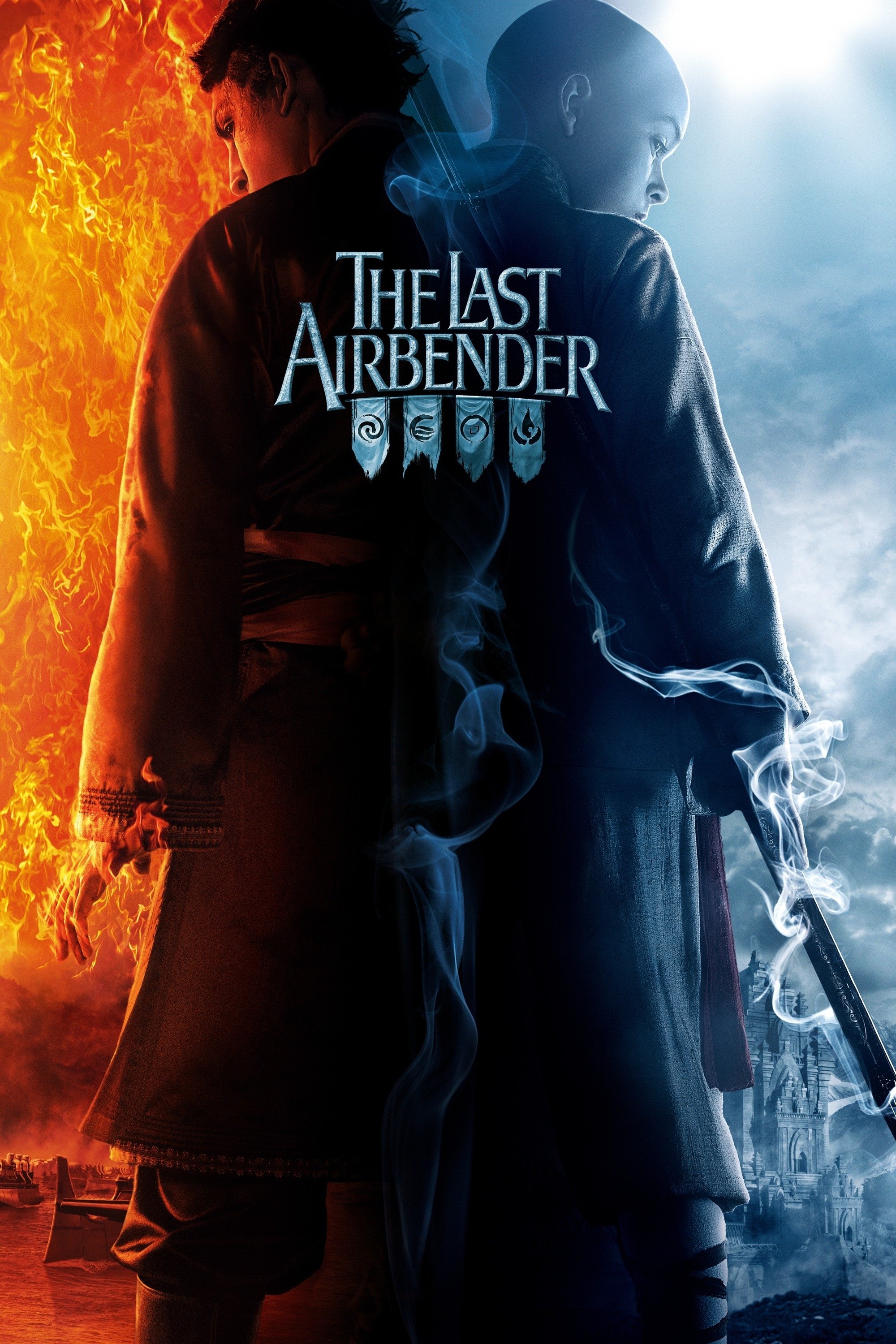
M. Night Shyamalan’s recent film adaptation faced significant backlash for casting white actors in roles initially based on Inuit and Asian cultures. This choice prompted boycotts from groups pushing for more diversity in media. Audience scores on review sites dropped sharply, with viewers pointing out the disconnect between the original inspiration and the final film. The situation highlights the critical need for cultural sensitivity when adapting stories for a wider audience.
‘Fantastic Four’ (2015)
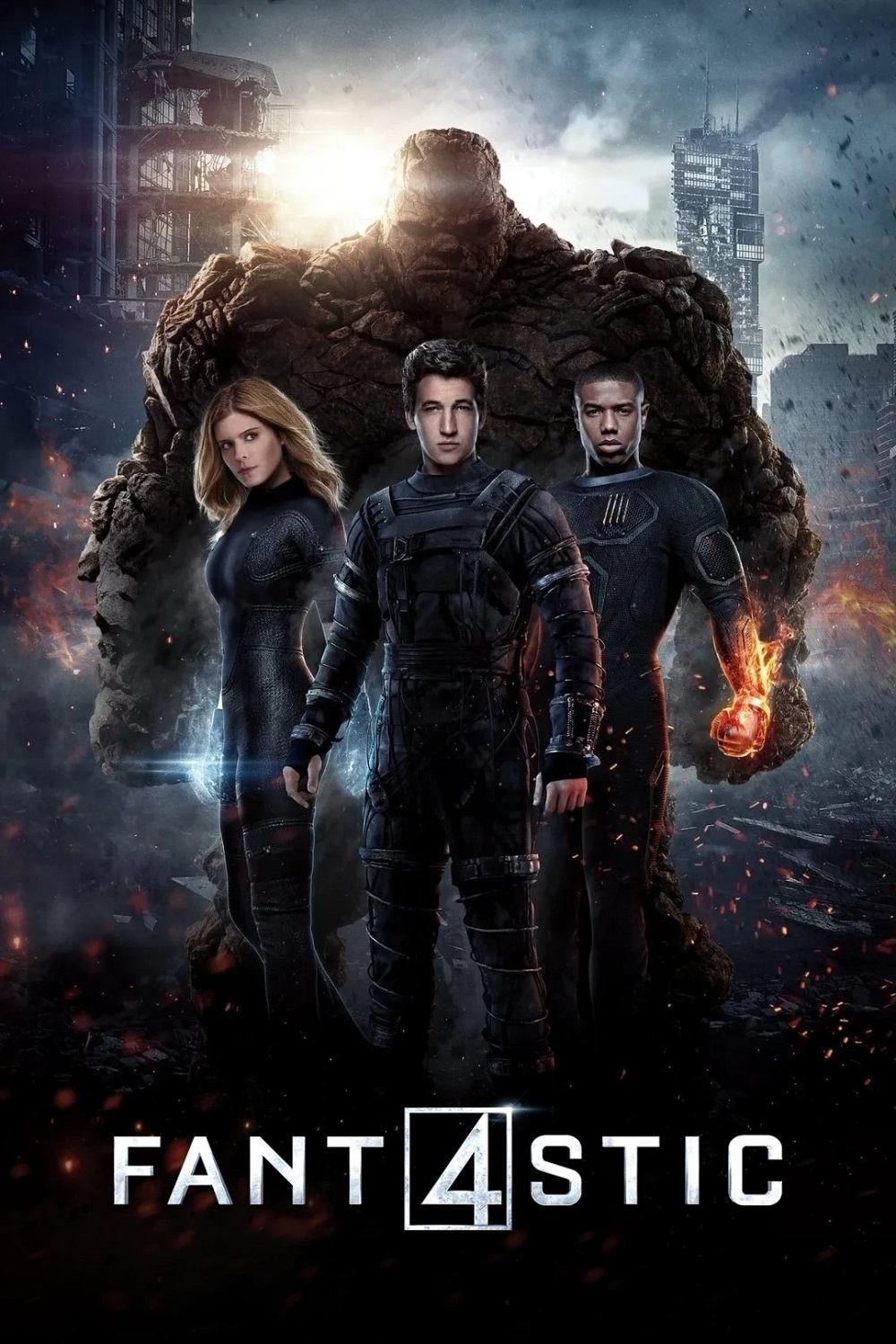
When Michael B. Jordan was cast as the Human Torch, it sparked a lot of debate among superhero fans. Some people immediately gave the movie low ratings online to protest the change in the character’s race, which created negative buzz before it even came out. This backlash hurt the film’s success in theaters and showed a growing disagreement between fans who prefer traditional comic book interpretations and those open to more modern casting choices.
‘Cinderella’ (2021)
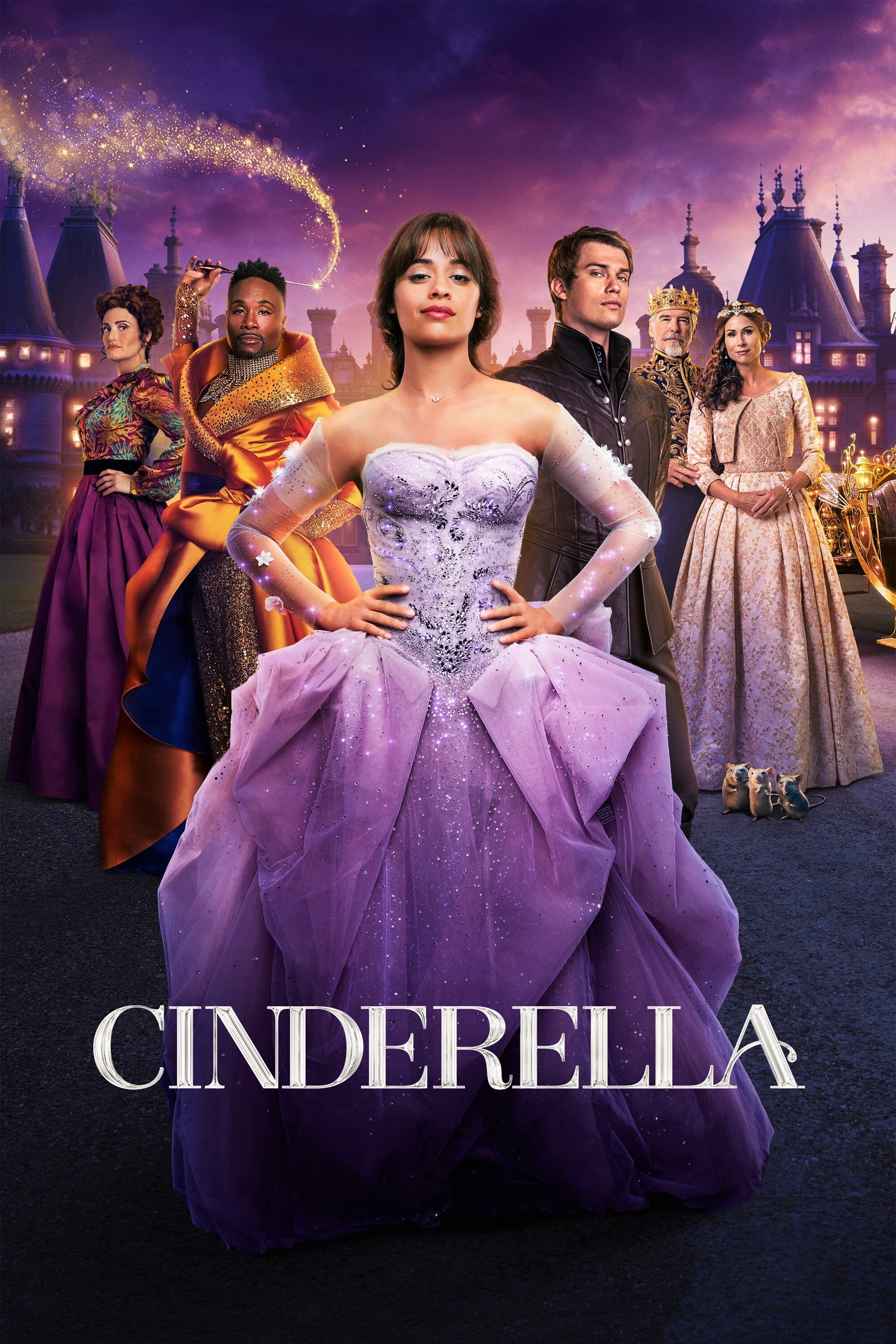
The recent musical version of the classic story featured Billy Porter as a gender-neutral Fairy Godmother. While some viewers reacted negatively to this change from the traditional female portrayal, arguing it strayed too far from the original tale and past versions, the film still sparked conversation for its attempt to modernize the story with inclusivity.
‘Peter Pan & Wendy’ (2023)
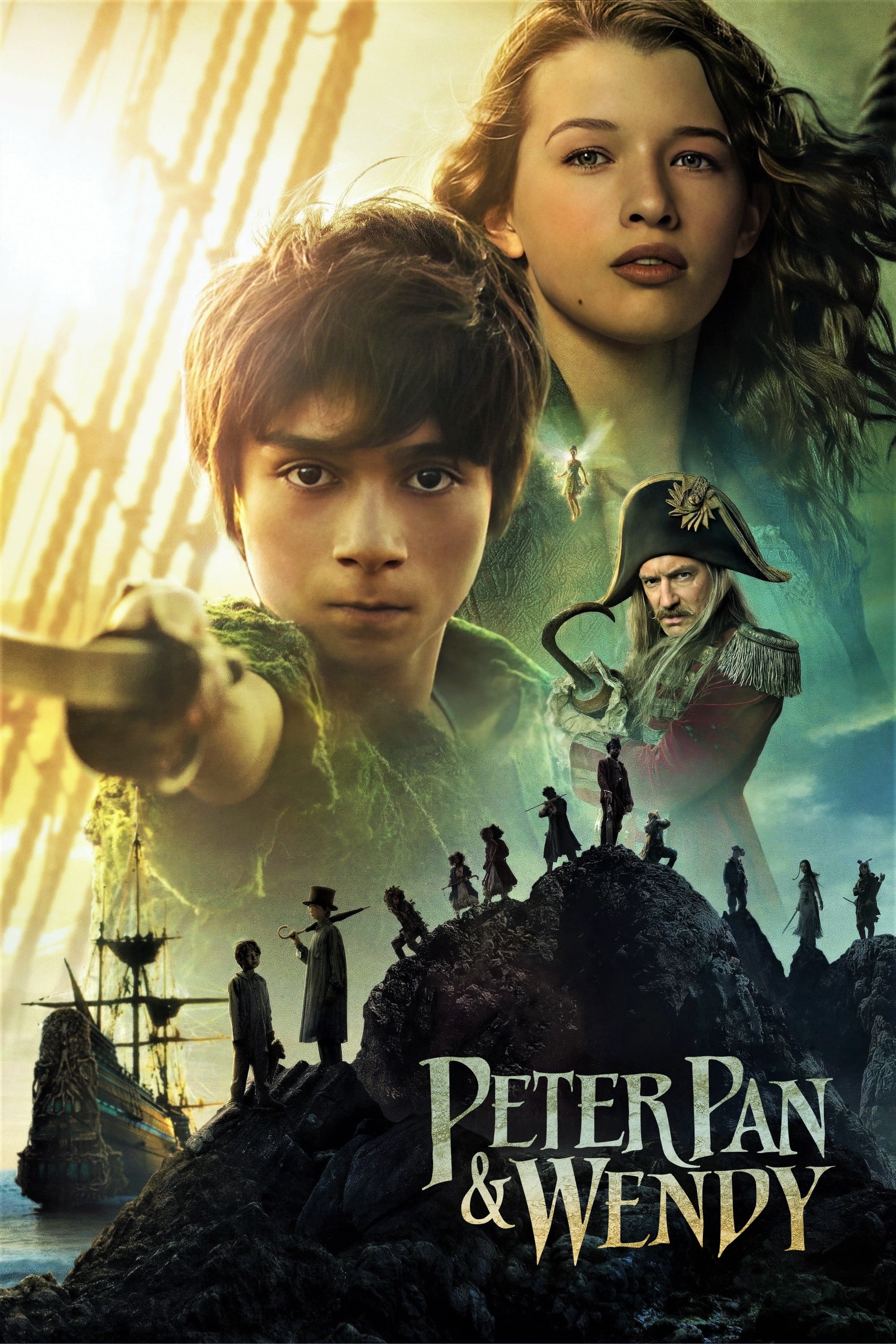
Disney’s new take on the Peter Pan story features Yara Shahidi as Tinker Bell. However, many viewers reacted negatively, giving the film low ratings. A lot of the criticism centered on Tinker Bell’s updated look, which differed significantly from the classic 1953 animated version, rather than the acting or storyline. This film is part of Disney’s ongoing effort to update and reimagine its beloved animated characters for new audiences.
‘Death Note’ (2017)
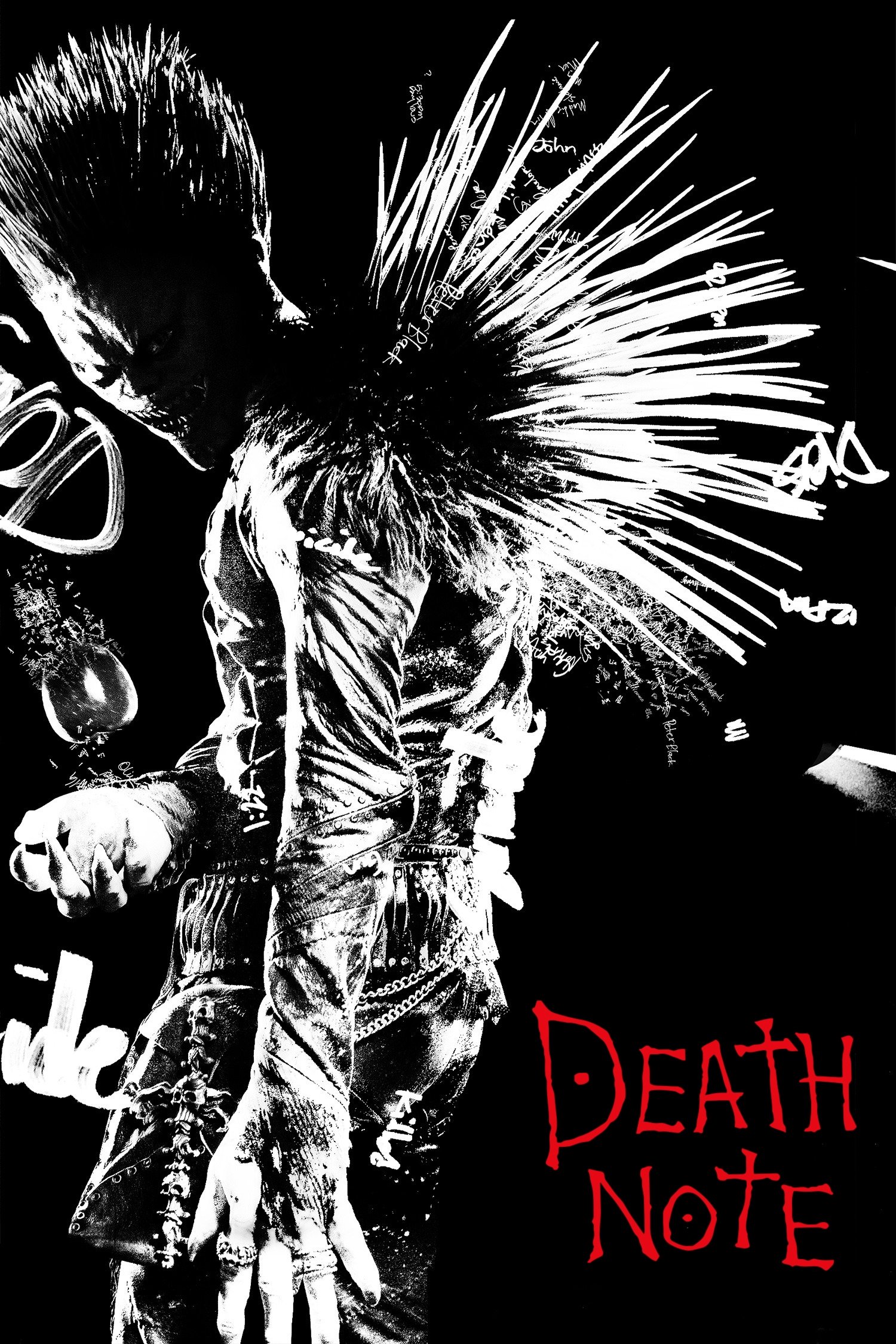
Okay, so Netflix took this really cool Japanese thriller and completely moved it to the US. They also cast white and Black actors as the main characters, and honestly, a lot of us who loved the original manga and anime were pretty upset. It felt like they ripped out the heart of the story by changing the setting and, even worse, altering the main character’s personality. It sparked a huge debate online about how America tends to remake things from other countries and kind of… lose what made them special in the first place. It really became a prime example of that whole issue of Americanizing international stories.
‘Wild Wild West’ (1999)
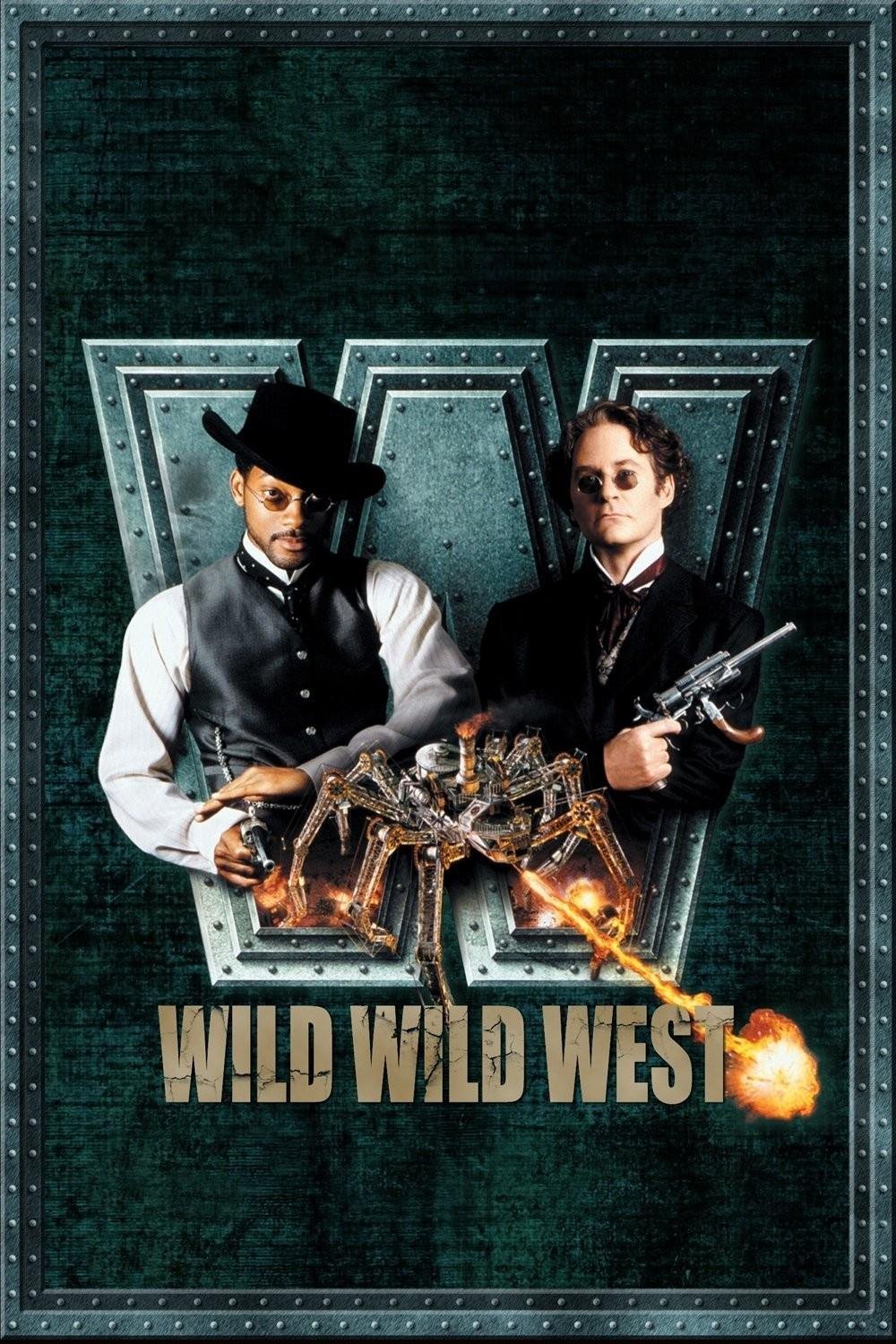
Casting Will Smith as James West was a fresh approach to a role previously played by a white actor on TV. Although the movie came out before online reviews were common, it has since received ongoing criticism for its casting choices and changes in style. Fans of the original 1960s show often felt the film strayed too far from the source material. It’s largely remembered for its large budget and the divided reactions it sparked in audiences.
‘Pinocchio’ (2022)
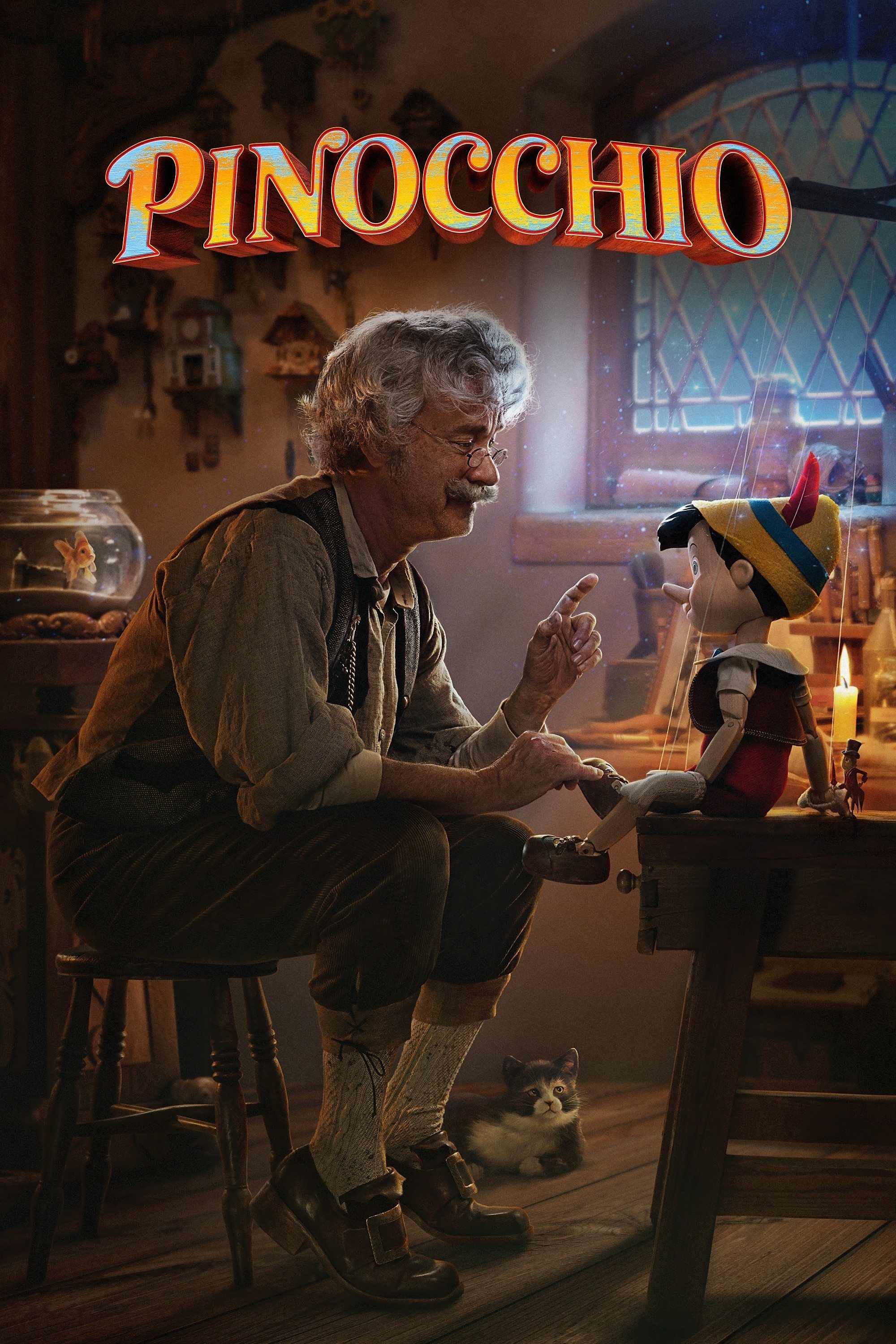
The recent live-action film about the wooden puppet featured Cynthia Erivo as the Blue Fairy. Her casting, as a Black actress in a role traditionally portrayed by white actresses, sparked a lot of negative reactions online. Many viewers used review sites to voice their disappointment with this change. This response was similar to what happened with other Disney remakes that included diverse casting choices.
‘Hellboy’ (2019)

The remake faced immediate criticism when the original casting choice for a Japanese character was a white actor. While Daniel Dae Kim was later cast in the role to address these concerns, the film still wasn’t well-received by audiences. Critics voiced their disappointment online, particularly with how the franchise had changed from its previous installments. The initial casting controversy continued to overshadow the movie during its time in theaters.
‘Annie’ (2014)
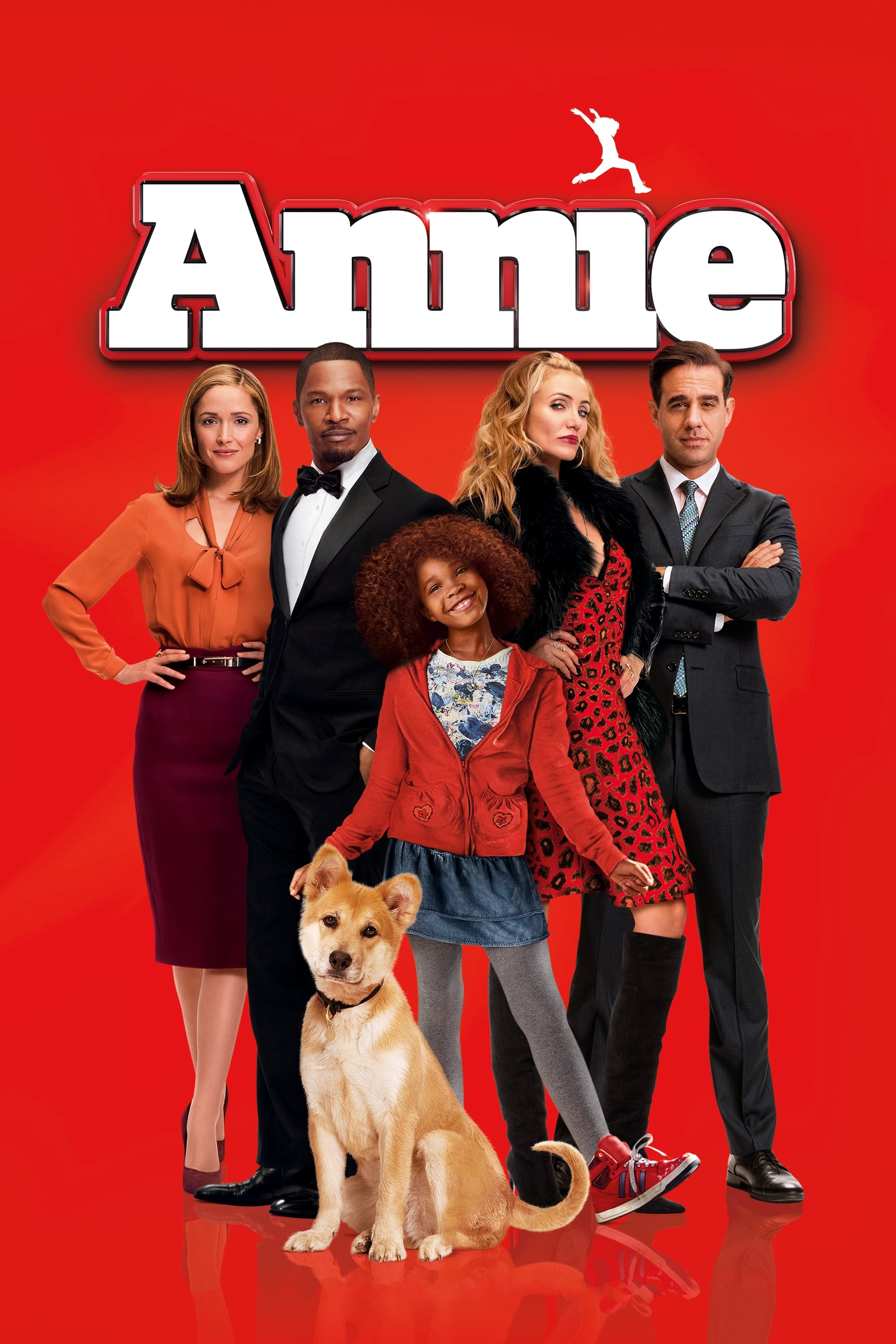
This updated version of the classic musical starred Quvenzhané Wallis as the cheerful orphan at its center. Though the filmmakers intended to refresh the story for today’s audiences, some viewers disliked the change to the character’s traditionally red hair. These reactions affected the film’s online ratings, with many feeling the casting strayed too far from the original. Despite negative online feedback, the movie still drew in younger viewers.
‘Aloha’ (2015)

The romantic comedy cast Emma Stone in a role intended for someone of mixed Chinese and Hawaiian heritage, which sparked criticism and accusations of whitewashing. Many people, including advocacy groups and viewers, felt the casting lacked authenticity given the film’s Hawaiian cultural setting. After significant backlash, the director publicly apologized for the decision.
‘Gods of Egypt’ (2016)
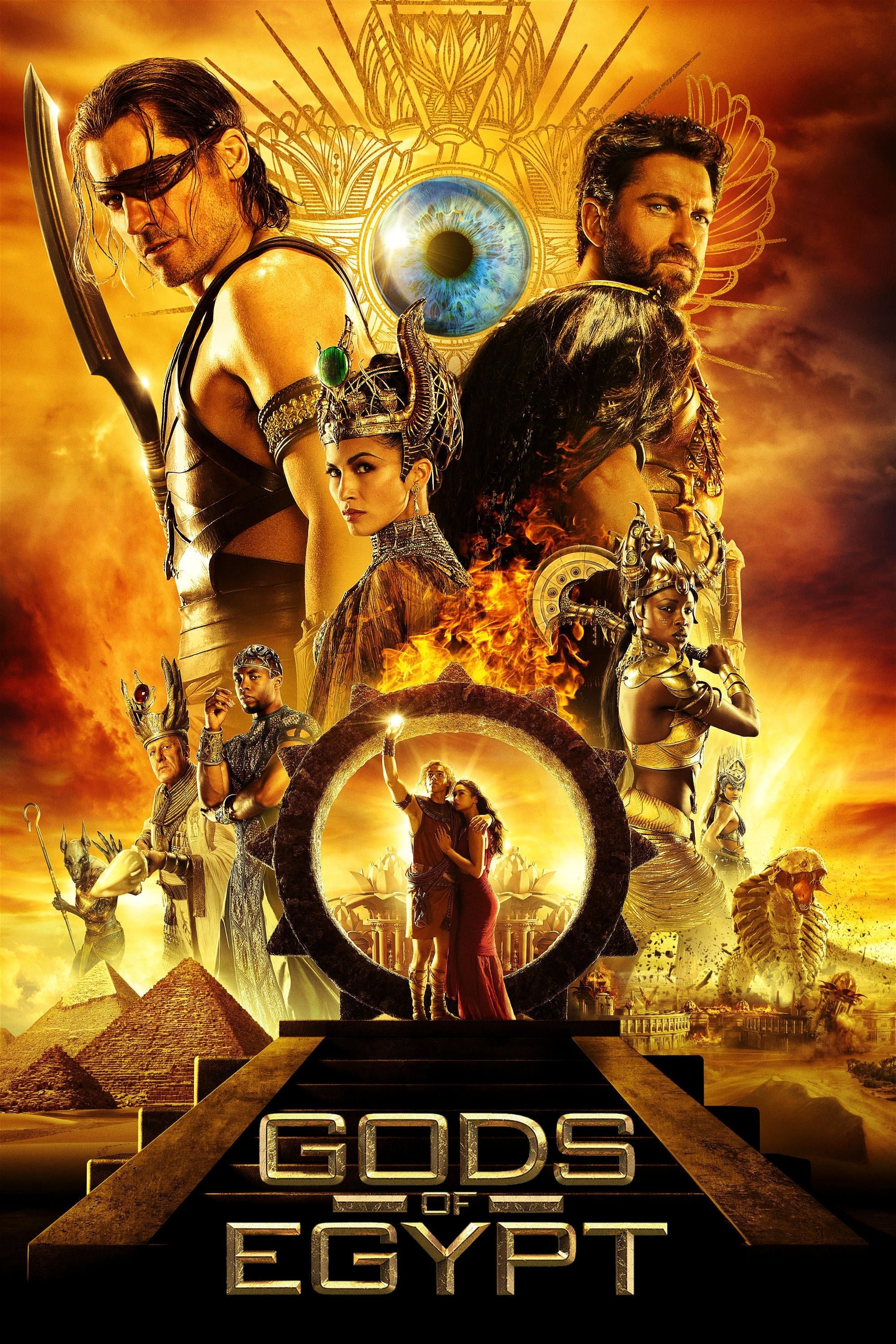
The fantasy movie faced strong criticism for casting mostly white actors as gods and goddesses from Egyptian stories. Many people protested the lack of representation for actors from North Africa and the Middle East. Online reviews were flooded with negative scores and comments pointing out the film’s historical and cultural inaccuracies. The movie didn’t perform well in theaters, and many believe the controversy surrounding the casting choices contributed to its poor box office numbers.
‘Snake Eyes: G.I. Joe Origins’ (2021)
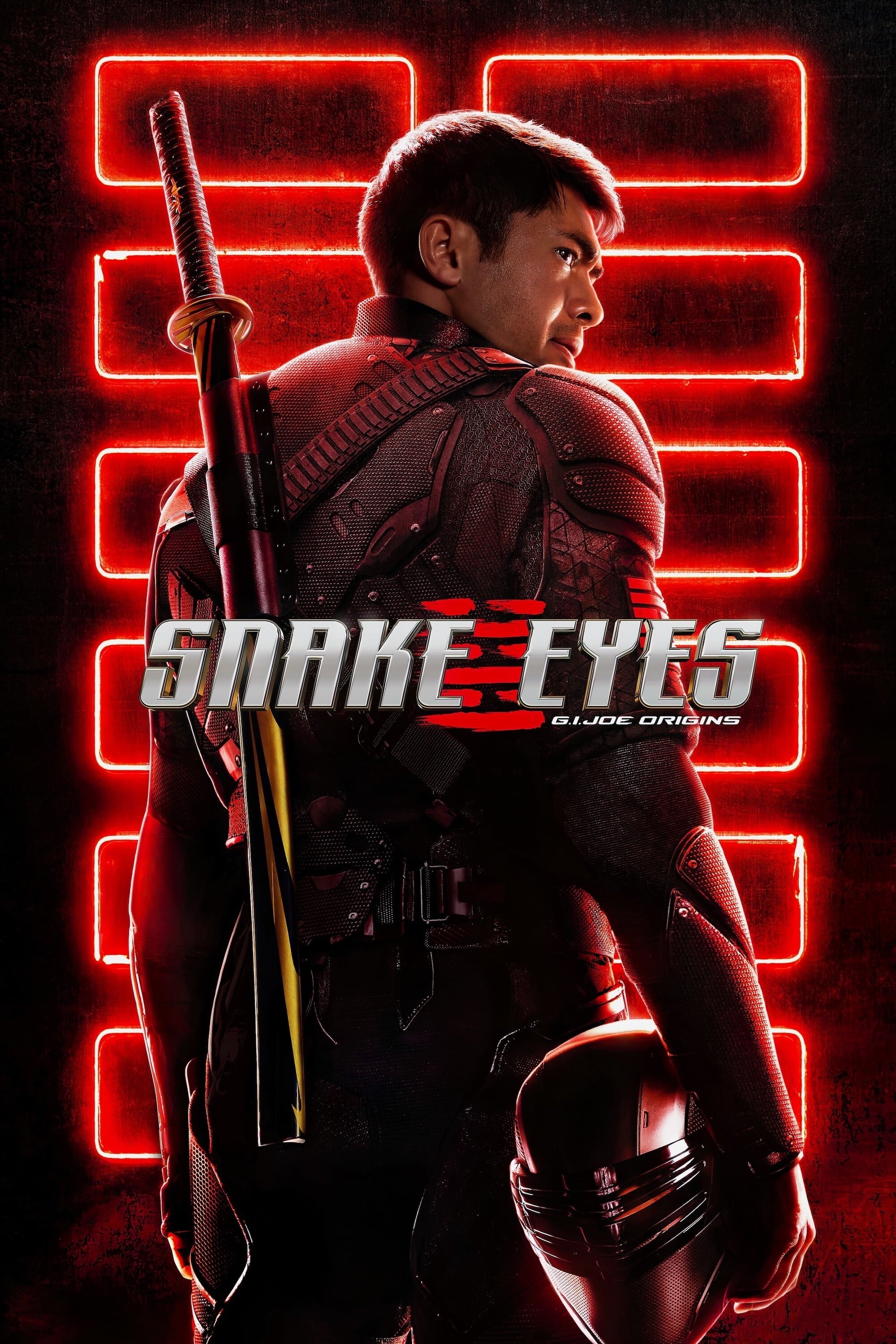
This movie tells the story of the ninja who always wears a mask, with Henry Golding playing a skilled special forces operative. Though the character was originally depicted as white in the comics, the filmmakers chose an Asian lead actor to better represent the character’s connection to Japan. This change upset some fans, who expressed their disappointment with negative reviews. The film ultimately showed how difficult it can be to update a long-standing story while also making it more inclusive.
‘The Dark Tower’ (2017)
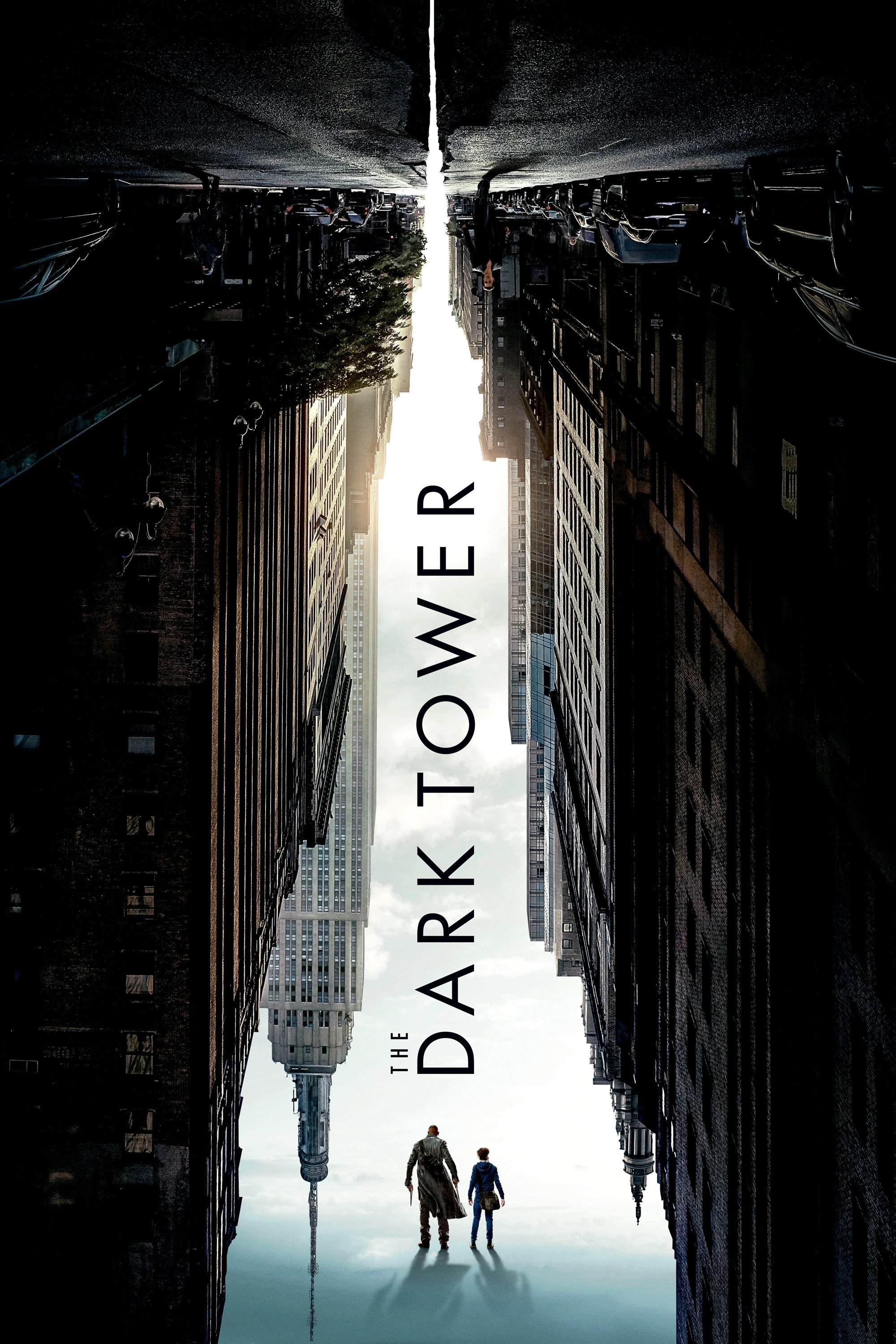
When Idris Elba was cast as the cowboy gunslinger Roland Deschain, it sparked a lot of debate among Stephen King’s readers. Some fans felt that changing the character’s race altered important dynamics within the story. The movie also received mostly negative reviews because it rushed the plot and looked very different from the books. All of this made it a challenging launch for the long-awaited film adaptation.
‘Pan’ (2015)

When Rooney Mara was chosen to play Tiger Lily, a character originally written as Native American, it sparked widespread online criticism. Many people felt the casting overlooked and erased Indigenous representation. The film received negative reviews and didn’t perform well in theaters, with the controversial casting often cited as a key reason. It stands as a prominent example of how casting choices can lead to public backlash and impact a film’s success.
‘Exodus: Gods and Kings’ (2014)
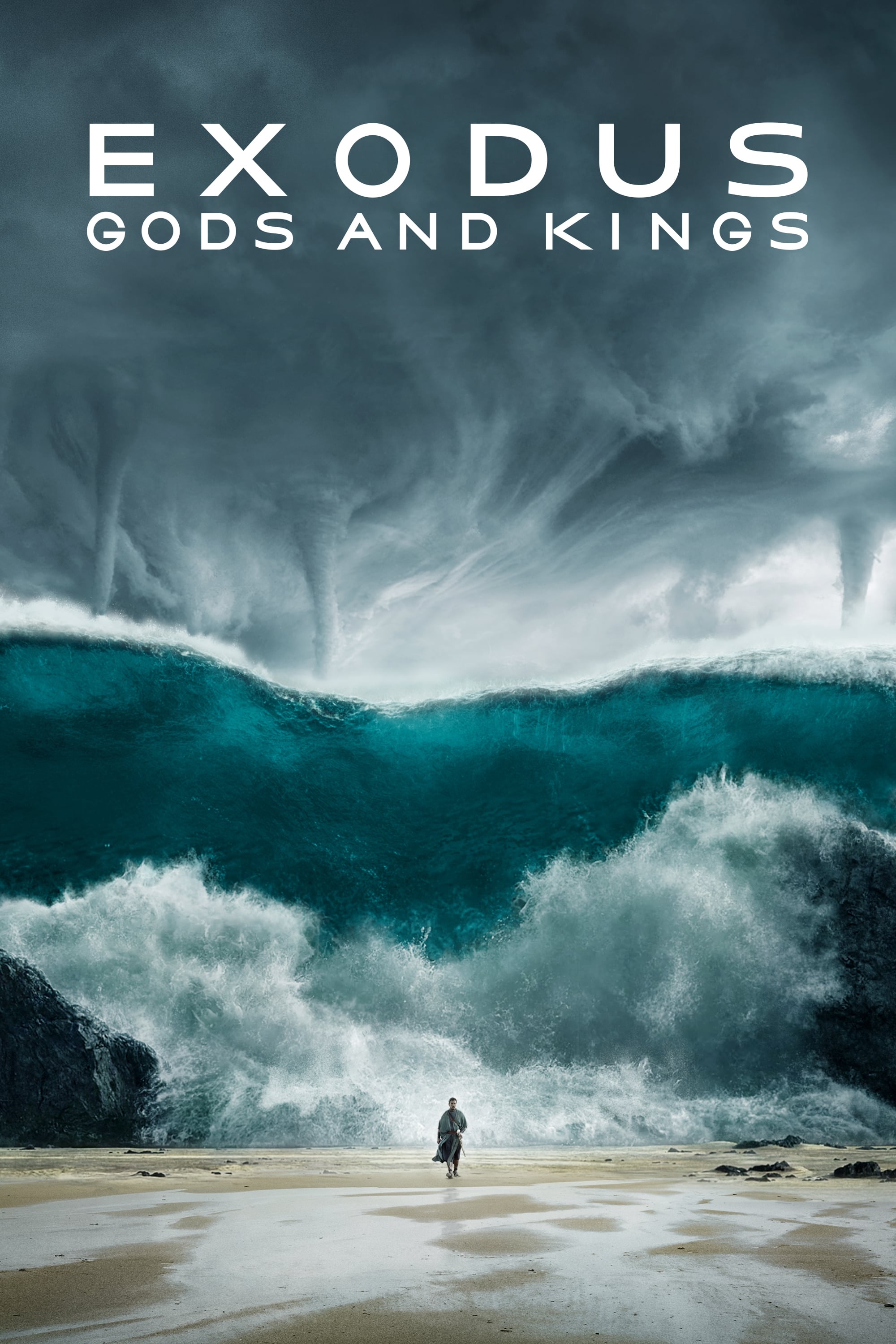
Ridley Scott’s epic film about Moses and Ramses featured white actors in the lead roles. Scott explained this choice was due to financial concerns – securing funding for a large-scale movie like this was difficult. However, this didn’t stop widespread criticism and public disappointment about the lack of diverse and historically accurate casting. The controversy significantly impacted how the film was received and discussed online.
‘Ghost in the Shell’ (2017)
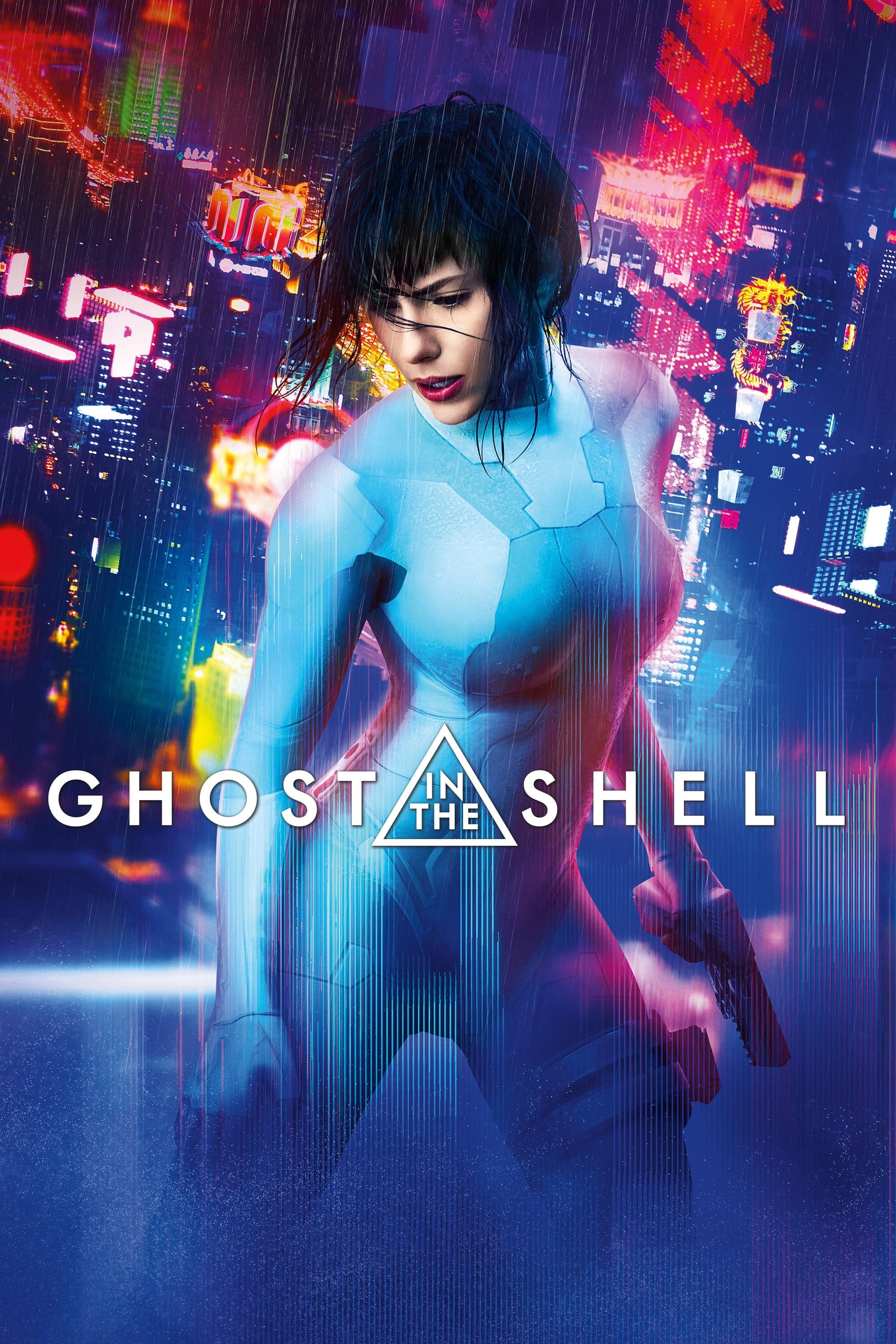
The movie, a live-action version of a popular anime, starred Scarlett Johansson as its main cyborg character. This choice immediately sparked widespread criticism from fans who accused the filmmakers of whitewashing, arguing an Asian actress should have been cast. Review sites showed many negative scores from viewers who felt the same way. The resulting controversy heavily influenced how the film was discussed in the media and ultimately affected how well it did at the box office.
‘The Lone Ranger’ (2013)

Johnny Depp played Tonto in a new movie version of the classic Western story. However, the decision to cast a white actor as a Native American character sparked strong criticism about cultural appropriation and how Native American history was being presented. Many people shared their concerns online, and the negative reaction ultimately led to the film performing poorly in theaters.
‘The Green Knight’ (2021)
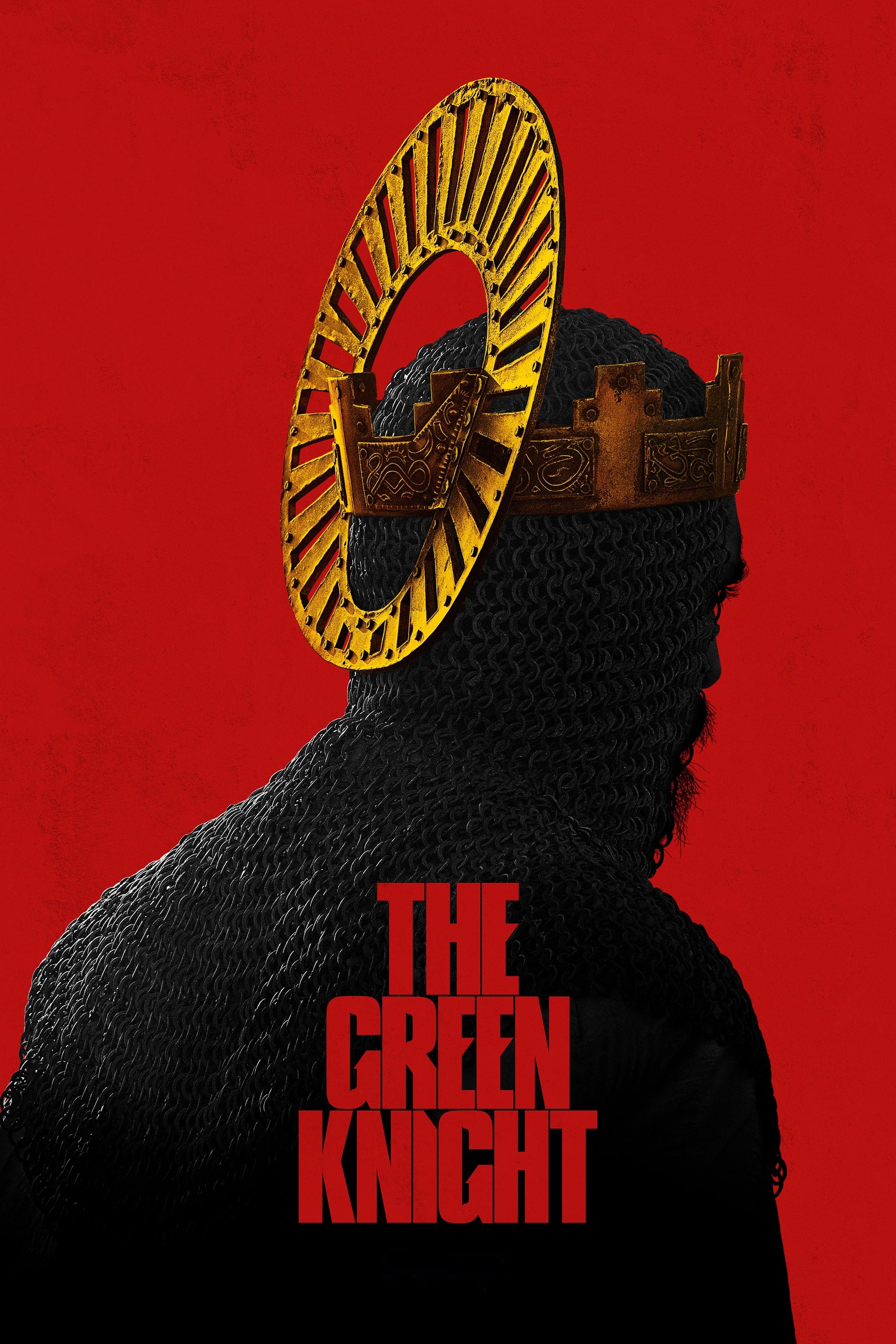
Dev Patel starred as Sir Gawain in a fresh and creative take on the classic Arthurian tale. Though the movie received strong praise from critics, a small number of online reviewers criticized the casting of a person of color in the traditionally white role of a medieval knight, arguing it didn’t fit the historical European setting. Despite this limited backlash, the film was largely applauded for its innovative direction and Patel’s excellent performance.
‘Prince of Persia: The Sands of Time’ (2010)
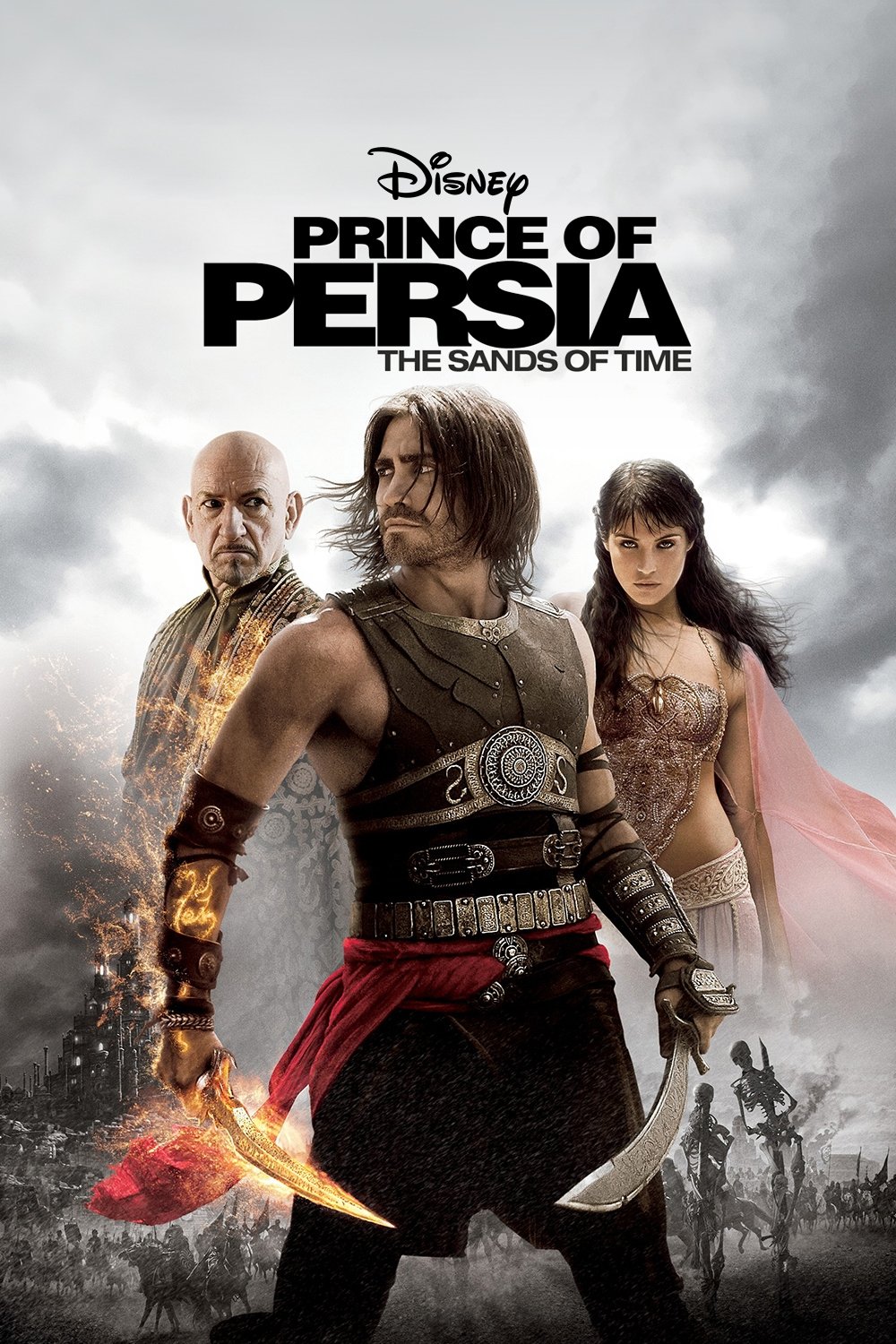
Jake Gyllenhaal starred in the movie based on the popular video game series. However, choosing a white actor to play a Persian prince caused a lot of controversy, with many people pointing out the lack of Middle Eastern actors in Hollywood roles. Even though the film aimed for a classic adventure feel, critics often brought up the casting choice as a problem. The movie continues to be a talking point when people discuss how the industry has historically made casting decisions.
‘Thor’ (2011)
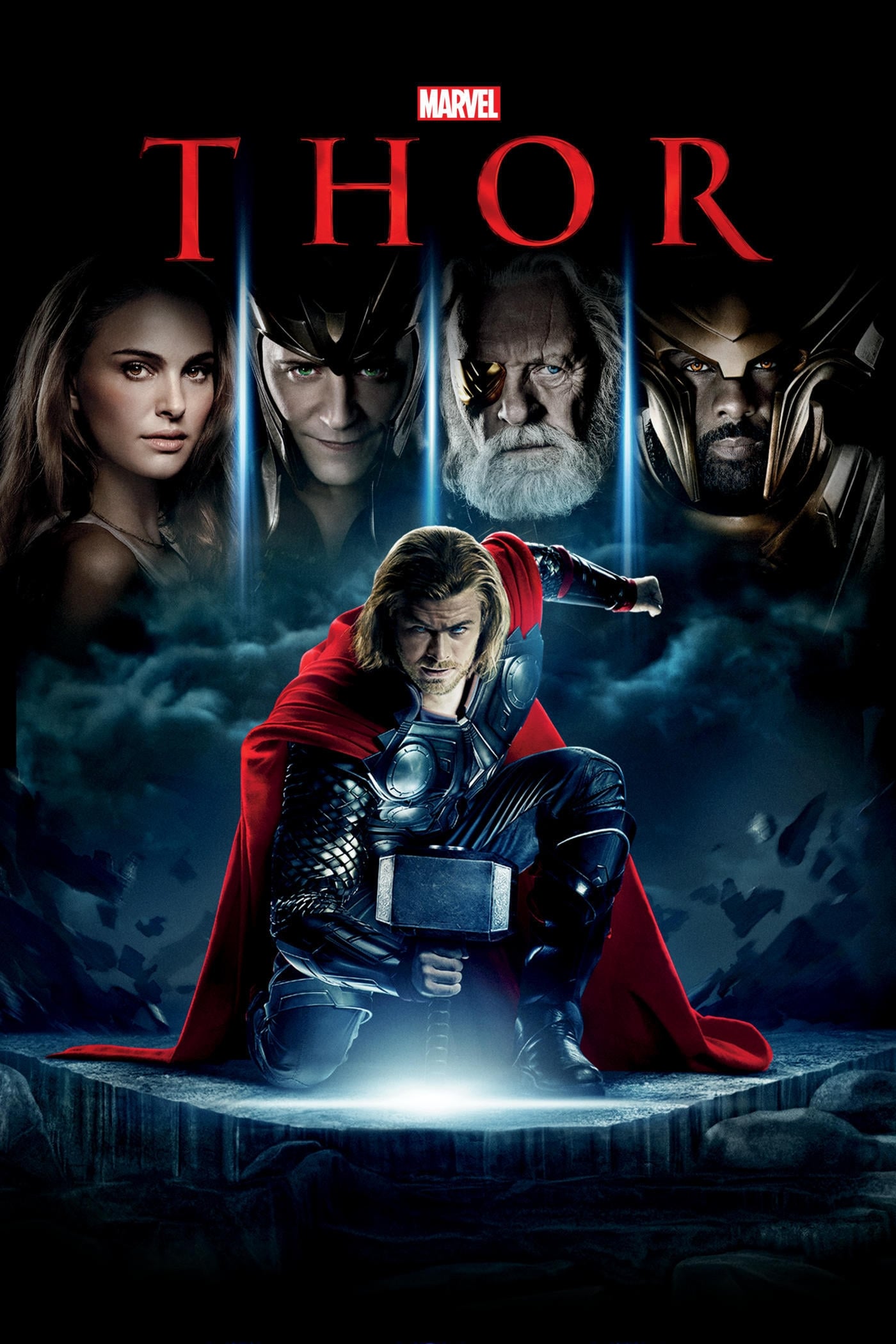
When Idris Elba was cast as the Norse god Heimdall, some fans protested and voiced their disapproval online, arguing it didn’t align with the character’s traditional roots. However, Elba’s performance ultimately won over most fans, and he went on to reprise the role in multiple films. This showed that initial negative reactions and attempts to harm a film’s reputation can be overcome by a strong and well-received performance.
‘Man of Steel’ (2013)
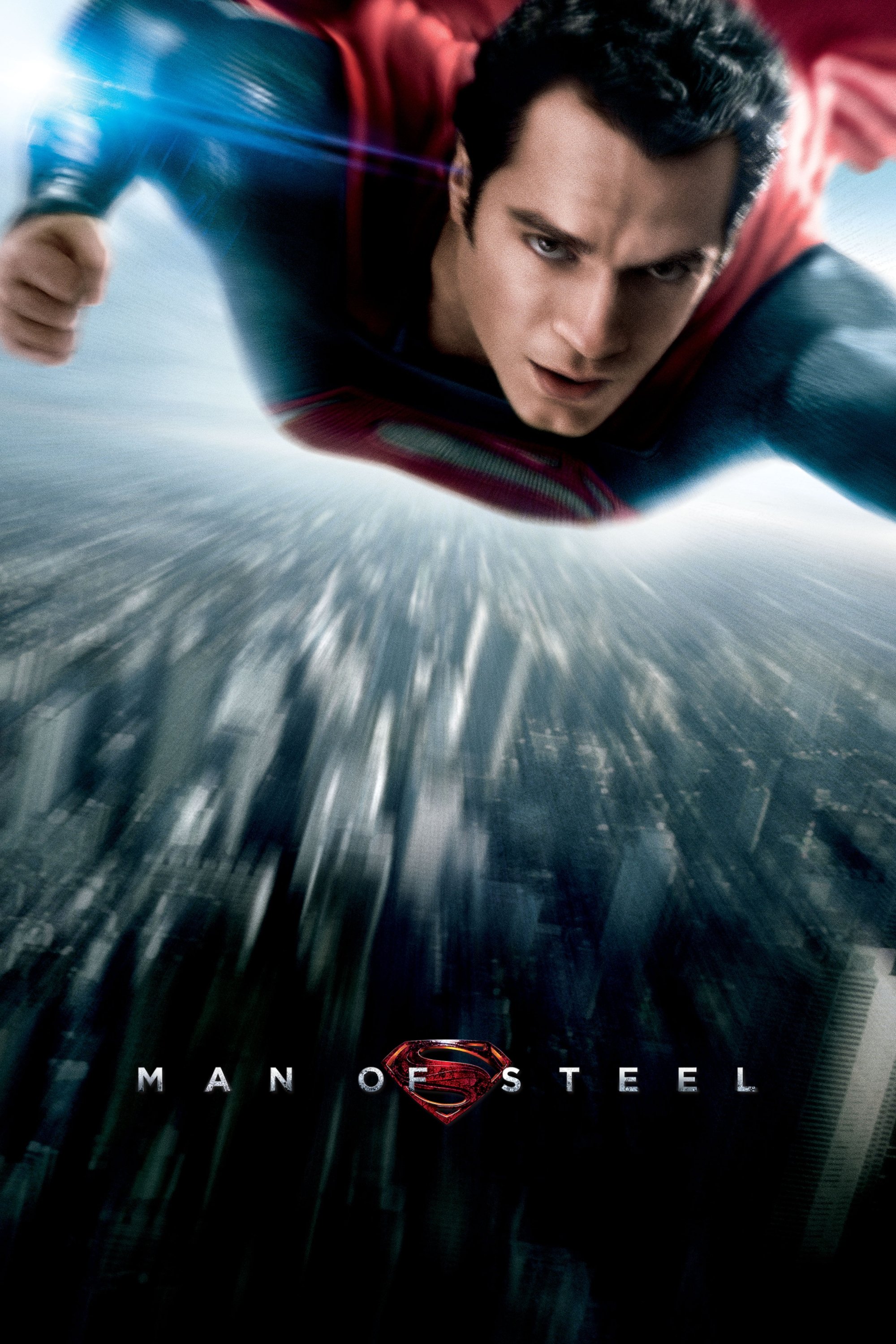
Zack Snyder chose Laurence Fishburne to play Perry White, the editor of the Daily Planet in the Superman stories. Some fans reacted negatively to this change from the comic books, as they preferred the character to be portrayed as originally written. The movie received mixed reviews overall, and some viewers specifically commented on the updated casting decisions. However, Fishburne’s role paved the way for a more diverse group of supporting characters in later films within the series.
‘The Little Mermaid’ (2023)
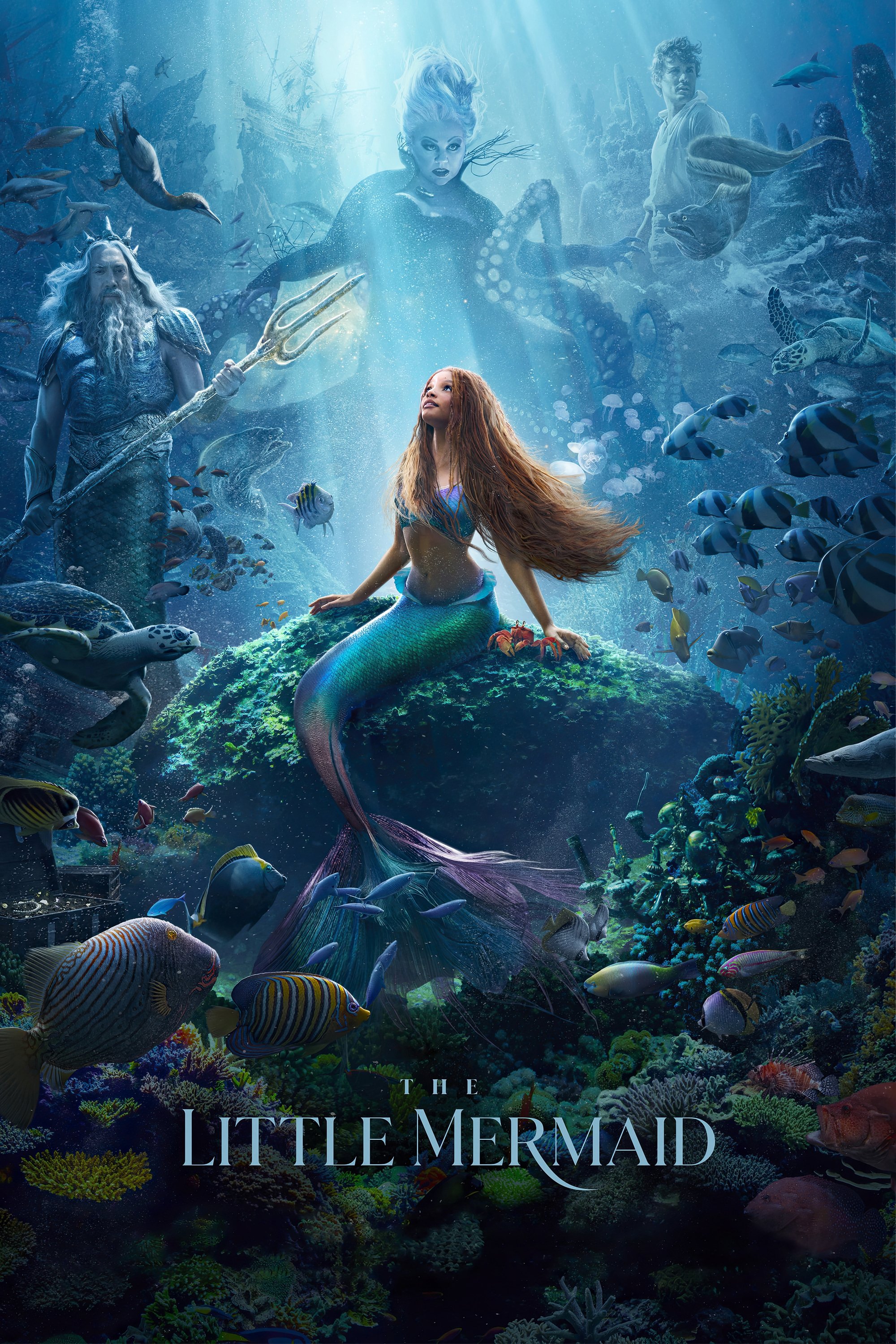
Halle Bailey played Ariel in the new live-action version of the classic Disney musical. Before its release, the film received a lot of negative reviews online, with many people leaving low ratings on various websites. A common complaint was that they wanted Ariel to look the same as she did in the original 1989 animated movie. Despite this, the film did well in theaters and Bailey’s singing and acting were widely praised.
‘Doctor Strange’ (2016)
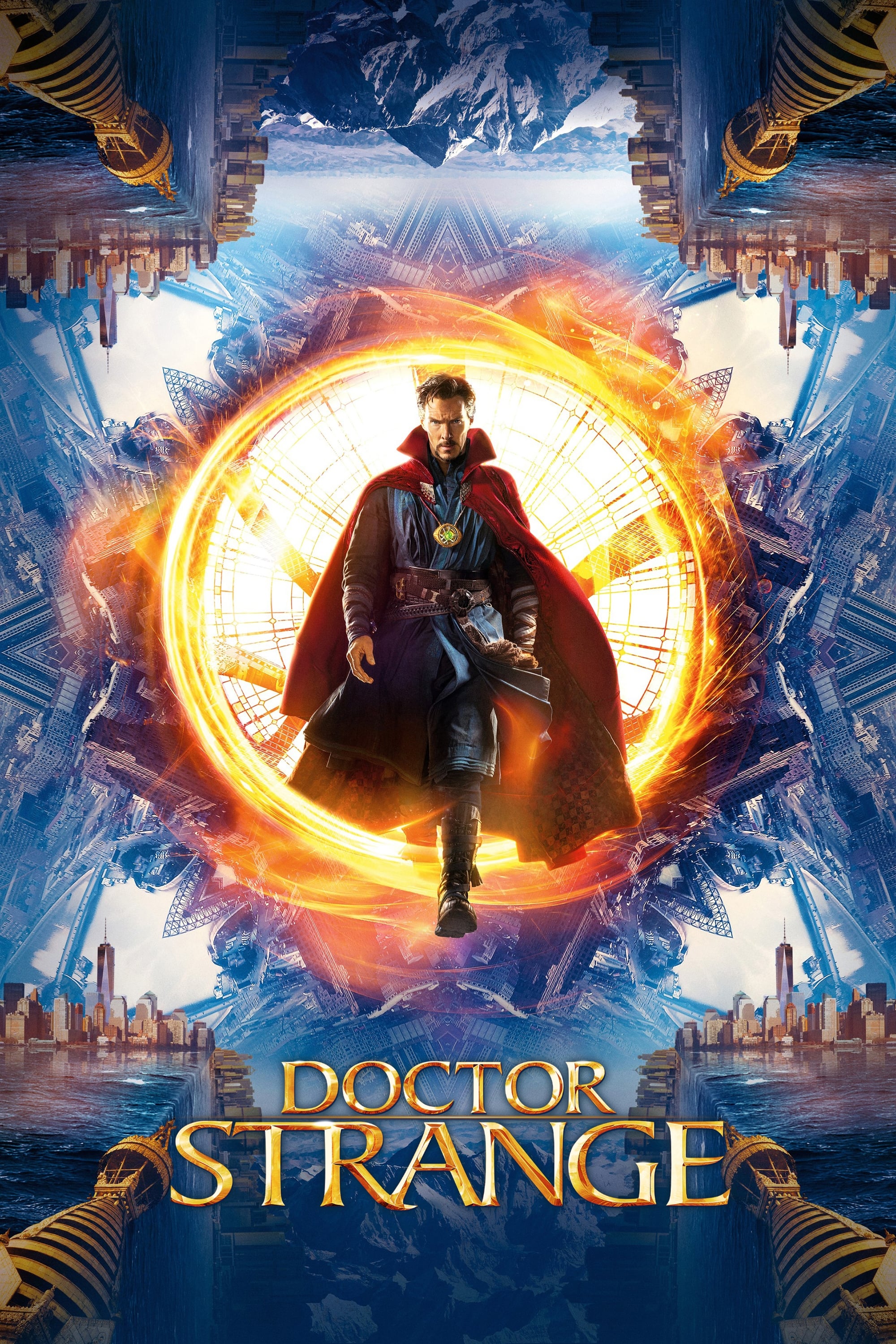
Tilda Swinton played the Ancient One, a character originally depicted as a Tibetan man in the Marvel comics. While the studio explained the change was meant to avoid harmful stereotypes, many criticized it as taking away a role from an Asian actor. The decision sparked a lot of debate among film critics and audiences, with some seeing it as progress and others as whitewashing. This casting choice continues to be a major topic of discussion when looking back at the Marvel Cinematic Universe’s casting decisions.
‘The Batman’ (2022)
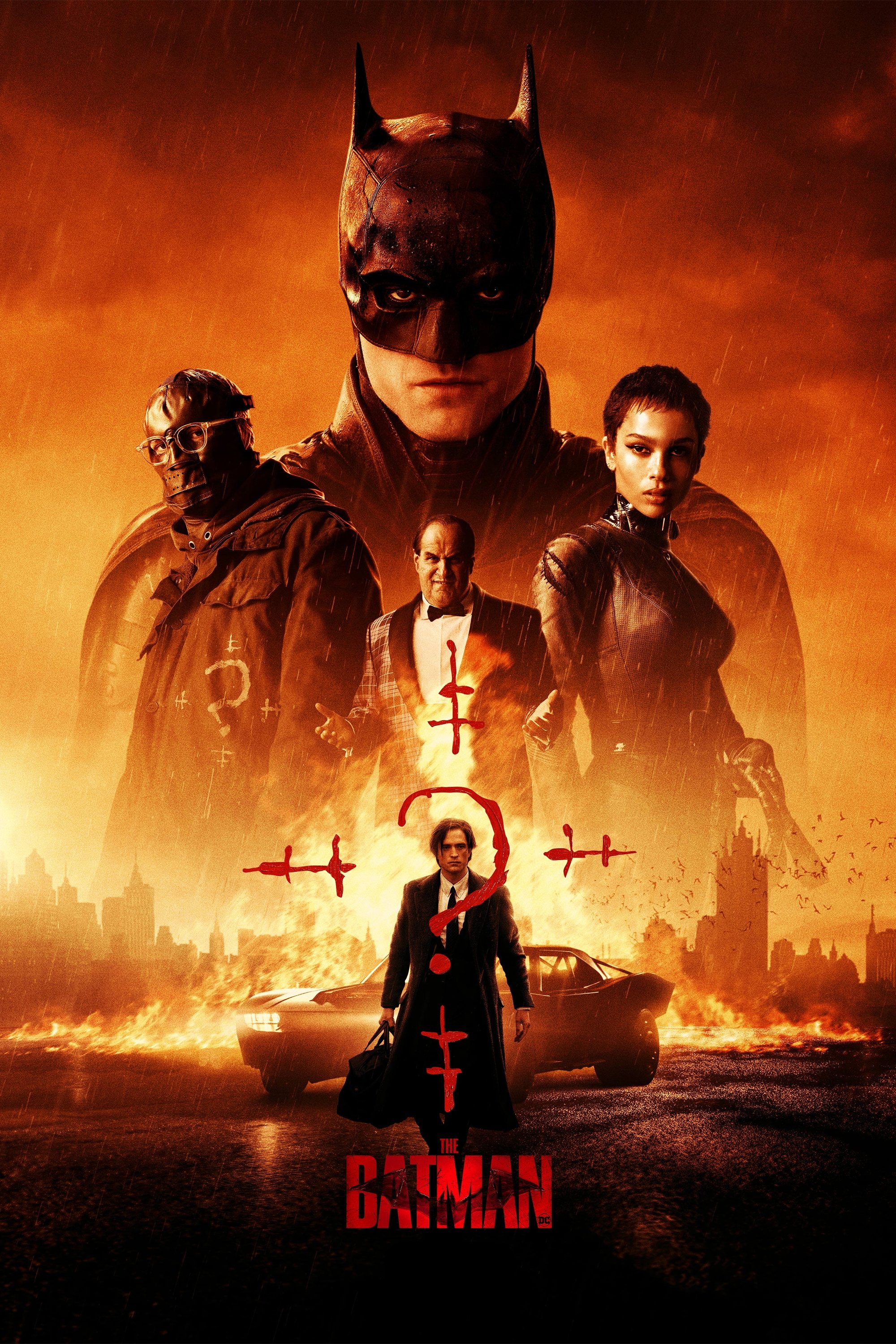
Jeffrey Wright played Commissioner James Gordon in a new, realistic take on the Batman story. Though some fans initially reacted negatively online due to the change in the character’s race, these criticisms were overshadowed by positive reviews praising the film’s mood and acting. Wright’s performance is now celebrated as a great interpretation of the iconic role.
Let us know what you think about the new actors and how it affects your enjoyment of the show in the comments below.
Read More
- 20 Movies Where the Black Villain Was Secretly the Most Popular Character
- Top 20 Dinosaur Movies, Ranked
- 25 “Woke” Films That Used Black Trauma to Humanize White Leads
- Gold Rate Forecast
- Silver Rate Forecast
- Spotting the Loops in Autonomous Systems
- 22 Films Where the White Protagonist Is Canonically the Sidekick to a Black Lead
- Top 10 Coolest Things About Invincible (Mark Grayson)
- Can AI Lie with a Picture? Detecting Deception in Multimodal Models
- Celebs Who Narrowly Escaped The 9/11 Attacks
2025-12-31 03:17