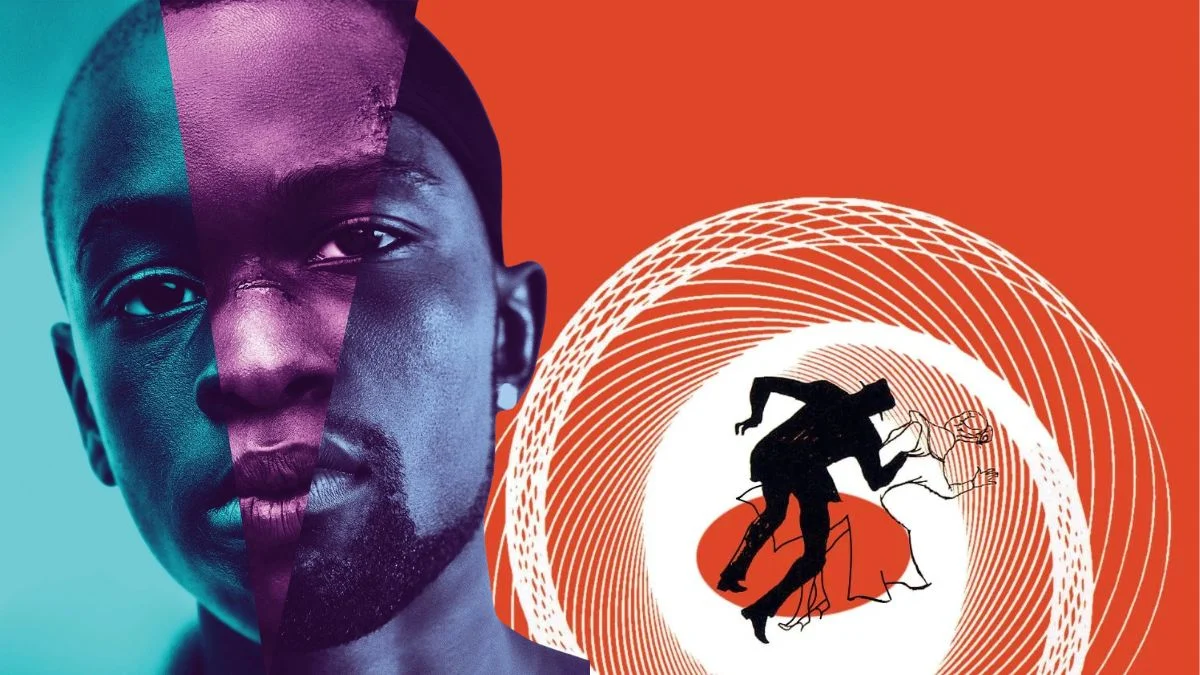
Movies have changed a lot since the very first films were made. Some movies are especially important because they didn’t just entertain audiences – they changed how movies were made. They introduced new ways of filming or telling stories that became common practices. Studying these groundbreaking films helps us understand how visual storytelling has developed over time.
‘The Jazz Singer’ (1927)

This film was a turning point in movie history, effectively ending the silent film era by adding synchronized sound, including both dialogue and singing. Warner Bros. used a new technology called Vitaphone to bring Al Jolson’s voice to audiences everywhere. The movie tells the story of a young performer who goes against his religious father’s wishes to pursue a career in entertainment. It was a huge hit, proving that ‘talkies’ were the future of filmmaking. After its release, movie studios quickly updated their equipment to start making sound films.
‘Metropolis’ (1927)
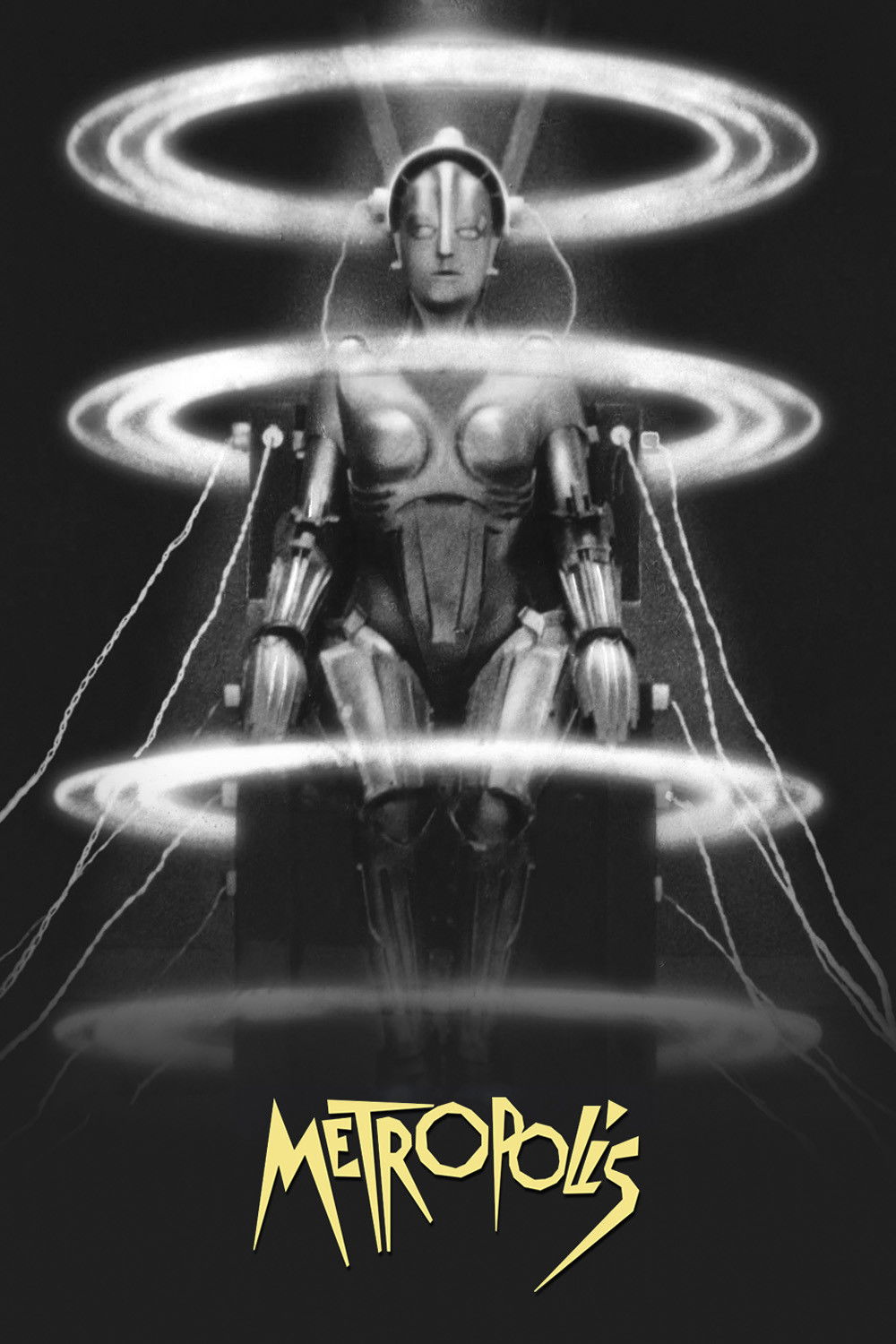
Directed by Fritz Lang, this groundbreaking film is a key example of German Expressionism and helped define the science fiction genre. It portrays a futuristic city with a huge gap between the rich and the working class. The film’s special effects and massive sets were incredibly innovative for its time. The famous robot character, Maria, continues to inspire character designs in science fiction today. This film proved how powerfully film can build completely new and captivating worlds.
‘Snow White and the Seven Dwarfs’ (1937)
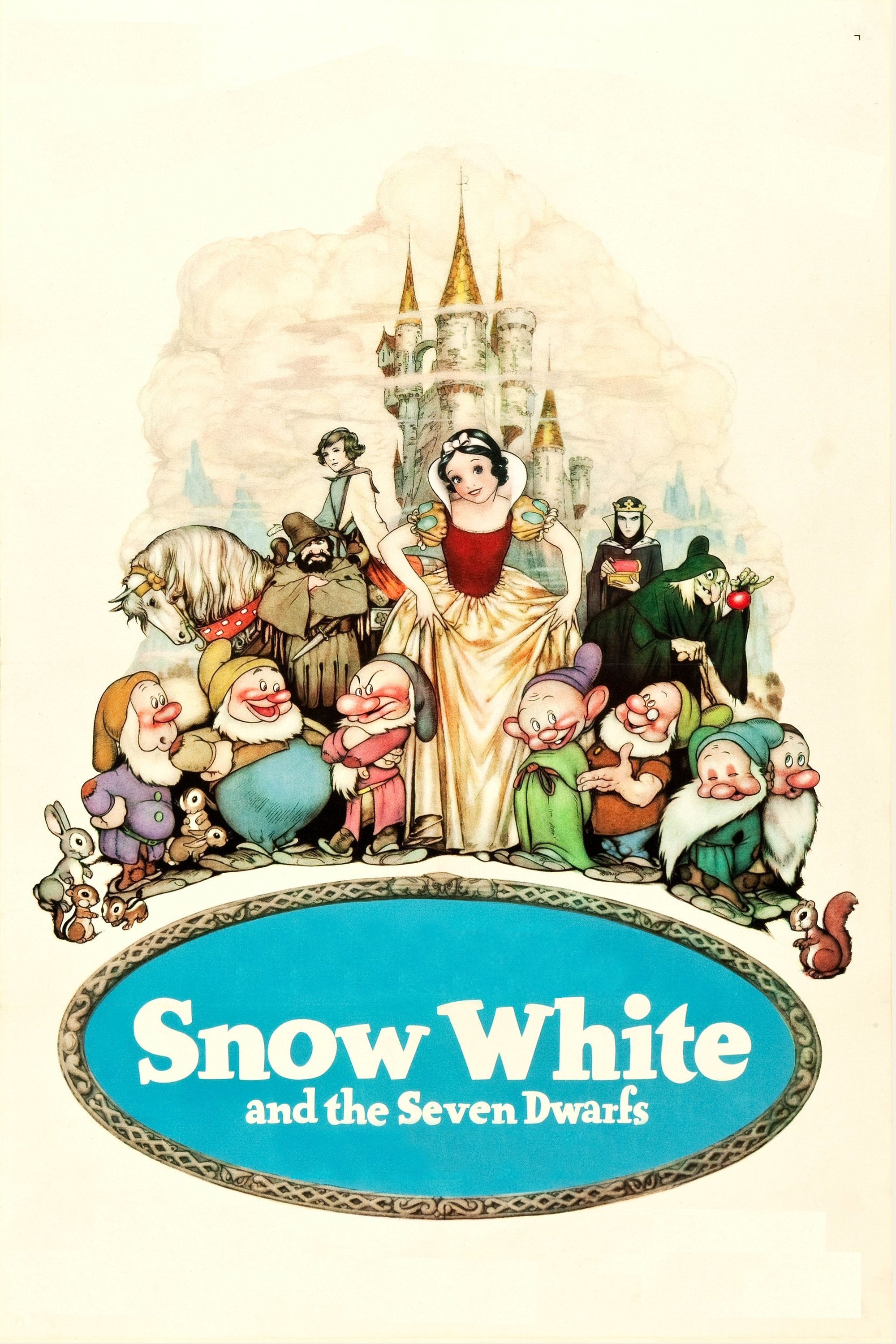
Walt Disney made a huge gamble by creating the first full-length animated movie. Many people thought it would fail, but the film proved that animation could tell a story long enough to fill a feature movie. It used a special multiplane camera to make the backgrounds look more realistic and create a sense of depth. The film also set the standard for animated musicals, which became incredibly popular for many years. Ultimately, its success was key to building The Walt Disney Company.
‘The Wizard of Oz’ (1939)
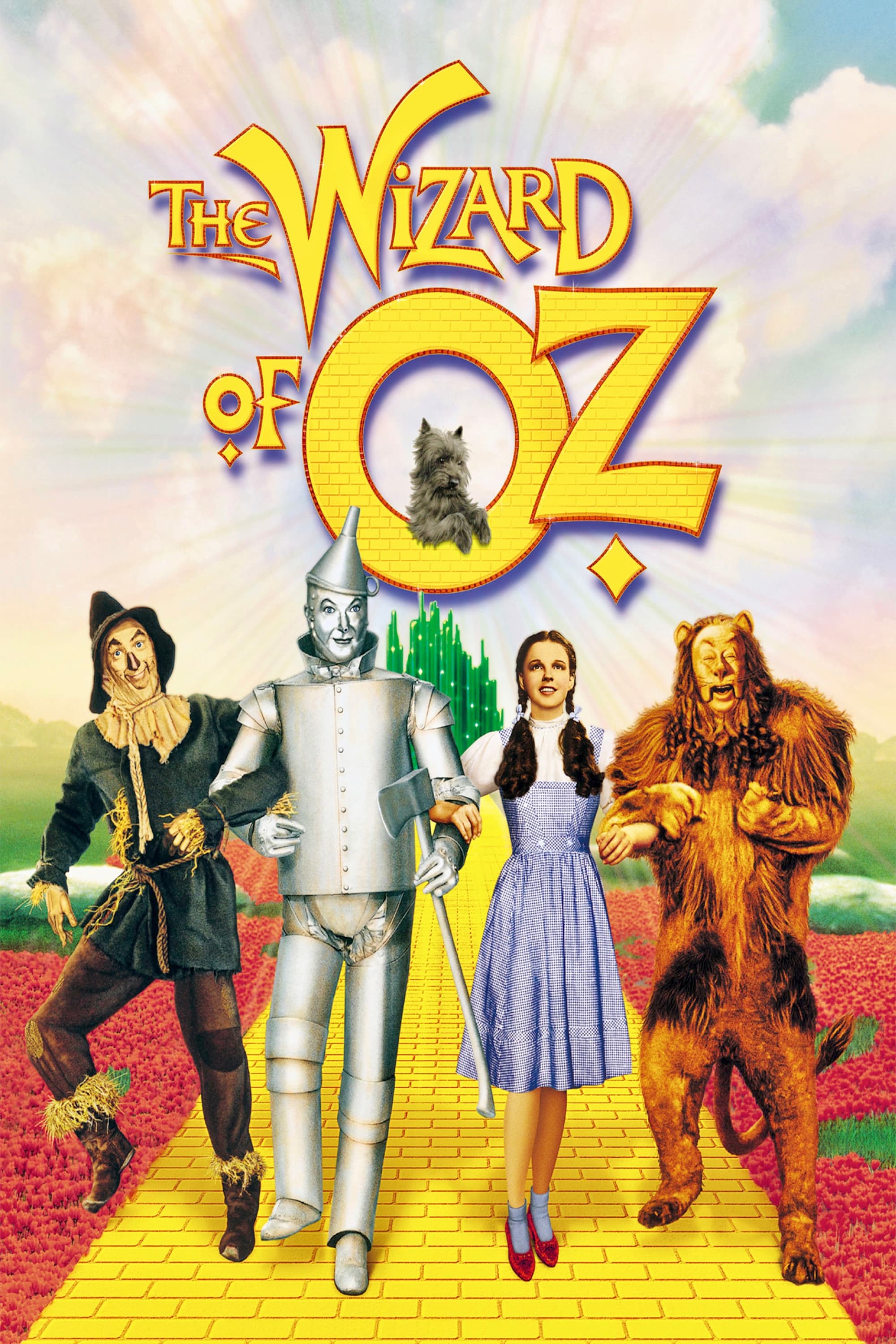
This beloved musical is famous for its innovative use of color, especially Technicolor, which vividly separates the magical world of Oz from everyday Kansas. Starring Judy Garland as Dorothy, the film tells the story of a young girl transported from a drab, sepia-toned world to the bright and colorful Land of Oz. Despite a difficult production with changes in directors and some on-set mishaps, it became a popular television classic, introducing countless viewers to the wonders of fantasy. Today, it’s still one of the most quoted and important films in American movie history.
‘Gone with the Wind’ (1939)
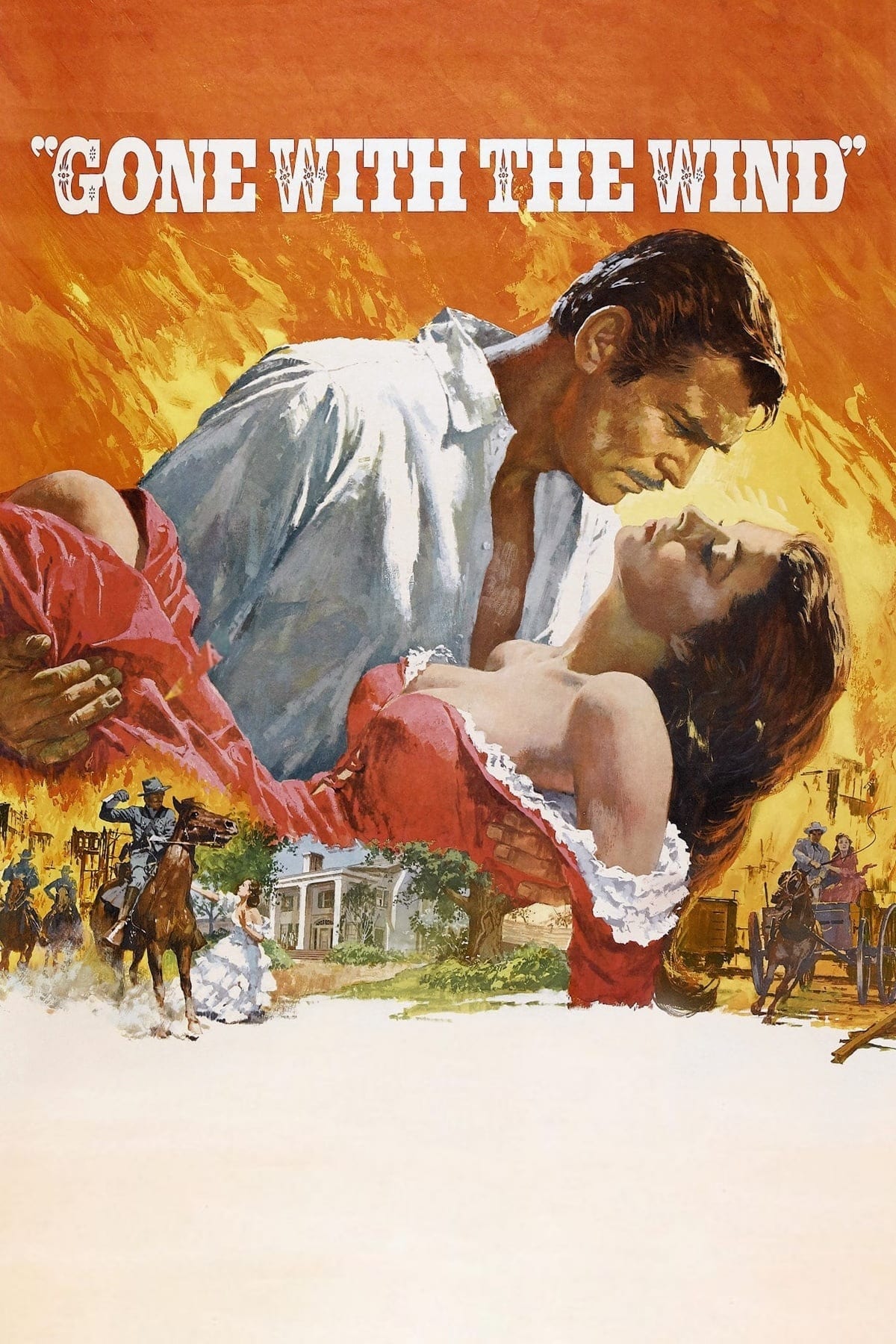
Produced by David O. Selznick, this sweeping historical romance revolutionized Hollywood filmmaking with its grand scale. The movie is famous for its stunning costumes and impressive sets, notably the dramatic depiction of Atlanta being burned. For over 25 years, it was the highest-earning film of all time, proving that popular books could be hugely successful on the big screen with lavish production. It became a defining example of Hollywood’s Golden Age, known for its dramatic storytelling and epic scope.
‘Citizen Kane’ (1941)
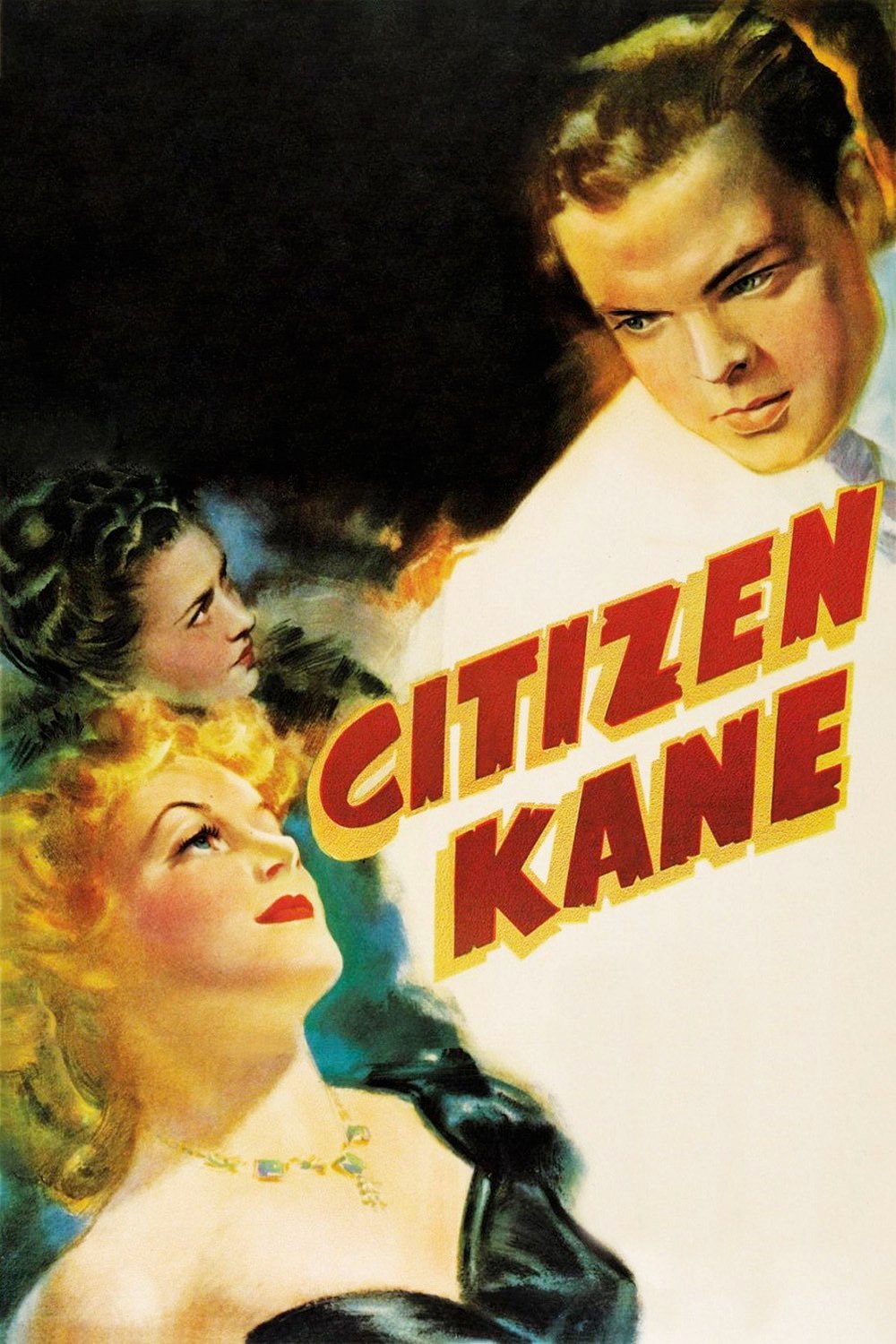
Citizen Kane, directed by and starring Orson Welles, is a groundbreaking film famous for its innovative techniques. It changed how movies were made with its use of deep focus—keeping everything in the shot sharp—and a story told out of order, piecing together the life of a powerful newspaper publisher through different viewpoints. Welles also used creative lighting and camera work to show relationships and power. Many film experts consider it the best movie of all time because of its remarkable creativity.
‘Casablanca’ (1942)
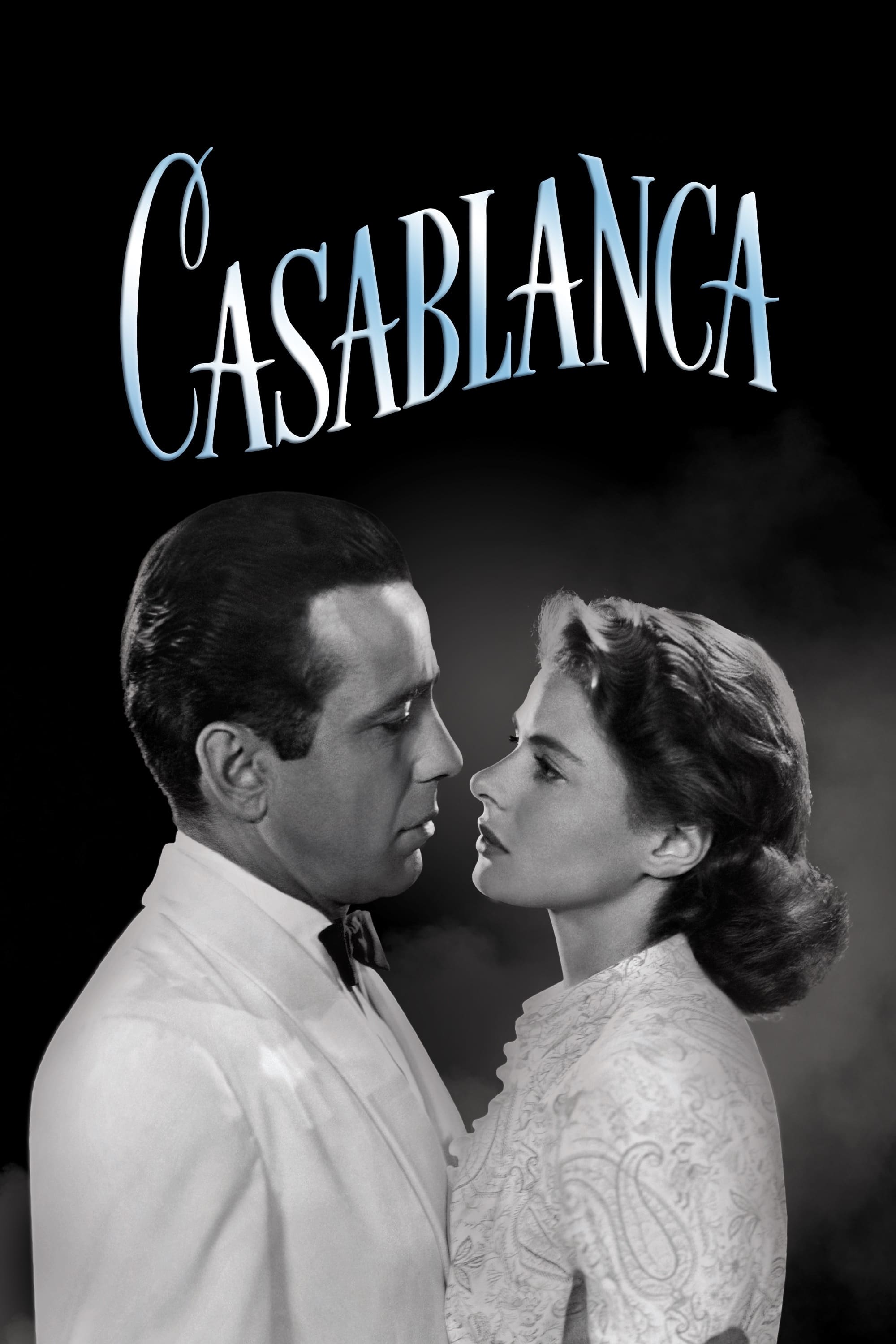
This classic romance perfected the sleek filmmaking style of the 1940s, boasting a well-written script and captivating performances. Starring Humphrey Bogart and Ingrid Bergman as past lovers who reconnect in wartime Morocco, the film beautifully portrays the anxieties of the era alongside a universally relatable story of selflessness. It’s a prime example of how Warner Bros. consistently delivered top-notch entertainment. Its memorable lines are still quoted by movie fans today.
‘Bicycle Thieves’ (1948)

Vittorio De Sica’s film is a landmark achievement in Italian Neorealism, rejecting the polished style of Hollywood. It stars ordinary people and was filmed in the real streets of Rome after the war. The story is heartbreakingly simple: a father desperately searches for his bicycle, which he needs to get to work. The film highlighted the difficulties faced by working-class people and focused on realistic stories, inspiring filmmakers around the world to use more natural filming techniques and tell authentic stories.
‘Rashomon’ (1950)
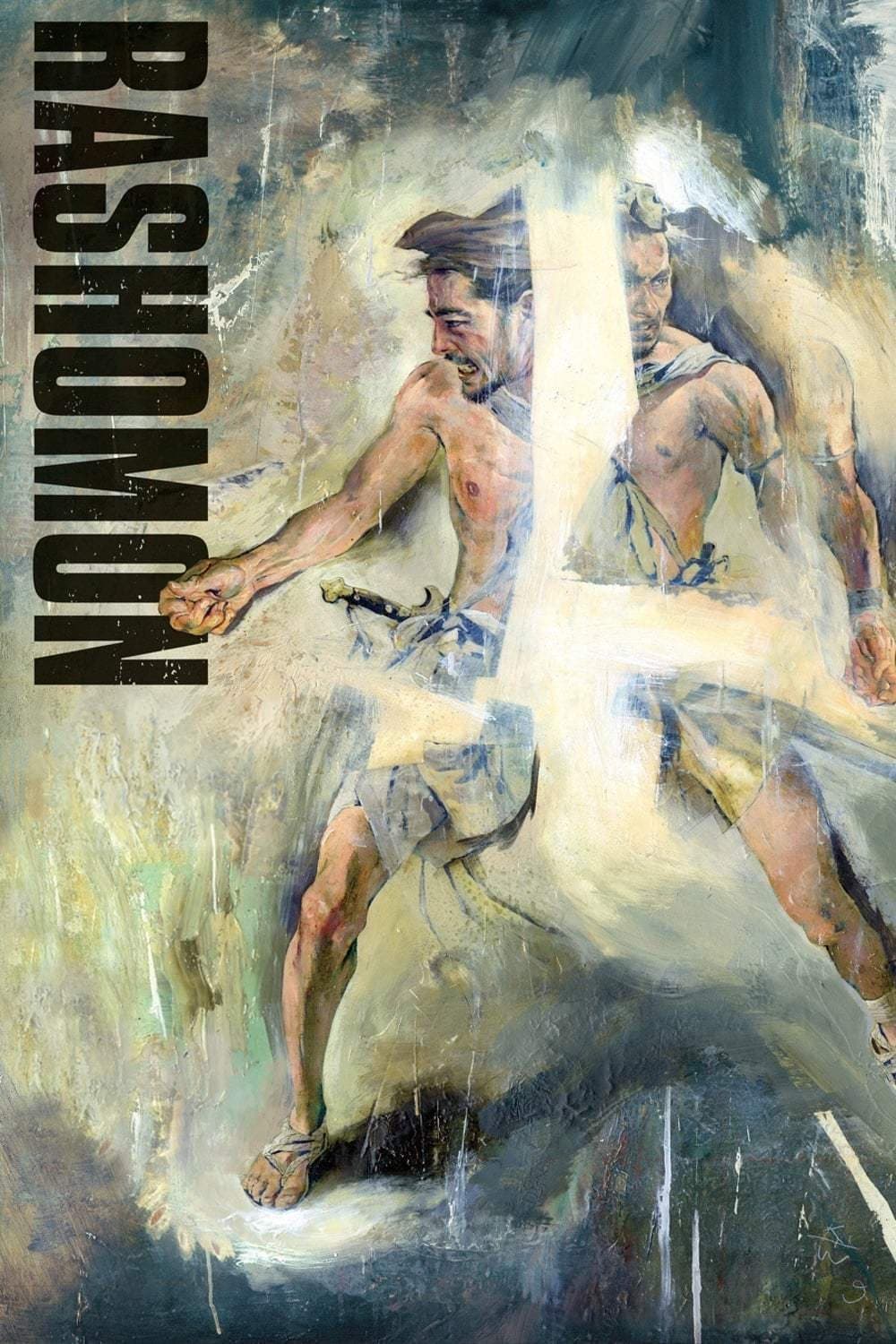
This psychological thriller was a groundbreaking film that first introduced many Western viewers to Japanese cinema. It tells the story of a crime, but from four different viewpoints, each offering a conflicting account. This technique questioned the idea of a single, definitive truth in movies. The film is also celebrated for its energetic camerawork and realistic lighting, particularly its use of natural light within the forest. It earned the prestigious Golden Lion award at the Venice Film Festival and paved the way for greater international distribution of Japanese films.
‘Singin’ in the Rain’ (1952)
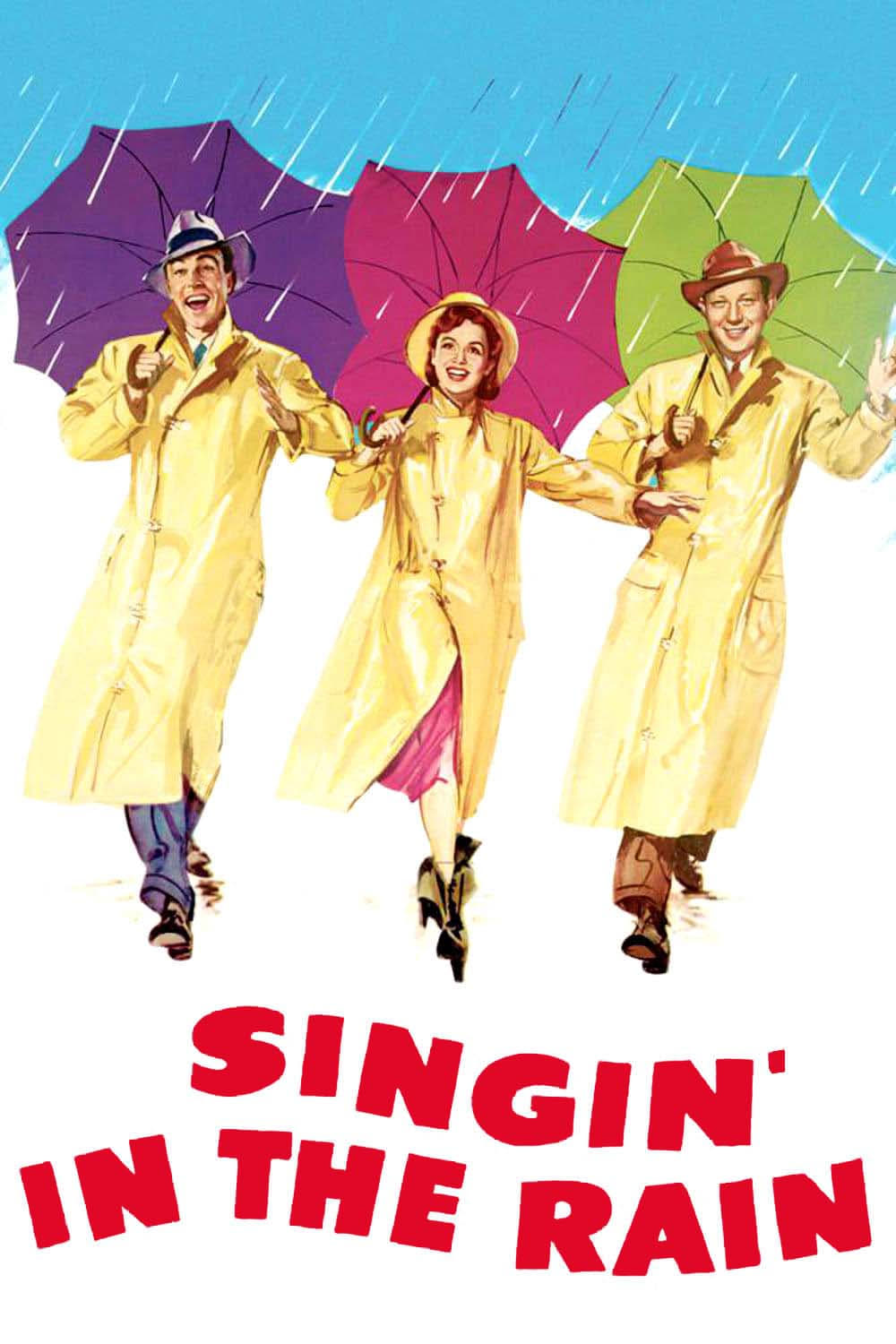
This funny and insightful movie playfully critiques the Hollywood film industry as it changed from silent movies to those with sound. Co-directed by and starring Gene Kelly, it’s considered the best work from MGM’s famous musical team. Filled with energetic dancing and stunning color, the film both teaches you about movie history and celebrates the joy of entertainment. It’s widely regarded as the ultimate classic musical from Hollywood’s golden age.
‘Seven Samurai’ (1954)
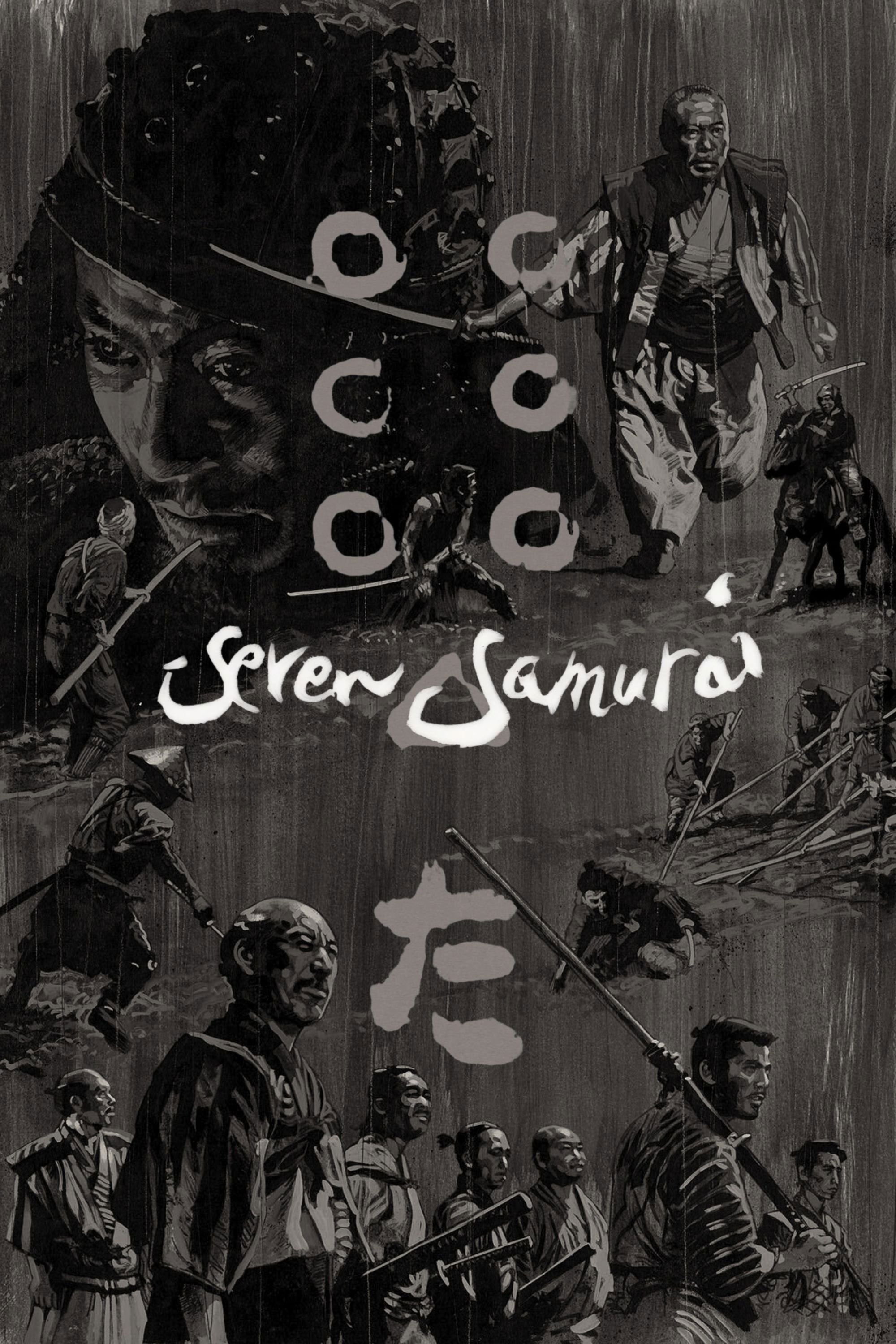
This classic film by Akira Kurosawa redefined action movies with its story of a village seeking protection by hiring skilled warriors. It popularized the idea of bringing together a team of experts – a concept now common in the genre. Kurosawa’s innovative use of camera angles and multiple cameras brought a raw, energetic feel to the battle scenes, and clever editing made the fight sequences even more intense. The film’s structure has been widely copied and referenced, most famously in ‘The Magnificent Seven’.
‘The Searchers’ (1956)
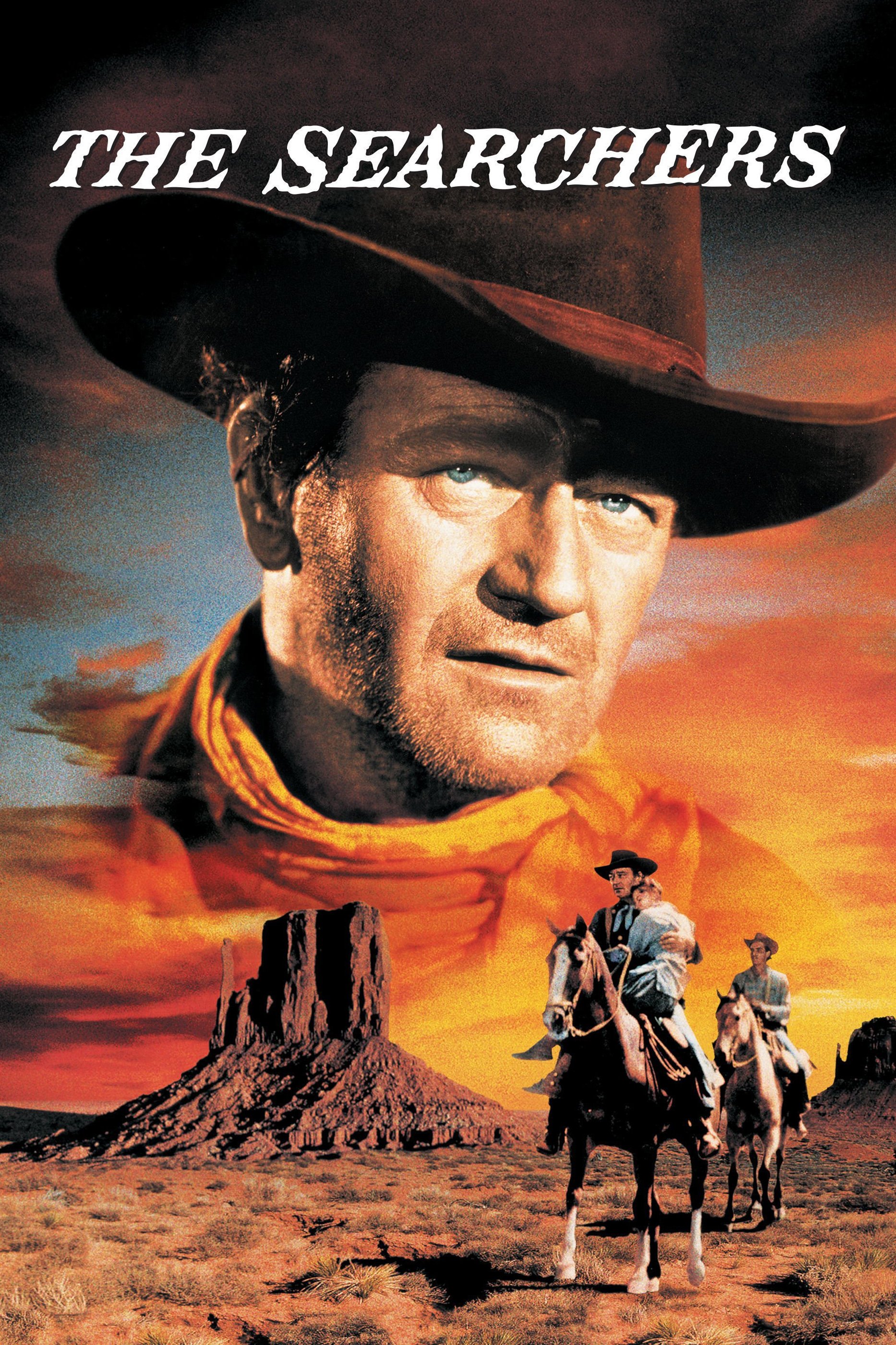
John Ford’s visually impressive western offers a more nuanced and somber take on the American West. Starring John Wayne as a Civil War veteran, the film follows his years-long search for his kidnapped niece. Shot in the expansive VistaVision widescreen format, it beautifully captures the scale of Monument Valley. The film tackles challenging themes like racism and obsession, which were rarely seen in westerns at the time. It’s a highly influential work, often credited with shaping the visual styles of directors like Martin Scorsese and Steven Spielberg.
‘Vertigo’ (1958)
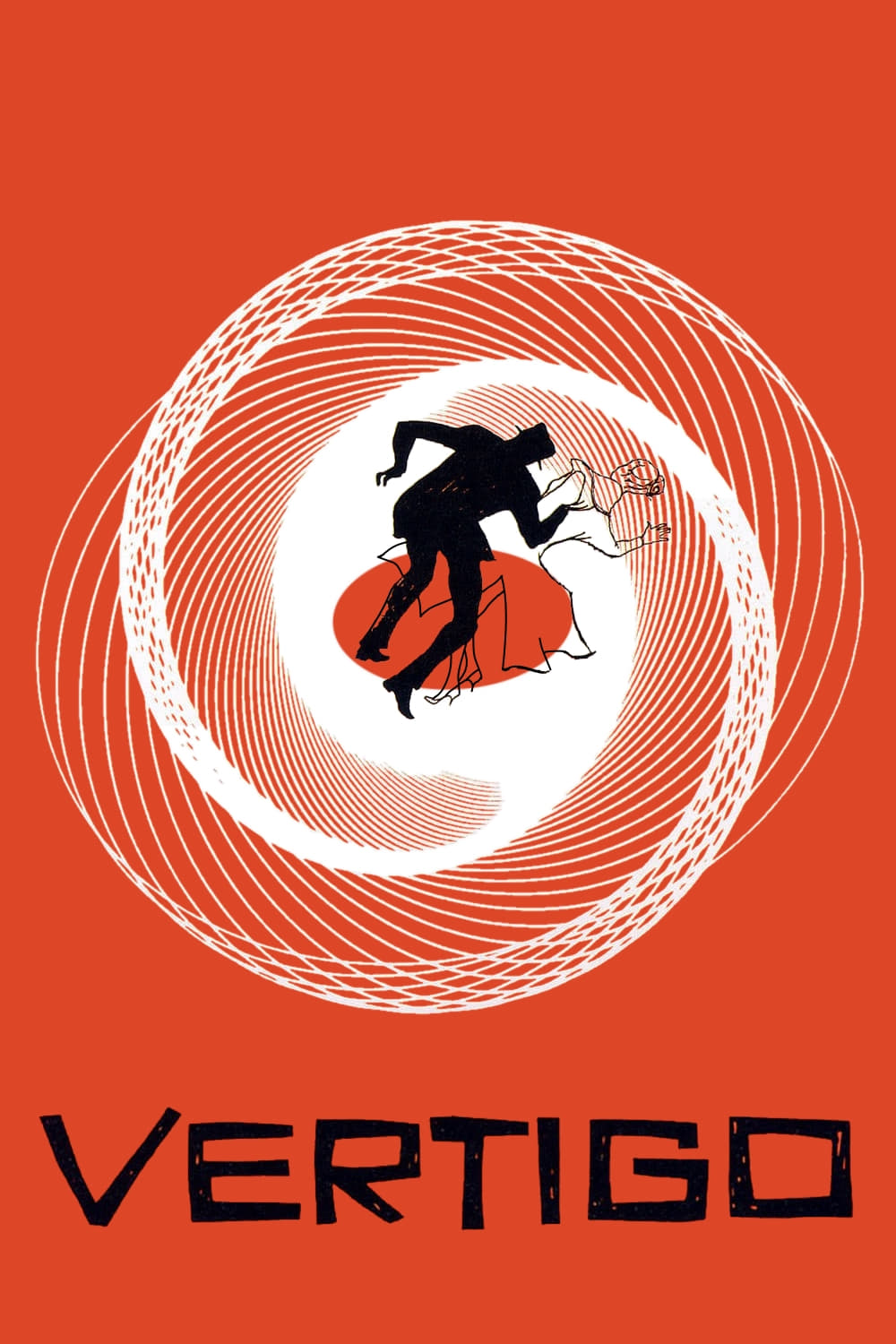
Alfred Hitchcock’s classic thriller uses a special camera technique, the dolly zoom, to show the main character’s fear of heights. Starring James Stewart as a detective, the film tells the story of an obsession that develops while he’s following a woman. Unusually, the movie reveals the central mystery about halfway through. Its innovative use of color and dreamlike scenes were groundbreaking for visual storytelling. Many consider it Hitchcock’s most personal and technically brilliant film.
‘Psycho’ (1960)
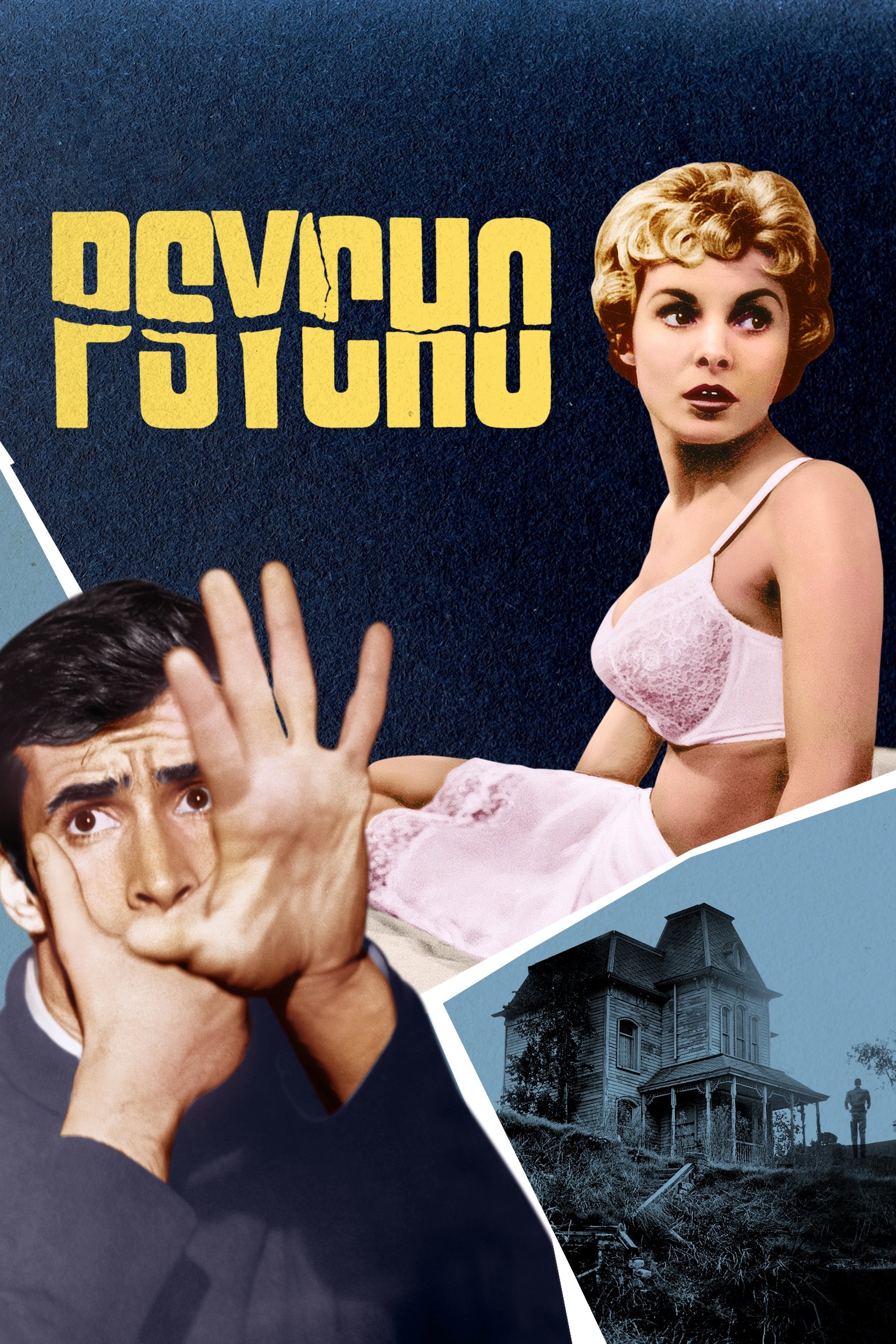
Alfred Hitchcock’s thrilling horror film was groundbreaking, breaking traditional rules and surprising viewers. It’s famous for the shocking early death of its lead actress, Janet Leigh. The iconic shower scene is brilliantly edited and uses sound to create suspense and suggest violence without being overly graphic. Hitchcock even insisted on strict theater policies – no late entry allowed – to preserve the film’s surprises. This movie essentially launched the slasher genre and redefined how violence was shown in films.
‘Lawrence of Arabia’ (1962)
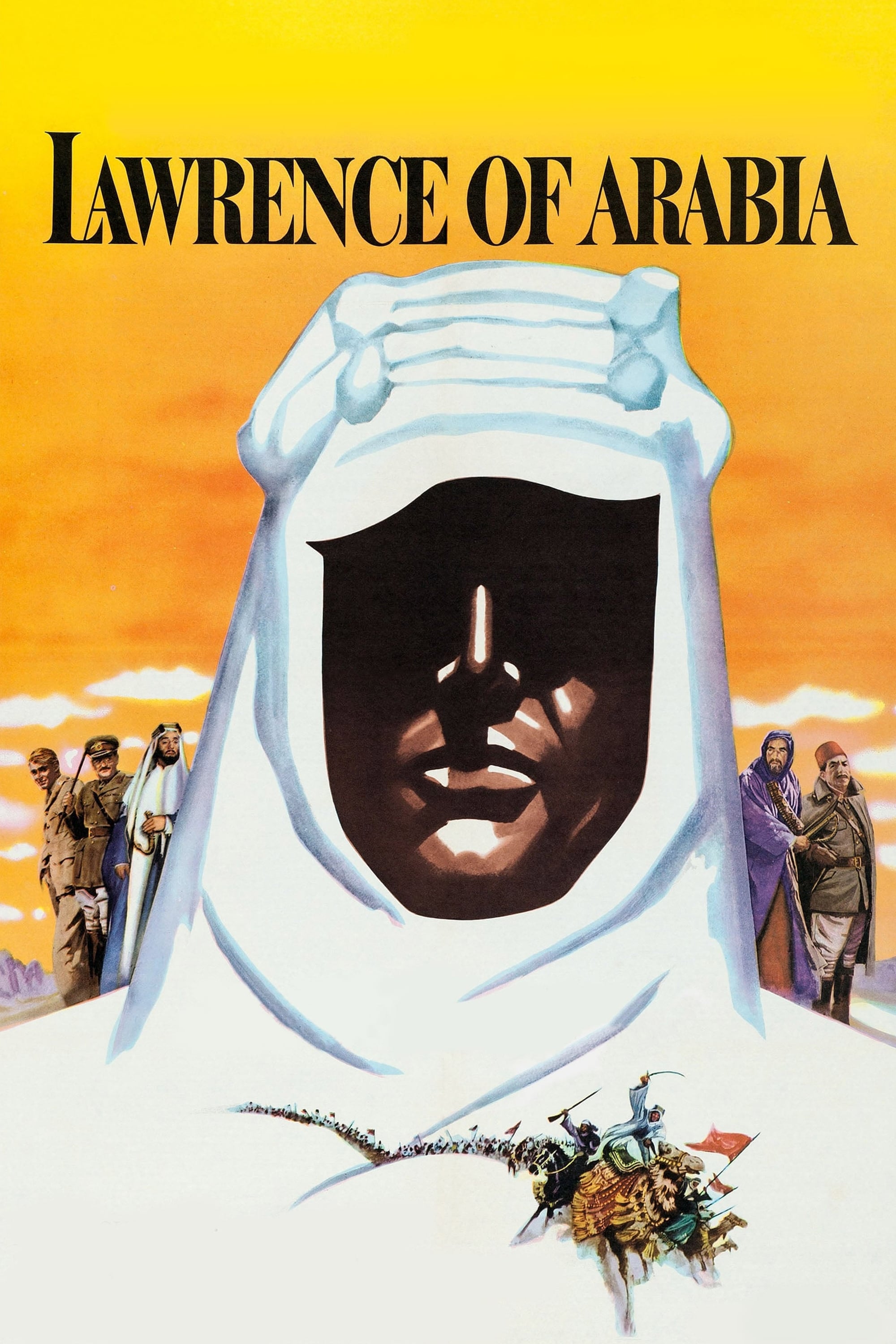
David Lean’s historical epic is famous for its grand scale and impressive filmmaking. Shot in detailed 70mm, the movie beautifully captures vast desert scenery. Peter O’Toole’s performance as T.E. Lawrence helped launch his career. The film tells its story through stunning visuals and a memorable musical score, rather than relying heavily on dialogue. It continues to be a standard for breathtaking widescreen photography and epic storytelling.
‘2001: A Space Odyssey’ (1968)
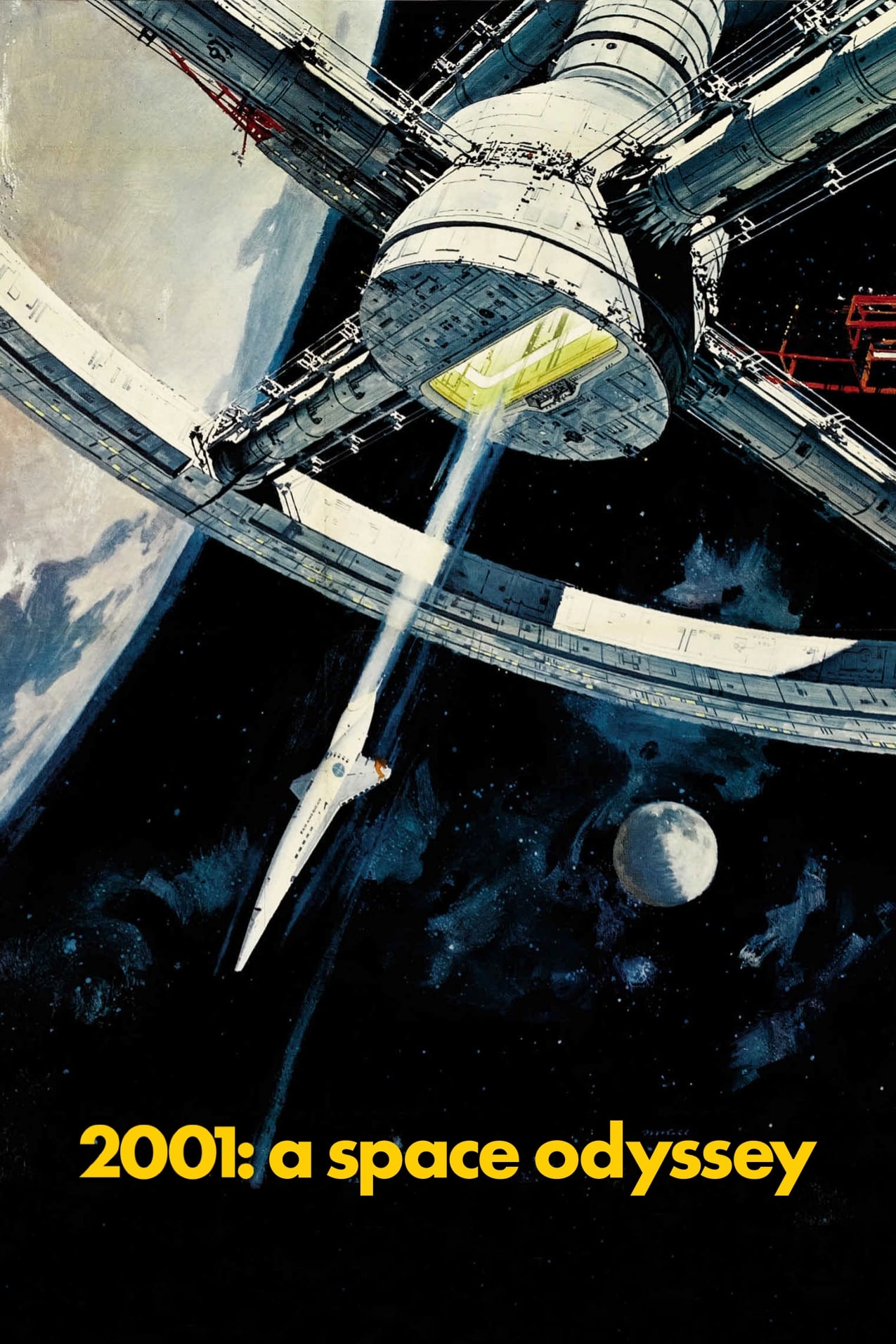
Stanley Kubrick’s film revolutionized science fiction by focusing on realism and thought-provoking ideas. It tells a story stretching from the earliest humans to a future space voyage guided by a smart computer. Remarkably, the film’s visual effects were created using physical models and sets, and still look impressive today. It uses very few words, instead relying on classical music to create powerful emotions. This film helped elevate science fiction from simple entertainment to a respected art form.
‘Easy Rider’ (1969)
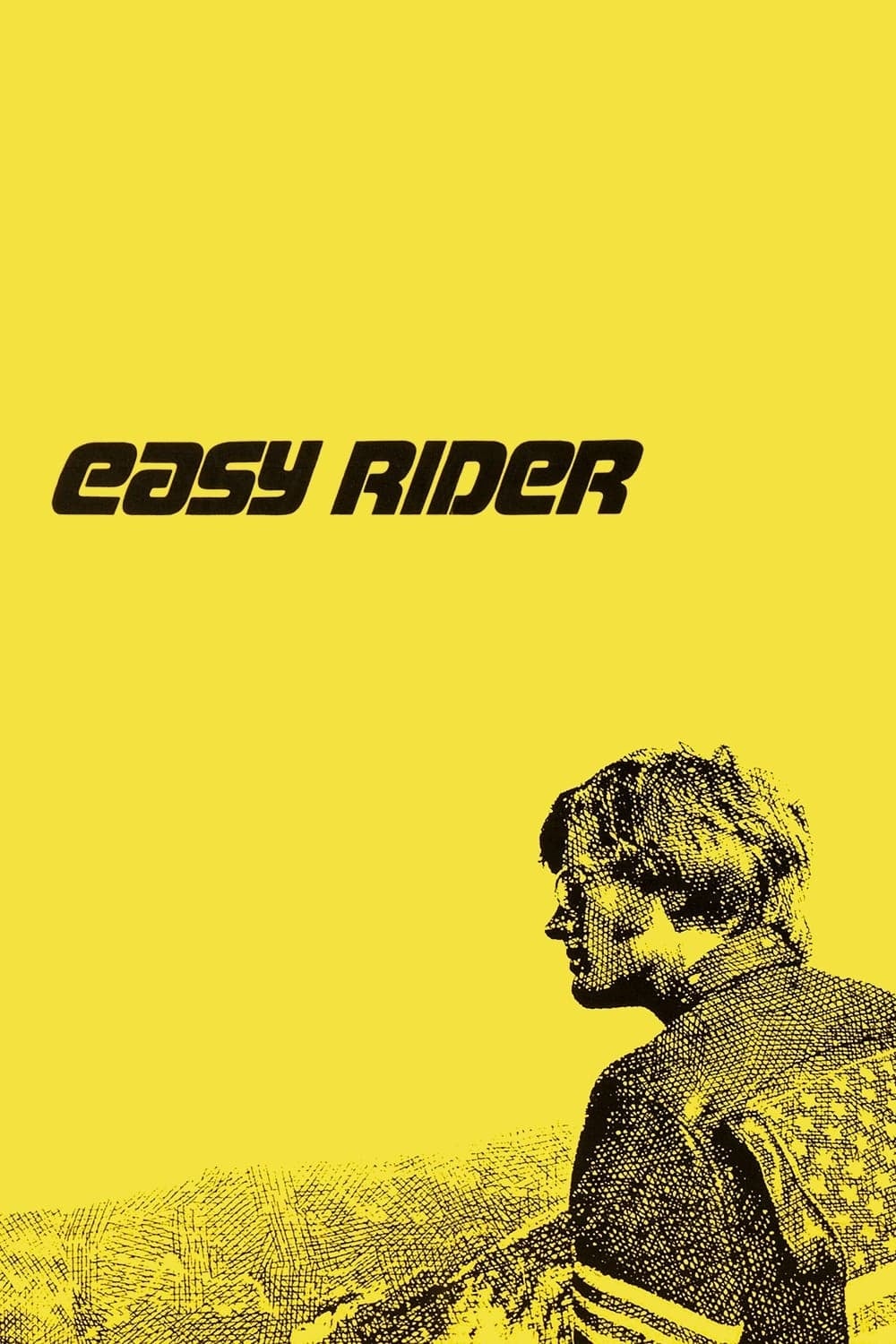
Dennis Hopper’s road movie perfectly captured the spirit of the 1960s counterculture. Despite being made on a small budget and independently, the film became a huge hit. It stood out for its use of popular rock songs instead of a typical orchestral soundtrack, and its editing mirrored the psychedelic experiences of the characters. The film’s success helped bring an end to the traditional Hollywood studio system and ushered in a new era for filmmaking.
‘The Godfather’ (1972)
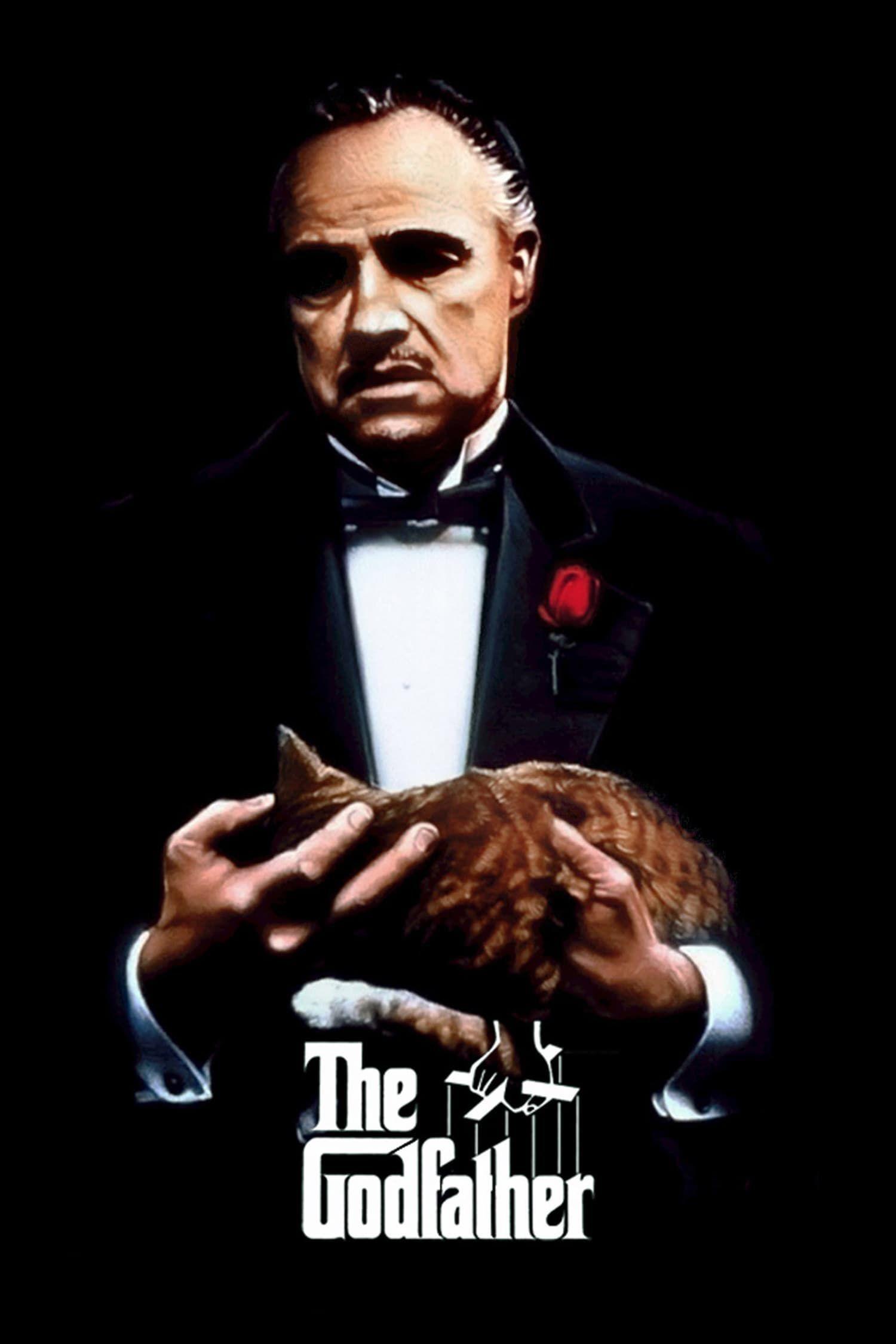
Francis Ford Coppola’s crime film transformed the gangster movie into something resembling a classic Shakespearean tragedy. The story delves into how power corrupts a family involved in organized crime. Cinematographer Gordon Willis created a distinctive, shadowy look using dark lighting, which became a hallmark of the film. Marlon Brando and Al Pacino delivered incredibly influential performances, raising the bar for acting in movies. The film also demonstrated that a serious, character-focused story could still achieve massive commercial success.
‘Jaws’ (1975)
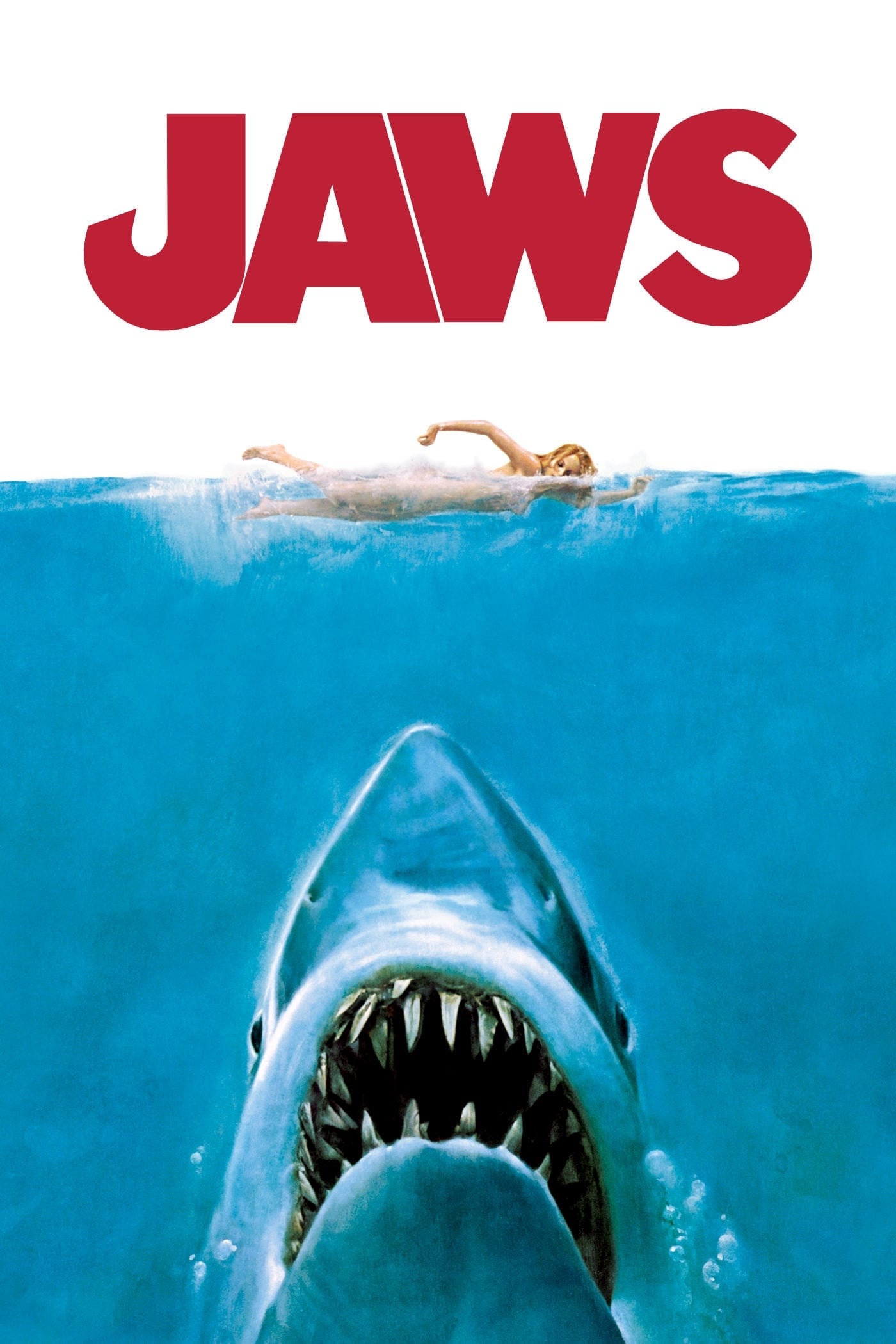
Steven Spielberg’s thrilling film about a giant, man-eating shark is widely considered the first summer blockbuster. During production, problems with the mechanical shark forced Spielberg to cleverly build suspense using music and camera work, suggesting the shark’s presence rather than showing it constantly. This technique proved incredibly effective. Universal Pictures launched the film in hundreds of theaters at once, supported by a huge television advertising campaign. This release strategy revolutionized Hollywood, leading to a focus on big, high-concept movies released during the summer months.
‘Taxi Driver’ (1976)
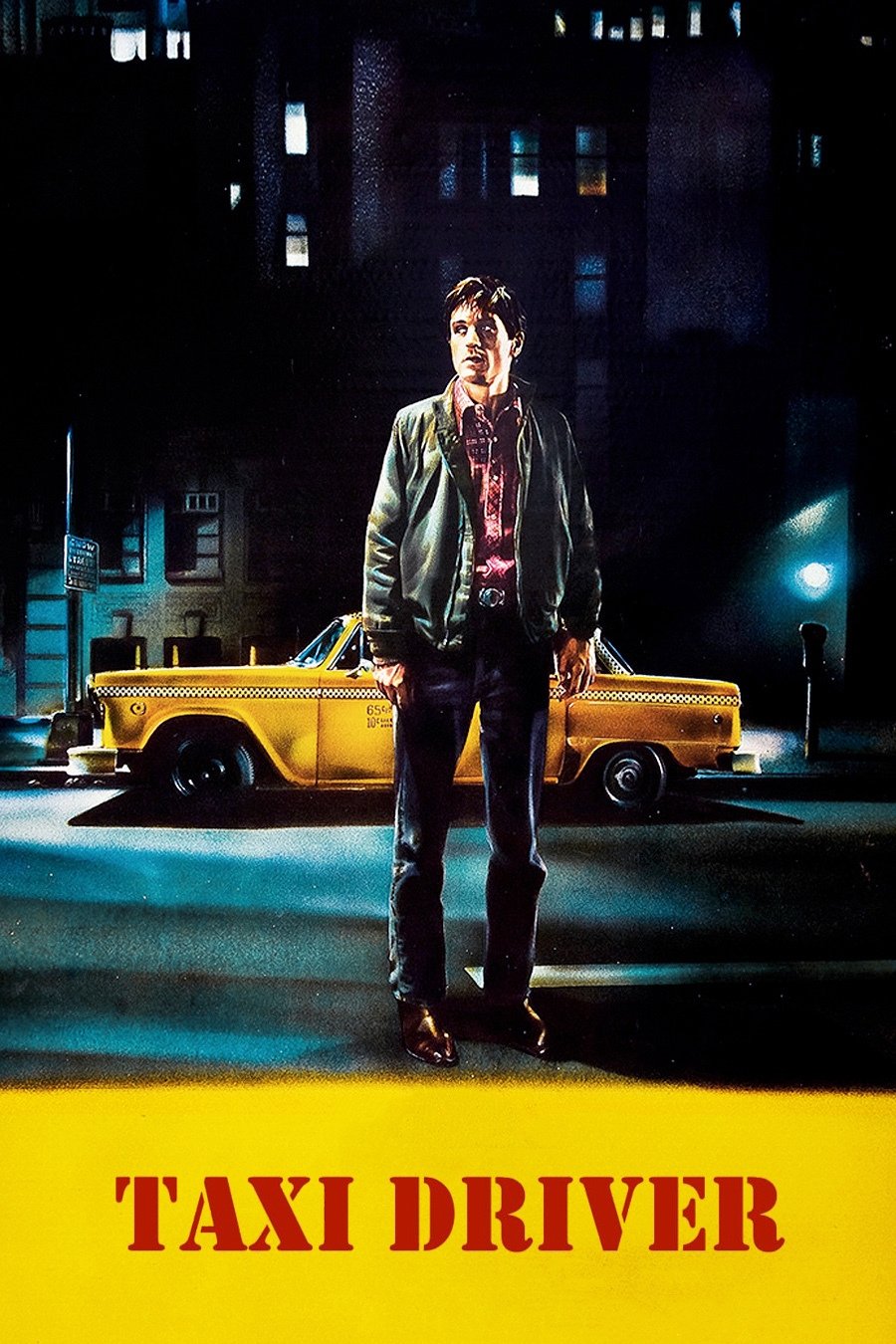
Martin Scorsese’s film explores the psychological effects of a decaying city and loneliness in America after the Vietnam War. Robert De Niro plays a troubled veteran working as a taxi driver in New York City. The movie realistically portrays the fear and violence of the time, creating a surreal and unsettling mood. It ends with a startling act of violence that makes you question what it means to be a hero. This film is a prime example of the New Hollywood movement’s willingness to confront difficult and dark themes.
‘Star Wars’ (1977)
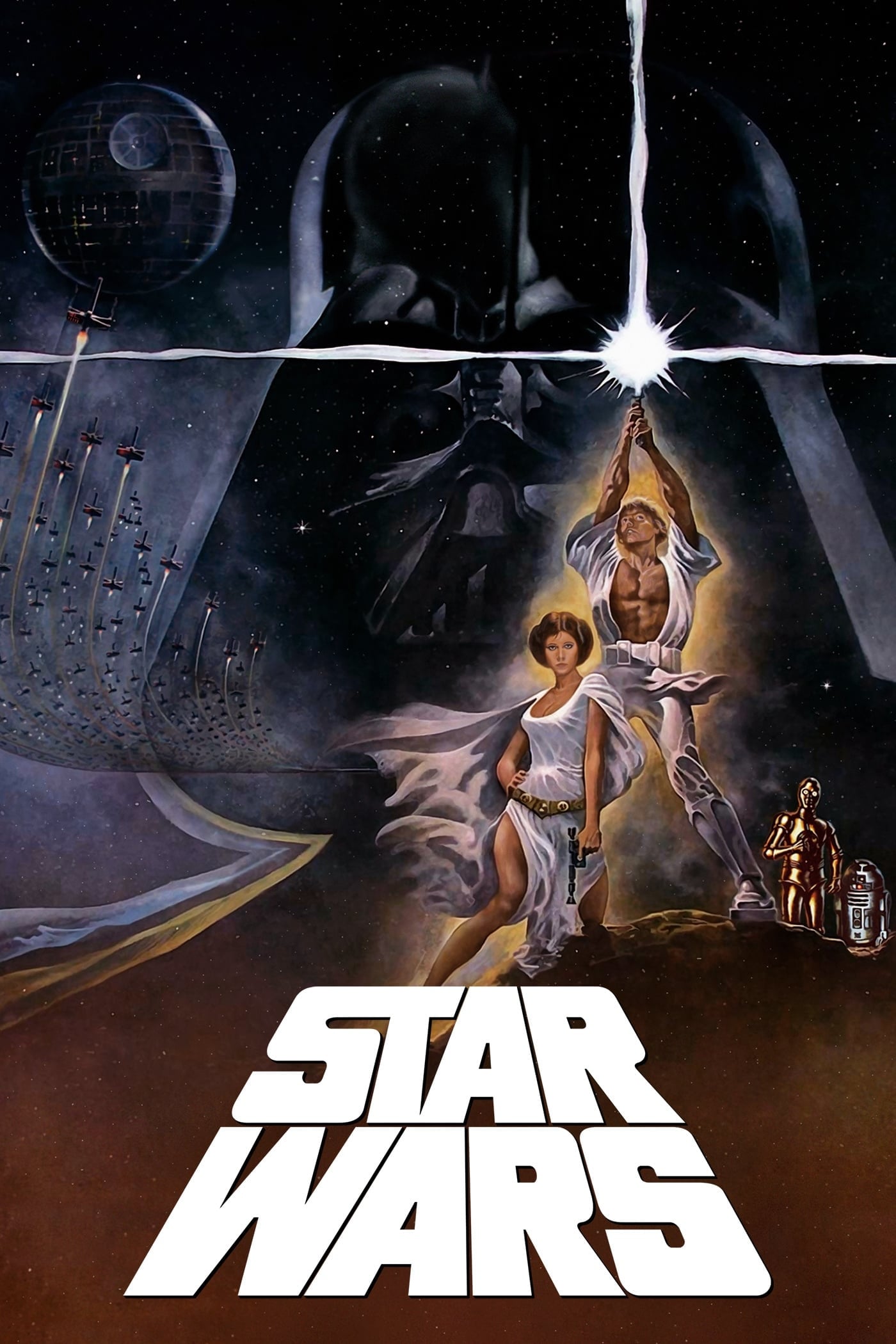
George Lucas’s space opera was a game-changer, both visually and commercially. He founded Industrial Light & Magic to develop the stunning special effects and exciting spaceship battles. The film successfully combined elements of classic mythology with the fast-paced adventure of serials like Flash Gordon. It also pioneered a new way of making money in Hollywood, where merchandise like toys and licensing deals became just as profitable as ticket sales. Ultimately, the movie became a massive cultural hit and fundamentally changed the entertainment industry.
‘Alien’ (1979)
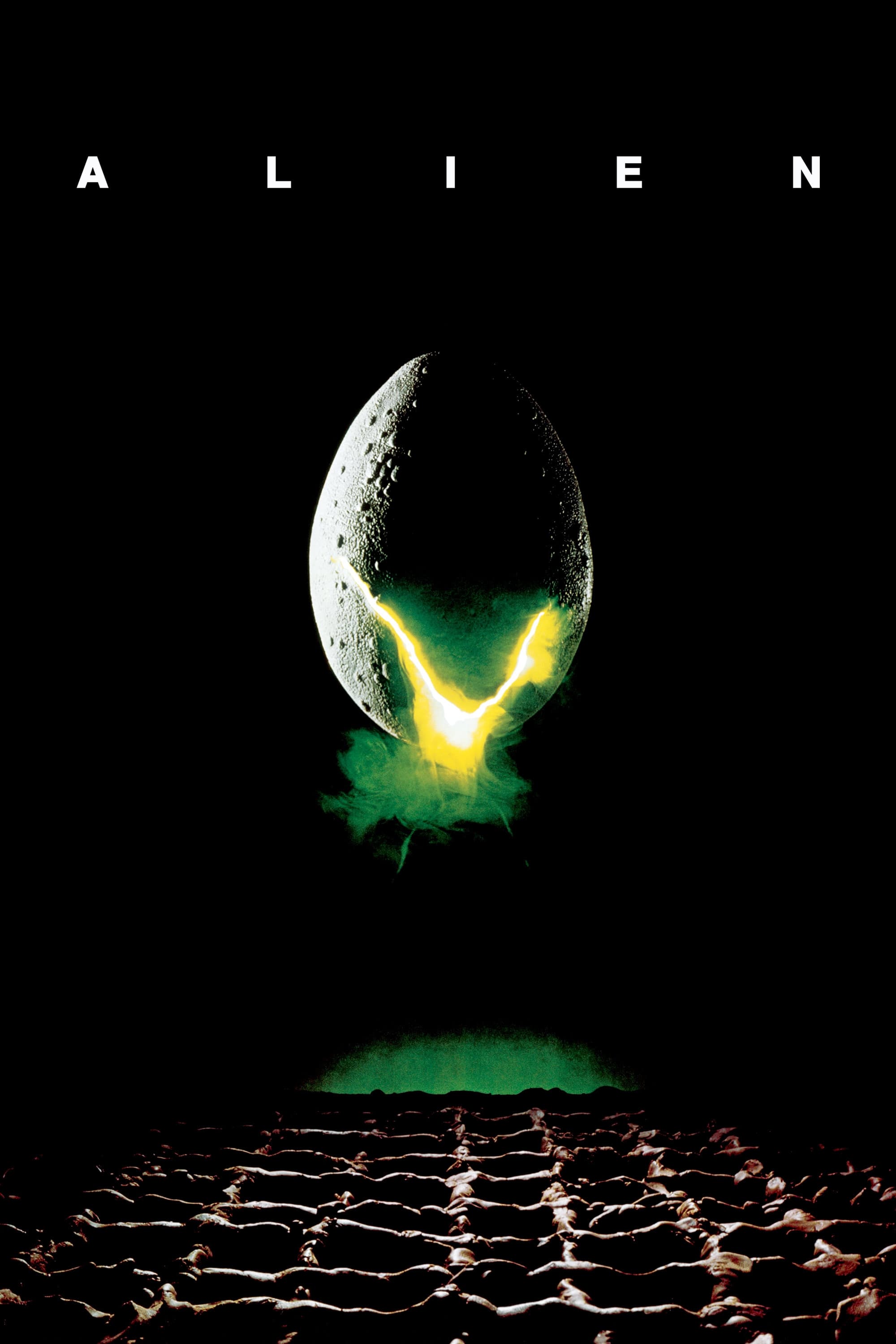
Ridley Scott’s film is a groundbreaking blend of science fiction and horror, creating a truly unsettling and confined experience. It presented a future that felt realistically worn and showed space travel as a dirty, industrial process. The film’s terrifying creature, designed by H.R. Giger, played on deep-seated fears about being invaded by parasites. Breaking from typical tropes, the story featured Ripley, a female officer, as the ultimate survivor. It remains a benchmark for scary creature movies and building suspenseful atmospheres.
‘Blade Runner’ (1982)
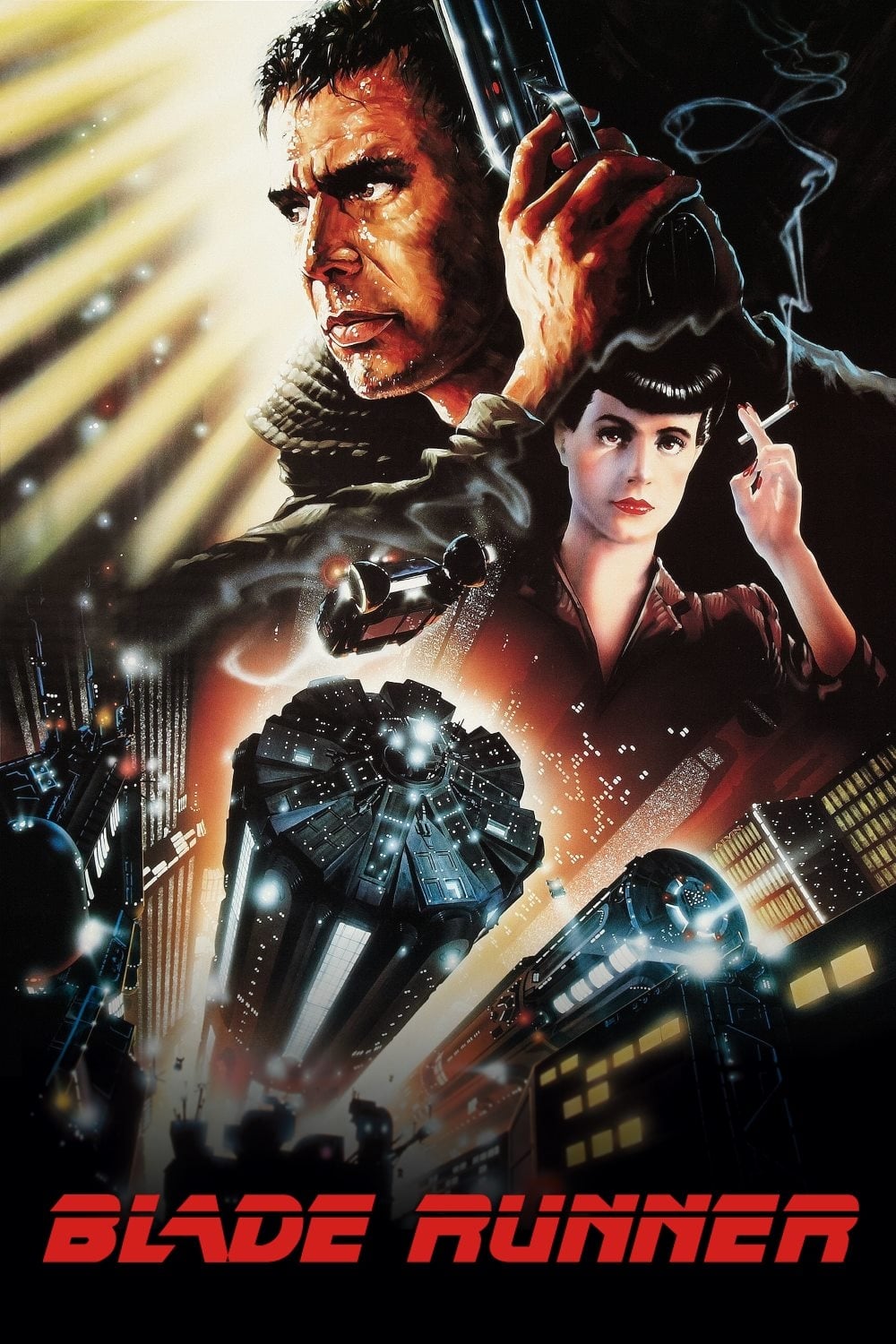
As a film buff, I’ve always been captivated by Ridley Scott’s ‘Blade Runner.’ It’s a neo-noir sci-fi that really defined the look of cyberpunk. The movie paints this incredible picture of a future Los Angeles – constantly raining, choked with pollution, and plastered with ads. But it’s not just visually stunning; it dives into some really deep questions about artificial intelligence and what actually makes us human. What’s amazing is how they built this dense, detailed world using miniatures and matte paintings – it feels so real! It wasn’t a blockbuster right away, but it quickly became a cult classic and you can see its influence in so many films that came after it.
‘E.T. the Extra-Terrestrial’ (1982)
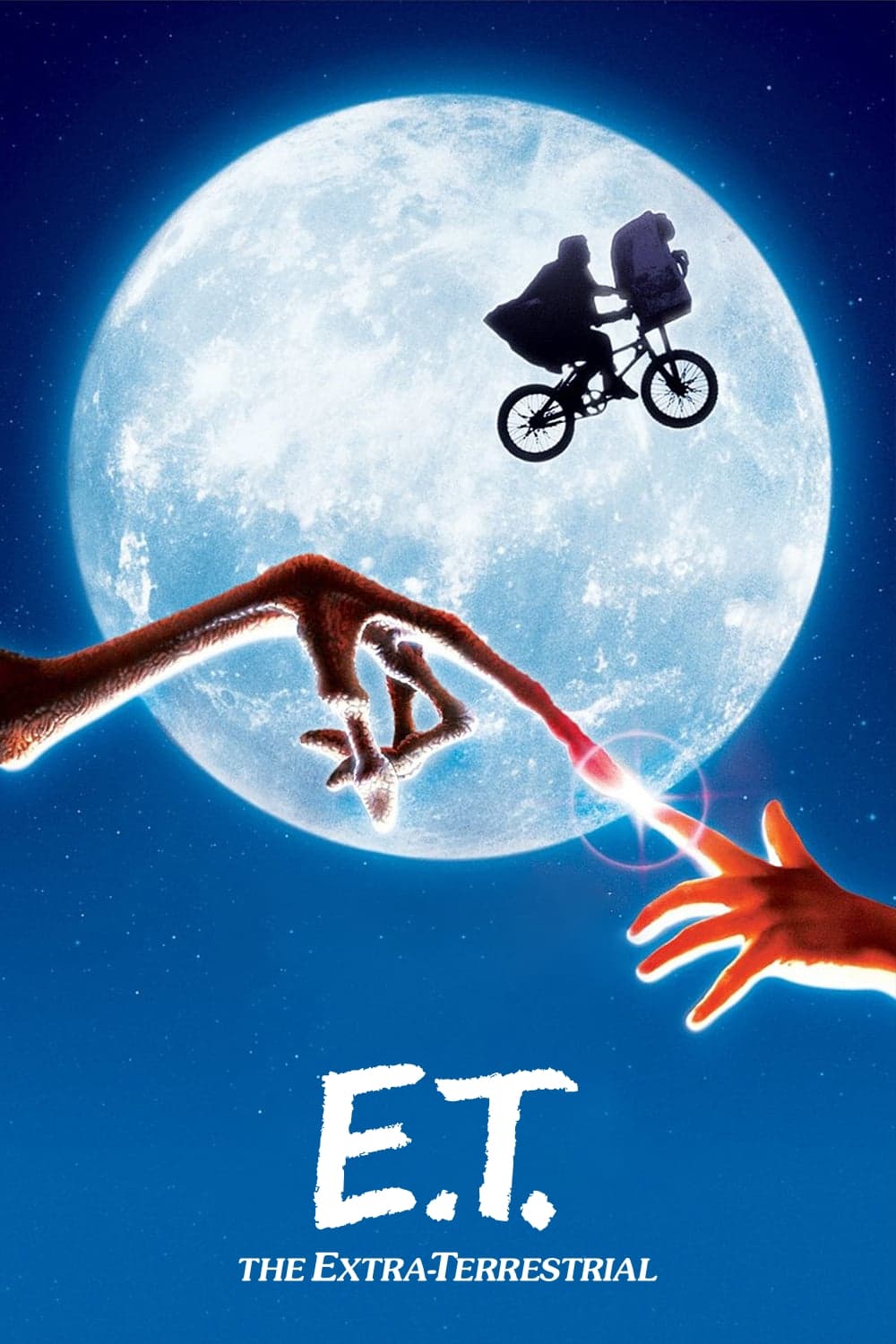
Steven Spielberg’s film tells a heartwarming story of a boy’s friendship with an alien, becoming a worldwide success. The movie beautifully portrays everyday life in 1980s America and features a deeply moving score by John Williams, widely considered one of the best ever written for film. This movie cemented Spielberg’s place as a leading storyteller of his time.
‘The Breakfast Club’ (1985)

John Hughes’s film is a classic teen movie that helped define the genre. It follows five very different high school students who are stuck in Saturday detention. The movie mostly takes place in one room and focuses on conversations between the characters. Unlike many films at the time, it approached the challenges of being a teenager with respect and understanding. The film’s music was also key to its success with young audiences. It’s still considered the best way to understand what being a teen was like in the 1980s.
‘Do the Right Thing’ (1989)
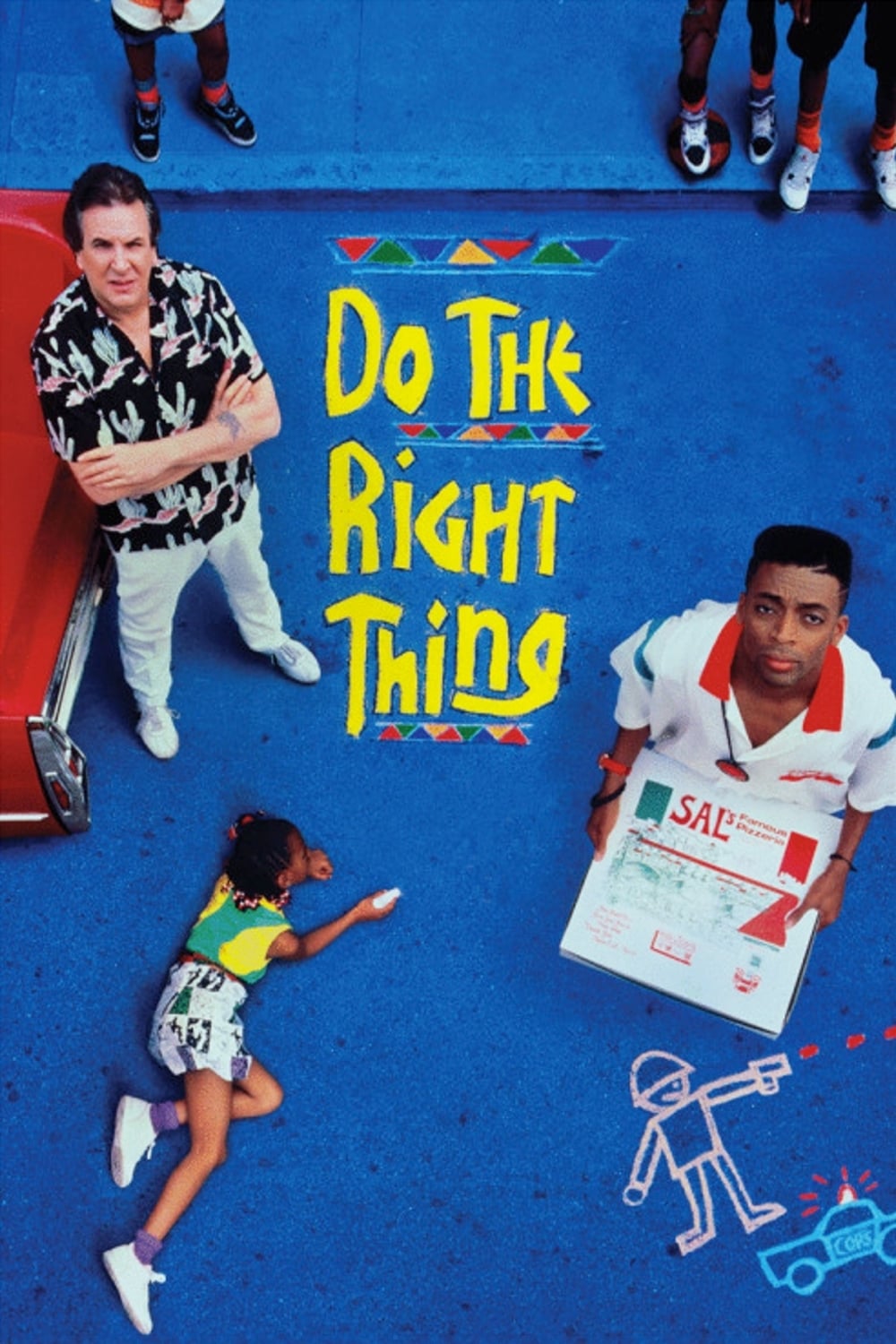
Spike Lee’s powerful drama vividly portrays racial tensions in a Brooklyn neighborhood. The film uses bold colors and energetic camerawork to capture the intensity of a hot summer day. It tackles difficult issues like police brutality and neighborhood change without offering simple solutions. The iconic song ‘Fight the Power’ drives the film’s challenging message, and the movie remains an important milestone in independent Black filmmaking.
‘Terminator 2: Judgment Day’ (1991)
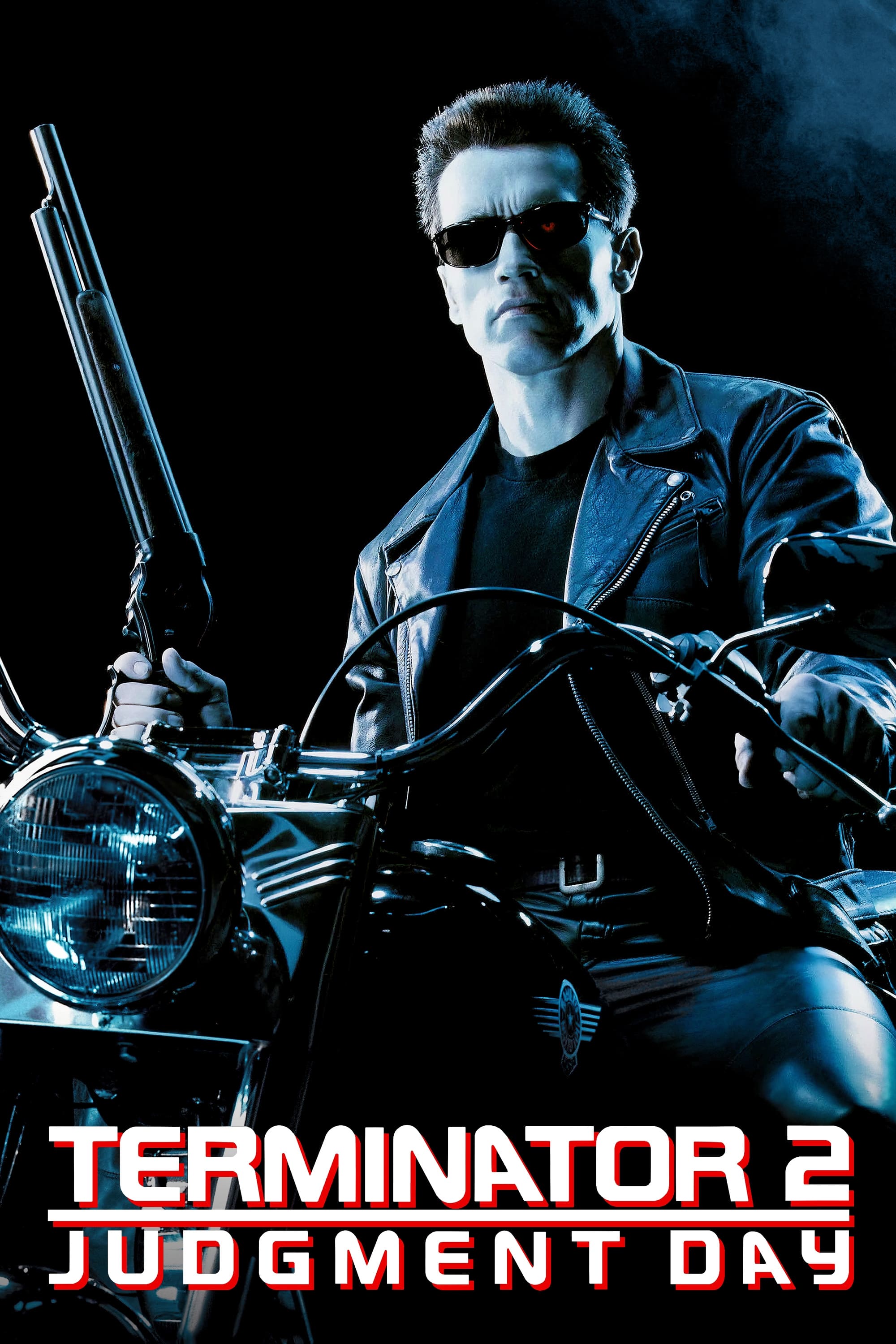
James Cameron’s film introduced the groundbreaking liquid metal T-1000, dramatically changing how computer-generated imagery was used in movies. The film expertly combined real-life stunts with innovative digital effects, and surprisingly turned the original film’s villain into a hero. Its action scenes were bigger and more complex than anything audiences had seen before, proving that CGI could create truly believable characters and establishing a new standard for Hollywood blockbusters.
‘Jurassic Park’ (1993)

Steven Spielberg revolutionized filmmaking again with his use of computer-generated imagery (CGI) to bring incredibly realistic dinosaurs to life. The film cleverly blended these digital creations with practical animatronic models for scenes requiring a close-up view. This innovation essentially ended the use of stop-motion animation in big-budget movies, and the resulting sense of awe and fear thrilled viewers around the globe. Ultimately, the film cemented digital effects as the standard for modern movies.
‘Pulp Fiction’ (1994)
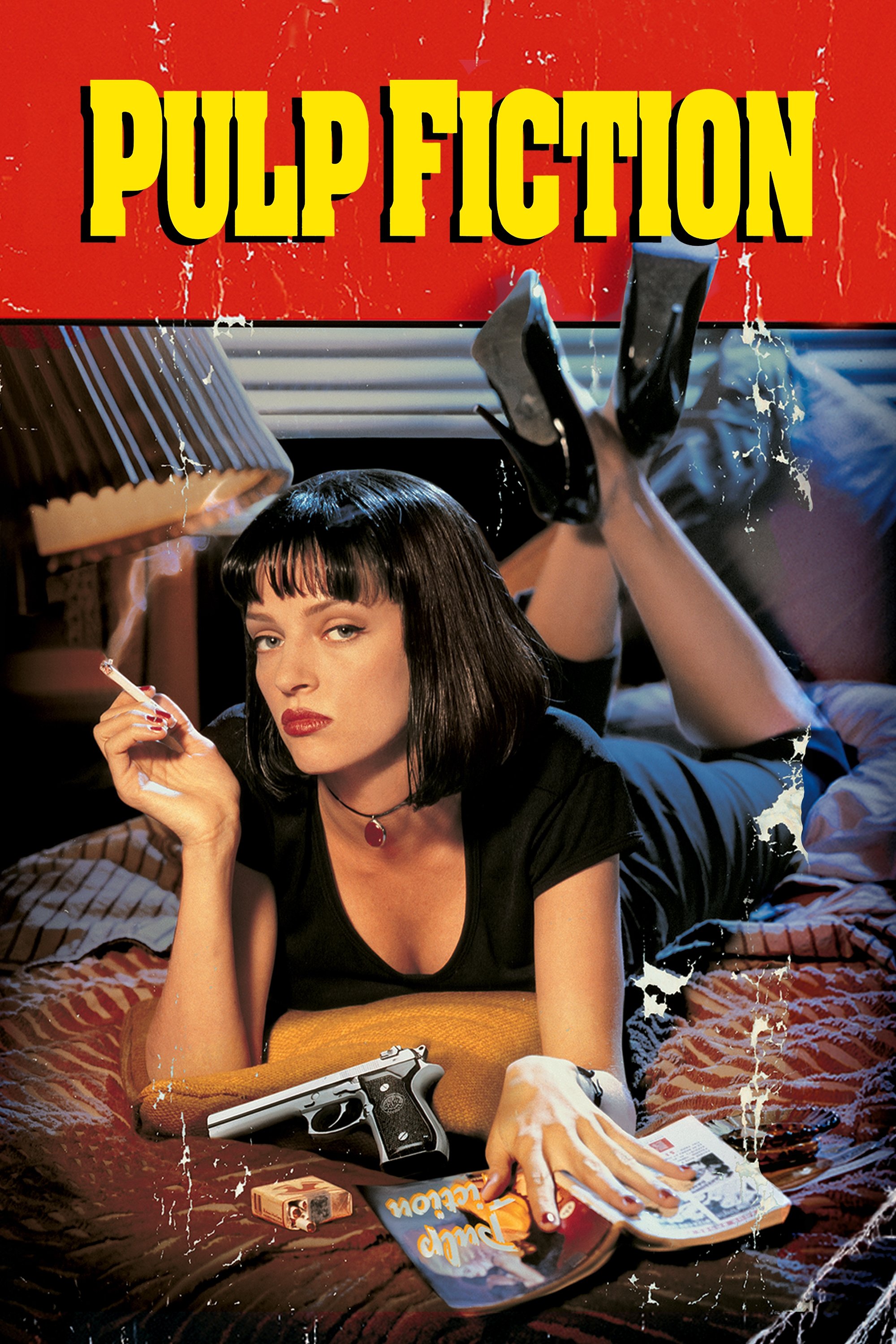
Quentin Tarantino’s crime film was a game-changer for independent movies, known for its unique style and story that jumps around in time. The movie’s dialogue is famous for mixing everyday pop culture with deeper, thoughtful ideas. It helped relaunch John Travolta’s career and turned Samuel L. Jackson into a household name. The music, a blend of surf rock and soul, became instantly recognizable and beloved. Importantly, the film demonstrated that independent movies could be huge commercial hits.
‘Toy Story’ (1995)
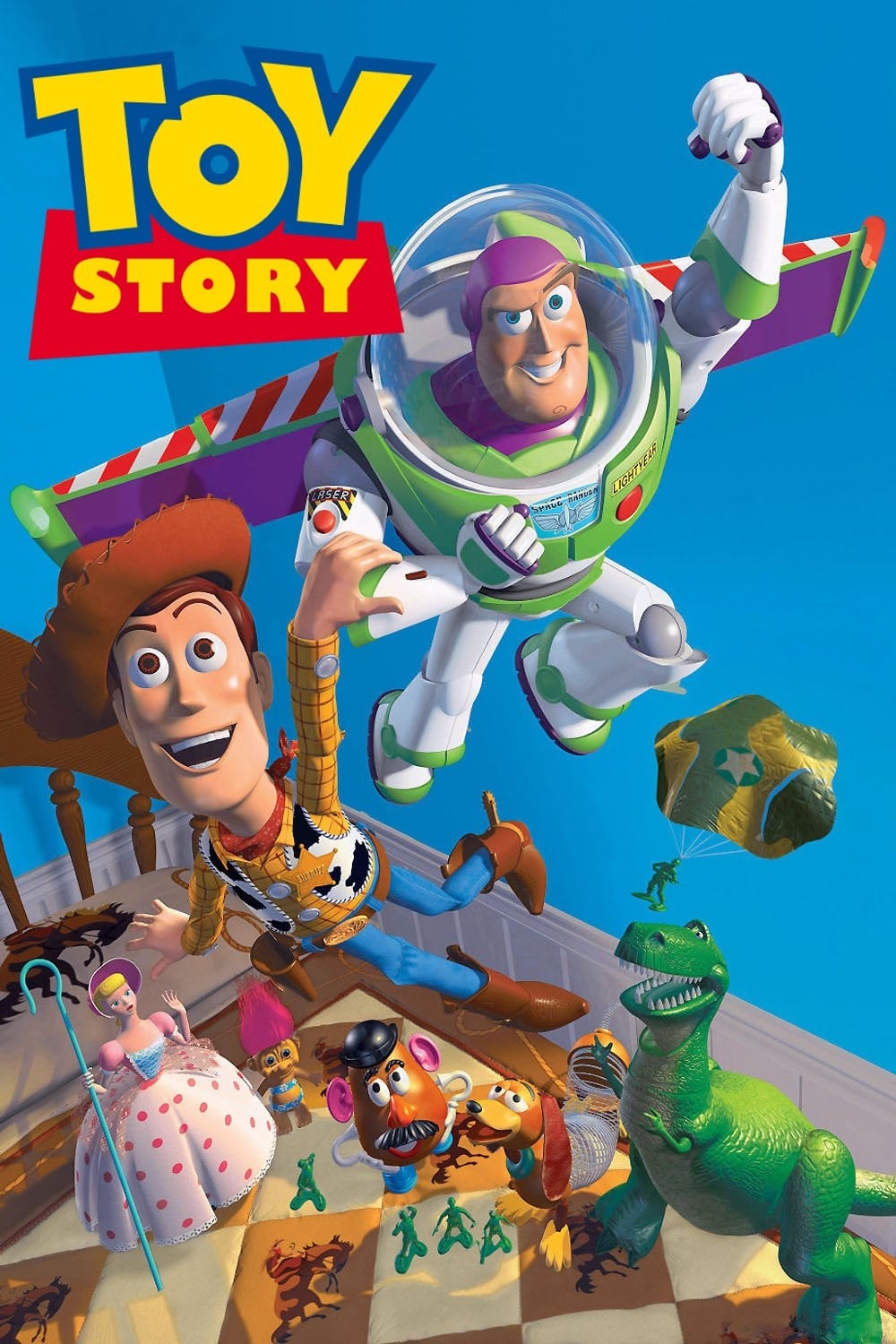
Pixar revolutionized animation with its first full-length computer-animated movie. The film proved that computer graphics could deliver a heartwarming and funny story, centering on the friendship between a cowboy doll and a space ranger toy. Its success ultimately led to a decrease in traditionally hand-drawn animated films in theaters and established Pixar as a leading animation studio.
‘Titanic’ (1997)
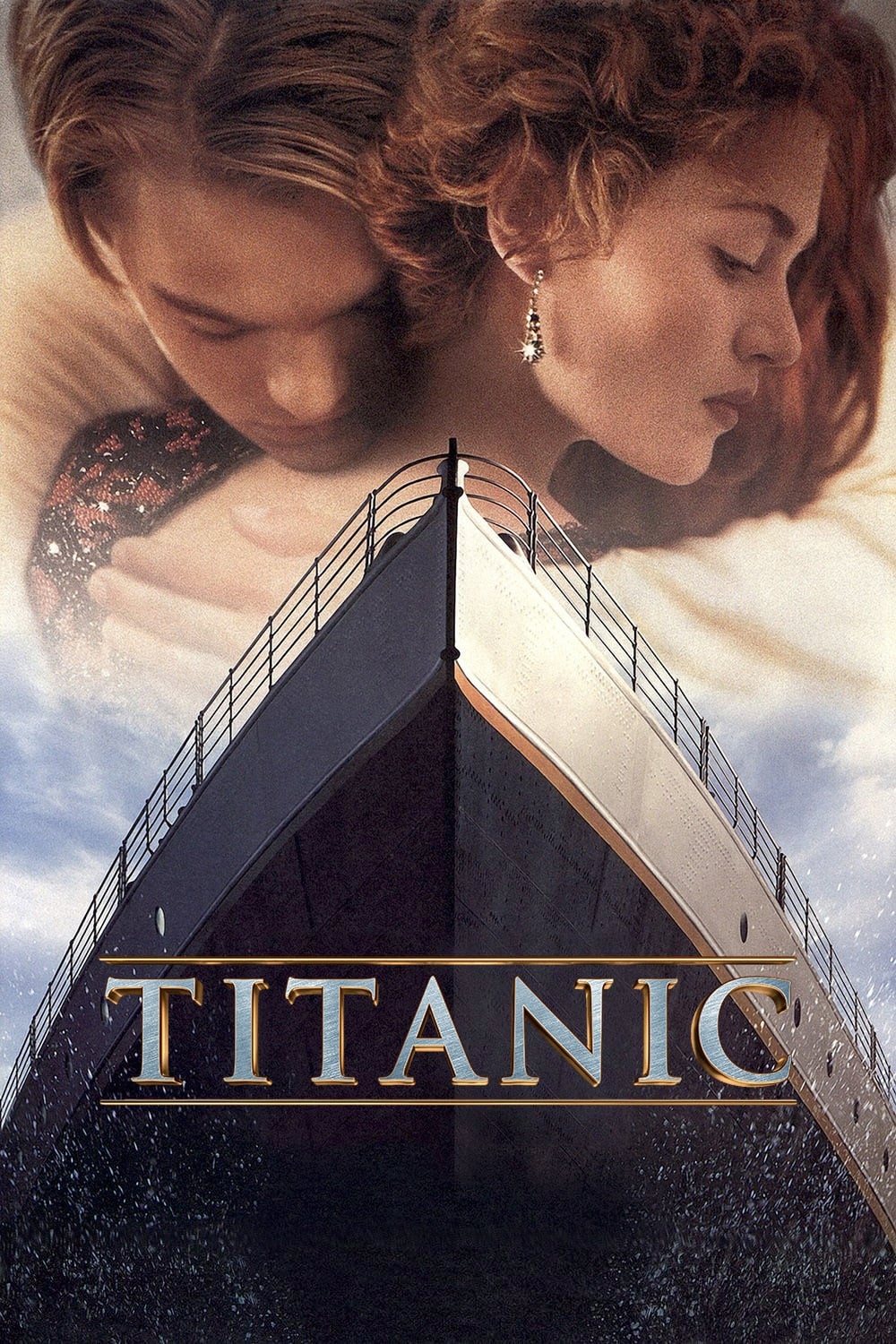
James Cameron’s epic film was a groundbreaking disaster romance – the first movie ever to earn over a billion dollars. Its creation was incredibly ambitious, featuring a nearly full-size replica of the ship built for a huge water tank. The film successfully blended a timeless love story with cutting-edge special effects, captivating moviegoers for months. It went on to win eleven Academy Awards, tying the record for most wins, and is considered the pinnacle of the classic Hollywood blockbuster.
‘The Matrix’ (1999)
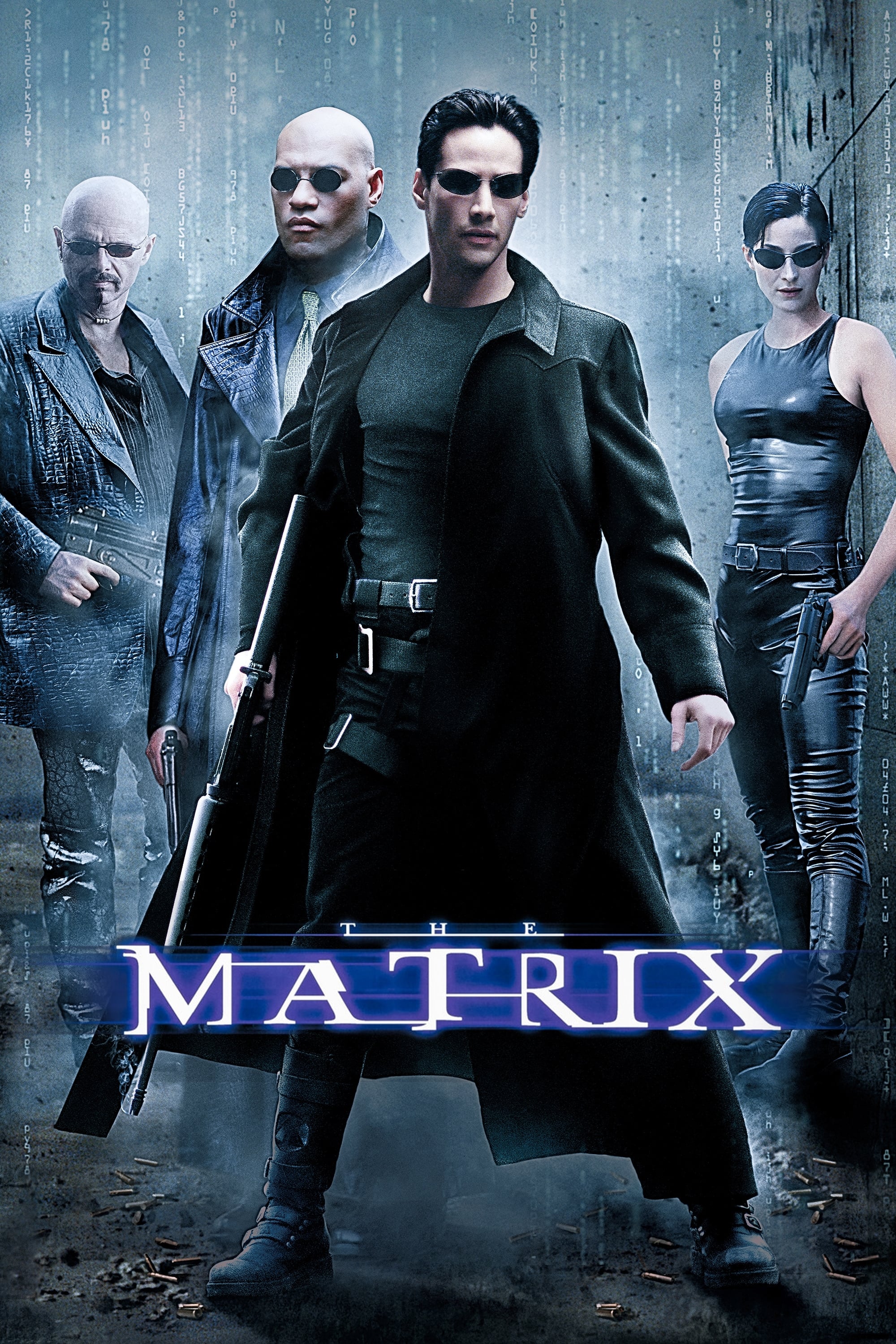
The Wachowskis revolutionized action movies with their innovative “bullet time” effect. Their film combined exciting martial arts action inspired by Hong Kong films with futuristic, philosophical themes and groundbreaking visual effects. It explored what is real in a way that captured the spirit of the early internet, and its distinctive green look and leather clothing became hugely influential in pop culture. The film also set a new standard for fight scenes and how digital effects were used.
‘The Lord of the Rings: The Fellowship of the Ring’ (2001)
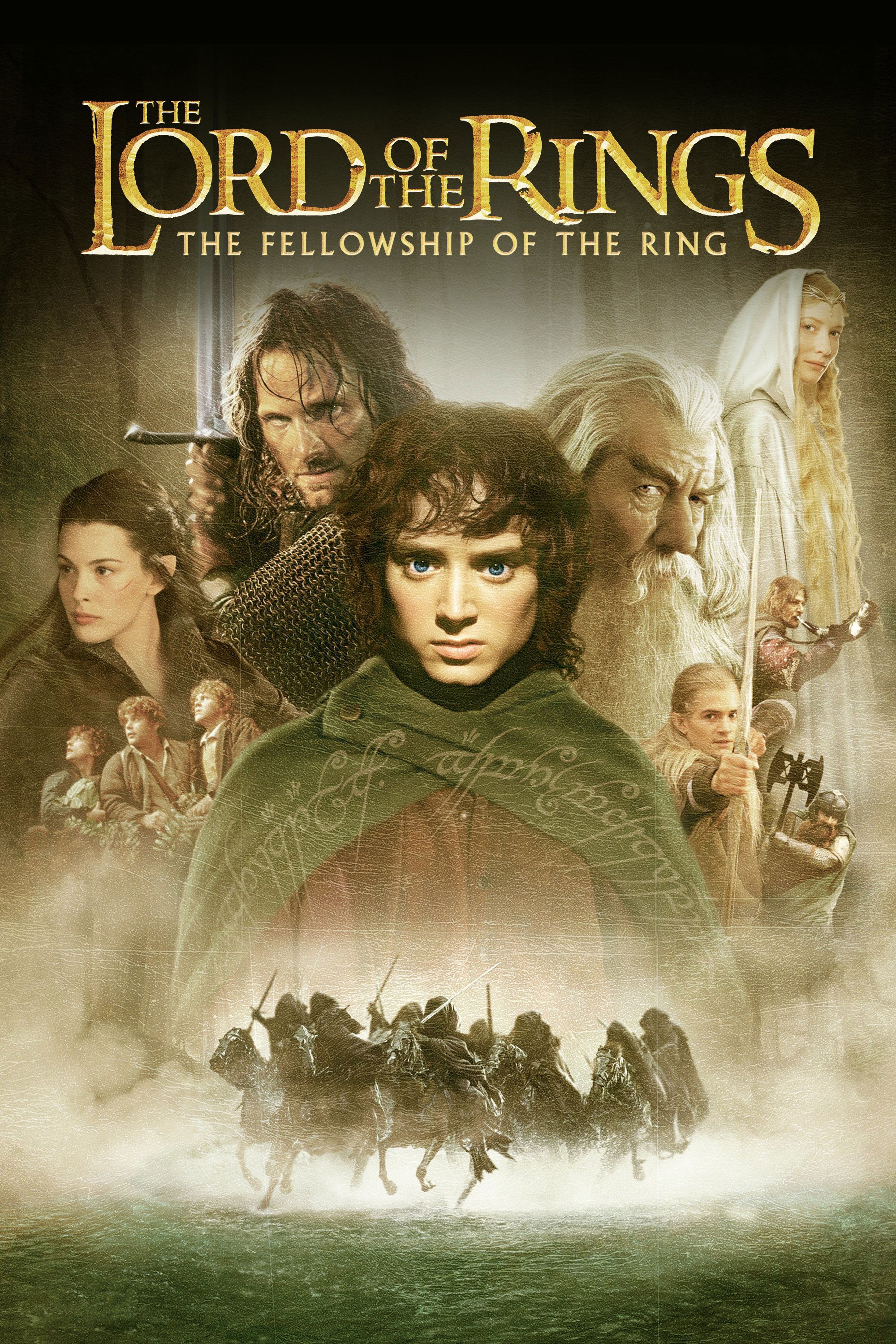
Peter Jackson bravely adapted J.R.R. Tolkien’s complex fantasy novel into a film. The production used impressive miniatures and Andy Serkis’ groundbreaking motion-capture performance as Gollum. The movie proved that fantasy could be critically acclaimed and win major awards. Filmed as part of an unusually large, simultaneous three-film project, it helped establish the trend of expansive, ongoing movie franchises.
‘Spirited Away’ (2001)
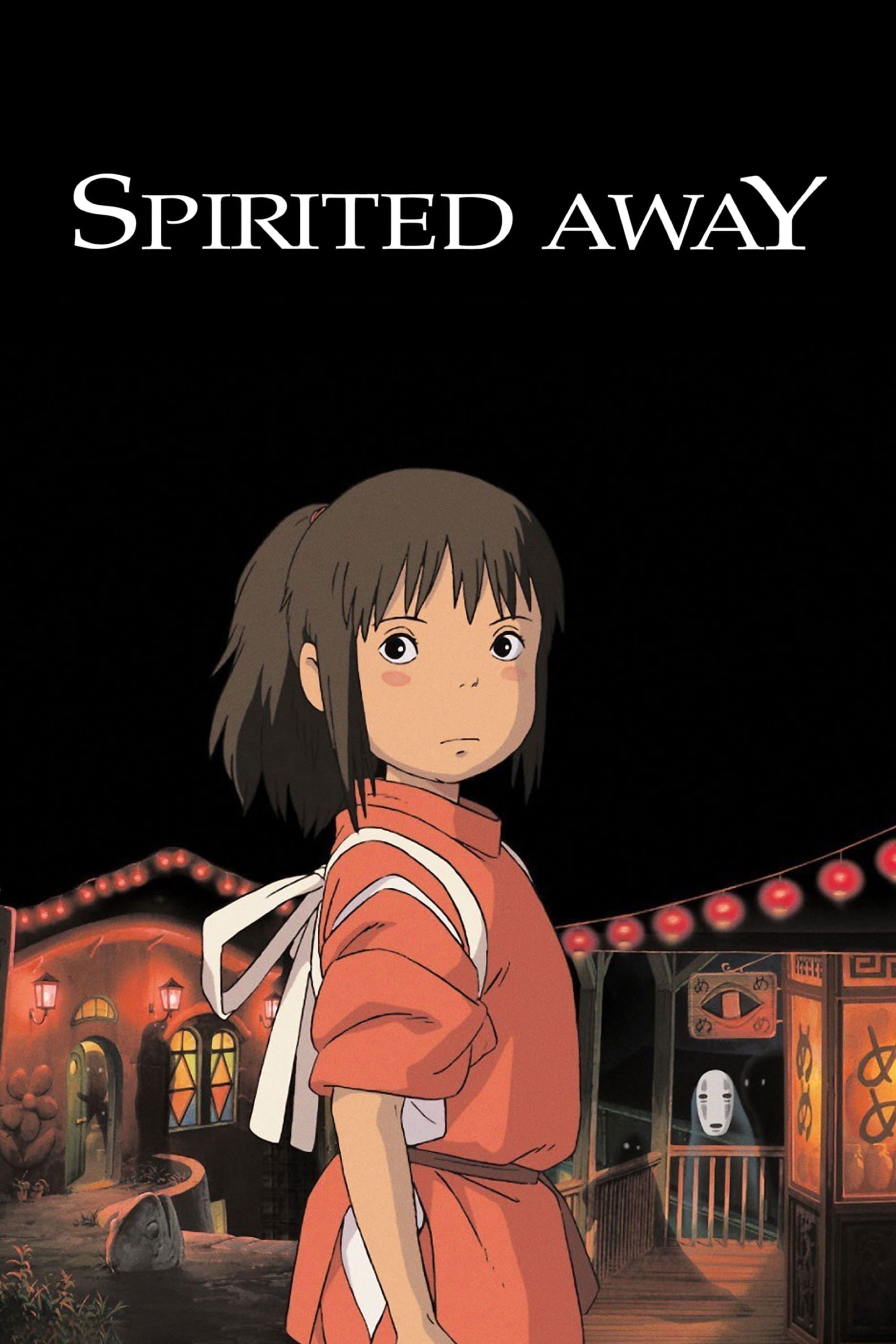
Directed by Hayao Miyazaki, this beautifully hand-drawn animated film became Japan’s highest-earning movie ever. It tells the story of a young girl who finds herself in a world of spirits and must find a way to rescue her parents. The film was a breakthrough for Studio Ghibli, introducing its unique style and storytelling to audiences around the world. It also won an Academy Award for Best Animated Feature and remains a powerful example of the magic of classic 2D animation.
‘The Dark Knight’ (2008)
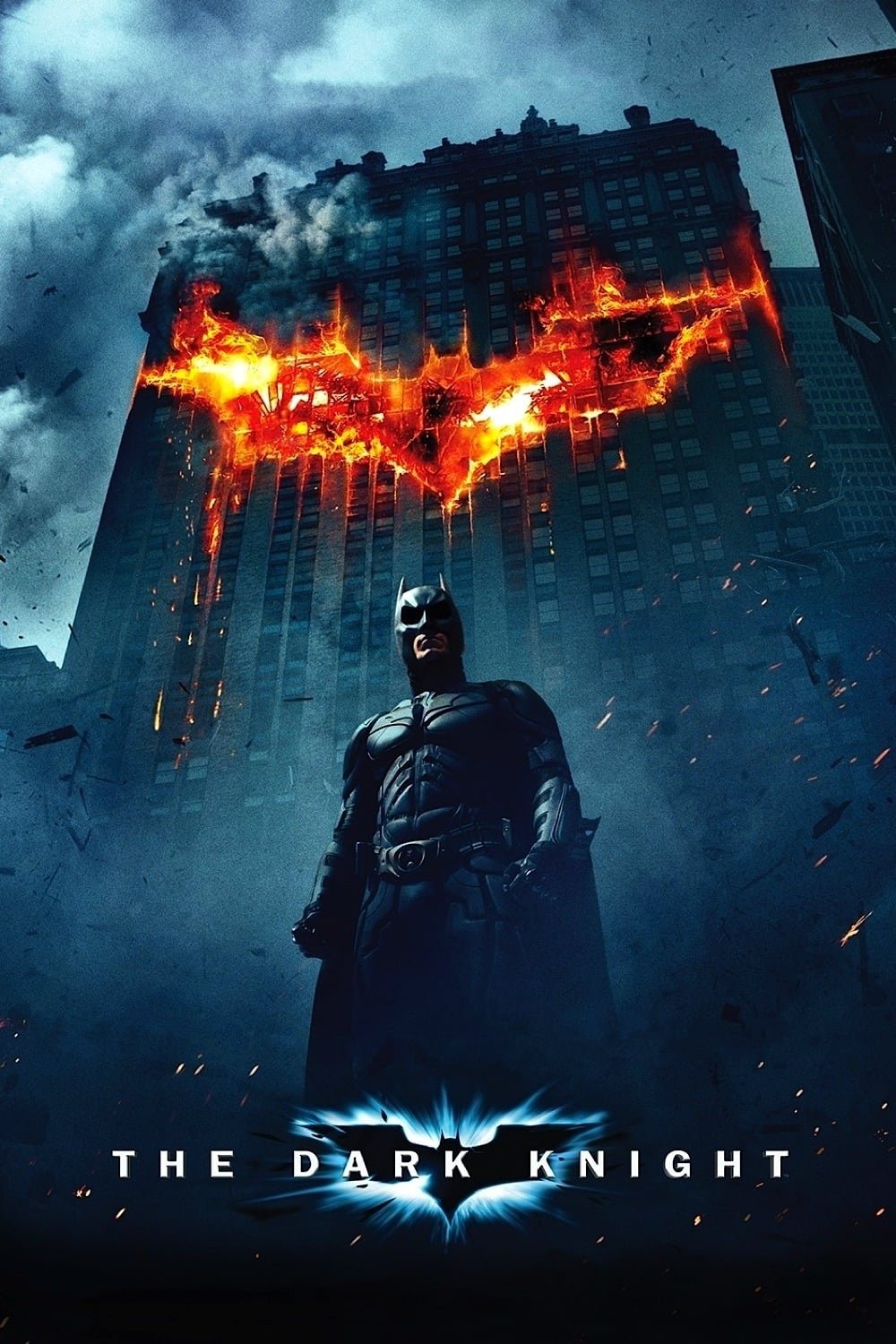
Christopher Nolan elevated superhero movies by crafting a dark and realistic crime story. Heath Ledger’s unforgettable portrayal of the Joker earned him a posthumous Academy Award. The film was groundbreaking for its use of IMAX cameras, which were rarely used for major movies back then. It delved into challenging ideas about chaos, right and wrong, and the impact of being watched. This film essentially redefined how superhero movies could be made, paving the way for the darker, more realistic reboots we’ve seen over the last ten years.
‘Avatar’ (2009)

James Cameron revisited and advanced 3D technology and performance capture with this film. It brought the incredibly detailed alien world of Pandora to life using innovative virtual production methods. The movie briefly renewed public interest in 3D movies shown in theaters and became the highest-grossing film ever made, largely because it delivered a visual experience you couldn’t get anywhere else. It showcased just how powerful modern digital filmmaking could be.
‘The Avengers’ (2012)
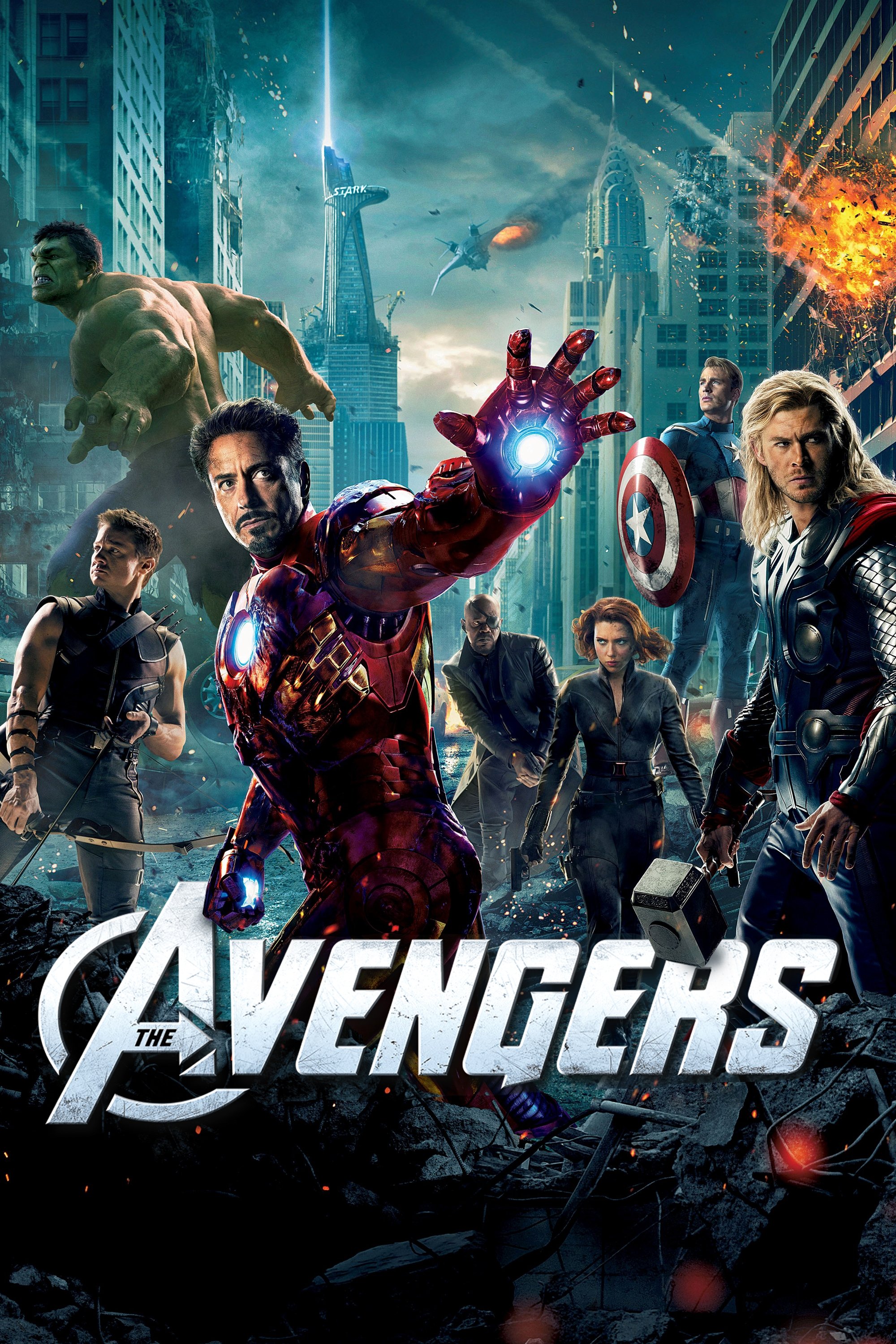
Marvel Studios pioneered the idea of connected movie universes, bringing characters from individual films together in one big team-up movie directed by Joss Whedon. This movie skillfully juggled a large cast of heroes and a huge alien threat, proving that stories could unfold across multiple films. Its success inspired other studios to try creating their own shared universes, and it firmly established superhero movies as the dominant force in Hollywood for the decade that followed.
‘Moonlight’ (2016)
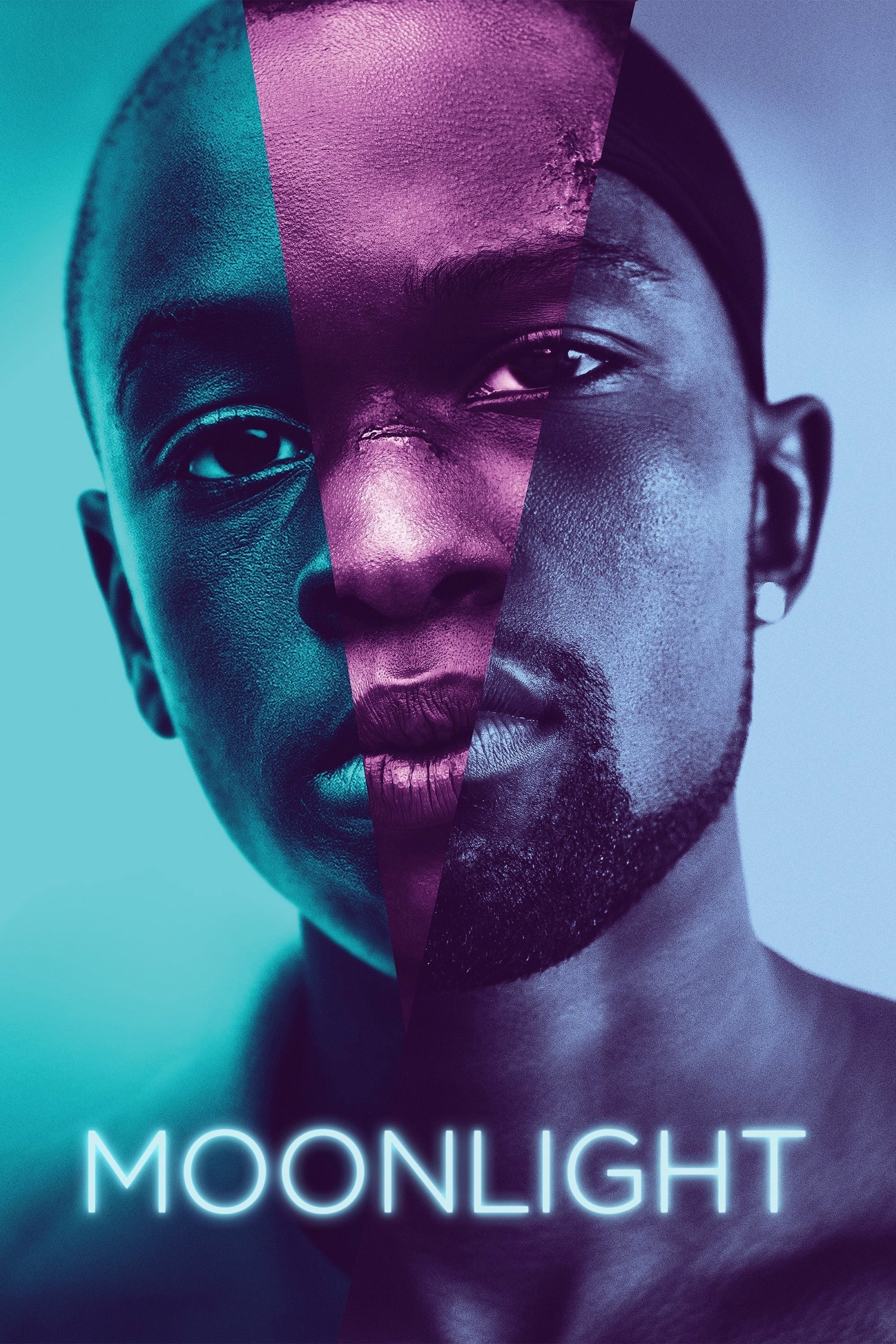
Barry Jenkins’ film is a deeply personal story about being a Black man, exploring themes of identity and sexuality. The movie uniquely follows the main character at different ages, each played by a different actor across three parts. Despite being made with a relatively small budget, it won Best Picture, signaling a move towards more inclusive stories in film. Beautiful cinematography, with vibrant colors and intimate close-ups, helps create a powerful emotional experience for the viewer, and the film was a landmark achievement for diversity in Hollywood.
Share your thoughts on which of these cinematic milestones had the biggest impact in the comments.
Read More
- Trading on Thin Air: AI Agents Conquer Crypto Volatility
- 20 Movies Where the Black Villain Was Secretly the Most Popular Character
- Invincible Season 4 Gender Swaps Tech Jacket As Fans Question Major Comic Change
- Silver Rate Forecast
- 22 Films Where the White Protagonist Is Canonically the Sidekick to a Black Lead
- 15 Films That Were Shot Entirely on Phones
- Gold Rate Forecast
- Trading Smarter: AI-Powered Execution Schedules
- Celebs Who Narrowly Escaped The 9/11 Attacks
- Smarter Order Execution: How AI is Outperforming Wall Street’s Playbook
2026-02-02 08:27