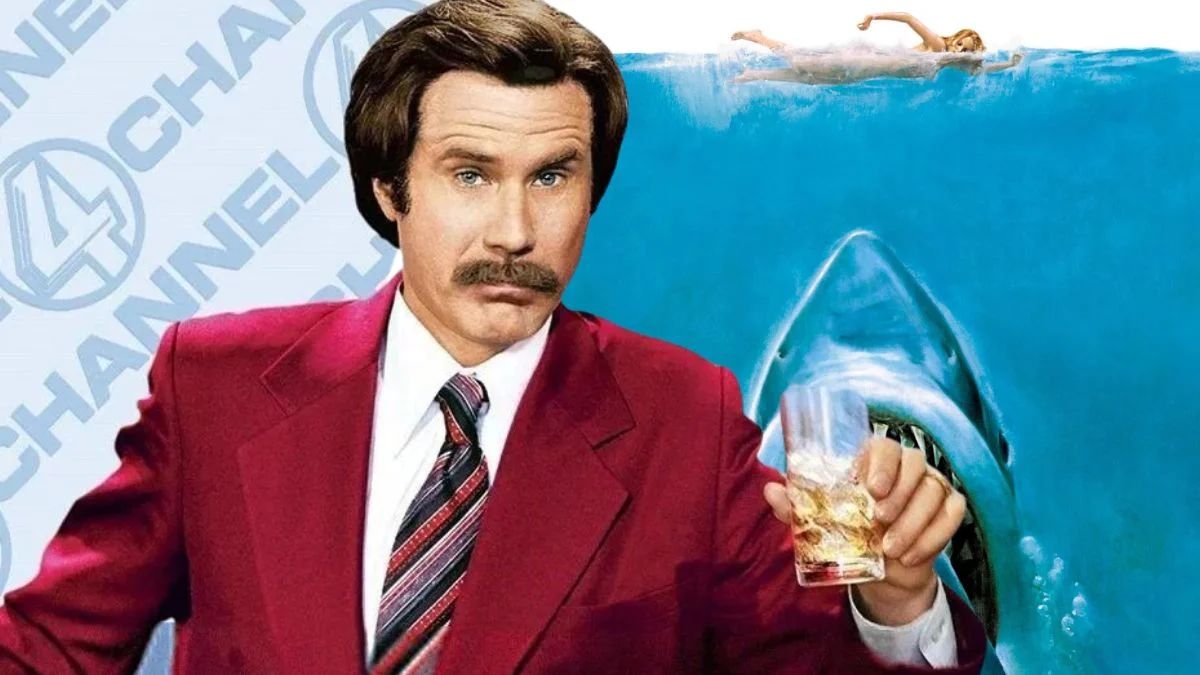
Throughout film history, certain movies have subtly changed storytelling and how we enjoy entertainment. These films often introduced small changes in style or method that later became common in their genre. Some innovations were about improving special effects, while others involved new ways of structuring stories or creating characters. We often see the influence of these groundbreaking films in the many movies that followed and tried to copy their approach.
‘Snow White and the Seven Dwarfs’ (1937)
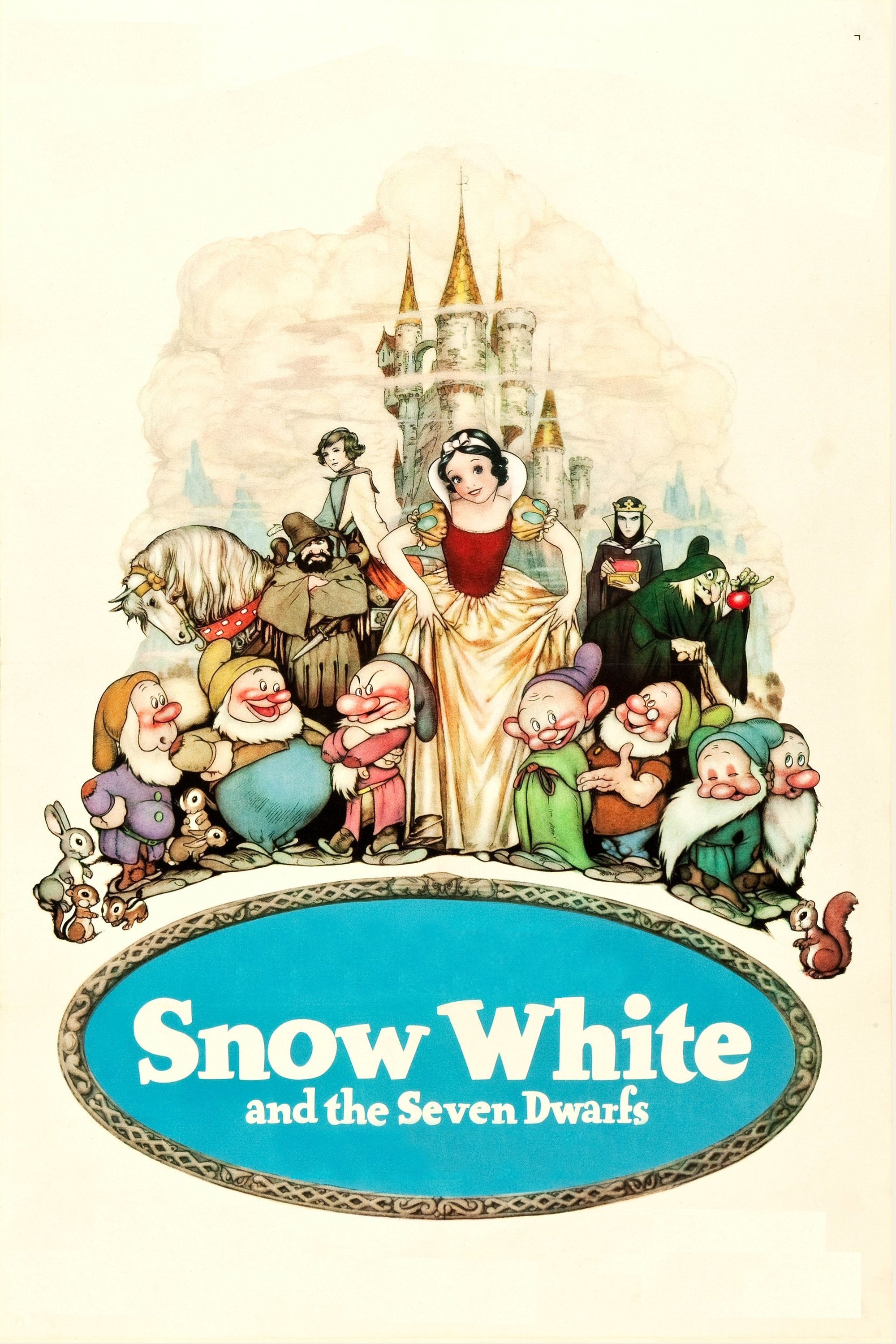
Walt Disney made a huge gamble by creating the first full-length animated movie. Many in Hollywood thought it was a mistake and believed it would ruin his studio. However, the film proved that animation could tell longer, more emotional stories than just short cartoons. Its huge success showed that animation could be a powerful way to create full-length movies.
‘Seven Samurai’ (1954)
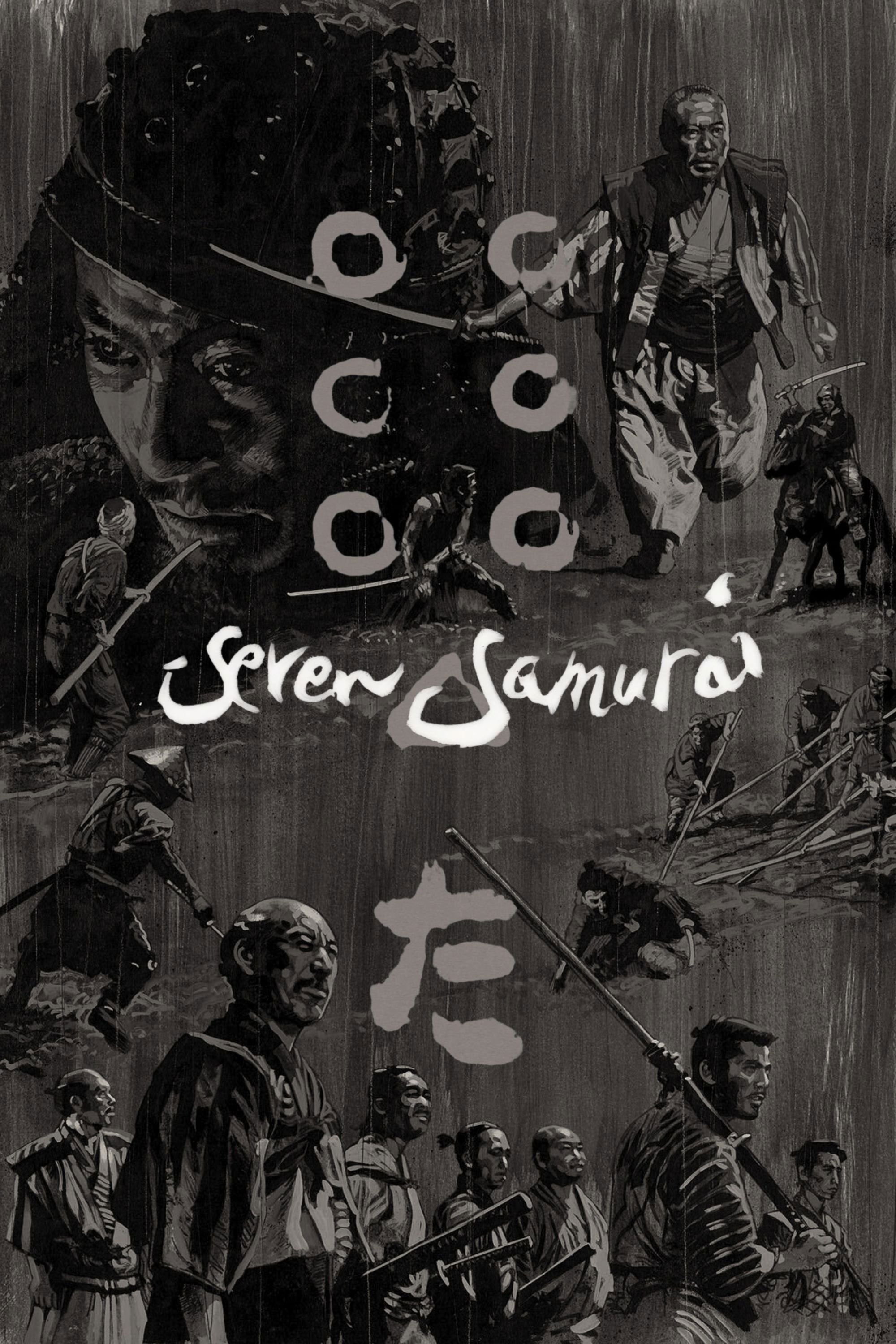
This historical epic by Akira Kurosawa essentially invented the modern action team-up movie. It tells the story of gathering skilled warriors to protect a village from bandits, a plot that’s been copied in many action films and Westerns since. The film skillfully combined compelling characters with exciting, large-scale battles.
‘Psycho’ (1960)
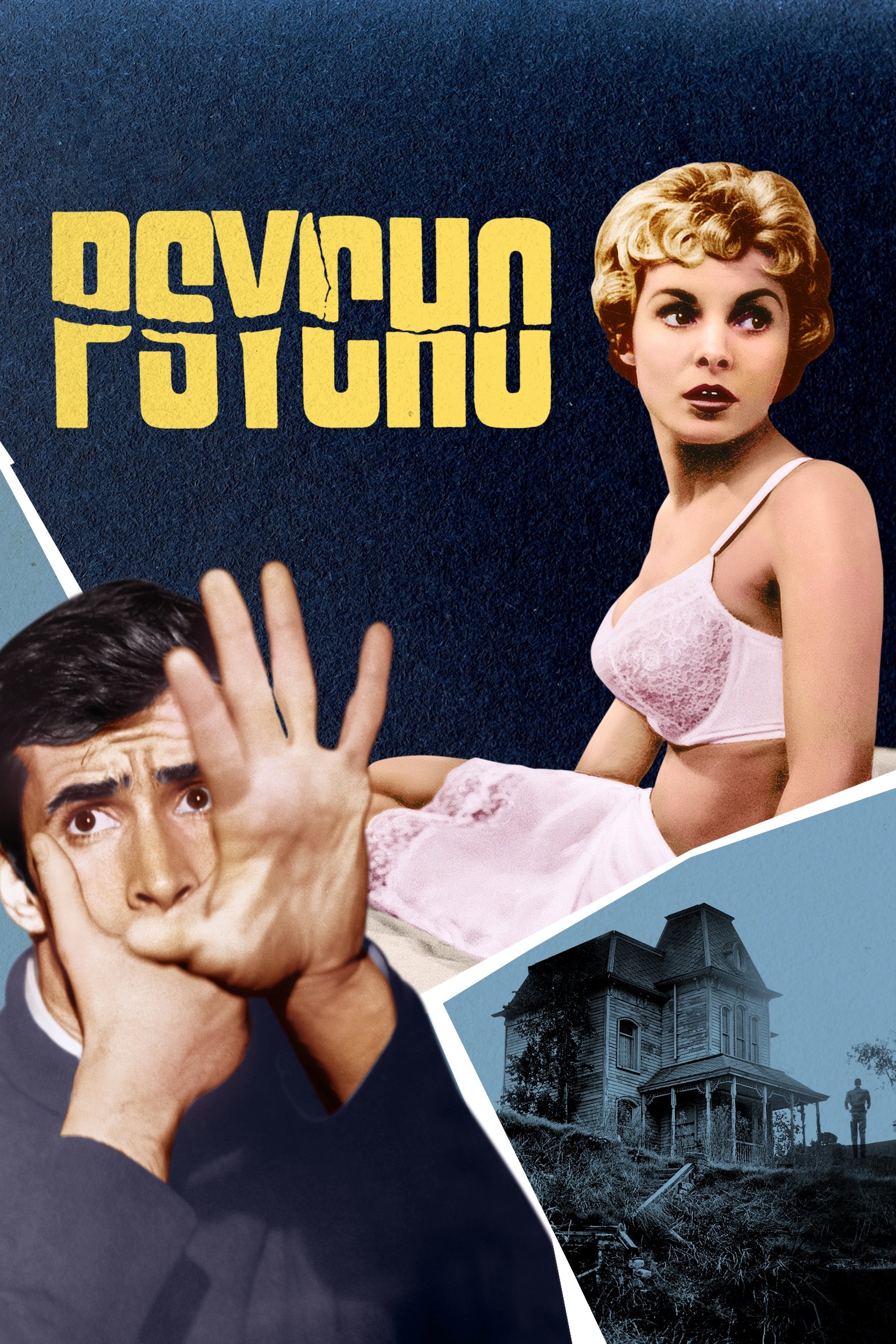
Alfred Hitchcock revolutionized filmmaking by unexpectedly killing off his main character early in the movie. This shifted the focus of horror films from monsters to the terrifying potential of psychologically disturbed human killers, essentially creating the slasher genre. It also demonstrated that a thrilling movie didn’t need a large budget to be incredibly successful, and it shocked audiences by proving that any character could be unexpectedly and violently killed.
‘Goldfinger’ (1964)
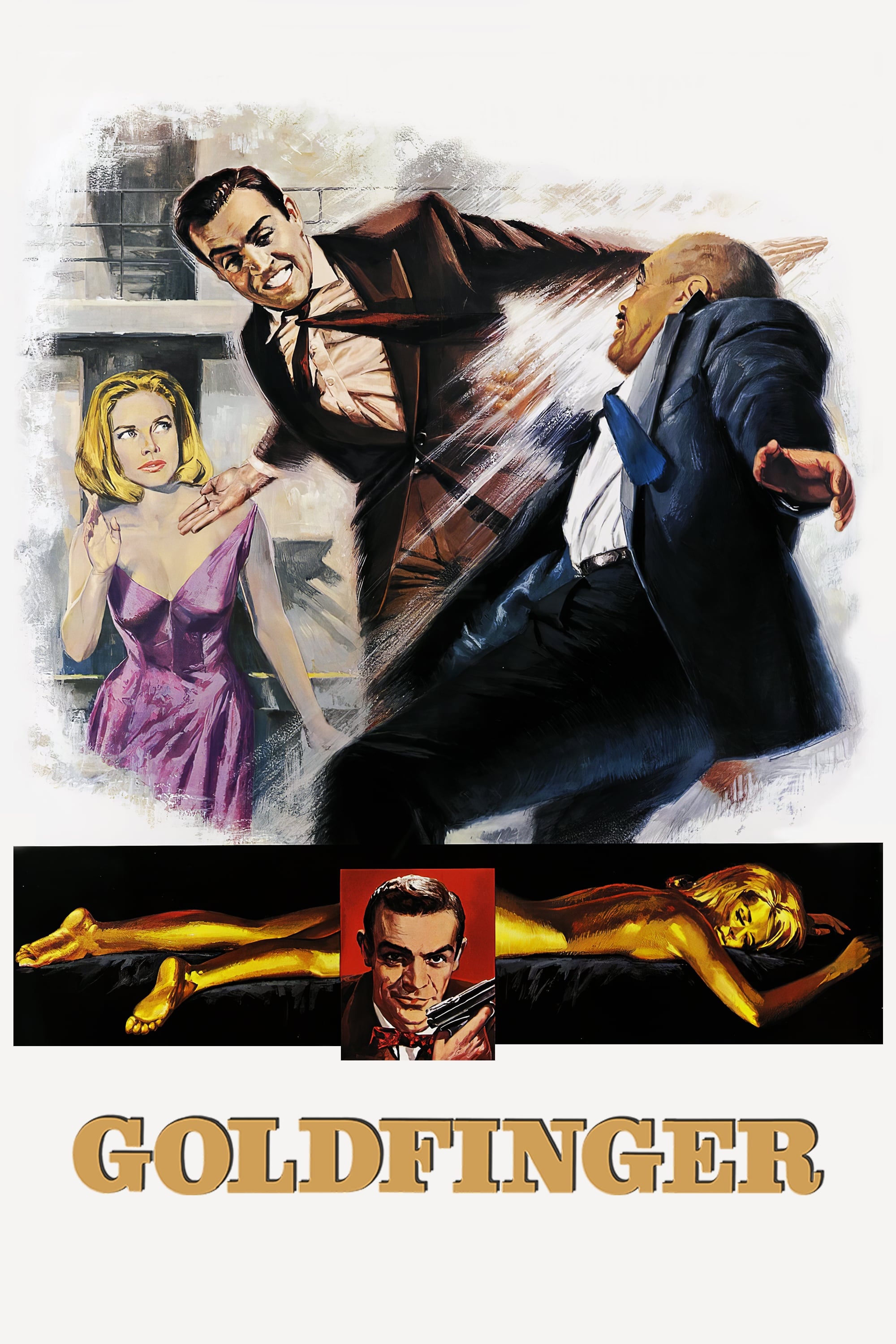
This James Bond film essentially created the blueprint for all the spy movies that followed. It popularized the use of cool gadgets and exciting action sequences right from the beginning, and it set the standard for memorable villains with their own unique assistants. After this film, spy movies became less about realistic spying and more about over-the-top action and fantasy.
‘Night of the Living Dead’ (1968)

George A. Romero revolutionized zombie movies by turning the undead into flesh-hungry creatures. His film wasn’t just scary; it used horror to make a point about society and notably featured a Black lead actor, which was unusual for the time. The movie also set the standard for how zombies behave in films and TV, and proved that low-budget horror could be both frightening and important.
‘2001: A Space Odyssey’ (1968)
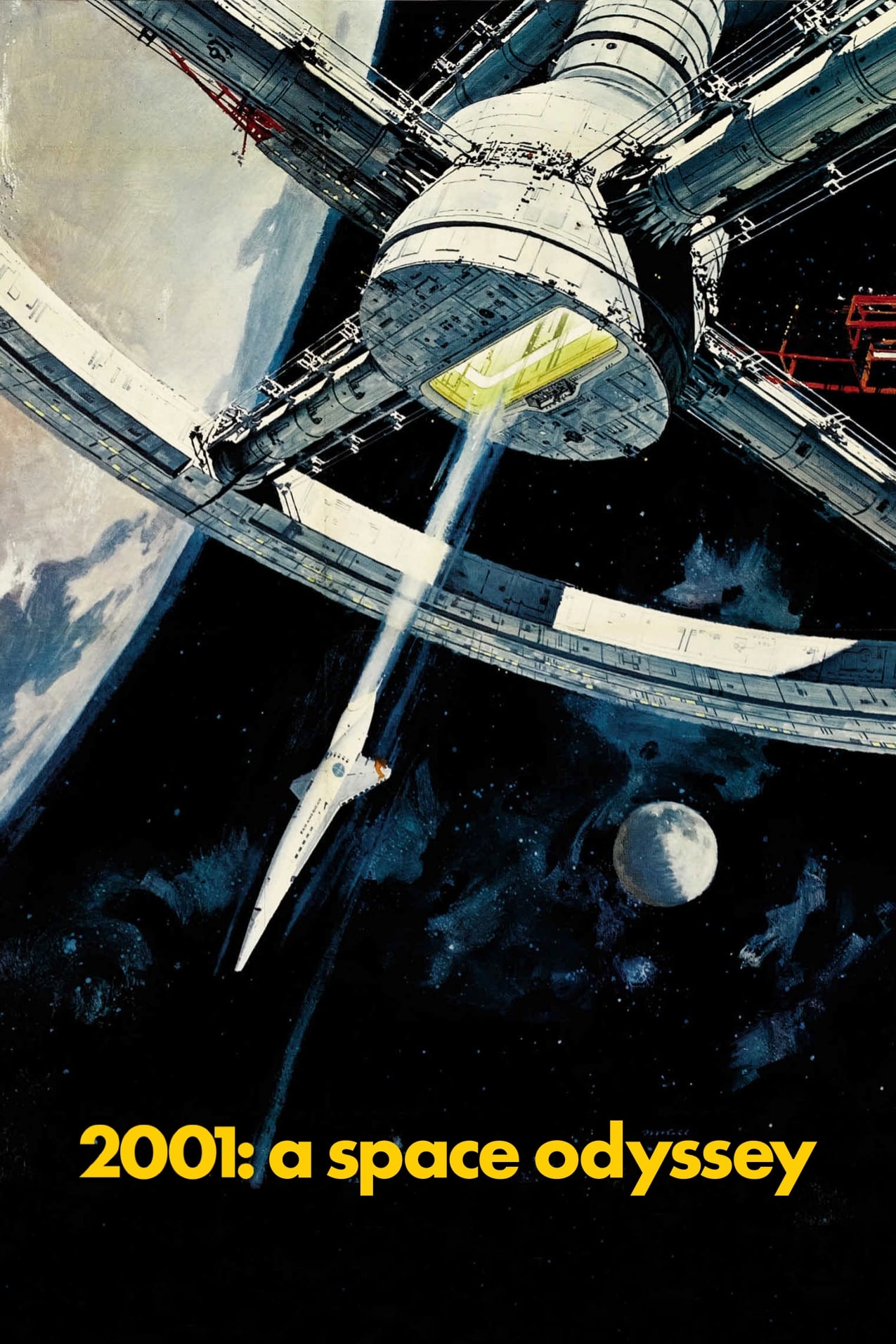
Stanley Kubrick transformed science fiction from a genre known for cheap thrills into one that explored profound philosophical ideas. His film featured revolutionary special effects that made space travel look incredibly realistic. He prioritized showing rather than telling, using visuals and a powerful classical soundtrack to convey the story. Ultimately, this film proved that science fiction could be a sophisticated and intellectually stimulating art form.
‘Easy Rider’ (1969)
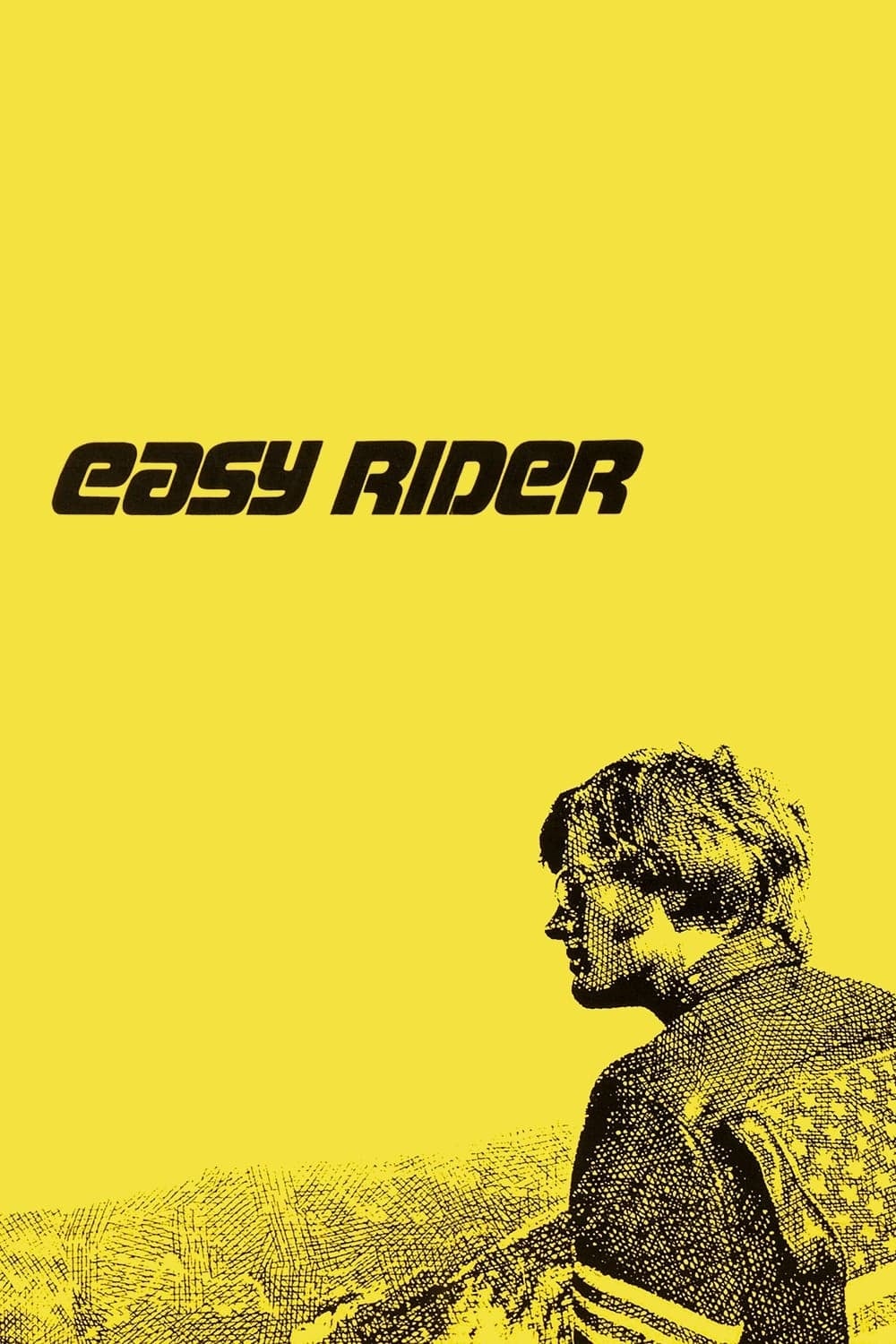
This movie marked a turning point in filmmaking, ushering in the era of New Hollywood and the weakening of the old studio system. It broke from tradition with its unconventional storytelling and popular rock music, appealing to the growing counterculture. Its surprising success showed studios that films aimed at younger audiences could be very lucrative. As a result, studios started giving more creative freedom to up-and-coming directors who were eager to try new things.
‘Enter the Dragon’ (1973)
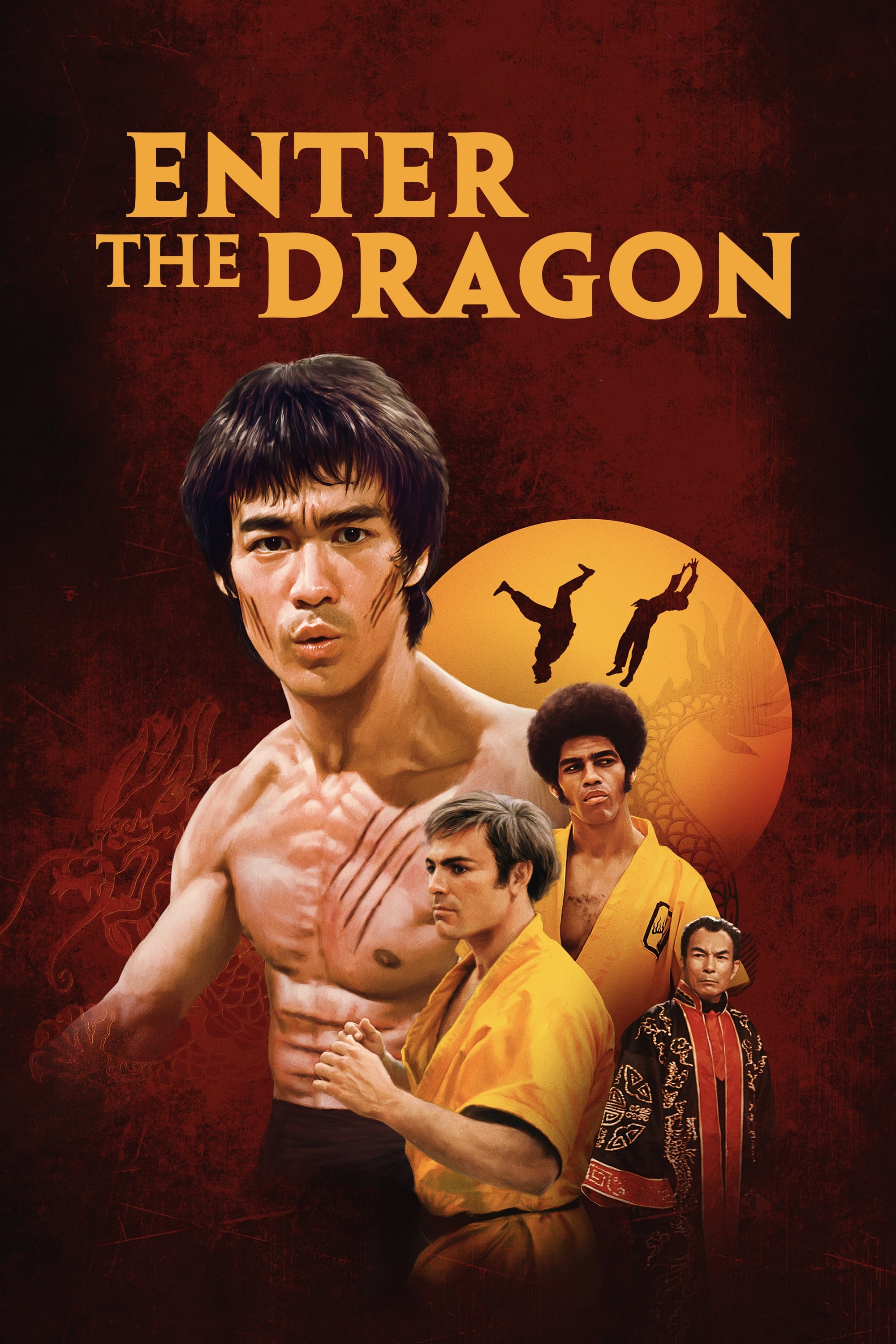
Bruce Lee’s film was a game-changer, bringing martial arts movies to audiences around the world. It blended the excitement of a spy story with incredible fight scenes, kicking off a huge kung fu trend and inspiring action movie choreography for years to come. Importantly, it also helped Western viewers accept Asian actors as leading heroes.
‘Jaws’ (1975)
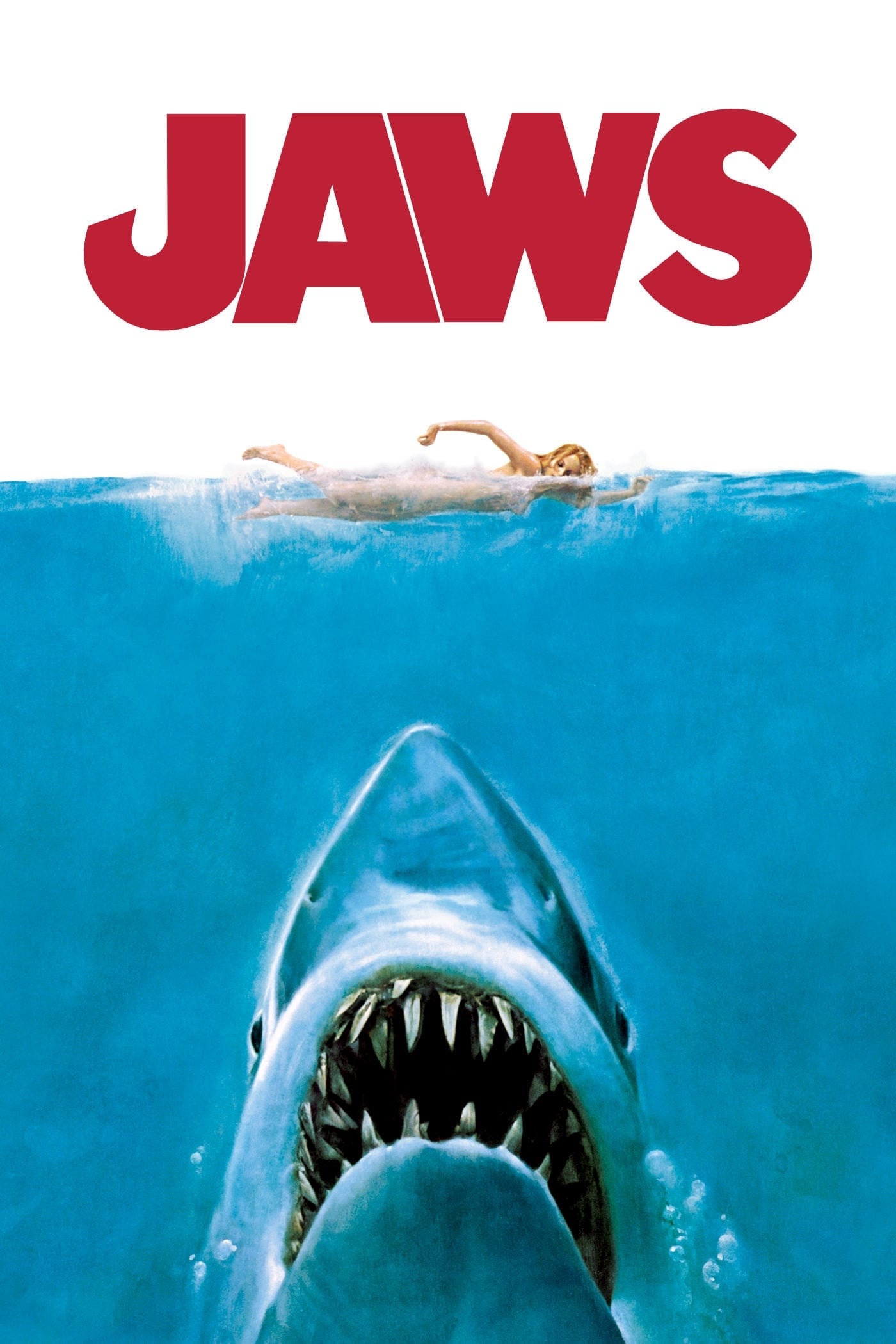
Steven Spielberg’s thrilling shark movie unexpectedly launched the modern summer blockbuster as we know it. Released in many theaters at once and heavily advertised on TV, it changed how Hollywood made movies. Studios started focusing on big, broadly appealing ideas for summer releases and prioritized strong opening weekend sales over how long a film stayed in theaters.
‘Star Wars’ (1977)
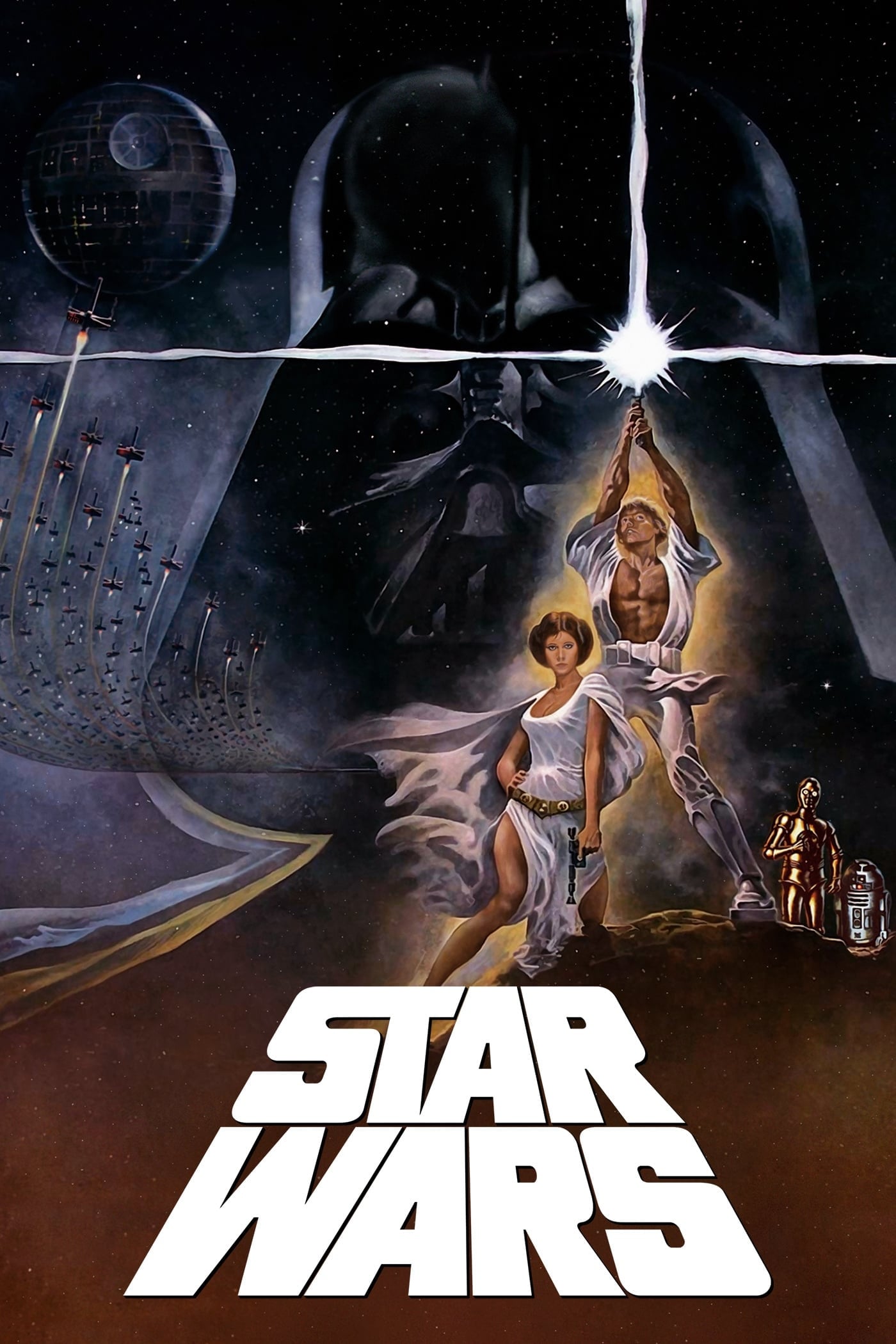
George Lucas breathed new life into science fiction adventures by combining timeless myths with groundbreaking visual effects. His film created a realistic, well-worn universe where technology appeared practical and used, not brand new. He also changed how movies made money through merchandise and licensing deals. Ultimately, the franchise’s popularity made science fiction the leading genre in Hollywood.
‘Superman’ (1978)
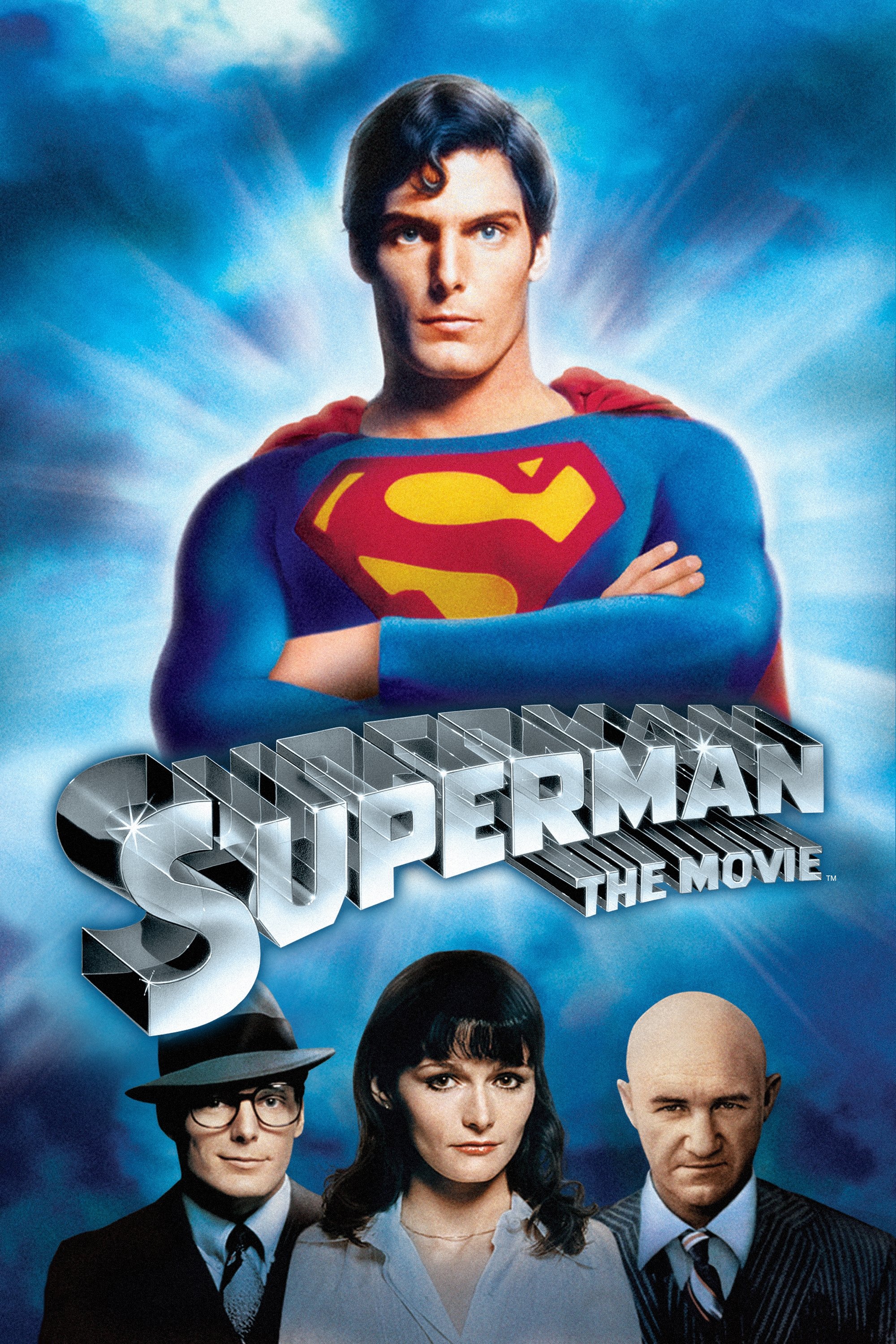
Richard Donner approached comic books with respect and created a visually impressive film. It essentially created the formula for how superhero movies would tell their stories for years to come. The film demonstrated that special effects could realistically depict flight, allowing audiences to fully immerse themselves in the story. This success proved that superhero movies could be big-budget, critically respected blockbusters.
‘Halloween’ (1978)

John Carpenter revolutionized horror by focusing on simple, terrifying concepts – like a silent killer preying on teens in ordinary neighborhoods. His film established many of the conventions we now see in slasher movies, including the ‘final girl’ character and the relentless villain. Importantly, it proved that a truly frightening atmosphere could be created with sound and mood, rather than relying on costly special effects. This inspired a wave of independent filmmakers to create their own low-budget, high-profit horror films.
‘Alien’ (1979)
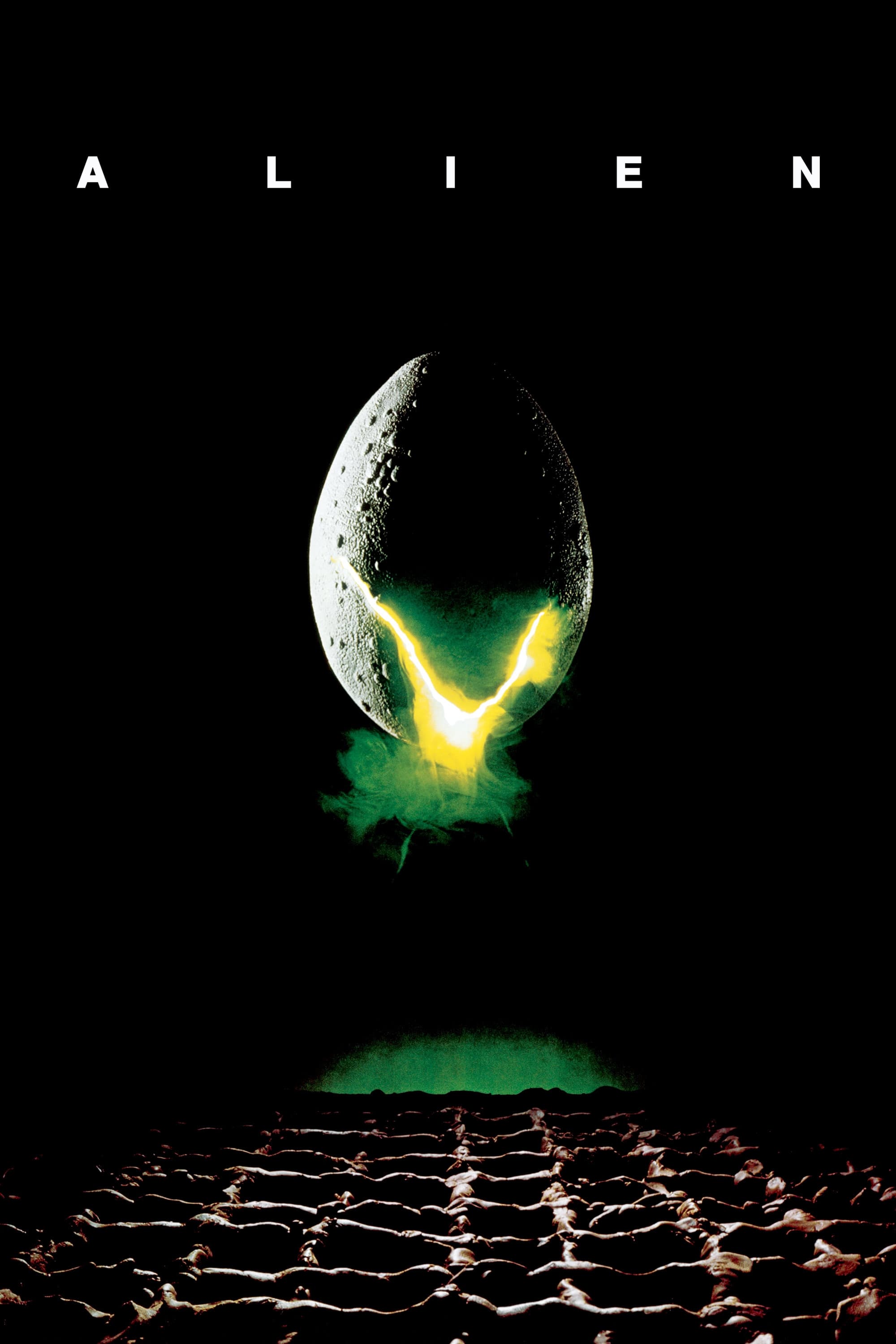
Ridley Scott’s film brilliantly combined science fiction and horror, creating a tense and unsettling experience. Unlike typical space adventures, it showed space travel as a gritty, everyday job. The movie also broke ground with its strong female lead, who relied on her wits to survive, and its incredibly realistic creature design, which remains impressive even today.
‘Blade Runner’ (1982)
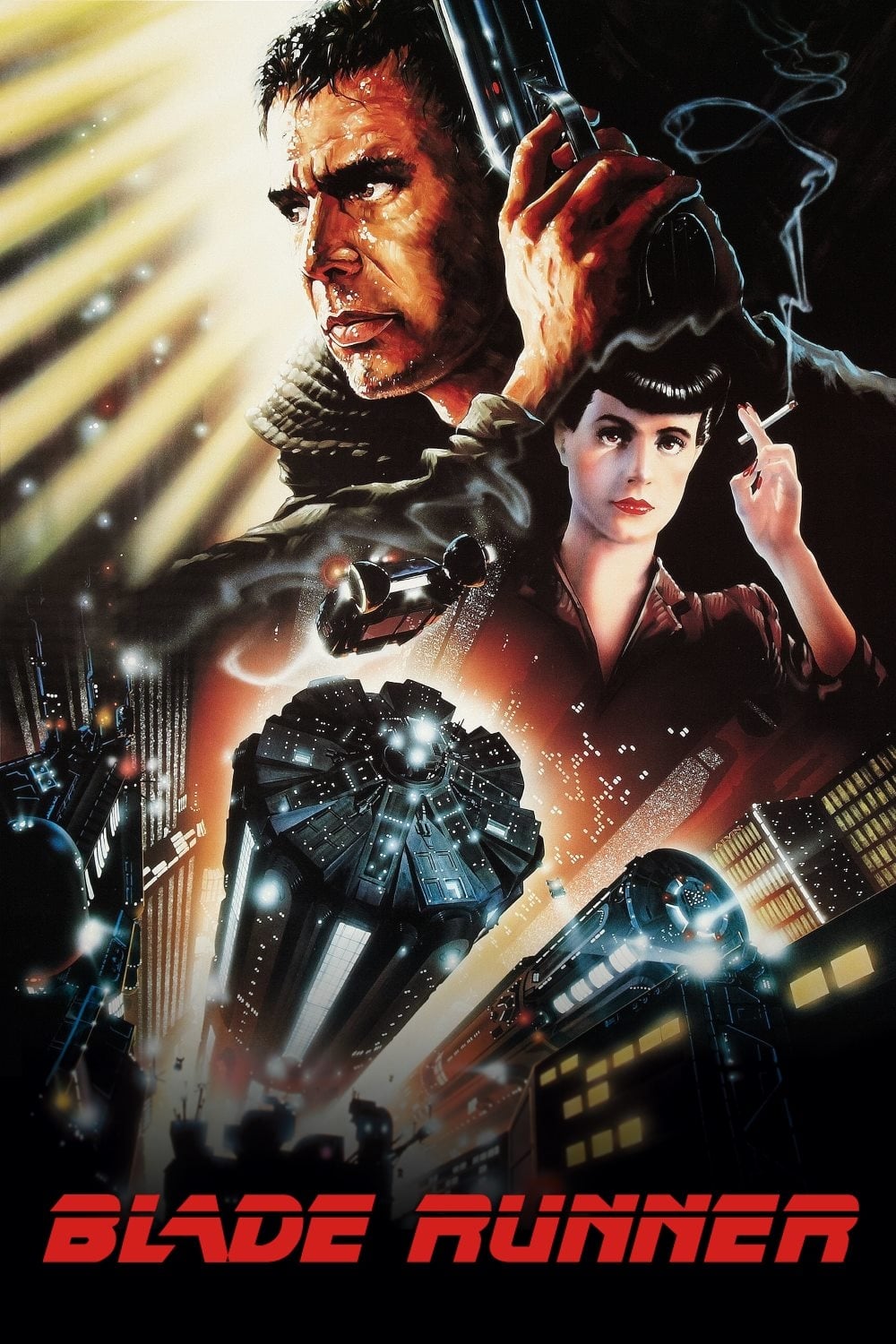
This movie is famous for creating the iconic look of cyberpunk – a dark, futuristic world filled with rain and glowing neon lights. It combined the style of classic detective films with science fiction ideas about artificial intelligence and what it means to be human. Its unique design heavily influenced many sci-fi movies and video games that came after it. While it didn’t do well in theaters at first, people eventually appreciated its complicated and thought-provoking story.
‘This Is Spinal Tap’ (1984)
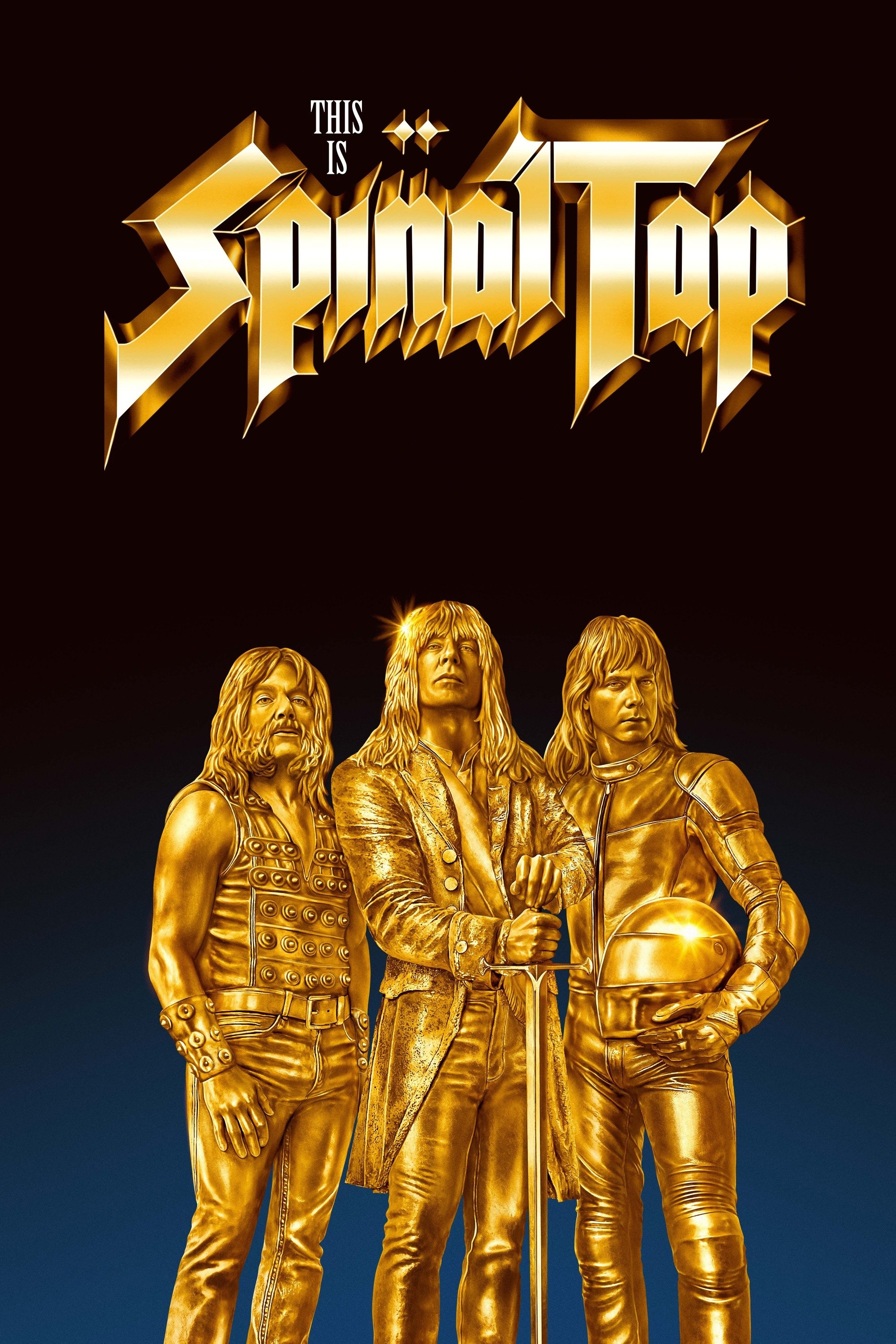
Rob Reiner helped make the mockumentary style famous by presenting a fake story as if it were real. The actors often made up their lines, which gave the film a natural and funny feel. It showed that humor could come from uncomfortable pauses and realistic conversations, not just traditional jokes. This approach has had a big impact on many comedies we see on TV and in movies today.
‘Akira’ (1988)
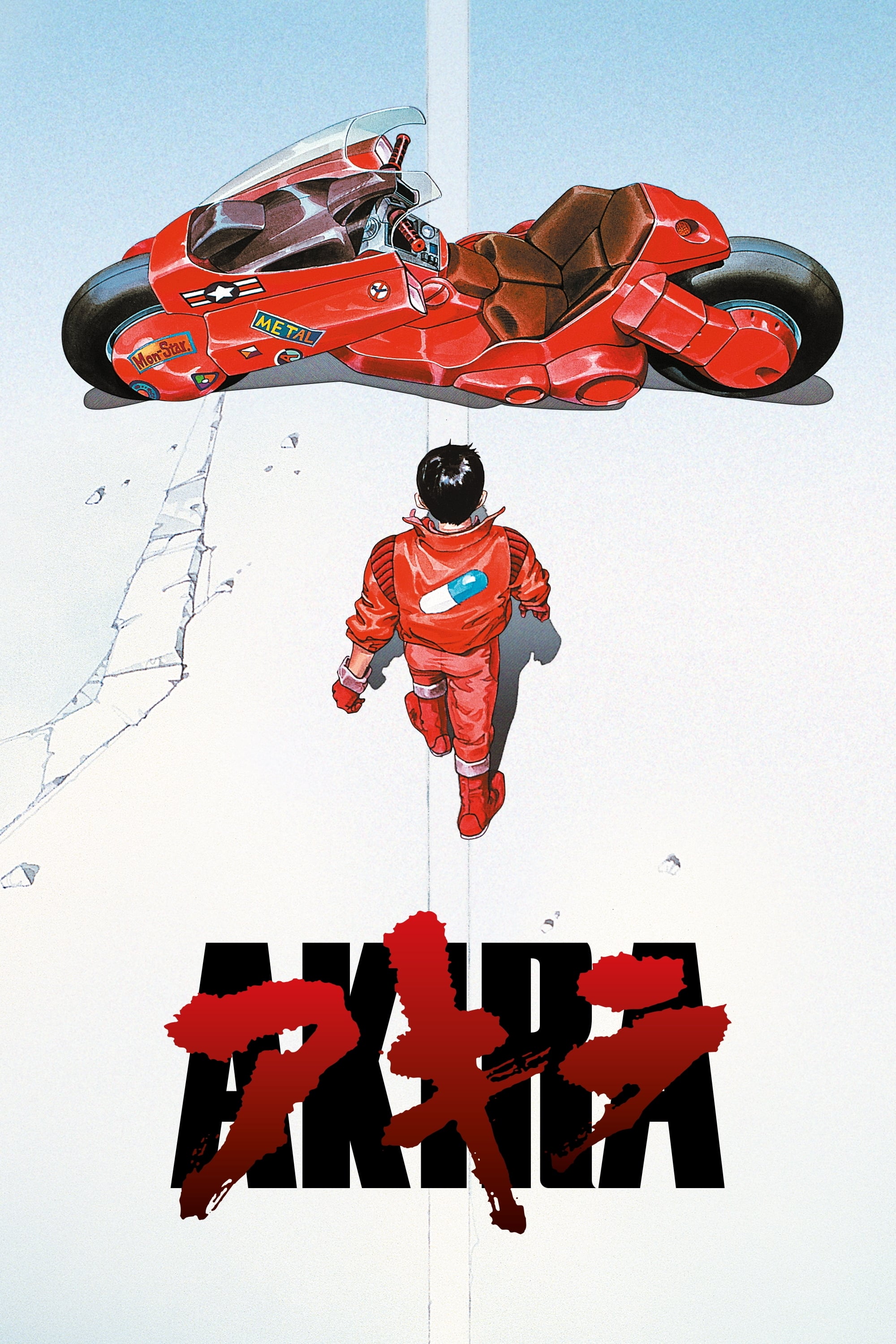
Katsuhiro Otomo’s film challenged the idea that animation was just for kids, delivering a gritty and violent cyberpunk story. It explored serious topics like government corruption and psychic abilities, all with stunning, detailed visuals. This film was a turning point, helping Japanese anime reach a wider international audience and building a dedicated fanbase. Its unique visual style still inspires creators today.
‘Die Hard’ (1988)
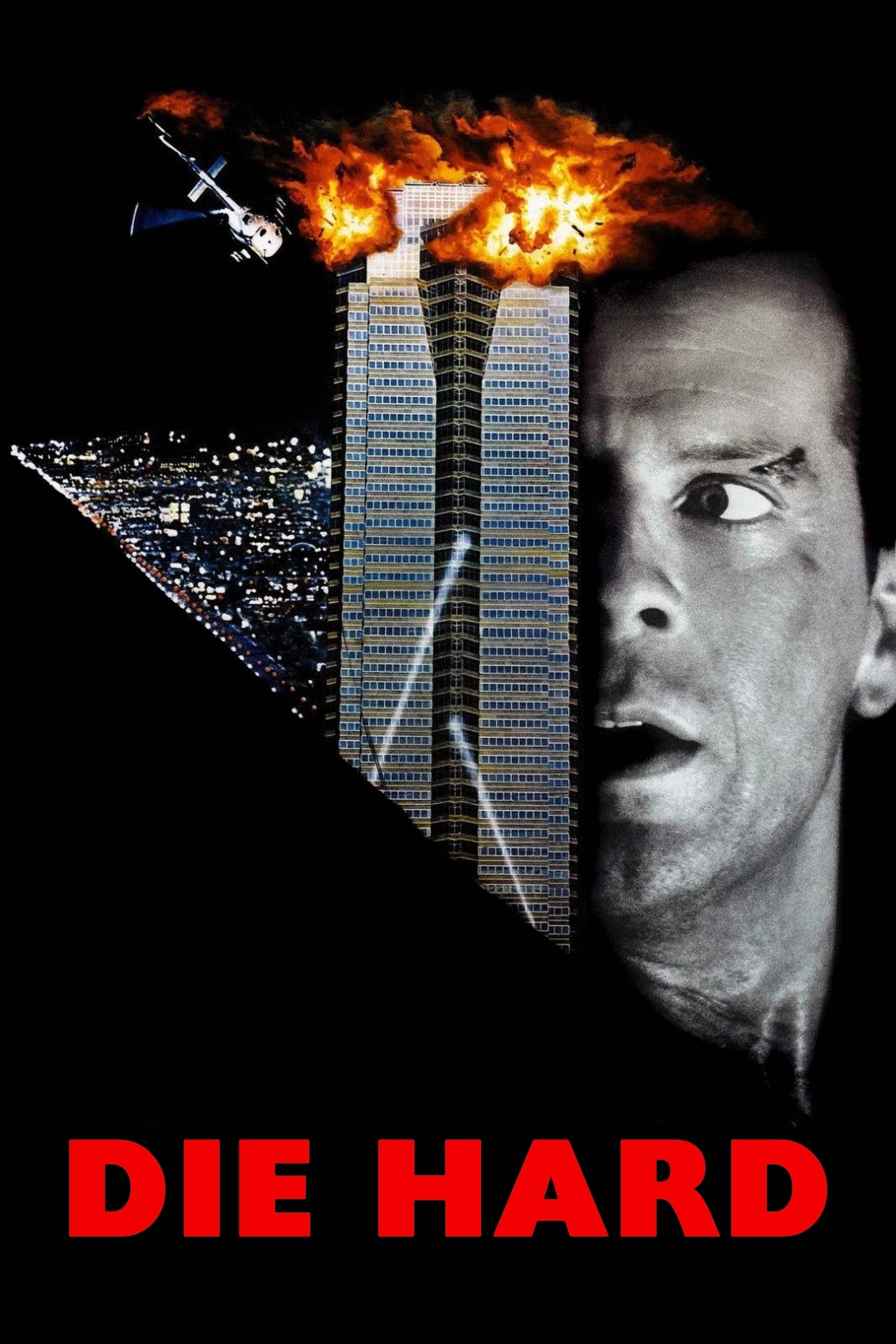
John McTiernan’s film featured a relatable hero – someone ordinary who gets injured and realistically reacts to the pain. This was a shift from the indestructible action heroes popular in the 1980s. The film also popularized the ‘single location’ thriller, where the hero is trapped with villains. For years afterward, screenwriters tried to sell similar ideas, simply changing the location of the action.
‘Who Framed Roger Rabbit’ (1988)
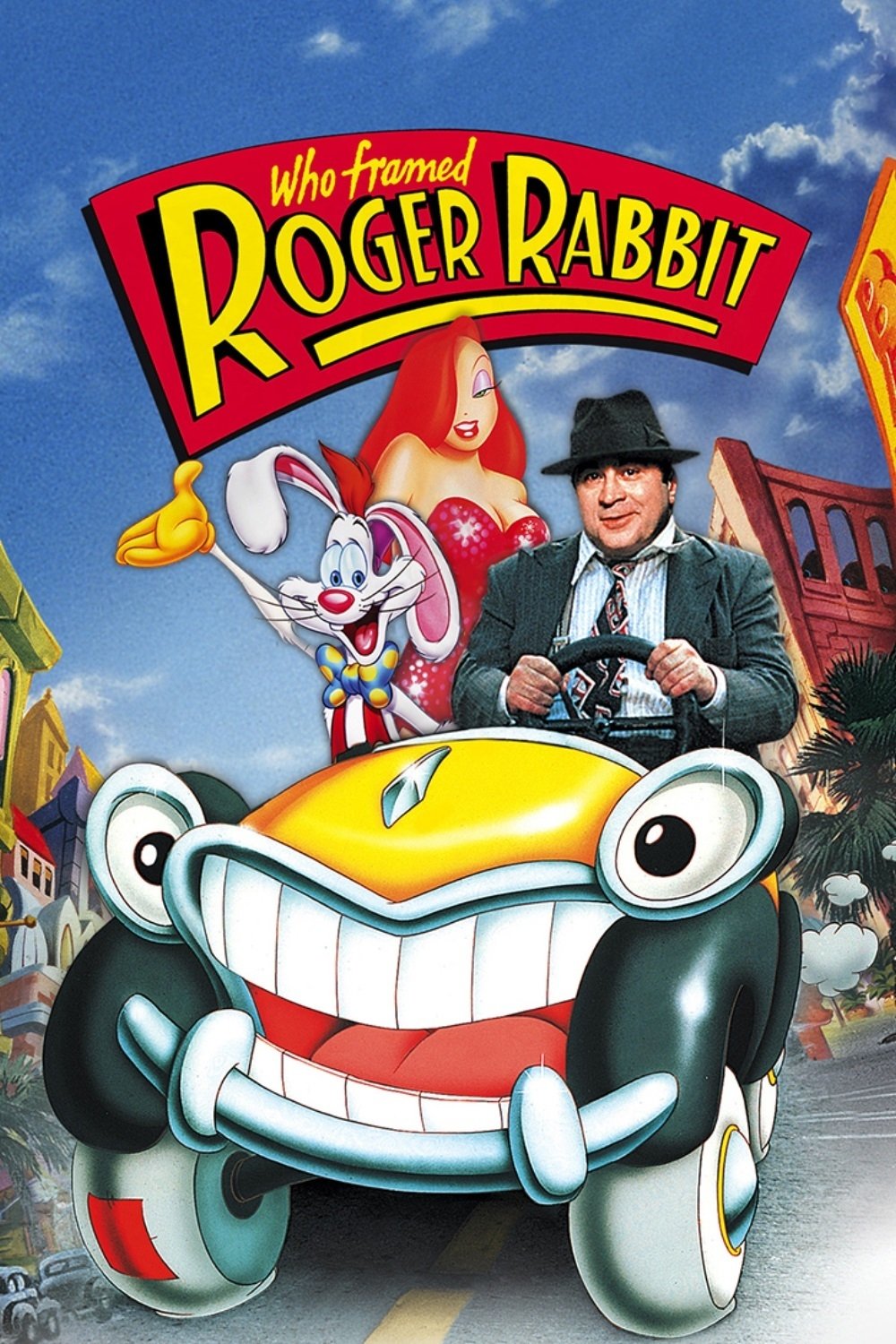
As a critic, I have to say Robert Zemeckis really knocked it out of the park with this film. He flawlessly blended traditional animation with live-action, and the result was something truly special. It wasn’t just a technical marvel, though; taking those classic cartoon characters and dropping them into a gritty noir detective story was a stroke of genius. It genuinely felt like a rebirth for animation, and I think it’s safe to say it kicked off the animation boom we saw throughout the nineties. The way he made the animated and real worlds interact set a new standard – it was groundbreaking stuff.
‘Batman’ (1989)
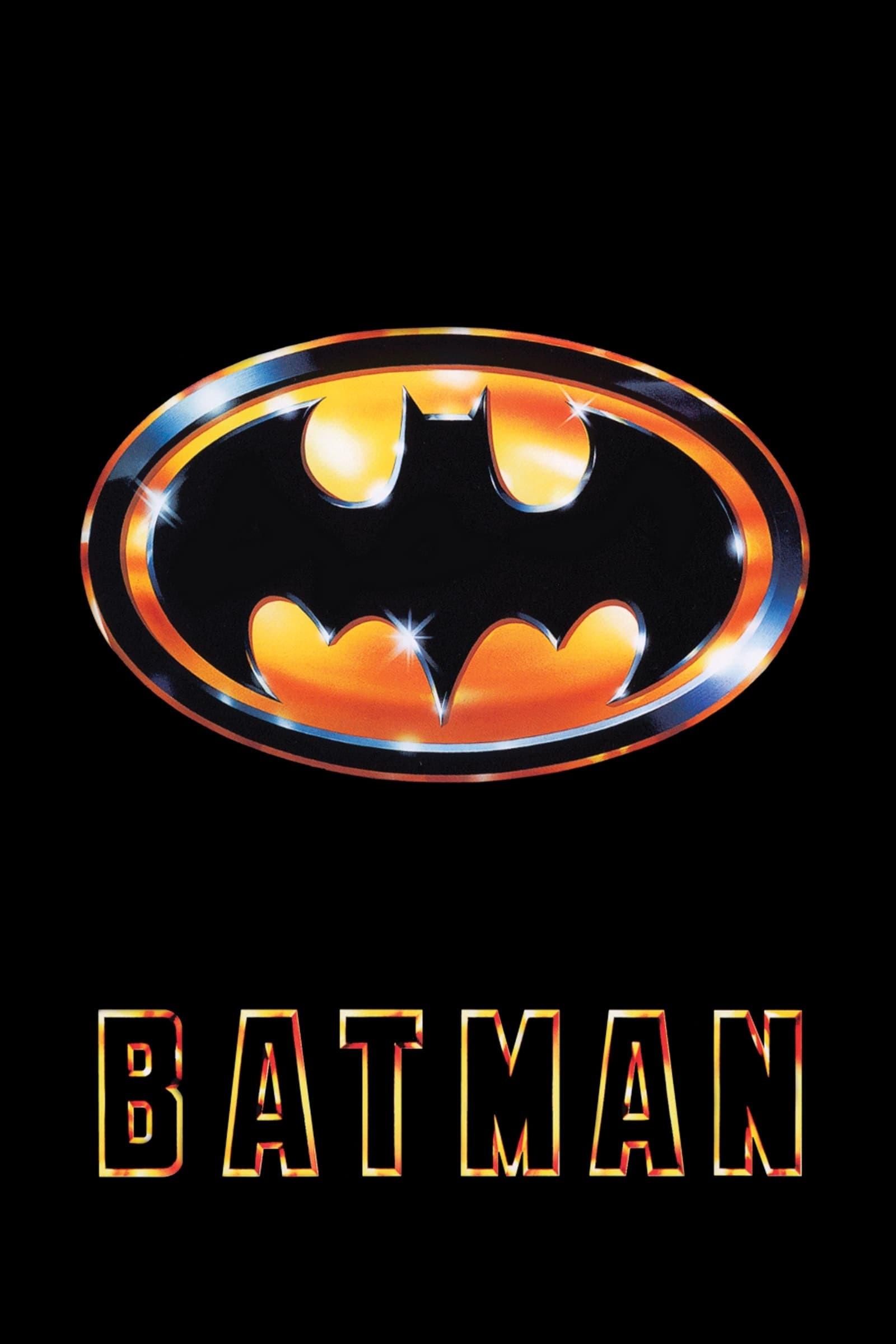
Tim Burton brought a distinctly dark and gothic style to superhero movies, a major departure from the more lighthearted versions that came before. The film’s marketing was incredibly widespread, making the bat symbol instantly recognizable everywhere. It proved that movies could be darker and appeal to adult audiences while still being successful with children and selling merchandise. Ultimately, this film changed how comic books were brought to life on screen, showcasing a new level of visual possibilities.
‘The Silence of the Lambs’ (1991)
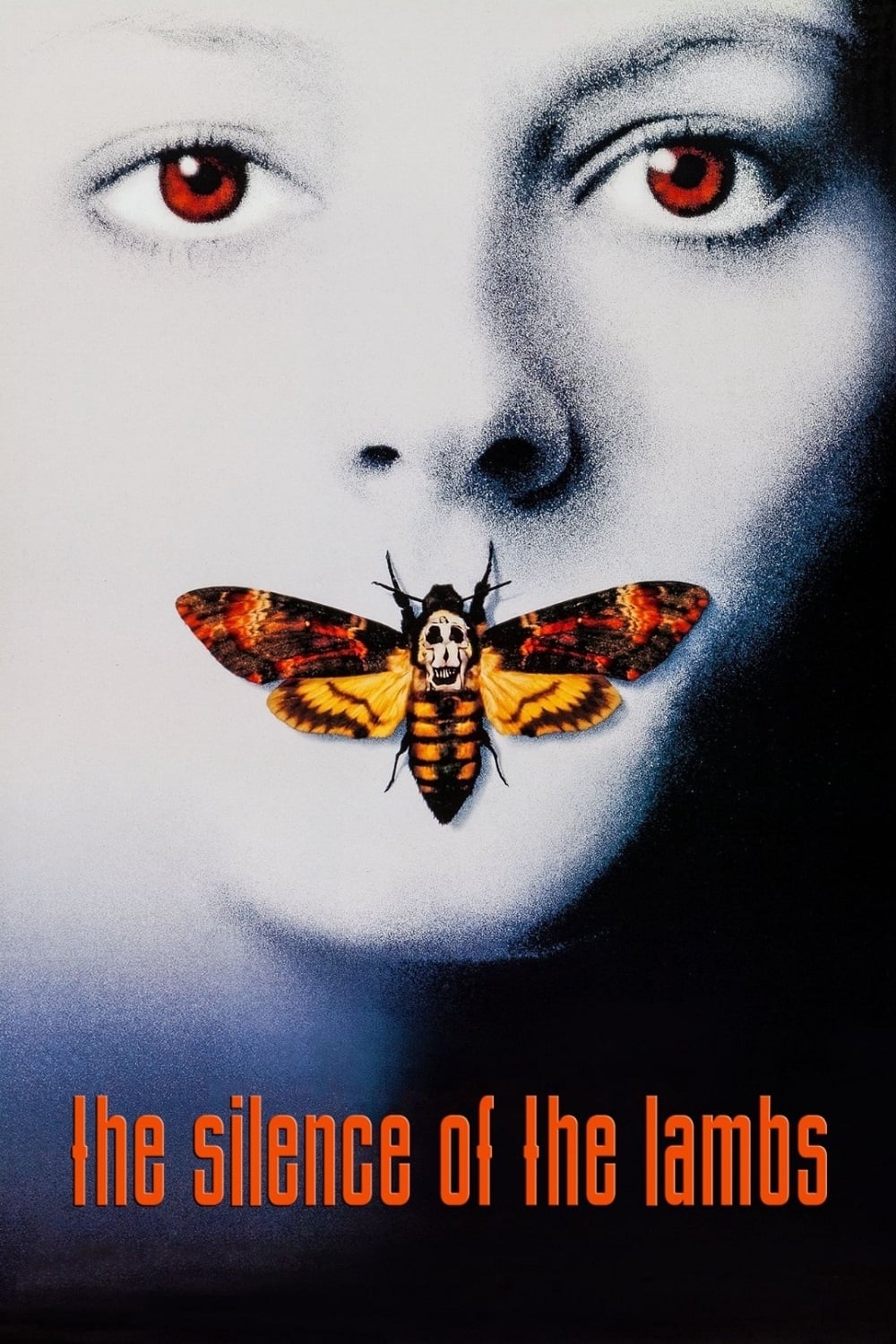
Jonathan Demme’s acclaimed film successfully blended suspense and horror, earning him major awards. It stood out for its strong, complicated female lead and a villain who relied on intelligence rather than brute force. This helped establish thrillers as a respected genre, gaining recognition from critics and award shows. Afterward, film studios started making more sophisticated crime dramas, often featuring well-known actors.
‘Terminator 2: Judgment Day’ (1991)
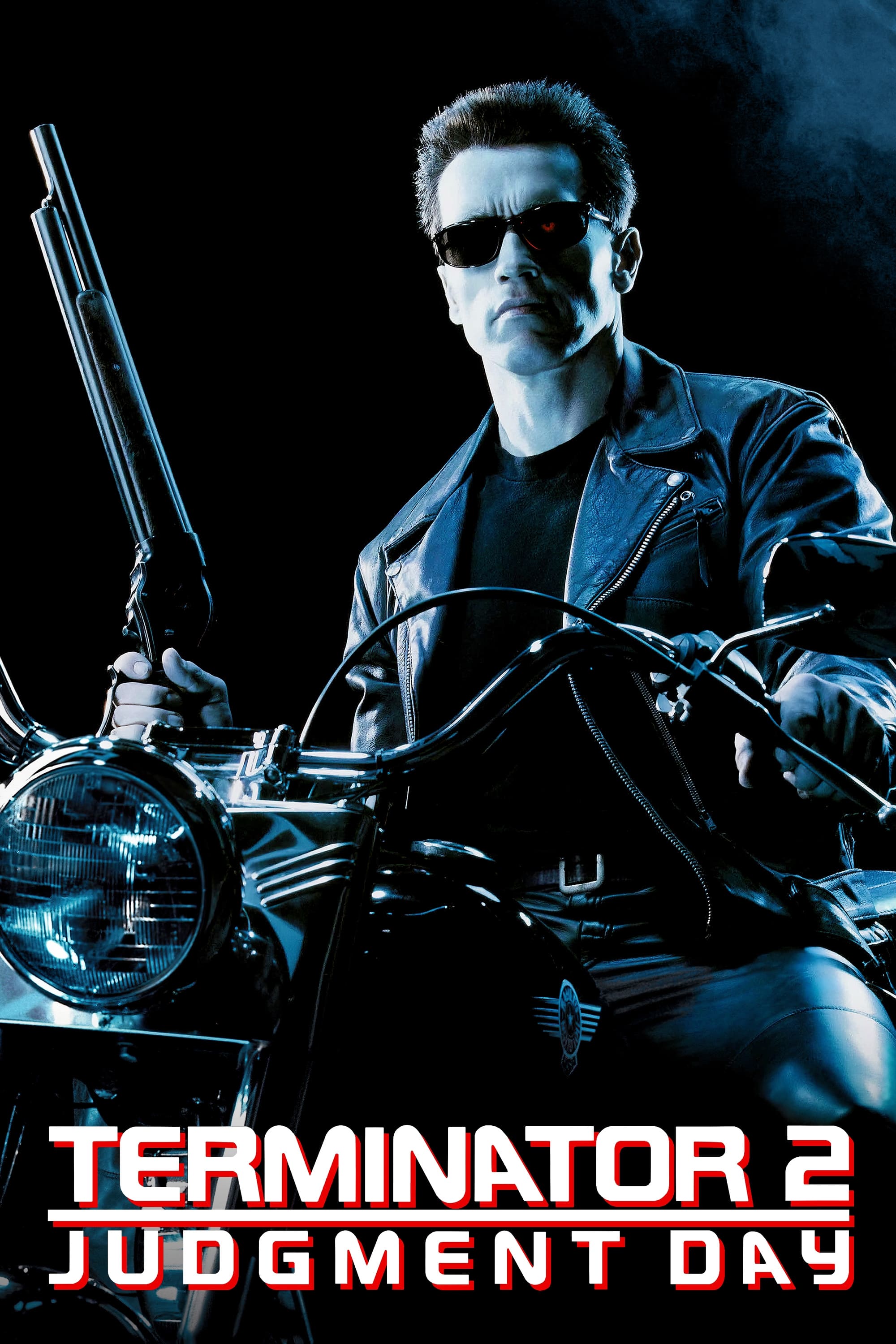
As a huge fan, I always think about how groundbreaking this movie was! The way they did the villain with that liquid metal was just mind-blowing – it totally changed what was possible with special effects. What I loved most was how real everything felt, even the craziest stunts. They didn’t rely just on computers; it was a perfect mix of practical effects and digital enhancements. Honestly, it set the bar for all the big summer action movies we see now, and it was a turning point where digital effects really started to take over from the old ways of doing things.
‘Reservoir Dogs’ (1992)
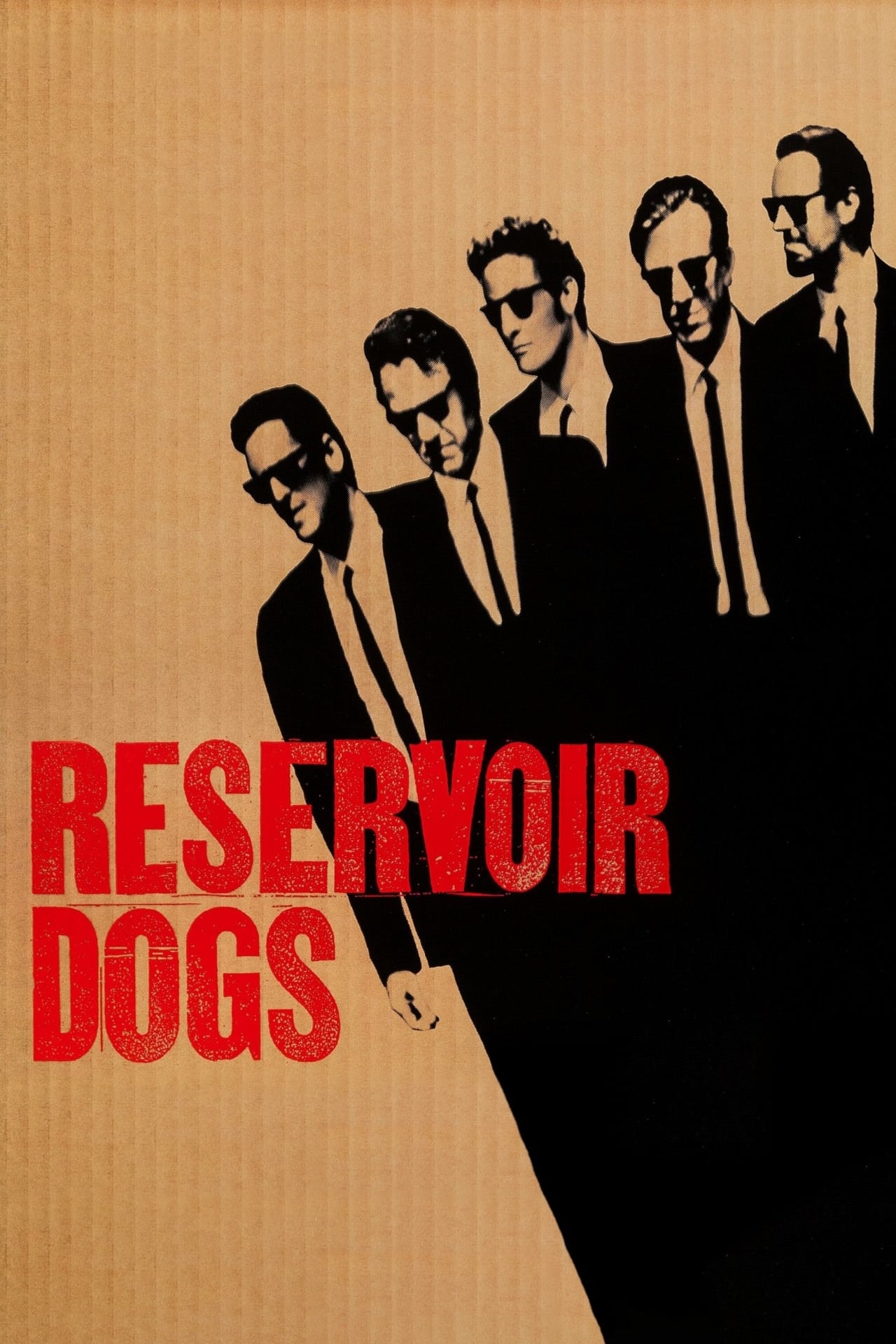
Quentin Tarantino revolutionized crime films by filling them with references to popular culture and using a non-traditional, fragmented narrative. His films focused more on conversations and the relationships between characters than on the crime itself—the actual robbery isn’t ever shown. This unique style—cool, distant, and visually striking—inspired a new generation of independent filmmakers. He also changed how movies used music, proving that soundtracks could be just as important as the visuals.
‘Toy Story’ (1995)
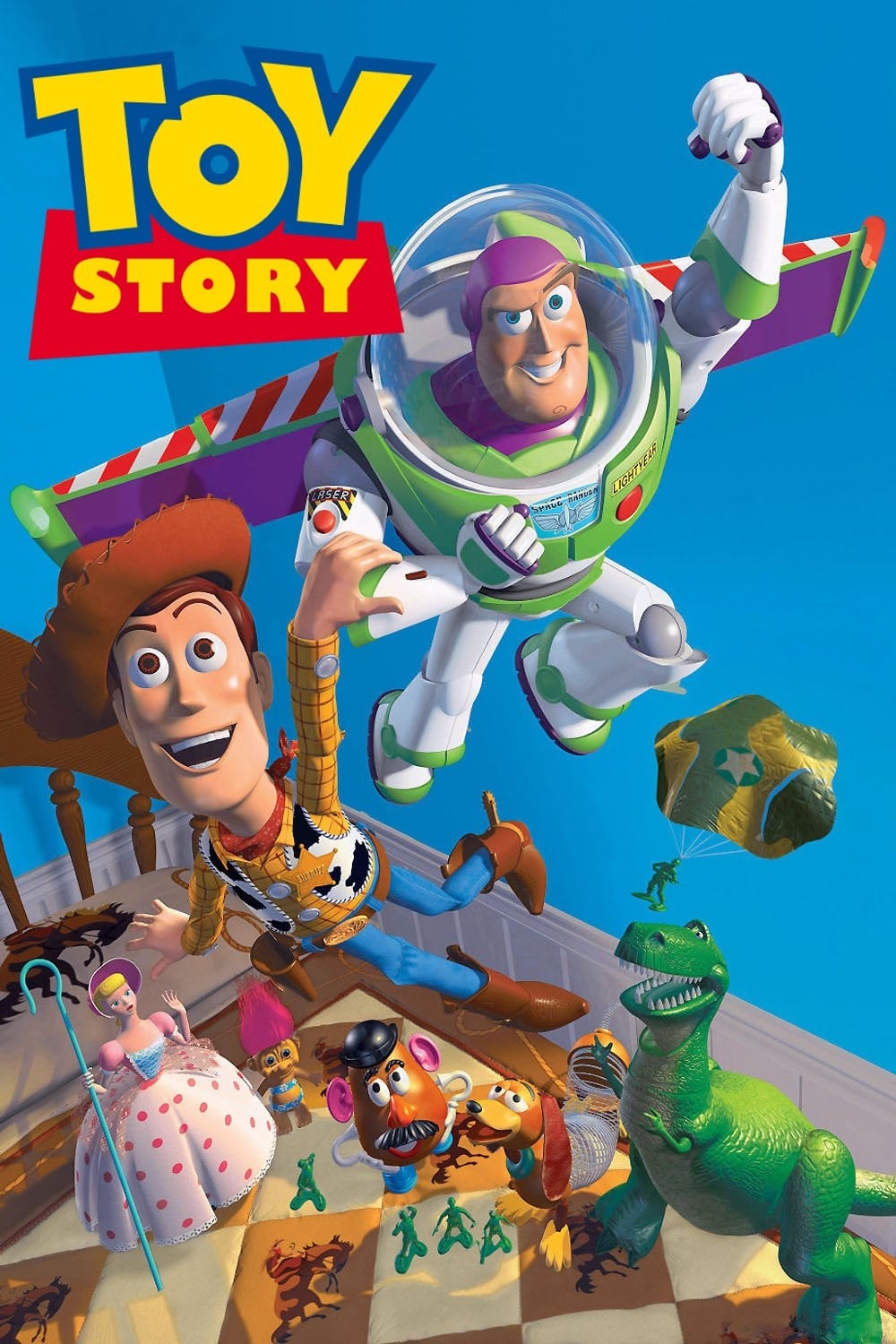
Pixar revolutionized animation with its first full-length computer-animated movie. It proved that 3D animation could be just as powerful and moving as classic hand-drawn techniques. This breakthrough ushered in a new age of computer-animated family films that quickly became box office hits, leading to a gradual decrease in the popularity of traditionally animated movies in theaters.
‘Scream’ (1996)
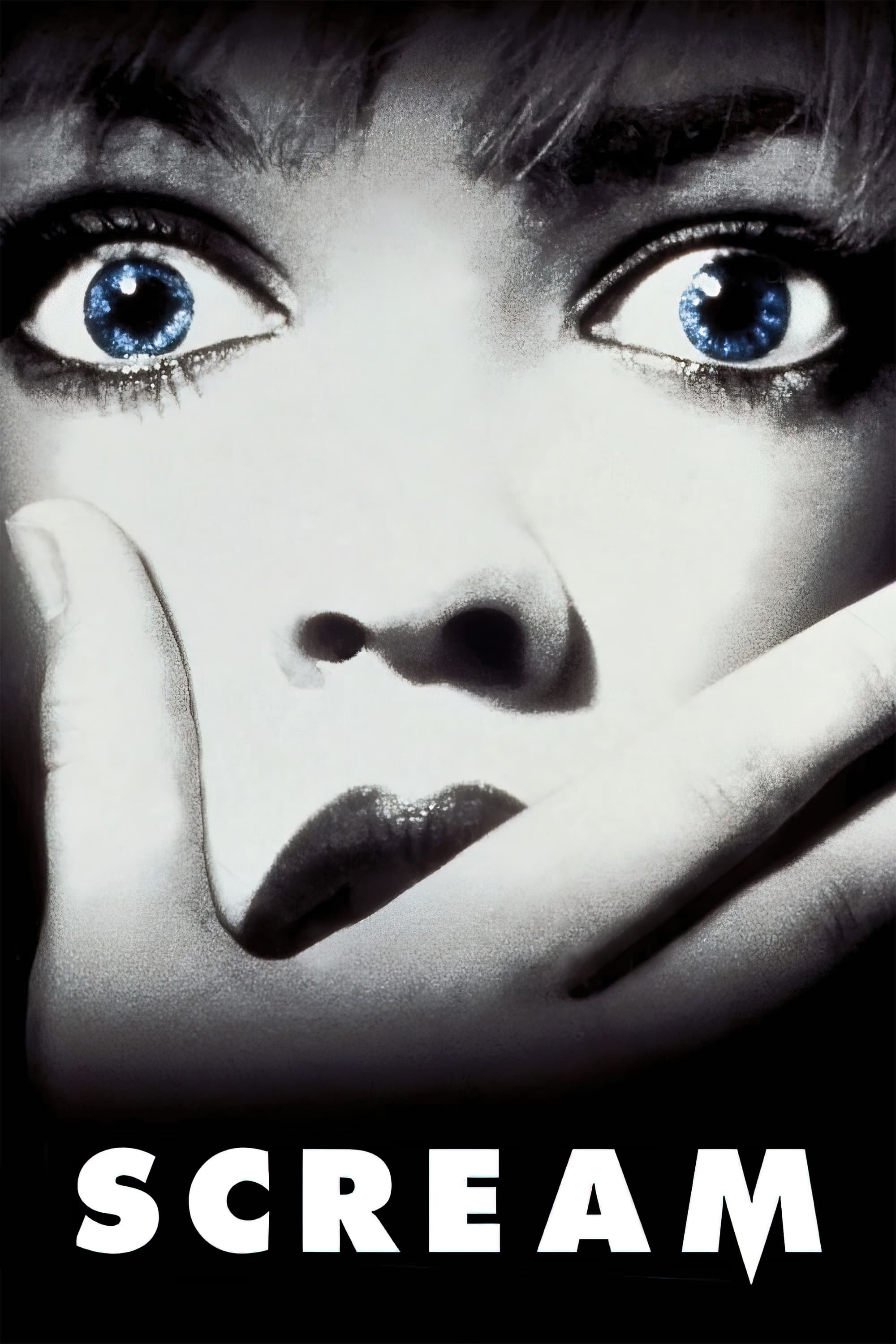
Wes Craven breathed new life into horror films by cleverly having his characters recognize and react to the common conventions of scary movies. His film skillfully blended real scares with witty commentary and satire of typical slasher movie clichés. This approach sparked a wave of self-aware teen horror films that became hugely popular in the late 1990s, proving audiences were ready for characters who weren’t fooled by the usual tropes and would make smarter choices, like not running down the stairs.
‘The Matrix’ (1999)
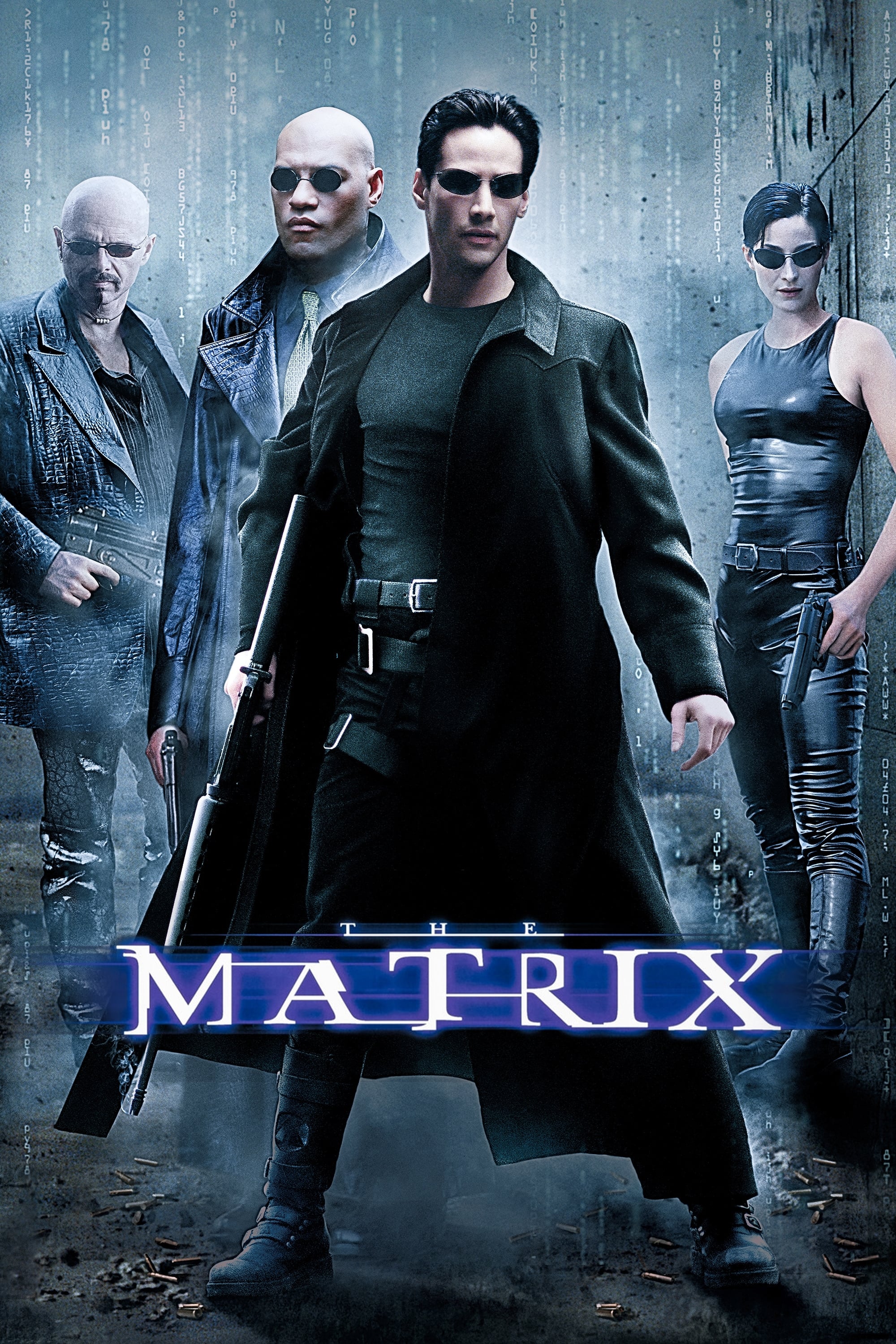
The Wachowskis’ film was a groundbreaking mix of fast-paced Hong Kong action, thought-provoking cyberpunk ideas, and innovative visual effects. It famously introduced the ‘bullet time’ effect, which became a popular trope in other films, and helped bring acrobatic ‘wire-fu’ fighting styles to Western audiences, setting a new bar for action sequences. The film’s distinctive leather-focused style also had a lasting impact on fashion and design.
‘The Blair Witch Project’ (1999)
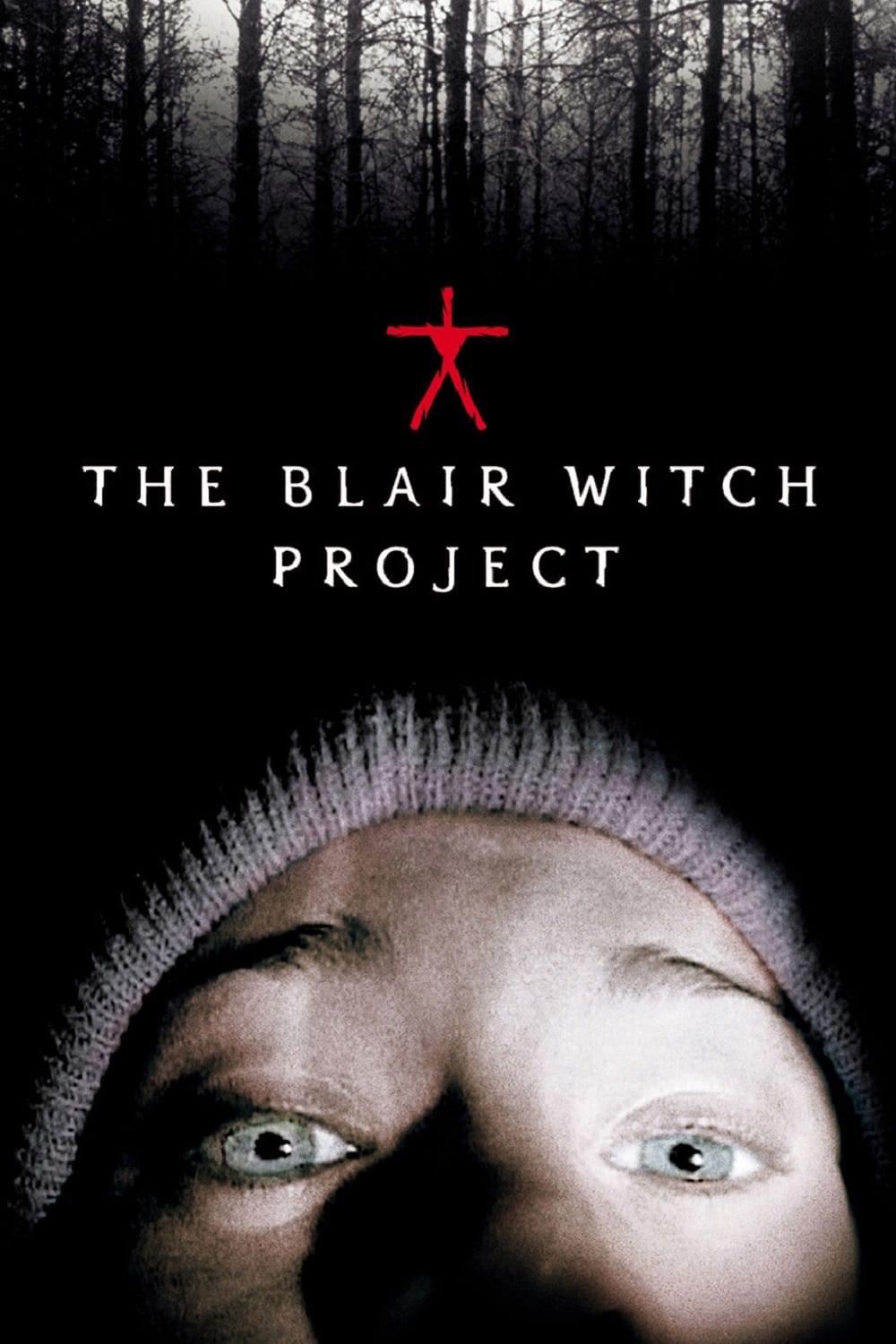
This low-budget movie essentially created the ‘found footage’ style by pretending to be a real documentary. It was also groundbreaking in how it used the internet to spread word-of-mouth – a tactic that hadn’t been seen before. The film’s shaky, realistic camera work genuinely frightened viewers around the world. It demonstrated that a strong idea and smart marketing could be more successful than expensive, big-studio films.
‘X-Men’ (2000)
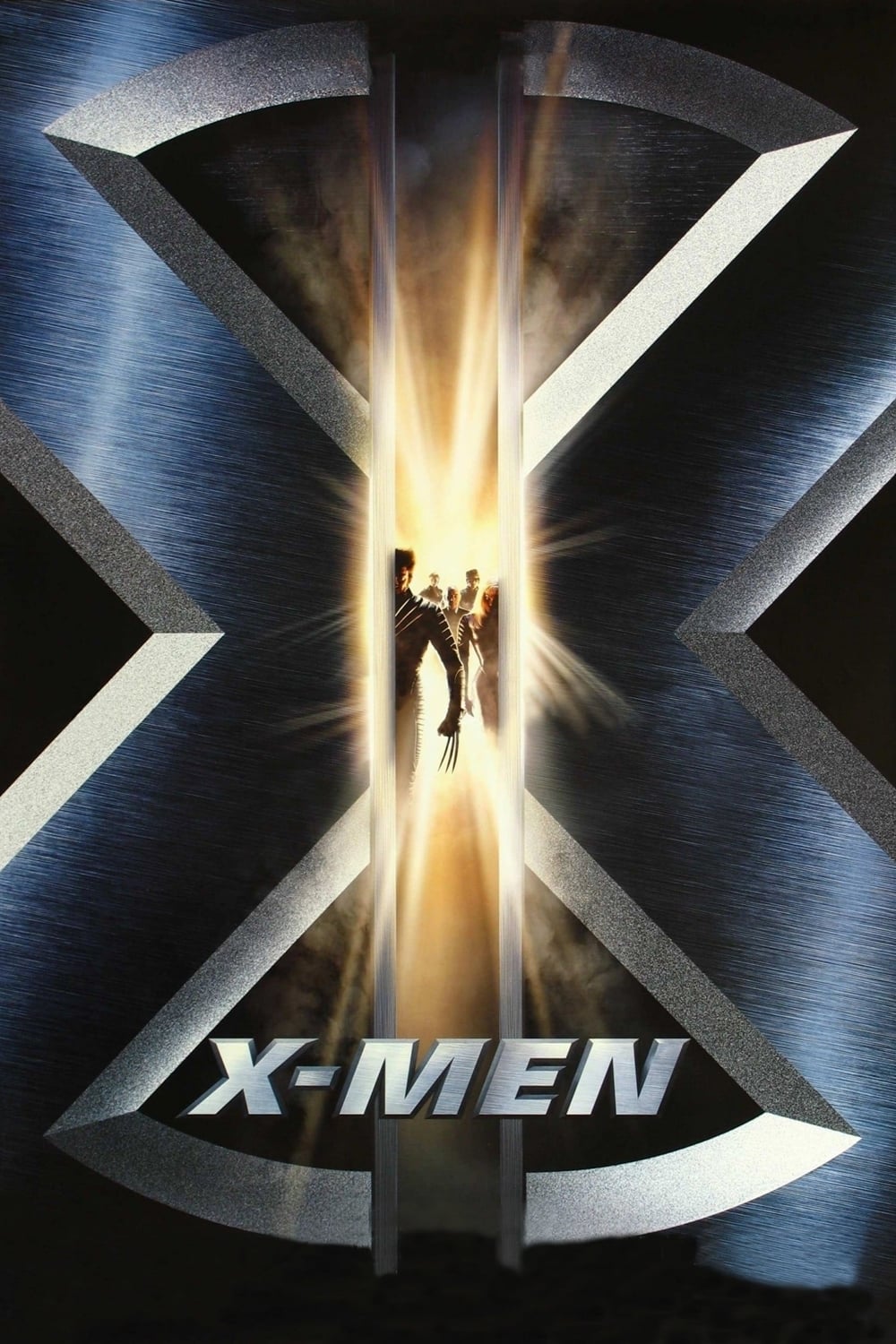
As a huge cinema fan, I always felt Bryan Singer’s film really cracked the code for superhero team-ups. It wasn’t just about powers and action; it felt surprisingly real and dealt with important issues like prejudice. Honestly, it felt like a turning point. It proved audiences would flock to see these kinds of team movies, and that’s when studios really started digging into their comic book collections, hoping to launch the next big franchise. It really kicked off the modern superhero craze we’re still seeing today.
‘Crouching Tiger, Hidden Dragon’ (2000)
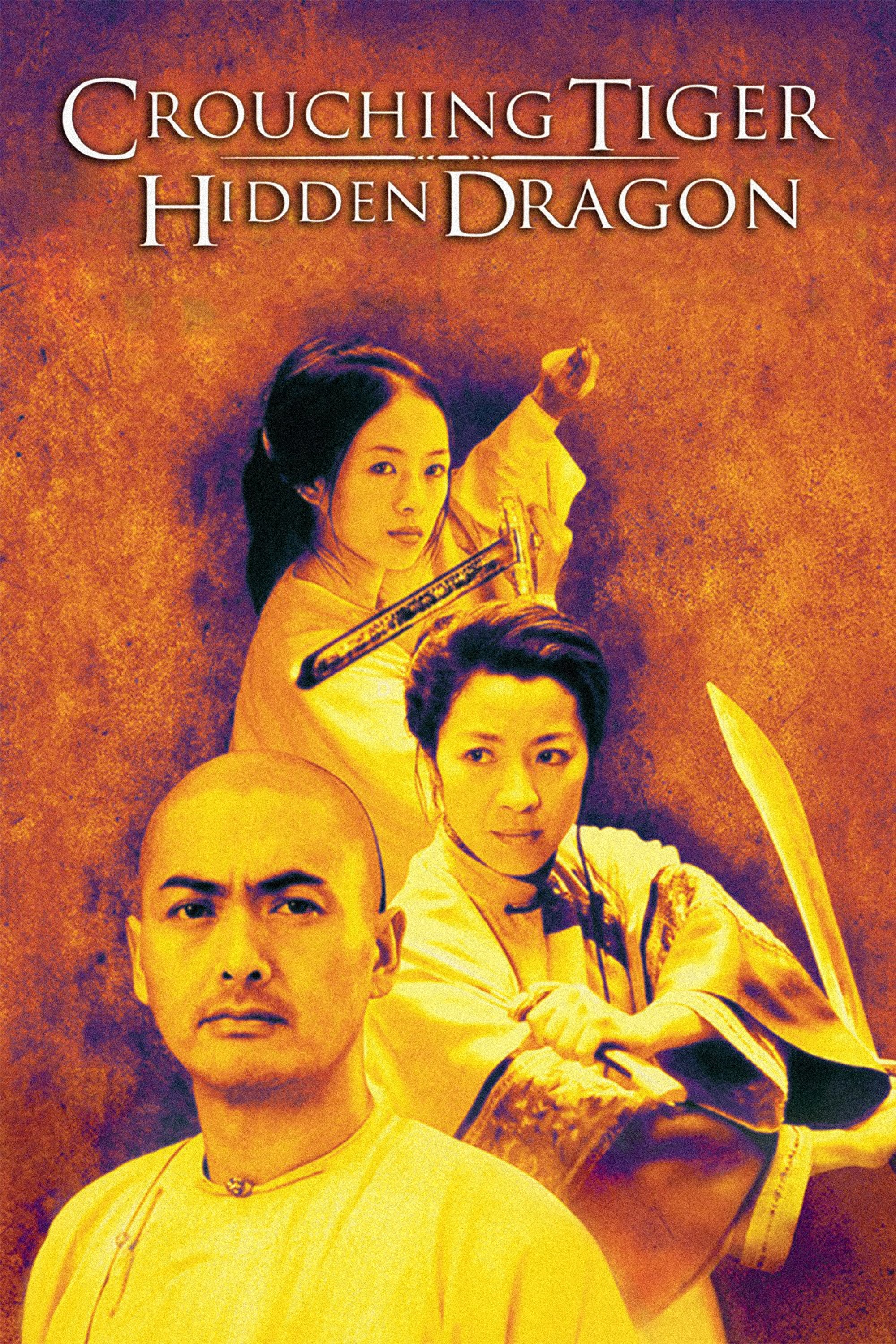
Ang Lee successfully combined artistic, foreign films with big-budget action movies. His film used beautiful, flowing fight choreography and martial arts that drew in American viewers even though they had to read subtitles. This showed that movies not made in English could become huge hits in the U.S., and it brought international recognition to the wuxia style of filmmaking.
‘Shrek’ (2001)
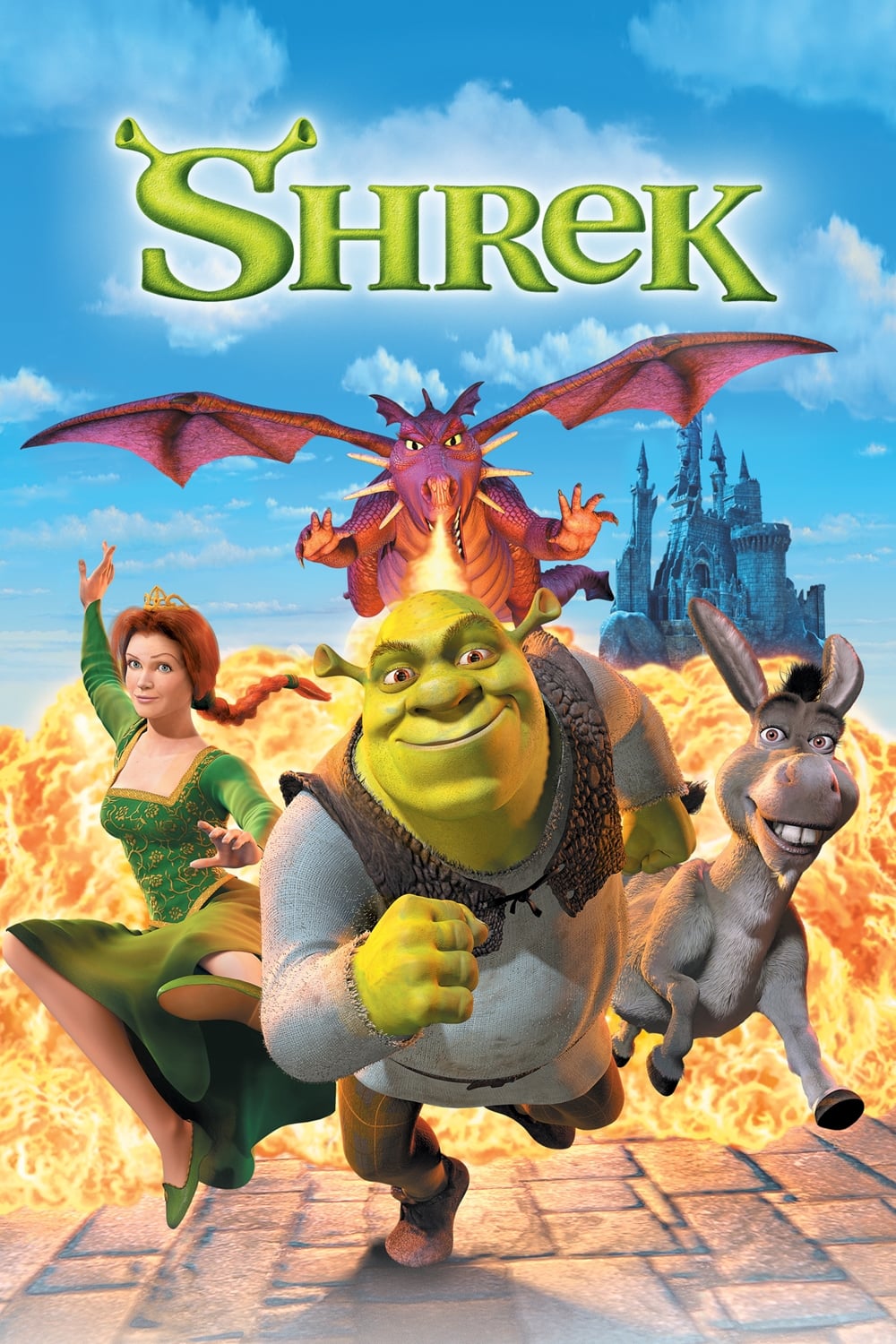
DreamWorks Animation playfully poked fun at traditional Disney fairy tales with this funny and unconventional movie. It cleverly used popular music and references to current trends, making it enjoyable for both kids and adults. The film’s sarcastic and humorous style became very popular in animation, and its success pushed other studios to modernize their own stories.
‘The Lord of the Rings: The Fellowship of the Ring’ (2001)
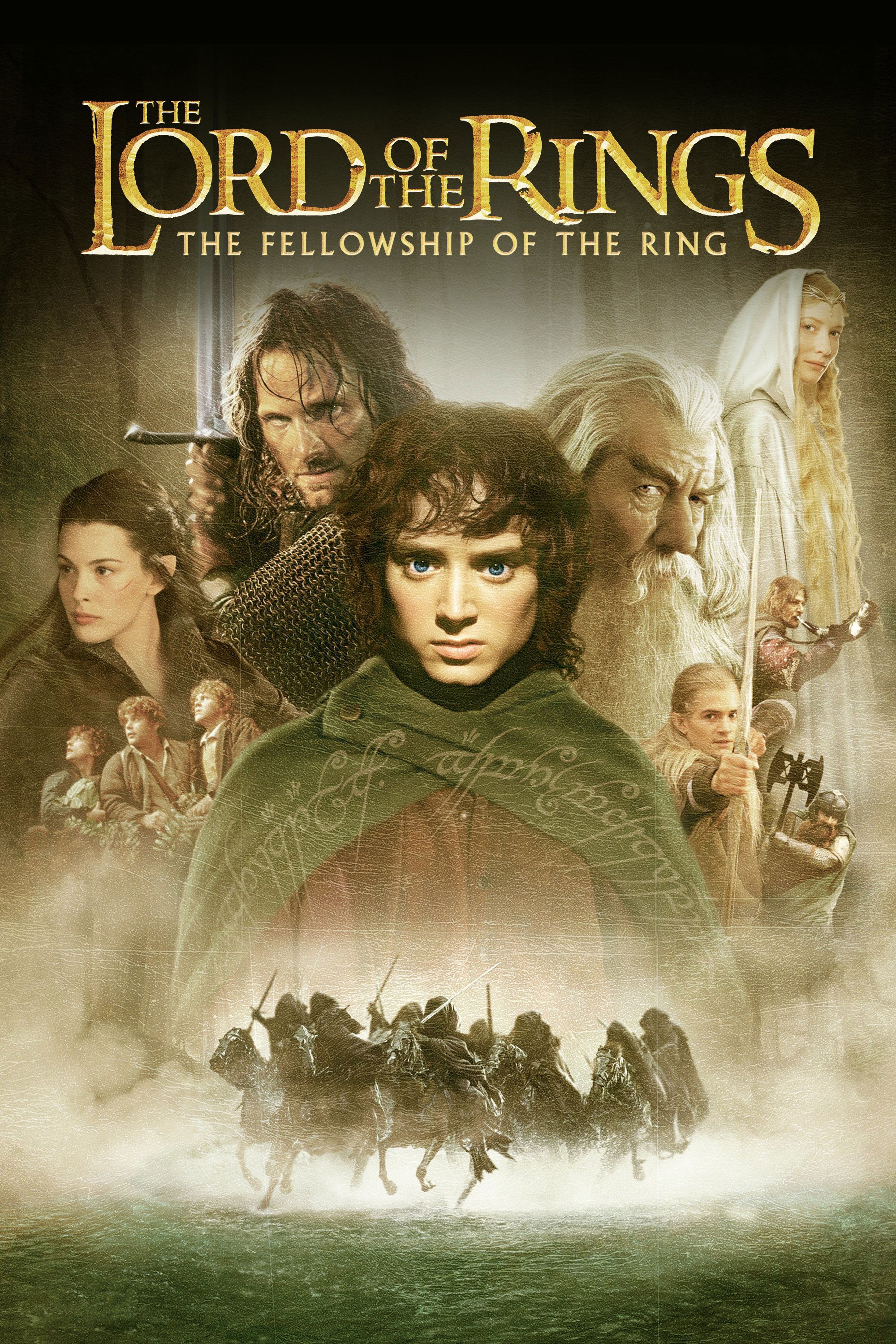
Peter Jackson undertook an incredibly ambitious project, filming three large-scale movies at the same time. The films proved that fantasy could be both hugely popular and critically respected. They also pushed the boundaries of motion capture, creating realistic digital characters that convincingly shared scenes with real actors. Furthermore, the detailed and expansive world created for the movies redefined what audiences expected from blockbuster franchises.
‘Spider-Man’ (2002)
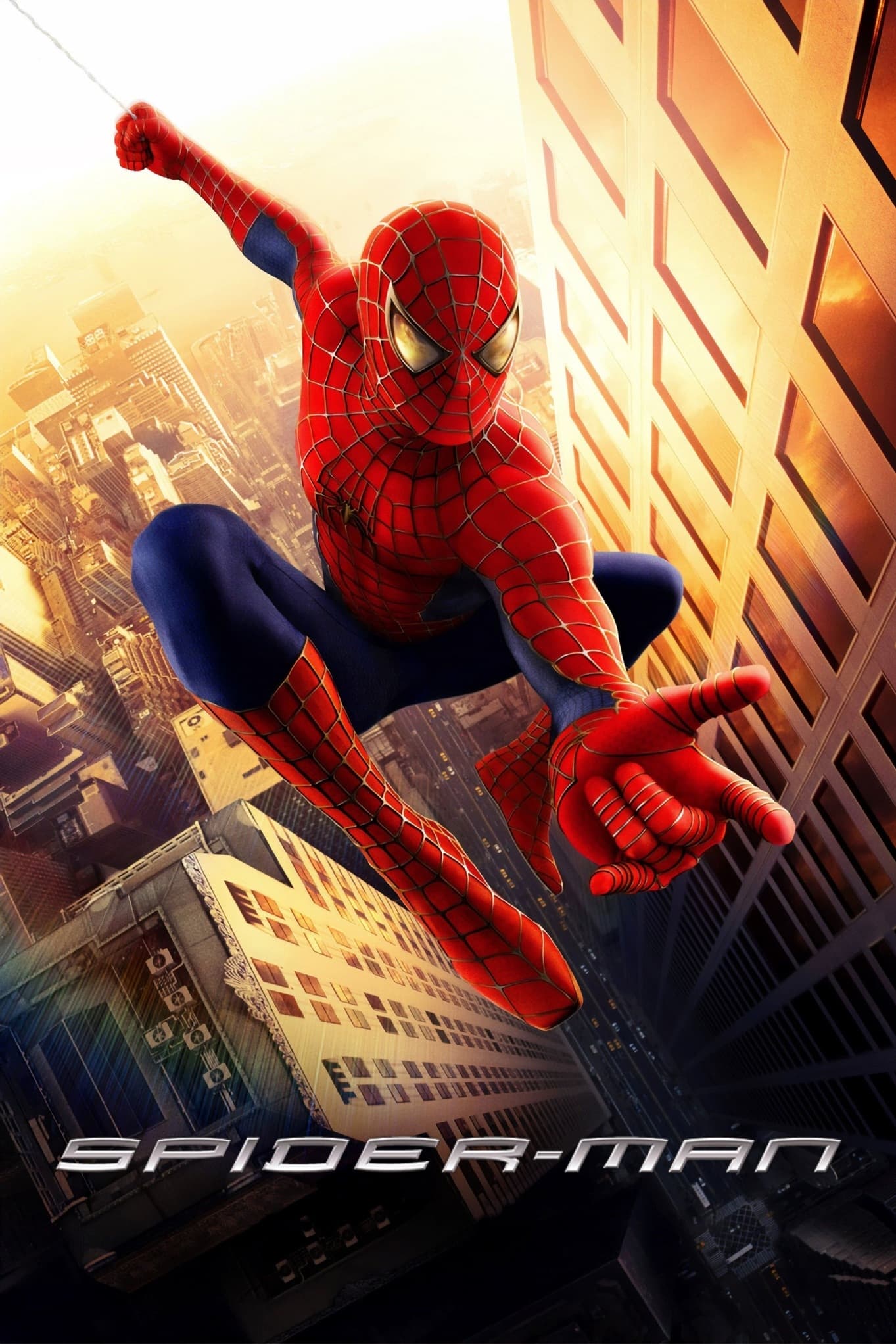
Sam Raimi’s film was a vibrant and visually striking superhero origin story, clearly inspired by comic books. It broke box office records upon release, demonstrating the genre’s newfound dominance. Innovative visual effects allowed for exciting action sequences in a way that hadn’t been possible before. The film’s success cemented the summer movie season as the ideal time to release major superhero films.
‘The Bourne Identity’ (2002)
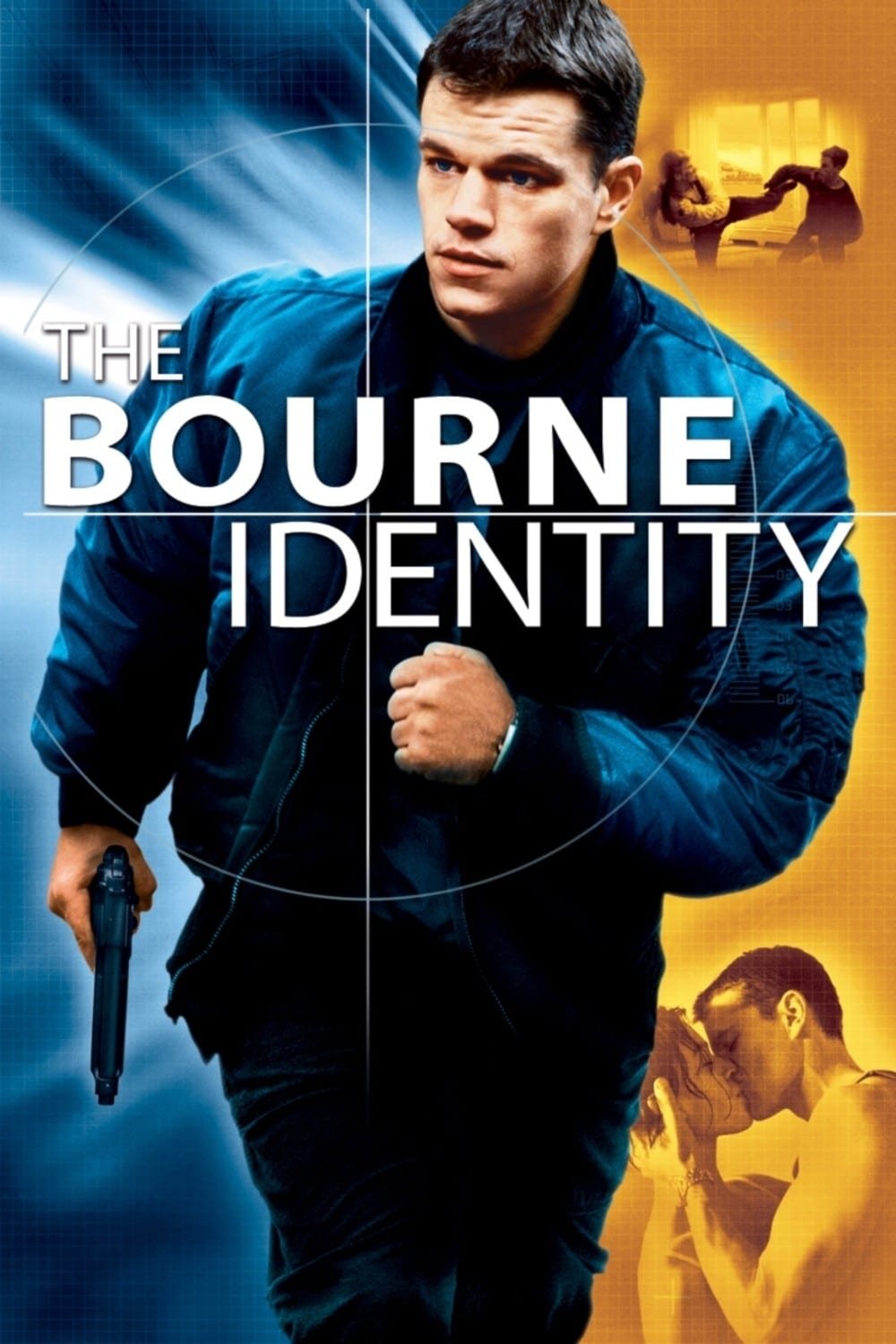
Doug Liman brought a realistic and intense style to action movies, using shaky camera work and fast editing. His fight scenes emphasized raw power and practicality over fancy moves. This approach had a big impact, inspiring films like James Bond and many others to become more serious and down-to-earth. Liman’s work demonstrated that an action hero could be compelling based on their abilities, not just their technology.
’28 Days Later’ (2002)
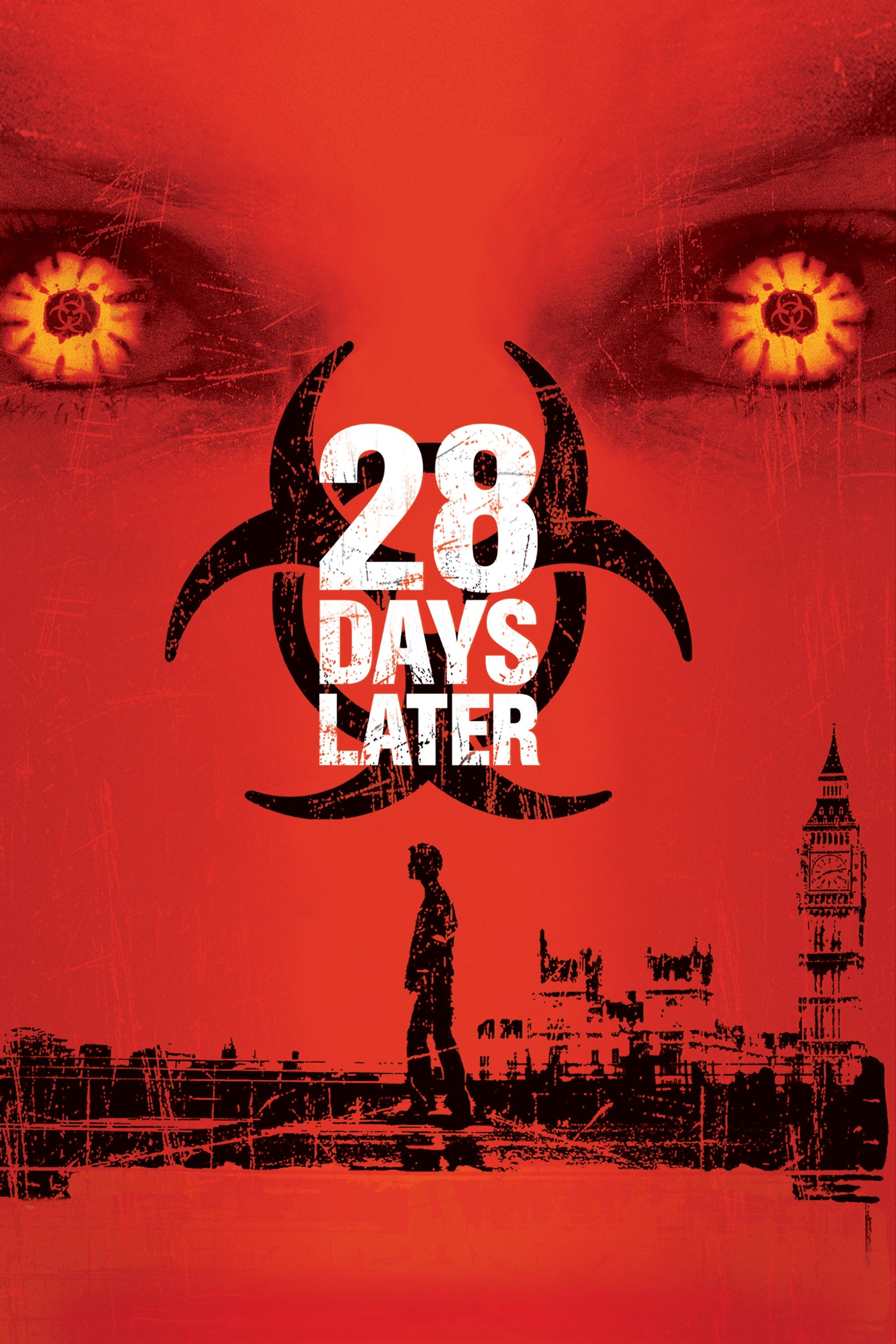
Danny Boyle revolutionized zombie movies by making the infected incredibly fast, a departure from the typical slow-moving zombies. He filmed the movie using digital video to give it a raw, realistic, and urgent feel. This traded the slow-building tension of older zombie films for fast-paced, heart-pounding action, and this new, quicker style of zombie became the standard in the genre.
‘Saw’ (2004)

James Wan’s early thriller popularized a style of horror known for its elaborate and painful traps. Unlike typical scary movies that rely on sudden shocks, this film focused on intense physical suffering and challenging moral questions. It proved incredibly popular, launching a successful franchise that became a yearly Halloween favorite for many horror fans. Its impact led to a trend of more graphic and disturbing content in horror films for quite some time.
‘Anchorman: The Legend of Ron Burgundy’ (2004)
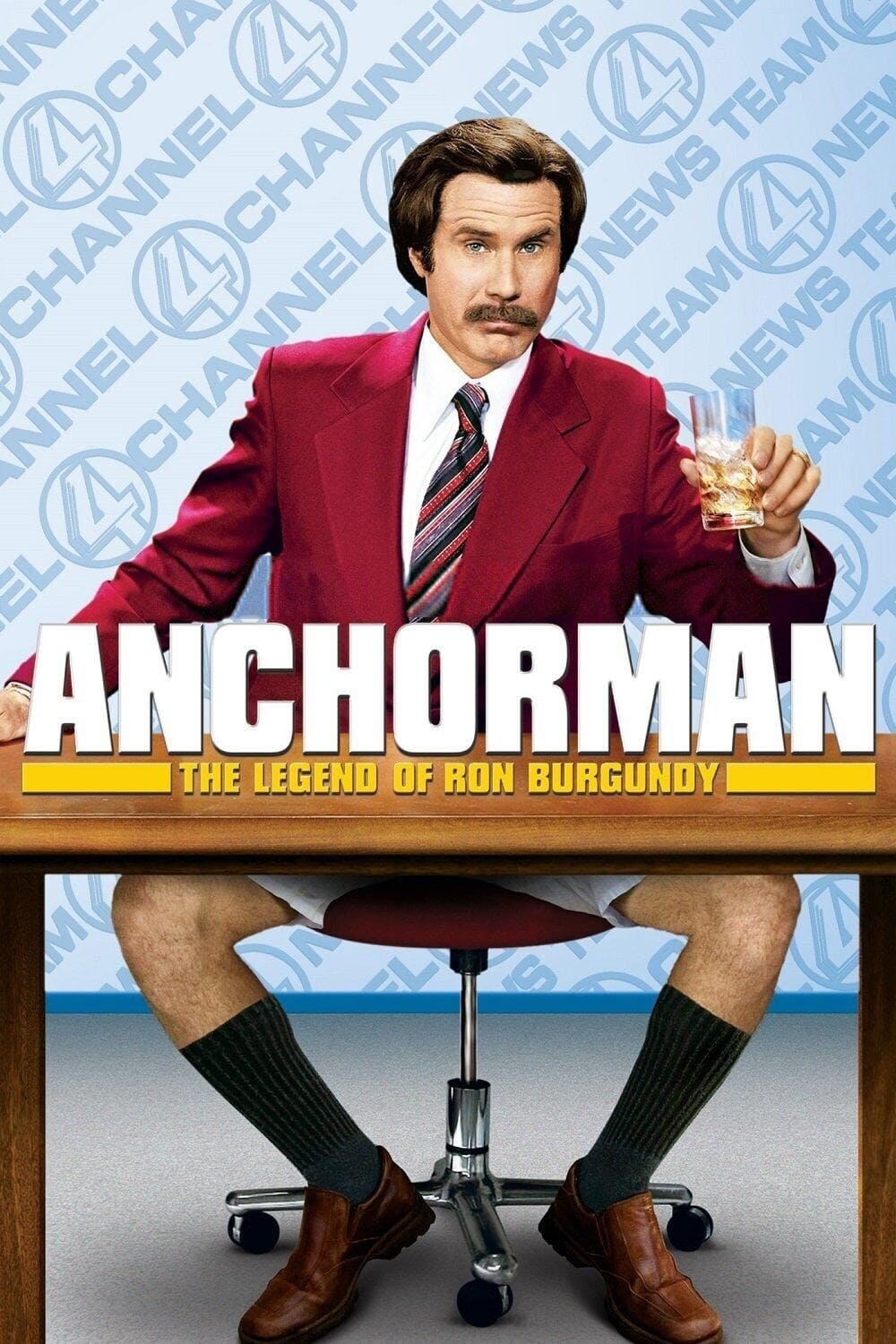
Adam McKay fostered a highly improvisational environment during filming, leading to a spontaneous and often ridiculous sense of humor. The movie focused more on the natural connection between actors and unexpected, quirky moments than on a carefully constructed plot. This style of letting actors freely create and build on scenes had a big impact on comedy films for the next ten years, becoming the standard for many mainstream American comedies.
‘Batman Begins’ (2005)
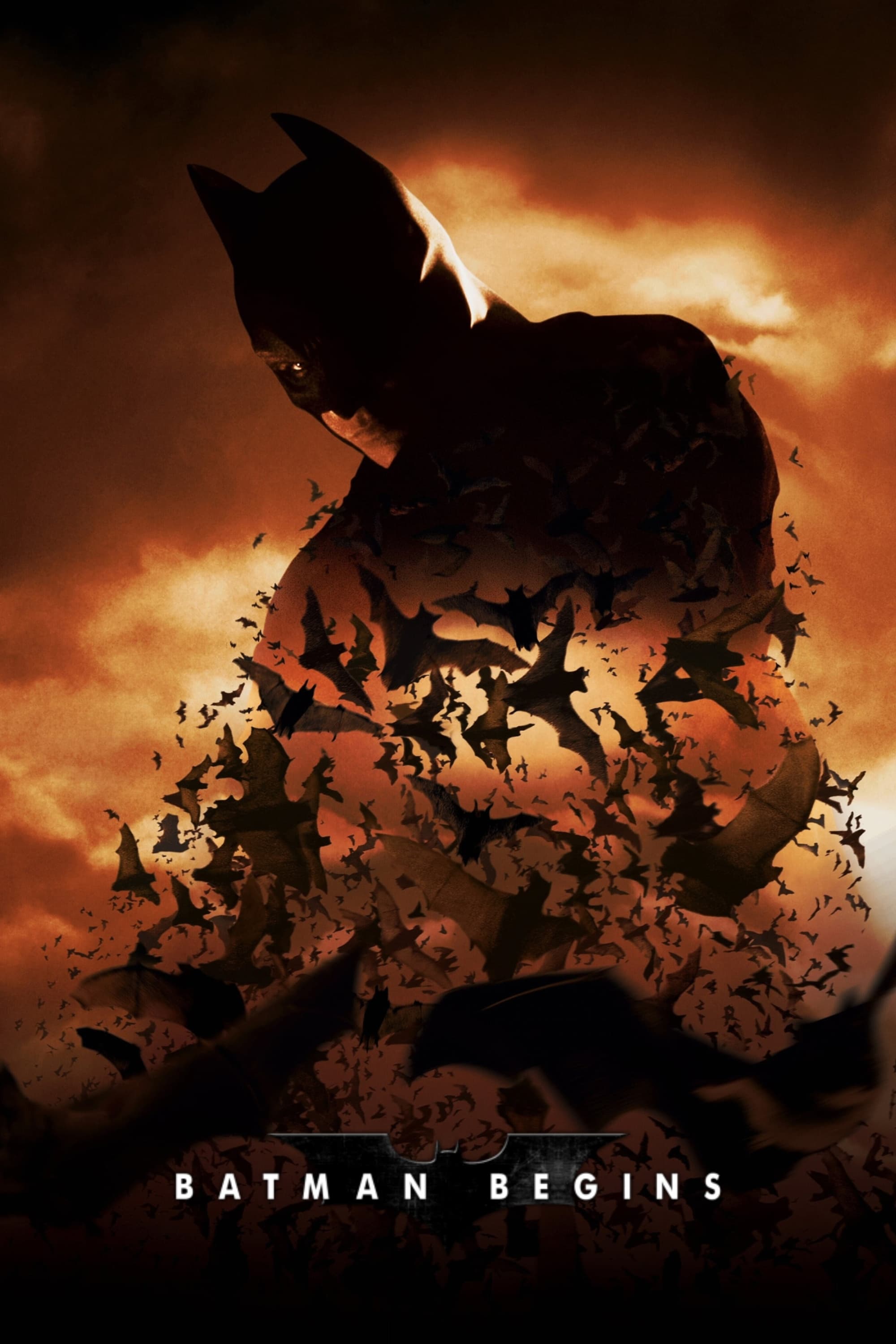
Christopher Nolan successfully revived a struggling franchise by making it feel more realistic and intense. The film delved into the hero’s backstory and presented the story as a compelling crime thriller. It essentially redefined how studios could relaunch failing series – popularizing the idea of a ‘reboot’ – and its dark, realistic style became a trend for other adaptations.
‘Iron Man’ (2008)
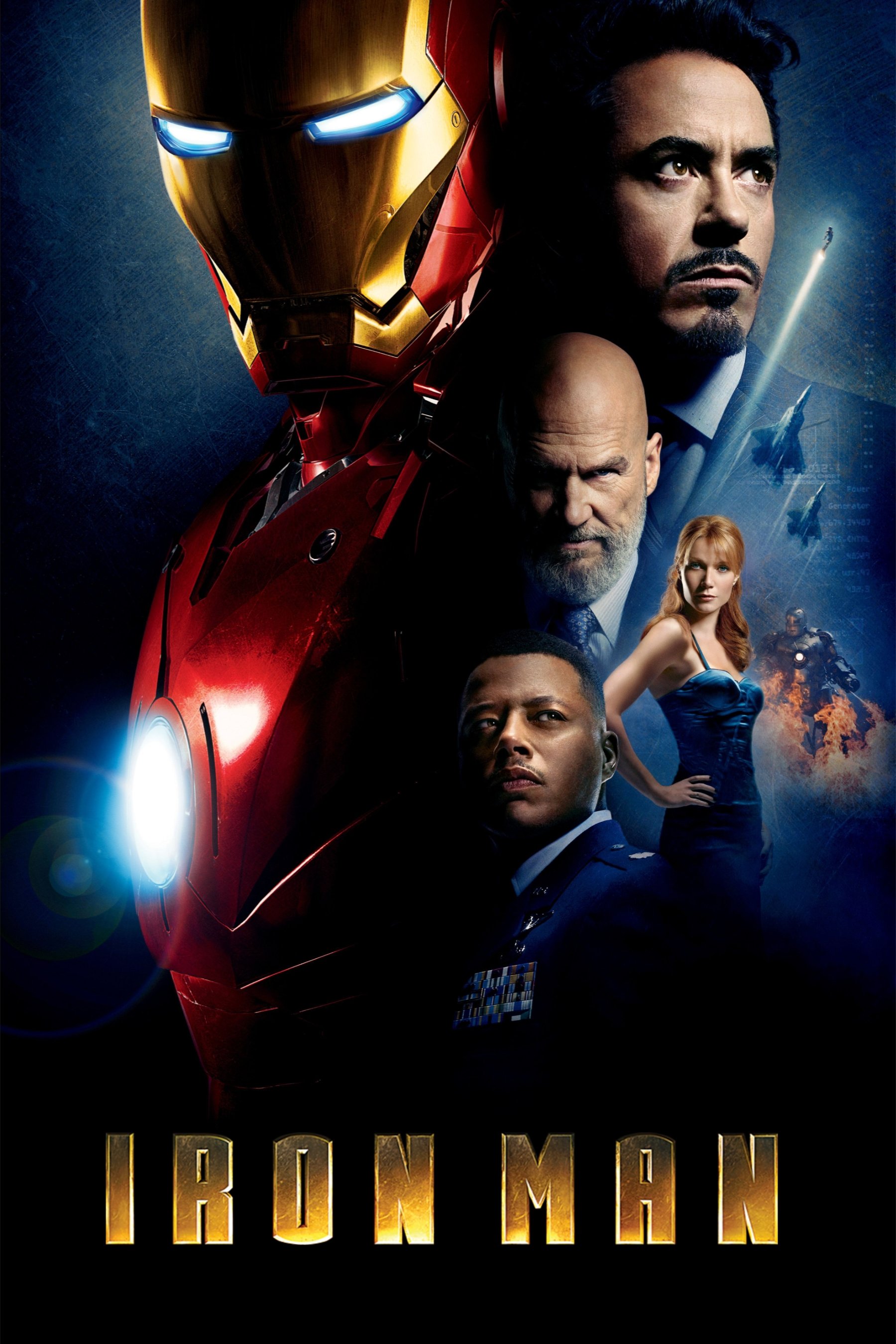
Jon Favreau kicked off the Marvel Cinematic Universe by choosing a likable actor who could add their own flair to the role. The first film hinted at a larger, connected story with a scene after the credits, promising future collaborations between heroes. This approach moved the film industry away from making separate, complete trilogies and towards telling one big story across many films. Ultimately, it changed how Hollywood creates and promotes its biggest franchises.
‘Taken’ (2008)
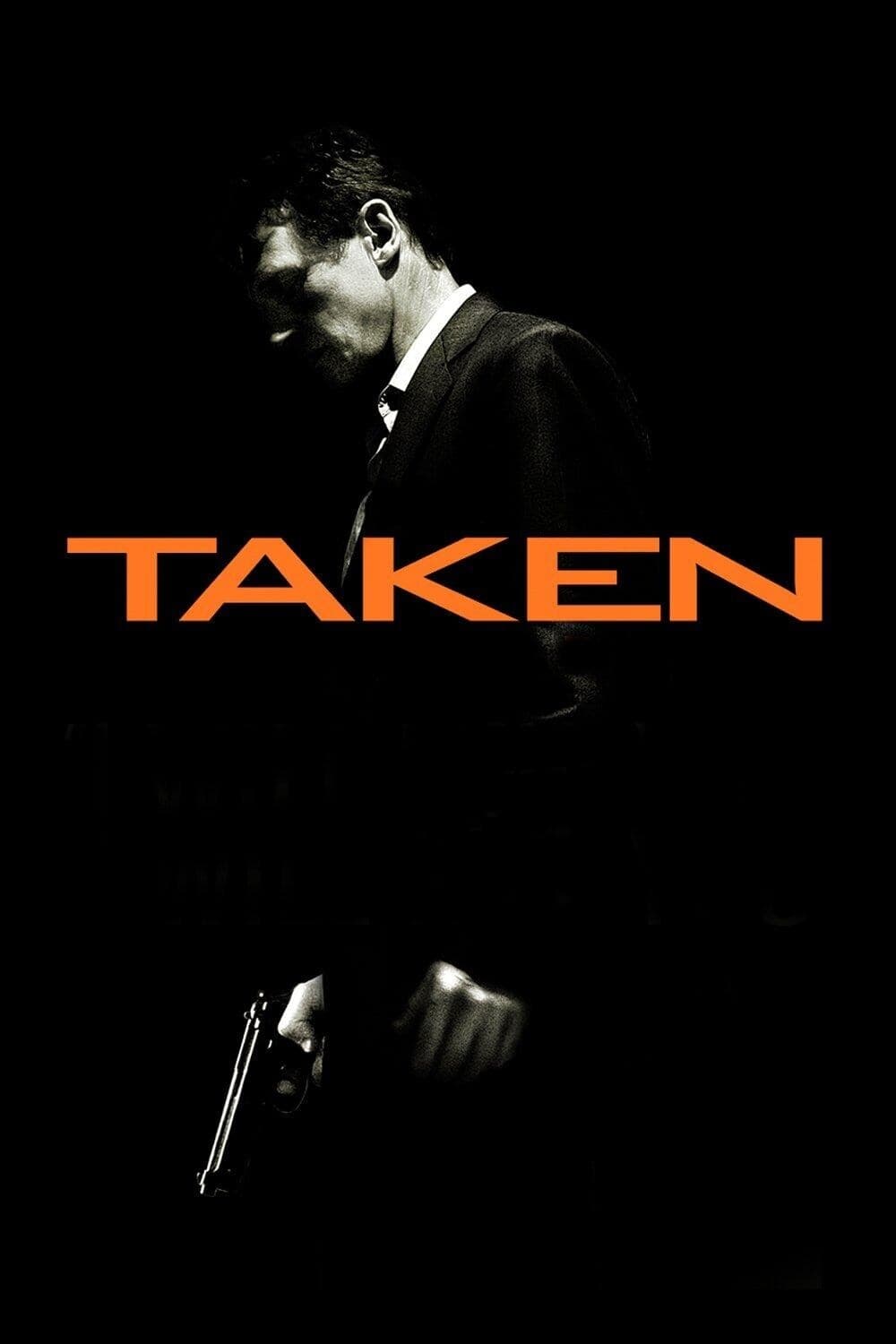
Pierre Morel transformed Liam Neeson into an action hero and essentially launched a new type of action movie. These films focused on older main characters using their unique abilities to take down criminal groups. This showed that action movies didn’t need to rely on young stars to make money, and it opened doors for many experienced actors to find renewed success in the genre.
‘Avatar’ (2009)

James Cameron’s film revitalized 3D in movie theaters with its stunning visuals and immersive story. Creating the alien characters required groundbreaking new motion capture technology. The movie also encouraged theaters to invest in updated projectors to showcase the 3D format. Although 3D’s popularity later faded, this film remains a high point for creating believable and captivating digital environments.
‘Bridesmaids’ (2011)
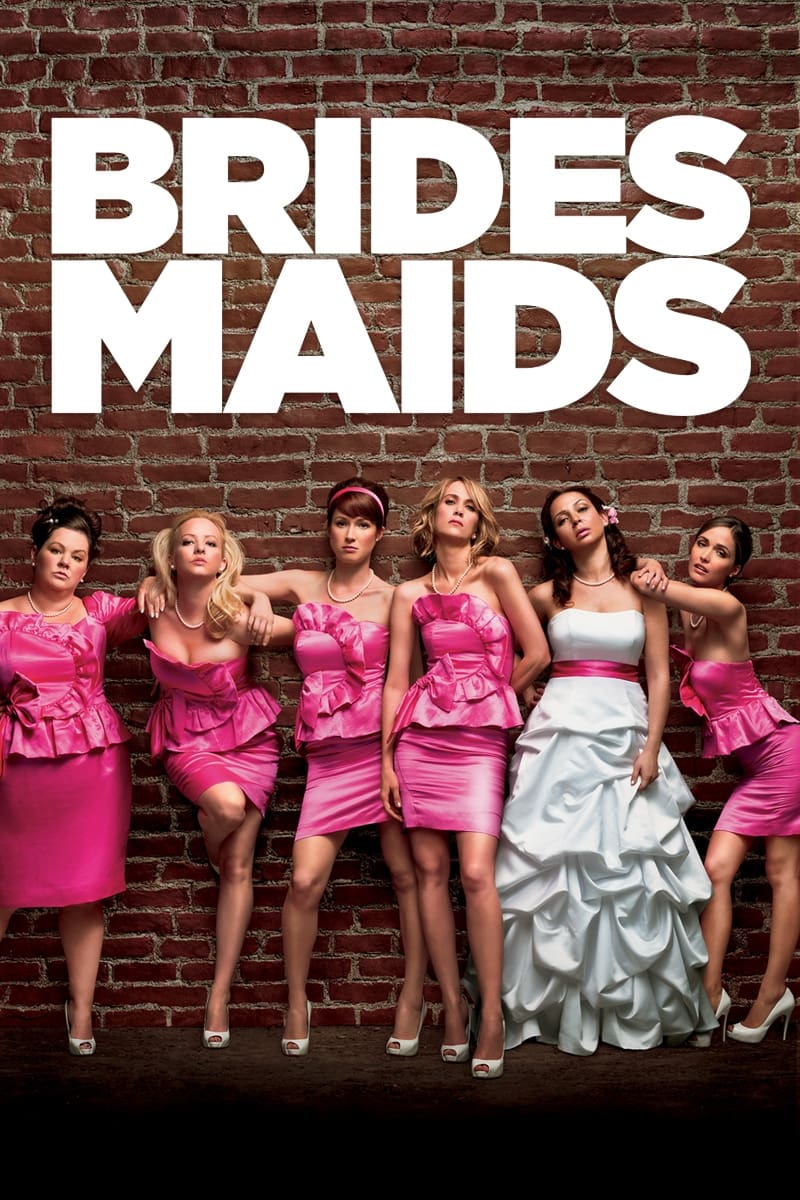
Paul Feig’s film demonstrated that a women-led, R-rated comedy could be both a critical and financial success. It skillfully combined crude humor with surprisingly heartfelt character development, proving that women could excel in traditionally ‘raunchy’ comedies. This breakthrough opened doors for more comedies starring women.
‘The Avengers’ (2012)
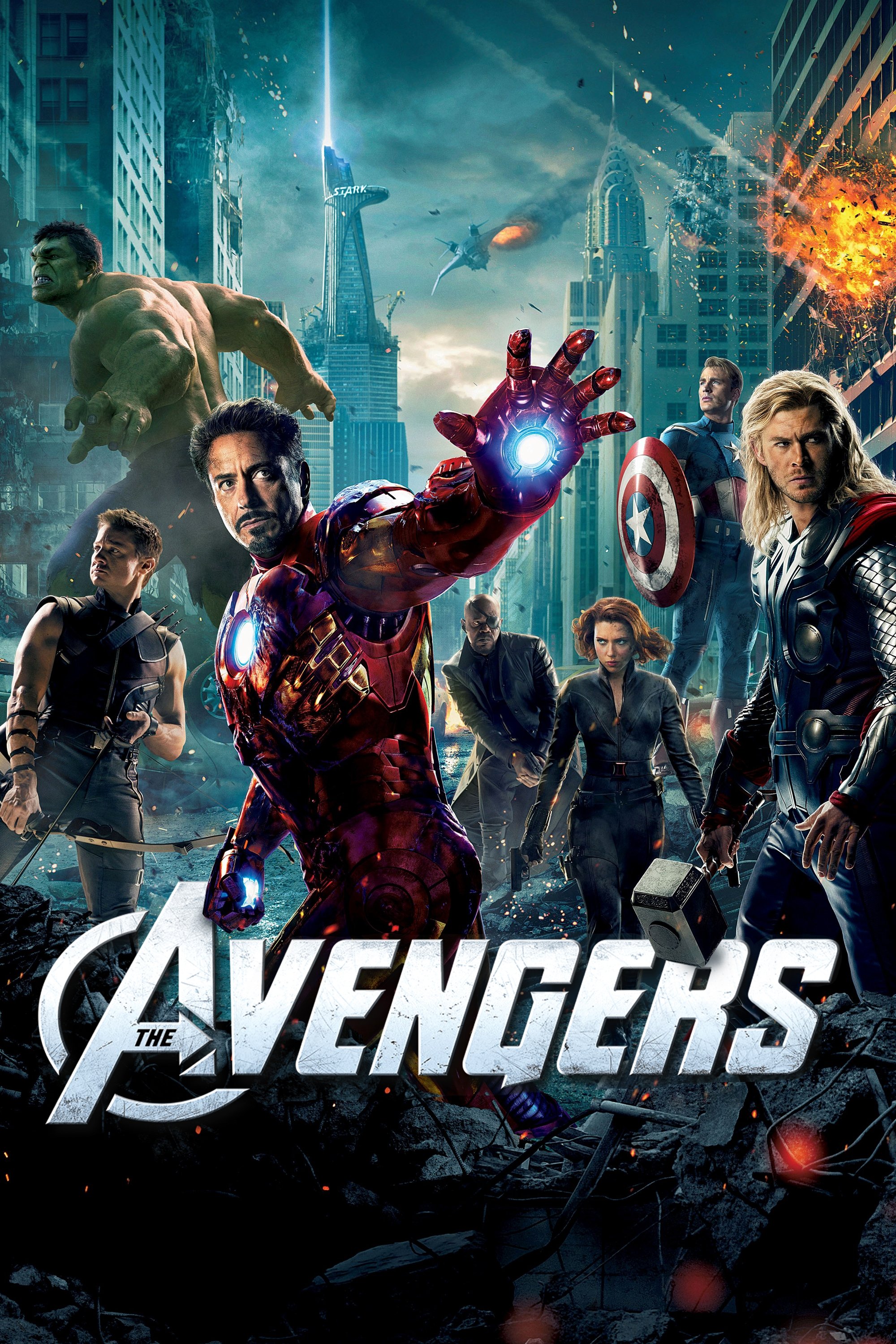
As a movie fan, I have to say Joss Whedon really nailed it with The Avengers. It was the first time I saw characters from totally separate movie worlds team up in such a big way, and it worked brilliantly. He managed to give everyone a fair amount of screen time, and honestly, it needed to be seen on the biggest screen possible – the action was incredible! But more than that, it pretty much proved that these shared universes were the future. Suddenly, every studio was trying to build their own, all thanks to that billion-dollar success.
‘Frozen’ (2013)
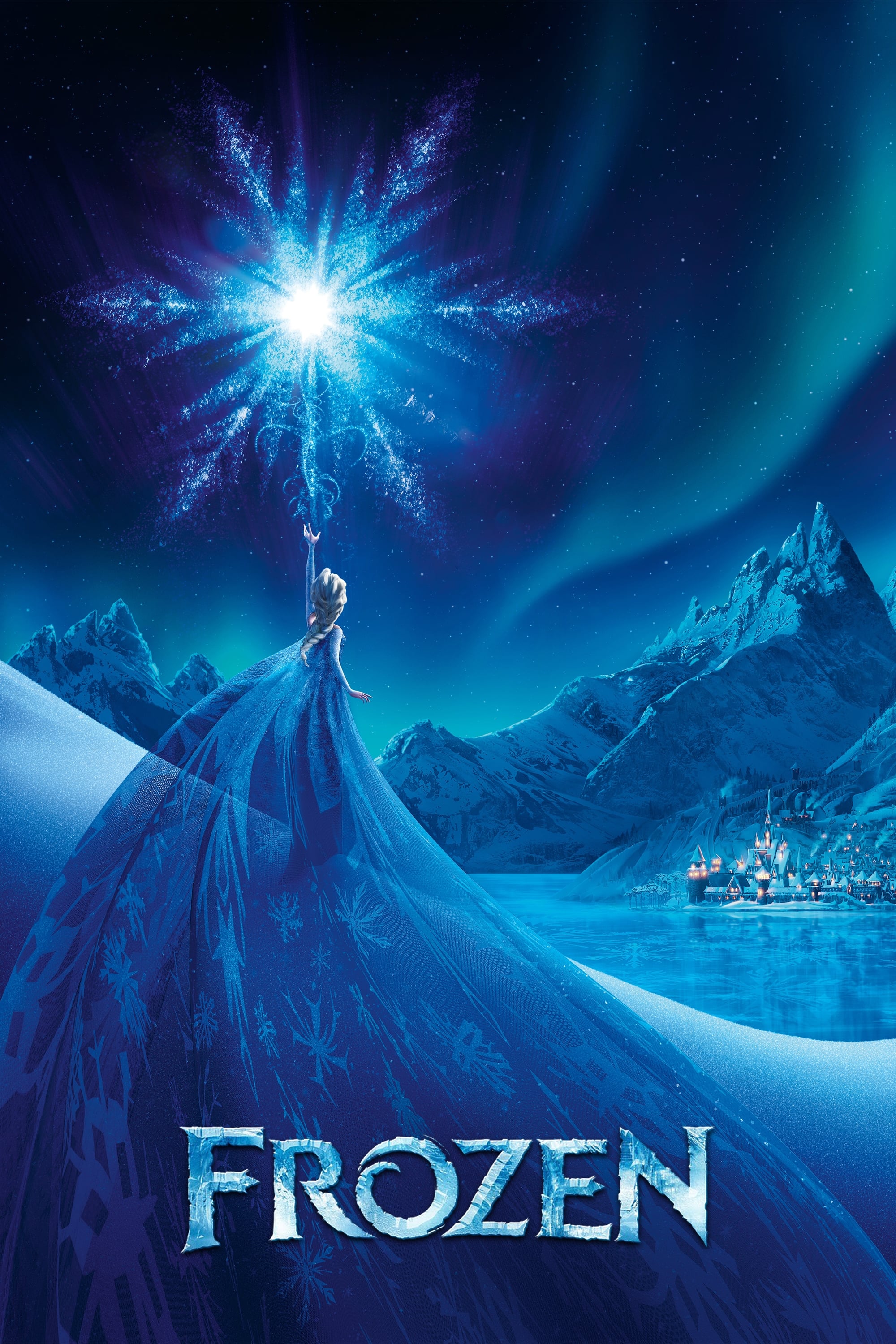
Disney’s animated film broke with tradition by centering the story on the bond between sisters, instead of a princess finding love through marriage. It playfully challenged the idea of falling for someone right away, and connected with audiences worldwide who were eager for a fresh, updated princess story. The film’s huge popularity inspired Disney to keep reimagining its classic formulas in future movies.
‘John Wick’ (2014)
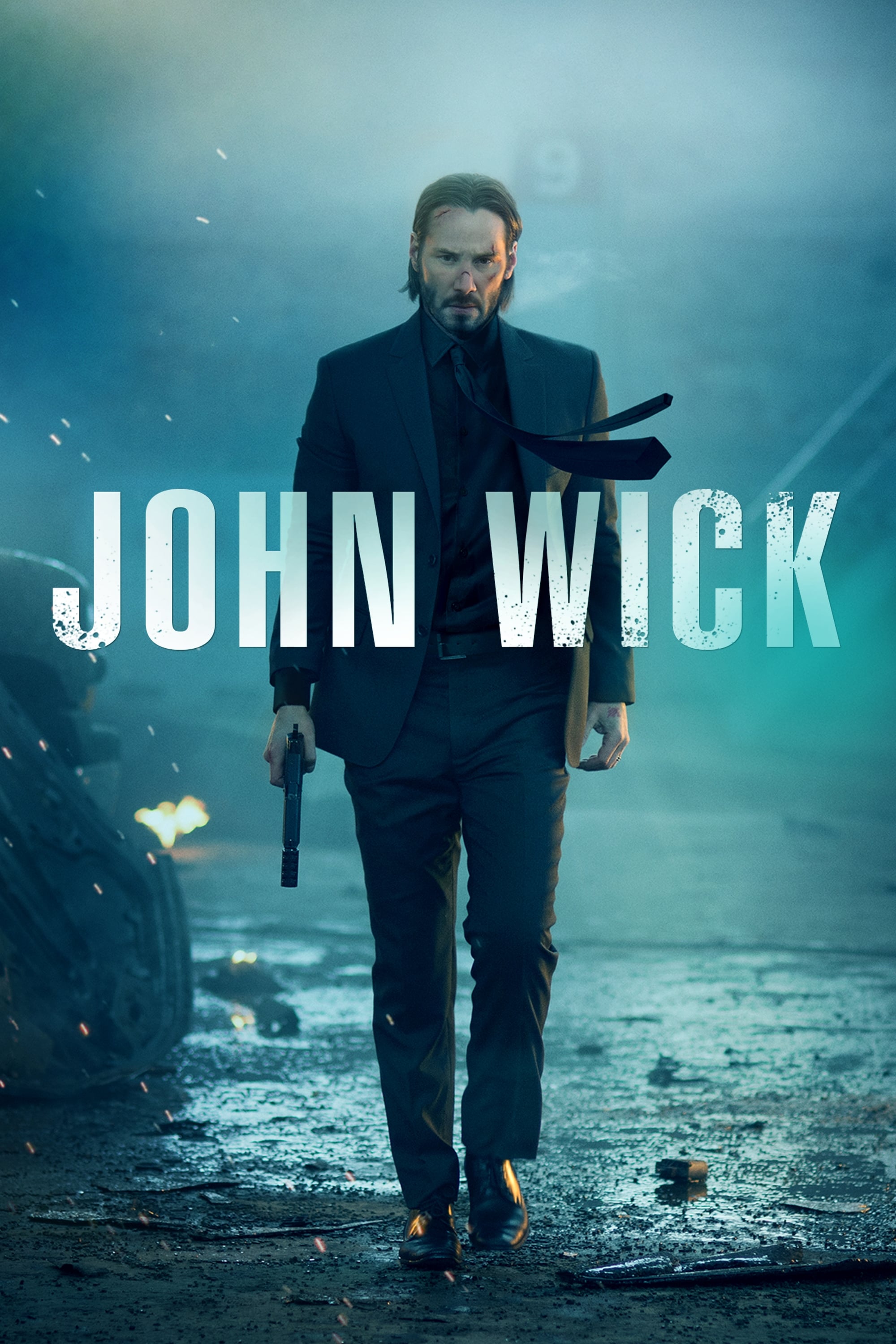
Chad Stahelski breathed new life into action movies by emphasizing clear, flowing movements and extended, unbroken shots. His films feature a style called ‘gun-fu,’ which combines gunplay with close-range fighting. Unlike many action films, he avoided shaky camera work, instead using wider shots to showcase the impressive stunt work. This approach has inspired a recent trend in action filmmaking, where carefully planned choreography takes precedence over quick cuts and editing.
‘Deadpool’ (2016)
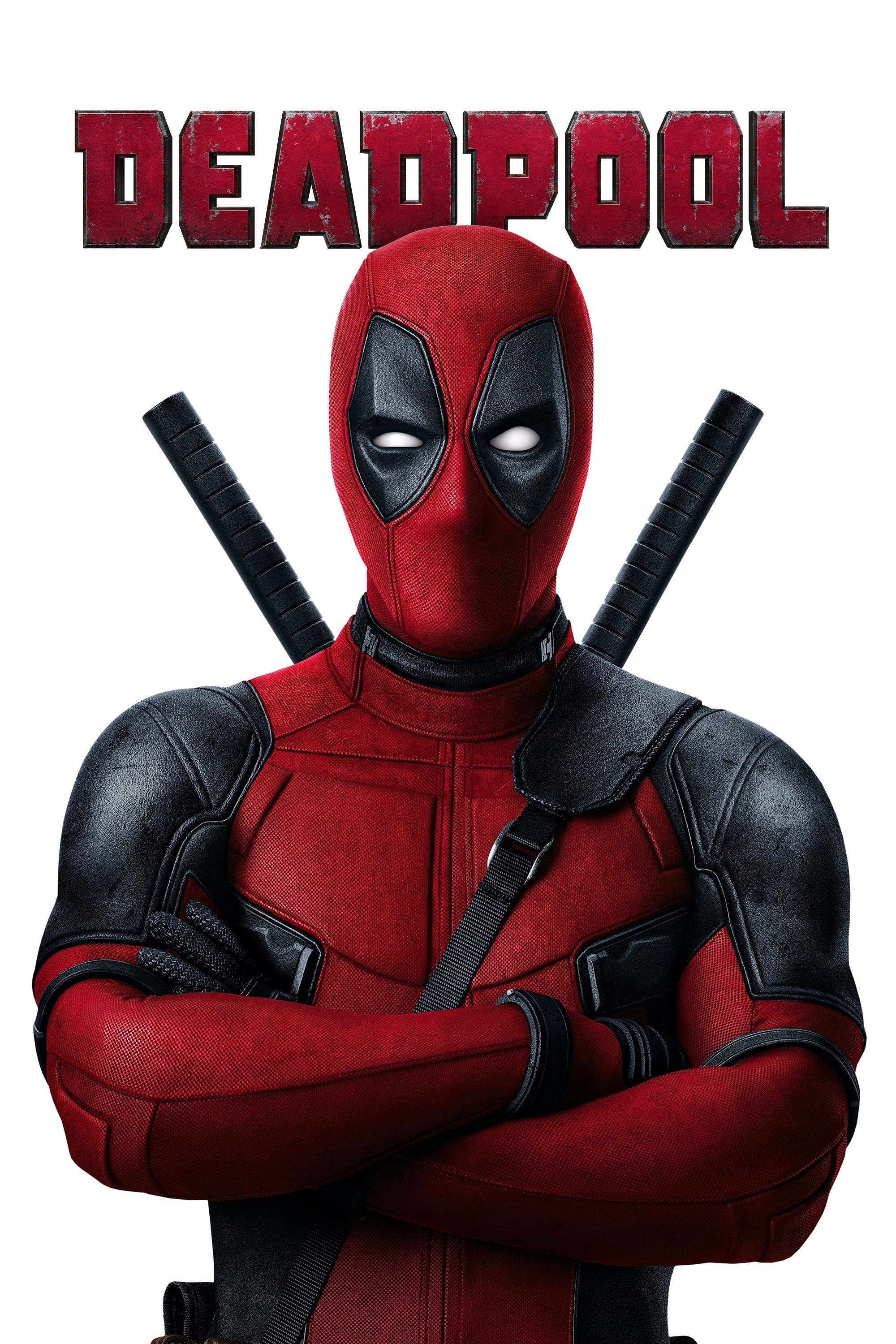
Tim Miller’s film demonstrated that superhero movies weren’t limited to family-friendly ratings and could still be hugely profitable. By faithfully adapting the comic book’s mature themes – including violence and direct address to the audience – it paved the way for other adult-oriented comic book movies like ‘Logan’ and ‘Joker’. This success showed studios they could reach a wider audience and increase profits by moving beyond the typical PG-13 rating.
‘Get Out’ (2017)
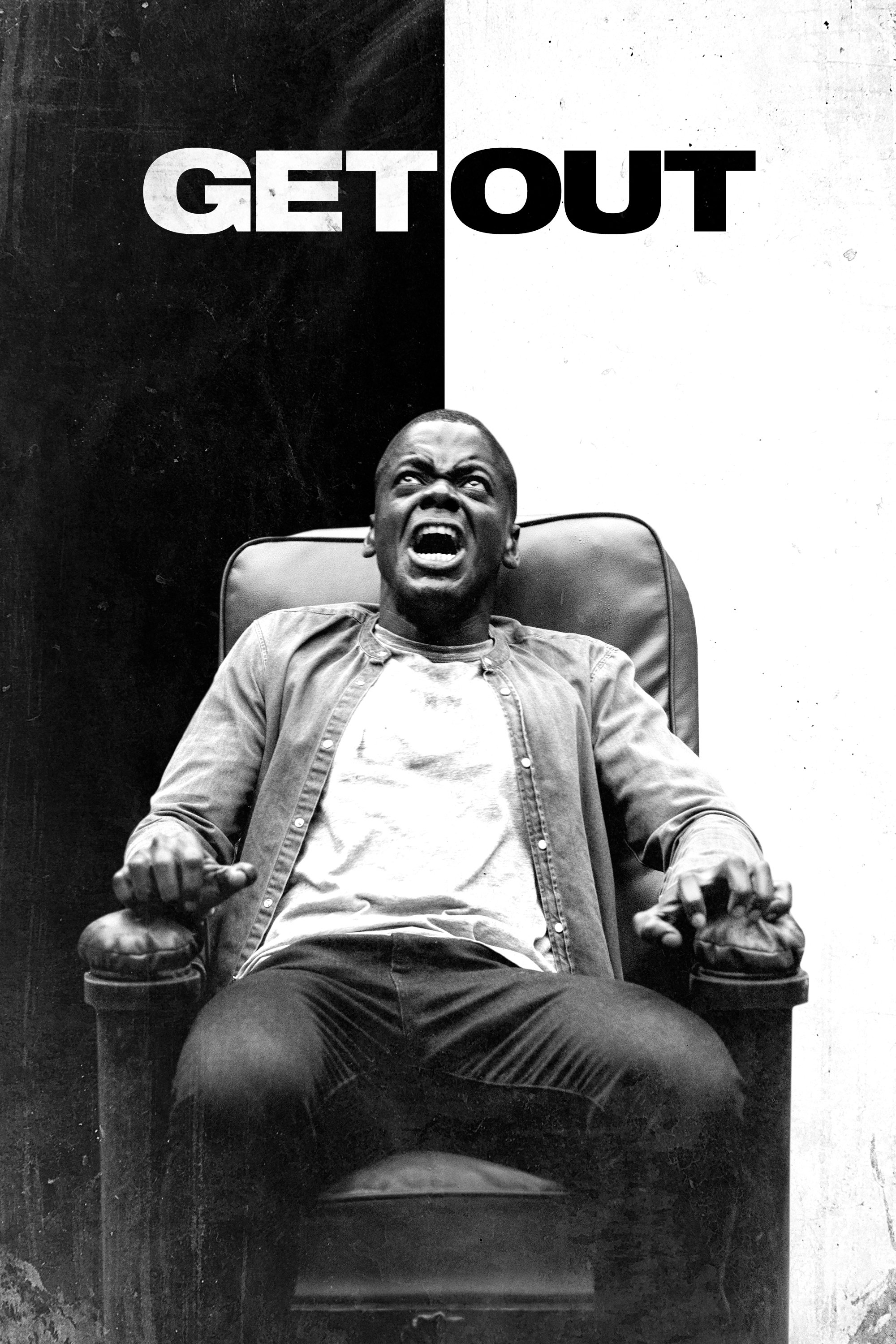
Jordan Peele revolutionized horror movies by using the genre to examine issues of racism in today’s society. His films combined sharp social commentary with real scares, offering audiences something truly new. This approach proved horror could be critically acclaimed and win major awards, and it inspired a wave of other horror films that tackle important social issues.
‘Spider-Man: Into the Spider-Verse’ (2018)
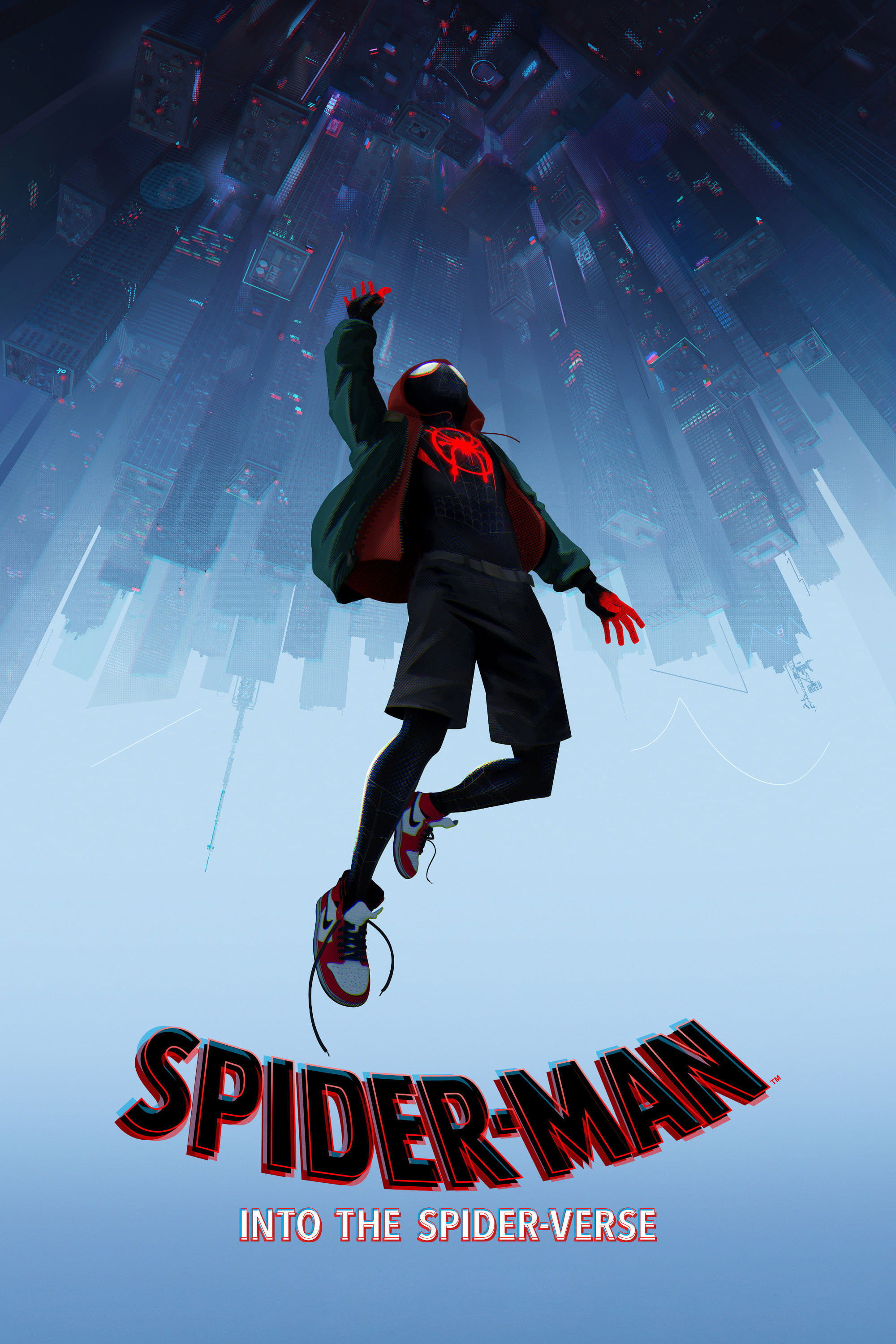
This film changed animation forever by blending 3D computer graphics with traditional hand-drawn art. Its unique style made it look like a comic book come to life, using effects like dots and bold outlines. It showed that viewers were eager for animation that wasn’t the typical, polished style seen in movies from Pixar. Ultimately, the film encouraged other animators to try more creative and experimental approaches to visual storytelling.
Tell us which of these movies had the biggest impact on your movie-watching habits in the comments.
Read More
- Trading on Thin Air: AI Agents Conquer Crypto Volatility
- 20 Movies Where the Black Villain Was Secretly the Most Popular Character
- Invincible Season 4 Gender Swaps Tech Jacket As Fans Question Major Comic Change
- Silver Rate Forecast
- 22 Films Where the White Protagonist Is Canonically the Sidekick to a Black Lead
- Gold Rate Forecast
- 15 Films That Were Shot Entirely on Phones
- Celebs Who Narrowly Escaped The 9/11 Attacks
- Trading Smarter: AI-Powered Execution Schedules
- Smarter Order Execution: How AI is Outperforming Wall Street’s Playbook
2026-02-02 16:22