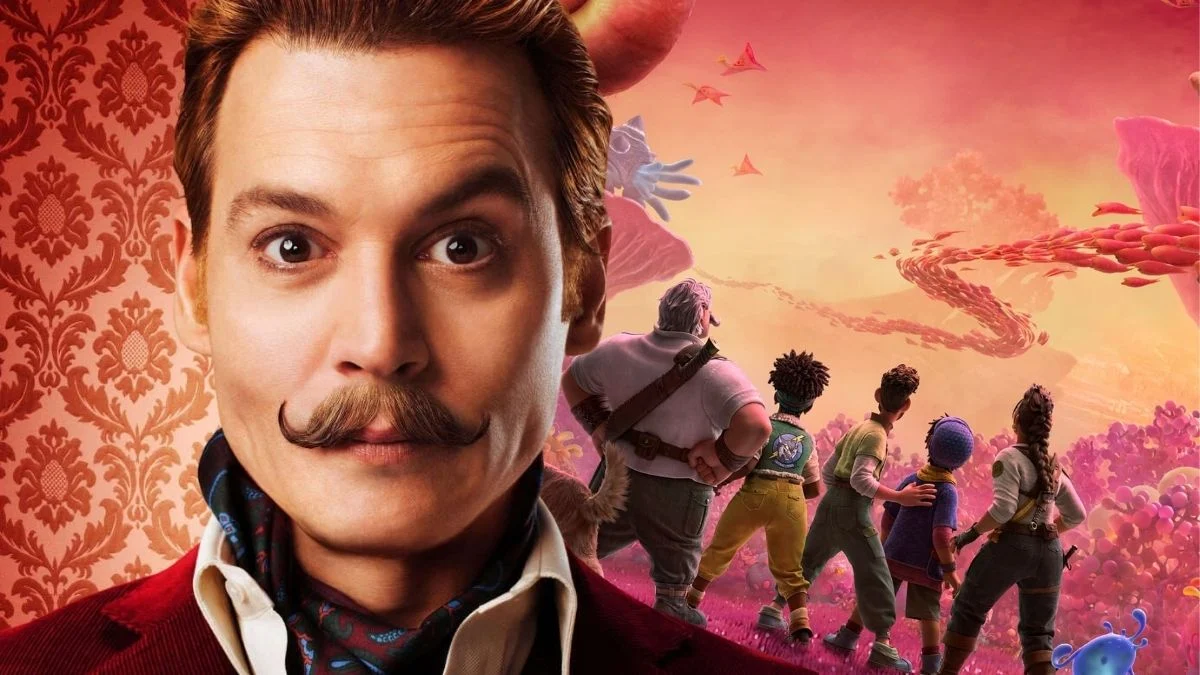
Today’s moviegoers increasingly expect to see themselves and diverse cultures accurately reflected on screen. When studios fail to meet these expectations with authentic representation and inclusive casting, they often face criticism and see lower ticket sales. People are now actively choosing to support films that prioritize cultural accuracy and offer a variety of perspectives. This article examines several recent movies that received negative reactions due to casting decisions or storylines that lacked inclusivity, highlighting how the relationship between audiences and the film industry is changing.
‘Ghost in the Shell’ (2017)
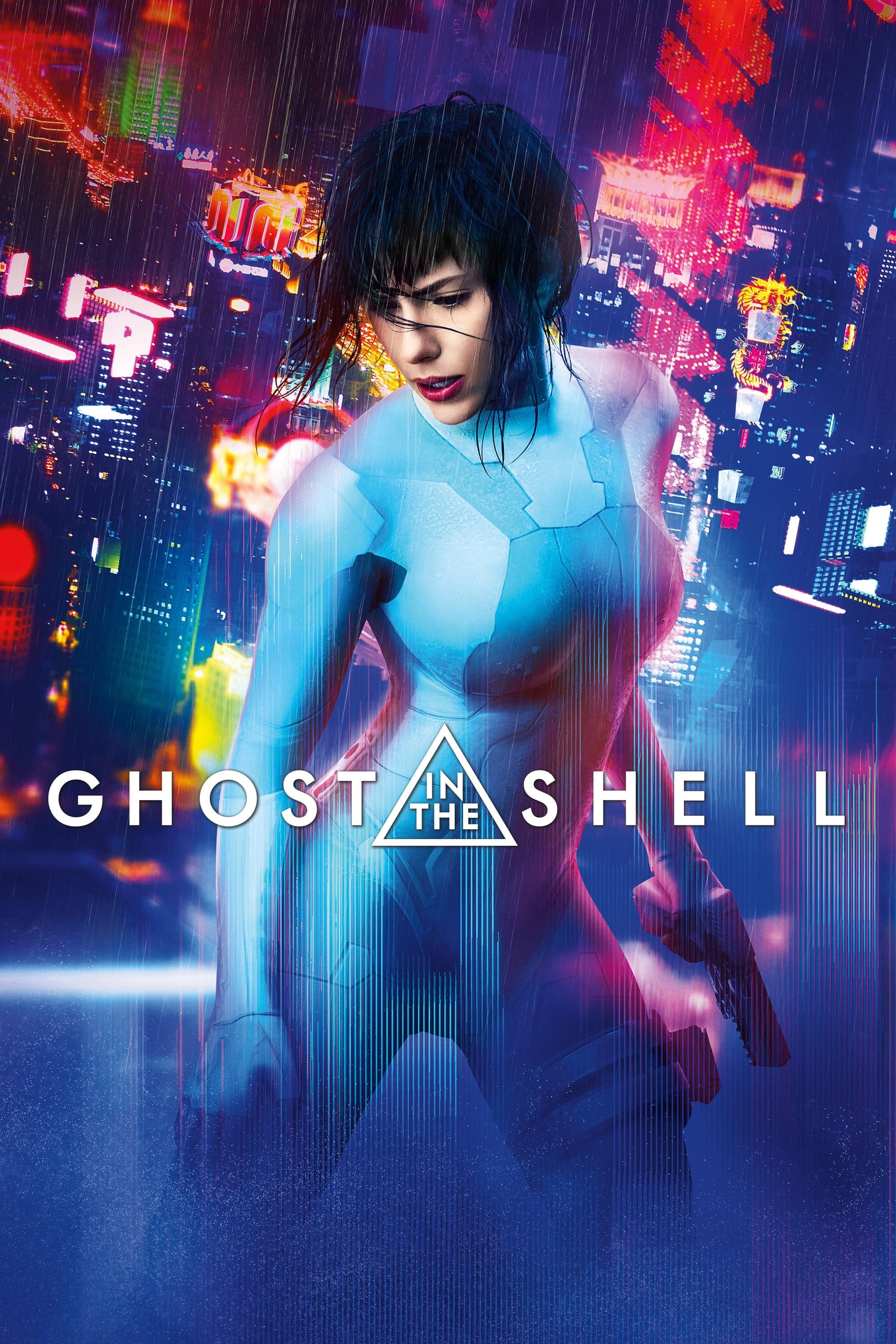
The film, a live-action version of a popular Japanese manga, received criticism for casting a white actress as the lead character, Motoko Kusanagi. Many viewers and critics felt the filmmakers should have chosen an actor of Japanese heritage to better represent the original story. The studio explained their decision by saying they needed a well-known star to help ensure the expensive sci-fi film would be a success. However, despite its impressive visuals and production quality, the movie didn’t connect with audiences and lost money. This highlighted the importance of accurate and respectful representation of ethnicity in film.
‘The Last Airbender’ (2010)
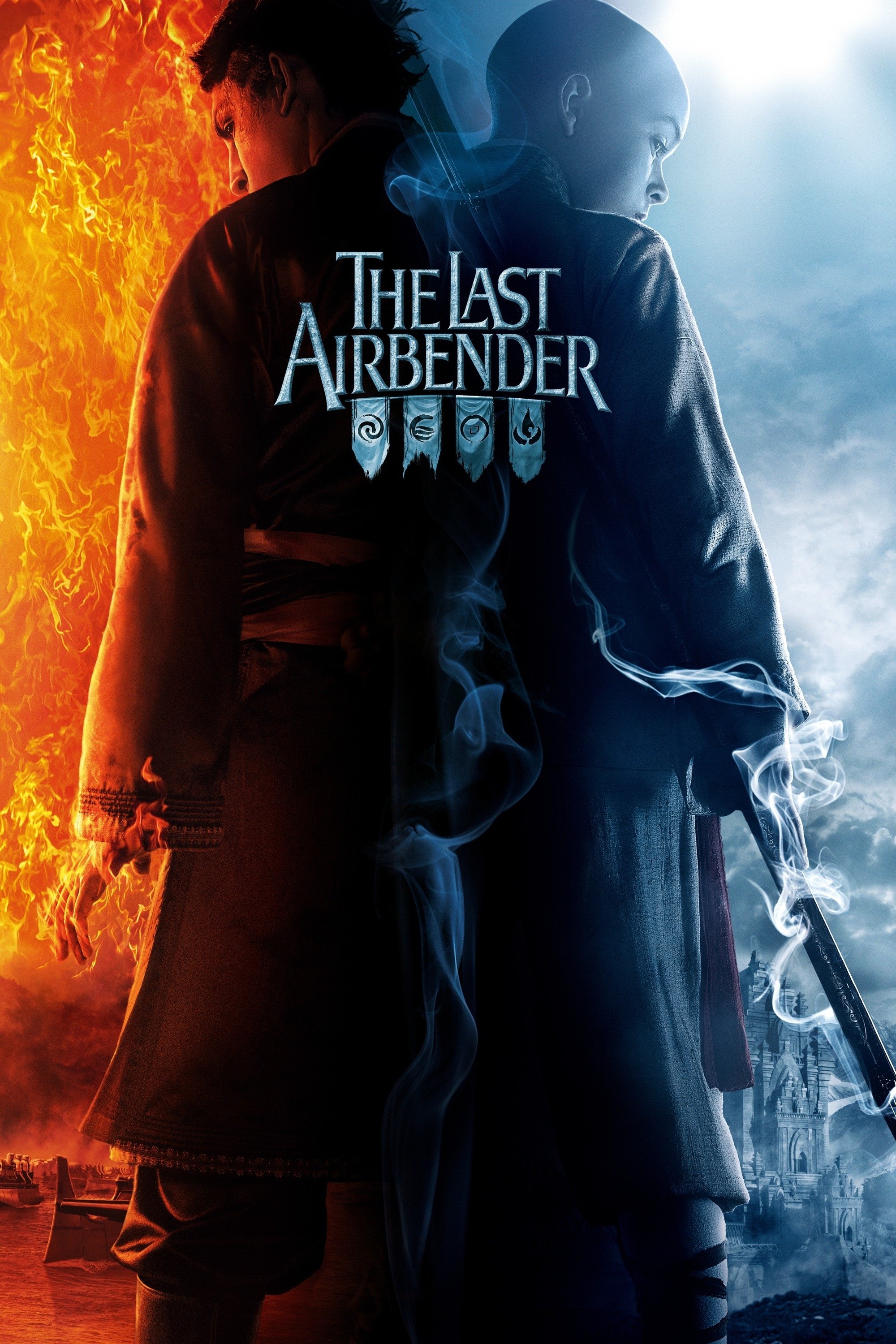
M. Night Shyamalan’s film faced significant backlash for casting white actors in roles that were originally Asian or Native American in the source material. Fans protested, calling it “whitewashing” and organizing boycotts. While the filmmakers defended their choices as focusing on talent regardless of race, the movie was critically panned and plans for sequels were cancelled. The situation is now a well-known example of how overlooking diversity concerns can upset fans and damage a franchise.
‘Gods of Egypt’ (2016)
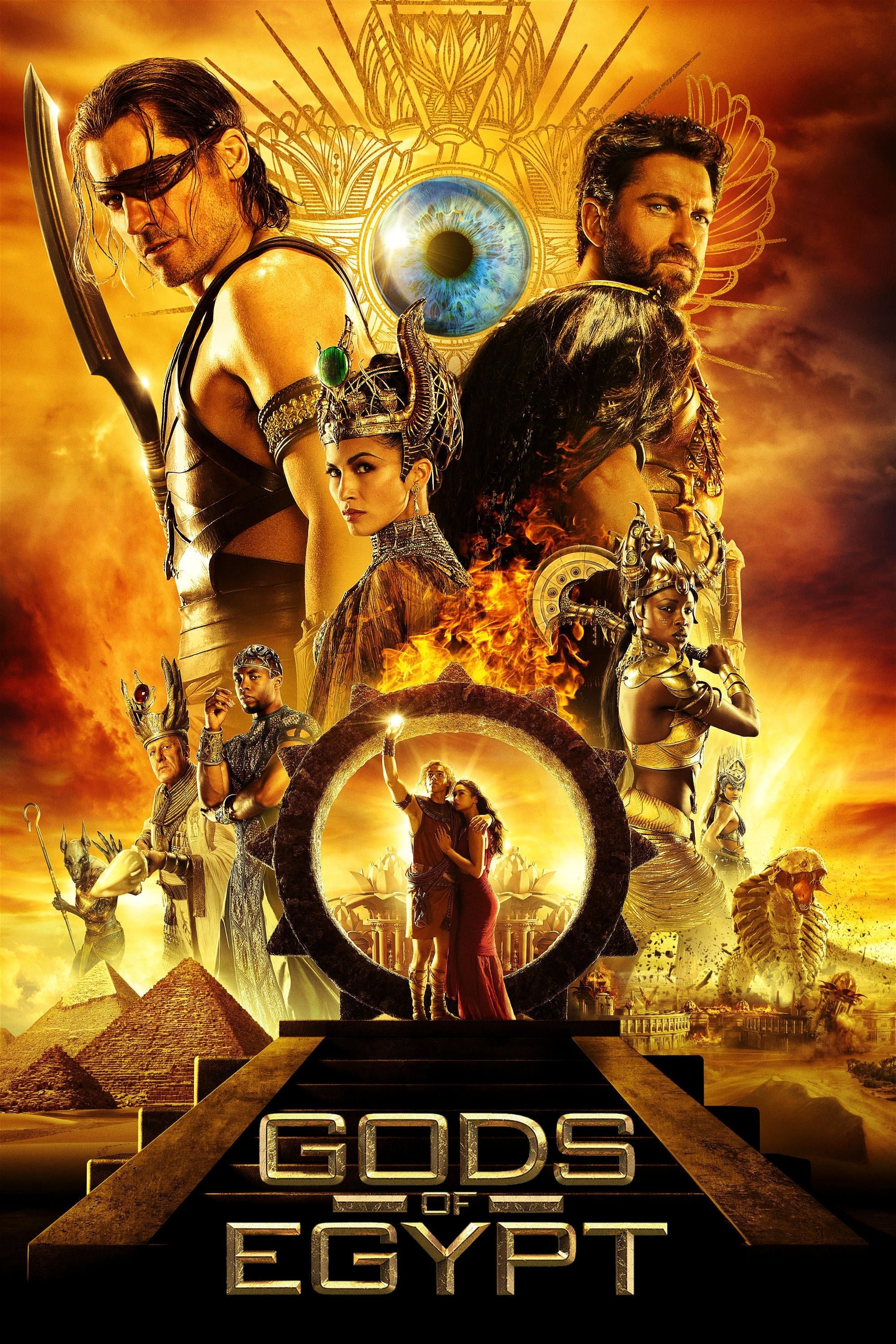
The new fantasy film quickly faced criticism for casting mostly white actors in a story based in ancient North Africa. The director and studio apologized publicly even before the film’s release, due to the strong negative reaction. Critics noted that the absence of Egyptian or North African actors was especially problematic for a large-scale modern movie. The film went on to be a major box office disappointment, losing a significant amount of money. The situation highlighted the growing expectation from audiences that films set in historical or mythical locations should accurately reflect the cultures and ethnicities of those regions.
‘Exodus: Gods and Kings’ (2014)

Ridley Scott received criticism for casting white actors as ancient Egyptian and Hebrew figures. He explained his decisions were based on needing well-known stars to attract studio funding. However, critics and viewers argued this overlooked the many talented actors of color available. The film ultimately didn’t do well financially or with critics, and the controversy sparked a broader discussion about the need for more inclusive casting in historical movies.
‘Aloha’ (2015)

Cameron Crowe’s romantic comedy received criticism for casting Emma Stone in a role intended to represent a character with Chinese and Hawaiian roots. The Media Action Network for Asian Americans argued the film erased the true diversity of Hawaii by doing so. Crowe later apologized, explaining the character was inspired by a real person whose appearance didn’t fully reflect their background. The film didn’t perform well in theaters and became a box office disappointment. This situation sparked important conversations within the film industry about accurately portraying the appearances of characters with diverse racial backgrounds.
‘Pan’ (2015)

The choice of Rooney Mara to play Tiger Lily in a new Peter Pan movie caused significant backlash, with a petition gaining thousands of signatures. Many people felt a Native American character should have been played by a Native American actress. While the filmmakers tried to address concerns by portraying the tribe as diverse, the movie was a box office failure, losing over $100 million. This demonstrated how important it is to accurately and respectfully represent indigenous cultures in film.
‘Prince of Persia: The Sands of Time’ (2010)
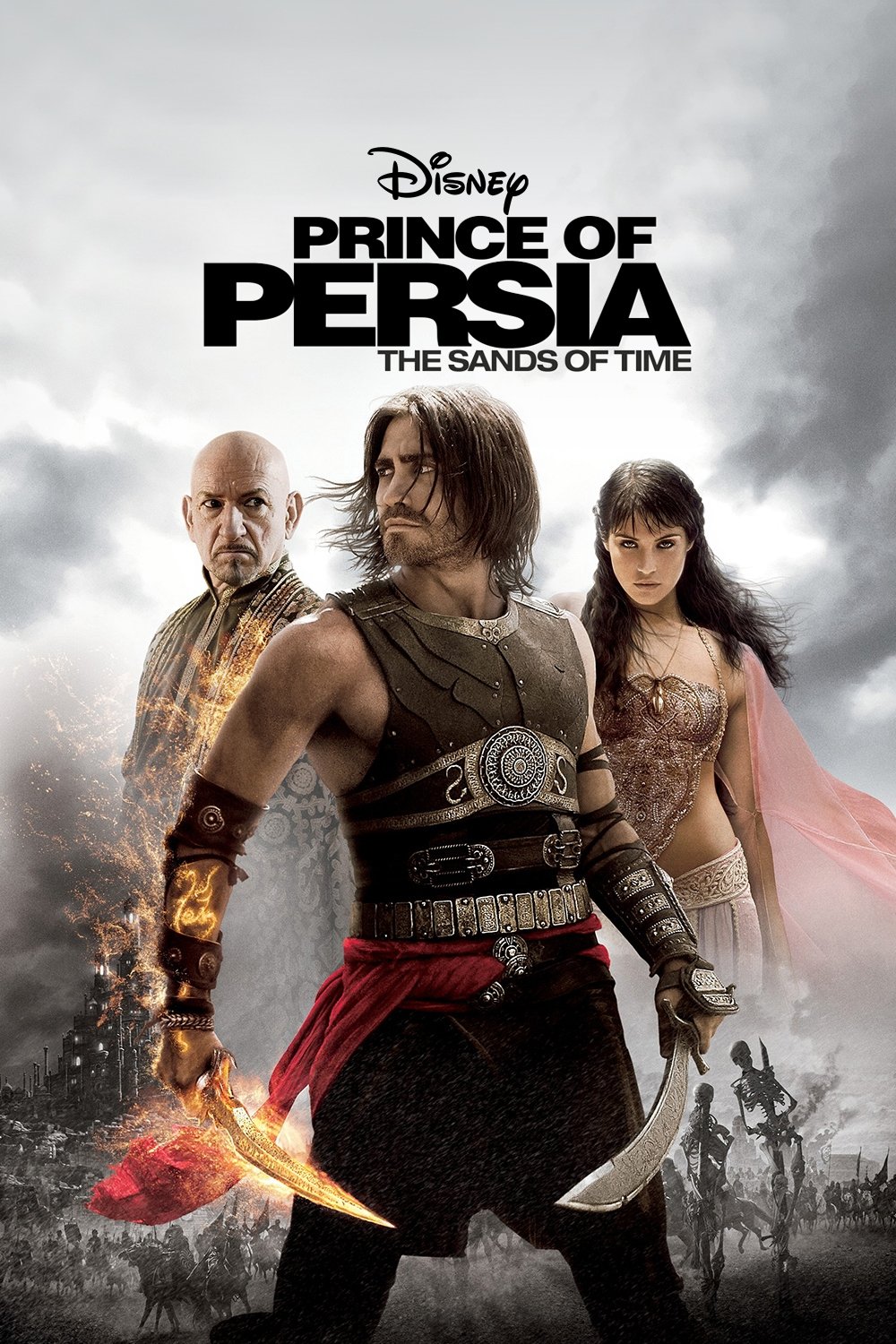
Disney received criticism for casting Jake Gyllenhaal as the lead in the movie based on the popular video game, as fans had hoped for an actor of Middle Eastern heritage. The film was meant to be a big summer hit and launch a new franchise, and while it did reasonably well overseas, it didn’t perform as well in the U.S. The controversy surrounding this casting decision continues to be a talking point when discussing how Hollywood portrays characters with diverse ethnic backgrounds.
‘The Lone Ranger’ (2013)

The decision to cast Johnny Depp as Tonto in this big-budget Western sparked controversy over how Native Americans were depicted. Although Depp stated he had some Native American heritage, many felt the role should have gone to an indigenous actor. Critics also pointed out that the film relied on outdated stereotypes in portraying Tonto. The movie faced production issues, ultimately losing the studio a significant amount of money. It didn’t attract a large audience and failed to successfully update the classic story for modern viewers.
‘Dragonball Evolution’ (2009)
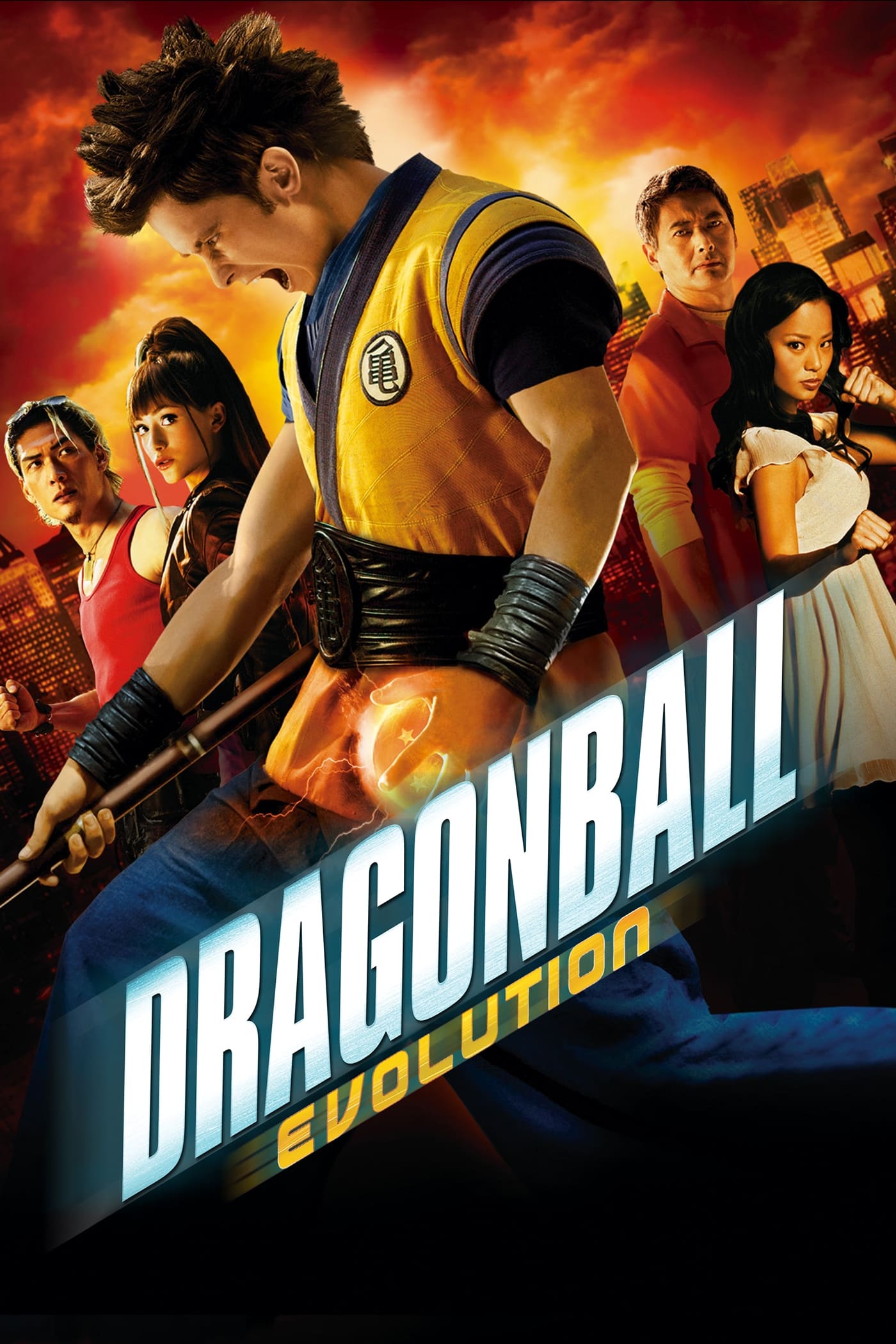
The live-action movie adaptation of the popular Japanese anime series sparked widespread criticism for casting a white actor in the lead role of Goku. Fans were upset that the film ignored the story’s Asian cultural origins and traditions. Significant changes to the established story also frustrated longtime fans. The movie flopped with both critics and audiences, and the anime’s creator later voiced their disappointment. It’s now remembered as a particularly unsuccessful attempt to bring anime to the big screen.
‘Stonewall’ (2015)
Director Roland Emmerich received significant backlash for a film trailer that seemed to focus on a made-up white male character during the historical Stonewall riots. Critics noted that the actual leaders of the riots were largely transgender women of color and people of color, and the film was accused of overlooking their vital roles. The movie was poorly received by critics and failed to make much money in theaters. This underscored the importance of getting the facts right when portraying civil rights events.
‘Nina’ (2016)
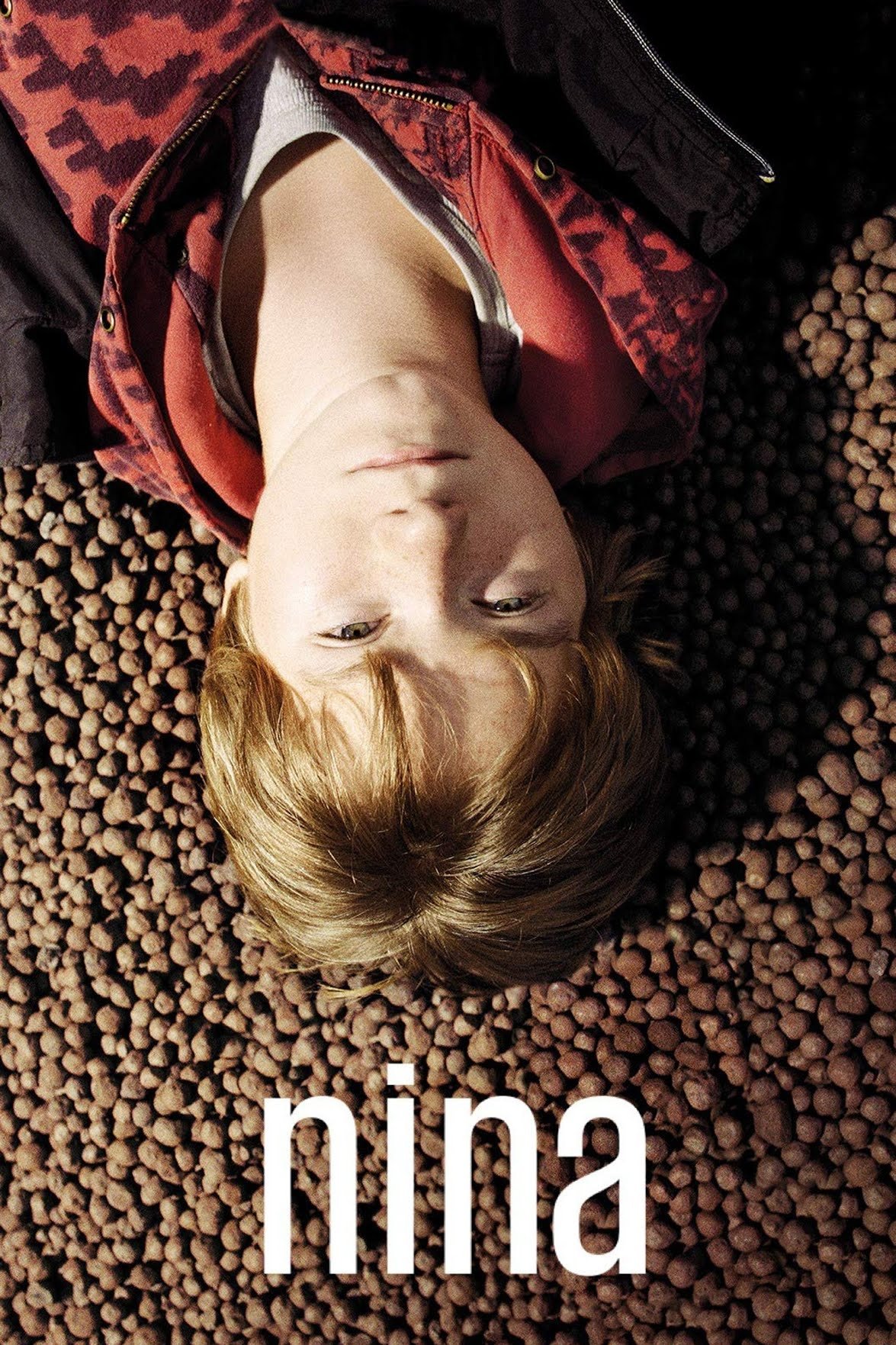
The decision to cast Zoe Saldana as Nina Simone, the iconic singer and activist, caused a lot of controversy surrounding issues of colorism and accurate representation. Many people felt a darker-skinned actress would have been better suited to portray Simone’s life and experiences. The film’s use of makeup and a prosthetic nose to alter Saldana’s appearance drew strong criticism. Ultimately, the film received negative reviews, had a limited release, and is now often cited as an example of how carefully filmmakers must approach the portrayal of important Black historical figures.
‘Memoirs of a Geisha’ (2005)

The film, though beautiful to look at, sparked considerable controversy for casting Chinese actresses as Japanese geishas. Critics argued this blurred the lines between different Asian cultures and disregarded the complex history between China and Japan. Viewers in both countries were upset by the lack of attention to cultural accuracy in the casting choices. As a result, the film didn’t do well in Asian markets and received mixed reviews from critics in Western countries. This situation highlighted the importance of careful and culturally sensitive casting practices in Hollywood when representing diverse Asian cultures.
‘Birth of the Dragon’ (2016)
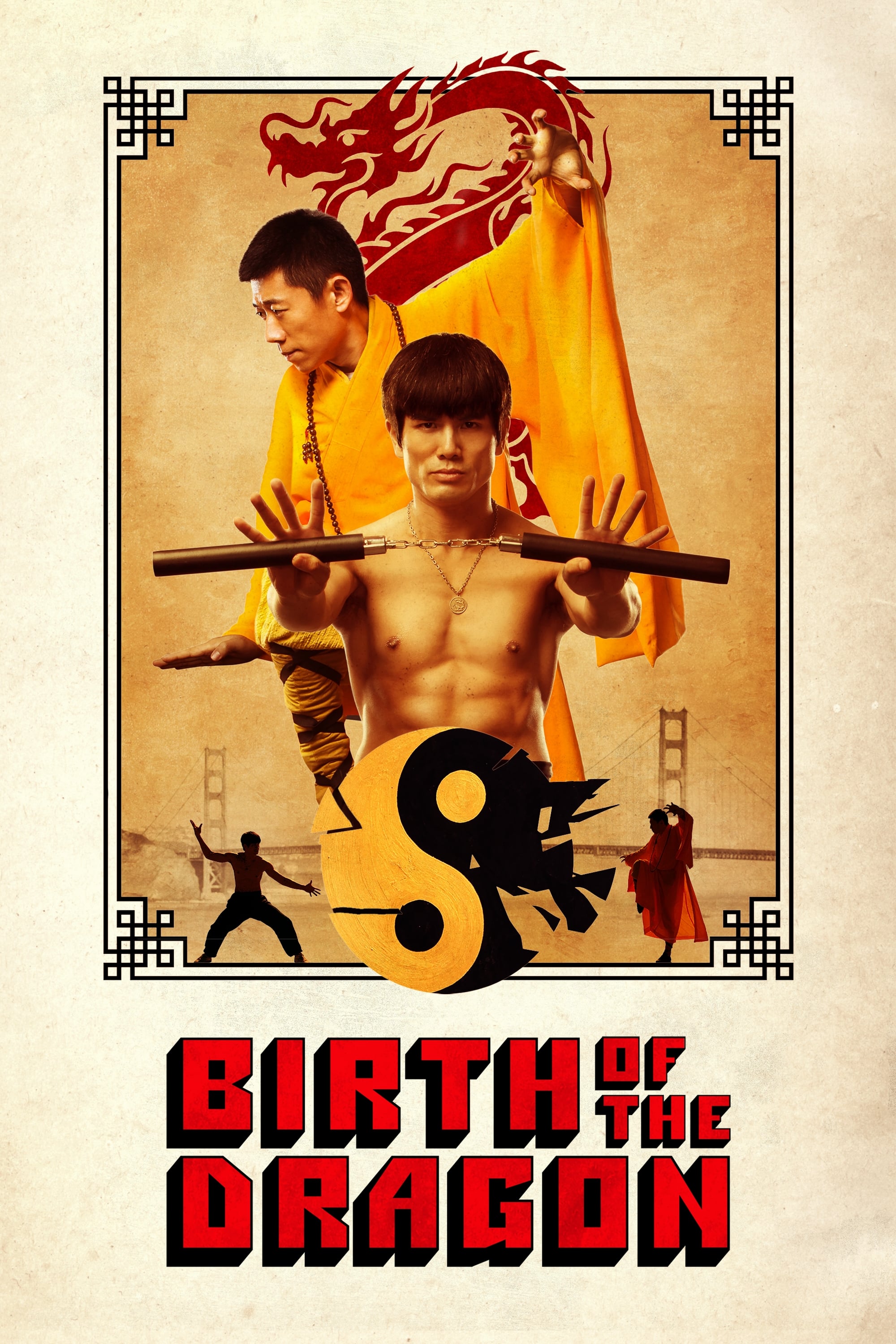
The movie about Bruce Lee’s early life received criticism for centering a made-up white character instead of Lee himself. Many fans felt this was disrespectful, as it seemed to prioritize a “white savior” storyline over celebrating a legendary Asian martial artist. This negative feedback spread rapidly online before the film’s release, and it ultimately failed to attract audiences or succeed in theaters. The poor reception showed that viewers are now less tolerant of stories that minimize the contributions of important non-white figures.
‘Hellboy’ (2019)

The recent reboot of the comic book series quickly faced criticism when a white actor was chosen to play Ben Daimio, a character with Japanese roots. After a public backlash, the actor left the role, allowing the filmmakers to find someone of Asian descent. However, even after resolving this issue, the film struggled to gain audience trust. It performed poorly in theaters and didn’t measure up to the earlier movies, showing that fixing a diversity problem during production doesn’t automatically lead to success.
‘The Great Wall’ (2016)
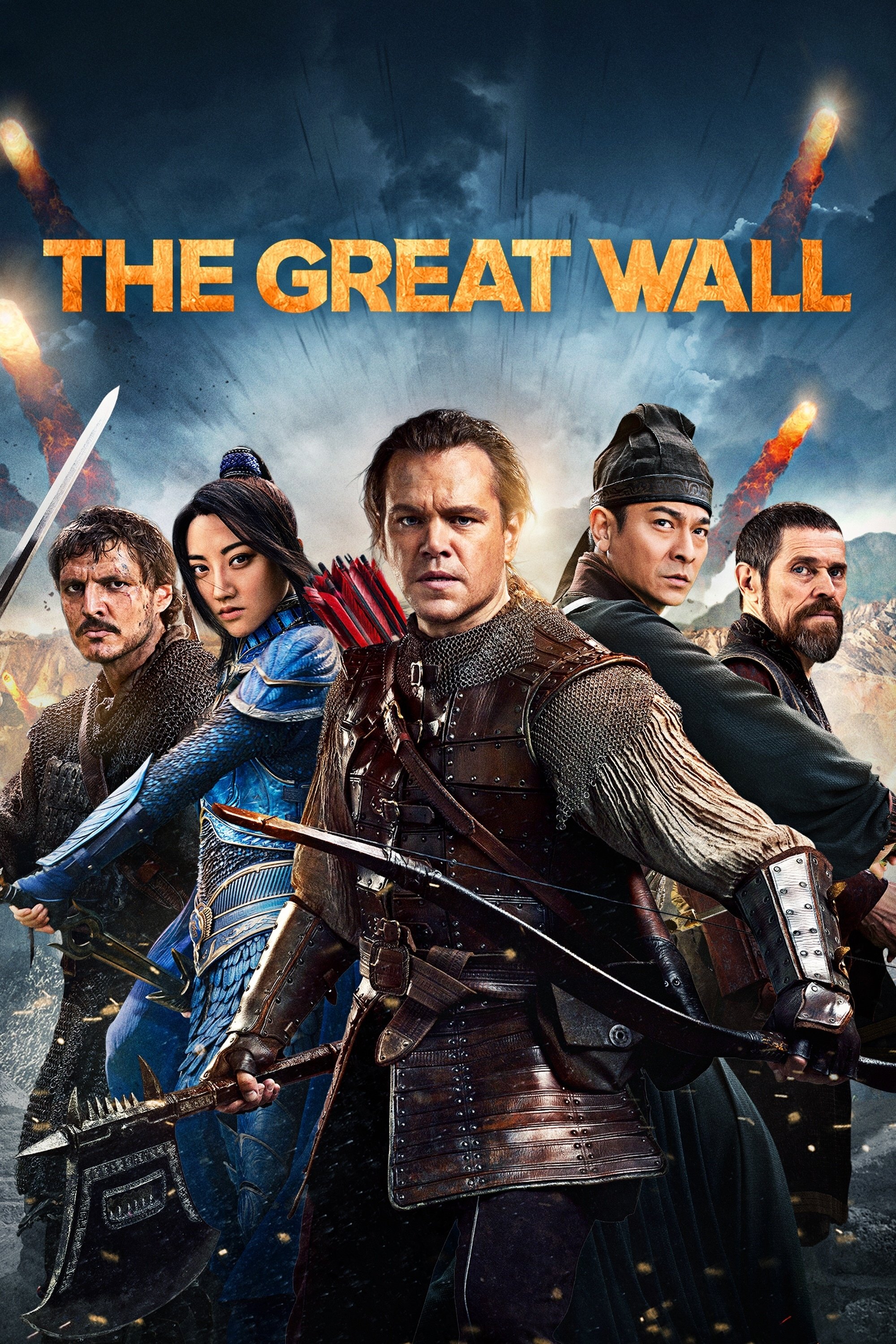
Although made in partnership with Chinese companies, the film received criticism for portraying Matt Damon as a heroic Westerner in a historical Chinese setting. Many questioned the need for a Western character to be central to the defense of such an iconic Asian landmark. The movie aimed to appeal to both Hollywood and the Chinese film markets with a large budget and well-known actors. While it did well in China, it didn’t attract enough viewers in the United States, leading to financial losses for those who invested in it. Ultimately, the film demonstrated the difficulties of making successful, cross-cultural blockbusters that fall back on familiar, and sometimes problematic, storytelling patterns.
‘Music’ (2021)

Singer Sia received strong criticism for a film featuring an autistic character played by a neurotypical actor. Disability advocates pointed out harmful stereotypes in the movie and objected to scenes showing physical restraint. While Sia initially defended her casting choices online, she later apologized and added a disclaimer to the film. The movie was poorly received by critics and didn’t perform well in theaters. The resulting controversy ultimately overshadowed the film’s music and sparked a larger conversation about accurate and respectful representation of disability in media.
‘Cloud Atlas’ (2012)
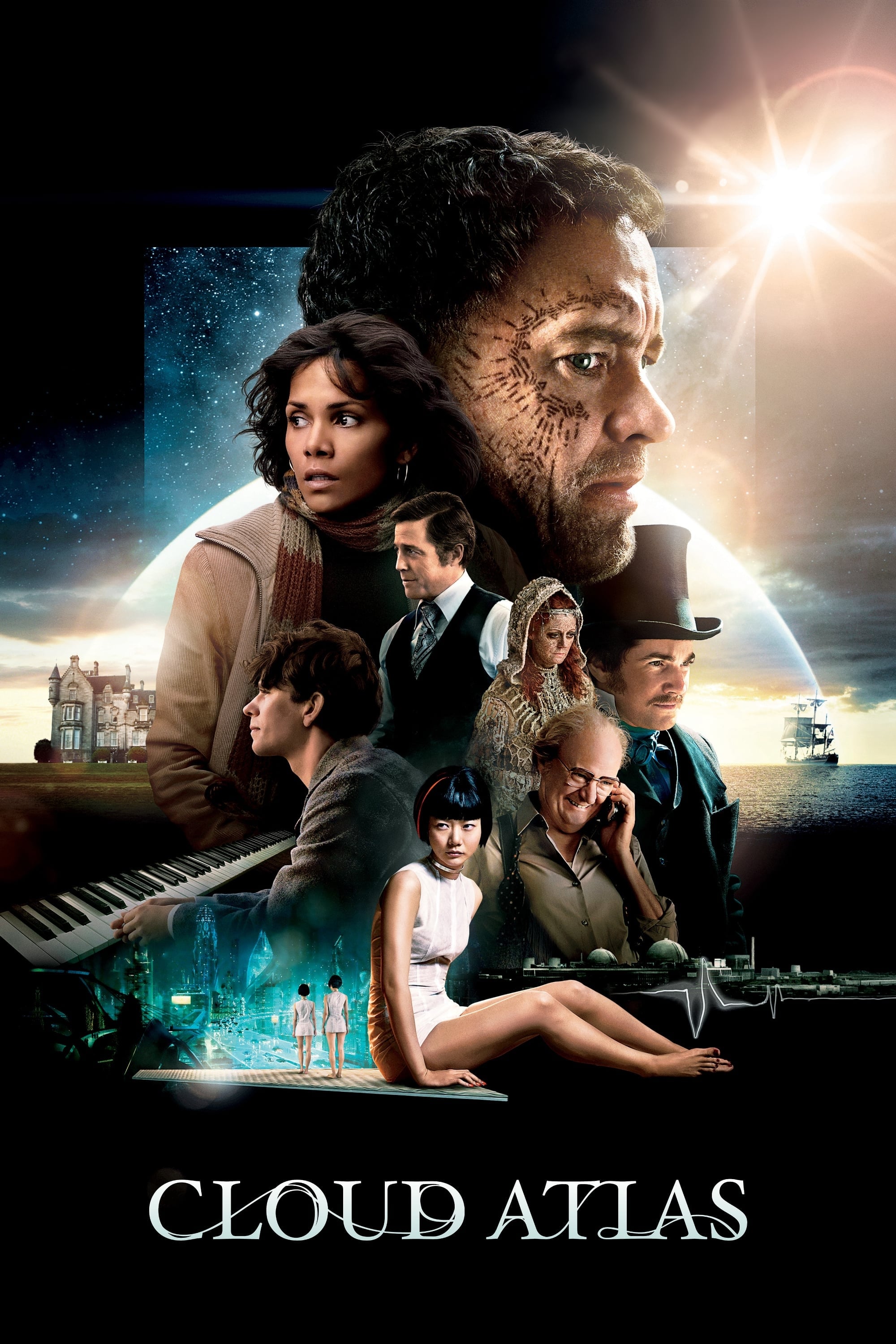
As a film lover, I remember being really intrigued by this Wachowskis movie when it came out – it was incredibly ambitious, with actors playing characters across different eras and even different races. But it also sparked a lot of controversy. The filmmakers used makeup to make white actors look Asian in certain scenes, and that drew a huge amount of criticism from groups advocating for Asian representation. Many felt it was really offensive and actually went against the film’s message about how everything is connected. Despite having a big budget and a famous cast, it didn’t do well in theaters. It’s still a movie people talk about, and unfortunately, it’s often remembered more for its problematic handling of race and identity than anything else.
‘Street Fighter: The Legend of Chun-Li’ (2009)
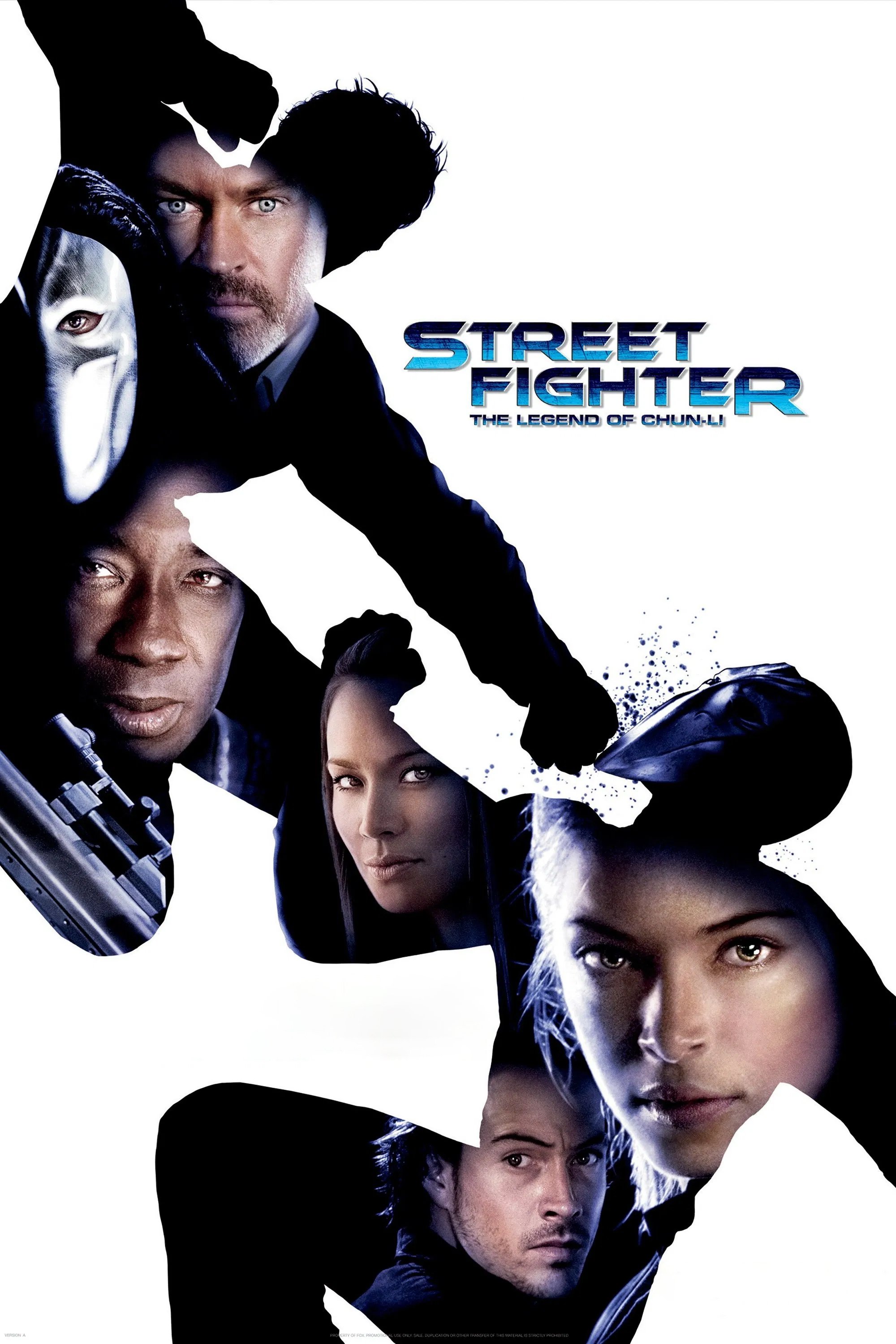
Viewers of the well-known video game series were upset that a white actress was chosen to play Chun Li, a beloved Chinese fighter. Many saw this as another instance of Hollywood overlooking Asian actors for leading roles in action movies. Critics also found the movie’s script and overall production quality to be poor and inaccurate to the original game. The film didn’t perform well in theaters and ended any hopes for future adaptations. This situation highlighted how important both good storytelling and respectful representation are to fans of established franchises.
‘Annihilation’ (2018)
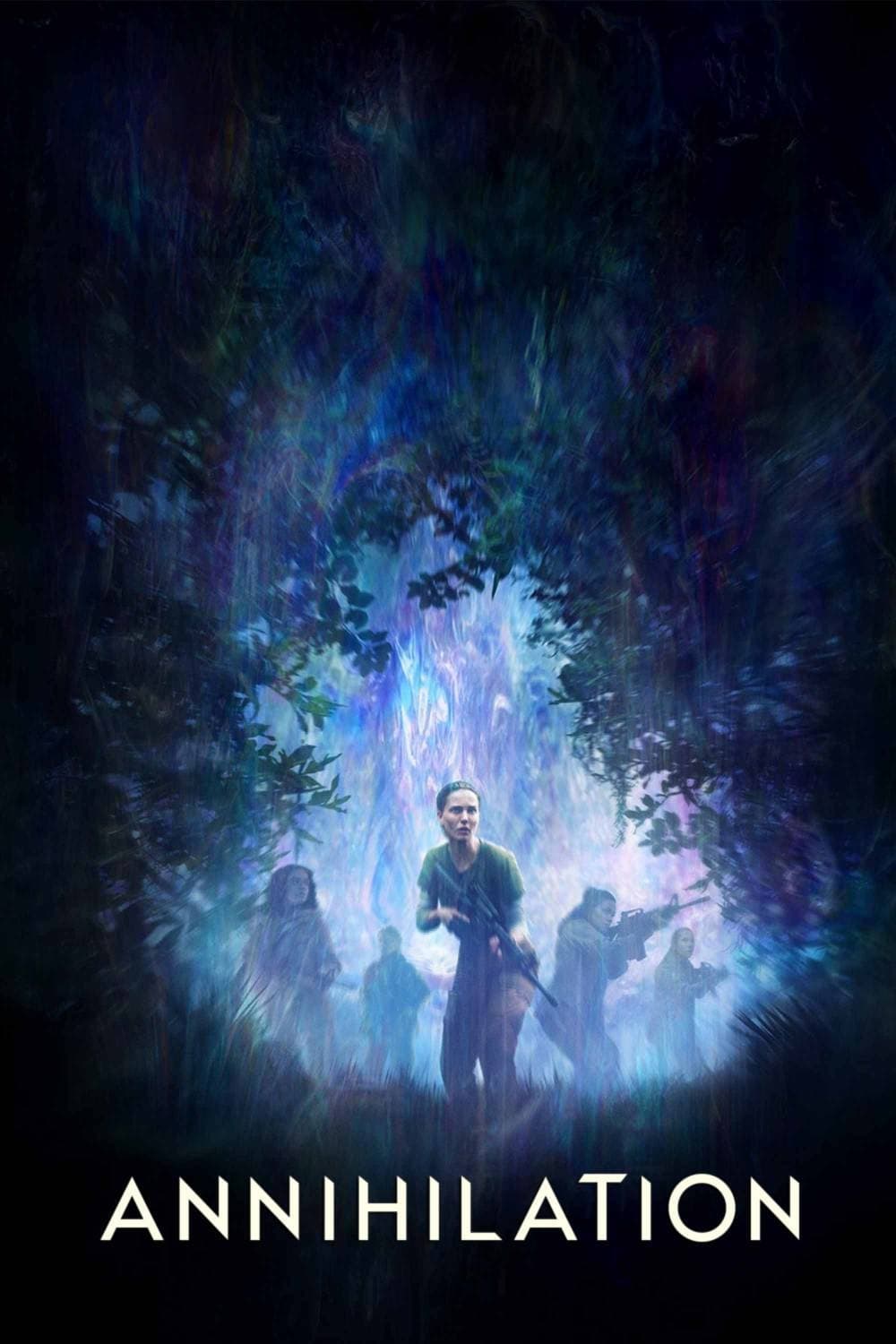
As a big fan of the books, I was pretty disappointed when the movie came out and the leads were cast with white actresses. It just felt wrong, considering the characters are described as being Asian and Native American in the source material. The director, Alex Garland, defended his choices by saying he’d only focused on the first book, which wasn’t specific about ethnicity. While critics generally liked the film, it didn’t really catch on with audiences in theaters. Ultimately, the studio ended up selling the rights to a streaming service because they were worried about how well it would do commercially.
‘The New Mutants’ (2020)
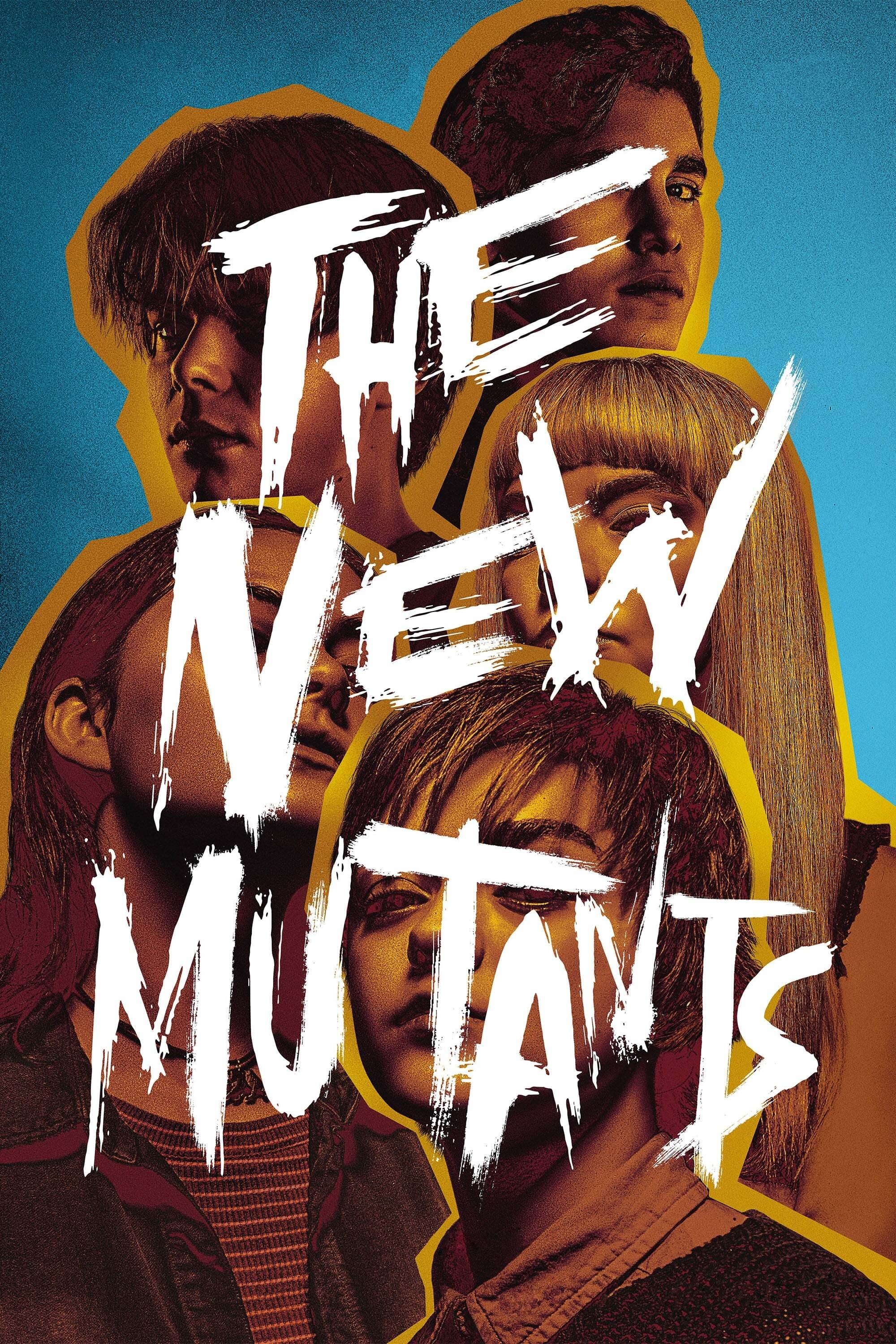
The X-Men spin-off, a horror film, sparked controversy when a character originally depicted as Afro-Brazilian in the comics was played by an actor with lighter skin. Fans and the character’s creator argued this reinforced the problem of colorism in Hollywood. The film’s production was also troubled, facing multiple delays and extensive reshoots over several years. Ultimately, it received mixed reviews and didn’t perform well in theaters. Many fans remained upset about the change to the character’s appearance and background.
’47 Ronin’ (2013)
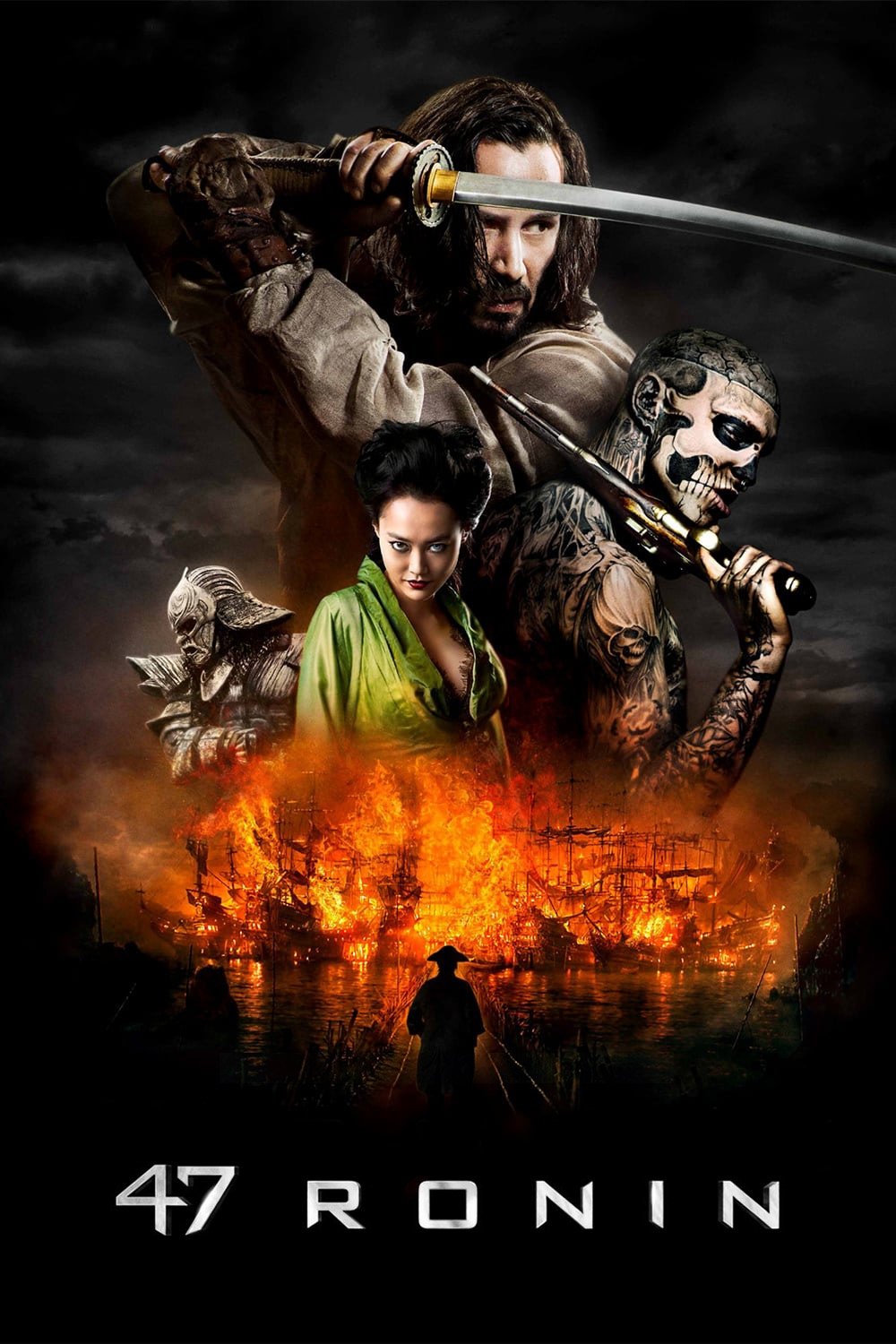
The fantasy film received criticism for casting a white actor as a character who was meant to be half Japanese, within a story based on famous Japanese history. Many viewers felt this casting choice was unnecessary and took away from the central story of the wandering samurai. The movie’s budget grew to over $200 million, making it one of the year’s most costly films. However, it performed poorly at the box office, resulting in significant financial losses for the studio. This outcome highlighted the risk of adapting well-known international stories with a Western focus, suggesting it doesn’t guarantee a wider audience.
‘Speed Racer’ (2008)
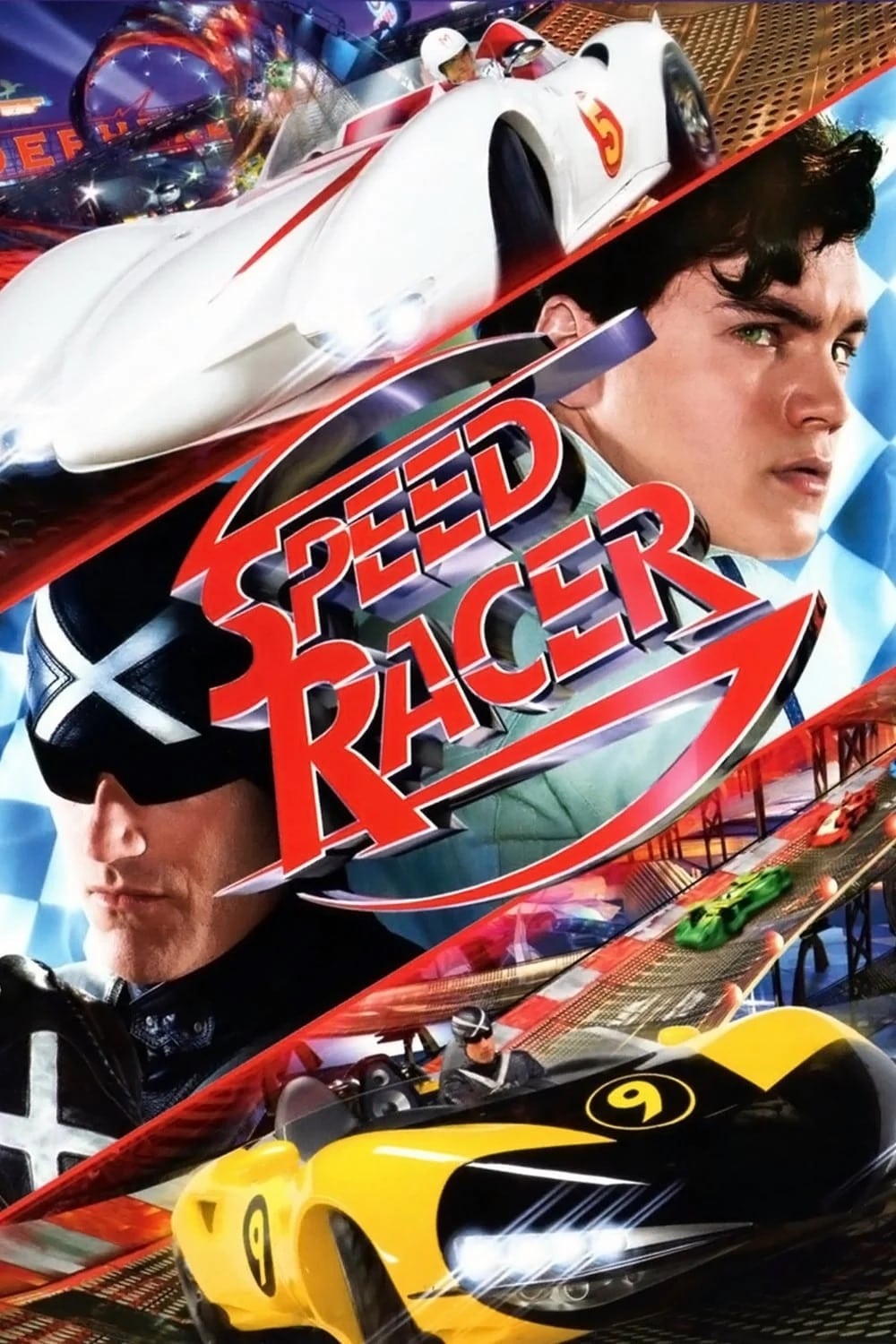
The recent live-action movie based on the popular Japanese anime received criticism for casting mostly white actors, considering its Japanese origins. Although praised for its unique visuals, the film didn’t attract a wide audience when it was released. Many fans of the original anime felt the movie lost the heart and cultural significance of the story in its adaptation to a big-budget Hollywood production. Ultimately, the movie performed poorly at the box office and didn’t earn back its substantial production costs. Its disappointing start is often attributed to its lack of cultural connection and its unusual visual style, which appealed to a limited audience.
‘In the Heights’ (2021)
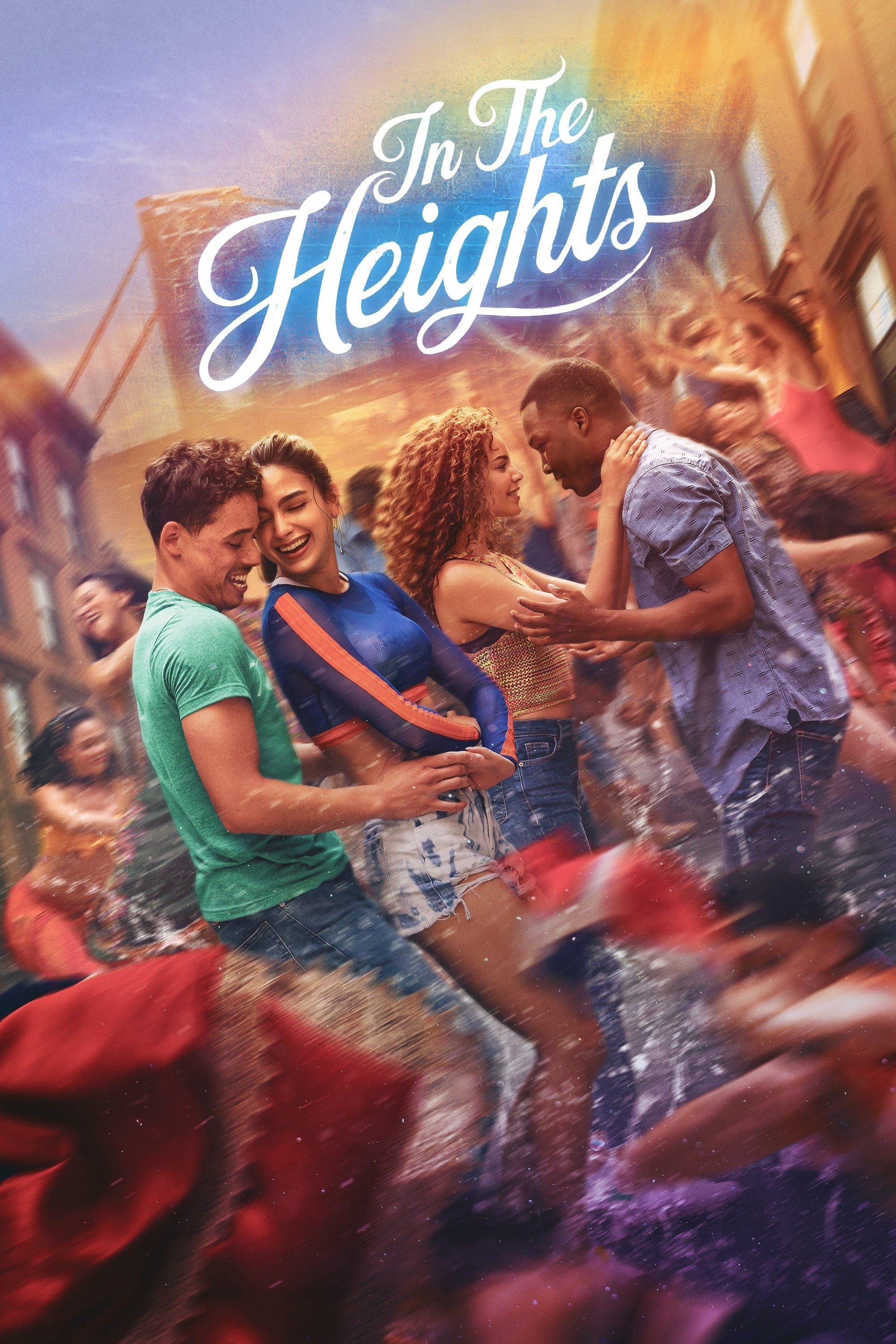
The movie adaptation of the musical received criticism for not casting enough dark-skinned Afro-Latino actors in main roles, especially considering the story is set in Washington Heights, a neighborhood with a large population of people of color. Both the director, Jon M. Chu, and the musical’s creator, Lin-Manuel Miranda, apologized for this mistake in casting. The film didn’t perform well in theaters and failed to meet sales expectations. This situation showed how a lack of diverse representation, specifically colorism, can cause a film to lose viewers.
‘West Side Story’ (2021)
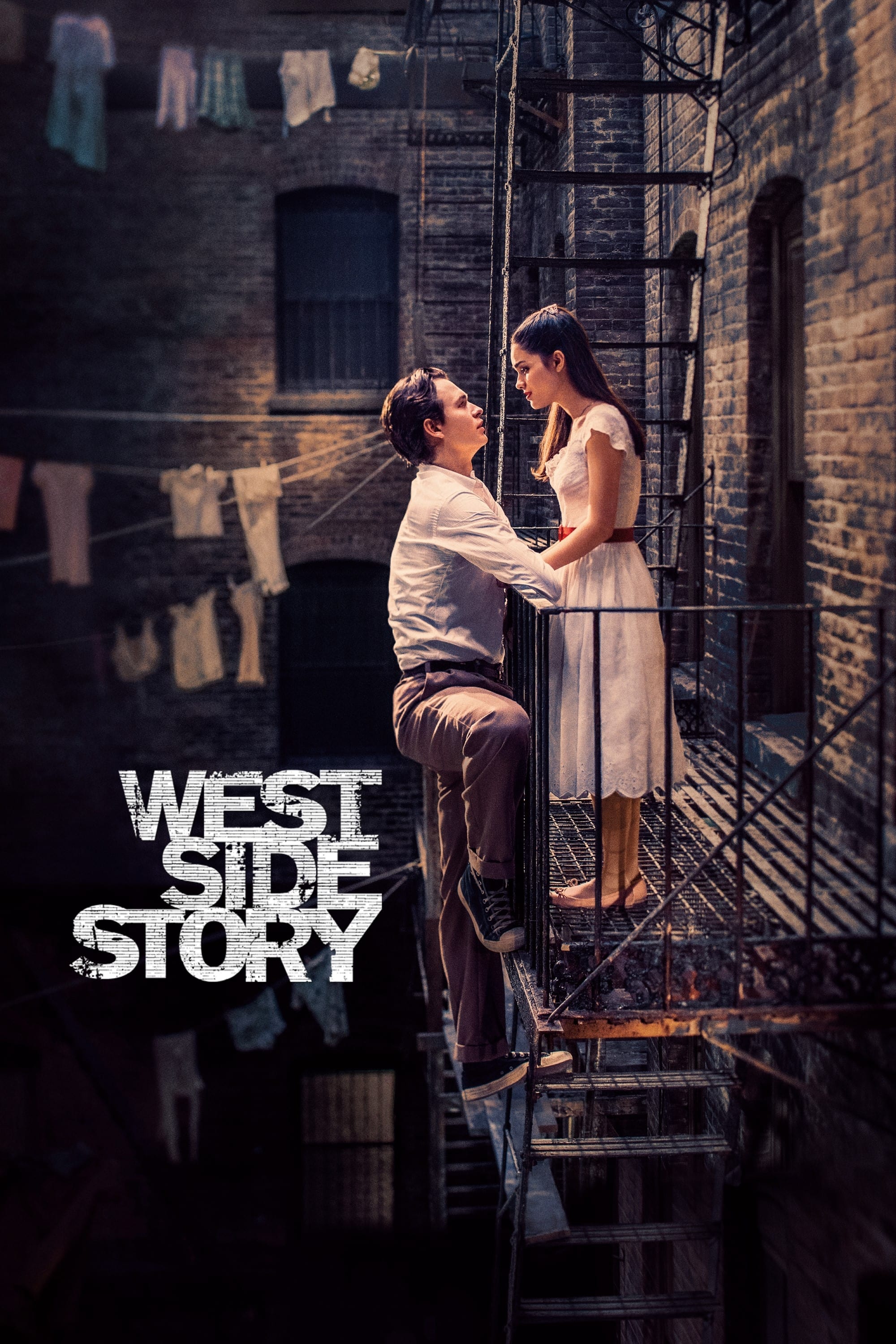
The recent remake received positive attention for its technical aspects, but some viewers criticized the lack of Afro-Latino representation given the story’s focus on the Puerto Rican community. Many felt the film could have updated the representation compared to the original Broadway show. Despite being directed by Steven Spielberg and earning good reviews, the movie didn’t attract a large audience and ultimately lost a significant amount of money due to its high production and marketing costs. This highlights that even remakes made with good intentions can fall short when it comes to modern standards of inclusivity.
‘Mulan’ (2020)
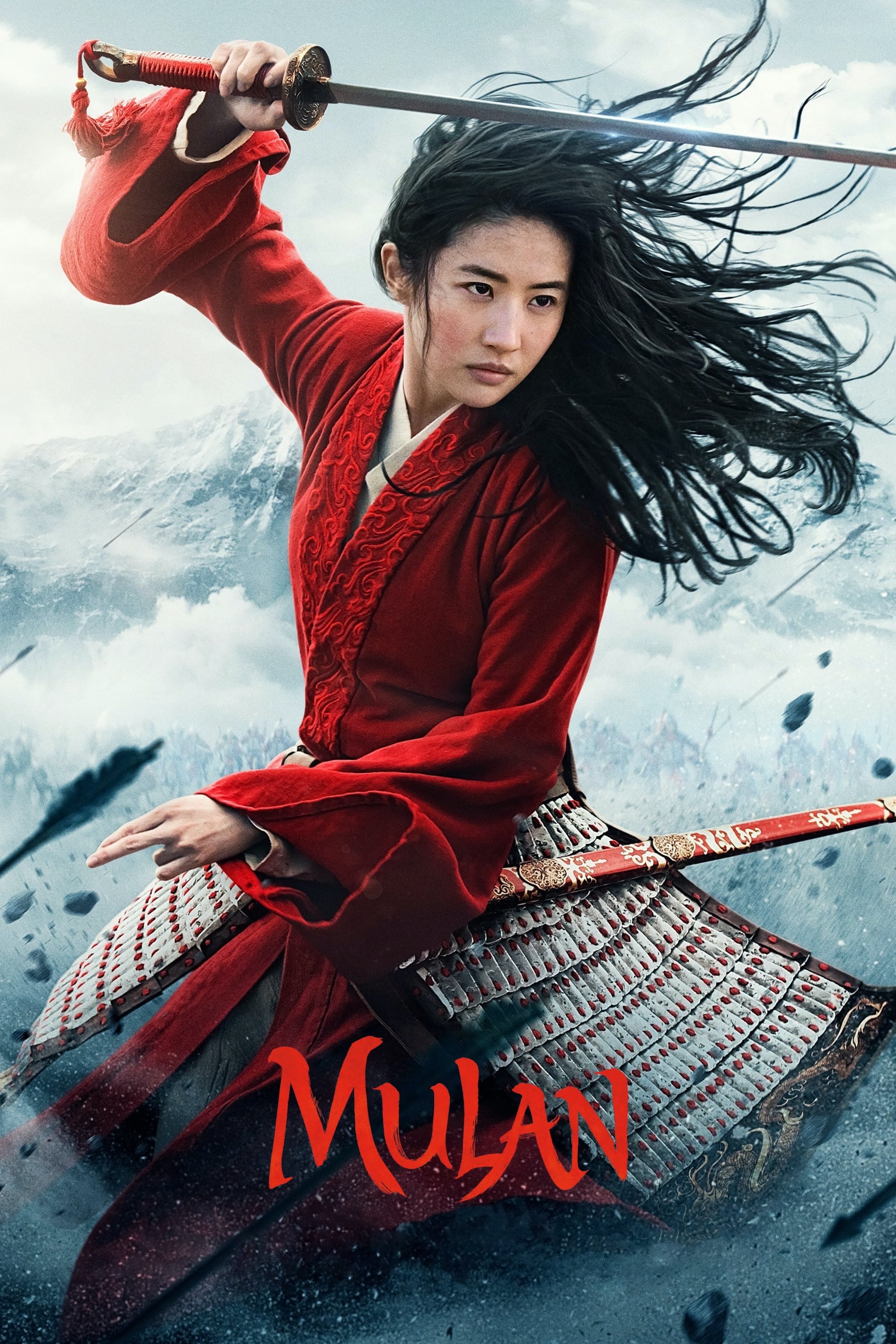
Disney’s live-action remake of a beloved classic encountered several problems. Many critics pointed out the lack of diversity among the filmmakers, as the director and most producers were white despite the entirely Chinese cast. The film also faced calls for boycotts because of the lead actress’s political statements and the places where it was filmed. Combined with the impact of global events, this led to a limited release and disappointing box office results, particularly in China. Ultimately, the remake didn’t achieve the same success or cultural resonance as the original animated film.
‘The 355’ (2022)
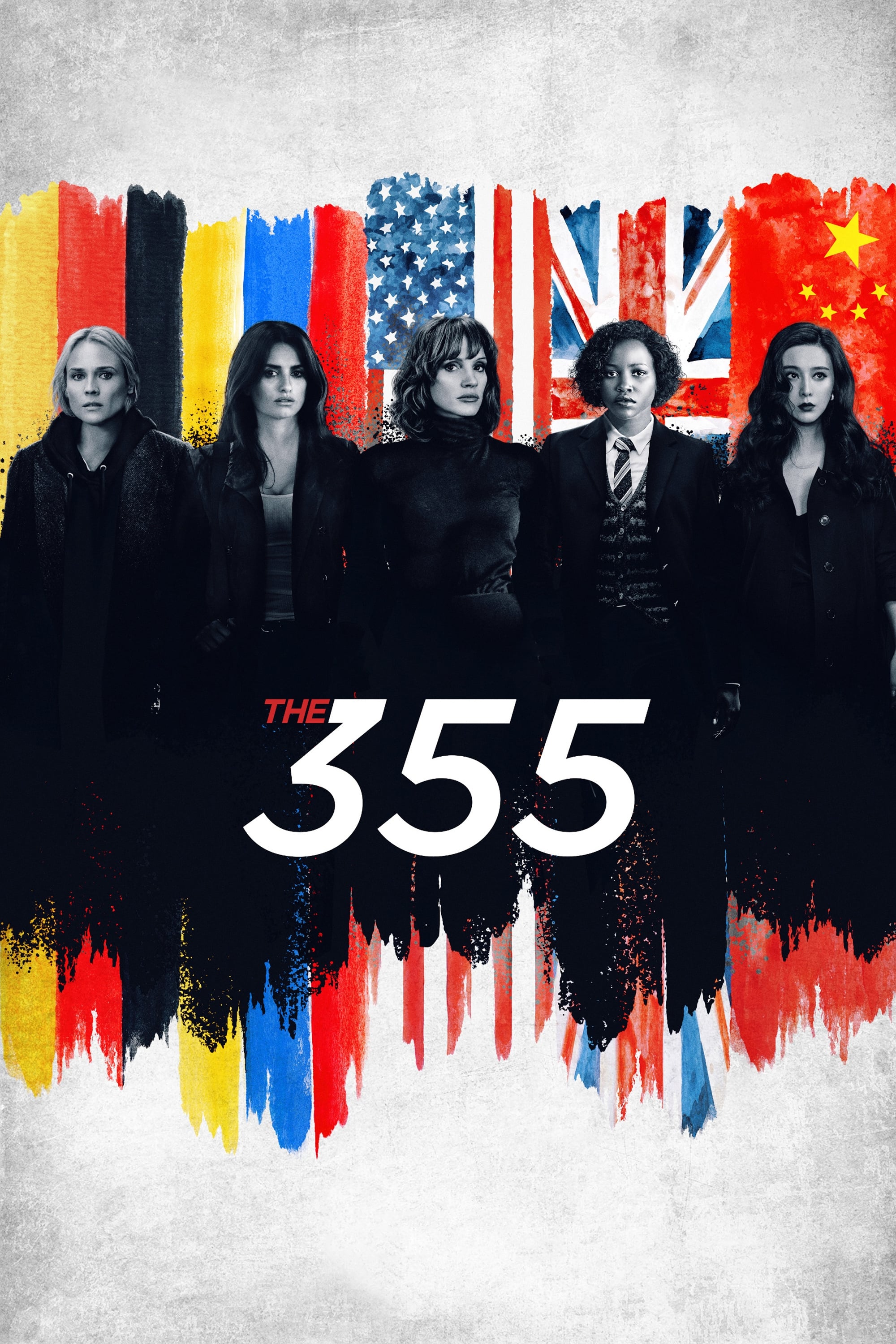
This action-packed spy movie boasted a talented and diverse group of actresses, and was promoted as a breakthrough for women in the genre, emphasizing international teamwork. Despite this, the film received only average reviews and didn’t perform well in theaters. While the cast was inclusive, audiences weren’t drawn in by the story, which felt predictable. Ultimately, the movie demonstrates that simply having a diverse cast isn’t enough to overcome a weak or unoriginal plot.
‘Charlie’s Angels’ (2019)

The recent remake aimed to be empowering for women and showcased a diverse group of actresses. However, despite its efforts to be inclusive, the movie didn’t perform well at the box office, failing to draw a significant audience during its opening weekend. Critics felt the film lacked a strong sense of purpose and didn’t justify bringing the franchise back. Some believe the marketing didn’t resonate with the intended viewers, ultimately ending any plans for future films with this cast.
‘Ghostbusters’ (2016)
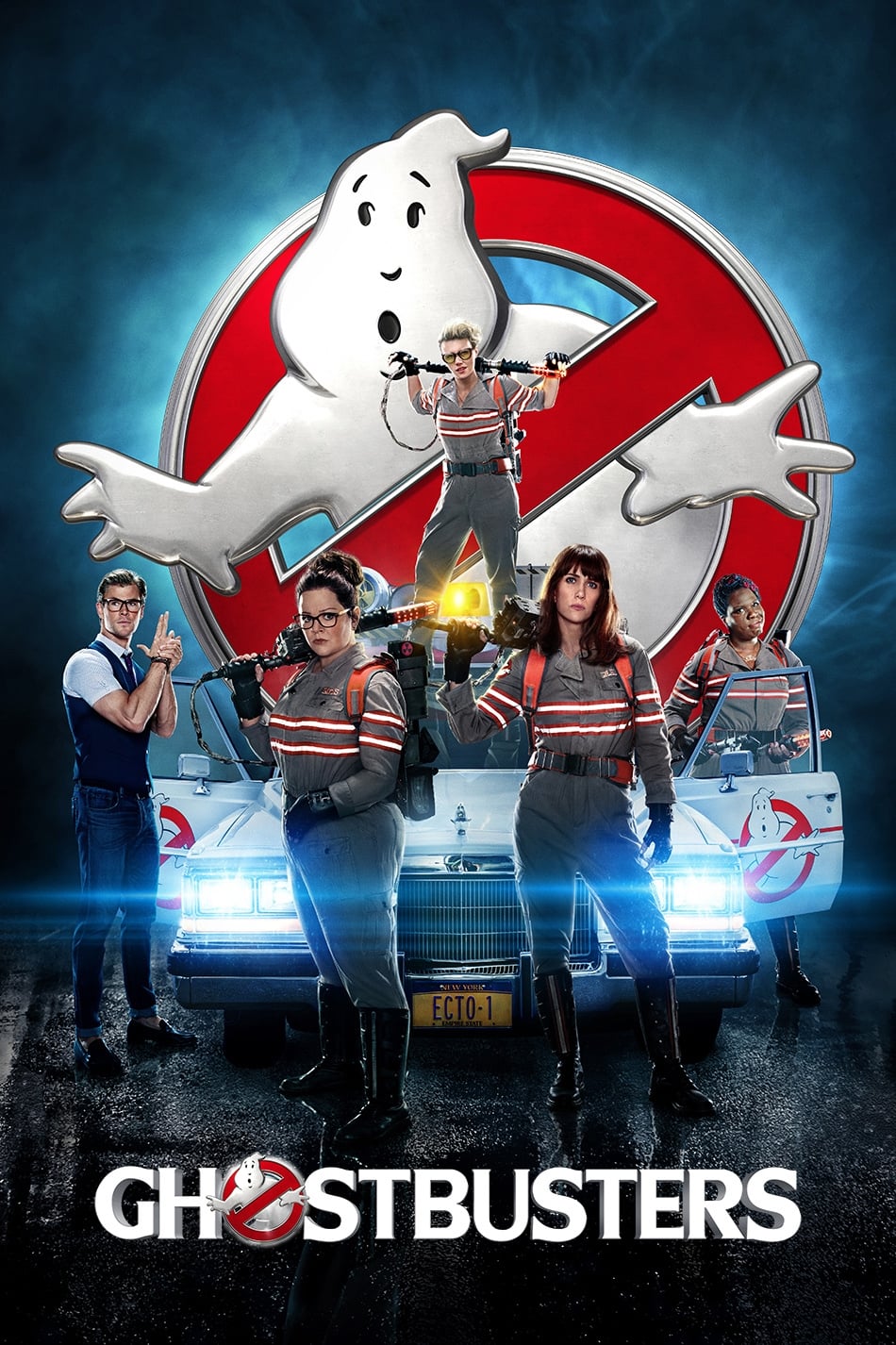
As a critic, I watched the fallout from this reboot with a lot of interest. The studio’s choice to go with an all-female cast sparked a huge online fight, and honestly, it overshadowed the film itself. It was supposed to be a step towards better representation, but it quickly became a battleground for differing viewpoints. Some argued it didn’t do enough to stand on its own, while others clearly saw the criticism as simply prejudice. Ultimately, it didn’t perform well in theaters, and the studio went back to the original storyline. It really showed how tricky it is to introduce diversity into a franchise with a really dedicated – and sometimes resistant – fanbase.
‘Strange World’ (2022)
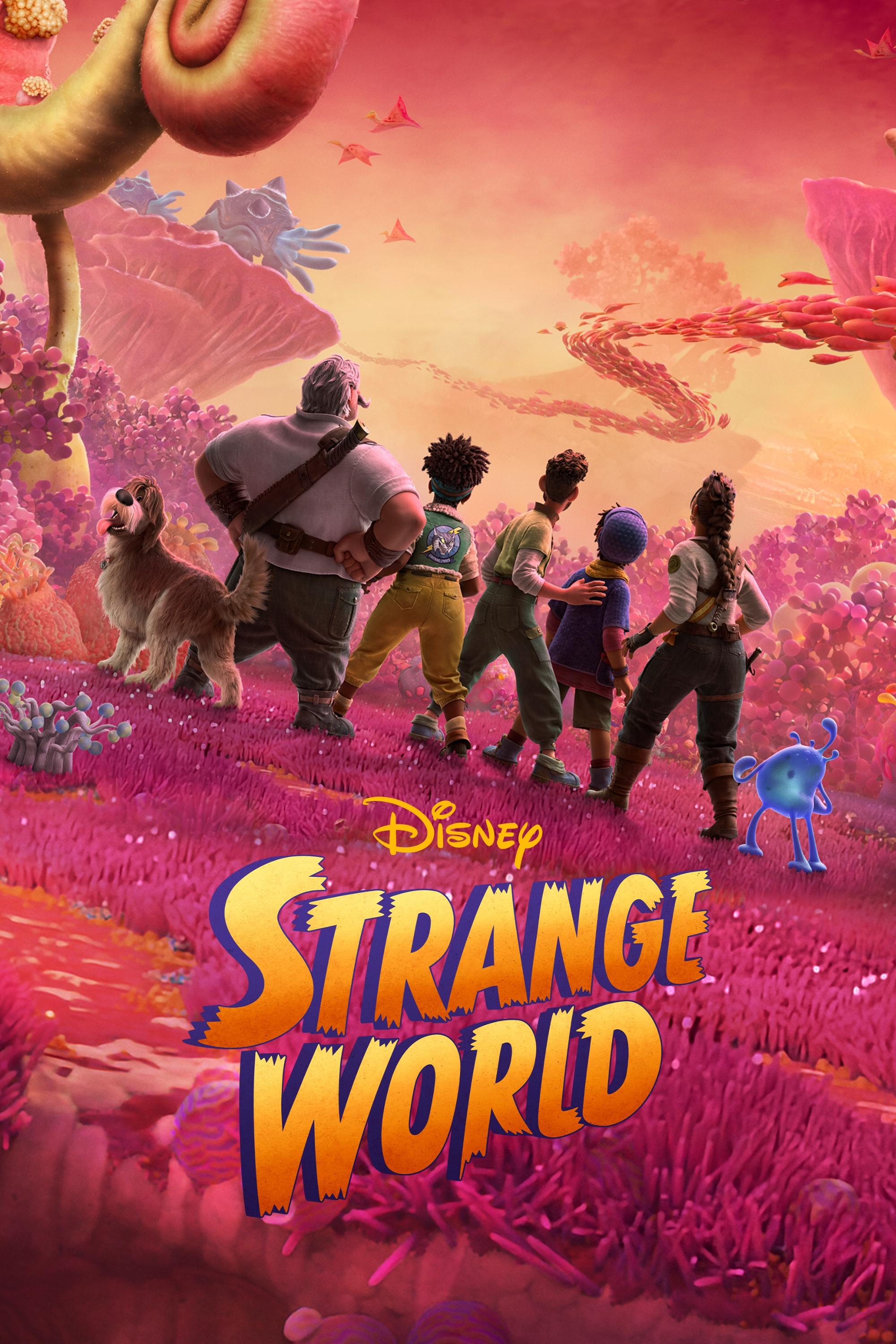
This animated movie celebrated diversity with a wide range of characters, and notably featured a gay teenage lead – a first for the studio. However, despite its inclusive nature, the film wasn’t well-promoted and didn’t resonate with audiences. It became one of the studio’s biggest financial failures in years. While some believe the poor performance was due to a lackluster story and inadequate marketing, rather than the film’s inclusive themes, the situation sparked a debate about how studios should support and promote projects that embrace diversity.
‘Lightyear’ (2022)

The latest Toy Story film featured a quick scene with a same-sex couple, which resulted in it being banned in some countries. The filmmakers were proud of this inclusion, but it also drew criticism from those opposed to diverse representation. The movie didn’t do well in theaters, falling short of the success of other films in the Toy Story series. Although visually well-made, many viewers found the plot confusing and the story less captivating. The debate over the inclusive scene continued throughout the film’s release.
‘Bros’ (2022)
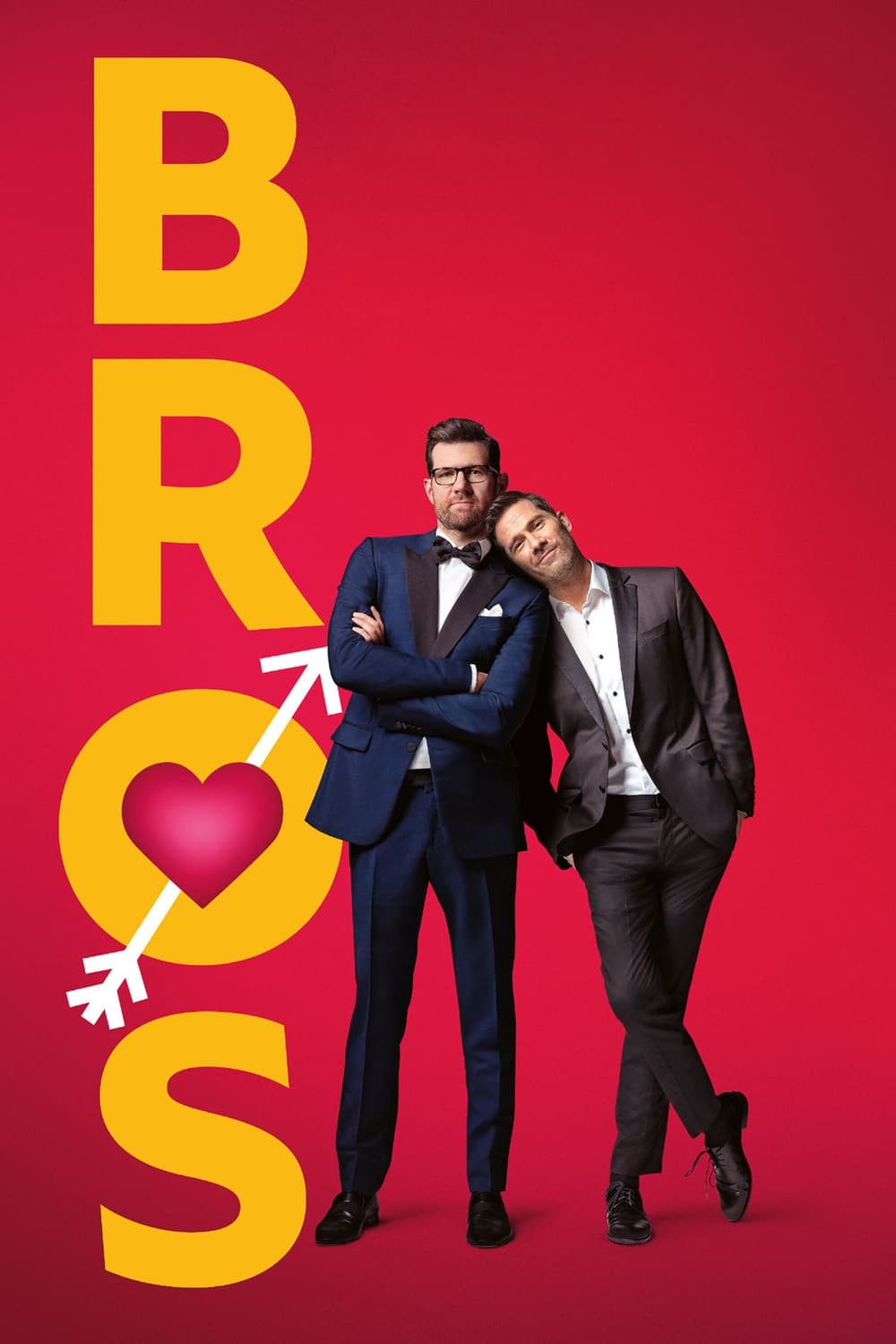
The movie was heavily promoted as a groundbreaking romantic comedy – the first of its kind from a major studio to feature an entirely LGBTQ cast. However, despite good reviews, it didn’t resonate with most moviegoers and performed poorly in theaters. The lead actors voiced their disappointment online, suggesting a lack of wider support contributed to the film’s failure. Some critics argued the marketing focused too narrowly, limiting its potential audience. The movie’s disappointing results led to a larger discussion about whether diverse romantic comedies can succeed in theaters.
‘Amsterdam’ (2022)
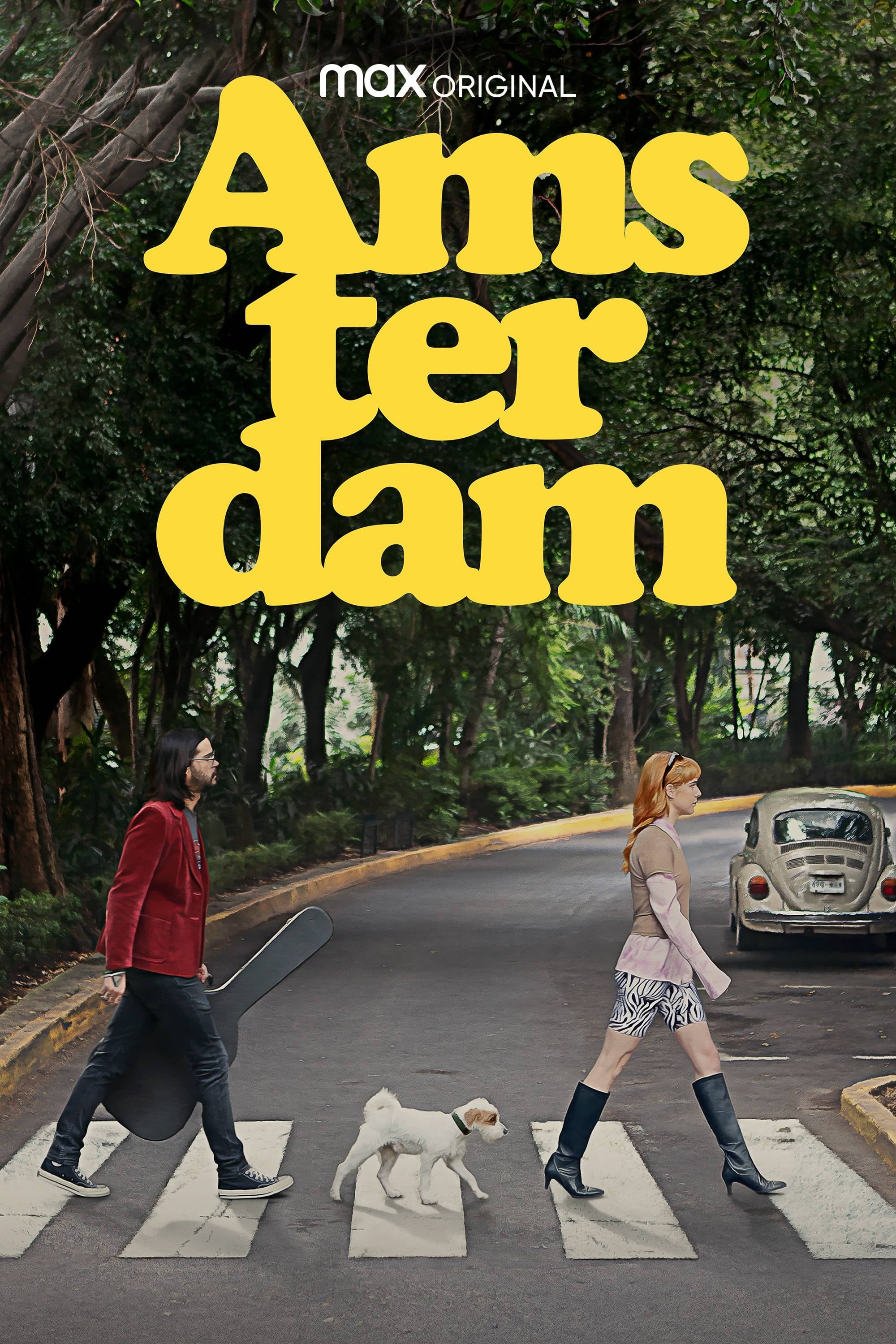
Although the film featured a large and varied cast, it was a significant financial disappointment for the studio. Critics and audiences didn’t connect with the confusing storyline and inconsistent mood. Despite high production and marketing expenses, the movie lost almost $100 million. Even the involvement of several award-winning actors couldn’t overcome the film’s weak plot. It stands as a prominent case of a large-scale, diverse project that ultimately failed to succeed.
‘Cats’ (2019)
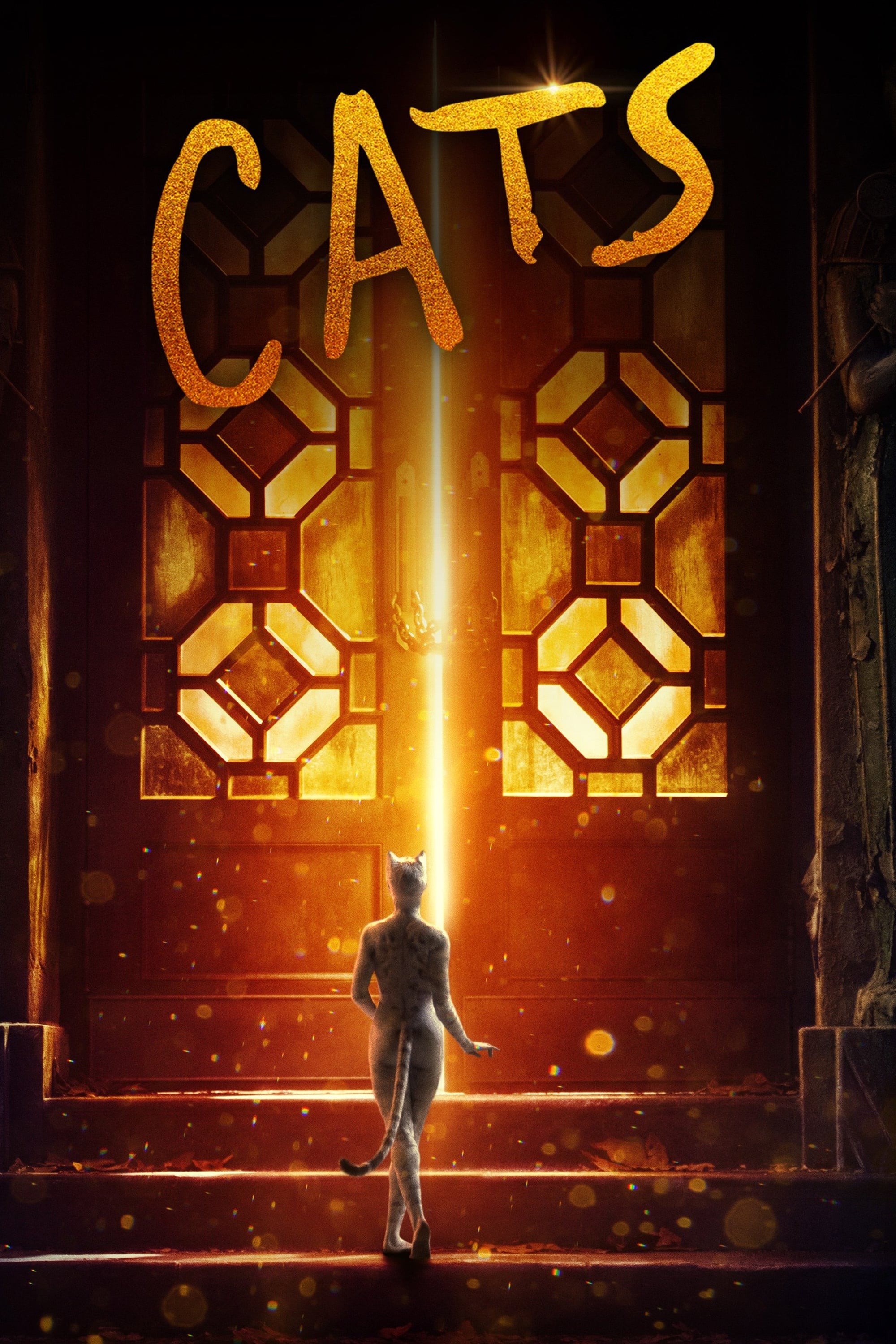
Despite featuring a talented and diverse cast, the movie version of the popular musical was a major box office failure. Critics didn’t focus on the cast’s diversity, but instead pointed to poor visual effects and a lack of clear storytelling. The film quickly became a target of online ridicule, ending any hope of success. It lost around $100 million and became a well-known example of a movie gone wrong, proving that good visuals and representation aren’t enough to save a film with fundamental problems.
‘Robin Hood’ (2018)
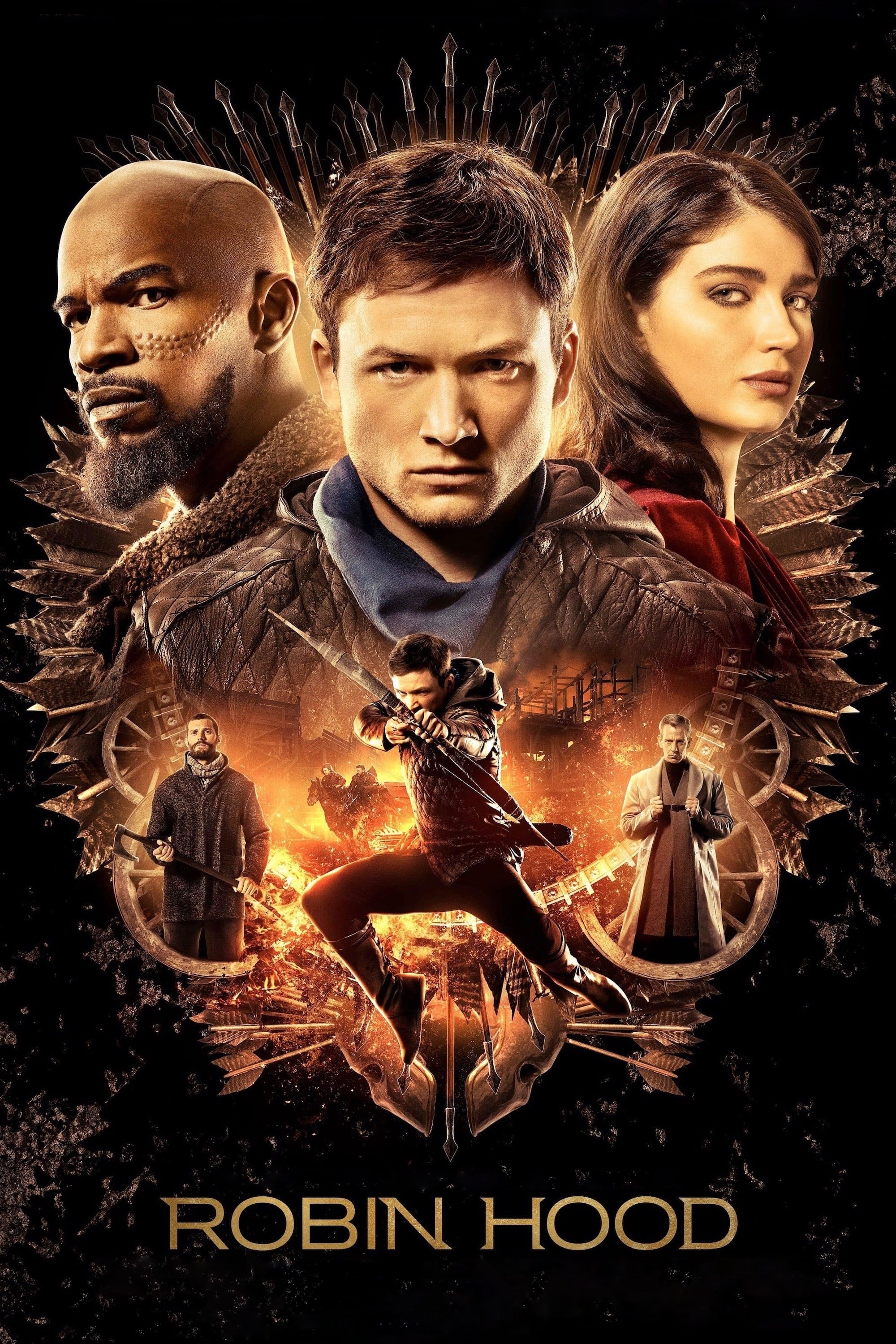
The film was a fresh take on a classic tale, aiming to appeal to modern viewers with a diverse cast. However, it faced criticism for its costumes and action scenes, which didn’t fit the medieval world it was set in. Most viewers and critics felt it wasn’t a worthwhile addition to the many other versions of the story. It performed poorly in theaters, losing a significant amount of money. This showed that simply updating a story with diversity isn’t enough to make it a hit.
‘King Arthur: Legend of the Sword’ (2017)
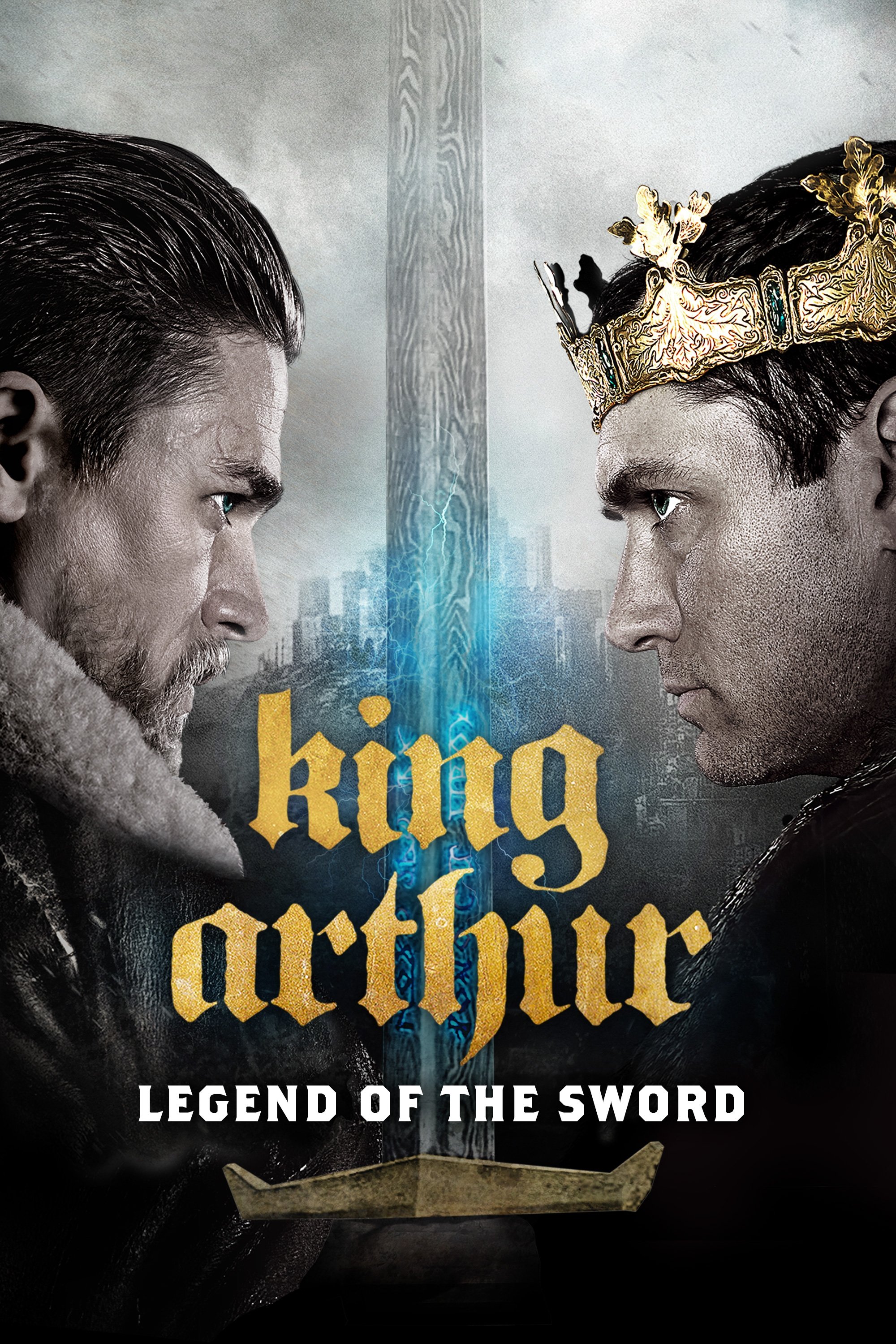
The director tried to give this classic story a fresh take with a diverse group of actors and quick, energetic editing. The film aimed to portray a more multicultural ancient Britain by featuring performers from many different backgrounds. Unfortunately, critics disliked the movie, and it didn’t attract many viewers in theaters. This led to significant financial losses for the studio and the cancellation of any plans for sequels. The failure demonstrated how challenging it can be to reimagine old myths with contemporary ideas and a diverse cast.
‘John Carter’ (2012)
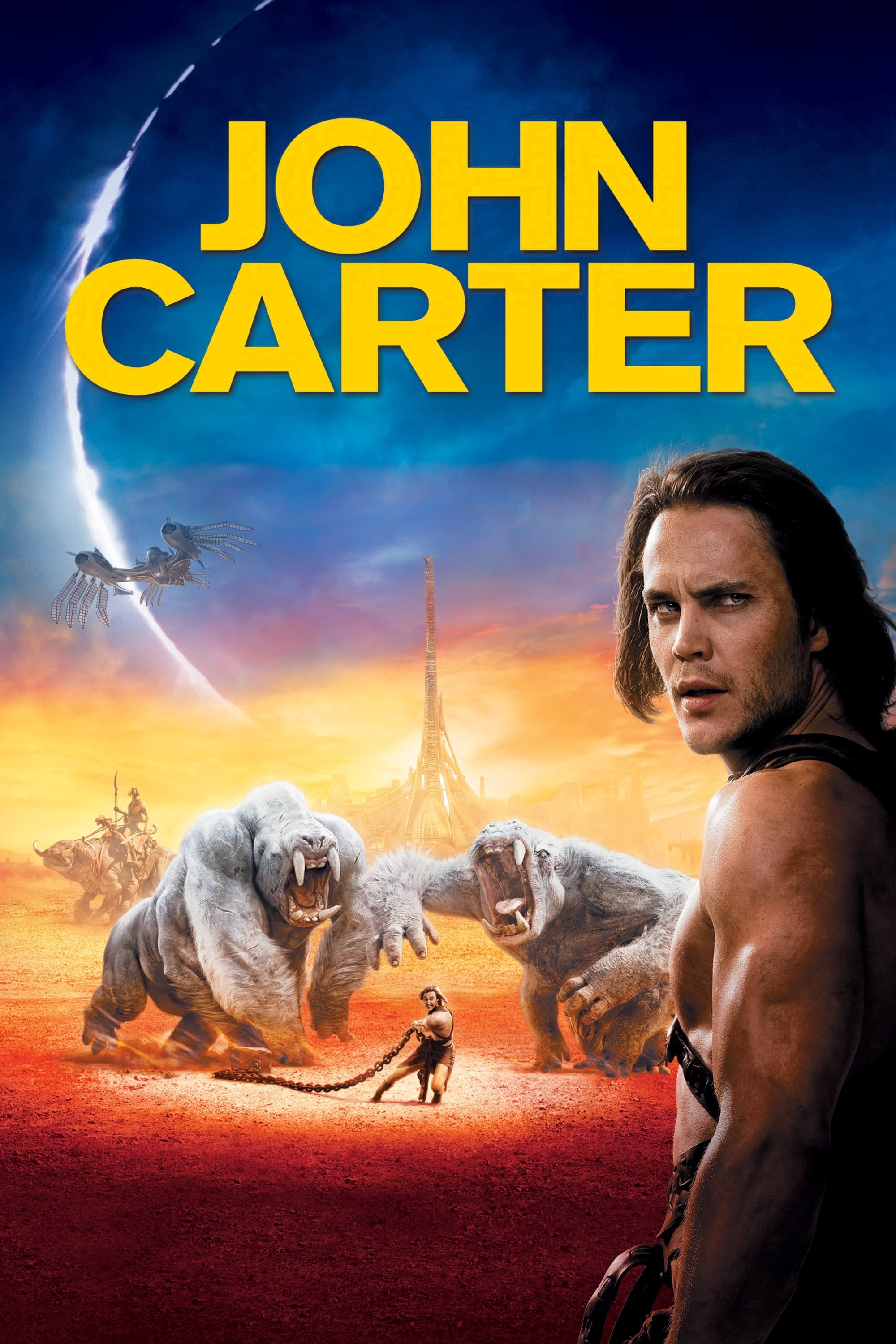
Despite being based on a beloved novel, this big-budget science fiction film didn’t resonate with today’s audiences. Though it showcased many alien creatures and a diverse group of actors, critics found the movie lacked a strong, focused story. A disappointing marketing campaign, combined with a title change from the original book, likely contributed to its failure. The film became a major financial loss for the studio, leading to internal changes, and stands as a cautionary tale about the risks of large-scale genre films.
‘Mortdecai’ (2015)
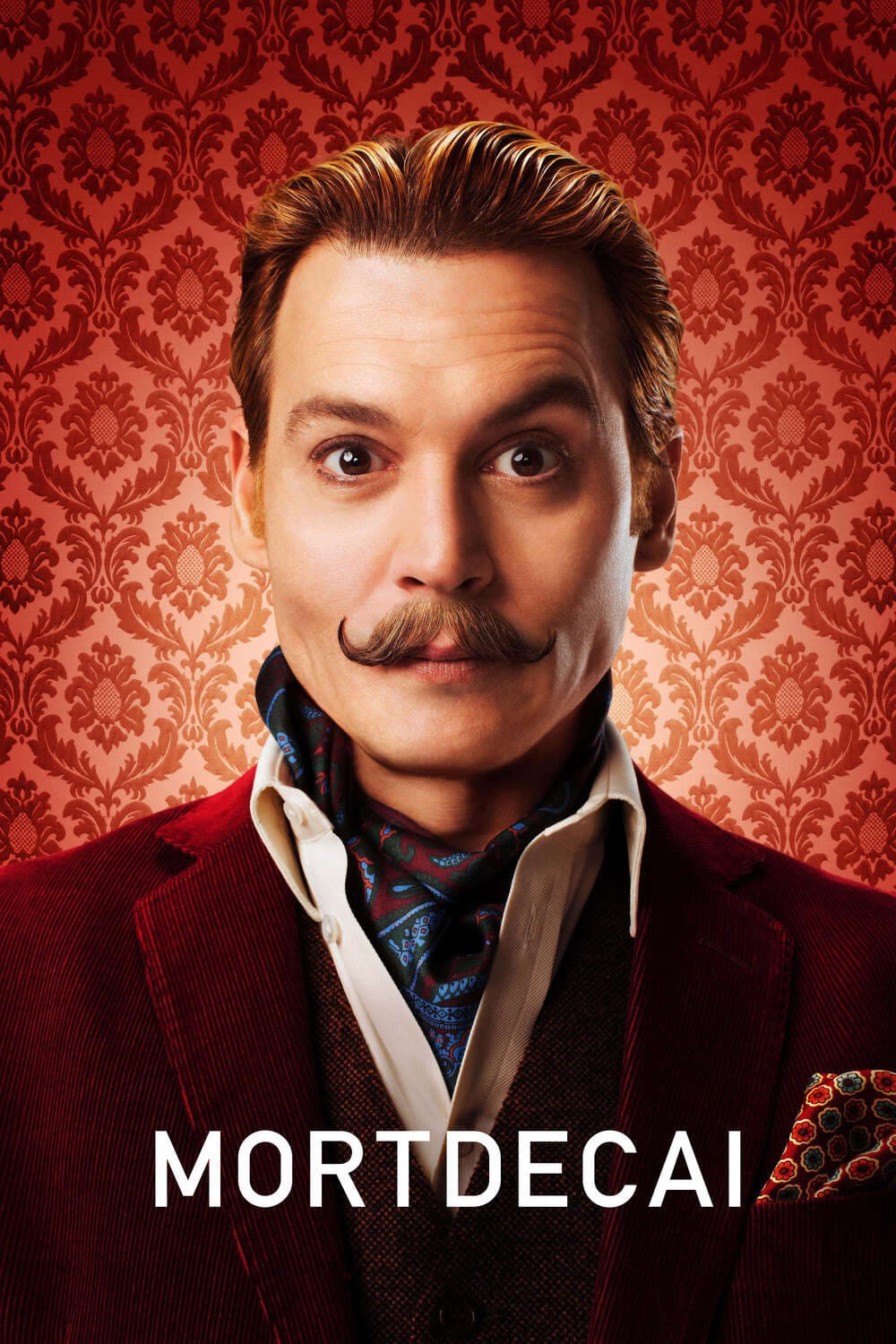
This quirky comedy had a large cast, but it didn’t attract viewers or receive good reviews. Critics found the humor old-fashioned and the story poorly developed. Despite featuring several well-known actors, the film was a box office flop and quickly faded from memory. It’s a good example of a time when movies relying heavily on stars weren’t connecting with audiences, who were starting to demand more from films than just famous faces.
‘R.I.P.D.’ (2013)
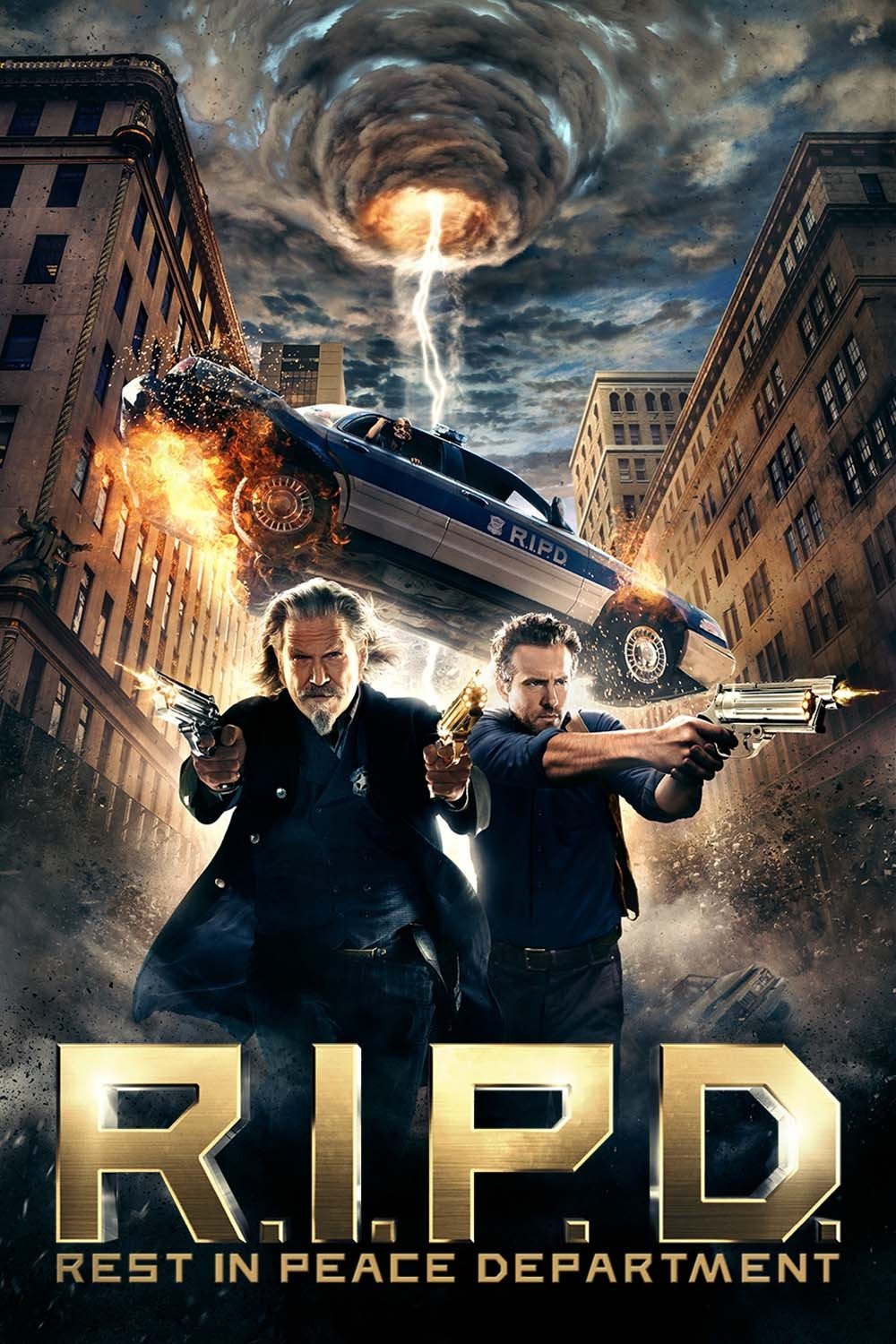
Despite having a diverse cast, this action movie with supernatural elements wasn’t well-received by critics or moviegoers. It drew comparisons to other popular franchises, but ultimately felt unoriginal. The expensive visual effects didn’t translate into ticket sales, making the film a financial disappointment. Many see it as an uninspired project that didn’t bring anything fresh to the genre, and its failure at the box office ended plans for any sequels or related series.
‘Jupiter Ascending’ (2015)
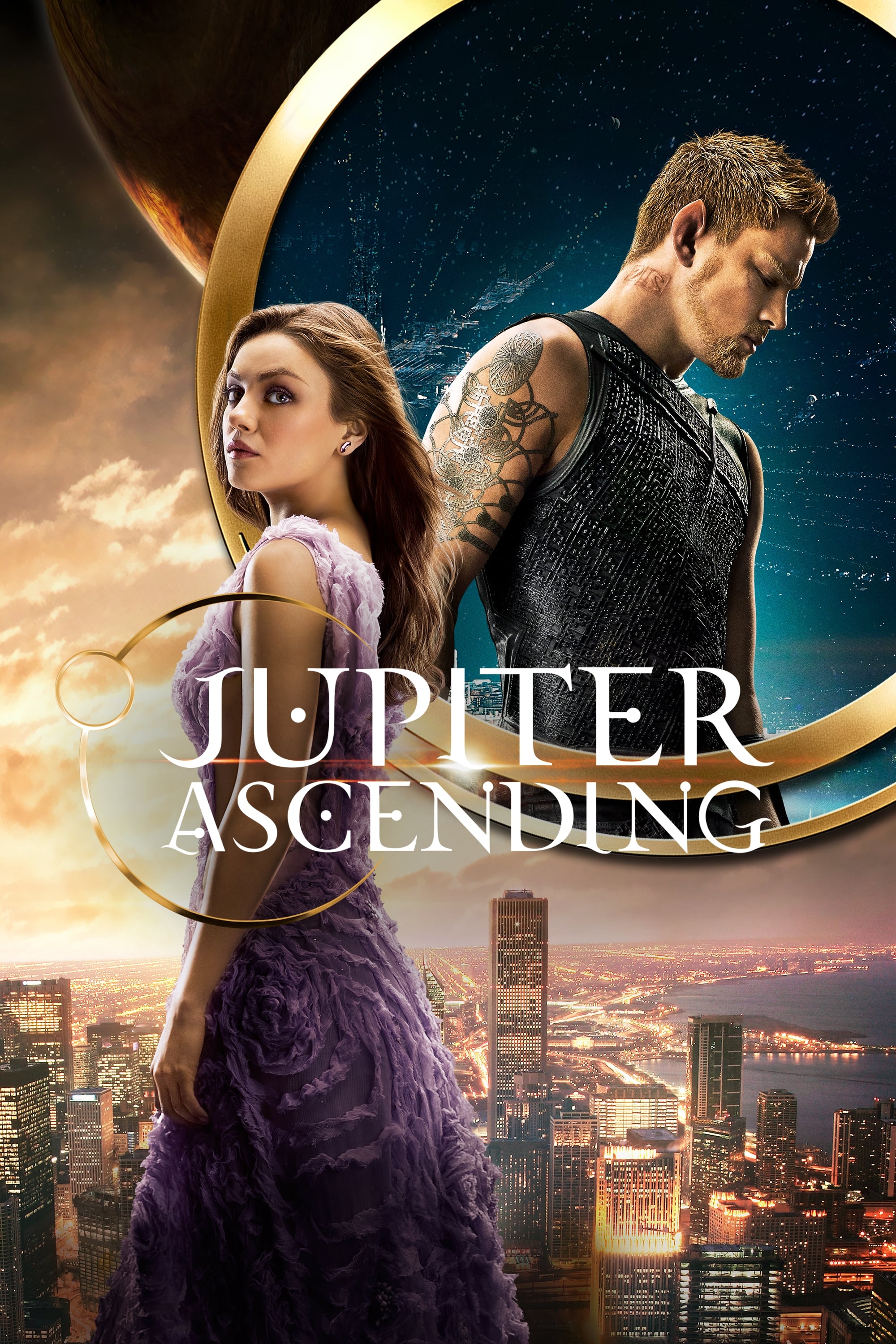
This sprawling science fiction film aimed high with a richly imagined world and a wide range of characters and cultures. Unfortunately, its complicated story and unique style left many viewers and critics confused. The movie faced several production setbacks, requiring extra time to refine the special effects. It didn’t do well in theaters and didn’t launch the planned franchise. Ultimately, it stands as a memorable example of an ambitious creative effort that didn’t find a broad audience.
‘Dark Phoenix’ (2019)
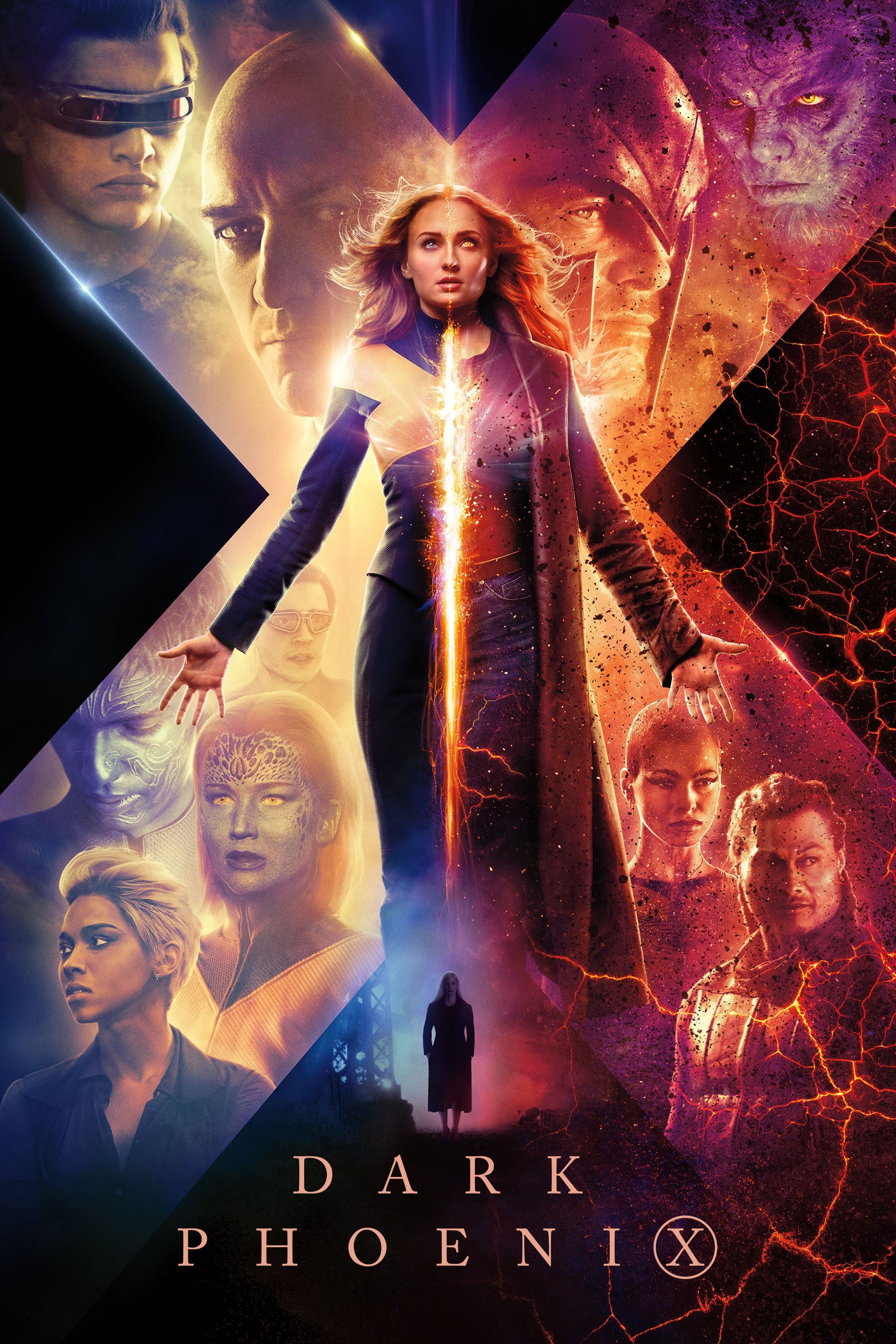
The latest X-Men film received poor reviews and earned the least amount of money of any movie in the series. Although the X-Men films had begun to feature a wider range of characters, this final installment was considered a letdown. The movie’s production was difficult, with significant reshoots and several delays before its release. After ten years of X-Men films, audiences appeared to have lost interest. The film’s failure signaled the end of that particular chapter for superhero movies at the studio.
Please share your thoughts on these films in the comments.
Read More
- 20 Movies Where the Black Villain Was Secretly the Most Popular Character
- Transformers Under the Microscope: What Graph Neural Networks Reveal
- Celebs Who Narrowly Escaped The 9/11 Attacks
- Silver Rate Forecast
- Trading on Thin Air: AI Agents Conquer Crypto Volatility
- Gold Rate Forecast
- Invincible Season 4 Gender Swaps Tech Jacket As Fans Question Major Comic Change
- 22 Films Where the White Protagonist Is Canonically the Sidekick to a Black Lead
- Every Notable ‘Star Trek: The Original Series’ Actor Who Died
- Trading Smarter: AI-Powered Execution Schedules
2026-01-07 06:20