Movie studios often promote films with diverse casts and inclusive stories to appeal to more people. Unfortunately, many of these films are later changed, with important representation removed or watered down. This often leads to viewers feeling deceived and can result in the film not performing well at the box office. This article looks at several examples where removing diverse characters or storylines led to disappointing ticket sales.
‘The Last Airbender’ (2010)
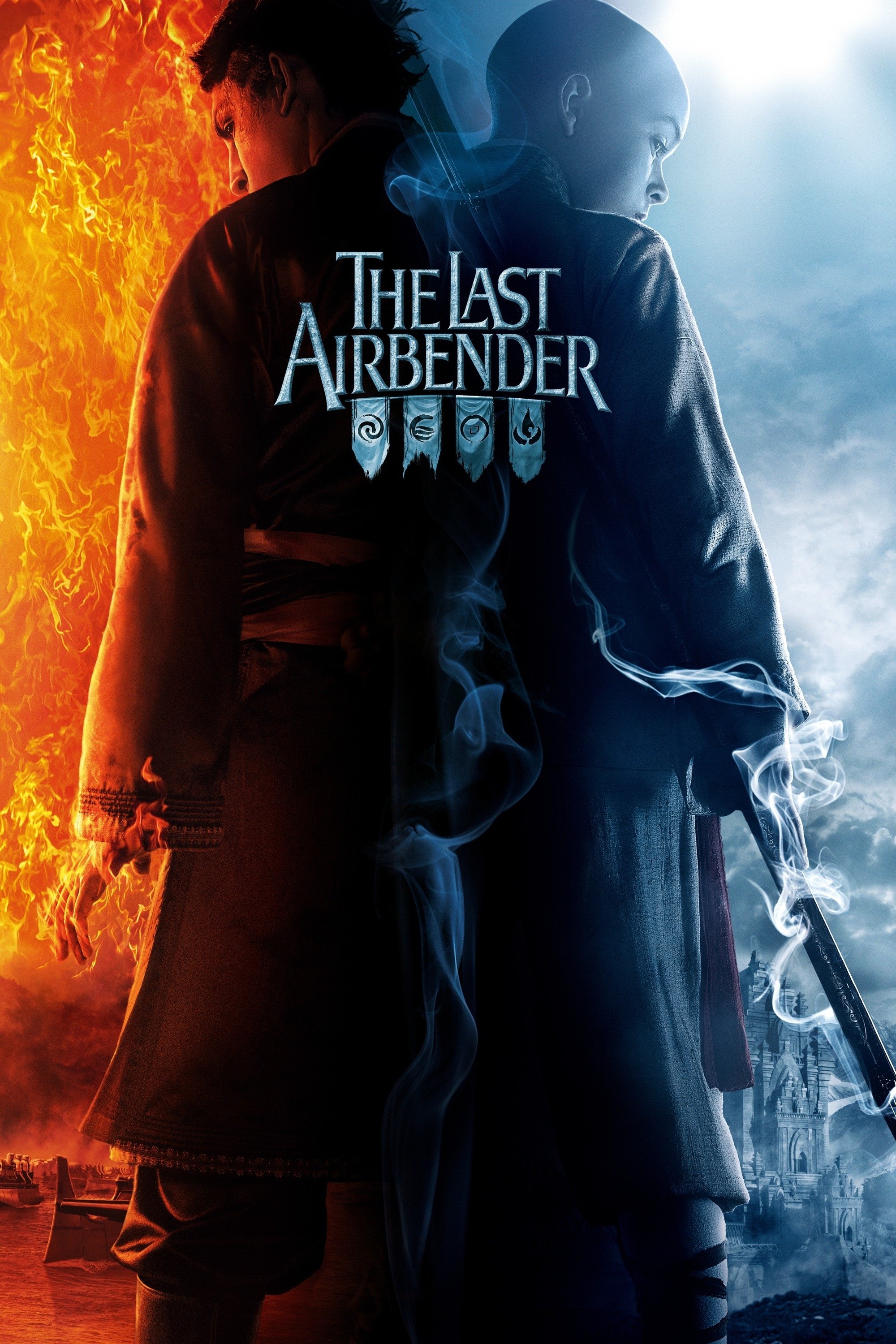
The film adaptation received strong criticism for casting white actors in roles that were originally Asian or Inuit, losing the cultural depth and detail fans anticipated. The movie also significantly simplified or cut out storylines about different cultures and their spiritual beliefs. Viewers disliked the lack of diversity and the confusing plot. It’s now a well-known example of how removing representation of minority groups can disappoint dedicated fans and harm a film’s success.
‘Ghost in the Shell’ (2017)
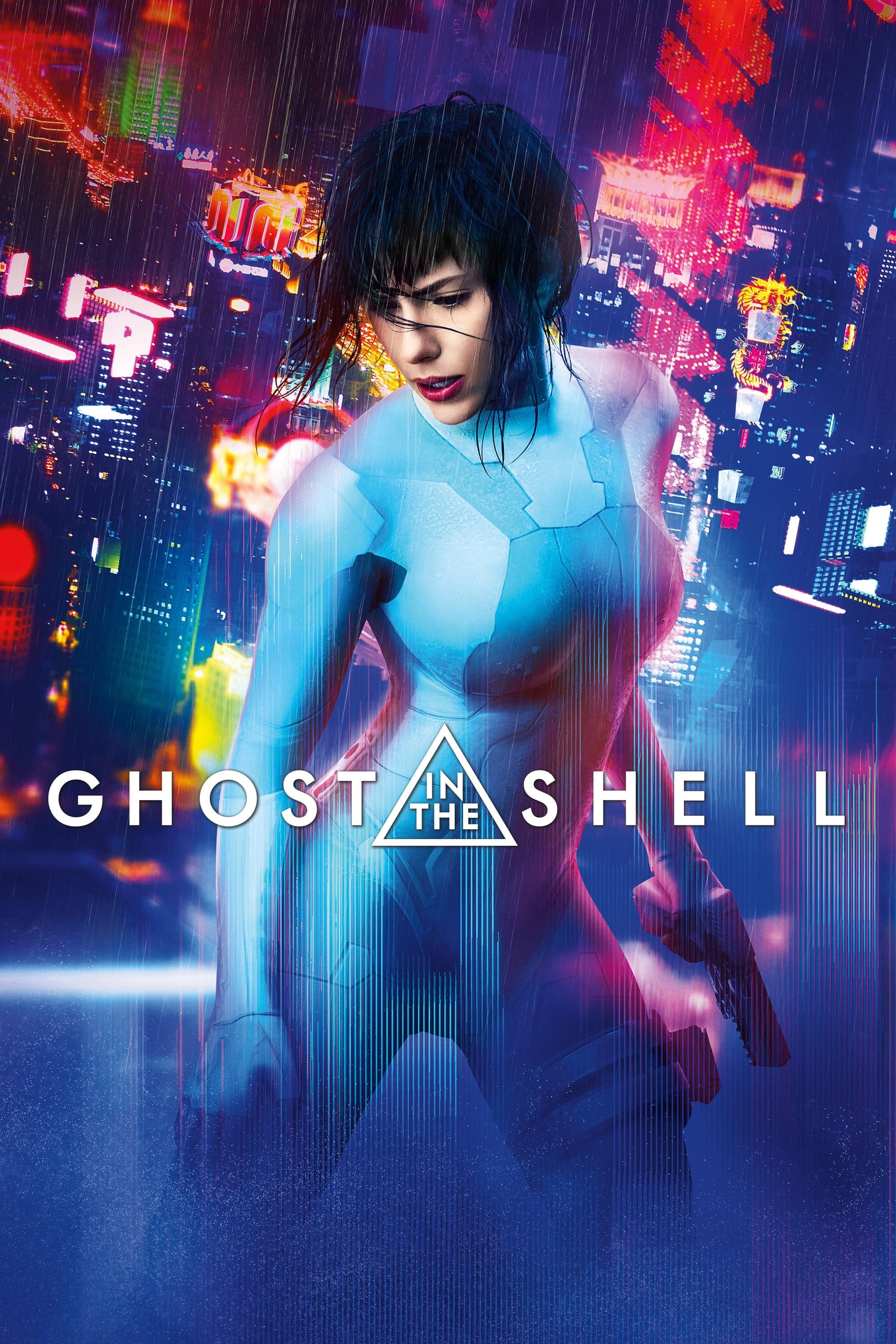
The live-action adaptation of this popular manga received significant backlash for casting a white actress in the lead role. This decision removed the character’s Japanese background, which was a key part of the original story. Despite promises to stay true to the source material, the film felt disconnected from its cultural origins. Audiences largely stayed away, resulting in a major financial loss for the studio. The movie serves as a warning about how important it is to have accurate and respectful representation in media worldwide.
‘Pan’ (2015)

The new Peter Pan movie faced backlash after casting a white actress as Tiger Lily, a character originally written as a Native American princess. While filmmakers promised a modern update to the story, removing the character’s indigenous background was seen as a significant misstep that diminished the film’s depth. The movie performed poorly in theaters, failing to earn back its large production costs. Both critics and viewers pointed to the casting decision as a key reason for the film’s lack of success.
‘Exodus: Gods and Kings’ (2014)
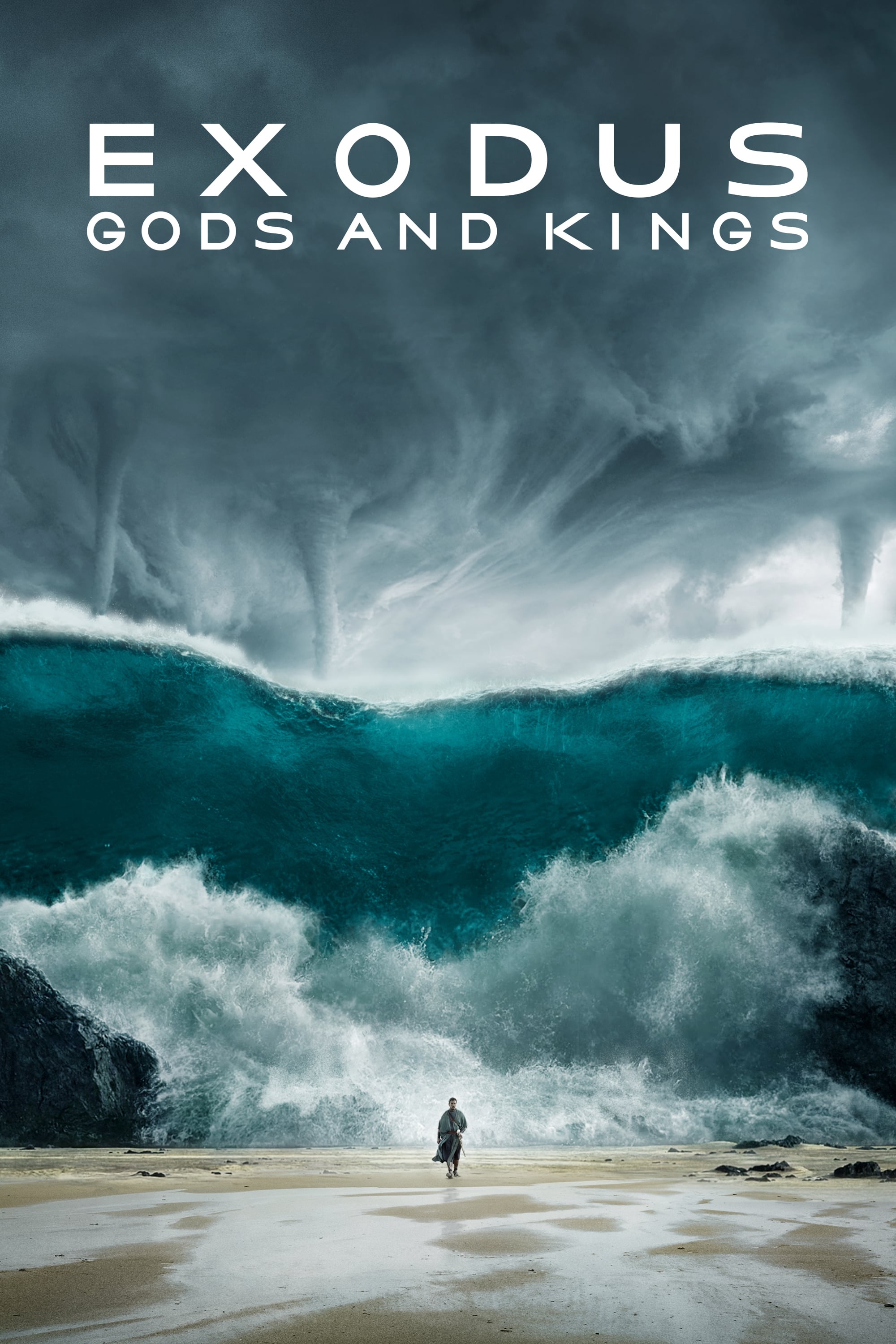
The historical movie faced strong backlash for casting white actors as ancient Egyptian kings and leaders. While director Ridley Scott explained the decision was about money, it upset many viewers. The film’s attempt at historical detail was undermined by the noticeable absence of non-white actors in key roles. It didn’t do well in theaters and ignited a worldwide discussion about the practice of ‘whitewashing’ in Hollywood. These casting choices continue to make the film a source of controversy for the director.
‘Gods of Egypt’ (2016)
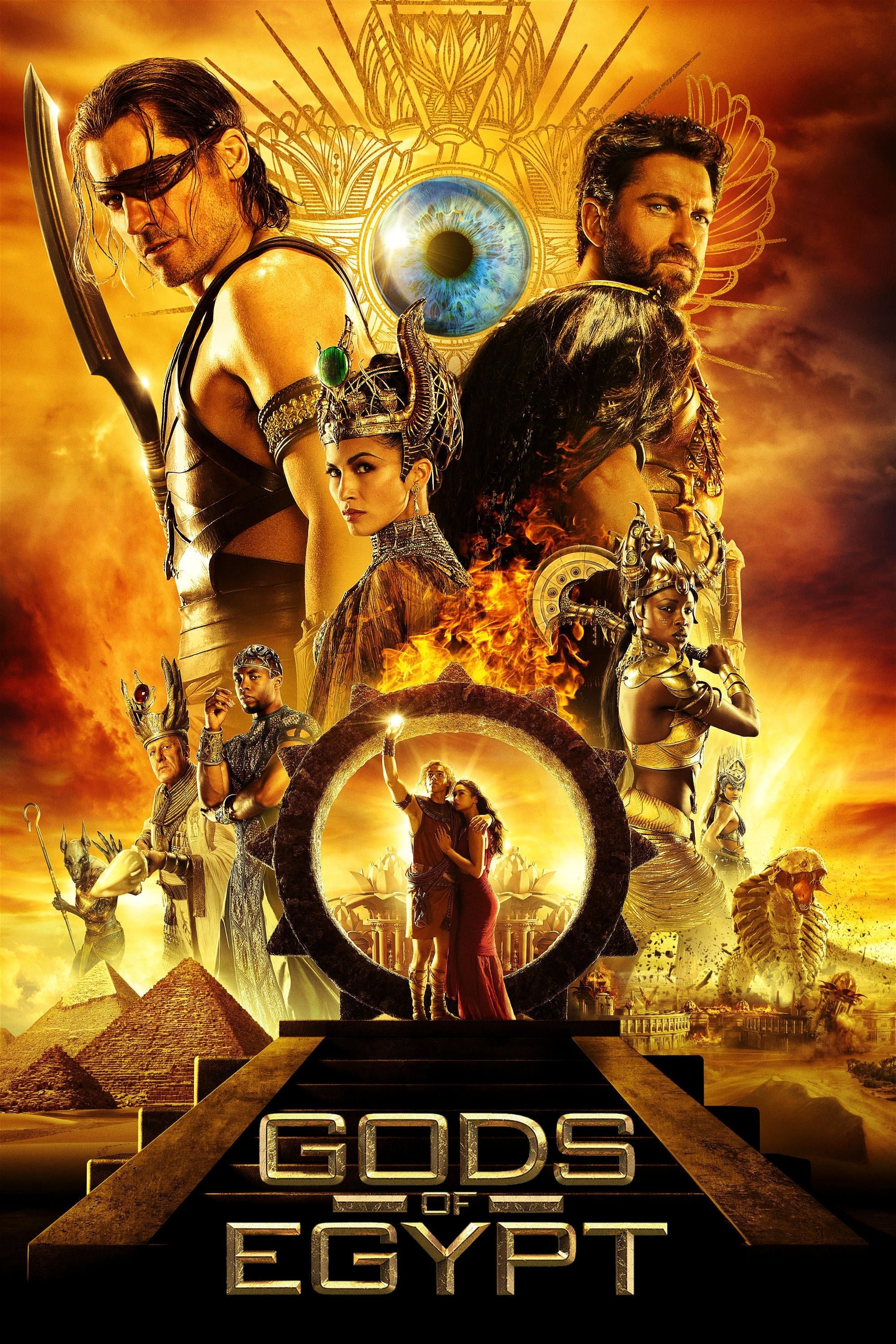
The fantasy movie quickly received criticism for not casting any actors of Egyptian or North African descent in the main roles. Although the filmmakers apologized before the release, the film’s reputation suffered. Audiences expected an immersive and genuine portrayal of Egyptian mythology, but the overwhelmingly white cast led to boycotts and significant financial losses. The movie is now often used as a prime example of how bad casting choices can derail an expensive film.
‘Justice League’ (2017)
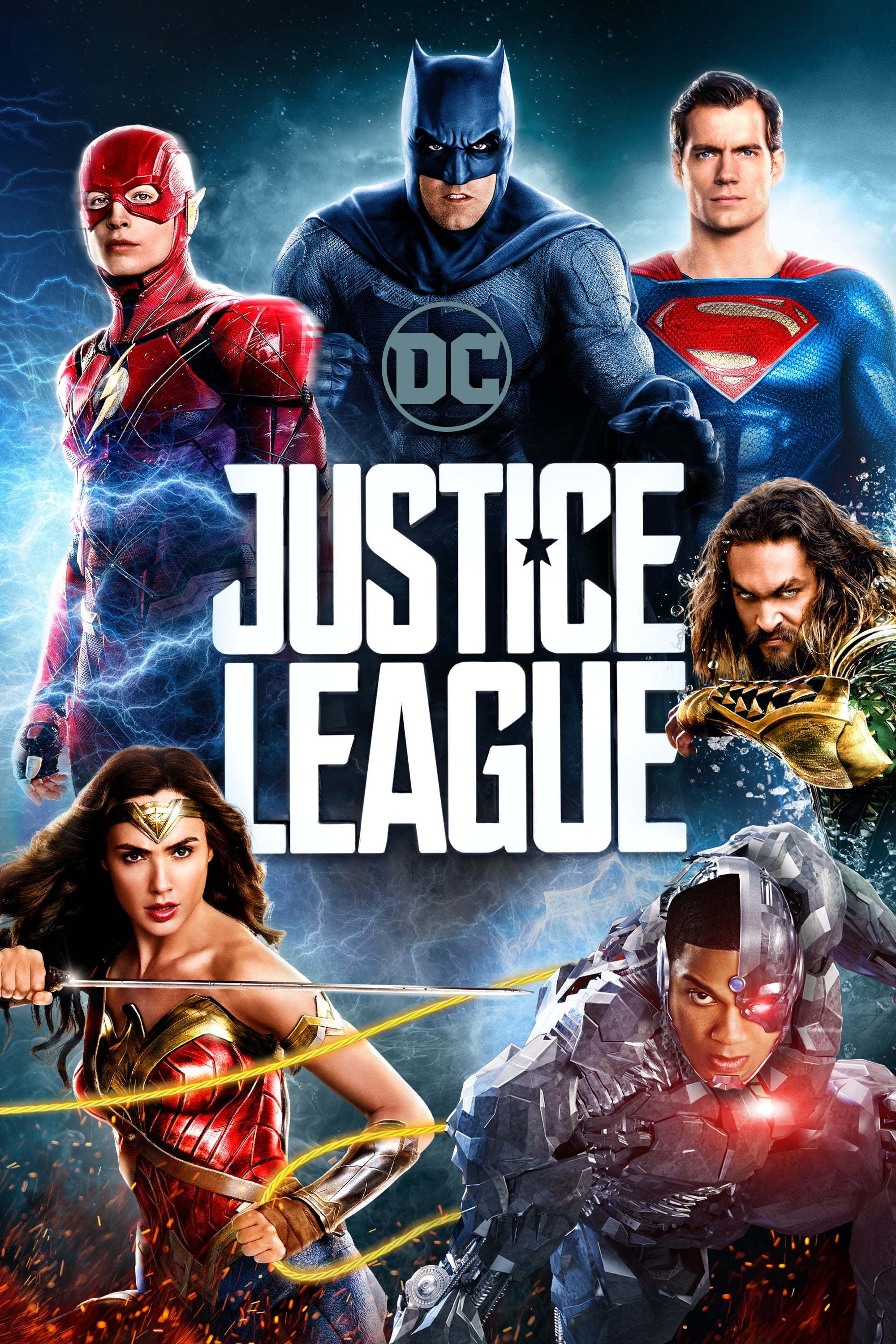
The movie version of this superhero film significantly cut back on the character of Cyborg. Originally, Ray Fisher’s character was meant to be the emotional center of the story, but his background was largely removed in editing. Scenes showing his family and his adjustment to becoming a cyborg were completely cut. This disappointed fans who were hoping for a major role for the team’s first Black member. The film didn’t perform well in theaters, leading to a large online movement demanding the release of the director’s original cut.
‘The New Mutants’ (2020)
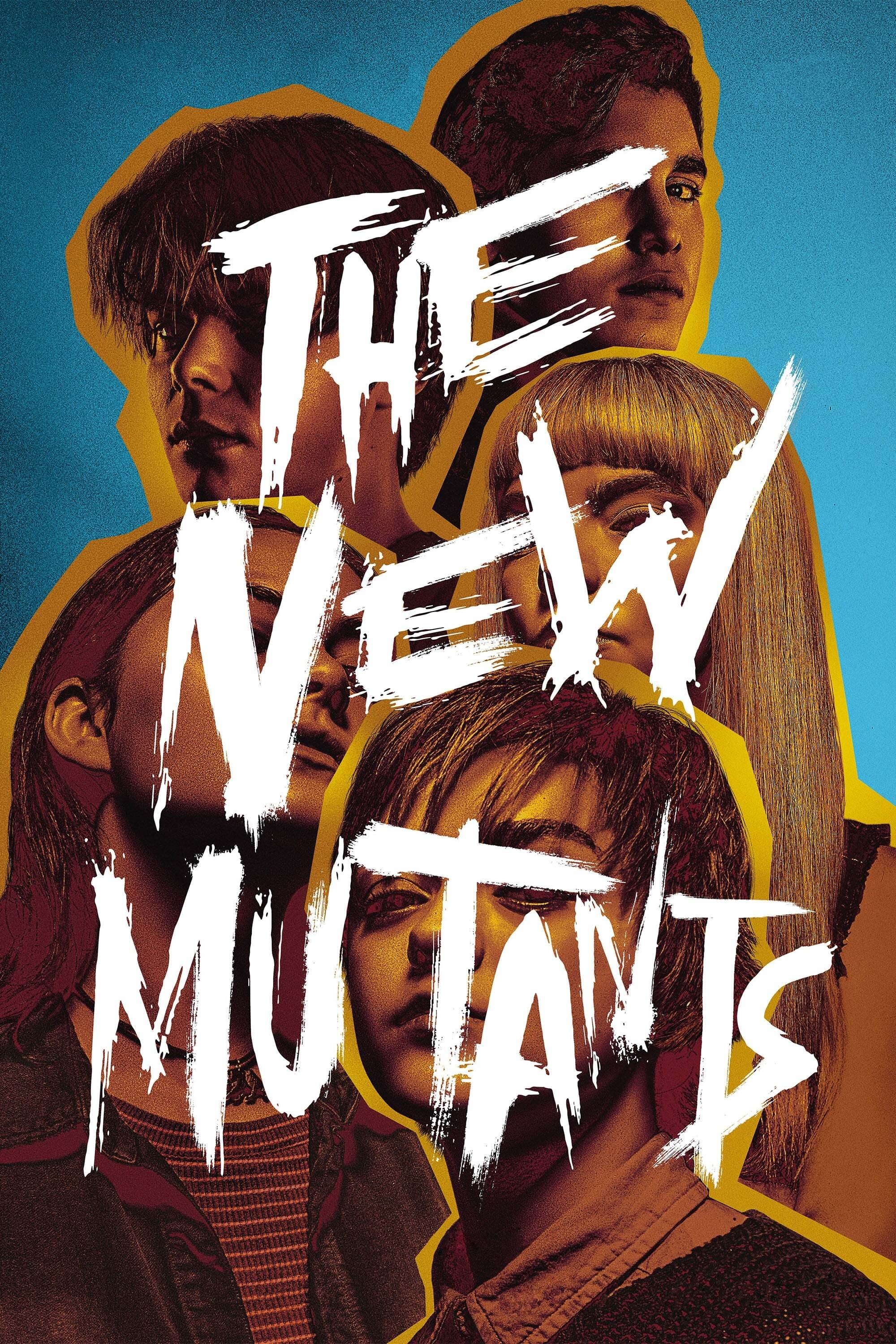
The superhero movie, which was intended to be a horror film, received criticism for how it portrayed the character Cecilia Reyes. While she was originally depicted as an Afro-Latina woman in the comics, the film changed her background considerably. Fans pointed out that her heritage was downplayed and she was relegated to a typical villain role. The movie experienced several delays and ultimately performed poorly in theaters. It didn’t connect with audiences who had hoped for the diverse representation that the original comics offered.
‘Stonewall’ (2015)

The movie about the 1969 riots received largely negative reviews because it downplayed the roles of actual people involved in the events. Critics, particularly activists, pointed out that the film focused on a made-up white character instead of the trans women of color who truly led the movement. The film also failed to properly honor the diverse group of people who were pioneers in the fight for gay rights. As a result, it performed poorly in theaters and drew strong criticism from the LGBTQ+ community, demonstrating the problems with changing historical events to appeal to a specific audience.
‘Aloha’ (2015)

The movie ‘Aloha’ sparked controversy when Emma Stone, who is not of Hawaiian or Chinese descent, was chosen to play a character who was meant to be a mix of both cultures. Many felt this overlooked and disrespected the actual Hawaiian community and traditions the film was supposed to showcase. The casting choice overshadowed the movie’s attempt to explore Hawaiian culture, and audiences weren’t engaged, leading to a box office flop. The director later apologized, but the financial damage was already done.
‘Nina’ (2016)

The movie about Nina Simone sparked controversy due to the casting of Zoe Saldana. Many viewers found it offensive that the filmmakers used dark makeup and a prosthetic nose to try and make Saldana look like the singer. Critics argued this undermined the film’s goal of truthfully portraying the life of a civil rights activist and Black icon. The film didn’t reach a wide audience and serves as a cautionary tale about the importance of respectful and accurate representation.
‘Dragonball Evolution’ (2009)
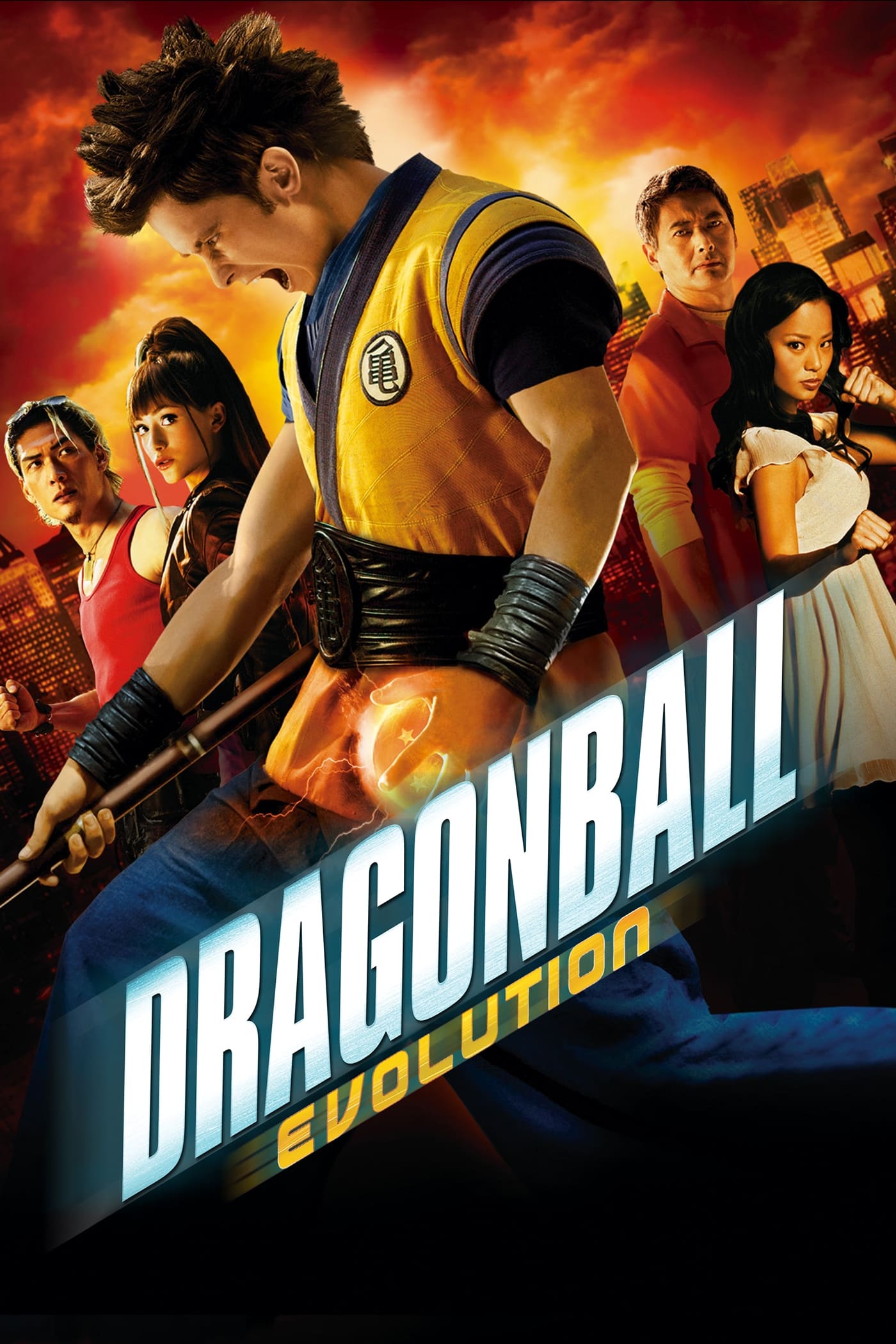
The movie, based on the popular Japanese manga and anime, received strong criticism for casting white actors in roles that were originally East Asian. Specifically, the lead character, Goku, was played by a white actor, which removed important cultural elements from the story and upset many fans worldwide. The film performed poorly with both critics and audiences, and any plans for a follow-up were canceled. It’s frequently considered one of the worst adaptations ever made.
‘Prince of Persia: The Sands of Time’ (2010)
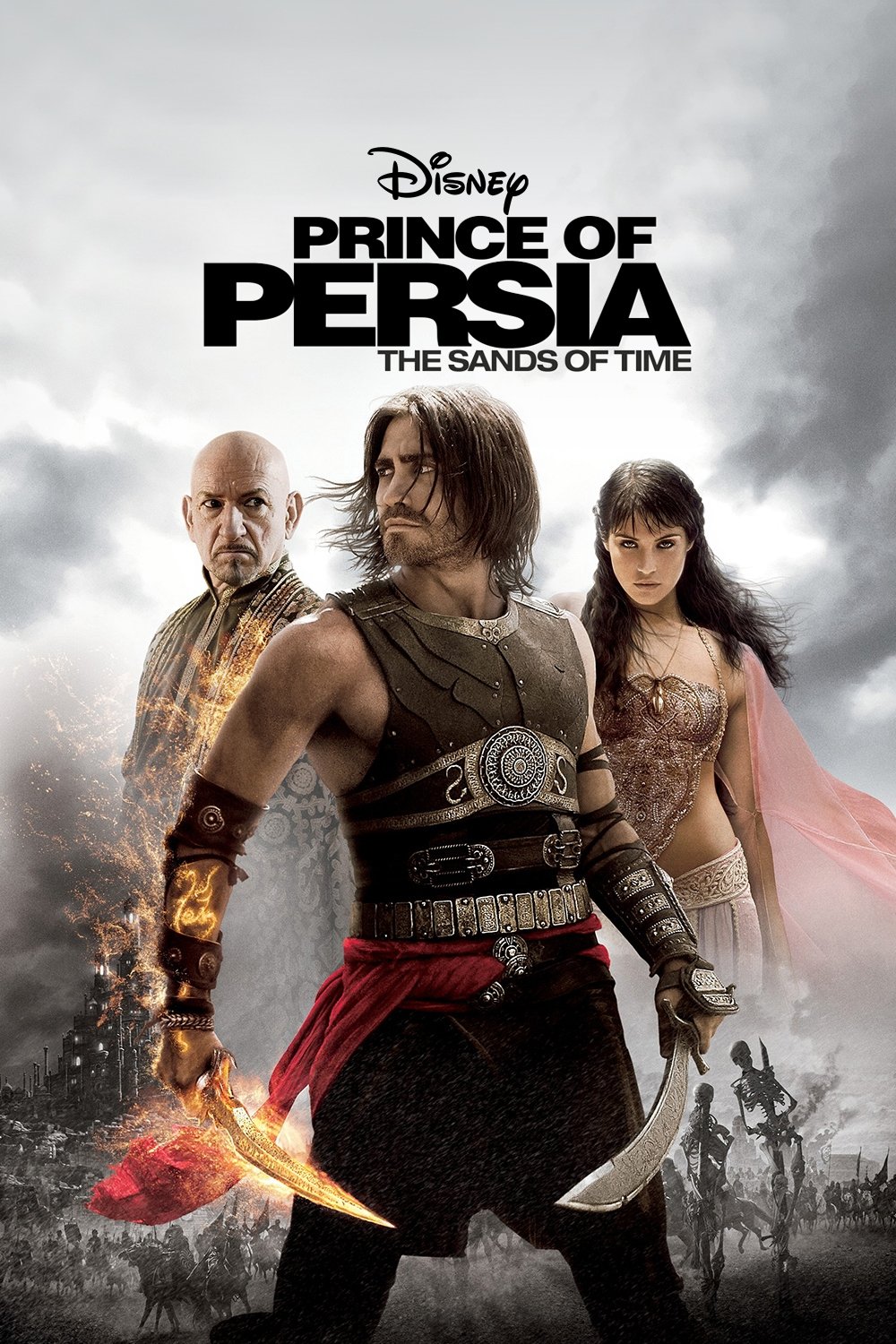
Disney aimed to start a new movie series with this video game adaptation, but the choice of lead actor caused significant criticism. Jake Gyllenhaal, cast as the prince from Persia, was accused of whitewashing the role. Though the film was set in the Middle East and promised an epic adventure, many felt it lacked genuine representation in its main characters. While it performed well overseas, it didn’t do as well in the United States, and the controversy over the casting continued to be discussed for a long time after the movie came out.
’47 Ronin’ (2013)
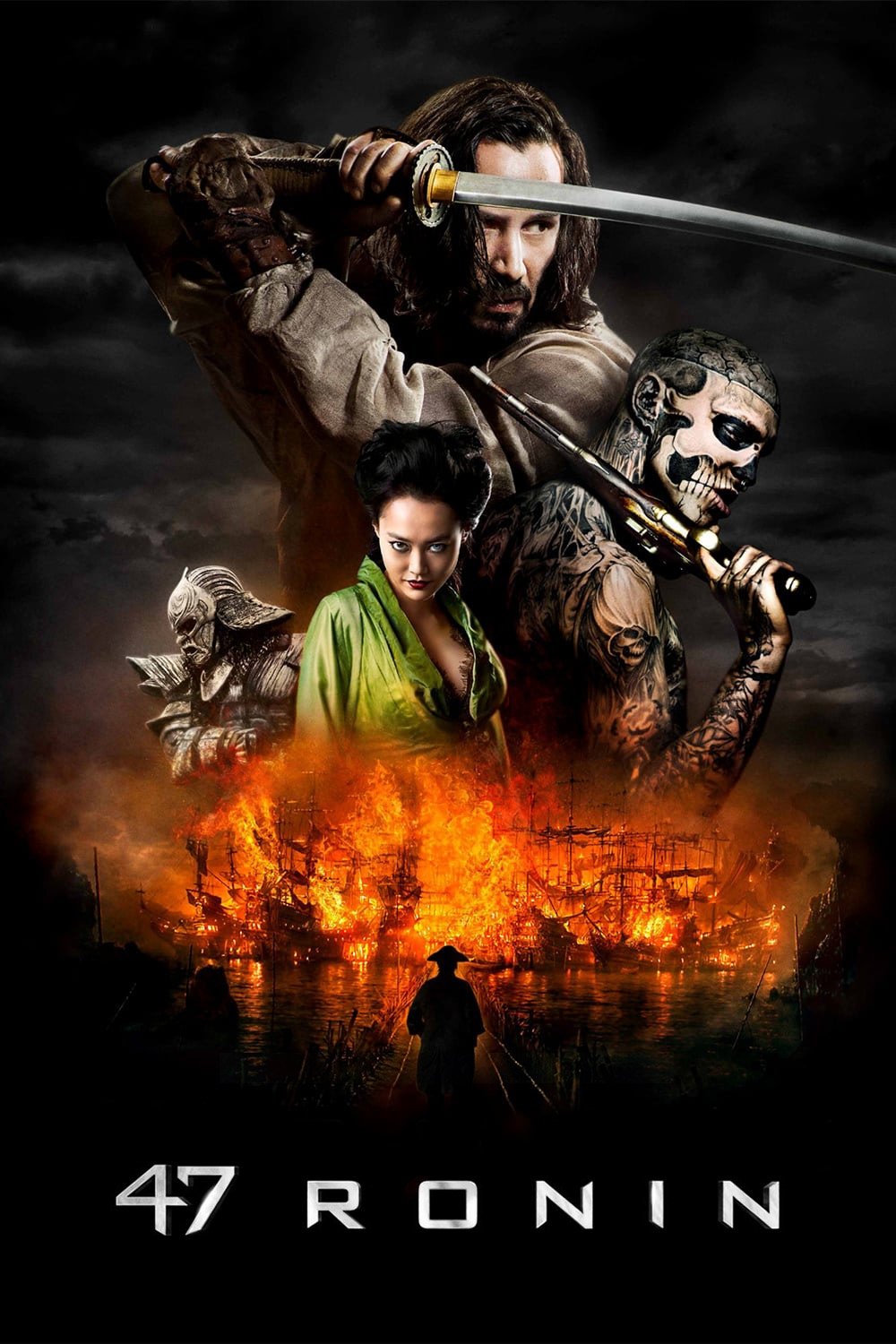
The movie, billed as a sweeping Japanese historical drama, unexpectedly centered a fictional white character played by Keanu Reeves. This choice overshadowed the Japanese warriors who were supposed to be the focus, and diminished their role in their own story. Many fans of the original tale were let down by the film’s Westernized take. The movie was a major commercial failure, costing the studio a significant amount of money. It proved that audiences generally value genuine storytelling over simply relying on famous actors.
‘The Lone Ranger’ (2013)

As a huge movie fan, I remember when ‘The Lone Ranger’ came out and there was so much talk about Johnny Depp being cast as Tonto. The studio said they’d talked to Native American groups, but a lot of people, myself included, felt the portrayal still relied too much on old, harmful stereotypes. Honestly, the whole idea of bringing back this classic pair just didn’t click with audiences. It really flopped at the box office and ended up costing Disney a ton of money. And the criticism kept coming back to one thing: why cast a non-Native actor in such a key role? It just didn’t sit right with a lot of us.
‘The Great Wall’ (2016)
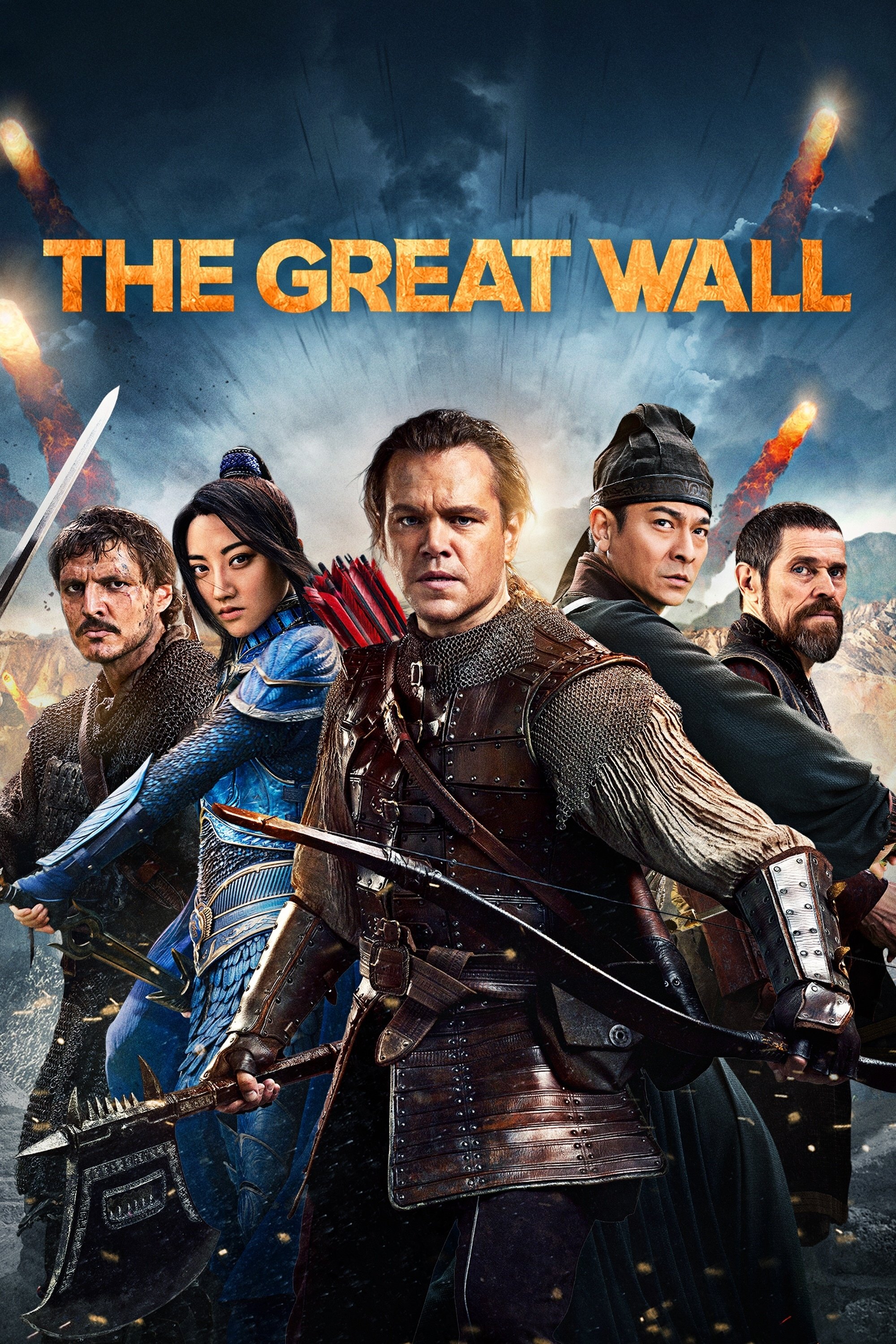
This large-scale action movie was a joint effort between the United States and China, starring Matt Damon. However, critics pointed out that the film fell into the familiar ‘white savior’ pattern, minimizing the important role of Chinese soldiers in defending the Great Wall. Many felt the film didn’t successfully combine Eastern and Western filmmaking approaches. It didn’t do well in American theaters and failed to inspire further collaborations of this kind. Ultimately, it’s remembered as a chance to showcase diverse perspectives that wasn’t fully realized.
‘Hellboy’ (2019)

The recent ‘Hellboy’ reboot sparked controversy when Ed Skrein, who is not of Japanese descent, was cast as the character Ben Daimio. After public criticism, Skrein left the role and was replaced by Daniel Dae Kim. Unfortunately, the film was already facing bad publicity and problems during production. Critics found the final version lacking substance, and it didn’t attract many viewers. Ultimately, poor box office numbers ended any hopes of making additional films in the series.
‘Fantastic Four’ (2015)
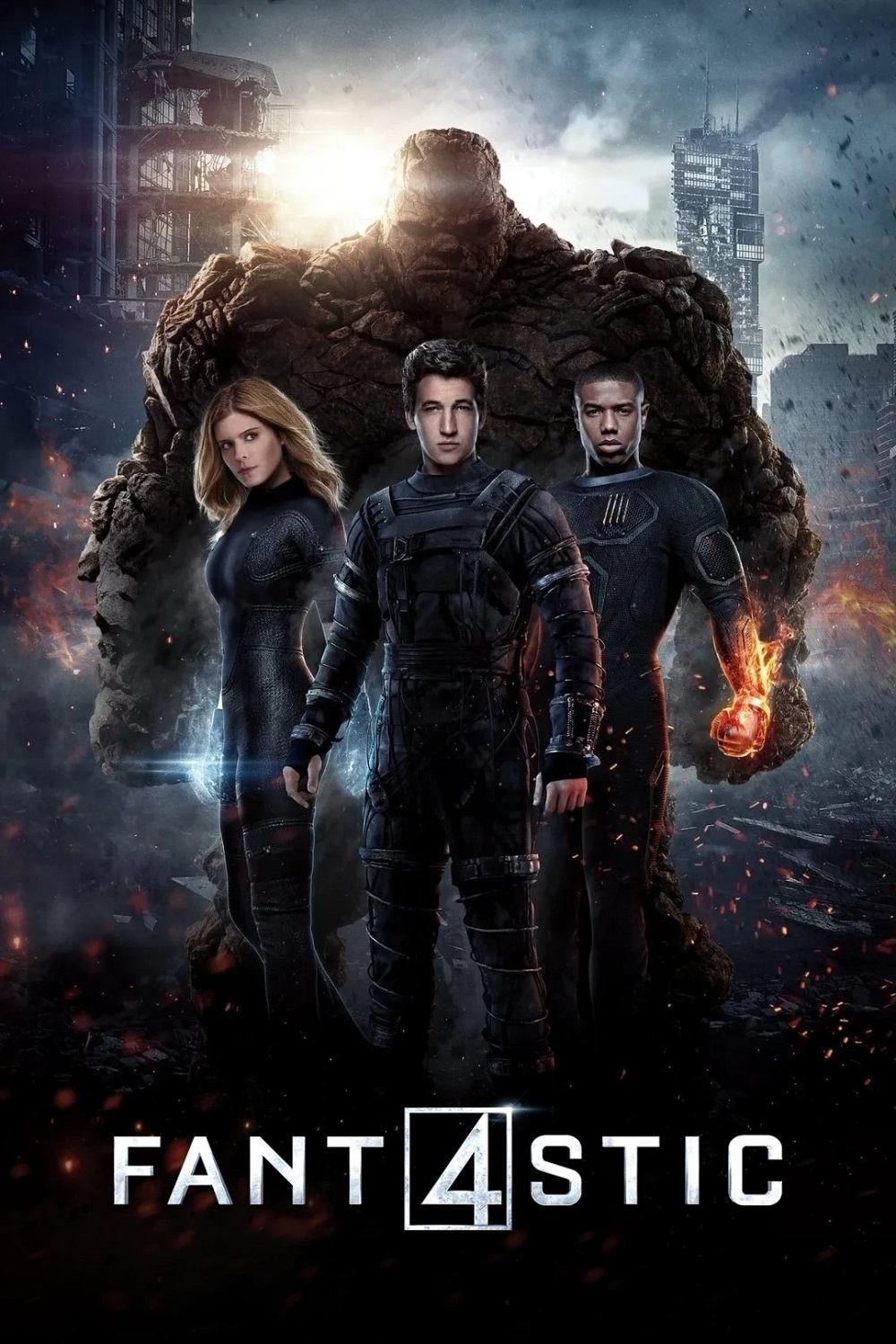
When Michael B. Jordan was cast as Johnny Storm in this superhero movie reboot, it sparked a lot of negativity online. Although the casting was a positive move for representation, the finished film significantly trimmed scenes that explored his family and history. The movie’s production was difficult, and the director ultimately disowned it. It wasn’t well-received by audiences and became a major box office failure. A lack of a clear creative direction and underdeveloped characters were key reasons for its poor performance.
‘Mulan’ (2020)
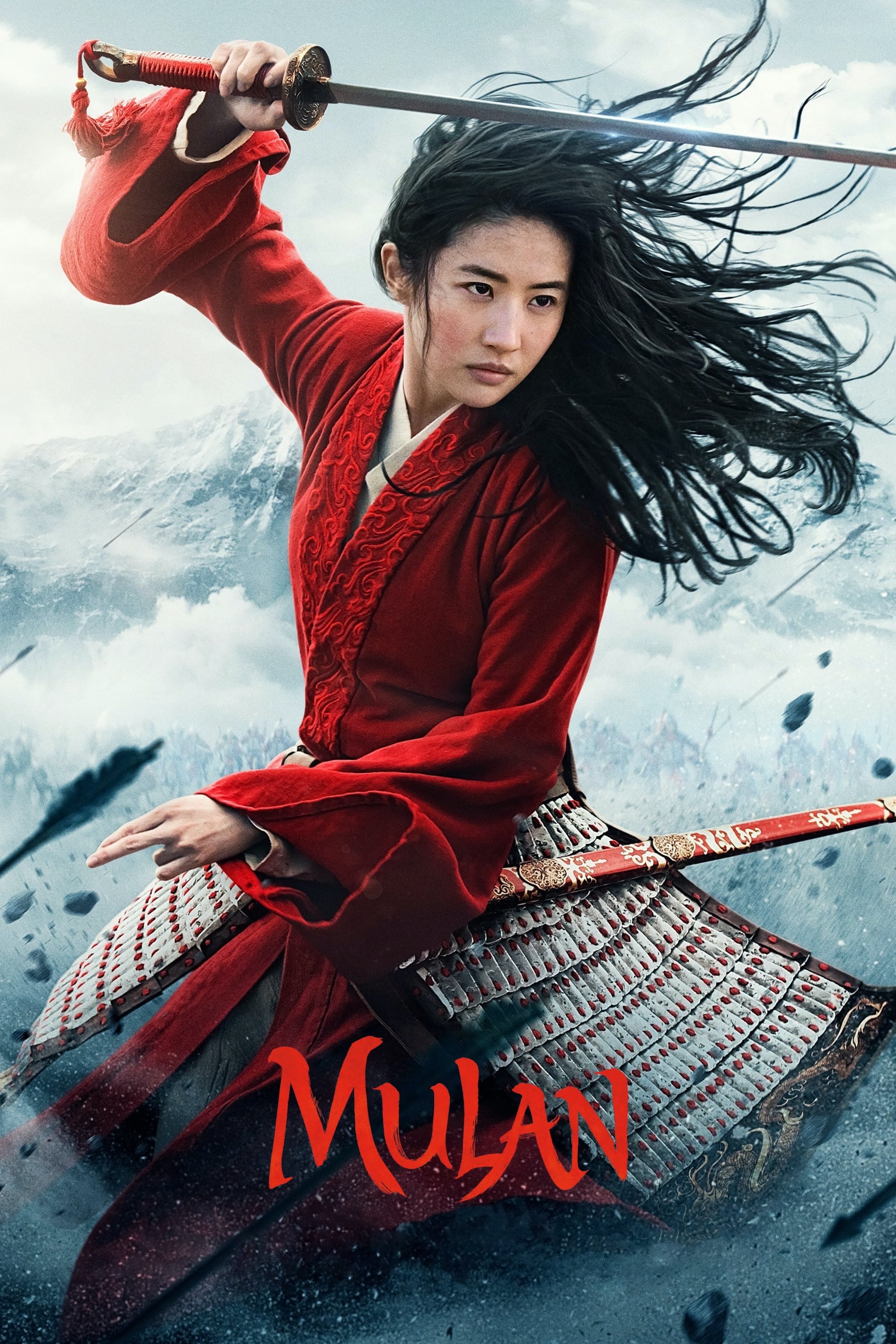
Disney’s live-action ‘Mulan’ differed significantly from the animated classic, most notably by removing the character Li Shang. This change, along with other alterations, upset many fans who enjoyed how the original film addressed themes of gender and leadership. The movie also drew criticism because of filming locations linked to human rights concerns. Despite being available on a streaming service, ‘Mulan’ performed poorly in theaters, and the combined controversies and story changes likely discouraged many people from watching.
‘Chaos Walking’ (2021)

This sci-fi movie, starring Cynthia Erivo and a varied cast, didn’t live up to its potential. Though based on a beloved book series, the film faced numerous reshoots and delays, ultimately losing much of the complexity from the source material. The final version felt confusing to viewers and lacked the detailed world-building and character development that had been promised, leading to significant financial losses for the studio. Key storylines and supporting characters were cut, making the alien world feel shallow and incomplete.
‘The Dark Tower’ (2017)
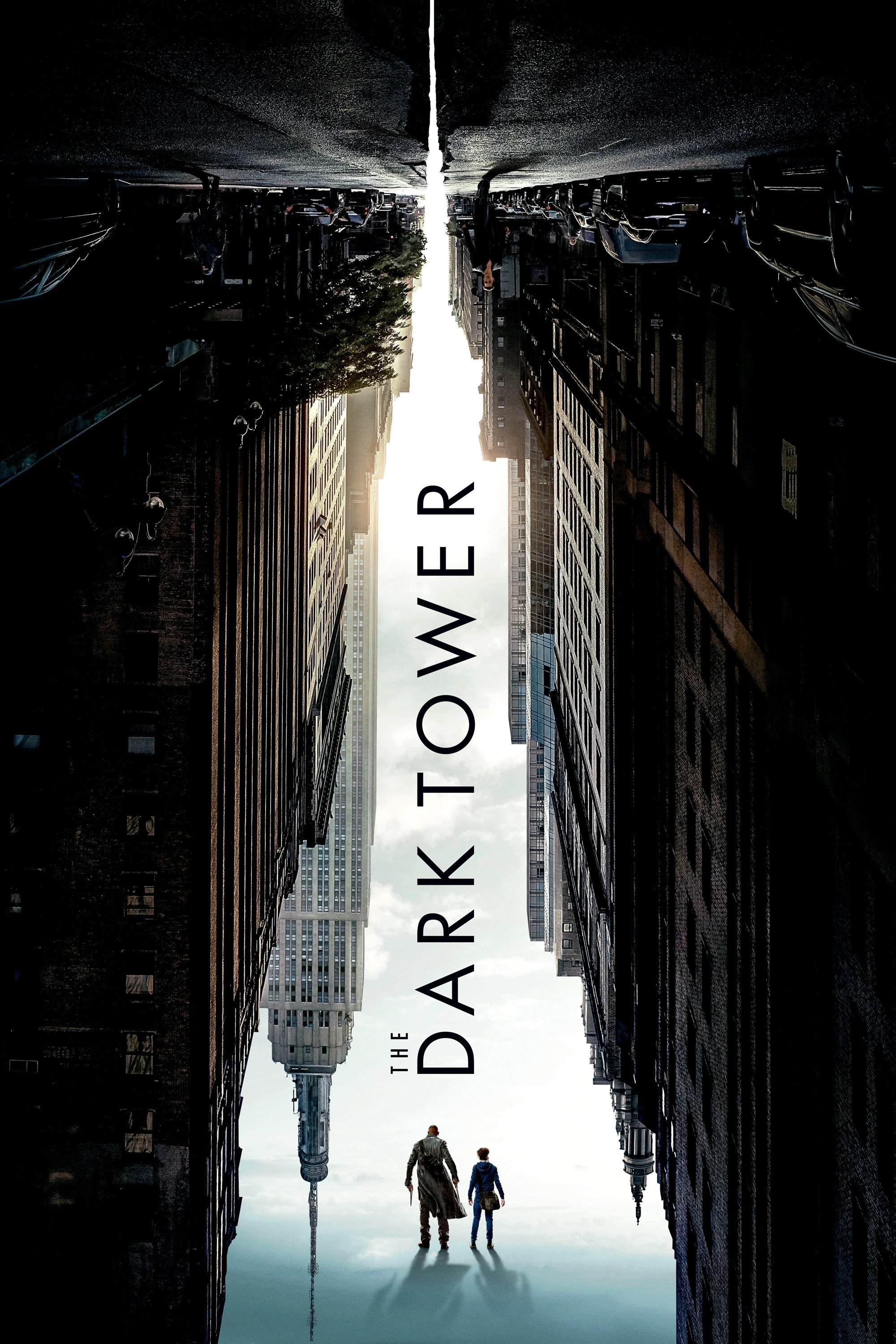
Idris Elba starred as Roland Deschain in the movie adaptation of Stephen King’s lengthy book series. Although Elba’s casting was well-received, the film was criticized for trying to fit a huge story into a short amount of time. To streamline the plot, many of the rich details and side stories from the book’s world, Mid-World, were removed, resulting in a more straightforward action movie. Book fans were let down by the lack of depth and the simplified ideas. The film didn’t perform well in theaters, and plans for a follow-up TV series were later changed.
‘Amsterdam’ (2022)
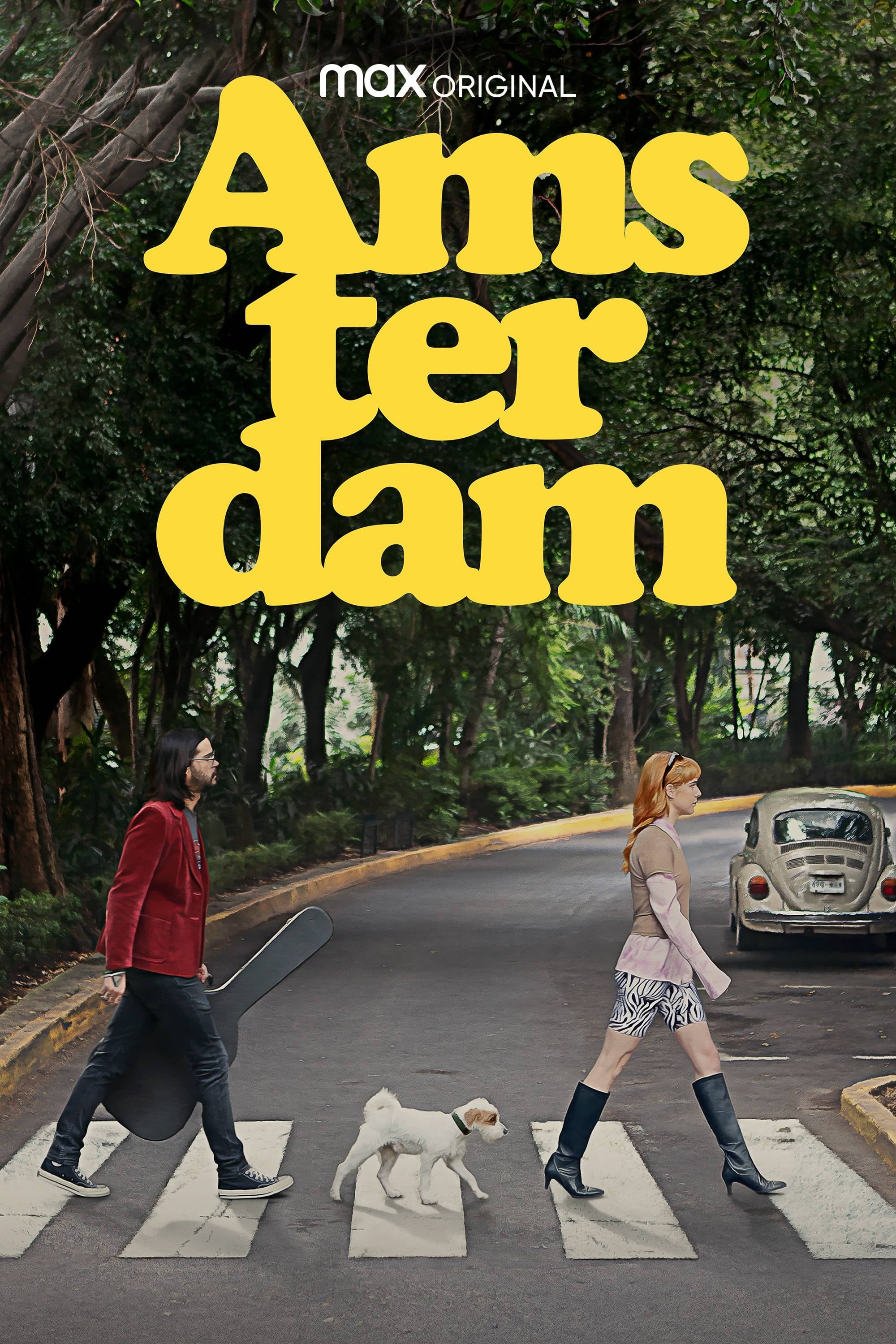
I was really excited about this historical drama, especially because it was based on a true story with some fascinating American figures involved. But honestly, I was disappointed. It felt like the movie really centered the white characters, and the people of color who were actually key to what happened were pushed to the sidelines. They promised to explore what it was like for veterans and the racial tensions of the time, but those parts just didn’t feel fully developed. Sadly, it didn’t do well in theaters and lost the studio a lot of money, and I can see why. The story felt muddled and it didn’t really deliver on the weight of the actual history it was trying to portray.
‘The 355’ (2022)
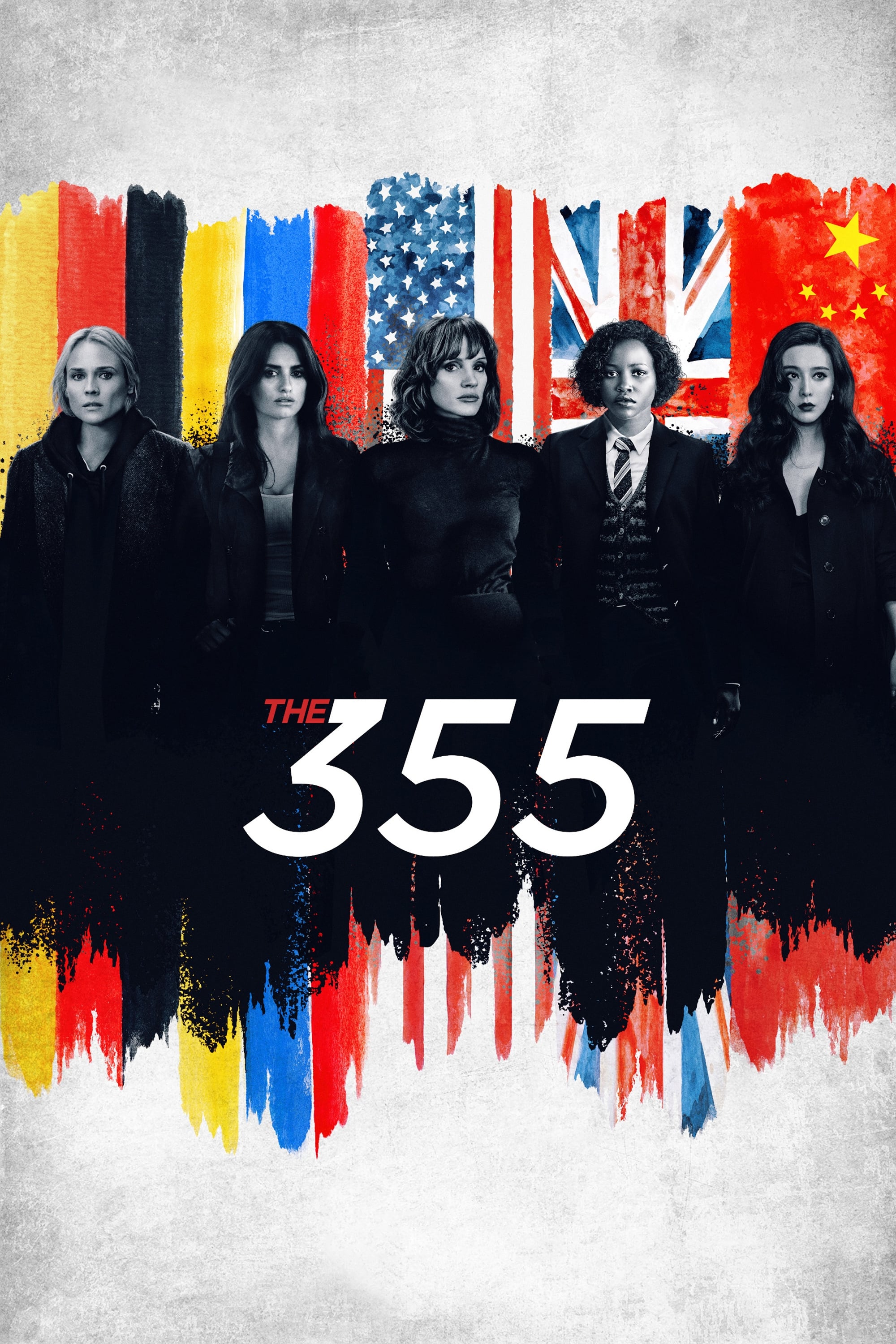
The film was an action thriller boasting a diverse, international cast of women, and was initially promoted as a fresh take on the ensemble action genre. Unfortunately, critics found the story predictable and felt the film didn’t explore the unique backgrounds of its characters as deeply as it promised. Instead of a nuanced look at the lives of these agents, it felt like a typical action movie. As a result, it didn’t resonate with audiences and became a significant box office failure. Many felt the diverse cast wasn’t used meaningfully, and served more as a marketing strategy than a core element of the story.
‘Cats’ (2019)
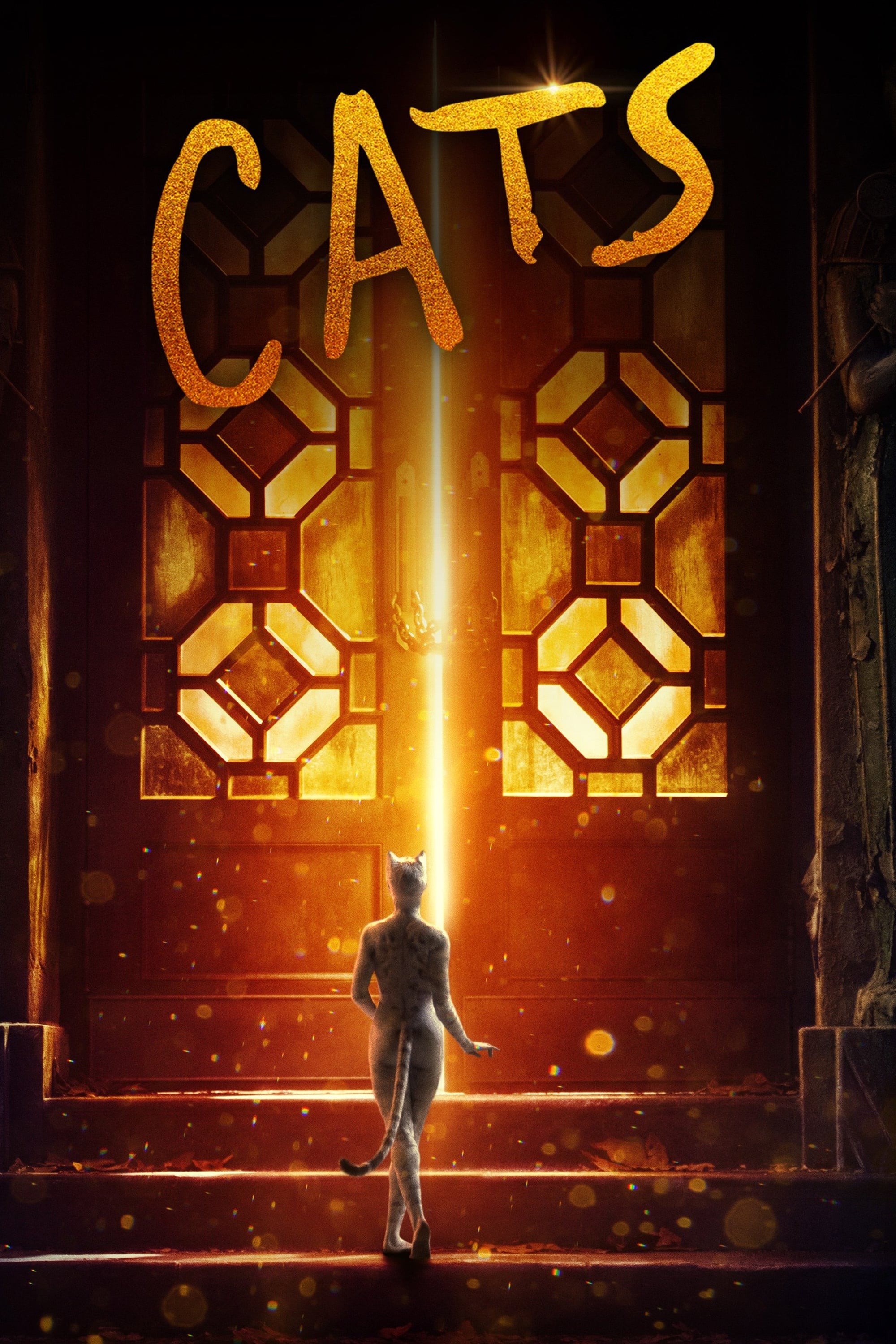
Despite featuring a diverse cast, the movie version of the popular musical was heavily criticized for its poor visual effects. The production was so troubled that several actors, including Jason Derulo and Francesca Hayward, had their roles reduced. Instead of being a grand spectacle, the film was a major box office failure, losing around $100 million and becoming a widely mocked disappointment. Critics blamed the film’s strange choices and confusing storyline for its downfall.
‘The Kitchen’ (2019)
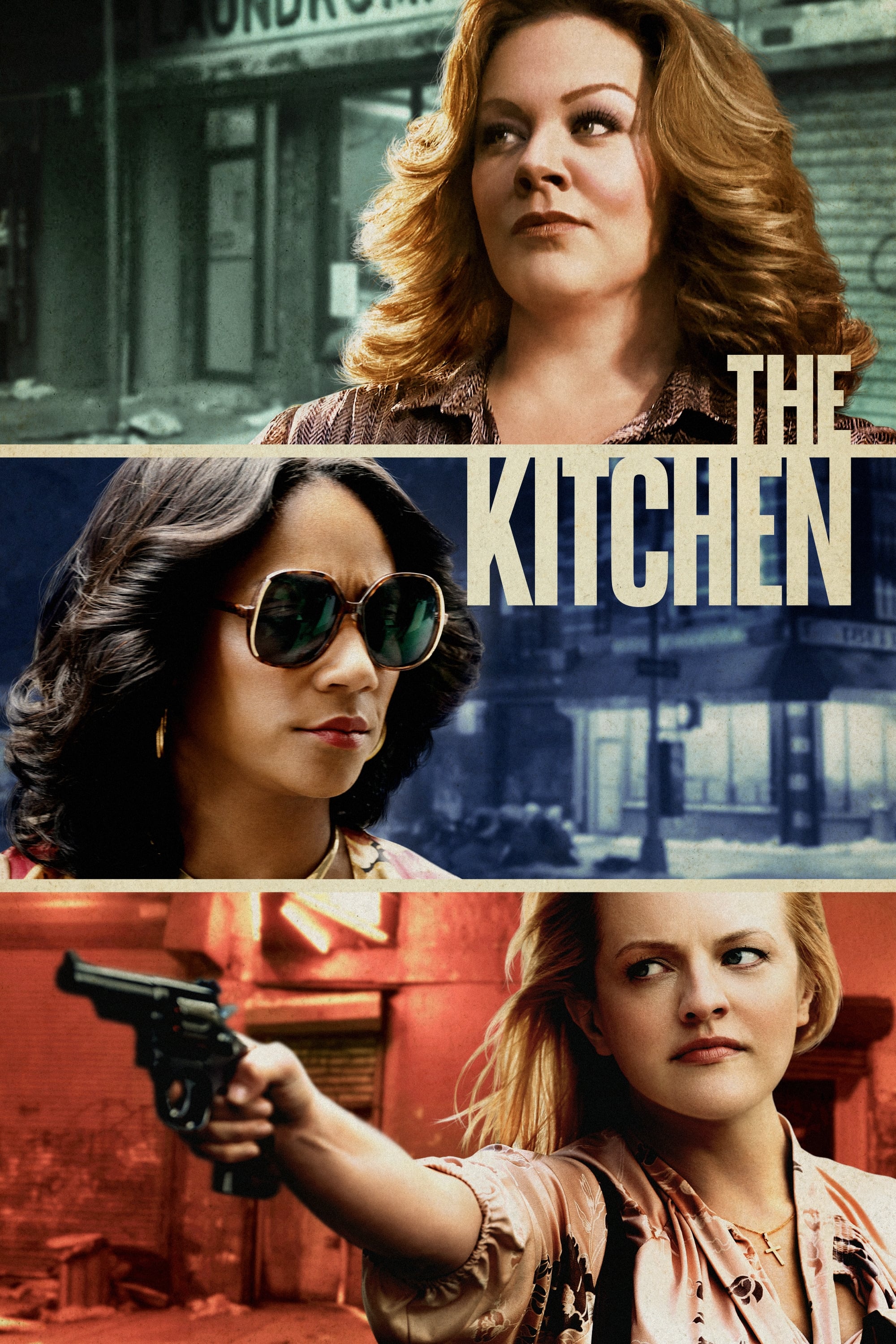
This 1970s crime drama, set in Hell’s Kitchen, follows three wives who step into their husbands’ roles running a criminal enterprise. Though the film boasted a diverse cast, it received criticism for being tonally inconsistent and for softening the harshness of the source comic book. The movie largely avoided exploring the racial and social issues of the community, opting instead for a typical thriller plot. Ultimately, the film didn’t resonate with audiences and was considered a failure for the studio, lacking the substance needed to stand out in the genre.
‘In the Heights’ (2021)
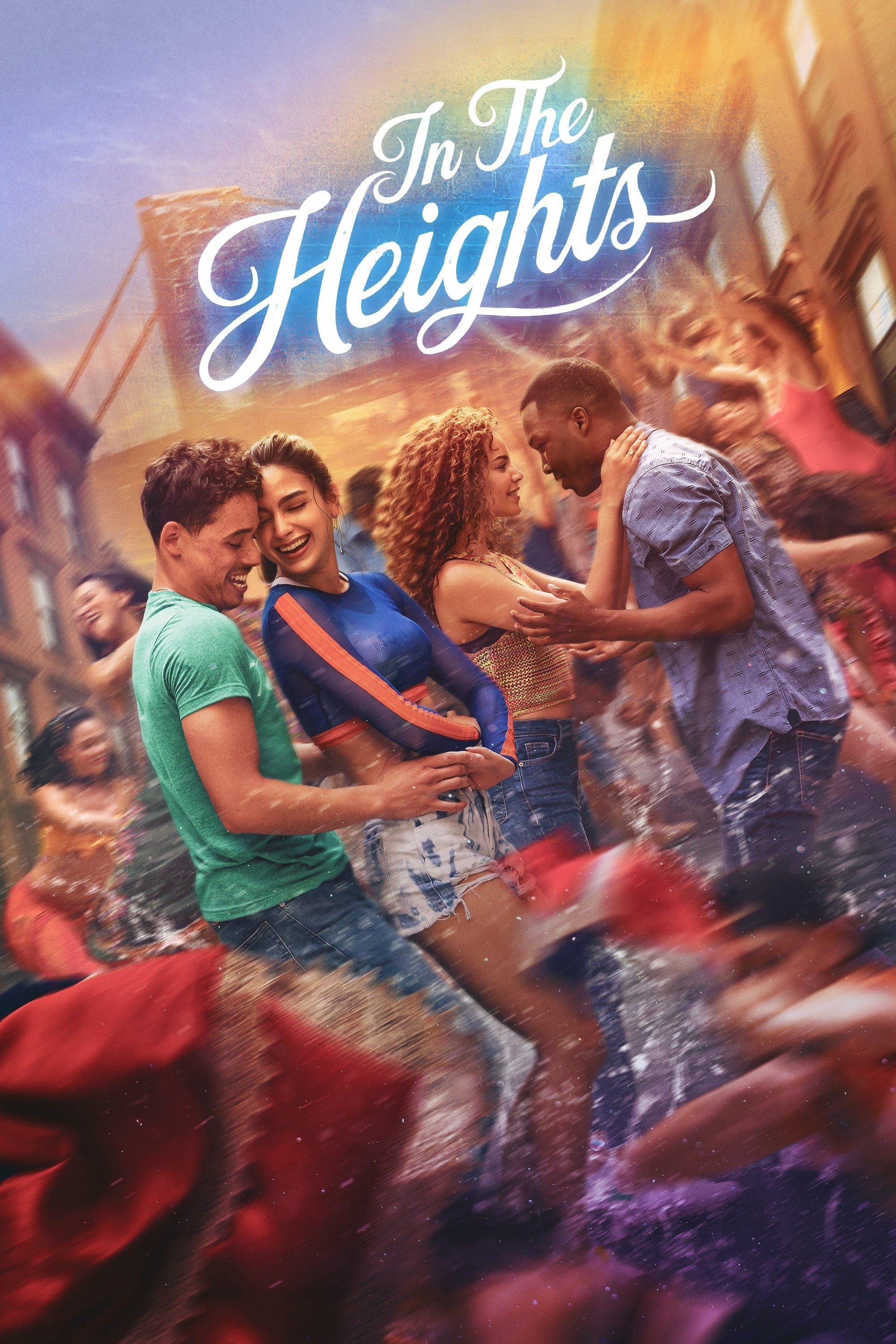
The musical initially received positive attention for its portrayal of the Dominican community in Washington Heights. However, it quickly faced criticism for not including enough Afro-Latino actors in leading roles. This issue became a major point of discussion, and some felt it overshadowed the film’s release. Although critics generally liked the movie, it didn’t do well in theaters. It’s now a well-known example of how biases and a lack of diverse representation can affect a project’s success.
‘The Promise’ (2016)

The film, a large-budget historical drama about the Armenian Genocide, aimed to shed light on a tragically overlooked event. However, it chose to tell the story through a fictional love triangle, which some critics felt prioritized appealing to Western viewers over providing a truly in-depth historical account. Unfortunately, the movie performed poorly in theaters and lost a significant amount of money. This underscored the challenge of creating commercially successful entertainment while also accurately portraying a sensitive historical subject.
‘Cloud Atlas’ (2012)
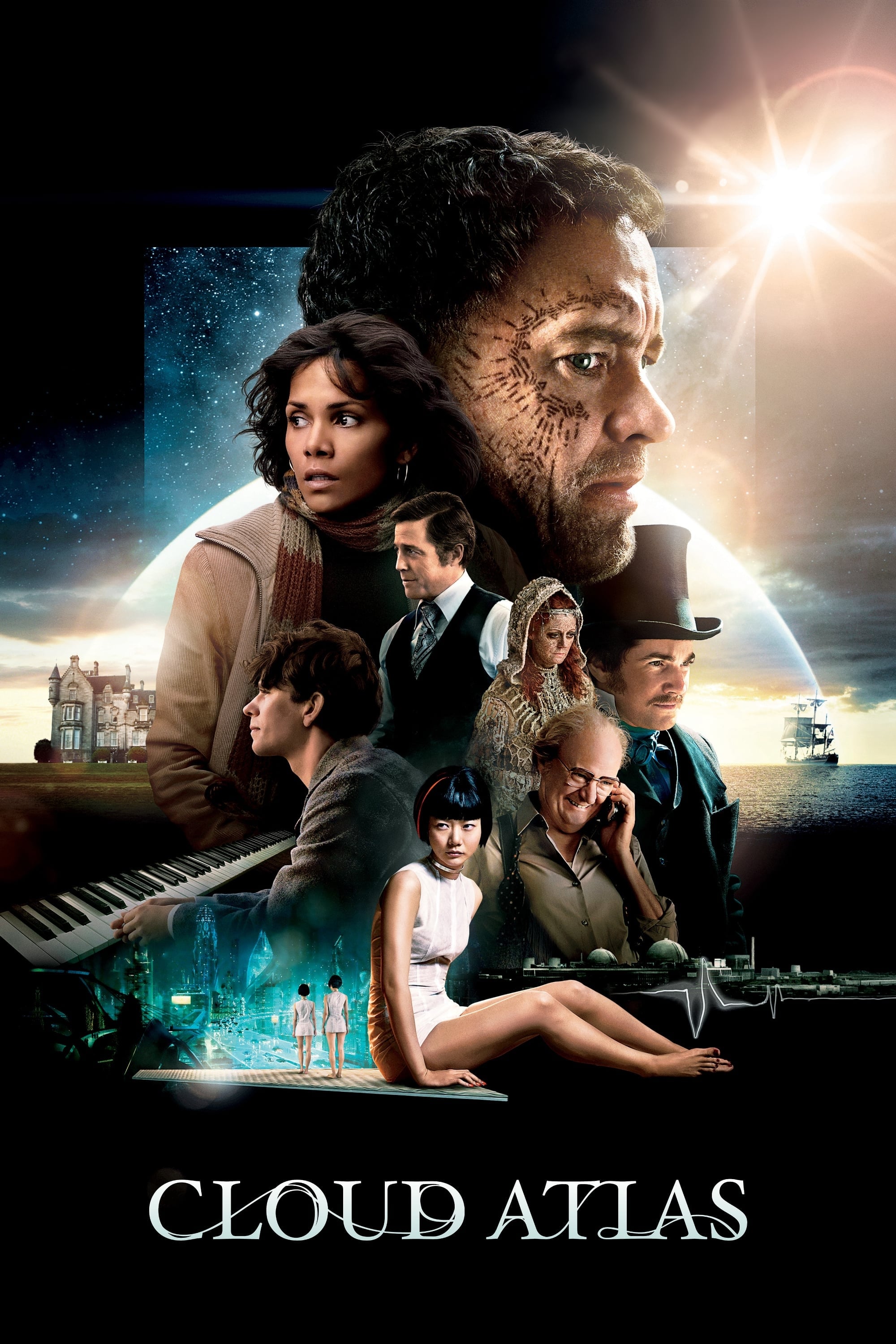
The movie was a complex and sprawling story, weaving together six different narratives across various time periods, with actors often playing multiple characters. However, the filmmakers faced strong criticism for casting white actors in Asian roles in a future storyline, a practice many considered to be offensive ‘yellowface.’ While the filmmakers argued this choice related to the film’s themes of reincarnation, it didn’t appease viewers. Ultimately, the film didn’t perform well financially in the US and sparked a lot of debate among both critics and audiences. The controversy surrounding its handling of race and identity significantly impacted how the film was received.
‘Memoirs of a Geisha’ (2005)

The movie, based on a well-known book, faced criticism for casting Chinese actresses as Japanese geishas. Many felt this approach ignored the unique cultures of China and Japan. Viewers were disappointed that the film didn’t accurately portray the hidden world of geishas as promised. Although the movie did reasonably well internationally, it wasn’t successful in Japan and didn’t make as much money as expected. The debate over the casting choices continued to be the most talked-about aspect of the film.
‘The House of the Spirits’ (1993)
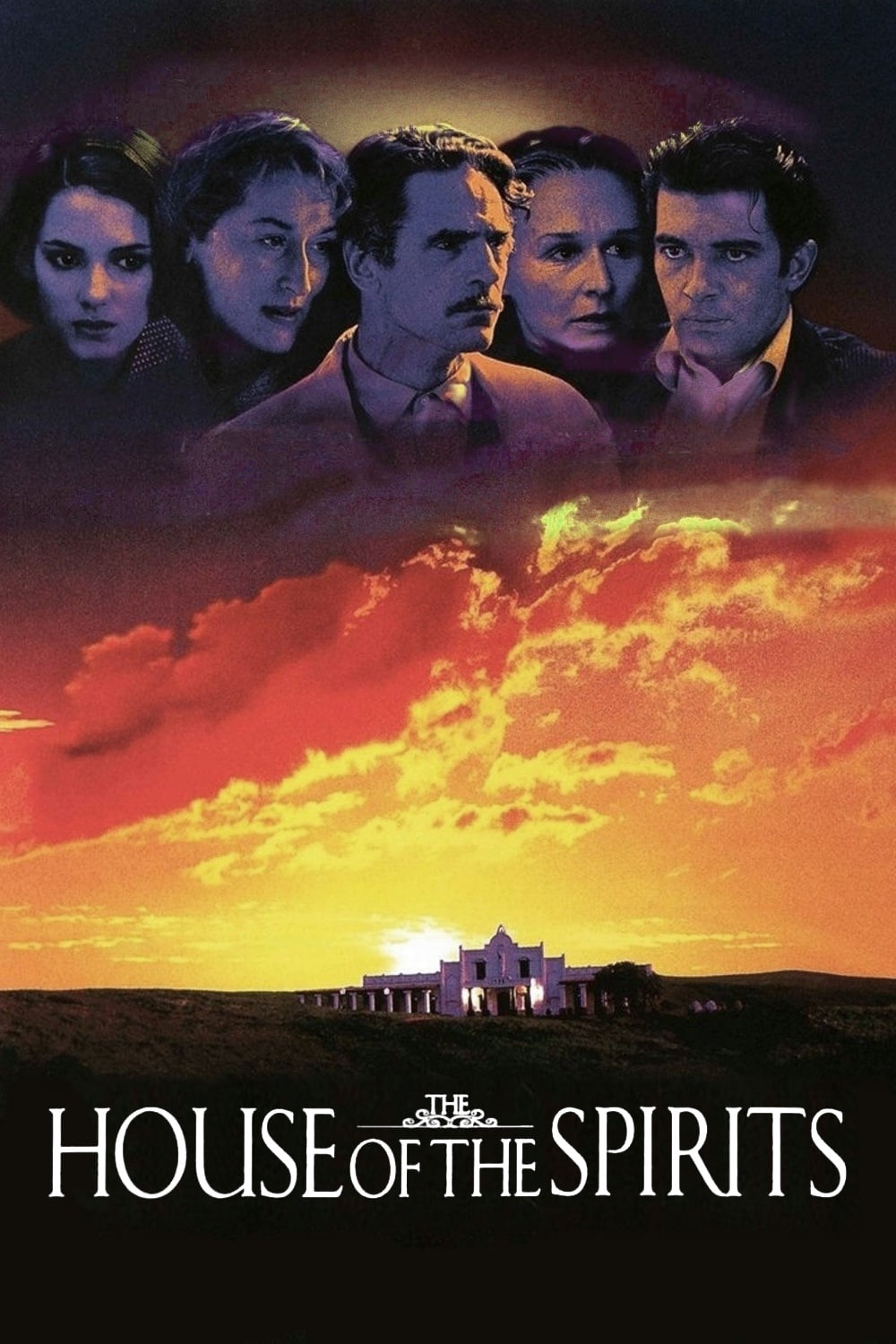
This movie, based on Isabel Allende’s popular novel, received criticism for casting mostly white actors to play Chilean characters. Many people felt roles for Meryl Streep and Jeremy Irons should have gone to Latinx actors, arguing it ignored the important cultural and political background of the story. The film wasn’t successful with critics or audiences and is now a well-known example of ‘whitewashing’ from the 1990s. It didn’t manage to capture the enchanting and emotional qualities of the original book.
‘A Little Chaos’ (2014)

As a film buff, I was really disappointed with this period piece set at Versailles. While I appreciated the attempt at a lavish drama, it felt incredibly one-sided. The movie centered around a made-up female character, which is fine, but it completely erased the historical fact that people of color were present at the French court. It just didn’t feel authentic; the social picture they painted felt incomplete and, frankly, a bit too modern. Sadly, it didn’t do well in theaters – and I think its narrow storytelling approach really limited its appeal. It felt like it missed an opportunity to tell a much richer, more truthful story.
‘The 13th Warrior’ (1999)
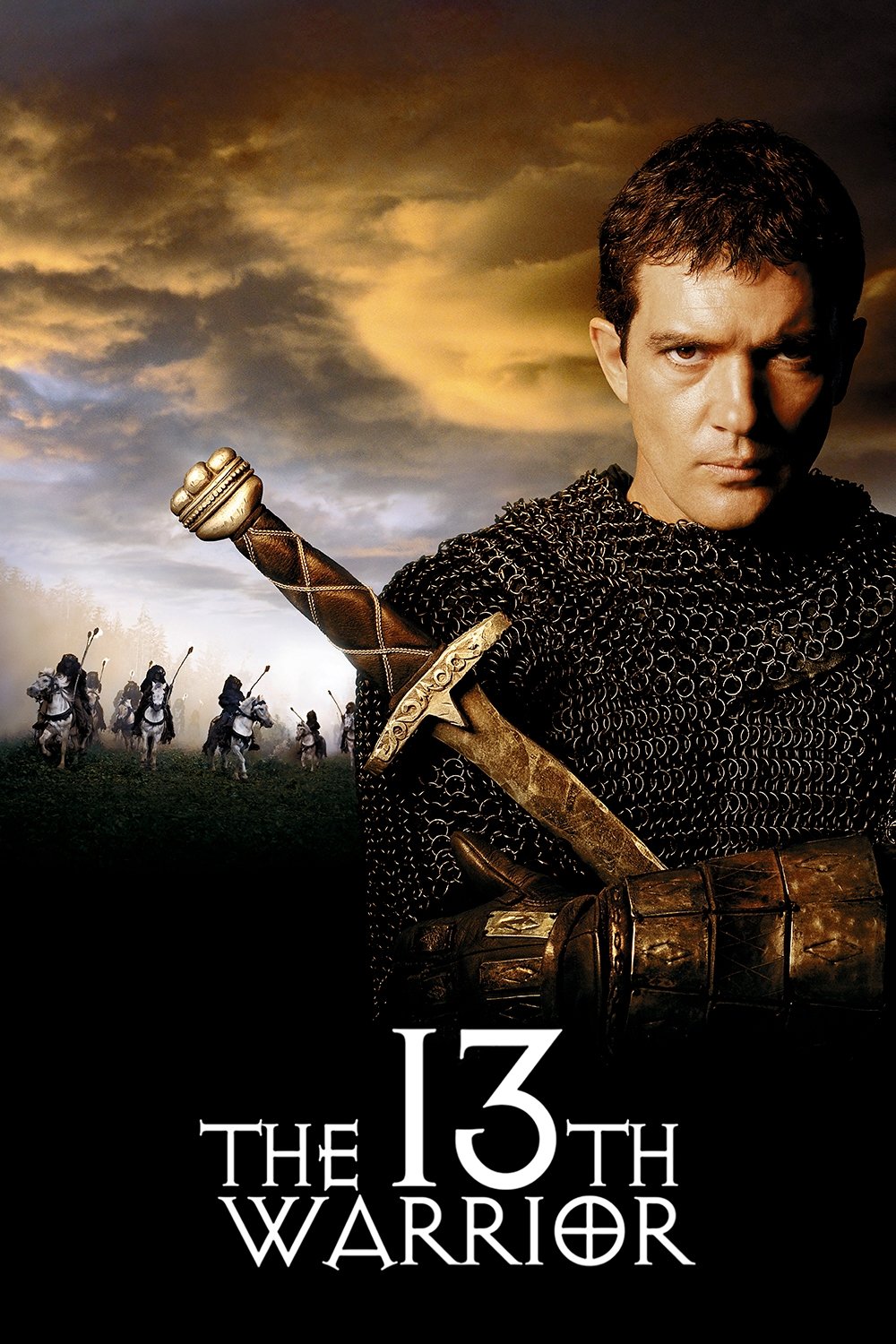
The action movie starred Antonio Banderas as an Arab ambassador who unexpectedly teams up with Vikings. The film’s production was famously difficult, and after early showings received negative feedback, the movie underwent significant changes in editing. As a result, much of the planned storyline about understanding and interaction between the different cultures was cut. The film performed very poorly in theaters, costing the studio a lot of money. While it has gained a small, dedicated fanbase over the years, its initial failure was a significant setback for everyone involved.
‘Seventh Son’ (2014)
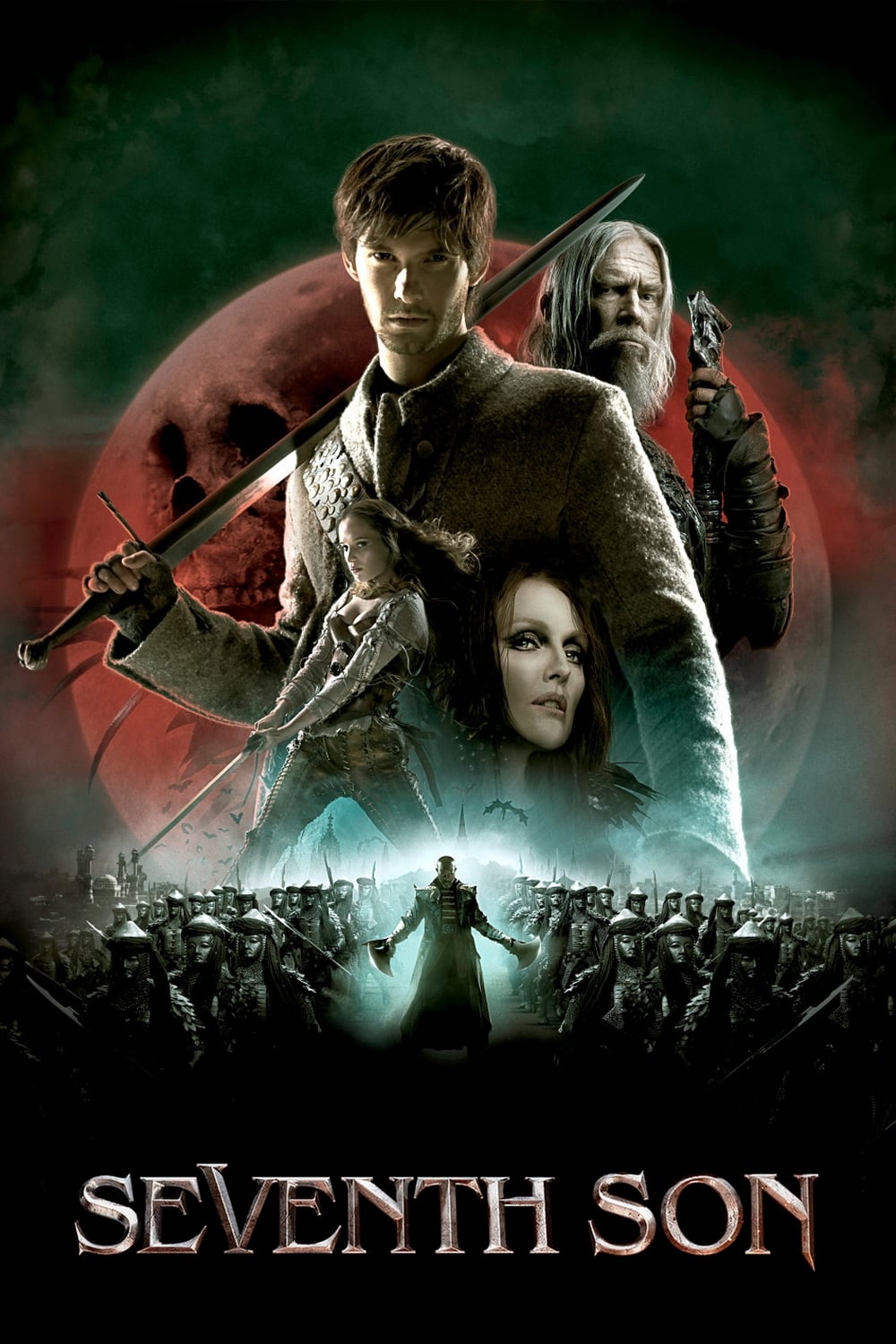
The movie promised a diverse and inclusive world in its advertising, but ultimately told a very standard hero’s story. Characters from minority groups were minimized or had their parts cut down during editing. After numerous delays, the film received negative reviews and didn’t attract viewers, resulting in a major financial setback for the studio. It felt unoriginal and lacked genuine representation, making it just another typical fantasy film.
‘The Legend of Tarzan’ (2016)
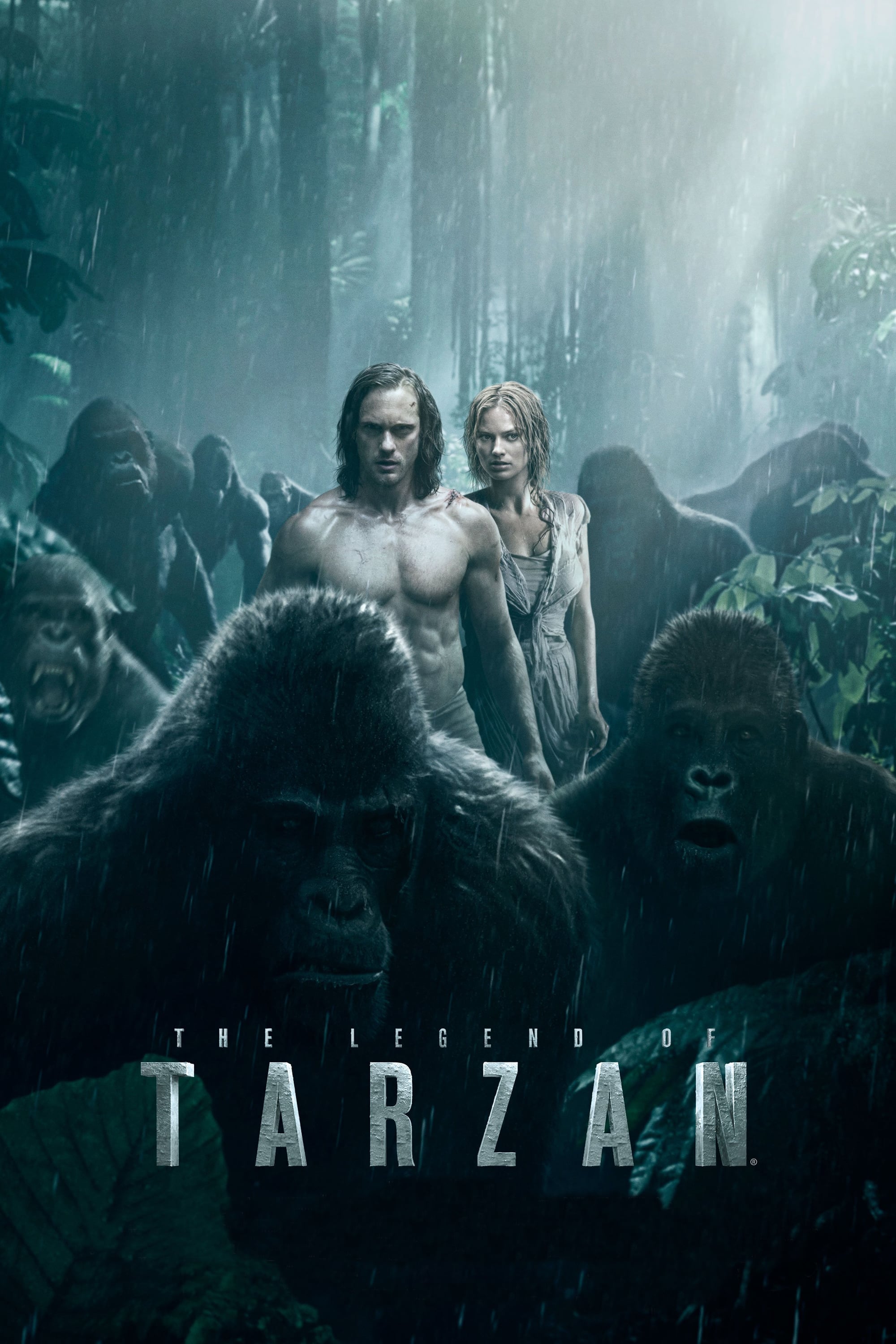
Okay, so I just finished watching this film, and while it tried to tackle some important issues with colonialism present in the original story, it unfortunately fell into the tired trope of the ‘white savior.’ Samuel L. Jackson was fantastic, playing a real historical figure, but even he felt sidelined by the made-up hero. Honestly, I was really looking forward to seeing a deep dive into the Congo and its culture, but all too often that got lost in a lot of action. It didn’t do well in theaters, and plans for a sequel seem to be dead in the water. They tried to update the character for a modern audience, but ultimately, the film couldn’t shake the problems that were already built into the original story.
‘King Arthur: Legend of the Sword’ (2017)
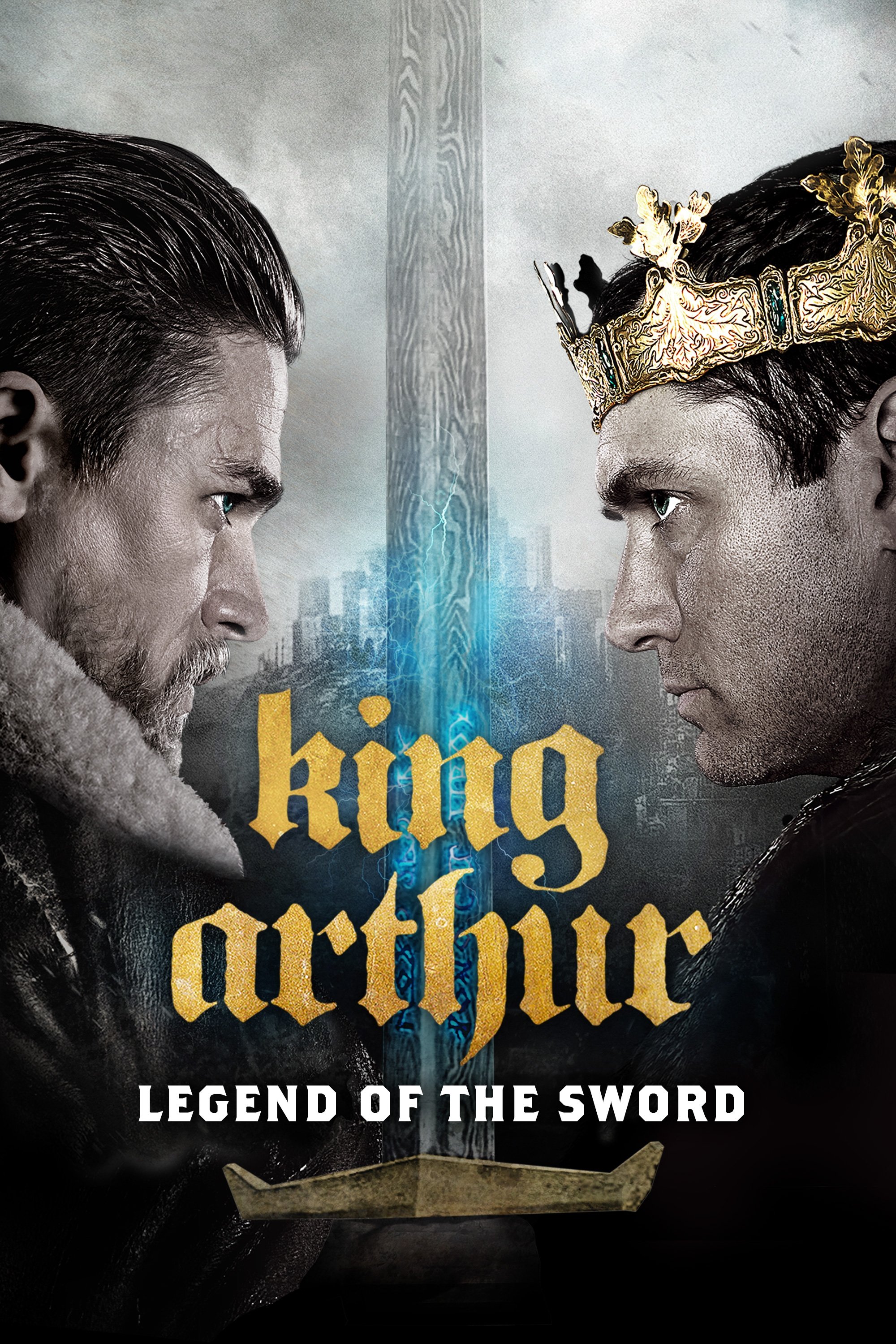
Guy Ritchie’s film about King Arthur included a group of diverse knights, but many of them didn’t get enough screen time or character development. The movie aimed for a strong team dynamic, but it felt hurried, and the story primarily focused on the main hero. Unfortunately, the film didn’t perform well in theaters and lost the studio a lot of money. Viewers weren’t drawn to this unique and disjointed take on the classic Arthurian story.
‘Hercules’ (2014)
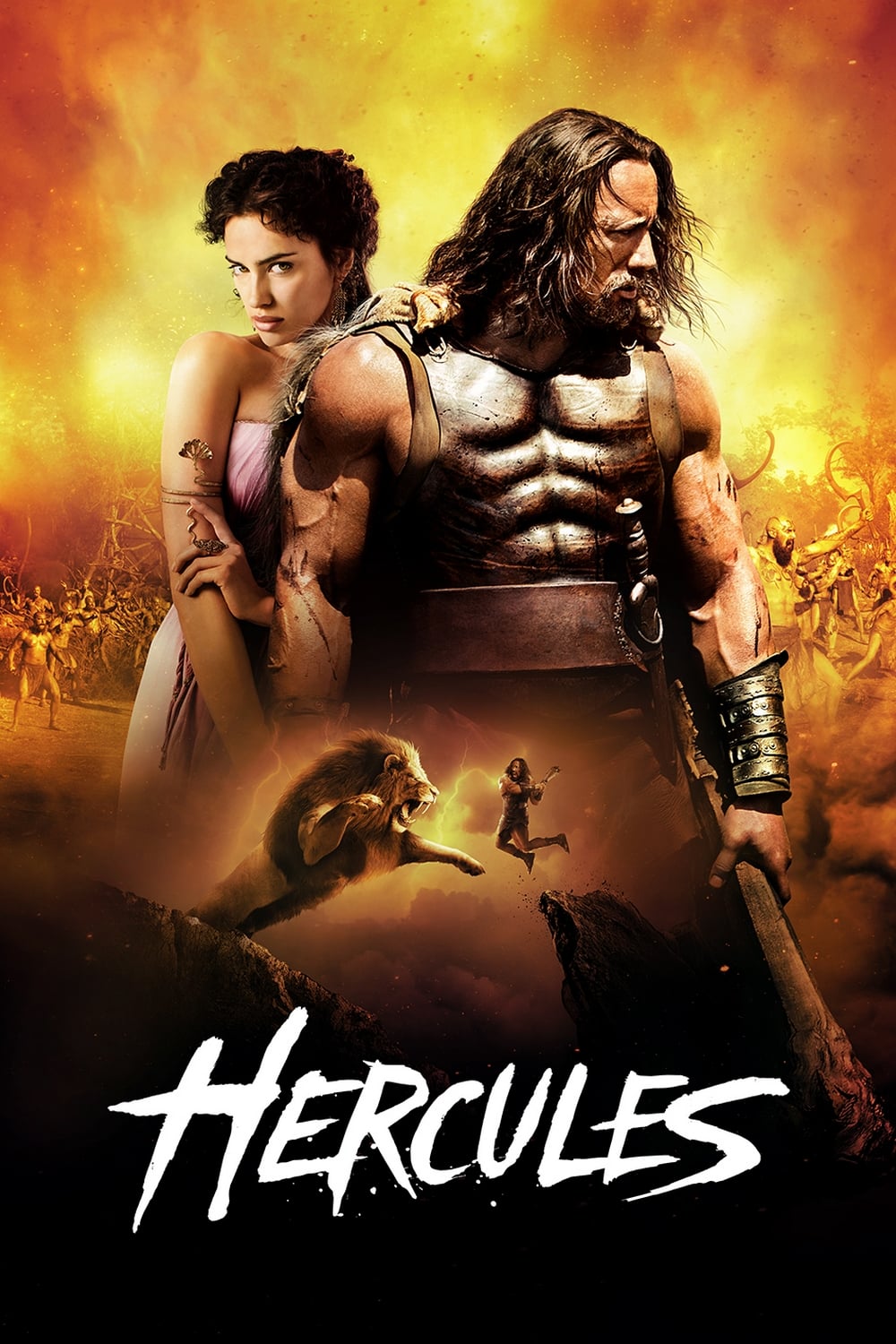
This retelling of the Greek myth starred Dwayne Johnson and aimed for a more realistic and gritty feel. Despite having a diverse cast, the movie was criticized for not exploring the cultural aspects of the story in a meaningful way and for relying on typical action movie tropes. The film’s attempt to offer a fresh take on the myth felt shallow, and it didn’t perform well in US theaters, ultimately blending in with other similar movies. As a result, it was quickly forgotten after its release.
‘Ben-Hur’ (2016)
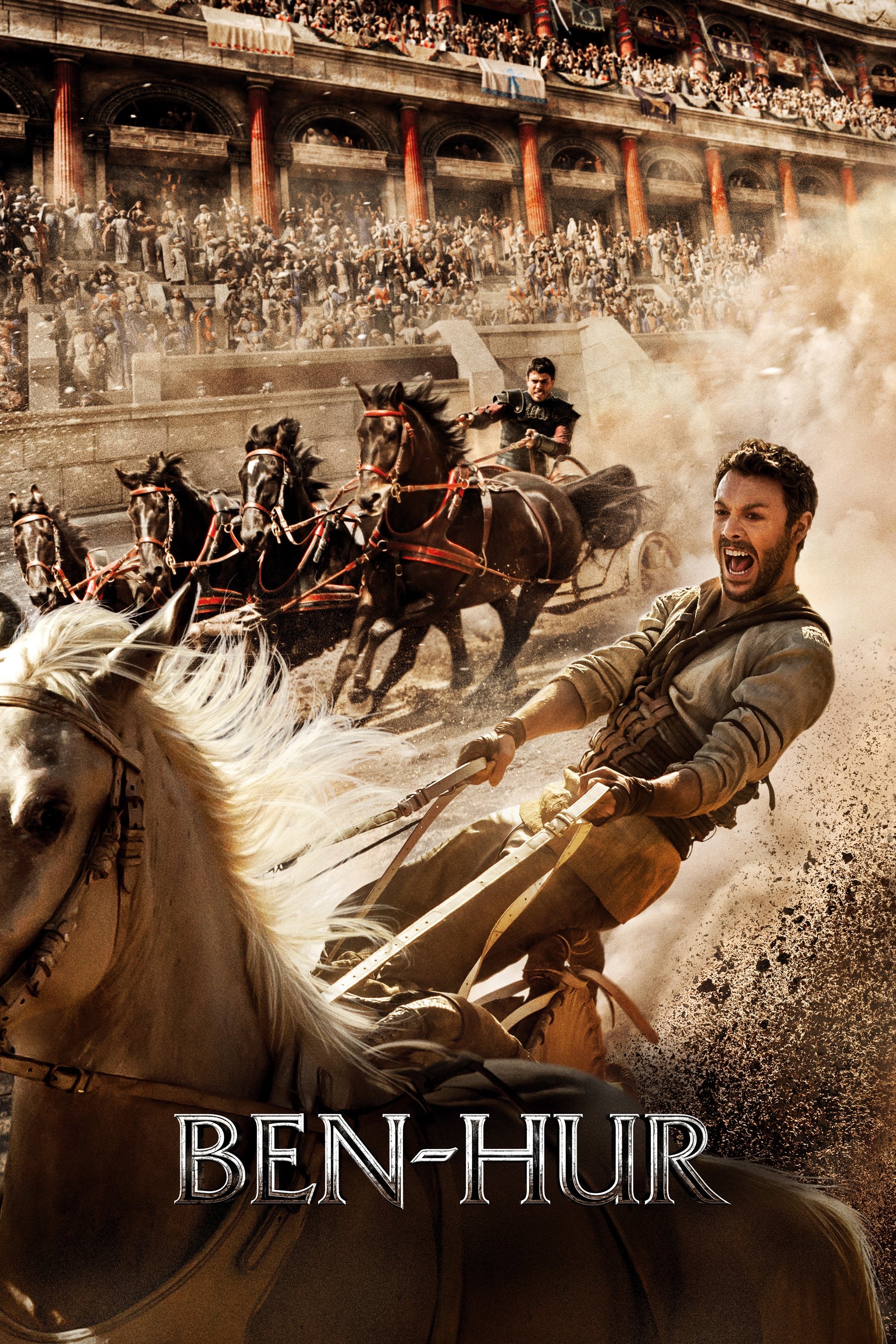
While the recent remake of the classic film boasted a more diverse cast, it didn’t connect with viewers. The film traded the original’s meaningful themes and cultural richness for excessive action, and critics found it lacked the weight and importance of the 1959 version. It performed poorly in theaters worldwide, becoming one of the year’s biggest financial failures, and the effort to modernize the story simply didn’t work.
‘Mortdecai’ (2015)
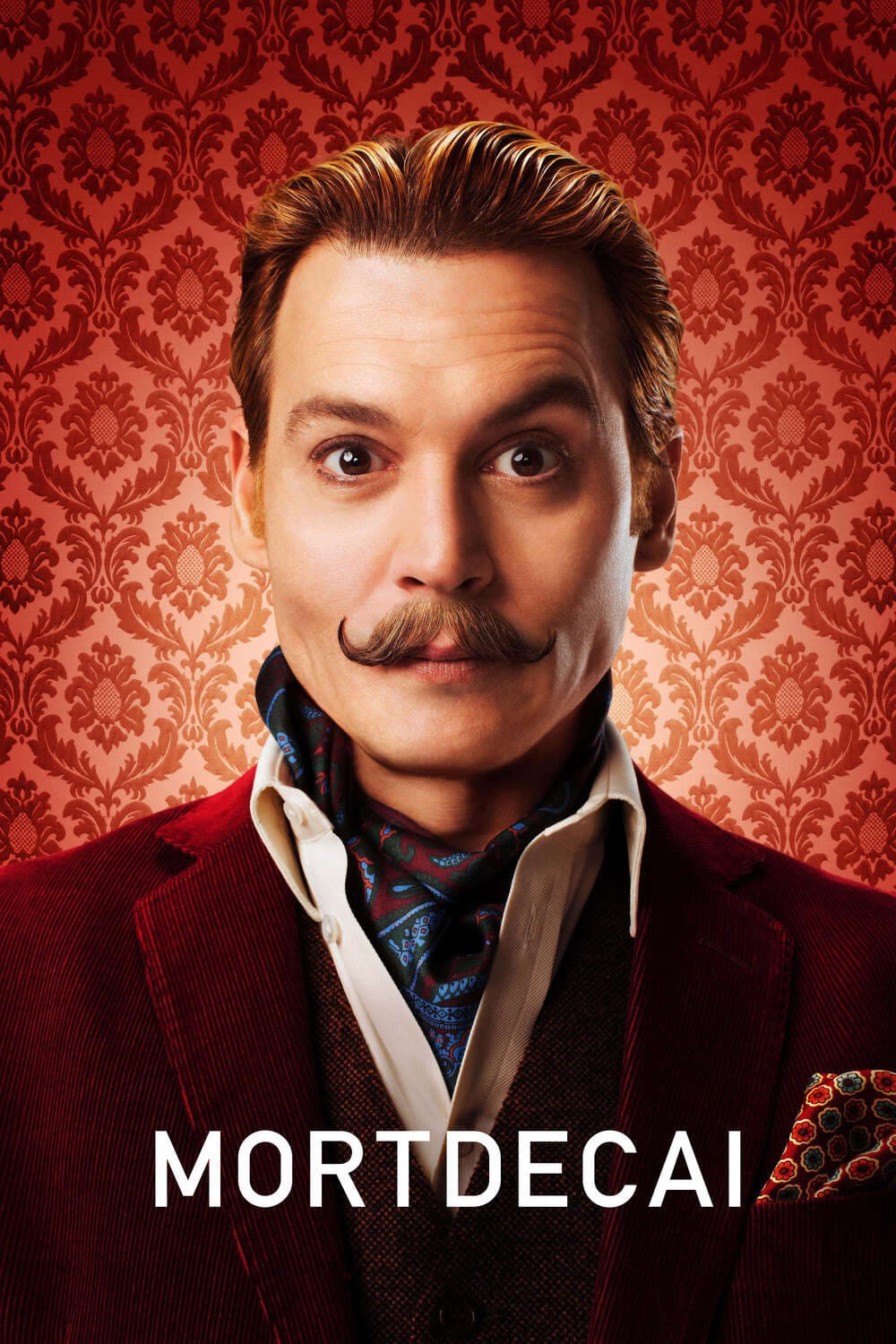
This comedy, starring Johnny Depp, received criticism for its unoriginal plot and lack of diversity. Despite being promoted as a worldwide adventure, the film felt small-scale and didn’t authentically portray the cultures it depicted. While advertised as clever and quick-paced, critics disliked it, and it performed poorly at the box office. The film’s failure also negatively impacted the lead actor’s public image, as shown by its low ticket sales.
‘The Hunt’ (2020)
Before it even came out, this darkly comedic thriller caused a lot of trouble because of its political ideas. The film was temporarily delayed, and the advertising campaign had to be completely changed. Although the movie included a wide range of characters, many thought it didn’t take enough risks, fearing more criticism. Ultimately, it didn’t do well in theaters and didn’t generate the discussion its creators hoped for. The timing of its release was also unfortunate, as it coincided with the start of the global pandemic.
‘Jupiter Ascending’ (2015)
As a sci-fi fan, I have to admit the Wachowskis really built an incredibly detailed world with this movie. But honestly, the story got so tangled up in itself, it was hard to follow. What frustrated me most was that they introduced all these cool alien cultures and interesting characters, then didn’t really do anything with them – they felt like window dressing. It’s a shame, because it was a huge undertaking, but it totally flopped at the box office and didn’t earn back its money. It’s a great example of a movie that aimed high but just didn’t click with most audiences.
‘Robin Hood’ (2018)
This modern take on a classic story starred Jamie Foxx as a Saracen warrior who mentors the main character. Despite being heavily promoted, the movie was criticized for being shallow and not accurately portraying history. It didn’t deliver on its promise to offer a fresh perspective on the Crusades, and ultimately failed both financially and with critics, who found its overall style confusing. Plans for sequels and a broader film series featuring the character were also abandoned.
‘Battleship’ (2012)
This action movie, inspired by a board game, marked Rihanna’s first film role. Despite being a key reason people went to see it, her character didn’t have much to do. The exciting idea of a diverse ship crew battling aliens ended up feeling predictable and lacked originality. The film didn’t perform well in US theaters and resulted in substantial financial losses for the studio. It’s frequently used as an example of a movie that depended too much on its established name and famous actors.
‘After Earth’ (2013)
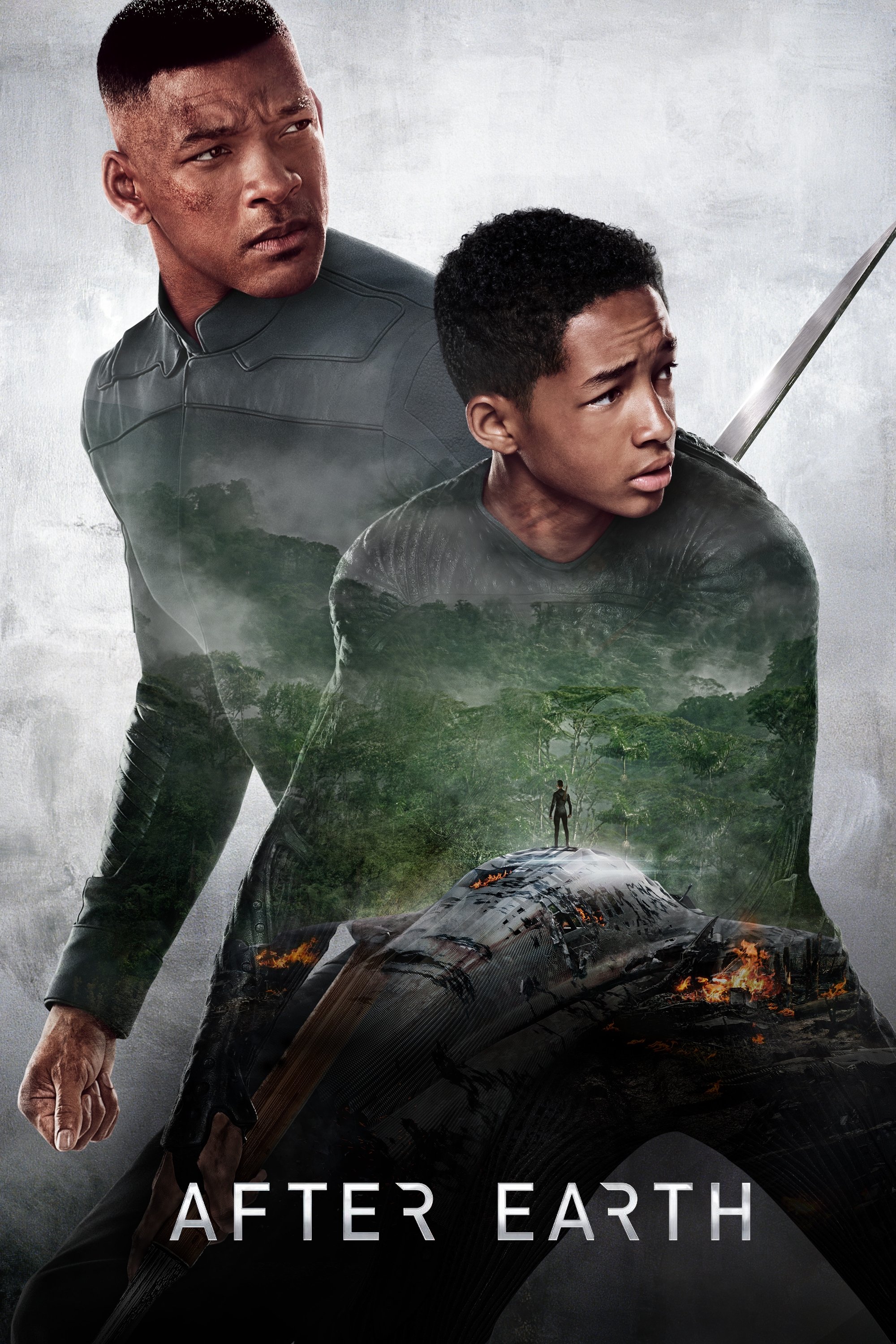
The science fiction film, starring Will and Jaden Smith, was expected to be a huge hit, but it received negative reviews. Critics disliked the acting and found the story uncompelling. Despite featuring Black leads, the movie was criticized for a weak setting and a lack of emotional resonance. Ultimately, it didn’t do well in theaters and negatively impacted the careers of its stars, failing to connect with audiences worldwide.
‘A Wrinkle in Time’ (2018)
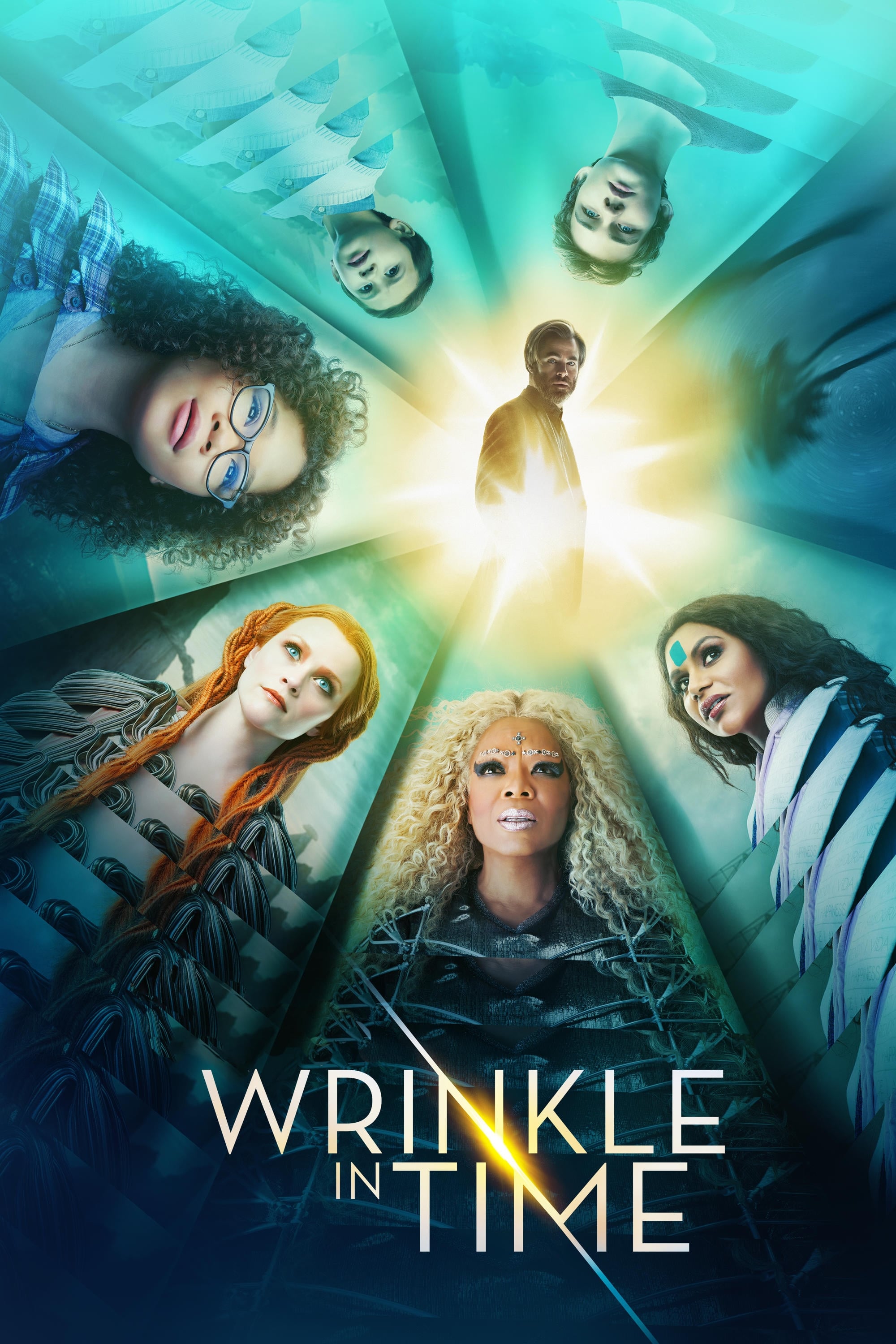
Ava DuVernay’s film version of the beloved novel featured a diverse and skilled cast. Though visually striking, the movie was criticized for simplifying the book’s deeper, more complex ideas. Many viewers, especially those familiar with the original story, found the plot felt fragmented and lacked emotional impact. As a result, the film didn’t perform well financially for Disney and struggled to attract a broad audience. This outcome was particularly disappointing as it represented a hurdle for large-scale films directed by filmmakers from underrepresented groups.
‘The Goldfinch’ (2019)

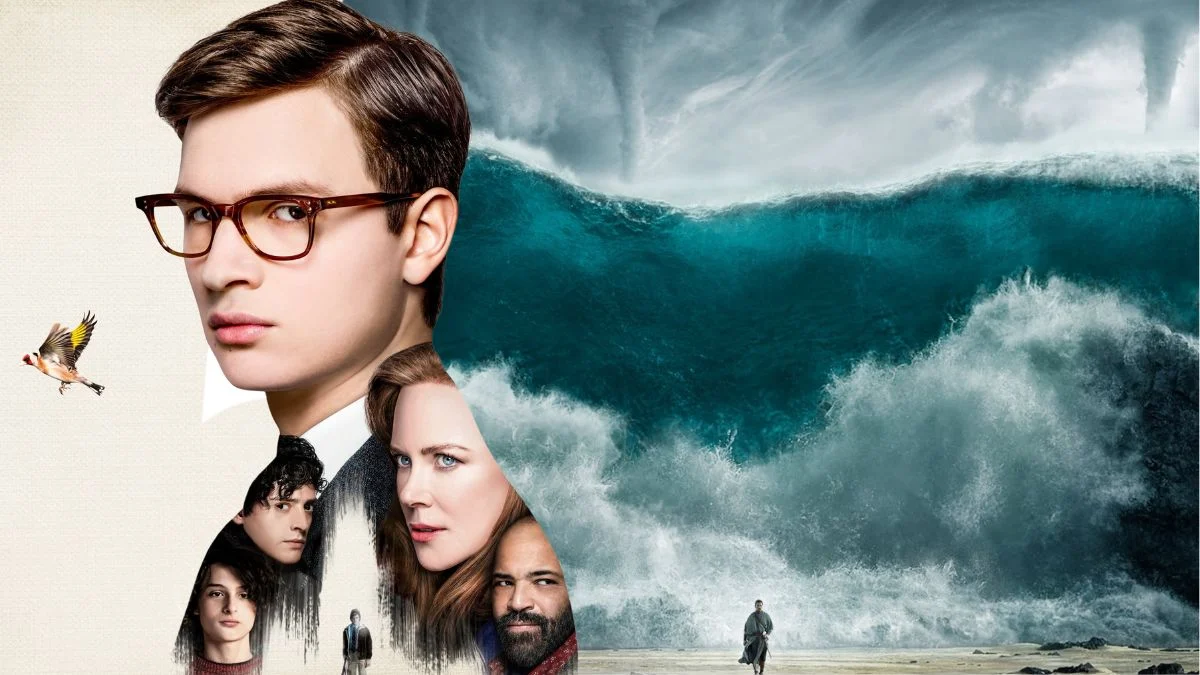
Though based on a highly acclaimed novel, the film received poor reviews and performed badly in theaters. The movie simplified the book’s rich story, especially the experiences of its diverse characters, to fit a typical movie length. As a result, the adaptation felt shallow and hurried, failing to capture the emotional weight of the original. This demonstrated that even well-regarded stories don’t guarantee success if the movie adaptation isn’t well-executed and loses sight of what made the source material special.
‘Deepwater Horizon’ (2016)
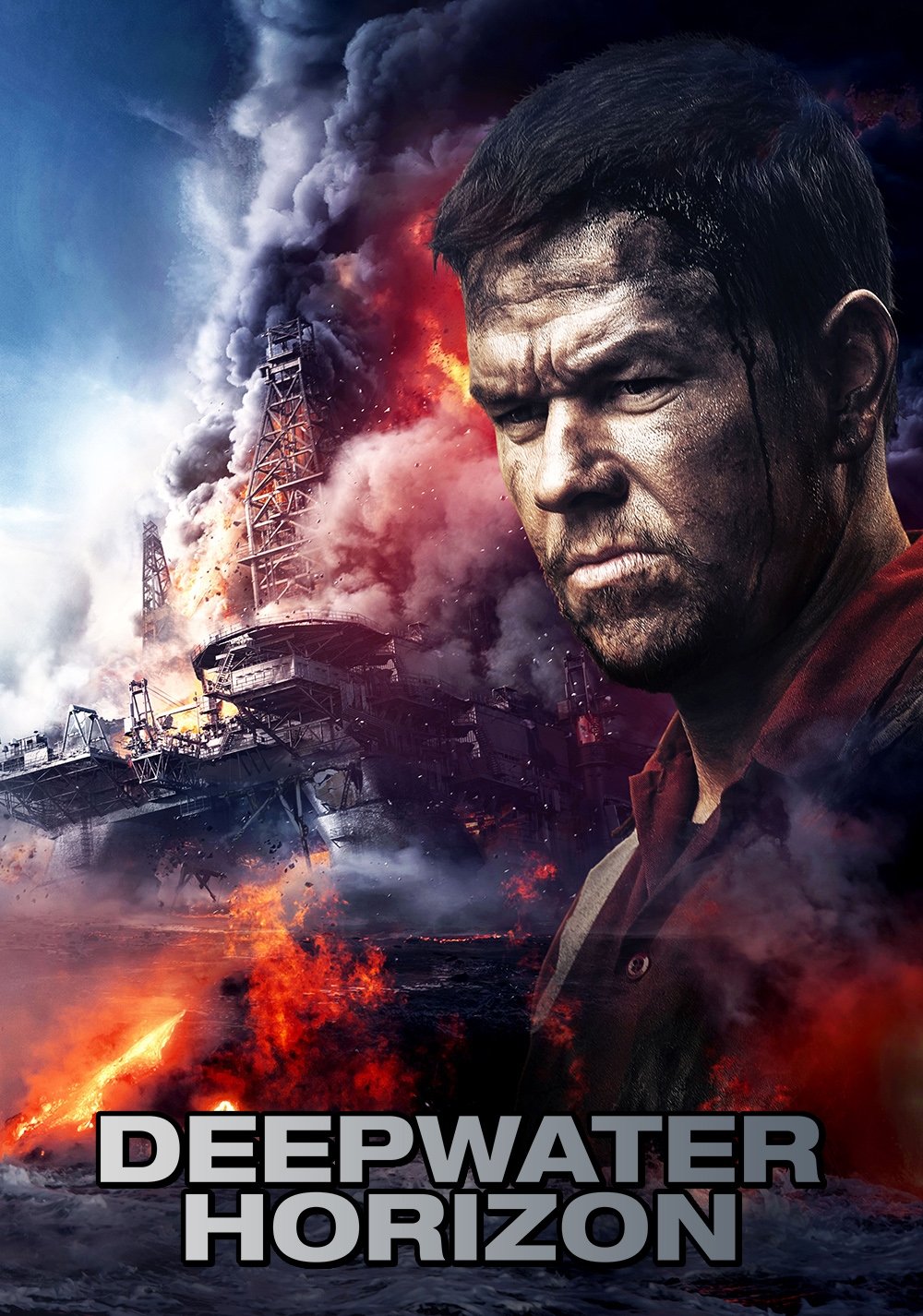
The movie, inspired by a true story, depicted the people who worked on an oil rig. However, the final version of the film primarily highlighted the white actors, downplaying the stories of the other workers. Some viewers felt this made the film’s dedication to all those affected feel insufficient. Despite generally positive reviews, the movie didn’t do well in theaters, likely because it faced tough competition from other action-packed dramas.
‘Terminator: Dark Fate’ (2019)
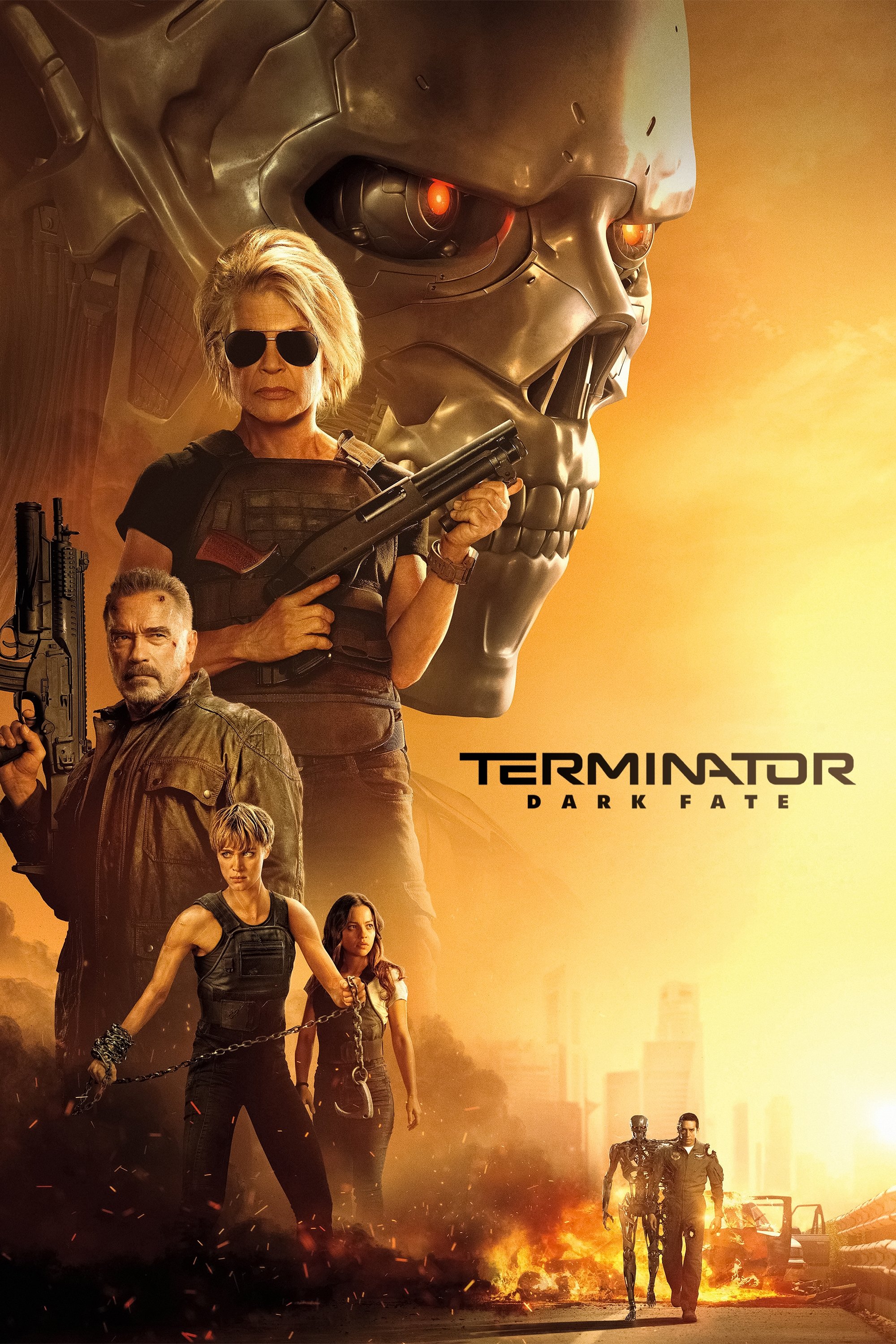
The latest installment introduced a new group of characters, including Natalia Reyes and Gabriel Luna, hoping to breathe new life into the series. However, it received criticism for repeating familiar plot points and for leaving out important details about the new characters’ histories. Despite aiming for a fresh start, the film didn’t recapture the interest of longtime fans. It proved to be a significant financial failure for the studio, halting any plans for future movies and showing that even popular franchises can fail with poor execution.
‘Gemini Man’ (2019)
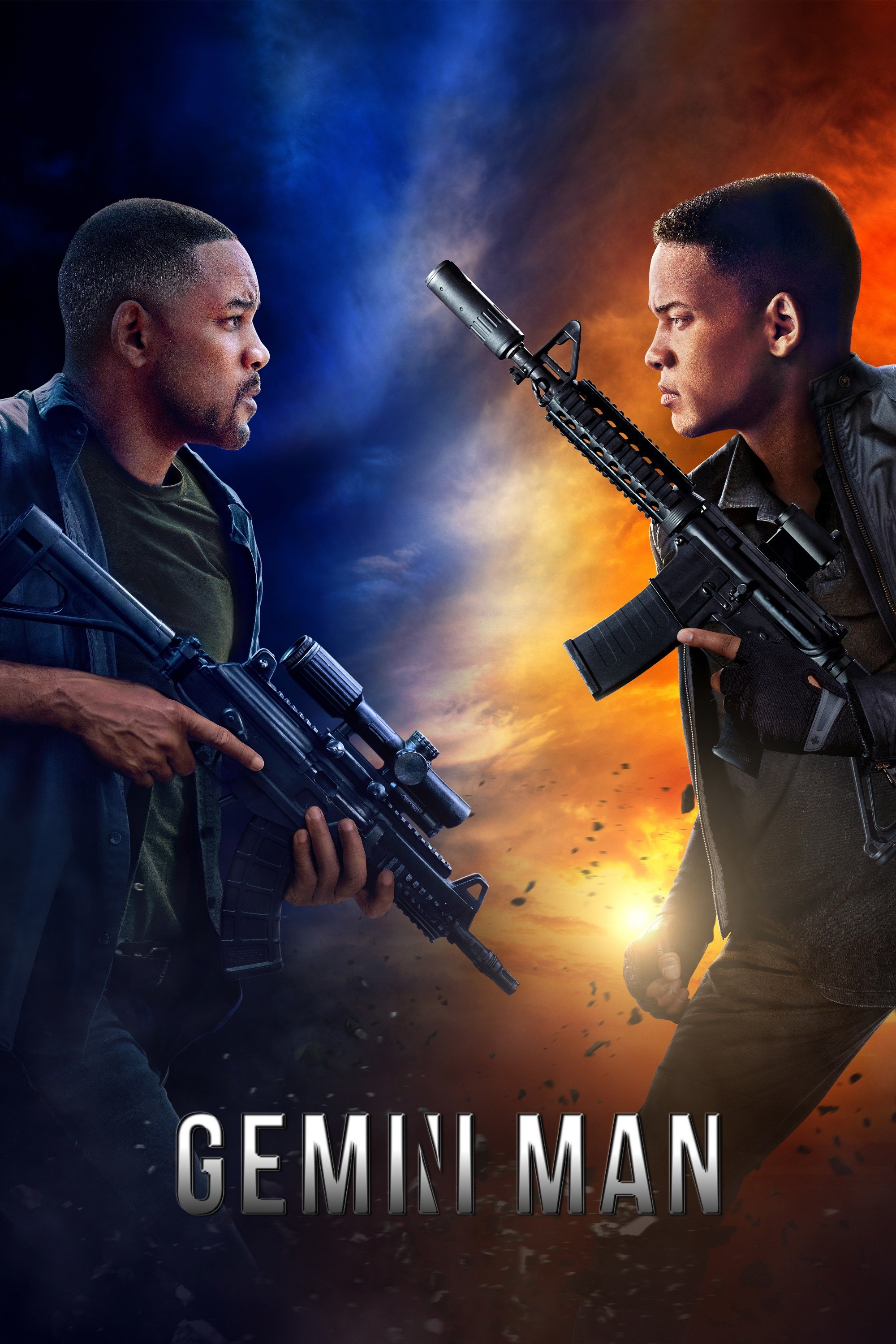
The action movie starred Will Smith playing two versions of the same character, made possible by cutting-edge technology that made him appear younger. Although the film was visually impressive, critics found the story and characters underdeveloped. It aimed to delve into themes of identity and family history, but these ideas were lost amidst the emphasis on special effects. Ultimately, the film didn’t perform well in theaters, resulting in substantial financial losses for the studio. Viewers weren’t drawn in by the unusual visual style or the predictable storyline.
‘The Conqueror’ (1956)

The movie is infamous for casting John Wayne – a white American actor – as Genghis Khan, the Mongol leader. This is a well-known case of whitewashing and was heavily criticized when it was released. Instead of an epic story about the Mongol Empire, the film felt like a typical Western, complete with costumes that didn’t fit the setting. It was a complete failure, and many believe the difficult filming conditions contributed to health problems among the cast and crew. Today, it’s remembered as a prime example of the mistakes made by Hollywood in the past.
Share your thoughts on these controversial cuts and box office failures in the comments.
Read More
- 20 Movies Where the Black Villain Was Secretly the Most Popular Character
- Celebs Who Narrowly Escaped The 9/11 Attacks
- Transformers Under the Microscope: What Graph Neural Networks Reveal
- Top 20 Dinosaur Movies, Ranked
- Trading on Thin Air: AI Agents Conquer Crypto Volatility
- Silver Rate Forecast
- Gold Rate Forecast
- 22 Films Where the White Protagonist Is Canonically the Sidekick to a Black Lead
- Invincible Season 4 Gender Swaps Tech Jacket As Fans Question Major Comic Change
- Every Notable ‘Star Trek: The Original Series’ Actor Who Died
2026-01-09 22:52