
Many films initially flop with audiences, but later become cult classics. Often, these movies were ahead of their time, or weren’t marketed well, leaving viewers unsure of what to expect. Over time, bold creative decisions that were once seen as failures are often re-evaluated and appreciated. The films below are examples of movies that went from box office failures to cherished favorites.
‘The Thing’ (1982)
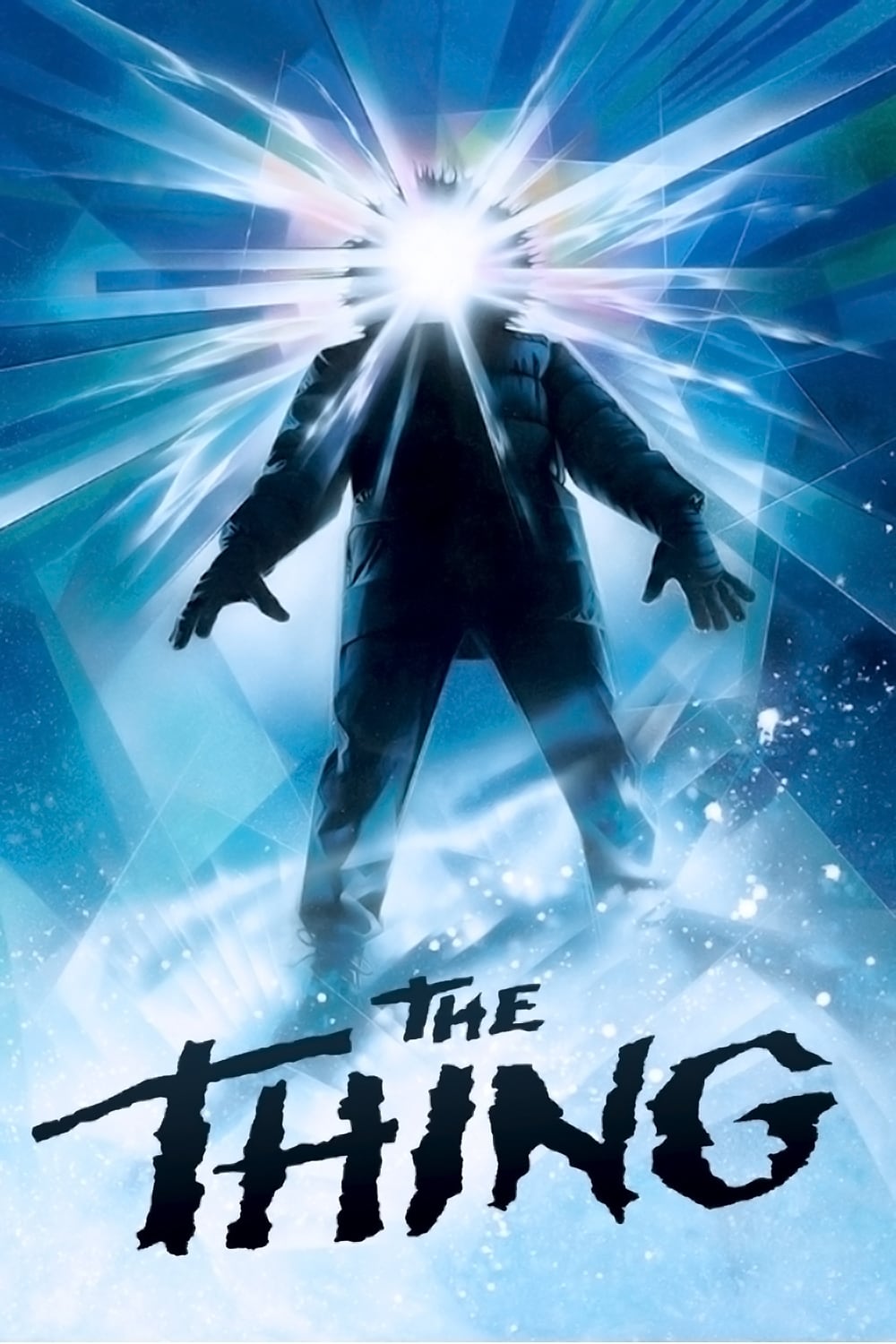
John Carpenter’s sci-fi horror film initially frightened audiences with its realistic special effects and dark, unsettling atmosphere. While some critics at first saw it as a simple, shocking monster movie that didn’t measure up to other sci-fi films, it’s now celebrated as a brilliant exploration of paranoia and widely considered one of the greatest remakes of all time. The movie centers on a group of scientists in Antarctica who are stalked by a creature that can change its shape.
‘Blade Runner’ (1982)
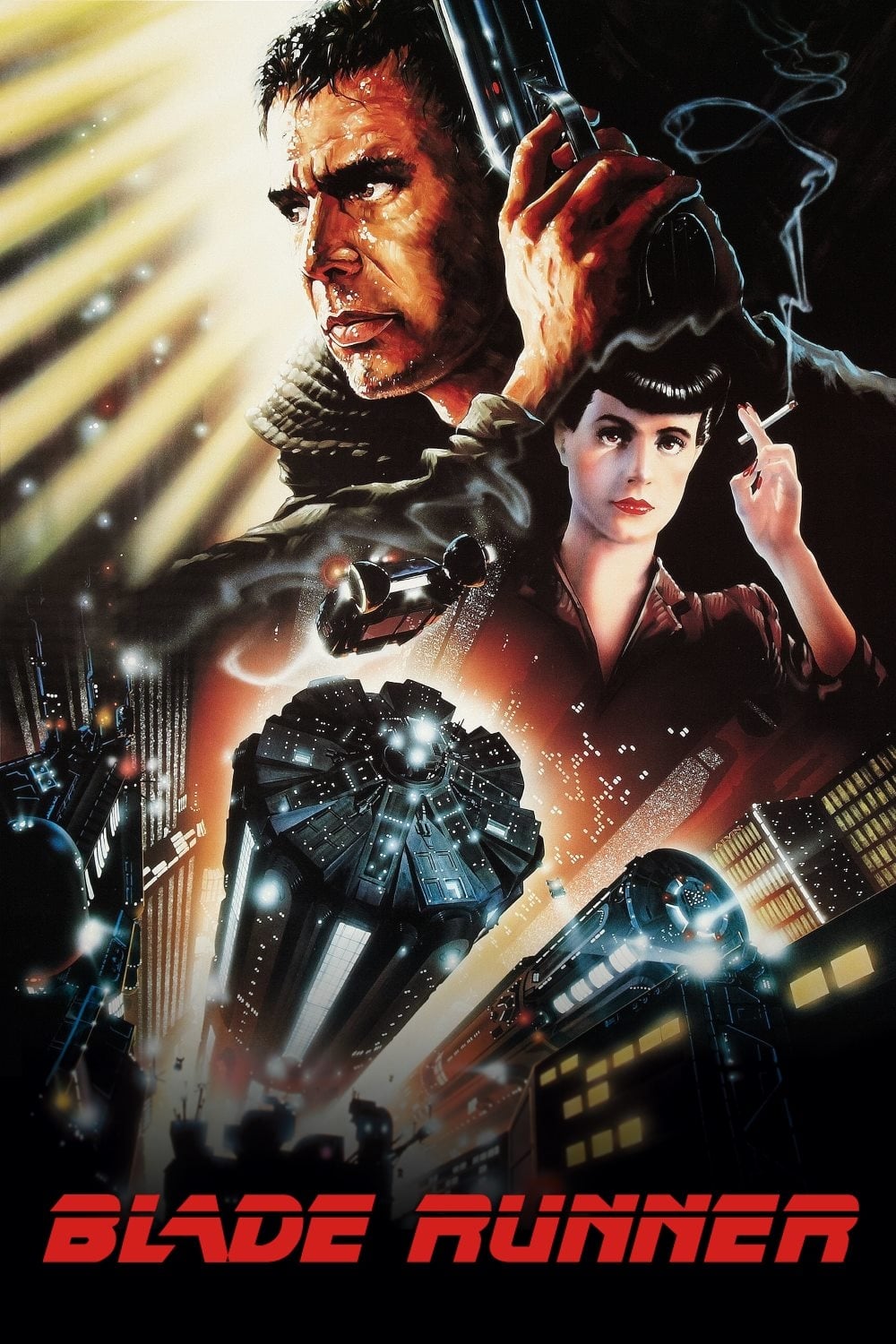
When Ridley Scott’s film first came out, many people found its futuristic world confusing and the pace too slow. The studio actually changed Scott’s original version by adding a narrator, which Harrison Ford didn’t like doing. Later versions, like the ‘Final Cut,’ restored the director’s intended vision, removing the extra explanations. Now, the film is celebrated as a key work in the cyberpunk genre and is admired for its stunning visuals.
‘The Shining’ (1980)
Stanley Kubrick turned Stephen King’s novel into a chilling, psychological horror film, but it wasn’t initially well-received by critics or King himself. Many viewers expected a typical haunted house story, but instead got a slow, unsettling exploration of a character’s mental breakdown. Kubrick’s careful attention to detail and the film’s open-ended conclusion left many wanting more straightforward answers. However, over time, it’s become recognized as a horror masterpiece.
‘Fight Club’ (1999)

David Fincher’s satirical take on consumerism was initially advertised as a typical action film, which didn’t resonate with most moviegoers. Its violence and bleak outlook turned off mainstream audiences, resulting in poor box office numbers. However, viewers later discovered the film’s depth and complexity when it became available for home viewing. Over time, it’s become a beloved cult classic and a significant part of popular culture.
‘Psycho’ (1960)
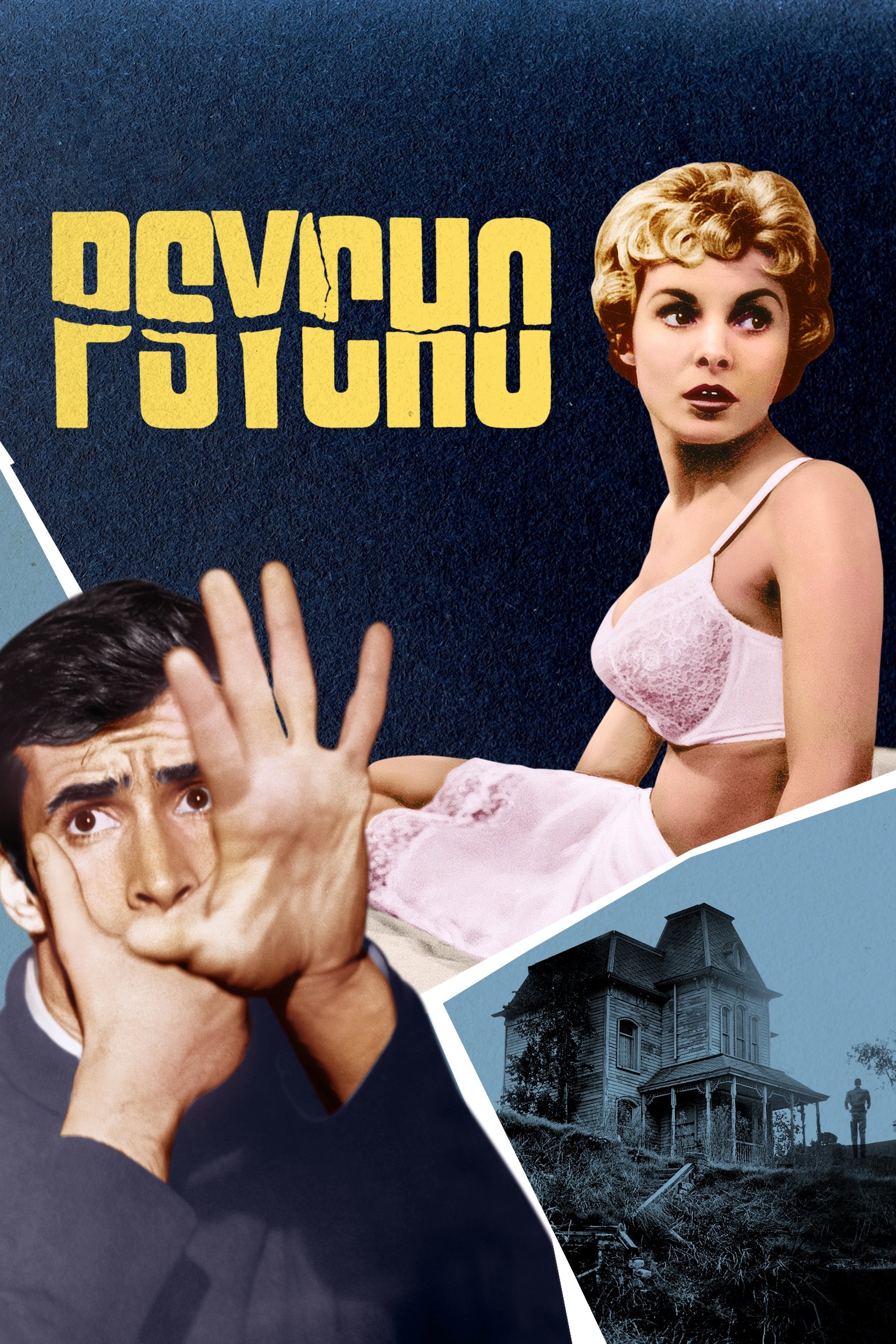
Alfred Hitchcock made a bold move with this horror film by unexpectedly killing off the lead actor early on. While some critics were shocked by this and the film’s unconventional storyline, audiences were terrified. Though many reviewers thought it was sensational and overly dramatic, the film ultimately changed the horror genre and pushed the limits of what was acceptable in movies.
‘2001: A Space Odyssey’ (1968)
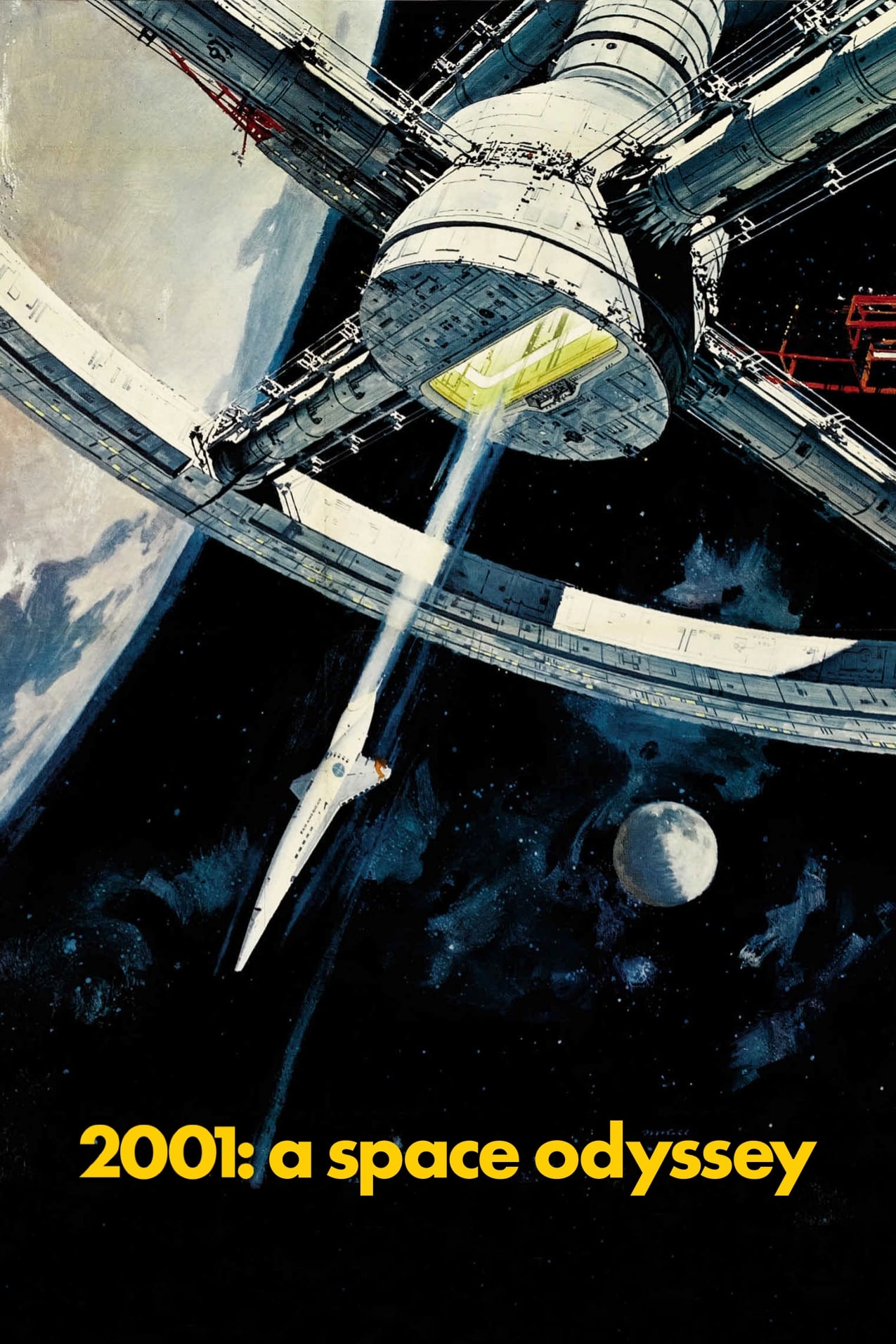
Stanley Kubrick’s sci-fi film was famously slow and confusing when it first came out, with some viewers even leaving the theater. Unlike typical space adventures, it didn’t have much action or dialogue, and its mysterious elements—like the monolith and the star child—left audiences puzzled. Today, however, the film is praised for its realistic science and deep ideas about life and the universe.
‘It’s a Wonderful Life’ (1946)
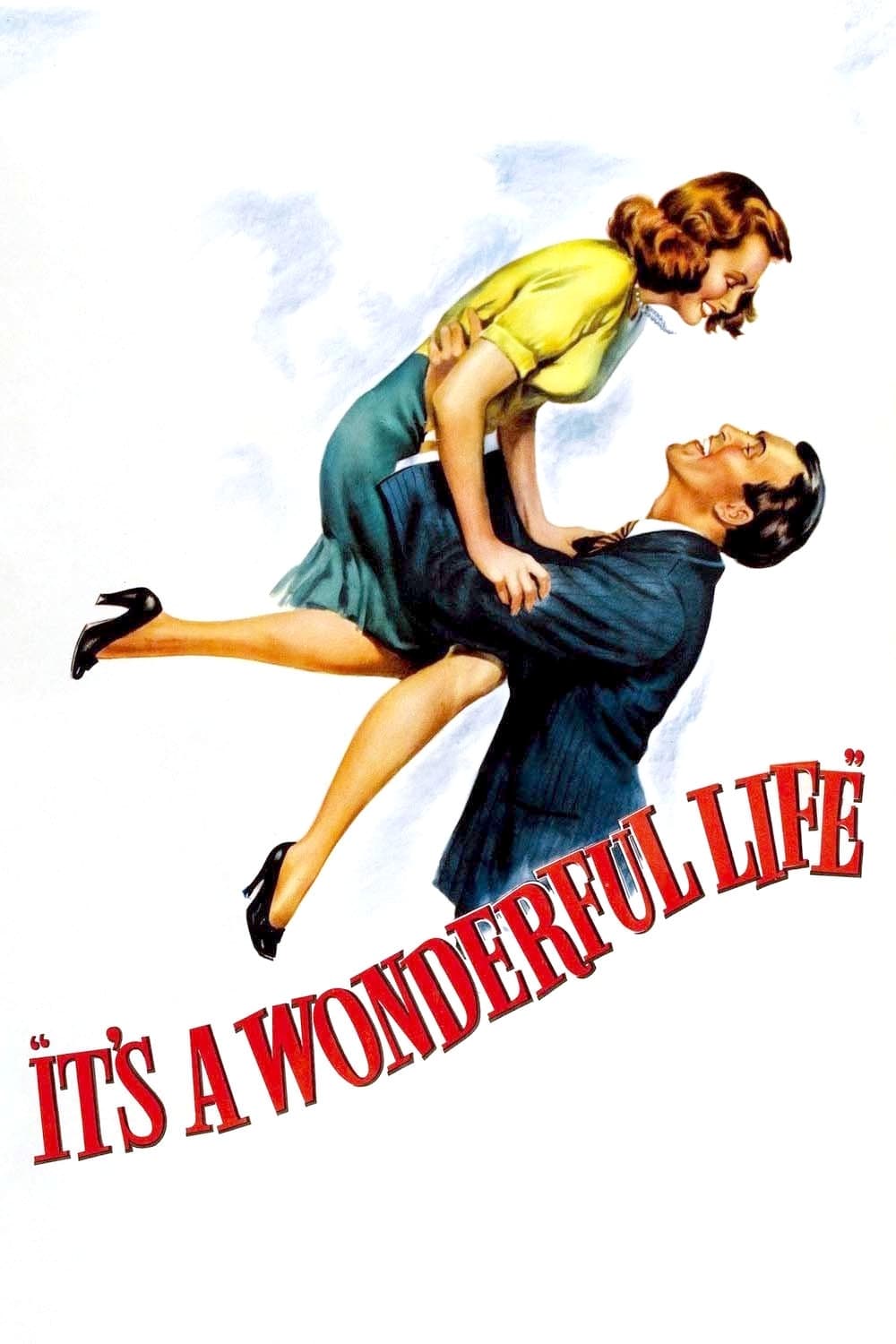
This beloved holiday film, directed by Frank Capra, wasn’t successful when it first came out. Its serious topics, like suicide and financial hardship, didn’t resonate with audiences right after the war. However, a technicality with its copyright allowed it to be shown on TV frequently during Christmas, and that repeated exposure eventually made it a cherished tradition for people all over the world.
‘Citizen Kane’ (1941)
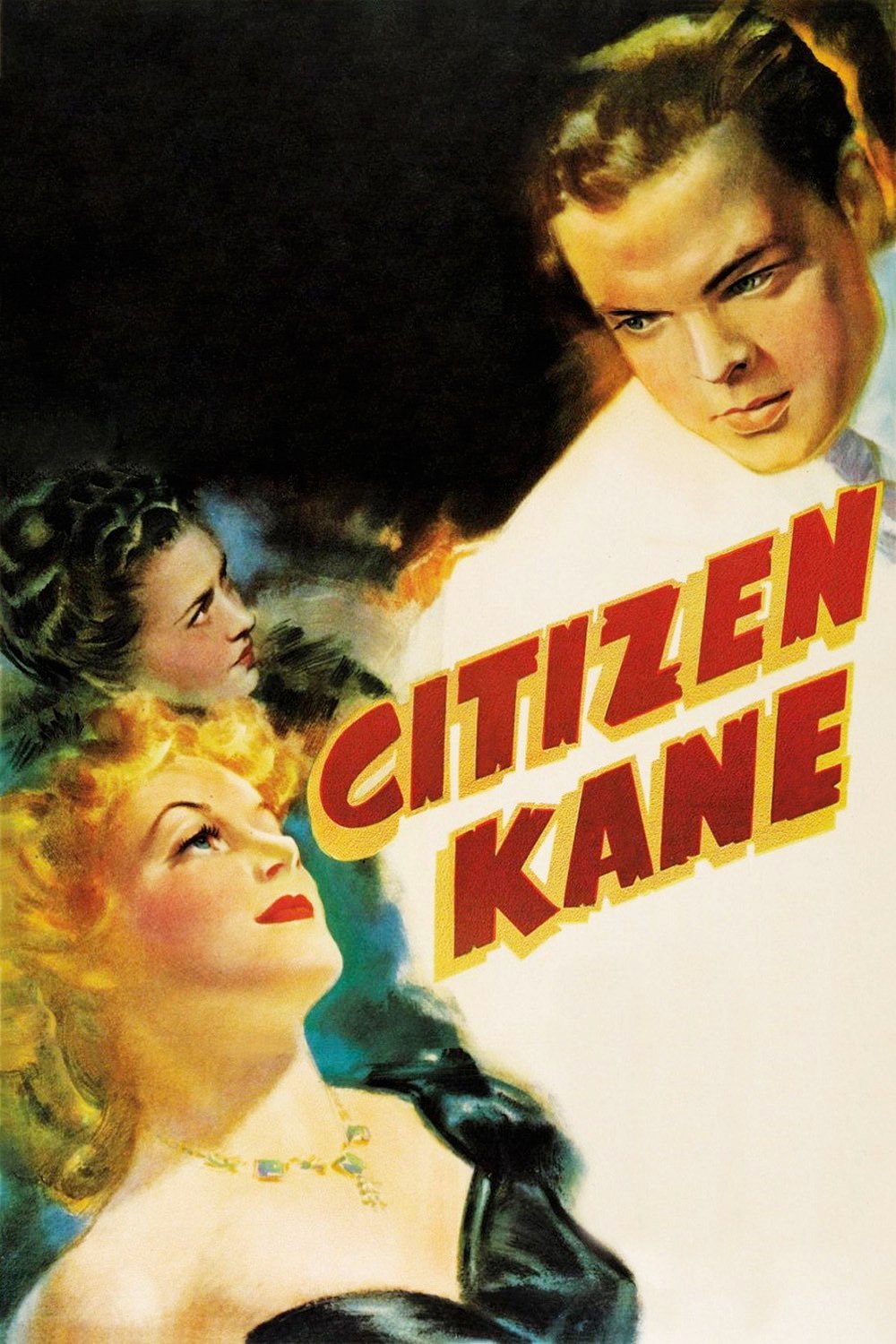
Orson Welles’s film was targeted by a damaging press campaign led by newspaper mogul William Randolph Hearst. This negative publicity and restricted release severely impacted how well the film did in theaters, as many people avoided it due to the controversy. Today, however, it’s widely considered one of the greatest films ever made, praised for its groundbreaking techniques.
‘Vertigo’ (1958)
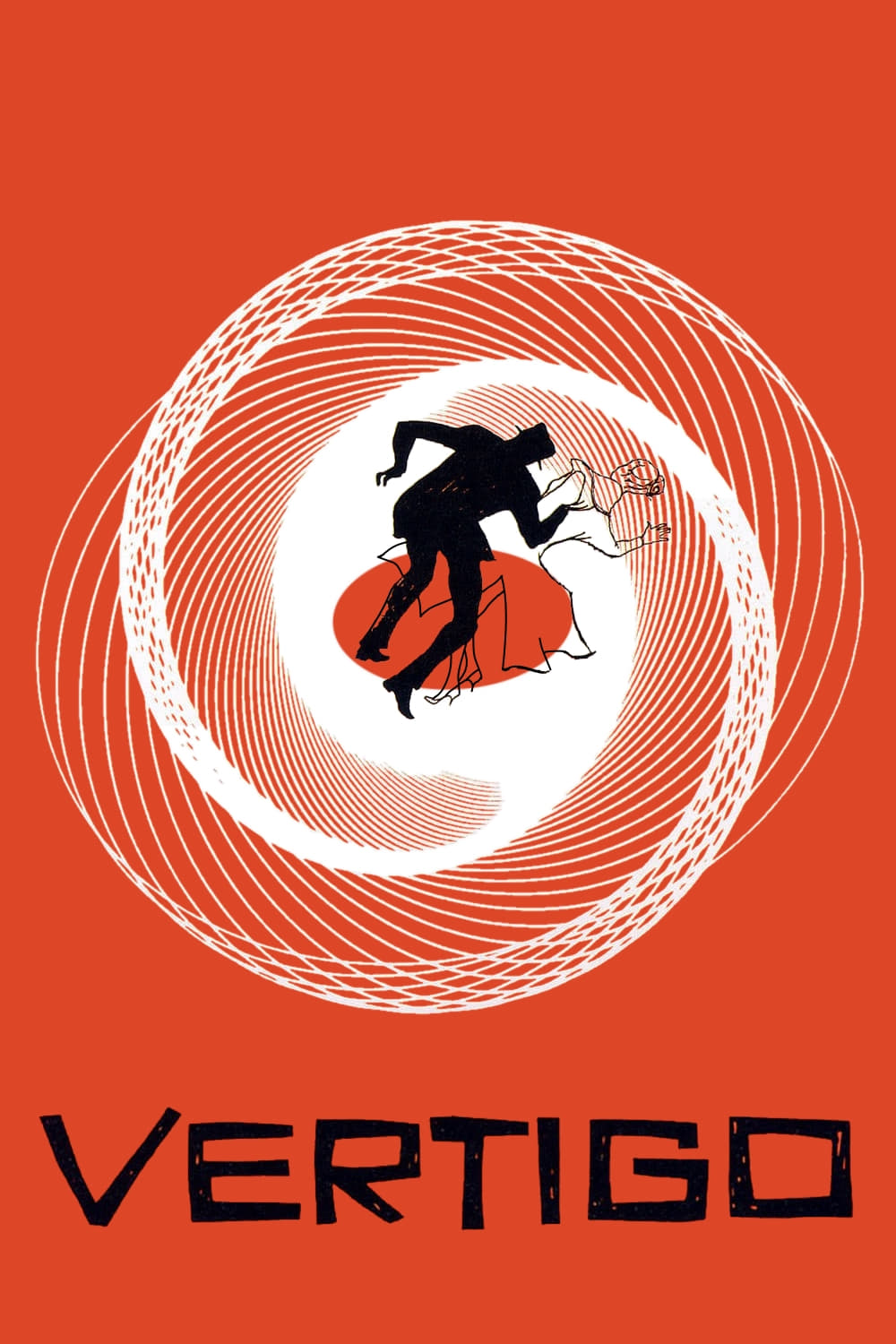
Okay, let me tell you about this Hitchcock film. It’s a really fascinating dive into obsession and what makes us us, but honestly, when it first came out, people were pretty divided. A lot of viewers found the story – about a detective who’s terrified of heights, no less! – to be a bit of a downer and the pacing was definitely slow. It wasn’t until years later that critics really started to appreciate all the complex psychological stuff going on beneath the surface. And get this – it just recently bumped another classic off the top spot in the Sight and Sound poll of the greatest films ever made! It’s a film that’s truly stood the test of time, and I highly recommend giving it a watch if you haven’t already.
‘The Night of the Hunter’ (1955)

As a film lover, I’ve always been fascinated by The Night of the Hunter. It’s the only film directed by Charles Laughton, and what a film it is! He somehow combined the creepy visuals of German Expressionism with the dark atmosphere of southern gothic horror. Sadly, when it first came out, audiences just didn’t get it – it flopped with critics and at the box office, which really put Laughton off directing ever again. But it’s Robert Mitchum who truly haunts you – his portrayal of a religious zealot chasing these two kids is genuinely chilling. Now, thankfully, everyone recognizes it as the visually beautiful and deeply unsettling masterpiece it always was.
‘Bringing Up Baby’ (1938)
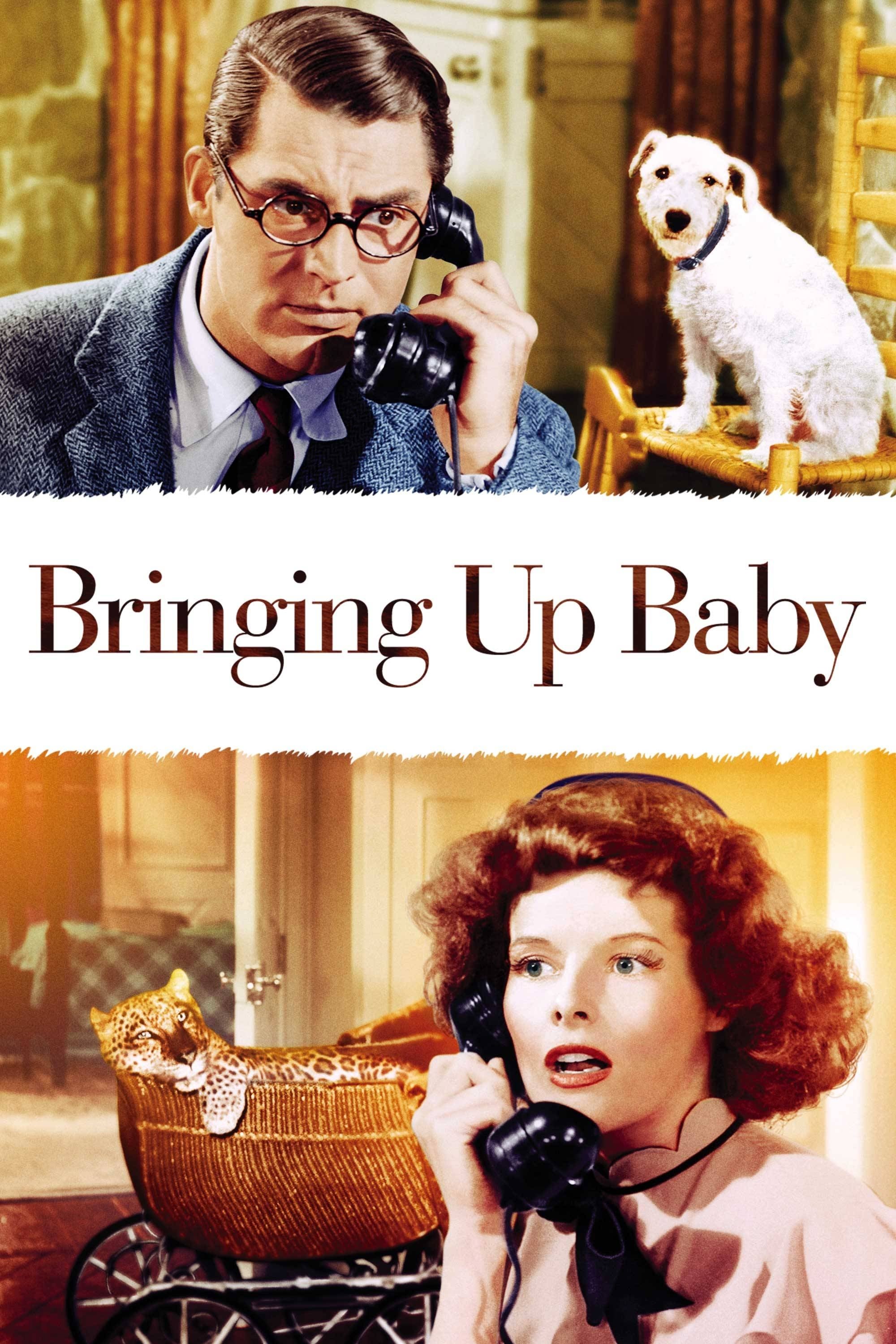
Howard Hawks’s comedy flopped when it first came out, and it even contributed to Katharine Hepburn being called a risky actress to cast. Back then, people found the fast-paced dialogue and frantic energy too much to handle. Today, though, the playful connection between Cary Grant and Hepburn is considered a comedic masterpiece. The film continues to define what a great screwball comedy should be.
‘Peeping Tom’ (1960)
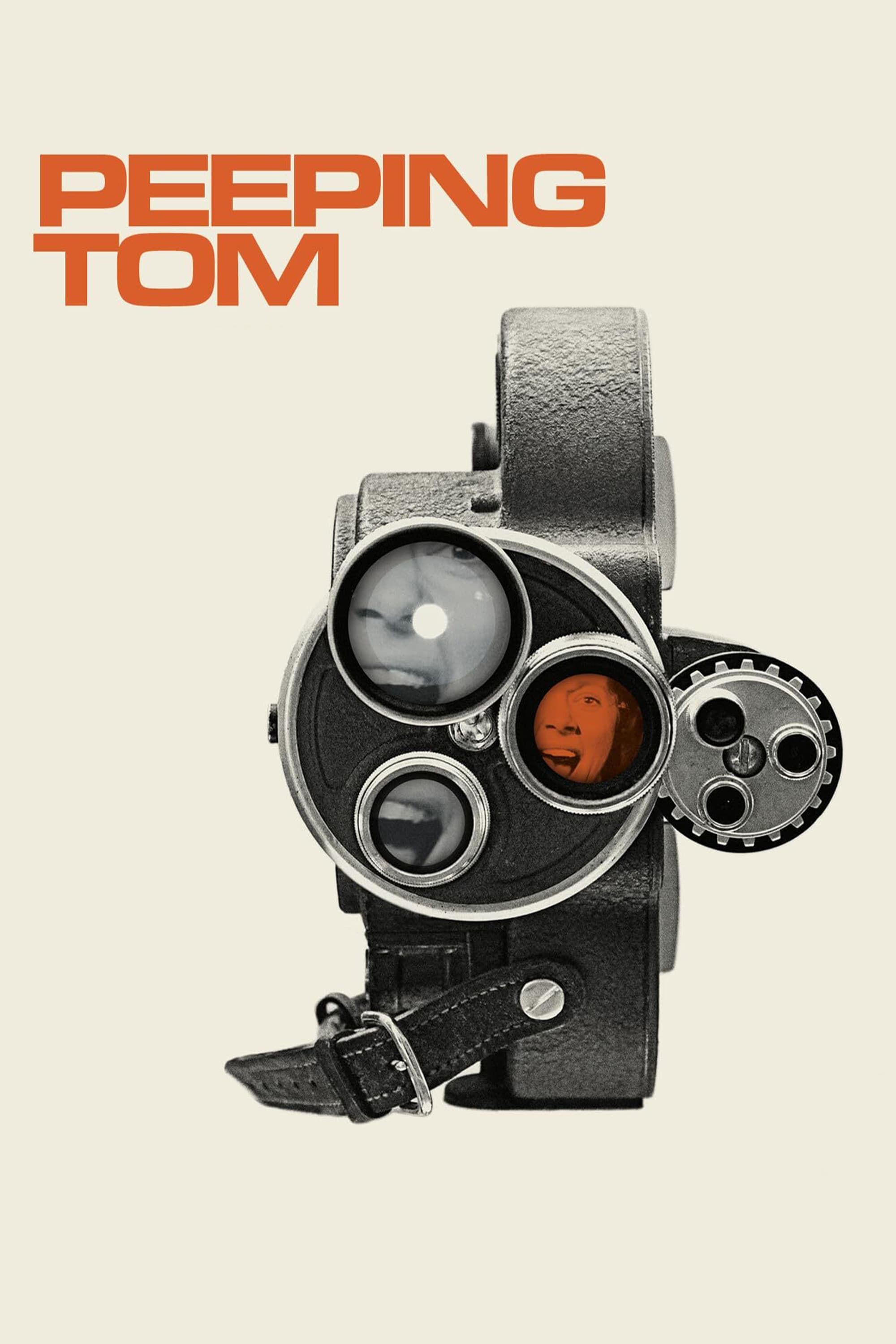
Michael Powell’s final film was a controversial psychological thriller, initially condemned by critics for its disturbing focus on a killer who films his victims. While the British press at the time called it shocking and unpleasant, the film is now recognized as an important influence on the slasher genre and a clever look at the nature of filmmaking.
‘Willy Wonka & the Chocolate Factory’ (1971)
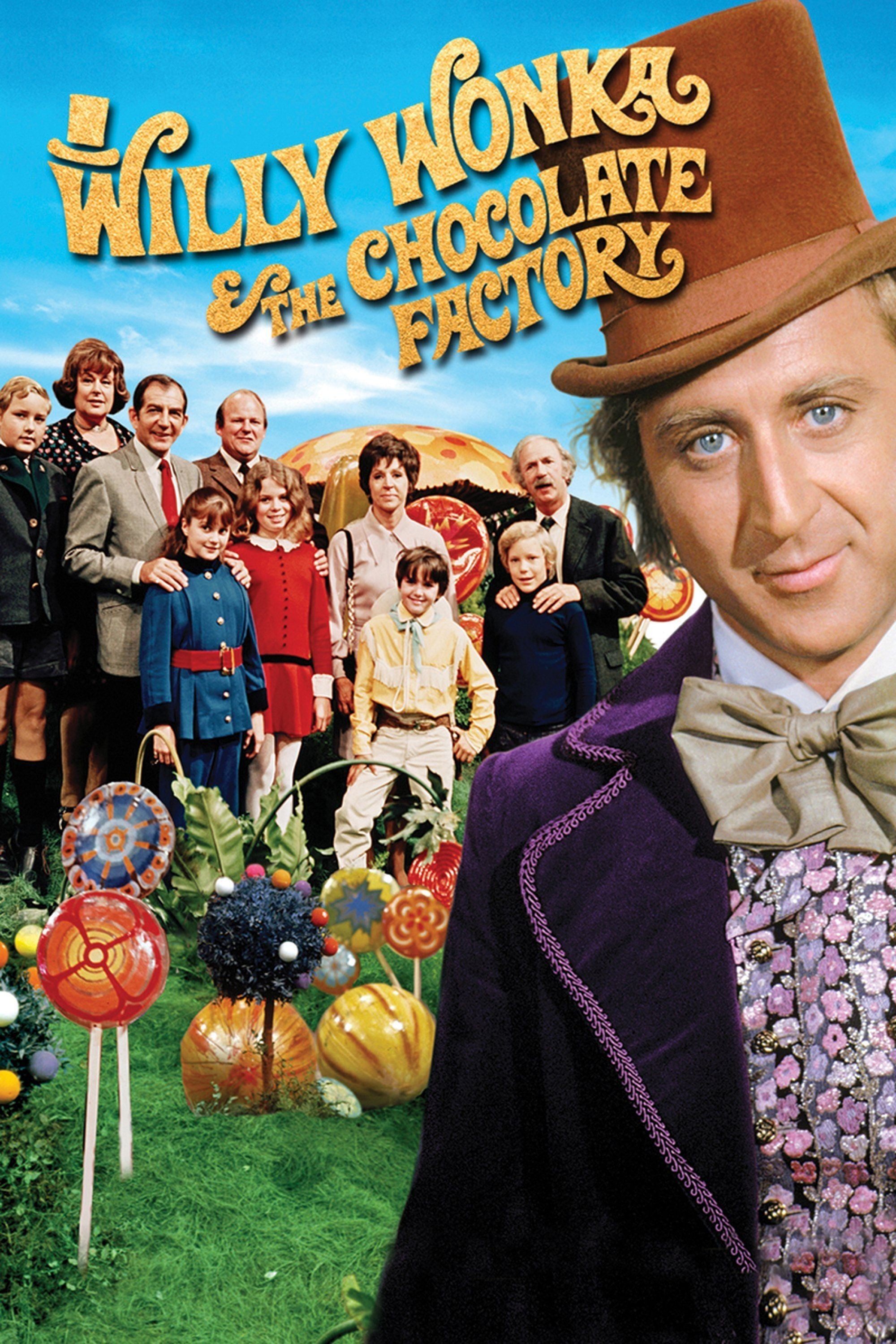
This musical film, directed by Mel Stuart, is known for being a version of Roald Dahl’s story that he didn’t approve of due to its differences from the book. While it wasn’t a hit in theaters and initially surprised audiences with its somewhat spooky elements, it gained popularity through television airings. Today, it’s a cherished family favorite, even with its famously frightening tunnel sequence, largely thanks to Gene Wilder’s memorable performance.
‘The Wizard of Oz’ (1939)
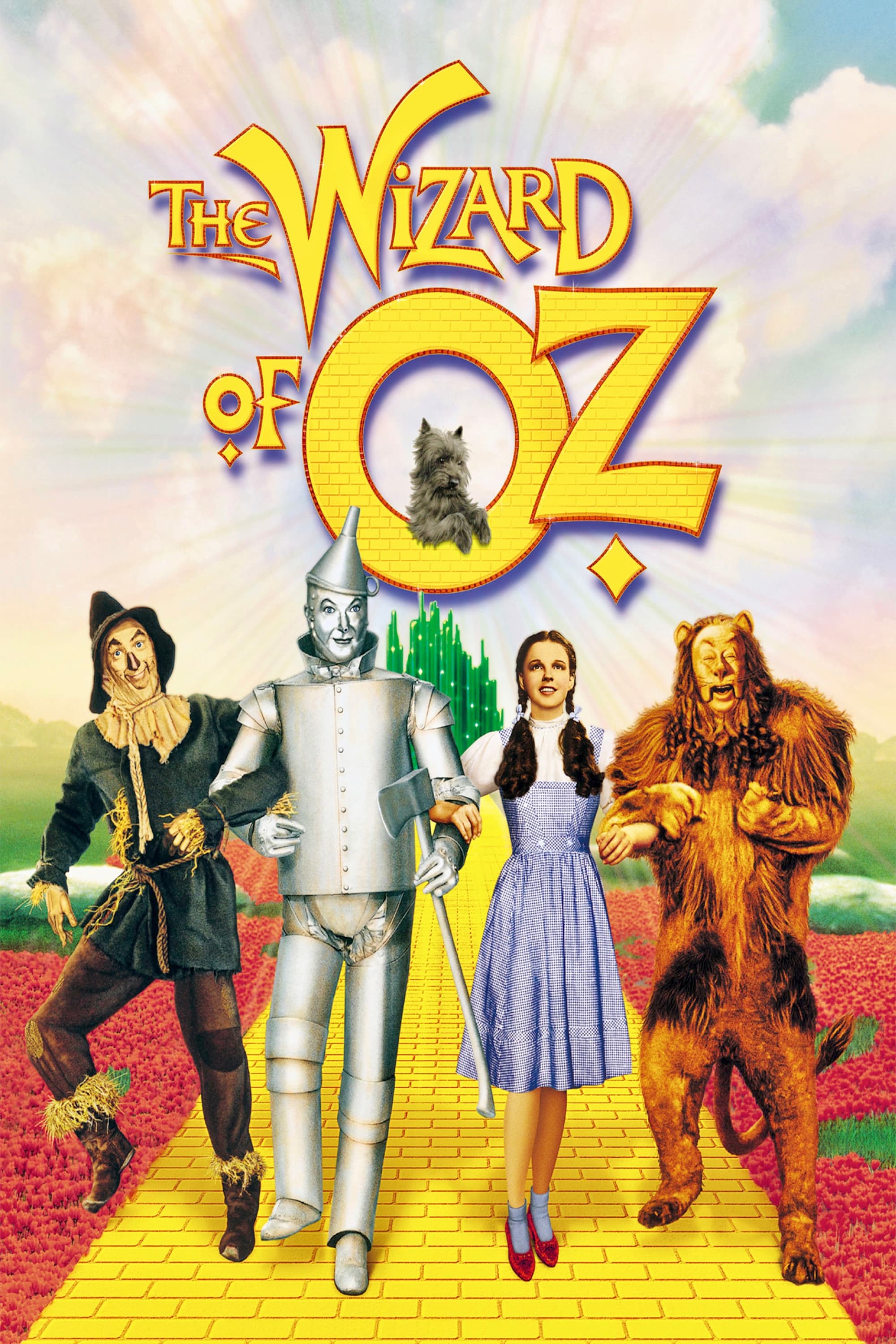
This lavish, colorful movie from MGM cost a huge amount to make, but didn’t earn back its money in theaters. The production was difficult, with accidents and setbacks causing the budget to spiral. It only became a classic after it started being shown on television every year. Today, the Library of Congress recognizes it as the most-watched film of all time.
‘Fantasia’ (1940)
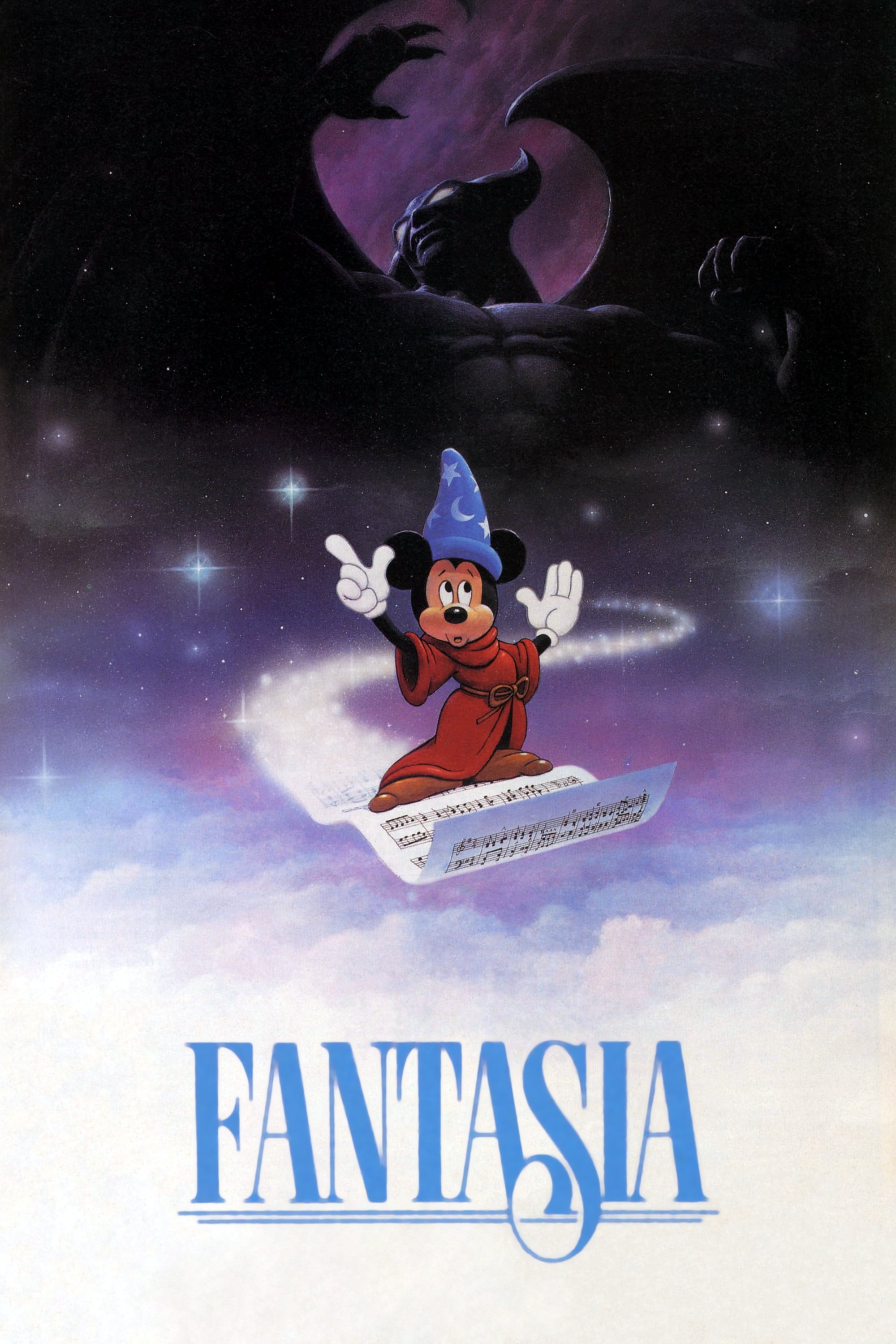
Okay, let me tell you about this fascinating, but initially disastrous, film. Disney really swung for the fences with this one – a concert film blending classical music with animation. It was a huge gamble, and honestly, audiences just didn’t get it at the time. It lost money in theaters, and without a strong story, it was tough to sell to kids. But over the years, it’s gained a reputation as a truly bold artistic vision and a stunning achievement in animation. It’s one of those films that was ahead of its time, and now we can really appreciate its brilliance.
‘Starship Troopers’ (1997)
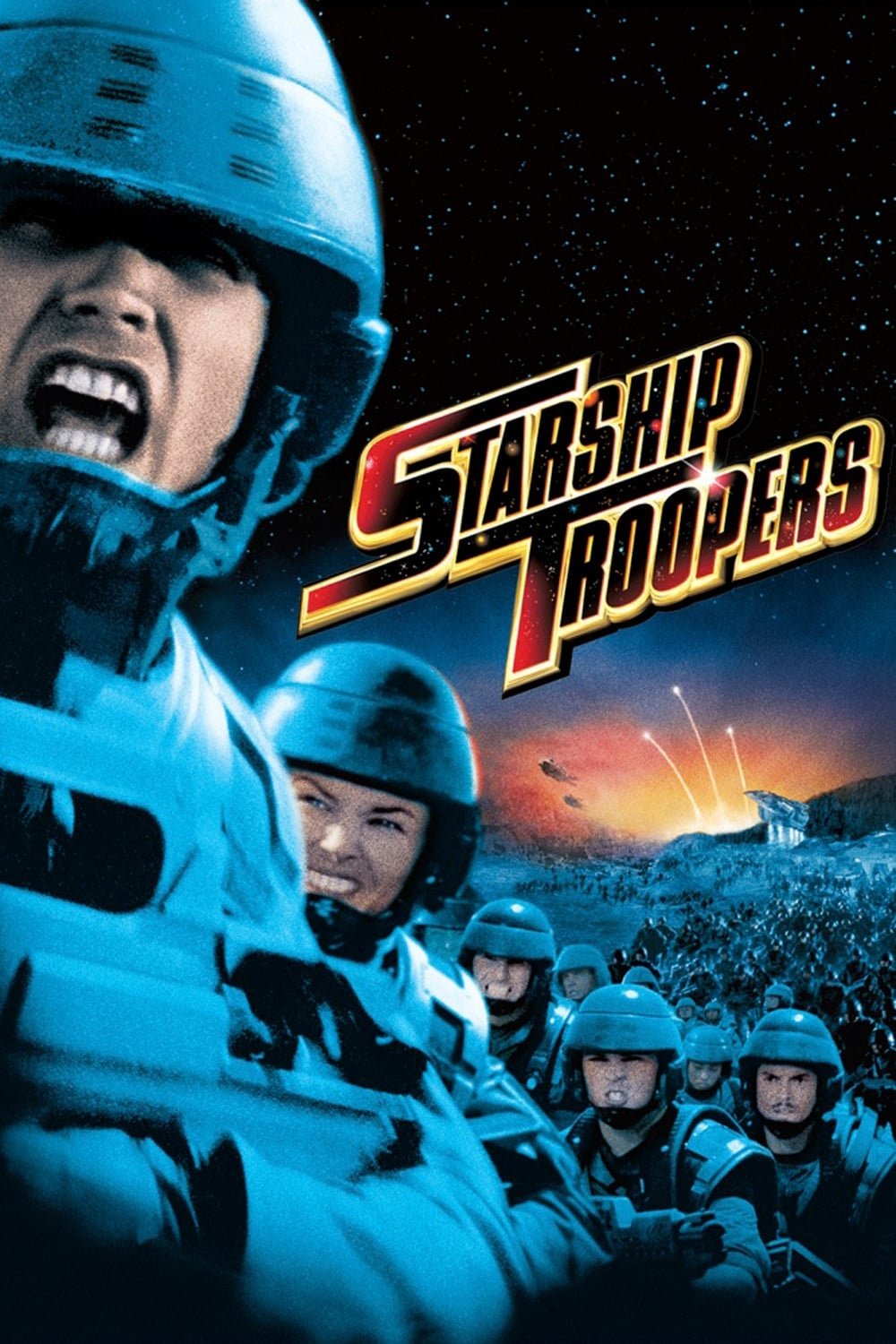
Paul Verhoeven’s action movie was initially criticized as a simple, mindless shooter. However, viewers failed to recognize its sharp critique of fascism and military propaganda. The actors’ deliberately stiff performances were actually a nod to the style of old propaganda films. Over time, the movie has been reevaluated and is now considered a clever political satire.
‘Showgirls’ (1995)

Paul Verhoeven directed this film, which was initially a critical disaster, widely considered one of the worst movies ever. Its abundant nudity and exaggerated performances made it a joke within the film industry. However, it gained a following on home video, becoming known as a delightfully campy classic. Today, some critics believe it was actually a clever satire of the American Dream.
‘Twin Peaks: Fire Walk with Me’ (1992)
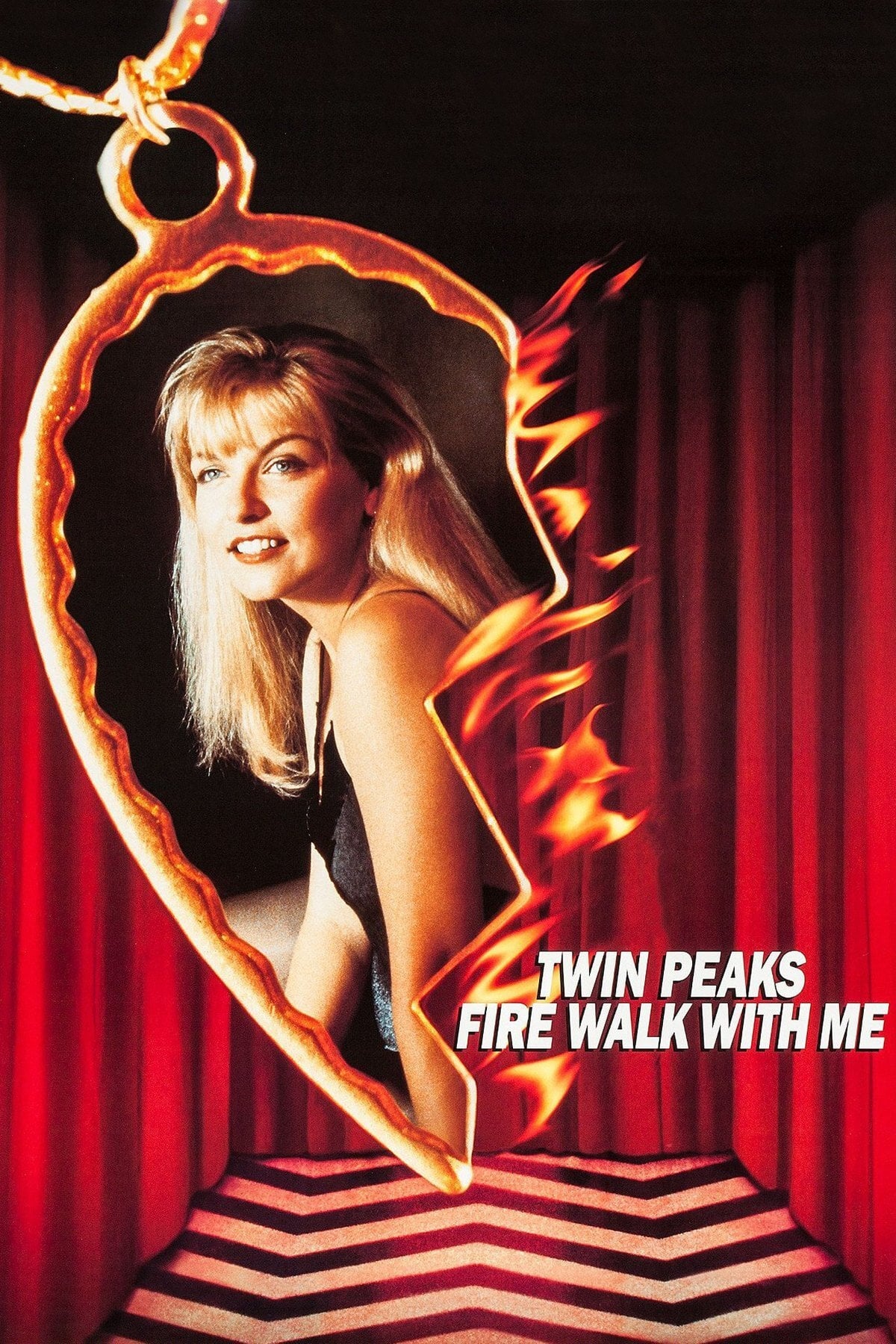
This movie, directed by David Lynch, serves as a backstory to his popular TV series, but it received a negative reaction when first shown at the Cannes Film Festival. Many viewers were disappointed because it delved into the painful aspects of trauma, a departure from the show’s more lighthearted and unusual style. The story felt fragmented to those hoping for straightforward explanations following the series’ ending. However, it’s now recognized as one of Lynch’s most powerful and significant films.
‘The Big Lebowski’ (1998)
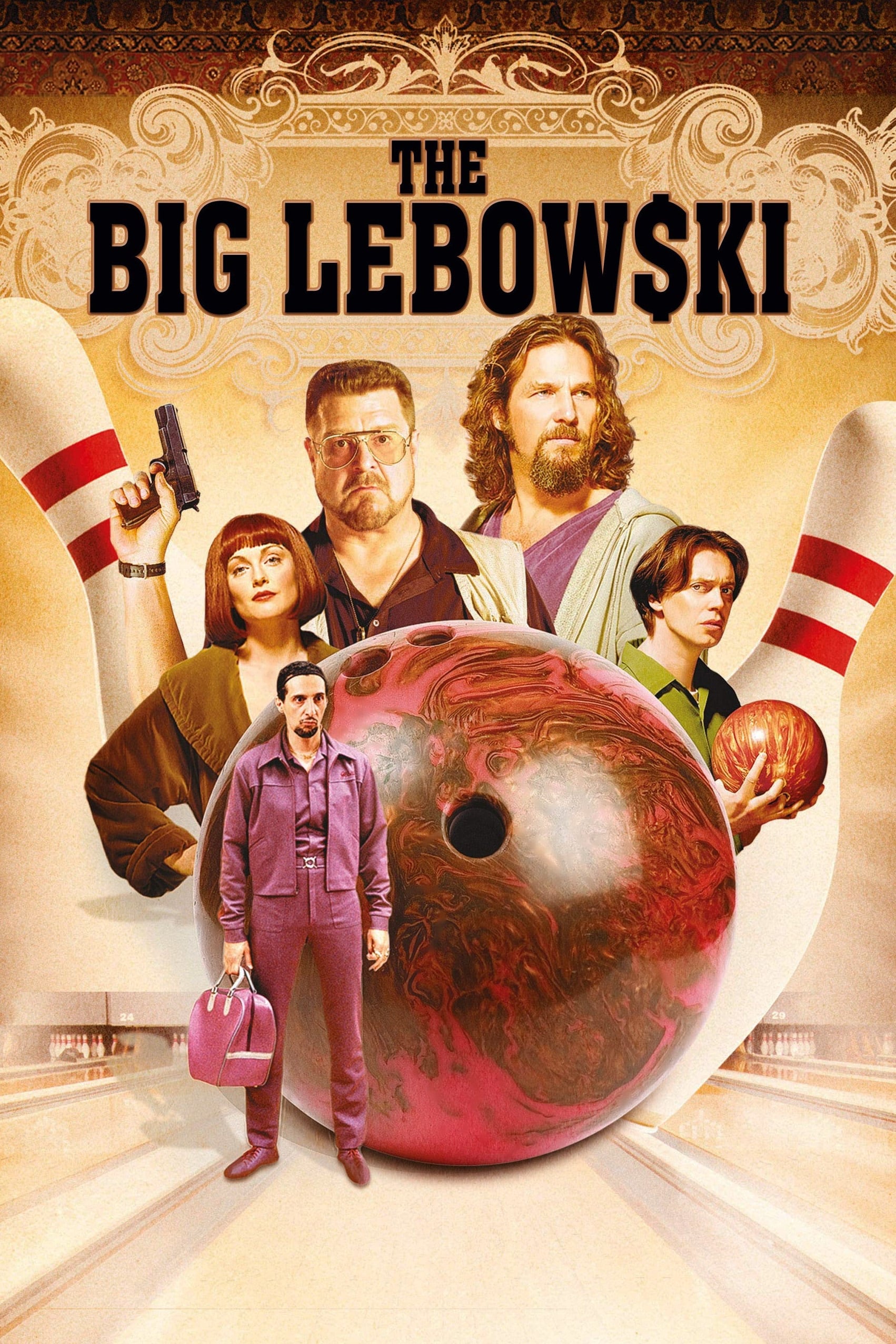
After winning Oscars, the Coen Brothers made this quirky, confusing crime film that initially left many viewers puzzled. The story is deliberately complicated and doesn’t offer many clear answers. People were unsure how to interpret the main character, ‘The Dude,’ and his love of bowling. However, the film has since gained a cult following, inspiring a dedicated fanbase, a sort of ‘religion,’ and even an annual festival.
‘Office Space’ (1999)

Mike Judge’s workplace comedy didn’t do well in theaters initially. The advertising didn’t capture the movie’s unique, understated humor or its honest portrayal of the struggles of working in an office. However, it gained a following through DVD rentals and TV broadcasts and is now considered the most accurate film about how draining office life can be.
‘Empire Records’ (1995)
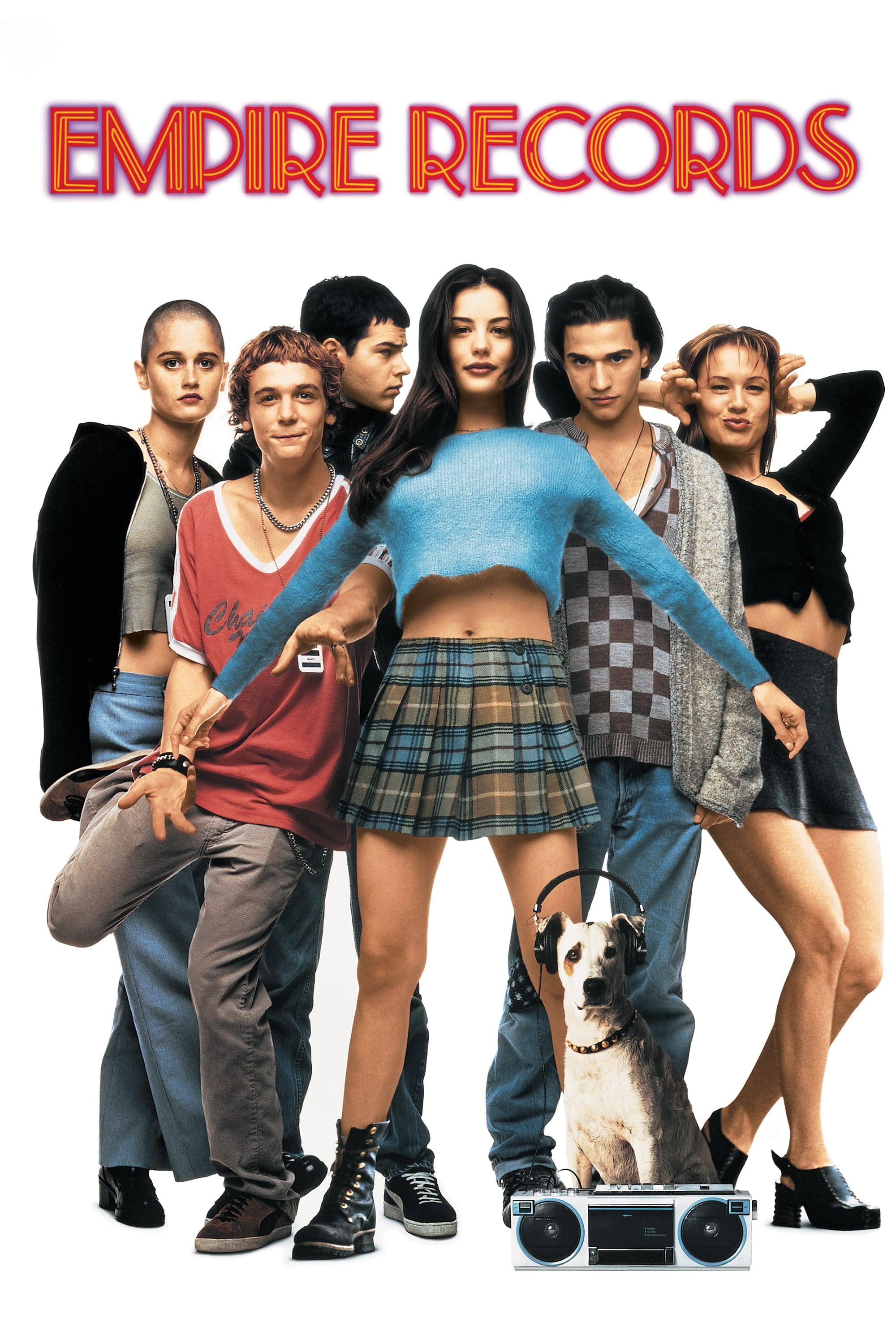
Allan Moyle’s coming-of-age film wasn’t a hit with critics or at the box office – it disappeared from theaters quickly. However, teens later discovered it through the soundtrack and characters they connected with, watching it on VHS and DVD. Over time, it gained a dedicated following and now has a yearly celebration dedicated to it, making it a beloved cult classic.
‘Wet Hot American Summer’ (2001)
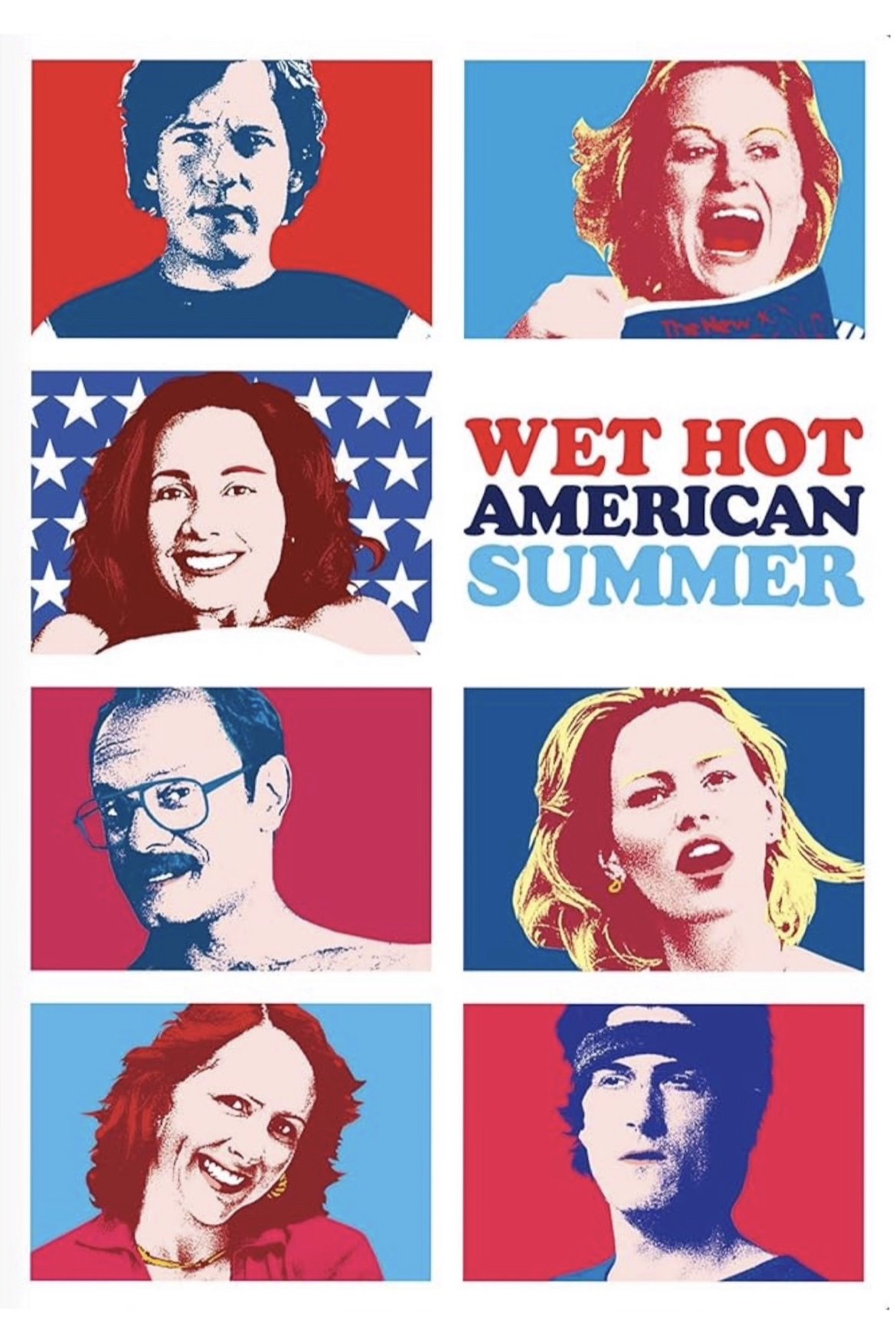
David Wain’s quirky comedy initially received harsh criticism. It playfully mocks classic summer camp films, intentionally casting actors who are much older than typical teen characters. The film’s unusual humor didn’t connect with most audiences at first, but it unexpectedly spawned a successful series of movies and helped launch the careers of several now-famous actors.
‘The Cable Guy’ (1996)
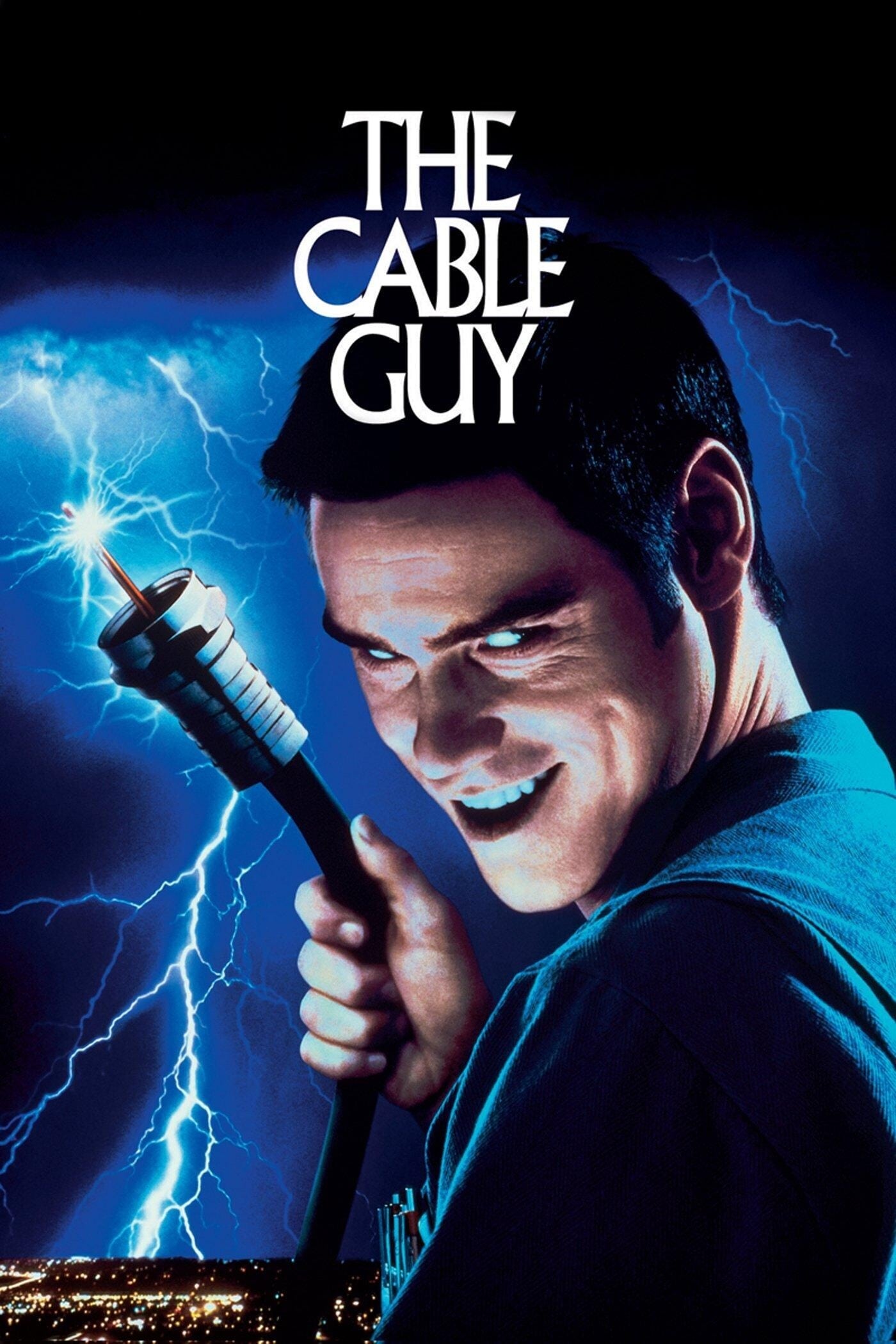
Ben Stiller’s dark comedy initially disappointed fans expecting a typical, silly Jim Carrey movie. Carrey delivered a surprisingly intense and unsettling performance, making the film unsuitable for families. While critics originally found it harsh and not funny, it’s now recognized as a bold and innovative cult classic that was ahead of its time.
‘Jennifer’s Body’ (2009)
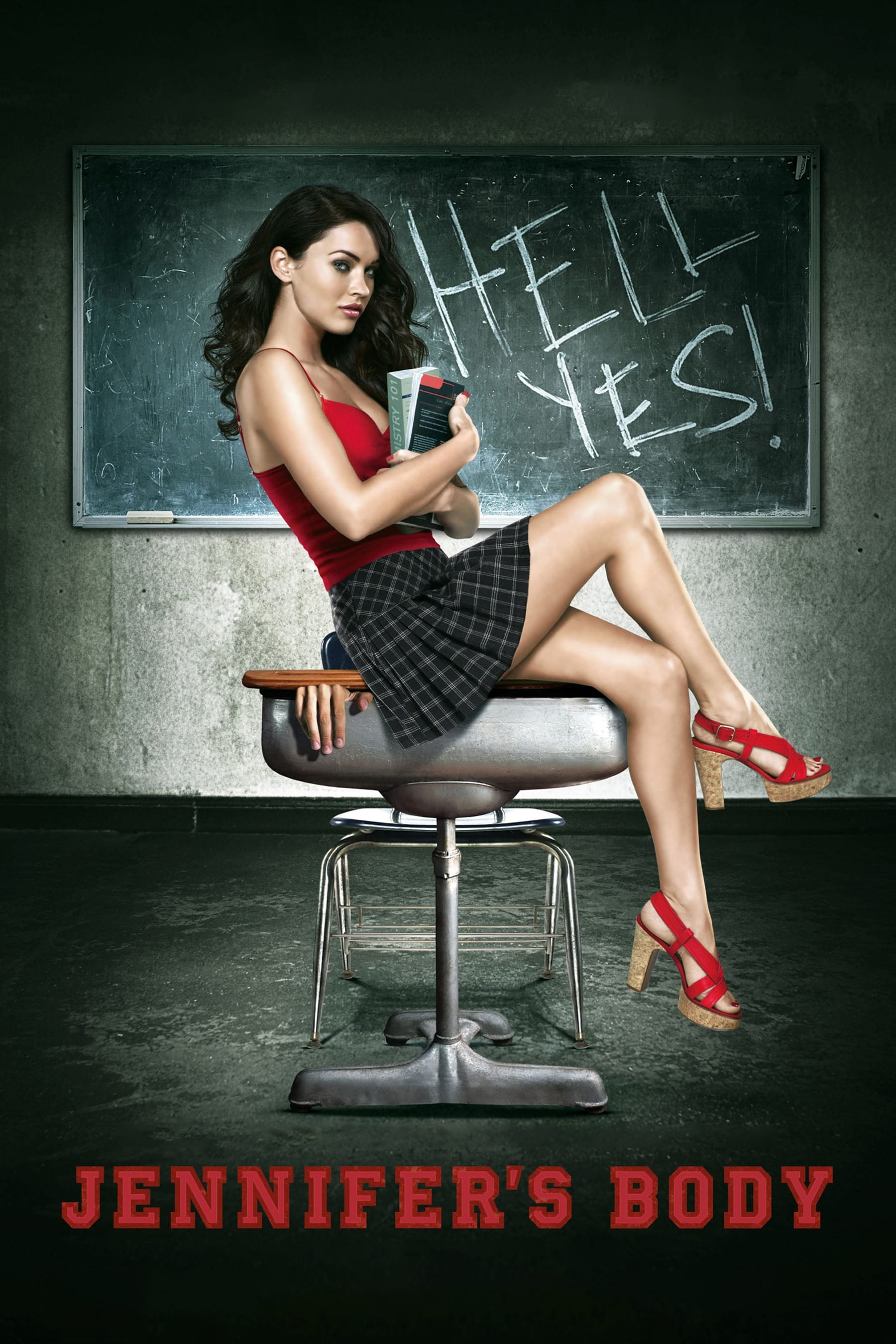
Karyn Kusama’s horror comedy didn’t find its audience at first, being wrongly advertised to teenage boys. However, it’s a clever story of female empowerment with witty writing by Diablo Cody. While initially dismissed as being all style and no depth, the film is now being recognized as a smart and important horror classic.
‘Hocus Pocus’ (1993)
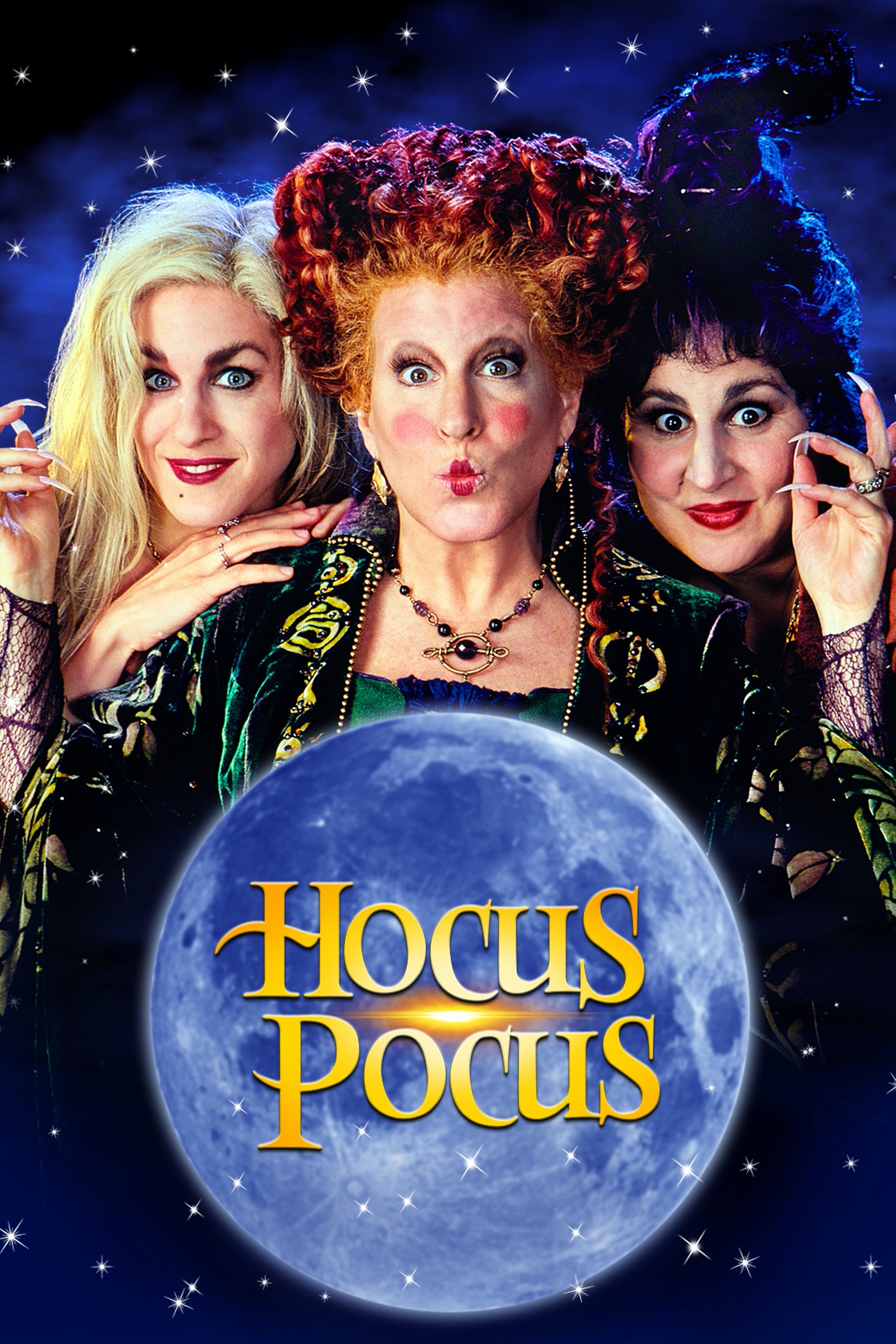
Kenny Ortega’s Halloween comedy wasn’t a hit when it first came out, receiving mixed reviews and struggling in theaters during its summer release. However, frequent airings on the Disney Channel made it a beloved Halloween tradition for many millennials. Its popularity has grown over the years, leading to a sequel being made decades later.
‘Event Horizon’ (1997)
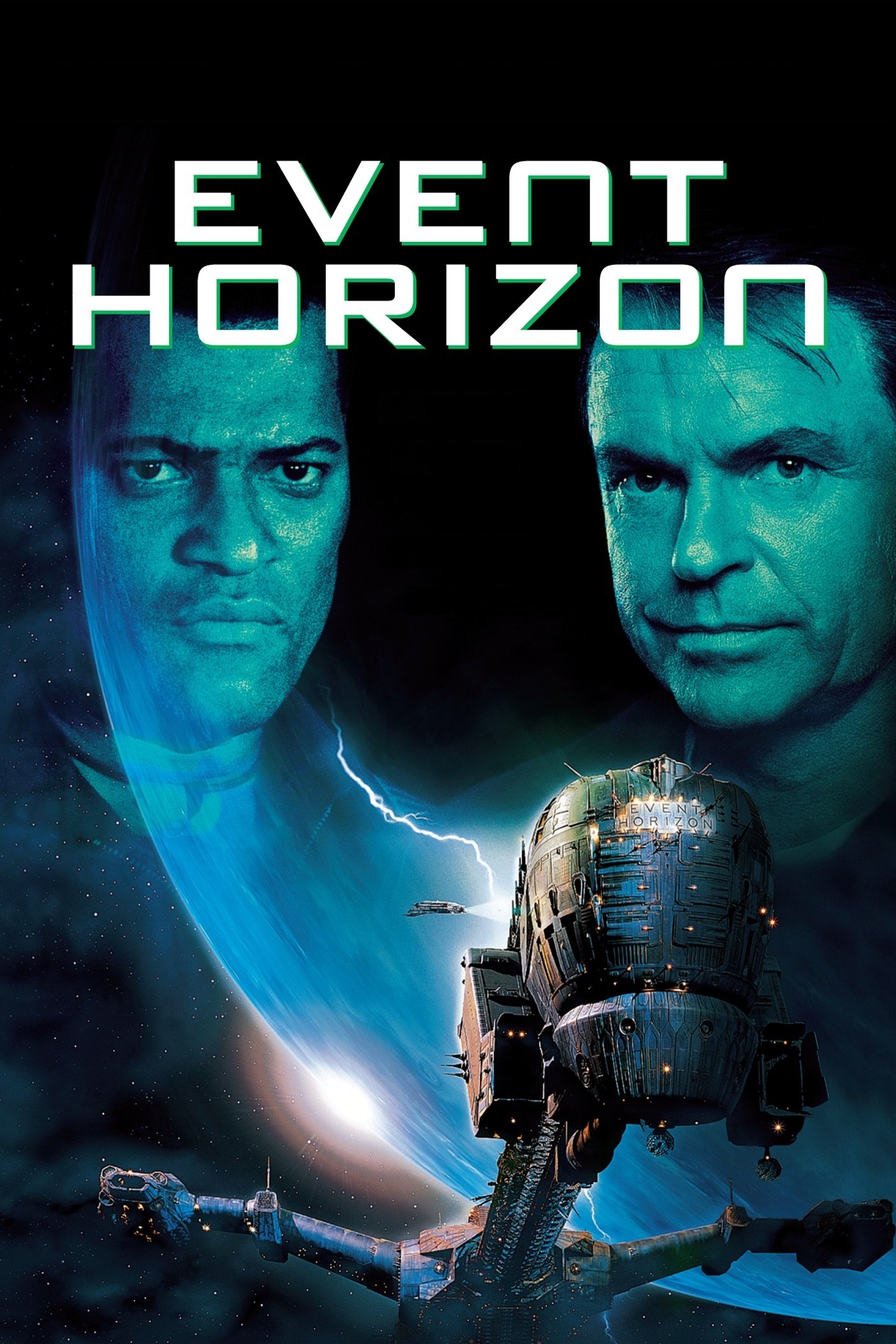
This science fiction horror film, directed by Paul W.S. Anderson, was quickly released in theaters but received negative reviews. Many viewers found its intense violence and depressing conclusion unsettling. Over time, it developed a cult following on home video, becoming known as a surprisingly scary and worthwhile find. Fans are still hoping the director’s original, unreleased version will become available.
‘Donnie Darko’ (2001)
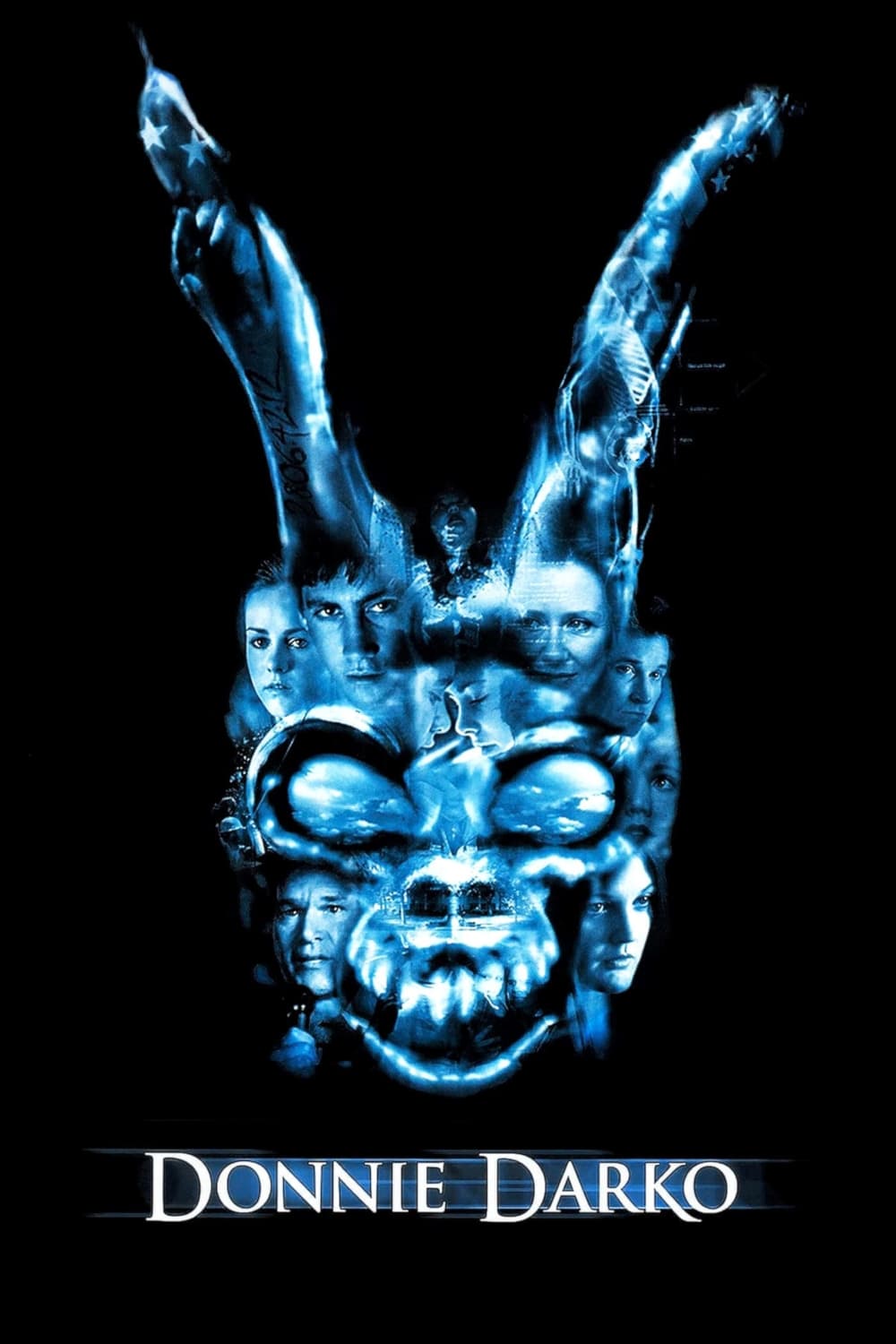
Richard Kelly’s sci-fi film is a complex and thought-provoking story about time travel and features a memorable character – a large rabbit named Frank. Though it didn’t do well in cinemas, especially given its release close to a national tragedy, it became a huge hit on DVD and has since become a cult classic, particularly for those interested in alternative films from the early 2000s.
‘Scott Pilgrim vs. the World’ (2010)
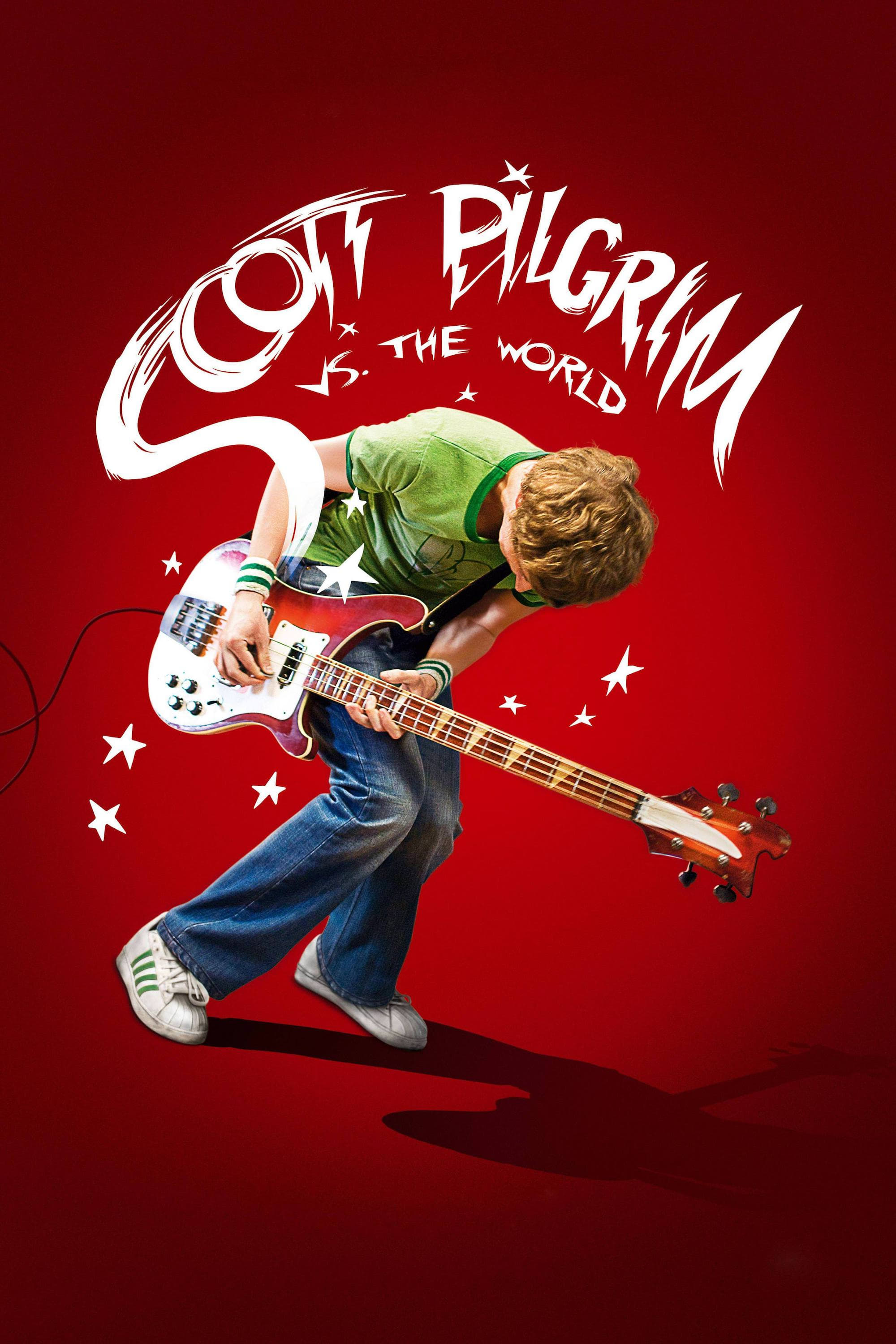
Edgar Wright’s film, based on a graphic novel, didn’t perform well in theaters. Its fast-paced editing and video game-like visuals proved too much for most viewers, although it was a hit with fans of the genre. While it didn’t immediately appeal to a broad audience, its unique style has become highly influential, inspiring many filmmakers and editors since its release.
‘The Iron Giant’ (1999)
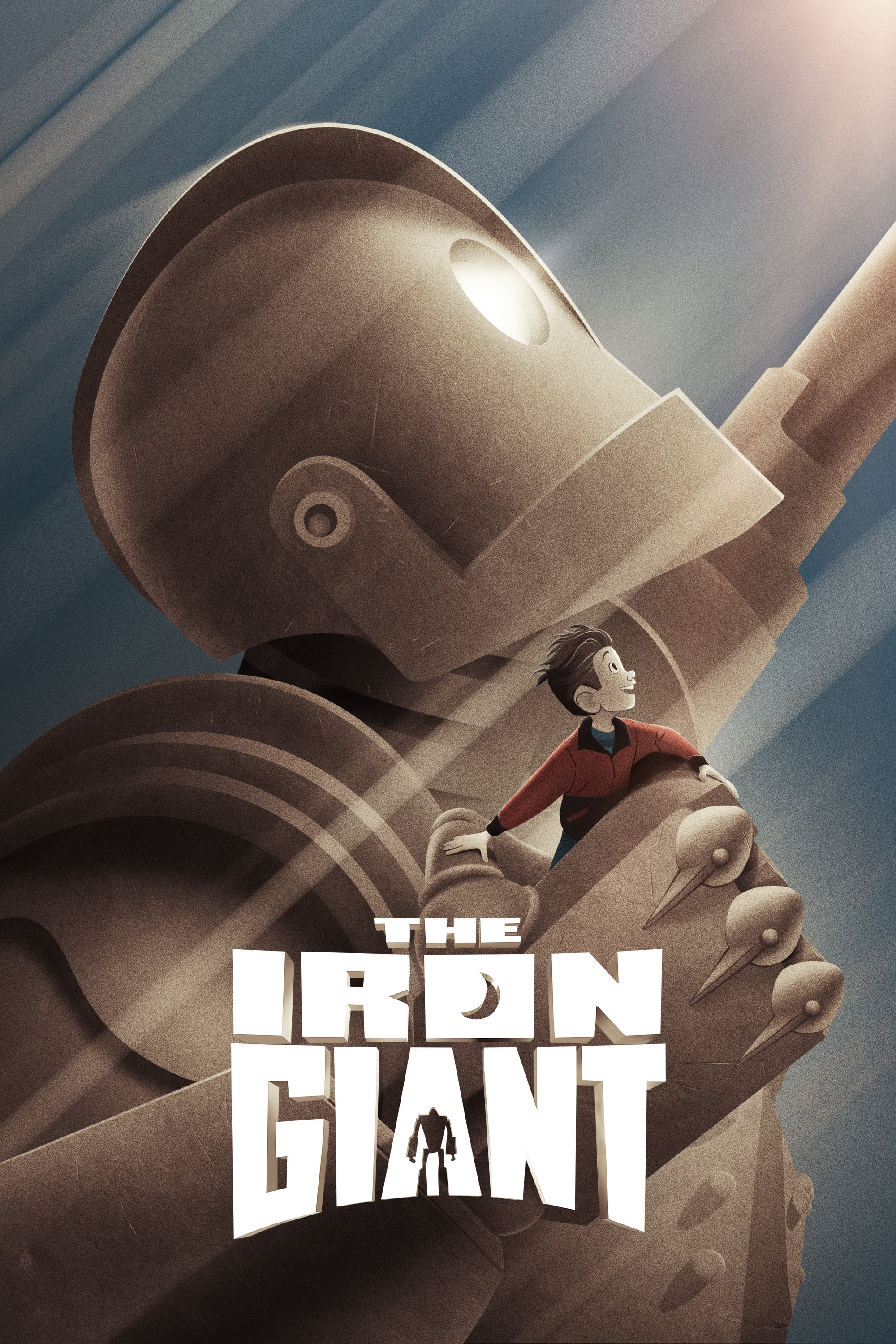
Warner Bros. didn’t promote Brad Bird’s animated film very well, likely because they lacked confidence in it. Despite earning fantastic reviews, the movie didn’t attract many viewers in theaters. Now, however, it’s widely regarded as a classic of animation.
‘Treasure Planet’ (2002)

This ambitious Disney film tried something new by mixing classic hand-drawn animation with computer-generated 3D scenery, but it didn’t go over well with audiences when it was first released. Despite being a costly failure that lost the studio a lot of money, it’s gained a dedicated following over time, with fans now appreciating its distinctive look.
‘Atlantis: The Lost Empire’ (2001)

Disney’s attempt at a different kind of movie – an action-adventure – didn’t go as planned. Unlike their usual musicals, this film was darker and looked like a comic book, which didn’t attract their typical family audience. It wasn’t successful at the box office and led to the cancellation of a planned TV series. However, looking back, critics now appreciate the film’s imaginative world and unique character designs.
‘Clue’ (1985)
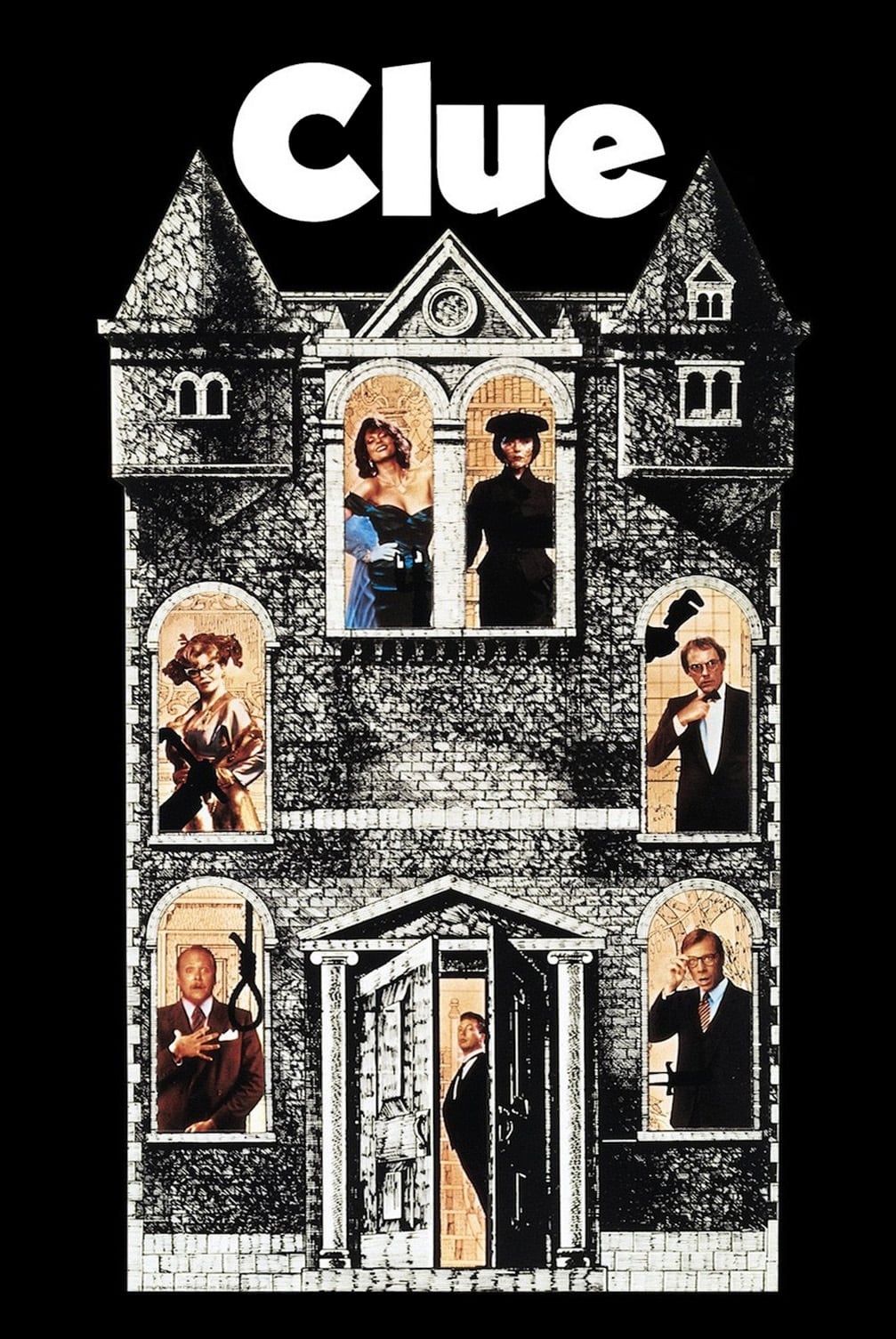
This comedy mystery, directed by Jonathan Lynn, was based on a board game that wasn’t very popular. When it came out in theaters, each cinema showed a different ending, which confused audiences and caused it to perform poorly at the box office. However, the film has since gained a following thanks to its fast-paced conversations and talented cast.
‘Scarface’ (1983)

Brian De Palma’s crime film received criticism for its graphic violence and depiction of drug use, with some calling it insensitive and superficial. Despite this, it became incredibly popular on VHS and had a significant impact on hip-hop culture. Today, many consider it the defining gangster film of the 1980s.
‘Halloween III: Season of the Witch’ (1982)
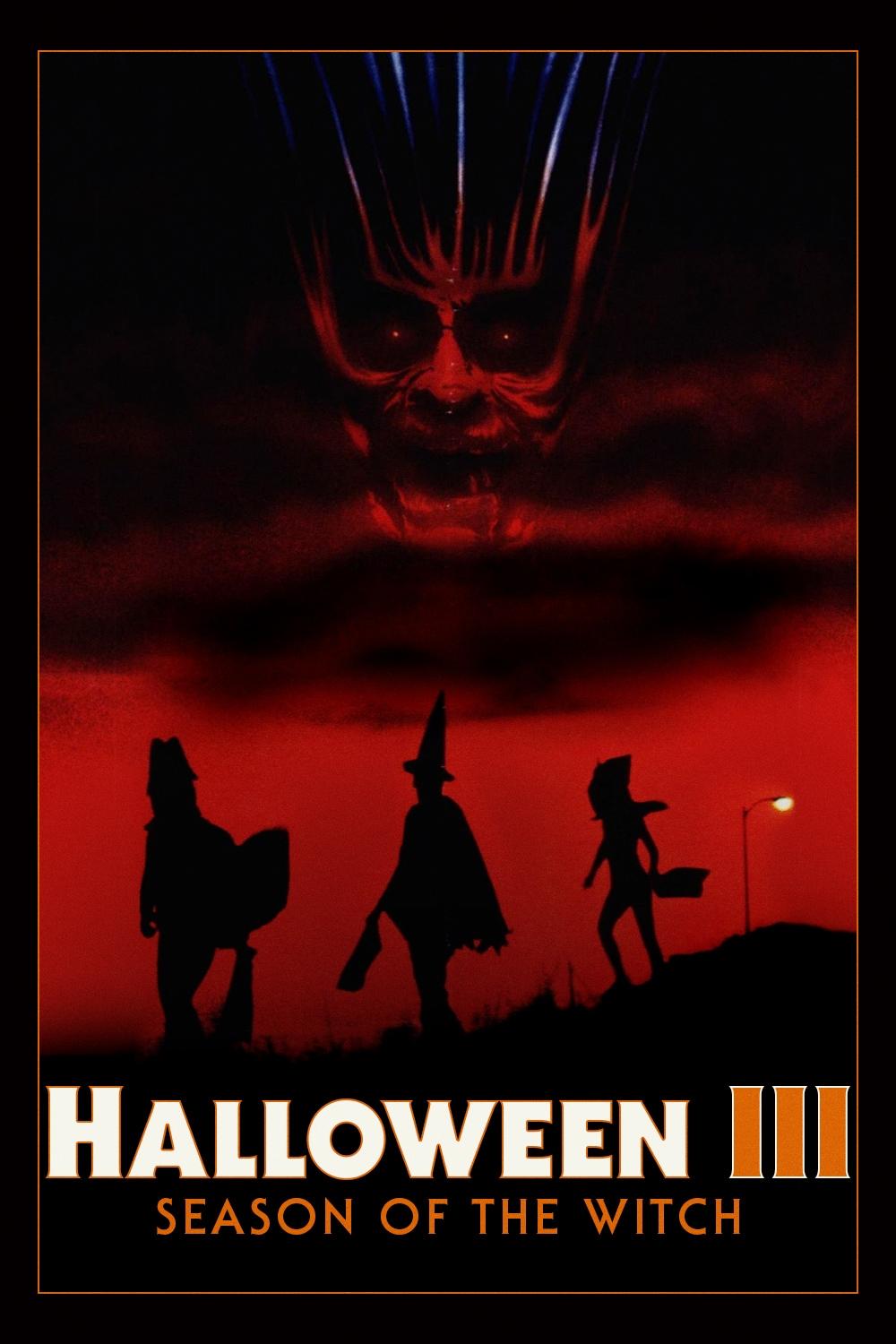
This sequel, directed by Tommy Lee Wallace, upset many fans because it didn’t include the iconic villain Michael Myers. The creators aimed to change the series into a collection of separate stories centered around the holiday, but audiences felt let down and the film didn’t perform well at the box office. However, horror fans have since come to appreciate it as a distinct movie with an original storyline.
‘On Her Majesty’s Secret Service’ (1969)
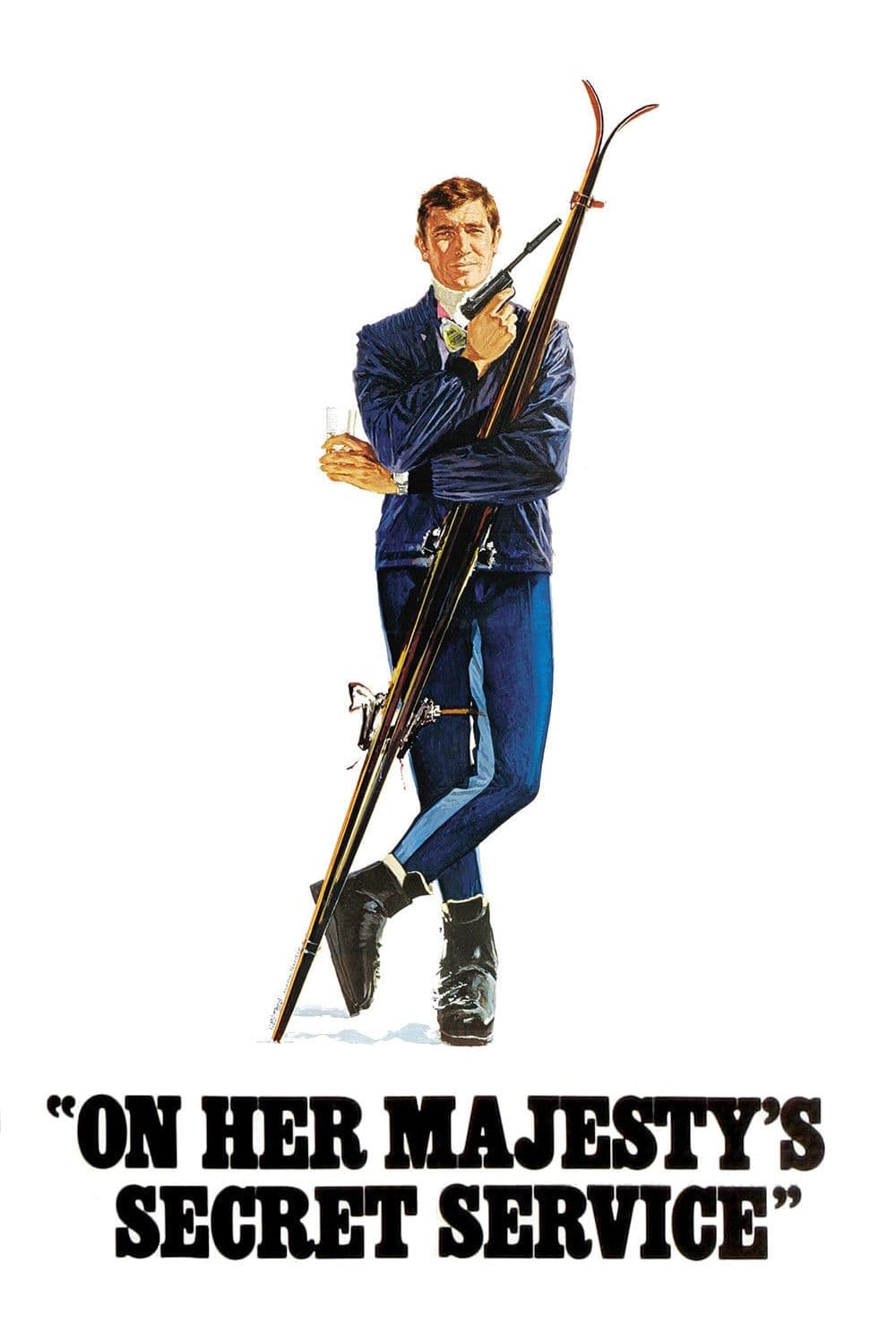
Directed by Peter Hunt, this James Bond film marked George Lazenby’s single appearance as 007, replacing Sean Connery. While initially criticized by both reviewers and fans for Lazenby’s performance and its somber conclusion, the film has gained a reputation over time and is now considered by many Bond enthusiasts to be the best in the series.
‘Speed Racer’ (2008)
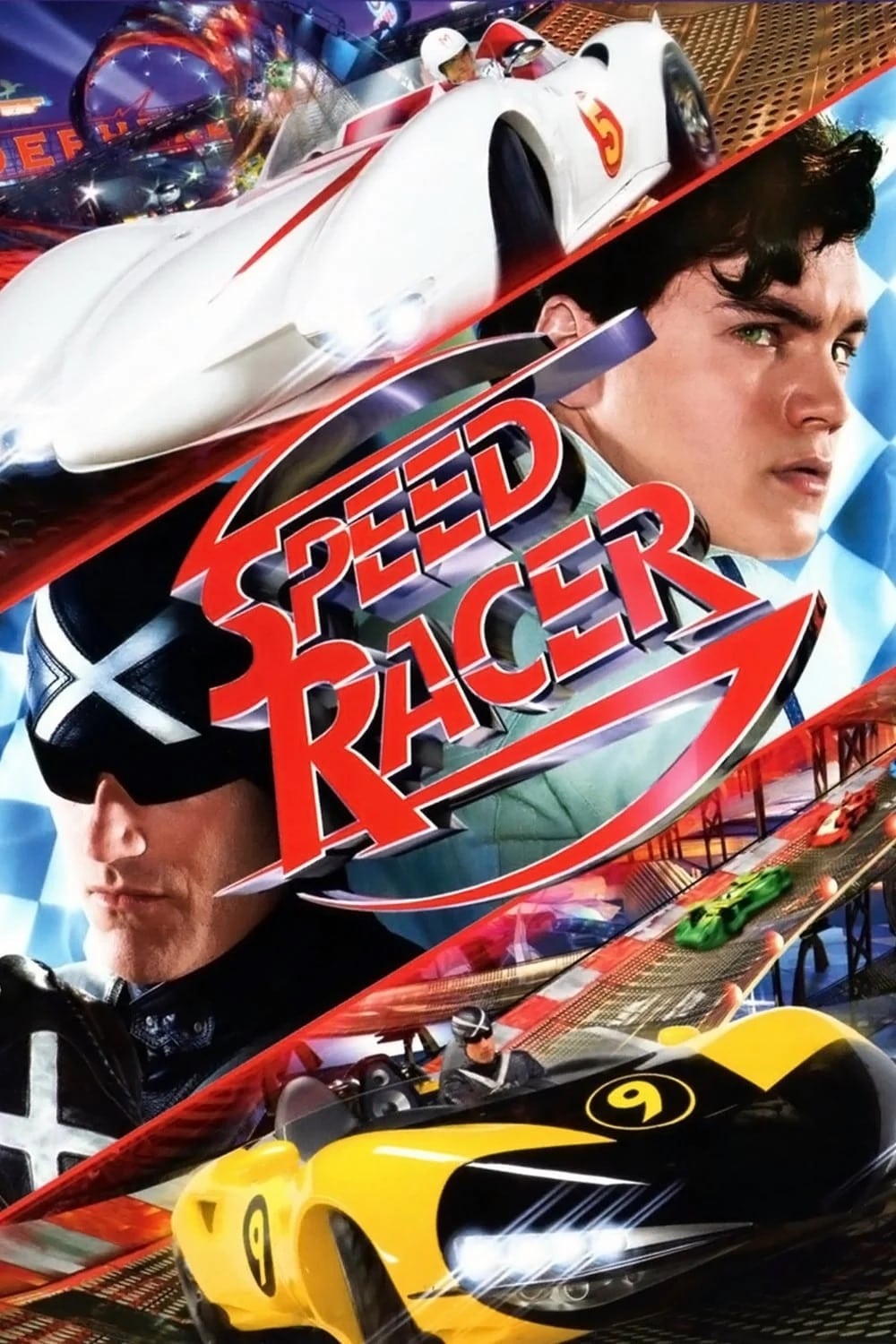
The Wachowskis’ film was a visually stunning but divisive adaptation. While praised now as a groundbreaking work of art, it initially received criticism for its over-the-top style, which some found resembled a video game and lacked emotional connection. Many viewers at the time found the intense visuals overwhelming.
‘Josie and the Pussycats’ (2001)
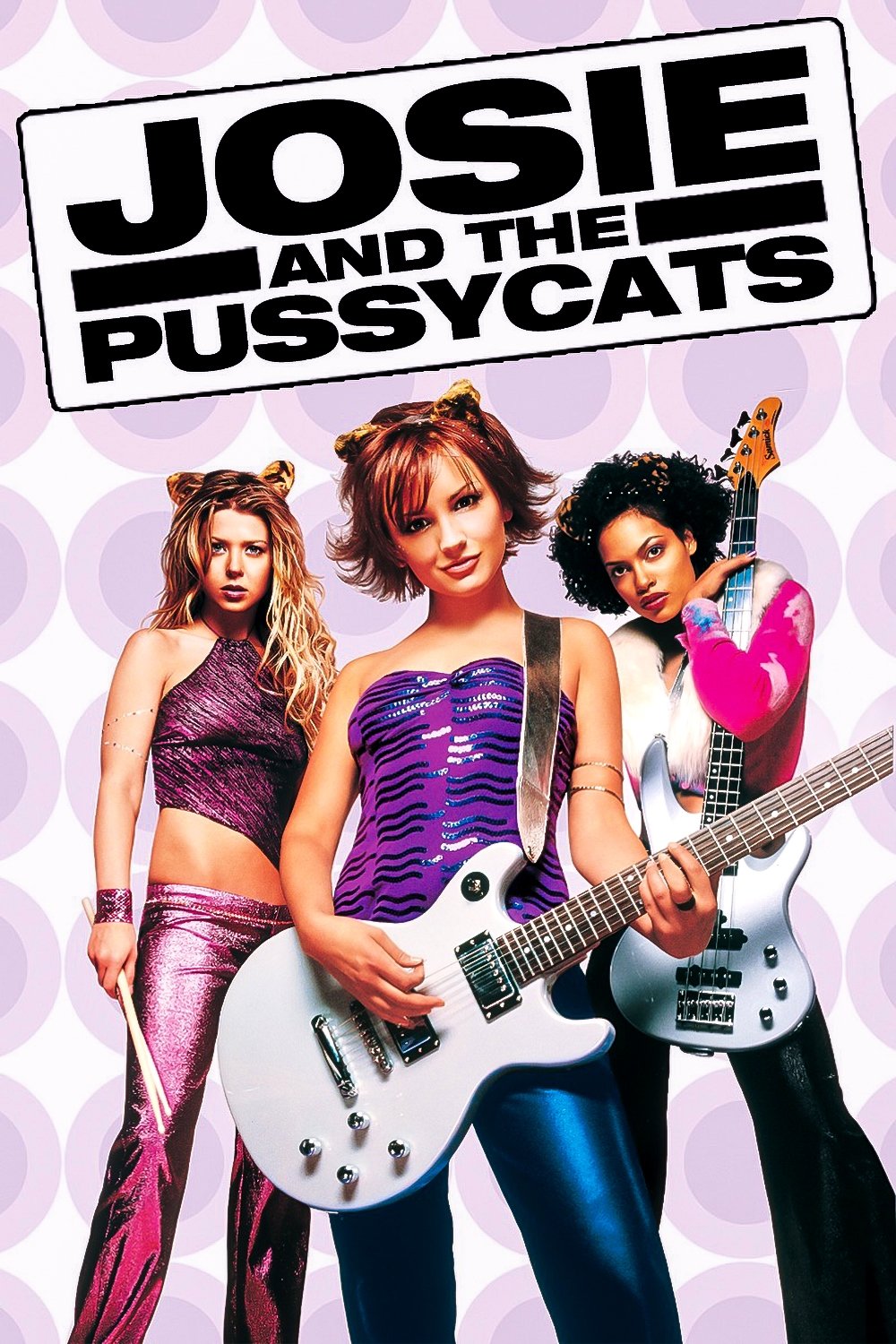
The musical comedy directed by Harry Elfont and Deborah Kaplan initially received negative reviews and wasn’t a box office success. Many viewers didn’t realize it was a clever critique of consumer culture and the music business. However, the film’s soundtrack proved popular, and now it’s appreciated as a witty satire that was surprisingly insightful for its time.
‘Sorcerer’ (1977)
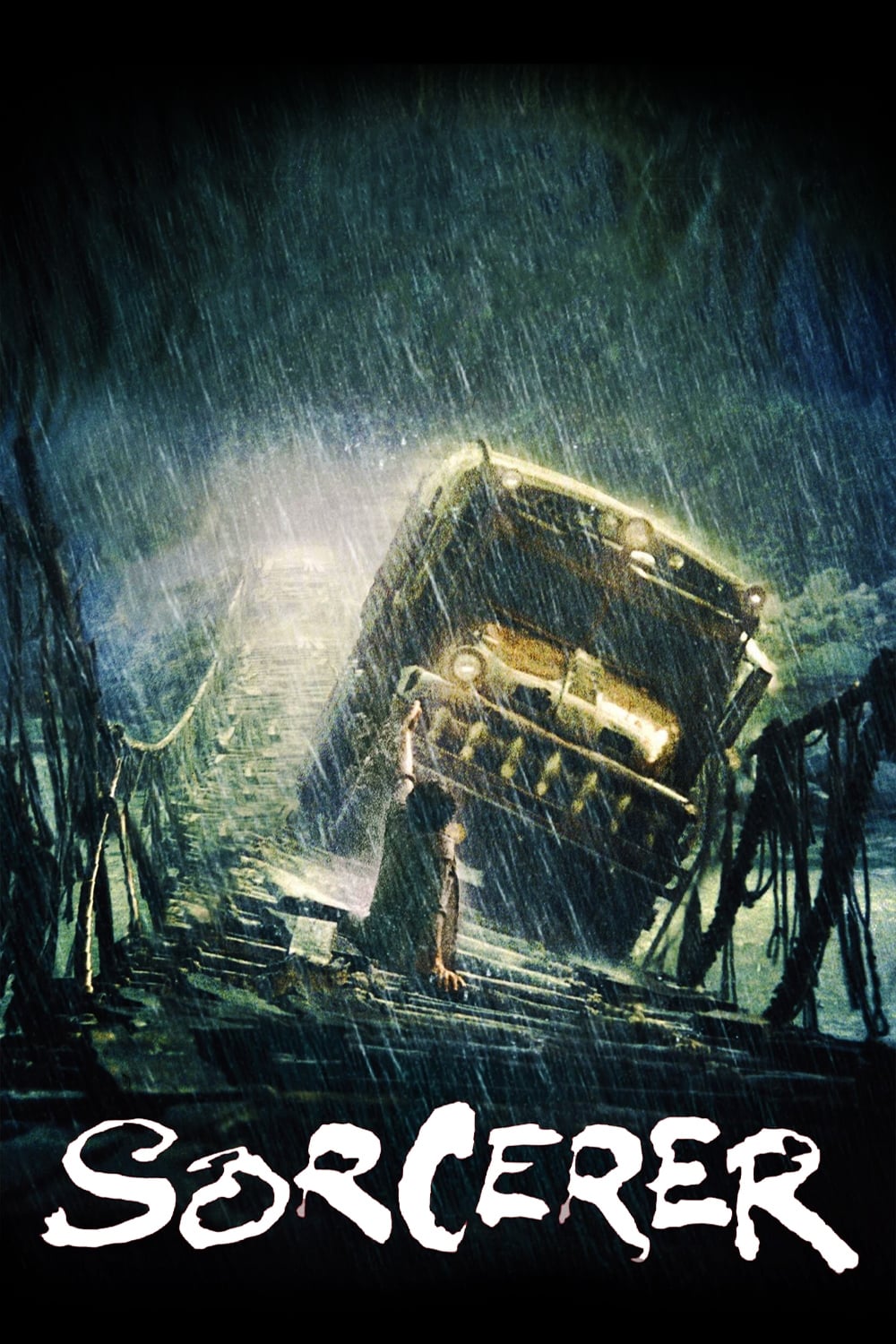
William Friedkin’s intense thriller unfortunately came out at the same time as a groundbreaking science fiction film, and it didn’t get much attention. People overlooked this realistic story about a dangerous journey to transport nitroglycerin through the jungle. While reviews at first criticized it as dark and an unneeded remake of a French movie, it’s now celebrated by directors as a perfect example of how to build suspense and create a strong mood.
‘Heaven’s Gate’ (1980)
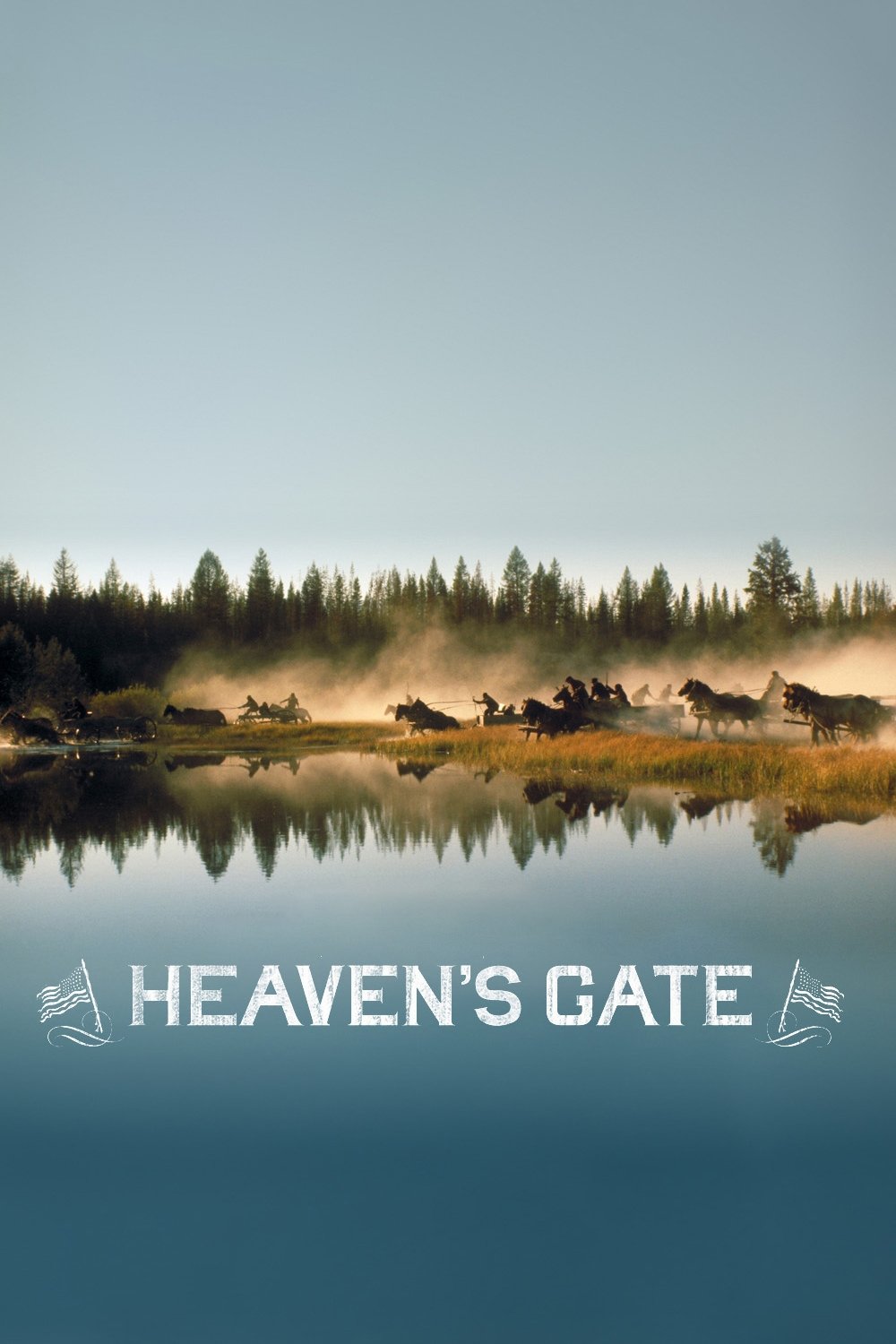
Michael Cimino’s western is notorious for its massive cost, which led to the financial ruin of the studio that made it and signaled the end of an era where directors had complete creative control. The first version of the film was excessively long and widely criticized as overly self-focused, damaging its reputation for many years. However, a recently restored version has prompted critics to reconsider the film, praising its stunning visuals.
‘Hook’ (1991)
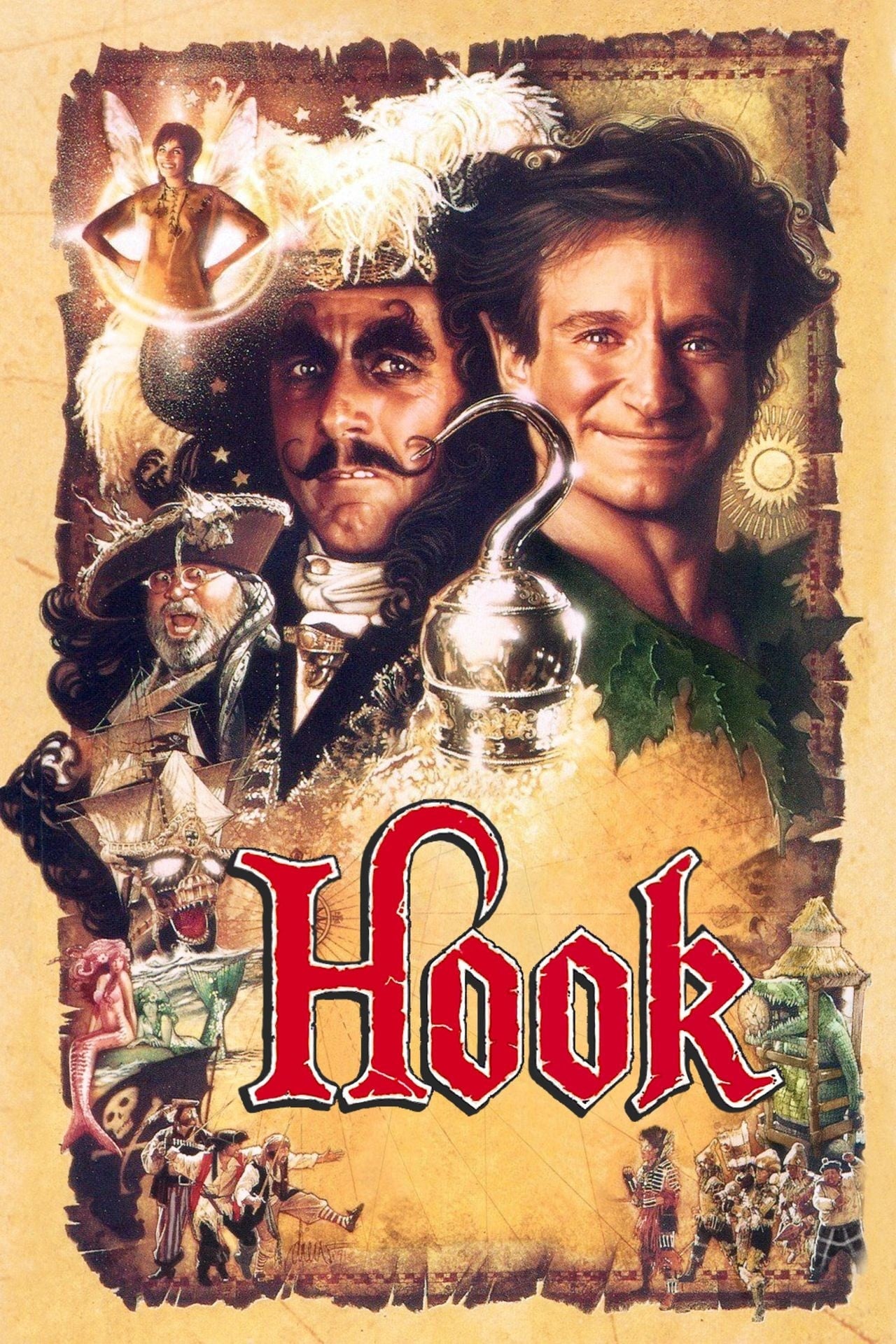
Steven Spielberg’s follow-up to the classic Peter Pan received mixed reviews, with many critics finding it overly long and emotionally manipulative. At first, audiences weren’t sure about seeing Peter Pan as an adult. Despite impressive sets and a score by John Williams, the film faced strong criticism. However, those who saw it as children now often speak highly of it.
Tell us which of these movies you think deserves the biggest apology in the comments.
Read More
- Invincible Season 4 Gender Swaps Tech Jacket As Fans Question Major Comic Change
- Silver Rate Forecast
- Gold Rate Forecast
- Building Agents That Learn and Improve Themselves
- 15 Films That Were Shot Entirely on Phones
- 22 Films Where the White Protagonist Is Canonically the Sidekick to a Black Lead
- 20 Movies Where the Black Villain Was Secretly the Most Popular Character
- Celebs Who Narrowly Escaped The 9/11 Attacks
- 18 TV Series Filming Rehearsals as Bonus Content
- Games That Faced Bans in Countries Over Political Themes
2026-02-01 21:19