
Throughout film history, LGBTQ+ characters are often portrayed through hardship and early death. This common storyline frequently uses queer suffering to create emotional moments or advance the plots of other characters. While these stories intend to shed light on social injustice, they’re often criticized for focusing on pain rather than the full spectrum of LGBTQ+ life. The films discussed below are prominent examples that have faced criticism for relying on queer tragedy to drive their narratives.
‘Brokeback Mountain’ (2005)

A film set in the American West tells the story of two cowboys who fall in love, despite the dangers of their time. Their relationship lasts for many years but is filled with fear, and ultimately ends with the tragic death of one man. The surviving cowboy is left heartbroken and alone. Some viewers believe the film suggests that love between people of the same sex is destined to end in sadness, and the tragedy emphasizes the hopelessness of their situation.
‘Philadelphia’ (1993)
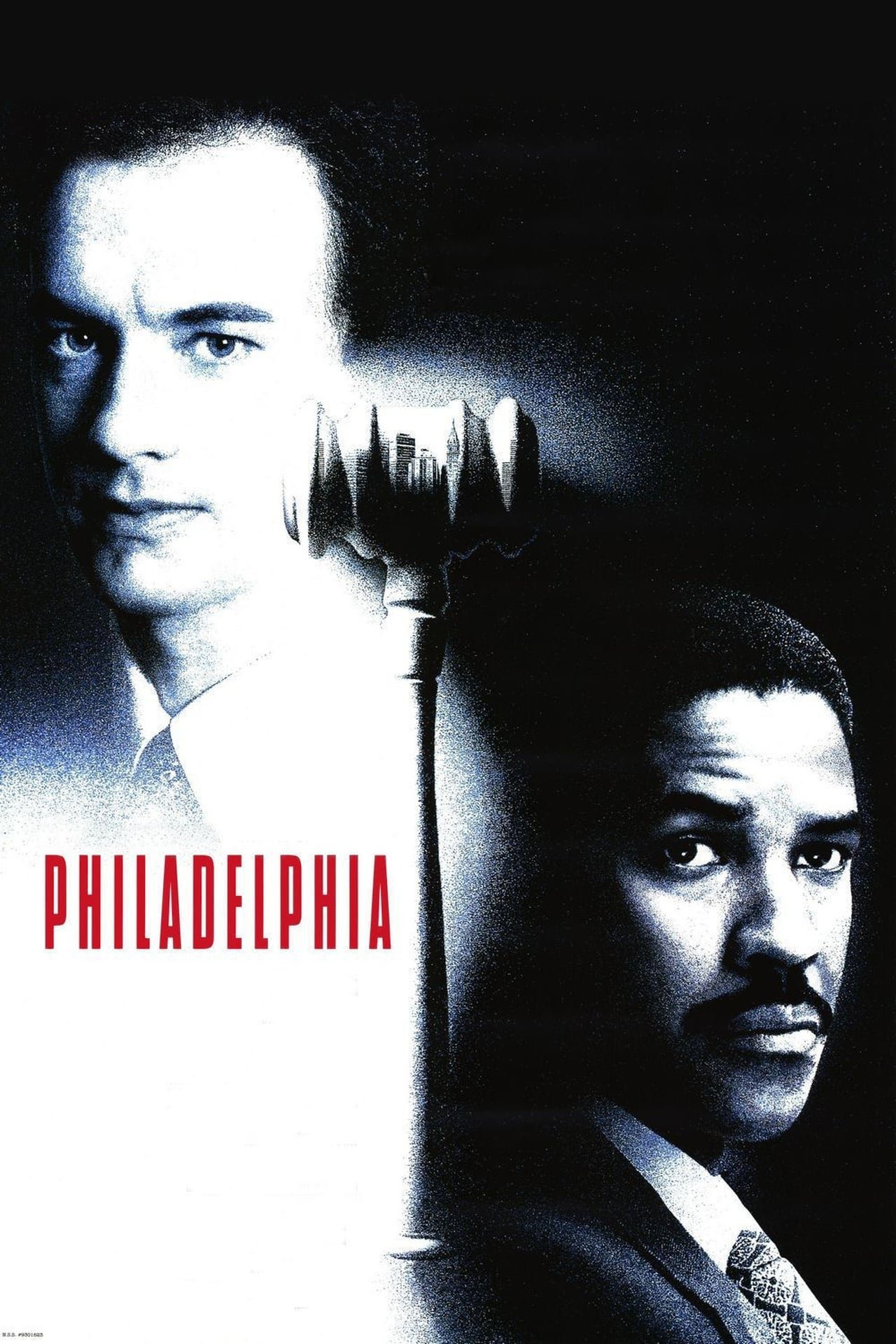
This film centers on a lawyer who loses his job after being diagnosed with AIDS. Throughout the movie, he fights a challenging legal case as his health quickly deteriorates. His illness deeply affects both the audience and the other characters, driving the film’s emotional impact. While groundbreaking for its representation, the film also sparks debate about the use of death as a key plot device. The main character ultimately wins his case, but tragically dies shortly after.
‘Boys Don’t Cry’ (1999)

This movie tells the true story of a transgender man living in Nebraska and the violent crime that took his life. It powerfully portrays the prejudice and violence he experienced, but is often a very difficult film to watch because of its intense focus on suffering. The story leads to a tragic event with little emotional relief, and it exemplifies a common pattern in queer films of focusing on victimization.
‘The Danish Girl’ (2015)

The movie tells the story of a doctor who was a trailblazer in gender reassignment surgery in the early 1900s. It largely centers on the physical suffering and growing emotional gap between the doctor and her wife. The film ends with the doctor’s death after a surgery goes wrong. Many reviewers have pointed out that the story emphasizes the sadness of the doctor’s journey rather than her happiness. This outcome unfortunately follows a common trend in media where transgender characters don’t get to live fully in their stories.
‘Dallas Buyers Club’ (2013)

The story centers on a man with AIDS who starts illegally importing unapproved medications. A significant character is a transgender woman also living with the disease, and her eventual death serves as a catalyst for emotional development and motivation for the main character. Some critics point out that her role seems mainly to advance his story, which raises concerns about using the struggles of LGBTQ+ individuals to support a different character’s arc.
‘The Imitation Game’ (2014)

As a film buff, I recently saw a biopic about Alan Turing, the genius who helped crack the Enigma code during WWII. It’s a powerful, but incredibly sad story. The movie doesn’t shy away from the heartbreaking details of how he was later prosecuted for being gay, and the awful chemical castration he was forced to undergo. It really connects his incredible intellect with the deep despair he ultimately felt. The film ends with his suicide, which feels less like a conclusion and more like a tragic echo of the country he served. Honestly, it left me feeling like the movie, while compelling, ultimately focused too much on the cruelty he faced and didn’t fully explore the nuances of his life.
‘Milk’ (2008)
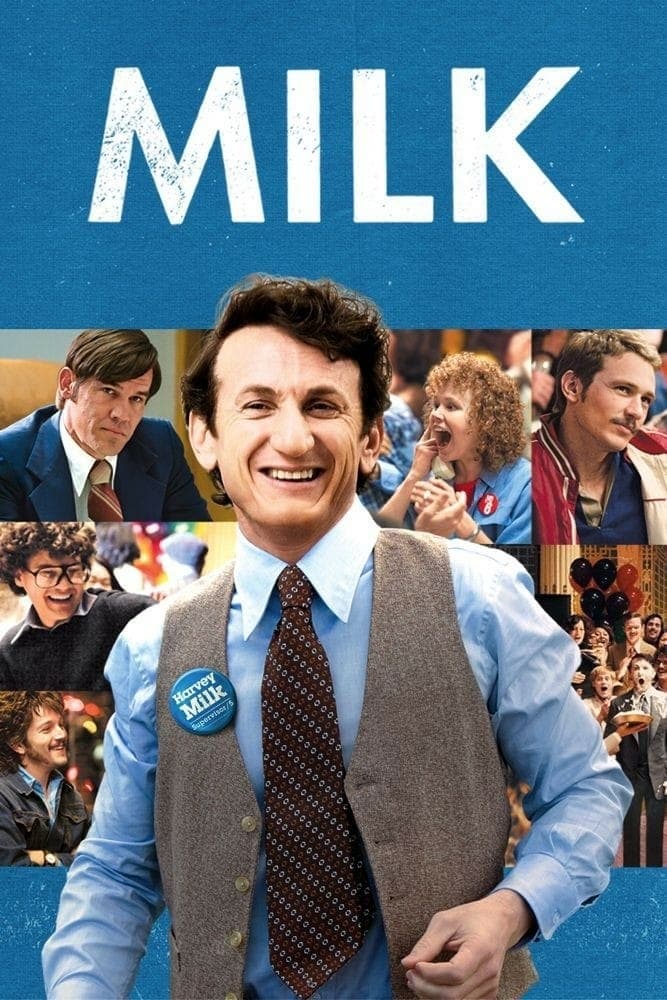
The film tells the story of Harvey Milk’s life, from his historic election as California’s first openly gay official to his eventual assassination. Though it highlights his political successes, the movie is largely shaped by the knowledge of his tragic fate, creating a constant sense of foreboding. This emphasis on his death elevates him to a symbolic figure for the gay rights movement, but it also tends to overshadow the everyday experiences and happiness of the people involved.
‘The Children’s Hour’ (1961)
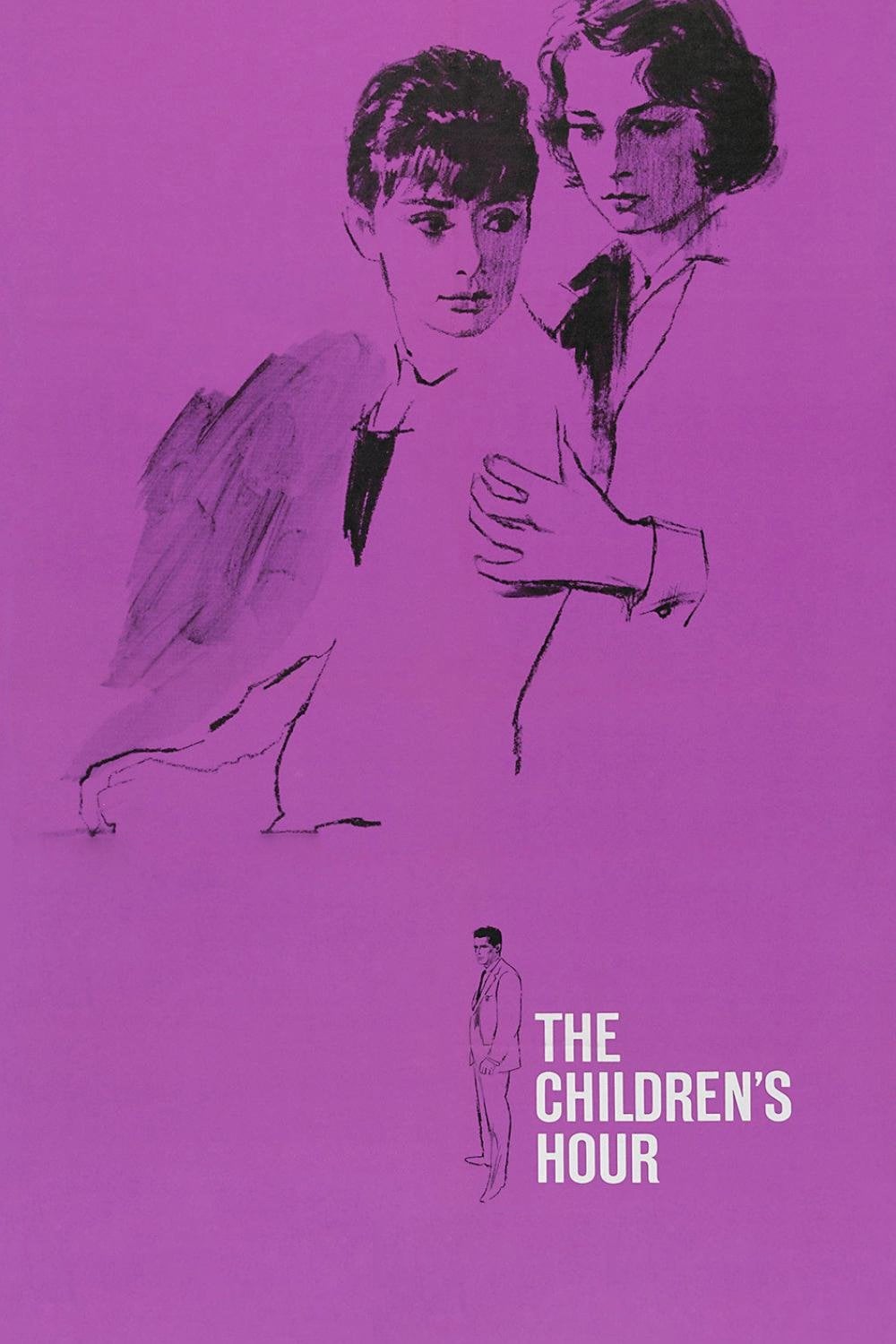
This film tells the story of two teachers whose lives are destroyed when a student falsely accuses them of being lesbians. Facing societal prejudice and personal shame, one of the women tragically takes her own life. While a reflection of the attitudes of its time, the film unfortunately exemplifies the harmful ‘tragic lesbian’ stereotype. The storyline implies that even being accused of being queer can lead to complete ruin, and the death is presented as the woman’s only way to escape a hostile world.
‘It Chapter Two’ (2019)

The new horror movie starts with a violent attack on a gay couple in Derry, which brings the terrifying Pennywise back into the story. Some critics thought the attack was overly graphic and seemed intended only to shock viewers. The couple quickly disappears from the film after the attack, and this short portrayal reinforces a common pattern: queer characters’ suffering is often used to kickstart the plot.
‘Atomic Blonde’ (2017)

As a big fan of thrillers, I was really getting into this one – a spy story with a blossoming romance with a French operative. But honestly, it felt predictable. The French character ended up being killed off, which, unfortunately, just felt like a tired trope. It’s something we’ve seen way too often – a queer character’s death used to fuel the straight hero’s revenge. It just feels like a convenient way to ramp up the drama and push the plot forward, and fans have rightly pointed out it’s a classic example of the ‘bury your gays’ trope. It’s frustrating because it diminishes the story and sends a harmful message.
‘Monster’ (2003)

The movie tells the story of Aileen Wuornos and her connection with a younger woman. Their relationship is shown as a key factor leading to a string of murders and ultimately, the destruction of both their lives. The film ends with the execution of Wuornos and her partner leaving her. It portrays a link between their queer identities, criminal actions, and a tragic fate, suggesting their relationship was destined to fail.
‘Rent’ (2005)
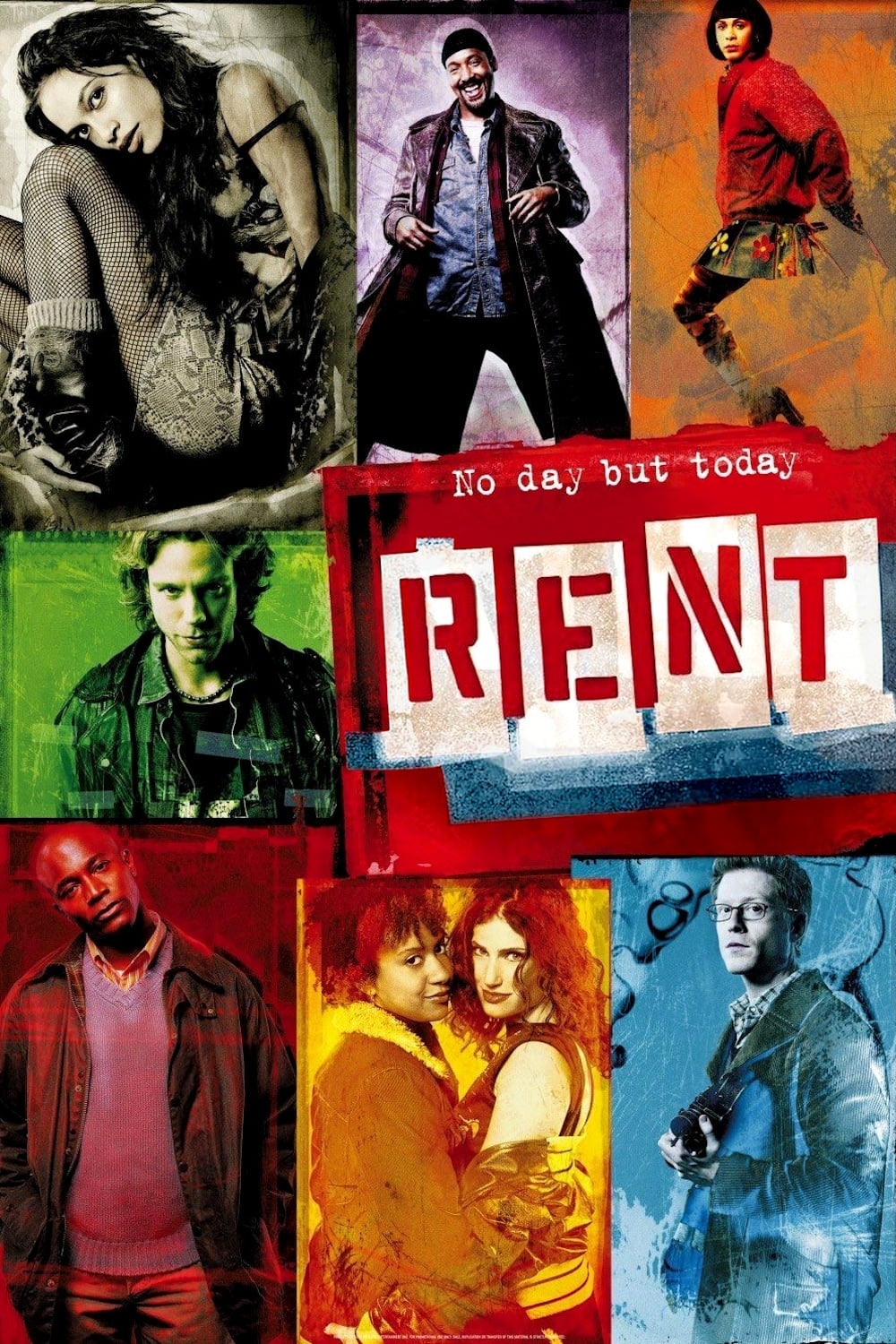
This musical tells the story of a group of artists and friends living in New York City during the height of the AIDS epidemic. The show centers around several LGBTQ+ characters facing both financial hardship and life-threatening illness. A key character’s death happens about halfway through, deeply impacting the others and driving the emotional core of the story. While powerful, some critics argue the show overly focuses on sickness and death, potentially defining the characters’ identities solely through their suffering.
‘Holding the Man’ (2015)

This movie portrays the decades-long love story of two men who meet in high school. As both eventually contract HIV, the film sensitively depicts their declining health and eventual passing. Though based on real events, the story prioritizes the heartbreaking nature of their struggle, creating a consistently somber and deeply moving experience.
‘Prayers for Bobby’ (2009)

This film tells the story of a mother struggling to accept her gay son. Tragically, he takes his own life due to rejection from both his family and church. The movie then focuses on the mother’s journey to understanding and acceptance, but only after his death. While heartbreaking, the story prioritizes the mother’s emotional growth over fully exploring her son’s life and experiences as a gay man.
‘Freeheld’ (2015)

This film centers on a police officer facing a terminal illness who fights to ensure her partner receives her pension. The story revolves around her approaching death and the resulting legal battle. Their relationship is deeply affected by the illness, and the film highlights injustices within the legal system. Many critics felt the movie was more focused on making a political point than exploring the characters’ inner lives, with the tragedy driving the entire plot.
‘The Normal Heart’ (2014)
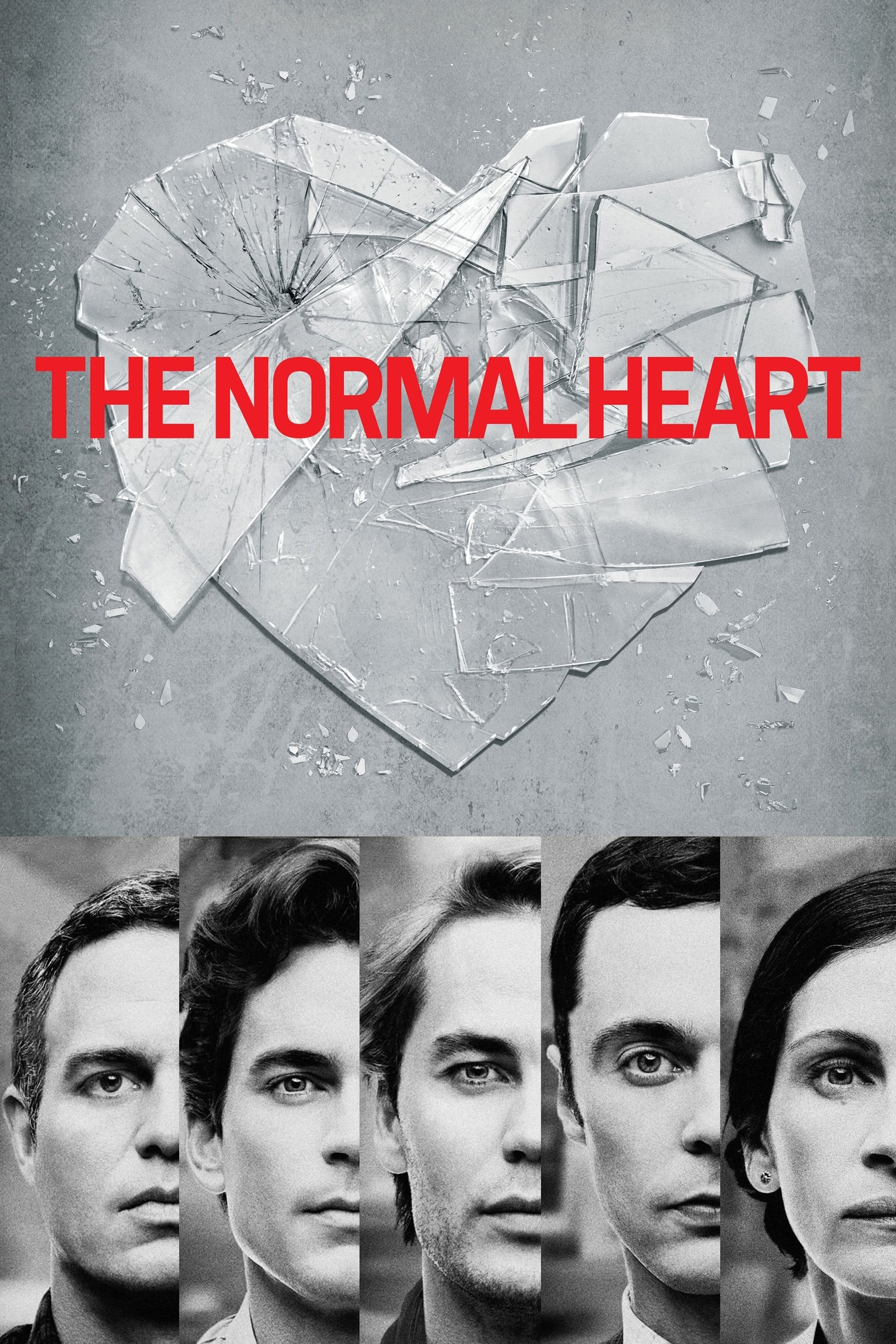
This film, set at the beginning of the AIDS crisis in New York City, portrays the urgent struggle for medical attention and support. Throughout the movie, many characters suffer from or succumb to the disease. These heartbreaking events highlight the lack of government response at the time, and the constant loss creates a feeling of despair for those involved. The film is a raw and unflinching look at a historical tragedy, and it doesn’t shy away from showing the devastating impact of the crisis through frequent depictions of death.
‘Bohemian Rhapsody’ (2018)

This movie tells the story of Freddie Mercury and the band Queen, charting their rise to fame and exploring Mercury’s personal life. It portrays his identity and lifestyle as challenges, ultimately leading to a tragic outcome. His AIDS diagnosis serves as a heartbreaking turning point in his life story. Some viewers criticized the film for suggesting a connection between his illness and his distance from the band, feeling it unfairly judged his life. The film uses this tragedy to create a moving conclusion to his career.
‘Cruising’ (1980)
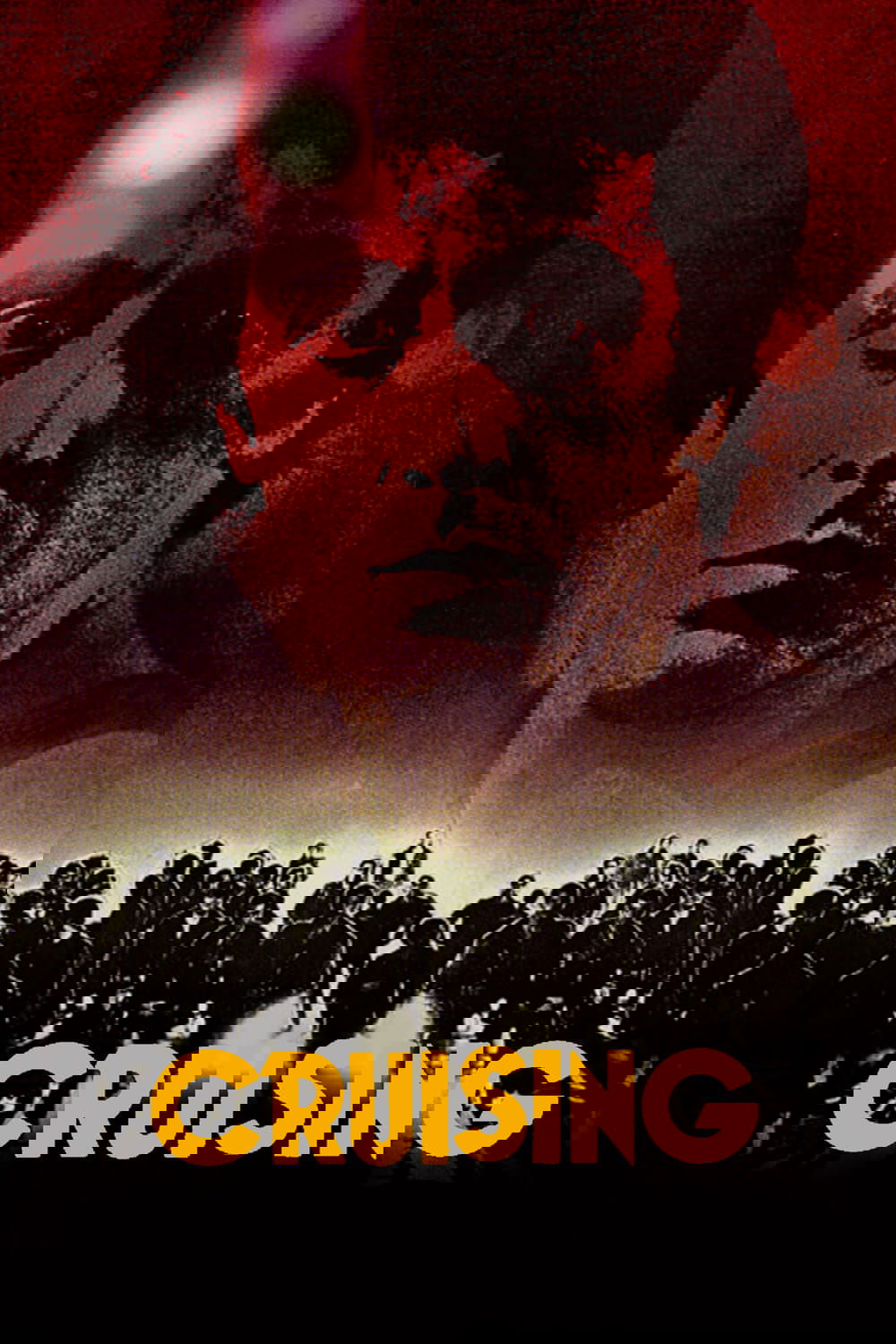
A detective goes undercover within New York City’s leather subculture to track down a serial killer. However, the movie portrays the LGBTQ+ community as a shadowy and perilous environment, filled with violence, and features numerous queer characters being killed in a graphic manner to emphasize the urgency of the case. This storyline links queer spaces to sadness and death, which sparked widespread protests when the film was released.
‘Mysterious Skin’ (2004)

This film tells the story of two young men grappling with the lasting impact of childhood sexual abuse. As adults, they struggle with trauma, unstable relationships, and often find themselves caught in difficult circumstances. The movie delves into the deep emotional wounds caused by these experiences, offering a stark and often hopeless portrayal of their lives. Their past trauma overwhelmingly shapes their present, and the film offers a difficult but important look at how this intersects with their identities as queer men.
‘Lilting’ (2014)

This film centers around a mother coping with the death of her son and her efforts to get to know his secret partner. The story unfolds after the son’s unexpected passing, and the characters grapple with their grief and the challenges that come with cultural differences. Their relationship is seen only through the sadness of loss and what could have been. Ultimately, the tragedy is the only thing that connects the mother and her son’s partner.
‘Firebird’ (2021)

This Cold War-era film, set within the Soviet Air Force, tells the story of a forbidden romance between a soldier and a pilot. The fear of being discovered hangs over them, creating a tense and ultimately devastating situation. The story ends in tragedy with one character dying in a plane crash, destroying any hope for a future together. This outcome is sadly common in historical films featuring LGBTQ+ characters, often denying them a happy ending. The tragedy serves to highlight how restrictive and oppressive the time period was.
‘Tea and Sympathy’ (1956)
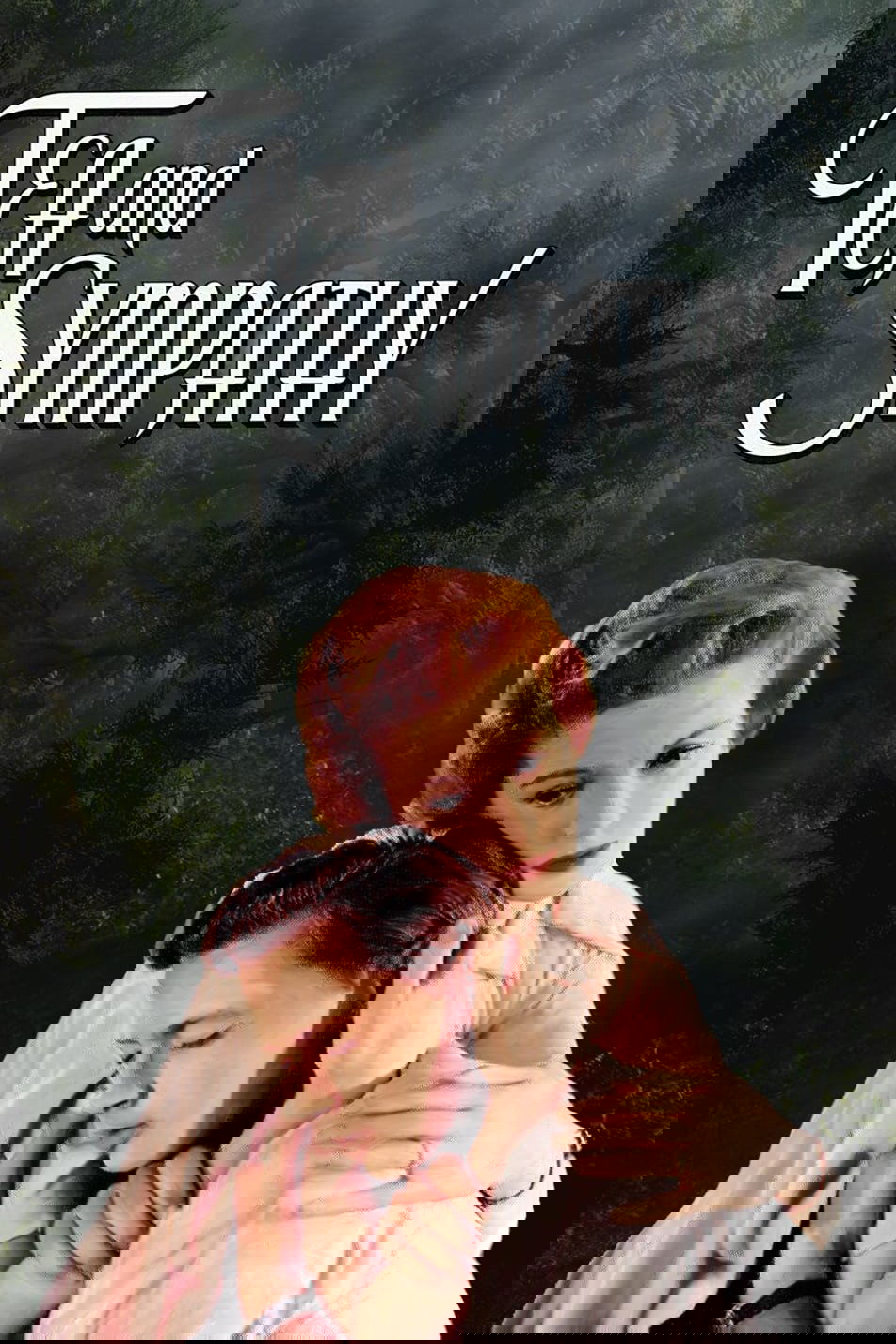
This story follows a vulnerable student at boarding school who faces bullying and pressure to be more traditionally masculine – both from his classmates and his father. The plot focuses on how he’s mistreated and forced to conform to certain expectations. It portrays his struggles as a heartbreaking result of being misunderstood and feeling the weight of social expectations. Though he survives, his life is deeply marked by the pain of feeling like an outsider. The story culminates in a shocking event meant to demonstrate his straight identity.
‘The Fox’ (1967)

A story about two women living in seclusion is thrown into turmoil when a man arrives. The tension builds, culminating in the accidental death of one of the women when a tree falls on her. This death unexpectedly clears the path for the surviving woman to pursue a relationship with the man. The narrative relies on the death of a queer character to resolve a love triangle, ultimately prioritizing a heterosexual romance. It’s a common trope where queer characters are removed to streamline the plot and favor a straight pairing.
‘Reflections in a Golden Eye’ (1967)
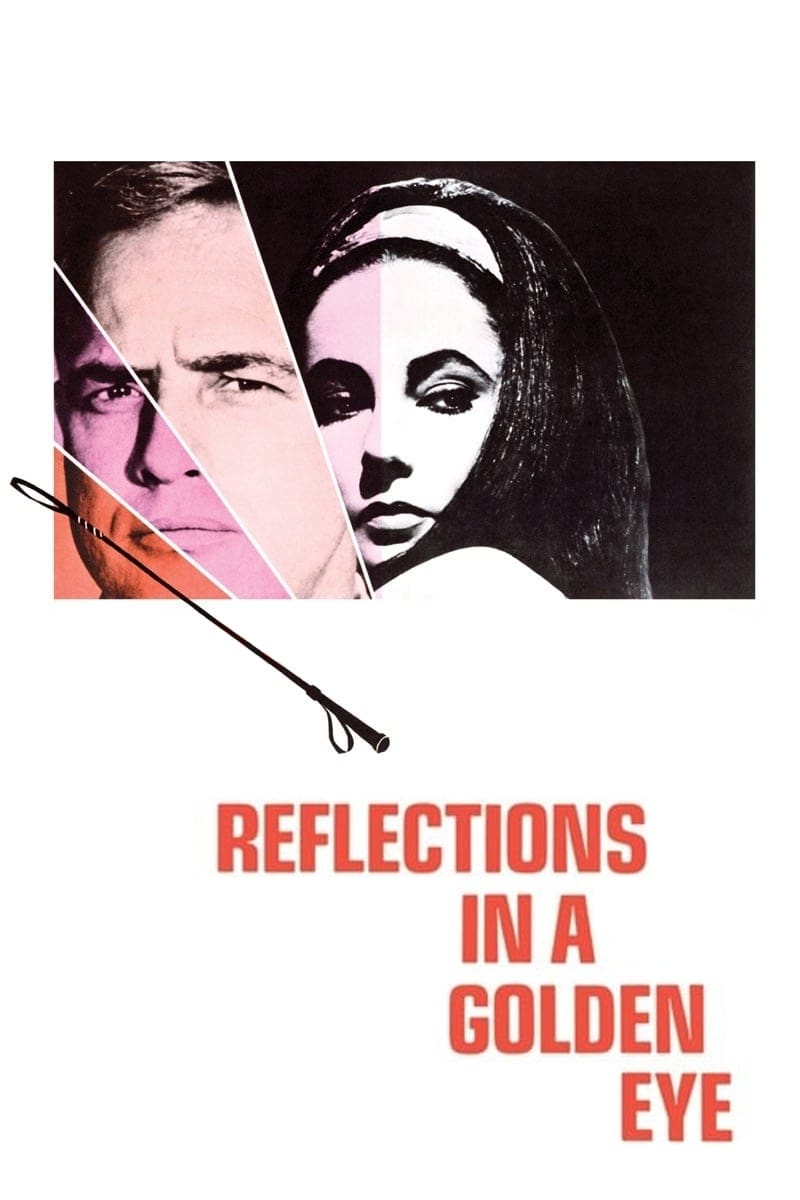
This film, set on a military base, delves into the hidden longings and fixations of its characters. A key storyline follows an officer grappling with his attraction to another man. The movie culminates in a violent episode with fatal consequences, suggesting that keeping these feelings hidden ultimately leads to tragedy. This portrayal of the destructive outcomes of same-sex desire was a frequent theme in films made during the mid-20th century.
‘My Own Private Idaho’ (1991)
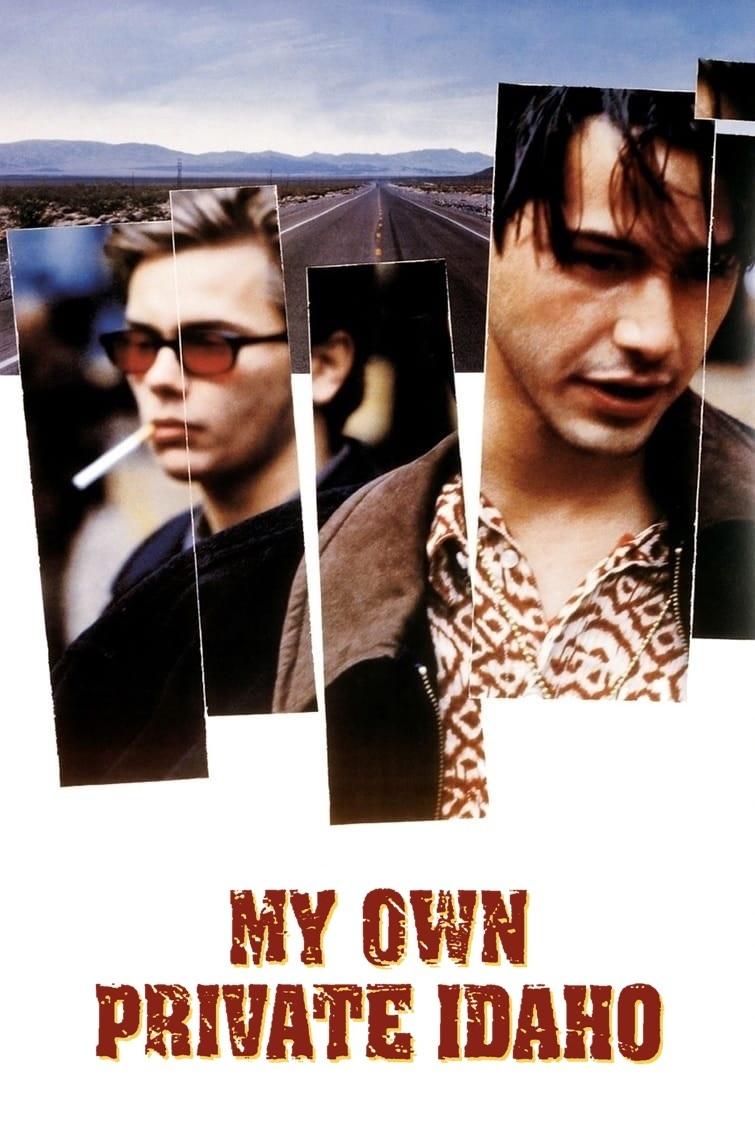
This movie tells the story of two young men trying to find purpose and a sense of belonging while living on the streets. One of them struggles with unreturned feelings and a serious health problem, all while facing poverty. The film concludes with him stranded and alone on a lonely road, unsure of what the future holds. It highlights his deep loneliness and the heartbreaking reality of his constantly moving life, which is filled with disappointment and emotional pain.
‘American Beauty’ (1999)

The story features a neighbor who is a former soldier struggling with hidden feelings about his sexuality. Overwhelmed by shame and confusion, he commits a murder, and this act becomes a crucial, shocking turning point in the film. The movie presents his concealed identity as a dangerous burden, ultimately leading to the protagonist’s ruin. This depiction suggests a direct connection between suppressing one’s identity and acts of violence.
‘Skyfall’ (2012)

This Bond film’s villain is a former agent with characteristics often associated with queer coding. He has a sad history of being abandoned and mistreated by his previous boss. Ultimately, he’s killed by the hero, resolving the conflict he created. The story uses his past trauma and unclear sexuality to make him a disturbing enemy.
‘The Silence of the Lambs’ (1991)

This thriller centers around a serial killer depicted with characteristics that challenge traditional gender roles. The story connects his mental instability and violence to his struggles with identity. Many critics argue this connection relies on harmful stereotypes, using queer identity to create fear and sadness. The character feels more like a symbol of societal anxieties than a complex individual. Ultimately, his death serves as a neat and tidy resolution for the story’s straight characters.
‘Cruel Intentions’ (1999)

One subplot focuses on a young woman who is publicly revealed as queer, and then subjected to humiliation as part of a cruel game played by the main characters. This experience, and the trauma it causes, highlights just how ruthless the villains are. She’s treated like an object to move the story forward, not as a fully realized person with her own choices. Once her life is disrupted to create drama, the story quickly moves on, reducing her identity to simply a way to develop the other characters.
‘Transamerica’ (2005)
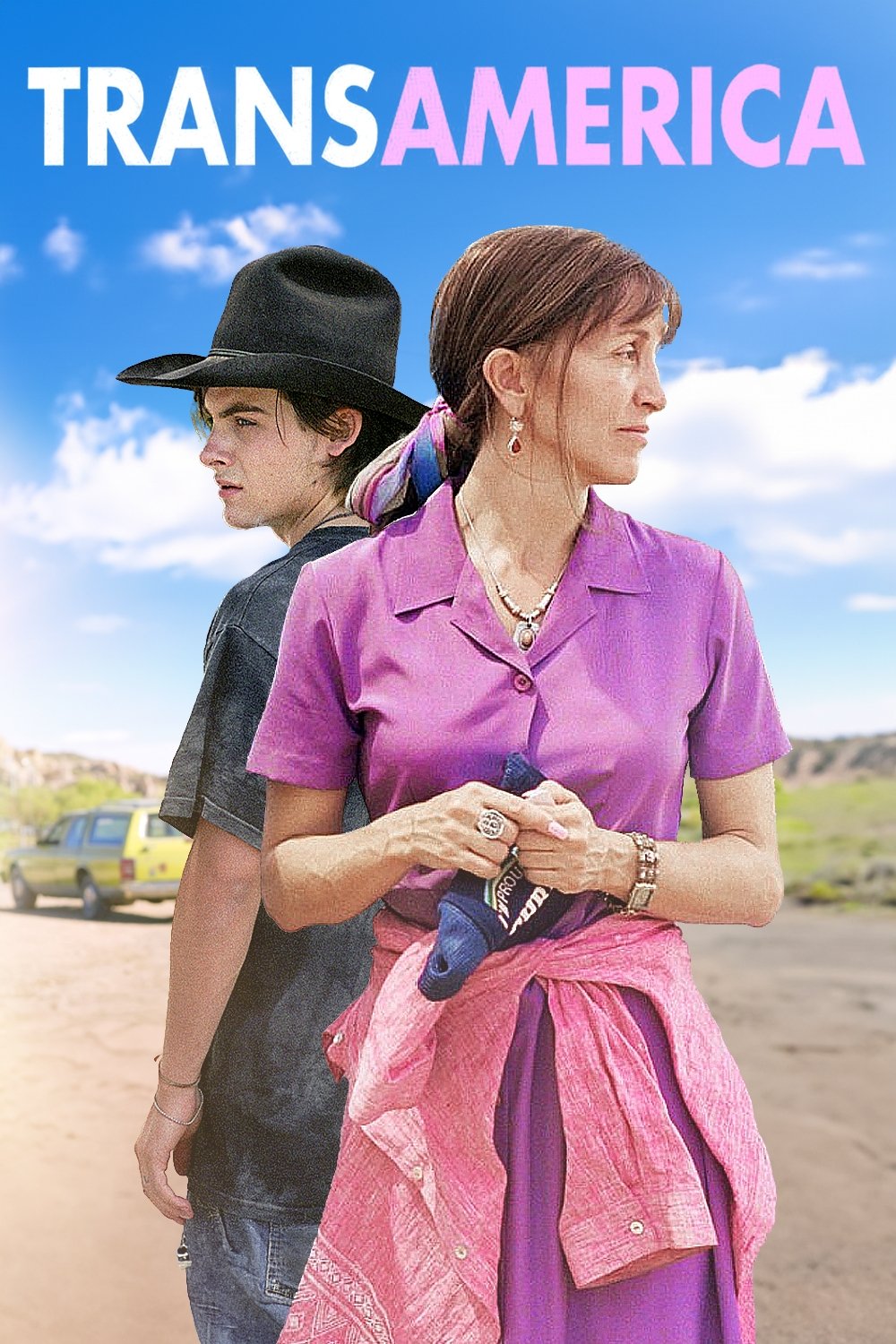
The movie centers on a transgender woman and the son she’s never met, as they embark on a road trip together. Their journey is complicated by the son’s battle with addiction and the mother’s worry about being accepted. The story realistically portrays the often uncomfortable and heartbreaking conversations between them. Along the way, the mother encounters prejudice and faces danger. Ultimately, the film is a story about family loss and overcoming personal challenges.
‘Blue Is the Warmest Color (2013)’

This film is a coming-of-age story about the complicated and passionate relationship between two young women. It primarily follows their painful breakup and the lingering heartache that follows. The story centers on the protagonist’s extended period of sadness and yearning after the split. Some critics thought the movie spent too much time on the characters’ suffering and sexual portrayal. The ending highlights the lead character’s loneliness and despair.
‘Alexander’ (2004)

This historical film tells the story of Alexander the Great and his deep connection with Hephaestion. Their close bond is portrayed as a source of immense sorrow when Hephaestion dies, sending Alexander into a period of grief. This loss is presented as a key factor in Alexander’s own decline and eventual death. The film highlights their romantic relationship, emphasizing its tragic ending and the devastating effect it has on Alexander, following a pattern of using the death of a queer character to fuel a larger historical tragedy.
‘Closer’ (2004)

The series follows the complicated relationships of four Londoners and their affairs. A particularly hurtful prank involves creating a fake online persona to deceive one of the characters, and the resulting embarrassment is used to create drama within the main couples. LGBTQ+ themes are brought up but are often treated as jokes or simply used to cause conflict, feeling like temporary plot devices rather than meaningful storylines.
‘Bent’ (1997)

As a movie lover, I have to say this film is incredibly difficult to watch, but powerfully important. It’s set in a Nazi concentration camp and focuses on the relationship between two men who are gay. It doesn’t shy away from showing the brutal physical and emotional torture they endure, and honestly, it’s relentless. You know from the start things aren’t going to end well for either of them, and the ending is just devastating. While it’s based on a true tragedy, the film is often talked about because of how intensely it portrays the suffering of queer people. It’s a very bleak film – there’s absolutely no hope offered, just complete and utter despair.
‘A Single Man’ (2009)

This film centers on a professor grappling with the death of his partner and his decision to end his own life. The story unfolds over one day, filled with his thoughts on loss and a sense of meaninglessness. We only see his relationship through memories, colored by his grief. His partner’s death is the driving force behind everything, and the film ends with another unexpected tragedy, leaving no hope for a brighter future.
‘Call Me by Your Name’ (2017)

This movie tells the story of a summer romance between a teenager and a visiting scholar in Italy. While beautifully filmed, the story centers around the sadness of their eventual separation. The film famously ends with the young man heartbroken, shown crying alone by a fireplace as he comes to terms with the end of their relationship. Though not action-packed, the movie’s emotional impact comes from the tragedy of their parting, and that sorrowful ending is what it’s best known for.
‘Thirteen’ (2003)

The movie follows a young girl as she’s negatively impacted by a rebellious friend. Their relationship involves sexual exploration, which the film portrays as contributing to a general sense of chaos and a loss of morals. The story links this exploration of queerness to a pattern of harmful, self-destructive actions, implying that discovering one’s queer identity is naturally sad or damaging. Ultimately, the plot focuses on the girl’s journey to overcome these negative influences.
‘Basic Instinct’ (1992)

This thriller focuses on queer and bisexual women, but depicts them in harmful ways – primarily as dangerous criminals or as victims who meet violent ends. The story uses their sexuality to create a sense of danger for the male lead and links being queer with wrongdoing and violence. This representation has been criticized for a long time.
Tell us which films you believe handle these themes with the most sensitivity in the comments.
Read More
- 20 Movies Where the Black Villain Was Secretly the Most Popular Character
- Top 20 Dinosaur Movies, Ranked
- 25 “Woke” Films That Used Black Trauma to Humanize White Leads
- Silver Rate Forecast
- 22 Films Where the White Protagonist Is Canonically the Sidekick to a Black Lead
- Gold Rate Forecast
- Top 10 Coolest Things About Invincible (Mark Grayson)
- Can AI Lie with a Picture? Detecting Deception in Multimodal Models
- Celebs Who Narrowly Escaped The 9/11 Attacks
- When AI Teams Cheat: Lessons from Human Collusion
2025-12-31 14:19