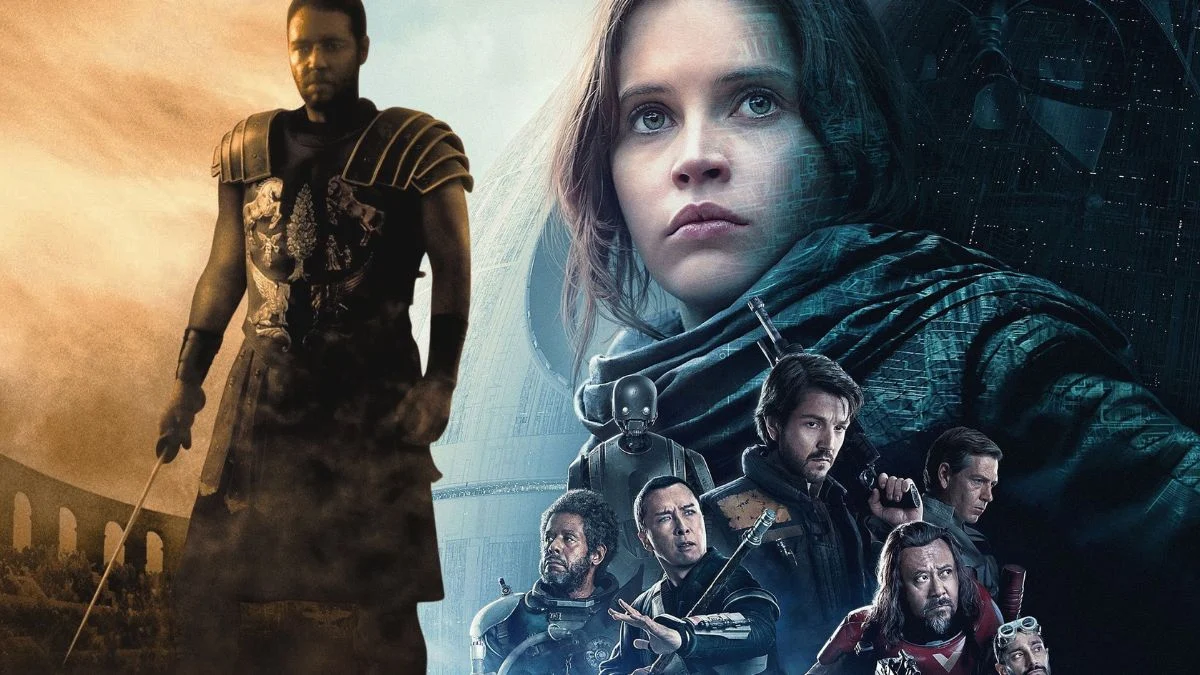
As a critic, I’ve been watching a fascinating, and sometimes unsettling, trend in filmmaking. When a beloved actor tragically passes away during production, studios now have the option of bringing them ‘back’ using digital effects. While the technology is impressive, it opens a real ethical can of worms. We, as an audience, are left debating whether it’s respectful to recreate a performance, or if it feels like a cynical exploitation of loss. Too often, these technical feats end up distracting from the story itself. I’m going to be taking a look at some films that really sparked debate about how they handled this difficult situation – films where the loss of an actor became almost as big a talking point as the movie itself.
‘The Flash’ (2023)
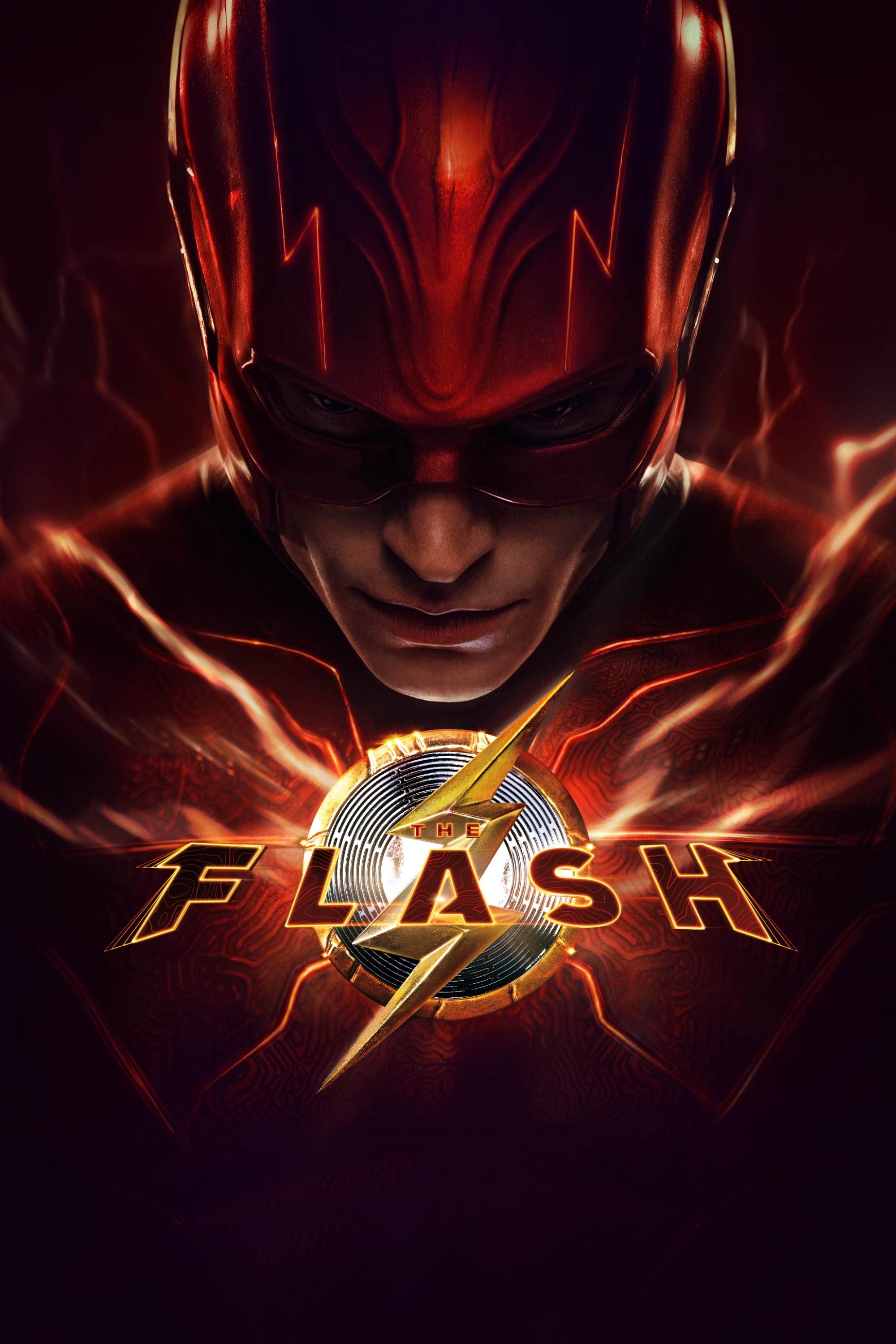
The latest superhero movie sparked controversy by digitally bringing back deceased actors. Using computer-generated imagery, the film featured Christopher Reeve, George Reeves, and Adam West – all previous portrayers of Superman and Batman. Many viewers and critics found this practice unsettling and ethically problematic, feeling it disrespected the actors by using their likenesses without their permission. Some described it as a form of ‘digital necromancy.’ Furthermore, the visual effects weren’t well-received, appearing unnatural and failing to deliver the heartfelt tribute fans had hoped for.
‘Alien: Romulus’ (2024)
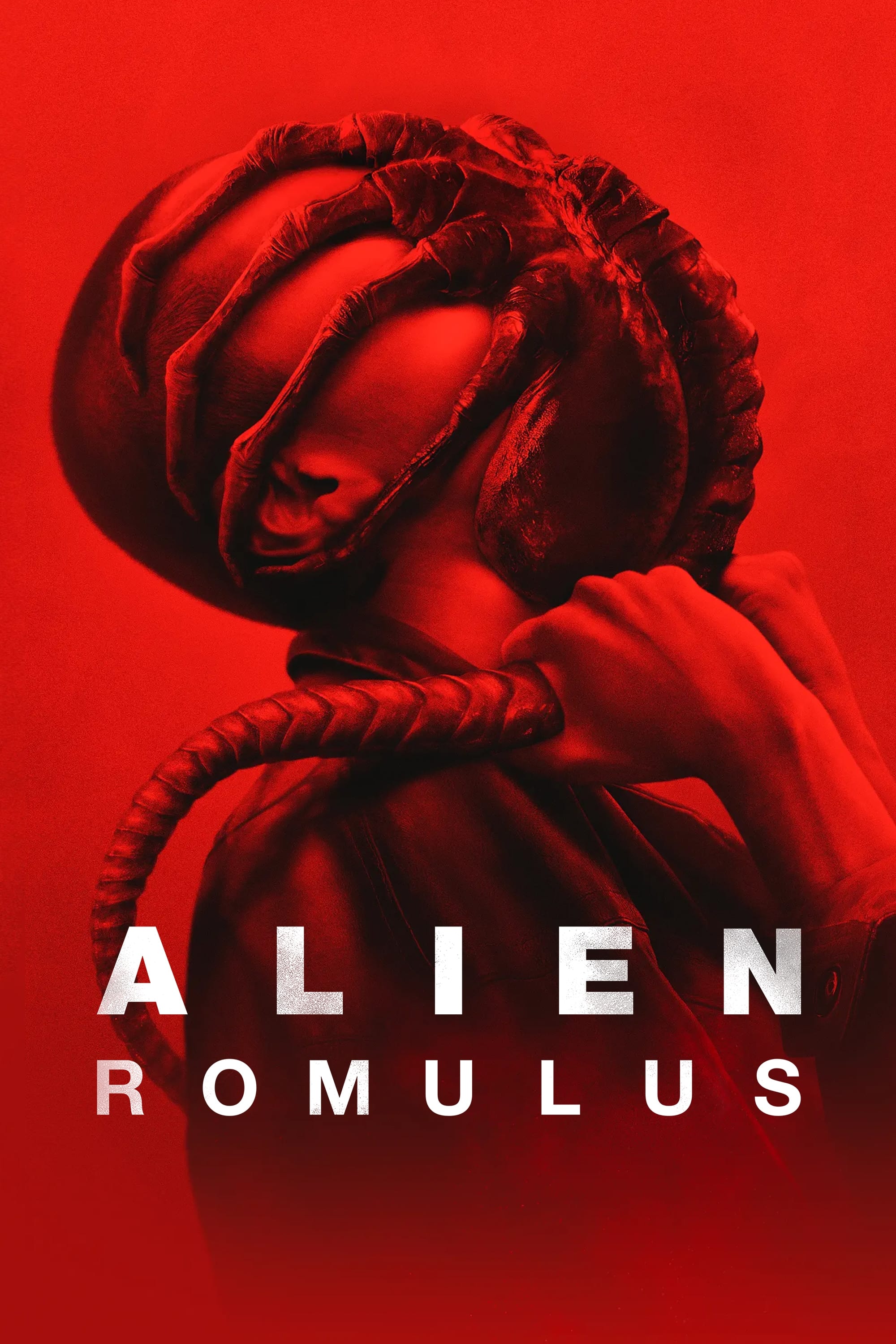
Director Fede Álvarez sparked debate by digitally recreating the late Ian Holm for the latest film in the sci-fi series. Holm, who passed away in 2020, was beloved for his role as Ash in the original movie. The filmmakers used a combination of practical effects and computer graphics to create a new android character, Rook, with Holm’s face. However, many viewers found the digital recreation jarring and felt it detracted from the film’s quality. The decision also raised ethical questions about using a deceased actor’s likeness in a new role, leading to significant online discussion.
‘Game of Death’ (1978)
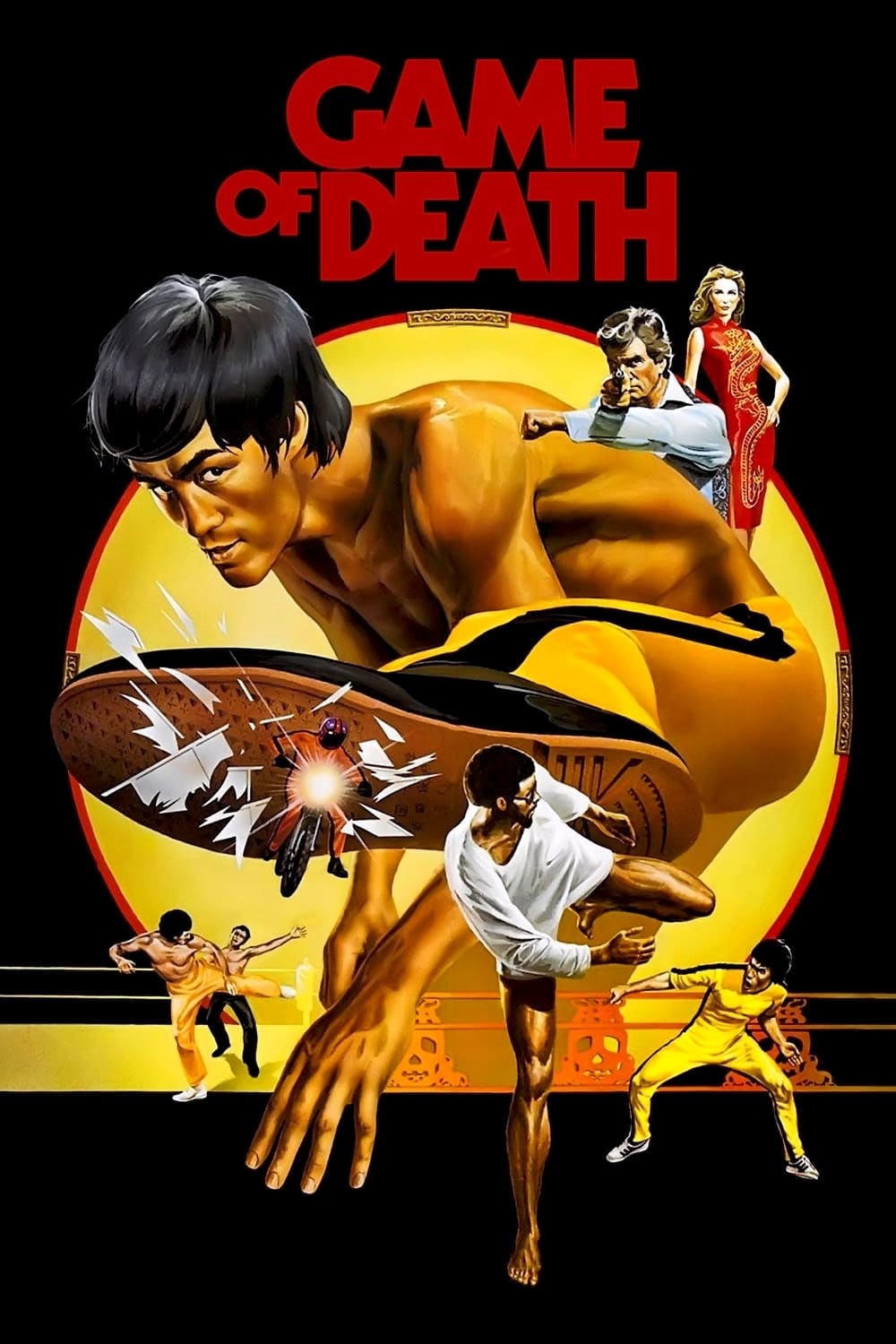
Bruce Lee passed away before finishing this martial arts movie, and the studio took some questionable steps to complete it. They used doubles hidden by sunglasses and shadows to stand in for him, and in one scene, even pasted a cardboard cutout of Lee’s face onto a mirror. The most shocking choice was using footage from Lee’s actual funeral to portray his character’s death. This use of a real tragedy for entertainment is still considered one of the most tasteless moments in film history.
‘Trail of the Pink Panther’ (1982)
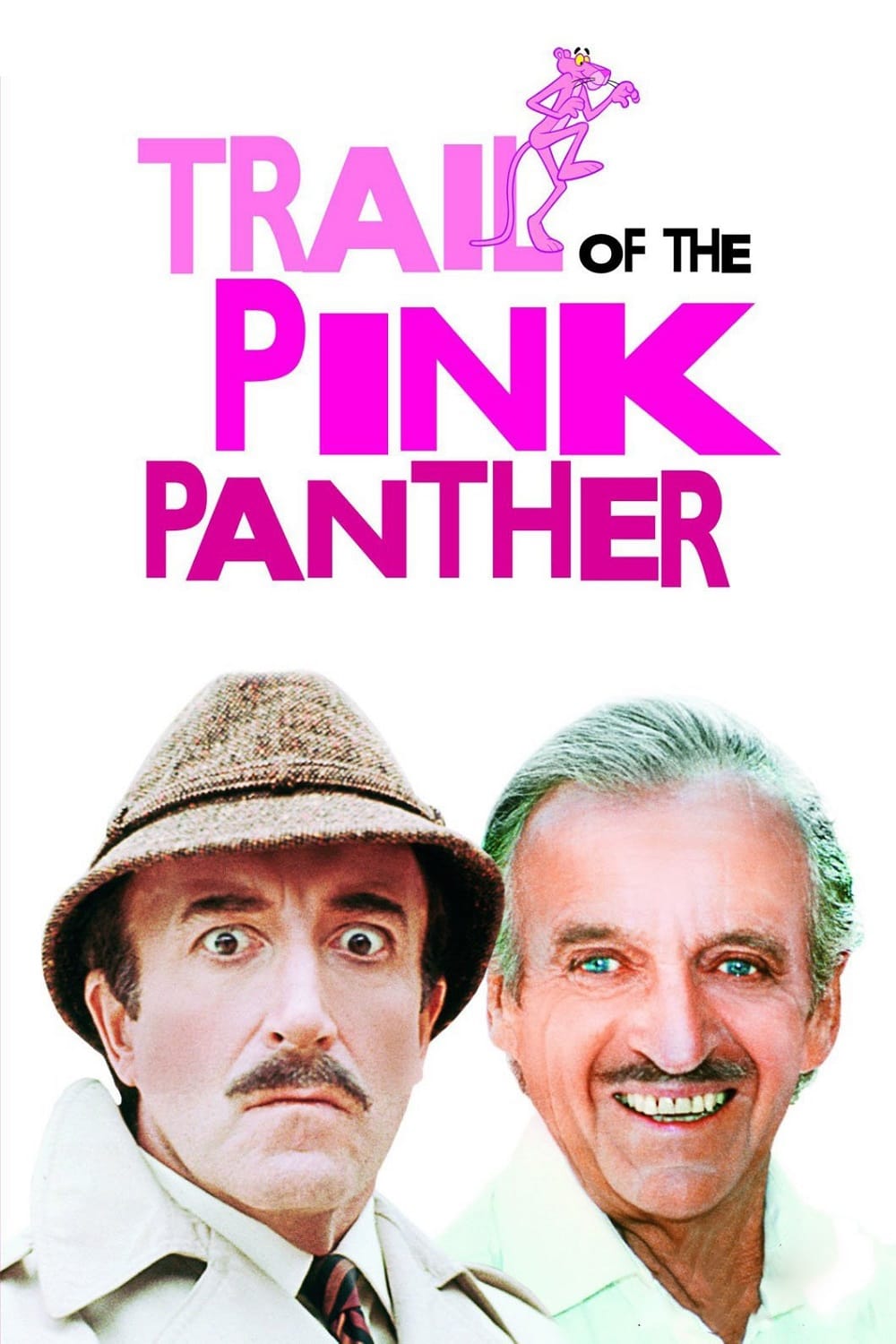
This film, released two years after Peter Sellers’ death, tried to create a new story using leftover scenes and outtakes from his earlier movies. However, the plot felt confusing because the late actor appeared in scenes that didn’t fit the new storyline. Critics heavily criticized the film, calling it a cynical attempt to make money and disrespectful to Sellers’ comedic talent. His widow even sued the production company for damaging his reputation. The film serves as a warning about the risks of using old footage without the original performer’s involvement.
‘Rogue One: A Star Wars Story’ (2016)
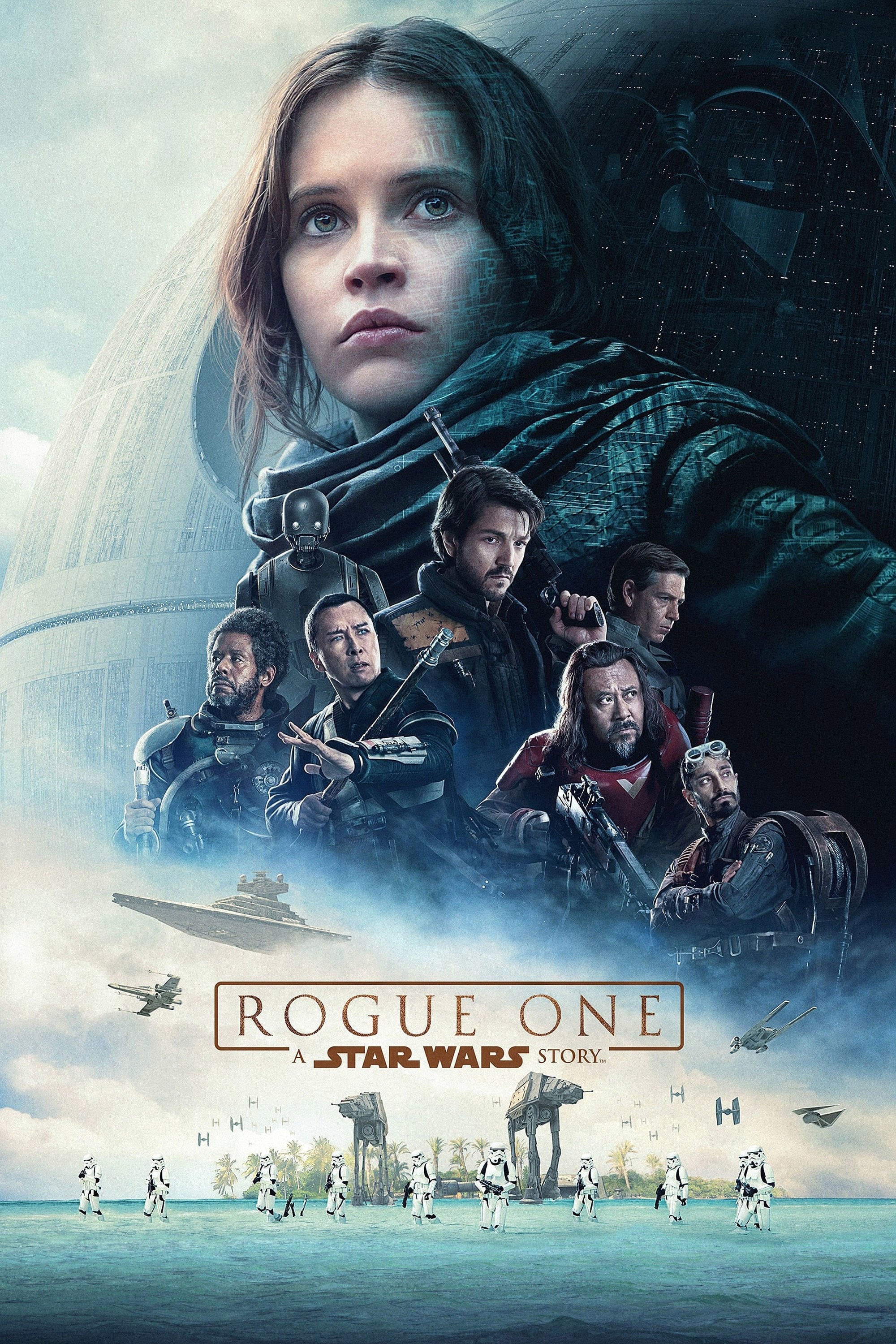
Bringing Peter Cushing back to life as Grand Moff Tarkin was a remarkable technical achievement, but it also sparked ethical questions. Cushing had passed away over twenty years before the film’s release, yet he appeared in a major role thanks to motion capture technology. Although his estate approved the use of his likeness, many viewers found the result unsettling, experiencing the ‘uncanny valley’ effect. Critics felt the digital recreation lacked the subtlety of a real performance and came across as an empty copy. The discussion revolved around whether actors should be allowed to retire and not be digitally recreated simply to continue a movie series.
‘Star Wars: The Rise of Skywalker’ (2019)
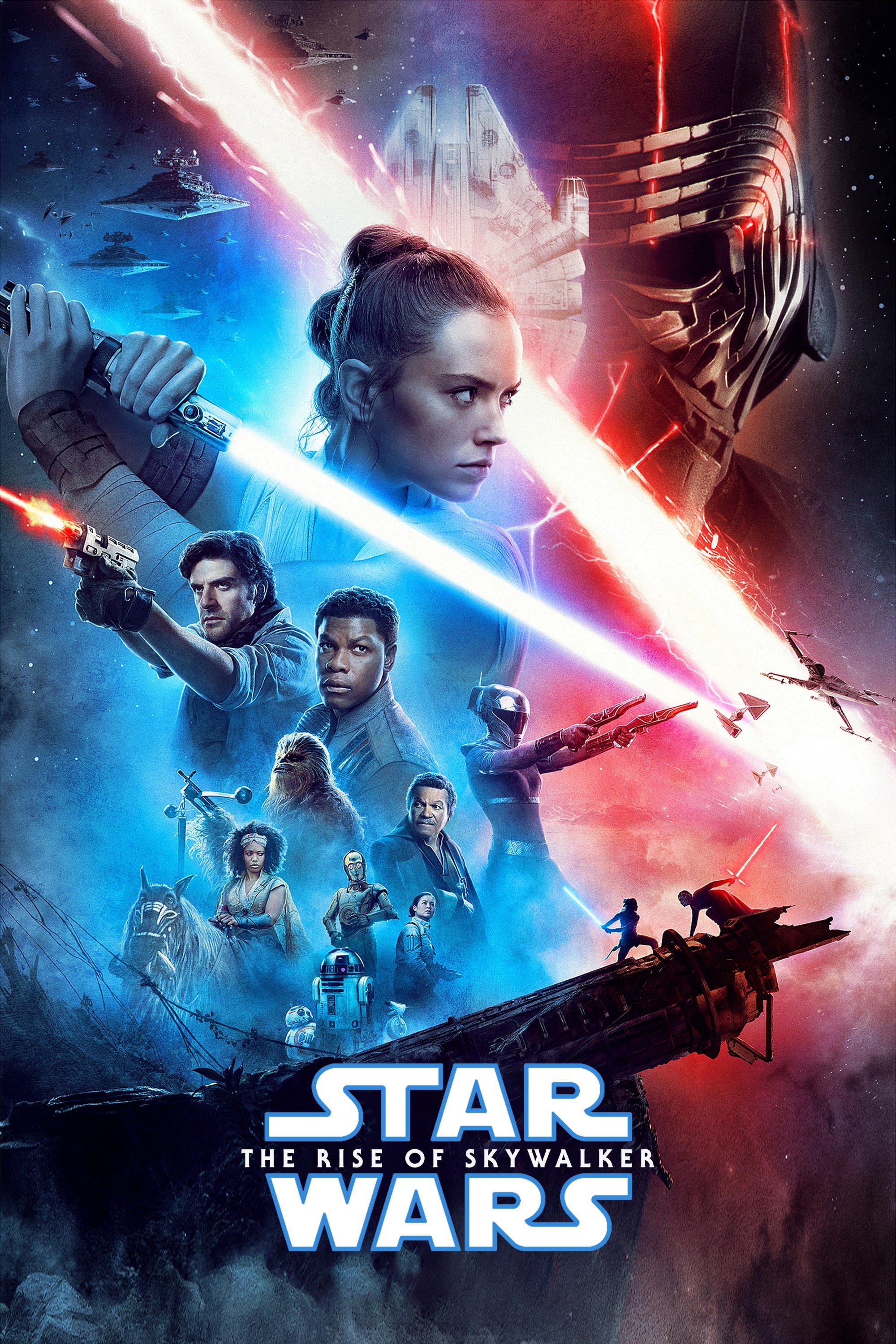
After Carrie Fisher’s unexpected passing, the filmmakers used previously filmed scenes to finish her story. However, the final result felt stiff and didn’t quite connect with the rest of the actors. The script had to be built around existing footage, leading to dialogue that sometimes felt unclear or impersonal. Many fans believed the beloved character of General Leia Organa deserved a more natural and satisfying ending than what could be achieved through editing, and the limited footage ultimately lessened the emotional power of her final scenes.
‘Ghostbusters: Afterlife’ (2021)
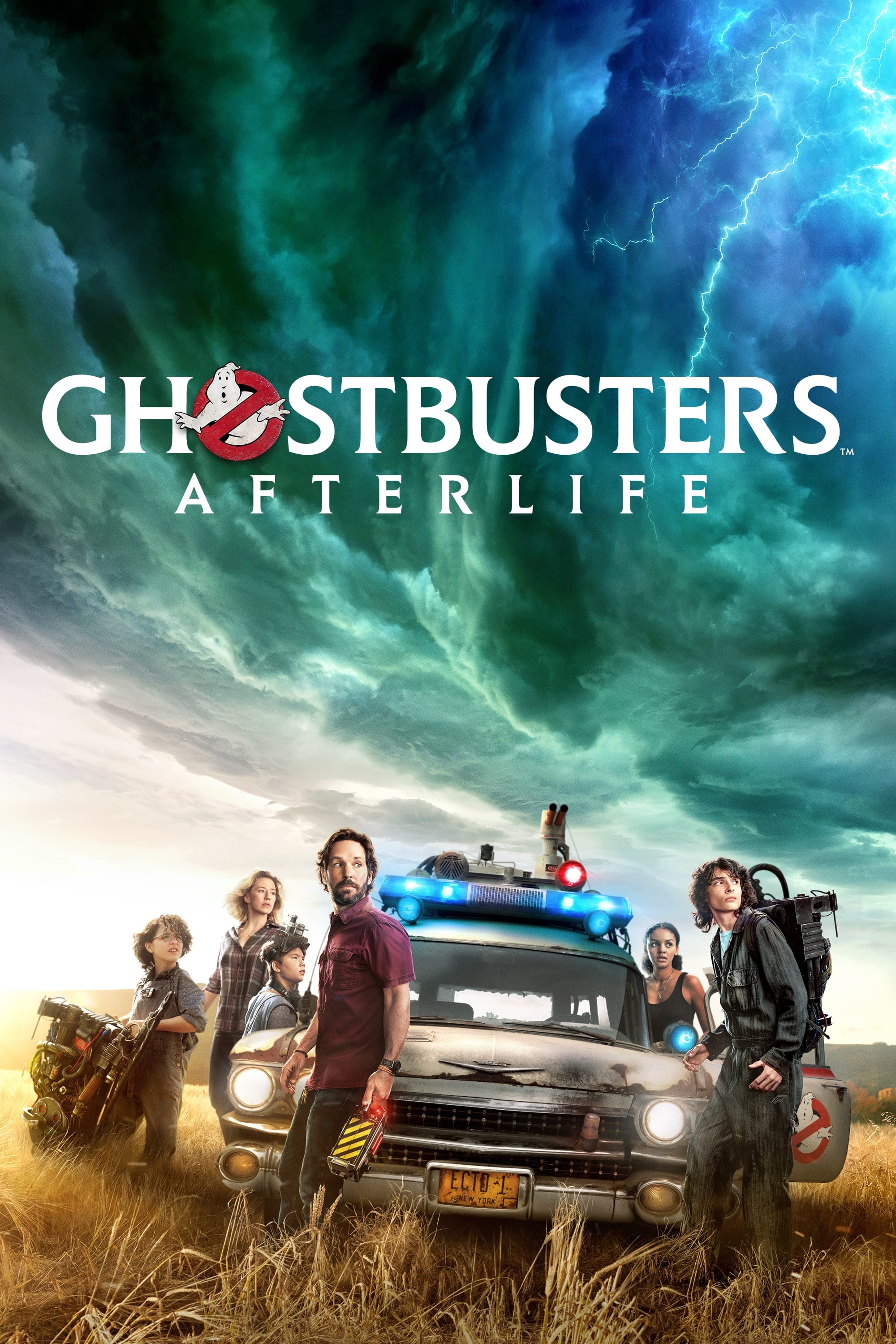
The movie’s biggest moment involved a computer-generated ghost of Egon Spengler, portrayed by the late Harold Ramis. Though the director meant it as a heartfelt tribute to his father and the creator of the Ghostbusters series, the scene proved controversial. Many viewers felt the silent digital image was overly sentimental and didn’t look quite right. Critics wondered if using a digital recreation to offer closure was necessary, arguing that the story and actors already present could have achieved the same effect. Ultimately, the scene demonstrated how easily a tribute can cross the line into simply trying to please fans with a familiar face.
‘Superman Returns’ (2006)
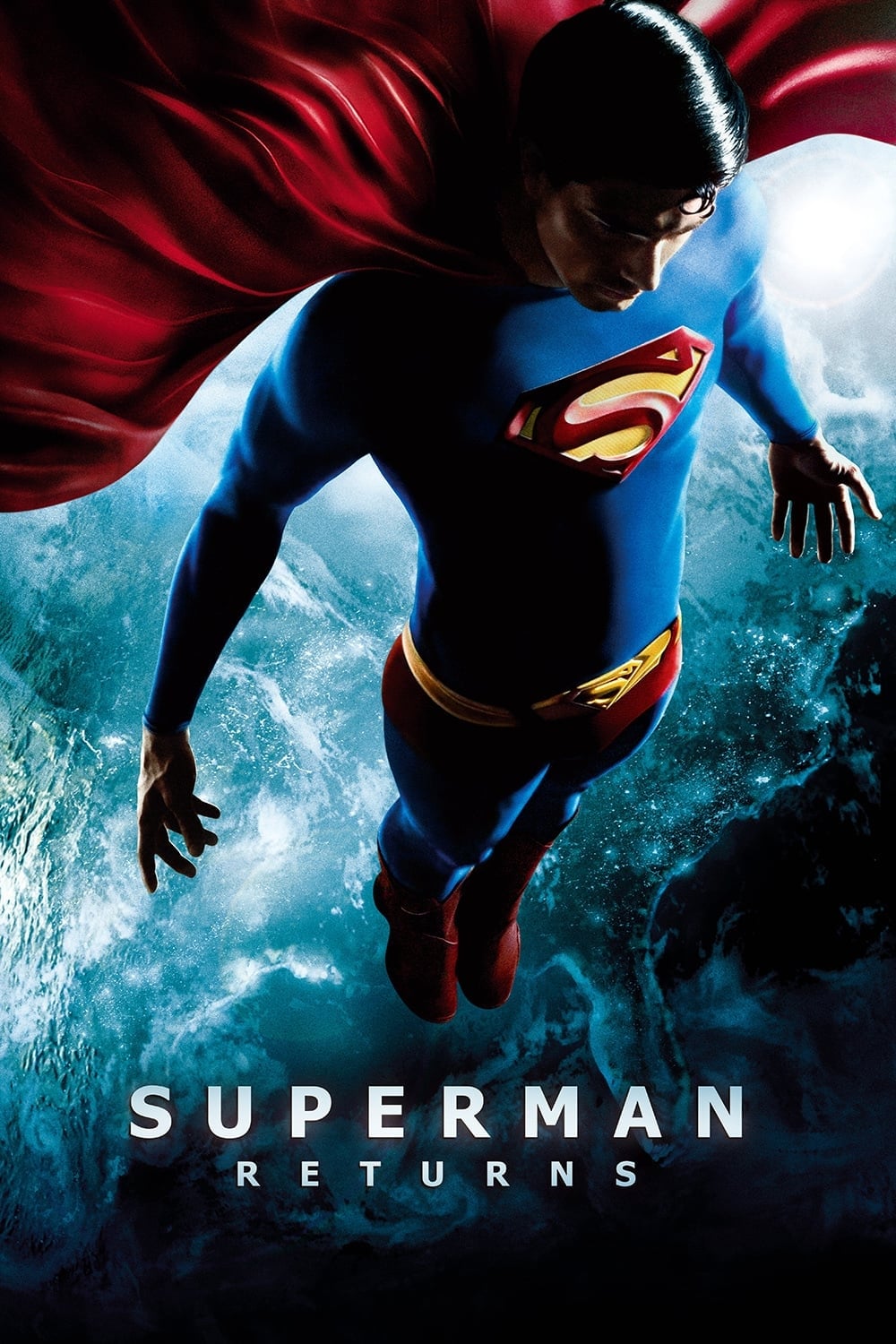
Director Bryan Singer brought Marlon Brando back to the screen as Jor-El by using previously recorded footage from the original 1978 film. The filmmakers digitally altered Brando’s image and voice to create scenes with the new actors. Though the effects were impressive for their time, Brando’s digital appearance felt distant and lacked emotional depth. Many critics felt that depending so heavily on a beloved actor who had passed away hindered the film’s ability to stand on its own, and the tribute ultimately came across as unnatural.
‘Sky Captain and the World of Tomorrow’ (2004)
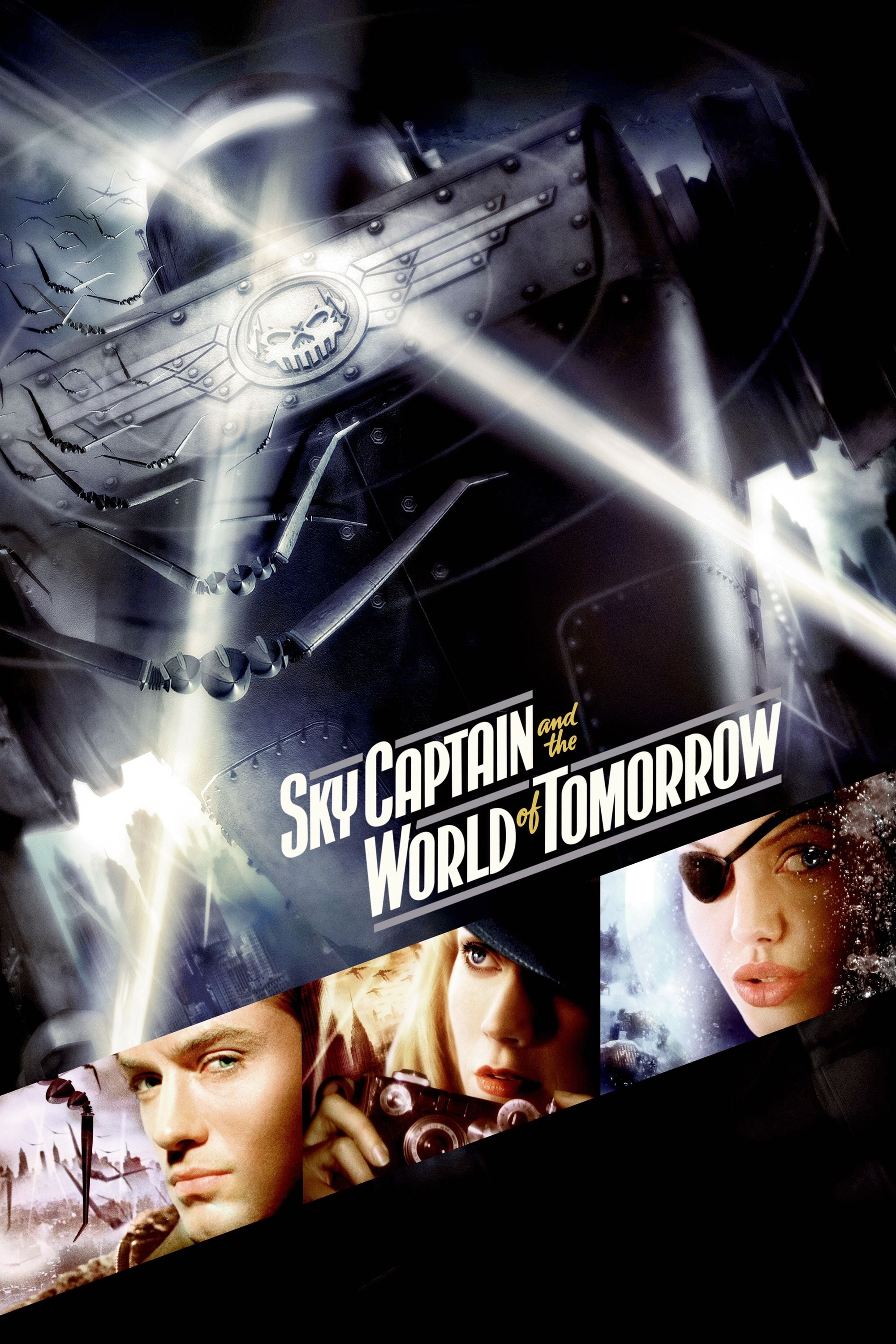
This unique, dieselpunk-inspired film featured a remarkable return for Laurence Olivier, who played the villain Dr. Totenkopf. Filmmakers cleverly used old footage and recordings to create a holographic version of the actor, who had passed away fifteen years prior. While the technology was impressive, many critics felt the hologram was a needless distraction from the story. Bringing such a celebrated actor back as a digital effect raised questions about the ethics of using digital actors, and ultimately, the novelty of the appearance took attention away from the film’s plot.
‘Furious 7’ (2015)
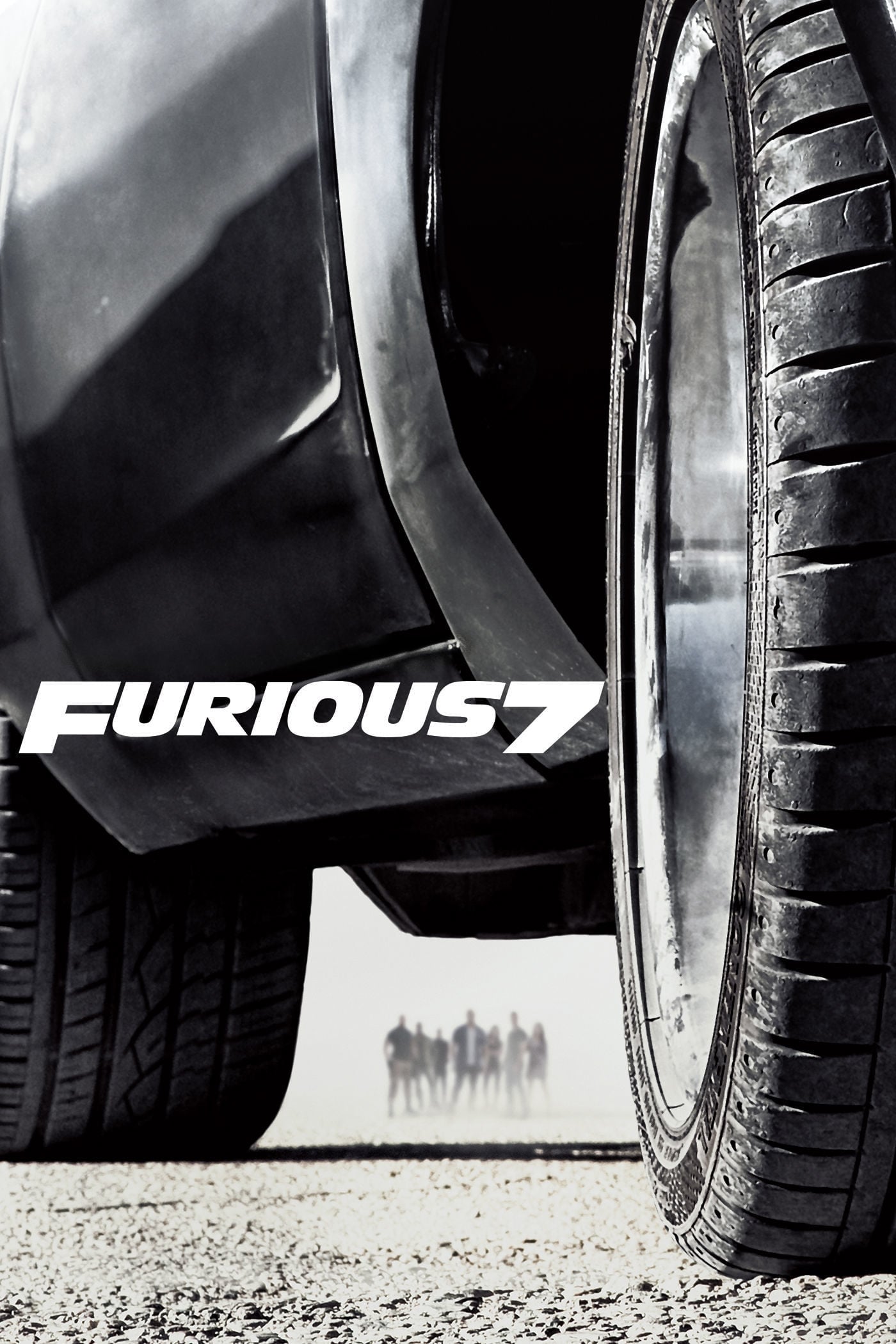
Filming on the latest installment in the action series stopped when Paul Walker tragically died in a car accident. To finish the movie, the filmmakers used Weta Digital to create a digital version of Walker, using his brothers as references. While the heartfelt tribute at the end of the film was well-received, the significant amount of computer-generated imagery used in the action scenes received a varied response. Some viewers found the digital recreation unsettling, especially considering the circumstances of Walker’s death. The film is now frequently examined as a key example of how to navigate the loss of a leading actor during production.
‘The Crow’ (1994)
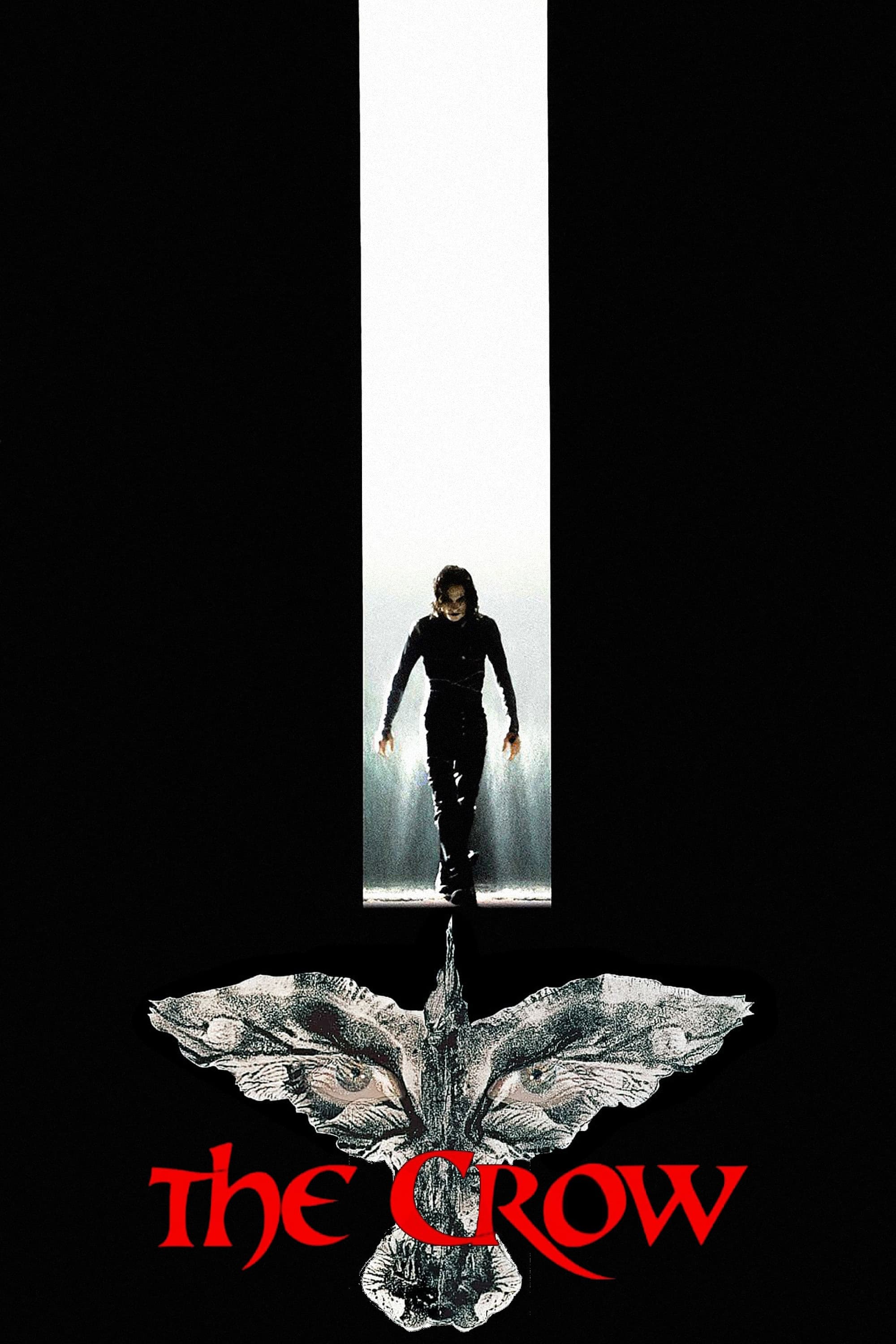
Brandon Lee tragically died in a gun accident on the set of the film just days before shooting was finished. Despite this, the studio chose to complete the movie using stand-ins and early digital technology to replace his face. Although the film later gained a devoted following, its release was initially met with debate. Many viewers found it difficult to disconnect the film’s themes of death and rebirth from the real-life tragedy. The final movie serves as a somber tribute to Lee, but the production is forever marked by the sadness of the accident that could have been avoided.
‘Gladiator’ (2000)
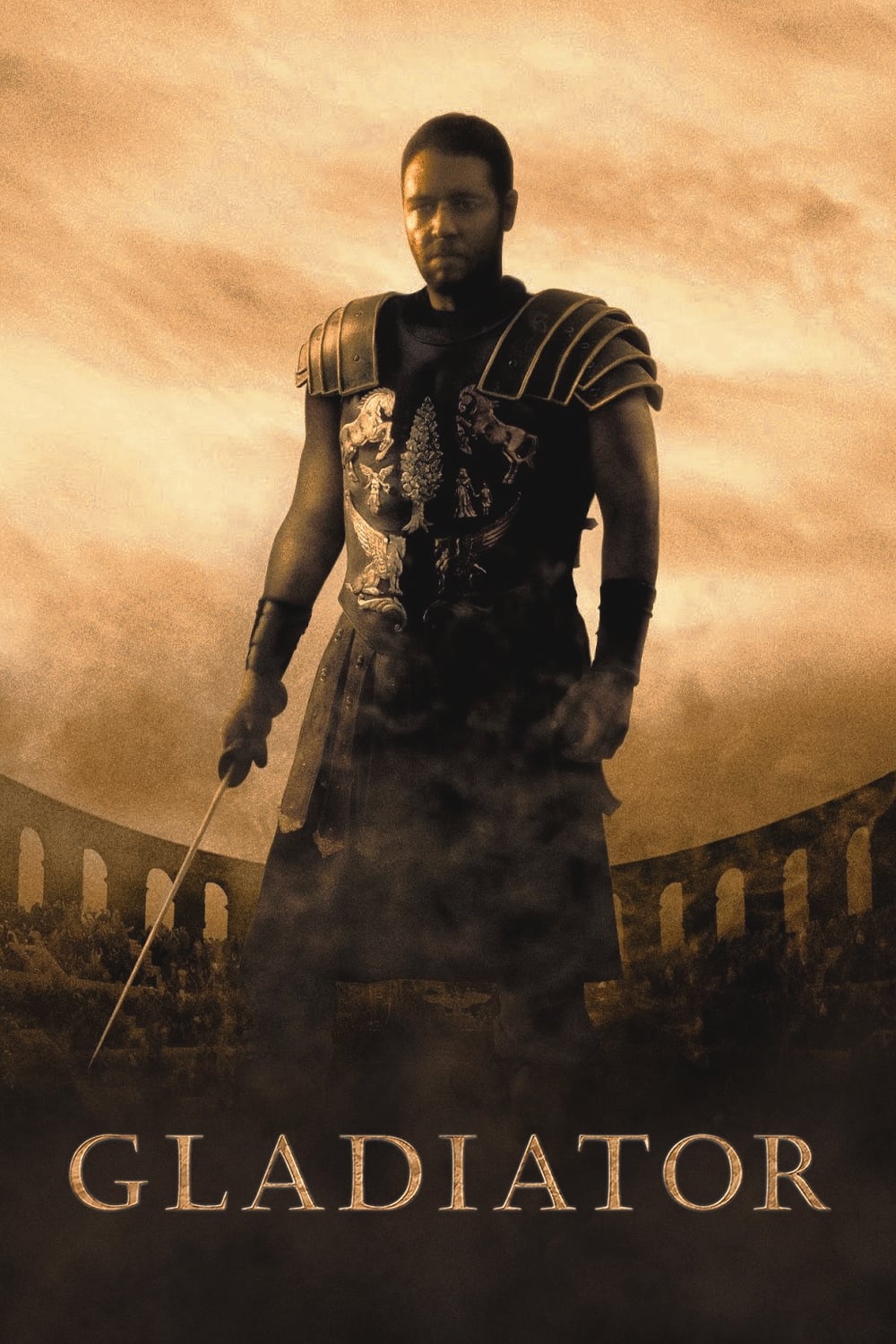
Oliver Reed tragically passed away during the filming of Gladiator before completing his role as Proximo. Director Ridley Scott cleverly finished the character’s story using a combination of a stand-in and digital effects – a pioneering technique for its time. While the visual trickery worked, the necessary dark lighting was sometimes obvious to attentive viewers. Despite positive reviews of the performance, some felt the knowledge that Reed wasn’t actually on screen in the final scenes diminished the experience. This was one of the first times digital technology was used to overcome an actor’s unexpected death during production.
‘Twilight Zone: The Movie’ (1983)
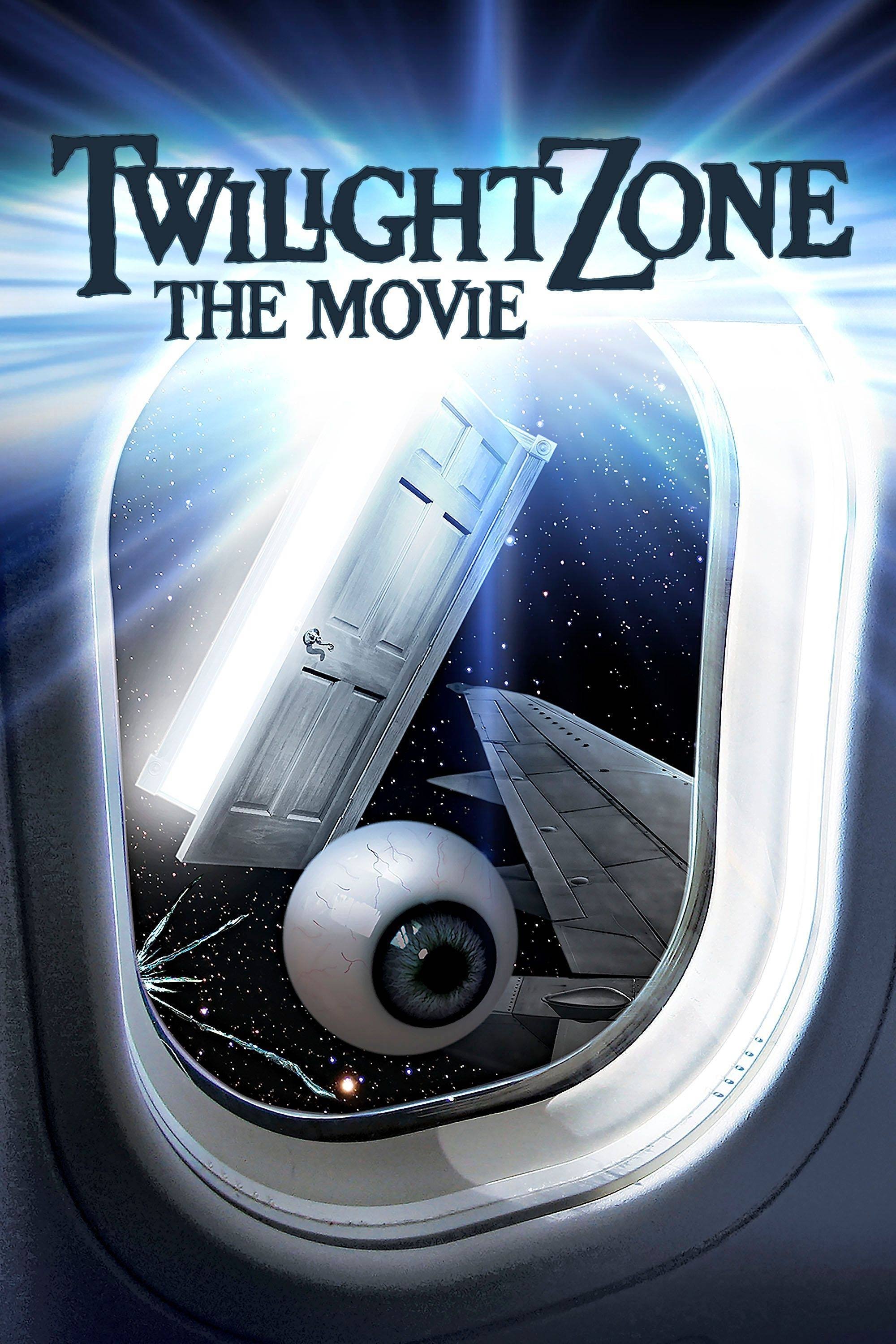
Let’s be honest, this film is impossible to discuss without acknowledging the terrible tragedy that overshadowed it. A helicopter crash during filming took the lives of Vic Morrow and two young actors, and the segment Morrow was in was still released as part of the movie. Knowing what happened on set, it’s incredibly difficult – and frankly, upsetting – to watch those scenes. The studio and director faced years of legal issues and the incident ultimately led to changes in how productions are run. It’s a film forever linked to negligence and a heartbreaking loss, and it’s a shadow that hangs over any attempt to simply review the work itself.
‘Brainstorm’ (1983)
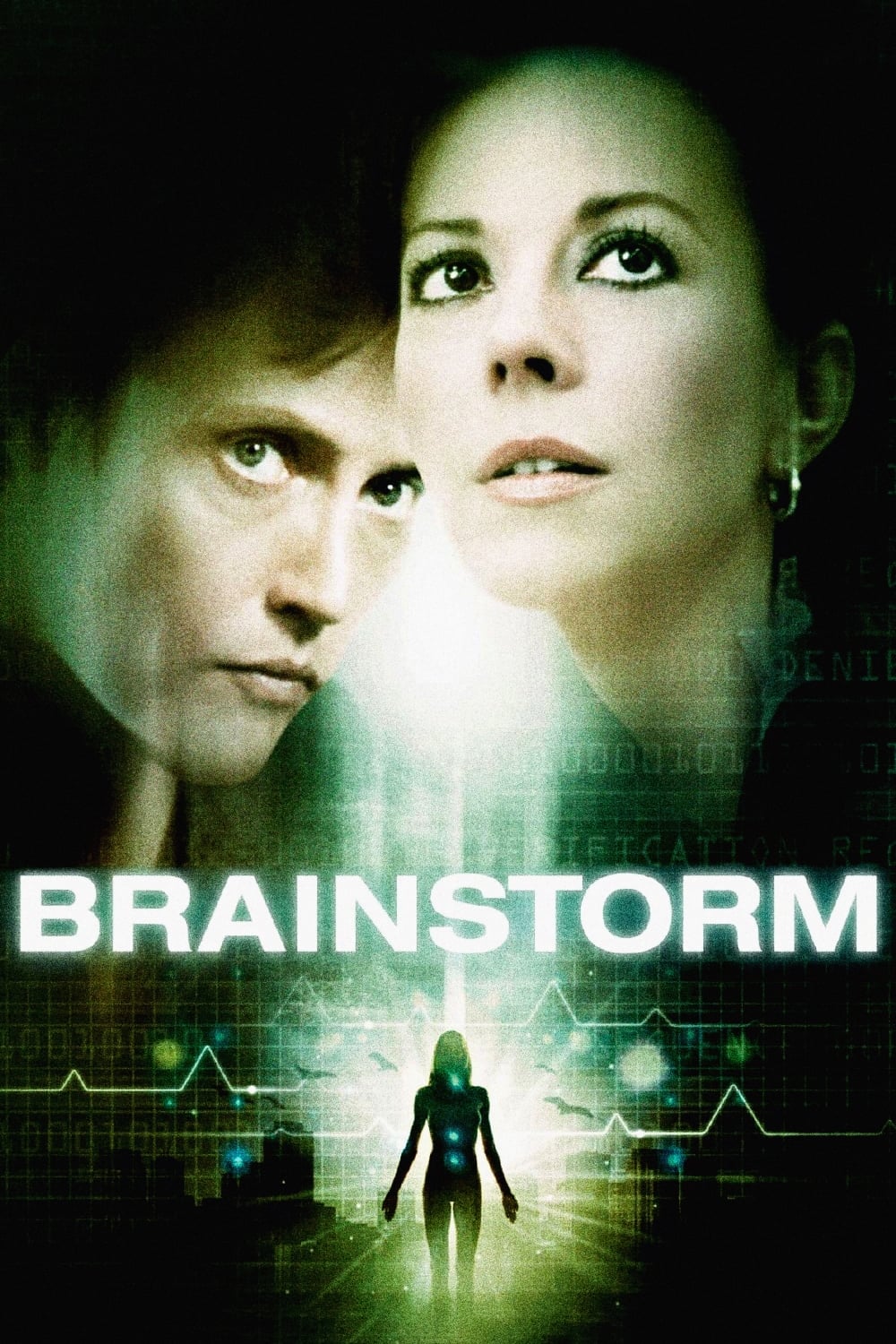
Natalie Wood tragically drowned during the filming of this science fiction movie. The studio considered canceling the project to collect insurance money, but the director insisted on finishing it. They used a substitute actor for her remaining scenes, filming them in a way that hid the person’s face. The finished film felt uneven, and the story about life after death seemed unsettlingly connected to Wood’s real-life death. The film’s marketing team had trouble addressing the mystery surrounding her passing, and ultimately, the movie didn’t resonate with audiences.
‘Iron Cross’ (2009)
Roy Scheider passed away during the making of this World War II movie, and the filmmakers had to find an unusual way to finish it. They used a latex mask on a stand-in, then added computer-generated effects. Because the film had a limited budget, the special effects weren’t as polished as those in bigger movies. Critics noticed the obvious artificiality of the lead actor’s performance in the final scenes, finding it distracting. It was a disappointing final role for an actor celebrated for his realistic portrayals.
‘Halloween Kills’ (2021)
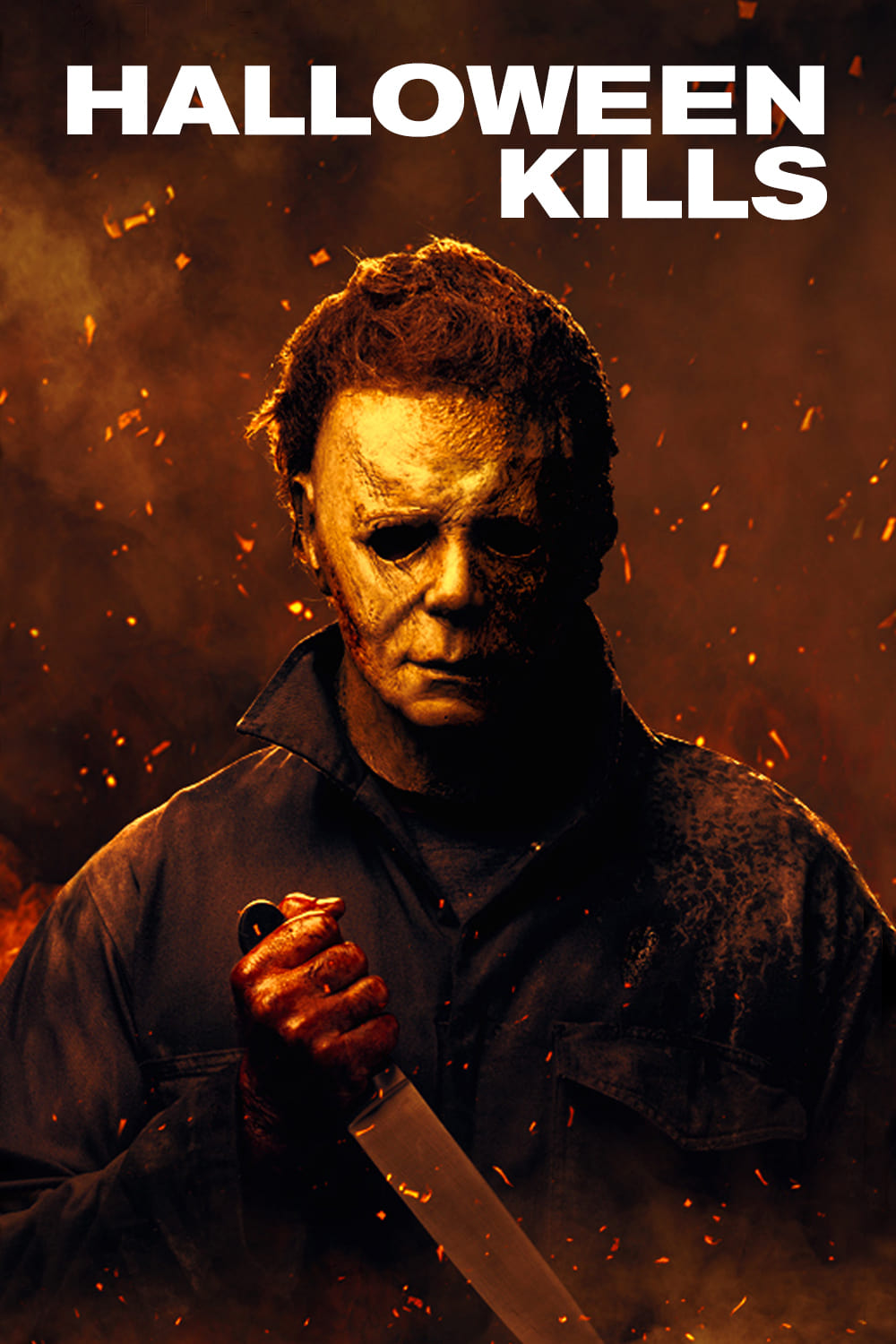
The latest horror movie included a scene set in 1978 with the character Dr. Loomis, played by the late Donald Pleasence. Since Pleasence passed away in 1995, the filmmakers used an actor who resembled him and relied on makeup to create the illusion. While not entirely computer-generated, the resemblance and voice imitation struck many fans as unsettling. Critics argued the scene was unnecessary fan service that didn’t contribute enough to the plot to warrant recreating a deceased actor. This raised broader questions about whether it’s necessary to bring back beloved characters for short appearances.
‘Cars 3’ (2017)
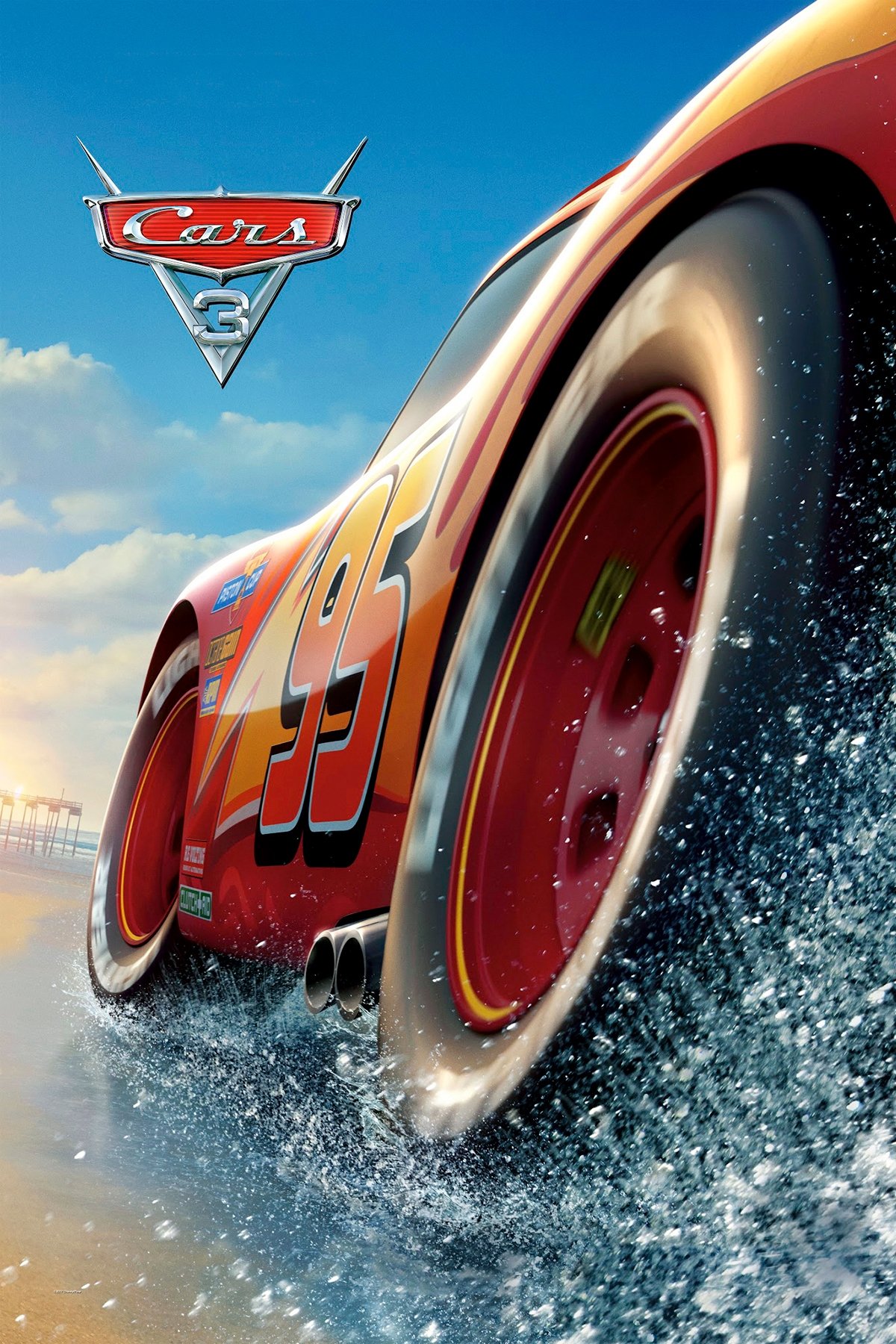
Pixar creatively brought back the character Doc Hudson in the third film by using leftover voice recordings from Paul Newman. However, the dialogue they could create was limited to basic lines and sounds like breathing. Some reviewers felt this approach, built from unused footage, didn’t do justice to the character. The scenes relied more on the audience remembering Paul Newman’s performance than on a new one, and it showed how difficult it can be to build a story using only archived audio.
‘Toy Story 4’ (2019)
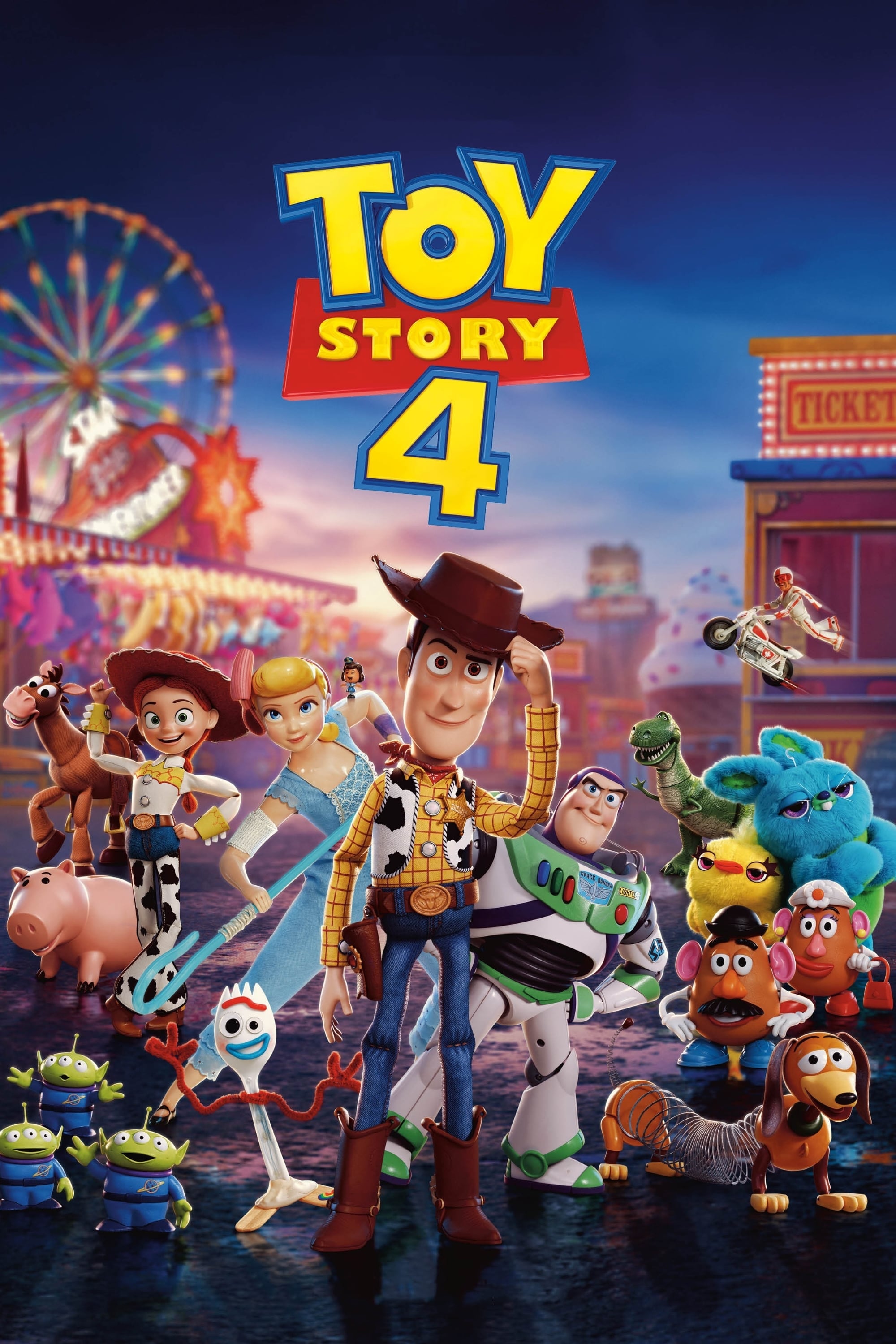
Don Rickles was set to return as the voice of Mr. Potato Head, but sadly passed away before he could record any new lines. To work around this, the creators searched through years of his previous recordings – from movies and shorts to theme park attractions – and assembled his dialogue from those sources. As a result, Mr. Potato Head appeared less prominently in the new film, and his lines often felt like simple reactions to what other characters were saying. Fans quickly noticed his smaller role and the slightly strange way the old audio was patched into the new script. While it was a commendable effort, it ultimately highlighted just how unique and irreplaceable Rickles’ comedic talent truly was.
‘Avalanche Express’ (1979)
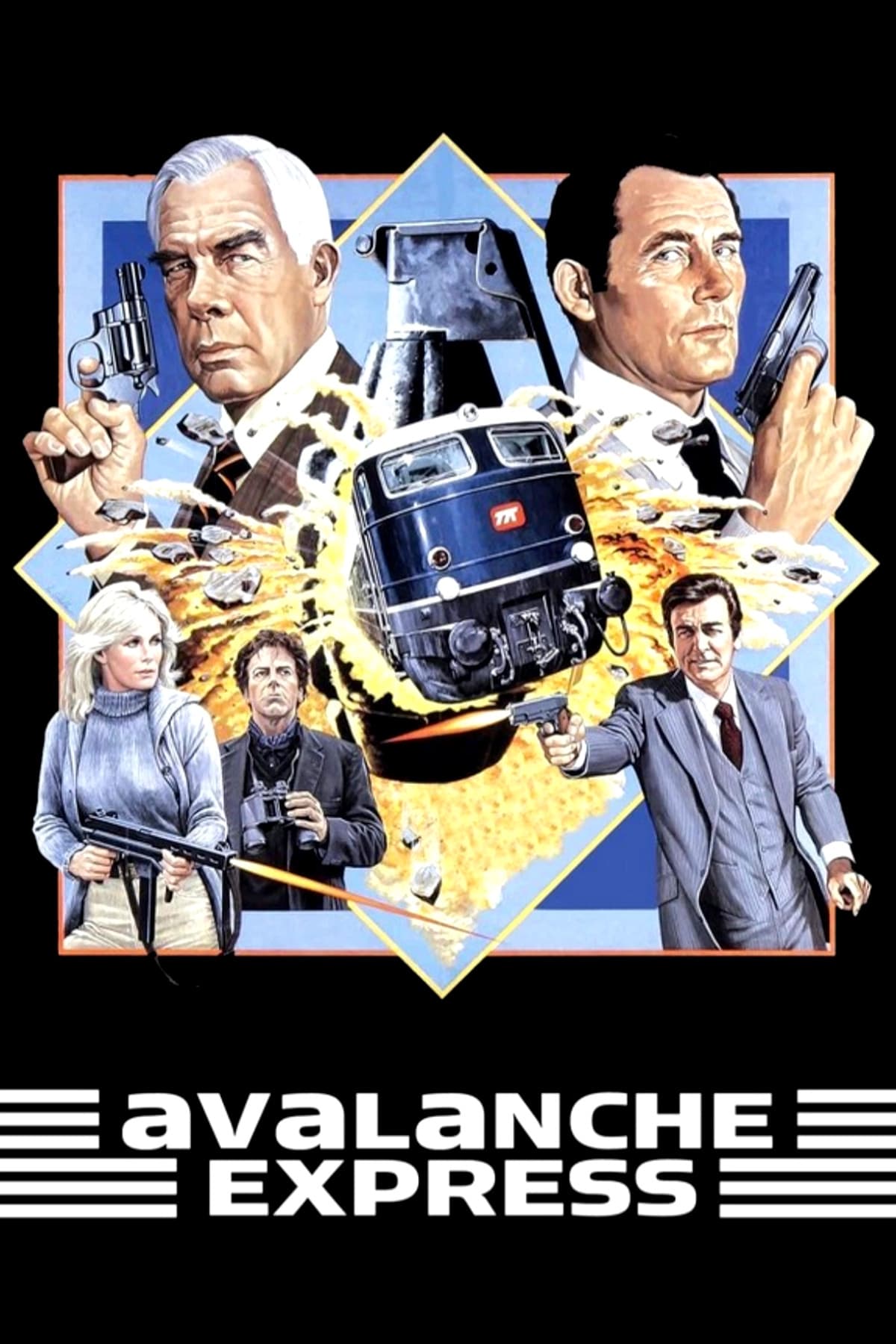
Robert Shaw unexpectedly passed away from a heart attack while the movie was being finished. Although most of the film was done, he hadn’t yet re-recorded some lines to clarify the sound. To fix this, the studio brought in voice impressionist Rich Little to dub over a lot of Shaw’s dialogue. Many viewers noticed the difference in voice, as Shaw was known for his uniquely gravelly tone. Critics didn’t like the film, and the noticeable audio issues were a significant problem.
‘Saratoga’ (1937)
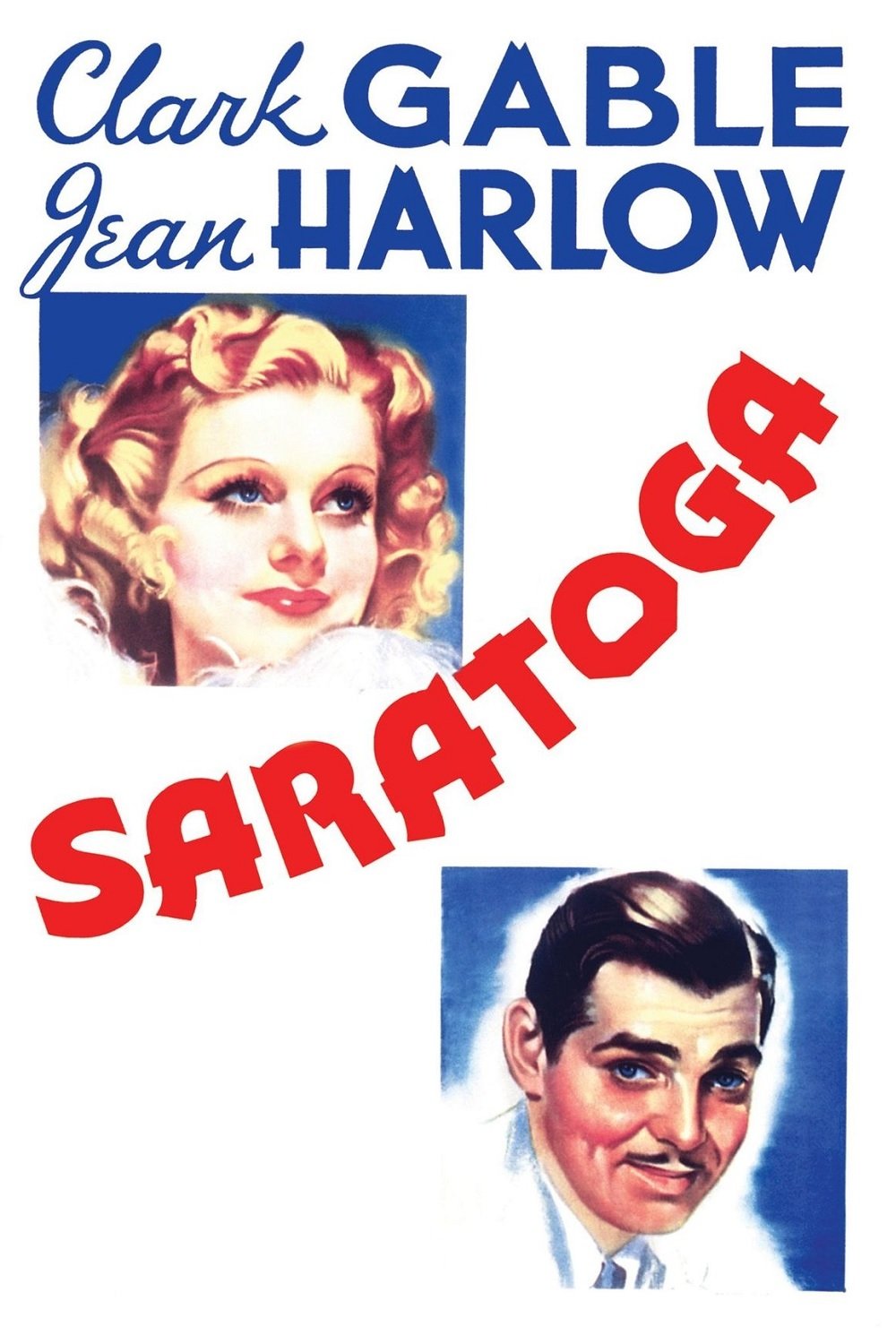
Jean Harlow tragically died of kidney failure while filming, leaving important scenes unfinished. The studio completed the movie using body doubles, often filmed from far away or with their faces hidden by props like hats and binoculars. They also used voice actors to record new dialogue. Audiences at the time clearly noticed the strange camera angles and attempts to hide the doubles. Though the film did well financially because people were curious, it’s now mostly remembered for the obvious and clumsy ways the studio tried to cover up Harlow’s death.
‘Curse of the Pink Panther’ (1983)
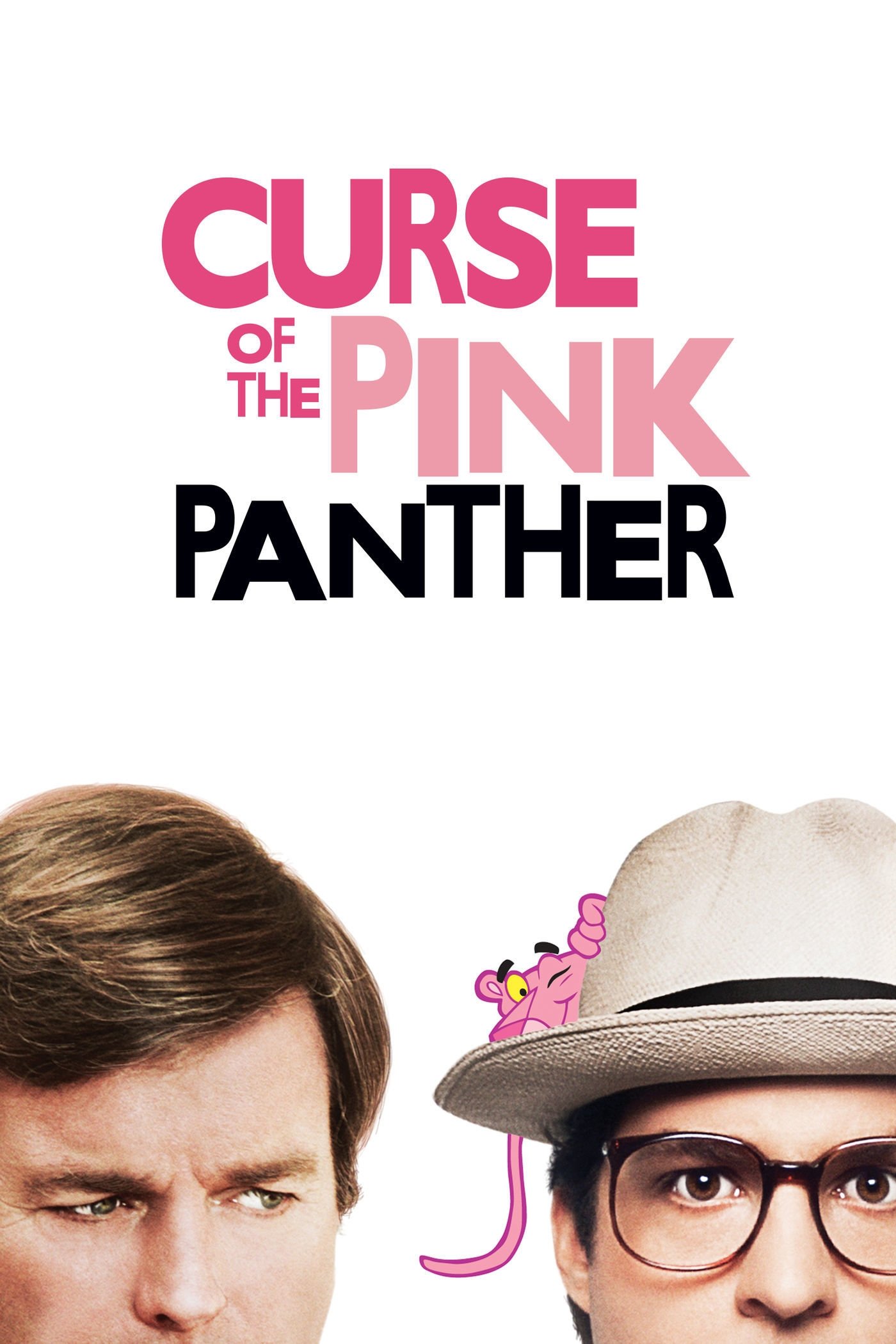
During the making of this comedy, David Niven was seriously ill with ALS, and his voice had become very weak. To overcome this, the filmmakers hired impressionist Rich Little to re-record all of Niven’s lines. This created a strange contrast between Niven’s on-screen movements and the lively voice audiences heard. Fans who knew about Niven’s failing health found the movie difficult to watch. The film is often criticized for essentially replacing Niven’s performance with someone else’s, given his weakened condition.
‘Game of Death II’ (1981)
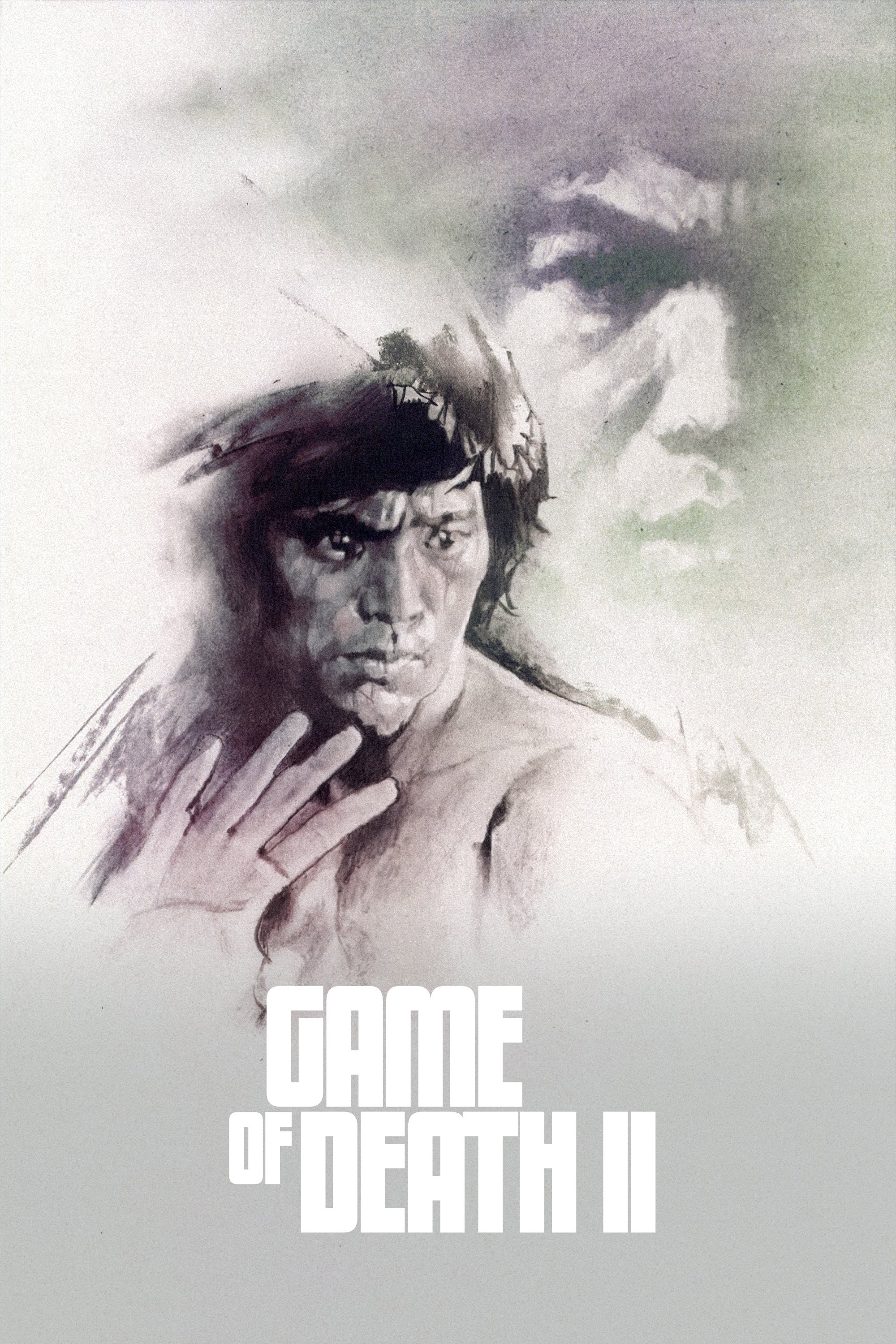
This follow-up to a previously debated film tried to capitalize on Bruce Lee’s popularity for financial gain. The movie awkwardly combined clips from Lee’s other films in the beginning and quickly killed off his character. To make the film longer, they even included childhood footage of Lee. Critics widely condemned it as a disrespectful and blatant attempt to profit from his legacy, with little regard for the values he represented. It’s considered the low point of the wave of films made after his death that simply tried to imitate his style.
‘Dark Blood’ (2012)
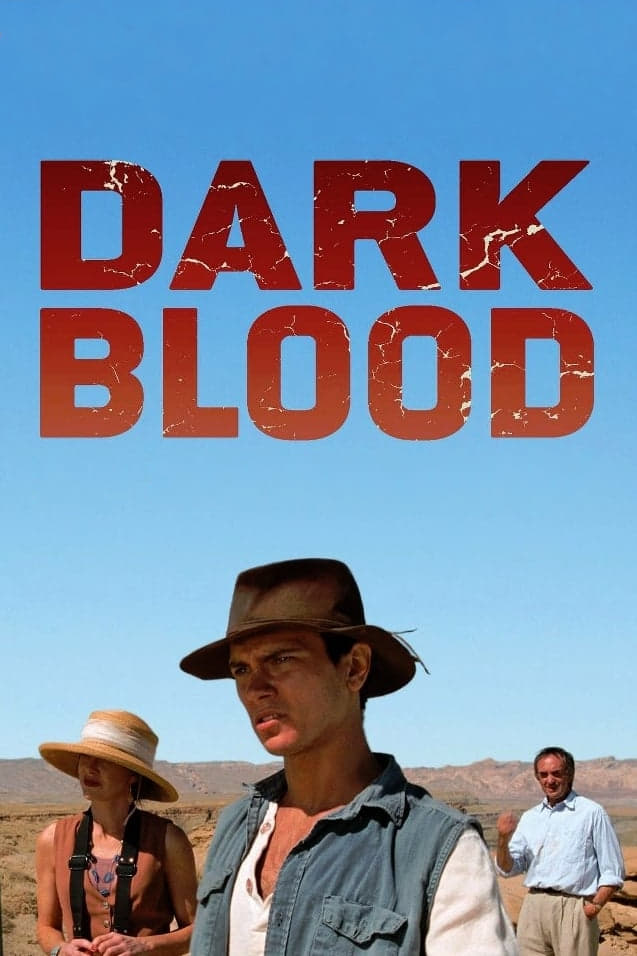
River Phoenix passed away in 1993, leaving about 80% of this film unfinished, and the project was put on hold for almost twenty years. The director later released a version using freeze-frames for missing scenes and reading the intended dialogue and action. While some viewers were glad to see Phoenix’s final performance, others found the presentation awkward. The narration felt intrusive, constantly drawing attention to the tragic circumstances and hindering the story’s flow. As a result, the film is more of a fascinating footnote in movie history than a fully realized work.
‘Roadrunner: A Film About Anthony Bourdain’ (2021)
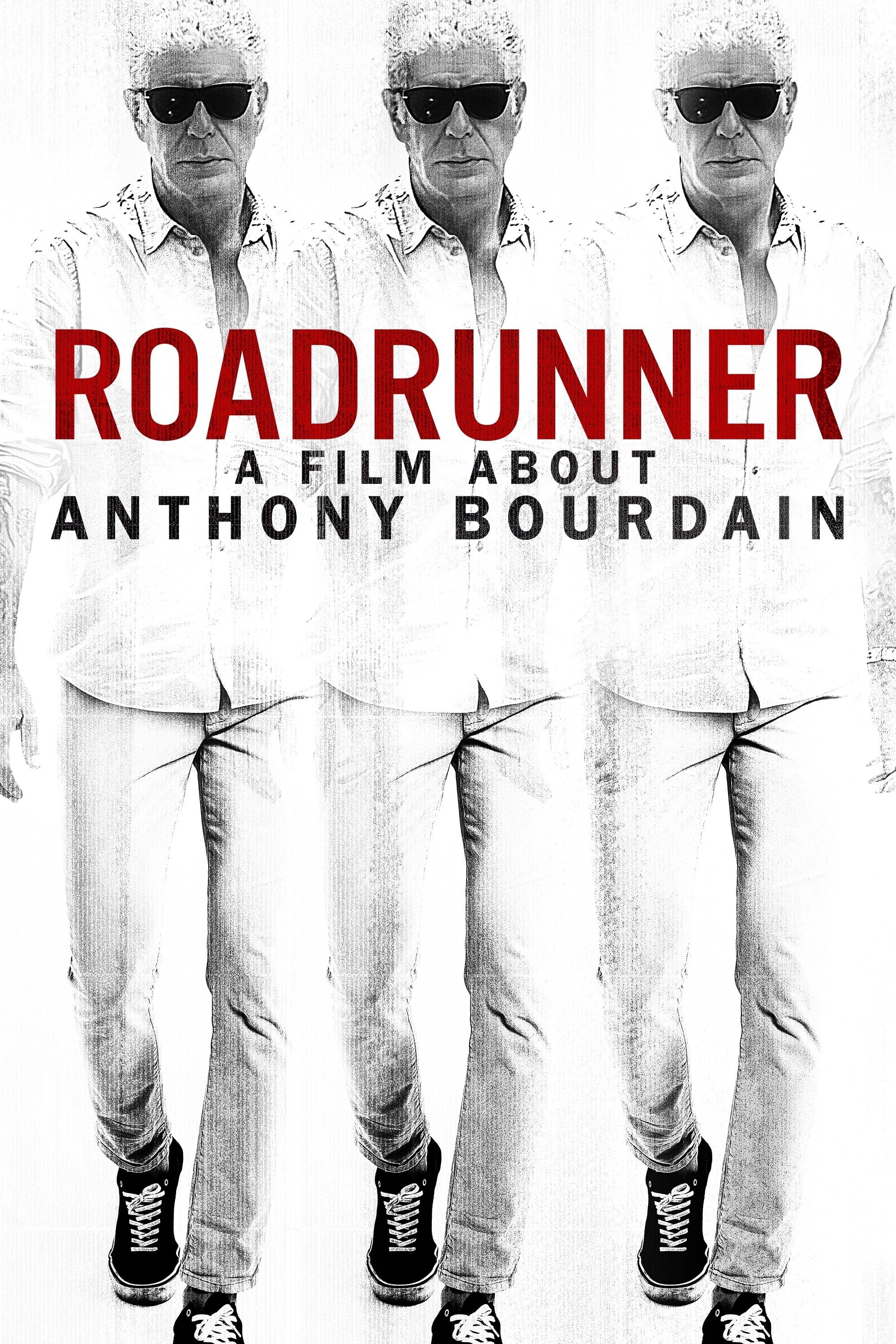
As a huge cinema fan, I was really struck by the controversy surrounding this documentary. It used AI to recreate the voice of a chef who had passed away, taking words from his old emails and having the AI ‘speak’ them – things he’d written but never actually recorded. What bothered a lot of people – and me – was that viewers weren’t told upfront it wasn’t his actual voice. Critics rightly pointed out that essentially putting words in the mouth of someone who’s gone raises serious questions about honesty and what documentaries should be. It really brought home how important it is for filmmakers to be upfront about using these new technologies, especially when dealing with real people’s legacies.
‘Giant’ (1956)
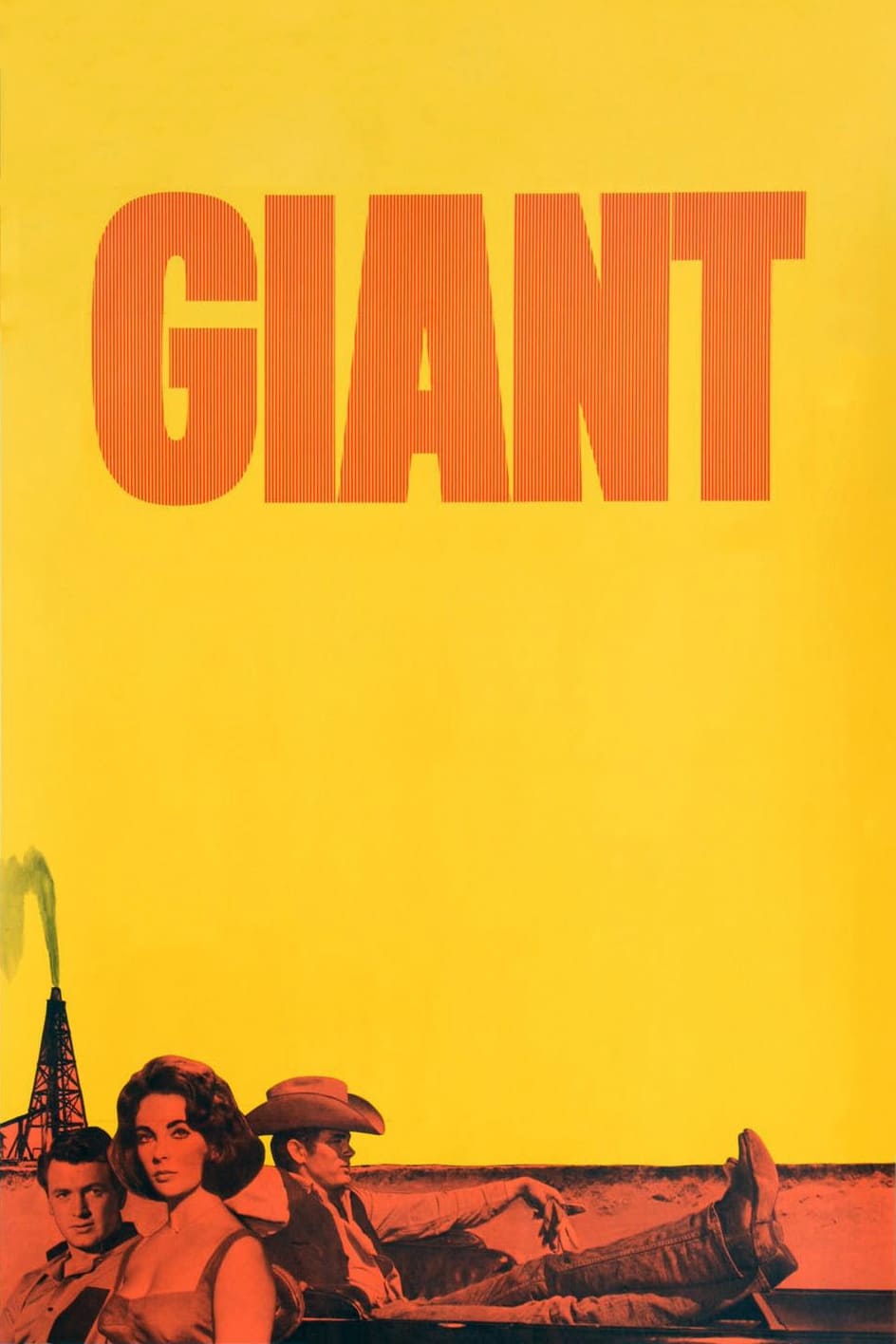
James Dean tragically died in a car accident before finishing this large-scale film. One scene, a drunken speech, had audio that was too unclear, so it needed to be re-recorded. Actor Nick Adams stepped in to provide the voice for Dean’s lines after his death. Though the movie is now a classic, this dubbed scene always feels a little unnatural to film experts. It’s a quiet but lasting reminder of the loss of Dean before the film was released.
‘Absolutely Anything’ (2015)
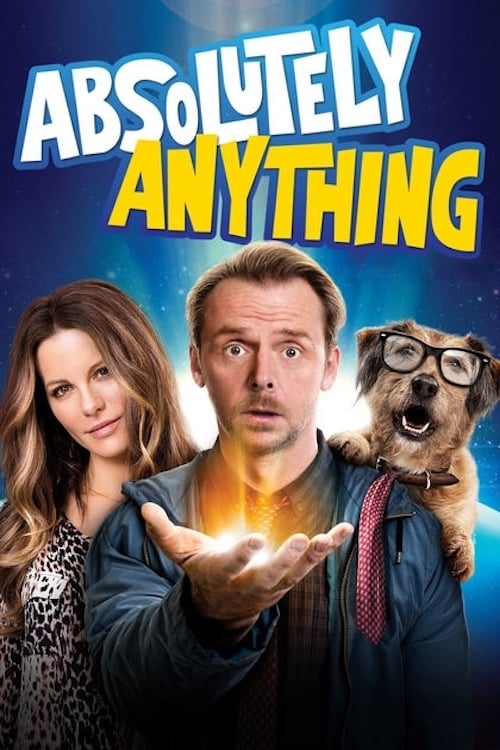
Robin Williams’ last film role was voicing a talking dog in this science fiction comedy. Critics were saddened that his remarkable career concluded with a silly movie filled with crude jokes. Though Williams delivered an energetic performance, many reviewers were disheartened knowing it was his final work. Some felt the film’s marketing unfairly capitalized on his involvement, considering the movie’s overall quality. It’s often mentioned when discussing talented actors who had disappointing final projects.
‘Solomon and Sheba’ (1959)
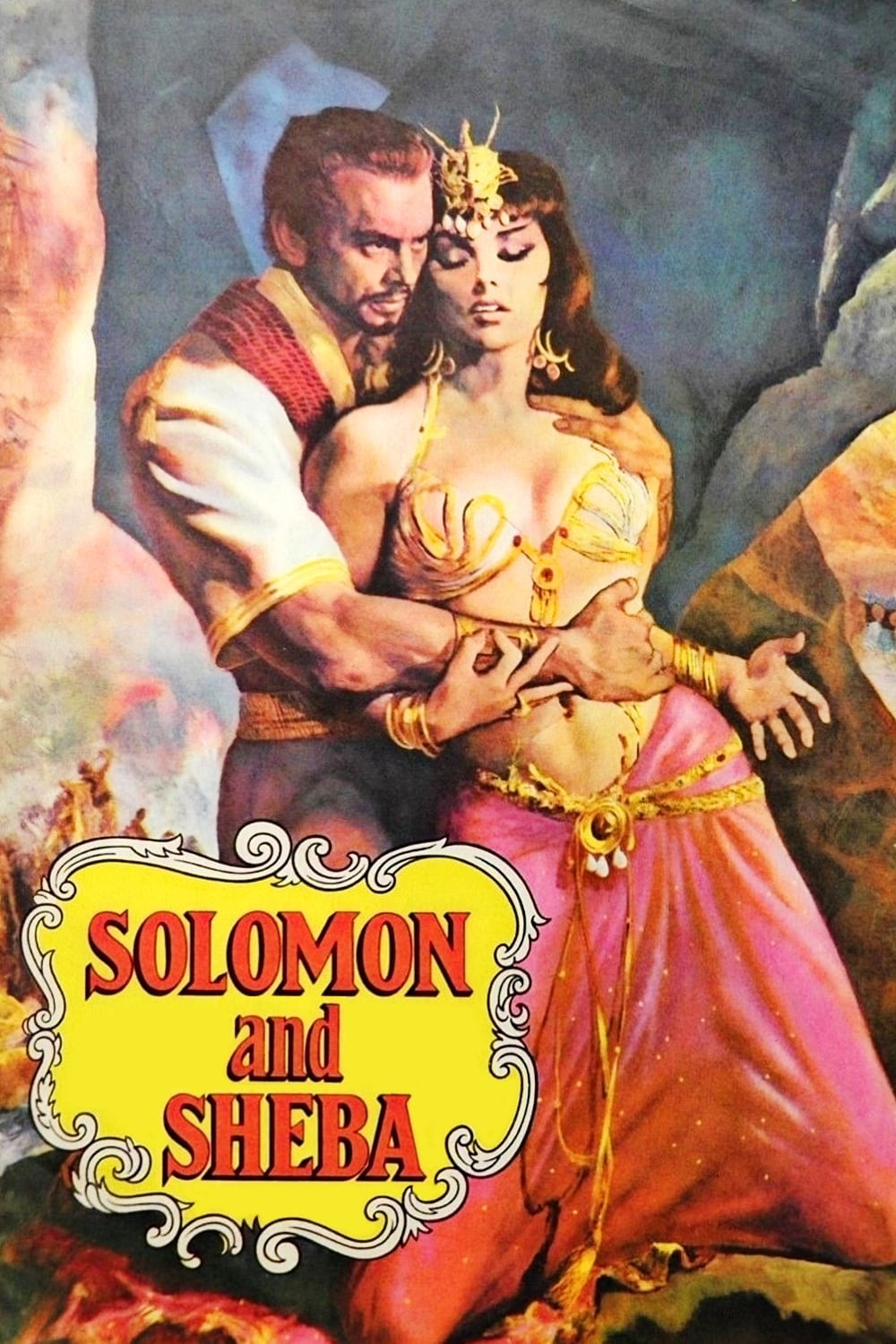
During the filming of this historical movie, actor Tyrone Power unexpectedly died of a heart attack while shooting a sword fight. Yul Brynner stepped in to replace him and had to film most of the scenes again. To save money and time, the filmmakers kept Power visible in wide shots of battle scenes. Sharp-eyed viewers can notice the difference in how the two actors look and move when they appear together. Some people found this decision to include the deceased actor in the film alongside his replacement to be unusual.
‘The Hunger Games: Mockingjay – Part 2’ (2015)
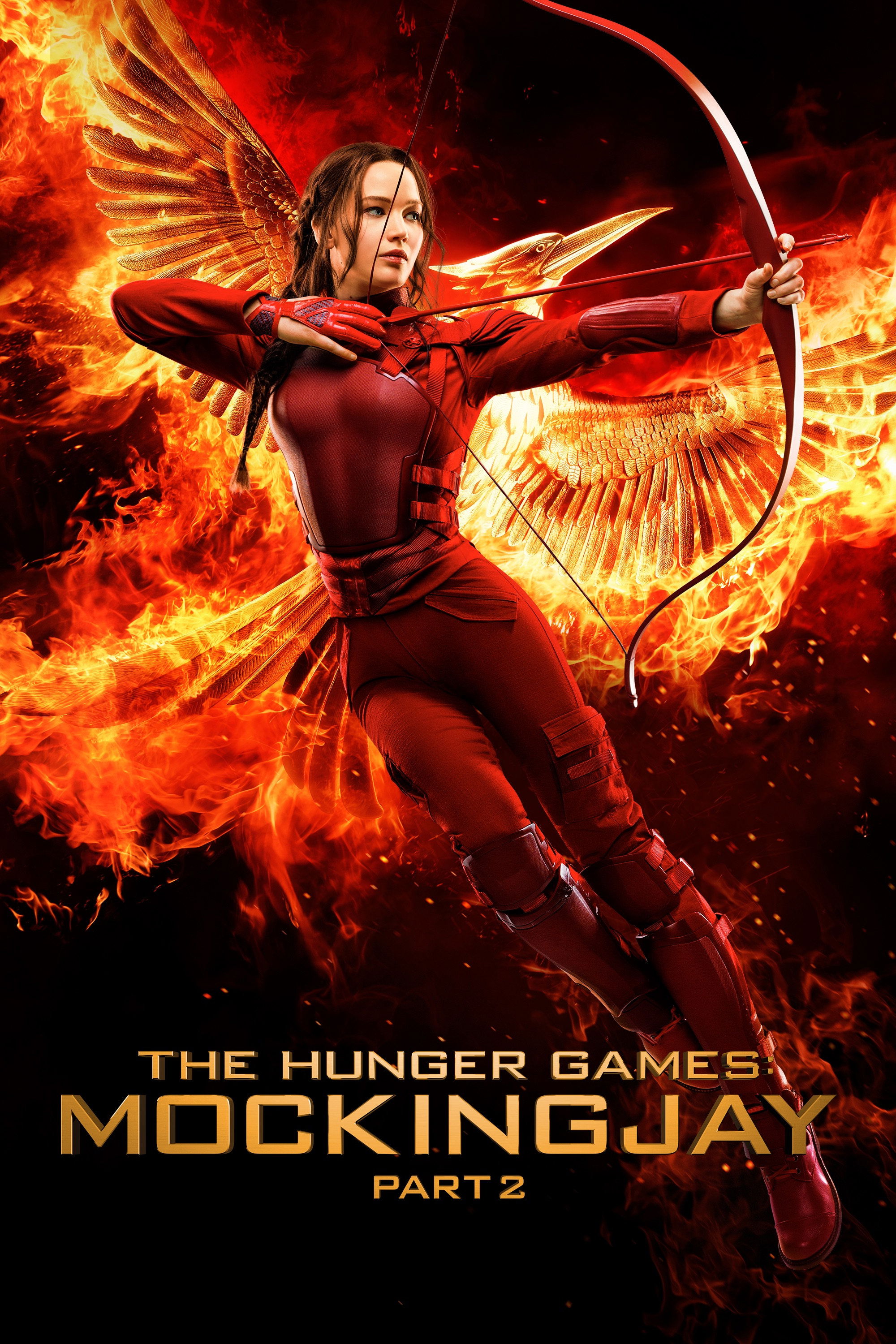
When Philip Seymour Hoffman unexpectedly passed away, one important scene involving a direct conversation with the lead character remained unfinished. Rather than create a digital recreation of Hoffman, the filmmakers cleverly rewrote the scene to have another character read a letter supposedly written by his. While this choice was made out of respect and avoided using potentially jarring CGI, many felt it ultimately deprived audiences of a powerful, final emotional moment. The letter, used to deliver necessary plot information, felt flat and unsatisfying compared to the originally planned scene, and served as a stark reminder of the loss of a talented actor.
Let us know in the comments which movie you think portrayed this challenging situation most effectively, or least effectively.
Read More
- Top 20 Dinosaur Movies, Ranked
- 20 Movies Where the Black Villain Was Secretly the Most Popular Character
- 25 “Woke” Films That Used Black Trauma to Humanize White Leads
- Celebs Who Narrowly Escaped The 9/11 Attacks
- Spotting the Loops in Autonomous Systems
- Gold Rate Forecast
- The 10 Most Underrated Jim Carrey Movies, Ranked (From Least to Most Underrated)
- Silver Rate Forecast
- Transformers Under the Microscope: What Graph Neural Networks Reveal
- The Best Directors of 2025
2026-01-24 18:20