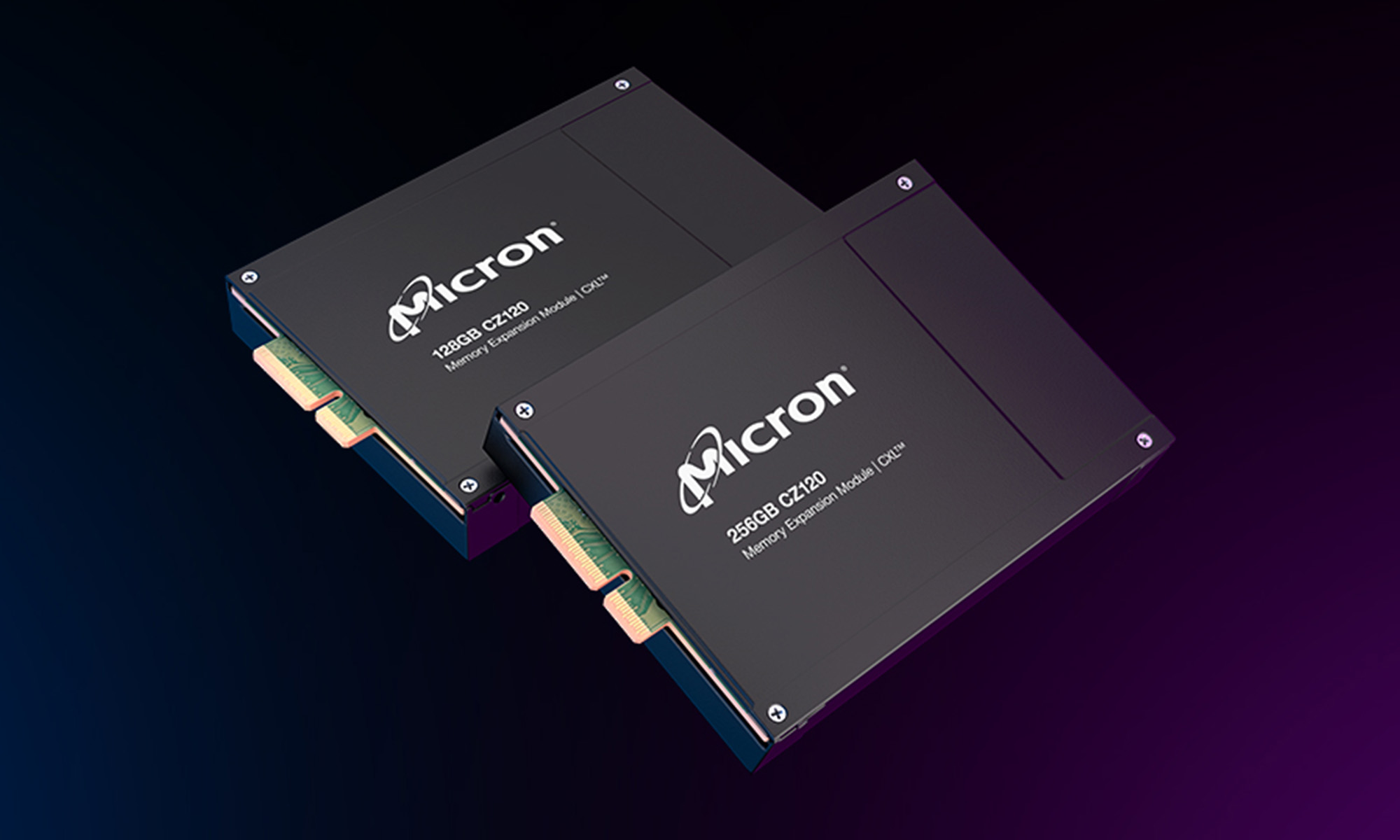
Right then. Micron Technology. A company that makes the little bricks of forgetting – memory chips, to the uninitiated1 – and has recently had a rather interesting quarter. Profits up nearly ninefold, revenue tripling… you’d think the market would be doing cartwheels. Instead, the share price dipped. Which, frankly, is like offering a gnome a gold ingot and then being surprised when he doesn’t immediately build a miniature palace. The usual explanations – “buying the rumour, selling the news” – are, shall we say, lacking in imagination. It suggests something…deeper. And as anyone who’s ever attempted to explain compound interest to a badger knows, ignoring the deeper things is rarely a good idea.
1. The Skittishness of the Silicon Sorcerers
The market, you see, is currently afflicted with a peculiar malady: AI anxiety. Stocks related to Artificial Intelligence have been wobbling about like jelly on a particularly bumpy cart track. This isn’t entirely surprising. The promise of thinking machines is all very well, but someone has to pay for the electricity, and the capital expenditure involved is…substantial. Micron, having enjoyed a bit of a run on its High-Bandwidth Memory (HBM) chips, seemed to have sidestepped the initial wobble. The stock price, over the last year, performed a rather impressive vertical ascent. It’s one of only three companies capable of producing this particular flavour of memory, which gives it a certain… leverage. Think of it as owning the only well on the desert road.
However, immunity is a rare thing in this world, and Micron isn’t immune to the prevailing winds of concern. It’s pledged a rather significant $25 billion to capital expenditure by 2026. That’s less than Alphabet’s eye-watering outlay (they’re practically paving the roads to the Cloud with gold), but it’s still a considerable sum for a company with a liquidity position that, while respectable, isn’t exactly overflowing. Investors, and those contemplating joining the ranks, would be wise to keep a watchful eye on how this expenditure is managed. Waste is, after all, a sin against efficiency, and efficiency is the bedrock of any thriving enterprise.2
2. The Illusion of Inevitable Downturns
Now, some will tell you that the semiconductor industry is cyclical. That booms are inevitably followed by busts, and that Micron, despite its current success, will eventually succumb to the forces of market gravity. And historically, they wouldn’t be entirely wrong. The memory business, in particular, has a tendency to swing wildly between periods of abundance and scarcity. However, the current situation is…different. The demand for HBM is, for the moment, exceptionally strong, mitigating the usual cyclical effects. This allows investors to focus on the company’s substantial growth, rather than bracing for the inevitable fall.
In the second quarter of fiscal 2026, revenue jumped a rather impressive 195% year-on-year, reaching $24 billion. Costs, thankfully, didn’t rise at the same rate, resulting in a quarterly net income of $14 billion – a significant improvement over the $1.6 billion earned in the previous year. Looking ahead to Q3, Micron is forecasting revenue of $33.5 billion, representing a further 260% year-on-year increase. Bloomberg Intelligence estimates a compound annual growth rate of 42% for the HBM market through 2033. And with a P/E ratio of 21, Micron stock appears, at least for the foreseeable future, more likely to rise than fall. Of course, if that growth rate were to slow significantly… that would be a signal. A very large, flashing signal.
Navigating the Memory Maze
Ultimately, a bit of market skittishness, or even an eventual industry downturn, shouldn’t necessarily discourage Micron investors. But it should be taken seriously. Complacency is a dangerous thing, especially when dealing with billions of dollars. I remain confident that the demand for HBM memory will continue for years to come. And that rising demand should, to a considerable extent, mitigate the effects of any future industry downturn.
Therefore, while investors should certainly keep a watchful eye on industry cycles, Micron stock, amidst this unprecedented demand, should continue to outperform the market. It’s a simple equation, really: more demand than supply, coupled with a company that can actually deliver. It’s not magic. It’s just… good business.3
1 Memory chips, you see, don’t actually forget. They simply become temporarily unavailable to the conscious mind. A subtle distinction, but an important one.
2 Waste, incidentally, is the natural enemy of gnomes. They hoard everything, you see, and dislike anything being discarded.
3 Good business, in the ancient tongue, translates roughly to “making sure everyone gets a fair share, and that the gnomes don’t get too much.”
Read More
- Can AI Lie with a Picture? Detecting Deception in Multimodal Models
- 20 Movies Where the Black Villain Was Secretly the Most Popular Character
- Top 10 Coolest Things About Invincible (Mark Grayson)
- Silver Rate Forecast
- 25 “Woke” Films That Used Black Trauma to Humanize White Leads
- 22 Films Where the White Protagonist Is Canonically the Sidekick to a Black Lead
- When AI Teams Cheat: Lessons from Human Collusion
- From Bids to Best Policies: Smarter Auto-Bidding with Generative AI
- Gold Rate Forecast
- Top 20 Dinosaur Movies, Ranked
2026-03-23 20:42