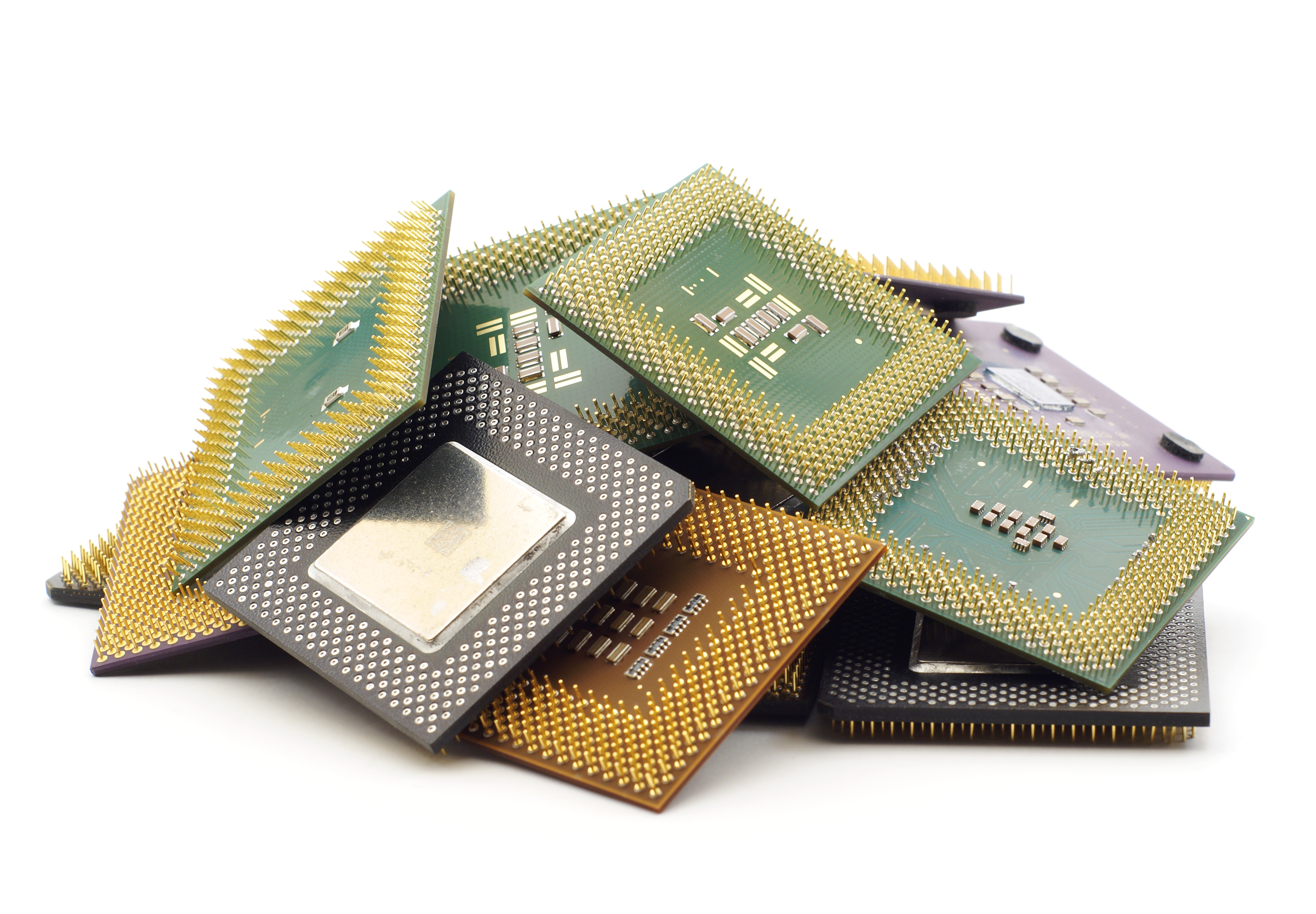
It has come to pass, in these latter days of accelerating calculation, that a new hunger grips the engines of progress – a hunger not for coal nor steam, but for memory. The very fabric of what we call intelligence, artificial though it may be, is woven from the threads of stored experience, and these threads, it appears, are becoming increasingly scarce. The advent of these generative intelligences, these ‘AI’ as they are termed, has stirred a demand for memory that threatens to outstrip supply, a situation not unlike the famines of old, yet concerning a more ethereal harvest.
Many speak of the power required to fuel these digital minds, of the vast data centers consuming energy like leviathans. But this, I suspect, is a distraction, a focusing upon the visible symptom rather than the deeper malady. The true constraint lies not in the ability to process information, but in the ability to retain it. For what is thought without memory? A fleeting phantom, a whisper lost in the wind. And to produce this memory, this essential substrate of the new age, requires not magic, but the diligent application of human ingenuity, and, of course, capital.
And so, one finds oneself observing, with a certain degree of inevitability, the ascendance of a company based in the unassuming locale of Boise, Idaho – Micron Technology. It is a tale not of overnight sensation, but of quiet competence, of a steady accumulation of expertise in the crafting of these memory components – the random access memory, or RAM, and its more sophisticated cousin, the dynamic RAM, or DRAM. In the past year, the value of this company has increased by a considerable margin – 277 percent, to be precise – a testament not to mere speculation, but to a fundamental shift in the economic landscape.
The reports emanating from the markets speak of an impending shortage, a scarcity of RAM that threatens to choke the growth of these new intelligences. TrendForce, a firm dedicated to the meticulous charting of such matters, predicts a rise in prices of no less than 50 percent in the coming quarter. Such fluctuations, while unsettling to some, represent opportunities to those with foresight. It is a simple truth, often overlooked in the frenzy of commerce: scarcity breeds value.
Much attention is lavished upon Nvidia, the purveyor of the ‘chips’ that perform the calculations, the engines that drive these artificial minds. And rightly so, for without processing power, intelligence remains a mere abstraction. But it is a grave error to believe that calculation is all. For what is a mind without memory? A body without organs. Micron, in its quiet way, provides those essential organs, the very vessels that hold the knowledge, the experiences, the being of these digital entities.
It is a shrewd observation, and one that the leadership of Micron appears to have grasped with clarity, that the future lies not in catering to the whims of the consumer, but in serving the needs of the cloud, the data center, the very infrastructure of this new age. They have made the bold decision to withdraw from the consumer memory market, to focus their energies and resources upon the burgeoning demand for AI memory. A risky maneuver, perhaps, but one that speaks of conviction, of a long-term vision. And, crucially, it appears to be bearing fruit. Their most recent quarterly revenue reached $13.6 billion, a significant increase of 57 percent over the previous year, driven largely by the insatiable appetite of these new intelligences for memory.
DRAM sales alone account for the vast majority of their revenue – 79 percent, to be precise – and have increased by a remarkable 69 percent. This is not a temporary surge, a fleeting anomaly, but a reflection of a fundamental shift in the economic landscape. Micron is not merely selling a component; they are providing the very foundation upon which this new age is being built.
And they are doing so with a healthy profit margin – 45.3 percent gross, 28.15 percent net. They consistently exceed expectations, a testament to their competence and their strategic foresight. Yet, despite all this, the market appears to undervalue their potential. Their price-to-earnings ratio, at 11.6, is a fraction of the sector median of 31.1. This is a discrepancy that cannot last, a misalignment between value and perception.
It is a truth often obscured by the clamor of the market that true wealth is not built upon speculation, but upon the provision of essential goods and services. Micron, in its quiet way, is providing just such a service, and its potential for growth remains considerable. It is already a leader in the memory space, but with the tailwinds of the memory shortage at its back, it has the potential to become the leader, to define the very landscape of this new age. One observes, with a degree of quiet satisfaction, the unfolding of this drama, a chronicle of memory and fortune.
Read More
- Top 20 Dinosaur Movies, Ranked
- 20 Movies Where the Black Villain Was Secretly the Most Popular Character
- Celebs Who Narrowly Escaped The 9/11 Attacks
- 25 “Woke” Films That Used Black Trauma to Humanize White Leads
- The 10 Most Underrated Jim Carrey Movies, Ranked (From Least to Most Underrated)
- The Best Directors of 2025
- Transformers Under the Microscope: What Graph Neural Networks Reveal
- Every Notable ‘Star Trek: The Original Series’ Actor Who Died
- Trading on Thin Air: AI Agents Conquer Crypto Volatility
- 22 Films Where the White Protagonist Is Canonically the Sidekick to a Black Lead
2026-01-28 07:02