The market had a fever, and the Magnificent Seven were the ice packs. They’ve been propping things up for a while now, a select club that’s rewritten the rules. Trillions tossed around like confetti. Meta, though, that’s where the story gets a little dusty.
They call them magnificent. A bit much, if you ask me. But the numbers don’t lie. These seven giants have doubled the S&P 500’s performance over the last decade. Meta, the so-called “worst” performer of the bunch, still managed a 539% return. That’s a bad day at the races for most companies.
They’re crushing it now, though. Top of the heap, as of late January. Good results, sure. But a smart company doesn’t just rely on good results. It understands the game.
Meta’s got the moat. A deep, wide one filled with billions of daily active users – 3.58 billion, last I checked. That’s a crowd. Businesses need to reach them. That gives Meta leverage. Simple economics. They’re selling attention, and attention is always in demand.
Ninety-eight percent of their revenue comes from advertising. That ties them to the economy, naturally. But a healthy economy means healthy advertising budgets. It’s a cyclical business, but the cycles tend to favor the long-term player.
Zuckerberg’s throwing money at AI. A lot of money. It’s the new religion, apparently. Some of it will be wasted, no doubt. But he’s already seeing results, incorporating generative AI into their ad platforms. Makes it easier for businesses to target users, improve click-through rates. More money, same game.
They’re sitting on a pile of cash – $81.6 billion. Enough to fund a small country. They can afford to experiment, to take risks. Most companies are scrambling for pennies. Meta’s swimming in gold.
All this adds up. A sustainable moat, a pristine balance sheet, consistent growth. A top-tier investment, no question. But they left something on the table. A simple move, overlooked. A missed cue.

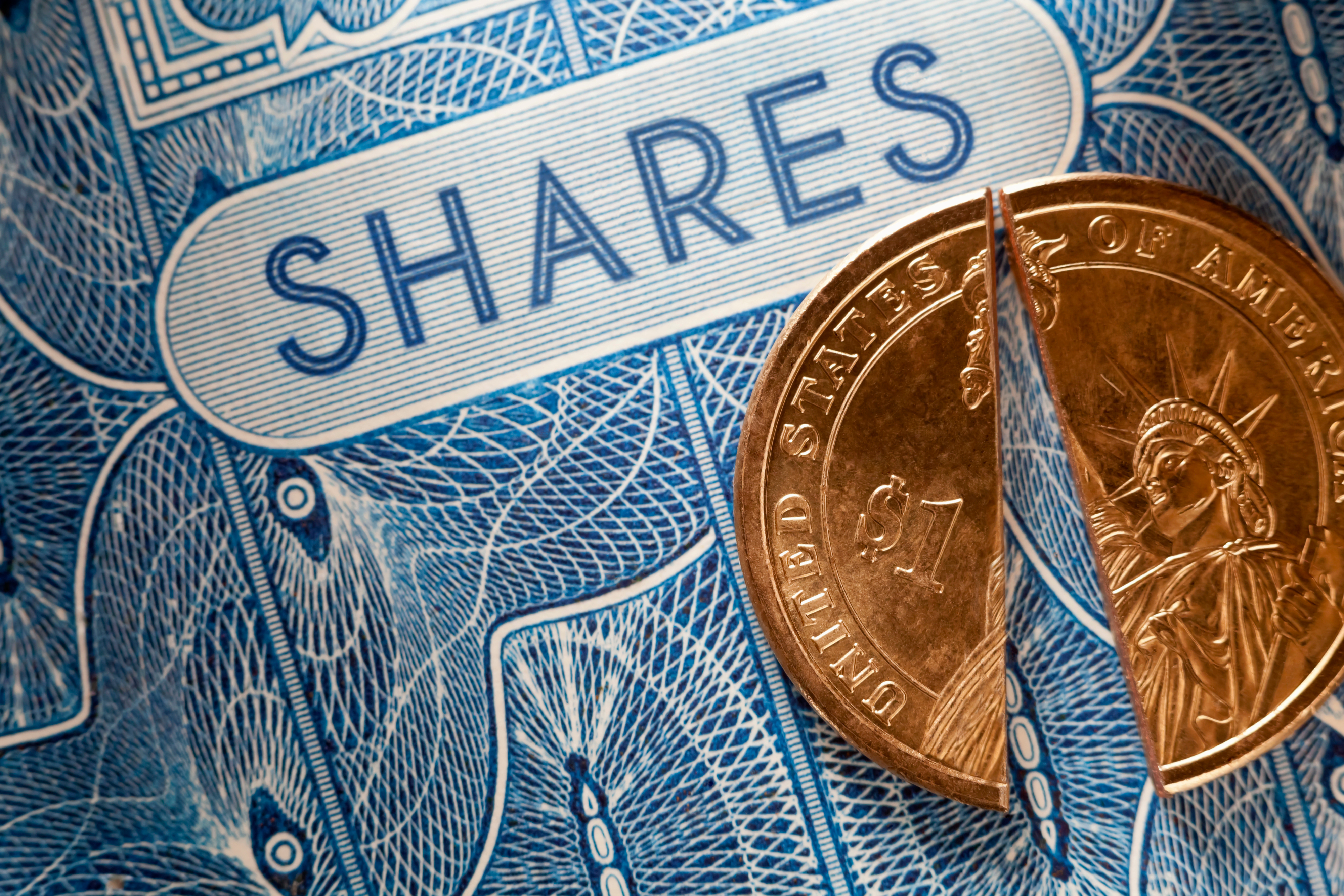
They’ve never split their stock. Not once. Since 2012. That’s a long time. A share price north of $700. It’s a barrier to entry for smaller investors. The little guys. The ones who could be driving the next leg up.
Twenty-nine-point-three percent of their shares are held by non-institutional investors. Enough to make a split worthwhile. It’s basic psychology. Make it easier for people to own a piece of the pie. They’ll buy it.
The market’s pricey. Historically so. We’re entering a period where retail investors are going to be crucial. They’re the ones providing the liquidity. Meta needs them. To push the market cap past $2 trillion, they need more hands in the pot.
And then there’s the AI spending. $115 to $135 billion in capital expenditures. A fortune. A stock split would make those expenditures a little easier to swallow. It’s about optics. About perception.
I expect Meta to keep climbing. It’s a good company, well-managed. But they whiffed on a golden opportunity. A simple move, overlooked. They could have put their stock at the center of the stage. Instead, they left it in the shadows. A missed cue. And in this game, missed cues can be costly.
Read More
- Gold Rate Forecast
- Silver Rate Forecast
- 15 Films That Were Shot Entirely on Phones
- 22 Films Where the White Protagonist Is Canonically the Sidekick to a Black Lead
- How to Do Sculptor Without a Future in KCD2 – Get 3 Sculptor’s Things
- Here are the Best Series to Binge on Paramount+ in January 2026
- 14 Movies Where the Black Character Refuses to Save the White Protagonist
- Why Won’t It Just *Do* What You Ask? Unpacking the Quirks of AI Language
- 20 Movies Where the Black Villain Was Secretly the Most Popular Character
- Superman Flops Financially: $350M Budget, Still No Profit (Scoop Confirmed)
2026-02-05 12:14