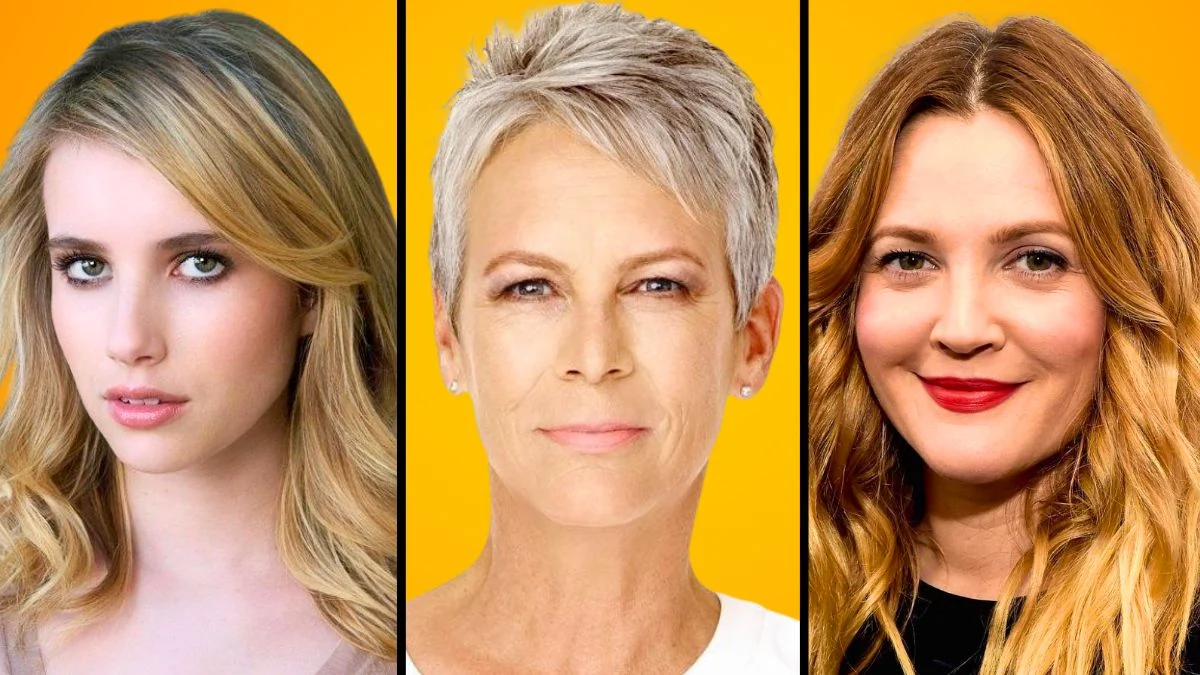
The 2023 actors’ strike (SAG-AFTRA) effectively shut down Hollywood as performers demanded fairer pay from streaming and safeguards against the use of artificial intelligence. Although most union members strongly supported the strike, a small number of well-known actresses faced criticism. Some appeared on talk shows or reality TV, while others took advantage of temporary agreements to keep working on films. A few also publicly disagreed with the way union leaders were handling the difficult negotiations.
Drew Barrymore
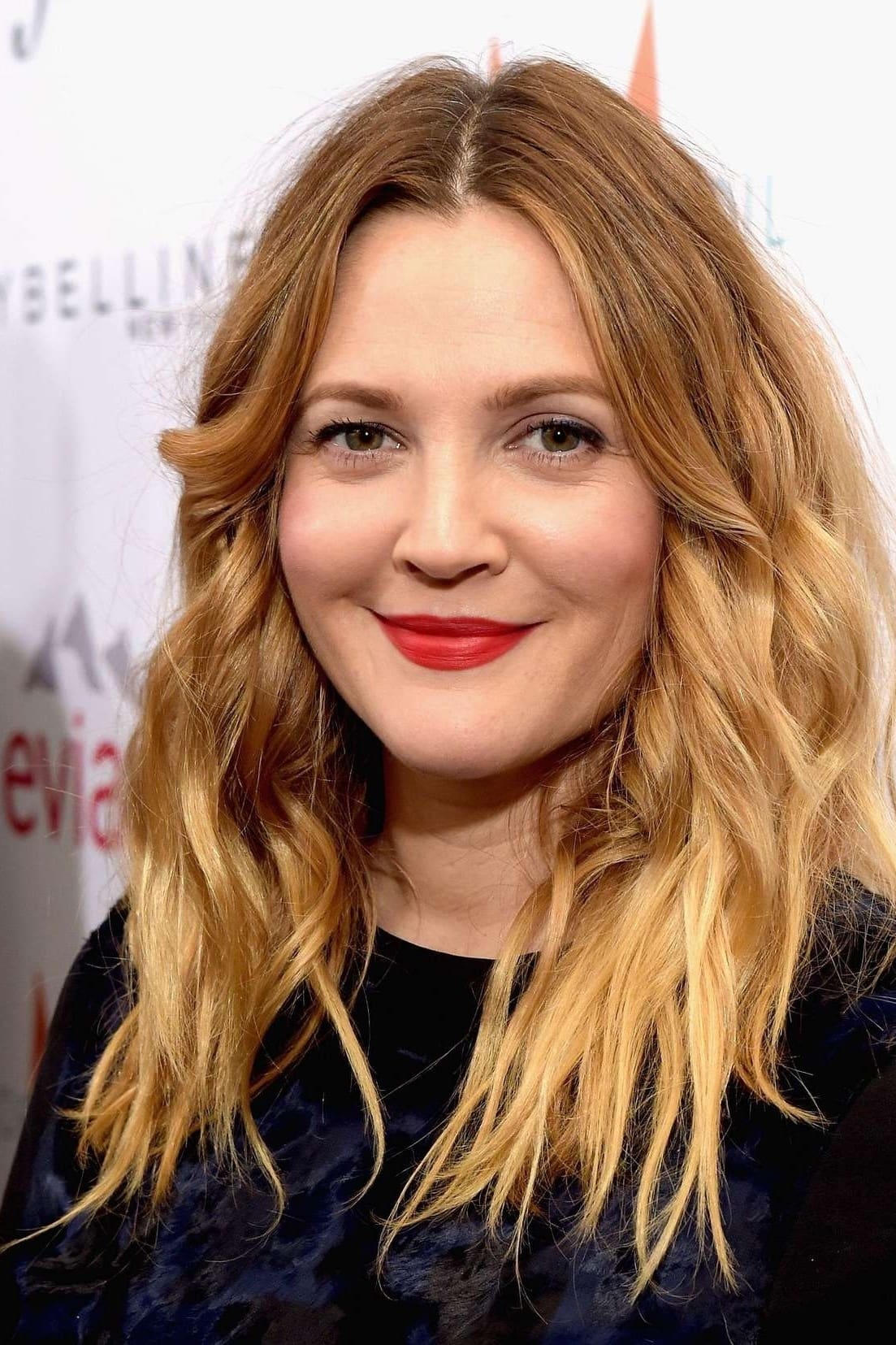
Drew Barrymore received a lot of criticism for bringing back her talk show, ‘The Drew Barrymore Show,’ while actors and writers were on strike. She explained that she made the decision to start filming again despite the protests outside her studio. This led to the National Book Awards canceling her hosting gig. After facing strong reactions from union members and the public, she eventually put the show on hold again.
Jennifer Hudson

Jennifer Hudson’s talk show, ‘The Jennifer Hudson Show,’ briefly resumed filming during the recent writers’ and actors’ strike, which sparked criticism. Union members protested the decision, viewing it as a lack of support. Although production was quickly stopped due to the backlash, the initial attempt to continue filming was seen as a misstep, even though the show operates under a separate contract. The timing of the decision created a negative public perception.
Kelly Clarkson
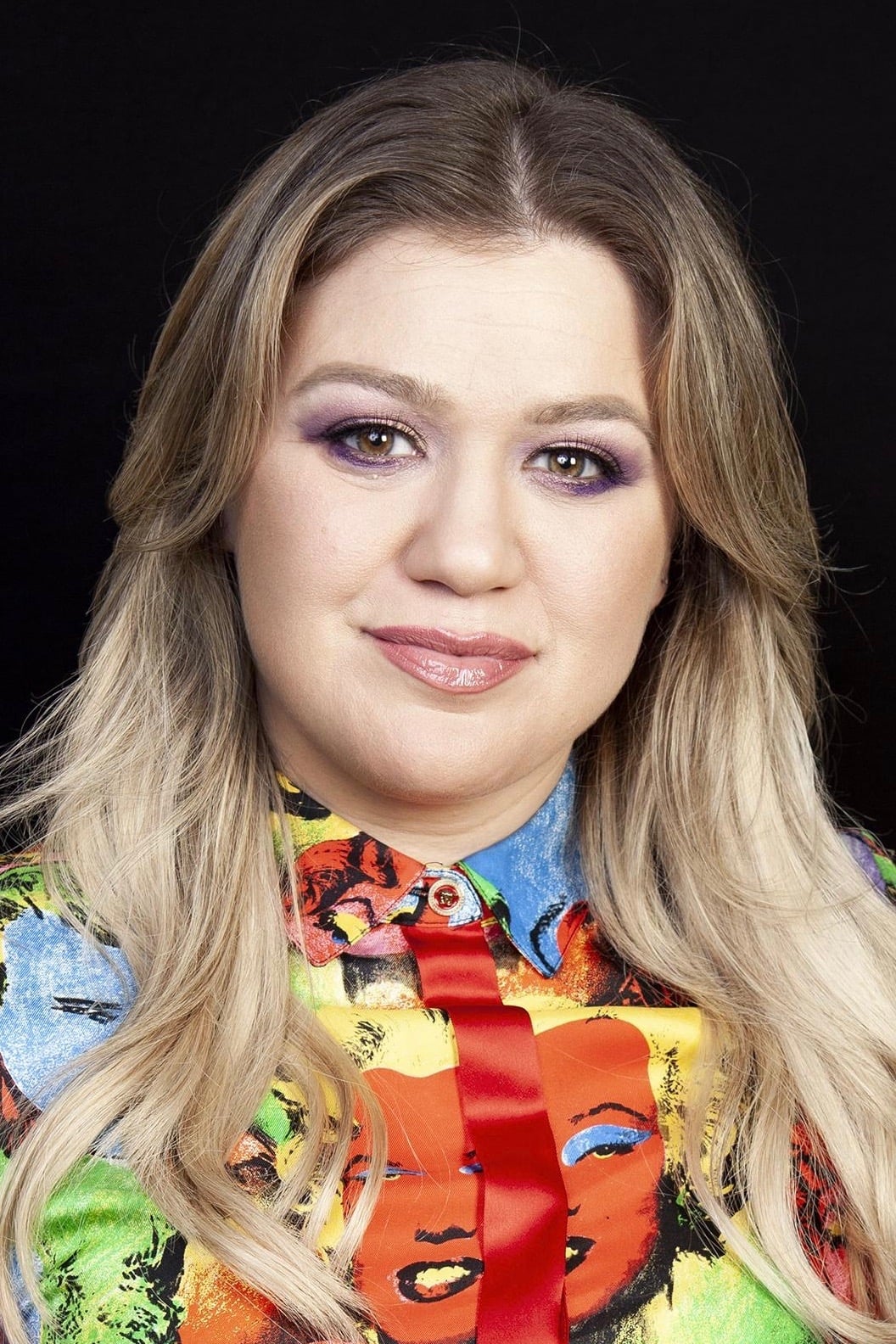
Kelly Clarkson faced criticism when her talk show planned to return to filming during the writers’ strike. Although she had previously voiced support for the writers, many striking workers saw resuming production as a betrayal. Concerns about unfair labor practices on the show added to the controversy, and the situation underscored the differences in how various entertainment professionals are contracted.
Sherri Shepherd
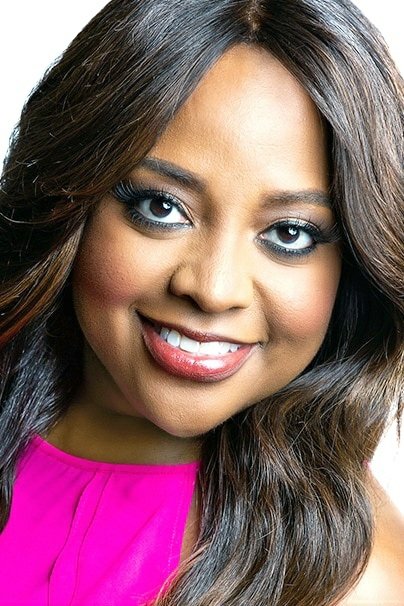
Sherri Shepherd resumed filming her talk show, ‘Sherri,’ even though the actors’ and writers’ strikes were ongoing. While this meant her staff could go back to work, some criticized her decision, arguing it weakened the unions’ negotiating power. Shepherd explained she wanted to provide employment for her team during a financially challenging time. However, her choice put her at odds with many striking performers who were calling for complete solidarity.
Kim Kardashian
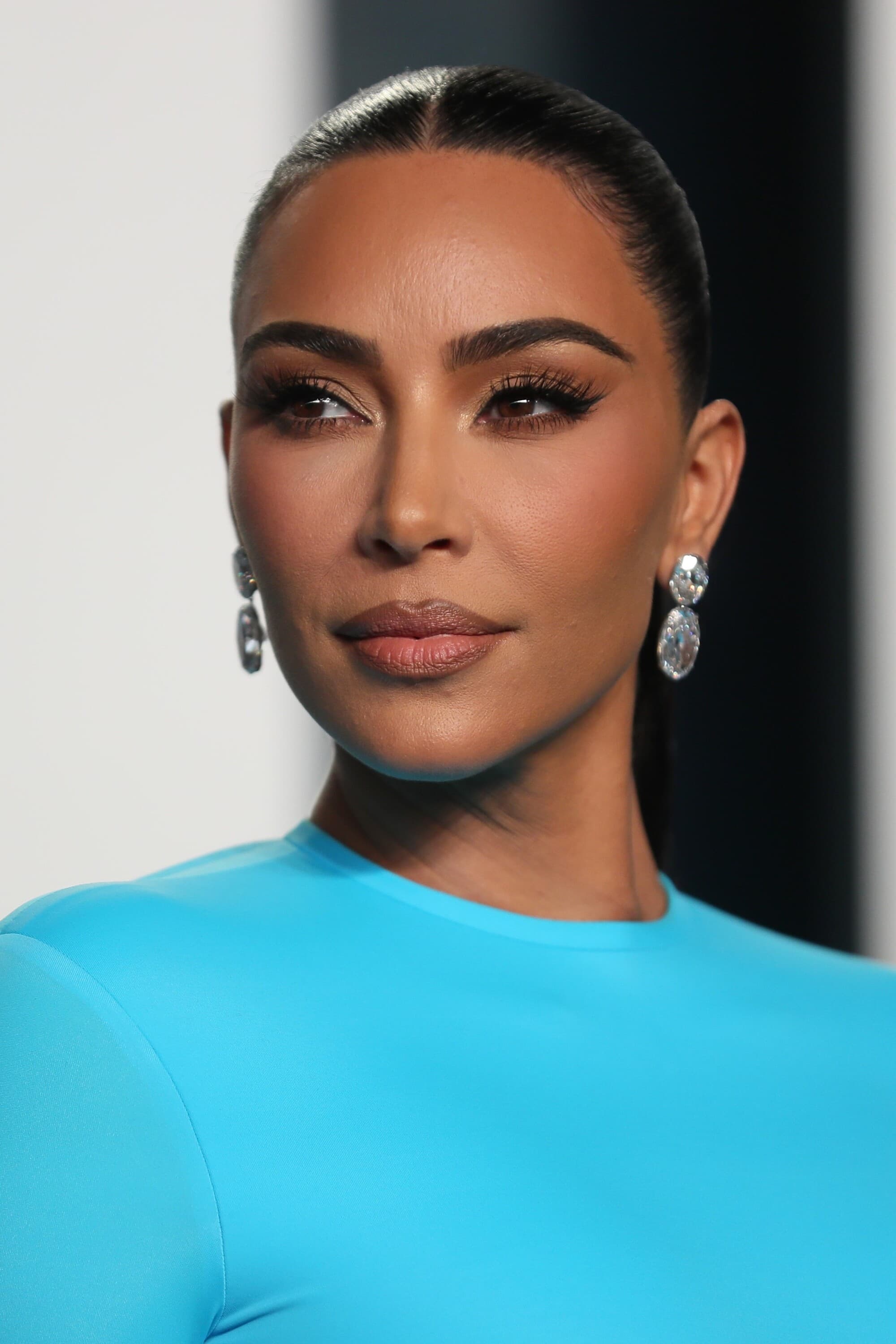
Kim Kardashian went onto the set of ‘American Horror Story: Delicate’ in New York City, even though striking writers and actors were protesting. This action drew criticism on social media, with many accusing her of undermining the strike. The show’s producers tried to film despite the protests, which caused tense confrontations near the set. Many saw Kardashian’s decision to work as a rejection of the unions’ efforts.
Emma Roberts

Despite the ongoing actors’ strike, Roberts continued working on ‘American Horror Story: Delicate’ with Kardashian. She was seen filming while union members protested nearby, attempting to halt production. This decision sparked criticism from some strike supporters who felt all filming should have stopped, and it underscored the conflict between continuing to film and respecting the strike rules.
Cara Delevingne

Cara Delevingne worked on ‘American Horror Story: Delicate’ even while most of the entertainment industry was paused due to a strike. Her involvement sparked controversy, as union members felt that established actors continuing to work undermined the strike’s goals. The show became a major point of contention, with many upset that production continued during the labor dispute.
Jamie Lee Curtis
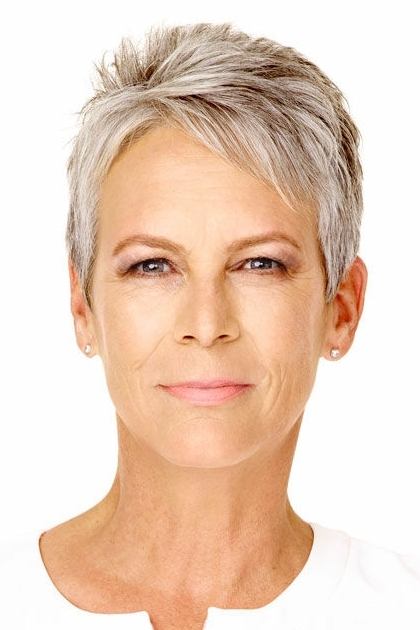
Curtis received criticism after telling Variety she wanted to stay neutral during the strike, similar to Switzerland. Some people understood her comments about disliking the strong language from both sides as a lack of complete backing for the union’s firm approach. She later explained her views and reaffirmed her support for union leaders following the negative reaction online. Her first comments were considered unhelpful when everyone was trying to present a united front.
Sarah Silverman
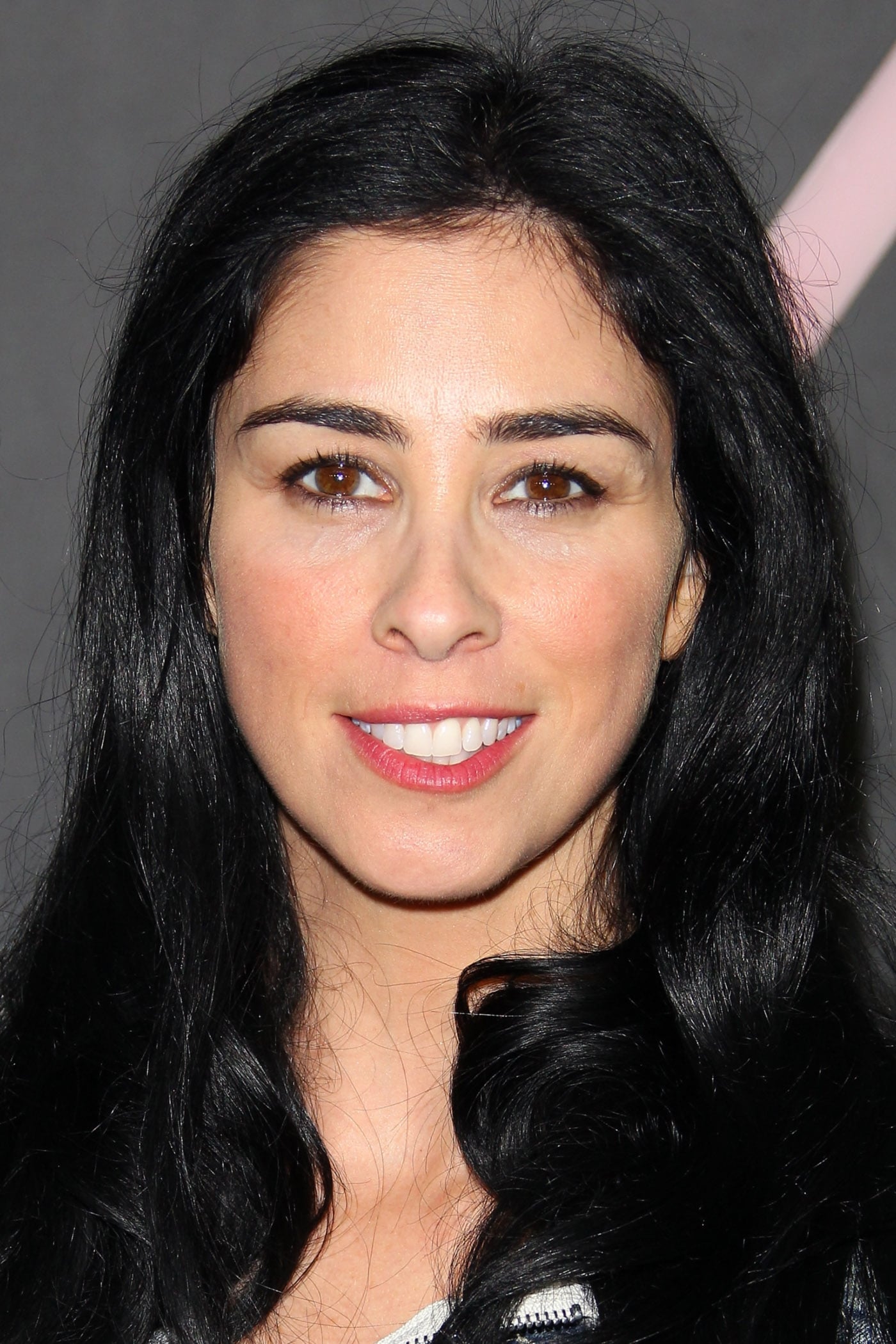
Silverman publicly criticized the union for allowing certain actors to continue working through temporary agreements. She felt that stars filming projects during the strike weakened its impact. This disagreement with the union’s decision to grant waivers put her at odds with its leaders. Although she discussed her concerns with Fran Drescher, she remained unconvinced that the policy was effective.
Shannen Doherty
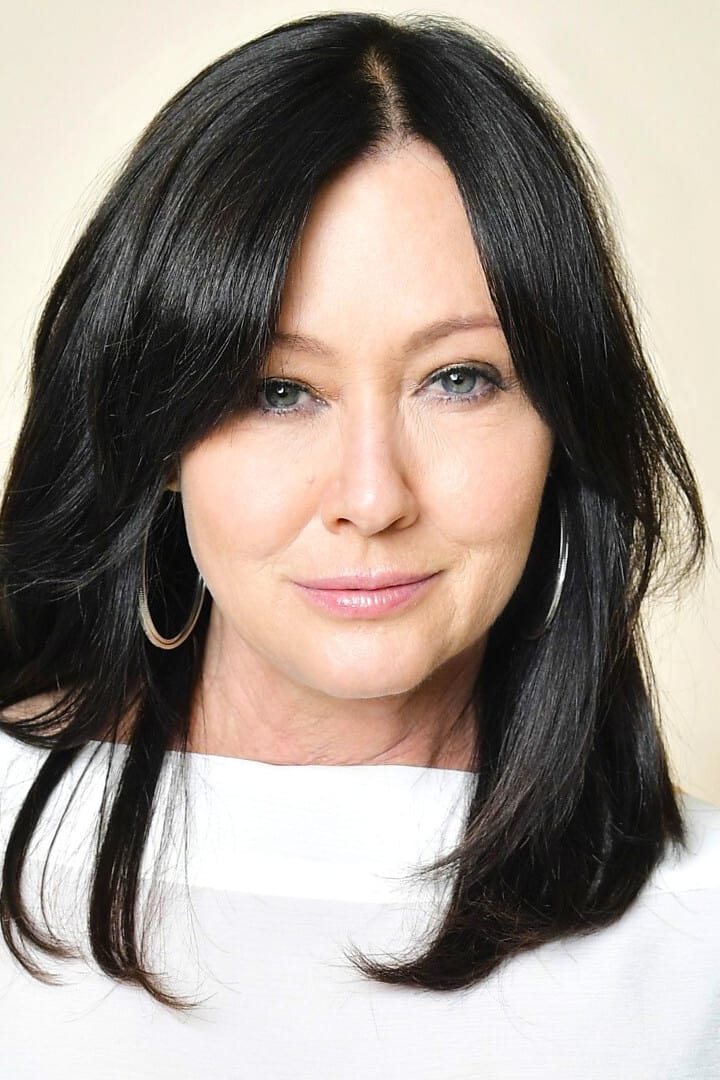
Actress Doherty publicly criticized SAG-AFTRA president Fran Drescher, voicing her frustration with the union’s health insurance. After decades of contributing, Doherty lost coverage while undergoing cancer treatment and felt let down by the organization. Her comments revealed widespread unhappiness among members about the union’s support for those in need, and added to the challenges facing the union’s leadership during the strike.
Selena Gomez
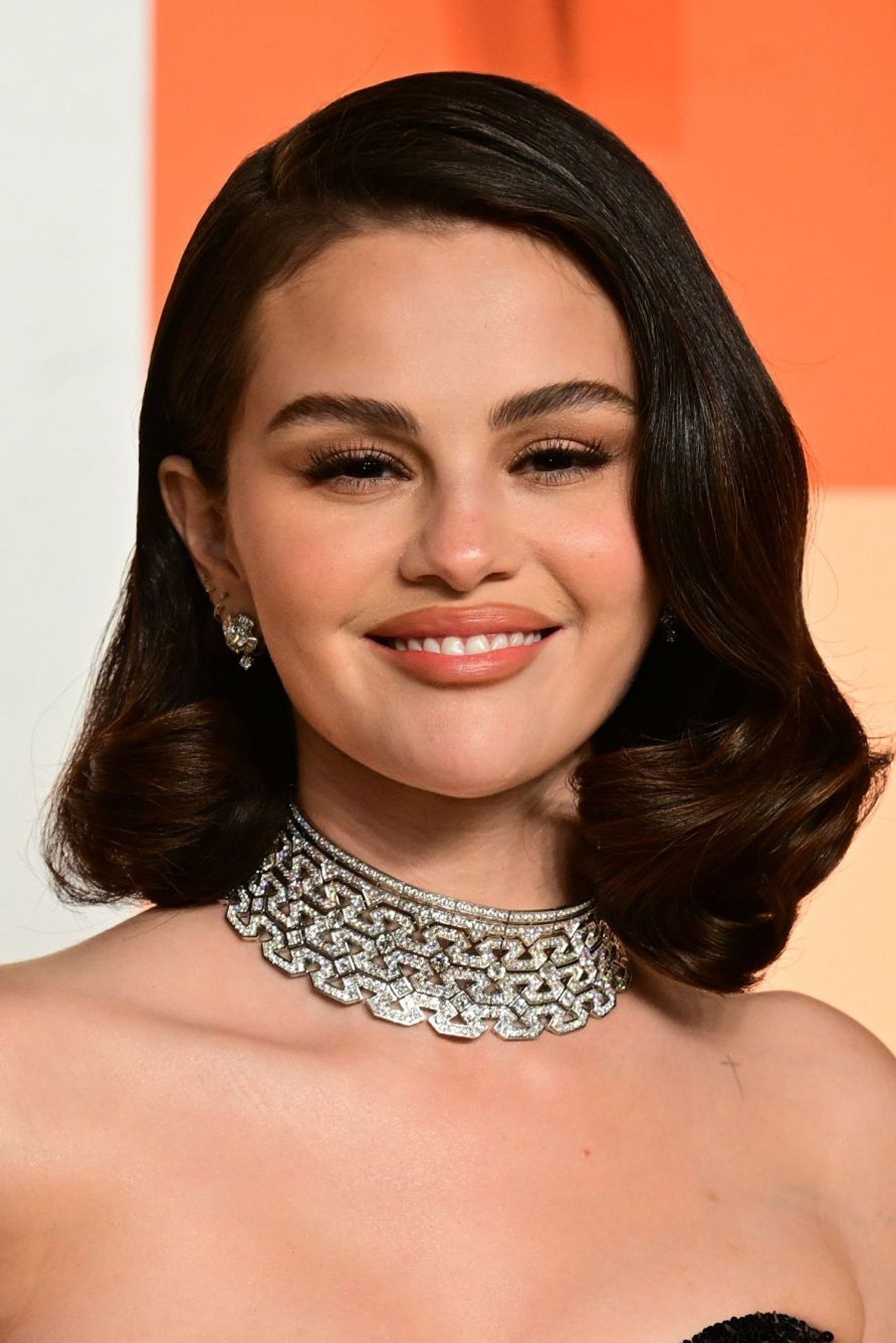
Selena Gomez faced criticism after sharing a post on Instagram about her show, ‘Only Murders in the Building.’ Promoting the series violated the rules of the ongoing strike, which prohibited publicity. After being accused of breaking the rules by fans and union members, she quickly removed the post. The situation sparked a debate about whether all celebrities were fully respecting the strike’s restrictions on promotion.
Anne Hathaway

During the actors’ strike, Anne Hathaway kept working on the movie ‘Mother Mary’ because she had a temporary agreement with the union (SAG-AFTRA). Although she technically followed the rules, some fellow actors, like Sarah Silverman, publicly criticized her for filming while others were on strike. Her decision created tension among union members, as it appeared to go against the idea of a complete work stoppage.
Jenna Ortega

Cinematographer Shelly Ortega was working on the movie ‘Death of a Unicorn’ when the union made a temporary deal allowing production to continue. While studio bosses approved her staying on set, some union members who were out of work questioned the decision. The film continued because the studio, A24, hadn’t joined the ongoing strike. Many critics thought that well-known actors continuing to work sent a mixed signal to the public.
Dakota Fanning
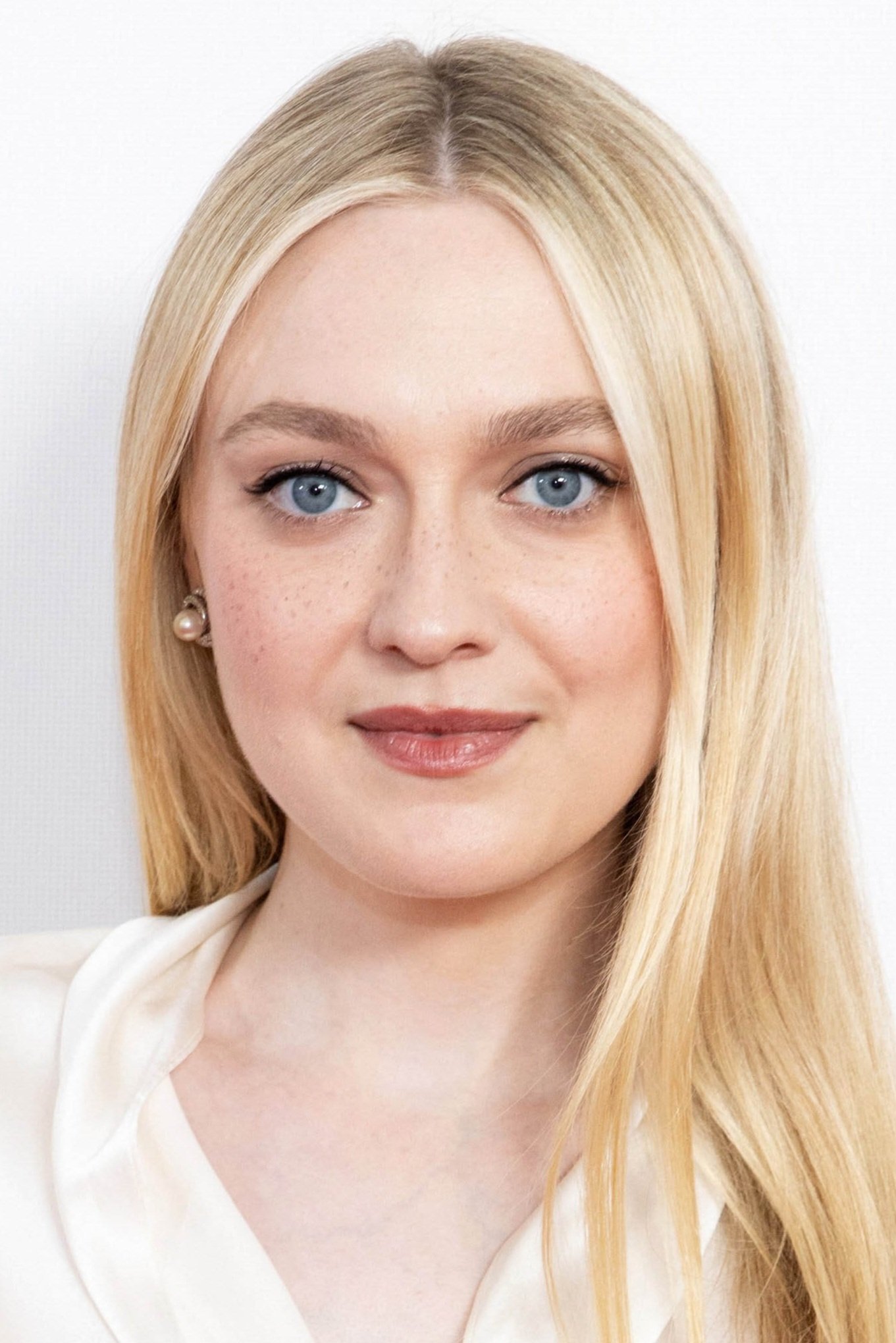
As a movie fan, I found it interesting learning about how ‘The Watchers’ got made during the strike. The production was able to keep going because they reached a temporary deal, while almost everything else in Hollywood was paused. It also brought up some debate about the union’s rules – some actors thought everyone should have stopped working completely to really push for change, and Fanning’s involvement kind of highlighted that disagreement.
Rebel Wilson
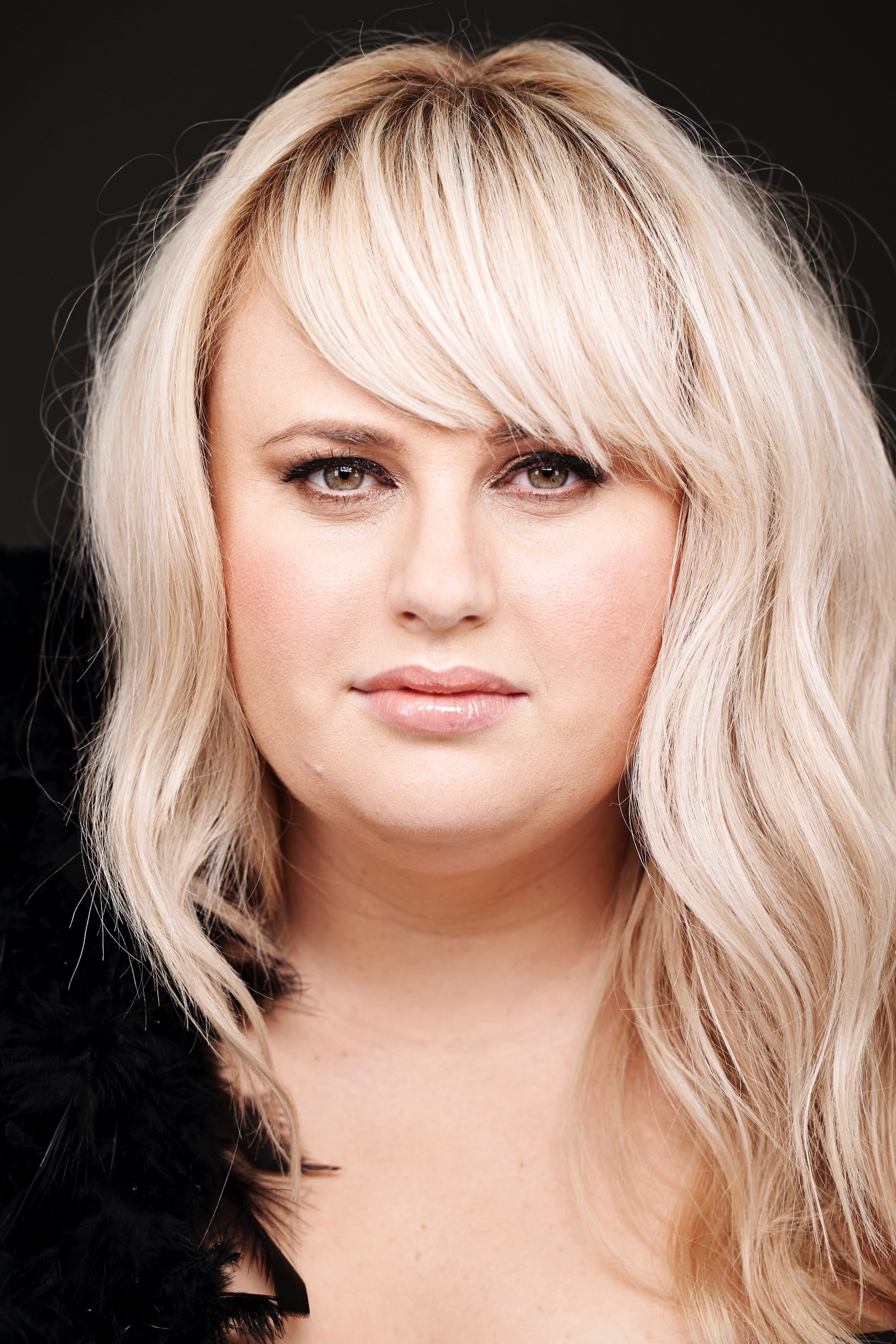
Despite a union strike, Wilson kept working on her film, ‘Bride Hard,’ thanks to a temporary agreement. She was even injured in a stunt while filming. This put her in a unique position, as most other actors were not allowed to work, highlighting how complicated and debated the agreement was.
Sigourney Weaver
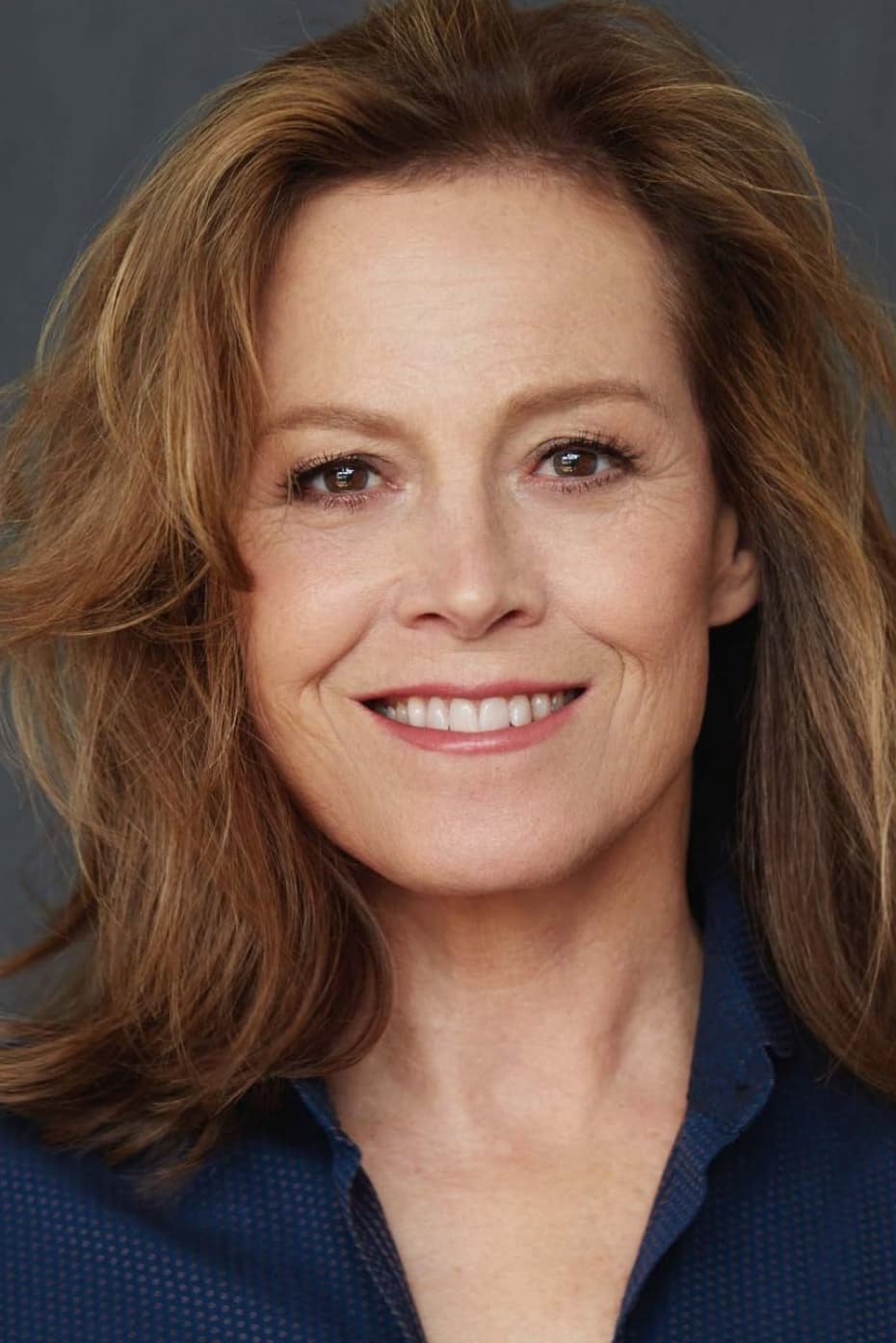
As a huge film fan, I was really surprised to learn that Weaver was working on ‘Dust Bunny’ during the strike. It was one of the few productions allowed to continue, and honestly, it caused quite a bit of controversy. Some people felt strongly that everyone should have stopped working completely, and her decision to utilize a union loophole to keep going really put her in a difficult position. It meant she was one of the few actors still filming while so many others were unable to work, and that definitely sparked debate.
Penélope Cruz

Penélope Cruz attended the Venice Film Festival to support her movie ‘Ferrari’ after a temporary agreement was reached regarding its promotion. While technically permitted, her red carpet appearance felt awkward because most actors were avoiding publicity due to the ongoing strike. Many chose to miss festivals altogether to show their support for the cause. Cruz’s participation drew attention to the specific loopholes allowed within the strike’s guidelines.
Shailene Woodley
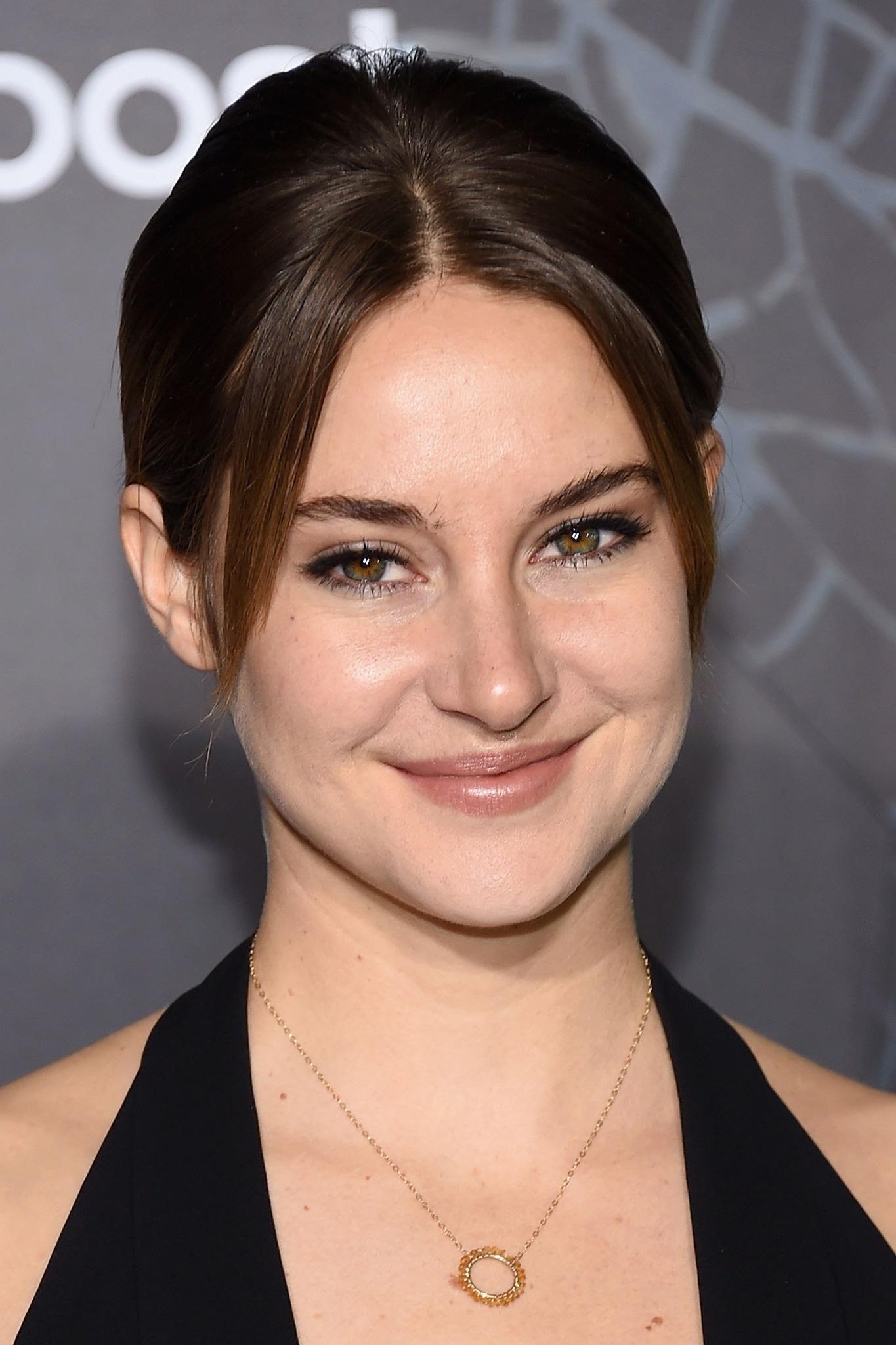
Woodley joined Michael Cruz in promoting their film ‘Ferrari’ at the Venice Film Festival. While allowed under a temporary agreement during the actors’ strike, her participation in promotional events drew criticism from those advocating a stricter stance. Her attendance at the festival, a glamorous event, stood in stark contrast to the images of actors protesting on picket lines. Some felt this promotion undermined the effectiveness of the strike’s media blackout.
Jessica Chastain
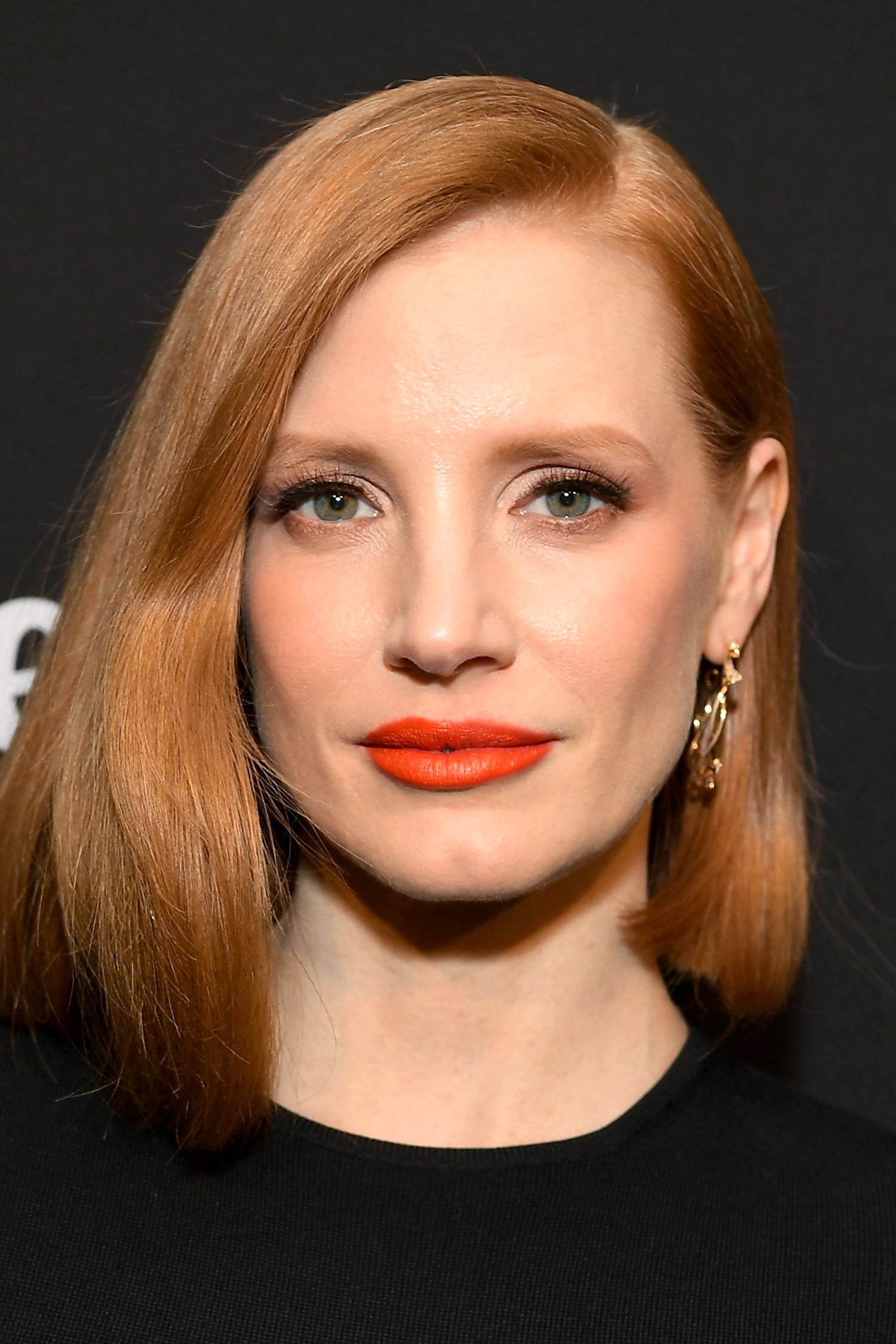
Jessica Chastain attended the Venice Film Festival to promote her movie ‘Memory’ with a temporary exception granted during the actors’ strike. She was very anxious about being there, knowing some colleagues might disagree with her choice. Although she spoke in favor of the union, her attendance still sparked debate. It was a tough decision to promote the film under these circumstances, and people had different opinions about it.
Whoopi Goldberg
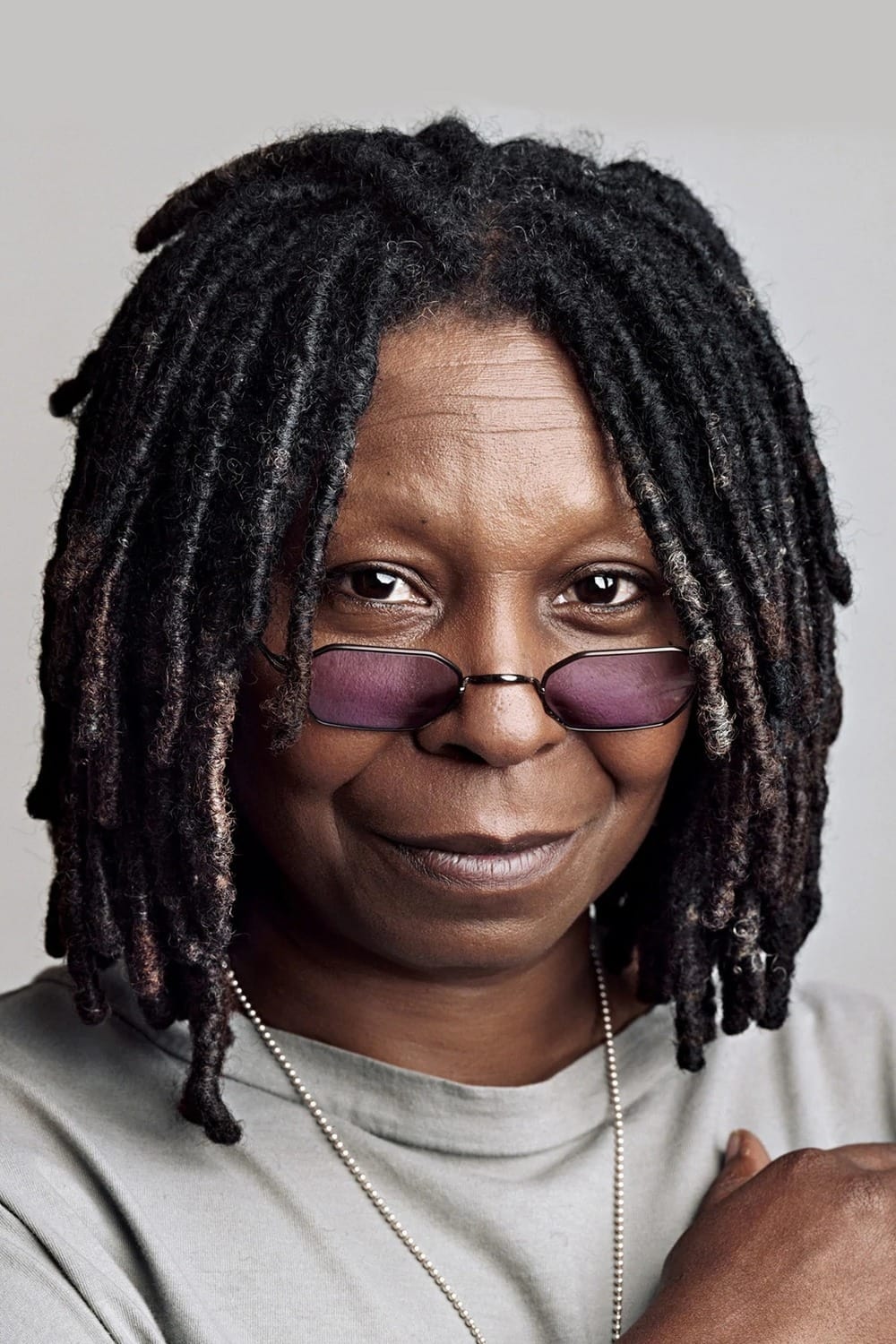
Whoopi Goldberg kept working on ‘The View’ during the strike because the show’s contract was separate from the one being protested. However, her continued presence on television was confusing to many viewers and drew criticism from those who believed all programming should have stopped. She often had to explain on the air why ‘The View’ was still being filmed.
Joy Behar
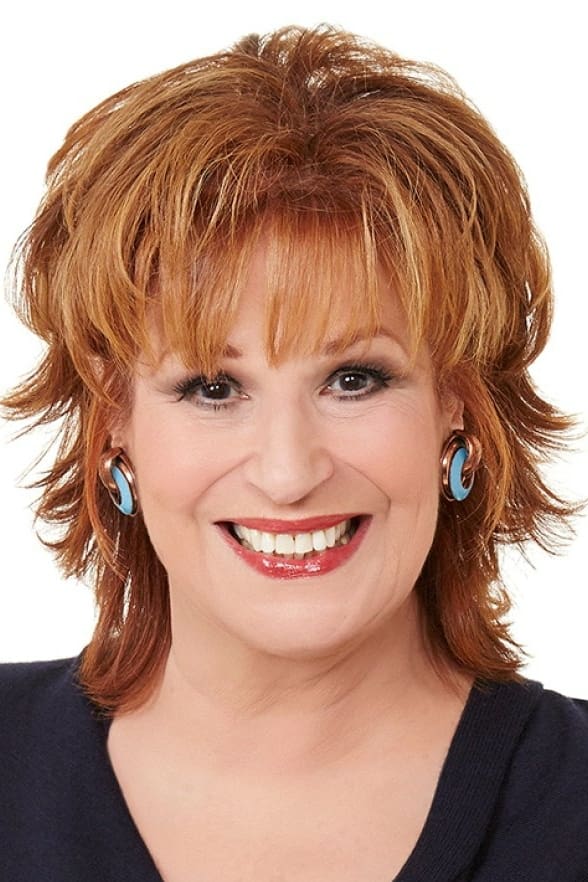
Joy Behar continued hosting ‘The View’ even while actors were on strike. She worked under a different contract than those striking, which led to criticism from some who felt she wasn’t publicly supporting her fellow actors. Many striking actors were frustrated that daytime talk shows like ‘The View’ continued to be filmed during the dispute.
Sunny Hostin
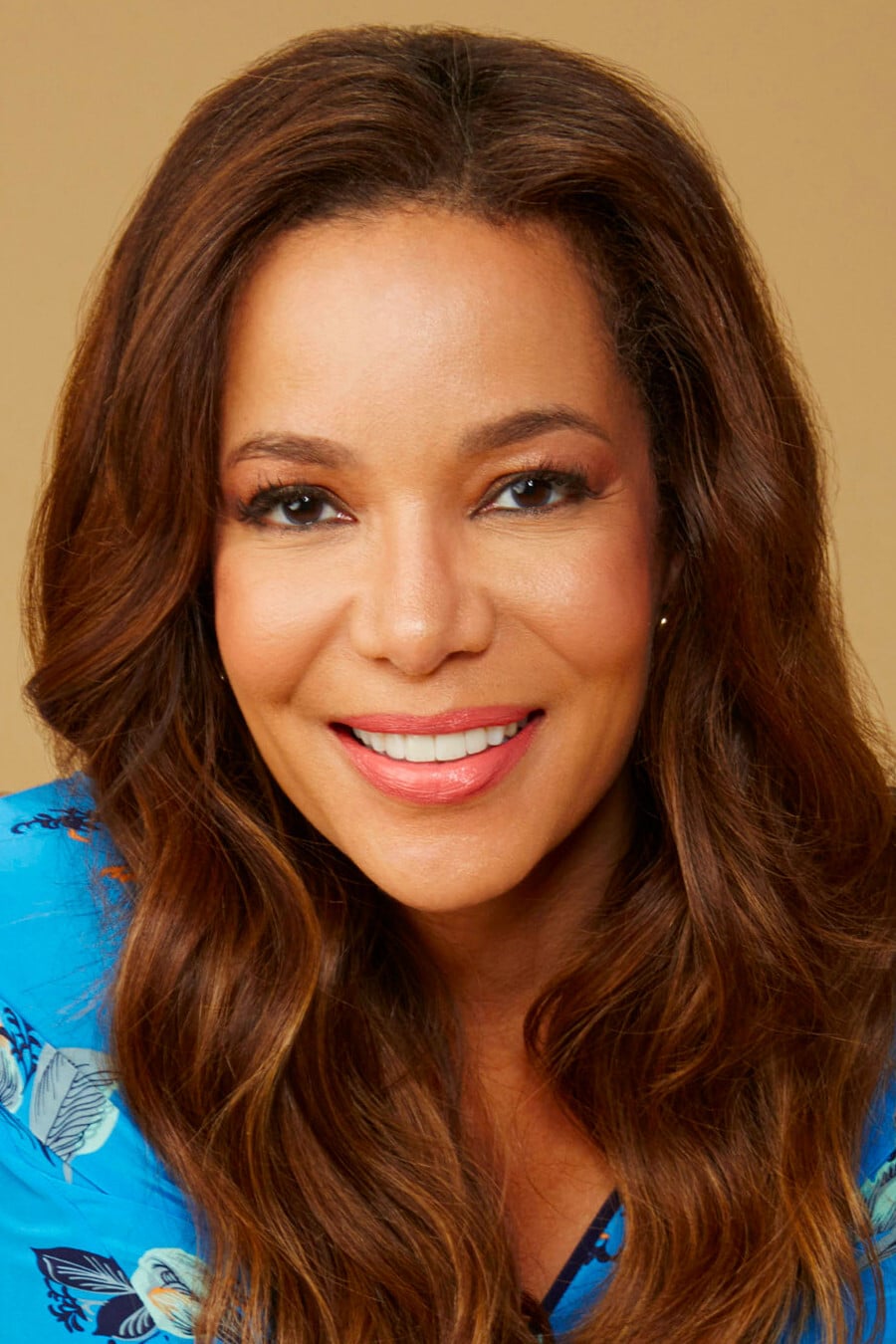
While actors were on strike, Joy Behar continued to host ‘The View’ and fulfill her regular work commitments. She explained that the show operated under a separate contract that didn’t allow them to participate in the strike. However, some people criticized the hosts for not finding a way to better support the actors’ union. Her decision to continue working added to the disruption and division within the television industry during the strike.
Sara Haines
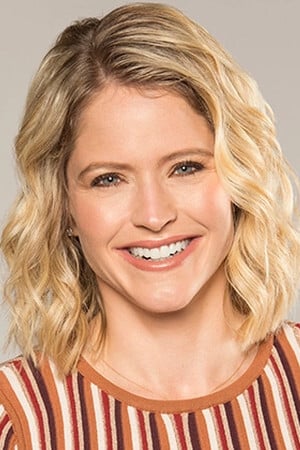
Whoopi Goldberg continued to appear on ‘The View’ even during the lengthy actors’ strike. Because of her contract with the network, she was able to work while other actors were not. This difference led to confusion for viewers who didn’t realize the various unions had different agreements. Her continued presence on television highlighted the fact that not everyone in Hollywood was on strike.
Ana Navarro

Throughout the strike, Navarro kept working on ‘The View’ and frequently appeared on TV. She often discussed politics while the entertainment industry faced difficulties. Although the show’s contract allowed it to stay on the air, some people criticized the decision. Navarro’s continued work demonstrated how unscripted shows were able to continue production despite the strike.
Amanda Kloots
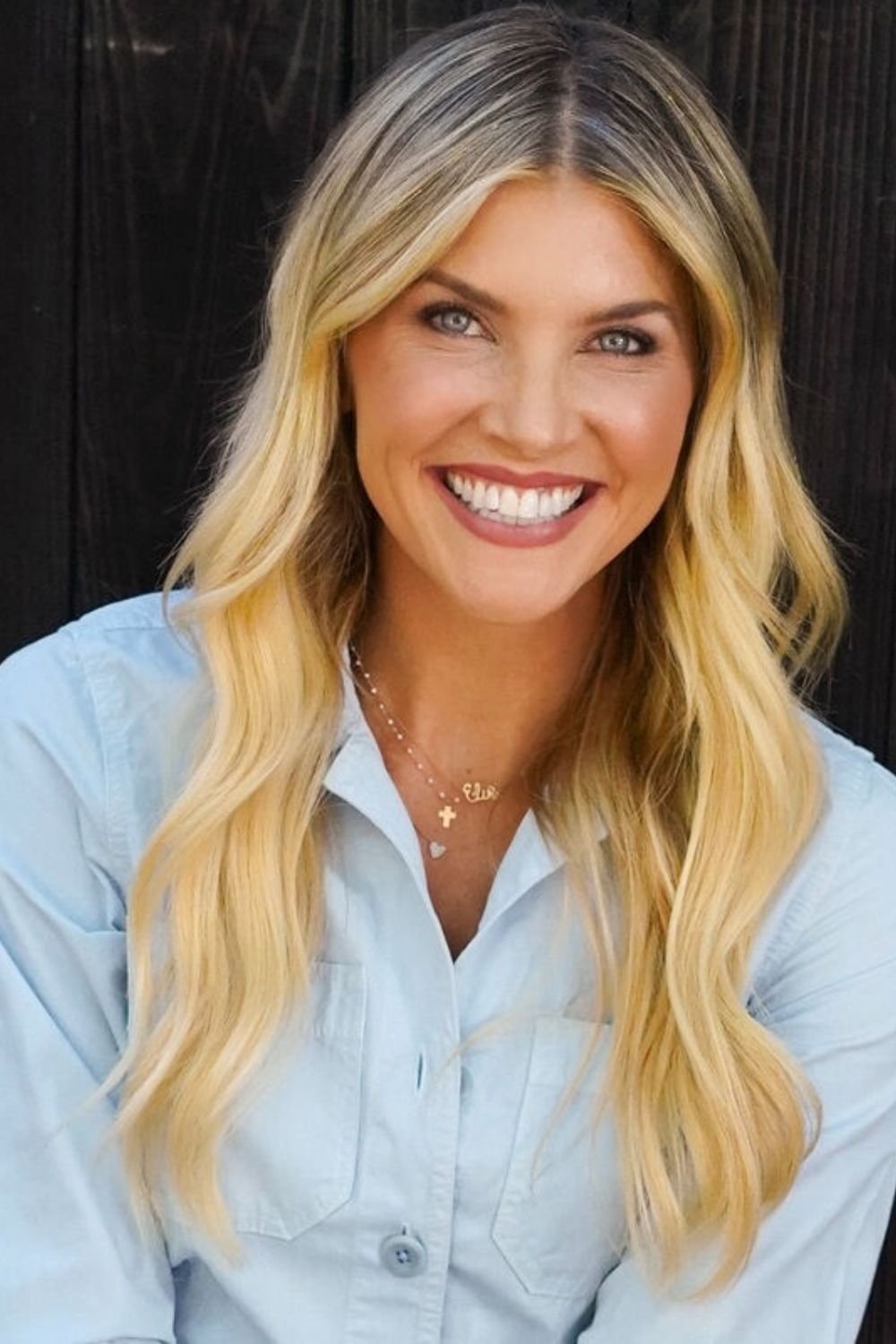
Following a break, ‘The Talk’ resumed airing with Kloots continuing as host. Because the show’s contract is separate, the hosts were able to work without violating the ongoing strike rules. However, the show’s return still faced criticism, with some people believing Kloots’ continued work went against the industry-wide strike.
Sheryl Underwood
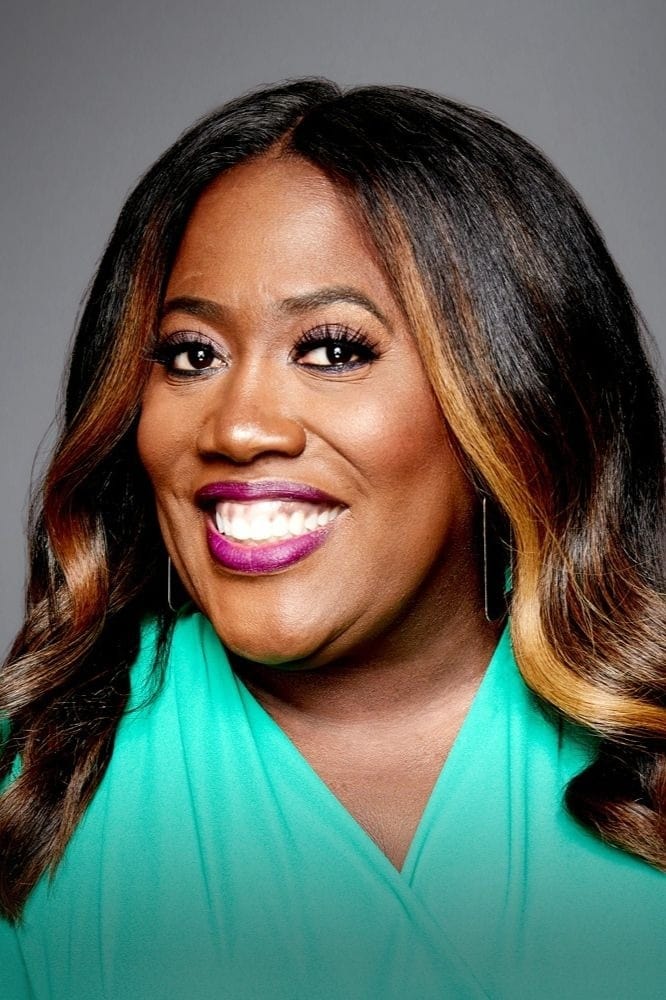
As a film and TV fan, it was a tricky situation when Sheryl Underwood went back to hosting ‘The Talk’ during the strike. She was obligated to work because of her contract and something called the Network Code, which is basically a legal agreement. Honestly, it caused a lot of frustration among union members because the show was still airing while everyone else was fighting for a fair deal. While she wasn’t breaking any rules by being on the show, it definitely put her in an awkward spot with the union and a lot of people felt it complicated things.
Natalie Morales
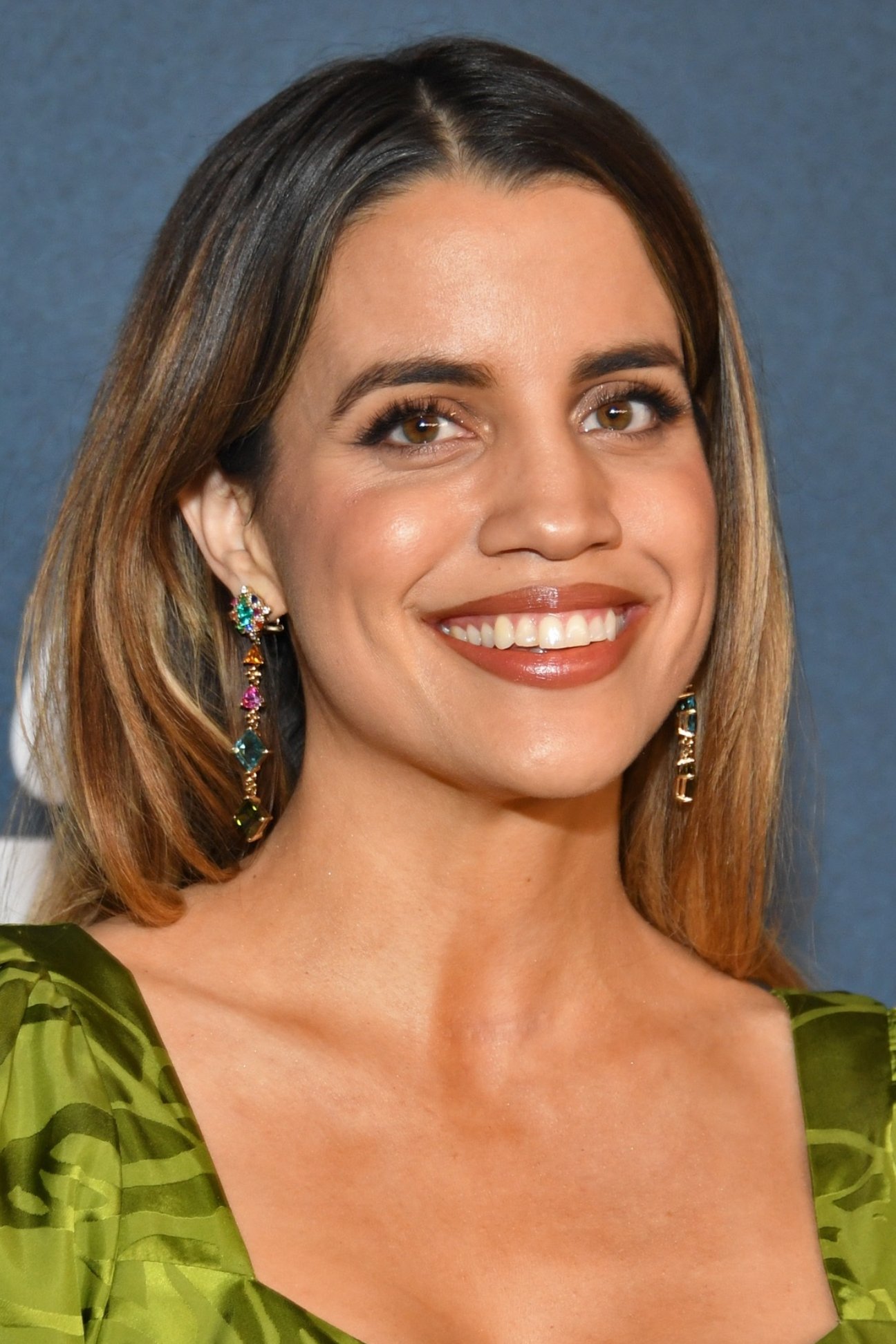
Even while much of the entertainment industry was paused, Morales kept working on ‘The Talk.’ The show was able to resume production, meaning the hosts continued to get paid while actors in scripted roles did not. This difference created friction among actors, and Morales’ continued presence on television highlighted the unequal situation.
Tamron Hall
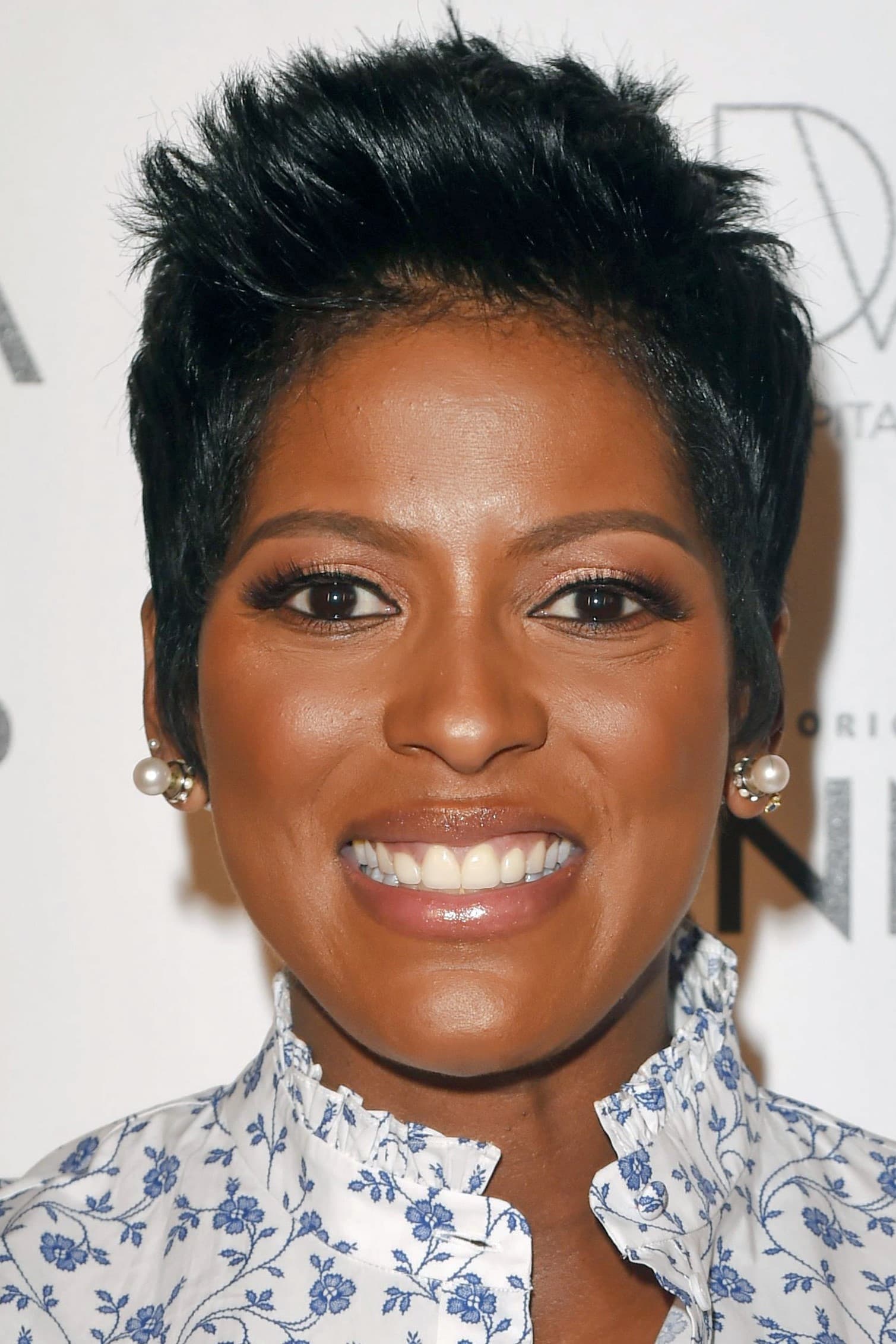
Tamron Hall continued filming her show during the strike, following network guidelines. While this allowed her staff to keep their jobs, it also sparked debate because the show remained on the air. Hall explained that her show’s contract wasn’t directly affected by the strike, defending her decision. This situation contributed to the wider discussions happening within daytime television at the time.
Kelly Ripa
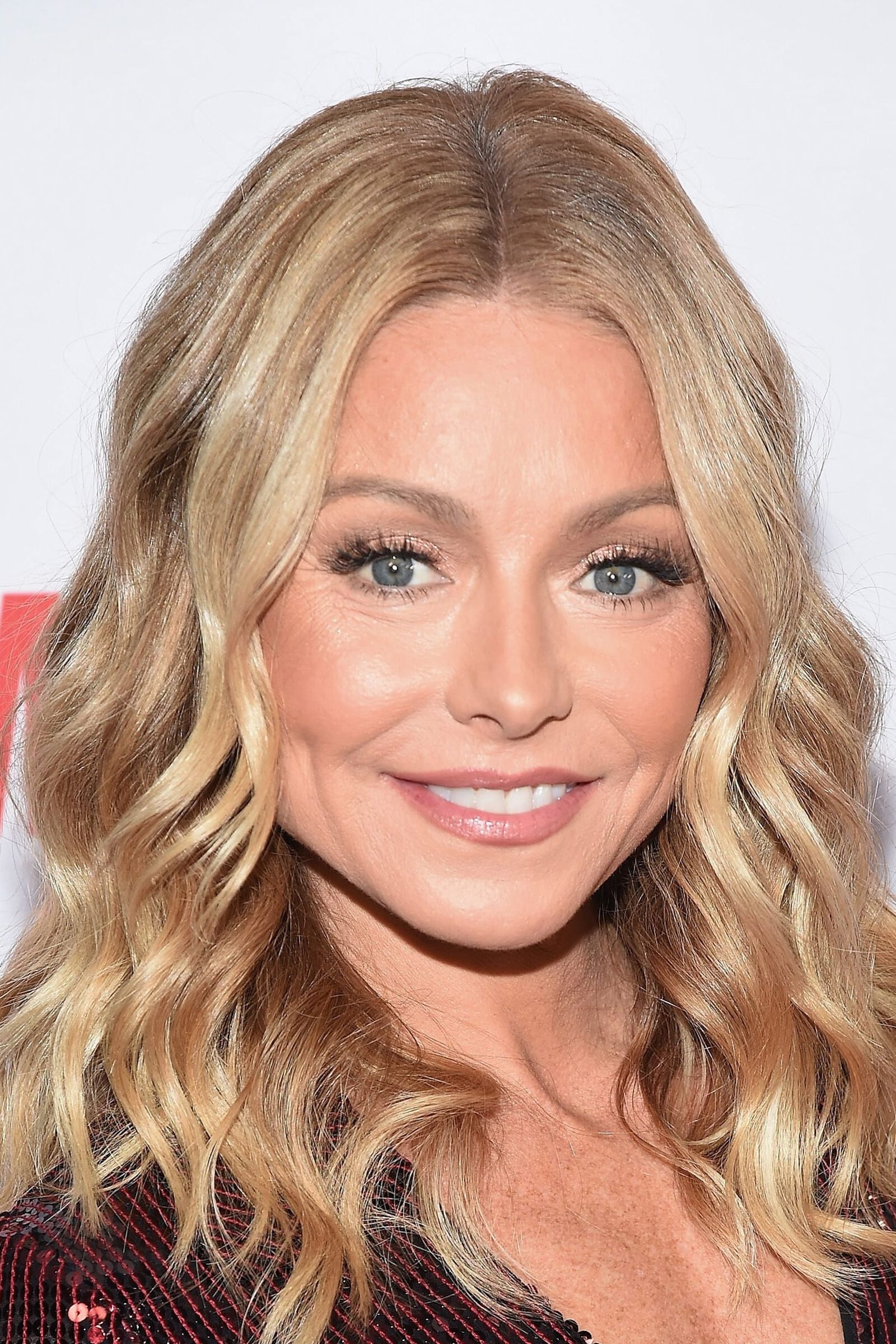
As a big fan of daytime TV, I noticed Kelly Ripa kept going with ‘Live with Kelly and Mark’ even during the strike, which honestly felt a little strange. It turns out her show operates under a different set of rules – the Network Code – meaning she wasn’t actually part of the work stoppage. So, while everything else was shut down, she was still doing the show with guests and all the usual segments. I heard from some folks really pushing for a total industry shutdown that seeing her show on the air was pretty frustrating for them.
Bethenny Frankel
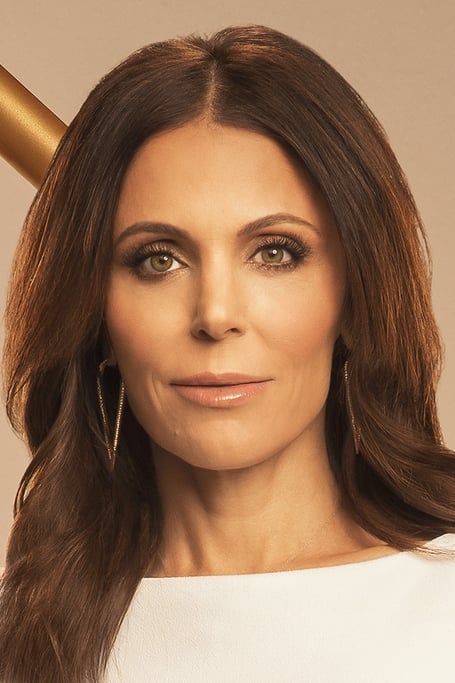
Reality star Morgan Frankel suggested a strike for reality television, while also expressing her disappointment with SAG-AFTRA’s representation of those working in unscripted shows. She spoke out about the lack of fair pay and job security for reality TV performers, arguing the union hasn’t historically done enough to support them. This sparked a debate about whether the union adequately covers and protects all areas of the entertainment industry.
Rebecca Herbst

While actors across the industry went on strike, Jacklyn Zeman continued working on ‘General Hospital’ because her contract didn’t allow her to join them. This led to harassment from some fans who didn’t realize the different rules for soap opera actors. It created a tough situation, forcing soap actors to keep working while others protested.
Kelly Monaco
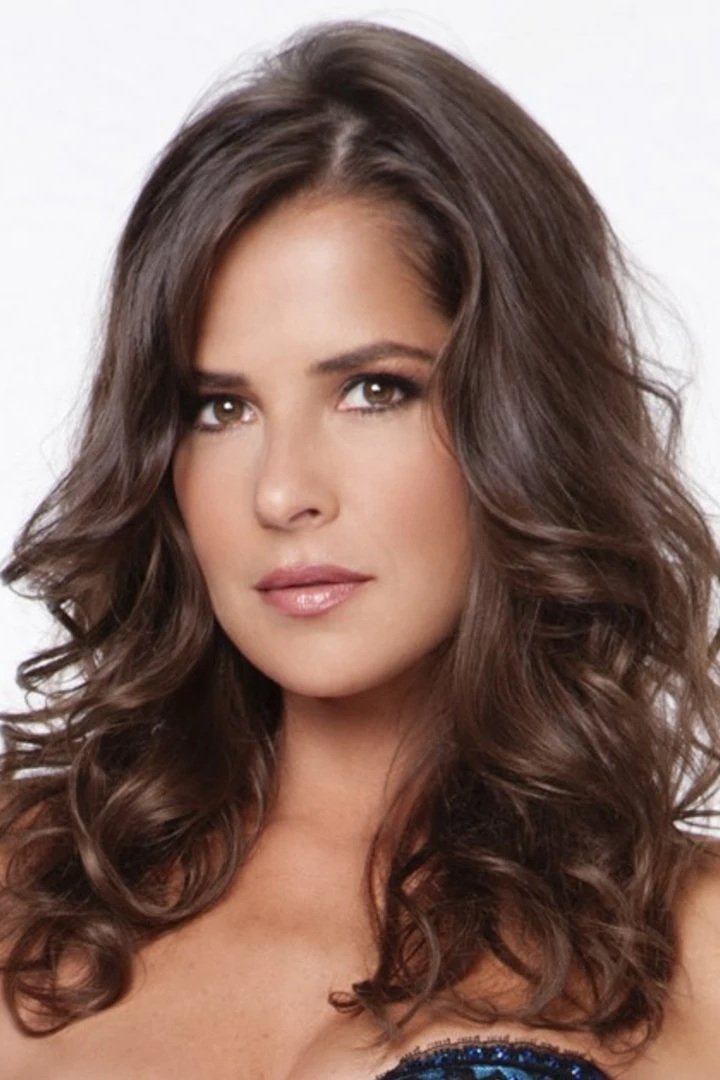
While actors were on strike, Monaco kept filming her scenes for ‘General Hospital’ because her contract with the network specifically prohibited her from participating. This led some viewers who weren’t aware of her contractual obligations to mistakenly believe she didn’t support the strike. Actors in soap operas, in particular, found it difficult to explain their complicated contract situations.
Nancy Lee Grahn
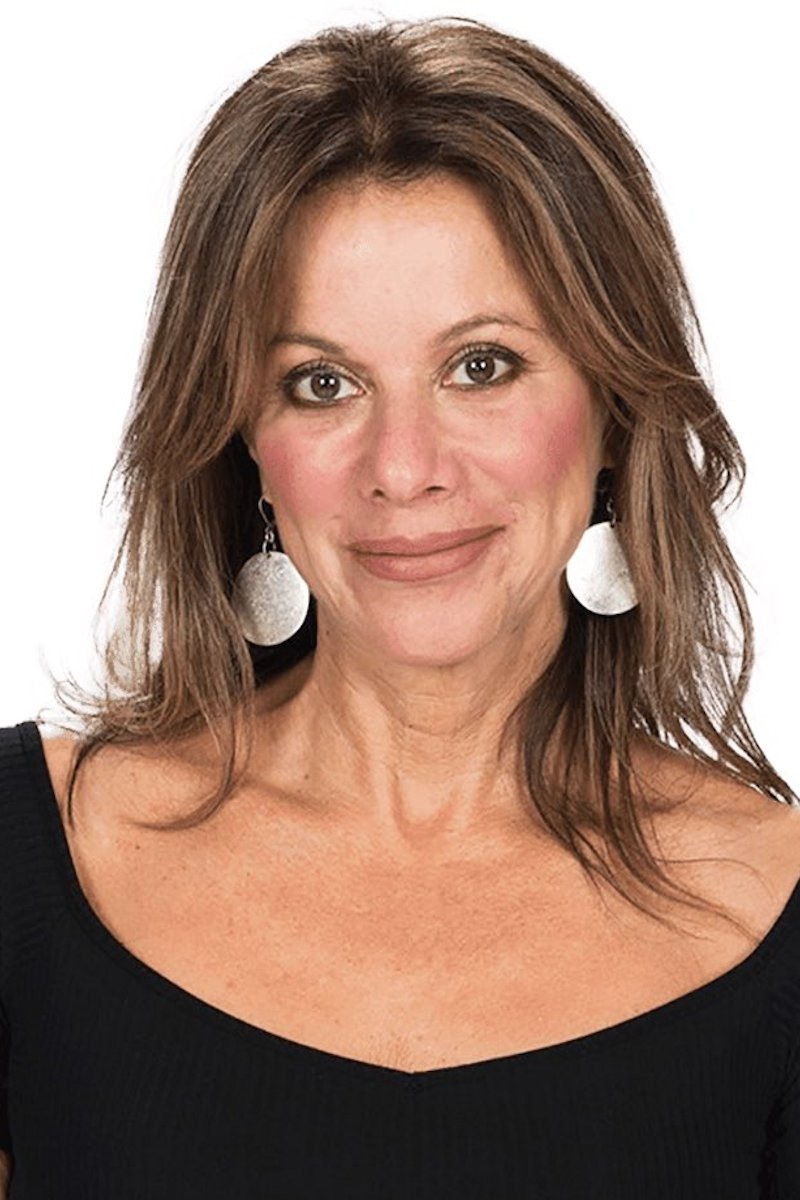
During the strike, Grahn continued working on ‘General Hospital’ and spoke out about the unfair treatment actors were facing. She consistently pointed out that her contract specifically prohibited her from joining the strike. Grahn also defended her fellow actors against claims that they were crossing the picket line, and her case demonstrated the different terms within the various SAG-AFTRA agreements.
Genie Francis
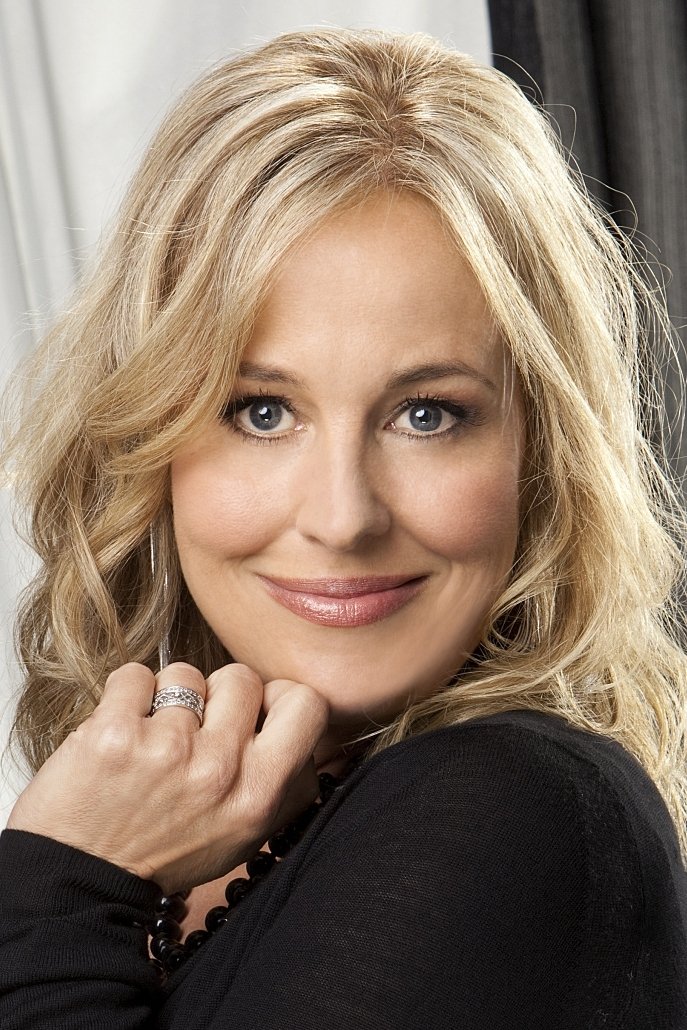
Even during the industry-wide work stoppage, actress Francis kept filming ‘General Hospital’ because her contract required it. Some viewers questioned why she was still on the show, not knowing about her contractual obligations. Unlike many other productions, soap operas like ‘General Hospital’ continued filming, which led to a noticeable difference in what viewers were seeing on television.
Finola Hughes
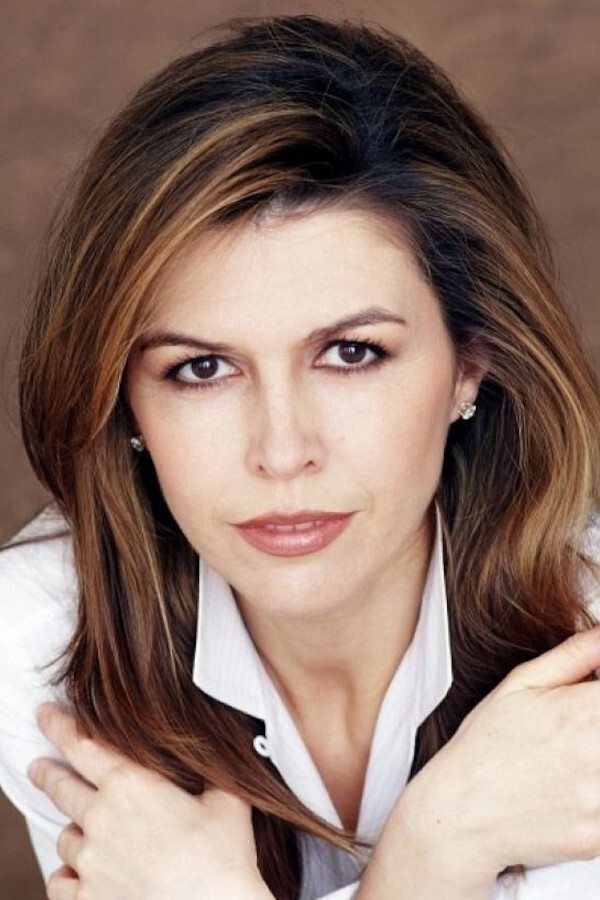
Despite a strike by many actors, Kelly Hughes kept filming ‘General Hospital’ because her contract required her to. This caused some confusion among viewers who were supporting the strike, as it appeared some soap opera actors were working against the cause, even though they were obligated to do so by their contracts.
Georgina Campbell

While the actors’ strike was ongoing, Campbell filmed ‘The Watchers’ with Dakota Fanning. The production had a temporary agreement allowing them to continue filming, and Campbell was able to work under that agreement. However, some people criticized her decision to participate, as they disagreed with the system that allowed filming to continue on certain projects. This issue – whether or not to allow filming under waivers – was a significant point of contention during the strike.
Hunter Schafer
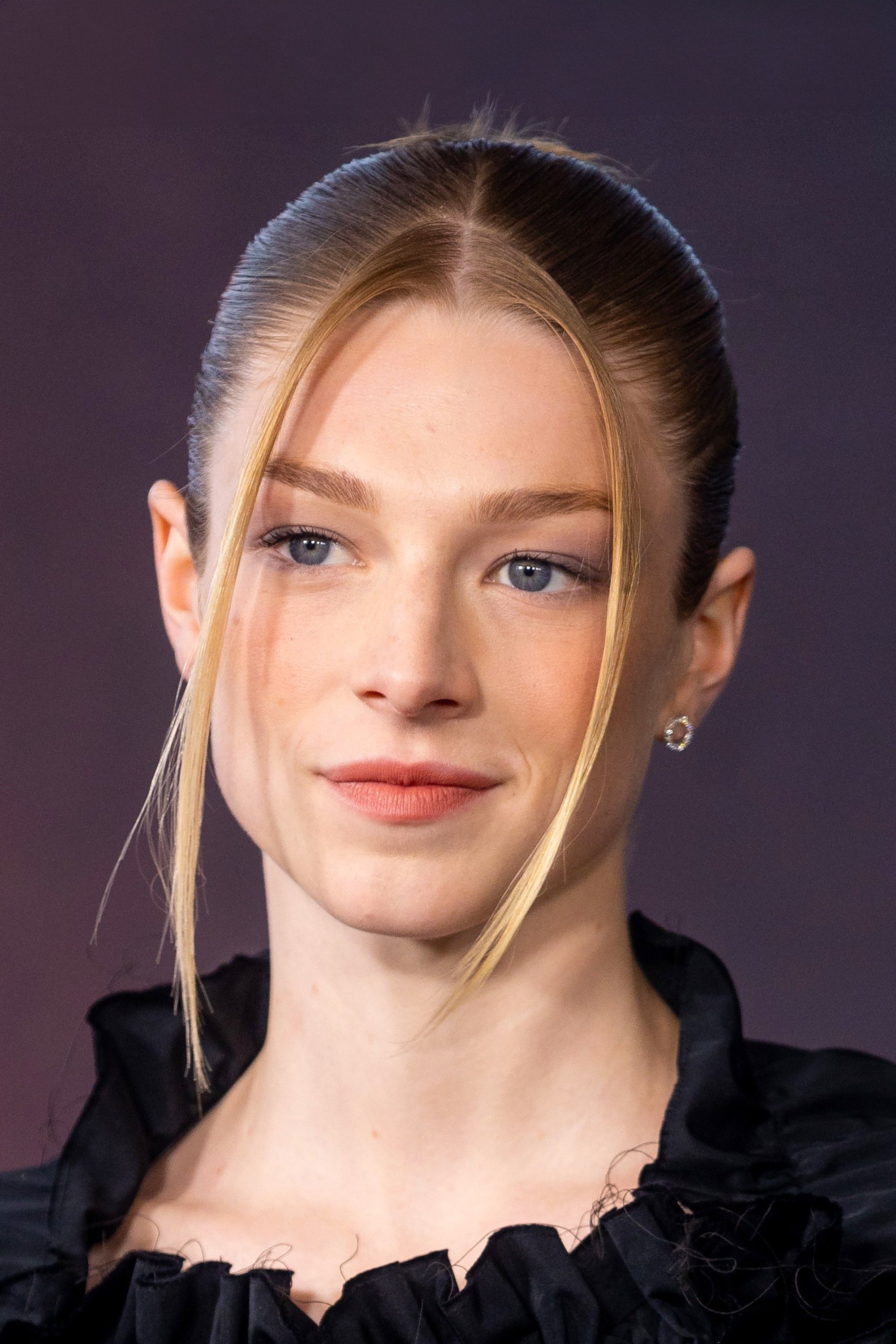
While most of the film industry was paused, Schafer continued working on ‘Mother Mary’ thanks to a temporary agreement. Although the union allowed her to participate, some critics raised concerns about the rules allowing it. This put her at the heart of discussions surrounding independent film projects and the waiver policies in place.
Share your thoughts on these actresses and the strike controversies in the comments.
Read More
- Gold Rate Forecast
- 22 Films Where the White Protagonist Is Canonically the Sidekick to a Black Lead
- Games That Faced Bans in Countries Over Political Themes
- Silver Rate Forecast
- Unveiling the Schwab U.S. Dividend Equity ETF: A Portent of Financial Growth
- Celebs Who Narrowly Escaped The 9/11 Attacks
- Brent Oil Forecast
- How to Do Sculptor Without a Future in KCD2 – Get 3 Sculptor’s Things
- Superman Flops Financially: $350M Budget, Still No Profit (Scoop Confirmed)
- 14 Movies Where the Black Character Refuses to Save the White Protagonist
2026-01-20 06:18