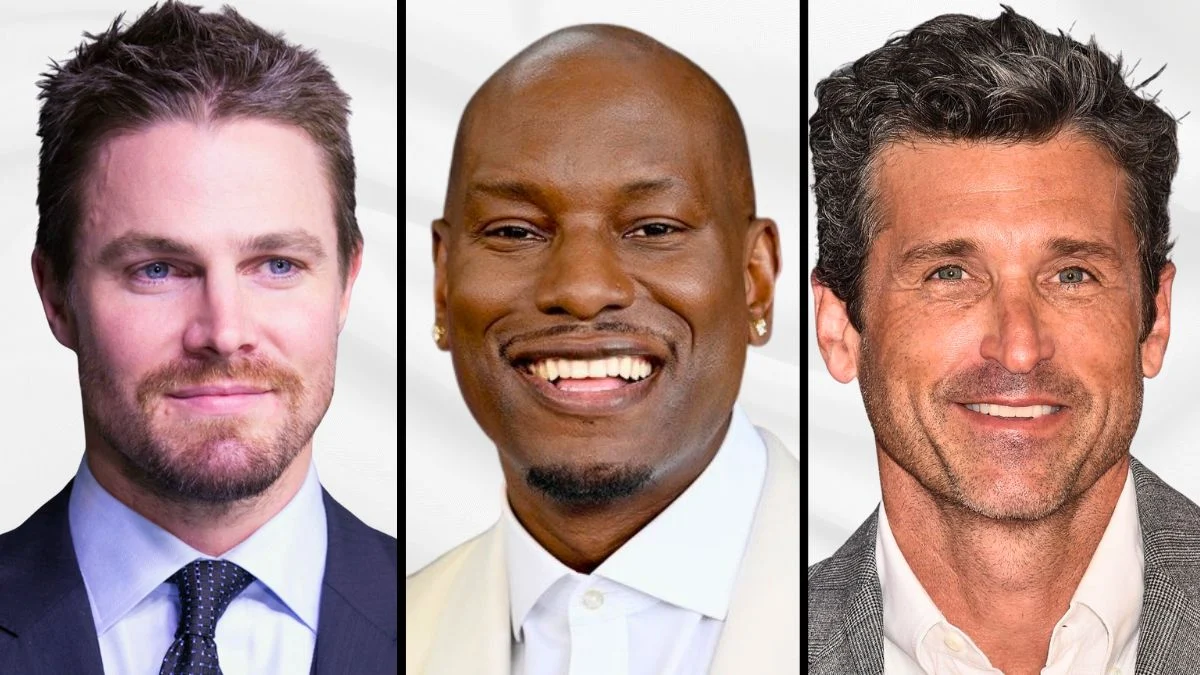
The 2023 actors’ strike, led by SAG-AFTRA, was a powerful display of unity as performers stopped working to fight for fair pay and safeguards against the use of artificial intelligence. While most of the union’s 160,000 members participated by picketing or putting their careers on hold, a few actors voiced disagreements or continued working through loopholes. Some well-known actors publicly questioned the union’s approach or felt the strike rules harmed their careers. Others found ways to keep filming through temporary agreements or by working on projects outside the US. This article focuses on the male actors who either spoke out against the strike’s methods or continued to work during it.
Stephen Amell
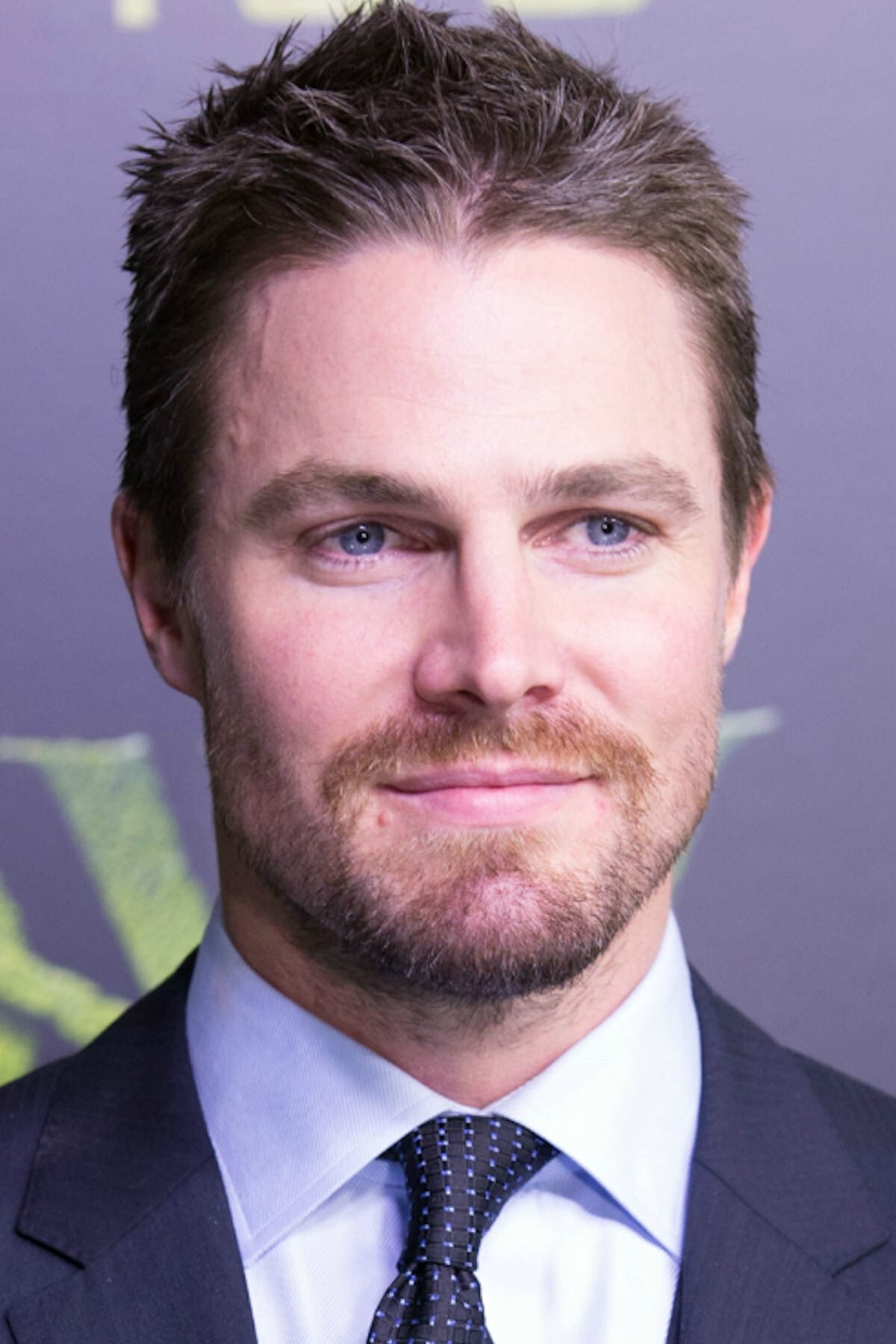
Stephen Amell, known for his role in ‘Arrow,’ publicly voiced strong opposition to the actors’ strike at a recent fan event. He said he didn’t agree with the strike and believed it was a short-sighted and oversimplified approach for the industry. This sparked immediate criticism from both fellow actors and fans, who felt he was weakening the union’s ability to negotiate. Amell later tried to explain his position, stating he supported the union’s leaders but still disagreed with using a strike as a strategy.
Kevin Sorbo
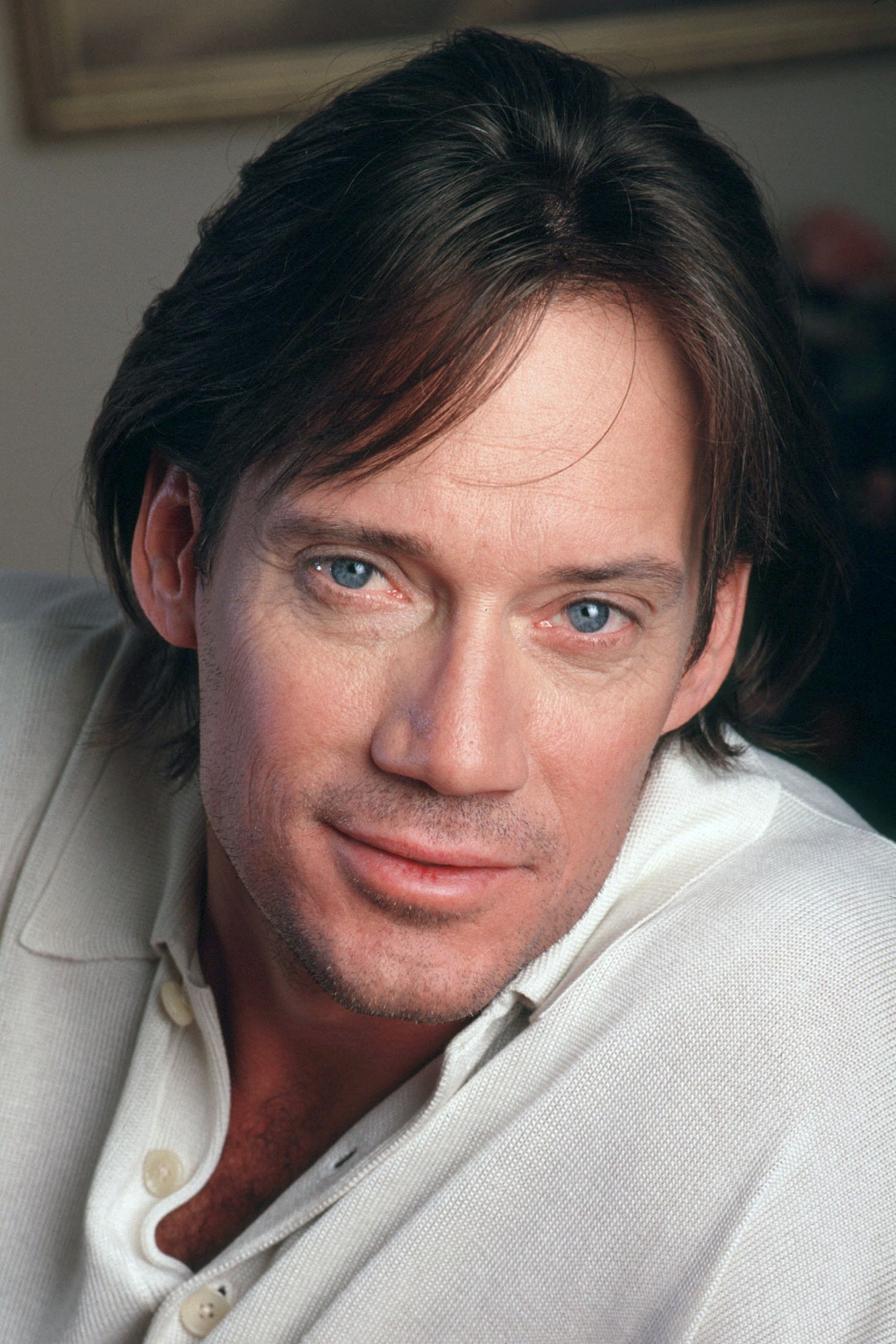
Kevin Sorbo, famous for playing Hercules, has often criticized the traditional Hollywood system and its unions. He openly made fun of the recent actors’ strike and downplayed concerns about fair wages. On social media, he stated he creates better films outside of the established system and dismissed the issues raised by union leader Fran Drescher. This stance reflects his generally conservative political beliefs, which often differ from those common in the entertainment industry.
Bill Maher
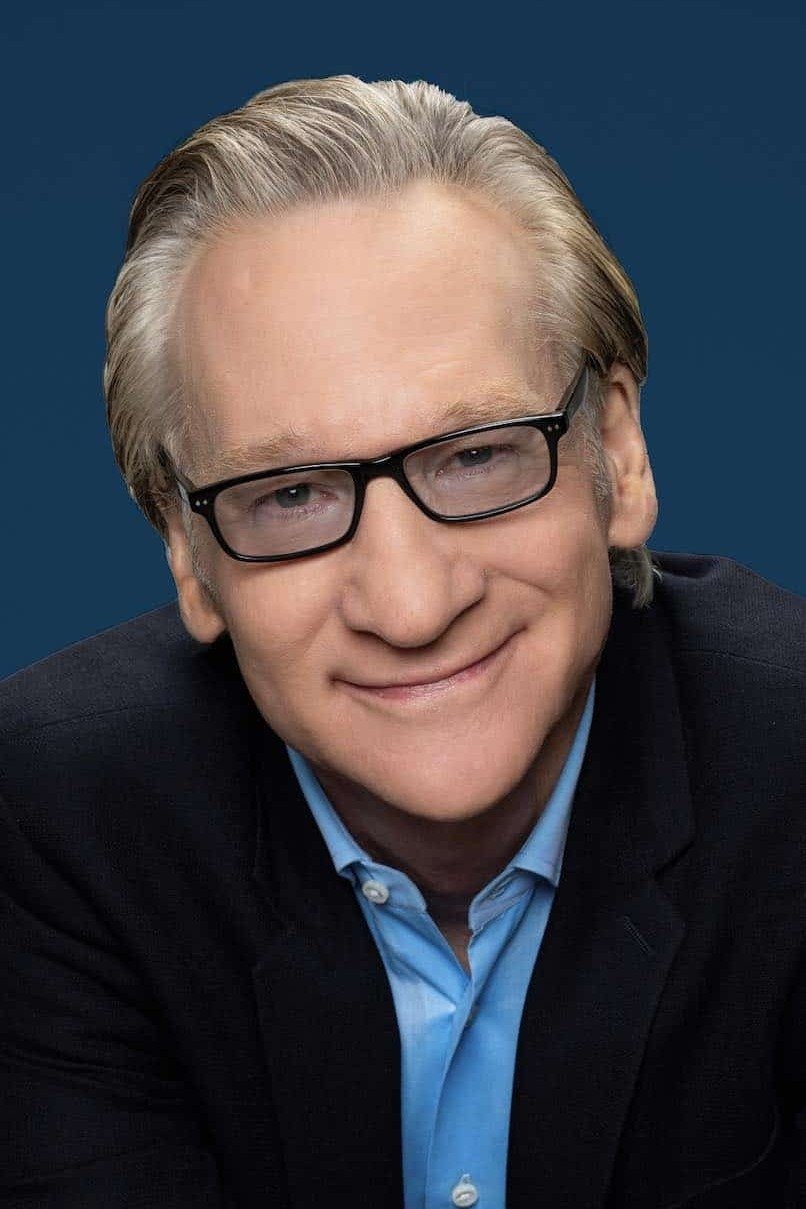
Bill Maher, host of ‘Real Time,’ openly questioned the requests made by striking writers and actors. He felt the guilds were acting entitled and argued that writers shouldn’t be guaranteed a living wage if their work isn’t financially successful. He even announced he’d bring his show back without writers before the strike ended, a move seen as undermining the strikers. Ultimately, he put those plans on hold due to public pressure.
Zachary Levi
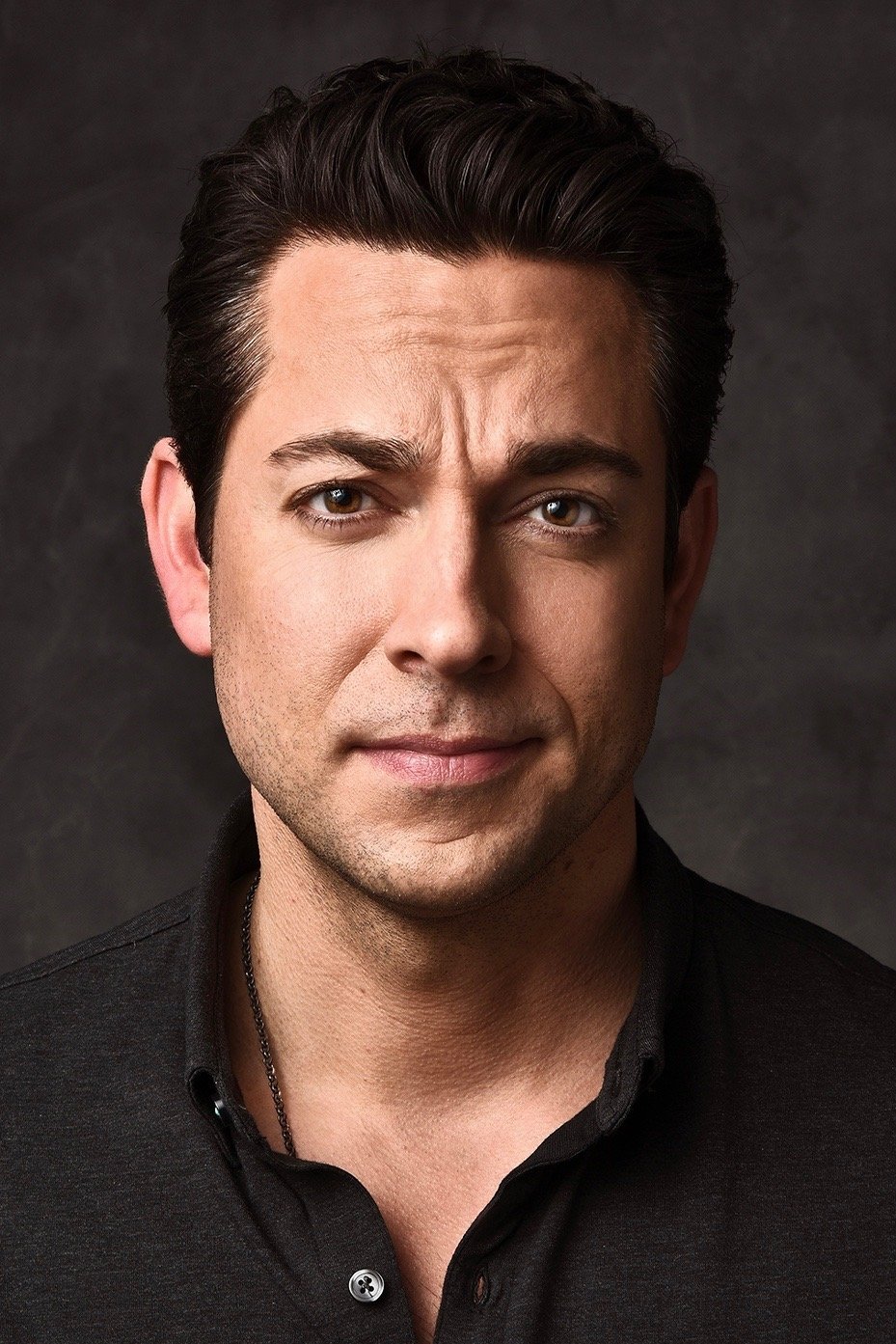
Zachary Levi, the star of the ‘Shazam!’ movies, expressed his annoyance with the rules put in place by the actors’ union during the strike. He felt it didn’t make sense that actors were prohibited from talking about previous roles at fan events, arguing this damaged their connection with fans more than it affected the studios. After his initial comments gained a lot of attention online, Levi released a statement clarifying that he still supports the union.
Tyler Perry
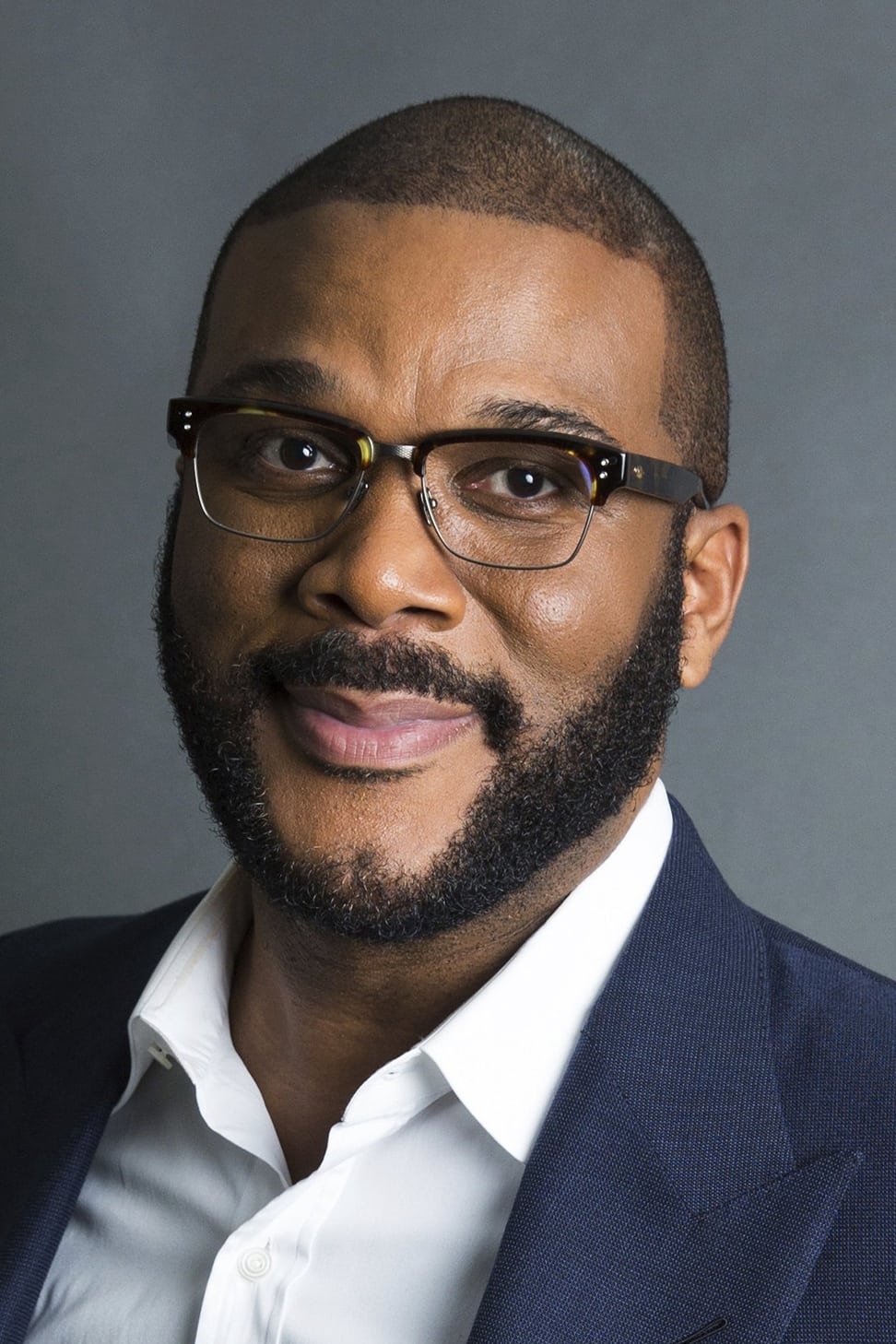
The prominent actor and media executive voiced his annoyance with how long the strike was lasting and the damage it was causing to the entertainment industry. He publicly encouraged the union to agree to a deal and celebrate a win, rather than pushing for absolutely everything they wanted. He pointed out that the agreement would only be in place for three years and argued that actors should get back to work to help the industry recover. His practical viewpoint differed from the union’s firm negotiating stance.
Tom Cruise
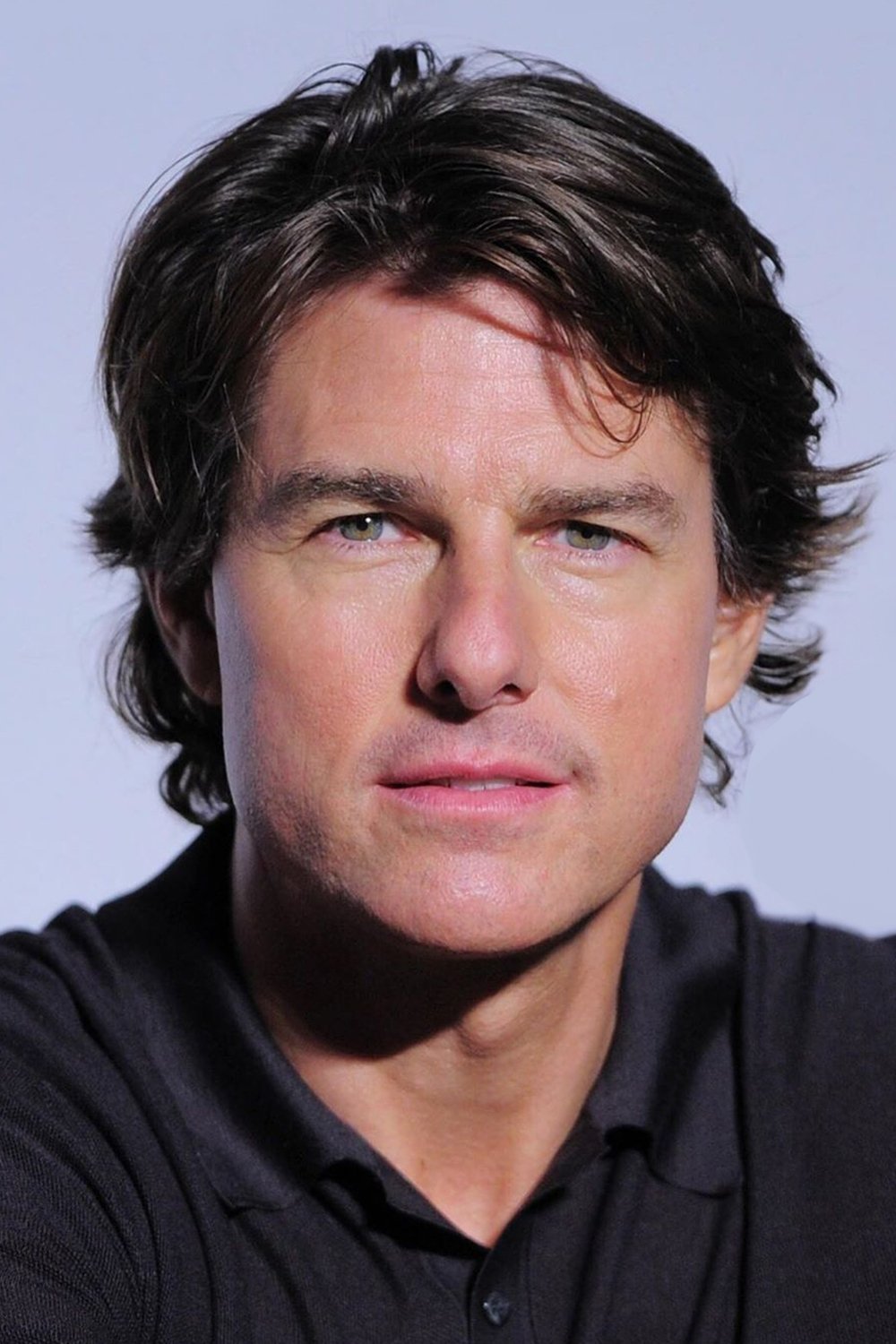
Tom Cruise, known for the ‘Mission: Impossible’ films, asked the actors’ union to let stars continue promoting movies even while on strike. He believed a complete halt to promotion would seriously harm movie theaters. Although he agreed with the union’s goals regarding pay for stunt performers and protections against artificial intelligence, his request to make exceptions for promotion was denied. Cruise disagreed with the union’s decision to remain completely silent, as he felt it wasn’t the best way to achieve their aims.
Tyrese Gibson
An actor known for his role in the ‘Fast & Furious’ movies has said the recent strike caused him financial hardship. In court documents, he explained that the strike stopped him from earning money he needed for child support payments. He presented the strike as a problem for his ability to make a living, rather than a worthwhile effort for future improvements in the industry. His statements drew attention to the immediate financial difficulties many working actors faced during the shutdown.
Jon Voight
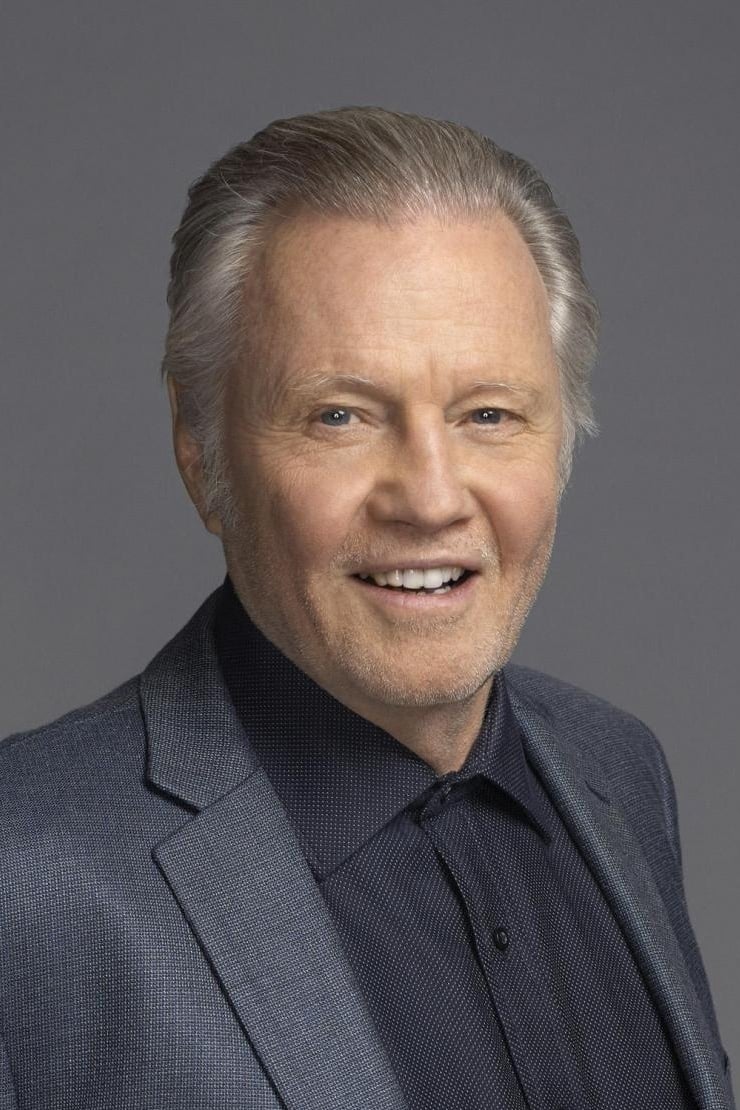
The award-winning actor has often spoken out against political and social trends in Hollywood. He didn’t support the recent strike and has generally disagreed with the direction of the current union leaders. Voight stayed away from the strike and didn’t join his colleagues in their protests. This position is consistent with his reputation as a conservative figure in an industry that is mostly liberal.
Dean Cain
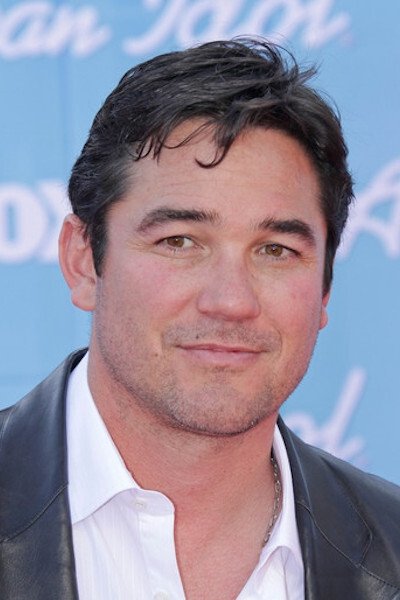
Dean Cain, best known for playing Superman in the 1990s, has publicly spoken out against Hollywood unions and their political positions. He questioned the recent strike and the requests made by the guilds involved. Cain generally supports independent films and has been critical of the way the mainstream movie and television industry operates, both from a business and creative standpoint. Unlike many other famous union members, he didn’t join in showing support for the strike.
Rob Schneider
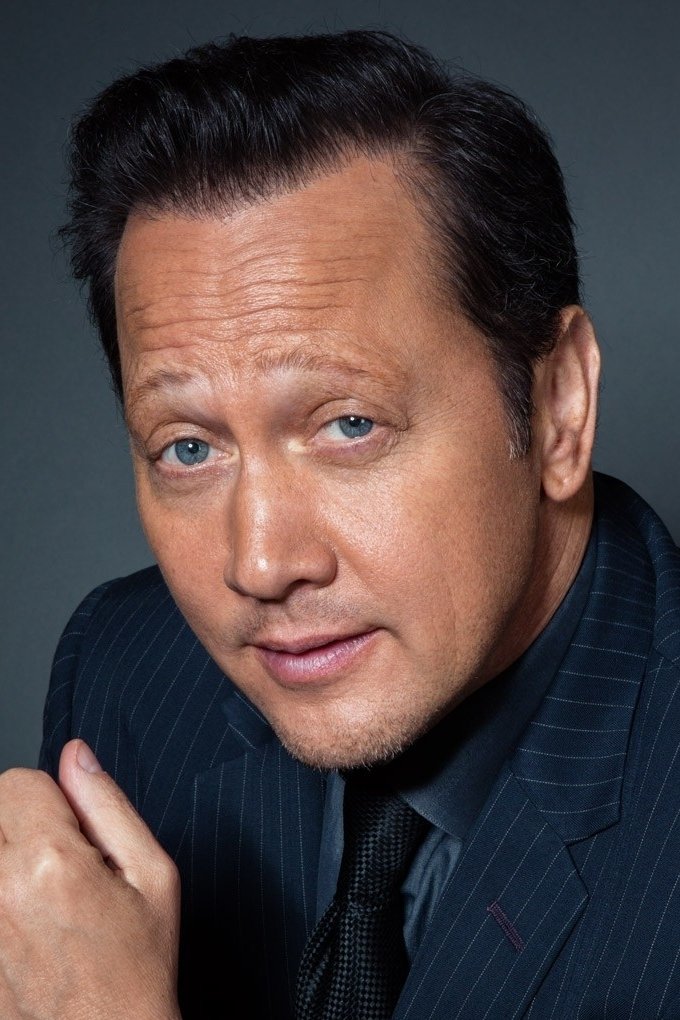
The comedian, known for his time on ‘Saturday Night Live,’ has become more outspoken about how the entertainment industry works. He didn’t seem to agree with the recent actors’ strike or their concerns about payment for reruns. Schneider has moved away from big Hollywood projects and frequently criticizes the political side of unions in the film industry. Throughout the strike, he appeared distant and didn’t offer support.
James Woods
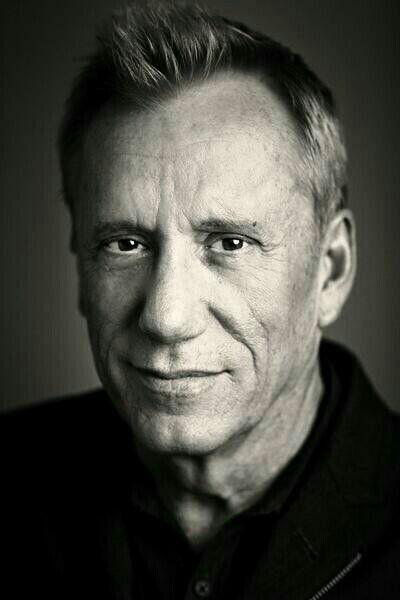
This experienced actor has mostly left behind big-budget filmmaking and often speaks out against how the industry operates. He didn’t join the recent strike and has frequently disagreed with the actions taken by Hollywood unions. He sees things differently than most, rejecting the usual explanations about disagreements between workers and studios. This stance is in line with his long-held reputation as someone who goes against the grain in the entertainment world.
Adam Driver
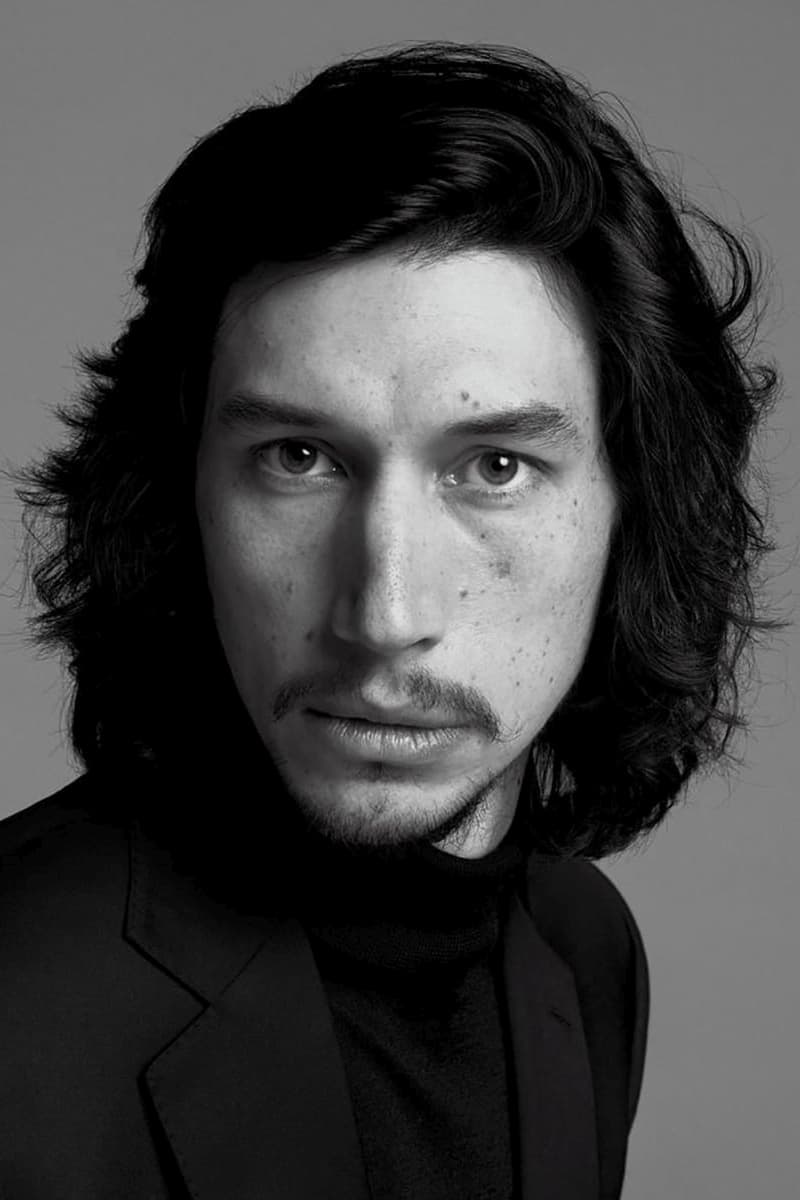
Most actors paused work during the strike, but Adam Driver was able to film and promote ‘Ferrari’ through a special agreement with the union. He attended the Venice Film Festival for the movie while fellow actors protested in Los Angeles. This decision sparked debate, as some felt working on any project weakened the strike. Driver explained he believed the film’s independent production showed studios could satisfy the union’s requests.
Patrick Dempsey
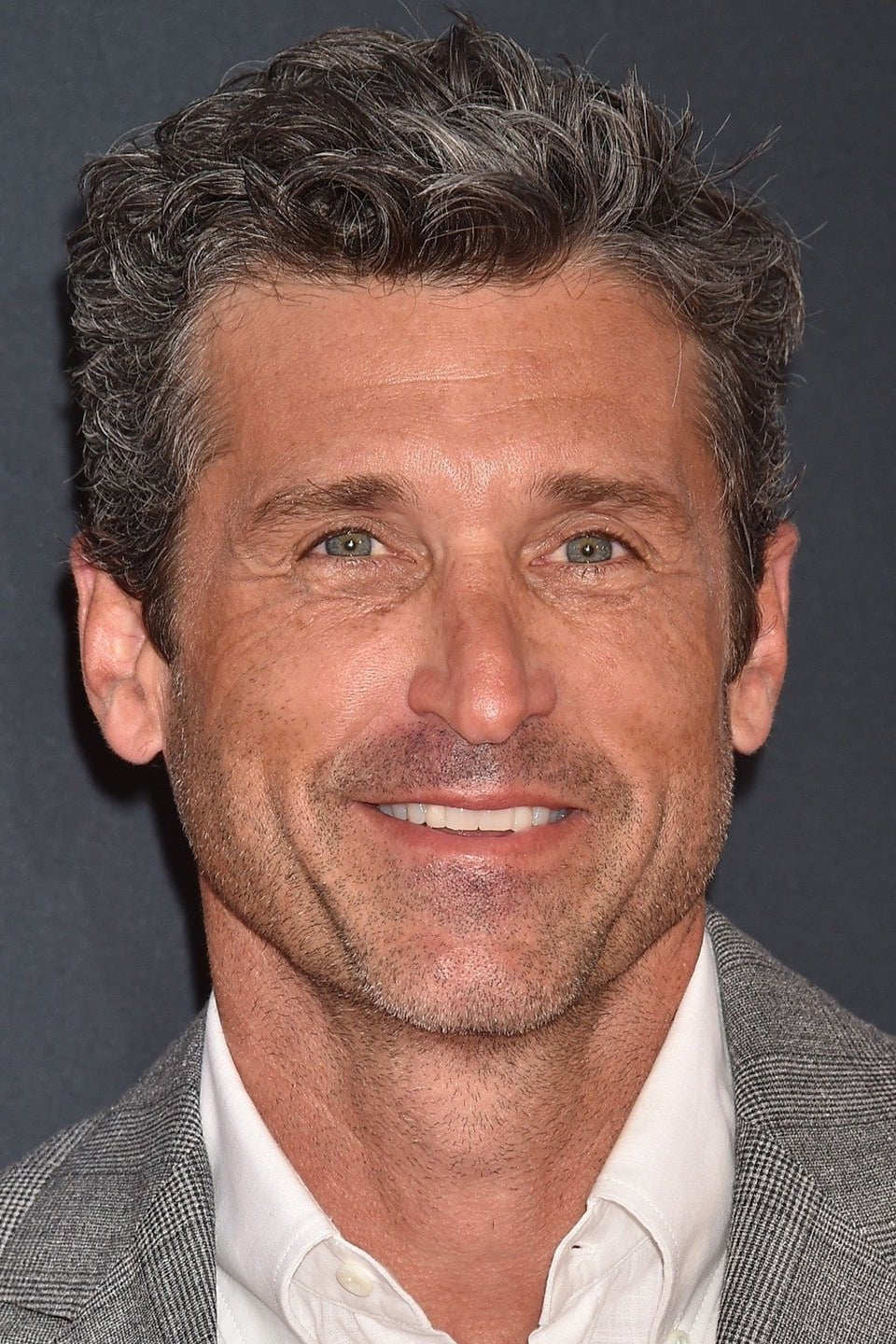
As a big fan, I was really excited to see Patrick Dempsey at the ‘Ferrari’ premiere with Adam Driver, even though it was during the strike. He was able to attend because of a temporary agreement, which let him do some promotional work. Honestly, it was a bit of a tricky situation – some people felt like even with the agreement, supporting the film while so many others were on strike wasn’t quite right. It was weird seeing him continue with work when most of the union wasn’t, but he was allowed to do it under the terms of the deal.
Paul Rudd
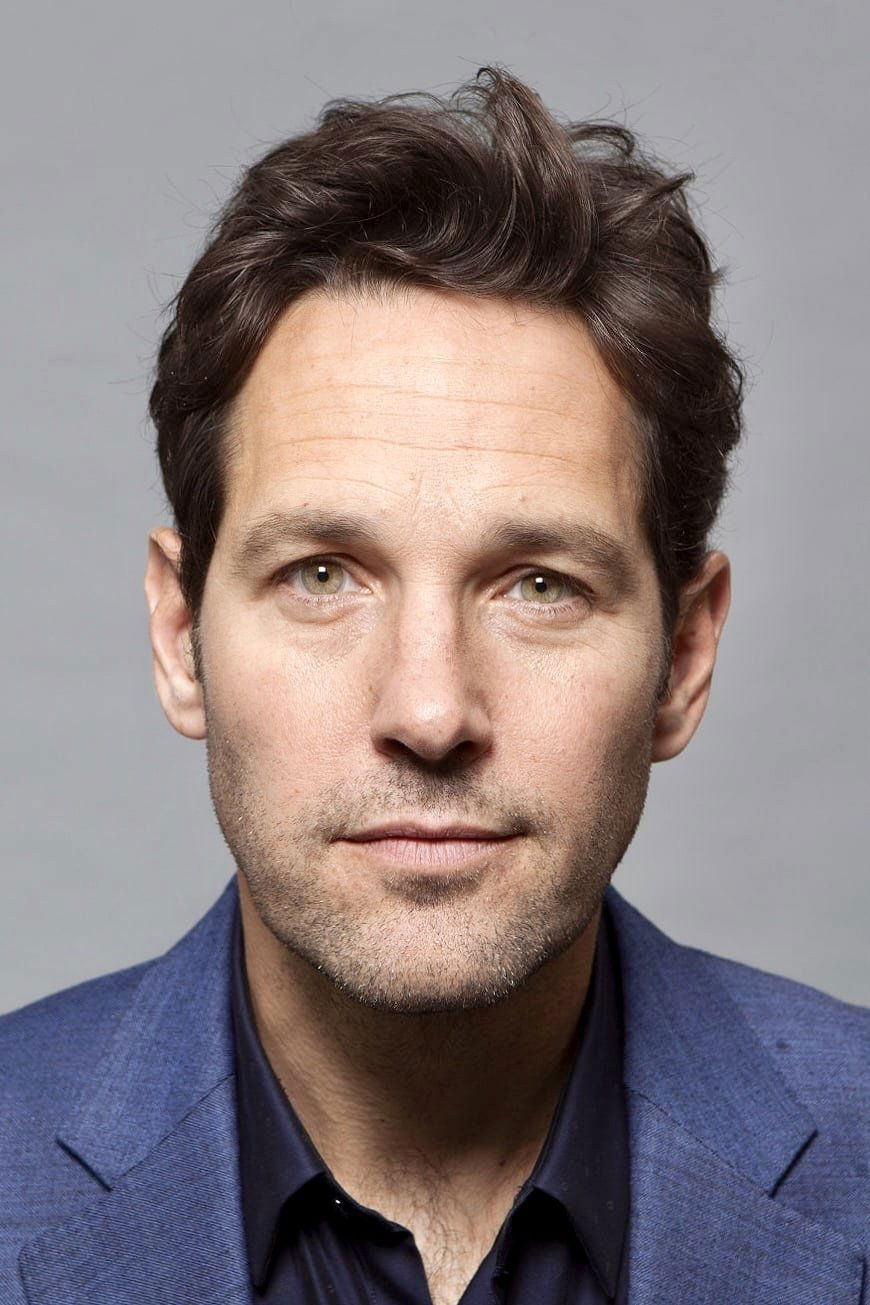
Paul Rudd, known for his role in ‘Ant-Man’, kept working during the actors’ strike by filming the independent movie ‘Death of a Unicorn’. The union allowed this because the film’s studio wasn’t a member of the main Hollywood alliance. While most large-scale productions paused, Rudd continued filming, which underscored the difference between actors who were able to find work through waivers and those who weren’t.
Matthew McConaughey
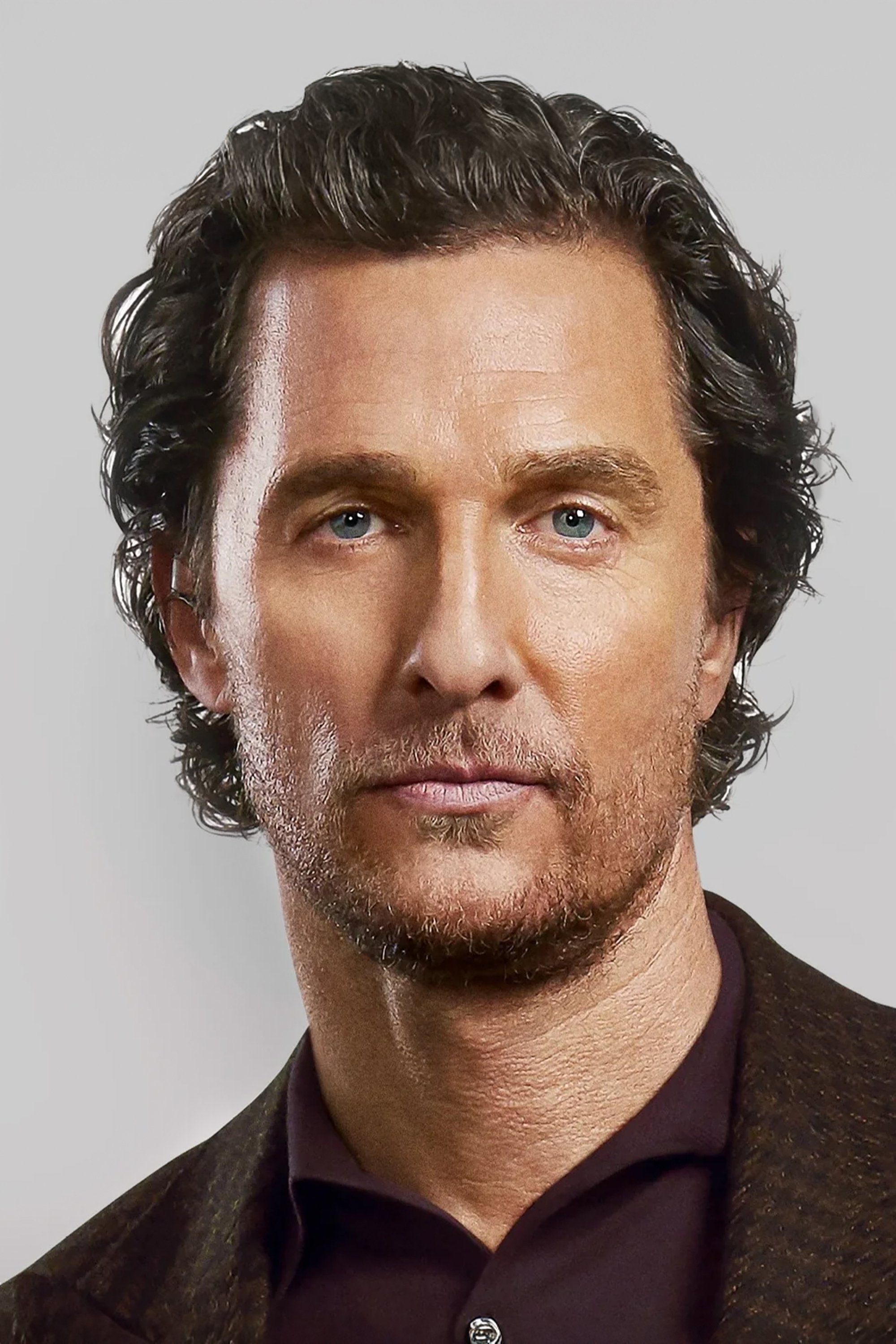
Matthew McConaughey continued filming the crime thriller ‘The Rivals of Amziah King’ even during the recent strike. The production team had reached a temporary agreement that allowed them to keep working, which meant McConaughey remained employed and on set throughout the dispute. This put him among the few top-tier actors who weren’t forced to stop working.
Nicolas Cage
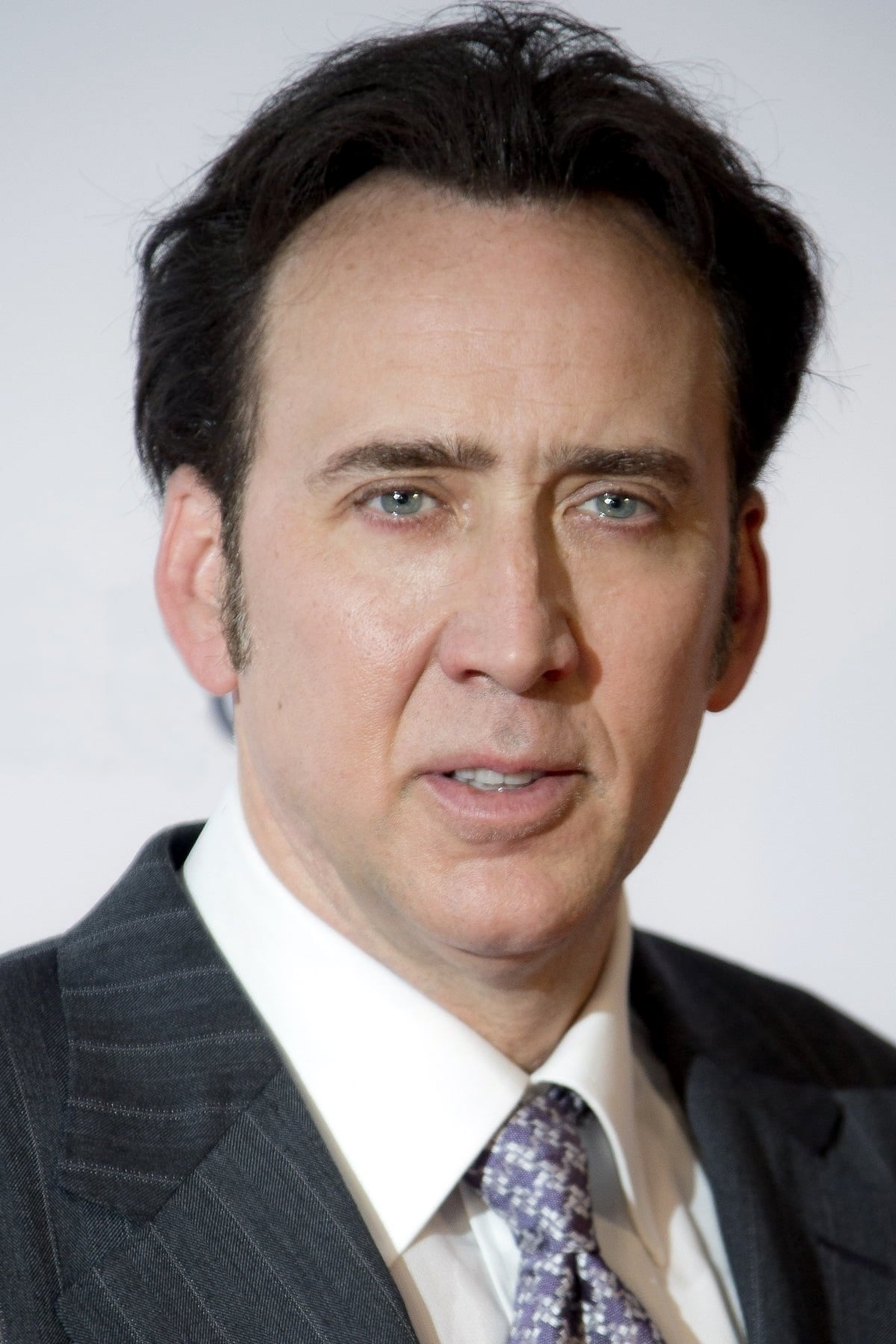
Despite the actors’ strike, Nicolas Cage kept working on his new movie, ‘The Surfer,’ in Australia. The production was allowed to continue filming because it had reached a special agreement. While most of the film industry in the US was paused, Cage was able to continue acting, showing how the agreement system worked – even though it sparked some discussion among union members.
Mads Mikkelsen
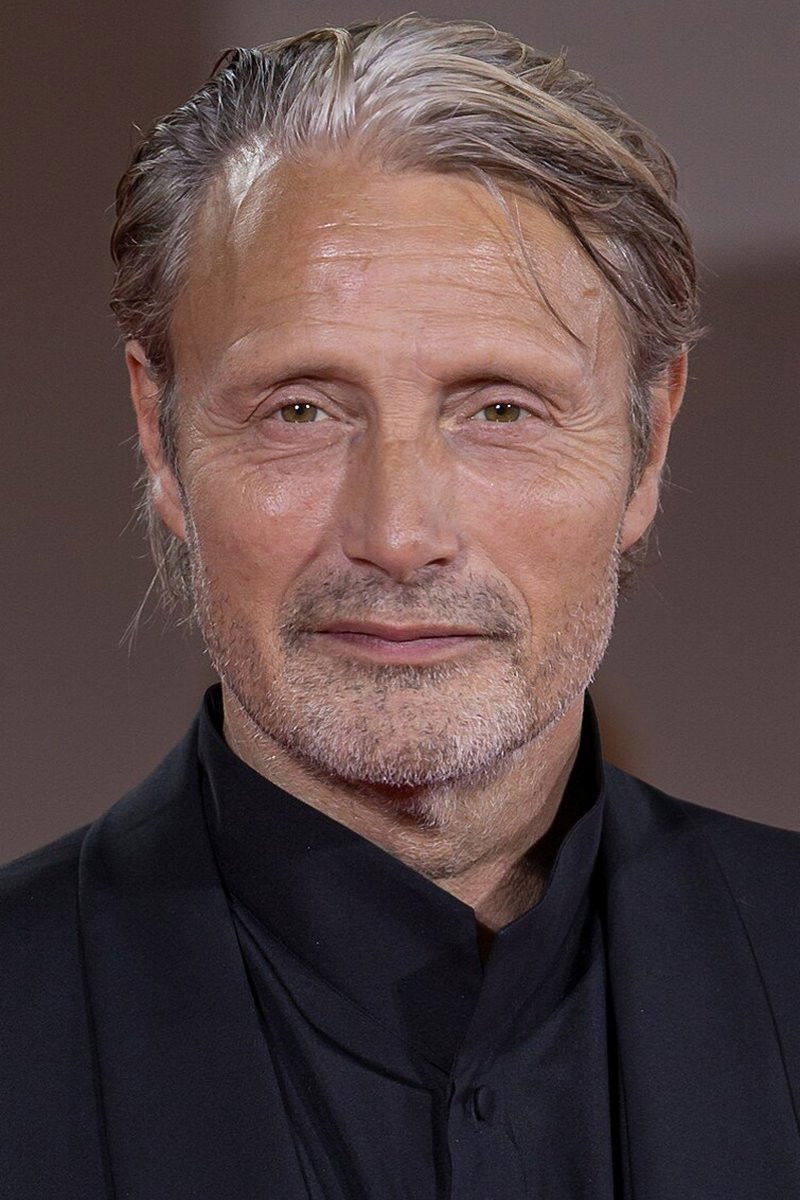
Danish actor Mads Mikkelsen was able to keep working on the horror movie ‘Dust Bunny’ because the production received special permission to continue filming. He took advantage of a temporary agreement that allowed him to stay on schedule during the actors’ strike. By continuing his work, he helped the film avoid significant delays that many larger productions experienced, allowing him to earn income when most other actors couldn’t.
Gerard Butler
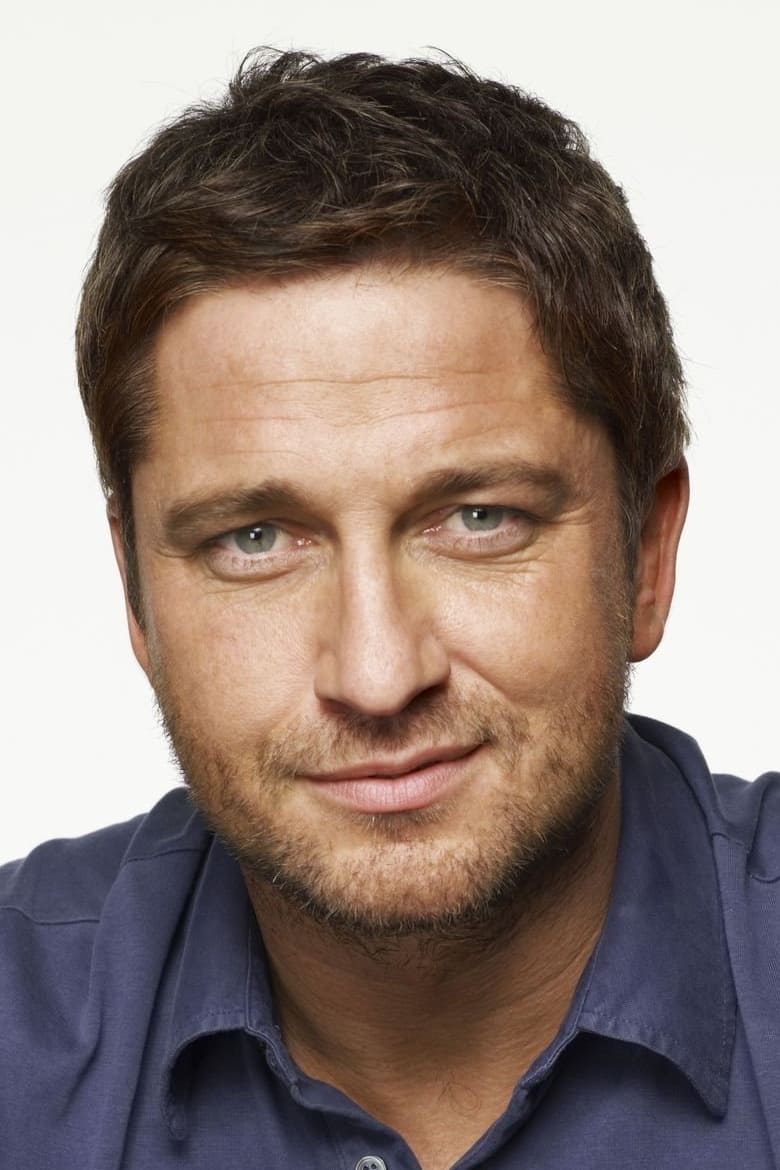
Gerard Butler kept filming ‘In the Hand of Dante’ thanks to a special agreement with the union. While most Hollywood filming stopped due to the strike, his movie was allowed to continue in Italy because the producers reached a separate agreement with the union. Butler was one of the few leading action actors who was able to keep a project going during the widespread work stoppage.
Mel Gibson
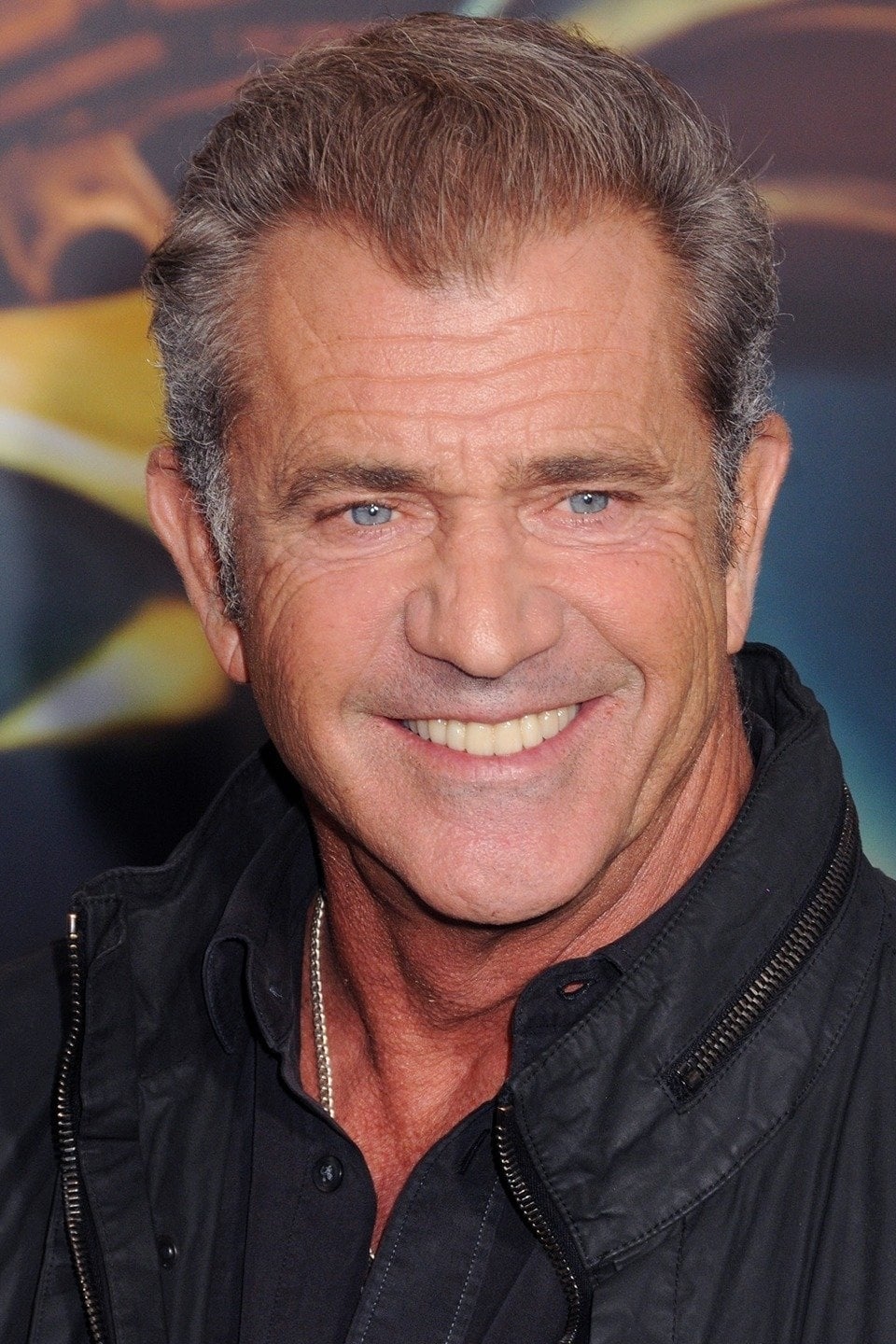
Look, I was really disappointed to learn that Mel Gibson kept filming ‘Flight Risk’ during the strike. While his production did get a temporary deal to keep things moving, it just felt wrong seeing him working when so many of my colleagues were out of work and on the picket lines. It really stood out – everyone else was fighting for a fair deal, and he was just… filming. Honestly, I wish he’d at least shown some public support for the strike, but he stayed completely silent. It just didn’t sit right with me.
Shia LaBeouf
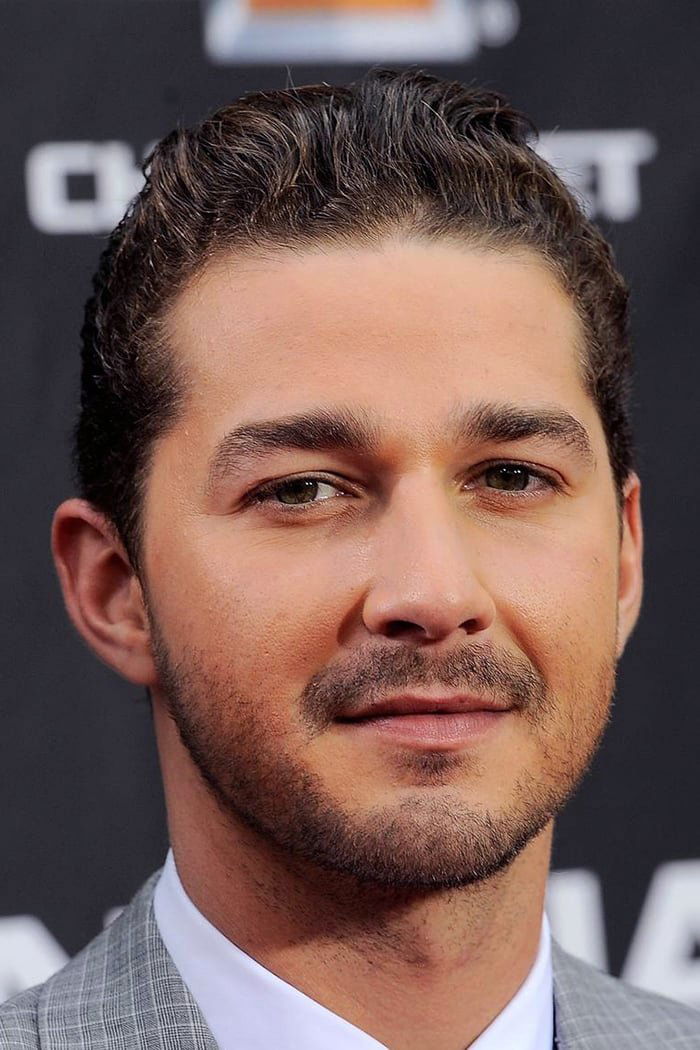
Shia LaBeouf continued working on Francis Ford Coppola’s film, ‘Megalopolis,’ even during the recent industry strike. Because the film was funded independently, it received permission to film, allowing LaBeouf to keep working. This meant he remained active on a large film set while most of the industry was at a standstill, and he concentrated on the movie itself rather than the ongoing labor disagreements in Los Angeles.
Dustin Hoffman
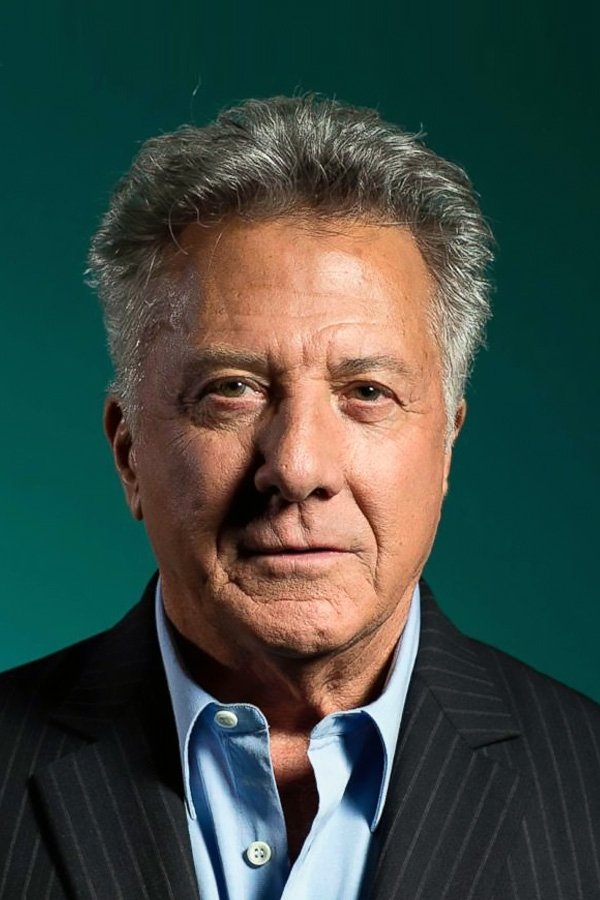
The acclaimed actor appeared in ‘Lucca Mortis,’ a film that was allowed to continue shooting despite the ongoing strike. While most actors were unable to work on studio projects, Hoffman was able to continue with this film, demonstrating how independent productions could still operate. This meant he stayed employed during a time when many actors faced unemployment.
Sean Penn
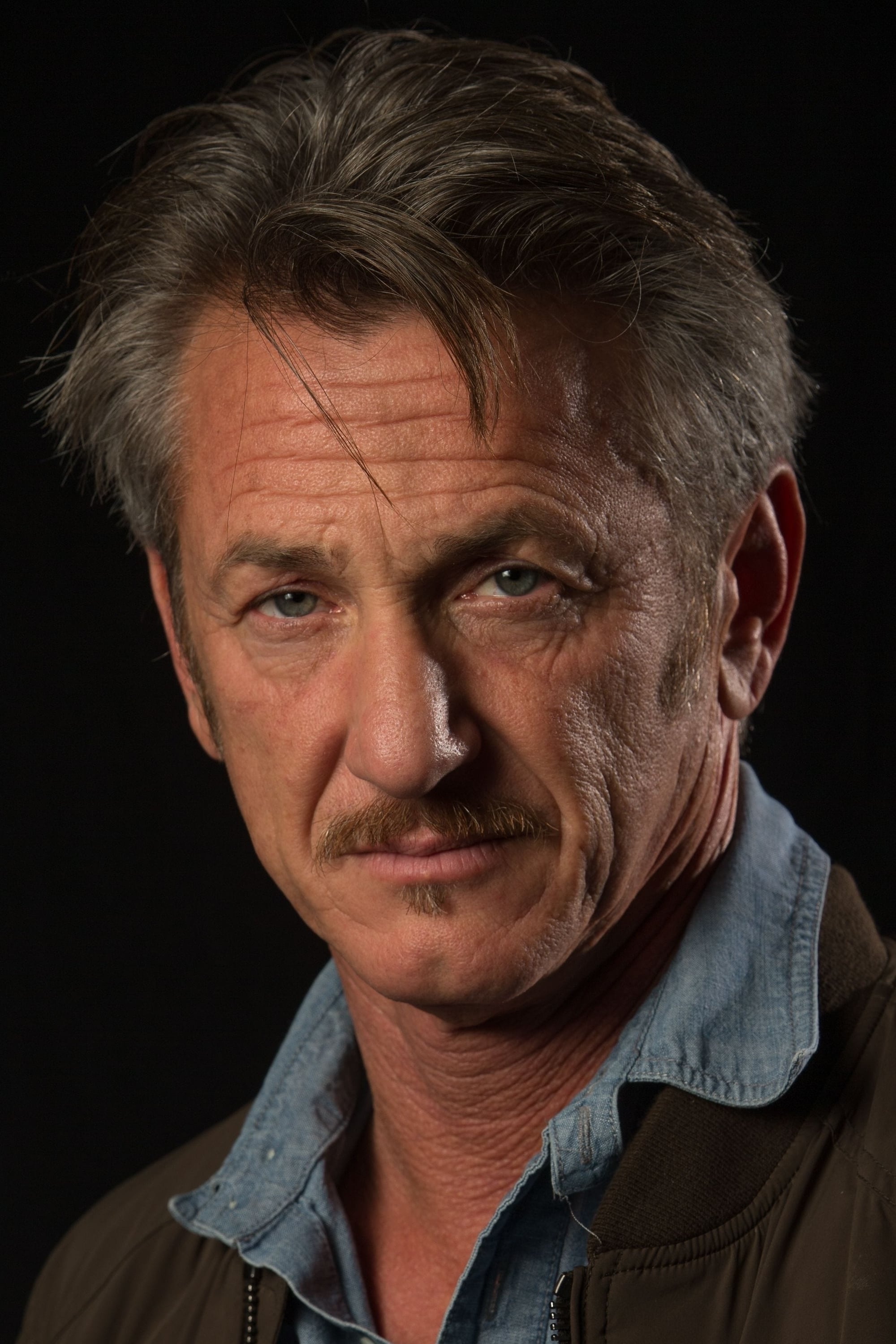
Sean Penn continued filming ‘Daddio’ by using a temporary agreement during the actors’ strike. He worked with Dakota Johnson, choosing to utilize a waiver to keep the production going. Penn, who has a history of activism, helped ensure the film was finished despite the challenges facing the industry at the time.
Mark Wahlberg
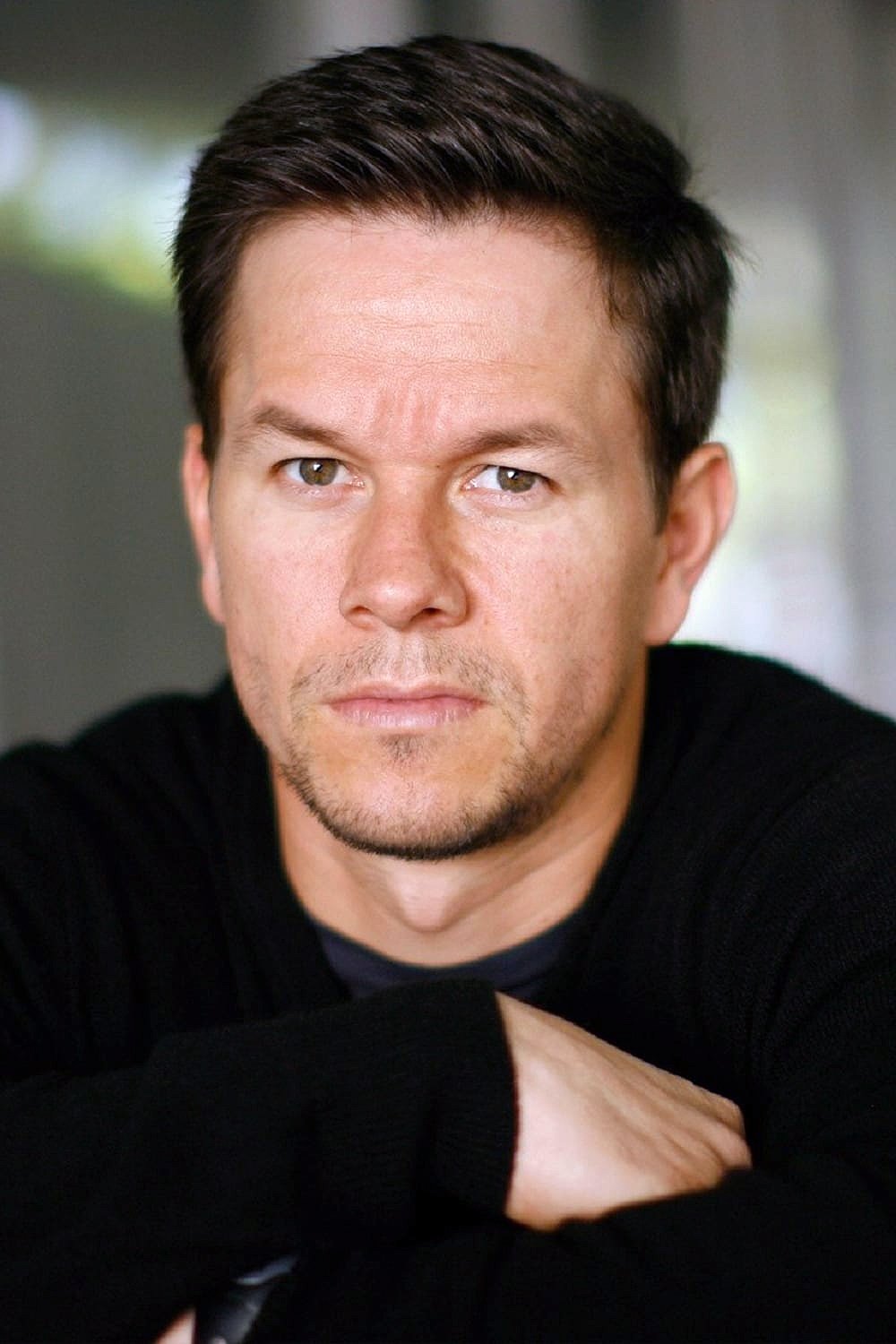
Mark Wahlberg kept filming ‘Flight Risk’ even as other major movie productions stopped due to the strike. The film, directed by Mel Gibson, qualified for a waiver because it was made by an independent production company, allowing Wahlberg to stay on schedule.
Anthony Mackie
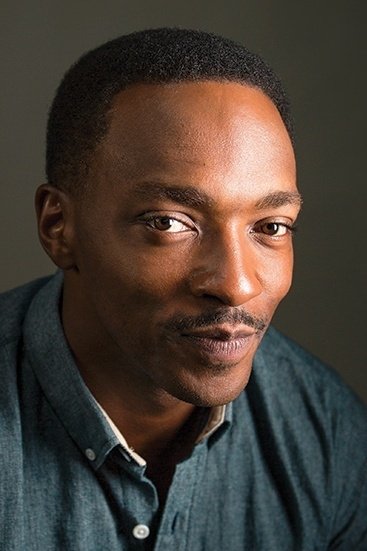
Before the strike began, Mackie voiced strong worries about its possible impact, calling it a major setback for the entertainment industry. He believed the studios had created a difficult situation and criticized their handling of negotiations. Although he agreed that workers deserved a fair agreement, he seemed hesitant about the strike itself. Mackie was particularly concerned about the lasting damage a shutdown could cause, not just to Marvel productions, but to the industry as a whole.
George Clooney
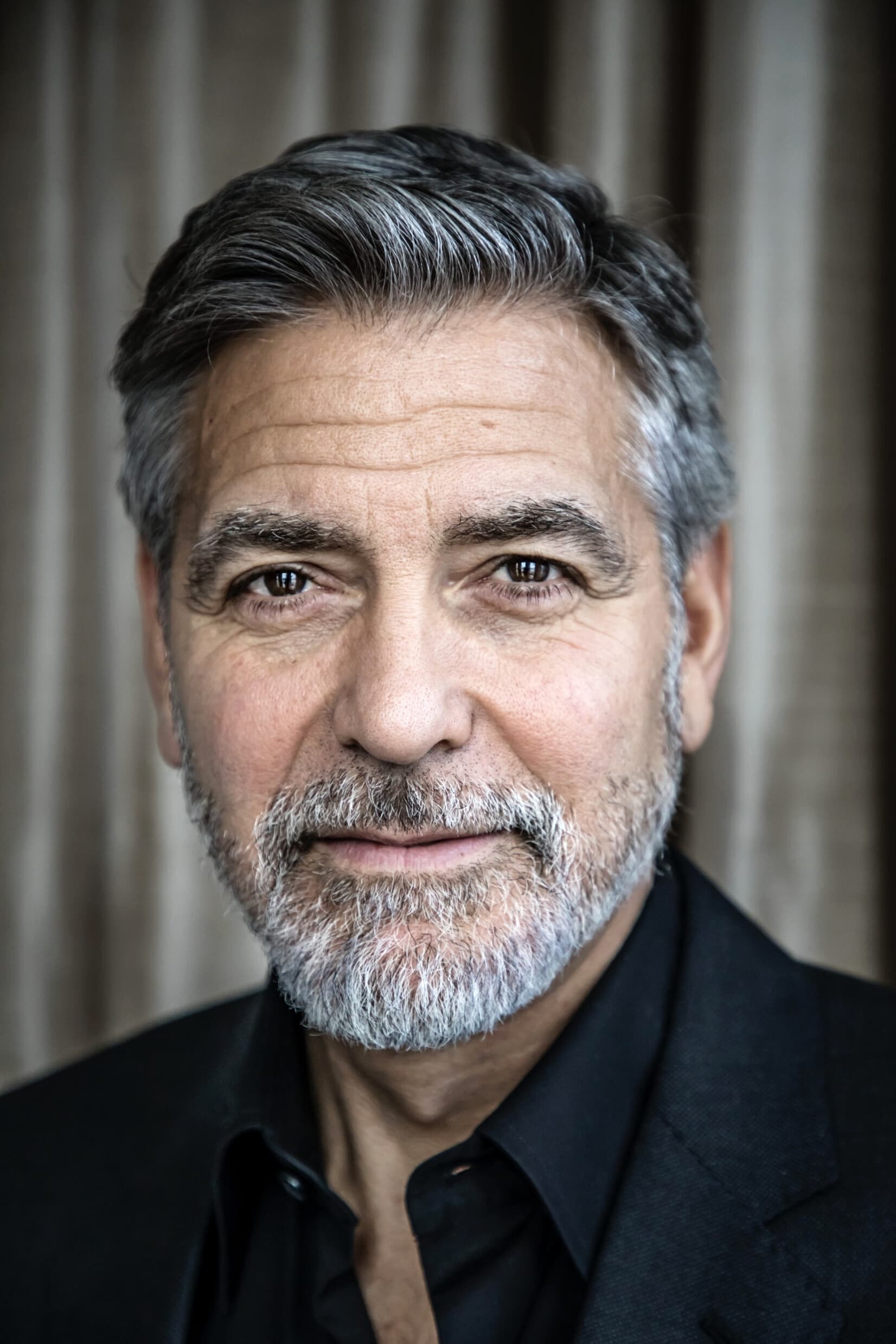
George Clooney, along with other prominent actors, suggested allowing the union to raise more money through dues as a way to resolve the strike. The idea was to have wealthier actors contribute more, potentially breaking the stalemate with the studios. However, union leaders turned down the offer, explaining that it didn’t tackle the fundamental problems in their contract negotiations. Clooney’s proposal indicated a strong preference for a swift end to the strike, rather than a prolonged and difficult fight.
Ben Affleck
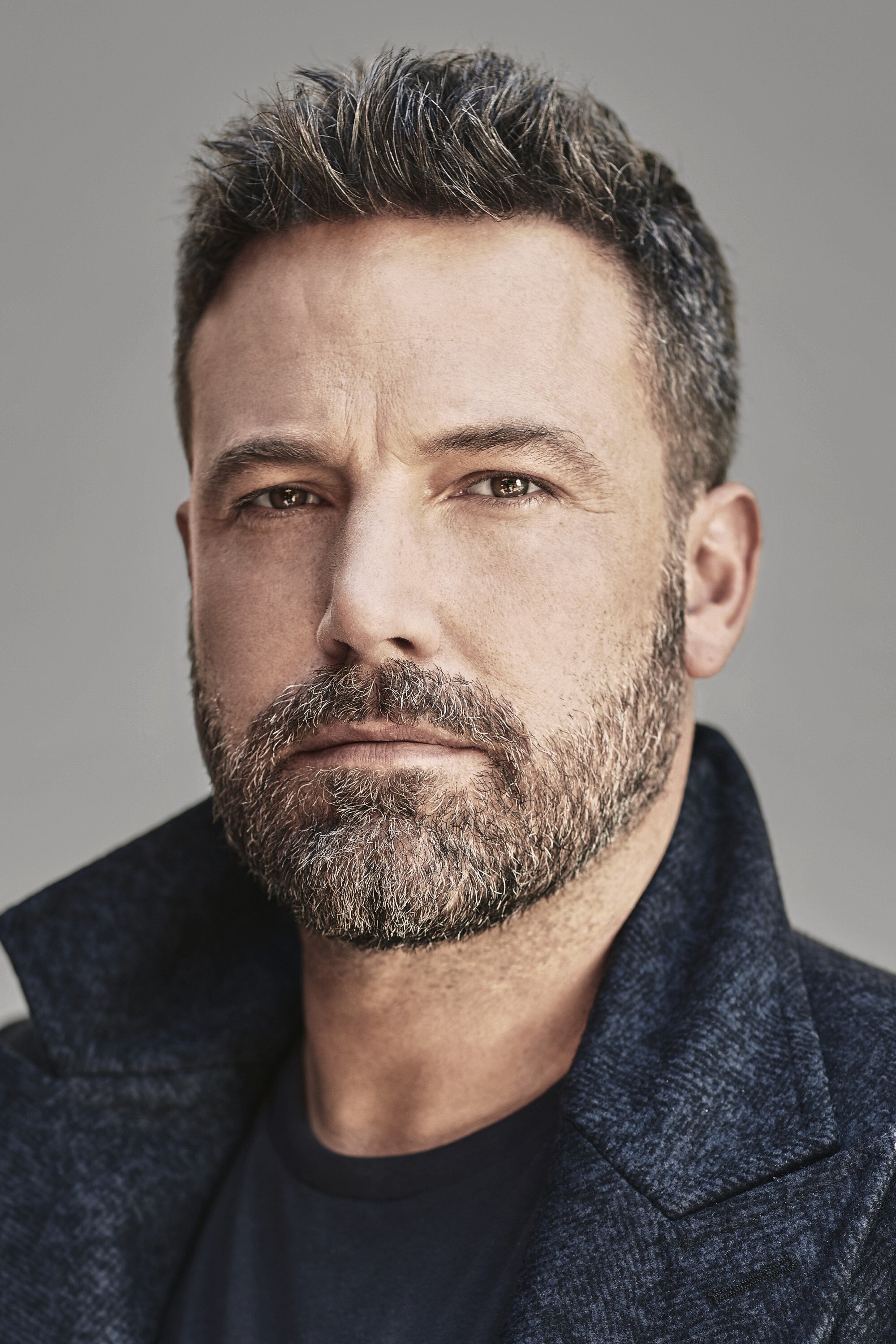
Ben Affleck teamed up with George Clooney to offer a different financial plan to union leaders, hoping to end the actors’ strike quickly. His participation showed he was frustrated with the lack of progress in talks. Affleck wanted a practical solution, but the union ultimately found it didn’t go far enough.
Isaiah Washington
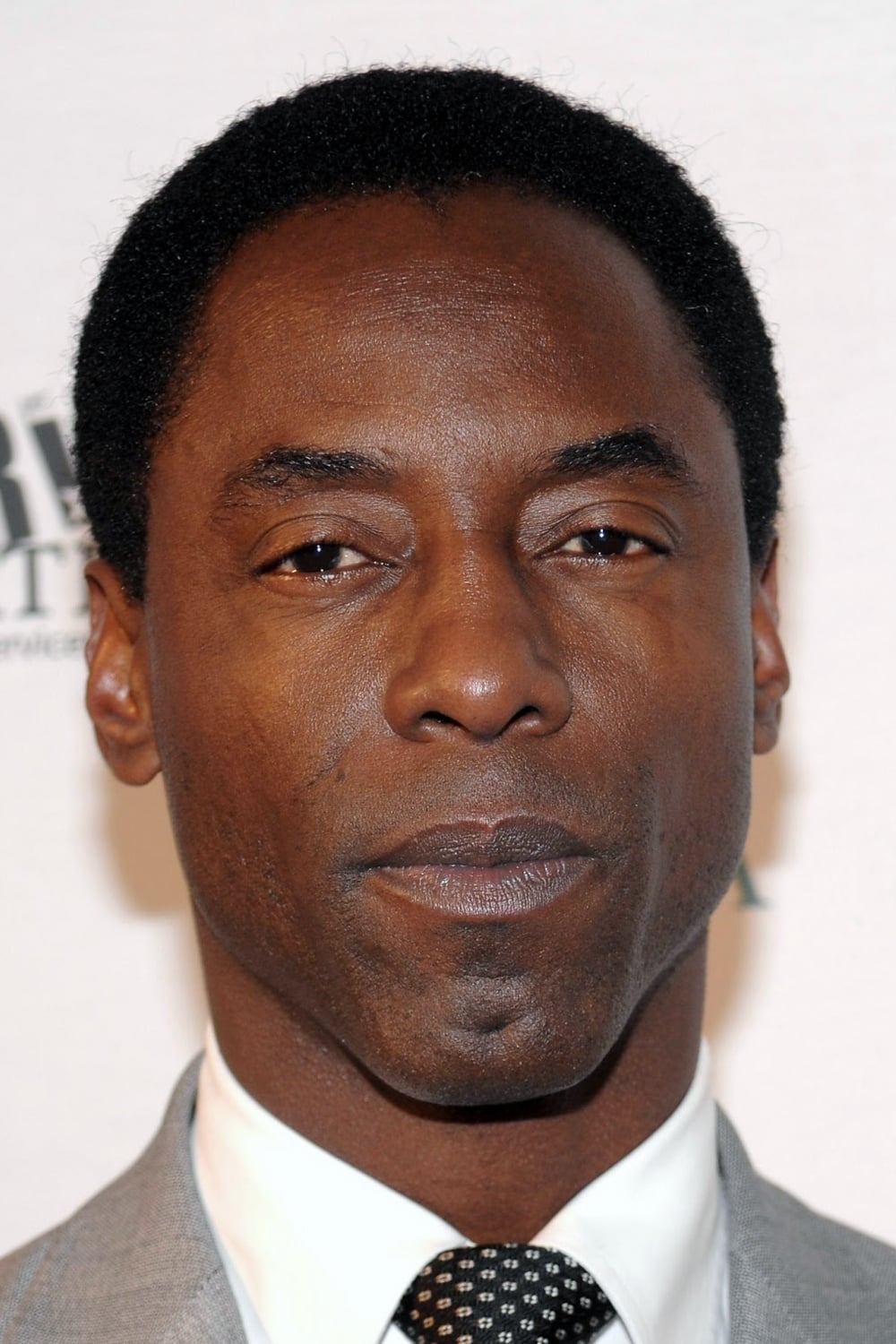
Isaiah Washington, known for his role on ‘Grey’s Anatomy,’ has long spoken out against the way Hollywood operates. He didn’t support the recent strike and frequently criticizes the actors’ union. Washington believes the industry’s power structure is broken and has chosen not to participate in group efforts. Throughout the labor dispute, he consistently offered a dissenting viewpoint from the majority.
Russell Brand
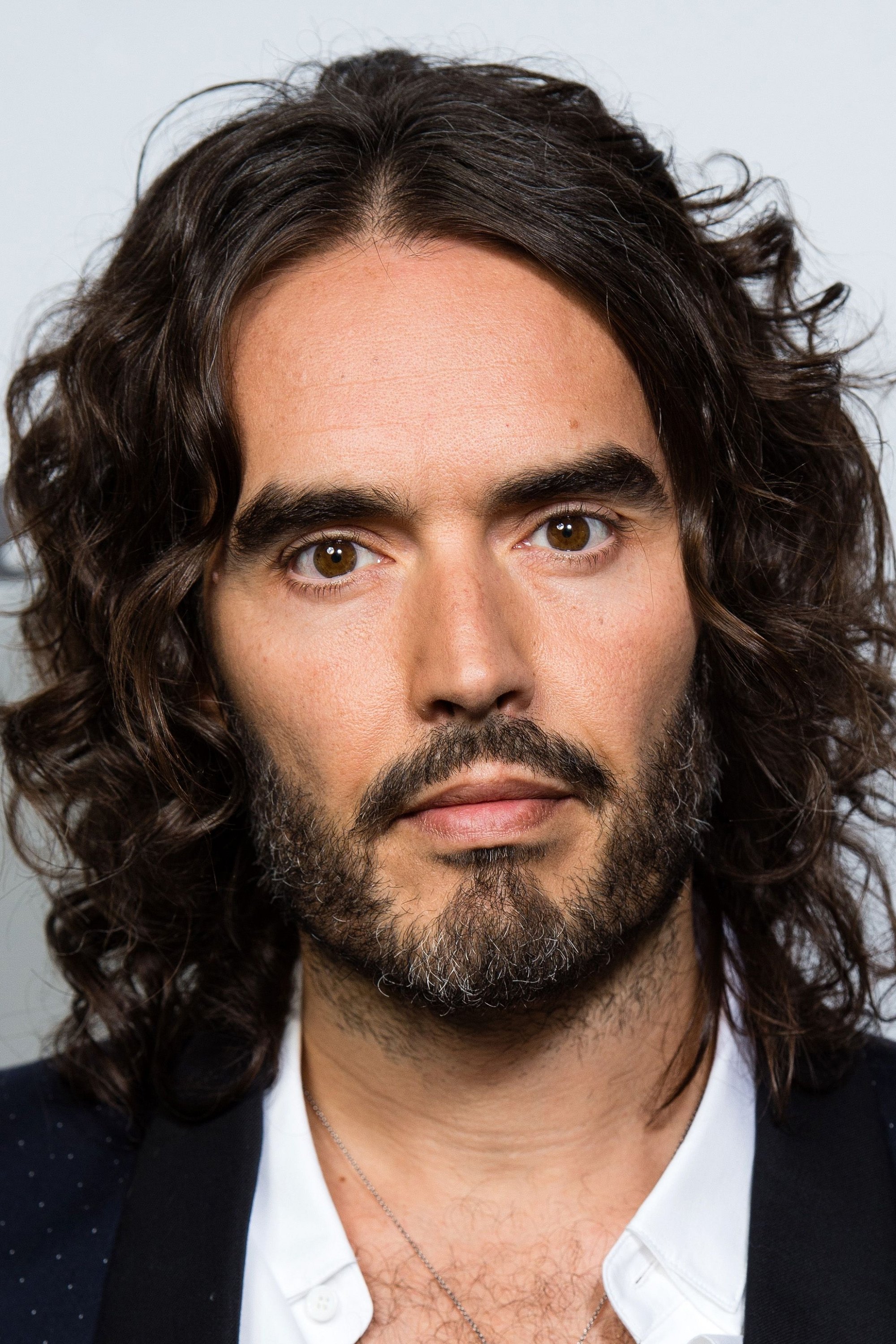
As a long-time movie and TV fan, I’ve been following Russell Brand’s recent commentary, and it’s fascinating. He’s really positioned himself as someone who questions everything happening behind the scenes in Hollywood. He’s been very vocal about how corporate interests are driving things, and frankly, he doesn’t think this strike is about just the contract details. It’s much bigger than that, in his view. What I find particularly interesting is how he seems to be poking fun at the very celebrity culture that the strike is trying to highlight – it’s a bit ironic, but also makes a point, I think.
Scott Baio
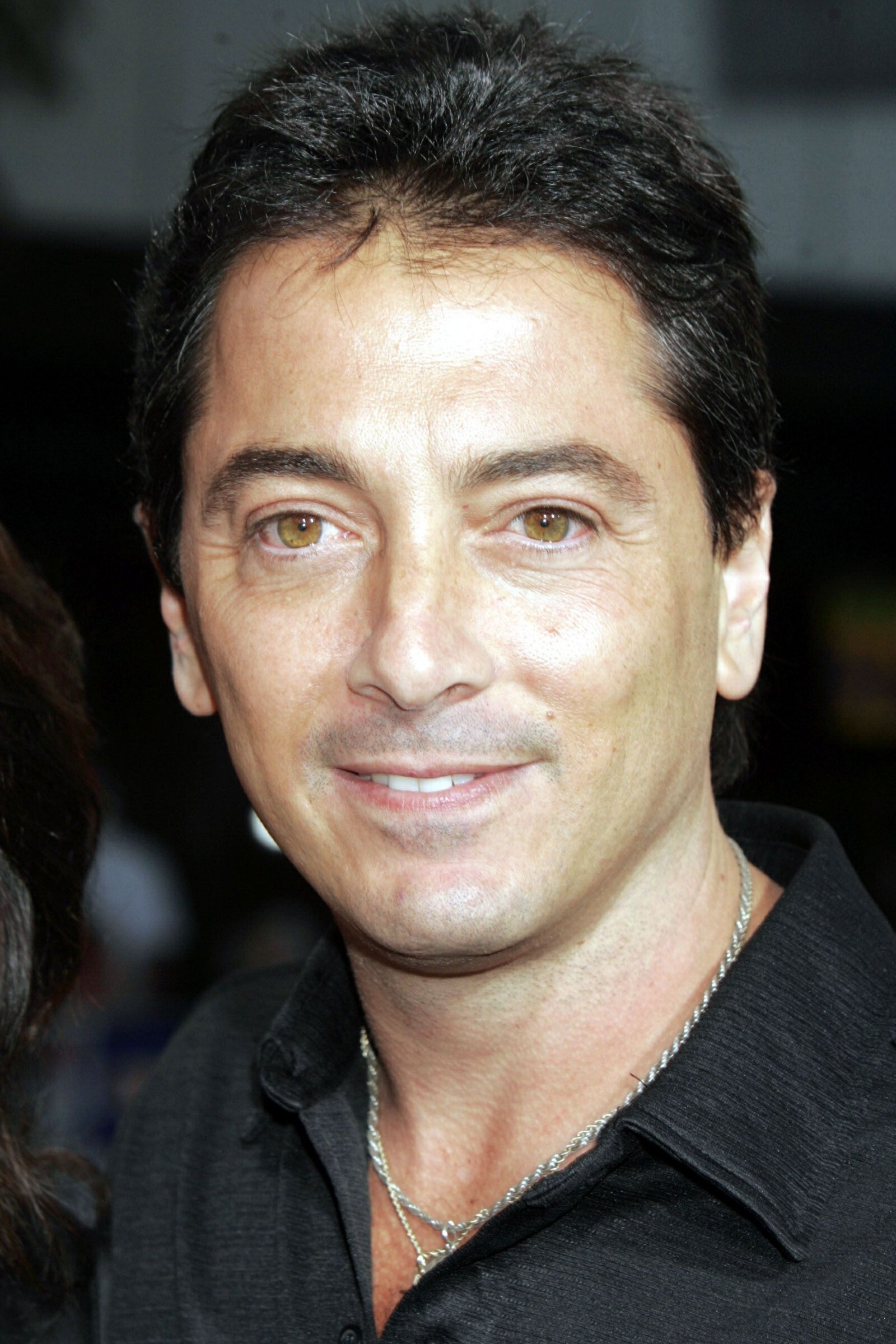
Scott Baio is a committed conservative and often disagrees with the political and social goals of Hollywood unions. He didn’t support the recent actors’ strike and publicly criticized those participating. He generally opposes the use of union tactics within the entertainment industry and continued to voice his opposition throughout the strike period.
Jim Caviezel
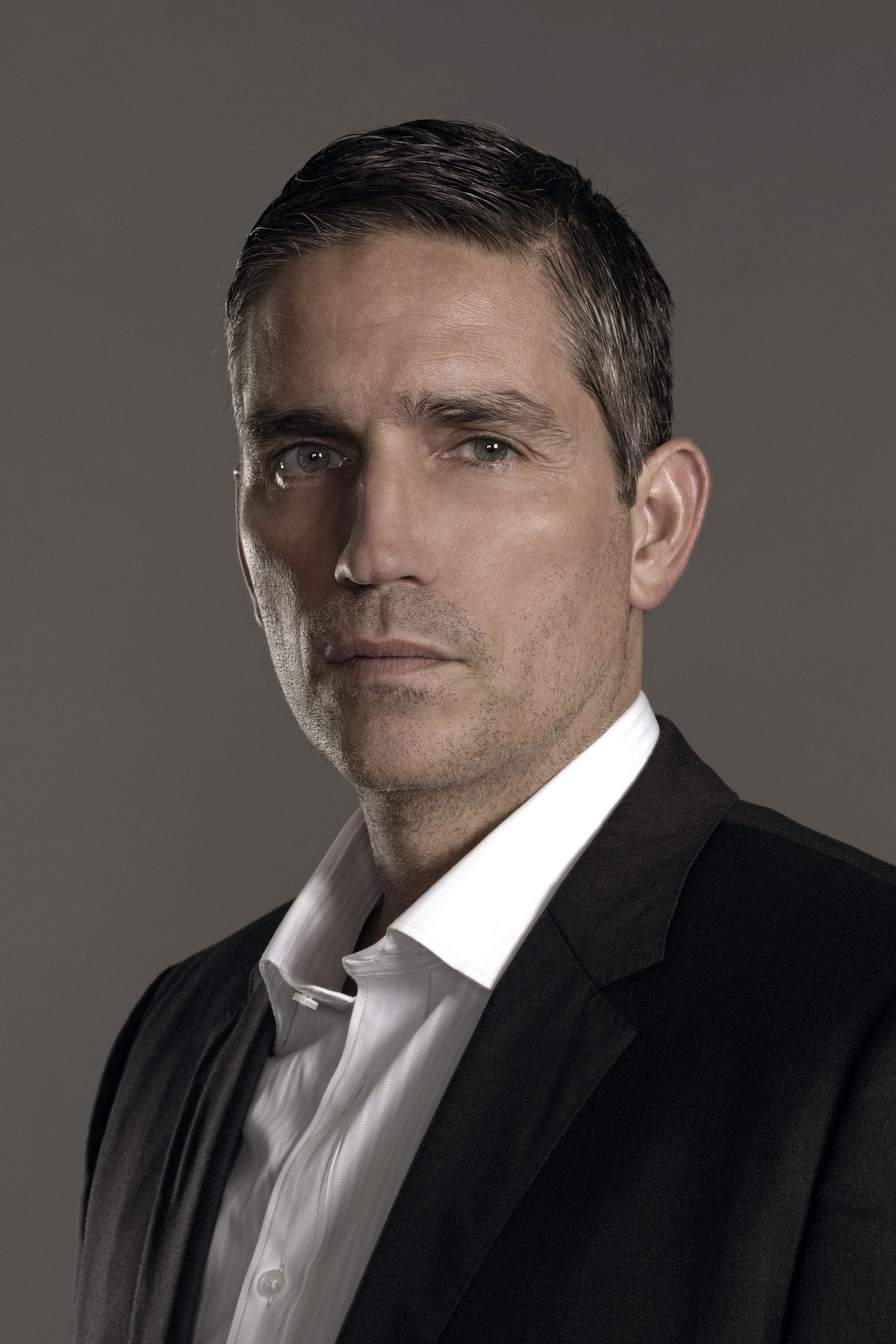
Jim Caviezel, the lead actor in ‘Sound of Freedom,’ doesn’t typically work with major film studios or their unions. He didn’t participate in the recent SAG-AFTRA strike, and has often spoken out against Hollywood’s values and its leaders. Because he’s found success with independent films, he’s been able to avoid involvement in the current studio disagreements.
Randy Quaid
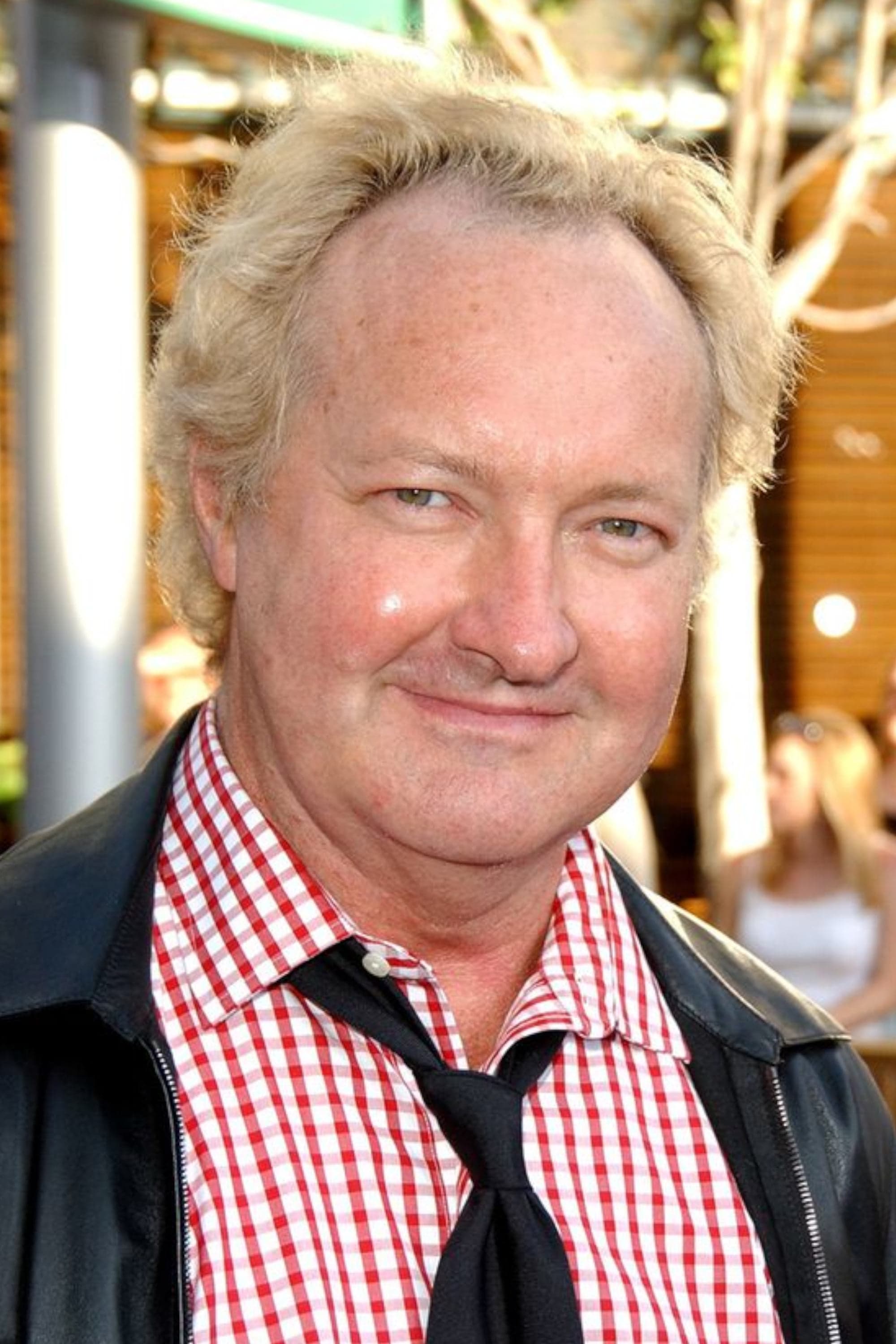
For over ten years, Dennis Quaid has publicly criticized Hollywood and largely removed himself from the industry. He’s shared strange videos and comments that ridiculed Hollywood and its conflicts with workers. Quaid believes the studio system is fundamentally flawed and didn’t back the unions trying to reach an agreement with it. This stance is a continuation of his long-running disagreement with the entertainment world.
Ewan McGregor
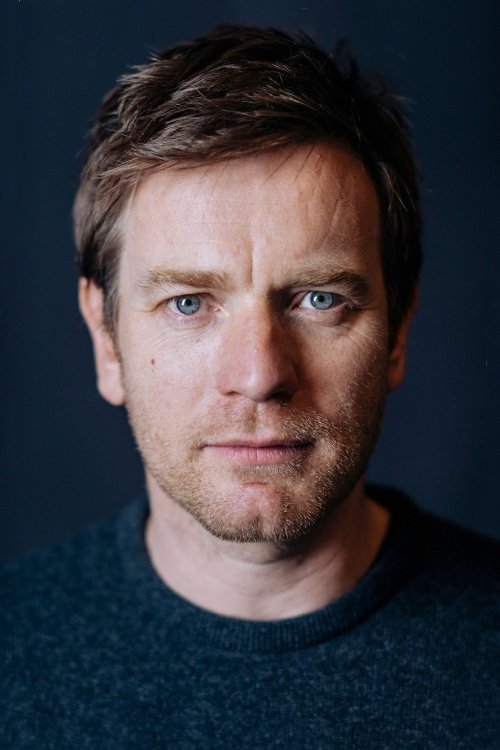
McGregor kept filming ‘A Gentleman in Moscow’ due to his contract with a British union. These union rules didn’t allow him to join the strike happening in America, meaning he had to continue working even though many American actors were on strike. This put him in the difficult position of effectively working during a strike that his colleagues were participating in.
Simon Pegg
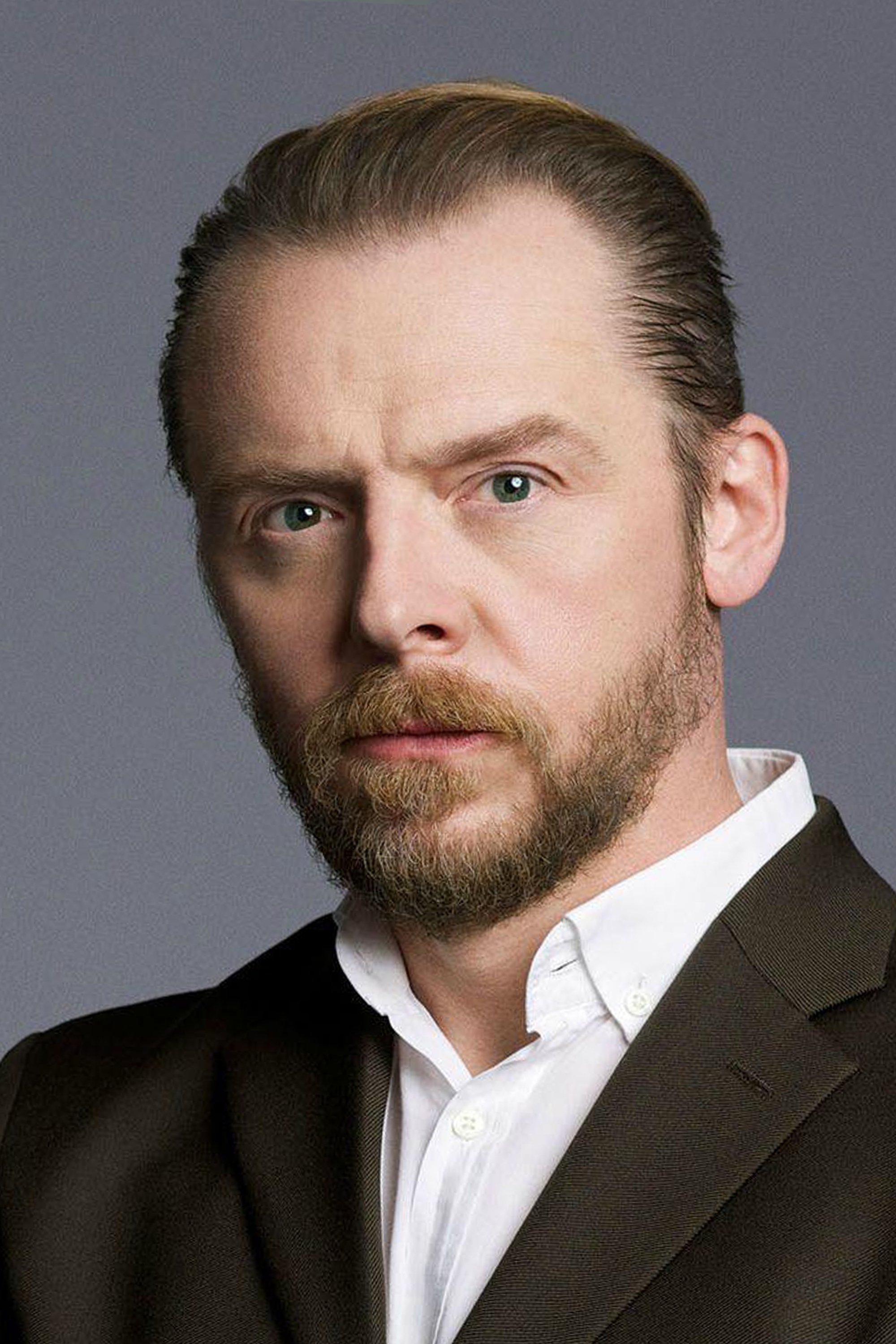
Simon Pegg was required to keep working despite wanting to support his American colleagues striking. UK law prevented him from joining them in a work stoppage. He continued filming not because he wanted to, but because British anti-strike laws forced him to. He was frustrated by this situation, as his union rules prohibited solidarity strikes.
Andrew Garfield
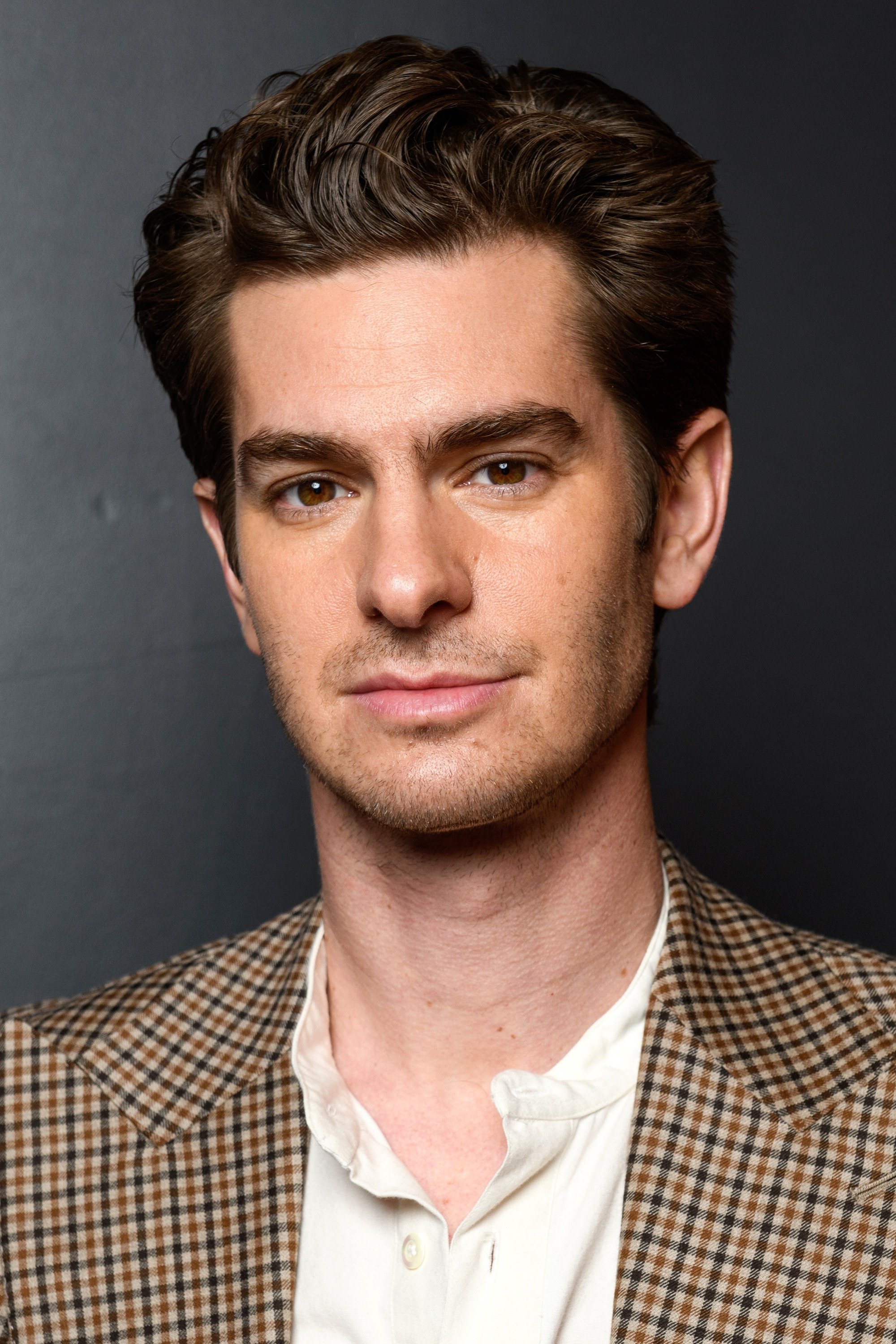
Garfield filmed ‘We Live in Time’ in the UK with special permission to continue production during the US actor’s strike. Because the film wasn’t connected to the major studios involved in the strike, he was able to keep working. He carefully followed the strike rules to continue acting while most of the film industry was shut down.
Jude Law
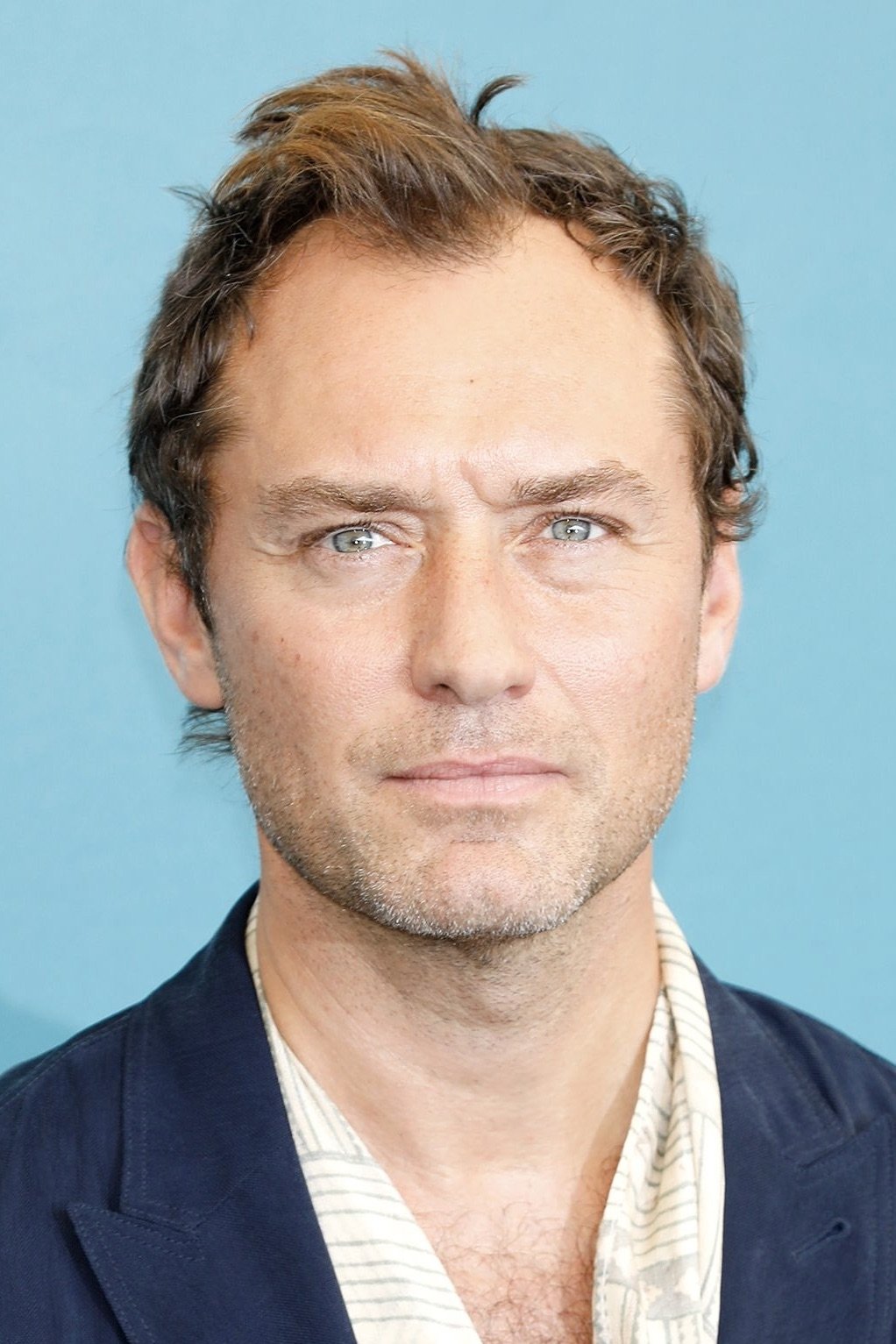
Jude Law filmed ‘The Order’ while the actors’ strike was happening, thanks to a temporary agreement that allowed the production to continue. He was able to keep working in Canada by using a waiver program. Because the film was independently produced, Law could continue his work despite the strike.
Joel Kinnaman
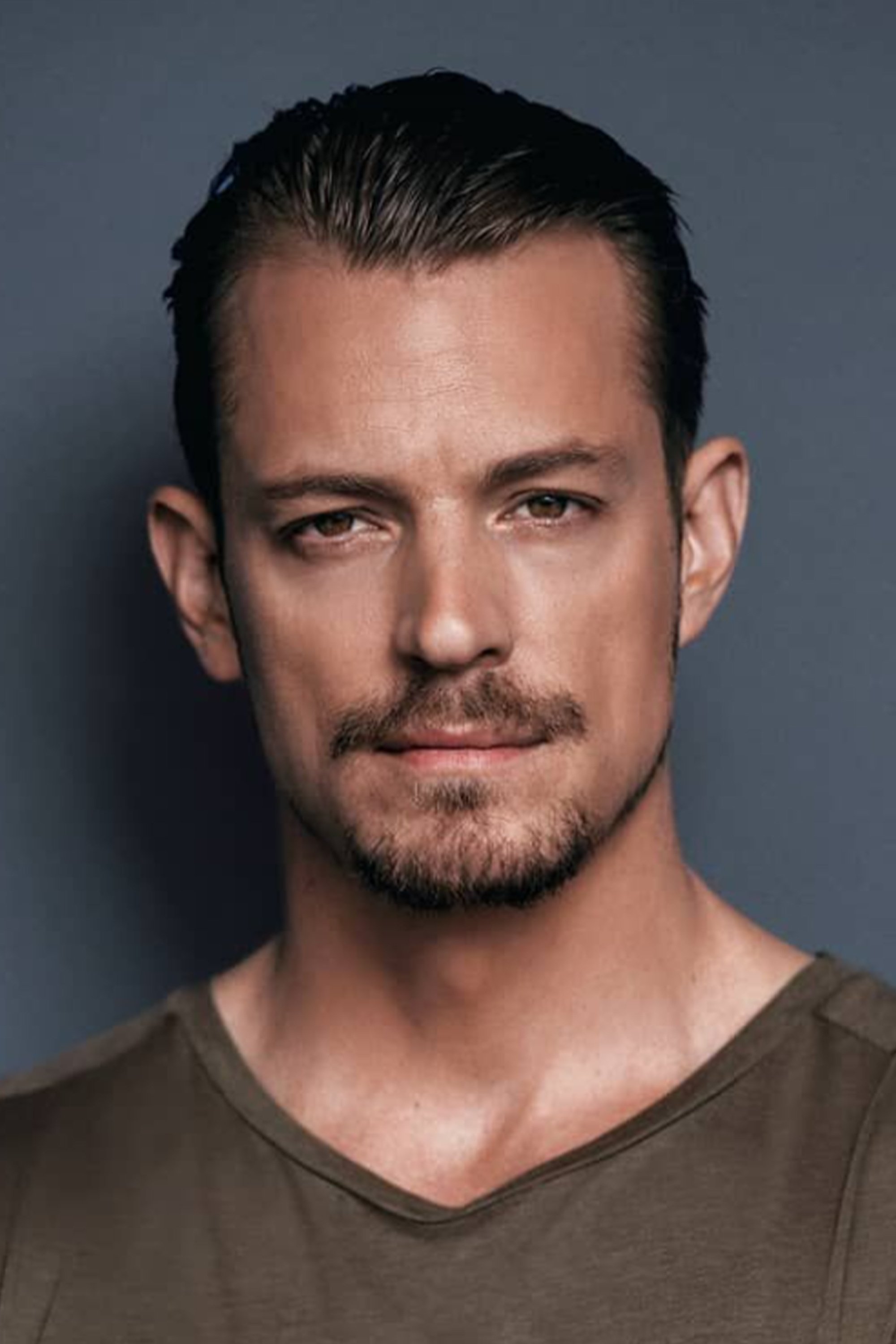
While many actors were on strike, Joel Kinnaman kept working on his action movie, ‘The Silent Hour,’ thanks to a special agreement. He filmed in Malta and Toronto while his fellow actors protested. This agreement allowed him to continue working even though most major film productions were paused. Kinnaman was one of the few leading action stars still filming during the strike.
Kit Harington
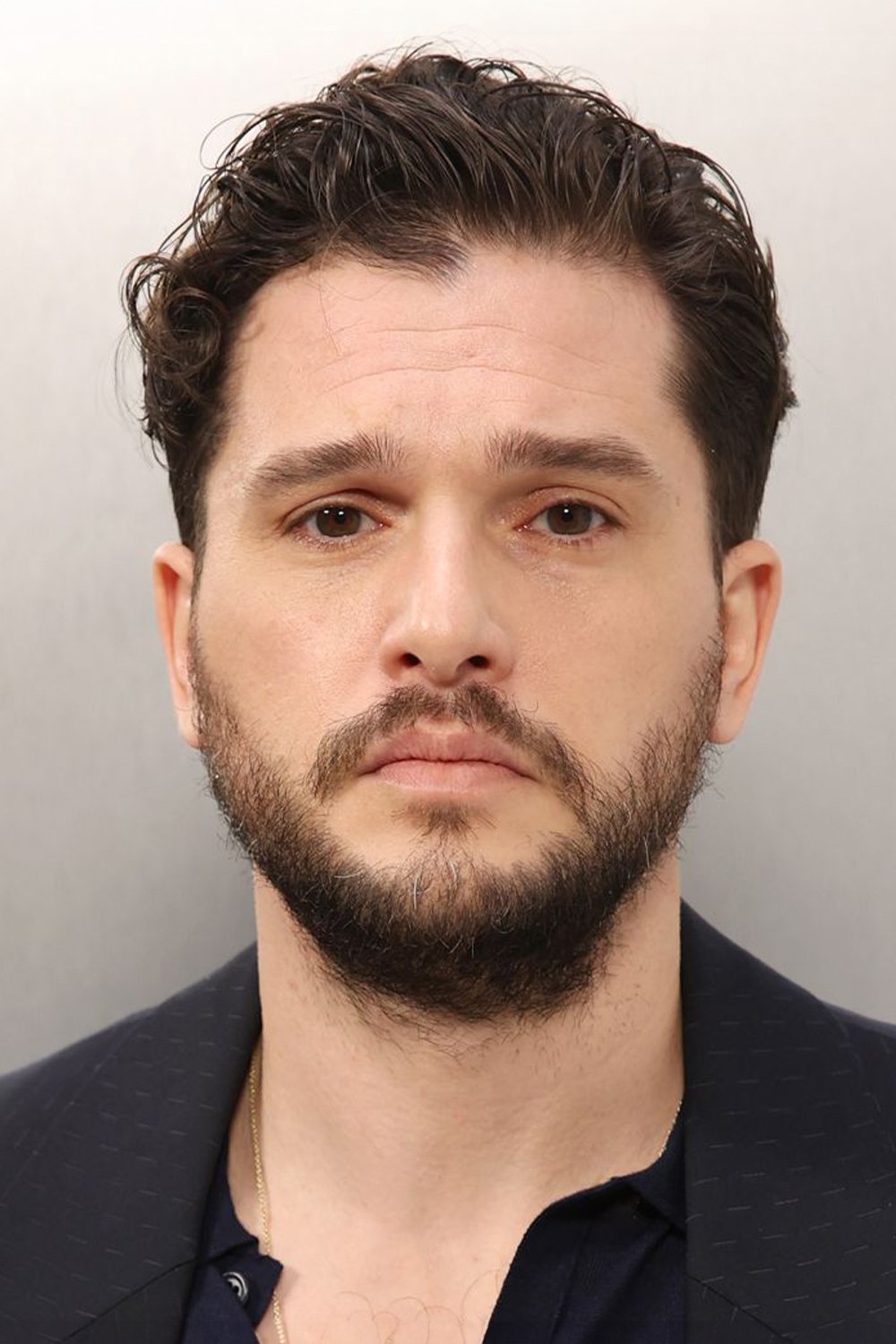
Kit Harington, known for ‘Game of Thrones’, was able to continue filming ‘Eternal Return’ during the strike because the movie was independently funded and had a union agreement. This allowed him to keep working when most other film and television projects were paused.
Djimon Hounsou
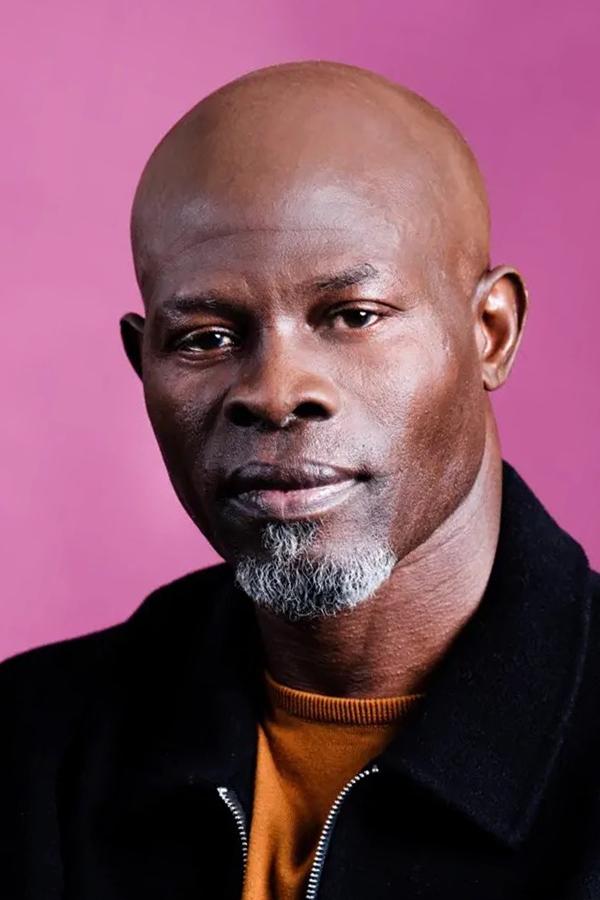
Djimon Hounsou was able to continue working on the thriller ‘The Zealot’ even during the actors’ strike. Because it wasn’t a large studio film, he received permission to film in Vancouver, allowing him to keep working through a temporary agreement and waiver.
Travis Fimmel
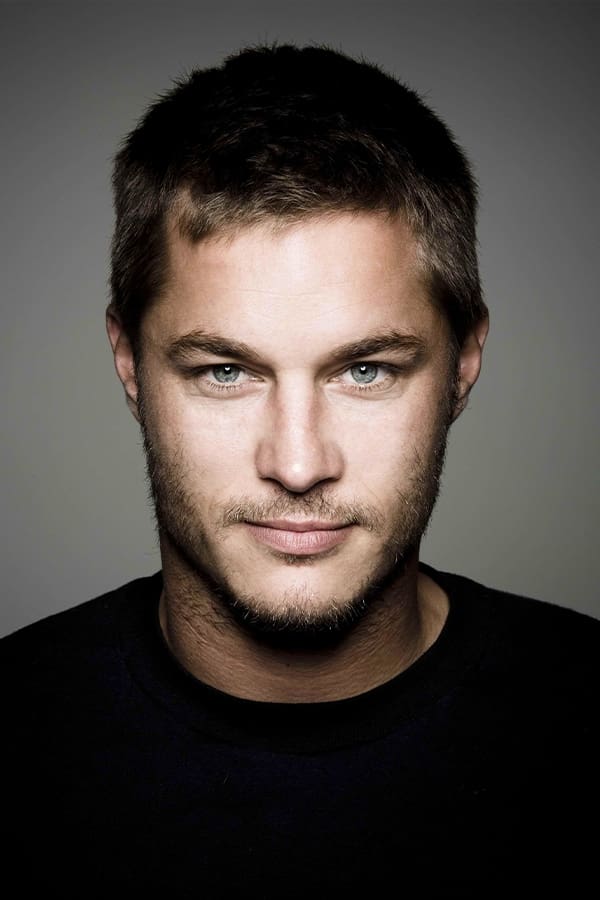
While many actors were impacted by the recent strike, Travis Fimmel was able to continue working on the Australian series ‘Boy Swallows Universe’. Because the production followed Australian union guidelines, he wasn’t affected by the immediate work stoppage that impacted those with only US contracts. His location and the terms of his contract allowed him to keep filming throughout the summer.
Christoph Waltz
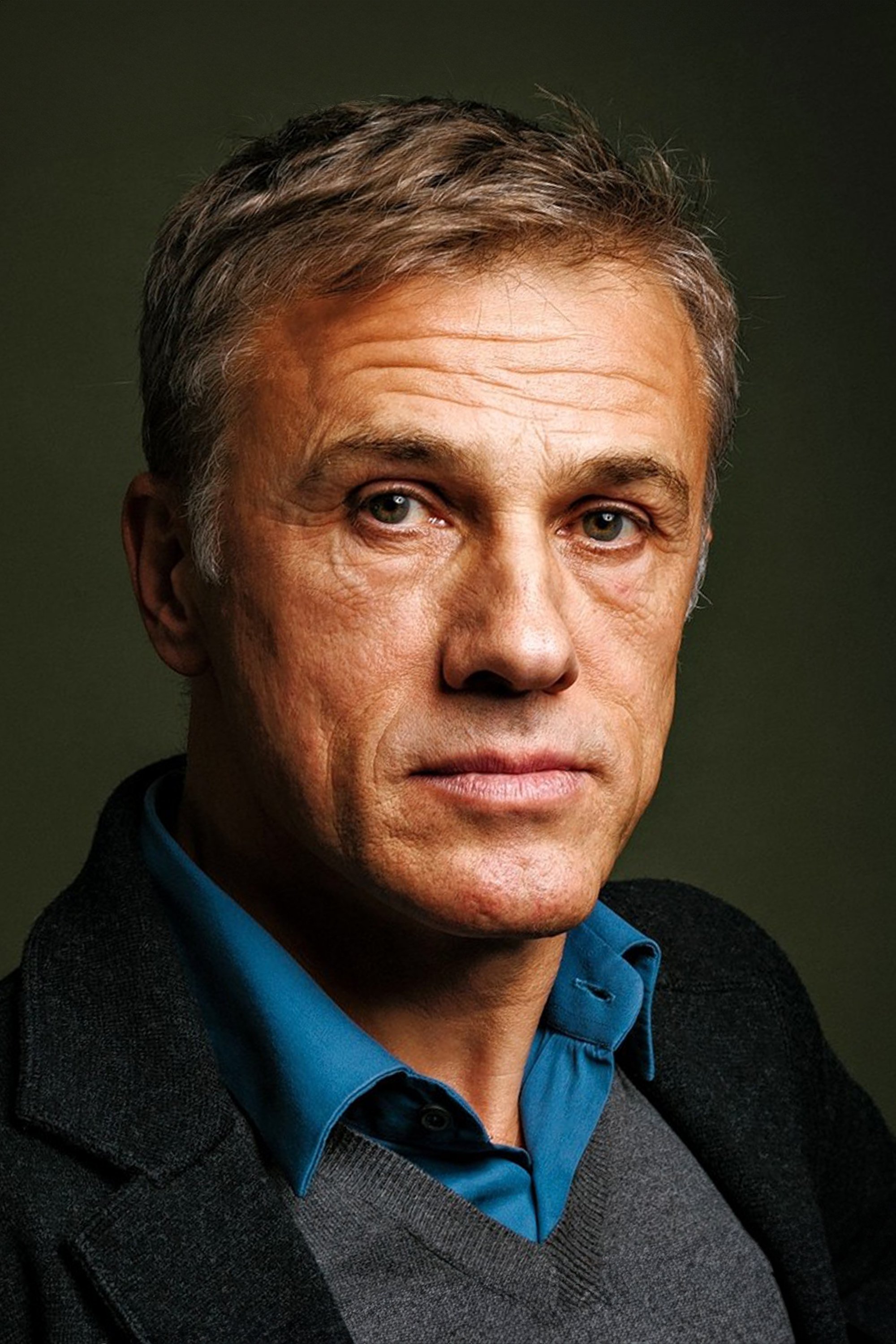
Christoph Waltz worked on an action-comedy film that received special permission to continue filming despite the ongoing strike. He kept working on the movie while major studios were negotiating, demonstrating that international and independent projects could still operate during the dispute. While most union members were striking, Waltz remained on set.
Tell us what you think about these actors’ decisions in the comments.
Read More
- Gold Rate Forecast
- 22 Films Where the White Protagonist Is Canonically the Sidekick to a Black Lead
- Games That Faced Bans in Countries Over Political Themes
- Silver Rate Forecast
- Brent Oil Forecast
- Unveiling the Schwab U.S. Dividend Equity ETF: A Portent of Financial Growth
- How to Do Sculptor Without a Future in KCD2 – Get 3 Sculptor’s Things
- Celebs Who Narrowly Escaped The 9/11 Attacks
- Superman Flops Financially: $350M Budget, Still No Profit (Scoop Confirmed)
- 14 Movies Where the Black Character Refuses to Save the White Protagonist
2026-01-19 21:50