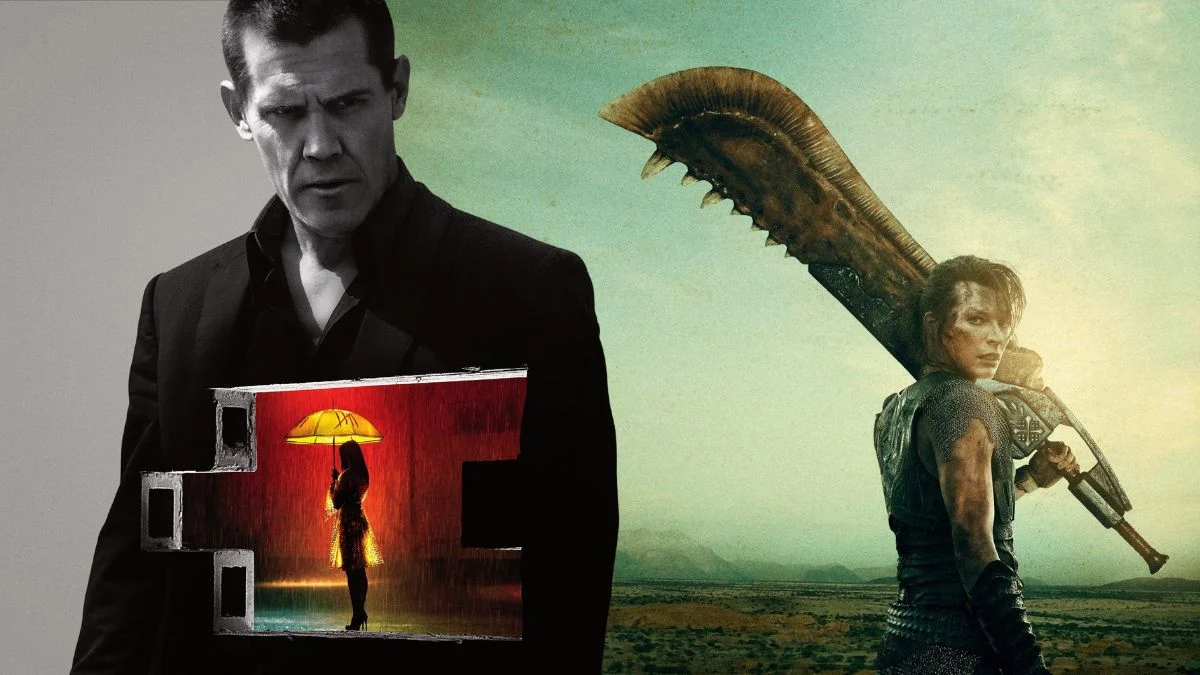
Adapting anime and manga into live-action movies often sparks debate, especially when it comes to casting. Fans are often upset when Japanese or Asian characters are played by Western actors, a practice usually driven by studios hoping to attract a broader audience with recognizable Hollywood stars. While some adaptations successfully capture the heart of the original story, others stray too far from its cultural roots. This issue brings up important discussions about representation and diversity in the film industry.
‘Dragonball Evolution’ (2009)
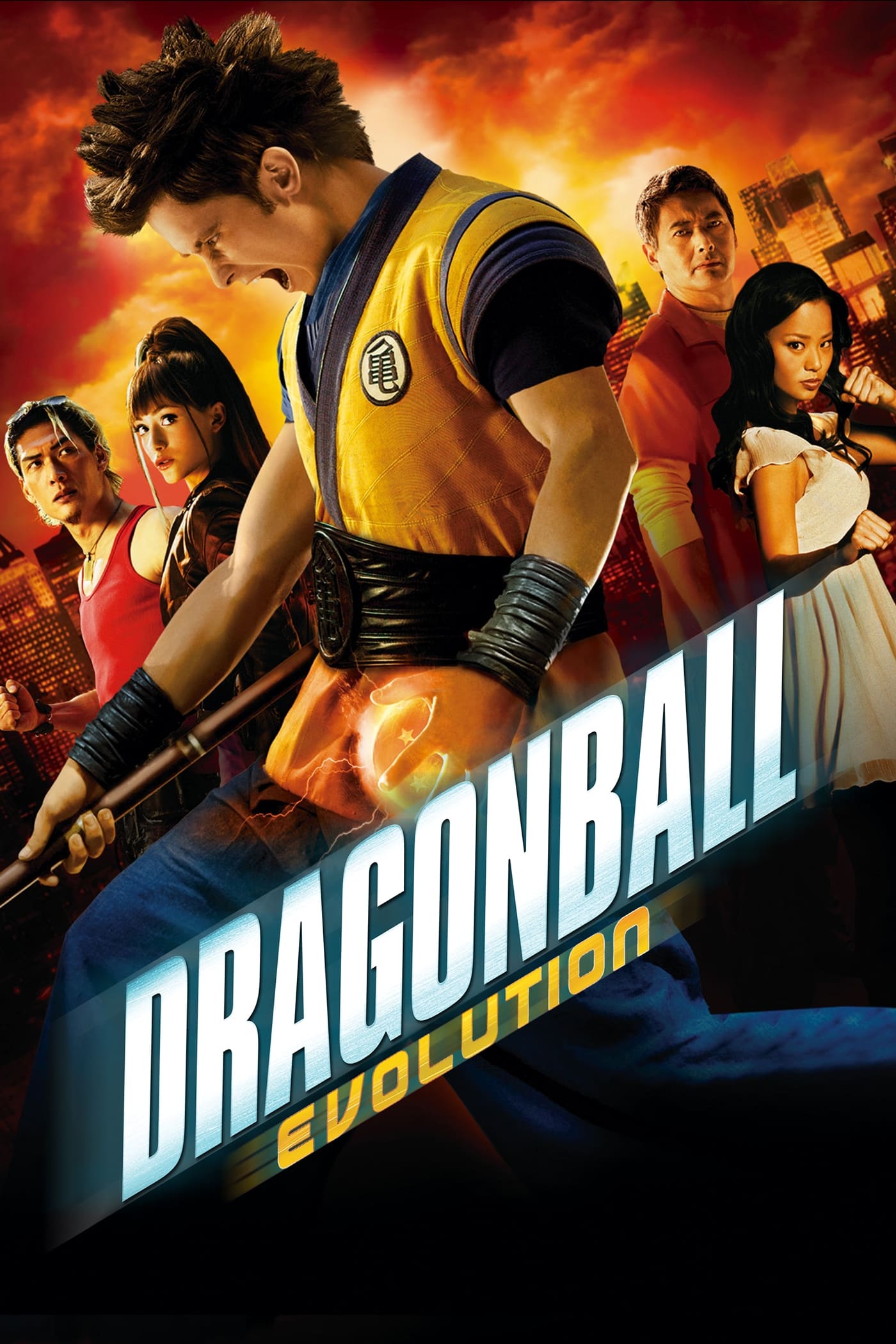
Justin Chatwin stars as Goku, a skilled fighter on a quest for magical items. The original story, based on Japanese manga and anime, draws heavily from Asian culture and mythology, following a young Asian hero. However, this movie version moved the story to a Western high school and left out many of the cultural traditions. Many fans were upset that the filmmakers chose a white actor to play a character who is Asian in the original story. The film is often cited as a prime example of how Hollywood remakes can drastically change the source material.
‘Ghost in the Shell’ (2017)
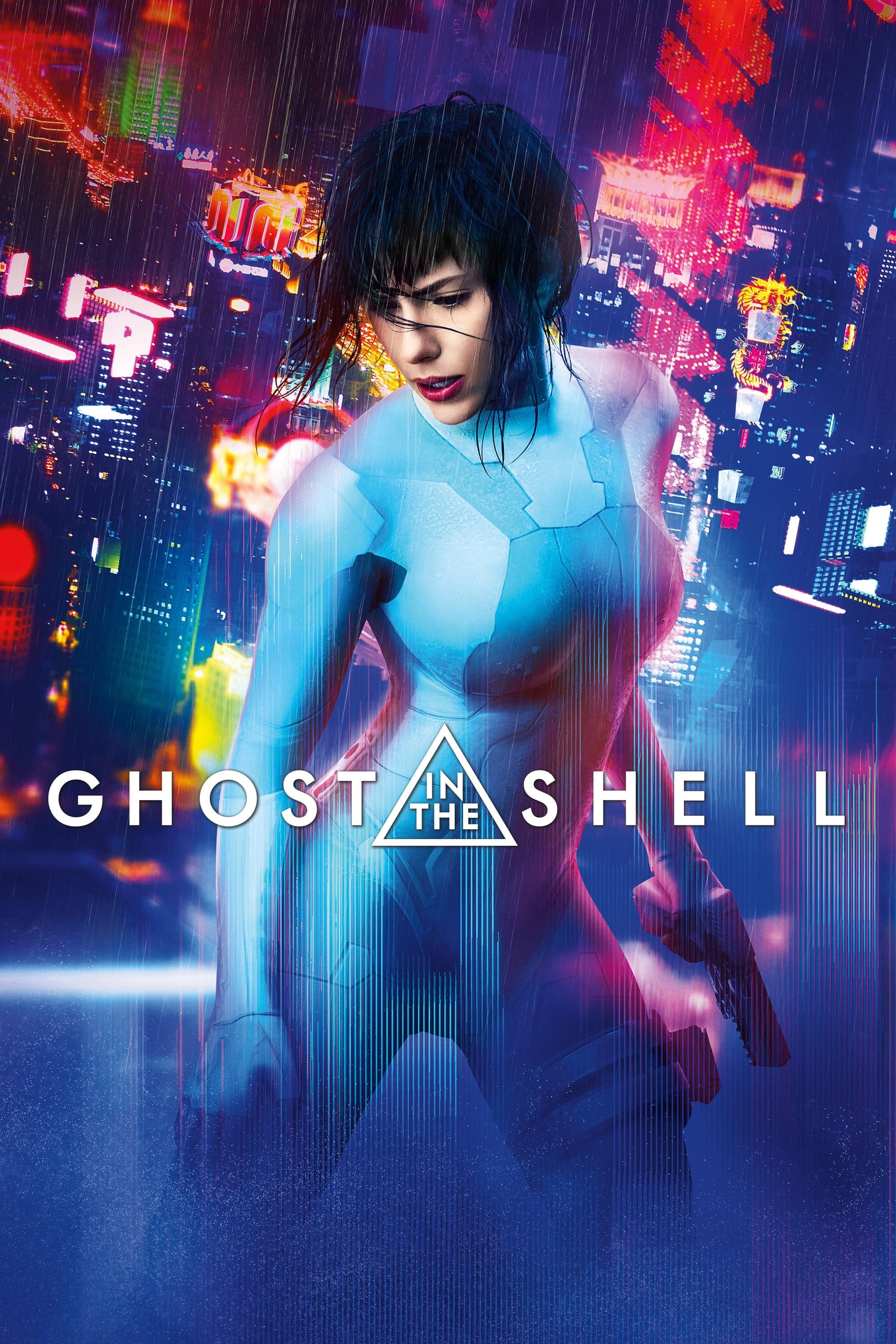
Scarlett Johansson plays the Major, a cyborg soldier in a futuristic version of Japan. Choosing a Western actress to play the character, originally named Motoko Kusanagi, caused a lot of criticism from both viewers and reviewers. The filmmakers explained their decision by saying the story’s ideas are universal and the actress is popular worldwide. The film includes a plot point where technology explains her appearance, as it involves transferring her mind into a new body. Despite being well-made, the movie didn’t do well in theaters, partly because of the controversy surrounding the casting.
‘Death Note’ (2017)
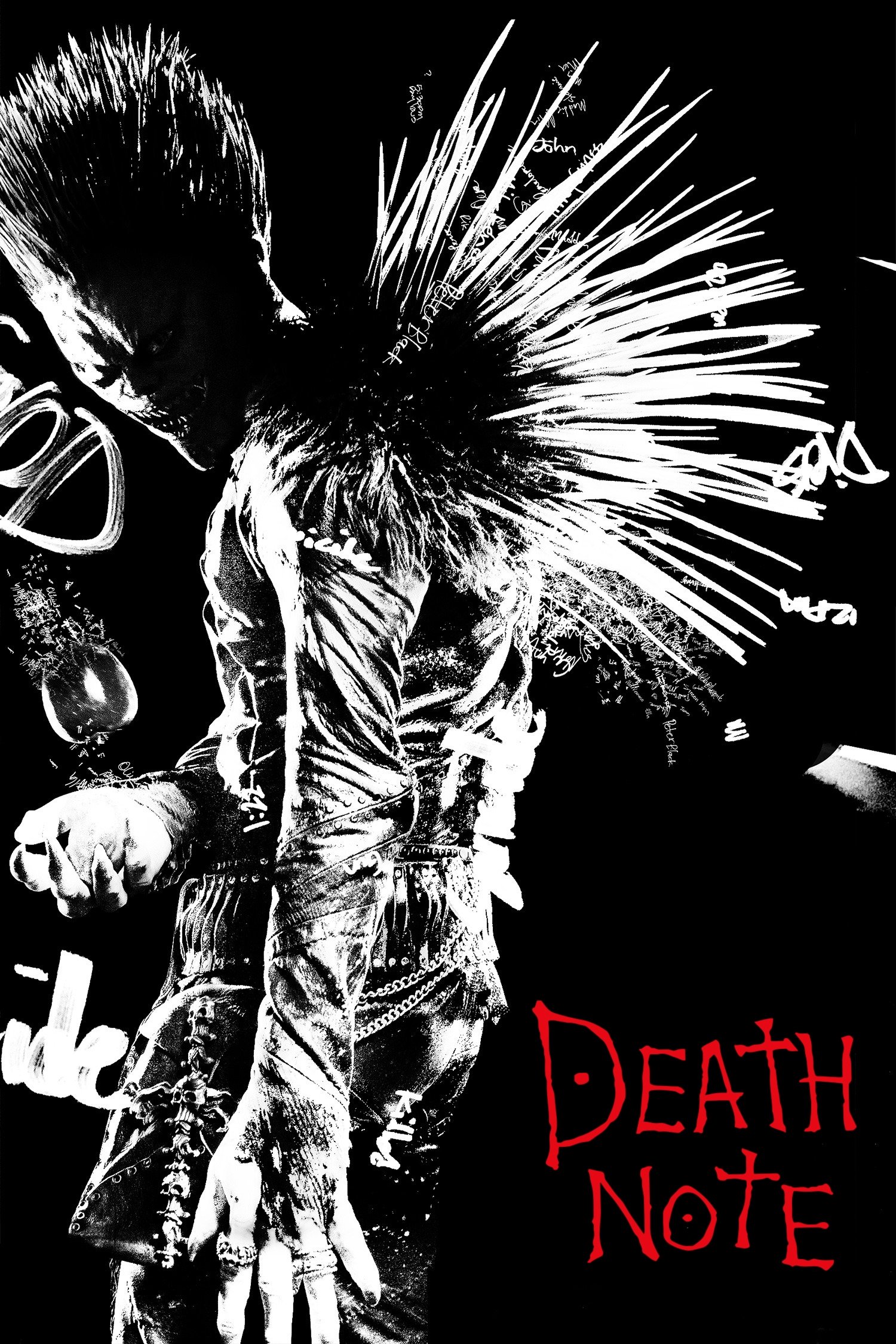
In the film ‘Death Note,’ Nat Wolff plays Light Turner, a high school student who finds a mysterious notebook that gives him the power to kill people. This American adaptation updates the story from Tokyo to Seattle and renames the main characters. Unlike the original anime, which centered on a battle of wits between Light Yagami and the detective L, this version focuses more on teenage relationships and drama. Many anime fans were disappointed by the loss of cultural details that were important to the original story, and the movie generally received mixed reviews for how it adapted the source material.
‘The Last Airbender’ (2010)
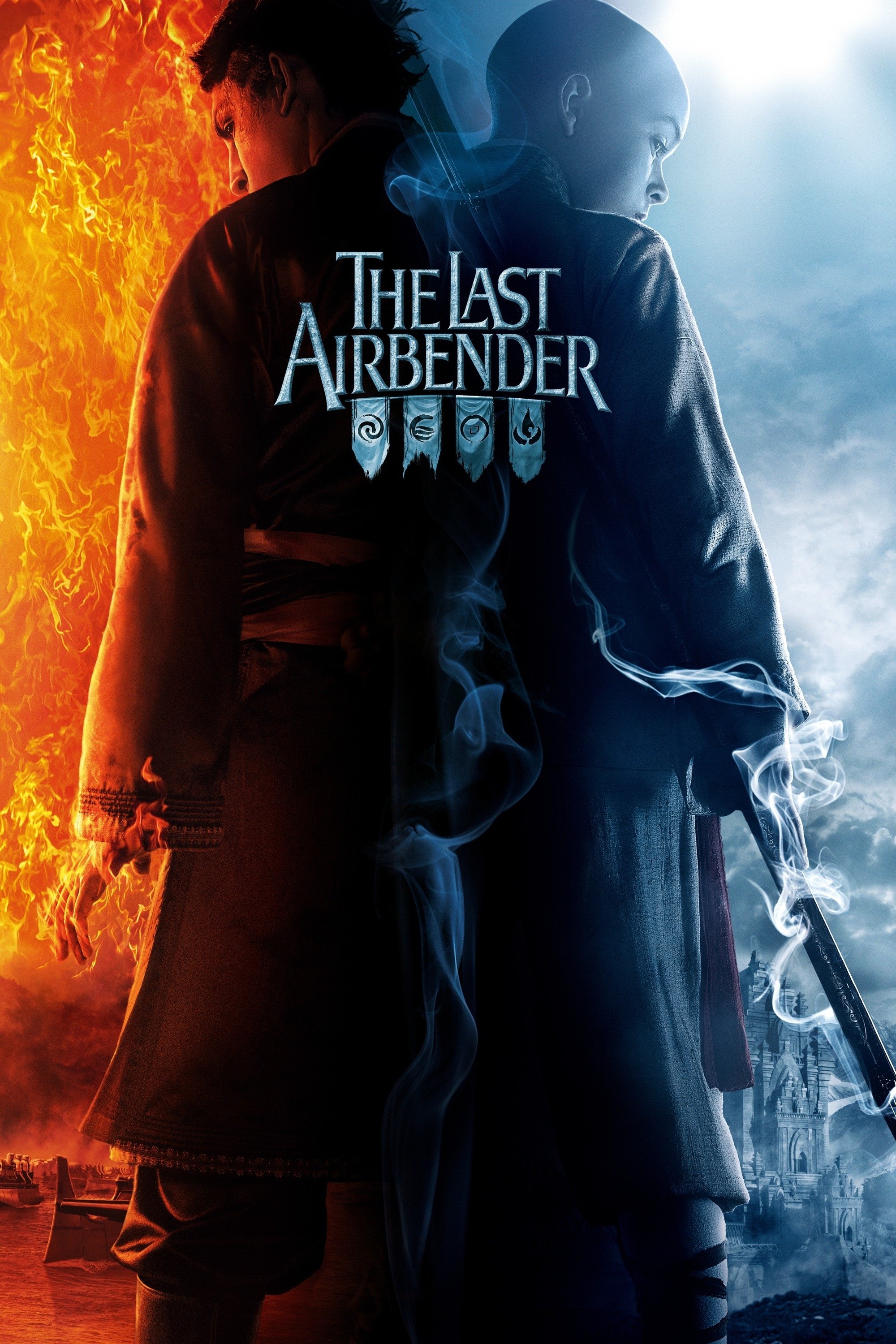
As a huge fan of the original animated series, I was really excited about the live-action movie… but also pretty disappointed by the casting. They chose Noah Ringer and Nicola Peltz to play Aang and Katara, the main heroes, and a lot of people – myself included – were upset that they went with white actors for these roles, while casting actors of color as the villains. It felt like it completely missed the point of the show, which was so heavily inspired by East Asian and Inuit cultures. Honestly, this movie is often brought up when people talk about ‘whitewashing’ in films, and it really sparked a lot of important conversations about representation.
‘Speed Racer’ (2008)
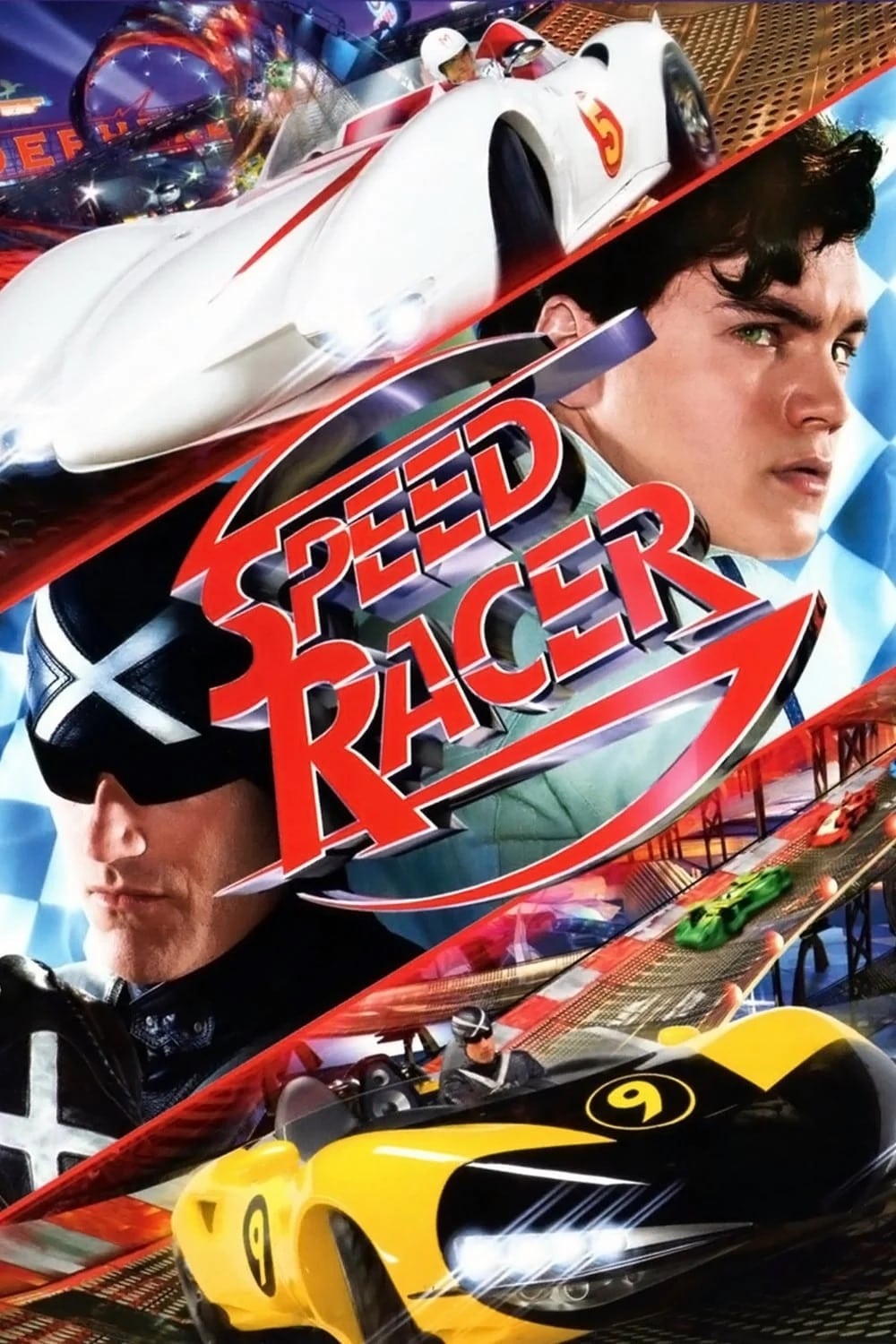
Emile Hirsch stars as a young race car driver competing in thrilling races across the globe. The movie is based on the original Japanese series ‘Mach GoGoGo,’ which centered on a Japanese family. While this live-action adaptation kept the colorful look of the anime, it used Western actors to play the Mifune family. Though it later gained a dedicated fanbase, the film was initially criticized for how it handled the story’s cultural roots, prioritizing exciting visuals over the protagonist’s background.
‘Edge of Tomorrow’ (2014)
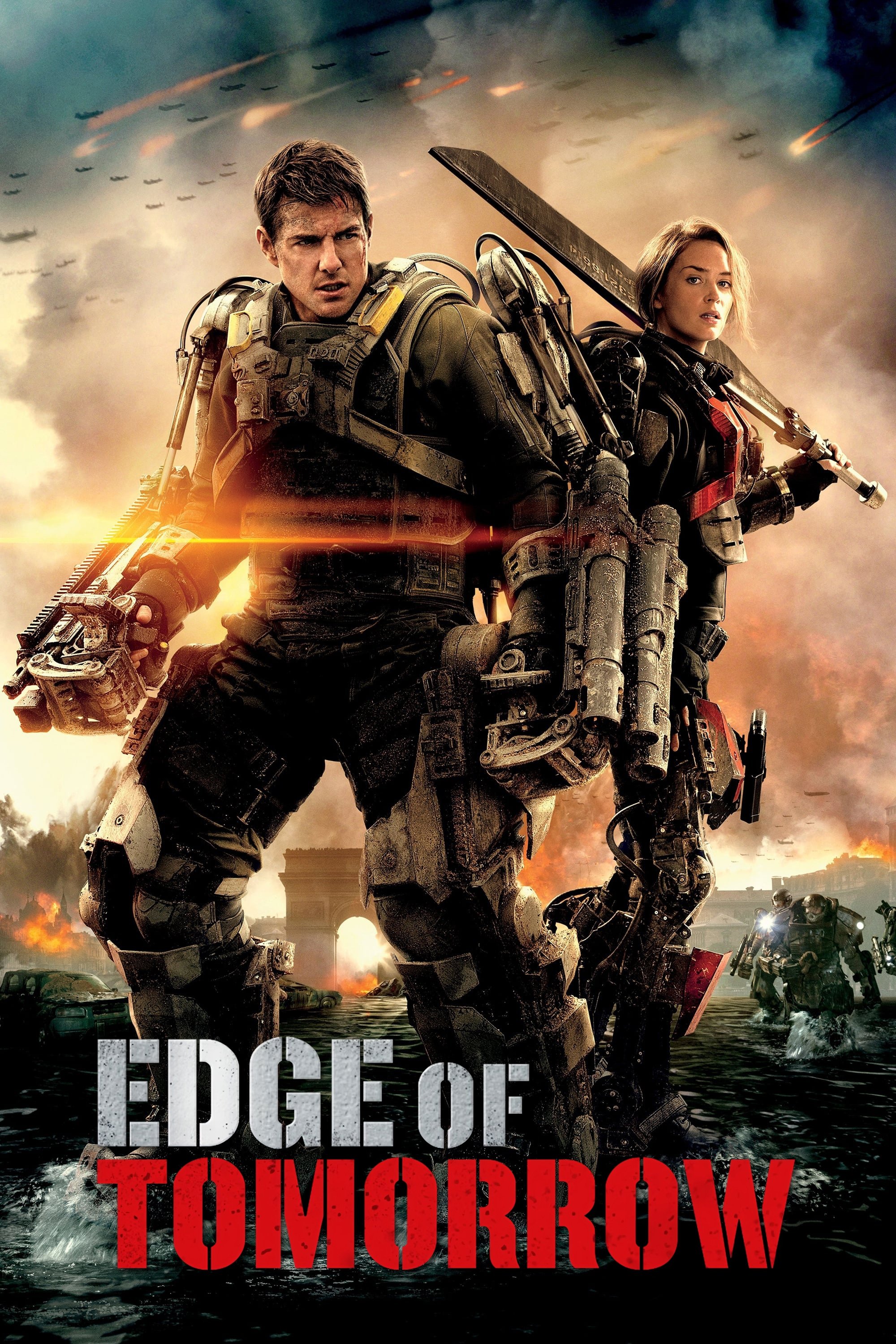
The movie starring Tom Cruise features him as Major William Cage, a soldier who keeps reliving the same day during an alien attack. It’s based on a Japanese book and comic called ‘All You Need Is Kill’ by Hiroshi Sakurazaka, which originally told the story of a Japanese soldier named Keiji Kiriya caught in a similar time loop. The film moved the story to Europe and changed the main character to fit an American movie star. Although the movie was well-received by critics, some fans of the original Japanese story felt that it lost some of its unique cultural roots.
‘Bullet Train’ (2022)
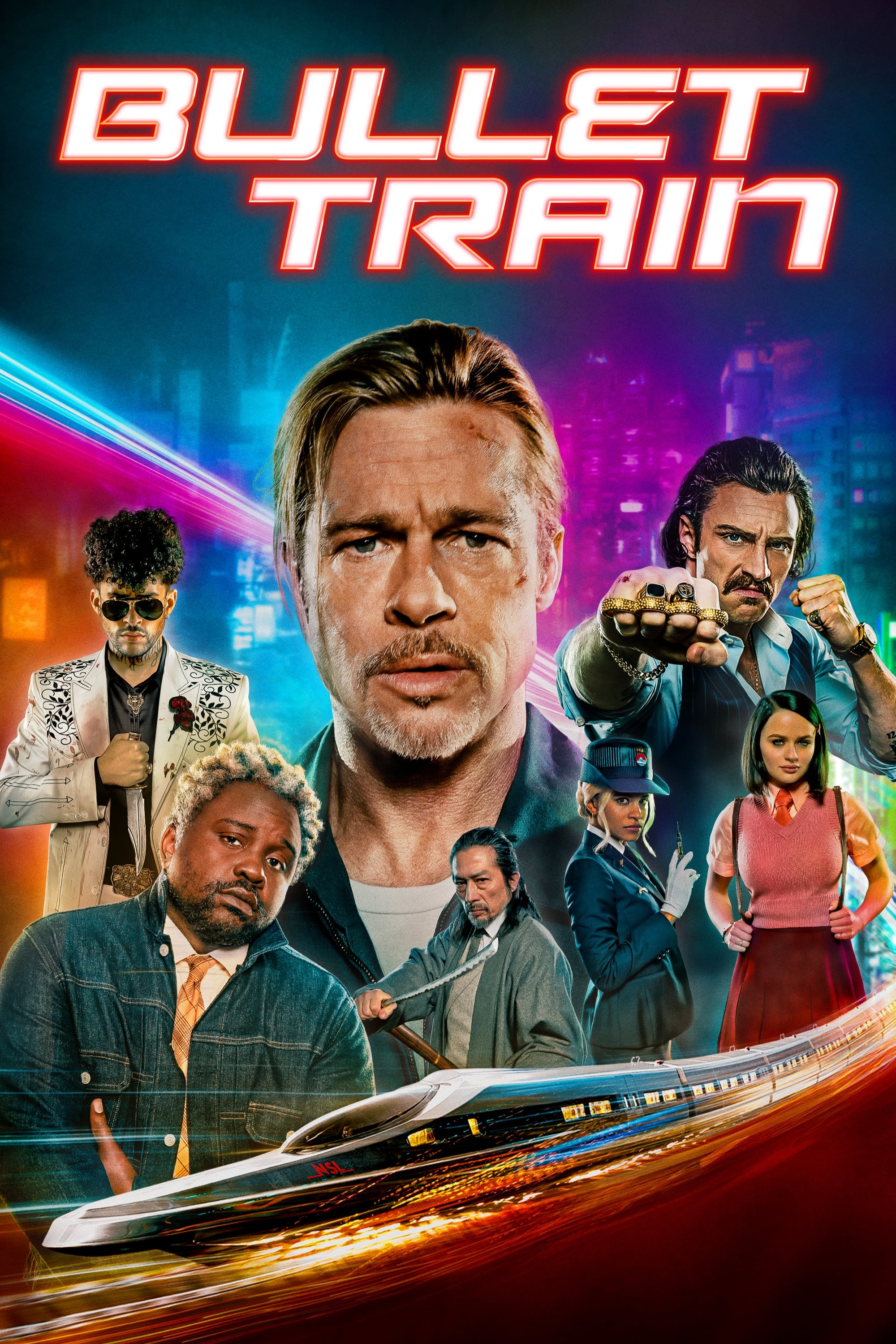
Brad Pitt plays Ladybug, a hitman, in a fast-paced action movie set on a Japanese bullet train. The film is adapted from a novel by Japanese author Kotaro Isaka and originally featured an all-Japanese cast. However, the movie replaced many of the Japanese actors with American and British performers, sparking debate about whether this change was needed to appeal to international audiences. While the story takes place in Japan, the film primarily uses a Western cast.
‘Fist of the North Star’ (1995)
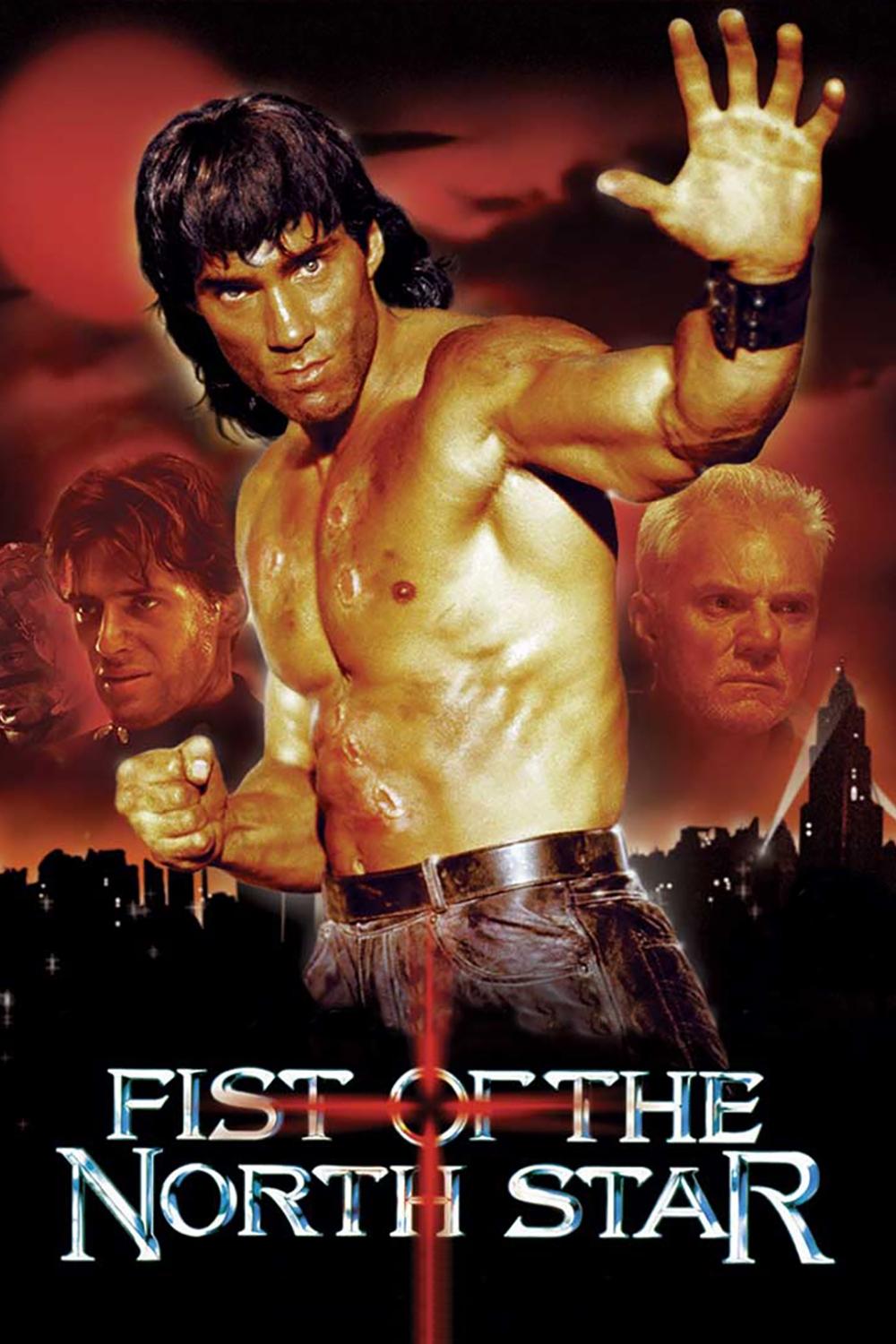
Gary Daniels plays Kenshiro, a martial arts expert trying to survive in a world destroyed after a catastrophe. The story comes from a famous Japanese manga and anime about a warrior with a special fighting technique. This American movie, made for home video, starred a British martial artist and was filmed in the United States. However, many fans thought the film’s low budget didn’t do justice to the power and cultural importance of the original character. It’s now considered a relatively obscure example of early Western attempts to adapt anime.
‘The Guyver’ (1991)
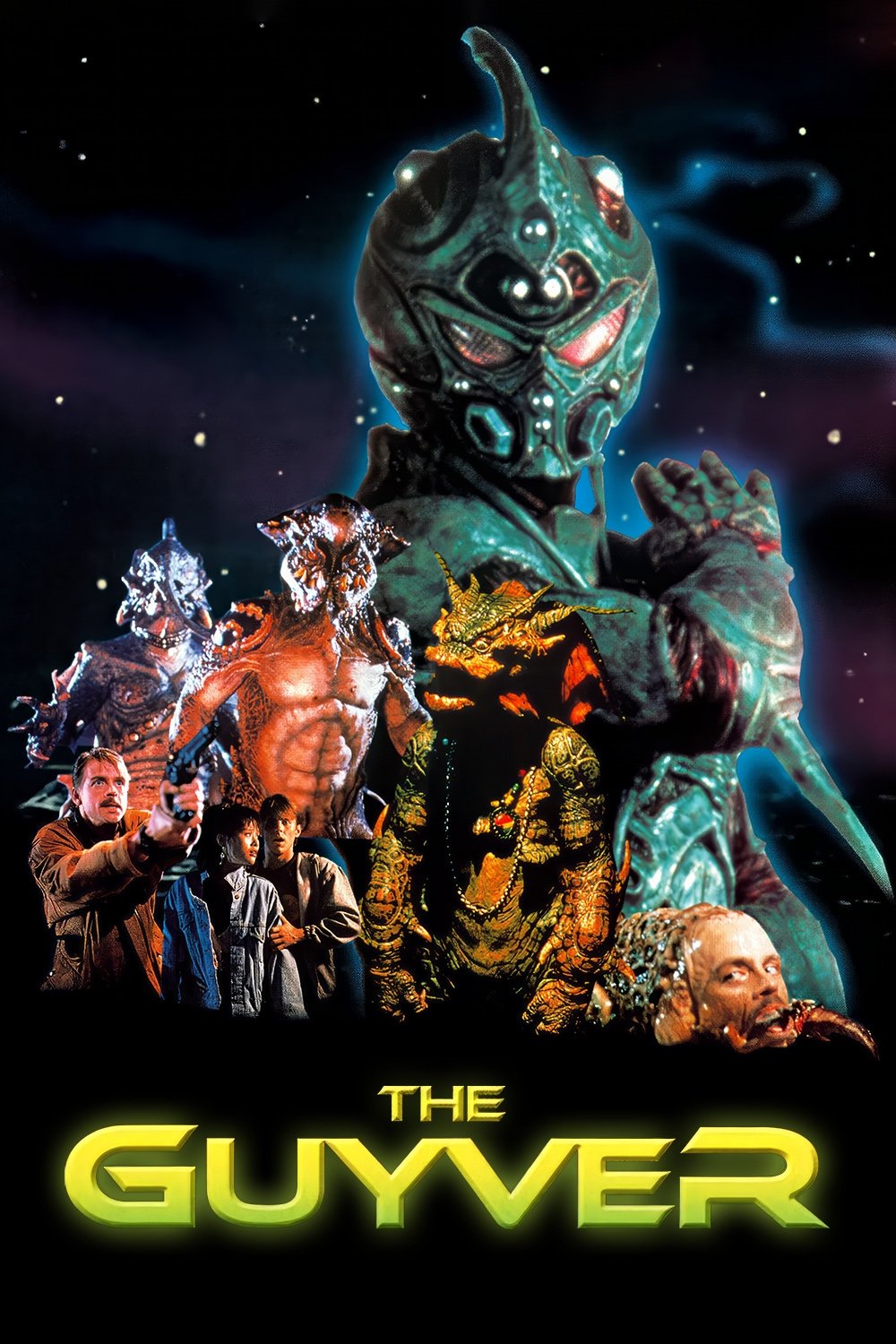
Jack Armstrong stars as Sean Barker, a student who finds an alien suit of armor that gives him superpowers. The character is inspired by Sho Fukamachi from the Japanese manga ‘Bio Booster Armor Guyver’. This version of the story features a mostly Western cast and takes place in an American city. Although the movie was applauded for its realistic creature effects, some critics felt it strayed too far from the original manga’s feel. The film was one of the first tries to introduce lesser-known Japanese stories to a wider Western audience.
‘Crying Freeman’ (1995)
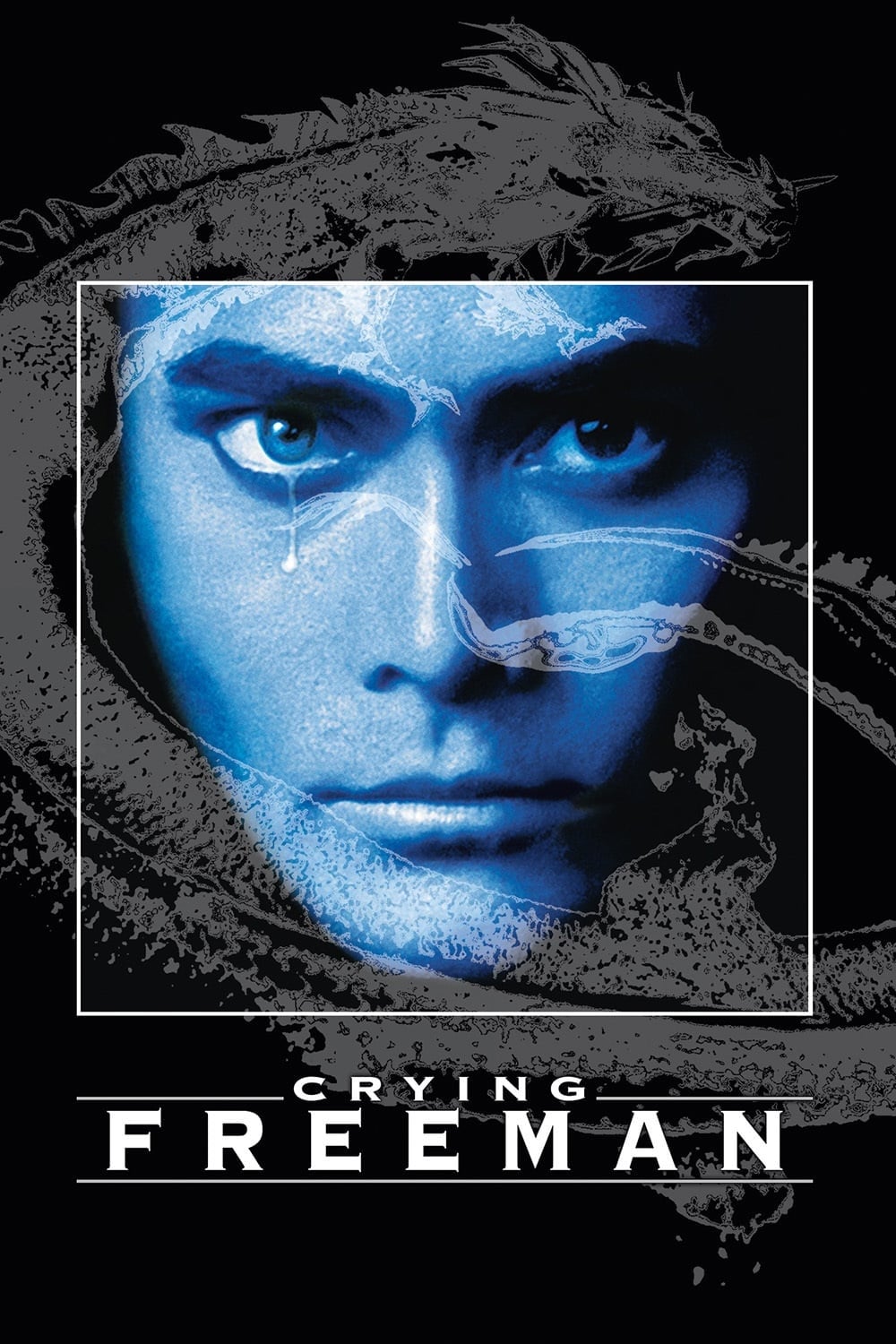
Mark Dacascos plays Yo Hinomura, a unique assassin haunted by sorrow – he cries after every life he takes. The film is based on a Japanese comic book about a potter who is kidnapped and brainwashed by a Chinese criminal organization. While the movie features an actor with a diverse background, it streamlines the character’s complicated ethnic origins. Known for its impressive fight scenes and visuals, the film did well internationally and is a good example of how action movies from the mid-1990s took stories from Asia and adapted them for audiences around the world.
‘Oldboy’ (2013)
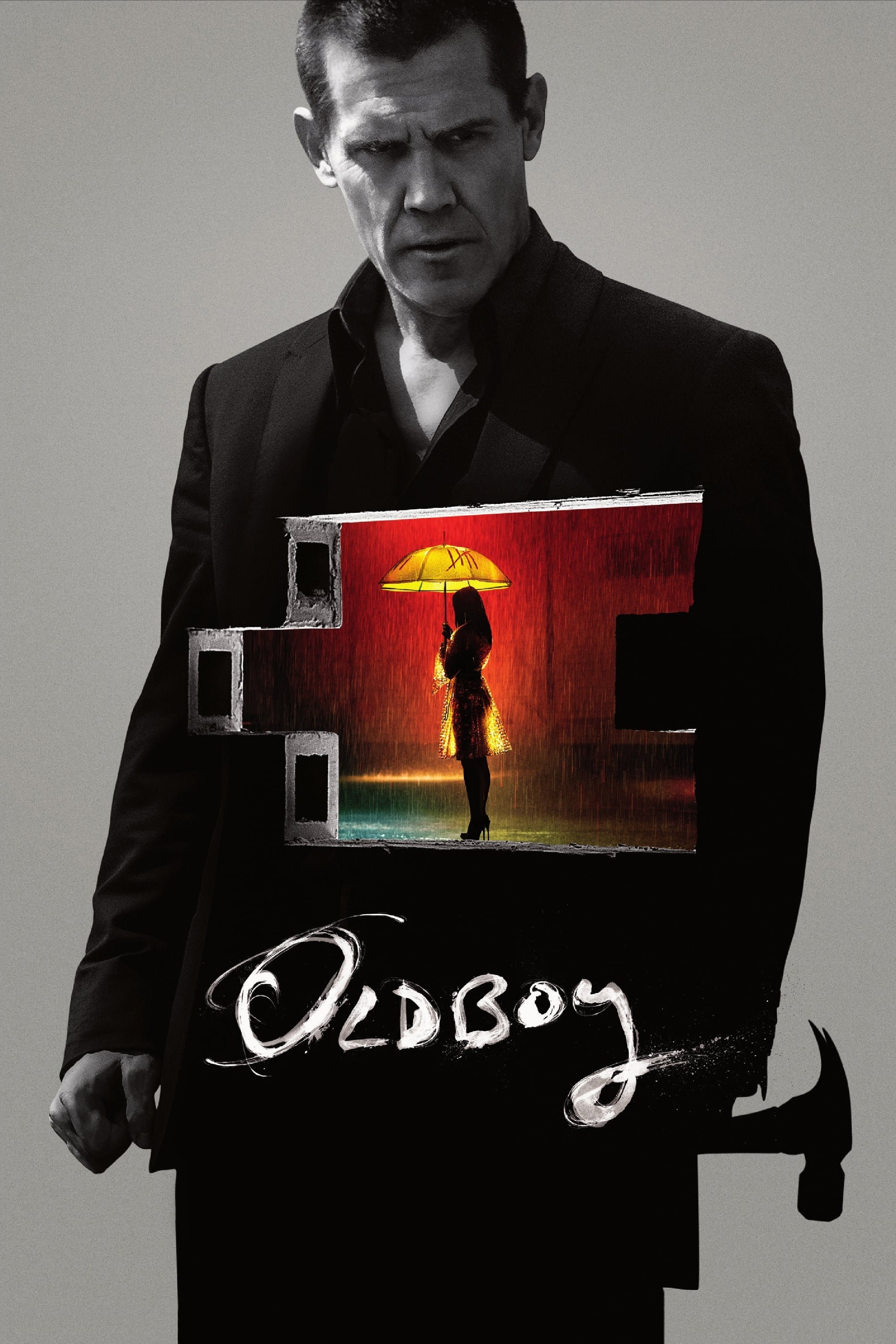
Josh Brolin stars as Joe Doucett, a man determined to get revenge after being locked away for twenty years. The movie is an American adaptation of a South Korean film, which was originally inspired by a Japanese comic book. In making the film for American audiences, the filmmakers replaced the original Asian characters with white actors. Many critics felt the remake didn’t have the same emotional power or cultural significance as the earlier versions, and some fans of the original comic book thought the changes weren’t needed.
‘Priest’ (2011)
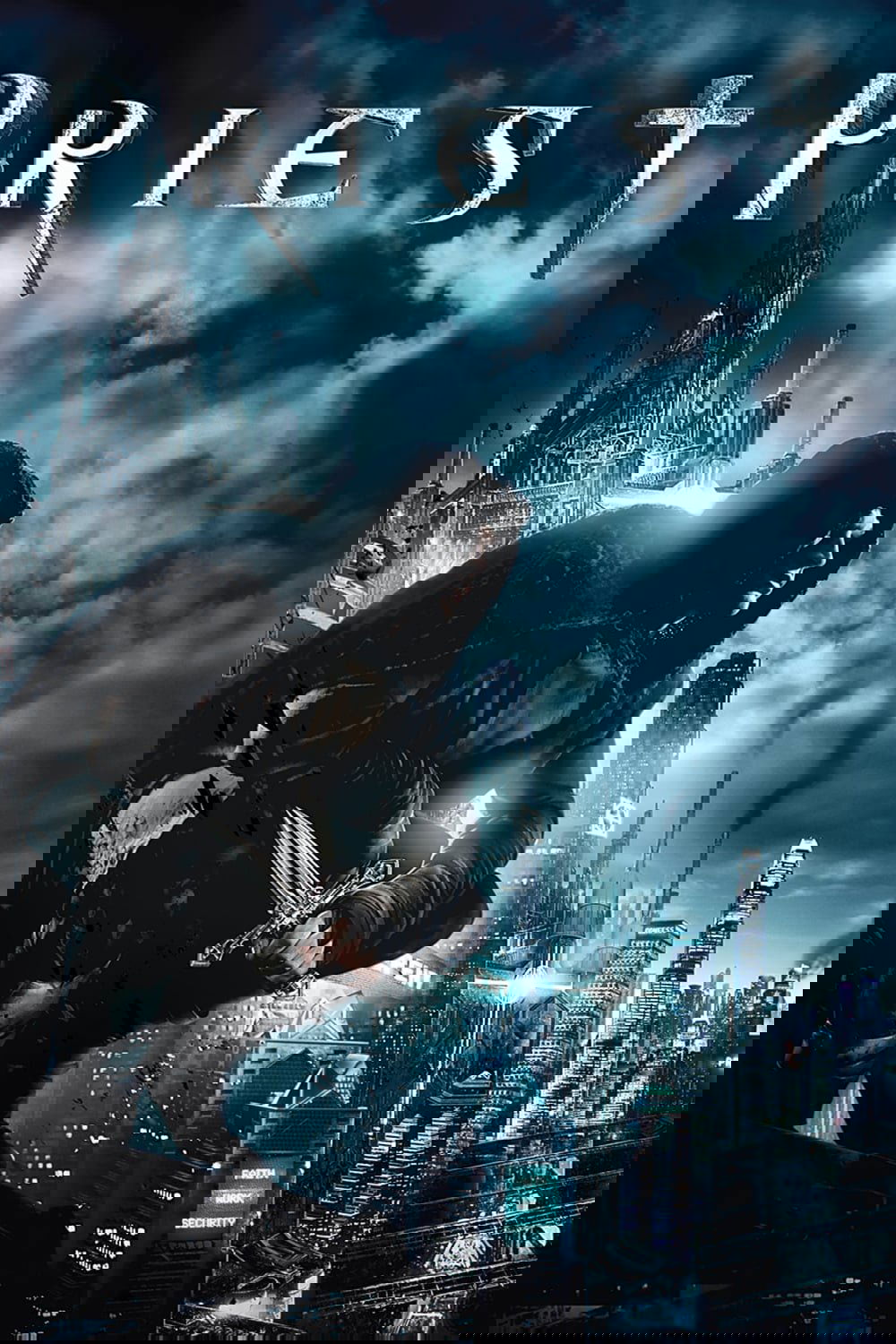
Paul Bettany plays a warrior priest battling vampires in a reimagined, post-apocalyptic world. The film is inspired by a Korean comic book series, but with major differences. The comic’s main character, Ivan Isaacs, was changed into a Western soldier working for the church, and the story’s location was shifted to a desolate desert. While the movie delivers fast-paced action, fans of the original comic were let down by the changes to the story and main character, as well as the loss of the darker, more thematic elements.
‘Kite’ (2014)
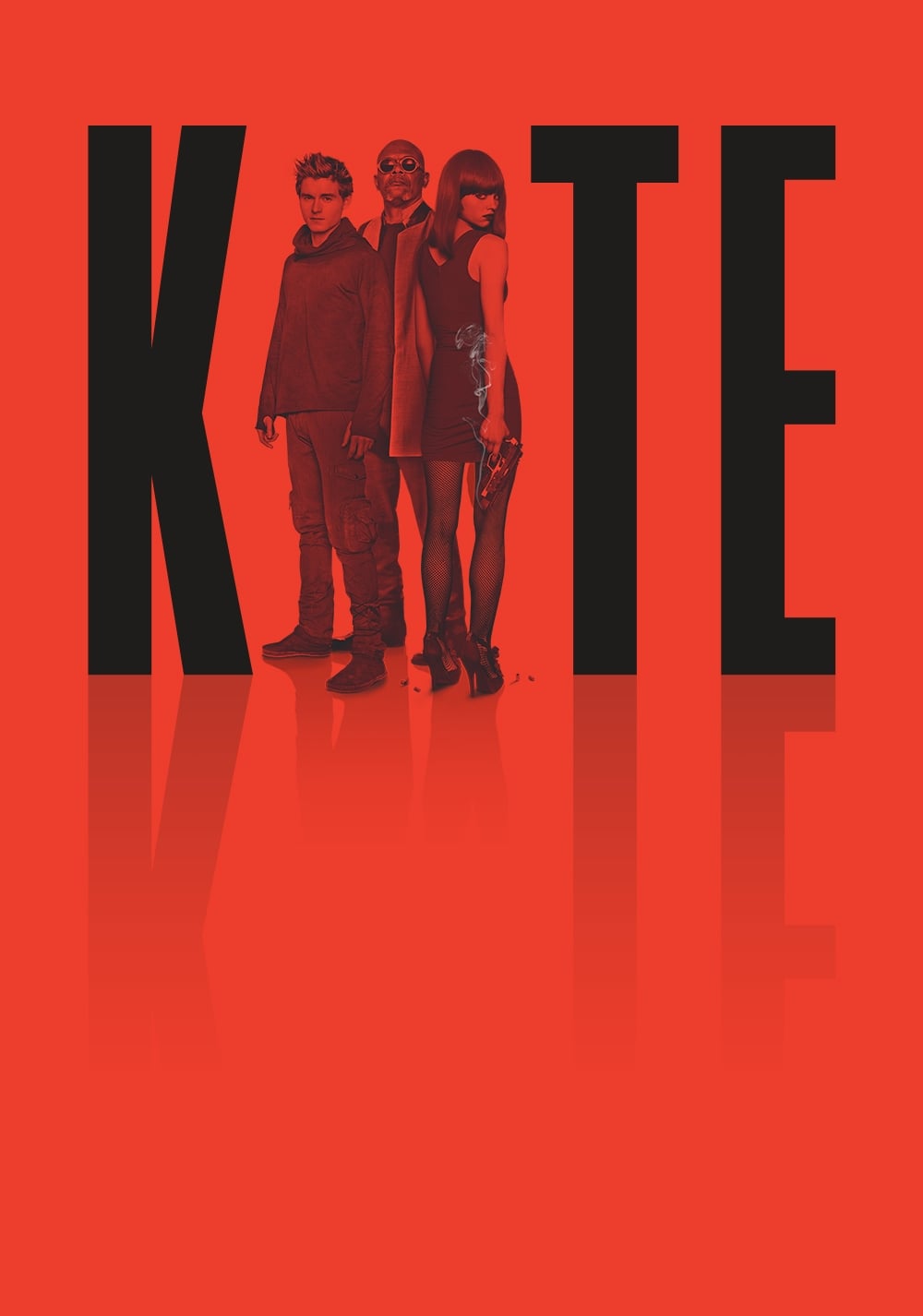
India Eisley stars as Sawa, a young woman driven by revenge for her parents’ murder. The movie is based on a well-known but controversial Japanese anime. While the original story centers on a Japanese schoolgirl, this live-action adaptation features a Western actress and takes place in a typical futuristic city. Many critics felt the film lacked a clear direction and didn’t successfully recreate the original anime’s distinctive style. It’s another example of an anime aimed at adults being reimagined for a different audience and culture.
‘Alita: Battle Angel’ (2019)
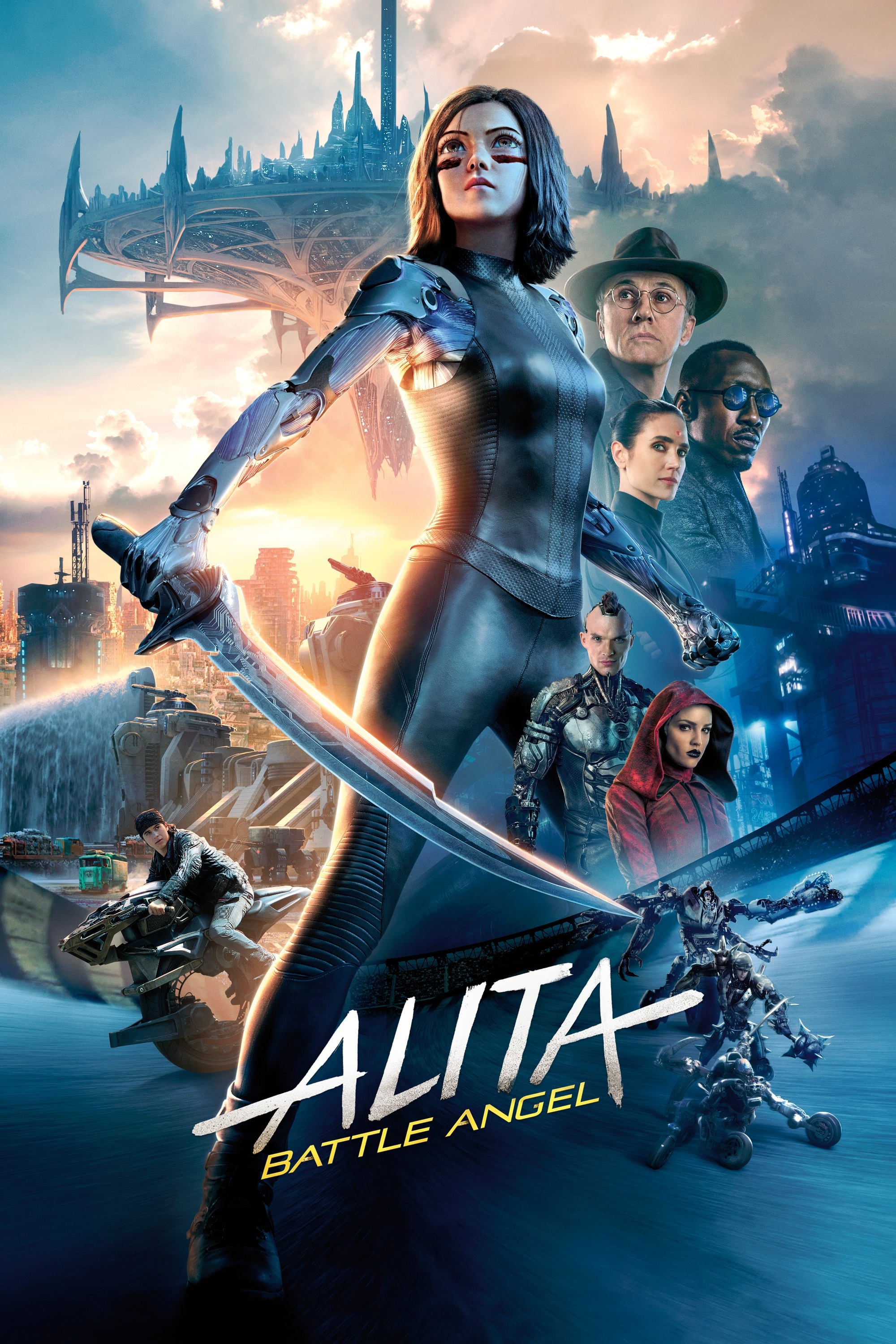
Rosa Salazar brought the character of Alita to life through performance capture. Alita is a cyborg found in a junkyard and cared for by a kind doctor. The character comes from the Japanese manga series ‘Gunnm,’ set in a bleak future world. While the movie boasts a diverse cast, some lead and supporting characters were played by actors of different ethnicities than in the original source material. Director Robert Rodriguez and producer James Cameron prioritized building a visually impressive world filled with futuristic technology. Despite strong positive reactions to the film’s visuals, fans had mixed feelings about how the story and characters were adapted.
‘Blood: The Last Vampire’ (2009)

Gianna Jun stars as Saya, a half-human, half-vampire warrior who fights demons on an American military base. The movie is based on a Japanese anime originally set in 1960s Tokyo. This version relocated the story and used Western actors, but kept a Korean actress in the main role. Critics disliked the film’s special effects and felt it lacked the suspense of the original anime. It highlights how difficult it can be to turn a short anime series into a longer, live-action movie for Western audiences.
‘Street Fighter’ (1994)
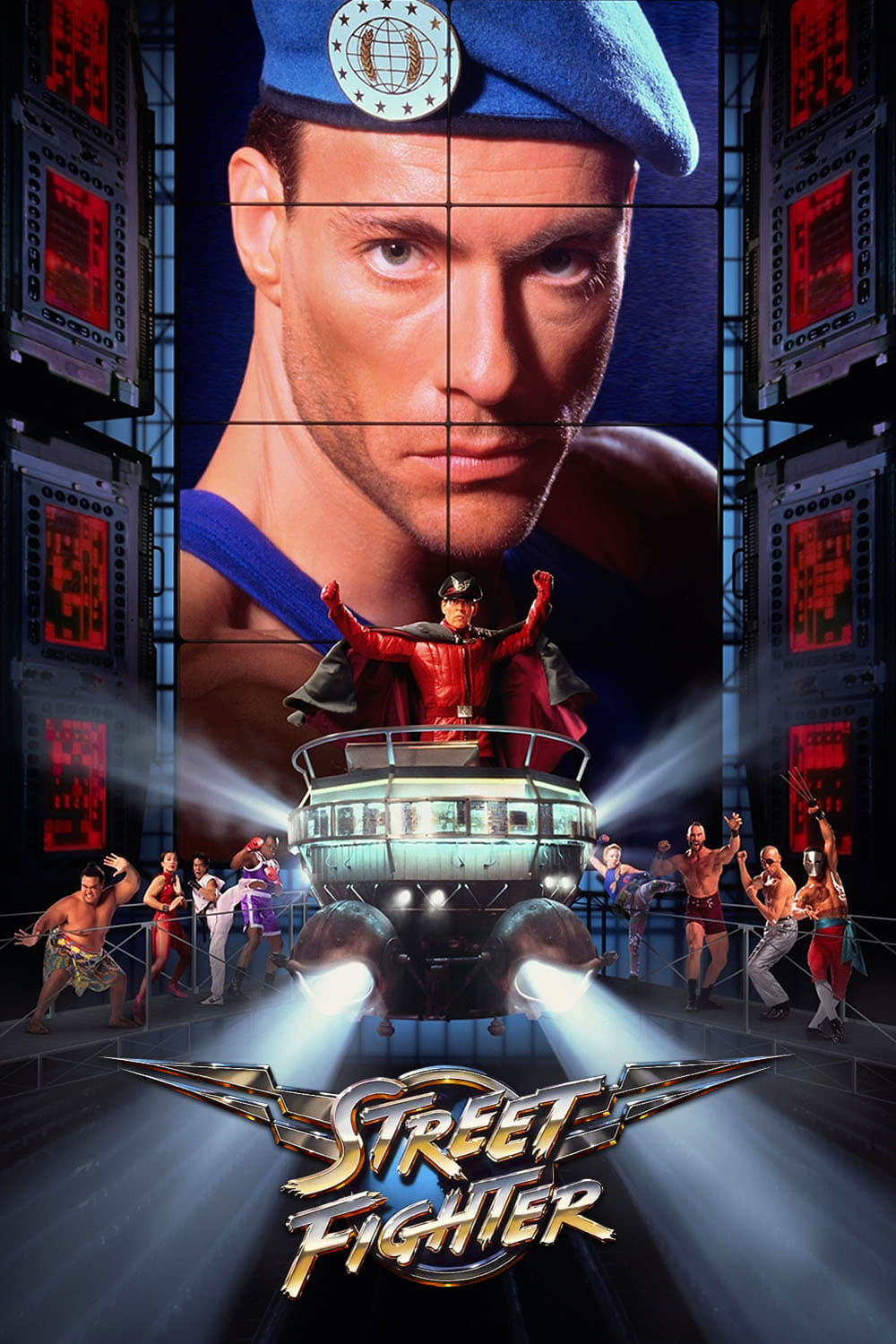
The movie stars Jean-Claude Van Damme as Colonel Guile, who’s tasked with stopping a dangerous dictator. Although Guile is American in the original game and anime, the film tells the story from his perspective, rather than focusing on the Japanese character Ryu. While the cast is diverse, the marketing heavily emphasized the Western lead. Many fans of the original series thought the movie strayed too far from the martial arts focus of the franchise. This film ultimately influenced how big studios would adapt video games and anime in the future.
‘Street Fighter: The Legend of Chun-Li’ (2009)
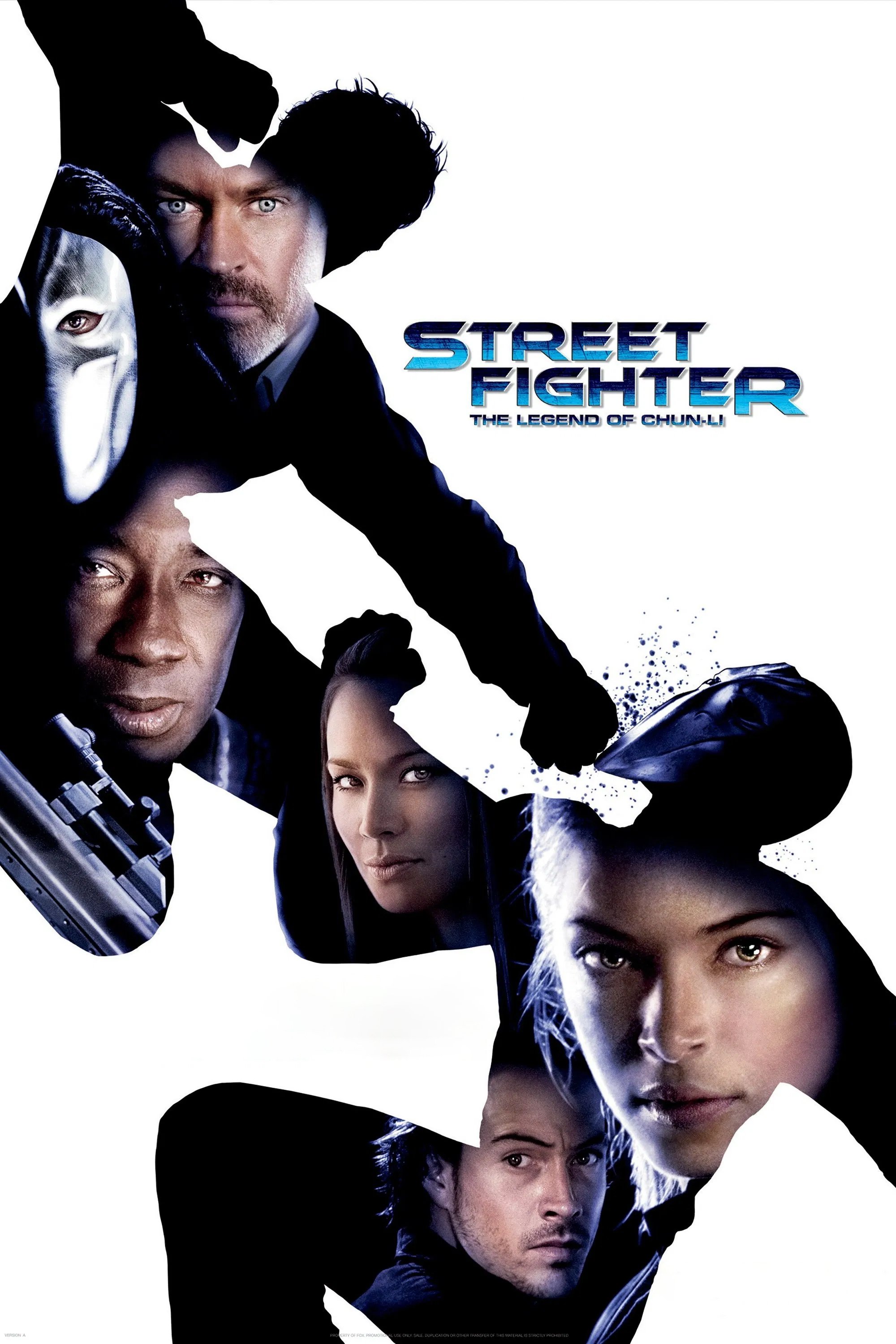
Kristin Kreuk stars as a woman on a mission to save her father from a dangerous criminal group. While Kreuk has Chinese ancestry, some felt the casting could have better reflected the character’s background. Chris Klein plays Charlie Nash, a character who was different from his original portrayal in the source material. The movie received mostly negative reviews, with critics citing a weak script and significant changes to the established story. It failed to attract a large audience, particularly among dedicated fans of the anime and games.
‘Tekken’ (2009)
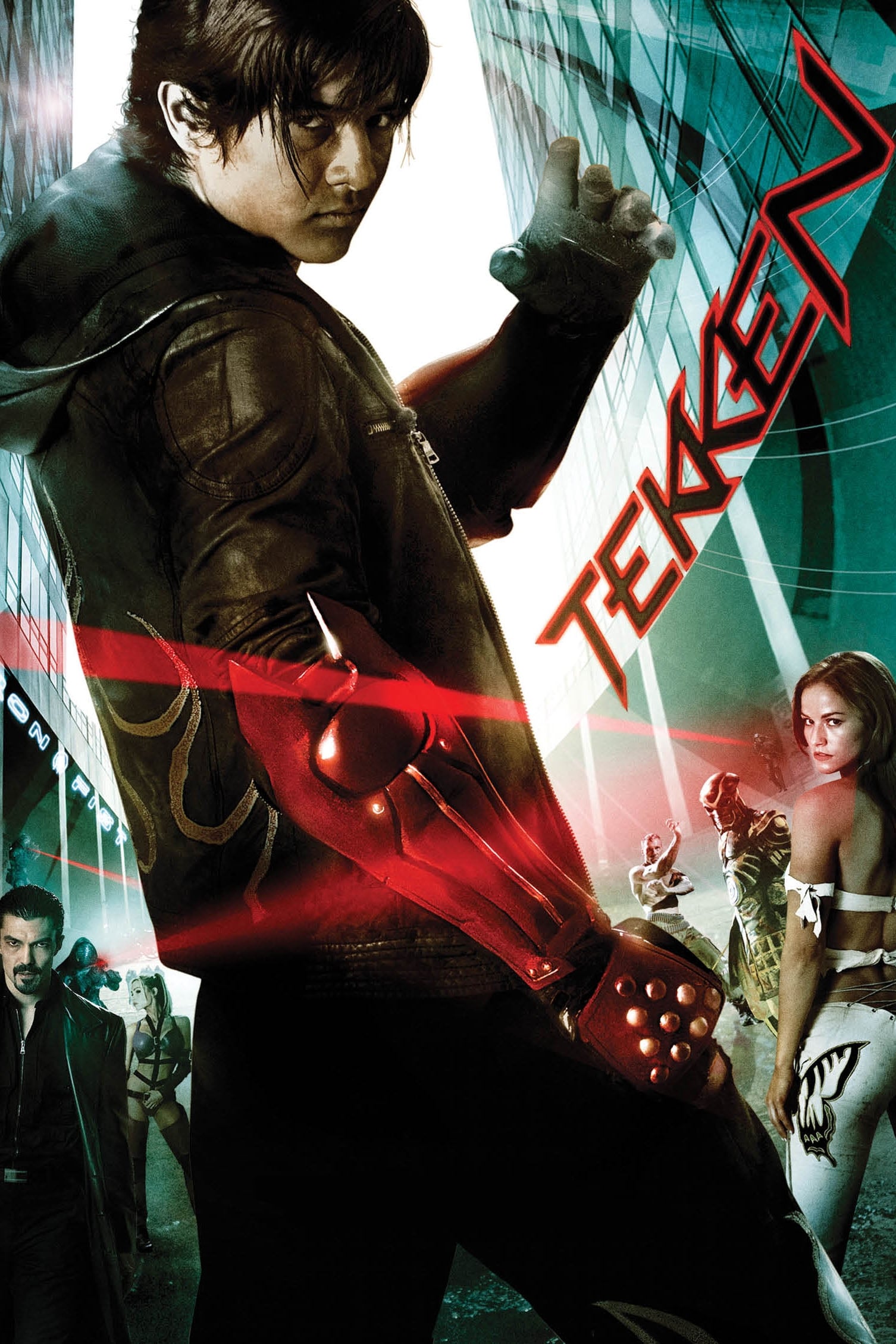
Jon Foo plays Jin Kazama, a young martial artist competing in a tournament to get revenge for his mother. While the character is Japanese in the original game, the actor chosen for this movie is not. This was part of a broader trend in the film, where many Japanese characters were played by Western actors in an attempt to attract a wider, international audience. However, the movie was criticized for looking cheap and for significantly changing the story from the original game. Many fans were disappointed that the casting choices didn’t respect the characters’ Japanese heritage.
‘Æon Flux’ (2005)
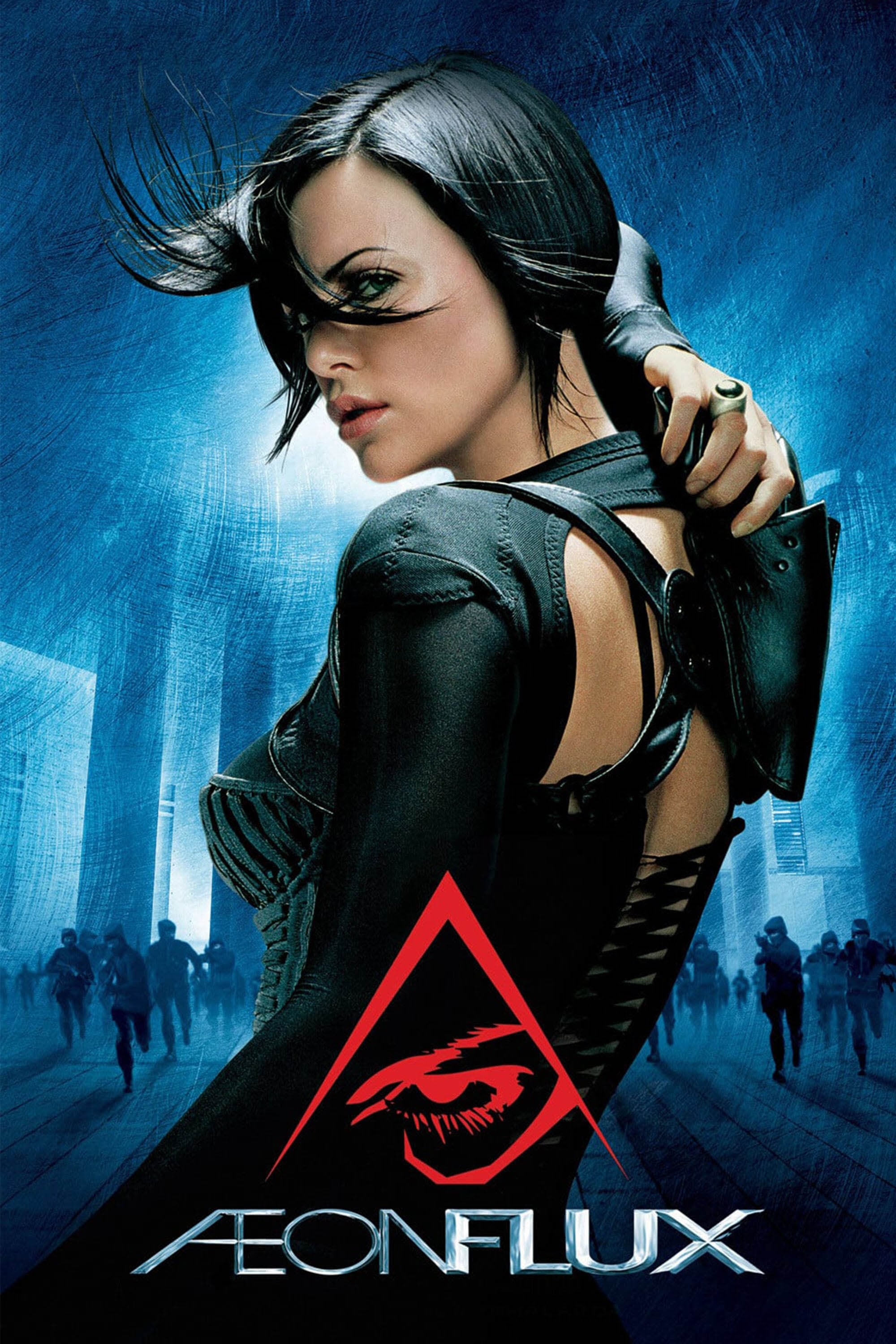
Charlize Theron stars as a highly trained assassin battling a controlling government in a futuristic world. The movie is based on a popular, but unusual, animated series created by Peter Chung. The original show was known for its unique artistic style and a main character whose ethnicity wasn’t clearly defined. This live-action version turned the story into a more typical science fiction action film, starring a well-known Hollywood actress. Many fans felt that the new film lost the original show’s creative energy and its intentionally unclear cultural identity.
‘Godzilla’ (1998)

This movie offers a new take on the classic Japanese monster, placing it in New York City where it causes chaos after being awakened by nuclear tests. Matthew Broderick plays a scientist who teams up with the military to try and save the city from the giant creature. While the original Godzilla films are iconic in Japan and often reflect the country’s history of trauma, this American version upset many fans by changing the setting and casting a Western actor in the lead role. Critics also pointed out that the movie significantly altered the monster’s look and overall feel.
‘Transformers’ (2007)
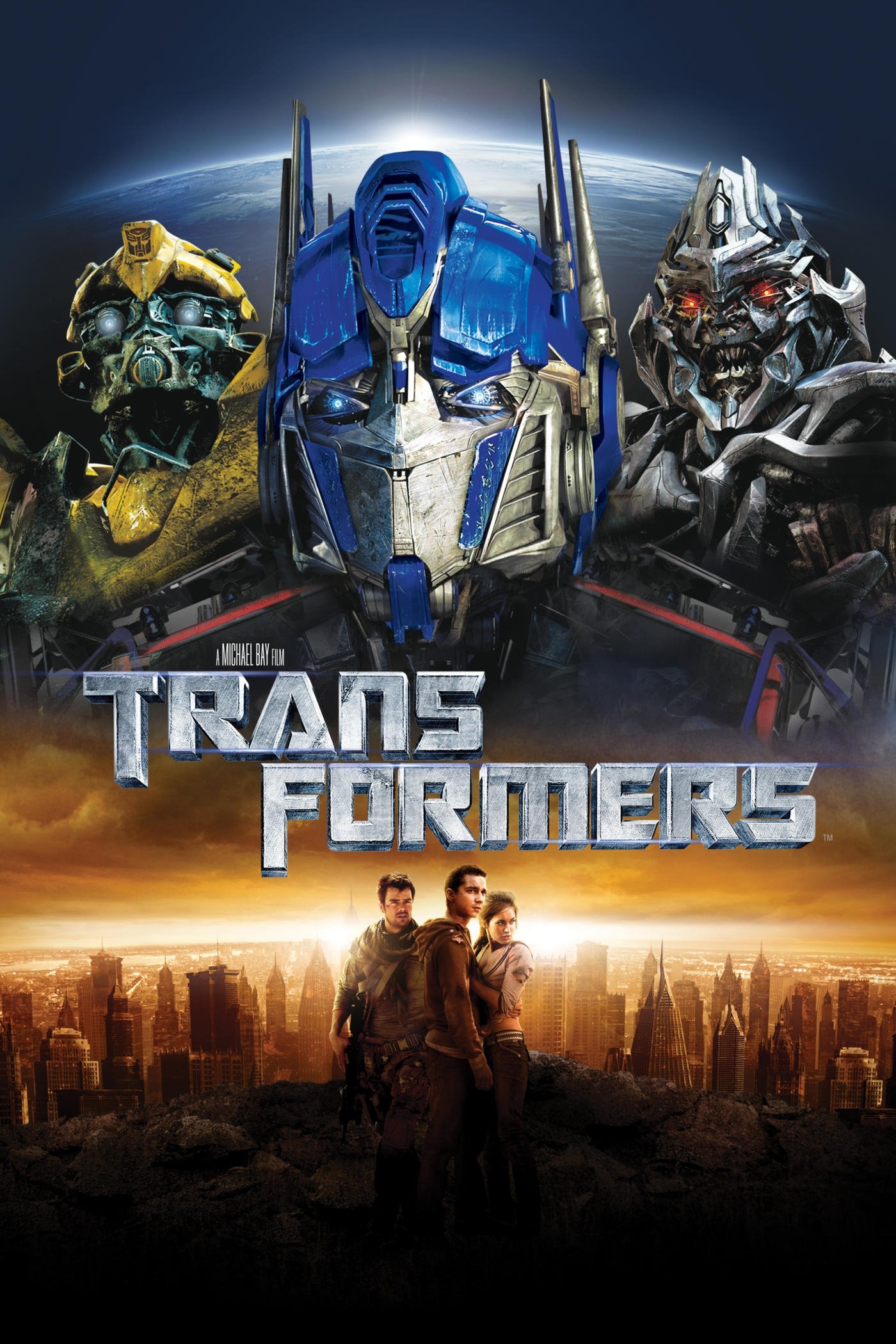
Shia LaBeouf plays a teen who gets caught in the middle of a battle between two groups of massive robots. The story started as a popular Japanese toy and cartoon series with characters and locations from around the world. However, this live-action movie emphasized American military action and a main character from the West. Although the film was a huge hit, it moved away from the original Japanese roots of the franchise, focusing instead on exciting action and impressive special effects to appeal to audiences in the United States.
‘Power Rangers’ (2017)
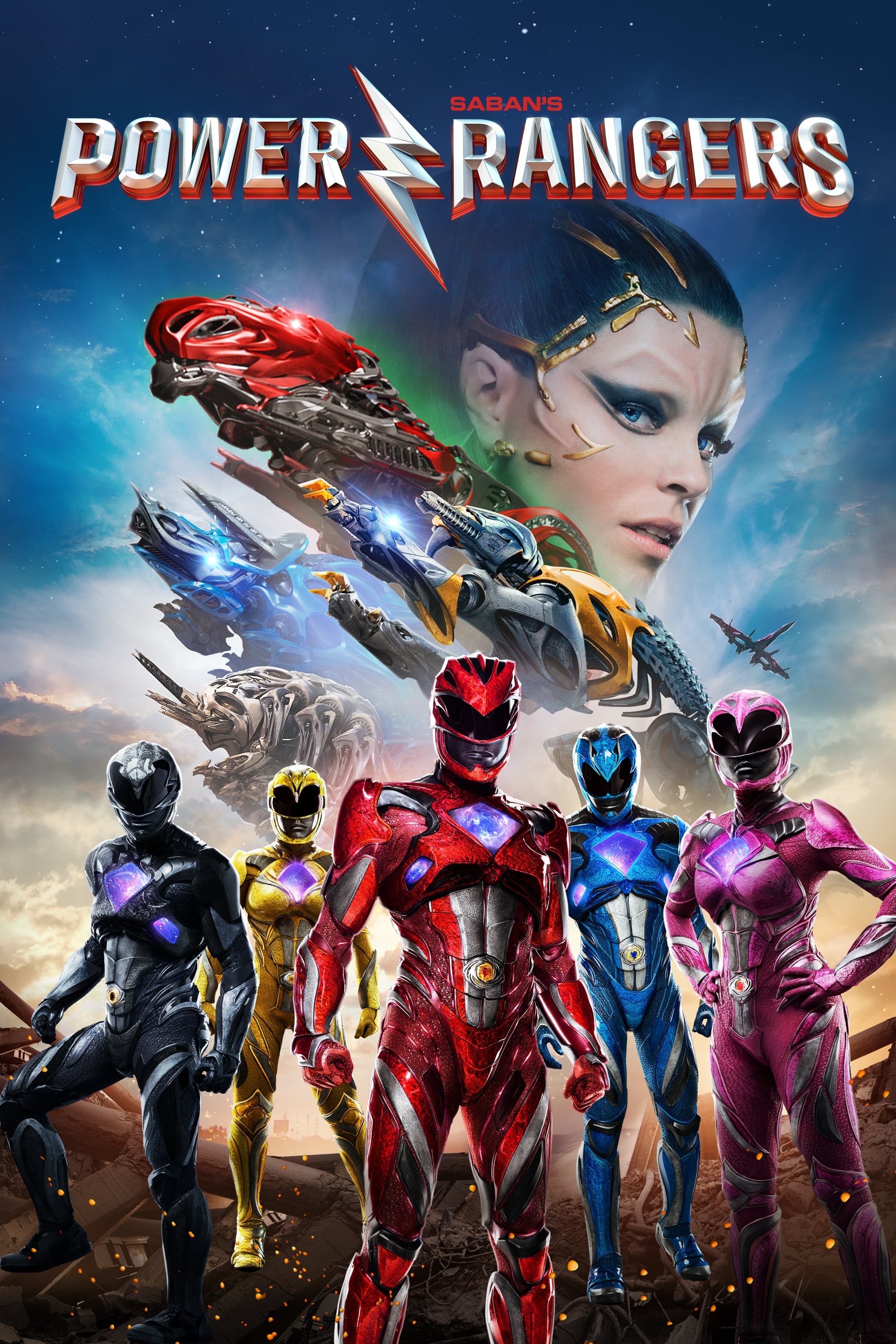
This movie is a fresh start for the series, which originally came from the Japanese show ‘Super Sentai’. It features a diverse group of actors alongside well-known Western stars like Elizabeth Banks playing the villains. The filmmakers reimagined the characters’ backstories, setting them in a modern American high school. While adapting the show for Western audiences, changes were made to the original Japanese cultural themes. The movie aimed to appeal to longtime fans while also attracting a new generation with a contemporary look and feel.
‘Mortal Kombat’ (1995)
Christopher Lambert plays Raiden, the god of thunder and guardian of Earthrealm. The character is inspired by a figure from Japanese mythology and is often portrayed as Asian throughout the series. Casting a Western actor in this important role was typical for action movies made in the nineties. Though many fans have fond memories of the film, the casting choice continues to be debated in terms of accurate representation. The movie’s producers used well-known actors to attract audiences for a story adapted from a popular video game and anime.
‘Double Dragon’ (1994)
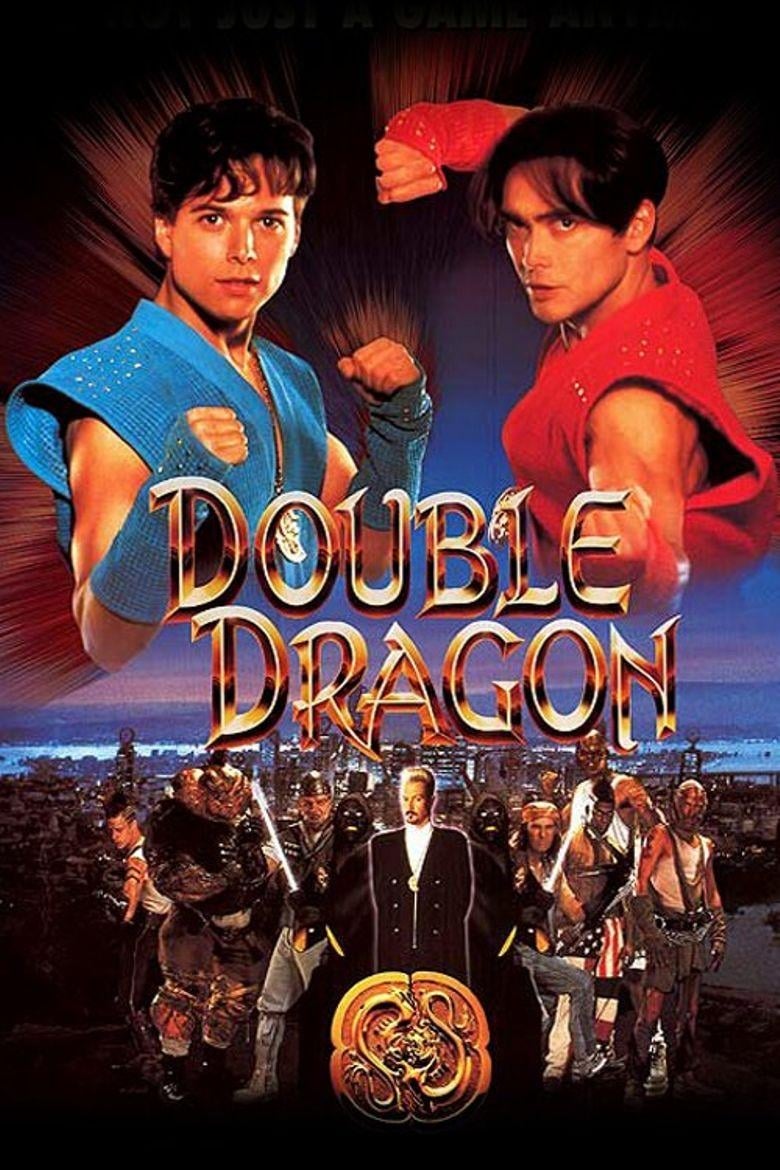
Starring Scott Wolf and Mark Dacascos as brothers Billy and Jimmy Lee, this movie centers around protecting an ancient, powerful medallion. The characters started as martial artists inspired by Asian urban settings, but the film reimagined them in a campy, post-apocalyptic Los Angeles adventure. Unfortunately, the movie wasn’t well-received by critics or audiences and didn’t quite capture the spirit of the original source material. It’s now remembered as an example of how video game and anime adaptations were often drastically changed for Western audiences back then.
‘Super Mario Bros.’ (1993)
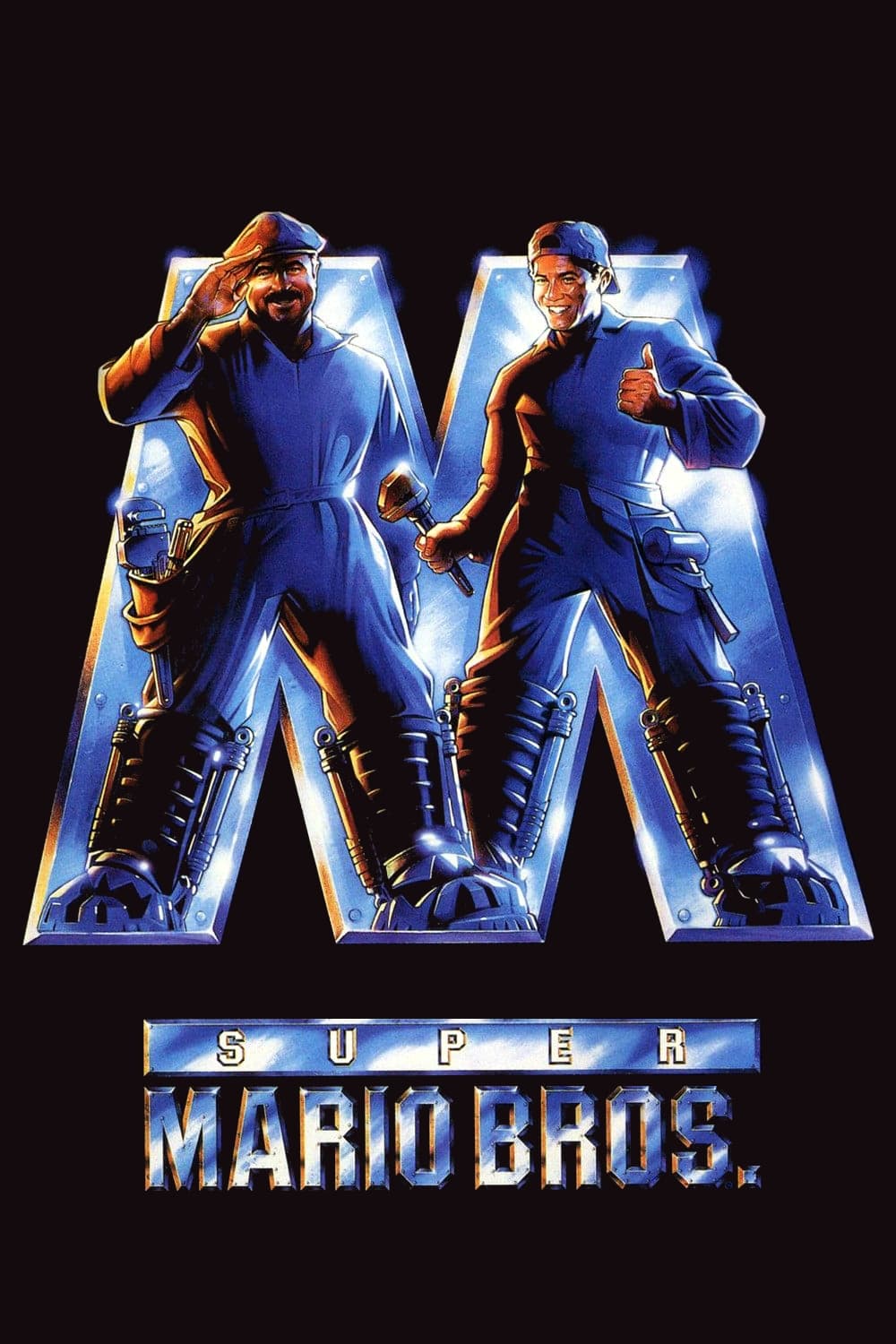
Bob Hoskins and John Leguizamo star as the famous Super Mario brothers, who journey to a different world to save a princess. The series originated as a hugely popular video game created by Shigeru Miyamoto and has since been adapted into several animated shows. This movie, however, took a lot of chances with the original story, using a mostly Western cast and a very different setting. It’s often remembered as a remarkably unique take on Japanese content in Hollywood. Many fans of the original games were surprised by the film’s dark and realistic style, which was quite different from the colorful, lighthearted games.
‘The King of Fighters’ (2010)
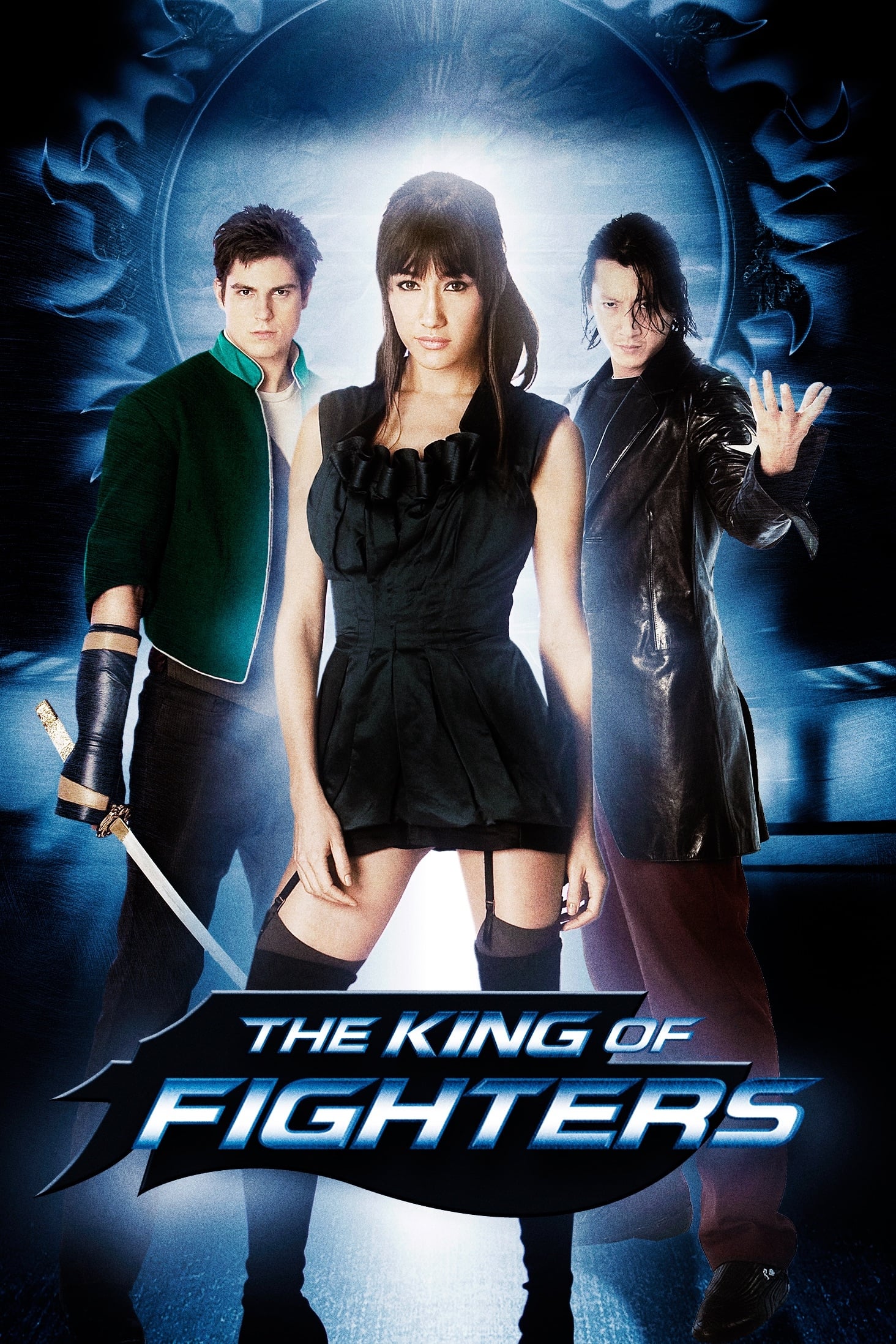
Sean Faris plays Kyo Kusanagi, a fire-powered fighter. While Kyo is Japanese in the original games and anime, the movie cast a Caucasian actor in the role. Other key characters, like Terry Bogard, also had their appearances changed to match the film’s Western cast. Critics disliked the movie’s weak story and its disregard for the established history of the franchise. This adaptation is part of a common pattern of changing the ethnicity of lead characters when adapting Japanese fighting game series for Western audiences.
‘Resident Evil’ (2002)
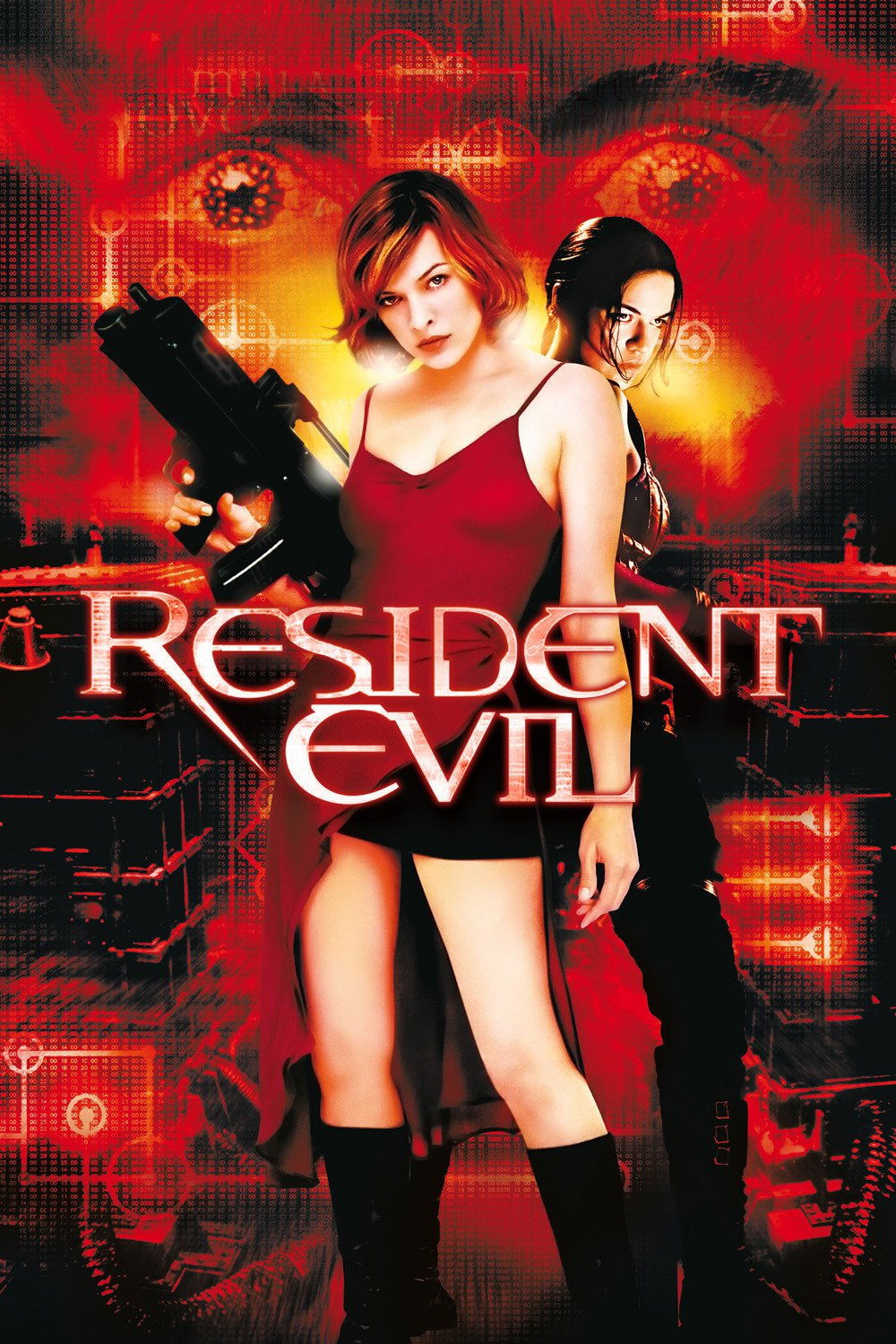
Milla Jovovich plays Alice, a character originally created for the film series inspired by the Japanese video games. Unlike the games, which feature a wide range of characters, the movies centered around a new main character from a Western background. Though the films were set in locations around the world, they consistently presented the story from a Western point of view. This choice let the filmmakers build their own distinct movie universe, separate from the original games. Fans have often discussed how these changes affected the overall identity of the franchise.
‘Monster Hunter’ (2020)

Milla Jovovich plays Captain Artemis, a soldier unexpectedly sent to a world overrun by colossal creatures. The movie is based on a well-known Japanese video game series that’s also been made into anime. This version adds a Western military perspective to the original story’s fantasy setting. The film centers on the struggle of American characters to survive in a dangerous, unfamiliar land, and it’s a good example of how Japanese fantasy stories are often reimagined for Western audiences in movies.
‘Godzilla’ (2014)
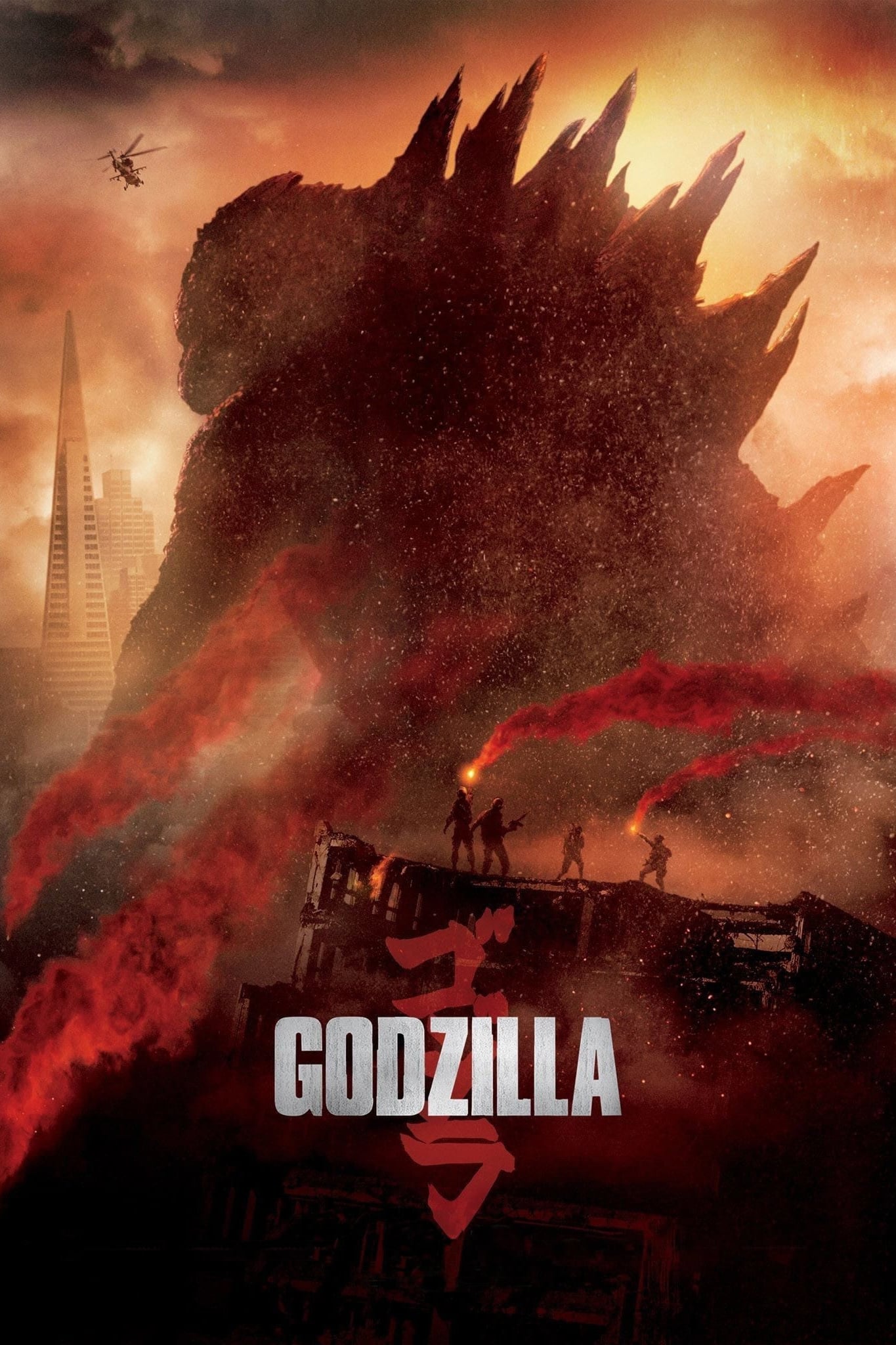
Aaron Taylor-Johnson plays a soldier who finds himself caught in a war between colossal, ancient monsters. This new American film is a fresh start for the famous Japanese franchise that began in 1954. Though the movie aims to honor the monster itself, the story mainly focuses on the viewpoints of Western military personnel. Some longtime fans have pointed out that the creature’s Japanese roots are downplayed, with the film emphasizing large-scale action and modern visual effects over the cultural details found in the original Japanese films.
‘Mortal Kombat’ (2021)
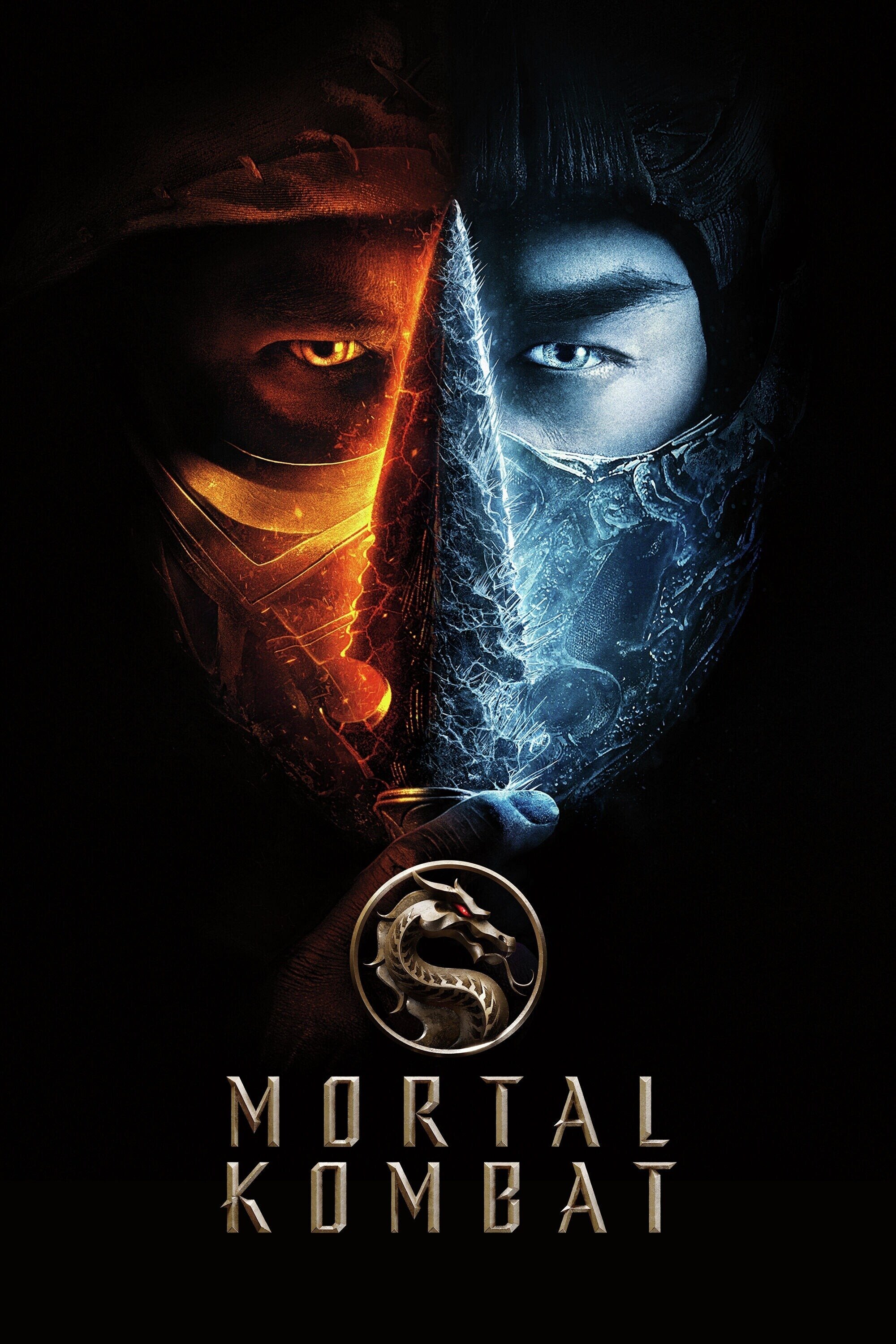
Lewis Tan plays Cole Young, a brand-new character created for this reimagining of the fighting series. Cole is a mixed martial arts fighter who learns about his ancestry and teams up with other warriors to protect Earth. The movie boasts a more diverse cast than previous films, but still focuses on a fresh lead character. This allowed filmmakers to show the world of the franchise through someone not previously featured in the games or anime. Some fans debated whether a new protagonist was needed for the story.
‘Sonic the Hedgehog’ (2020)
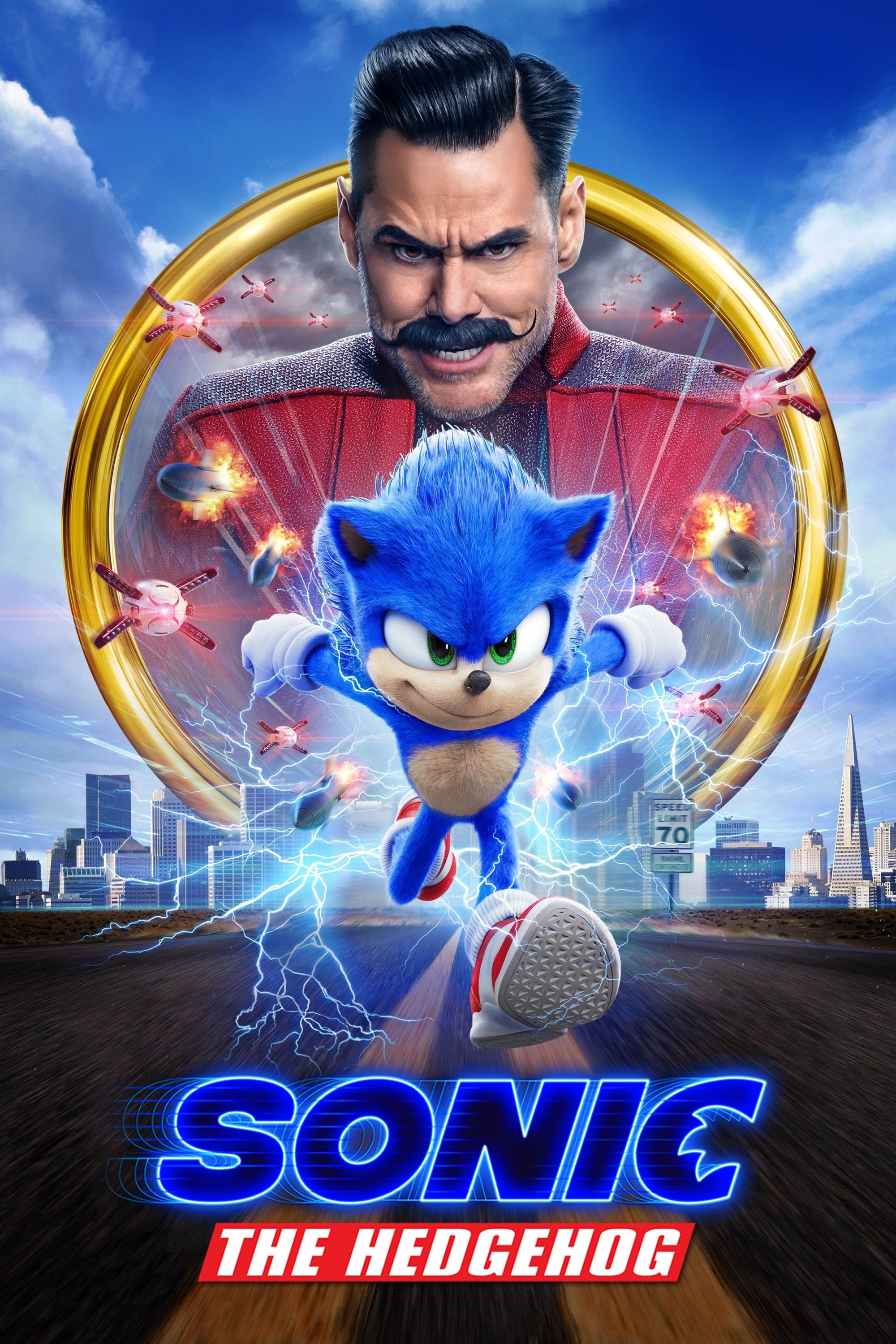
Ben Schwartz voices Sonic, a super-fast, blue hedgehog who first appeared in Japanese video games and then in anime series. The movie brings Sonic to a typical American town and teams him up with James Marsden, who plays a local police officer. The story centers on the growing friendship between Sonic and his human friend, set in a modern, everyday world. Although the film was very successful, it follows a common Hollywood pattern of adapting Japanese characters for Western audiences.
‘G.I. Joe: The Rise of Cobra’ (2009)
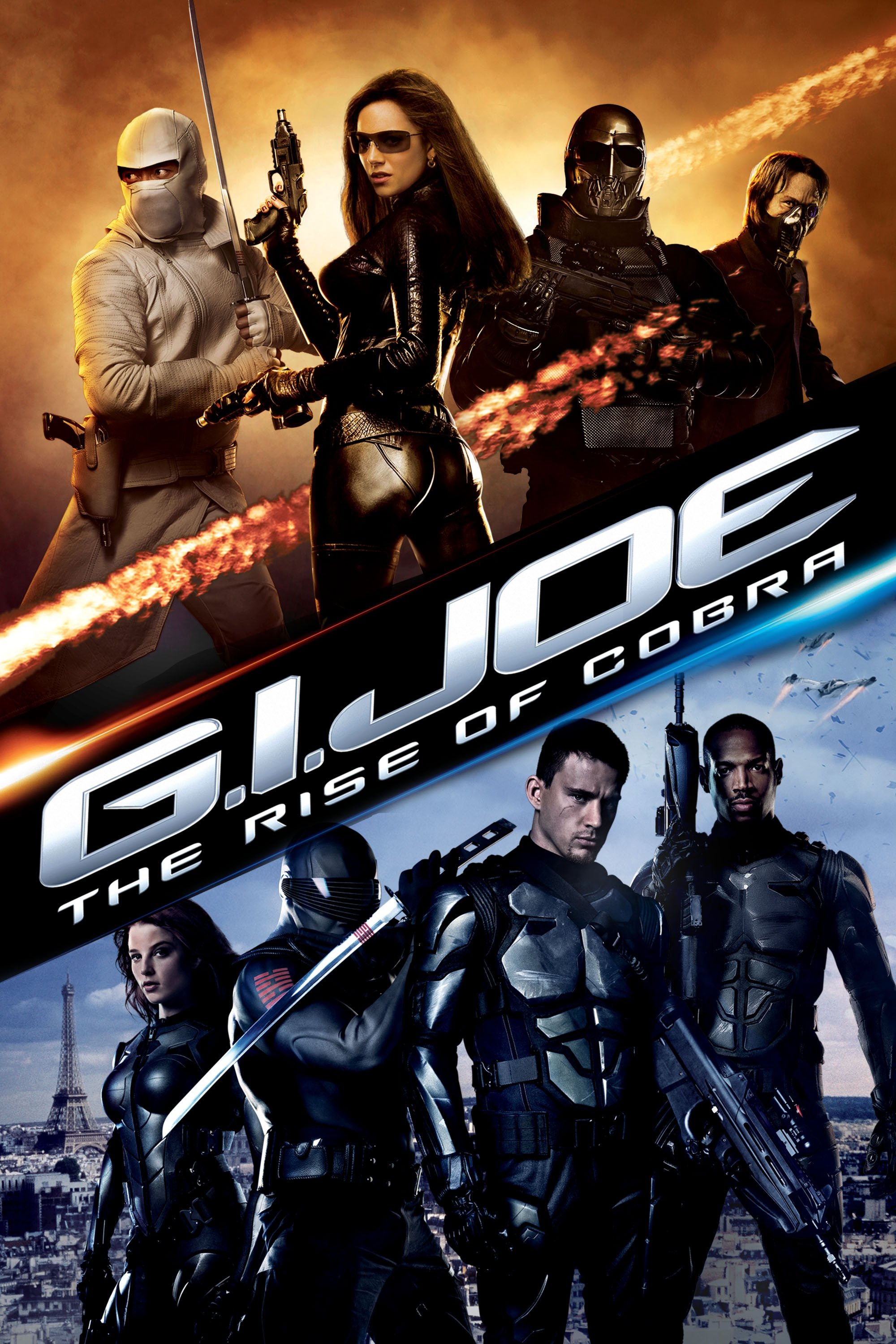
Channing Tatum plays Duke, the leader of a top international military team. Although the story comes from American toys, it’s built on a history of animated shows, including collaborations with Japanese studios. The movie centers on American characters, even though the team is global and heavily inspired by ninja traditions. While characters like Snake Eyes and Storm Shadow are important, the plot mainly follows the American soldiers. This version of the story focuses on exciting action and cool gadgets, aiming for a typical summer blockbuster experience.
Tell me your thoughts on these live action adaptations and the casting choices in the comments.
Read More
- 20 Movies Where the Black Villain Was Secretly the Most Popular Character
- Celebs Who Narrowly Escaped The 9/11 Attacks
- Transformers Under the Microscope: What Graph Neural Networks Reveal
- Top 20 Dinosaur Movies, Ranked
- Trading on Thin Air: AI Agents Conquer Crypto Volatility
- Silver Rate Forecast
- Gold Rate Forecast
- Invincible Season 4 Gender Swaps Tech Jacket As Fans Question Major Comic Change
- Every Notable ‘Star Trek: The Original Series’ Actor Who Died
- 22 Films Where the White Protagonist Is Canonically the Sidekick to a Black Lead
2026-01-09 18:20