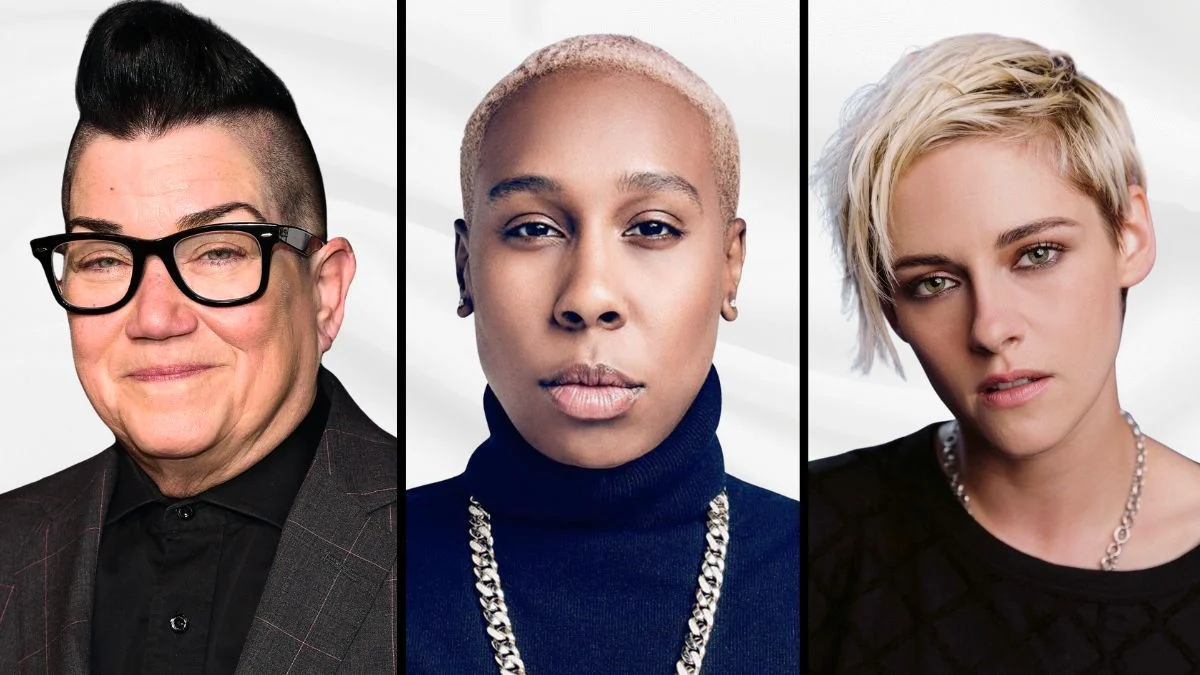
Costume design is crucial for telling a story, as it immediately establishes a character’s personality. For lesbian and queer actors, clothing can be a strong way to express identity, so they often work closely with costume designers – sometimes even developing the character’s look themselves. These actors go beyond simply being fitted for clothes, bringing in personal objects or creating visual references to make sure their character’s wardrobe feels genuine and reflects their own lives.
Kristen Stewart
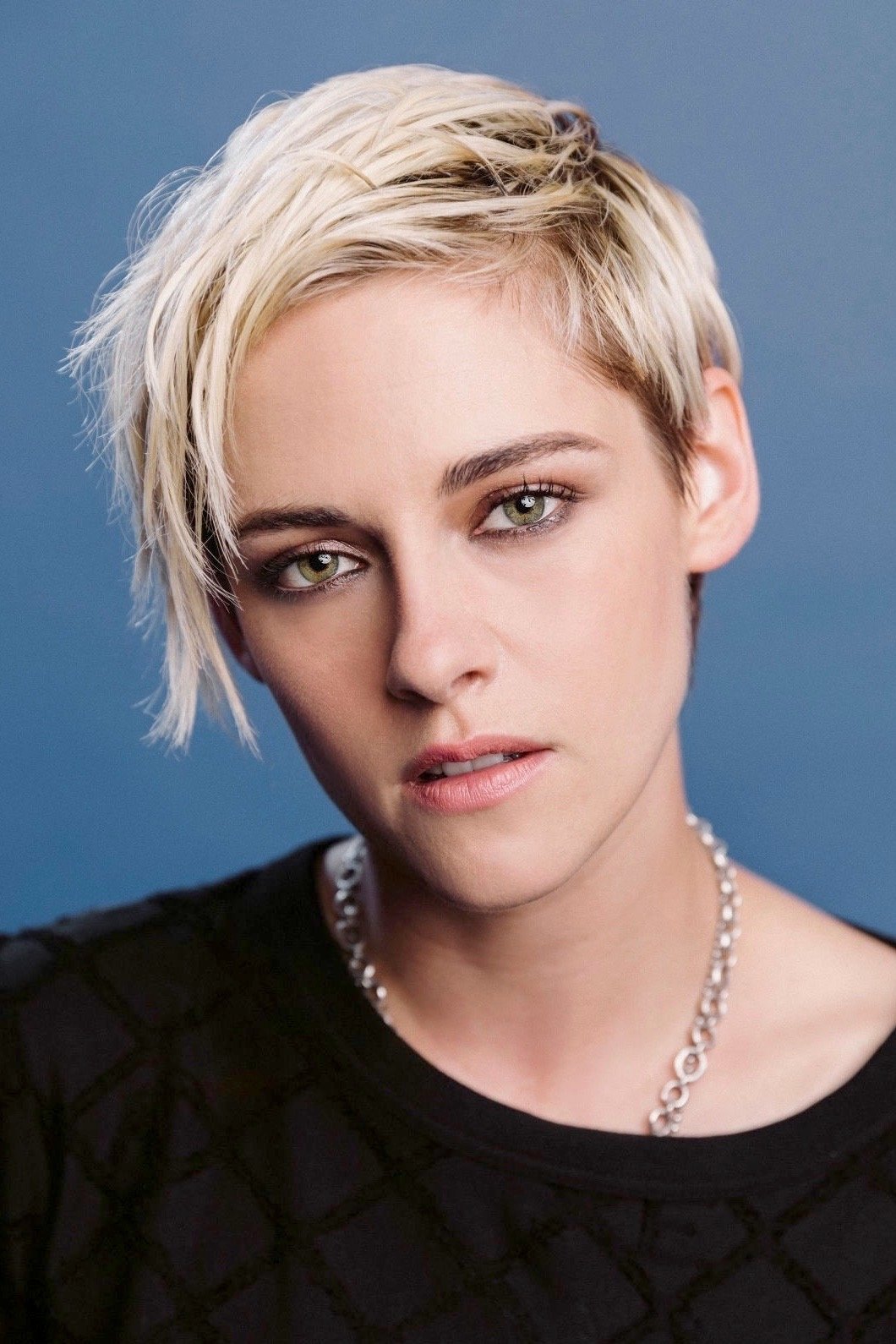
Kristen Stewart was very involved in designing her character Abby’s clothes for ‘Happiest Season,’ wanting the outfits to feel real for a queer woman celebrating the holidays. She worked closely with the costume designer, Kathleen Felix-Hager, and even contributed clothes from her own wardrobe. They focused on practical pieces like structured coats and button-downs, avoiding overly feminine holiday looks, which Stewart believed was important for Abby’s personality. This careful attention to detail really connected with viewers, who appreciated seeing a relatable style in a mainstream holiday romantic comedy.
Lena Waithe
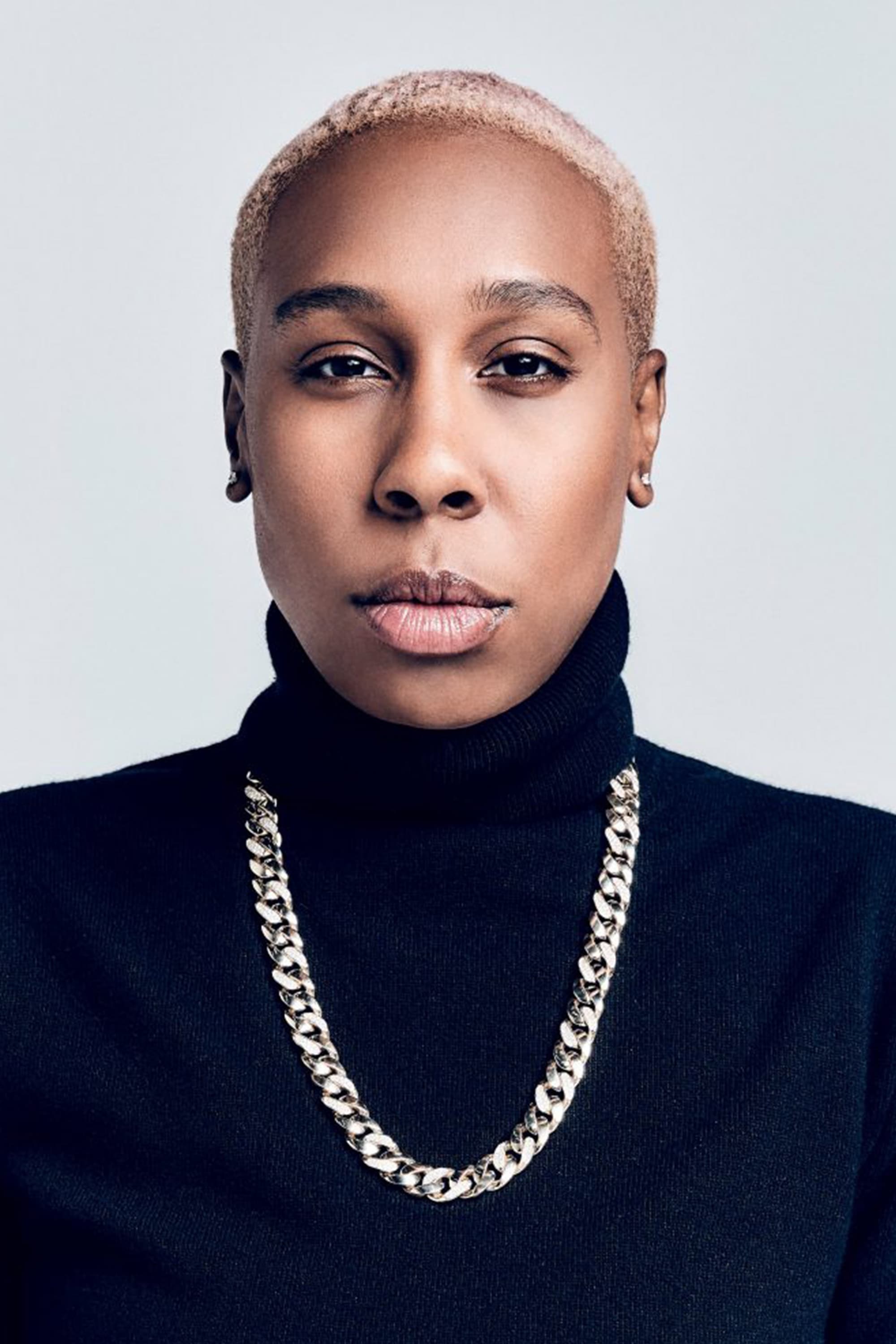
Lena Waithe’s character, Denise, on ‘Master of None’ was notable for being a realistic portrayal of a Black lesbian woman, and her clothing reflected Waithe’s own personal style. Waithe made sure Denise wore streetwear and graphic tees similar to what she’d wear herself, pushing back against more typical costume suggestions. This allowed her to create a believable and culturally authentic character. Importantly, Waithe also used Denise’s changing style to visually represent her journey of coming out.
Kate McKinnon
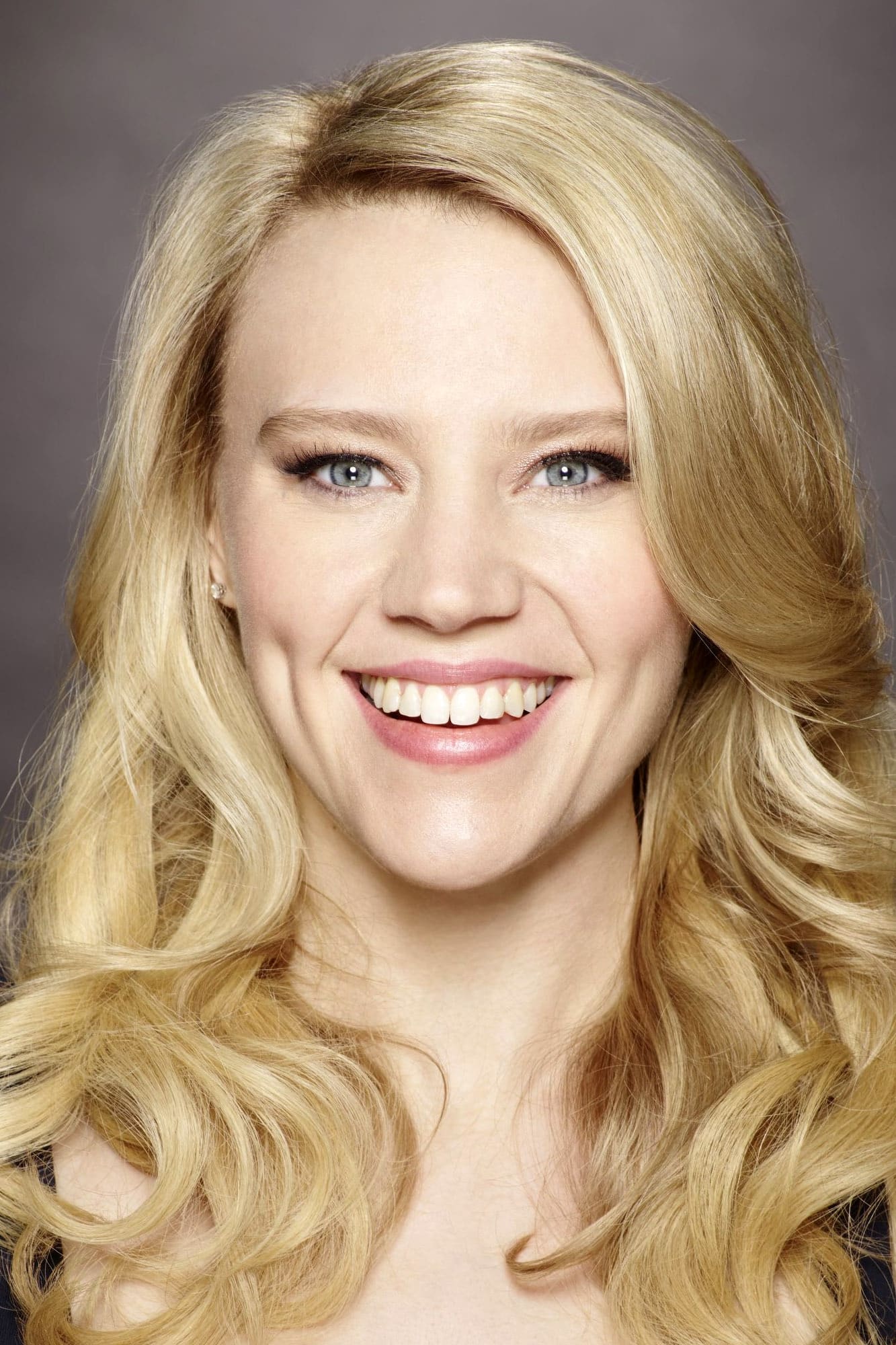
Kate McKinnon had a clear idea of how she wanted to portray Jillian Holtzmann in ‘Ghostbusters,’ imagining a character inspired by steampunk and quirky scientists. She worked closely with the costume designers to create Holtzmann’s look, including the yellow goggles and paint-covered overalls. McKinnon aimed for a character who felt brilliantly chaotic and didn’t conform to typical stereotypes of how female scientists are portrayed. The costume was a hit with fans and quickly became popular for cosplay.
Tig Notaro
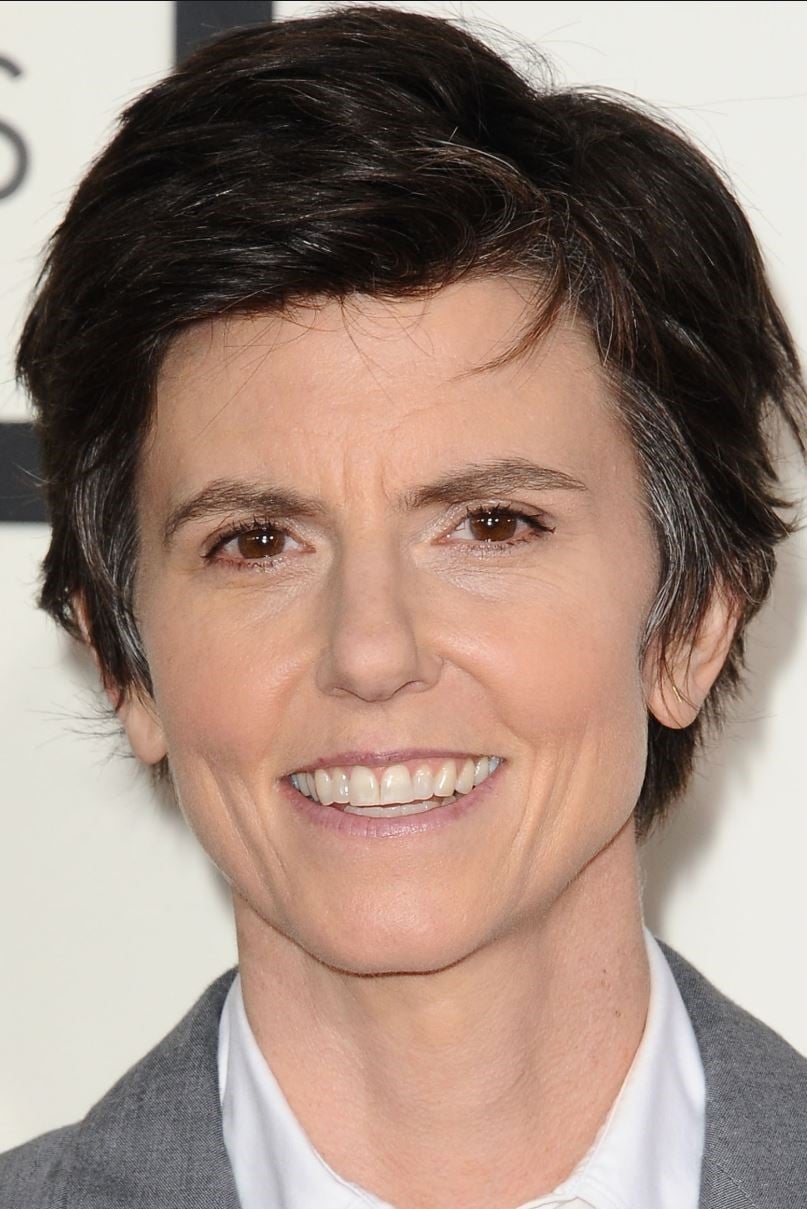
For her role in ‘One Mississippi,’ Tig Notaro based the character’s clothing on her own personal style, focusing on comfortable and gender-neutral pieces. She insisted on wearing her familiar button-down shirts and blazers to make the portrayal feel genuine. Notaro carefully balanced authenticity with avoiding exaggerated stereotypes, aiming for a realistic look. This consistent wardrobe choice helped create a sense of intimacy and blurred the line between Notaro herself and the character she played.
Hunter Schafer
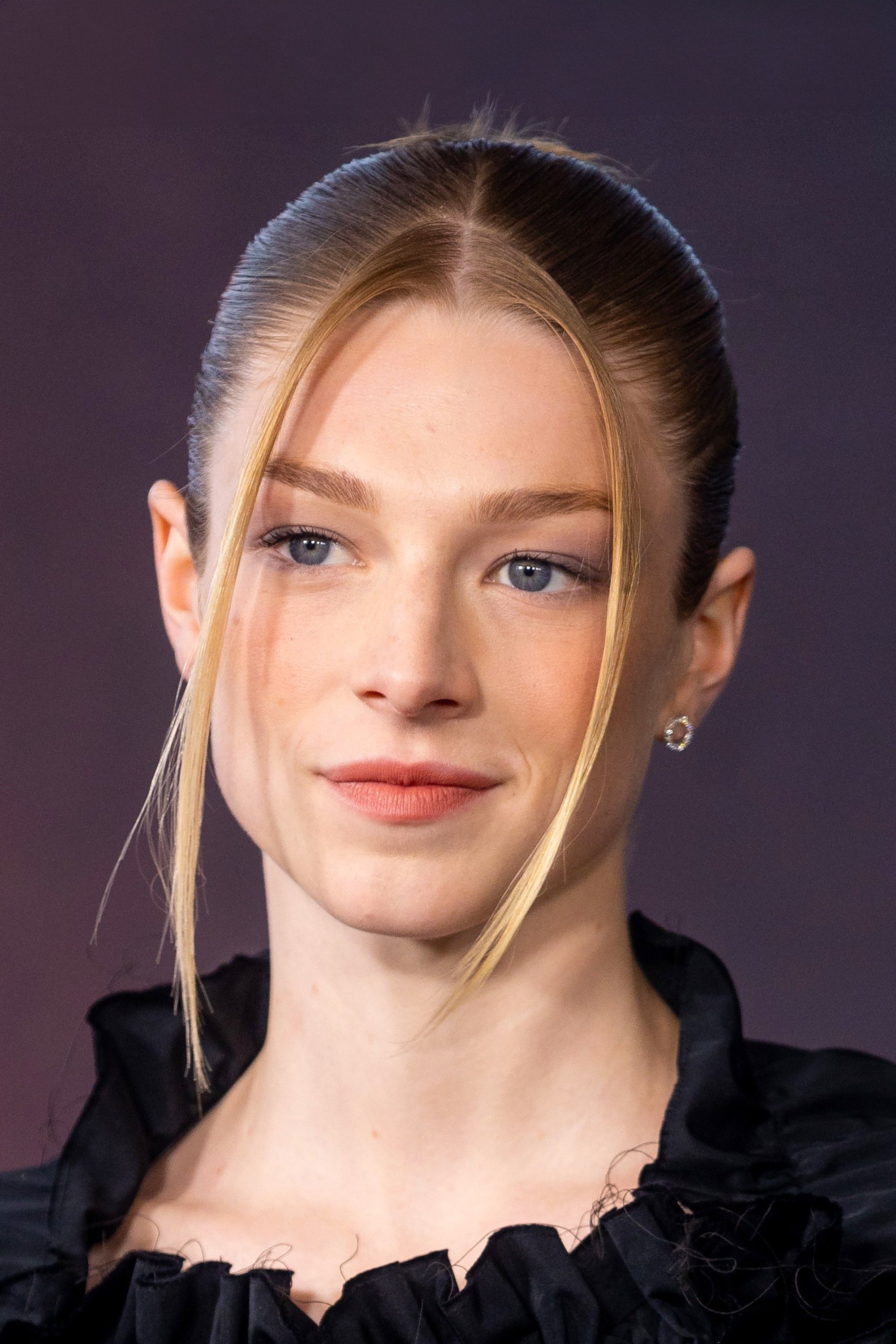
Hunter Schafer was heavily involved in shaping the fashion choices for her character, Jules, in ‘Euphoria’. She closely collaborated with the costume and makeup teams to use clothing to reflect Jules’s journey with gender identity and her emotional ups and downs. They drew inspiration from anime and e-girl styles, creating a look that truly captured the spirit of Gen Z queer culture. Schafer’s fashion background enabled her to create outfits that conveyed a story all on their own, even without dialogue.
Lea DeLaria
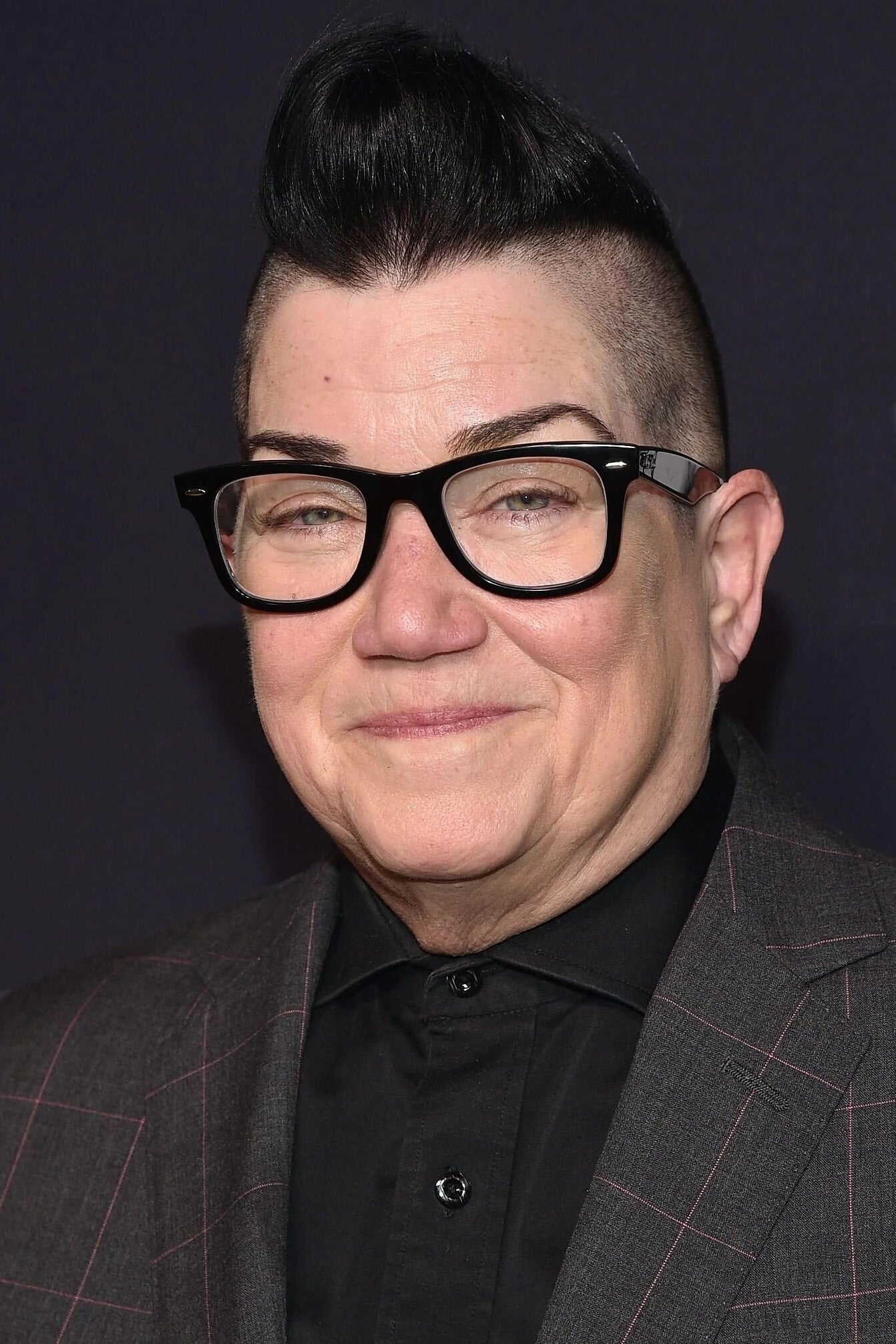
Lea DeLaria, known for her own masculine style, significantly shaped the character of Big Boo in ‘Orange Is the New Black,’ especially how the character presented herself in the prison uniform. DeLaria intentionally chose how the uniform fit and added details like visible men’s underwear and the way she wore her sleeves to create a distinct, confident butch persona. She wanted Big Boo to represent a type of swagger rarely seen on TV, transforming a standard uniform into a powerful expression of gender identity and rebellion.
Sarah Paulson
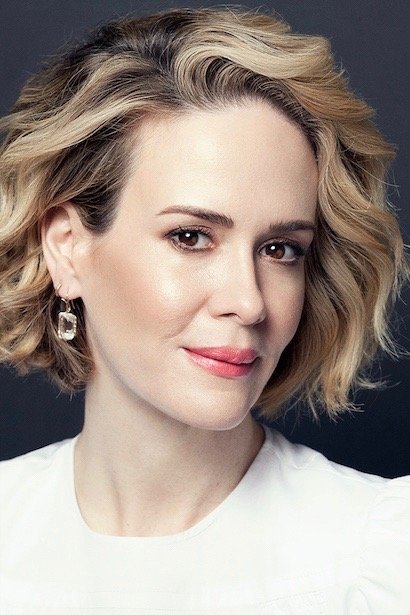
Sarah Paulson wasn’t just the star of ‘Ratched’ – she also helped shape the show’s visual style. She closely collaborated with the costume designers, paying particular attention to colors and clothing shapes to reveal Nurse Ratched’s personality. Paulson wanted the character’s vibrant green outfits and tailored suits to show her need for control and perfection. She even asked for clothes that limited movement, helping to create Ratched’s stiff and unyielding appearance. The result was a wardrobe that reflected the character’s complicated inner life.
Mae Martin
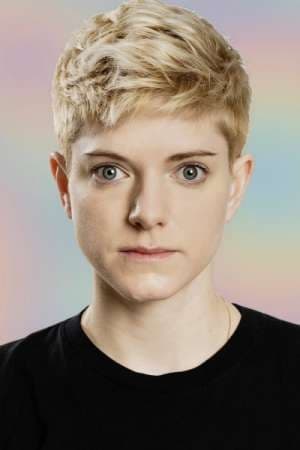
As a film and TV fan, I really appreciated the attention to detail in ‘Feel Good.’ Mae Martin, who wrote and starred in it, basically used their own clothes for the character! They specifically wanted the character to wear the same comfy, oversized vintage shirts and baseball caps they’d wear on stage doing stand-up. It wasn’t about creating a flashy TV look, but a really authentic, everyday style that felt true to a non-binary, softer masculine vibe. That realness was key to how the show dealt with gender and relationships, and it totally worked for me.
Clea DuVall
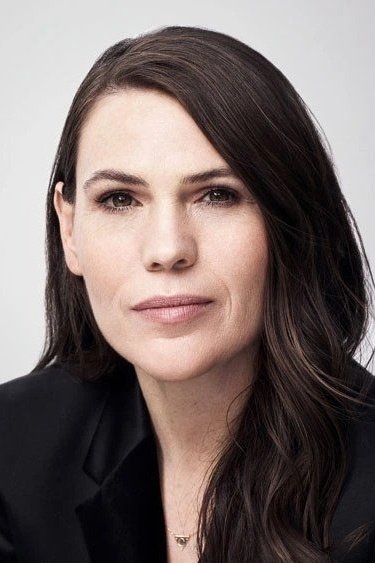
As a film lover, I’ve always been fascinated by how directors use visual cues to tell a story, and Clea DuVall really nailed it with ‘The Intervention’. She had full creative control, and it shows, especially in how she developed her character, Jessie. I noticed she dressed Jessie in this really comfortable, relaxed style – lots of flannels and denim – which reminded me of the ‘lesbian chic’ look she helped bring to the forefront in the 90s. It felt intentional – like she was showing us a more grown-up version of the characters she’d played before. The clothes weren’t just clothes; they subtly showed Jessie had a secure sense of who she was, which stood out against all the messy relationships happening around her.
Abby McEnany
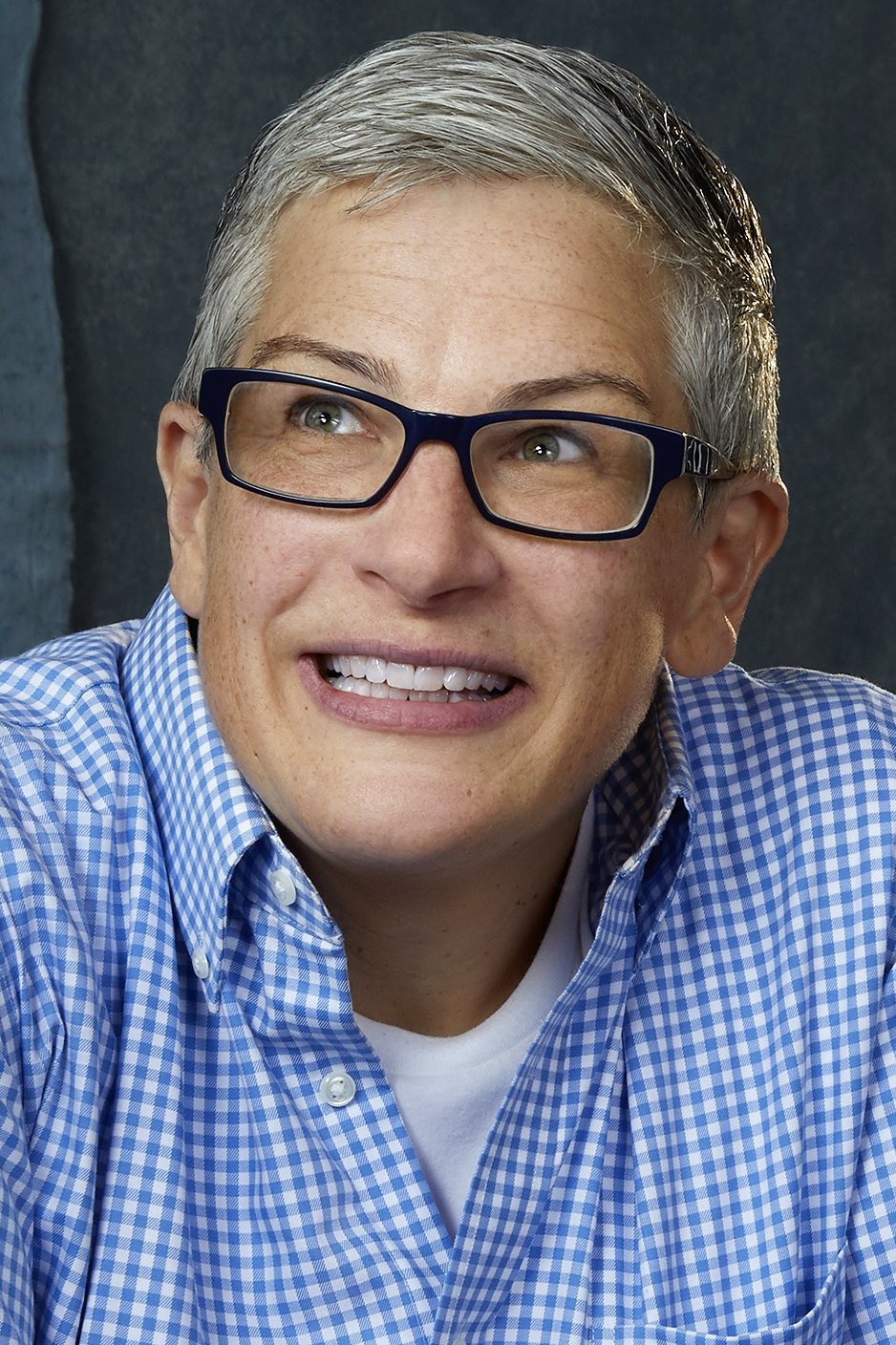
Abby McEnany’s show, ‘Work in Progress,’ demonstrates how a creator can maintain complete control over their on-screen image. McEnany insisted on wearing her own clothes – specifically glasses and flannel shirts – and refused any attempts to make the character look more glamorous. She even created the term “masculine-of-center” to define her style, which became a key part of the show’s storyline. Her wardrobe choices were a statement of self-acceptance and a challenge to typical Hollywood expectations for leading actors.
Ruby Rose
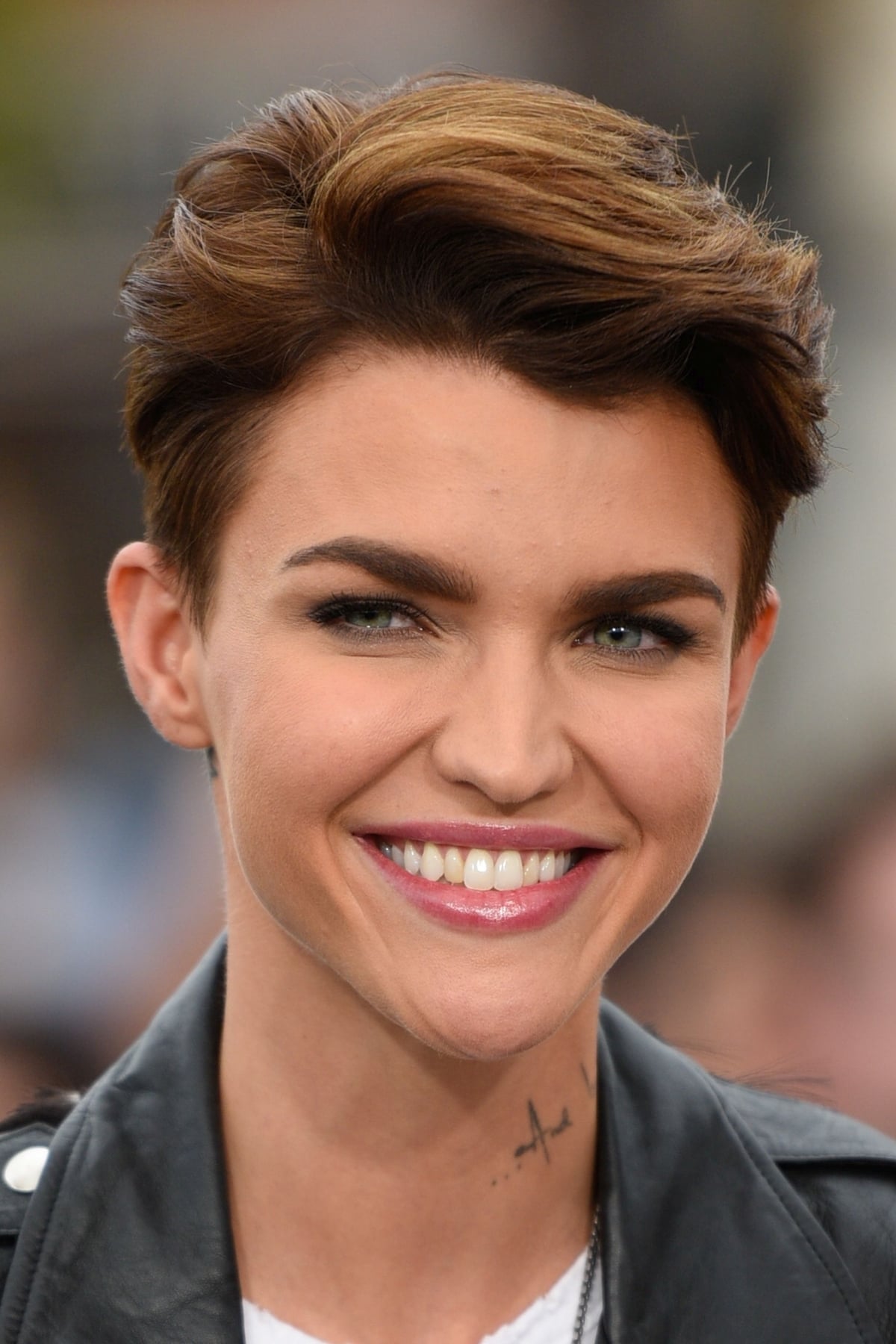
Ruby Rose played a key role in creating Batwoman’s costumes, both the superhero suit and Kate Kane’s everyday clothes. She wanted the look to blend the character’s comic book roots with a contemporary, rebellious style that reflected Kate’s identity as a lesbian, incorporating elements like leather jackets and boots. Rose especially focused on the wig, making sure it didn’t erase the character’s queerness. Her contributions helped establish a clear and authentic LGBTQ+ visual style for the superhero.
Cara Delevingne
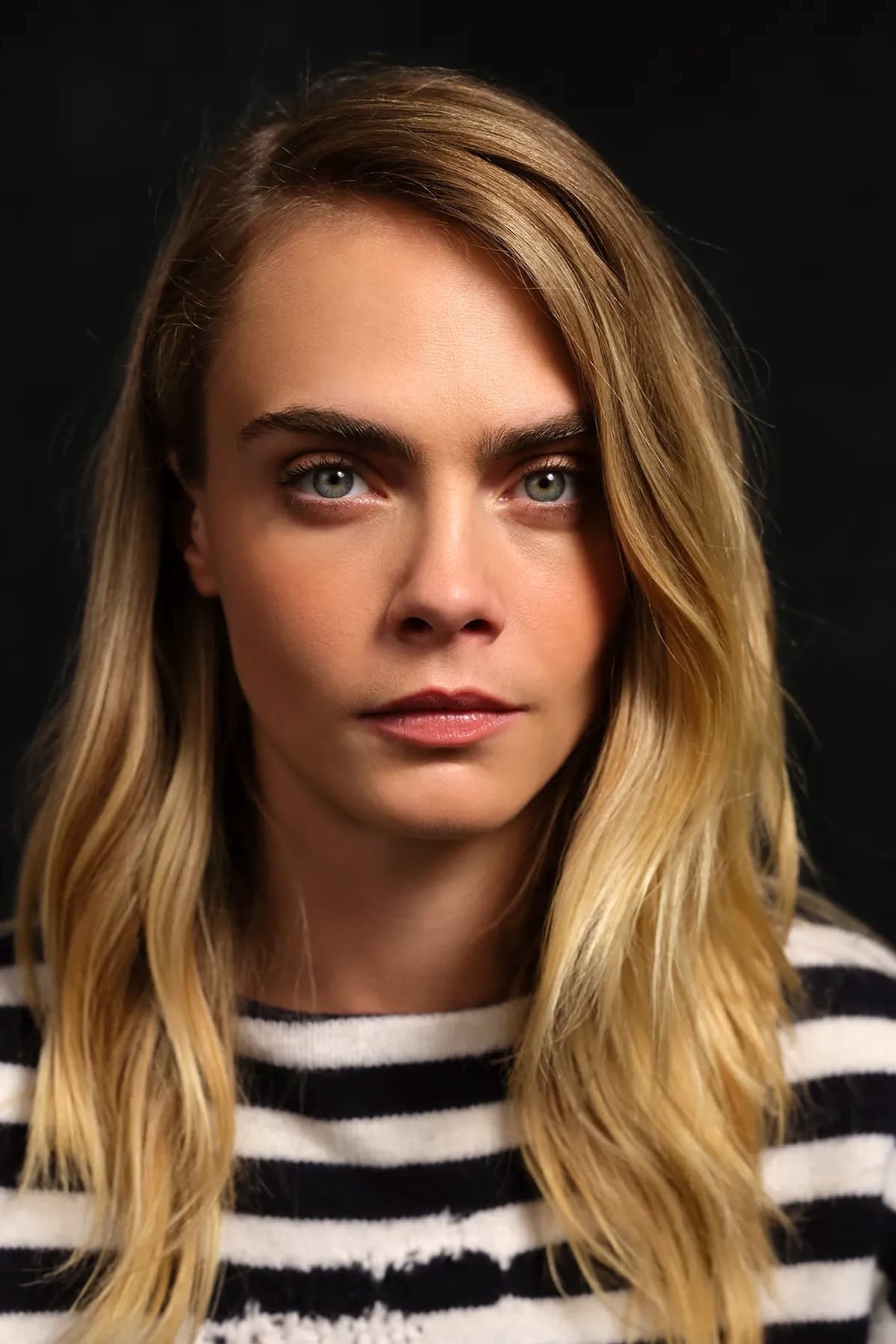
Cara Delevingne used her fashion expertise to create a unique and contemporary style for her character, Alice, in ‘Only Murders in the Building.’ She worked on a wardrobe that combined elegant, tailored suits with more free-spirited, artistic pieces, mirroring Alice’s complex personality. Delevingne aimed for a look that felt both effortless and powerful, and frequently incorporated menswear to give her character a strong presence. The final result was a stylish and subtly queer-influenced wardrobe that contrasted beautifully with the traditional Upper West Side backdrop.
Amandla Stenberg
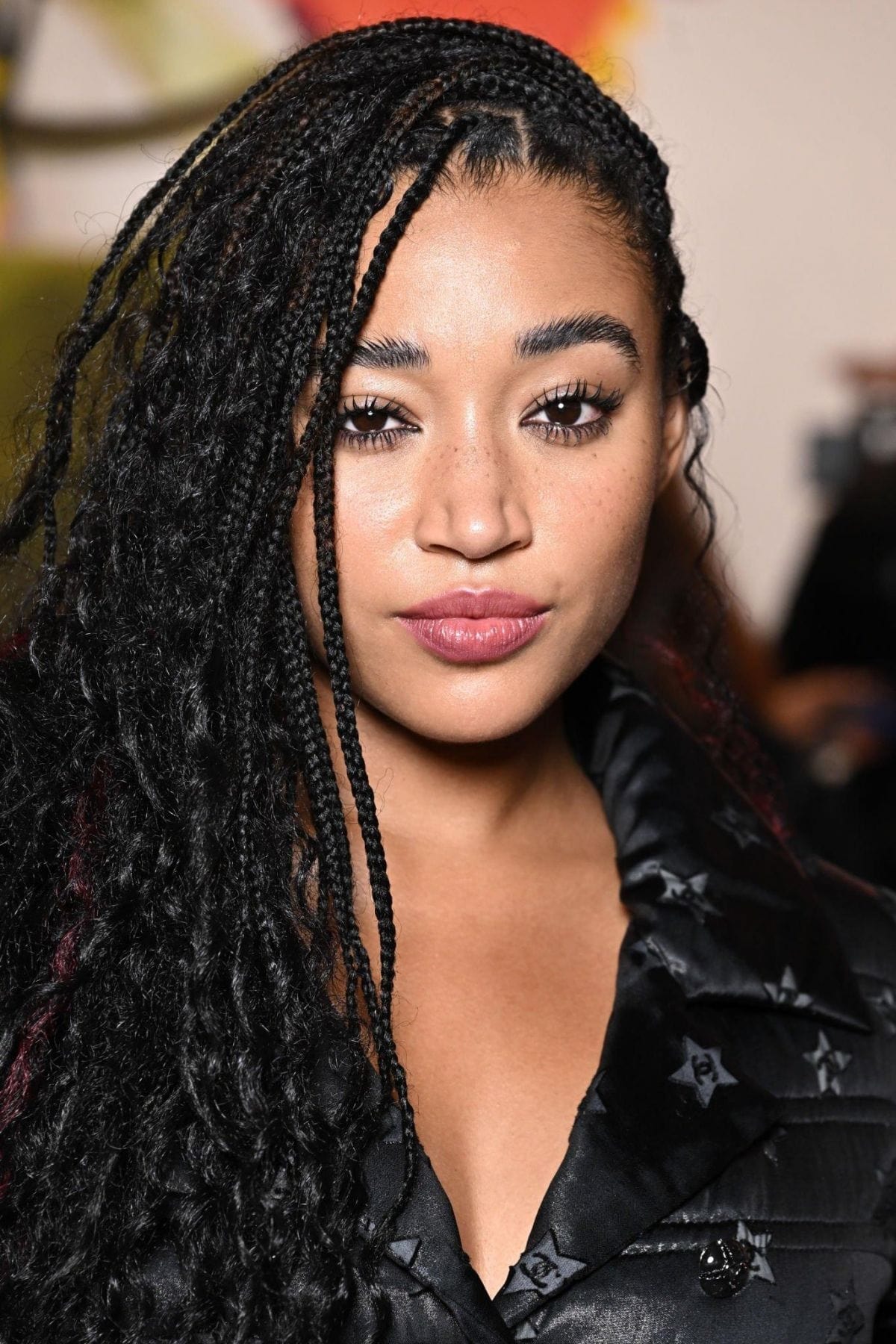
For Amandla Stenberg’s character, Sophie, in ‘Bodies Bodies Bodies,’ the costume design aimed to reflect the lively and unconventional style of Gen Z’s queer, wealthy scene. Stenberg collaborated with the stylists to create a look featuring oversized, relaxed clothing – a deliberate departure from typical ‘final girl’ outfits in horror movies. They carefully chose pieces that felt both secondhand and high-end, capturing the characters’ unique financial status and adding authenticity to the film’s satirical portrayal.
Stephanie Beatriz
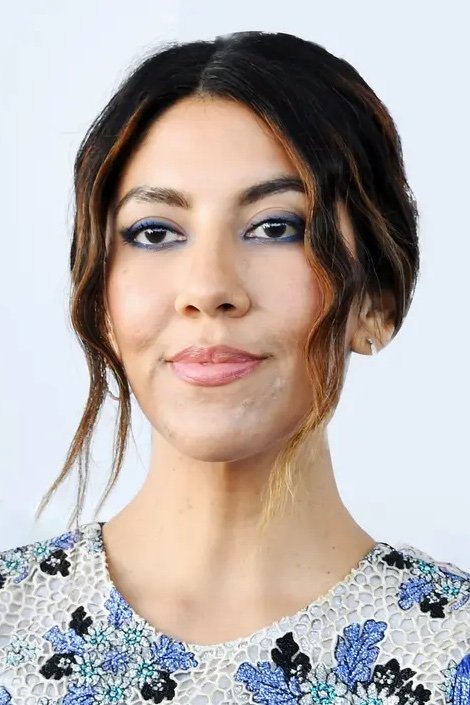
Stephanie Beatriz, who played Rosa Diaz on ‘Brooklyn Nine-Nine,’ was instrumental in developing the character’s iconic style. She wanted Rosa’s tough look – particularly the leather jacket and boots – to show how guarded and strong she was. As Rosa became more open with her colleagues, Beatriz worked with the costume designers to subtly soften her wardrobe, while still keeping the character’s overall edgy and powerful vibe. This change in appearance mirrored Rosa’s emotional growth and willingness to connect with the team.
Fiona Shaw
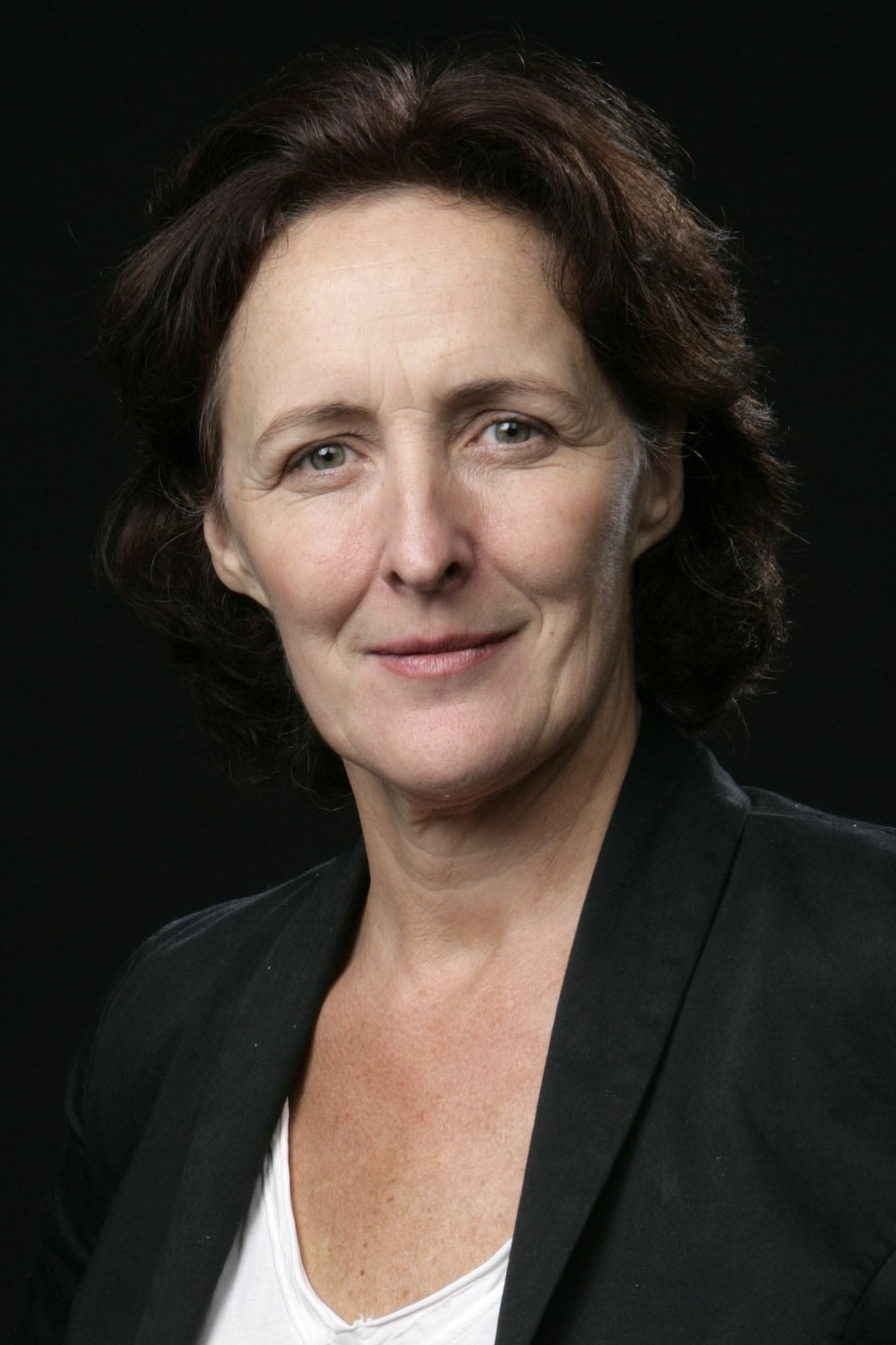
Fiona Shaw’s character, Carolyn Martens, in ‘Killing Eve’ became known for her stylish look – particularly her trench coats and silk shirts. Shaw herself played a big role in creating this image. She envisioned Carolyn as having a wardrobe that was both practical for spy work and clearly expensive, hinting at a sophisticated and worldly lifestyle. They sourced vintage clothing to suggest a history of travel and covert missions, and the resulting look became central to Carolyn’s mysterious and commanding personality.
Lily Tomlin
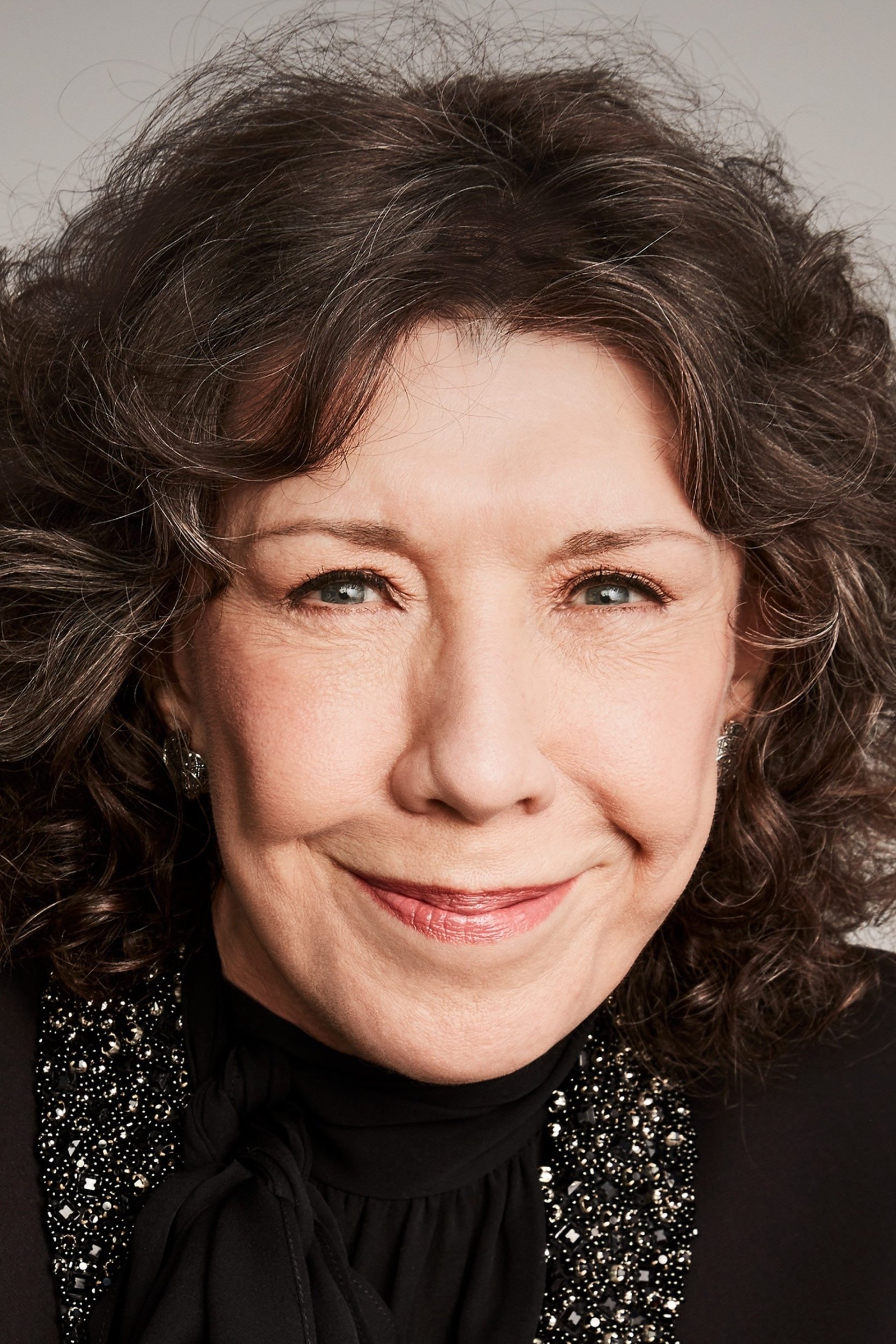
Lily Tomlin’s character, Frankie Bergstein, on ‘Grace and Frankie’ has a unique, artsy style that Tomlin herself helped create. The actor specifically requested layered, flowing clothes to show Frankie’s history as a free spirit and her involvement in the hippie movement. She envisioned a wardrobe built up over years of attending protests and art festivals. This look perfectly contrasted with the more sophisticated and professional style of her co-star.
Cynthia Nixon
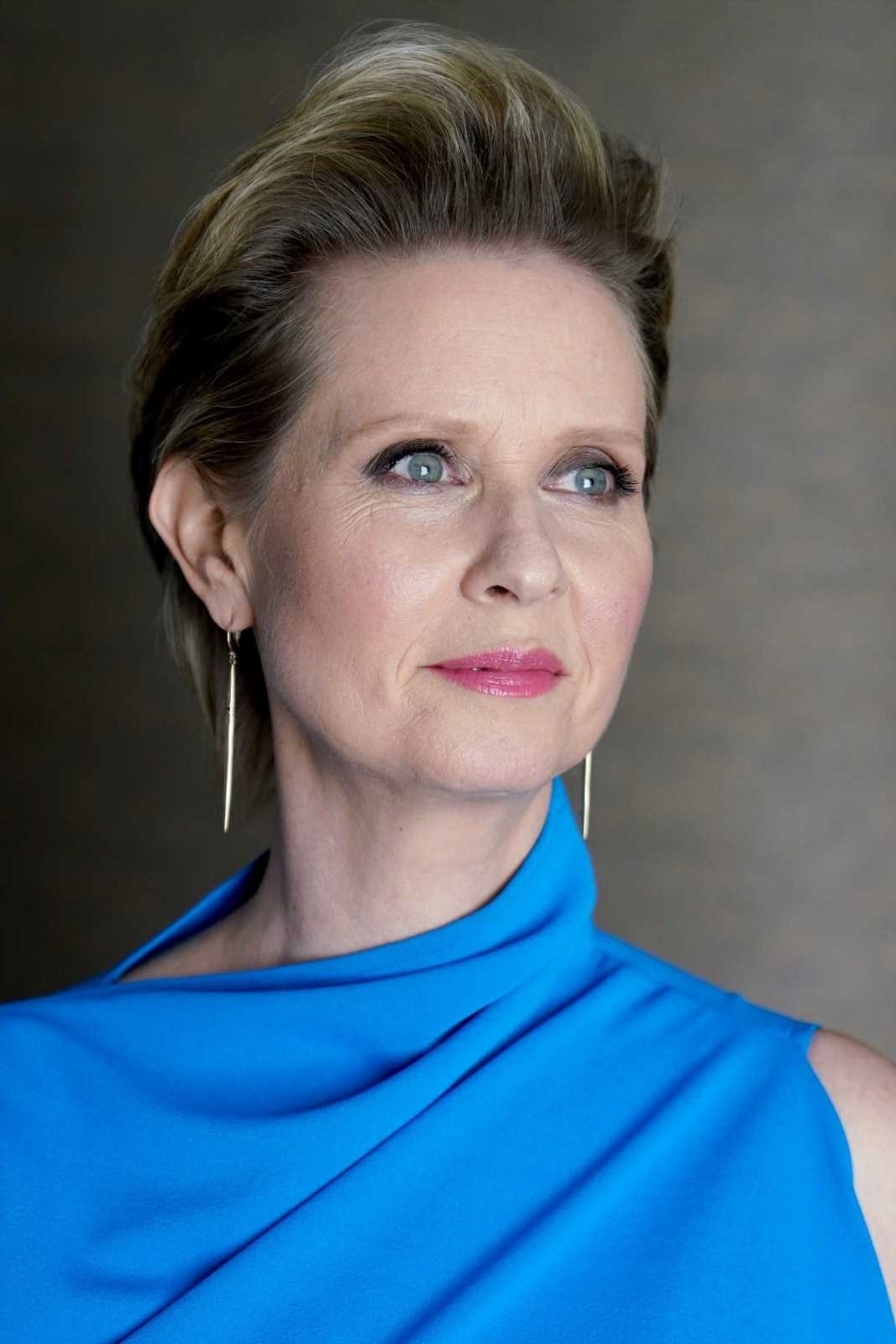
Cynthia Nixon played a key role in updating Miranda Hobbes’s look on ‘And Just Like That…’ as Miranda explored her identity. Working with the costume team, Nixon helped move Miranda’s style away from strict professional suits and toward more relaxed, colorful patterns. This change in clothing was designed to show Miranda becoming more open and embracing a new phase of her life, with the fashion choices reflecting her personal growth.
Devery Jacobs
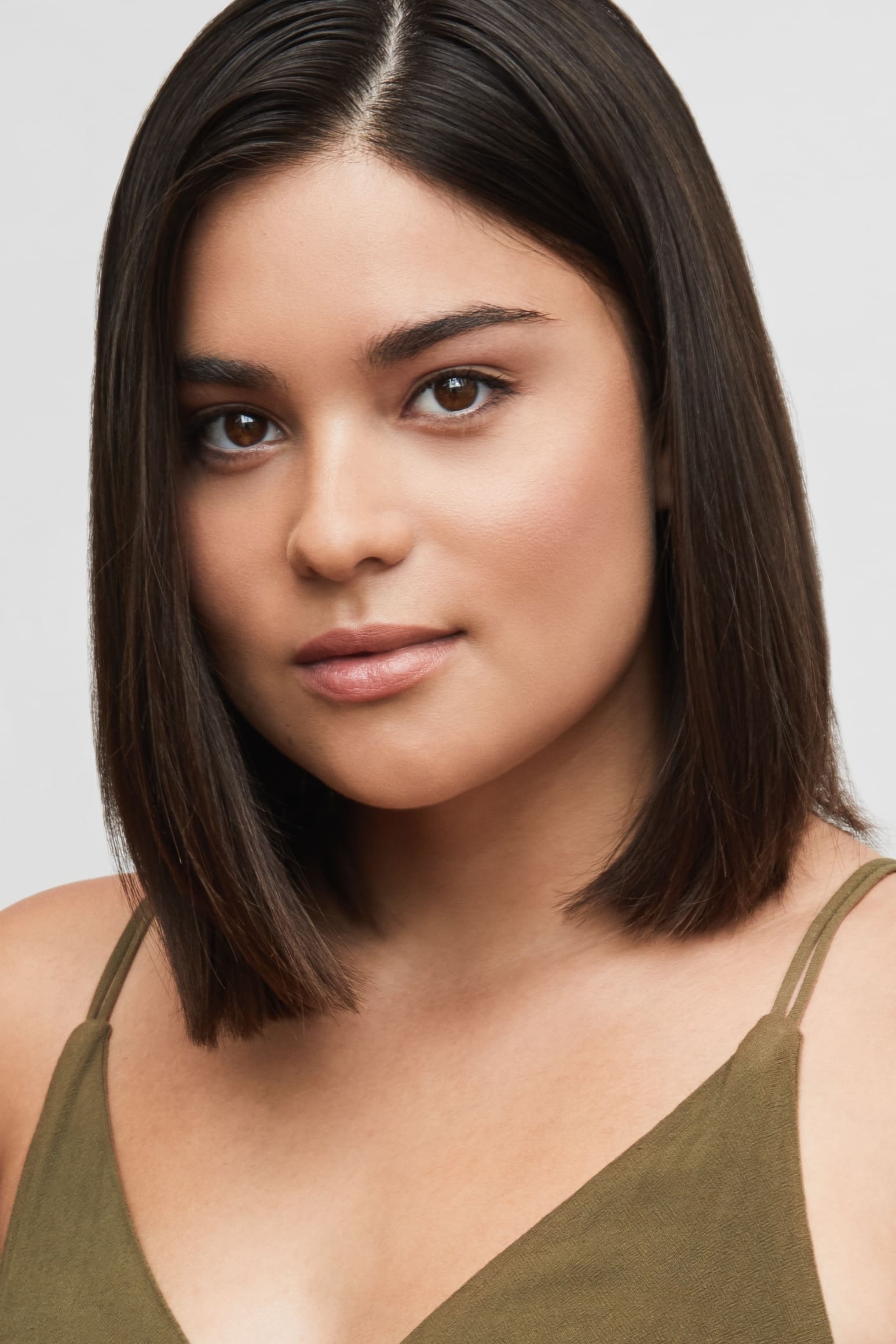
Devery Jacobs infused her experience as a queer Indigenous woman into the character of Elora Danan in ‘Reservation Dogs’. Working with the costume designers, she created a style that blended classic grunge with clothes practical for life on a reservation. Elora’s outfits were designed to look functional and strong, reflecting her role as the group’s protector. The costumes purposefully avoided clichés, instead creating a realistic and modern look for a rural teenager.
Ariana DeBose
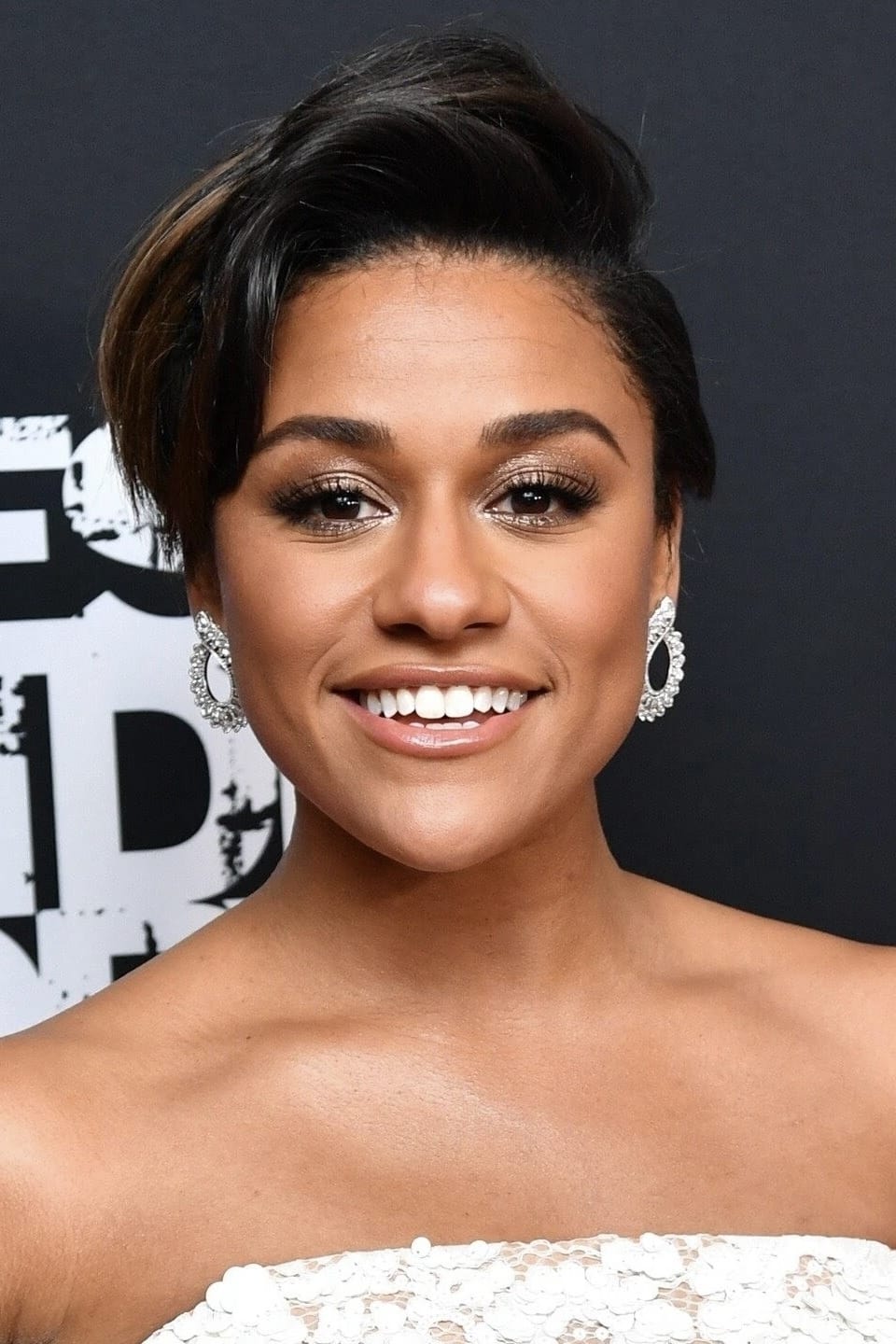
Ariana DeBose carefully planned Alyssa Greene’s outfits in ‘The Prom’ to show the conflict between how Alyssa presented herself to the world and how she truly felt. She worked with the costume designers to create polished, conservative looks that highlighted Alyssa’s desire for freedom. DeBose envisioned the clothing as a sort of uniform Alyssa felt pressured to wear in her small town, making her eventual self-acceptance and more relaxed style even more powerful.
Jane Lynch
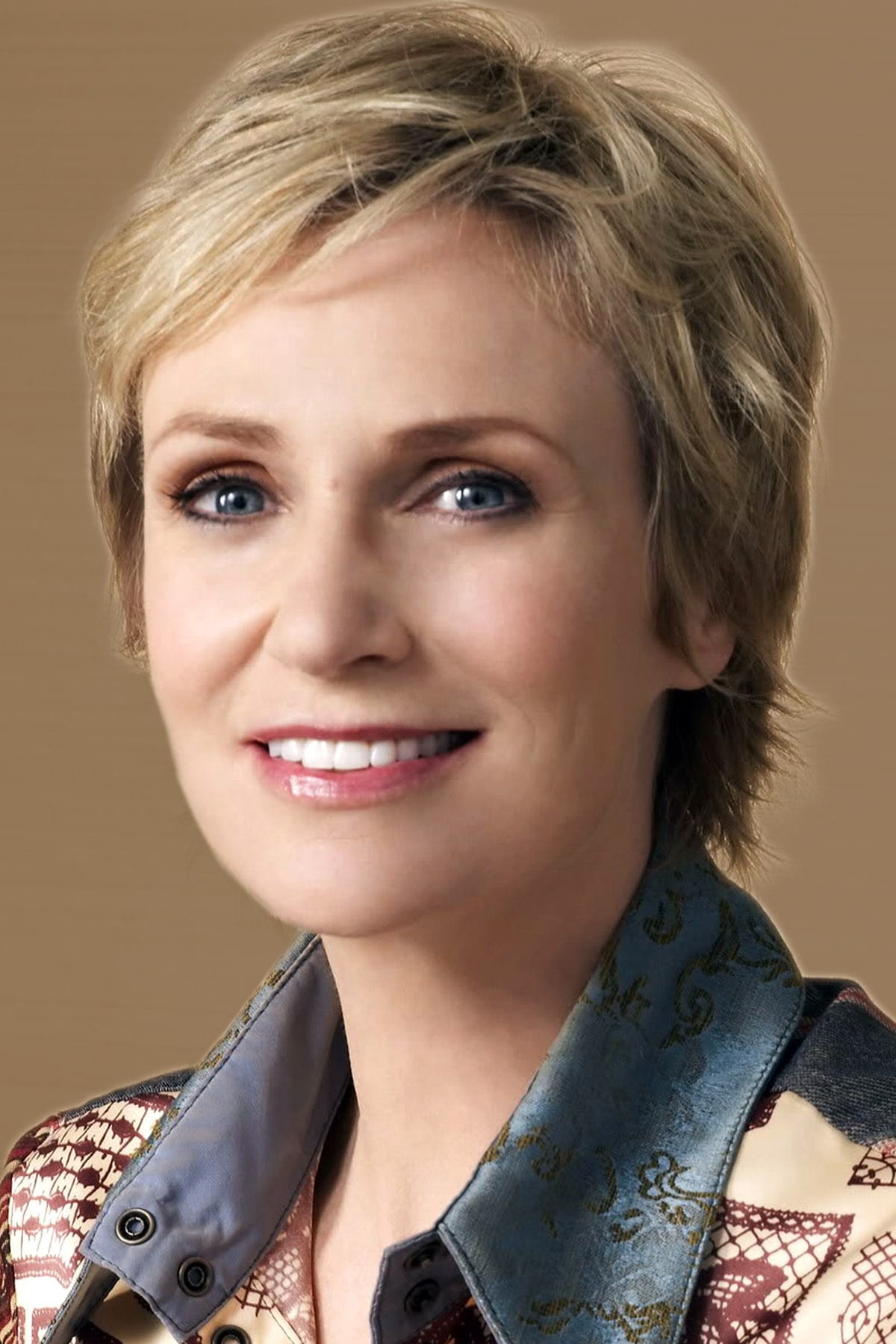
Jane Lynch’s character, Sue Sylvester, on ‘Glee’ is instantly associated with her tracksuit. Lynch loved wearing it and helped make it a defining part of the character. She played up the humor of wearing a tracksuit for everything, even suggesting different colors to reflect Sue’s mood or plans. She envisioned the tracksuit as a symbol of Sue’s intense focus on winning and her unwillingness to follow typical social rules. Thanks to Lynch’s dedication, the tracksuit became one of the most memorable costumes in television history.
Elliot Page
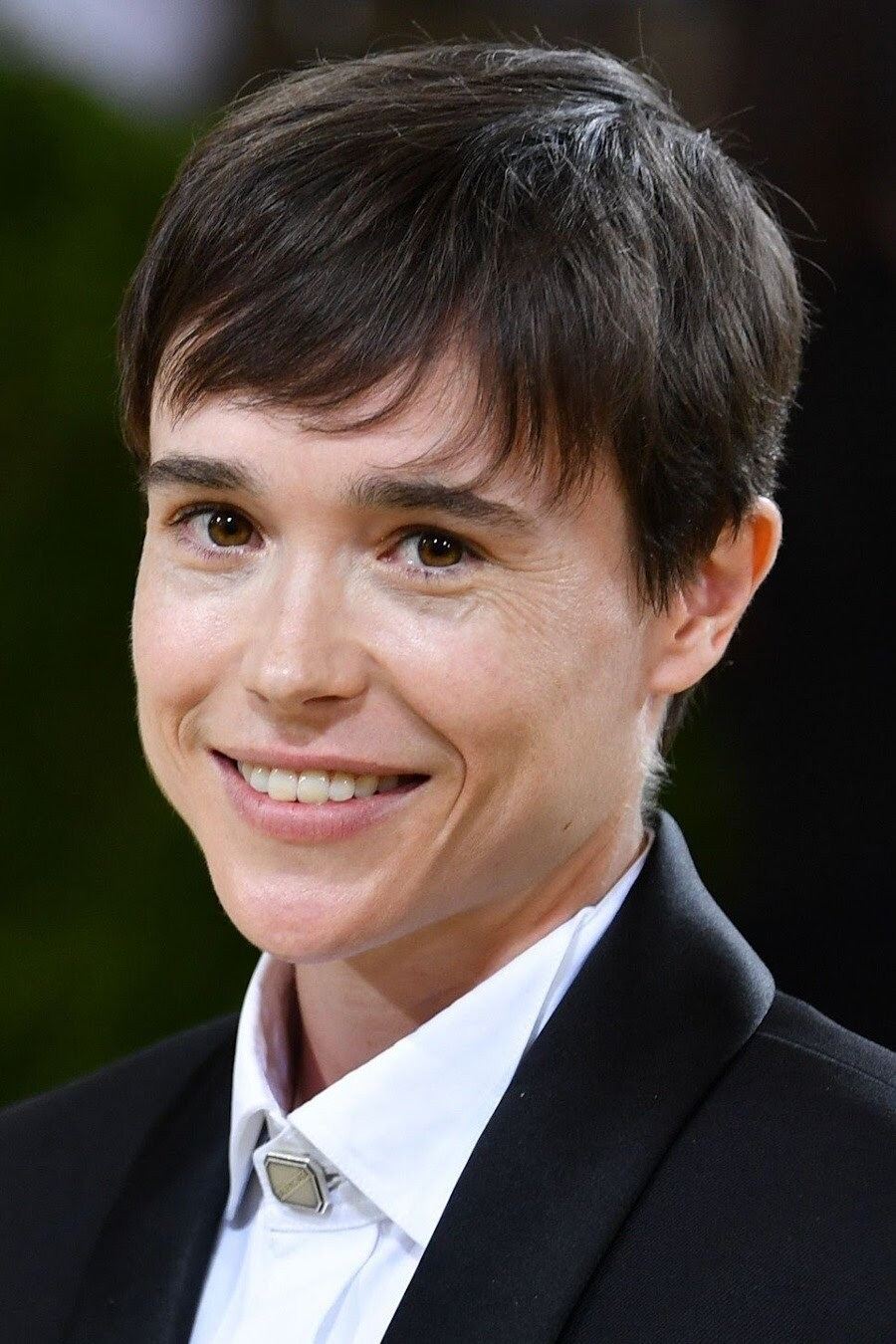
As a fan, I was so moved by how ‘The Umbrella Academy’ handled Elliot Page’s transition with his character, Viktor. It wasn’t just a change on screen, but a really thoughtful process where Elliot worked with the show’s creators and costume designers. Seeing Vanya’s clothes and hair gradually become Viktor’s – more comfortable and relaxed – felt incredibly authentic. It really showed what it’s like for a trans man to find his own style and feel comfortable in his own skin. It wasn’t just about changing his appearance, but showing the relief and joy that comes with finally feeling like yourself.
Janelle Monáe
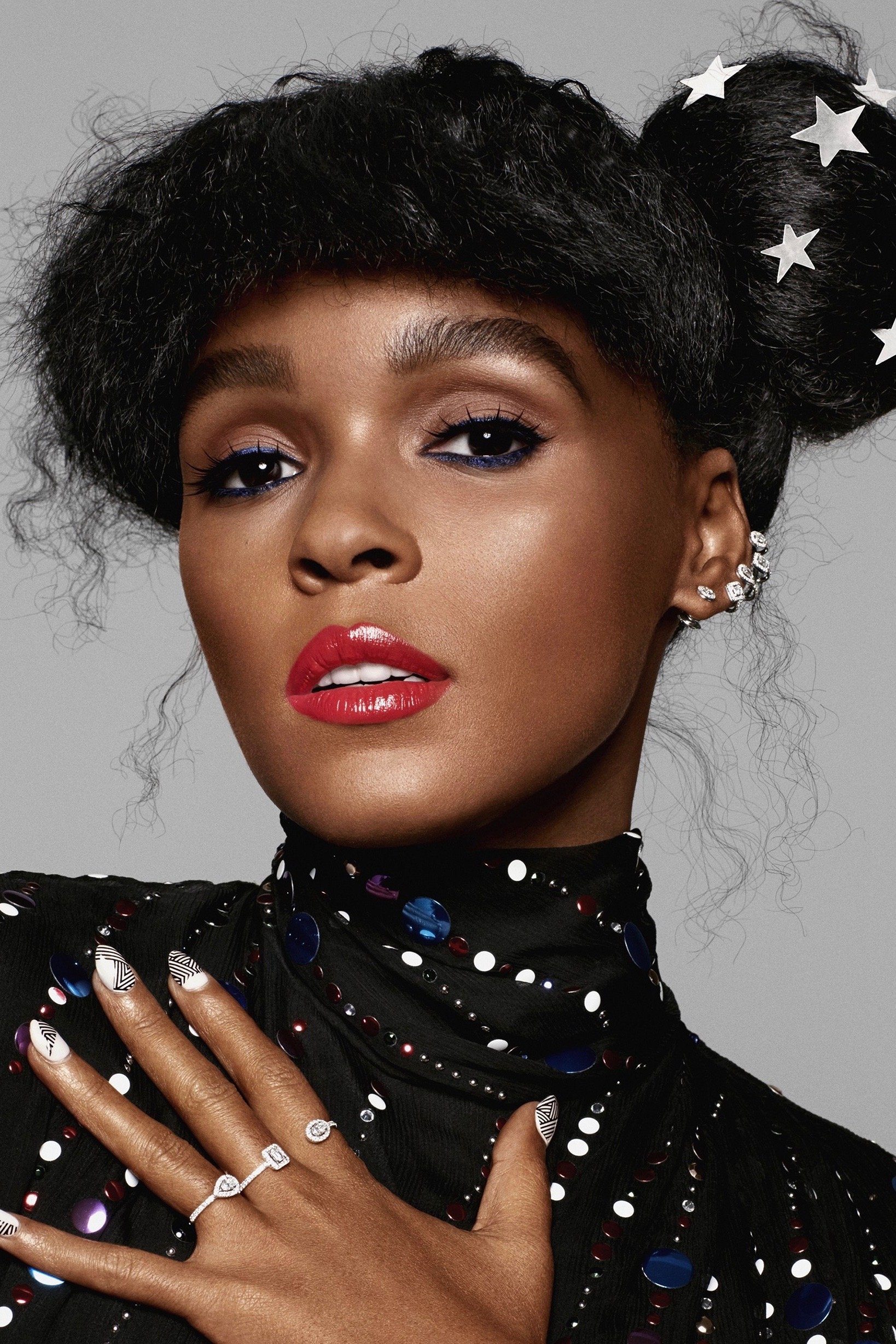
As a film buff, I was really struck by Janelle Monáe’s work in ‘Glass Onion’. She didn’t just play Helen Brand, she really became her, and a huge part of that was the costumes. She collaborated closely with the designer to make Helen and her twin sister visually distinct – Helen’s style felt much more thoughtful and down-to-earth. It was clever how the wardrobe subtly highlighted that Helen didn’t quite fit in with that group of super-rich characters, and honestly, those clothing choices were essential to making the film’s central twist believable. It was a masterclass in using costume to tell a story!
Sara Ramirez
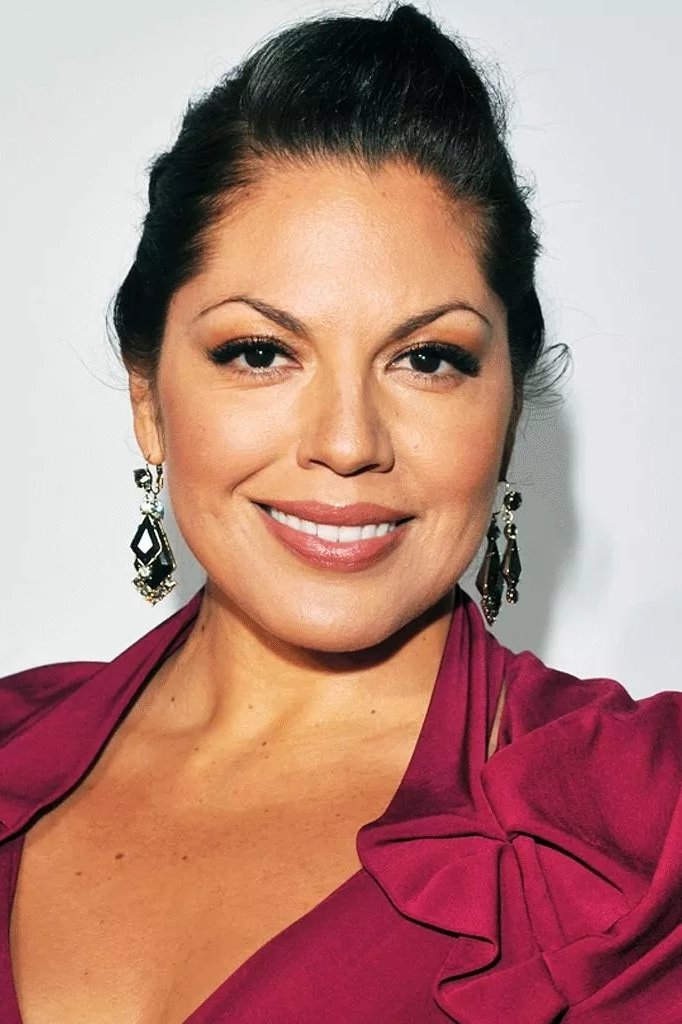
Sara Ramirez played a big role in creating the striking and unconventional look for their character, Che Diaz, in ‘And Just Like That…’. They wanted Che’s style to be confidently non-binary and attention-grabbing, reflecting the character’s profession as a comedian and podcaster. This meant choosing bold pieces like statement hoodies and unique jewelry, intentionally moving away from the classic ‘Sex and the City’ fashion and challenging the show’s usual visual style.
Holland Taylor
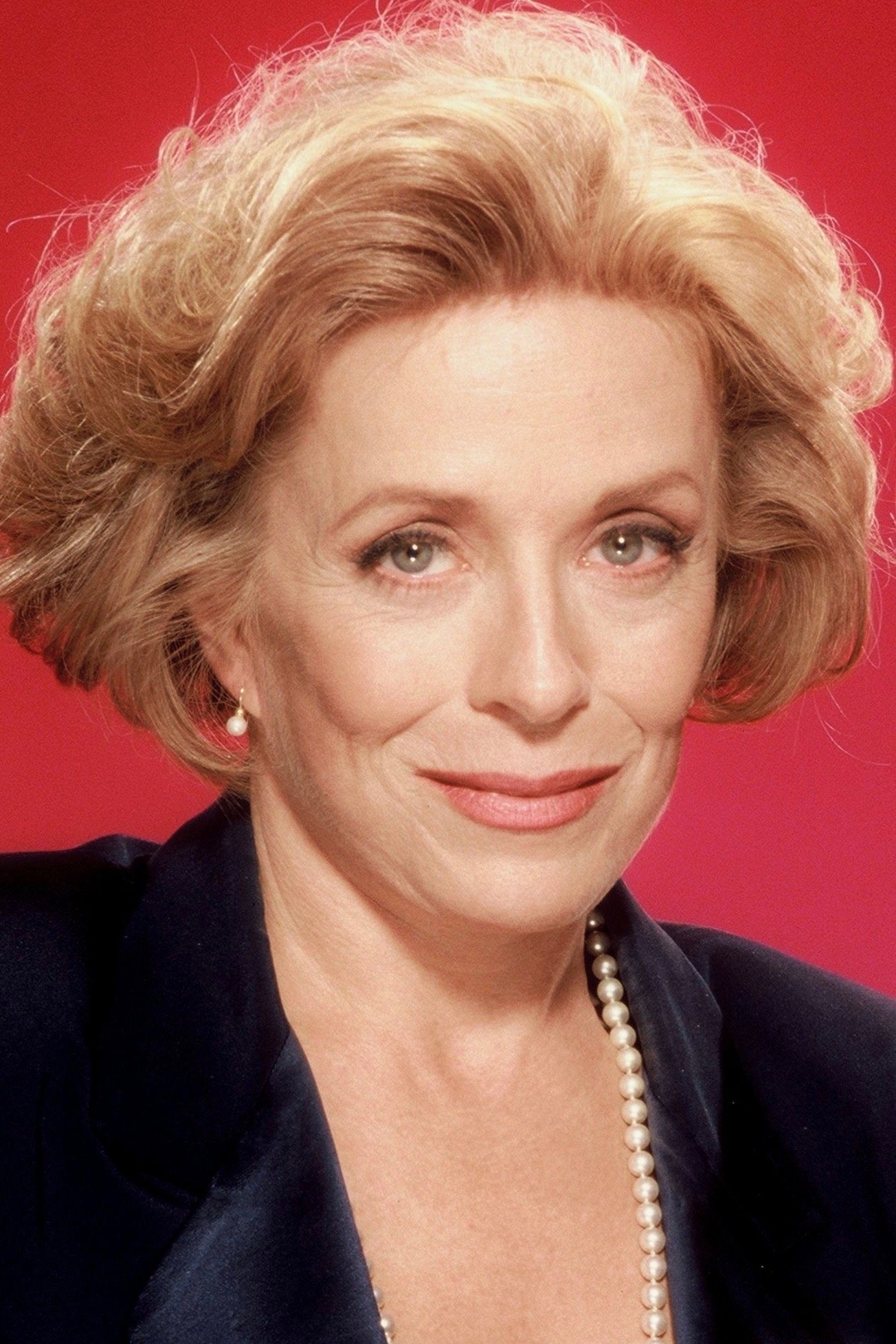
Holland Taylor infused Professor Joan Hambling in ‘The Chair’ with her own sense of style. She carefully chose Joan’s clothes to show she was a confident, older professor who wouldn’t be ignored in a university that valued youth. Taylor used bright colors and eye-catching jewelry to make a statement, reflecting Joan’s strength and determination to be taken seriously by her peers.
Emma Corrin
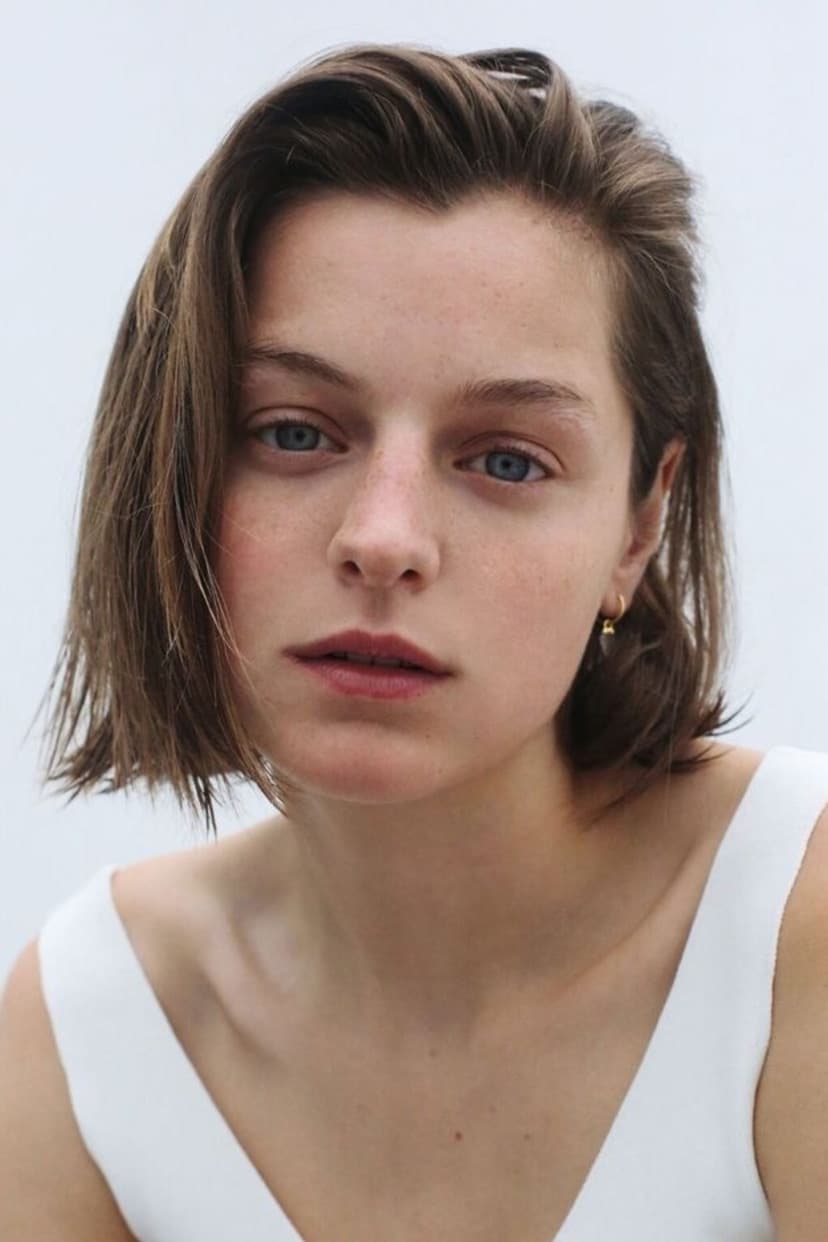
For their role as Darby Hart in ‘A Murder at the End of the World’, Emma Corrin drew on their personal sense of style, embracing a non-binary approach to fashion. They worked with the costume designers to create a believable look for a Gen Z hacker – someone who values practicality over appearance. The character’s wardrobe included comfortable, oversized hoodies and layered clothing, allowing for easy movement during intense scenes. This realistic style helped portray Darby as a dedicated and capable investigator, rather than a character focused on looks.
Bella Ramsey
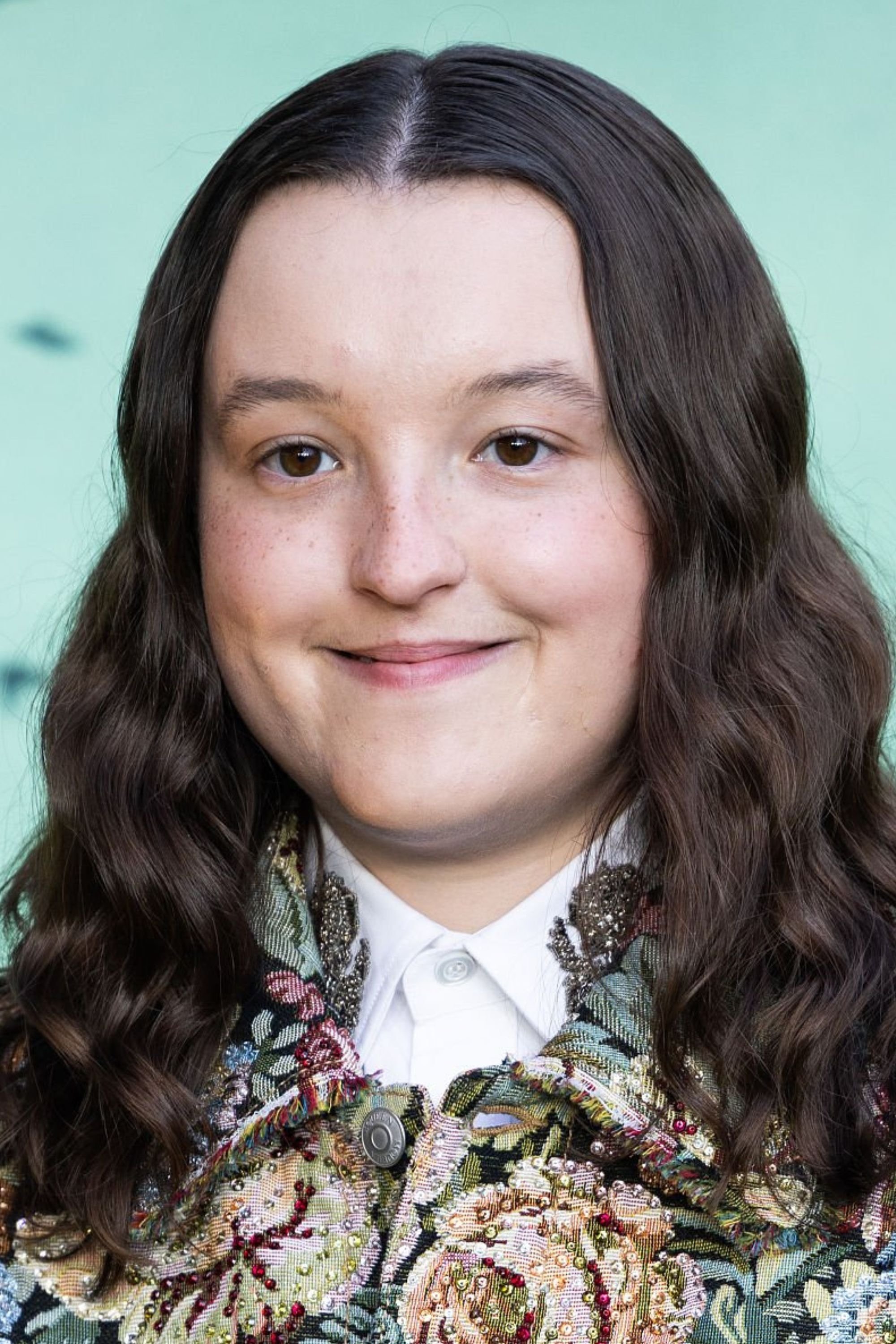
Bella Ramsey worked closely with the costume designers on ‘The Last of Us’ to create outfits for Ellie that were both realistic for a post-apocalyptic world and fitting for her tough, independent personality. Ramsey also emphasized the importance of using a chest binder to represent Ellie’s gender expression. The costumes featured worn-in, layered clothing like distressed denim, making the show’s fantastical elements feel more grounded and believable.
Kiersey Clemons
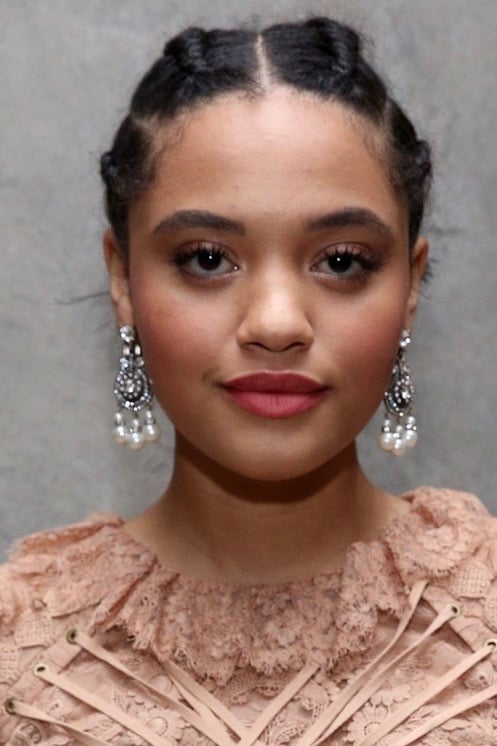
For her role as Sam in ‘Hearts Beat Loud’, Kiersey Clemons helped shape a distinctive, indie-rock inspired look. She envisioned a wardrobe that would suit a young artist in Red Hook, combining thrifted clothes with comfortable, practical pieces for music practice. These choices created an effortlessly cool style that fit the film’s acoustic sound and also highlighted the close relationship between Sam and her musician father.
Sasha Lane

Sasha Lane is known for her unique sense of style, which she brought to her work in films like ‘American Honey’ and the series ‘Loki’. For ‘American Honey’, her character’s clothes were intentionally sourced from shared and found items, reflecting the film’s road trip vibe. Lane’s personal preference for dreadlocks and streetwear heavily shaped the character’s look, making her feel authentic to the subculture portrayed.
Share your favorite style moment from these actors in the comments.
Read More
- Invincible Season 4 Gender Swaps Tech Jacket As Fans Question Major Comic Change
- Gold Rate Forecast
- Silver Rate Forecast
- Building Agents That Learn and Improve Themselves
- 15 Films That Were Shot Entirely on Phones
- 20 Movies Where the Black Villain Was Secretly the Most Popular Character
- 22 Films Where the White Protagonist Is Canonically the Sidekick to a Black Lead
- Games That Faced Bans in Countries Over Political Themes
- Celebs Who Narrowly Escaped The 9/11 Attacks
- 20 Films Where Black Directors Subverted Hollywood’s White Savior Tropes
2025-12-16 02:18