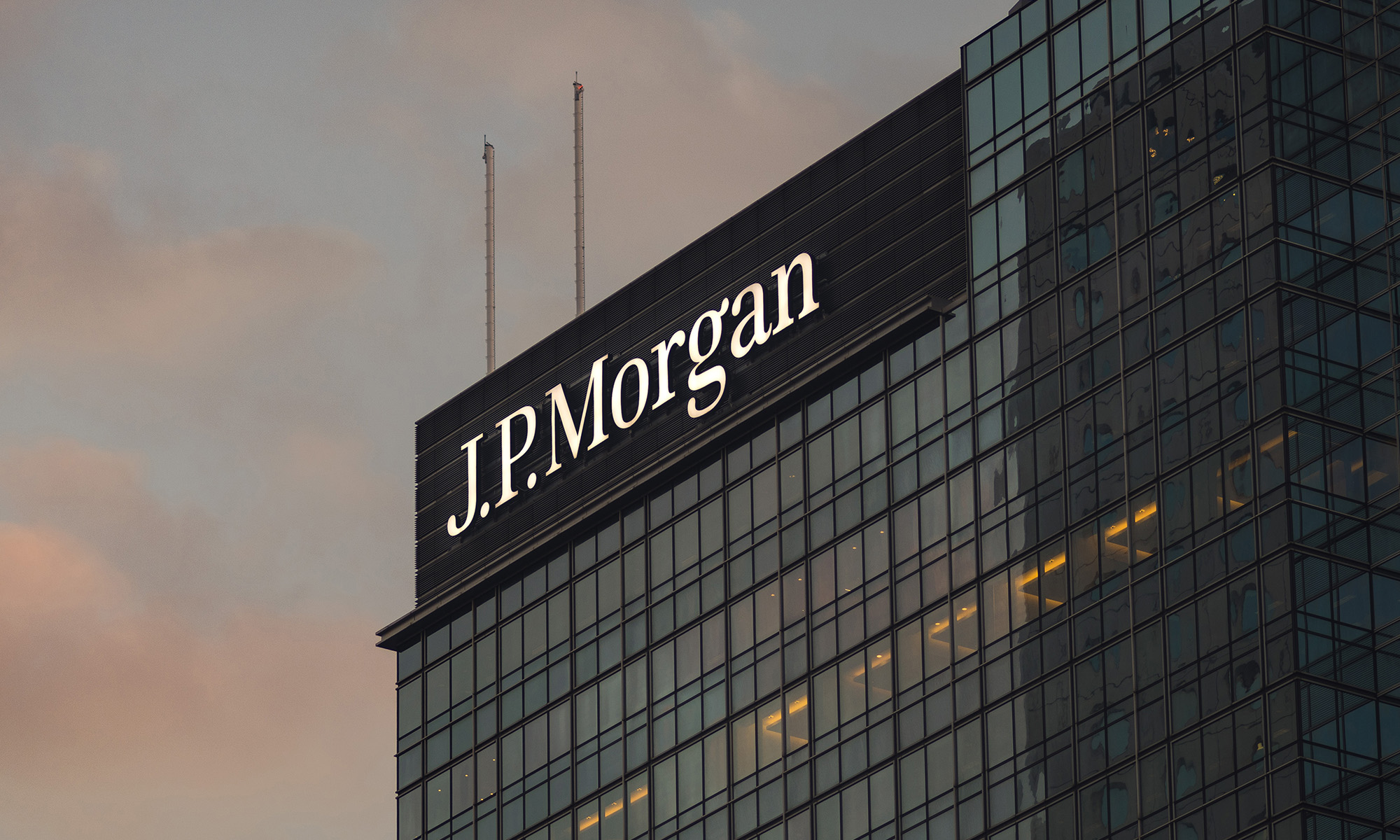
So, the regulators are loosening the purse strings for the big banks. It’s like they’ve decided that maybe, just maybe, stressing banks into oblivion wasn’t the optimal strategy. JPMorgan Chase, naturally, stands to benefit. We’re talking potentially tens of billions freed up. Which, let’s be honest, they’ll probably use to buy back stock and give the CEO another yacht. But hey, at least it’s something. The question isn’t if this is good for JPMorgan, it’s how much better can good get?
Where Good Intentions Go to Die (and Regulations Fail)
Remember post-2008? Everyone panicked and decided banks needed so much capital they’d resemble Fort Knox. It worked, sort of. We didn’t have another Lehman Brothers moment. Though, if you swap out complex derivatives for…well, TikTok videos and interest rate hikes, the 2023 regional bank mini-crisis felt suspiciously familiar. Silicon Valley Bank proved that even a lot of capital can’t save you from being a bad risk manager. It’s like giving a toddler a fire extinguisher – good idea in theory, disastrous in practice.
And all these rules? They’re constantly changing. It’s like trying to assemble IKEA furniture with instructions written in hieroglyphics. One minute you’re bracing for a 20% capital hike (thanks, Michael Barr!), the next it’s going down. It’s exhausting, even for the banks, and they have entire departments dedicated to deciphering regulatory gibberish. The constant shifts make long-term planning…a suggestion, rather than a strategy.
The CET1 Ratio: A Numbers Game (That Actually Matters)
Okay, let’s talk shop. The Common Equity Tier 1 (CET1) ratio. It’s basically a bank’s core capital, expressed as a percentage of its risk-weighted assets. Think of it like your personal savings account versus your credit card debt. The higher the ratio, the safer the bank. The Fed stress tests are supposed to simulate a financial apocalypse, just to make sure everything holds up. It’s a bit like prepping for the zombie apocalypse – probably won’t happen, but good to be prepared. JPMorgan’s currently at 11.5%, which is…robust. Like a linebacker in a tutu.
The big banks also get hit with a G-SIB surcharge because, well, they’re “too big to fail.” It’s like a penalty for being successful. JPMorgan’s at 4.5%. But under the new proposal, that surcharge is getting trimmed. It’s a small win, but in the world of bank regulation, a win is a win.
So, Should You Buy? (And What Will JPMorgan Do With All This Money?)
JPMorgan ended 2023 with a CET1 ratio of 14.5%. That’s…a lot of capital. Like, enough to buy a small country. A 4.8% decline in requirements would free up about $14 billion. But I suspect the actual number will be significantly higher. Why? Because JPMorgan is the master of over-capitalization. They like to have a buffer, just in case the world ends. Which, let’s be honest, feels increasingly plausible.
I don’t think they’ll maintain that massive buffer forever. Once they have a clearer picture of the final rules, they’ll likely operate with a smaller cushion. That means more capital available for lending, buybacks, dividends…or, you know, funding Jamie Dimon’s next ambitious project. (I’m picturing a space bank. It’s inevitable.)
Trading at nearly 270% of its tangible book value, the stock isn’t cheap. But this capital relief is a game-changer. It’s like finding a twenty in your old coat pocket. Not enough to retire on, but enough to feel a little bit better about things. I still view JPMorgan as a solid long-term buy-and-hold. They’re the cockroach of the banking world – they just keep surviving.
And don’t overlook the smaller banks. They’re expected to get even more capital relief, which could lead to consolidation. It’s like a banking Hunger Games. May the best bank win. Or, you know, get acquired.
Read More
- 20 Movies Where the Black Villain Was Secretly the Most Popular Character
- Top 20 Dinosaur Movies, Ranked
- 25 “Woke” Films That Used Black Trauma to Humanize White Leads
- Silver Rate Forecast
- Gold Rate Forecast
- 22 Films Where the White Protagonist Is Canonically the Sidekick to a Black Lead
- Can AI Lie with a Picture? Detecting Deception in Multimodal Models
- Top 10 Coolest Things About Invincible (Mark Grayson)
- When AI Teams Cheat: Lessons from Human Collusion
- From Bids to Best Policies: Smarter Auto-Bidding with Generative AI
2026-03-24 21:03