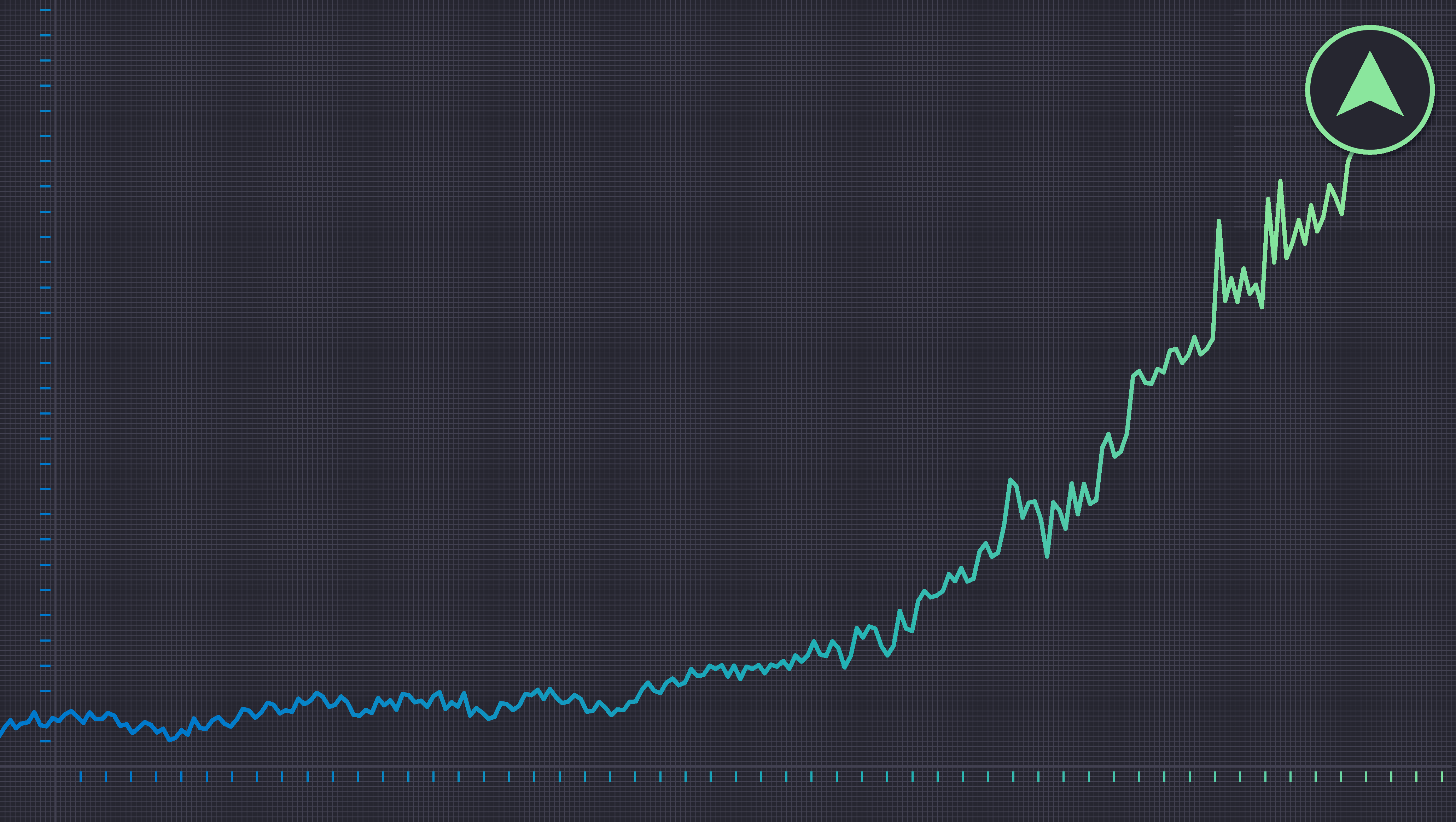
The recent diminution of Interactive Brokers’ share price – a 6% retraction this week – feels less like a correction and more like a bureaucratic notice. A minor adjustment to an account balance, perhaps, or the acknowledgment of a form filed improperly, yet somehow irrevocably, months ago. The long-term investor, comfortably situated as they are atop a pile of accrued gains – over 200% in three years, a figure that feels both substantial and entirely meaningless – will scarcely notice. The rest of us, however, are left to ponder the precise mechanism by which such fluctuations occur, and whether this constitutes an opportunity, or merely the prelude to a more significant, and ultimately unavoidable, reckoning.
At a market capitalization of $113 billion, and a price-to-earnings ratio of 30, expectations hang heavy, like a perpetually overcast sky. The firm is, ostensibly, a facilitator of transactions, a conduit for capital. But one suspects a deeper purpose, a relentless accumulation of accounts, a sort of digital hoarding that defies logical explanation. Is this growth, or merely a symptom of a larger, unseen process, a bureaucratic imperative to expand, to consume, regardless of actual need?
The Perpetual Influx
Primary disclosures, when one can locate them amidst the endless stream of regulatory filings, reveal a disconcerting trend: an exponential increase in client accounts. 4.646 million, as of February – a number that feels less like a measure of success and more like a census of souls trapped within a digital panopticon. A 31% year-over-year increase, building upon the record-breaking 2025, when over a million new accounts materialized, as if summoned by some unseen authority. The sheer volume is unsettling. Where do these accounts come from? What do their owners seek? And, more importantly, what will become of them?
Client equity, the lifeblood of any brokerage, has jumped 40% year-over-year to $820 billion. This acceleration, from 37% at the end of 2025, feels less like progress and more like a runaway train, gathering momentum with each passing moment. The accumulation of funds is not, of course, an end in itself. It is merely a means to an end, a fuel for the company’s highly automated brokerage, which in turn generates more revenue, which then attracts more accounts. A self-perpetuating cycle, devoid of meaning, yet relentlessly efficient.
The Automated Void
Interactive Brokers’ defining trait is its ruthless, technology-first operating model, an emphasis on low costs achieved through the systematic elimination of human intervention. This, ostensibly, is a source of competitive advantage. But one cannot help but wonder what is lost in the process. The company’s pre-tax profit margin of 79%, up from 75% the previous year, feels less like a triumph of efficiency and more like a chilling testament to the power of automation. Almost every new dollar of revenue flows directly to the bottom line, leaving no room for error, no margin for compassion.
Non-GAAP earnings per share reached $0.65 in the fourth quarter of 2025, a 27% year-over-year increase. This performance, according to managing director Nancy Stuebe, is the “direct result of our focus on empowering clients through low trade and margin pricing.” But empowerment feels like a misnomer. The clients are not empowered; they are merely processed, their transactions executed with cold, impersonal efficiency. The Daily Average Revenue Trades (DARTs) climbed 21% year-over-year to 4.366 million, but even this growth has slowed, suggesting that the relentless expansion may be reaching its limits. Or perhaps, simply shifting to a new, less visible phase.
A Temporary Respite?
The current valuation, at 30 times earnings, is, undeniably, high. One would not expect it to be otherwise, given the underlying business momentum. But a high valuation also implies a high degree of risk. If customer account growth decelerates, or if an unexpected shift in interest rates compresses net interest income, the stock’s premium multiple will likely contract. The market, of course, is unpredictable. And given the stock’s ties to the broader financial system, volatility is inevitable.
For investors willing to embrace the risks, and look past the near-term noise, this week’s 6% pullback may present a genuine opportunity to start a small position in the stock. Or perhaps, merely a temporary respite before the inevitable decline. The company possesses a structural cost advantage that competitors cannot easily replicate, and it is aggressively turning that advantage into greater market share. But one cannot help but wonder what price will ultimately be paid for such relentless expansion. The accumulation of assets continues, an endless, self-perpetuating cycle, devoid of meaning, yet relentlessly efficient. And we, the investors, are left to observe, to analyze, and to wait for the inevitable conclusion.
Read More
- Top 20 Dinosaur Movies, Ranked
- 20 Movies Where the Black Villain Was Secretly the Most Popular Character
- Celebs Who Narrowly Escaped The 9/11 Attacks
- 25 “Woke” Films That Used Black Trauma to Humanize White Leads
- Gold Rate Forecast
- Spotting the Loops in Autonomous Systems
- Silver Rate Forecast
- The 10 Most Underrated Jim Carrey Movies, Ranked (From Least to Most Underrated)
- The Best Directors of 2025
- 22 Films Where the White Protagonist Is Canonically the Sidekick to a Black Lead
2026-03-08 07:02