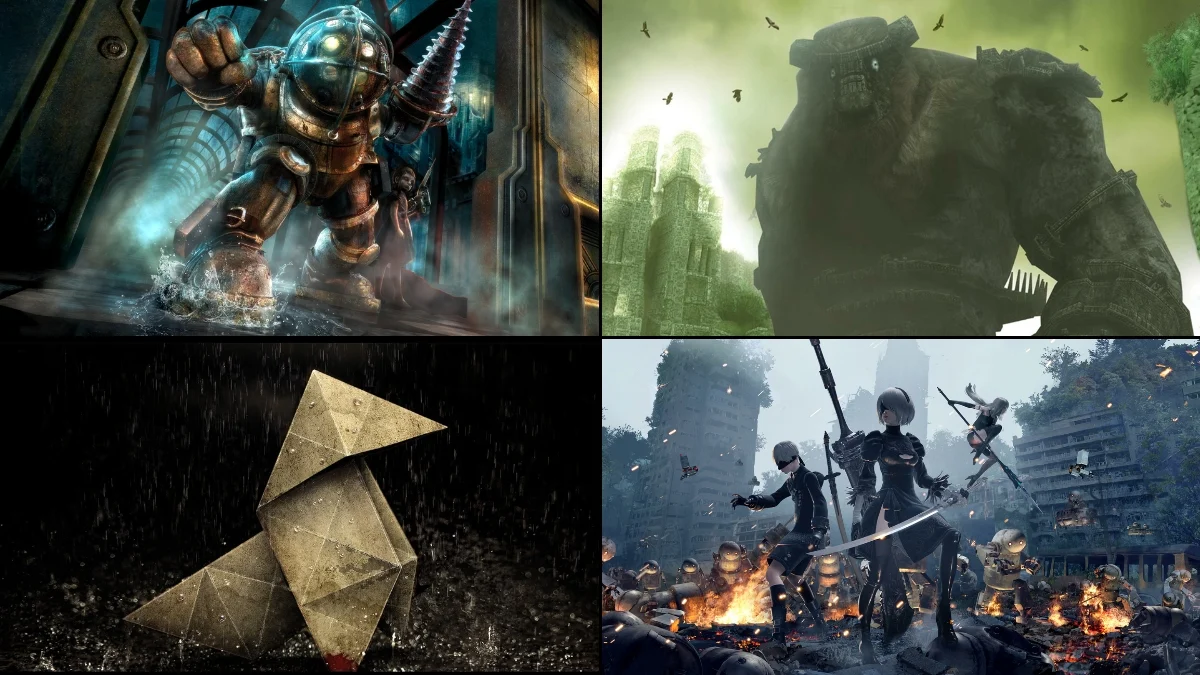
Video games are no longer just simple fun; they’ve become intricate stories that can be as compelling as books or movies. A key technique storytellers use is the plot twist – a surprising reveal that changes how players see everything that’s happened. These twists can completely change why characters do things, make past events look different, or even turn the player’s understanding of the game world upside down. Some games are still being discussed years later because of their shocking endings and the big questions they raise.
‘BioShock’ (2007)
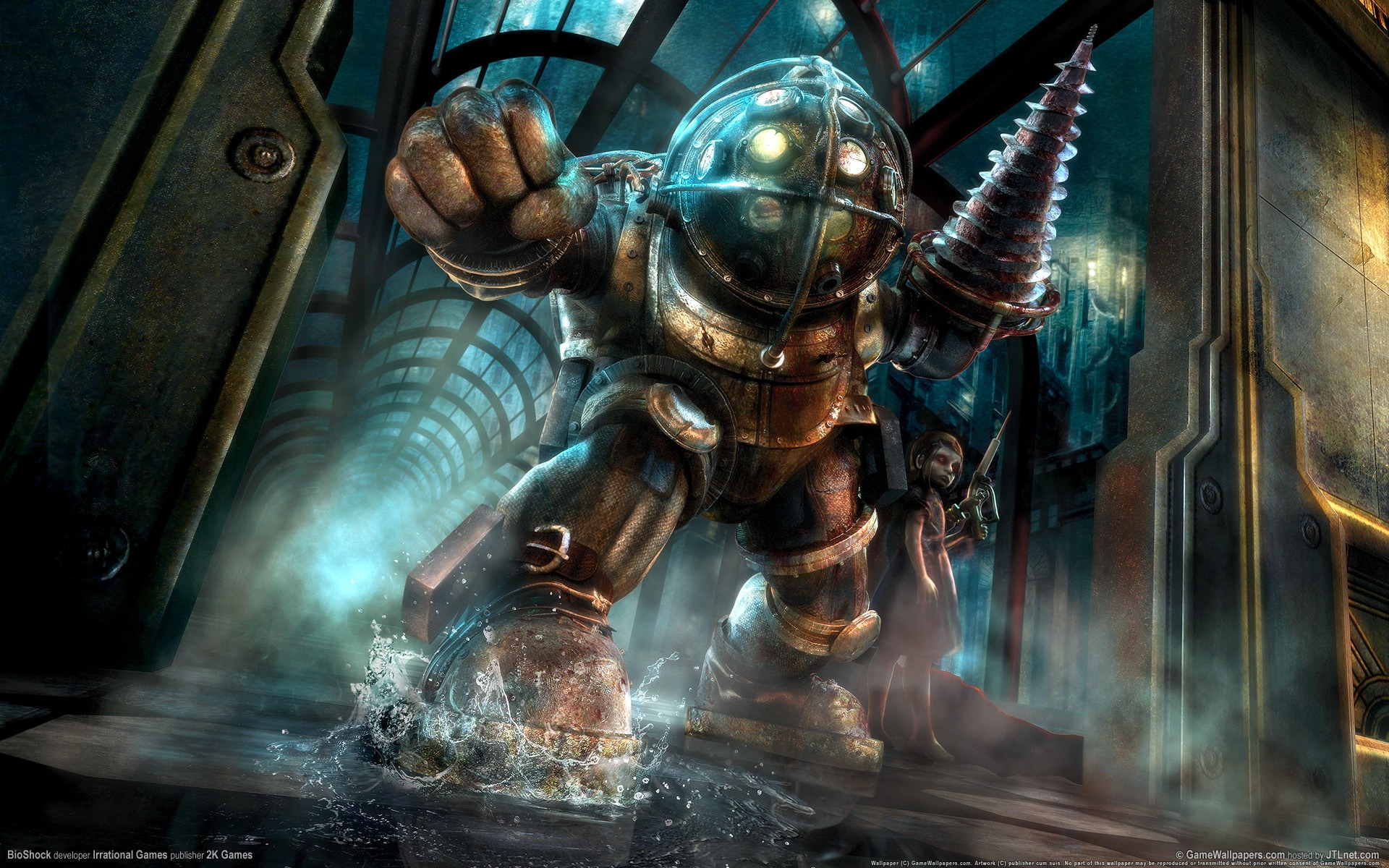
‘BioShock’, created by Irrational Games and published by 2K, is set in the crumbling underwater city of Rapture. Players control Jack, who receives guidance from a character named Atlas, who frequently uses the phrase “would you kindly” to give instructions. A major plot twist reveals that Jack is a programmed operative responding to specific words, which dramatically alters how players experience the story. This twist is often discussed as a key example of how games can explore player agency and the feeling of making meaningful choices.
‘Metal Gear Solid 2: Sons of Liberty’ (2001)
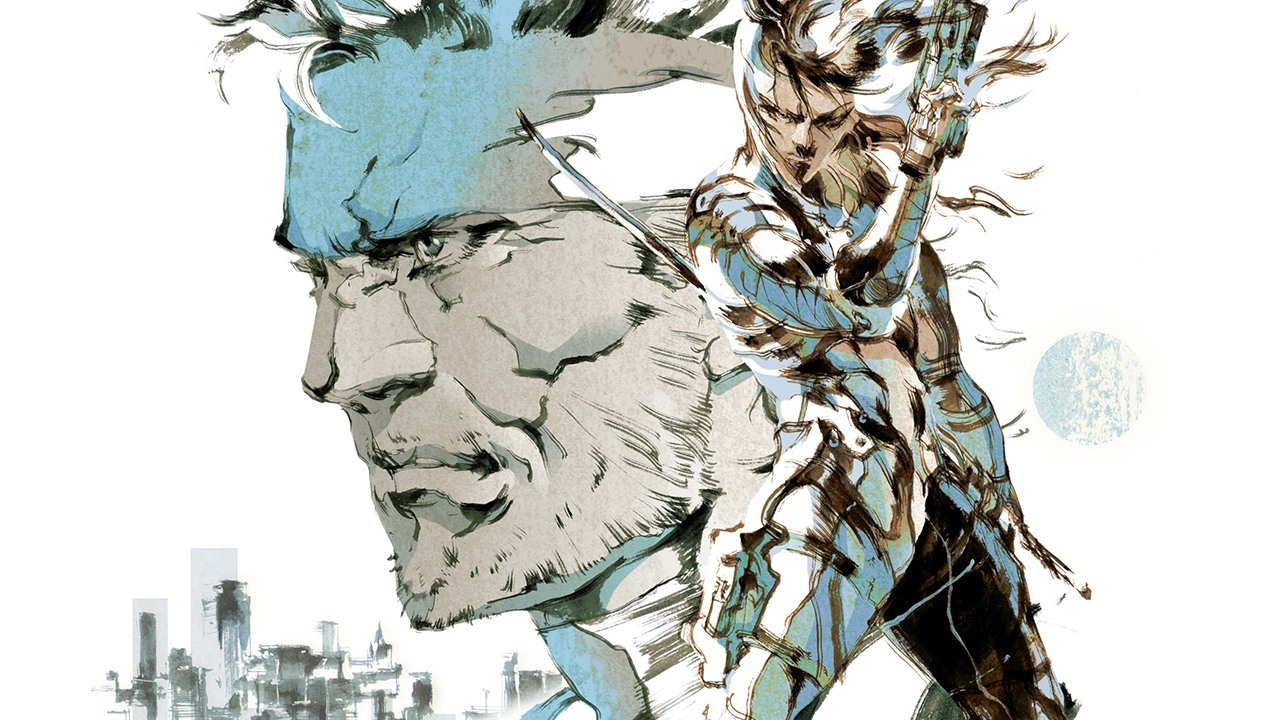
Konami, with Hideo Kojima leading the development, created this game. It’s well-known for replacing the series’ main character, Solid Snake, with a new protagonist, Raiden, for most of the story. The plot then becomes increasingly strange, delving into themes of controlling digital information and how artificial intelligence can manipulate people’s lives. Players and critics continue to discuss the game’s deeper meaning and how it reflects on the experience of playing video games.
‘Silent Hill 2’ (2001)
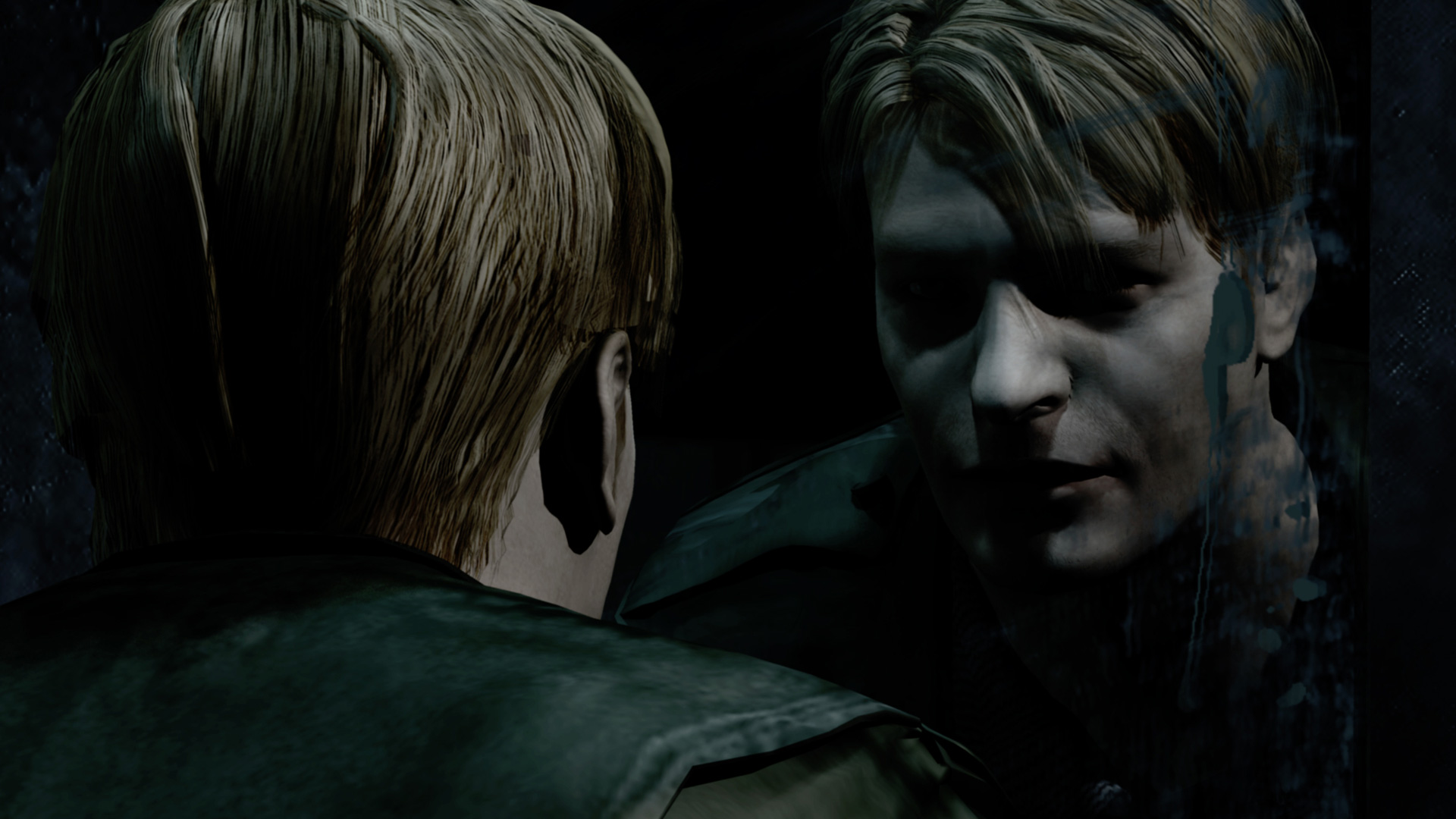
Silent Hill 2, created by Team Silent and published by Konami, is a classic survival horror game where players control James Sunderland as he looks for his late wife. The story takes a surprising turn, revealing James’s journey is actually a reflection of his guilt and hidden emotional pain surrounding her death. The game’s monsters and settings aren’t just scary creatures and places; they represent James’s own troubled mind. This complex storytelling has led to discussions and analysis of the game’s symbolism in academic circles.
‘The Last of Us Part II’ (2020)
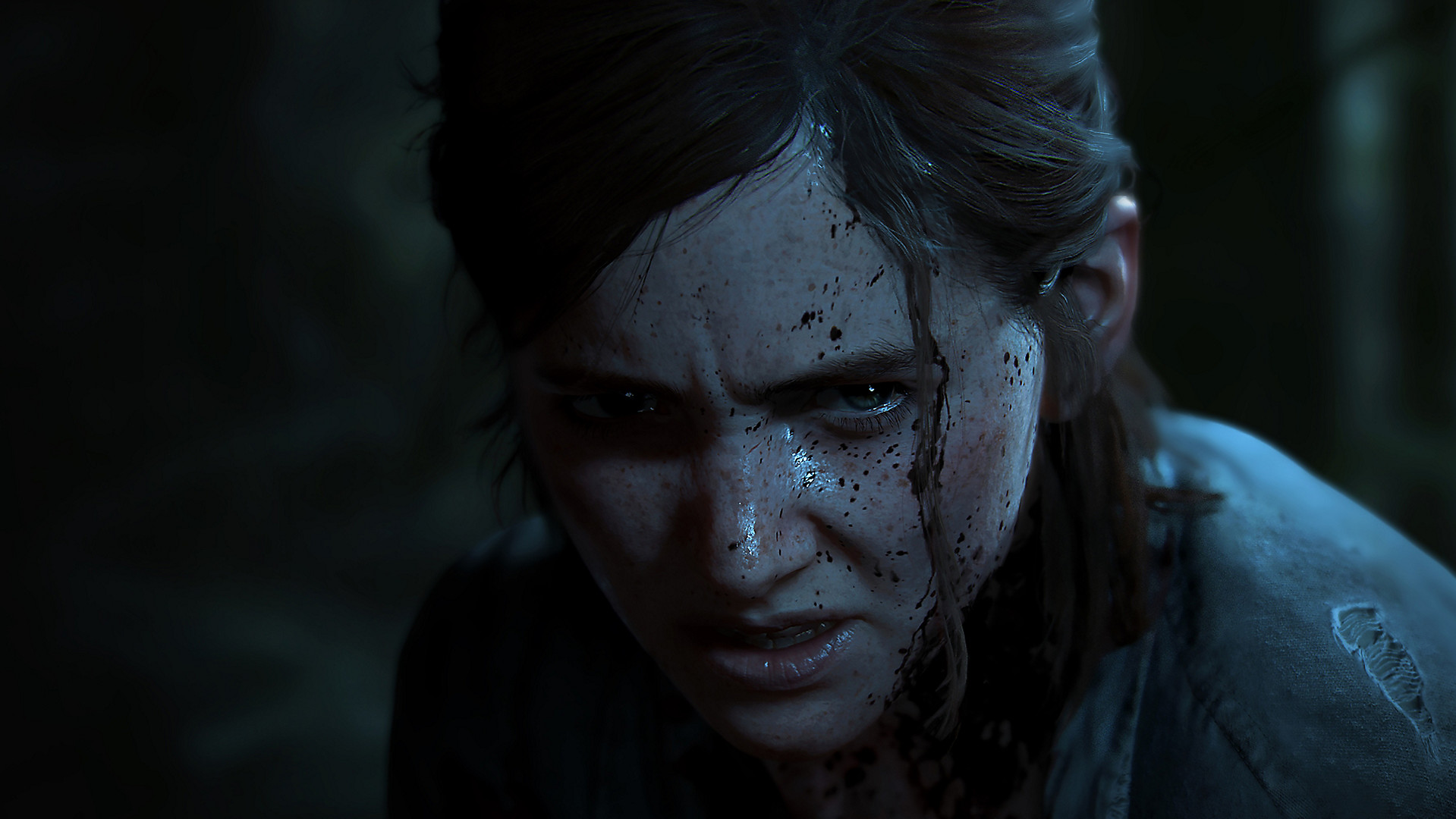
Naughty Dog created this game, and Sony released it worldwide. The story starts with a shocking twist – the previous main character, Joel, is killed. Players then experience a significant portion of the game through the eyes of the person who killed him, Abby. This unusual choice forces players to question their loyalties and the typical idea of heroes and villains. Even now, the game sparks debate among fans about whether this bold storytelling approach was successful.
‘Shadow of the Colossus’ (2005)
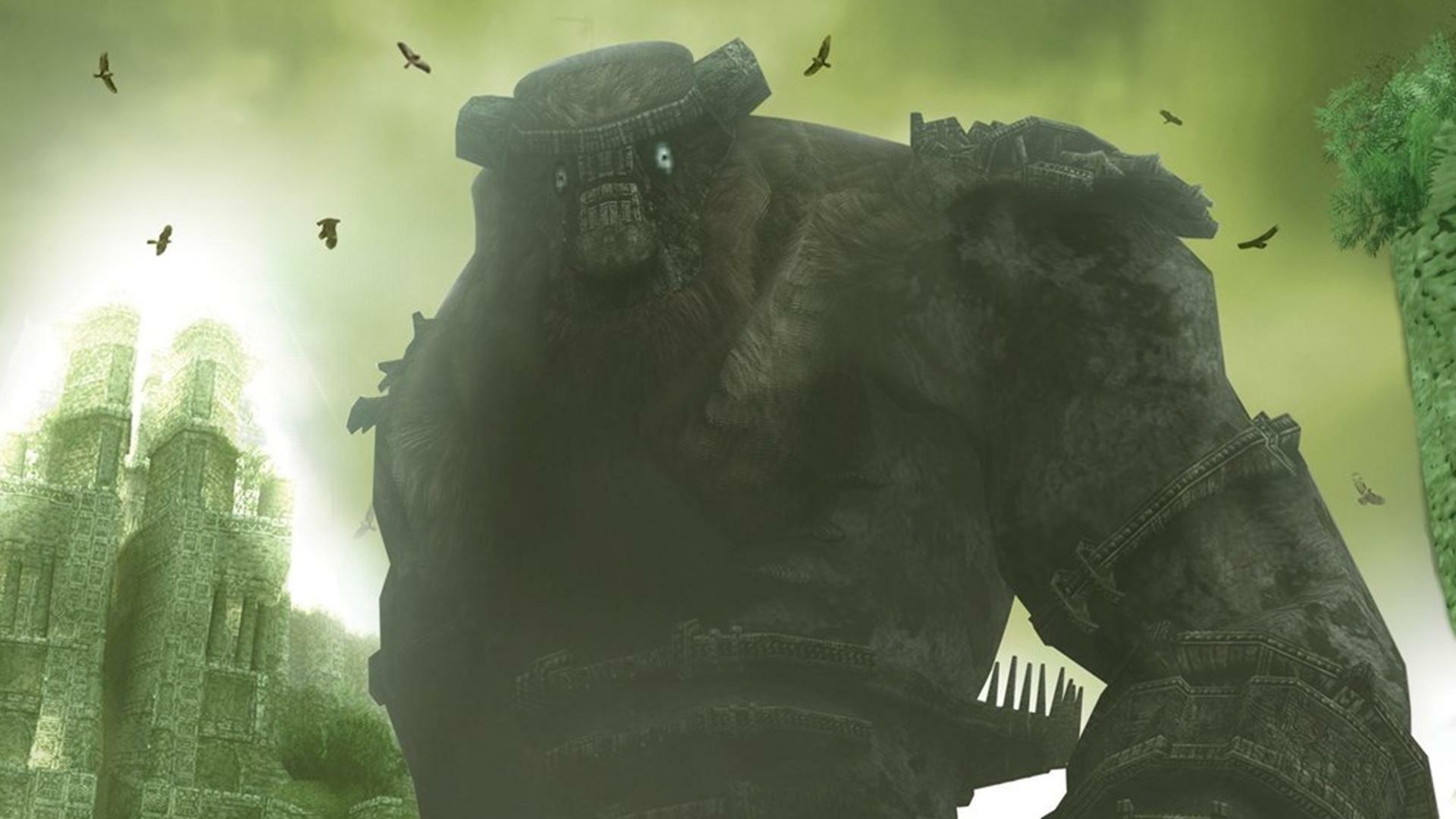
‘Shadow of the Colossus’, created by Team Ico and published by Sony, tells the story of Wander’s quest to defeat sixteen massive creatures, known as colossi, in order to bring a girl named Mono back to life. Throughout his journey, Wander’s body weakens, hinting that his heroic mission comes with a hidden price. The game ultimately reveals a shocking twist: the player isn’t saving the world, but unknowingly unleashing an ancient evil called Dormin. This unexpected turn challenges the typical ‘hero slays monster’ story and sparks debate about morality and the unforeseen results of our actions.
‘Spec Ops: The Line’ (2012)
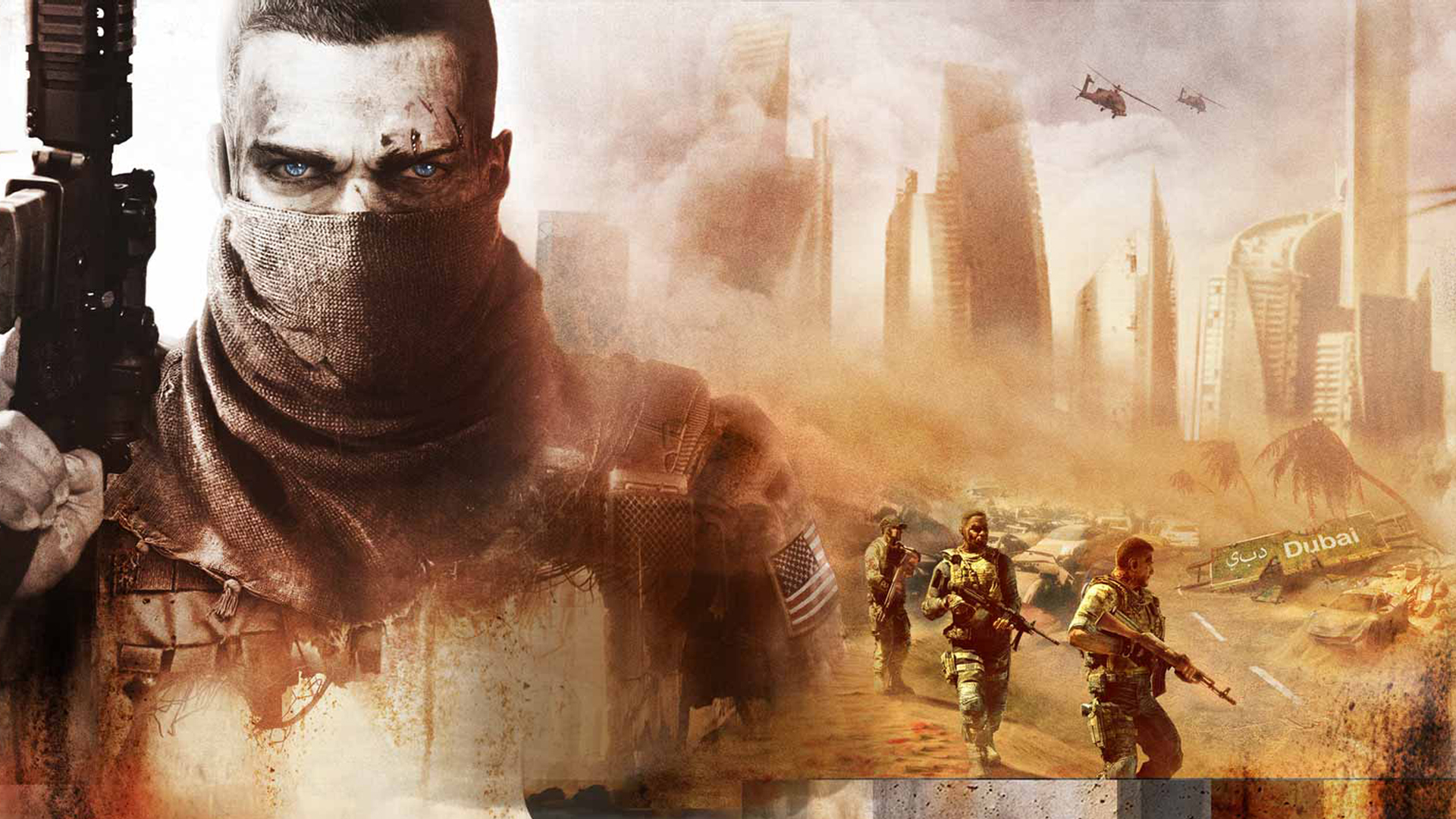
Created by Yager Development and published by 2K, this shooting game takes place in a Dubai ravaged by sandstorms. What starts as a typical military rescue operation quickly becomes a disturbing journey into war crimes and the breakdown of a soldier’s mind. Players take on the role of Captain Walker, who realizes that many of the enemies he’s fighting and the goals of the mission are actually illusions brought on by his own trauma. The game is still well-known for its powerful message about how easily people can become numb to violence in war.
‘Braid’ (2008)
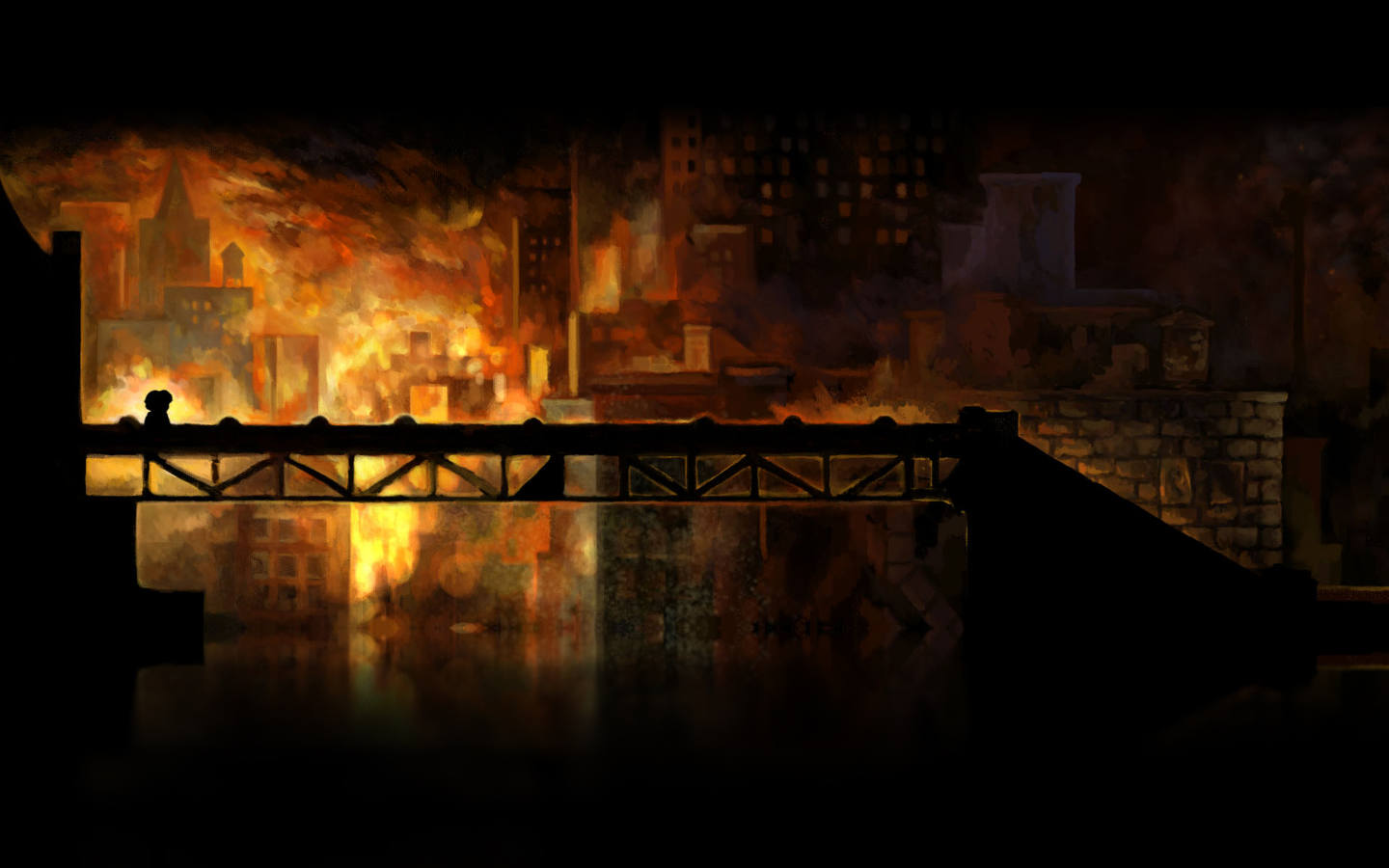
This indie puzzle platformer, created by Number None, follows Tim as he searches for a princess. The game centers around controlling time, but the last level delivers a surprising twist: it turns out Tim isn’t the hero, but the monster the princess is running from. This changes how you see everything that happened before, revealing that each level was actually about Tim chasing the princess, not rescuing her.
‘Star Wars: Knights of the Old Republic’ (2003)
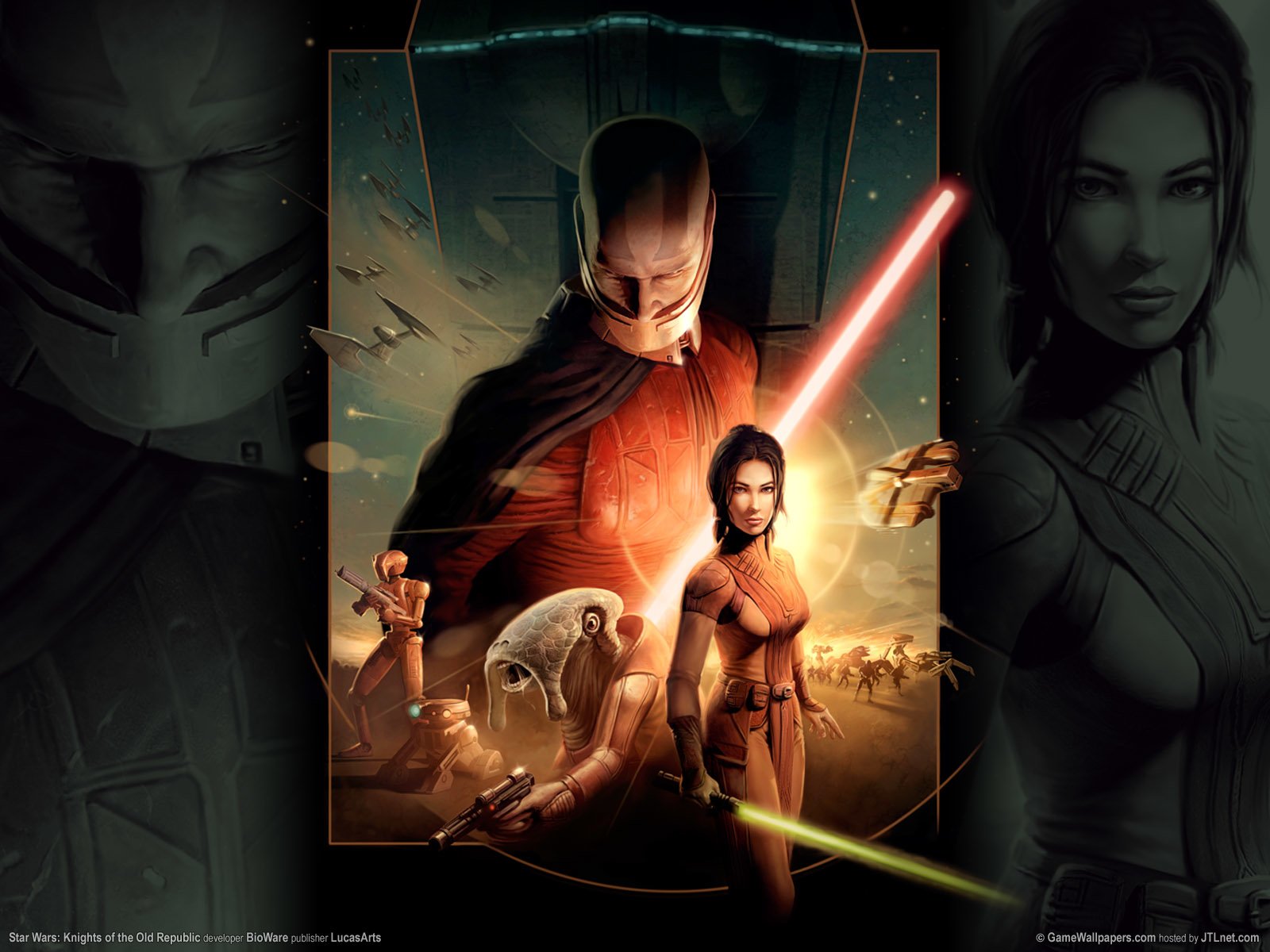
I remember when this RPG first came out in 2003 – BioWare made it, and LucasArts published it. You create your own character, and you’re right in the middle of a huge war between the Republic and this Sith Lord, Malak. But then, things get really interesting. Mid-game, you find out your character is actually Darth Revan, this legendary Sith Lord who had his memory wiped by the Jedi! It was a total game-changer, and honestly, it’s still one of the best story twists I’ve ever experienced in a role-playing game. It made me feel so connected to the character and the whole Star Wars universe.
‘God of War’ (2018)
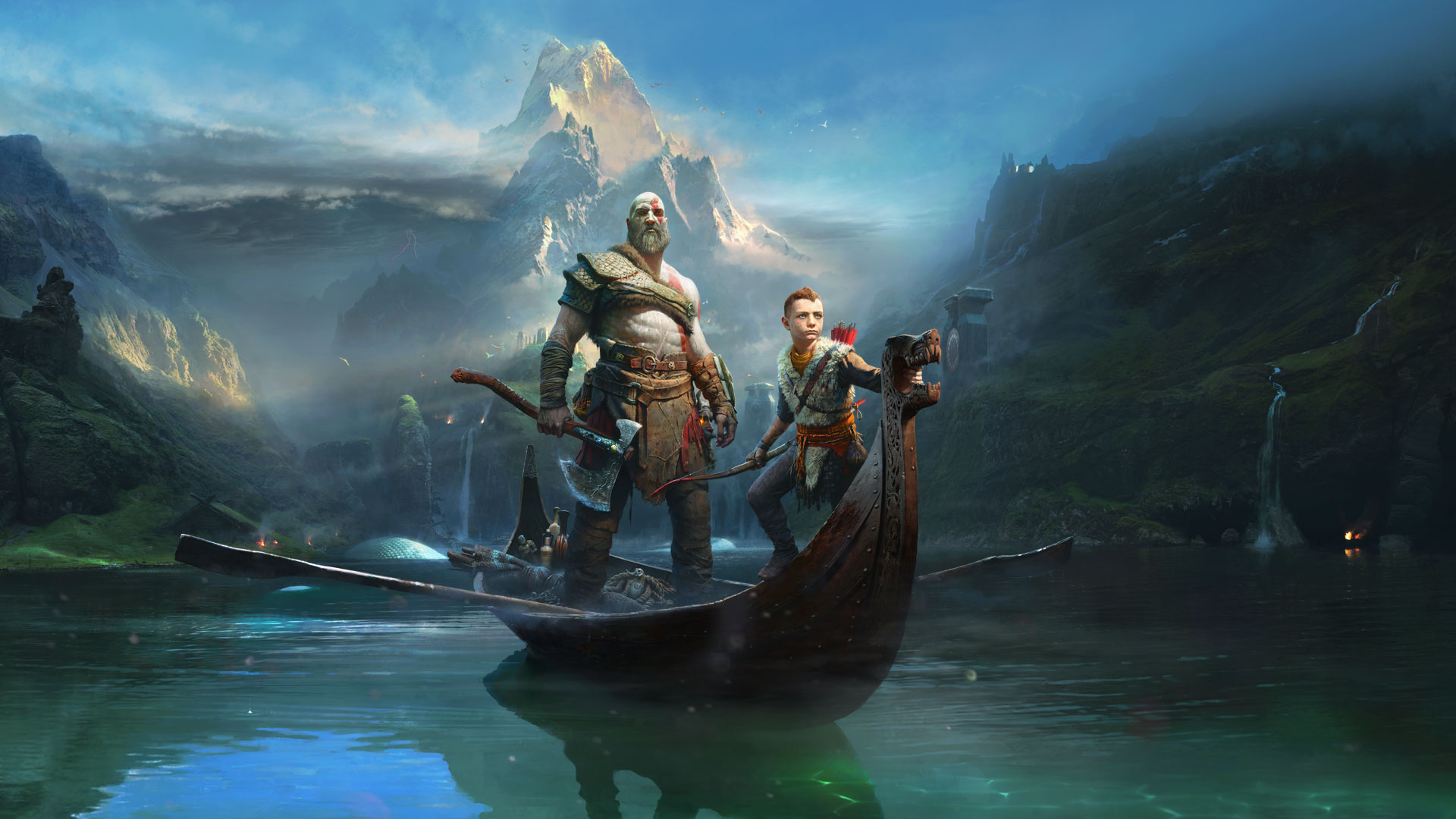
Developed by Santa Monica Studio and published by Sony, this game reimagines Norse mythology. It follows Kratos and his son, Atreus, on a journey to the highest point in the realms to honor Kratos’s late wife. The game ends by revealing Atreus is actually Loki, setting him up as a key player in the upcoming events of Ragnarök. This link to existing Norse myths sparked many fan theories about what might happen next in the series.
‘Heavy Rain’ (2010)
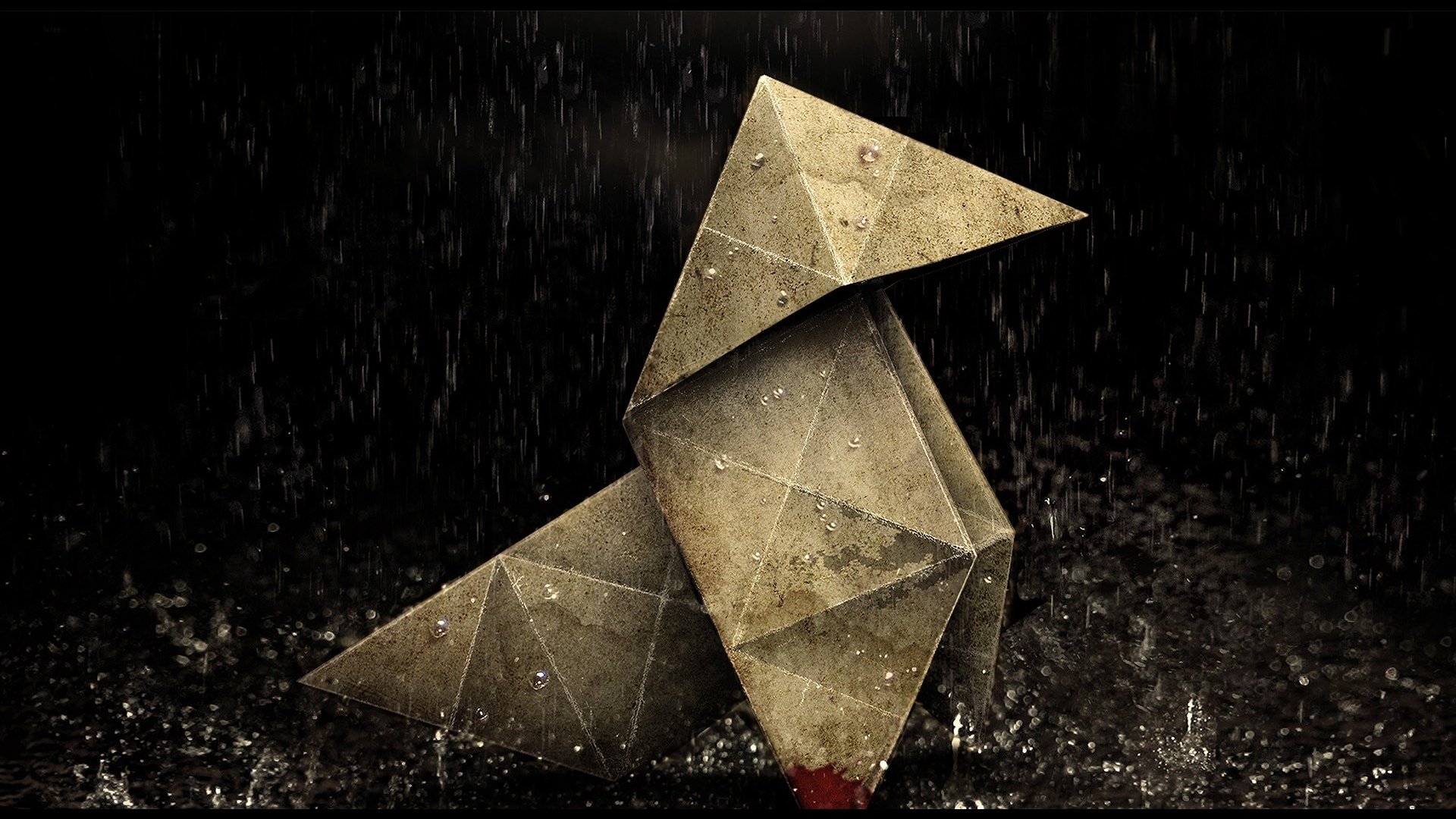
This suspenseful game, created by Quantic Dream and published by Sony, centers around four characters trying to catch the Origami Killer. Players control each character, including detective Scott Shelby. A surprising twist reveals that Shelby is the killer, meaning players unknowingly played as the villain the entire time. This decision caused a lot of discussion, with some players feeling the game unfairly misled them by keeping Shelby’s true thoughts and reasons hidden.
‘Bloodborne’ (2015)
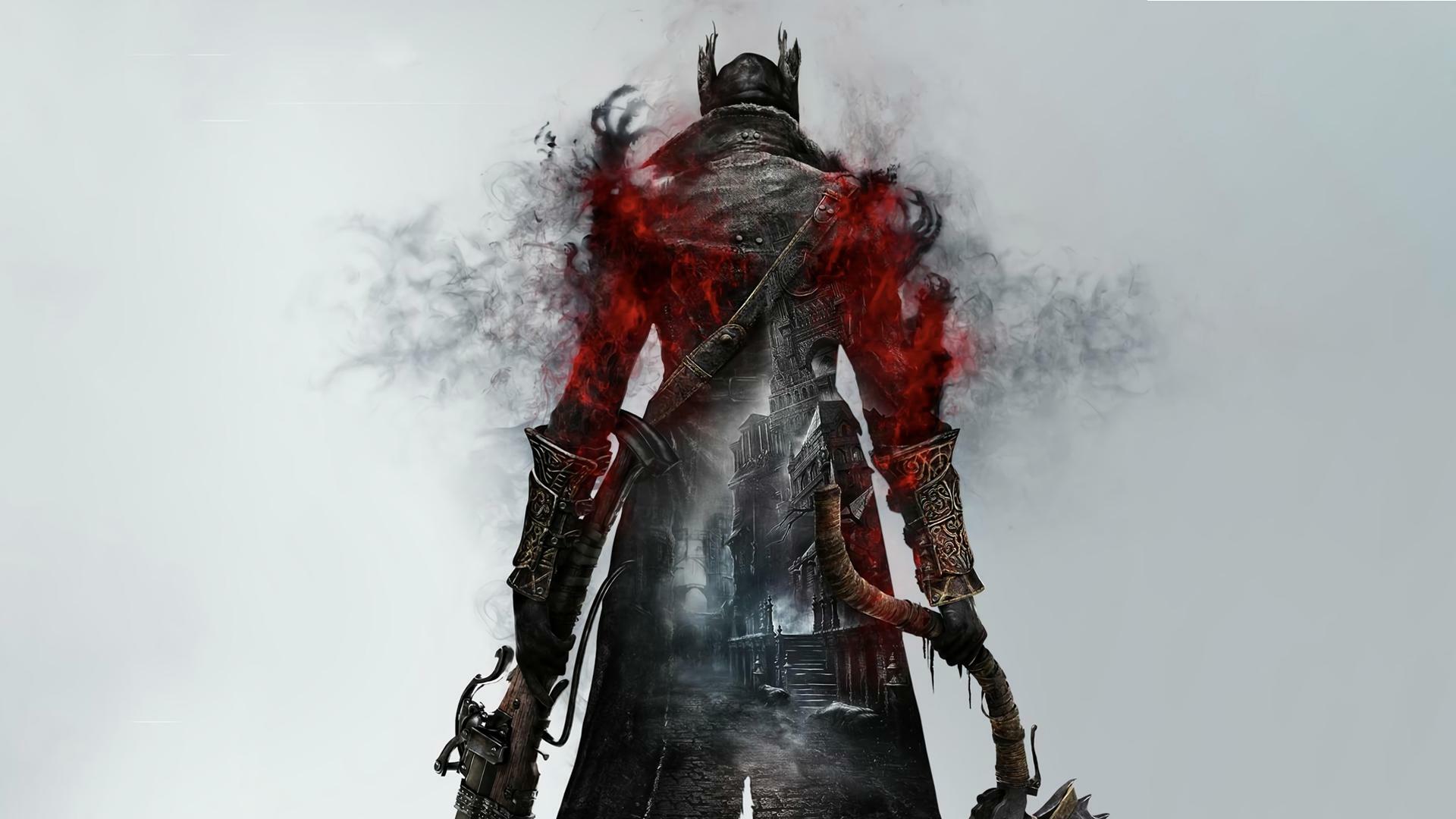
This game, created by FromSoftware and published by Sony, starts as a dark, Gothic tale of hunting monsters. But as you play and uncover secrets, the story transforms into a terrifying cosmic horror, drawing on the themes of ancient, otherworldly gods. This change is shown through the game’s increasingly unsettling environments and creature designs. The game’s multiple, unclear endings have sparked a lot of discussion and detailed analysis of its lore among players.
‘Horizon Zero Dawn’ (2017)
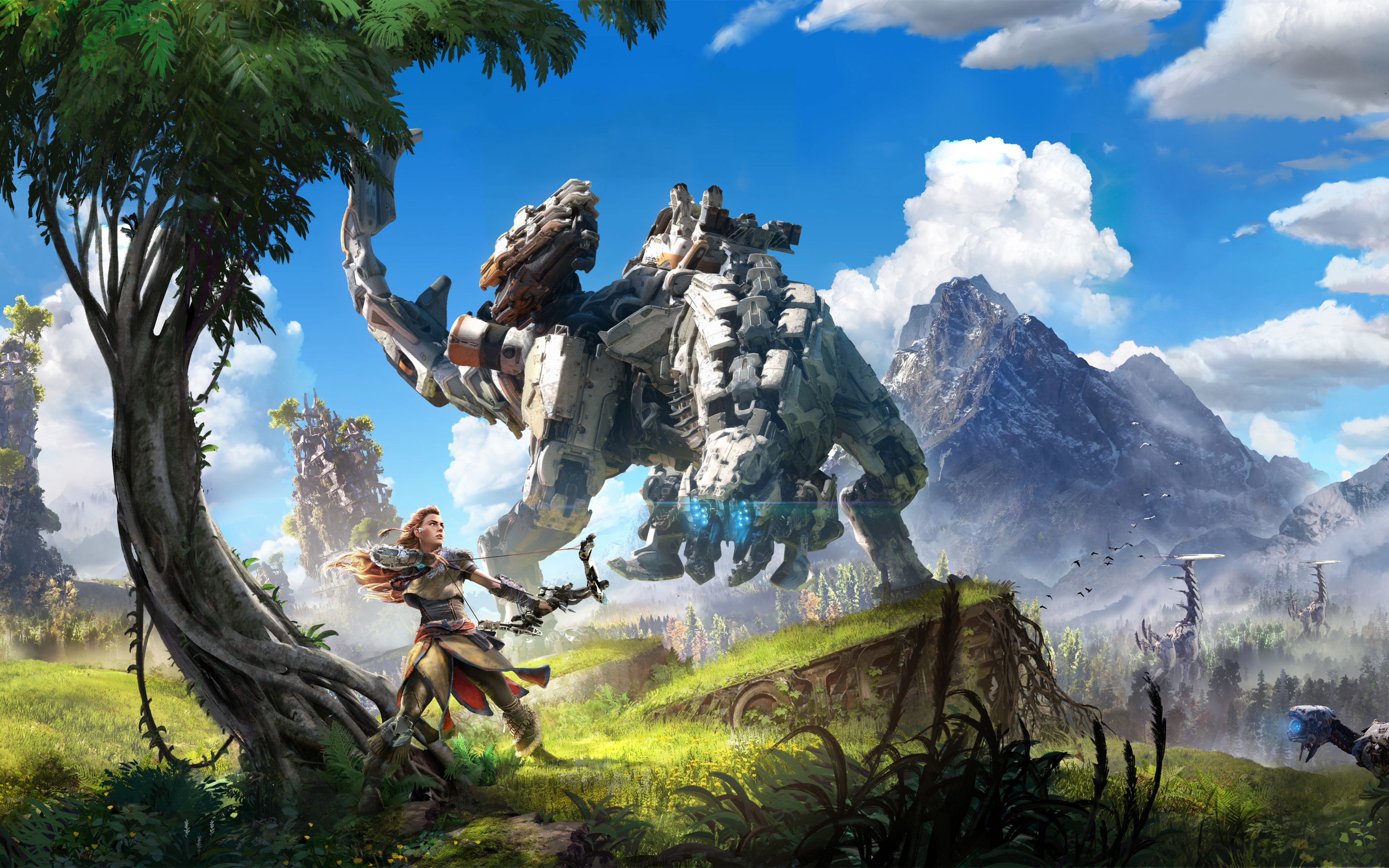
Guerrilla Games created this expansive open-world game, published by Sony. It’s set in a future overrun by robots, where the main character, Aloy, investigates the fall of an ancient human civilization. She uncovers ‘Project Zero Dawn,’ which wasn’t designed to save humanity, but to restart life after a complete wipeout. This changes the story’s focus from simply surviving to protecting human knowledge and ensuring its survival for future generations.
‘Doki Doki Literature Club!’ (2017)
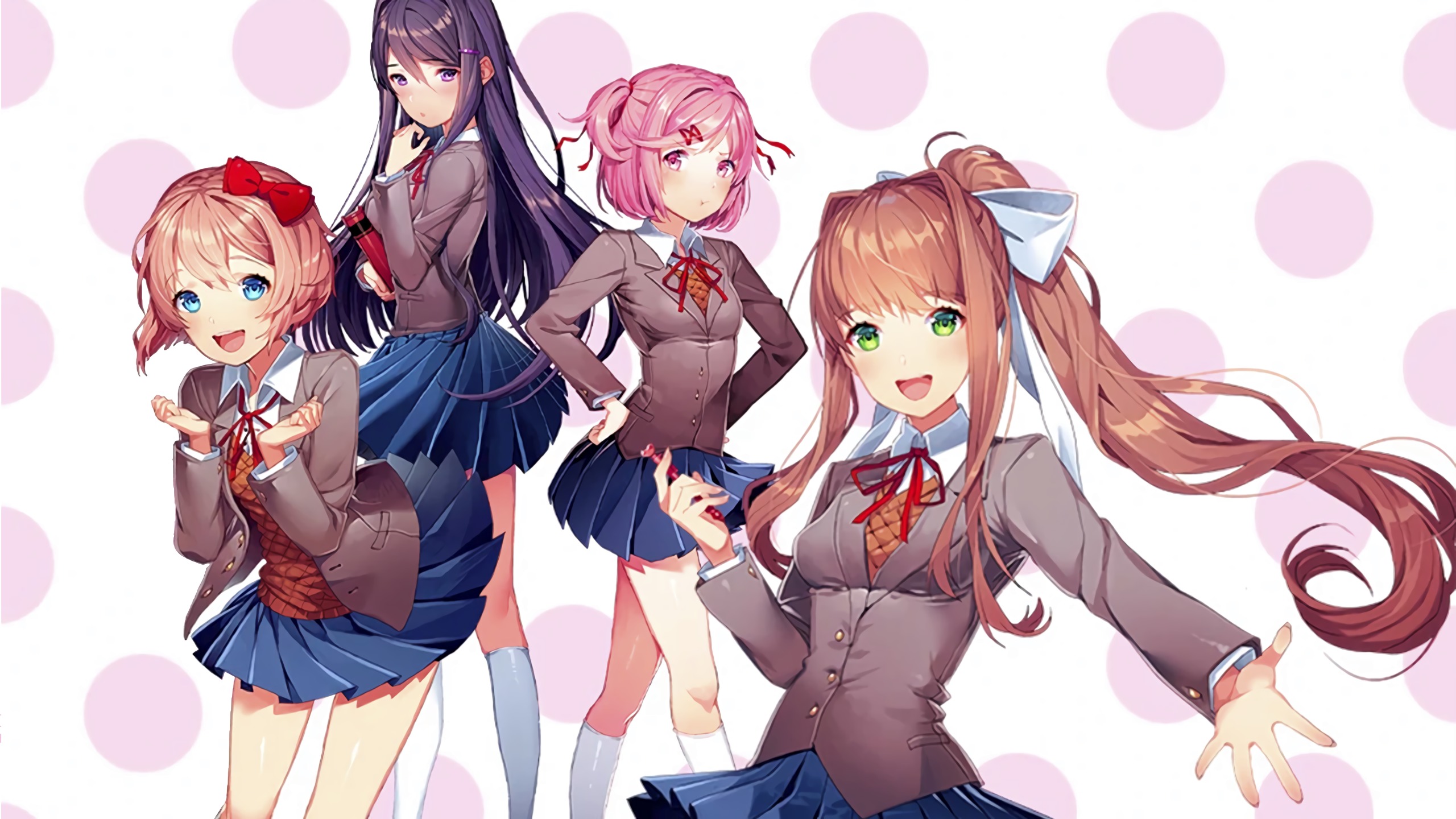
Team Salvato created a game that starts like a typical dating simulator but quickly becomes a psychological horror experience. The story takes a disturbing turn when a character named Monika realizes she’s in a game and knows the player is there. She starts deleting other characters and even files on the player’s computer, all in an attempt to force a connection. This dramatic breaking of the fourth wall is a key plot twist and a famous example of meta-horror – a genre that plays with the idea of the game itself.
‘Alan Wake’ (2010)
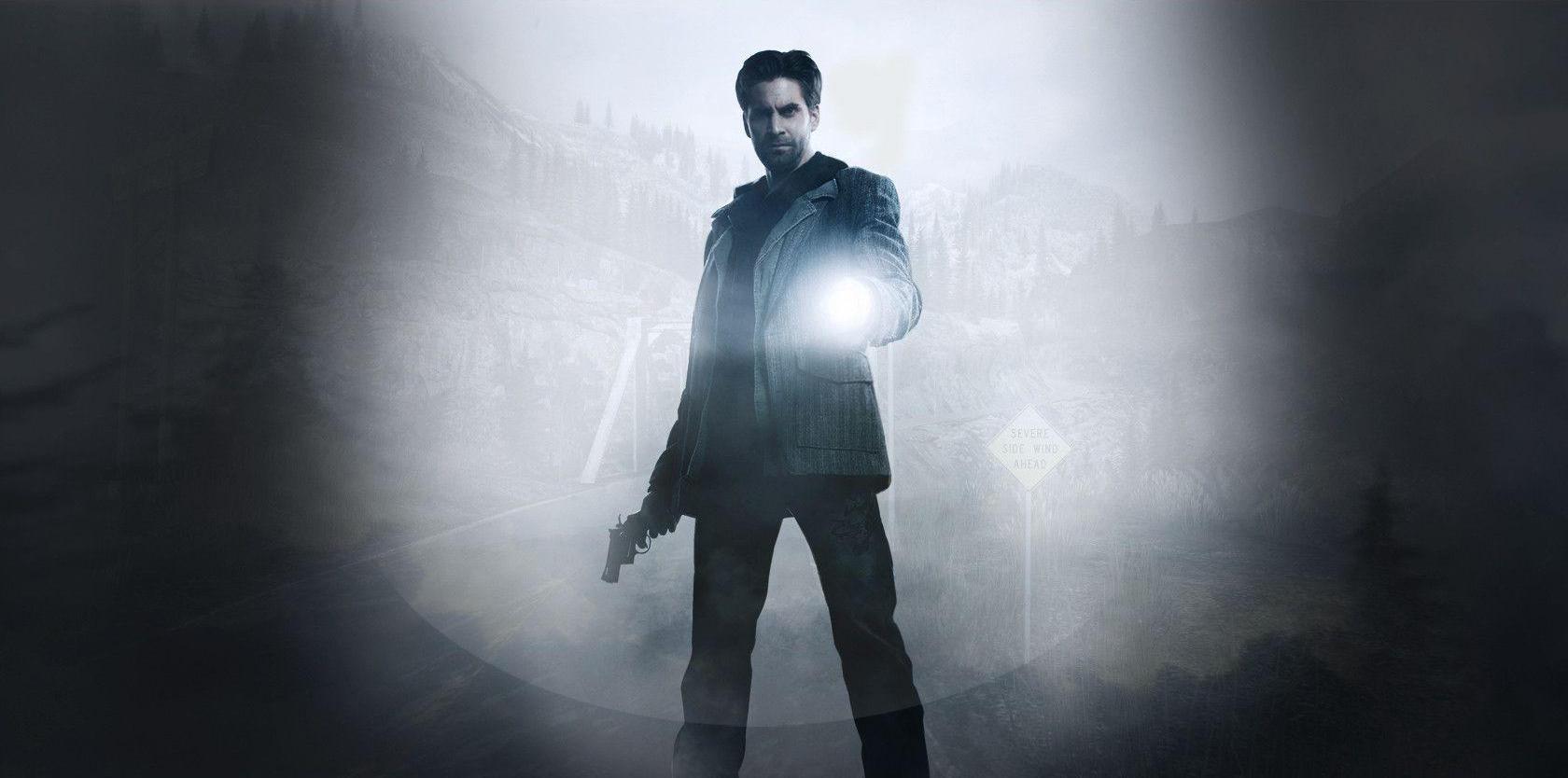
‘Alan Wake,’ created by Remedy Entertainment and published by Microsoft, tells the story of a thriller writer who mysteriously finds himself inside the plot of a novel he doesn’t recall creating. While fighting shadowy figures called “The Taken” in the town of Bright Falls, the writer struggles to distinguish between what’s real and what’s fiction. The game’s ending is deliberately unclear, leaving the nature of a strange location called the “Dark Place” and the writer’s ultimate fate up to the player’s interpretation. This open ending sparked years of discussion among fans and has been further explored in recent games connected to the same universe.
‘Batman: Arkham City’ (2011)
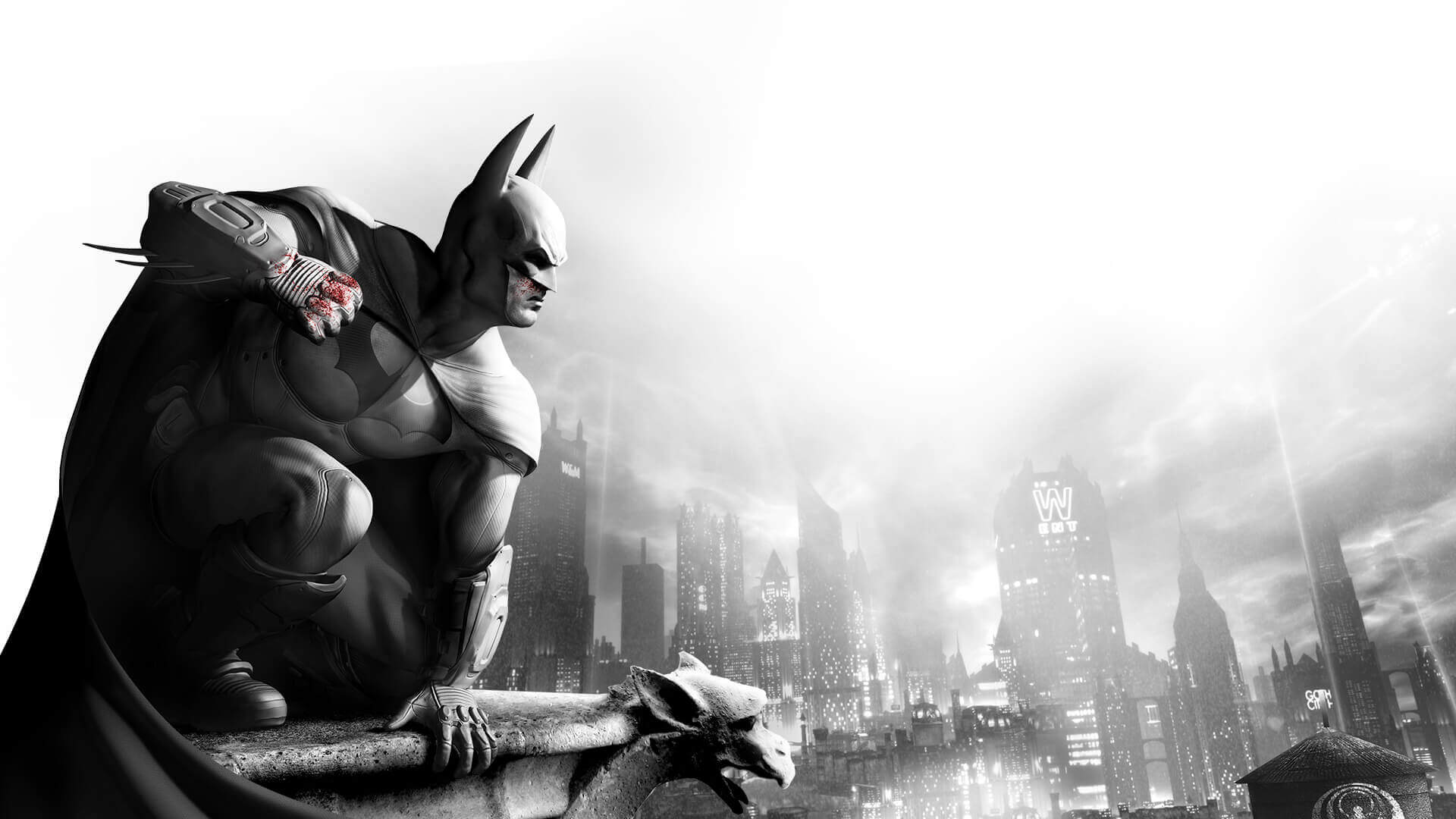
Rocksteady Studios created this action-packed game, published by Warner Bros. The story centers on Batman being stuck in a huge prison while the Joker is dying. The game’s surprising twist reveals that the Joker we see throughout is actually Clayface in disguise. The real Joker’s death significantly changed the direction of the Batman story and future games.
‘The Walking Dead’ (2012)
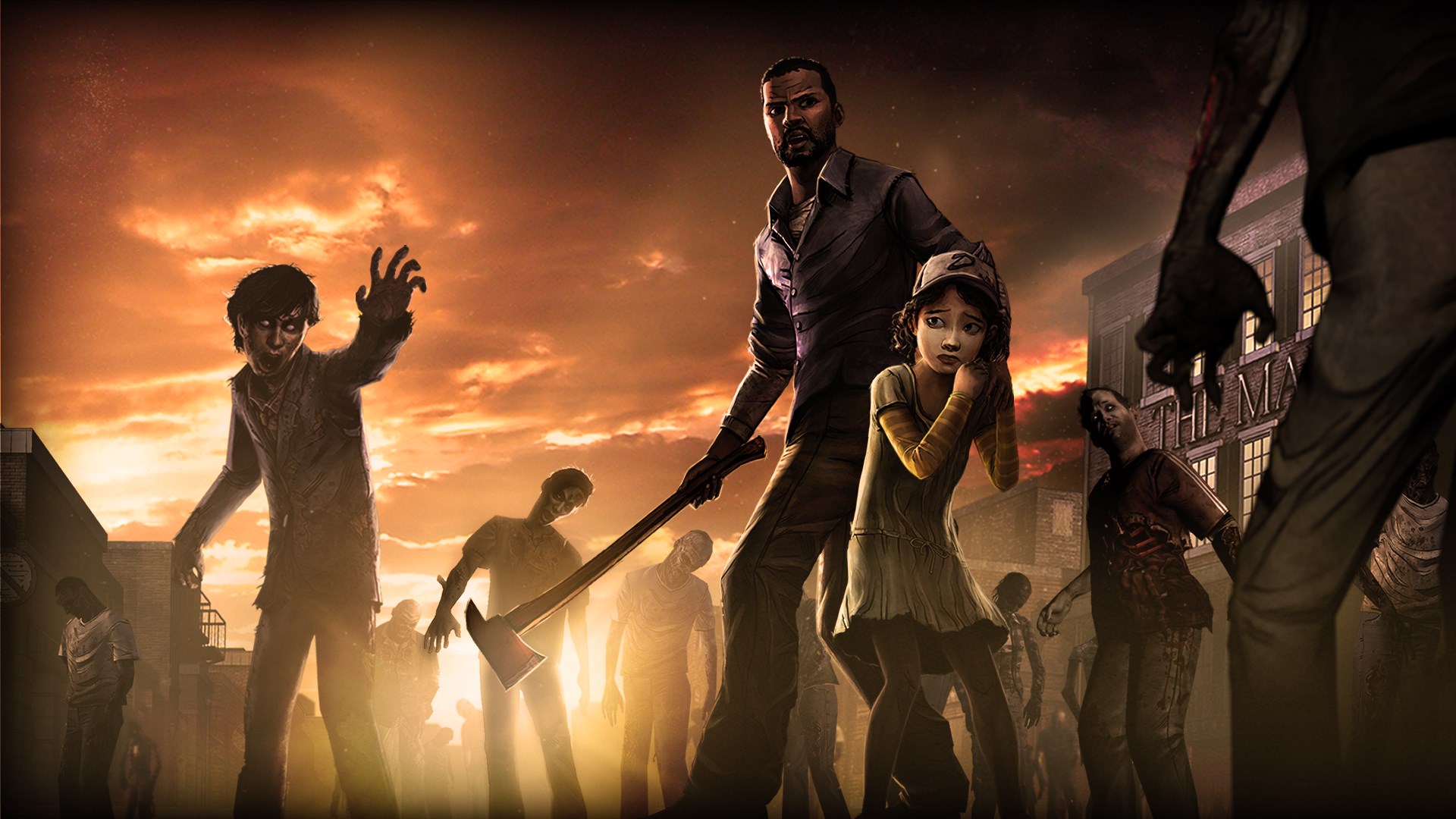
This adventure game, created by Telltale Games, is based on Robert Kirkman’s famous comic book series. Players control Lee Everett, who becomes a protector to a young girl named Clementine as they try to survive a zombie outbreak. The story builds to a powerful moment when Lee is bitten by a zombie, sealing his fate no matter what decisions players make. This unexpected turn, breaking the typical hero’s journey, is still considered one of the most moving and talked-about scenes in recent video games.
‘NieR: Automata’ (2017)
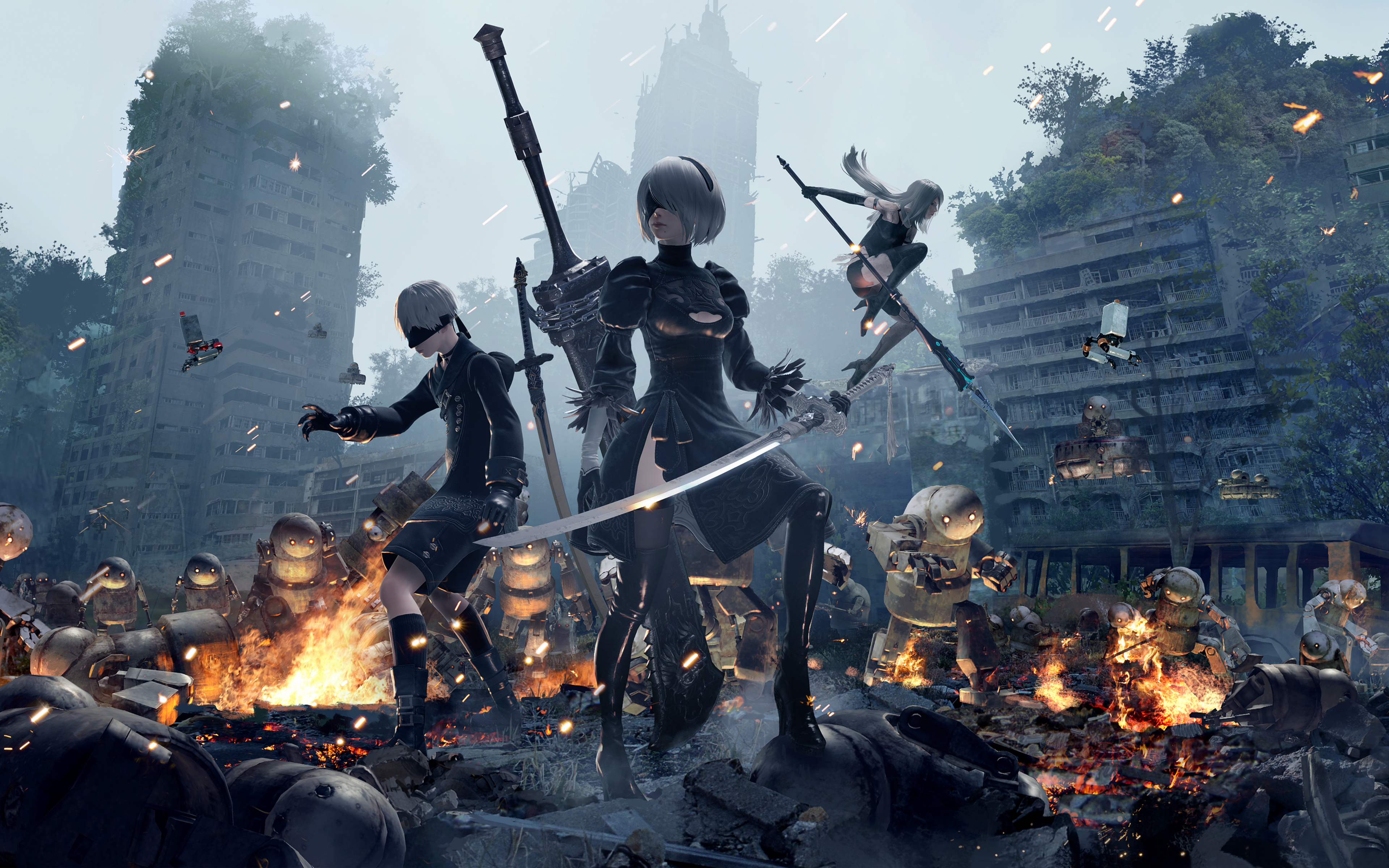
NieR: Automata, created by PlatinumGames and published by Square Enix, tells the story of a war between androids and machines on a ruined Earth. To fully understand the conflict and the YoRHa project, players need to complete the game multiple times. Eventually, the game reveals that humanity has been gone for centuries, and the war is actually a never-ending loop meant to give the androids a reason to keep fighting. Players around the world are still discussing the deep philosophical questions the game raises about meaning and existence.
‘Final Fantasy VII’ (1997)
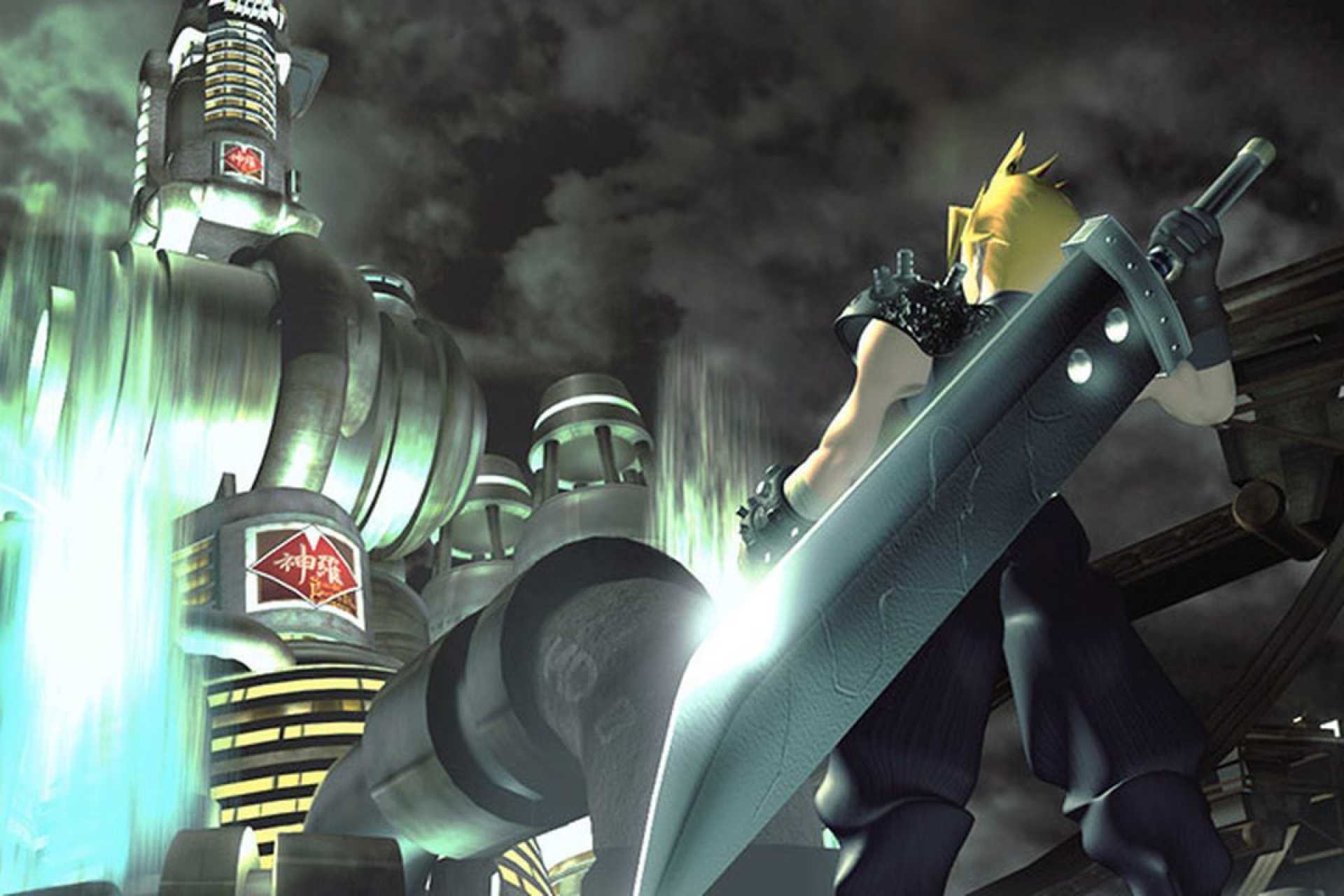
Final Fantasy VII, created by Square, tells the story of a group of rebels battling the powerful Shinra Electric Power Company. The game is well-known for a shocking moment: the death of a main character, Aerith Gainsborough, at the hands of the villain, Sephiroth. This happened relatively early in the game and was unusual for RPGs at the time, as characters weren’t typically removed from the story permanently. This bold choice is still talked about today as a prime example of how to create strong emotional impact and develop compelling characters in video games.
‘Red Dead Redemption’ (2010)
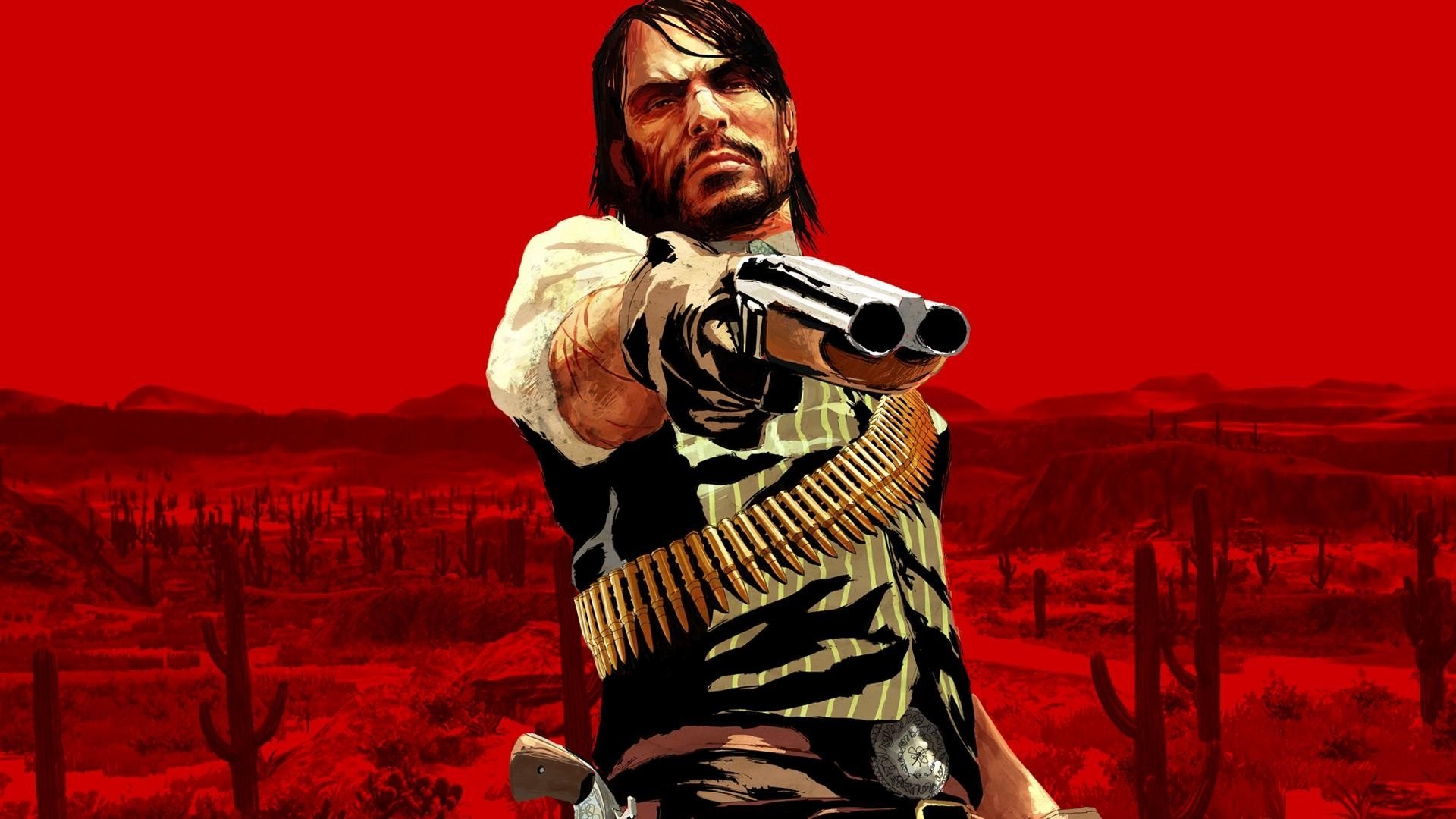
Released in 2010, this sweeping Western was created by Rockstar San Diego and published by Rockstar Games. Players take on the role of John Marston, an ex-outlaw who’s compelled by the government to track down his former companions in order to protect his family. Tragically, after successfully completing his mission and returning home, Marston is betrayed and murdered by the government agents he worked for. The game concludes with a poignant epilogue focusing on his son, Jack, offering a bleak look at the endless cycle of violence and the fading Wild West.
‘Soma’ (2015)
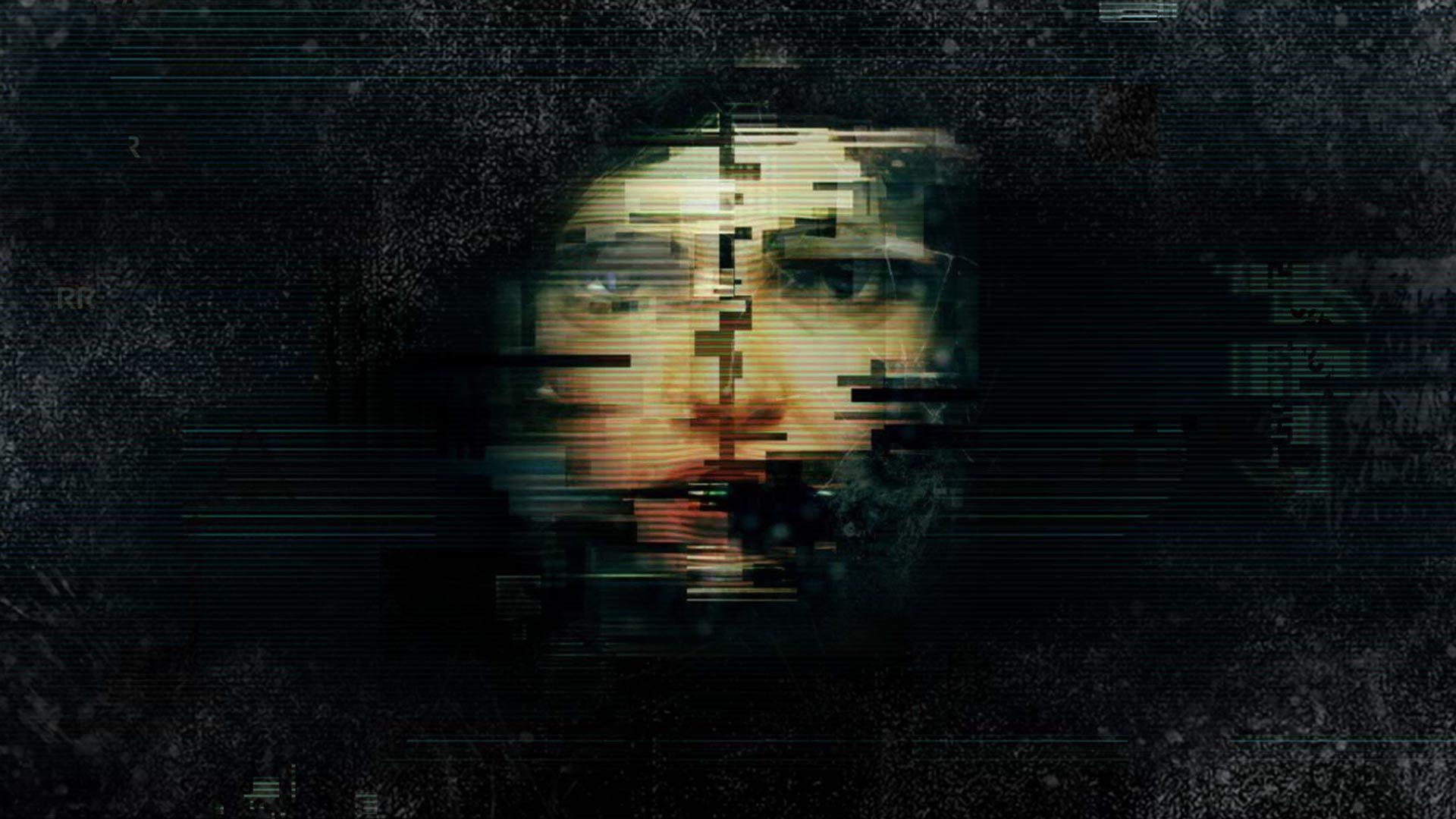
‘Soma,’ created by Frictional Games, is a scary science fiction game set in an underwater research station after a worldwide disaster. The story explores what it means to be ‘you’ and focuses on transferring consciousness. The main character, Simon, learns that copying his mind into a new body doesn’t actually move his awareness—it just creates a copy, leaving the original behind to deal with a difficult situation. This raises important questions about whether digital immortality is even ethical.
I’m really curious – what story twist or reveal in a game actually stuck with you and changed how you played or thought about things? I’d love to hear what moments really blew your mind – share them in the comments!
Read More
- 20 Movies Where the Black Villain Was Secretly the Most Popular Character
- Celebs Who Narrowly Escaped The 9/11 Attacks
- Transformers Under the Microscope: What Graph Neural Networks Reveal
- Top 20 Dinosaur Movies, Ranked
- Silver Rate Forecast
- Trading on Thin Air: AI Agents Conquer Crypto Volatility
- Gold Rate Forecast
- 22 Films Where the White Protagonist Is Canonically the Sidekick to a Black Lead
- Every Notable ‘Star Trek: The Original Series’ Actor Who Died
- Games That Faced Bans in Countries Over Political Themes
2026-01-30 18:47