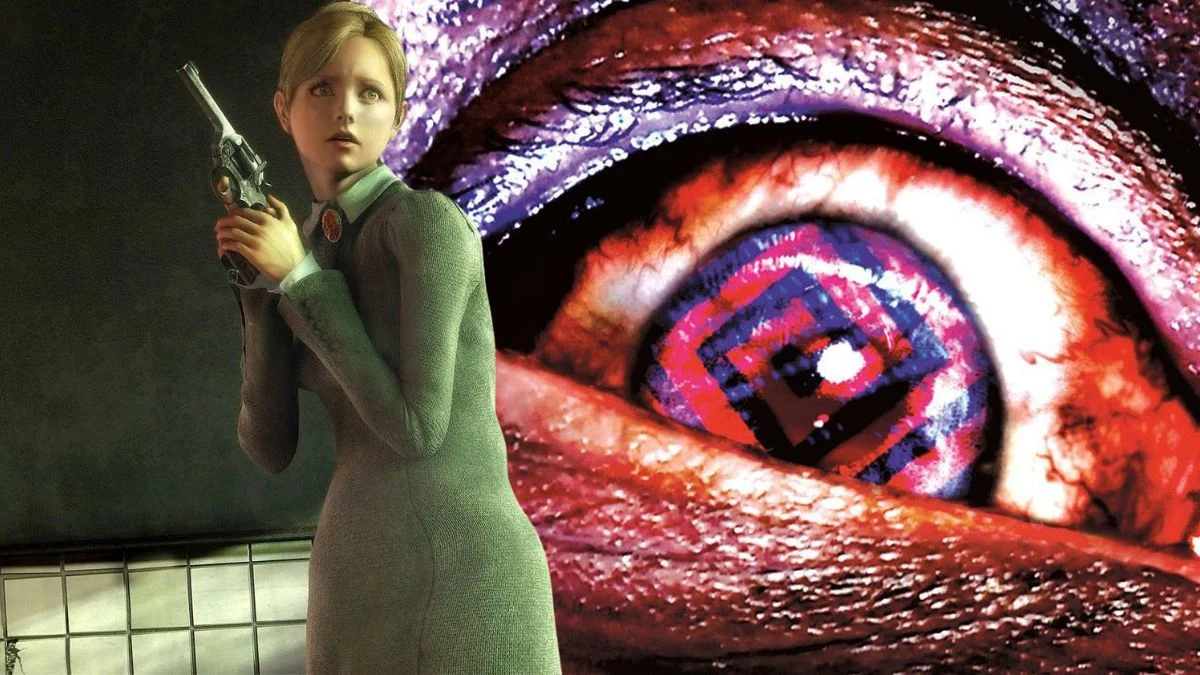
Video games have a long history of challenging what’s considered acceptable, frequently running into trouble with censors around the world. Numerous games with graphic violence, disturbing psychological themes, or controversial topics have been banned, given restrictive ratings, or removed from stores in many countries. Some game creators change their work to get approved, while others embrace the notoriety of being considered forbidden and sought after by collectors. Ultimately, these games were considered too frightening or disturbing for most people to play.
‘Manhunt 2’ (2007)
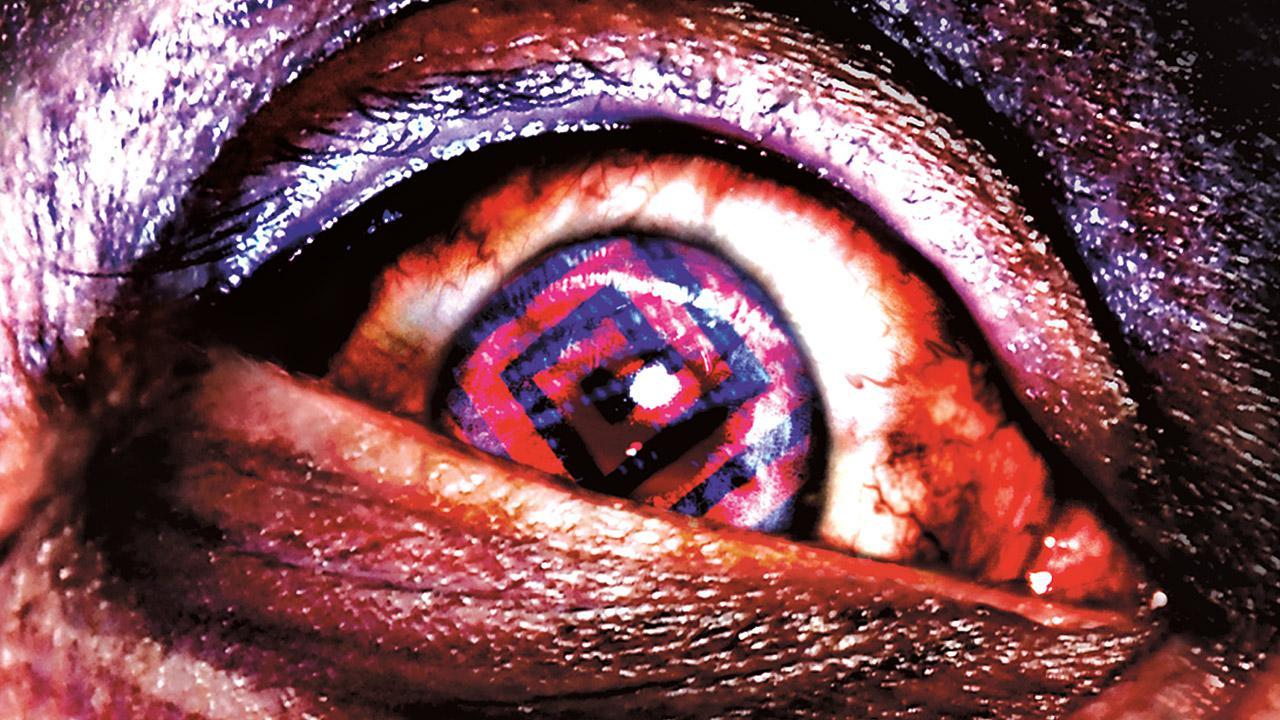
Rockstar Games faced censorship issues again with their latest psychological horror game. The game puts players in the role of a former mental patient with a dual personality who defeats enemies in extremely violent ways. Initially, ratings boards in both the UK and US refused to give the game a rating because of its relentless brutality. To get the game released in stores, the developers had to add visual filters to the most graphic scenes.
‘Thrill Kill’ (1998)
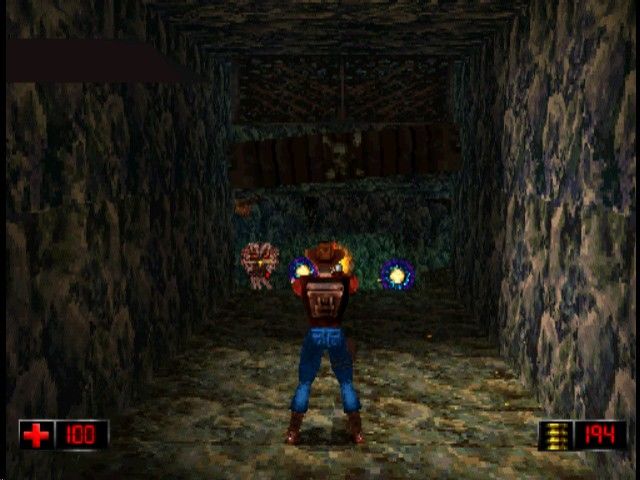
This fighting game, set in hell, allowed characters to battle for a second chance at life. It became well-known – and controversial – for its mature themes, including bondage, graphic dismemberment, and provocative finishing moves that startled those at Electronic Arts. The publisher cancelled the game just weeks before it was due to hit store shelves, fearing it would harm their reputation. Despite never being officially released, unofficial copies quickly spread online.
‘Rule of Rose’ (2006)
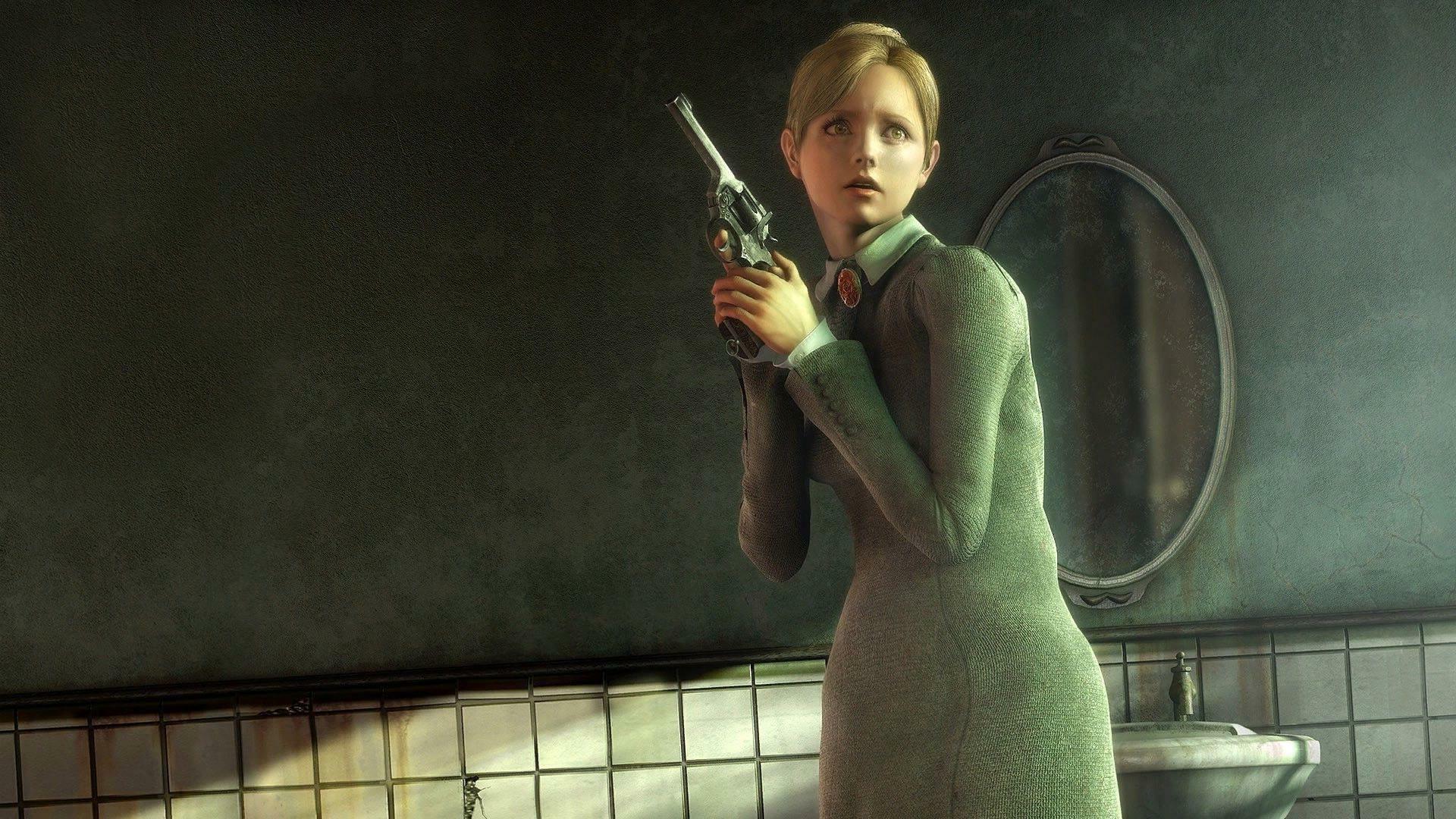
I recently heard about this really unsettling psychological horror game, and it sounds fascinating and disturbing all at once. It deals with some heavy stuff – bullying and childhood trauma – and the story centers around girls at an orphanage who create this brutal little social order they call the Red Crayon Aristocrats. Apparently, there was a lot of misunderstanding about what the game was about, which led to a huge outcry and it being pulled from sale in the UK. Because it’s so rare now, it’s become incredibly valuable – one of the most expensive PlayStation 2 games you can find!
‘Phantasmagoria’ (1995)
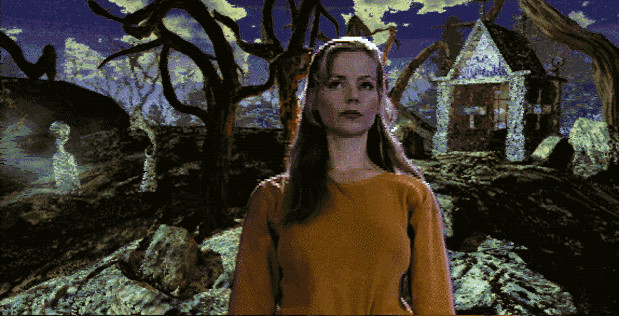
Roberta Williams shifted from creating wholesome adventure games to develop this horror game, presented like an interactive movie. The story centers on a writer who moves into a haunted mansion, where a demon compels her husband to commit terrible deeds. The game sparked controversy with a scene depicting sexual assault, leading to its ban in Australia and rejection by many US retailers. At the time, its use of real actors made the violence feel particularly shocking and realistic.
‘Harvester’ (1996)
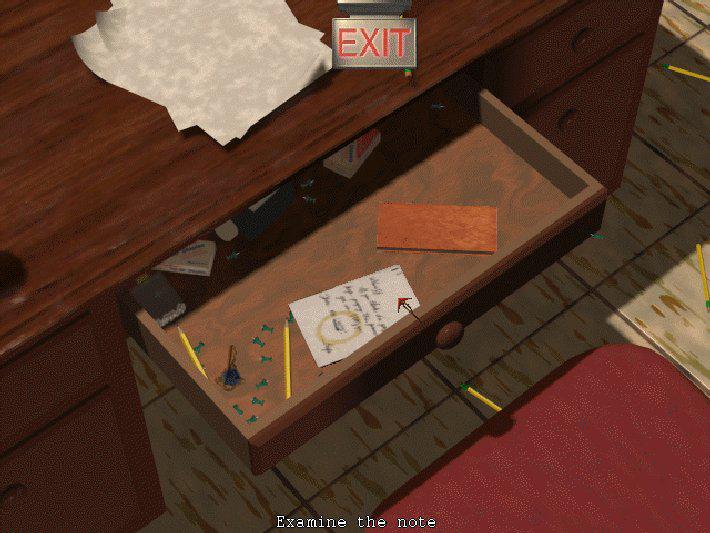
I first played this game, and it totally threw me for a loop! You start in this weird town called Harvest, and right away you feel like something’s off. Turns out, there’s this creepy cult trying to get everyone to join them, and it’s seriously unsettling. What really sets it apart is how it’s presented – they used actual video footage, and it’s… intense. It’s got all this over-the-top violence, but it’s not just for shock value – it’s actually making a point about how we consume violence in movies and TV. It was even banned in Germany when it came out because of how graphic and cynical it was! But honestly, that’s part of what makes it so memorable. It’s a really disturbing game, but in a strangely funny way, and it’s become a classic for its unique and dark atmosphere.
‘Condemned: Criminal Origins’ (2005)
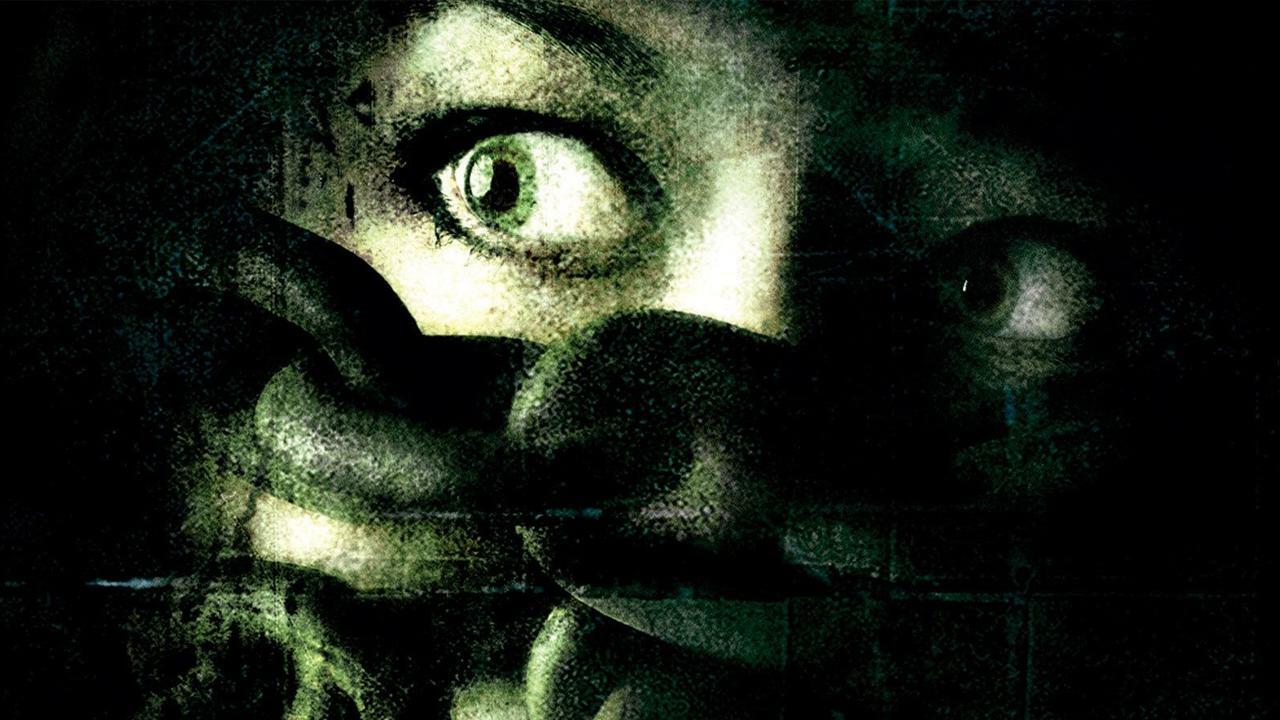
This psychological thriller casts you as an FBI agent tracking serial killers in a crumbling city. Combat is up-close and brutal, using makeshift weapons like pipes and planks against dangerous and disturbed enemies. The game was banned in Germany because of its intense violence and dark atmosphere. Despite this, its constant tension and shocking finishing moves made it a memorable horror experience.
‘Condemned 2: Bloodshot’ (2008)
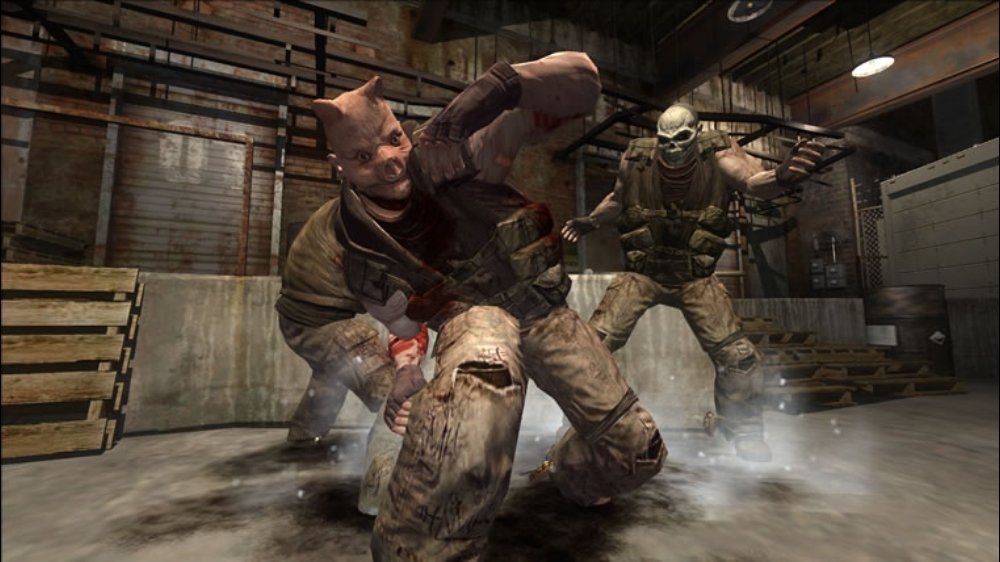
The game’s story follows Ethan Thomas as he battles both personal struggles with alcohol and terrifying supernatural creatures. It featured more intense violence, letting players creatively use the environment to defeat enemies. Similar to the first game, it was banned in Germany due to its graphic content. It’s still remembered for a particularly frightening scene where players are relentlessly pursued by a bear.
‘Left 4 Dead 2’ (2009)
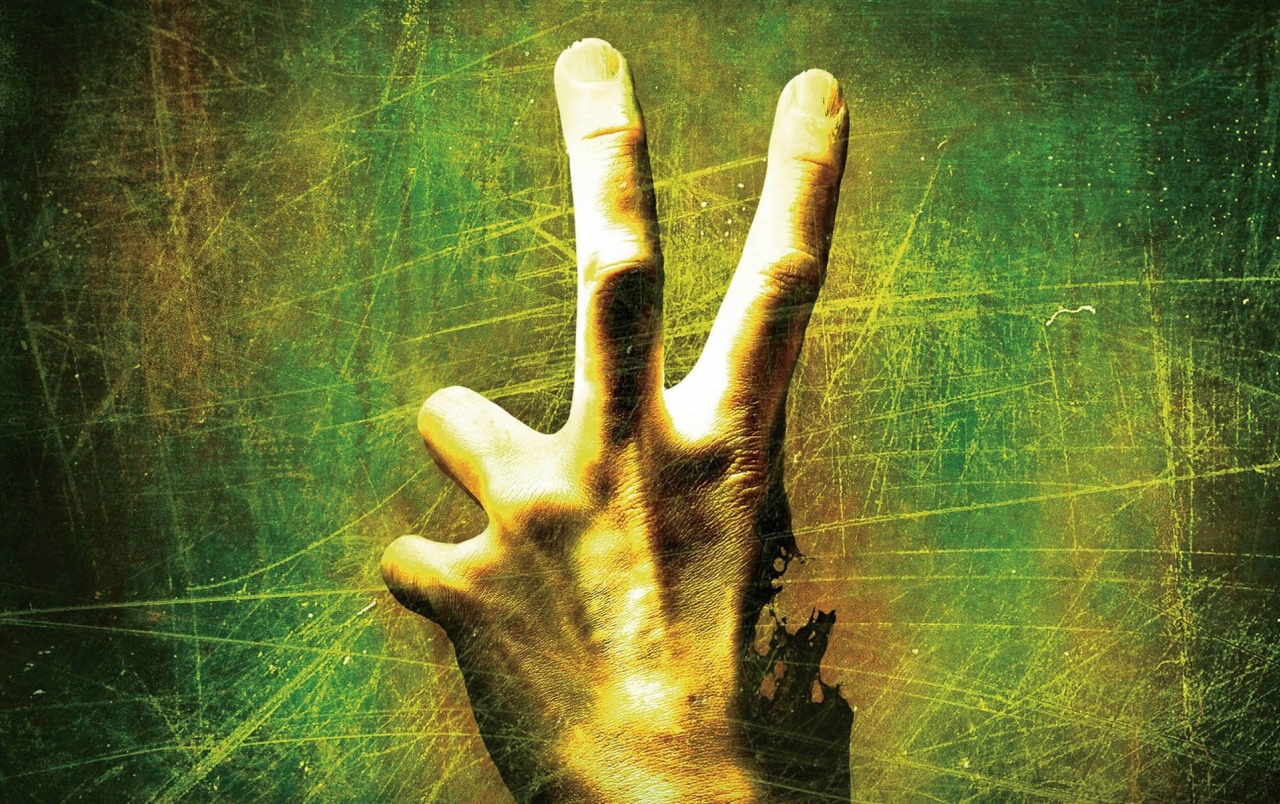
Valve’s zombie shooting game ran into trouble in Australia because of its realistic violence. The game initially showed enemies being torn apart by gunfire, which the Australian Classification Board refused to approve. To release the game in Australia, Valve had to remove the gore and make the bodies disappear when shot. The original, more violent version wasn’t allowed until Australia created an R18+ rating for games years later.
‘Silent Hill: Homecoming’ (2008)
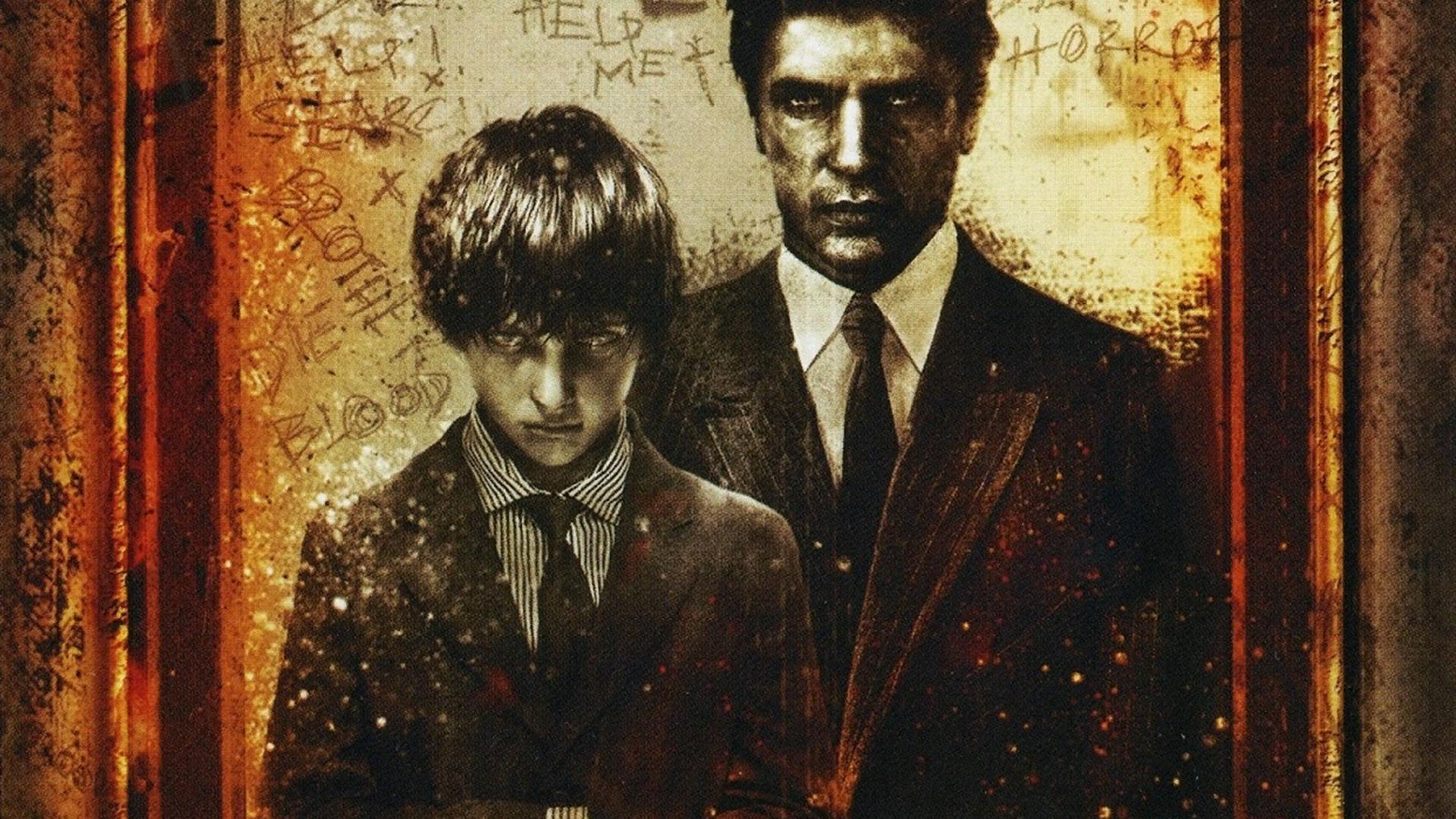
When Alex Shepherd goes back to his hometown, he discovers his brother is gone and the town is shrouded in fog and overrun with creatures. The game features a lot more action and intense combat, with disturbing scenes of graphic injury. It was initially rejected by Australian censors because of its extreme violence and torture. The developers had to remove some camera perspectives and animations to get the game approved for sale.
‘F.E.A.R. 2: Project Origin’ (2009)
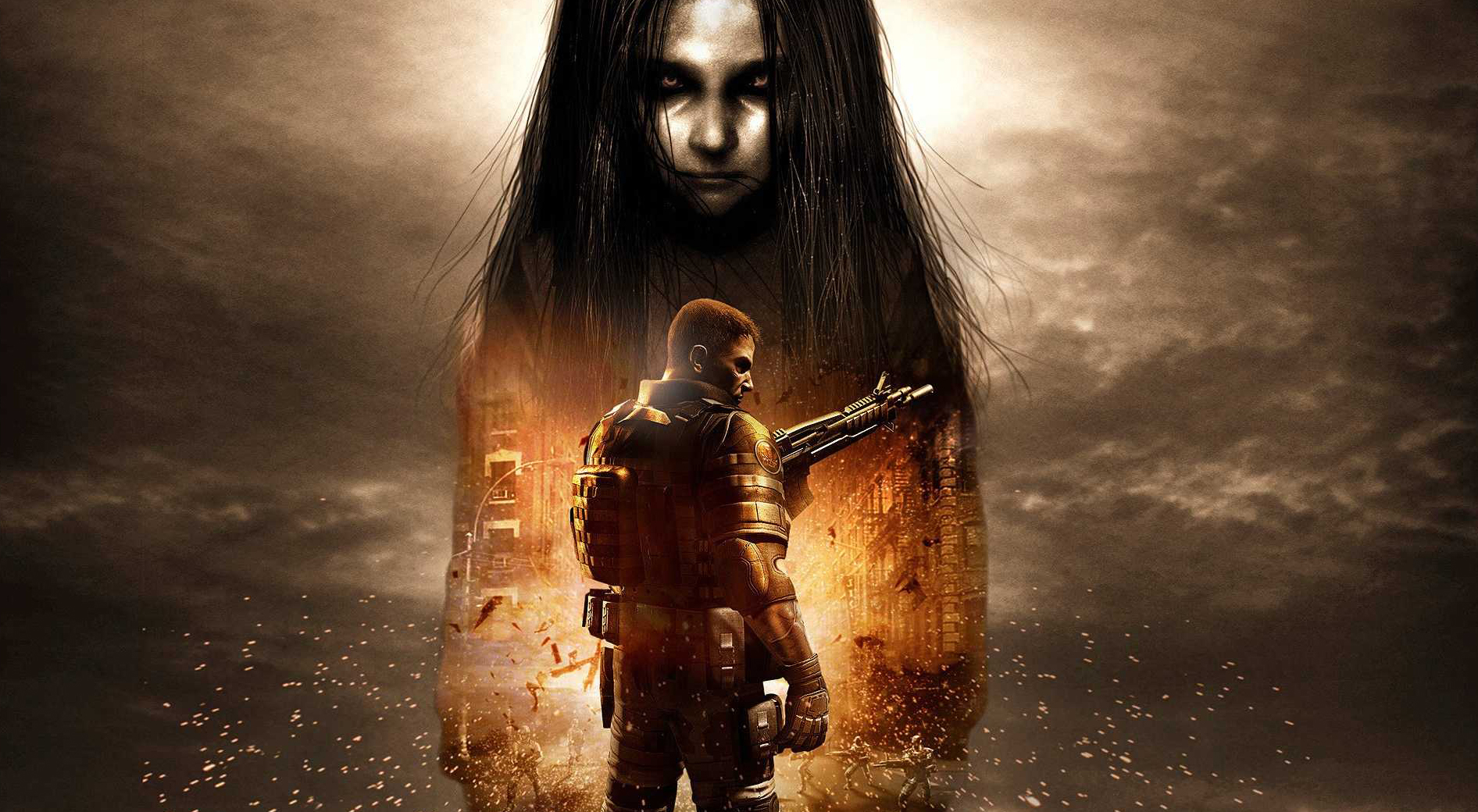
I’m so excited to hear Alma’s back to haunt us in this new shooter! It’s not just about running and gunning – it’s got this really creepy supernatural horror element with hallucinations and ghosts that genuinely make you feel uneasy. It’s wild to learn that it was originally banned in Australia because it was too intense – they had to take out some pretty gruesome stuff like decapitations to get it approved. Apparently, the original version was just way too much for their ratings board at the time.
‘Outlast 2’ (2017)
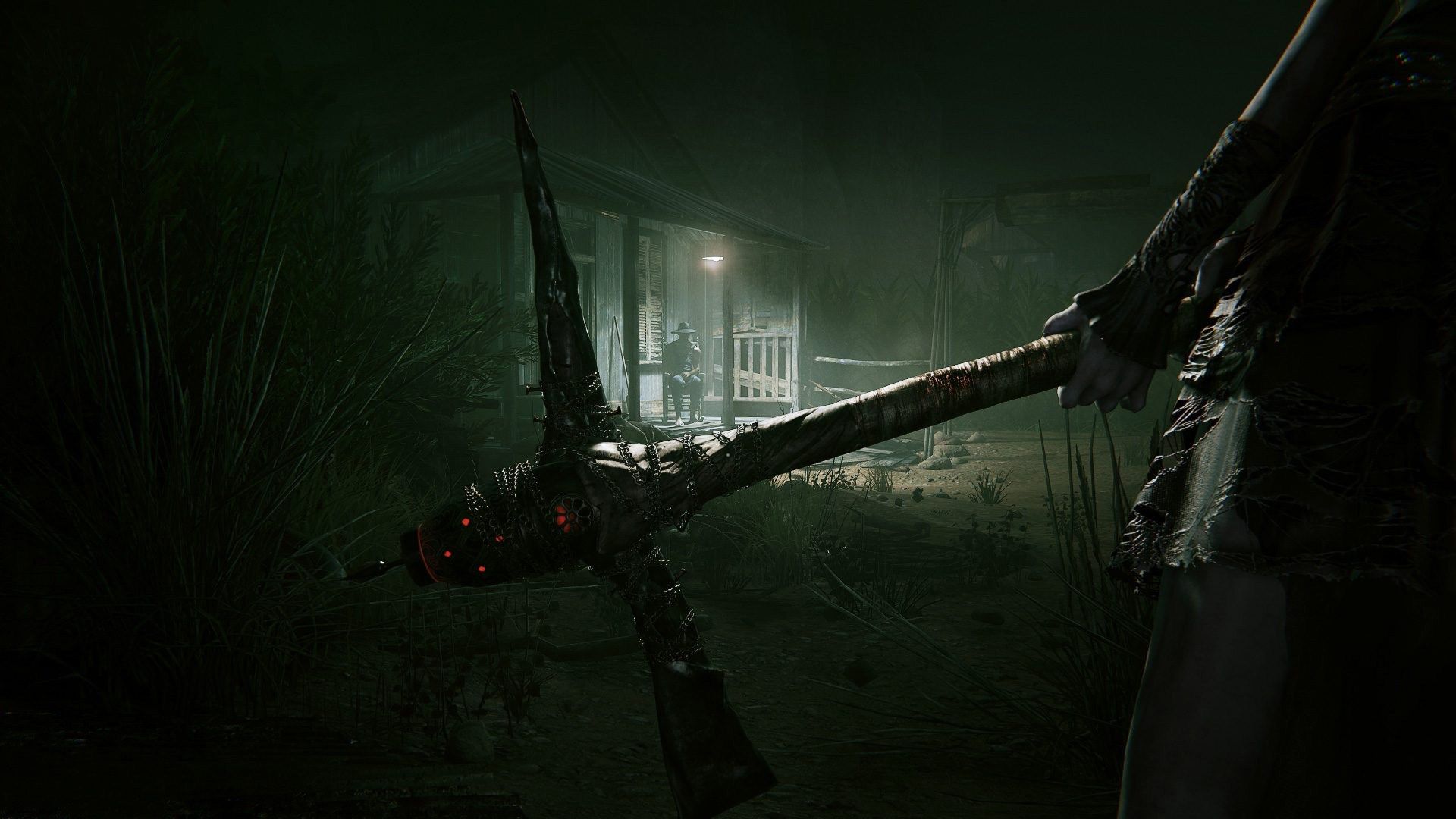
A group of investigative journalists crash-lands in the Arizona desert and unexpectedly discovers a dangerous and disturbed cult. The game is well-known for being incredibly intense and features disturbing scenes of sexual violence and extreme religious beliefs. It initially faced refusal from Australian censors due to a flashback sequence that suggested sexual assault. The game’s creators had to explain that the scene wasn’t explicitly shown to finally get the game approved for release.
‘Dead Rising’ (2006)
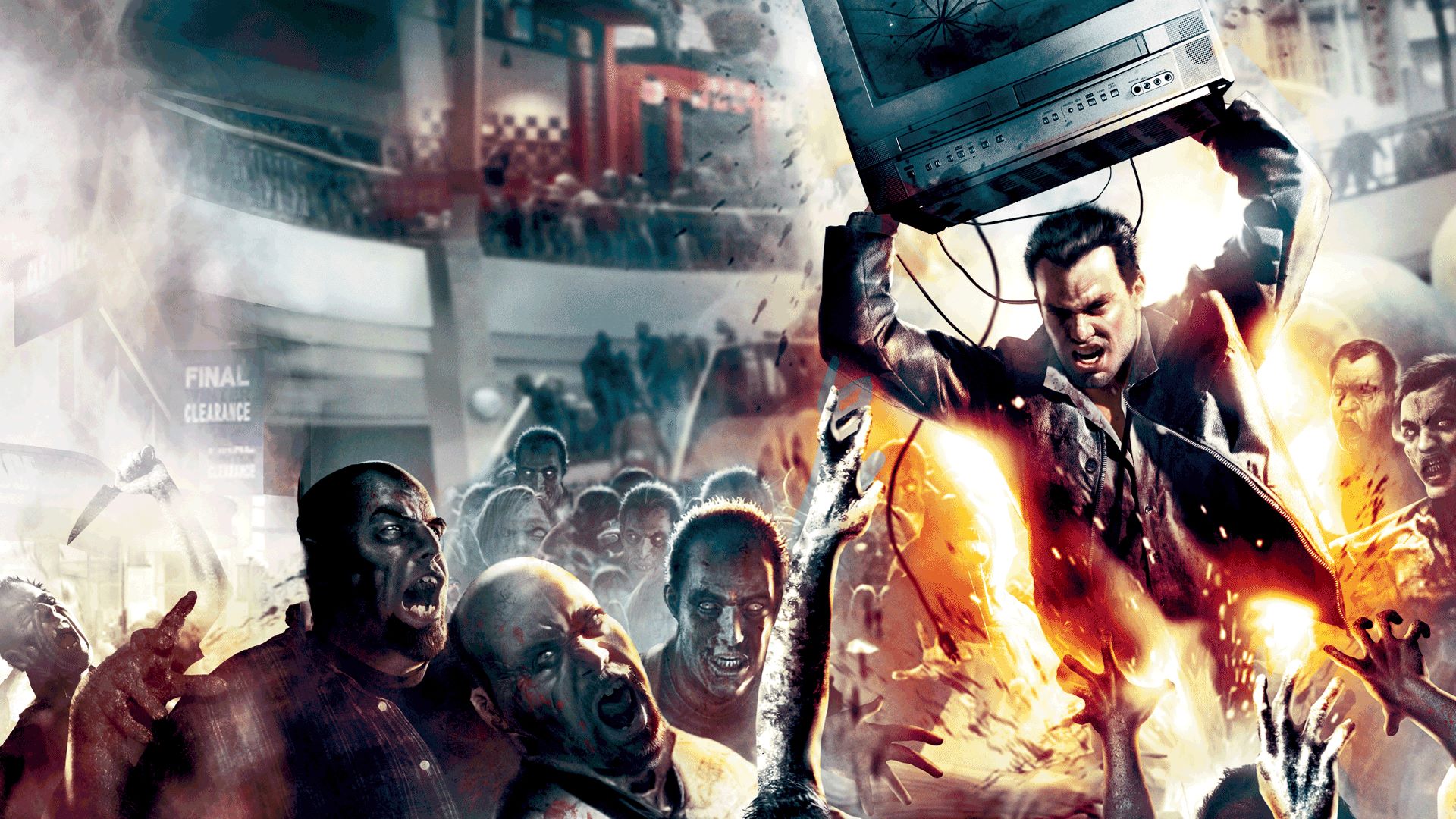
In the game, Frank West is stuck in a shopping mall overrun by zombies and dangerous criminals. Players are encouraged to use whatever they can find – even everyday objects like lawnmowers and shower heads – as weapons, leading to a lot of graphic violence. Because of Germany’s strict rules about portraying violence, the game was added to the country’s list of harmful media, which meant it couldn’t be advertised or sold in stores there.
‘Dead Rising 2’ (2010)
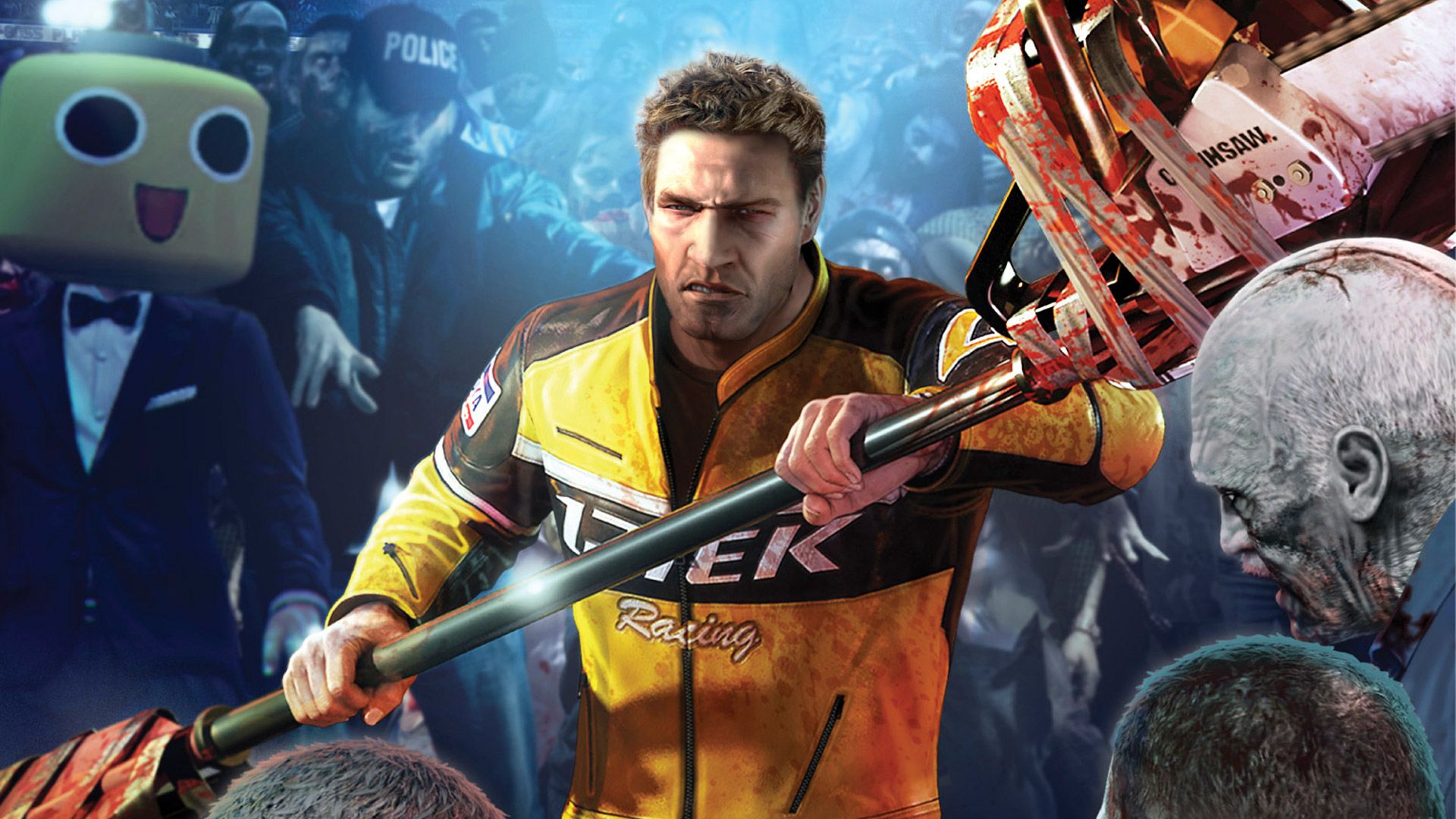
In this game, players control Chuck Greene as he fights zombies on a reality TV show while also working to prove his innocence in Fortune City. A new feature lets you combine weapons to make even more powerful and gruesome attacks. Similar to the original game, it was banned in Germany because of its realistic and interactive violence, specifically the ability to tear enemies apart.
‘Dead Island’ (2011)
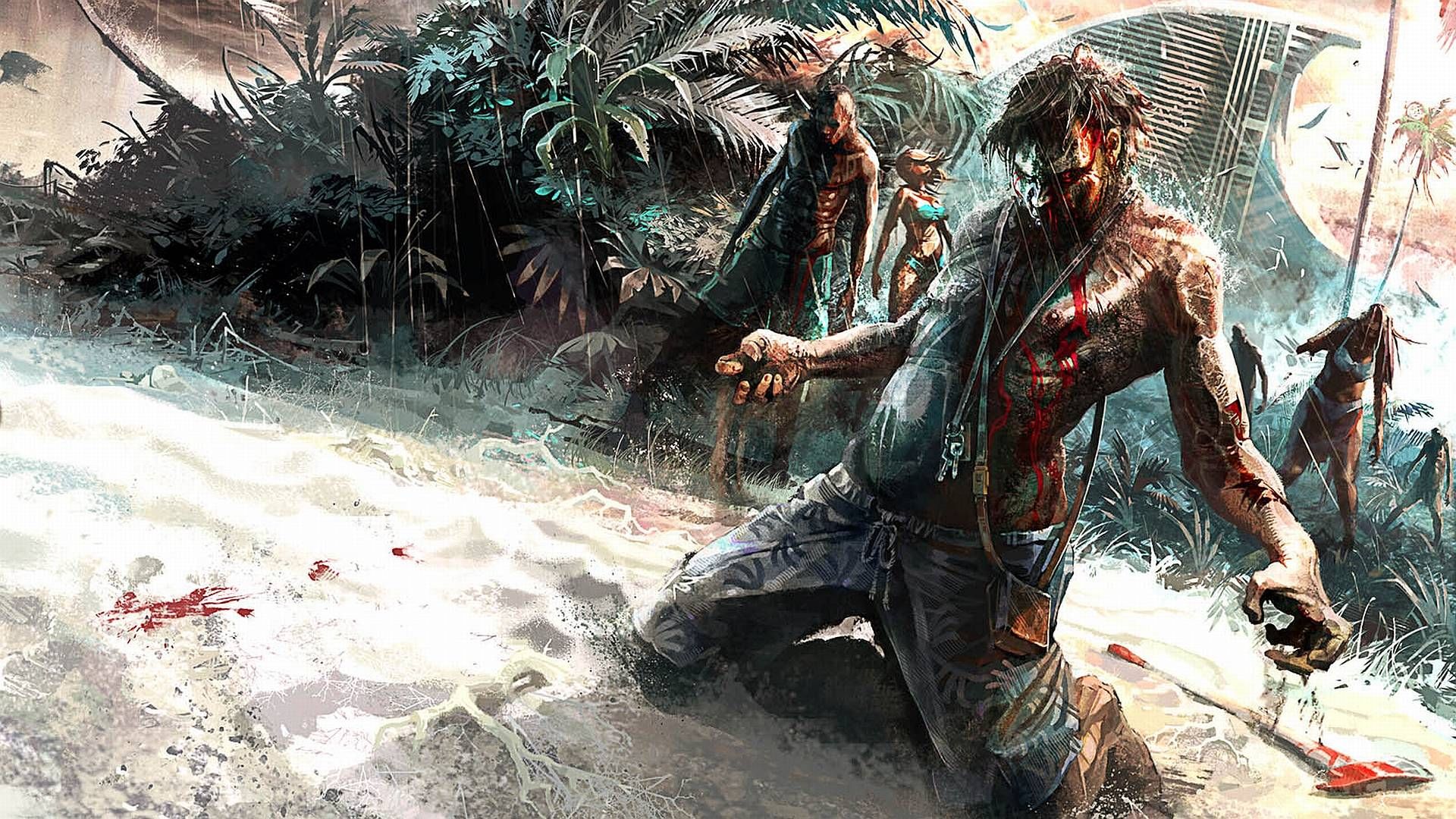
A beautiful tropical vacation quickly descends into horror as a strange outbreak transforms tourists into terrifying, flesh-eating creatures. The game focuses on brutal, close-quarters combat, allowing players to realistically break bones and even cut off limbs. Due to its graphic violence – specifically, the extremely detailed injuries inflicted on the zombies – Germany banned the game, prohibiting its sale to protect young people.
‘Dying Light’ (2015)
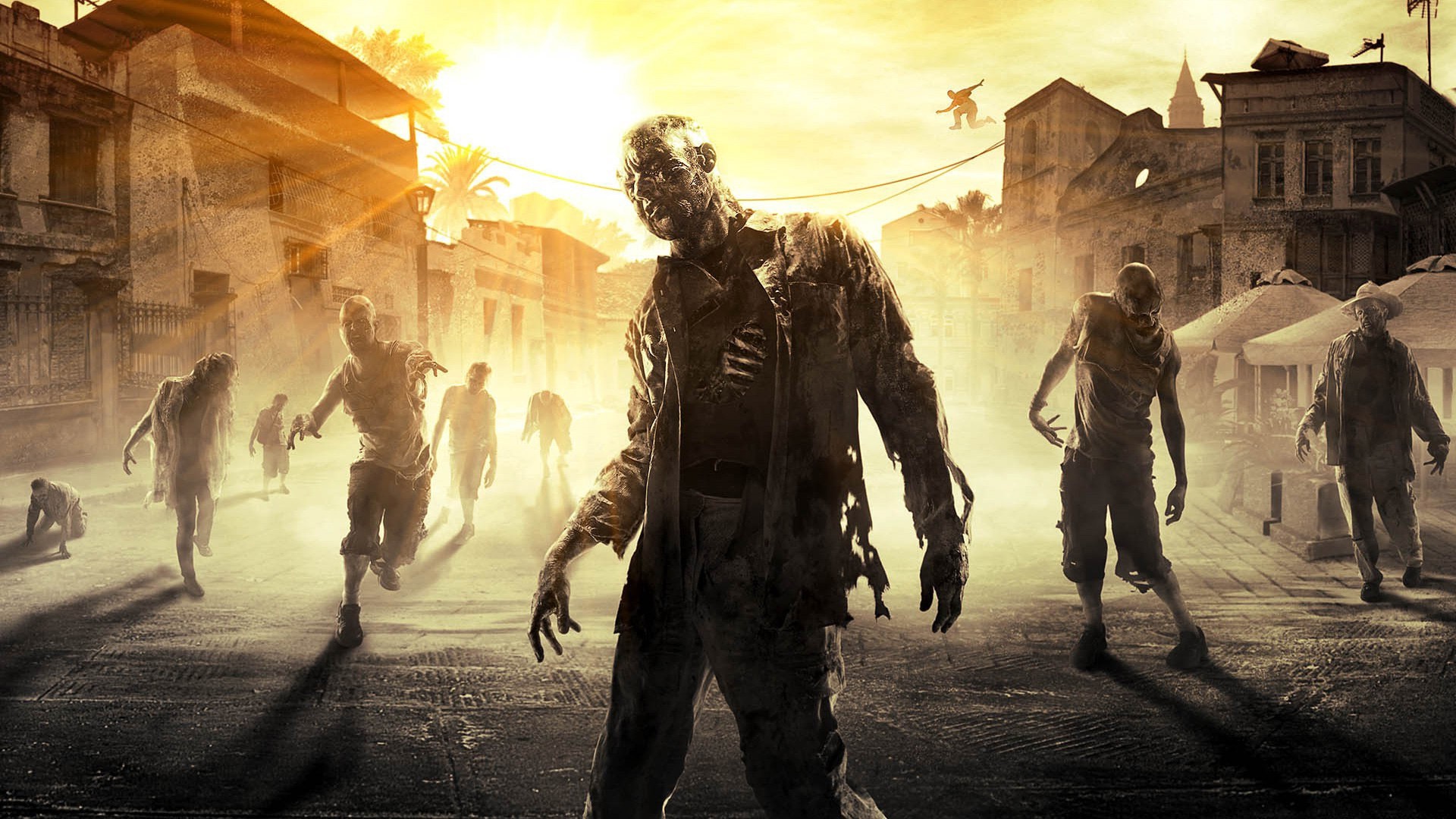
This open-world game combines parkour with a zombie apocalypse, taking place in the city of Harran, which has been placed under quarantine. During the day, players search for essential items, but at night, they must avoid dangerous, aggressive monsters. Due to its intense violence against human-like creatures, the game was prohibited from sale in both stores and online platforms in Germany. Players there had to purchase copies from other countries if they wanted to play.
‘Aliens vs. Predator’ (2010)
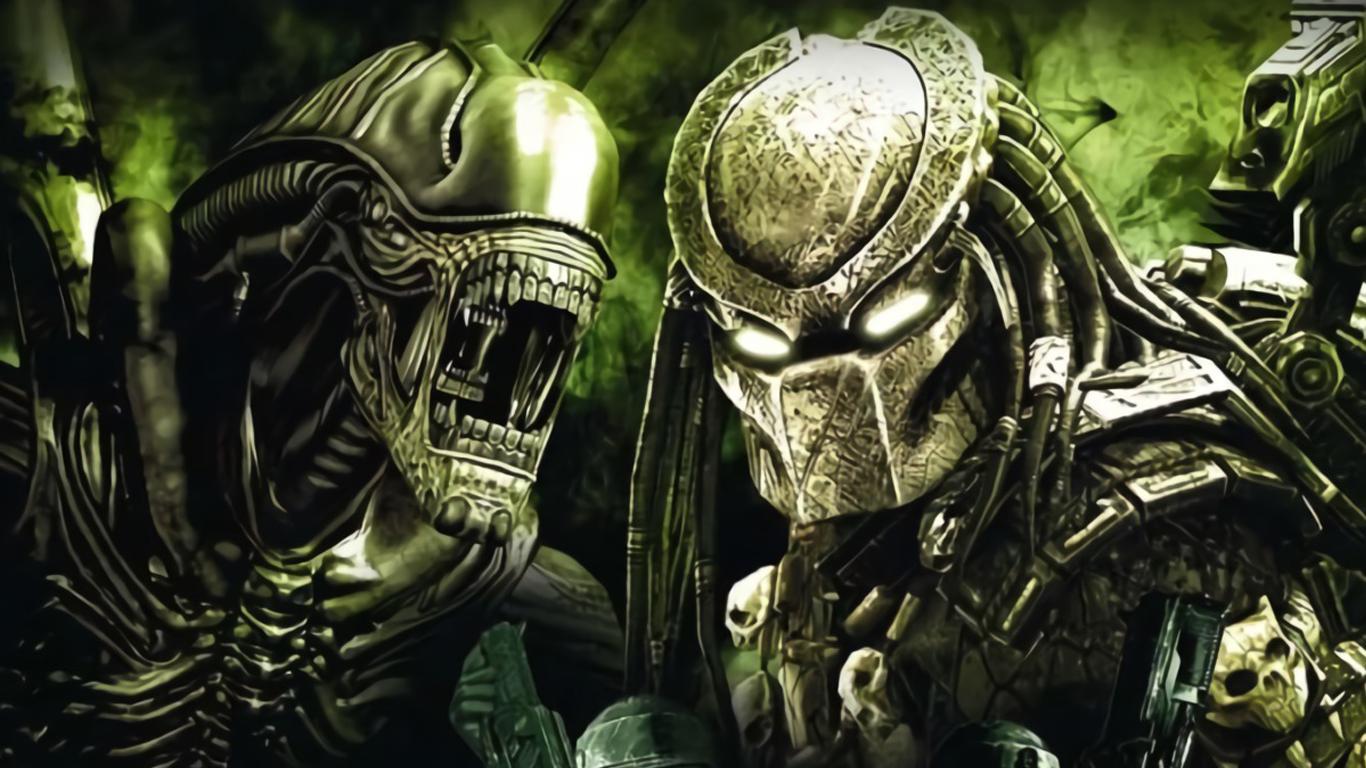
Players can experience the game from the perspective of a Colonial Marine, a Xenomorph, or a Predator. The Predator campaign includes brutal stealth kills, like ripping the spines and heads off of enemies, which initially led Australian censors to refuse a rating for the game. Sega successfully appealed this decision, and the game was eventually released with a Mature rating, but without any changes to the content.
‘Clive Barker’s Jericho’ (2007)
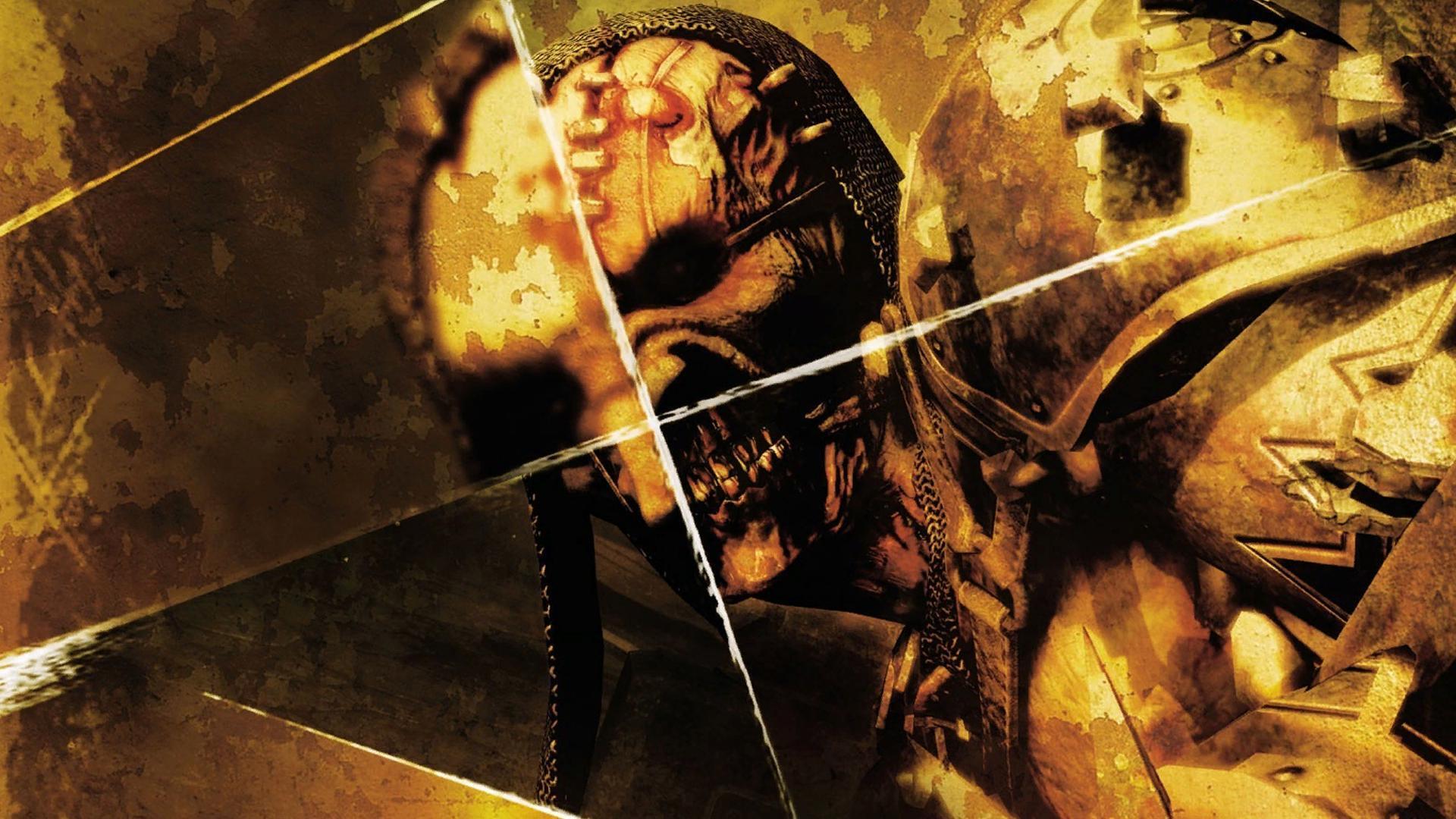
Clive Barker, a well-known horror writer, created the monsters and storyline for this team-based action game. Players control a special forces squad sent to the past to battle horrifying creatures in a forgotten city. However, the game was rejected by German censors because of its extreme violence and disturbing monster designs, which meant it couldn’t be sold in most stores there.
‘Splatterhouse’ (2010)
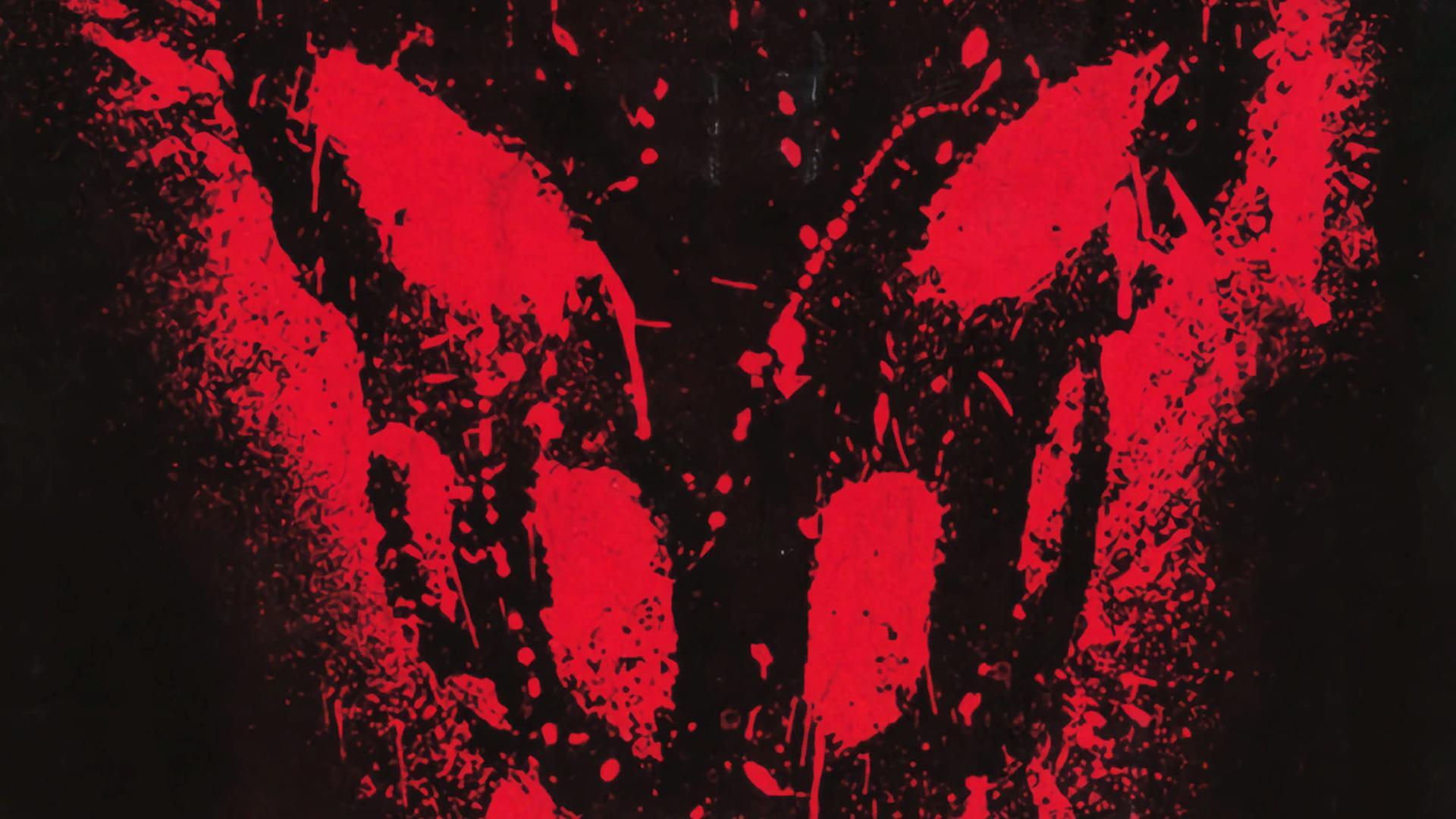
In this game, Rick Taylor wears a haunted mask in an attempt to rescue his girlfriend from a mad scientist. It’s notorious for its extreme gore, with blood visibly splattering on the screen. Due to its intense violence and ability to dismember characters, it was banned in Germany and faced controversy in other regions. The game intentionally embraces a campy, low-budget horror style and aims to shock players.
‘Night Trap’ (1992)
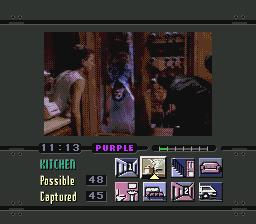
Okay, so I played this really weird game where you had to protect a bunch of teenage girls from vampires… but it wasn’t like a typical action game. It was all done with full-motion video, and you used trapdoors to try and save them. It sounds silly, but it actually caused a huge uproar! There was even a congressional hearing about it, even though there wasn’t any actual blood or gore shown on screen. Stores like Toys “R” Us and Kay-Bee pulled it from their shelves because of the bad press. Honestly, all the controversy around it was a big reason why we got the ESRB rating system – you know, the one that tells you if a game is okay for kids. It’s crazy to think a game about trapdoors and vampires led to all that!
‘Hatred’ (2015)
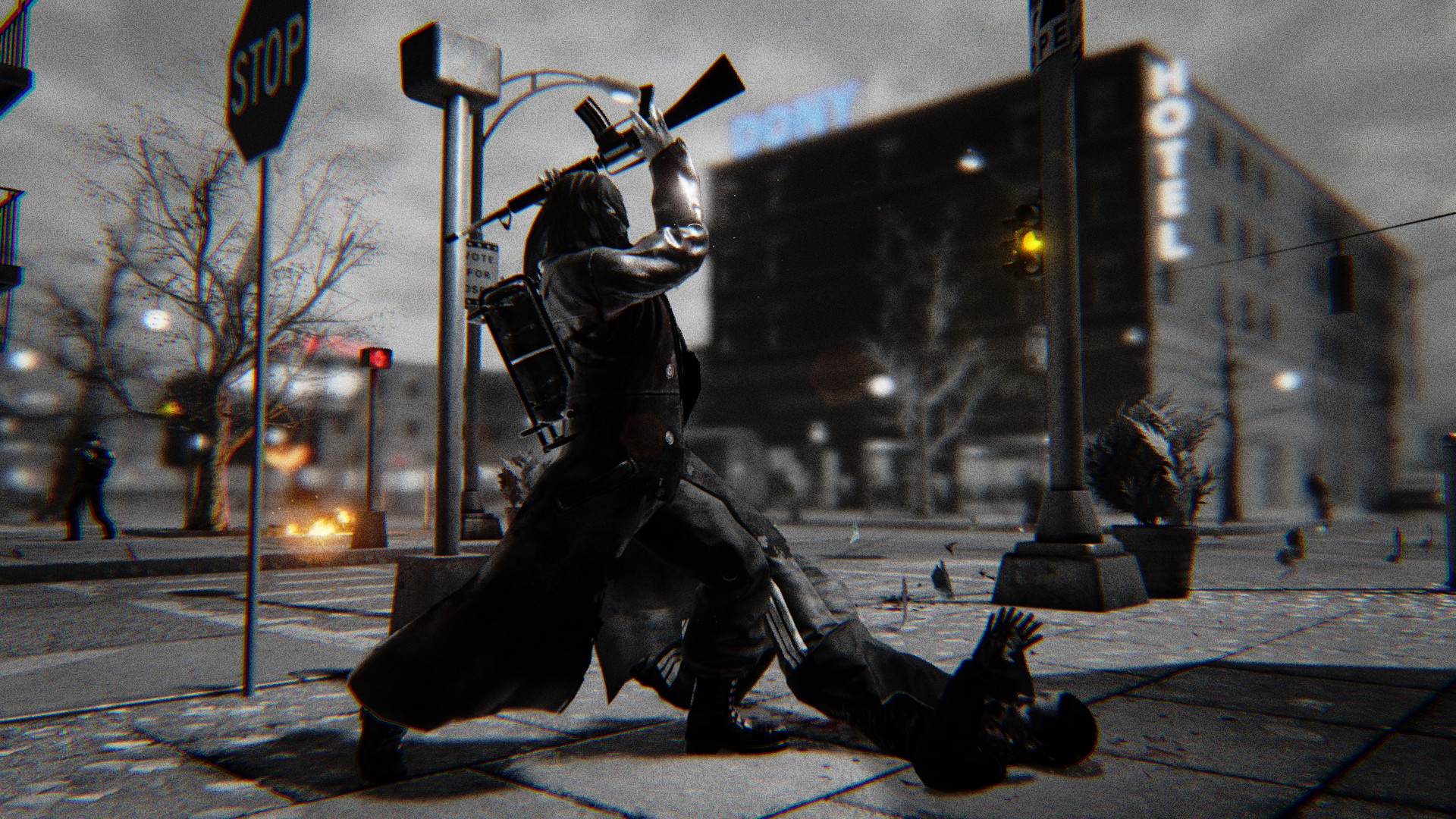
The game puts players in control of a character who hates people and commits mass murder, undertaking a violent campaign against ordinary citizens. Because its only focus is killing, it quickly faced criticism from game reviewers and digital stores. It was only the second game ever to receive an Adults Only rating based solely on its violent content, preventing it from being released on popular gaming consoles. Steam initially removed the game, but later put it back with a warning about its content.
‘Agony’ (2018)
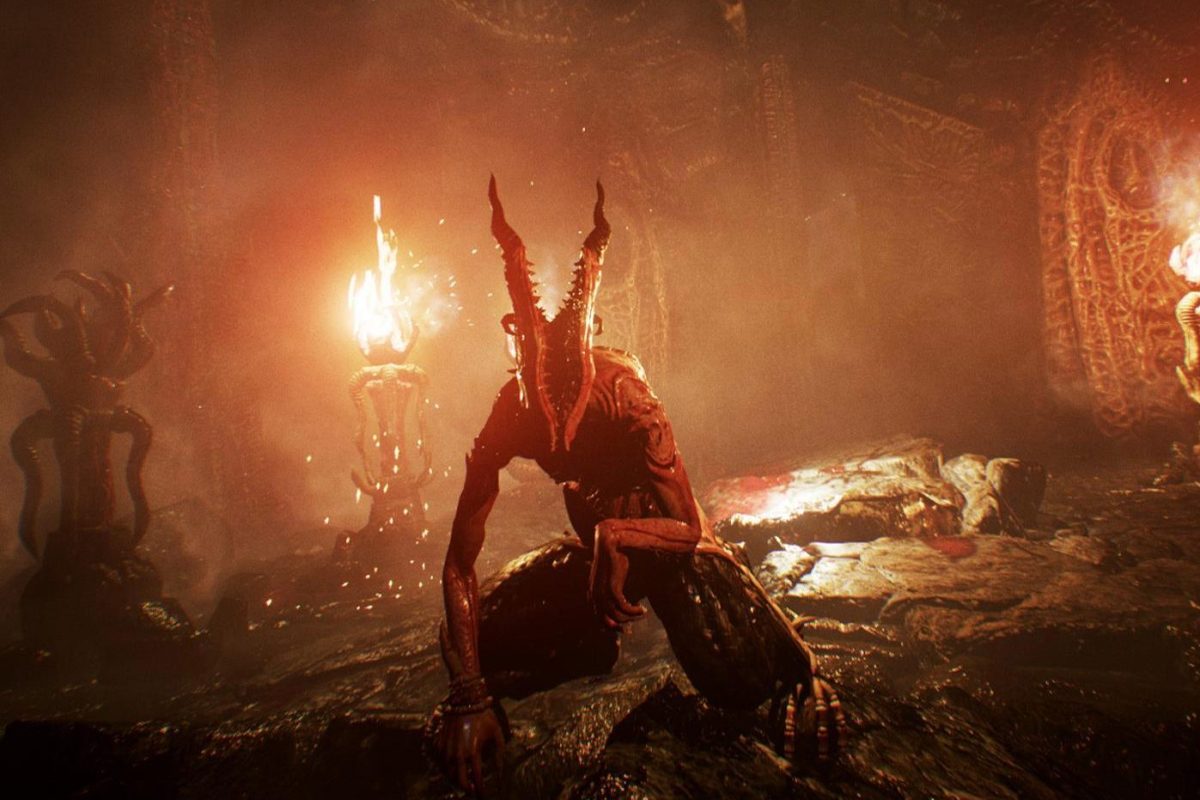
In this game, you play as a troubled spirit attempting to break free from Hell. It’s filled with unsettling visuals made from body parts and fluids. To keep the game available on consoles, the developers removed some scenes of intense violence and sexual content. The original, uncensored version is still available on PC for players who want to experience the game as it was initially intended.
‘Martha Is Dead’ (2022)
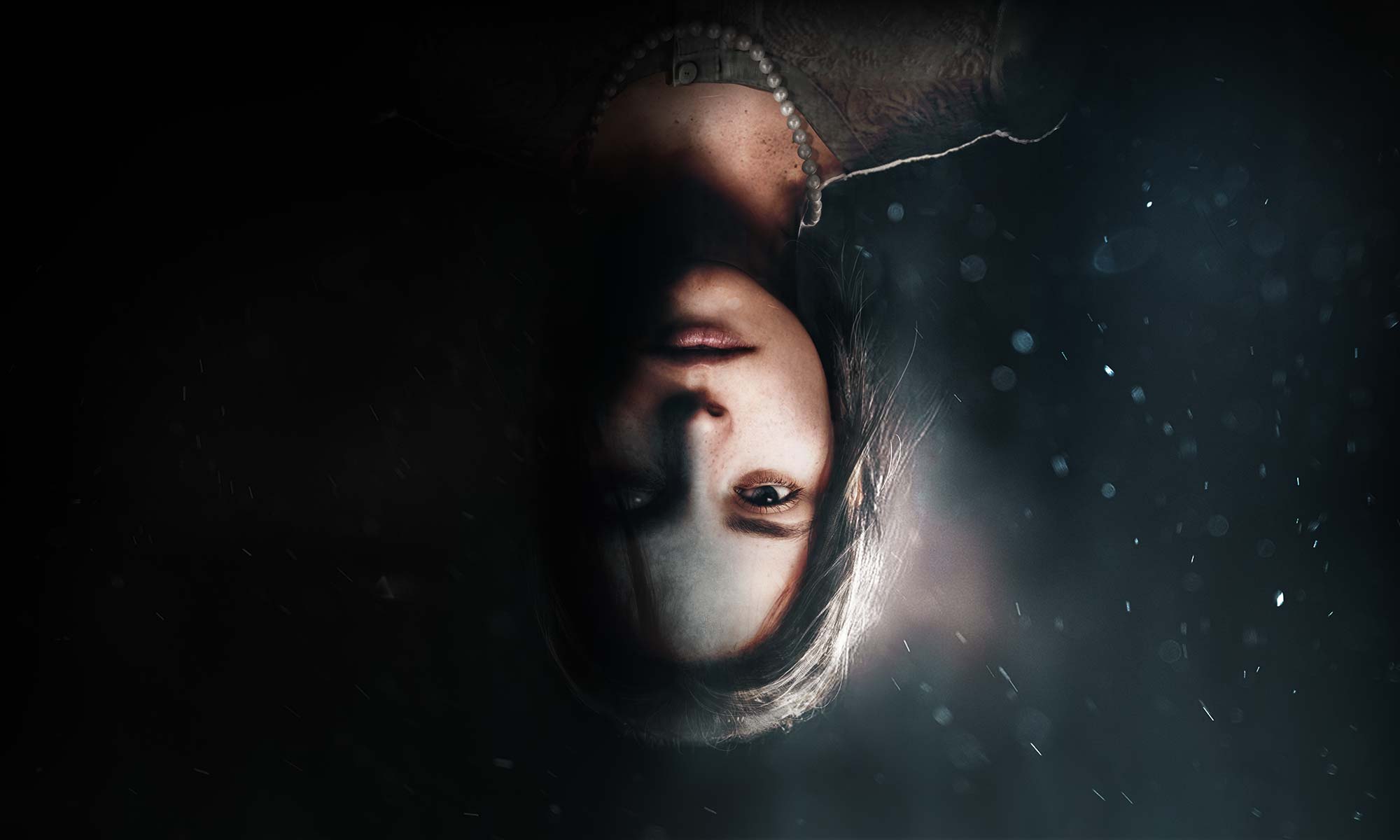
This suspenseful thriller is set in Italy during World War II and explores the damaging effects of war, including a disturbing incident involving a desecrated body. A particularly controversial moment in the game requires players to perform a gruesome act – cutting off a corpse’s face. Sony requested this scene be altered for PlayStation versions, making it non-interactive. The Xbox and PC versions, however, retained the original, uncensored scene, demonstrating different content policies between the platforms.
‘Shellshock 2: Blood Trails’ (2009)
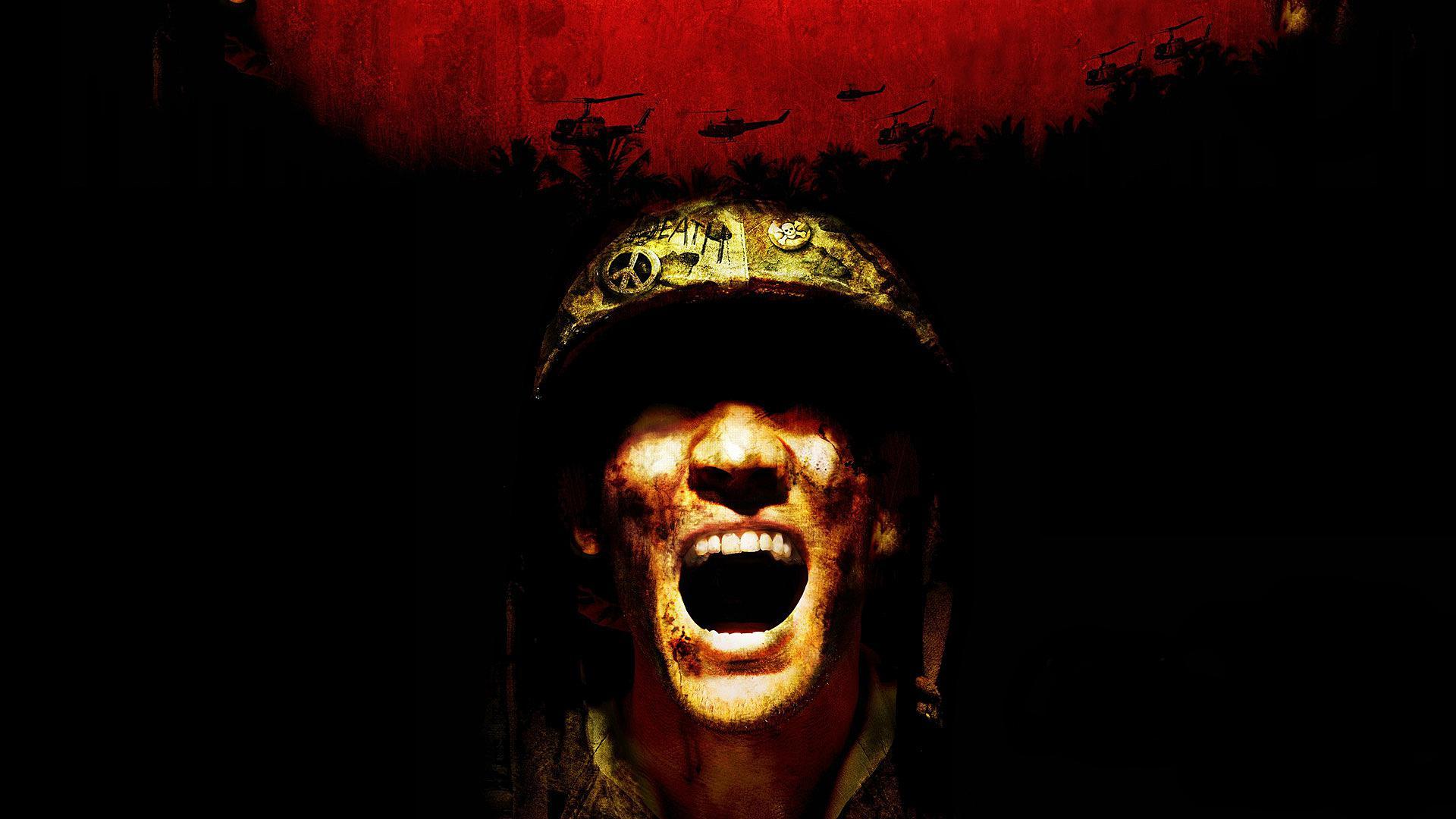
Set during the Vietnam War, this game features a zombie outbreak triggered by a chemical weapon called Whiteknight. It combines the feel of a war movie with the scares of a survival horror game, showing soldiers transforming into flesh-eating zombies. Australia banned the game because of its intense violence and disturbing themes of infection, making it one of the few war games ever banned solely for its horror elements.
‘Land of the Dead: Road to Fiddler’s Green’ (2005)

This game, set in the world of George A. Romero’s zombie films, puts players in a city overrun by the undead. A key feature is its realistic damage system, letting you dismember zombies with both guns and close-combat weapons. However, the Australian government refused to rate it due to its extreme violence, and it became well-known mainly for being banned, despite being a low-budget title.
‘The House of the Dead: Overkill’ (2009)
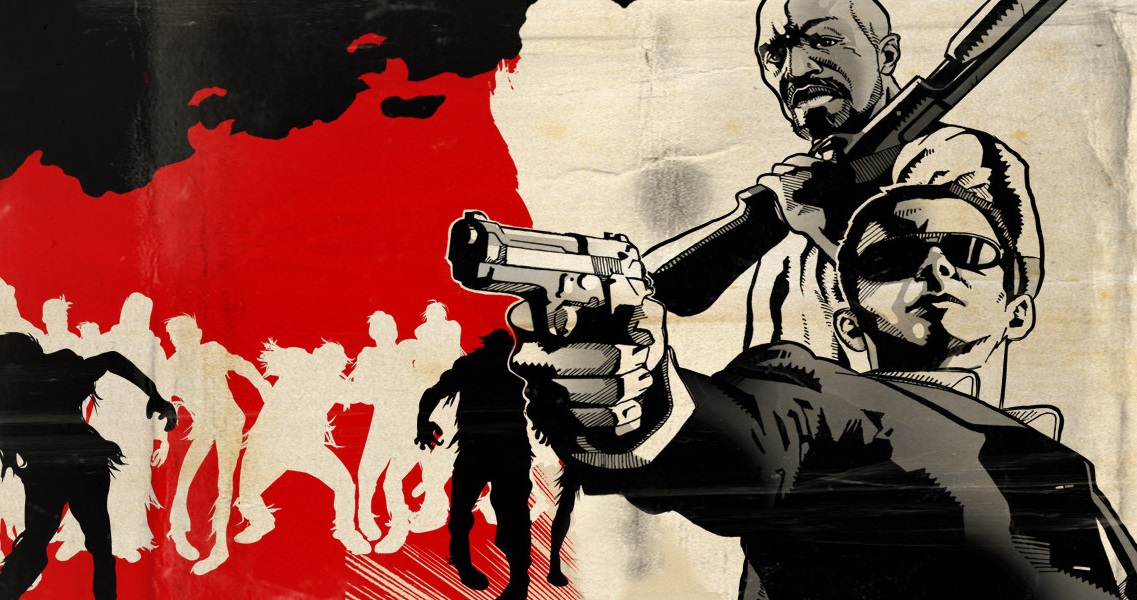
This fast-paced shooting game is designed to look like a gritty, low-budget movie, complete with a hyped-up announcer. When it came out, it was famous for having an incredibly high number of curse words. In fact, it was banned in Germany because officials thought the arcade-style gameplay and realistic headshots made violence seem unimportant. Even its deliberately over-the-top, trashy style wasn’t enough to avoid censorship.
‘Waxworks’ (1992)
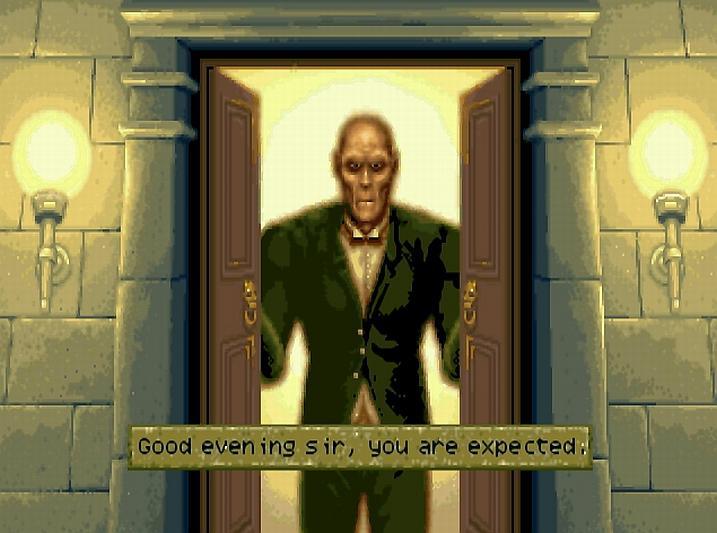
In this game, players explore various wax museums, trying to lift a family curse while encountering terrifying scenes like those involving Jack the Ripper and zombie-infested graveyards. It’s notorious for its shockingly graphic death sequences, which showed the main character being brutally melted, decapitated, or disemboweled. Due to these detailed and gruesome images, Germany banned the game in the 1990s. It’s still considered a landmark example of early PC horror games that dared to push the limits of visual presentation.
‘Chiller’ (1986)
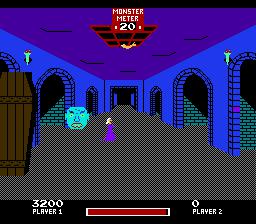
This arcade game puts players in a disturbing scenario: shooting defenseless people to earn points. Its shocking premise – focusing on harming tied-up victims instead of traditional combat – caused a major outcry when it was released. Consequently, it was banned in the United Kingdom, and many US arcades refused to carry it. The game is now infamous as one of the most offensive video games ever created.
‘Dark Sector’ (2008)
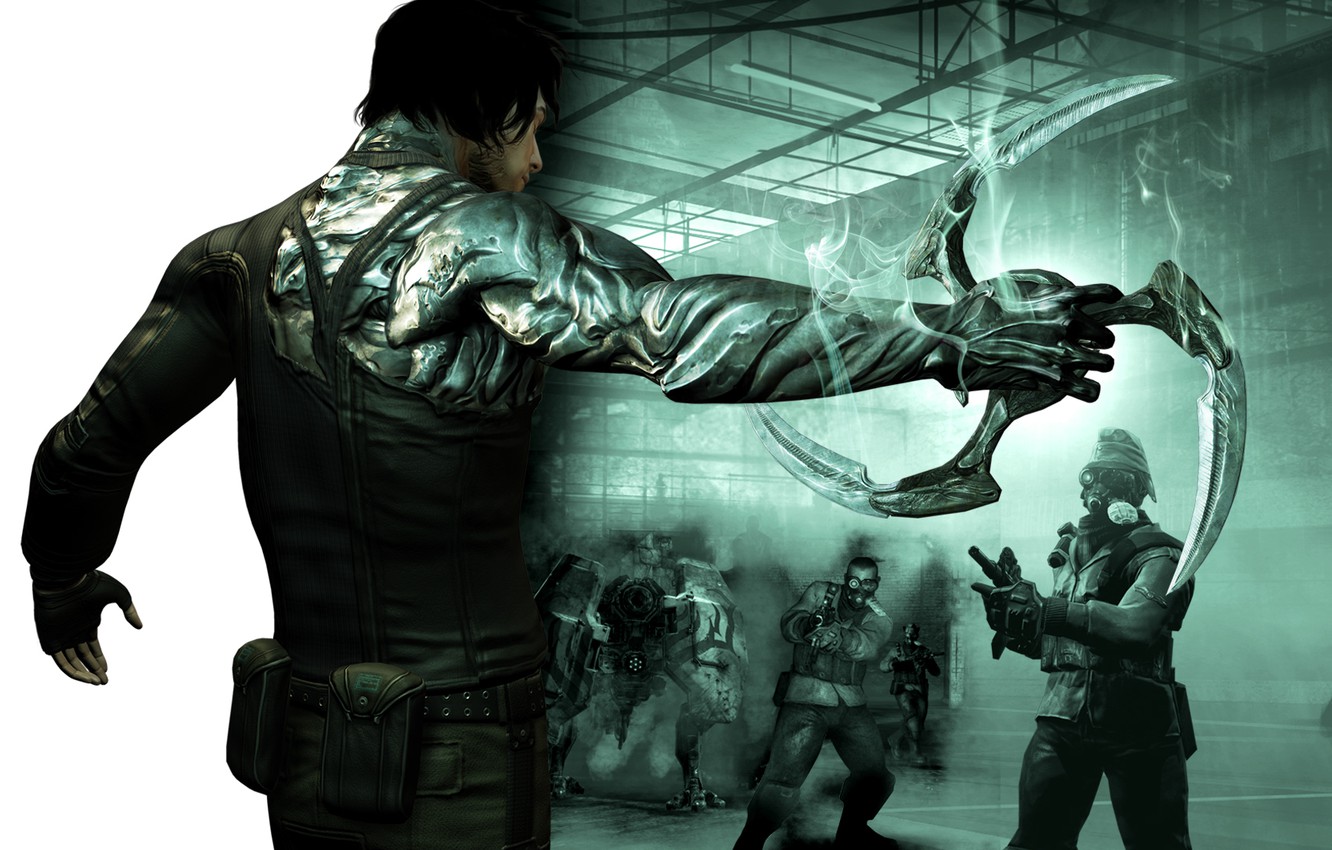
Hayden Tenno fights mutants using a bladed glaive he controls with his mind. The game is known for its extremely violent finishing moves, including decapitations and dismemberment. It was initially refused a rating in Australia because of how aggressively violent it was. The game was eventually released after some of the most graphic animations were toned down.
‘The Darkness’ (2007)
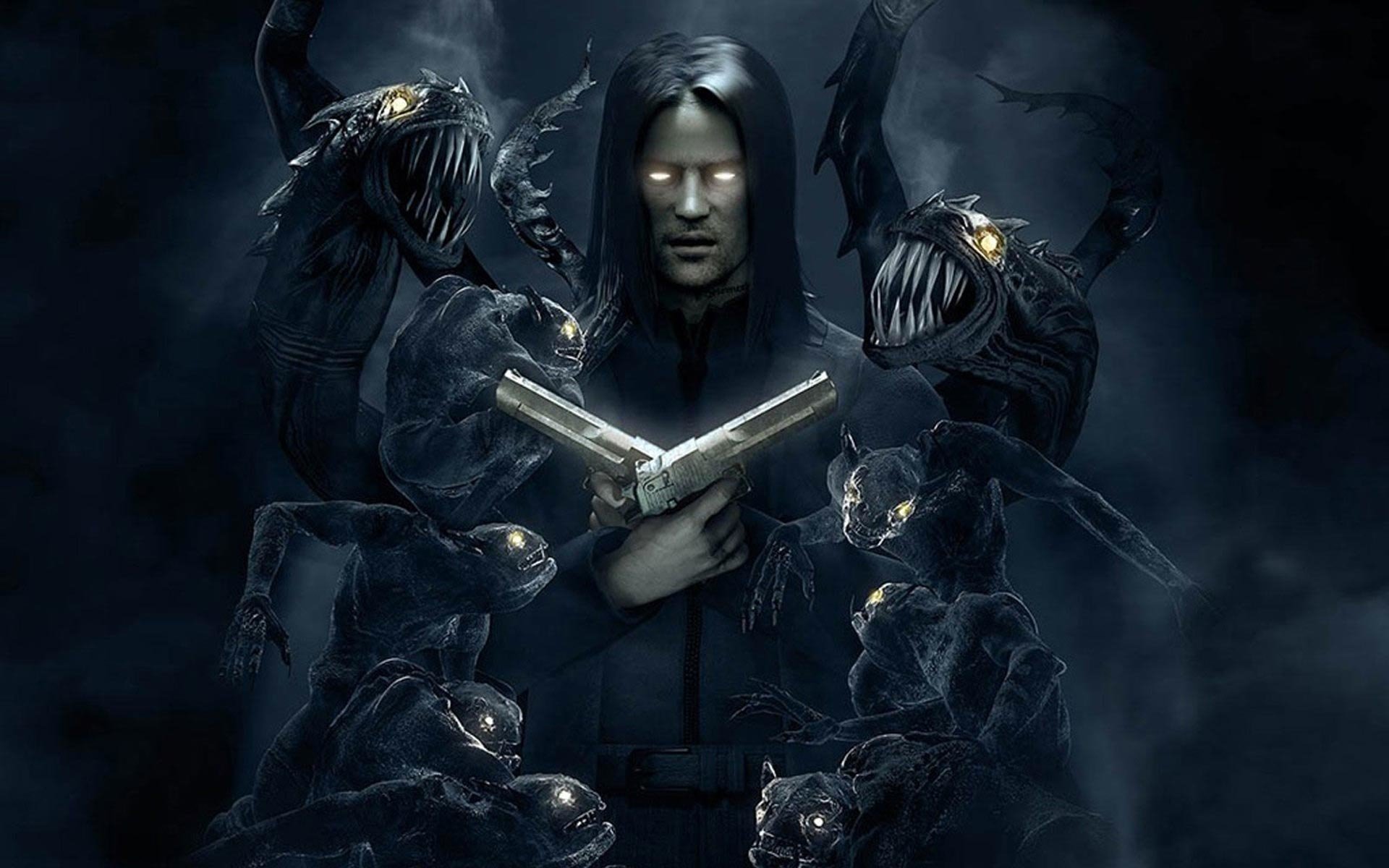
Jackie Estacado has a supernatural ability to summon tentacles and defeat his enemies. The game lets players collect hearts to become more powerful, but this feature was deemed too violent for certain regions. In Germany, the game couldn’t be sold until the developers removed scenes of heart-eating and all imagery related to Nazis. The original, unedited version is still banned and can’t be legally purchased there.
‘Doom’ (1993)
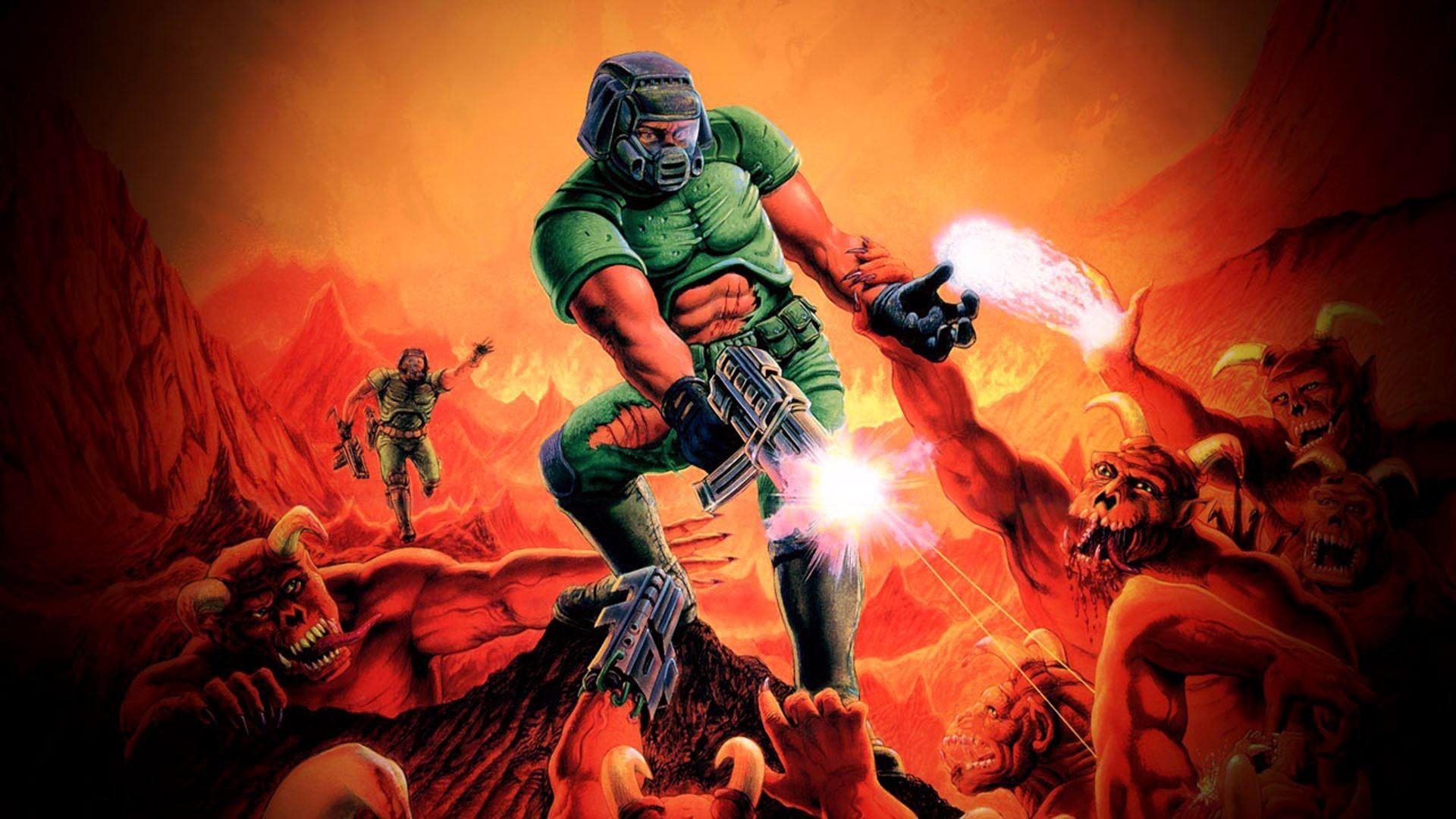
The original Doom revolutionized gaming by bringing fast-paced, first-person shooting to a sci-fi setting filled with demons, powerful weapons, and intense action. Its graphic violence and dark themes sparked widespread controversy and a lengthy moral debate. In Germany, the game was banned from sale to minors and couldn’t be advertised for almost 20 years. This ban was finally overturned in 2011 after Bethesda successfully appealed the decision.
‘Resident Evil Code: Veronica’ (2000)
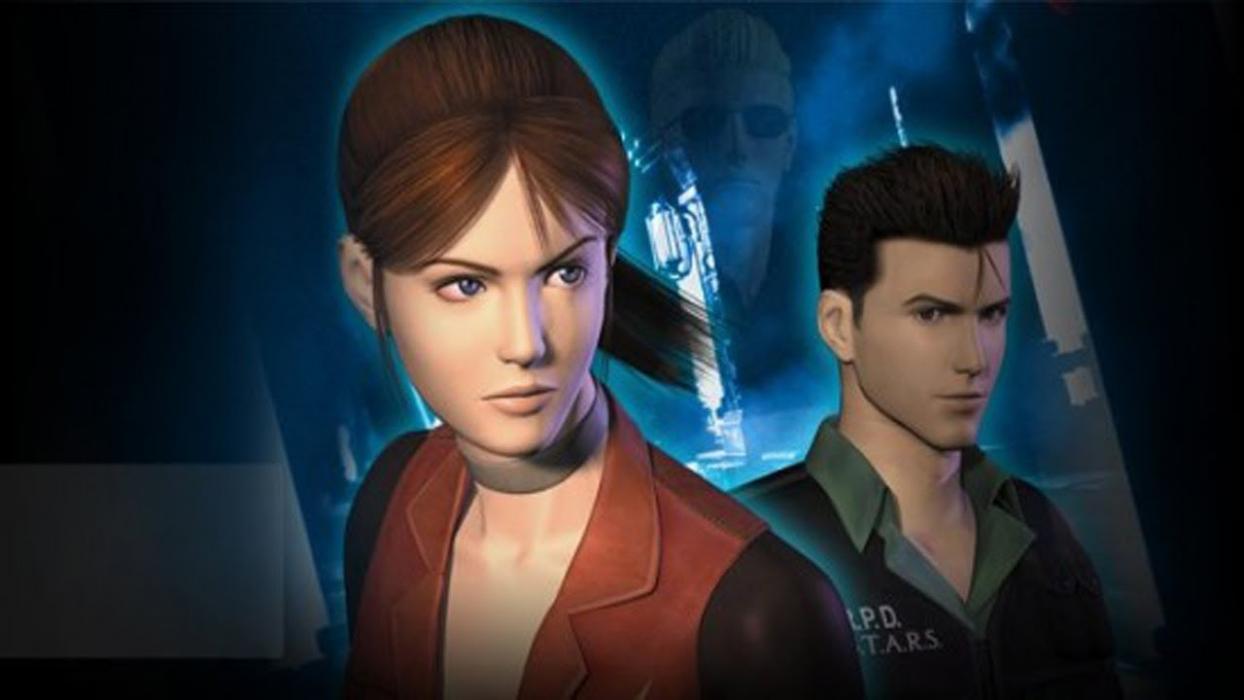
Claire Redfield’s quest to find her brother takes her to a prison island controlled by the disturbing Ashford family. The game is filled with zombies, mutated creatures, and a story centered around horrific scientific experiments. Shortly after its release, the game was indexed in Germany, meaning it couldn’t be sold openly in stores. This restriction lasted for many years, affecting both the original Dreamcast version and later releases on the PlayStation 2.
‘Cold Fear’ (2005)
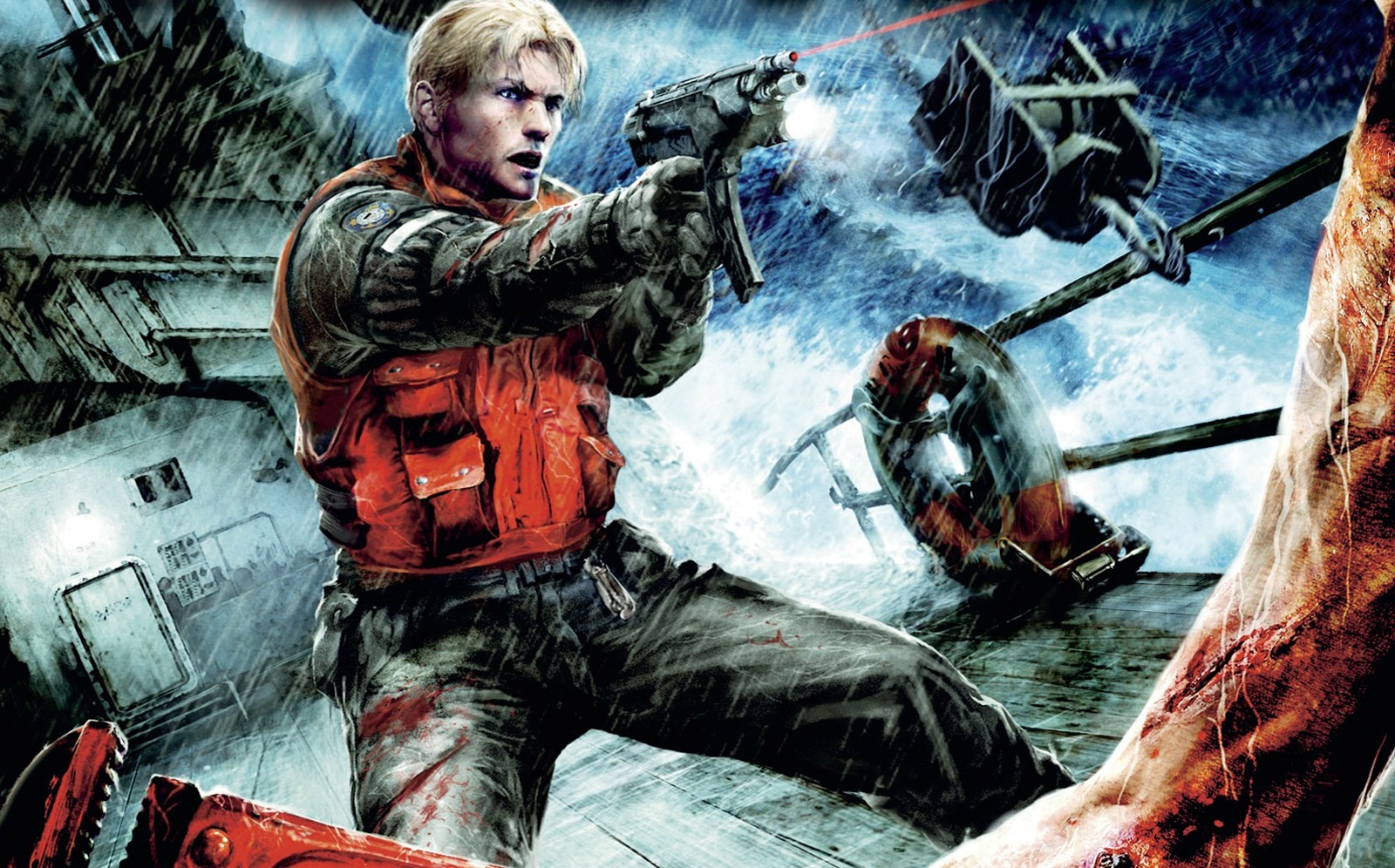
A coast guard officer discovers a Russian whaling ship adrift at sea, only to find it completely infested with parasites. The game features zombies that can only be defeated by destroying their heads, leading to a lot of graphic violence. Due to its intense content, it was banned for sale to minors in Germany, limiting where it could be purchased. While often mentioned alongside other popular survival horror games, this title faced more difficulties getting distributed in Europe.
‘Manhunt’ (2003)
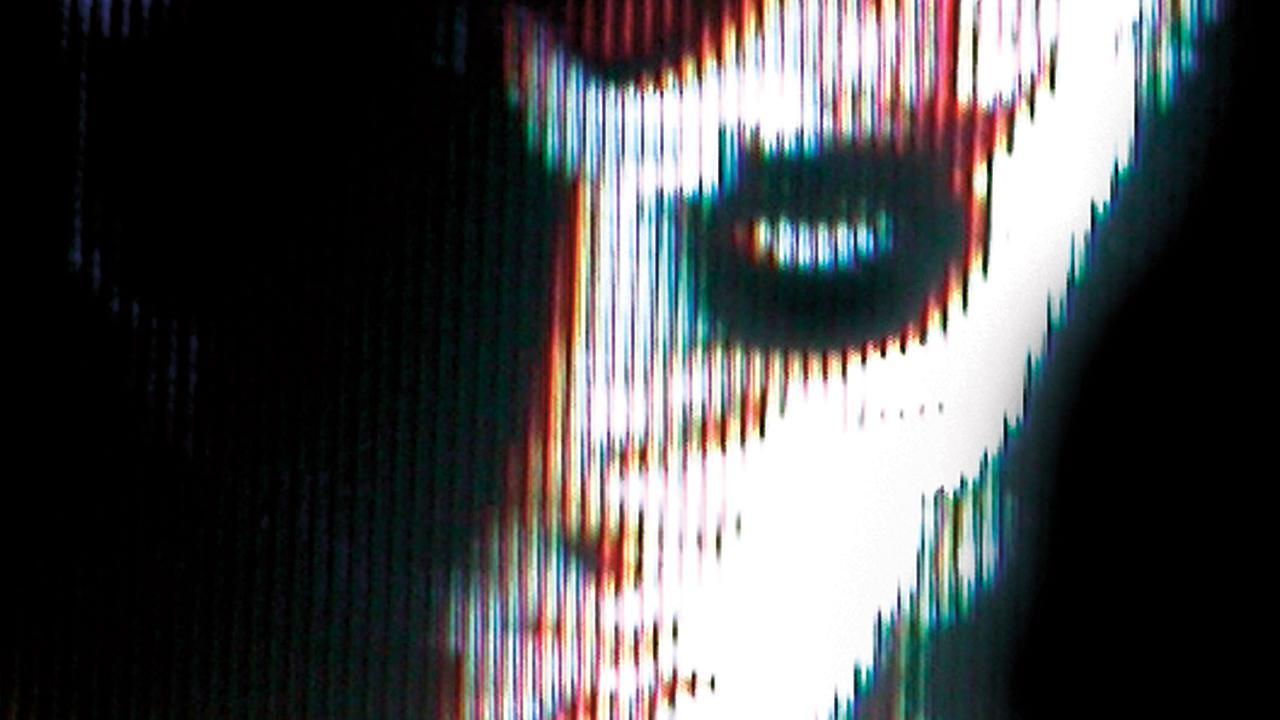
The game from Rockstar puts players in the role of a condemned criminal forced to participate in a horrifying, filmed execution. Players are rewarded for increasingly violent acts, encouraging them to commit the most disturbing kills to earn higher scores. It was banned in New Zealand and linked to a murder in the UK, causing stores to temporarily stop selling it. Even today, the game is considered one of the most controversial ever made because of how realistic it feels.
‘The Medium’ (2021)
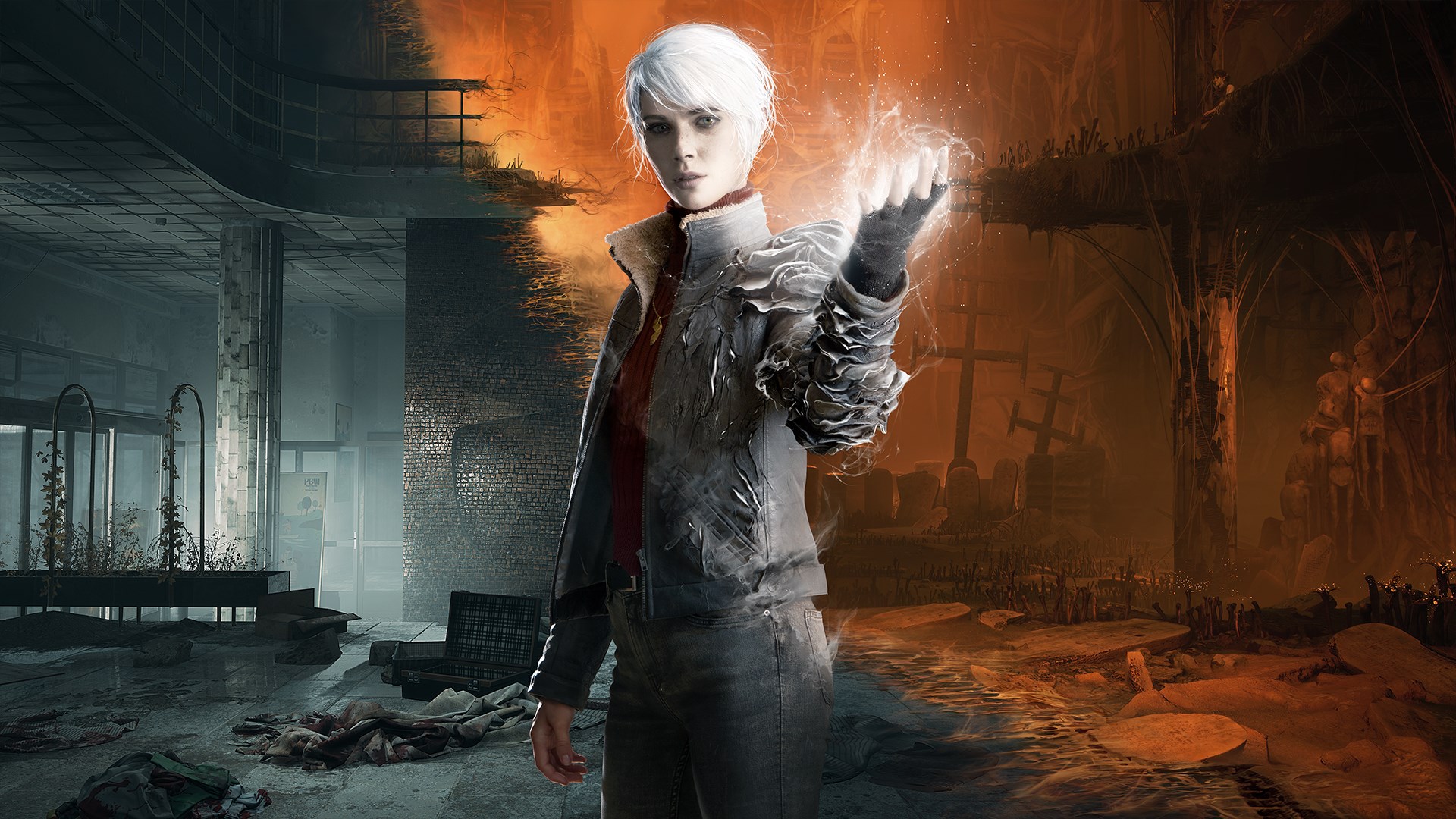
A paranormal investigator delves into the ruins of an old communist resort, hoping to learn about her own history. The game tackles difficult subjects like childhood trauma, suicide, and the Holocaust. It was initially banned in Australia due to a scene involving a ritualistic suicide, but this decision was later reversed, and the game was released with a mature (R18+) rating.
‘We Happy Few’ (2018)
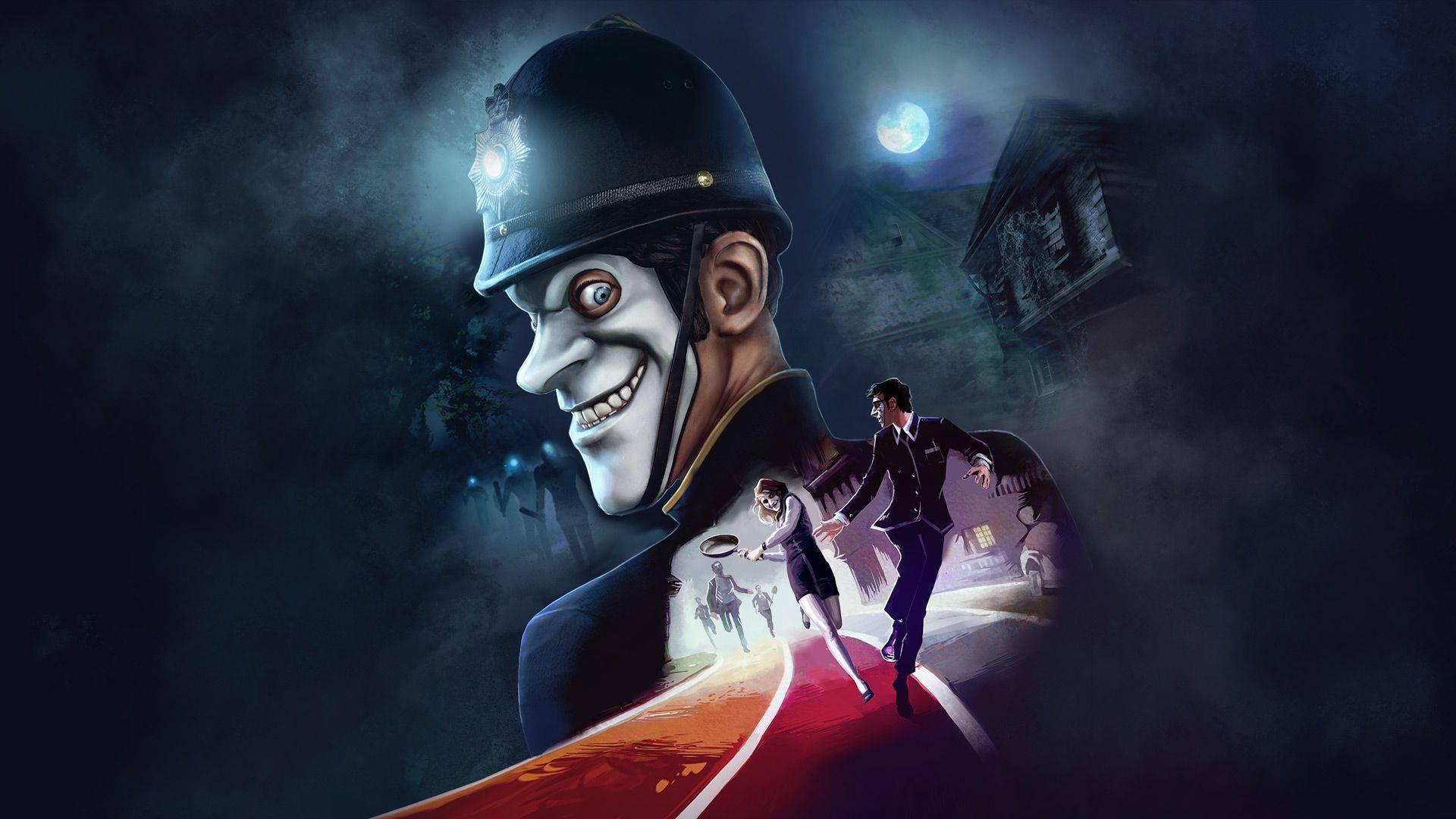
This game is set in a unique version of England that blends old and new. To cope with a dark history, people are required to take a drug called Joy, which makes them forget the past. It initially couldn’t be sold in Australia because the gameplay encouraged players to use drugs to progress. Australian rules often prohibit games that reward or incentivize drug use. However, the developers successfully appealed this decision, and the game is now available there.
Let us know in the comments which of these scary, banned games you’d have the courage to try!
Read More
- When AI Teams Cheat: Lessons from Human Collusion
- 25 “Woke” Films That Used Black Trauma to Humanize White Leads
- From Bids to Best Policies: Smarter Auto-Bidding with Generative AI
- 20 Movies Where the Black Villain Was Secretly the Most Popular Character
- 22 Films Where the White Protagonist Is Canonically the Sidekick to a Black Lead
- Top 10 Coolest Things About Invincible (Mark Grayson)
- Silver Rate Forecast
- Top 20 Dinosaur Movies, Ranked
- Unmasking falsehoods: A New Approach to AI Truthfulness
- Gold Rate Forecast
2026-02-06 07:19