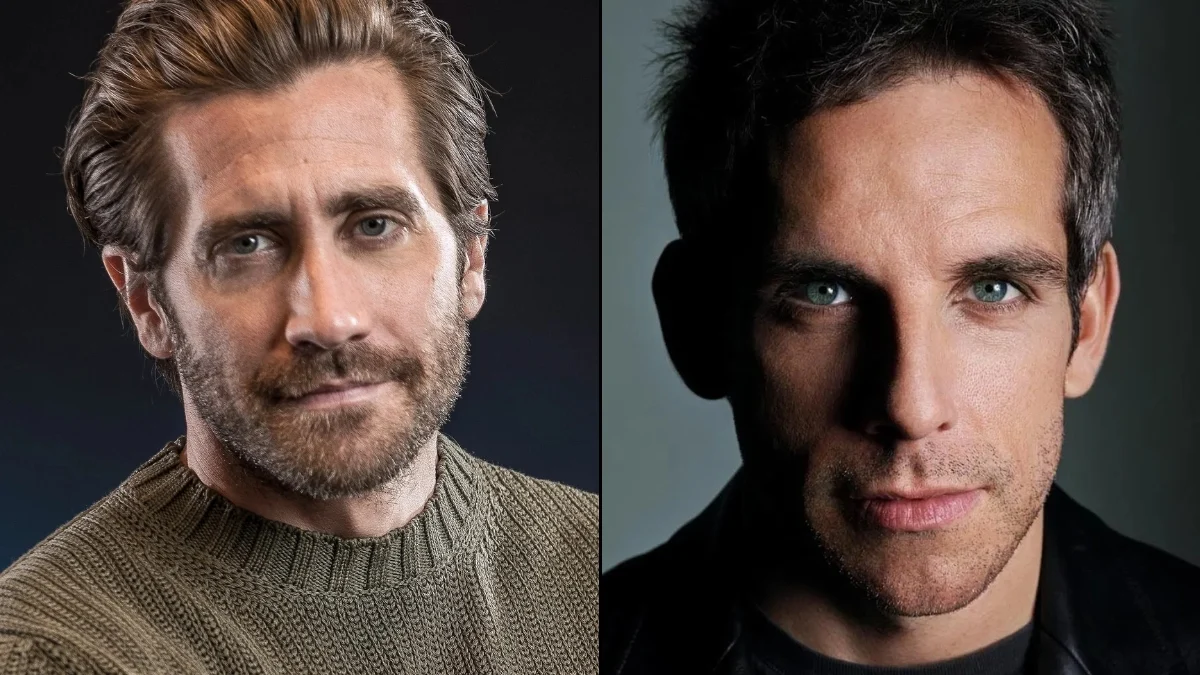
Hollywood has changed a lot over the years, causing actors to look back on their past roles with fresh eyes. What was once common practice – like casting white actors in roles meant for people of color or using cultures without respect – is now often criticized for being unfair or harmful. Because of this, more and more male actors are publicly apologizing for being part of these projects. They’re often speaking out to encourage the entertainment industry to take more responsibility and create more genuine and diverse stories.
Eddie Redmayne
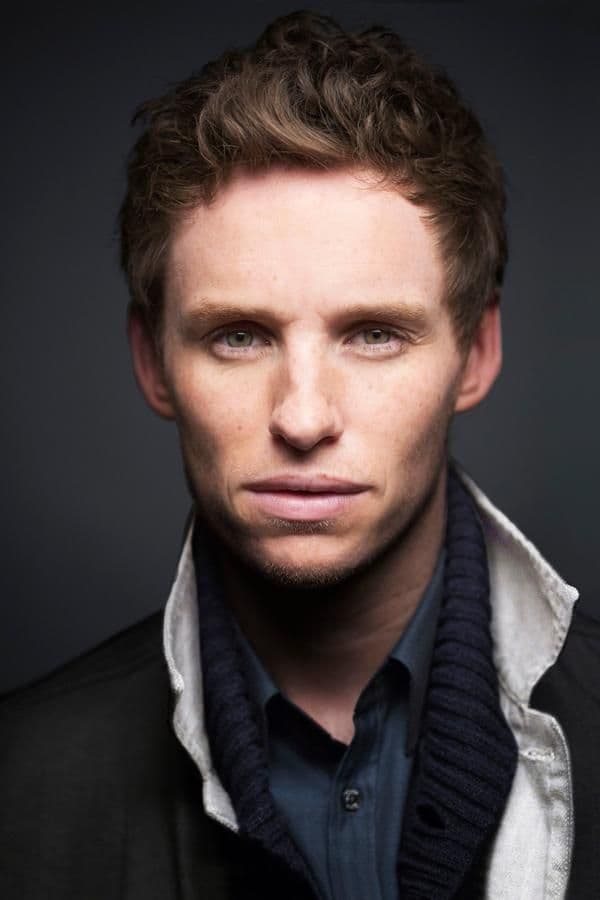
Eddie Redmayne was nominated for an Oscar for his role as Lili Elbe, a groundbreaking transgender woman, in the 2015 film ‘The Danish Girl’. However, he later said he regretted taking the part, explaining that transgender actors weren’t getting enough opportunities at the time. While he believed he acted with good intentions, he wouldn’t accept the role now. Redmayne’s statement highlights a growing discussion within the film industry about the need to cast actors who share similar life experiences with the characters they play.
Hank Azaria
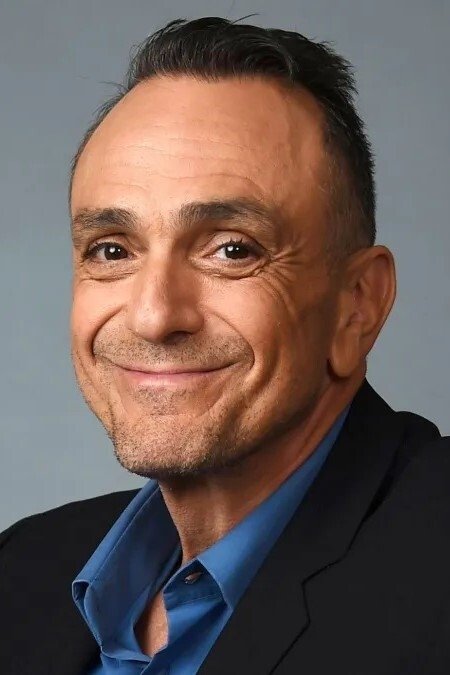
Hank Azaria voiced Apu Nahasapeemapetilon on ‘The Simpsons’ for almost three decades. After the 2017 documentary ‘The Problem with Apu’ highlighted how the character relied on harmful stereotypes about South Asians, Azaria reconsidered his portrayal. He later apologized for contributing to racism through the character and decided to stop voicing Apu. Since then, Azaria has been a vocal advocate for more diverse and sensitive representation in voice acting, and has led discussions on racial awareness.
Jake Gyllenhaal
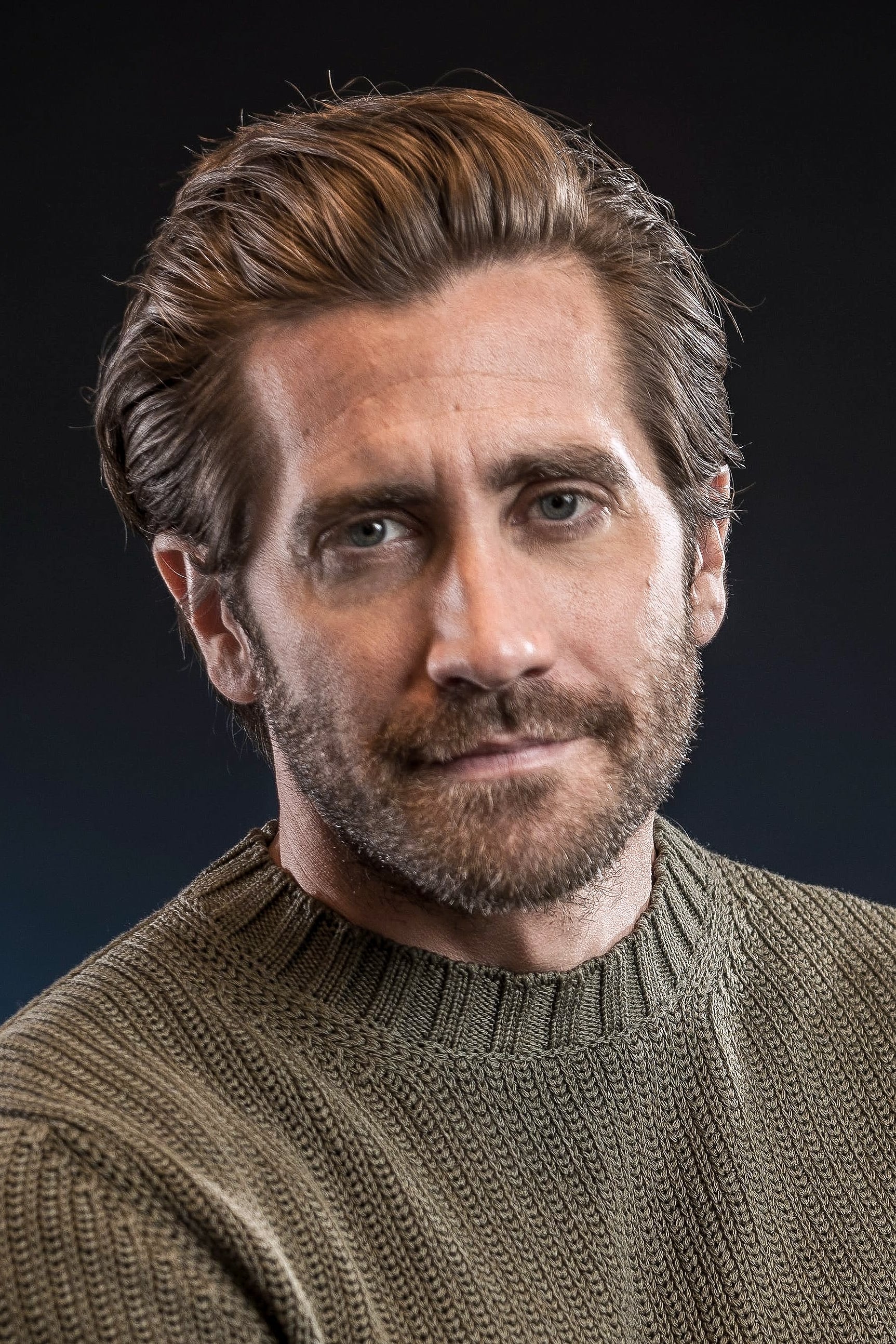
Jake Gyllenhaal played the main role in the 2010 film ‘Prince of Persia: The Sands of Time,’ which received a lot of criticism for casting mostly white actors to play characters who were originally Middle Eastern. Gyllenhaal later admitted the casting choices were a mistake and said he regrets being part of the film. He explained that he’s learned from the experience and now carefully considers the cultural impact of the roles he takes on.
Matt Damon
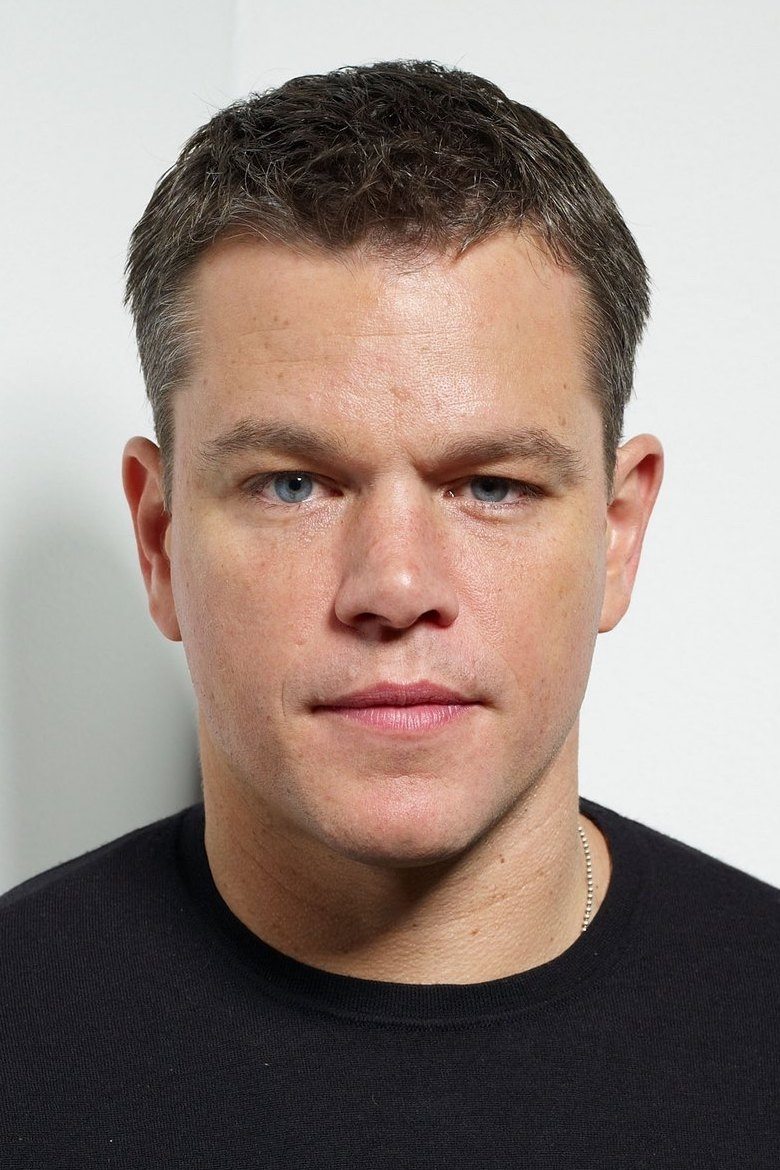
I remember when ‘The Great Wall’ came out in 2016, and honestly, there was a lot of talk about Matt Damon’s role. He played a mercenary in ancient China, and some people felt it fell into the ‘white savior’ trope – basically, that the story focused too much on a Western hero instead of highlighting Chinese talent and history. Damon actually spoke about it later, saying he saw the movie as more of a fantasy, but he totally understood the criticism. He said he really took it to heart and it helped him learn a lot about how things work in the film industry and how casting choices can be perceived.
Ed Skrein
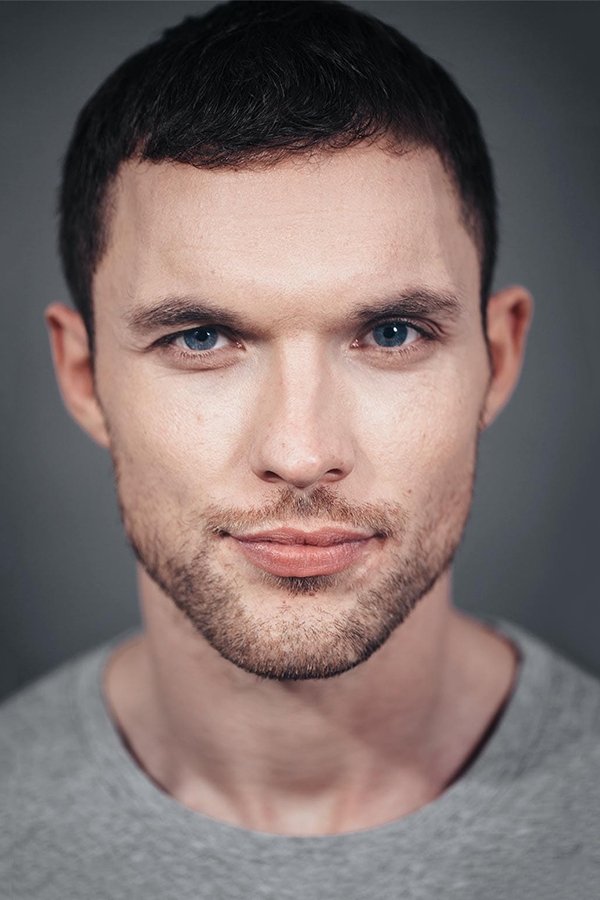
Originally, Skrein was chosen to play Major Ben Daimio in the new ‘Hellboy’ movie. However, the character is meant to be of Japanese-American background, and there was public criticism when a non-Japanese actor was cast. Skrein made the unusual choice to withdraw from the role, publicly apologizing and stressing the importance of accurate representation. This ultimately led to Daniel Dae Kim being cast, which was seen as a positive step towards more responsible casting decisions in Hollywood.
Fisher Stevens
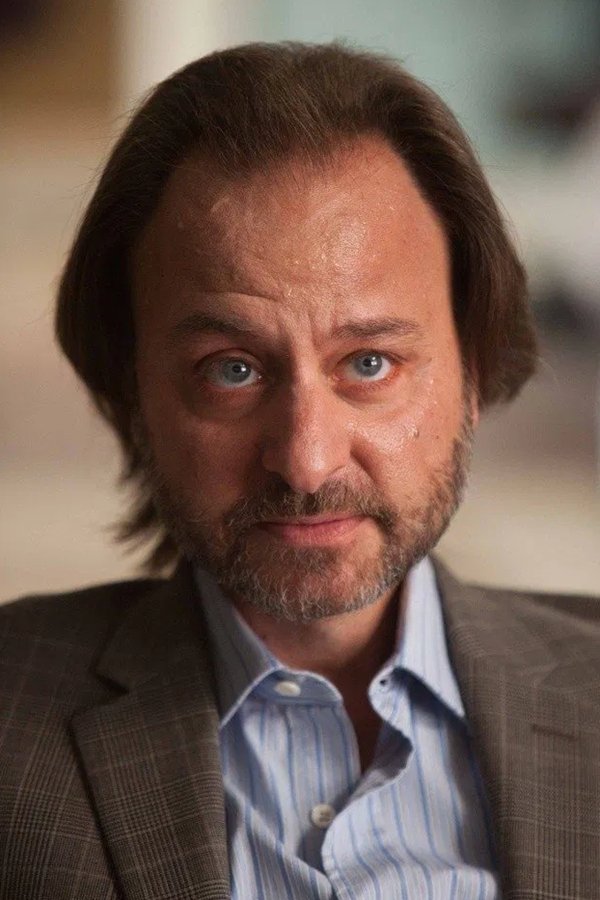
In the 1986 movie ‘Short Circuit,’ actor Stevens played the character Ben Jabituya using makeup to appear as a different race and a fake accent. Years later, Stevens publicly apologized for the role, calling it a mistake he made early in his career. He admitted the portrayal was hurtful and that he’d felt guilty about it for a long time. Since then, Stevens has often spoken about the value of inclusivity and the damage caused by stereotypical characters.
Tom Hanks
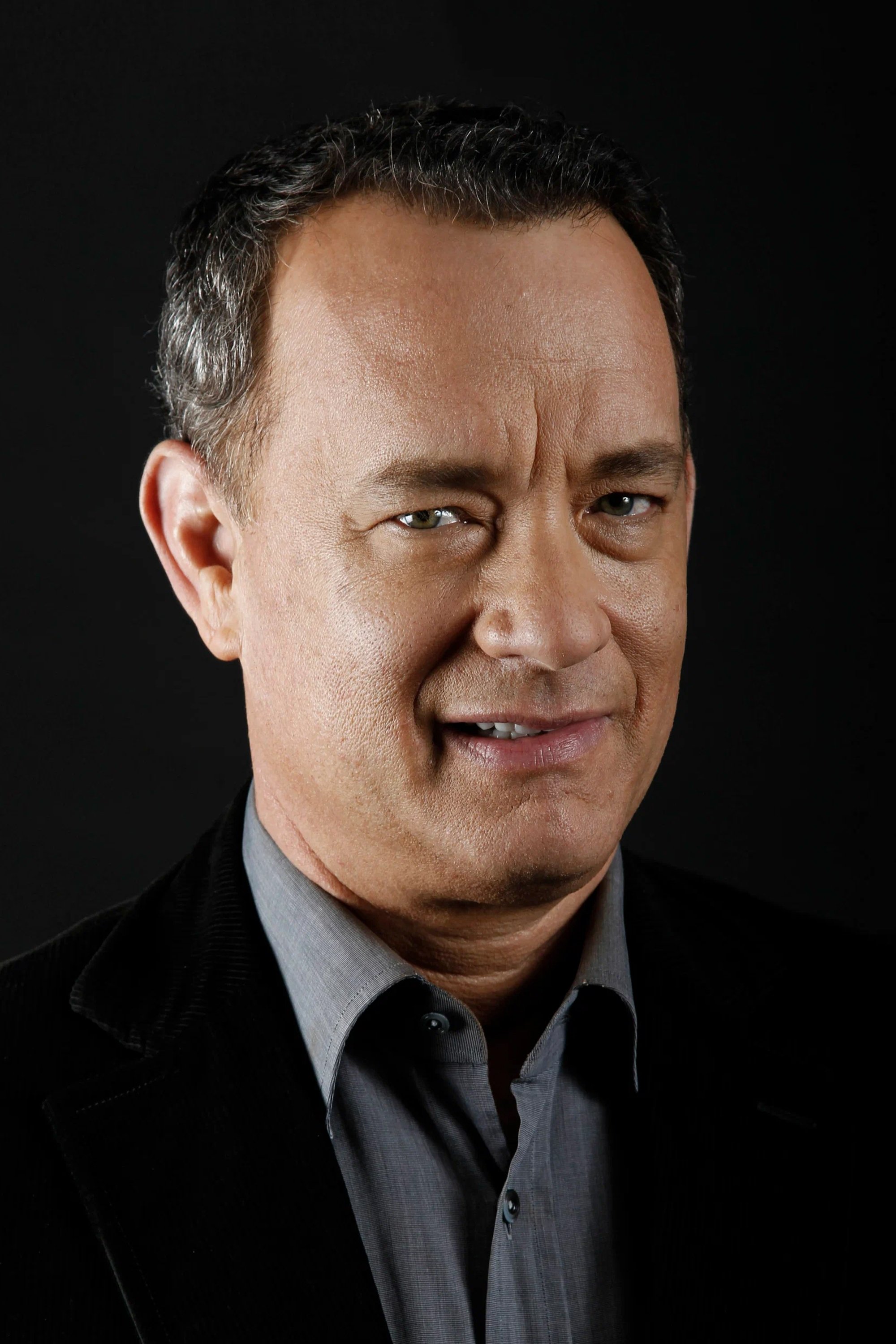
Tom Hanks received an Oscar for his role as a gay man with HIV in the 1993 movie ‘Philadelphia’. However, in 2022, he said that a straight actor shouldn’t play that part now. He believes audiences today would expect someone who is actually gay to play such an important role to ensure authenticity. Hanks clarified he wasn’t criticizing the film itself, but acknowledging that expectations for representation have changed.
Jim Carrey

The 1994 comedy ‘Ace Ventura: Pet Detective’ has faced criticism for its ending and how it handles a character’s reveal, specifically for being insensitive towards transgender people. Jim Carrey later admitted the humor hasn’t aged well, and that it reflected the attitudes of the time. He said he’d approach the character very differently now. This acknowledgment echoes current concerns about how 1990s movies frequently relied on making fun of marginalized groups.
Seth Rogen

Seth Rogen has openly expressed regret over some of the jokes in his early film ‘Superbad.’ He acknowledged that certain lines were clearly homophobic and showed the prejudiced attitudes common in the mid-2000s. Rogen explained that he and his fellow writers have since made an effort to be more considerate of how their comedy affects others, and he believes that humor should change and improve as society does.
Jonah Hill

Jonah Hill, along with his ‘Superbad’ co-star Seth Rogen, has admitted that some of the movie’s jokes haven’t held up over time. He explained the characters used language typical of teenagers at the time, but he now understands why it can be seen as offensive. Hill is now looking for roles and projects that are more inclusive and considerate, while still appreciating ‘Superbad’’s importance in his career, despite its shortcomings.
Darren Criss
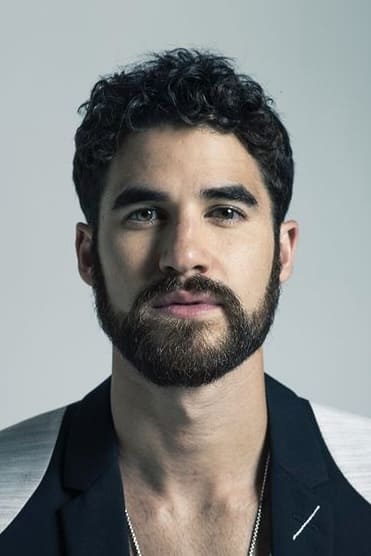
Chris Colfer became well-known for his role as a gay student on the TV show ‘Glee’ and later won an Emmy for ‘The Assassination of Gianni Versace: American Crime Story’. In 2018, he decided to stop taking roles as LGBTQ+ characters. He explained that he wanted to create more opportunities for queer actors to play those roles and bring their own personal experiences to the screen, feeling it was no longer right for him, as a straight man, to take those parts.
Benedict Cumberbatch
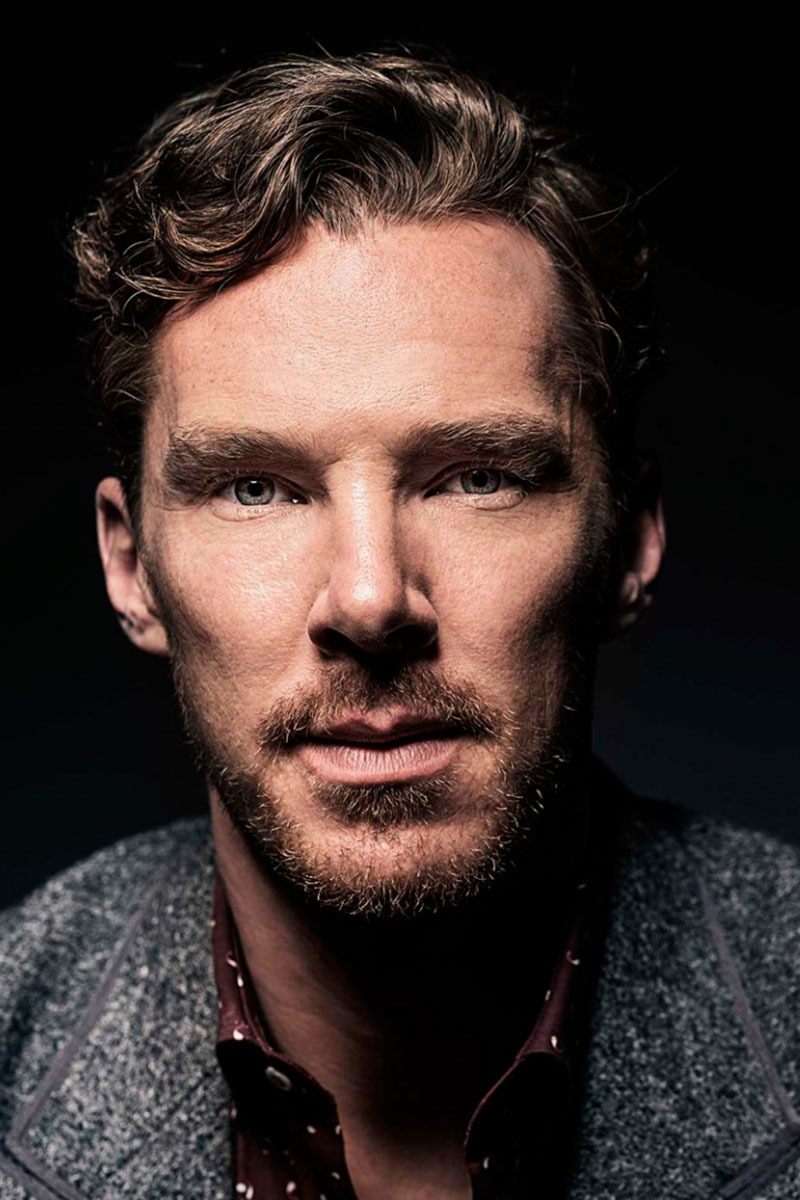
Benedict Cumberbatch received backlash for playing All, a non-binary fashion model, in the 2016 film ‘Zoolander 2’. Many people felt the character made fun of non-binary and transgender identities. Cumberbatch later said he realized the role was problematic, and that understanding of gender identity has improved since then. He admitted the casting and how the character was portrayed weren’t ideal by today’s standards.
Robert Downey Jr.
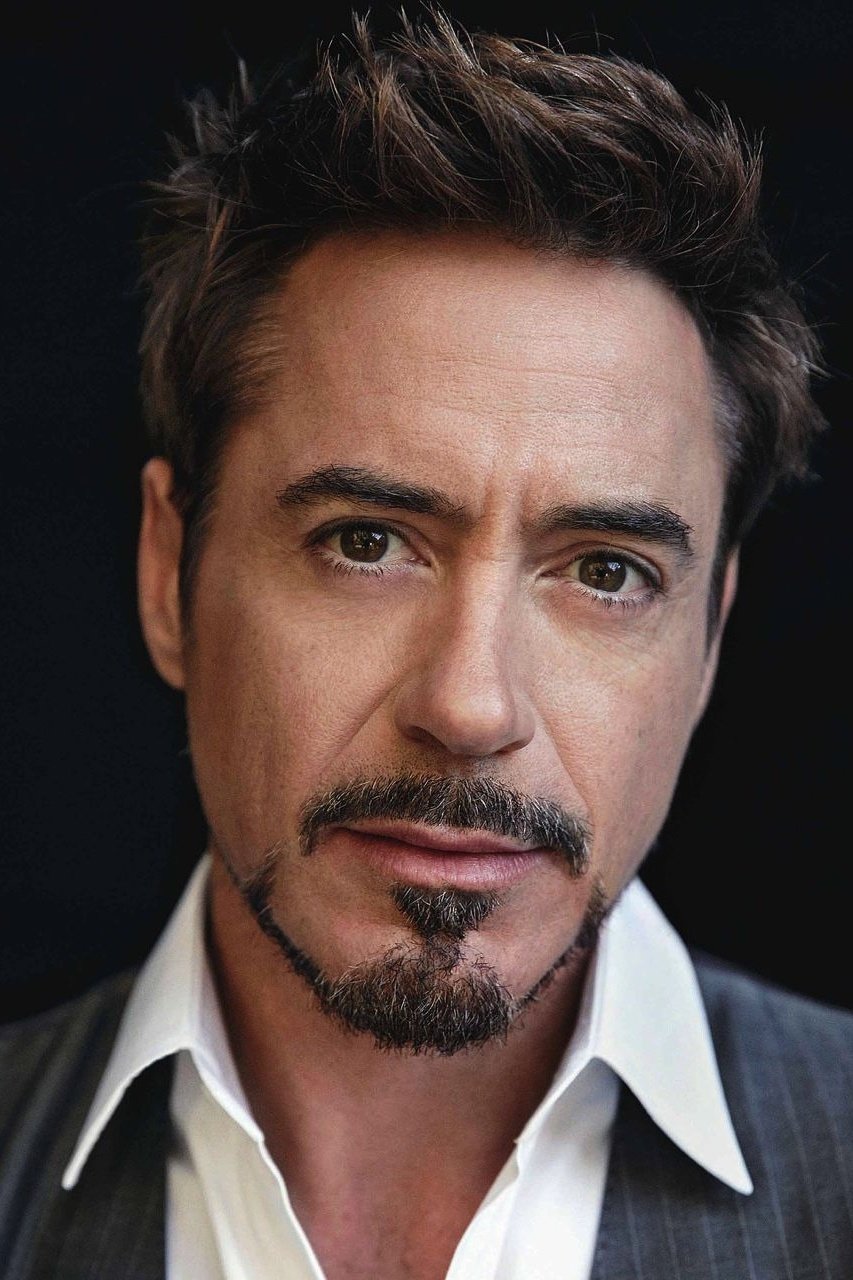
In the comedy ‘Tropic Thunder’, Robert Downey Jr. played an actor who dramatically changed his appearance with darker skin for a role. While the intention was to poke fun at Hollywood’s ego and the history of blackface, Downey Jr. has admitted the role was complicated. He understands why many people found it offensive, despite the film’s satirical purpose. He’s spoken about the performance often, trying to explain how the film’s humor clashed with the sensitive nature of the imagery.
Ben Stiller
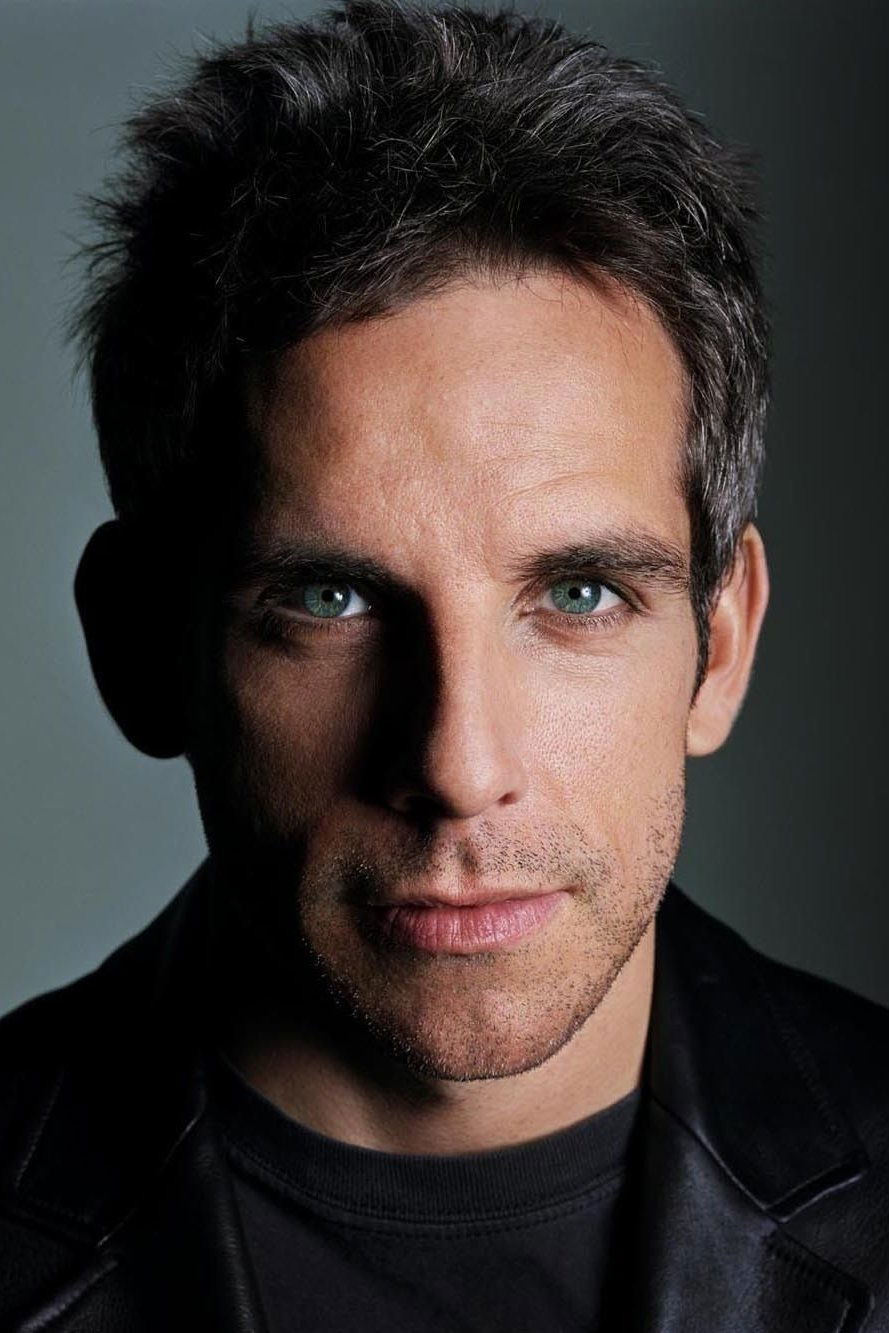
Ben Stiller, the director and star of ‘Tropic Thunder’, has responded to criticism of his character Simple Jack, which many felt unfairly made fun of people with intellectual disabilities. He apologized to disability advocacy groups, admitting the joke went too far and caused pain. Stiller explained he meant to poke fun at actors who use such roles to try and win awards, but he now understands the portrayal was harmful and has been mindful of the concerns raised by the disability community.
Dev Patel
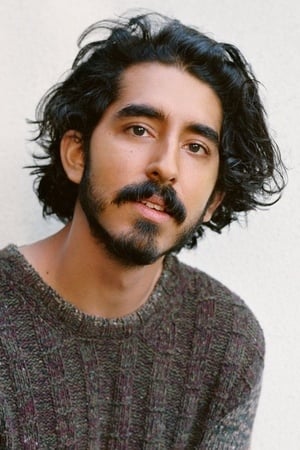
Dev Patel has said he regrets being part of M. Night Shyamalan’s ‘The Last Airbender’. The movie received a lot of criticism for casting white actors in roles that were originally Asian or Inuit. Patel has called the experience a learning moment, emphasizing the need to choose projects carefully and be mindful of cultural representation. Since then, he’s prioritized roles that allow him to better represent his own background.
Mickey Rooney
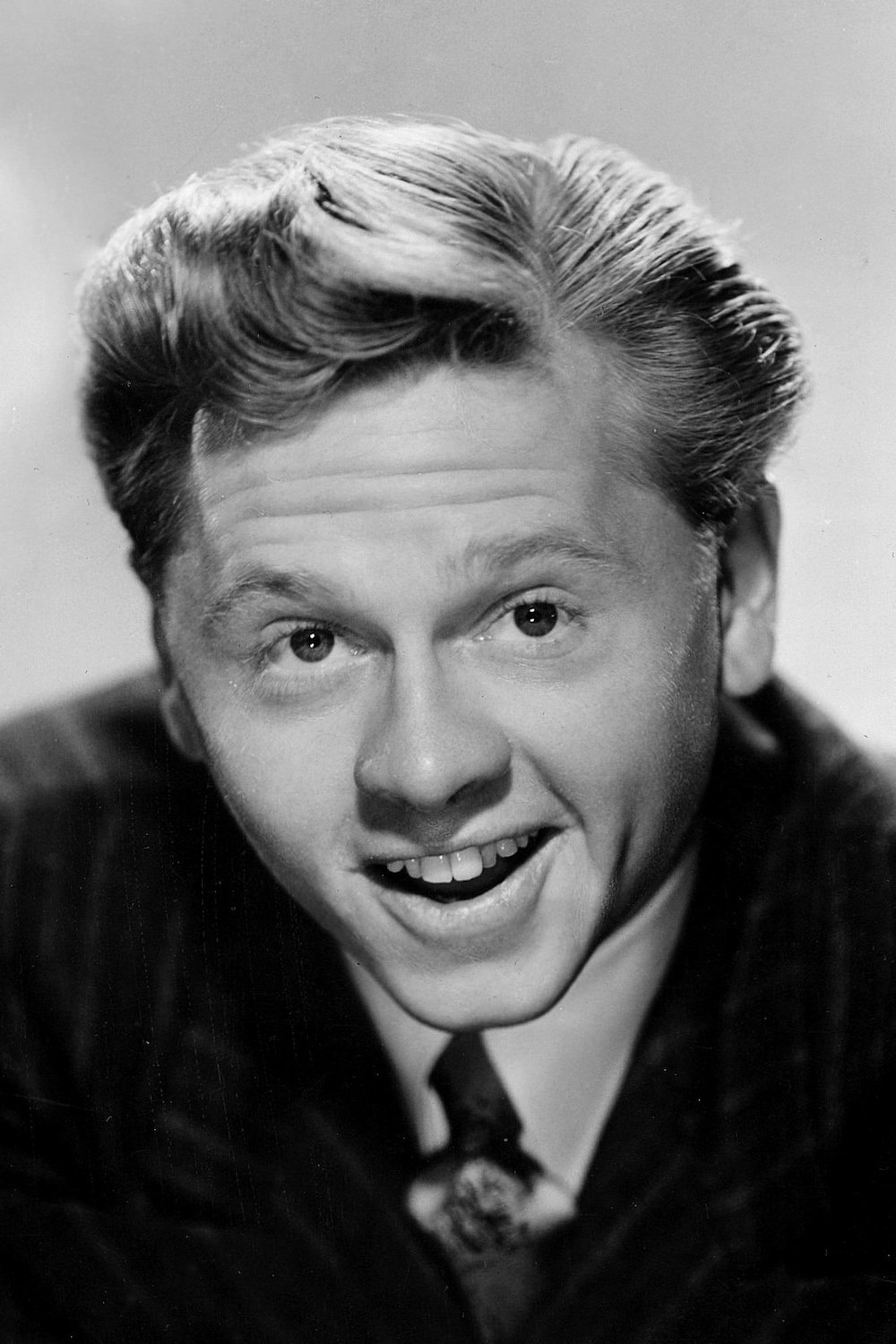
Mickey Rooney’s performance as Mr. Yunioshi in the film ‘Breakfast at Tiffany’s’ is widely considered a particularly damaging instance of yellowface in movie history. Before his death, Rooney said he was very sorry to learn how much hurt the role had caused Asian Americans. He explained that he hadn’t thought about the harmful effects of his portrayal when he filmed the movie. His later regret was a public admission of the character’s negative impact.
David Schwimmer
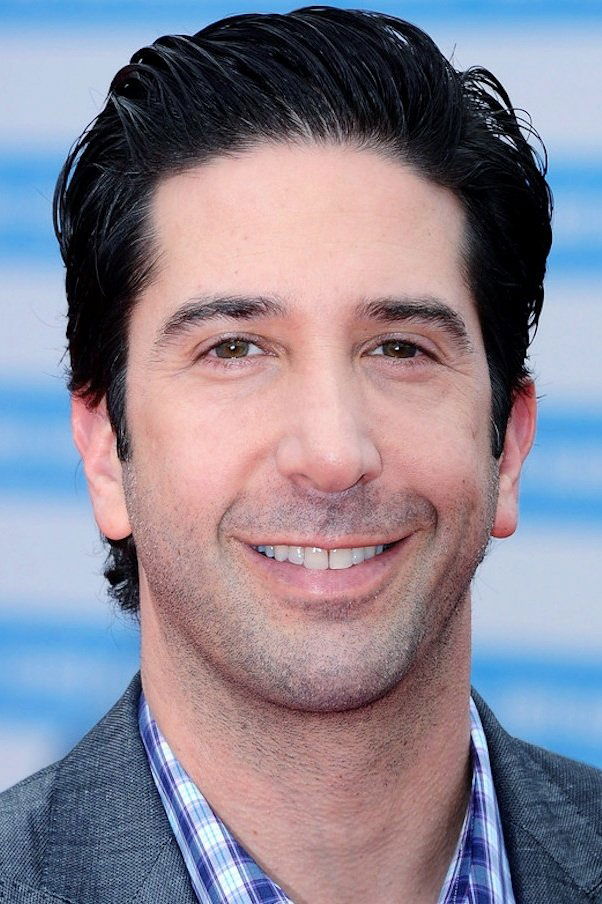
Although David Schwimmer hasn’t apologized for any particular part he played, he has often spoken about the lack of diversity in ‘Friends’. He admitted the show’s cast was mostly white and didn’t truly represent New York City. Schwimmer shared that he tried to get his character to date women of color, hoping to add some diversity to the show. He believes the criticism about the show’s lack of representation is understandable today.
James Corden
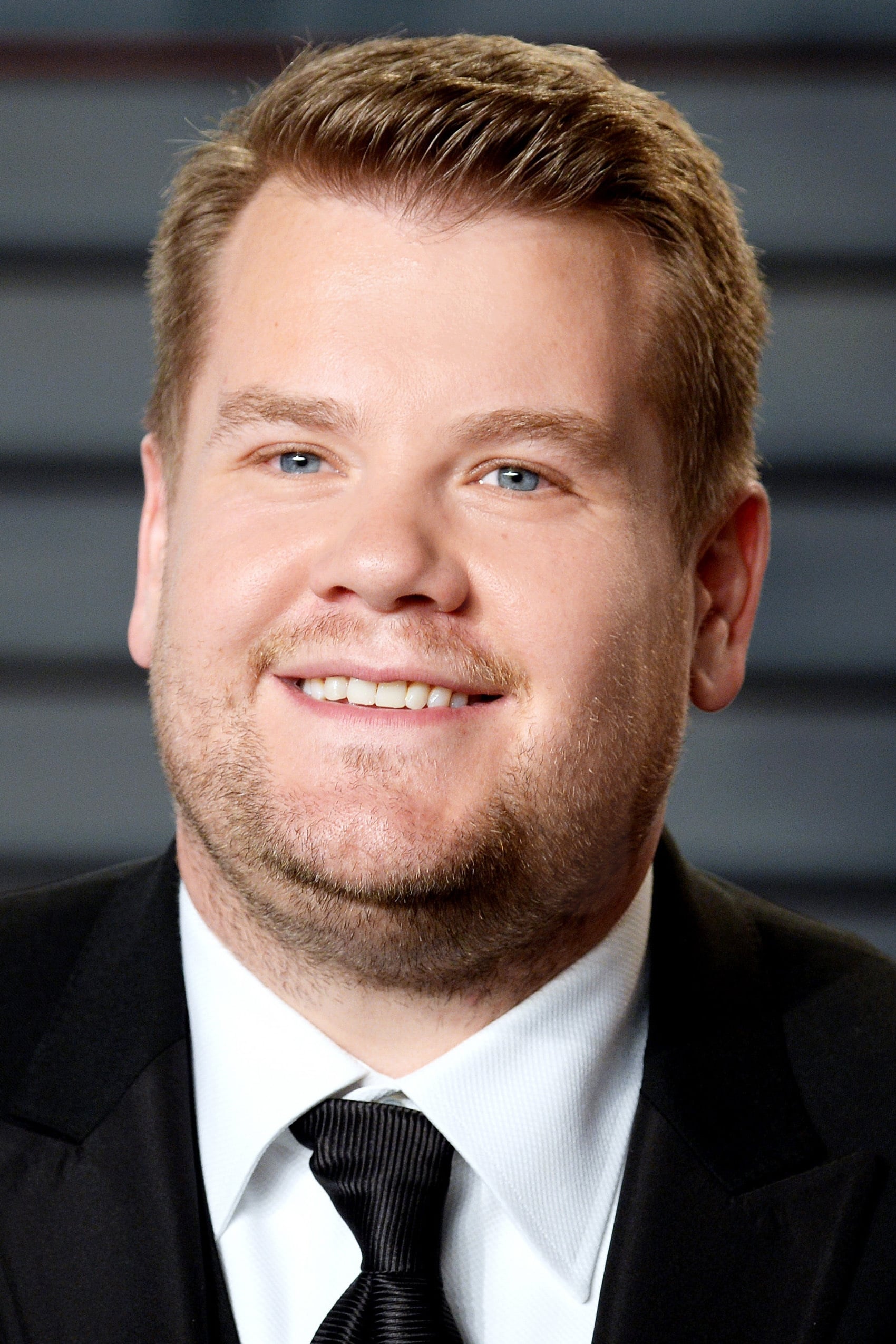
James Corden received criticism for his portrayal of a gay character in the Netflix musical ‘The Prom’. Many viewers and critics felt he used harmful stereotypes and an exaggerated, stereotypical performance style – sometimes called “gayface.” While he didn’t formally apologize, Corden acknowledged the concerns about whether LGBTQ+ roles should be played by LGBTQ+ actors. This led to a broader conversation about appropriate casting and representation in the media.
Nikolaj Coster-Waldau
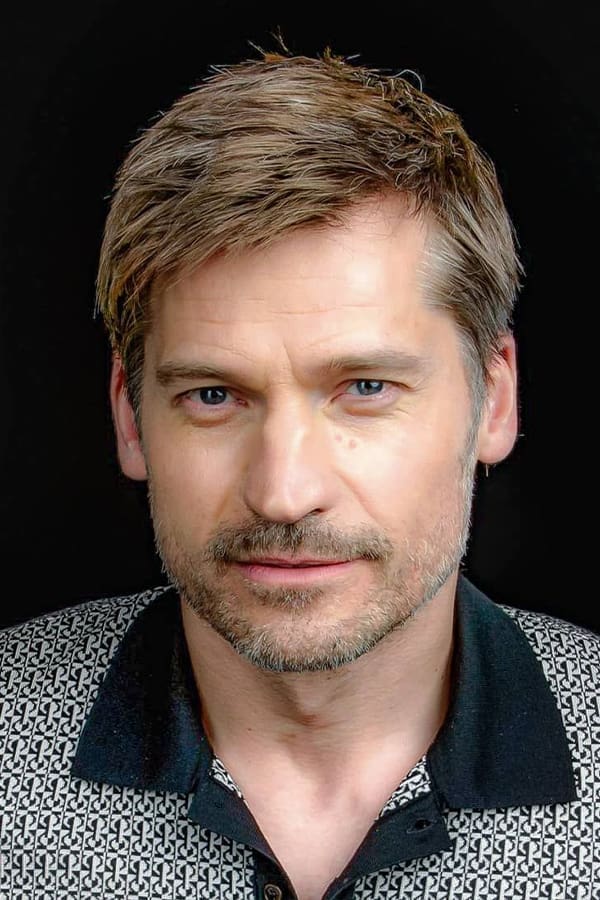
Nikolaj Coster-Waldau played the god Horus in ‘Gods of Egypt,’ a movie that was quickly criticized for casting only white actors in roles set in North Africa. After the film flopped and faced strong reactions to its lack of diversity, Coster-Waldau said the casting choices were wrong. He explained that the film industry needs to do a better job of accurately representing people in historical and mythological stories. His thoughts were similar to the official apologies later released by the film’s director and studio.
Gerard Butler
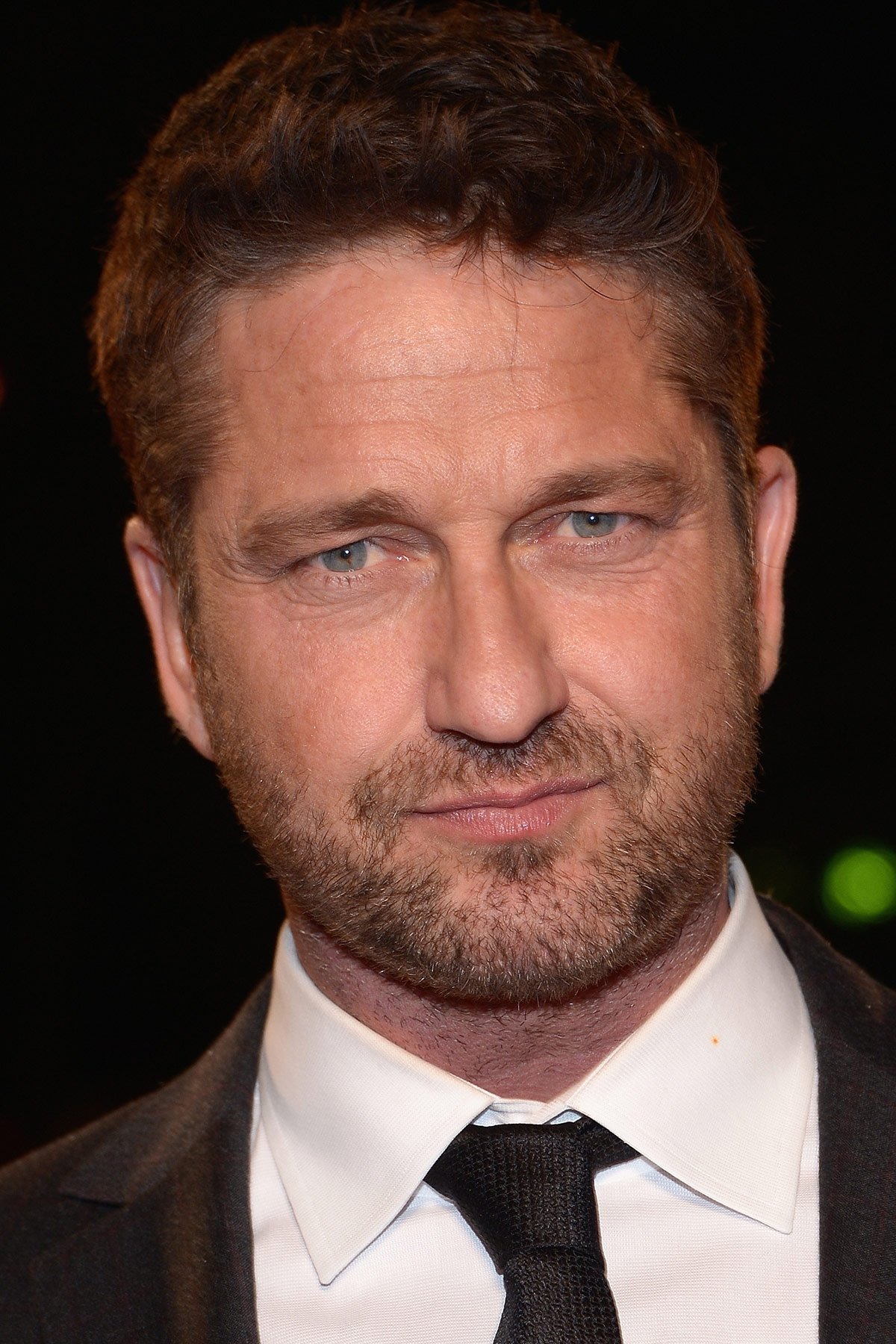
Gerard Butler admitted that the movie ‘Gods of Egypt’ made mistakes in its casting choices, alongside his co-star Nikolaj Coster-Waldau. He explained that the filmmakers didn’t prioritize accurate cultural representation when choosing actors, and he understood why audiences were upset that Egyptian characters weren’t played by actors from Middle Eastern or African backgrounds. Since then, Butler has been more careful about considering the cultural implications of the roles he takes in action films.
Joel Edgerton
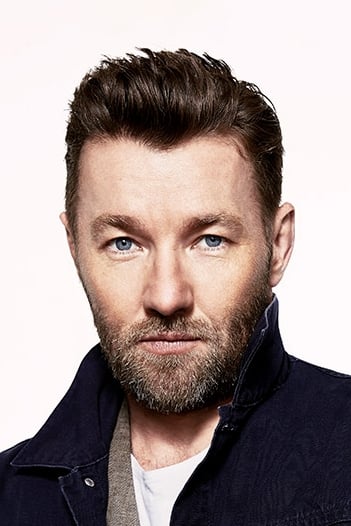
Joel Edgerton starred as Ramses in the 2014 movie ‘Exodus: Gods and Kings,’ which, like other similar films at the time, received criticism for a lack of diversity in its casting. He later said he understood why people were upset and agreed that casting white actors in roles meant for people from the Middle East was a problem. Edgerton has since committed to supporting more inclusive casting choices in future projects.
Christian Bale
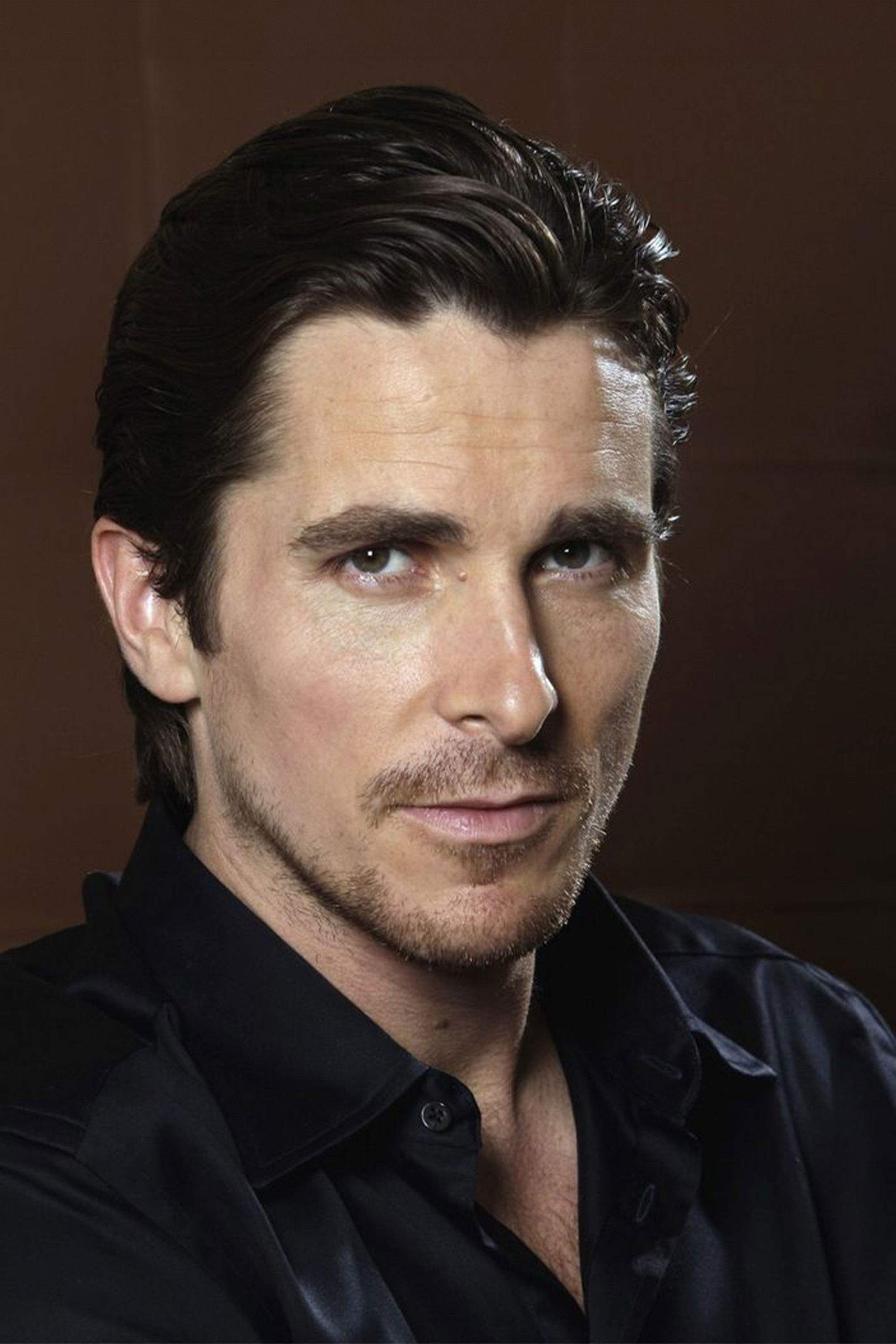
Christian Bale played Moses in the movie ‘Exodus: Gods and Kings,’ which sparked controversy over its casting choices. Though he originally supported the film, Bale later admitted that Hollywood’s focus on profits sometimes results in problematic decisions. He said he understood the criticism and believes the film industry needs to do more to include diverse actors in leading roles. Bale’s comments showed the difficult balance between making money and accurately representing different cultures.
Justin Chatwin
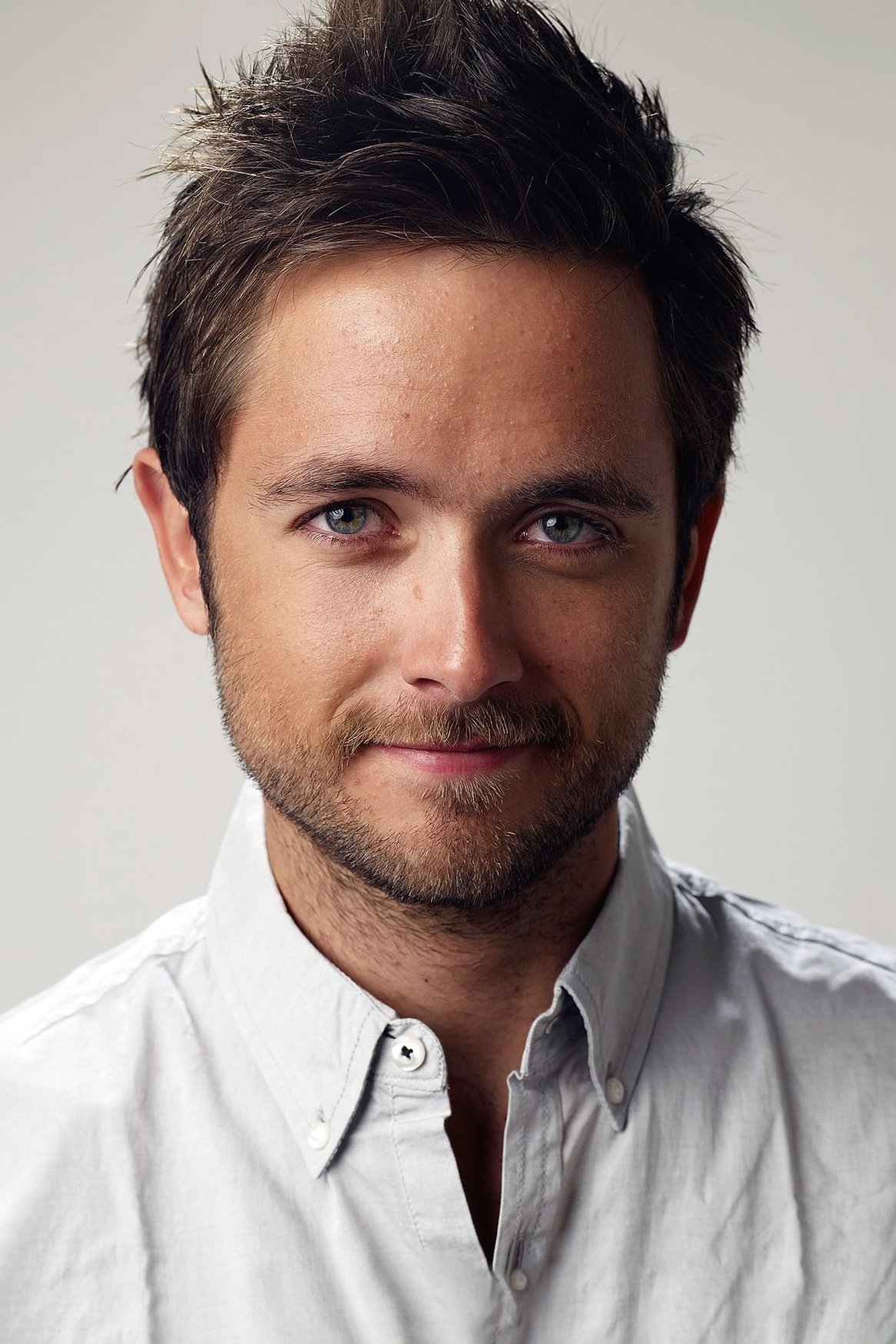
Justin Chatwin starred as Goku in the 2009 live-action movie ‘Dragonball Evolution,’ which was heavily criticized by fans for straying from the original anime and for its casting choices. Chatwin later admitted that fans were right to be disappointed and that the film didn’t properly honor the franchise’s origins. He expressed regret for being involved, and the movie is now often cited as an example of how not to adapt anime. While he’s sometimes made light of the film’s bad reputation, he understands the serious concerns people had about the casting.
Jim Sturgess
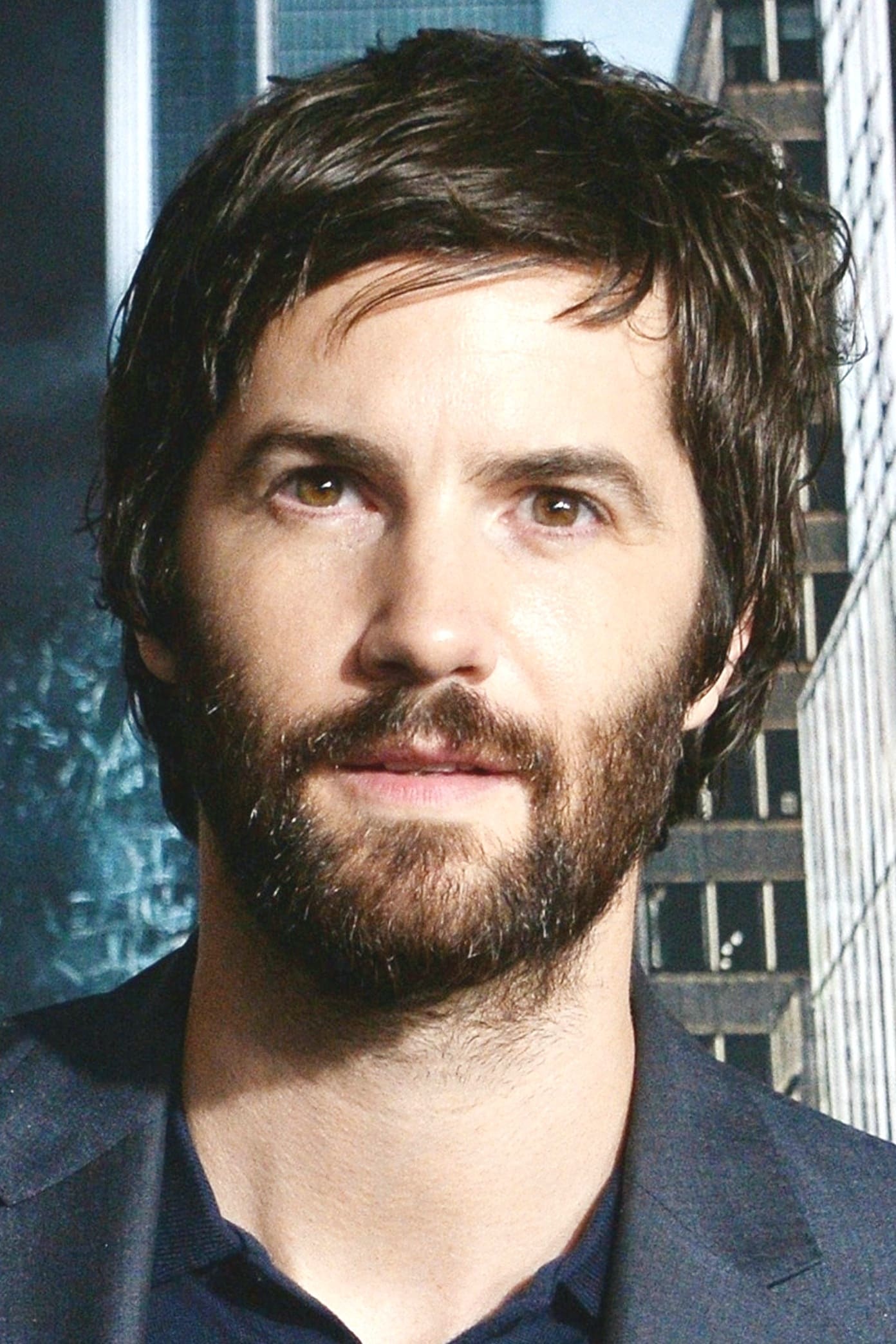
Hugh Sturgess appeared in the film ‘Cloud Atlas’, which used makeup to transform actors into people of different races, allowing them to play multiple roles. Sturgess himself played an Asian character, a decision that drew criticism for being a form of yellowface. He later acknowledged the controversy, stating he understood why the makeup choices were considered offensive. He also explained that the film’s overall message didn’t justify the problematic way race was portrayed through these transformations.
James D’Arcy
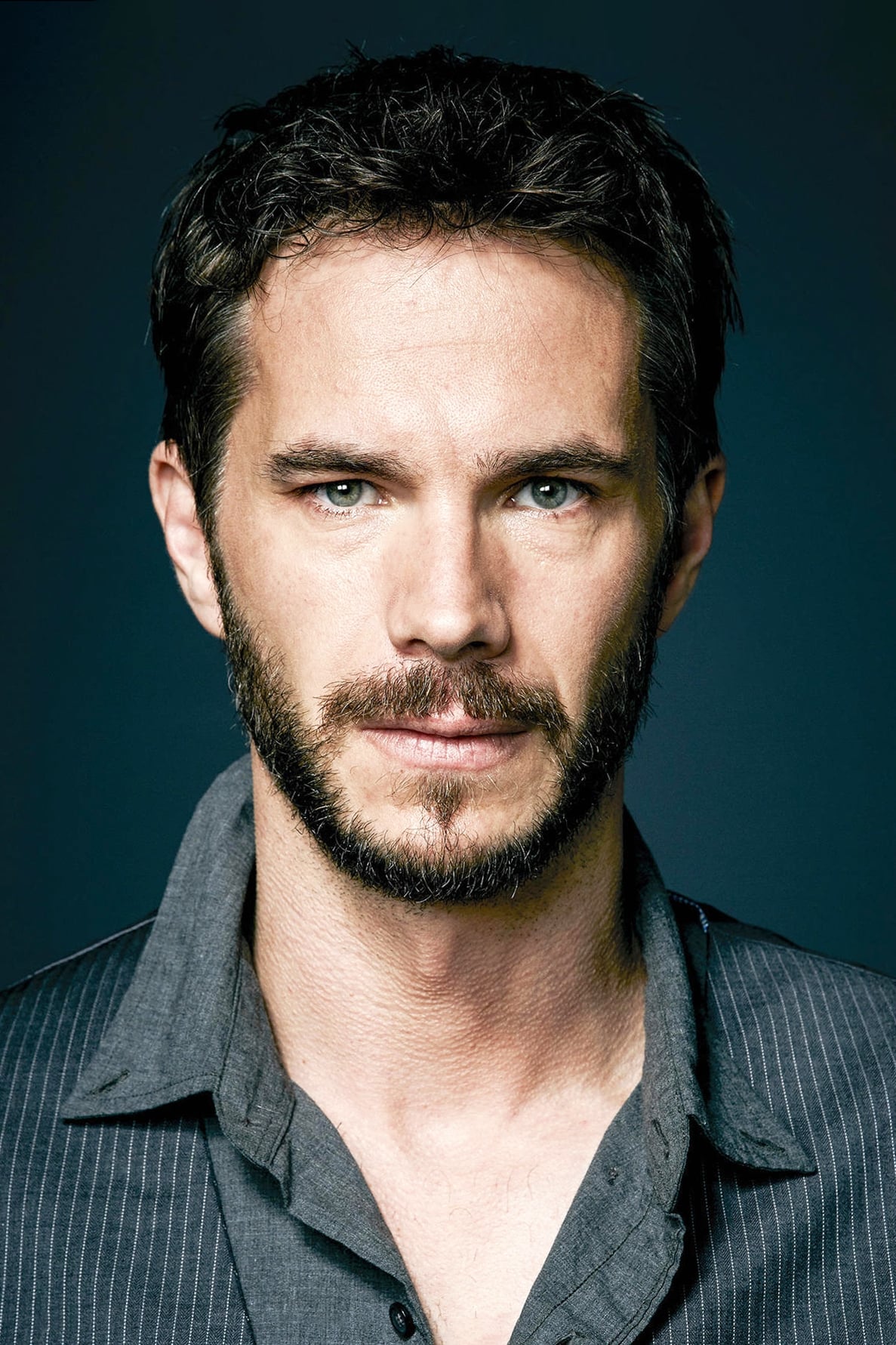
Similar to his co-star Jim Sturgess, D’Arcy played an Asian character in ‘Cloud Atlas’ with the help of prosthetics and makeup. He recognizes the criticism this received and the larger discussion about how race is portrayed in movies. D’Arcy has said that while the actors viewed it as a creative undertaking, the public’s reaction, seeing it as a form of racial caricature, was an important learning moment. He now understands better why those kinds of casting decisions can be damaging.
Max von Sydow
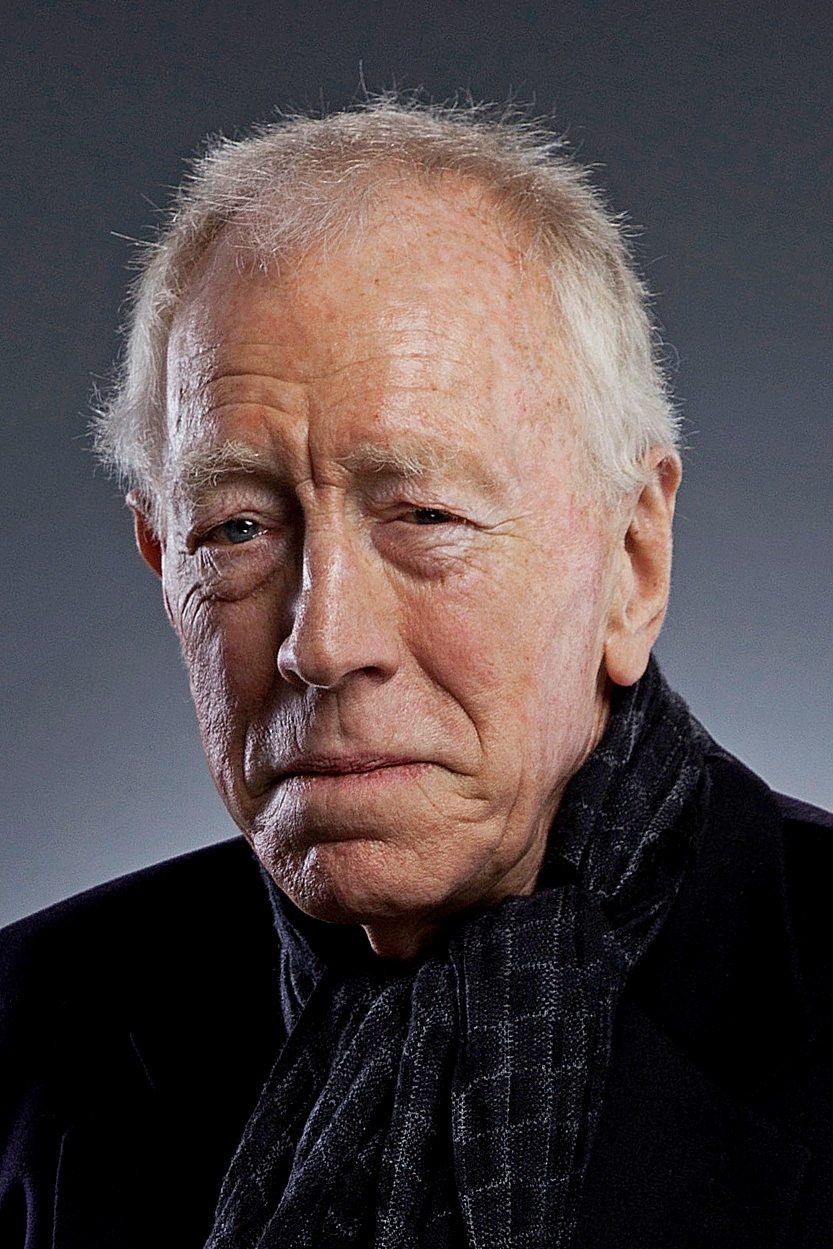
Max von Sydow played Jesus in the 1965 film ‘The Greatest Story Ever Told,’ continuing a Hollywood trend of portraying Jesus with white actors. Later in life, he admitted that this casting practice wasn’t historically accurate, as it overlooked the true ethnic origins of biblical figures. His thoughts helped fuel a growing push for more realistic and historically accurate depictions of religious stories in film.
Alec Guinness
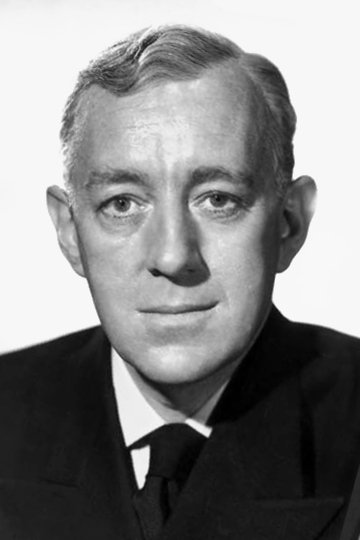
Alec Guinness, known for his role as Professor Godbole in the 1984 film ‘A Passage to India’, used makeup and an accent to portray the character, but he later admitted he was unhappy with the performance. His personal writings and interviews showed he felt miscast and regretted the portrayal, which many critics considered a stereotypical depiction. Guinness’s concerns offer an early instance of an actor speaking out against the practice of using makeup to portray people of color in serious films.
Christopher Lawrence
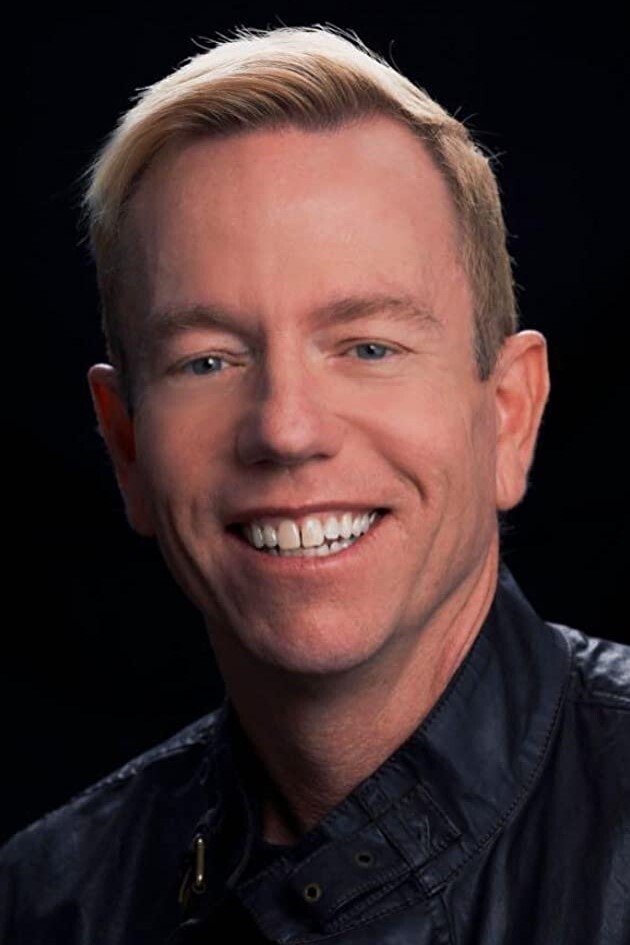
In the 1944 movie ‘Dragon Seed,’ Lawrence portrayed a Chinese farmer, a role that involved wearing makeup to darken his skin and prosthetics to change the shape of his eyes. Later in life, he openly discussed how ridiculous the casting was and admitted he was ashamed of being in the film. He recognized that this practice, known as yellowface, was a regrettable part of Hollywood’s history. This apology came as he reflected on how the film industry had historically treated Asian characters.
Andrew Garfield
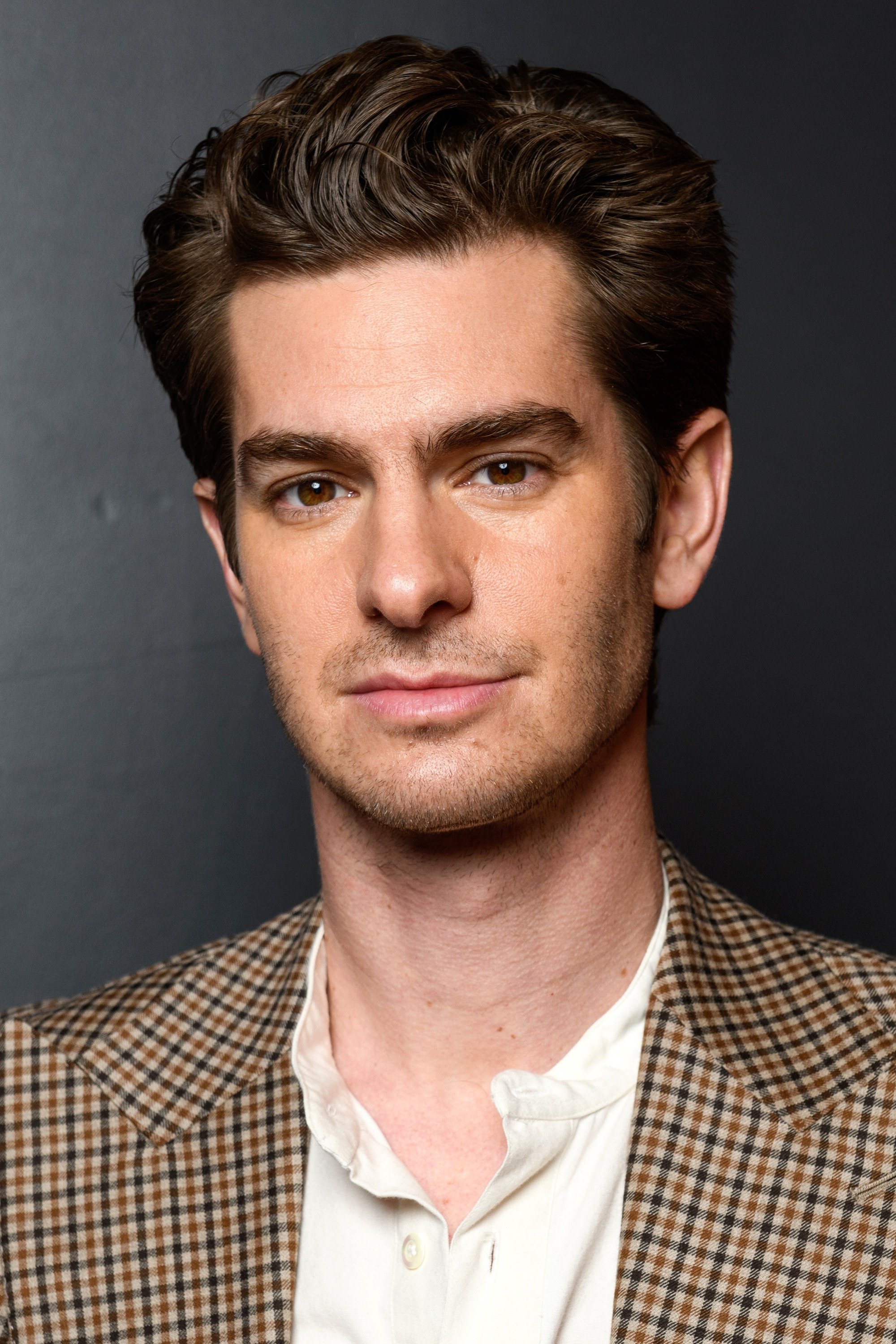
While performing in ‘Angels in America’, Andrew Garfield received criticism for a statement where he said he felt like “a gay man now just without the physical act.” He promptly apologized, explaining he meant to express how deeply he’d connected with the role and the play’s themes. He acknowledged his wording was awkward and could be hurtful to those in the LGBTQ+ community. Since then, Garfield has consistently advocated for LGBTQ+ rights and genuine representation.
Jason Momoa
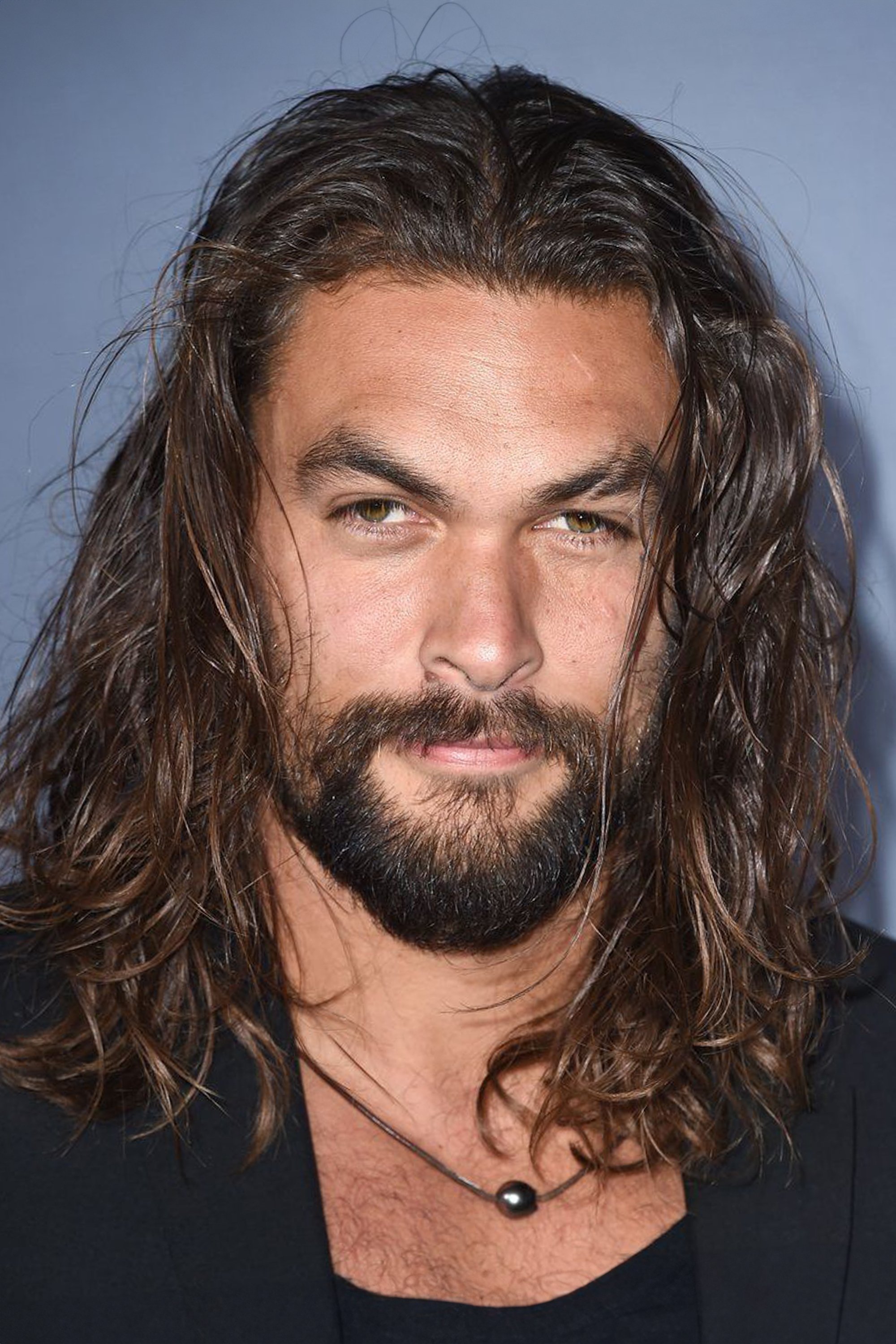
Jason Momoa received backlash when an old video from 2011 reappeared, showing him joking about the number of rape scenes in ‘Game of Thrones’. He publicly apologized in 2017, saying he was ashamed of his insensitive comment. He admitted that sexual violence is a serious problem and that his joke was both “tasteless” and harmful. Momoa sincerely regretted his words and hoped to learn from the experience.
Mark Wahlberg
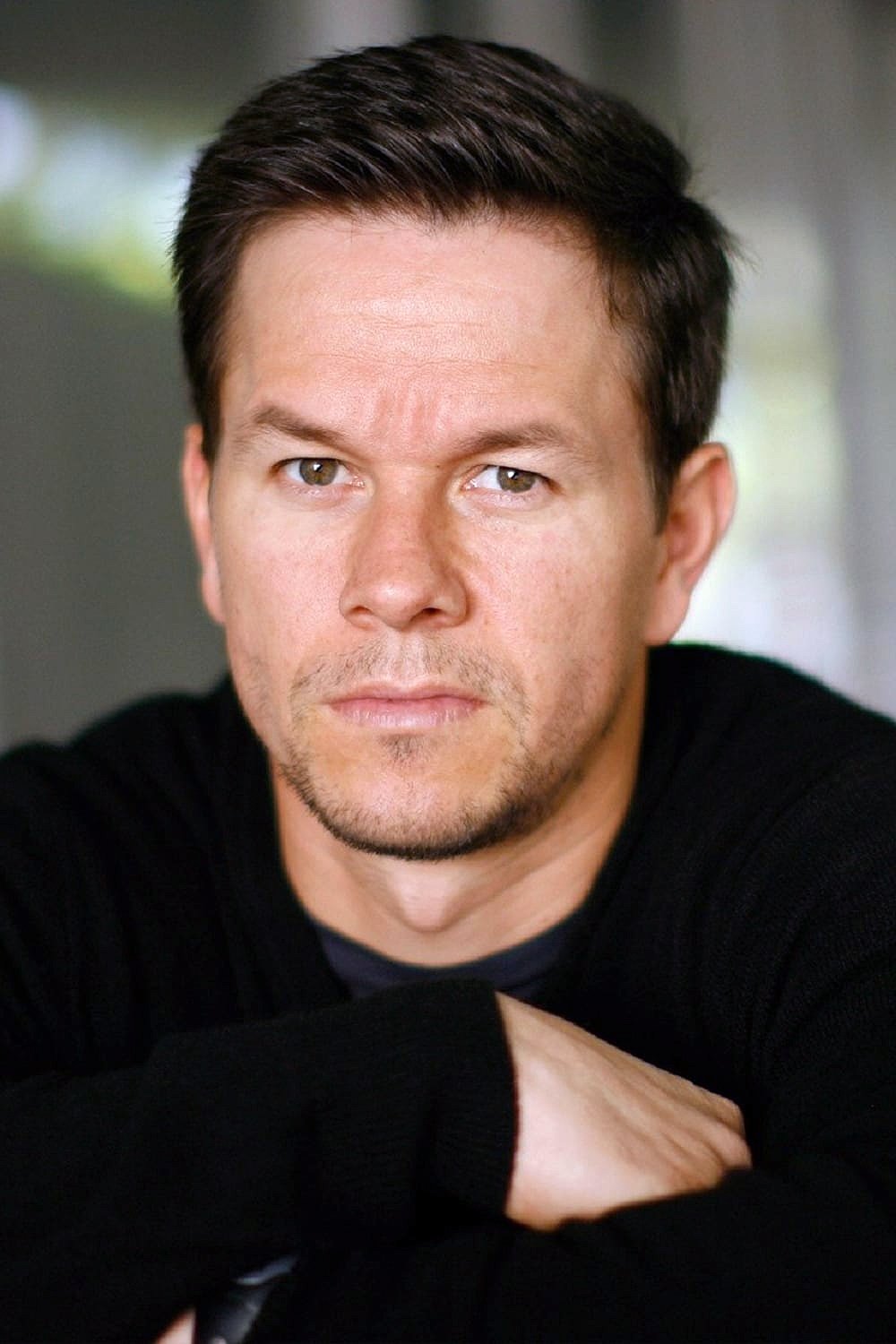
Mark Wahlberg has said he regrets being part of the 1997 film ‘Boogie Nights,’ mainly because of his religious beliefs. He’s also acknowledged and apologized for past insensitive behavior and roles he played that reflected that. Wahlberg has expressed remorse for projects he now feels don’t represent who he is today and says he’s committed to making more meaningful and respectful choices in his career.
Hugh Grant
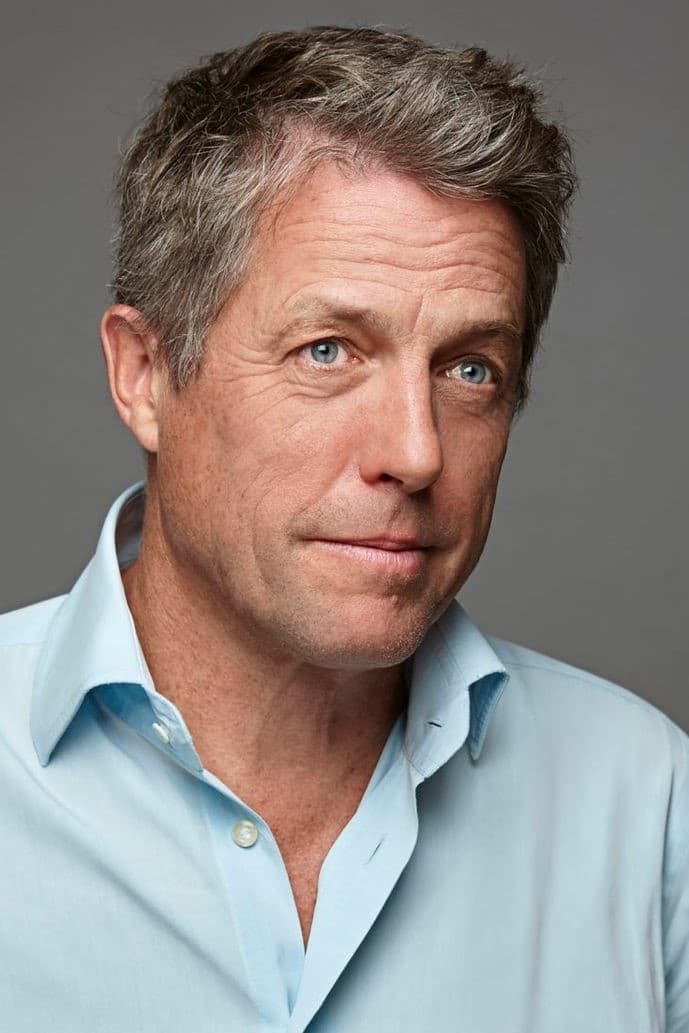
Hugh Grant acted in ‘Cloud Atlas’ with Jim Sturgess and James D’Arcy, including in the scenes where actors portrayed different races. He later said that while the filmmakers tried something bold with the makeup used to represent different ethnicities, it didn’t consider how culturally insensitive it was. Grant acknowledged the anger the film caused and admitted it was wrong for white actors to play Asian characters. He explained that his views on this kind of casting have changed over time.
Share your thoughts on these public apologies in the comments.
Read More
- Top 20 Dinosaur Movies, Ranked
- 20 Movies Where the Black Villain Was Secretly the Most Popular Character
- Celebs Who Narrowly Escaped The 9/11 Attacks
- 25 “Woke” Films That Used Black Trauma to Humanize White Leads
- Spotting the Loops in Autonomous Systems
- The 10 Most Underrated Jim Carrey Movies, Ranked (From Least to Most Underrated)
- The Best Directors of 2025
- Transformers Under the Microscope: What Graph Neural Networks Reveal
- Gold Rate Forecast
- Every Notable ‘Star Trek: The Original Series’ Actor Who Died
2026-03-10 01:27