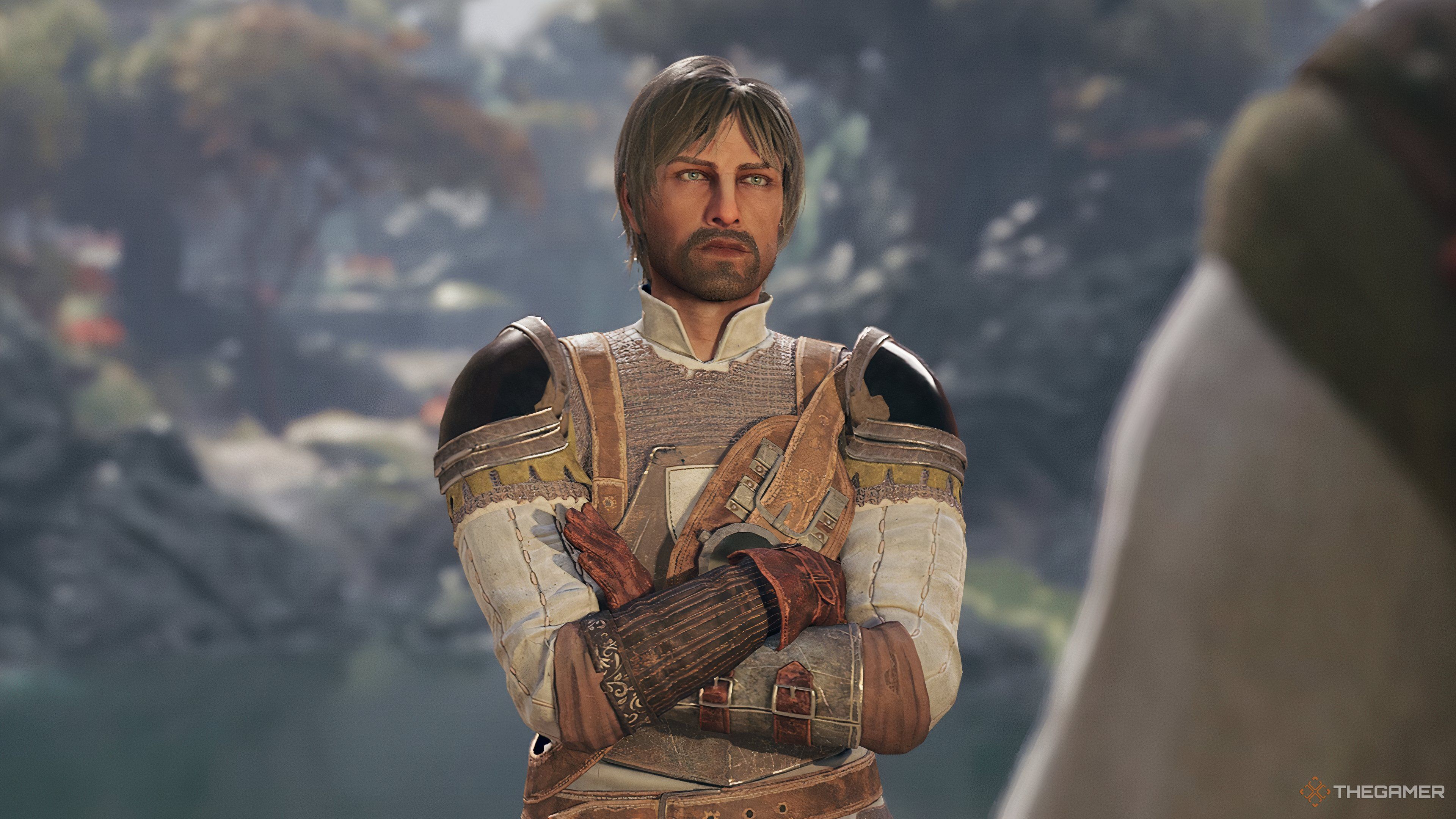
Developer Spiders’ new RPG, a prequel to their popular 2019 game, features a richly detailed world that truly comes alive for players who take the time to explore it. The game boasts complex factions with believable motivations, a history that unfolds gradually, and a willingness to honestly portray the dark legacy of slavery within its fantasy world.
The worlds of Teer Fradee and Gacane are uniquely intriguing, mixing the politics of colonialism with fantastical baroque elements in a way that’s surprisingly engaging. Initially, GreedFall: The Dying World seems like a worthy successor to its popular, but somewhat obscure, predecessor. Unfortunately, that promising start doesn’t continue throughout the game.
The GreedRise Before The GreedFall
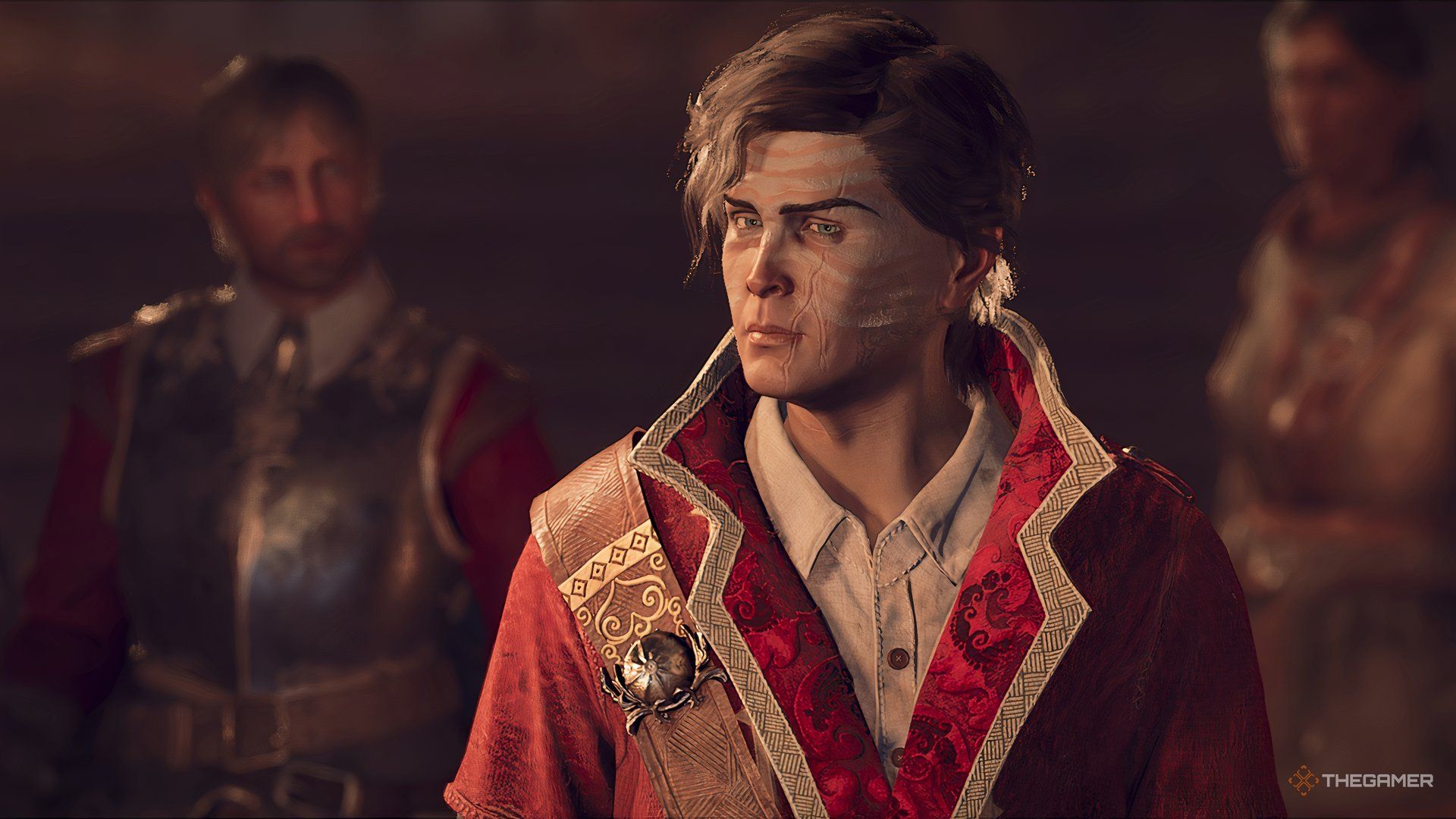
The Dying World immediately grabs your attention with a well-crafted and fast-paced beginning. The game quickly establishes its world and purpose as you play a group of islanders who are captured by slave traders. From there, you’ll experience a thrilling escape attempt, learn more about the game’s overarching themes of colonialism, and build your team.
The game abruptly gives you access to a much bigger area without telling you what to do next. This expansion doesn’t feel natural; it’s like being thrown into a maze of possibilities with countless side quests and characters, none of whom bother to explain themselves or their connection to you.
This isn’t necessarily a flaw in the game’s design. Open-world games need players to be able to step back and relax. However, The Dying World seems to think that simply having a lot of stuff equals true freedom. The massive amount of content quickly becomes exhausting instead of liberating. The main story, which was guiding you well up until this point, gets lost in the shuffle and feels less important because there are so many other things to do.
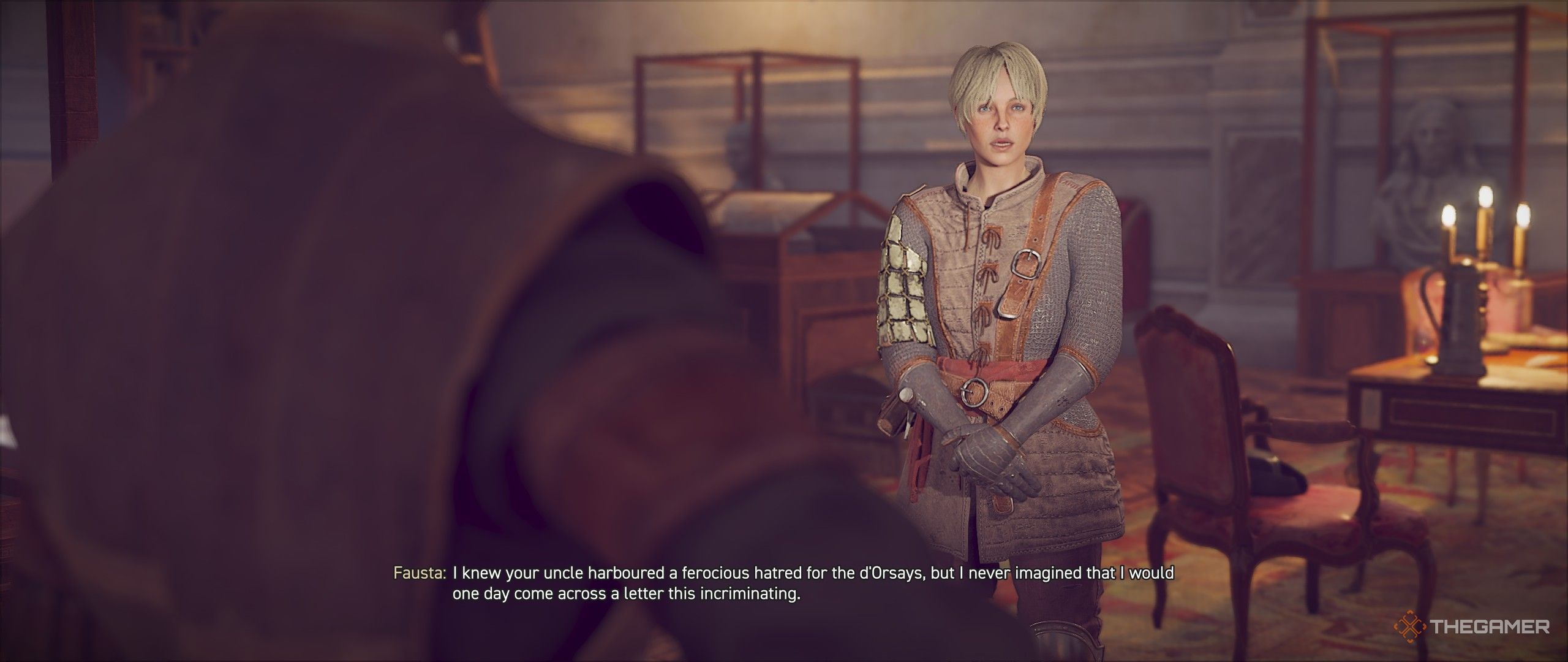
Man, this whole escape is throwing me for a loop! And it’s not just the craziness of being on the run. I’ve got this woman, Fausta, tagging along, and it’s… weird. We both busted out of prison together, but she basically talked her way out by saying it’d look fishy if they only freed me. They went with it, which, okay, makes sense. But now she’s just… following us around, offering these really weak excuses for why she’s sticking with a bunch of strangers constantly running into trouble. It’s a bit much, honestly.
Okay, so there’s this guy, Till. Seriously, this guy was one of the people who kidnapped me and killed my friends! But then, during a cutscene, he gets attacked by a monster, I save him, and suddenly… he’s on my team? No one talks about it, no explanation given. Apparently, almost dying together is enough to make us buddies now. It’s… weird, honestly.
The game encourages you to connect with characters by frequently initiating voice chats and using excited reactions, but it feels pointless because they’re always claiming to be too occupied to have a real conversation.
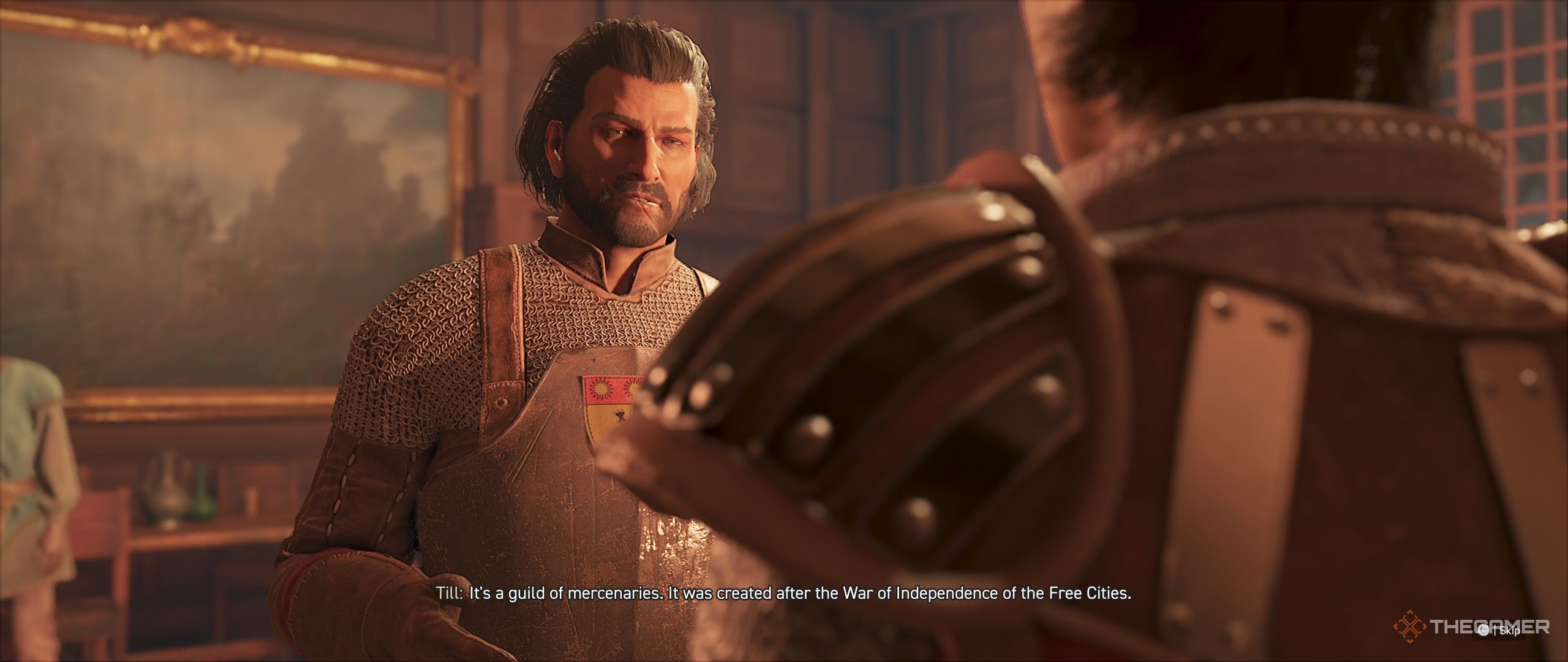
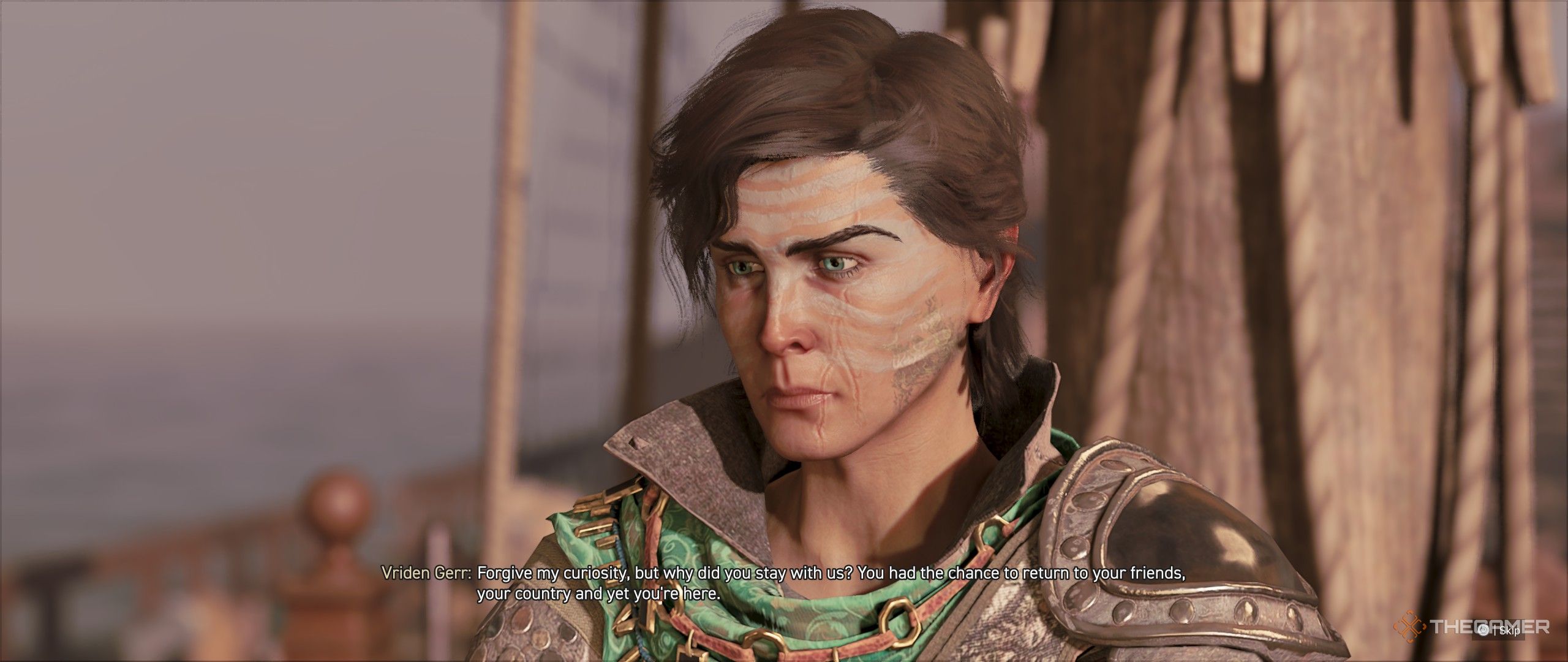
It’s especially annoying because the interesting conversations with your companions don’t really begin until you unlock your ship. And that’s exactly when the game throws everything else at you – a huge open world, tons of quests, and a slowdown in the main story. Fausta has a great backstory that fits the game’s themes, and Till eventually explains himself and earns your forgiveness, but before that happens, there’s very little interaction or development.
They feel out of place for a significant portion of the game. Even when you start learning about their history, it’s likely to be delayed because the game gives you too much to do without helping you decide what’s most important.
Maxed Out, Checked Out
The Dying World struggles with its story and gameplay because it introduces too much, too quickly. Good RPGs build gradually – you spend time playing, your character gets stronger, and that progress makes the story feel more impactful. The Dying World doesn’t follow this pattern, and the issue becomes apparent relatively soon into the game.
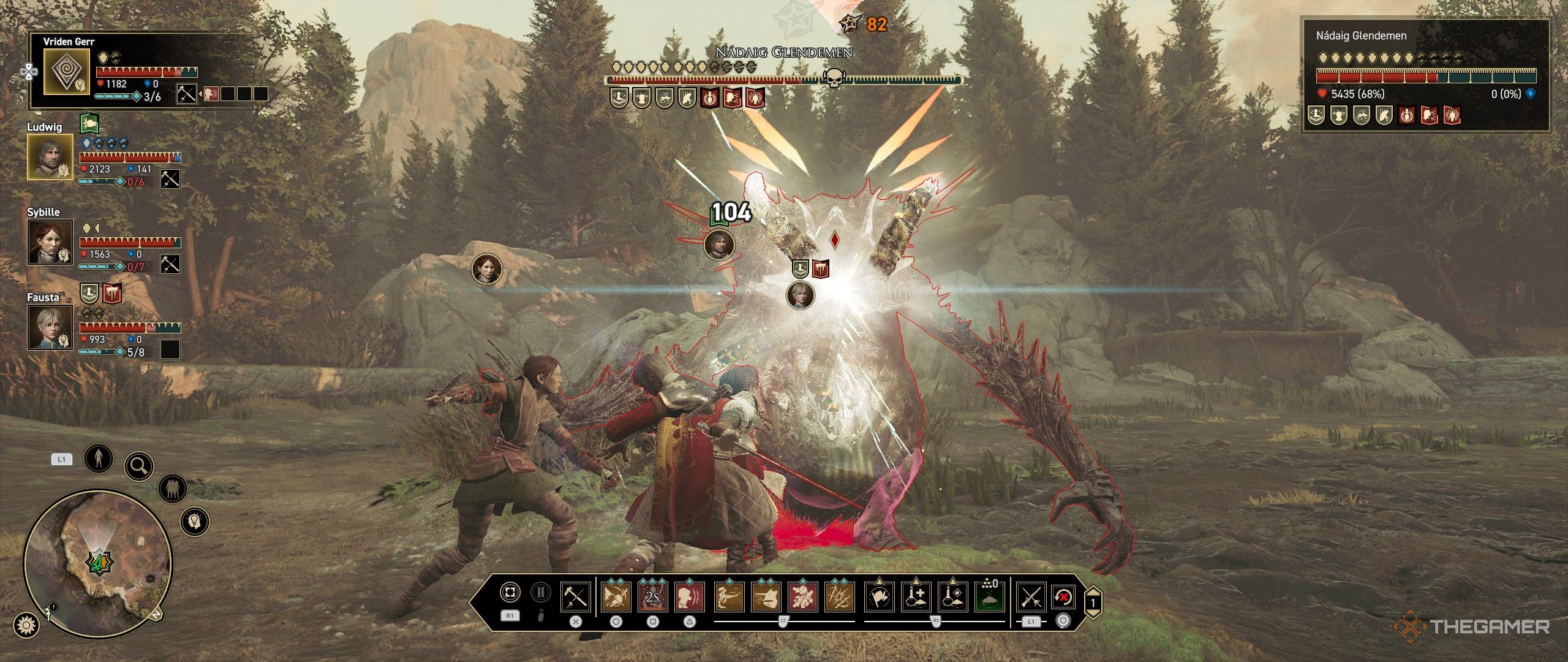
As a player, I found it didn’t take long to really get going – I maxed out all the important skills and stats way before the end of the game. After that, it was just filling in the gaps with things that didn’t really change how I played. Honestly, spending points on those last few upgrades felt less like making meaningful choices and more like just going through the motions to finish things up.
Honestly, by the end of the game, things just felt…empty. They tried to ramp up the difficulty with tougher enemies as the story hit its peak, but it didn’t really matter. My character was already so powerful, I’d basically solved the game a long time ago. I didn’t have to change anything about how I was playing, which was a huge letdown. You expect things to get really tense as the story builds, but that tension just wasn’t there, and I really felt its absence. It just didn’t feel like a climax.
The Dying World was in development for a long time through its Early Access period, receiving lots of feedback and updates before its final release. This leads to a feeling that the game wasn’t intentionally designed this way, but rather patched and adjusted over time until its overall flow – both in terms of story and gameplay – became uneven. Regardless of whether this happened on purpose or simply through gradual changes, the end result is a flawed progression curve.
GreedFall: The Dying World is a game I enjoyed, but it’s hard to wholeheartedly recommend. While its world is interesting enough to explore and its themes are thought-provoking, some frustrating elements hold it back.
The game’s pacing isn’t just a small issue that could be fixed – it’s a fundamental flaw in how the story unfolds, how companions are managed, and how quickly the game stops challenging you. You might still find enjoyment in completing it, as I did, but it will likely come with reservations and a lot of ‘buts’.
Read More
- 20 Movies Where the Black Villain Was Secretly the Most Popular Character
- Celebs Who Narrowly Escaped The 9/11 Attacks
- 25 “Woke” Films That Used Black Trauma to Humanize White Leads
- Top 20 Dinosaur Movies, Ranked
- Transformers Under the Microscope: What Graph Neural Networks Reveal
- The 10 Most Underrated Jim Carrey Movies, Ranked (From Least to Most Underrated)
- 22 Films Where the White Protagonist Is Canonically the Sidekick to a Black Lead
- Silver Rate Forecast
- Gold Rate Forecast
- The Best Directors of 2025
2026-03-12 19:05