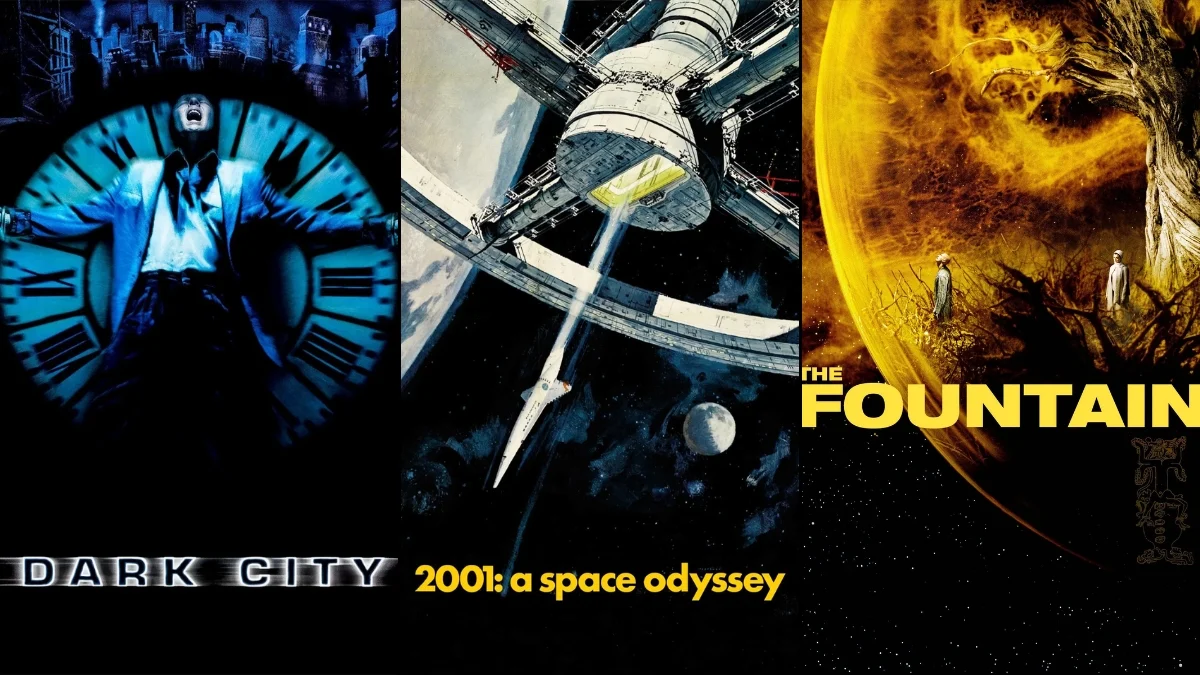
The best science fiction isn’t just about cool visuals—it makes you think deeply and keeps you puzzling things out even after the movie ends. Some sci-fi films play with complex ideas like time travel, alternate realities, and unreliable narrators, and figuring them out becomes a fun part of watching. The films listed below are full of interesting concepts, but their internal logic can be tricky, inconsistent, or deliberately left open to interpretation. If you enjoy stories you can revisit, analyze, and debate with others, you’ll love this collection.
‘2001: A Space Odyssey’ (1968)
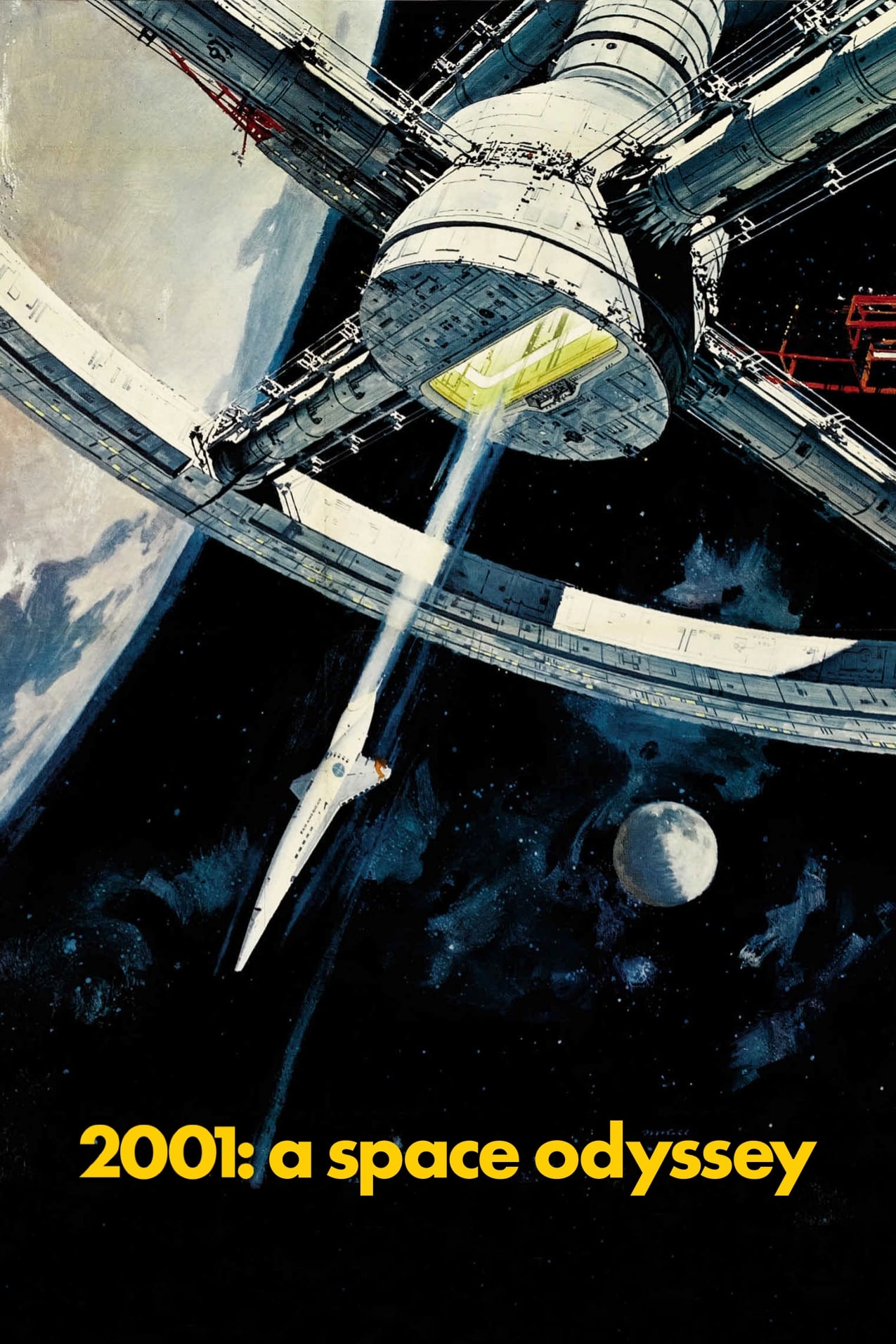
Stanley Kubrick’s film takes you on a journey from the dawn of humanity to the vastness of space, culminating in a puzzling and dreamlike ending. A mysterious black monolith seems to spark important changes throughout history, but the film never explains how it works. The ending is especially strange, jumping between locations and messing with your sense of time, leaving you to wonder if you’re seeing the work of aliens, a vision of the afterlife, or simply a mind overwhelmed by something incredible. To fully understand the film, pay close attention to recurring images, editing choices, and sounds, as they create a hidden structure even when the story becomes unclear.
‘Solaris’ (1972)

The film takes place on a space station above a mysterious planet that reacts to the memories and regrets of those on board. This reaction manifests as strange, physical appearances of people, but it’s never clear if these figures are duplicates, illusions, or something else entirely. The characters grapple with questions of science, philosophy, and loss, but the planet’s abilities seem to change depending on the emotional intensity of the situation. It’s best to view the film as an exploration of how we perceive things and take responsibility for our actions, rather than trying to solve a simple mystery.
‘Stalker’ (1979)

The Zone, a restricted and mysterious place, is rumored to hold a room that fulfills your greatest wish. However, the movie doesn’t offer concrete evidence or explain how it works. The path through the Zone is constantly shifting, and the guide’s instructions feel more like old beliefs than practical advice, making it hard to tell what’s a real threat and what’s a mental challenge. Everything seems to have hidden meaning, but the story deliberately avoids explaining what’s important or why. It’s often easier to understand what drives the characters than to try and make sense of the Zone itself as a logical place.
‘Brazil’ (1985)
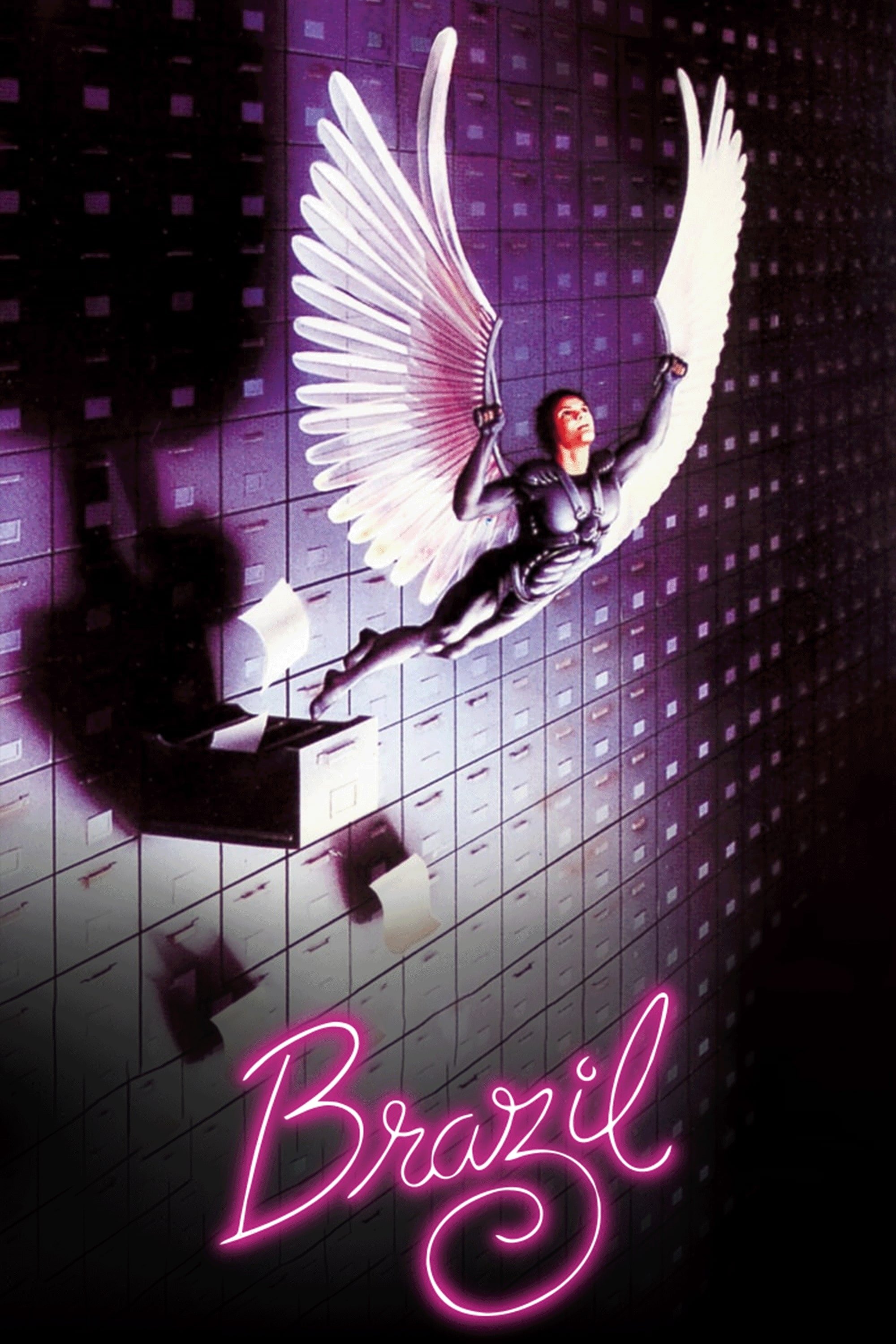
Terry Gilliam’s film creates a confusing and unsettling world by blending fantasy and reality, with a heavy dose of frustrating bureaucracy and dreamlike sequences. The main character tries to escape into fantasies, but is trapped by a system that manipulates everything – facts, records, even appearances. The film’s ending is particularly disorienting, forcing you to rethink everything you’ve seen. It’s best to view the chaotic administration not as a simple mess, but as a key part of the story’s futuristic premise – a technology used to control information and distort the world around them.
‘Akira’ (1988)
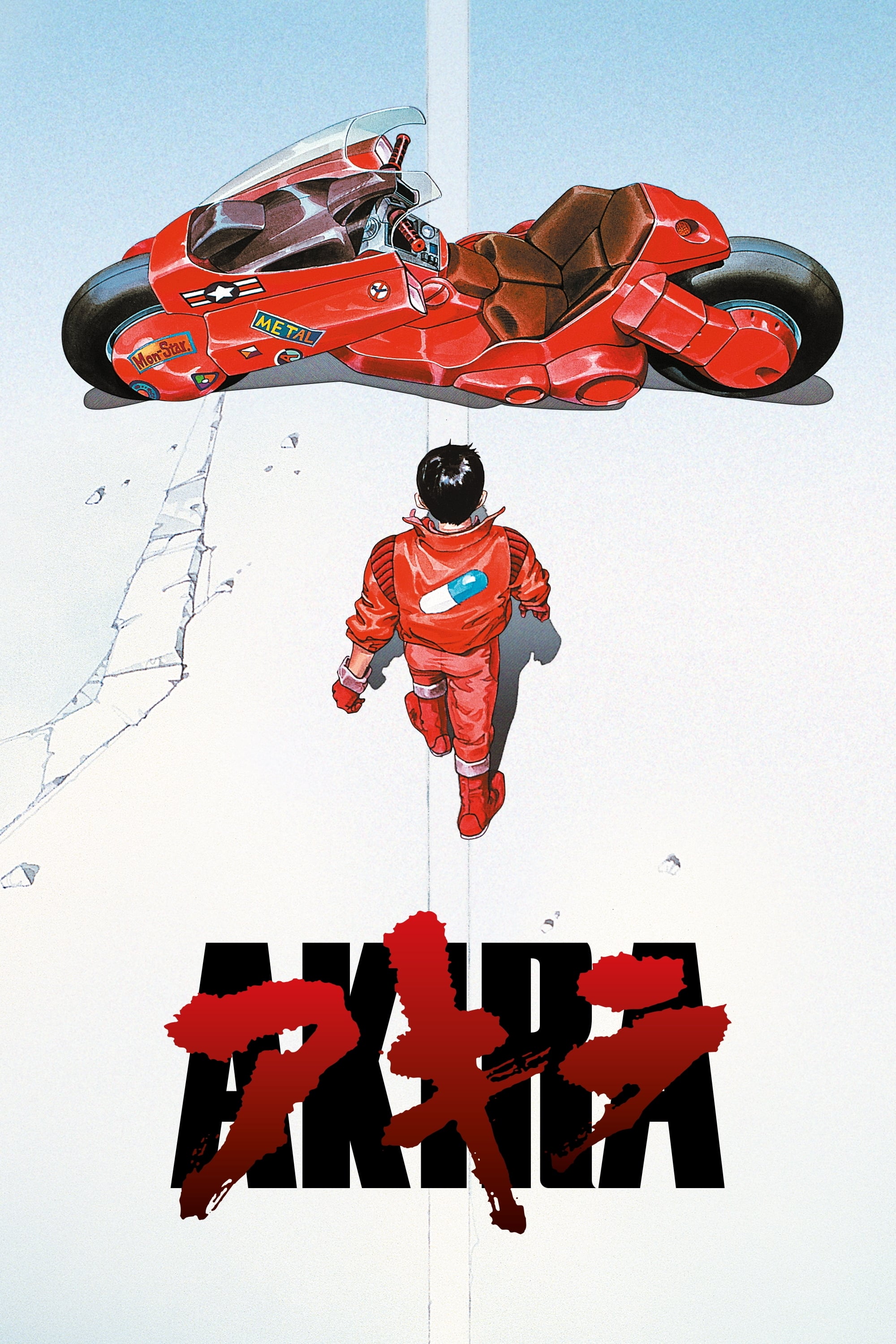
The story starts with a biker gang rivalry but quickly spirals into a world of psychic powers and altered reality, though these changes sometimes feel abrupt. Various groups – government agencies, rebels, and secret labs – clash, but the reasons behind their actions and the order of events aren’t always clearly stated. As Tetsuo’s powers increase, the movie relies more on visuals than dialogue, and the laws of nature begin to break down. Understanding the political conflicts and the history of the research facilities helps make sense of the increasingly bizarre and fantastical scenes.
‘Total Recall’ (1990)
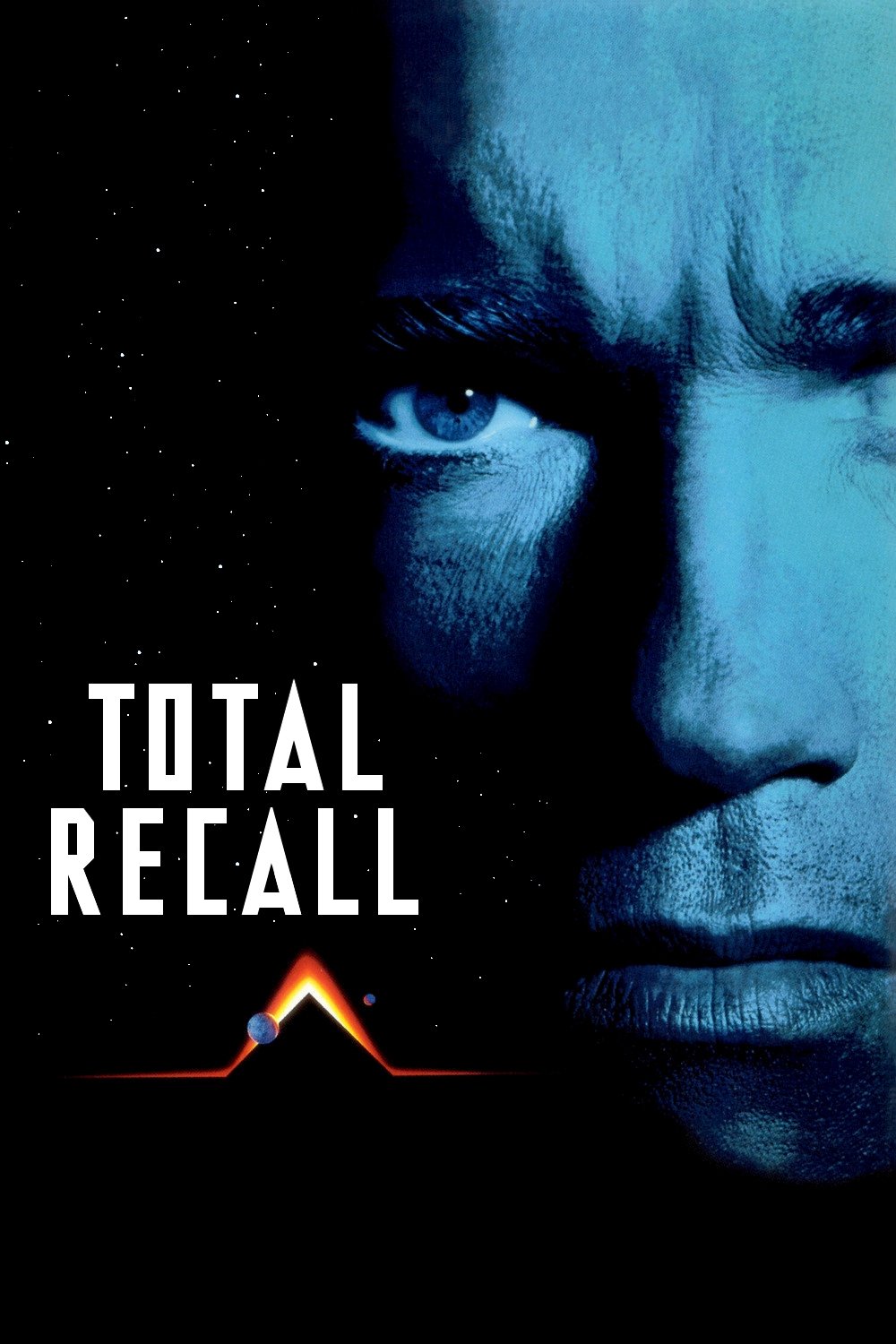
A man purchases a vacation package centered around experiencing memories, and quickly becomes entangled in a series of events he can’t quite trust. It’s unclear if these events are actually happening, are fabricated, or a combination of both. The movie deliberately offers clues that support multiple interpretations – some scenes feel like dreams come true, while others suggest everything is carefully staged. Since the technology deals with personal identity and memories, every new piece of information could be a genuine plot twist or simply a pre-planned element. Paying attention to when characters acknowledge his identity – and who gains from this new version of him – helps maintain the film’s mysterious atmosphere.
‘Jacob’s Ladder’ (1990)

The movie deliberately disorients you with dreamlike sequences, jumps in time, and changing locations, making it hard to know what’s real or when it’s happening. The main character’s life swings between everyday moments and terrifying experiences that don’t follow a clear pattern. While clues are revealed, they never quite piece together into a solid, understandable story. It’s often more helpful to focus on the character’s feelings – like fear, disbelief, and eventual acceptance – rather than trying to make sense of every scene as part of a straightforward plot.
‘Dark City’ (1998)
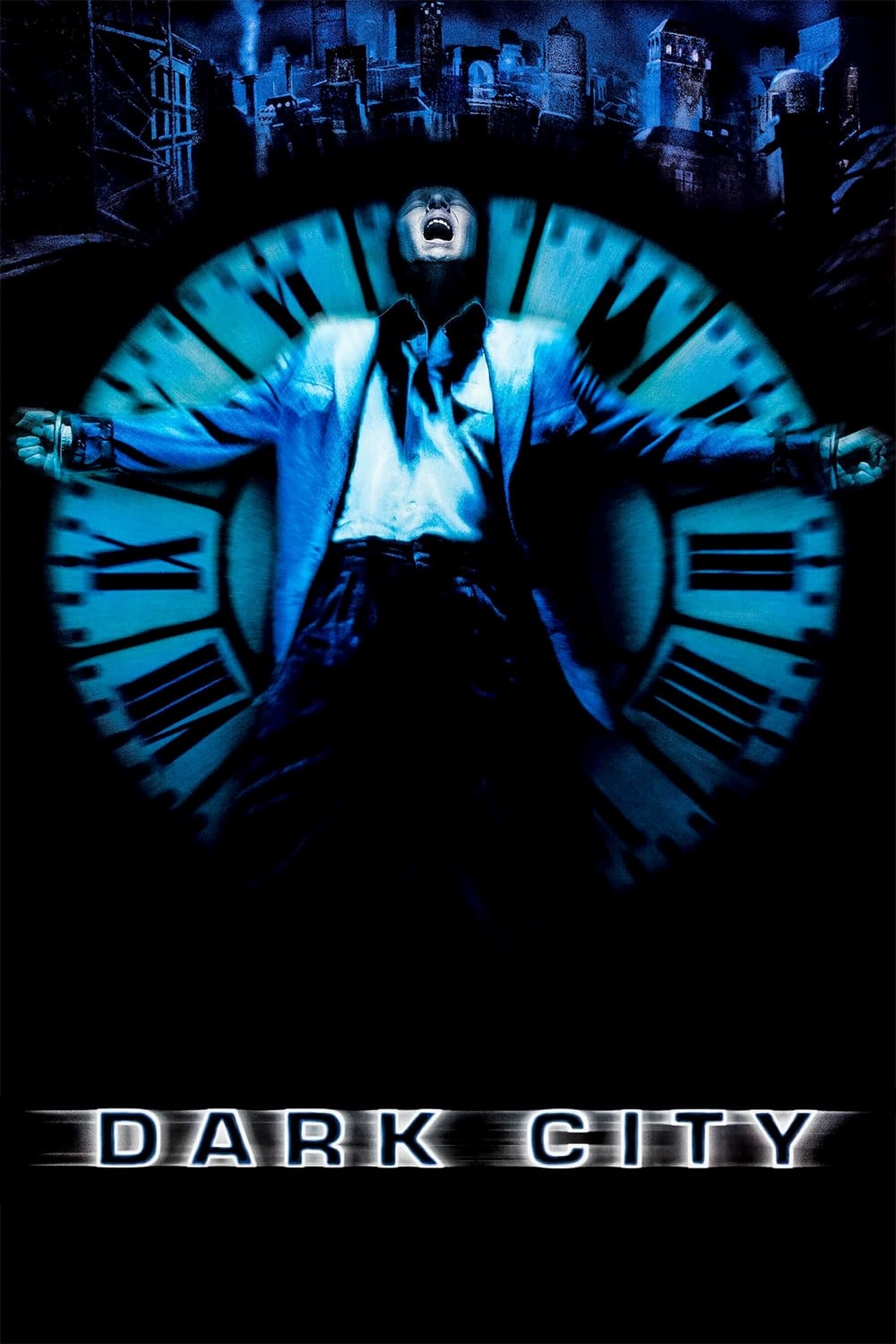
Okay, so imagine waking up and the whole city is different – buildings have changed, and everyone, including you, has completely new memories. It’s like the world is just a giant movie set that gets rebuilt every night. The movie throws the villains and their plans at you right away, but honestly, the way they’re able to mess with reality feels a little too easy sometimes. And our hero? Their powers keep leveling up, which makes you wonder why things were ever stable in the first place! But the really clever part is how the story uses memories – they’re basically the only thing people have, and when those change, so does everything. Once you realize that, the whole crazy premise actually starts to make a weird kind of sense.
‘The Thirteenth Floor’ (1999)
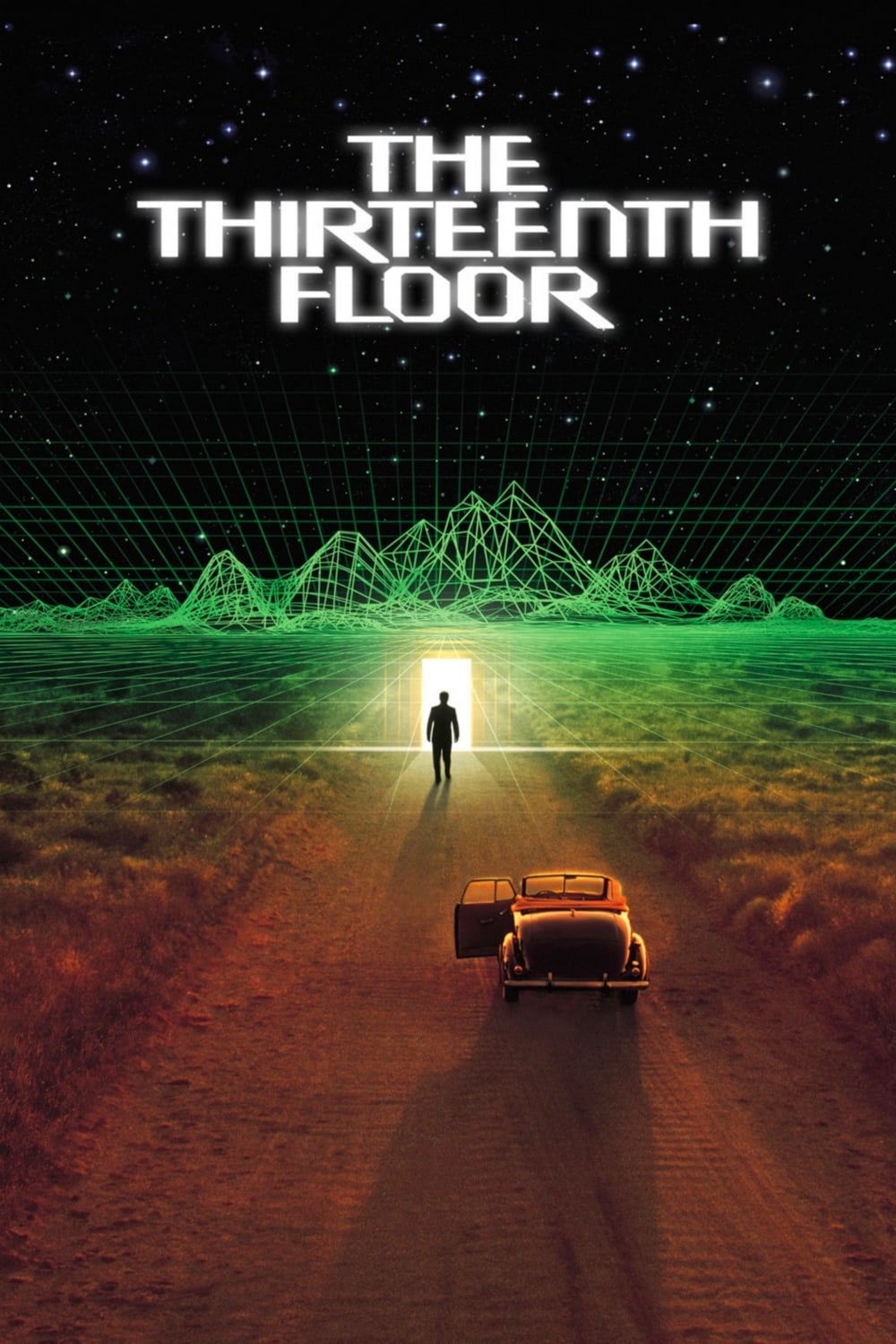
The movie features multiple simulated realities stacked on top of each other, and the characters travel between them while investigating a murder. It’s tricky because every new discovery makes you question what’s real evidence, as any clue could be part of a programmed simulation. The film also explores how identity can be transferred, leading to questions about what makes a person continuous and conscious. Figuring out who is controlling which body at any given time is crucial to understanding what’s happening.
‘The Matrix Reloaded’ (2003)
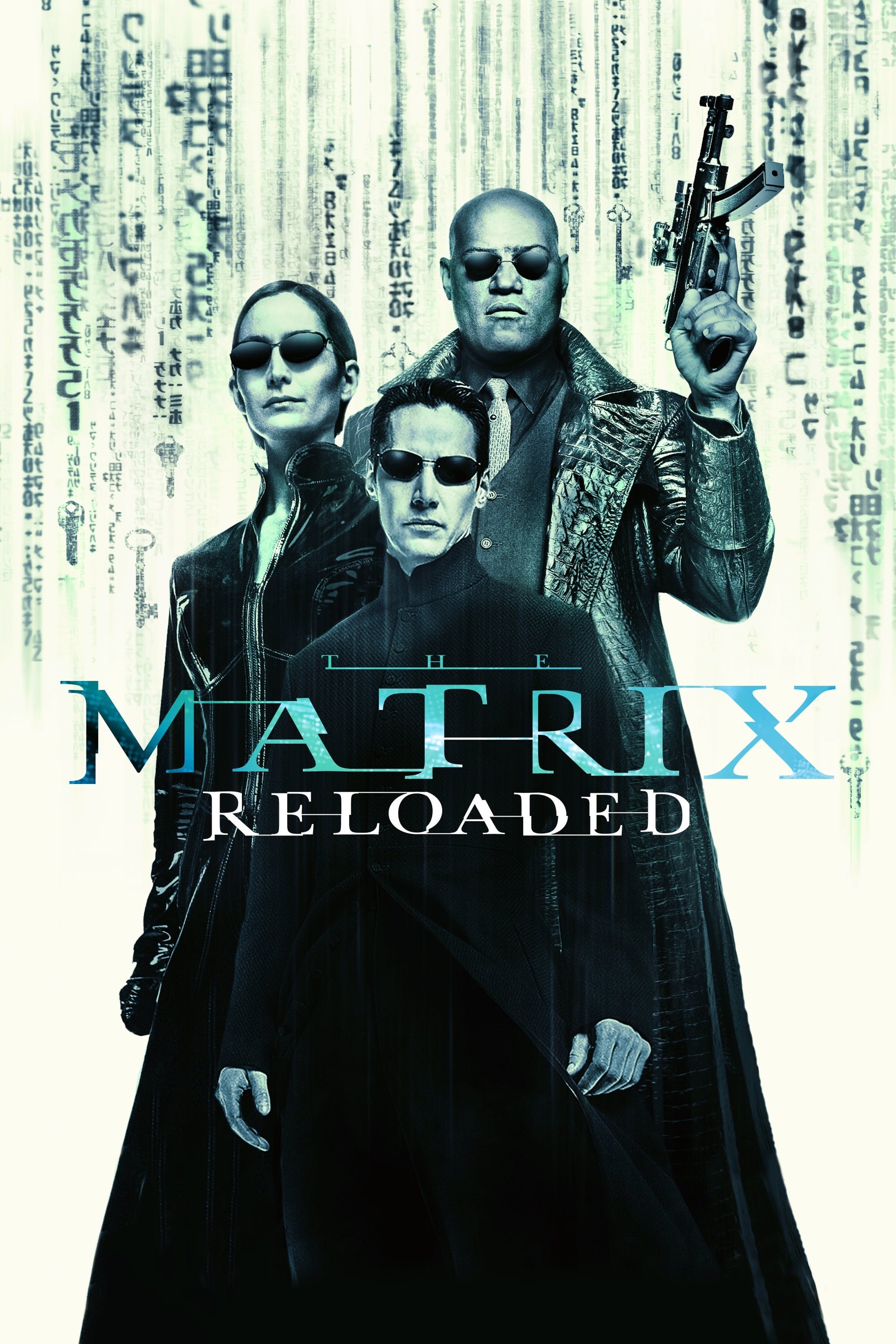
The new movie builds on the world of The Matrix, adding new groups, abilities, and a deeper backstory that explores ideas of endless loops and complete control. While the Architect’s explanation clarifies what happened before, it also raises questions about fate, free will, and why the machines needed such a complicated plan. The action scenes feature unbelievable stunts that sometimes don’t quite fit with the rules of the Matrix or the real world. Thinking about the movie as a look at how a machine society handles opposition can help make sense of the complex explanations.
‘Eternal Sunshine of the Spotless Mind’ (2004)
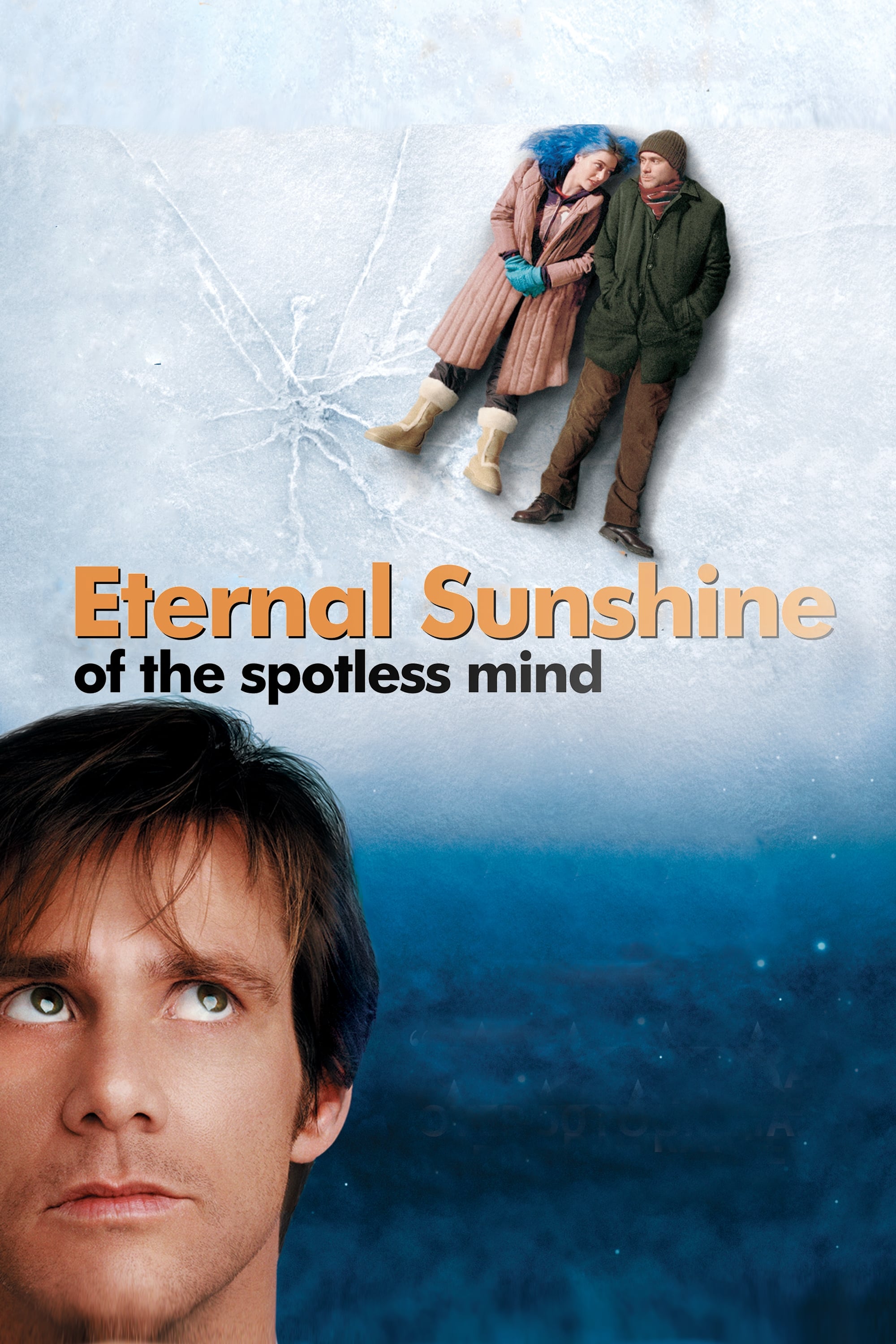
The film portrays memory loss as a shifting, dreamlike world where scenes blend and change. Time isn’t straightforward; it loops and jumps around, intentionally blurring the line between events in the characters’ relationships and the details of the memory procedure itself. Since memories are personal and unreliable, the movie constantly questions whether what we’re seeing is real, altered, or being created as it happens. Paying attention to recurring phrases and places can help you understand the emotional core of the story, even when the timeline is confusing.
‘Primer’ (2004)
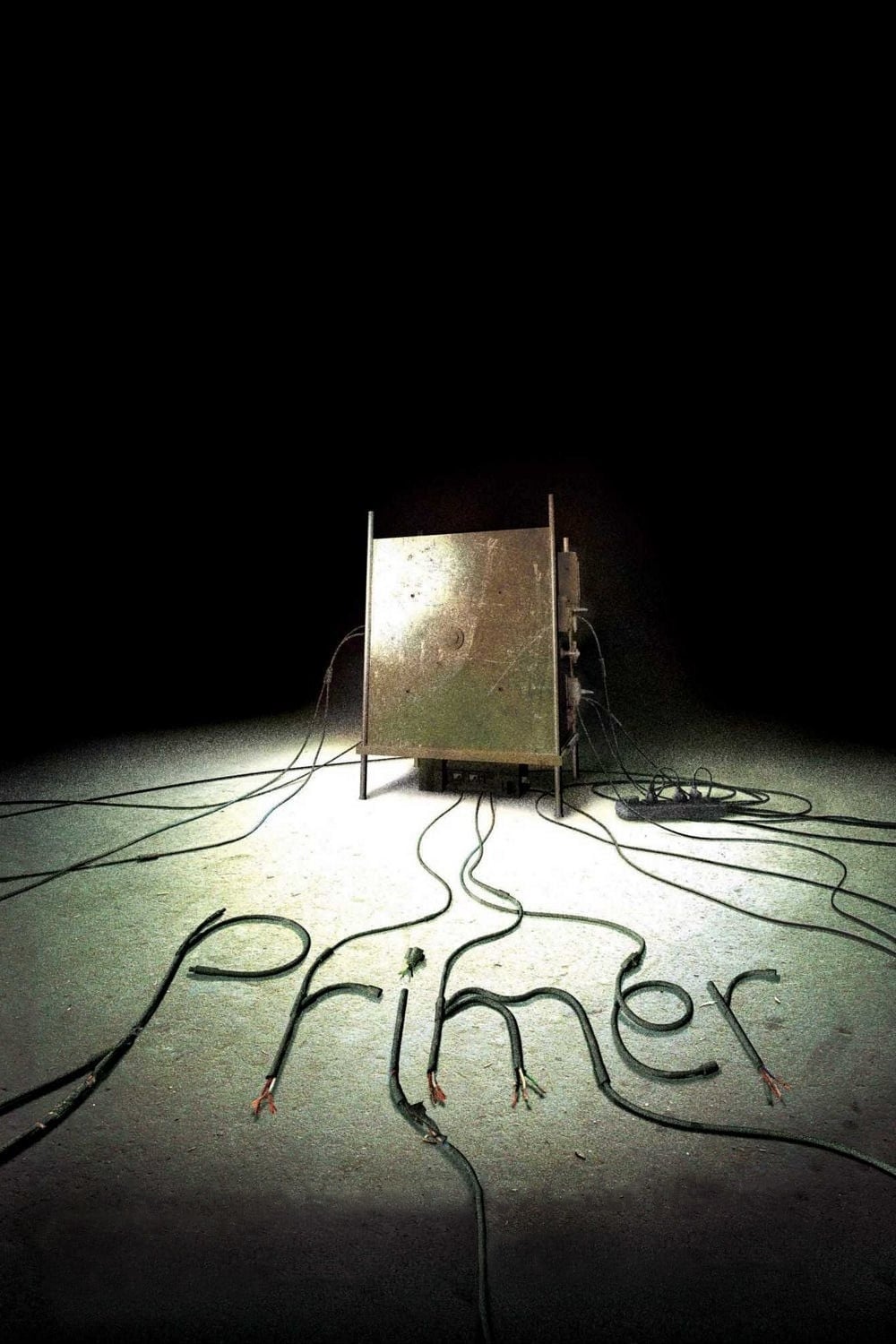
A movie about two engineers who invent time travel quickly gets complicated when they start encountering past and future versions of themselves. The film doesn’t bother explaining how the time travel works, leaving the audience to piece together a confusing web of duplicates, false identities, and unexplained events. Even small choices have major consequences, but the characters aren’t always truthful, making it difficult to follow the timeline. Because the movie focuses on intricate details rather than clear explanations, many viewers need to create diagrams to understand what happened.
‘A Scanner Darkly’ (2006)
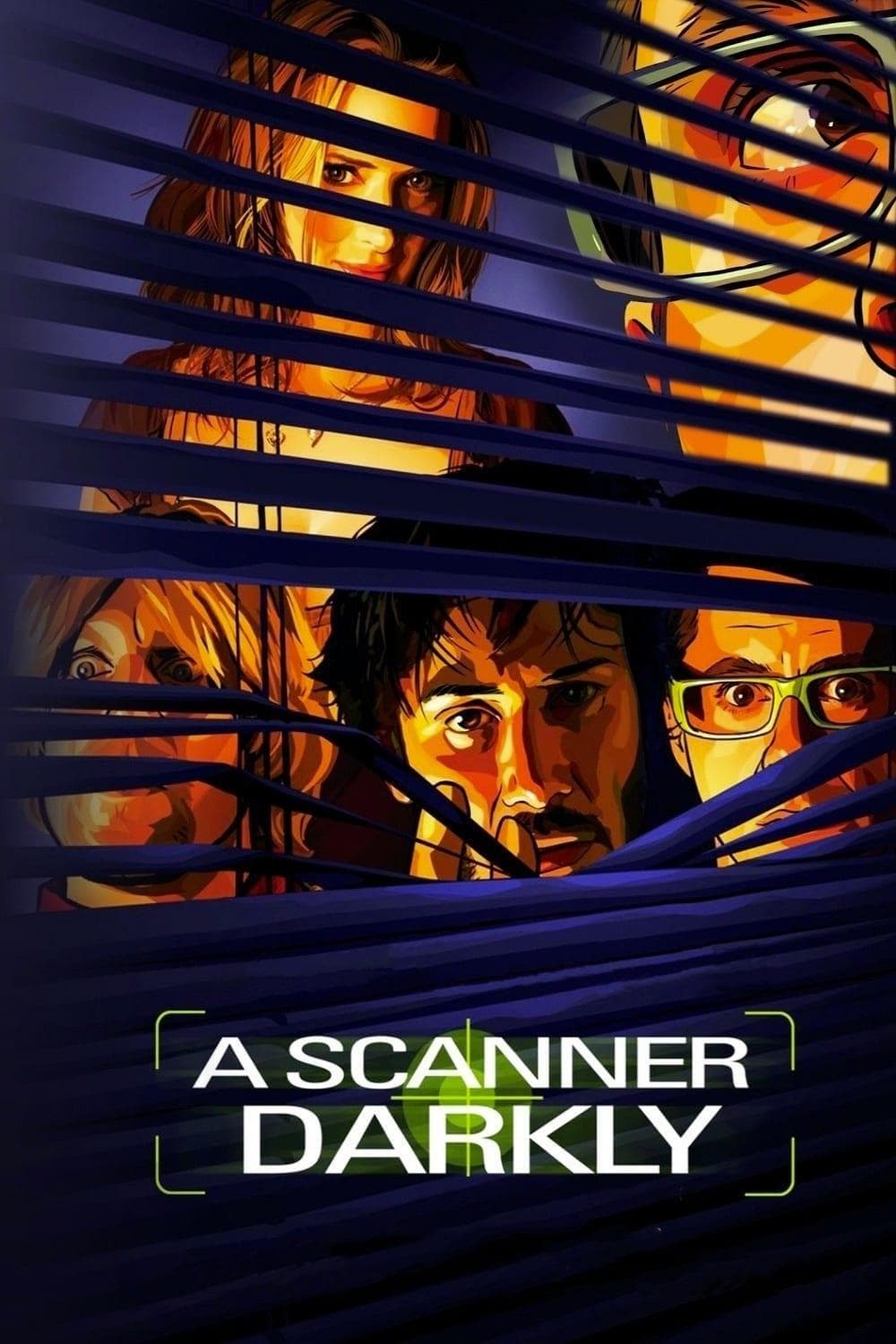
A secret agent working deep within the drug world begins to blur the lines between who he really is and the persona he’s created. His disguise and the growing paranoia make it hard to know who’s talking to whom. Because the drugs distort his perception, even what seems real might be unreliable. Understanding the story as a cycle of observation – where the act of watching changes the watcher – can help make sense of the confusing events.
‘Paprika’ (2006)

The movie features a technology that lets therapists go inside patients’ dreams, but those dreams start bleeding into reality, creating unexpected and confusing shifts. As the line between dreams and waking life blurs, things change suddenly, and the world operates more on feeling and symbolism than on real-world rules. While there’s a core mystery to unravel, the characters solve it through bizarre connections and intuition rather than clear thinking. The story is held together by following how the dream technology is used, who controls it, and how it gets stolen, even as everything around them becomes increasingly strange and dreamlike.
‘Children of Men’ (2006)
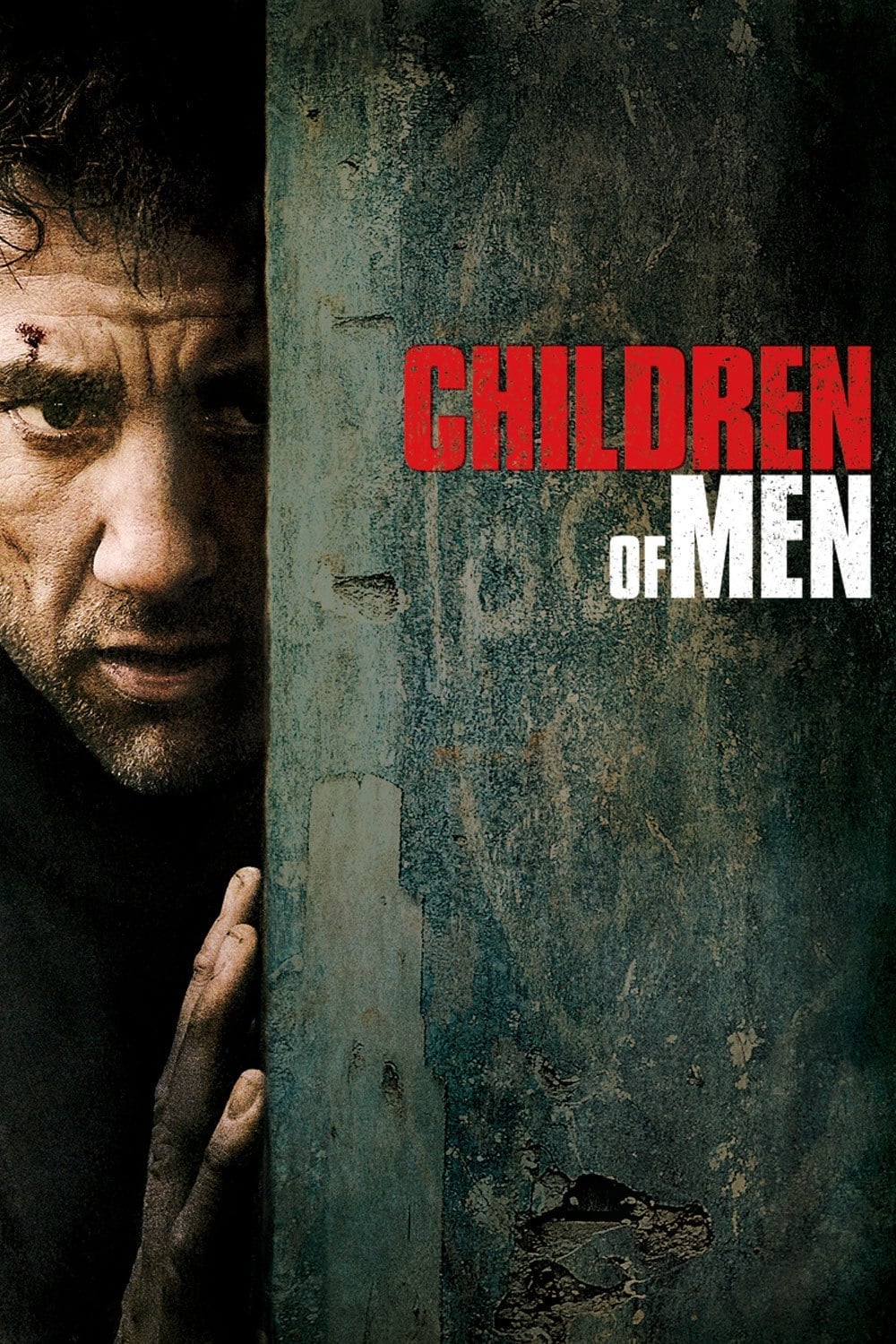
The story centers around a world where people can no longer have children, but the cause of this infertility is a mystery. While the film offers believable ideas about politics, medicine, and the global situation, it doesn’t fully explain things, leaving a slightly uneasy feeling. Characters often make choices based on who they trust and what they believe, rather than having a clear strategy, which builds suspense without providing easy solutions. The film’s details about how governments and organizations react to the crisis – through things like propaganda, policing, and handling refugees – help to fill in the unanswered questions.
‘The Fountain’ (2006)
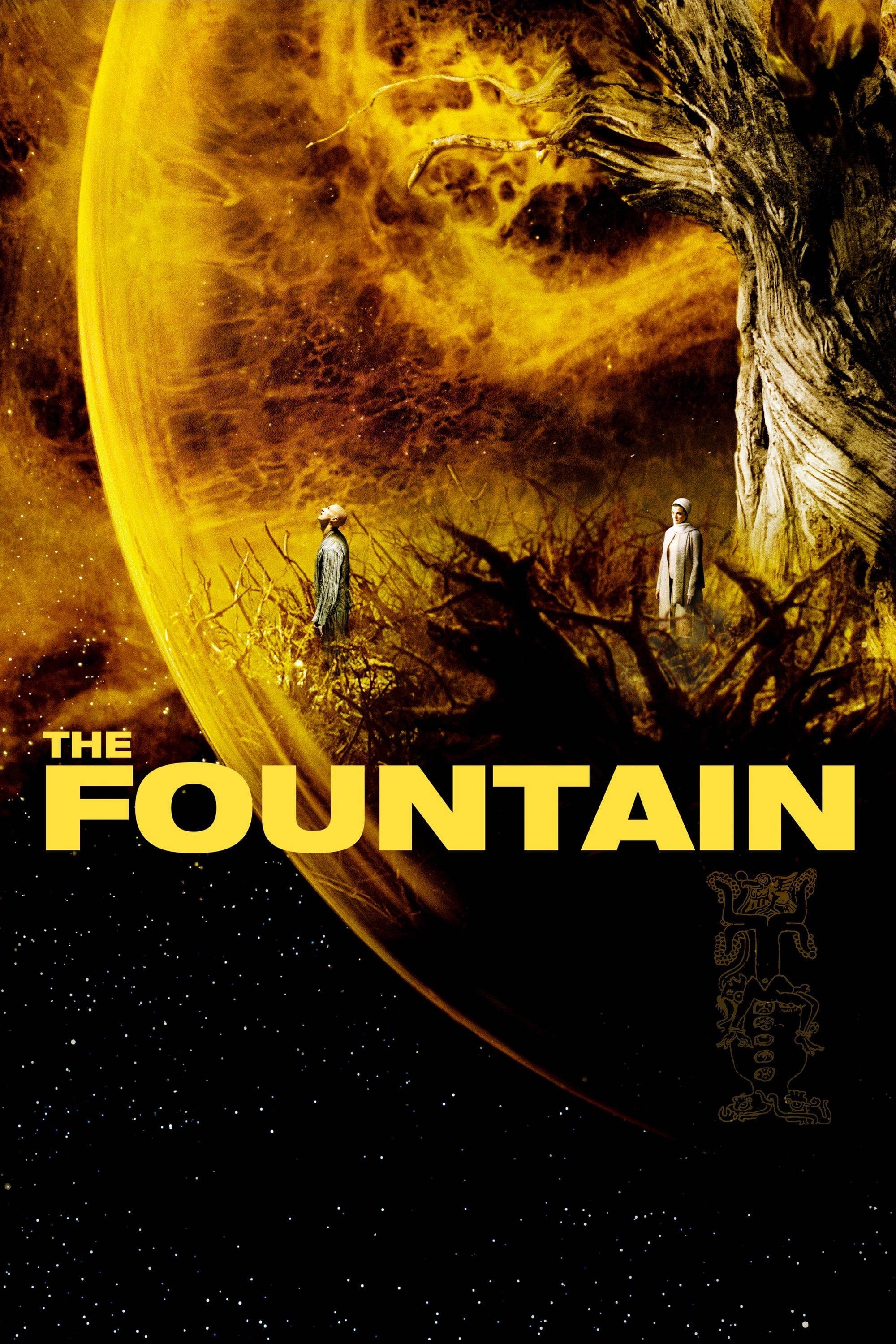
The film tells three stories at once—a medical investigation, a mythical adventure, and a philosophical exploration—that subtly connect without ever revealing if they’re meant to be taken as real events, symbolic representations, or simply imagined. Recurring images and choices appear throughout different time periods and locations, but the film intentionally avoids explaining what truly happened versus what characters are feeling. It blends science, spirituality, and love, focusing on overarching themes rather than a straightforward plot. Paying attention to repeating motifs and mirrored actions is key to understanding how the different storylines connect.
‘Sunshine’ (2007)

The movie begins as a realistic sci-fi story about trying to restart the Sun, but it quickly shifts gears, creating a jarring change in tone and logic. Initially, the limitations of the spaceship and the laws of physics are important, but later events introduce problems that don’t quite fit the established rules. While characters face intense pressure and make critical choices, the film sometimes favors excitement over believable procedures. Focusing on how small mistakes snowball into larger disasters helps make the plot twists more understandable.
‘Donnie Darko’ (2001)

The movie follows a teen who has strange visions and experiences glitches in time, hinting that the universe is trying to fix itself. It introduces ideas like alternate realities and people who can sense these shifts, but doesn’t explain them completely. What’s happening could be supernatural, a psychological issue, or something in between, and the explanation seems to change throughout the film. To understand the story, pay close attention to details like clocks, recurring dialogue, and the clues found in the book passages – they reveal the underlying logic.
‘Mr. Nobody’ (2009)
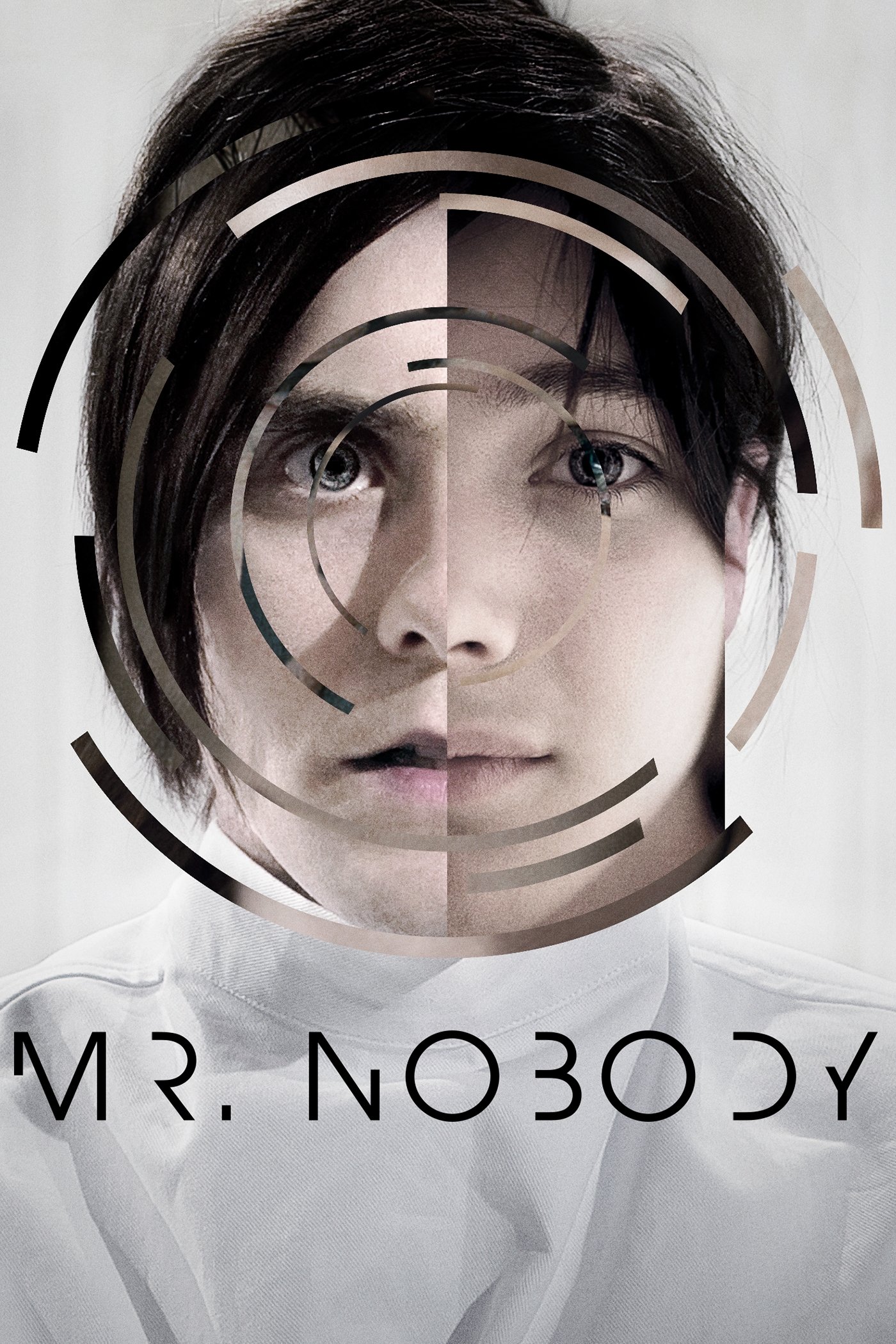
The film explores how one person’s life can change drastically depending on the choices they make, showing multiple possible outcomes. However, it jumps between these realities without clearly defining them, creating confusion and even contradictions. It’s unclear if what we’re seeing is a memory, a fantasy, or a larger experiment. The movie mixes scientific ideas with romantic moments, but it manages to make each possible timeline feel believable, even when they don’t quite add up. The film works best when you think of it as a look at crucial decision points, rather than a straightforward life story, which gives the shifting realities a sense of meaning.
‘Inception’ (2010)
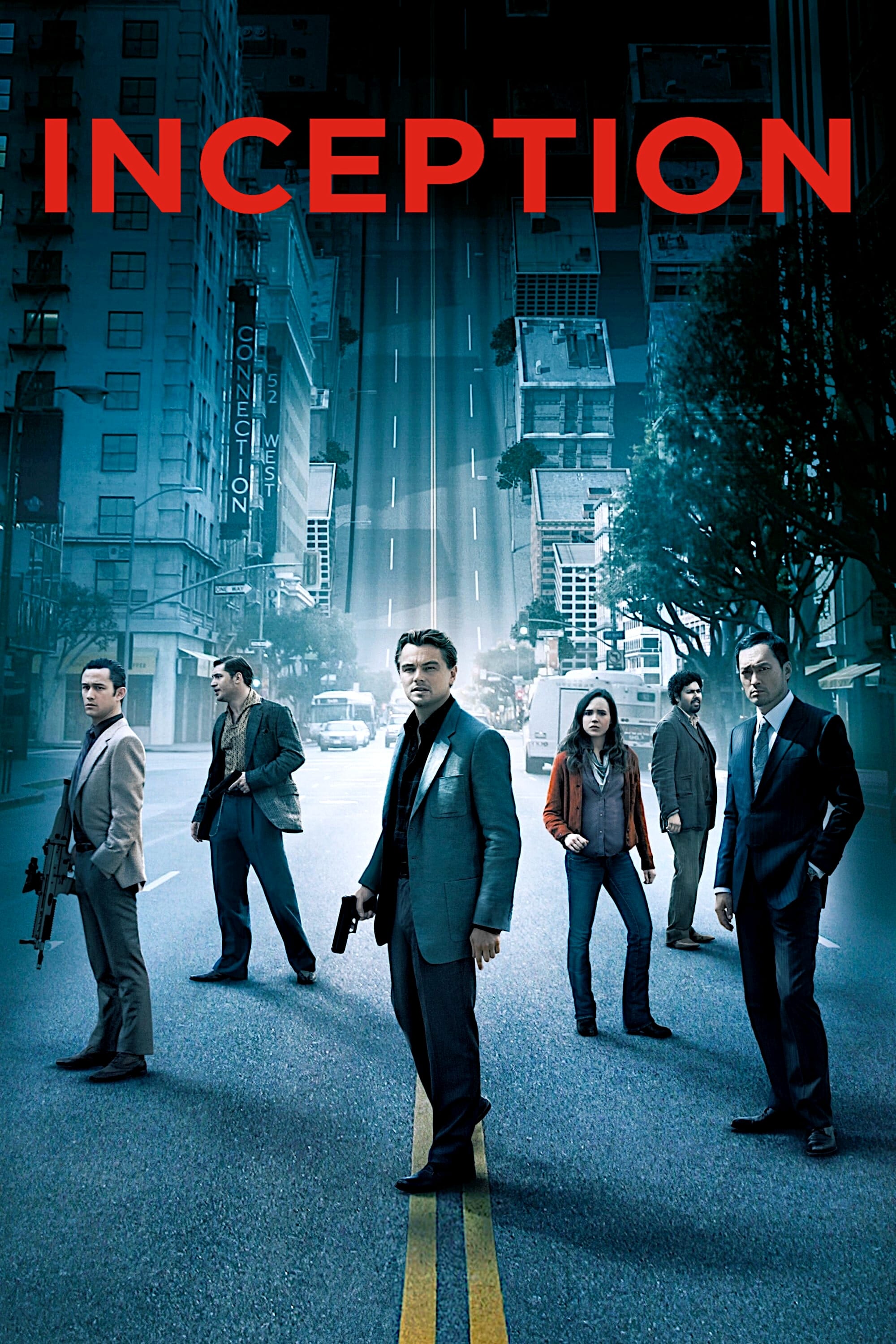
The film’s dream worlds feel like puzzles within puzzles, but the rules occasionally change to keep the story moving or create dramatic moments. Concepts like slowed time, the limbo state, and shared dream-building are explained well, though the characters’ feelings often take priority over how these mechanics should work, particularly when it comes to projecting memories. The ambiguous ending leaves you questioning what’s actually real, which makes you rethink the entire mission and whether it was truly successful. Keeping track of the team’s goals – finding the target, defending against threats, and escaping – can help you stay focused amidst all the shifting realities.
‘Under the Skin’ (2013)
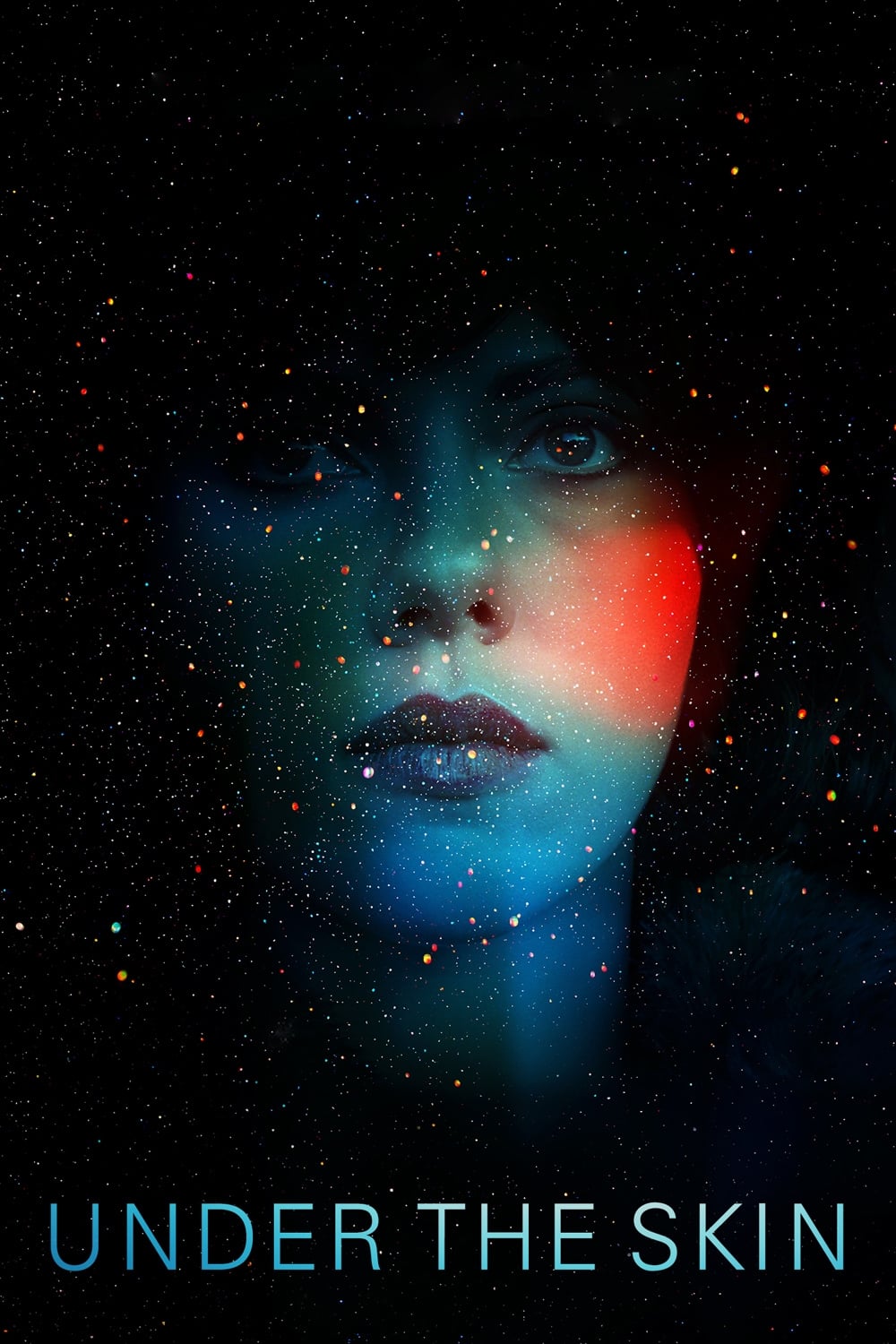
The film features an alien presence that exists within everyday settings, but it offers very little explanation about why the alien is here, how it operates, or even what it is. Many scenes feel like brief, detached observations, leaving the viewer to question whether actions are deliberate plans, simple curiosity, or technical errors. While certain scenes, like those in the ‘black room,’ hint at a larger process, the details and importance of that process are unclear. If you view the film as a study of humanity from an alien perspective, the slow pace and unanswered questions start to feel purposeful.
‘Upstream Color’ (2013)

This film isn’t driven by a traditional story, but by a web of connections between people – linked by a mysterious force, manipulation, and the resulting psychological impact. It intentionally avoids clear explanations, instead relying on recurring images like sounds, water, and pigs to create a feeling of unease. Characters struggle with their identities and memories, forming relationships built on hidden influences they don’t recognize. Paying attention to how control shifts – between individuals and from the natural world to people – is key to understanding the film’s underlying structure.
‘Snowpiercer’ (2013)
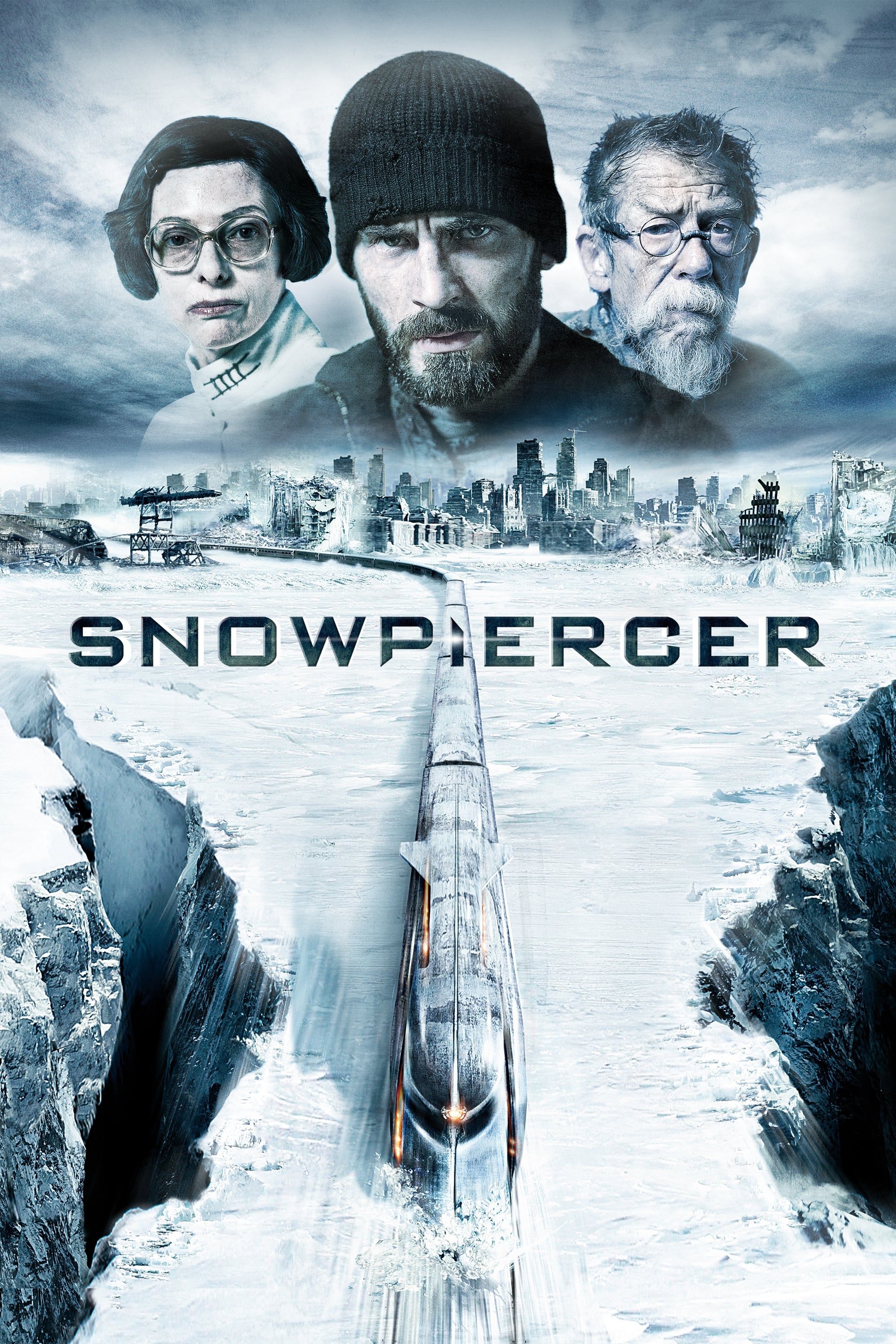
The film centers around a train that endlessly circles the globe, carrying the last of humanity. However, it doesn’t fully explain how this closed ecosystem – including things like farming, work, and security – actually functions. While a strict social hierarchy is established, the movie seems more interested in using this world as a symbolic story than in showing how it could realistically work. Discoveries about who’s in charge and growing unrest change how you view events, sometimes in a way that feels smart, but also a little confusing. Focusing on the train as its own little society – with people working, growing food, and maintaining order – helps make sense of its unusual world.
‘Predestination’ (2014)
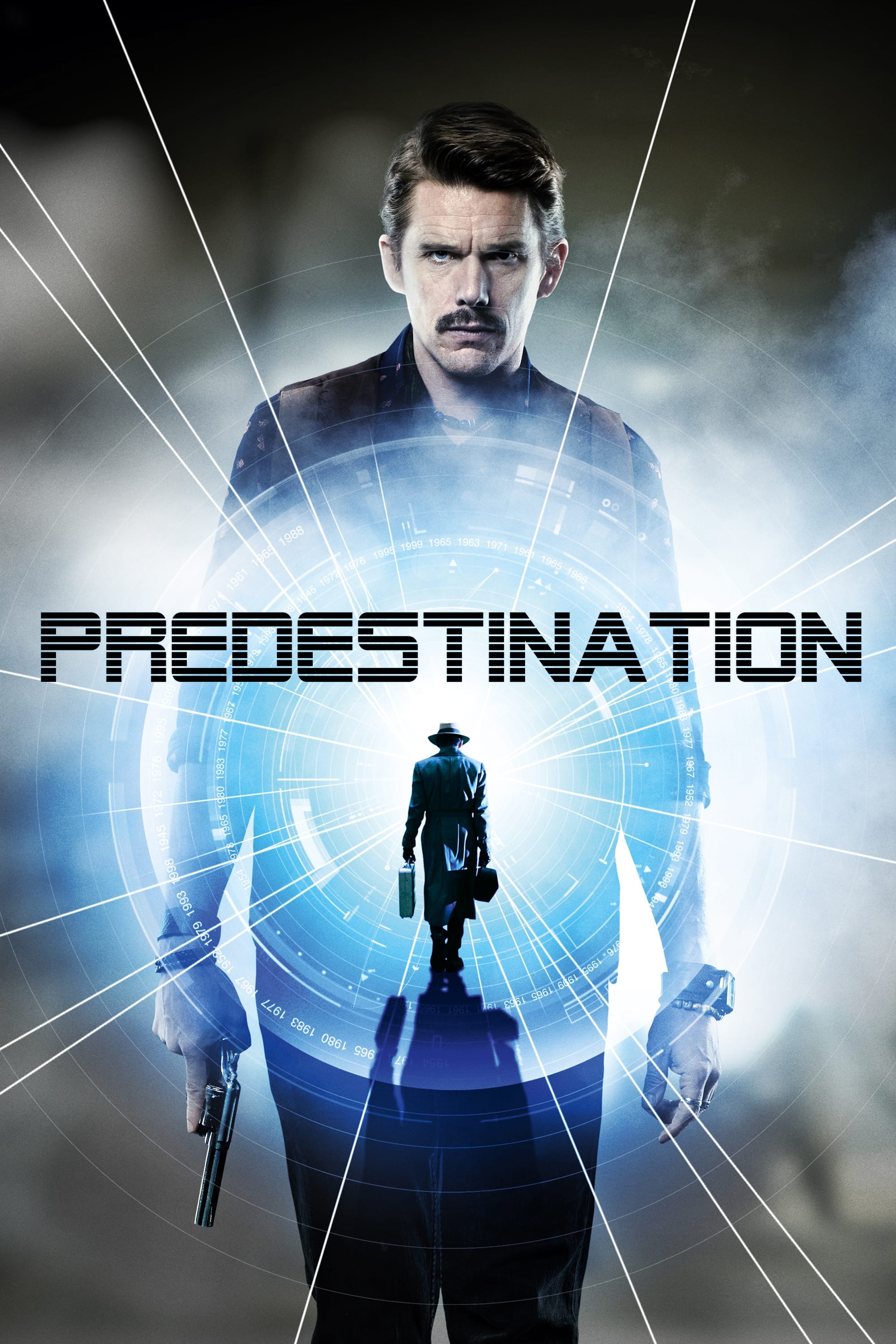
The movie uses time travel to create a confusing cycle where events influence each other in a never-ending loop. While the story makes sense within this loop, it can feel mind-bending because all the connections between characters keep circling back on themselves. Every new revelation makes you rethink what you’ve already seen, often turning simple scenes into paradoxes. To understand the story, it’s helpful to pay attention to who is in control and influencing events at each moment—who is taking action and who is being acted upon—to get a better sense of how the loop works.
‘Interstellar’ (2014)
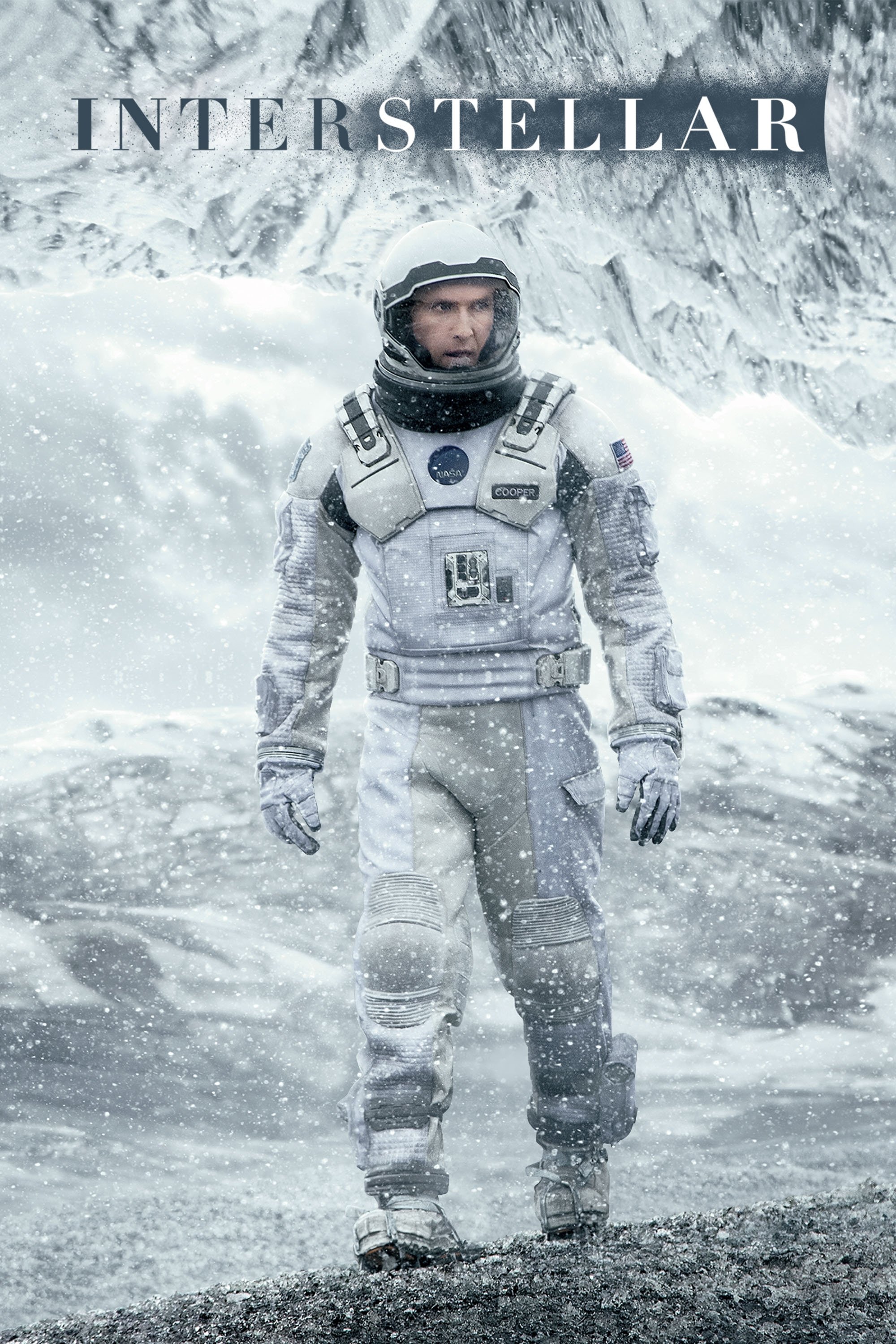
The movie confidently explains complex ideas like wormholes and relativity, but its emotional story sometimes relies on unexplained, almost spiritual, events rather than solid science. The scene with the tesseract cleverly reimagines gravity and communication, raising questions about cause and effect and the origins of everything. The plot often depends on events happening at just the right moment across huge distances, which can feel a bit too convenient. Focusing on the film’s two main storylines – surviving on Earth and building a new home elsewhere – helps distinguish between the scientifically-inspired moments and the coincidences that drive the plot forward.
‘Annihilation’ (2018)
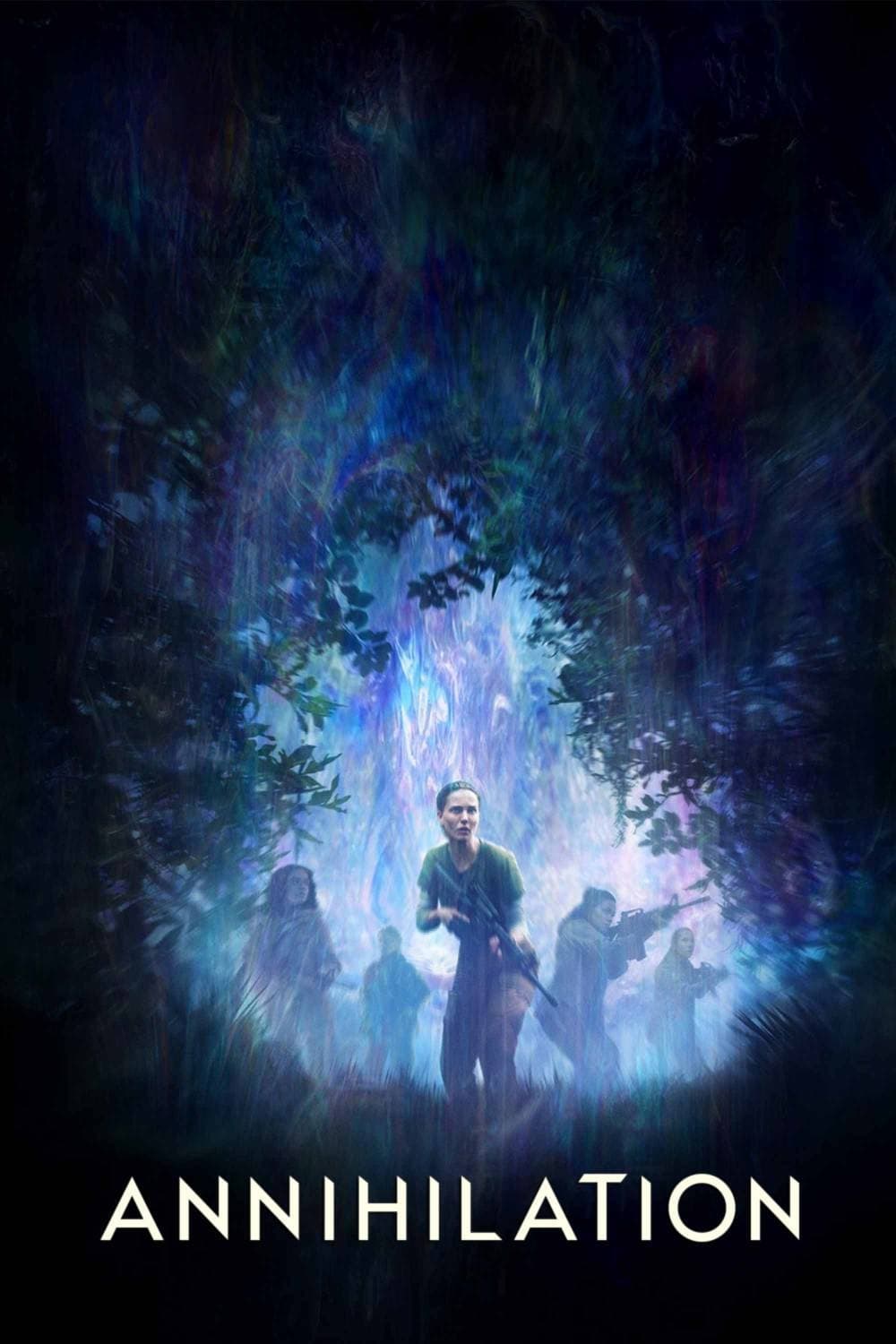
The film creates a contained, strange world that bends both living things and how we see them, but it deliberately leaves the cause of these changes unclear – is it from an outside force, a natural event, or something else entirely? Within this zone, things transform in a way that feels like a dream, combining mutation and reflection, making the results surprising. The ending focuses on copies and the loss of individual identity, rather than a traditional fight or explanation. It’s more rewarding to pay attention to how each character reacts to the environment than to try and figure out a single set of rules for what’s happening.
‘Sorry to Bother You’ (2018)

The film starts as a funny look at office life, but slowly introduces science fiction elements that dramatically increase the tension. While the shifts in tone can sometimes feel jarring, the movie consistently explores themes of work, how things are turned into products, and the influence of big companies. Once the main plot twist is revealed, it makes you think about how the system could realistically work, and why it’s structured the way it is. Understanding the company’s goals and the main character’s ambitions helps make the increasingly strange events feel connected and logical.
‘Tenet’ (2020)
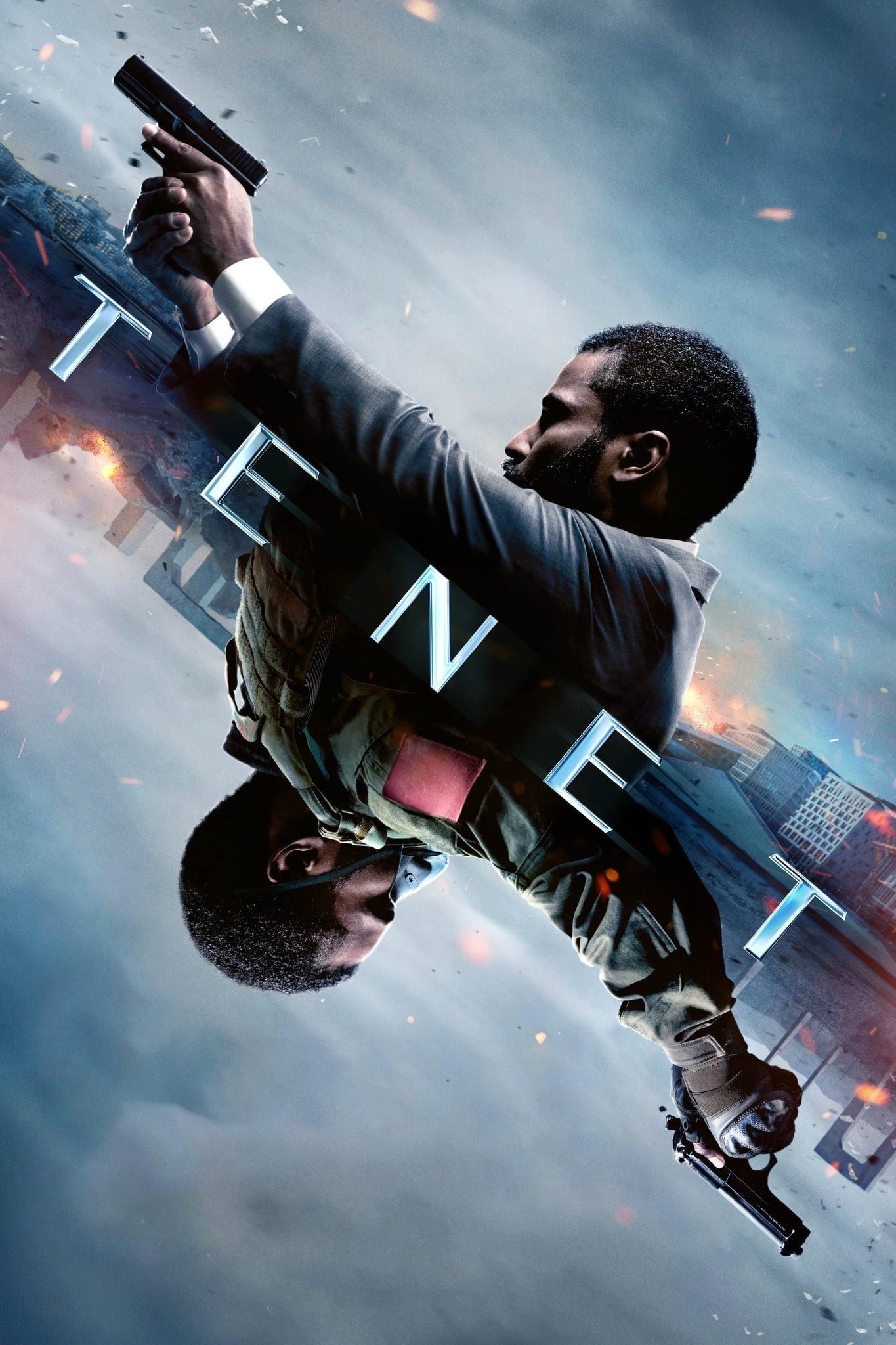
The movie features characters and objects moving backward in time, which leads to complex situations where the normal order of cause and effect is reversed. While the film generally explains this concept of ‘inversion,’ the specific rules about how things interact and how information travels aren’t always consistent. Characters often speak quickly to keep the plot moving, leaving the audience to figure out why things happen by looking at what did happen. Following the idea of events being attacked from both the past and future—the ‘pincer’ maneuver—can help make sense of the action.
‘Everything Everywhere All at Once’ (2022)
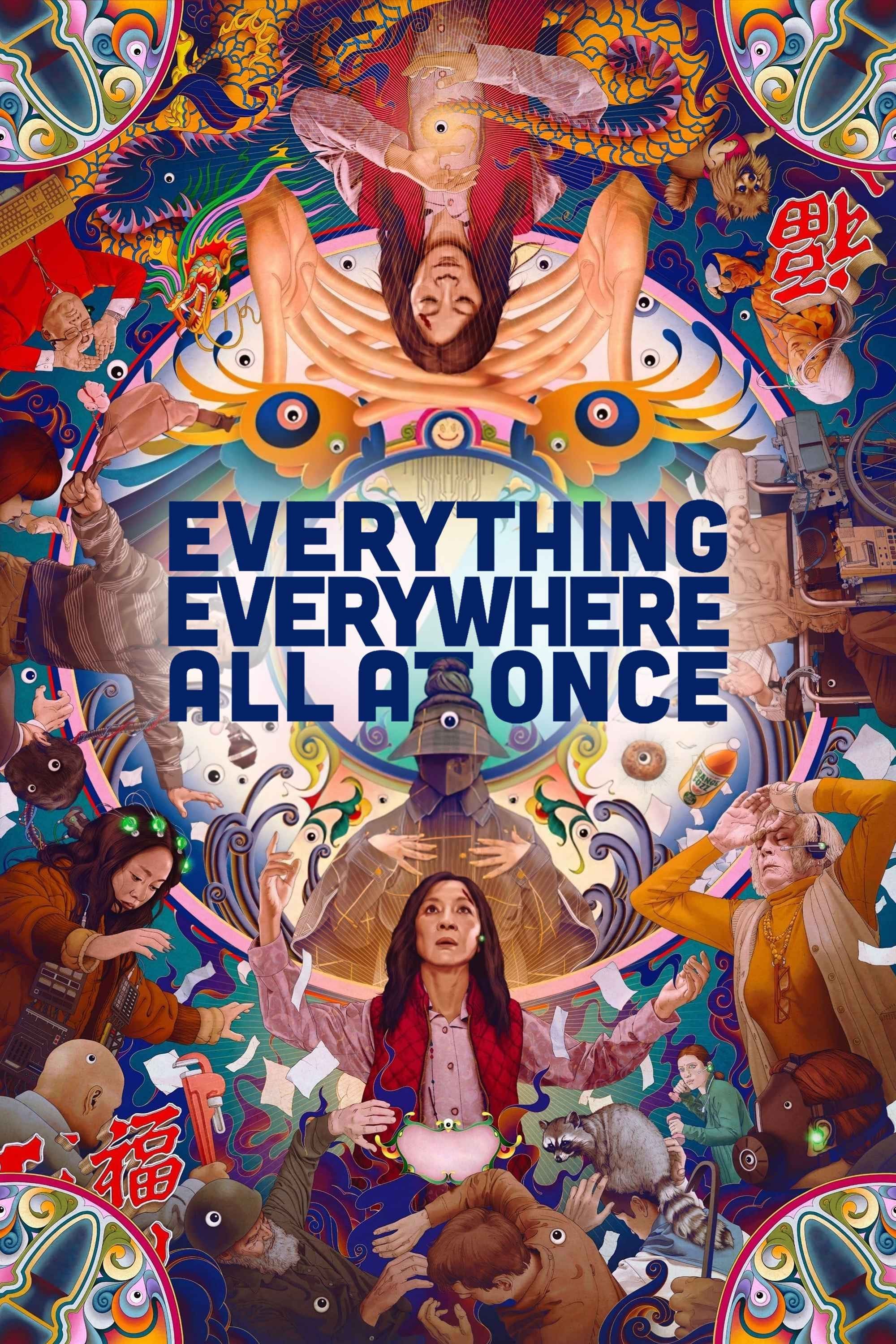
The idea of a multiverse is straightforward, but the movie portrays different universes as reflections of a character’s feelings rather than as logically connected realities. Traveling between universes happens for reasons that don’t make sense, making it feel more like a storytelling device than a scientifically sound system. The quick changes in mood and location can blur the line between what’s actually happening and what’s symbolic. Focusing on what the protagonist learns in each universe – new abilities, different viewpoints, or important decisions – can help make sense of the seemingly random events and create a clear story.
If you’ve watched any of these and came up with your own take on what it all means, definitely share your thoughts in the comments! I’m especially curious to hear which one really messed with your head the most – I love a good mind-bender!
Read More
- Invincible Season 4 Gender Swaps Tech Jacket As Fans Question Major Comic Change
- Silver Rate Forecast
- Gold Rate Forecast
- Building Agents That Learn and Improve Themselves
- 22 Films Where the White Protagonist Is Canonically the Sidekick to a Black Lead
- 15 Films That Were Shot Entirely on Phones
- 20 Movies Where the Black Villain Was Secretly the Most Popular Character
- Celebs Who Narrowly Escaped The 9/11 Attacks
- Games That Faced Bans in Countries Over Political Themes
- 18 TV Series Filming Rehearsals as Bonus Content
2025-12-15 02:22