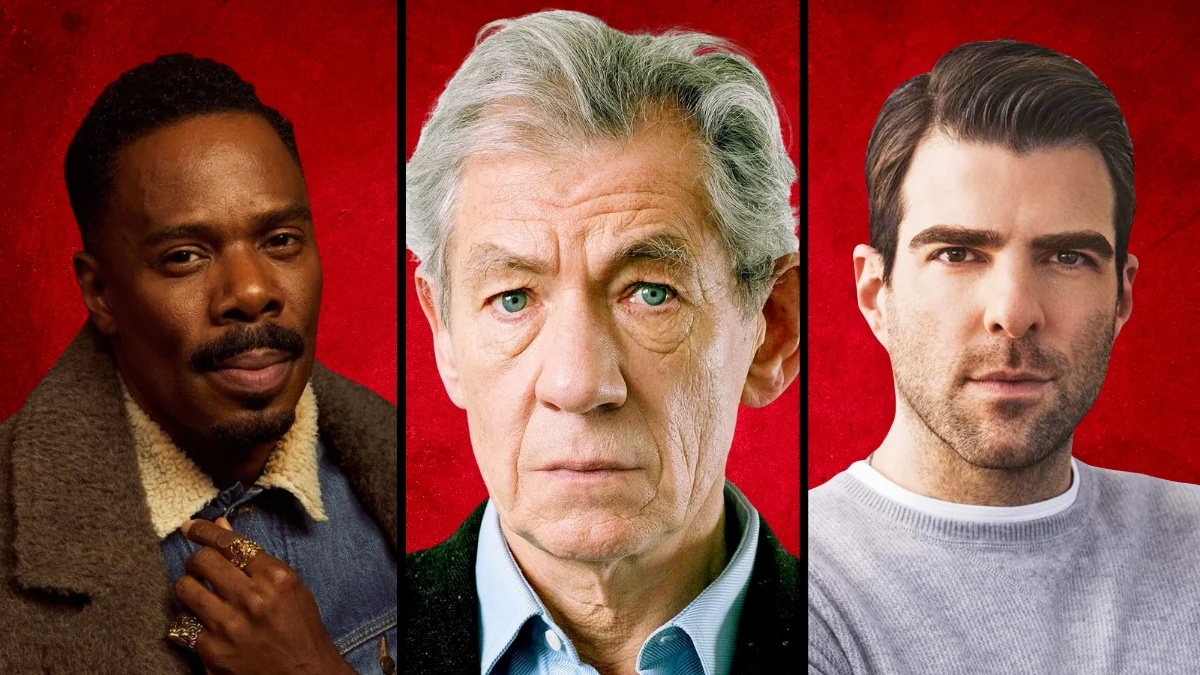
Performing in historical dramas demands a special skillset – actors need to convincingly portray people from different times through how they speak and behave. Several actors have successfully built their careers by becoming experts in the dialects and customs of the past. Here’s a look at some talented gay actors who have given outstanding performances in period films and TV shows, bringing historical characters to life with authenticity across many different eras and backgrounds.
Ian McKellen
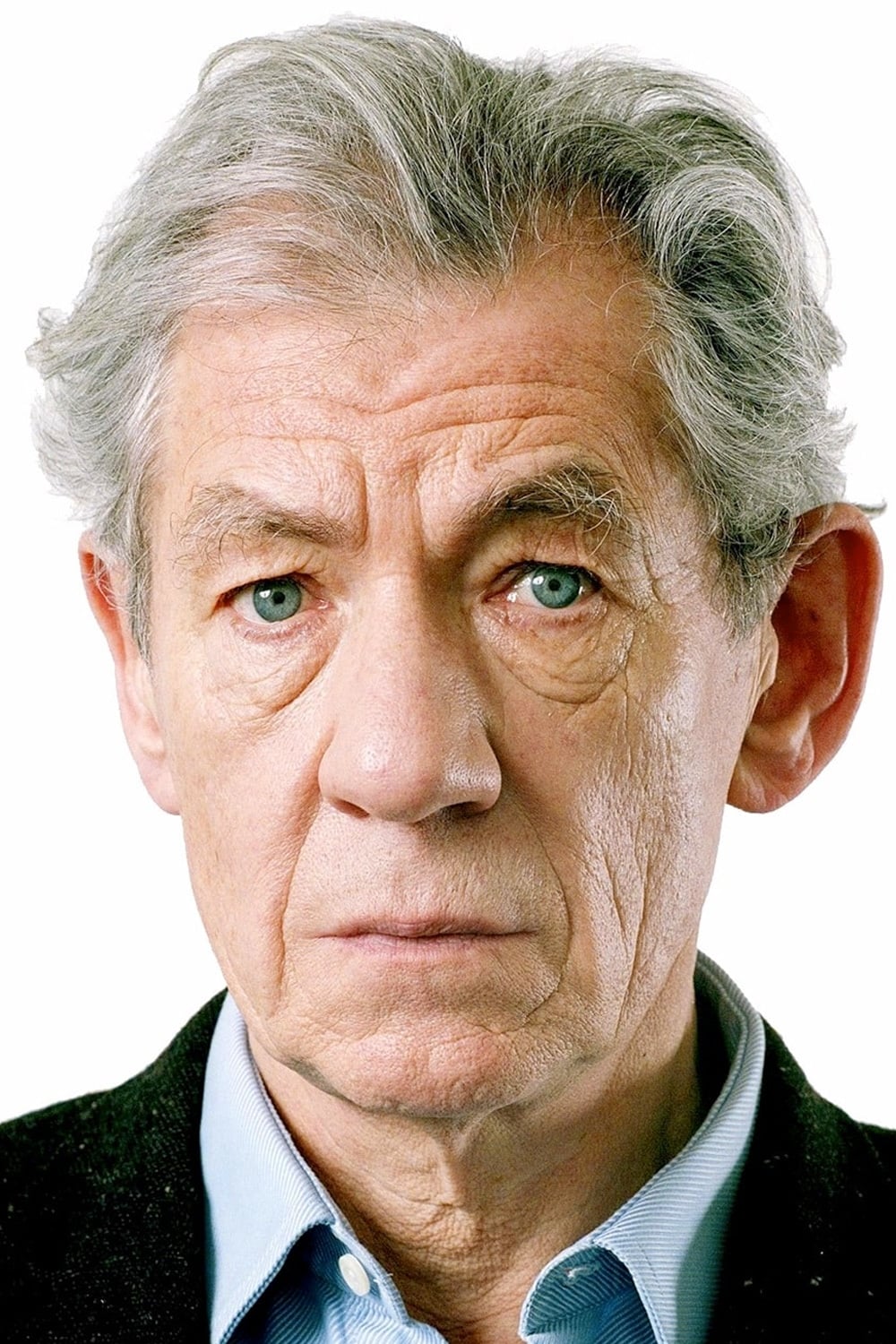
Ian McKellen gave a powerfully unsettling performance in the movie ‘Richard III’ by reimagining Shakespeare’s play in a made-up 1930s England ruled by fascism. He played the lead role as a cold, calculating dictator who uses lies and violence to seize power. This unusual setting helped McKellen show how tyranny exists throughout history, while also making the character feel relevant to a specific time period. His skillful delivery of the dialogue and intimidating presence on screen created a truly memorable version of the classic villain.
Rupert Everett
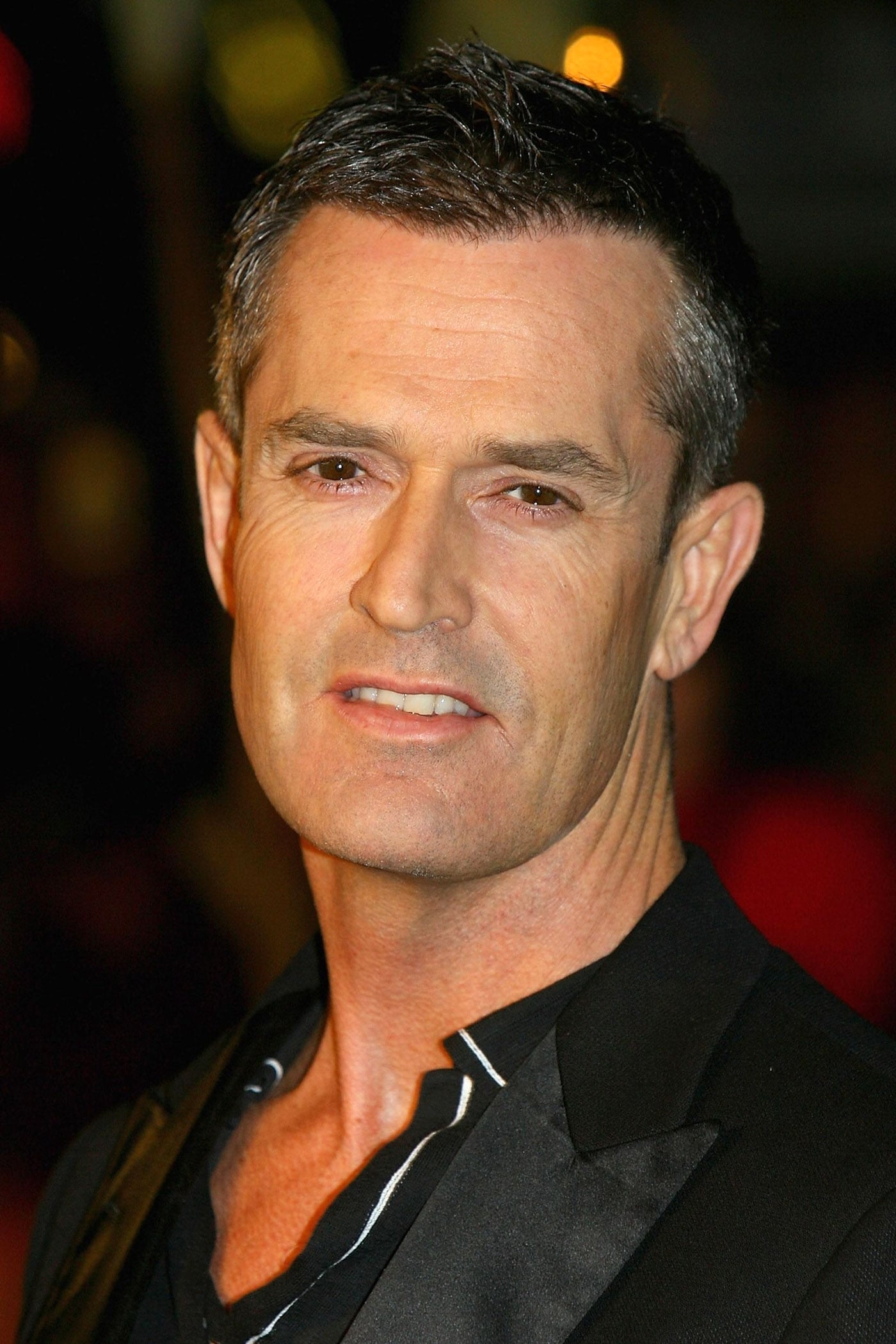
Rupert Everett brilliantly brought the cleverness and elegance of Victorian England to life in the film version of ‘The Importance of Being Earnest.’ He played Algernon Moncrieff with a wonderful mix of skepticism and fun, perfectly capturing the spirit of Oscar Wilde’s wealthy characters. Everett handled the complicated social rules and fast-paced conversations of the time with ease. His performance was central to the film’s success, emphasizing the play’s humorous critique of class and social expectations.
Ben Whishaw

Ben Whishaw was highly praised for his performance as King Richard II in ‘The Hollow Crown’. He portrayed the king as delicate and vulnerable, a stark contrast to the harsh political world around him. Whishaw used his gentle voice to highlight the character’s poetic side, even as war raged. By focusing on Richard’s inner struggles, Whishaw made this historical figure – often seen as weak – feel relatable and human.
Matt Bomer
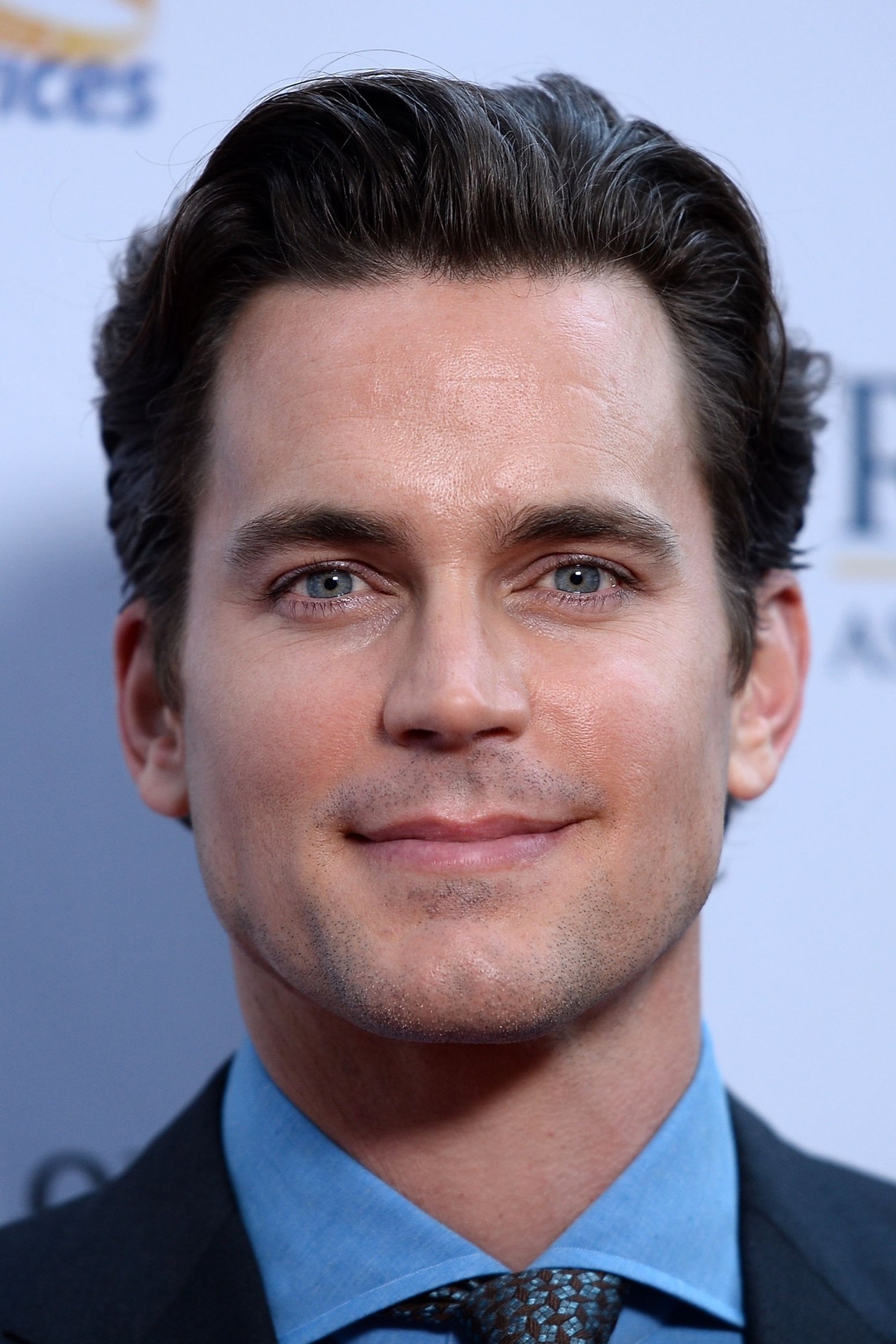
Matt Bomer delivered a captivating performance in the historical series ‘Fellow Travelers’. He portrayed a man working for the State Department in the 1950s who was forced to hide his true self due to the anti-LGBTQ+ climate of the time, known as the Lavender Scare. Bomer skillfully showed the character’s internal struggle of living a double life while appearing calm and professional. His performance beautifully captured the fear and heartbreaking love story of that era, spanning many years of American history.
Colman Domingo
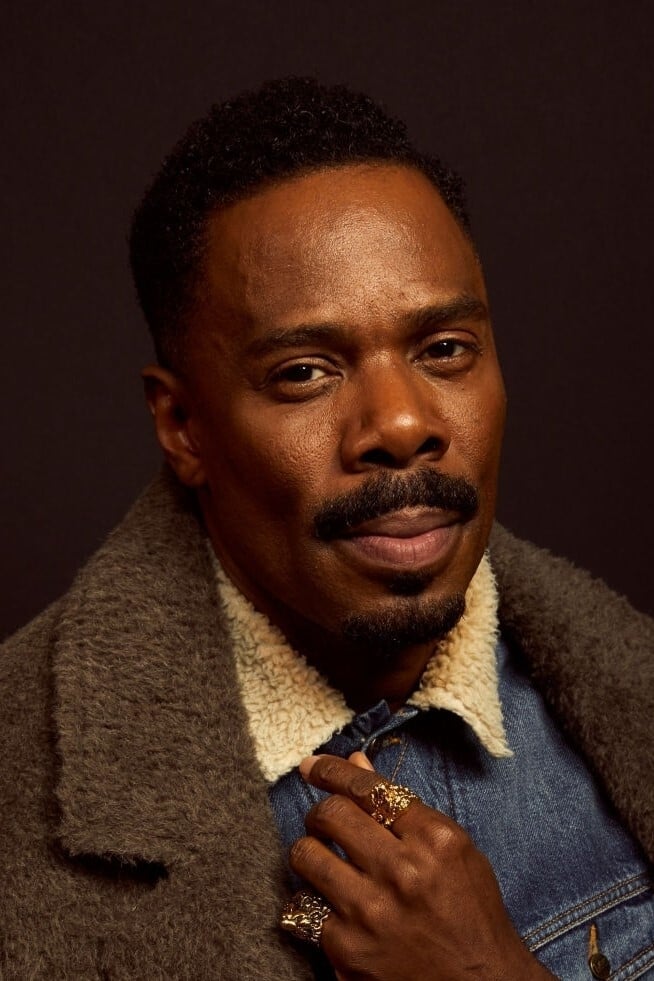
Colman Domingo gave a compelling performance as Bayard Rustin in the film ‘Rustin’. He brilliantly portrayed the charismatic activist who organized the 1963 March on Washington, despite facing prejudice because he was gay. Domingo accurately captured Rustin’s unique way of speaking and moving, bringing his important story to life for today’s viewers. Domingo made sure Rustin’s significant contributions were presented with the respect and passion they deserved.
Andrew Scott
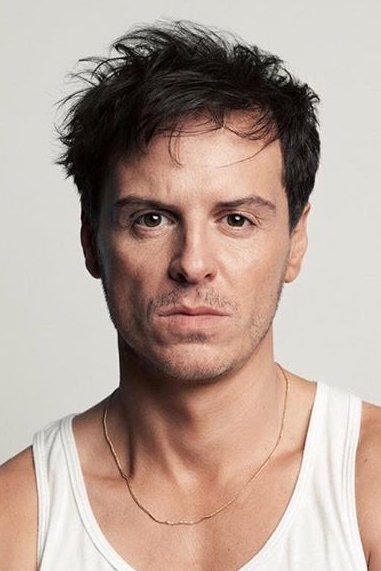
In the World War I film ‘1917’, Andrew Scott delivered a memorable performance as Lieutenant Leslie. He portrayed a soldier deeply worn down and disillusioned by the endless, pointless fighting in the trenches. Despite appearing briefly, Scott effectively showed years of exhaustion and added a crucial element of human emotion to a film known for its impressive visuals and non-stop action.
Lee Pace
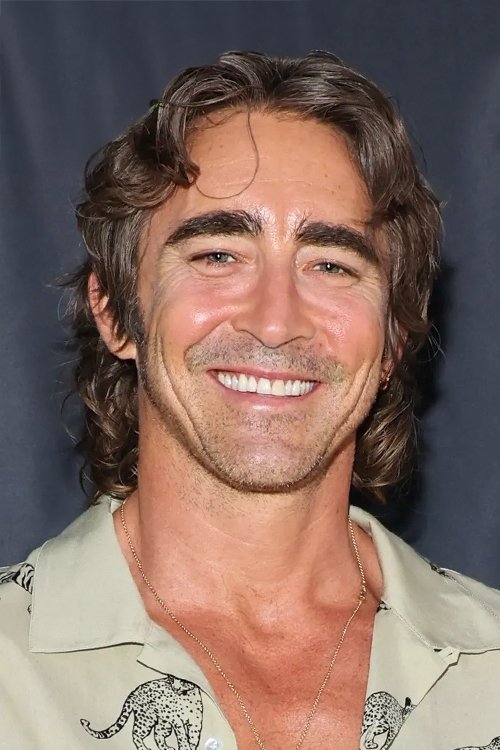
Lee Pace played Fernando Wood in the movie ‘Lincoln’, portraying a Democratic Congressman who strongly opposed the abolishment of slavery through the Thirteenth Amendment. Pace used his height and powerful voice to create a convincing and intimidating political opponent. His performance effectively showed just how divided the country was at the time and how challenging it was to pass important laws during the Civil War.
Luke Evans
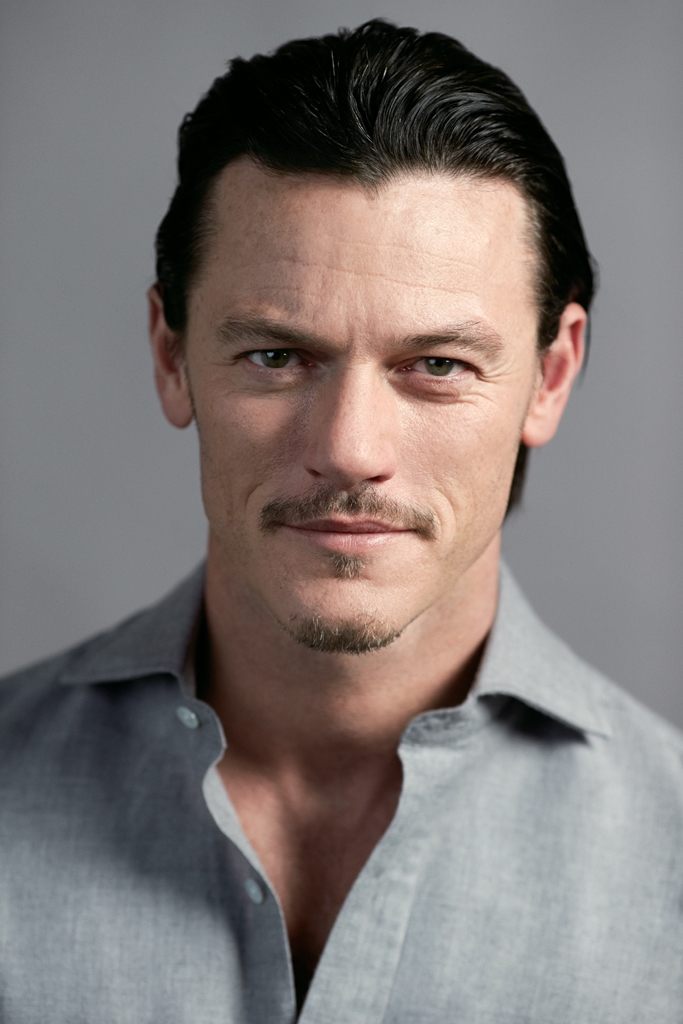
Luke Evans played John Moore in ‘The Alienist,’ a crime drama set in New York City in the late 1800s. His character is a New York Times illustrator who becomes involved in investigating a string of disturbing murders. Evans skillfully portrayed the contrast between Moore’s sophisticated background and the harsh realities of the city’s criminal world. The role highlighted his talent for delivering both formal, period-accurate dialogue and intense physical action.
Jonathan Groff
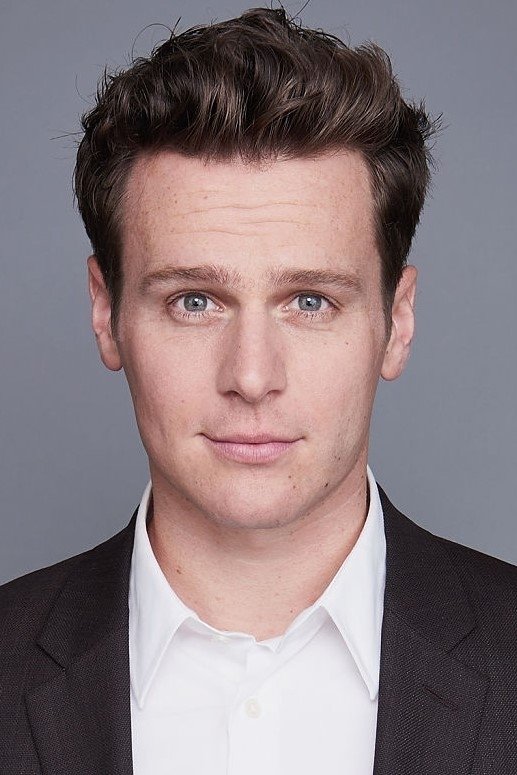
Jonathan Groff became internationally known for playing King George III in the movie version of the musical ‘Hamilton’. He brought a lot of humor to the role of the spoiled king who couldn’t accept America’s desire to be independent. Groff cleverly used an over-the-top British accent and funny physical movements to poke fun at the British royal family from the 1700s. Even though he wasn’t on stage as much as the main characters, his performance was a highlight of the show.
Stephen Fry
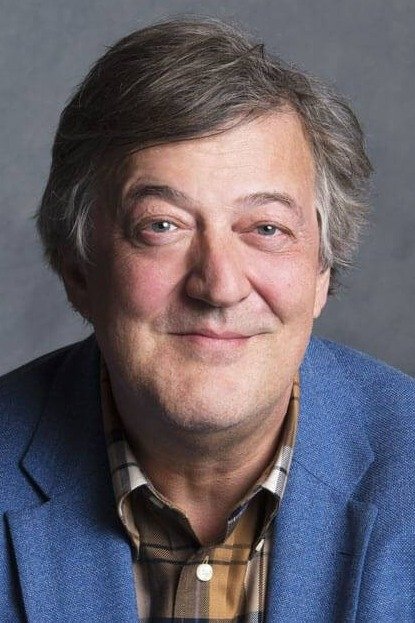
Stephen Fry seemed born to play Oscar Wilde in the film about the playwright’s life. He captured Wilde’s look and brilliantly understood his clever humor. Fry showed the heartbreaking story of Wilde’s life, from being celebrated in London to being imprisoned for being gay. Many consider his performance to be the best depiction of Wilde and a powerful look at the strict and judgmental Victorian era.
Derek Jacobi
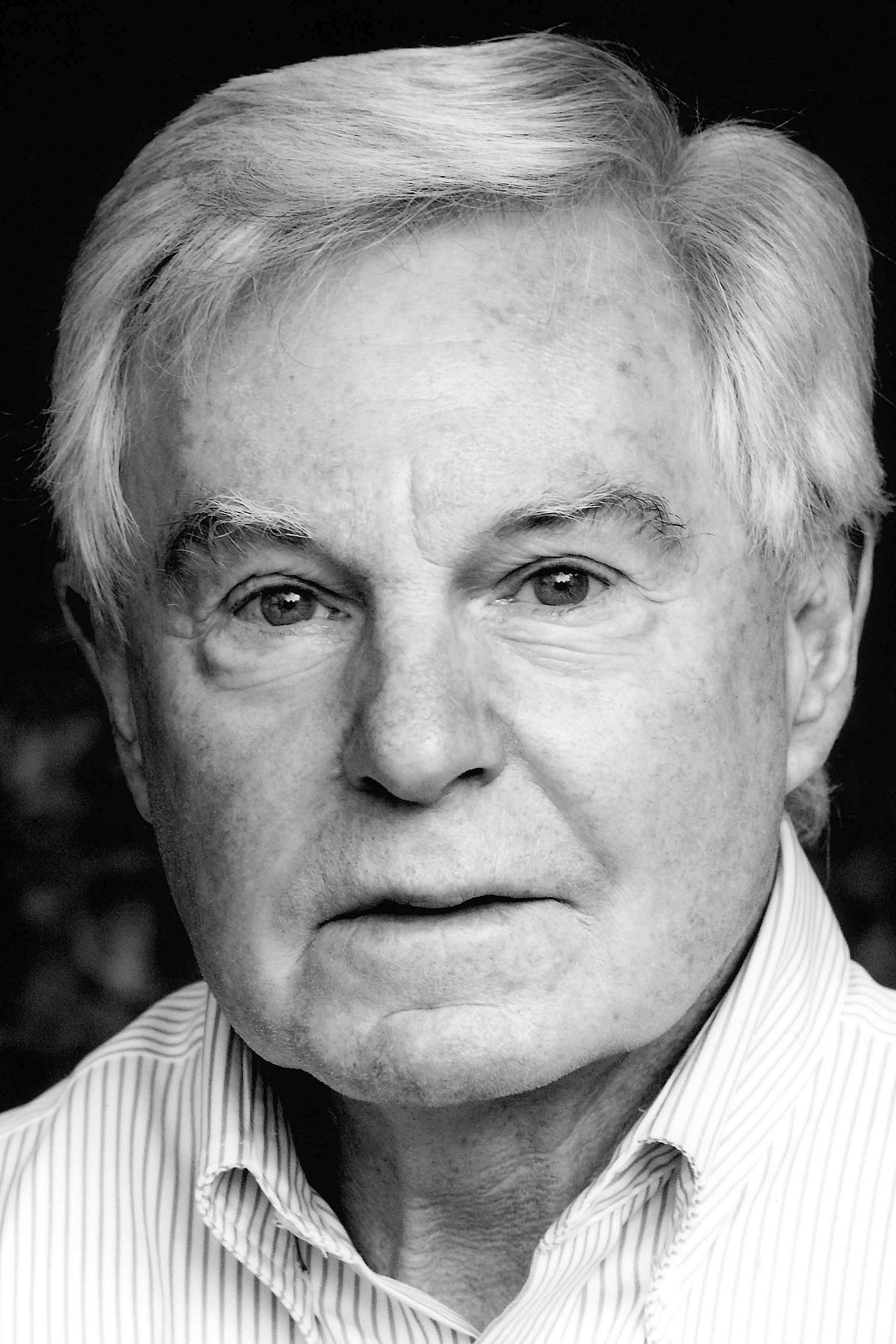
Derek Jacobi is famous for his role in the beloved series ‘I, Claudius’. He brilliantly played the Roman Emperor, portraying him as someone who cleverly survived dangerous family politics by pretending to be simple-minded. Jacobi convincingly showed the character aging throughout the series, and his performance is still considered a perfect example of acting – demonstrating how someone can use a disguise of physical weakness to protect themselves and stay alive.
Alan Cumming
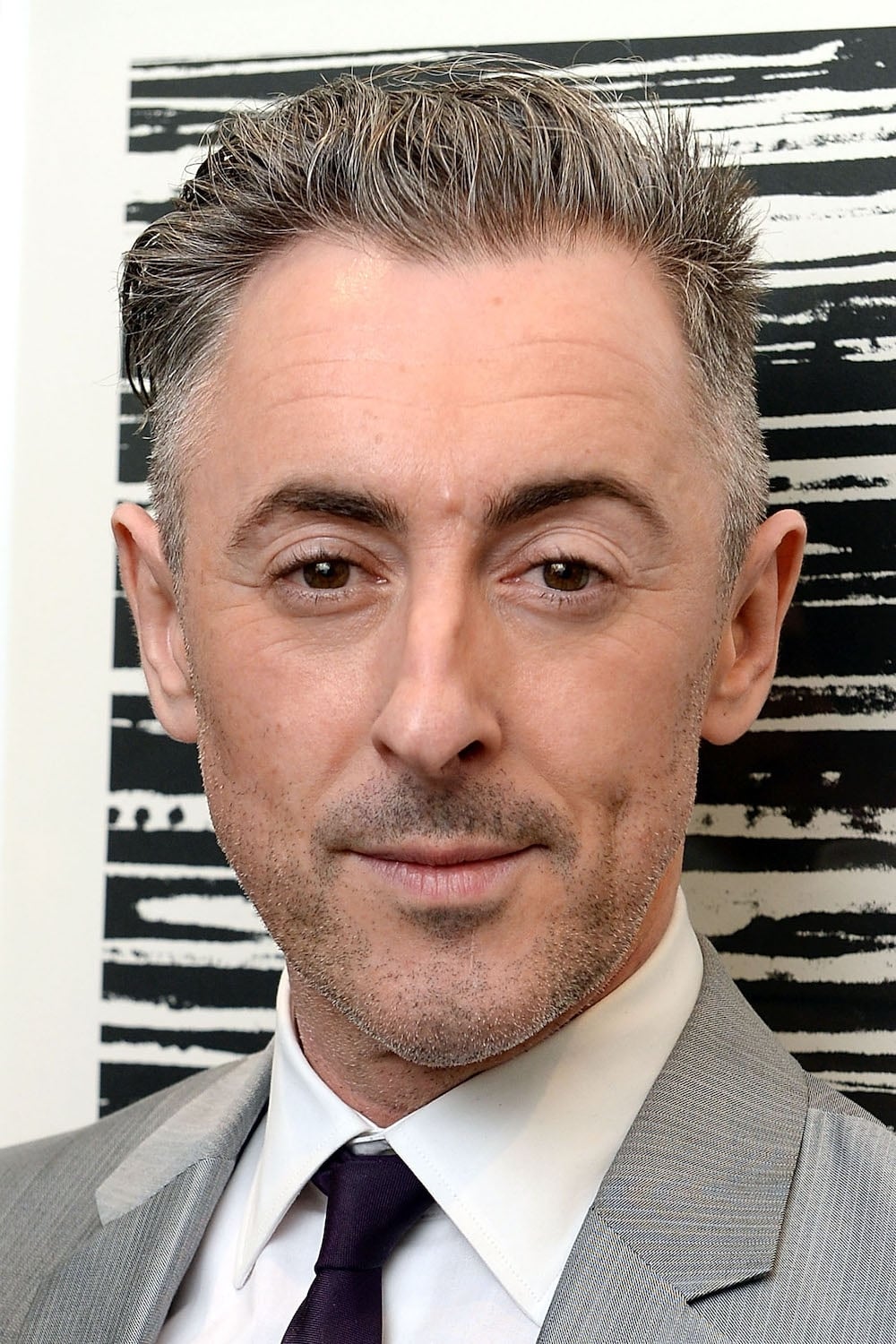
Alan Cumming played the role of Mr. Elton in the movie ‘Emma’ with a lot of humor. He portrayed the eager and somewhat clueless clergyman who tries to impress the wealthy Emma. Cumming emphasized the character’s tendency to flatter others, which cleverly showed how strict the social classes were in Regency England. His performance was a funny way of pointing out how common social climbing was in the world Jane Austen depicted.
Simon Callow
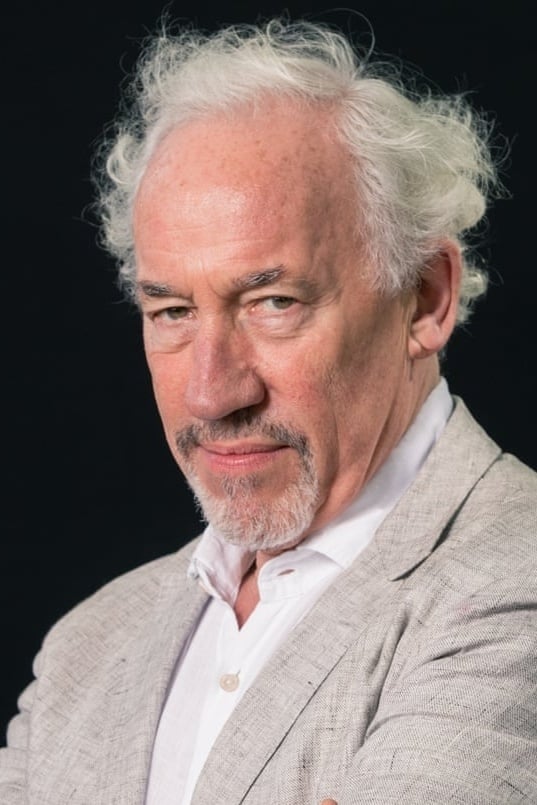
Simon Callow gave a wonderful performance as Reverend Mr. Beebe in the film ‘A Room with a View’. He played the kind and understanding clergyman who urged the young characters to follow their feelings instead of strict social rules. Callow’s warm and cheerful portrayal made him a beloved character for fans of the Merchant Ivory film. His role highlighted the contrast between the rigid customs of Edwardian England and the freedom found in Italy.
Nathan Lane
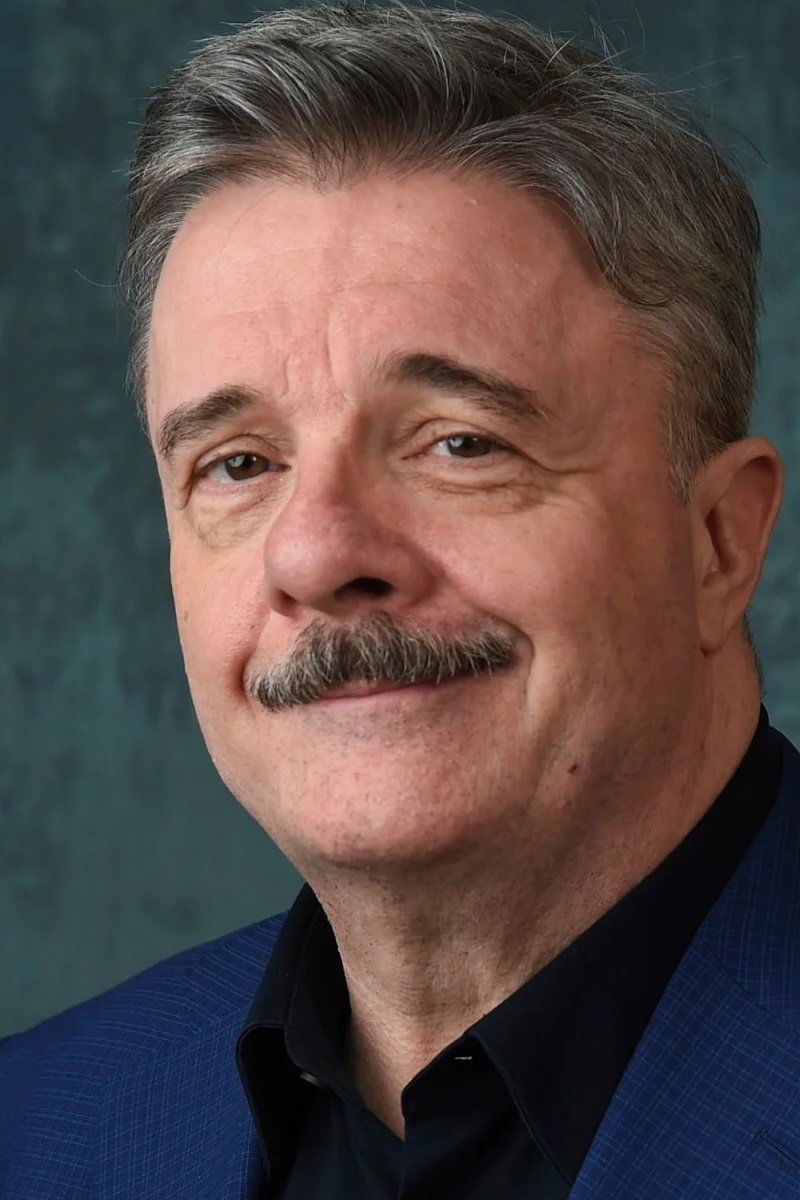
I was really impressed with Nathan Lane in ‘The Gilded Age’. He totally transformed into Ward McAllister, playing him as this incredibly snobby and powerful figure who basically dictated who was ‘in’ in 1880s New York. He even did this fantastic Mid-Atlantic accent! It was cool seeing him step away from comedy and really delve into the complexities of old money and how seriously those families took their social status during that time of huge change.
Jim Parsons

In the TV movie ‘The Normal Heart,’ Jim Parsons delivered a powerful performance portraying Tommy Boatwright, a hospital administrator and activist during the beginning of the HIV/AIDS crisis. Parsons brought a sense of calm and sharp humor to the role, providing a steady presence amidst more volatile characters. His performance effectively showed the emotional impact of the epidemic on New York City’s gay community in the 1980s.
Zachary Quinto
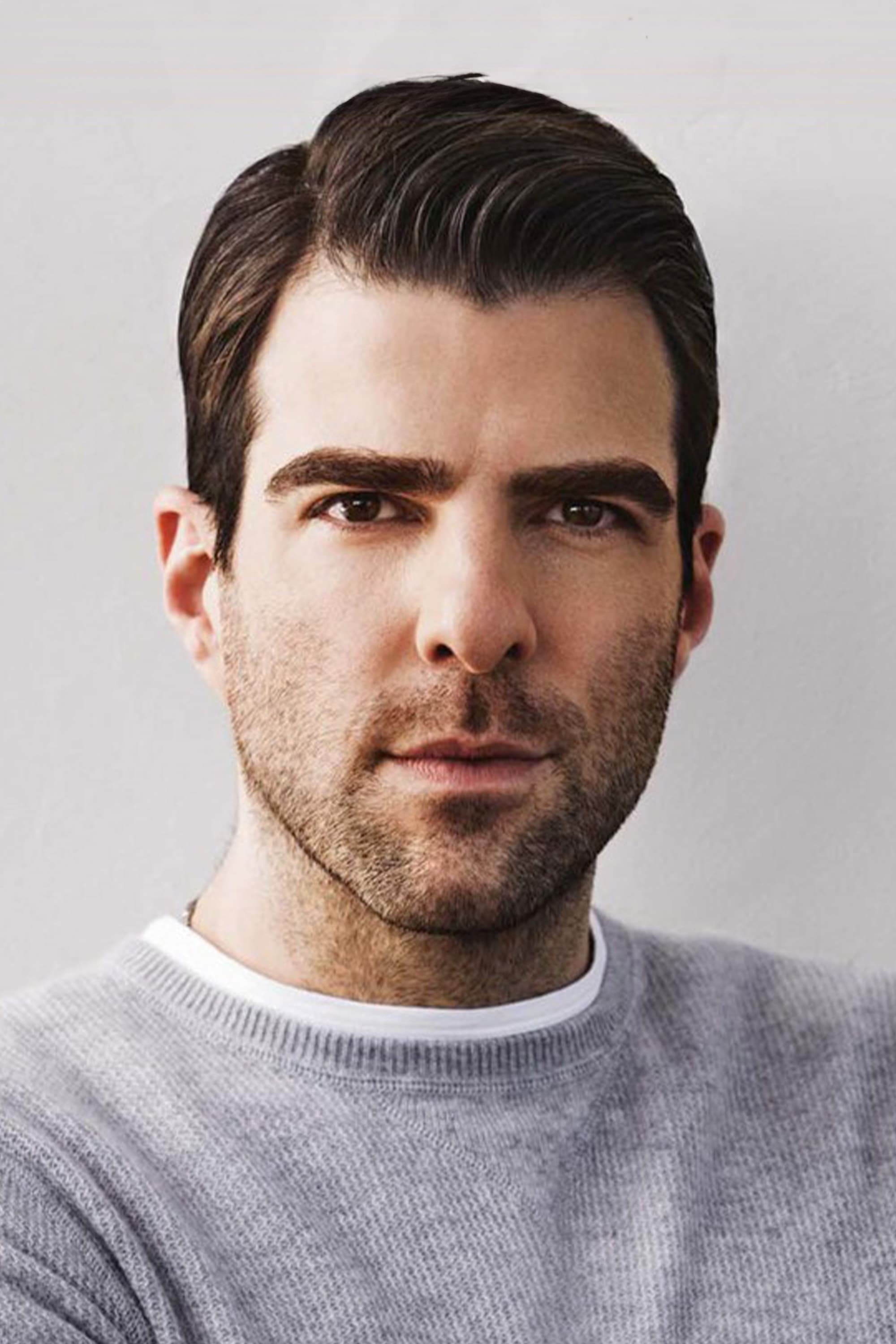
Zachary Quinto played a key role in the movie version of ‘The Boys in the Band,’ which takes place in a 1968 Manhattan apartment. He portrayed Harold, the witty and often critical birthday celebrant who shows up late and keenly observes the flaws of those around him. Quinto perfectly captured the unique, theatrical way the characters speak and their dry sense of humor. His performance powerfully showed both the struggles with self-acceptance and the strength of gay men before the Stonewall riots.
Russell Tovey
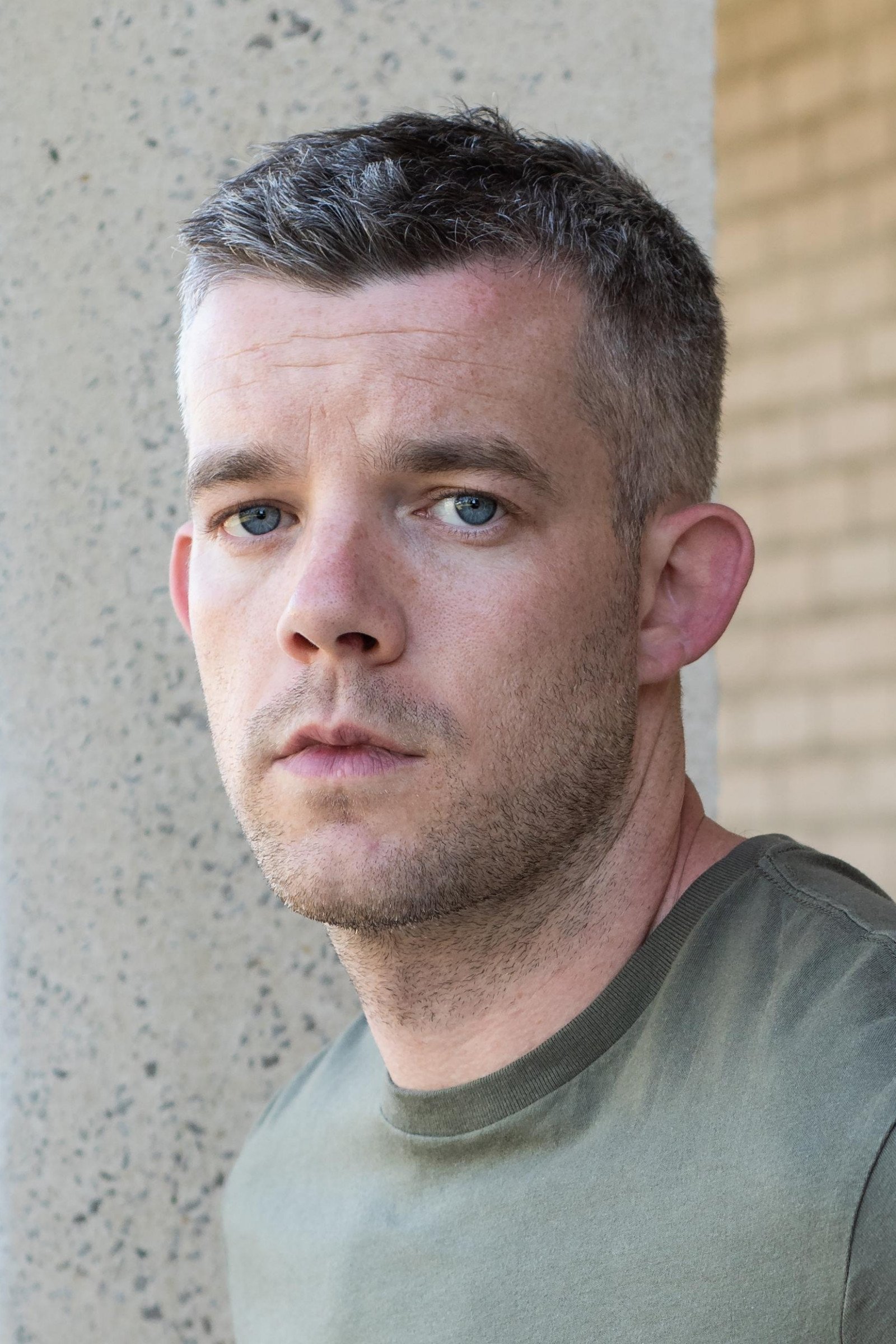
Russell Tovey starred in the historical drama ‘Banished,’ which depicted life in the harsh Australian penal colony of New South Wales in 1788. He played James Freeman, a convict fighting to survive the difficult conditions and the soldiers’ cruelty. Tovey powerfully portrayed a man who had lost everything, bringing both physical strength and emotional vulnerability to the role. The series gave him the opportunity to delve into the desperation and complex moral issues of early Australian colonial life.
Neil Patrick Harris
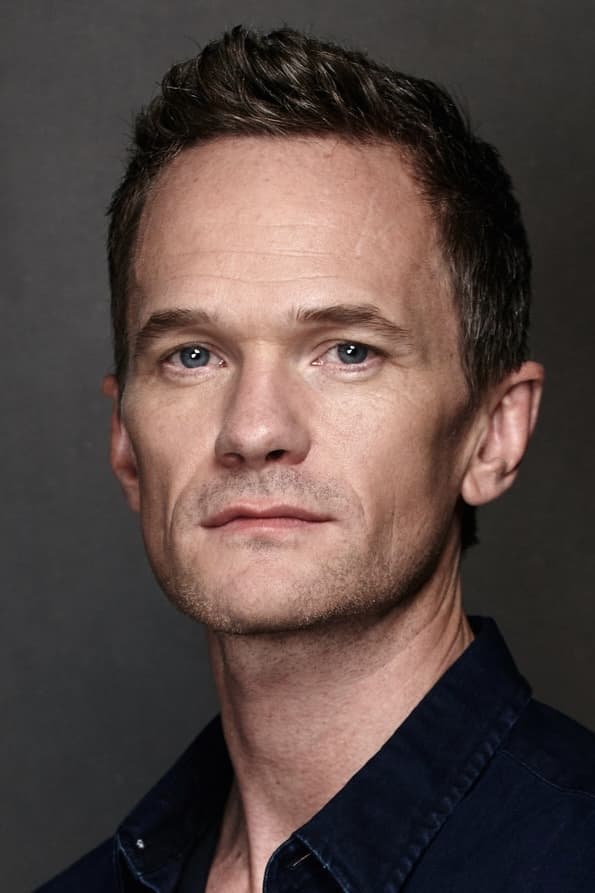
Okay, so I just finished ‘It’s a Sin,’ and honestly, Neil Patrick Harris completely blew me away. He played this older guy, Henry, who kind of takes a younger character under his wing in 1980s London, showing him the ropes. What really got to me was how effortlessly Harris did a British accent and brought this incredible warmth and fatherly vibe to the role. Knowing what ultimately happens to Henry, and understanding the context of the early AIDS crisis, made his storyline absolutely devastating. It was a really powerful performance and a stark reminder of how much was lost back then.
Tell us which of these performances resonated with you the most in the comments.
Read More
- Top 20 Dinosaur Movies, Ranked
- 20 Movies Where the Black Villain Was Secretly the Most Popular Character
- 25 “Woke” Films That Used Black Trauma to Humanize White Leads
- Silver Rate Forecast
- Gold Rate Forecast
- Spotting the Loops in Autonomous Systems
- From Bids to Best Policies: Smarter Auto-Bidding with Generative AI
- Celebs Who Narrowly Escaped The 9/11 Attacks
- 22 Films Where the White Protagonist Is Canonically the Sidekick to a Black Lead
- Can AI Lie with a Picture? Detecting Deception in Multimodal Models
2025-12-11 08:16