Until recently, the stock market indexes behaved with a disconcerting level of predictability – that is, they went up. The S&P 500, that monument to collective optimism (or perhaps collective delusion), had nudged itself towards the 7,000 mark. The Nasdaq Composite, a collection of companies that mostly involve screens and promises, briefly crested 24,000. And the Dow Jones Industrial Average, an index so named it’s almost deliberately misleading, even dared to touch 50,000. It was all rather…untidy. Like a perfectly balanced stack of improbable things just waiting for a gentle breeze.
Then came the Iran situation. A perfectly reasonable geopolitical event, if you consider that most of history is just a series of slightly-too-large reactions to slightly-too-small provocations. It’s introduced a degree of uncertainty, which, as any sentient being knows, is the universe’s preferred method of making things interesting. And it’s directly impacted wallets, primarily by making the act of driving a vehicle significantly more expensive. But the immediate pain at the pump is merely a distraction, a brightly colored, oily symptom of a far more profound and unsettling malaise. (It’s a bit like noticing a small leak in the hull of the Titanic while simultaneously ignoring the iceberg.)
Prices at the Pump: A Minor Inconvenience in the Grand Scheme
On February 28th, forces initiated operations against Iran. Shortly thereafter, Iran announced it would effectively close the Strait of Hormuz to oil exports. This is a fairly significant gesture, given that roughly 20 million barrels of liquid petroleum – about 20% of the world’s daily requirement – pass through that rather narrow waterway. It’s like deciding to temporarily block a major artery – inconvenient for everyone involved. The effect on the price of West Texas Intermediate (WTI) crude oil has been…noticeable.
The April WTI futures contract, as of this writing, has surged from roughly $67 a barrel to $96. A considerable jump, certainly, but it briefly peaked at $119.44. Which, when you consider the sheer improbability of extracting fossilized dinosaur juice from the earth and then setting it on fire to propel metal boxes around, is perhaps not entirely surprising. (The fact that we’ve been doing this for over a century is, frankly, astonishing. We’re a remarkably persistent species, even if we are occasionally prone to setting things on fire.)
Loading…
—
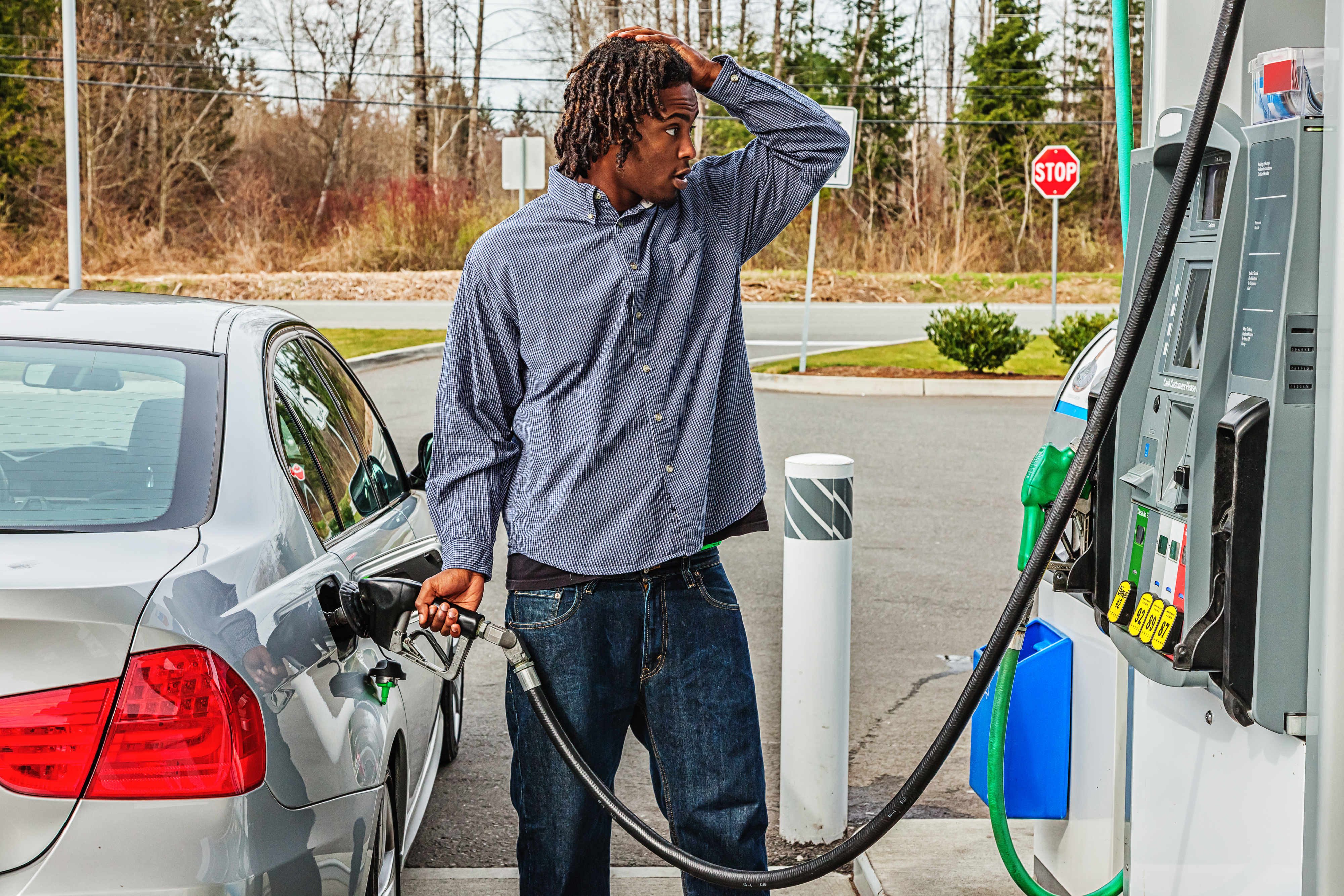
The price consumers pay for gasoline and diesel tends to react to oil price shocks with a speed and enthusiasm rarely seen in other areas of life. It rises like a startled rocket and falls like a…well, like a feather that’s been slightly weighted down with regret. One month ago, the average gallon of regular gas cost about $2.93. Now, it’s closer to $3.72 – a 27% increase. Diesel has fared even worse, soaring 37% to nearly $4.99. It’s all rather…predictable, really. (If you assume, of course, that the universe has a penchant for mildly irritating us at regular intervals.)
Don’t Get Distracted by the Shiny Things
For some households, rising gas and diesel prices are a genuine concern. But when you step back and consider the overall budget, gas isn’t actually that big of an expense. Americans spend roughly 3.2% of their total budget on gas each year. Not insignificant, but hardly a budget-buster. (It’s a bit like complaining about the cost of shoelaces when you’re building a spaceship.)
The real issue, the one lurking beneath the surface like a particularly grumpy sea monster, is interest rates. America’s foremost financial institution, the Federal Reserve, is tasked with overseeing our nation’s monetary policy. The Federal Open Market Committee (FOMC), a group of 12 individuals including Fed Chair Jerome Powell, sets the federal funds target rate, which is the overnight lending rate between financial institutions. (It’s a complex system, really. It involves a lot of numbers and a surprising amount of trust. Which, in the grand scheme of things, is either remarkably optimistic or profoundly naive.)
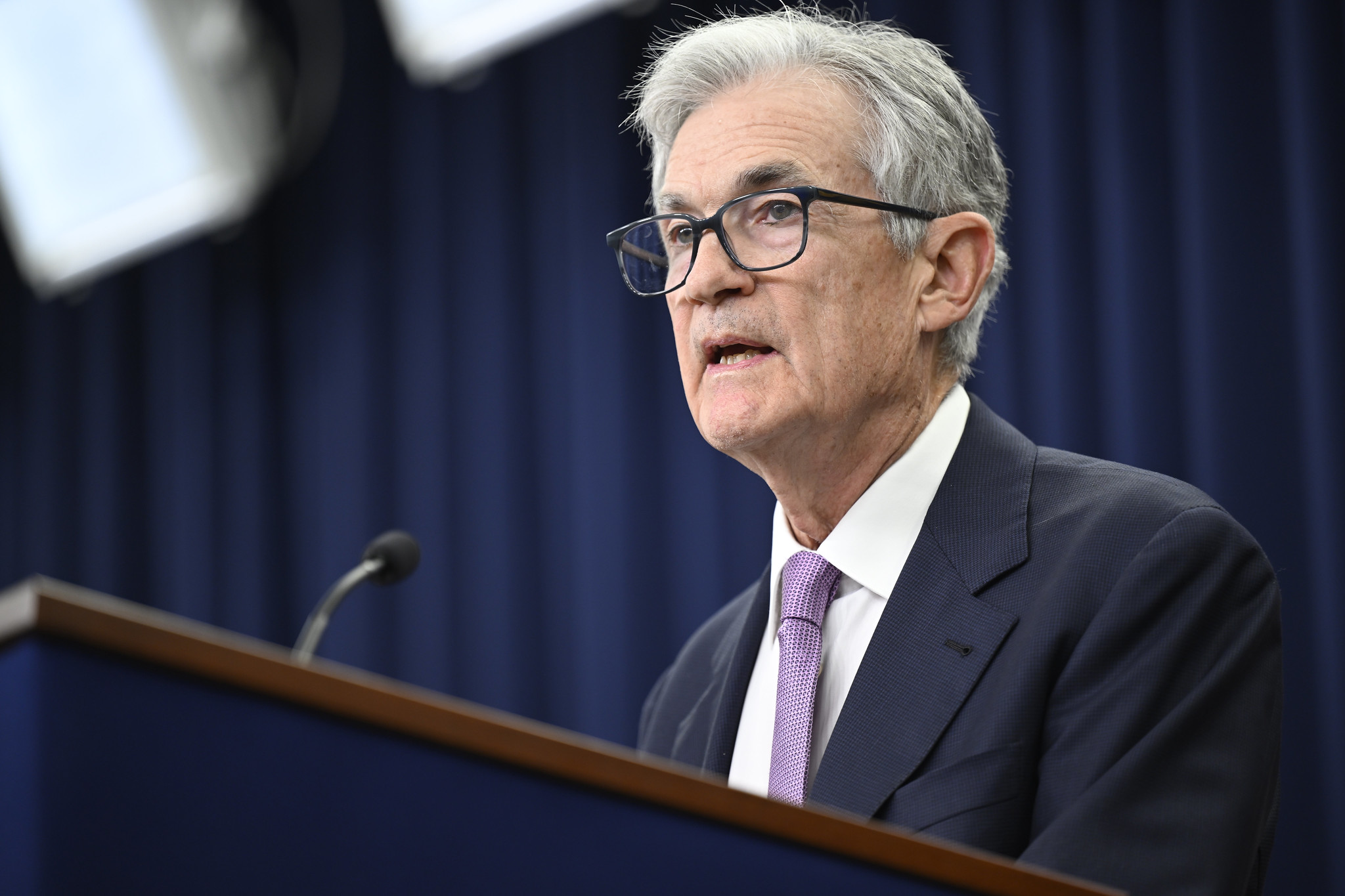
Since September 2024, the central bank has been easing rates. The FOMC has lowered the federal funds target rate from 5.25% to a range of 3.50% to 3.75%. When interest rates fall, servicing debt becomes less costly. It can also lead to lower mortgage rates, making homebuying more…affordable. (Though, of course, the concept of “affordable” is relative. Especially when you’re dealing with something as inherently irrational as the housing market.)
Falling interest rates also encourage businesses to borrow capital. The expectation is that companies will use this capital to hire, innovate, and acquire other businesses. (It’s a bit like giving a toddler a box of building blocks. The potential for creativity is immense, but the likelihood of a spectacular mess is also quite high.)
However, one of the biggest factors determining the FOMC’s decisions is inflation. In February, Core Personal Consumption Expenditures (PCE) rose 3.1% – a 22-month high. Core PCE is arguably the leading inflationary measure used by the FOMC. (It’s a bit like trying to predict the weather. You can gather all the data you want, but there’s always a chance of a rogue thunderstorm.)
Loading…
—
But Core PCE doesn’t account for the likely increase in inflation caused by soaring energy prices. This effect may take a few months to become fully visible, but it could cause the FOMC to halt its rate-easing cycle, or even reverse course and raise interest rates. (It’s a bit like trying to steer a ship through a hurricane. You can make adjustments, but ultimately, you’re at the mercy of forces beyond your control.)
Consider this: Credit card spending accounts for 30% to 40% of annual consumer purchases. If interest rates rise, servicing that debt becomes more expensive. Furthermore, the stock market entered 2026 at its second-priciest valuation in 155 years. History shows that such premiums aren’t sustainable. One of the pillars supporting this pricey market is the prospect of ongoing rate cuts. If the Fed halts or reverses those cuts, that pillar will crumble.
Yes, soaring gas prices are a tangible problem for some households. But when looking beyond the trees to the forest, you’ll see that interest rate implications have far more bearing on the wallets and investment portfolios of America as a whole. If this historic energy supply chain disruption persists, it could prove devastating for U.S. households and the stock market. (It’s a bit like discovering that the foundations of your house are made of sand. You can ignore it for a while, but eventually, everything will come crashing down.)
Read More
- Games That Faced Bans in Countries Over Political Themes
- Gold Rate Forecast
- Silver Rate Forecast
- Unveiling the Schwab U.S. Dividend Equity ETF: A Portent of Financial Growth
- 22 Films Where the White Protagonist Is Canonically the Sidekick to a Black Lead
- Superman Flops Financially: $350M Budget, Still No Profit (Scoop Confirmed)
- 20 Movies Where the Black Villain Was Secretly the Most Popular Character
- Celebs Who Narrowly Escaped The 9/11 Attacks
- 14 Movies Where the Black Character Refuses to Save the White Protagonist
- The Best Directors of 2025
2026-03-22 13:43