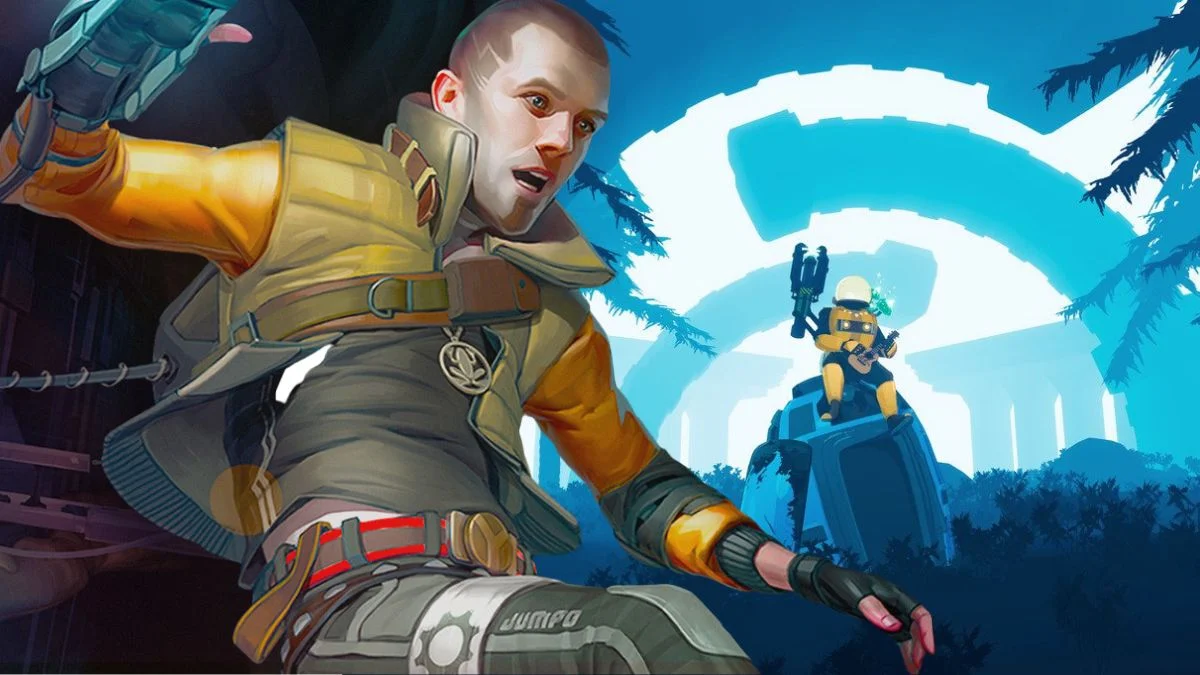
Procedural generation lets game developers build huge worlds without manually designing every detail. Using a special code, or ‘seed,’ players can create the same world as others if they use the same code. This feature is now common in survival and roguelike games because it offers nearly endless unique experiences. Many games today use these advanced systems to make sure each playthrough feels fresh and different.
‘Minecraft’ (2011)
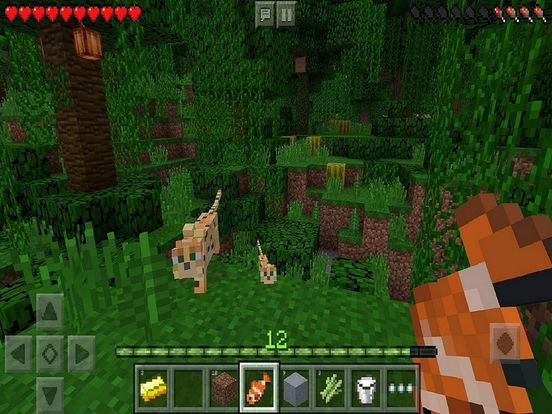
Minecraft changed how games create worlds by letting players use text ‘seeds’ to control the landscape. These seeds determine everything about the game’s infinite world, from mountains to hidden buildings. Using the same seed guarantees all players will see the identical world, allowing fans to easily share their favorite locations and discoveries with each other.
‘Terraria’ (2011)
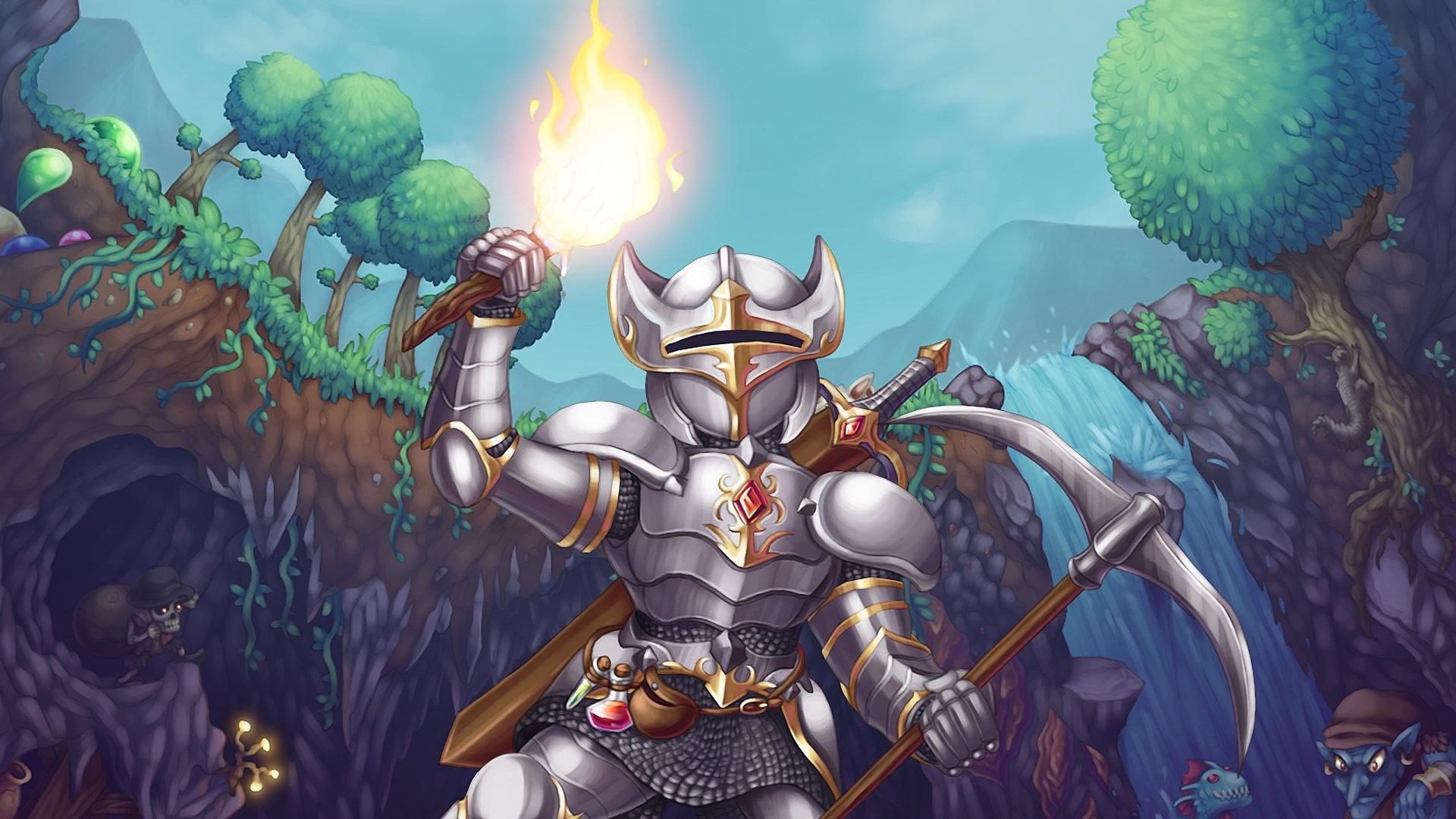
In the game ‘Terraria’, players can use special codes, called seeds, to create customized worlds. These codes determine things like what kinds of ores appear and which areas, such as the Corruption or Crimson, are present. The game developers have even hidden secret seeds that can dramatically alter how the game plays and how challenging it is. Players often share these seeds with each other to discover interesting world layouts and find rare items.
‘No Man’s Sky’ (2016)
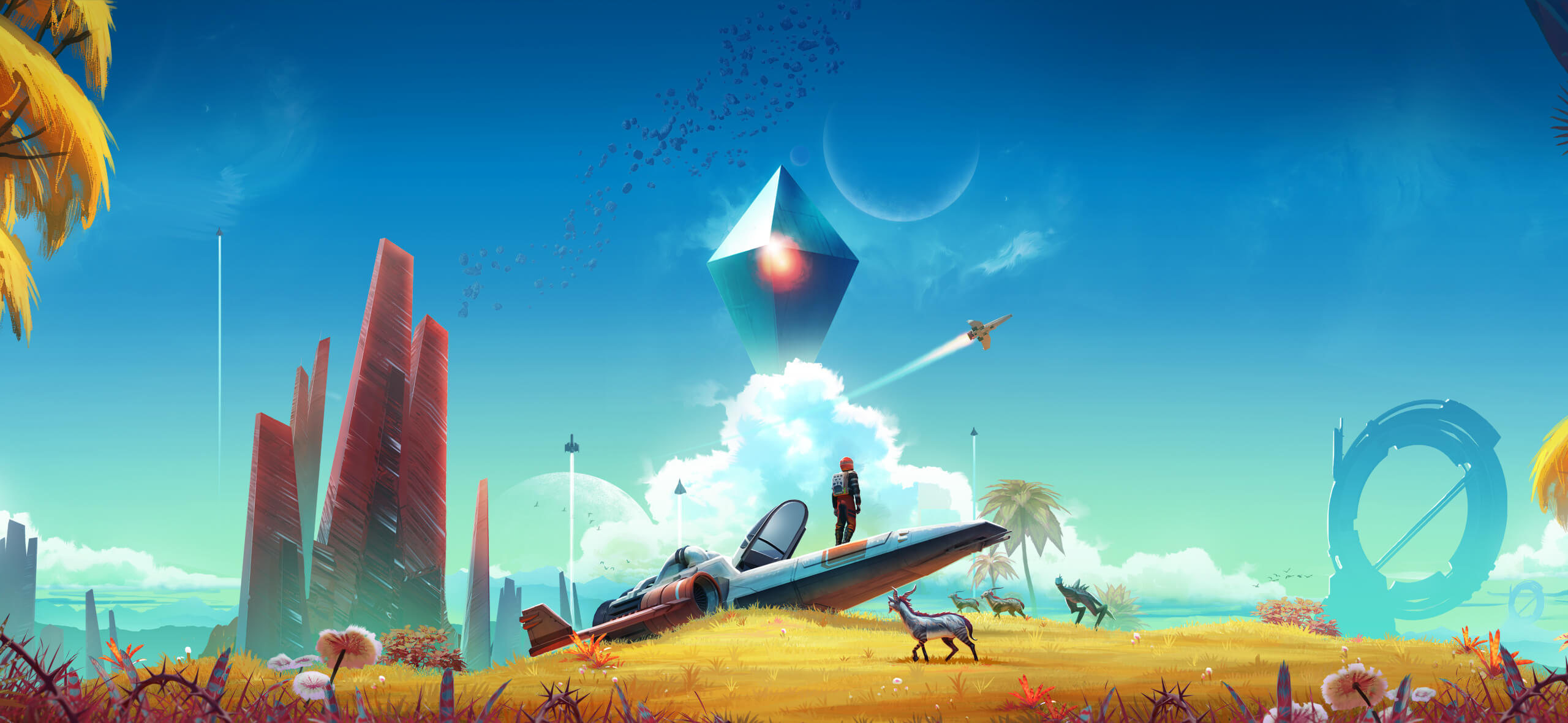
No Man’s Sky creates a vast and nearly endless universe with an incredibly complex mathematical formula. This formula generates quintillions of unique planets and star systems as you explore. Though players don’t have access to the main formula, they can share specific location coordinates, which act like a seed to ensure everyone sees the same plants and animals when they visit that place.
‘Valheim’ (2021)
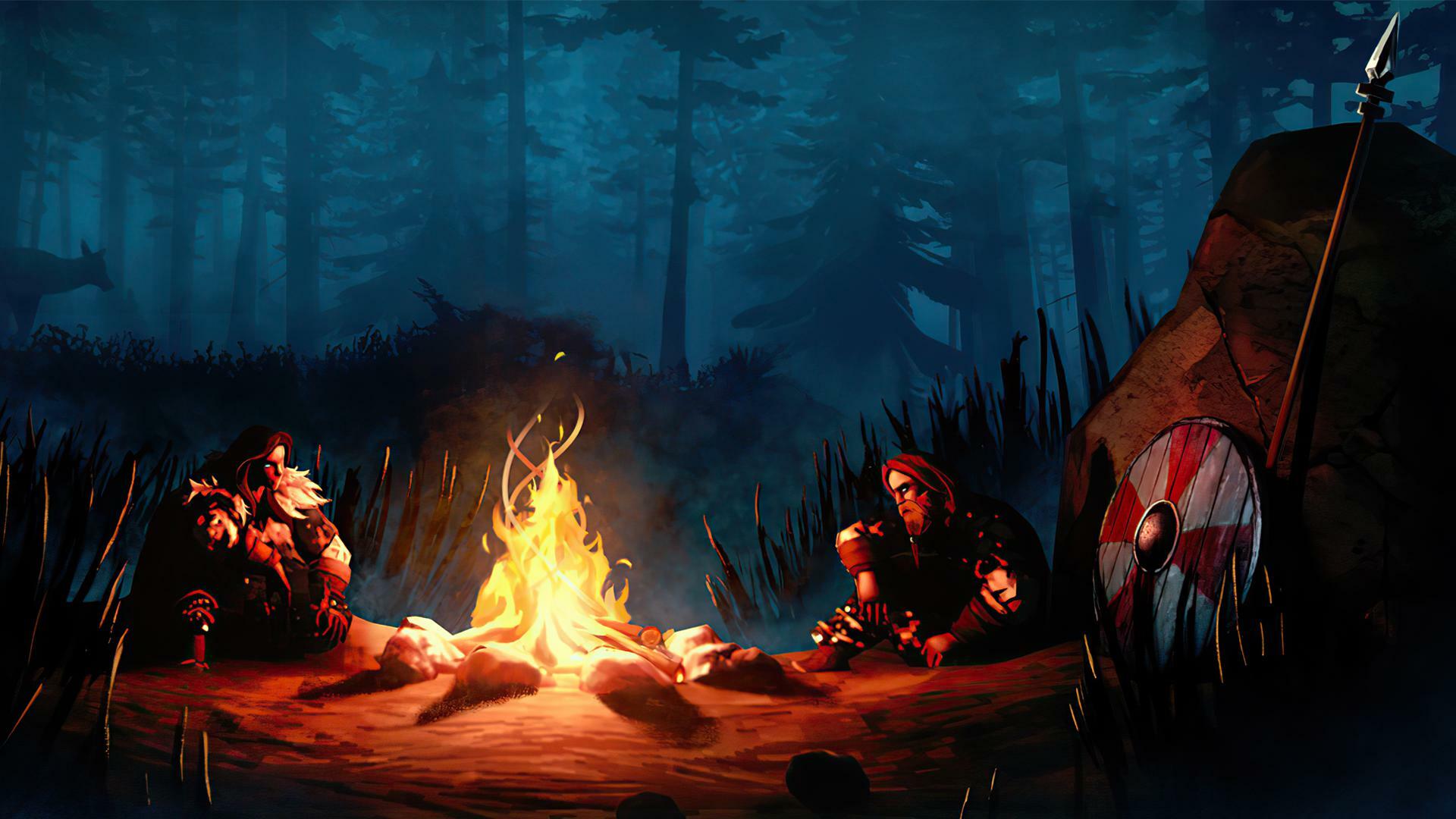
Valheim’s world is generated using a unique ten-character code, called a seed, which decides the arrangement of the game’s landscape. This seed controls where different areas, like forests and mountains, appear, and where you’ll find the boss locations. Players often look for specific seeds to start with a good island or be closer to valuable items later in the game. Even though the world is predetermined by the seed, it remains hidden by a fog until you explore it.
‘Dwarf Fortress’ (2006)
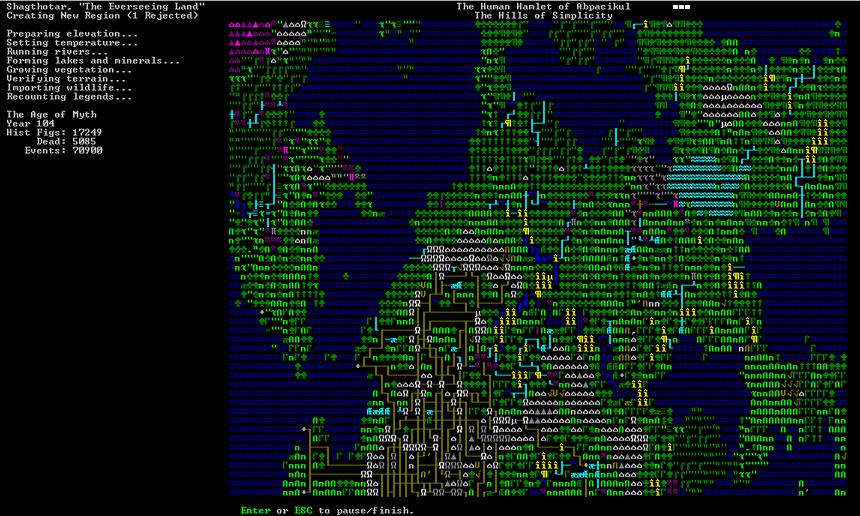
Dwarf Fortress creates amazingly detailed worlds by using complex ‘seeds’. These seeds don’t just determine the landscape – they simulate thousands of years of history, influencing everything from mountains and rivers to the development and decline of civilizations. Players can share these seeds, allowing others to experience the same world conditions when building their fortresses. This system generates a unique and detailed backstory for every new world created.
‘Starbound’ (2016)
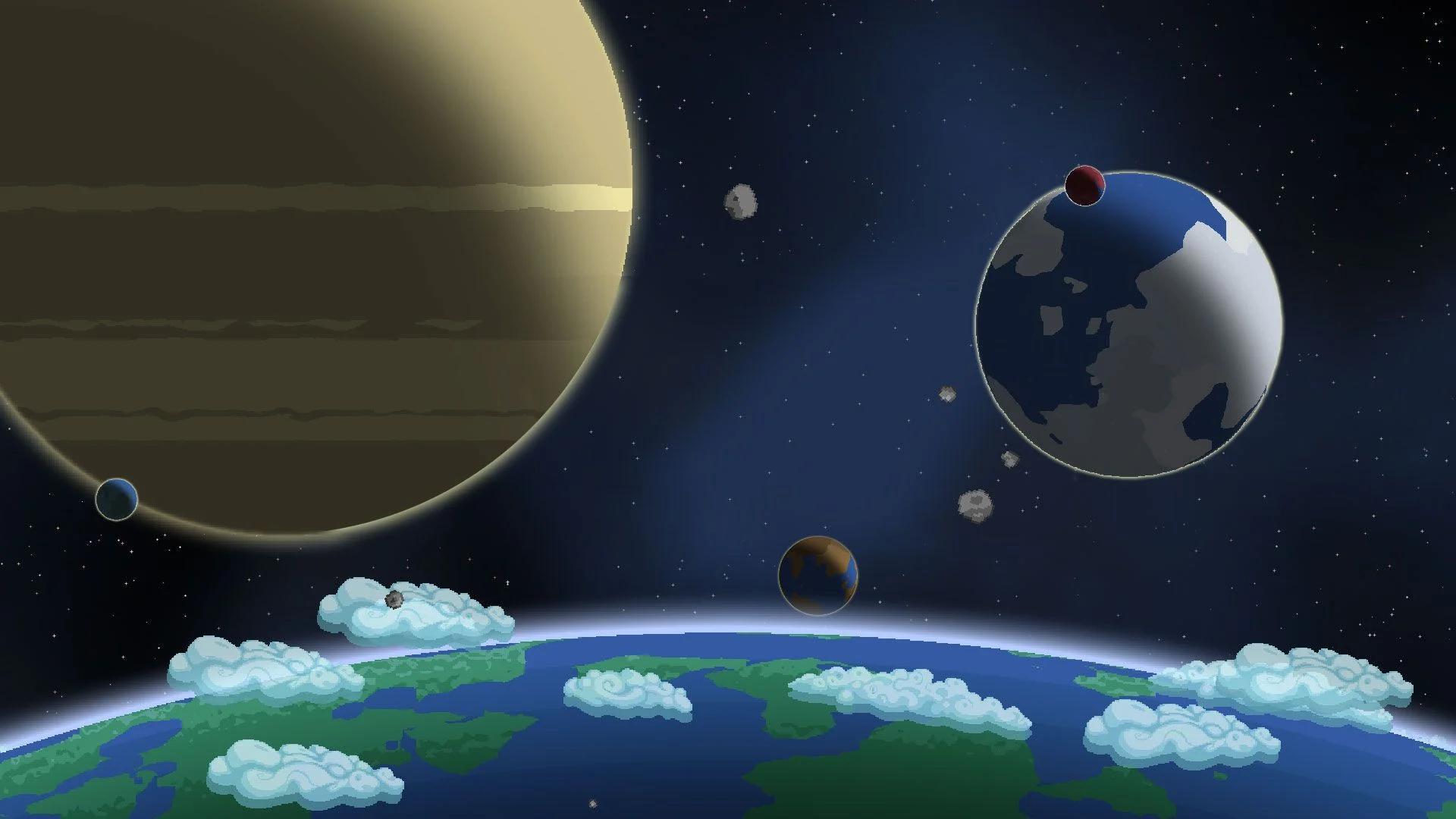
In the game ‘Starbound’, the universe is filled with countless planets, each created using a special code. This code determines everything about the planet, like its gravity, atmosphere, and weather. Players can visit planets by entering specific coordinates, which are essentially that planet’s code. This lets players find and share planets with valuable items or unique creatures with each other.
‘Don’t Starve’ (2013)
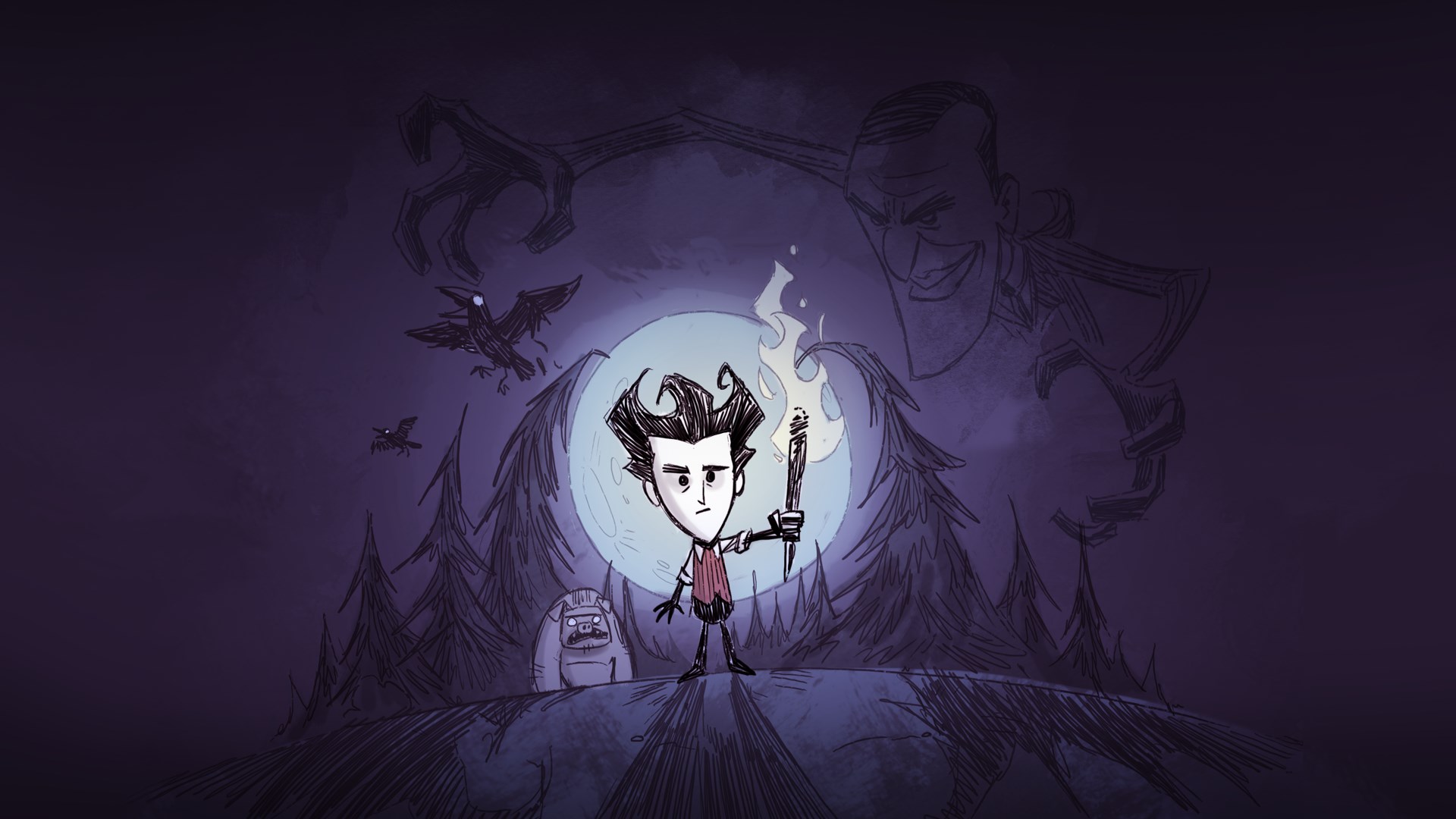
Don’t Starve throws players into a harsh wilderness where survival is the main goal. Each new game creates a unique world with resources and monster locations determined by a ‘seed’ number. Players can actually enter specific seed numbers to create the same world layout repeatedly, which is helpful for practicing strategies or competing with others.
‘7 Days to Die’ (2013)
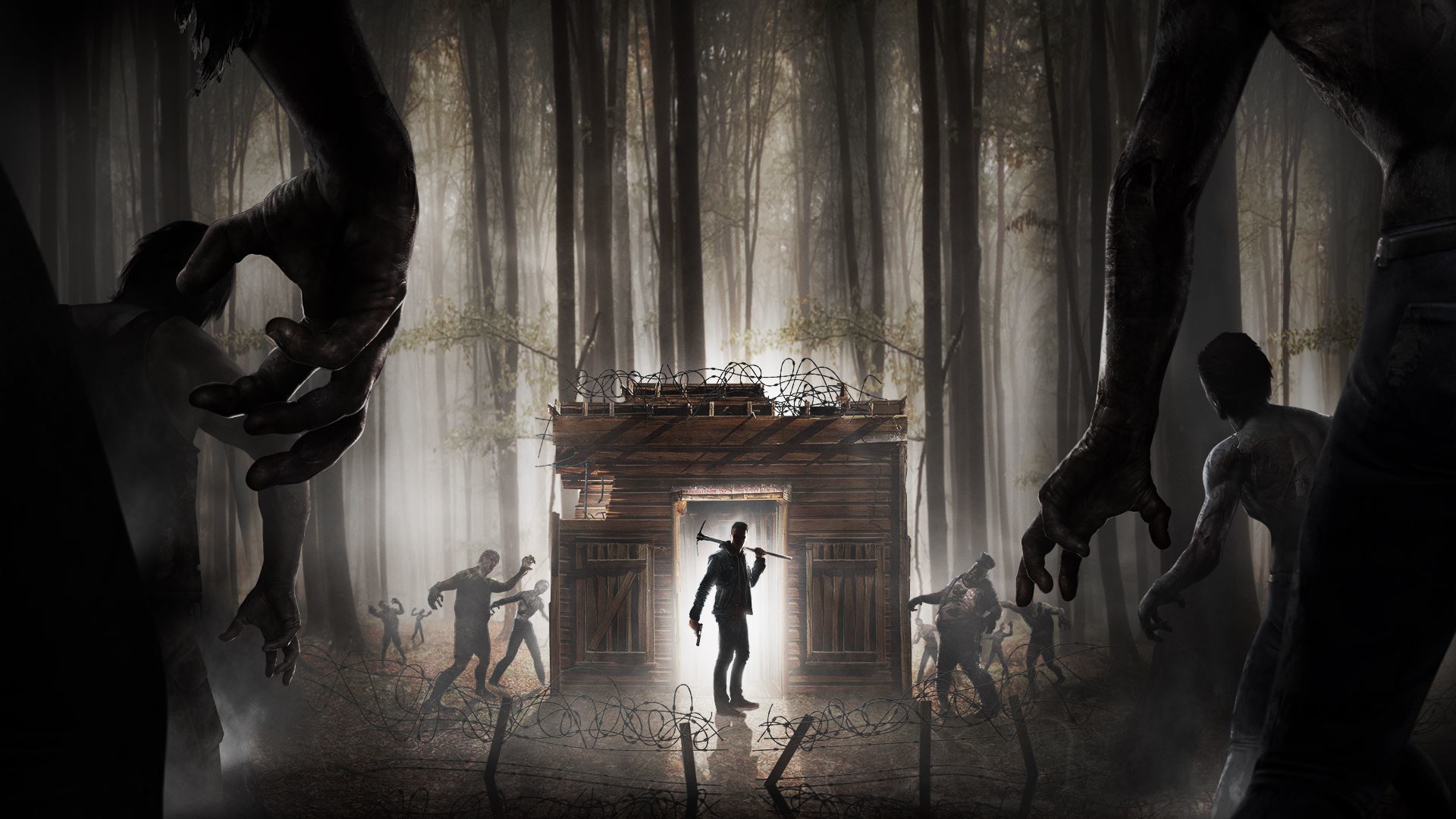
In ‘7 Days to Die’, each new game world is randomly created using a ‘seed’ – a text string you provide when you start a new save. This seed determines everything about the world, like where cities, roads, and different environments appear. Using different seeds creates very different game experiences, from worlds full of cities to empty wastelands. Many players search for seeds that have lots of buildings with useful items close to where they begin the game.
‘RimWorld’ (2018)
Okay, so in ‘RimWorld’, when I start a new game, I pick a ‘seed’ – basically a code – and that creates the entire planet. Seriously, it decides everything from the overall map to what the ground is like where I land. Different seeds mean totally different worlds – some are freezing, some are rainy, and some have way more resources than others. The cool thing is, the RimWorld community keeps lists of seeds that are known to be good, like ones with mountains perfect for building a base, or places where you can grow tons of crops. It’s awesome because you can really tailor the game to what you’re looking for!
‘Factorio’ (2020)
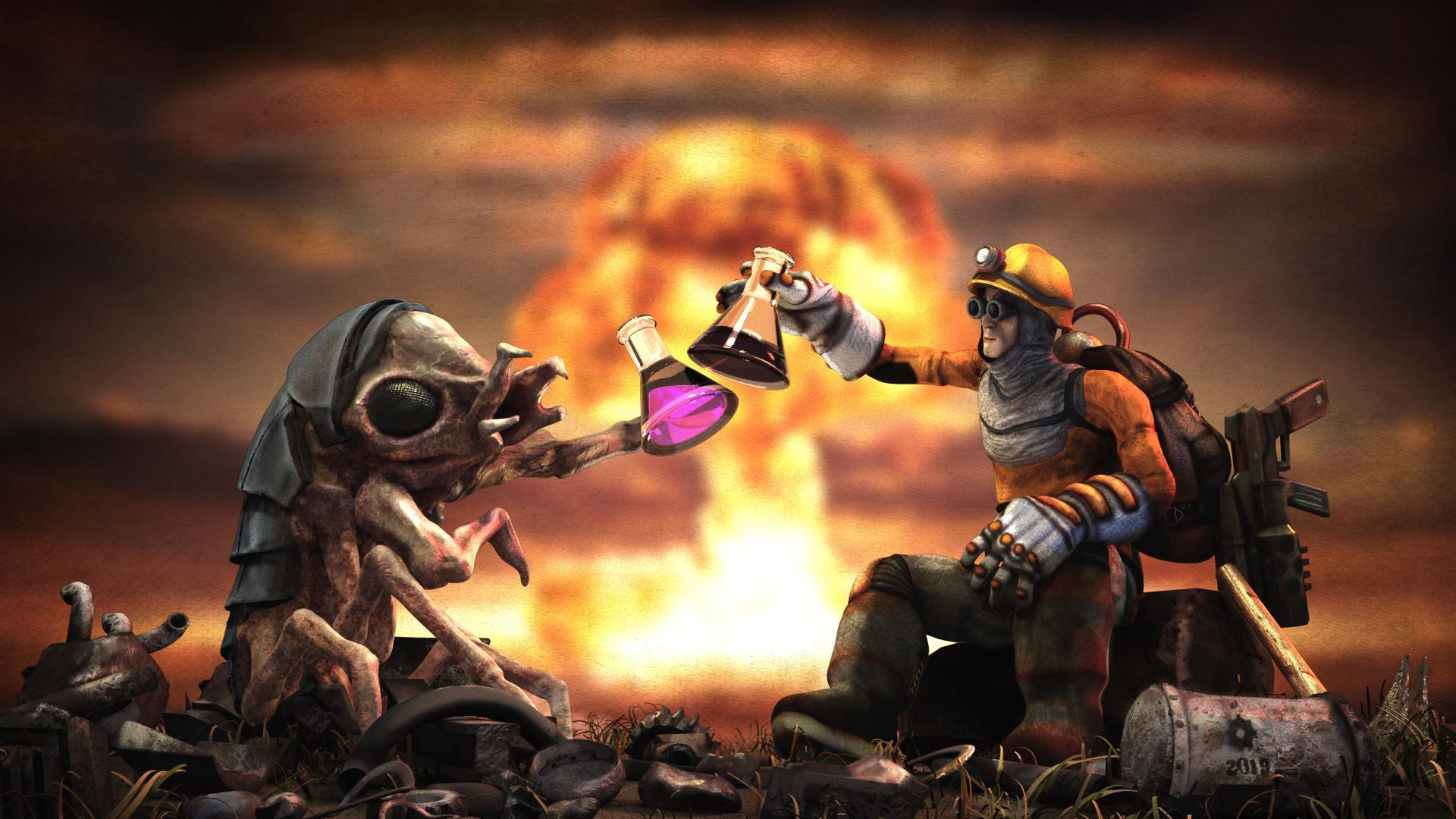
Factorio generates its game worlds using special codes called map exchange strings, which act like seeds. These codes determine where and how much coal, iron, and copper are available on the map. Players can use these codes to customize their experience, either by creating difficult challenges or making sure there’s plenty of room to build large, automated factories. The system also creates rivers, lakes, and forests, which can act as natural obstacles.
‘Oxygen Not Included’ (2019)

As a huge ‘Oxygen Not Included’ fan, I’ve learned that each new asteroid world is actually created using a special code – a ‘seed’ number. This seed determines everything about the world, like where all the different types of terrain are and, most importantly, where the geysers are! Some seeds give you a really lush world full of water, while others are super challenging with very few resources. We players share these seed numbers with each other so everyone can find a world that’s perfect for the kind of colony they want to build.
‘The Binding of Isaac: Rebirth’ (2014)
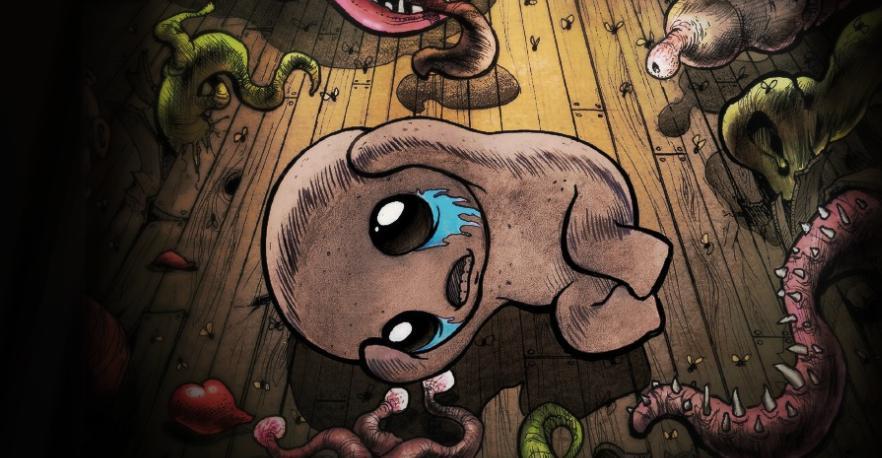
In ‘The Binding of Isaac: Rebirth’, each playthrough is generated using an eight-character code, called a seed, which dictates everything from the rooms you explore to the items and enemies you encounter. Players can enter these seeds directly to replay favorite runs or challenge others on the same map. However, using a seed prevents players from earning achievements, discouraging them from using seeds to unfairly unlock content. This feature is vital for speedrunners and those who want to test how different items work together.
‘Caves of Qud’ (2015)
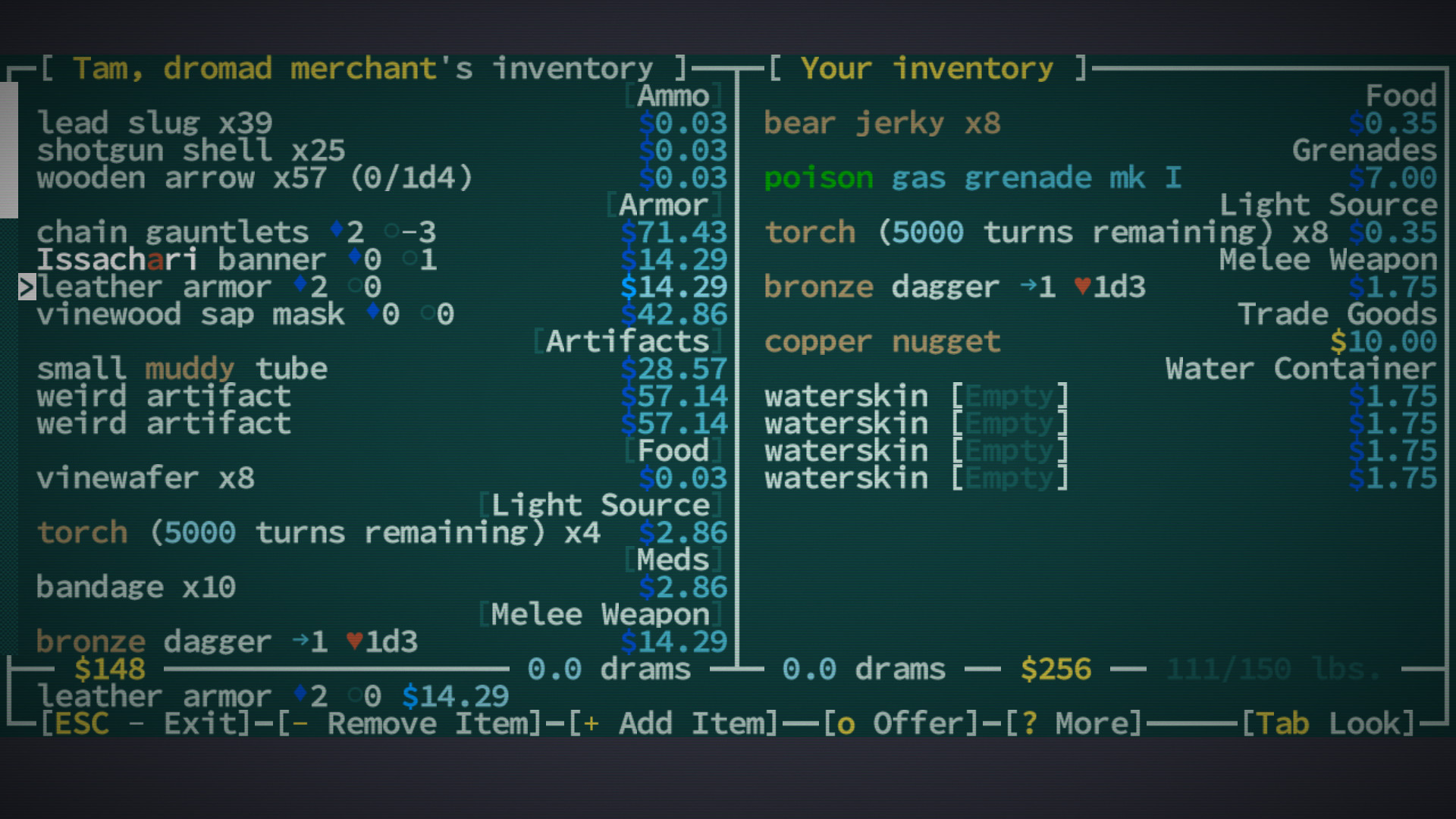
I’m totally hooked on ‘Caves of Qud’! What’s amazing is that every time I start a new game, it feels completely fresh. It’s all based on a random ‘seed’ that changes everything – the way the underground caves are laid out, the weird mutations you find wandering around, and even how the different groups of people interact with each other. Seriously, it makes the game super replayable because the world is never the same twice. The politics and the landscape are always shifting, which is awesome.
‘Astroneer’ (2019)
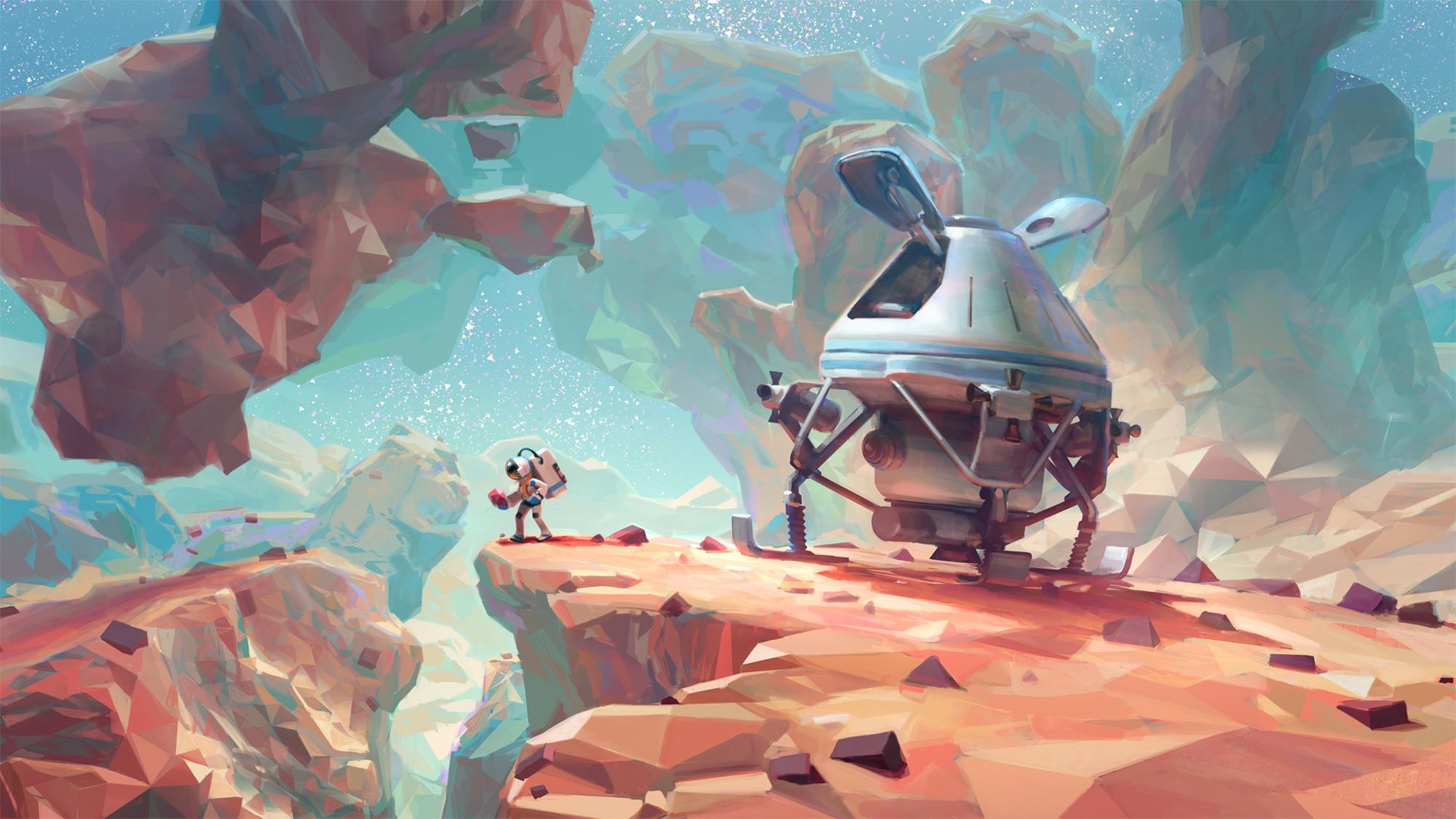
Astroneer creates varied and unique planets within each solar system for players to discover and change. Each planet is generated using a ‘seed’ – a code that ensures no two games are exactly alike, with different cave systems and resource locations every time. Players can even use these seeds to find planets with specific features, like particular land formations or abundant rare gases. And because the terrain is completely moldable, you can reshape the world created by the seed to your liking.
‘Ark: Survival Evolved’ (2017)
In ‘Ark: Survival Evolved,’ players aren’t limited to pre-made maps. The game features a tool that lets you generate your own islands using a ‘seed’ – a code that creates a unique world. Before the world is created, you can customize things like how tall the mountains are, how deep the water is, and how dense the forests are. This allows server owners to offer players completely new and unique environments.
‘Rust’ (2018)
As a Rust player, I know how important map seeds are. Basically, the seed is a code that creates the whole island we play on. It decides where the land is, where the coastlines are, and where all the important buildings like the airfield and power plant spawn. When a server wipes, the admin can change the seed, which totally remixes the map. It’s awesome because even if you’ve played for ages, you have to re-learn where everything is and find new spots for your base and where to farm resources. Keeps things fresh, you know?
‘Vintage Story’ (2016)
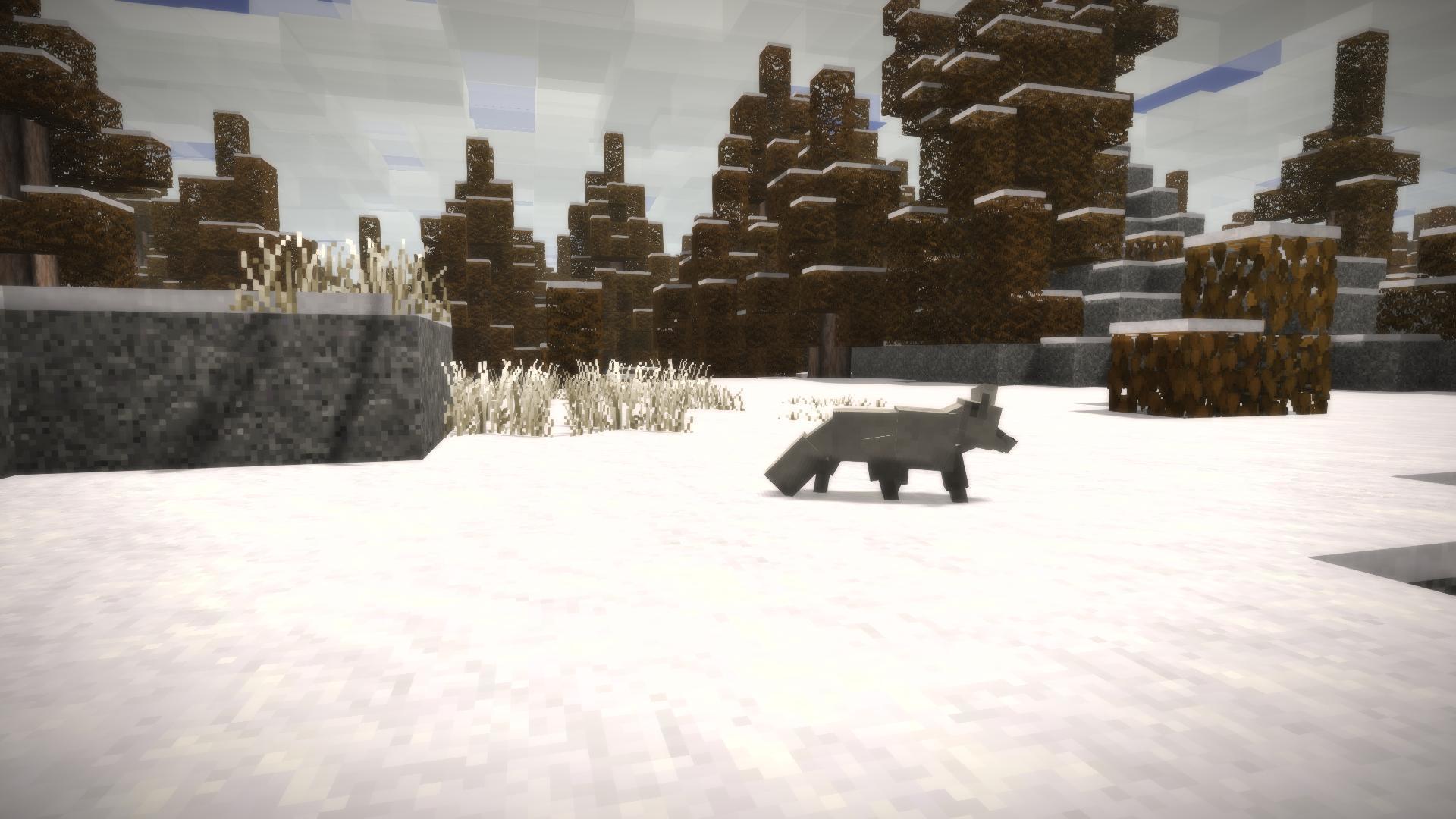
Vintage Story builds incredibly realistic worlds using a clever system that automatically creates landscapes based on real-world geology. The ‘seed’ – a unique code – determines everything from the rock layers and underground minerals to the climate and plant life. Players can even use specific seeds to intentionally create certain survival experiences, like starting in a frozen wasteland or a dense jungle.
‘Core Keeper’ (2022)
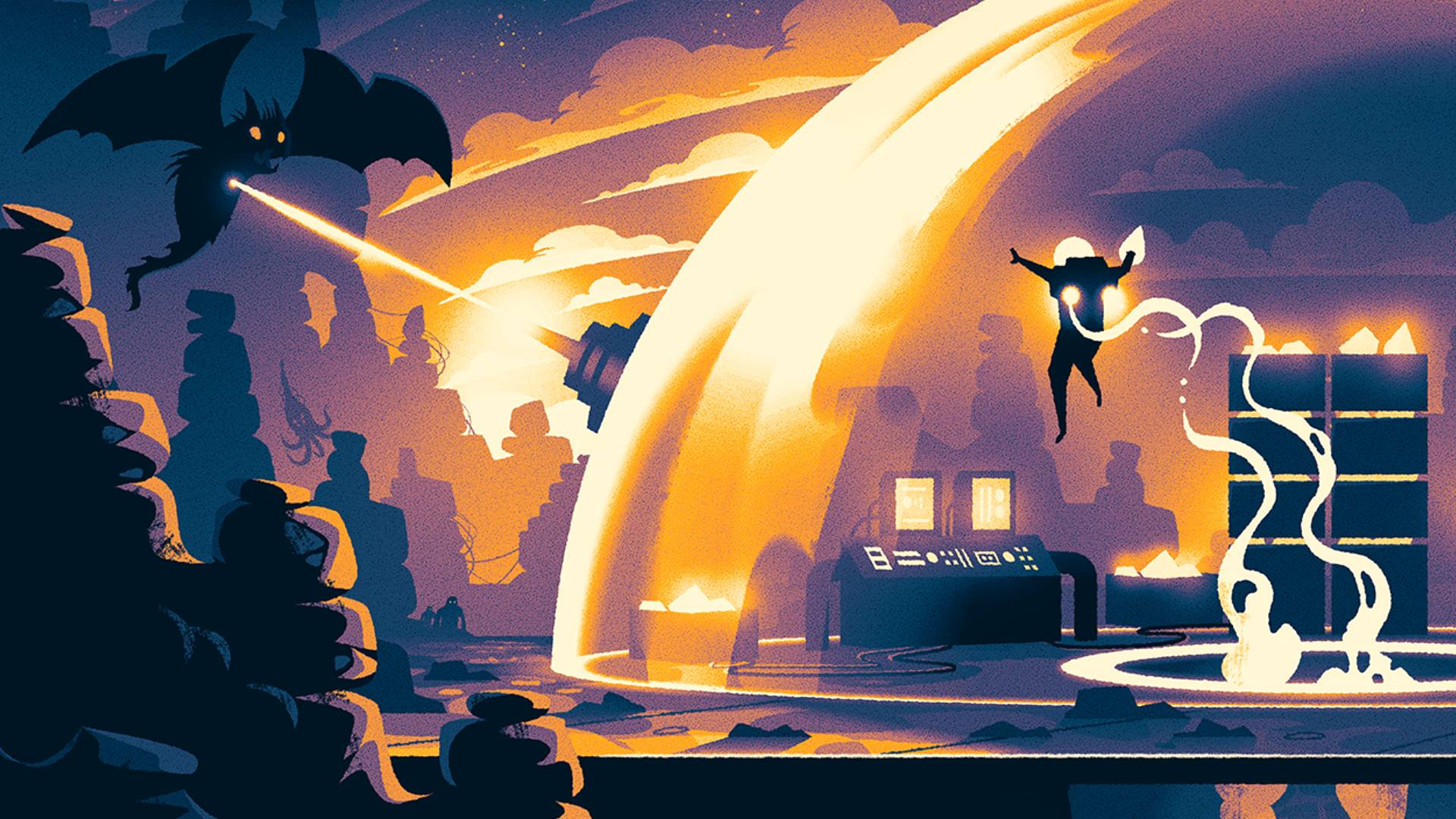
In Core Keeper, the game’s underground world is created using a code, or ‘seed,’ which controls the layout of different areas and how far apart they are. This seed also determines where you’ll find the game’s bosses and how the ancient buildings are positioned. Players frequently share seeds that create worlds with biomes located closer together, making it easier to advance. While the central core stays the same in every game, everything else is unique depending on the seed you choose.
‘Rogue Legacy 2’ (2022)
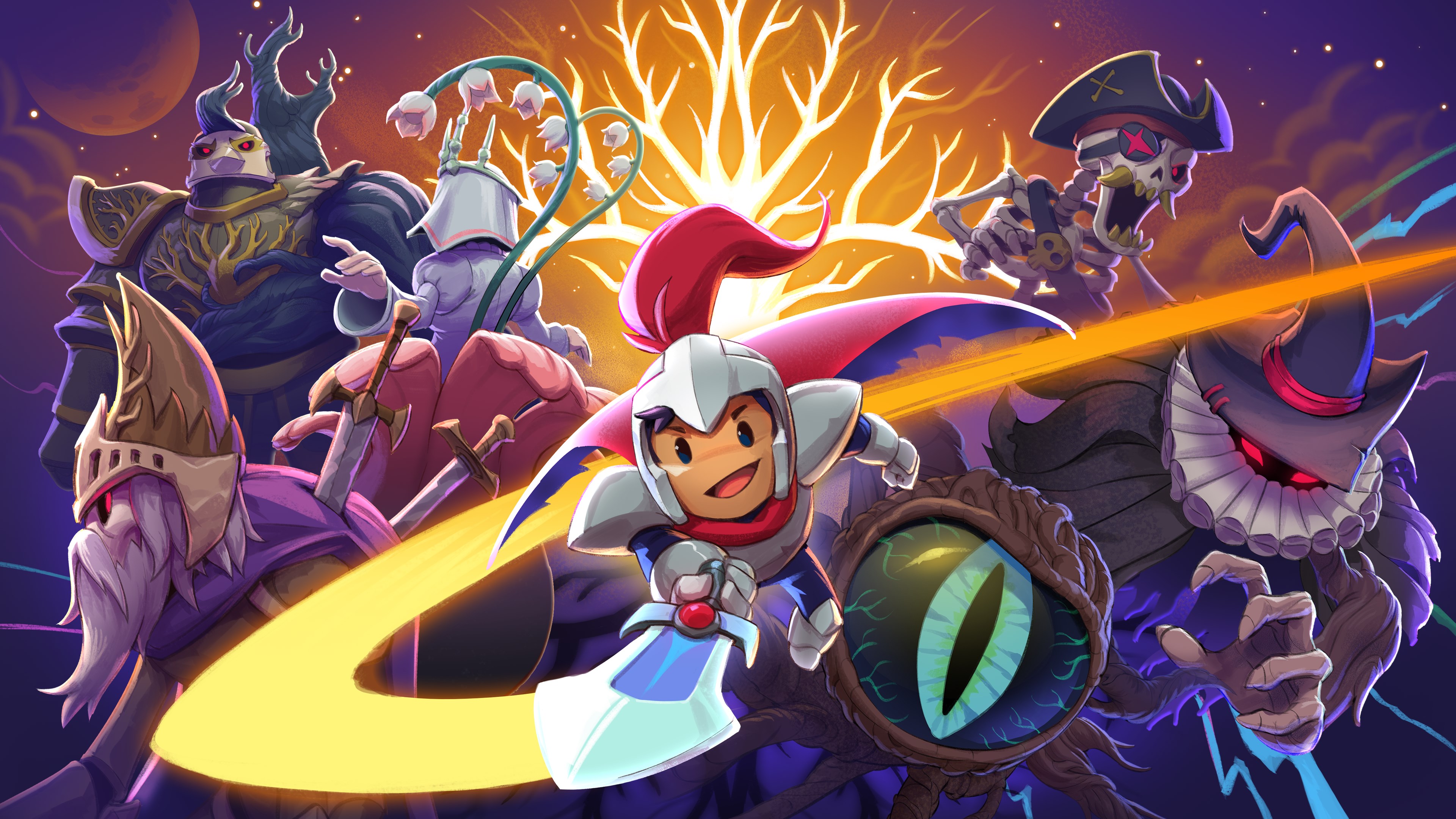
In ‘Rogue Legacy 2’, players explore a castle that changes with each new hero. Normally, the castle resets after a hero dies, but players can use a ‘seed’ to keep the same castle layout. This lets them learn the rooms and enemy positions, improving their chances of success. Using a seed ensures that traps and treasure chests stay in the same place every time.
‘Slay the Spire’ (2019)
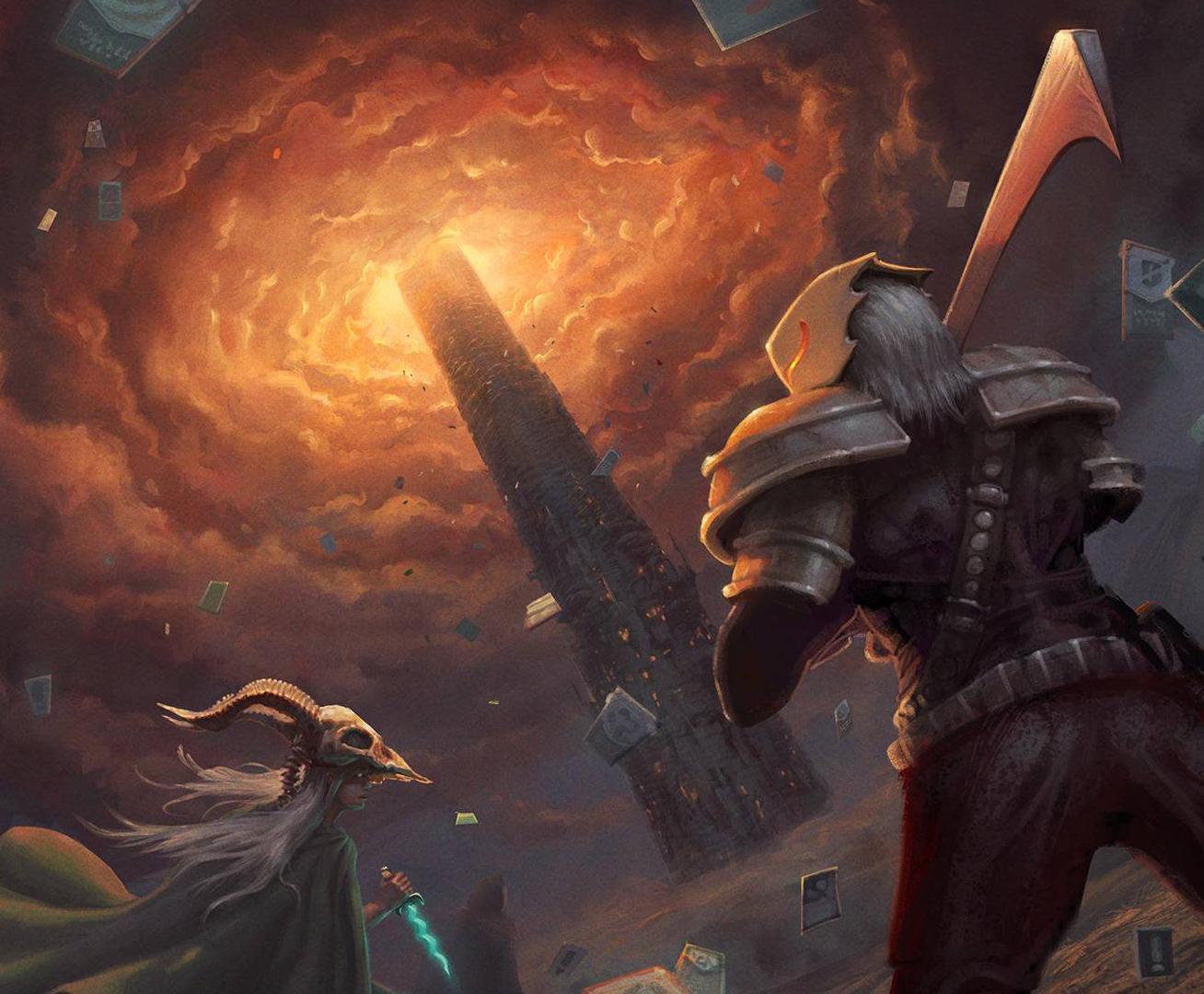
In ‘Slay the Spire’, a ‘seed’ creates each playthrough’s unique map layout, rewards, and events. Players can share these seeds to experience the exact same game – the same cards, relics, and shops – as someone else. This is popular within the game’s community, as players often challenge each other to complete particularly difficult runs using the same seed to compare strategies.
‘Enter the Gungeon’ (2016)
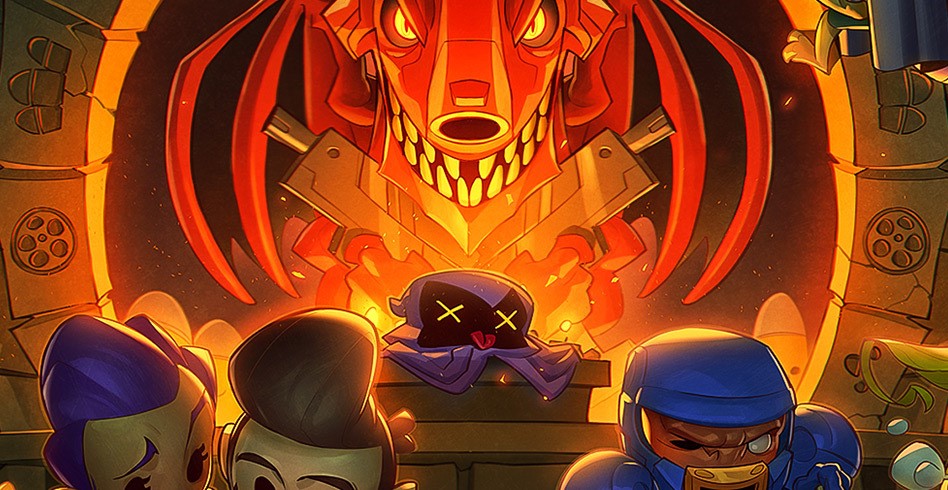
In ‘Enter the Gungeon’, each playthrough creates a unique series of floors with enemies and treasure, determined by a secret code. Players can use this code, called a ‘seed’, to replay the same dungeon layout and boss fights. This is great for friendly competition, letting players compare skills on an even playing field. Even with the same seed, the wide range of weapons and items means every run can still feel different depending on how you play.
‘Dead Cells’ (2018)
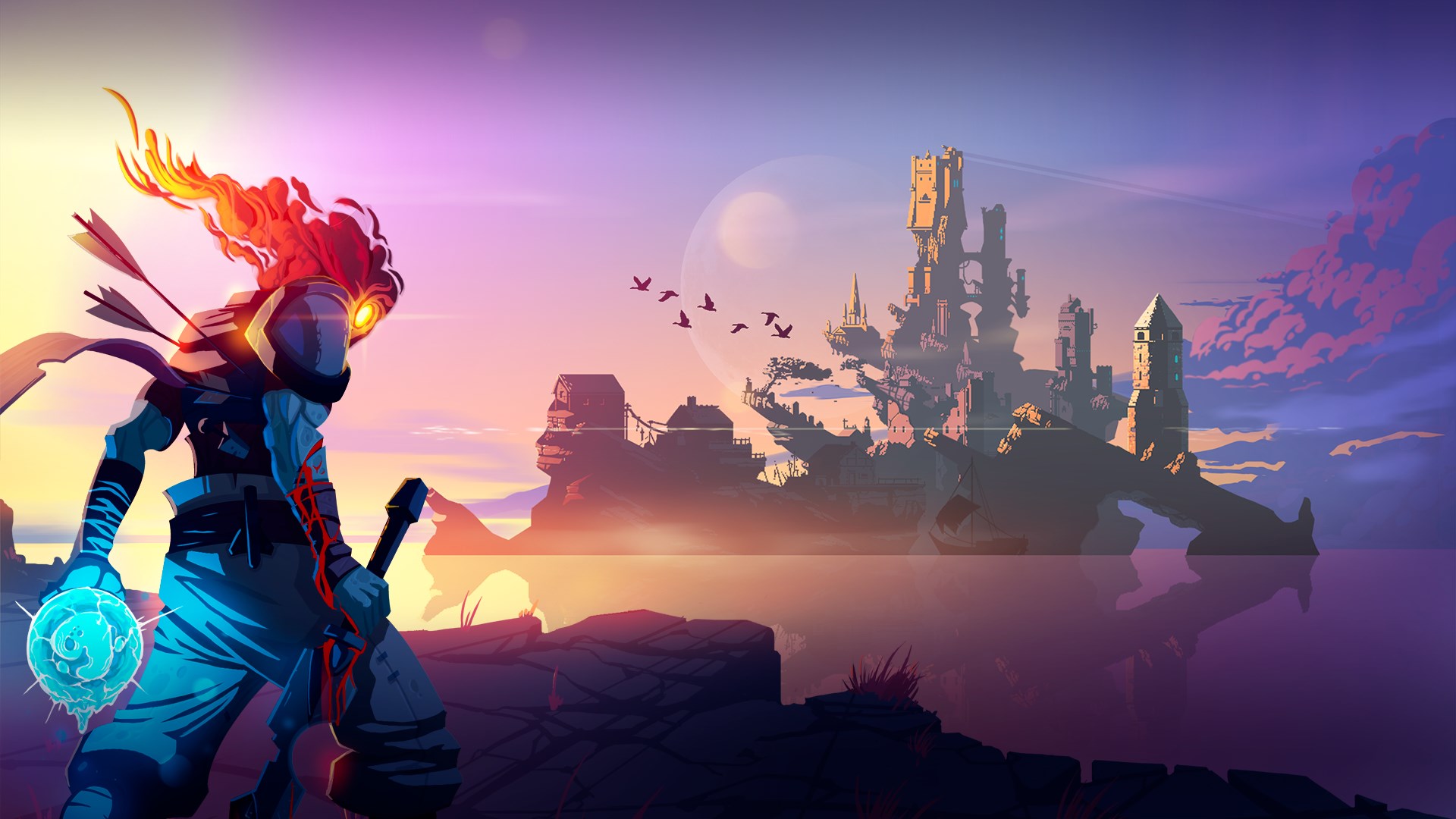
In the game ‘Dead Cells’, each time you play, the levels are randomly created but based on a specific code, called a seed. This seed not only determines the path through the levels but also what items and upgrades you’ll find. You can see this seed number while playing, which lets you replay the exact same dungeon later. This is really useful for practicing and learning challenging sections like the Clock Tower or High Peak Castle.
‘Spelunky 2’ (2020)
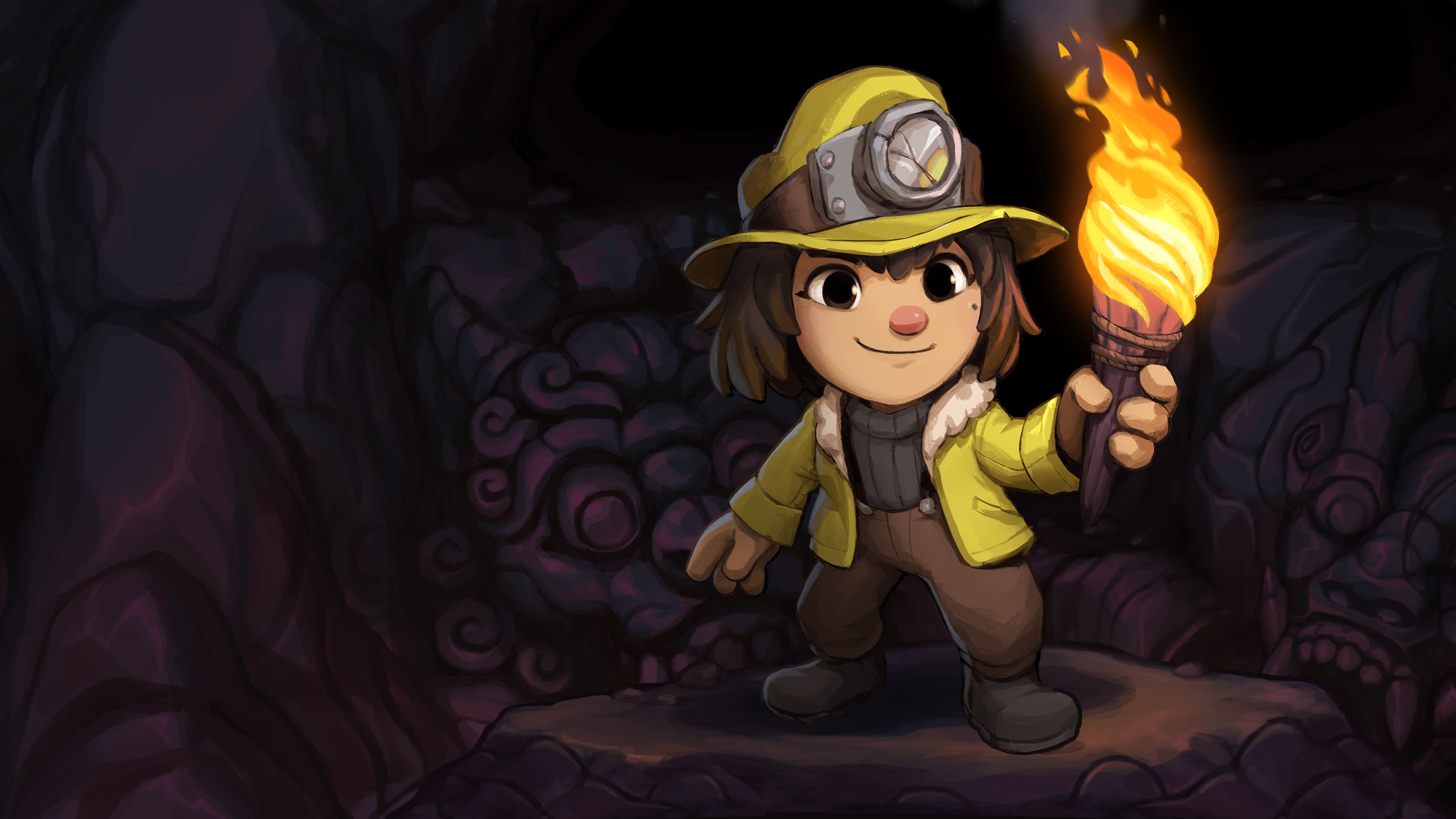
Spelunky 2 includes a daily challenge where everyone worldwide plays the same level, ensuring all players face the same obstacles and find the same items. Players can also manually enter ‘seeds’ outside of this mode to practice specific levels or hunt for hidden secrets. Because the game is very challenging, using a seed allows players to learn and improve by repeating predictable scenarios.
‘Noita’ (2020)
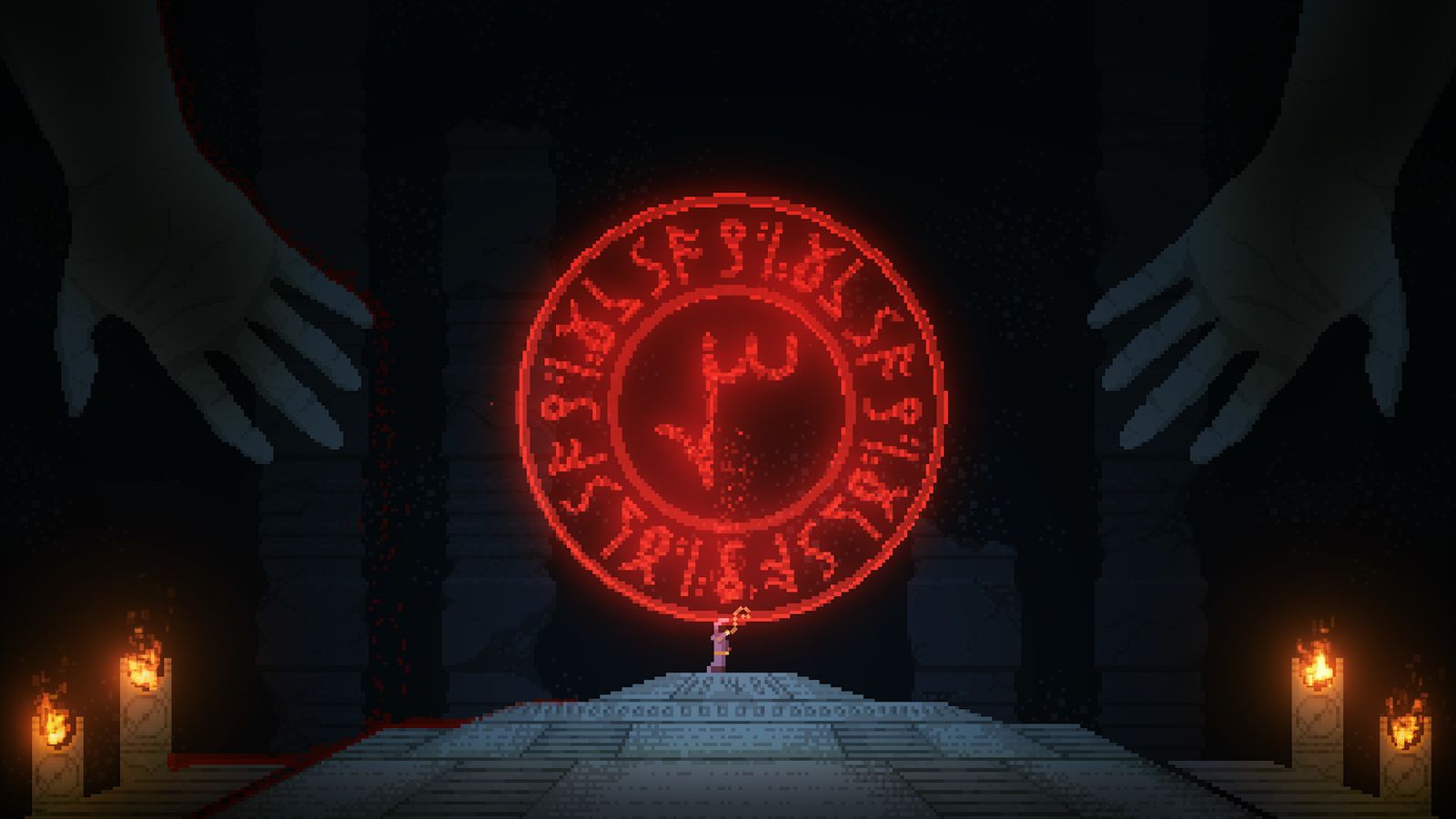
Noita is a magical action game where you explore randomly generated worlds. Everything in the game is physically simulated, meaning even small actions like a spark can have big consequences. Each world is created using a ‘seed’ – a code that determines the layout of the mines, the spells you’ll find, and even secret alchemy recipes. Players can use specific seeds to search for powerful spell combinations or rare items.
‘Deep Rock Galactic’ (2020)
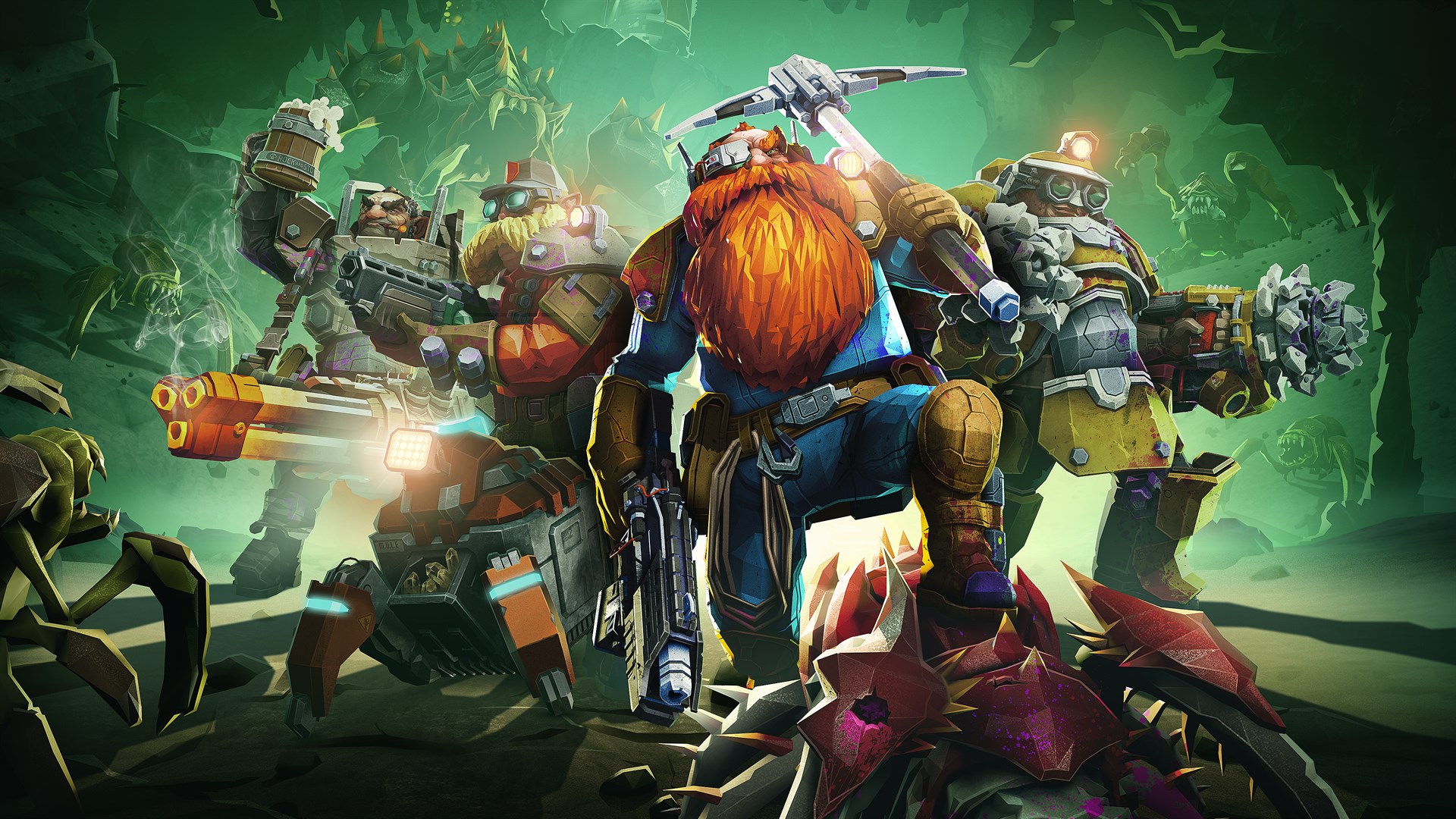
Deep Rock Galactic creates its cave levels using a system called ‘seeds,’ which control how complex and long the caves are. These seeds also decide where valuable resources like gold and nitra are located for the dwarf miners to find. Although players typically join random missions, the game uses these seeds to build each unique underground environment. Because the environment is completely destructible, players can dig and tunnel through the world the seed has generated.
‘Risk of Rain 2’ (2020)
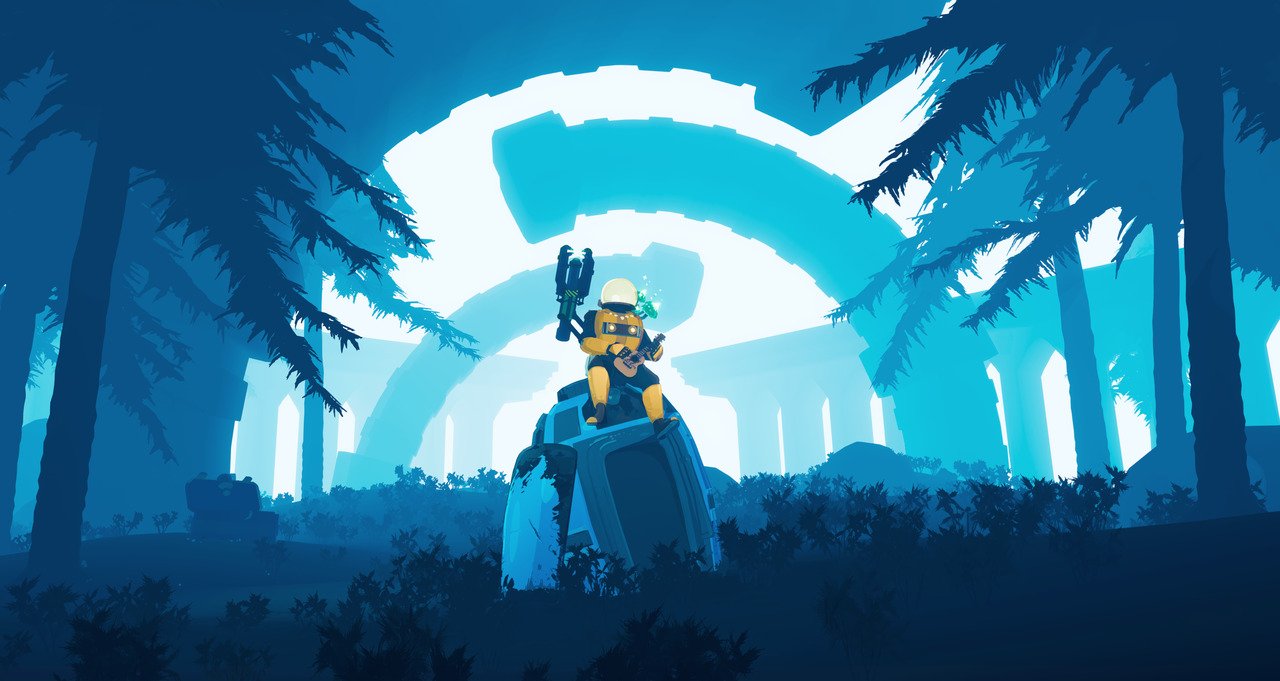
In ‘Risk of Rain 2’, each playthrough feels unique thanks to a system using ‘seeds’. These seeds determine the sequence of levels and where teleporters appear. While the general layout of each level remains consistent, the locations of items and enemy spawns change with each seed. Players can use an item called the Artifact of Command to affect their run, but the seed ultimately controls the fundamental aspects of the world, making every visit to Petrichor V both unpredictable and balanced.
‘Barotrauma’ (2023)
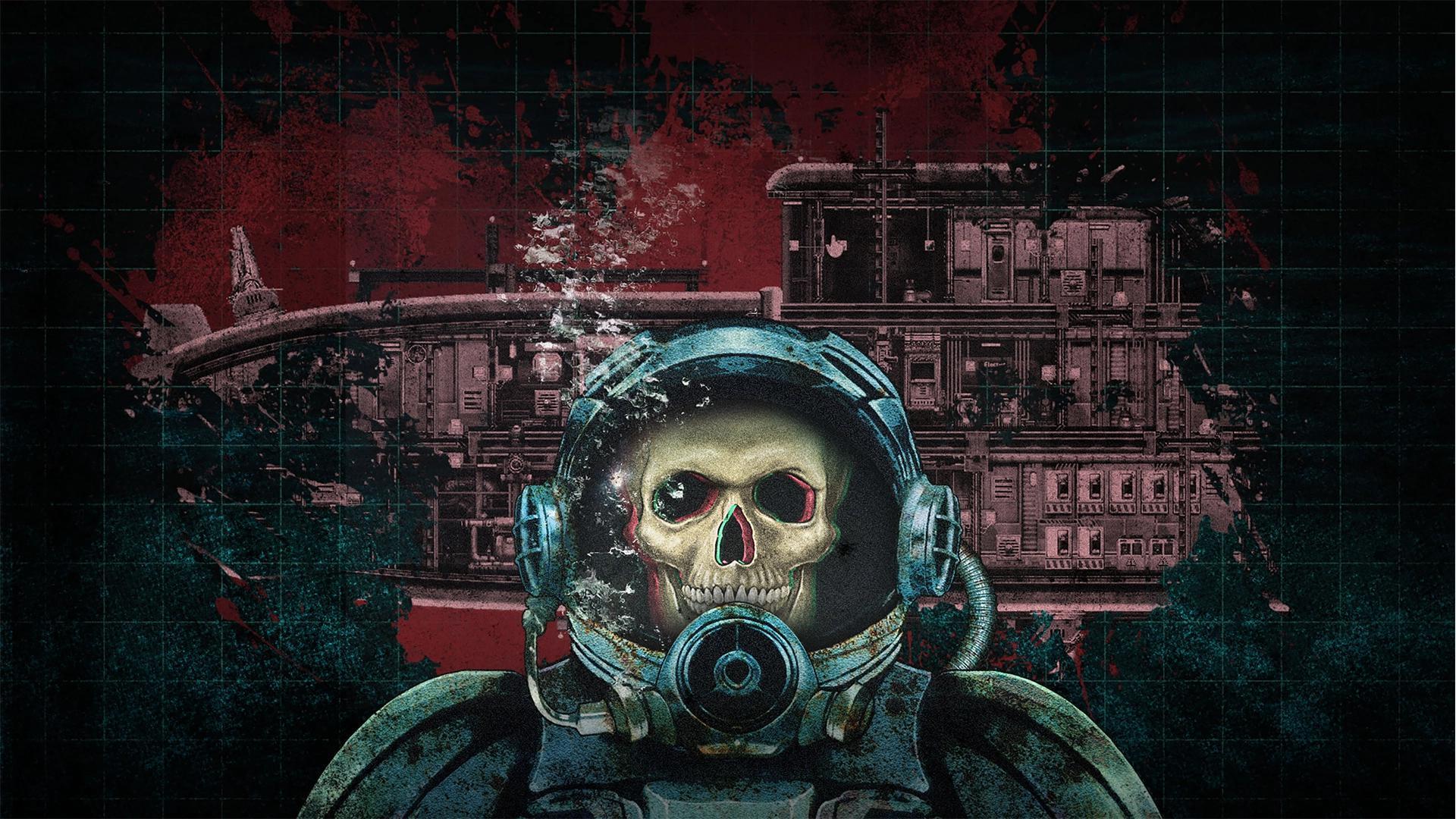
Barotrauma creates the cold, underwater world of Europa using unique seeds that build complex and dangerous tunnel systems. These seeds control where you’ll find alien structures and the lairs of hostile creatures. Players, as submarine crews, must carefully navigate these randomly generated environments while completing missions. The seed also affects what resources are available at different locations on the campaign map.
‘Civilization VI’ (2016)
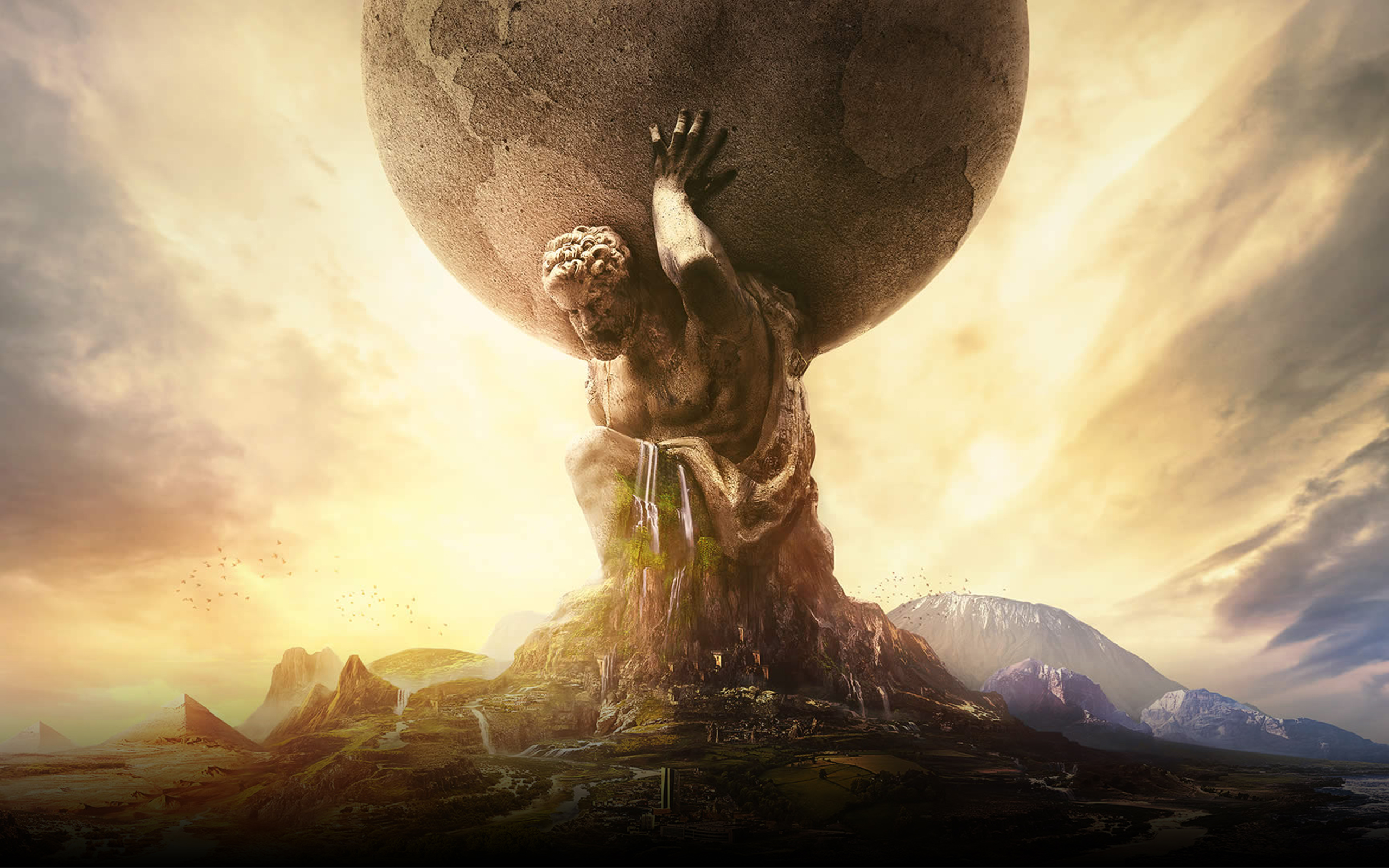
Okay, so in ‘Civilization VI’, the game actually uses two different codes to create each world. One code, the ‘map seed’, builds the land itself – all the continents, oceans, and mountains. The other, the ‘game seed’, decides where the cool natural wonders pop up and where each of us starts as a civilization. It’s awesome because you can share these seeds with friends and we can all play on the exact same map, competing to see who builds the best empire. It really levels the playing field and makes for some seriously competitive games!
‘Stellaris’ (2016)
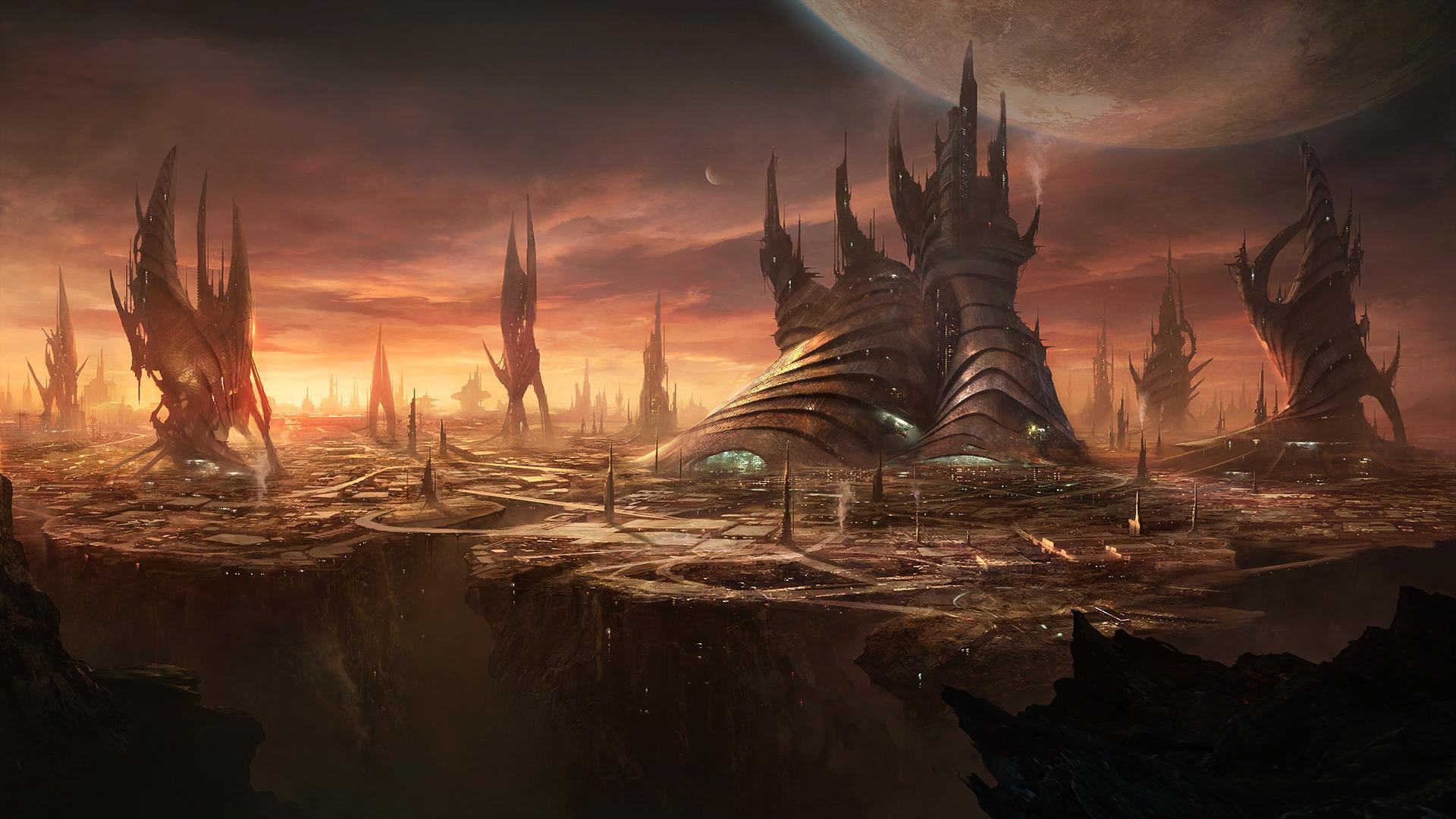
Stellaris creates a huge galaxy filled with hundreds of stars, and each galaxy is uniquely generated using a specific code, called a ‘seed’. This seed determines everything from the overall shape of the galaxy to the kinds of stars and planets you’ll find. It even affects where powerful, ancient civilizations and other unusual galactic features appear. Players can use these seeds to customize their game, like ensuring plenty of planets suitable for life, or making the initial stages more difficult.
‘Endless Legend’ (2014)
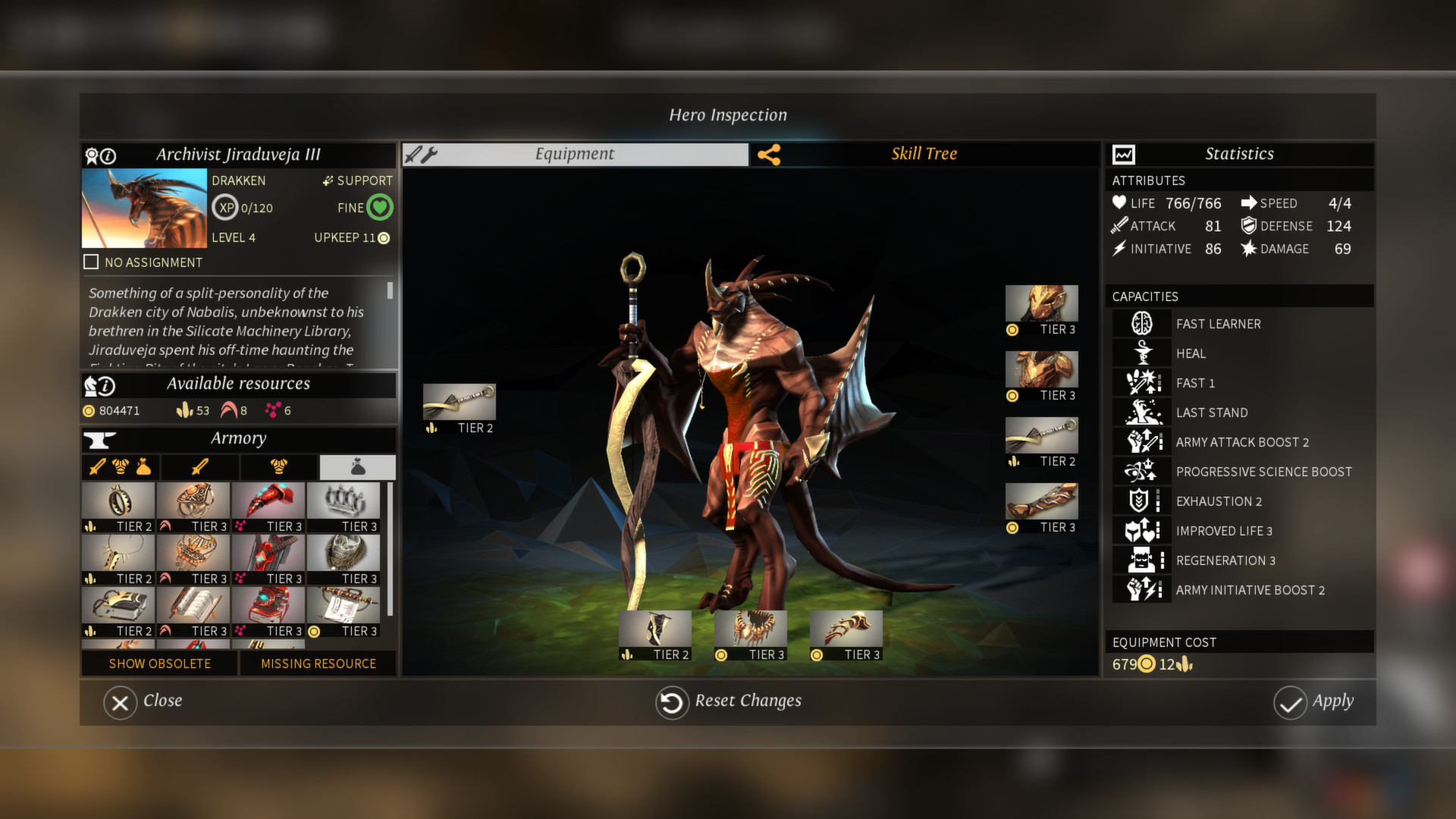
In ‘Endless Legend,’ each new game map is created using a seed value, which determines the layout of lands and where important resources are found. Each area on the map has its own distinct environment that impacts how your empire grows. Players can share these seeds to ensure everyone is playing on the same, fairly balanced map for multiplayer games.
‘Age of Empires IV’ (2021)
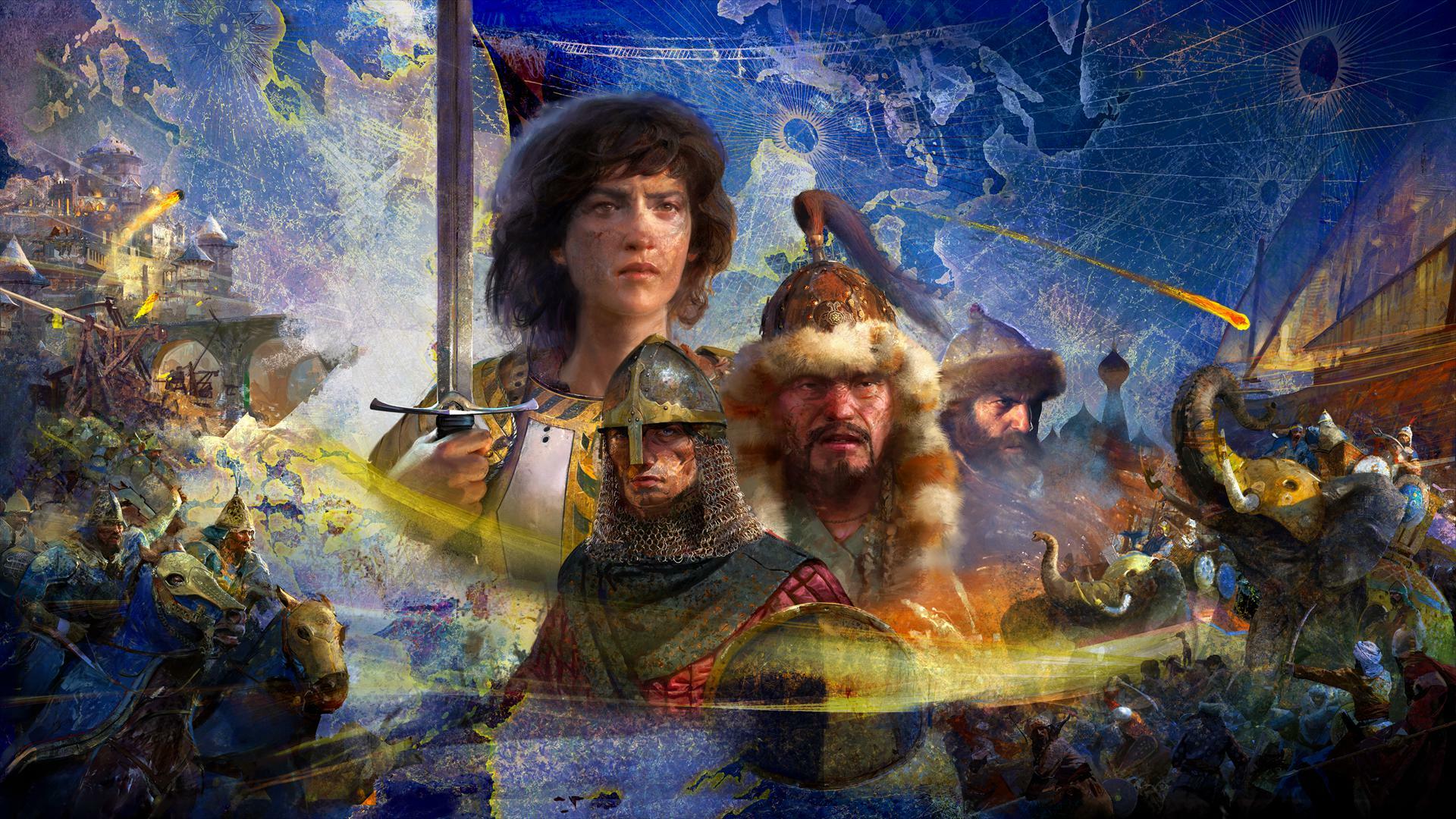
In ‘Age of Empires IV,’ you can use map seeds to play on the exact same battlefield layout each time. These seeds control where resources like gold, stone, and wood appear on the map. This is really helpful for competitive players who want to make sure everyone starts with equal access to resources, ensuring a fair match. Seeds can also be used to discover maps with natural choke points, which are great for setting up strong defenses.
‘Humankind’ (2021)
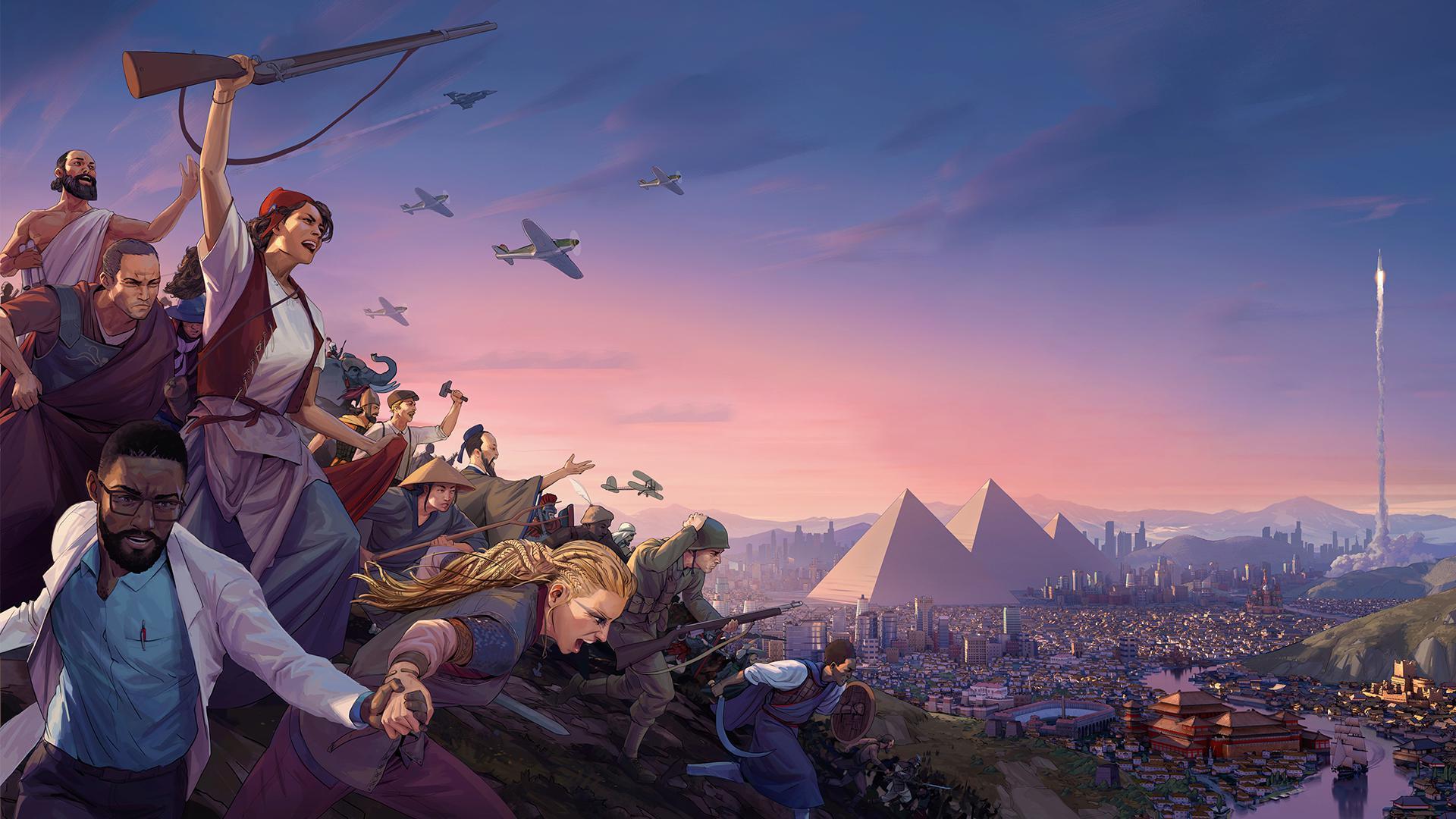
In Humankind, the game creates its worlds using seeds – unique codes that determine the shape of the land, including mountains, valleys, and different climates. Each seed generates a unique map with resources placed in specific locations. Players can adjust how the world is created and then save the seed, letting them revisit and explore the same complex world again and again.
‘Streets of Rogue’ (2019)
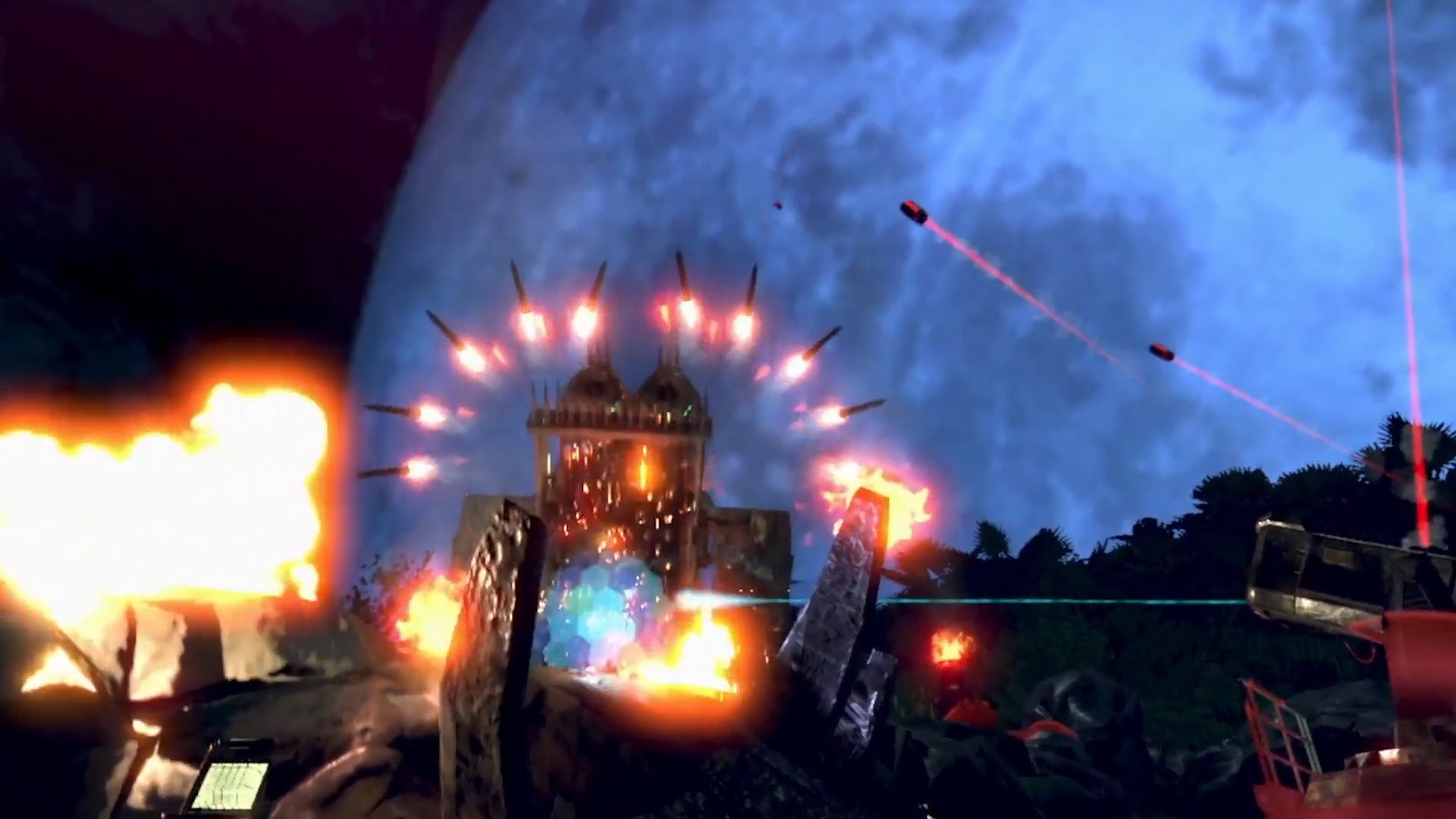
In ‘Streets of Rogue,’ each playthrough creates a unique, multi-level city. This city’s layout – including building types and where characters are located – is determined by a random ‘seed.’ That seed also sets the goals players need to achieve to progress. This means every time you play as a thief or a soldier, you’ll encounter a different set of challenges.
‘Descenders’ (2019)
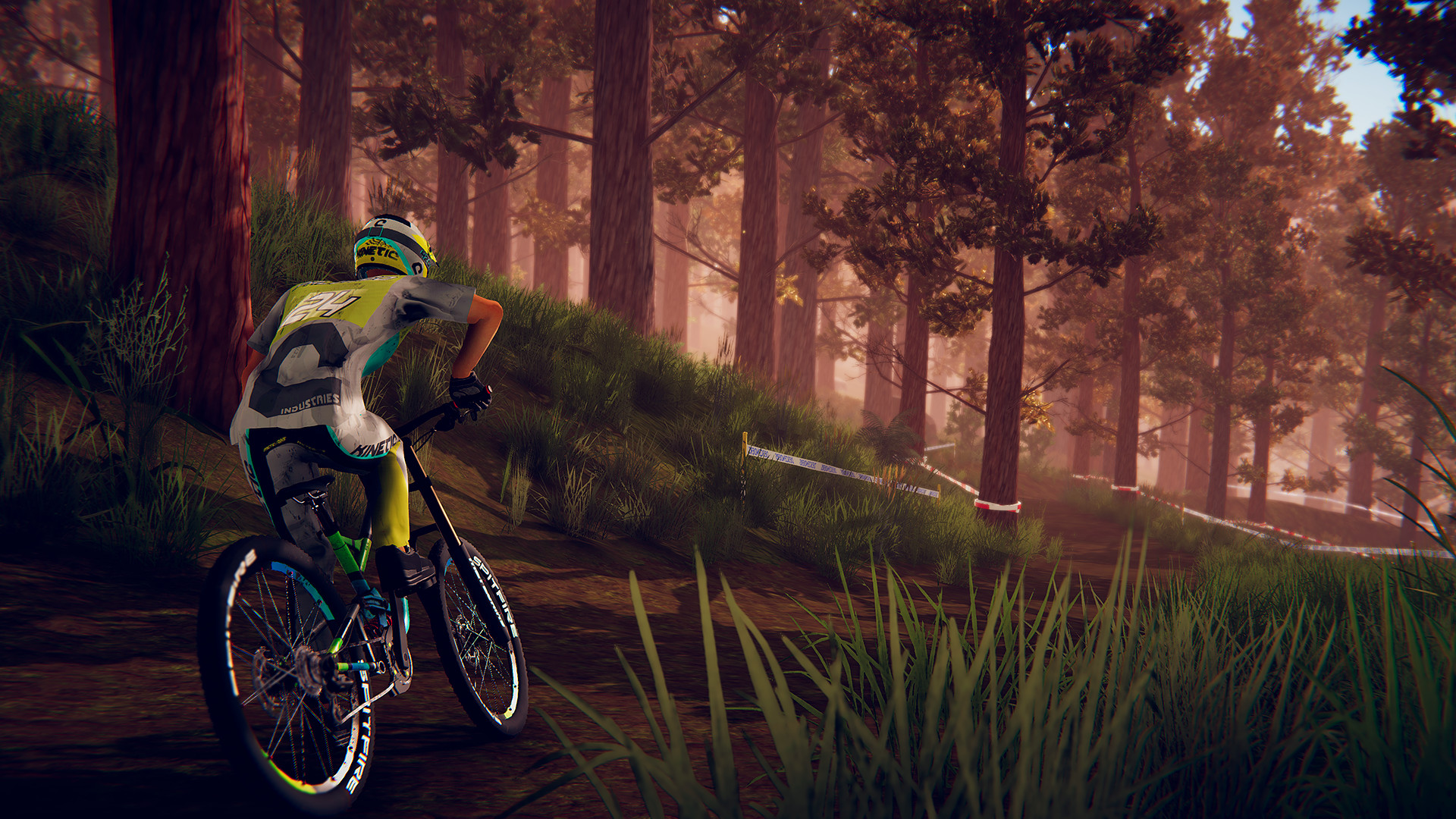
Descenders is a downhill mountain biking game featuring tracks created using a special code system. Players can enter their own codes to design unique hills with different slopes, turns, and obstacles, providing a never-ending stream of new challenges to learn and compete on. This system guarantees that each jump and obstacle will always appear in the same place when using the same code.
‘Heat Signature’ (2017)
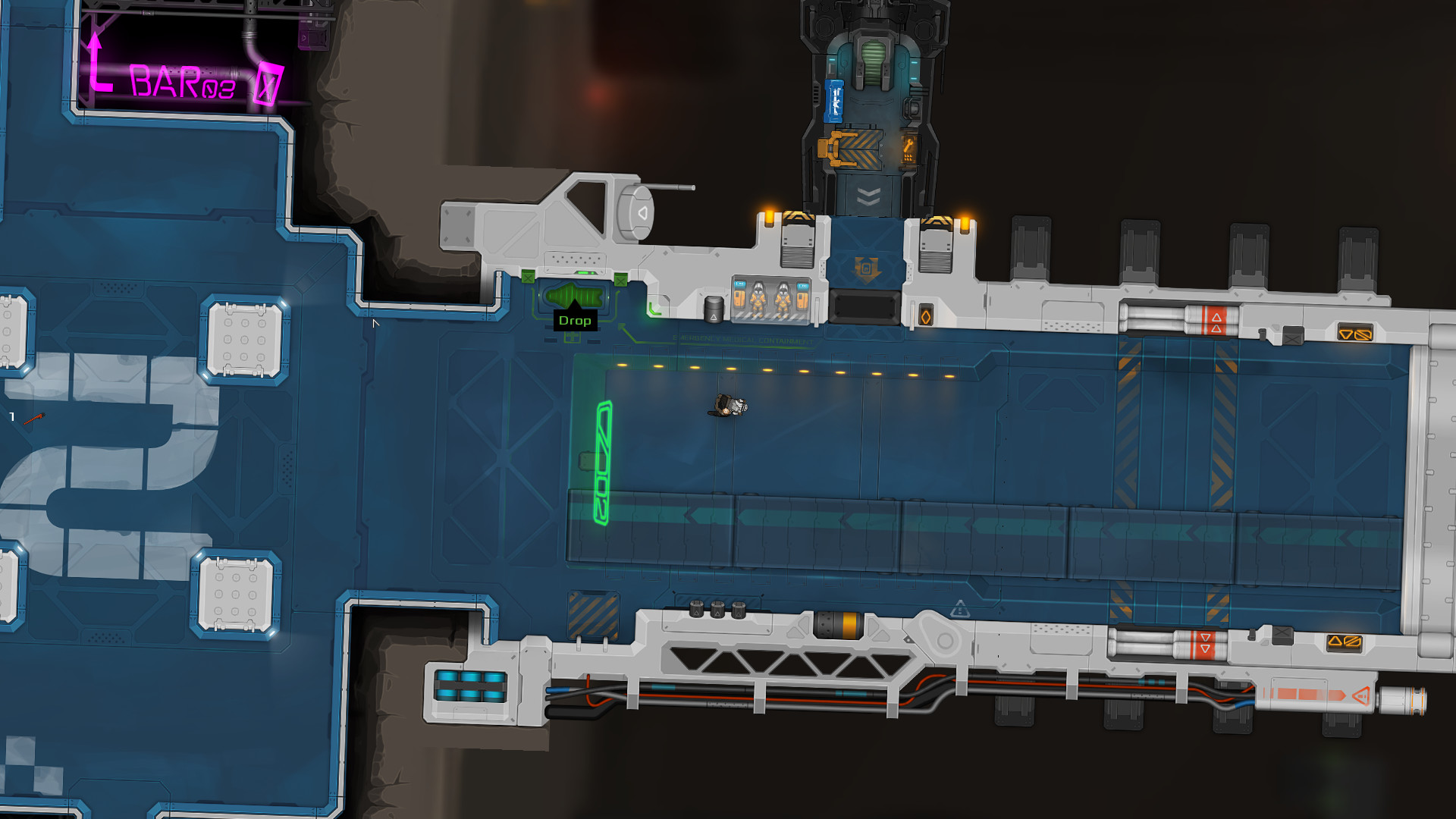
Heat Signature creates a vast universe of spaceships for players to sneak onto and steal. Each ship is uniquely generated using a ‘seed’ – a code that determines its layout, guard positions, and security measures. This seed also influences the missions offered at space stations. Players can even share these seeds with each other, allowing them to experience specific ships or challenging missions created by others.
‘UnReal World’ (1992)

UnReal World is a challenging survival game set in a vast, procedurally generated northern wilderness. Each game is unique thanks to a ‘seed’ which dictates everything from the landscape – forests, lakes, and cultural territories – to the animals and plants you’ll find. This creates a realistic and deeply engaging experience of surviving in a tough, ancient world.
‘Cataclysm: Dark Days Ahead’ (2013)
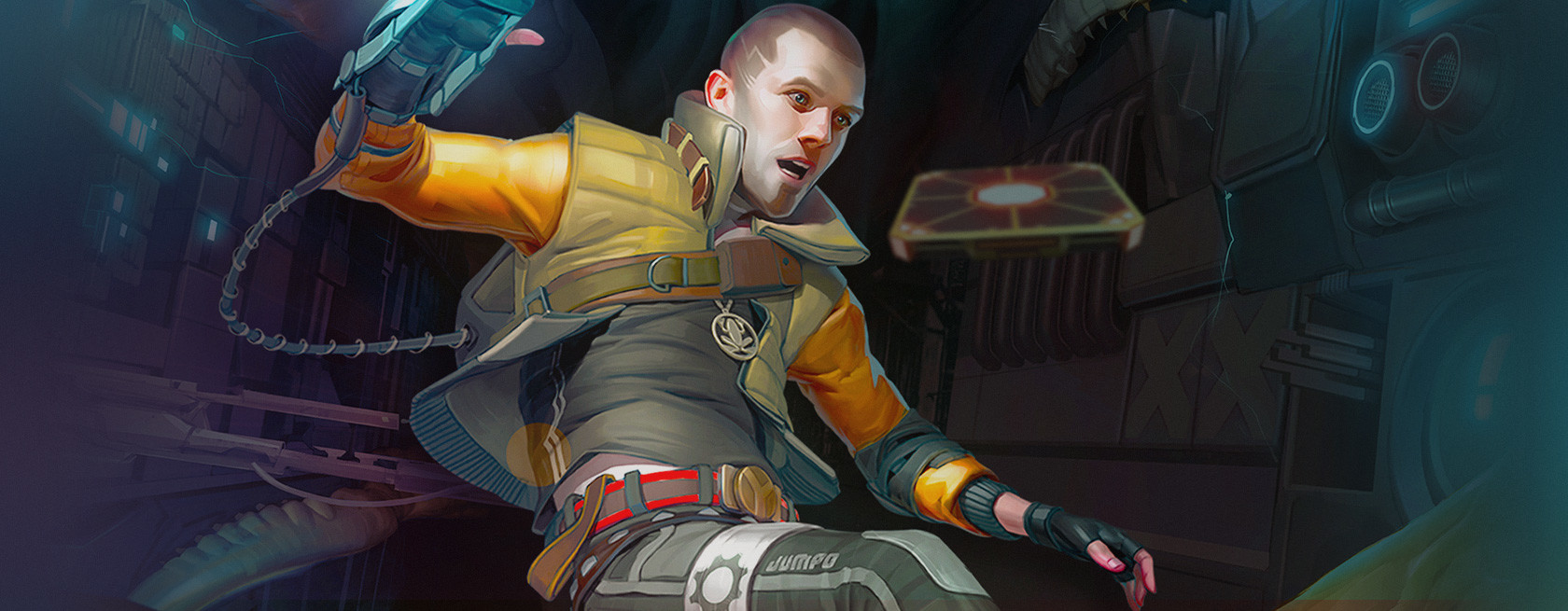
Cataclysm: Dark Days Ahead creates a unique post-apocalyptic world each time you start a new game, filled with zombies and other dangers. This is done using a ‘seed’ – a code that determines everything from the layout of cities and farms to the hidden labs and the types of items and monsters you’ll find. Because the game generates such a large world, players can travel vast distances and experience something completely different every time.
‘Eco’ (2018)
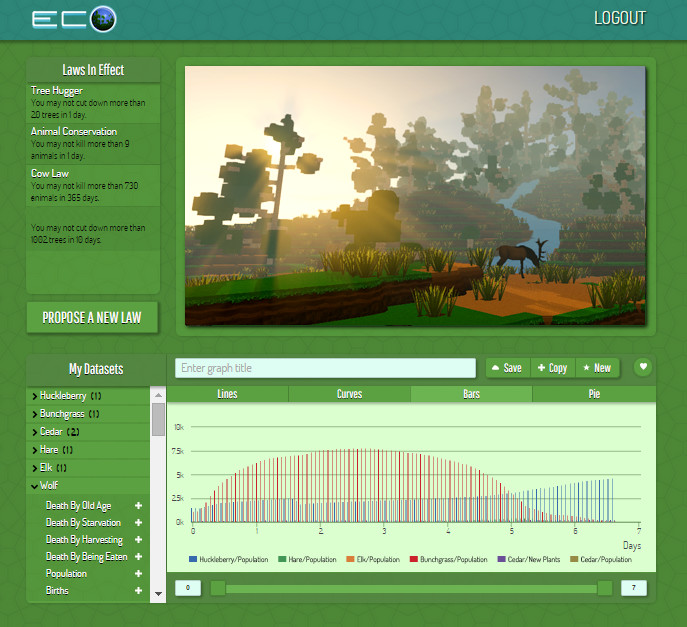
In the game ‘Eco’, the world is a computer-generated environment created from a unique starting code, or ‘seed’. This seed determines the landscape, where plants and animals live, and where valuable minerals are found. Players collaborate to build a thriving civilization, but they must also carefully protect the environment created by the seed. The world’s layout is very important because it dictates where players can construct buildings and gather resources.
‘Raft’ (2022)

Raft creates a never-ending ocean world with islands and shipwrecks to discover, using a system that automatically builds the environment. The layout of these islands, as well as the resources available on them and beneath the waves, is determined by a unique ‘world seed’. Players can share these seeds with each other, making it easy to find interesting places, story elements, or areas packed with valuable resources.
‘Stonehearth’ (2018)
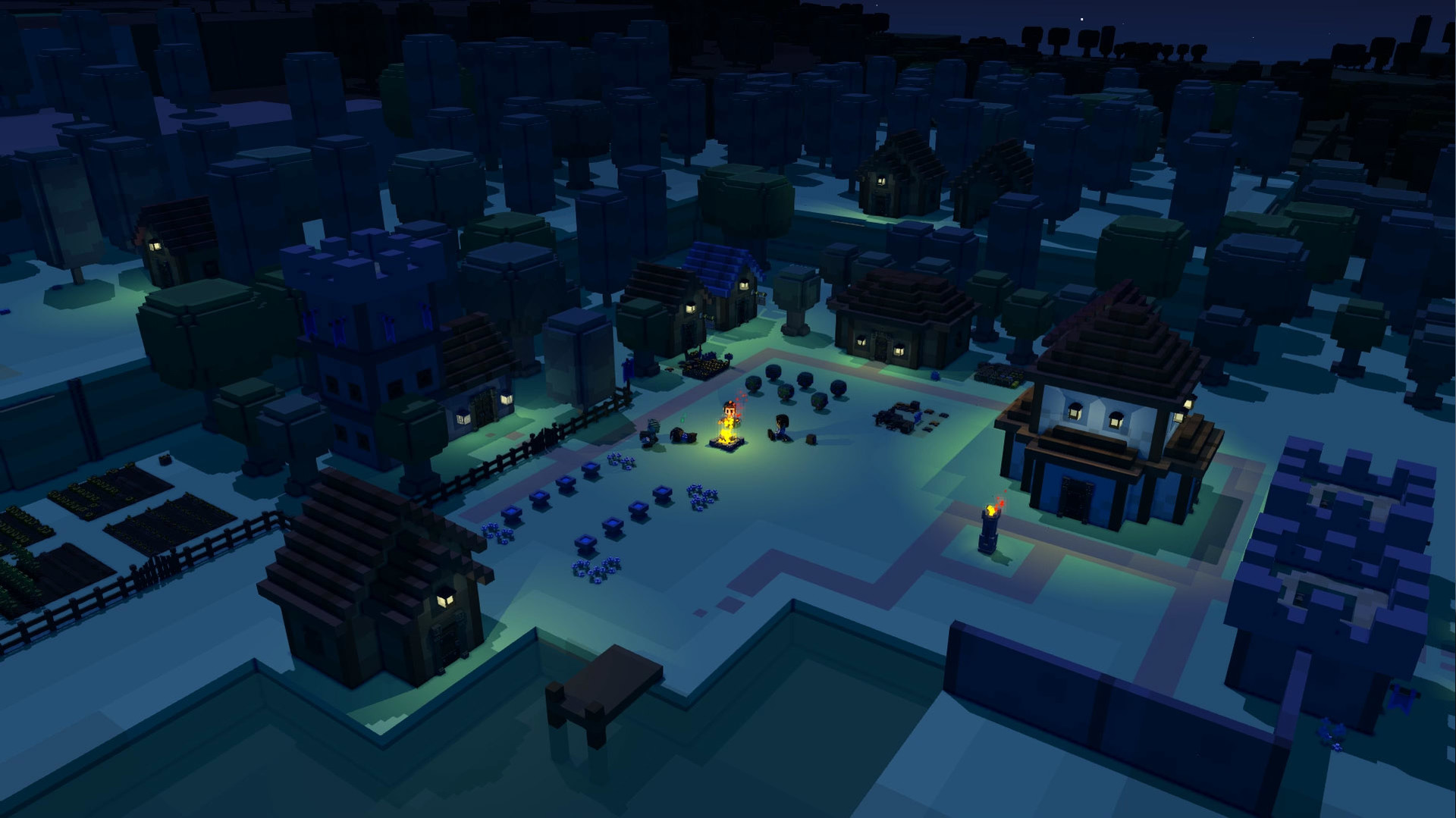
In Stonehearth, players can pick a ‘seed’ when starting a new game. This seed shapes the world’s landscape, including how high the mountains are and where the rivers flow, as well as the climate. It also decides which creatures – both friendly and hostile – you’ll meet, making each new settlement feel fresh and different.
Please share your favorite world seeds or experiences with these procedural games in the comments.
Read More
- Gold Rate Forecast
- Invincible Season 4 Gender Swaps Tech Jacket As Fans Question Major Comic Change
- 22 Films Where the White Protagonist Is Canonically the Sidekick to a Black Lead
- Unveiling the Schwab U.S. Dividend Equity ETF: A Portent of Financial Growth
- 14 Movies Where the Black Character Refuses to Save the White Protagonist
- Silver Rate Forecast
- Why Won’t It Just *Do* What You Ask? Unpacking the Quirks of AI Language
- Top 10 Coolest Things About Jared Leto
- How to Do Sculptor Without a Future in KCD2 – Get 3 Sculptor’s Things
- 20 Movies Where the Black Villain Was Secretly the Most Popular Character
2026-02-04 22:19