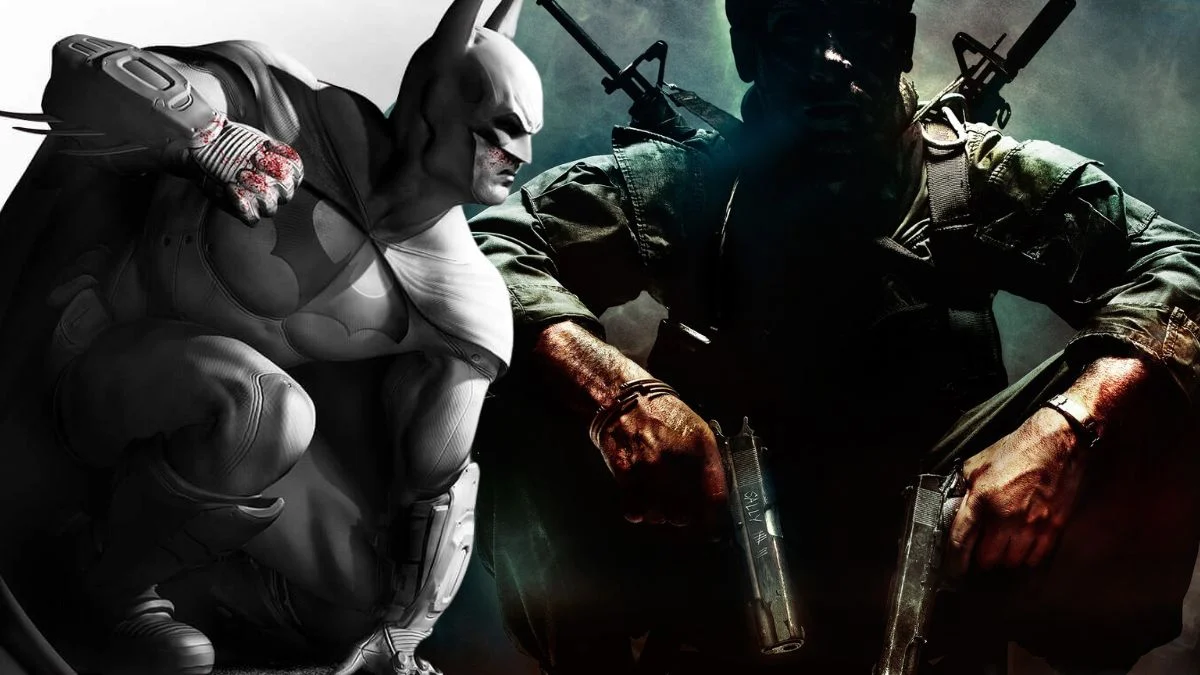
Most video games present challenges that are solved within the game itself, using skills like quick reflexes or understanding the game’s rules. But some games do something different – they reach outside the screen. These games ask players to solve puzzles using things in the real world, like physical objects, general knowledge, or even by tinkering with their computer. They cleverly mix the game world with reality, sometimes requiring players to use the game manual, sensors, or manipulate files on their computer to unlock hidden content. This has happened in games from the older, classic styles to newer, more complex horror games, with developers constantly finding creative ways to hide secrets behind the player’s everyday world.
‘StarTropics’ (1990)
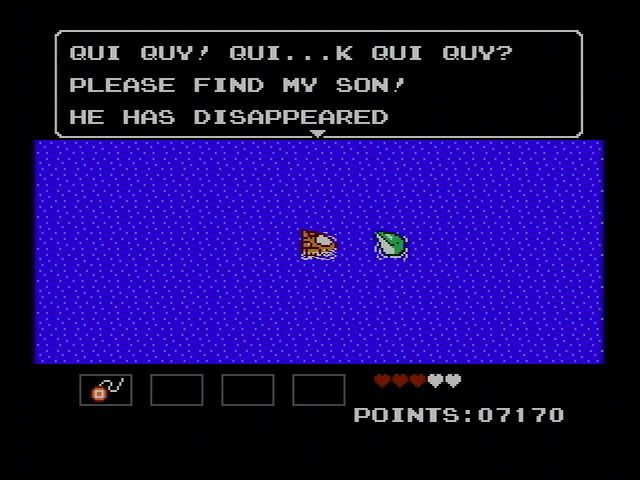
This beloved Nintendo game includes a truly memorable puzzle. To progress, players need to find a secret code to contact the hero’s uncle. The game cleverly asks players to dip the actual letter included with the game into water, revealing a hidden code – 747 – written in invisible ink. This simple, real-world experiment is essential; without it, the rest of the game can’t be unlocked.
‘Metal Gear Solid’ (1998)
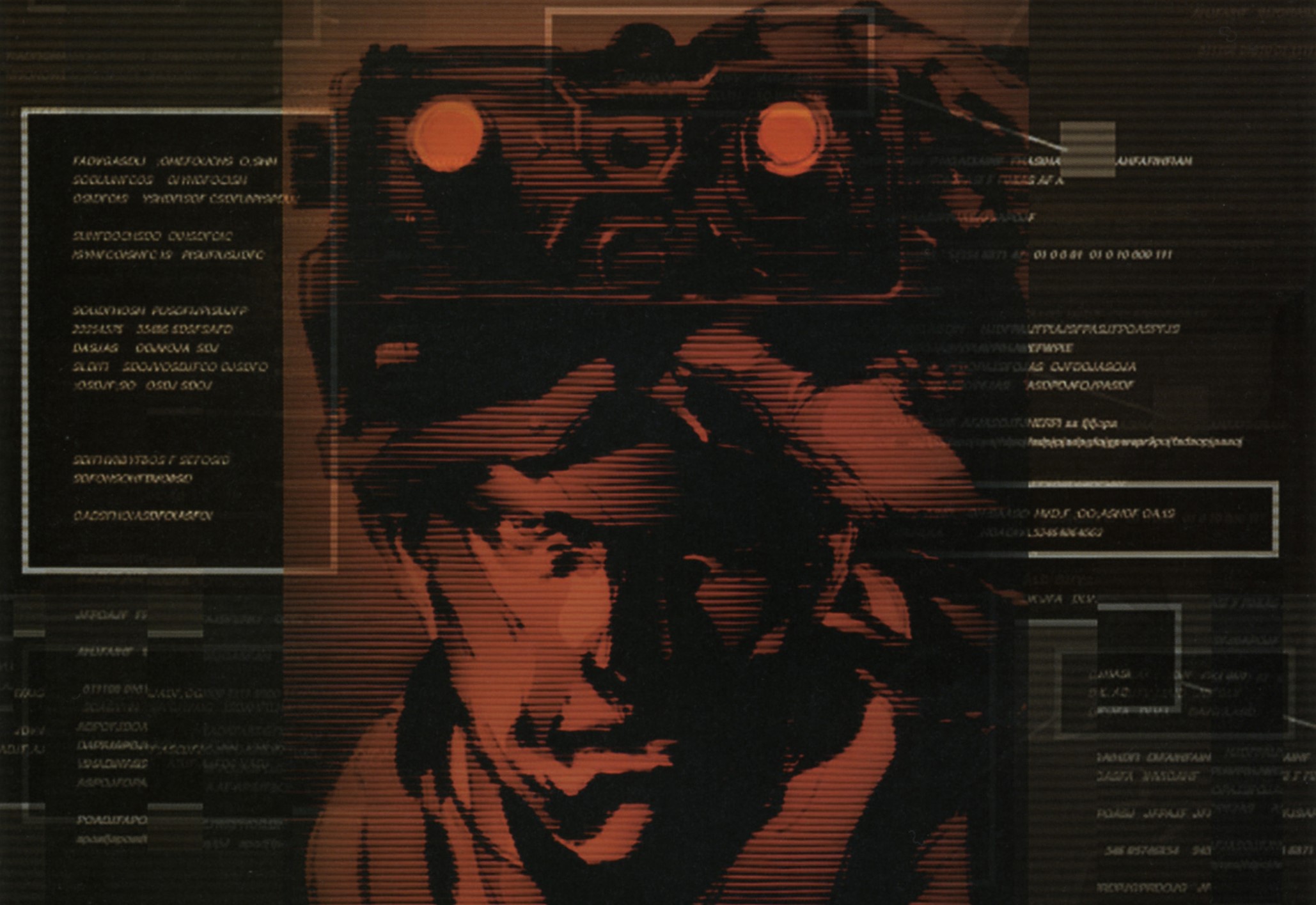
Hideo Kojima is known for playfully blurring the lines between the game and reality, and Metal Gear Solid has a memorable puzzle that proves it. To reach the next part of the game, players need to contact Meryl, but Colonel Campbell gives a cryptic clue: her communication frequency is “on the back of the CD case.” This means players actually have to look at the physical game packaging to find a screenshot revealing the correct frequency – 140.15. It was a unique challenge that required players to interact with the game’s physical copy to continue playing.
‘Fez’ (2012)

Although the game looks like a typical platformer, it hides surprisingly complex puzzles that need help from outside programs to solve. For example, the “Black Monolith” puzzle took thousands of players days to crack. Solving it – and getting the red cube – involved figuring out a code based on the game’s release date and then translating symbols found within the game. Many of the game’s puzzles require players to use old-fashioned methods like writing things down or even analyzing the music to reveal hidden pictures.
‘X-Men’ (1993)
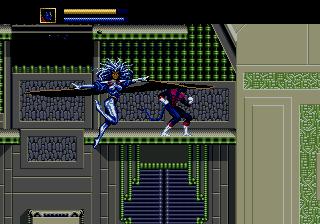
Near the end of this Sega Genesis game, players reach a level called “Mojo’s Crunch” and are instructed to “reset the computer” to eliminate a virus. Surprisingly, this doesn’t happen within the game itself. Players actually need to press the Reset button on their Sega Genesis console. A quick press mimics a system restart, letting them bypass the level and fight the final boss. However, holding the button down for too long, or not pressing it at all, will trap the player in a repeating loop.
‘Trials Evolution’ (2012)

This motorcycle game featured an incredibly complex Alternate Reality Game (ARG). Players cracked a code hidden within the song “Nature Calls” by analyzing its sound spectrum, which revealed a message in Morse code. This led them to a website and ultimately to buried chests hidden in four countries. These chests held clues – keys and documents – that are part of a puzzle not meant to be solved until the year 2113, effectively making the game last for centuries.
‘Boktai: The Sun is in Your Hand’ (2003)

Created by Hideo Kojima, this Game Boy Advance game is unique because it uses a built-in light sensor. To beat vampires and powerful bosses in certain levels, players actually need to take their Game Boy outside and play in the sunlight. The stronger the sunlight, the more powerful the in-game weapon becomes. Playing indoors or at night makes these levels extremely difficult, so players have to time their gameplay with the sun’s schedule.
‘Keep Talking and Nobody Explodes’ (2015)
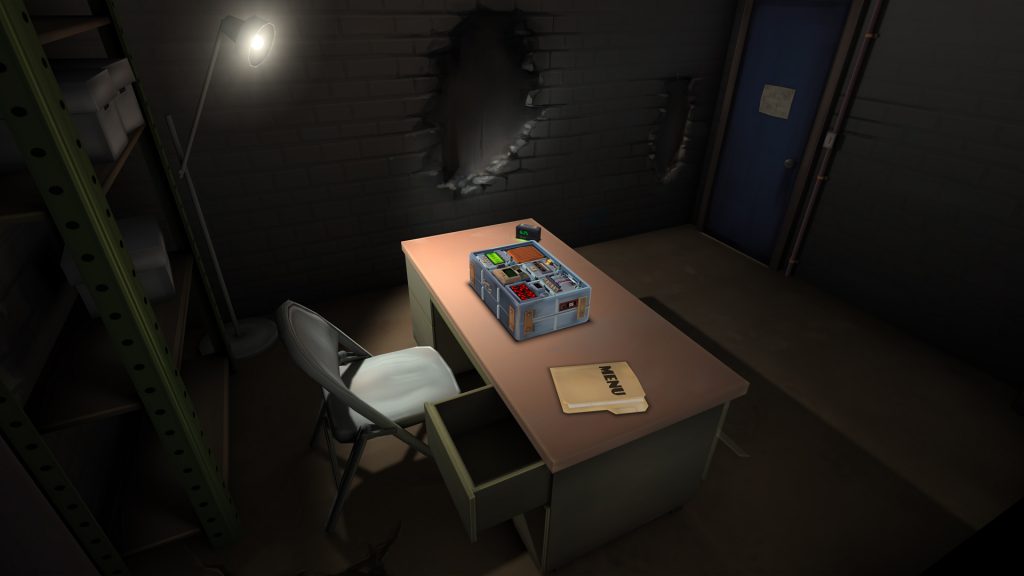
This puzzle game is all about teamwork and communication. One player looks at a bomb on the screen, which has tricky parts, and the other player has the instructions for defusing it – either in a physical book or on a device. The person with the instructions can’t see the screen, so they have to talk the other player through how to disarm the bomb. You absolutely need the instructions to solve each puzzle, making clear communication the most important part of the game.
‘Inscryption’ (2021)
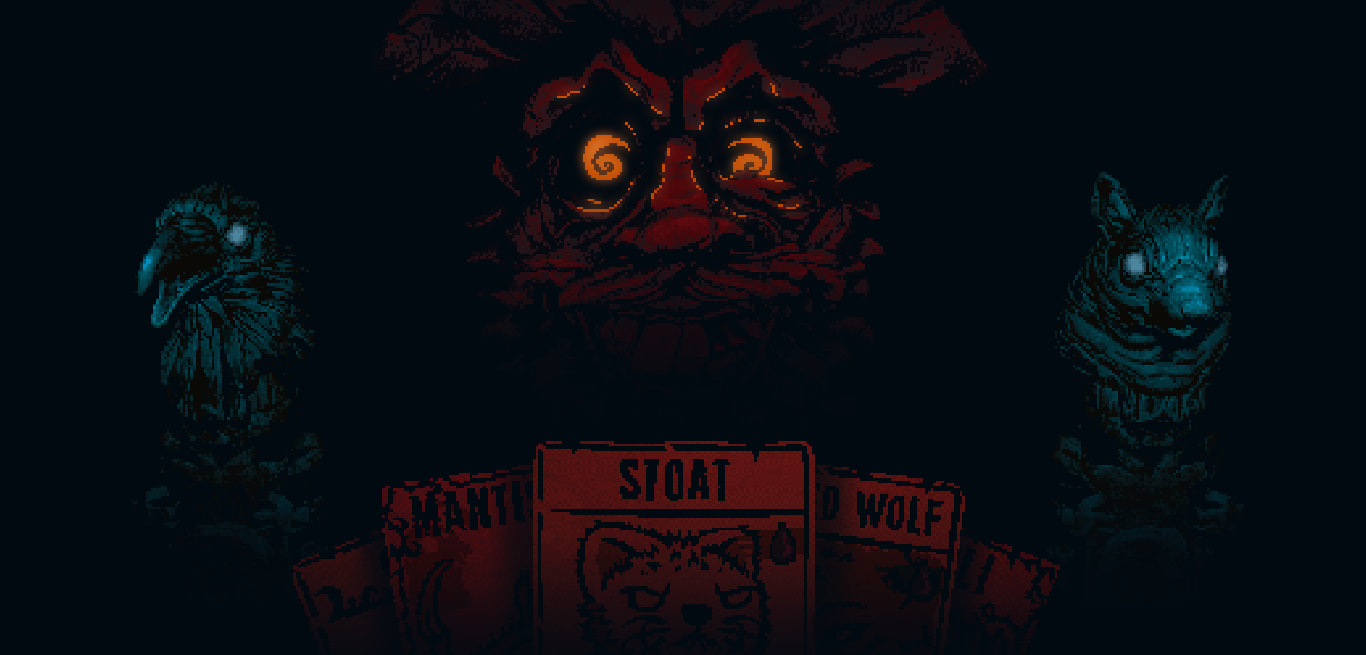
This horror game, where you build a deck of cards, has a deep and hidden story, and unlocking the real ending involves a complicated puzzle that spills into the real world. Players had to decipher hidden files within the game, which led them to actual locations and a buried floppy disk. The information on that disk was essential to solve the game’s ultimate puzzle and fully understand its story. It’s an experience that goes beyond just playing the game, requiring players to work together as a community to uncover everything.
‘The Secret of Monkey Island’ (1990)
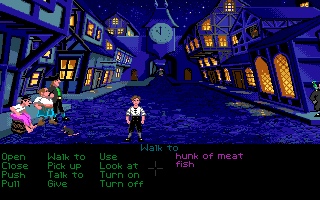
Early players of the game couldn’t explore beyond the first island until they verified their copy was legitimate. This was done using a physical “Dial-A-Pirate” wheel included in the game box. Players had to spin the wheel and match pirate faces with dates to get a code. The game would ask for a specific pirate face, and you needed the correct code from the wheel to continue playing. It was a smart way to prevent piracy.
‘Startropics II: Zoda’s Revenge’ (1994)
Like the first game, this sequel challenges players with a puzzle that involves the physical game manual. To reach the final area, players need a password not found within the game itself. Instead, they have to find a code – “626” – printed on the last page of the instruction booklet and figure out how to interpret it. This means the game’s ending is locked behind a task that requires checking a real-world document.
‘Snatcher’ (1988)
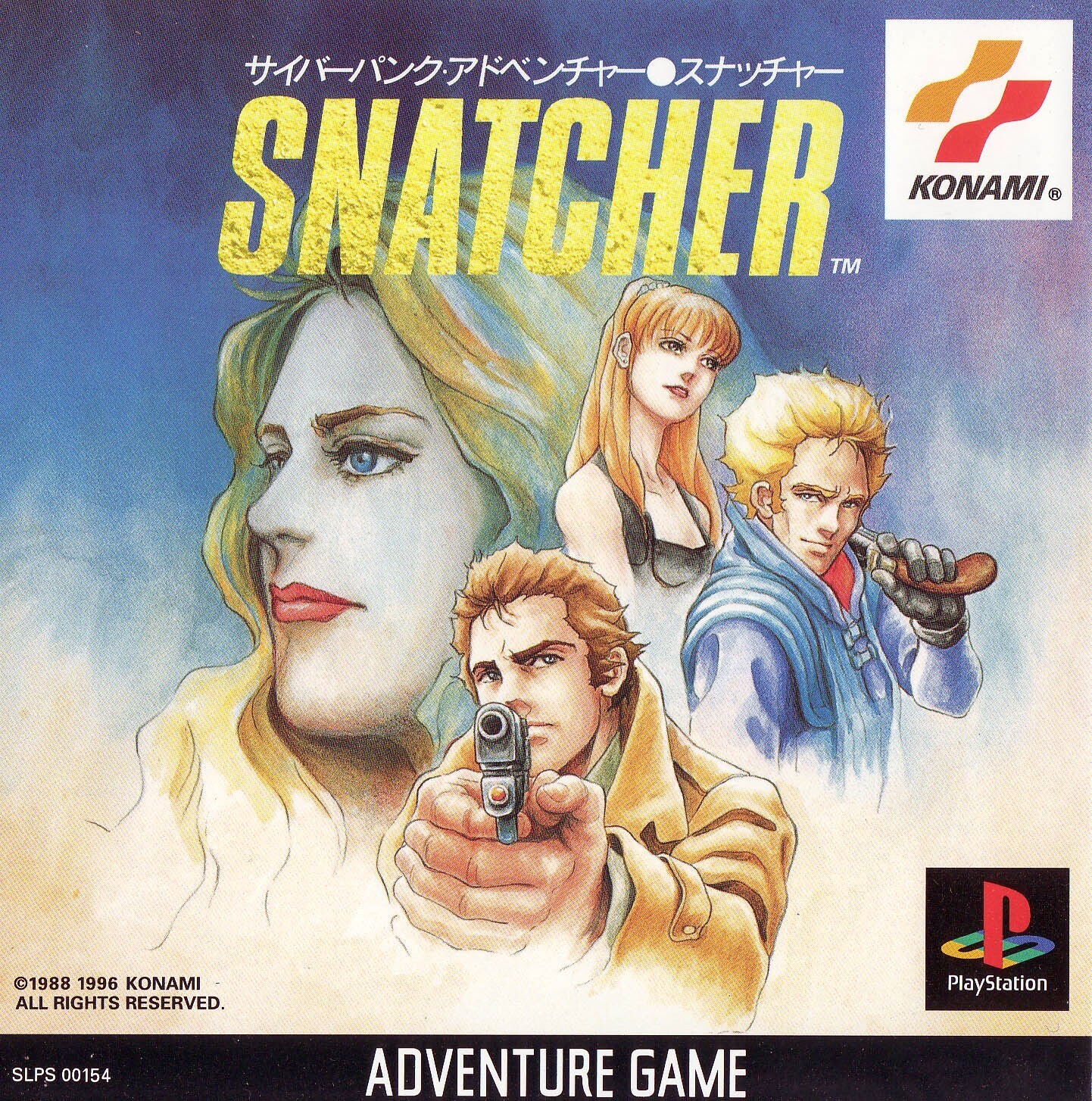
This cyberpunk game features a mystery where players need to find a contact named Napoleon. His phone number isn’t given to you during gameplay. Instead, you’ll have to check the physical game manual – which is designed to look like an in-universe document – to discover it. The number is cleverly hidden within a biography or ad inside the manual. Once you enter the number on the game’s videophone, you’ll be able to continue the investigation.
‘Doki Doki Literature Club!’ (2017)

This horror game starts like a dating sim, but quickly becomes unsettling as it begins to malfunction and acknowledge that it is a game. To truly finish the game and break free from a repeating cycle created by the character Monika, players have to step outside the game itself. They need to shrink the game window and find the game’s files on their computer, then delete a specific file called “monika.chr” from the “characters” folder. It’s only by directly changing files on their computer that players can reach the game’s real ending.
‘OneShot’ (2016)

Like many games of its type, this one asks you to use your computer itself – the operating system, desktop, and files – to solve puzzles. For example, one puzzle hides a code on your desktop wallpaper and requires you to move the game window to reveal it. Another involves finding a hidden file in your Documents folder and using the information inside to unlock something in the game. Essentially, the game blends the digital world with your computer’s screen, making it feel like part of the game environment.
‘Metal Gear Solid 3: Snake Eater’ (2004)

The final boss, an old sniper named “The End,” can be defeated in a traditional shootout, but there’s a unique way to win: by simply waiting. If you save the game during the battle and then wait a full week in real-time (or fast-forward your system clock), the boss will die of old age. This skips the fight, triggers a special cutscene, and is a secret victory condition based entirely on real-world time.
‘Animal Crossing’ (2001)
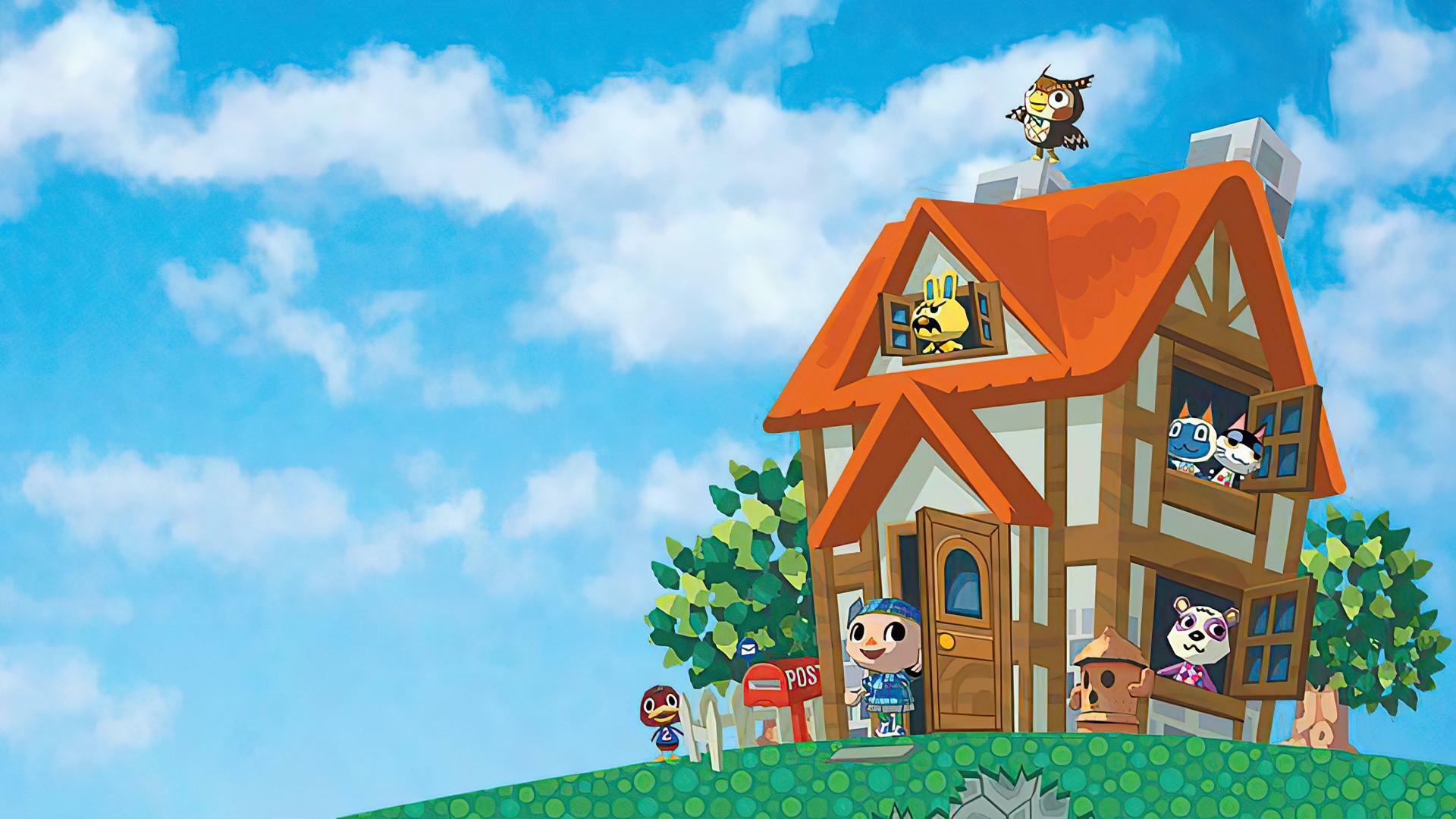
This game changes with real-time dates and times. Certain items, events, and locations become available only on specific dates, like holiday decorations appearing when the real-world date matches the in-game holiday. The game even responds to physical actions – if you reset your console without saving, a character will appear to reprimand you. Essentially, the game’s content is constantly changing based on the actual date and time.
‘P.T.’ (2014)

As a huge fan of the cancelled Silent Hills, I remember how crazy the final puzzle in the playable teaser was! To see the ending trailer, you had to do something really weird with your console. Basically, you had to wait for a ghostly baby to laugh three times, and the way to make that happen was by talking into your microphone. People figured out that whispering the name “Jareth” or just making any noise at the right time could get the baby to laugh and unlock the trailer. It was so cool because the game actually listened to sounds in your room to solve the puzzle!
‘The Legend of Zelda: Phantom Hourglass’ (2007)
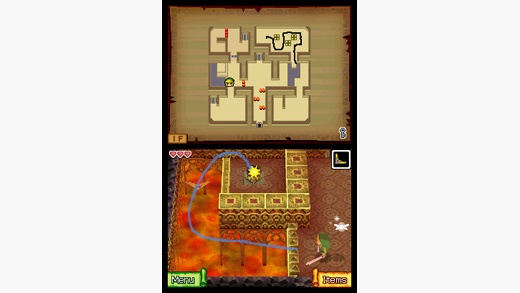
One puzzle in this Nintendo DS game involves transferring a symbol by pressing a crest on the top screen against a map on the bottom screen. The trick is that you have to physically close the Nintendo DS, folding the two screens together. When you reopen it, the game recognizes it was closed – almost like putting it to sleep – and solves the puzzle, showing you where to find the next dungeon. The game cleverly uses the way the DS folds up as part of how you play.
‘Hotel Dusk: Room 215’ (2007)
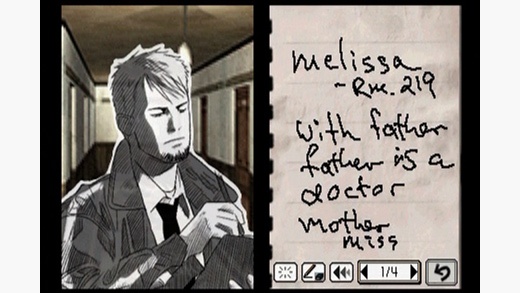
This detective game uses unique puzzles that require you to interact with your Nintendo DS in surprising ways. For example, you might need to flip the entire system upside down to solve a puzzle, close the lid to combine images, or even blow into the microphone to clear away dust and reveal hidden clues. These physical actions are essential for progressing the story and unlocking new parts of the game.
‘Trace Memory’ (2005)

This adventure game features puzzles that cleverly use the Nintendo DS hardware. Players solve challenges by adjusting the angle of the top screen to reflect an image onto the bottom screen, completing a visual code. Another puzzle requires players to close the DS like a stamp to create an image. Throughout the game, you’ll need to think of the console itself as a tool to solve the mystery.
‘Tunic’ (2022)
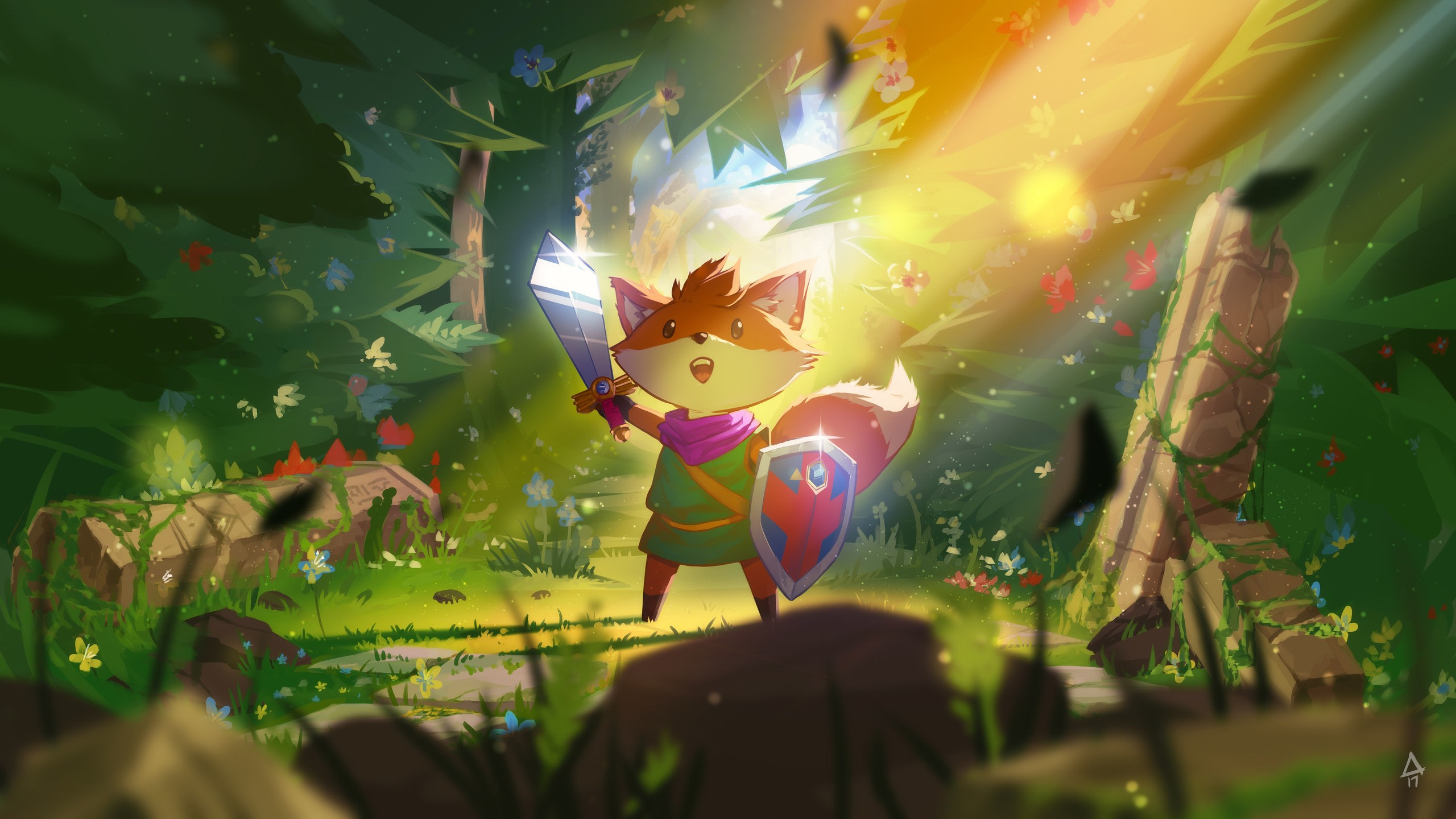
The game centers around finding pages from a manual written in a made-up language. To reach the true ending, players need to decipher the language and solve a complex puzzle made up of connected drawings spread across many pages. This puzzle often requires players to actually draw the solution on paper to help them visualize it. The final challenge is a locked door at the top of the mountain, and it won’t open until this larger puzzle is completed.
‘Batman: Arkham City’ (2011)

Calendar Man, a villain locked up in the courthouse, has unique things to say only on certain holidays. To hear all his stories and unlock the ‘Storyteller’ achievement, players need to visit him on 12 different dates, such as Christmas and Halloween. Because this takes a whole year, many players change the date on their gaming console to speed things up. This extra story content is specifically tied to the real-world calendar.
‘Monster Rancher’ (1997)
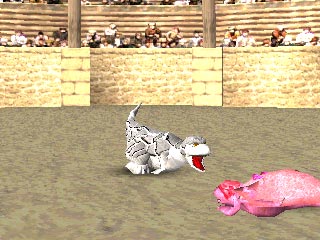
The main way to unlock new monsters in this game was by inserting music CDs and game discs into your PlayStation. The game would read information from the disc to create a monster with its own unique abilities. Some of the rarest monsters could only be unlocked by owning specific albums – for example, Beck’s Mellow Gold. This made your entire music collection feel like a source of new game content.
‘Vib-Ribbon’ (1999)
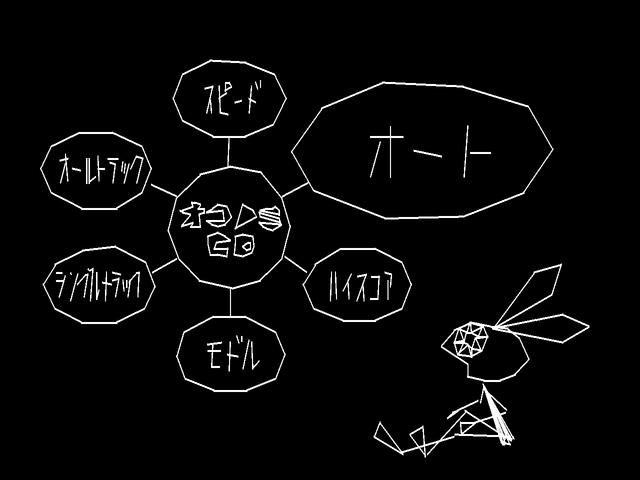
Like the game Monster Rancher, this game creates levels using music from audio CDs. The game starts with a few songs, but you can unlock endless levels by using your own CDs. Each CD generates a unique course based on the rhythm and speed of the music, meaning the number of levels you can play is limited only by the size of your music collection.
‘GoldenEye 007’ (1997)

The bonus levels “Aztec” and “Egyptian” weren’t typical puzzles, but mastering them meant players often had to look up strategies in magazines or guides. Even more challenging was the hunt for the remaining bonus levels, fueled by word-of-mouth rumors and playground legends. The “Invincibility” cheat, however, presented a truly precise challenge: completing the Facility level in under two minutes and five seconds. This required players to learn guard movements by heart, almost like memorizing a dance routine.
‘Battlefield 4’ (2013)

The “Phantom Program” was a set of puzzles for players to solve together. These puzzles involved decoding hidden Morse code found in things like map lights and sound files. To reach a secret room called the Phantom Room – and unlock the Phantom Bow weapon – four players needed to find and wear special dog tags and camouflage gear. The code to activate the elevator to this room was a Morse code sequence displayed on a lantern, meaning players had to work together and translate it outside of the game itself.
‘Payday 2’ (2013)

“The Secret” is a hidden area beneath the White House heist, unlocked for players who could solve a challenging series of puzzles. These puzzles were written in a made-up language called “Kataru,” and players needed to use a real cipher wheel—given to the game’s community—to translate the text. To access the area, players had to both translate the puzzles and complete related challenges, then use what they learned to solve a final puzzle inside. It was a complex task that required players to do research and decode information.
‘Elite’ (1984)
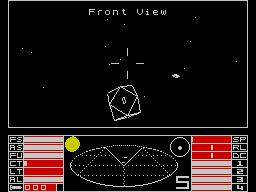
This space trading game came with a special security measure called Lenslok – a plastic prism. To start playing, you had to hold the prism up to your TV screen. The game displayed a scrambled two-letter code, and the prism was needed to make it readable. Without the physical prism, the game wouldn’t unlock, and you couldn’t begin your journey.
‘Ultima IV: Quest of the Avatar’ (1985)
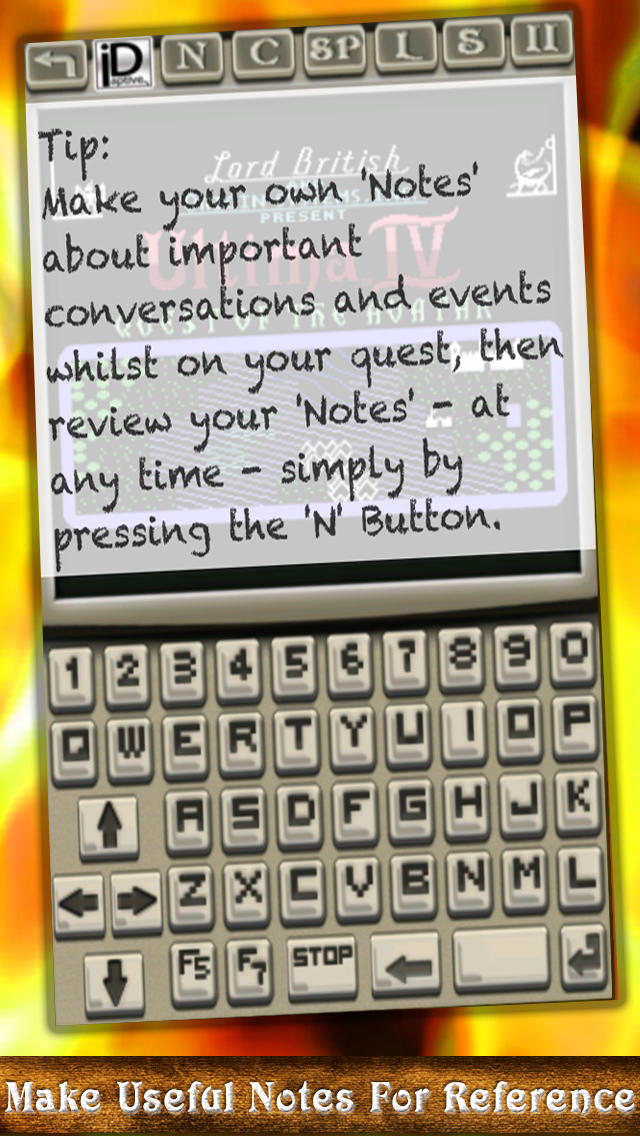
Players exploring the world of Britannia needed the cloth map that came with the game. Unlike many modern games, Britannia didn’t automatically map the world for you. Instead, the game gave clues about locations using coordinates, and players had to use the physical map to find them. Discovering hidden shrines and dungeons was as much about map reading at your desk as it was about playing the game on the screen.
‘King’s Quest III’ (1986)

Players advanced in the game and cast spells by typing in exact phrases from the printed rulebook, called “The Sorcery of Old.” The game didn’t show these spell recipes; players needed to consult the book to learn combinations like “fly wings” and “saffron” for certain potions. This design choice protected the game from piracy, but also created an engaging puzzle – the manual was the player’s spellbook. Without the physical book, the game’s magic system couldn’t be used.
‘Space Quest IV’ (1991)
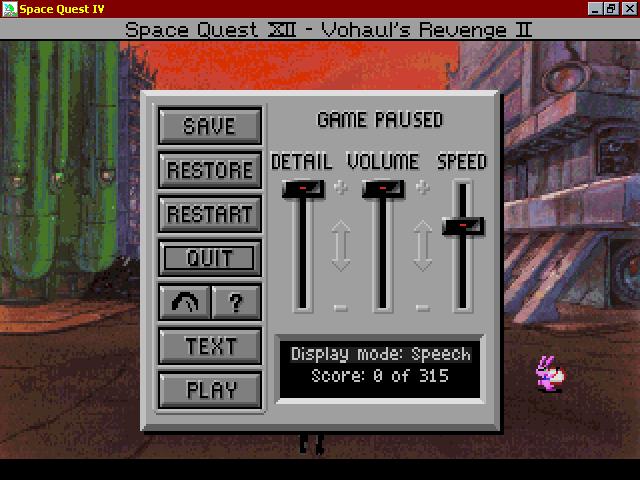
This adventure game lets you travel through time by entering codes into a “Time Pod.” These codes weren’t found in the game itself, but in a printed magazine called “Space Piston” that came with the game box. The codes, which unlocked different eras like levels based on Space Quest X or Space Quest I, were cleverly hidden within the funny articles and ads in the magazine. Players needed to carefully read through the printed material to find the numbers that would allow them to travel to different time periods.
‘Takeshi’s Challenge’ (1986)
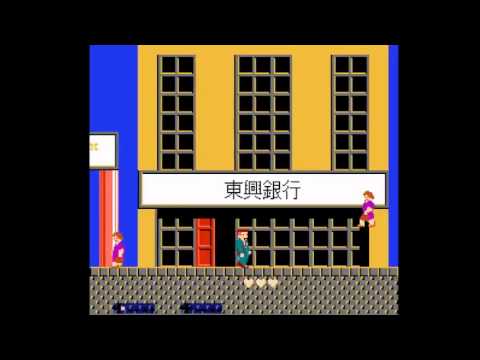
This old Famicom game is well-known for being incredibly difficult. One puzzle forces players to simply wait for a full hour without pressing any buttons to reveal a treasure map. Another requires players to ‘sing’ into the controller’s microphone – a feature on the Japanese version’s second controller – to progress. These strange and illogical challenges have become legendary for their frustrating difficulty.
‘Tearaway’ (2013)
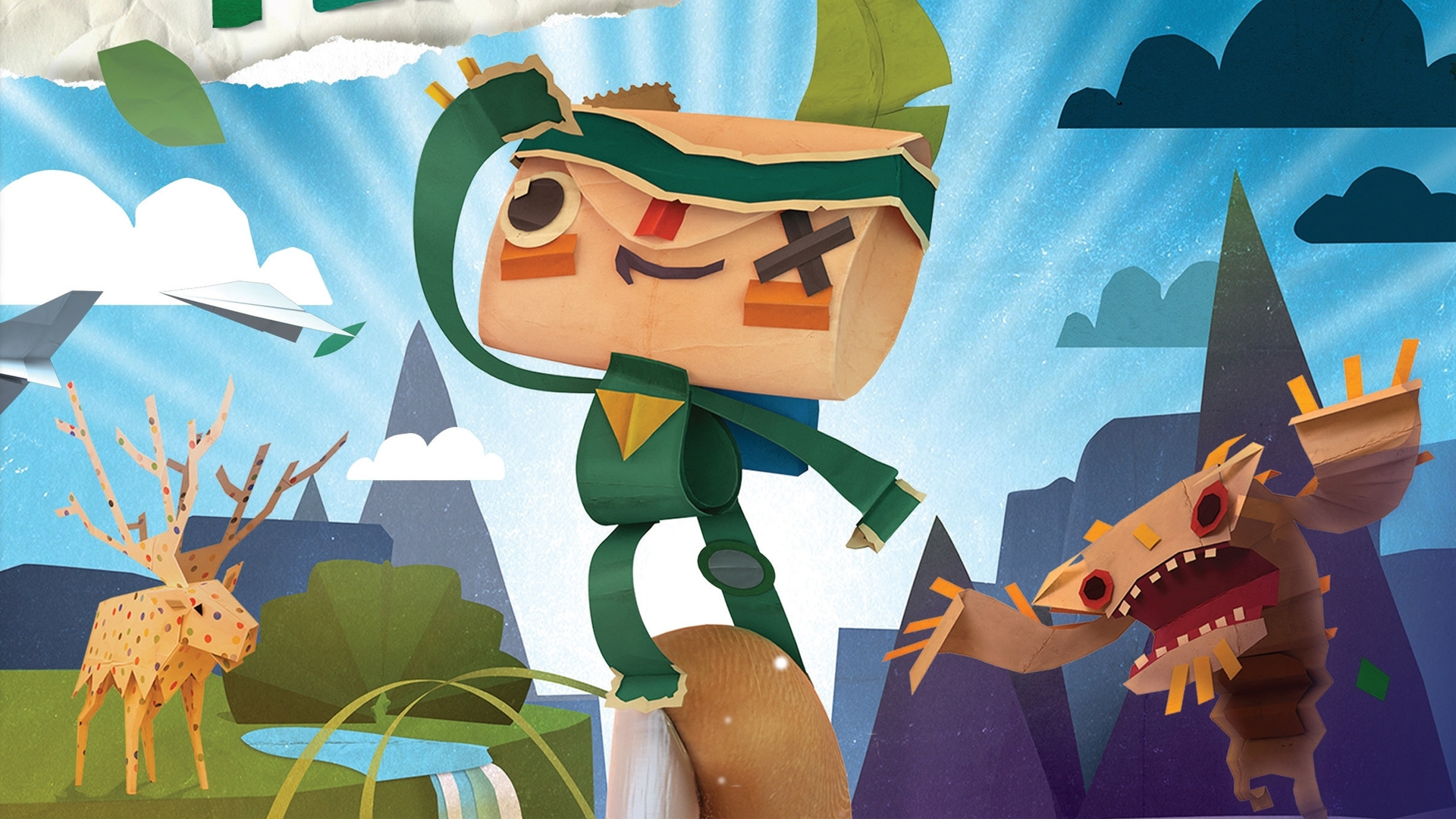
This PlayStation Vita game is unique because it directly interacts with the player using the console itself. You progress by literally touching and manipulating the game world with the back touchpad – for example, moving obstacles by ‘poking’ them. It even uses the front camera to put your face in the game as the sun! Finding secrets and moving through levels requires you to physically interact with the Vita and its surroundings.
‘Astro Bot Rescue Mission’ (2018)
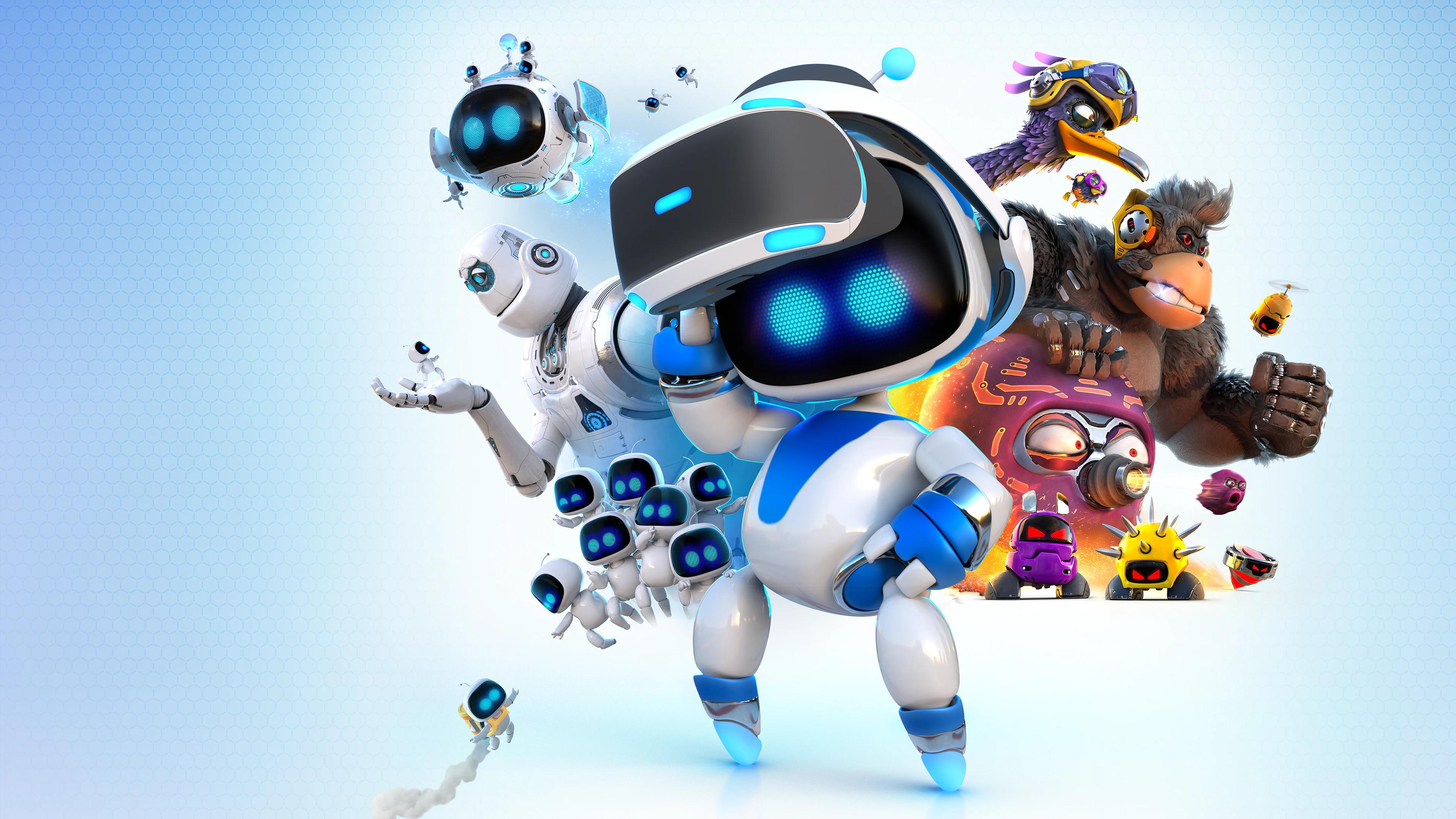
This VR game is a unique platformer where you use your body to solve puzzles. Instead of just using the buttons on your controller, you’ll physically interact with the game – like blowing into the microphone to activate fans or even headbutting obstacles with your VR headset. A key part of the gameplay is realizing you need to use your real-world movements – dodging virtual objects with your own body, for example – to progress and keep your character safe.
‘Her Story’ (2015)

The game unfolds entirely within a simulated police database. Players investigate by searching for video clips using keywords, but it doesn’t have typical levels. Instead, uncovering the story requires players to think like detectives – using logic and deduction to figure out what to search for. You’ll often need to jot down names, dates, and places from the videos to find hidden clips – the ‘glitches’ – that reveal the full story.
‘The Black Watchmen’ (2015)
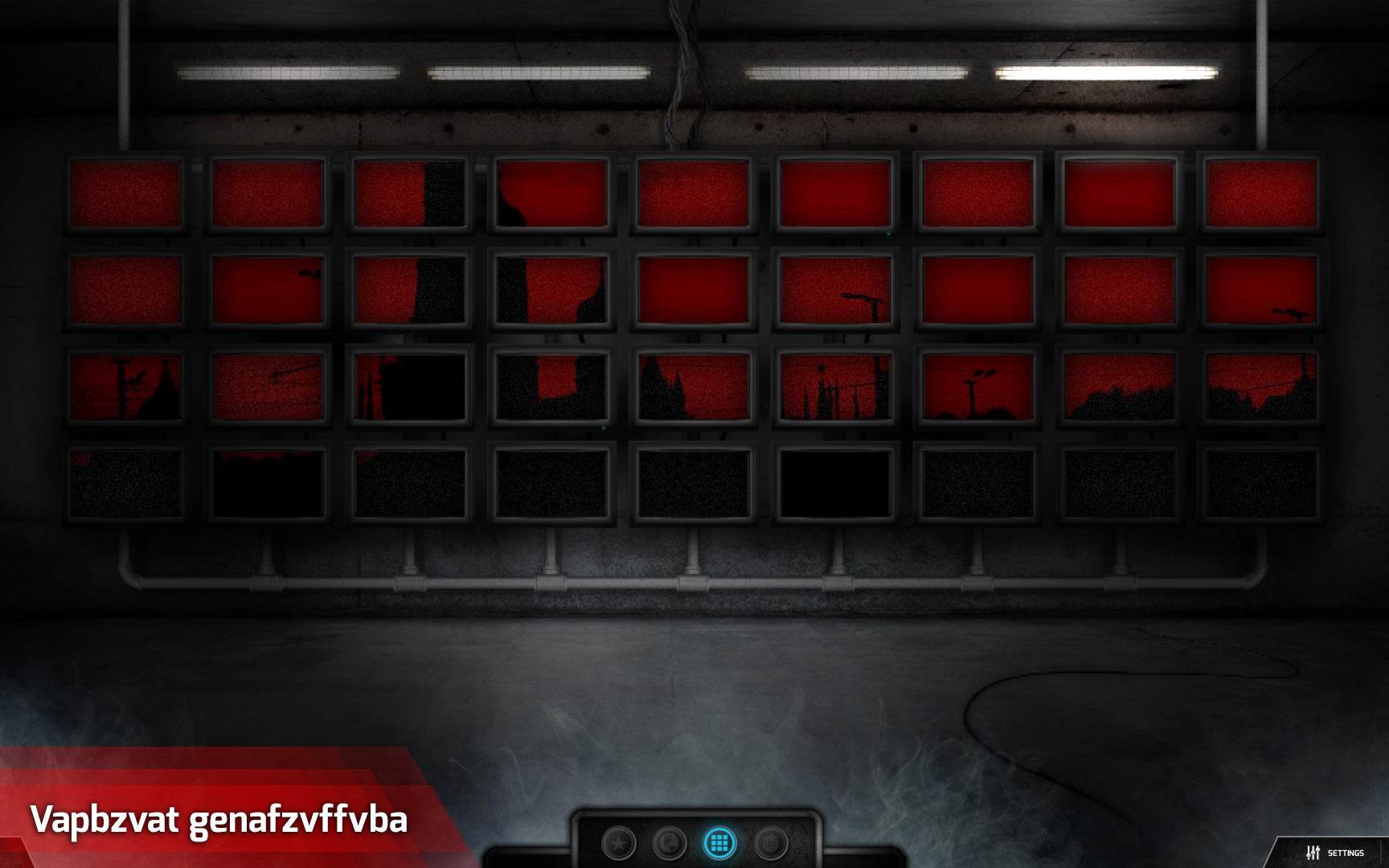
This game is a unique, ongoing experience where players solve puzzles by doing real-world research. You take on the role of an agent, investigating actual historical events, breaking codes, and exploring websites created specifically for the game. Sometimes, the game even extends into the real world with phone calls or mailed packages. Instead of playing within the game itself, players use the entire internet to complete missions and progress.
‘Call of Duty: Black Ops’ (2010)
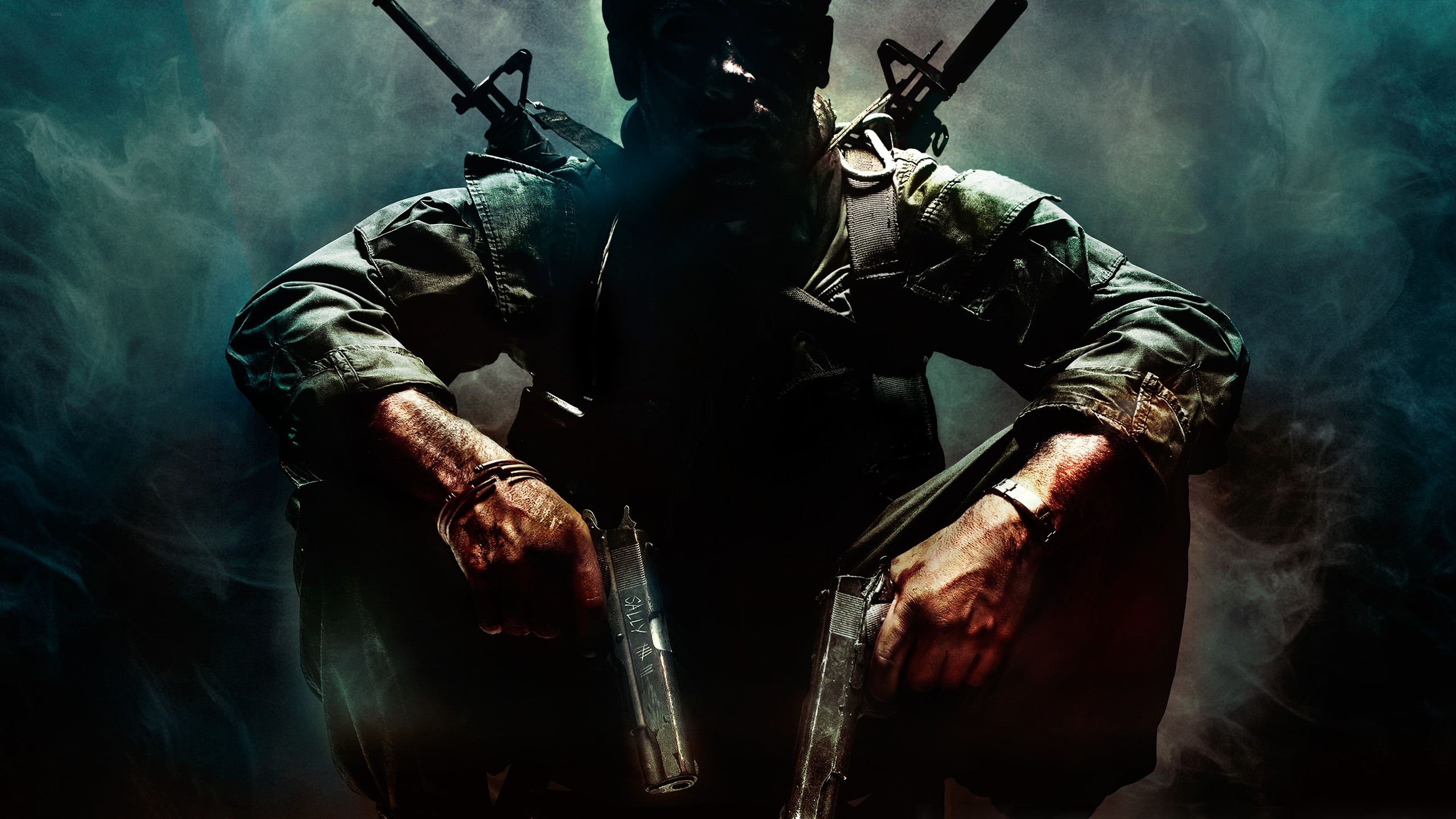
The game starts with your character tied to a chair, but you can quickly break free by mashing the trigger buttons and explore the interrogation room. A computer in the corner lets you type commands using a USB keyboard. Typing the word “ZORK” unlocks the classic text adventure game of the same name. Other codes reveal the Dead Ops Arcade game and secret files. This hidden content is essentially a full game hidden inside the main game, and you access it by escaping the starting menu.
‘Leisure Suit Larry’ (1987)

To start the game, players first need to prove they’re adults by taking a quiz about the 1960s, 70s, and 80s. The questions test knowledge of things like famous politicians and important events from those decades. Although meant to keep children from playing, the quiz is actually a challenging test of general knowledge that prevents anyone from starting the game if they don’t know the answers. Interestingly, many kids who played the game back then had to ask their parents for help, which often revealed to their parents that they were trying to access mature content.
‘EarthBound’ (1994)

To get into the hidden base behind the waterfall at Belch’s Factory, the game doesn’t ask for a typical password. Instead, it tests your patience! Players have to stand perfectly still for three full minutes without pressing any buttons. The guard will eventually think you’re a fellow patient member and open the door. This is a clever twist, as it replaces a traditional code with a test of how long you can stay still.
‘Imscared’ (2012)
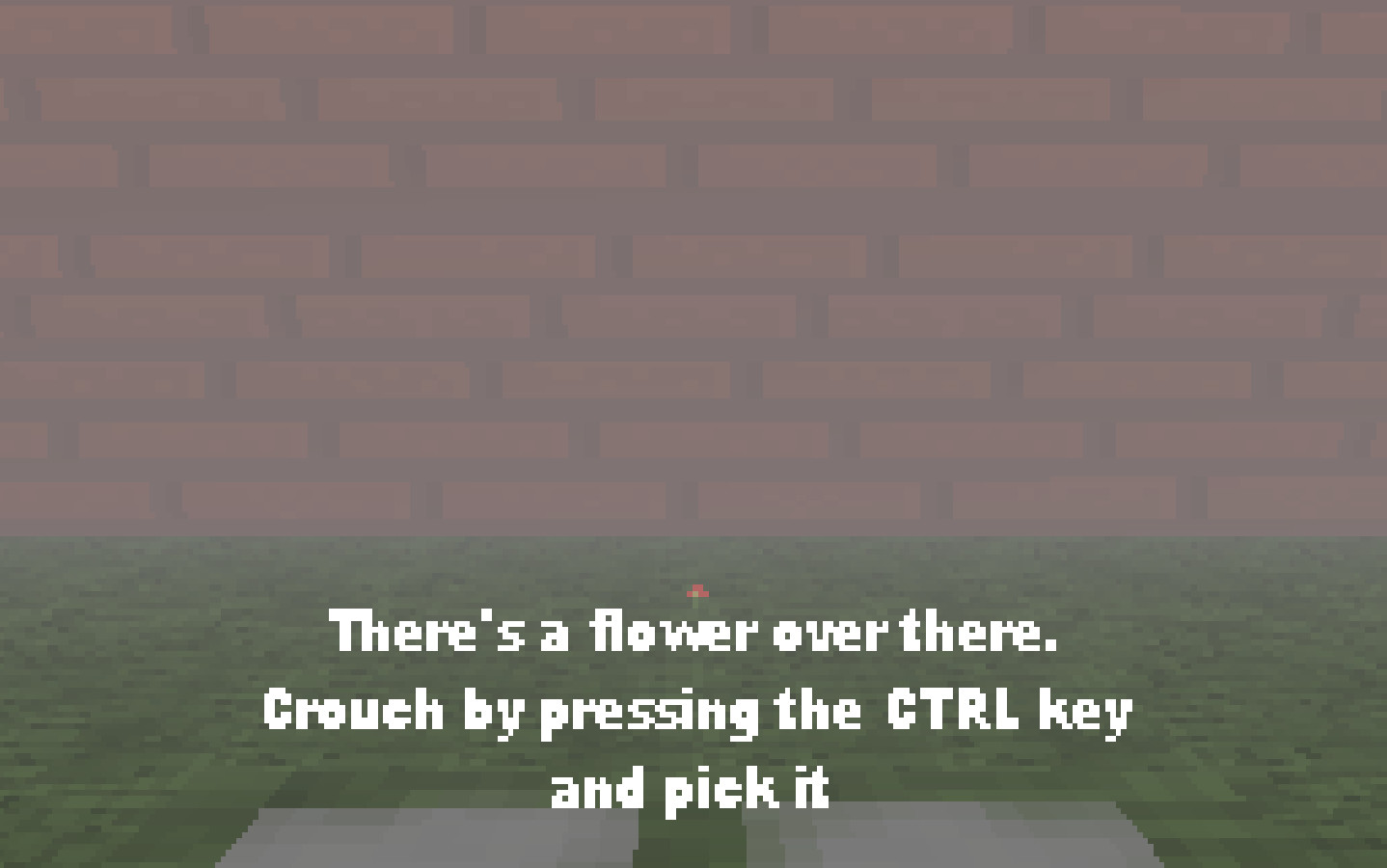
This scary game uses a unique trick: it creates files directly on your computer’s desktop to communicate with you. To solve puzzles and move forward, you’ll often need to find these files, read the messages inside for clues or codes, and even type answers into them. The game will even crash on purpose to make you check your desktop, turning your computer’s operating system into part of the game itself.
‘KinitoPET’ (2024)
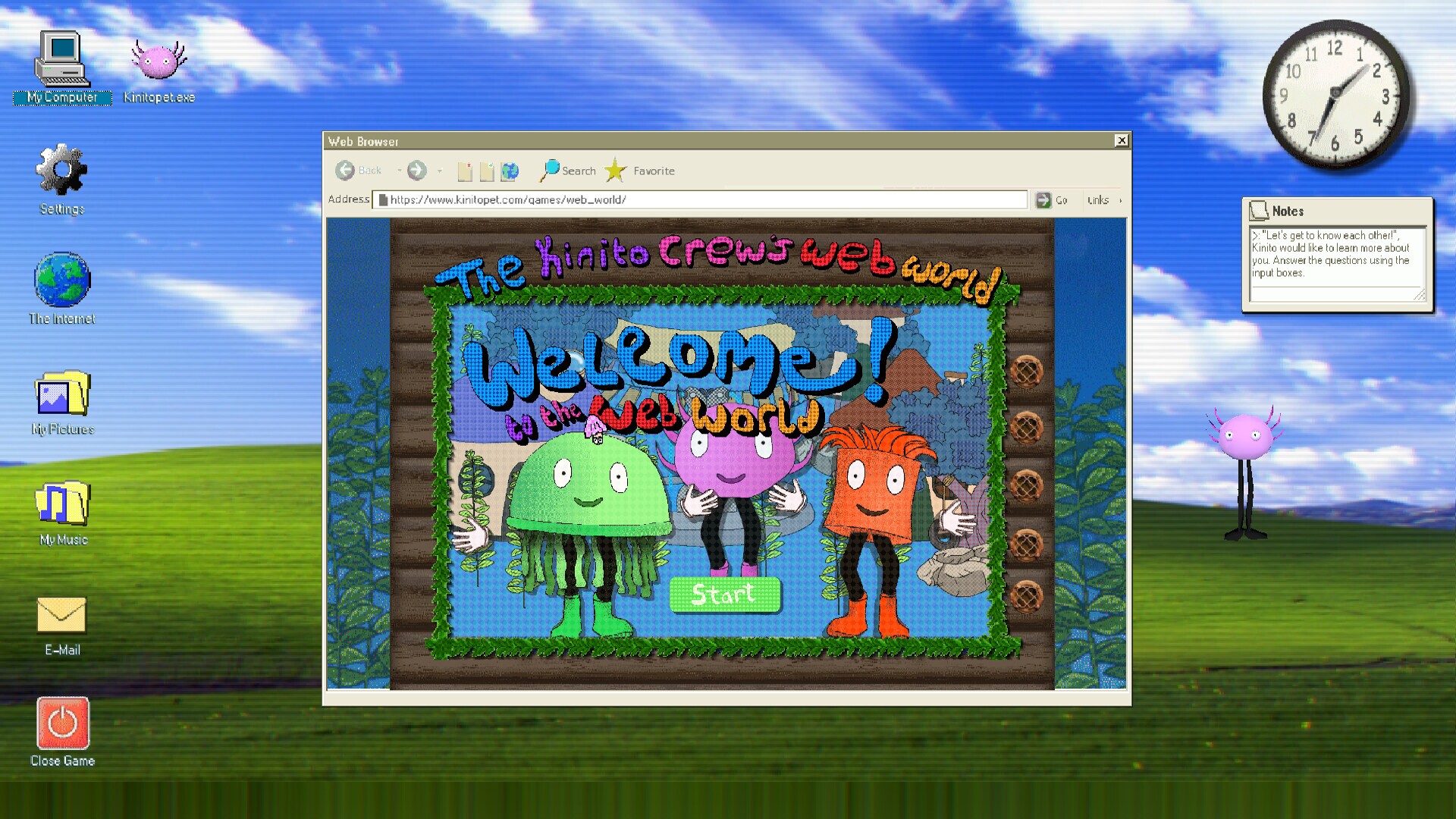
This game is a fresh take on the classic desktop assistant horror style. It asks players to use their webcam and interact with the icons on their computer screen. At certain points, it will open a command prompt, requesting real-world information, or open a web page, simulating access to a secret server. Solving the game’s puzzles often involves giving permissions and discovering hidden codes within the website’s code.
‘Calendula’ (2016)
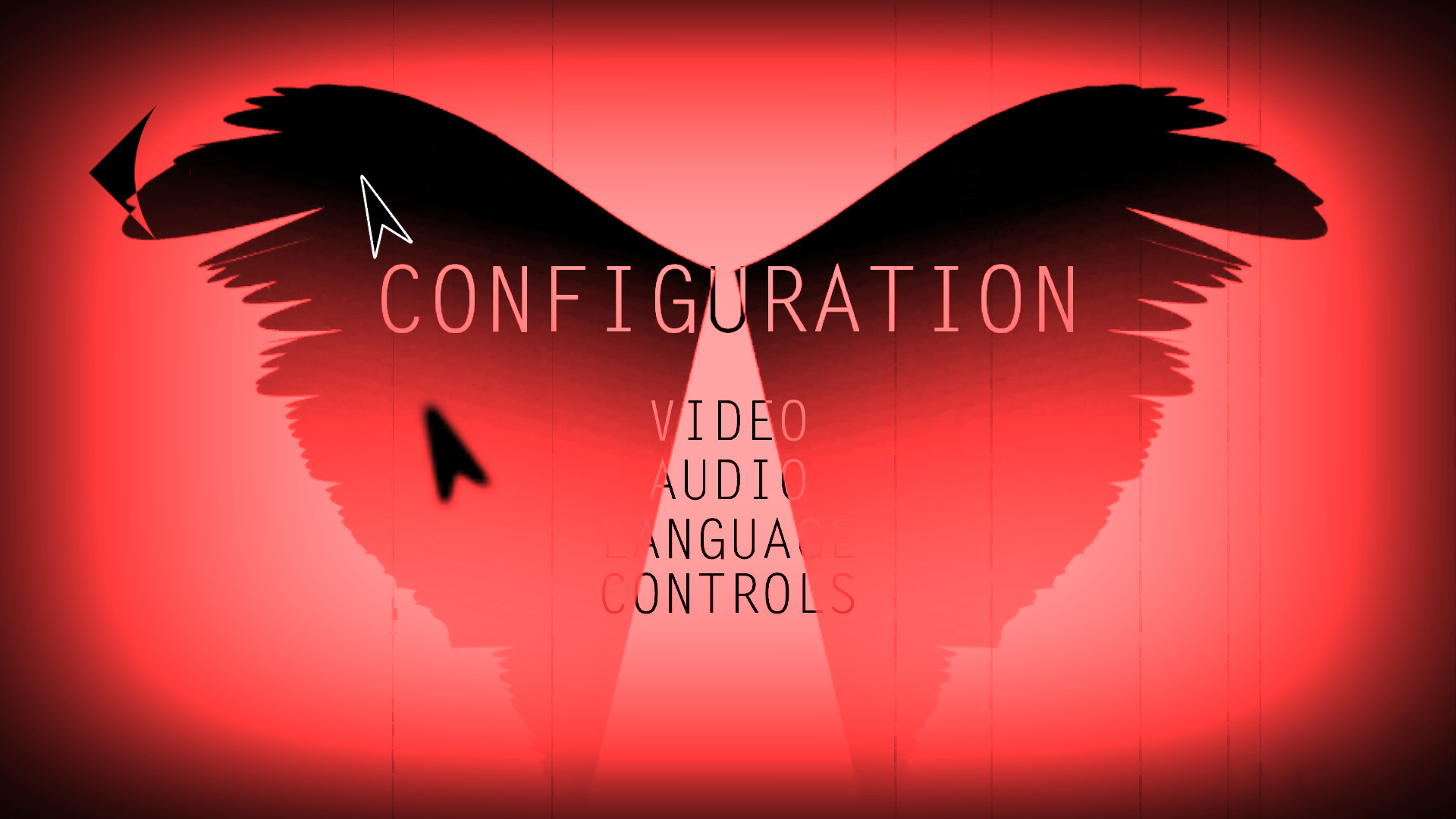
The game itself is a puzzle where the goal is simply to start it. Instead of traditional levels, players navigate the loading screen and settings menus. To begin, you have to adjust things like video and audio settings to work around fake errors that seem to be stopping the game. Essentially, the puzzle involves understanding how games are built and using technical settings to finally access the real game hidden underneath.
‘Pony Island’ (2016)
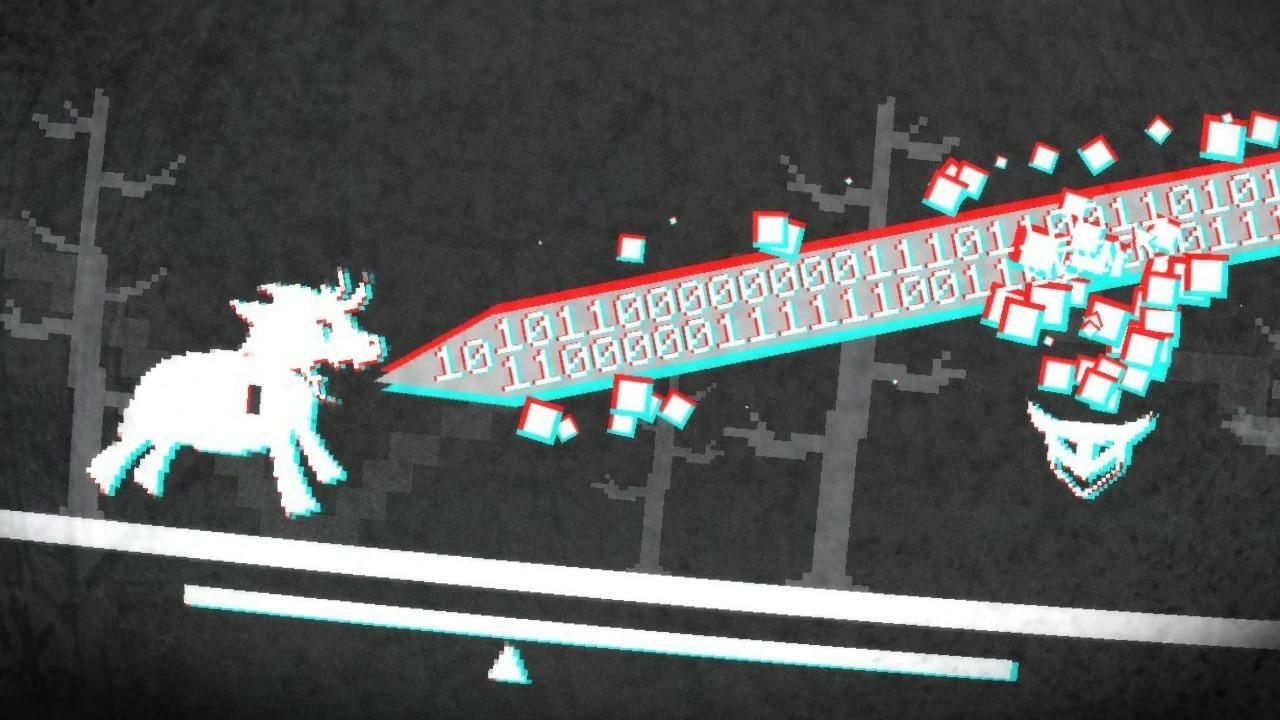
The game traps players inside a demonic arcade machine where they have to hack their way through to advance. This involves solving code-based puzzles disguised as fake menus and broken programming logic, all designed to look like a developer’s workspace. The game even uses tricks, like a fake Steam message, to throw players off track. To win, players need to realize the game’s interface is actually the obstacle and learn to ignore normal menu controls.
‘There Is No Game: Wrong Dimension’ (2020)

This adventure game is unique because you’re constantly challenging the game itself – both its story and how you interact with it. Puzzles aren’t about typical challenges; instead, you might have to dismantle the game’s title screen for usable parts, or even silence the narrator to progress. One particularly clever puzzle requires you to use the pause button as a physical object within the game world. The solutions are always unexpected, forcing you to think about the very nature of video games.
‘Sombra ARG’ (Overwatch) (2016)
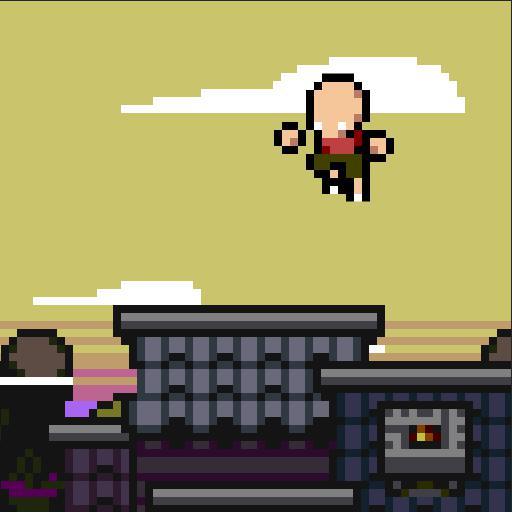
Blizzard created an elaborate online puzzle, known as an ARG, to introduce the character Sombra. This puzzle involved hidden clues in videos, distorted images, and fake websites. Players didn’t unlock a level within the game itself, but they treated the ARG like a game with stages to complete. To solve it, they decoded secret messages, studied hidden patterns in sound visualizations, and even ‘hacked’ a fictional company website. The entire puzzle was solved by the community through online forums and by examining the game’s code, all before the character appeared in the actual game.
‘Ring Fit Adventure’ (2019)
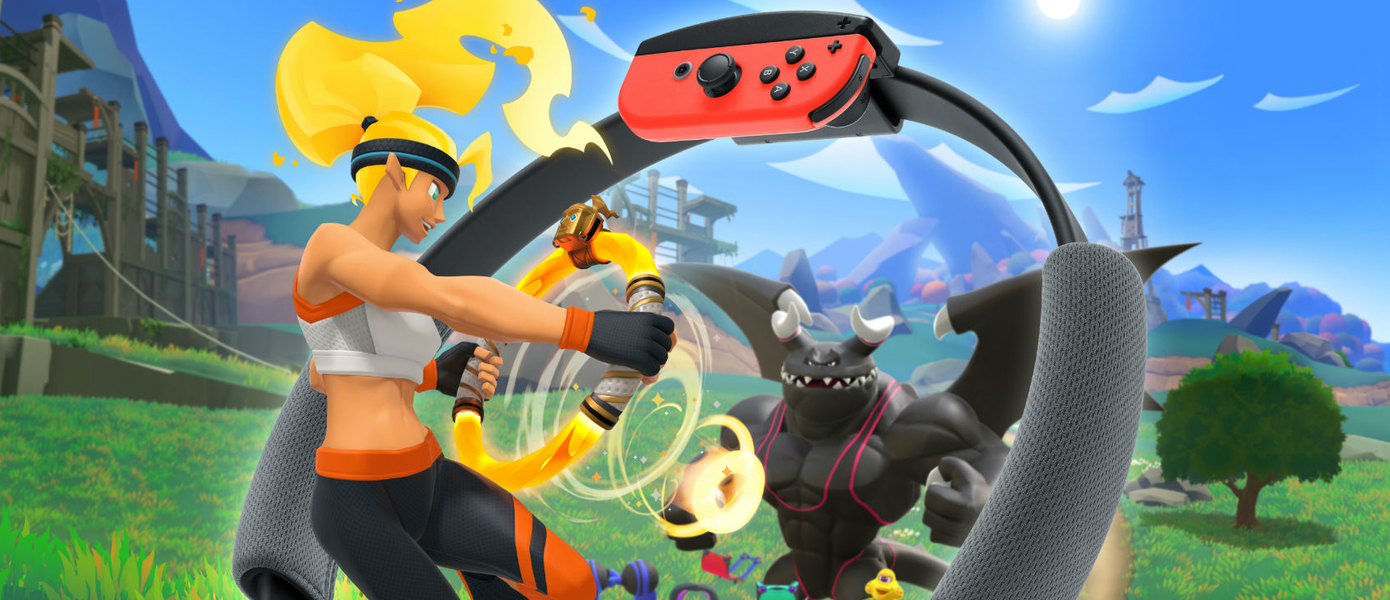
To overcome challenges and unlock new areas in the game, players need to do physical exercises using the Ring-Con. But some hidden content goes further – the game uses the Joy-Con’s sensor to check the player’s heart rate. This means you can only progress if you’re actually working up a sweat, linking your real-world effort directly to success in the game.
‘Brain Age’ (2005)
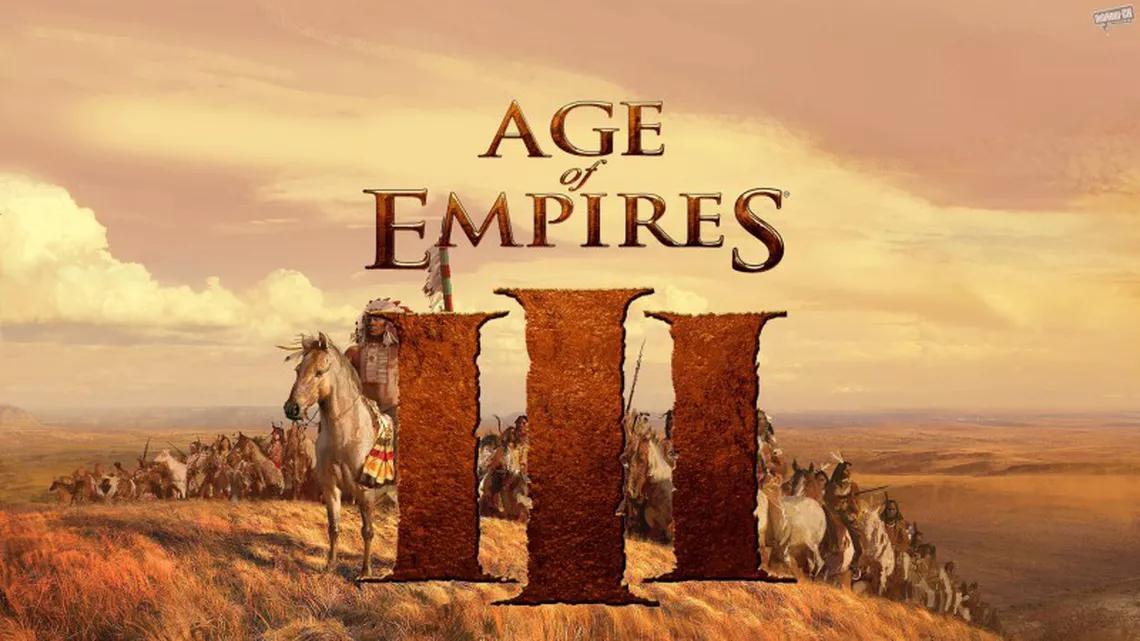
This Nintendo DS game was well-known for including the “Stroop Test” and other voice-activated challenges. To improve their “brain age” score and earn new daily rewards, players had to speak the color of words displayed on the screen, rather than reading the words themselves. This meant players needed a quiet space to speak clearly into the console’s microphone, as the game wouldn’t let you advance past the “Blue” level without a spoken answer.
‘Alien: Isolation’ (2014)
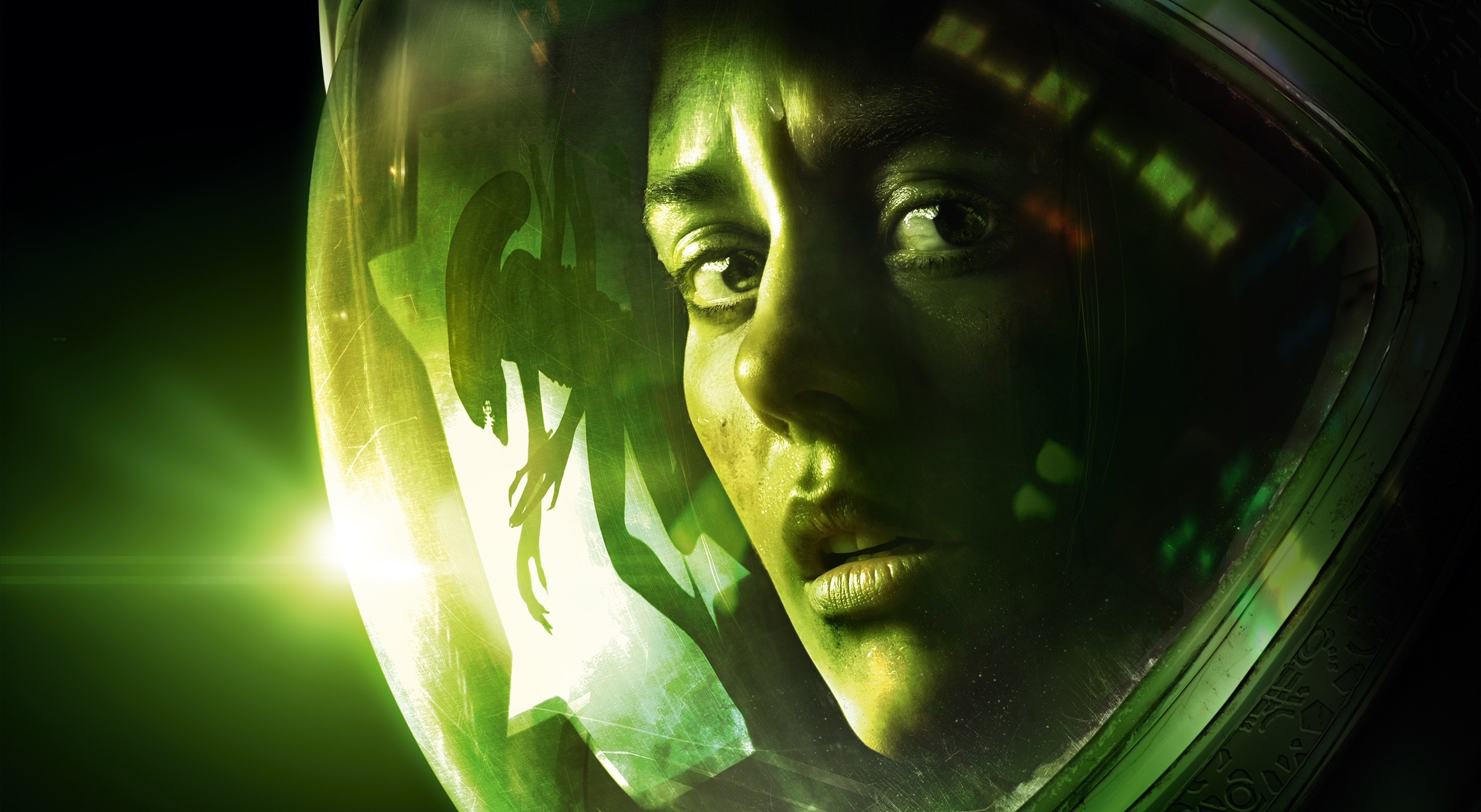
With the optional noise detection turned on, the Xenomorph in the game can hear sounds from your actual living room using your console’s microphone. This turns stealth sections into a real-life challenge: you have to hold your breath to avoid being detected. If real-world noises like barking dogs or ringing phones occur, the alien will find you and you’ll have to start the level over. Essentially, staying quiet in your room is key to surviving in the game.
‘Shenmue’ (1999)
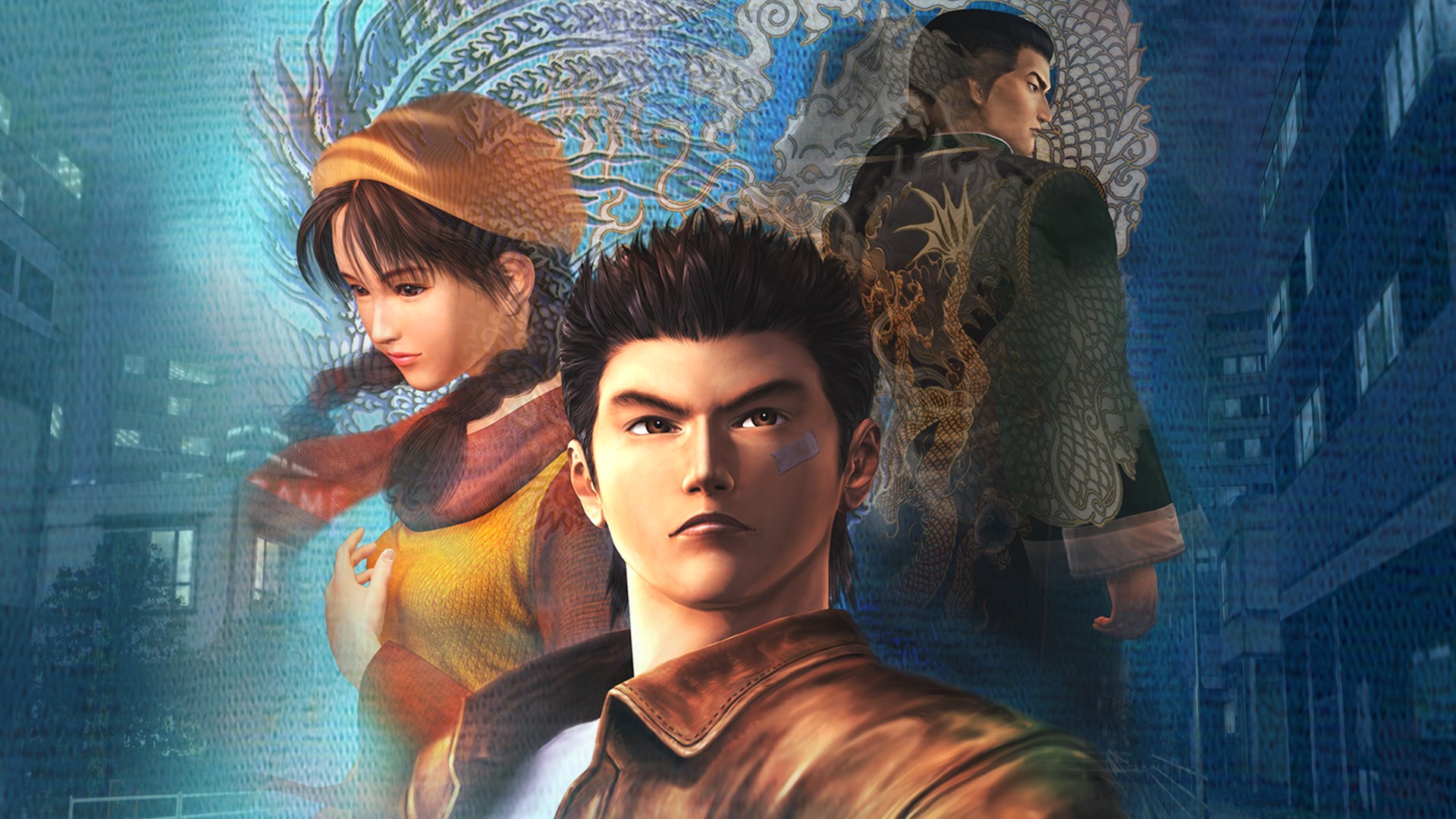
This classic Sega Dreamcast game has a unique system where time passes much faster than in real life, but you still need to be patient. Important events, like meeting characters or unlocking new areas, happen on specific in-game dates and times – for example, you might have to wait until Christmas. Sometimes, you’ll need to simply hang around in the game world, just like in real life, to advance the story. Even accessing the secret level requires waiting for the right moment.
‘Lose/Lose’ (2009)
This unusual game blends the digital and real worlds with a risky twist. Whenever you defeat an enemy, a random file on your computer is permanently erased. Progressing in the game actually means gradually damaging your own operating system. It presents a difficult choice: how much of your personal data are you willing to lose just to finish the game?
Tell us about the most challenging puzzle you’ve ever solved in a game! Share your experiences in the comments below.
Read More
- 20 Movies Where the Black Villain Was Secretly the Most Popular Character
- 25 “Woke” Films That Used Black Trauma to Humanize White Leads
- Top 20 Dinosaur Movies, Ranked
- Gold Rate Forecast
- Silver Rate Forecast
- 22 Films Where the White Protagonist Is Canonically the Sidekick to a Black Lead
- Can AI Lie with a Picture? Detecting Deception in Multimodal Models
- Top 10 Coolest Things About Invincible (Mark Grayson)
- Celebs Who Narrowly Escaped The 9/11 Attacks
- When AI Teams Cheat: Lessons from Human Collusion
2025-12-10 06:51