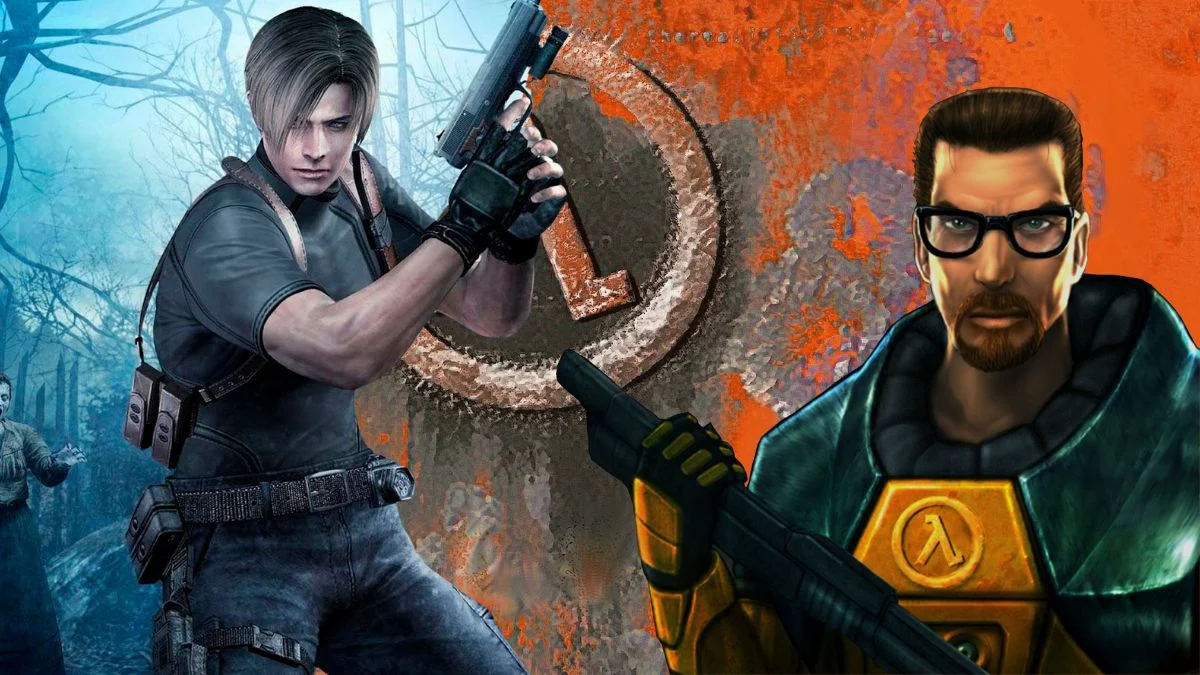
Game developers with groundbreaking ideas have transformed the video game industry by constantly innovating and reinventing how stories are told through interactive experiences. They didn’t let technology hold them back, creating games that set the standard for entire genres. Their unique designs and artistic choices continue to impact how we play and think about games today. The games listed below are key examples of moments when a strong creative vision changed gaming forever.
‘Super Mario Bros.’ (1985)
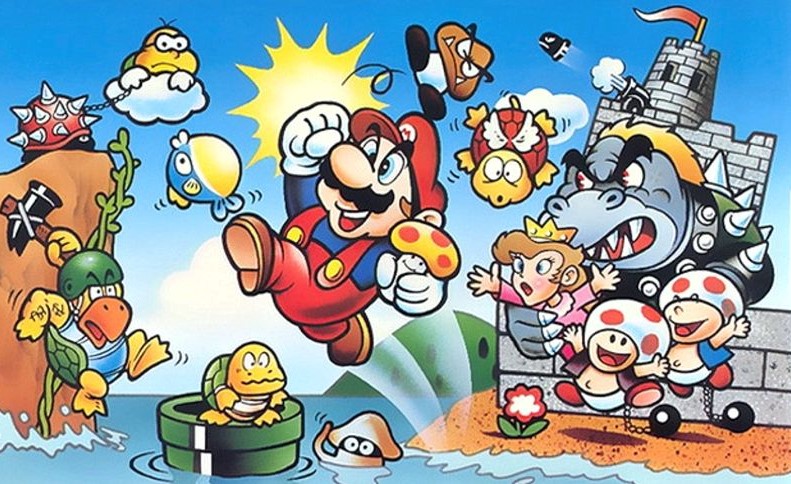
Shigeru Miyamoto revitalized the video game industry after a major downturn by creating the core elements of the side-scrolling platformer genre. He focused on responsive controls and realistic movement, making characters feel substantial and affected by physics. His games taught players how to play through the game itself, instead of relying on instructions. By including hidden areas and shortcuts, he encouraged players to explore beyond just completing each level. This innovative approach became the gold standard for how games controlled and progressed for many years.
‘Metal Gear Solid’ (1998)
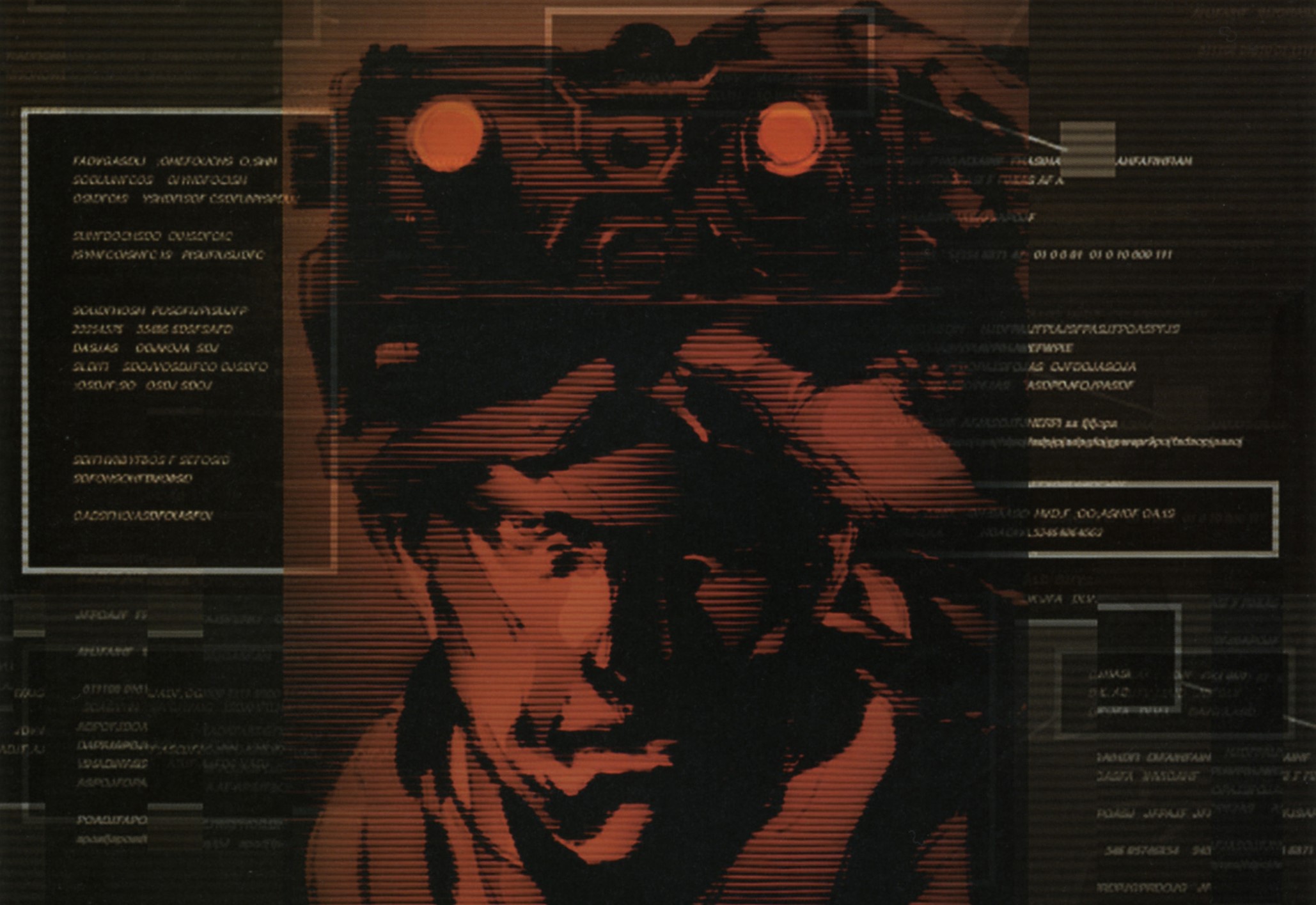
Hideo Kojima’s groundbreaking PlayStation game revolutionized stealth action, focusing on avoiding fights and using strategy instead of direct combat. It featured high-quality voice acting and cinematic cutscenes comparable to major movies. Uniquely, Kojima even had players interact with the game case and controller itself as part of the story. This game demonstrated that video games could tackle serious political issues and tell sophisticated stories.
‘Doom’ (1993)
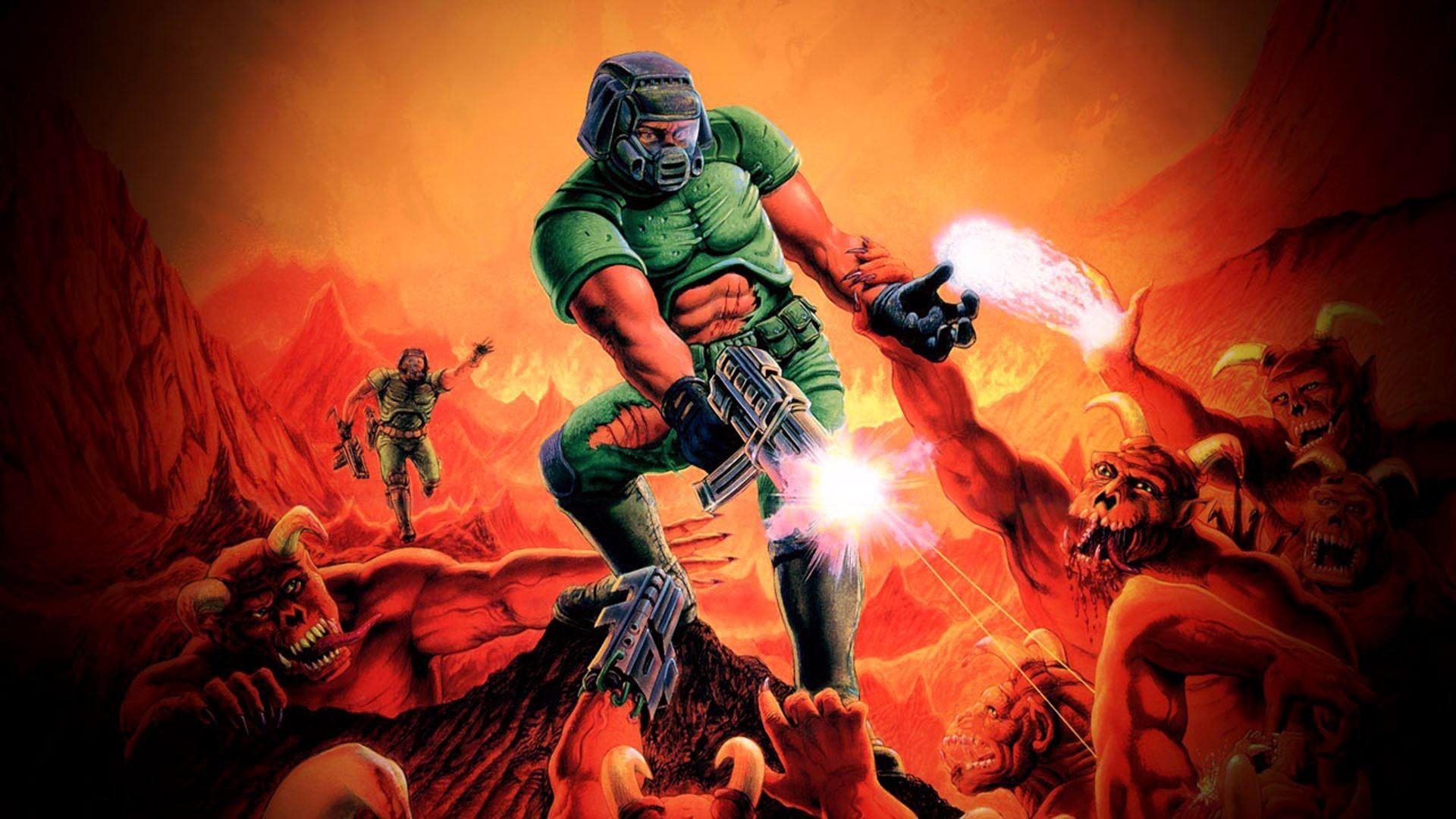
John Carmack and John Romero created a groundbreaking, fast-paced game that changed the world of first-person shooters. Using innovative technology, it delivered incredible speed and realistic lighting. Players fought demons through challenging levels with a variety of powerful weapons. Distributed as shareware, it quickly spread to millions of computers and popularized the idea of deathmatch multiplayer. This game firmly established the first-person perspective as a leading style in gaming.
‘The Sims’ (2000)
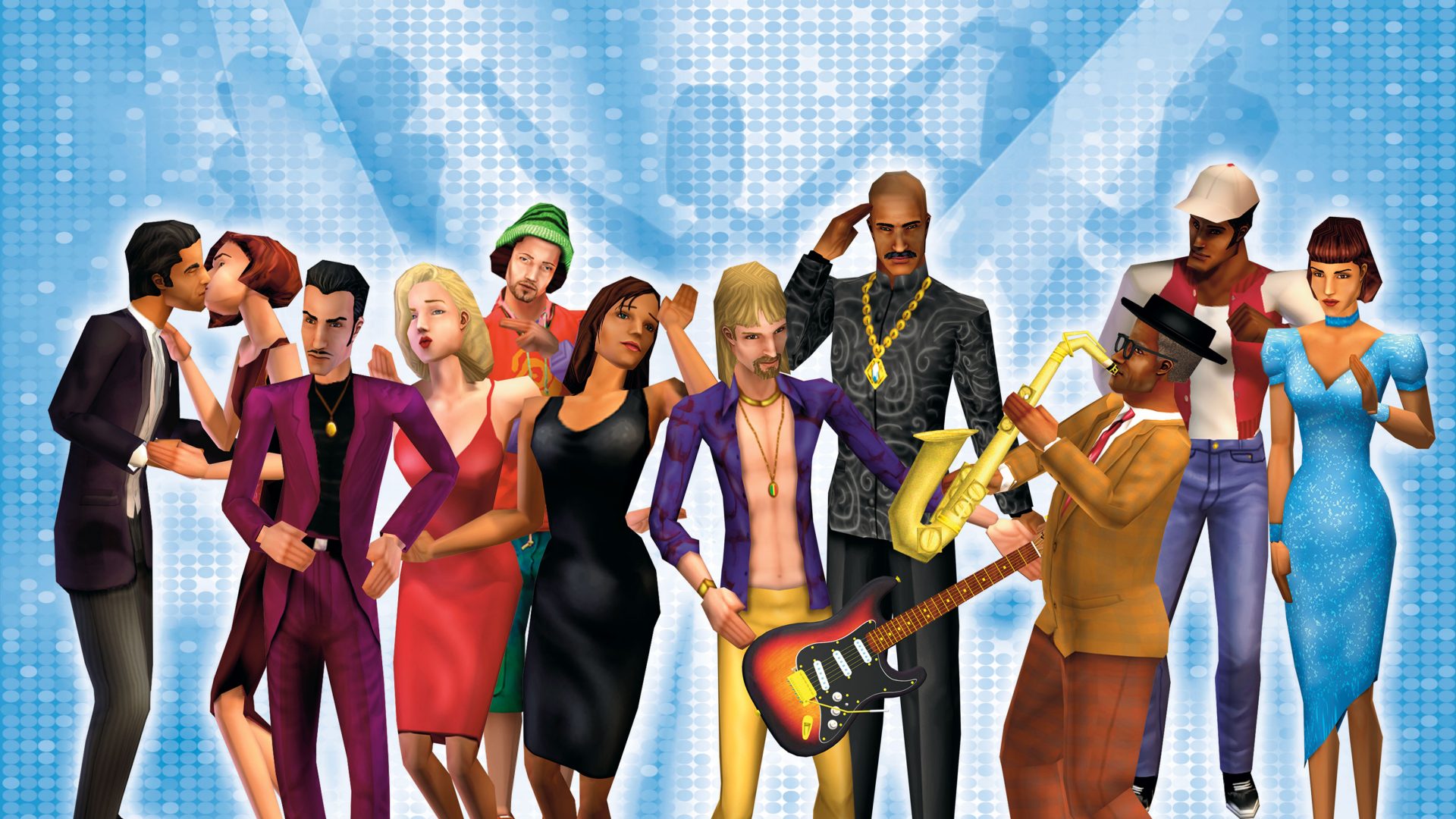
Will Wright changed simulation games by letting players control the daily lives of virtual people instead of entire cities. Players can build houses and guide their characters’ careers and relationships. Unlike many games, there’s no set way to win—it’s all about creating and experiencing life. Wright showed that realistic, everyday scenarios can be just as engaging as fantastical worlds. This approach broadened the audience for video games, attracting many new, casual players.
‘Dark Souls’ (2011)
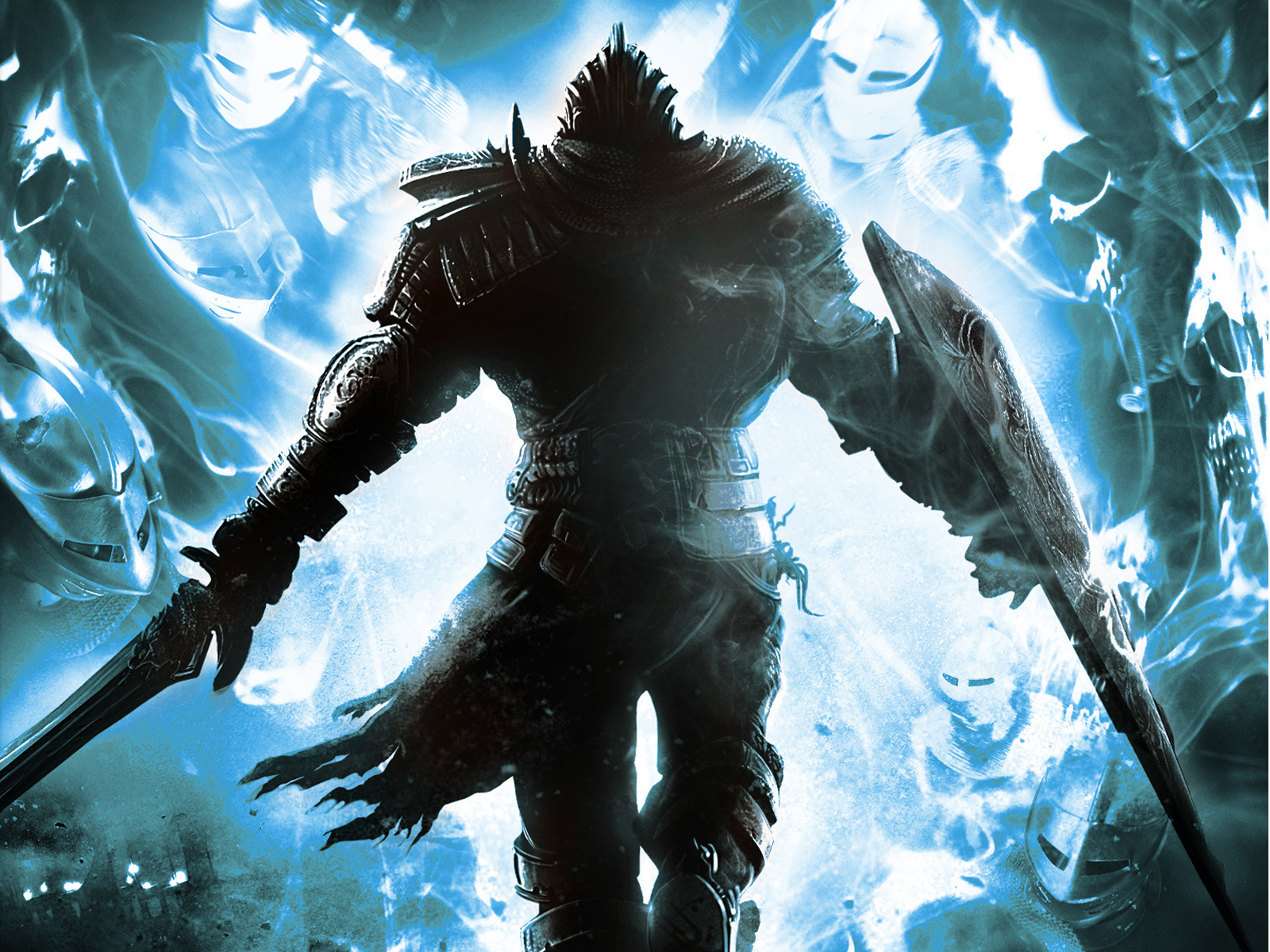
Hidetaka Miyazaki went against typical game design by creating a notoriously difficult experience with a mysterious backstory. Instead of directly telling a story, the game reveals its narrative through details hidden in the environment and descriptions of items. Combat isn’t about quick reflexes; it demands careful timing and paying attention to your opponents. The game world is seamlessly connected, offering a unique feeling of exploration and discovery. Miyazaki’s approach ultimately inspired a new wave of challenging and atmospheric action RPGs.
‘Minecraft’ (2011)

Markus Persson’s game became incredibly popular by letting players build anything they imagined in a vast, ever-changing world. Unlike many games, it doesn’t have a set story; instead, players gather materials and create their own structures. A ‘survival’ mode added challenges, forcing players to manage resources and avoid danger while still being creative. The game proved how valuable it is to involve players in development through early access and feedback. Even today, it’s considered the best example of a ‘sandbox’ game, giving players complete freedom and control.
‘Final Fantasy’ (1987)

Hironobu Sakaguchi rescued the company Square from financial ruin by developing a groundbreaking role-playing game. This game stood out for its compelling story, movie-like visuals, and a unique system that let players customize their characters and battle strategically. It boasted a vast world to explore and a complex plot centered around time travel and magical crystals. Sakaguchi prioritized emotionally resonant stories and memorable music, which became hallmarks of the RPG genre. Ultimately, his creative direction helped establish Japanese role-playing games (JRPGs) as a leading form of storytelling.
‘Half-Life’ (1998)
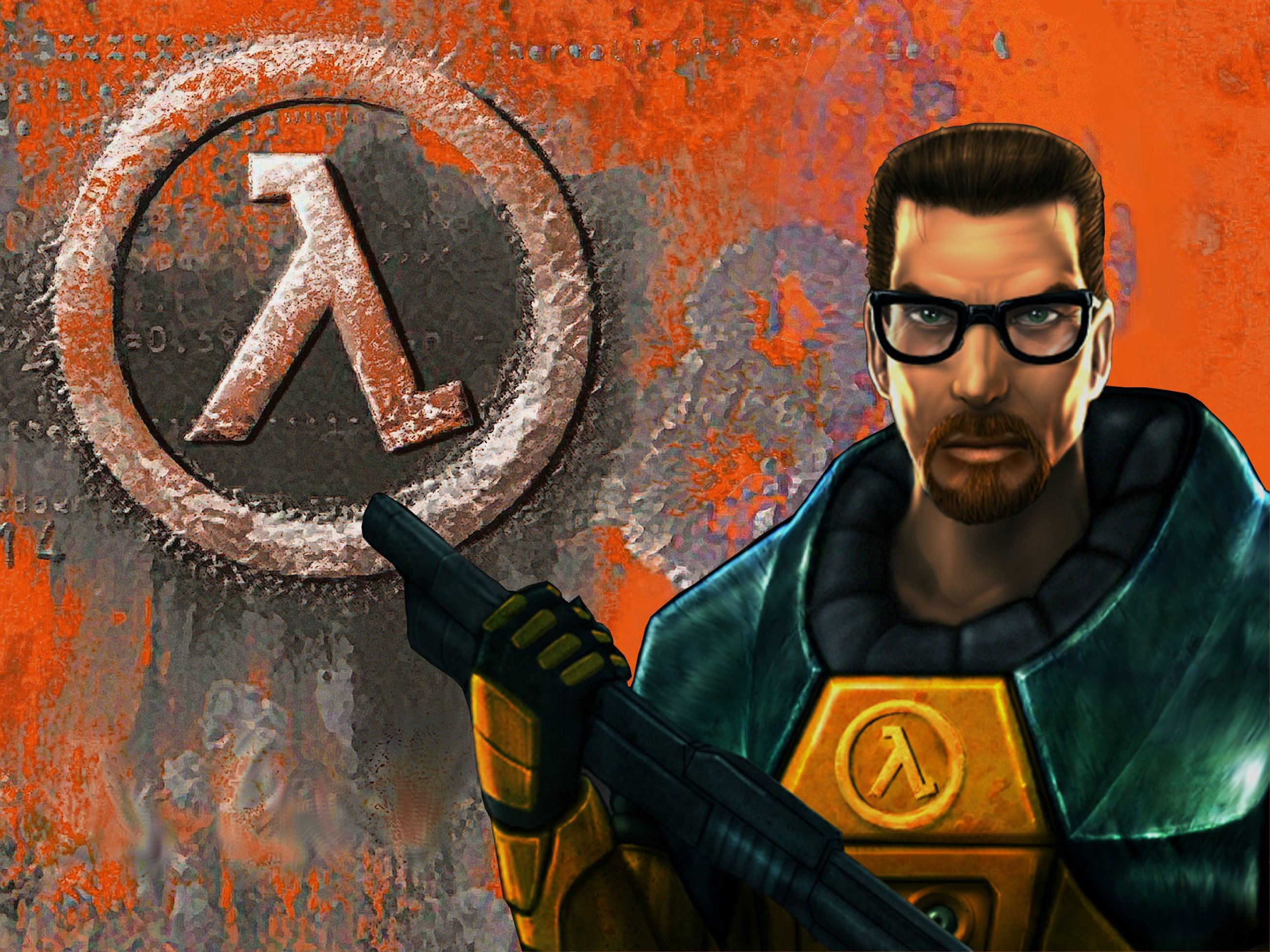
Gabe Newell and Valve revolutionized first-person shooters by weaving the story into the action itself, avoiding traditional cutscenes. Players experience the alien invasion firsthand as Gordon Freeman, with events unfolding dynamically around them. Smart enemy AI demands strategic thinking in combat. This created a seamless and immersive experience, fundamentally changing storytelling in action games.
‘Grand Theft Auto III’ (2001)
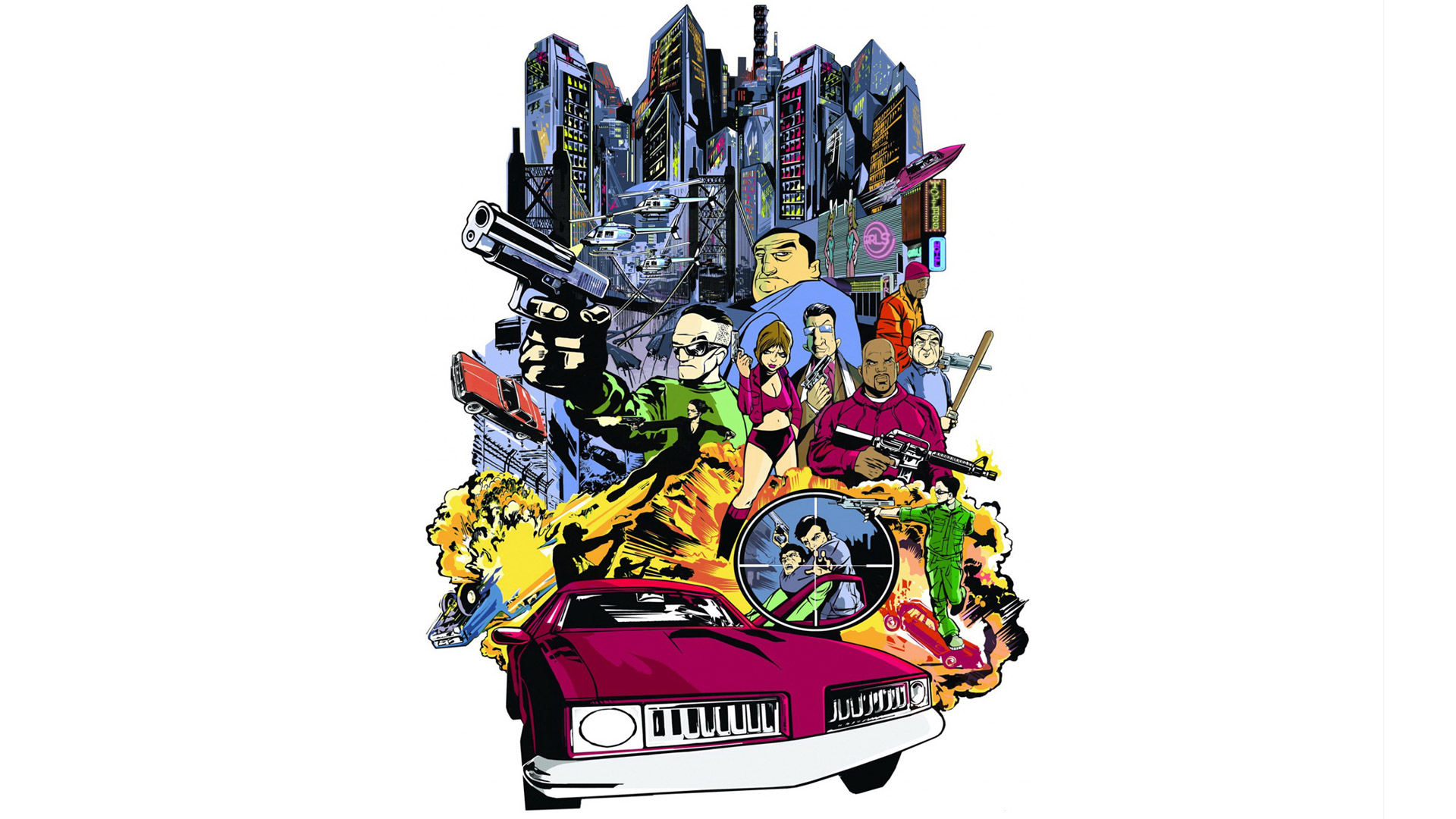
Sam and Dan Houser revolutionized crime games by creating a fully 3D city for players to explore. Their game let you freely roam Liberty City, steal cars, and experience a unique blend of shooting and driving. It also featured a funny, often critical storyline. What set it apart was how unpredictable the game could be – exciting events happened naturally, even outside of the main missions. Ultimately, this game became the model for many open-world games we enjoy today.
‘Resident Evil 4’ (2005)
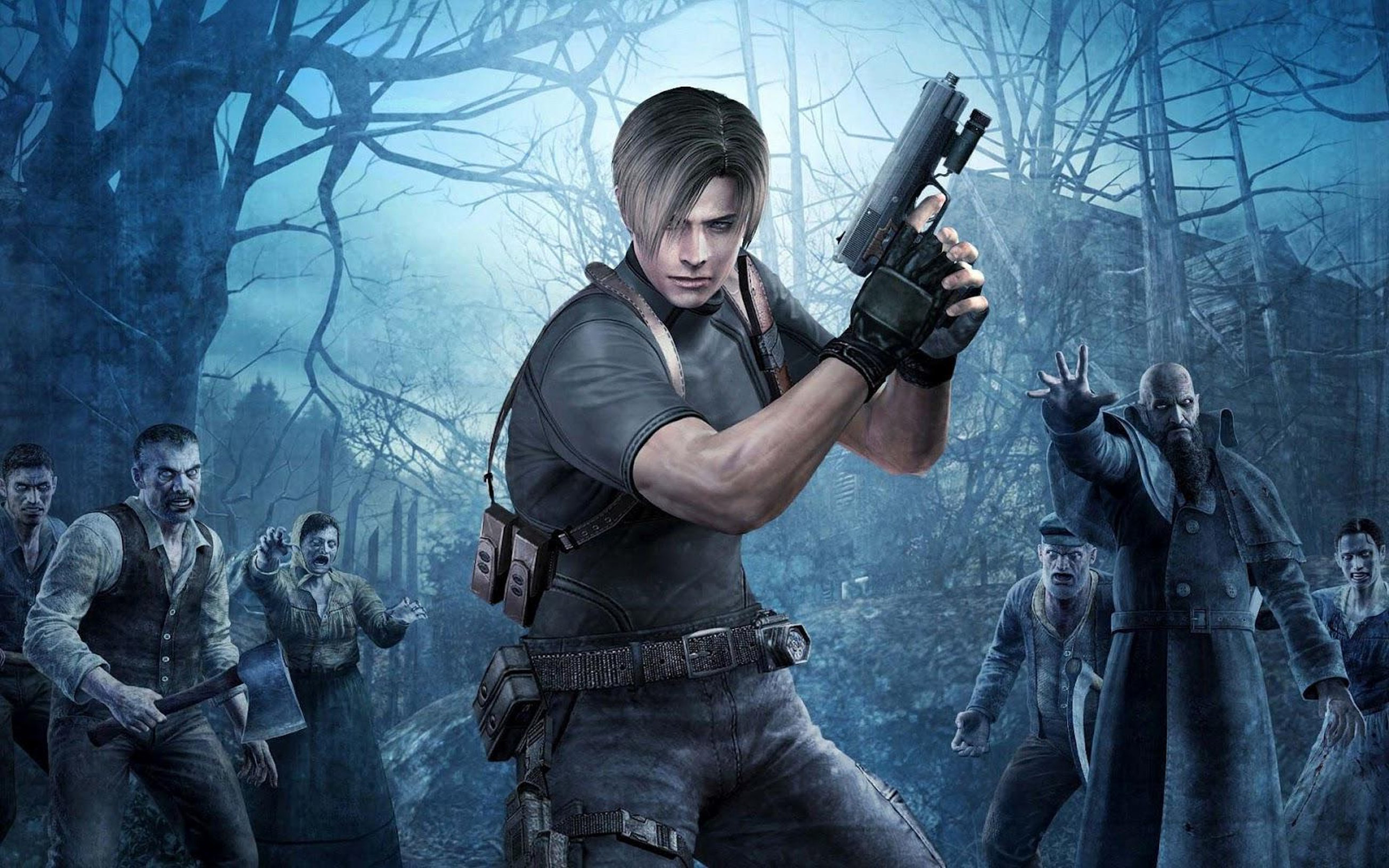
Shinji Mikami revolutionized survival horror games by changing the viewpoint to look over the character’s shoulder. He moved away from slow, shambling zombies, instead creating enemies that were smarter, could work together, and even use weapons. The game expertly combines fast-paced action with the need to carefully manage limited supplies and organize your items. This new camera style quickly became the standard for many third-person shooting and adventure games. Mikami managed to update a series that had become stale while still keeping what made it special.
‘Shenmue’ (1999)
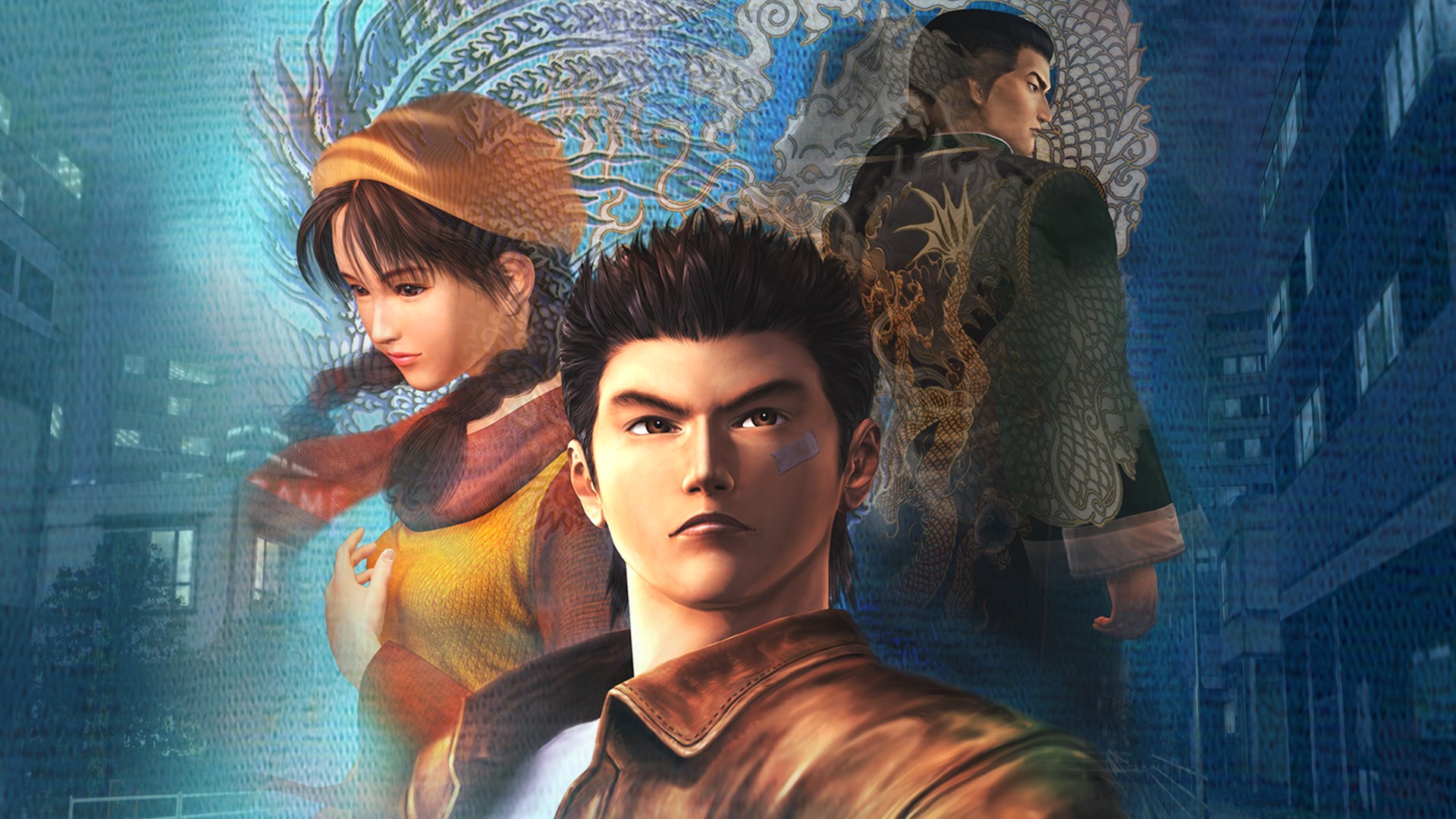
Yu Suzuki aimed to create a remarkably realistic and engaging game experience. It boasted a fully voiced cast and a dynamic world where characters lived out their daily routines. The game pioneered ‘Quick Time Events,’ seamlessly blending cinematic moments with player interaction. Its incredibly detailed weather and interactive environments were far ahead of their time, and ultimately helped shape the immersive, open-world games we enjoy today.
‘Shadow of the Colossus’ (2005)
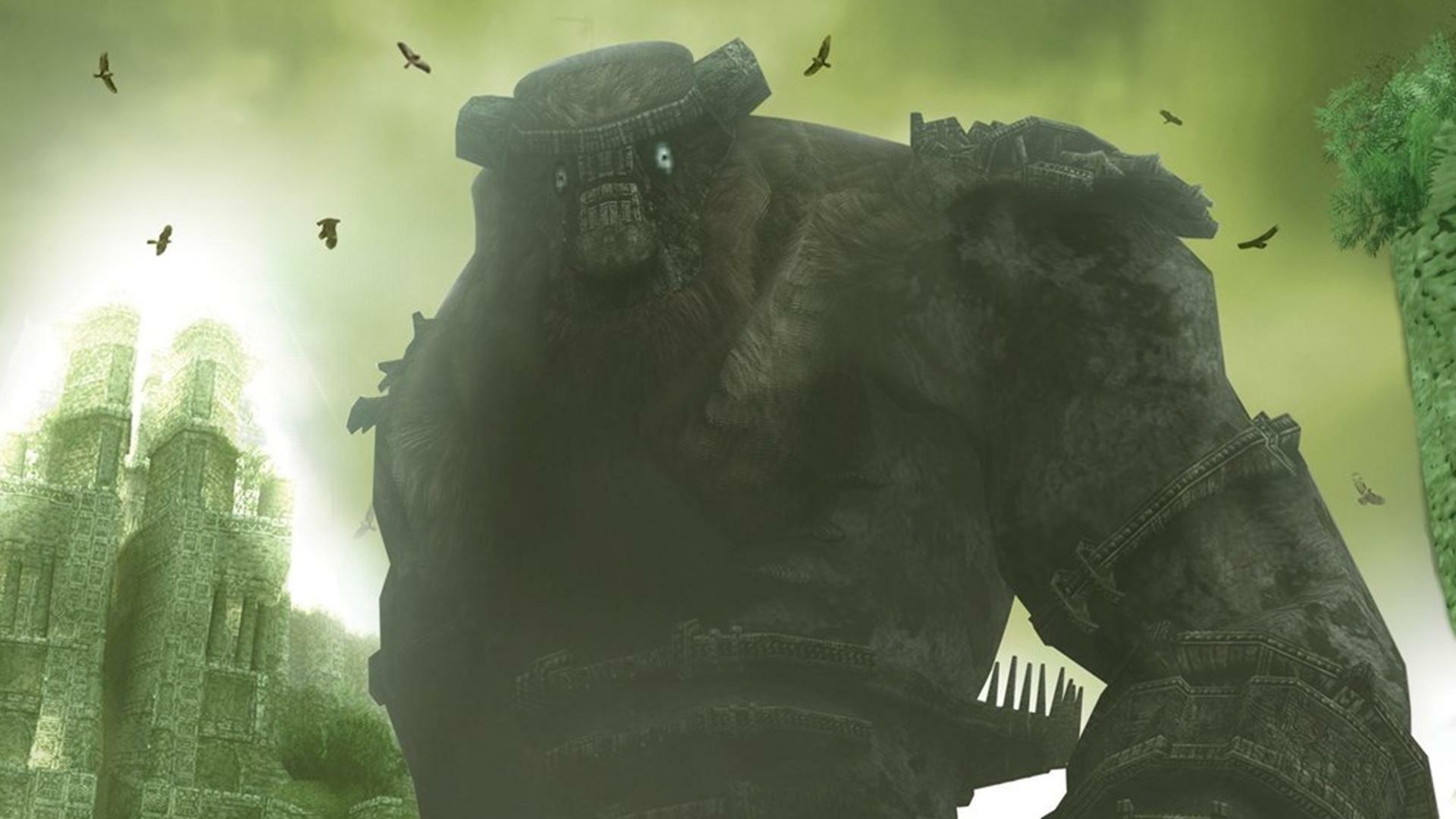
Fumito Ueda designed the game by intentionally simplifying it, removing typical elements like common enemies and dungeons to concentrate on epic boss fights. Players journey across a huge, empty world to defeat sixteen colossal giants. The game tells a sad story using very little spoken dialogue, relying instead on powerful visuals and animation. Interestingly, players defeat these giants by climbing on them, effectively turning each enemy into a unique platforming challenge. Ueda demonstrated that games can create strong emotional connections through loneliness and a carefully crafted atmosphere.
‘Deus Ex’ (2000)
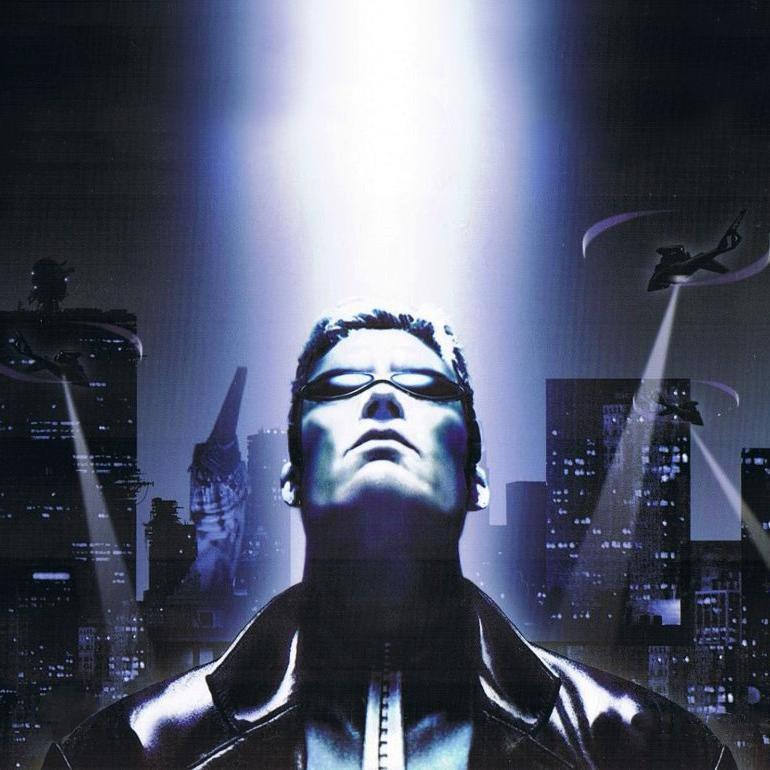
Warren Spector was a strong advocate for immersive sim games, which give players lots of different ways to overcome challenges. You might choose to sneak around and use computers, or fight and talk your way through situations. The story changes based on your decisions, impacting the game world. Plus, you can customize your character to create a unique playstyle, really changing how you experience the game. Spector’s goal was to build a world that respects player choice and rewards clever thinking.
‘BioShock’ (2007)
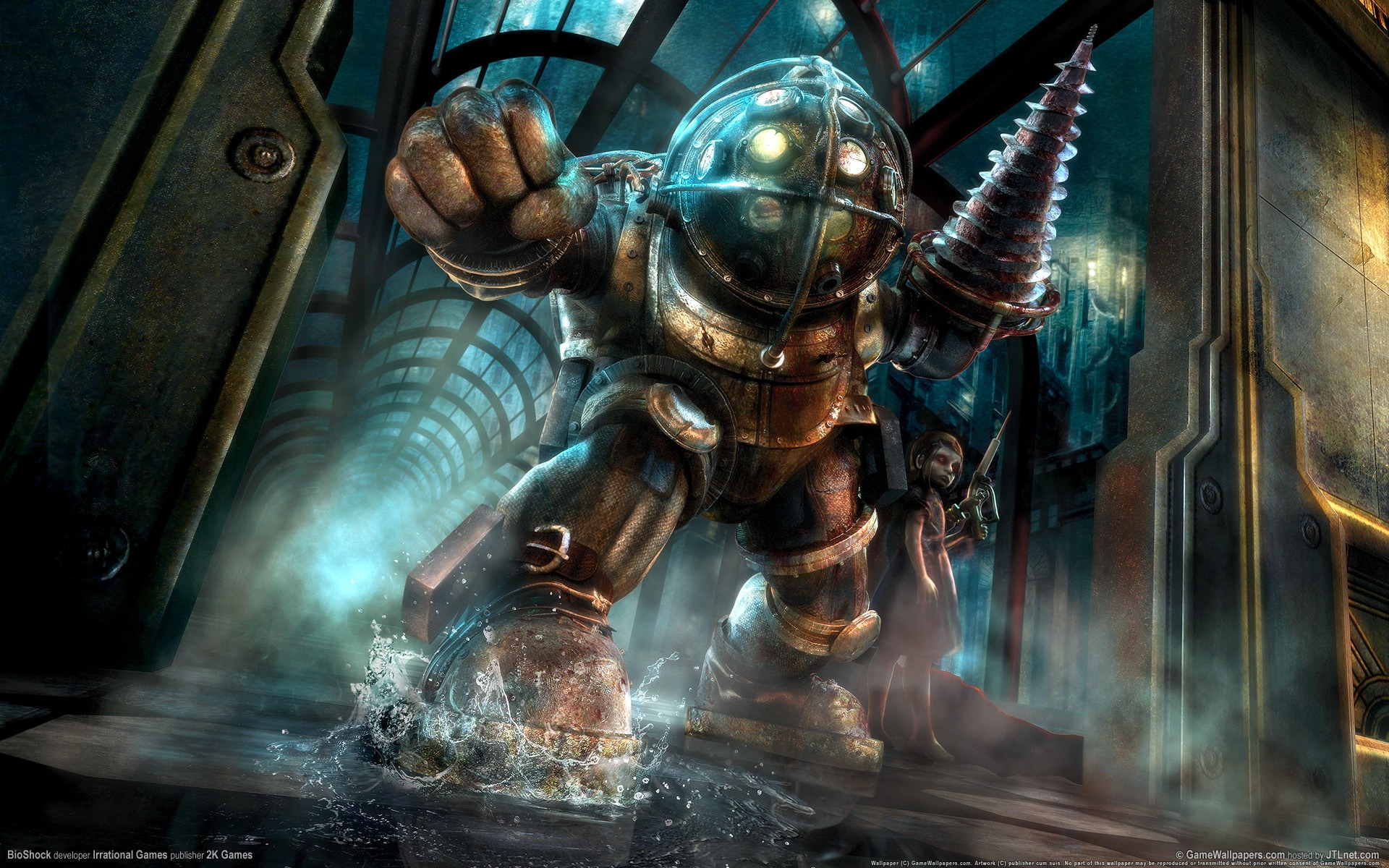
Ken Levine’s game brilliantly combined fast-paced shooting with a thought-provoking story about beliefs and choice. The game takes place in Rapture, a beautifully decaying underwater city that feels like a character itself, telling its story through its environment. Players use both unique genetic abilities and traditional weapons to survive in this broken world. It’s well-known for making players think about how much control they really have in a game with a set path. Levine proved that shooter games could be more than just action – they could offer deep stories and meaningful insights into society.
‘Tetris’ (1984)

Alexey Pajitnov created the puzzle game Tetris, which challenges players to fit falling shapes together. It’s a game of skill that tests how quickly you can think and react, and the difficulty increases as you play. Because it doesn’t rely on a story or characters, Tetris is easy for anyone to pick up, regardless of language. The game became famous for its addictive quality – players could get completely lost in the gameplay for hours, a phenomenon known as the “Tetris Effect.” Tetris is still considered a prime example of a game that’s simple to learn but takes real skill to master.
‘The Secret of Monkey Island’ (1990)
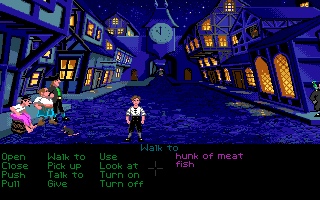
Ron Gilbert revitalized adventure games by making them less frustrating – he eliminated situations where players could get stuck or die. He prioritized puzzles that made sense and relied on using items in logical ways, along with funny and sometimes rude conversations. His SCUMM engine created a user-friendly point-and-click system, moving away from complicated text commands. Gilbert also used a lot of comedy and pirate themes to build a world players wouldn’t forget. Ultimately, his approach made adventure games much easier and more enjoyable for everyone.
‘Braid’ (2008)
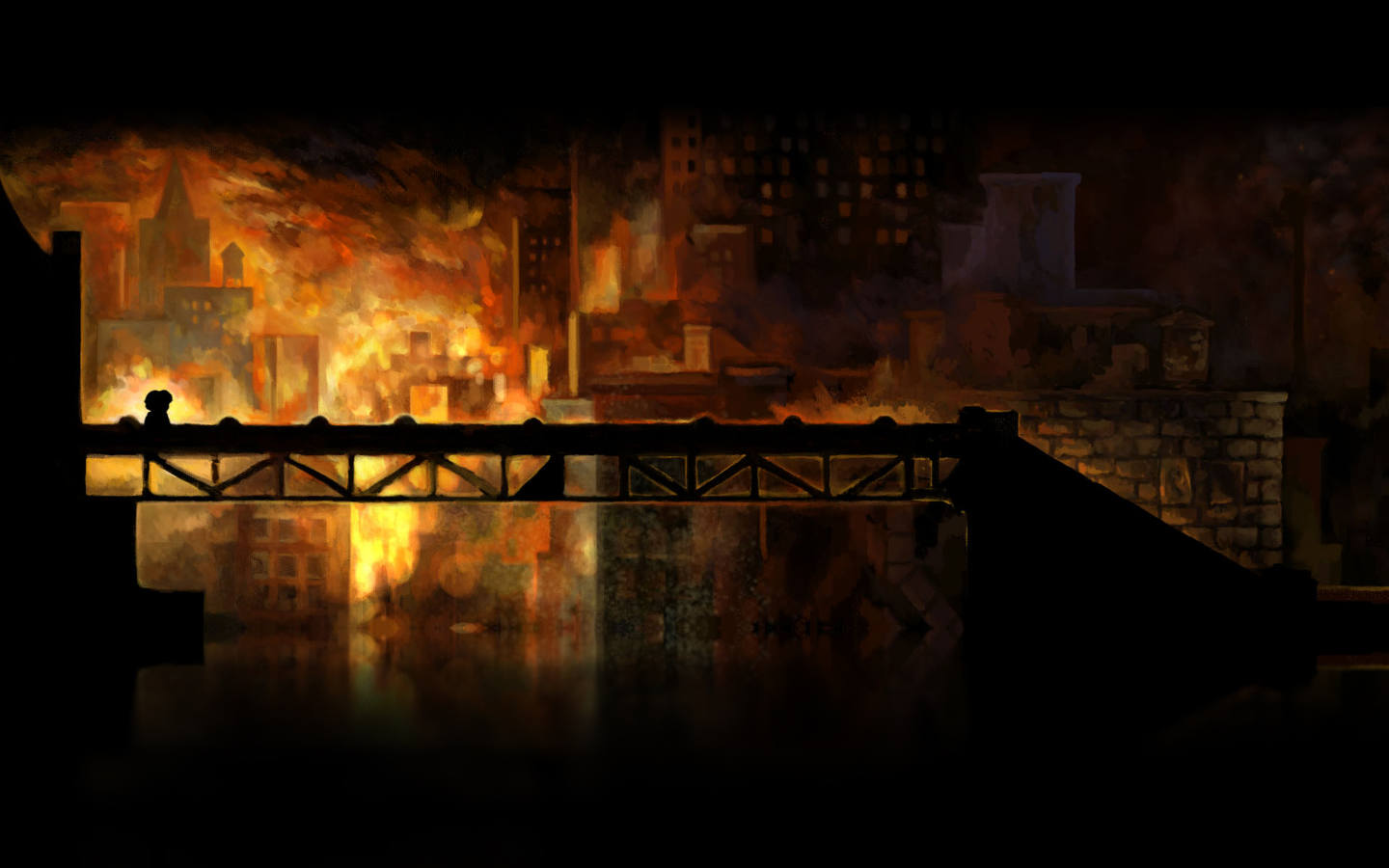
Jonathan Blow’s puzzle-platformer was a key game in the rise of independent game development, known for its innovative time-manipulation mechanics. Each level introduces a new way to control time, challenging players with complex puzzles. Beyond the gameplay, the game thoughtfully explores themes of regret and how we grapple with the past. Its beautiful, hand-painted art style and impressive orchestral music set a new standard for downloadable games, proving that small teams could create both artistic and commercial successes.
‘Ultima IV: Quest of the Avatar’ (1985)

Richard Garriott changed what role-playing games were about, moving the focus from simply defeating enemies to striving for personal and spiritual growth. His games emphasized following eight key virtues like honesty and compassion, and players were penalized for acting unethically – their choices directly affected how the game world saw them and how they progressed. These games also encouraged players to be actively involved, taking notes and talking to characters to unravel mysteries. Garriott’s innovative morality system went on to heavily influence the storytelling in role-playing games for many years.
‘Prince of Persia’ (1989)
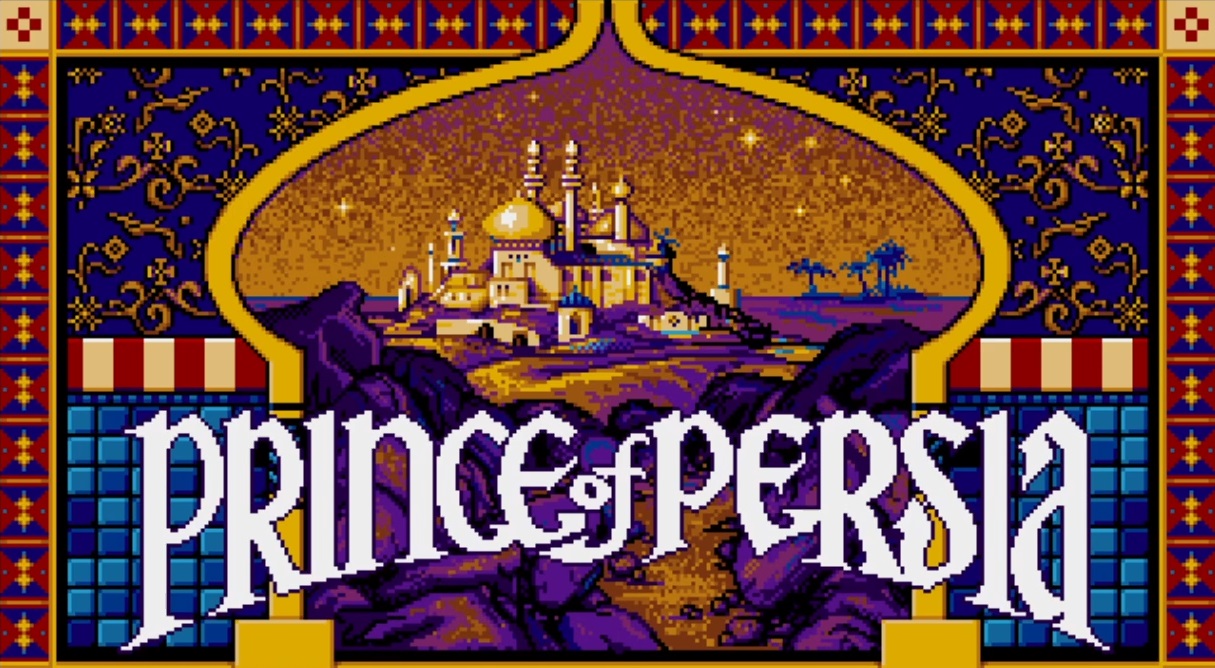
As a huge fan, what always struck me about Prince of Persia was how incredibly smooth and realistic the animation was. Jordan Mechner did this amazing thing called rotoscoping, which made the character move like a real person! It wasn’t just about looks though – the platforming was super precise, and the sword fighting felt like a real dance, demanding timing and strategy. Plus, the one-hour time limit was killer! It really ramped up the tension. You couldn’t just jump and hope for the best; every leap had to be carefully planned. Honestly, it raised the standard for how platformers looked and felt – it was like playing a movie!
‘Castlevania: Symphony of the Night’ (1997)

Koji Igarashi blended fast-paced platforming action with the immersive exploration and character development of role-playing games. His games featured large, interconnected castles that opened up as players acquired new skills. By adding experience points and equipment, he made combat more complex and engaging. This design allowed players to explore freely and revisit areas, encouraging them to discover secrets. Igarashi’s work essentially defined the ‘Metroidvania’ style, which is still widely used and loved by independent game developers.
‘Pac-Man’ (1980)
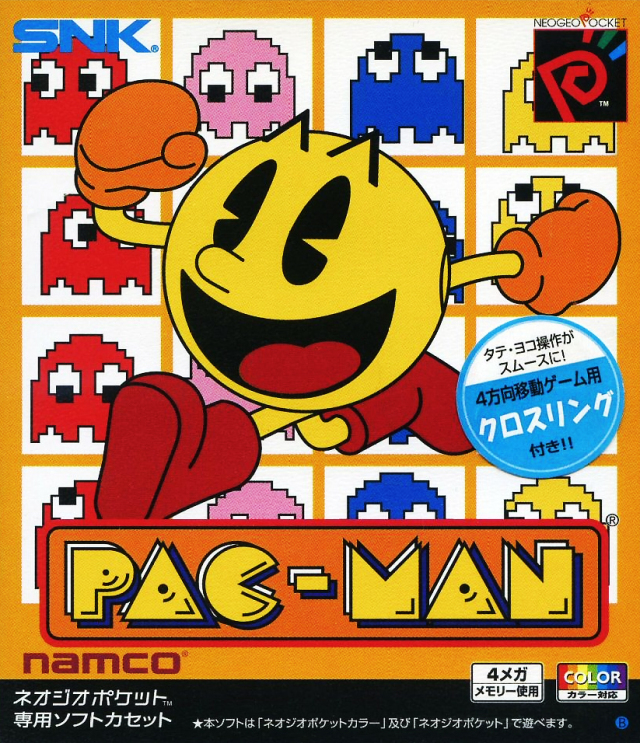
Toru Iwatani created a hugely popular game by focusing on fun eating instead of war and violence, making it appealing to everyone. He gave each ghost a unique personality and way of chasing the player, creating unpredictable gameplay. Power pellets briefly let players turn the tables on the ghosts, and short scenes between levels offered small celebrations of progress. Iwatani’s creation is considered the first iconic character in video game history.
‘Sonic the Hedgehog’ (1991)

Yuji Naka wanted his platform game to stand out, so he made it fast and focused on keeping up momentum – a contrast to the slower games available at the time. He used features like loops and angled surfaces to really show off what the Genesis console could do. Sonic himself was designed to have a cool attitude that would appeal to older kids and teens. The game encourages players to keep moving smoothly and learn the levels well. Ultimately, Naka created a serious competitor to Nintendo’s popular platforming games.
‘Devil May Cry’ (2001)
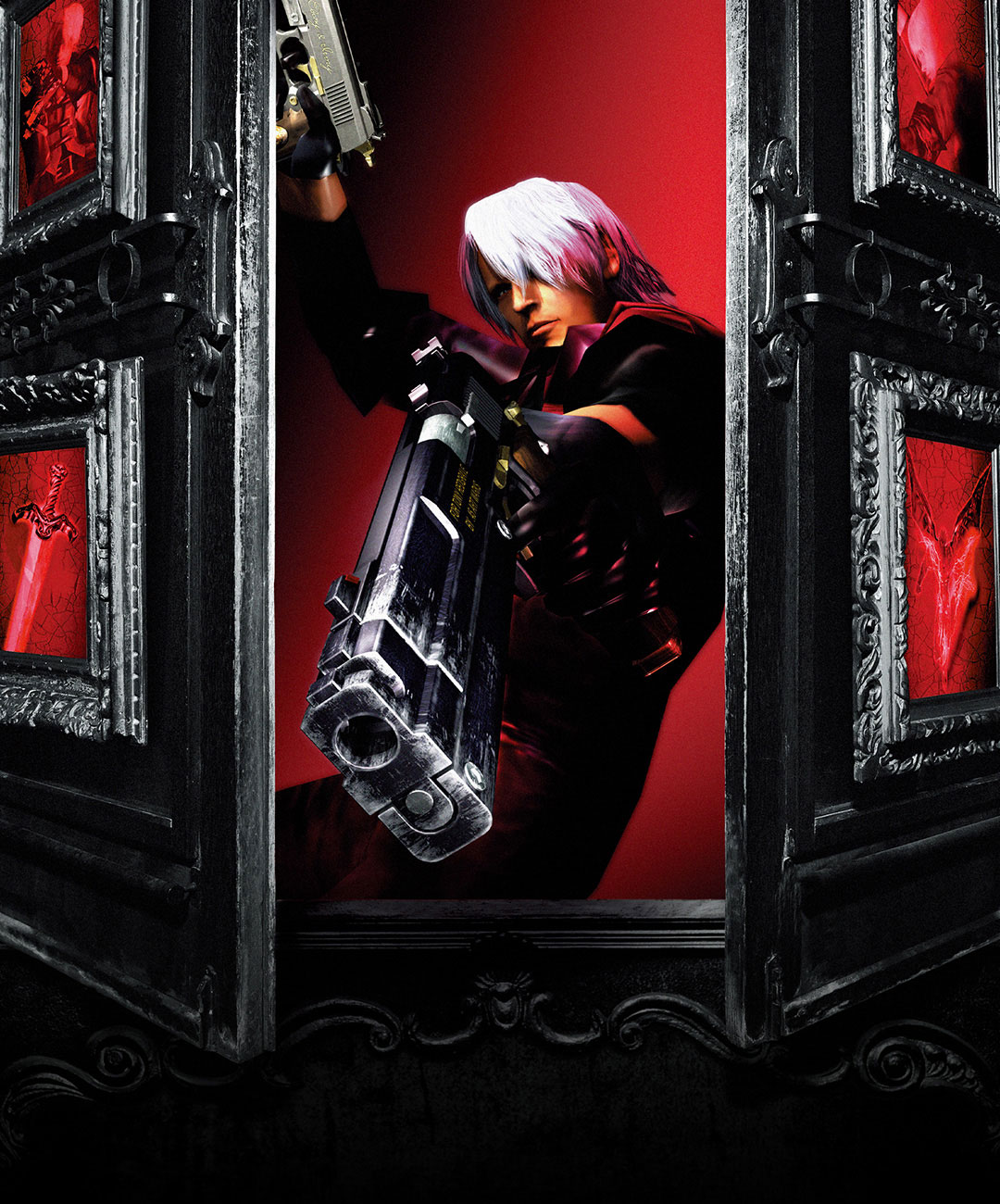
Hideki Kamiya pioneered a dynamic style of action games where players are encouraged to perform impressive and intricate combos. His games focus on smoothly switching between weapons and keeping enemies airborne, with a scoring system that rewards skillful play. Even experienced players can find new challenges thanks to remixed enemy layouts on higher difficulty levels. Ultimately, Kamiya transformed combat into a way for players to showcase their skill and achieve a sense of mastery.
‘Nier: Automata’ (2017)
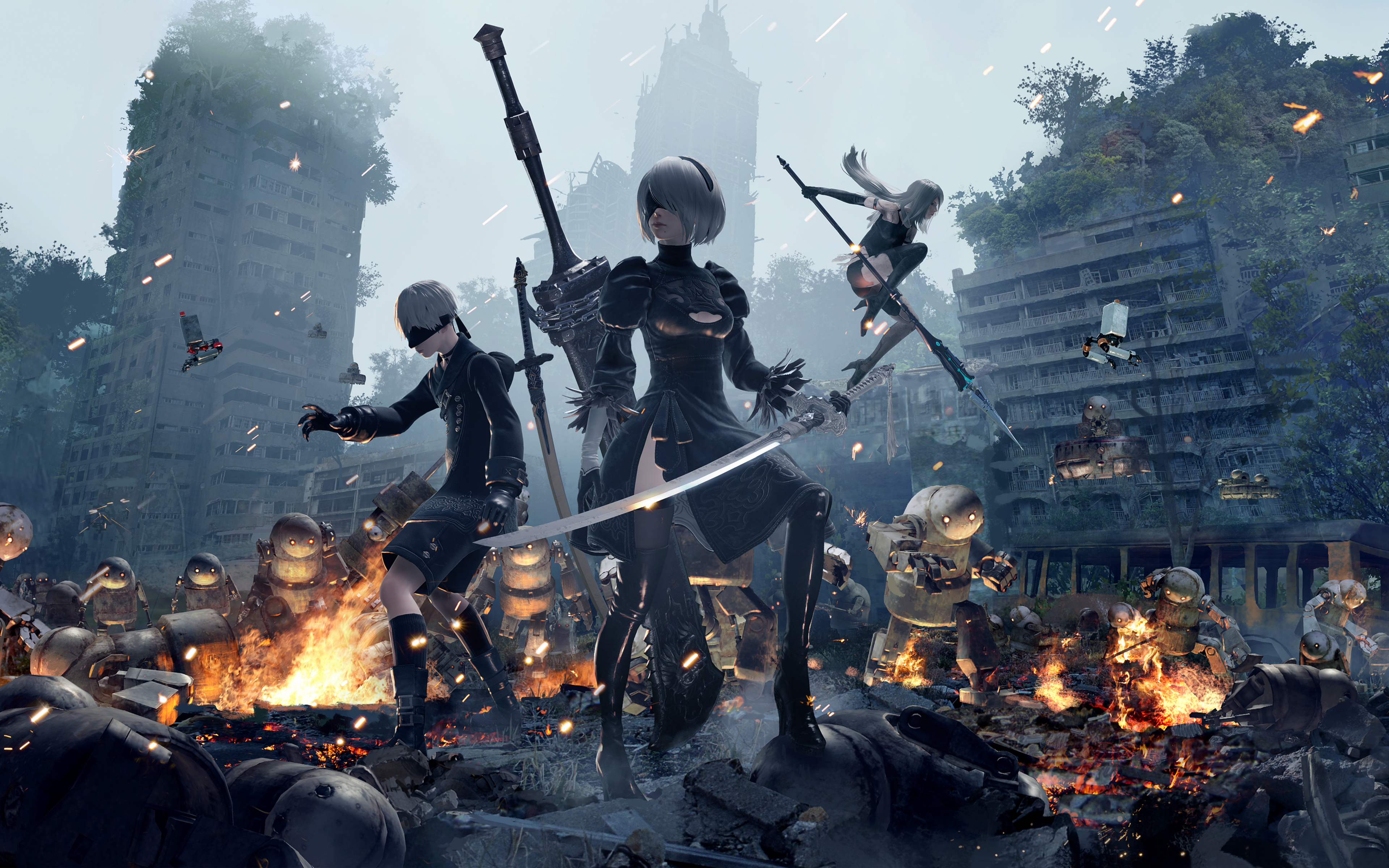
Yoko Taro’s game combines fast-paced shooting with intense sword fighting, all set in a dark, ruined world. To fully understand the story and unlock the real ending, you need to play through it several times, experiencing events from different viewpoints. The gameplay cleverly switches between 3D action and classic 2D side-scrolling. Through the story and its android characters, Taro delves into big questions about life, what it means to be human, and consistently surprises players with unexpected twists and turns in how the game is structured.
‘Journey’ (2012)
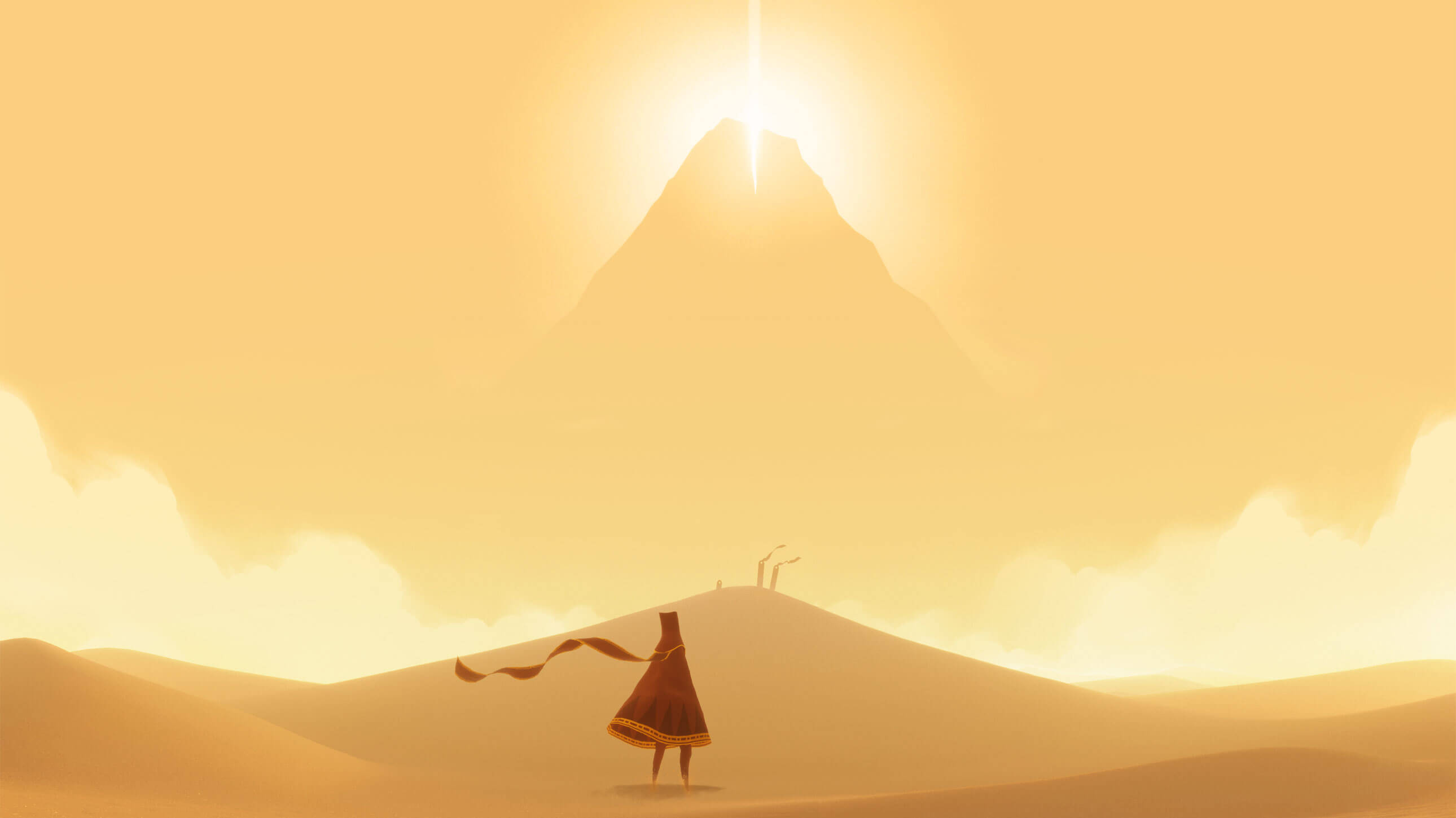
Jenova Chen designed a multiplayer game where players cooperate without speaking or typing. Instead, they communicate through music and how their characters move. The game centers around the feeling of journeying towards a faraway mountain, and its beautiful graphics and smooth controls create a sense of wonder. Chen demonstrated that online games can be meaningful and emotionally resonant even without traditional communication methods.
‘Max Payne’ (2001)

Sam Lake revolutionized video games by bringing the exciting action style of Hong Kong cinema to the forefront, most notably with the innovative ‘bullet time’ feature. This allows players to dramatically slow down time for precise aiming during action sequences, like diving through the air. The game’s story is told through a unique combination of comic book-style panels and tough, detective-inspired voiceovers. The dark and realistic setting powerfully reflects the emotional state of the main character, who is dealing with loss. Ultimately, Lake successfully blended engaging gameplay with a fitting and impactful story.
‘Pokémon Red and Blue’ (1996)

Satoshi Tajiri, inspired by his childhood love of insect collecting, created a role-playing game where players trade to collect all the different monsters. While the game looks adorable, it actually has a surprisingly complex battle system. Because it was on the Game Boy, a handheld console, it also encouraged players to meet up and trade in person. Tajiri’s creation ultimately became a huge franchise focused on both collecting and building a community.
‘Mortal Kombat’ (1992)

Ed Boon and John Tobias made a groundbreaking fighting game using digitized images, giving it a dark and realistic feel. The game featured over-the-top violence and finishing moves called “Fatalities” which caused a public outcry and even led to discussions in Congress about video game content. It also innovated gameplay with a dedicated block button and the ability to ‘juggle’ opponents, changing how fighting games were played defensively. The controversy surrounding the game directly led to the creation of the ESRB rating system, which helps parents understand a game’s content. Ultimately, Boon and Tobias demonstrated that video games could be successfully designed for adult players.
‘The Binding of Isaac’ (2011)

Edmund McMillen breathed new life into the roguelike genre with his game, blending it with fast-paced, twin-stick shooting and a distinct, unsettling art style. Each playthrough is unique thanks to randomly generated levels, and the huge number of items you can find create surprising and often powerful combinations. The game tackles difficult subjects like religious trauma and childhood abuse. McMillen proved that even challenging, unpredictable gameplay can be incredibly captivating.
‘Papers, Please’ (2013)

Lucas Pope created a surprisingly gripping thriller out of the everyday job of a border guard. The game puts you under pressure to check documents quickly, earning money to support your family. It challenges you to decide whether to follow the rules strictly or assist those seeking refuge. The game’s story is told subtly through the realistic mess of paperwork on your desk. Pope demonstrated that stressful, repetitive tasks can actually build empathy in players.
‘Undertale’ (2015)

Toby Fox’s game cleverly challenged typical RPG expectations by letting players finish it without fighting at all. Battles are a unique mix of choosing commands from a menu and skillfully dodging attacks in fast-paced mini-games. What’s really interesting is that the characters react to your choices even if you start a new game or reset, remembering what you’ve done before. The story also thoughtfully examines why players often feel the need to defeat everything in their path. This all helped make the game a beloved classic that makes you think about what it means to truly ‘complete’ a game.
‘Gran Turismo’ (1997)

Kazunori Yamauchi is known for his dedication to incredibly realistic driving and car details. The game boasts a huge collection of officially licensed cars, each handling uniquely based on how the real vehicle performs. Players advance by earning licenses, unlocking faster and more challenging races. A key part of the experience is fine-tuning and upgrading car parts to improve lap times. Ultimately, Yamauchi helped establish racing simulators as a respected and engaging genre for car lovers.
‘Populous’ (1989)
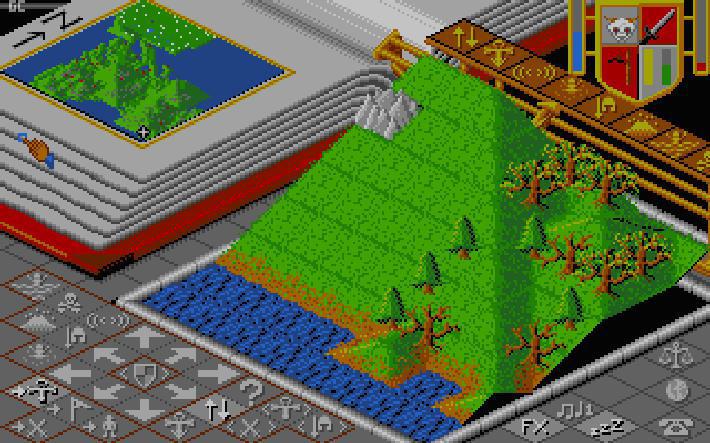
Peter Molyneux pioneered the ‘god game’ – a genre where you control the world itself, not a single character. Players shape the landscape to help their people thrive and become powerful. These games run in real-time, and you manage a limited resource to use your divine powers. This created a feeling of being all-powerful, which was new for gamers. Molyneux’s work laid the groundwork for many real-time strategy and simulation games we enjoy today.
‘Psychonauts’ (2005)
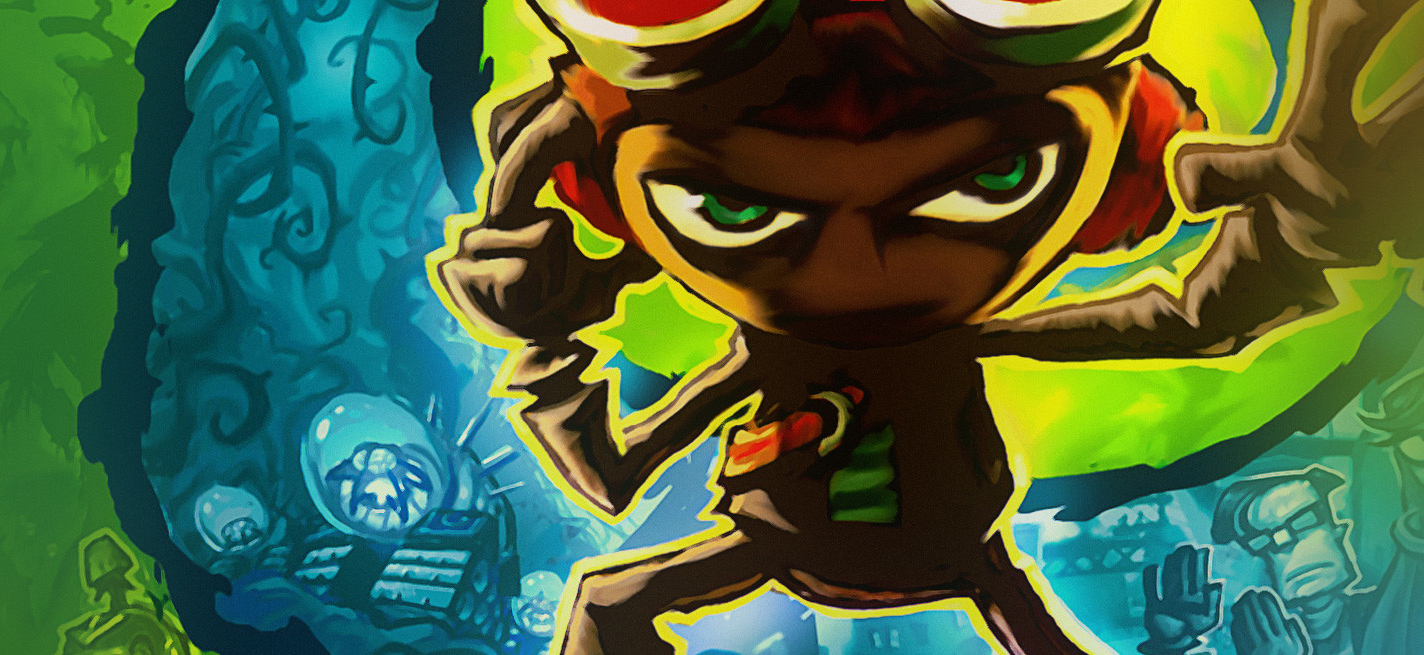
Tim Schafer created a unique platformer game where players explore levels built inside the minds of quirky characters. Each level’s look and feel reflects the personality and inner battles of the character you’re controlling. The game mixes strange, funny moments with surprisingly heartfelt ones. Players use abilities like telekinesis and floating to fight enemies and solve puzzles. Schafer demonstrated how clever level design can really bring characters to life.
‘Uncharted 2: Among Thieves’ (2009)
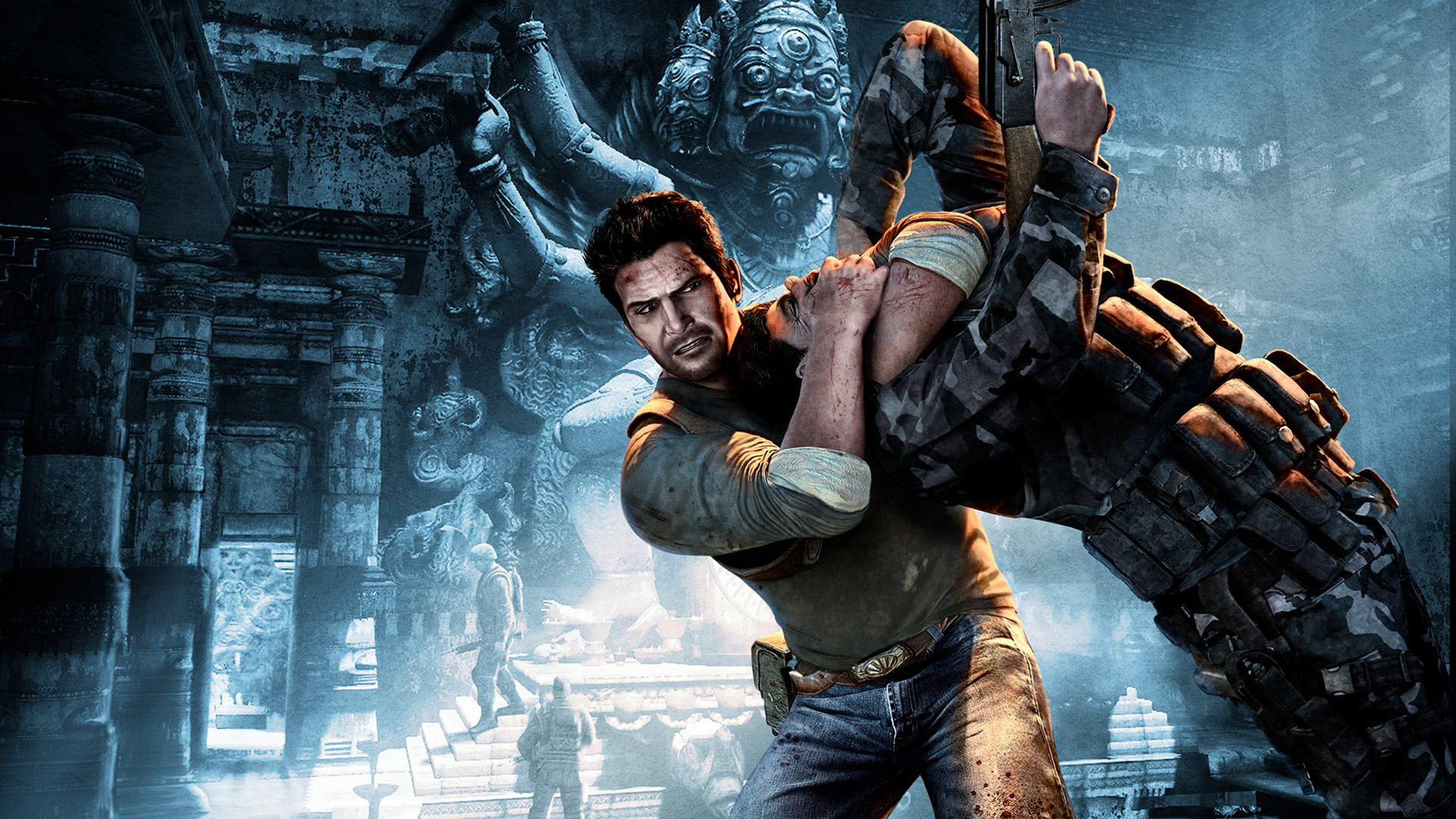
Amy Hennig became known for creating incredibly immersive action-adventure games. She achieved this by making movement feel natural and combining it with exciting, dramatic events. The games are filled with clever conversations and characters that feel like they’re straight out of a big-budget movie. Players can move between climbing, shooting, and solving puzzles without any interruptions, creating a seamless experience. This ‘active cinematic’ approach keeps players fully in control, even during intense action sequences. Hennig’s work also set a new standard for storytelling and how characters are brought to life through performance capture in games.
‘The Elder Scrolls V: Skyrim’ (2011)

Todd Howard designed a sprawling, open-world role-playing game where players have incredible freedom to do what they want. Instead of focusing on the main story, players can spend their time discovering hidden dungeons, creating items, or becoming members of different groups. The game uses a unique system called “Radiant AI” that constantly creates new quests, ensuring there’s always something to do. Skills improve naturally as you use them, rather than through complicated menus. Howard built a world so captivating that people are still exploring it over ten years after its release.
‘Super Smash Bros.’ (1999)
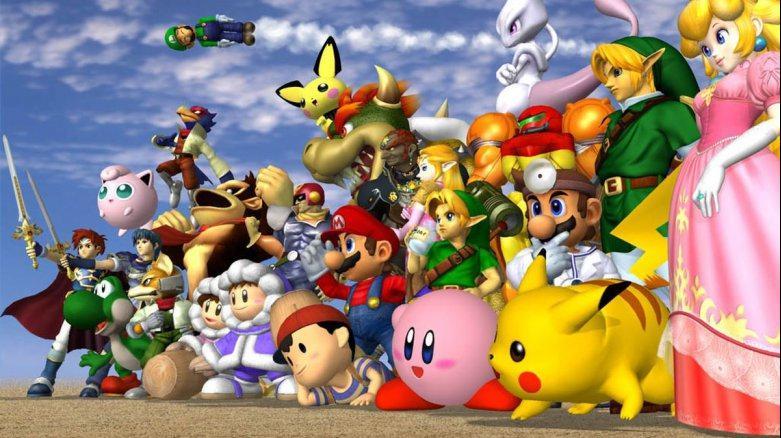
Masahiro Sakurai redesigned the fighting game to be a tribute to video game history, making it easy for anyone to pick up and play. Instead of traditional health bars, the game uses a percentage system, focusing on knocking opponents out of the arena. Special moves are simple to execute, welcoming new players, while random items and changing stages keep matches exciting. Ultimately, Sakurai crafted a fun party game that still offers enough strategic complexity for serious competitive players.
‘God of War’ (2018)
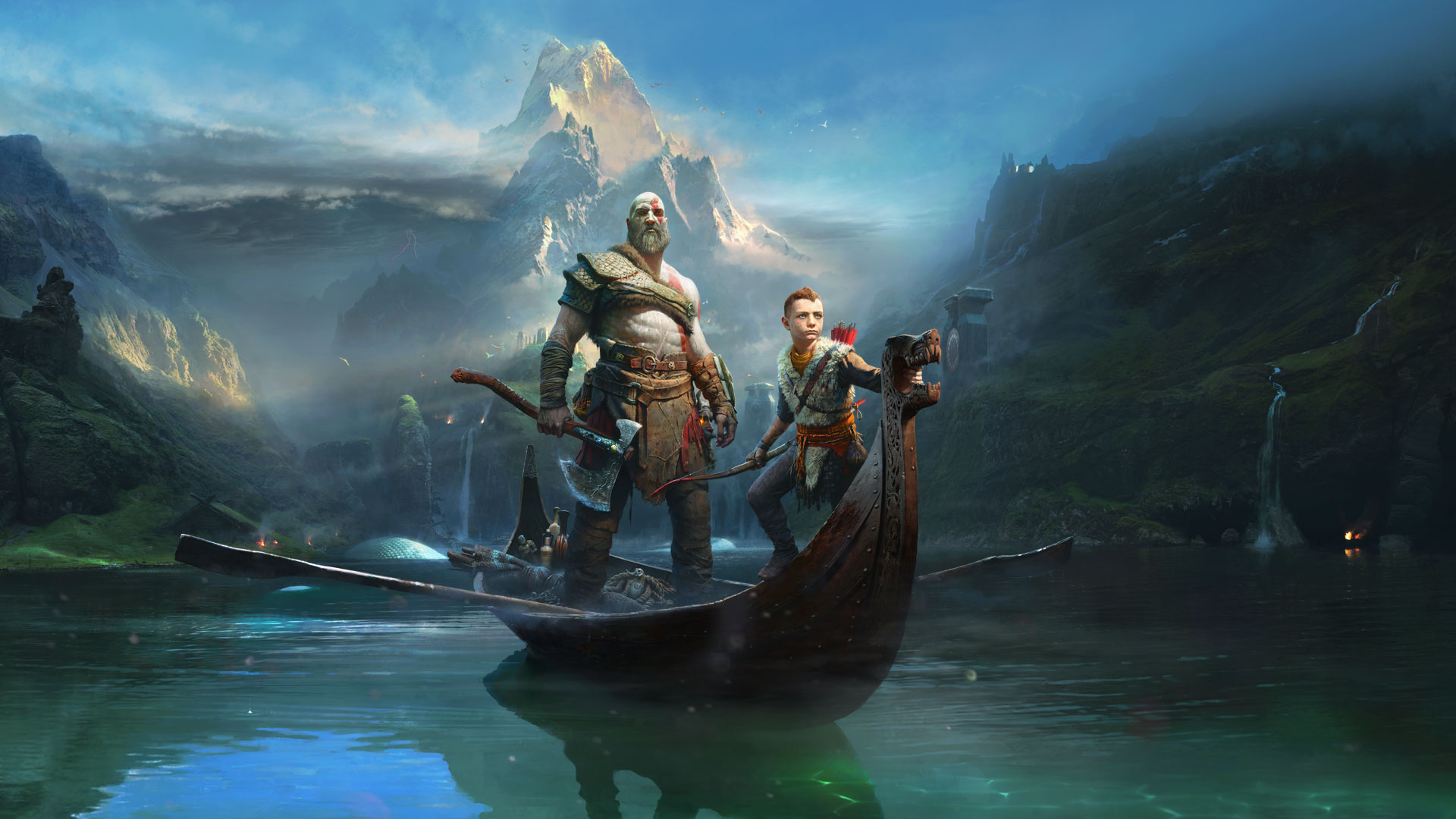
As a huge fan, I was blown away by how Cory Barlog completely reimagined the God of War series! He did this incredible thing with the camera – it’s like one continuous shot, which really pulls you into the story and makes you feel like you’re right there with Kratos and Atreus. The fighting isn’t just mindless button-mashing anymore; it feels much more realistic and strategic. But what really got to me was the story. It doesn’t shy away from Kratos’s violent past, but it explores how he’s trying to be a better father, and it’s surprisingly emotional. It’s amazing how Barlog took a franchise known for being over-the-top and turned it into this really moving story about a father and son.
‘The Last of Us’ (2013)
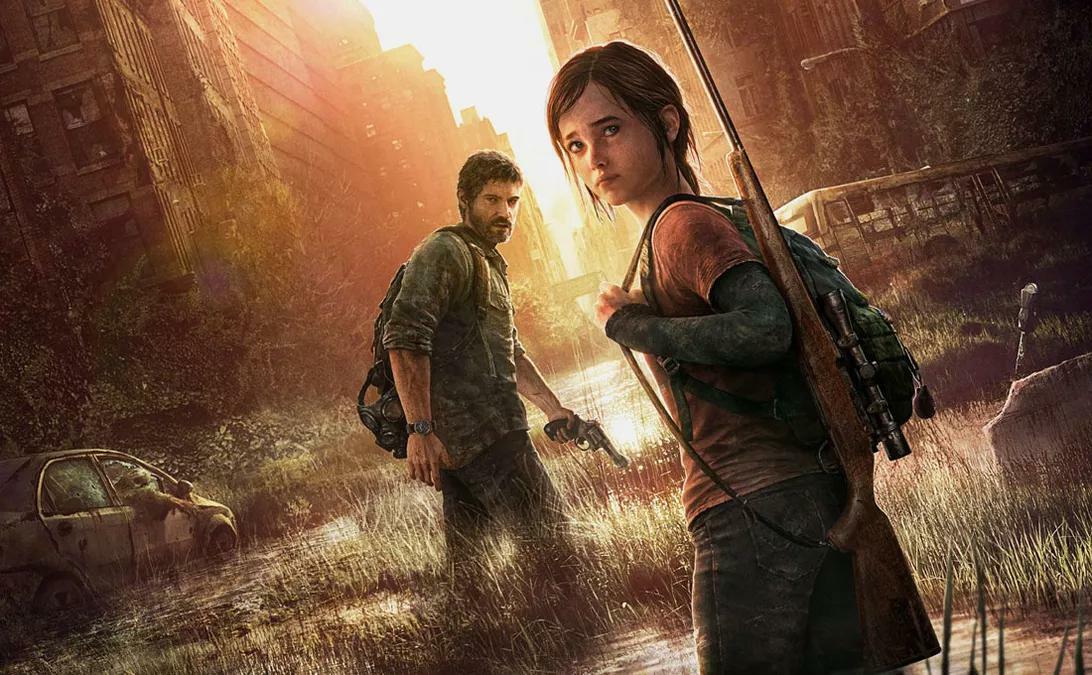
Neil Druckmann crafted a deeply moving story about love and loss by centering it on the connection between two characters who are trying to survive. The game puts players in a constant struggle for resources and forces them to fight for their lives. The combat is realistically harsh and gritty, fitting the bleak, post-apocalyptic world. The game’s ending presented players with a difficult moral decision, which continues to be discussed and debated. Ultimately, Druckmann demonstrated how video games can deliver powerful and meaningful dramatic experiences.
‘No More Heroes’ (2007)

As a huge fan, I’ve always loved how Goichi Suda, or Suda51 as everyone knows him, just threw everything at his games! He mixed this awesome punk rock vibe with all things ‘otaku,’ and it really came through in this one action game. It’s seriously different because it makes fun of those huge open-world games – the city feels empty, and you end up doing silly things like cutting grass! But the combat is incredible – you use motion controls for these really satisfying, brutal finishing moves with a beam katana. And the story? It’s wild! It knows you’re playing a game and even pokes fun at why you enjoy all the violence. Honestly, Suda51 proved that games can be over-the-top, artistic, and totally satirical all at the same time.
‘Heavy Rain’ (2010)

David Cage creates story-driven games where the narrative continues even if characters die. Gameplay mainly involves making quick decisions and choosing dialogue, which changes the story’s path. The games use realistic facial animations to show characters’ emotions. His stories often revolve around mysteries, like a serial killer case, and are told from multiple viewpoints. Cage’s work blends the lines between traditional video games and movies.
‘Kingdom Hearts’ (2002)
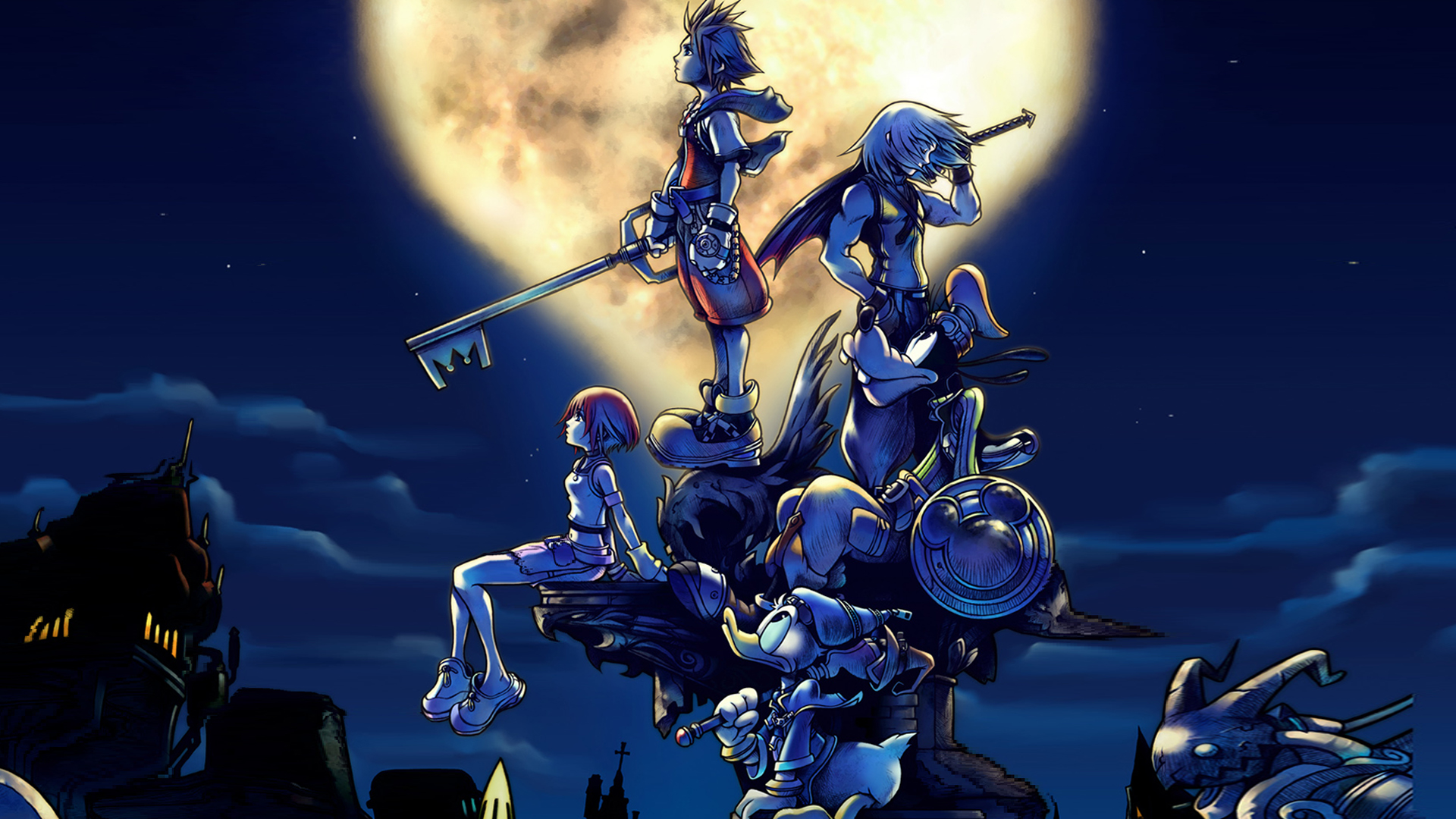
Tetsuya Nomura successfully blended the enchanting worlds of Disney animation with the dramatic storytelling of Final Fantasy. The game features exciting, fast-paced combat alongside traditional menu-based magic. It tells a brand new story set within iconic Disney environments. Many thought combining these two franchises was an impossible task, but Nomura approached the project with genuine passion and proved that seemingly different creative properties can come together to form a unified and much-loved universe.
‘Sid Meier’s Civilization’ (1991)

Sid Meier’s game is the classic example of a sprawling strategy game where you guide a civilization through all of human history. You’ll need to manage your army, invest in new technologies, and build relationships with other civilizations. The game is famously addictive – it’s easy to get caught up and play ‘just one more turn’ because of the mix of immediate gains and overarching objectives. Each game is unique thanks to randomly generated maps, meaning every historical simulation unfolds differently. Meier successfully transformed the complicated process of human development into a compelling and engaging game.
‘Metroid’ (1986)
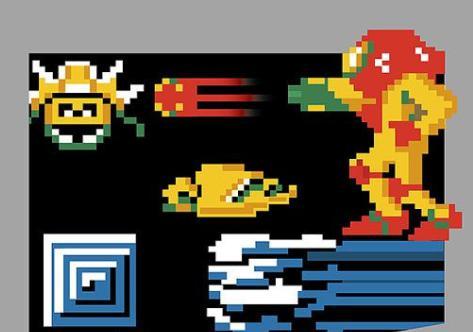
Gunpei Yokoi created a unique action game where players explore an alien world on their own. To progress, you need to find improvements to overcome challenges and unlock new locations. The game’s scary and lonely atmosphere draws inspiration from science fiction horror movies. A significant moment was revealing the main character, Samus Aran, was a woman, which was groundbreaking for representation in games. Yokoi’s design also essentially created the foundation for the search-action genre as we know it.
‘Dune II’ (1992)

Brett Sperry and Westwood Studios essentially created the modern real-time strategy (RTS) game. They pioneered key features like building bases, collecting resources, and creating units – all happening live as you play. Players could directly control everything with a mouse, and a ‘fog of war’ kept enemy locations hidden until discovered. This innovative design became the blueprint for almost every RTS game that followed.
Tell us which developer you think had the biggest impact on the industry in the comments.
Read More
- Invincible Season 4 Gender Swaps Tech Jacket As Fans Question Major Comic Change
- Silver Rate Forecast
- Gold Rate Forecast
- Building Agents That Learn and Improve Themselves
- 22 Films Where the White Protagonist Is Canonically the Sidekick to a Black Lead
- 15 Films That Were Shot Entirely on Phones
- 20 Movies Where the Black Villain Was Secretly the Most Popular Character
- Celebs Who Narrowly Escaped The 9/11 Attacks
- Games That Faced Bans in Countries Over Political Themes
- 18 TV Series Filming Rehearsals as Bonus Content
2026-01-31 18:59