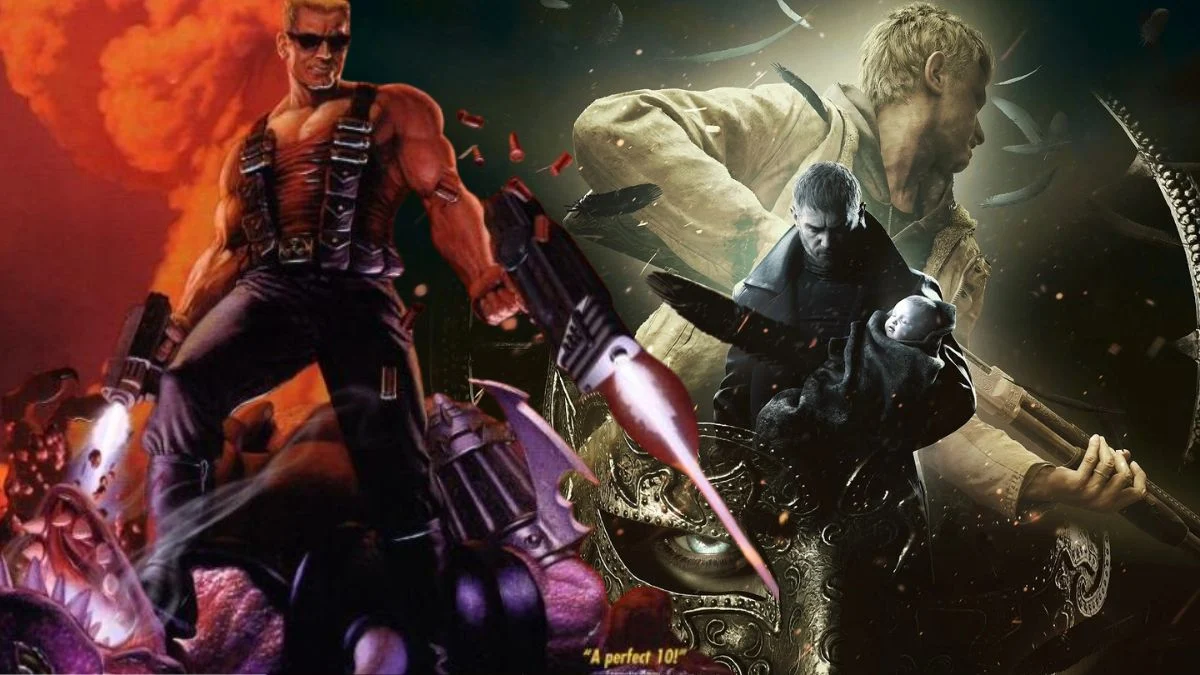
As a gamer, I’ve noticed something really interesting: sometimes the characters in a game end up being way more famous than the story itself! You get these protagonists or villains who just become huge cultural icons, even people who’ve never picked up the controller know who they are. It’s funny because when people talk about them, it’s usually about how they look, what their personality is like, or how good they are in competitive play – not so much about what actually happens to them in the game’s story. This happens in all sorts of games too, from action-packed fighters and shooters to platformers and those big RPGs.
‘Overwatch’ (2016)
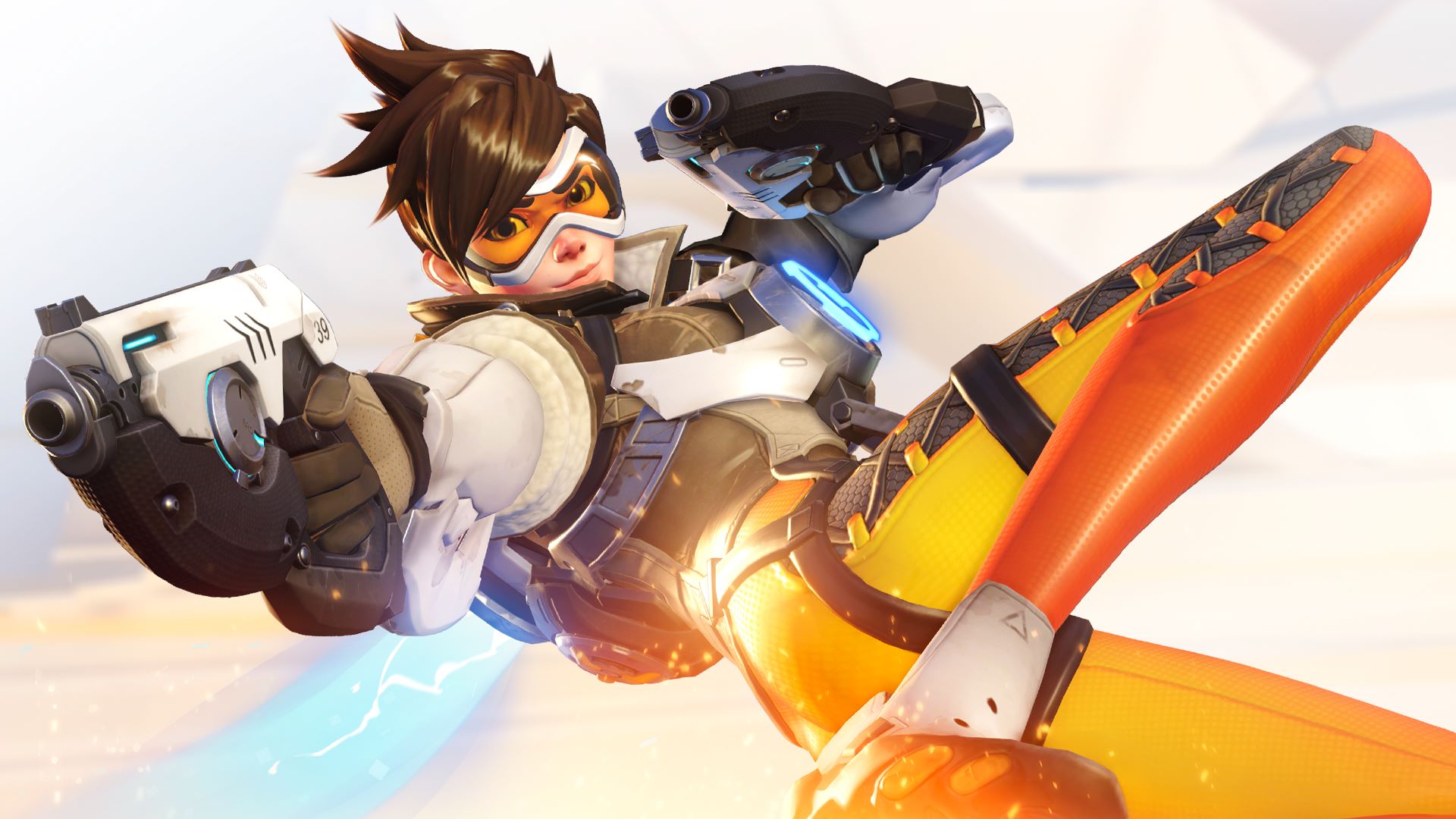
I have to say, Tracer is the face of this game, which is amazing considering it didn’t even have a story mode when it first came out! She’s just so likeable with her bubbly personality, and you instantly recognize her with those bright yellow goggles and the cool device on her back. Blizzard really built her up through those awesome animated shorts and comics they released – not so much in the game itself. Honestly, she’s become a huge gaming icon just through how she looks, and all the cool posters and merch they’ve made. It’s really impressive!
‘Street Fighter II’ (1991)
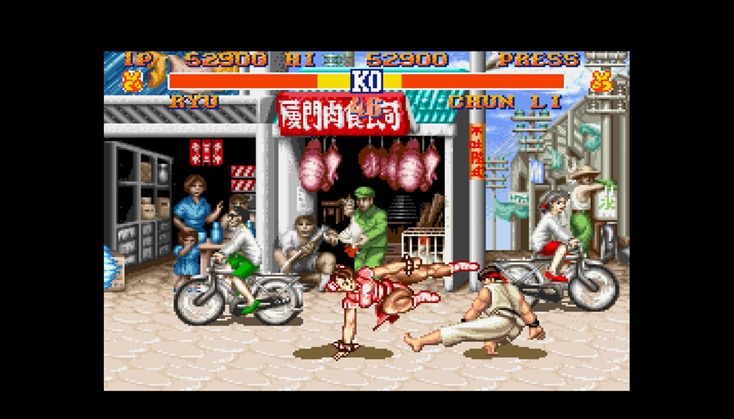
Chun-Li is a legendary figure in the world of fighting games, often considered its first female star and a constant topic of conversation. While her story – a search for revenge against M. Bison – is straightforward, it’s often overshadowed by her incredible impact on gameplay. Her iconic look – a blue dress and spiked bracelets – is instantly recognizable to players everywhere. She’s featured in tons of games and products, and her status as a martial arts icon speaks for itself, even without needing to explain her backstory.
‘Nier: Automata’ (2017)
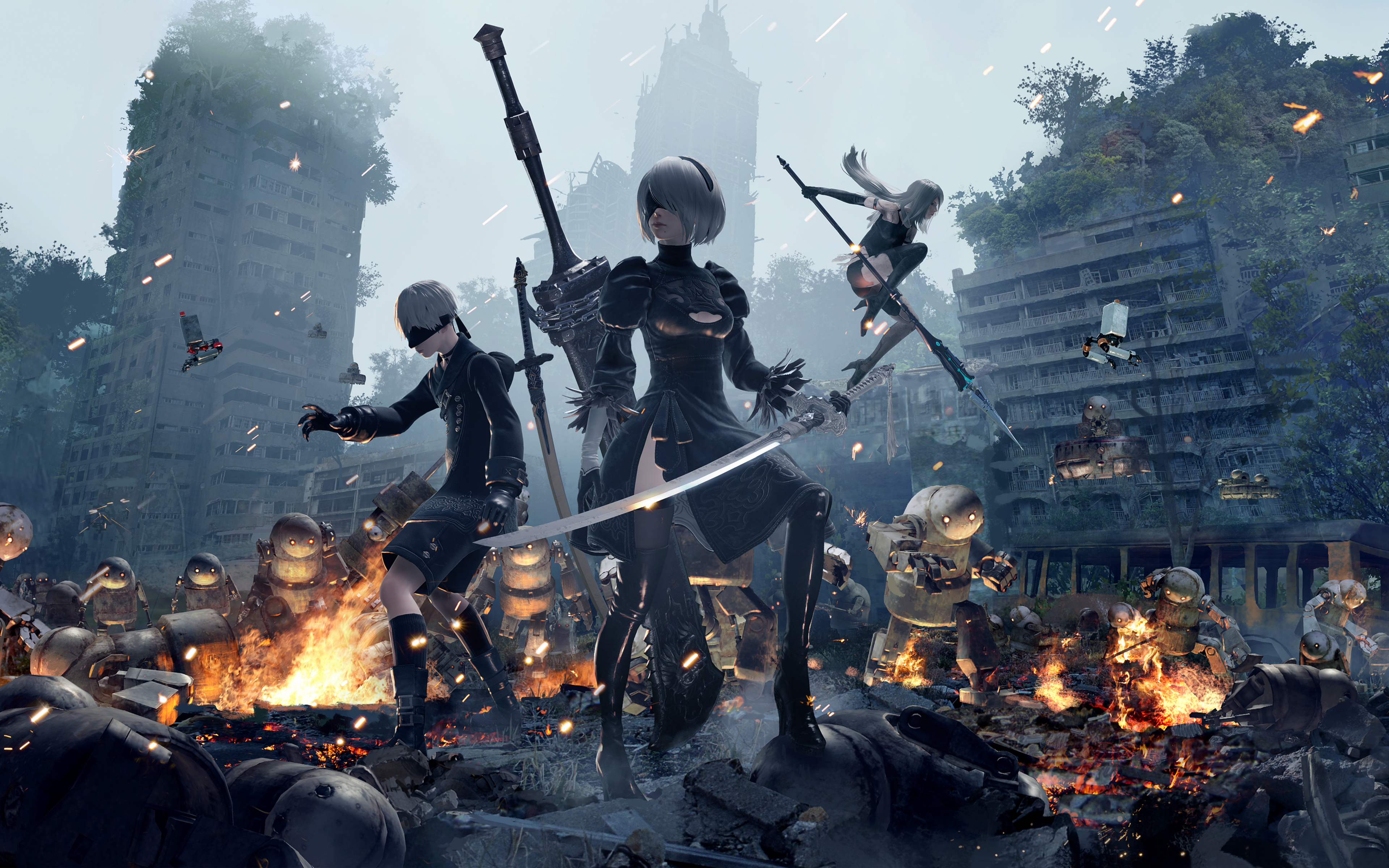
When 2B was first shown, she quickly became incredibly popular online, largely because of her unique, dark style and the fact that she’s always blindfolded. Although the game has a deep and thoughtful story, most online conversations center around how she looks. Before many people even played the game, fan art and costumes of this android character were everywhere on social media. Even today, her appearance is what most people associate with the game.
‘Resident Evil Village’ (2021)
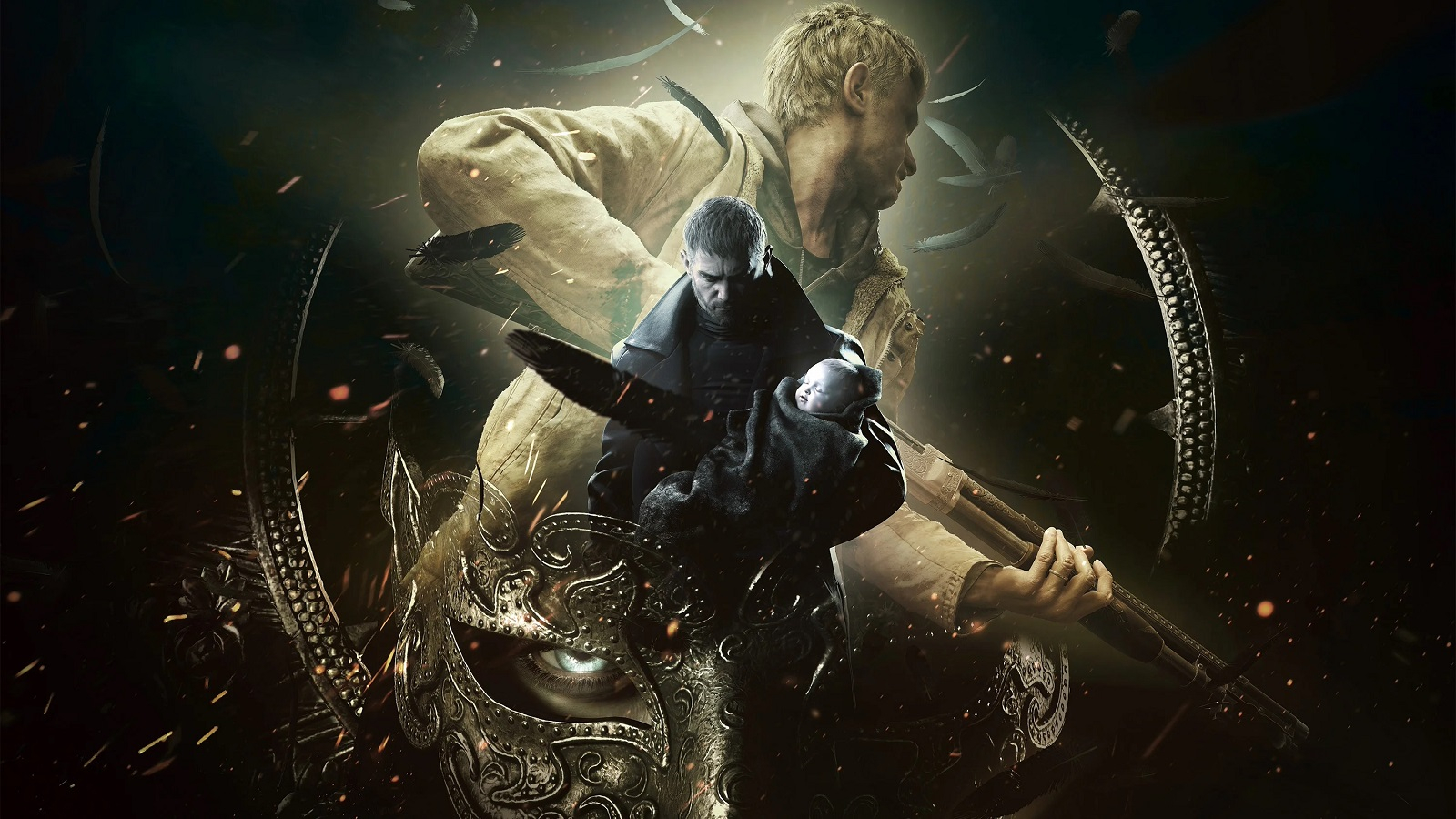
Before its release, Lady Dimitrescu became a huge internet sensation. This tall, striking vampire quickly overshadowed the game’s main character, Ethan Winters. People were more fascinated by her impressive appearance and design than by her part in the game’s scary storyline. Capcom noticed this and used her popularity in their advertising, even though she wasn’t in the game for very long.
‘Tomb Raider’ (1996)
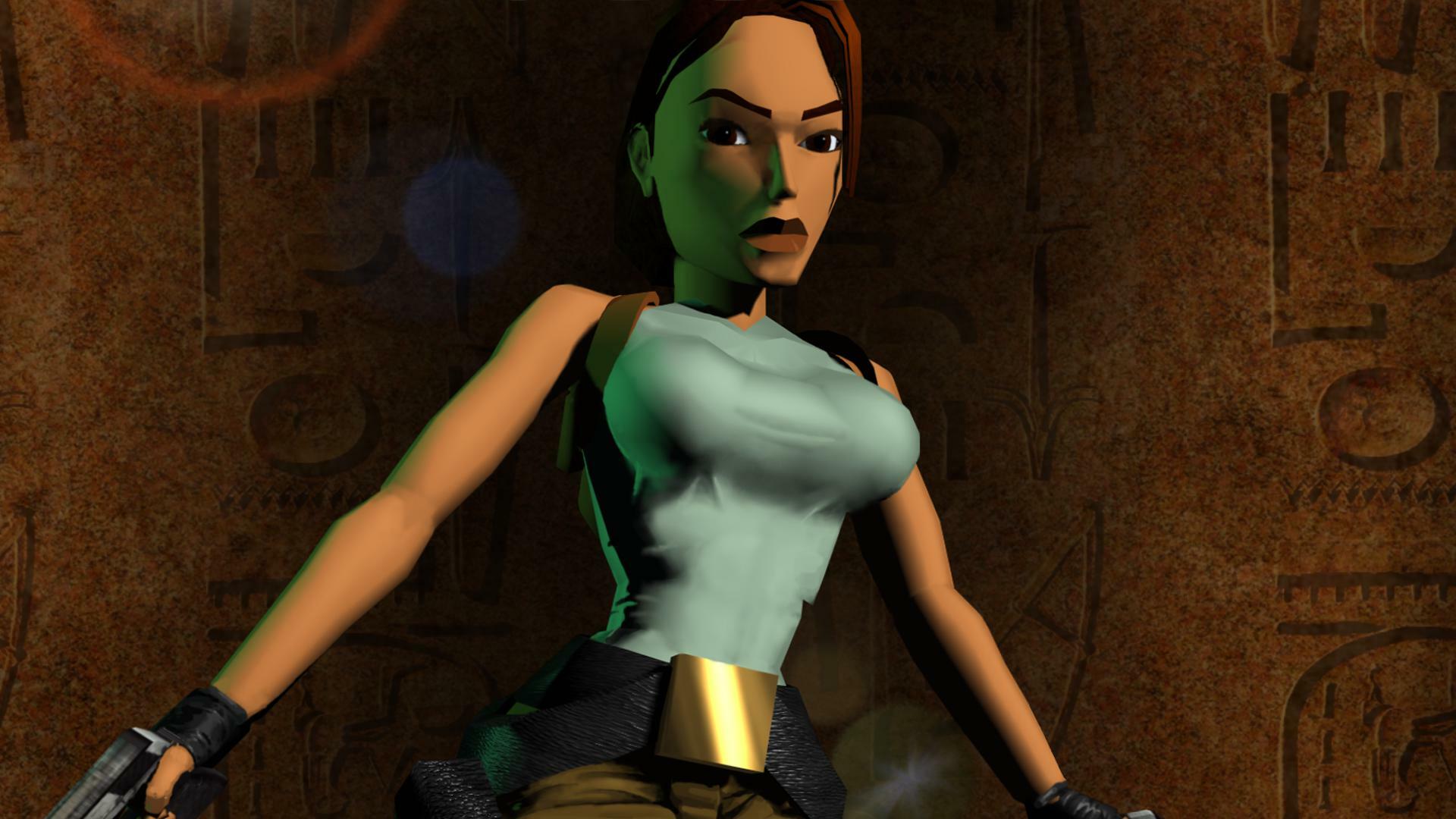
Lara Croft is a hugely influential figure who became a pop culture icon thanks to her video games. While she initially became famous for searching for lost artifacts, she quickly became a celebrity in her own right. People often talk more about her as a symbol of strength and independence than about the details of her adventures. She even appeared on magazine covers and in music videos, becoming a virtual celebrity separate from the games themselves.
‘Darkstalkers: The Night Warriors’ (1994)
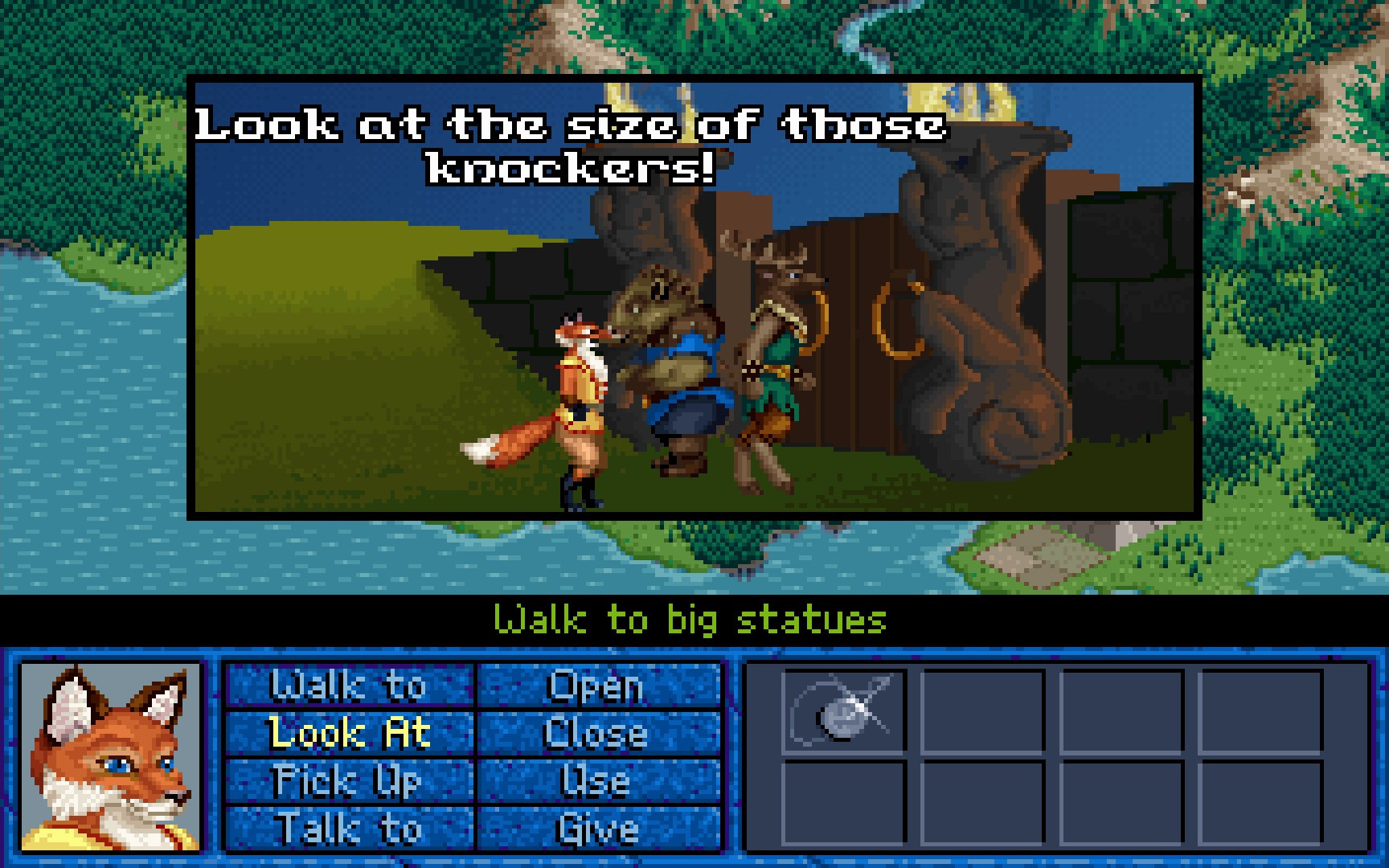
Morrigan Aensland is a well-known character in the fighting game world, appearing in many games beyond her own series. Interestingly, a lot of players who use her in games like ‘Marvel vs. Capcom’ haven’t actually played the original game she came from. Her distinctive succubus look is famous in both anime and gaming, even if people aren’t familiar with her backstory. Ultimately, the character has become more popular than the series that created her.
‘F-Zero’ (1990)
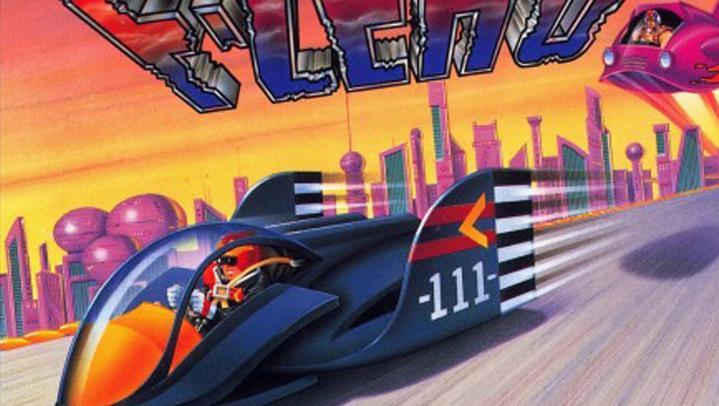
These days, Captain Falcon is much more famous for being in the ‘Super Smash Bros.’ games than for his original racing titles. He’s become known for his over-the-top personality and special moves in those fighting games. The older racing games didn’t have much story, so most players recognize him as the energetic bounty hunter with the powerful punch, not as a race car driver.
‘Sonic the Hedgehog’ (1991)
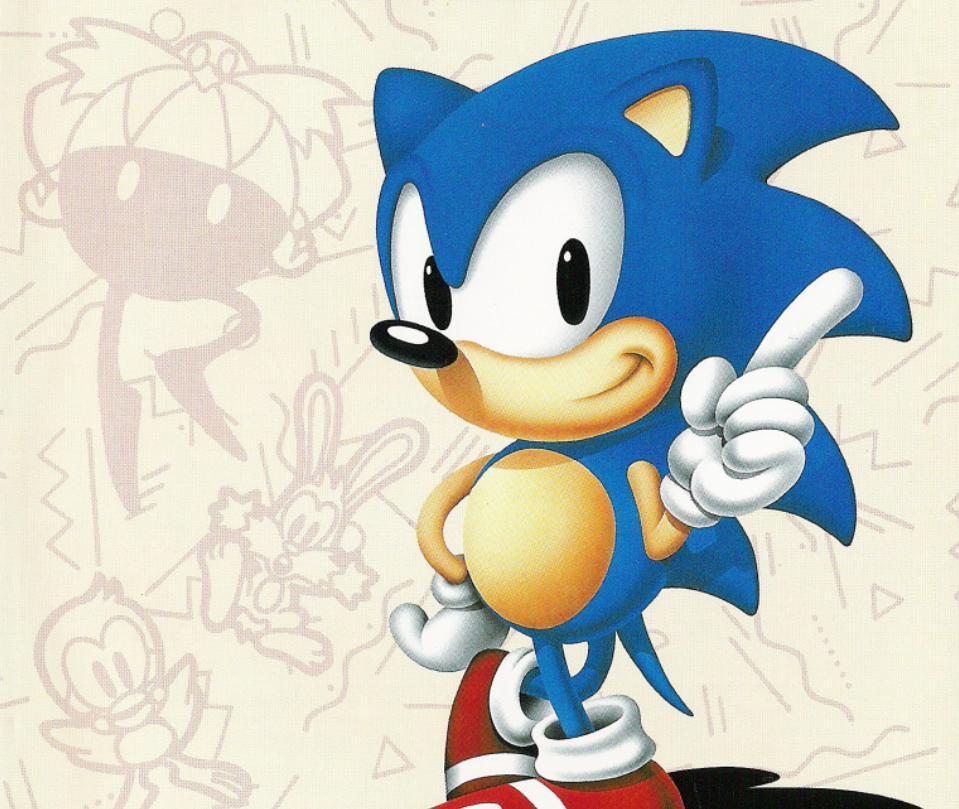
Sonic the Hedgehog is more well-known for his cool personality and design than for the stories in his games. While his adventures usually center around stopping the villain Doctor Eggman from gathering powerful emeralds, fans connect more with Sonic himself – his speed and attitude. He became a major symbol of the 1990s video game era and continues to be a hugely popular brand with tons of merchandise. The details of his original games aren’t as important as his overall status as a recognizable character worldwide.
‘Super Mario Bros.’ (1985)
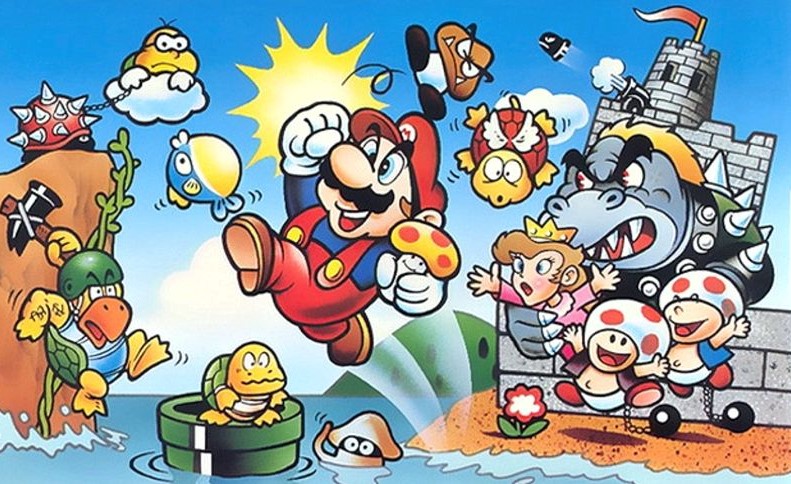
Mario is likely the most famous video game character ever created. While the story usually involves rescuing Princess Peach from Bowser, that’s mostly just a setting for fun, challenging gameplay. People generally see Mario as the symbol of Nintendo and a source of simple enjoyment, rather than a character with a complex backstory. His iconic mustache and red hat are instantly recognizable, even without knowing anything about the games.
‘Doom’ (1993)
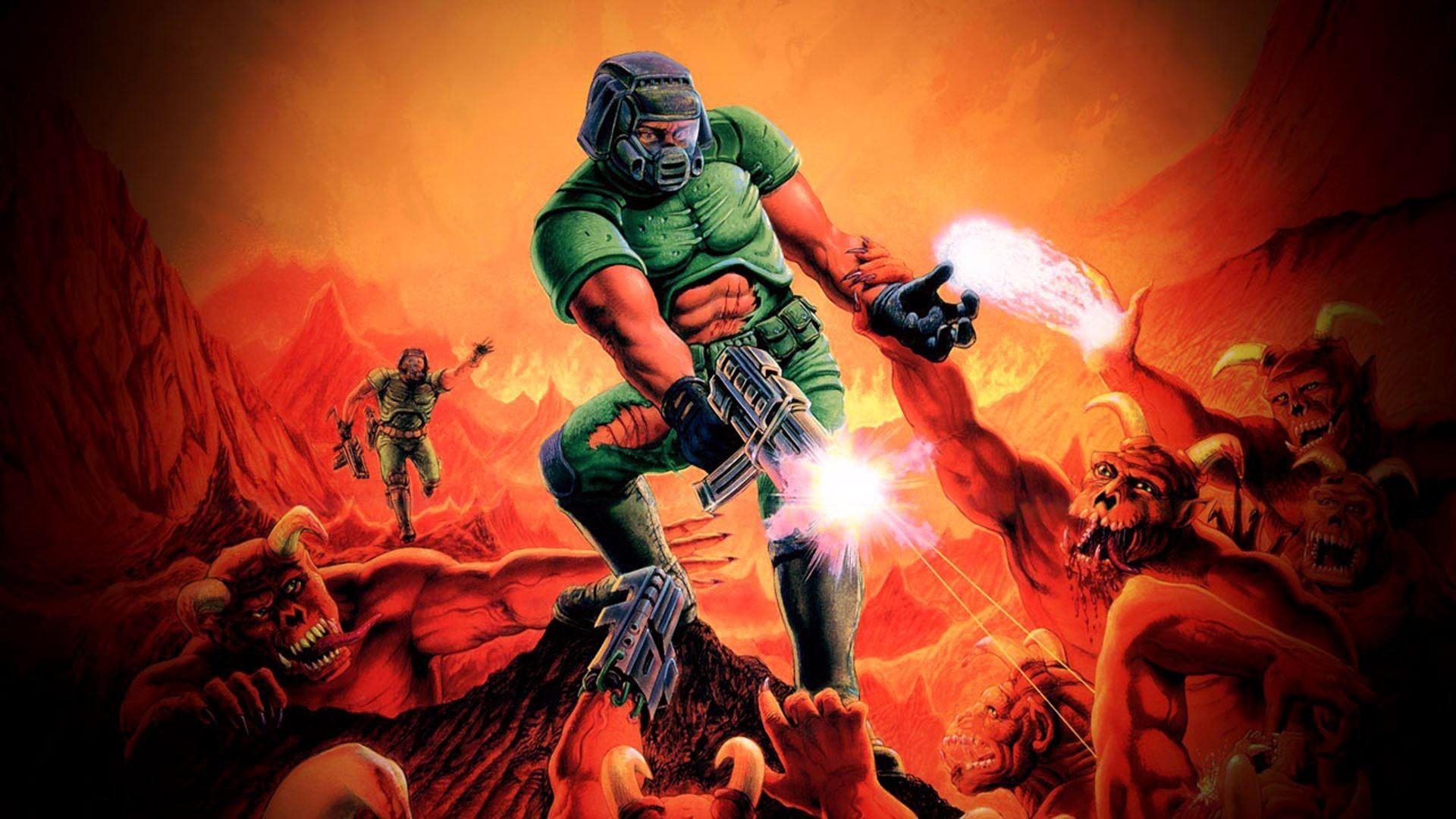
The Doom Slayer, often called Doomguy, is best known for what he does, not who he is. Players see him as a relentless, powerful force who brutally fights through armies of demons. Early games didn’t focus much on his history, prioritizing intense action instead. He embodies the idea of pure, unadulterated power – a character whose sole purpose is to destroy.
‘Duke Nukem 3D’ (1996)
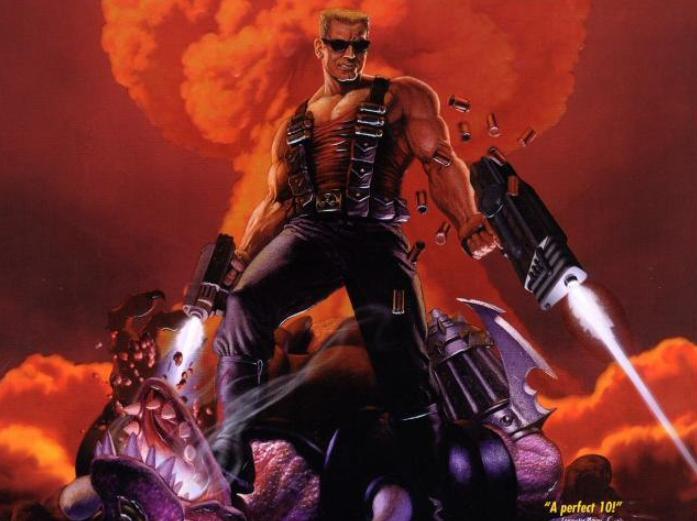
Duke Nukem is best known for his over-the-top attitude and memorable, often rude, comments – more than for the actual story of fighting aliens. The game is packed with references to popular culture and action movies, all centered around Duke’s huge ego. He’s a character designed as a joke, but became famous for his confident personality and how players could interact with him. The plot isn’t very important; the game is really all about Duke’s unique voice and how he acts.
‘Final Fantasy VII’ (1997)
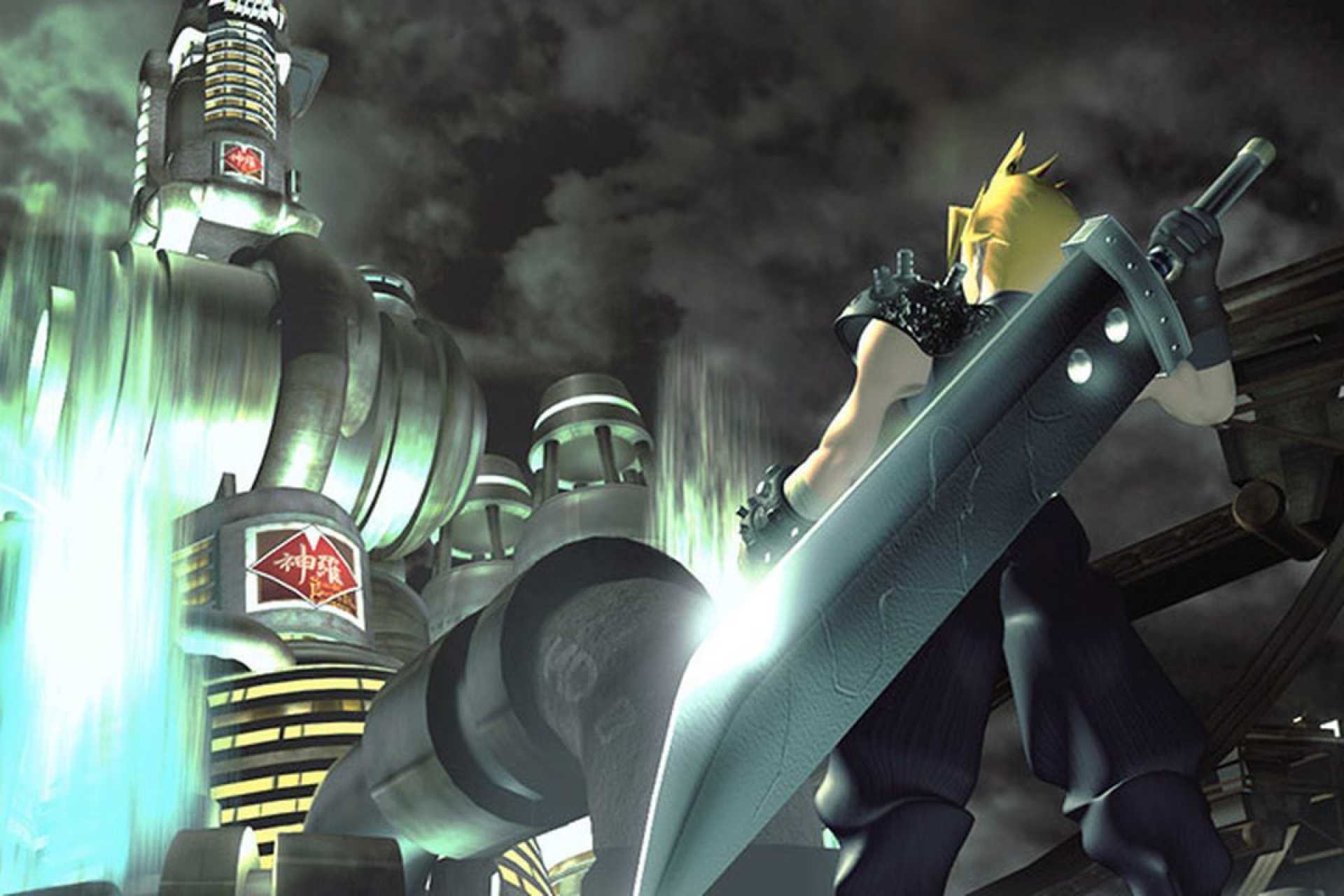
Sephiroth is a legendary villain in the world of video games. Even people who haven’t played the game he’s from instantly recognize him thanks to his striking silver hair and large sword. He’s popular not just for his complicated story, but for his impressive look and the feeling of dread he creates. Many gamers consider him the greatest villain ever, often pointing to his design and music as reasons why.
‘Metroid’ (1986)
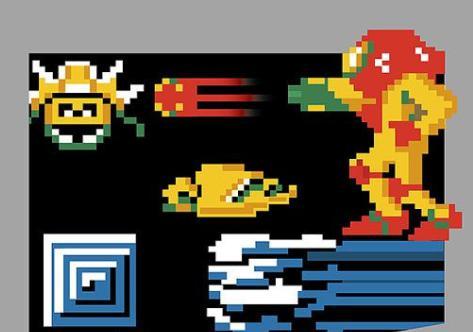
Samus Aran is a famous bounty hunter, and when it was revealed she was a woman, it was a groundbreaking moment for video games. People often talk about her distinctive power suit and how important she was as a female lead in a gaming world largely focused on male characters. While she’s a major face of Nintendo, the Metroid games tell their stories through atmosphere and visuals, with very little dialogue. Samus herself doesn’t speak, letting her actions and design communicate everything the player needs to understand.
‘God of War’ (2005)
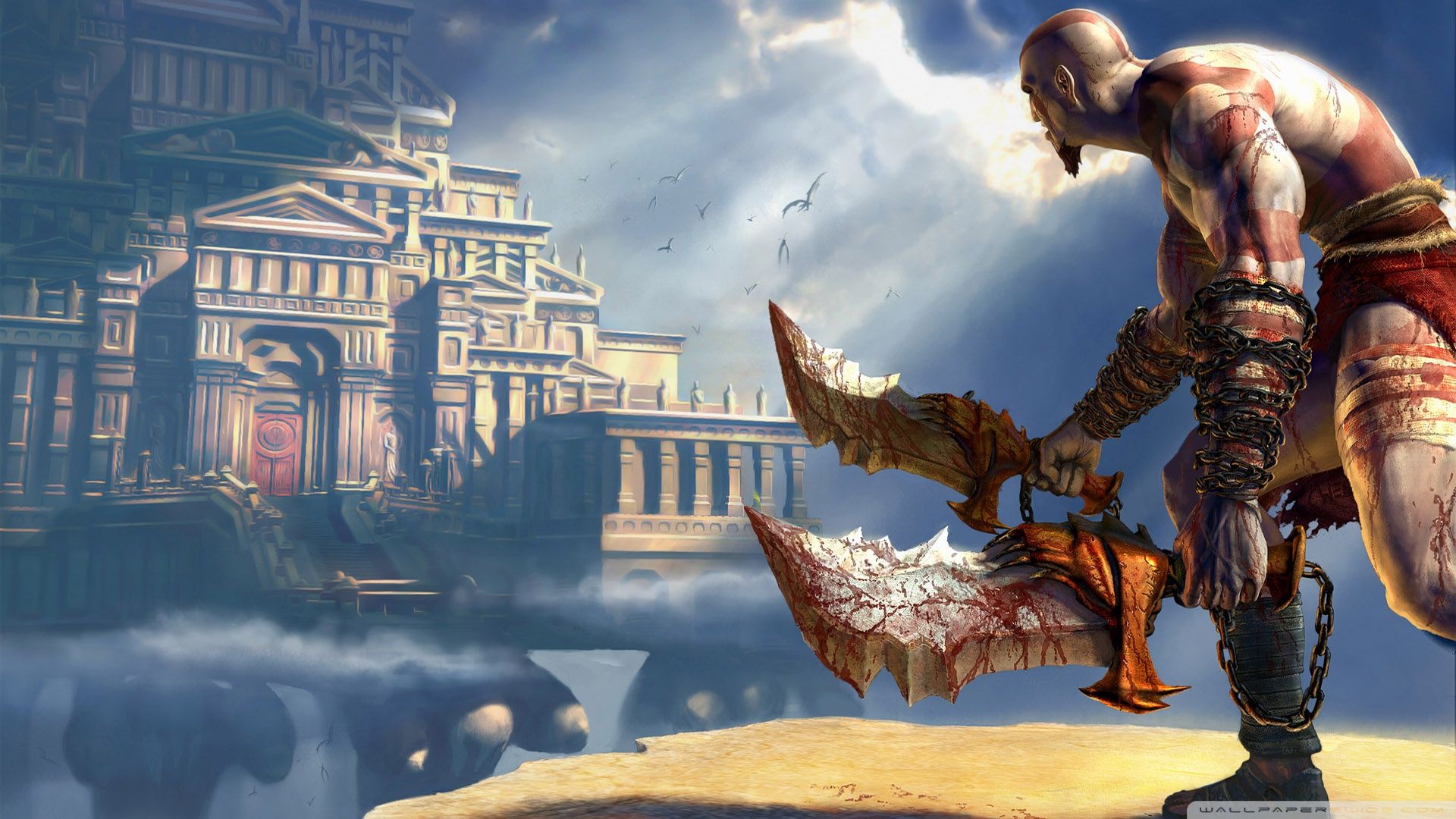
Initially, Kratos was known simply as a furious and violent warrior in the first three games. Players were more captivated by his aggressive attacks and iconic red tattoo than by the deeper story of his tragic past. During the PlayStation 2 era, he was largely defined by his anger and loud outbursts. The spectacle of him defeating powerful mythological gods often overshadowed the subtleties of his character and motivations.
‘Pokemon Red and Blue’ (1996)
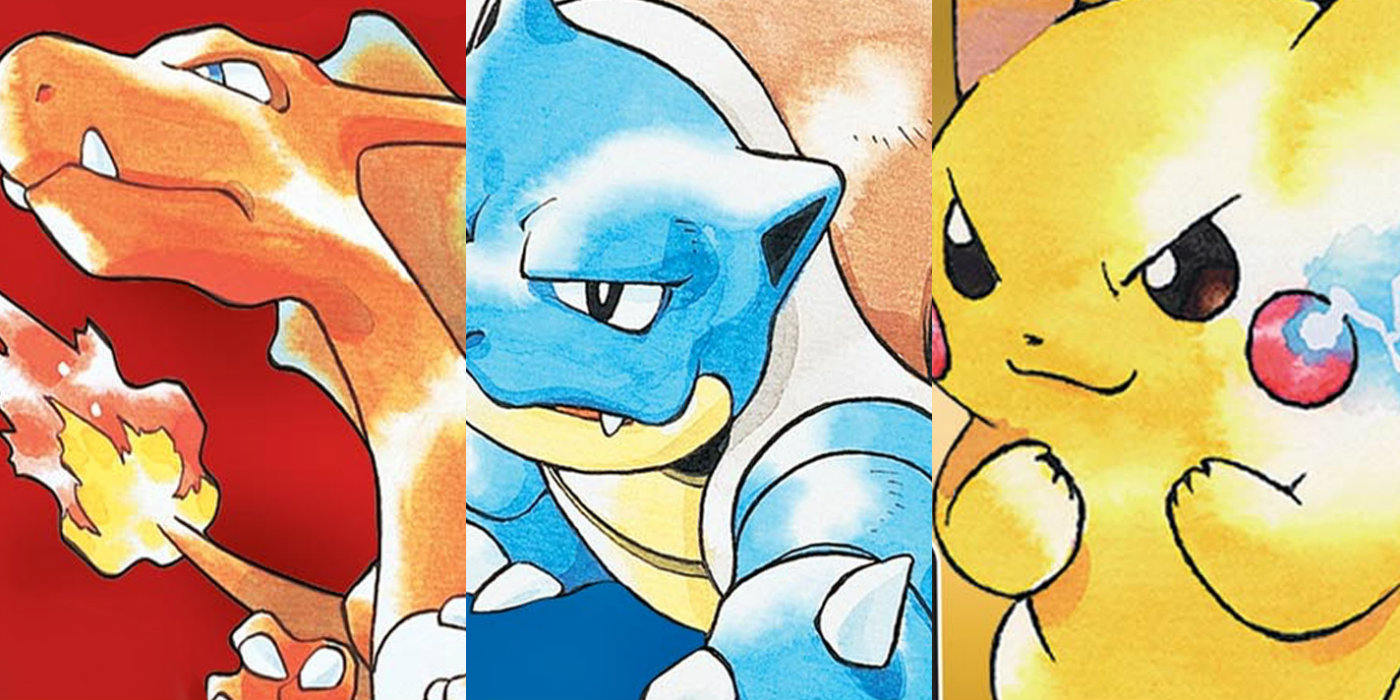
Pikachu is more than just a video game character – he’s a globally recognized icon. Even people who don’t play games know Pikachu, thanks to his popularity in the anime series where he’s Ash Ketchum’s companion. The animated Pikachu has a unique personality that goes beyond his abilities in the game. He’s become the face of the entire Pokémon franchise, appearing on all sorts of products, from airplanes to food.
‘Halo: Combat Evolved’ (2001)
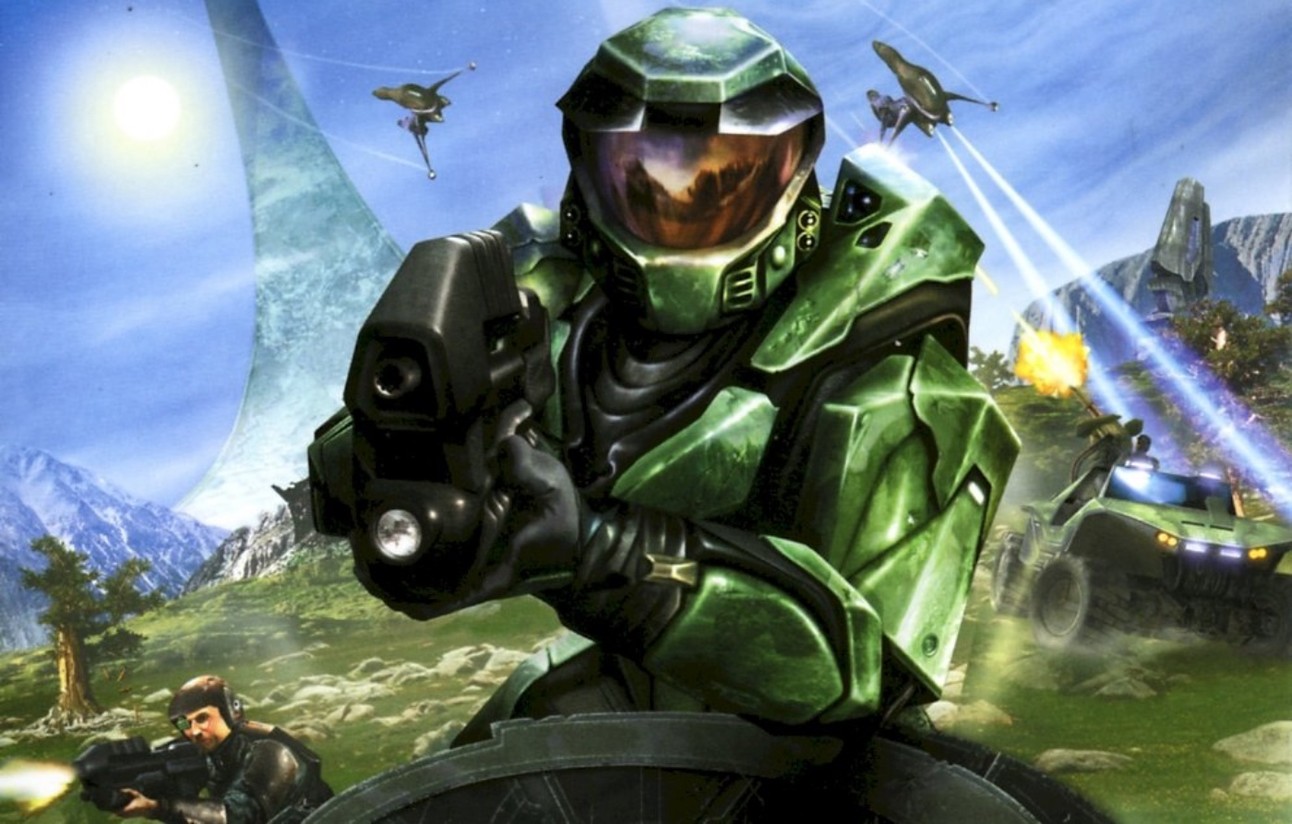
Master Chief, the main character in the Halo series, has become the face of Xbox. While the games have a detailed sci-fi story, it’s his iconic look – green armor and a gold visor – that people recognize most. The creators at Bungie intentionally made him a blank slate so players could easily step into his shoes, allowing his visual design to become so memorable. He’s the strong, silent hero whose image alone is enough to promote the Xbox, no matter what he’s doing in the game.
‘Among Us’ (2018)
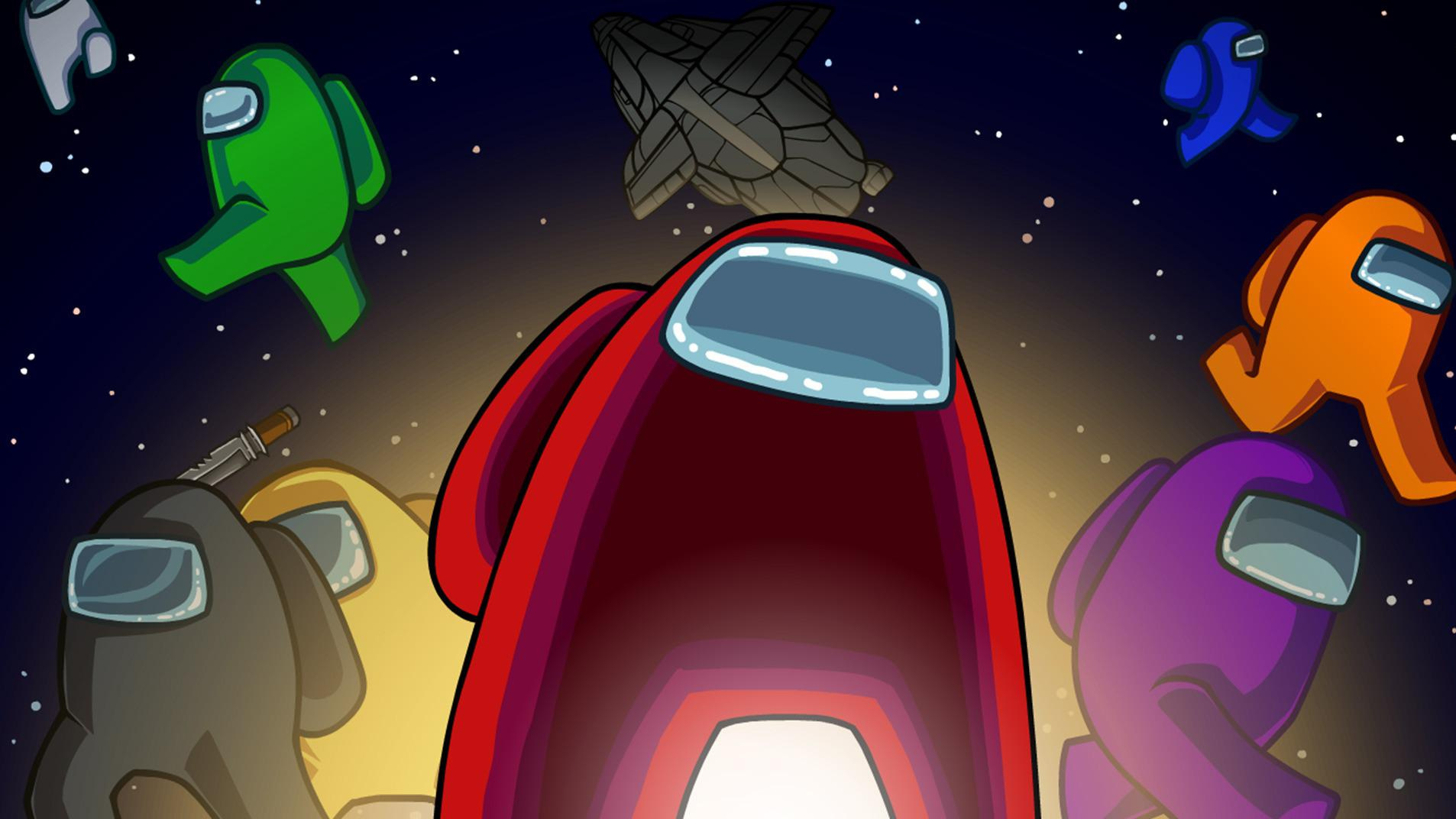
The Crewmate, a basic bean-shaped character, unexpectedly became a huge internet sensation. These colorful astronauts don’t have any backstory – their only goal is to stay alive. The character’s simple design makes it easy to customize and allows fans to create their own interpretations. Ultimately, the Crewmate is a tool for players to interact, deceive, and enjoy the game.
‘Minecraft’ (2011)
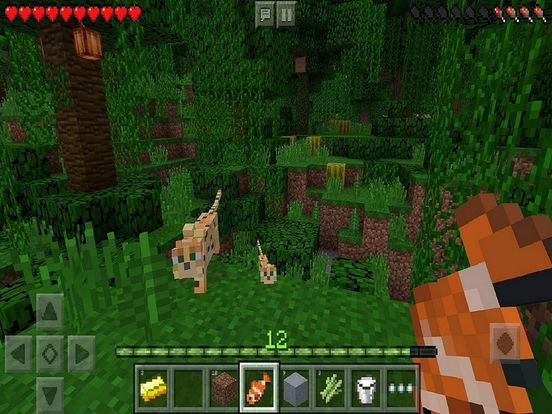
Steve is the instantly recognizable main character from the world’s best-selling video game. Unlike most characters, he doesn’t have a voice, history, or personality of his own. Instead, he’s a blank slate, designed to let players express their own creativity.
‘Team Fortress 2’ (2007)
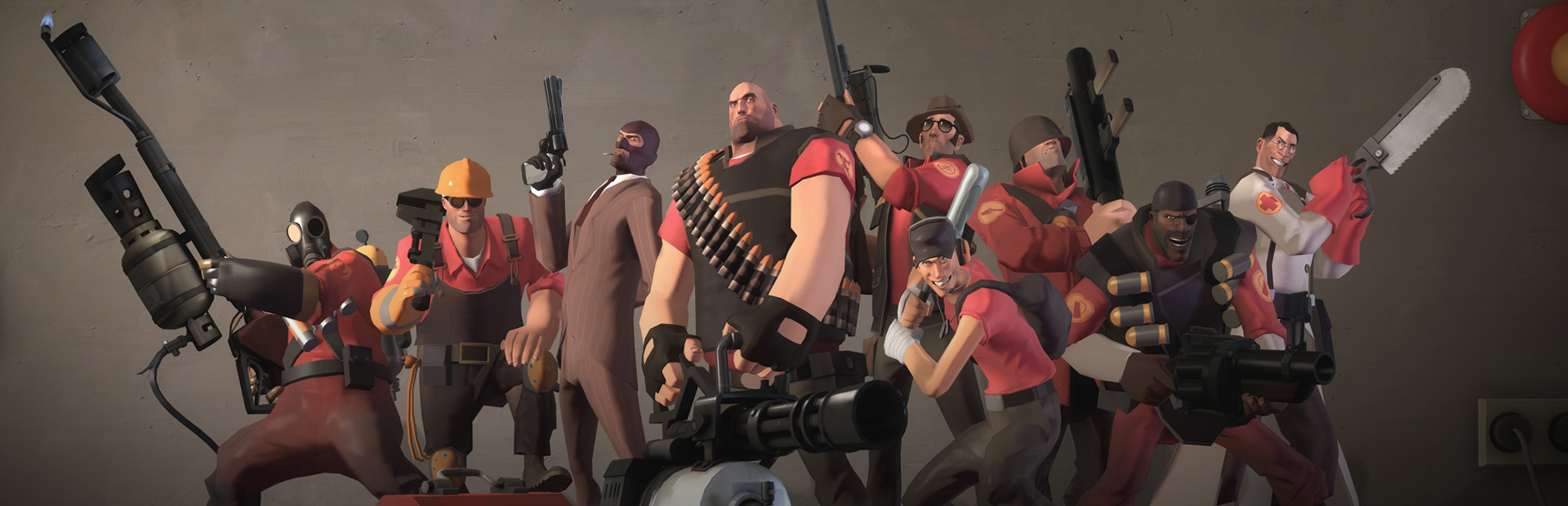
The Heavy is a hugely recognizable character from Valve’s team-based shooter, often appearing in memes and advertising. Most players know him for his powerful minigun and his fondness for sandwiches, rather than the game’s complex backstory found in its comics. His unique look and Russian accent make him instantly memorable. He really captures the game’s wild and playful spirit, even more than any specific story element.
‘Mortal Kombat’ (1992)
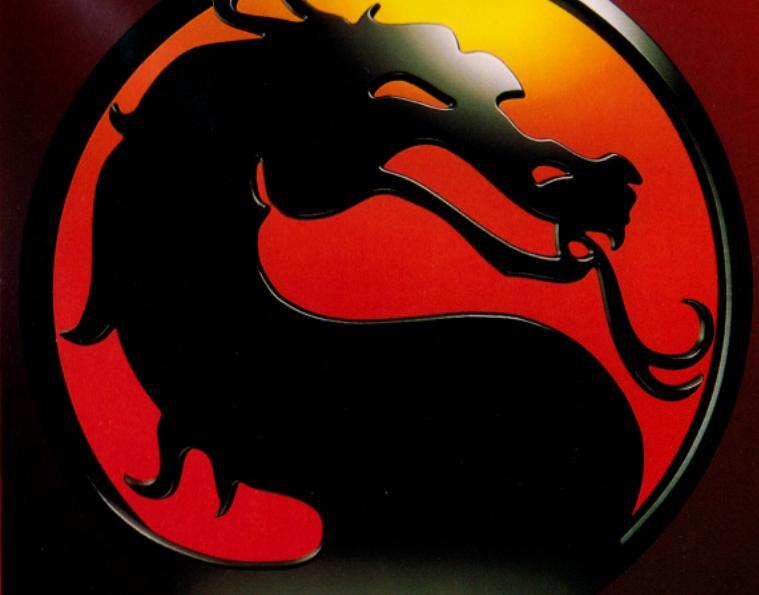
Scorpion is the most recognizable ninja character in the Mortal Kombat series, even serving as the face of the franchise. His famous line, “Get over here,” is iconic in gaming. Though his story centers around a long-standing feud with Sub-Zero, most players remember him for his spear and brutal finishing moves. He’s featured prominently on the cover of nearly every game, regardless of how important he is to the plot.
‘Pac-Man’ (1980)
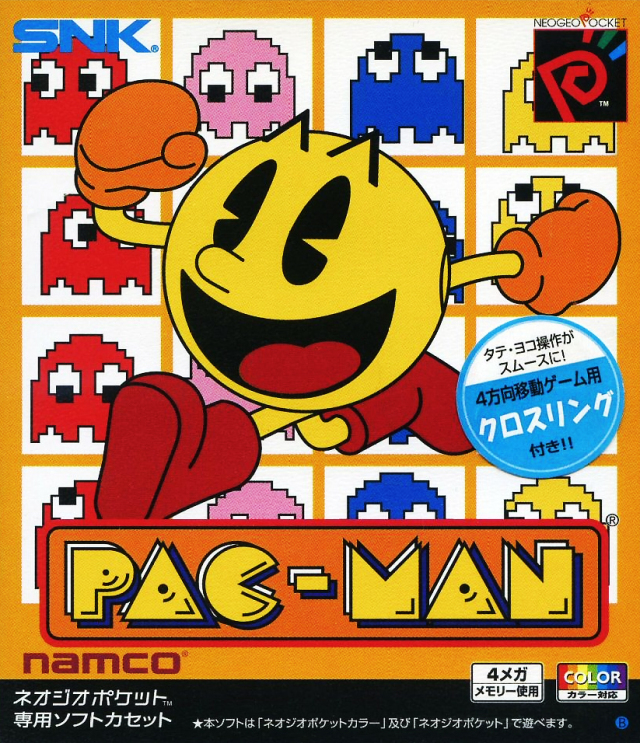
Pac-Man, the iconic yellow circle, became a worldwide phenomenon by simply eating dots and running from ghosts. He’s considered one of the first video game characters to achieve true international stardom. The original arcade game didn’t have much of a story, but Pac-Man quickly became a symbol of classic arcades and the retro gaming scene.
‘Bayonetta’ (2009)
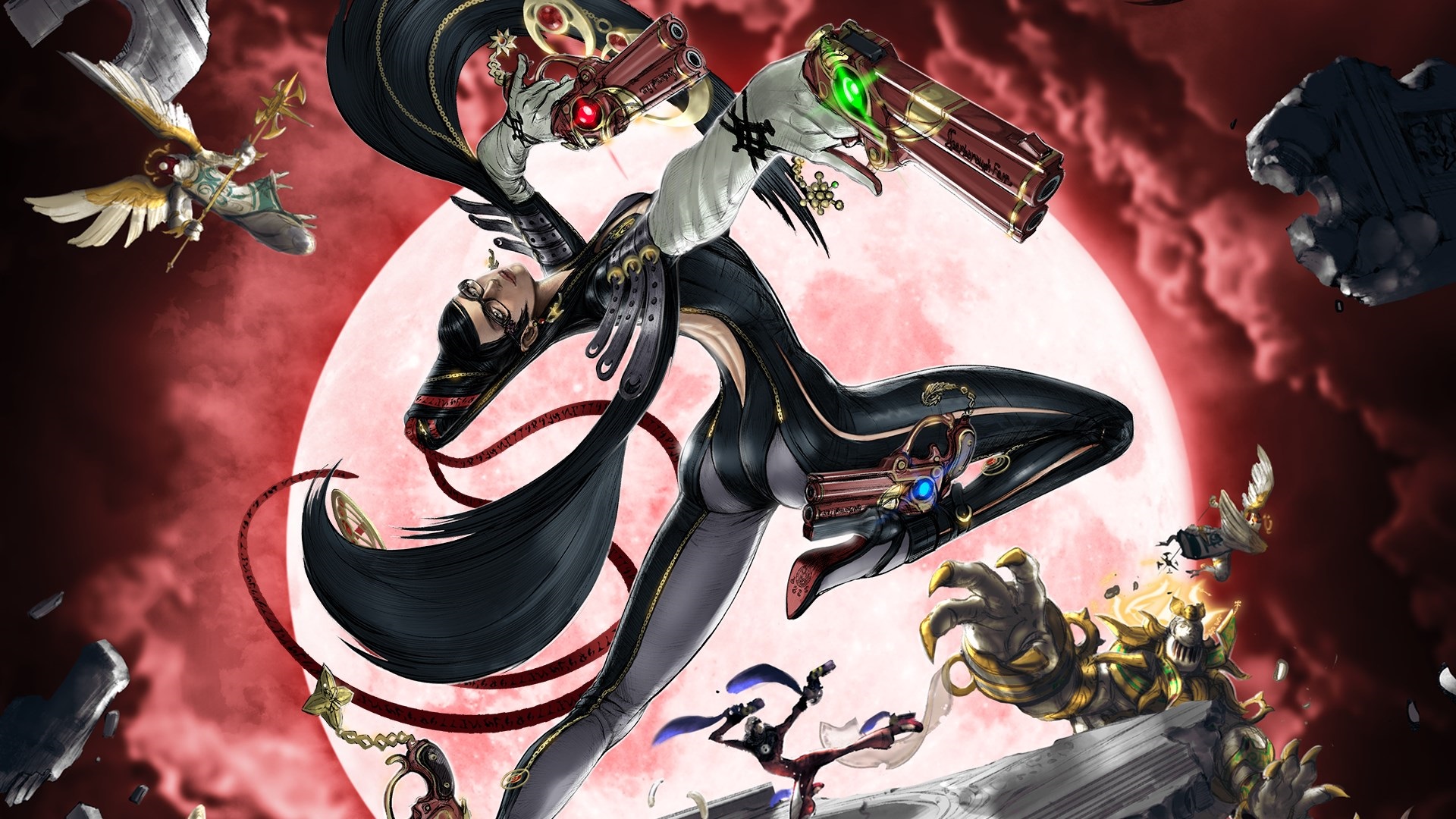
Bayonetta is a powerful witch who fights with style, using her hair as a weapon and looking fabulous while doing it. While the game has a complicated story about angels and demons, it’s Bayonetta herself – her confidence, incredible fashion, and over-the-top battles – that truly make the experience memorable. She’s a visually stunning character who always commands attention.
‘Kirby’s Dream Land’ (1992)

Kirby is a lovable, pink character known for sucking up enemies and gaining their powers. His games usually have lighthearted and simple stories that everyone can enjoy. Despite his cute look, Kirby often battles surprisingly scary monsters, creating a funny contrast. He’s a flexible and charming character who’s defined by both his abilities and his adorable design.
‘Dead or Alive’ (1996)
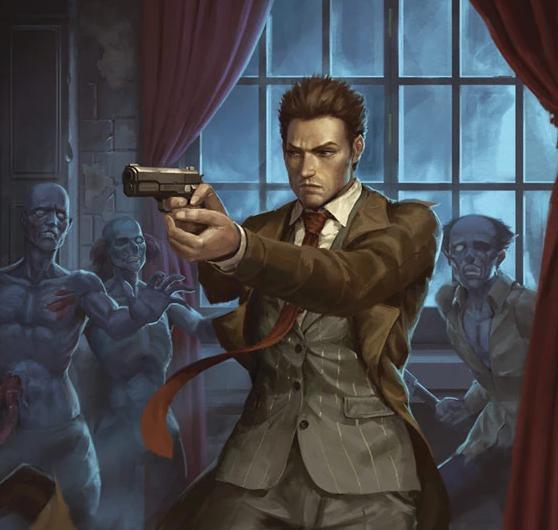
Kasumi is the main character, a ninja who’s on the run, in this fighting game series. People often talk more about how the game looks – its realistic movements and character designs – than about the fighting itself. Kasumi is the most recognizable face of the series, appearing in nearly all of its advertisements, but her story sometimes gets overshadowed by the game’s impressive visuals.
‘Animal Crossing: New Leaf’ (2012)
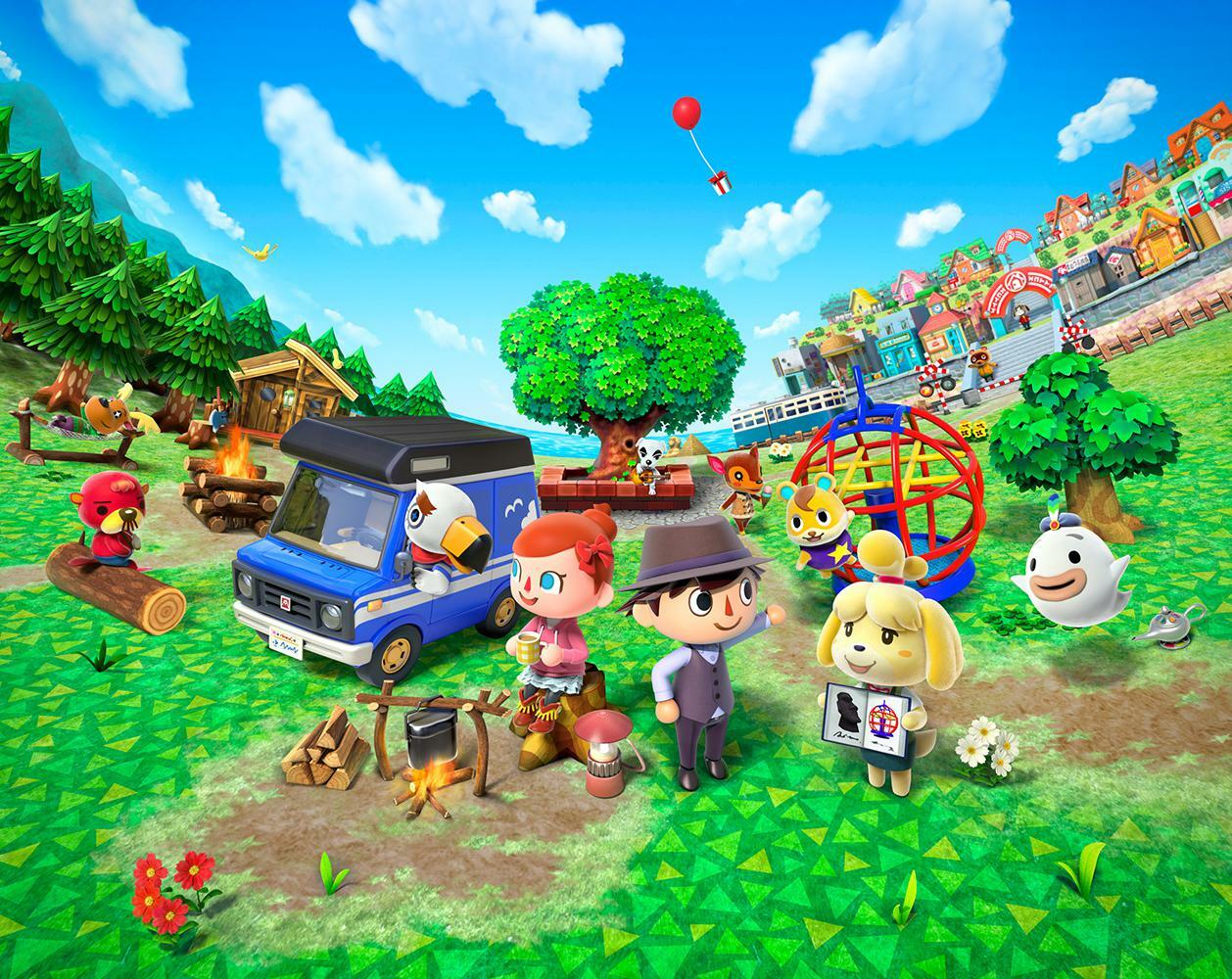
Isabelle is the kind and efficient assistant who helps players manage their town in the game. She quickly became popular online for being polite and always willing to work hard. The game focuses on everyday life and doesn’t have a main storyline. Because she’s so beloved, Isabelle has even appeared in fighting games and inspired a lot of merchandise.
‘Mega Man’ (1987)
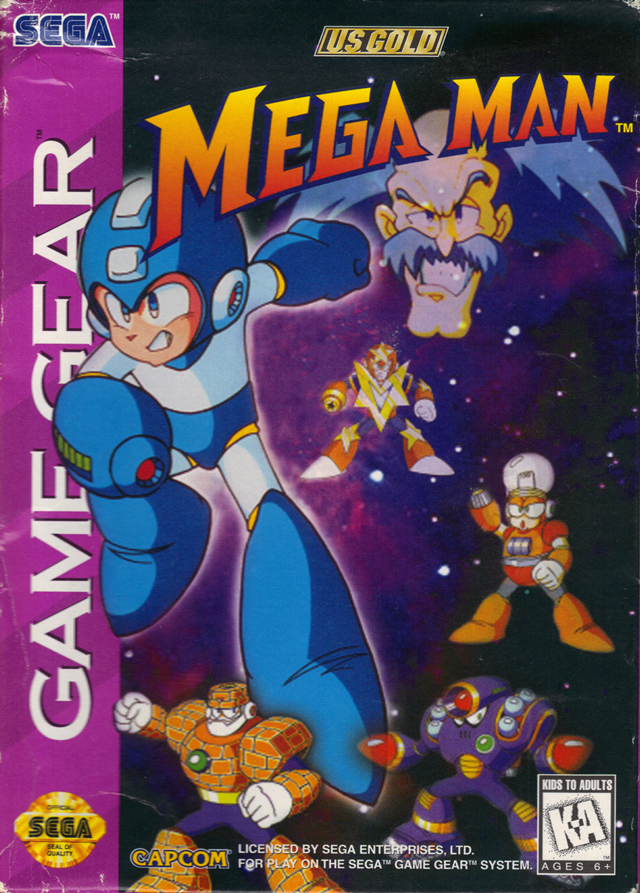
Mega Man, known as the Blue Bomber, battles the robots created by Dr. Wily. The games are celebrated for being challenging and letting players choose levels in any order, rather than focusing on a complex story. His design is straightforward but clearly shows he’s a robot. He’s a classic hero from the early days of video games, remembered for his amazing platforming gameplay.
‘Crash Bandicoot’ (1996)
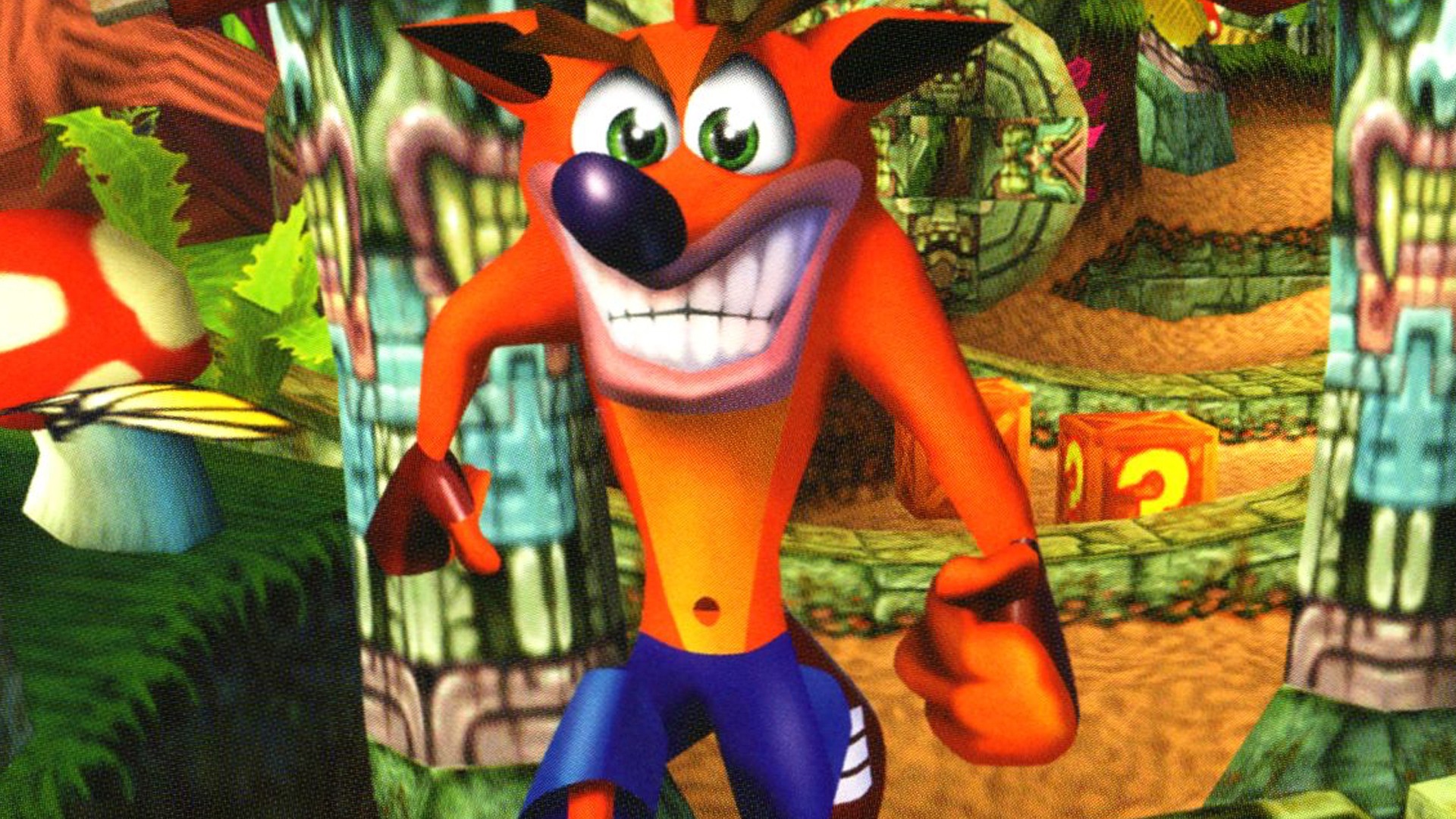
Crash Bandicoot is a fun, energetic marsupial that became a popular face for the original PlayStation. Players loved his silly personality and lively movements. While the stories generally center around stopping the villain Dr. Neo Cortex, it’s Crash’s slapstick humor that really makes him special. He’s an important figure in video game history, helping to bring platforming games into the world of 3D.
‘Spyro the Dragon’ (1998)
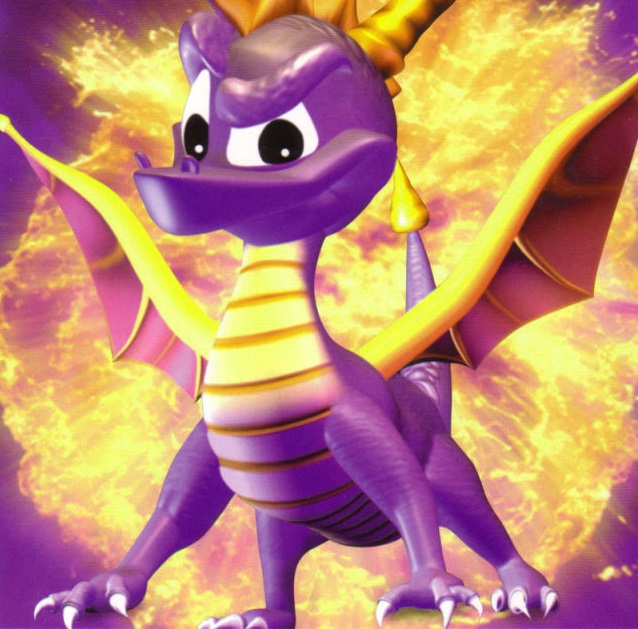
Spyro is a cheerful purple dragon who goes on exciting adventures. He travels through bright, imaginative worlds, collecting gems and saving dragons that have been turned to stone. Players love how Spyro looks and how he gets around – he can glide and charge through levels, making exploration fun and easy. His games are known for being lighthearted and enjoyable.
‘Earthworm Jim’ (1994)
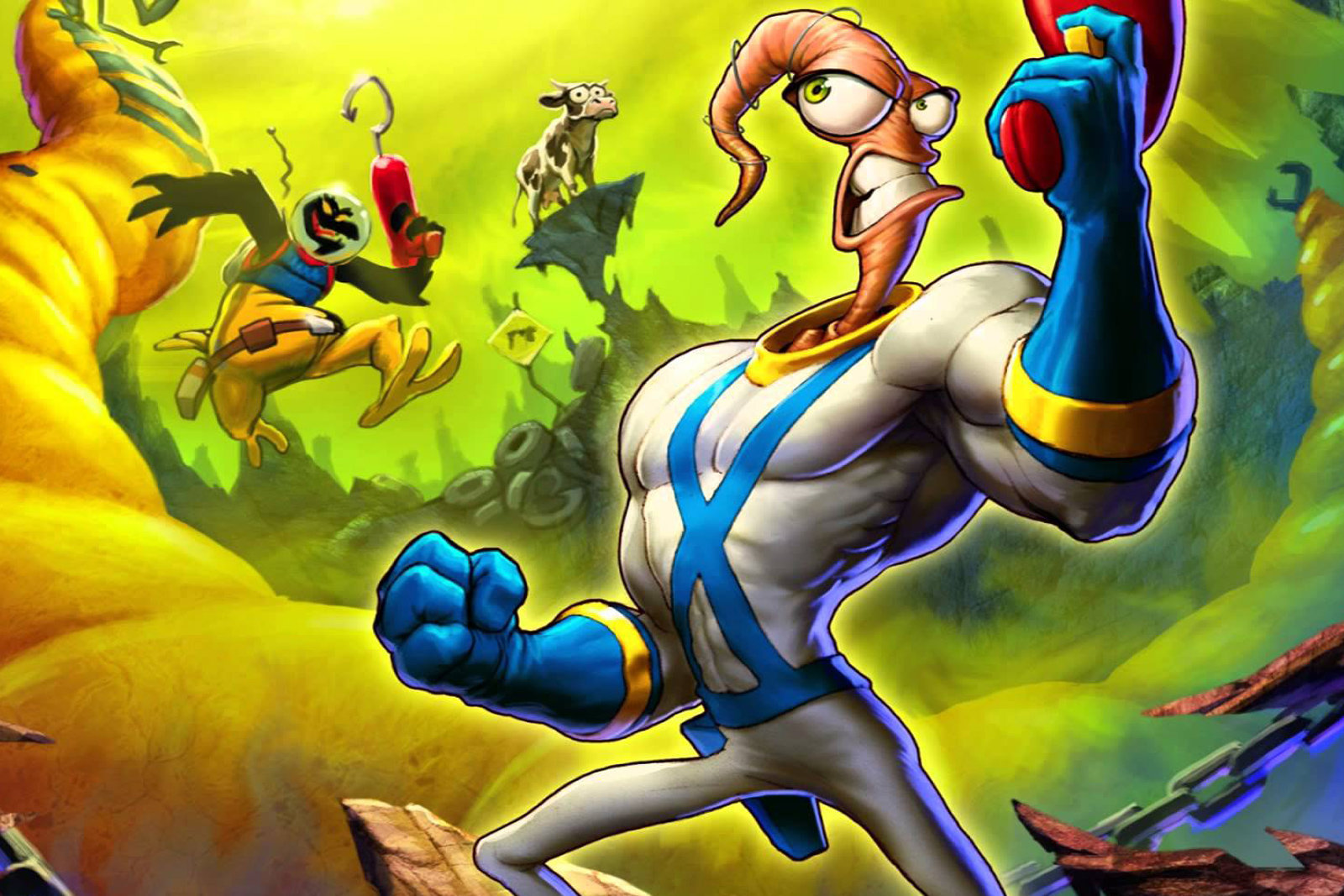
I absolutely loved Earthworm Jim! It’s just this crazy game about a worm in a super suit fighting the weirdest enemies you can imagine. Seriously, it’s totally over-the-top and the animation is so unique – nothing else looked like it back then. The story? Well, it’s basically an excuse to throw you into all these bizarre levels filled with gross-out gags. But that’s the charm! It just feels like those wacky, over-the-top cartoons from the 90s, and that’s a big part of why I enjoyed it so much.
‘Hitman: Codename 47’ (2000)
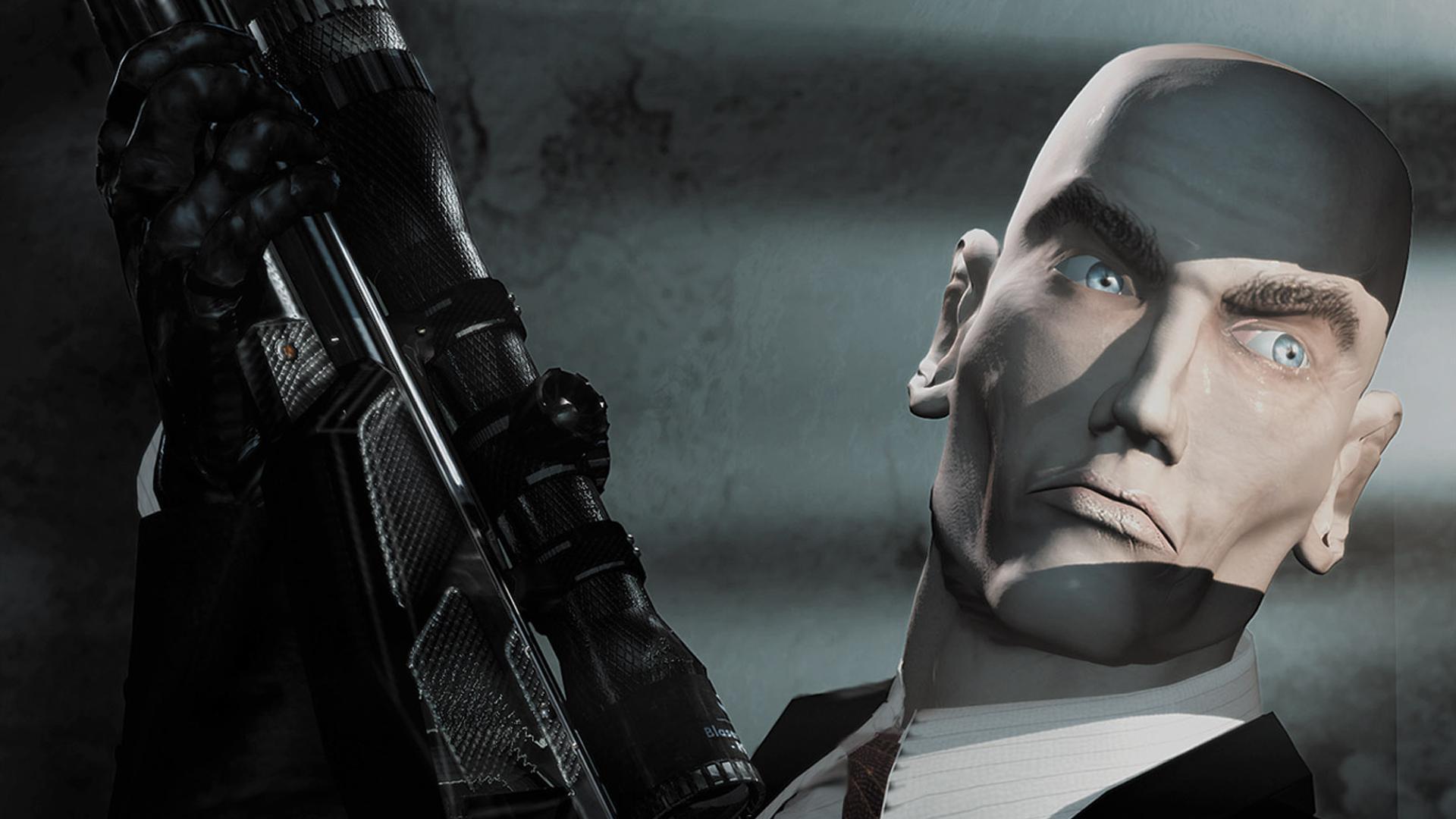
Agent 47 is a professional assassin – instantly recognizable by his shaved head and the barcode on the back of his neck. He’s designed to be a chameleon, able to disappear into any situation. Players are more drawn to the creative freedom in how he completes his missions than to the overarching story. He’s best known for his calm demeanor and signature suit.
‘Genshin Impact’ (2020)
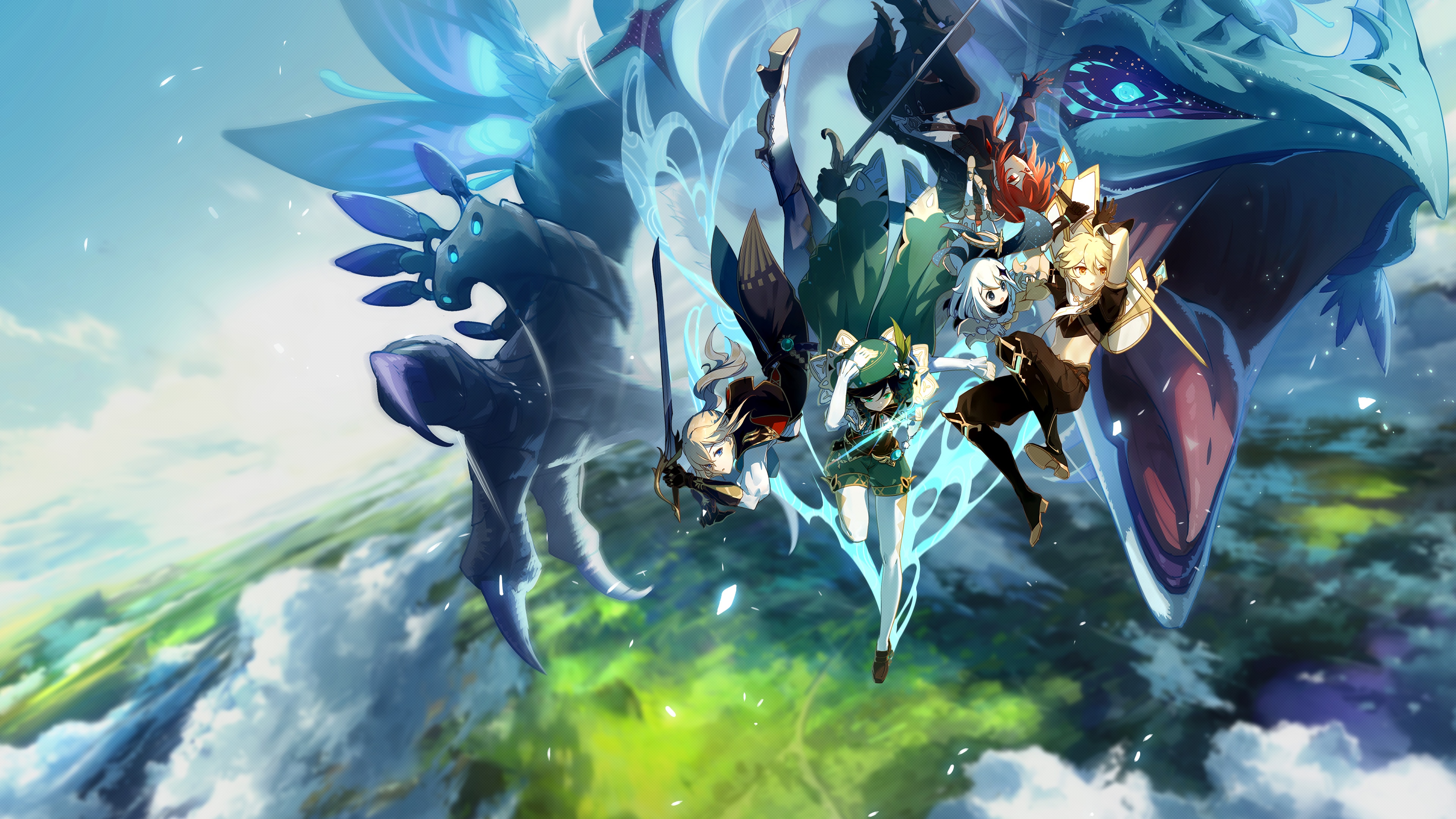
Paimon is the Traveler’s ever-present, floating guide in the world of Teyvat. Since the Traveler doesn’t speak, Paimon does most of the talking, and she’s become a popular source of jokes within the game’s community. Although the game has a complex story, most players first notice Paimon’s distinctive, high-pitched voice and her constant craving for food. She’s also the face of the game on social media.
‘Apex Legends’ (2019)
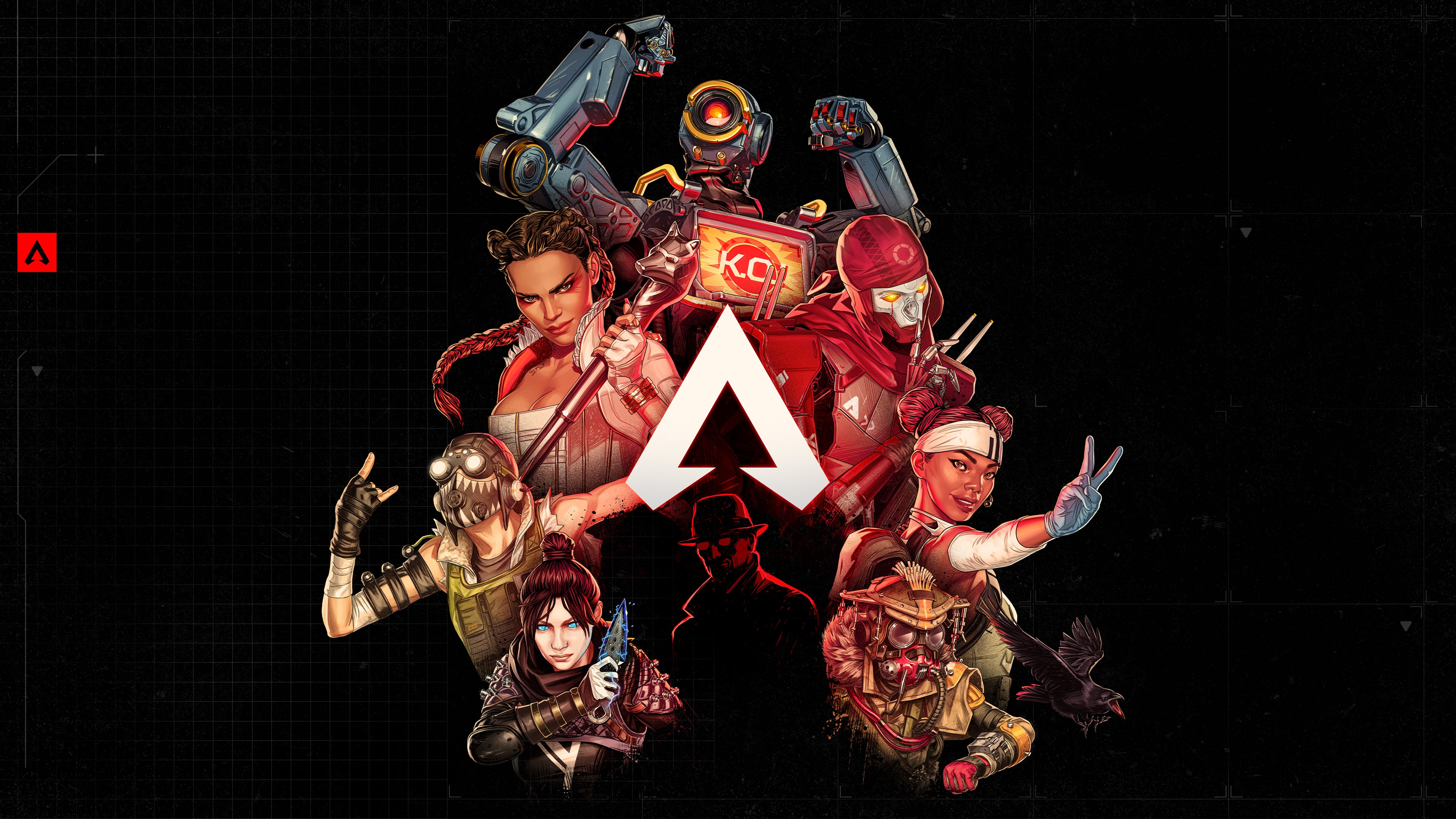
Wraith is a popular and effective fighter, frequently chosen by players. Her unique ability to create portals and sense danger gives her a significant advantage. In this fast-paced battle royale game, winning is more important than the story behind the characters. Her cool look and special weapons, like the “Kunai” heirlooms, contribute to her widespread appeal.
‘League of Legends’ (2009)
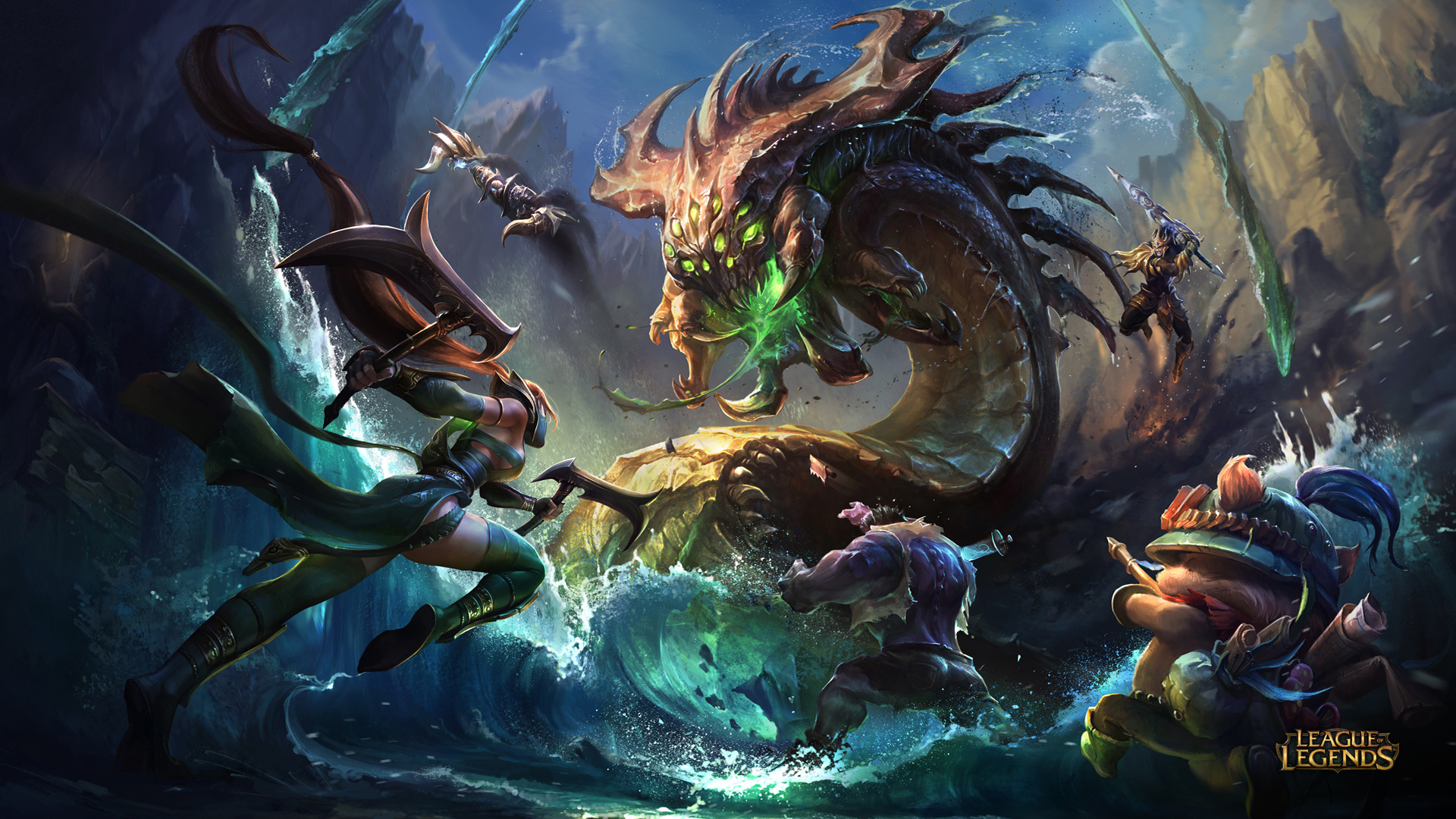
Ahri, a mage with nine fox tails, is one of the most recognizable characters in the MOBA gaming world. Her beautiful design attracts a huge audience and is a popular choice for cosplay. Since the game doesn’t have a story mode, details about her background are found in separate writings. She’s also incredibly popular for in-game cosmetic items and merchandise, outselling almost all other characters.
‘Fortnite’ (2017)
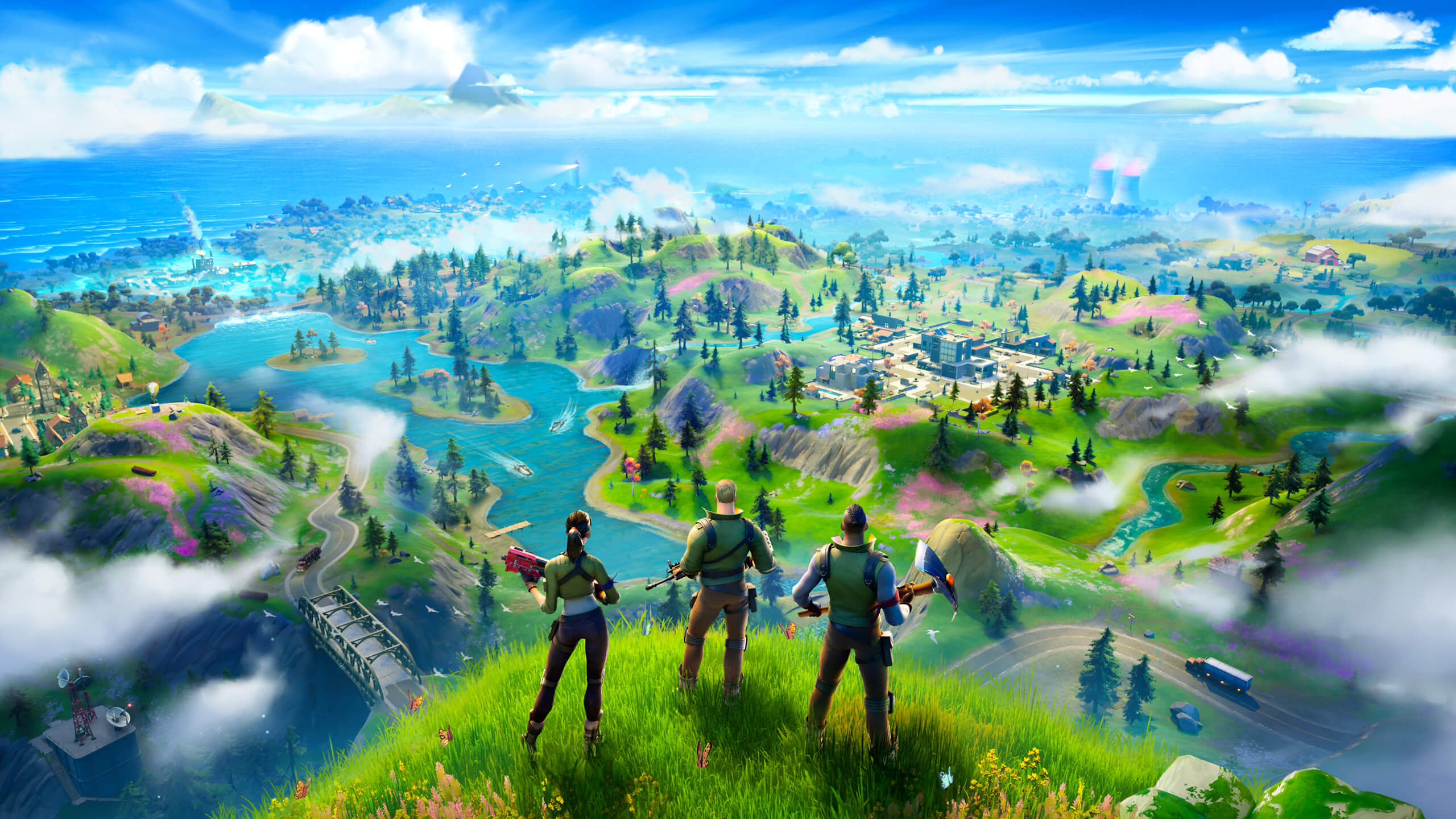
Jonesy is the original, default character in the battle royale, designed to represent the core gameplay experience. He’s often featured in trailers and in-game events as a way for players to connect with the action. While the game frequently introduces characters from other franchises, Jonesy stays true to its original roots. He began as a simple soldier but has become a traveler across different worlds.
‘Portal’ (2007)
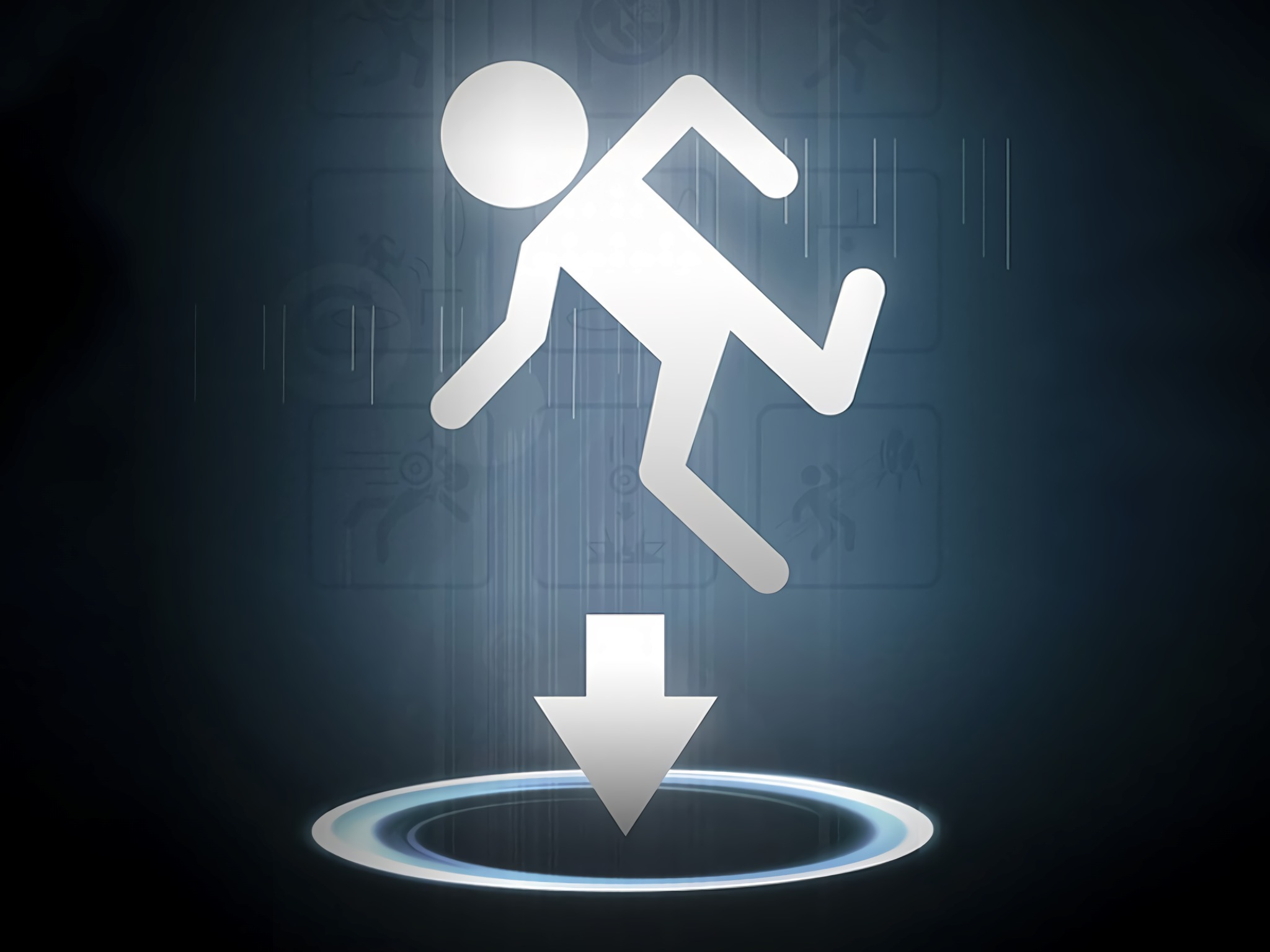
GLaDOS is a hostile artificial intelligence who puts the player through a series of challenging tests. What really makes the game special is her sarcastic and darkly funny way of talking. The story unfolds mainly through her commentary as you work through the puzzles. She’s become one of the most memorable and frequently quoted villains in video game history.
‘Borderlands’ (2009)
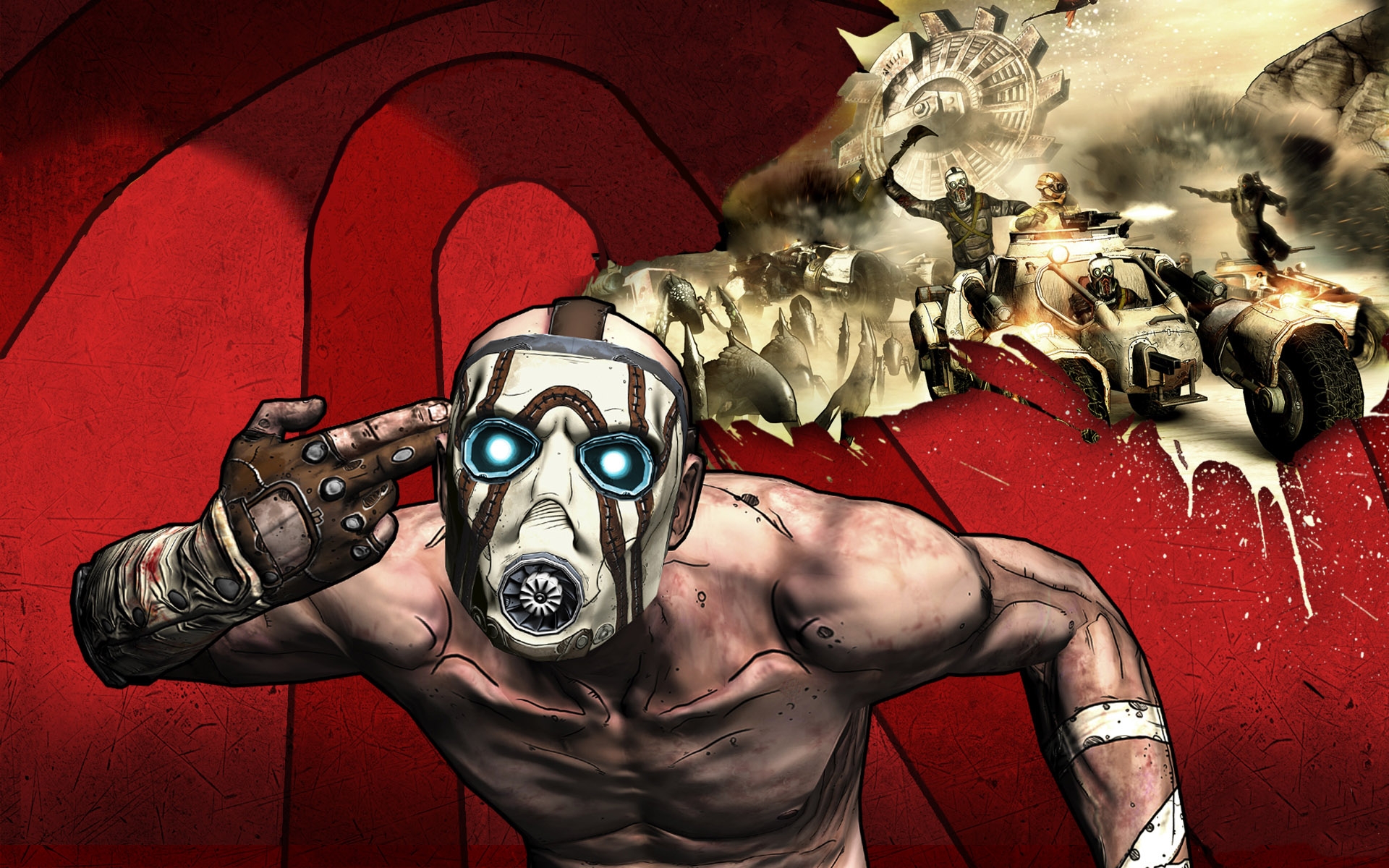
Claptrap is a highly energetic robot and one of the first characters players meet. While some find his non-stop talking and dancing annoying, he’s become a famous and memorable part of the series. He provides humor in the often-dark world of the game, and his unique look is instantly associated with the franchise.
‘Five Nights at Freddy’s’ (2014)
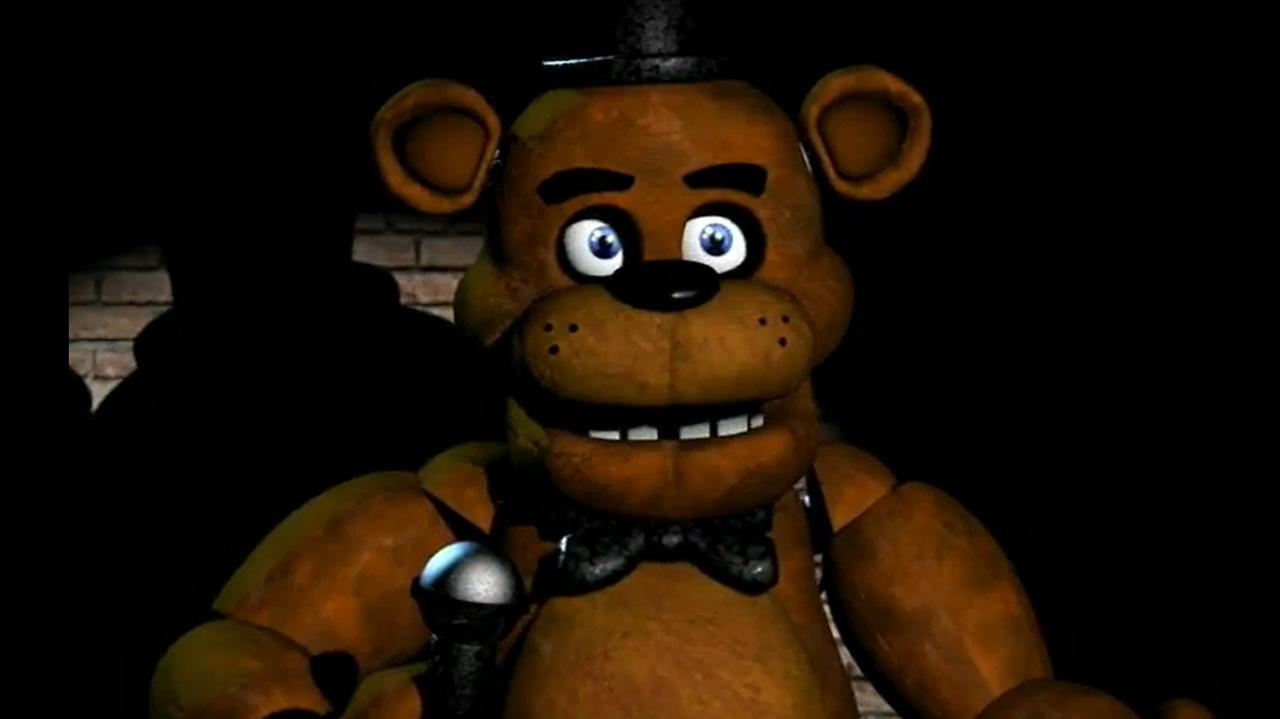
Freddy Fazbear is the creepy animatronic bear that chases the player throughout the game. The story behind the game is famously mysterious and layered, but Freddy’s design is straightforwardly scary. His image became hugely popular online and helped make the game a viral hit. He’s become a symbol of independent horror games today.
‘Ratchet & Clank’ (2002)
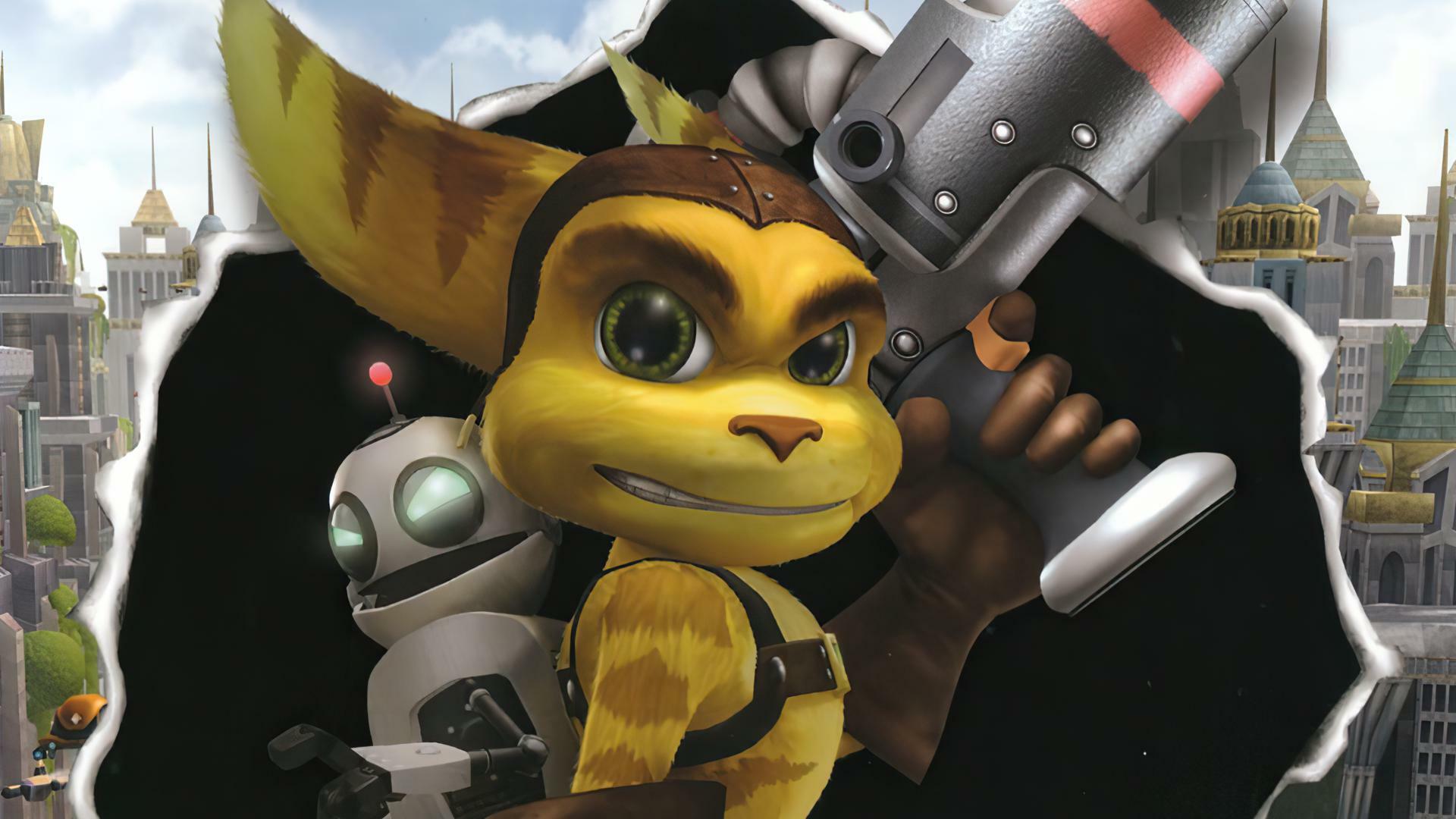
Ratchet is a skilled mechanic from the Lombax species who joins forces with a little robot to protect the galaxy. The fun relationship between these two characters is central to the games, but what really makes them stand out is the huge variety of over-the-top weapons you can use. The storylines are lighthearted space adventures designed to complement the fast-paced action. Ratchet himself is a classic example of a platforming hero from a bygone era.
‘Metal Gear Rising: Revengeance’ (2013)
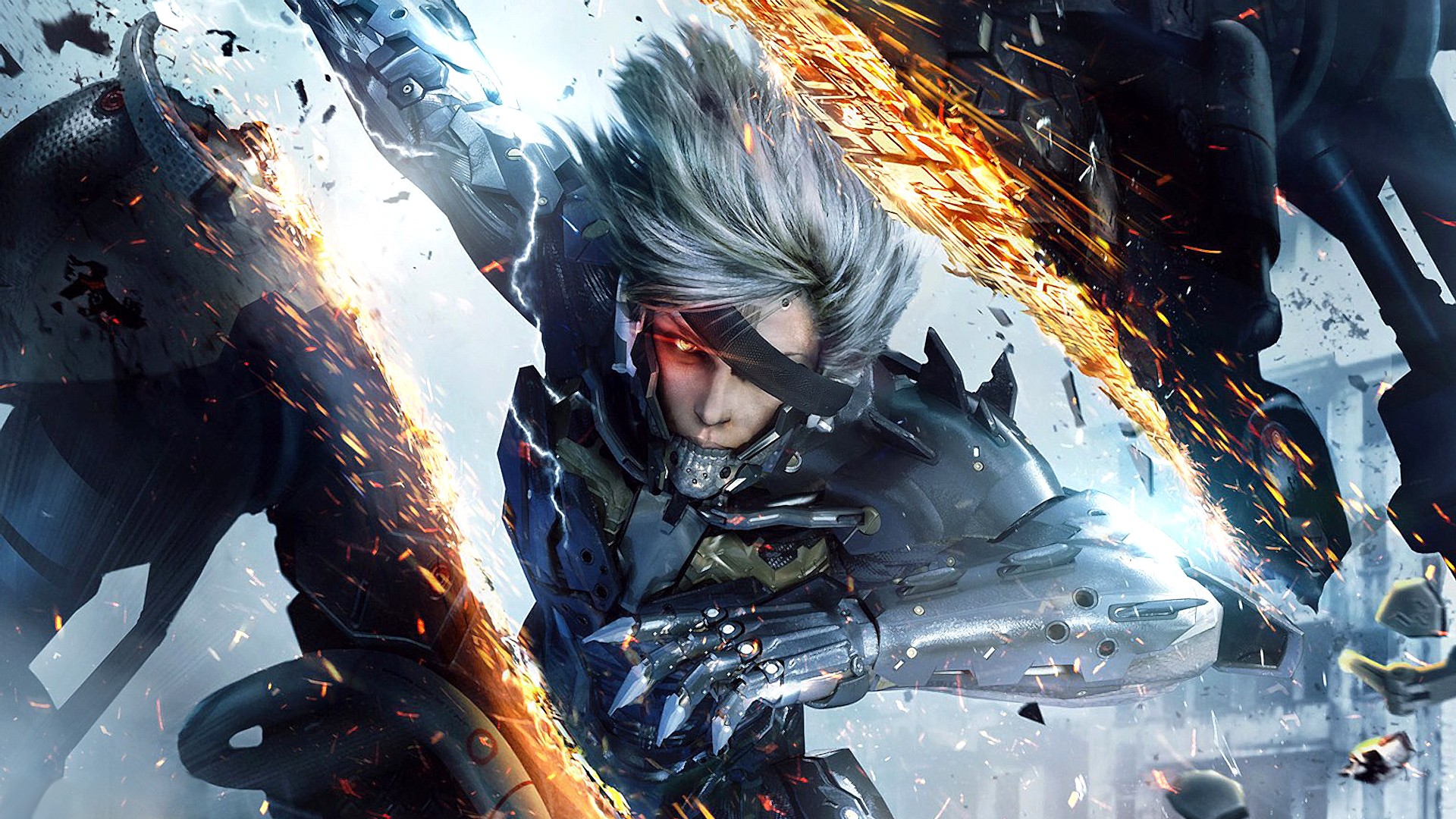
Senator Armstrong is a surprisingly popular villain who shows up right at the end of the game and immediately became a fan favorite. His dramatic speech about nanomachines, combined with his incredible strength, quickly spread online and became a widely shared meme. Even people who haven’t played the game often recognize and quote his lines, proving he’s a character who makes a huge impact despite his limited appearance.
‘Rayman’ (1995)
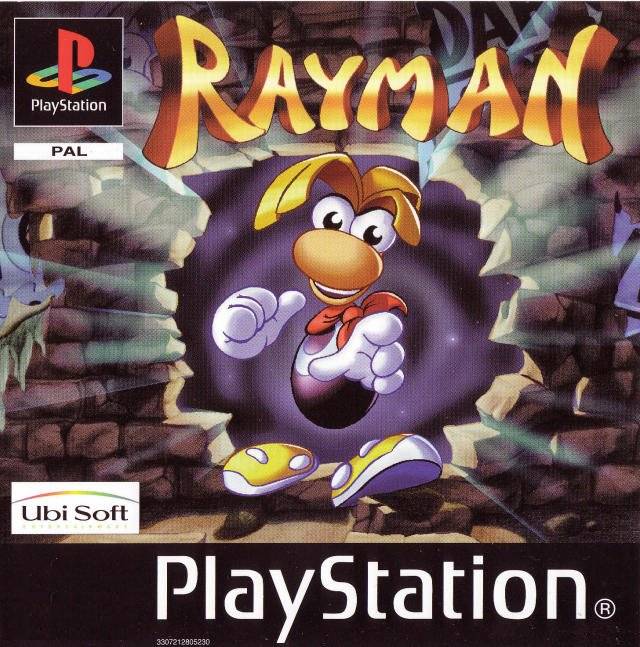
Rayman is a unique hero who doesn’t have arms or legs – instead, his limbs float around him. This unusual design started as a way to make animation easier, but it ended up becoming what everyone recognizes him by. The Rayman games are famous for their beautiful art and music-filled levels. He’s a playful character who brings a lot of fun to platforming games.
Tell us which gaming icon you think overshadows their game’s plot the most in the comments.
Read More
- Invincible Season 4 Gender Swaps Tech Jacket As Fans Question Major Comic Change
- Gold Rate Forecast
- Silver Rate Forecast
- 20 Movies Where the Black Villain Was Secretly the Most Popular Character
- Building Agents That Learn and Improve Themselves
- 22 Films Where the White Protagonist Is Canonically the Sidekick to a Black Lead
- 15 Films That Were Shot Entirely on Phones
- Celebs Who Narrowly Escaped The 9/11 Attacks
- Games That Faced Bans in Countries Over Political Themes
- 20 Films Where Black Directors Subverted Hollywood’s White Savior Tropes
2026-02-02 10:25