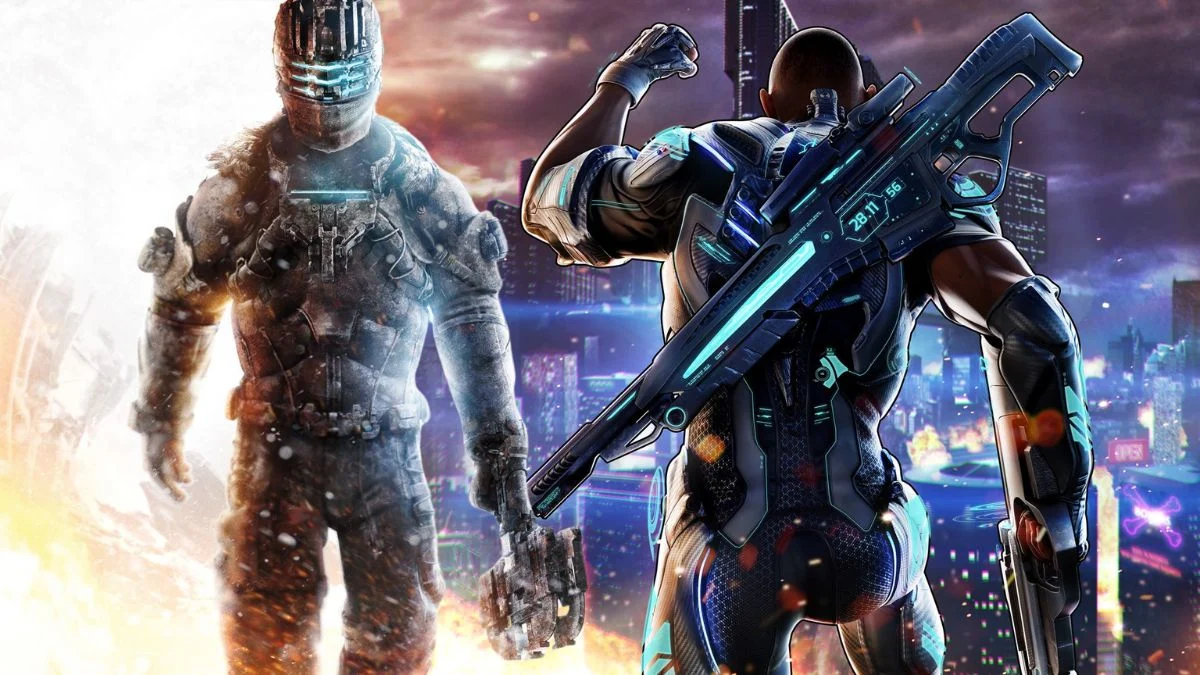
As a huge gamer, I’ve noticed something really interesting: we often get way more hyped for the sequel to a game than for the first one! We spend years dreaming about what could happen next, imagining how the gameplay will be better, and developers tease big changes. But honestly, that creates so much pressure! It’s like the game has to be perfect, and even good games can struggle to live up to those expectations. If a long-awaited sequel finally comes out and has problems – glitches, or just weird choices in how it’s made – the reaction is usually really strong and negative. It’s a tough situation for everyone involved.
‘Duke Nukem Forever’ (2011)
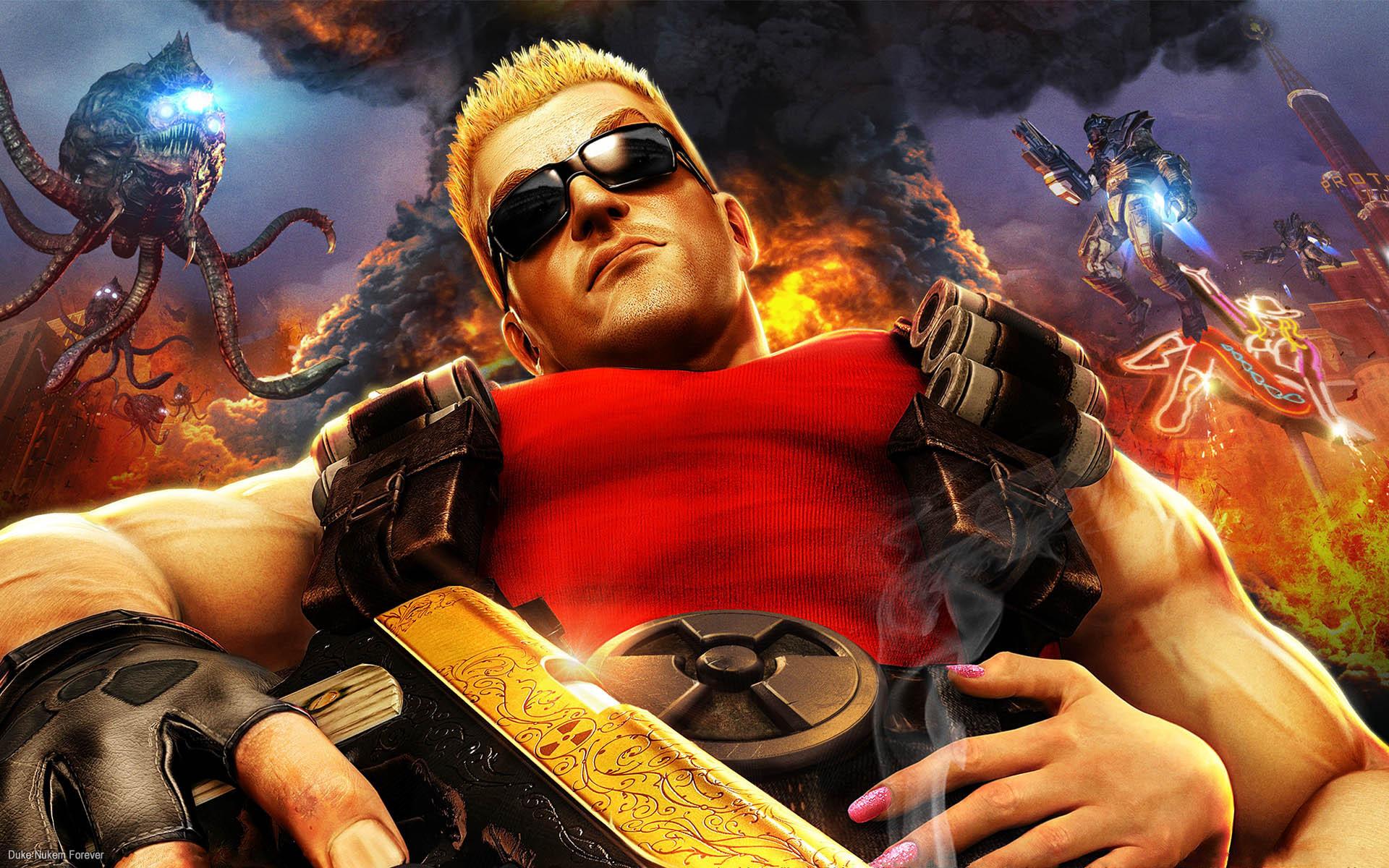
The creation of this first-person shooter took almost fourteen years and became well-known for its lengthy development. Gearbox Software ultimately completed the game after the original developer, 3D Realms, was unable to finish it. When it finally released, players found the humor and gameplay felt old-fashioned compared to current games. Fans who had waited over a decade for the game were disappointed by its straightforward levels and slow loading times. Critics largely agreed that the final result was uneven and didn’t live up to the hype surrounding its troubled development.
‘Aliens: Colonial Marines’ (2013)
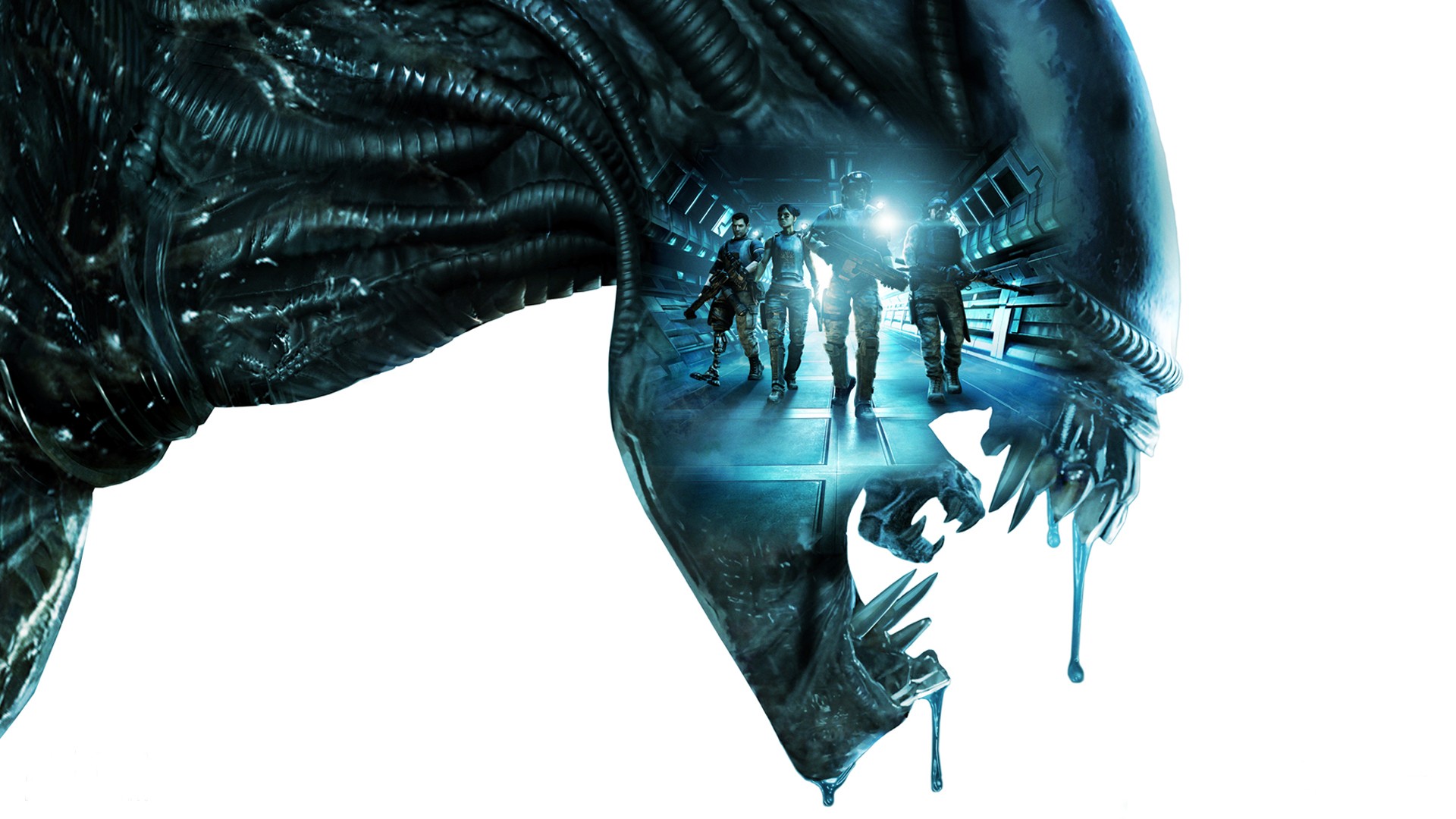
Gearbox and Sega initially presented this game as a true sequel to James Cameron’s classic film, and early previews showed stunning visuals and smart enemy behavior, creating a lot of excitement. However, the final version had noticeably worse graphics and enemies that often behaved strangely or didn’t react to the player. This difference between what was promised and what was delivered led to a lawsuit. The game’s launch is still considered one of the most controversial in gaming history because of its misleading advertising.
‘Mass Effect: Andromeda’ (2017)
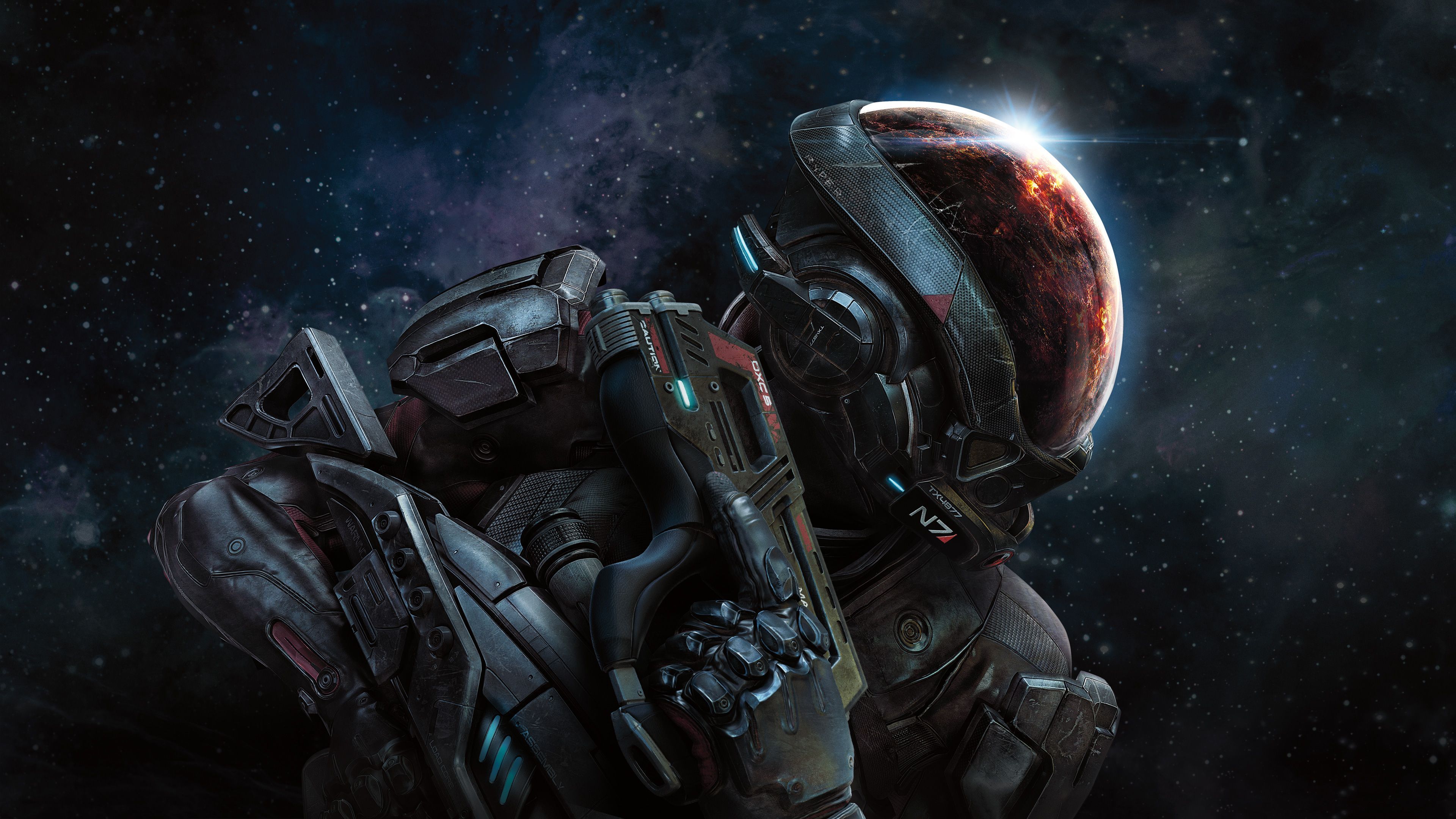
BioWare tried to start a new story arc in their popular sci-fi world with this separate game. However, the launch was troubled by technical problems, and players criticized the awkward character movements and many bugs. The story and characters didn’t connect with fans of the original trilogy, and the open world felt barren to those who enjoyed the more focused stories of earlier games. After disappointing reviews and sales, Electronic Arts paused further development on the series.
‘Tony Hawk’s Pro Skater 5’ (2015)

Activision quickly released this game just before their contract with the popular skateboarder ended. Unfortunately, it was full of serious problems, including glitches with how things moved and constant crashes. The levels weren’t as well-designed or imaginative as previous games in the series. The fix they released on the first day was actually bigger in size than the game itself! This poor launch pretty much ended the franchise until a remastered version of the original two games came out much later.
‘SimCity’ (2013)
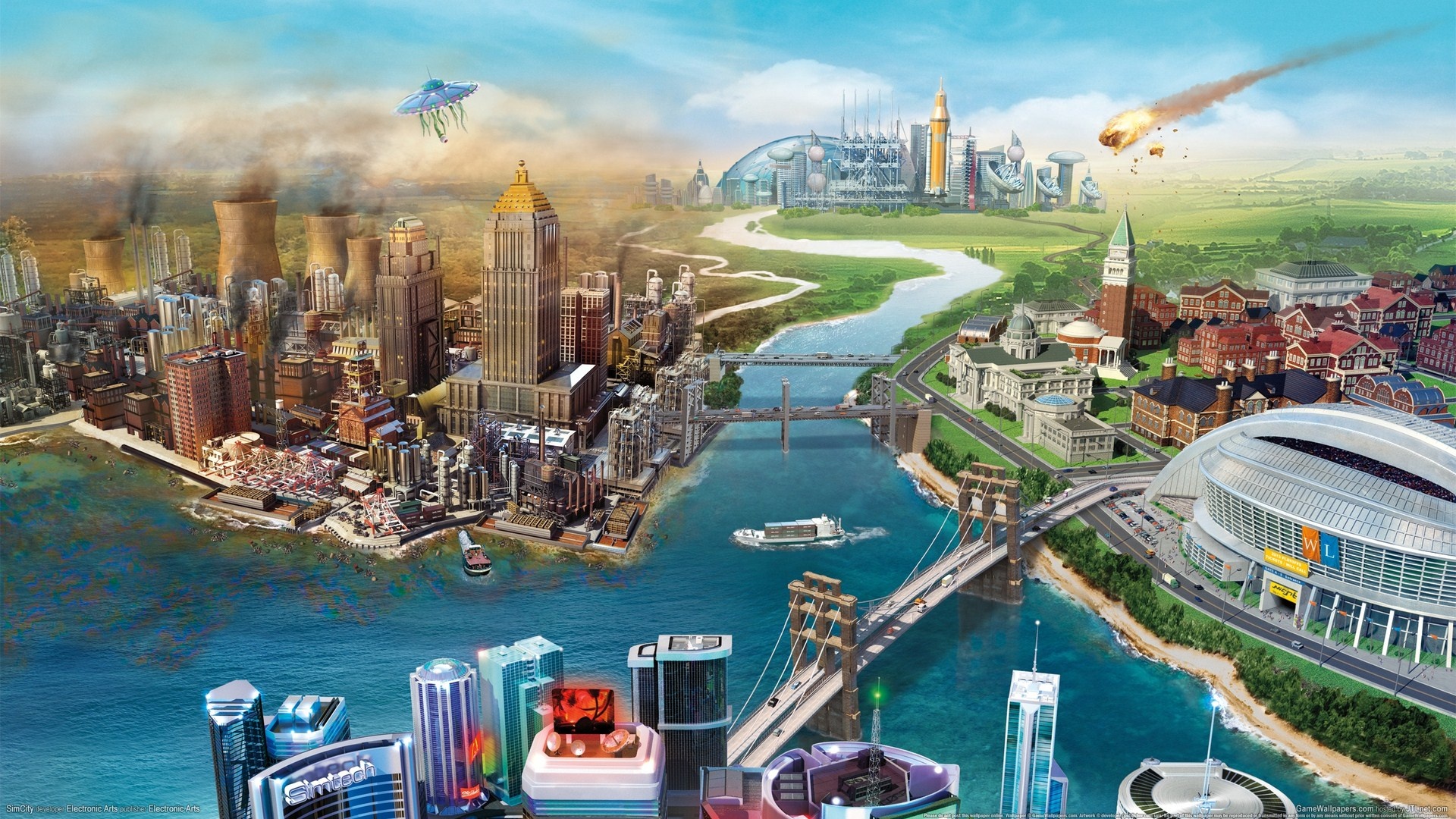
Maxis tried to revive the classic city-building game, but it required a constant internet connection. When the game launched, the servers crashed from the high number of players, preventing many who had purchased it from being able to play for several days. Players also found out the game didn’t actually simulate individual citizens as advertised, but instead used fake population numbers. The requirement to be online limited how big cities could become, frustrating players who wanted to build large, sprawling metropolises. Although Electronic Arts later added an offline mode, the game’s reputation had already suffered.
‘Resident Evil 6’ (2012)
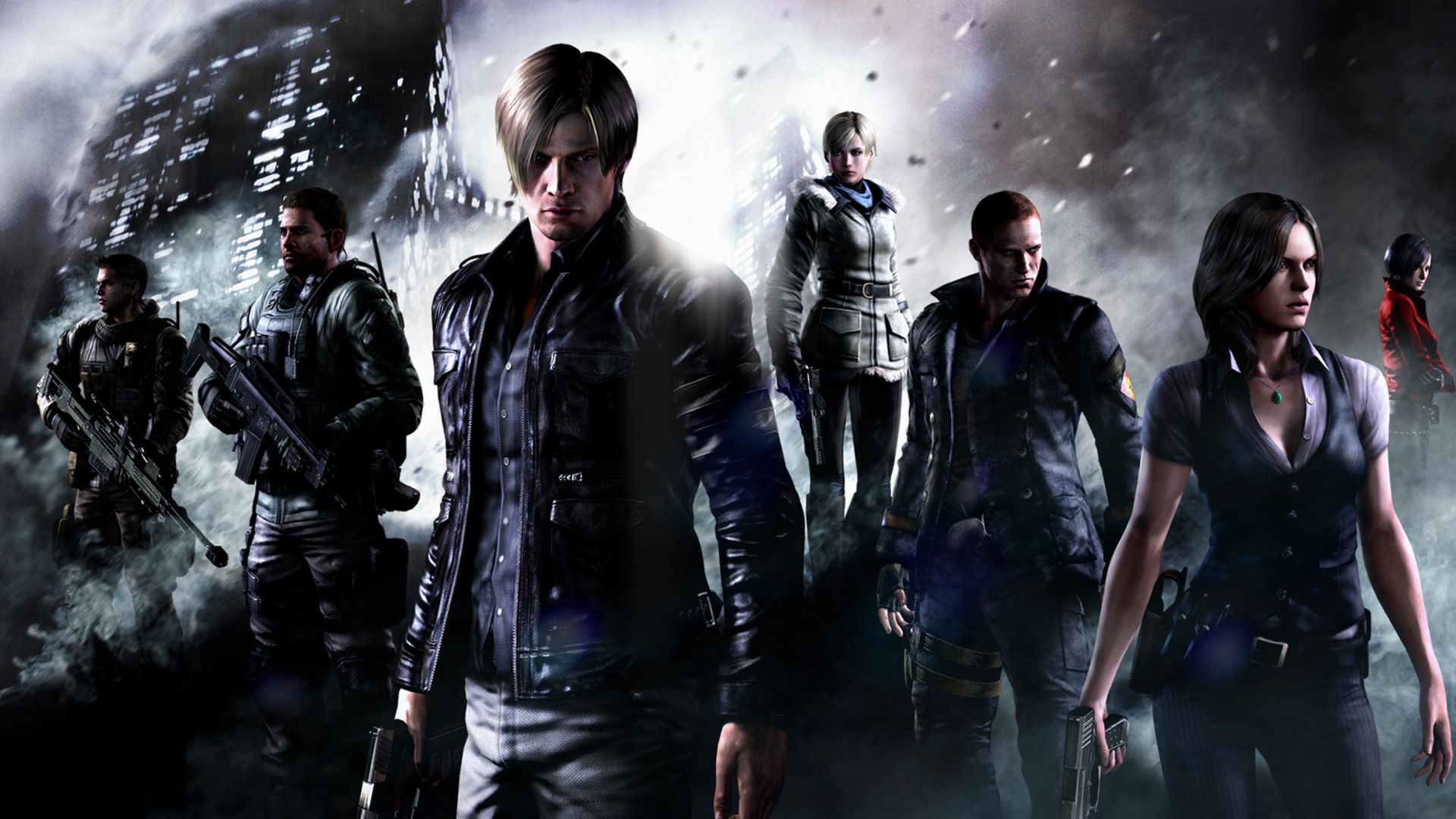
Capcom tried to broaden the game’s appeal by focusing more on action and less on the scary, survival-horror aspects that defined the series. The game included four separate storylines, but they weren’t all equally good or consistent in style. Many longtime fans disliked the change, missing the need to carefully manage supplies and the feeling of dread, and instead finding lots of explosions and action sequences. The story also became overly complicated and relied on over-the-top moments. Because of this negative reaction, the developers decided to go back to the series’ horror origins with the next installment.
‘Crackdown 3’ (2019)
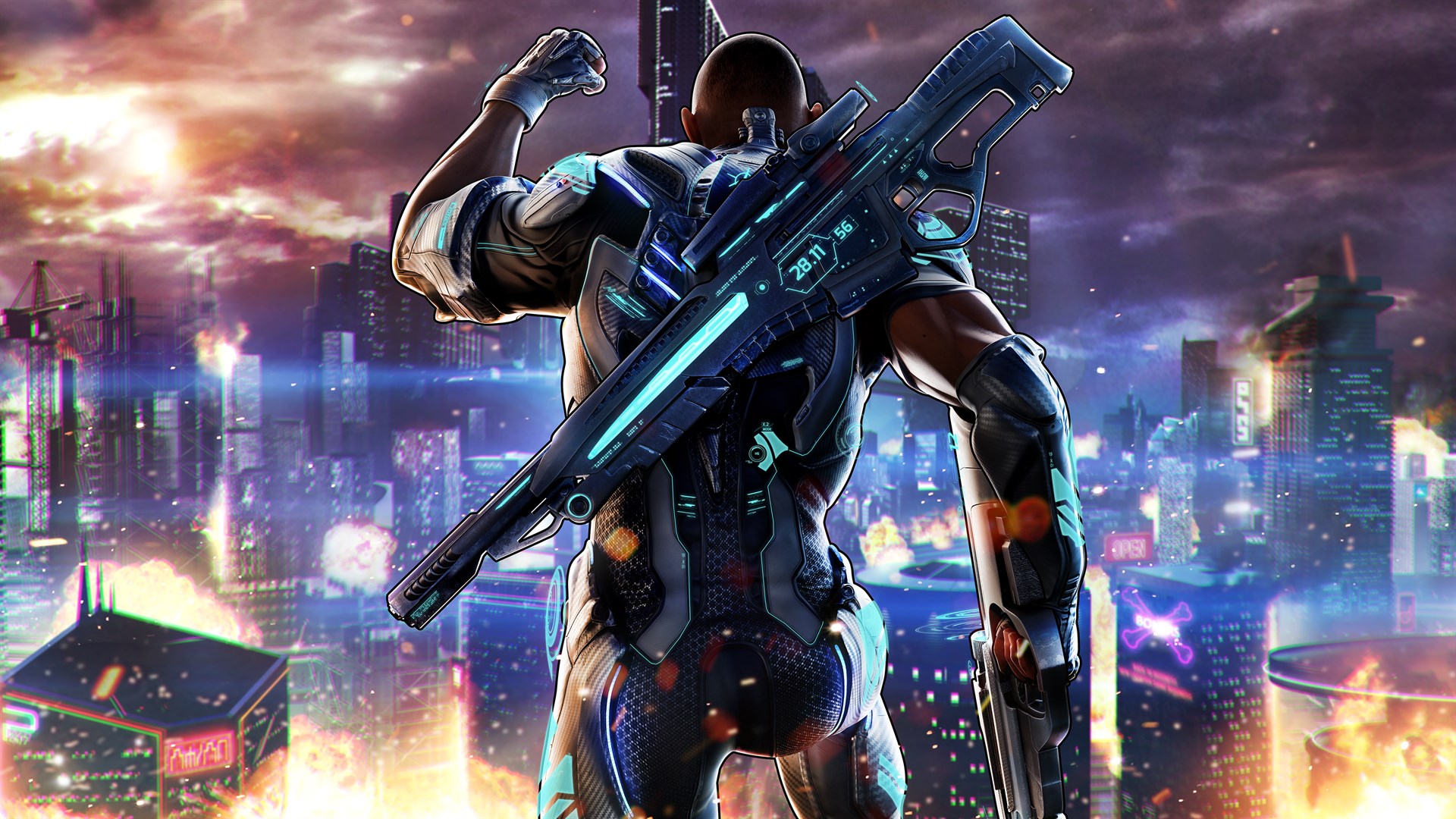
Microsoft initially revealed this game years in advance, touting completely destructible environments made possible by cloud technology. However, the final version greatly reduced these features, restricting them to just one multiplayer mode. The single-player campaign felt old-fashioned and didn’t offer much improvement over the game released ten years earlier. The game’s development process was unstable, with different teams taking over, which led to a lack of a clear direction. Ultimately, fans felt the extended wait wasn’t worth it, as the game felt outdated and belonged to a previous generation.
‘Fallout 76’ (2018)
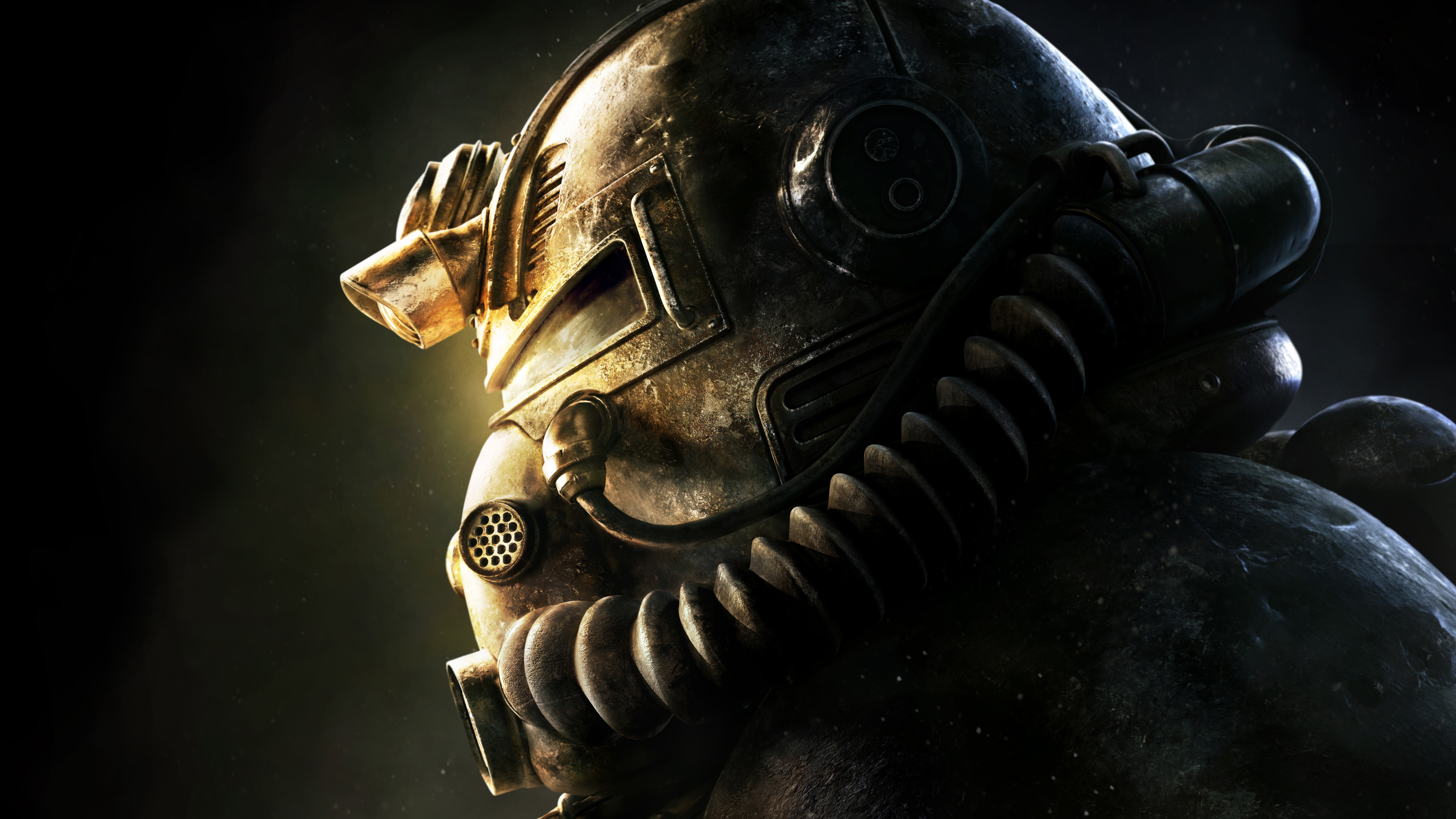
Bethesda Game Studios ventured into online multiplayer gaming with their popular post-apocalyptic role-playing series, but the launch was deeply flawed. The game initially lacked any real characters to interact with, instead telling its story through the environment and recordings. It also suffered from major technical problems, including constant crashes and visual glitches. To make matters worse, the premium collector’s edition didn’t deliver on its promises, swapping high-quality canvas bags for cheaper nylon ones. Although updates later fixed some issues, the rocky start damaged the studio’s reputation.
‘Devil May Cry 2’ (2003)
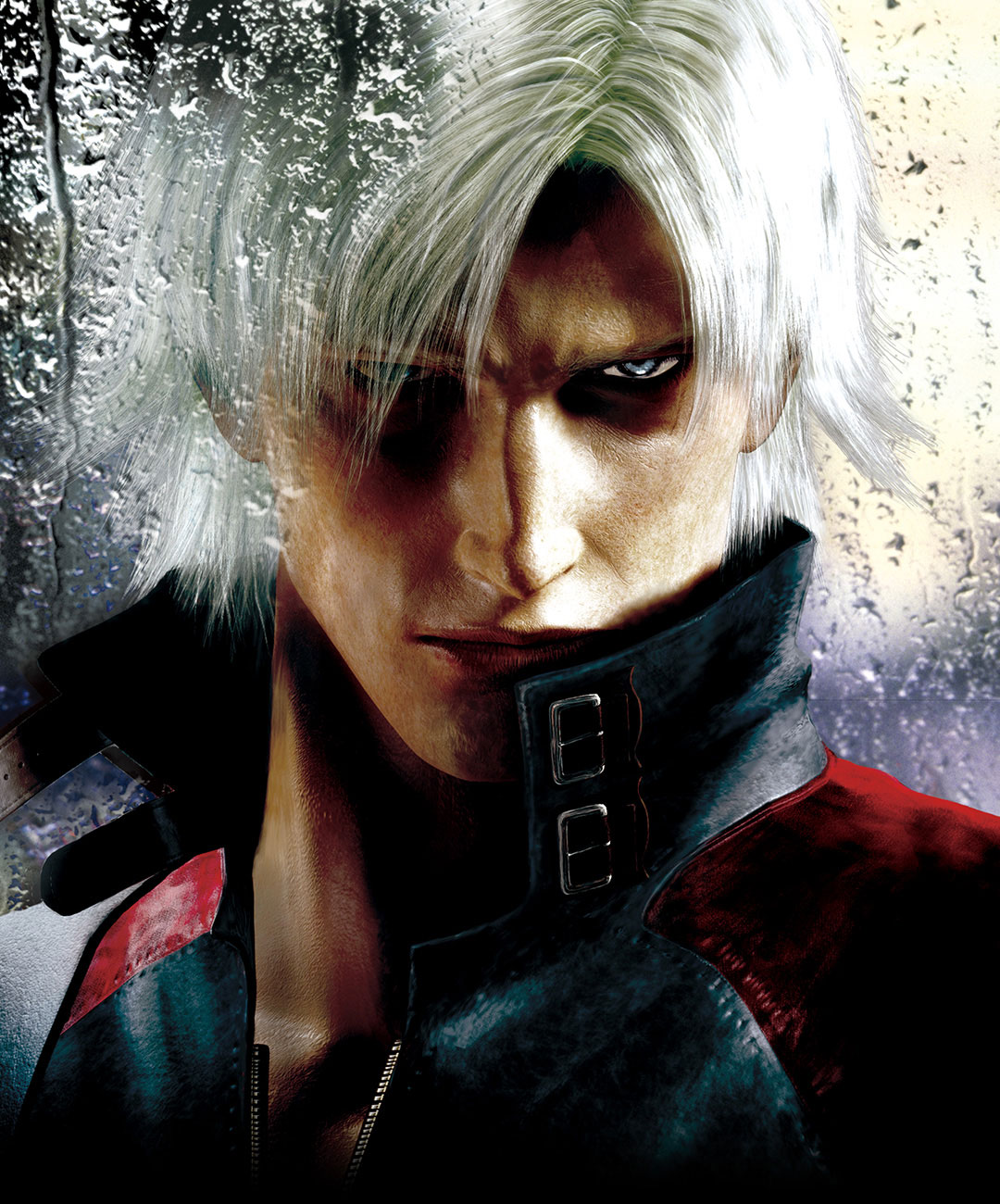
Following the first game’s popularity, Capcom quickly released a sequel, but with a new development team. This version streamlined the combat, making it much easier than the original’s notoriously difficult gameplay. Players noticed a change in Dante’s personality, as he was now portrayed as brooding instead of the confident hero fans had come to love. The game featured large areas, but they felt empty and required a lot of repetitive travel. This direction almost killed the series, but the third game successfully brought it back to life.
‘Mafia III’ (2016)
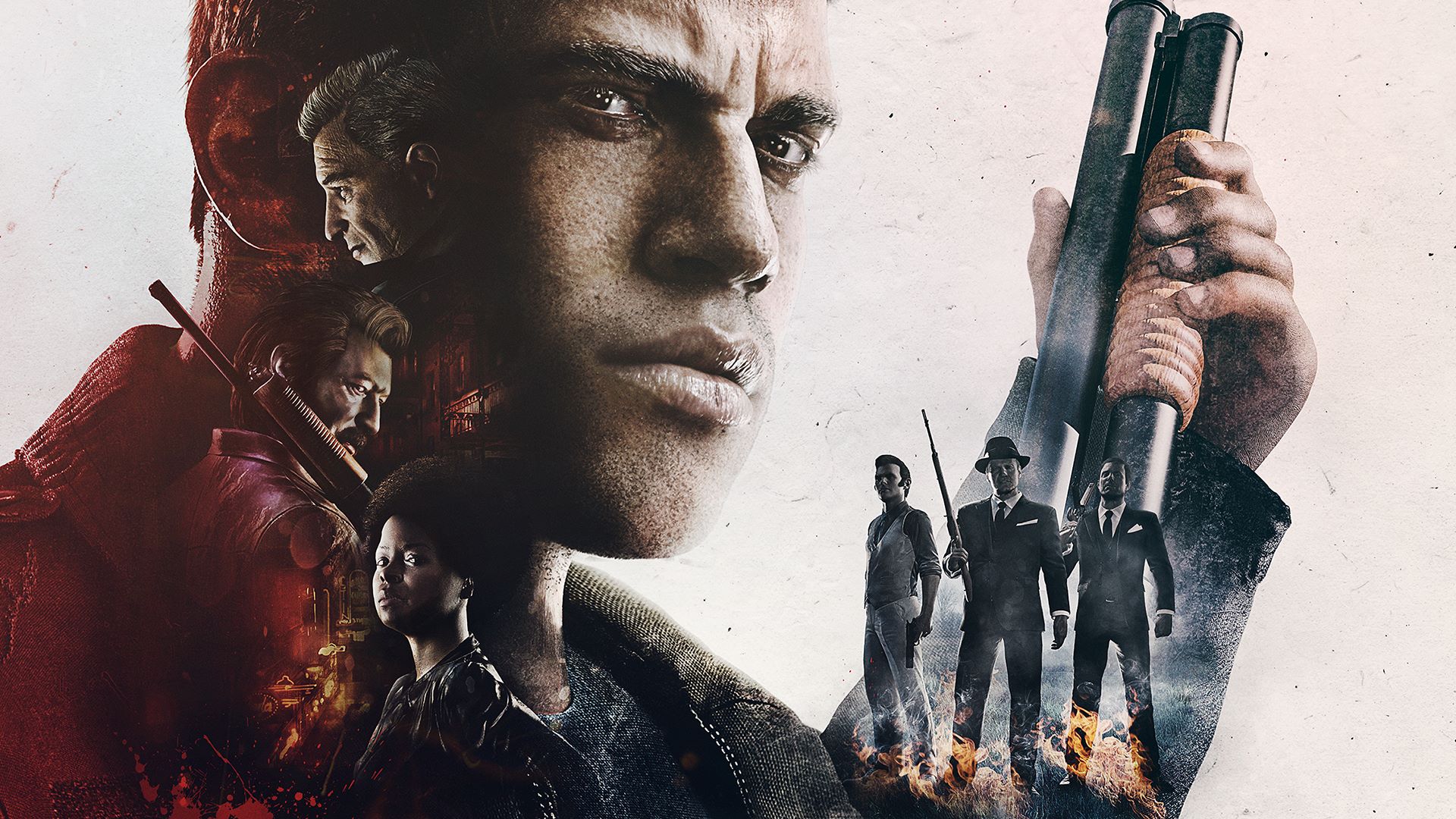
Hangar 13 crafted an interesting story set in a reimagined New Orleans of the late 1960s. However, the game quickly became repetitive, as players were stuck doing the same types of missions over and over. The game also launched with a lot of technical problems, like bugs and lighting issues, which clashed with its serious story. While the soundtrack and voice acting were great, the open world felt empty and lacked life. Reviewers liked the story, but thought the game itself was stretched out and lacked creativity.
‘Mirror’s Edge Catalyst’ (2016)
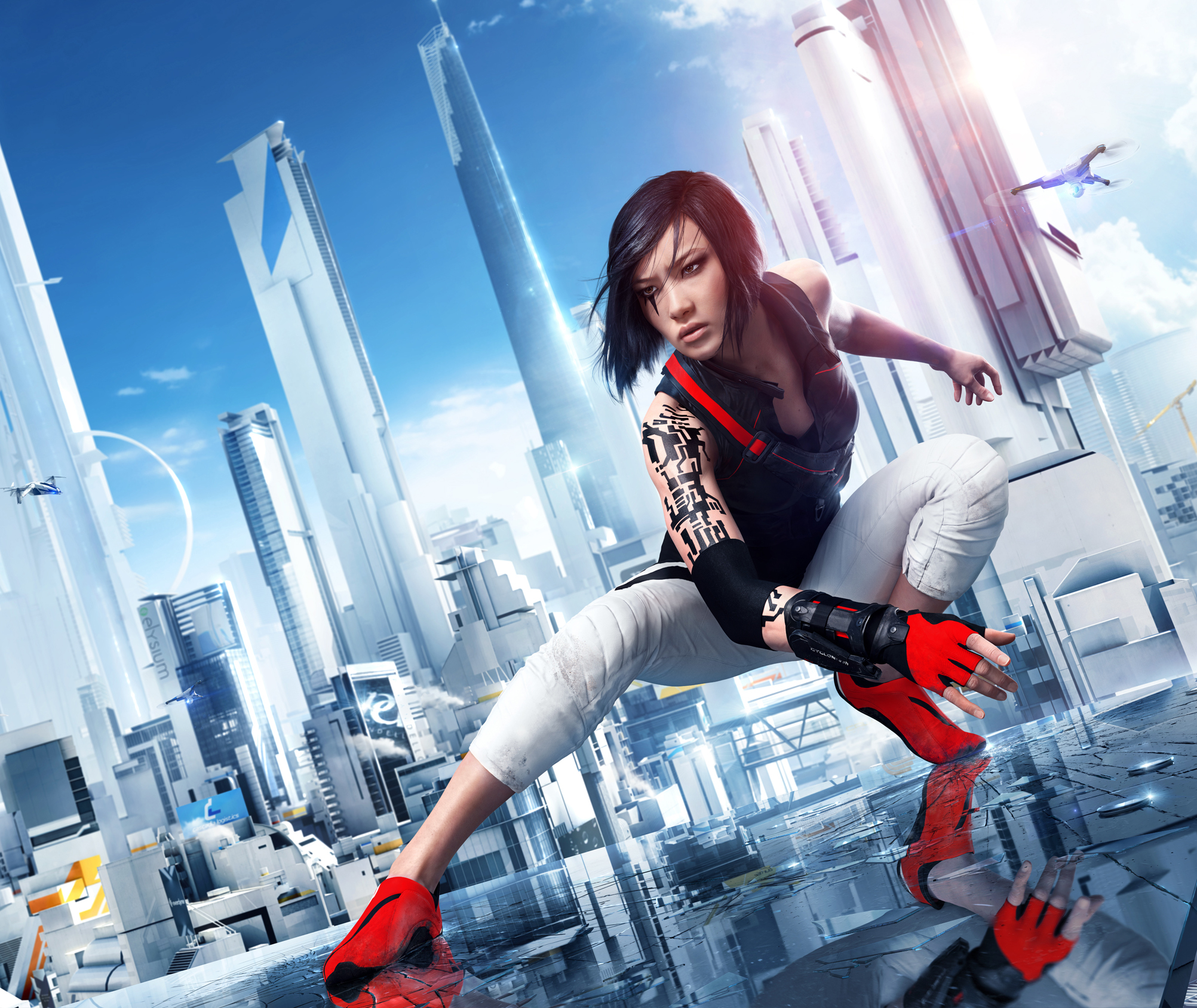
For years, fans begged for a new installment of the beloved parkour game. When it finally arrived as a reboot, it moved to a large, open world, which unfortunately lost the focused level design that made the original so memorable. Many found the story unoriginal and struggled to connect with the main character, Faith. The game also frequently pushed players into combat, even though the core experience was supposed to be about skillful movement and avoiding fights. Ultimately, it didn’t sell well, and the series hasn’t seen a new game since.
‘Dragon Age II’ (2011)
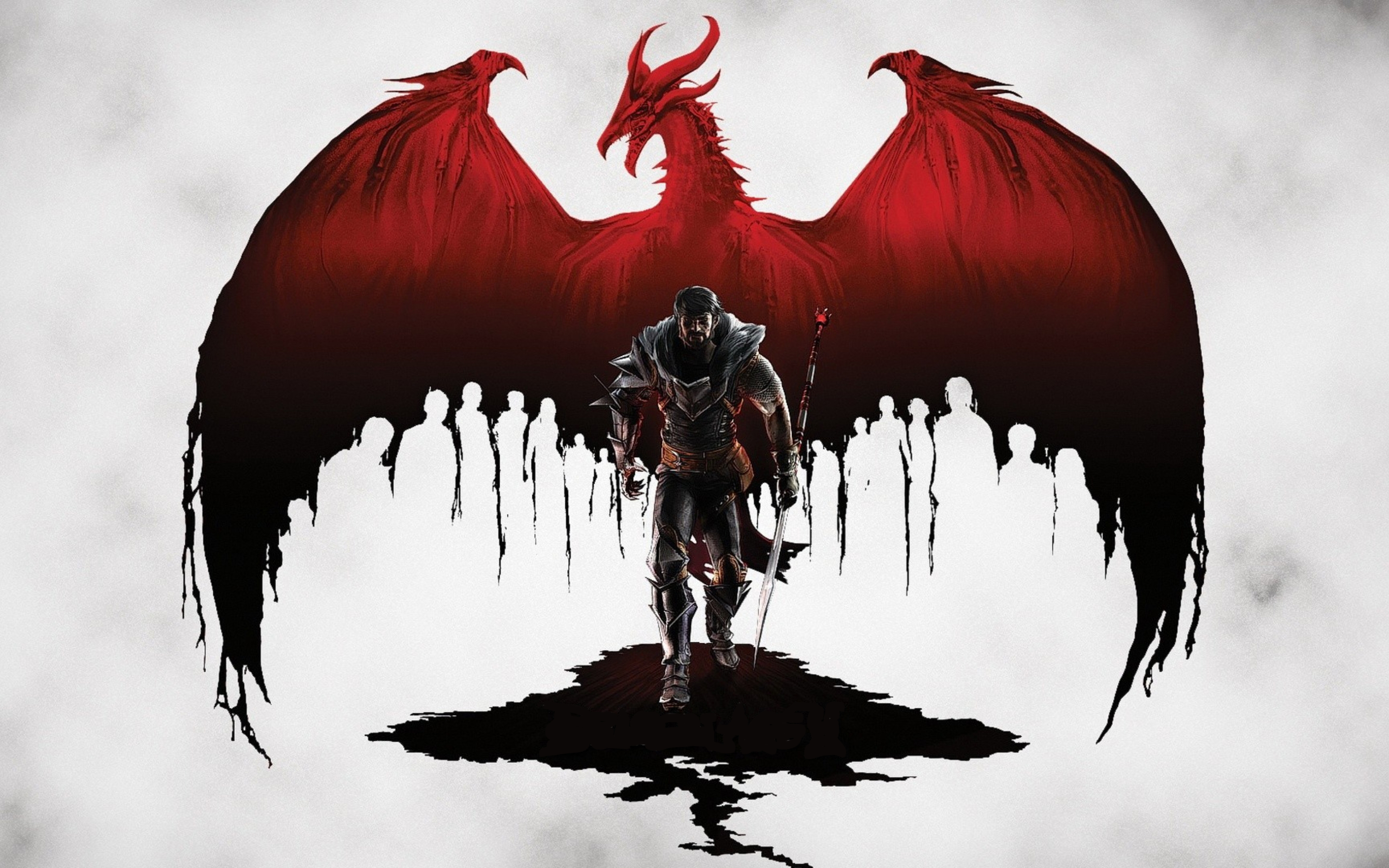
Hoping to quickly follow up on the popularity of ‘Dragon Age: Origins’, BioWare made ‘Dragon Age II’ too quickly. The game felt repetitive because it used the same locations for many different quests. The combat system shifted towards faster action and lost the strategic elements of the original game. Instead of a large-scale story, the game focused on a single city. As a result, many RPG players were disappointed by the simpler gameplay and reused content.
‘Command & Conquer 4: Tiberian Twilight’ (2010)
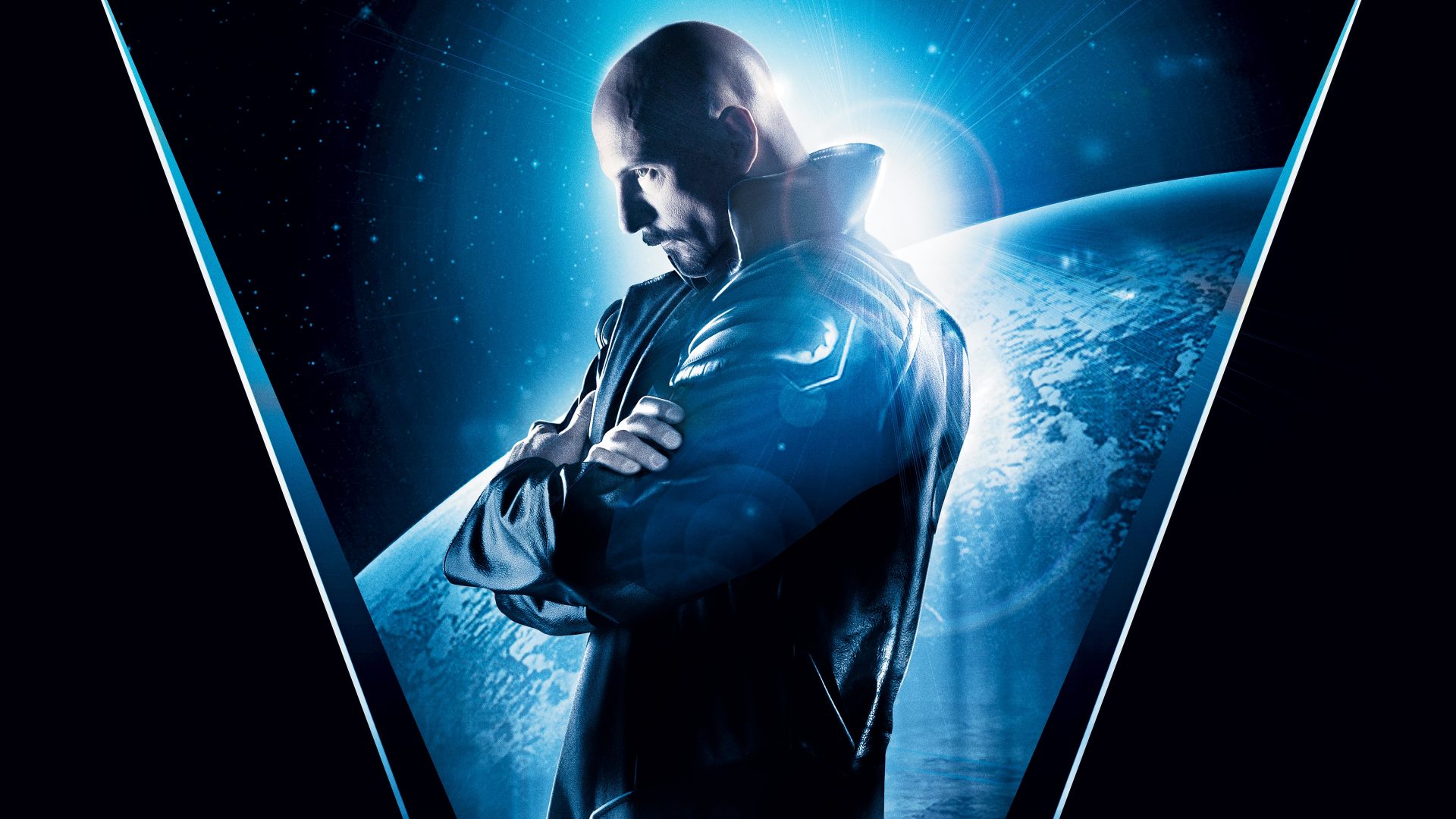
Electronic Arts tried to reinvent the classic Command & Conquer series, but many changes proved unpopular. They removed the traditional base building and replaced it with a mobile base and limited the number of units players could have. The story wrapped up the long-running Tiberium storyline in a way that felt hurried and didn’t satisfy many fans. Adding a constant online requirement to play the campaign also frustrated players with unreliable internet connections. This game is often blamed for the series’ decline.
‘Dead Space 3’ (2013)
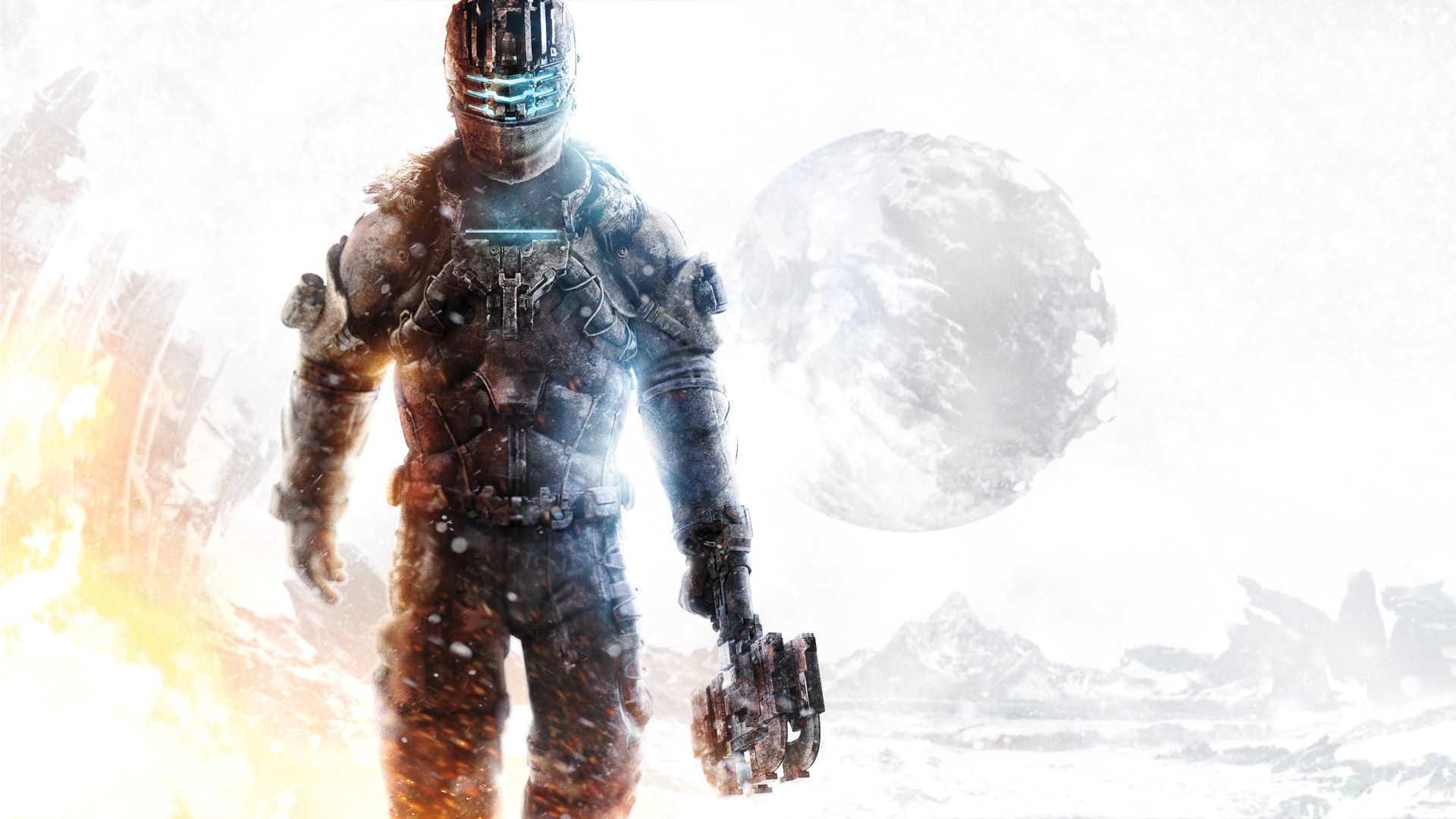
Visceral Games changed the direction of the series by adding cooperative multiplayer and removing the need to carefully manage ammunition, features that contrasted with the original games’ focus on loneliness and limited resources. They also reduced the horror aspects in favor of more action-packed sequences and gunfights. The game included a debated system where players could spend real money to create stronger weapons. The story became quite unusual, introducing elements like massive moons and extraterrestrial life. Ultimately, the game didn’t sell as well as the publisher hoped, and the studio was subsequently closed.
‘F.E.A.R. 3’ (2011)
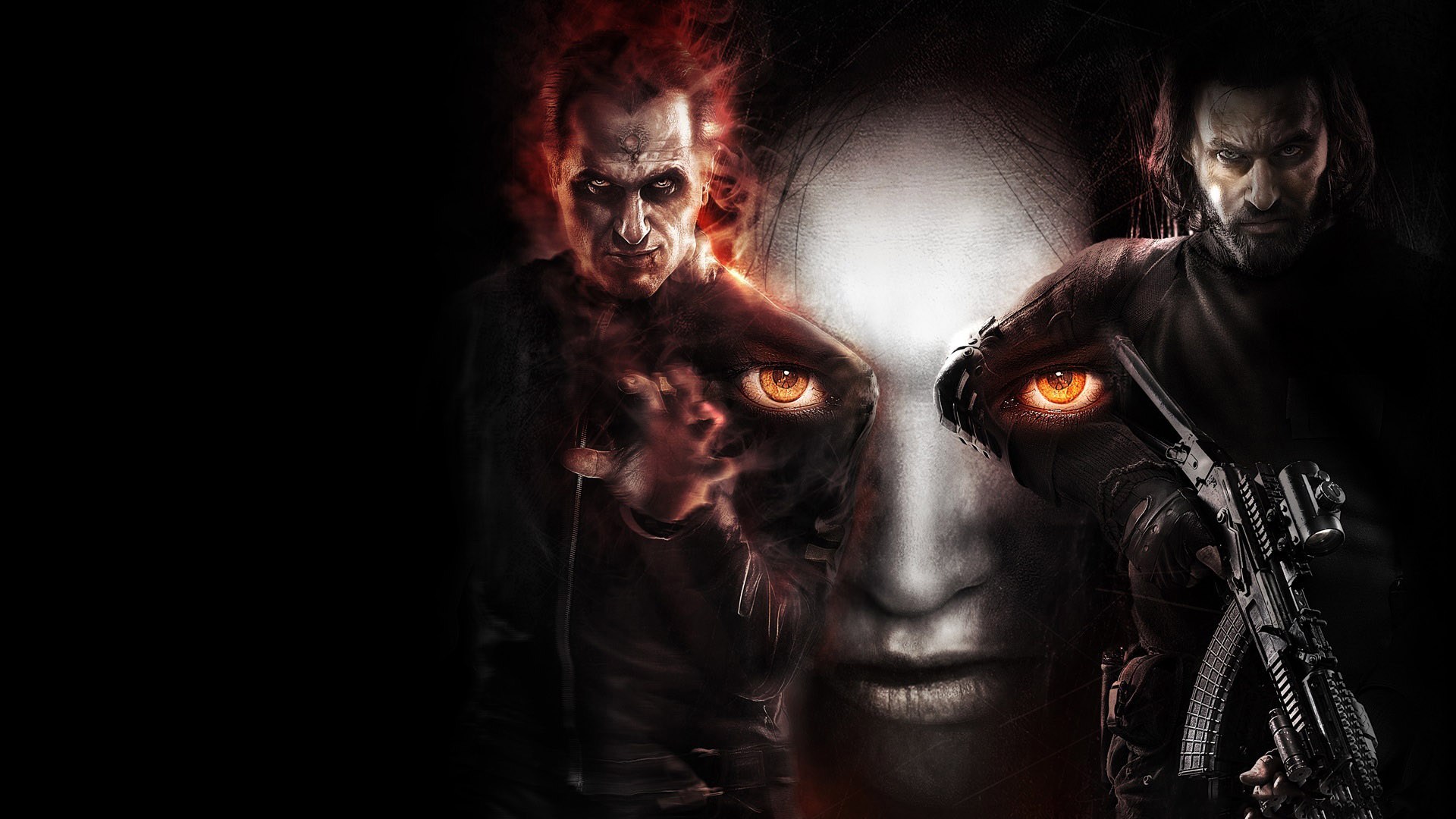
This horror shooter, the third in its series, really emphasized playing with a friend as one of two different characters. However, this focus on teamwork took away the frightening and suspenseful feeling that made the first game so popular. The levels became simpler and less interesting, and weren’t as unpredictable as before. The story also became overly complicated and lost the intriguing mystery surrounding the villain, Alma. Many longtime fans felt this game tried too hard to follow what was popular at the time, and lost what made the original game special.
‘Deus Ex: Invisible War’ (2003)
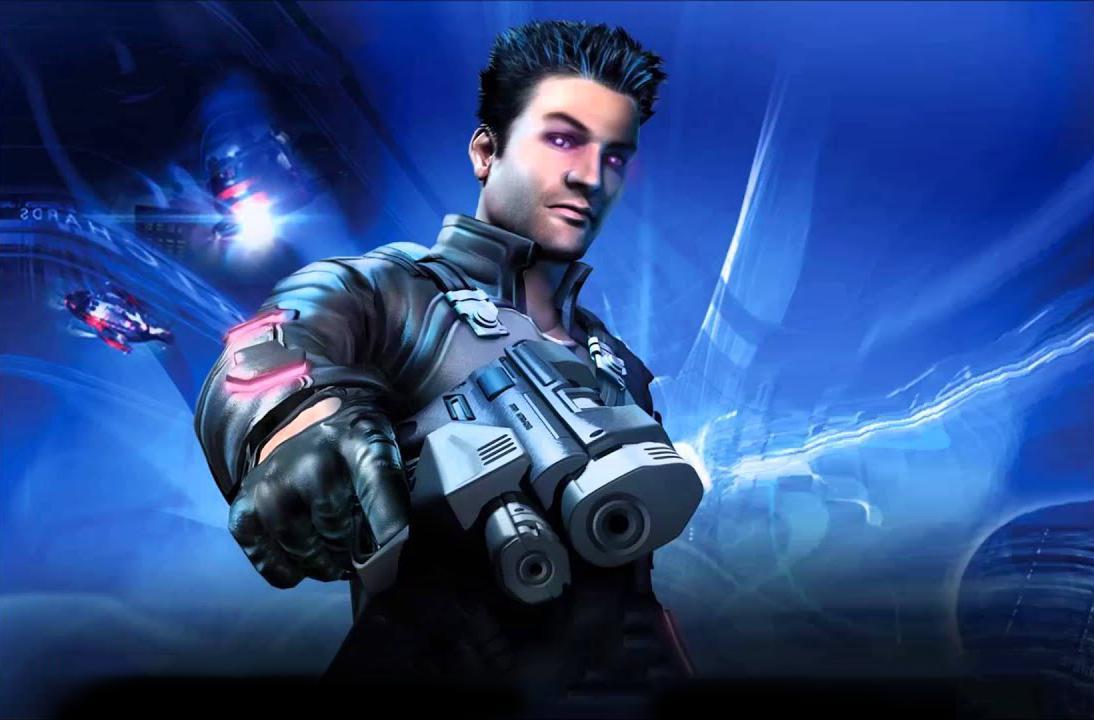
The follow-up to a highly praised computer game was made with consoles in mind, which meant compromises had to be made. Levels were much smaller and interrupted by frequent loading screens, disrupting the player’s experience. The game’s detailed character development and item management were simplified too much. Using one type of ammunition for all weapons eliminated the need for strategic resource planning. Though the game wasn’t bad, it didn’t reach the high standards set by the original.
‘Thief’ (2014)
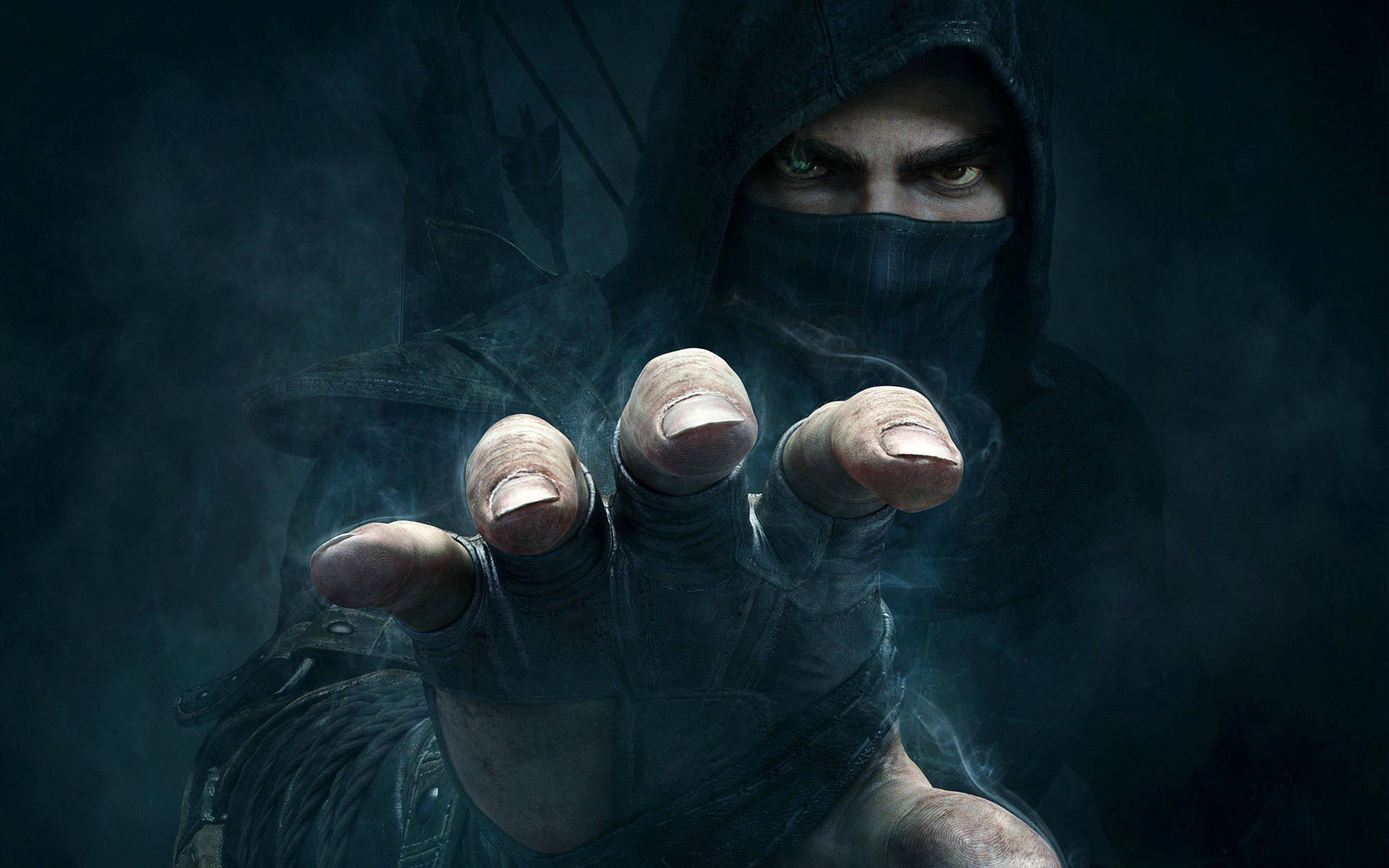
Eidos-Montréal reimagined the classic stealth games, giving them a new feel and a different actor for the main character, Garrett. However, the levels were more straightforward and less open than those in the original games, limiting how players could explore. The game also simplified movement with automatic jumping, instead of letting players control jumps as they could before. Some fans criticized the sound design, noting it wasn’t as precise as in the older games, which was important for stealth gameplay. Many longtime fans felt the game was too easy and didn’t offer enough challenge.
‘Banjo-Kazooie: Nuts & Bolts’ (2008)
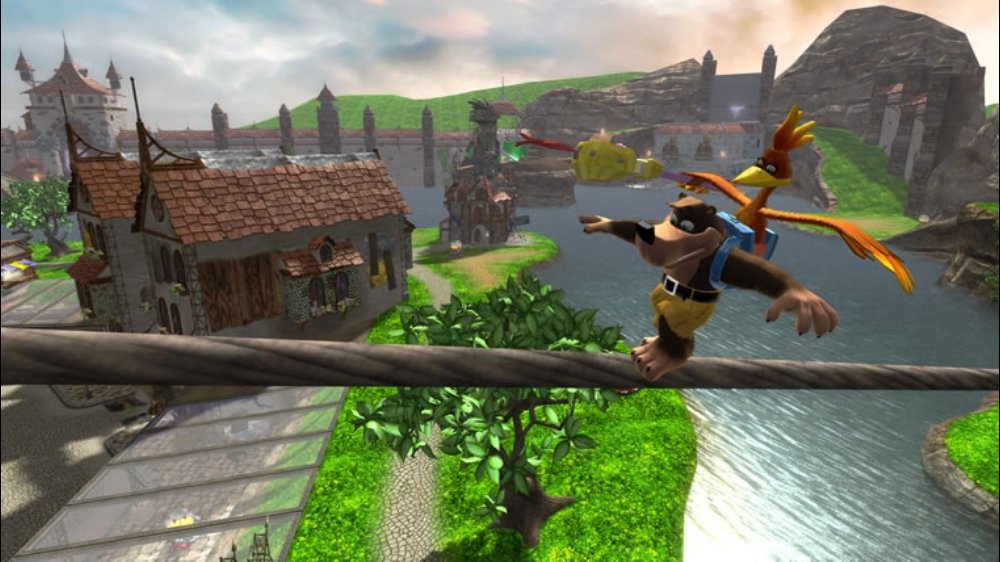
Rare revived the beloved bird and bear characters, but drastically altered the gameplay. Unlike the original 3D platformer, this new game centered around building vehicles and competing in races. It boasted a unique visual style and a surprisingly advanced physics engine for its time. However, longtime fans hoping for a classic platforming experience were upset by the unexpected change. The game even included jokes poking fun at the collecting aspects of the earlier games.
‘Star Fox Zero’ (2016)
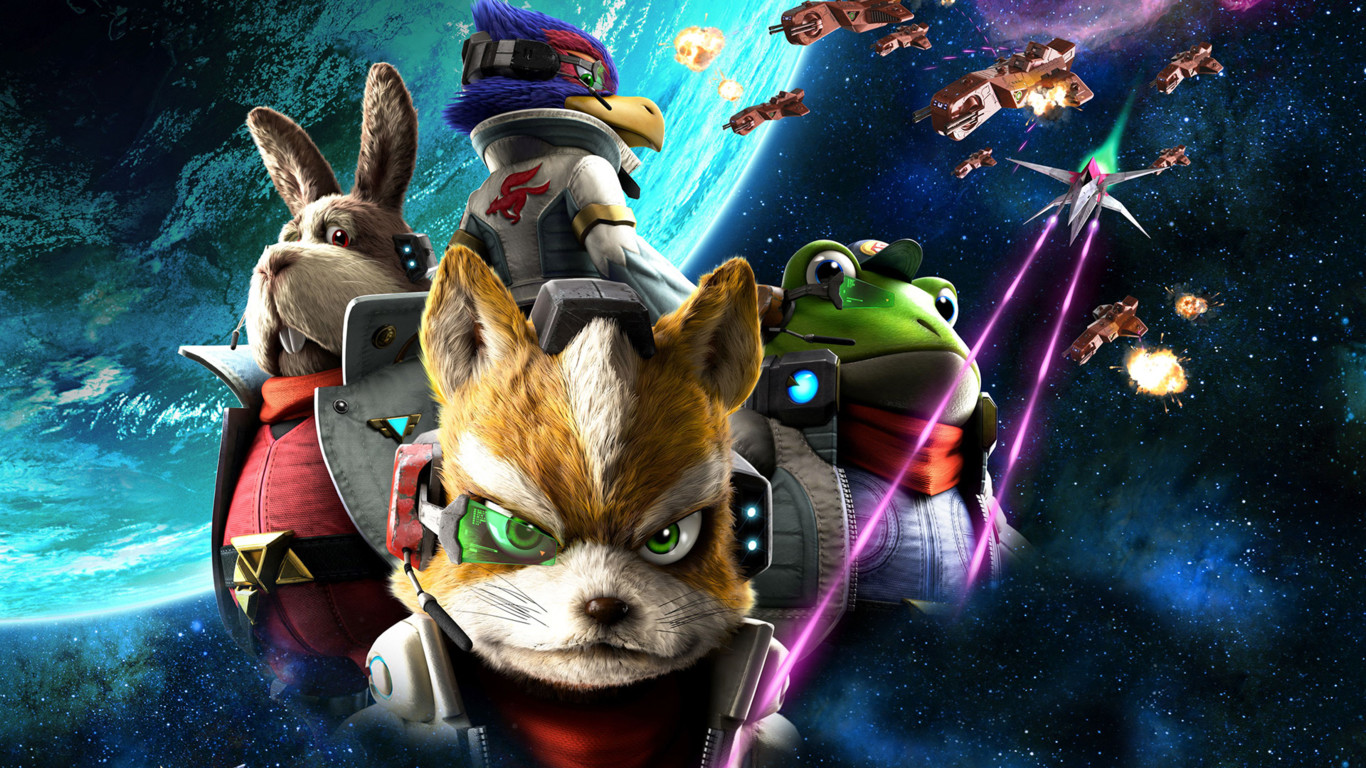
As a big Nintendo fan, I was really excited when I heard they were teaming up with PlatinumGames for a new Star Fox game on the Wii U. But honestly, it didn’t quite live up to the hype. The biggest problem for me, and a lot of other players, was the control scheme. You had to look down at the GamePad to aim, which felt really awkward while trying to fly the Arwing. It made everything confusing and frustrating! Plus, the game basically just retold the story of Star Fox 64, so there weren’t any new adventures to experience. I think the tricky motion controls ended up keeping a lot of people from enjoying it, which was a shame because the potential was definitely there.
‘Metroid: Other M’ (2010)
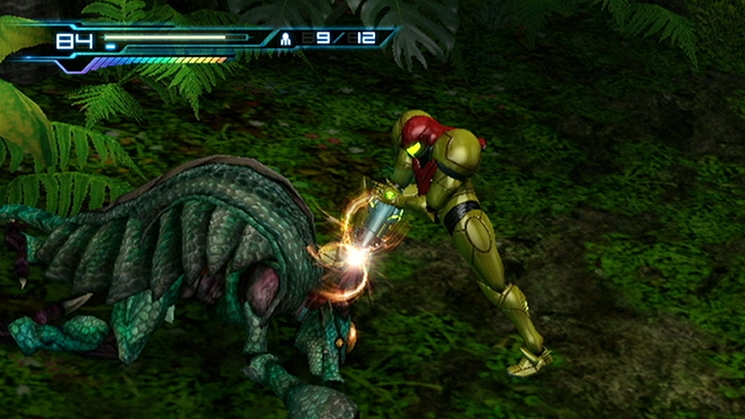
Team Ninja’s latest game gave the character Samus Aran a voice and a more detailed history. However, the story presented her as hesitant and insecure, which felt very different from how she’d been shown before. Players found it frustrating to have to wait for permission to use weapons they already had. The game also switched between 2D and 3D views in a way that didn’t flow smoothly. The negative reaction to these changes was so strong that the series paused development for several years.
‘Paper Mario: Sticker Star’ (2012)
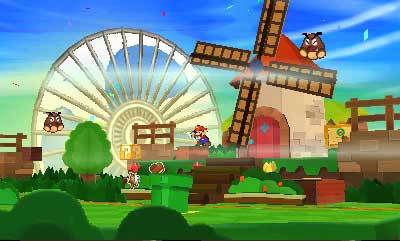
The newer ‘Paper Mario’ games moved away from the traditional role-playing features that fans loved in the originals. Instead of earning experience points and teaming up with partners, the games now rely on using collectible stickers to fight battles. This system discouraged players from battling, as it quickly used up limited resources. The story also became simpler, focusing on common characters instead of unique ones. Many fans believe this game marked a turning point where the series lost its charm.
‘Sonic the Hedgehog’ (2006)
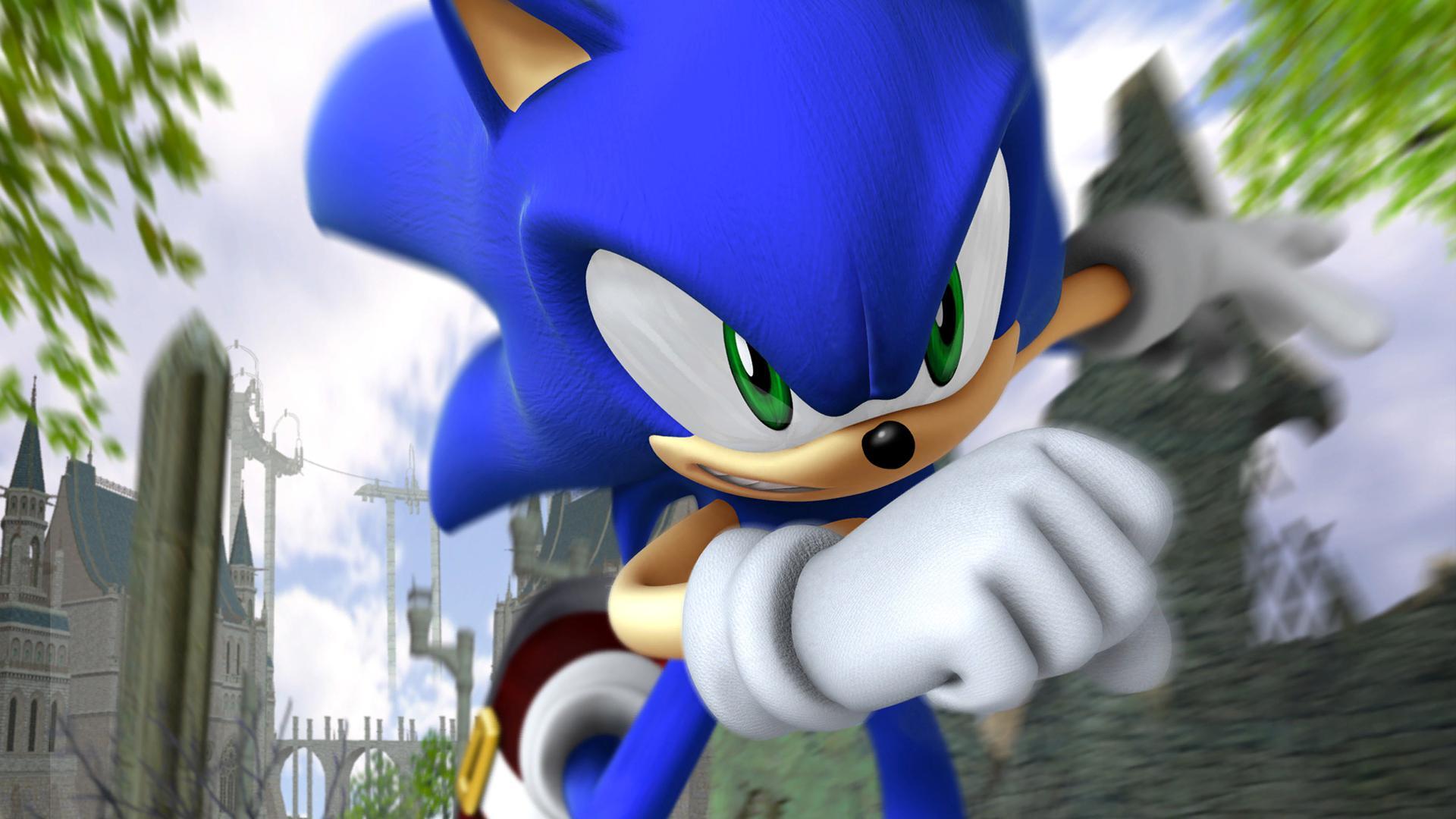
Sega aimed to modernize the Sonic franchise with a darker, more realistic game. Unfortunately, it launched prematurely, riddled with frustratingly long loading screens and significant bugs. A romantic storyline involving Sonic and a human princess was heavily criticized by both reviewers and fans. The awkward controls also made the fast-paced platforming sections incredibly difficult. It’s now considered one of the worst-received major platforming games ever released.
‘Metal Gear Survive’ (2018)
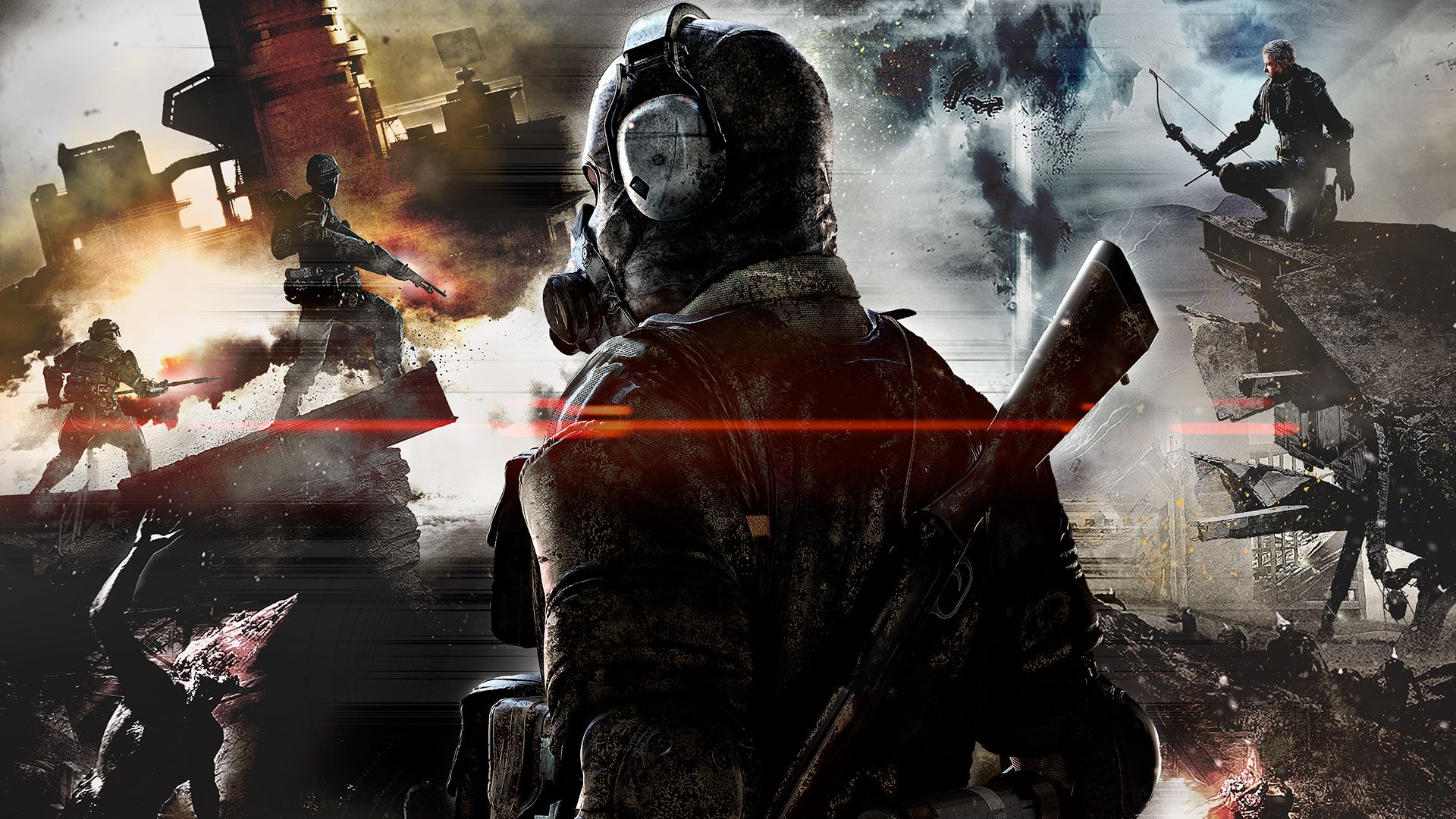
This survival game came out soon after a difficult split between Konami and Hideo Kojima, the creator of the main Metal Gear series. While it used elements from ‘Metal Gear Solid V’, it added zombies and a system for tracking hunger. A controversial decision was to make players pay extra to save their progress. The game felt very different from the stealth-focused gameplay of the core series, and many saw it as a way for Konami to profit from the Metal Gear name without Kojima’s involvement.
‘Contra: Rogue Corps’ (2019)
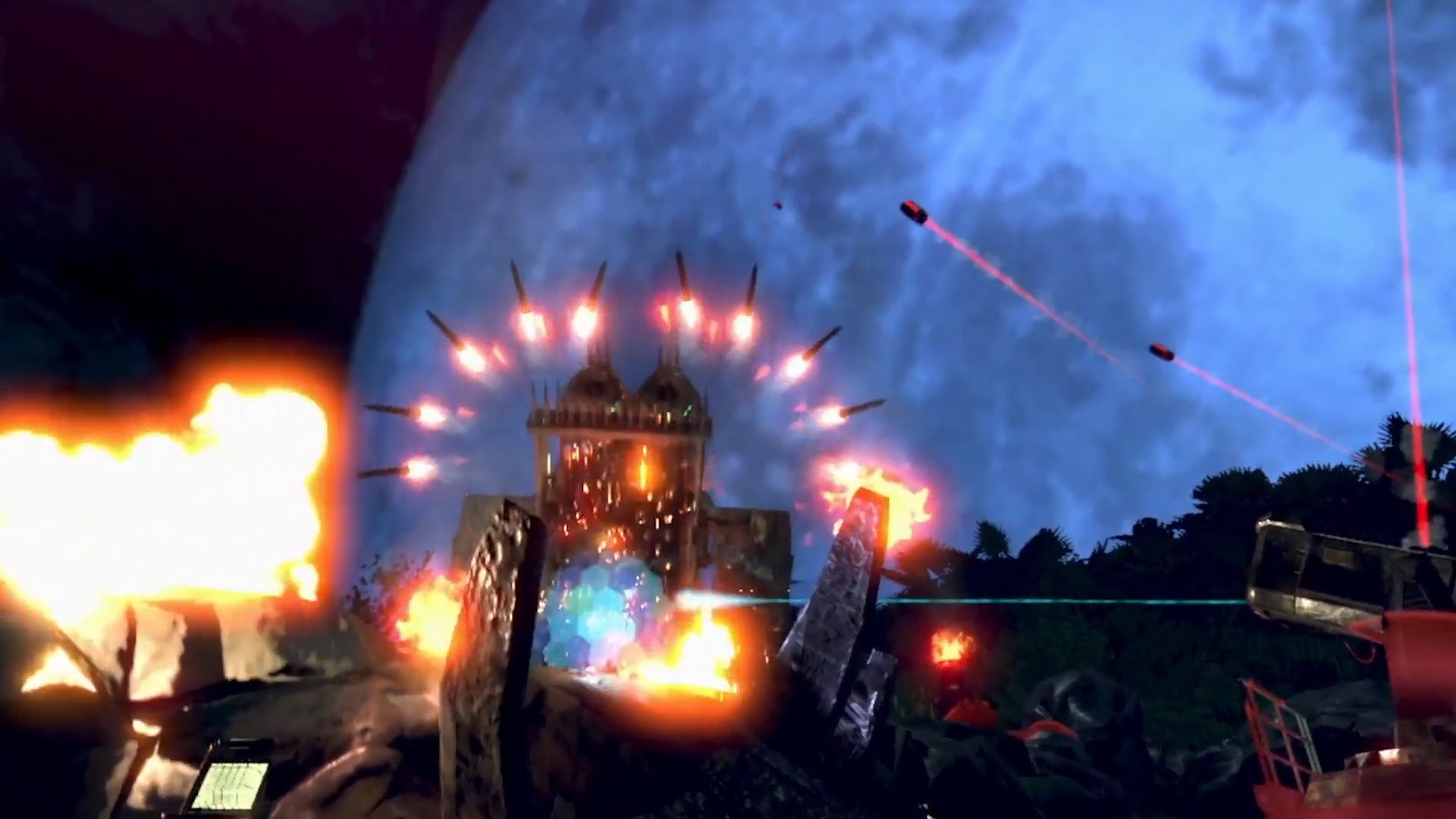
Konami tried to bring back their popular run-and-gun series with a new shooter that used a cooldown system for weapons. However, this overheating mechanic actually slowed down the fast action the series was known for. The game’s graphics also looked blurry and old-fashioned when it came out, and its humor didn’t land well with players. As a result, fans largely ignored it and stuck with the original games or older collections.
‘Marvel vs. Capcom: Infinite’ (2017)
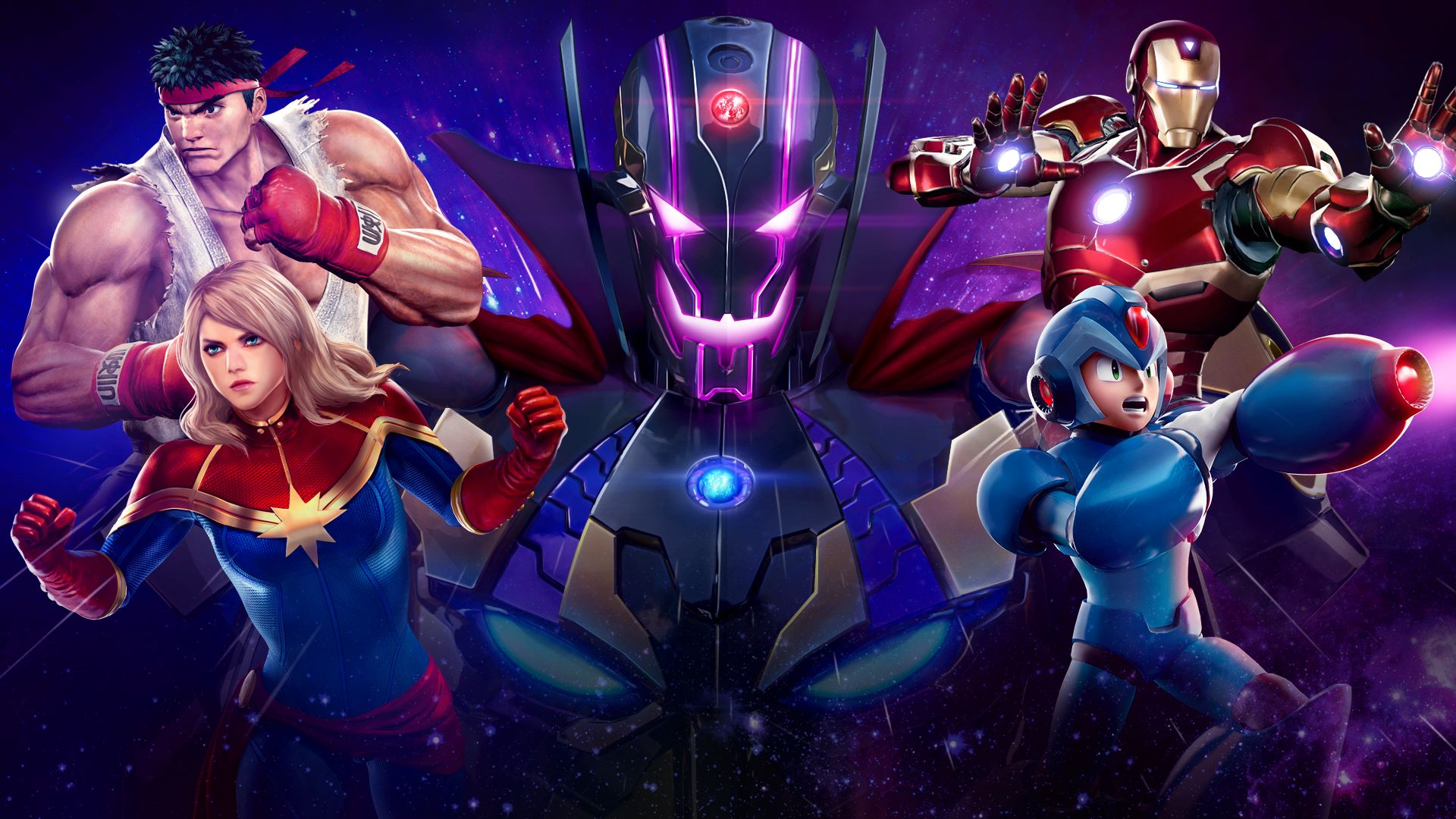
When this fighting game was released, some popular characters, like those from the X-Men, weren’t included because of licensing problems. Many players didn’t like the game’s dull visuals and found the character movements strange. A new 2-on-2 team battle system replaced the faster-paced 3-on-3 battles that competitive players enjoyed. The story mode felt forced and didn’t take advantage of the exciting possibilities of having characters from different universes. As a result, the game was soon removed from the official lineups of major fighting game competitions.
‘Shenmue III’ (2019)
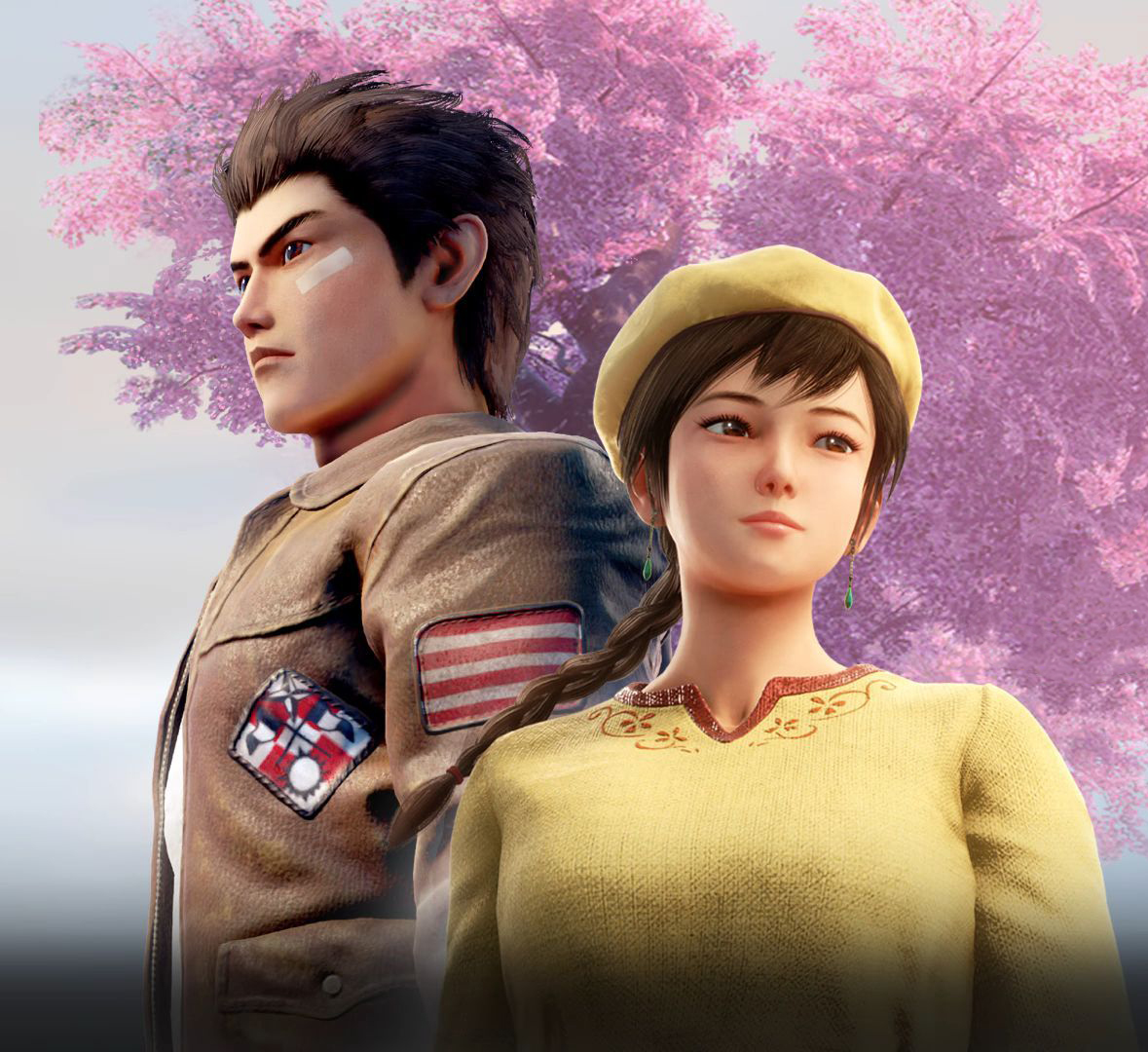
As a long-time fan, I was so excited when Yu Suzuki finally released the third game in the series after almost two decades! But honestly, playing it felt like stepping back in time – the gameplay really hadn’t changed since the early 2000s, which was a bit of a shock. The story didn’t really move forward much either, leaving the main revenge plot feeling stalled. The dialogue was pretty clunky, and while the voice acting had that familiar, quirky vibe from the original games, it felt a little too faithful. It definitely made the original backers happy, but it didn’t seem to grab new players, and I’m not sure it lived up to all the years of waiting.
‘Dungeon Siege III’ (2011)
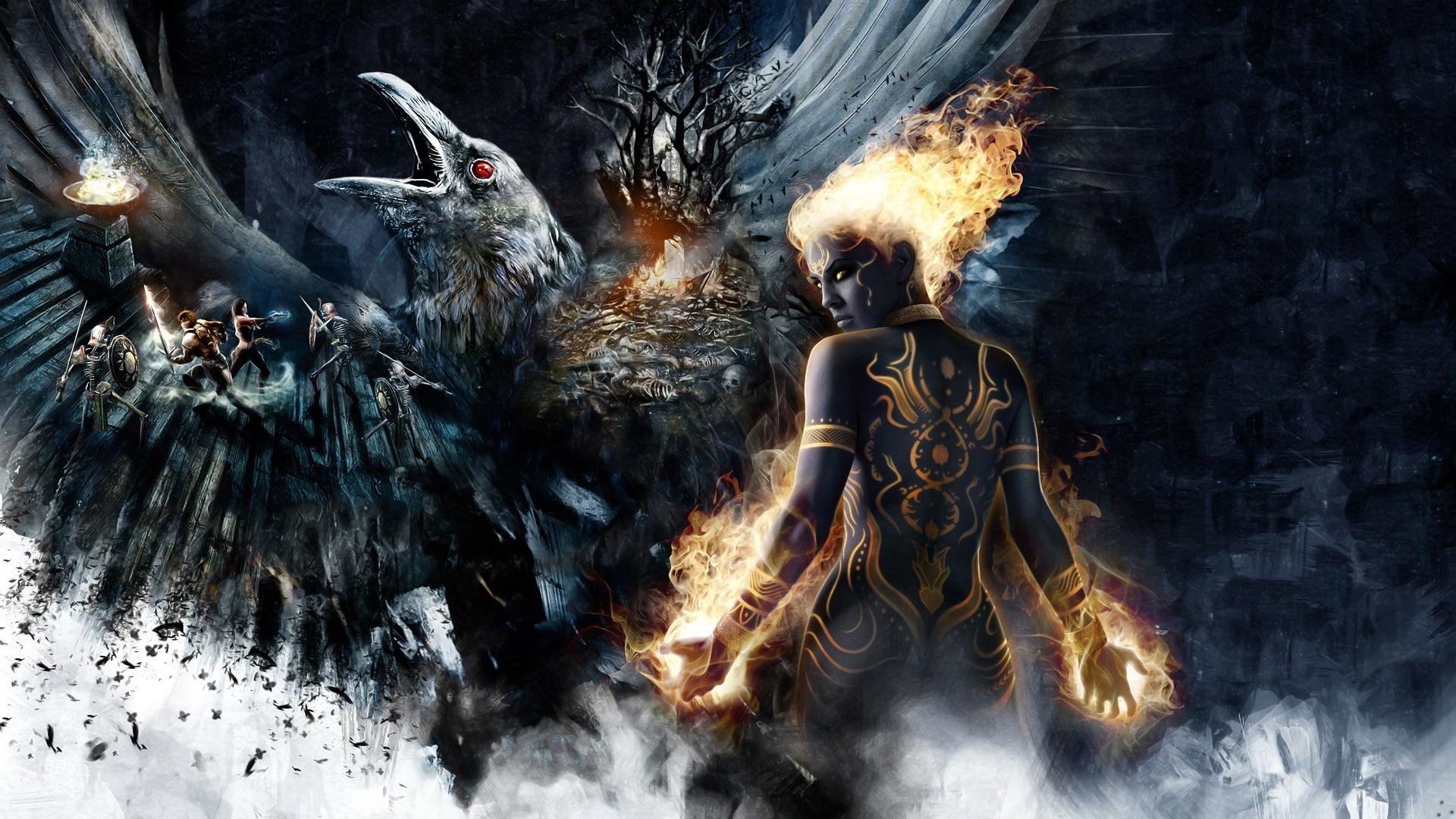
When Obsidian Entertainment took over the series, they made it easier for console players, but this meant simplifying some things. The number of characters you could control was reduced, and you had less freedom to customize them compared to the original PC games. The fixed camera angle made it harder to move around and fight. Playing with others wasn’t well done – guests couldn’t keep any progress or rewards. Ultimately, the game lost the large scope and strategic depth that fans loved in the first two PC versions.
‘Sacred 3’ (2014)
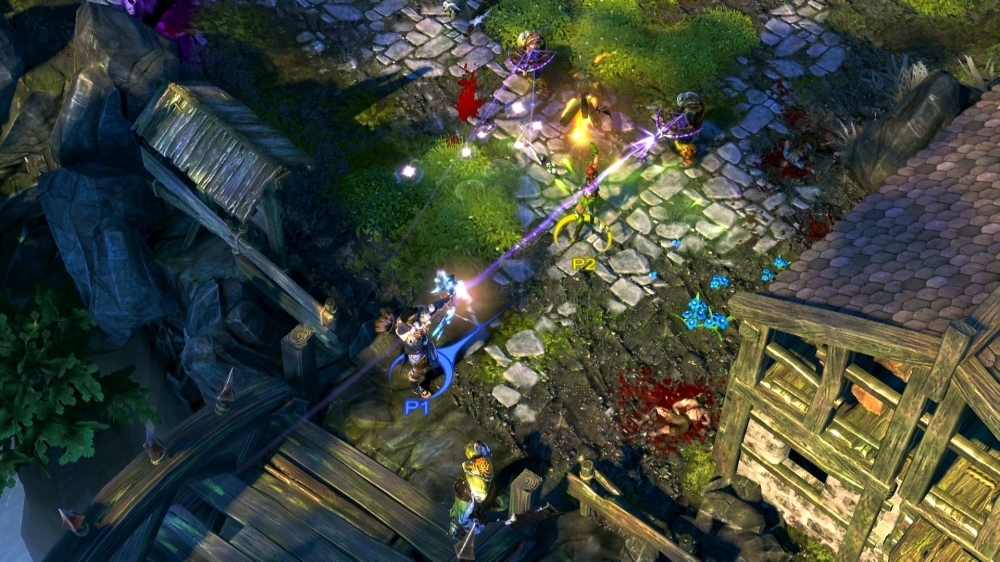
The game underwent a major shift, moving away from the expansive, role-playing elements of previous titles and becoming a straightforward, level-based fighting game. There was very little to collect or customize your character with. The story also changed, becoming much more lighthearted and filled with silly chatter from the weapon companions. Longtime fans were disappointed by these changes, feeling the game had lost what made the series special. Critics widely disliked it, calling it a typical, unremarkable action game that didn’t fit the established franchise.
‘Warhammer 40,000: Dawn of War III’ (2017)
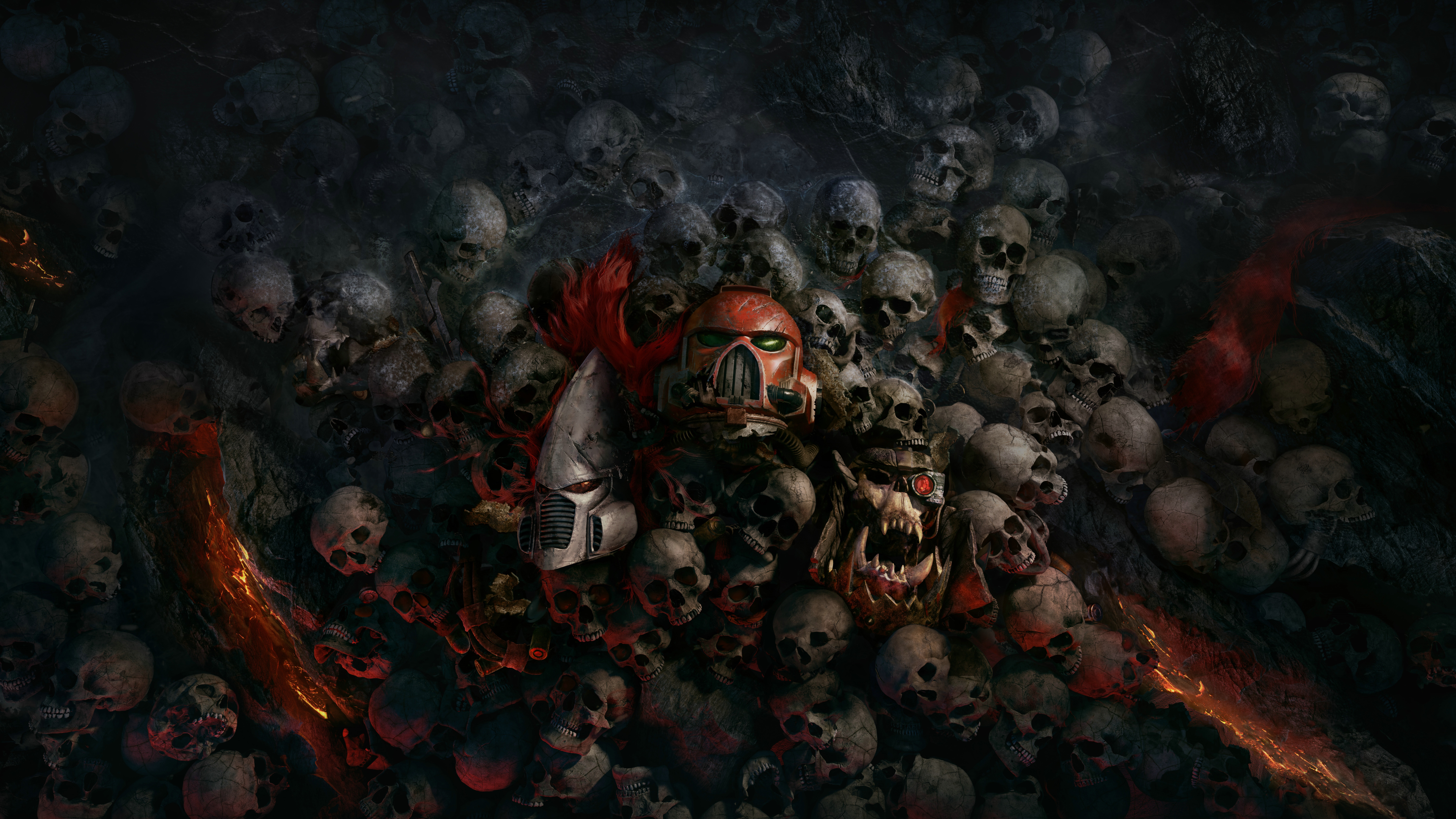
Relic Entertainment aimed to combine elements from both of their previous games – the base-building of the first and the hero-centric gameplay of the second. However, this mix didn’t appeal to fans of either approach. Critics also found the bright, cartoonish art style didn’t fit the game’s dark atmosphere. They removed the cover system from the second game, making battles less complex. Ultimately, due to low player numbers, the game’s development was halted less than a year after it was released.
‘Wolfenstein: Youngblood’ (2019)
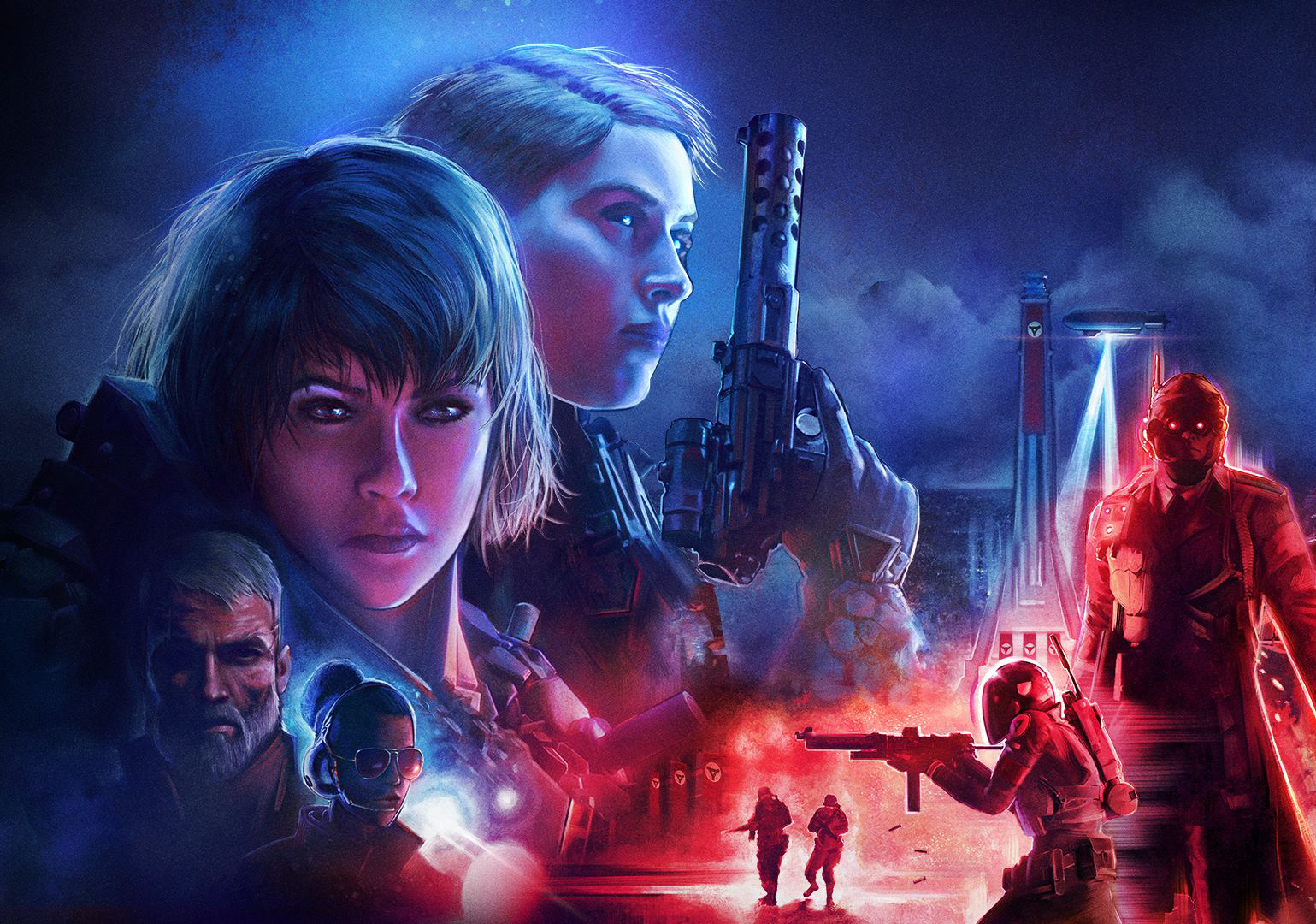
MachineGames created a co-op shooter featuring the daughters of B.J. Blazkowicz. While it included RPG elements like health bars and level restrictions, this made enemies feel overly durable. The game had a more playful and less serious tone compared to the main series. However, players often found the sisters’ conversations to be repetitive and annoying, especially during extended gameplay. The levels were open, but this led to frustrating backtracking through areas filled with enemies that kept reappearing.
‘Just Cause 4’ (2018)
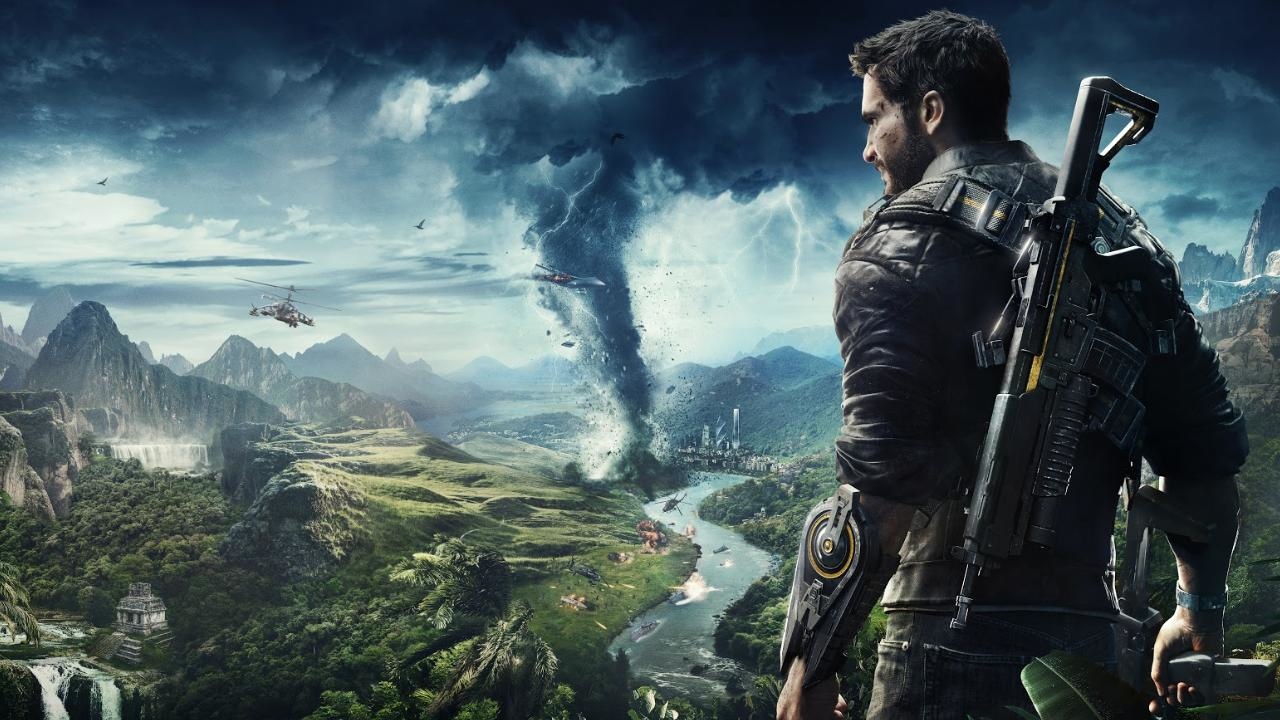
The latest installment from Avalanche Studios featured a new engine intended to deliver dramatic weather, like tornadoes. However, the graphics weren’t as detailed as the previous game, especially when it came to water and textures. Gameplay felt stale, with many missions revolving around defending objects or protecting vehicles. The game’s physics-based chaos wasn’t as satisfying, and fewer weapon choices made combat less versatile. Overall, it didn’t quite live up to the enjoyable, destructive experience of the earlier title.
‘Driver 3’ (2004)
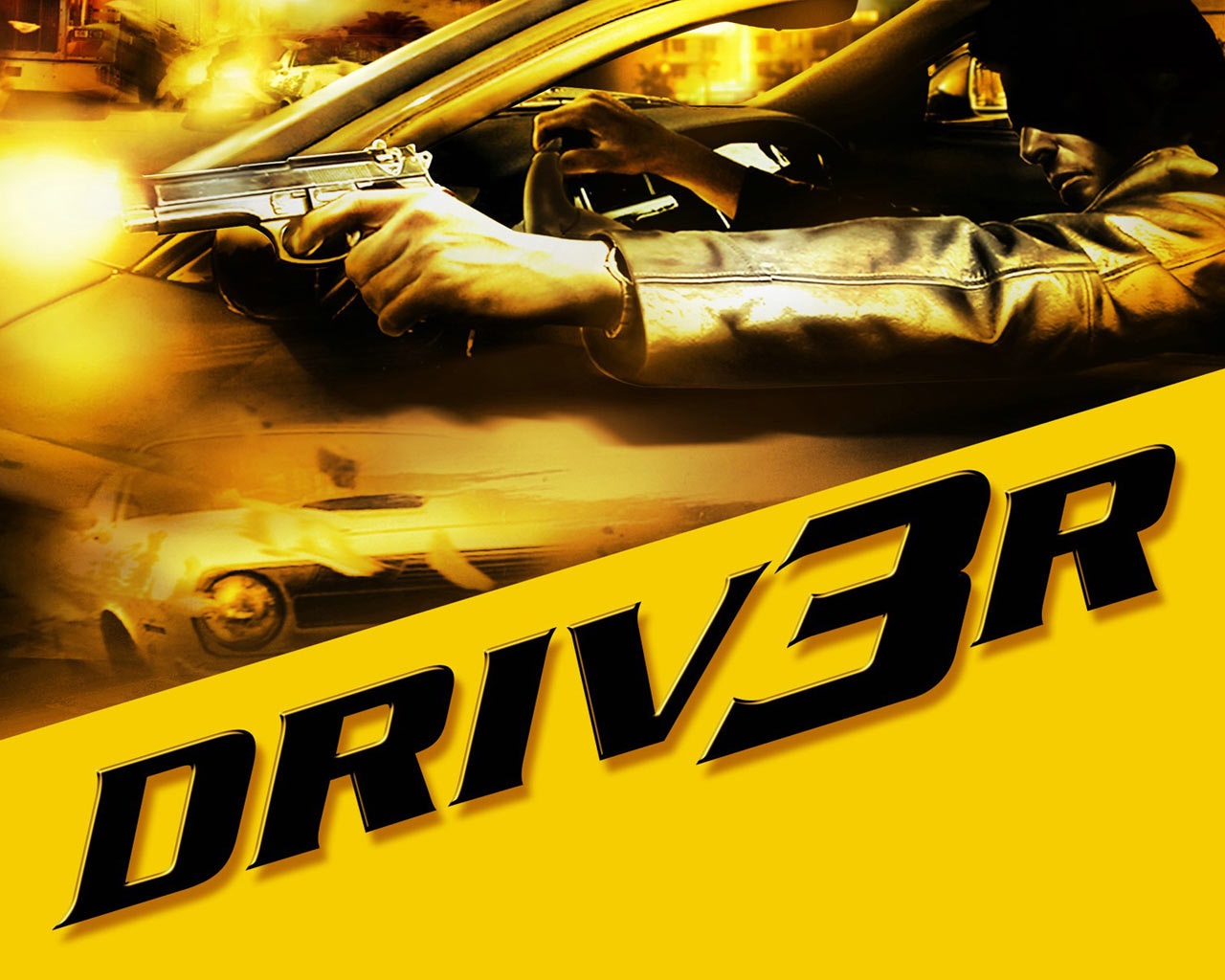
Atari tried to compete with ‘Grand Theft Auto’ by advertising this game as having similar on-foot shooting. However, the controls felt awkward and the shooting wasn’t very accurate. The game launched with many bugs and the computer-controlled characters acted strangely. It also came out that the publisher may have paid for favorable reviews. These issues severely hurt the game’s reputation, allowing other companies to take over the open-world crime genre.
‘Perfect Dark Zero’ (2005)
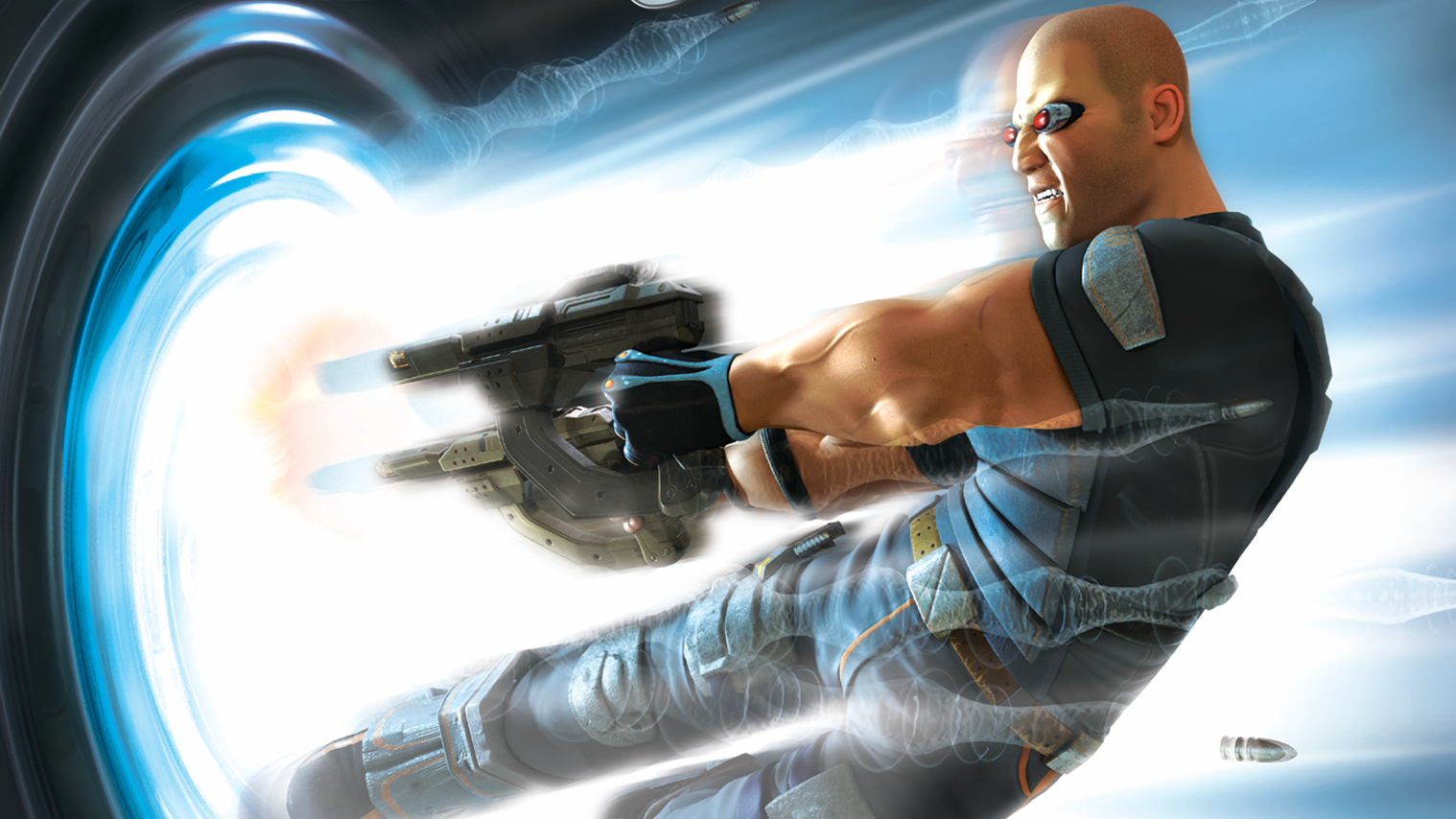
Rare created this game to be a major title when the Xbox 360 launched, but it didn’t quite live up to expectations. Compared to other shooters at the time, the aiming felt clunky and slow. Many players also disliked the characters’ unnatural appearance and the over-the-top, silly dialogue. The levels were difficult to navigate and lacked the clever goals found in the beloved Nintendo 64 game. Though it sold a lot at first, fans of the original don’t often look back on it with much fondness.
‘Dino Crisis 3’ (2003)
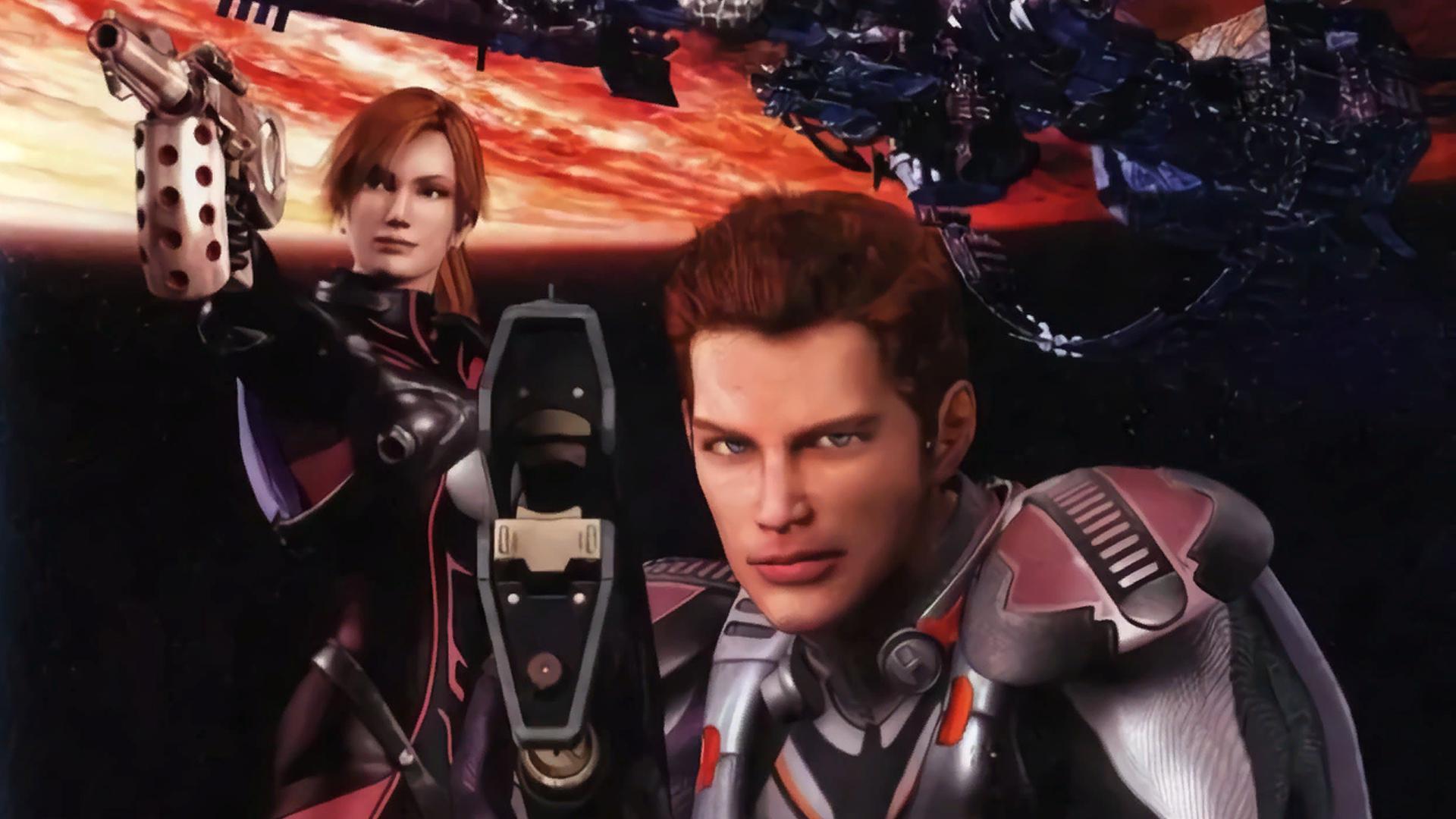
Capcom took the dinosaur survival series in a new direction, moving it to a massive colony ship in space. However, the dinosaurs weren’t realistic – they were genetically altered and looked quite different from actual prehistoric creatures. While the game featured a dynamic camera, it frequently blocked the player’s view during fights. Players could use jetpacks to fly, but this made the controls feel messy and hard to handle. Ultimately, the game’s lack of connection to the story and characters fans loved from the first two games disappointed many.
‘Syberia 3’ (2017)
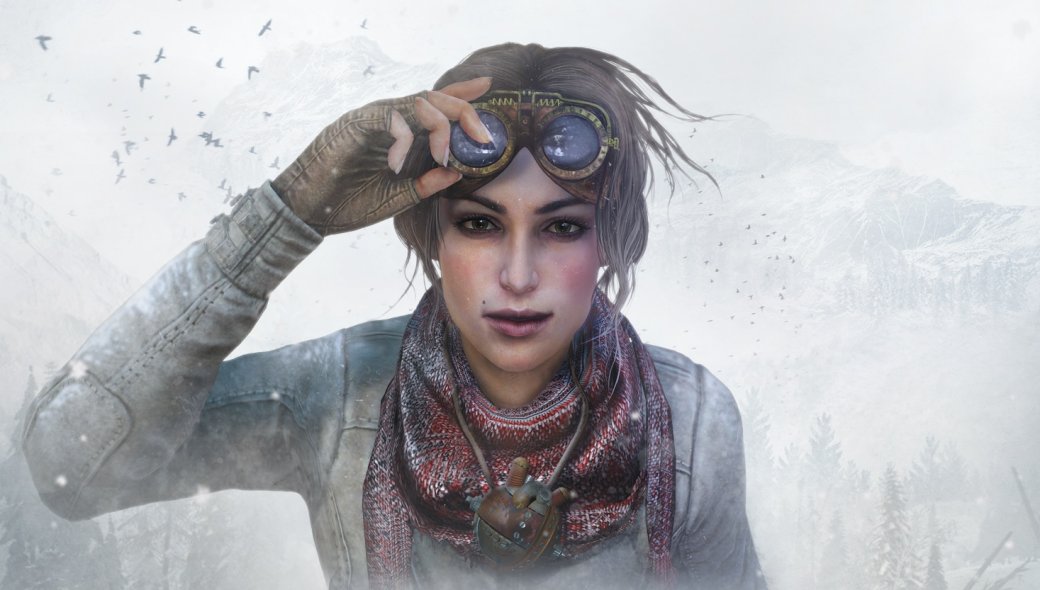
After more than ten years, the third game in the adventure series finally launched. However, the move to fully 3D graphics caused several problems, including technical glitches and stiff character movements. The puzzles were often confusing and frustrating, requiring players to search meticulously for tiny clues. The voice acting lacked direction and didn’t sync well with the characters’ mouths. Ultimately, the game failed to recreate the enchanting feeling that made the first two games so beloved.
‘Unlimited SaGa’ (2002)
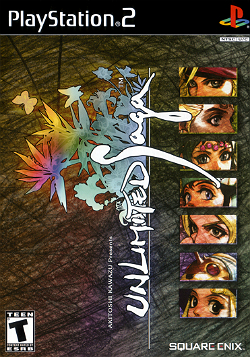
Square Enix made an unusual RPG where you moved around like playing a board game. Instead of typical battles and exploration, the game used a slot machine-style system to decide what happened. It was very difficult, and didn’t explain much of how it worked. Many players found exploring dungeons boring and felt too much depended on random chance. It’s known as the hardest game to get into in the entire SaGa series.
‘Empire Earth III’ (2007)
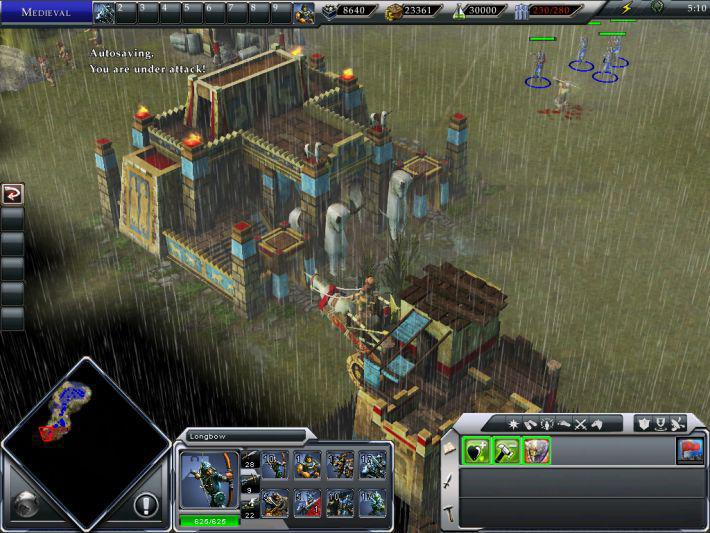
This real-time strategy game was simplified so much that it lost all of its complexity. They cut back on the number of civilizations and shortened the game’s historical period. The humor felt childish and didn’t fit the series’ previous focus on realism. Also, the computer-controlled units often got stuck because the game’s movement system didn’t work well. Many strategy game fans consider this sequel to be one of the worst ever created.
‘Master of Orion 3’ (2003)
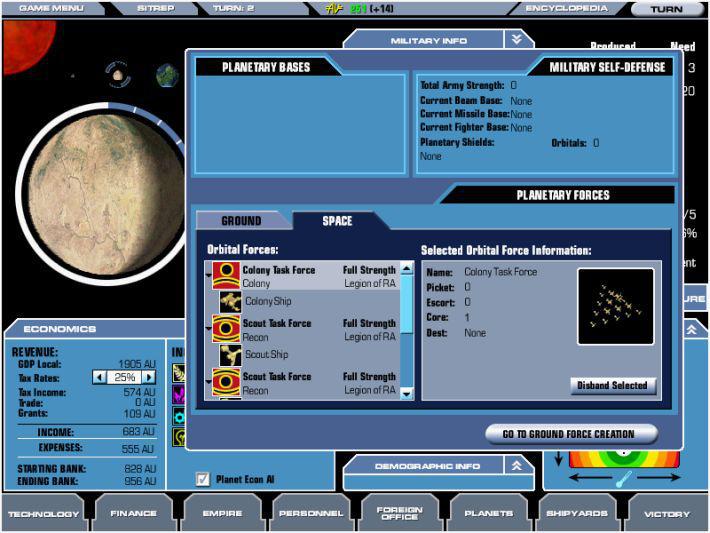
This space strategy game tried to simplify things by automatically managing planets, but it went too far. Players felt like they weren’t really playing, as the game seemed to run itself. The interface was also a problem – it was filled with confusing charts and numbers. Compared to the beloved and highly-regarded second game in the series, this one just didn’t capture the same magic. The negative reaction was significant, and the game series was put on hold for more than ten years.
‘FlatOut 3: Chaos & Destruction’ (2011)
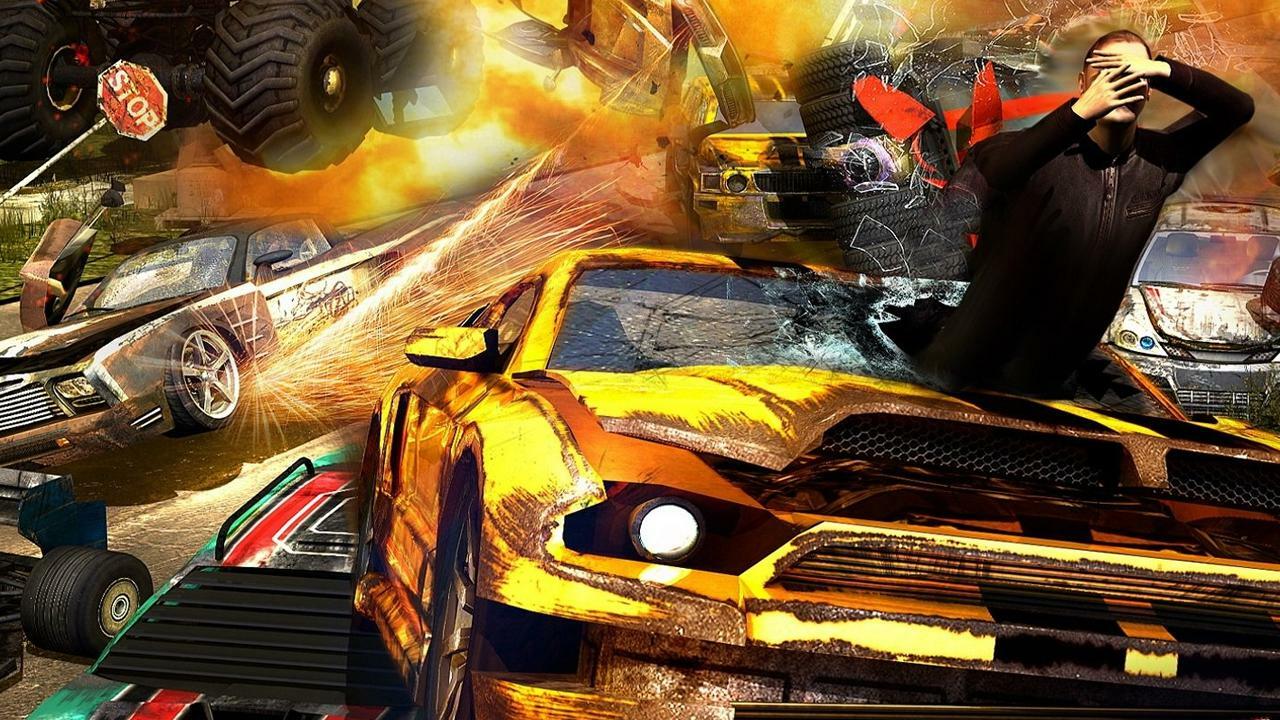
When Team6 Game Studios took over development, the racing game unfortunately became a major disappointment. The game’s physics were flawed, causing cars to behave erratically during crashes. Visually, it was a step down from previous installments, with simpler graphics and environments. Opponents were frustrating to race against, being either impossibly hard or remarkably bad. It’s become notorious among players, earning it some of the worst reviews for a racing game on Steam.
‘Postal III’ (2011)
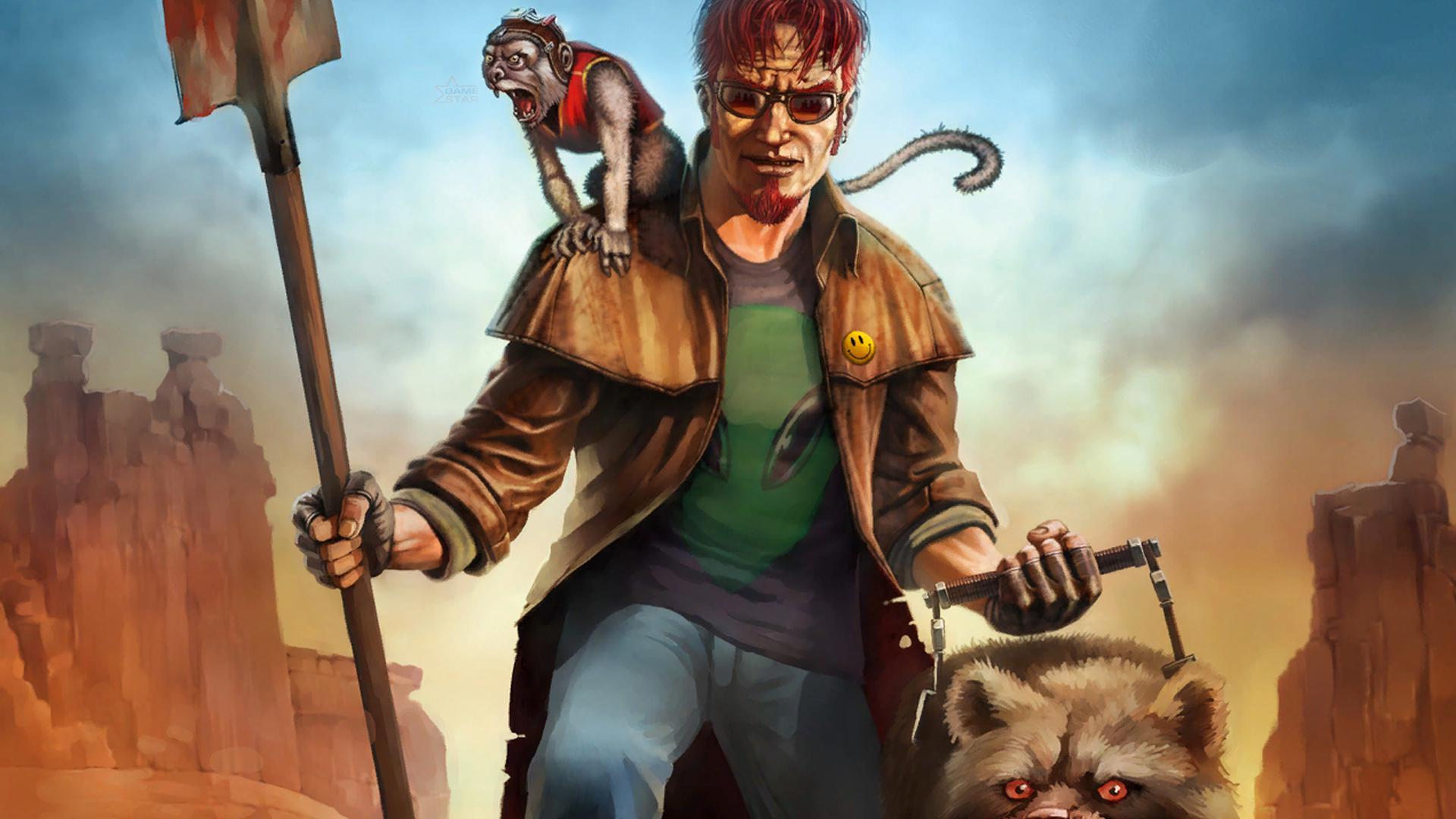
The game underwent major changes, switching to an outside view and being developed by a studio in Russia. Unfortunately, it was full of glitches and often crashed on computers and consoles. The jokes and attempts at satire didn’t resonate with players, even those who enjoyed the previous games’ darker humor. The gameplay became boring due to repeating actions, and the levels were no longer open for exploration. Ultimately, the original creators were so unhappy with the result that they created their own content to essentially ignore it and rewrite the story.
‘Golden Axe: Beast Rider’ (2008)
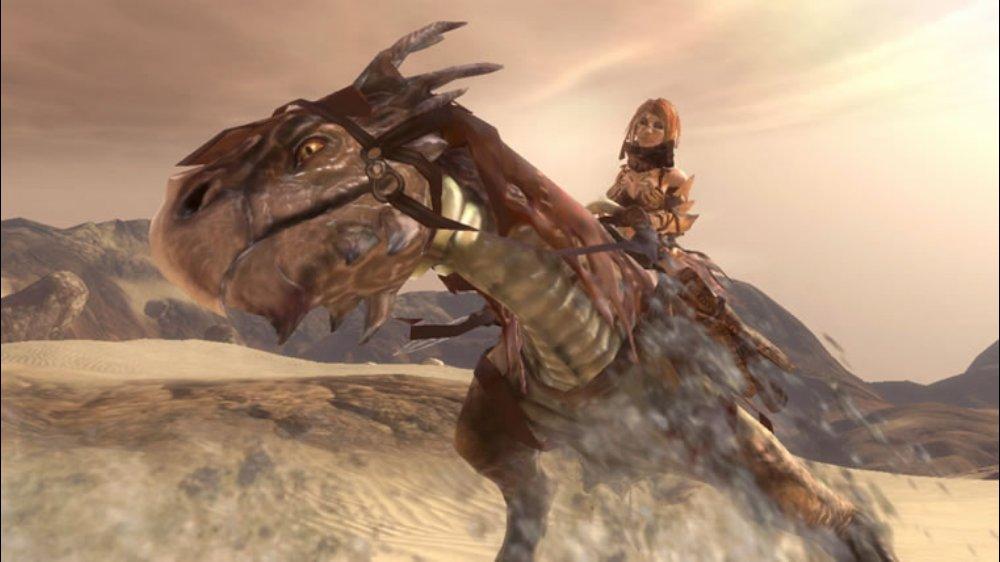
Sega tried to update the classic beat ’em up gameplay into a 3D format, but the result fell short. The game only featured the character Tyris Flare, leaving out the other popular heroes from the original. Fighting felt awkward, and controlling the rideable beasts proved challenging. The game’s dark fantasy look wasn’t as bright and colorful as the arcade versions, and it lost the easy, enjoyable cooperative play that made the series so popular.
‘Alone in the Dark’ (2008)
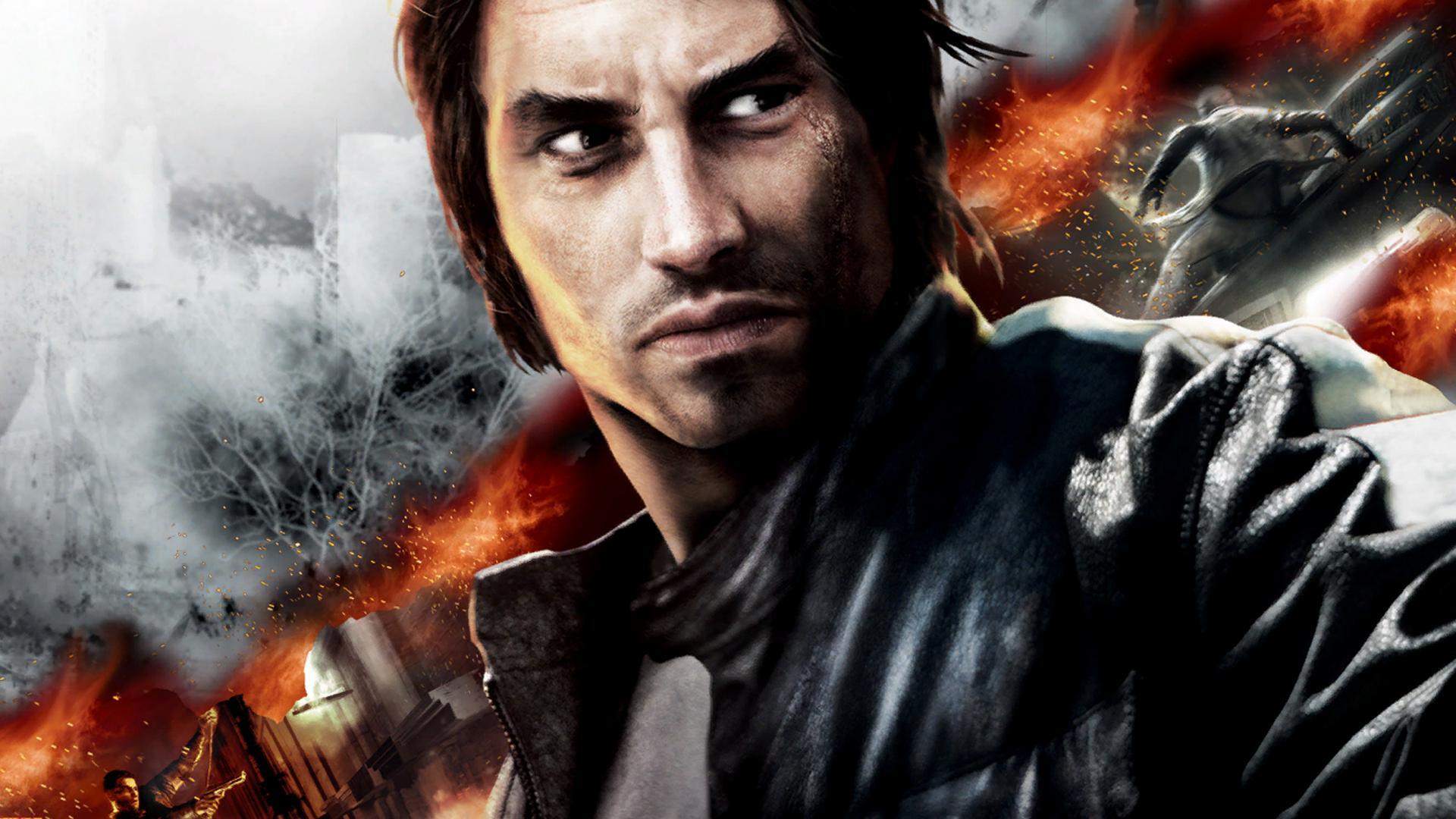
Atari attempted to modernize the classic survival horror experience with an episodic format and realistic fire effects. However, the game was frustrating to play. Managing items required awkwardly looking down at your character’s jacket, and the controls were difficult to learn and use. The game was also plagued by numerous bugs that frequently stopped you from playing. Despite some interesting ideas, the game ultimately suffered from a lack of refinement and poor implementation.
‘Turok: Evolution’ (2002)
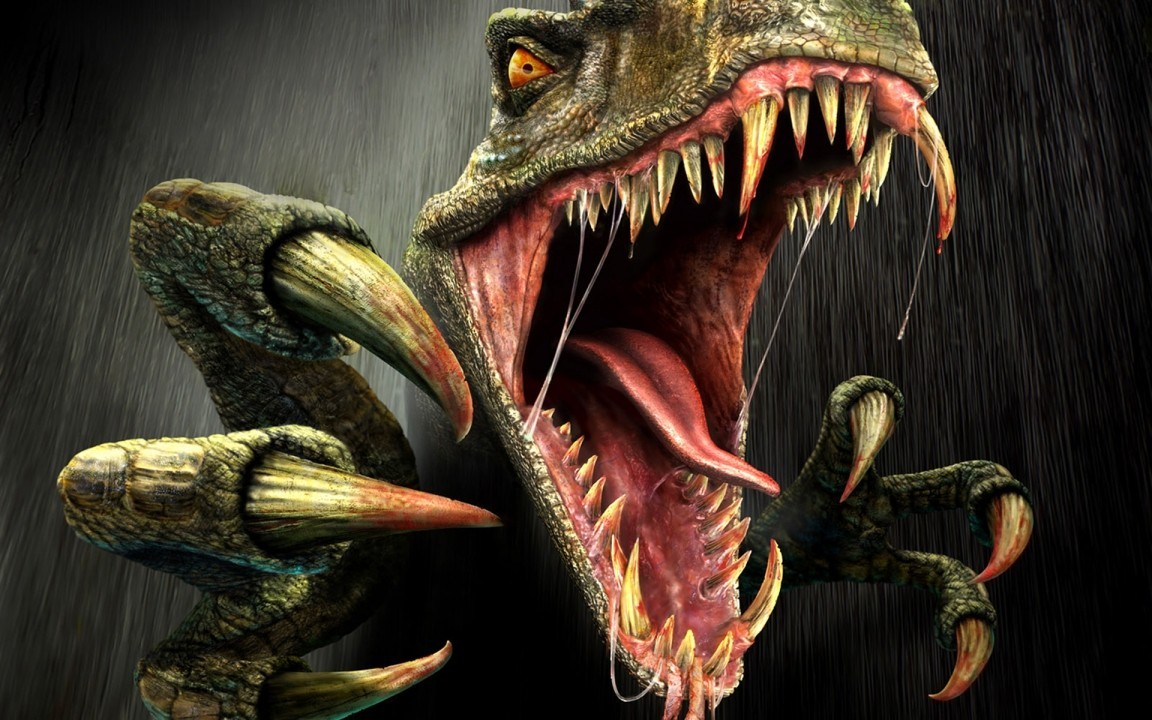
This earlier installment tried to show how the dinosaur hunter came to be, but it didn’t quite work. The game’s stages were lengthy and straightforward, with not much to discover. Enemies weren’t very smart, and the weapons didn’t feel as powerful as those in the older Nintendo 64 games. Flying parts of the game were especially frustrating because the controls were too sensitive. This game was unfortunately the start of a downward trend for the series.
‘Spyro: Enter the Dragonfly’ (2002)
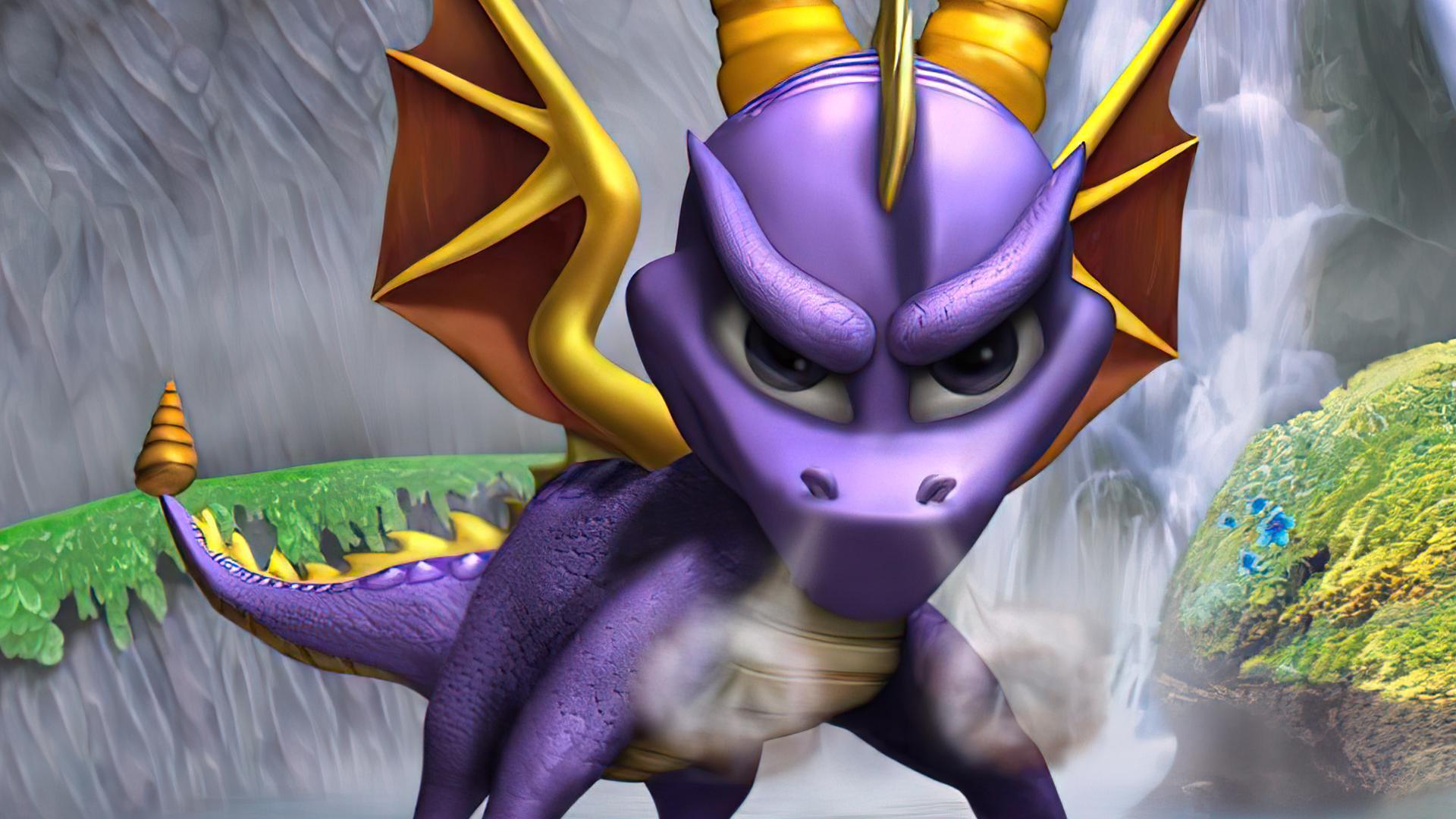
The initial console game not made by Insomniac Games was quickly finished to be released for the holidays, and it showed. Players experienced significant slowdowns and lengthy loading screens. The game was short, featuring only a single boss fight, and had several bugs that let players unintentionally bypass large sections. Most fans agree it was the worst installment in the series’ history.
‘Star Wars: The Force Unleashed II’ (2010)
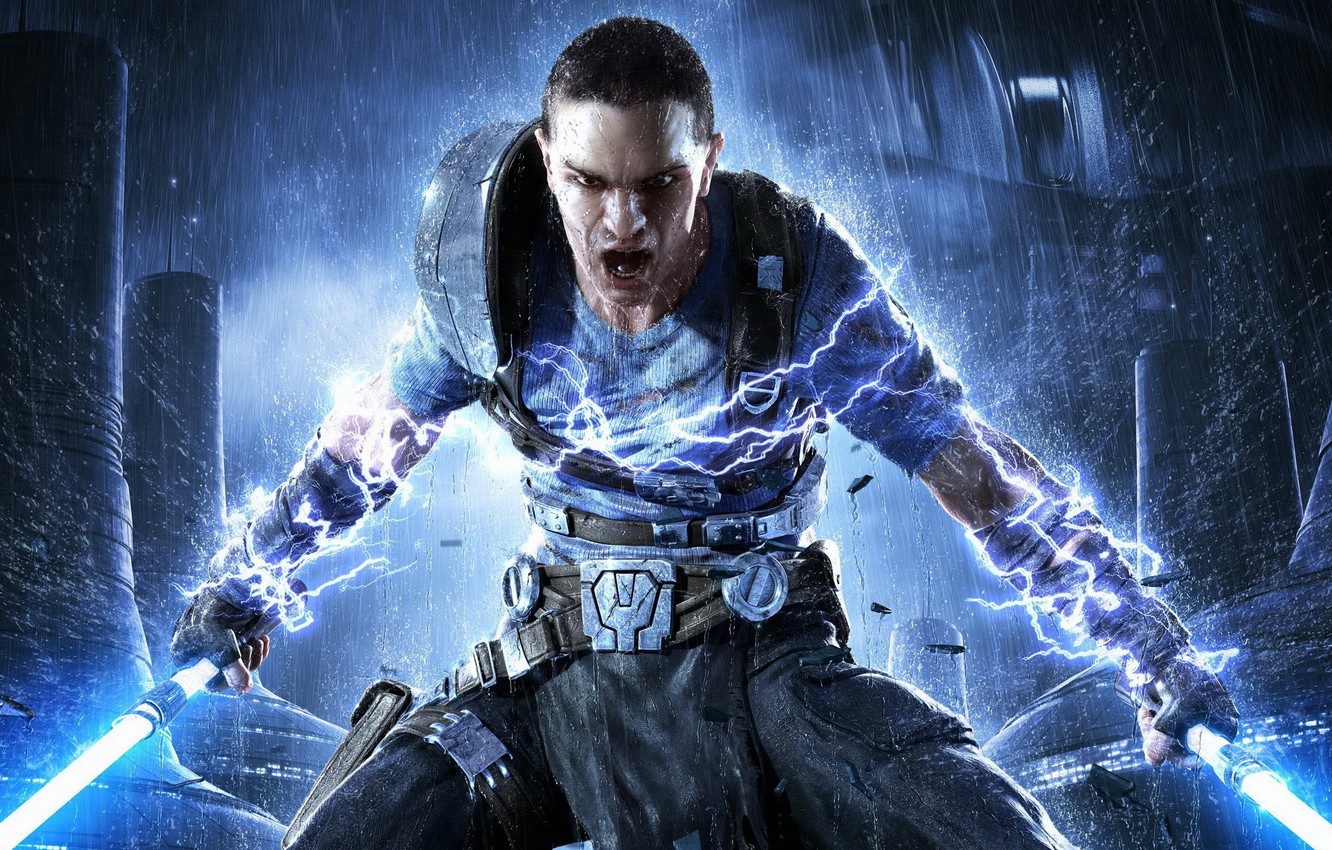
The sequel released by LucasArts was surprisingly short, taking most players around four hours to complete. The story didn’t feel particularly important and actually diminished the impact of the first game’s powerful ending. While the gameplay was similar to the original, it didn’t add many new abilities. The game also featured repetitive enemies and levels, making the brief playtime feel even shorter. Many fans were disappointed with the full price tag, considering how little content the game offered.
‘Medal of Honor: Warfighter’ (2012)
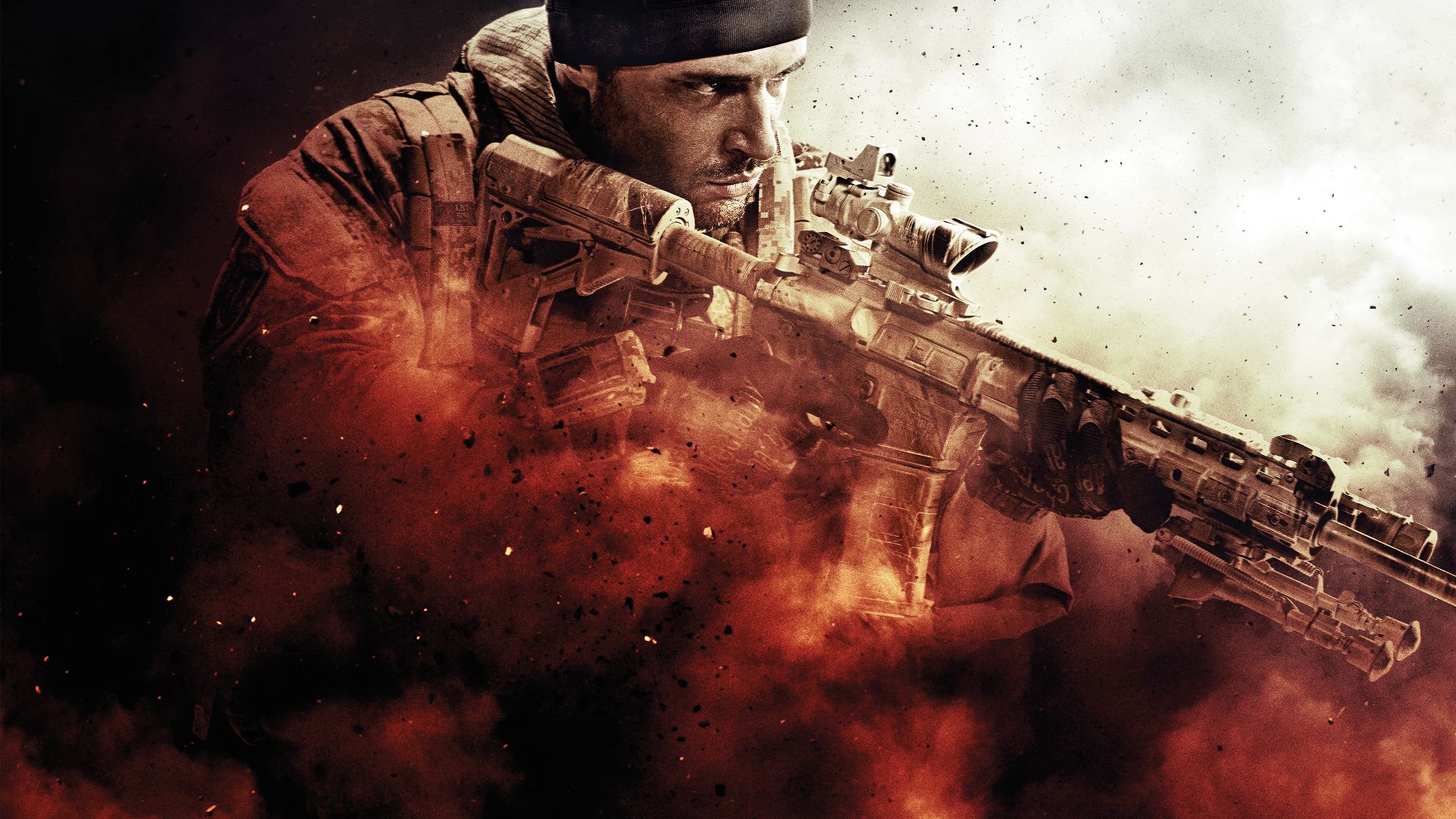
Electronic Arts attempted to challenge Call of Duty with a game centered around elite special forces. However, the single-player campaign felt disconnected and lacked a compelling story. The online multiplayer was also problematic at release, suffering from numerous bugs and gameplay imbalances. Ultimately, the game didn’t stand out in a crowded genre of military shooters, leading to overwhelmingly negative reviews and the eventual cancellation of the series.
‘Army of Two: The Devil’s Cartel’ (2013)
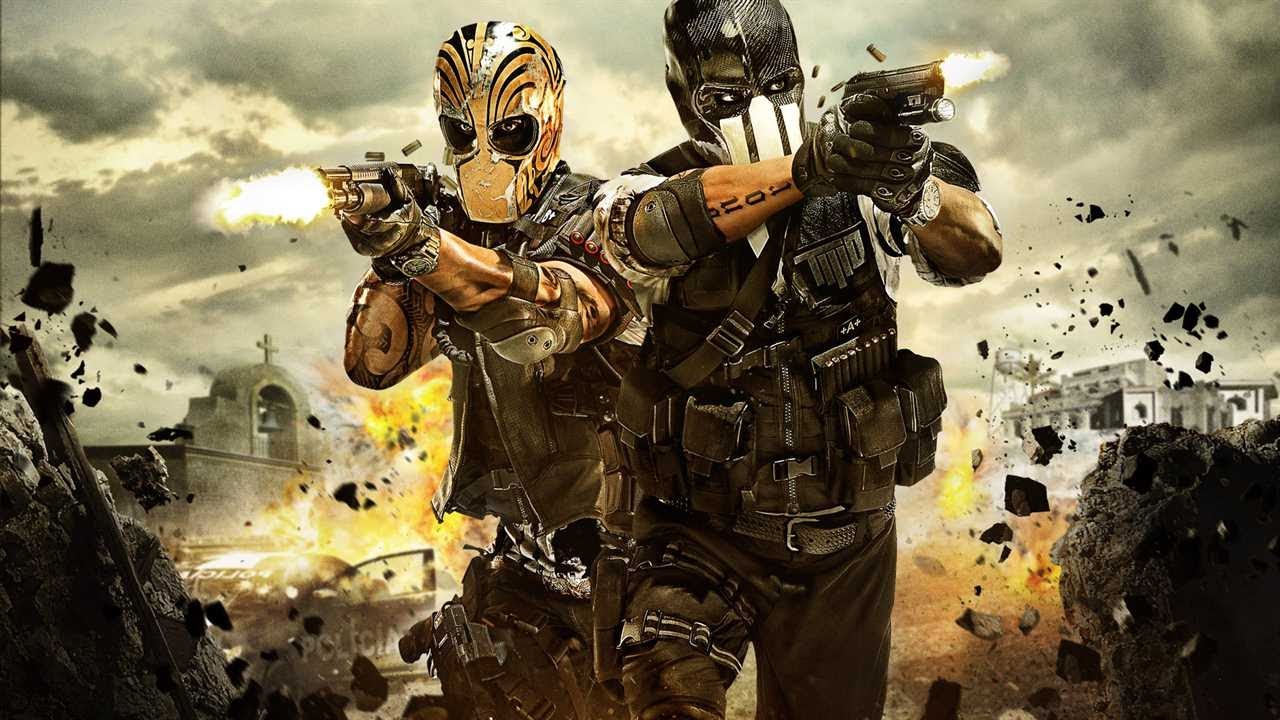
The latest installment abandoned the series’ signature teamwork system, where enemies reacted to who was attacking them. Instead of memorable characters, players controlled bland, faceless soldiers. The story fell into familiar action movie clichés about drug cartels, losing the heart and strong bond between characters that fans loved in the original games. Ultimately, it became just another typical third-person shooter with little to distinguish it.
‘Kane & Lynch 2: Dog Days’ (2010)
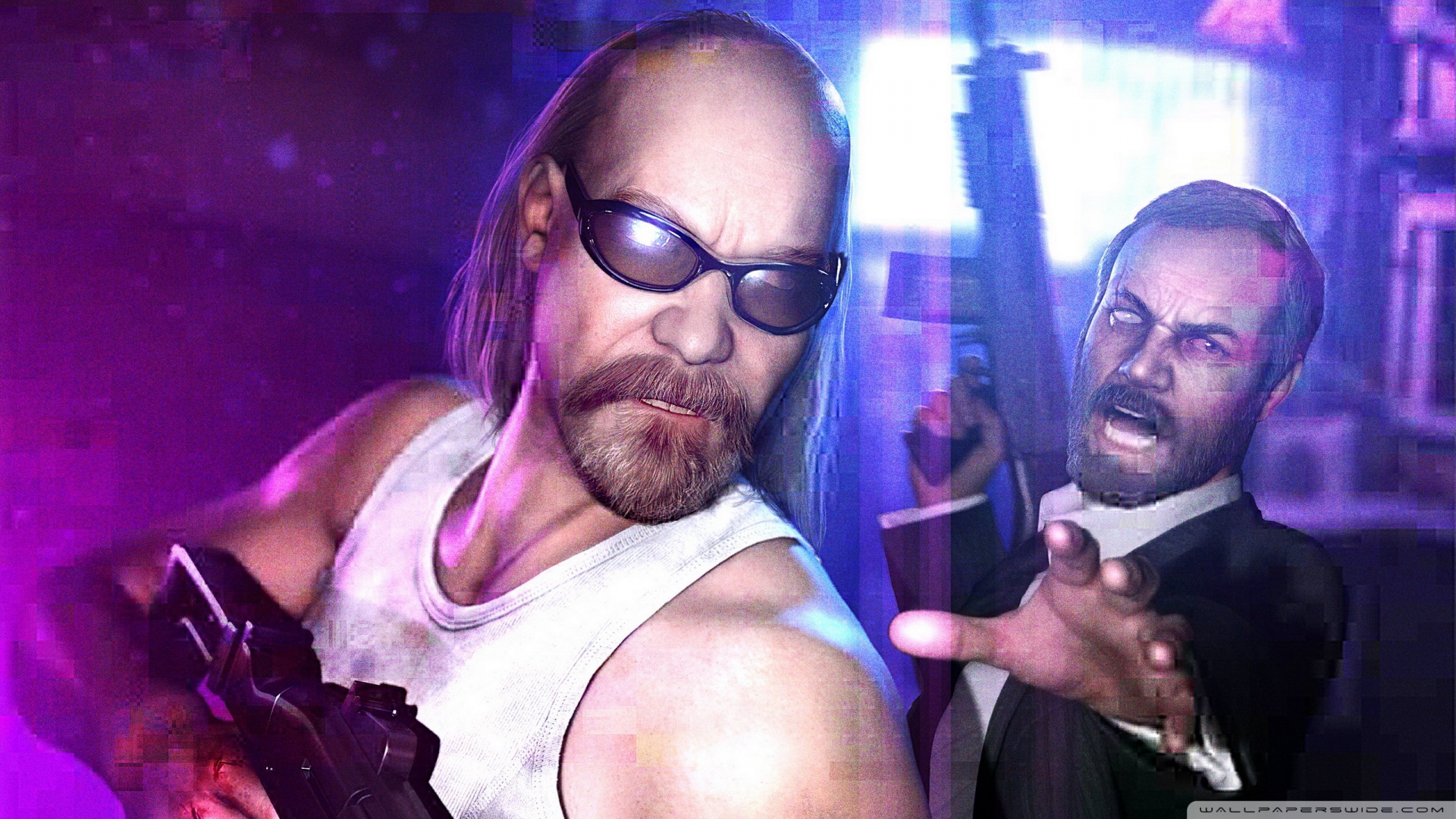
IO Interactive chose a visual style that looked like it was filmed on a shaky handheld camera. This made many players feel motion sick and didn’t look very appealing. The game’s story mode was also very short, taking most players less than five hours to complete. Adding to the issues, the characters weren’t very engaging and the story was consistently bleak without offering a meaningful purpose. Ultimately, the game didn’t address the problems that existed in the first installment.
‘Lost Planet 3’ (2013)
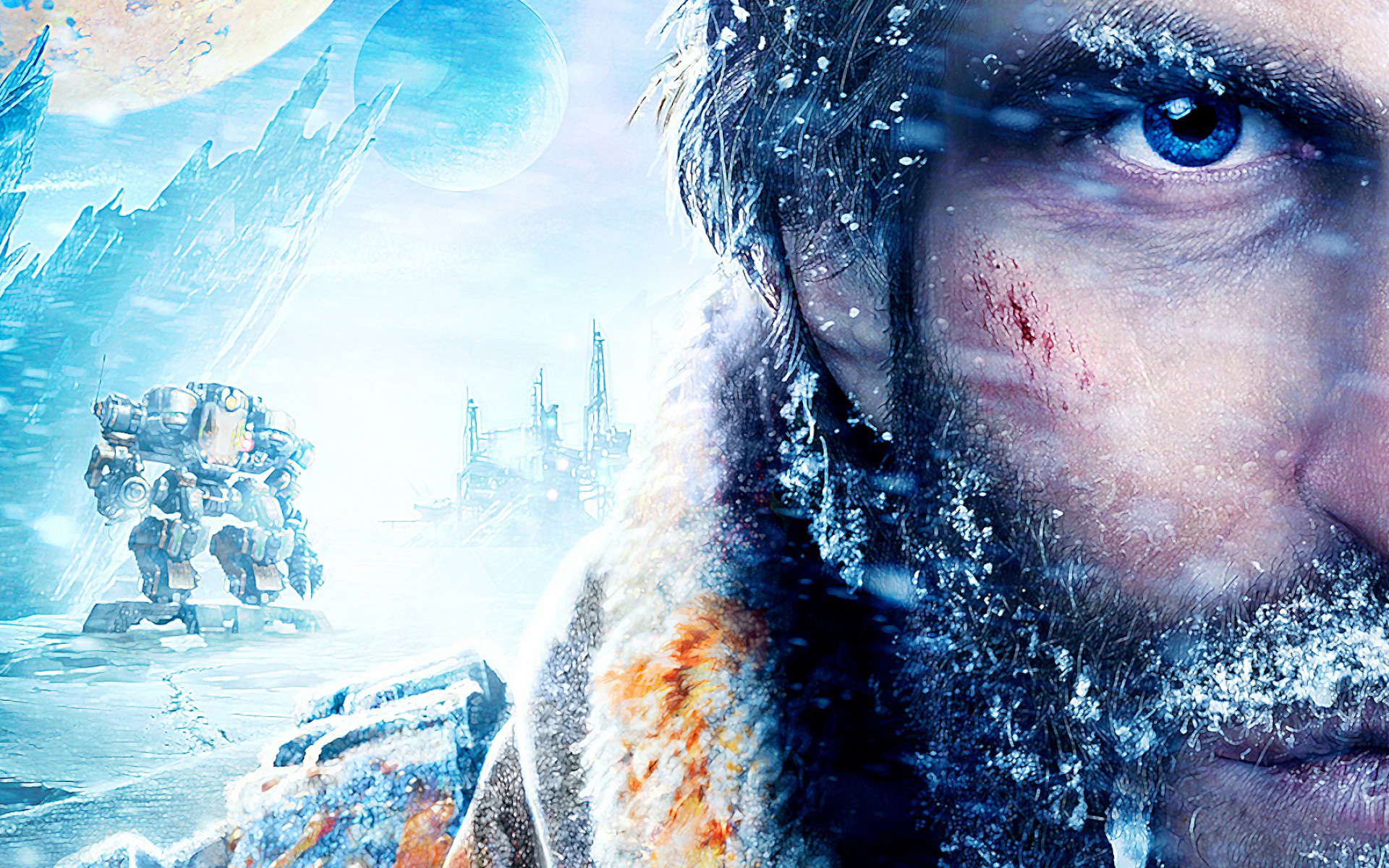
Spark Unlimited shifted the game’s focus to storytelling, which made it feel slower-paced. The powerful mechs, once known for fighting, were now used more for tasks and support. Many of the interesting thermal energy features from earlier games were cut. Players found the environments to be similar and the combat lacked the exciting, fast-paced action of previous installments. As a result, the game didn’t sell well, and there haven’t been any new games in the series since.
‘Umbrella Corps’ (2016)
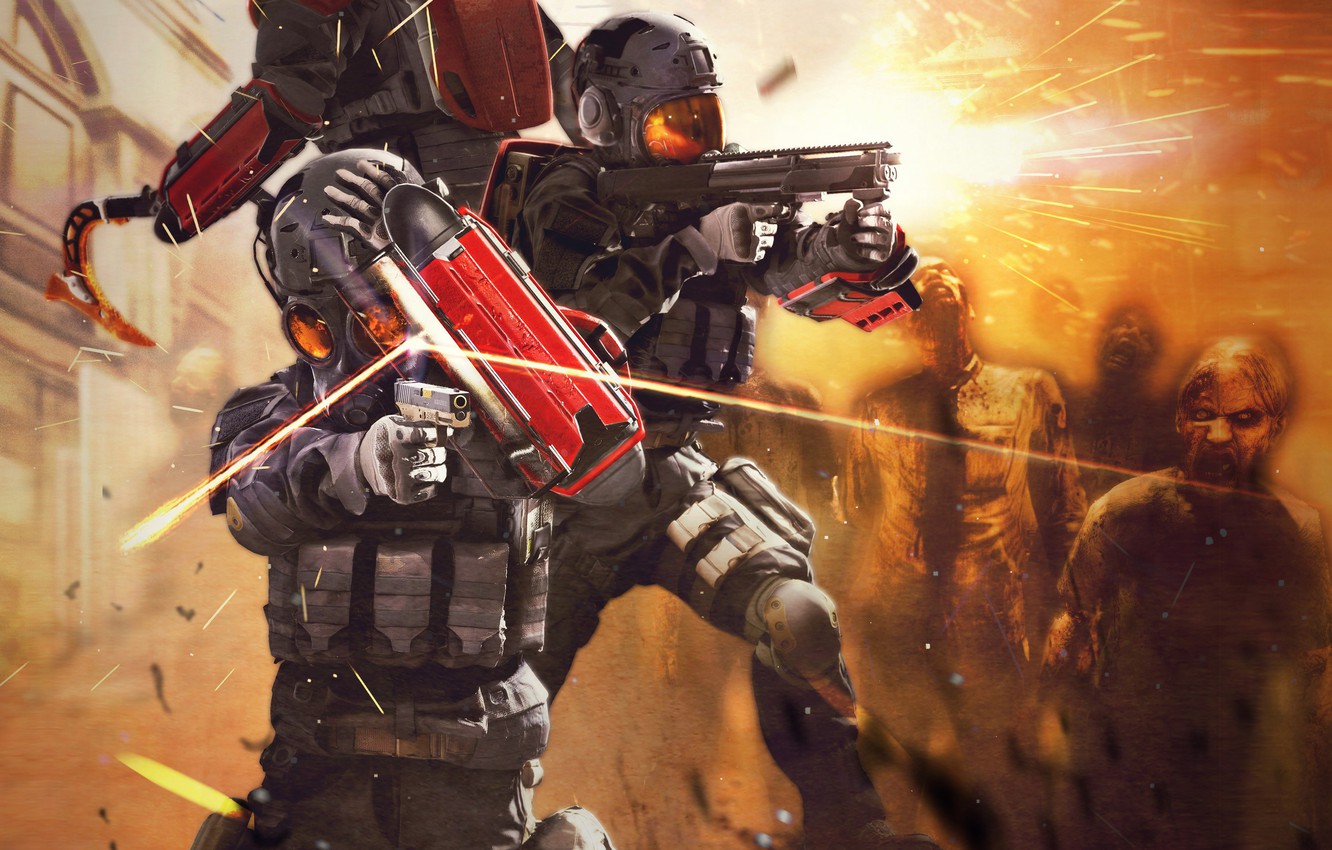
This multiplayer shooter was made by Capcom to commemorate the Resident Evil series, but it wasn’t well-received. Players found the camera too close, making it hard to see, and the maps were so small that matches felt frustratingly chaotic. There was barely any single-player content, and what little there was only served as a basic introduction. Most fans consider it one of the weakest entries in the entire Resident Evil series.
Tell us which game sequel disappointed you the most in the comments.
Read More
- 20 Movies Where the Black Villain Was Secretly the Most Popular Character
- Transformers Under the Microscope: What Graph Neural Networks Reveal
- Celebs Who Narrowly Escaped The 9/11 Attacks
- Silver Rate Forecast
- Trading on Thin Air: AI Agents Conquer Crypto Volatility
- Gold Rate Forecast
- Invincible Season 4 Gender Swaps Tech Jacket As Fans Question Major Comic Change
- 22 Films Where the White Protagonist Is Canonically the Sidekick to a Black Lead
- Every Notable ‘Star Trek: The Original Series’ Actor Who Died
- Trading Smarter: AI-Powered Execution Schedules
2026-02-02 06:29