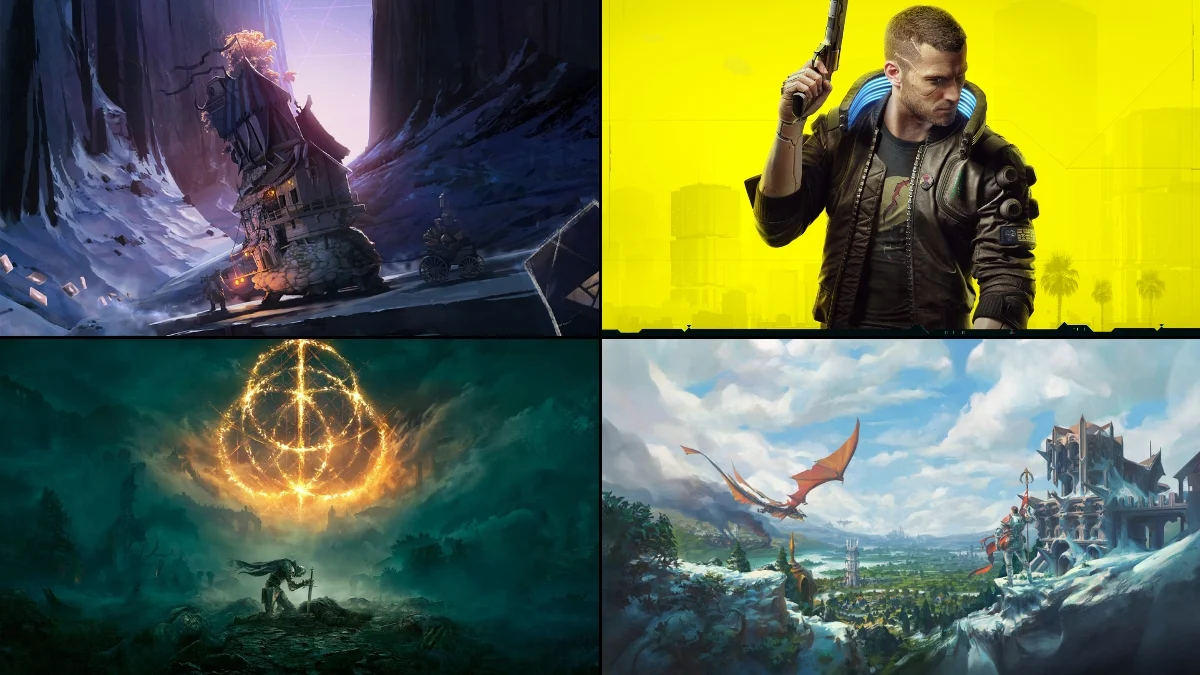
Creating video games is a tricky process, as developers constantly try to meet what players want while also working within technical limits. When game updates drastically change how a game is played, how players spend money, or how easy it is to access, players often voice their frustration online through forums and negative reviews. This shows the conflict between a developer’s overall plan for the game and what players want right away. The games mentioned below are examples of times when changes after release caused a lot of controversy.
‘Artifact’ (2018)
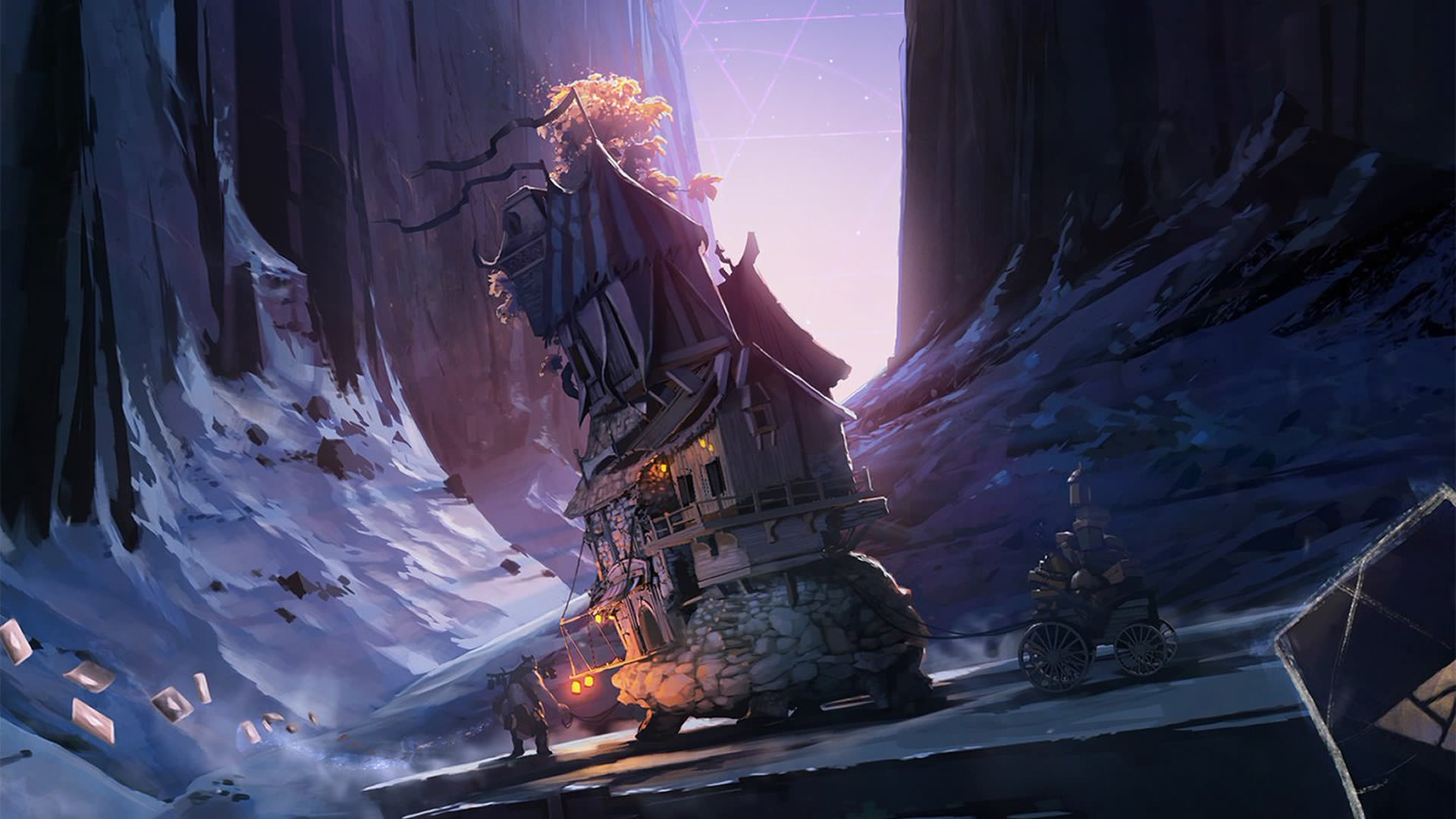
Valve tried to fix problems with the economy in their card game, but players weren’t satisfied. Many were upset that ‘Artifact’ felt like you had to pay to win, requiring purchases of cards and access to competitive play. Even a major redesign called ‘Artifact Foundry’ couldn’t revive the game, and development was eventually stopped due to a lack of players. This is a well-known example of a large game company being unable to save a game with updates after its initial release.
‘Call of Duty: Warzone’ (2020)
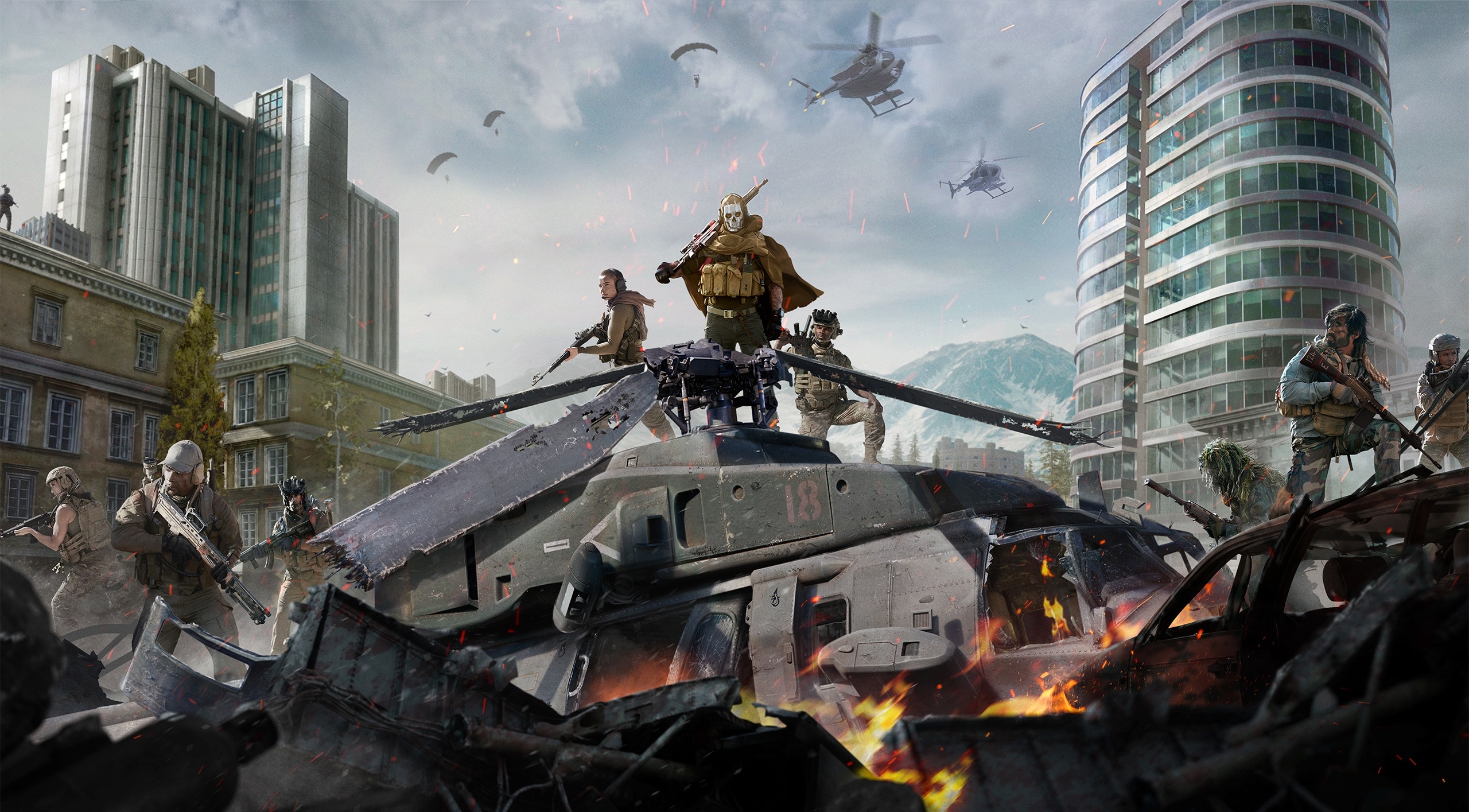
Infinity Ward and Activision received criticism as they updated ‘Call of Duty’ games, often creating significant imbalances that disrupted gameplay. Players were especially frustrated when the original ‘Verdansk’ map was replaced with new locations considered less fair for competitive play. The ‘Call of Duty: Warzone’ community often complained that the developers focused more on selling cosmetic items than on fixing ongoing bugs and ensuring stable servers. These issues ultimately contributed to the release of a sequel, which also faced criticism, particularly regarding how characters moved.
‘Cyberpunk 2077’ (2020)
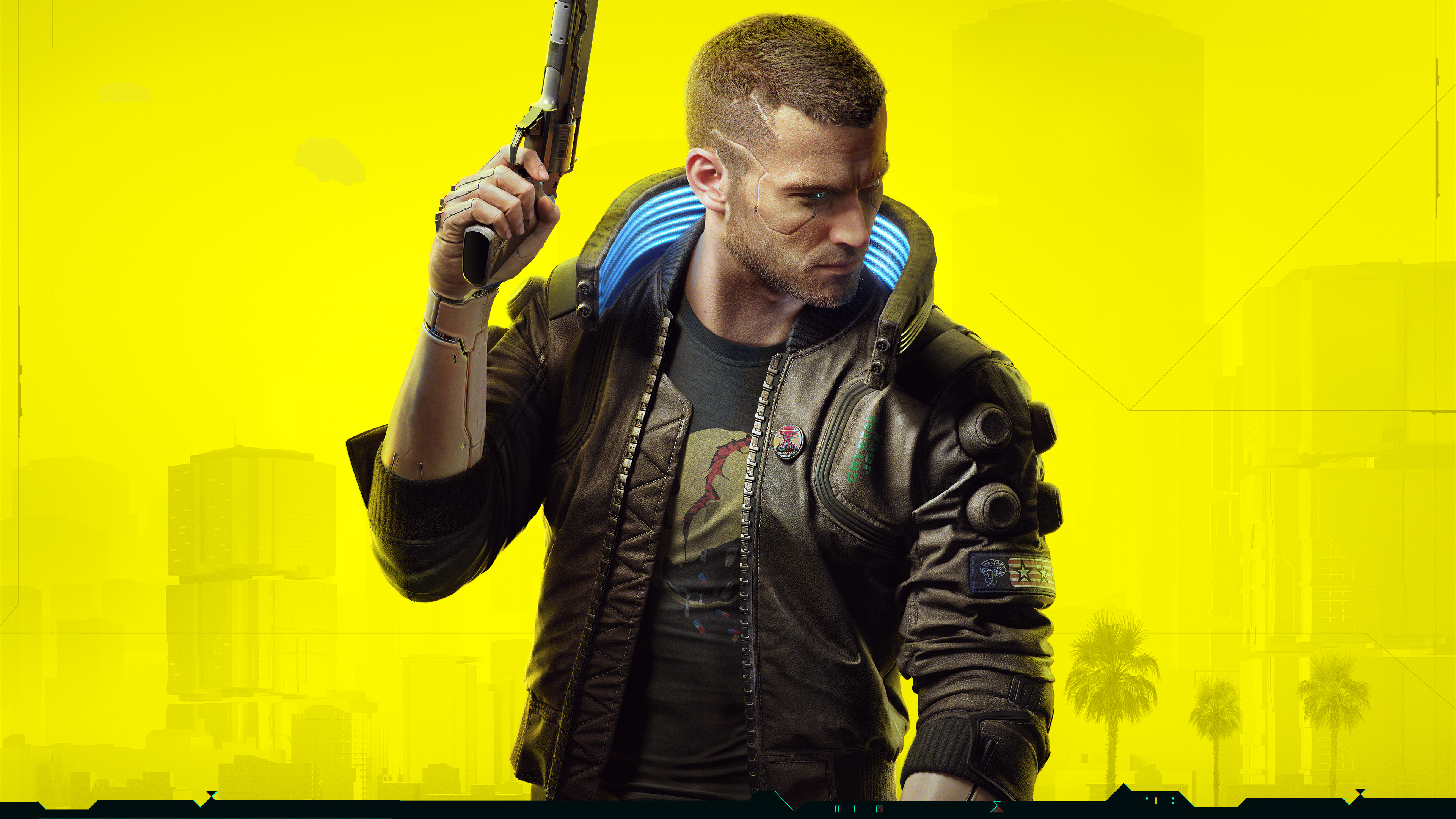
After a rocky start for ‘Cyberpunk 2077’, CD Projekt Red released many updates. However, some early fixes actually created new problems. Players were especially frustrated with how slowly performance improved on older consoles during the game’s first year. Although major updates like the 2.0 overhaul eventually fixed many issues and were well-received, the initial period after launch was filled with doubt. It took years of dedicated work for the studio to rebuild its reputation for delivering polished, high-quality games.
‘Destiny 2’ (2017)
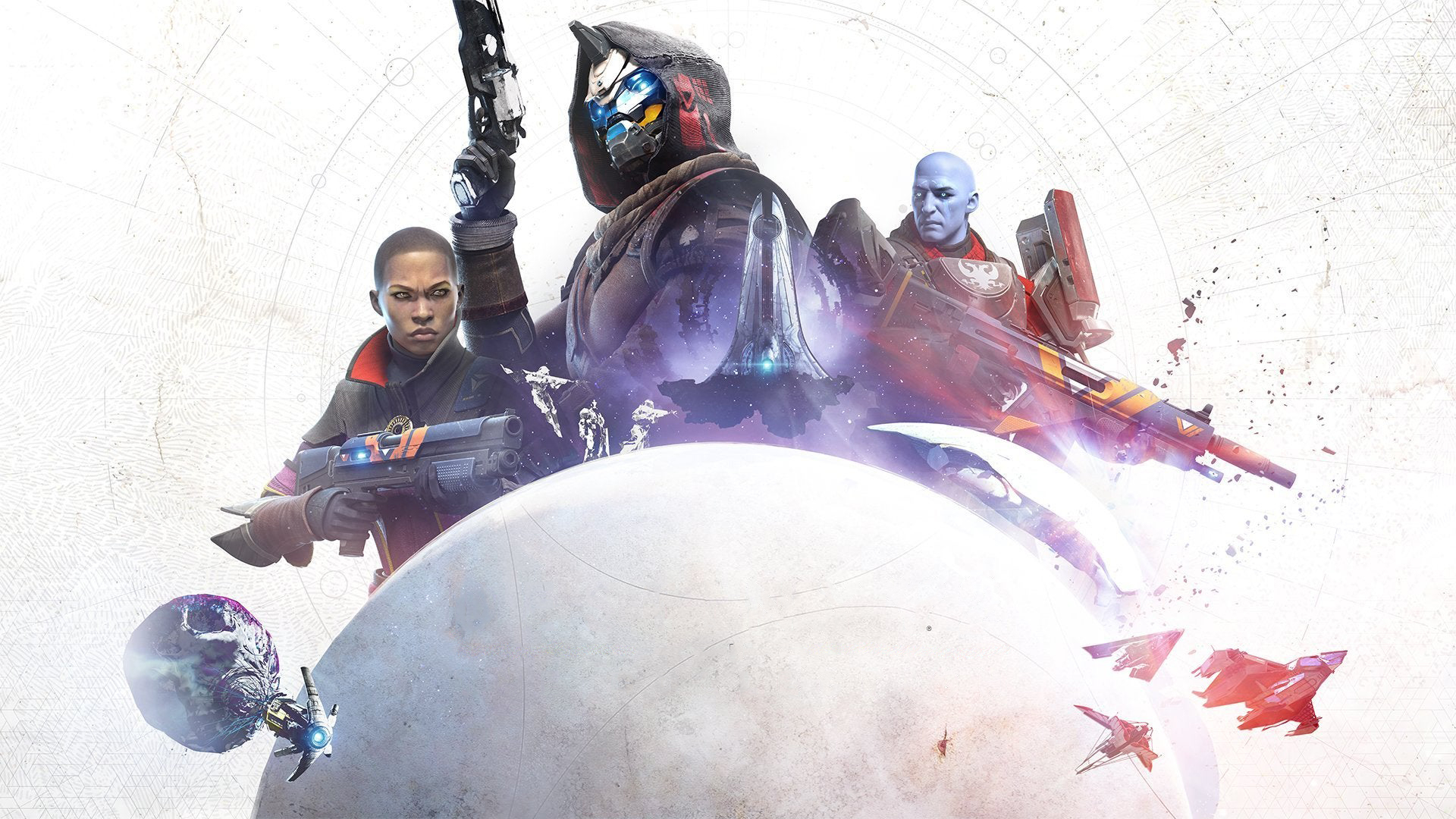
Bungie, the developer of Destiny 2, removed some previously purchased content – like planets and story campaigns – through an update called the Content Vault. This was done to make the game smaller and run more smoothly. While the developers said this was needed for technical reasons and to speed up future updates, many players were upset about losing access to content they had already paid for. In response, Bungie has since released updated versions of some of those removed areas and activities to please dedicated fans.
‘Diablo IV’ (2023)
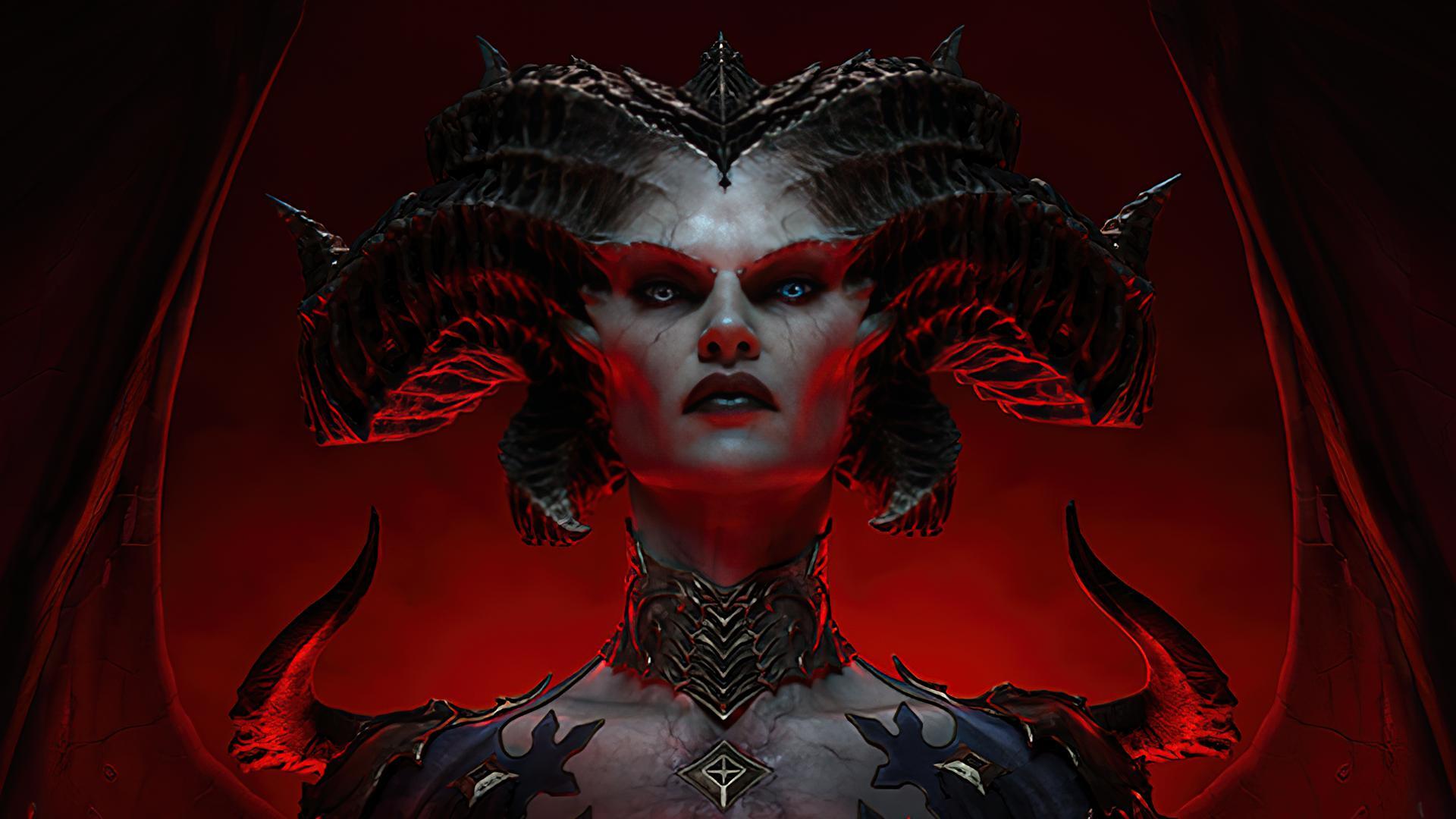
As a ‘Diablo IV’ player, I was pretty shocked when Patch 1.1.0 dropped right before Season 1. It felt like they seriously toned down how powerful our characters were and made it much harder to survive, which made the endgame grind feel really slow and not worth it, no matter what class you played. The backlash from the community was huge, and the developers actually did an emergency livestream – a ‘Campfire Chat’ – to try and explain things. They promised they’d never release a patch like that again! Honestly, it felt like that whole situation made them realize they needed to focus more on making the game fun for us, rather than just trying to perfectly balance everything with numbers, which has been a good thing in the seasons that followed.
‘Elden Ring’ (2022)
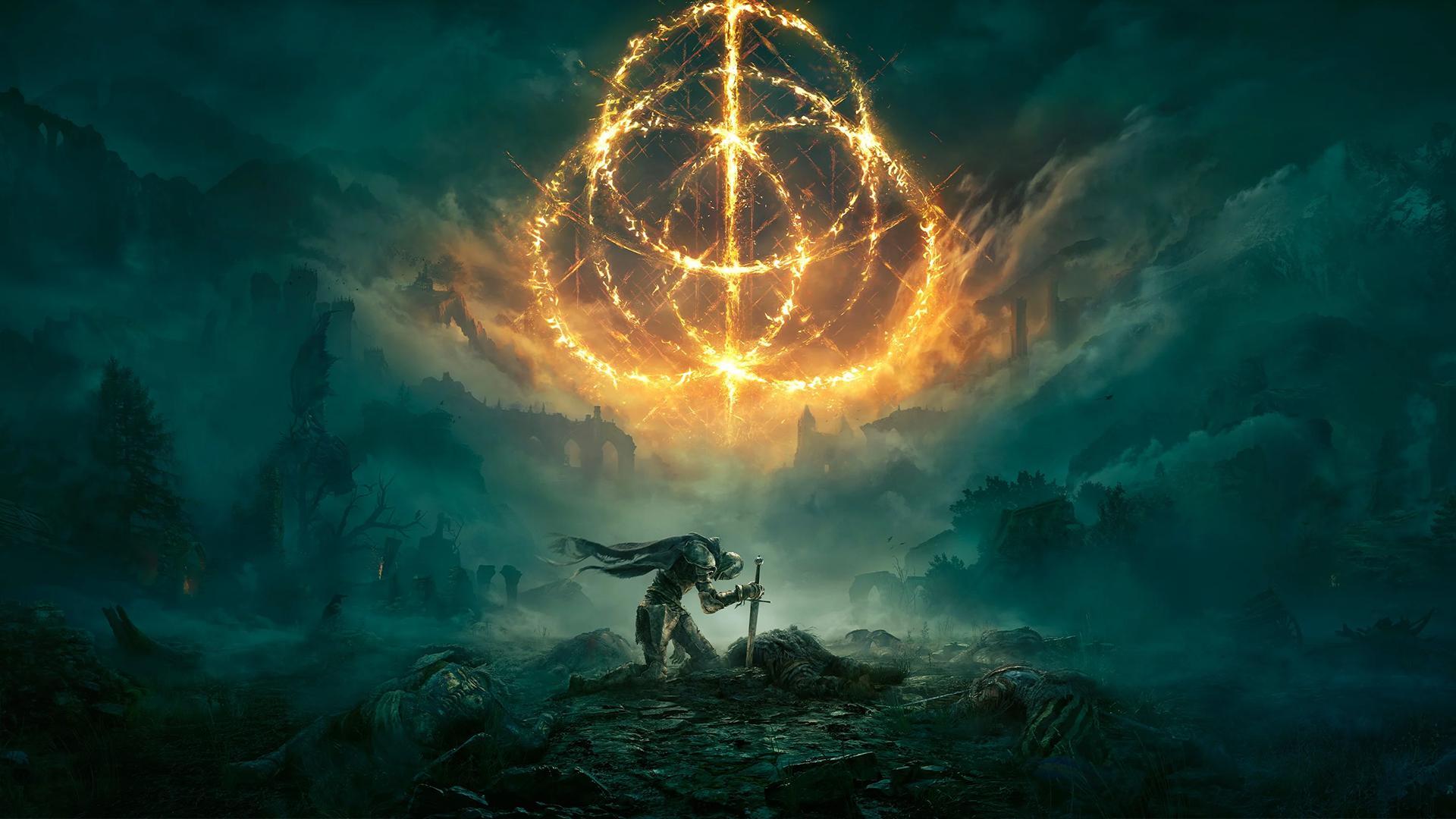
An initial update to ‘Elden Ring’ drastically reduced the difficulty of the boss Starscourge Radahn, which upset some players who liked the original challenge. The community discussed whether this change went against the developers’ goal of creating a tough but rewarding game. Later, the developers released another update that partially restored Radahn’s original strength, admitting the first change wasn’t quite right. This situation highlighted how tricky it is to balance a huge open-world game while still making players feel a sense of achievement.
‘Fallout 76’ (2018)
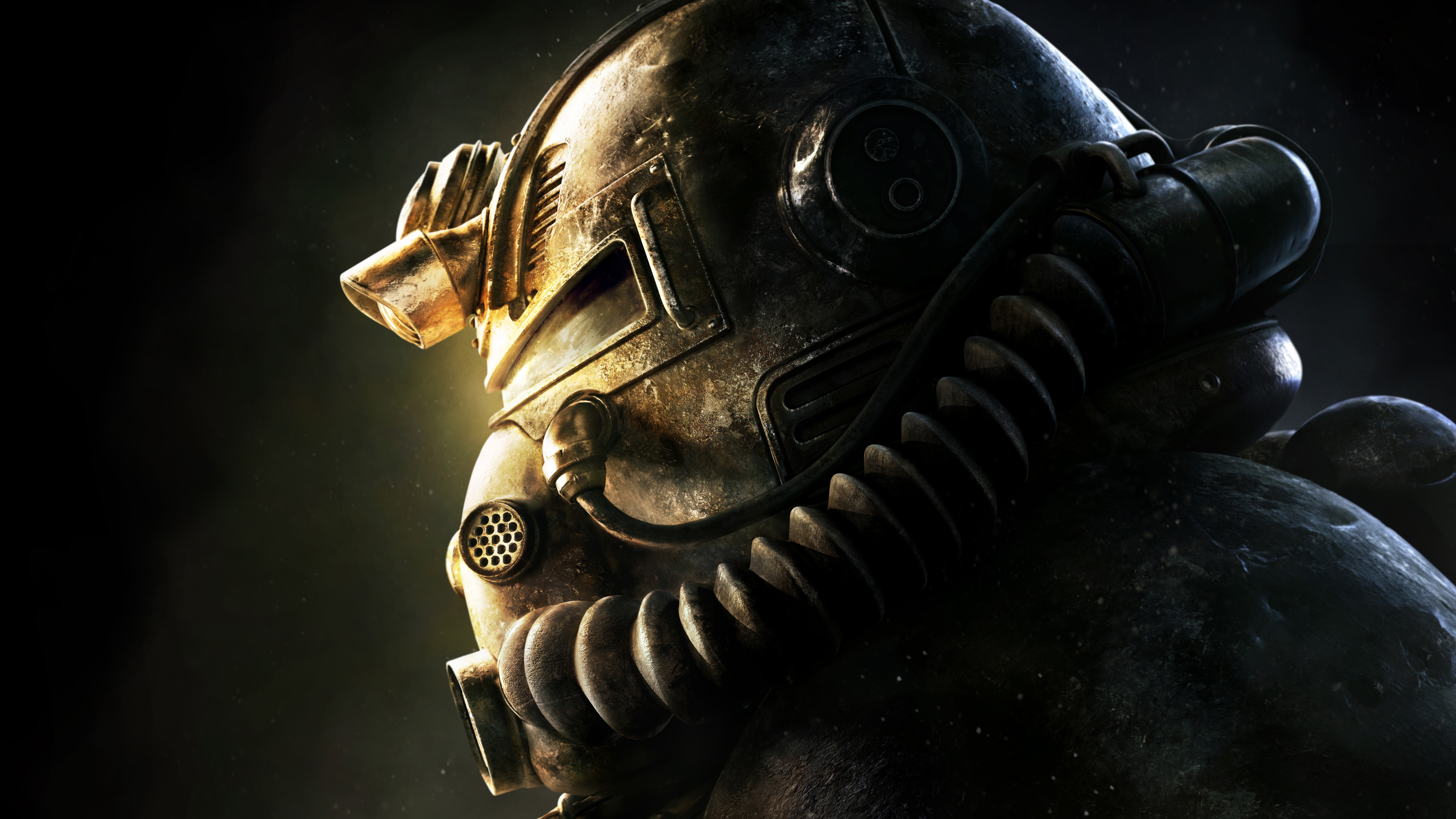
The launch of ‘Fallout 1st,’ a subscription service from Bethesda Game Studios offering features like private servers and unlimited storage, caused a lot of upset among ‘Fallout 76’ players. Many believed these features should have been part of the original game or offered as an apology for the game’s difficult start. To make matters worse, the update was initially plagued with bugs, including issues with the storage system deleting player items. This move to charge extra for these features felt like a departure from Bethesda’s earlier commitments to supporting the game long-term.
‘Final Fantasy XIV’ (2010)
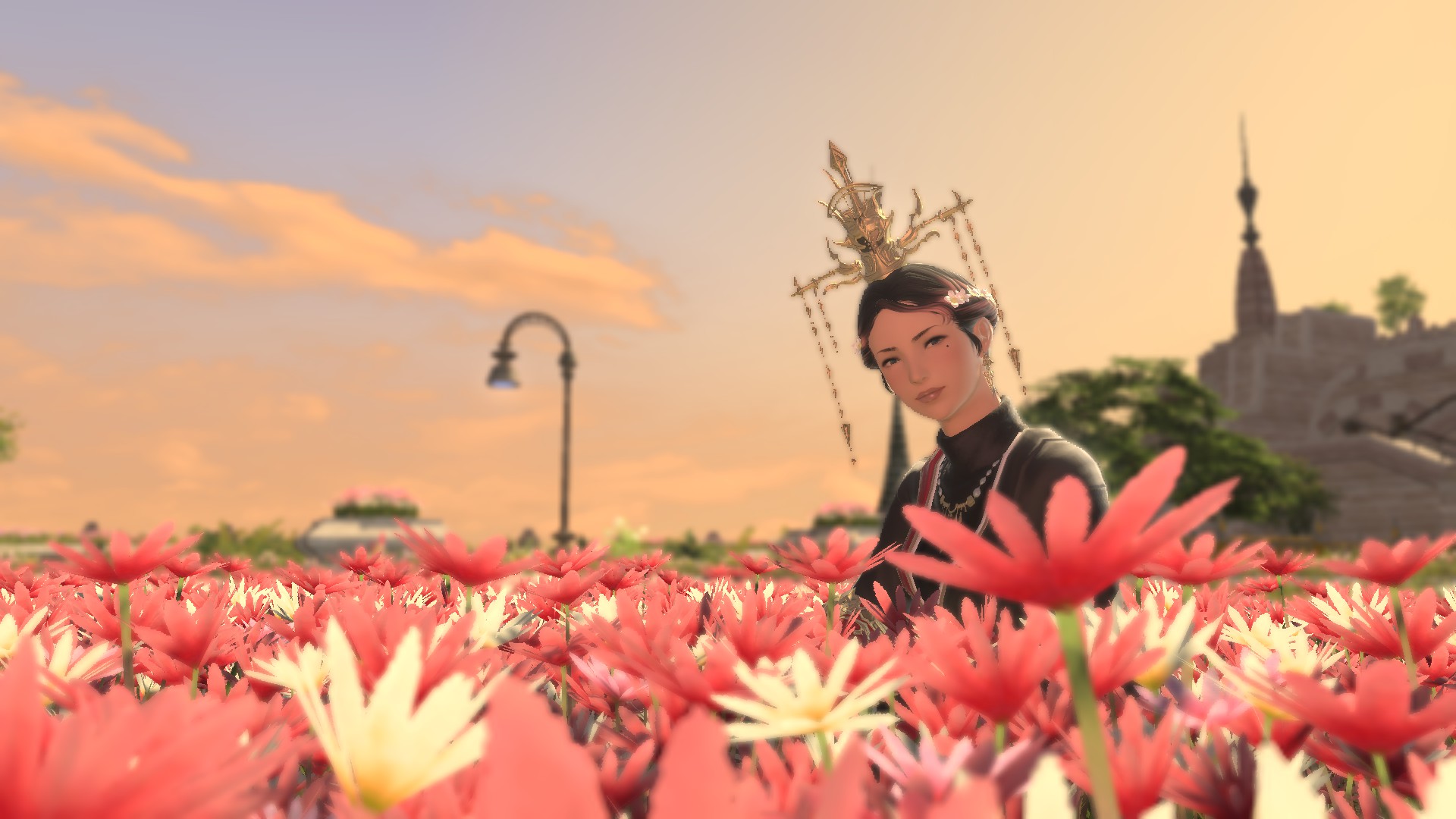
When ‘Final Fantasy XIV’ first launched, it received overwhelmingly negative reviews. Despite several updates, the game struggled, and ultimately the developers made the drastic decision to shut it down entirely. They then completely rebuilt the game from scratch, releasing it as ‘A Realm Reborn’. This relaunch was a huge success, turning ‘Final Fantasy XIV’ into a popular and thriving online game. Throughout this difficult process, the development team was remarkably open and honest with the community, which helped them turn a major crisis into a positive example of taking responsibility.
‘Grand Theft Auto: The Trilogy – The Definitive Edition’ (2021)

Shortly after its release, the remastered ‘Grand Theft Auto: The Trilogy’ was plagued with technical problems. While Grove Street Games and Rockstar Games released patches to fix these issues, many players found that the updates actually created new visual glitches without resolving the main problems with character appearances and textures. The negative reaction was strong enough that Rockstar offered the original, un-remastered versions of the games to PC players as a way to apologize. Developers then worked hard to improve performance with a series of updates, aiming to restore the quality of these classic games.
‘Hearthstone’ (2014)
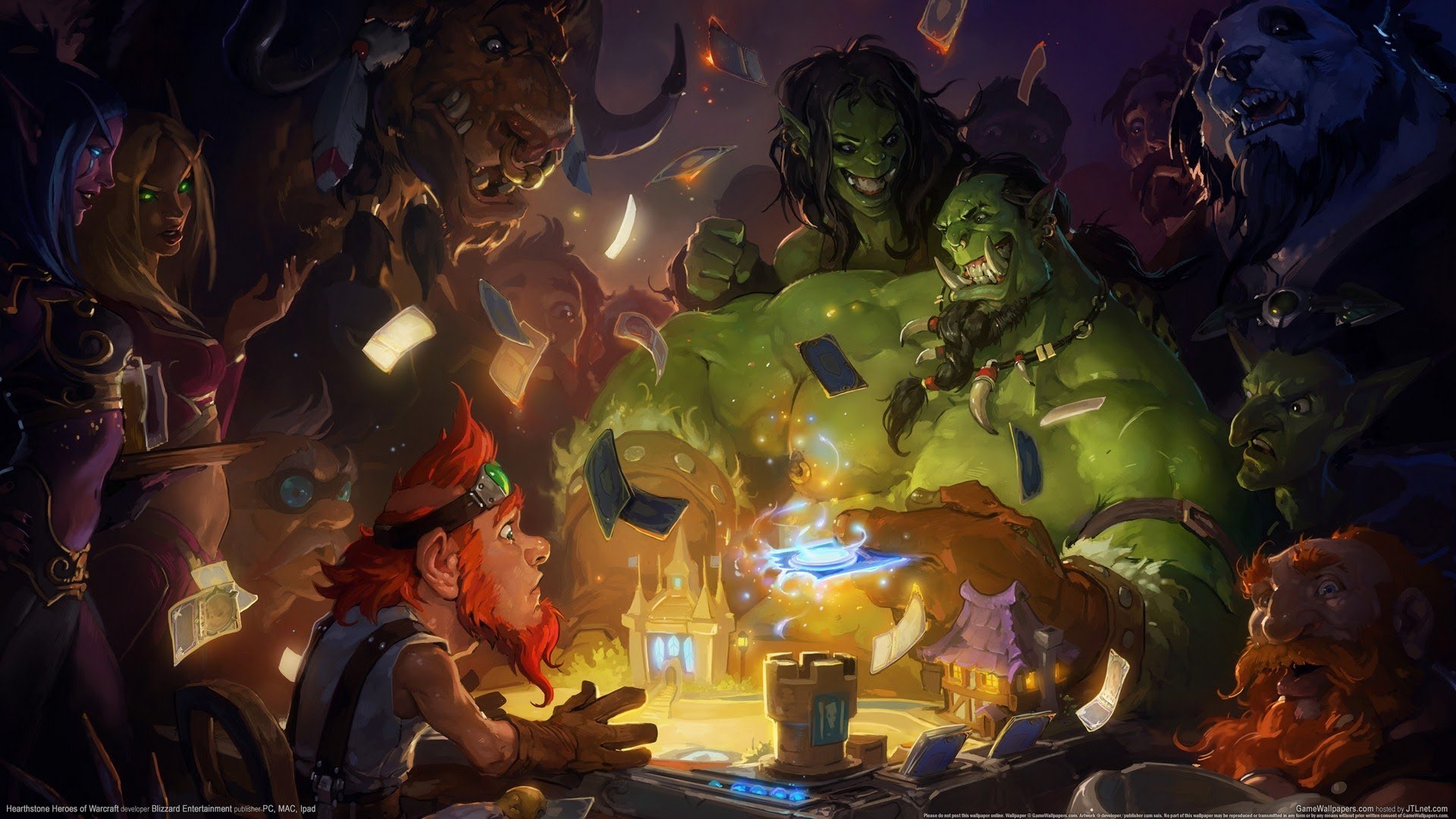
Blizzard recently updated the rewards system in ‘Hearthstone,’ but players quickly discovered they’d earn less gold compared to the old system. Many in the ‘Hearthstone’ community believed this change was designed to encourage players to spend real money on card packs to stay competitive. After weeks of strong criticism online, the developers apologized and made the rewards track more rewarding. This incident highlighted how important it is for game developers to clearly explain and be upfront about any changes to a game’s economy.
‘Helldivers 2’ (2024)

Arrowhead Game Studios and Sony faced a public relations problem when they required PC players of ‘Helldivers 2’ to connect their Steam accounts to a PlayStation Network account. This change locked out players in more than 170 countries where PlayStation Network wasn’t available, causing a huge wave of negative reviews. The game developers were also unhappy with the requirement, and Sony eventually removed it after widespread criticism. The situation with ‘Helldivers 2’ is a clear example of how strict platform rules can upset a loyal international player community.
‘Minecraft’ (2011)
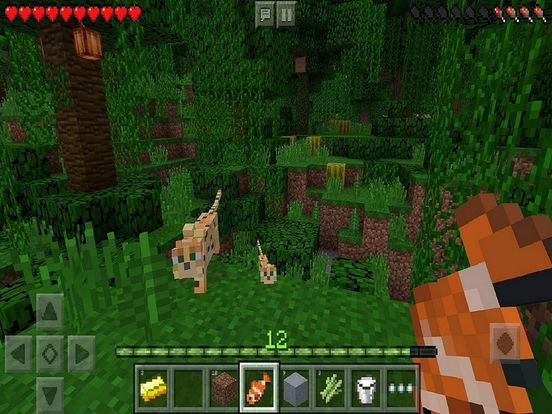
Mojang, the creators of Minecraft, added a new chat reporting system in update 1.19.1 that let players report each other’s messages, even on private servers. This change caused a lot of concern among players, who worried about privacy and the possibility of being unfairly banned by automatic systems. The community responded with the hashtag #SaveMinecraft to protest what they saw as too much control over independently run servers. Even though players protested, Mojang kept the feature, which significantly altered how people interact within the game.
‘No Man’s Sky’ (2016)
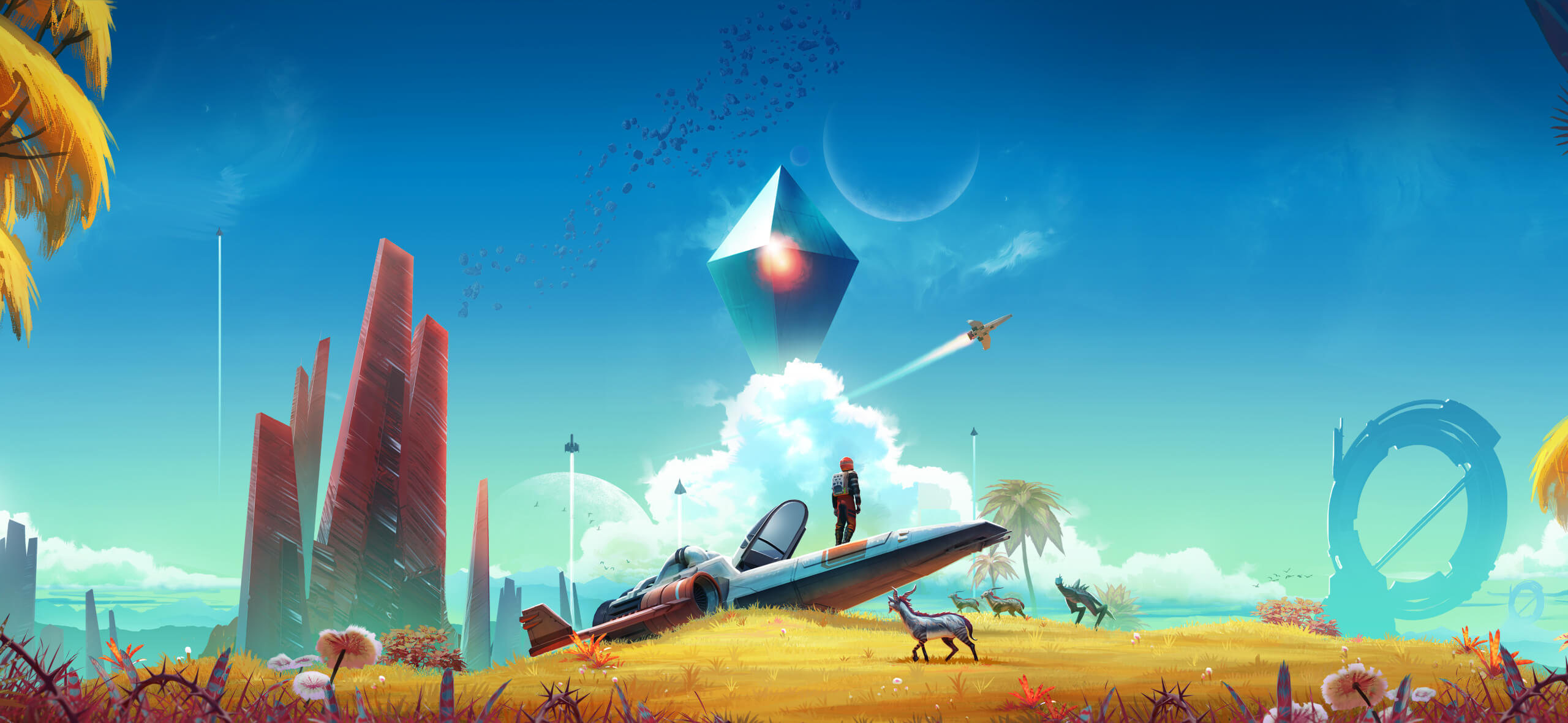
After launching with incomplete features, Hello Games and its director, Sean Murray, received a lot of criticism. Players felt the game ‘No Man’s Sky’ didn’t live up to the multiplayer promises made in its marketing. Over time, the studio worked hard to regain player trust by releasing several large, free updates, including ‘Foundation’ and ‘NEXT’. This journey became a well-known example of a successful turnaround in the gaming world, as the developers ultimately transformed the game into something much more than it originally was.
‘Overwatch 2’ (2022)
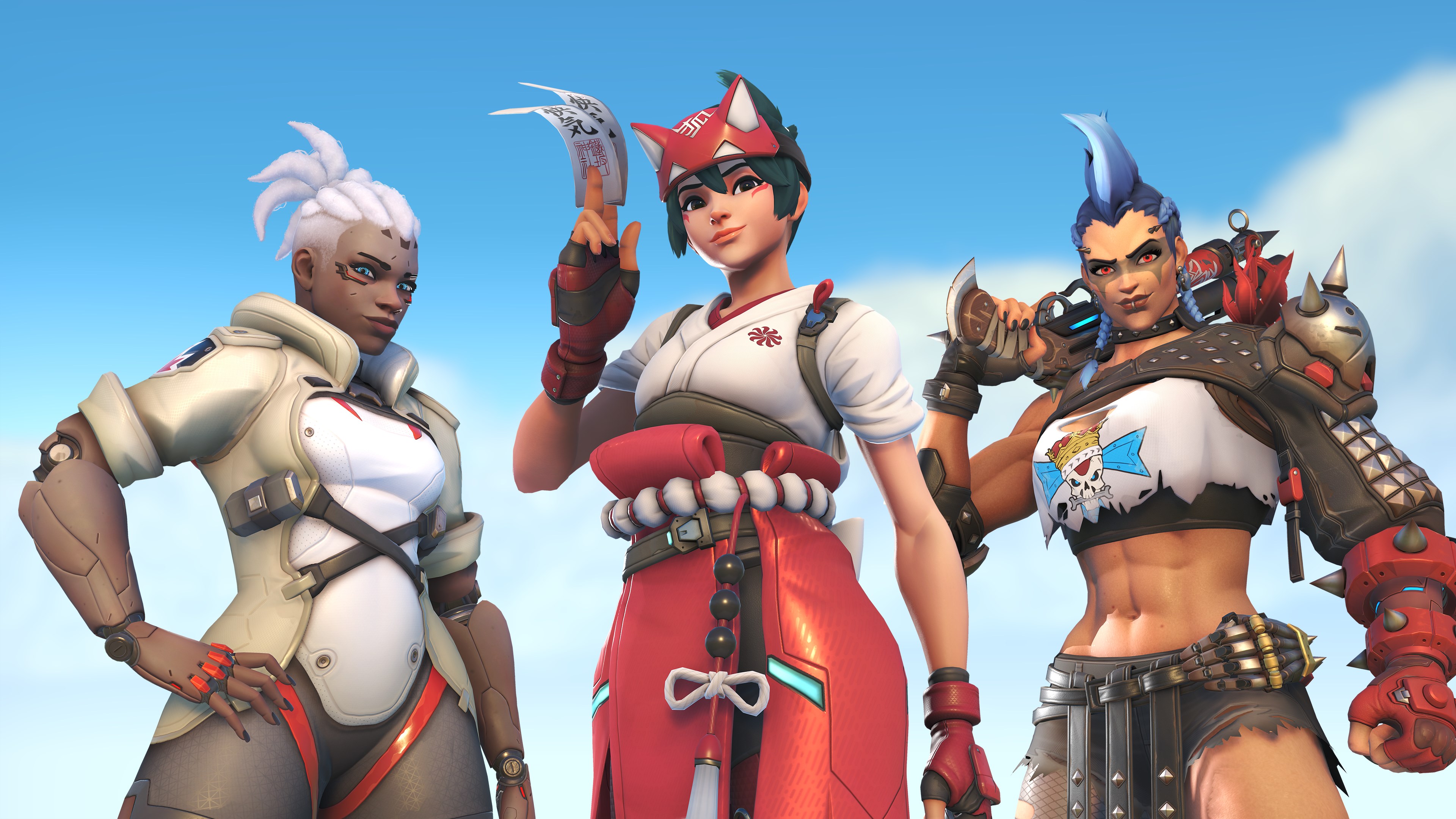
Blizzard Entertainment received a lot of negative feedback after announcing major changes to the planned PvE Hero Mode for ‘Overwatch 2,’ ultimately canceling it altogether. Players who had switched from the original ‘Overwatch’ felt the sequel’s updates focused more on how to make money than on improving the game itself, as originally promised. The new battle pass system, which made players unlock new heroes through gameplay progression, also faced criticism. These changes led to the game receiving very poor ratings on online stores.
‘Pokémon GO’ (2016)

Niantic, the company behind Pokémon GO, received widespread backlash after raising the price of Remote Raid Passes and restricting how often they could be used. This change particularly hurt players in areas where it’s hard to travel and those with disabilities, as they depend on these features to play the game. Even though players created petitions and stopped playing in protest, Niantic defended the update, saying it was meant to encourage people to play the game in person, which is central to the app’s purpose. Many players still disagree with the decision and feel it has made the game harder to enjoy.
‘Runescape’ (2001)
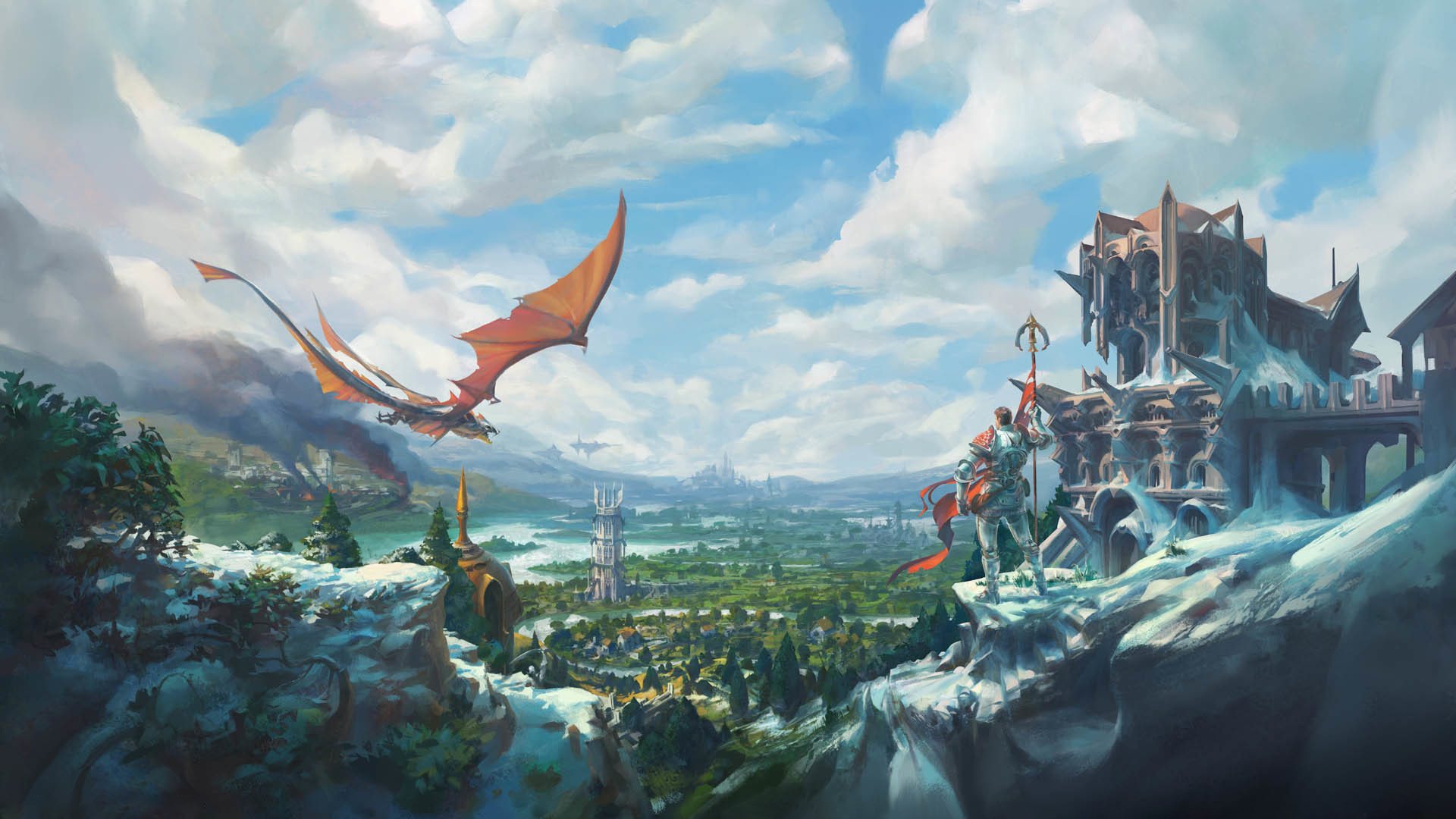
In 2012, Jagex updated their game ‘Runescape’ with ‘Evolution of Combat,’ changing the classic click-to-attack fighting style to a system based on special abilities. Many dedicated players felt this update removed what made ‘Runescape’ special and made it too similar to other online role-playing games. This caused a large number of players to stop playing, prompting the developers to create ‘Old School RuneScape’ using a version of the game from 2007. This allowed Jagex to offer two different versions, catering to the varying preferences of its player base.
‘Star Wars Battlefront II’ (2017)
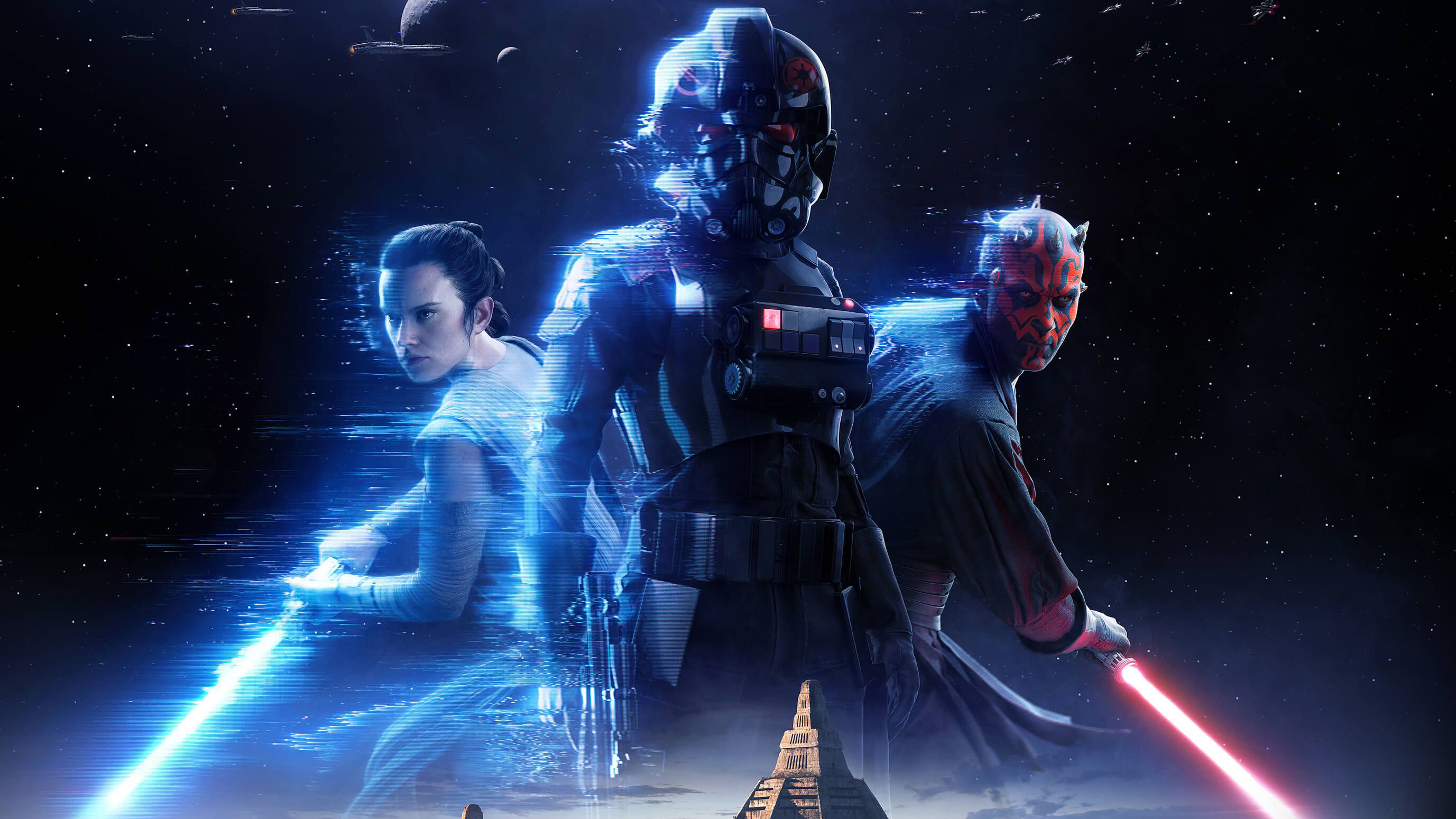
DICE and Electronic Arts faced strong criticism when players discovered that unlocking popular characters in ‘Star Wars Battlefront II’, like Darth Vader, would take a very long time or require extra money. This led to a huge negative reaction online, including the most downvoted comment ever from an EA representative defending the game’s systems. As a result, the developers completely changed how players progressed in the game to eliminate elements that gave an unfair advantage to those who spent more money, before the player base became too frustrated.
‘Team Fortress 2’ (2007)
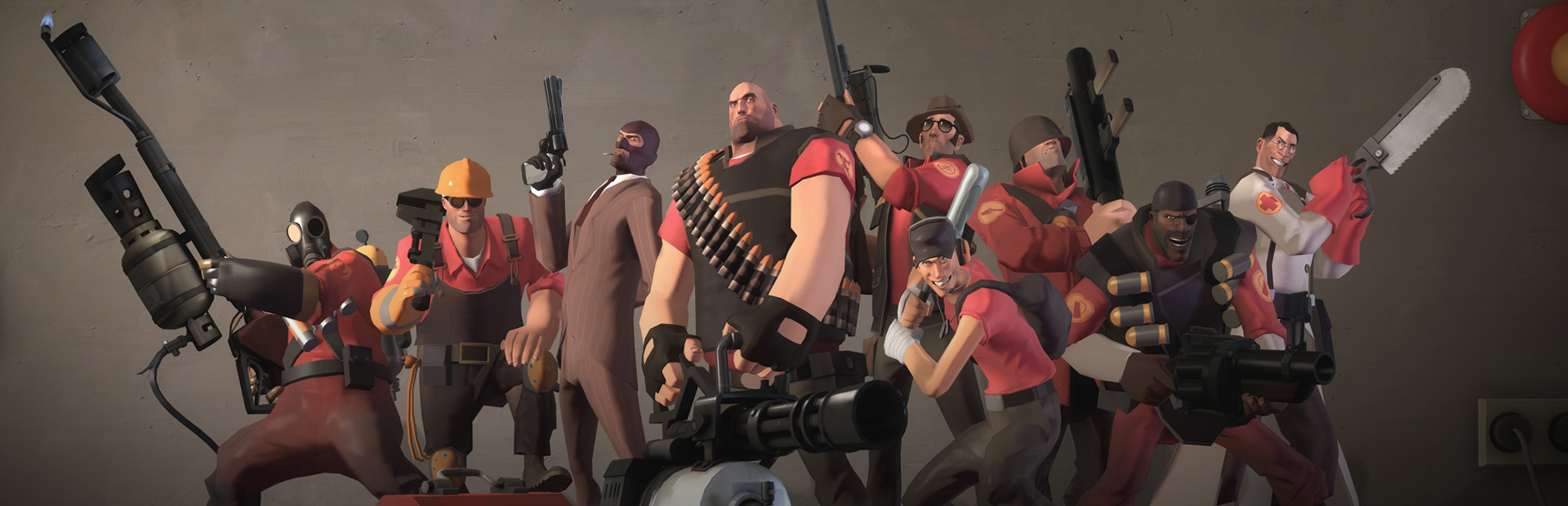
In 2016, Valve updated ‘Team Fortress 2’ with ‘Meet Your Match,’ switching from a simple quick-play system to a more structured competitive matchmaking system. This change made it harder for players to quickly join community servers, which many considered a core part of the game’s fun and casual experience. Long wait times and limited map choices when the update first launched added to player frustration. While Valve later adjusted some of the changes, the update is widely seen as a low point in the game’s history.
‘The Sims 4’ (2014)
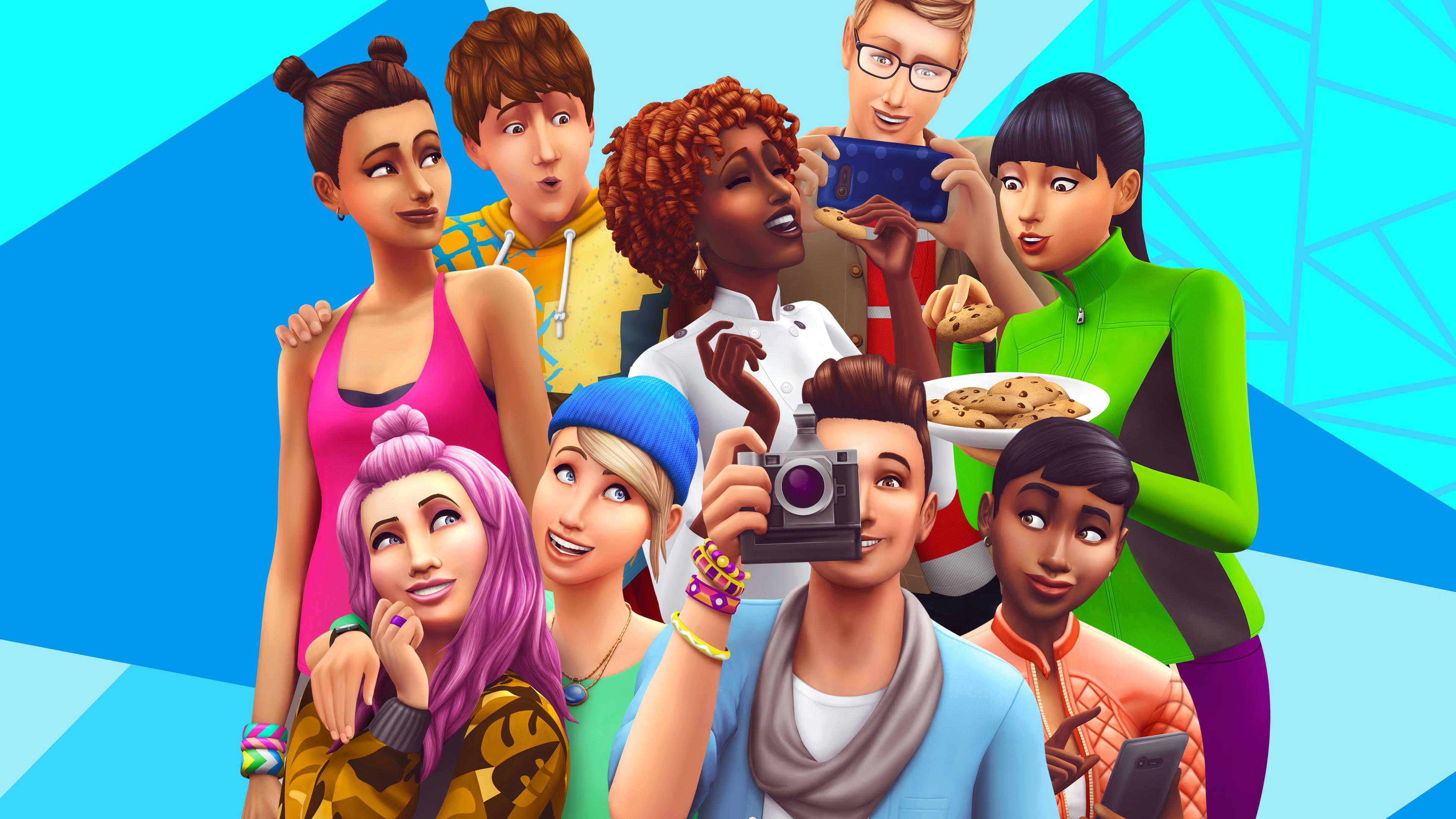
Players reacted negatively to the launch of ‘My Wedding Stories’ for ‘The Sims 4’ because it was full of problems. Many of the new features didn’t work, stopping players from having weddings as intended. The developers quickly had to release several fixes to address these issues. This situation brought up existing worries among players about the quality of paid updates for the game.
‘War Thunder’ (2012)

Gaijin Entertainment suggested changes to the ‘War Thunder’ game that would have made vehicle repairs more expensive and reduced rewards. Players strongly protested with negative reviews and an organized boycott. The developers listened, apologized, and announced a plan to improve how players progress and understand the game’s economy. This situation demonstrated how a united player community can impact the development of free-to-play games.
We’d love to hear your opinions on the recent game updates and how the developers addressed any issues. Please share your feedback in the comments below.
Read More
- Gold Rate Forecast
- 22 Films Where the White Protagonist Is Canonically the Sidekick to a Black Lead
- Games That Faced Bans in Countries Over Political Themes
- Silver Rate Forecast
- Unveiling the Schwab U.S. Dividend Equity ETF: A Portent of Financial Growth
- Celebs Who Narrowly Escaped The 9/11 Attacks
- Brent Oil Forecast
- How to Do Sculptor Without a Future in KCD2 – Get 3 Sculptor’s Things
- Superman Flops Financially: $350M Budget, Still No Profit (Scoop Confirmed)
- 14 Movies Where the Black Character Refuses to Save the White Protagonist
2026-01-20 06:21