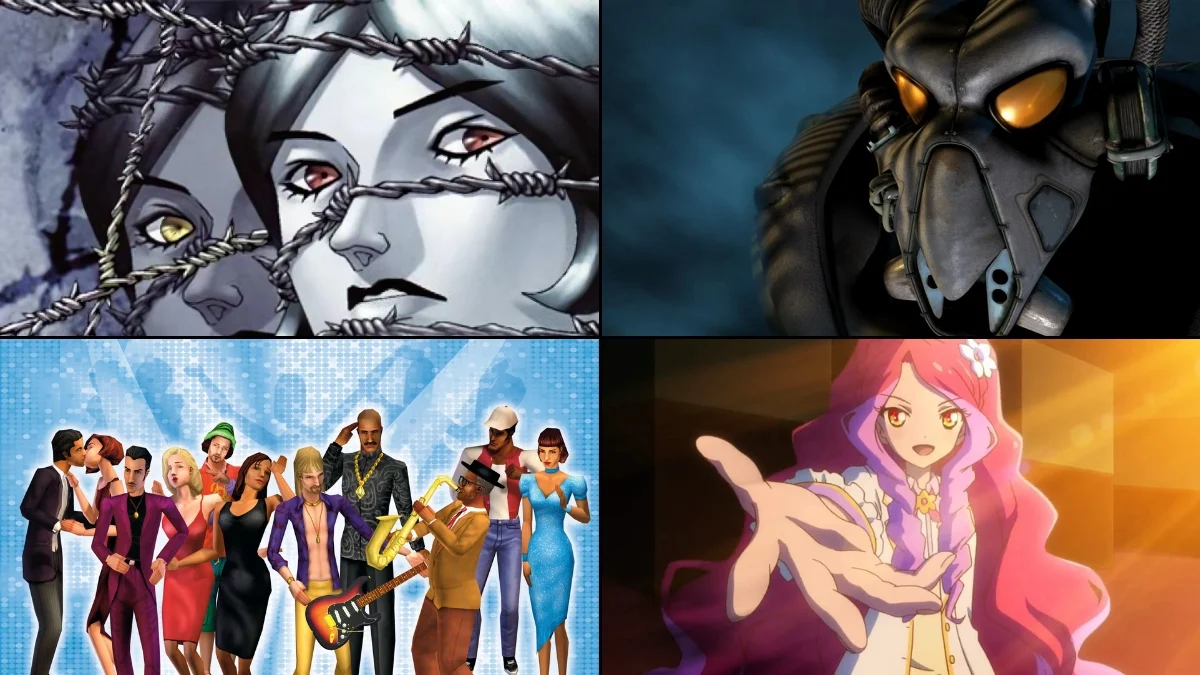
From 1998 to 2005, many games began including options for same-gender relationships – sometimes as a core feature, and other times through hidden paths or choices. These games, ranging from popular life simulation titles and Western role-playing games to early visual novels in Japan, started exploring these relationship mechanics well before they became common. Here are 20 games from that period, with details on how those romances work and who created them.
‘Fallout 2’ (1998)
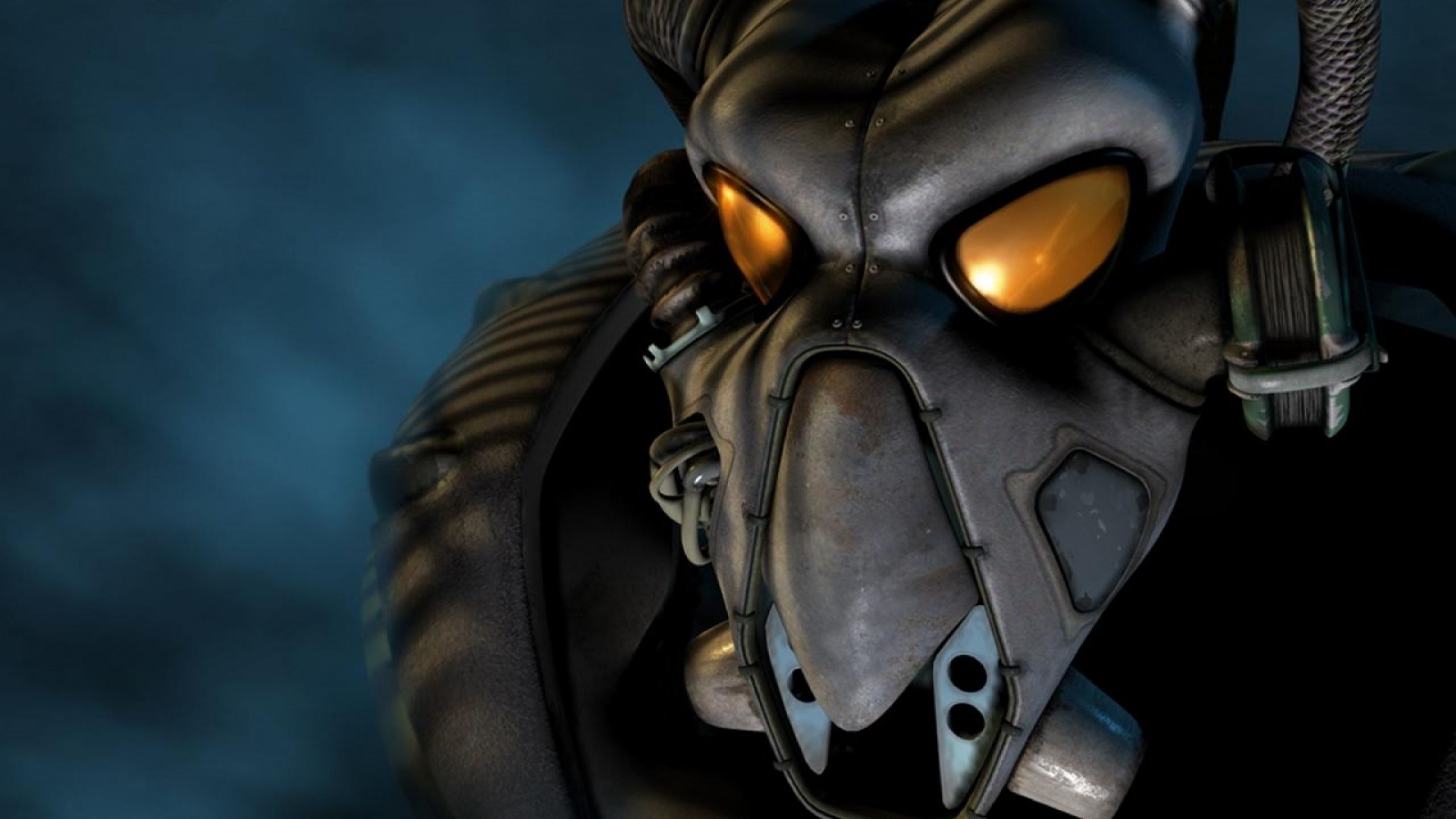
This open-world RPG, created by Black Isle Studios and Interplay, was ahead of its time with its dynamic relationships. Players could even get married – including same-sex marriage – depending on their choices, reputation, and where they were in the game. These unions could happen through planned quests or unexpected events. While not tied to a traditional companion system, the game’s NPCs fully acknowledged these same-sex relationships, treating them like any other marriage and integrating them alongside the typical character perks and dialogue options found in role-playing games from the late 1990s.
‘Persona 2: Innocent Sin’ (1999)
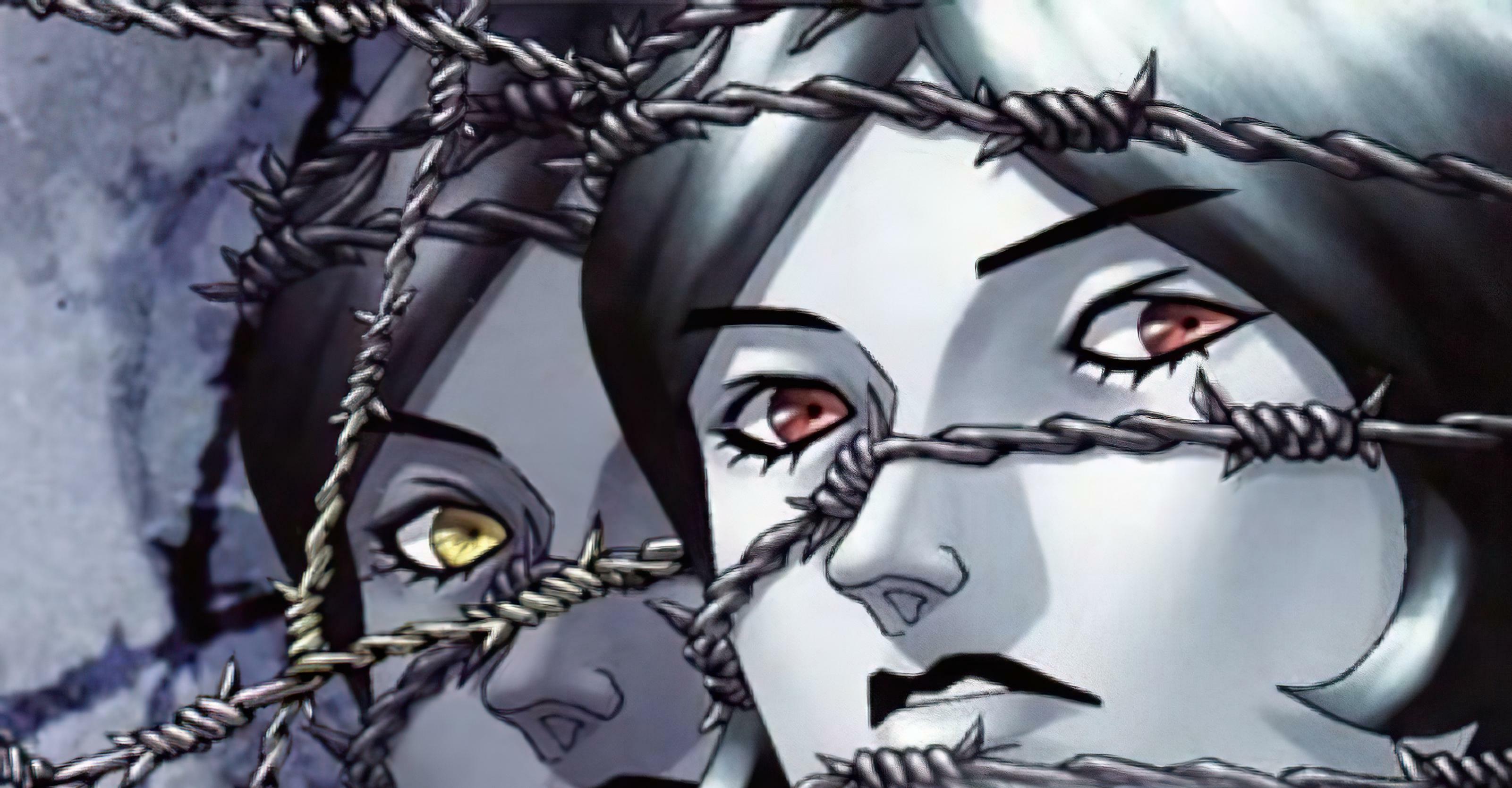
In this PlayStation JRPG, building relationships with characters, especially Jun Kurosu, happens through conversations and optional moments that deepen your bond with party members. The game tracks your progress with a ‘Mutual Understanding’ system. These relationships primarily affect the story and ending you receive, not how well you perform in battles. The game also features a rumor system and classic turn-based combat.
‘Sukisho! First Limit’ (2000)
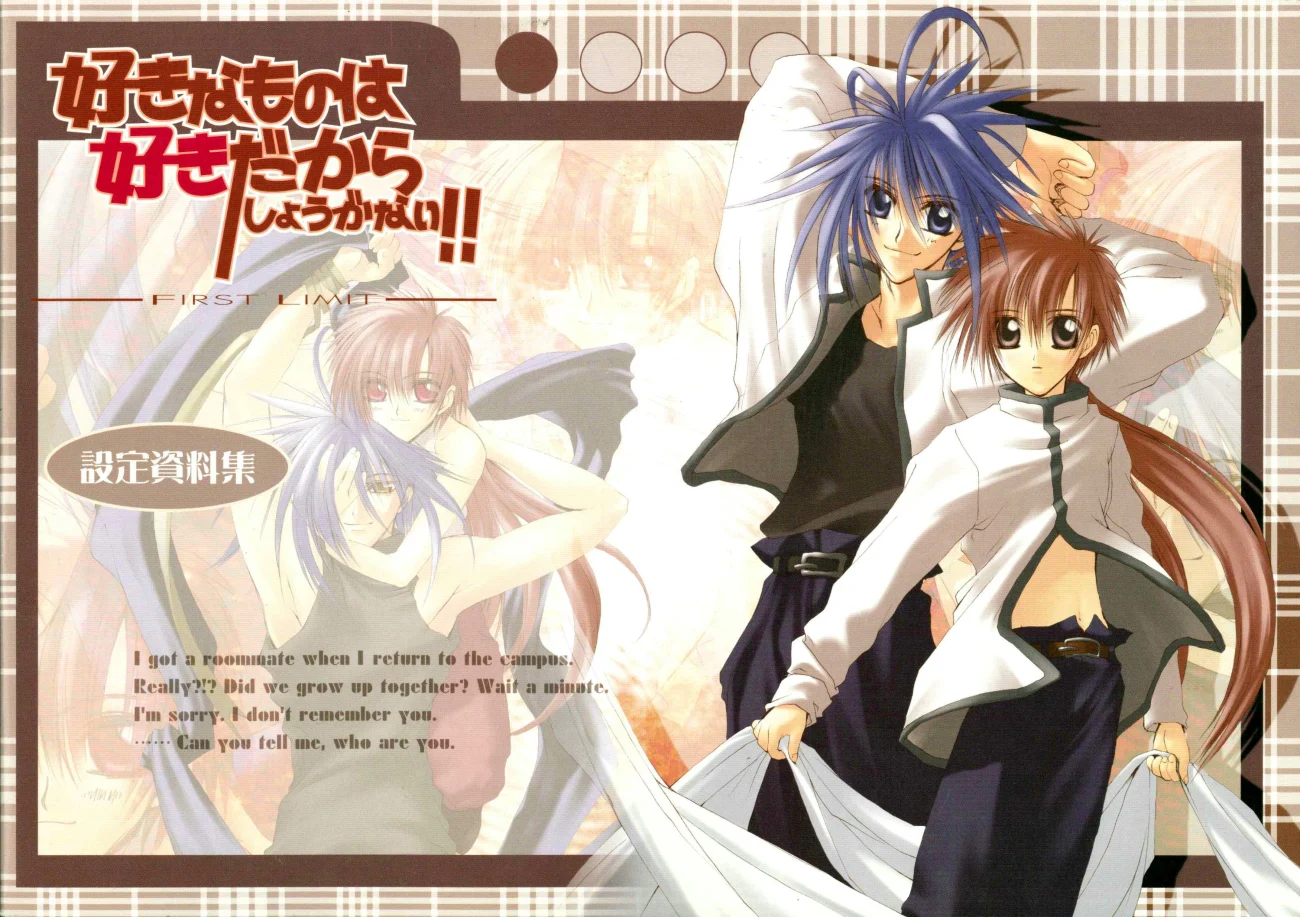
UNiSONSHIFT (later published by Platinum Label) created a visual novel for Windows where players experience a gay romance as they guide the character Sora through different storylines. The game focuses on choices made in everyday situations and key events, which determine the ending you receive. Later, the game was also released on PS2 with some changes, but the central romantic relationships remained the same. It’s a story-focused game with artwork to unlock, but doesn’t require players to build stats.
‘The Sims’ (2000)
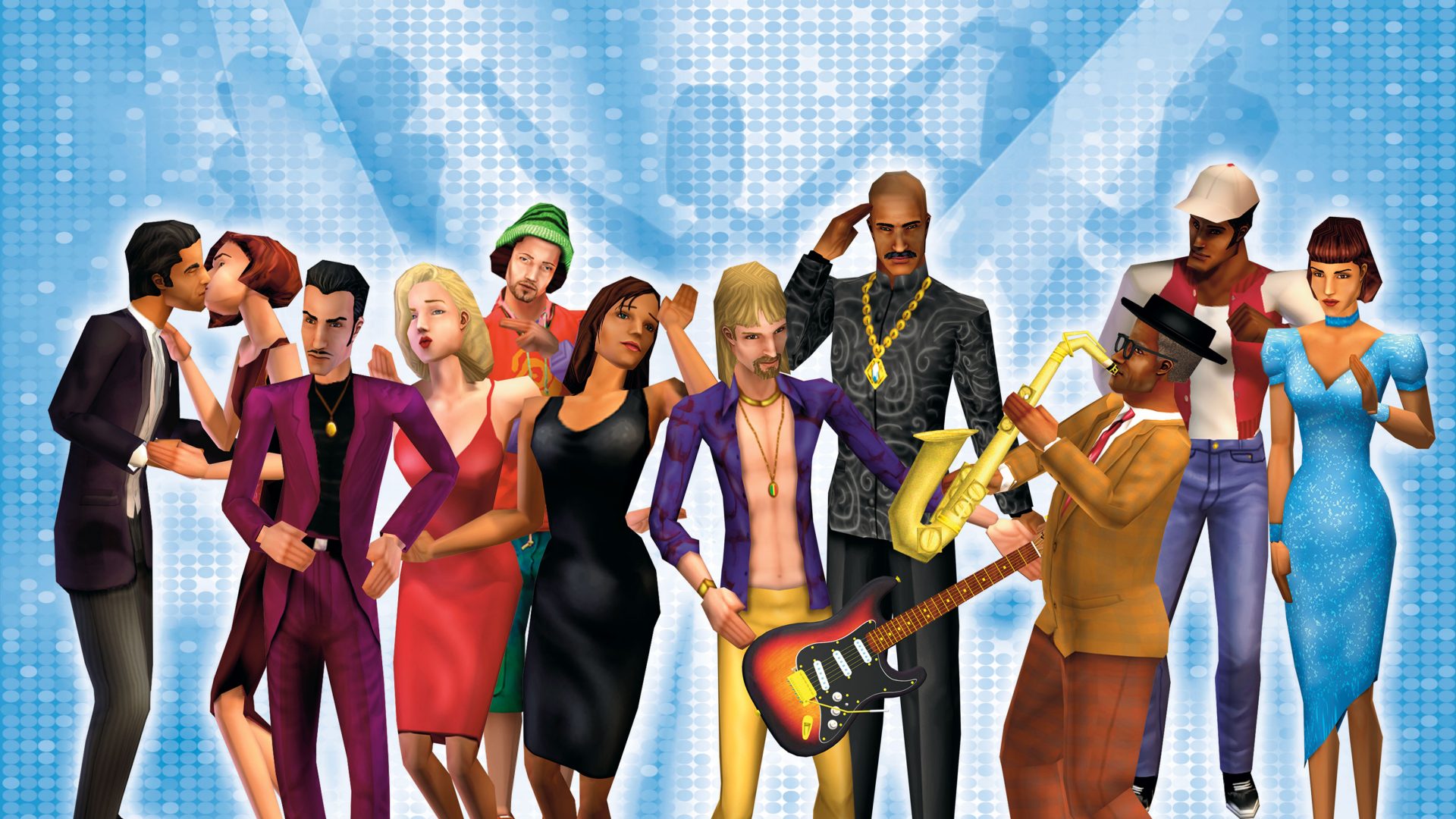
From the very beginning on computers, Maxis and Electronic Arts included the ability for players to develop romantic relationships between characters of the same sex. Players could build these relationships through everyday interactions like flirting, kissing, and eventually moving in together and sharing a home. Although the original game didn’t have a formal wedding, romantic gameplay worked exactly the same regardless of a character’s gender. Later expansion packs just added more options for dates and activities; the core mechanics remained unchanged and inclusive.
‘Silver Chaos’ (2001)

I’m really into Vivid Color’s Windows BL visual novel! You play as Might, and there are a bunch of different guys you can romance – it’s great! Getting into a specific romance isn’t just handed to you, though. You really have to pay attention to what you say and do – certain choices and scenes unlock different paths, and getting the true ending for a character takes some careful planning. Honestly, it’s all about the story; there aren’t a lot of distracting minigames or stat-building things. They’ve also released extra content and sequels that add more art and stories, but they keep the same cool branching storyline, which I love!
‘Enzai: Falsely Accused’ (2002)
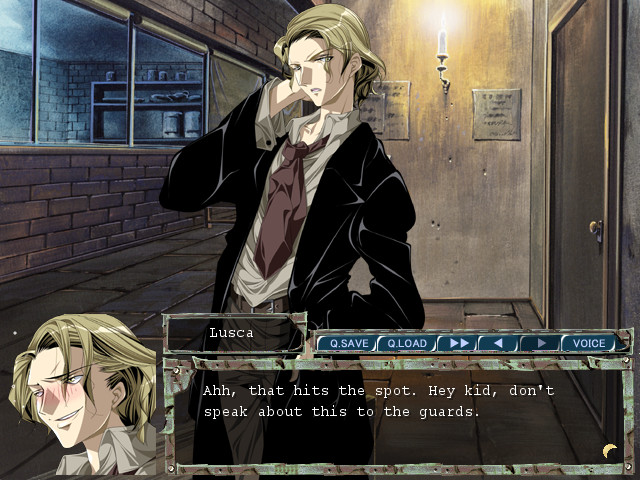
This visual novel, created by Langmaor (part of Will Entertainment), focuses on building relationships with male characters. The story unfolds through investigations where your choices and how much you earn the characters’ trust determine the outcome. JAST USA brought the game to English-speaking audiences, maintaining the original branching storylines and endings. Unlike many games, there’s no fighting – it’s all about the story and the decisions you make.
‘The Sims Online’ (2002)
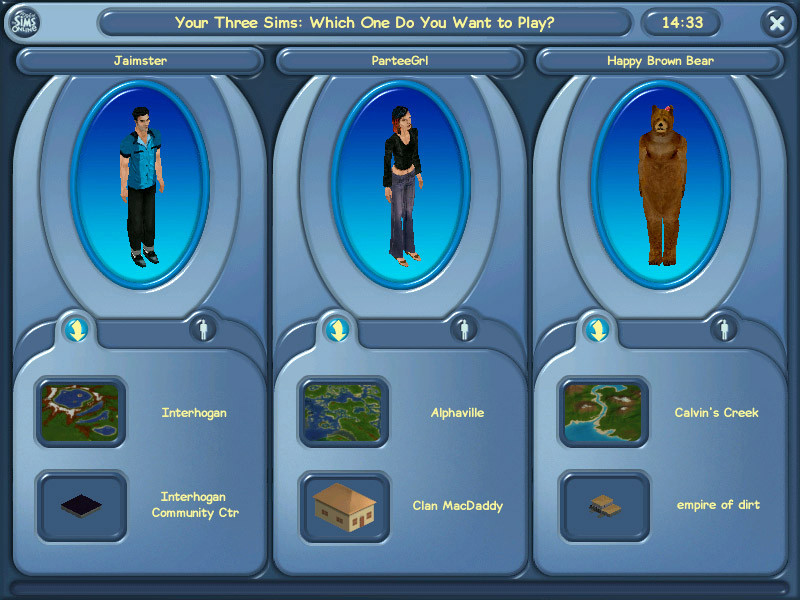
As a longtime fan, I was so excited when Maxis and EA brought The Sims into an online world! What’s really cool is that your Sim can fall in love with anyone, regardless of gender. The way relationships build feels just like the regular Sims games – you get to know people, exchange gifts, hang out, and even move in together. It’s amazing to see players creating their own wedding venues and throwing parties with all the in-game decorations. And it’s not just about romance, either; there’s a whole economy and job system built in, making it feel like a real, living world.
‘Gakuen Heaven: Boy’s Love Scramble’ (2002)
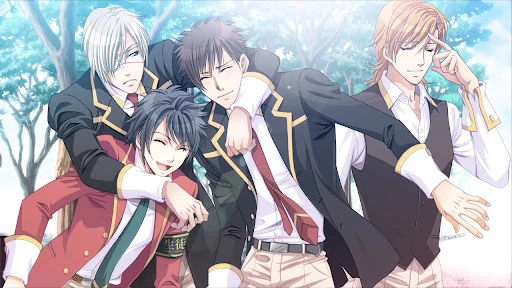
SPRAY’s visual novel, Windows BL, is set at an exclusive school for boys where players can develop relationships with several characters. Progressing through each character’s story depends on the choices you make daily and which events you attend. These choices unlock special scenes and ultimately lead to romantic confessions and unique endings. The game was later ported to the PS2 by NEC Interchannel, adding voice acting while maintaining the same-sex romance options. It also features a convenient save system and allows players to revisit previously seen scenes, making it easier to explore all available routes.
‘The Temple of Elemental Evil’ (2003)
The computer role-playing game developed by Troika Games and Atari, based on Dungeons & Dragons, allows players to marry characters of the same sex. This is achieved through interactions in certain towns, where success depends on dialogue choices, the player character’s alignment, and skill checks. These relationships function similarly to other marriages within the game, existing alongside the ability to recruit party members and engage in turn-based combat.
‘Angel’s Feather’ (2003)
Okay, so I recently played this visual novel, BlueImpact’s Windows BL, and it’s pretty cool! It was later brought over to the PS2 by HuneX. Basically, you pick from a bunch of different guys to romance, and each route has its own fantasy school story. The choices you make really matter because they unlock special artwork and different endings. I heard the console versions published by GN Software/KID changed a few things, but the main couples stay the same. The best part? You don’t have to worry about leveling up stats or anything like that—it’s all about what you say!
‘Star Wars: Knights of the Old Republic’ (2003)
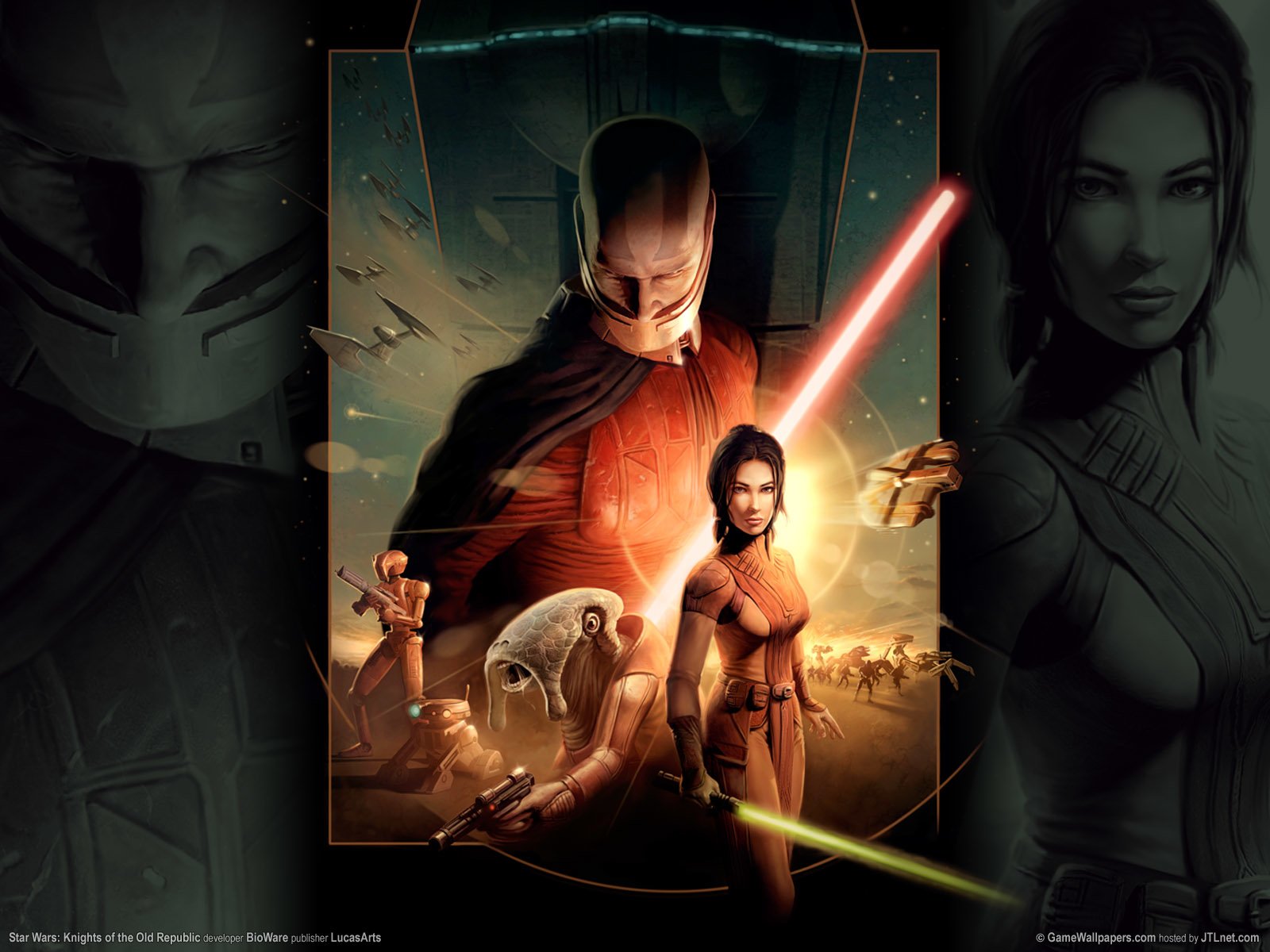
In the game, female players could develop a romantic relationship with a companion named Juhani. This relationship progressed through conversations and completing quests, eventually leading to special, unique scenes. The game tracked how the relationship developed based on the player’s dialogue choices, without using a visible progress bar. This romance option was just one of many features players could explore, alongside things like crafting lightsabers, changing their character’s moral alignment, and managing their party.
‘The Urbz: Sims in the City’ (2004)
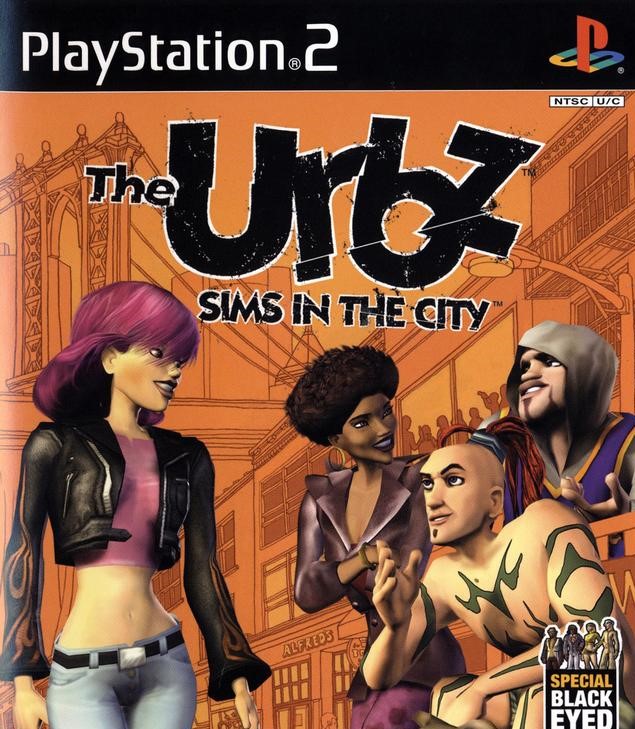
This console game, created by Maxis and published by Electronic Arts, lets players build relationships and fall in love with anyone, just like in the PC version. You improve friendships, unlock romantic options, and even share an apartment with your partner – regardless of gender. How people see you and your fashion choices can open up new areas and events, but the rules of romance stay the same. Playing with friends doesn’t change the fact that you can romance whoever you choose.
‘Fable’ (2004)
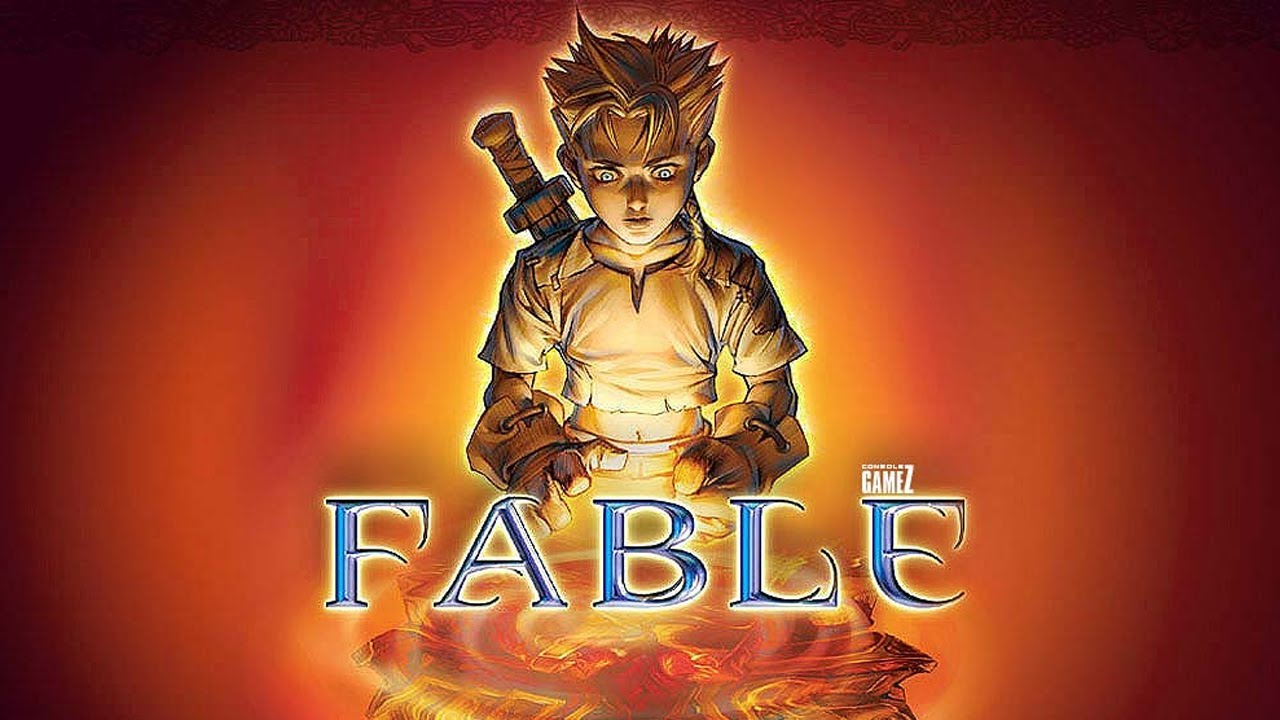
The action RPG developed by Lionhead Studios and Microsoft Game Studios featured a unique marriage system where players could marry any non-player character (NPC) regardless of gender. Getting an NPC to agree depended on gifts, how you interacted with them, and your character’s moral alignment. Once married, your spouse would react to your home and how you played the game. Marriage provided benefits like increased income and the ability to own a house, but didn’t impact your character’s fighting abilities. This marriage feature was available in every town throughout the game world.
‘The Sims 2’ (2004)
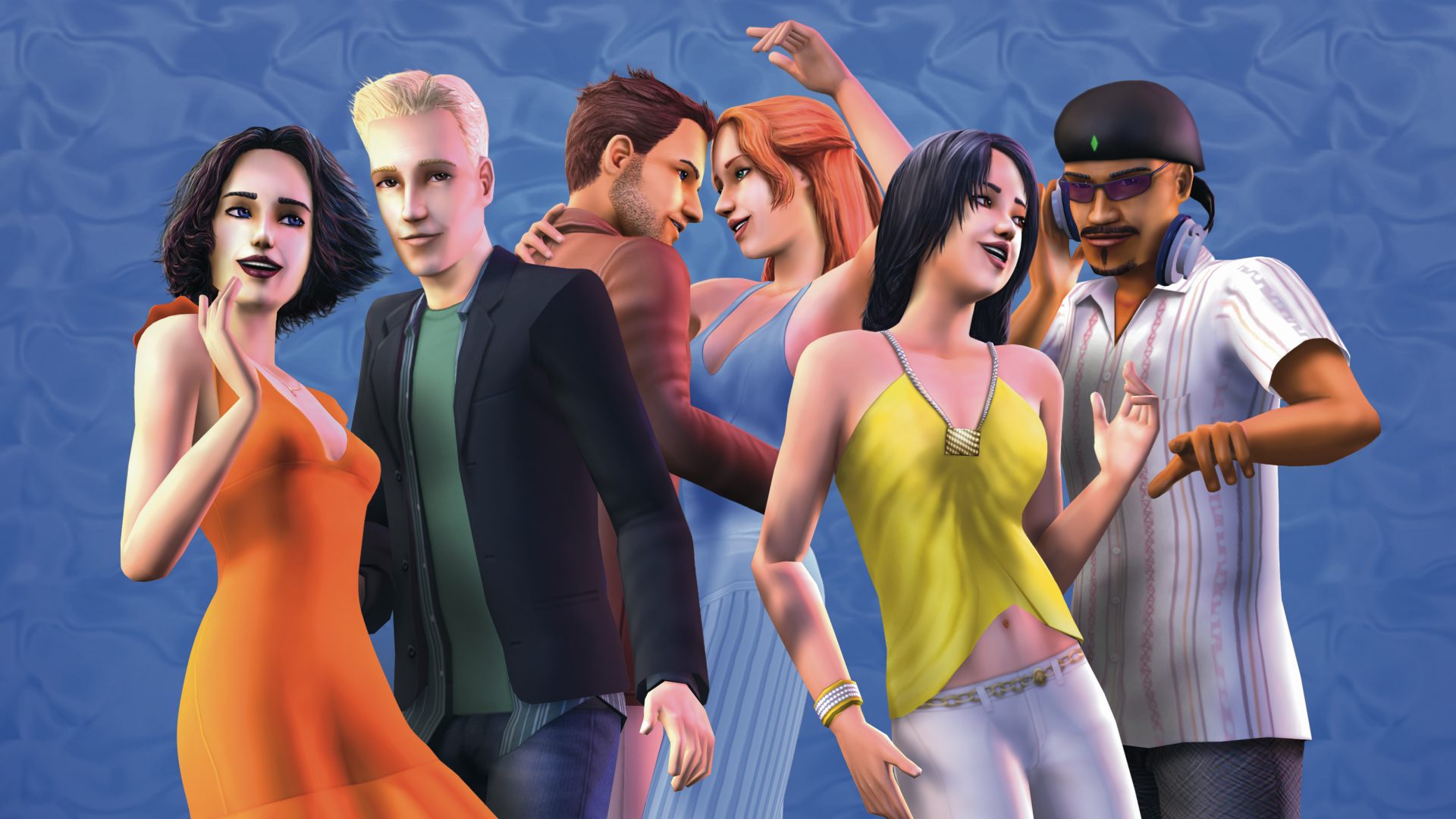
Maxis and Electronic Arts have made same-gender couples in their games fully equal to opposite-gender couples. This includes everything from proposing and getting married with the same ceremonies, to sharing wants, fears, and earning rewards. Players can manage engagements, weddings, shared last names, and even adopt children using the same simple game features for all couples. New content like vacations and dating spots work identically for everyone, and family trees and genetics are handled consistently, regardless of the couple’s gender.
‘Akai Ito’ (2004)
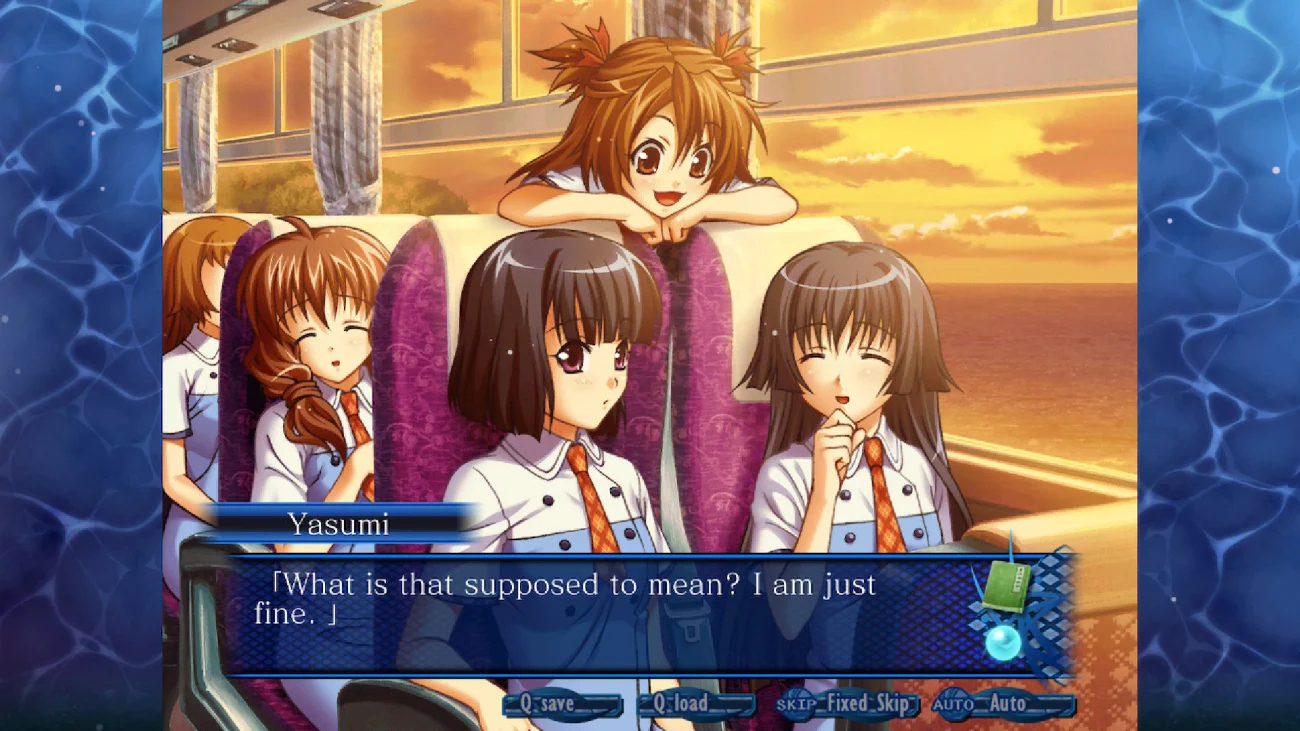
Success Corporation created a romance visual novel for the PlayStation 2 featuring a female main character and several potential female partners. The game uses a branching storyline where your choices determine which romantic path you take, and a flowchart is included to help you unlock all the different scenes and endings. Later versions of the game have been updated for new platforms but still follow the original story structure. It’s a story-focused game with no gameplay elements like stats – your decisions are what drive the narrative and lead to various outcomes.
‘Teikoku Sensenki’ (2004)

Langmaor’s BL (boy’s love) visual novel combines a simple strategic framework with romantic storylines focused on male couples. Players’ decisions shape the story, determining which character they end up with and how the story concludes. Extra content is available to add more detail to each romantic path. The version for PlayStation 2 maintains the core character pairings but updates the way the story is presented, prioritizing impactful choices over complex resource management.
‘Jade Empire’ (2005)
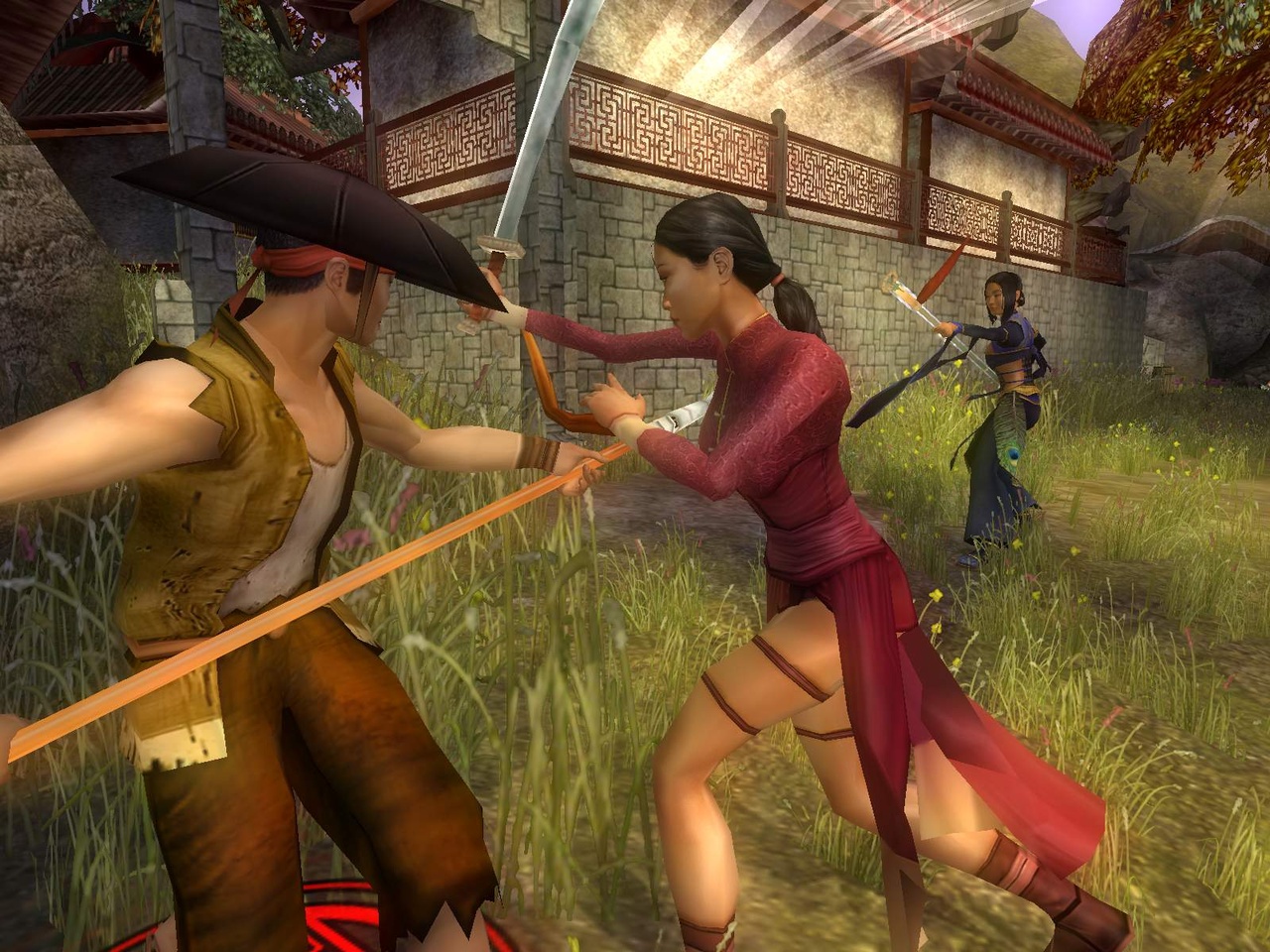
The game lets both male and female players develop romantic relationships with Sky or Silk Fox, without limiting options based on the player character’s gender. These relationships progress through conversations, and are influenced by the game’s moral choices. Unlocking deeper moments and different endings requires completing companion-related missions. Importantly, romance doesn’t provide any gameplay advantages – it’s purely a story element.
‘Harvest Moon DS Cute’ (2005)
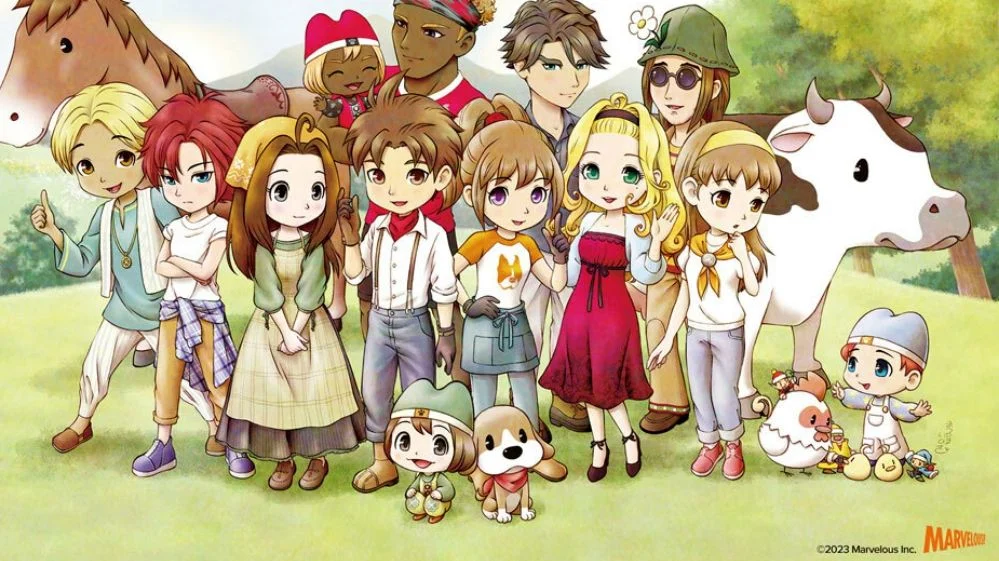
Marvelous Interactive created the game, and Natsume published it in Western regions. In the original Japanese version, female players can form a committed partnership – similar to marriage – with certain female characters. This relationship path functions the same way as heterosexual marriages, including shared events, a proposal, and a ceremony. While some versions released outside Japan altered or removed this feature, the 2005 Japanese release fully supports it. Building relationships involves daily gifts, improving your farm, and participating in festivals.
‘Togainu no Chi’ (2005)
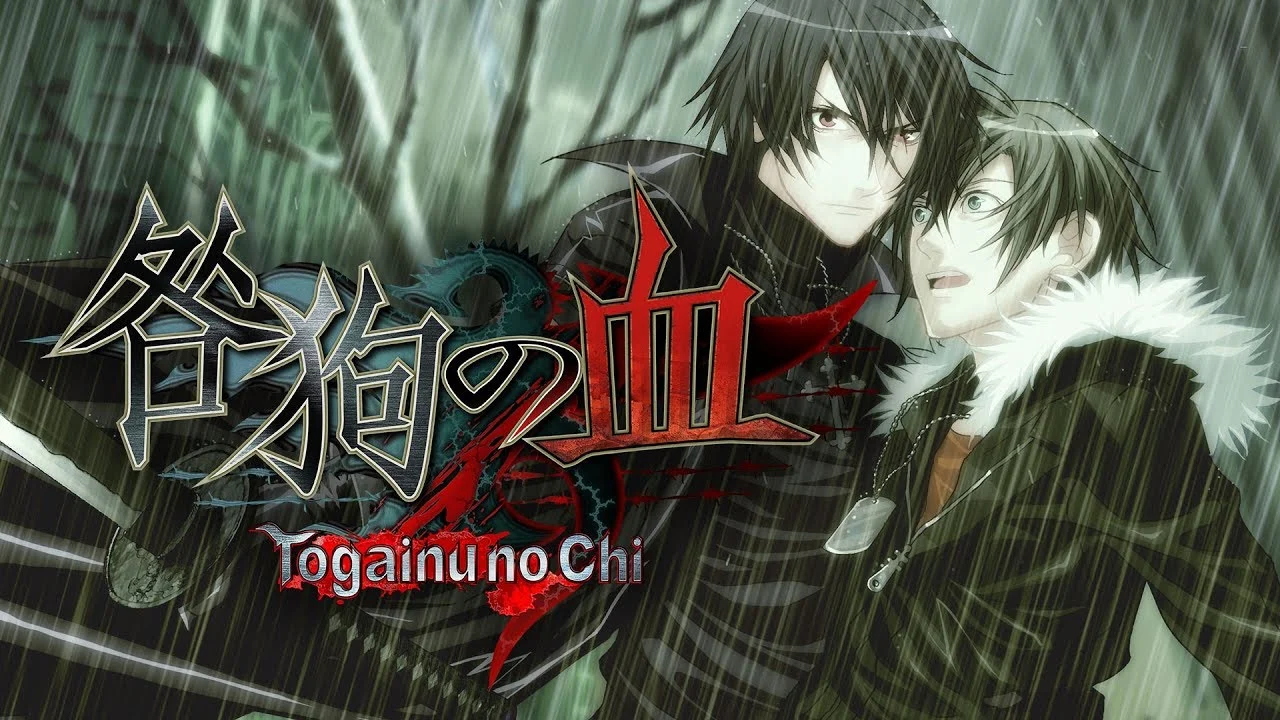
Okay, so I’ve been playing this visual novel by Nitro+CHiRAL on PC, and it’s pretty intense. Basically, it’s set after some kind of apocalypse and you’re thrown into a deadly game with a bunch of guys you can try to romance. Getting to each romance route depends on the choices you make, and there are even some optional scenes that unlock stuff. If you want the real ending for each guy, you gotta really pay attention and make sure you’ve triggered the right things. I heard the console versions changed some things, but the core couples are still the same. Each route is pretty straightforward once you pick it, which is good, but it basically means you have to replay it a bunch of times to see everyone’s story and get all the endings!
‘Absolute Obedience’ (2005)
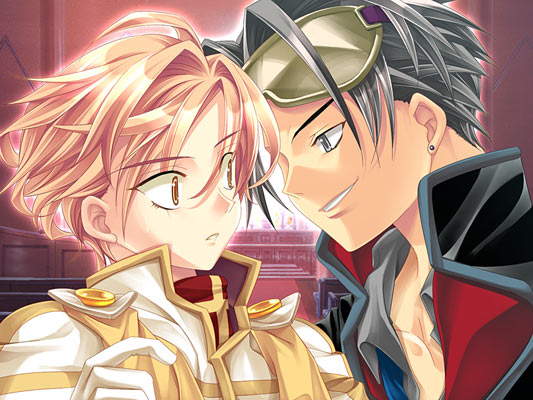
This BL (boy’s love) visual novel, originally created by Langmaor and released in English by JAST USA, focuses on solving cases to unlock romantic endings with male characters. How well you perform on each case affects which CGs (computer graphics) and epilogues you’ll see. The game is structured around a central hub where you choose different cases, making it easy to follow each character’s story. Unlike some games, there are no stats to manage—your choices and how you complete missions are what matter most.
Share your favorite examples from this era—or the ones we missed—in the comments!
Read More
- Gold Rate Forecast
- 22 Films Where the White Protagonist Is Canonically the Sidekick to a Black Lead
- Games That Faced Bans in Countries Over Political Themes
- Silver Rate Forecast
- Unveiling the Schwab U.S. Dividend Equity ETF: A Portent of Financial Growth
- Celebs Who Narrowly Escaped The 9/11 Attacks
- Brent Oil Forecast
- How to Do Sculptor Without a Future in KCD2 – Get 3 Sculptor’s Things
- Superman Flops Financially: $350M Budget, Still No Profit (Scoop Confirmed)
- 14 Movies Where the Black Character Refuses to Save the White Protagonist
2025-12-09 15:20