
As a gamer, I love when games let you name your character – it just pulls you in, you know? But sometimes, developers are sneaky and hide cool secrets within that feature! I’ve found games where typing in a specific name unlocks a secret difficulty level, a whole new game mode, or even changes the story! It’s awesome when you stumble upon these easter eggs, especially if you’re a dedicated fan. It’s content most players would totally miss. I’m going to show you some games where just changing a name can completely change how you play.
‘The Legend of Zelda’ (1986)
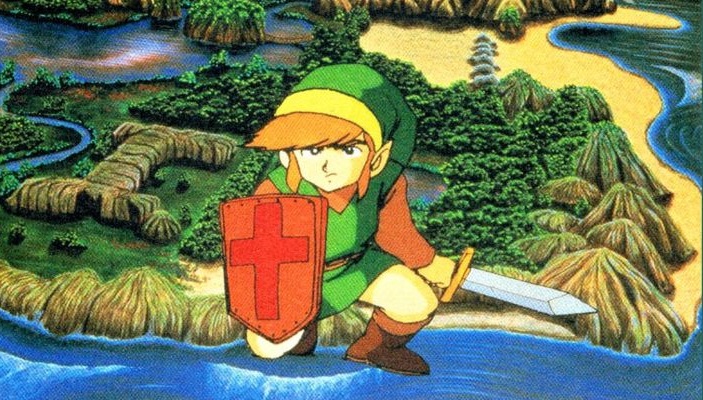
This classic Nintendo game includes a hidden, harder mode called the Second Quest. Players can unlock it immediately by entering the name “ZELDA” at the file selection screen, skipping the need to finish the game first. This alternate version of Hyrule offers redesigned dungeons and more challenging enemies. It’s a great example of an early cheat code built right into the game’s naming system.
‘Undertale’ (2015)
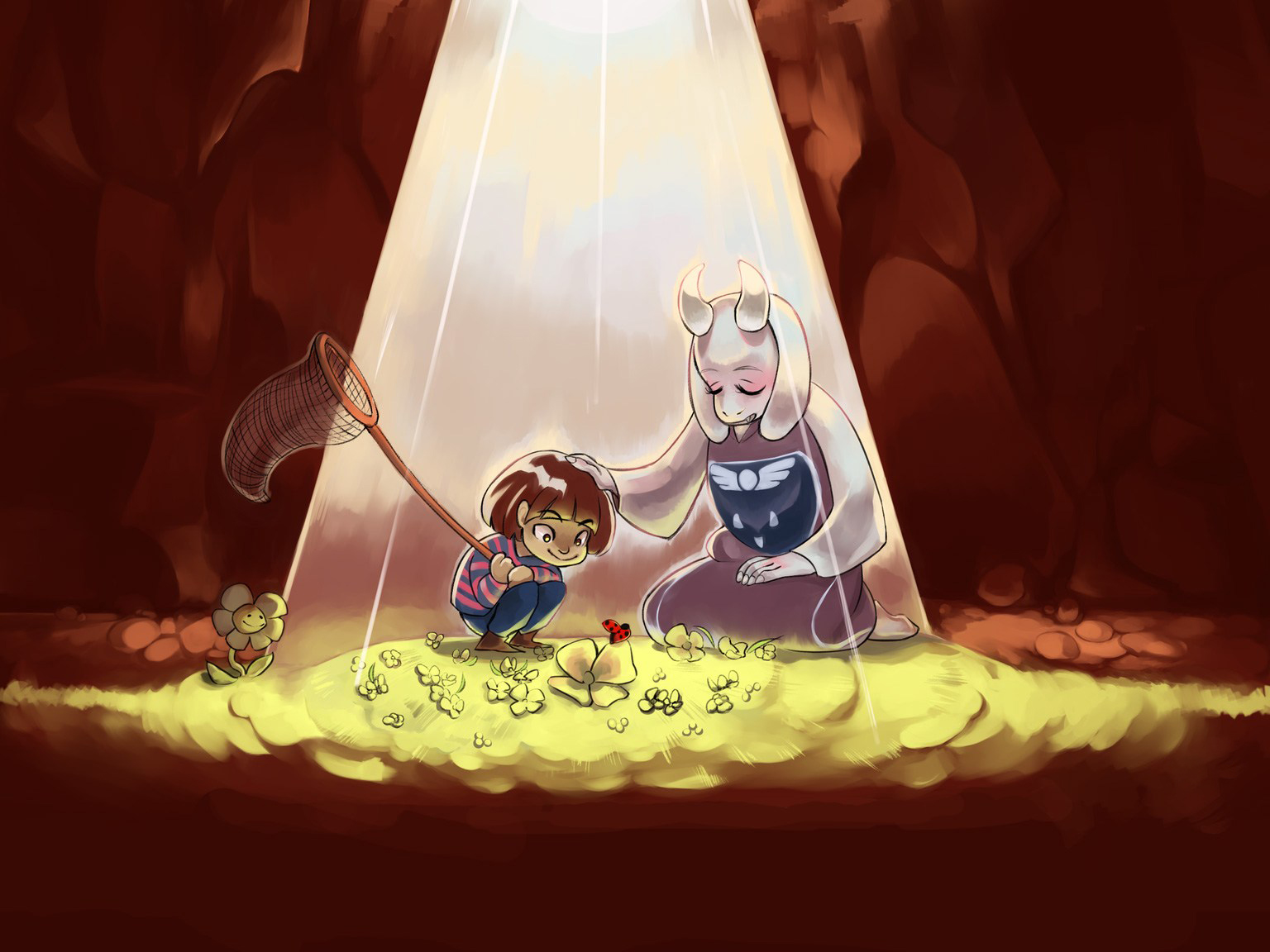
If you name the character Frisk after a fallen human in the game, Toby Fox intentionally created a harder experience. This unlocks Hard Mode, making enemies significantly tougher throughout the game. The story text also adjusts to hint at this increased difficulty until the demo ends. Players hoping for a normal game will quickly find the Ruins area very challenging.
‘Castlevania: Symphony of the Night’ (1997)
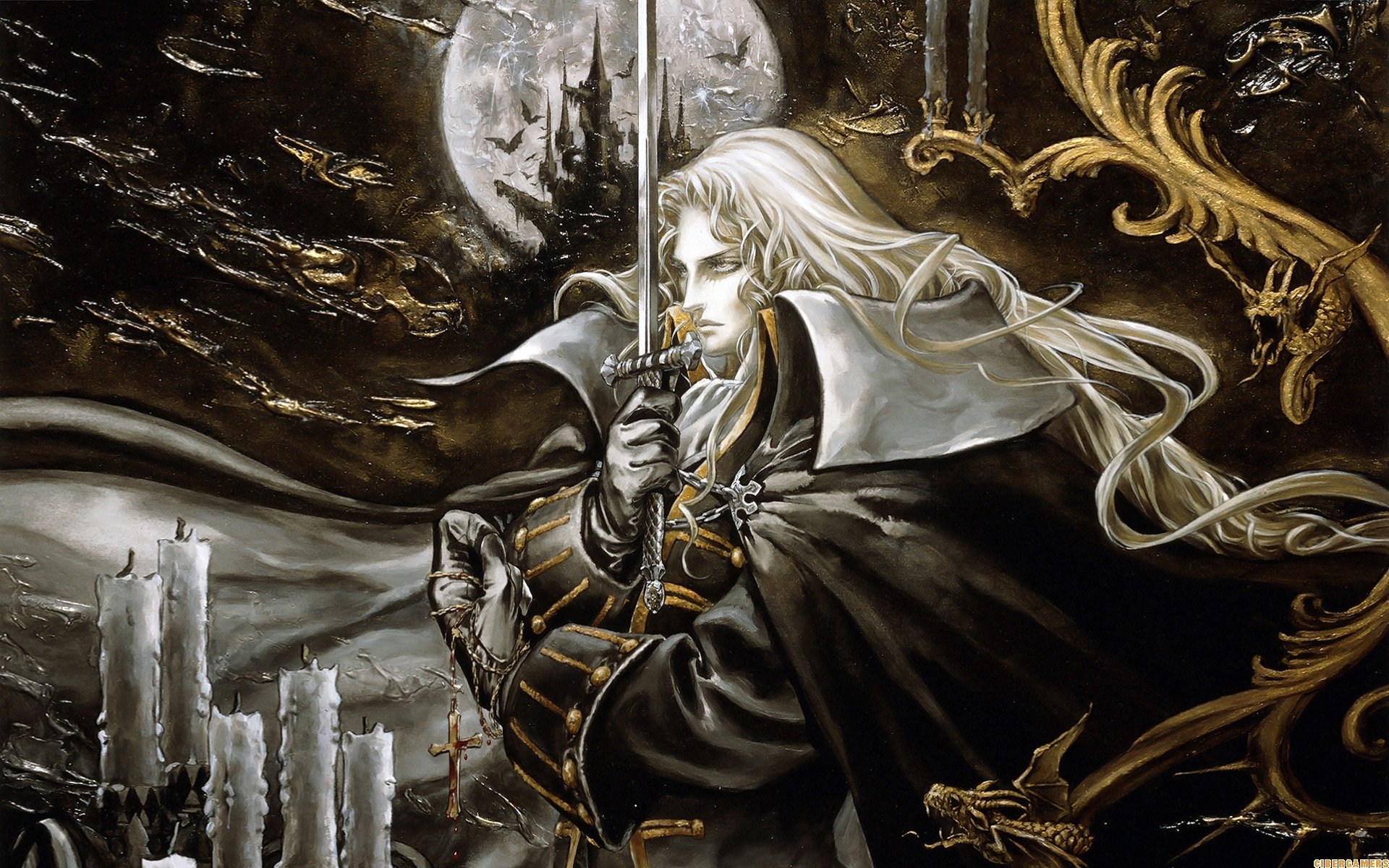
Konami added a hidden way for players to skip the usual story with Alucard and play as Richter Belmont instead. If you name the game file ‘RICHTER’, you’ll unlock a mode where Richter has lots of different attacks and you don’t have to worry about managing items. This changes the game from a role-playing adventure to a faster-paced action platformer. It also alters the story, as Richter normally plays a smaller role in the main events.
‘Metroid’ (1986)
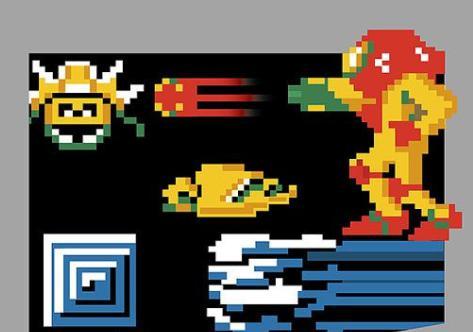
The classic NES game Metroid features a well-known secret. If you start a new game and enter the name “JUSTIN BAILEY”, the game gives your character, Samus Aran, a huge advantage – she begins with maximum ammunition and all power-ups. Interestingly, instead of her usual armor, Samus appears wearing a bright pink outfit. This name essentially loads a special version of the game with altered visuals and gameplay.
‘The Legend of Zelda: Link’s Awakening’ (1993)
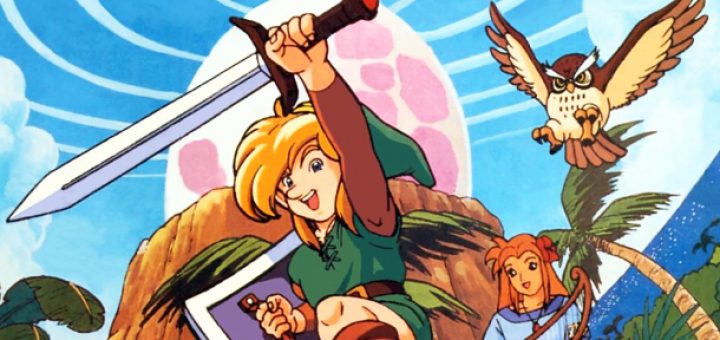
Nintendo includes a fun surprise for players who name their character Zelda: the music on the file selection screen changes to a remix of the game’s main theme. There’s also a consequence for shoplifting – if you steal something and come back, the shopkeeper will kill your character and rename your save file to “THIEF” for the rest of the game.
‘Castlevania: Aria of Sorrow’ (2003)
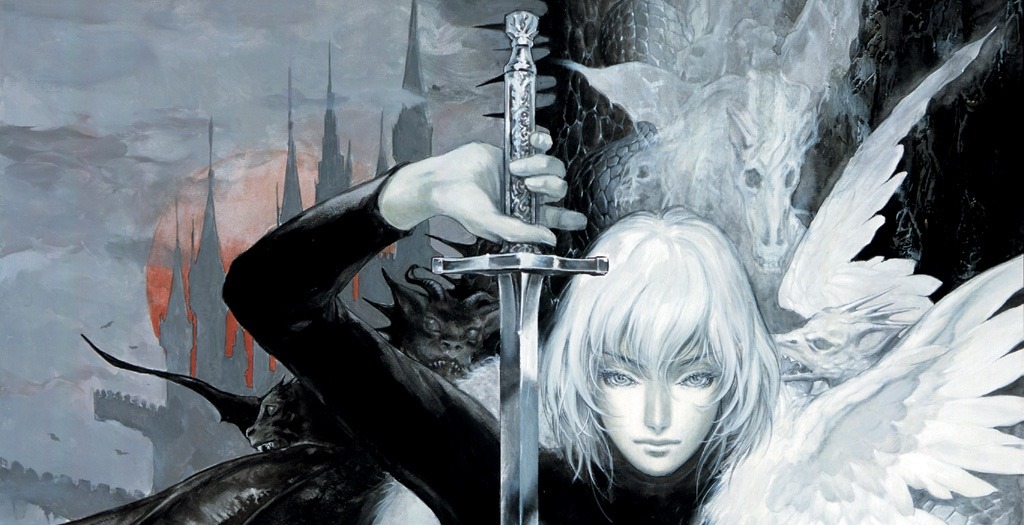
Like previous games, this Game Boy Advance title lets you unlock characters by entering a special name. Typing ‘JULIUS’ lets you play as Julius Belmont instead of the hero, Soma Cruz. This changes the gameplay significantly, removing the ability to collect souls and emphasizing classic whip-based combat. The story is simplified, turning the game into a challenging series of levels within the castle.
‘EarthBound’ (1994)
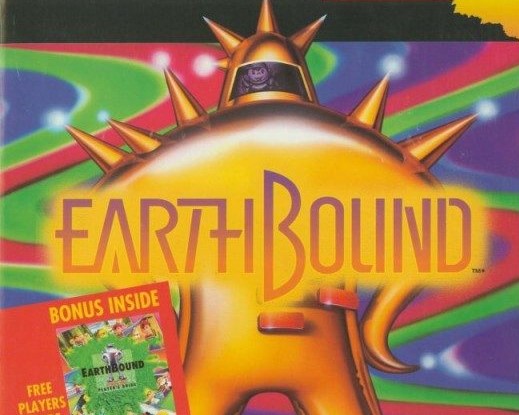
During the game’s finale, Nintendo and Ape Inc. cleverly blurred the line between the game and reality. The game asks players to enter their own name alongside those of their in-game characters. This name then appears during a crucial moment – a prayer for help – making the player feel directly connected to the story and its characters. It’s a unique way to draw players deeper into the game’s world.
‘Deltarune’ (2018)
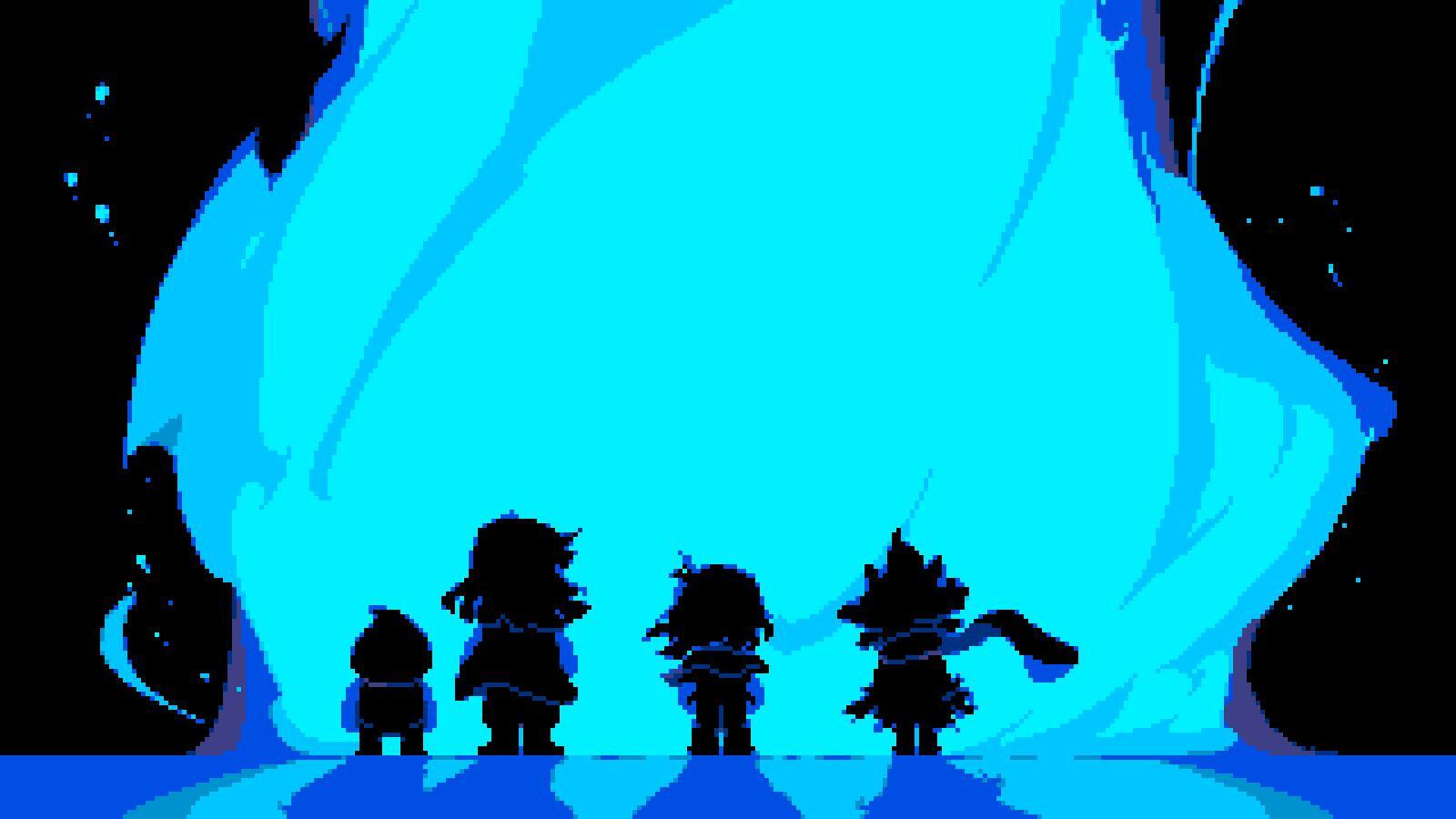
Toby Fox designed the game to limit player choice, and he did this by restricting certain names. If you try to name your character “GASTER,” the game will either crash or restart right after you create them. Using the name of a main character also results in a special message telling you that name is already in use. These moments are a way of highlighting the game’s themes about control and free will.
‘Bloodstained: Ritual of the Night’ (2019)
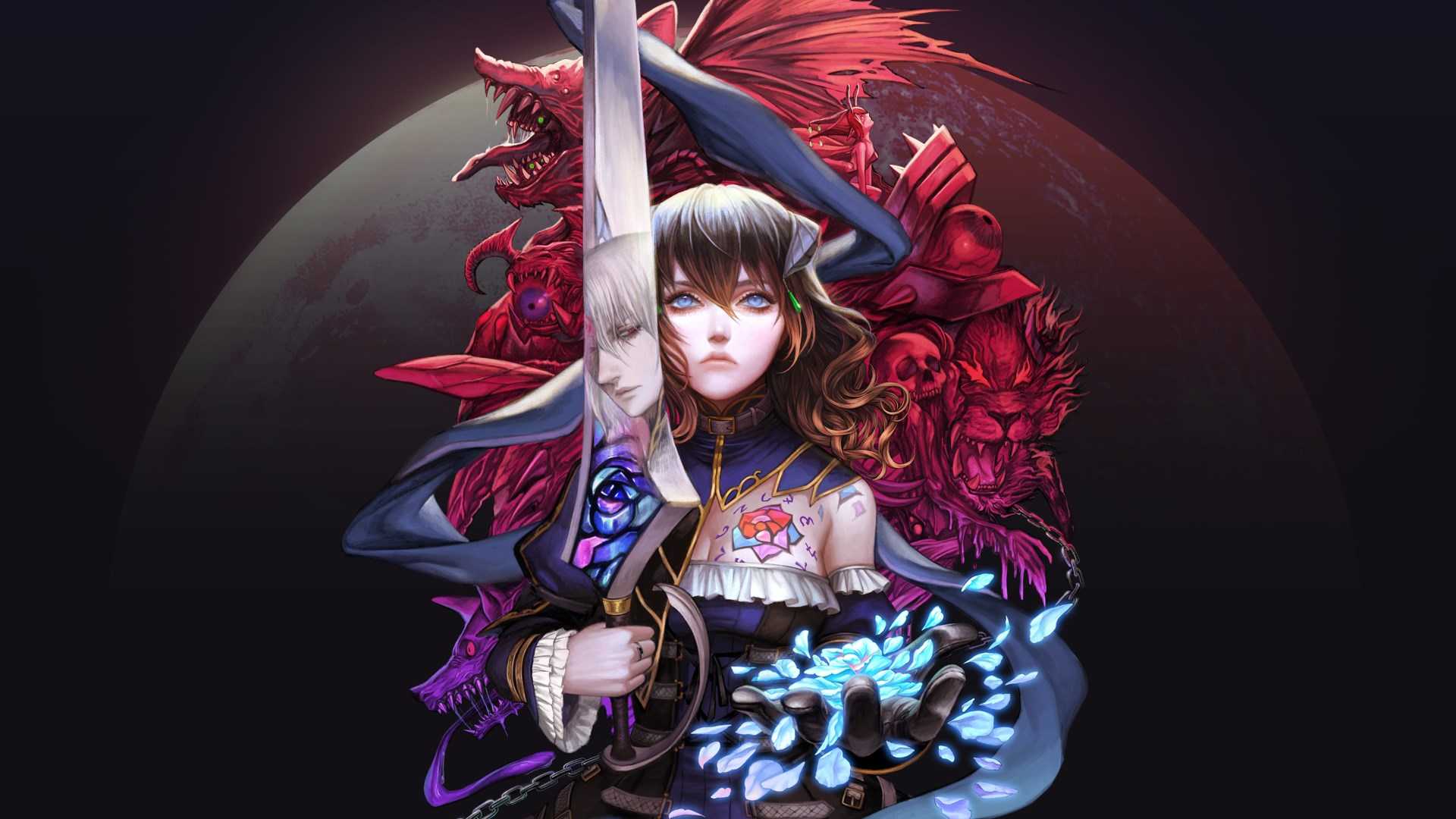
ArtPlay included special codes you can type into the game’s file name screen to change how you play. Entering ‘NIGHTMARE’ instantly unlocks the hardest difficulty, skipping the need to finish the game first. Typing ‘BLOODLESS’ lets you play as the boss character Bloodless, who has his own special abilities. These codes turn a normal playthrough into a completely different and challenging experience.
‘Shovel Knight’ (2014)
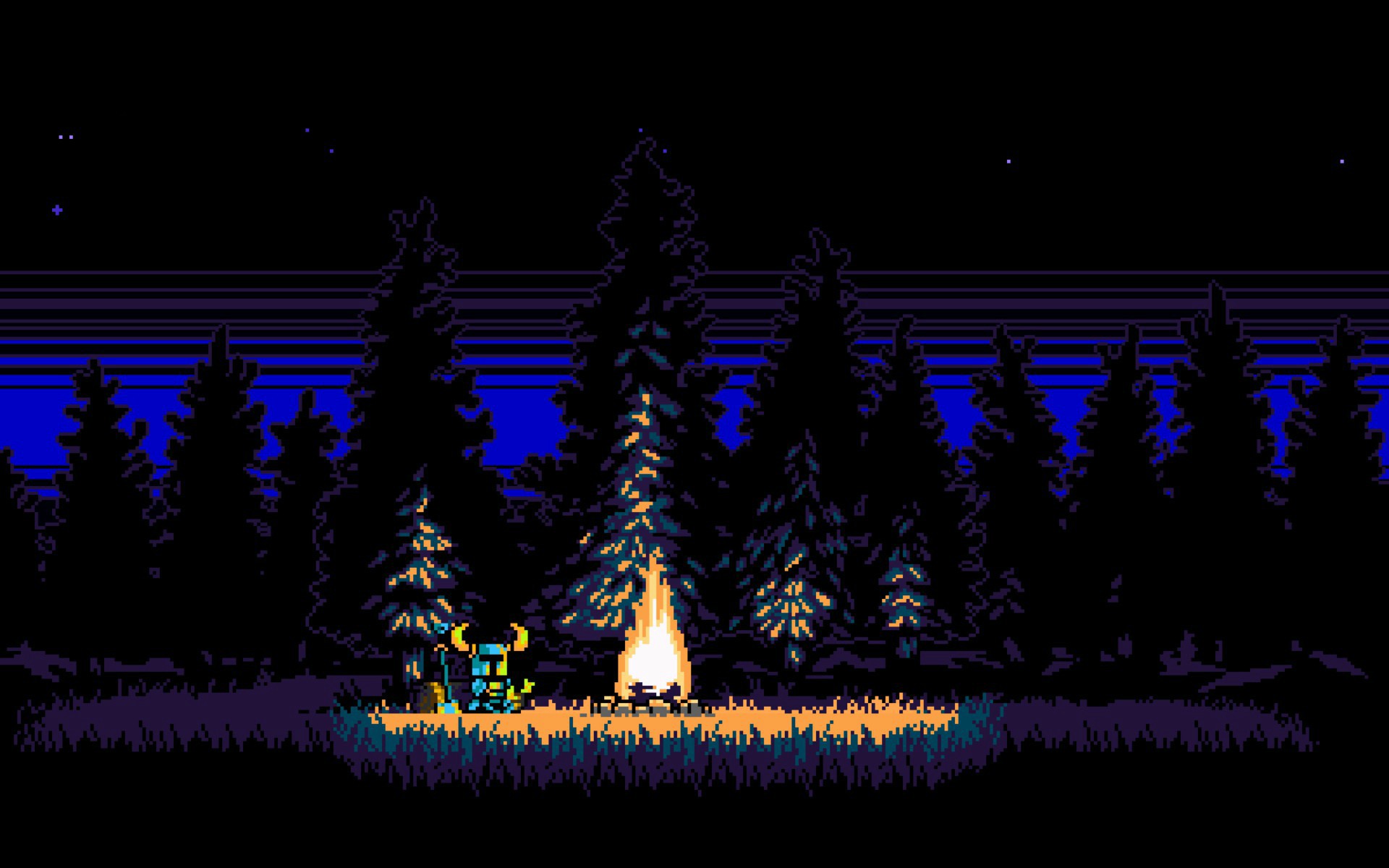
Yacht Club Games packed their game with a ton of cheat codes you can access through the profile name screen. Entering these codes can give you things like unlimited energy or make your character jump forever. There’s even a funny code that changes every noun in the game’s dialogue to the word ‘Burger’! These codes let players adjust how hard the game is and how the platforming feels.
‘Doki Doki Literature Club!’ (2017)

Team Salvato’s visual novel purposefully challenges how players expect games to work, particularly through how character names are used. When players name the main character Monika, it triggers a unique reaction from another character who seems confused. The game cleverly uses the name you choose to directly acknowledge the player, breaking the usual boundary between the game and reality, especially during important moments. This unexpected approach shifts the game from a typical dating sim into a unsettling and psychologically frightening story.
‘Castlevania: Portrait of Ruin’ (2006)
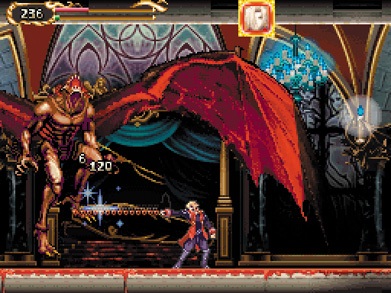
This DS game from Konami includes several alternate ways to play, unlocked through the name entry screen. Typing ‘SISTERS’ lets you play as Loretta and Stella Lecarde, using the touch screen for attacks. This mode skips the usual character leveling and gives them set stats and special magical powers. You’ll experience the story from their point of view, creating a fresh dungeon crawling adventure.
‘Star Wars: Shadows of the Empire’ (1996)

LucasArts included a hidden debug menu in the game, accessible by creating a save file with the exact name ‘.WAMPA__STOMPA’. This special file unlocks features like level selection, invincibility, and the ability to play as different characters, including an AT-ST walker. It’s essentially a developer tool that was accidentally left in the finished game for players to find.
‘Donkey Kong Country 2: Diddy’s Kong Quest’ (1995)
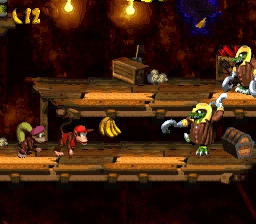
In this Super Nintendo game, a clever cheat was built into the file selection screen. Typing ‘MUSIC’ as the player name unlocks a secret sound test. This lets you skip playing the game and just listen to the fantastic soundtrack by David Wise. It’s a hidden bonus for those who experiment with the game’s menus, rather than focusing on completing the levels.
‘The Binding of Isaac: Rebirth’ (2014)
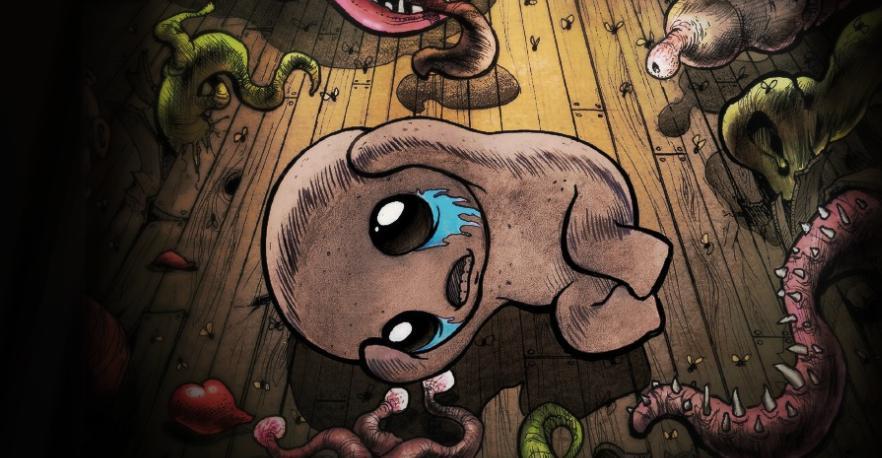
Nicalis created this challenging game to let players use ‘seeds’ like passwords when starting a new game. These special seeds unlock different modes, changing things like the game’s visuals or how it plays. For example, entering the seed ‘BASEMENT’ causes the game to repeat the first level over and over, letting players become incredibly powerful. These codes drastically alter the game world and how you survive.
Tell us which hidden character names you have tried in the comments.
Read More
- 20 Movies Where the Black Villain Was Secretly the Most Popular Character
- Top 20 Dinosaur Movies, Ranked
- 25 “Woke” Films That Used Black Trauma to Humanize White Leads
- Gold Rate Forecast
- Silver Rate Forecast
- 22 Films Where the White Protagonist Is Canonically the Sidekick to a Black Lead
- Top 10 Coolest Things About Invincible (Mark Grayson)
- Can AI Lie with a Picture? Detecting Deception in Multimodal Models
- Celebs Who Narrowly Escaped The 9/11 Attacks
- From Bids to Best Policies: Smarter Auto-Bidding with Generative AI
2025-12-10 01:15