Many video game companies celebrate Pride Month with special events, character customizations, and online posts. However, these efforts are often criticized as being just for show, rather than representing real commitment to the LGBTQ+ community. Concerns are often raised about things like games being altered for certain regions, these events only lasting a short time, and companies profiting from Pride-themed items. This article looks at fifteen games where these celebrations led to debates about whether companies were genuinely supportive or simply trying to appear that way.
‘Overwatch 2’ (2022)
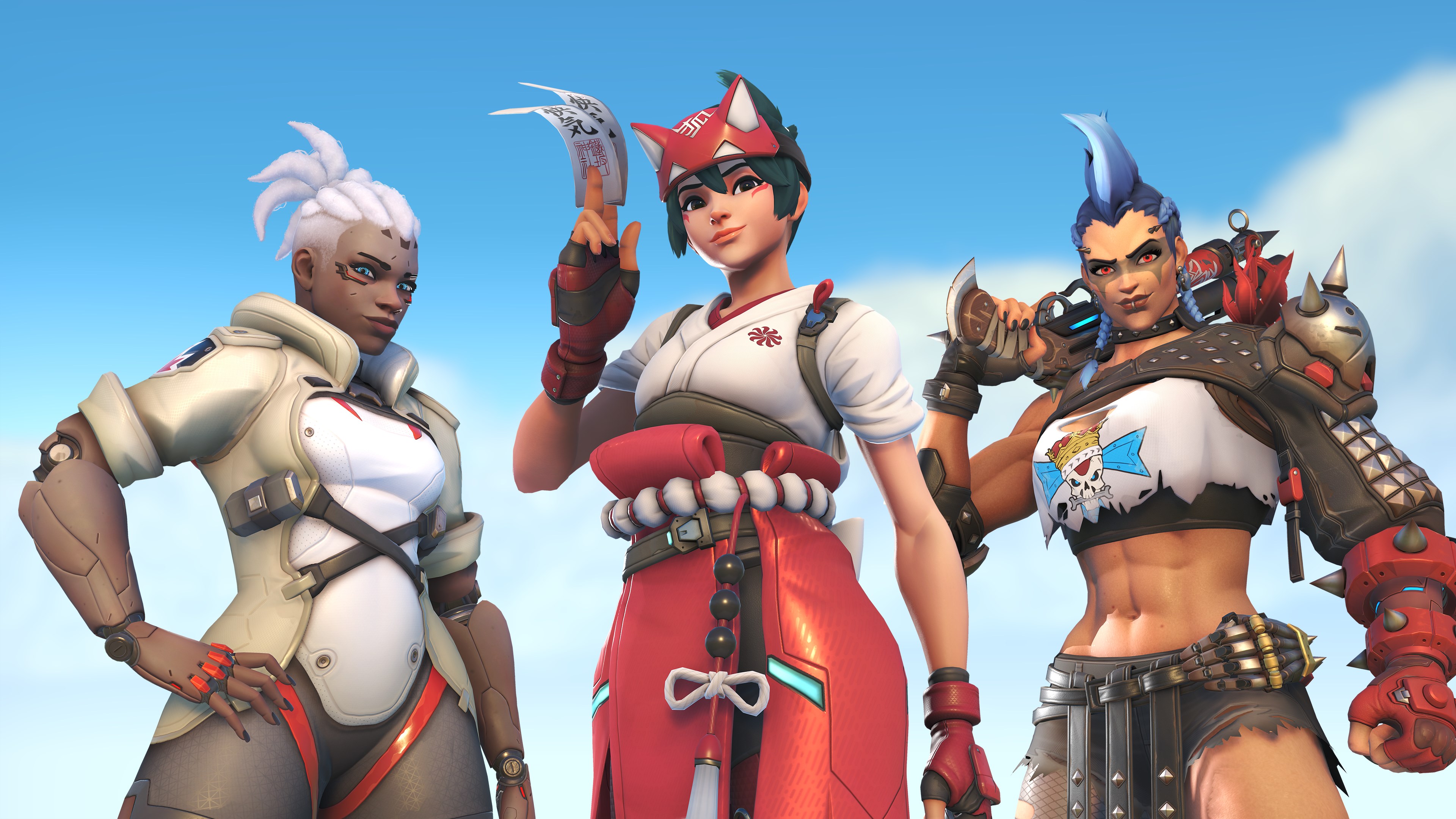
In 2023, Blizzard Entertainment launched its first official Pride event for ‘Overwatch 2’, including changes to the Midtown map and new character backstories. However, the company immediately received criticism when it announced the event wouldn’t be available in countries with laws against LGBTQ+ rights. Blizzard explained this allowed them to continue operating in those markets while still showing support for inclusivity elsewhere, but many saw it as inconsistent. Fans argued that limiting the event geographically weakened its message of acceptance for everyone, and it appeared to be a business strategy rather than a genuine commitment to inclusivity.
‘League of Legends’ (2009)
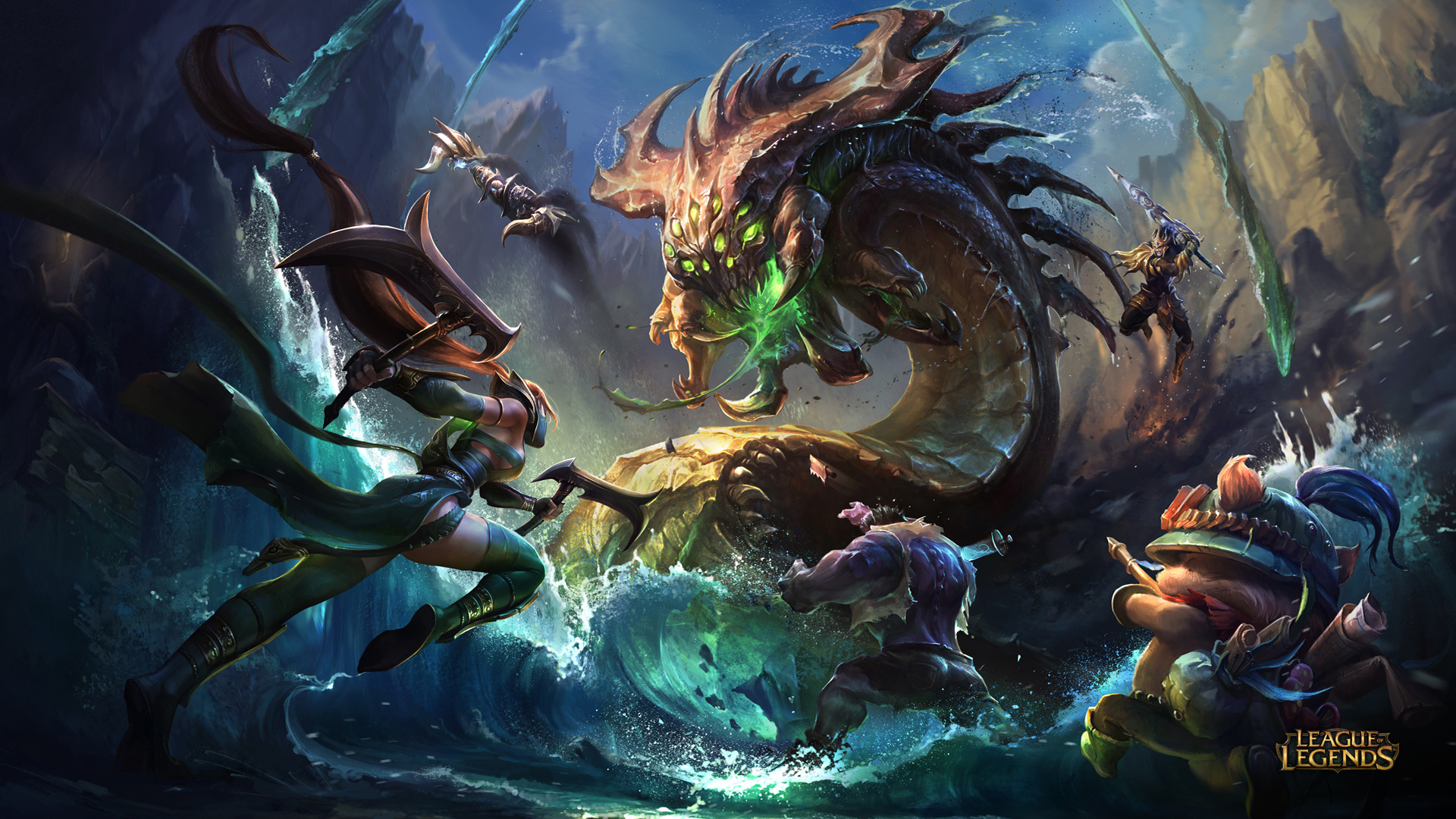
Every year during Pride month, Riot Games adds rainbow-themed icons and trails to their game, ‘League of Legends.’ However, these items are only available temporarily, disappearing at the end of June, which has frustrated some players. Additionally, Riot has faced criticism for removing or changing Pride content in certain regions to meet local censorship rules. This has led many players to believe the event is primarily a marketing tactic. The community continues to ask for permanent, worldwide access to Pride-themed items.
‘Apex Legends’ (2019)
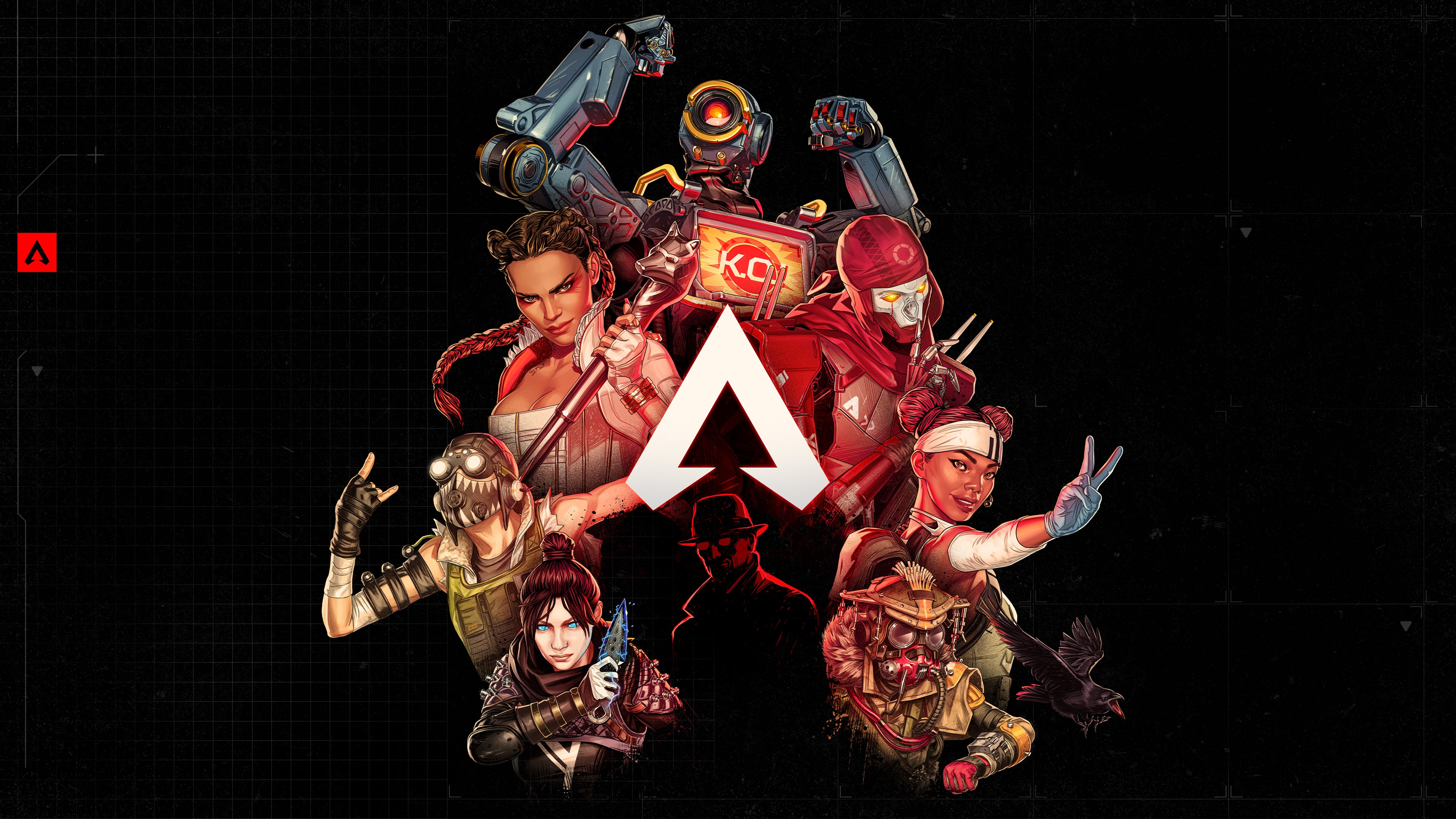
‘Apex Legends’, created by Respawn Entertainment and published by Electronic Arts, regularly offers Pride-themed badges and profile trackers. However, these annual celebrations often consist only of these small digital items. Some critics point out that these additions are quick to implement and appear to be a simple way to show support for inclusivity without making larger changes to the game’s story. Many feel the focus on collectible items, rather than meaningful in-game events or community programs, feels like a superficial gesture. This contrasts with the game’s typically detailed character development and storytelling seen at other times of the year.
‘Fortnite’ (2017)
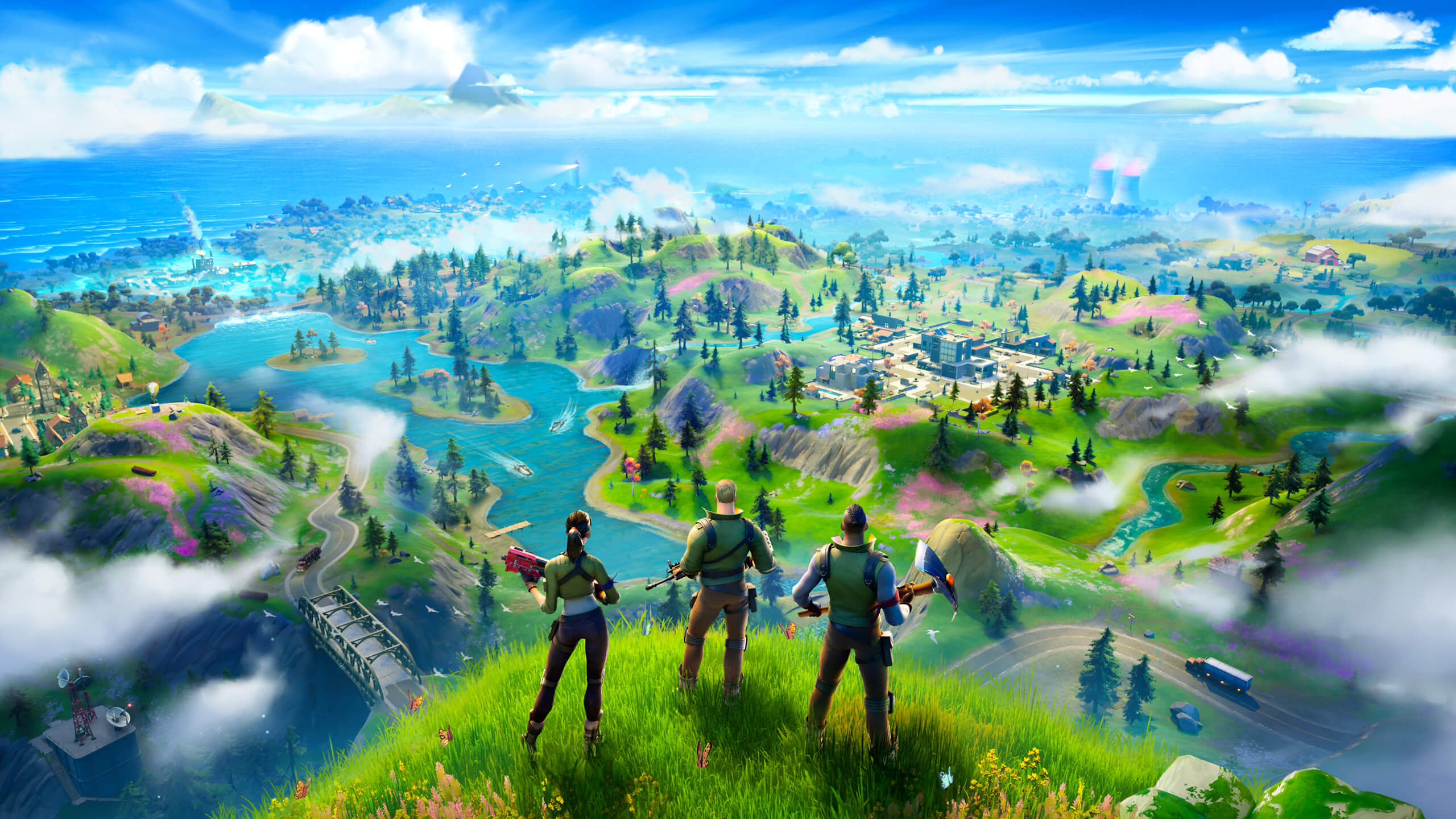
Every year, Epic Games runs a “Rainbow Royale” event in ‘Fortnite’ offering free in-game items like dances, tags, and loading screens. However, many players feel the event doesn’t really connect to the game’s story or make a meaningful impact. It often feels like just another temporary set of outfits and items, rather than a genuine attempt to support players or a cause. Because the event doesn’t lead to lasting changes or partnerships beyond the in-game store, some see it as simply a marketing effort. For many players, ‘Fortnite’ has become a prime example of a game that focuses almost entirely on selling cosmetic items.
‘Call of Duty: Modern Warfare III’ (2023)
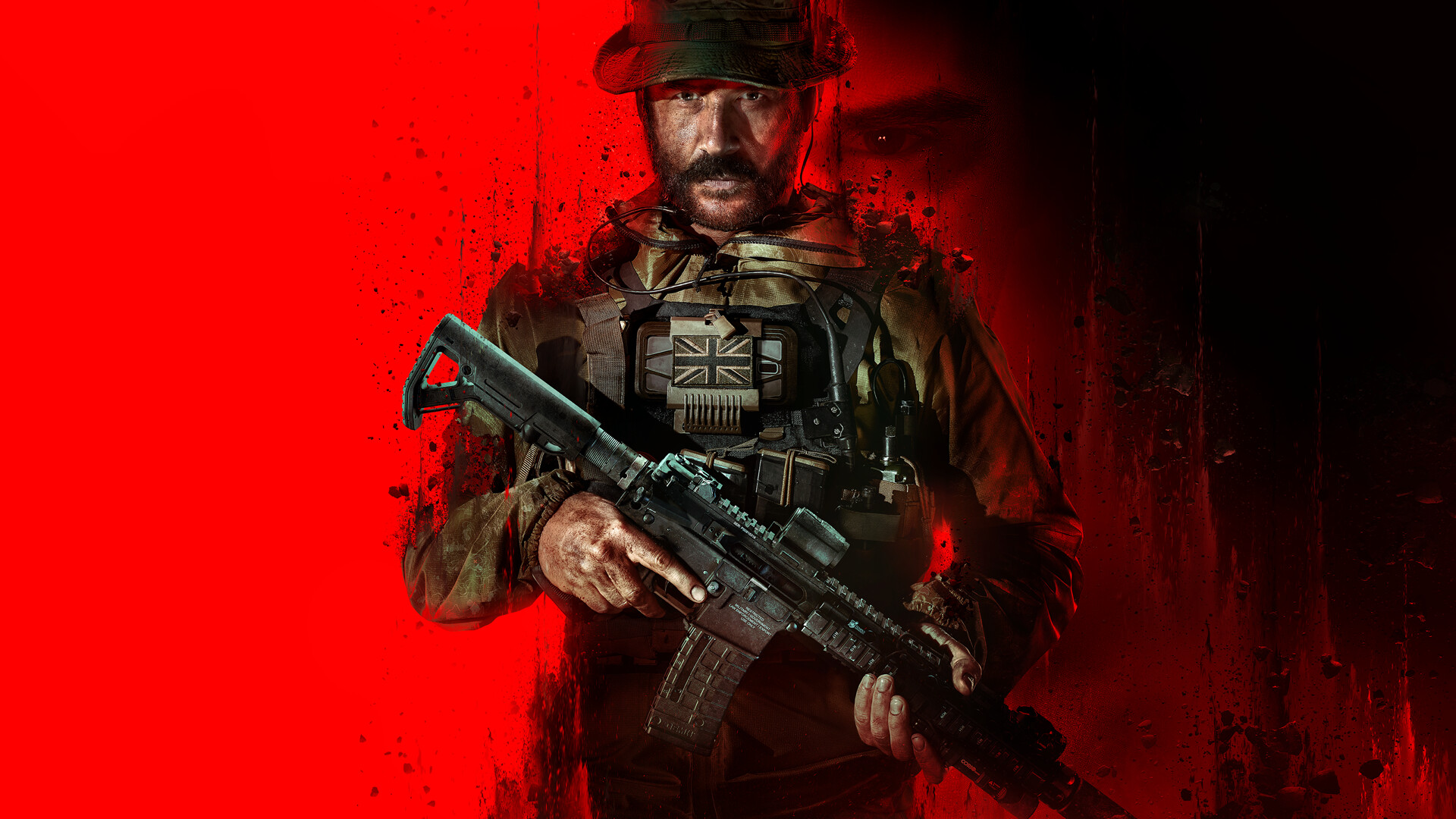
Sledgehammer Games and Activision recently added Pride-themed items to the game, like special calling cards and weapon designs, as part of their regular updates. However, many players reacted negatively, pointing to the game’s history of harmful behavior and harassment. Critics argue that simply adding colorful items doesn’t fix the deeper problems LGBTQ+ players face in voice chat and during competitive matches. Some saw the event as a superficial gesture, a way for the company to appear inclusive without actually addressing the issues. This situation is often used as an example of how representation can feel meaningless without real changes to how the game is moderated.
‘Dead by Daylight’ (2016)
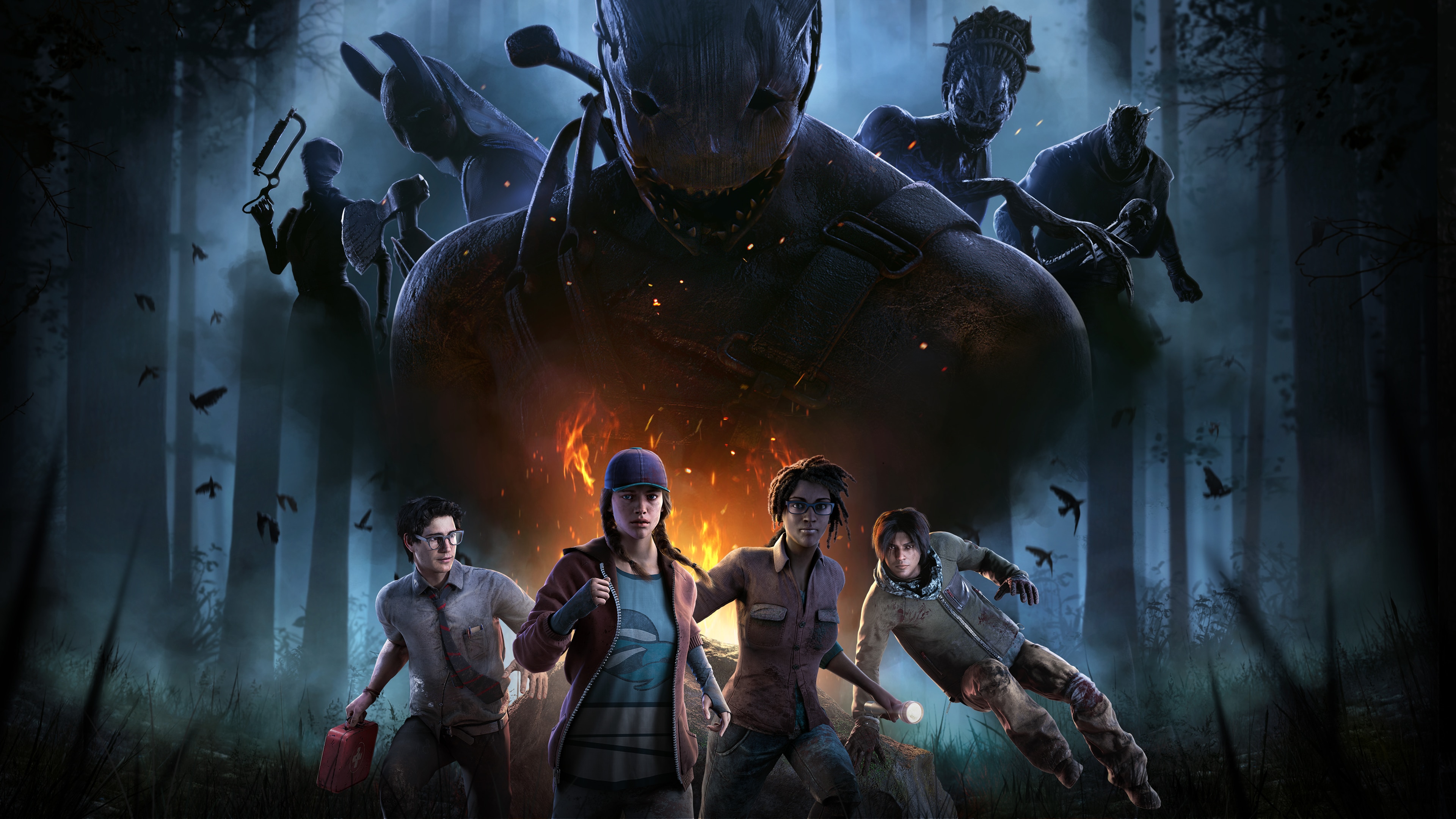
After years of requests from its LGBTQ+ players, Behaviour Interactive added a Pride charm to ‘Dead by Daylight’. However, the initial release received criticism because the charm was a small, easily overlooked item—a simple accessory for survivors or killers. Many players felt this was a minimal effort compared to the more detailed cosmetic items released for other holidays and events. While the developer later added backstory to certain characters, the initial negative reaction created a sense of corporate reluctance. The charm now serves as an example of how small digital items can fall short of truly acknowledging and supporting a community.
‘The Sims 4’ (2014)
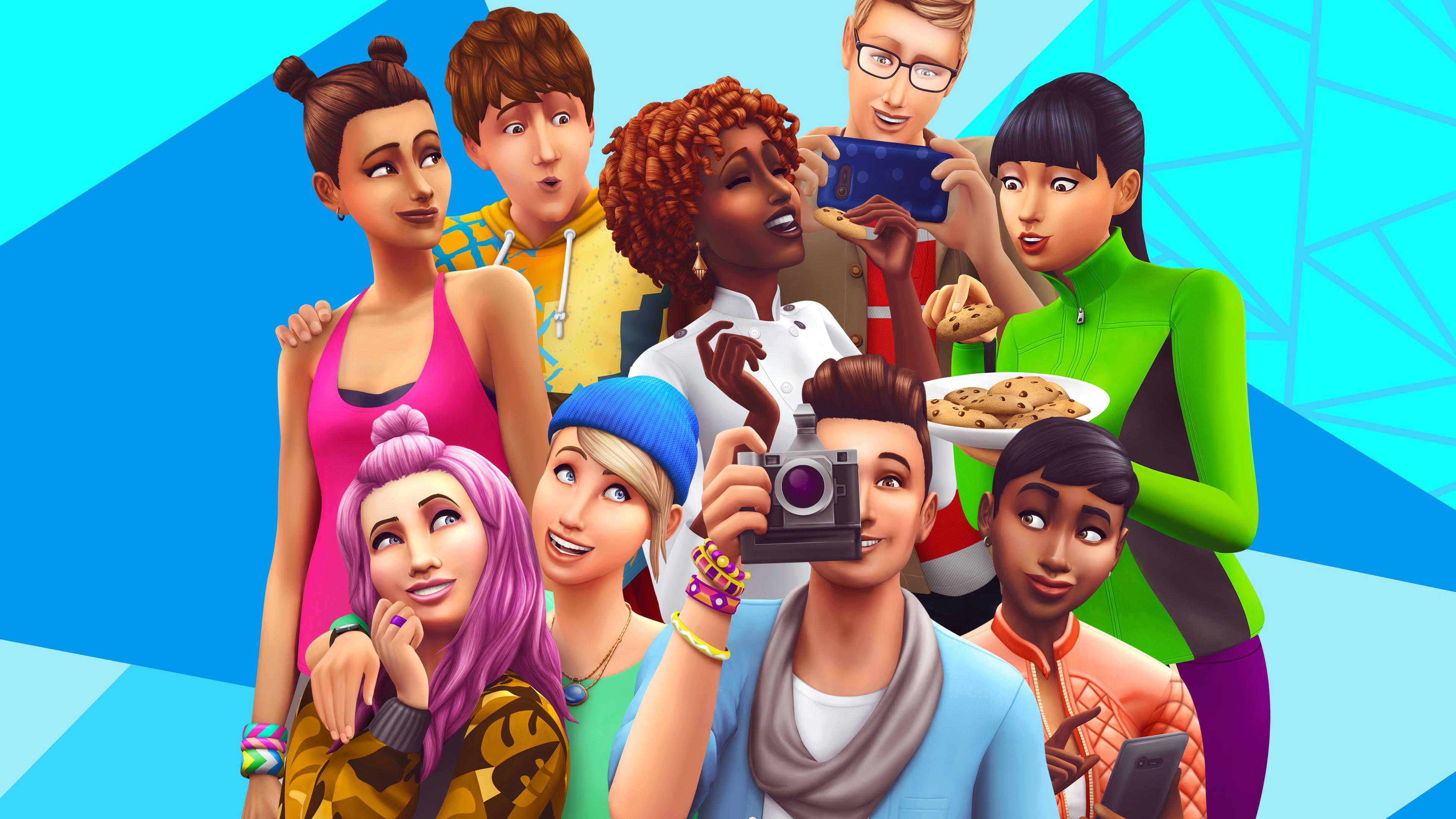
In 2019, Maxis and Electronic Arts collaborated with the ‘It Gets Better’ project to add Pride-themed items to ‘The Sims 4’. Although the items were free, many players felt the update was more about advertising due to the prominent ‘It Gets Better’ logo on everything. Players expressed disappointment that the collaboration focused on branded clothing instead of features the community had been requesting for a long time, such as more complex romance options or better representation of non-binary genders. Some saw the partnership as the companies using a charity to improve their public image without making substantial improvements to the game itself, sparking a conversation about genuine game development versus corporate promotion.
‘Destiny 2’ (2017)
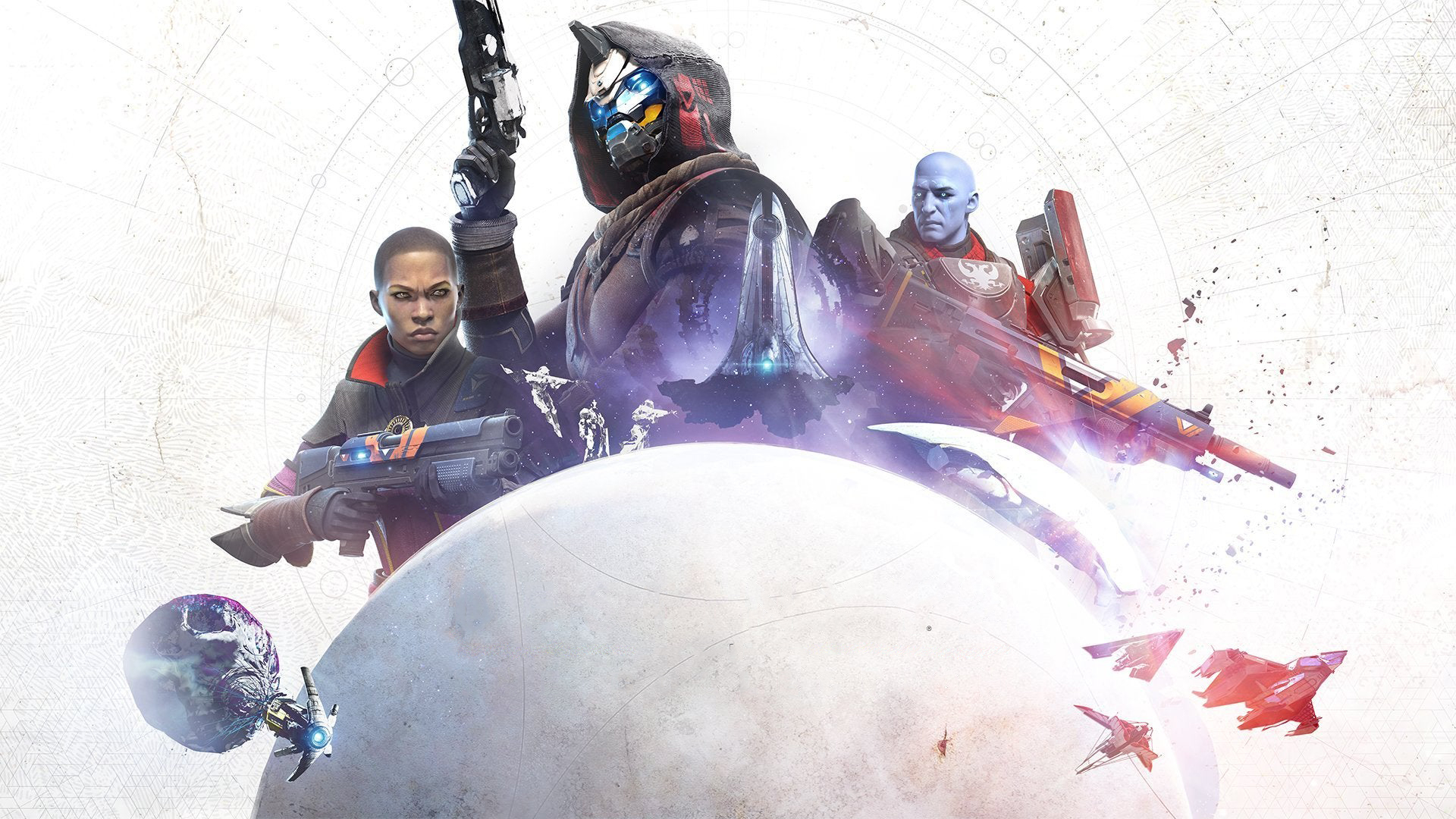
Each year during Pride month, Bungie sells special pins and emotes, sometimes donating the profits to the Bungie Foundation. While fans appreciate the charitable donations, many criticize the fact that most Pride-themed content is only available for purchase or during a limited time. Players have noticed a lack of lasting, in-game features – like permanent landmarks or story events – that celebrate Pride year-round. This makes it feel like inclusivity is something you have to buy or unlock temporarily, rather than a consistent part of the game, and can make the annual event feel more like a marketing campaign than a genuine celebration.
‘Valorant’ (2020)
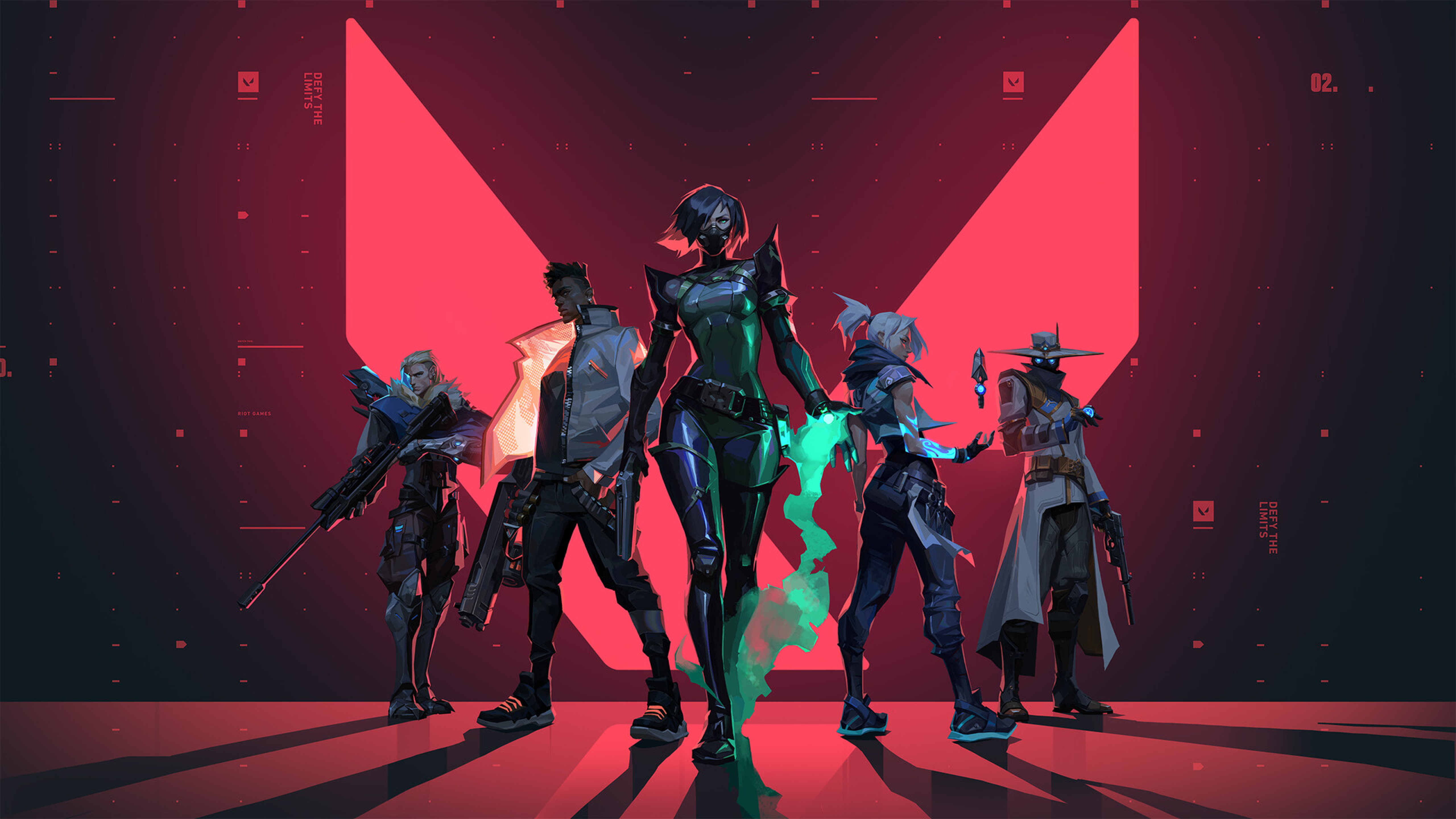
Riot Games distributes ‘Valorant’ Pride-themed player cards and titles using codes players must redeem on websites outside the game, instead of simply selling them in the store or making them available through gameplay. Some believe this approach is intended to make the content optional and less prominent. Like with other Riot games, these items are often unavailable or changed in countries with restrictions on LGBTQ+ expression. Critics argue that using codes forces players to actively choose inclusivity, rather than making it a core part of the game. This method is seen as a way to minimize potential backlash in regions with more conservative viewpoints.
‘PUBG Mobile’ (2018)
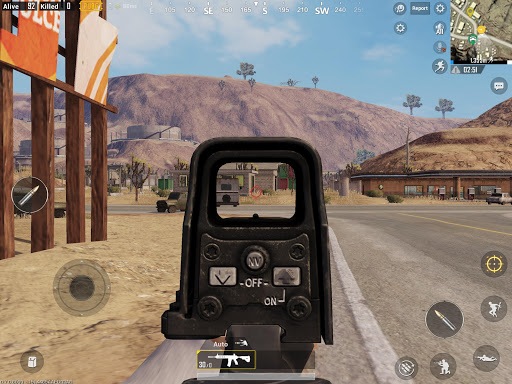
As a long-time PUBG Mobile player, I’ve noticed they’ve done some stuff with Pride-themed outfits and weapon skins in updates. But it’s kinda weird – sometimes I see the Pride stuff, and other times it’s just replaced with something plain, depending on where you are in the world. It makes it feel like the developers are only showing support when it’s easy for them, you know? Plus, they put these cool items in loot boxes you have to pay for, which makes the whole thing feel less about actual support and more about getting money from players. A lot of people think it’s just a way to target specific groups and make a profit.
‘World of Warcraft’ (2004)
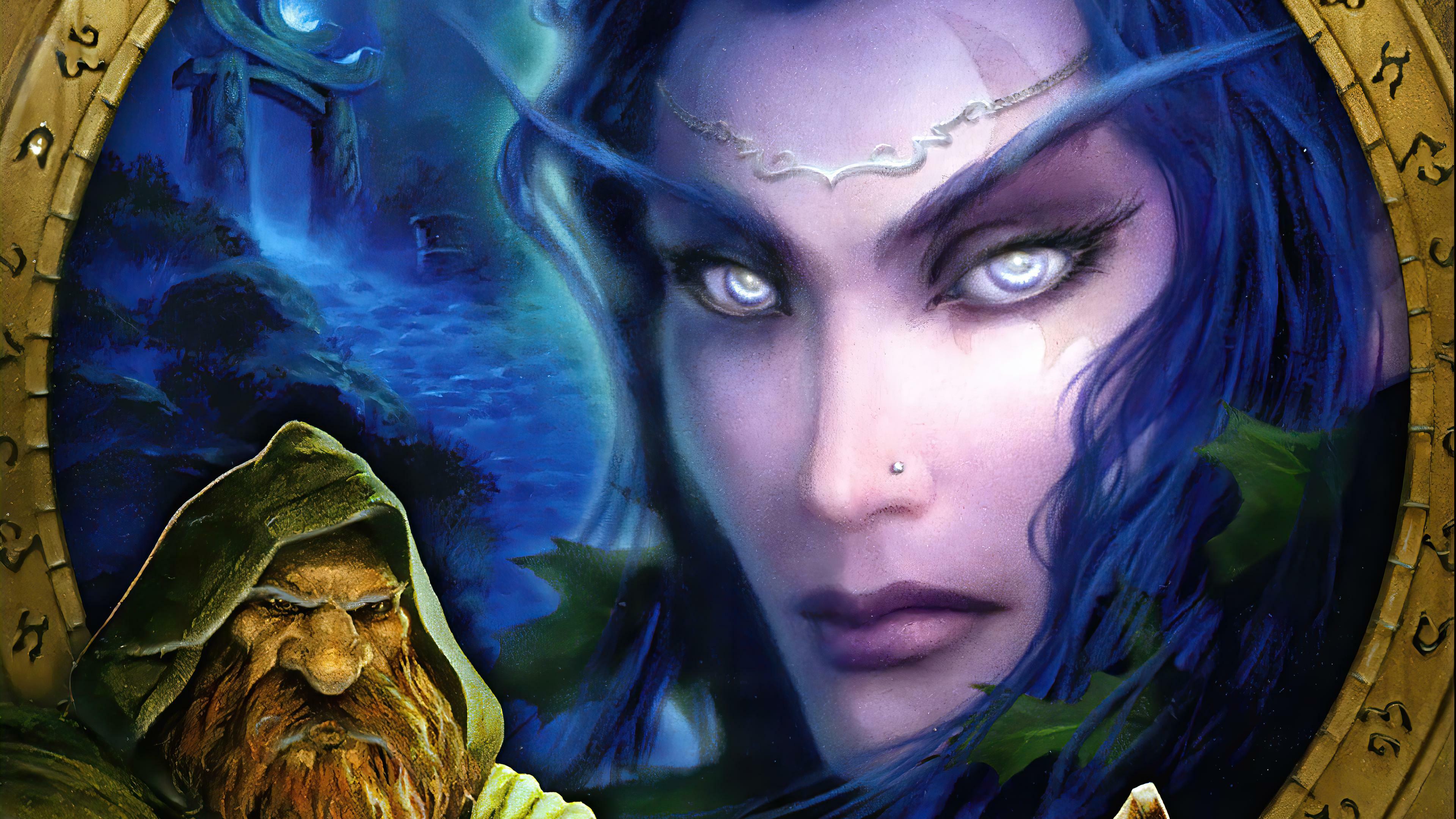
Blizzard Entertainment recently held its first in-game Pride celebration, called “Pride of Azeroth,” almost twenty years after the original release of ‘World of Warcraft.’ The event is a small gathering in the game’s main cities featuring rainbow effects and temporary cosmetic items. Many players believe this addition feels belated, as if Blizzard is simply trying to keep up with current corporate practices. Because the event lacks lasting quests or significant story elements, some feel it was a minimal effort. For dedicated fans, the timing suggests the event is more about improving the company’s image than authentically integrating inclusivity into the game’s world.
‘Halo Infinite’ (2021)
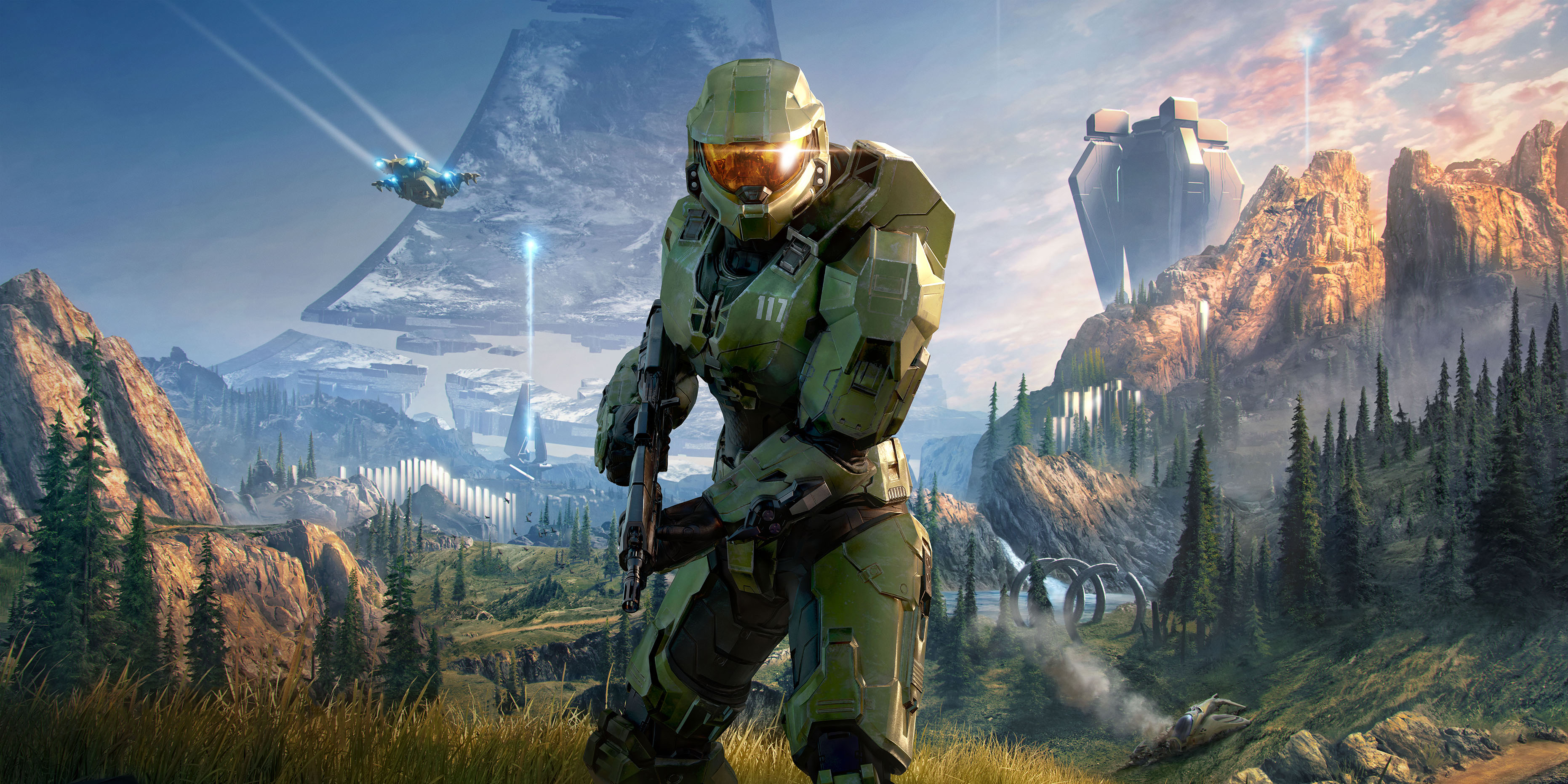
To mark Pride Month, the creators of ‘Halo Infinite’ released a special nameplate cosmetic item. However, many players were disappointed by this single offering, feeling it didn’t match the game’s popularity or the importance of the occasion. Fans had hoped for more, such as in-game events, themed maps, or story content. The nameplate, a simple profile image, was seen as a minimal effort and a symbolic gesture rather than meaningful support, leading to criticism online about the studio appearing indifferent.
‘Minecraft’ (2011)

Each year, Mojang and Xbox offer Pride-themed building challenges and free items in ‘Minecraft.’ However, these are usually found separately from the main game and aren’t integrated into core gameplay. Some observers have pointed out that ‘Minecraft’ deliberately avoids openly celebrating Pride within the game itself, likely to keep the brand broadly appealing. This means Pride content feels like an extra addition, not a central part of the ‘Minecraft’ experience, and can feel disconnected from the world players actually explore.
‘Rocket League’ (2015)

Each year, Psyonix and Epic Games release “Love ISLV” packs for ‘Rocket League’ featuring rainbow-themed cosmetic items for cars. While these are usually free, they’re purely visual and don’t add any story or meaning to the game. Some critics point out that because ‘Rocket League’ is focused on competition, these items are just surface-level decoration and don’t require the developers to express genuine support. Many feel the yearly repetition of similar items makes the game’s approach to the event feel stale, and it’s often seen as an example of ‘rainbow capitalism’ in sports games.
‘Tom Clancy’s Rainbow Six Siege’ (2015)
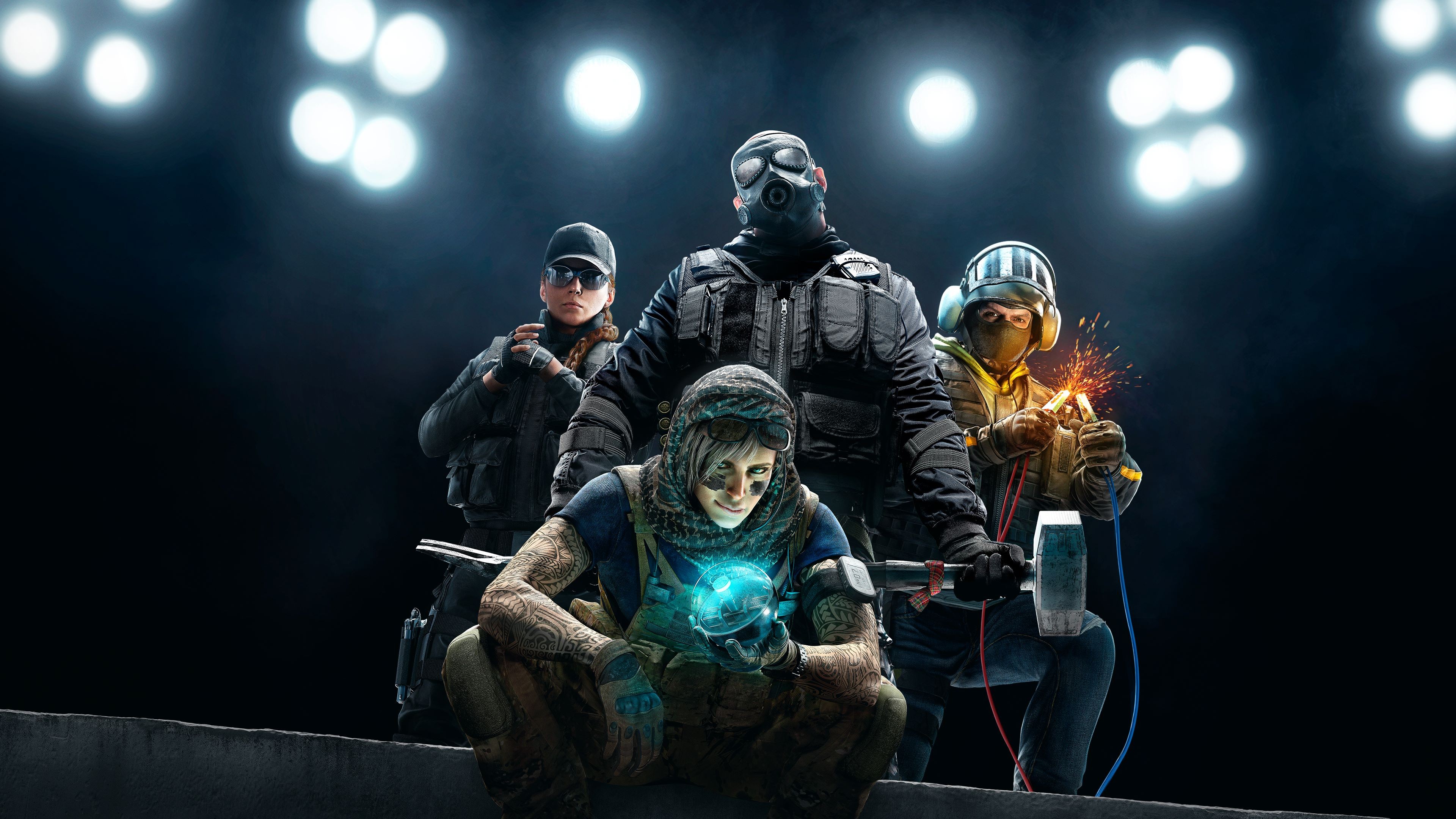
Ubisoft recently released a Pride-themed background and weapon charm for their game. The background is available through the game’s battle pass or store. While Ubisoft often features diverse characters, some players feel their Pride Month events focus too much on making money. Many argue that selling a Pride bundle doesn’t feel genuinely supportive of the LGBTQ+ community and can even seem like taking advantage of it. The game also has a history of homophobic behavior within its player base, and many believe a small charm won’t address these deeper issues. This has led some to see the yearly Pride item sales as simply a standard business practice.
Let us know what you think about these events and how developers can make them more welcoming and inclusive. Share your ideas in the comments below!
Read More
- Invincible Season 4 Gender Swaps Tech Jacket As Fans Question Major Comic Change
- Silver Rate Forecast
- Gold Rate Forecast
- Building Agents That Learn and Improve Themselves
- 15 Films That Were Shot Entirely on Phones
- 22 Films Where the White Protagonist Is Canonically the Sidekick to a Black Lead
- 20 Movies Where the Black Villain Was Secretly the Most Popular Character
- Celebs Who Narrowly Escaped The 9/11 Attacks
- 18 TV Series Filming Rehearsals as Bonus Content
- Trading Crypto with AI: A New Approach to Portfolio Management
2026-01-13 16:46