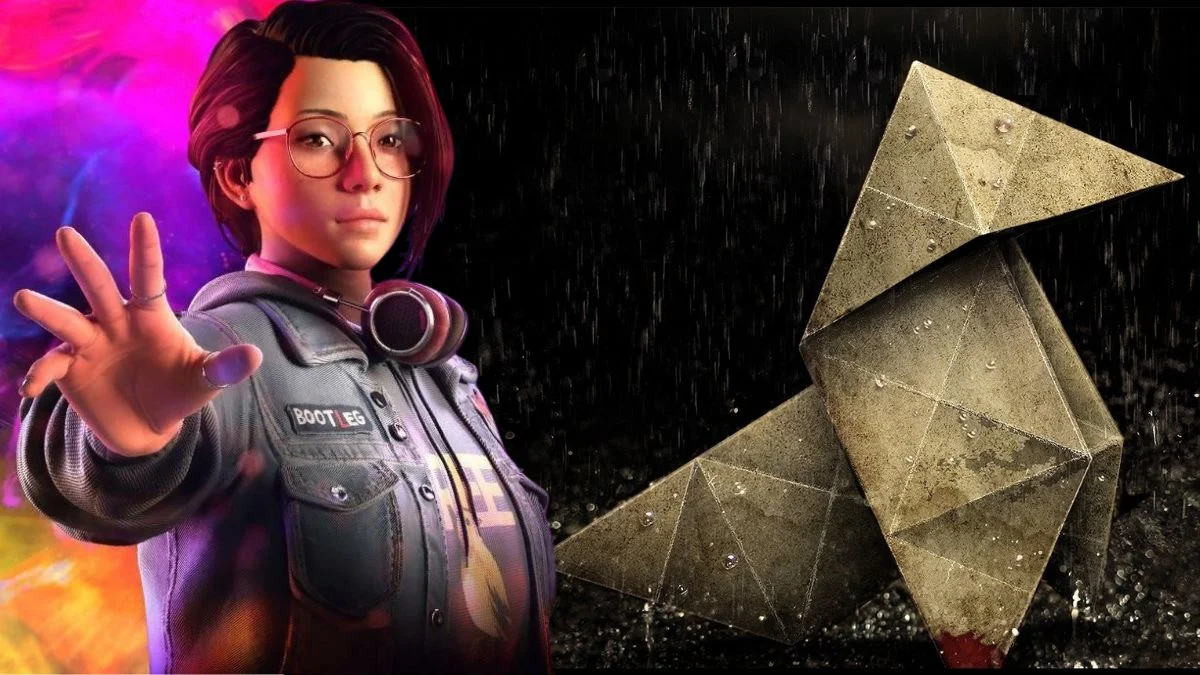
Video game stories frequently change based on the choices you make while talking to characters or exploring the game world. Some games also test your skills with fast-paced button presses or timed actions, which can determine a character’s fate. These moments build excitement because you need quick reflexes to influence the story. Messing up these challenges might lead to a character dying or the story taking a completely different turn. This article highlights several games where how fast you react is just as important as the decisions you make.
‘Heavy Rain’ (2010)
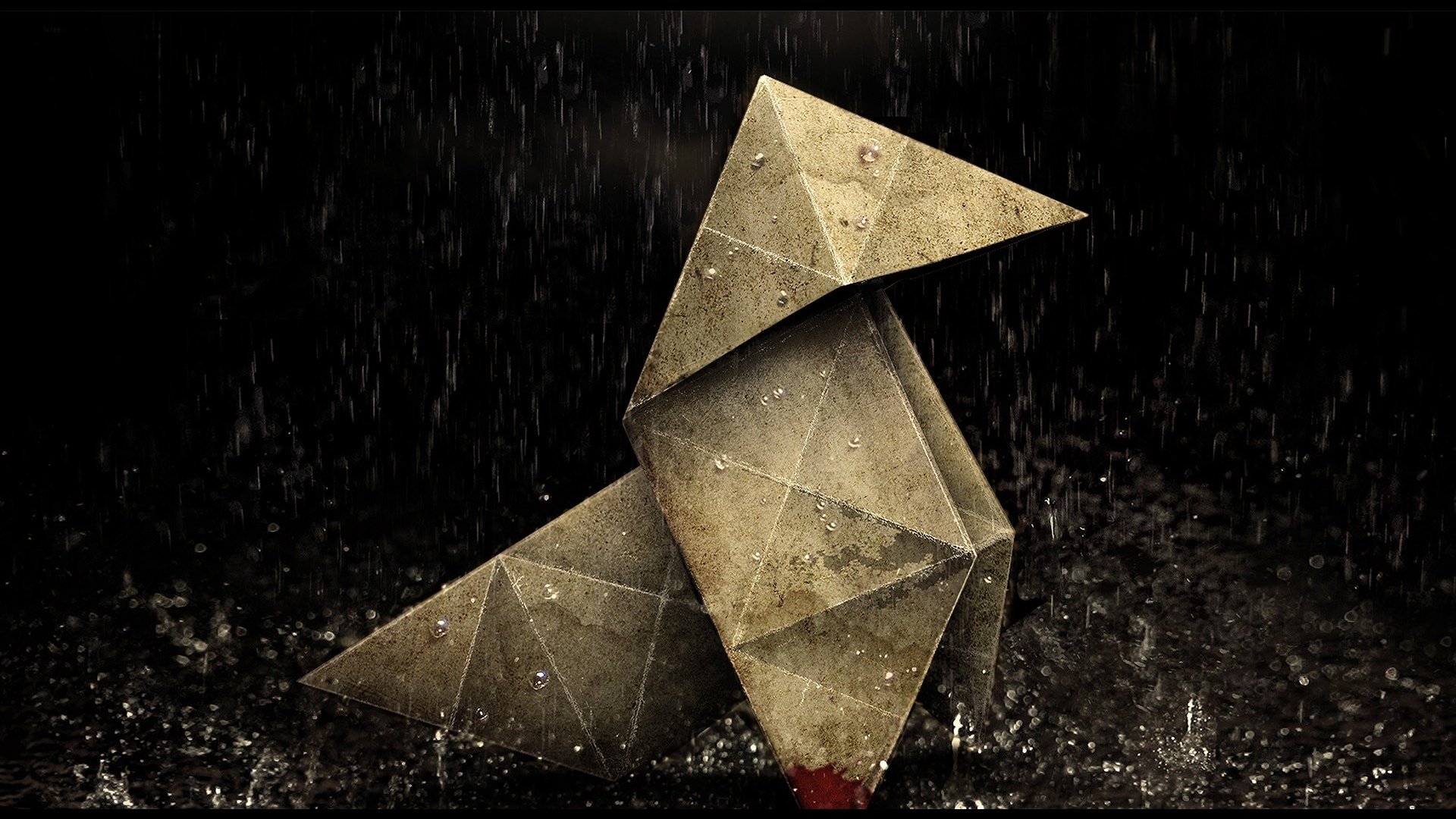
In this game, you take control of four characters as they hunt for the elusive Origami Killer. It’s a fast-paced experience that demands quick reactions and precise button presses to overcome challenges. Messing up a sequence can lead to a character’s permanent death, changing the story’s path. Your choices and performance matter, as every decision affects the investigation’s outcome and leads to different endings.
‘Detroit: Become Human’ (2018)
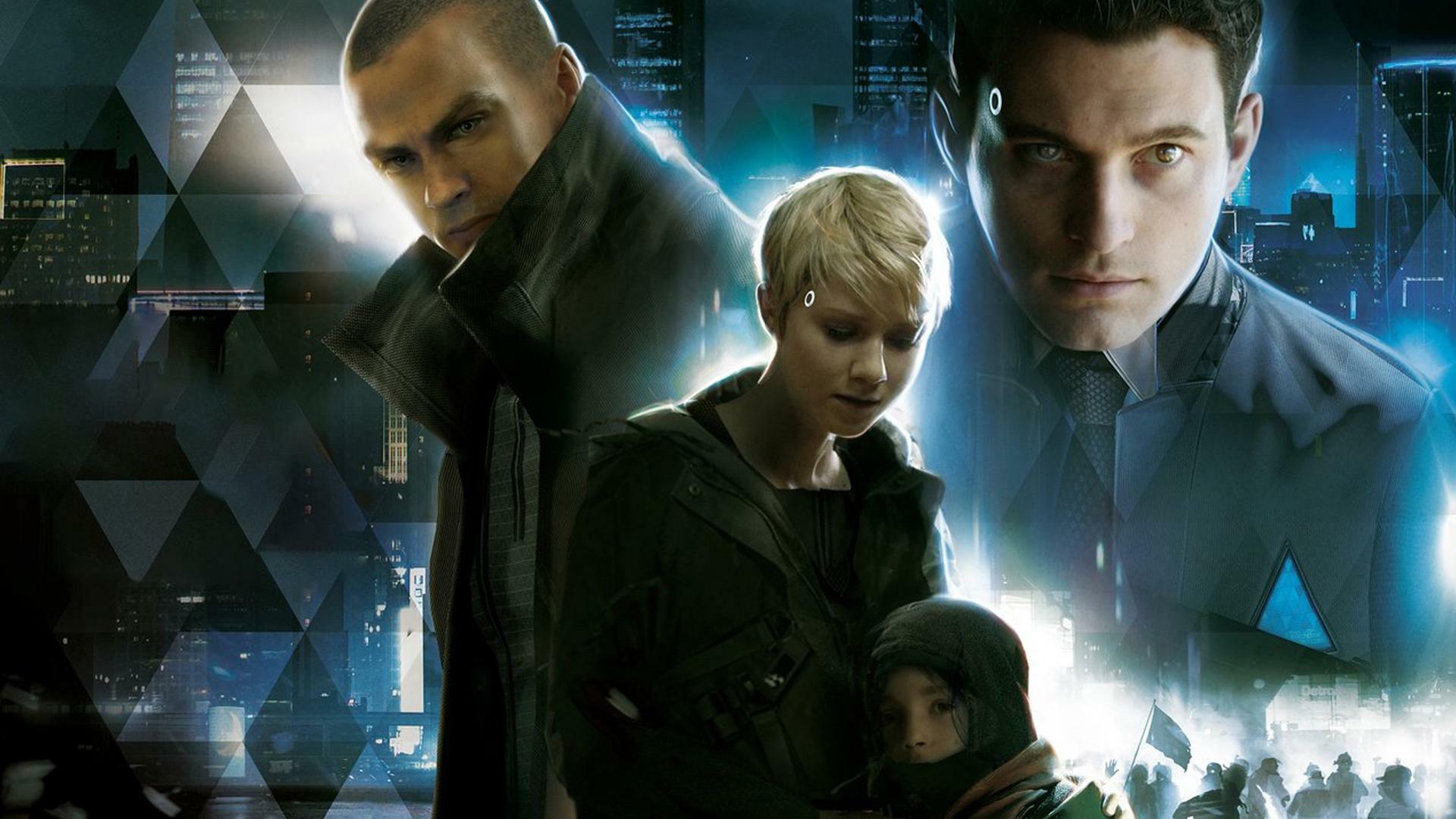
The game centers around three androids trying to find their place in a future world while questioning what it means to be alive. Gameplay includes fast-paced action where you’ll need to press buttons and move the controller quickly. Mistakes can lead to character deaths or failed missions. Your choices significantly impact the story, leading to hundreds of different endings, so paying attention is key to achieving your desired outcome.
‘Until Dawn’ (2015)
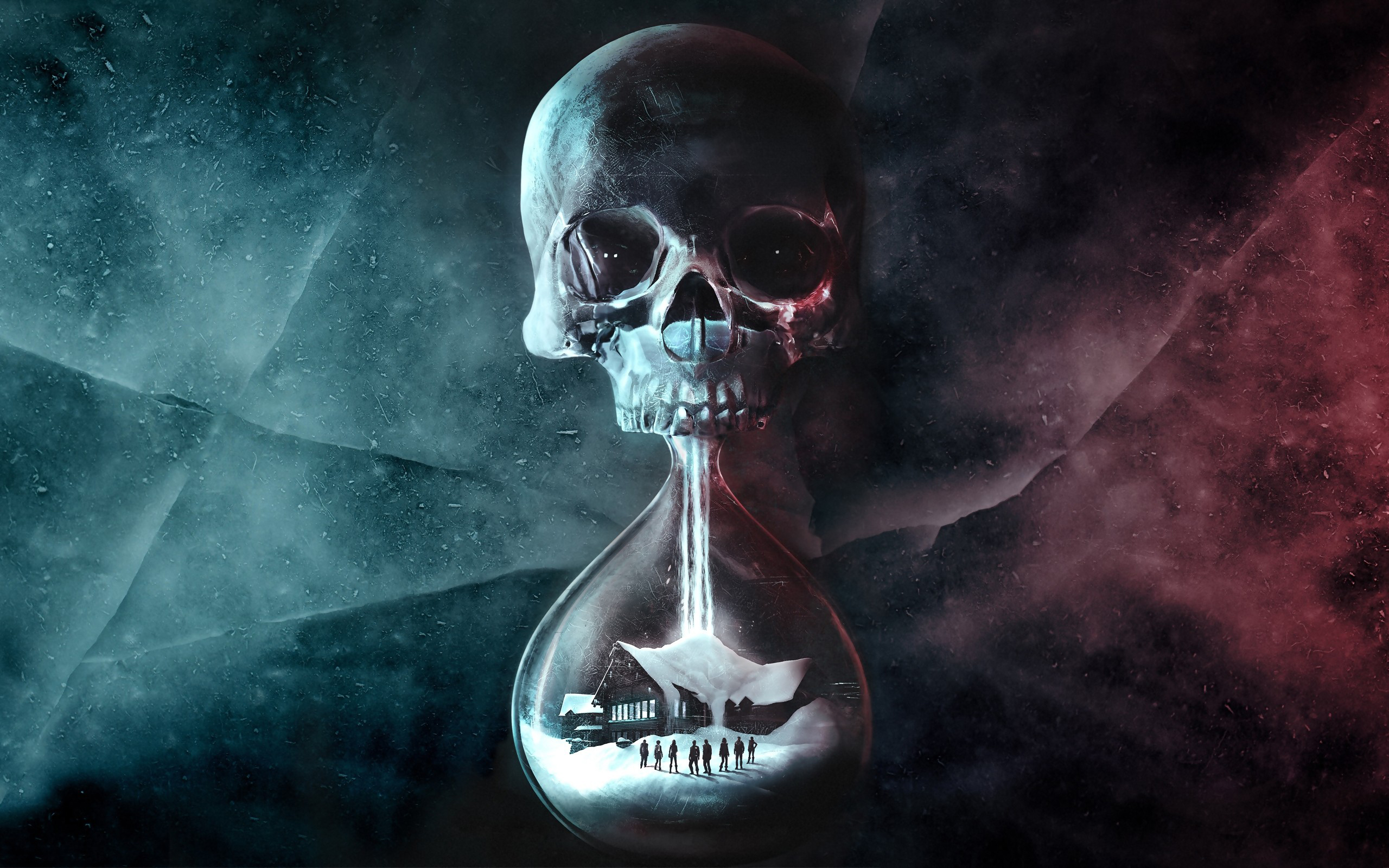
A group of eight teenagers finds themselves stranded and hunted in a secluded mountain lodge. The game relies on fast reflexes and timed button presses, where success or failure directly impacts who lives or dies. A ‘butterfly effect’ system means even small mistakes can lead to major problems down the line. The fate of each character – whether they survive or not – depends on the player’s ability to stay calm under pressure, and the story will change depending on who makes it out alive.
‘The Quarry’ (2022)
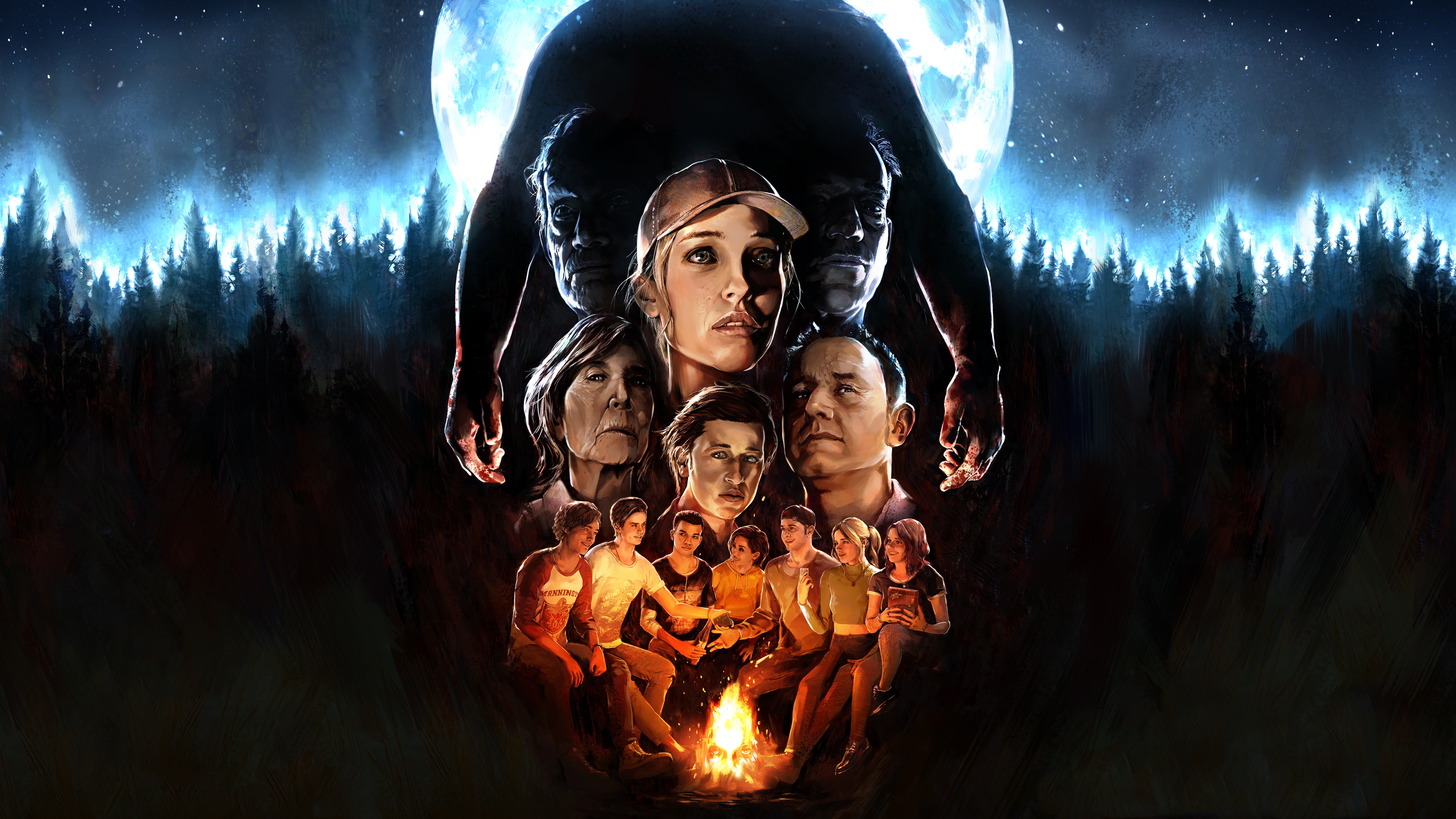
A group of nine camp counselors face a terrifying night as they’re hunted by both hostile locals and a more mysterious threat. The game challenges players with quick-time events – rapidly pressing buttons or holding their breath – to stay hidden. Whether you succeed or fail at these challenges directly affects which counselors live or die. The story branches out with multiple endings, all determined by how well you perform these actions, highlighting how even small choices can drastically change the outcome.
‘The Dark Pictures Anthology: Man of Medan’ (2019)
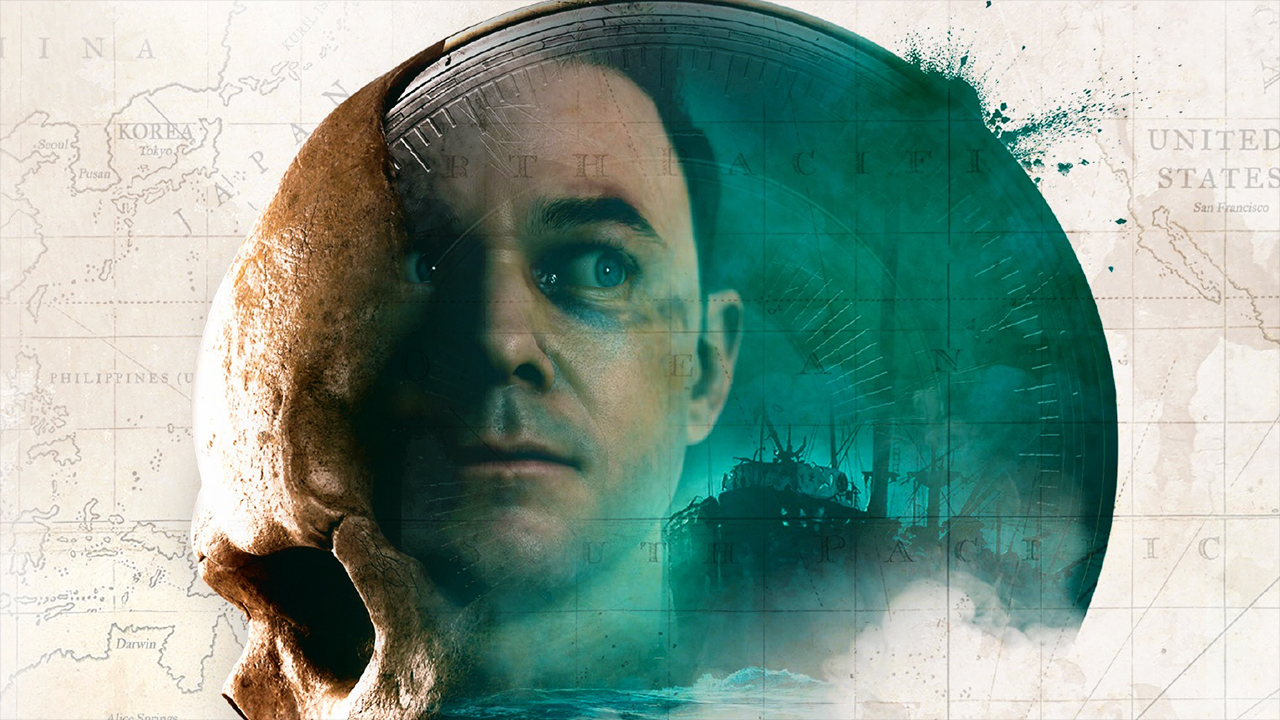
A group of friends’ diving trip takes a terrifying turn when they become trapped on a ghost ship. To survive, players need fast reflexes to complete quick button presses and overcome deadly traps and frightening hallucinations. If they fail, characters die, changing the story and how it unfolds. The narrative adapts as the group gets smaller, and players must rely on their speed and composure to find a way to escape. The path they take depends entirely on how well they perform under pressure.
‘The Dark Pictures Anthology: Little Hope’ (2020)
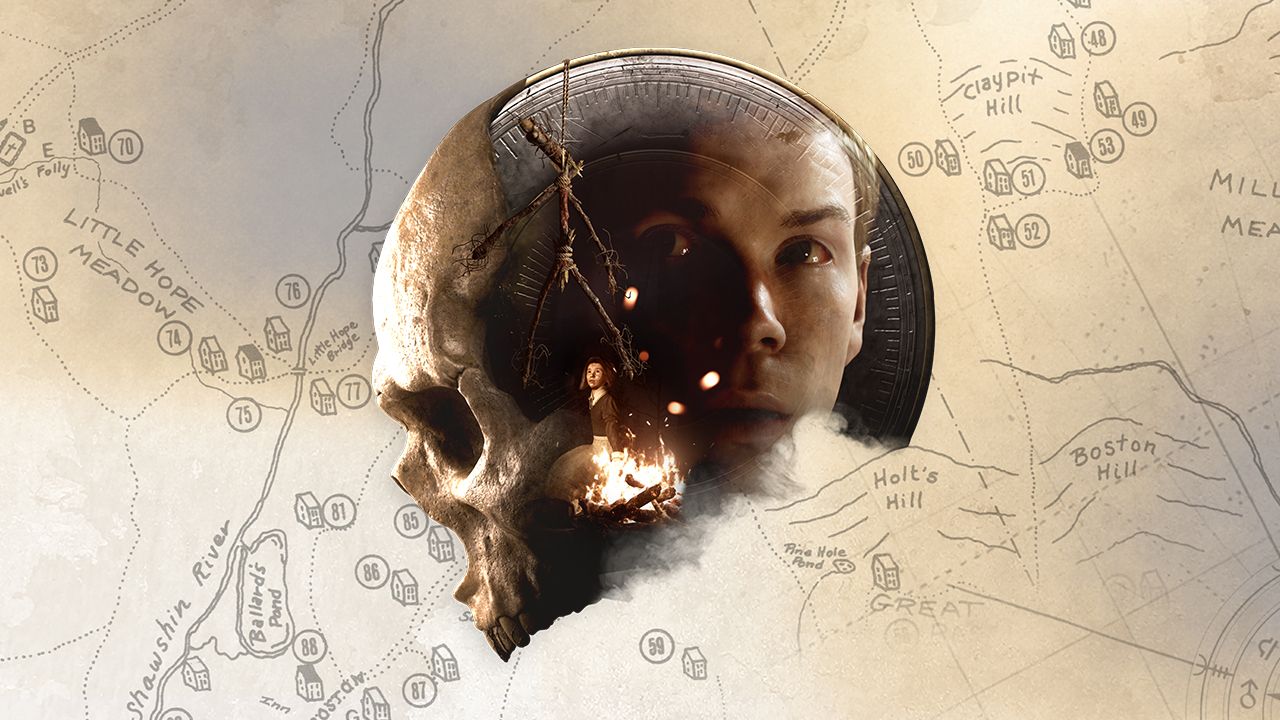
A group of four students and their professor get stuck in a creepy, fog-filled town with a history of witch hunts. The game challenges players with fast-paced, frantic button presses when facing scary ghosts. If they fail these challenges, characters can die in disturbing ways, changing the story and how it ends. Players need to pay close attention and make smart choices, as their successes and failures lead to different paths and outcomes.
‘The Dark Pictures Anthology: House of Ashes’ (2021)
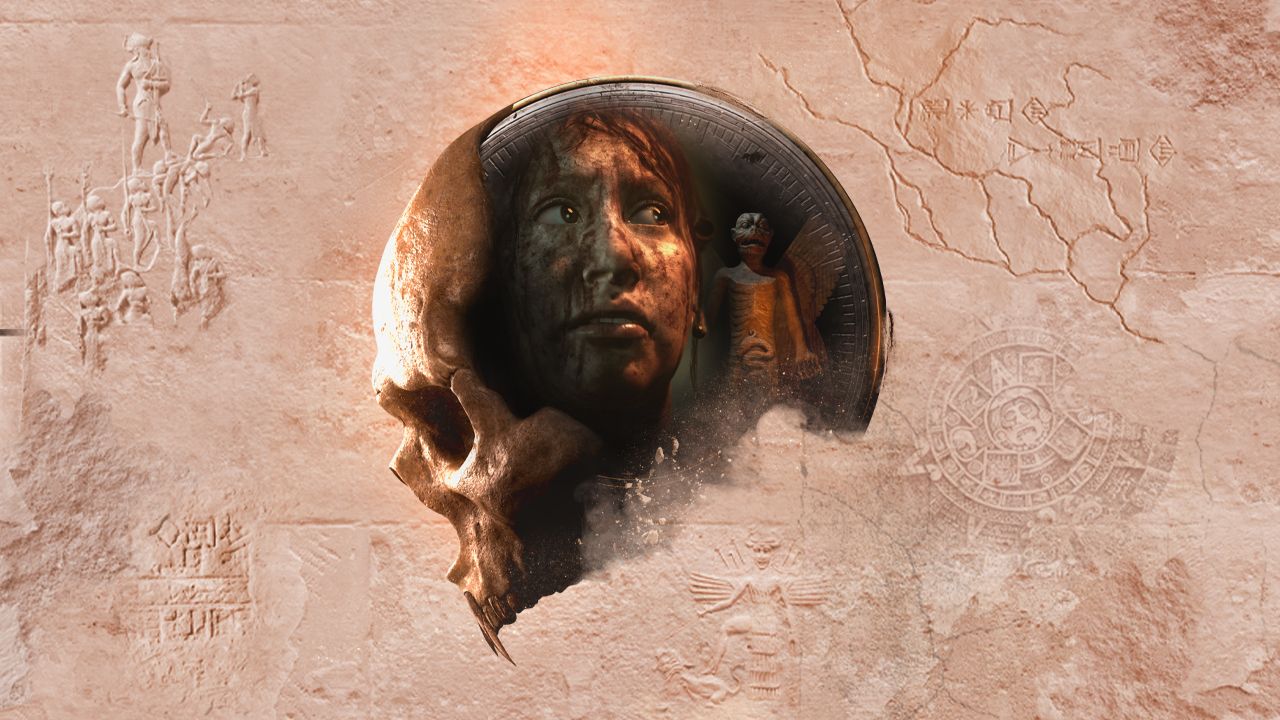
Okay, so I’m totally hooked on this game! You play as soldiers stuck in this ancient temple, and it’s a constant battle for survival against these crazy creatures. It’s super action-packed, and a lot of it involves really fast button pressing – it genuinely feels like you’re fighting for your life! What’s really cool is how your actions affect the story and who lives or dies. Mess up a fight, and things can change drastically – characters can actually die or even turn on each other! It’s challenging, but if you nail those precise button presses, you get rewarded with a better outcome for everyone. It’s awesome!
‘The Dark Pictures Anthology: The Devil in Me’ (2022)
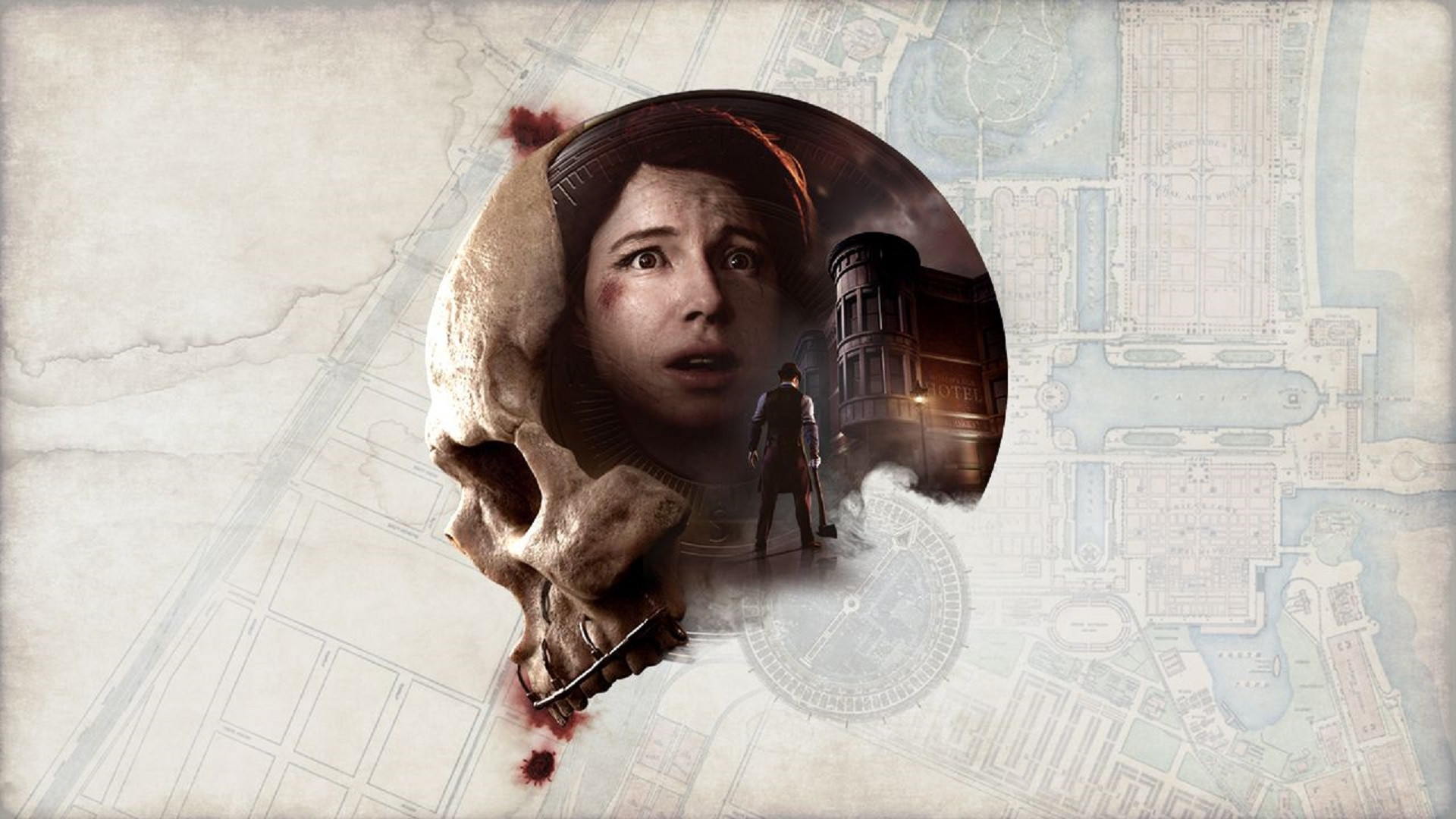
A film crew documenting a haunted replica of a murder hotel finds themselves the target of a real serial killer. The interactive experience throws players into intense physical challenges – like rapidly pressing buttons – to avoid deadly traps and obstacles. The story changes based on your choices, meaning no one is safe, and failing challenges leads to grim consequences as the crew members are eliminated. Quick reflexes and accuracy are key to unlocking the best outcome.
‘The Walking Dead’ (2012)
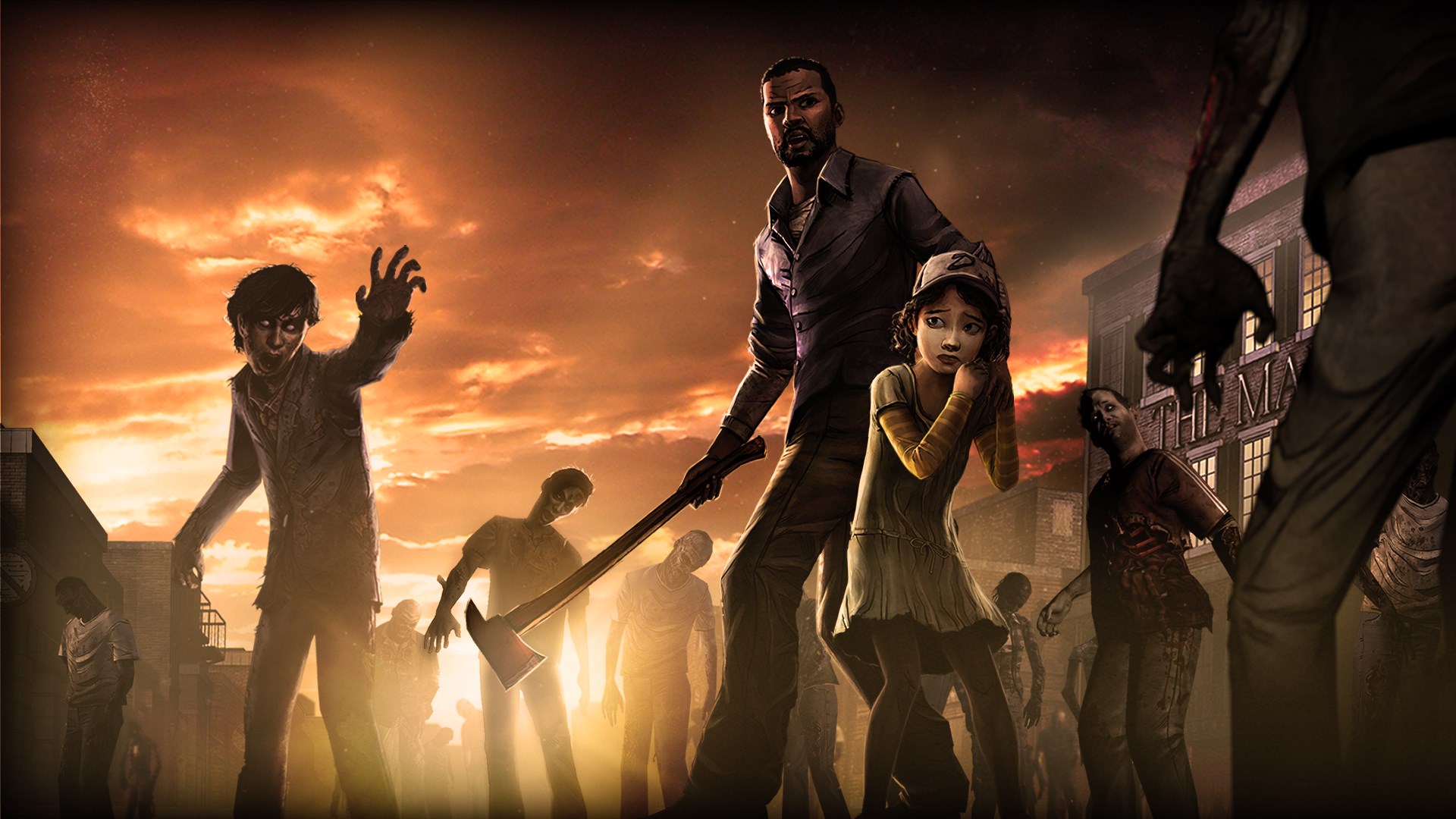
In the midst of a zombie outbreak, Lee Everett becomes the protector of a young girl named Clementine. The game relies heavily on player choices, but also features fast-paced, action-packed moments where you have to quickly press buttons to fight off zombies. Succeeding in these sequences keeps Lee and Clementine alive, while failing can lead to instant death or change the story’s direction. These intense, physical challenges amplify the emotional impact of the narrative, creating a desperate feeling that shapes the game’s branching storyline.
‘The Wolf Among Us’ (2013)
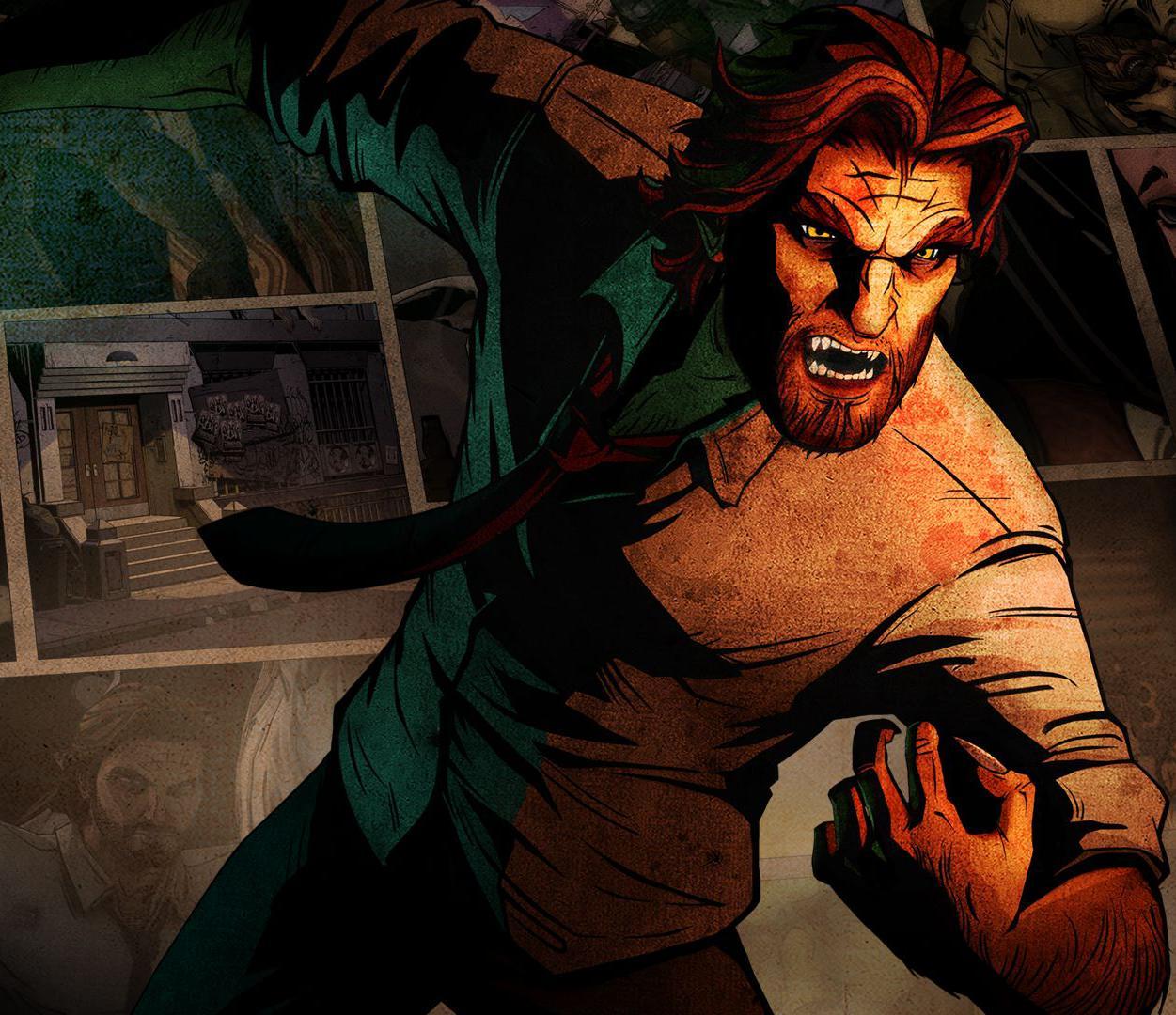
I play as Bigby Wolf, and I’m basically a detective solving murders in a city full of fairytale characters – think New York, but way more magical. The combat is super intense; it’s all about hitting the right buttons at the right time. And it’s not just about winning fights, either. How well I do in these quick-time events actually changes the investigation, how people see me, and even the story itself. Mess up the button presses, and I can miss clues or end up with a totally different outcome. It’s pretty cool how my reactions in a fight can branch the whole narrative.
‘Tales from the Borderlands’ (2014)
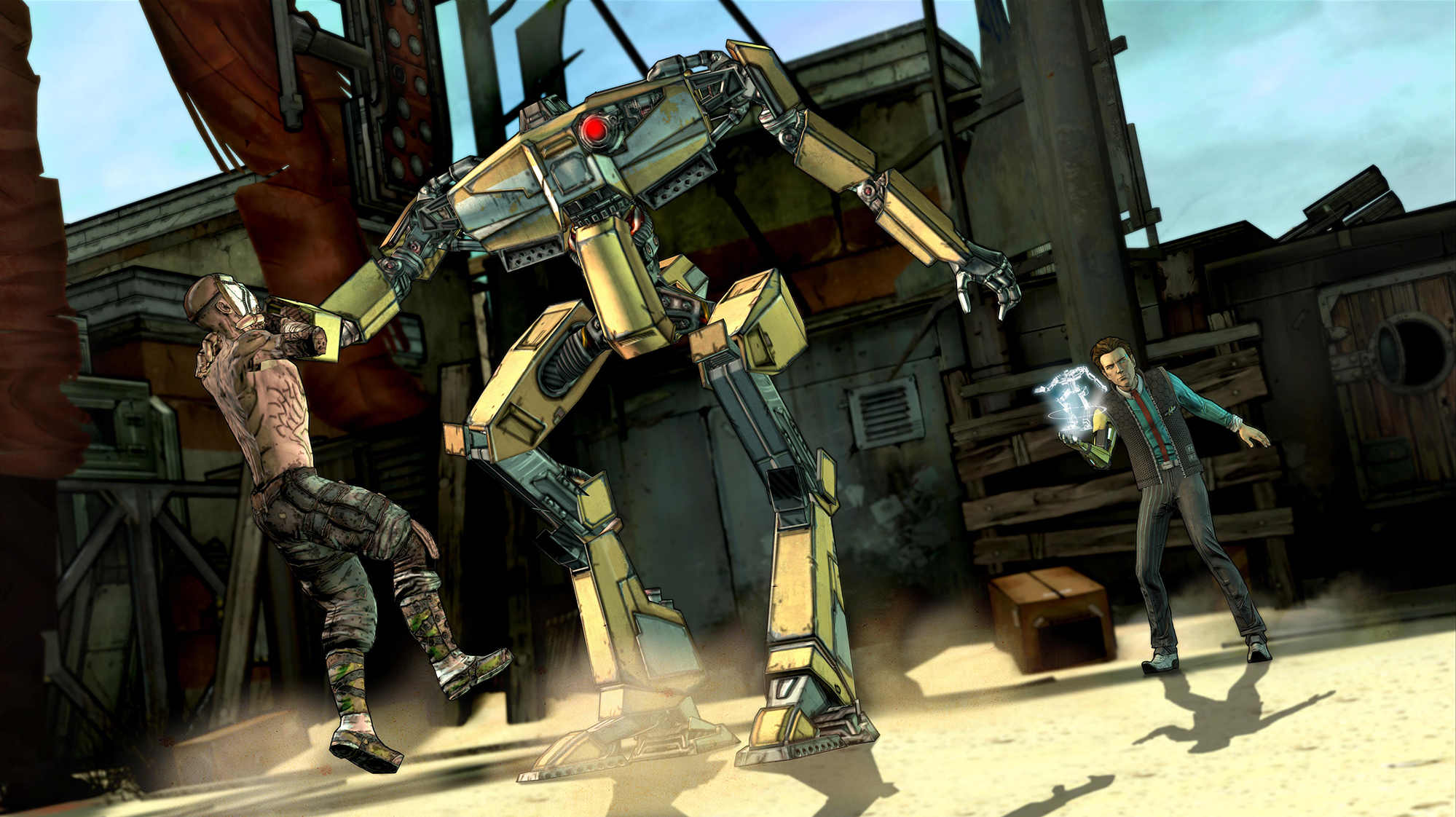
An unexpected duo joins forces to locate a hidden vault on the perilous world of Pandora. The game is filled with funny, yet intense, action sequences that rely on quick button presses to stay alive. Successfully completing these challenges is key to navigating the game’s complex and ever-changing story. Messing up can lead to unique conversations with characters or surprisingly funny detours. The fast-paced, hands-on gameplay really captures the story’s chaotic energy.
‘Batman: The Telltale Series’ (2016)
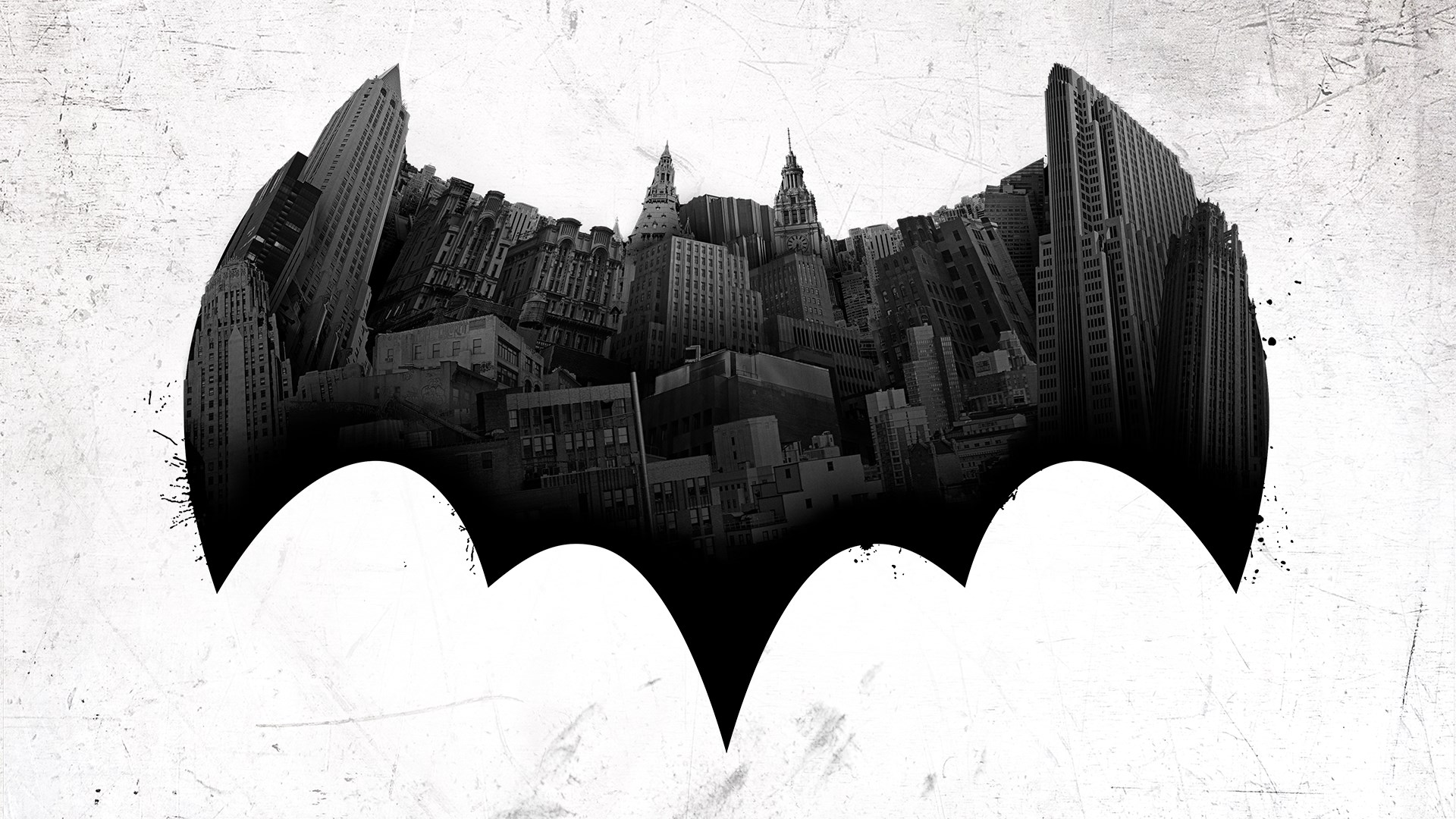
In this game, you play as both Bruce Wayne and Batman, battling crime in Gotham City. Combat is fast-paced and relies on quick button presses to showcase Batman’s skills and gadgets. How well you perform in these action sequences affects the story, leading to different outcomes and branching paths. The game emphasizes the impact of your choices and how they change Gotham’s future. Successfully completing challenges keeps the story moving in the direction you want.
‘Game of Thrones: A Telltale Games Series’ (2014)
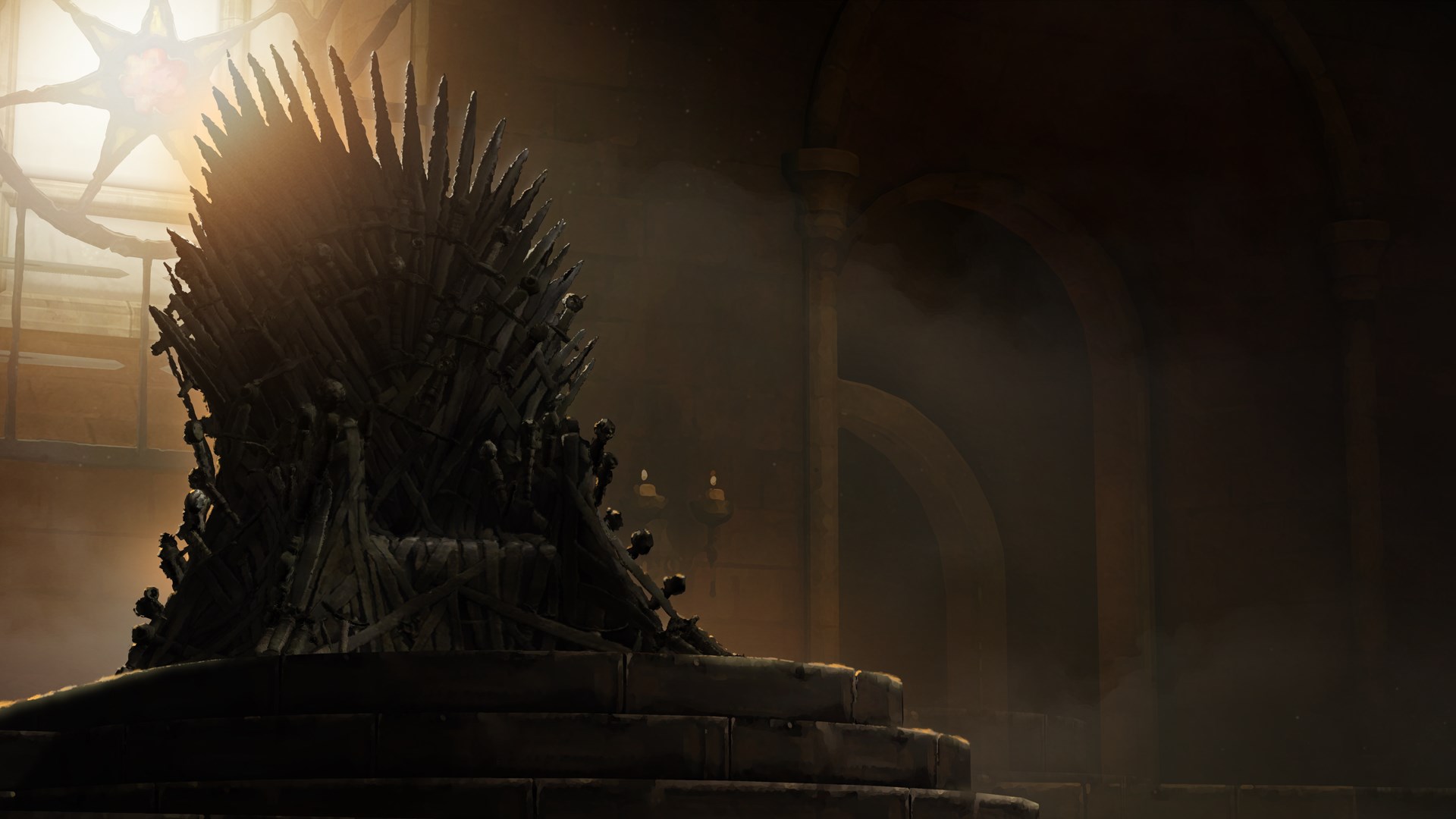
This game puts you in the middle of the War of the Five Kings, following the story of House Forrester. You’ll face intense, fast-paced battles where quick reactions are key to staying alive. Fail to react quickly enough, and important characters might die, changing the course of the story. Every fight and interaction feels impactful in the dangerous world of Westeros, and the story will change based on how well you survive.
‘Marvel’s Guardians of the Galaxy: The Telltale Series’ (2017)
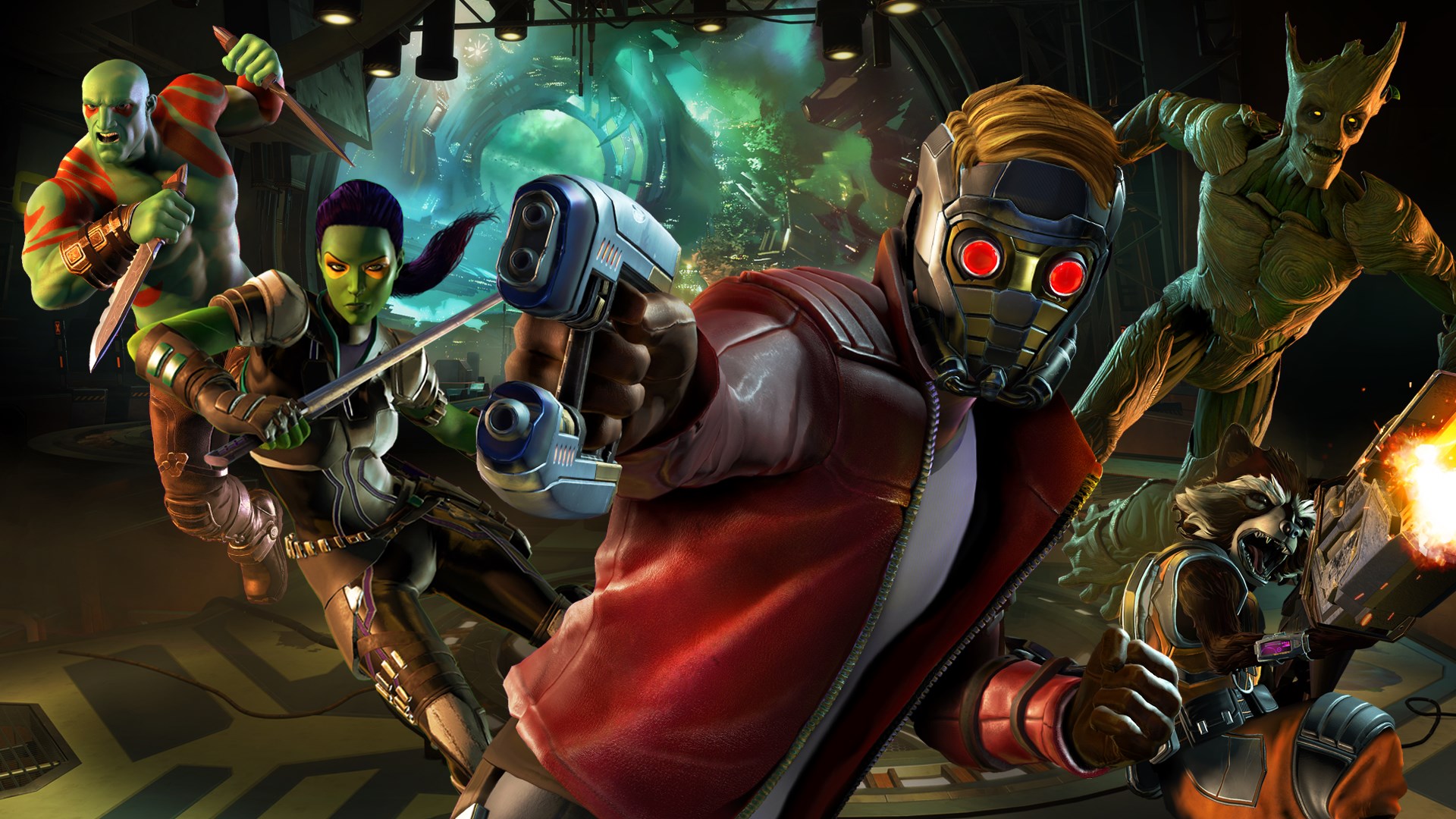
Star-Lord and the Guardians of the Galaxy journey across the universe to safeguard a valuable artifact. The game combines exciting spaceship fights with close-quarters combat, both relying on quick button presses. Your performance in these challenges impacts the team’s relationships and how the story unfolds. The game’s story adapts based on your choices and focuses on the personal struggles and adventures of the Guardians. Keeping the team united throughout their cosmic adventure depends on succeeding in action-packed moments.
‘Minecraft: Story Mode’ (2015)
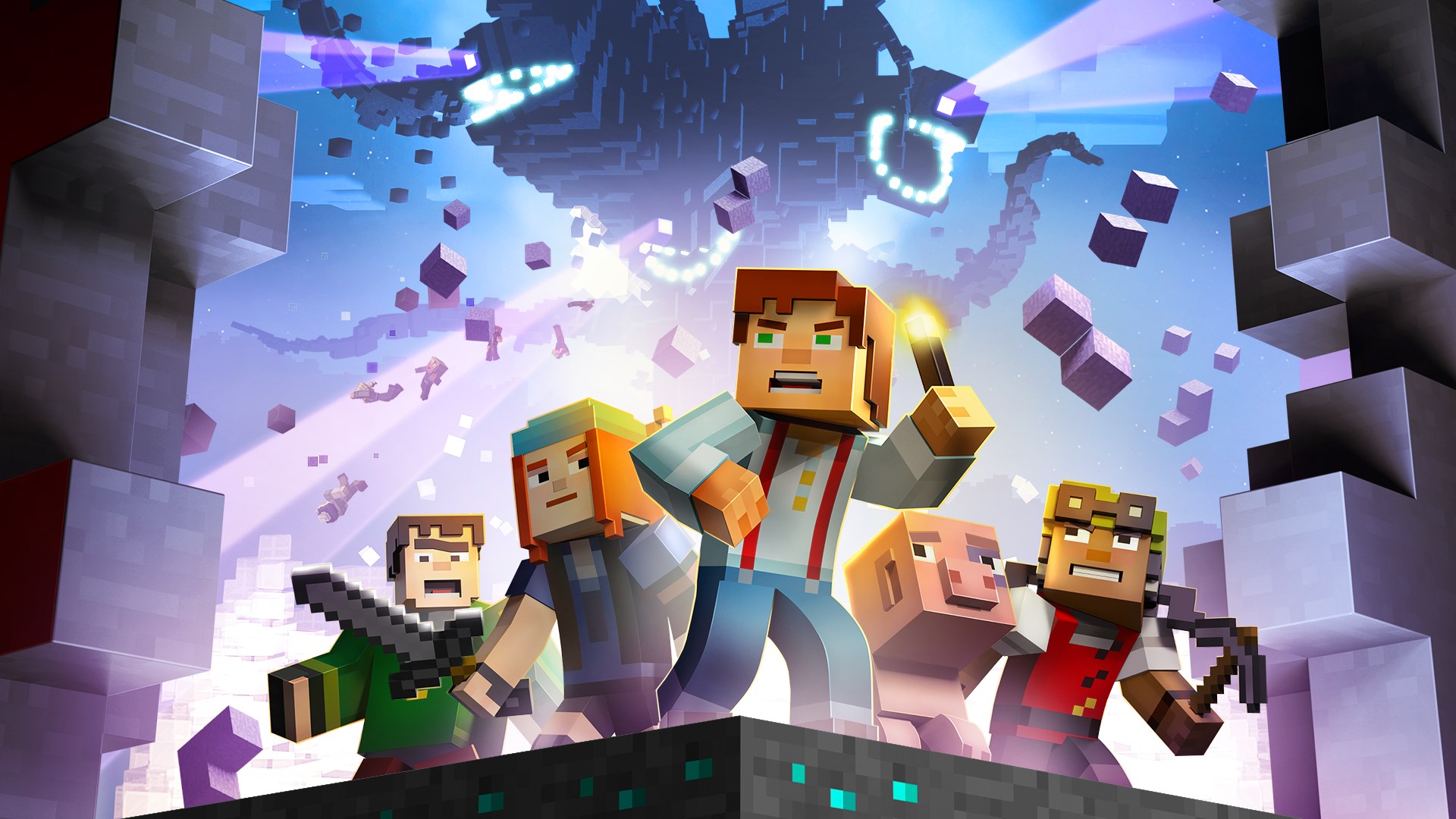
Jesse and their friends set out on a quest to protect their world. The game features fast-paced action sequences where players need to quickly press buttons – these actions actually change the story and how characters interact. If you don’t succeed, the story will unfold differently, leading to unique outcomes. It’s a fun, family-friendly game where your actions directly impact the narrative.
‘As Dusk Falls’ (2022)
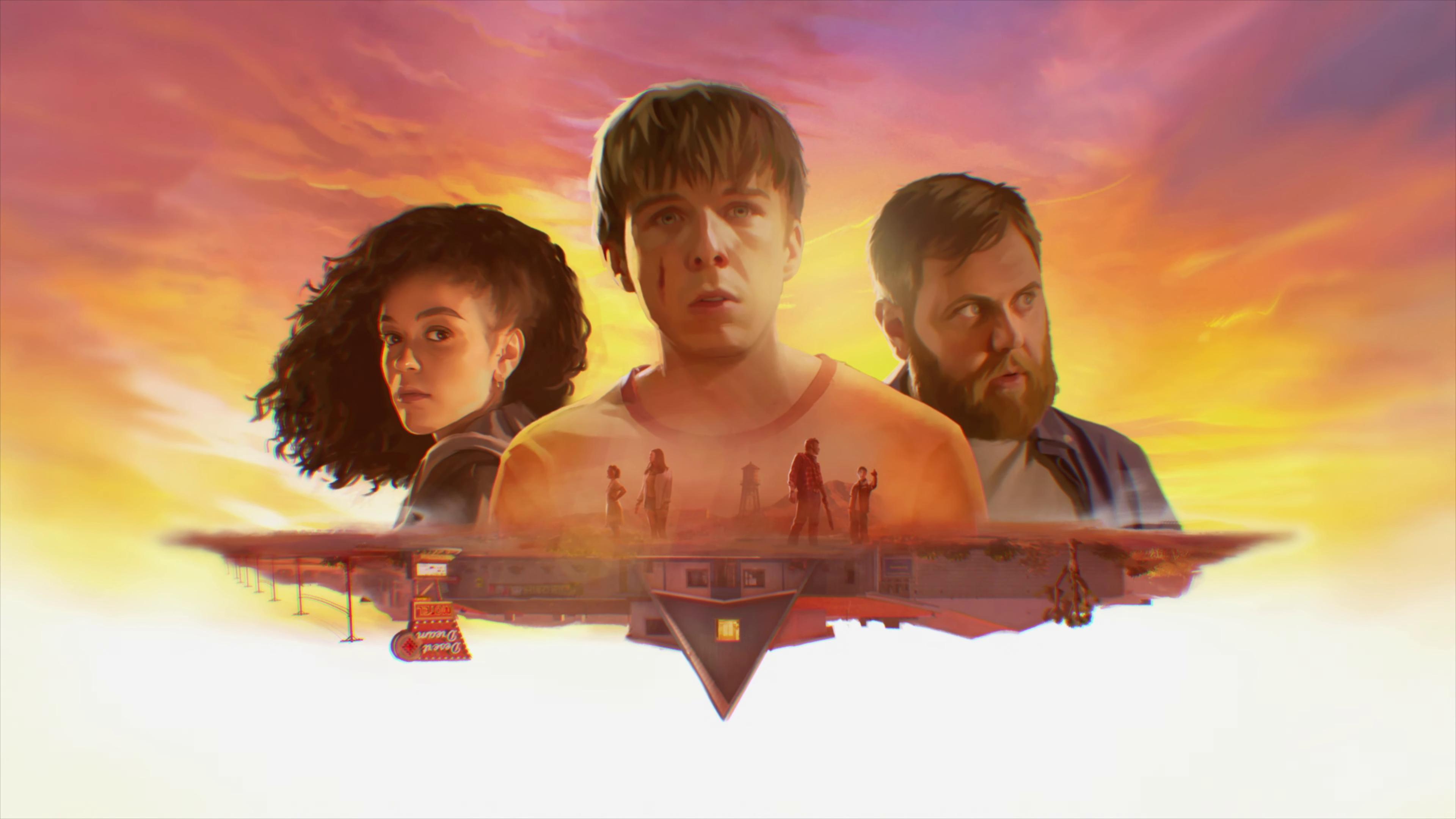
This game tells a dramatic story about two families over three decades. Players get involved by physically interacting with the game – like quickly pressing buttons – to get through difficult and dangerous moments, such as robberies. These actions change the story, leading to many different possible outcomes and affecting whether characters live or die. Failing to complete an action can have serious, lasting consequences, and every effort you make impacts the characters’ fates.
‘Fahrenheit: Indigo Prophecy’ (2005)
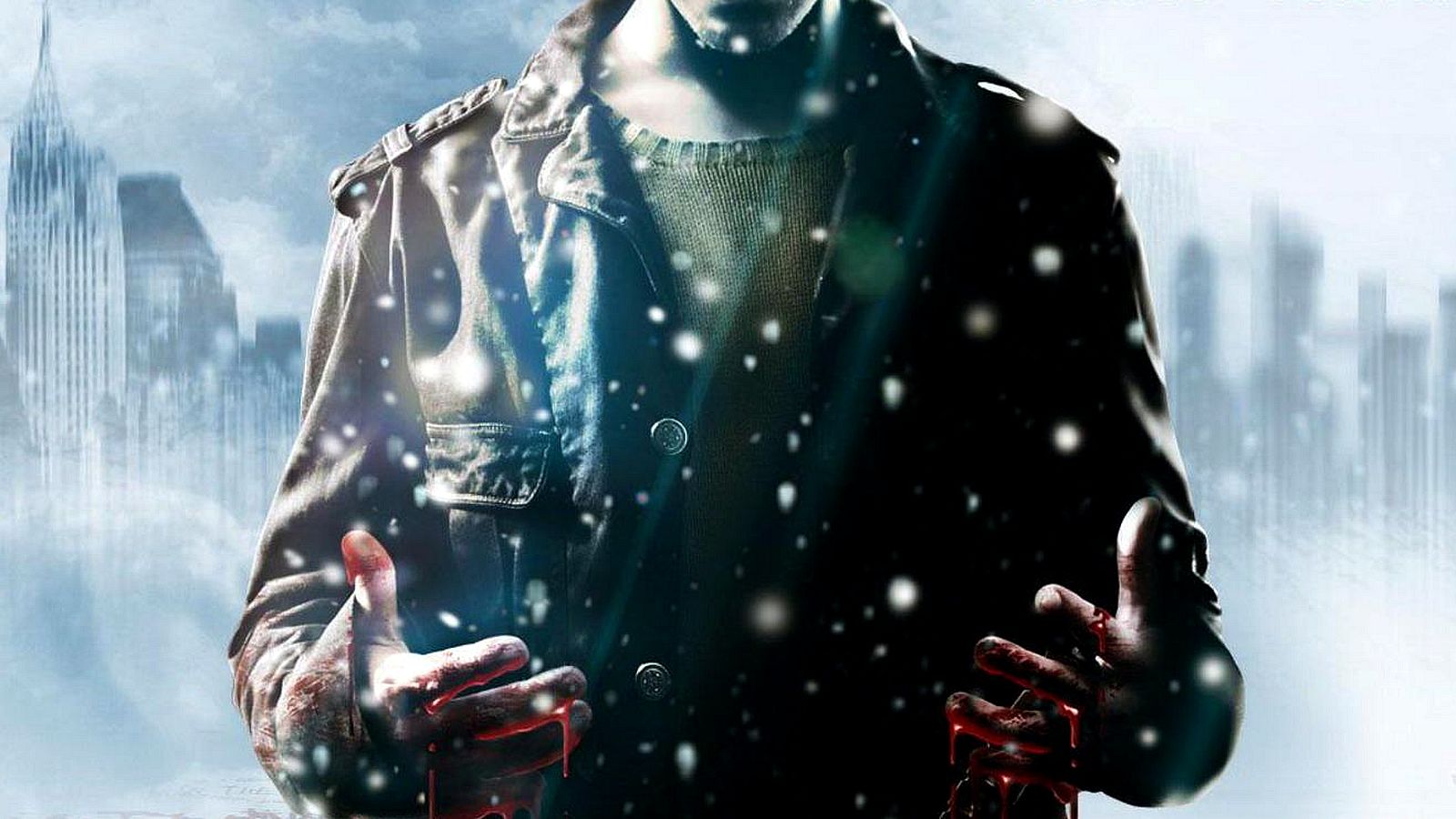
In this game, you play as a man who commits a murder while under possession and must then escape the police while trying to understand what really happened. The gameplay features challenging, physical controls – using unique stick movements and rapid button presses – to represent the character’s intense internal and external battles. Messing up these challenges can damage the character’s mental state or even end the game prematurely. Your choices and performance in these stressful moments directly impact the story’s direction. This game was a groundbreaking title, known for its innovative and immersive cinematic storytelling.
‘Shenmue’ (1999)
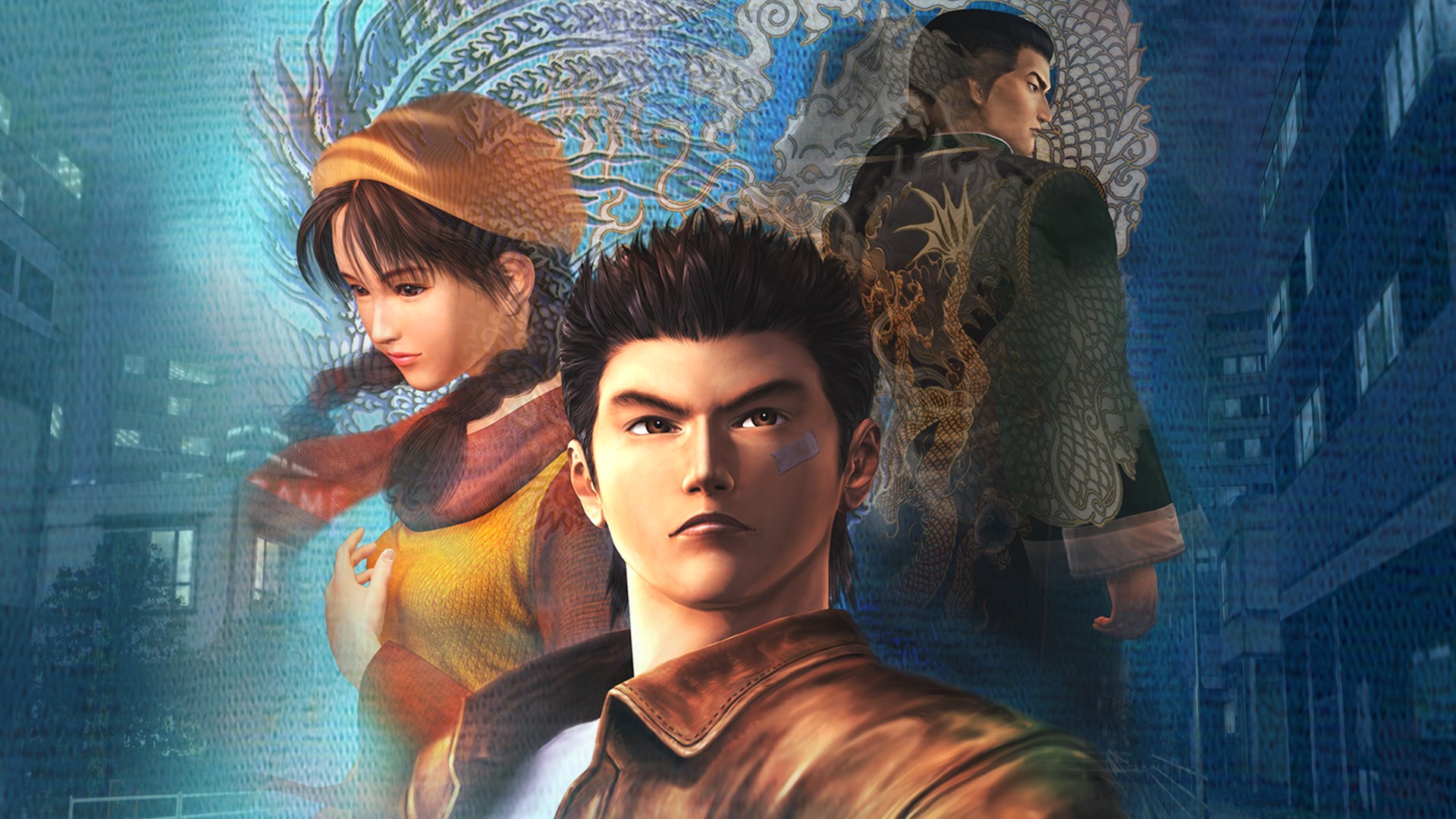
In this open-world adventure set in Japan, Ryo Hazuki embarks on a quest to avenge his father’s death. The game is known for its quick time events – fast-paced button presses during action scenes. If you fail these sequences, Ryo will be defeated and have to try again, or the story will take a different turn. These challenges are woven into Ryo’s everyday life and his investigation, and how well you fight impacts how the story unfolds.
‘Shenmue II’ (2001)
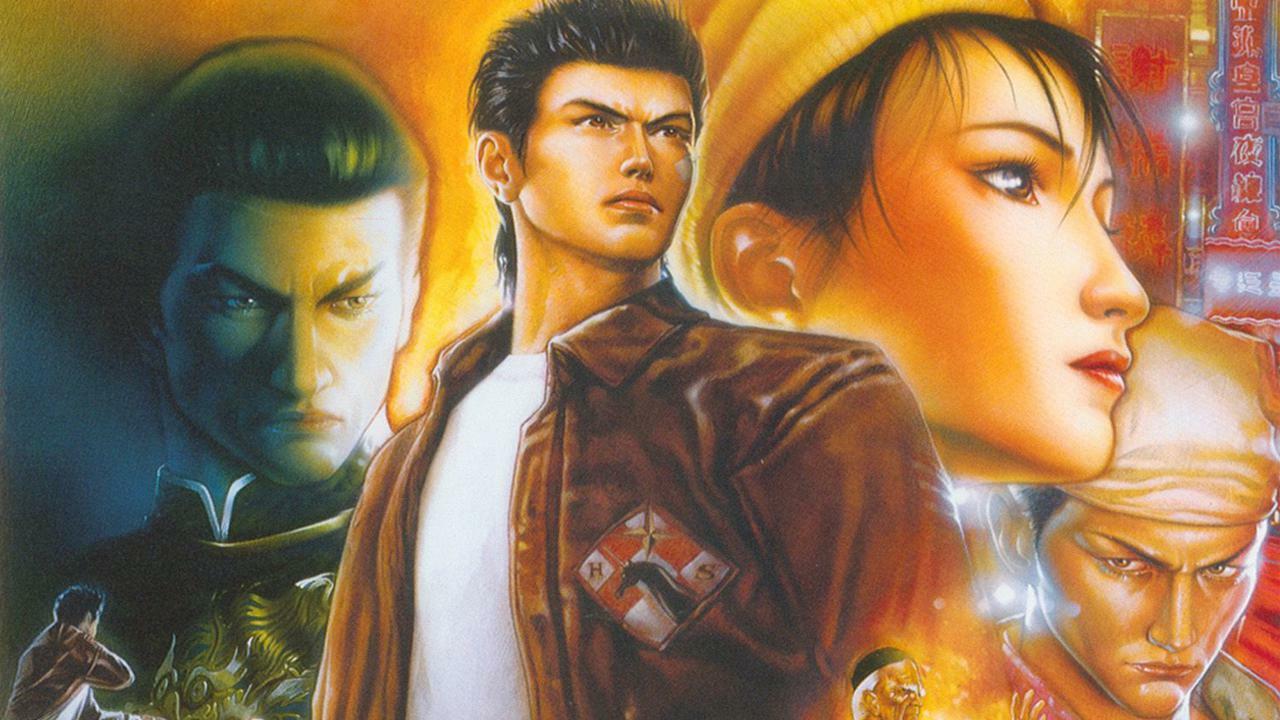
Ryo’s search for his father’s killer leads him to Hong Kong, where he also investigates the mysterious dragon mirrors. The game builds on the fast-paced action of the first game, with even more challenging combat and chase sequences. Successfully completing these quick-time events is key, as your performance impacts the story and unlocks different paths. How well you react to your surroundings and opponents determines how the narrative unfolds and ultimately reveals the full story of Ryo’s journey.
‘Dragon’s Lair’ (1983)
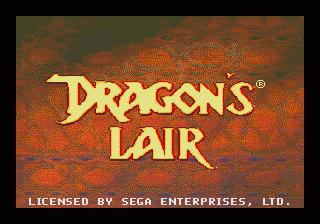
Dirk the Daring needs to save Princess Daphne from a dragon who’s holding her captive in a magical castle. This old-school arcade game is all about precise timing – pressing the right button or moving in the correct direction at just the right moment. If you mess up, Dirk dies in a funny and unique way! The story unfolds based on how quickly you react, creating a branching path through the game. It’s still remembered as a fantastic example of how fast reflexes can drive a story in video games.
‘Mass Effect 2’ (2010)
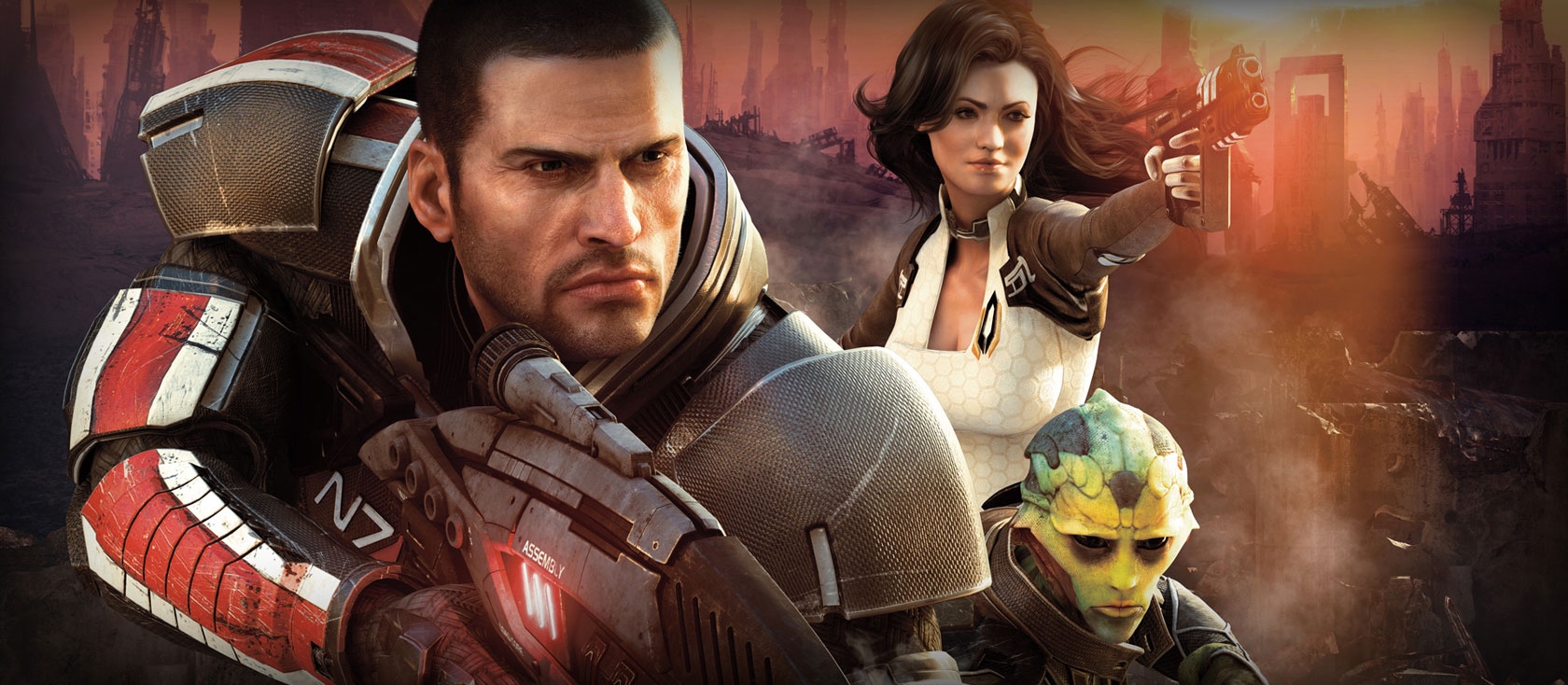
In Mass Effect 2, Commander Shepard gathers a crew for a dangerous mission to protect the galaxy from the Collectors. The game features quick, timed choices during conversations – players can choose to act as a ‘Paragon’ (noble) or ‘Renegade’ (ruthless) with a simple button press. These choices impact how conversations unfold and the results of missions. If a player doesn’t react quickly enough, they’ll miss the chance to influence events, adding a fast-paced element to the game’s branching dialogue.
‘Mass Effect 3’ (2012)
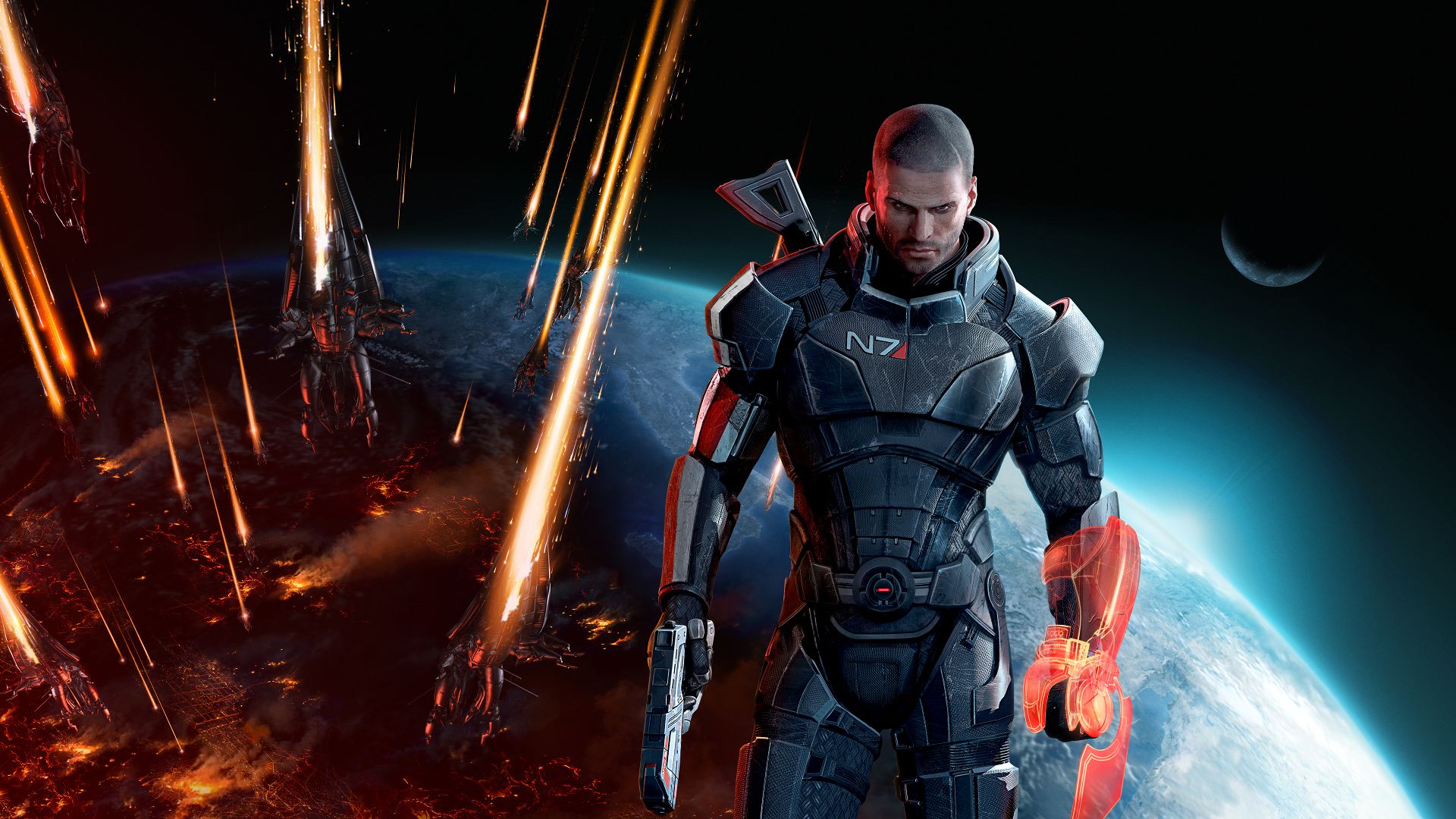
As the fight against the Reapers comes to a head, Shepard must rally all the galactic civilizations. Like the previous game, key moments feature quick-time events – split-second button presses that can change the story in major ways. Paying attention during these scenes is crucial, as your reactions can determine who lives or dies and how conflicts are resolved, ultimately shaping the game’s ending and Shepard’s lasting impact on the galaxy.
‘Resident Evil 4’ (2005)
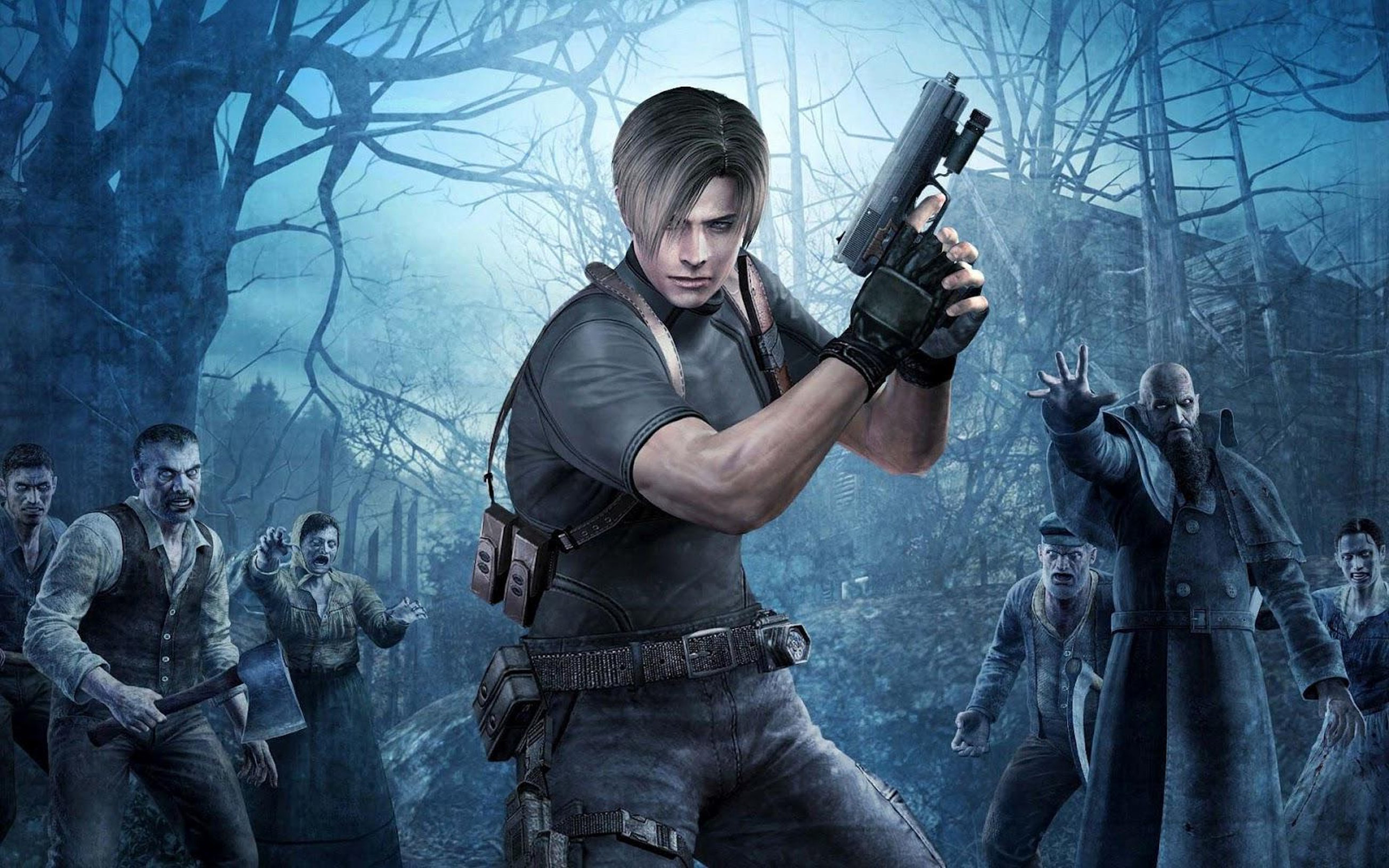
In this game, Leon S. Kennedy goes to a rural Spanish village to save the President’s daughter. Players will face many fast-paced, action-packed moments where they need to quickly press buttons to avoid danger, like traps or powerful enemies. If you fail these challenges, you instantly lose and have to try again, which creates a lot of suspense and makes the game’s scary and exciting story even more intense. These demanding, physical challenges also make the situation feel more urgent.
‘Jurassic Park: The Game’ (2011)
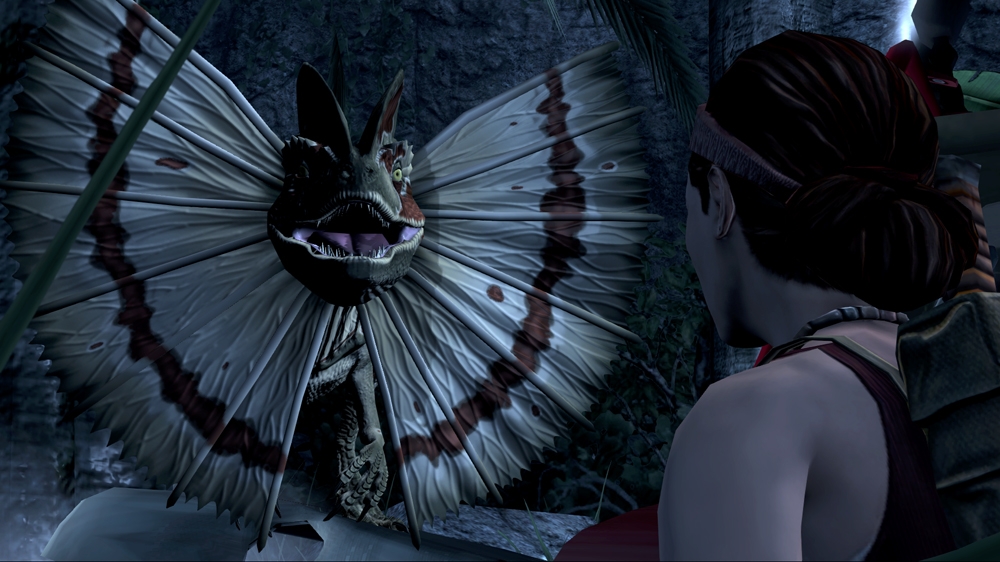
Players are sent back to Isla Nublar during the original Jurassic Park movie to recover dinosaur embryos. The game relies heavily on quick-time events – fast-paced button presses and timed actions – to survive. Messing up these moments can lead to characters getting eaten or falling behind in their escape. The story changes depending on who lives and how they interact with each other. The game really highlights how dangerous the island is by demanding quick reflexes from players.
‘Hidden Agenda’ (2017)
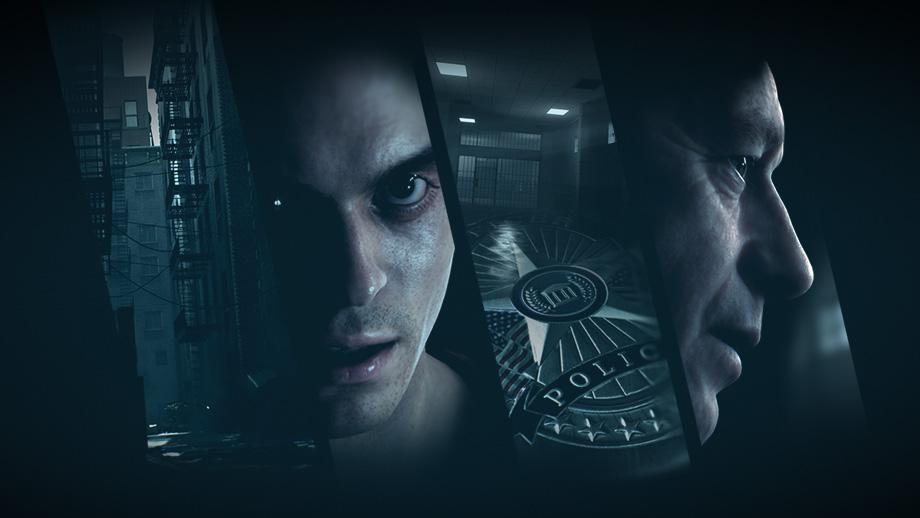
This thrilling mystery game lets players work together using their phones to solve a serial killer case. The game features fast-paced challenges where quick reactions can help you catch suspects or escape dangerous situations. Your choices directly impact the evidence you find and how the story ends. With a complex, branching storyline, you’ll want to play through it multiple times to uncover all the different possibilities. Plus, the game includes team-based physical challenges that add a fun, social element to the experience.
‘Erica’ (2019)

Erica is a game where you play as a young woman uncovering the truth about her father’s death and her own past. You interact with the game using touch controls – swiping, tapping, and making physical gestures. Your actions matter: quick reflexes or repeated motions can change the story, leading to different discoveries and multiple endings. The game flows smoothly between these different paths, making your interactions feel impactful.
‘Late Shift’ (2017)

This interactive movie puts you in the shoes of a student caught up in a dangerous London heist. You’ll make choices that affect the story, and sometimes you’ll need to react quickly during action sequences. Your performance determines which of seven possible endings you’ll reach. The story flows continuously, branching in real time as events unfold, and every success or failure directly impacts your character’s destiny.
‘The Bunker’ (2016)
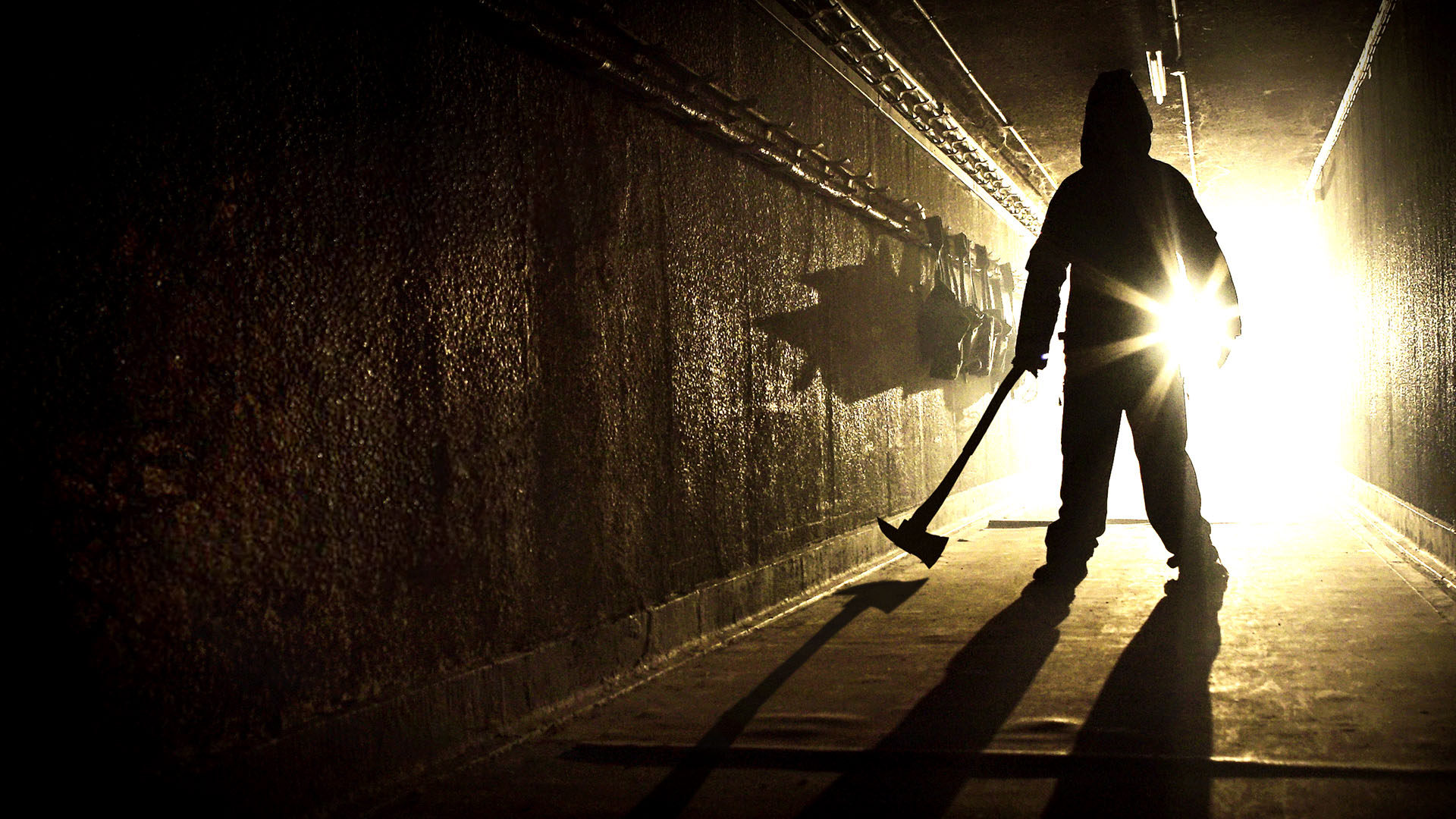
In this game, you play as John, the sole survivor living in a nuclear bunker. He has to explore abandoned sections to stay alive. The game uses real video footage and challenges players with fast-paced button presses during tense moments, making you feel John’s physical and mental fight for survival. Your choices and performance matter – failing challenges can change the story or end the game. The narrative unfolds based on John’s physical condition and emotional state.
‘Night Trap’ (1992)
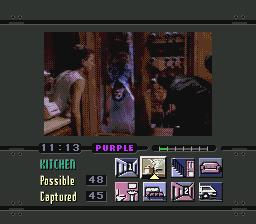
In this game, players use security cameras to watch over a house full of girls, protecting them from vampires. You move between rooms and have to quickly press a button when a vampire appears to trap it. If you fail to trap the vampires, you’ll lose characters and ultimately fail the mission. The story changes depending on how many girls you manage to save. It’s well-known as one of the first games to use interactive video and rely on quick reactions.
‘Alpha Protocol’ (2010)
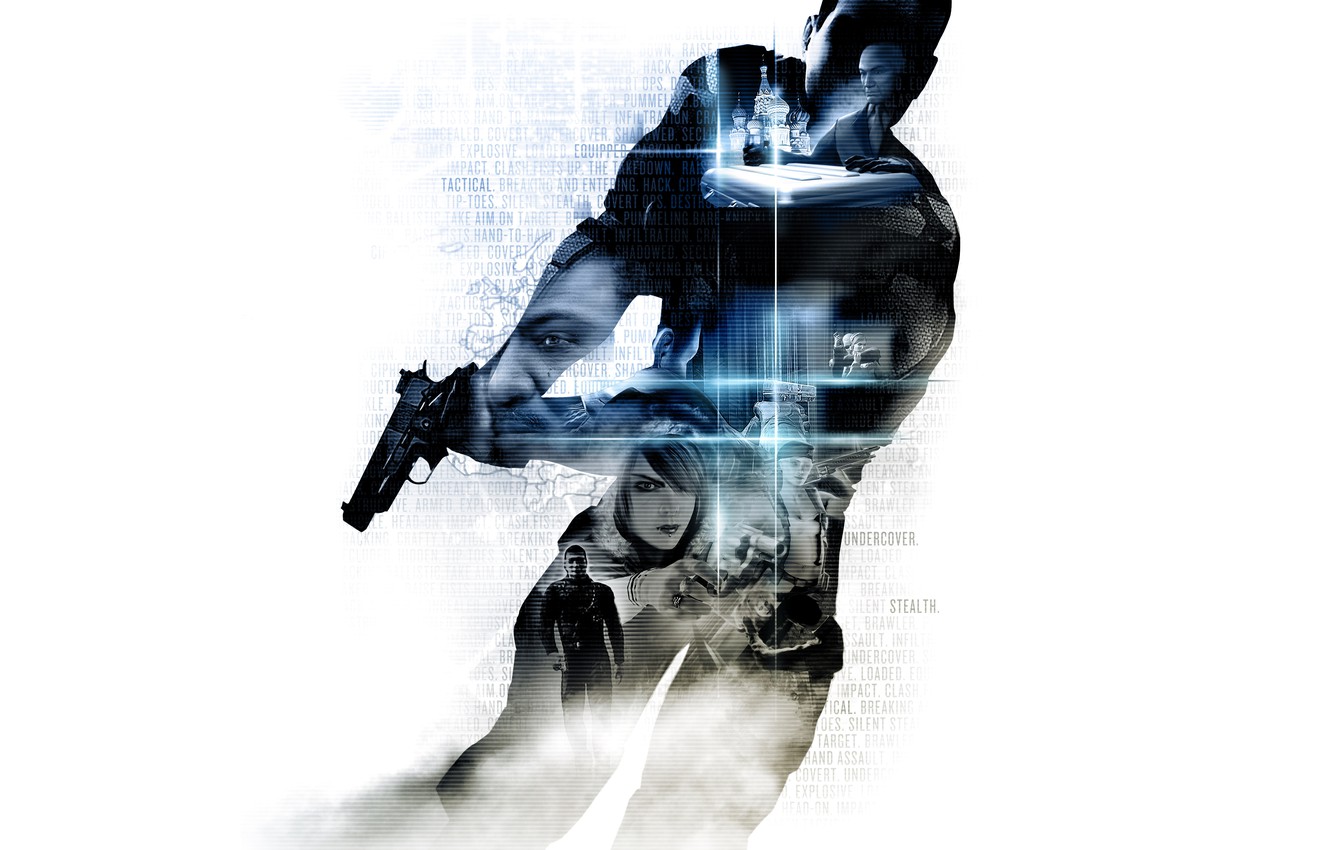
In this espionage game, you play as secret agent Michael Thorton, where your decisions have real consequences. You’ll complete challenges – like quick-time events for hacking and action moves – and how well you do affects the story and how different groups see you. Mess up these challenges, and you might miss out on parts of the story or even warn your enemies. The game combines classic role-playing with moments that test your reflexes.
‘Spider-Man 3’ (2007)
In this game, Peter Parker battles various villains across New York City, all while struggling with the effects of a powerful black suit. Players will need quick reflexes for action-packed moments, like pressing buttons at the right time to beat bosses or rescue people. Success or failure in these scenarios can change the story, leading to different outcomes in side missions. The game’s controls are designed to let players experience Spider-Man’s incredible agility and strength, and mastering them opens up new paths and possibilities.
‘Tomb Raider’ (2013)
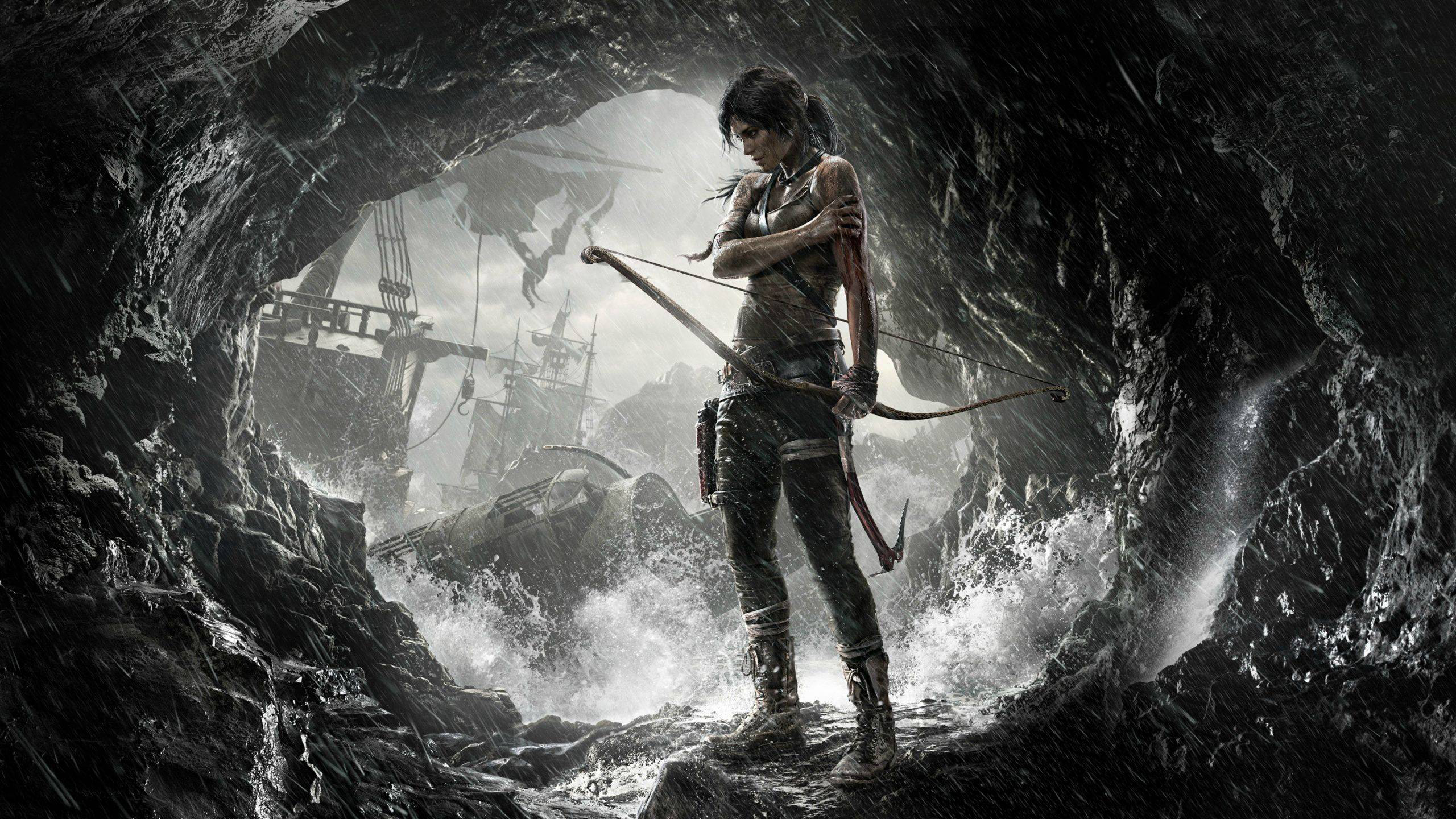
Lara Croft finds herself stranded on a strange island, where she has to fight to survive against dangerous locals. The game is full of intense moments where players need to quickly press buttons to avoid being attacked by animals or overcome deadly traps. If she fails, Lara often suffers a brutal death and has to try again. These difficult situations show how Lara develops from someone just trying to stay alive into a tough and experienced adventurer. The challenging physical obstacles make the game’s exploration even more exciting.
‘Star Wars: The Force Unleashed’ (2008)
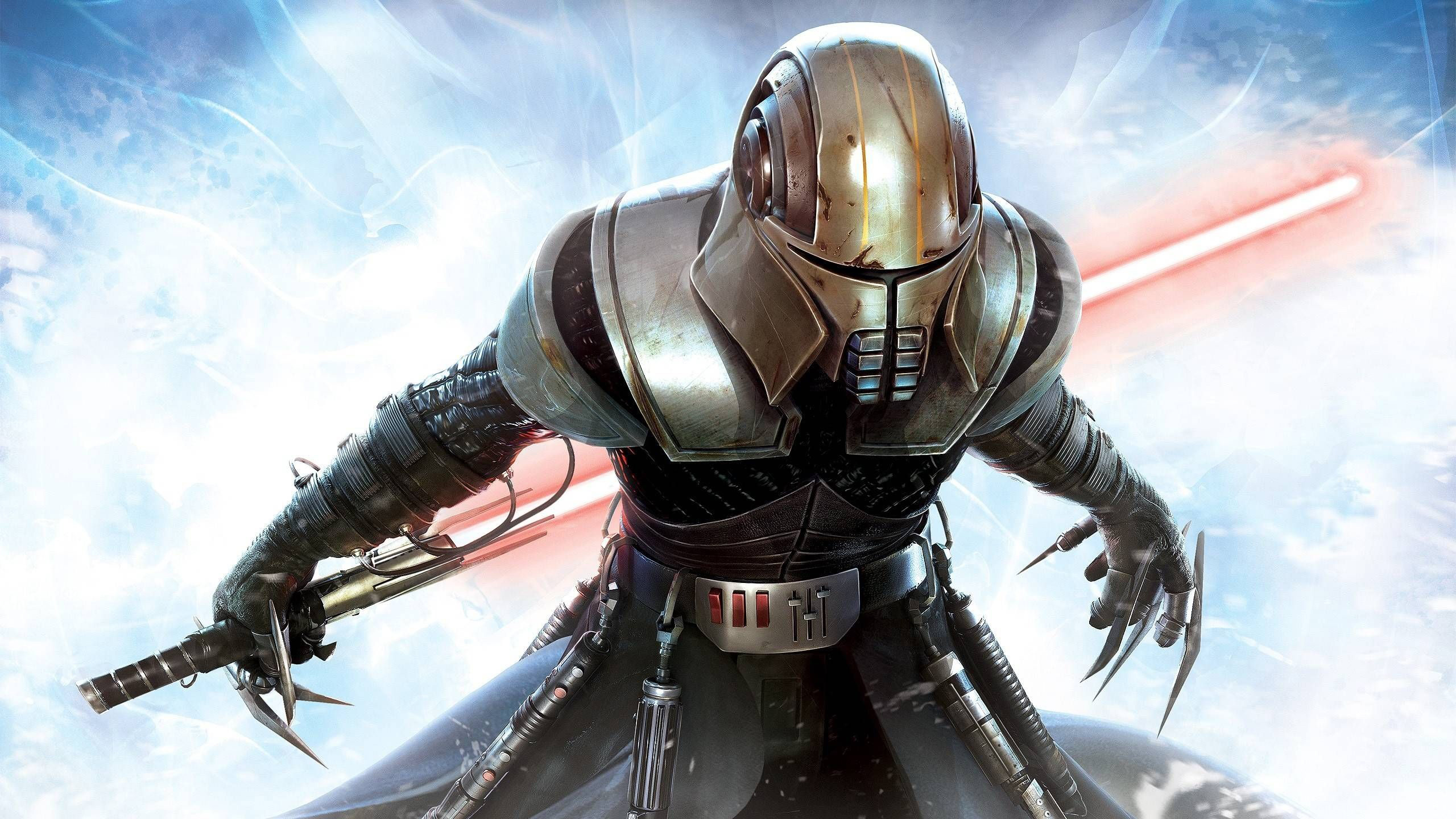
Starkiller is Darth Vader’s hidden apprentice, tasked with eliminating the last of the Jedi. The game features intense boss battles and uses quick button presses to demonstrate Starkiller’s incredible Force abilities. Messing up these timed sequences can change the course of a battle or even the story during important moments. Your choices and actions throughout the game determine which ending you receive. These interactive challenges make Starkiller’s Force powers feel more connected to your control.
‘Blade Runner’ (1997)
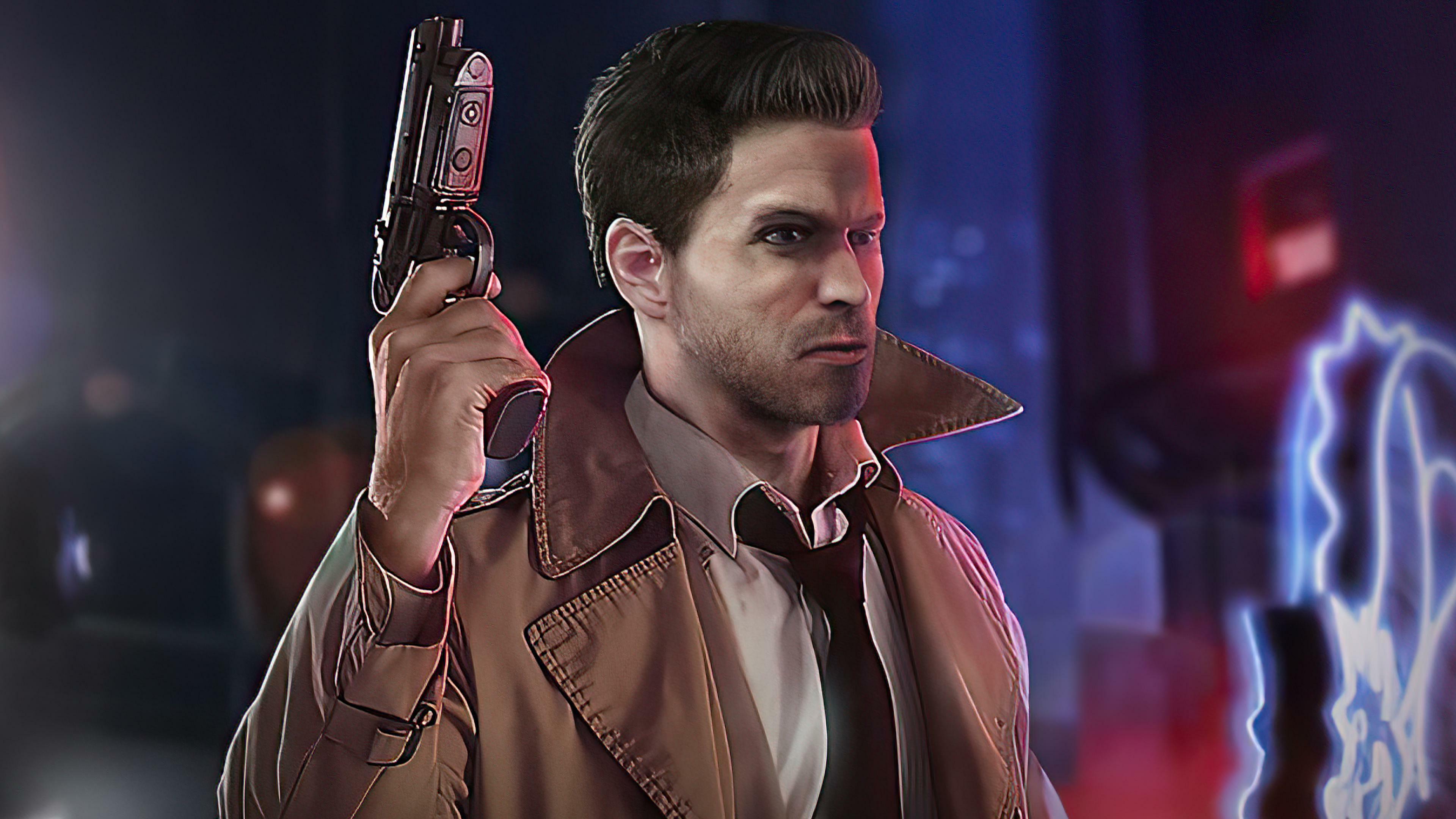
In a futuristic Los Angeles, detective Ray McCoy pursues dangerous replicants. The game demands fast reactions – you’ll need quick reflexes using your mouse or buttons to apprehend suspects. Hesitate, and they might escape or even kill you. Your choices and how well you play dramatically affect the story, leading to multiple different endings. It’s still celebrated today for its immersive story and gameplay that responds to your actions.
‘The Expanse: A Telltale Series’ (2023)
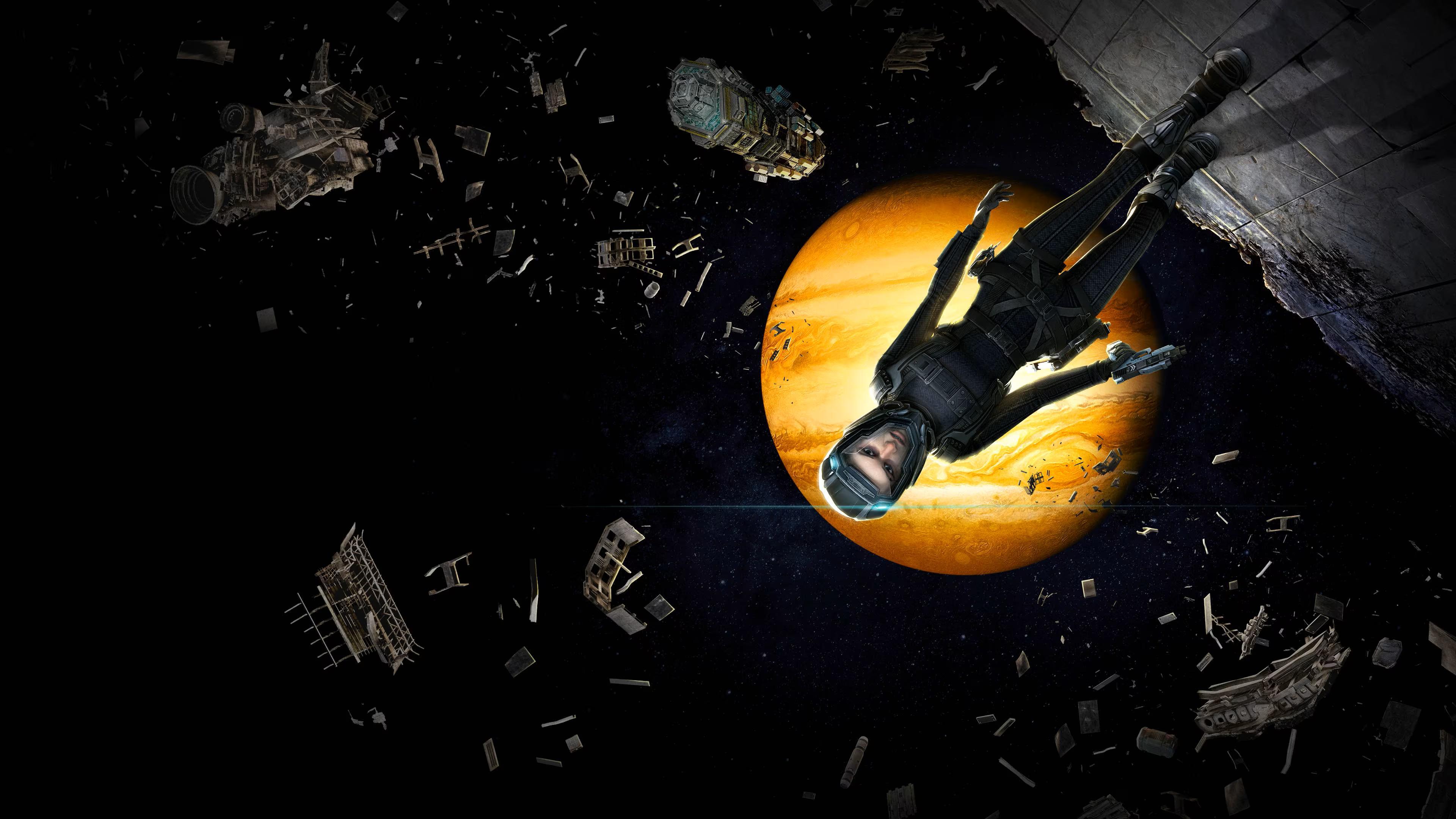
I’m playing as Camina Drummer, leading a crew scavenging for stuff way out in the black. It’s intense! A lot of the gameplay involves frantically hitting buttons and nailing quick time events, especially when we’re floating in zero-g or fighting. Seriously, how well I do with those challenges directly impacts who lives and dies on my ship, and how much stuff we manage to hold onto. Mess up a prompt, and things can go south fast – we could lose vital resources or even crew members. The story actually changes based on how well I handle the dangers of the Belt, which is pretty cool.
‘Back to the Future: The Game’ (2010)
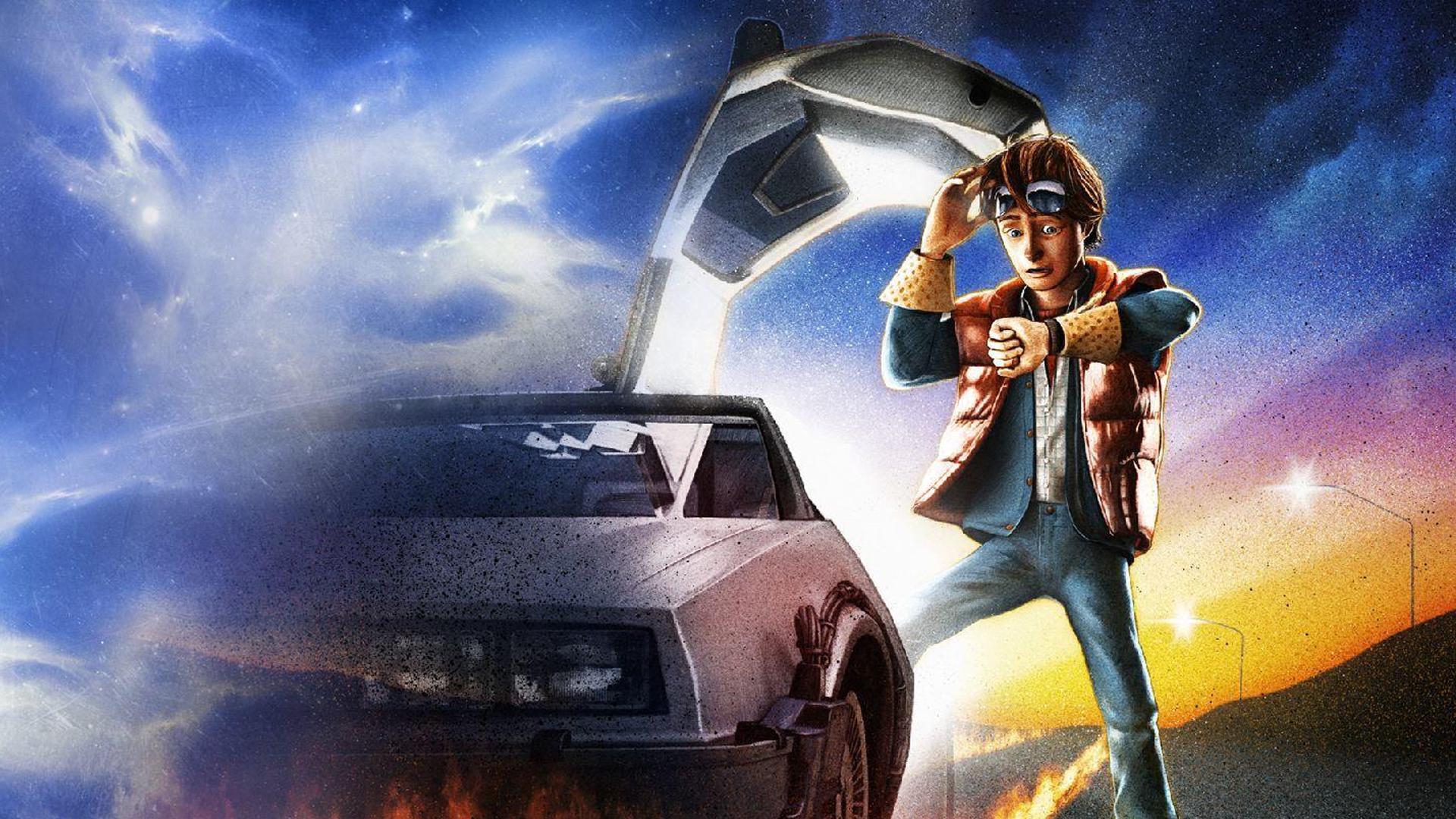
Okay, so as a huge Back to the Future fan, I was totally hooked by this game! You play as Marty McFly, and basically you’re trying to rescue Doc Brown from all sorts of trouble throughout history. It’s not just a story though – there are tons of action-packed moments where you have to hit buttons at the right time to escape chases or solve puzzles. What’s really cool is that if you mess up, the story actually changes – you’ll see different scenes and outcomes! It continues right after the movies end, and how you do in those quick-time events actually affects the timeline. It makes everything feel so much more intense and urgent, like you’re really racing against time!
‘Life is Strange’ (2015)
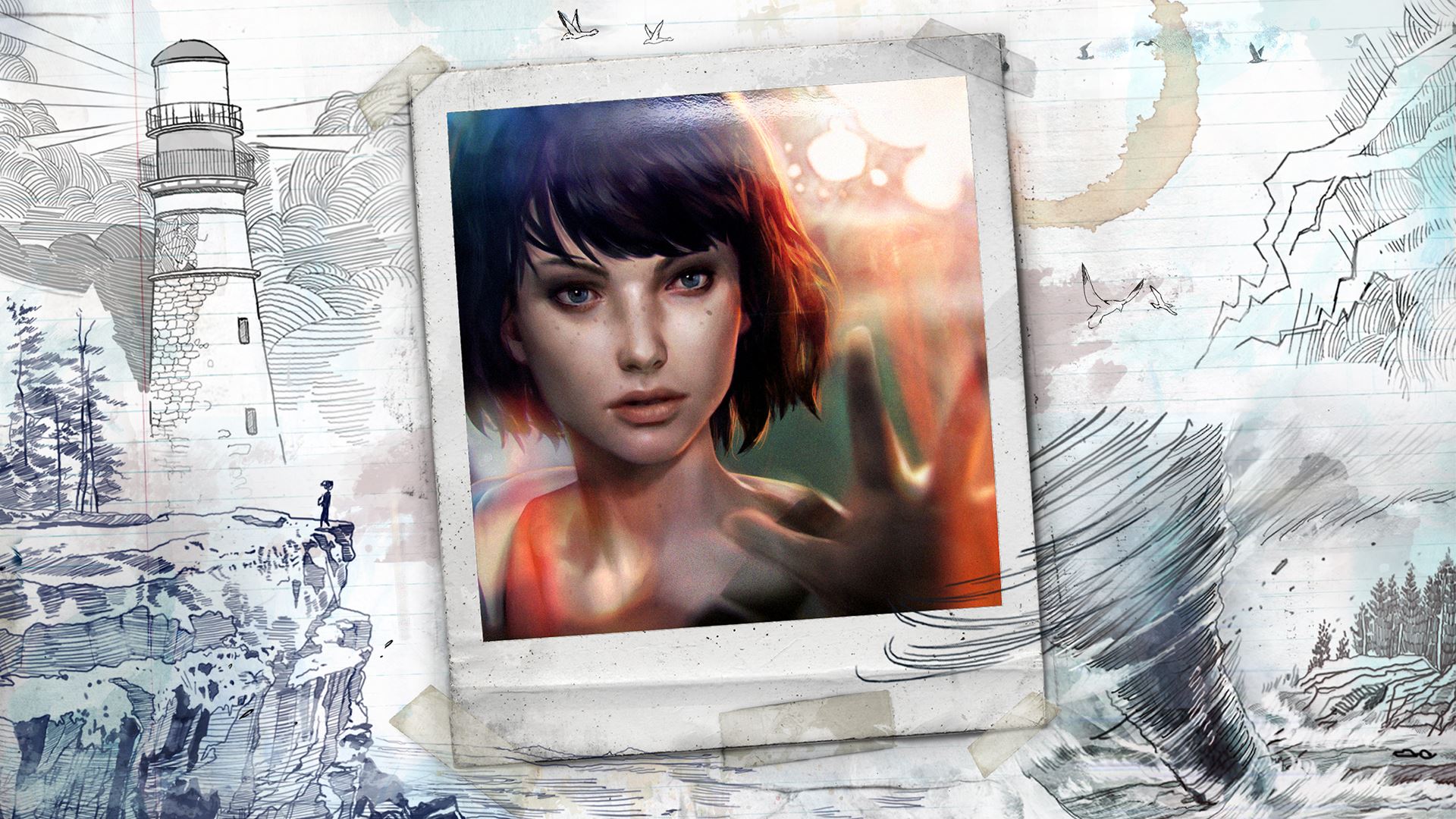
In the game, Max Caulfield gains the power to turn back time, and she first uses it to help her friend Chloe. Though the game focuses on making choices, there are also sections where you need to react quickly, like pressing buttons repeatedly, to interact with things around you. These actions immediately change what’s happening and can impact how characters feel about each other later on. Because Max can rewind time, players can see what happens with different outcomes. Ultimately, how Max uses her powers in these moments heavily shapes the story.
‘Life is Strange: Before the Storm’ (2017)
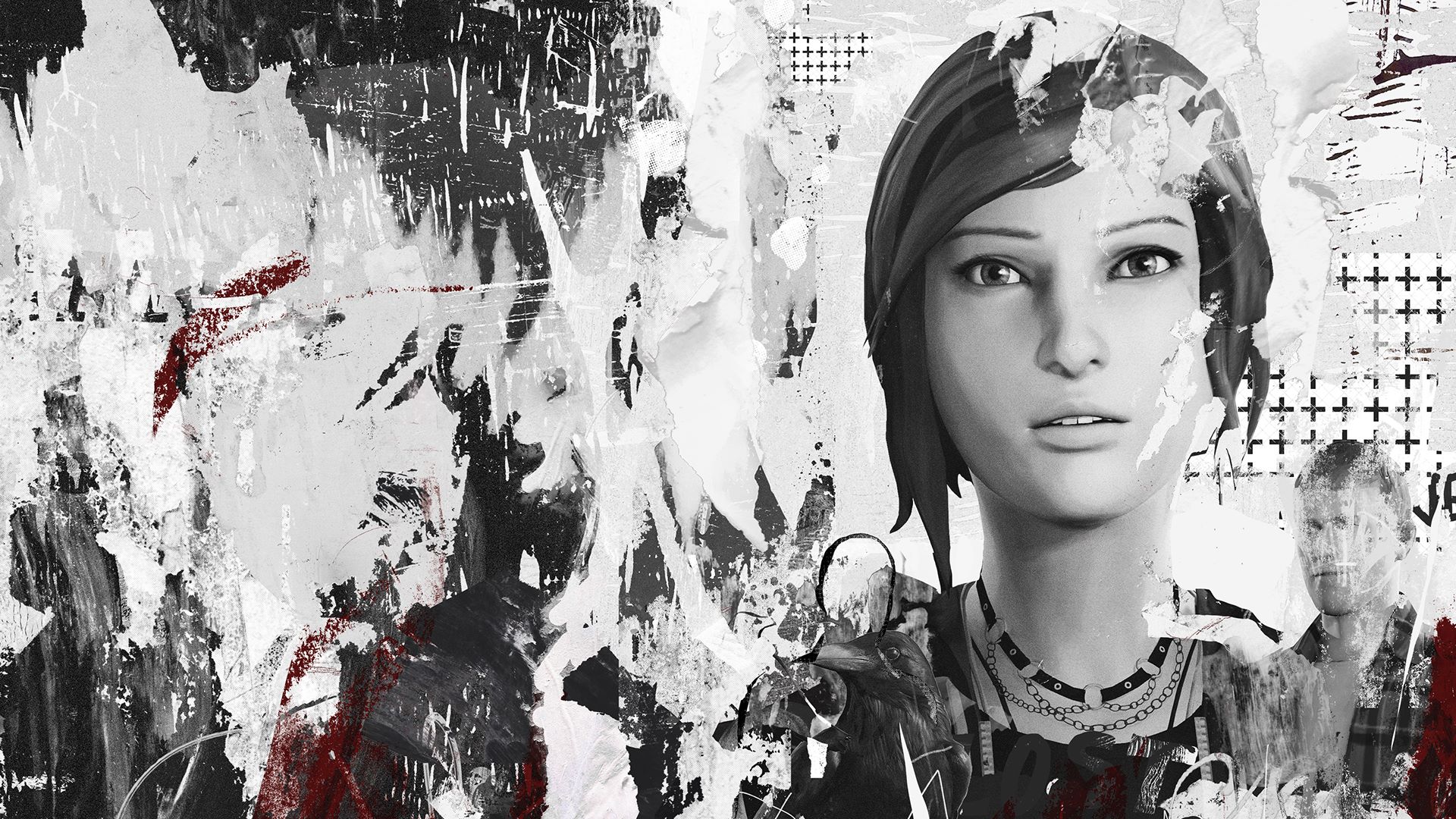
This game tells the story of Chloe Price and Rachel Amber, exploring their relationship before the events of the original game. A key feature is ‘backtalk,’ where you use quick thinking and button presses to win arguments. Successfully navigating these conversations and challenges unlocks new story paths and deeper connections with characters. Messing up can lead to social setbacks and alter the story’s direction, all of which helps build a more compelling and interactive character experience.
‘Life is Strange 2’ (2018)
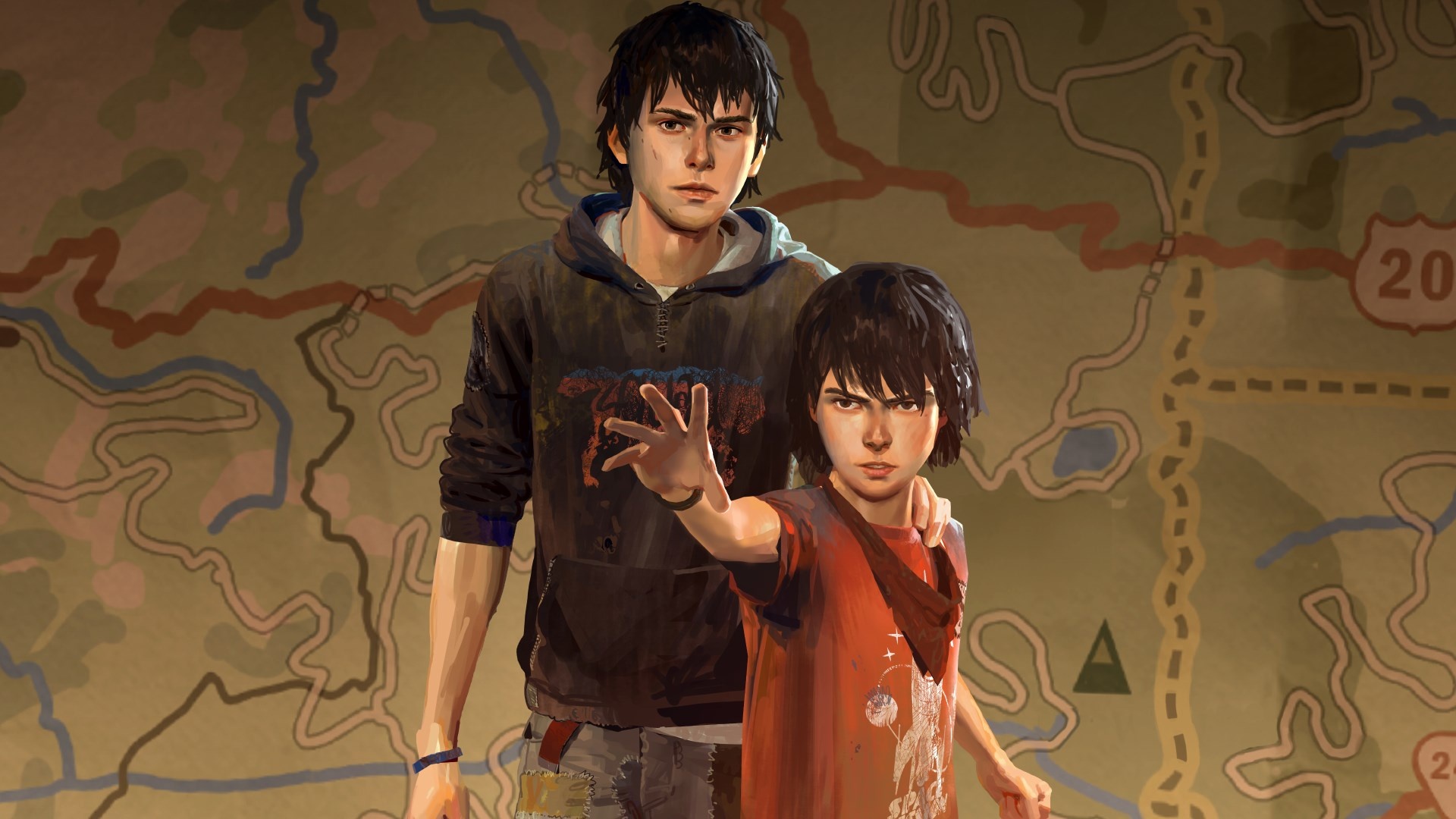
After a devastating accident, two brothers are forced to flee and face the hardships of life on the road. The game features intense, fast-paced action sequences requiring quick reflexes. The older brother, Sean, has a significant impact on the younger brother, Daniel – his actions shape Daniel’s development and moral compass. Mistakes and successes along the way change the story and how the characters grow, leading to multiple different endings and outcomes based on their experiences.
‘Life is Strange: True Colors’ (2021)
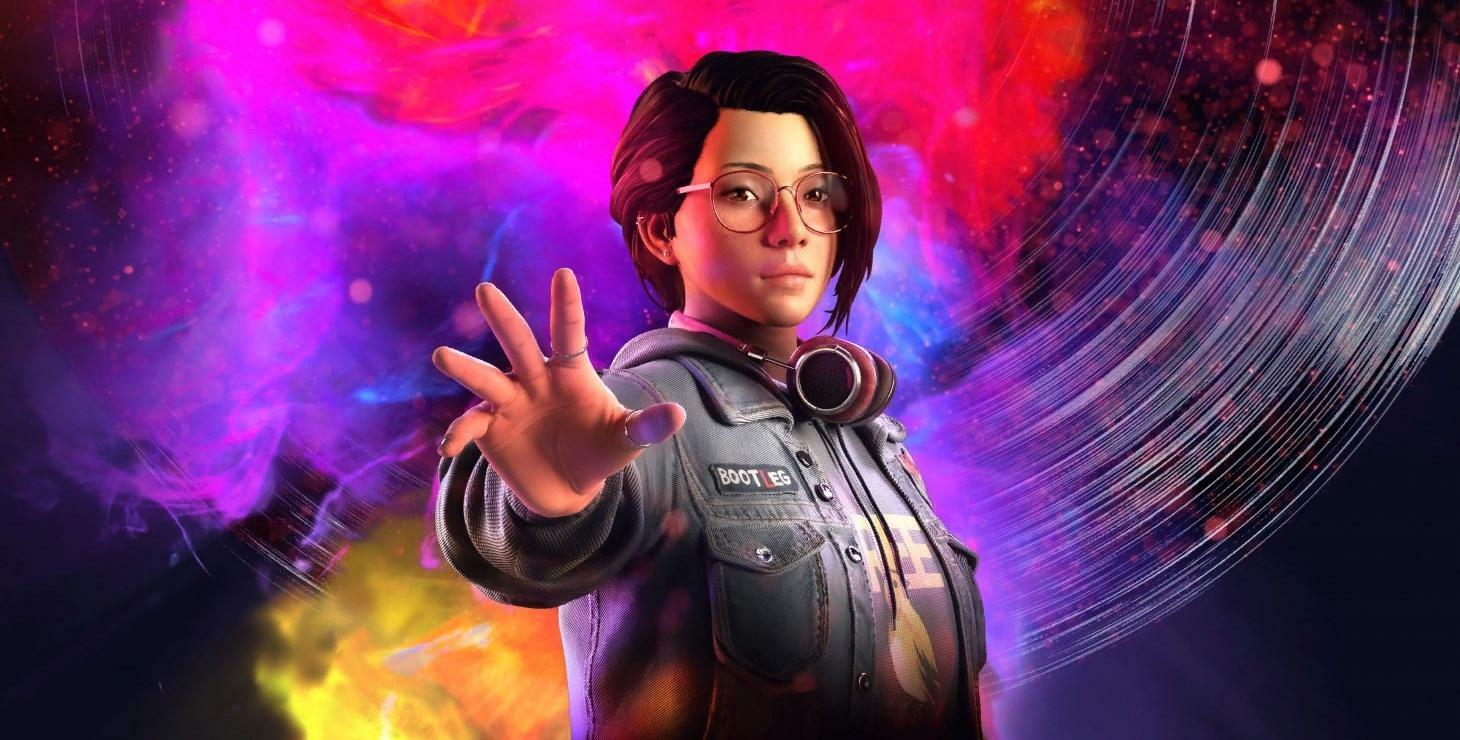
In this game, you play as Alex Chen, who has the ability to feel other people’s emotions. She uses this power to uncover the truth behind her brother’s death. Gameplay involves completing physical tasks and making quick decisions that affect how much the townspeople trust you, and ultimately, how the investigation unfolds. Your success or failure in these moments shapes Alex’s story, adding depth to the emotional narrative through engaging interactions.
‘Asura’s Wrath’ (2012)
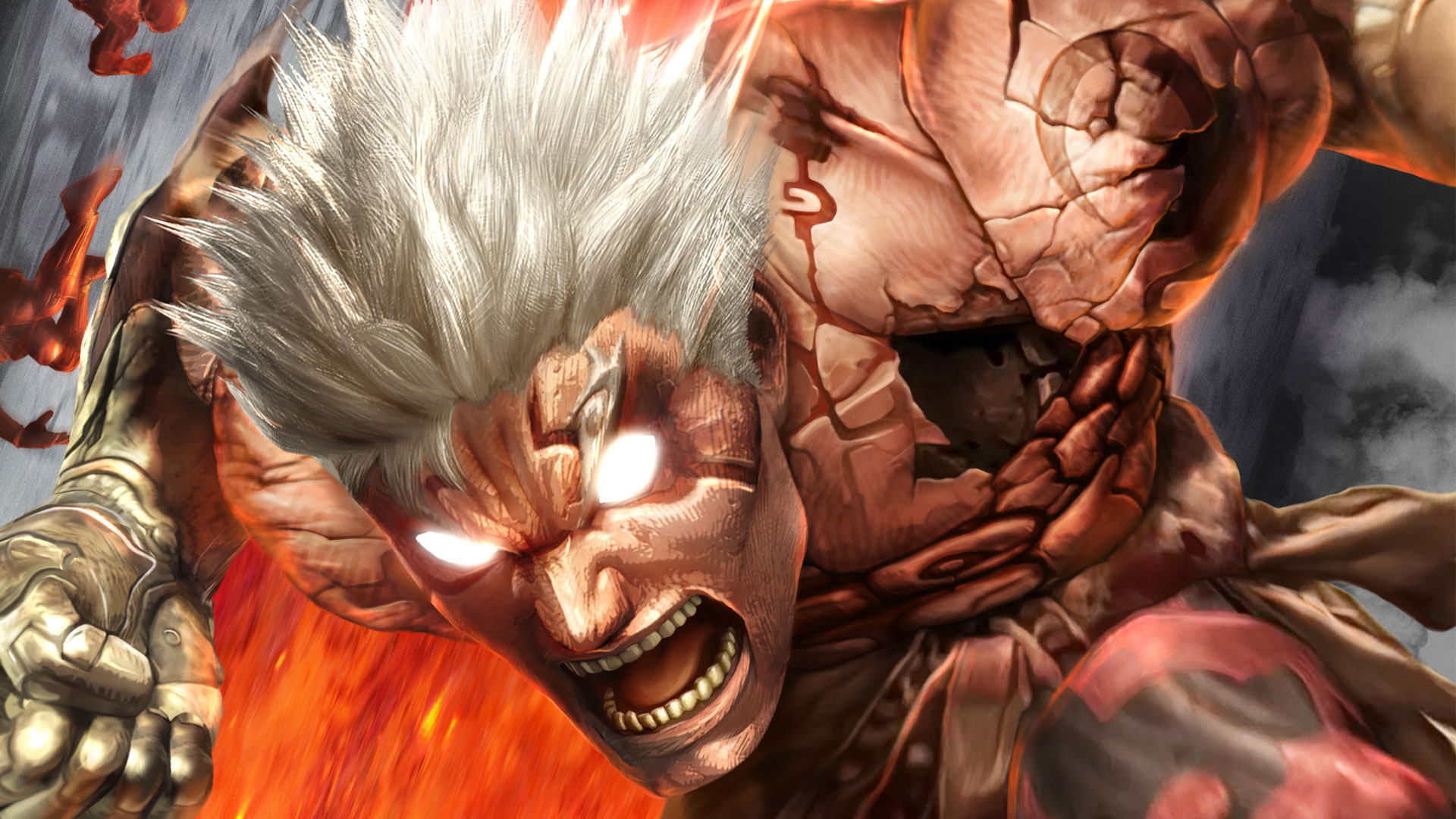
Okay, so I just finished playing this game and it’s WILD! You play as this demigod who’s seriously ticked off at the gods for screwing him over, and he’s out for revenge. Honestly, the whole game feels like one giant, epic action sequence. It’s mostly about hitting the right buttons at the right time – lots of quick reflexes needed! The cooler part is, how hard you mash those buttons actually shows on screen – the more intense you are, the more destruction you cause. Mess up the timing, and things can change, even affecting how the story plays out. It’s all presented like an anime, and it really feels like your own rage is powering everything!
‘Killer is Dead’ (2013)
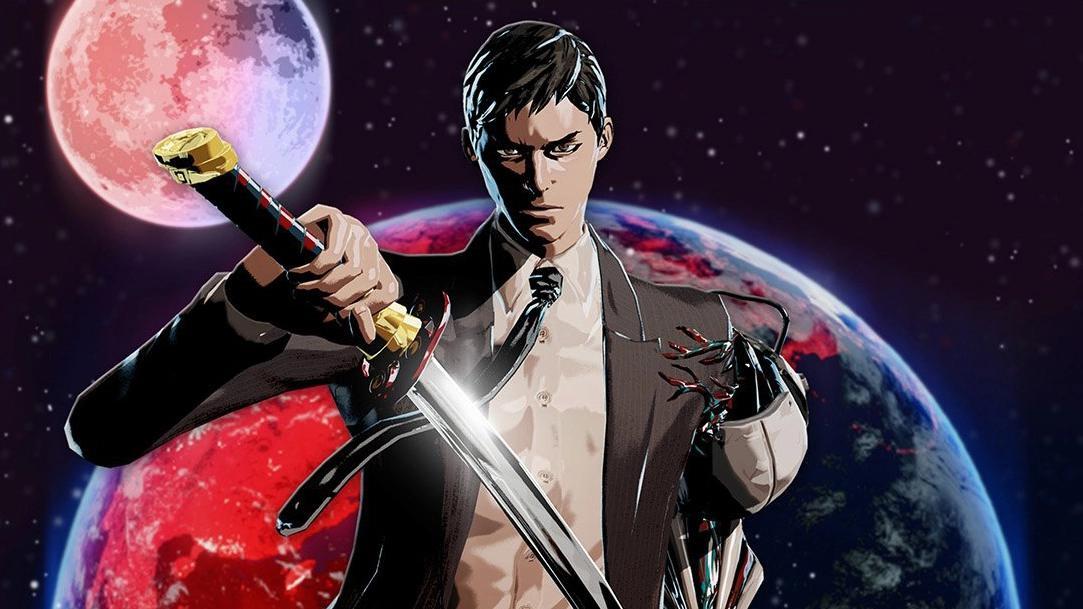
Mondo Zappa is a bounty hunter who tracks down criminals and aliens in a unique and visually striking world. The game is all about quick, action-packed battles and dramatic finishing moves that require fast reflexes. How well you perform these moves impacts the story, potentially leading to different outcomes or even taking damage if you mess up. Your success in combat actually changes the direction of the game’s narrative, creating a surreal and unpredictable experience.
‘Sleeping Dogs’ (2012)
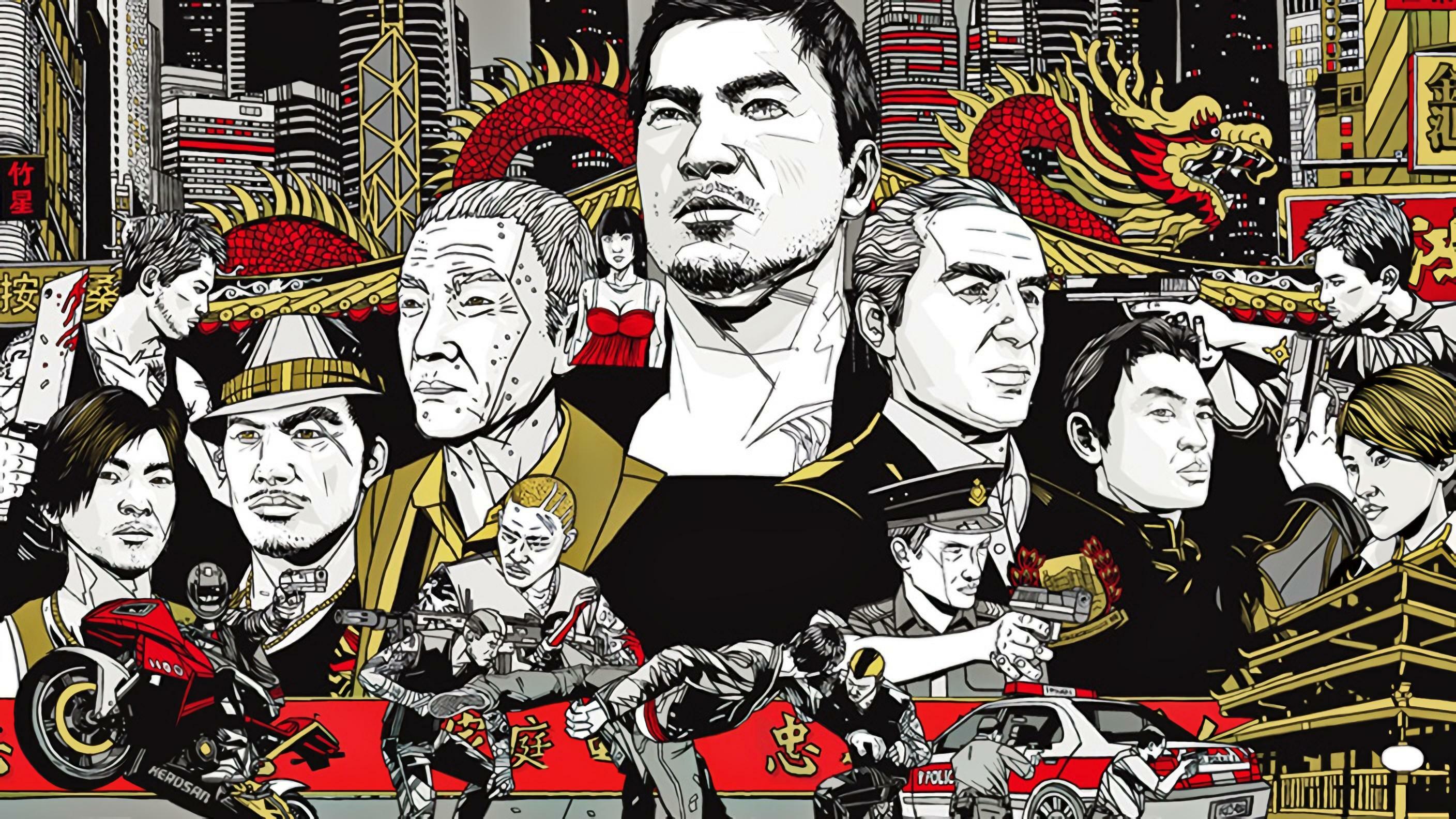
In the game, you play as Wei Shen, an undercover police officer working to take down the Sun On Yee Triad in Hong Kong. The gameplay features intense fighting and fast-paced chases, relying on quick button presses to perform counters and use your surroundings. How well you perform in these action sequences impacts Wei’s reputation within the gang and his success as a cop. Messing up can change the story or cause you to fail missions. The narrative unfolds based on how you balance Wei’s life as a police officer with his cover as a Triad member.
‘The Witcher 2: Assassins of Kings’ (2011)
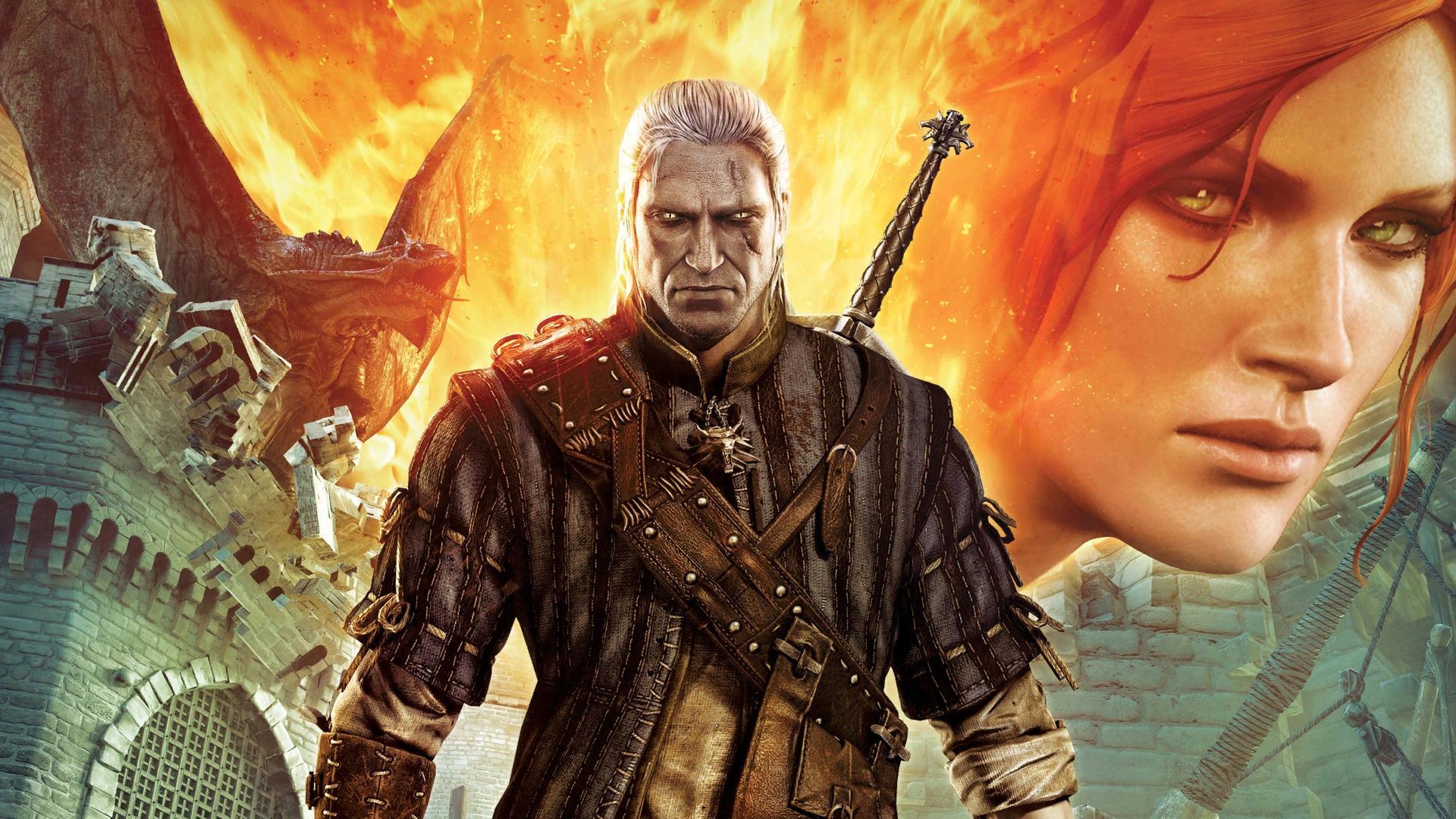
Geralt of Rivia is wrongly accused of killing a king and needs to uncover the true murderer to prove his innocence. Throughout the game, particularly during intense boss battles and dramatic escapes, players will face challenges that require quick reactions – often rapidly pressing buttons. Successfully completing these moments will lead to a better outcome in the story, while failure can result in injuries or changes to the plot. These fast-paced sequences are designed to build suspense and are woven into the game’s dark fantasy world, and how well you do in them can even affect the political situation.
‘Deadly Premonition’ (2010)
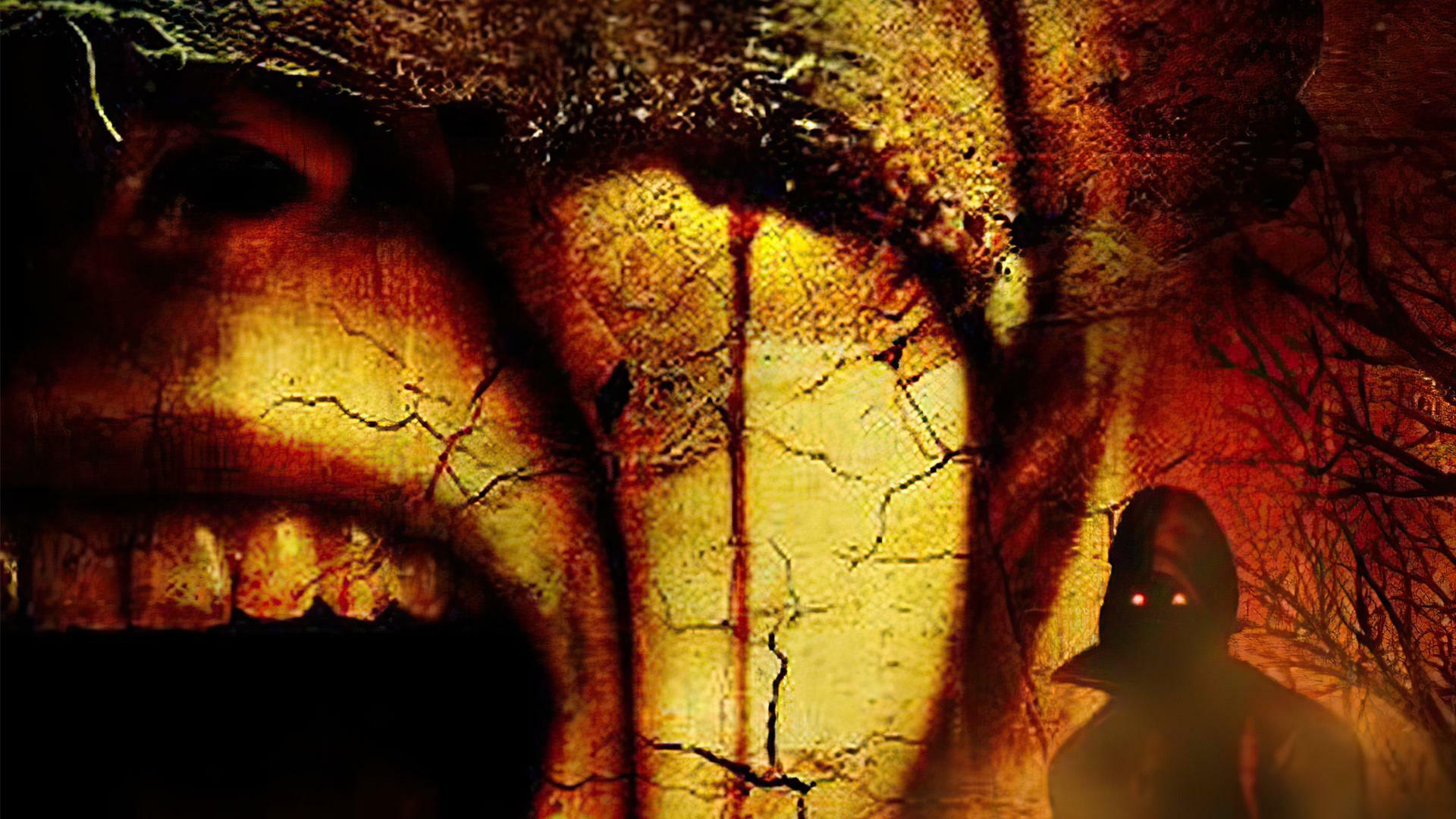
In this game, FBI agent Francis York Morgan is sent to a quiet, rural town to solve a string of disturbing murders tied to strange rituals. Players will experience intense, dreamlike action, relying on quick reflexes to overcome supernatural dangers. Failing to react quickly can mean instant death or a shift in how the investigation unfolds. The story is notable for its unpredictable twists, unique characters, and the importance of player input in navigating the game’s unsettling challenges.
‘Road 96’ (2021)

In this game, you guide a group of teenagers trying to flee a country falling apart. You’ll face a series of fast-paced challenges – like quick button presses – that determine if they can escape safely. The story isn’t fixed; it changes with every playthrough based on how well you perform in these challenges and the decisions you make, ensuring a unique experience each time.
‘1979 Revolution: Black Friday’ (2016)
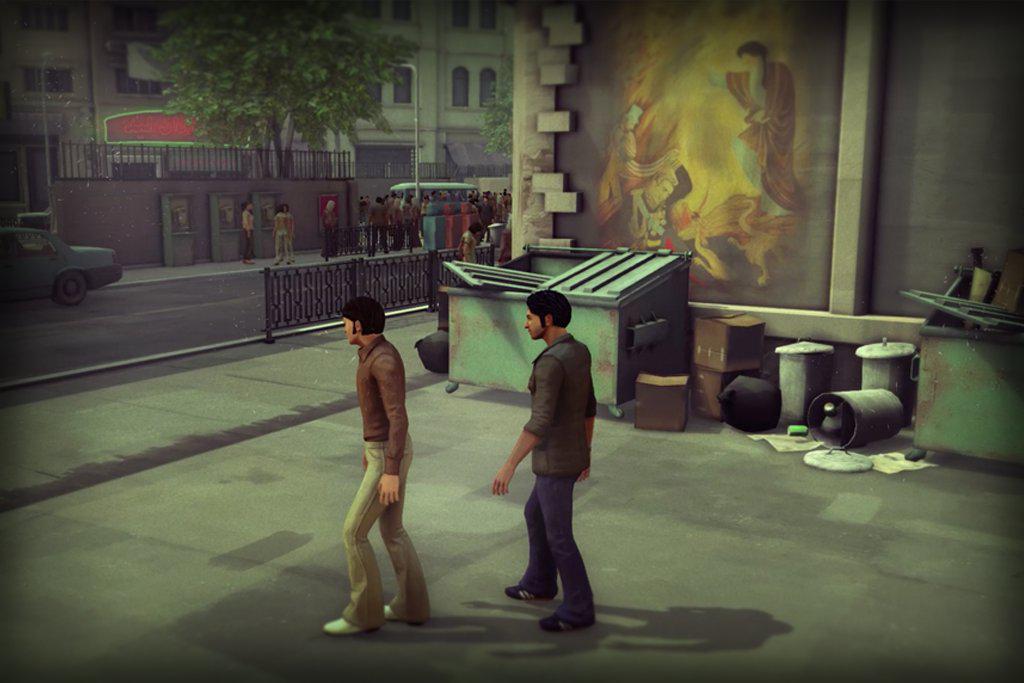
This game puts you in the shoes of a photojournalist during the Iranian Revolution. You’ll experience the chaos firsthand through fast-paced, action-oriented gameplay where quick button presses are crucial for survival – both for your character and for influencing the revolution’s course. Your performance in these intense moments directly affects the story, creating a branching narrative shaped by real historical events.
‘428: Shibuya Scramble’ (2008)
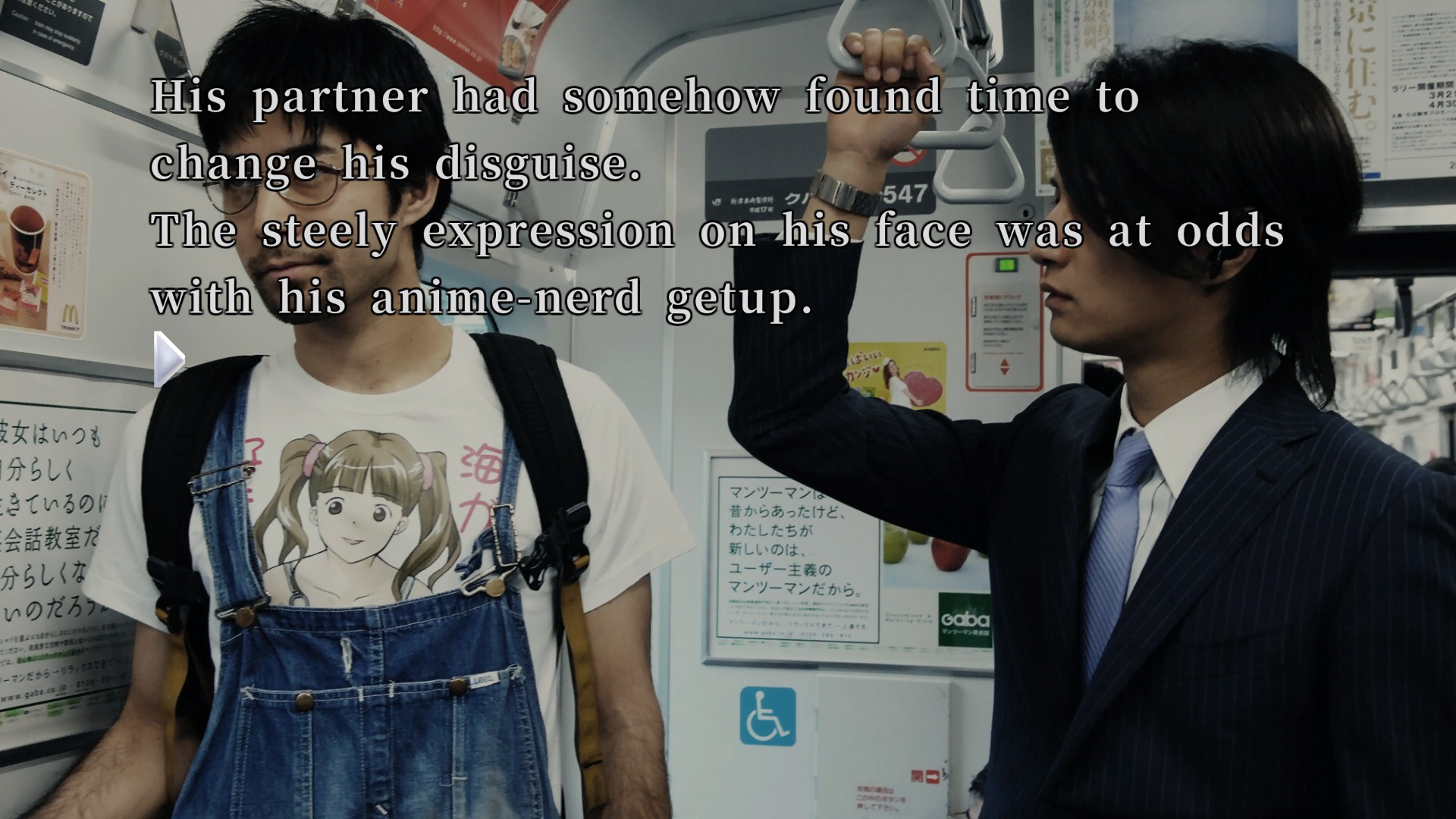
In Tokyo, the fates of five people become intertwined when a kidnapping occurs. As you play, you’ll make choices and sometimes complete quick actions to move the story forward. Be careful – inaction or bad decisions can lead to tragic outcomes for the characters. The story is intricate and requires you to keep track of what everyone is doing. Making the right choices at key moments is crucial to unraveling the full mystery.
‘The Council’ (2018)
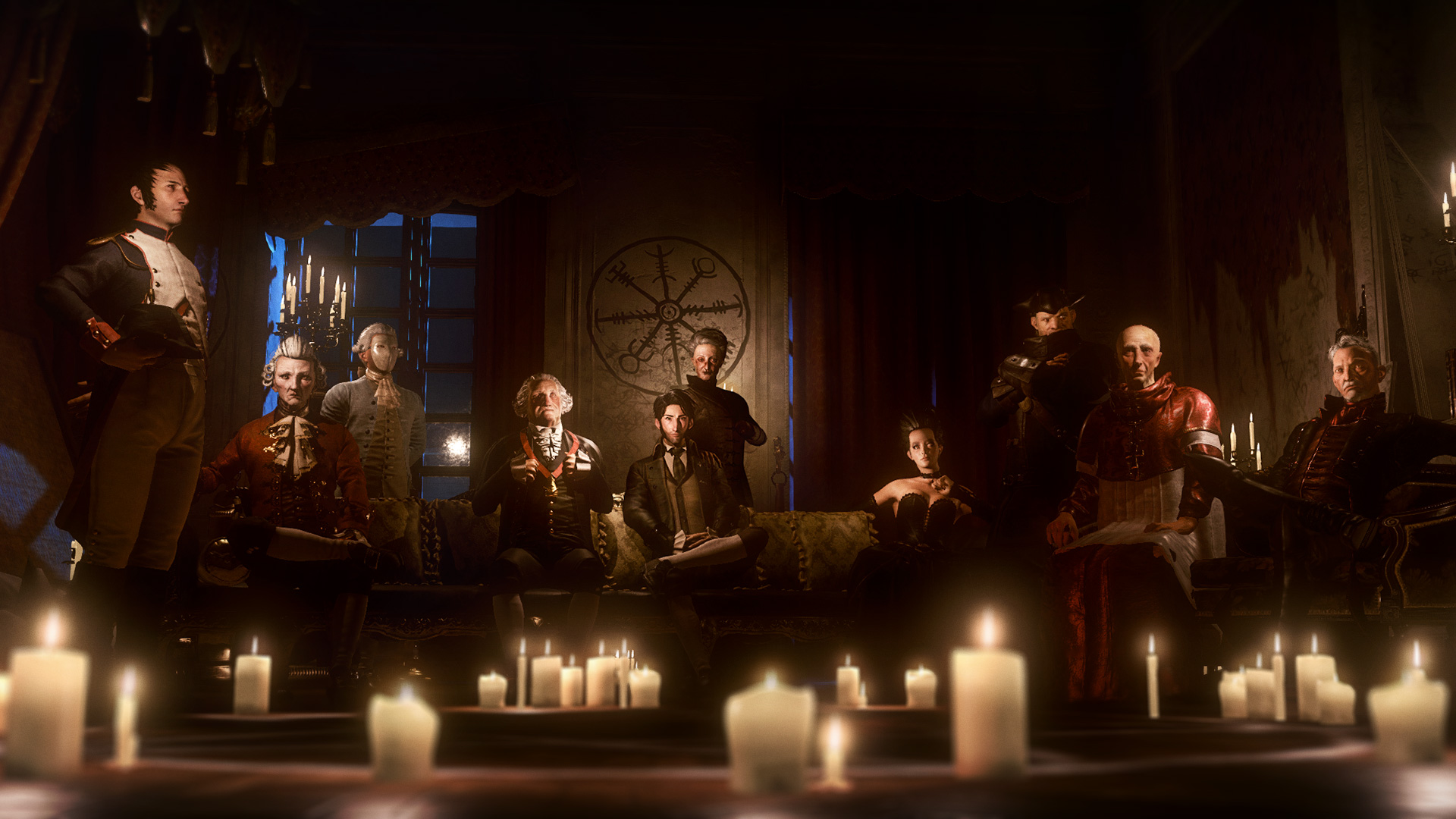
In the late 1700s, Louis de Richet finds himself part of a hidden group on a secluded island. The game focuses on how you interact with others, and includes moments where you’ll need to quickly press buttons to overcome obstacles. Your choices and performance in these situations impact relationships between historical characters and determine who survives. These actions drastically change the story and how characters evolve, creating a narrative full of mystery and political maneuvering that’s shaped by how well you play.
‘Beyond a Steel Sky’ (2020)
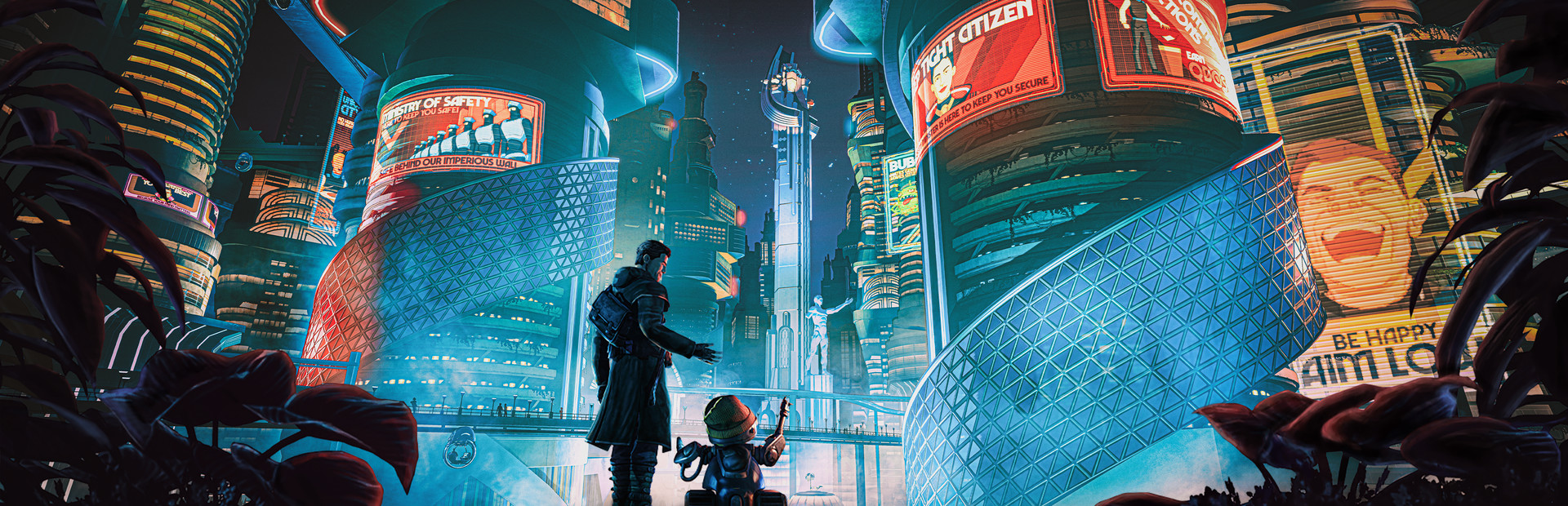
In this cyberpunk game, Robert Foster goes back to Union City to rescue a kidnapped child. Players will solve puzzles in the environment and participate in action-packed scenes that require fast reflexes. Success or failure in these moments impacts the story and the investigation. How you interact with the city and its AI will shape the narrative, adding a fresh, action-oriented take on the traditional adventure game.
Please share your favorite memories of high stakes button mashing in the comments.
Read More
- Invincible Season 4 Gender Swaps Tech Jacket As Fans Question Major Comic Change
- Silver Rate Forecast
- Gold Rate Forecast
- 22 Films Where the White Protagonist Is Canonically the Sidekick to a Black Lead
- Building Agents That Learn and Improve Themselves
- 15 Films That Were Shot Entirely on Phones
- 20 Movies Where the Black Villain Was Secretly the Most Popular Character
- Celebs Who Narrowly Escaped The 9/11 Attacks
- Trading Crypto with AI: A New Approach to Portfolio Management
- 18 TV Series Filming Rehearsals as Bonus Content
2025-12-22 21:23