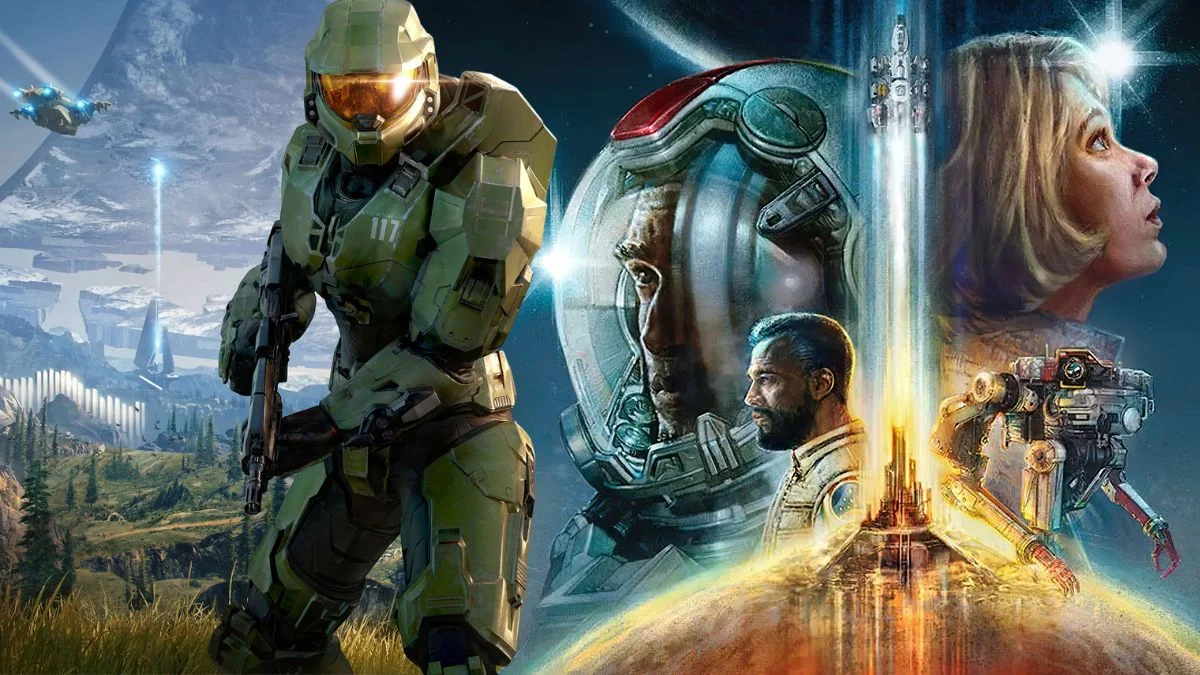
Creating characters in video games has come a long way. It’s no longer just about how they look; it’s about letting players express themselves and see themselves represented. Many developers now include options like gender-neutral pronouns and different body types to appeal to a wider audience. These choices often spark lively debates among gamers about how realistic games should be and what the designers were trying to achieve. This collection highlights games where adding more inclusive character customization led to significant online discussion.
‘Dragon Age: The Veilguard’ (2024)
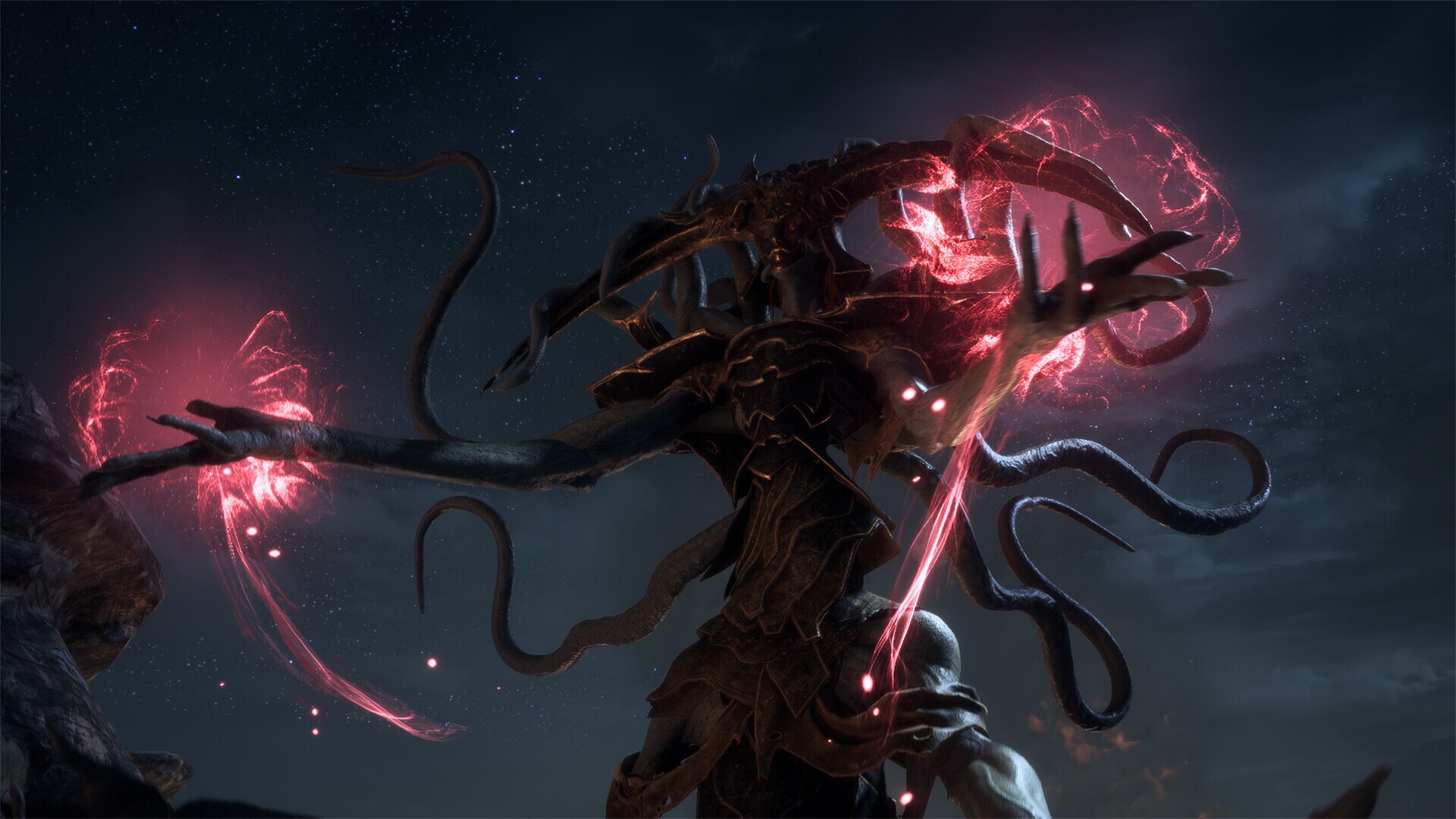
The new game ‘Dragon Age: The Veilguard’ lets players customize their characters with options like scars from top surgery and nonbinary pronouns, giving them more control over their experience. This choice has led to a lot of discussion about how modern ideas fit into fantasy settings. Some players feel these additions make the game more realistic, while others think they don’t quite fit the game’s established history. Overall, the game is a strong example of how modern representation is being included in roleplaying games.
‘Dragon’s Dogma 2’ (2024)
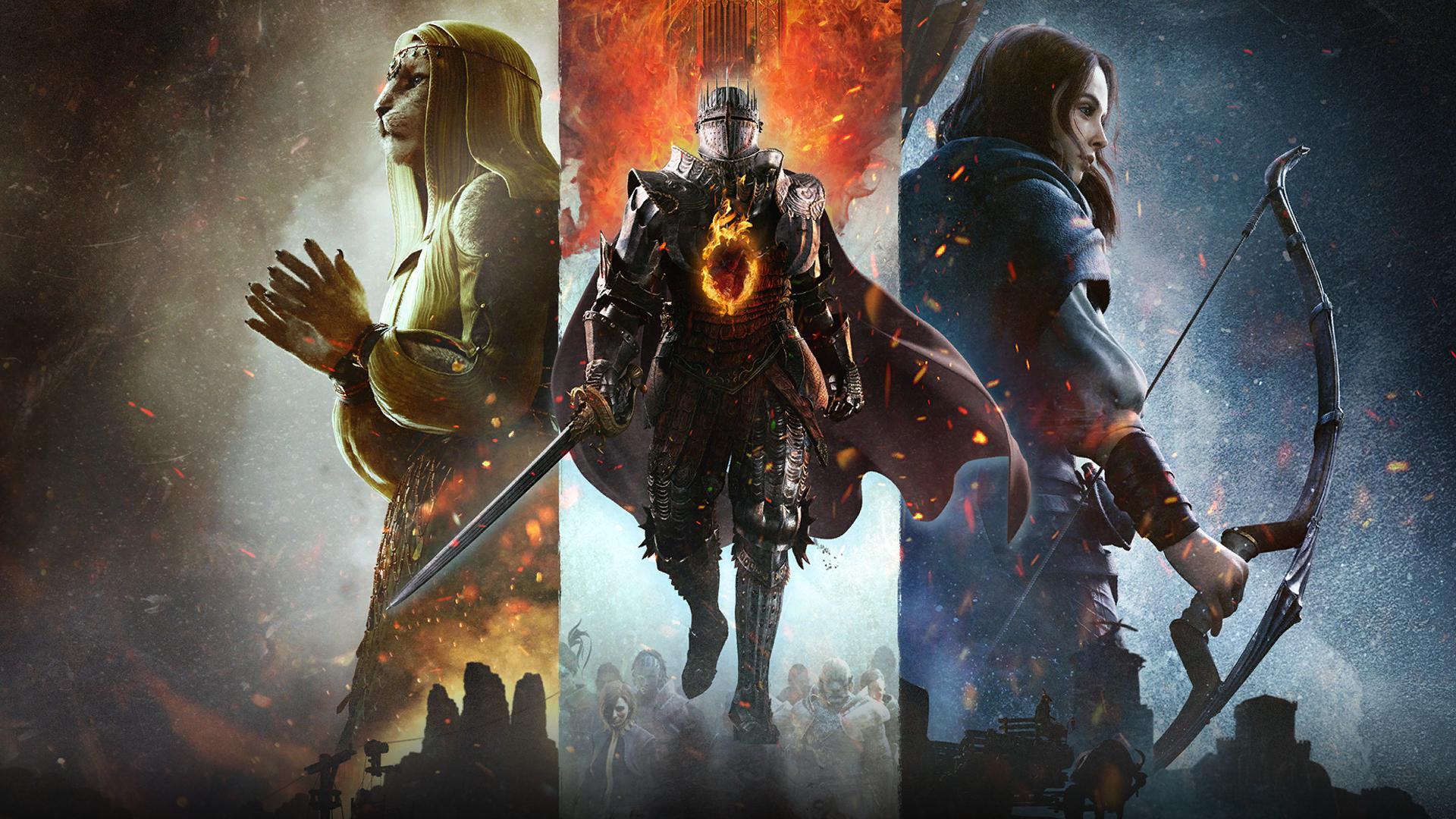
‘Dragon’s Dogma 2’ features a powerful character creator that lets players customize their characters with impressive detail, including muscle tone and realistic skin. Players can create very believable characters and companions representing a variety of ethnicities. While most people praised the game’s technical skill in offering diverse body types and features, some noted that it lacked certain classic fantasy character options found in the original game.
‘WWE 2K24’ (2024)
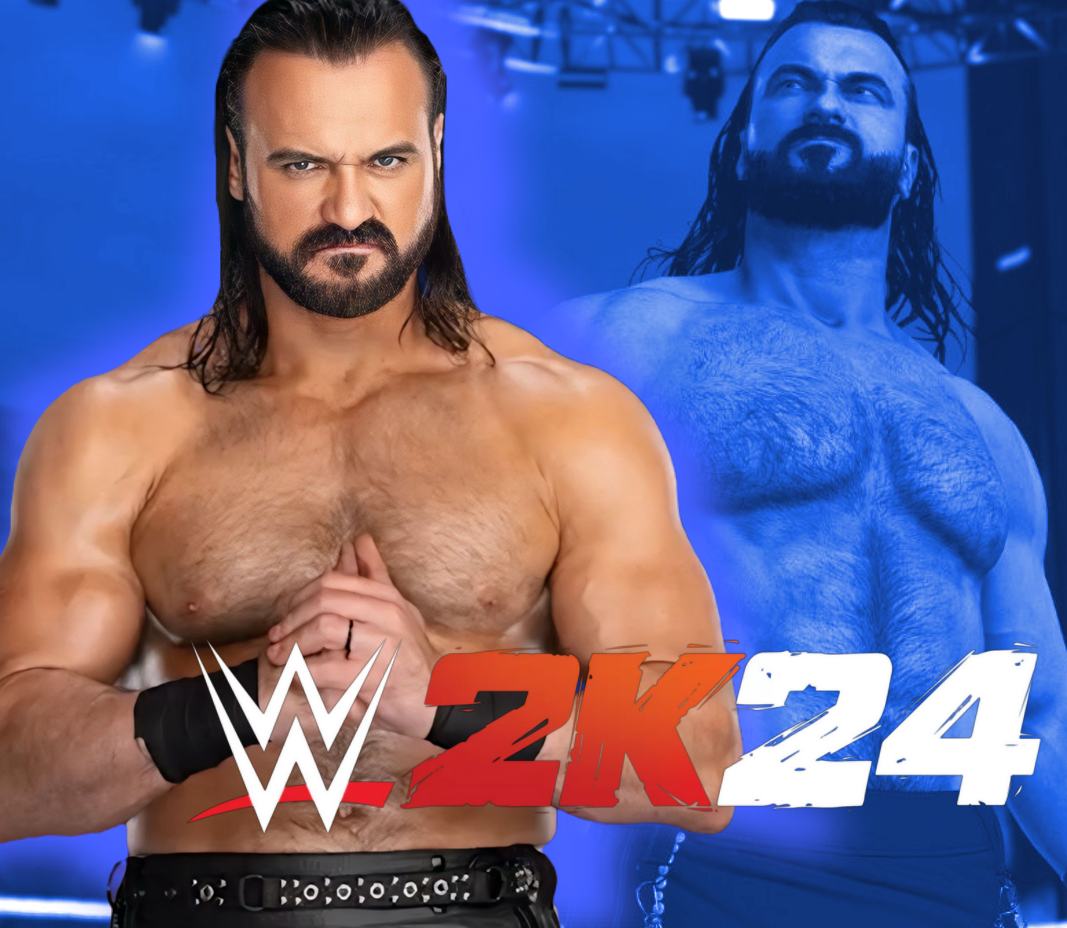
This wrestling game keeps improving its character creation tools, letting players design wrestlers with a wide range of looks and body types. You can now create characters who don’t fit typical gender expectations and use them throughout the game. Many players appreciate the detailed options for representing diverse characters. However, there’s ongoing discussion within the community about restrictions on how these characters compete against others in simulation matches.
‘Starfield’ (2023)
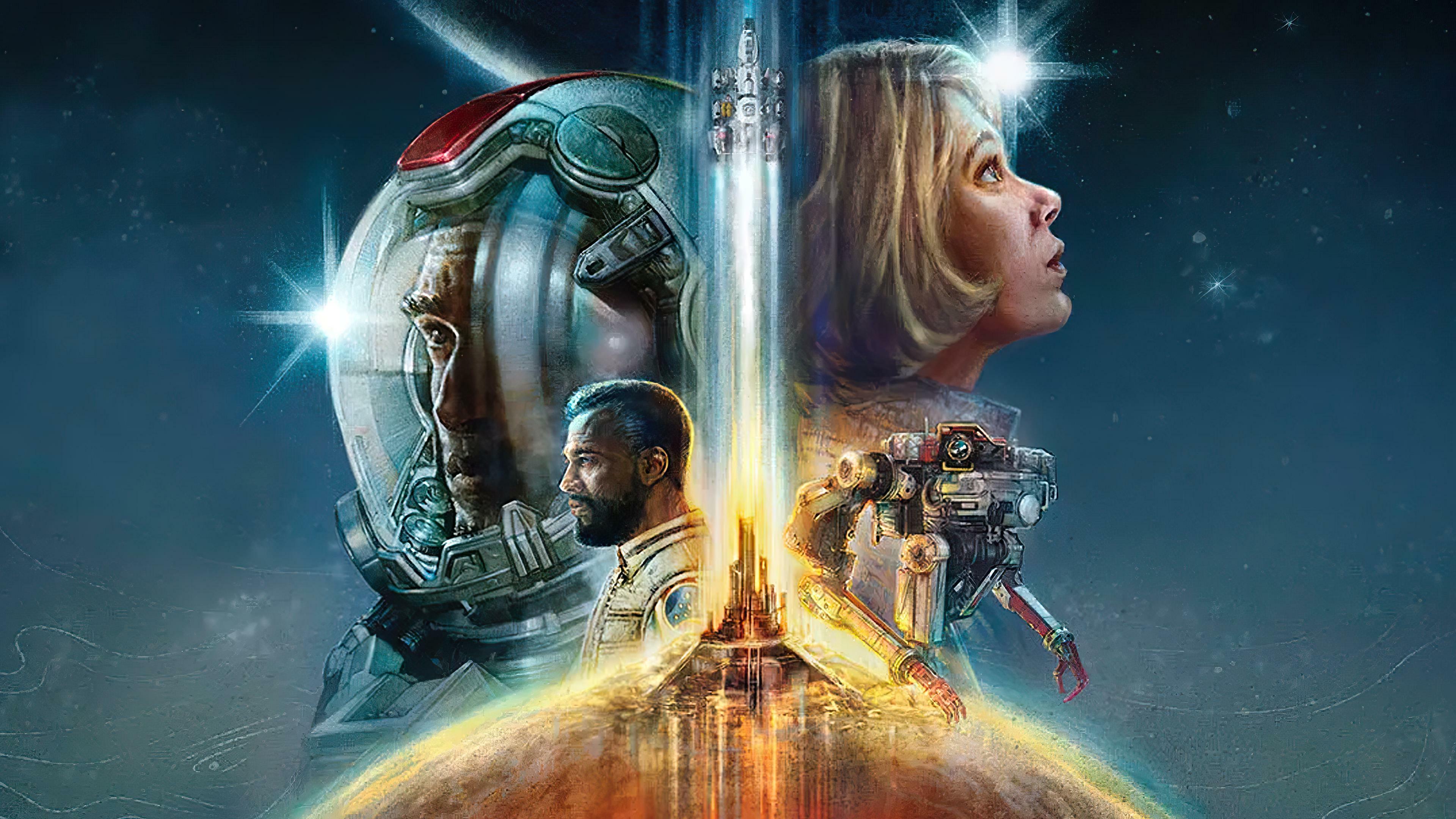
Bethesda Softworks recently added a feature letting players choose their preferred pronouns in their games, affecting how characters address them. Offering options like ‘they/them’ alongside traditional pronouns sparked discussion. While some players praised the move as a modern update to the gaming experience, others felt it was unnecessary. This conversation reflects changing player expectations regarding identity representation in large, open-world games.
‘Hogwarts Legacy’ (2023)
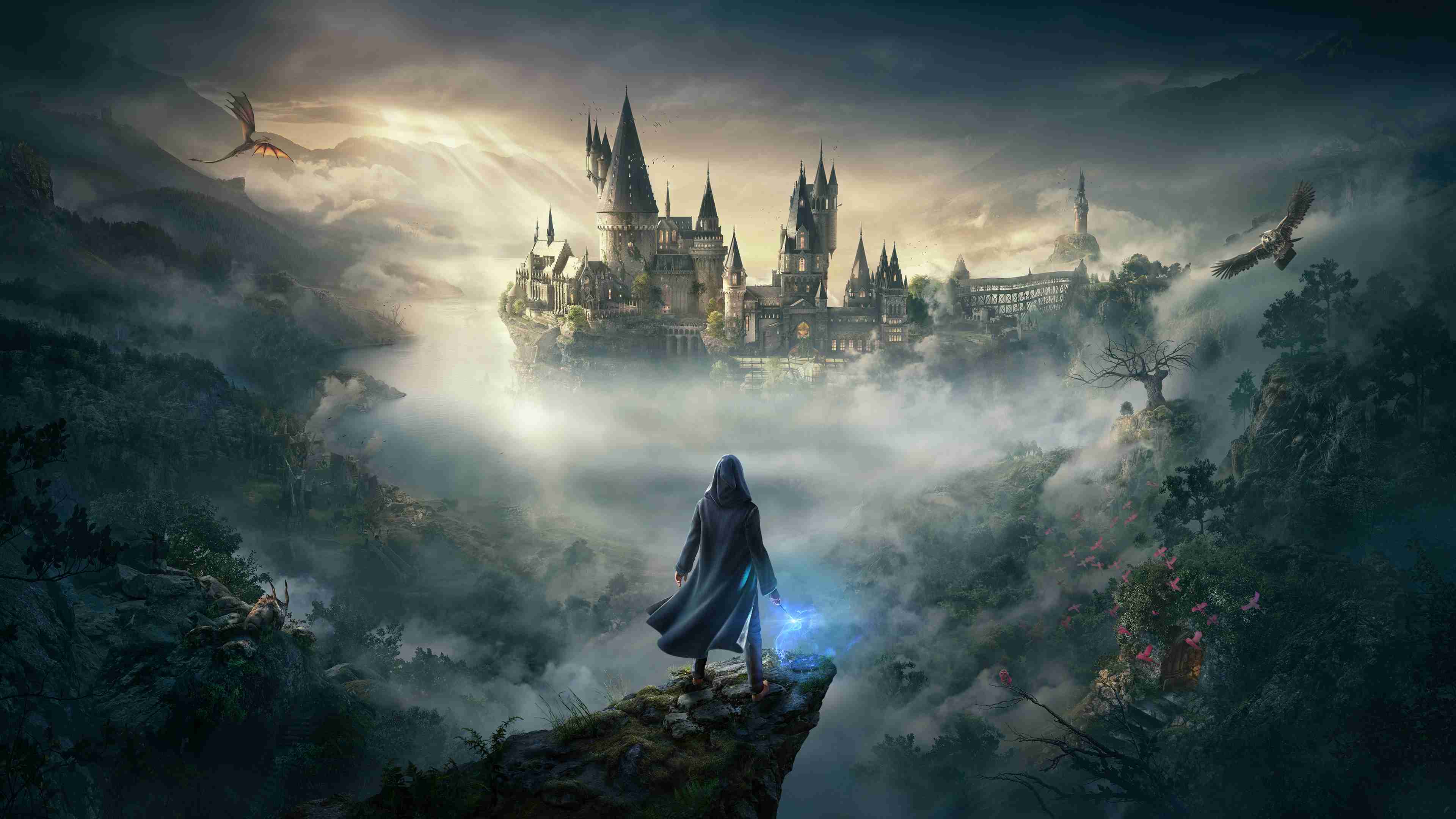
The game lets players customize their character’s voice and dorm separately from how they look. This means you can create a character who appears masculine but still live in the witches’ dorm, if that’s your preference. This feature was carefully considered because of ongoing discussions about the game’s creator. Ultimately, the developers wanted to make sure all players feel included and welcome, even with external concerns.
‘Street Fighter 6’ (2023)
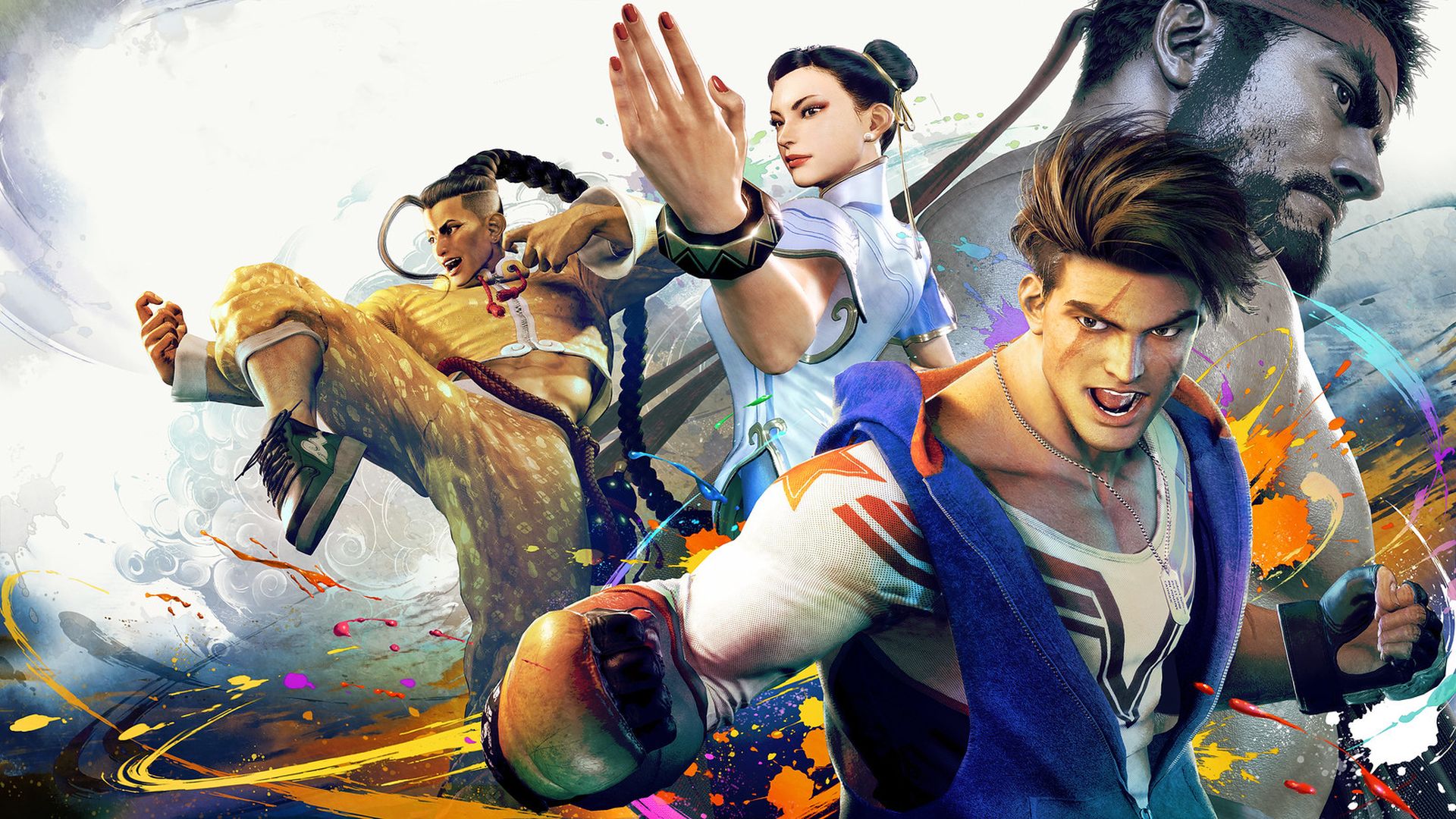
Capcom’s World Tour mode includes a detailed character creator that lets players customize their avatars in significant ways, including altering body types and choosing gender-fluid options. This freedom has resulted in a wide range of creative – and sometimes unusual – characters appearing online, sparking discussion among fans about whether these designs fit the look and feel of the long-running fighting game series.
‘Diablo IV’ (2023)
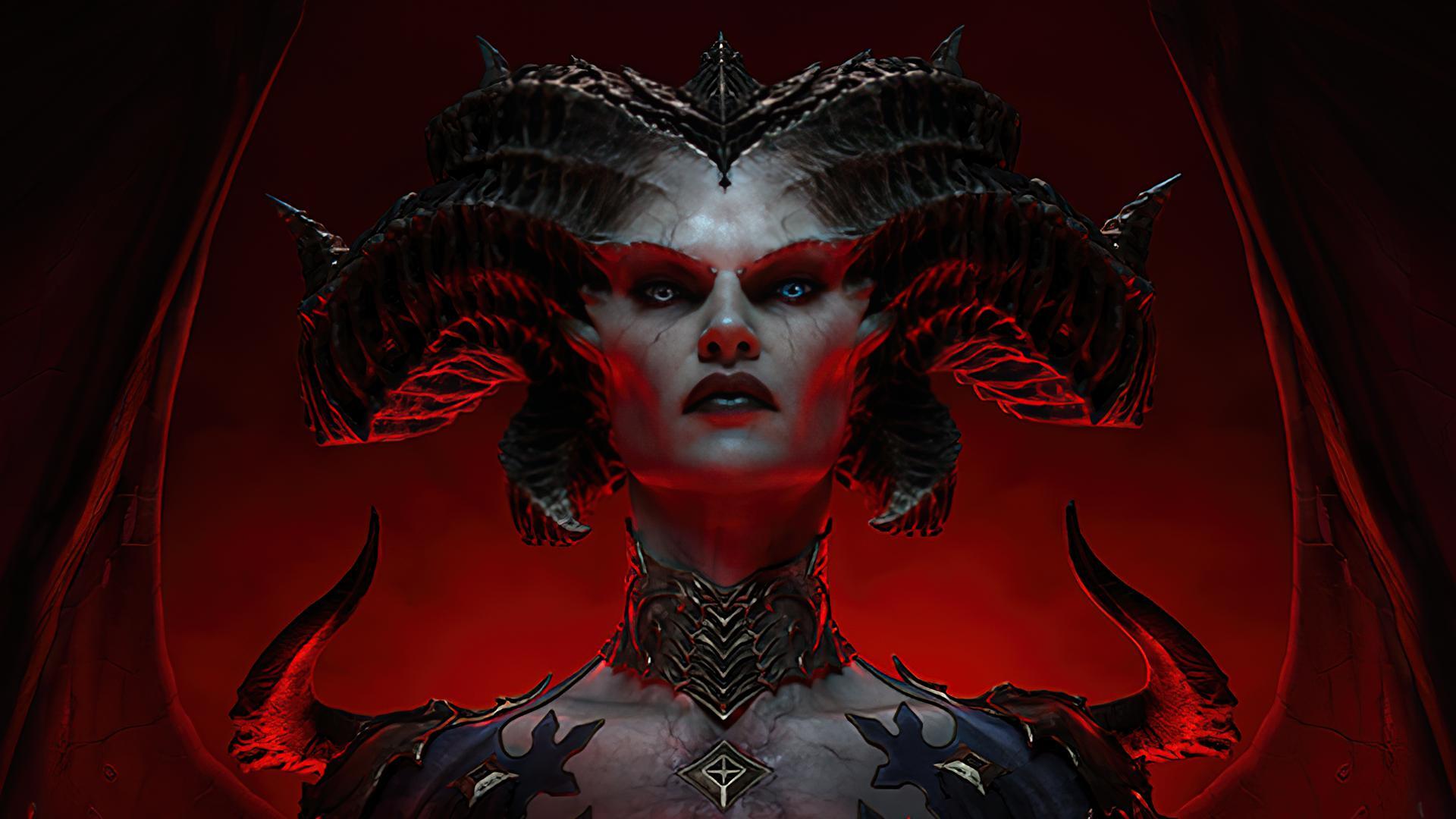
This dark fantasy game lets players create characters with a wide range of body shapes and facial features, though some classes have fewer options to keep a consistent look. This choice sparked discussion about whether the game should prioritize realistic body diversity or let players customize characters however they like. Many observers praised the game’s character creation as a positive move for the series, highlighting its attempt to be more inclusive.
‘Baldur’s Gate 3’ (2023)
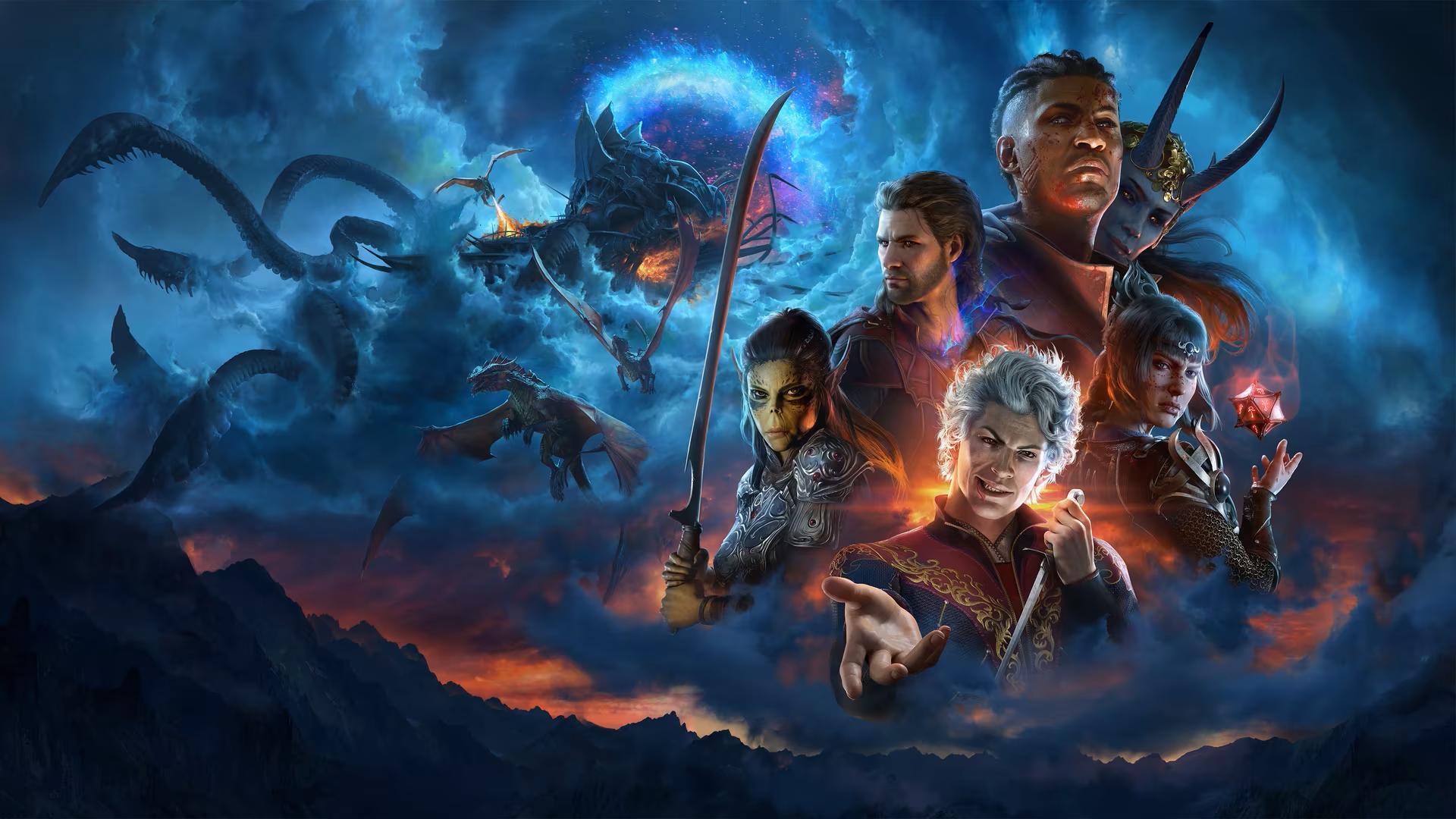
Larian Studios let players customize their character’s genitals and gender identity separately from their body type, a feature considered innovative for a popular roleplaying game. While some players appreciated this inclusivity in a fantastical world with many different races, others felt the detailed anatomical options were a risky choice for a major commercial game.
‘Palia’ (2023)
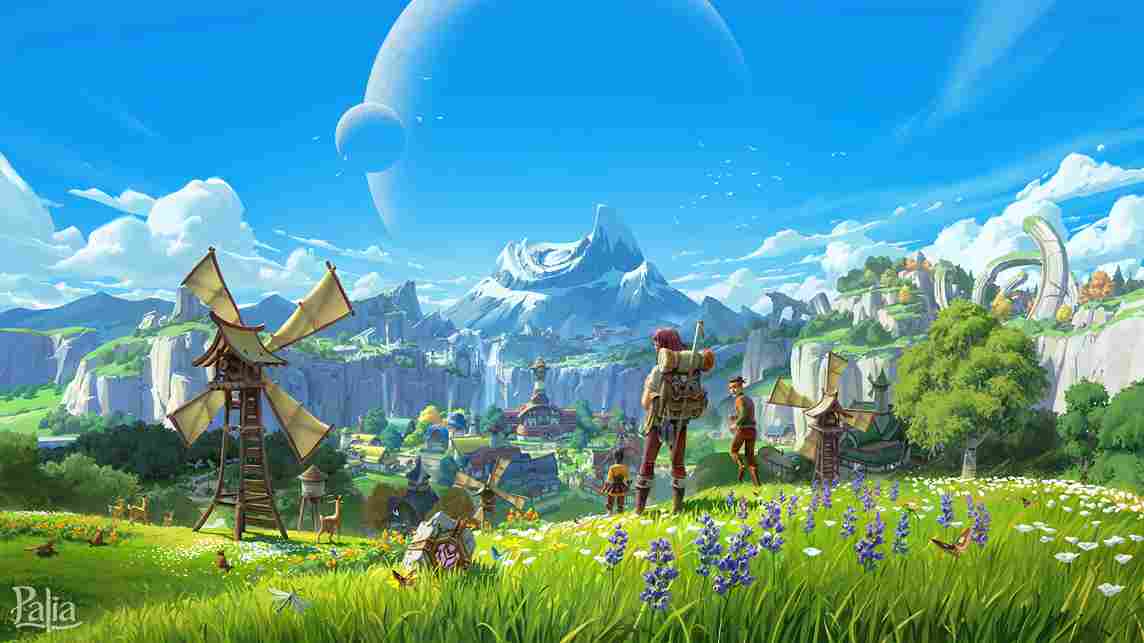
This friendly online game lets you create a character that truly represents you, with plenty of options that aren’t limited by traditional gender roles. You can pick from a wide range of clothes and styles to express yourself however you like. The game was designed to be a welcoming place for everyone, and players have often talked about how these inclusive choices create a positive and supportive community.
‘Wild Hearts’ (2023)
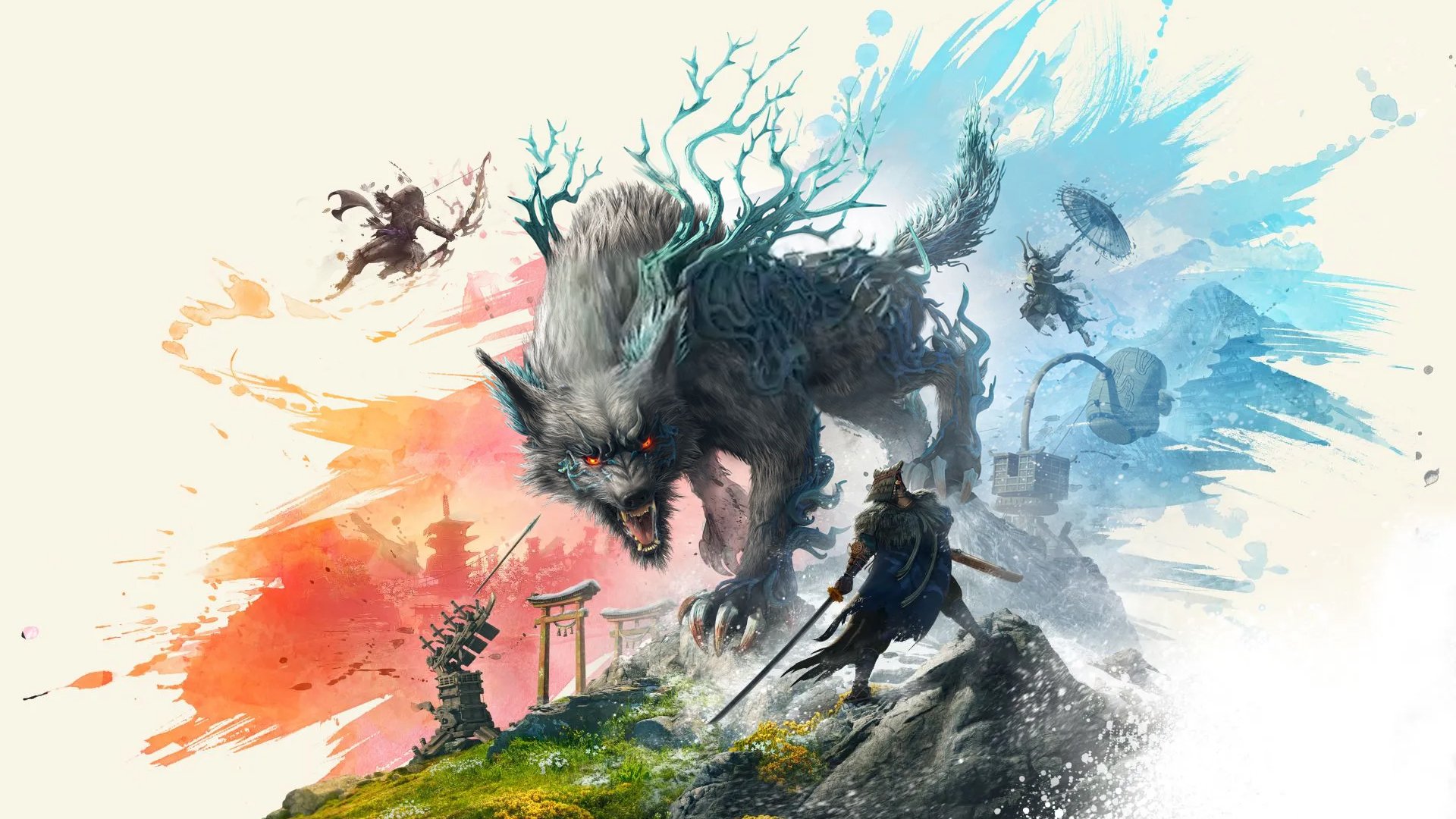
Wild Hearts lets you create highly detailed characters with lots of options for their appearance, including a diverse range of faces and body types. The game uses respectful language and encourages players to express themselves through unique designs, setting it apart from other monster hunting games. However, some players questioned whether the extensive character customization overshadowed the main gameplay experience when the game first launched.
‘Pokemon Scarlet and Violet’ (2022)

These games now let all players choose from any clothing or hairstyle, regardless of their character’s starting look. This means players can fully customize their character’s style, mixing and matching as they please. It’s a big change for this game series, which traditionally limited character options to male or female. While many people praised this move towards inclusivity, some were critical of the new character designs themselves.
‘Saints Row’ (2022)
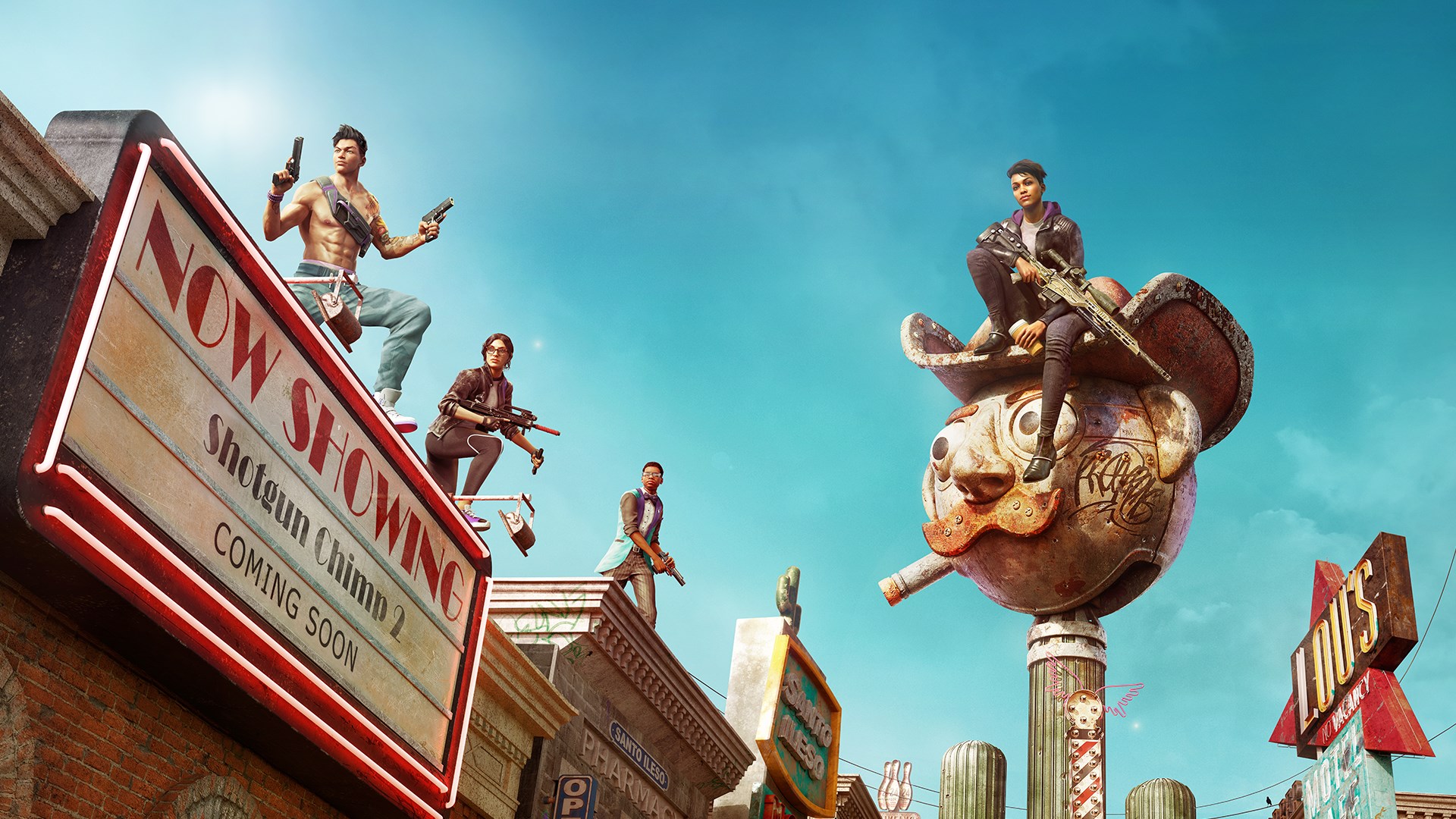
The new ‘Saints Row’ game emphasized player freedom and self-expression, letting players create characters without being limited by traditional gender roles. The character creator allows any combination of clothing, voice, and body type. However, some critics felt this focus on customization overshadowed other aspects of the gameplay. Discussions about the game frequently revolved around its new style and modern themes.
‘Elden Ring’ (2022)
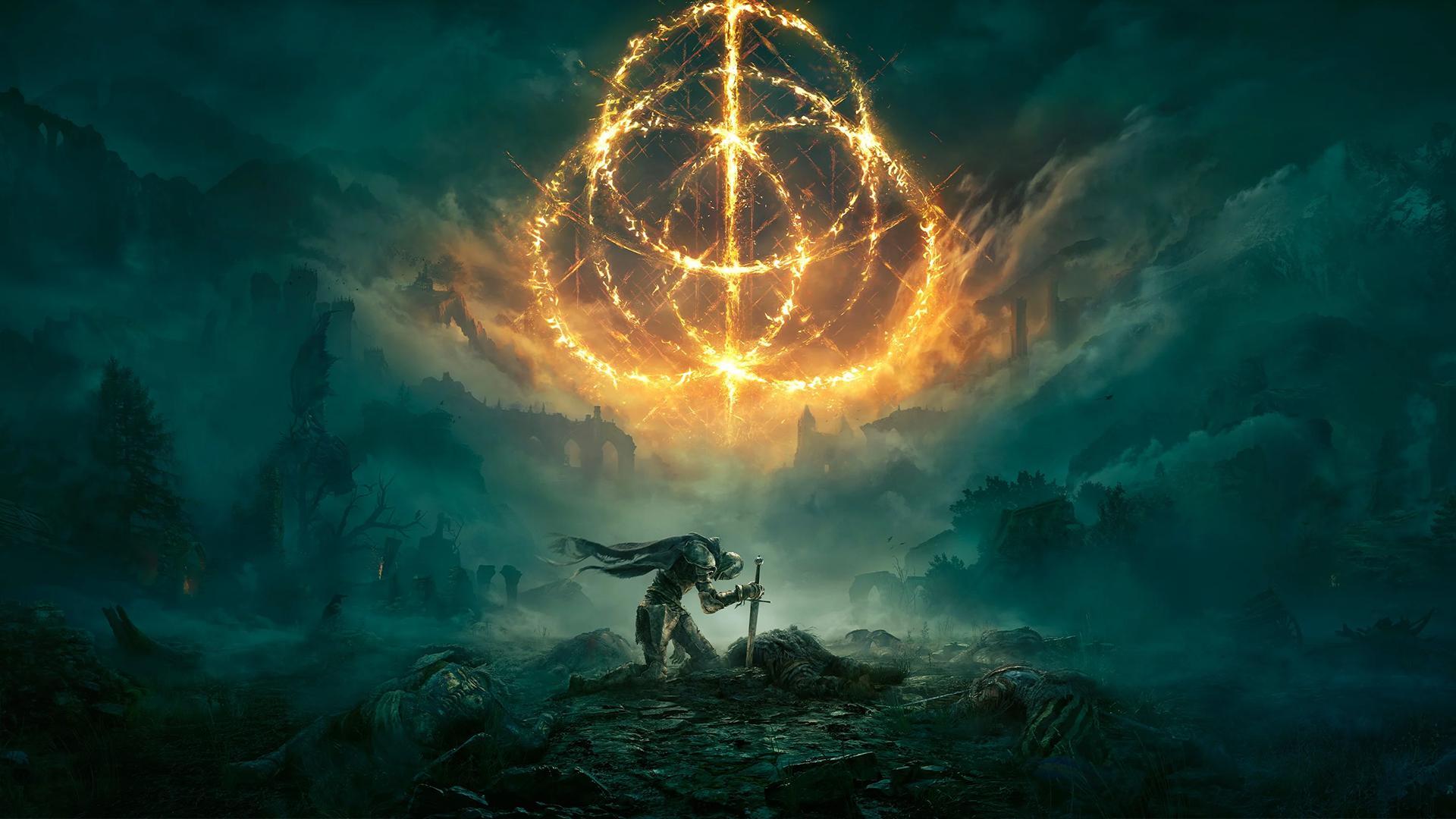
As a long-time fan, I noticed something interesting in the latest game – FromSoftware did away with choosing a male or female character right away. Instead, you pick a ‘Body Type,’ either A or B. It seemed like a small thing, but it actually fit into a bigger move in gaming towards more neutral language around gender. While the game still plays pretty much the same, a lot of us started talking about whether this was a meaningful change, and the conversation really took off on social media. It was interesting to see everyone’s thoughts on if it was even necessary, honestly!
‘Splatoon 3’ (2022)
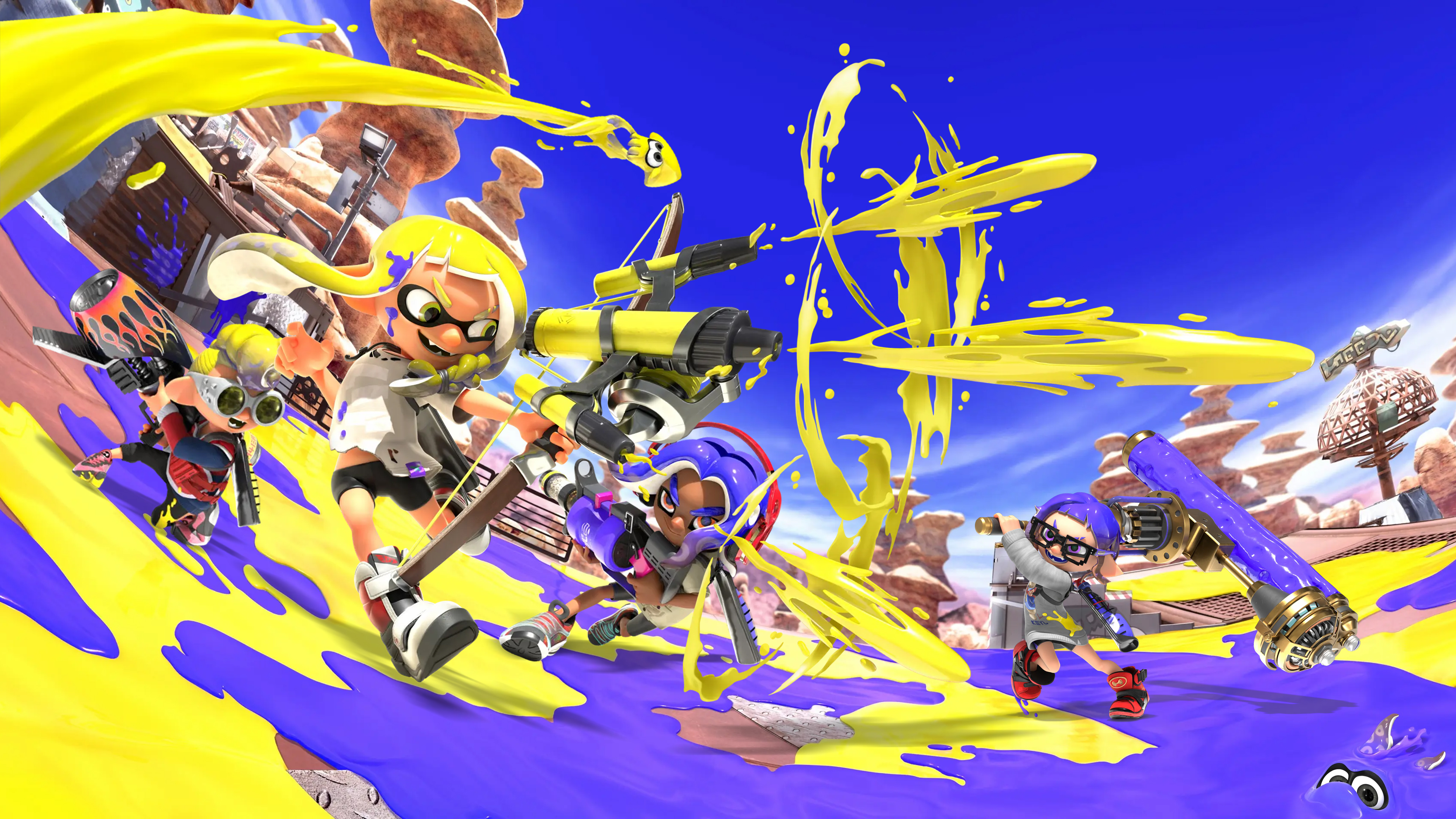
The latest installment in the series eliminated gender-based character customization. Instead, players can now choose from a variety of styles for their Inkling or Octoling. This update unlocks all hairstyles and clothing for everyone right away, making customization simpler and encouraging more creativity. While many welcomed the change, some longtime fans expressed missing the distinct character options from previous games.
‘Tiny Tina’s Wonderlands’ (2022)
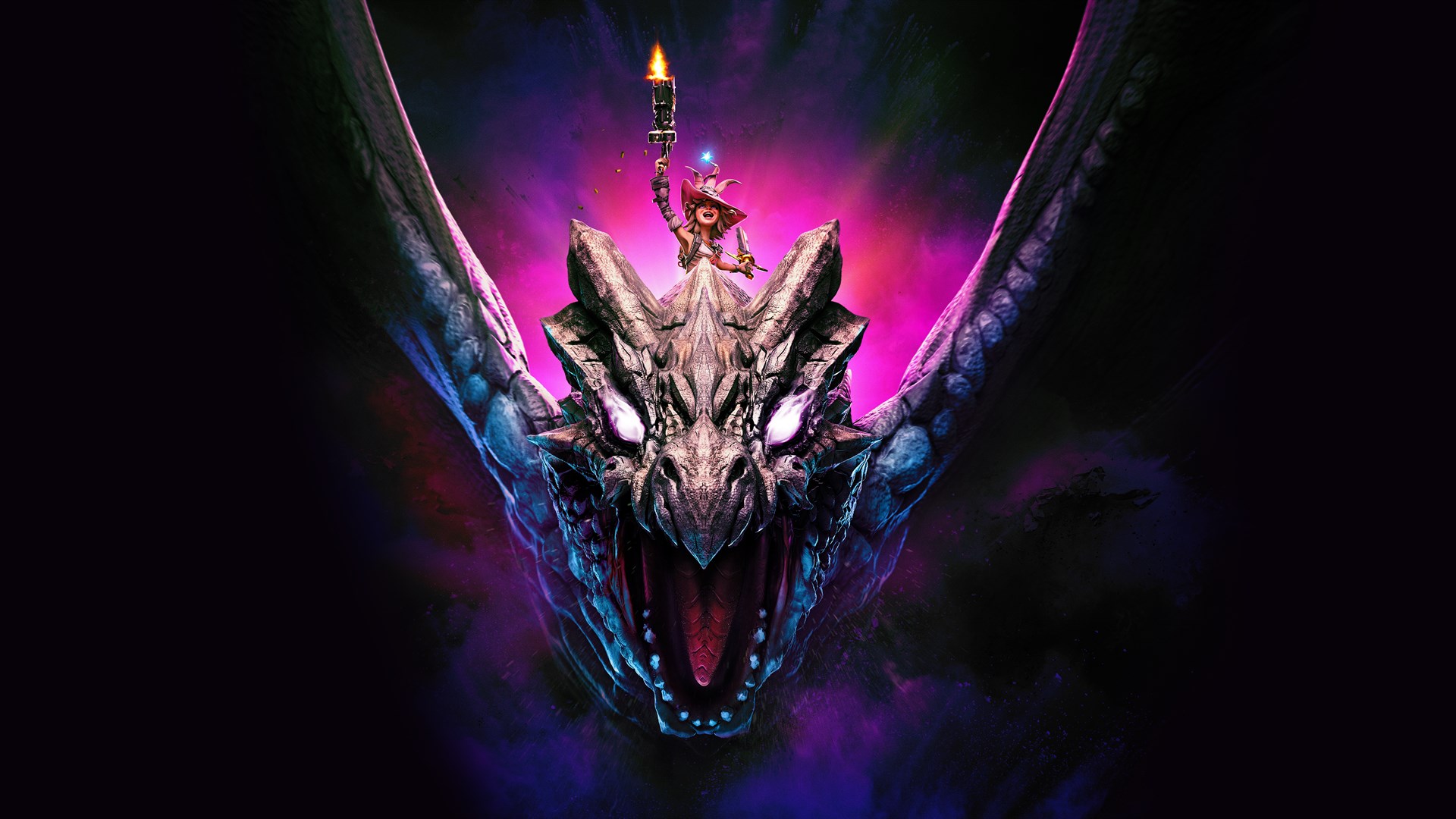
Gearbox Software let players fully customize their characters in the game by choosing any voice and body type, regardless of gender. They also included a range of pronouns and sliders to create characters with a mix of traditionally masculine and feminine characteristics. This level of customization suited the game’s wild and creative world, which was based on a popular tabletop roleplaying game. Players talked about how these features affected the game’s funny and often over-the-top style.
‘Lost Ark’ (2022)
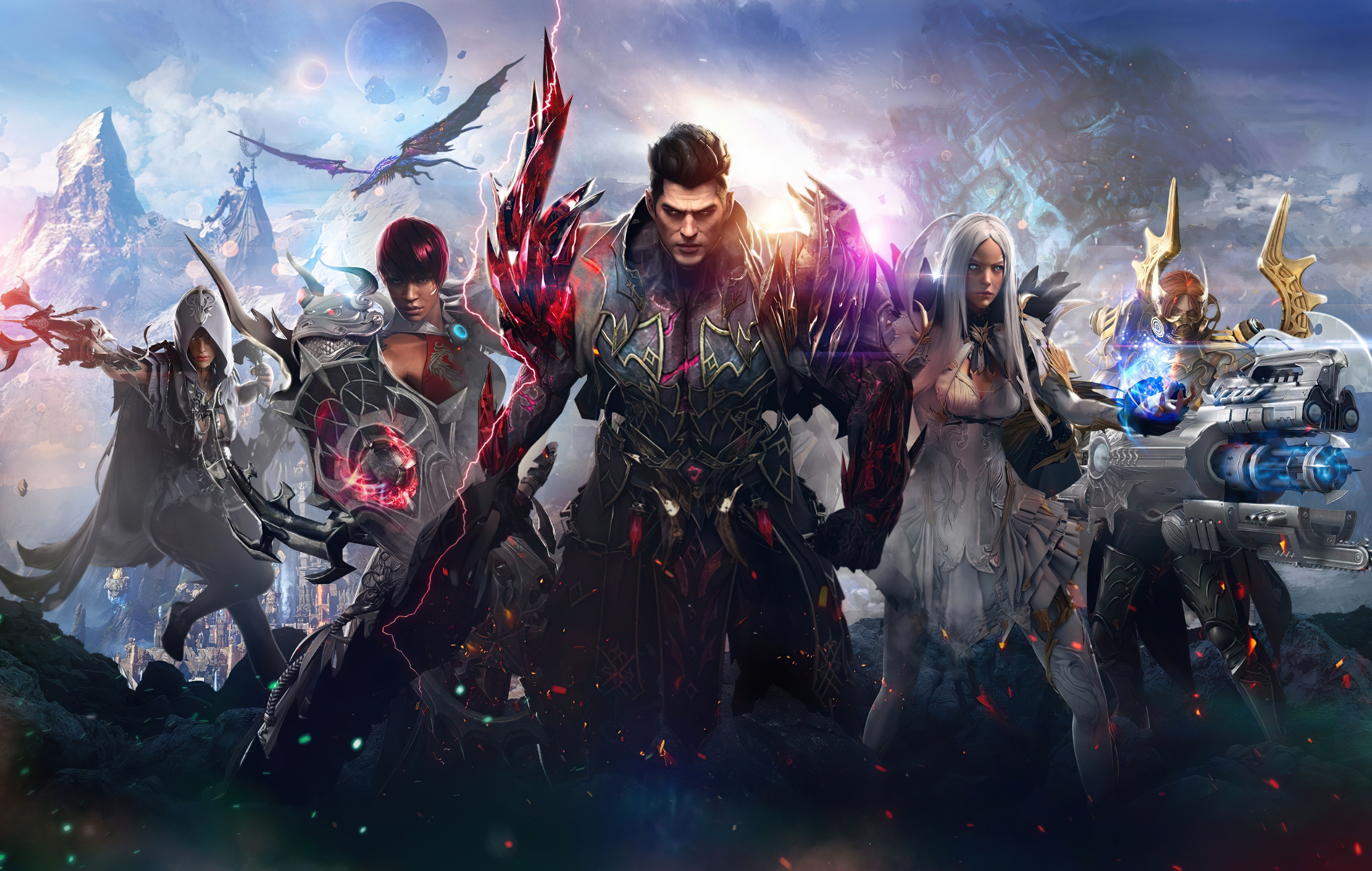
When ‘Lost Ark’ launched in the West, its character classes and outfits caused a lot of discussion. Some players criticized the game for limiting classes by gender and for having overly revealing armor. After the launch, the developers, Smilegate and Amazon Games, tried to fix this by adding more ways to customize characters. Many felt the initial designs were old-fashioned and didn’t reflect what modern players wanted. This difference between the game’s original concept and Western player expectations was a major topic of conversation for quite a while.
‘Halo Infinite’ (2021)
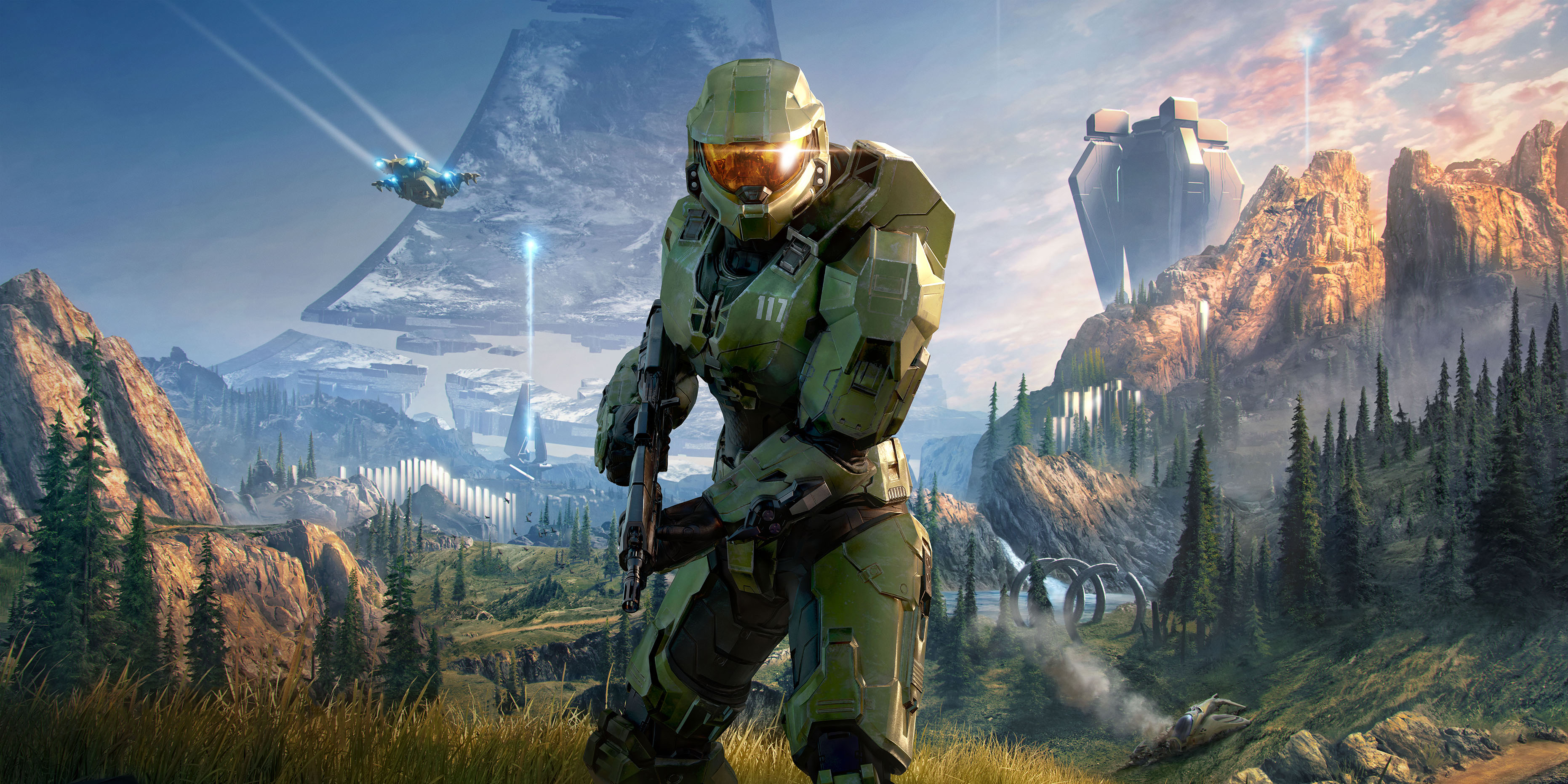
343 Industries updated the Spartan armor system by removing traditionally male or female body types. Instead of labeling shapes by gender, they now offer three numbered options, giving players more freedom to customize their character. However, some players expressed disappointment with the change, feeling it was unnecessary to remove the clear gender distinctions in the armor.
‘Forza Horizon 5’ (2021)
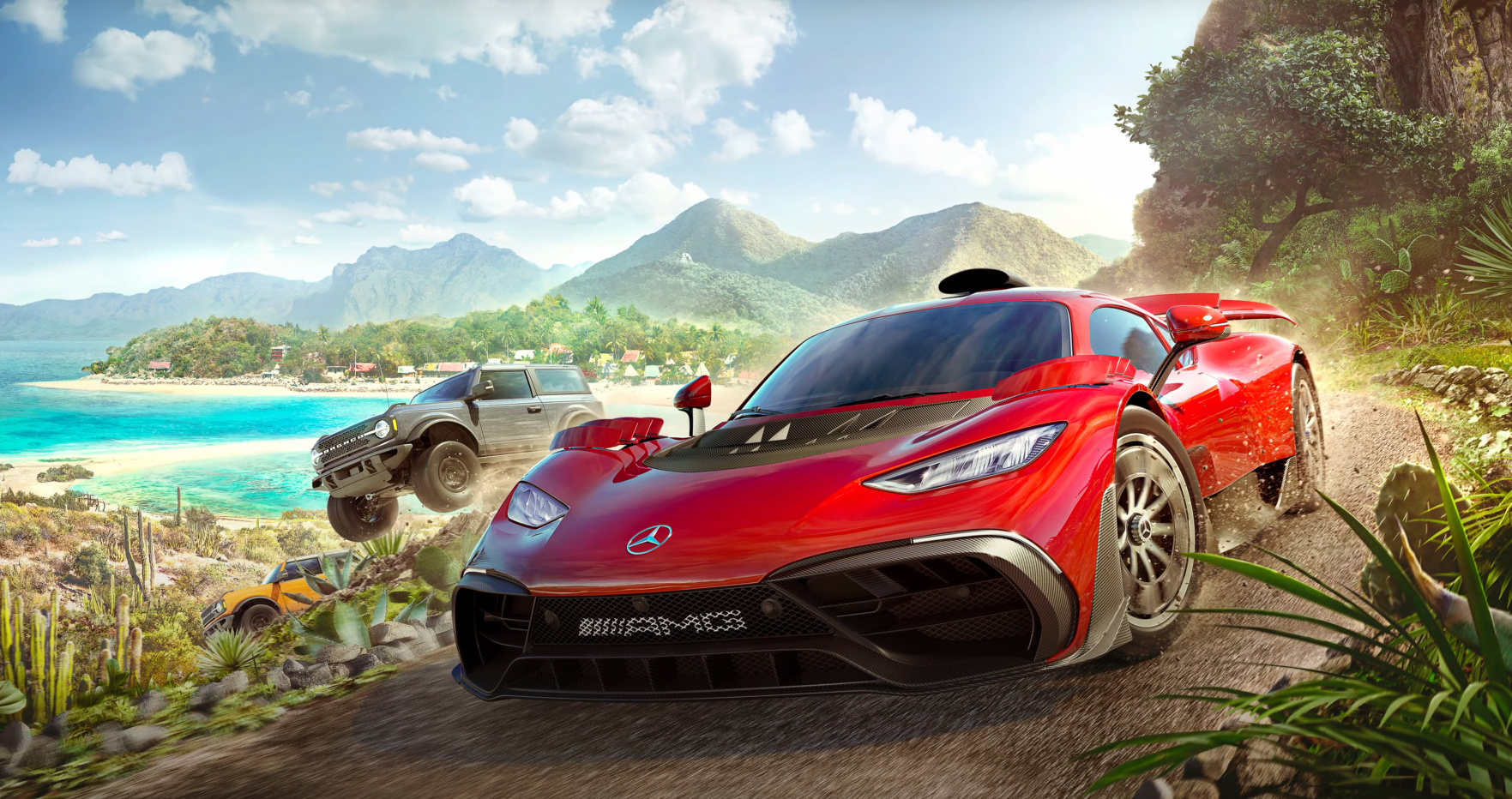
Playground Games now lets players customize their avatars with prosthetic limbs and choose pronouns, making the game more inclusive and realistic. While some have discussed whether these features are essential in a racing game focused on cars, they aim to make the experience welcoming to a wider range of players.
‘Monster Hunter Rise’ (2021)
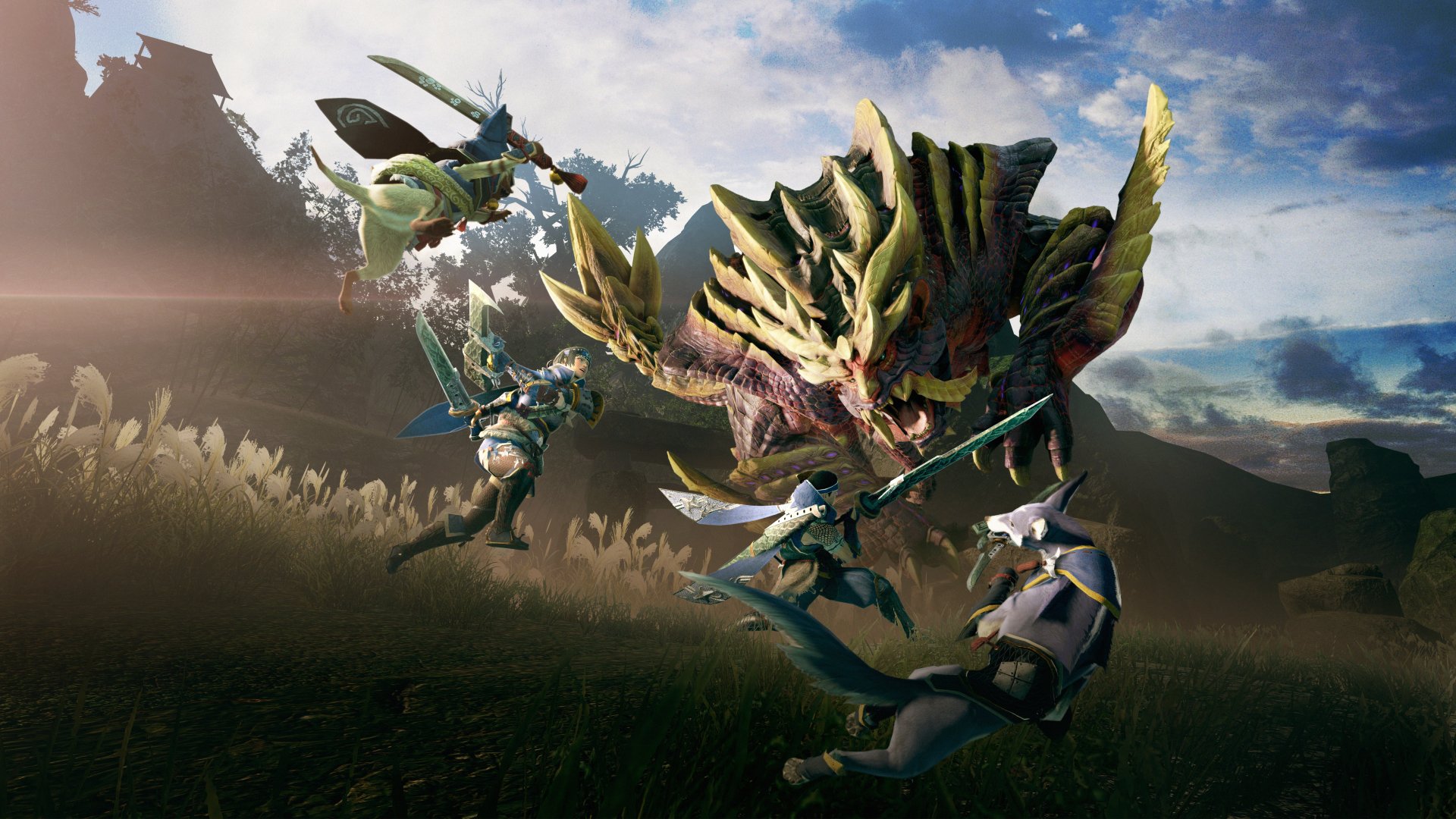
Capcom recently updated the game to let players customize their character’s appearance with any hairstyle or facial feature, no matter their chosen gender. This gives players more freedom to create the look they want. The change was intended to make the game more welcoming to players around the world, but some fans have debated whether it affects the classic armor designs the series is known for.
‘New World’ (2021)
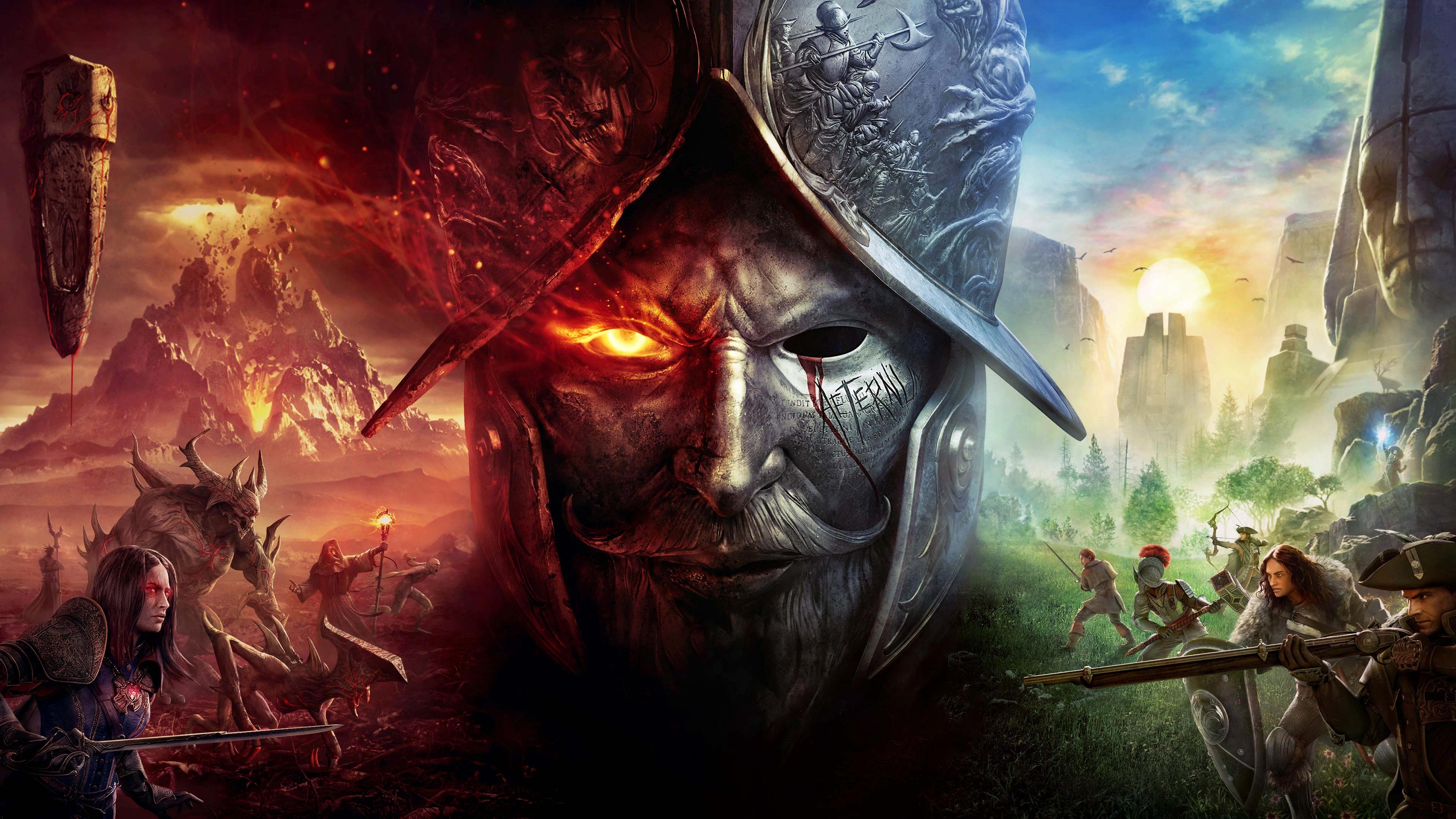
Amazon Games’ new game lets players create highly customizable characters, focusing on appearance rather than traditional gender options. Players first choose a body type, then fine-tune facial features and voice. This design aims for a contemporary feel within the game’s wild west-inspired world. However, it’s sparked debate about how significant these customization choices are, especially in a game centered around player-versus-player battles.
‘Cyberpunk 2077’ (2020)
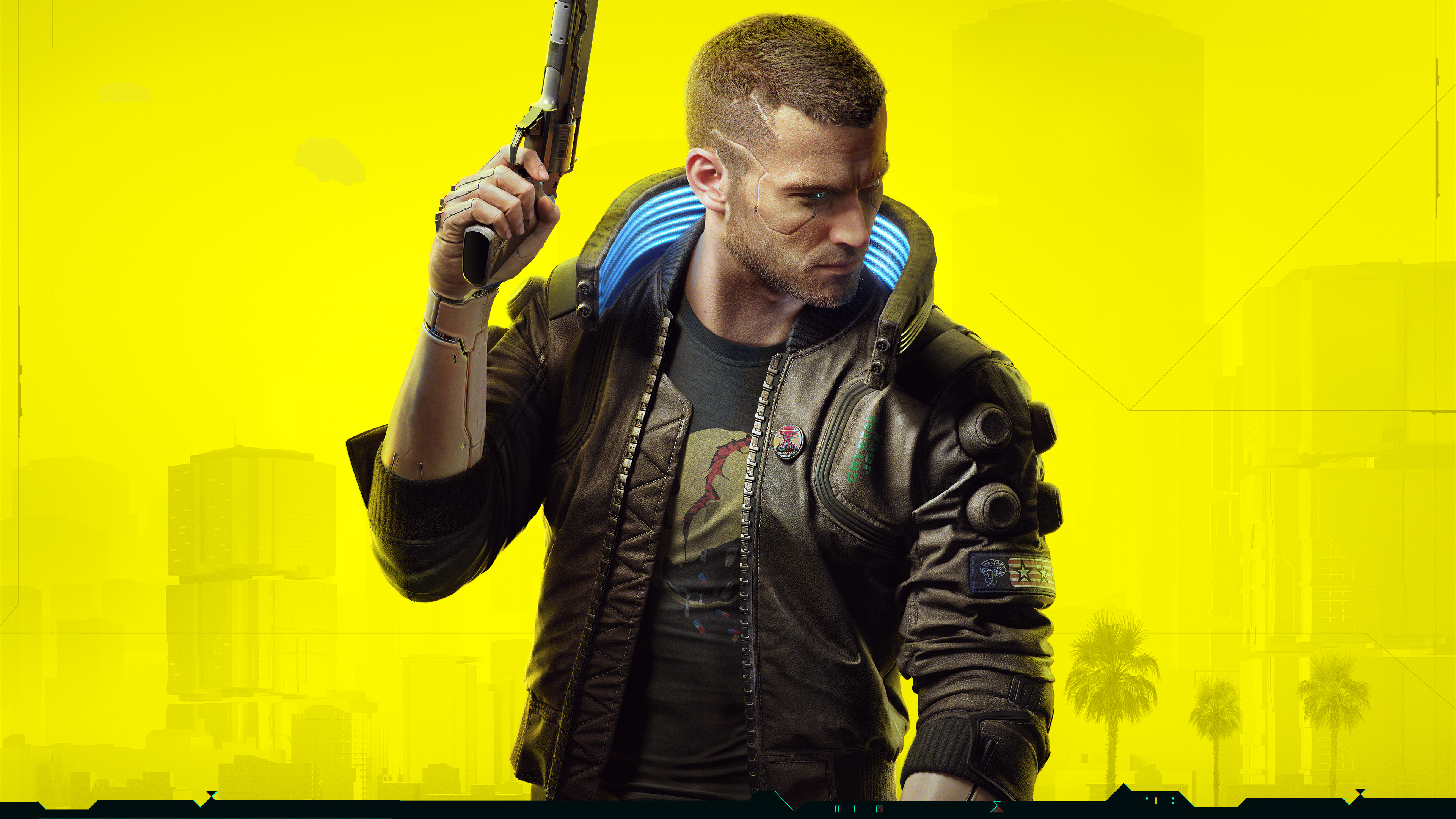
CD Projekt Red allowed players to create characters without being limited to traditional male or female genders. Instead of choosing a gender, the game uses the player’s chosen voice to determine the pronouns characters use when referring to them. Players have full control over their character’s appearance, including physical features and anatomy, without being restricted by gender norms. This choice was made to fit the game’s futuristic themes and ideas about evolving beyond humanity. However, it also led to discussions about whether the game’s story effectively addressed gender identity.
‘Call of Duty: Black Ops Cold War’ (2020)
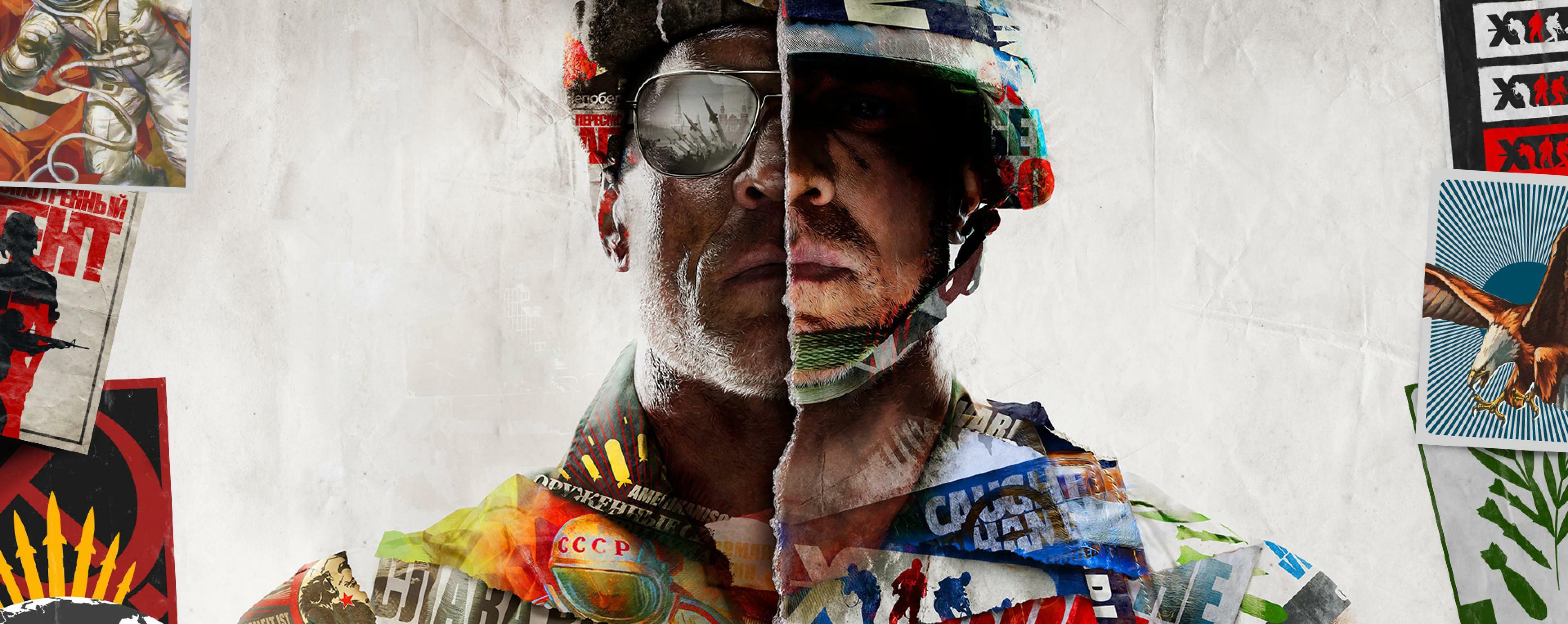
For the first time in the series, Activision’s latest game lets players choose a nonbinary gender option when creating their character. This move towards inclusivity surprised many fans, given the franchise’s traditionally conservative and military-focused themes. The addition sparked conversations about whether such a choice aligns with the game’s historical setting in the 1980s.
‘Animal Crossing: New Horizons’ (2020)
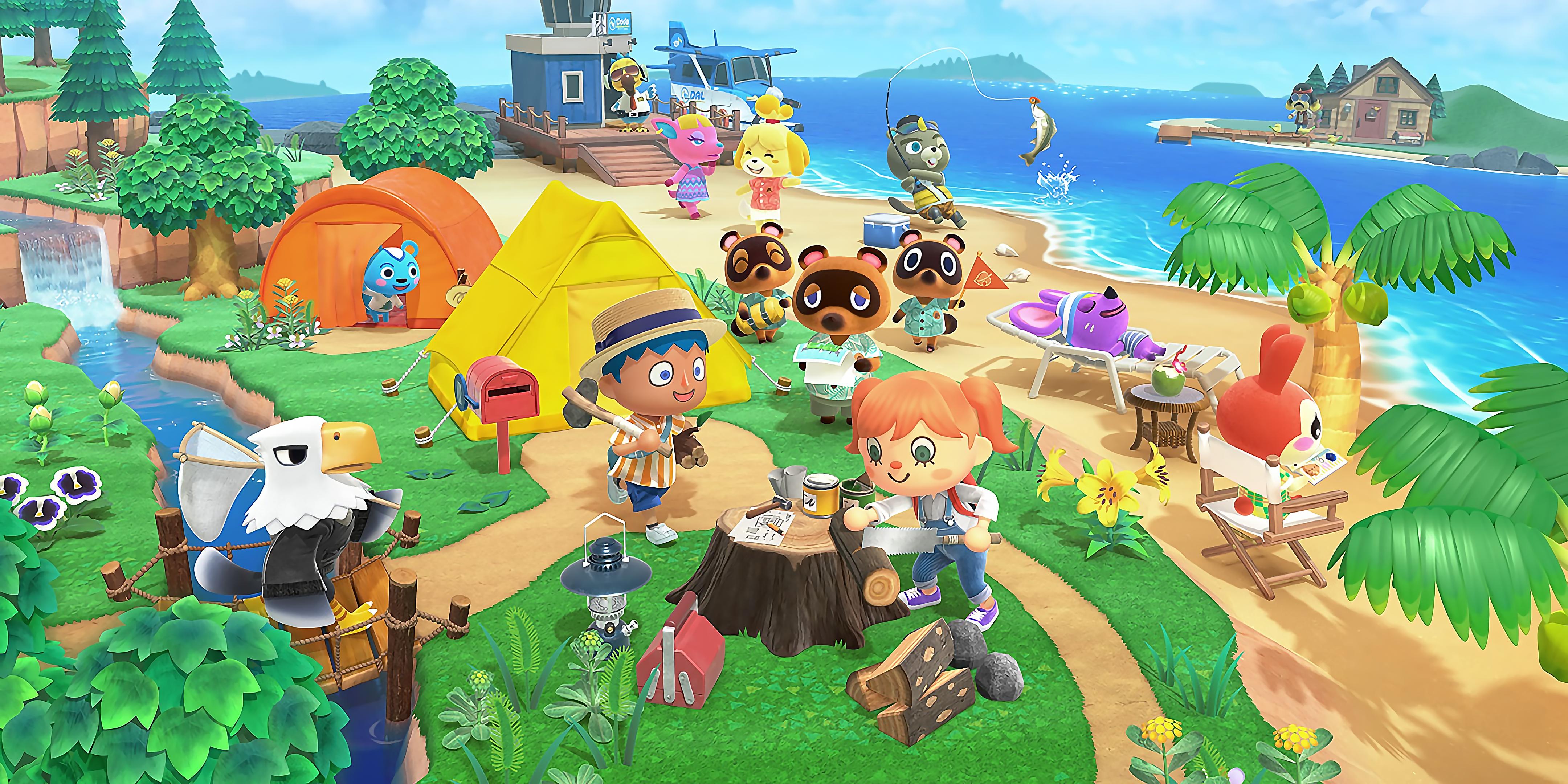
I really appreciate how Nintendo let me customize my character’s look in ‘Animal Crossing: New Horizons’ whenever I want, and it doesn’t matter what gender I pick! They even use language that doesn’t focus on gender a lot of the time, which is cool. It’s awesome being able to express myself so freely in the game. I did notice that it’s different from older ‘Animal Crossing’ games because you don’t lock in a specific gender right away, and some people might miss that, but I think it’s a good change.
‘Immortals Fenyx Rising’ (2020)
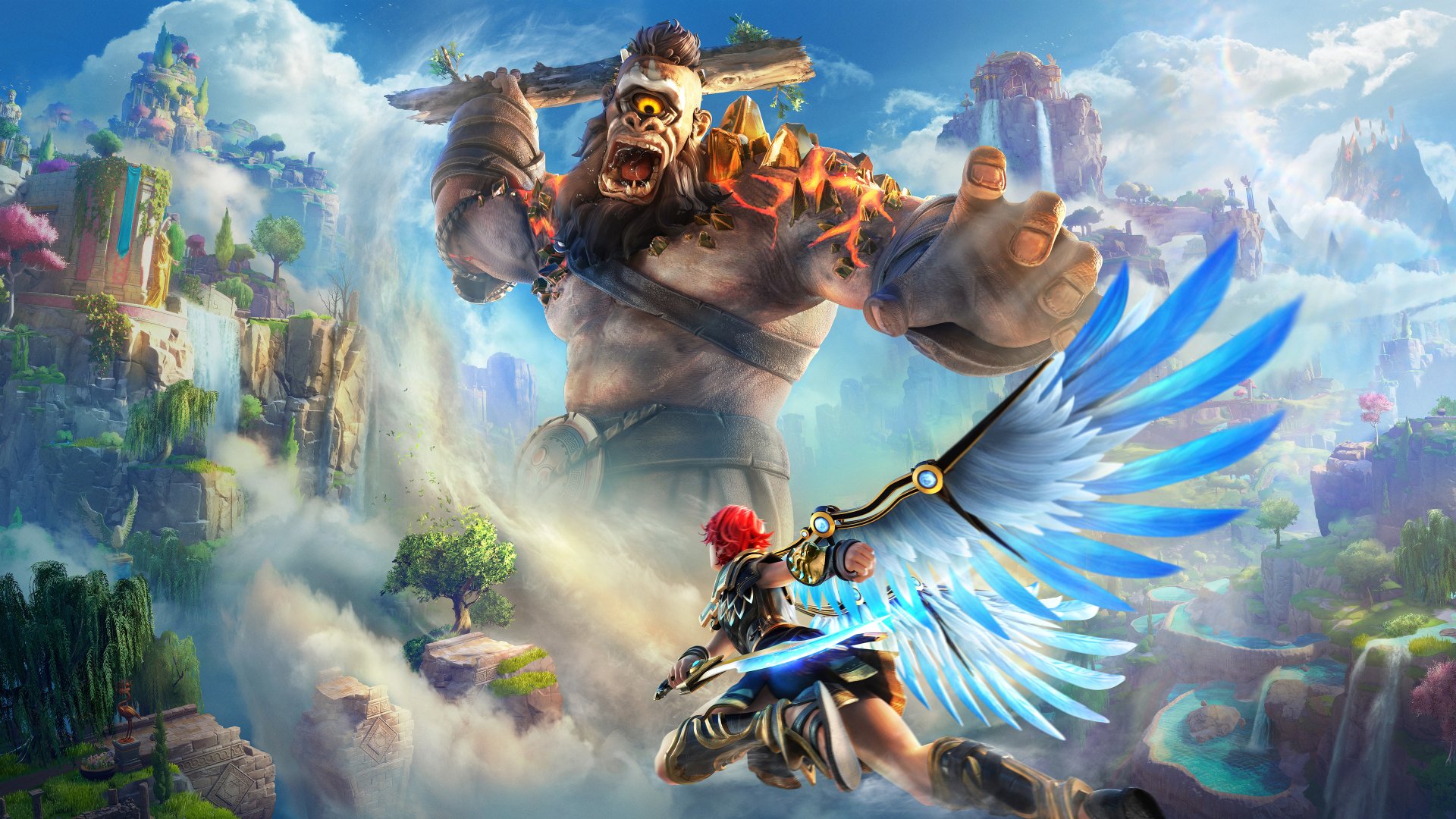
Ubisoft created a tool in their game that lets players instantly change their character’s body type and voice between male and female. This feature is meant to let players evolve their hero’s appearance as they progress through the game’s story. While some appreciated the game’s positive and inclusive options, others felt they were unoriginal. Discussions often drew comparisons between this character customization and similar features in other popular open-world games.
‘Star Wars: Squadrons’ (2020)
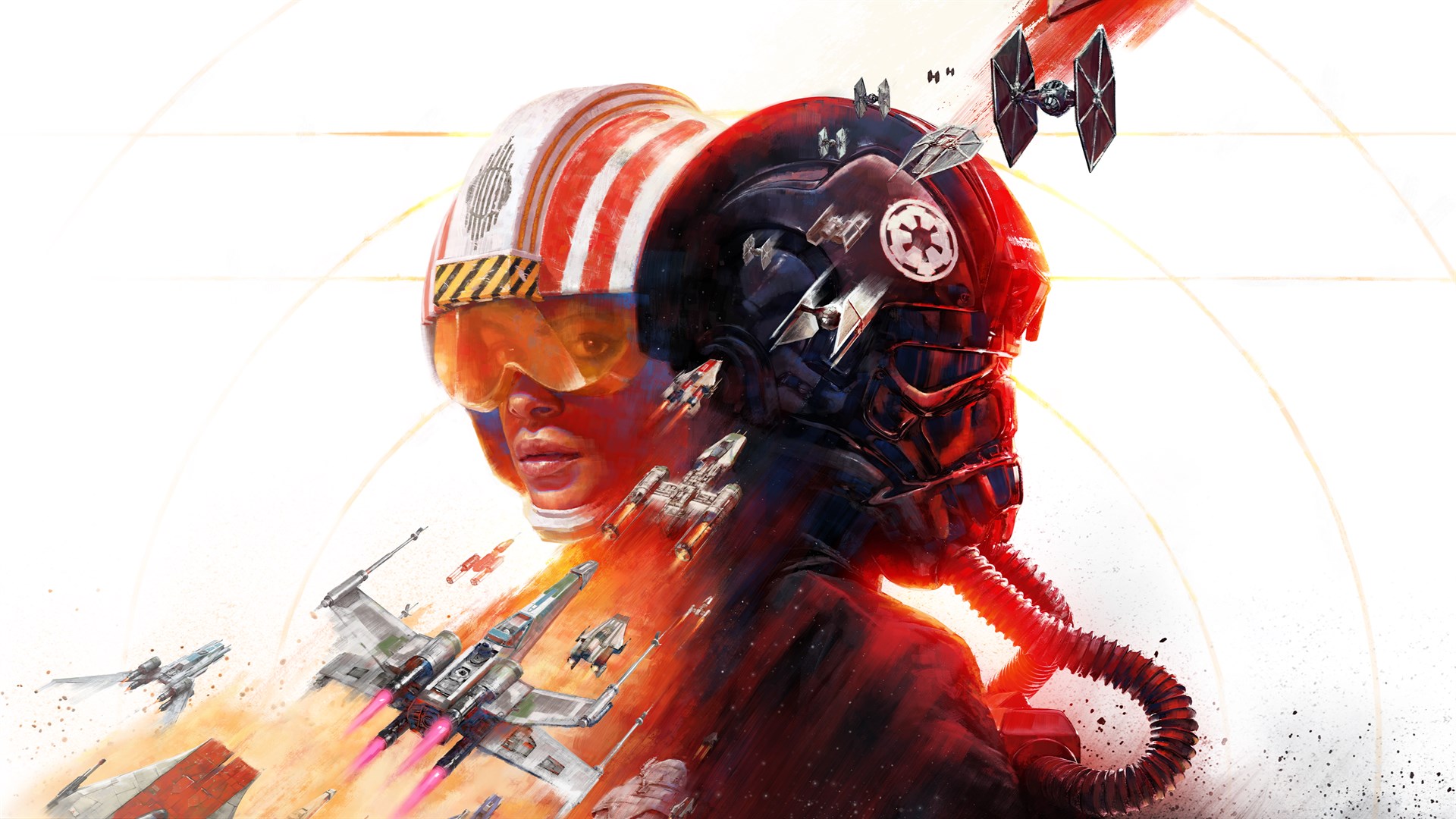
The developers at EA Motive let players customize their pilot’s appearance and pronouns, aiming to reflect the diversity of the ‘Star Wars’ universe. While some fans appreciated this move towards better representation, others believed the game should have focused solely on improving the flying experience and ship designs.
‘Sea of Thieves’ (2018)
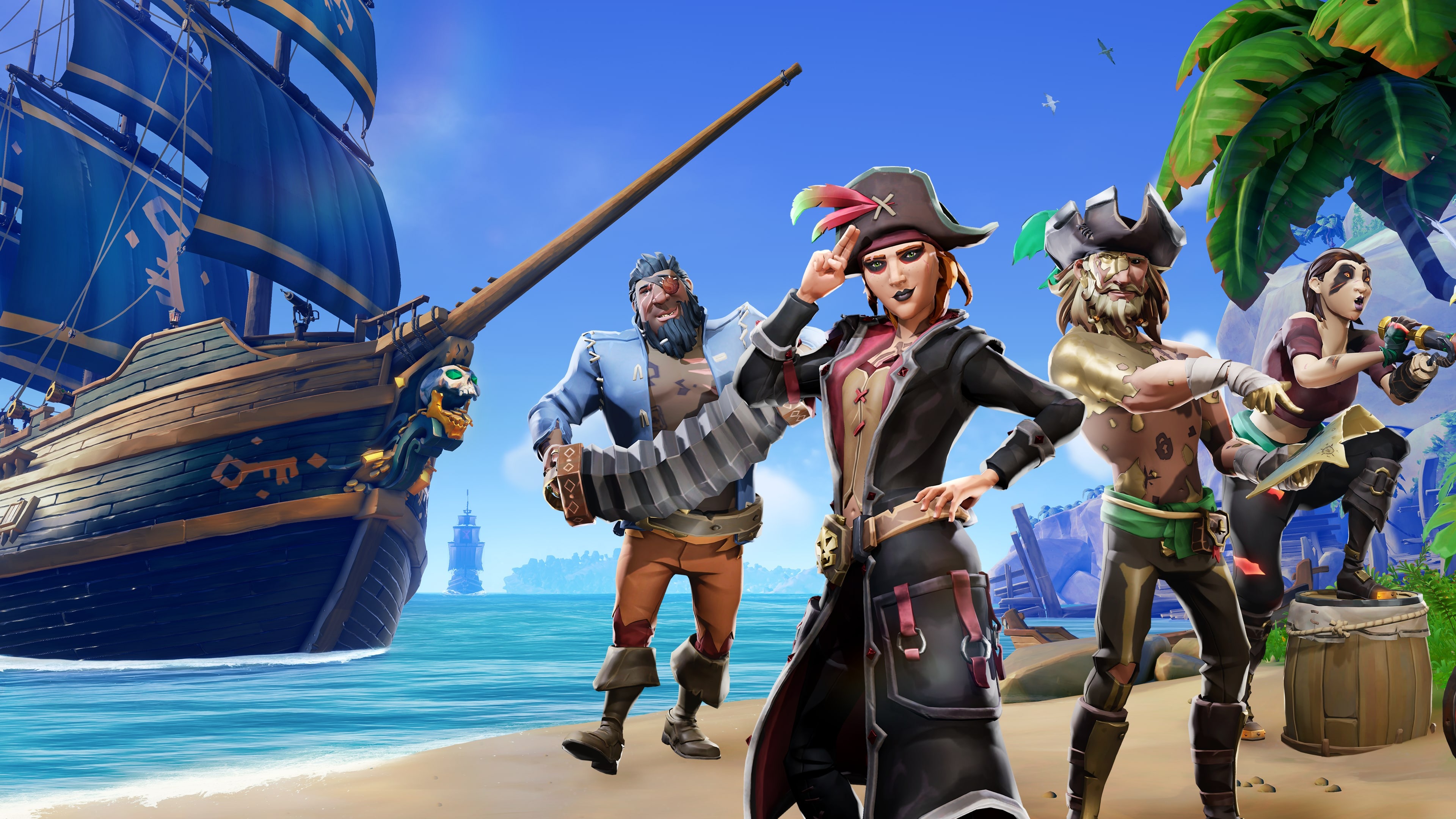
Sea of Thieves features a special character creation system called the Infinite Pirate Generator. It randomly generates eight pirate appearances at a time, encouraging players to try different and unique looks. While some players disliked not being able to fully customize their character’s appearance, the developers defended the system, explaining it helped create a more diverse range of characters within the game.
‘South Park: The Fractured But Whole’ (2017)
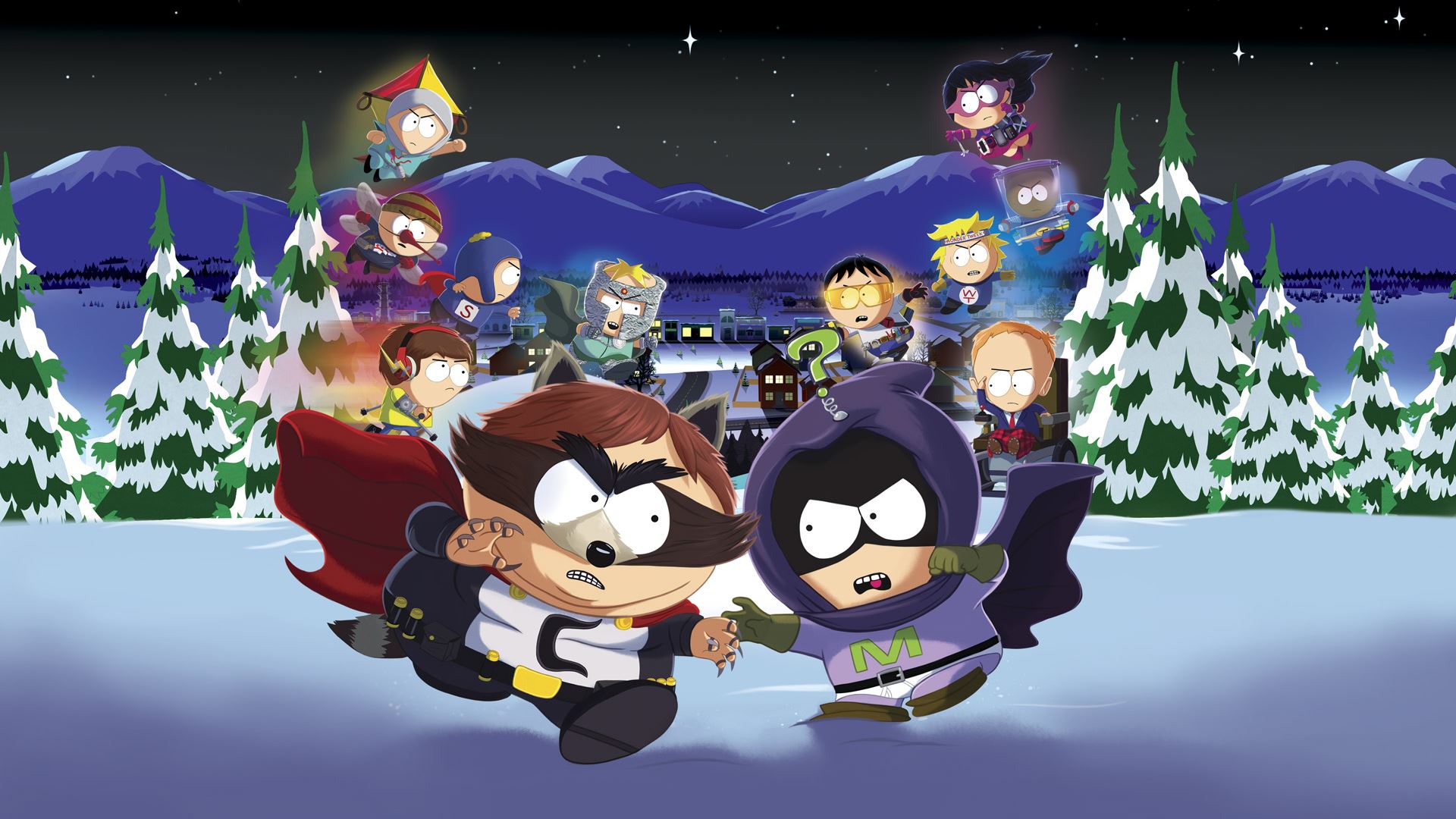
The game includes a unique difficulty setting linked to the player character’s skin tone. This doesn’t change how hard the game is to play, but it does affect how much money the character earns and how other characters interact with them. The developers intended this as a commentary on systemic racism, but it has led to a lot of discussion about whether the approach was successful or insensitive.
‘Mass Effect: Andromeda’ (2017)
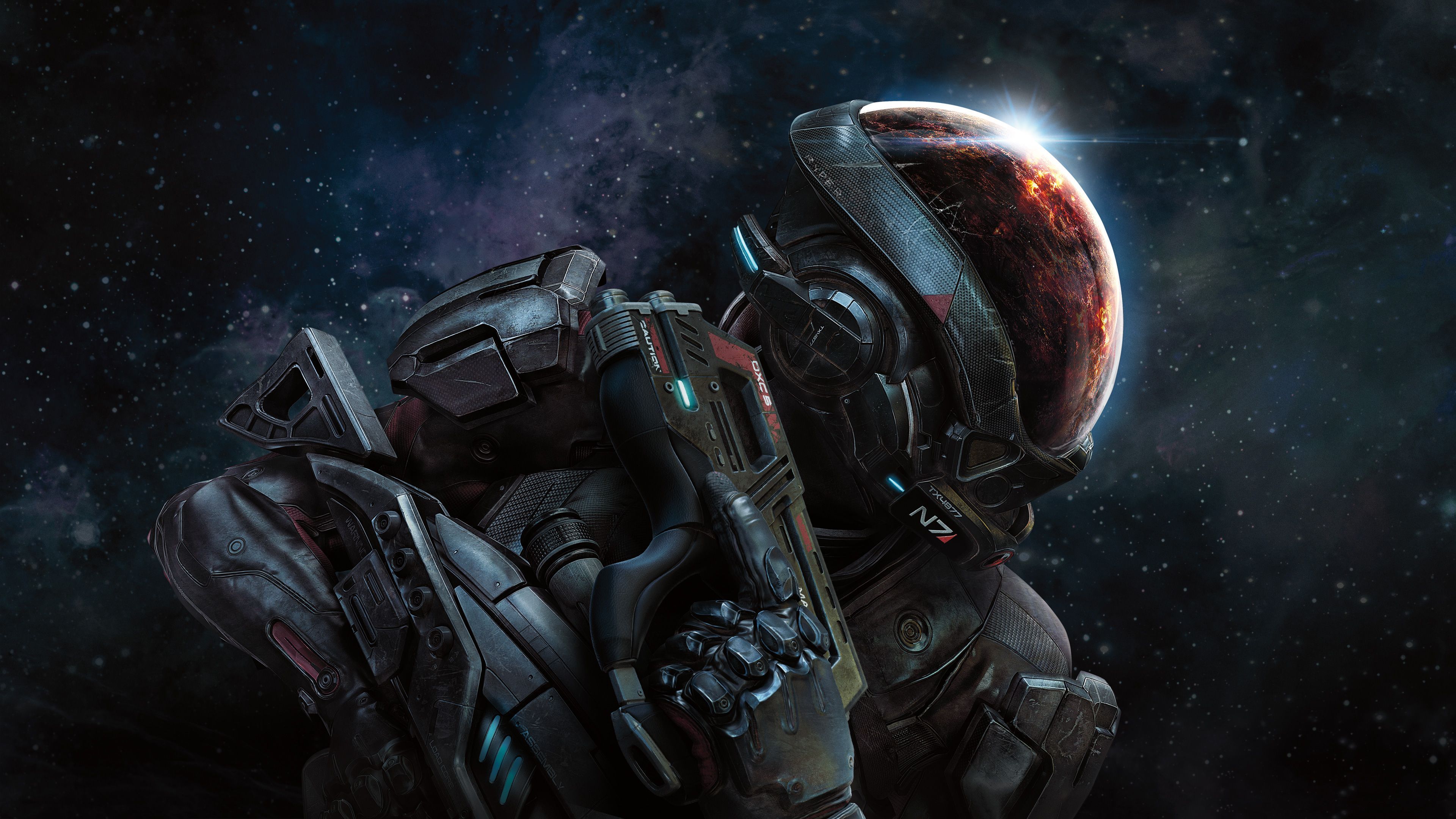
When the game first launched, Bioware received criticism regarding the limited ways to customize characters’ faces and the overall quality of the character designs. While the game offered a variety of romantic interests and character histories with inclusivity in mind, discussions often focused on whether these features were implemented as well as they had been in previous Bioware titles. The situation serves as a good example of how technical problems can distract from positive design choices like inclusivity.
‘The Sims 4’ (2014)
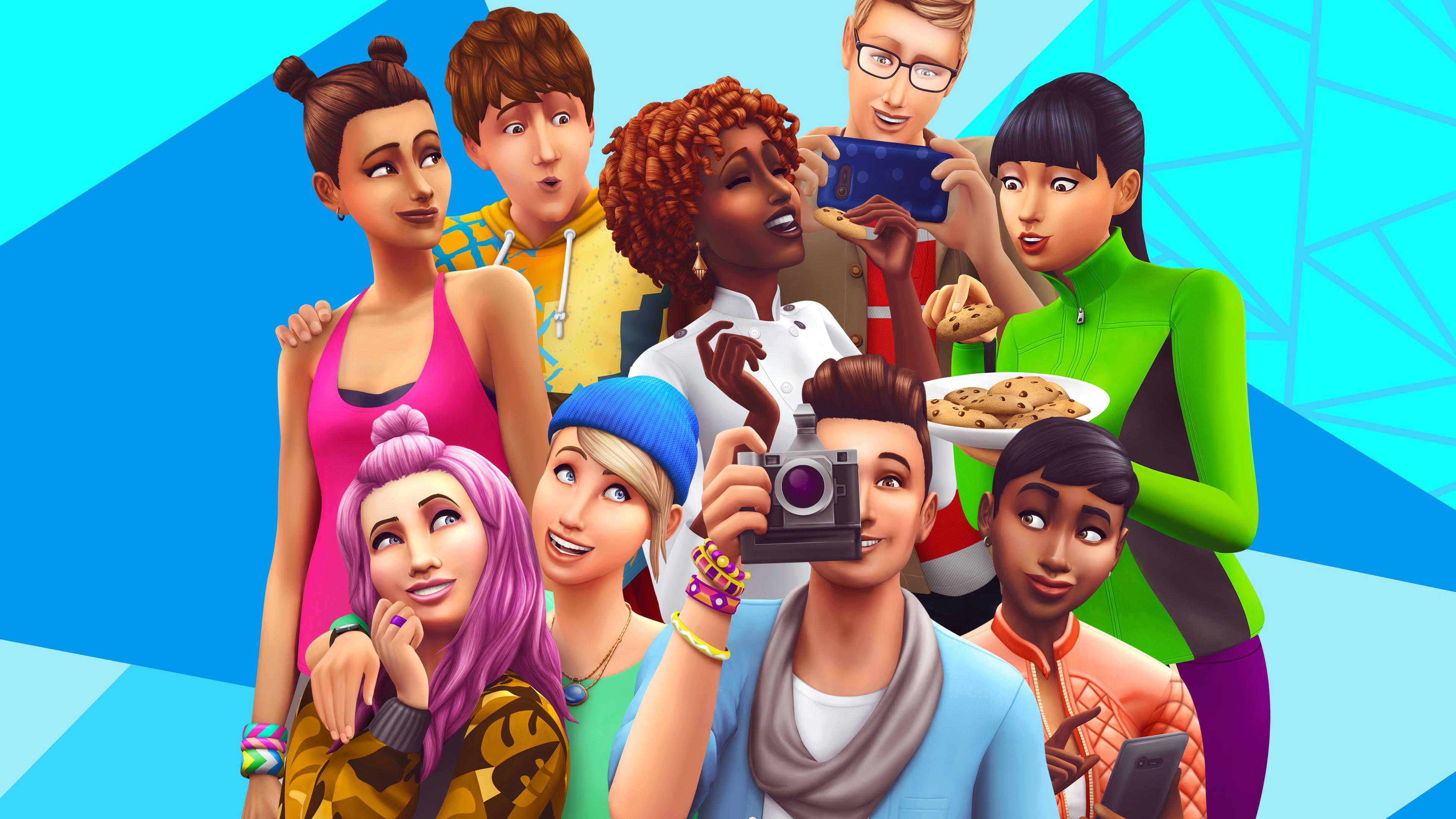
Over time, Electronic Arts has updated the game to eliminate gender-based restrictions on clothing and character appearance. This allows players to combine traditionally masculine and feminine traits, creating more personalized characters. While most fans appreciated this increased freedom, some critics wondered if it blurred important distinctions. The game is a good example of how developers can continue to improve a game’s commitment to inclusivity after its initial release.
Please share your thoughts on these inclusive design choices in the comments.
Read More
- 20 Movies Where the Black Villain Was Secretly the Most Popular Character
- Celebs Who Narrowly Escaped The 9/11 Attacks
- Transformers Under the Microscope: What Graph Neural Networks Reveal
- Top 20 Dinosaur Movies, Ranked
- Silver Rate Forecast
- Trading on Thin Air: AI Agents Conquer Crypto Volatility
- Gold Rate Forecast
- Every Notable ‘Star Trek: The Original Series’ Actor Who Died
- 22 Films Where the White Protagonist Is Canonically the Sidekick to a Black Lead
- Invincible Season 4 Gender Swaps Tech Jacket As Fans Question Major Comic Change
2026-01-09 14:18